Fly and Drive: Road Trip Through the Heart of South Carolina

Many people flock to the beaches on the South Carolina coast, but there’s plenty to experience and discover in the heart of the state as well. Start in South Carolina’s capital city, head to the Old 96 District and wrap up your journey in Spartanburg. Along the way, you’ll find history, art, outdoor recreation and much more.

Find Some Capital Fun

The capital city of Columbia offers so much for visitors to see and do. Begin at the South Carolina State House, where you can take a guided tour. For more history and architecture, visit the historic Hampton-Preston Mansion and Gardens and learn about the people who lived and worked in this 1818-built home.  

Another can’t-miss stop is the Anne Frank Center on the campus of the University of South Carolina. While this museum focuses on Frank and her family, it also shines a wide spotlight on how antisemitism was cultivated in Germany and spread throughout the country and beyond.

Stroll down Main Street to see a wide array of public art, such as murals, sculptures and yarn bombing (crochet art wrapped around lampposts). Art lovers can also enjoy Columbia Museum of Art, where both permanent and visiting collections are on display.

For a breath of fresh air, head out to Congaree National Park, and set out on the boardwalk trail. As you do, soak in the sounds of the birds that reside in the old growth bottomland hardwood forest. Waters from the Congaree and Wateree rivers flow through the forest, so keep your eye out for turtles swimming or sunning on a log.

When searching for a place to stay, look no further than Hotel Trundle. Located just off Main Street, it’s within walking distance of many of the city’s attractions, shopping and dining.

Car Rental Savings

Get up to 20% off the base rate of your next car rental.*

*Terms apply.

Book Today

Explore the Old 96 District

From Columbia, head northwest to the Old 96 District, which includes five counties filled with history, outdoor recreation and shopping.

A great first stop is the Dr. Benjamin E. Mays Historic Preservation Site in Greenwood, where you can find out about the man who served as Morehouse College president for 27 years, was a trusted advisor to three U.S. presidents and mentor to Dr. Martin Luther King Jr.

Step further back in time at the Ninety Six National Historic Site in Ninety Six, where you can learn about the early battles between Native Americans and European colonists and the role the town played in the Revolutionary War.

When you’re ready to play outside, the Old 96 District delivers. Given the many lakes in the region, you’ll have no shortage of opportunities for boating, fishing, swimming, hiking and camping. Your options include Baker Creek State Park, Calhoun Falls State Park, Hamilton Branch State Park, Hickory Knob State Resort Park and Lake Greenwood State Park.

If you’re looking for some pampering, head to The Spa on Maxwell. Whether you get a massage, facial or other treatment, you’ll leave feeling relaxed. If it’s retail therapy you need, you’ll find it throughout the region. For instance, at Breezy Quarters in Abbeville, you will find a wide array of handmade bath bombs, lotions, candles, lip balms and more. At the MACK Artisans Guild and Gift Shop in McCormick, you can pick up handmade jewelry, artworks and other pieces from local artisans. They make an ideal memento of your visit.

south carolina
Glendale Bridge

Experience Spartanburg

Head northeast from the Old 96 District to Spartanburg for more fun in the great outdoors. A great starting point is the Mary Black Foundation Rail Trail in downtown Spartanburg. This flat multi-use trail is ideal for walkers, runners and bikers. As you make your way down the trail, you’ll pass the Rail Tail Dog Park, Hot Spot Skatepark and some great restaurants.

For a more natural environment, hit the Cottonwood Trail, located in the Edwin M. Griffin Nature Preserve. Open to walkers, runners and bikers, you can see wildlife, wildflowers and wetlands as you explore. Another natural spot you don’t want to miss is Hatcher Garden, a botanical garden and woodland preserve. There’s a variety of trails throughout the garden that include many seating areas to enjoy the sights, sounds and scents around you.

At the Glendale Shoals Preserve, located on the grounds of an abandoned cotton mill, you’ll find 1.5 miles of nature trails, the iconic Glendale Bridge and a beautiful waterfall that cascades over the dam under the bridge. Overlooking all this is the Glendale Mill site that stands like a sentry over Lawson’s Fork Creek. If the water is low and the temperature is warm, you can even walk across the shoals or sit on one of the large boulders to bask in the sunshine.

When road tripping, South Carolina offers much to explore just beyond the interstate. Take some time to discover its cities and towns, and you may be surprised at what you find.

Plan your trip with a AAA travel advisor and rent your car with Hertz. AAA members can save up to 20% on Hertz rentals.

Subscribe to Your AAA Newsletter

Sign up and receive updates for all of the latest articles on automotive, travel, money, lifestyle and so much more!

13 Professional Theaters in New England and New York State

Great live theater is not confined to the city limits of New York City and Boston. You can find thriving, professional, year-round theater throughout southern New England. Here, we share a baker’s dozen of professional theaters, many housed in historic architectural venues.

Connecticut

A.C.T of CT

Ridgefield

Housed in a state-of-the-art theater that was once laboratory space, A.C.T. of CT (A Contemporary Theatre of Connecticut) focuses on supporting American musical theater. The theater company stages professional productions of beloved musicals and provides space for playwrights to workshop emerging musicals. A.C.T. of CT also hosts a popular “Broadway Unplugged” series, in which popular Broadway performers sing tunes solo, accompanied only by piano.

Legacy Theatre

Branford

The Legacy Theatre’s opening is just the latest chapter in the storied and varied history of this entertainment locale, which has at turns hosted a silent movie house, a puppet museum and an aborted attempt by Orson Welles to host what might have been the first multimedia experience. Legacy Theatre offers an eclectic mix of crowd-pleasers and less well-known works in a village on Connecticut’s southern coast.

Yale Repertory Theatre

New Haven

Since its inception in 1966, this acclaimed theater has staged more than 100 premieres of new theatrical works, including two Pulitzer Prize winners. Connected with the storied David Geffen School of Drama at Yale University, Yale Repertory Theatre hosts university students as understudies or in small roles. It also incubates new theater at the more intimate Binger Center for New Theatre.

Massachusetts

Hanover Theatre & Conservatory

Worcester

Located in a historic and restored theater building, the Hanover Theatre hosts a season of touring Broadway-production musicals. Hanover Theatre’s more intimate BrickBox Theater provides the stage for shows from the THT Rep, a troupe that combines the work of professional actors with local actors in training.

Merrimack Repertory Theatre

Lowell

This 279-seat theater is nestled within a larger auditorium complex just a few blocks from the storied Merrimack River. For more than four decades, the theater company has staged seasons of thoughtful plays you are unlikely to see elsewhere in the region and hosted the world premiere of several plays from acclaimed playwrights.

North Shore Music Theatre

Beverly

A bastion of theater north of Boston, the North Shore Music Theatre stages crowd-pleasing musical theater throughout the summer and fall, and its much-beloved production of “A Christmas Carol” closes out each season. The theater has been in operation since 1954 and features 1,500 seats for in-the-round viewing.

New Jersey

Paper Mill Playhouse

Millburn

For the past 90 years, this 1,200-seat theater has hosted crowds in a historic building that harkens back to the region’s more industrial past. The playhouse stages both newer and well-loved musicals, as well as musical trivia and murder mystery events. Located close to the Big Apple, the theater attracts the talents of commuting New York City actors.

UCPAC

Rahway

A historic theater built in the old school, “picture palace” style, UCPAC (Union County Performing Arts Center) now serves as a multipurpose venue for live, performing arts. UCPAC also has the distinction of hosting its Sensory Friendly Theatre series of live theater, dance and music. This series is especially tailored to children and adults with autism and includes specially trained staff and volunteers who can assist theatergoers throughout the performance.

New York

Chenango River Theatre

Greene

An intimate professional theater far from New York City, the Chenango River Theatre offers shows that are also a bit off the beaten path. It is also one of the few professional theaters in the area that stages a summer and fall season with non-musical productions.

The Gateway

Bellport

Billed as “Broadway on Long Island,” the Gateway’s seasons favor crowd-pleasing jukebox musicals and seasonal fare. Located a relatively easy commute from New York City’s theater district, this theater draws its casts directly from the Big Apple.

Stanley Theatre

Utica

Housed in an historic Baroque-style theater, the Stanley Theatre hosts an eclectic mix of touring theater productions from Broadway and beyond. In addition, it provides a venue for many other live music and dance events.

Yorktown Stage

Yorktown Heights

This theater focuses squarely on crowd-pleasing performances, with touring Broadway-based musicals and many children’s shows. Yorktown Stage also hosts robust educational opportunities for future generations of musical actors.

Rhode Island

Trinity Repertory Company

Providence

Designated as the state theater of Rhode Island, Trinity Rep offers a diverse array of performances to best reflect the character of the communities of the Ocean State. In recent seasons, the theater has focused on offering different perspectives to well-known plays, and staging plays focused on Rhode Islanders. In addition, the theater offers space for Brown University MFA productions, and a summer slate of free, bilingual Spanish and English plays.

Get AAA member discounts on tickets to theater, concerts, sports events and more. Save with AAA Tickets.

What’s your favorite local professional theater? Share it with us in the comments.

Subscribe to Your AAA Newsletter

Sign up and receive updates for all of the latest articles on automotive, travel, money, lifestyle and so much more!

Crossword: Gardening

Subscribe to Your AAA Newsletter

Sign up and receive updates for all of the latest articles on automotive, travel, money, lifestyle and so much more!

REAL ID Deadline Two Months Away: What Travelers Need to Know 

If you don’t have your REAL ID yet, be sure to check it off your to-do list before your next domestic flight. Starting May 7 travelers will need a REAL ID or REAL ID compliant credential to board domestic flights or enter certain federal buildings. 

While a traditional license will remain a valid form of identification for driving purposes, domestic air travelers should ensure they possess a REAL ID or REAL ID compliant credential before finalizing travel plans. Although a valid, unexpired U.S. passport will remain acceptable by the Transportation Security Administration for domestic air travel, AAA recommends frequent domestic travelers upgrade their traditional license to REAL ID. 

“The key to making the REAL ID process as smooth as possible is preparation and arriving at appointments with all the right documents,” said Jillian Young, director of public relations for AAA Northeast. “Travelers should also know that they do not need a REAL ID simply to purchase airline tickets after the deadline, but will need to have a REAL ID to board any domestic flight after May 7.” 

What are the common challenges to getting a REAL ID? 
  • REAL ID requires in-person physical and electronic verification of all documents. 
  • Only original, unlaminated, unaltered and accurate documents are accepted. You will not be successful if you deviate from your state’s REAL ID checklist. 
  • Documents cannot be issued from a church, hospital or nongovernment agency. 
  • All name changes must be proven with legal documents from birth to current name if a person has had name changes. Therefore, people who have had changes in their name should bring all documents showing the name trail from their lawful presence/birth document to their current name on their driver license/state ID. These documents must be issued by a city or state; church marriage certificates cannot be used. 
  • All Social Security documentation must show the person’s full name and full Social Security number. If you need a new Social Security card, visit SSA.gov to request a free replacement card. 
What else is important to note?  
  • Travelers do not need a REAL ID to purchase airline tickets, even for trips after May 7. Travelers just need to have a REAL ID or REAL ID compliant credential to board a domestic flight after May 7.  
  • Be wary of fake RMV, DMV or MVC websites that emulate official state websites and may contain incorrect information. Always look for websites that end in .gov — phony websites often pay to show up at the top of search results. 
AAA members in Connecticut, Massachusetts, Rhode Island and New York can apply for a REAL ID at certain local branch offices. Reserve your spot online ahead of time at AAA.com/Reservations.

Subscribe to Your AAA Newsletter

Sign up and receive updates for all of the latest articles on automotive, travel, money, lifestyle and so much more!

AAA Urges Drivers to Stay Rested and Alert as Clocks ‘Spring Forward’ 

As clocks spring forward on Sunday for Daylight Saving Time, AAA is reminding drivers just how important it is to catch up on rest before getting behind the wheel. With the time change impacting sleep patterns and daylight hours, drivers may be at a greater risk of the dangers associated with drowsy driving. 

There were 693 fatalities from crashes involving drowsy driving in 2022, according to the latest data from the National Highway Traffic Safety Administration. However, official statistics on the prevalence of drowsy driving have long been underestimated given that most drivers don’t admit to being drowsy after a collision. Research from the AAA Foundation for Traffic Safety estimates that drowsy driving is a factor in 10 times as many traffic fatalities as traditional crash data indicates. 

Drowsy driving crashes occur most frequently between midnight and 6 a.m. or in the late afternoon, when people experience dips in their circadian rhythm. These crashes often involve only a single driver with no passengers. 

To protect yourself and others, AAA recommends drivers commit to the following safe driving practices. 

  • Stay alert and rested: Ensure you get enough sleep before driving. Drowsy driving can be as dangerous as driving under the influence, so drivers should travel at times of the day when they are normally awake whenever possible. 
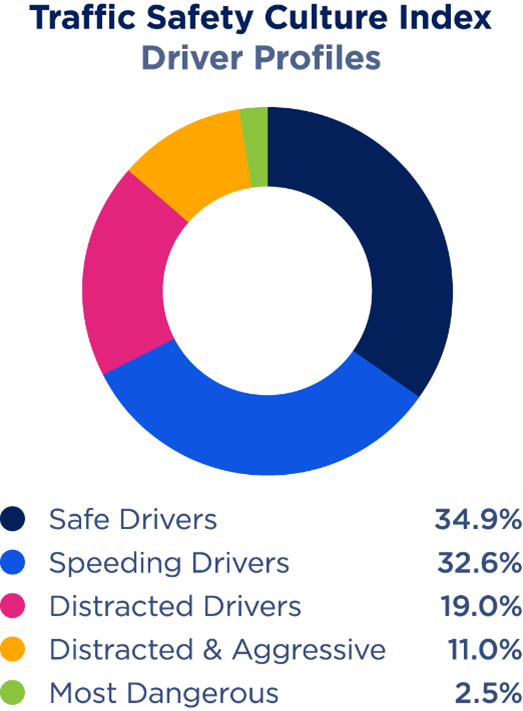
  • Avoid distractions: Drivers should not use a cellphone while behind the wheel; the AAA Foundation for Traffic Safety’s annual Traffic Safety Culture Index found 93% of drivers recognize the dangers of texting, emailing and reading while driving, according to a AAA study, but 37% also reported reading a text/email while driving in the previous 30 days. Stow your smartphone away, turn it to airplane mode or activate call/text blocking features like “do not disturb.” 
  • Obey speed limits: Speeding significantly increases the severity of a crash. Nearly half of drivers (49%) admitted to going 15 mph over the posted speed limit on a freeway at least once in the past 30 days, while 36% of drivers reported driving 10 mph over the posted speed limit on a residential street.  
  • Drive sober: 95% of drivers perceive drunk driving as dangerous and socially unacceptable. Yet 7% admitted engaging in this behavior in the previous 30 days. If you consume cannabis or alcohol, then don’t drive. If you are taking potentially impairing prescription medications, discuss with your doctor or pharmacist how best to stay safe and healthy behind the wheel. 
  • Buckle up for every ride. It does not matter where in the vehicle you are seated. A properly worn seat belt is the most effective way to survive a traffic crash. Don’t forget passengers, especially children: A 2024 AAA analysis of five years of government crash data revealed that child safety seat and booster use declines after a child turns 3. Find child passenger safety resources by state, including how to get a car seat checked, occupant protection laws. and answers to car seat questions.  

State Crash Data:

In Massachusetts, between 2022 and 2024, there were 5,200 crashes where police indicated that either drowsiness, fatigue or a driver falling asleep was a contributing factor, according to the state’s IMPACT crash data portal.

In Connecticut, between 2022 and 2024, there were 3,788 crashes involving an asleep or fatigued driver, according to the Connecticut Crash Data Repository. Of those crashes,1,370 resulted in injuries and six were fatal.

In New York, between 2022 and 2024, there were over 14,000 crashes in which either fatigue, drowsiness or a driver falling asleep was a contributing factor, according to state crash data. Of those crashes, 35 resulted in a fatality and over 5,000 resulted in an injury.

In New Jersey, since 2022, there were over 4,000 crashes in which a driver was drowsy or fatigued, according to state crash data. Five of the crashes resulted in a fatality and over 1,700 led to an injury.

Subscribe to Your AAA Newsletter

Sign up and receive updates for all of the latest articles on automotive, travel, money, lifestyle and so much more!

Q&A With AAA Northeast’s Car Doctor: March 2025

Q. I have a 2015 Hyundai which is still like new. However I get a rumbling noise, I think from my tires. It is most noticeable if the road is not perfectly smooth. Do you agree, or could the sound be from something else? I am ready to replace the tires. Any suggestions?

A. The tires could certainly give you a rumbling noise when driving on smooth roads. If you run your hand over the tires and the tread feels slightly scalloped, it is likely the noise. Also, if the tires are the original, at 10 years old it is time for replacement. The other possibility is the suspension is starting to age. It is possible the struts or strut mounts are wearing and making a rumbling over uneven roads.


Q. I just purchased a 2025 Hyundai Santa Fe Hybrid. It is my first non-American vehicle. I was wondering about your opinion of the car. I probably should have asked before I purchased it. Also, what are your suggestions for maintenance? The manual indicates there is no maintenance required for the transmission, which I find a little strange. In the past I always changed the transmission fluid at 30,000-mile intervals and the AWD transfer case at 35,000 miles. Is there anything on which I should focus?

A. The Hyundai Santa-Fe is a very good vehicle, with styling that is somewhat polarizing. Some people love the Land Rover Defender look, some think it is too boxy. But overall, a very good vehicle with a great warranty. The vehicle is well designed with a full complement of advanced driver assistance technology. Regarding maintenance, follow the suggestions in the owner’s manual which requires servicing every 8000 miles.

Q. I have two new questions: My wife set up an app to start her new to her 2021 Lexus RX 350. Although it seems to work to heat up the car, when she goes to open the car door, the engine stops, and she has to restart it. Is that normal for some safety reason? Second, the steering wheel has the ability to warm up in cold weather. However, it only warms up across the two sides: not around the entire wheel. Is that normal? It seems rather foolish since the hands go from warmth to cold when turning the steering wheel.

A. Many vehicles with remote start will shut off when the door is opened, so yes normal. Regarding the heated steering wheel it can vary, generally with most cars the heat grid is made into the leather of the steering wheel cover and most of the wheel is heated. This may also be Lexus’s attempt to get you to place your hands in the proper driving position which is 3 and 9 (numbers on a clock). I looked at a Lexus forum and most owners commented that the entire wheel is not heated.

Q. I inherited a John Deere garden tractor that has not run in a decade. Where do I start to get it running? You once said you answer every question, even lawn tractor questions?

A. Getting an old tractor to start is pretty similar to rescuing any old vehicle. The fuel system is usually the biggest issue. Drain the fuel tank, replace the fuel filter, and clean out the carburetor. Depending on the condition, you may find the carburetor needs rebuilding. Drain and replace the oil and spark plug(s). When the spark plugs are out, add some light oil to the cylinders. Check the engine turns over and there is spark. On the first attempt to start the tractor I would use premixed two-stroke fuel. The little bit of oil in the fuel will help lubricate the engine. Once it is running, let it fully warm up and then shut it down. Check the oil and belts and look for loose bolts, brackets and wire connections. Yes, I do try to answer every email, usually within 24 hours.

Q. I have a 2023 RAV4 plug-in hybrid which I drive about 9,000 miles a year – at least half of that is with the electric motor. I would think that oil life would be longer than a fully gasoline engine. I have been having the oil changed every 6 months but is this necessary?

A. Toyota recommends a 5000-mile service which it nothing more than a series of checkups. Every 10,000 miles or once per year-whichever comes first, the oil and filter should be changed. Changing the oil and filter as directed in the owner’s manual will maintain the car’s warranty.

Q. In April of 2022, I wrote you about ghosting on my 2017 Mazda 6 navigation system. You were kind enough to send me TSB No. 09-037/21, which addressed the problem. While the factory would not fully cover the touch screen repairs, it helped me to get them to cover part of it. Now we have the same problem with my wife’s 2019 Mazda CX-5. We love these cars, but this issue is maddening. I wonder if you have any updated information that might help resolve this problem with her car. Thanks for all you do. You’ve helped me more than once and I’m sure thousands of others feel the same way.

A. Similar to your Mazda 6, the navigation screen is faulty. Mazda published a technical service bulletin 09-003/22 titled center display peeling or scrolling, which is described as ghost-touch. It appears that now there is a screen replacement procedure (similar to a phone screen replacement) which may help with the overall repair cost.

Subscribe to Your AAA Newsletter

Sign up and receive updates for all of the latest articles on automotive, travel, money, lifestyle and so much more!

Common Questions to Ask Before a Home Inspection

It’s important to know the ins and outs of your home when it comes to homeowners insurance. Don’t be afraid to ask as many questions as possible when dealing with a home inspector. And remember, the questions don’t stop after the home inspection ends. There still could be some loose ends you need to tie up in case of emergencies.

A good home inspection gives details on an insurance policy

Here’s a typical question that’s asked during a home inspection:

What does my homeowner’s insurance policy cover?

It varies quite a bit. There are hundreds of insurance companies that have their own rules and regulations when it comes to standards. Liability and property are the two areas that cover policies.

Here are some of the things you can expect that goes into your insurance coverage:

  • Fire or lightning
  • Windstorm or hail
  • Explosions
  • Aircraft
  • Vehicles
  • Smoke
  • Theft or vandalism

What does a home inspector know about property damage?

Here are several things that could occur in regards to property damage.

Does my insurance cover damage from a pipe burst?

Yes. Even if it’s an accidental discharge from the pipes, you are typically covered. A good rule of thumb: Check your plumbing and heating system once a year. Even though you’re covered, you don’t want to go through the hassle of cleaning up this mess.

Does my insurance cover damages from fire, storm, lightning, explosions and smoke?

Yes. These are all common perils that you can get reimbursed for based on your level of insurance. A solid home inspection scopes out the level of damage and will allow you to assess whether or not you should see an agent for coverage. Also, you may want to get flood insurance in case your area is prone to torrential downpours. Some mortgage companies require you to get this insurance before financing. Getting this early may allow you to purchase it at a better rate.

Does my insurance cover earthquake damage?

This is something that’s not covered. It’s completely separate from your regular coverage. If you live in an earthquake-prone area, it’s a good idea to consult an agent who will guide you through the coverage process.

Learn about the right insurance coverage

Being aware of the right insurance coverage is another thing to think about especially when it comes to your location.

How much coverage do I need for my home?

There are a few answers to this question. It depends on a number of things:

  • What type of home you live in.
  • The value of your home.
  • Total asset value.
  • Rebuilding costs due to loss.
  • Whether or not you pay mortgage.

Another thing to know is that if you plan on adding any structure to your home whether it’s a shed, a guest house, or a garage, you’ll need to get coverage for those as well. Always check with an agent on additional coverage required when updating the home. A good home inspection will result in a thorough assessment of your property, which will give an idea of a proper quote for the house. Find a reputable person in your area who has the experience to do the job.

home insurance

Find out what coverage to get for a condo

A condo is a different situation than what you’ll typically deal with in a home.

What kind of coverage does the condo association provide for my condo?

While you are still a homeowner, a condo has a unique situation regarding coverage. One main difference is condo owners have a special homeowner coverage called HO-6, which helps you protect your property. Since you don’t own the whole building, there’s a special plan in place to reflect the proper coverage.

Your condo association will have a master policy in place, and it’s different for each city or zone. Remember, you still need to insure your property for elements like fire, storms, vandalism and theft. Add coverage if you’re going to put in special fixtures, a garage, or something else not included in the original condition of the property.

What happens with personal property?

Is my personal property covered by my insurance?

Most personal property is covered by the insurance. However, you should consider adding scheduled personal property coverage for things like jewelry, expensive art or collectibles. This is a good way to protect those items in your homeowner’s insurance.

Home insurance is essential to protect your house and belongings. Seek out a good home inspector to assess the house. This way you’ll be more clear on how to go about seeking the right coverage for your home.

What are some concerns you have for a home inspection? Does anything else come to mind when it comes to home insurance? Let us know in the comments below.

To learn more about AAA Insurance and to get a quote, visit AAA.com/Insurance.

Subscribe to Your AAA Newsletter

Sign up and receive updates for all of the latest articles on automotive, travel, money, lifestyle and so much more!

Must-Check Defect Checklist for a New House

You spent months finding the home of your dreams, you put in your offer and it was accepted — but it’s not time to celebrate just yet. Before you close the deal, you need to know exactly what you’re signing up for. No house is perfect, but some defects are more costly than others to fix. Armed with the results from a defect checklist for a new house, you may be able to negotiate a lower price.

A thorough home inspection enables the buyer to have a realistic understanding of the impact of what they are getting themselves into in terms of insurability, too, according to Jodi DeSantis, vice president of insurance sales for AAA Northeast. “It might look like it’s full of character [to you], but that’s not how insurance companies might look at it.”

“Unless you are paying cash for the property, your lien holder will require you to have insurance in place before they release the money to you,” adds DeSantis. Most insurance companies have some sort of inspection requirement from an exterior inspection to an actual walk-through of the home. “The insurance company inspector probably isn’t going to pull out a ladder to climb on your roof or get into the crawlspace,” says DeSantis. “But the inspector that the homeowner hires should actually be doing that.”

A pre-purchased home inspection should be performed by a licensed professional and is meant to inform prospective homeowners about the condition of the house. Don’t make the mistake of assuming the seller is going to repair everything — or anything — the inspector finds. It is also not the inspector’s job to advise you as to whether or not you should purchase the home; they report, you decide. Before choosing an inspector, be sure to do your homework and ask the right questions.

Defects to Look For  

To be sure all bases are covered by the professional home inspector’s investigation, your personal defect checklist for a new house should include the following.

Walls and ceilings

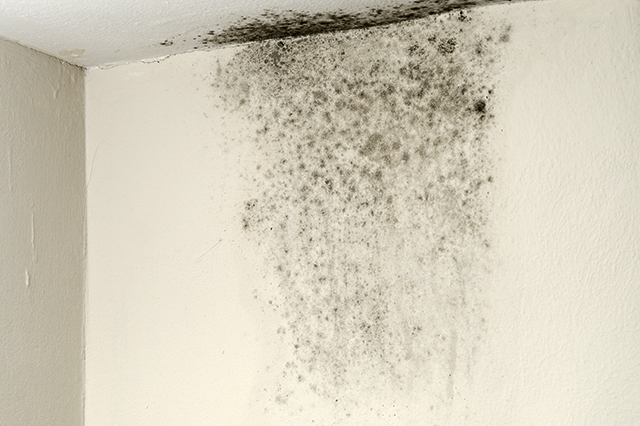
Be aware of cracks, holes, chips, wavy and uneven surfaces, missing plaster, fungus, water marks, lumps, bubbles, flaky paint, protruding nails, pipes and loose wiring.

Doors and windows

Check for damage such as missing screws or rust and gaps between door and window frames. Make sure they can be opened and closed easily and look for potential water damage due to improper installation.

Floor and tiles

Are there missing, cracked or chipped tiles? Tiles should not be slanting and there should be no gaps in the wall skirting.

Fixtures

Make sure all sinks and showers have fixtures. Ensure everything works and nothing is missing.

Pipes and plumbing

Check exposed pipes for leaks and be on the lookout for water stains on ceilings, which can signal a leak behind a wall. Low water pressure can also be a symptom of faulty plumbing.

Electricity and wiring

Look for wires without wire nuts and open junction boxes.

Drainage

Soggy areas in the yard and leaks in the basement can signal drainage issues.

Roof and gutters

Look for worn shingles and overgrown trees or landscaping that is encroaching on the roof or overhanging the structure. Basement dampness can be a sign of clogged gutters.

Foundation

Small cracks, sticking doors and windows can suggest foundation flaws.

circuit breaker

Potential Deal Breakers

The most common issues identified on a home inspection checklist are usually the easiest and least costly to address, according to the American Society of Home Inspectors; however, they may be an indication of bigger, pricier problems.

The roof needs replacing

Home Advisor data shows the national average for a roof replacement in 2025 ranges from $5,867 to $13,209.

The house is in a flood zone

Use FEMA’s flood maps to determine if the home is at a higher risk for flooding. Remember, flood insurance needs to be purchased separately from your regular homeowners policy.

Contact a AAA Insurance agent today to learn more.

Major foundation issues

Hire a structural engineer to determine if the cracks you spot are serious.

Aluminum wiring

This type of wiring almost always needs to be replaced. The process can cost thousands of dollars.

Once you have your home inspection report — essentially, a custom defect checklist for a new house — you can determine if negotiations with the seller are reasonable.

Some inspectors might estimate the remaining useful life of appliances or other systems for you (this is something to ask before you hire your inspector). You can also get your own repair and replacement bids from local contractors and home improvement stores. The more due diligence you commit to upfront, the happier you will be when you take ownership of your new home with your eyes wide open.

Learn more about AAA homeowners insurance. In the market for a new home? Get a mortgage with help from AAA.
Do you have any advice to add from your home buying experience? Share it in the comments.

Subscribe to Your AAA Newsletter

Sign up and receive updates for all of the latest articles on automotive, travel, money, lifestyle and so much more!

Driving in the Rain and Other Spring Driving Tips

Winter isn’t the only season with dangerous driving conditions. Driving in the rain is hazardous as well, particularly in the spring when showers are common.

Three-quarters of all weather-related crashes occur on wet pavement, according to the Federal Highway Administration, and nearly half happen during rainfall.

“A wet road is a treacherous road, even after a gentle sprinkle,” said Jillian Young, Director of Public Relations for AAA Northeast. “As little as 1/12 of an inch of water can cause new tires to lose traction with the road at speeds as low as 35 mph. When it rains, slow down and give yourself extra room to stop.” 

Here is a closer look at driving in the rain and other spring-related driving challenges, with tips from AAA traffic safety experts on how to stay safe.

Hydroplaning

Hydroplaning – when a layer of water separates a vehicle’s tires from the ground and causes loss of traction, is one of the most dangerous situations caused by driving in the rain.

“When hydroplaning, you are literally riding on top of water without any control of your vehicle,” said AAA Car Doctor John Paul.

The first 10 minutes of a downpour present the highest risk for hydroplaning, which occurs when tires can’t displace enough water from their treads. Though it can happen with any tire and at any speed, it’s best to avoid driving on worn tires and to go slower in wet conditions to decrease your risk.

Follow these tips to avoid hydroplaning and maintain control of your car.

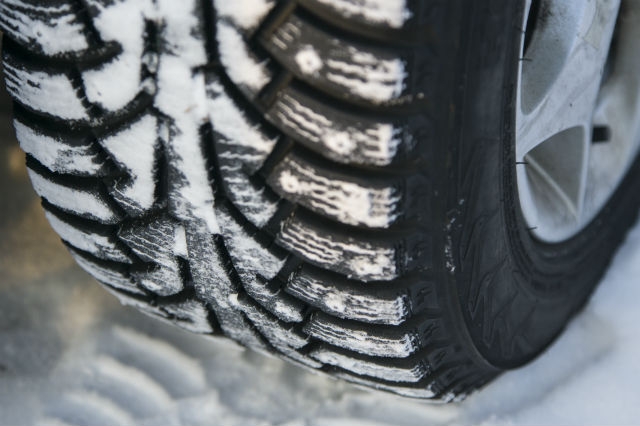
  • Check your tire treads. Tires with fewer than 4/32 inches of tread should be replaced. You can check by inserting a quarter into a tread with Washington’s head facing down. If you can’t see the top of his head, the tire has at least 4/32 inches of tread.
  • Inflate your tires to the manufacturer’s recommendations. Underinflated tires don’t have the same capacity for displacing water as tires that are properly inflated, making driving in the rain potentially more dangerous.
  • Follow the leader. Try to drive in the tracks of the car in front of you for a clearer path.
  • Leave extra room. A loss of traction can make it tougher to stop quickly. If you typically leave three seconds of space between you and the vehicle in front of you, Paul recommends adding one second for rain and two seconds for rain and darkness.
  • Stay in the middle. If you’re on the highway, try to stay in the center lane. Many roadways have a crown that sends water to the right and left lanes.
  • Avoid cruise control. If you have to slow down in wet weather, you’ll do so by taking your foot off the accelerator. But if cruise control is engaged, your foot is already off the accelerator. You want as much control as possible when driving in wet weather. Don’t give any away to cruise control.
  • Stay calm. Your first reaction to hydroplaning might be to brake, but don’t do it. It won’t stop you. Instead, ease off the accelerator to decrease speed. Once your vehicle regains traction, look and steer in the direction you want to go.

Potholes

Potholes are another spring danger, the result of winter’s wrath on local roads. What’s worse, heavy rain can sometimes fill potholes, hiding them from view.

Striking potholes, even at low speeds, can be dangerous and expensive. A survey from AAA found that 1 in 10 drivers sustained vehicle damage significant enough to warrant a repair after hitting a pothole. With an average price tag of almost $600 per repair, damage caused by potholes cost drivers a staggering $26.5 billion.

“Snow, ice, sand and salt can leave roads in pretty bad shape, and the repeated freezing and thawing of moisture seeps through road surfaces and causes potholes,” said Barbara Ward, a traffic safety specialist with AAA Northeast. “Keep your eyes peeled for bad road conditions, but if you can’t avoid hitting a pothole, don’t brake during the pothole impact. Instead, apply the brakes just before hitting the pothole and release them just prior to impact. Less severe damage occurs when a tire is rolling than when it’s skidding over a hole during braking.”

Reduced Visibility

The harder it’s raining, the harder it is to see lane markings, signage and other vehicles. The situation can be even worse for drivers who neglect basic car care.

Remember these maintenance tips to keep your sight line clear while driving in the rain.

  • Keep it clean. Maintaining visibility starts with keeping your windshield and windows clean. You’ll want to clean the insides of both regularly.
  • Check your wiper blades. The average windshield wiper blade lasts about six months to a year. You can tell if a blade is starting to go if it leaves streaks behind.
  • Use the defroster. Moisture inside a vehicle can create a fog on the windows. Paul recommends using defrosters with the air conditioning on and the vents open for fresh air. “Air conditioning, by design, dries the air,” he said.
  • Turn on your lights. Your headlights are valuable equipment for battling low visibility when driving in the rain. You’ll want to turn them on even if you’re just passing through a light sun shower. It will help you see better, and a lot of states require drivers to turn on their headlights when using windshield wipers. While you may be tempted to go with the high beams, low beams are more effective during rain and fog. Don’t forget to periodically clean your headlights, too. Mud and dirt can cloud lenses, reducing illumination by up to 90%.
  • Stop and wait. If it’s raining so hard that none of these steps alleviate visibility issues, it’s wise to find a safe place to pull over and wait until the weather lets up. Rest areas or protected areas off the highway are your best bets. If you must stop on the roadside, pull off the road as far as possible and turn your emergency flashers on to help other drivers see you.
driving in the rain

Deep Water

If you’re facing a storm that brings several inches of rain, it’s best to stay off the road when possible, and not just for your personal safety.

Vehicles traveling through water that’s deep enough to be pulled into the engine can suffer from hydrostatic lockup. In layman’s terms, that means the end of your engine, and even the most novice mechanic knows getting a new engine isn’t cheap.

If you have to traverse a deep puddle, do it as slowly as possible.

Drowsy Driving

Symptoms of sleepiness behind the wheel include not being able to keep your eyes open or focused, having trouble keeping your head up, daydreaming, having wandering thoughts, drifting among lanes or tailgating, yawning frequently, rubbing your eyes repeatedly, missing street signs or exits and feeling irritable or restless.

If you feel drowsy, find a safe place to park and take a break or a power nap. A quick bit of exercise and some caffeine can be helpful as well, according to the AAA Foundation for Traffic Safety.

driving in the rain

Sun Glare

Longer days mean more sun, and greater chances of driving toward blinding light. Always slow down and use caution when dealing with strong sunlight.

Keep a pair of polarized sunglasses in the car to help reduce glare and use your car’s sun visors when needed. Regularly cleaning your windshield will also improve your view of the road, as streaks can be especially pronounced under strong sunlight.

Make sure to leave extra room between your vehicle and the one in front of it, especially during sunrise and sunset hours when the sun’s rays can make it harder to see the car in front of you. And if you are having trouble looking straight ahead, use the line markings on the street as your guide.

Medications

Spring can be a tough time for people affected by seasonal allergies. If you turn to over-the-counter allergy meds or use any prescription medications, talk to your doctor or pharmacist about potential side effects before getting behind the wheel.

Sharing the Road

Warm weather means more traffic from pedestrians, bicycles and motorcycles. As you would any time of year, always share the road safely. Stay hyperaware of your surroundings and avoid distractions.

Car Care

Winter can take a toll on vehicles, from reducing battery life to undercarriage corrosion caused by salt, sand and other road-cleaning chemicals. The first warm days of the season are a great time to inspect your vehicle, check its vitals and give it a good clean.

“While the application of de-icing salts and solutions is critical to keeping our nation’s roadways safe every winter, it’s important that drivers pay attention to warning signs that their vehicle may be suffering from rust-related damage,” Paul said. “This can be much more than a cosmetic issue; it can also create serious safety issues for drivers by impacting brake lines, exhaust systems, fuel tanks and electrical connections, as well as the structural integrity of some of these older vehicles on the road.”

You can limit damage by washing your vehicle throughout the winter. A spring clean and shine up will also make sure it is sparkling and well-protected.

If you have winter tires, replace them with all-season tires. Inspect the winter tires for any damage you’ll want to have repaired before next year.

Read more about how to get your car ready for the warmer months ahead.

Giving your car some TLC for spring? AAA members can save on automotive replacement parts and accessories at NAPA.

If you run into trouble on the road, due to rain or otherwise, call AAA Roadside Assistance or use your AAA Mobile app to get help.

This article has been updated and republished from a previous version. 

Subscribe to Your AAA Newsletter

Sign up and receive updates for all of the latest articles on automotive, travel, money, lifestyle and so much more!

Northeast Pump Prices Down on Weak Demand, Oversupply Concerns 

Currently, gasoline supplies in the Northeast stand at 67 million barrels – 500,000 more barrels than this time last year and notably above the 5-year average of 64.8 million barrels, according to the Energy Information Administration (EIA). Meanwhile, although domestic demand for gasoline last week did climb 220,000 barrels a day to 8.45 million barrels a day, the figure trails the comparable week in 2024 and landed well-below expectations. 

With less than a month until the official switchover to summer blended gasoline, many market analysts are increasingly describing the inventory situation as oversupplied — especially since demand continues to languish and concerns about future economic headwinds are driving oil prices lower. The price for a barrel of crude ended last week down about 1% from the previous week, and down 3.8% from prices at the end of January. According to the EIA, coupled with a drop in exports and an uptick in imports last week, conditions are primed for cheaper pump prices. 

“Gasoline prices are falling nationwide thanks to strong supplies and soft demand,” said Jillian Young, director of public relations for AAA Northeast. “So far this year, the traditional boost in demand to coincide with warming temperatures has not materialized.” 

AAA Northeast’s March 3 survey of fuel prices found the current national average down 5 cents from last week ($3.14), averaging $3.09 gallon. Today’s national average price is the same as a month ago ($3.09) and 25 cents lower than this day last year ($3.34). 

Region Current Price* One Week Ago One Month Ago One Year Ago 
Connecticut $3.06 $3.08 $3.08 $3.27 
New Jersey $3 $3 $3.06 $3.15 
New York $3.15 $3.17 $3.16 $3.32 
Massachusetts $3.01 $3.03 $3.02 $3.18 
Rhode Island $2.97 $3.02 $3 $3.15 

*Prices as of March 3, 2025 

As of March 3, Texas and Mississippi had the lowest prices in the nation, both at $2.65. California and Hawaii held the highest prices in the nation at $4.78 and $4.54, respectively.  

The AAA Gas Prices website is your resource for up-to-date fuel price information. Search for average gas prices on national, state and metro levels by regular, plus, premium and diesel.  

Subscribe to Your AAA Newsletter

Sign up and receive updates for all of the latest articles on automotive, travel, money, lifestyle and so much more!

Tap Into Spring: Maple Weekends in the Northeast  

The thaw of early March in the Northeast brings with it mud, black ice and potholes. On the brighter side, it also brings signs of spring. For example, the maple sap is running, and many of the region’s commercial maple farms open their doors during maple weekend open houses. During these events, visitors can learn how maple syrup is made (aka maple sugaring), sample the finished product and buy maple syrup products. Find a maple sugar shack event happening in your neck of the woods.

Connecticut

The Maple Syrup Producers Association of Connecticut hosts its Maple Weekend, March 15-16 and lists about two dozen maple farms with open houses throughout the state. Great Mountain Forest nature preserve in Falls Village and Norfolk will be among those opening its sugar shack doors to the public.

Massachusetts

The Massachusetts Maple Producers Association hosts its maple weekend, March 8-9 and lists 29 participating sugarhouses, including Rocky Brook Farm in Sterling. Visit this picturesque family farm as they make syrup, linger outside with the farm’s horses and learn about the farm’s barn restoration work.

New Hampshire

New Hampshire maple weekends are among the most popular in the region. Dozens of sugarhouses are participating in the New Hampshire Maple Producers Association’s Maple Weekend on March 15 and 16. The Sugar House at Morningstar Farm in Plaistow offers a tour, pancake breakfast and some very creative maple products for sale, including maple-infused barbecue sauce, maple-garlic seasoning and maple Thai chili sauce.

New Jersey

New Jersey does not have many commercial maple producers, so there is no formal maple weekend in the Garden State. However, Tenafly Nature Center hosts a series of weekend maple sugaring events from late February to March 16. Visitors can practice identifying maple trees, learn about the history of maple syrup making and watch the syrup making magic happen.

New York

New York maple weekends are pretty sweet, too! The New York State Maple Producers Association hosts two Maple Weekends, March 22-23 and March 29-30. The association’s interactive map lists dozens of producers hosting open houses, and even helpful shows which host pancake breakfasts. One of those is Shaw’s Maple Products in Clinton, which will serve up pancakes, sausage and farm-fresh eggs both weekends; diners can watch the syrup being made, too. 

Rhode Island

Rhode Island doesn’t have an organized maple weekend, and has only a handful of commercial maple syrup producers. However, a well-known sugar shack in the Ocean State is Uncle Buck’s Sugarhouse in Hopkington. The syrup producer will open its doors to the public weekends throughout March. There will be fresh maple products and tours and live syrup production demonstrations, weather depending.

Are maple weekends part of your early spring plans? Tell us in the comments.

Subscribe to Your AAA Newsletter

Sign up and receive updates for all of the latest articles on automotive, travel, money, lifestyle and so much more!

Debunking Common Cruise Myths

Although the number is steadily increasing, many Americans have never tried cruising. Are old cruise myths holding you back?

Cruise lines are enticing travelers with new and refurbished ships, private islands, more ports and incredible onboard attractions, and it seems to be working for some. A 2023 cruise industry update report by the Cruise Lines International Association found 73% of Gen X and Millennials who never cruised are now considering it. Still, old mind worms – like cruises being only for the “newlywed and nearly dead” – may be keeping potential seafarers from getting on board.  

We bust five myths about cruising that might be standing in the way of you and your slice of seafaring heaven.

Book your next cruise with AAA Travel.

Cruise Myth No. 1: ‘I’ll get seasick.

Mother Nature rules, but tech-savvy ships with stabilizers and weather-avoidance systems take most of the motion out of the ocean, especially on voyages through the calm wash of the Caribbean Sea or the silky waters of Alaska’s Inside Passage. If you’re still leery, pick a port-intensive itinerary and select a mid-deck cabin. Big boats are better, too, unless you’re eyeing an ever-stable river cruise.

Listen to Our Podcast

Insider tips and hacks to make your first (or next) cruise totally stress-free. Listen to Episode 21 of our podcast, Merging Into Life: Tips for Cruising

Tune In

AAA travel advisor Tina Hill, who has traveled extensively but only recently set sail for the first time, says she was surprised to feel almost no motion aboard Royal Caribbean’s Oasis of the Seas, one of the largest ships afloat. “I was not affected at all,” Hill said. “That really shocked me. Because I’ve experienced motion sickness before, I brought medication, but I didn’t use it.”

And, to debunk another myth: cruise ships are not “floating petri dishes.” You’ll find hand sanitizer stations everywhere, and cruise lines strictly enforce health protocols. It’s also worth noting that ships are equipped with facilities for medical emergencies.

Cruise Myth No. 2: ‘I can’t afford it.

Remember, cruise vacations are value deals that cover food, lodging, transportation and entertainment, including supervised children’s programs. However, unless you pick an ultra-luxe line, you should expect fees for gratuities as well as optional specialty dining and beverages. Spa services and shore excursions cost extra as well.

Consider pre-booking to avoid unanticipated bills and look for package discounts. Also, many specialty restaurants offer sea-day savings, while spas conversely promote port-day specials.

Cabin selection provides even greater savings potential. Identical cabins are priced differently depending on deck location. Plus, did you know some economical inside cabins offer views? Royal Caribbean’s largest boats have cabins that overlook public spaces, while others boast “virtual balconies” via LED screens. Likewise, Disney’s Dream and Fantasy tout “magical portholes” for real-time views that come along with character cameos. So, although private balconies are blissful, it’s another cruise myth to think they’re a must.

And, while we’re doubling down on the myth-busting, you can also ditch the belief that sailing solo is a no-go for budget-conscious travelers. Norwegian Cruise Line reimagined accommodations for single passengers, devising “studio” cabins with shared access to a dedicated lounge. The latest ships from Royal Caribbean, Celebrity and Holland America feature remarkable solo staterooms, too.

Finally, repositioning cruises and off-season Caribbean itineraries can make staying home seem more expensive than going away, especially when sailing from no-fly Northeast homeports. (Yes, not all cruises depart from Florida – yet another myth!)

cruise myths - ski diving aboard royal caribbean
Sky diving simulator aboard Royal Caribbean’s Anthem of the Seas, which sails from New Jersey.

Cruise Myth No. 3: ‘I’ll be bored.

If you fear feeling boxed-in and bored, think again. Sure, shuffleboard always awaits, but there’s so much more. Carnival, Norwegian and Royal Caribbean sail city-size ships with active vibes. Leviathans from the latter actually contain “neighborhoods” to explore. Adorned with foliage and alfresco eateries, one desirable enclave celebrates Central Park, while another boasts a boardwalk complete with a hand-carved carousel.

These megaships also sport ziplines, rock-climbing walls, surfing pools and ice-skating rinks. Royal Caribbean’s Anthem of the Seas, which has homeport sailings from New Jersey, carries a skydiving simulator, bumper cars and an observation pod that dangles passengers over the sea. Norwegian Prima, which debuted in 2022 and has homeport sailings from New York, promises infinity pools with breathtaking views, the fastest drop-slide afloat and a go-kart track. Want more? Both ships stage Broadway shows.

Sailing from New York starting this spring, Carnival Venezia brings an Italian flair with its piazza, a huge casino and a marquee comedy club.

Those seeking refinement, can marvel over jaw-dropping art collections and interior designs that draw inspiration from exquisite musical instruments aboard Holland America’s latest ships, Koningsdam and Nieuw Statendam. Fittingly, they present stellar entertainment in partnership with Lincoln Center, Rolling Stone, Billboard and B.B. King’s Blues Club.

Cunard beckons with a guest lecturer program curated to tickle your brain, and its Queen Mary 2 guarantees stargazing with a planetarium. Plus, the hands-on culinary centers aboard ships from Oceania and Regent are floating nirvanas for foodies.

cruise myths - NCL dining
A light, gourmet dining option aboard Norwegian Escape.

Cruise Myth No. 4: ‘I’ll eat poorly and gain weight.

Shipboard dining has sailed beyond its buffetpalooza reputation. To plump up or pump up is a choice on ships that offer fine food and sprawling fitness facilities. Yoga, Pilates, boxing, spin classes and even health seminars abound. Plus, multideck boats provide a natural workout if you forgo elevators!

Almost every ship has a rejuvenating spa. Celebrity Cruises leans into the wellness trend with dedicated spa staterooms and clean-cuisine restaurants, while Royal Caribbean’s Vitality Cafe dispenses healthy snacks, fresh-pressed juices and custom smoothies.

Alliances with lauded chefs – think Curtis Stone, Jamie Oliver and Thomas Keller – have upped the ante on creativity and spurred a food revolution afloat. On Carnival’s ships you can even bite into gourmet burgers and barbecue, courtesy of Guy Fieri.

And, don’t assume it’s just specialty restaurants chasing culinary excellence. The main dining room earned high marks on Hill’s trip aboard Oasis: “They’re preparing for thousands of people and the menu changed every day, which impressed me. It was really good food.”

cruise myths - norwegian prima
At the right time of day, the infinity pool on Norwegian Prima could be your own private oasis.

Cruise Myth No. 5: ‘Cruises are crowded.

Size does matter. Choosing a smaller ship allays concerns, but don’t dismiss larger boats. It’s all about flow and passenger-to-space ratio. They’re designed to handle more people and support diverse activities simultaneously. On one deck a packed pool party might be underway, while another hosts an intimate wine tasting.

Most ships have low-key observation lounges and private perches to discover. Princess Cruises provides an adults-only retreat on its ships, aptly dubbed the Sanctuary. Other lines have carved out similar spaces. High atop Norwegian’s boats, the Haven amounts to a ship-within-a-ship scenario, delivering enhanced accommodations and access to a slew of exclusive amenities.

The bottom line for skeptical neophytes – especially those uncertain of their sailing style – is larger ships literally offer more room to test your sea legs.

Still on the fence about cruising? Read about one AAA employee’s first cruise experience.  

To learn more about cruising and start planning your next trip, reach out to a AAA travel advisor.

Do any of these myths about cruising keep you from sailing? Tell us in the comments.

Subscribe to Your AAA Newsletter

Sign up and receive updates for all of the latest articles on automotive, travel, money, lifestyle and so much more!

Get to Know Northeast Cruise Departure Ports

Can you be a world traveler and a homebody at the same time? Not really, but nearby cruise departure ports make it easy to meld these disparate lifestyles in the most delightful way.

Cruise departure ports in the Northeast are percolating with the world’s most alluring ships, setting off to epic Caribbean jaunts, transatlantic voyages and long weekends of exploration.

Listen to Our Podcast

Insider tips and hacks to make your first (or next) cruise totally stress-free. Listen to Episode 21 of our podcast, Merging Into Life: Tips for Cruising

Tune In

And finding their floating doorsteps couldn’t be easier. Skip the pricey, time-consuming plane travel and simply drive to the cruise terminal. Forgo the stress of counting and weighing suitcases, too, because ships don’t impose luggage fees. Then, walk up the gangway, unpack once and let the parade of interesting places unfold. The boat becomes your mobile lair, a familiar touchstone while you delight in a few new experiences.

Plan your next cruise with a AAA travel advisor.

Northeast Cruise Departure Ports

Our area boasts four cruise departure ports – one in Boston, one in Bayonne, N.J., (Cape Liberty) and two in New York City (Manhattan and Brooklyn).

New York’s Manhattan terminal stands out as the busiest, serving more than a million passengers annually. Not surprisingly, the iconic sail-away from Manhattan ranks as a rite-of-passage for travelers and never fails to unwind like a cinematographer’s dream. Ships glide down the Hudson River alongside a humming city stacked with skyscrapers, passing Ellis Island and the Statue of Liberty before ducking under the Verrazzano Bridge and hitting the open ocean.

Manhattan, Brooklyn and Cape Liberty host cruise ships year-round, while Boston has seasonal appeal from April through November. Popular round-trip itineraries head north along the sea-bitten coastlines of Canada and New England, south to the sun-kissed Caribbean or Bermuda, and east toward Europe’s countless treasures.

Homeport cruises make impromptu escapes effortless. Plus, flexible travelers can scout last-minute deals. Neophytes get the opportunity to test their sea legs without making a major investment, while avid cruisers can parlay savings into a longer itinerary or even an extra voyage.

Since all major lines sail from Northeast cruise departure ports, it’s also worth noting homeport cruises present the perfect opportunity to sample different seafaring styles, especially upscale options that might be within reach considering the resources spared getting to the ship.

Let's plan something wonderful

Book your next trip with AAA Travel now or call 866-423-5585 to speak with a travel advisor.

Book Now

Onboard Amenities Abound

No doubt homeport cruising ups the ante on an already value-packed vacation that includes transportation, lodging, dining and onboard entertainment. And when it comes to the latter, don’t be afraid to think big and then go even bigger. Boats bobbing in our drive-to ports tout everything from the seafaring outposts of America’s Test Kitchen on Holland America Line to sky-diving simulators and the Guinness World Record-making “Highest Viewing Deck on a Cruise Ship” (both on Royal Caribbean’s Anthem of the Seas).

Savor creations from celebrity chefs like “real deal” burgers on Carnival, where Food Network star Guy Fieri has crafted menus for Guy’s Burger Joint. For a tech-savvy culinary extravaganza, complete with a tiny animated chef that will treat your plate like an artist’s palette, Celebrity Summit’s Qsine restaurant beckons. Plus, Anthem enlists bionic bartenders to mix the perfect nightcap.

cruise departure ports
The Norwegian Gem sails past the Portland Head Light House in Cape Elizabeth, Maine. (Photo: Norwegian Cruise Line)

Ships that Sail From Boston

Departures from Boston include Norwegian, Celebrity and Royal Caribbean ships, mostly sailing to Canada, New England and the blushing beaches of Bermuda.

Holland America maintains a strong Beantown presence as well; supplementing the expected itineraries, Zuiderdam proposes a 35-day round-trip to Iceland, Greenland and Scandinavia.

New Jersey Cruises

Cape Liberty homeports ships from Celebrity and Royal Caribbean, namely Celebrity Summit and Royal Caribbean’s Anthem of the Seas and Oasis of the Seas, cruising to Canada, Bermuda, Bahamas and Royal’s Perfect Day at CocoCay private island.

Big Apple Departures

NCL gets credit for initiating the Big Apple homeport trend with the year-round deployment of its then-new ship, Norwegian Dawn, to Manhattan in 2003. Now, several NCL ships spend time homeporting in the city, like the Norwegian Prima, Gem and Getaway. That’s quite a commitment, and it pays off with diverse itineraries.

For island-lovers, NCL’s Caribbean voyages can’t be beat. The 10 to 14-day itineraries string together a chain of sublime tropical outposts, from lush Saint Lucia to arid Aruba. Enjoy swimming with velvety stingrays atop a sandbar in Grand Cayman or roaming Old San Juan’s cobbled lanes in Puerto Rico.

Oceania’s Insignia delivers an upscale taste of Bermuda via a smaller ship. The week-long itinerary splits time between the capital of Hamilton and quaint St. George, two ports bigger ships can’t squeeze into. Aside from pink-sand beaches, you’ll find Bermuda contains more green golf courses per capita than anywhere else in the world.

Although it’s been open for close to two decades, Brooklyn ranks as the newest cruise departure port in our area. Princess and Cunard ships often begin their journeys here. MSC Cruises also offers year-round cruises from the Red Hook terminal.

Just thinking about the possibilities makes us root, root, root for the homeports!

Plan and book your next cruise vacation with AAA

Featured photo: The Norwegian Prima sailing from New York City.

This article has been updated and republished from a previous version.

Subscribe to Your AAA Newsletter

Sign up and receive updates for all of the latest articles on automotive, travel, money, lifestyle and so much more!

How to Build Your Credit Score

Few numbers play such a significant role in your life as your credit score. Just about every major milestone in your life – attending college, buying a car, purchasing a house – is affected by this three-digit number. Therefore, knowing how to start building up credit and maintaining a good credit score important.

If you’re recovering from a poor financial stretch or simply just beginning your credit history, no need to worry, there are still a number of ways to build your credit score. Negative marks on your credit report will diminish over time so the sooner you put these strategies into place, the sooner your credit score will improve.

Listen to Our Podcast

Tips for building and maintaining healthy credit card habits. Listen to Episode 19 of our podcast, Merging Into Life: Opening a Credit Card.

Tune In

What Is a Credit Score?

A credit score is an appraisal of a consumer’s creditworthiness. Essentially, it tells financial institutions how likely a consumer is to pay their bills and repay their debts. The vast majority of lenders use Fair Isaac Corporation or FICO credit scores, which are determined by five factors: payment history (35%), credit usage (30%), age of credit accounts (15%), credit mix (10%) and new credit inquiries (10%).

FICO credit scores range from 300-850 and are categorized as excellent (800 to 850), very good (740 to 799), good (670 to 739), fair (580 to 669) and poor (300 to 579).

How to Start Building Your Credit

If you are just starting out, the first steps to establishing good credit include opening a bank account to prove you are good at saving, and of course getting a credit card that you will use – and pay back – frequently.

You may want to consider a rewards card like the AAA Visa Signature®credit card, which provides added incentives like cash back on everyday purchases, such as groceries and gas. If you are a frequent traveler, the AAA Travel Advantage card helps you earn more when you use your card to pay for expenses related to travel, dining and car rentals. Learn more.

If you have a friend or family member with a long track record of responsible credit card use, ask them if you can join one of their accounts as an authorized user. It’s a quick and easy way to build your credit score. An authorized credit card user is a secondary account holder who can, at the primary holder’s discretion, use the account to make purchases but is not responsible for making payments.

When you become an authorized user, a new account gets added to your credit report and the positive attributes of said account will boost your credit score. This strategy is particularly useful to help you start building your credit.

Pay Your Bills on Time

This may sound obvious but it cannot be overstated. Payment history makes up more than one-third of your credit score. You cannot build your credit score with a poor payment track record.

There are a few ways to improve your payment history. First, create an organized filing system, set due date alerts or automate payments to ensure bills don’t simply fall through the cracks.

If you miss a payment by 30 days, call your creditor immediately and arrange to submit payment. Some companies may even agree to stop reporting the late payment. If the creditor doesn’t, do what you can to get balanced on your account as soon as possible. Each delinquent month damages your score.

Keep Your Accounts Open

It might seem logical to close out any old credit accounts, but even if you’re not using them anymore, experts suggest keeping them open. This helps build your credit score in two ways. First, it increases the average age of accounts. The older the age, the higher the credit score.

Second, it helps lower your credit utilization, which is the percentage of your available credit that you use and is an important figure in determining your credit score. For example, let’s say you have two credit cards, each with a $10,000 limit. One card you put $5,000 on each month, the other you don’t use. With both accounts open, your credit utilization is 25%, but close your unused card and the figure jumps to 50%.

Limit Hard Inquiries

Does checking your credit score lower it? Soft inquiries, such as checking your own credit score or allowing potential employers to check your credit, will not affect it. However, financial institutions perform what’s known as a hard inquiry into your credit history whenever you apply for a credit card, mortgage or loan. These types of inquiries affect your credit score.

The occasional hard inquiry is not a problem, but many of them in a limited amount of time can hurt your credit score. Companies could view this as you needing to continually take out money in order to pay your bills. Furthermore, opening new accounts will decrease the average age of your accounts, another factor in determining your credit score. It’s best to only apply for new financing when you truly need it.

One caveat to the hard inquiry rule is searching for the best loan rates. Credit scoring models can recognize when consumers are shopping around and often ignore hard inquiries if they all occur in a short period of time. Yet another great reason to explore the low interest rates offered by AAA on auto, home and student loans.

how to build your credit score

Dispute Errors

Equifax, Experian and TransUnion are the three major national credit bureaus in the U.S. Consumers are granted one free copy of their credit report from each bureau each year.

It’s possible for mistakes to be made on your credit report. Request a copy of your report by visiting AnnualCreditReport.com. Once you receive it, check to make sure all the information is correct. Some things to look for are payments being marked as late when they were made on time or negative information from years ago that should have been removed. (Most negative credit marks stay on your report for seven years.)

If you do catch an error, gather all the relevant documents and evidence that prove the mistake wrong and dispute it to the credit bureaus immediately. You can usually do so online, on the phone or by writing a letter. The bureau must investigate and respond within 30 days. It’s also a good idea to inform the company that provided the information of the mistake.

Whether it’s securing a loan, purchasing a car or saving for retirement, AAA is here to help you with all your financial needs. Learn more about all the products and services available to members.

Subscribe to Your AAA Newsletter

Sign up and receive updates for all of the latest articles on automotive, travel, money, lifestyle and so much more!

Retirement Withdrawal Strategies to Think About

This article is for informational purposes only and is not financial advice.

Entering retirement brings unique financial concerns, primarily ensuring that income lasts a lifetime. To address the risk of outliving savings, you may consider reducing your needs through downsizing or debt payoff before retiring.

It could also help to start planning for withdrawal strategies in retirement. It’s a nuanced process, demanding careful consideration of various factors. Making informed decisions at this stage safeguards against premature savings depletion, ensuring a comfortable retirement.

Thoughtful planning today lays the groundwork for a comfortable and fulfilling retirement tomorrow. You can establish a plan that aligns with your financial objectives by exploring effective retirement withdrawal strategies to maximize income, minimize taxes and create a sustainable retirement.

Listen to Our Podcast

Pro tips on planning for the road ahead. Listen to Episode 18 of our podcast, Merging Into Life: Retirement 101.

Tune In

Retirement Withdrawal Strategies

Understand Your Retirement Portfolio and Prioritize Tax-Efficiency

Understanding your retirement portfolio should be the first step before diving into tax-efficient retirement withdrawal strategies.

Assess your mix of accounts – 401(k)s, IRAs, Roth IRAs, etc. – and consider their distinct tax implications. Taxable accounts, like brokerage, involve paying taxes on realized gains. Tax-deferred accounts, such as 401(k)s, grow tax-free until withdrawal in retirement, with required minimum distributions (RMDs) starting at 73. Like Roth IRAs, tax-free accounts offer tax-free growth, and you’re not obligated to withdraw.

The conventional advice from tax professionals involves initiating withdrawals from taxable accounts, progressing to tax-deferred accounts, and ultimately tapping into Roth accounts, where withdrawals remain tax-free.

Calculate Your RMDs

“You cannot keep retirement funds in your account indefinitely,” according to the IRS website. RMDs are the minimum amounts you must withdraw annually from tax-deferred retirement accounts once you hit the starting age of 72 or 73, depending on your birth year. This rule applies to these types of plans:

  • Traditional IRAs
  • SEP IRAs
  • SIMPLE IRAs
  • 401(k) plans
  • 403(b) plans
  • 457(b) plans
  • Profit sharing plans
  • Other defined contribution plans
  • Roth IRA beneficiaries

Calculating RMDs involves dividing your account balance by the IRS estimate of your life expectancy. You can take multiple withdrawals throughout the year as long as the minimum is met annually. Still, excess withdrawals don’t count toward future RMDs.

Failure to withdraw incurs a hefty 50% penalty on the amount due. Your first RMD is generally required by April 1, the year after you reach the starting age, with subsequent RMDs due by Dec. 31 each year.

Implement a Retirement Withdrawal Plan

Establishing a withdrawal plan can be instrumental in efficiently managing your retirement income. Creating one in an organized manner involves setting a fixed percentage or dollar amount to withdraw regularly, considering factors like:

  • Life expectancy
  • Amount saved
  • RMDs
  • Expected market returns
  • Inflation

Deciding on the initial withdrawal and the rate over time is crucial to avoid outliving savings. There are several different strategies to consider, including the following:

  • The 4% rule involves withdrawing a percentage of your account balance and adjusting for inflation annually.
  • Fixed-dollar withdrawals maintain a consistent annual amount.
  • Fixed-percentage withdrawals fluctuate with the account balance.
  • Systematic withdrawals leave the principal invested throughout retirement.

Whatever you choose, the goal should be to provide predictability and ensure your funds last throughout retirement.

retirement withdrawal strategies

Consider Charitable Contributions

Consider leveraging your retirement funds for charitable contributions if you don’t need all the income your RMDs produce. It can be a powerful way to give back while reducing taxable income.

The law allows tax-free qualified charitable distributions of up to $100,000 ($200,000 for couples) annually, directly from IRAs for individuals in this age bracket, fulfilling their required minimum distribution. This charitable contribution doesn’t count as income, reducing the donor’s tax liability. However, these charitable distributions won’t be itemized as deductions.

By making qualified charitable distributions, individuals can support causes they believe in and strategically manage their taxable income in retirement. Whether saving, reinvesting or contributing to a charitable cause, this approach offers financial flexibility for those fortunate enough not to need immediate funds.

AAA offers a variety of financial services that can help with retirement, including loans, reverse mortgages and more.

This article is for informational purposes only and is not financial advice.

Subscribe to Your AAA Newsletter

Sign up and receive updates for all of the latest articles on automotive, travel, money, lifestyle and so much more!

Electric Vehicle Maintenance 101

Let’s be honest, it’s easy to take our cars for granted. A push of a button, a pull of a lever and a step on a pedal and we can go anywhere. But behind that facade of simplicity is a complex machine made up of many different moving piece. Keeping all those pieces humming along in working order is a primary responsibility of car ownership. Not only does proper car maintenance extend the lifespan of the vehicle, it ensures the car is safe to drive. With this in mind, let’s examine how electric vehicle maintenance compares to that of a gas-powered car.

Listen to Our Podcast

Get plugged in to the facts about EVs. Listen to Episode 15 of our podcast, Merging Into Life: Electric Vehicles 101.

Tune In

How Electric Vehicle Maintenance Is Different

EVs have fewer parts than gas-powered cars, meaning fewer mechanical pieces that need to kept in good condition and less of a chance of anything breaking or wearing down. Because of this, EVs require less maintenance than their gas-powered counterparts.

The primary advantage of EVs, in regard to maintenance, is the lack of an internal combustion engine. Without this major piece of equipment, there is no need for common maintenance tasks like motor oil changes and engine air filter replacements. EVs also don’t require components such as radiator fluid (although some use coolant for battery management that requires periodic replacement), drive belts, sparkplugs and fuel filters, just to name a few. All of these things need to be inspected and eventually replaced in gas-powered cars.

Another major point of difference is in the brakes. EVs utilize a braking system known as regenerative braking, which converts the car’s forward momentum energy into electricity to power the motor. The system has the additional benefit of drastically reducing the wear and tear of the vehicle’s brakes and brake pads. As such, an EV’s braking system can last longer.

EV Maintenance Considerations

Less maintenance doesn’t equal zero maintenance. EV owners should keep up with their car’s recommended maintenance schedule to prolong the vehicle’s lifespan and keep their warranty intact.

All non-engine related components still need to be checked and, if needed, replaced. This includes tires, windshield wiper blades and fluid, cabin air filter, battery coolant, steering and suspension components, head and taillights and brake fluid. Like all cars, gasoline or electric, your best source of maintenance information comes from the owner’s manual.

EV Maintenance Costs

The convenience and peace of mind that come with less maintenance concerns can’t be discounted. But this benefit also adds up to real dollars and cents. The AAA’s 2023 Your Driving Costs study found EVs cost about 8 cents per mile to maintain, while the average medium sedan costs about 11 cents per mile. And when comparing total operating costs of the two over the course of 10,000 miles, there’s a savings of more than $500 per year.

As we’ve all heard, the cost of owning a car begins when you drive it off the lot. Between maintenance and repairs plus expenses like insurance, registration, taxes, financing and fuel, motorists spend an average of $12,182 each year on their cars. Getting several hundred dollars back in your pocket is no small change.

Determine the full expense of driving an EV in your state with AAA’s Cost of Ownership calculator.

Visit AAA’s Electric Vehicle platform for more information on these cars of the future.

Subscribe to Your AAA Newsletter

Sign up and receive updates for all of the latest articles on automotive, travel, money, lifestyle and so much more!

AAA Survey Reveals EV Anxiety

The results of a recent AAA Northeast survey about electric vehicles shows many consumers throughout the region can’t shake their EV anxiety. Concerns about charging infrastructure, range and expense continue to fuel reluctance to commit to all-electric vehicles, and almost one-quarter of respondents wouldn’t be comfortable driving them.

To Go Electric, or Not to Go Electric?

It comes as no surprise that EVs can be a bit polarizing. Consumers reported either wanting an EV in the next decade or not at all.

More than half of survey respondents said they never plan to buy a fully electric vehicle, while 37% either already own one or predict they’ll buy one by 2035.

Listen to Our Podcast

Get plugged in to the facts about EVs. Listen to Episode 15 of our podcast, Merging Into Life: Electric Vehicles 101.

Tune In

EV Anxiety

For consumers with no desire to make the switch from gas, it is often EV anxiety that keeps them from being swayed.

Fear of Driving an EV

Perhaps the most surprising revelation from the survey, which drew more than 1,700 responses, is that 24% of non-EV owners would not feel confident at all in their ability to operate an EV on the fly, and only 8% were slightly confident in the same situation. However, people who know EV owners were generally more confident (48% completely confident) than people who don’t (28%).

“It’s understandable that people might not feel comfortable hopping in an electric car and taking it for a spin if their whole driving career has been in gas-powered vehicles,” said Alec Slatky, managing director of public and government affairs for AAA Northeast. “It’s worth seeing if you can take a test drive at a dealership or at an EV community event to get a taste of what it would be like to have one.”

A Different Feel

Operational differences between EVs and gas-powered cars can account for some hesitation around EV driving.

EVs are equipped with a technology known as regenerative braking, a system that uses the kinetic energy of the car to recharge the battery and helps slow down the vehicle.

“This can take some getting used to as the vehicle doesn’t coast, but rather slows down when you take your foot off the accelerator,” said Brian Butterworth, senior manager for driver training for AAA Northeast. “Many EVs also offer one-pedal driving, going so far as to bring the vehicle to a complete stop – and hold it – without ever hitting the brake.”

Another big difference is acceleration. EV motors provide torque instantly, making acceleration feel quick at low speeds.

For those who are nervous about adjusting to these features, Butterworth suggested taking time to evaluate an EV and seek guidance. “Don’t approach an EV with the ‘get in and drive mentality,’” he said, encouraging potential EV owners to familiarize themselves with a car beforehand by watching manufacturer videos.

“Once you do start driving, start off slow – either in a parking lot or on side roads,” Butterworth said. “As you get more comfortable, try different settings to see how they impact the driving experience. EVs often have different drive modes, and you can often adjust the level of regenerative braking. Find the settings that work for you and in different scenarios.”

ev
Public Charging: Locations, Charging Times and Safety

Survey respondents cited several of the same concerns that the public continues to express about EVs, including the lack of charging infrastructure and the amount of time needed to charge.

The majority of survey respondents who currently own an EV say that it takes at least 30 minutes for a car to charge at a public charging station. But consumers don’t want public charging to take more than filling up at the gas station. Even among those who expect to buy an EV in the future, nearly two thirds would prefer to spend the same amount of time charging as pumping gas or are willing to wait just 10 minutes longer.

While most respondents said they would prefer to charge at home, safety and convenience were among the priorities for public charging stations. Hotels and highway rest stops were cited as desirable charging locations. At the same time, people are reluctant to stop at charging stations that are not well lit or don’t feel safe.

“Public charging needs to approximate the convenience of gas stations if electric vehicle boosters want to convince interested consumers to take the plunge – to say nothing of the passionate holdouts,” said Slatky. “Though EV owners tend to do most of their charging at home if they can, buyers want to feel assured that their car can manage road trips just as easily as daily routines.”

The EV Push is On, But Will People Respond?

President Joe Biden signed an executive order in December 2021 for the U.S. government to end the purchases of gas-powered vehicles by 2035, signaling the government’s eagerness to expand EV use, although the public still has not completely embraced the shift. 

But the push continues. Nine states are expected to prohibit the sales of new gasoline cars by 2035. People still will be allowed to purchase used gasoline-powered cars or buy new ones in other states.

“Auto manufacturers hoping to boost EV sales over the next decade have reason for optimism,” noted Slatky. “But industry stakeholders seeking a complete long-term transition to electric face serious obstacles – especially from consumers who have no desire to make the switch.”

Do you have EV anxiety? Tell us in the comments.

Subscribe to Your AAA Newsletter

Sign up and receive updates for all of the latest articles on automotive, travel, money, lifestyle and so much more!

Baggage Benefits Are Key When Buying Insurance for a Trip

The bad news: Your luggage is delayed, lost or battered beyond recognition. What can make you feel better? Having travel insurance.

Comprehensive insurance for a trip — which can include protection from unexpected expenses incurred by issues such as flight delays, trip interruptions, and medical treatment—provides more than just “peace of mind” when the things that can go wrong do go wrong. It provides financial protection.

Baggage insurance basics

What is baggage insurance, exactly, and why would you need it if the airline already covers lost and stolen luggage?

According to the experts at AAA travel insurance partner Allianz, “’Baggage insurance’ is a general term for travel insurance benefits that can protect your bags and possessions while traveling.” It’s often part of a more comprehensive travel insurance package, but not always; be sure to check when you’re comparing insurers and policies.

Airlines can and do cover luggage that’s delayed, lost or damaged, but (obviously) aren’t responsible for luggage troubles that may occur during your trip — when you’re backpacking in Peru or traveling via rail on a city-by-city tour of Italy. Coverage throughout your journey is one of the key benefits in having a travel insurance package with baggage benefits.

What airlines are responsible for

Getting baggage benefits in your travel insurance policy is a good idea even if you’re planning a flight in/flight out holiday with a single destination, offering more robust protection than you might get from the airline. Here’s the low-down of what airlines are responsible for, straight from the U.S. Department of Transportation:

  • If a passenger’s bag is delayed, airlines will pay reasonable expenses the passenger incurs while he or she waits for the delayed bag.
  • If a passenger’s bag is damaged because of rough handling, airlines will pay for the repairs or negotiate a settlement to pay the passenger the depreciated value.
  • If a passenger’s bag is lost, airlines will reimburse the passenger the depreciated value of his or her lost belongings.

The key phrase above is “reasonable expenses.” Elsewhere on the site, the DOT notes, “You and the airline may have different ideas of what’s reasonable, however, and the amount it will pay is subject to negotiation.”

Other items to keep in mind:

  • The airline liability ceiling, currently at $3,500 adjusted for inflation every two years. Liability for international flights, about $1,675 at the time of this being written, is actually set by the Montreal Convention using a “currency surrogate that floats daily.” (You’d have to check the IMF to check current values.)
  • These are the maximums. If the value of your stuff (depreciated) is less than the liability limit, you’ll get the lesser amount.
  • As a small consolation, if your luggage is actually lost (rather than delayed), your checked baggage fee will be refunded. (This may seem like a “well, of course!” kind of thing, but this is a new rule.)
insurance for a trip

Bolster your protection with baggage insurance for a trip

The protections airlines provide have two things going for them: They’re free (or rather, included in the price of the ticket) and their reimbursements may be sufficient for some passengers.

But it’s still a good idea to bolster that coverage by purchasing travel insurance that includes luggage benefits. Here’s why:

  • It covers your entire trip, not just the parts that take place at the airport.
  • Airlines offer depreciated values for items, not what it would cost to replace them. Travel insurance protection could provide reimbursement for replacement of items lost or stolen.
  • While travel insurance companies do have exclusions, airlines have long lists of items they will not cover — and you may not care to engage in a lengthy process of “negotiation” with them if you disagree about what expenses are “reasonable.”
  • Keep in mind that even travel insurance policies have their limits and that big-ticket items, like expensive jewelry and electronics, may be better protected under your homeowner’s insurance. As always when researching policies, know what you need covered and read the fine print to determine whether the coverage will be sufficient.

Do you have any personal stories about delayed, lost or otherwise trouble-plagued luggage? Did having travel insurance help you out? (Or did it make you wish you’d gotten the travel insurance?) Share any tips or insights you may have  in the comments section below.

Your AAA travel advisor can help you choose a travel insurance policy that’s right for you. Learn more.

Subscribe to Your AAA Newsletter

Sign up and receive updates for all of the latest articles on automotive, travel, money, lifestyle and so much more!

What Is Flight Insurance? (And Do I Need It?)

Travel insurance can cover a lot of ground, even when your holiday doesn’t include a plane (think car rental accidents or having to cancel your hotel booking because of a trip to the ER.)

But once you include flights into your holiday plans, there’s a whole lot more to consider, like delays and missed connections, trip interruptions and cancellations, lost baggage and more. Having flight insurance can protect your vacation investment and help smooth over inconveniences.

Here’s just one example: While some airlines try to minimize the pain of a delayed flight with compensation, all they are legally required to do is get you out on the next available flight. Having travel insurance means you’ll be reimbursed for accommodations, food and the trip back to the airport.

See the difference?

flight insurance

Myth: Flight Insurance Only Covers Death & Disaster

Brushing up on travel insurance terminology can clear up confusion about flight insurance and what it entails. There’s a big difference between flight accident coverage and flight insurance, which is often used interchangeably with travel insurance.

Flight accident (AD&D) coverage – also known as flight life insurance and airline accident insurance – pays out if an accident results in death, loss of limb or eyesight. But according to European travel expert Rick Steves, it’s not worth it. “(It’s) a statistical rip-off that heirs love. It’s basically a life insurance policy that covers you when you’re on the airplane,” he said. “Since plane crashes are so rare, there’s little sense in spending money on this insurance.”

That’s flight accident insurance.

Flight insurance, on the other hand, can help you escape a flight’s more mundane dangers: trip delays, cancellation fees and wayward luggage.

What Flight Insurance Can Cover

A comprehensive travel insurance policy can provide financial protection from trip cancellation, interruption and delay, whether it occurs on your end (such as an illness) or is beyond your control (such as weather). And if your luggage is lost or stolen, you can get help finding and replacing it. For even more robust coverage – highly recommended if you’re traveling abroad – you can include travel medical insurance and medical evacuation.

Purchasing travel insurance can provide travelers peace of mind, but in more tangible terms, it provides protection for those who are unable or unwilling to risk their financial investment in a trip.

Here, courtesy of the U.S. Travel Insurance Association, are just a few reasons purchasing flight insurance before your next trip would be a smart move.

  • You have to cut your trip short because of illness.
  • You have to cancel your nonrefundable trip because a family member had an accident.
  • Your flight is delayed overnight because of bad weather, and you need a hotel room.
  • You miss your cruise departure because of weather-related flight delays.
  • You can’t get home because of a hurricane, flood or other natural disaster at your destination.

The Bottom Line

Not all travel protections and insurance policies are created equal. While no one wants to spend quite as much time reviewing policies as they do planning their dream vacation, it pays to do your research and compare costs and benefits. Here are caveats and considerations to keep in mind before you fasten your seat belt.

  • Although your credit card may offer flight protection, there are exclusions galore. As millennial traveler Kate McManus notes on the travel website Matador: “Most credit card coverage is minimal and highly restrictive, limiting your reasons for cancellation to death, illness or injury or forcing you to have paid for everything with that particular card.”
  • Know the reasons insurers don’t pay out (so you can avoid them). For example, a trip cancellation requires a “covered reason.” If you get the flu, but fail to submit a physician statement form, you’ll most likely be out of luck when you file an insurance claim. Terms and conditions of your policy matter: a legal separation or divorce may be sufficient for a covered trip cancellation, but not a breakup; the death of a family member is grounds for cancellation, but the death of your beloved pet is not.
  • Be sure you’re getting the best value for your money. Beware of add-ons and pop-ups when you’re buying online, whether it’s through a cruise line or a travel website. There’s only one way to know if a policy covers your needs, and that’s to read it carefully.

Has having flight insurance ever saved the day – or a lot of money – for you? Do you have any cautionary tales about not having travel insurance when you needed it? Feel free to share your insights  in the comments section below.

Your AAA travel advisor can help you choose a travel insurance policy that’s right for you. Learn more.

Subscribe to Your AAA Newsletter

Sign up and receive updates for all of the latest articles on automotive, travel, money, lifestyle and so much more!

What Is Travel Insurance? Top 6 Myths (Busted!)

Car insurance is mandatory. Life insurance is important – especially when you start a family. And no one questions how vitally important health insurance is.

But travel insurance? If you’re young and most of your trips have been weekends across state lines, you may even wonder…

What is travel insurance?

Truth be told, many (more experienced) travelers know what it is, but are either 1) not convinced of its necessity or 2) confused about what it can and can’t do. But according to Matthew Kepnes, globe-trotting expert and author of How to Travel the World on $50 a Day, sorting out travel insurance myths and misconceptions is essential: “Travel insurance is one of the most important things to buy for your trip,” he writes in his blog, Nomadic Matt. “No matter how long you are going away for it is a must have.”

First, let’s highlight what travel insurance can do: Like other types of insurance, travel insurance policies cover unexpected expenses. Depending on the coverage you choose, this can include trip cancellation/interruption, transportation (flights, connections, car rentals), lost or delayed luggage, medical emergencies and more. If you can’t afford to pay out of pocket for these things, you should buy insurance for your trip.

Myth 1: My credit card will cover me

Travel Professional NEWS, an online resource for travel industry professionals, pegs this as the number one myth: Though credit cards promote their travel protection benefits, they’re often limited: “While they may offer base coverage for lost or stolen items or trip cancellation (assuming your customer purchased their travel with the card in question), many have low coverage limits, and very few offer any sort of coverage for medical emergencies or evacuations abroad (often, the priciest contingencies travelers may face).”

Myth 2: My health insurance will cover me

Your insurer may pay “customary and reasonable” hospital costs abroad, but many other benefits don’t apply outside the country. And Medicare, with rare exceptions, doesn’t cover charges incurred outside the U.S. Medical evacuation (which sounds dramatic but may be simply a matter of not having the right specialists nearby) is not covered. For post-emergency care especially, travel medical insurance is a must.

what is travel insurance

Myth 3: It’s too expensive

The typical range for travel insurance is 5-8% of the total cost of your trip. (We’ve seen the range placed at 4-8 and 5-10%.) True, the higher the cost of your getaway the more you’ll pay – but the reverse is also true: If you can’t afford to be out of pocket for a trip cancellation or a tour operator that’s suddenly gone bust, trip insurance provides the necessary protection.

Myth 4: You never see good reviews for travel insurers

As Nomadic Matt points out, “Most people don’t write good reviews when they are helped.” In his experience, “People buy it, don’t read the exact wording, and make assumptions about coverage. So, when something goes wrong, they scream bloody murder when something isn’t covered or when lacking supporting documents to support their claim and write a nasty review online.” Read the fine print and there will be no surprises.

Myth 5: No one cover pre-existing medical conditions

Some will, some won’t. Read the policies carefully – and be sure you understand every word of it – including all the terms and conditions. Keep in mind the term “pre-existing” can be broader than you think: If a check-up in August revealed you have coronary heart disease and you have a heart attack a month later in Rome, your insurer may consider the heart disease a “pre-existing condition.” If you have any lingering doubts, by all means pick up the phone and ask to speak to a specialist at the companies you’re considering.

Note: Don’t put it off, advises Consumer Reports: “If you want a policy that will cover an existing medical condition, you typically must apply within 10 days to a month of booking the trip.”

Myth 6: I can get it later if I think I’ll need it

No. See #5. The longer you wait, the more likely something will arise that insurance might be necessary – and then it will be too late. Remember, this type of insurance is for the sudden and unexpected. If they’ve already named the hurricane, it’s too late to buy trip cancellation insurance.

You need to keep every receipt and every scrap of paper to make a claim.

Gotcha! This not a myth; it’s absolutely true. You do have to keep a paper trail: receipts, itineraries, medical records, police reports, you name it. Still, careful documentation is a small price to pay for the peace of mind (and financial protection) a robust travel insurance policy ensures.

Do you have any personal stories about how travel insurance has helped you out of a jam overseas or any tales of claims you were surprised to find were covered? Feel free to share any tips or insights you may have in the comments.

Your AAA travel advisor can help you choose a travel insurance policy that’s right for you. Learn more.

Subscribe to Your AAA Newsletter

Sign up and receive updates for all of the latest articles on automotive, travel, money, lifestyle and so much more!