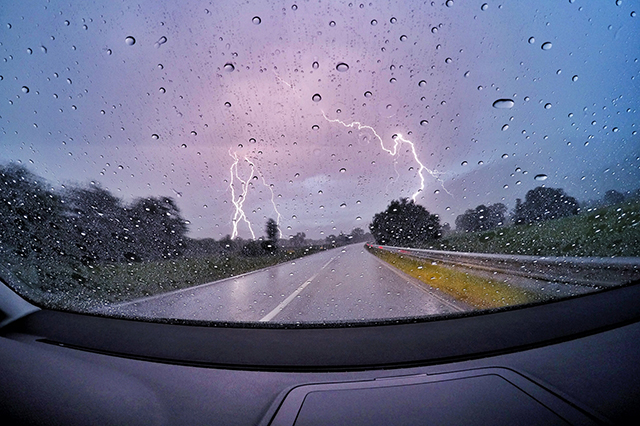
Atlantic hurricane season occurs from June 1 to November 30. For those living in coastal states, hurricane car preparation in the event of an evacuation is vital for your safety. Following these steps will ensure your car is ready to roll out before the storm rolls in — giving you one less category to worry about.
Here’s what you need to know about hurricane safety for vehicles.
Hurricane Car Preparation Tips Every Driver Should Know
Test Your Battery
Protecting your car from hurricane-related problems starts with the battery. Car batteries typically have a three to five-year lifespan. Call AAA for a battery inspection to ensure your car will start when you need it most. With AAA Car Battery Service, a battery service technician comes to your home or work so you can bypass the parts store and repair shop. They’ll test your car battery on-site and determine how much life it has left. If needed, your battery can be replaced on the spot.
Fill Your Tank
Gas becomes a hot commodity when a storm is approaching. During hurricane season, keep your tank topped off to avoid waiting in long lines or not finding gas at all.
Check Your Brakes
While there is never a good time for an accident, having one during a hurricane evacuation due to faulty brakes would be terrible. Have your brakes checked with a reputable technician to confirm they are in good working condition.

Hurricane Preparedness Guide
Learn how to keep your home and family safe before, during and after a major storm.
Read nowInspect Your Tires
Having the right tire pressure and the proper amount of tread plays a critical role in your tire’s ability to grip the wet roads and stop quickly. The recommended tire pressure can be found on a sticker inside the driver’s door or in your owner’s manual. Test your tire tread by placing a quarter into your tread grooves; if you can see the top of Washington’s head, your tires need to be replaced.
Replace Your Windshield Wipers
Windshield wiper blades should be replaced every six months to make proper contact with the windshield. Wiper blades that squeak, skip, smear or streak reduce driving visibility.
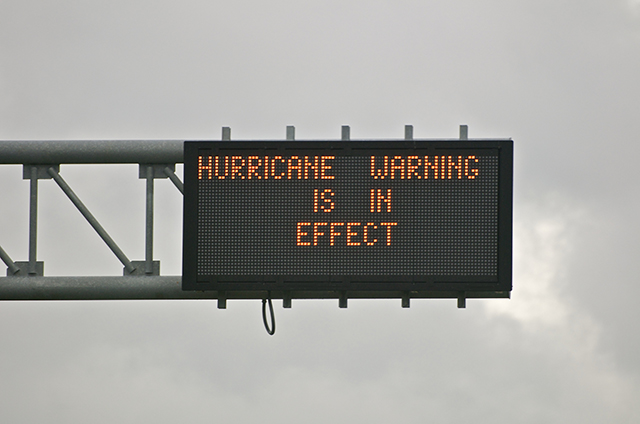
Assess Your Fluids
Evacuations typically cause congested roads and slow, stop-and-go traffic. Topping fluids off and having hoses in good condition will ensure your vehicle runs cool.
Time It Right
When a hurricane threatens to impact your area, consider evacuating early. Leaving in the morning helps you avoid being stuck in slow and sometimes standstill traffic, increasing your gas mileage. Also, driving early in the morning when temperatures are cooler reduces the risk of a breakdown caused by high heat strain on your engine.
Driving during a storm isn’t advisable as even a foot of standing water can do damage to your vehicle, but having a car emergency kit stocked with essentials like medicine, water, jumper cables, basic tools, flares and cell phone chargers is still recommended just in case.
Most importantly, stay calm, follow recommended evacuation routes and do not attempt to take shortcuts.
When Staying Put
If you’re sheltering in place during a hurricane, there are a few things you can do for flood damage prevention for your car. If possible and safe to do so, move your car to higher ground. Park either at the top of a hill or closest to the top of an above-ground parking garage. Be sure to close every door and window (including the sunroof!)
Get a AAA Auto Insurance Quote
Last updated on June 5, 2026 by AAA Staff

Related Articles



Trending Articles




NEWEST ARTICLES