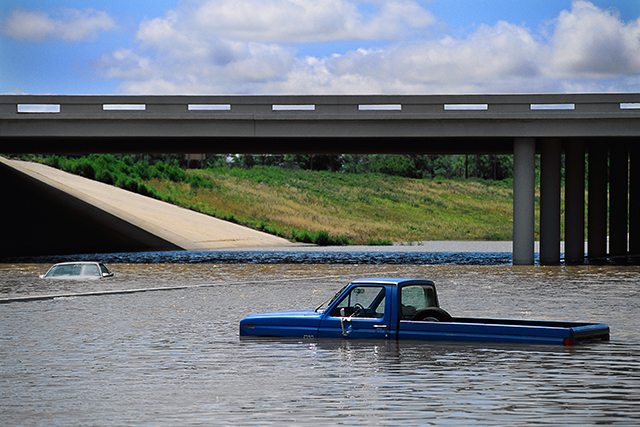
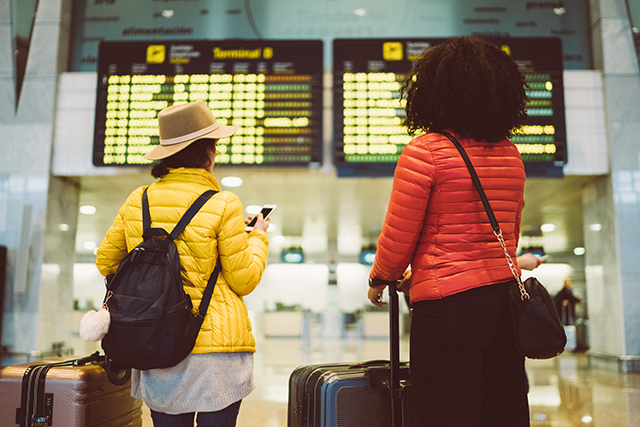
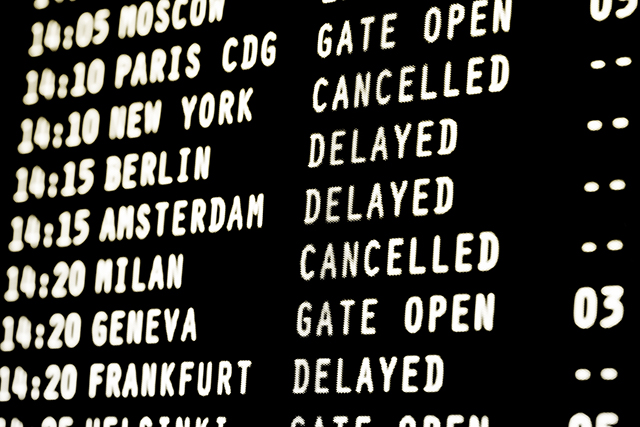
Get to Know Your Airline Passenger Fly Rights

Whether you’re a frequent flyer or you only get on an airplane occasionally, it’s important to understand what protections and benefits you have as an airline passenger.

Being familiar with the U.S. Department of Transportation’s (DOT) Fly Rights can help you feel more confident and prepared when facing unexpected situations at the airport or in the air. These guidelines cover key areas like ticket pricing, baggage policies and how airlines handle delays and cancellations. Keep this valuable knowledge in mind for your next trip.

Travel insurance offers additional protection. Learn about your options with AAA.

Ticket Pricing

When you pay for a flight ticket, you should know the full cost of the ticket — including government taxes and fees —  as part of the DOT’s full fare advertising rule. You also have a right to know about all fees pertaining to baggage, meals, reservation changes, cancellations and advanced or upgraded seating before your flight.

Ticket Changes and Cancellations

As part of the airline passenger bill of rights, airlines must let you change or cancel your reservation within 24 hours of booking without charging a fee. But be sure to read the fine print. A non-refundable ticket could become refundable if the airline is the direct reason for your cancellation, such a nonstop flight being converted into a connecting flight.

Delayed and Canceled Flights

There are no federal requirements for compensation regarding delayed or canceled flights. So be sure to check your airline’s policies — listed under “contracts of carriage” — to see what you’re entitled to when your flight is delayed, such as meal vouchers or free hotel accommodations for overnight delays.

If you’re stuck on the tarmac during the delay, airlines must give passengers food and water no more than two hours after the delay begins and keep the bathrooms operational. They must also let passengers off the aircraft within three hours for domestic flights and four hours for international flights, provided that there are no safety, security or airport operations repercussions.

Keep in mind, though, that if you get off the plane during a tarmac delay, the airline doesn’t have to let you back on or take your luggage off the plane.

Let's Plan Something Wonderful

Book your next trip with AAA Travel now or call 866-423-5585 to speak with a travel advisor.

Book Now

Bumping

If you volunteered to give up your seat on an overbooked flight, you’re entitled to rewards such as vouchers for future travel, a hotel stay or even cash. Be sure to communicate with the airline for specific rewards.

If you are involuntarily bumped from your flight, you have the right to ask the airline to explain your rights in a written document, detailing how the airline decides who does or doesn’t get to stay on the flight. Your ticket may be used on another flight or you can request an involuntary refund for it. You are also entitled to compensation (although there are exceptions). Bumped passengers can get as much as double the price of their tickets.

Lost Bags

Airlines are required to pay passengers for loss of, damage to or delay in receiving their baggage. Additionally, if a bag is lost, airlines are required to refund any fees associated with it.

airport

Traveling With Disabilities

If you have a disability, you generally don’t need to notify the airline ahead of time. But if the airline needs to make certain accommodations, you may be required to give a notice 48 hours before your flight. Additionally, you may employ an off-duty crew member or a volunteer as your attendant for the duration.

Filing Complaints

You have the right to file a complaint with the airline and the DOT. Complaints should be made after the flight has ended unless the they relate to emergency situations.

AAA travel advisors are happy to help you plan your trip and answer all your questions along the way. Connect with an advisor.

This article has been updated and republished from a previous version.

Subscribe to Your AAA Newsletter

Sign up and receive updates for all of the latest articles on automotive, travel, money, lifestyle and so much more!

Get Into The Holiday Spirit In Westchester

Tucked between the Hudson River and Long Island Sound, Westchester County offers a charming winter escape just 30 miles from Manhattan. Whether you’re looking for a day trip or an extended stay, now is the perfect time for a visit.

Easily accessible by Metro-North or Amtrak, this scenic stretch of the lower Hudson Valley comes alive during the colder months with holiday charm and seasonal adventures. From glittering light displays to cozy nights filled with timeless stories and songs, there’s something to make everyone feel merry.

Here are just some of our favorite events from this year’s lineup.

Sparkling Lights

Westchester’s light shows bring warmth and wonder to the cold winter nights.

From Nov. 21 to Dec. 30, Lumina illuminates Harvest Moon Farm & Orchard with more than half a million lights. Stroll the trail and be dazzled by a musical Nutcracker display, whimsical gingerbread city and more, with cider, s’mores and other farm-made treats to add to the magic.

Holiday on the Hudson at Monteverde at Oldstone in Cortlandt Manor is another a captivating light walk, backed by stunning Hudson River views. Afterward, warm up with a cocktail or hot chocolate by the fire in the vintage 1920s bar. Runs Wednesday through Sunday, Nov. 22 to Jan. 4.

In Yonkers, Untermyer Gardens Conservancy’s Grand Holiday Illumination showcases over 150,000 twinkling lights set to music from around the world. Open every night, Dec. 6 to Jan. 4, including the holidays. It’s free to the public and no reservations are required!

Stay cozy in your car at Westchester’s Winter Wonderland, a 1.2-mile drive-through light show at Kensico Dam Plaza in Valhalla. Turn up the holiday tunes and enjoy colorful, larger-than-life light displays surrounding Westchester’s tallest Christmas tree. Open nightly from Nov. 28 to Dec. 31.

Go Beyond Making New Traditions

Find the perfect gift and enjoy spectacular holiday views — this December in Westchester.

Learn More

Classic Holiday Traditions

For a glimpse of holidays past, visit one of Westchester’s historic mansions, where the halls are decked with ornate wreaths, garland, trees and antique ornaments.

The Armour-Stiner Octagon House in Irvington is hosting a Victorian Christmas Tour from Nov. 13 to Dec. 22. You don’t want to miss seeing this unique eight-sided home decorated for the holidays in 19th century decor. 

It’s a Gilded Age holiday at Lyndhurst Mansion in Tarrytown during the Holiday Classic Mansion Tour, running from Nov. 28 to Dec. 28. Also at Lyndhurst, guests can see the one-hour, one-man show “Mr. Dickens Tells a Christmas Carol.” Based on a tour Dickens did in 1867, it brings the beloved story to life like you’ve never seen before. Performances run Dec.14 to 26.

The Hudson River Museum offers Glenview Holiday Tours through its 1877 residence on select dates starting Nov. 28.

westchester
Courtesy of Visit Westchester

Markets and More

Pick up something special and soak in the spirit of the season with some gift shopping.

Ridge Hill and Cross County Center in Yonkers will be hosting festive experiences throughout the holidays, including tree and menorah lightings, photos and pet nights with Santa, live carolers, food trucks and a pop-up ice rink.

For handcrafted and locally made gifts you won’t find at the mall, you can browse nearly 50 artisanal vendors at the Downtown White Plains Holiday Market from Dec. 5 to 14, complete with firepits, live entertainment and Santa visits. The Nature Center at Greenburgh in Scarsdale hosts a sustainable Holiday Market and Train Show on weekends from Nov. 15 through Dec. 7. The New Rochelle Holiday Market brings ice skating and winter village charm from Nov. 28 through Dec. 14. And for even more unique finds, Clay Art Center’s Handmade for the Holidays is Nov. 13 through Dec. 23.

There’s so much to keep you entertained in Westchester this holiday season — and plenty of restaurants, cafes and bakeries to satisfy your cravings, wherever you go. So, plan to dine locally.

As you think about year’s holiday outings and winter traditions, put Westchester County at the top of your list.

Featured image: Courtesy of Visit Westchester

Subscribe to Your AAA Newsletter

Sign up and receive updates for all of the latest articles on automotive, travel, money, lifestyle and so much more!

Top Senior Travel Trends and Experiences

The 60 and older group has much to look forward to. Retired or nearing retirement, their burdens of work and family-rearing are behind them, and there’s more time to dedicate to the things they want to do. Traveling and exploring what they haven’t yet seen in the world is, of course, a top aspiration.

Senior travelers are drawn to luxury destinations that highlight culture, food, art and authentic experiences, where they can dive deep and learn about the country they’re visiting.

Most of AAA travel advisor Jackie Calia’s repeat customers are in this age group, and since she’s this age herself, she can better guide clients to the adventures that define this stage of their lives.

Go Premium  

Most senior travelers no longer worry about penny-pinching and are fully committed to relishing the finest experiences across the globe. Their choices — and budgets — reflect this, and they seek out destinations with luxury in mind.

Nonstop flights, posh hotels and spas, high-end dining that is an experience as much as a meal, and personal tours define these trips. They can avoid the chaos of overpacked attractions that can cause undue stress and truly immerse in and enjoy the local culture.

With time and money on their side, senior travelers still spend wisely and take advantage of off-season discounts to maximize the distance they get for each dollar spent.

“They want premium experiences at this point in their life. They’re fulfilling their bucket lists,” Calia says. “They’ve spent their years already raising kids and making the choices and working hard. So, they want to relish in their time, have other folks make choices for them, and have it all taken care of.”

Let's Plan Something Wonderful

Book your next trip with AAA Travel now or call 866-423-5585 to speak with a travel advisor.

Book Now

Travel by Air, Water and Rail

While senior travelers usually prefer to bypass international borders at 36,000 feet, they will remain in this continent if they can hop aboard a train or boat, Calia says. It’s not inexpensive, she adds, but the white-glove service on a first-class coach across the Canadian Rockies, for instance, has major appeal.

Seniors enjoy being waited on, connecting to their parents’ preferred method of old-world transport in style, and they can see the wonders of the world out the window while relaxing with a glass of wine in hand.

“They like the luxury of train travel,” Calia said. “They like to be well taken care of. At that age, they love to have guided travel with experts who can tell them about everything they’re seeing. We see a lot of Viking Cruises, AmaWaterways cruises and other river cruises with this age group.”

Delegate the Details

These global wayfarers also know their way around a computer. They just want someone else to arrange all the finer details and itineraries.

“They’re very informed travelers on their own. They are not afraid to do the research,” Calia said. “They just don’t want to plan anything. They want to be told when they have to go.”

Happy grandfather and granddaughters having a good time on beach at sunset, Okinawa, Japan

Where To?

Senior travelers tend to prioritize one big trip each year with multiple generations of their extended family — to celebrate their millennial children’s wedding anniversary, grandchild’s birthday or to simply spend time together away from the hustle and bustle of their daily lives. In fact, a Morning Consult analysis reports that more than two-thirds of baby boomers say they’ll travel in the next year to spend time with friends and family.

Prime destinations that can cater to these types of multigenerational vacations include Italy or Ireland, where large villas can accommodate groups of travelers, Calia said or a cruise that accommodates myriad culinary, accommodation and destination requests in one place.

Senior travelers also plan quite a few smaller trips solo or with friends, to share a trip to Easter Island, for example, which is “educational but they also meet people of their own age and interests,” Calia said.

Calia once booked a solo trip for a 78-year-old widow, including roundtrip car service to the airports, airfare and a weeklong cruise. “Everything was done, her tips were paid for,” Calia added, “and she basically could go with not a penny in her pocket.”

Exploring destinations like Alaska, Haiti, London and the Scottish Highlands, are deeply appealing to this age group, but they also flock to the beaches of Normandy, France, because many were born during World War II, she said.

“They want to see how the people of Peru live. It’s not a missionary-style trip, but they have an agenda,” Calia said. “They’re not all about relaxation. Anything is a learning experience, you know, they want to experience the culture, the food, the museums. It’s more of an educational experience.”

Travel Tours for Seniors

Viking, Tauk, Trafalgar and Intrepid Travel are among the best senior travel tour companies, according to TourScoop.

Your AAA travel advisor can arrange a vacation with one of these providers or assist with customizing a vacation that’s the perfect fit for you. It’s a free service included with your membership, so take advantage!

Contact a AAA travel advisor to start planning your vacation.

Learn about AAA Visa Signature® Credit Cards and how you can take advantage of cash back on travel and everyday purchases and experiences.

Are you a senior who loves to travel? Tell us your favorite destinations and travel tips in the comments below.

Subscribe to Your AAA Newsletter

Sign up and receive updates for all of the latest articles on automotive, travel, money, lifestyle and so much more!

 Evening Commute Becomes More Dangerous as Daylight Saving Time Ends 

While the end of daylight saving time brings an extra hour of sleep, adjustments in sleep schedules combined with darker evening commutes can lead to drowsiness behind the wheel — and result in more traffic crashes.

After the clocks “fall back” at the beginning of November, 5 to 6 p.m. becomes an increasingly dangerous time, according to a AAA Northeast analysis of crash data available in Connecticut, Massachusetts, New York and New Jersey.

Data from the Connecticut Crash Data Repository shows that from 2020 to 2024, there was a 35% increase statewide in crashes in the 5 p.m. hour during the month of November (4,555) compared to the month of October (3,370). For pedestrians, the danger is especially alarming. During the same five-year period, there was a 147% increase in pedestrian crashes in the 5 p.m. hour in November (106) compared to October (43).

According to a AAA Northeast analysis of data from the MassDOT Crash Data Portal, in 2024, there was a 37% increase in crashes in the 5 p.m. hour from October to November. For pedestrians, the risk increases even more dramatically: There were double the number of pedestrian crashes in the 5 p.m. hour in November than October.

AAA Northeast’s analysis of NY DMV data reveals that in 2023, there was a 73% increase in crashes in the 5 p.m. hour from October to November. For pedestrians, the risk increases even more dramatically: There were 98% more pedestrian crashes in the 5 p.m. hour in November than October.

New Jersey Division of Highway Traffic Safety preliminary data from Numetric indicates that in 2024, there was a 35% increase in crashes in the 5 p.m. hour from October to November. For pedestrians, the risk increases even more dramatically: There were 58% more pedestrian crashes in the 5 p.m. hour in November than October.

AAA research indicates that drowsy driving is a serious traffic issue — in part because many drivers fail to realize when they’re in danger of falling asleep. During a simulated nighttime driving experiment, the AAA Foundation for Traffic Safety found that 75% of participants who rated their level of drowsiness as low were, in fact, moderately or highly drowsy.

“As it starts to get darker earlier in the coming days, the end of daylight saving time may also alter our sleep cycles,” said Mark Schieldrop, spokesperson for AAA Northeast. “To ensure a safe evening commute as we adjust to the time change, it’s crucial to be well-rested and extra vigilant behind the wheel.”

AAA offers the following tips as drivers adjust to darker conditions:

  • Ensure lights are in good working order. Headlights can show signs of deterioration after just three years. Check for yellowing, clouding and other changes in appearance. Replacement and restoration services are available at most repair shops, including AAA Approved Auto Repair (AAR) facilities.
  • Keep your windshield clean. Make sure your wiper blades aren’t leaving streaks and that you have enough wiper fluid.
  • Decrease your speed to compensate for reduced visibility. Increase your following distance to four or more seconds behind the car in front of you — and more time if you’re behind a motorcycle or if weather conditions are poor.
  • Turn slowly at intersections, particularly in areas with poor street lighting or where pedestrians are likely to be present. Slow your speed to 5 mph when you turn and don’t try to speed through a yellow light and turn at the same time.
  • Avoid being blinded by oncoming high beams. If a driver of an oncoming vehicle fails to dim the lights, look down toward the right side of the road. You should be able to see the edge of the lane or the white edge line; stay on course until the vehicle passes.
  • Keep your eyes moving. Don’t just focus on the middle of an area illuminated by your headlights — watch for flashes of light that might indicate the presence of another vehicle on top of hills, around curves and at intersections.
  • Beware of glare. The time change means that sun glare may affect commuters at earlier hours. Use your sun visor, invest in polarized sunglasses and leave extra room between you and the car in front of you when the sun is in your eyes.
  • Prioritize getting at least seven hours of sleep before hitting the road. If you’re fighting to stay awake following the time change, pull over to a safe location, lock your doors and take a quick nap.

Subscribe to Your AAA Newsletter

Sign up and receive updates for all of the latest articles on automotive, travel, money, lifestyle and so much more!

10 Things You Didn’t Know Insurance Could Cover

When thinking about the worse-case scenarios your insurance is designed to protect, it’s easy to let your imagination run wild with what-ifs.

What if the next big storm causes a long-term power outage?

What if someone breaks into your kid’s dorm room?

And (for the biggest overthinkers) what if a plane crashes into your house?

Some situations may be more extreme than others, but it’s normal to wonder if insurance would help if they ever were to happen.

Insurance policies aren’t exactly written in layman’s terms. Your insurance agent can show you coverages that may be hiding in the details.  

Here are 10 of the more “unusual” things your auto, homeowners or renters policies may cover, including a few you might not have even thought of.  

For all your insurance needs, AAA has you covered.

Lightning Strikes

Lightning strikes caused more than $1.04 billion in insured losses in 2024, according to the Insurance Information Institute. If your home is partially or entirely destroyed by lightning-caused fire, the damage may be covered by a homeowners policy. Electronic equipment such as computers, televisions and refrigerators that are damaged by lightning strikes could also be covered. Lightning also strikes autos, causing fires and damage to electrical systems, both of which may be covered by your comprehensive policy (subject to deductible).

Identity Theft

Millions of people are victims of identity theft every year. With an optional endorsement on your policy, your insurance may cover identity theft expenses up to a predetermined limit. These expenses may include reasonable attorney fees and earnings lost due to time taken off work to resolve the issue.

Safeguard your identity with ProtectMyID from AAA and Experian.

Spoiled Food

If an unexpected power outage occurs, food that spoils in your freezer and refrigerator may be covered under your homeowners policy, but the amount will likely vary from state to state. Some carriers require this coverage.

Student Possessions

If your child is a student and lives in a college dorm, their possessions may be protected by your homeowners or renters insurance policy. However, an off-campus apartment might not be covered. Check with your agent about the specifics of your policy before your student heads off to school.

Here’s what else college students should know about insurance.

Dog Bites

Dog bites and other dog-related injuries account for one-third of all homeowners insurance liability claims, according to the Insurance Information Institute. Your homeowners or renters policy may cover dog-bite liability expenses up to the liability limits. However, dog bite claims from dogs with prior bite history and/or breeds that are classified as vicious may be excluded in some policies.

Read more about how pets are covered by home and auto insurance.

how do potholes form

Pothole Damage

If you have collision coverage, damage to your car from hitting a pothole may be covered, subject to deductible. Collision coverage is typically optional, so be sure to contact your insurance agent to ensure you have the coverage you need.

Tombstones/Grave Markers

Your homeowners policy may cover vandalism or damage to tombstones or grave markers, which are considered to be personal valuables.

Lost Wages

If available in your state, Personal Injury Protection (PIP) on your auto insurance policy can be used to recover a portion of lost wages, if you’re involved in an auto accident injury that causes you to miss work.

Riots

While rare, riots do happen. A homeowners or renters policy may cover damage to your home and possessions caused by rioting. If you have comprehensive auto insurance, damage to your car may be covered as well. Deductible may apply.

Aircraft Crashes Into Your House

Although the chances of it happening are slim, aircraft do occasionally crash into homes and the resulting damage may be covered.

Contact a AAA insurance agent to find out more about your insurance options and what discounts you might be eligible for.

This article has been updated and republished from a previous version.

Subscribe to Your AAA Newsletter

Sign up and receive updates for all of the latest articles on automotive, travel, money, lifestyle and so much more!

Fly & Drive: Fulfill Your Need for Speed in North Carolina

For car racing fans, North Carolina offers a trio of destinations that will get your adrenaline pumping. From feeling the thrill of the action at the track to exploring museums and touring team race shops, there’s more than enough to keep your engine revving throughout your visit.

Start Your Engines in Charlotte

Charlotte is home to the NASCAR Hall of Fame, an ideal start to any race-themed road trip. With a combination of permanent and temporary exhibits, you can learn about the drivers, teams and events of the past and get a closer look at those making an impact today. Here you can also see the Hall of Honor, a tribute to those who have earned their place among NASCAR’s elite.

Compete against family and friends on one of the racing simulators, tackle the Pit Crew Challenge to see how fast you can change a tire or try your hand at broadcasting by calling a play-by-play of the race. It’s the perfect spot to get you in the racing mindset for your journey.

Make a Pit Stop in Concord

About a 30-minute drive from Charlotte, Concord features racetracks, race shops and a racing museum.

Charlotte Motor Speedway welcomes race fans to stop in for a visit any time of the year. The track maintains a full schedule of events, including two NASCAR weekends each year with races in all three of NASCAR’s top series, racing schools, speedway tours and even Speedway Christmas, an annual drive-thru holiday light show.

Next door, there’s The Dirt Track at Charlotte, which hosts dirt racing events like the World of Outlaws World Finals in November and the Cook Out Monster Truck Bash in August. Sitting alongside The Dirt Track, zMAX Dragway hosts the NHRA 4-Wide Nationals each year In April — a thrilling event, where four cars battle instead of the traditional two.

To get a closer look at some of your favorite race teams, stop by their race shops in the area. At Hendrick Motorsports, you can see race trophies, cars and other memorabilia in the lobbies of the 5/9 and 24/48 buildings, tour the museum and pop into the gift shop. Trackhouse Racing and RFK Racing shops are also nearby.

Some race shops offer guided tours, while others limit public access to designated areas such as team stores, viewing galleries or museums. Be sure to call ahead for details.

At Curb Motorsports Museum, see how Mike Curb combined his passions for country music and racing through a variety of exhibits that include race cars, gold award records, photographs and much more.

Car Rental Savings

Get up to 20% off the base rate of your next car rental.*

*Terms apply.

Book Today

Cross the Finish Line in Mooresville

Known as Race City USA, Mooresville has plenty of attractions and activities for race fans, and more race shops. At Spire Motorsports, visitors can watch the crew prep cars before picking up a souvenir in the gift shop. Over at Team Penske, the impressive 432-foot fan walk provides a close-up view of NASCAR vehicles getting track-ready. For a behind-the-scenes experience, fans can schedule a free tour at JR Motorsports, where they’ll see Dale Earnhardt Jr.’s podcast studio and explore the departments that help build winning race cars.

For more NASCAR and NHRA history and legends, check out the North Carolina Auto Racing Hall of Fame. And if you can’t get enough cars, Memory Lane Motorsports and Historical Automotive Museum has over 100! Its collection includes classic cars, muscle cars, motorcycles and, of course, race cars.

If you’re ready to climb behind the wheel, hit the track at Trackhouse Motorplex or The Pit, two go-kart racing facilities that offer plenty of competition and excitement. At Trackhouse Motorplex, challenge your friends to a spin around the 0.7-mile, 11-turn outdoor track as you reach speeds up to 55 mph. At The Pit, see who can take the checkers on the indoor, 20-turn track that stretches just more than a third of a mile in length.

Don’t leave Mooresville without stopping at Lancaster’s BBQ. While indulging your taste buds with barbecue pork and smoked ribs, you can take in all the NASCAR memorabilia that adorns the walls, ceiling and even the bathrooms. You can even dine in a fan bus inside the restaurant. Think of it as a trip to victory lane to wrap up your trip!

Plan your trip with a AAA travel advisor and rent your car with Hertz. AAA members can save up to 20% on Hertz rentals.

Subscribe to Your AAA Newsletter

Sign up and receive updates for all of the latest articles on automotive, travel, money, lifestyle and so much more!

Check Into Luxury at These Exclusive Hotels

Looking to treat yourself to a premium stay for your next vacation? Your AAA travel advisor can make it happen.

From the relaxed coastlines of Florida to the vibrant streets of Tokyo, elevate every moment at these exceptional properties.

Enjoy a stay where every detail is thoughtfully tailored to you, complemented by 24/7 concierge service for anything you need along the way.

Luxury Hotel Collection

Discover world-class stays and exclusive perks.

Book Now

Peninsula Hotel

Beverly Hills, California

Tucked away in one of the country’s glitziest ZIP codes, the Peninsula Hotel offers an intimate escape surrounded by tropical gardens. For more than 30 years, this bucolic location has been the sole Southern California hotel to receive both the AAA Five Diamond and Forbes Five Star designations. Flexible check-in and check-out times take the stress out of arriving and departing, so you can spend more time relaxing at the rooftop pool — equipped with private cabanas and flat-screen TVs — and unwinding at the spa. For retail therapy, the hotel is just a short walk to Rodeo Drive and dozens of high-end stores and restaurants. Don’t miss the world-famous afternoon tea in the Peninsula’s Living Room, where you can also listen to live music in the evenings.

Waldorf Astoria Orlando_Waldorf Astoria Orlando 2

Waldorf Astoria Orlando

Orlando, Florida

Those seeking a dose of luxury and tranquility in the heart of theme park central can find it at the Waldorf Astoria Orlando. Located next to Walt Disney World Resort and encircled by a 482-acre nature preserve, this elegant hotel features several levels of high-end suites with private balconies overlooking the 18-hole golf course and fireworks shows. Spend your days on the links, rejuvenate at the spa, unwind poolside in a private cabana or float away along the lazy river. Parents can drop the little ones off at Waldy’s Kids Club for arts and crafts, games and swimming. And when you are ready to head back to the parks, early entry and included transportation make for a seamless experience.

Iceland_Grimsborgir 2

Hotel Grimsborgir

South Iceland

Located in Iceland’s Golden Circle, the five-star Hotel Grimsborgir offers cozy rooms and suites with panoramic views of Iceland’s unique scenery and easy access to attractions such as volcanic craters, Thingvellir National Park, Gullfoss waterfall and the Geysir geothermal area. All rooms come with a private or shared hot tub and terrace. For bigger groups seeking more privacy, houses are available for rent. The hotel’s restaurant features Icelandic specialties as well as international dishes. To make your trip even easier, direct flights to Iceland are available from Boston and New York City.

Work with a AAA travel advisor to save 5% at Grimsborgir, an exclusive member benefit.

JR Hotels Grande Albergo delle Nazioni Bari_JR Hotels Grande Albergo delle Nazioni Bari 1

JR Hotels Grande Albergo delle Nazioni Bari

Puglia, Italy

JR Hotels Grande Albergo delle Nazioni Bari is a converted 17th century estate that capitalizes on its history while providing every modern comfort, including a rooftop pool and wellness center. Guests can stroll down to the private Tamerici Beach Club or walk downtown to experience Bari’s cultural scene. An onsite restaurant serves Apulian cuisine made with local ingredients. The hotel boasts more than 100 opulent rooms and suites, some with ocean or garden views and private patios.

The Landmark London_The Landmark London 1

The Landmark London

Fly direct to London from Boston or New York City, straight into luxury. At the Landmark, guests can enjoy modern amenities in a traditional British atmosphere. Built in 1899 and originally called the Grand Hotel, it is known for its glass-domed atrium and boasts 300 spacious rooms and suites, with marble bathroom fixtures, a spa and health club. Guests can choose to dine in three gourmet restaurants — and don’t forget to book afternoon tea under the atrium’s towering palm trees! Located in the Marylebone section, many of London’s most popular destinations, including Regent’s Park, are just a short walk away.

Hilton Tokyo Odaiba_Hilton Tokyo Odaiba 1

Hilton Tokyo Odaiba

For exquisite water views, Hilton Tokyo Odaiba on Tokyo Bay’s has guest rooms with floor-to-ceiling windows and private balconies. Its waterfront setting inspires seafood-focused menus at several restaurants, featuring Japanese, Cantonese and European cuisine across grills, bars and a buffet. The outdoor terrace is ideal for enjoying drinks or sweets in the sunshine, but for ultimate relaxation, the hotel’s wellness center includes indoor and outdoor hot tubs, an aroma mist and a dry sauna. Convenient transportation to central Tokyo is available, and nearby attractions include the Aqua City shopping complex, museums and other retail spots. Tokyo Disneyland and Tokyo DisneySea are easily accessible by train.

Work with a AAA travel advisor to save 5% at Hilton Tokyo Odaiba, an exclusive member benefit.

You’ve read about it — now experience it.

AAA Travel Advisors will turn your inspiration into a memorable vacation, providing trusted guidance and exclusive member benefits. Connect with us to learn more.
Call 866-423-5585 | Find a AAA Branch | Contact Online

Subscribe to Your AAA Newsletter

Sign up and receive updates for all of the latest articles on automotive, travel, money, lifestyle and so much more!

Crossword: Automotive Parts

Subscribe to Your AAA Newsletter

Sign up and receive updates for all of the latest articles on automotive, travel, money, lifestyle and so much more!

Must-See Attractions in Las Vegas Right Now

Lots of people base their Las Vegas trips around major headliner residencies like Jerry Seinfeld and Kelly Clarkson, but the best thing about the city is that, on any given day, there are roughly a million fun and entertaining things to do. The only hard part is narrowing it down to what you’ll be able to squeeze in. Hey, you can always add an extra night or two.

Get in on the action with AAA Tickets.

Attractions in Las Vegas for Adults

A Scary Good Time

The buzziest and scariest spot in town is Universal Horror Unleashed, a groundbreaking new attraction at the Area15 entertainment complex that brings Halloween frights to life all year long. Based on Universal Studios’ wildly popular Halloween Horror Nights, Universal Horror Unleashed has four haunted house mazes.

Two houses are based on horror films: “Texas Chainsaw Massacre” and “Exorcist: Believer.” And two are based on original concepts; Scarecrow: The Reaping takes guests into cursed farmland. Universal Monsters pulls from the studio’s pioneering horror films, like “Dracula,” “Frankenstein” and “Creature from the Black Lagoon.”

All that, plus bars and restaurants, a dark circus show and roving scare actors to make sure nowhere is truly safe — in the best possible way. If you’ve got teens who like scary movies, they’ll love this, but Universal recommends no one under 13 attend.

Head to Funky Town

Leave it to Vegas to keep disco alive. The psychedelic Discoshow, which opened at The Linq in 2024, is a huge, high-energy dance party that brings a 1970s New York disco to life. It’s the kind of experience you’ll never forget, complete with professional dancers teaching you classic moves and roller skating (no, really!) around the glowing dance floor. The attached Diner Ross restaurant is themed like a 1970s New York diner and has a steakhouse-inspired menu.

Get Wild

The wildest show in the West is the Atomic Saloon Show at the Venetian. This bawdy comedy/circus show is set in the Nevada desert when there was nothing but dusty Old West towns with a few gambling parlors and mining claims. The physical feats are astonishing, the comedy is outrageous, and the whole thing is a wholly only-in-Vegas experience.

A Different Way to Play in Vegas

If you grew up wishing you could have been a contestant on “Double Dare” or “American Gladiators,” Play Playground at the Luxor is a must-visit. This adults-only game space is really a huge playground for overgrown kids. You can be a human bullseye, play life-size board games or make it through a surprisingly challenging obstacle gauntlet — all with a cocktail, of course.

the mob museum - attractions in las vegas
Courtesy of the Mob Museum
Step Into the Shadows of Organized Crime

Even if you aren’t a huge fan of “The Godfather,” the Mob Museum in Old Vegas is worth checking out. Las Vegas wasn’t totally built by the mafia, but there’s an argument that it wouldn’t be what it is today without a heavy hand from Murder Inc., and the history is fascinating. Even better: there’s a speakeasy in the basement where they distill their own hooch. The museum is open to everyone, but the speakeasy is for ages 21 and older. If you want to head straight to the bar and skip the history, the museum’s website has a password to get you in the secret side door.

Family Activities in Las Vegas

Vegas may be considered an unconventional family vacation, but there is plenty of entertainment that the whole family can enjoy.

An All-Around Good Time

Since it opened in 2023, the Sphere has been a main attraction. Attached to the Venetian, the jaw-dropping venue features a 160,000-square-foot wrap-around screen inside. When there are concerts, like Backstreet Boys or the Eagles, the screen shows custom art designed to complement the music. When it’s a movie, like “The Wizard of Oz at Sphere,” the theater includes 4D effects like wind, fog, fire and props raining from the sky — plus a few surprises from the seats themselves.

Even if you don’t make it to an event, The Sphere is a marvel to look at from the outside, easily visible from your airplane and playing interesting art sequences 24 hours a day. 

Meow Wolf Las Vegas Omega Mart
Meow Wolf Omega Mart. Credit: Christopher DeVargas for Meow Wolf.
Explore the Unexpected

There are a lot of fun offerings at Area15. But even there, Meow Wolf Omega Mart is a standout. It starts out as a reality-bending grocery store experience where nothing is quite what it seems, and turns into a technicolor fever dream of interactive art. If you’re so inclined, there’s a mystery to solve — but it’s just as enjoyable to simply explore the creative efforts of over 300 artists who made Omega Mart what it is.

Sky’s the Limit

If you love the Soarin’ rides at Disneyland and Walt Disney World, Flyover Las Vegas is for you. The attraction is a similar experience to the Disney ride, where guests sit in elevated seats and “fly” through a movie projected on a 180-degree screen. The Las Vegas version involves more special effects, is a longer experience and has several films to choose from. Just don’t expect to see any cartoon mice in the show.

Piff the Magic Dragon - attractions in Las Vegas
Piff the Magic Dragon. Credit: Christopher DeVargas.
Masters of Illusion

What? You’ve never seen a chihuahua do magic before? That’s because you haven’t seen the “Piff the Magic Dragon Show” at the Flamingo, which features Piff (a man) and Mr. Piffles (a dog) doing hilarious comedy bits and illusions together. Illusionist Mat Franco also puts on a stellar show in his theater at the Linq. Both shows welcome kids — and might bring them up on stage.

Bring Your Quarters for Retro Arcade Fun

Finally, it’s probably the least expensive and most entertaining attraction in Las Vegas for families — especially if you’ve got fond childhood memories of saving your quarters for the arcade. The Las Vegas Pinball Hall of Fame is technically a museum, but it’s really a 25,000-square-foot space full of old-fashioned pinball machines. Some games date back to the 1950s and cost a mere 25 cents to play. Games made in the 1990s or later cost 50 cents. If you forget your quarter stash at home, there are change machines. The venue is free to enter and donates its proceeds to charity.

Let's Plan Something Wonderful

Book your next trip with AAA Travel now or call 866-423-5585 to speak with a travel advisor.

Book Now
Which Las Vegas attraction would you love to see? Tell us in the comments.

Featured image: DiscoShow. Credit: Julie Tremaine.

Subscribe to Your AAA Newsletter

Sign up and receive updates for all of the latest articles on automotive, travel, money, lifestyle and so much more!

Northeast Gas Prices Keep Falling through Fall

The declines in retail pump prices came even as oil and gas markets moved higher last week after the U.S. announced a fresh round of U.S. sanctions against the Russian petroleum industry. Crude prices finished the week about $4 a barrel higher on concerns that global petroleum supply could be impacted by the sanctions, which target two of Russia’s largest oil companies.

Even with the spike in crude prices, oil is still considered inexpensive by recent historical standards, trading in the low $60 a barrel range. Before the recent spike, prices dipped to a low of $57 a barrel on Oct. 16, which marked the lowest price for crude since February of 2021.

Turning to domestic supply and demand, both declined last week, according to the Energy Information Administration (EIA). Even with production climbing 134,000 barrels a day to 9.61 million barrels a day, domestic inventories of gasoline fell 2.1 million barrels to 216.7 million barrels, which is roughly 3 million above last year’s figure. Demand slipped a negligible 2,000 barrels a day to 8.45 million barrels a day—380,000 barrels a day below the comparable week in 2024.

“Even with a surge in oil prices, crude prices are about $10 lower than they were this time last year,” said Mark Schieldrop, senior spokesperson for AAA Northeast. “Right now, pump prices are trending down on expectations for softer demand typically seen this time of year.”

AAA Northeast’s Oct. 29 survey of fuel prices found the current national average down 3 cents from last week ($3.06), averaging $3.03 per gallon. Today’s national average price is 10 cents lower than a month ago ($3.13) and 10 cents lower than this day last year ($3.13).

RegionCurrent Price*One Week AgoOne Month AgoOne Year Ago
Massachusetts$2.99$2.99$3.08$3.06
Rhode Island$2.92$2.93$3.06$2.97
Connecticut$3.03$3.04$3.14$3.07
New York$3.11$3.12$3.20$3.20
New Jersey$2.94$2.96$3.09$2.95

*Prices as of Oct. 29, 2025

Today, Oklahoma and Mississippi have the lowest prices in the nation at $2.59 each. California and Hawaii hold the highest prices in the nation this week at $4.57 and $4.48 respectively.

The AAA Gas Prices website is your resource for up-to-date fuel price information. Search for average gas prices on national, state and metro levels by regular, plus, premium and diesel.

Subscribe to Your AAA Newsletter

Sign up and receive updates for all of the latest articles on automotive, travel, money, lifestyle and so much more!

Are You Insured Against Porch Pirates? 

Online shopping offers convenience, near-endless choice and great value for the money. Unfortunately, it also comes with a risk: porch pirates. 

The good news? Whether or not you’re insured, there are multiple ways to recover the value of your item. We’ll go into more details below. 

What Is a Porch Pirate? 

A porch pirate is anyone who steals a package (usually an online order) delivered to someone else’s doorstep. It’s a type of theft, and illegal in every state.  

Porch piracy is a relatively common problem. In fact, over $15 billion worth of packages were stolen from American consumers in the last year, according to the 2025 SafeWise Package Theft Report.

Are You Insured Against Porch Pirates? 

Unless you’ve paid for coverage issued by the seller or delivery service, it’s unlikely your package is insured. However, in most cases, you can still get a replacement or a refund — either through the seller, the delivery service or your credit card company.

Homeowners and renters insurance covers stolen packages, but only if the item is worth more than the deductible (typically between $500 and $2,000).

“Homeowners and renters’ policies will cover the theft of items from porch pirates, but the loss would be subject to the deductible and any limits for certain items, such as jewelry,” said Greg Smolan, AAA Northeast’s vice president of insurance operations. “Always look at your policy or speak with an insurance professional.”

What To Do if Your Package Is Stolen

Whether or not your package was insured, following the steps below will help you recover its value. 

  • Track your package. Start by using the tracking number (usually included in the order confirmation email) to ensure the package was received. Packages are sometimes marked as delivered several hours before they arrive. 
  • Check with your neighbors. Check that your neighbors didn’t receive the package before reporting it missing. Remember to check behind plants and vehicles — it may have been hidden in a safe place by the delivery driver. 
  • Contact the seller. Every seller is different, but in some cases they may be willing to replace or refund the stolen item. Around 35% of stolen packages were purchased from Amazon in 2025, according to the SafeWise report. Amazon requires you check with the carrier first before contacting customer service.
  • File a claim with the shipping company. In some cases, sellers may tell you to contact your shipping company, such as FedEx, DHL, United Parcel Service (UPS) or the U.S. Postal Service (USPS). Many companies offer online claim filing, or you can contact them by phone.
  • Contact your credit card company. If you paid for 100% of the purchase with a credit card and report the theft within a certain number of days, the credit card company may reimburse you. You’ll likely need to file a police report beforehand. Credit card providers don’t cover high-value items, usually over $500 or $1,000.
  • Contact your insurance. If you have homeowners or renters insurance, you can claim it on your insurance. “Filing a claim is a self-choice,” Smolan said, “but some things to think about include the value of the item meeting your deductible, if you’ve filed other claims and how your premium will be impacted moving forward.” 

How To Prevent Porch Pirates

The steps below can save you thousands of dollars and a headache down the line — especially during the holidays, when porch thefts surge. 

Choose a Safe Pickup Spot

If you’re buying from a retailer, consider in-store pickup instead of delivery. You can also send packages to a USPS facility, your local UPS store or an Amazon locker facility. 

Opt-in to Delivery Management

Many services offer shipment update services, so you can track your packages and make sure you’re at home when they arrive. You can also specify if you’d like your package to be signed for in person or left with a neighbor.

Use a Lock Box

Purchase a combination lock box to protect your package until you get home. Include the combination lock code in the delivery instructions. 

Invest in Home Security

Consider installing a doorbell camera or security camera. In some cases, this may be enough to deter thieves — if not, you’ll have evidence when you file a police report or make an insurance claim. 

Consider Insurance

If you’re purchasing a higher-ticket item like a new phone or computer, consider an insurance plan through the seller or delivery service. Homeowners and renters insurance can also help protect you from porch pirates, and some policies extend to protecting items stolen from your vehicle. 

Get a Home Insurance Quote

Have you ever had a package stolen from your doorstep? Tell us in the comments.

Subscribe to Your AAA Newsletter

Sign up and receive updates for all of the latest articles on automotive, travel, money, lifestyle and so much more!

AAA Study: Drivers’ Failure to Slow Down, Move Over Kills Roadside Workers

Last year, 46 emergency responders died while assisting others at the roadside — including police officers, firefighters, EMTs and tow truck operators, according to the Emergency Responder Safety Institute. These tragedies happened despite Slow Down, Move Over (SDMO) laws in all 50 states. A new study by the AAA Foundation for Traffic Safety found that confusion about the laws and driver noncompliance are leaving first responders at continued risk.

Several troubling trends emerged from the research.

  • More than a third of drivers aren’t moving over or slowing down for roadside workers. Based on real-world footage of drivers passing roadside incidents, 64% of vehicles either slowed down or moved over. The remaining 36% did neither. Changing lanes was more common than reducing speed, suggesting that many drivers focus on only half the law.
  • Many drivers don’t fully understand what SDMO laws require. A national survey conducted as part of the study found that two-thirds of drivers said they’ve heard of SDMO laws, but many couldn’t say whether their state has one or what the law entails.
  • Tow truck drivers face the greatest risk. Only 58% of drivers observed in surveillance video slowed down or moved over when a tow truck was stopped at the roadside, compared to 66% who slowed down or moved over for police vehicles.
  • Intentions don’t match actions. Most drivers say they comply with SDMO laws, but roadside videos show otherwise — especially when it comes to reducing speeds.

Connecticut’s Slow Down Move Over law requires drivers approaching emergency vehicles (including tow trucks) with their lights flashing to slow down to “reasonable level below the posted speed limit” and, if safe to do so, move over a lane. Drivers must also move over, if safe, for nonemergency vehicles on the shoulder.

Massachusetts’s Slow Down Move Over law requires drivers approaching emergency vehicles, maintenance vehicles, and tow trucks with their lights flashing to proceed with due caution, change lanes if safe to do so, and reduce their speed if unable to change lanes.

New Jersey’s Slow Down Move Over law applies not only to emergency vehicles, but tow trucks and disabled vehicles on the shoulder as well. A SDMO law violation incurs a fine of $100 to $500.

Both New York and New Jersey’s Slow Down Move Over laws apply not only to emergency vehicles, but tow trucks and disabled vehicles on the shoulder as well. In New York, a SDMO law violation carries a fine between $130 and $450, two points on a driver’s license and an $88 surcharge. In New Jersey, a violation incurs a fine of $100 to $500 and a possible 90-day license suspension.

New York’s Slow Down Move Over law applies not only to emergency vehicles, but tow trucks and disabled vehicles on the shoulder as well. In New York, a SDMO law violation carries a fine between $130 and $450, two points on a driver’s license and an $88 surcharge.

Rhode Island’s Slow Down Move Over law applies not only to emergency vehicles, but tow trucks and disabled vehicles on the shoulder as well.

“Clear and consistent laws, visible enforcement and education that resonates with drivers are needed to help every roadside responder make it home safely,” said Mark Schieldrop, senior spokesperson for AAA Northeast. “When everyone understands what ‘slow down, move over’ really means, we can make our roads safer for those who protect us every day.”

AAA encourages policymakers, enforcement agencies and safety partners to strengthen and align their approaches to Slow Down, Move Over laws, making them clearer, more consistent and easier for drivers to follow.

Subscribe to Your AAA Newsletter

Sign up and receive updates for all of the latest articles on automotive, travel, money, lifestyle and so much more!

Pro Driving Tips From AAA Driving School Instructors

When you are a new driver, there’s a lot to learn and retain. Even as we become seasoned drivers, there’s always room for improvement. Some maneuvers — like parallel parking or making your away around a roundabout — can still feel intimidating, no matter how experienced you are behind the wheel.

In operation since 1935, AAA Driving School trains around 7,000 new drivers annually, so our driving instructors know firsthand about the challenges drivers face most behind the wheel.

Cherie Pease and Lisa Gauvin, AAA Driving School instructors in Massachusetts, offered their best driving tips when it comes to mastering situations that tend to trip up young and experienced drivers alike.

Three-Point Turn

A three-point turn is a driving maneuver used to turn your vehicle around on a narrow road where a U-turn is not possible. The first point is a sharp left turn, the second point is reversing and the third point is shifting back into drive to complete the turn. Some may also know it as a K-turn because of the shape the car moves in when visualized from above.

It’s much easier to turn your wheel all the way to the left before moving your vehicle. Most roads are narrow, and if you don’t do this first, you may not get fully across the road,” said Gauvin. “You must always look behind you while you are in reverse, so one trick is to just let the car roll and count to three while you are looking back. Stop and look where you are. Your vehicle should be pointed slightly left and your body should look like you are sitting in the middle of the road. You may go back farther if necessary and pull forward if needed.”

Left Turn

“The biggest mistake people make turning left is that they don’t yield,” said Gauvin. “At every left turn you should be asking yourself, ‘Am I protected — is there a green arrow?’ You are only protected from oncoming traffic with a green arrow. No green arrow means you must yield.”

When pulling into an intersection, drivers should be careful to enter the gap and avoid crossing over the center yellow line.

“You can fail your road test for driving over lane markings,” said Gauvin. “Left turns should be made at a sharp 90-degree angle. If you don’t have lane markings, you should pass the first lane and wait until your driver’s side mirror lines up with the middle of the road and then make your turn. It’s important to only enter your lane.”

Listen to Our Podcast

Tips for passing your driver's test with ease. Listen to Episode 16 of our podcast, Merging Into Life: How to Pass Your Road Test.

Tune In

Who Goes First at a Stop Sign?

“The right-of-way is something you give, not take. You need to show extra caution at intersections,” said Pease. “At an intersection with stop signs in all directions — a four-way stop — vehicles must proceed in the order in which they stopped. The first to stop, is the next one to go.”

You must yield to:

  • Oncoming vehicles.
  • Any vehicle already in the intersection.
  • Pedestrians or bicyclists crossing your intended path of travel.

“Try to make eye contact with the drivers of other vehicles to judge their intentions and avoid crashes,” suggested Pease. “If in doubt, give the right-of-way to the driver on your right.”

Parallel Parking

“Among the most common mistakes that drivers make when parallel parking is rushing because of passing traffic and forgetting key points to help angle the car,” said Gauvin. “Don’t rush. It doesn’t matter that cars are waiting. They can wait.”

In this quick tutorial, a AAA Driving School instructor demonstrates how to parallel park:

How to Use Cruise Control

“You only want to use cruise control when you have plenty of room to do so. You do not want to use it in high traffic volumes or inclement weather situations. You also do not want to use cruise control when you are tired, as you may not react appropriately or swiftly if you start to drift out of your lane,” said Pease.

“Using cruise control is a great way to maintain proper speed when driving on the highway. This will help you avoid going over the speed limit and getting a ticket. It can reduce leg strain and fatigue when used properly. Setting your vehicle’s cruise control on a reasonable speed will also reduce fuel consumption by preventing sudden accelerations and decelerations. Each driver should check their owner’s manual for specific instructions on how to properly set the cruise control.”

Roundabouts

“Roundabouts can be tricky; be sure to always go right. You must yield to anyone coming around at you. If no one is there, head right out,” said Gauvin.

  • If someone is coming around the roundabout, and they are not halfway around, then you have time to go. If they have passed the halfway mark, then stay put.
  • Pay attention to traffic. If you see someone exiting the roundabout, that’s a great time for you to get on, as long on there isn’t a car right behind them.
  • If exiting at the first exit, stay right. If not, move over to the left lane until your exit comes up. Be sure to signal and check blind spots.

“Bottom line: If you hesitate, then you wait. Something in your gut made you wait. Trust it,” encourages Gauvin. “Never let cars behind you make you jump the gun.”

See how a AAA Driving School instructor safely navigates a roundabout (aka rotary) in this helpful driving demo:

Tips for Driving an EV

Electric vehicles are still uncharted territory for a lot of drivers. To help new drivers get used to some of the differences, AAA driver training programs offer some of its students a chance to learn on an EV.

“Probably the biggest tip for driving an EV is understanding the range of your car and checking the battery life regularly. If you are taking longer trips, you may need to do a little extra planning on where to charge your vehicle along the way,” said Pease.

Additional EV driving tips:

  • The higher the temperature, the more an EV’s range decreases. Drive at a steady speed to maximize the battery range — the faster you go, the faster you drain the battery.
  • Use regenerative braking around town; you want to avoid hard braking and fast acceleration.
  • Keep your tires properly inflated. Low tire pressure consumes more energy due to resistance.
  • Do not leave your vehicle plugged in after it is fully charged.
If you or someone you know is ready to learn to learn how to drive, sign up for AAA Driver Training School, available in Massachusetts and Rhode Island.
What challenges you most as a driver? Do you have any driving tips to add? Tell us in the comments.

Subscribe to Your AAA Newsletter

Sign up and receive updates for all of the latest articles on automotive, travel, money, lifestyle and so much more!

The 5 Best Places To Visit in Alaska for First-Timers

With its towering glaciers, sweeping landscapes, unique wildlife and rich history, there are so many great reasons to visit Alaska.

Often feeling more like an exotic country than a state, Alaska tops many travelers’ wish lists. But with so much to explore, planning ahead is key to making the most of your adventure.

Whether you are drawn to its natural wonders or its gold-rush past, these are some of the best places to visit in Alaska for first-timers, providing a well-rounded glimpse into all that makes the Last Frontier so special.

But First …

Your first order of business when planning an Alaska vacation in deciding how you want to get there.

Chuck Nardozza, managing director of travel sales at AAA Northeast, prefers cruising.

“Alaska is so big, you can’t just fly there, rent a car and drive around,” Nardozza said.

Many of the cities and towns are so small and far apart that they require flying to get from place to place. So, a ship may be the most convenient mode of transportation.

To get the most out of your time on land, Nardozza also suggests booking excursions in advance. Ships sometimes dock in tiny towns and without plans in place you may not have much to do.

Let's Plan Something Wonderful

Book your next trip with AAA Travel now or call 866-423-5585 to speak with a travel advisor.

Book Now

Top 5 Places to Visit in Alaska for First-Timers

Denali National Park and Preserve

Alaska’s top destination, Denali covers 6 million acres and features a single 92-mile road. Only portions of the road are accessible to private vehicles, so bus tours are a popular way to explore.

“The park is a wonderful experience. You get to see the land and animals in their natural environment,” said AAA travel advisor Kari Miller, who was born and raised in Alaska.

Visitors can stay in one of six campgrounds and hike, backpack, bicycle and even go dog sledding on different trails. Of course, you’ll want to see North America’s tallest peak, Mount McKinley. You can climb it, but it is not for the faint of heart.

As you venture through the park, you’ll travel through different biomes, including a taiga forest, alpine tundra and snowy mountains. The park is home to many species of wildlife, from moose to fox.

Tongass National Forest

The world’s largest intact temperate rainforestTongass covers nearly 17 million acres in southeastern Alaska and is home to a variety of ecosystems, including glaciers, icefields, mountains, streams and thousands of islands. Feeling adventurous? Among the park’s 19 designated wilderness areas, saltwater fjords beckon canoers and kayakers. On land, 450 miles of hiking trails pass through different terrains, from meadows to forests. To truly experience the wild, spend a night or three in one of the 13 campgrounds.

best place to visit in alaska for first time
Mendenhall Glacier

Located 13 miles from Juneau, this is a rare opportunity to access a glacier. Mendenhall Glacier is a half-mile wide, with ice up to 1,800 feet deep. Visitors can follow numerous hiking trails near the glacier. During the warm months, there are platform boardwalks for views from above, and you may even get the chance to watch bears fish for spawning salmon.

Town of Skagway

Skagway served as the gateway to the Klondike Gold Rush of 1897–1898, where thousands of hopeful prospectors passed through on their journey to the gold fields in search of a big pay day. Visitors can learn more at the Klondike Gold Rush National Historical Park and take a ride on the White Pass and Yukon Route narrow gauge railway, an engineering marvel that climbs nearly 3,000 feet over 20 miles for a trip with incredible views.

Anchorage

Alaska’s largest city, Anchorage offers opportunities for hiking, biking and other outdoor fun, as well as museums and cultural experiences. For a scenic stroll, step onto the Tony Knowles Coastal Trail, an 11-mile paved walkway with views of downtown Anchorage, Mount McKinley and the Chugach Mountains. It’s also a favorite place for moose to hang out. Then, spend a few hours at the state’s largest museum, the Anchorage Museum, which has exhibits on Alaska and Alaska Native history. Stop by the Alaska Native Heritage Center to learn more about the lives and history of the Native people as you explore this delightful city.

best place to visit in alaska for first time

More Ways to Experience Alaska

Dog Sledding

After reading stories about the Iditarod or brave dog teams hauling medicine through blizzards to save the day, it’s no wonder almost everyone who travels to Alaska wants to ride a dog sled. Dog sledding tours are available in winter. In the summer you will have to opt for a tour that includes a plane or helicopter ride to a glacier for a similar experience, or you can meet the pups and go for a ride on the wheeled carts they use for training on the ground.

Northern Lights

If you want to see the northern lights or aurora borealis, make sure to book your trip between late August and mid-April and head north to Fairbanks and beyond for the best views.

Whale Watching

“The variety of whales and the different viewing options make whale watching in Alaska unique,” Nardozza said. Juneau is one of the best launching sites for whale watching, since humpback whales return annually to feed. Visitors can choose from charter boats, kayaks, inflatable boats or catamarans for their adventure.

The Kenai Peninsula

Enjoy a scenic drive along the peninsula through Moose Pass and visit Kenai Lake. The area is also famous for its fishing.

Alyeska Resort Aerial Tramway

Located in Girdwood, the Alyeska Resort Aerial Tramway observation deck was rated the best view of any U.S. ski resort by Conde Nast. A 7-minute tram ride takes visitors to a viewing deck 2,300 feet above sea level, giving them breathtaking views of hanging glaciers, streams, mountains, forests and wildlife.

Plan the Alaska trip of a lifetime with the help of one of our knowledgeable AAA travel advisors. The service is free with your membership!
What is on your Alaska wish list? Tell us in the comments.

Subscribe to Your AAA Newsletter

Sign up and receive updates for all of the latest articles on automotive, travel, money, lifestyle and so much more!

Discover Guyana: Nature’s Beating Heart

Guyana sits at the northern edge of South America, where rivers cut through vast landscapes, mist rises over the mountains and bird calls echo across the canopy, reminding visitors of the country’s extraordinary biodiversity. The culture is equally vibrant, a melting pot of six ethnic groups: Indigenous, African, Indian, Portuguese, Chinese and European. Here, nature and culture exist side by side, offering travelers an experience that is both genuine and grounded.

More than 80% of Guyana is covered in forest and is one of the most intact ecosystems in the world. Within this expanse lies the Iwokrama Forest, often called the Green Heart of Guyana. Guided tours create opportunities (if you’re lucky) to encounter jaguars, giant river otters and hundreds of bird species while supporting conservation. Hiking trails, canopy walks and river journeys take visitors into remote areas, encouraging a responsible connection with the environment. The majestic Kaieteur Falls, rising five times higher than Niagara, stands as one of Guyana’s most remarkable landmarks and a symbol of its wild beauty.

Let's Plan Something Wonderful

Book your next trip with AAA Travel now or call 866-423-5585 to speak with a travel advisor.

Book Now

Cultural exploration adds depth to the journey. Indigenous communities in Guyana preserve some of the oldest continuous cultures in the Americas. Visitors can learn traditional crafts, discover medicinal plants and participate in experiences central to community life. National celebrations such as Mashramani, Diwali and Christmas further reflect Guyana’s diverse heritage. Local cuisine, markets, music and dance tell stories of history and community, creating moments of genuine connection.

Sustainability shapes much of Guyana’s tourism. Eco-lodges and tour operators use low-impact practices that protect natural resources and share benefits with local people. Community-led tours, craft workshops and culturally immersive experiences give residents a leading role in shaping the visitor experience. This model encourages travelers to stay longer and engage more meaningfully with culture and nature.

Cock-of-the-Rock(male)©GuyanaTourismAuthority
©Guyana Tourism Authority

Accessibility has also improved, with expanding air routes, better roads and a growing mix of eco-lodges and internationally branded hotels. Since 2025, Guyana has introduced 65 new tourism experiences across the country, giving travelers fresh ways to engage with its people and landscapes. Thanks to increased airline connectivity, there was a record 242,655 visitors in January-July 2025 — an 18% increase compared to the same period in 2024. Earlier this year, Guyana was also honored with the 2025 PATWA International Award for Destination of the Year: Natural Attractions.

Travelers leave Guyana with more than photographs. They carry a sense of connection to landscapes and communities built on stewardship and resilience. This is a place where the wilderness is alive and culture thrives, offering experiences that remain long after the journey ends. Guyana is nature’s beating heart.

Start planning your Guyana getaway.

You’ve read about it — now experience it.

AAA Travel Advisors will turn your inspiration into a memorable vacation, providing trusted guidance and exclusive member benefits. Connect with us to learn more.
Call 866-423-5585  |  Find a AAA Branch  |  Contact Online

Featured image: Courtesy of Guyana Tourism Authority. ©Andrea DeCaires

Subscribe to Your AAA Newsletter

Sign up and receive updates for all of the latest articles on automotive, travel, money, lifestyle and so much more!

Ask an Agent: Transitioning From Your Parent’s Car Insurance

Coming of age is a rite of passage fraught with both excitement and nerves. There’s newfound freedom, but also the sudden realization of personal responsibility — things that were automatically taken care of before may not be anymore, from laundry to weekly grocery shopping to car insurance.

If you’re still on your parents’ car insurance plan, no judgement. But there comes a time when it might make sense to go off on your own.

For answers to questions you might have about how to come off your parents’ car insurance, we asked John Donovan, insurance sales manager at AAA Northeast, to walk us through the process. The following responses are in his words.

What should both parents and young adults know about transitioning insurances? What does the process look like? 

The process always begins with a call or visit to your insurance agent; the child should be present. The agent will discuss the changes to the parents’ policy and provide the child with information on their new policy. Once the new insurance is in place for the child, they will be required to register their vehicle in their name.

When is the best time for teens to move to their own car insurance policy?

There is no best time. It’s more about the right timing. Typically, parents are looking to have a child come off their insurance to reduce their own cost and liability exposure. Often, the cost for a teen insuring a vehicle on their own will be higher in the first few years. This increased cost is often a major deciding factor on whether it makes sense for a teen driver to obtain their own insurance.

Listen to Our Podcast

Have insurance questions? Listen to Episode 3 of our podcast, Merging Into Life: Insurance 101.

Tune In

Is there an age limit for staying on a parent’s policy?

There is no age limit for a child to remain on their parent’s auto policy, but a child will need to come off their parent’s policy when they buy (or lease) a vehicle in their own name. Often insurers will also require a child to be removed from their parent’s policy when the child moves to a different permanent address.

What ultimately changes once someone has transitioned off their parent’s policy?

The child now assumes liability as the “named insured” on the policy, as well as bearing the financial responsibility for the policy’s cost. Often, the cost for a teen insuring a vehicle on their own will be higher in the first few years. This increased cost is often a major deciding factor on whether it makes sense for a teen driver to obtain their own insurance.

Get an Auto Insurance Quote

Have more insurance questions? Check out our Ask an Insurance Agent series.

Subscribe to Your AAA Newsletter

Sign up and receive updates for all of the latest articles on automotive, travel, money, lifestyle and so much more!

Members Respond to AAA’s Aggressive Driving Survey

Does it seem like more drivers are cutting you off, honking, tailgating and making interesting hand gestures every time you get behind the wheel? You are not imagining it.

In a recent AAA Foundation for Traffic Safety study a whopping 96% of respondents admitted to driving aggressively in the past year. The survey pool included participants in several focus groups and more than 3,000 drivers. Topping the list of aggressive driving behaviors were passing on the right and speeding up when a yellow traffic light is about to turn red. Road rage incidents are more prevalent also with 11% admitting to acting violent against another driver.

Members visiting the AAA Northeast branch in East Meadow, New York, had no trouble believing the survey’s findings. Driving is becoming increasingly stressful, they noted, citing behaviors that bothered them the most and admitting to sometimes slipping into bad habits themselves. Here’s what they had to say.

“I’m surprised by the number of people who are in such a hurry — people are zooming through changing lights — it’s dangerous. If the light changes, (and they are behind you) they beep immediately.” As for her own behavior: “Maybe I honk if I’m irritated.”

Traci Casalino

“I’m not surprised by the findings. Sometimes I wait when a light turns green to make sure the intersection is clear and no one is coming, and people behind me are honking. People are feeling stressed, they need to hurry. Everyone is in a rush to get nowhere — they have no patience. I hate when people cut you off to get to a red light. No, I don’t drive aggressively — I mind my own business and only honk if someone is about to crash into me.”

Juan Cruz

“I’ve noticed a lot of poor driving. People are not signaling, they are not caring about the rules of the road. I dislike when people are cutting in front of me, especially when several people are doing it, switching lanes left, right, center at high speeds. In my younger years, I was more aggressive, I did more speeding. But you outgrow that, you mature, you realize you have a lot more to lose.”

— Raymond Pagano

“That’s pretty surprising (96%), but I guess people feel urgency to get to places and they don’t leave themselves enough time. I’m irritated by people weaving in and out of traffic, and a lot of people don’t merge safely and don’t wait until they clear the other car. I try not to speed — I only do it if the road is empty. I wouldn’t put other people at risk. But I’ve seen people drive 100 mph on a crowded road.”

Daniel Vanefsky

“Part of it could be based on a person’s perspective, as to whether they are aggressive or not. But maybe people are in more of a rush. When I drive in New York City, it’s so congested and people are always trying to cut you off. So when I drive in the city, I sometimes prevent people from merging.”

Sue Damassia

“I’m not at all surprised — I agree 100%. It goes back to the way of life — the world is changing dramatically. I drive all day, I drive a lot in the city, and sometimes, I find myself driving aggressively in traffic. It’s also because of the volume of traffic There is no reason driving 2 miles should take 20 minutes. I am definitely guilty of going faster than I should and changing lanes. I have to remind myself to settle down. I hate people who tailgate, especially if they are weaving in and out (of traffic). I’m always afraid of a chain accident. It seems like anyone who drives slower than you is an idiot, and anyone who drives faster is a lunatic. But we are the ones always driving at the optimum speed.”

— Ana Camacho

If you are wondering whether your own driving behavior has crossed the line, check out Are You Guilty of Aggressive Driving? and learn about ways to curb aggressive driving habits.

Which aggressive driving behaviors irritate you the most? Share your thoughts in the comments.

Subscribe to Your AAA Newsletter

Sign up and receive updates for all of the latest articles on automotive, travel, money, lifestyle and so much more!

How Much to Put Down on a House

You finally found the house that checks all your boxes, and now you must decide on a down payment. How do you know how much to put down on a house?

Listen to Our Podcast

For expert advice on the homebuying process, listen to Episode 7 of our podcast, Merging Into Life: Buying Your First Home.

Tune In

What is a down payment?

A down payment is a percentage paid upfront when mortgaging a home.

Do you need a down payment to buy a house?

Yes. Not only does it prove to lenders that you are a good mortgage loan candidate, it can help lower your monthly mortgage payment and save on interest.

What is the average down payment on a house?

Down payments vary, based on the state, price of the house, type of mortgage and age of the buyer. The median down payment on a house was $67,500 in the U.S. as of June 2024, reported Yahoo! Finance, and many home buyers are putting down 18.6% of the purchase price.

At the same time, home prices continue to rise. The national median price for existing homes of all housing types in the U.S. was $422,800 in May 2025, up 1.3% from the same month in 2024, according to the Federal Reserve Bank of St. Louis.

Despite those numbers, Steven Vieira, director of mortgage sales and operations for AAA Northeast, advises putting down 20% of the house price once a selection is made. That way, buyers can avoid paying for private mortgage insurance.

Preparing and saving for your down payment

Before launching a house hunt, you should first be prepared financially.

“Homebuyers need to create a budget for purchasing a new home,” said Vieira. “Through this process, they must determine how much money in total they can spend on the purchase while avoiding any financial hardships post-purchase.”

New homebuyers need to calculate the overall cost of purchasing a home. This includes the closing costs, taxes, the first year’s home insurance and an escrow account to pay future taxes and insurance. Homebuyers should also budget for “settling in” costs like moving, new appliances, furniture and supplies to maintain the home.

new home

Leave yourself a cushion

Putting down less money can lead to higher loan costs or problems qualifying for a loan.

“Often, the lower the down payment, the more expensive the loan becomes in terms of closing costs, mortgage insurance, higher payments and of course, higher interest rates,” Vieira noted. “Many lenders have more stringent underwriting guidelines for lower down payment loans due to the increased risk of default.”    

At the same time, a larger down payment puts buyers at risk of not having enough cash to address unexpected repairs or necessary improvements to the home once they settle in.

“After the excitement of moving into a new home wears off, many homebuyers will start to see items they may have overlooked during the purchase,” said Vieira. “For example, replacing flooring or updating plumbing can be expensive improvements and if the buyer put all their money into a larger down payment, they may be stuck after the purchase trying to figure out a way to pay for these improvements.”

Vieira emphasized how crucial it is to to set aside an emergency fund to dip into when those issues arise, and only then determine your down payment. “Once these costs are all accounted for, then the buyer will be able to determine the right down payment to fit their budget and put them in a good position for success.”  

Start the mortgage process with AAA Home Loans.
Do you wish you put down more or less on your home? Tell us in the comments.

This article has been updated and republished from a previous version.

Subscribe to Your AAA Newsletter

Sign up and receive updates for all of the latest articles on automotive, travel, money, lifestyle and so much more!

Merging Into Life: Exploring Micromobility

SEASON 2: EPISODE 8
Episode Feedback

How to stay safe on two wheels.


EPISODE SUMMARY

Biking isn’t just a weekend hobby anymore. Whether you’re commuting car-free on an e-bike, taking a scooter to the store or just exploring new ways to move through your city, micromobility is transforming urban travel. But with this shift comes important questions like how do you stay safe? And where should a beginner even start?

In this episode of Merging Into Life, host Zack Klapman of The Smoking Tire podcast gets practical advice from Tangier Barnes Wright, deputy director of shared micromobility at PeopleForBikes. They dive into everything from navigating city streets to choosing your first e-bike, exploring how micromobility can be fun, safe and accessible — no special gear required.

Listen in to feel more confident, informed and ready to ride, whether you’re a seasoned cyclist or just testing the waters.


KEY TAKEAWAYS
  • The use of bikes, e-bikes and scooters is much more than a trend; it’s a rapidly growing, practical alternative to car travel, especially for short, local trips.
  • The lack of protected bike lanes, the presence of high-speed roads and dangerous intersections are often what keep new riders hesitant. Supporting safer street design helps everyone, including drivers, by improving traffic flow and clarity.
  • While bright gear, lights and reflectors are key, being predictable is just as important. Always use clear hand signals and avoid sudden, unexpected movements.
  • Micromobility doesn’t need to replace every trip. Start small with a ride to the park, a local cafe or commuting to work once a week, and build your confidence from there.
  • E-bikes reduce barriers significantly. If you worry about long distances or arriving sweaty, the electric assist makes commuting much more realistic and enjoyable, especially when paired with panniers (saddlebags) for your gear.
  • Sharing the road respectfully, supporting policies that lead to safer bike infrastructure and being highly aware of cyclists helps make streets safer for everyone, whether they’re on two wheels or four.

TRANSCRIPT

[00:00:01] Zack: In high school, in 9th and 10th grade, I rode a bicycle to school pretty much every day, sometimes even in the rain. I was really into mountain biking at the time. And of course, I wanted to show my independence and defy my parents. So, I would just put on rain pants and stuff, and I would arrive to school. Wasn’t the most hygienic way to travel during the rainstorm, but I did it. And I enjoyed it. And then more recently, I own an e-bike, my wife owns an e-bike. We find it a great way to just zip around to run local errands in our area. And more than that, I really enjoy riding around. It sounds cliche, but wind in your face, sun on your face — I think it taps back into that that childhood joy of riding around, feeling very independent and actually seeing the world around you.

Hey everyone, welcome back to Merging Into Life. I’m your host, Zack Klapman. Today we’re diving into a topic that you’ve probably seen around your city, but you didn’t know has a specific name. It’s called micromobility. If you see people riding bikes or e-scooters or e-bikes, those all fall into this category. Two-wheel travel is on the rise. People are zooming and scooting their way around their town. But you probably have some questions. Is it safe? What do I need to know before buying one of these products and hitting the road? And is this actually how people are going to get around in the future? Are they going to take my car away? What is happening? To help us answer all of this, we are joined by Tangier Barnes Wright. Tangier is the deputy director of shared micromobility at PeopleForBikes. With a background in equitable urban planning and policy, she’s worked across sectors to make streets safer, more accessible and more inclusive. A cyclist herself, she’s a passionate advocate for infrastructure that supports all types of riders. Tangier, before we dive in, can you tell us a bit more about what led you to work in micromobility and urban planning and what drives your passion for this space?

[00:02:10] Tangier: I got into micromobility because I have always ridden a bike. I don’t remember not riding a bike. So, I’ve been riding a bike. Through work, I started to discover, as I was commuting to work regularly, that, like the disparities in our urban environment that prevented people from accessing safe trails and safe places to ride, there were issues with the way our roads are designed, and how our streets look, and how people who aren’t as comfortable riding a bike aren’t going to get out here, and just ride anywhere. So, I started working with neighborhoods specifically on transportation and mobility issues. I wanted to help break down the discriminatory and bad planning and policy that had led us to some of the situations we’re still in, which is where there are no safe places to walk or bike.

[00:03:03] Zack: Yeah, I mean, I’m a car person, but I am a huge advocate for rideable, walkable stuff, because everybody benefits. So, let’s break down the term micromobility. And why is it becoming such a big part of the transportation conversation across the United States?

[00:03:20] Tangier: So, micromobility refers to transport options that are lightweight vehicles like bikes and scooters. The bicycle has been around since what, like the 18-teens. I think then the first one was basically an adult strider. It was like two wheels, a seat, handlebars, no pedals. And that was in the 18-teens. And then later in the 1800s, the model that we more recognize now with the pedals came to be. That was like in the late 1800s. So, humans have been choosing micromobility for over 150 years. When we design for people who aren’t in cars, it makes our roads and networks better, safer, more accessible to everybody, even those who are driving. Bikes and scooters help build community around freedom and fun and physical activity. And they make getting around pleasant. It’s not to say that it’s like without any stress, but gosh, it feels so nice to hop off your bike right where you need to be and not have circled the block five times looking for parking.


RESOURCES

Merging Into Life

The Smoking Tire

PeopleForBikes

Bike Smart, Ride Safe

Are E-Bikes Worth It?

Did You Know? AAA Bicycle Service Is Available


Want to Learn More? Drop Us a Note

"*" indicates required fields

This field is for validation purposes and should be left unchanged.
Subject
Name*

*The views and opinions expressed in this podcast are not necessarily the views of AAA Northeast, AAA and/or its affiliates.

Subscribe to Your AAA Newsletter

Sign up and receive updates for all of the latest articles on automotive, travel, money, lifestyle and so much more!

Traveling With Cash vs. Cards

International travel is full of good surprises, like discovering your new favorite beach while island-hopping in Greece, counting castles on a Rhine River cruise or deciding to go hot air ballooning in Turkey.

But trips abroad could also come with a few unexpected twists — sometimes involving money. Fortunately, with a bit of planning, those challenges are easy to sidestep.

Whether you’re concerned about theft protection, avoiding foreign transaction fees or choosing the preferred payment method in the country you’re visiting, both cash and cards have their place. We break down the pros and cons of each, so you can choose the best option to prepare for your next adventure.

Foreign Currency Exchange With AAA

Get currency from more than 100 countries!    

Learn More

Cash: Pros

  • Many experiences may be cash-only, including transportation, dining and shopping at small establishments, including street vendors.
  • Certain countries, including some in Africa, Asia and Latin America, are mostly cash-based, especially in rural areas.
  • With cash, you’re less at risk for identity theft since there’s no digital trail that can lead to fraudulent activity.
TIP: If you are a AAA member, you can order foreign currency from dozens of different countries at your local branch. It usually takes up to three business days for delivery, so plan at least a week ahead to align with your departure date. It’s a good idea to arrive at your destination with the foreign currency equivalent of about $50 to $100 per person to cover incidentals and other expenses for a day or so.

Cash: Cons

  • It’s unlikely you’ll recover cash that’s lost or stolen.
  • If you’re cash dependent and you run out, searching for an ATM could be a time waster, especially in small villages.
  • Staying on top of current exchange rates can become confusing, especially when traveling to several countries with different currencies.
  • You’ll be carrying a thick wad of bills in countries where the bank notes are in small denominations, which is uncomfortable, inconvenient and a security risk.
  • If your travel plans change and you are required to book a flight, train, ferry, rental car or hotel, cash may not be accepted.

Cards: Pros

  • Cards are widely accepted all over the world.
  • If your credit /debit card is lost or stolen, it’s relatively easy to replace and you may not be responsible for unauthorized charges.
  • Slim, lightweight and, therefore, easy to carry, cards are convenient, especially when making large purchases, plus the transactions are faster than counting out cash.

Cards: Cons

  • Not all cards are accepted by vendors. So, carry two different kinds. (American Express and Diner’s Club do not have broad acceptance.)
  • Expect a foreign transaction fee with each purchase although the amount varies by card.
  • Sometimes your bank can flag a charge as fraudulent — even when it’s not — requiring you to contact them so that your card isn’t frozen.
TIP: If you must withdraw cash from an ATM in a pinch, use your debit card at a major bank ATM to get the local currency. While there will still be a fee for each withdrawal, it will likely be much higher with a credit card. However, there is still some risk when using a debit card. If a fraudster has placed a skimming devise in an ATM, it could compromise your PIN and bank account information.
foreign currency

The Perks of Traveling With Both Cash and Cards

Your best bet is to travel with both cash and credit/debit cards. This gives you flexibility during your travels, no matter what situations may arise.

Tips to Keep Your Money Safe abroad

  • Keep extra cash locked in your hotel room safe.

  • Never carry a wallet in your back pocket, backpack or in a bag that dangles from your shoulder or that you grasp in your hand. These are all targets for pickpockets.
  • Keep cash and cards in a waist pack, sling bag, travel wallet or money pouch that can be secured in front of your body, whether around your waist, cross-body or around your neck. Tuck into your jacket when possible.

  • A vest with multiple zippered pockets or a travel scarf can also be great for securely carrying your vitals hands-free.
  • Choose a travel accessory with zippers or strong Velcro closures, as well as numerous compartments. This will help you organize your essentials, so you aren’t rifling around as you look for what you need. Many of these accessories come with RFID-blocking materials or straps with steel wires that add extra layers of security.
  • Get more tips for managing your money abroad.

Learn more about AAA foreign currency exchange. It’s just one of many services offered at your local AAA branch.

Subscribe to Your AAA Newsletter

Sign up and receive updates for all of the latest articles on automotive, travel, money, lifestyle and so much more!