New AAA Foundation Research Finds Speeding Has Become the “New Normal” for Drivers Across the Northeast and United States

Seven in 10 American drivers say they often or always see drivers significantly speeding on highways, new research from the AAA Foundation for Traffic Safety (AAAFTS) reveals.  

The study included focus groups and a national survey of approximately 16,500 drivers ages 16 and older. While most respondents agreed that posted speed limits are appropriate, many believed that driving 10 mph over the limit is acceptable and unlikely to result in enforcement, and nearly half believed that keeping up with traffic is safer than obeying the posted speed limit. 

Three in 10 respondents said, “no one actually drives the speed limit, speeding is just the norm nowadays.” Highway speeding was the most observed risky driving behavior, with 74% of respondents often or always seeing vehicles driving much faster than the flow of traffic on highways. Respondents noticed residential speeding less frequently, with 45% observing the behavior often or always.

The study comes as speeding continues to have deadly consequences: Speeding was a factor in nearly 30% of traffic fatalities in 2024, according to the National Highway Traffic Safety Administration.

State Data

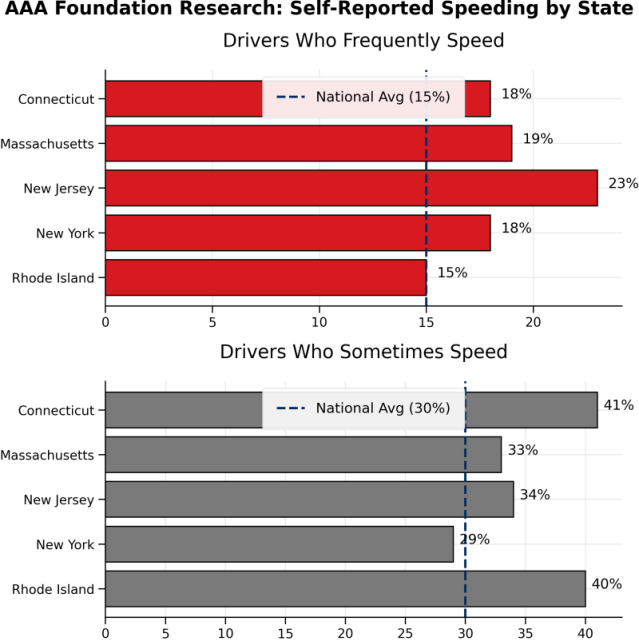
Connecticut: 18% of Connecticut drivers surveyed consider themselves frequent speeders compared to 15% nationally, and 41% of Connecticut drivers surveyed said they speed sometimes, compared to 30% nationally. There were more than 7,200 speeding-related crashes in Connecticut in 2025, according to the Connecticut Crash Data Repository. Over 2,300 of those crashes resulted in injuries and 89 were fatal.

Massachusetts: 19% of Massachusetts drivers surveyed consider themselves frequent speeders, compared to 15% nationally, and 33% of Massachusetts drivers surveyed said they speed sometimes, compared to 30% nationally.  In 2024, there were more than 6,400 crashes in which speed was a contributing factor, according to the Massachusetts IMPACT Crash Data Portal. More than 2,100 of those crashes resulted in an injury, and 66 were fatal.

New Jersey: 23% of New Jersey drivers surveyed consider themselves frequent speeders compared to 15% nationally, and 34% of New Jersey drivers surveyed said they speed sometimes, compared to 30% nationally. There were more than 13,000 crashes attributed to unsafe speeds in 2024, according to Numetric. More than 8,100 of those crashes resulted in injuries and 114 were fatal.

New York: 18% of New York drivers surveyed consider themselves frequent speeders compared to 15% nationally, and 29% of New York drivers surveyed said they speed sometimes, compared to 30% nationally. There were more than 30,000 crashes attributed to unsafe speeds in 2024, according to the New York Traffic Safety Statistical Repository. More than 11,000 of those crashes resulted in injuries and 304 were fatal.

Rhode Island: 15% of Rhode Island drivers surveyed consider themselves frequent speeders, in line with the national percentage, and 40% of Rhode Island drivers surveyed said they speed sometimes compared to 30% nationally.

speeding chart

Why People Speed

The top reasons respondents reported speeding included to get around slower drivers (31%), to reach their destination faster (25%) and to avoid holding up traffic (21%). The top reasons for obeying the speed limit included to avoid getting a ticket (79%), to avoid being involved in a crash (72%) and to account for bad weather (60%).

Countermeasures

The study found that drivers generally prefer countermeasures that encourage safer speeds over those that physically force them to slow down: 87% of respondents supported increased police presence in areas with crash history, and 75% supported the use of automated speed cameras in those areas.

More than half (51%) of drivers said they want advisory Intelligent Speed Assistance (ISA) in-vehicle warnings or alerts when a driver exceeds the speed limit in their own car.  Drivers were less interested in installing ISA devices that physically limit speed in their own cars but were very supportive (82%) of requiring such devices for drivers with a record of serious speeding offenses.

Support declined for infrastructure-based countermeasures, although the measures were viewed as effective. Just 33% of respondents supported installing speed humps in areas with crash history.

Tips for Drivers

Drivers should choose their speed based on: 

  • The posted speed limit. Think of it as a benchmark for a safe and appropriate speed.
  • Visibility. What you can see determines how much time you have to react.  
  • Road conditions. Weather and traction affect your ability to stop safely.  
  • Space around your vehicle. Don’t let surrounding traffic dictate your speed; leave yourself enough room to respond to the unexpected. 

If you find yourself driving the speed limit while everyone around you is speeding:

  • Stay in the right lane and avoid driving in the passing lane.  
  • Maintain a steady, predictable speed. 
  • Increase your following distance and watch for faster vehicles approaching from behind. 

“As speeding becomes more normalized and increases the risk of serious and fatal crashes, it’s important to remember that the safest speed isn’t the one that everyone else is driving, it’s the one that gives you enough time and space to react when something unexpected happens,” said Jillian Young, director of public relations for AAA Northeast. “Changing attitudes around speeding will take time, but drivers can make a difference now by making safe speed choices every time they get behind the wheel.”

Frequently Asked Questions

1. Why is speeding considered a major traffic safety concern?

Speeding reduces a driver’s reaction time, increases stopping distance, and raises both the likelihood and severity of crashes. According to NHTSA data, speeding was a factor in nearly 30% of 2024 traffic fatalities.

2. Why do many drivers believe speeding is normal today?

AAA Foundation research found that many drivers regularly see others exceeding speed limits, particularly on highways. Three in 10 respondents said, “no one actually drives the speed limit, speeding is just the norm nowadays.”

3. What are the most common reasons people say they speed?

Survey respondents most frequently cited:

  • Getting around slower drivers (31%)
  • Reaching a destination faster (25%)
  • Avoiding holding up traffic (21%)
4. What measures do drivers support to reduce speeding?

Drivers showed the most support for targeted enforcement measures, including increased police presence in locations with a history of crashes and the use of automated speed cameras in those areas.

5. What is Intelligent Speed Assistance (ISA)?

Intelligent Speed Assistance (ISA) technology uses in-vehicle alerts or interventions to help drivers stay within posted speed limits. More than half of surveyed drivers expressed interest in advisory ISA systems that provide warnings when speeds exceed posted limits.

6. What can drivers do if surrounding traffic is moving faster than the speed limit?

AAA Northeast recommends:

  • Staying in the right lane when appropriate
  • Maintaining a steady, predictable speed
  • Increasing following distance
  • Remaining focused on road conditions rather than other drivers’ behavior

Subscribe to Your AAA Newsletter

Sign up and receive updates for all of the latest articles on automotive, travel, money, lifestyle and so much more!

The Ultimate Cruise-Off: River Cruise vs. Ocean Cruise

Forget the notion that all cruises are created equal. While every voyage shares a watery backdrop and the perks of unpacking just once, the similarities end there when comparing the two most popular types.

In one corner you’ll find delightfully intimate riverboats, with their penchant for leisurely drifting down inland arteries and offering in-depth cultural dives along the way. In the other corner are adventurous, multi-deck cruise ships packed with spectacular amenities and primed to sail across open oceans sampling diverse destinations.

It’s kind of a battle between depth and breadth, a specialist and a generalist. Dub riverboats the likeable up-and-comers and ocean cruise ships the tried-and-true favorites. Each exhibits merit, so is there really a winner and a loser here?

Well, the answer is you! And the result you get is all about making the right choice — or, better yet, the right choice to match the moment. Because, in a life well-traveled, why not try both? Just approach them knowingly. Here’s how these two contenders stack up, and what makes each experience unique.

Stack the Savings! 
Now through Aug. 29, when you book a river cruise with a AAA travel advisor, receive up to $1,000 in future travel* plus receive up to $400 onboard credit per couple!** Book now.

River Cruise vs. Ocean Cruise: What’s the Difference?

Here’s a quick side-by-side look at how river cruises and ocean cruises compare, so you can spot your best fit before diving into the details.

Category River Cruise Ocean Cruise
Ship Size Intimate, under 200 passengers on four decks Massive, up to 7,600 passengers on 20 decks
Cabins Cozy rooms with a water view from every cabin Wide range, from budget inside cabins to duplex suites
Atmosphere Relaxed, boutique-style, one main lounge and dining room Energetic, resort-style, endless venues and activities
Entertainment Local musicians, historians and culinary experts Rollercoasters, Broadway shows, rock climbing and more
Itineraries Docks in the heart of cities like those along the Danube and Rhine Coastal destinations like the Caribbean and Alaska, plus sea days
Dining One dining room, regional dishes with local ingredients Multiple restaurants spanning global cuisines
Price Structure Higher upfront cost, but excursions, alcohol and gratuities included Lower base fare, with extras priced separately

danube_vs_stthomas_comparison_v2
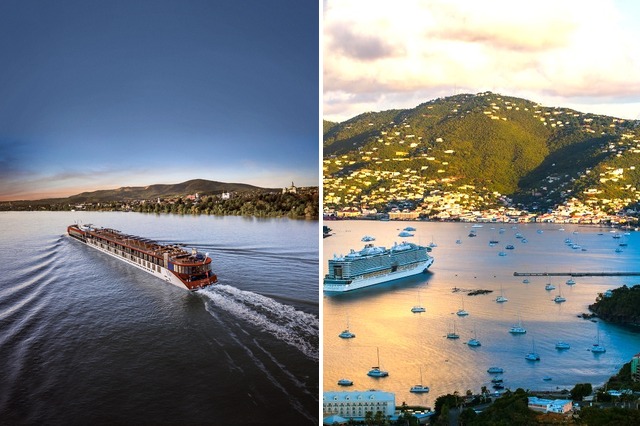
At left, AmaViola on the Danube River, courtesy of Amawaterways; at right,
a Princess ship in the Caribbean calling on St. Thomas, courtesy of Princess Cruises.

Size Matters: Big vs. Small Ship

Size disparity ranks as the most obvious and influential distinction, impacting every aspect of the onboard and port experience. Most cruise ships carry thousands of passengers, the largest boasting space for nearly 8,000 people across 20 decks. But even relatively small ones look big compared to riverboats. Built to slip under bridges and through locks, traditional riverboats accommodate fewer than 200 passengers on just four decks. So, crowds, whether you hate them or love blending into them, aren’t a riverboat thing.

river_vs_ocean_cruise_comparison
At left, the top deck of a riverboat, courtesy of AmaWaterways; at right, the Overlook observation lounge on Royal Caribbean’s Icon of the Seas, courtesy of Royal Caribbean Cruises.

Atmosphere: Boutique Stay vs. Sprawling Resort

The rhythm of life falls into an easy routine on riverboats, since almost everybody is doing the same thing at the same time in the same place. One main observation lounge, dining room and outdoor deck beckon, but all ooze elegance. Socializing and savoring scenery define the relaxing experience, which fosters camaraderie.

While ocean cruise ships offer tranquil haunts, the overall atmosphere is more energetic. Possibilities abound, with venues and activities to suit every mood. You might find a burger-fueled belly flop contest and a champagne-infused art auction underway simultaneously and opt to dip into both. With so much happening onboard, the vibe is more ship-centric.

Passengers: Like-Minded vs. Across the Board

Riverboat passengers pursue cultural immersion. They tend to be well-traveled and mature, although younger cruisers are on the rise. They’re definitely early worms, not night owls. Ocean ships attract a wider demographic, with more first-timers and a relatively younger clientele.

While some riverboat sailings target families, particularly skip-generation travelers, usually you won’t find children aboard. Ocean cruises are a better fit, providing age-specific programming and even dedicated kids’ clubs. Solo travelers thrive on both cruises.

vineyard_group_vs_blaster_comparison_v2
At left, vineyard tours, courtesy of Uniworld Boutique River Cruises; at right, the Blaster Aqua Coaster on Navigator of the Seas, courtesy of Royal Caribbean Cruises.

Entertainment: Edutainment vs. Edgy Attractions

Riverboats showcase local talent. A Bavarian oompah band or a soulful Portuguese fado singer might hop aboard to perform and inform. Historians, artisans and culinary experts also offer destination-focused programs. Digestifs are popular, but you won’t encounter buzzing bars or casinos. This contrasts dramatically with ocean cruises, where eye-popping entertainment makes many ships destinations in their own right. Expect anything from roller coasters and go-kart racetracks to licensed Broadway shows and Cirque du Soleil performances. You can even ice-skate, rock climb and skydive in the middle of the ocean.

Itinerary: Heart of the City vs. Coastal Calls

Riverboats reign among Europe’s storybook waterways picture the Danube, Rhine and Seine rivers where imperial architecture lines urban riverbanks, castles crown hilltops and vineyards make the landscape between look neatly combed. Unlike ocean ships, riverboats always dock footsteps away from the destinations visited, and their itineraries are invariably port-intensive, sometimes calling on two places in one day. Nonetheless, you’ll log fewer miles on a riverboat itinerary.

Ocean cruises exude more wanderlust, frequenting the sun-kissed Caribbean and Mediterranean, icy Alaska and the fiery Canada/New England coastline in fall. Both favor weeklong itineraries, but ocean cruises also offer much longer itineraries and even world cruises. Plus, almost every ocean cruise promises sea days to appreciate seascapes as well as shipboard amenities.

Let's plan something wonderful

Book your next trip with AAA Travel now or call 888-780-5185 to speak with a travel advisor.

Book Now

Setting Sail: Land ho vs. Off We Go

On ocean cruises, spying the slippery edge of the horizon can be exhilarating — unless you harbor fears of open water and the motion of the ocean. Riverboats allay such worries, always sailing within sight of land and never encountering waves that cause seasickness. The constant passing scenery enhances cultural engagement. You’ll hear church bells chiming and smell vineyards blossoming. Of course, you’ll miss inhaling cleansing ocean breezes.

catherine_vs_edgevilla_comparison_large copy
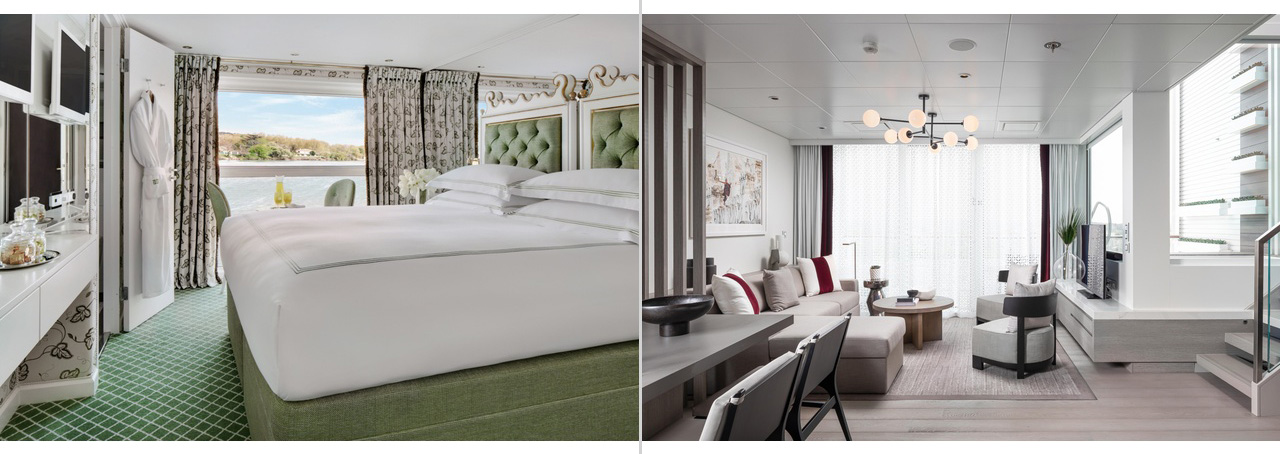
At left, a cabin on Uniworld’s SS Catherine, courtesy of Uniworld Boutique River Cruises; at right, Celebrity Edge Villas with split-level accommodations, courtesy of Celebrity Cruises.

Cabins: Room With a View vs. Suite Success

Riverboats temper the cozy nature of their cabins with water views no matter where passengers stay. On cruise ships more variety exists, ranging from budget-conscious inside cabins to lavish, duplex suites.

Shore Excursions: Curated vs. Countless Options

Ports are playgrounds on ocean cruises, where organized shore excursions propose everything from surfing lessons in Hawaii to pasta-making classes in Italy. However, you pay for each dose of fun. River cruises take a different tack, offering included experiences in every port. Cultural enrichment drives the exploration. Walking tours, wine tastings and access to architectural wonders are commonly covered. To attract younger riverboat cruisers, some lines have introduced more active options such as vineyard hikes, castle climbs and jogging tours. Most riverboats carry complimentary bikes, too.

chef_vs_dining_comparison
At left, riverboat chef at Budapest Great Market Hall, courtesy of Uniworld Boutique River Cruises; at right, smoked eggs at Royal Caribbean’s Wonderland restaurant, courtesy of Royal Caribbean Cruises.

Dining: Farm-to-Boat vs. Global Palate

It’s hard to top the culinary scene on ocean cruises. Grand dining salons and creative specialty restaurants satisfy every tastebud whim. Picture all the global cuisines you can imagine, add things like molecular gastronomy and culinary theater, milkshake bars and spa cafes, and then just keep brainstorming! FOMO alert: Trying everything is impossible on some ships, so decisions loom.

Conversely, riverboats have one dining room and sometimes a small alternate restaurant. Limited options exist beyond mealtimes, another key distinction. Nonetheless, riverboats occupy a competitive lane highlighting regional dishes crafted with locally sourced ingredients. Passengers can accompany chefs on shopping trips, adding another layer of cultural immersion as they learn to craft mainstays such as Hungarian goulash or German sauerbraten. Riverboats also provide complimentary wine and beer.

Price: Pay Now vs. Pay Later

Mainstream ocean cruises get knocked for nickel-and-diming passengers, while river cruises get dinged for being pricey. The upfront cost of a river cruise can cause sticker shock if you fail to consider its inclusive nature, which often covers airport transfers, shore excursions, some alcohol, specialty dining (if available), internet and gratuities. You’re also paying for a more carefree experience with personalized service. By contrast, ocean cruises offer an appealing base fare and flexibility when it comes to budgeting extras.

You’ve Read About It — Now Experience It

Let AAA Travel make your dream vacation a reality. Connect with a travel advisor for free trip planning, custom itineraries, exclusive perks and expert guidance every step of the way.
Call 888-780-5185 |  Find a AAA Branch  |  Contact Online

Featured image courtesy of Princess Cruises.

Subscribe to Your AAA Newsletter

Sign up and receive updates for all of the latest articles on automotive, travel, money, lifestyle and so much more!

Out There: AmaWaterways Rhine River Cruise

We know because we’ve been: “Out There” is a series of inspiring travel spotlights from AAA travel advisors and employees.

Meg Halbach, strategic partnership manager for AAA Northeast, specializes in cruise and tour vacations. She recently spent seven nights on a Rhine River cruise with AmaWaterways, sailing through Switzerland, France, Germany and the Netherlands. Here, she describes her experience on the journey.

Stack the Savings! 
Now through Aug. 29, when you book a river cruise with a AAA travel advisor, receive up to $1,000 in future travel* plus receive up to $400 onboard credit per couple!** Book now.

Rhine River Cruise Experience

Each country on the Enchanting Rhine itinerary had its own vibe, tied together by historic European charm. If you like castles, cathedrals, cheese, wine and beer, you can’t go wrong! Truthfully, the half-timbered architecture was my favorite part of being in that area, it’s like something straight out of a fairytale.

Poffertjes, Dutch mini pancakes, discovered during an excursion to Zaandam in the Netherlands.
Poffertjes, Dutch mini pancakes, discovered during an excursion to Zaandam, Netherlands.

Highlights

  • Wandering the magical streets of Colmar and Strasbourg in France, the storybook charm of Heidelberg and Dusseldorf in Germany and the picturesque canals of Utrecht and Zaandam in the Netherlands.
  • Seeing the Schwendi Fountain in Colmar, said to have inspired the one in Walt Disney’s “Beauty and the Beast.”
  • Exploring Heidelberg Castle.
  • Sailing along Rhine Gorge and seeing about 30 different castles.
  • Utrecht, Netherlands, took me by surprise — the perfect blend of old and new, it had Amsterdam vibes without the crowds.
  • Discovering my new favorite treat in Zaandam, Netherlands: Poffertjes (traditional Dutch mini pancakes).
A street in Strasbourg, France.

Insider Tips

We traveled in the off-season and really lucked out with the weather. So, if that’s a chance you’re willing to take to save money, it’s worth it. We traveled north along the Rhine, and the sights along the river were more picturesque as we went. Anyone who likes history, culture and food would be very happy with this cruise. Each tour had an easy pace option so everyone could enjoy the tour and participate.

I would highly recommend a pre- and post-cruise stay, just to give yourself more time to explore and adjust to the time change and jetlag. You arrive a day before the cruise starts, stay at a hotel and explore the departure city. Then when the ship docks at the end of the trip, spend the night at a hotel and tour that city.

Also, do as many excursions as possible, even if you’re on the fence.

A tower and castle along the Rhine Gorge. (Photos by Meg Halbach)
A tower and castle along Rhine Gorge.

Quick Picks

  • Don’t miss: Rhine Gorge.
  • Worth the splurge: Pre- and post-cruise stays.
  • Hidden gem: Utrecht, Netherlands.

Let's plan something wonderful

Book your next trip with AAA Travel now or call 888-780-5185 to speak with a travel advisor.

Book Now

You’ve Read About It — Now Experience It

Let AAA Travel make your dream vacation a reality. Connect with a travel advisor for free trip planning, custom itineraries, exclusive perks and expert guidance every step of the way.
Call 888-780-5185 |  Find a AAA Branch  |  Contact Online

Featured image: Meg and the AAA Travel team in Zaandam, Netherlands.

Subscribe to Your AAA Newsletter

Sign up and receive updates for all of the latest articles on automotive, travel, money, lifestyle and so much more!

Why Did My Car Insurance Increase?

Did your auto insurance bill recently get higher?

If you haven’t made a claim recently or have a clean driving record but rates went up, it might not make sense. But rate increases are an inevitable part of having auto insurance. There are many reasons for insurance rate hikes, and some are unfortunately out of the policyholder’s control.

Current Events

As we deal with inflation and other expensive realities of today’s world, insurance companies are forced to respond.

Inflation

With higher inflation rates, the hard truth is insurance companies have higher bills to pay, too. “Inflationary pressure is increasing the cost of repairs, car rentals and vehicle replacements,” according to the American Property Casualty Insurance Association.

When prices go up, so must auto insurance inflation.

Cars Have Changed

Modern cars are more than cars. They’re more like computers on wheels.

Take windshields, for example. They aren’t just protective glass anymore, they often include all the technology for advanced driver assistance systems like dynamic cruise control and lane assist, dramatically increasing the cost to repair or replace them.

Because the cost of all significant technology is high compared to what it used to be, repair costs for a newer car could double that of an older model.

More Factors Affecting Car Insurance Rates

How you drive

Obeying speed limits and traffic laws can dramatically affect your insurance costs. Likewise, the miles driven per car per year can earn a discount or create a greater charge for your auto insurance. Ultimately, the safer a driver you are, the more you can reduce your insurance premiums.

Where You Live

A carrier may find that they need to charge more due to higher claims paid in a state where expenses or litigation is higher. Congested cities may be more prone to crashes or have a higher rate of vehicle theft, which could lead to that more expensive premium.

Age

Drivers who put newly licensed teenagers on their insurance policies will see their auto insurance rates increase, since teenagers are typically involved in more crashes than any other age group. Although, as new drivers build experience without crashes, rates do come back down.

Fraud

Insurance rates for all drivers reflect costs due to fraudulent practices. Examples include drivers who moved but didn’t report it, parents who don’t add teenage drivers to their insurance plans to avoid costs, staged accidents and drivers who ask for higher estimates at body shops.

driver

What You Can Do

Review Your Insurance

This is a good time to get in touch with your insurance agent. Talk to a professional to review what level of coverage you have and go into the conversation with an understanding that costs, in general, have changed.

While some increases are unavoidable, there are some offsets that you can look into. For one, you can consider updating your deductible. If you can handle a higher deductible, it can help to lower your monthly premium.

A review of your insurance policies is recommended annually. Your agent will try to do as much as possible to make sure that you are getting the most from your insurance. There is no cost, and it only takes about 15 minutes.

Improve Your Credit Score

While Massachusetts doesn’t allow it, most states permit credit scoring to help determine auto insurance premiums. Keep on top of your credit score and challenge any errors you find.

Ask About Discounts

While reviewing your policy, ask your agent if you’ve had any discounts recently expire. And while you’re at it, ask if you or your family members qualify for any additional discounts like a good driver, AAA or good student discount. Some providers also offer rate reductions for safety features on your car, paid-in-full discounts, multi-vehicle discounts and bundling home and auto insurance policies together.

Depending on the state where you live, drivers can also receive an auto insurance discount for completing a defensive driving course. The fee to take the class is nominal and the discount usually lasts for several years.

Sign up for a AAA defensive driving course.

Avoid Crashes and Violations

Being a safe driver is one surefire way to avoid insurance renewal increases.

Drivers who get into a lot of crashes or accrue too many speeding tickets will likely see a surcharge or have their insurance tier adjusted. The tier system is a relatively new way of doing things in the insurance industry, in which those with the least number of occurrences pay the lowest rate.

Insurance providers use tiers to rank customers based on their risk of being involved in another vehicle mishap. While not many people like to be ranked, the industry uses the system to get a more precise evaluation of your driving habits and it sometimes helps prevent rates from skyrocketing for a driver just because of one accident.

What You Shouldn’t Do

Plenty of people that have older cars think about dropping collision and comprehensive, but comprehensive which protects you from damages not caused by a collision, such as theft, vandalism, storms and animals is relatively cheap coverage that is smart to keep.

And if you think stopping coverage for a period of time will save you money, it will actually end up costing you more in the long run. “Do not remove your car from your insurance,” stresses Jodi DeSantis, vice president of insurance sales at AAA Northeast. An insurance lapse will result in a penalty as soon as you try to reinsure.

Better Safe Than Sorry

Seeing your auto insurance rates increase is undoubtedly frustrating.

Like groceries and gas, “many view insurance as another consumable,” said DeSantis. “They may wonder, if I haven’t consumed anything (made any claims) why has my rate gone up?” It’s just the reality of the situation right now that insurance prices need to go up with everything else.

DeSantis suggests looking at it a different way. “The fact of insurance is not if you have a claim, but what would you like to see happen if you were to have a claim,” she said.

Although you might not love paying a higher price for your insurance, you’ll be thankful to have it if you ever need it.

Get an Auto Insurance Quote

This article has been updated and republished from a previous version.

Subscribe to Your AAA Newsletter

Sign up and receive updates for all of the latest articles on automotive, travel, money, lifestyle and so much more!

Squeeze In One Last Trip Before Summer’s Over

When summer begins, it feels as if you have all the time in the world to hit the road for a family vacation. Within the blink of an eye, however, the calendar turns to August and you’re preparing for the first day of school. 

You still have time to make vacation memories before settling down to rake the leaves in the fall. Here, we suggest two great locales for a last-minute summer getaway, whether you want to stay on the shores of the Atlantic or explore the American Southwest.

Closer to Home

Cambria Ocean City Bayfront

Ocean City, Maryland

If you live in the Northeast, you likely visit the same stretch of waterfront regularly. Why not try out a new beach town?

Ocean City is considered a premier beach playground on the Mid-Atlantic seaboard. Close to Washington, D.C., and Philadelphia, this vacation town offers some 10 miles of sandy beaches and nearly three miles of boardwalk. Families will find much to do when not playing in the waves, with several adrenaline-fueled amusement parks, quirky arcades and gift shops, and unforgettable beach fare to sample. Maryland crab cakes are a must-have indulgence, while Thrasher’s french fries are legendary among beachgoers and seagulls alike.

Ocean City also offers quieter activities where the crowds thin out. Assateague Island National Seashore gives visitors the chance to see wild horses and explore beautiful nature trails. You also can rent a kayak to explore the bay or book a day’s passage on a pleasure boat to go fishing. A short drive away, the town of Berlin offers a vibrant, charming, and walkable downtown with more than 60 art galleries, retail shops, and antique businesses to peruse. And the Ocean City Life-Saving Museum or the nearby Mermaid Museum offer some indoor fun on a rainy day.

While visiting, consider a stay at Cambria Ocean City Bayfront, situated just a short walk from the boardwalk. At this AAA Three Diamond property, you can stay within the heart of Ocean City but enjoy the tranquility of unbeatable bay views from your room’s balcony. Be sure to unwind after a long day of exploration at the rooftop Spain Wine Bar, which offers authentic Spanish cuisine in a relaxed coastal atmosphere. There is also a seasonal outdoor pool and poolside tiki bar, as well as an indoor heated pool and hot tub.

Centrally located and with superb amenities, Cambria Ocean City Bayfront offers the perfect home base for a bayfront getaway.

Farther Away

Cambria Hotel Austin Uptown

Austin, Texas

There’s no getting around it: August in Austin is hot! Luckily, the city is built for the heat and offers a thriving nightlife and many great indoor attractions. A visit here may offer the perfect excuse to sleep in late, lounge poolside and then head out in the evening.

Austin is a city that offers something for everyone. History lovers will want to explore the Lone Star State’s colorful history at the Bullock Texas State History Museum and at the LBJ Presidential Library. The young and the young at heart will enjoy cooling down at the spring-fed Barton Springs Pool or tinkering at the Thinkery, a hands-on children’s museum. Shoppers will enjoy hunting for treasures at Austin’s quirky North Loop shopping district or the indoor Barton Creek Square mall.

As the sun goes down, nature lovers will want to take time to spot thousands of Mexican free-tailed bats taking flight at the Congress Avenue Bridge. And music lovers will need to at least visit The Broken Spoke and the Continental Club to get a taste of Austin’s iconic Texas music scene. As you explore, be sure to save room for Austin’s award-winning food trucks and barbecue.

Cambria Hotel Austin Uptown near the Domain is a great place to stay when you want to explore all Austin has to offer. Located within the city’s trendy tech corridor, this comfortable stay sits near high-end boutiques, great entertainment venues and gourmet dining options. The hotel is also just a short drive away from Austin’s Rock Rose Entertainment District, which boasts some of Austin’s most notable upscale bars and cuisine in a lively setting.

You also can soak away the summer heat at the hotel’s oversized pool, shaded by oak trees.

With premium bedding, spa-style bathrooms equipped with Bluetooth mirrors and connecting rooms available, it’s a great option for families visiting Austin the first time.

Wherever you choose to explore in the United States, chances are you can use your AAA discount to book a comfortable stay at one of many great Choice Hotels properties. Don’t let the summer slip away before fitting in some last-minute fun!

You’ve Read About It — Now Experience It

AAA travel advisors will turn your inspiration into a memorable vacation, providing trusted guidance and exclusive member benefits. Connect with us to learn more.
Call 888-780-5185 |  Find a AAA Branch  |  Contact Online

Subscribe to Your AAA Newsletter

Sign up and receive updates for all of the latest articles on automotive, travel, money, lifestyle and so much more!

Fly and Drive: South Florida National Parks Road Trip

South Florida may be best known for its palm trees, world-famous beaches and year-round sunshine, but it also has an untamed side. This ecologically diverse region is home to mangrove forests, coral reefs, freshwater marshes and remote islands.

Fly to Miami and rent a car, then take it slow, stopping along the way for captivating wildlife, fascinating history, fresh-caught seafood and some of South Florida’s best local finds. Let’s go.

Bill Baggs Cape Florida State Park
Bill Baggs Cape Florida State Park. Courtesy of Visit Florida.

Bill Baggs Cape Florida State Park

Start at Bill Baggs Cape Florida State Park, reached by crossing the scenic Rickenbacker Causeway, where views open across sparkling Biscayne Bay. Set on the southern tip of Key Biscayne, this park is home to the historic Cape Florida Lighthouse, one of Florida’s oldest standing structures. Built in 1825, the lighthouse rewards a 109-step climb with 360-degree panoramas from its walk-around platform.

Afterward, head to the park’s pristine 1.2-mile beach, consistently ranked among the nation’s best. Calm, clear waters and gentle waves make it ideal for a swim. Nature trails and a paved multiuse path invite exploration on foot or by bicycle. Beach chairs, umbrellas, cruiser bikes and kayaks are available for rent for a full day of fun.

For lunch, stop at the Lighthouse Cafe for casual beachfront dining of fresh seafood and fan favorites, from grilled mahi to hamburgers and fries. On the park’s north side, linger over a fresh catch and sunset views at Boater’s Grill, tucked beside peaceful No Name Harbor.

everglades national park
Wildlife viewing in Everglades National Park. Courtesy of Visit Florida.

Everglades National Park

From Key Biscayne, continue to the Shark Valley entrance of Everglades National Park. Wildlife sightings are common and include alligators, great blue herons and wood storks.

Join a two-hour open-air tram tour with Shark Valley Tram Tours, where a naturalist guide shares insights about the Everglades’ unique ecosystem, wildlife and ongoing conservation efforts. Prefer to explore at your own pace? Rent a bicycle on-site to pedal the paved 15-mile loop or stroll the accessible 0.2-mile Bobcat Boardwalk near the visitor center. Midway around the loop, climb the 45-foot-tall observation tour for views across the seemingly endless River of Grass.

No visit to the Everglades is complete without a fan-propelled airboat ride. Nearby operators, including Everglades Safari Park and Coopertown Airboats, take guests out into the sawgrass marshes in search of alligators and wading birds. On the way out, settle in at Golden Rule Seafood, a South Florida institution known for smoked fish dip, conch fritters, blue crabs and, in season, stone crab claws.

Car Rental Savings

Get up to 20% off the base rate of your next car rental.*

*Terms apply.

Book Today

Biscayne National Park

At Biscayne National Park, turquoise waters, mangroves forests and coral reefs define one of the country’s most distinctive national parks. Nearly 95% of the park lies underwater, making a boat tour or paddling adventure a must to experience this park. Begin at the Dante Fascell Visitor Center in Homestead, where the Biscayne National Park Institute offers guided eco-tours, including kayaking through mangroves, snorkeling over coral reefs and paddling the calm waters of Jones Lagoon.

For many visitors, the highlight is the 3.5-hour boat cruise across Biscayne Bay to explore Elliott Key, Adams Key or Boca Chita Key, a tiny island known for its palm-lined harbor and iconic 65-foot-tall lighthouse. Along the way, naturalist guides share the park’s history and marine ecology.

Afterward, follow the Overseas Highway toward Key West, crossing dozens of bridges with picturesque ocean views. Stop for fresh seafood at Alabama Jacks in Key Largo, Islamorada Shrimp Shack in Islamorada or No Name Pub on Big Pine Key, each a longtime Florida Keys favorite.

Dry Tortugas Fort Jefferson Beach View
Dry Tortugas Fort Jefferson Beach View. Courtesy of Visit Florida.

Dry Tortugas National Park

Cap off this road trip with a visit to Dry Tortugas National Park, a remote cluster of seven small islands 70 miles west of Key West. Accessible only by ferry or seaplane, the park combines crystal-clear waters, abundant marine life and Fort Jefferson, one of the largest brick forts ever built. Join a ranger-led tour to learn about the unfinished 19th century fortress, its role in protecting shipping routes, and its connection to Dr. Samuel Mudd, who was imprisoned here for his role in the assassination of President Abraham Lincoln.

After exploring the fort, snorkel among colorful tropical fish, stroll sandy beaches or watch for frigatebirds and sooty terns overhead. Most visitors arrive aboard the Yankee Freedom ferry, a full-day excursion that includes a narrated tour, lunch, snorkeling equipment and time to explore on your own. For unforgettable aerial views, Key West Seaplane Adventures offers full- and half-day trips, with aerial panoramas over the aquamarine waters of the Dry Tortugas.  

Back in Key West, stop for fresh seafood at Half Shell Raw Bar, known for oysters, peel-and-eat shrimp and local fish, or sample Cuban specialties at El Siboney Restaurant. Finish your trip with a slice of key lime pie — or better yet, frozen key lime pie dipped in dark chocolate and served on a stick, made famous by Kermit’s Key Lime Pie Shop.

Plan your Florida Country road trip with a AAA travel advisor and rent your car with Hertz. AAA members can save up to 20% on Hertz rentals.  

Featured image: Biscayne National Park. Courtesy of Visit Florida.

Subscribe to Your AAA Newsletter

Sign up and receive updates for all of the latest articles on automotive, travel, money, lifestyle and so much more!

AAA Member Discounts for Back-to-School Shopping

Back-to-school costs are climbing, but AAA members can cut expenses with exclusive discounts on tech, dining, moving supplies and more from brands like HP, Samsung and T-Mobile.

These are just a few of the savings AAA members unlock. Browse all back-to-school AAA member discounts and start saving today.

Back-to-School Savings and Spending Tips

Consumers are expected to spend a record amount of money on school supplies in 2026, according to the National Retail Federation. The average family with children in elementary through high school plan to spend roughly $864 on back-to-school shopping. College students, meanwhile, will rack up north of $1,438 in expenses.

It’s no surprise. Factoring in inflation and a higher demand for electronic supplies, shoppers are expecting higher prices and preparing to pay for necessary supplies.

Families could use any savings on back-to-school shopping that they can find. Fortunately, there are a number of ways to get discounts on everything from calculators and highlighters to backpacks and sneakers. Here are a few helpful tips on lowering your back-to-school shopping bill.

back to school

Take Inventory

School supply lists typically don’t change that much from year to year, so your child likely already has most of the things they need already. The only way to know for sure is to take stock. Do an inventory of all the school supplies you already have and are useable. Then cross those items off your shopping list so it only includes the items your child needs.

Make a Shopping List

It’s easy to get caught up in the retail madness of back-to-school shopping and wind up buying things you child doesn’t need and won’t ever use. To help yourself stay focused and prevent overspending, make a list of the essential items before leaving your house.

Many schools send out a list of supplies students need. If this is the case with your child, make sure to wait until you have the list before compiling your own.

Get to Know Your Discounts

The average cost of college in the United States is upwards of $36,270 per student per year, so if you’re a college student, you could use any cost savings you can get. A great place to start is by utilizing your college student status. Many major retailers, including Apple, Dell and Microsoft offer college students discounts on expensive electronics such as laptops, tablets, smartphones and calculators.

Being a college student isn’t the only way to save. AAA members can access exclusive discounts and rewards across thousands of different brands, including some school necessities.

Home Chef

After-school dinners can be hard to put together. How can you find the time to try new recipes or even to go grocery shopping? With Home Chef, you can get weekly deliveries of delicious ingredients for restaurant-quality meals you make at home. The detailed recipes and step-by-step instructions can turn anyone into a skilled home chef.

AAA members get 60% off their first box and 20% off their next two months of Home Chef, for a combined savings of $220. Learn more.

Stress-Free Dinner Planning

Get 60% off your first box and 20% off your next two months.

Save Now

HP

Looking for the latest in printers, PCs and computer accessories? HP helps AAA members save on tech. Unlock exclusive offers, upfront discounted pricing and automatically-applied savings.

Save big on your next HP purchase.

Samsung

You can get premium gadgets and supplies without breaking the bank by utilizing Samsung’s special discount for AAA members. At the exclusive online store for AAA members, your discount will automatically be applied as you shop, and you’ll be able to see all your deals in one place. You’ll also get access to limited-time offers on must-haves like smartphones, laptops, tablets and more.

Start shopping and saving.

T-Mobile

Your wireless carrier can make or break your day (or your wallet). T-Mobile provides fast and reliable wireless connectivity with simplified rate plans that won’t break the bank.

Thinking of switching over? AAA members who switch to T-Mobile can get up to $200 via a virtual prepaid Mastercard.

Norton 360

Your privacy and personal information are more valuable than all the tech gadgets in the world. Protect yourself and your student against viruses, malware and privacy breaches with Norton 360, which offers a password manager, real-time threat protection, cloud backups for your information, a secure VPN, dark web monitoring and more.

AAA members can save on a Norton 360 subscription.

student on campus
The UPS Store

If your student is far from home, try brightening their day by sending a care package in the mail. AAA members can get 5% off shipping and 20% off packing services at the UPS store. As a bonus, you also get up to 15% off new mailbox services, in-store printing and in-store copying.

Learn more.

Penske

Moving into a college dorm can seem like a daunting task at first. Luckily, AAA members can save on truck rentals and moving supplies from Penske. Penske offers rentals that range from cargo vans all the way up to mammoth 26-foot trucks. Penske offers free unlimited miles on one-way rentals, which makes it a great deal for college students. Plus, they can even provide moving boxes, hand trucks, furniture pads, towing options and more.

AAA members receive exclusive savings of 12% or more.

Dining Deals

Nothing can work up an appetite quite like homework. AAA members can save even more with Dining Deals, which offers up to 40% off e-gift cards for a wide variety of restaurants. From local favorites to national chains, this exclusive program gives nationwide access to delicious discounts, perfect for everyday dining or road-trip adventures. With an offer that goes where you go, Dining Deals makes it easier than ever to savor more and spend less.

Get delectable dining discounts here.

LensCrafters

Has it been a little while since you or your student last had an eye exam? Make sure everyone can see the board without squinting or straining. At LensCrafters, you can get an eye exam and new glasses or contacts to boot!

AAA members can save on eyeglasses, contacts and sunglasses.

Compare Prices and Shop Thrifty

Like with any other type of shopping, you want to do your homework when buying back-to-school goods to ensure you’re getting the best deal. It’s tempting to try to save time and energy by doing all your shopping at one or two stores. But you can often find cheaper prices for different items at competing stores.

Check to see if your preferred store offers price matching many competing outlets will. This offers you the best of both worlds as you’ll get the lowest price without having to make multiple shopping trips.

Some thrifty shopping techniques can add up to big savings by the time your child walks back into the classroom. For example, many back-to-school items, like pens, pencils and highlighters, can be purchased at dollar stores. On the other end of the spectrum, if you have more than one child, buying supplies in bulk from a wholesale outlet could save you some money.

When it comes to clothing, thrift stores, consignment shops and other secondhand outlets can be goldmines. Here, you’ll be able to find gently used items for just a fraction of the price.

Don’t stop here — explore more AAA member discounts and keep more money in your pocket this school year.

Subscribe to Your AAA Newsletter

Sign up and receive updates for all of the latest articles on automotive, travel, money, lifestyle and so much more!

Merging Into Life: How to Build an Emergency Fund

SEASON 3: EPISODE 5
Episode Feedback

How much should you set aside for life’s unexpected moments? It may be more than you think, but it’s entirely doable.


EPISODE SUMMARY

Building an emergency fund sounds straightforward, but it becomes a lot more complicated when life starts to get in the way. In this episode of Merging Into Life, host Sabrina Pierotti sits down with Lori Atwood, personal finance expert and founder of Fearless Finance, to break down what a financial safety net looks like in practice. From calculating how much you need (hint: it’s probably more than you think!) to finding your monthly margin and choosing the right place to keep your savings, Lori offers no-nonsense, judgment-free guidance for anyone trying to build financial security without feeling like they have to give up everything to do it.


KEY TAKEAWAYS
  • How to find your budget margin. Before you can build an emergency fund, you need to know your margin. The foundation of any financial plan is spending less than you earn. Once you know what’s coming in versus going out each month, that positive number at the bottom is what you have to work with.
  • The three- to six-month emergency fund is the old minimum; try instead to aim for six months when building your emergency fund. In today’s economy, a true 90-day safety net may not be enough runway to find a new job, adjust your living situation or manage a major life disruption. Calculate your actual monthly burn rate (nonnegotiable bills plus contractual expenses plus roughly $1,000 per adult for discretionary spending) and multiply by six as your target.
  • Avoidance is the No. 1 poison for your finances. Telling yourself you’re too busy to look at your money is how small leaks become big problems. Sitting down with a list of every expense is the single most important first step to building emergency savings, and it only takes one honest hour to start.
  • Not all debt is bad and an emergency fund beats early payoff when deciding whether to pay off debt or save for emergency fund. If you have a low-interest car loan and a bonus coming in, and you are wondering should I pay off my car loan or save money, put that money toward your emergency fund first. Eliminating good debt ahead of schedule feels satisfying, but a cash cushion protects you from going right back into bad debt the next time something unexpected happens.
  • Discover the difference between a sinking fund vs. emergency fund and what a sinking fund is used for.

TRANSCRIPT

[00:00:01] Lori Atwood: Avoidance is the No. 1 poison for your finances. When people are just like, I’m too busy, I am too busy to cook, I’ve got to get takeout, we’re just too busy, things are just too busy. You got to sit back and decide and figure out, as the adults in the household, what is making you so busy? Because it’s starting to hurt your finances. It’s probably hurting your health. Let’s get to the bottom of all that.

[00:00:26] Sabrina Pierotti: Money is a funny topic because more times than not people feel ashamed talking about it, yet it is one of the most prevalent aspects of all of our lives. Most financial advisors will tell you that after figuring out your basic figures, like how much you make versus how much you spend, the second most important piece of financial health is having an emergency fund. Financial security looks different for a lot of people. Between debt, rent, childcare, subscriptions, rising costs and the general unpredictability of adulthood, building a financial cushion can feel easier said than done. Today, we’re talking about what it really means to build a 90-day financial safety net. How much do you actually need? Where does that money come from if things already feel tight? And how do you start saving emergency funds without making your life feel totally joyless in the process? Welcome back to Merging Into Life. I’m your host, Sabrina Pierotti. Joining me today is Lori Atwood, a personal finance expert and the founder of Fearless Finance. Lori helps people make smarter, more grounded financial decisions by combining practical planning with a deeper understanding of the emotional side of money. Lori, I am so glad that you’re here. I am so excited for our conversation. I really want to focus our chat on building out an emergency fund. So, we have probably all heard about that three to six months of emergency savings. So, I want to start there, and I want to start with the why. So specifically, the three-month cushion. When you talk about a 90-day safety net, what makes that number so important?

[00:02:13] Lori Atwood: First of all, thank you for having me. It’s great to be here. Second, to me, the three to six months of emergency savings is the second thing you do with your financial plan.

[00:02:24] Sabrina Pierotti: Oh, OK, great. What’s the first?

[00:02:26] Lori Atwood: The first is you make sure that you are on a consistent basis spending less than you earn, period. There is nothing more important than that, period. Once you’ve checked that box, then we wanna pivot to the balance sheet. And that means making sure your savings and debt are being managed. So the first thing for savings is do you have an emergency fund? So why is it typically three to six months? I have to be honest with you. I’m telling clients now that we want six months minimum because here’s why comes originally from the fact that it takes at least three months to unwind the very key positions in your life if you need to. Even if you’re single, right? So let’s say divorce is off the table. Let’s say you’re young, so you’re healthy. We don’t have to worry about any sort of disability. Boom, you get laid off. There’s nothing you can do that day. You need a couple of months to one, possibly break your lease, possibly sell your place, possibly get a roommate, possibly move in with family. Now, in the best case scenario, which I don’t believe is this current economy. But in the best case scenario, three to six months of runway allows you to remain in your home while you look for that next job. So it’s the new minimum on a temporary basis because the no fire, no hire will go away once a lot of the uncertainty goes away. And there’s a ton of uncertainty right now.

[00:04:00] Sabrina Pierotti: Now I want to clarify what an emergency fund should actually be used for. I think it is safe to say that an emergency fund consists of a person’s nonnegotiable bills or how I like to view it as the bills that keep the lights on. Would you agree with that?


RESOURCES

Merging Into Life

Join AAA

Start Saving With AAA and Bread Financial

Lori Atwood: Fearless Finance


You can be featured on our podcast!

Have a question for our experts? Leave us a voice message. Whether it’s about money, insurance, wellness or everyday life, ask away — and keep listening. Your call could be featured on Merging Into Life.


*The views and opinions expressed in this podcast do not constitute medical advice and are not necessarily the views of AAA Northeast, AAA and or its affiliates.

Subscribe to Your AAA Newsletter

Sign up and receive updates for all of the latest articles on automotive, travel, money, lifestyle and so much more!

What Are Coolcations?

Skip the sweltering beaches this year and swap your swimsuit for hiking boots on a coolcation to Norway, Alaska or Iceland. This growing summer travel trend delivers mild temperatures, epic outdoor adventures and 24-hour daylight in some of the coolest destinations on Earth.

Let a AAA travel advisor build your custom coolcation itinerary and get you booked with exclusive member perks today. Contact now.

Why Coolcations?

Summer brings long, relaxing pool days, bustling coastal towns and free time for family vacations. It also brings scorching heat. In New England, temperatures reach an average high of 85 degrees.

As temperatures climb, many travelers are rethinking their warm-weather getaways. Rather than seeking sunshine and crowded shorelines, they’re heading to cooler, quieter destinations. This growing trend, known as a “coolcation,” has travelers swapping their swimsuits for hiking boots and beach chairs for mountain views.

According to the Global Wellness Institute, northern destinations will increasingly receive more visitors during the summer months due to soaring temperatures, which will impact travel and tourism.

The coolcation trend is just getting started. Check out the destinations gaining popularity in the peak summer months.

Which Coolcation Destination Is Right For You?

Every coolcation spot brings its own flavor of mild-weather adventure. Here’s a quick side-by-side look to help narrow down your next escape.

Destination Summer Temps Best For Signature Experience
Norway Mild days, cool evenings Fjord cruises and boutique city stays Midnight sun over the fjords
Alaska Mild with 24-hour daylight Wildlife viewing and national parks Flightseeing over glaciers
Canada Warm, comfortable (May–Sept) Iconic landmarks and city culture Niagara Falls boat tours
Wyoming 70s–80s days, 30s at night Mountain hiking and national parks Yellowstone and Grand Teton wildlife
Iceland 50–59 degrees Volcanic landscapes and geothermal spas Snorkeling between tectonic plates

Alaska

Another beautiful destination to view the midnight sun and 24 hours of sunlight in June and July is Alaska. The combination of mild weather and unlimited sunlight makes for an amazing trip with ample time to explore.

Wildlife is abundant in the summertime, with bears waking up from their winter naps to hunt for a fresh catch of salmon as marine life swims along the coast.

A popular attraction in the state is flightseeing tours, offering unlimited access to the wilderness to take in the beautiful sights of the glaciers that can’t always be viewed from the ground. Or learn about the history of the Klondike Gold Rush by jumping aboard an old steam train for a scenic and historical journey with mountain views.

Book the 7-day Voyage of the Glaciers, including Glacier Bay, with AAA and Princess Cruises.

Canada

If skiing and snowboarding aren’t for you, take a vacation to Canada from May to September. In Ontario or Quebec, there’s always something fun to enjoy without having to deal with intense heat.

One of the most iconic Canadian landmarks, Niagara Falls in Ontario is a must-stop.

For a unique experience, stay overnight in a dome on the shores of Lac Cache at Chibougamau Adventure in Quebec while fishing and canoeing at sunset. Walk down cobblestone streets in Old Port while immersing yourself in history and partaking in summer festivals.

Book the 9-day Best of the Eastern Canadian Cities Tour with AAA Member Choice Vacations®.

Iceland

Looking to bundle up in a crewneck on summer break? Iceland’s average summer temperatures range between 50 and 59 degrees Fahrenheit. Iceland is filled with vibrant lava fields covered in moss, great for hiking or renting an off-roading vehicle to explore the highlands. Visitors will even spot volcanic rock formations and caves.

Boat tours offer views of nesting puffins and whales swimming offshore. Those seeking more adventure can snorkel directly between the North American and Eurasian tectonic plates in Silfra. The Blue Lagoon, a geothermal spa, has the world’s largest hot tub in the world’s coolest country for transformational spa experiences.

Book Iceland’s Midnight Sun: Glaciers, Geysers and the Golden Circle guided tour with AAA Member Choice Vacations®.
norway
Geiranger Fjord, Norway

Norway

With mild temperatures, Norway brings sunny days and cooler evenings, perfect for hiking and exploring the mountainous terrain. Unique cruises exploring the fjords — deep sea inlets formed by glaciers — are a highlight of a summer visit, where the midnight sun brings 24-hour light to the water.  

Aside from the breathtaking views of the fjords and mountains, travelers can also relax in boutique hotels and dine at Michelin-starred restaurants in Copenhagen.

Book a 7-day Norwegian Fjords & Sognefjord cruise vacation with AAA and Holland America.

Wyoming

Take a deep breath and inhale the cool mountain air of Wyoming. The tall mountain ranges not only make the prettiest backdrop for photos, but also the best areas for climbing and hiking.

Check Yellowstone and Grand Teton national parks off your bucket list while admiring Old Faithful and spotting wildlife roaming in the tall grass. Paddle along Jackson Lake and go white water rafting through the Snake River Canyon. For those not interested in exploring nature, experience the Jackson Hole Rodeo or dine at the restaurants around the town square.

In Jackson Hole, daytime highs stay in the comfortable 70s and 80s, while lows can drop to 35 degrees. The destination blends adventure and comfort through a mix of luxury resorts, such as the adults-only Hotel Yellowstone where guests are invited to experience adventure, and the Darwin Ranch, a historic dude ranch with horseback riding lessons across mountain ridges.

Book the 8-day American’s Cowboy Country guided tour with AAA Member Choice Vacations®.
Five backpackers trek along the shore of Arrigetch Creek, with Xanadu, Arial and Caliban Peaks in the background. Gates of the Arctic National Park, Brooks Range, Alaska.
Gates of the Arctic National Park, Brooks Range, Alaska.

Coolcation FAQs

What is a “coolcation”?

A coolcation is a vacation planned around cooler temperatures instead of typical summer heat. Travelers head to mild-climate destinations like Norway, Alaska or Iceland to swap sweltering beach days for hiking, wildlife viewing and outdoor adventure.

When is the best time to visit these coolcation destinations?

Peak season for most of these spots runs June through August, aligning with the warmest (yet still mild) weather and, in places like Alaska and Norway, near-24-hour daylight. Canada extends its comfortable window from May through September.

What should I pack for a coolcation?

Layers are key. Pack moisture-wicking base layers, a warm midlayer like fleece, a waterproof jacket and sturdy hiking boots. Evenings can turn chilly even when daytime temps feel comfortable, so a hat and gloves are worth the suitcase space.

Are coolcation destinations budget-friendly compared to traditional summer trips?

It varies. Destinations like Iceland and Norway tend to run pricier due to import costs and tourism demand, while Wyoming and parts of Canada offer more budget-friendly lodging and activities. Booking through a travel agent can help uncover package deals and member discounts.

Is a coolcation a good option for families with young kids?

Many of these destinations work well for families. Alaska’s wildlife tours, Canada’s Niagara Falls attractions and Wyoming’s national parks all offer family-friendly activities with milder weather that’s easier on kids than extreme summer heat.

You’ve Read About It — Now Experience It

Let AAA Travel make your dream vacation a reality. Connect with a travel advisor for free trip planning, custom itineraries, exclusive perks and expert guidance every step of the way.
Call 888-780-5185 |  Find a AAA Branch  |  Contact Online

Have you ever been on a coolcation? What cool destinations would you like to visit in the summer months? Tell us in the comments.

Subscribe to Your AAA Newsletter

Sign up and receive updates for all of the latest articles on automotive, travel, money, lifestyle and so much more!

Q&A with AAA Northeast’s Car Doctor: August 2026

Q. I have noticed lately that there are people who are driving without headlights or taillights during rainstorms and at dusk. Why does this seem so common, and what can be done about it?

 A. One of the biggest misunderstandings among drivers is that headlights are not just for helping you see, they are also for helping others see you. Many motorists assume that if they can see the road, they do not need their lights on. Daytime running lights add to the confusion because they often illuminate the front of the vehicle but not the rear lights. Most states have laws requiring headlights when windshield wipers are in use or visibility is reduced. Newer vehicles increasingly feature wiper-activated headlights, but millions of older vehicles remain on the road. Public education campaigns and roadway message boards reminding drivers to turn on their headlights can go a long way toward improving safety.

Q. Have you tried using AI chatbots to answer car questions, and how accurate are they compared with an experienced technician?

 A. AI can be surprisingly good when explaining automotive theory and helping organize information, but it still has limitations. I have compared AI-generated answers with my own and found that the better the question and the more background knowledge the user has, the better the results tend to be. AI often generalizes information and can miss vehicle-specific details such as recalls, service bulletins or exact component locations. It can be useful as a research tool, but I would not rely on it alone for diagnosing a complicated repair without verifying the information.

Q. My car had body damage repaired, and now the shop says the vehicle needs calibration. Is this really necessary?

 A. Absolutely. Modern vehicles rely on cameras, radar sensors and other electronic devices that support advanced driver assistance systems such as lane-keeping assistance, adaptive cruise control and collision warning systems. When body repairs involve removing or repositioning these components, recalibration is often required to ensure they function properly. Many dealerships perform these calibrations, and some body shops have their own equipment or contract with mobile specialists. If the repairs were covered by insurance, the calibration should generally be included in the repair estimate.

Q. I have a 2004 Ford Ranger that occasionally starts and then stalls after sitting for 30 to 45 minutes. It only happens a few times a year. What could be causing it?

 A. Intermittent problems are among the most difficult to diagnose because they rarely occur when the vehicle is in the shop. Based on your description, I would consider a failing crankshaft position sensor, a sticking idle air control valve, a weak fuel pump or another heat-related electrical issue. Since the problem appears after the engine has been driven and then allowed to sit briefly, testing the vehicle during this exact condition is important. Fuel pressure testing and a review of sensor operation during a hot restart would be my starting points.

Q. I heard you discussing the Hyundai Santa Cruz. Is it really a good choice for someone who has never owned a truck?

 A. The Hyundai Santa Cruz fills a unique niche. It drives and feels much like a compact SUV but offers the flexibility of a pickup bed. While the bed is not large enough for serious hauling, it works very well for home improvement projects, bicycles, gardening supplies and other everyday cargo. There is also a lockable storage compartment beneath the bed floor that adds additional utility. Combined with Hyundai’s strong warranty coverage, it is an excellent choice for people who occasionally need a truck without wanting to drive a traditional pickup every day.

Q. Our 2022 GMC Terrain briefly displayed a flashing check engine light while passing another vehicle, then the light went away and has not returned. Should I be concerned?

 A. A flashing check engine light generally indicates an engine misfire, which can potentially damage the catalytic converter if ignored. Even though the light went out and the vehicle has been operating normally since, I would still have the system scanned for stored diagnostic trouble codes. GMC has issued technical information regarding spark plug issues on some vehicles, and an intermittent ignition problem is possible. It may have been a one-time event, but it is worth checking before it becomes a larger problem.

Q. My 2019 Mercedes-Benz A220 has only 22,500 miles and is driven about 3,000 miles per year. Do I really need the expensive Service B, new tires, and a battery?

A. Mercedes service schedules are based on both time and mileage, so even low-mileage vehicles still require maintenance. At seven years old, the battery may be nearing the end of its service life, and the tires should be carefully evaluated for age-related deterioration, not just tread depth. Service B includes a variety of inspections and maintenance items beyond an oil change. Given that the vehicle still has substantial value and relatively low mileage, investing in proper maintenance is likely worthwhile if you plan to keep and enjoy the car for several more years.

Q. My well-maintained 2012 BMW X3 suddenly produced a cloud of white smoke for a brief moment and has been fine ever since. What should I do?

 A. White smoke is often associated with coolant entering the combustion chamber, but a single occurrence does not automatically indicate a major problem. If the vehicle sat for an extended period, condensation in the exhaust system could produce temporary white vapor. Because the problem has not reoccurred and there are no warning lights, I would simply monitor the situation. Check coolant and oil levels periodically and watch for any changes. If the smoke returns or fluid levels drop, a more thorough inspection of the cooling system and engine would be warranted.

Subscribe to Your AAA Newsletter

Sign up and receive updates for all of the latest articles on automotive, travel, money, lifestyle and so much more!

A Japan Resident’s Guide to the Most Iconic and Giftable Japanese Snacks

Ask anyone who lives in Japan where they buy snacks, and you’ll probably hear one of three answers: FamilyMart, 7-Eleven or Lawson. When it comes to satisfying cravings in daily life, there’s just no place like the nearest konbini — aka convenience store.

Of course, not all Japanese snacks are found at the konbini. Some of the best bites are available as from local market streets or during festivals. And then there are the omiyage boxes containing beautifully packaged snacks meant to be taken home and shared as a souvenir of your travels.

Keep reading for a quick primer on the most important Japanese snacks to know before your next trip to Tokyo, Kyoto and beyond.

Experience the Cultural Treasures of Japan with AAA Member Choice Vacations®. Speak to a AAA travel advisor about booking today.

Iconic Japanese Packaged Snacks

First, a quick list of some of Japan’s best or most popular packaged snacks. Many are available at the konbini, though a few may require a quick detour to the nearest supermarket, department store or iconic superstore Don Quijote.

Sweet Japanese snacks include:
  • HI-CHEW candies, especially the Ramune flavor, which mimics a popular soda pop
  • Kaju grape gummies.
  • Pocky.
  • Seasonal Kit Kat flavors, like wasabi, sakura or matcha.
  • Dried umeboshi (pickled plum).
  • Black Thunder chocolate bars.
And salty snacks:
  • Jagarico potato sticks.
  • Baby Star dried ramen snack.
  • Kaki no tane (a mix of peanuts and rice crackers often served with beer).
  • Aerial cheddar four-layer chips.
  • Senbei rice crackers (the sweet-and-saltyYuki no Yado is my favorite iteration).
  • Dried shredded squid.
FamilyMart snacks
FamilyMart snacks. Photo courtesy of Leandra Beabout.

Konbini-Specific Snacks

If you’re heading out for konbini snacks for the first time, skip Minimart or Seicomart and visit one of the big three. Most people who live here have an all-time favorite — though some of us visit specific convenience store chains for specific snacks.

FamilyMart

FamilyMart, pronounced “famima,” is my personal go-to, if only because it’s just around the corner and stocks the widest selection of canned mocktails. FamilyMart’s most iconic offering is Famichiki, a boneless fried chicken cutlet. Many people also love the brand’s souffle milk puddings and pizzaman, a hot steamed bun filled with marinara sauce and cheese. Pizzaman is great for when you want something piping hot, rather than prepackaged like salt-and-nori potato chips or chocolate-covered peanut clusters.

7-Eleven

Called “sebun” locally, 7-Eleven is my husband’s favorite konbini. He pops by almost daily for tuna mayo onigiri (a triangular rice ball wrapped in seaweed) and the store’s famously jammy hard-boiled egg. It’s a widely held belief that 7-Eleven also stocks the best egg salad sandwiches. Sounds boring, but the filling is creamy, and the bread is so soft. One of my 7-Eleven favorites is a smoothie. Grab one of the cups of frozen fruit from the freezer section, pay, then scan the cup’s barcode at the blender near the doors to unlock and use the machine.

Lawson

Lawson is the king of more specialized or premium snack options. If you can find a Natural Lawson, you’ll have more than enough organic, gluten-free or healthy snacks to choose from. Lawson has its own line of seasonal desserts, along with classics like fluffy cream rolls and smooth custard puddings. This convenience store chain also created the Akuma Onigiri (devil’s onigiri), in which the rice is mixed with dashi and tempura flakes.

Dango - Leandra Beabout
Dango. Photo courtesy of Leandra Beabout.

Japanese Street Snacks

If you’re traveling around Japan, you’ll notice a wide variety of regional food specialties. But there are a few snacks that can be found in many tourist centers, most covered market streets and during festivals:

  • Dango, skewers of chewy rice flour dumplings often slathered in sticky soy sauce.
  • Takoyaki, fried balls of battered octopus.
  • Taiyaki, fish-shaped pastries traditionally filled with red bean paste.
  • Freshly made pressed squid crackers.

Let's plan something wonderful

Book your next trip with AAA Travel now or call 888-780-5185 to speak with a travel advisor.

Book Now

Omiyage: Special Snacks to Take Home

At any tourist destination or major train station in Japan, you will see beautiful and fun omiyage boxes. These aren’t just for foreign tourists either. Omiyage means souvenir, but these souvenirs are meant as return gifts to share a bit of your travels with friends, family or coworkers. This is a common practice in Japan.

The very best omiyage boxes feature hyper-local specialties. Some examples include:

  • In the hot springs region of Hakone, it’s common to find beautifully packaged sulfur-steamed black eggs or the more palatable and more packable chocolate eggs made to look like the eggs.
  • Nikko, the town at the entrance of Nikko National Park, is known for yuba, or tofu skin. Since Nikko is also home to the original “see no evil, hear no evil, speak no evil” monkey trio, you can also find traditional sweets shaped like monkey faces.
  • In Hokkaido, Japan’s primary dairy-producing region, omiyage treats may include cheese tarts, biscuits and sweets made with Hokkaido butter.

Good news for the procrastinators: Japan’s major airports also have shops selling omiyage like Tokyo Banana (a cream-filled cake shaped like a banana), specialty chocolates and lots of loved boxes of pastries filled with sweet azuki bean paste.

Which is your favorite Japanese snack, or which one you would you like to try? Tell us in the comments.

You’ve Read About It — Now Experience It

Let AAA Travel make your dream vacation a reality. Connect with a travel advisor for free trip planning, custom itineraries, exclusive perks and expert guidance every step of the way.
Call 888-780-5185 |  Find a AAA Branch  |  Contact Online

Featured image: Different flavors of Jagarico potato sticks. Photo courtesy of Leandra Beabout.

Subscribe to Your AAA Newsletter

Sign up and receive updates for all of the latest articles on automotive, travel, money, lifestyle and so much more!

Where to Dine Al Fresco This Summer

If you’re looking to make the most out of your summer in the Northeast, you’ve probably already beached, shopped and road-tripped it. But there’s one aspect of a Northeast summer you really shouldn’t miss, and that’s dining al fresco at the shore.

With miles of coastline at our disposal, it’s no wonder we’re spoiled with choice when it comes to waterfront dining. Out of everywhere to go, these are our picks for the best places to hit the deck this summer.

Connecticut

The Wharf at Madison Beach Hotel

Madison

Perched directly on the shoreline of Long Island Sound at the AAA Four Diamond designated Madison Beach Hotel, the Wharf pairs panoramic water views with modern New England fare. This place has been singled out as one of the state’s top waterfront restaurants and praised for its top-tier service. Watch the sunset over the sound as you choose from a menu built almost entirely around local seafood, including oysters, mussels, scallops, tuna tartar and more.

Shell & Bones Oyster Bar and Grill

New Haven

Shell & Bones is the kind of place where the atmosphere is the entree. Watch a yacht or two drift by in the adjacent marina while digging into the Tower of Shells, piled with lobster, lump crab, jumbo shrimp, oysters, clams, ceviche, and smoked salmon, and you’re pretty much set. Other menu offerings include a 1.5-pound lobster, filet mignon and a whole branzino.

Boathouse Restaurant

Westport

The Boathouse perfectly splits the difference between casual clam shack and refined dining. Sure, there are white tablecloths, but the vibe is pure ease. The seasonal menu features everything from crabcakes to littleneck clams, lobster rolls, linguine frutti di mare and more.

Massachusetts

Beach House Grill at Chatham Bars Inn

Chatham

This is, officially, the best waterfront restaurant in America (at least according to USA Today’s 2026 Readers’ Choice Awards.) Settled on the sand at Chatham Bars Inn on Cape Cod, Beach House offers an outdoor patio with sweeping view of the Atlantic with a menu chock-full of twists on coastal classics. Choose from lobster nachos, crab BLTs and swordfish tacos, among many other fan favorites.

Row 34

Boston

If you’re looking for oysters in and around Boston, Row 34 is the place. Run by the same folks behind Island Creek Oysters, the menu is based around responsibly sourced seafood from local waters (so the oyster on your seafood tower is a Bostonian, too.) With a harbor-adjacent patio, you can glance out at the passing ships while you indulge.  

The Black Whale

New Bedford

New Bedford has one of the most storied harbor histories in the Northeast, and the Black Whale is a place where it feels like history comes alive through food. Rather than the waterfront being merely a backdrop, this spot is rooted in New Bedford’s working-harbor identity with hearty seafood, an unpretentious atmosphere and a front row seat to the port’s daily rhythm of fishing boats.

New Jersey

Blu on the Hudson

Weehawken

For a wow outdoor dining experience, don’t miss Blu on the Hudson. With views that look out to the Manhattan skyline, you’re in for a treat in both atmosphere and cuisine. From the kitchen, enjoy plentiful options like bluefin tuna tartare with caviar, a stacked raw bar of gold Kumamoto oysters and jumbo lump crab, house made pastas and Wagyu tomahawk steak.

Haven

Edgewater

Haven’s modern American menu is second only to the views of the Hudson from its glass-walled dining room. Come for dinner at golden hour to get the most beautiful panorama or try the morning instead — they serve a mean brunch on the weekends.

Tim McLoone’s Supper Club

Asbury Park

Jersey Shore boardwalks have it all. Carnival games, T-shirt shops, a Ferris wheel and everyone’s favorite place to take in the view: McLoone’s. The menu swings confidently from birria tacos to jerk swordfish, which perfectly describes the eclectic, lively and ready for anything vibe. Here, you can enjoy the easy beachside feeling with food that’s many steps up from your typical boardwalk food stand.

New York

Grand Banks

New York City

There’s waterfront dining, and then there’s dining literally on the water. Grand Banks is a seasonal oyster bar set on the deck of a real, retired fishing schooner docked on the Hudson at Pier 25. Sustainably sourced oysters, nautical cocktails and a laid-back, sun-soaked vibe make it feel like a genuine escape from Manhattan. It’s not fine dining in the traditional sense, and that’s totally the point.

Claudio’s

Greenport

Claudio’s has been slinging seafood on Greenport Harbor since 1870, making it one of the most historic waterfront restaurants anywhere in the country. Legend has it there’s even a Prohibition-era trap door behind the bar. Enjoy all of your waterside favorites, like baked clams, crispy calamari, fluke, tuna crudo and more.

Hudson House River Inn

Cold Spring

For a totally different flavor of New York waterfront, head up the Hudson to Cold Spring, a picture-perfect river town where this 1832 landmark building has transformed into a charming inn and restaurant. If you can, grab a table on the wraparound porch for sweeping views of the river and Storm King Mountain.

Rhode Island

The Black Pearl

Newport

Situated on Bannister’s Wharf in the heart of Newport’s bustling harbor, the Black Pearl is about as beloved and classic as Rhode Island waterfront dining gets. The four-season waterside patio allows you to enjoy the sea breeze as you tuck into a bowl of New England clam chowder and clam cakes or lobster or calamari or all of the above.

Waterman Grille

Providence

Providence’s waterfront dining scene tends to fly under the radar compared to the state’s more oceanic destinations, but Waterman Grille makes a case for the state capital. Set along the Seekonk River, it pairs contemporary fare with lovely water views from above.

al fresco dining

Matunuck Oyster Bar

Wakefield

After a fire almost leveled the original building, Matunuck Oyster Bar opened al fresco dining just across the street while a new restaurant is built. Until then, the outdoor spot’s got it all: the views, the food, the sustainable sourcing — all creating a perfect coastal dining experience that’s a favorite among locals and visitors.

What’s your favorite place to dine al fresco? Let us know in the comments!

Subscribe to Your AAA Newsletter

Sign up and receive updates for all of the latest articles on automotive, travel, money, lifestyle and so much more!

AAA Northeast Warns Consumers About Flood-Damaged Cars Entering the Used Car Market After Flash Flooding 

Flash flooding that recently impacted much of the Northeast — including parts of Connecticut, Massachusetts, New Jersey, New York and Rhode Island — may have an additional consequence: flooded vehicles making their way to the used car market. Over 480,000 flooded vehicles nationwide were back in use in 2025, up 6% from 2024, according to CARFAX.  

Floodwater can compromise a vehicle’s mechanical and electrical components, potentially damaging the engine, exhaust system, wires, brakes, airbag system and more. Mold and mildew inside the vehicle can also cause health concerns.    

Insurance companies often declare flood-damaged vehicles as total losses, and many are sent to auto recyclers for dismantling. However, vehicles assigned a salvage title may be refurbished and reenter the marketplace. But without trusted documentation, water-damaged vehicles can be difficult to identify. 

AAA Northeast offers the following tips for spotting a flood-damaged vehicle:  

  • Check for damp or musty odors inside the vehicle.  
  • Pull back the carpet to look for mud, rust or water stains, especially in used cars where the carpet has been replaced or recently shampooed.  
  • Open the trunk, hood and doors to inspect for debris or corrosion on the door frames, hinges and under the weather stripping. Check for rust on the underside of the vehicle.  
  • Check for brittle wires under the dashboard.  
  • Inspect the engine air filter for signs of water damage or staining.  
  • Look for fog or moisture in the interior and exterior lights, as well as the instrument panel.  
  • Check all warning lights, window motors, air conditioning and other electrical components to ensure they’re working properly. While a malfunctioning part alone doesn’t indicate flood damage, combined with other signs of potential water damage, it could be a cause for concern.  
  • If the price looks too good to be true, it probably is. Used car prices remain historically high, CARFAX reports. Find a reputable dealership when looking to purchase a used car.   

Consider acquiring a CARFAX Vehicle History Report before purchasing a used vehicle. The report may reveal if the car was involved in a flood or issued a salvage title. Potential buyers can also have the car inspected by a trusted mechanic at a AAA Approved Auto Repair Facility

Frequently Asked Questions 

How common are flood-damaged vehicles? 

According to CARFAX, more than 480,000 flood-damaged vehicles were back in operation nationwide in 2025, representing a 6% increase from the previous year. 

Why are flood-damaged vehicles a concern? 

Floodwater can affect critical systems throughout a vehicle, including the engine, transmission, brakes, electrical wiring, sensors, airbags and exhaust components. Damage may not become apparent until months after purchase. 

What are the most common signs of flood damage? 

Potential warning signs include musty odors, water stains, rust, mud under carpeting, moisture inside lights, brittle wiring and corrosion. 

What is a salvage title, and why does it matter? 

A salvage title indicates that a vehicle was declared a total loss by an insurance company. This often occurs after significant damage such as flooding. Buyers should review title history carefully before purchasing a used vehicle. 

How can I find out whether a vehicle has been damaged by flooding? 

A vehicle history report may reveal if a used vehicle sustained flood damage or was issued a salvage title. 

Should I have a used car inspected before buying it? 

Yes. Before purchasing, AAA Northeast recommends having a used vehicle inspected by a trusted mechanic, such as one at a AAA Approved Auto Repair Facility. 

If a used car is priced much lower than similar vehicles, is that a warning sign? 

Potentially. If an unusually low price seems too good to be true, it probably is. Buyers should look to purchase from a reputable dealership and carefully investigate a vehicle’s history before purchasing. 


Subscribe to Your AAA Newsletter

Sign up and receive updates for all of the latest articles on automotive, travel, money, lifestyle and so much more!

What Is a Coastal Flood Advisory? 

A coastal flood advisory, also known as sunny day flooding, is the lowest level of flood warning — but it can still cause challenges for your vehicle and home if you’re not prepared. 

Here we share what a coastal flood advisory is, how it happens and the steps you can take to protect your home, vehicle and belongings. 

Check your coverage before the next high tide. Get a quote.  

What is a coastal flood advisory? 

A coastal flood advisory is an advisory issued by the National Weather Service to alert those in the local area that a tidal flood is imminent or has already occurred. 

Coastal flood advisories are also known as coastal flood warnings, tidal flooding, sunny day flooding and even nuisance flooding. A coastal flood advisory is the lowest level of flood warning that can be issued. 

What is a coastal flood warning, and what does it mean? 

Receiving a coastal flood advisory warning means low-level tidal flooding is about to occur, or has already occurred, in the following areas: 

  • Parking lots located near the shoreline. 
  • Low-lying coastal roads.
  • Basements or yards of homes in coastal neighborhoods.

Coastal floods occur when ocean and weather conditions combine to push water levels above their usual levels, and can be influenced by the following factors: 

  • Time (coastal flood advisories typically occur during high tide).
  • Storm surge.
  • Wave action.
  • Full moon cycles.

Because this type of flooding is tidal, it can, and frequently does, occur without rain.

The impact of a coastal flood advisory

Compared to other types of more severe flooding, damage caused by sunny day flooding tends to be minimal. However, even just a few inches of flooding can bring challenges like road closures, travel delays, vehicle damage and saltwater intrusion into drainage systems and vehicles. 

Sunny day flooding usually lasts only a few hours and occurs about four to eight days per year on average in the U.S. By the year 2050, it’s expected to increase to 45 to 70 days per year. 

How to prepare for a coastal flood advisory

One of the biggest mistakes you can make with a coastal flood advisory is to underestimate the potential for damage and not take precautions. 

Fortunately, there are several simple steps you can take to protect your valuables and minimize damage or the cost of vehicle or home repair.

Insurance Type Action Step Why It Matters
Auto Move your car to higher ground. Sunny day flooding hits low-lying lots first — a short move keeps your car dry.
Auto Rinse the undercarriage after exposure. Salt water speeds up rust and corrosion, so a quick rinse protects your investment.
Auto Avoid driving through flooded roads. Just a few inches of water can damage your engine or cause you to lose control.
Auto Review your comprehensive auto coverage. Basic liability won’t cover flood damage — comprehensive coverage typically does.
Homeowners Secure outdoor furniture and bring valuables inside. Loose items can become damaged or swept away in rising water.
Homeowners Clear debris from drains. Clear drains let floodwater escape efficiently instead of pooling near your home.
Homeowners Seal basement openings and add sandbags. Small cracks let water in fast — caulk and sandbags add an extra layer of defense.
Homeowners Move valuables off the floor. Many flood policies require reasonable protective steps — this is an easy one.
Homeowners Consider a flood insurance policy. Standard homeowners insurance usually excludes flood damage — a separate policy fills the gap.

How to protect your vehicle from sunny day flooding

  • Move your vehicle to higher ground: Sunny day flooding occurs on lower-level ground. Protect your vehicle by avoiding coastal parking lots and parking in a more elevated area. 
  • Rinse your car’s undercarriage: Salt water can speed up rust and corrosion. Rinse your car’s undercarriage, or any other part of your vehicle that was in contact with the salt water to minimize the effects of salt exposure. Consider coating your vehicle’s underside with a preventive rust treatment before the flooding sets in. 
  • Stay away from flooded roads: Avoid driving through floodwater. Even just a few inches of water can do damage to your vehicle or cause you to lose control, so adapt your journey accordingly.
  • Consider comprehensive auto insurance: Basic liability insurance won’t protect your car from flood damage. Instead, most comprehensive auto insurance usually protects against floodwater damage, including engine, electrical, upholstery and more. 

Bear in mind that comprehensive coverage may not protect personal items stored in the vehicle. Coverage also typically excludes electric vehicles, which come with additional flood risks, like an overheating battery. 

If your vehicle has been damaged thanks to sunny-day flooding, document the damage and notify your insurer. 

How to protect your home from sunny day flooding

  • Secure outdoor furniture: Ensure any outdoor furniture is tied down and bring valuables inside. 
  • Clear drains: Remove debris from any drains to help floodwaters drain efficiently. Dispose of any nearby trash to prevent clogging your drainage system. 
  • Seal basement openings: Caulk can be used to seal cracks or other small openings in your basement. Consider lining the lower-level parts of your home with sandbags as an extra layer of security. 
  • Remove valuables from the floor: Move valuables onto a surface or a higher level of the house. Some flood insurance policies require you to take reasonable steps to protect your valuables. 
  • Consider flood insurance: Flood insurance must be purchased separately from your homeowners insurance. Even if your home isn’t located in a high-risk area where flood insurance is required, purchasing it can be a smart move. 

Most home insurance policies won’t cover damage caused by flooding, but a flood policy typically protects your home’s structure, carpeting, damaged cabinets, electrical and plumbing systems, personal property and more. 

Learn more about what to do if your house floods.

flood cars

Coastal flood advisory FAQs

What is sunny day flooding? 

Sunny day flooding refers to temporary flooding that occurs in low-level, coastal areas when sea levels temporarily rise. It’s also known as coastal flooding, nuisance flooding or tidal flooding.

Which U.S. state has the highest risk of coastal flooding? 

In the U.S., Florida, New York, New Jersey, Louisiana and Massachusetts have the highest risk of coastal flooding, according to Climate Central.

How long does a coastal flood advisory typically last?

Most coastal flood advisories last just a few hours, tied to the timing of high tide. Once the tide recedes, water levels typically return to normal.

What’s the difference between a coastal flood advisory and a coastal flood warning?

A coastal flood advisory signals minor, nuisance-level flooding — think a few inches of water in low-lying areas. A coastal flood warning indicates a more serious threat, with higher water levels that can cause significant property damage or pose a safety risk.

Does homeowners insurance cover sunny day flooding?

Typically, no. Standard homeowners insurance excludes flood damage, including tidal or nuisance flooding. Protecting your home’s structure and belongings from this type of flood usually requires a separate flood insurance policy.

Is it safe to drive during a coastal flood advisory?

Driving through flooded roads is never a safe bet, even during a minor advisory. Just a few inches of water can stall your engine, damage electrical components, or cause you to lose control of your vehicle. Reroute around flooded areas whenever possible.

How much advance notice does the National Weather Service give for a coastal flood advisory?

The National Weather Service usually issues coastal flood advisories a few hours to a day before expected tidal flooding, often tied to predictable high-tide cycles and lunar phases. Checking local forecasts during full moon periods can help you stay ahead of it.

Can sunny day flooding cause long-term damage to a home’s foundation?

Repeated exposure to sunny day flooding can gradually weaken a foundation, especially if water seeps into cracks or basement openings over time. Sealing entry points and addressing drainage issues early helps minimize this risk.

Coastal flood advisories can be a nuisance, but as the climate changes, they’re becoming a reality for more and more people. Fortunately, with the right precautions and insurance protection, you’ll be able to protect your vehicle, home, and valuables. 

Sunny day flooding won’t wait for a forecast — make sure your car and home are covered before it strikes. Get a fast, free AAA auto, home or flood insurance quote today and protect what matters most.


Subscribe to Your AAA Newsletter

Sign up and receive updates for all of the latest articles on automotive, travel, money, lifestyle and so much more!

The Benefits of Travel Insurance

Travel insurance gives you protection for your trip in case of medical emergencies, natural disasters and flight delays or cancellations — here are some covered reasons, what’s excluded and how to choose the right plan.

Protect your trip before the unexpected happens with AAA Travel and Allianz Partners.

Why Buy Travel Insurance?

Increased apprehension over health outbreaks, natural disasters and fear of terrorism have caused a rise in travelers’ desire to seek extra financial protection from travel insurance. These days it could feel like too high of a gamble to go without some kind of benefits.

“Travel insurance protects so many different scenarios in people’s lives,” said Wendy Marley, a AAA Northeast travel agent in the Newton, Massachussetts, branch. “It includes covered reasons related to their family members, travel delays, missed ports of call [in some cases] for cruises or emergencies that happen while they are traveling.”

What Travel Insurance Can Protect

Hurricanes and Natural Disasters

June through November is a great time for travel deals, but it also happens to be hurricane season. Remember, insurance is designed to protect against the unexpected. Once a storm or weather event such as a wildfire or earthquake is tracked and/or named, it’s considered “known and foreseeable.” A plan purchased on or after the date the National Weather Service issues a warning will not cover losses related to the event.

Medical Emergencies

Unfortunately, no one’s immune to getting sick or hurt on vacation. If you fall ill in another country and are hospitalized for an extended period of time, travel insurance can pay for costs like medical bills and the transportation back to the U.S. in addition to accommodation for family to stay abroad, and their airfare back home.

Travel insurance ensures that any medical care you might need abroad does not get lost in translation. Many U.S. plans, including Medicare and Medicaid, do not cover international travel or out-of-country emergency medical transportation. Without protection, a medical evacuation can cost anywhere from $20,000 to $200,000 or more.

Health Outbreaks

Most travel protection plans exclude losses caused directly or indirectly by an epidemic. Like storms, once a health alert is issued it is considered a “known event” and excluded from coverage.

Check cdc.gov/travel for all warning and alerts.

“Cancel anytime” or “cancel for any reason” insurance comes at an additional cost and provides the most options to travelers, but even these plans may include exclusions due to known events or an epidemic.

Marley has noticed an increased awareness of such travel insurance limits. “While people are more willing to take the insurance, they are more savvy in calculating their risk to the point where I send multi-levels of coverage policy quotes,” she said. “It still takes time to go over all of the benefits of insurance but most people come around once you do.”

Why Buy Travel Insurance?

Protect your trip from the unexpected with travel insurance.

Learn More

Terrorism

Terror attacks can occur anywhere at any time, although the risk is higher in some places more than others. In order to be covered, a terror event must not occur within 25 miles of any city (U.S. or foreign) you are traveling to within 30 days of your certificate’s coverage effective date.

Before traveling anywhere abroad, check the State Department website for travel advisories on potential dangers related to health, politics and violence.

travel insurance

Delays and Cancellations

Delays and cancellations happen. So far in 2026, there have been more than 66,000 domestic flights canceled and almost 600,000 delays, according to Bureau of Transportation Statistics. But the coverage that airlines and credit cards offer for these inconveniences is limited. With travel insurance, a covered delay can mean cash for rebooking fees, meals and accommodations. Similarly, if you are renting a car, you will get more for your dollar than what is provided by a standard car rental policy.

Things Travel Insurance Covers: Quick Reference Guide

Scenario What Can Be Reimbursed Watch Out For
Hurricanes & Natural Disasters Trip Cancellation or interruption due to carrier delay of 24 hours or more caused by storms, wildfires or earthquakes. Buy your plan before the event is named or a warning is issued — protection locks out once it’s “known and foreseeable.”
Medical Emergencies Hospital bills, emergency transportation home and even lodging and airfare for family traveling with you if your trip is extended due to your hospitalization. Medicare and Medicaid typically don’t cover you abroad.
Health Outbreaks Losses tied to becoming sick and being advised by your doctor not to travel (or your family member or travel companion getting sick, preventing you from traveling), depending on your specific plan. Once an epidemic alert is issued, it’s a “known event” and generally excluded — even under “cancel for any reason” plans.
Terrorism Trip cancellation if an attack occurs near your destination. The event must happen within 100 miles of any city on your itinerary. It cannot have happened within 25 miles/30 days prior to coverage effective date.
Delays & Cancellations Cash for rebooking fees, meals and accommodations. Airline and credit card coverage alone is often limited — don’t assume you’re already protected.

Travel Insurance Tips

Most people purchase the one-off insurance on a per-trip basis, but if you travel a lot throughout the year (two to three times per year), you should consider an annual plan. It may work out better for you cost-wise.

Keep in mind that the earlier you buy travel insurance, the bigger your protection window. The best time to buy is as soon as you place your initial deposit or payment for vacation. And always read over your plan documents carefully, including the fine print. Talk to your AAA travel advisor if you have any questions.

Travel should be as stress-free as possible. Your biggest worry should be how many 3.4-ounce liquids you can fit into the 1-quart bag in your carry-on. Let your travel insurance take on the heavier burdens.

Common Travel Insurance Questions and Answers

When is the best time to buy travel insurance?

Purchase your policy as soon as you place your initial trip deposit. Buying early widens your protection window and gets you protected before storms, outbreaks or other events become “known” and lose eligibility.

Does my credit card already cover travel delays and cancellations?

Credit card travel protections are usually limited compared to a dedicated policy. Standalone travel insurance typically protects more of your rebooking fees, meals and accommodations during a delay.

What’s the difference between standard travel insurance and “cancel for any reason” plans?

Standard plans only reimburse you for specific covered reasons, like illness or a natural disaster. “Cancel Anytime” plans cost more but let you cancel for virtually any reason — though it still excludes known events like a named storm or declared epidemic. Reasons other than named covered reasons are eligible for up to 80 percent, versus 100 percent, reimbursement.

Does travel insurance cover pre-existing medical conditions?

Some plans offer a pre-existing condition exclusion waiver, but only if you buy your plan within a specific window after your initial trip payment, often 14 to 21 days, and meet all other criteria. Check your plan’s fine print or ask a travel advisor to confirm your timeline.

Is travel insurance worth it for a domestic trip?

Yes. Even within the U.S., travel insurance can reimburse cancellation costs and reimburse extra costs associated with delays. Medical benefits matter less domestically if your health insurance already travels with you, but trip-cost protection still applies.

How do I file a travel insurance claim?

Contact your insurance provider directly as soon as the issue occurs. Keep receipts, medical records and documentation of the delay or cancellation, since you’ll need them to support your claim.

You’ve Read About It — Now Experience It

Let AAA Travel make your dream vacation a reality. Connect with a travel advisor for free trip planning, custom itineraries, exclusive perks and expert guidance every step of the way.

Call 888-780-5185 |  Find a AAA Branch  |  Contact Online

Do you have any questions about travel insurance benefits? Leave us a comment below. 

Subscribe to Your AAA Newsletter

Sign up and receive updates for all of the latest articles on automotive, travel, money, lifestyle and so much more!

Ultra-Luxury Cruises, Down to the Last Detail

There are vacations remembered for one defining event: a dinner overlooking the sea, a sunny afternoon ashore or a hotel room with a view that’s difficult to leave behind. The rest of the trip quietly fills in around it.

Regent Seven Seas Cruises® begin with a different premise.

The most rewarding adventures aren’t built around a single highlight. They’re shaped by a continuity of experiences, where every element of the voyage is given the same thoughtful attention. The destination may be what first captures your interest, but it shouldn’t be the only part of the trip that stays with you.

Luxury isn’t about choosing which part of your vacation will be exceptional. It’s about ensuring every part of it is.

Exclusive Savings, Unrivaled Journeys

Elevate your next voyage with exceptional savings and limited-time offers.

Book Now

Every Moment Deserves the Same Attention

It’s easy to create one extraordinary experience — a memorable dinner, an impressive suite. an unforgettable excursion. The challenge is maintaining that level of care throughout an entire voyage.

That’s where Regent Seven Seas Cruises distinguishes itself. Rather than let one moment outshine another, Regent gives every experience the same level of consideration.

A spacious suite with a private balcony isn’t designed solely to impress you upon your first viewing. It remains your retreat throughout the voyage, whether you’re watching a new coastline emerge at sunrise or unwinding after an afternoon ashore.

Dining follows the same standard. Regent offers a collection of specialty venues where each meal reflects the same commitment to craftsmanship, attentive service and culinary excellence. It’s an approach that encourages guests to linger, explore and discover something different each evening.

Even exploring ashore is no exception. With unlimited shore excursions included, guests aren’t encouraged to choose one standout experience over another. They have the freedom to engage more deeply with every destination, knowing exploration is embedded into each location.

regent seven seas cruises - pool deck

No Detail Gets Overlooked

Consistency doesn’t happen by accident.

Behind every Regent voyage is a team whose focus extends far beyond hospitality. Captains and crew help ensure cruises unfold with care and confidence. Butlers and suite attendants personalize guest experiences with a level of attentiveness that feels both intuitive and discreet. Master chefs, mixologists and baristas transform everyday rituals into memorable occasions, while destination experts deepen each port of call with local knowledge and cultural perspective.

Whether it’s a culinary demonstration, assistance from the concierge with a special request or guidance from wellness professionals to support holistic travel, each interaction reflects the same philosophy. No element of the experience exists in isolation. Each contributes to a voyage where high standards remain consistent from beginning to end.

regent seven seas cruises - champagne

A Luxury All-Inclusive Approach

One of the greatest luxuries in travel is continuity.

When the details have already been considered, the experience unfolds naturally. There’s no need to weigh whether an excursion is worth the additional cost or decide if tonight’s dinner calls for an upgrade. The focus shifts away from logistics and back to the trip itself.

That’s the advantage of Regent’s all-inclusive approach. Unlimited shore excursions, specialty dining, premium beverages, unlimited Wi-Fi and pre-paid gratuities are all part of the experience, allowing guests to move seamlessly from one memorable adventure to the next, leaving little room for interruptions.

It’s an approach that extends beyond what’s included. Personalized service, spacious all-suite accommodations and thoughtfully planned itineraries work together to create something increasingly rare in modern travel: a vacation where nothing feels incidental.

regent seven seas cruises - st barts
St. Barts

Start Planning Your Regent Vacation

Ready to discover Regent Seven Seas Cruises through AAA Travel? Here are just a few itineraries that showcase The Most Inclusive Luxury Experience®.

10-Night Caribbean Mystique

Sail from San Juan to Miami, stopping at St. Kitts, Antigua, St. Barts, St. Maarten, St. Thomas and more aboard the Seven Seas Prestige.

14-Night Exotic Coasts: Casco Viejo

Set sail from Miami aboard Seven Seas Grandeur, visiting Jamaica, Colombia, Costa Rica and the Cayman Islands before cruising through the Panama Canal to Panama City.

10-Night Sunset Serenity

A Miami-to-Tampa Bay voyage through Aruba, Curaçao, Bonaire, Jamaica and Grand Cayman, designed for couples aboard the Seven Seas Mariner.

A Voyage With Value

The greatest journeys are never just a collection of places visited. They are the conversations shared over dinner, the unexpected discoveries ashore and the quiet pauses when a new corner of the world feels suddenly familiar.

Regent Seven Seas Cruises® creates the space for it all to unfold. With every detail considered and every destination within reach, the journey becomes more than a way to see the world. It becomes the way you remember it.

You’ve Read About It — Now Experience It

Let AAA Travel make your dream vacation a reality. Connect with a travel advisor for free trip planning, custom itineraries, exclusive perks and expert guidance every step of the way.
Call  888-780-5185 |  Find a AAA Branch  |  Contact Online

Subscribe to Your AAA Newsletter

Sign up and receive updates for all of the latest articles on automotive, travel, money, lifestyle and so much more!

Gas Prices Ease Amid Continued Market Volatility 

Last week, oil and gas markets reacted optimistically to reports of cooling tensions in the Middle East, sending crude prices sharply lower: By the close of trading Friday, domestic West Texas Intermediate crude fell about $4.50 per barrel, while Brent crude declined by $6.50 a barrel. Prices fell even more in overnight trading on Sunday, declining by an additional 4.5% amid reports the U.S. and Iran could resume negotiations in the coming days.  

Along with easing oil costs, gasoline prices are facing less pressure thanks to near-record gasoline production by U.S. refiners, which are chasing historically high premiums for gasoline and other refined products. Domestic refiners operated at 97.2% of capacity last week, the highest weekly rate since the final week of 2018, according to the Energy Information Administration (EIA). Total gasoline production climbed by 178,000 barrels a day to 9.87 million barrels a day, the EIA reported. Production has averaged about 1.5% higher over the past four weeks compared to the same period last year, according to EIA figures. Meanwhile, gasoline demand rose modestly by 94,000 barrels a day to 9.04 million barrels a day — still 111,000 barrels per day below the comparable week last year. It was only the fourth time this summer demand exceeded 9 million barrels per day. 

“Drivers might feel like they’ve been on a seesaw lately as pump prices rise and fall in response to developments in U.S.-Iran relations,” said Jillian Young, director of public relations for AAA Northeast. “Over the long term, it remains unlikely that prices will truly settle until a lasting peace deal is reached.” 

AAA’s Aug. 3 survey of fuel prices found the national average down 2 cents from the prior week ($4.11), averaging $4.09 per gallon. The Aug. 3 national average price was 27 cents higher than last week ($3.82) and 94 cents higher than last year ($3.15)

As of Aug. 3, Texas and Indiana had the lowest prices in the nation at $3.59 and $3.60, respectively. California and Hawaii had the highest prices at $5.65 and $5.45, respectively.  

Region Current Price* One Week Ago One Month Ago One Year Ago 
Connecticut $4.20 $4.21 $3.91 $3.12 
Massachusetts $4.12 $4.13 $3.88 $3.07 
New Jersey $4.13 $4.18 $3.83 $3.08 
New York $4.22 $4.23 $4.07 $3.17 
Rhode Island $4.09 $4.13 $3.76 $3.04 
Gas Prices by State Over Time

Gas Prices by State Over Time

$5.00
$4.50
$4.00
$3.50
$3.00
$3.12
$3.91
$4.21
$4.20
CT
$3.07
$3.88
$4.13
$4.12
MA
$3.08
$3.83
$4.18
$4.13
NJ
$3.17
$4.07
$4.23
$4.22
NY
$3.04
$3.76
$4.13
$4.09
RI
$3.15
$3.82
$4.11
$4.09
US
One Year Ago
One Month Ago
One Week Ago
Current

*Prices as of Aug. 3, 2026 

The AAA Gas Prices website is your resource for up-to-date fuel price information. Search for average gas prices on national, state and metro levels by regular, plus, premium and diesel.  

Subscribe to Your AAA Newsletter

Sign up and receive updates for all of the latest articles on automotive, travel, money, lifestyle and so much more!

What Is an Income Annuity?

Having life insurance is an important part of your long-term financial plan, but there are some circumstances that may necessitate the use of supplemental services – like income annuities. Read on to find out what exactly an income annuity is, how it works and if it’s right for you.

What Is an Income Annuity?

Not to be confused with life insurance, income annuities are financial products designed to provide a stream of income for a specified period, typically for the duration of a person’s life. Think of them as a long-term financial safety net with a twist. You can either contribute a lump sum or pay into it over time — kind of like a savings plan — and, in return, you get a steady stream of income immediately or in the future, usually when you retire. It’s sort of like giving yourself a paycheck even when you’re not working anymore, which is particularly valuable for retirees who do not have access to traditional pension plans or who have exhausted other sources of income. 

Income annuities come in two varieties – immediate or deferred income. Income annuities offer protection against longevity risk, as well, which is the risk of outliving one’s savings. By providing a guaranteed income for life (or a specified term), annuities ensure that retirees will not run out of money, regardless of how long they live.  

“People often like the idea of their money earning a guaranteed interest rate and transferring longevity risk to the insurance company,” says Costantino Detore, life insurance and annuity specialist with AAA Northeast.

How Do Income Annuities Work?

In order to get the benefits of an income annuity, you must either contribute a lump sum or pay regular premiums to your insurance company. In exchange, a person receives the promise of future guaranteed income payments. These future payments are based on various factors, including age, gender, interest rates and the length of the term. When you reach a certain age or retire, the insurance company begins paying you back in regular installments, similar to how social security operates.

There’s a good amount of flexibility when it comes to income annuities, too. It’s up to you how long you’d like to receive payments for, whether it’s for a specific number of years or for life. During this time, you receive regular payments, typically on a monthly or annual basis. “If you are concerned about a spouse running out of money, an income annuity can pay lifetime income over both person’s lives. Any remaining balance can also be transferred to children or loved ones,” Detore said.
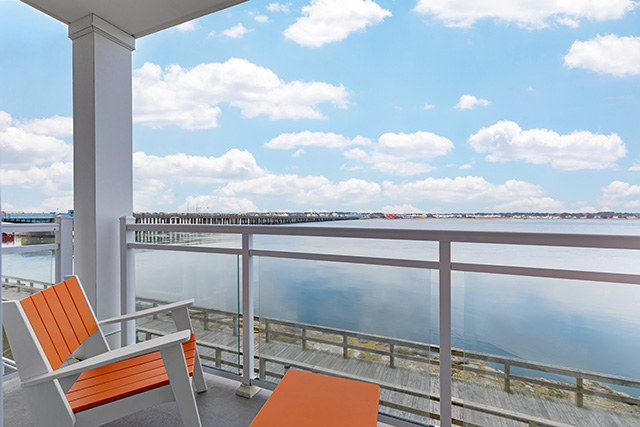
Income annuities bring some tax benefits, too, which is always a bonus when it comes to money matters. While the specifics vary depending on the jurisdiction and the type of annuity, in many cases the income deferred or received from annuities can be designed to maximize tax efficiency.

what in an income annuity

What Else Is There to Know About Income Annuities?

There are some potential drawbacks and limitations to consider before opening an income annuity.

First, it’s important to remember that most income annuities are not suitable if you anticipate needing your money back in a lump sum or for emergencies in the short term. This means that annuities should be considered in coordination with a full needs analysis — while being mindful of short-term and long-term financial goals.

While they offer stability, some income annuities do not provide payments that keep up with inflation over time, essentially decreasing their initial purchasing power. Some income annuities do provide this feature, so it is important to work with a financial professional that can match your needs with the right solution.

Talk to a AAA insurance specialist about an income annuity today.

Listen to Our Podcast

Have insurance questions? Listen to Episode 3 of our podcast, Merging Into Life: Insurance 101.

Tune In

Subscribe to Your AAA Newsletter

Sign up and receive updates for all of the latest articles on automotive, travel, money, lifestyle and so much more!

Spend Summer Outside in Hamilton County

Make this summer one to remember in the expansive, unspoiled wilderness of Hamilton County, New York, your gateway to the great outdoors.

If your idea of the perfect summer retreat includes hiking to waterfalls, peacefully paddling along scenic coastlines and visiting charming small towns to dine, shop and stay, you’ve found your next road trip destination.

So, what are you waiting for? Big adventure awaits in the Adirondacks.

Camping

Sometimes the best way to get out in nature is to go on a camping trip. Hamilton County is full of campgrounds that support tent and RV camping alike.

Lake Eaton Campground in Long Lake offers a beach and a variety of hiking trails, Lake Durant Campground in Blue Mountain Lake has access to the Northville-Placid Trail and the picturesque Blue Mountain, and Sacandaga Campground in Hope is within hiking distance of several waterfalls.

Eighth Lake Campground and Indian Lake Islands Campground (only accessible by boat) are both perfect for fishing, boating and paddling.

Your Next Big Adventure Starts Here

Discover small towns and big outdoors in the wild heart of New York's Adirondack Mountains.

Experience More

Small Towns

The small towns of Hamilton County have just as much to offer as the great outdoors. Check out the Speculator Farmers Market, the antique wooden boats at the Blue Mountain Lake Boat Livery, the Inlet Golf Club and the iconic Hoss’s Country Corner store in Long Lake.

Culture

In true Adirondacks fashion, it’s not hard to find cultural offerings amidst the trees.

Learn about the art and history of the area at Adirondack Experience, the Museum on Blue Mountain Lake. Cruise and dine on the W.W. Durant, a replica steamboat that sails across Raquette Lake. You can even step back into architectural history at Great Camps Sagamore and Santanoni.

Hiking Challenges

If you’re looking for hiking challenges, you’ve come to the right place. On the waterfall challenge, you’re tasked with finding as many of the area’s waterfalls as you can. Each waterfall is worth a certain amount of points, and if you hike enough, you can earn a special waterfall patch. Similarly, the fire tower challenge tasks you with hiking to the area’s historic fire towers to earn a fire tower patch.

Hamilton County is filled with hiking trails for all skill levels and destinations, from ponds to birding hot spots and more. Just remember to leave no trace behind so the trails can be enjoyed for generations to come.

Have you ever gone camping or hiking in the Adirondacks? Let us know in the comments below.

®I LOVE NEW YORK is a registered trademark and service mark of the New York State Department of Economic Development; used with permission.

Subscribe to Your AAA Newsletter

Sign up and receive updates for all of the latest articles on automotive, travel, money, lifestyle and so much more!