Taking Care Of Your Teeth as You Age

As we get older, our bodies go through changes, making it even more important to take care of ourselves.

Some lifestyle alterations, like needing to stretch more or wear reading glasses, are expected. But there are other things that may not be as well-known, like how our nutritional needs adjust with age or how the medicines we take can affect our teeth. Having a dental plan from a top dental coverage provider like Delta Dental, exclusively for Rhode Island AAA members, can help you take care of your smile and your overall health.

Dental and Vision Insurance for Rhode Island AAA Members

Comprehensive coverage at exclusive rates for AAA members in Rhode Island.

Check Rates

Eating Right as You Age

Taking a little extra care with your diet can help you keep your smile bright and make you feel better. Make sure your diet includes these important vitamins and nutrients:

Protein: Incorporate lean meat, eggs, dairy (such as cottage cheese) and plant-based options like beans, peas, and lentils for ample protein intake, vital in counteracting age-related muscle loss and revitalizing gums. Protein is also an important source of phosphorous, which helps in bone production.

Calcium: Boost calcium absorption and bone and teeth strength with foods like egg yolks, salmon and tuna, rich in vitamin D.

Fiber: Combat slowed digestion and get your saliva flowing with fiber-rich fruits, veggies and whole grains, which not only aid digestion, but also lower cholesterol and regulate blood sugar.

Vitamin B12:  Ensure a healthy red blood cell count and reduce gum disease risk by including vitamin B12 sources like beef, tuna, dairy and eggs in your diet.

cooking

Caring for Your Teeth and Gums

As we get older, our gums may recede, our tooth enamel can wear away, and we may be more prone to dry mouth. These changes can make us more likely to have problems like cavities, gum disease and other oral health issues. To alleviate these effects, it’s crucial to maintain regular dental check-ups and practice good oral hygiene habits, including brushing twice daily, flossing, and using mouthwash.

Managing Medication Side Effects

Getting older may mean we have more prescription medications to manage. No matter what the medicines are for, it’s important to watch out for side effects, like dry mouth, which can lead to mouth bacteria and oral health problems. If you have any concerns, it’s important to talk to your dentist or doctor.

Keeping Your Smile Healthy

To keep your smile healthy, make sure to brush your teeth twice a day, floss every day and visit a dentist regularly. Eating foods that are good for you and low in sugar will also help. If you’re worried that you’re not getting enough of the right vitamins and minerals, talk to your doctor about your diet and what you should be eating every day.

Healthy Smiles for AAA Members

By eating right, taking your medications correctly, and taking care of your teeth, you can stay healthy and enjoy your golden years. If you’re a AAA member in Rhode Island, you can get dental insurance at low rates from Delta Dental. Visit Delta Dental of Rhode Island for more information.

Photos courtesy of Delta Dental.

Subscribe to Your AAA Newsletter

Sign up and receive updates for all of the latest articles on automotive, travel, money, lifestyle and so much more!

Crossword: All About Spring

Subscribe to Your AAA Newsletter

Sign up and receive updates for all of the latest articles on automotive, travel, money, lifestyle and so much more!

How Medication Can Affect Your Teeth

Many medications that we take, including prescribed and over-the-counter supplements, can have a range of side effects that elicit changes to our health, from headaches to drowsiness and many others in between. The side effects we experience can change as we age, as well, and may even cause unexpected impacts to our oral health.

Obtaining quality dental insurance, prioritizing preventive care and relaying all current medications you take to your dentist are important for staying up to date with your oral health. In addition, staying informed about the possible side effects of different medications can aid in knowing what to expect.

The best way to maintain your oral health is to regularly see a dentist. With Altus Dental, AAA members in Massachusetts can get quality dental care and coverage at exclusive AAA member rates. 

Depending on the medicine you take, these are some of the side effects you could experience when it comes to your dental health.

Cavities

A side effect that is present in more than 500 medications to treat conditions such as high blood pressure and high cholesterol is a symptom called dry mouth. Producing less saliva due to medication causes you to experience a cotton-like dryness in your mouth. The lack of saliva present increases your risk of tooth decay, as saliva helps to stop food from collecting around your teeth and neutralizes acids found in plaque. This tooth decay, in turn, increases the likelihood of the formation of cavities.

Fortunately, dry mouth symptoms can be improved. Drinking more water, using a humidifier and avoiding certain irritating drinks that may worsen your condition like coffee, alcohol, soda or acidic fruit juices will all help in maintaining a healthy oral environment. Consulting with your dentist for their recommendations for oral moisturizers like mouthwash or fluoride gel is also encouraged.

You can get the preventive care you need without having to worry about expense with Altus Dental through AAA Northeast, an affordable, accessible way to get dental coverage in Massachusetts.

Cancer Treatment

Chemotherapy and radiation are intended to eradicate cancer within the body but can cause oral complications in the process. Because both treatments either slow or halt the production of new cells altogether, the oral tissue is unable to repair itself after damage as it usually would.

Radiation on its own may damage oral tissue, salivary glands and even bone. Treatments for cancer also disturb the healthy balance of bacteria that’s present in the mouth. As a result, cancer patients may experience mouth sores, an increase in infections and tooth decay. Cancer treatment that includes bone-strengthening drugs can lead to uncommon but serious jaw issues, as well.

Before treatment begins, it’s imperative to inform your dentist about your diagnosis so that they are able to assess your current treatment plan accordingly.

Bleeding Problems

Because they are meant to reduce blood clots, anticoagulants like aspirin, heparin or warfarin are beneficial for preventing heart issues such as stroke or heart disease. Unfortunately, that also means they increase the likelihood of bleeding issues during oral treatment. Let your dentist know if you’re taking these types of medications before scheduling any surgery or dental care that could involve bleeding.

Affecting Your Taste

Your taste buds can be affected by some medications, too. Anti-inflammatory drugs, cardiovascular agents, respiratory inhalants and smoking-cessation products can all cause food or drinks to taste bitter or metallic. Some may even affect the ability to taste altogether.

Changes in Gum Tissue

Of course, as there are side effects for teeth, there are also some medication-induced side effects for the gums, as well.

Oral sores or ulcers, discoloration and inflammation have been noted in the soft tissues of the mouth after use of medications prescribed for blood pressure, oral contraceptives and immunosuppressive agents. An overgrowth of the gum tissue — known as gingival overgrowth — can sometimes be associated with anti-seizure medications and calcium blockers.

Making your dentist aware of the medications you’re taking and the side effects you’re experiencing from them is vital in keeping your oral health in tip top shape.

Regular visits to a trusted dentist will help you stay on top of issues that may arise. AAA members living in Massachusetts can get quality care and coverage in more than 10,000 locations locally with Altus Dental

Explore the benefits and enroll today.

Featured image: Courtesy of Altus Dental.

Subscribe to Your AAA Newsletter

Sign up and receive updates for all of the latest articles on automotive, travel, money, lifestyle and so much more!

International Family Vacation Destinations

A recent survey showed that Europe is the top continent for family vacations, particularly in Italy, the United Kingdom, France, Greece, Ireland and Spain. However, family vacation preferences have also expanded to include South America, Thailand and the Caribbean.

When thinking of family vacations in Europe, you might imagine teenagers being unimpressed by the Mona Lisa or weary children more interested in the hotel pool than the Roman Colosseum. But when planning a multi-generational trip, Europe’s thousands of years of history, culture and art, combined with amusement parks and plenty of green spaces, beaches and other kid-friendly attractions, make it appealing for all ages. It’s the same versatility that draws families to all the top destinations.

With trips to 27 countries and 95 cities globally, including Caribbean and other warm-weather destinations, you can trust Pleasant Holidays as your expert family vacation planner, whatever your style.

Here’s a quick look at some of the most popular international family vacation spots and their highlights.

Family Vacation Ideas

Find your next family vacation options here. 

Explore Now

United Kingdom: While the United Kingdom is not in Europe, it’s close by, making it a central spot for country hopping. London is an especially popular destination. Who doesn’t like the Tower of London and the crown jewels? Not to mention actual castles. The British Museum has rooms full of artifacts, including suits of armor, which are crowd-pleasers. The London Eye, the giant Ferris wheel, is also popular, as well as gardens and a zoo. Outside of London, the seaside resort of Blackpool is home to an aquarium, a waterpark and other attractions, not to mention the beach.

France: Just across the English Channel, France beckons, with Paris as the main attraction. Climb the Eiffel Tower and visit the Palace of Versailles or take a cruise on the Seine. The famous art museum, the Louvre, offers special tours for children. Had enough art and history? Head to amusement parks Parc Asterix or Disneyland Paris, or visit the Paris Botanical Gardens, which includes a zoo. Outside of Paris, enjoy the French countryside, skiing in the mountains or the scenic French coast.

greece santorini
Cliff Side Suites. Santorini, Greece.
(Photo: Courtesy of Pleasant Holidays)

Greece: The Cradle of Civilization also is full of architectural wonders to see, including the Parthenon, Temple of Zeus and the Acropolis in Athens. Kid-friendly tours are available for all the major archaeological sites in Greece. Take a break from the cities and visit some of the country’s beautiful beaches.

Ireland: Head to the Emerald Isle for your fill of ancient churches, castles, forts, museums, mansions and ghost stories. The Blarney Castle is one of Ireland’s most popular attractions with the well-known stone rumored to give all who kiss it the gift of gab. Kilkenny Castle is another of Ireland’s most visited heritage sites. For outdoor adventures, one of Ireland’s most famous sights, the Cliffs of Moher, rises 666 feet, with breathtaking views and the Irish landscape is perfect for biking and mountain climbing.

family vacations - venice
Palazzo Sant’Angelo Sul Canal Grande Hotel, Venice, Italy.
(Photo: Courtesy of Pleasant Holidays)

Italy: If you plan to visit different cities in Italy, and it’s hard not to, make sure you see Michelangelo’s Statue of David in Florence and Leonardo de Vinci’s painting of The Last Supper in Milan. Take a guided tour of the Vatican Museums to get a deeper look at Italy’s extensive artistic, religious and cultural history. In Rome, history and art is everywhere, but be sure to see the colosseum, a huge, ancient amphitheater and toss coins in the Trevi Fountain. To keep the younger ones happy, enroll them in gladiator school for a day. Kids also might like visiting one or more of the many car museums in Italy or hiking up a volcano.

Spain: Get to know medieval Barcelona with a family walking tour of the city’s Gothic Quarter. For the next stop, the Prado National Museum in Madrid, which has one of the largest art collections in the world, features works by Spain’s own Velasquez, Goya and El Greco. Also in Madrid, Parque del Retiro, a park surrounding a lake, is the perfect place for a stroll or a bike ride. For the more adventurous, travel to Alhambra in Granada, Andalusia, one of the best-preserved palaces of the ancient Muslim world. For a water-drenched day of fun, visit Siam Park, Tenerife’s water kingdom, ranked the best water park in the world, with heart-pumping slides and lazy river floating.

Caribbean: The Caribbean comprises almost 7,000 islands within 26 countries and features a unique blend of food, music and art. Lounge on some of the most beautiful beaches in the world, enjoy water sports such as snorkeling, scuba diving and Jet Skiing. Explore some of the nations’ colonial histories by visiting fortresses that are more than a century old. Hike along trails with waterfalls and mountains.

South America: For an outdoor adventure vacation, South America is home to towering mountains, unique wildlife and scenic beaches, as well as natural and manmade wonders. Take a train to Machu Picchu, the lost City of the Incas, in the Peruvian Andes. In Ecuador, enjoy tours highlighting native wildlife and rainforests. Experience “cowboy life” with the gauchos in Argentina and pick a spot to relax on Uruguay’s 410 miles of beaches.

family vacations- thailand
Shangri-La Bangkok, Thailand.
(Photo: Courtesy of Pleasant Holidays)

Thailand: Bangkok, Thailand’s capital, is the perfect place for foodies, with street foods the highlight of the culinary scene. “Floating” markets still exist, with boats full of items near the sides of canals. Make sure to take a water taxi during your exploration of the city. Among the not-to-be-missed spots are the Bangkok National Museum, Grand Palace and Chinatown. Outside of the city, enjoy pristine white beaches at Phuket and Koh Samui Chiang Rai and waterfalls and forests in mountainous northern Thailand.
Contact your AAA Travel Agent and plan your next family getaway today! 

Featured image: Beaches Turks and Caicos. (Photo: Courtesy of Pleasant Holidays)

Subscribe to Your AAA Newsletter

Sign up and receive updates for all of the latest articles on automotive, travel, money, lifestyle and so much more!

How to Spend Your Tax Refund

Your tax returns were filed a few weeks ago, and now ✨ shazam ✨ refunds from the state and federal governments are in your bank account. Now, what to do with your tax refund?

More than two-thirds of taxpayers are expecting refunds from the 2023 tax year, and many have already received them, noted a recent Bankrate survey.  By mid-February, more than 25.5 million taxpayers filed returns, yielding average refunds of about $1,741, according to the Internal Revenue Service.

For some, tax returns are a chance to splurge, and for others, it’s extra money to save or put toward bills like car payments or student loans. Maybe you do a little bit of both. Here are a few ideas for how to spend your tax refund.

how to spend your tax refund

Trips To Take With Your Tax Refund

About 7% of people getting refunds plan to spend the money on vacations, Bankrate reported.

This is indeed a busy time for AAA Travel, according to Chuck Nardozza, managing director of travel sales. “People tend to book trips very quickly,” he said. “We start to see people going during the first quarter of the year. They are warm weather destinations, winter getaways.”

Top-booked destinations include:

  • Aruba
  • Punta Cana
  • Cancun
  • Jamaica

Also popular are Caribbean cruises, including cruises for families, all-inclusive resorts and theme park destinations like Walt Disney World and Universal Studios.

“A vacation is a popular choice for many who are looking for a way to spend their refund wisely on memorable experiences,” Nardozza added.

Let's Plan Something Wonderful

Book your next trip with AAA Travel now or call 866-423-5585 to speak with a travel advisor.

Book Now

Plan a Day of Fun

If not a full-blown vacation, there are still plenty of fun experiences you can plan with your refund money. Spend a day at an amusement park or water park with the family, go to a concert, see a Broadway show or cheer on your favorite team at a game.

Get discounted tickets on all of the above, and more!

In need of some retail therapy? Check out these 17 Products Our Readers Love. You might find just the thing you’ve been looking for, or something you didn’t even know you needed.

Build Up That Nest Egg

Instead of wondering how to spend your tax refund, you might be thinking about how to save it. The Bankrate survey found that 28% of taxpayers planned to use the money to boost their savings, while 19% planned to pay off debt.

How do you get the most from your tax return? Tell us in the comments.

Subscribe to Your AAA Newsletter

Sign up and receive updates for all of the latest articles on automotive, travel, money, lifestyle and so much more!

National Parks to See in Spring

Spring is one of the best times to book a trip to our national parks, as is summer, fall and winter.

Every season offers extraordinary perspectives at our national parks. Although some of the best experiences happen in spring – from the budding of diverse vegetation and the mass migration of wildlife to National Park Week, celebrated annually at national parks and nationally designated sites across the country.

Spring is a relative term, however. Nature knows no calendar. It expresses the seasons in its own terms. Nevertheless, here are few national parks best seen in spring.

Find Your Favorite

America’s national parks are masterpieces awaiting your discovery.

Book Now

Death Valley National Park, Calif.

Early Spring

Spring is fleeting in the parched-earth landscape of Death Valley. And it comes much earlier than in the Northeast.

If your timing is just right and weather conditions have been conducive, you might catch a “super bloom” of wildflowers over large swaths of the Mojave Desert. I wasn’t so lucky on my visit in spring 2020, but it was still an ideal time to view the bizarre and breathtaking vistas before summer’s extreme heat.

The mountains, hills and cliffs are arranged in an assortment of shapes and painted in spectacular colors. The 9-mile Artist’s Loop drive reveals shades of yellow, turquoise, pink and other hues.

Badwater Basin, a 200-square-mile salt flat, is the lowest point in North America, 282 feet below sea level. From a distance, it shimmers in the sun like an enormous frozen lake. Up-close its salt deposits resemble snow – highly unlikely where average spring temperatures are 80-90 degrees. However, you can view snow-capped peaks in the far-off distance. For some perspective, turn toward the facing cliff where a small sign high above your head marks sea level.

On this trip, my husband and I also visited Red Rock Canyon National Conservation Area in Las Vegas and Zion National Park in Utah (see below), Lake Mead National Recreation Area, Hoover Dam and Valley of Fire State Park in Nevada. Staying in Las Vegas gave us a great hub for all of our activities.

Red Rock Canyon National Conservation Area, Nev.

Early-Midspring

Want to catch a show in Las Vegas? Red Rock might be the best entertainment in town. There is glitz in the way the sun sparkles on the vibrant-colored stone. There is magic and illusion in the way the rocks cast shadows across the landscape. There is aerial acrobatics as climbers scale the faces of the enormous rock faces.

Given its proximity (17 miles from the Strip), we visited Red Rock a few times on our trip in early spring 2020. We went at midday at the beginning of our trip, when vegetation was still mostly dormant. We almost missed the large pack of wild burros camouflaged among the brown brush.

We returned around sunset a couple of days later. The shadows had moved, completely transforming the environment. Then, a quick-moving, heavy rainstorm passed through, and the sun’s rays broke through the clouds spotlighting the land. The next day, the whole scene was transformed into various shades of green.

Everglades National Park, Fla.

Midspring

Everglades National Park is a waterlogged wonder – in most areas. However, some parts are dry, rugged and rocky. There is a diversity of terrains and fragile ecosystems supporting all types of wildlife from resident and migratory birds to panthers to … alligators, of course.

On our visit in early spring 2022, we spent most of our time in the southeastern section. We watched various aquatic creatures ply the shallow waters. We walked along the Coastal Prairie Trail through a wooded area of moss-laden trees that opened to fields as far as the eye could see. We experienced a shimmering sunrise over Freshwater Marl Prairie at Par-hay-okee Overlook with only birds, including vultures, in our company.

The park is still in its dry season at this time of year, before summer’s humidity. Wildlife is more easily seen around smaller communal waters. Insects, particularly mosquitoes, are relatively inactive, though dragonflies and butterflies are out and about.

We also went snorkeling and kayaking at John Pennekamp Coral Reef State Park in Key Largo. We stopped at Biscayne National Park, which is almost entirely underwater.

Zion National Park, Utah

Mid-Late Spring

You may think if you’ve seen one red rock, you’ve seen them all. But depending on the lay of the land, their material makeup, the intricate shapes formed by erosion and the various hues, they all seem brand new.

At Zion, the towering cliffs are a shade closer to pink ornamented by bright white. And the experience extends for many miles outside the park borders. We approached from the southwest along Route 9, stopping several times along the Virgin River to take pictures. We had no idea how much more intense the setting would get.

We arrived at the park at a perfect time of year to avoid large crowds, but just a little too early to experience the explosion of foliage and flowers that comes later in the spring. Taking the riverside walk leading to the Narrows, we found cascading pools of turquoise waters.

We left heading east on Route 9 (Zion Mount-Carmel Highway). It is a twisting scenic drive through the center of the park, and behind every turn there was yet another fantastic sight to behold.

Yellowstone National Park, Wyo., Idaho, Mont.

Late Spring-Summer

If Yellowstone is your once-in-a-lifetime trip, be sure to save enough time to see it all. We were a little too rushed when we visited in summer 2021.

We entered Yellowstone through the south gate, at the junction with Grand Teton National Park. Our carefully planned itinerary got thrown off at the Denver airport. And, maybe we stayed just a bit too long in Jackson Hole, Wyo. Maybe we stopped too many times in Grand Teton. And maybe, as copilot, I wasn’t paying close enough attention to road signs (distracted by the amazing mountain vistas).

We were pressed for time to get to our hotel in Gardiner, Mont. So, we made the sad decision to forgo most of the major tourist attractions, including geothermic features like the multicolored Grand Prismatic Spring. We stopped at Old Faithful just to check it off our list. The next day, we got back on our original schedule, spending a good amount of time in Lamar Valley.

Living in the Northeast, it was hard to imagine such vast wilderness exists. In Lamar, bison and elk populations far outnumber humans. Coyotes, wolves and bear prowl almost in plain sight. It’s best to watch from afar with binoculars or a telephoto lens. Park rangers advise keeping a safe distance – 25 yards from most wildlife and 100 yards from predators like wolves and bears. If there are elk hanging out in your hotel parking lot, don’t assume they are tame.

Even with prolific hot springs and super volcano status, Yellowstone warms up to spring temperatures later in the year. In Yellowstone, animals large and small arrive with newborns in their midst. (Absolutely do not approach!) The landscape turns vivid greens speckled with wildflowers. For the full experience, take a deep sniff of the sweet fragrance of wild sage blanketing the ground around you.

Our trip to Yellowstone was just a segment of a whirlwind 3,000-mile loop through five states in 10 days. We also stopped at Theodore Roosevelt National Park, N.D., and Mount Rushmore National Monument, S.D., among other places.

Some of these parks have experienced unprecedented weather events in recent years. Before you go, visit the National Parks Service website for advisories about current conditions including road closures.

Contact your AAA travel agent and plan your national parks getaway today!

Closer to Home

You don’t have to travel so far to enjoy the wonders of spring at a national park. There is plenty to see and do at these parks in the Northeast.

What’s your favorite national park? Tell us in the comments.

Featured image: Grand Teton National Park

This article has been updated and republished from a previous version. 

Subscribe to Your AAA Newsletter

Sign up and receive updates for all of the latest articles on automotive, travel, money, lifestyle and so much more!

See the World With Viking

Whether you want to go on expeditions across frozen landscapes or quietly drift along one of many U.S. or international rivers to cultural and historical sites, Viking offers not just a vacation, but a rich learning adventure.

From carefully curated destinations and itineraries to engaging concerts and lectures, even onboard science labs and libraries – experience the Viking difference.

viking
Aquavit Terrace at dawn with breakfast on the table onboard the Viking Longship Hlin in the Upper Middle Rhine Valley in Germany.

Oceans, Rivers … You Pick!

Viking offers a diverse selection of destinations and elegant river, ocean and expedition vessels that bring you closer to your destination.

You might prefer one of its dozens of river voyages, like sailing along the Seine in France, stopping to enjoy cuisine and towns along the riverbank, including Paris. Or maybe you’ll choose to meander down the Danube and Rhine rivers, passing through four countries on a single trip.

Want to stick closer to home? There are nine different Mississippi River voyages to choose from.

If you are yearning for the open sea, you can sail the ocean to the homeland of the Vikings and explore cities in Sweden, Norway and Denmark. Or, steep yourself in the origins of civilization with a trip on the Aegean Sea to Turkey and Greece.

Explore in Comfort

Discover the No. 1 river, ocean and expedition line.

Cruise Now

Become an Explorer

A Viking Expedition voyage is an adventure unlike any other, with small ships designed for exploration. A team of experts will guide through once-in-a-lifetime experiences, such as snowshoeing and kayaking in the Arctic or traveling the routes of famous explorers on the way to Chilean fjords. And no, you don’t have to stuff parkas and snowshoes into your suitcase – all the gear is provided. Participate in collaborative science projects during your excursions with experiential activities or fieldwork, made simpler by landings using Zodiac, special operations boats or optional submarine journeys.

All landings and excursions are included in passengers’ fares and provide access to remote landscapes, remarkable wildlife and world UNESCO sites. A unique engine system allows ships to hover in place in areas where anchoring is difficult, making it easier for guests to disembark.  

Immerse Yourself in Other Cultures

The biggest Viking difference is traveling aboard a floating cultural arts center. Enjoy musical performances representative of your destinations, from opera in Vienna to fado in Portugal; watch demonstrations of national traditions and craftsmanship, such as glass-blowing and wooden shoemaking; and see chefs make delicious local foods.

Lectures on regional art, history, politics and music are planned to help you understand your next port of call better. You can also head to the library, where you can find books on all subjects, from art to history to destination-focused reading, in specially curated collections.

Viking ships spend fewer days sailing, allowing guests more time on land in the local culture. Guests might spend a day checking out local markets with the ship’s chef, taking a backstage tour of a theater company or viewing a museum’s private collection.

viking
The Veranda Suite on-board the Viking Longship Hlin. Pfalzgrafenstein Castle and Gutenfels Castle of the Upper Middle Rhine Valley in the background.

Onboard Elegance

The unique design of Viking ships gives them direct access to ports other vessels can’t get to, and all ships are designed for optimal views. Depending on the type of ship, guests can opt for rooms with verandas.

In addition to enjoying local foods ashore, Viking ships also have exquisite dining options. The Restaurant offers regional dishes as well as classic favorites, while the Aquavit Terrace provides outdoor dining with scenic views.

Click here for more information or to book your Viking cruise.

Subscribe to Your AAA Newsletter

Sign up and receive updates for all of the latest articles on automotive, travel, money, lifestyle and so much more!

7 Lighthouses in the Northeast Worth a Drive

Lighthouses remain crucial to maritime navigation, but they also draw visitors from far and wide. 

Throughout the Northeast, you’ll find plenty of lighthouses worthy of a visit. You can even climb to the top of some to take in panoramic views of the surrounding landscapes.

A lighthouse-themed road trip could be a fun way to explore and learn more about a place. They also make for great pitstops on your way to other destinations. Here are seven can’t-miss lighthouses in the Northeast.

lighthouse
Barnegat Lighthouse, N.J.
(Photo courtesy of AAA Northeast member Janis Lee)

Barnegat Lighthouse

Barnegat, N.J.

Located in Barnegat Lighthouse State Park, the Barnegat Lighthouse was constructed in 1859 on the northern tip of Long Beach Island to help maritime pilots avoid the shoals and shifting sandbars along the shoreline. Each year from Memorial Day through Labor Day, visitors can climb the 217 steps to take in the scenic views from the top of the lighthouse. At the Interpretive Center visitors can check out the lighthouse’s history and learn about the changing nature of the coastline surrounding the lighthouse. Other activities in the park include a maritime forest trail for hiking, fishing, bird watching and picnicking. 

Beavertail Lighthouse

Jamestown, R.I.

Located on the southernmost tip of Jamestown overlooking Narragansett Bay, the Beavertail Lighthouse stands at 64 feet high. Constructed in 1856, the current structure is the third to stand at the site, which was home to the third lighthouse in the colonies. While the lighthouse museum is open seasonally from May through October, the lighthouse is open for climbing on specific dates, so check the online calendar to see if dates match up with your visit. If they do, you can climb the 49-step spiral staircase and 7-foot ladder to reach the observation catwalk. At the top, you will be rewarded with gorgeous 360-degree views.

Car Rental Savings

Get up to 20% off the base rate of your next car rental.*

*Terms apply.

Book Today

The Lighthouse Museum

Stonington, Conn.

Constructed in 1840, this lighthouse stands sentry at the entrance to the harbor of Stonington. Featuring stonework, ornamental cornices and granite lintels above the doorways and windows, the lighthouse looks a bit different than many lighthouses. Visitors who can climb the 29 circular steps and ladder to reach the top will enjoy views of Long Island Sound as well as three states. Open seasonally from May through December, the site includes the lighthouse and museum, which holds artifacts not only about Stonington’s maritime and agricultural history, but also artifacts predating the lighthouse that document the city’s earliest history.

lighthouse
Montauk Point Lighthouse, Montauk, N.Y.
(Photo courtesy of AAA Northeast member Joseph Kelly)

Montauk Point Lighthouse

Montauk, N.Y.

The first lighthouse in New York State, Montauk Point Lighthouse was built in 1796 overlooking the Block Island Sound and the Atlantic Ocean. Following an addition in 1860, the lighthouse now stands more than 110 feet tall, with 137 iron steps to the top. Today, visitors can tour the lighthouse museum to learn more about the lighthouse and the role it played in American maritime history, climb to the top for panoramic views and shop at the gift shop. The lighthouse is also home to special events throughout the year, so check the online calendar to see what’s happening when you plan to visit.

Nauset Light

Eastham, Mass.

(Pictured at top of story)

Since 1838, maritime pilots have relied on the light shining from the coast of Eastham to help them find their way around the coastline of Cape Cod. The latest lighthouse structure in Eastham, Nauset Light was constructed in 1877 using cast iron and brick lining. Painted red and white, it features two rotating aero beacons to provide guidance. Today, visitors can take a free tour of the lighthouse to learn its history, climb the 48-foot-high tower and visit the lookout room. You’ll find a calendar on the lighthouse’s website with tour dates and times so you can plan your visit.

Oswego West Pierhead Lighthouse

Oswego, N.Y.

Overlooking Oswego Harbor, the Oswego West Pierhead Lighthouse was built in 1934, replacing the existing lights. Today, visitors can reach the lighthouse by boat for a tour, which are offered by the H. Lee White Maritime Museum each year between June and September. Before or after your tour, take time to explore the museum to learn about the area’s maritime history and see the original fourth order Fresnel Lens that used to provide light in the lighthouse before its replacement with an automated lantern.

Rose Island Lighthouse

Newport, R.I.

Constructed in 1869, the Rose Island Lighthouse lit up for the first time on Jan. 20, 1870, over Narragansett Bay. It operated until 1970, when it was decommissioned by the U.S. Coast Guard. In 1985, the lighthouse was deeded to the City of Newport, and, through the Rose Island Lighthouse Foundation, was restored and returned to private operation in 1993. Today, visitors can take the Jamestown Newport Ferry to the island from May through October to tour the lighthouse and the Fort Hamilton barracks. For an extended stay, you can even book overnight island accommodations each year from April 1 through Oct. 31. 

What’s your favorite lighthouse in the Northeast? Tell us in the comments.

Need a ride? AAA members get exclusive Hertz discounts, including up to 20% on Hertz rentals.

Subscribe to Your AAA Newsletter

Sign up and receive updates for all of the latest articles on automotive, travel, money, lifestyle and so much more!

New England Zoos and Aquariums Perfect for Day Trips

New England zoos and aquariums bring animals and people together, while committing to the protection and preservation of the animals. They’re also the perfect destination for a day trip. Check out our list of the top New England zoos and New England aquariums in the area.

New England Zoos

Beardsley Zoo
Bridgeport, Conn.

From two-toed sloths to maned wolves and marmosets, there’s so much to see at Connecticut’s Beardsley Zoo. With over 300 animals to boast of (primarily North and South American species), this zoo is one of the state’s top family attractions. Spend an hour or the whole day visiting some of nature’s endangered and threatened species. Print a map and stroll through the zoo at your own pace. You can visit the walk-through aviary, check out the New England farmyard, or explore the rain forest building. And after all that walking, you and the kids are bound to get a little hungry. So stop by the Peacock Cafe for some hot food or enjoy an outdoor lunch in the Picnic Grove. Open year-round.

new england zoos
(Photo: Roger Williams Park Zoo)

Roger Williams Park Zoo
Providence, R.I.

Roger Williams Park Zoo should be a bucket list destination for both Rhode Islanders and day trippers alike. Set just off Interstate 95 in Providence, the zoo is easily accessible and fun for the whole family. Animals are zoned geographically with others that they would be alongside in the wild. Elephants, giraffes and cheetahs can be found in the Africa section, while red pandas and snow leopards are in the Marco Polo area. The Faces of the Rainforest exhibit showcases howler and Titi monkeys, river otters, toucans, flamingos, and many other tropical birds that fly free in the 40-foot glass atrium. Kids of all ages will love petting goats at the Farmyard, while the younger children can climb onto a camel’s back for a ride around the ring. Open year-round.

While you’re at one of the very best New England zoos, also be sure to explore Roger Williams Park, home to a Victorian-style carousel, a botanical garden and concerts and food truck festivals during the warmer months.

Franklin Park Zoo
Boston

There’s a tropical forest in Boston at the Franklin Park Zoo. You’ll feel worlds away from the hustle and bustle of the city as you meet exotic animals like the green anaconda, pygmy hippopotamus, Ruwenzori fruit bat and two-toed sloth. Like the Roger Williams Park Zoo, the Franklin Park Zoo is also broken down into sections based on native geographic regions, which include a Bird’s World, the Serengeti Crossing and Franklin Farm. Open year-round.

Stone Zoo
Stoneham, Mass.

The Stone Zoo is owned by the same governing organization, Zoo New England, as the Franklin Park Zoo, and offers visitors a similar experience on a slightly smaller scale. Animals include the American alligator, Mexican gray wolf and Brazilian porcupine. Open year-round.

Butterfly Place
Westford, Mass.

Butterfly zoos are the creative, delicate sisters of traditional zoos, where visitors are welcomed into warm interiors filled with hundreds of fluttering butterflies. The habitat at Butterfly Place emulates the insects’ natural environment, and you’ll find them flying among and even landing on you and your family members. Visitors can also meet caterpillars and observe cocoons, as well as watch an educational video about their new fluttering friends. Butterfly hatching kits are available for purchase, allowing visitors to hatch and release their own butterfly or moth at home. It’s open seasonally from Valentine’s Day through Columbus Day.

Southwick’s Zoo
Mendon, Mass.

Southwick’s Zoo prides itself on being what it claims is the largest New England zoo, home to 200 acres of exhibits and over 850 animals. Visitors can tour the zoo from above on the Skyfari Skyride or travel via train through the zoo’s wetlands habitat. Kids will love meeting the goats and alpacas at the park’s petting zoo, and can learn more about their favorite animals at the Earth Discovery Center. Those looking to get extra up-close with the animals should book one of the zoo’s rhino or giraffe encounters. AAA members can save on Southwick’s Zoo admission. The zoo is open from early April to the end of October.

York’s Wild Kingdom
York Beach, Maine

New England day trips to the southern Maine coastline aren’t complete without a trip to York’s Wild Kingdom, which is both a zoo and an amusement park. The zoo is home to dozens of animal species, including an African lion and Bengal tiger. Visitors will enjoy interactive exhibits with deer, ducks and African pygmy goats, and should also be sure to pay a visit to the Butterfly Kingdom, a 5,500 square foot exhibit where admirers can walk among various species of free-flying butterflies. The amusement park portion of the park features kid-friendly rides and attractions including a bounce house, bumper boats, Ferris wheel, mini-golf course, batting cages and an arcade. It’s open from late May through late September.

New England Aquariums

Mystic Aquarium
Mystic, Conn.

Those who grew up in and around New England likely remember the Mystic Aquarium as both a popular field trip destination and hot spot for a day of fun, especially on a rainy day. The aquarium has plenty of exhibits and displays to delight both children and adults alike, including multiple tanks and habitats with tropical fish, sharks, stingrays, jellyfish, sea lions, seals and – the stars of the aquarium – beluga whales. There are also live sea lion shows, and visitors can book an animal encounter with whales, penguins, stingrays and seals. Open year-round.

Maritime Aquarium at Norwalk
Norwalk, Conn.

Just outside of New York City and easily accessible by Metro North, the Maritime Aquarium at Norwalk is a great destination for a New England day trip. The organization is dedicated to the study and preservation of marine life in Long Island Sound. Exhibits and displays feature local animals including harbor seals, lobsters and mollusks. The aquarium also has an IMAX documentary theater and offers Long Island exploratory and educational adventures on its hybrid sea vessel. Open year-round.

(Photo: New England Aquarium)

New England Aquarium
Boston, Mass.

Located on Central Wharf in downtown Boston, the New England Aquarium is huge. In the center of the building stands a giant ocean tank, a four-story, 200,000-gallon cylindrical tank that is home to over 1,000 Caribbean reef animals, including sea turtles. Other highlights include penguin and harbor seal displays, as well as a touch tank where kids can meet sharks and rays. The aquarium is also home to an IMAX theater and offers whale watches in partnership with Boston Harbor Cruises. Open year-round.

Woods Hole Science Aquarium
Woods Hole, Mass.

What the Woods Hole Aquarium lacks in size, it makes up for in history. This small aquarium claims to be the country’s oldest, operating since 1885. Visitors will find almost 150 species of marine life from Northeast and Mid-Atlantic ocean waters, as well as exhibits and touch tanks, the latter with lobsters, crabs, horseshoe crabs and sea stars. Open Tuesday through Saturday, year-round.

ECHO, Leahy Center for Lake Champlain 
Burlington, Vt.

ECHO – which stands for Ecology, Culture, History, Opportunity – is a lake-centric aquarium home to over 70 species. ECHO’s mission is focused on educating children and their families about marine life, especially species in nearby Lake Champlain. The aquarium is a necessary stop if you’re on a New England day trip to the Lake Champlain region, and a perfect destination for an afternoon of educational entertainment with the kids. The center is open year-round.

What is your most memorable animal encounter at one of your favorite New England zoos or New England aquariums? Tell us in the comments!

Need a ride to one of these amazing zoos or awesome aquariums? AAA members can save on Hertz car rentals.

Find AAA discounts on New England zoos, aquariums and attractions. 

This article has been updated and republished from a previous version. 

Subscribe to Your AAA Newsletter

Sign up and receive updates for all of the latest articles on automotive, travel, money, lifestyle and so much more!

Season-By-Season Home Maintenance Schedule

Home maintenance is about more than keeping your house and yard looking great. It conserves your property value and could prevent costly insurance losses. Every season has its challenges, so get ahead of the game with a solid plan.

Spring Home Maintenance Tips: Clearing the Way for Summer 

Spring is nature’s signal that it’s time to clear up the clutter and take care of the home maintenance tasks that are less convenient in the colder months.

A brutal winter can leave your home’s exterior a little beat up, so hire a pro to look at your roof to inspect for leaks and loose shingles. Check your driveway, walkways and other outdoor areas for any cracks that need restoration or replacement.

Inside, spring cleaning should include vacuuming, dusting, and cleaning behind the fridge and other tight spots. Also, double check your fire alarms and carbon monoxide detectors to make sure they’re in working order.

And as you’ll be relying on climate control for most of the summer season, call an HVAC specialist in the spring to check your ducts and AC for any potential issues, and replace filters as needed.

Now is also a great time to spring clean your insurance policies and make sure you are still getting the most out of your coverage.

Life Moves Fast – AAA Keeps Up

Get home insurance from a company that moves with you.

Start Protecting

Summer Home Maintenance Tips: Tidying Your Lawn and Pool 

Summer is all about leisure and relaxation, but you’ll still want to stay on top of upkeep to avoid problems down the road. At the start of your summer home maintenance schedule, make sure your pool is properly treated and filters are replaced, and clean your deck and grill.

One potential hazard during the summer is falling branches and trees caused by strong winds and storms. To stay on the safe side, hire a pro to remove any weak or dying trees or branches on your property, especially those that are close to the house. Aside from this, you’ll want to keep up with mowing and weeding, or hire someone who can do it for you.

home maintenance schedule

Fall Home Maintenance Tips: Foliage and Winter Prep 

Although we all love autumn’s beautiful foliage, there’s no question that those colorful leaves can quickly pile up. Although you want to rake periodically, leave some leaf cover under your shrubs and trees to provide beneficial mulch. You’ll also want to make sure to keep leaves away from your gutters.

This is also a good time to start winter prep. Have your boiler inspected by a professional for potential safety issues. Install new windows and replace caulking as needed for proper insulation.

As a member of AAA, you can save on home services like oil, heating, AC systems and more.

Remember, it’s always better to focus on prevention and take care of any potential home maintenance issues before problems occur.

Winter Home Maintenance Tips: Stocking Up and Ice Prevention 

Be ready for extreme weather. Stock up on sidewalk salt and prevent hazardous driving situations by having enough canned goods and nonperishable foods on hand.

Make sure that all water pipes are disconnected, turned off and emptied if you are leaving your house for the season. Excess moisture can cause pipes to freeze, expand and burst, possibly leading to damages. That’s not a surprise you want to come home to.

“Often with these losses, families have to vacate their homes for several weeks as repairs are made, including the removal of drywall and insulation to get at damaged pipes,” said Raymond Eng, vice president of insurance sales at AAA Northeast.

When it comes to following your home maintenance schedule in the winter, ice damming is a particularly damaging condition to look out for. Eng recommends using a roof rake on areas that consistently experience buildup immediately after a storm.

Learn more about AAA Insurance for home, auto and more. 

To make sure your house is ready for whatever the weather throws at it, go to AAA.com/HomeServices.

Subscribe to Your AAA Newsletter

Sign up and receive updates for all of the latest articles on automotive, travel, money, lifestyle and so much more!

20 Things to Do in Massachusetts Under $20

budget wise

Finding something fun to do in Massachusetts shouldn’t break the bank. Luckily the Bay State is full of things to do on a budget – some are even free.

These are our top 20 things to do in Massachusetts for $20 or less.

Need a ride? Rent a car.

Portugalia Marketplace – Free

All the perks of Portugal, without the flight. Portugalia Marketplace is 20,000 square feet of authentic Portuguese merchandise from baked goods to home goods, including specialty prepared foods, jewelry and cork products. Explore the mosaic-tiled aisles and try not to fill up your cart to the brim.

The Arnold Arboretum of Harvard University – Free

Did you know there’s a 281-acre nature preserve in the middle of Boston? Nestled within the shadows of its neighboring skyscrapers is the Arnold Arboretum of Harvard University, a living museum that holds over 15,000 plants. Great for families, the arboretum can be enjoyed through a casual nature stroll, guided tour or via their informative mobile app.

Ashuwillticook Rail Trail – Free

Grab your bike and head to the scenic Ashuwillticook Rail Trail, a 12-mile converted train route that winds through the beautiful towns of Cheshire, Lanesborough and Adams. Along the way, catch glimpses of local wildlife as well as the picturesque Hoosic River. Rollerblading and fishing are allowed; leashed dogs welcome.

Brimfield Flea Market – Free

There’s nothing like a good thrift, and Brimfield Flea Market is the place to go to find one (or many). Operating for six days in May, July and September, Brimfield is the oldest flea market in America and garners crowds that are upwards of 50,000 people every year. You’ll encounter thousands of dealers selling everything from antique rugs to oil paintings, clothing, housewares and more, making it almost impossible to leave empty handed.

The Clayroom – $10 studio fee

Paint your own pottery in Brookline over at The Clayroom. It’s a cheap thing to do in Massachusetts that will leave you with a souvenir you can keep for years. Choose from a wide selection of pottery pieces (plates, mugs, vases, soap dispensers – you name it) before getting to work drawing, stenciling and painting your one-of-a-kind creation. After a five-day period for glazing and firing, your piece will be ready to take home and admire.

Dinosaur Footprints – Free

Calling all Jurassic Park enthusiasts! Walk among the dinosaurs in Holyoke, where the prehistoric footprints of some of the earliest-known dinosaurs still remain today.

Essex Coastal Scenic Byway – Free

A 90-mile stretch of coastline beginning in Lynn, Mass. and ending in Salisbury, Mass., the Essex Coastal Byway is the perfect way to experience the state’s scenic coast and learn all about its history. Situated within the Essex National Heritage Area, the Byway features miles and miles of charming towns, beautiful shorelines, grand historic estates, walking trails and more.

Explore the Berkshires – Free

Visiting the Berkshires is an experience all its own, and something that can be enjoyed during any season. Whether its snowshoeing in the wintertime, hiking in the spring, swimming in the summer or visiting in the fall when the foliage is at its peak, there’s always something to enjoy in this western haven.

Ferry to Martha’s Vineyard – $20 roundtrip

If it’s an escape you’re seeking, look no further than Martha’s Vineyard. Right off the mainland, you can ferry to the gorgeous island for a day packed full of relaxation, good eats and plenty of laidback fun.

Franklin Park Zoo – $14.95-$18.95

Part of the Emerald Necklace of Boston, Franklin Park Zoo is home to more than 100 wild animals and 12 engaging exhibits from a butterfly hollow (operating seasonally) to the tropical forest where free-flight birds roam and western lowland gorillas make their home. The zoo also features a playground and carousel, as well as shopping and dining options to enjoy at your leisure.

The Freedom Trail – $17

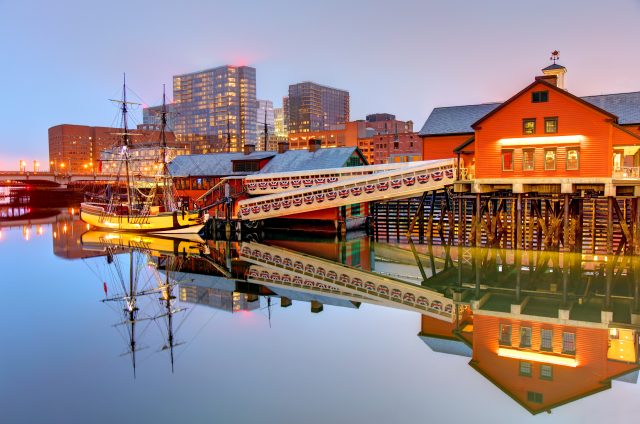
Experience the history of the American Revolution by walking in the footsteps of those who lived it. Follow the 2.5-mile red line with a knowledgeable (and costumed) guide to 16 nationally significant sites like churches, museums, meeting houses and even a historic ship.

Ghost Tour with Salem Ghosts – $17 for AAA members

It’s no secret that Salem has a haunted past, but how much do you really know about the town and its infamous witch trials? A ghost tour with Salem Ghosts takes you deeper into the story as you get up close and personal with the town’s most haunted hot spots. Tours are carefully curated to be spooky, informative and family-friendly.

Hancock Shaker Village – $18 for AAA members

Hancock Shaker Village falls somewhere between a historic farm, museum and venue. Open from April through December, you can find so much to do here between the 20 historic buildings to explore, its gardens, nature trails, cafe and shopping opportunities. Opt for an informative guided tour or peruse the landscape on your own.

Isabella Stewart Gardner Museum – $20; free on first Thursday of the month

Isabella Stewart Gardner was a unique leader of the arts during her time, and as the perfect homage – so is her dedicated museum. What used to be her living quarters are now portrait-lined galleries bestowing some of the most treasured historic acquisitions. Come for the art, stay for the unsolved robbery.

Lowell Folk Festival – Free

Every year on the last weekend of July, the Lowell Folk Festival takes over the town – and the stage – for three straight days. You’ll get to see performing artists from around the country and the world as well as enjoy craft demonstrations, food and merch stands and a family activity area for those with little ones in tow.

Magic Wings Butterfly Conservatory and Gardens – $16

Walking through the double doors of the Magic Wings Conservatory elicits awe as more than 3,000 live butterflies and moths flutter amidst vibrant tropical greenery and flowers. Below, koi fish swirl lazily in their pond. Guests are free to walk or sit and enjoy the show happening all around. Conservatory grounds also have a cafe and gift shop.

The Mount – $20

The Mount, Edith Wharton’s 1902 estate, is a place where all can come to learn about her humanitarian legacy and life as an author of over 40 novels. Tour the magnificent mansion, stop into the bookshop and sit down at the Terrace Cafe for lunch with a view.

Mountain Meadow Preserve – Free

The Mountain Meadow Preserve sits on the border of Vermont, making it the best of what both states have to offer. You’ll find lush forest, wide open meadows dotted with wildflowers and stunning mountain views over 240 acres. Hike the four miles of trails, spot a variety of animals in their natural habitat and get to see the ruins of Mausert’s Camp.

Shakespeare on the Common Free

Bring your own blanket and settle onto the Boston Common for Shakespeare’s greatest works live. Performed by the Commonwealth Shakespeare Company, each show is free and open to the public during the summer months.

Swan Boats – $4.50

Operating since 1877, the swan boats in the Boston Public Garden are as joyous as they are budget friendly. A quaint 15-minute boat ride takes you around the perimeter of the serene lagoon and back again, making it the perfect respite after a day exploring the city.

Find more things to do in the Northeast for under $20.

What are some of your favorite activities to do in Massachusetts on a budget? What did we miss? Let us know in the comments.

Subscribe to Your AAA Newsletter

Sign up and receive updates for all of the latest articles on automotive, travel, money, lifestyle and so much more!

Driving in the Rain and Other Spring Driving Tips

Winter isn’t the only season with dangerous driving conditions. Driving in the rain is hazardous as well, particularly in the spring when showers are common.

Three-quarters of all weather-related crashes occur on wet pavement, according to the Federal Highway Administration, and nearly half happen during rainfall.

“A wet road is a treacherous road, even after a gentle sprinkle,” said Jillian Young, Director of Public Relations for AAA Northeast. “As little as 1/12 of an inch of water can cause new tires to lose traction with the road at speeds as low as 35 mph. When it rains, slow down and give yourself extra room to stop.” 

Here is a closer look at driving in the rain and other spring-related driving challenges, with tips from AAA traffic safety experts on how to stay safe.

Hydroplaning

Hydroplaning – when a layer of water separates a vehicle’s tires from the ground and causes loss of traction, is one of the most dangerous situations caused by driving in the rain.

“When hydroplaning, you are literally riding on top of water without any control of your vehicle,” said AAA Car Doctor John Paul.

The first 10 minutes of a downpour present the highest risk for hydroplaning, which occurs when tires can’t displace enough water from their treads. Though it can happen with any tire and at any speed, it’s best to avoid driving on worn tires and to go slower in wet conditions to decrease your risk.

Follow these tips to avoid hydroplaning and maintain control of your car.

  • Check your tire treads. Tires with fewer than 4/32 inches of tread should be replaced. You can check by inserting a quarter into a tread with Washington’s head facing down. If you can’t see the top of his head, the tire has at least 4/32 inches of tread.
  • Inflate your tires to the manufacturer’s recommendations. Underinflated tires don’t have the same capacity for displacing water as tires that are properly inflated, making driving in the rain potentially more dangerous.
  • Follow the leader. Try to drive in the tracks of the car in front of you for a clearer path.
  • Leave extra room. A loss of traction can make it tougher to stop quickly. If you typically leave three seconds of space between you and the vehicle in front of you, Paul recommends adding one second for rain and two seconds for rain and darkness.
  • Stay in the middle. If you’re on the highway, try to stay in the center lane. Many roadways have a crown that sends water to the right and left lanes.
  • Avoid cruise control. If you have to slow down in wet weather, you’ll do so by taking your foot off the accelerator. But if cruise control is engaged, your foot is already off the accelerator. You want as much control as possible when driving in wet weather. Don’t give any away to cruise control.
  • Stay calm. Your first reaction to hydroplaning might be to brake, but don’t do it. It won’t stop you. Instead, ease off the accelerator to decrease speed. Once your vehicle regains traction, look and steer in the direction you want to go.

Potholes

Potholes are another spring danger, the result of winter’s wrath on local roads. What’s worse, heavy rain can sometimes fill potholes, hiding them from view.

Striking potholes, even at low speeds, can be dangerous and expensive. A survey from AAA found that 1 in 10 drivers sustained vehicle damage significant enough to warrant a repair after hitting a pothole. With an average price tag of almost $600 per repair, damage caused by potholes cost drivers a staggering $26.5 billion.

“Snow, ice, sand and salt can leave roads in pretty bad shape, and the repeated freezing and thawing of moisture seeps through road surfaces and causes potholes,” said Barbara Ward, a traffic safety specialist with AAA Northeast. “Keep your eyes peeled for bad road conditions, but if you can’t avoid hitting a pothole, don’t brake during the pothole impact. Instead, apply the brakes just before hitting the pothole and release them just prior to impact. Less severe damage occurs when a tire is rolling than when it’s skidding over a hole during braking.”

Reduced Visibility

The harder it’s raining, the harder it is to see lane markings, signage and other vehicles. The situation can be even worse for drivers who neglect basic car care.

Remember these maintenance tips to keep your sight line clear while driving in the rain.

  • Keep it clean. Maintaining visibility starts with keeping your windshield and windows clean. You’ll want to clean the insides of both regularly.
  • Check your wiper blades. The average windshield wiper blade lasts about six months to a year. You can tell if a blade is starting to go if it leaves streaks behind.
  • Use the defroster. Moisture inside a vehicle can create a fog on the windows. Paul recommends using defrosters with the air conditioning on and the vents open for fresh air. “Air conditioning, by design, dries the air,” he said.
  • Turn on your lights. Your headlights are valuable equipment for battling low visibility when driving in the rain. You’ll want to turn them on even if you’re just passing through a light sun shower. It will help you see better, and a lot of states require drivers to turn on their headlights when using windshield wipers. While you may be tempted to go with the high beams, low beams are more effective during rain and fog. Don’t forget to periodically clean your headlights, too. Mud and dirt can cloud lenses, reducing illumination by up to 90%.
  • Stop and wait. If it’s raining so hard that none of these steps alleviate visibility issues, it’s wise to find a safe place to pull over and wait until the weather lets up. Rest areas or protected areas off the highway are your best bets. If you must stop on the roadside, pull off the road as far as possible and turn your emergency flashers on to help other drivers see you.
driving in the rain

Deep Water

If you’re facing a storm that brings several inches of rain, it’s best to stay off the road when possible, and not just for your personal safety.

Vehicles traveling through water that’s deep enough to be pulled into the engine can suffer from hydrostatic lockup. In layman’s terms, that means the end of your engine, and even the most novice mechanic knows getting a new engine isn’t cheap.

If you have to traverse a deep puddle, do it as slowly as possible.

Drowsy Driving

Symptoms of sleepiness behind the wheel include not being able to keep your eyes open or focused, having trouble keeping your head up, daydreaming, having wandering thoughts, drifting among lanes or tailgating, yawning frequently, rubbing your eyes repeatedly, missing street signs or exits and feeling irritable or restless.

If you feel drowsy, find a safe place to park and take a break or a power nap. A quick bit of exercise and some caffeine can be helpful as well, according to the AAA Foundation for Traffic Safety.

driving in the rain

Sun Glare

Longer days mean more sun, and greater chances of driving toward blinding light. Always slow down and use caution when dealing with strong sunlight.

Keep a pair of polarized sunglasses in the car to help reduce glare and use your car’s sun visors when needed. Regularly cleaning your windshield will also improve your view of the road, as streaks can be especially pronounced under strong sunlight.

Make sure to leave extra room between your vehicle and the one in front of it, especially during sunrise and sunset hours when the sun’s rays can make it harder to see the car in front of you. And if you are having trouble looking straight ahead, use the line markings on the street as your guide.

Medications

Spring can be a tough time for people affected by seasonal allergies. If you turn to over-the-counter allergy meds or use any prescription medications, talk to your doctor or pharmacist about potential side effects before getting behind the wheel.

Sharing the Road

Warm weather means more traffic from pedestrians, bicycles and motorcycles. As you would any time of year, always share the road safely. Stay hyperaware of your surroundings and avoid distractions.

Car Care

Winter can take a toll on vehicles, from reducing battery life to undercarriage corrosion caused by salt, sand and other road-cleaning chemicals. The first warm days of the season are a great time to inspect your vehicle, check its vitals and give it a good clean.

“While the application of de-icing salts and solutions is critical to keeping our nation’s roadways safe every winter, it’s important that drivers pay attention to warning signs that their vehicle may be suffering from rust-related damage,” Paul said. “This can be much more than a cosmetic issue; it can also create serious safety issues for drivers by impacting brake lines, exhaust systems, fuel tanks and electrical connections, as well as the structural integrity of some of these older vehicles on the road.”

You can limit damage by washing your vehicle throughout the winter. A spring clean and shine up will also make sure it is sparkling and well-protected.

If you have winter tires, replace them with all-season tires. Inspect the winter tires for any damage you’ll want to have repaired before next year.

Read more about how to get your car ready for the warmer months ahead.

Giving your car some TLC for spring? AAA members can save on automotive replacement parts and accessories at NAPA.

If you run into trouble on the road, due to rain or otherwise, call AAA Roadside Assistance or use your AAA Mobile app to get help.

This article has been updated and republished from a previous version. 

Subscribe to Your AAA Newsletter

Sign up and receive updates for all of the latest articles on automotive, travel, money, lifestyle and so much more!

Word Search: Happy Easter!

Subscribe to Your AAA Newsletter

Sign up and receive updates for all of the latest articles on automotive, travel, money, lifestyle and so much more!

Ask a Mechanic: How to Choose a Mechanic

Wondering how to find a good mechanic? There is a AAA membership benefit that many do not know about: access to a network of reliable auto repair shops. AAA Approved Auto Repair shops not only save you money (up to $75 per visit on labor, which could pay for part of your membership), but they also ensure quality work by AAA-certified mechanics. With nearly 400 Approved Auto Repair facilities throughout the Northeast, it’s easy to find a good mechanic and you never have to worry about where to go to get your car fixed or serviced.

To find a AAA Approved Auto Repair shop, simply look for the badge on the business or click here to search for a facility near you.

Victor Deluca, manager of the AAA Approved Auto Repair Network, explains how AAA members — and businesses — benefit from the designation.

Perks for Members

What do AAA Approved Auto Repair shops offer that other shops don’t?

“This is a great program. I call it the hidden gem of AAA because only 50% of our members know it exists,” Deluca said.

AAA-approved shops provide:

  • 10% discount off labor, up to $75
  • 24 months or 24,000-mile warranty on repairs
  • Help finding alternate transportation, if needed.

Members can also feel secure knowing that they are using a shop that’s already been reviewed and deemed trustworthy by AAA. And that high level of service does not go unrecognized. Overall consumer satisfaction was 96% for Northeast shops in 2023.

If there is ever a problem with the work, we ask that the customer go to the shop first, but if there is back-and-forth, AAA is there to provide support.

“We go through a vigorous vetting process. AAA stands for trust and integrity. The biggest value for members is the peace of mind knowing AAA is involved.”

– Victor Deluca, AAA Approved Auto Repair Network MANAGER
mechanic - AAA Approved Auto Repair Shop

Perks for Auto Repair Shops

What do shops gain from partnering with AAA?

The AAA seal of approval has been the greatest advantage for Auto Craft Inc., of Randolph, Mass., which has been a AAA Approved Auto Repair shop for 40 years. “AAA is so well-respected and well-recognized that it gives us an additional level of credibility,” said owner Janis Wentzel. “We’ve had a wonderful relationship.”

As part of the AAA network, facilities can also participate in savings from major vendors, including NAPA Auto Parts and other industry distributors.

What does it take be a AAA auto repair shop?

In addition to proving that they are in good-standing with the bank and have the right insurance, shops need to obtain and maintain the right tools, training and required certifications for the services provided. They must also show consistently high ratings from customers.

“They need to survey their customer base and have a 90% customer service satisfaction index, and (if approved) do 40 customer service satisfaction surveys a year,” Deluca said.

Are you an independent roadside service provider or auto shop owner? Join the AAA Network!

Have you ever used a AAA Approved Auto Repair shop? What did you like about the experience? Tell us in the comments.

Here are a few more AAA benefits you might now know about.

Take a Game Break

See how fast you can solve this car-themed crossword puzzle.

Subscribe to Your AAA Newsletter

Sign up and receive updates for all of the latest articles on automotive, travel, money, lifestyle and so much more!

Pro Tips for Young Drivers

If experience is the best teacher, there’s no better driving instruction than from AAA. For more than 80 years, AAA has educated young drivers on how to stay safe behind the wheel. All training is based on data acquired from decades of AAA traffic safety research.

Listen to Our Podcast

Tips for passing your driver's test with ease. Listen to Episode 16 of our podcast, Merging Into Life: How to Pass Your Road Test.

Tune In

AAA Driver Training instructors have an unparalleled level of experience — and success — in turning new students into lifelong safe drivers. So, we spoke with six esteemed AAA driving instructors to share their best tips for young drivers.

With nearly a quarter-century of driving instructor experience among them, Frank Malone, Linda Brookfield, Rick Field, Rick Phelan, Gary Driscoll and Justin Cares have plenty of good advice. 

What are the top tips you would give a new teen driver to make them a better driver?

Frank Malone: Practice. Practice. And practice. Oh, and wear your seatbelt and use your blinker.

Linda Brookfield: 1. Keep the phone off and out of sight. 2. Keep a proper following distance. 3. Stay focused on driving. Remember: SIPDE (Search, Identify, Predict, Decide, Execute).

Rick Field: 1. Slow down to allow time for decisions. 2. Read the Road 3. Look left, right, left until safe to go.

Rick Phelan: Respect the speed limit, use your directional and check your blind spots.

Gary Driscoll: Take the time to build your foundation first. Start at the beginning: work on adjusting your seating.

Justin Cares: Put all technology away and use the new car technology sparingly. All your attention needs to be focused on looking out the windshield. 

driving school

What is the best thing about teaching new drivers? What is the worst?

Field: It’s very rewarding to witness students progressing and mastering concepts. The worst experiences are related to parents who fail to prepare and teach basic driving skills prior to the first driving lessons. Many students may have less than 30 minutes behind the wheel with a parent. These students are typically very difficult to teach and it’s an unproductive use of instructor expertise.

Malone: Helping students build confidence is the best part of teaching driver education. The worst part is having to break bad habits they pick up after watching other drivers become lazy role models!

Brookfield: The best thing is seeing students progress. I do my best to explain why we have to do things the way we do in order to be safe on the road. The worst thing is having a student who believes they already know what they’re doing. This is the person who will agree to my instruction yet continue to do things their own way — incorrectly!

Phelan: Interacting with the students and seeing them gain confidence in their abilities is great, but the best thing is getting a happy phone call from the student or parent letting me know they passed their road test or, better still, being with them as they pass! The worst feeling is their disappointment if they happen to fail the road test. Thankfully, that doesn’t happen too often.

Driscoll: The best thing is when you provide the student driver with the knowledge and training to be a good safe driver. Most student drivers want to learn how to drive safely and appreciate getting training that can help them achieve that goal. On the flip side, I’ve had a few students that didn’t want to get their driver’s license and were getting lessons only because their parents were making them. That usually creates a hostile training environment and can be very frustrating for the instructor.

Cares: In teaching new drivers, it’s really awesome to watch them grow as drivers and acquire new skills. It is also really a challenge sometimes because a lot of new drivers don’t take the driving task seriously. 

What’s the funniest or strangest experience you’ve ever had as a driving instructor?

Field: One of the strangest experiences I had involved a student who, at the start of the lesson, vocalized ‘119,’ and then later continued with ‘118, 117, 116,’ and so on. Eventually, I asked what was going on and he said, ‘I am looking at the dash clock and counting down every minute until this lesson is over.’ The student was very uncooperative and only taking driving lessons because his mom made him. He preferred to use his bicycle as primary source of transportation. He never finished our program.

Malone: One time I had a student who was nervous about the infamous Kelly Square in Worcester. I took the student through the intersection at noontime, a fairly busy time of day. After having the student enter Route 290 while leaving the square, I said, ‘I’m not sure why you were so nervous about Kelly Square … you did just fine.’ The student was surprised. ‘That was it?’ they asked. Sometimes they get nervous just because of what they hear from others.

Driscoll: The strangest thing is how some teenagers and college students don’t know their right from their left. Still blows my mind how often that happens. 

Cares: I once was followed by a parent of a student for the entire two-hour lesson because she didn’t trust me. 

AAA Driving School is available in Massachusetts and Rhode Island. Enroll today.
Did you pass your road test on the first try? Tell us a memorable story from when you were learning to drive in the comments. 

This article has been updated and republished from a previous version. 

Subscribe to Your AAA Newsletter

Sign up and receive updates for all of the latest articles on automotive, travel, money, lifestyle and so much more!

Crossword: At the Ballpark

Subscribe to Your AAA Newsletter

Sign up and receive updates for all of the latest articles on automotive, travel, money, lifestyle and so much more!

The Best Time to Visit Iceland for Northern Lights

Perhaps the name of the country is a small giveaway, but winter is the best time to visit Iceland for the northern lights.

“If you’re looking to experience the aurora borealis, the best time to go to Iceland is during the winter months when the nights are longer,” said AAA travel advisor and Iceland travel expert Wendy Marley. “Exploring ice caves, glacier hiking and snowmobiling are just a few of the many winter activities available.”


What should you do in Iceland?

1. Do you like winter sports?

For many travelers, seeing the northern lights in Iceland is a once-in-a-lifetime experience, and while their appearance (a bit ironically) depends upon the weather on the sun, the darker the skies and the further north you are, the more visible and spectacular this shimmering light show in the sky becomes.

Prefer an audio summary of this post? Click below to listen to this article.


Book your northern lights Iceland tour with a AAA Travel.

When and Where to See the Northern Lights in Iceland

Located on the edge of the Arctic Circle, the Land of Fire and ice gets as little as four hours of sunlight during the winter, meaning visitors could see the northern lights in Iceland – along with brilliant stars in the sky – even in the middle of the day.

Light pollution in the capital city of Reykjavik makes conditions for viewing less than ideal, but there are several hotels within a two-hour drive of the city, like the Hotel Ranga in Hella and the Hotel Husafell in Iceland’s western highlands, that enjoy dark skies and cater to northern lights tourists.

More Reasons Winter Is the Best Time to Visit Iceland

It’s Cool for Adventurers

Active travelers will love Iceland’s many snow sports options. About 10% of Iceland is covered in glaciers, most of which are within easy driving distance of Reykjavik. Glacier hikes and ice climbing are just a few ways to enjoy an immersive experience on these rivers of ice, which also can be explored by jeep or snowmobile.

The Westfjords and the Troll Peninsula are also top destinations for skiers and snowboarders looking to challenge the slopes at Iceland’s lift-serviced ski areas or venture into the backcountry on a ski tourism or heliskiing adventure.

Let's Plan Something Wonderful

Book your next trip with AAA Travel now or call 866-423-5585 to speak with a travel advisor.

Book Now

Langjökull, the second largest glacier in Iceland, is easily accessible from the capital. It’s also where visitors can enjoy a unique trip Into the Glacier with a tour of an 1,800-foot-long man-made ice cave, which plunges 98 feet deep into the glacier and features five chambers, including a wedding chapel.

Iceland is full of natural ice caves that can explored with or without a guide, as well as lava tubes like Raufarhólshellir, about half an hour from Reykjavik, where the entrance fills with natural ice sculptures as an added bonus for winter visitors.

blue lagoon iceland

It Can Be Warm and Cozy, Too

Visiting Iceland during the winter doesn’t mean having to brace yourself for being cold day after day. In fact, Iceland is called the Land of Fire and Ice because of its active volcanoes and geothermal activity, the latter of which creates hot springs and warms the mineral-rich, 102-degree waters of Iceland’s famous Blue Lagoon. The lagoon is fed by a nearby geothermal power plant, but Iceland also has dozens of natural hot springs and geothermal pools to plunge into, some of which have been incorporated into spa resorts.

Icelanders, of course, also have been adapting to the winter cold for generations, learning to keep warm from both within and without. Hearty stews and soups made with Icelandic lamb and arctic char are among the most popular foods in Iceland. Plokkfiskur, or fish stew, is especially beloved as a traditional winter meal. Icelandic rye bread is baked in casks placed at the edge of hot springs. Brennivin or burned wine (also sometimes called the “Black Death” by locals), is a caraway-flavored aquavit that can be quaffed as a shot or in cocktails; it goes particularly well with pickled or marinated herring, another common Icelandic delicacy.

Winter visitors to Iceland may not find too many souvenir T-shirts (because, brr), but the Handknitting Association of Iceland in Reykjavik sells sweaters, called lopapeysa, made from the wool of Icelandic sheep. It’s not only a great keepsake to take home, but also will keep you as cozy as an Icelander while you’re here.

The Wildlife

Iceland’s prodigious population of sheep and furry Icelandic horses are well adapted to the island’s winter weather, but the country also is home to more exotic animal species that thrive in the cold. You don’t need a red nose to guide you to Iceland’s reindeer herds: Just take a drive through the East Fjords area, and you’re likely to see reindeer grazing in the lowlands around Snaefell, the tallest mountain in Iceland not covered by glaciers.

The reindeer were brought to Iceland from Scandinavia, but arctic foxes have lived in Iceland since the last Ice Age. You can learn more about these remarkably adaptable animals at the Arctic Fox Center in the Westfjords village of Sudavik.

Iceland Northern Lights Tour

The five-day Iceland’s Classic Northern Lights Tour with AAA Travel is an Icelandic adventure that starts and ends in Reykjavik. The days in between are spent exploring Iceland’s famous Golden Circle and South Coast, sampling the local foods, soaking in hot springs and hiking to waterfalls, glaciers and icy caves, each night concluding with sky watching for a glimpse at the aurora borealis. And that’s just one of the many Iceland tours you can book through AAA.

Get insider tips, exclusive deals and more when you book your Iceland trip with a AAA travel advisor.

Have you ever seen the northern lights in Iceland? Tell us about it in the comments.

Subscribe to Your AAA Newsletter

Sign up and receive updates for all of the latest articles on automotive, travel, money, lifestyle and so much more!

Smart Personal Savings and Budgeting Apps

budget wise

Like calorie counting, a personal budget is often associated with sacrifice.

But finance expert and AAA member Neale Godfrey puts a more positive spin on personal savings plans and budgeting.

The author of 28 books on financial literacy says a personal budget is how you identify what you want and how to afford it. Without one, you’re basically driving down the road without a destination, she said.

A Start to Personal Savings

Simply put, a personal budget is an itemized list of income and expenses. It can be done on a weekly or monthly basis, but Godfrey suggests crafting a weekly budget until you feel comfortable.

To create one, write down how much money you earn each week after deductions such as income taxes, 401(k) and health insurance.

Then list (and eventually subtract) each of your “fixed” expenses – in this case, a weekly breakdown of what you pay for bills like rent, utilities, insurance, cellphone and anything else that costs the same every month. To calculate the weekly cost of a monthly bill, multiply it by 12 and then divide that number by 52. As the week goes by, Godfrey suggests logging everything you spend money on, including fast food, coffee, clothing and anything else.

“At the end of the week, take a long, hard look at what you’re buying and decide if those purchases are enhancing your life or if you would like that money to go someplace else,” Godfrey said.

That someplace else could be paying back credit card debt or putting funds into your personal savings account. It could also be allocating a certain amount of money every month for unexpected expenses and emergencies.

Listen to Our Podcast

Pay off your debt and get your finances in check.  Listen to Episode 10 of our podcast, Merging Into Life: Budgeting 101.

Tune In

Be Prepared

Think about unexpected emergencies like car and home repairs or medical bills. Even with insurance you may still need to pay a hefty amount out-of-pocket depending on the situation. Could you handle the costs without going into debt? Keep an emergency fund and plan so that your savings would not be completely wiped out if you needed to cover an unanticipated expense.

Download a Budgeting App

While you can sketch out a budget on something as low-tech as an index card, there are some high-tech apps available to help you track your expenses. Here are a few of note.

Wally

This free app for iPhone users helps track spending and set savings goals. It also has a receipt scan function that makes inputting expenses a little easier.

Mint

Also free, Mint compiles data from a user’s bank, credit card and investment accounts in one location. Tap the trends tab for a snapshot of how you spent your money over a specific timeframe, such as the past seven or 14 days. Available on iOS and Android.

Goodbudget

Set monthly spending limits by stuffing digital envelopes full of virtual cash at the start of every month. Goodbudget’s Reports section also provides a pie chart and bar graph that illustrate spending habits. Available on iOS and Android.

Ways to Bolster Your Personal Savings Plan

A budget can help you figure out where you are wasting money, but it is up to you to take action and make beneficial financial decisions. Here are some tips on how you can spend less money from Godfrey and other financial experts.

Use Cash, Not Credit

It’s painless to swipe now and worry about the payments later, but that is an easy way to spend a lot more money than you make. Instead, set aside a specific allotment of cash each paycheck and use those funds for items you typically overspend on, such as clothes, groceries and dining out.

This should give you a closer attachment to every dollar you spend and it might even discourage you from wasting money on a $5 gourmet coffee or a $2 bottle of water you don’t need. Just don’t go walking around with hundreds of dollars of cash in your pocket. That is not a good idea.

Set Financial Goals

It’s easier said then done, but it’s a good idea to have something to strive for. Whether that is a vacation, a home renovation or just banking a certain amount of money by year’s end, a goal is healthy way to widen your safety net and avoid wasting money on things you won’t even remember in the future.

Don’t Give in to Peer Pressure

Just because your friends want to go get drinks or food at your favorite restaurant or splurge on expensive concert tickets doesn’t mean you have to. Sure, you can treat yourself from time to time, but you could always suggest a pizza instead of a fancy dinner or a free hike at a nearby park.

Penny pinching can be tough, but over the course of the year, you could save a considerable amount of money. Take these tips to the bank and maybe you can finally build that dream kitchen or take the trip of a lifetime!

Have a saving tip that’s helped you? Tell us about it in the comments.

Neale Godfrey is the author of 28 books on financial literacy, including “Money Doesn’t Grow on Trees: A Parent’s Guide to Raising Financially Responsible Children.” The views and opinions expressed in this article are that of the author and should not be considered an endorsement from AAA.

This article has been updated and republished from a previous version.

Subscribe to Your AAA Newsletter

Sign up and receive updates for all of the latest articles on automotive, travel, money, lifestyle and so much more!

Spend a Moment at … Sweet Marie’s Tea Cottage

Sweet Marie’s Tea Cottage

25 West Main Street, North Kingstown, R.I.

Have you ever wanted to sit down for a proper afternoon tea? Sweet Marie’s Tea Cottage, located in historic Wickford Village, offers such an experience, complete with all the classic fixings you’d expect, from the perfect cuppa to scones with sweet cream. Pinkies up!

Upon stepping inside the cottage, the coziness is apparent, seen and felt in the intimacy of the space combined with the shabby-chic decor and sunlight dappling through the skylight above. Beautiful floral vintage teacups await on white tablecloths before a piping hot teapot is served, signifying the start of the afternoon tea experience.

Each afternoon tea follows the same cadence: a pot of tea to share, prix fixe fare served on a three-tiered tray and a second pot of tea if you so choose. Sweet and savory offerings include cucumber sandwiches (of course), chicken salad, prosciutto and fig toasts, macarons, cupcakes, truffles, both cranberry and cheddar chive scones and more. Each delicate morsel may seem tiny but combined are surprisingly filling. Worry not – you are welcome to take any leftovers home with you.

Afternoon tea at Sweet Marie’s is offered year-round and is the perfect outing for anyone looking to slow down and enjoy the simpler, sweeter things in life.

Spend a moment with us at more of our favorite places.

Subscribe to Your AAA Newsletter

Sign up and receive updates for all of the latest articles on automotive, travel, money, lifestyle and so much more!

Irish Museums and Heritage Sites in the Northeast

It’s no secret the Northeast is home to a lot of people with Irish ancestry. Whether you’re Irish or just a history buff, you can walk in the footsteps of immigrants and notable Irish-Americans at these Irish museums, heritage sites and memorials.

Irish Hunger Memorial

New York, N.Y.

There are many statues and memorials to the victims of the Great Hunger in the Northeast, but none are quite as striking as the Irish Hunger Memorial in Battery Park. Designed by sculptor Brian Tolle and landscape architect Gail Witter-Laird, the memorial is like a piece of Ireland right in the middle of Lower Manhattan. The memorial, which looks like a gentle, grassy slope, features soil and vegetation from West Ireland.

Among the grasses, flowers and moss, you’ll find stones from every Irish county and even the ruin of an authentic, famine-era Irish cottage. The cottage was donated by the Slack family, Brian Tolle’s extended relatives who remained in Ireland. From the top of the slope, you can even see Ellis Island and the Statue of Liberty, reminding visitors of the journey that many Irish immigrants had to take to escape the ravages of the Great Hunger.

St. Patrick’s Cathedral

New York, N.Y.

St. Patrick’s Cathedral first opened its doors in 1879, and it remains the largest Gothic Revival Catholic cathedral in the country. Money for construction was donated by local immigrants and the children of immigrants – many of whom were Irish. It takes up a full city block in Midtown Manhattan and can accommodate 19,000 guests at a time.

A great way to experience St. Patrick’s Cathedral is through their audio tour. Just remember to be quiet and respectful, as it’s still an operating place of worship. While you’re in town, you can also visit St. Patrick’s Basilica on Mulberry Street, which was built between 1809 and 1815. Their catacomb tour is not to be missed.

Ellis Island in NYC

Ellis Island

New York, N.Y.

Ellis Island, which operated from 1892 to 1954, was the first stop in America for over 12 million immigrants, including over 3.5 million Irish immigrants. Annie Moore, a 17-year-old from County Cork, Ireland, was actually the first immigrant to be processed there. Today, Ellis Island is a museum and archive, part of the Statue of Liberty National Monument.

Visitors to Ellis Island can experience their National Immigration Museum and Family History Center, which houses 65 million searchable immigration records. You might be able to find your family’s story amongst them.

The Tenement Museum

New York, N.Y.

Many immigrants to New York, like those who were processed through Ellis Island, would eventually wind up living in tenements. The Tenement Museum features two historic tenement buildings on the Lower East Side, with restored tenements representing different time periods and immigrant experiences. Learn about what life was like for immigrants of different cultural backgrounds from the 1860s to the 1980s. The museum also features neighborhood walking tours.

Boston Irish Famine Memorial

Boston, Mass.

The Boston Irish Famine Memorial is a small statue park between Washington Street and School Street, featuring two statues and eight plaques that tell the story of the Great Hunger and Irish diaspora. The statues, by sculptor Robert Shure, depict two families: a hungry family in Ireland and a family of Irish immigrants who have found success in America.

John Boyle O’Reilly Memorial

Boston, Mass.

John Boyle O’Reilly was a famous Irish writer and activist who made his home in Boston after escaping transportation to Australia in 1869. He had been transported for his ties to the Irish Republican Brotherhood, and continued his activism in Boston, where he became the editor of the newspaper “The Pilot.” He was known for his poetry, literature and journalism, and for popularizing the idea of Boston as an Irish cultural hub. His memorial, by sculptor Daniel Chester French, features a bronze bust of O’Reilly, as well as a bronze statue of Erin (the personification of Ireland) and her sons, Patriotism and Poetry.

JFK Library and Museum in Boston

John F. Kennedy Presidential Library and Museum

Boston, Mass.

As the first Irish Catholic president, JFK has a special place in Irish-American culture. At the John F. Kennedy Presidential Library and Museum, you can learn all about his life and legacy through exhibits that include the story of his youth, the presidential election, the space program, the oval office and first lady Jackie Kennedy.

Boston Irish Heritage Trail

Boston, Mass.

There’s probably more Irish history in Boston than anywhere else in America, and the Boston Irish Heritage Trail is a great way to experience it. The trail is a self-guided walking tour, stretching over 3 miles and 300 years of history. You can visit the Boston landmarks mentioned above, as well as the Rose Fitzgerald Kennedy Garden, the Boston Massacre Memorial, the Boston Public Library, Fenway Park and more.

Rhode Island Irish Famine Memorial

Providence, R.I.

The Rhode Island Irish Famine Memorial, also sculpted by Robert Shure, is a memorial wall and statue on Providence’s picturesque River Walk that commemorates the Great Hunger and the 1916 Easter Rising. It also features benches where visitors can reflect on the memorial, and the outlines of both Ireland and the United States on the walkway below.

The Museum of Newport Irish History

Newport, R.I.

As you might have guessed, the Museum of Newport Irish History tells the story of the Irish immigrants who settled in Newport, as well as their descendants. Visitors can enjoy exhibits on how Irish immigrants lived, worked, prayed and played. They also offer self-guided walking tours of Irish landmarks in Newport.

Planting Site of the First White Potato

Derry, N.H.

A humble plaque in front of the First Parish Church in East Derry, N.H., claims to be the planting site of the first white potato in North America. Potatoes were first cultivated in South America and transported to Europe, where they became a staple crop for peasants; however, it is believed that the first white potato in North America (also contemporarily known as the “Irish potato”) was planted in 1719 by Scots-Irish immigrants in this New Hampshire town.

Irish American Heritage Museum

Albany, N.Y.

The Irish American Heritage Museum explores the history, contributions and culture of Irish Americans. The museum has featured exhibits on the transformation of Samhain into Halloween, the Irish in the Adirondacks, Irish cooking, how to research your genealogy, the evolution of Irish dance costumes and so much more.

There are almost too many Irish memorials, museums and landmarks to mention in one article. What did we miss? Let us know in the comments below. Sláinte!

Subscribe to Your AAA Newsletter

Sign up and receive updates for all of the latest articles on automotive, travel, money, lifestyle and so much more!