Road Trip to Cape May, New Jersey

Cape May sits at the southern tip of New Jersey, where Delaware Bay meets the Atlantic Ocean. It’s the nation’s oldest seaside resort, welcoming sun-seeking vacationers since the mid-18th century, then touted as a “healthy place for sea bathing” by the Philadelphia Gazette.

Today, Cape May draws visitors for its walkable downtown, pristine beaches, easy access to nature and well-preserved architecture. A National Historic Landmark, Cape May is home to more than 600 candy-colored Victorian style buildings, including inns, cottages and shops. You’ll find the second largest collection of Victorian era structures in Cape May, just behind San Francisco.

Whether you arrive by way of the Garden State Parkway or the Cape May-Lewes Ferry, you are in for a real treat.

Need a ride for your Cape May road trip? Save with Hertz.

Car Rental Savings

Get up to 20% off the base rate of your next car rental.*

*Terms apply.

Book Today

Victorian Charm

Begin in the Cape May Historic District, where the town’s architectural identity is on full display. Guided walking and trolley tours educate visitors on structural hallmarks, including intricately designed gingerbread trim, large wraparound porches and steeply pitched gabled roofs.

If you prefer to explore on your own, focus on Hughes Street and Columbia and Beach avenues for the highest concentration of restored buildings. These streets showcase some of the best preserved “painted ladies,” a term used to describe Victorian structures painted in three or more colors to emphasize their decorative features.

One of the more notable Victorian homes is the George Allen House, known as the Southern Mansion, a grand estate dating to the 1860s that now operates as a bed-and-breakfast. Public tours are offered daily at noon for a small fee, offering insight into upper-class life at the time.

For a closer look at the period, tour the Emlen Physick Estate, Cape May’s only Victorian house museum. Built in 1879, this 18-room mansion offers guided tours that focus on architecture, daily life and the Gilded Age elegance of the home.

cape may new jersey

Pedestrian Friendly Hub

Cape May’s pedestrian-only Washington Street Mall serves as the town’s central hub. Spanning three blocks, from Ocean Street to Perry Street, it’s lined with more than 75 boutiques, gift shops, bookstores, cafes and scoop shops.

The Mall features brick-paved paths, plenty of benches, landscaped gardens, gas lamps and twinkling string lights. Browse specialty shops like Whale’s Tale for shore-theme gifts, Louisa’s Chocolate Bar for artisan chocolates and Madame’s Port for home accents and apparel.

Hungry? Dining ranges from casual to upscale, and there’s something for every palate. Enjoy fresh seafood at the Cape May Fish Market, sample elevated cuisine like curry mussels and filet au poivre at Tisha’s or stop in for wine tastings at Washington Inn & Wine Bar. For dessert, it’s got to be Uncle Charley’s Ice Cream, serving up 48 homemade flavors.

cape may new jersey

Cape May Beaches

Cape May city beaches stretch 2½ miles along Beach Avenue. The Cove is popular for its wide sandy shoreline and reliable surf, as well as its close proximity to the Cape May Lighthouse. For a relaxed beach day, head to Broadway Beach for fewer crowds and great waves. All city beaches require beach tags, which can be purchased in town, for admittance between Memorial Day and Labor Day.

Sunset Beach offers a different vibe. This free beach (no beach tag necessary) features calm waters and colorful sunsets over the Delaware Bay. It’s best known for Cape May diamonds — small quartz pebbles polished by the water. Visit at low tide for the best chance of finding them.

Just offshore, you’ll see the remains of the SS Atlantus, an experimental concrete ship built during World War I that ran aground in 1926, about 150 feet offshore. It’s a photo-worthy landmark and a curious piece of local history. In summer, locals and visitors alike gather for a nightly flag-lowering ceremony at dusk to honor veterans.

cape may new jersey

Cape May Point

At the southernmost tip of the peninsula is Cape May Point State Park, which offers a quieter, nature-focused alternative to the beach scene. This 244-acre park includes sand dunes, freshwater ponds, marshes and maritime forest. Admission is free, making it an easy add-on to your itinerary.

There are three main trails (red, yellow and blue), ranging from a half mile to 2 miles. The red trail is fully accessible via a raised boardwalk, while the blue and yellow trails wind through marshes and wooded areas. Birding is a major draw, thanks to the park’s location along a migratory route that regularly attracts raptors, shorebirds and monarch butterflies.

The 160-foot-tall Cape May Lighthouse is the park’s most visible landmark. Built in 1859, it remains active. Visitors can climb 199 iron steps to the top for panoramic views across the Cape May peninsula. Interpretive panels on the grounds, at the base and on the climb share stories of lighthouse keepers, as well as how the lighthouse functioned historically and today. The remnants of a concrete World War II bunker are also visible on the beach, once designed to protect the Delaware Bay and Philadelphia from German submarines.

cape may new jersey southern mansion
Southern Mansion

Hotels in Cape May

Book your stay with AAA.

Plan your Cape May road trip with a AAA travel advisor and rent your car with Hertz. AAA members can save up to 20% on Hertz rentals.  

Have you ever been to Cape May? Share your favorite things to do in Cape May in the comments!

All photos courtesy of CapeMay.com.

Subscribe to Your AAA Newsletter

Sign up and receive updates for all of the latest articles on automotive, travel, money, lifestyle and so much more!

AAA Study Finds Street Racing on Public Roads Is a Growing Concern 

If you’ve seen drivers darting aggressively across lanes as they race through traffic, you’re not alone. Nearly 75% of drivers reported noticing at least one type of street racing in the past year, according to a new study from the AAA Foundation for Traffic Safety (AAA FTS).

Street racing — which includes behaviors such as drag racing, street takeovers and weaving through traffic — poses significant risks to drivers, pedestrians and emergency responders alike. To understand more about the prevalence of and public concern about street racing, the AAA FTS surveyed over 3,000 U.S. drivers.

Key Findings
  • Weaving through traffic is the most observed form of street racing. Over 30% of respondents said they notice drivers weaving through traffic regularly, or fairly often. That number jumped to 37% for respondents who lived in urban areas. In the Northeast, 65% of respondents said they’ve observed street racers weaving through traffic at least once in the past year.
  • Street takeovers and drag racing happen less frequently, but a sizeable minority have encountered them. 9% of respondents reported having witnessed a street takeover regularly or fairly often, and 12% indicated the same regarding drag racing. In the Northeast, 28% of respondents said they’ve witnessed a street takeover at least once in the past year, and 35% said the same for drag racing.
  • Street racing is a growing concern. Nearly half (47%) of respondents from the Northeast said they are concerned about street racing on public roads in their state. And over a third of respondents from the Northeast — about the same as all respondents — said street racing is a bigger problem today compared to recent years.
  • Trends differ between urban and rural areas. Respondents in urban areas reported greater exposure to street racing and higher concern, while rural drivers reported slightly higher participation but lower concern.

Subscribe to Your AAA Newsletter

Sign up and receive updates for all of the latest articles on automotive, travel, money, lifestyle and so much more!

Does AAA Offer Life Insurance? 

In short: Yes! AAA does offer life insurance, focusing on term life insurance and permanent life insurance, which includes universal life insurance. AAA life insurance policies are designed to evolve with your life, and our knowledgeable agents will provide you with guidance every step of the way. 

The following is a breakdown the types of life insurance offered by AAA, with explanations and input from AAA insurance agents. 

AAA Term Life Insurance

AAA term life insurance provides coverage for a set period of 10 to 30 years. It is designed for a specific period of your life, such as while you’re raising a family. It usually costs less than other types of insurance, and premiums remain at one fixed rate for the duration of the term.  

“Term insurance is most often used for income replacement and mortgage coverage. It offers leveled premiums up to 30 years and a convertible option after one year until age 65 for qualifying clients,” said Candice Burroughs, AAA life insurance agent. “You can incorporate a child life insurance policy by adding a child rider, or a return of premium rider, who will receive all the paid-up premiums when the policy expires.” 

Once the initial term period is complete, you have the option to extend at a higher premium. AAA offers low-premium term life insurance with a death benefit up to $5 million. 

AAA Permanent Life Insurance

AAA permanent life insurance offers lifelong coverage. The policy builds cash value over time, and premiums don’t increase once they’re locked in. Usually, permanent life is more expensive than term life insurance. 

“Permanent life insurance lasts a person’s entire life, not just a set number of years,” said Jeffrey Bechtold, AAA internal life insurance agent. “As long as you keep up with premiums, it guarantees a tax-free check to your beneficiaries whenever you pass away. It also builds a cash value ‘savings bucket’ you can borrow from or withdraw from when you’re alive. It’s generally best for people who want permanent protection, have long-term dependents or want to leave a guaranteed legacy behind.”

Learn more about term vs. permanent life insurance.

Universal Life Insurance

AAA universal life insurance offers more premium flexibility and the ability to build up cash value over time. Policyholders can use this cash value against their premiums, to pay their mortgage or to contribute to their retirement funds. 

LifeTime Universal vs. Accumulator Universal

AAA offers two universal life insurance products: LifeTime Universal Life and Accumulator Universal Life. Both types build up cash value, offer a death benefit starting at $100,000 and can be purchased through an agent. 

An Accumulator policy builds more cash value than a LifeTime policy. Another key difference is the premium structure: LifeTime Universal guarantees a set premium rate that won’t change, even if interest rates do. Accumulated Universal offers customizable premiums and coverage that can be altered as your needs change. 

aaa life insurance

Other AAA Life Insurance Product Questions

Do you have to be AAA member to get AAA life insurance?

Yes and no. You must be a member to apply for AAA guaranteed issue life insurance.

“For all other policies, you do not have to be a member to apply.” Burroughs said. “If you are a AAA member, you will get an additional 10 percent off of the premium for your term insurance policy.”

Does AAA term life insurance require a medical exam?

A paramedical exam may be a requirement to qualify for a AAA term life insurance policy.

Get a AAA Life Insurance Quote

Choosing the right life insurance policy to fit your needs is a big decision, but AAA insurance agents are here to help. Our team is fully committed to helping you find the right policy to work for your life and provide the protection you need. 


Subscribe to Your AAA Newsletter

Sign up and receive updates for all of the latest articles on automotive, travel, money, lifestyle and so much more!

Tips to Keep Your Insurance Premiums as Low as Possible

Learning about an auto insurance premium increase can be a bummer, especially if you’re a safe driver with a clean record. Thankfully, there are steps you can take to limit hikes in your rates.

Drive Safe

Avoiding accidents and speeding tickets is the most important part of averting an auto insurance premium increase. Motorists with tickets and crashes on their records are higher risks for insurance companies, and their premiums reflect that.

Take a Defensive Driving Course

Speaking of safe driving, in some states taking a defensive driving course like the AAA Driver Improvement Program can earn you an insurance discount. Even if you don’t get a discount, the tips you learn can help keep you safe behind the wheel, which is a big part of managing insurance costs. Learn more.

Bundle Up

Getting auto and renters/homeowners insurance through the same company is a recipe for savings. Most companies give discounts to customers who bundle their coverage.

Look at Your Deductibles

Deductibles are what drivers are required to pay toward the cost of a claim before insurance kicks in. Many drivers who increase their deductibles see a drop in premiums because they’re limiting the costs their insurance companies will face following an accident.

Look at Your Vehicles

The cost of repairing a vehicle after a crash factors into insurance premiums. It’s why a high-end sports car is likely going to be more expensive to insure than your everyday sedan.

Comprehensive and collision protection might make sense for newer cars (it may also be required for financed vehicles), but as cars get older and their values decrease, the expense of such coverage might not be worth it.

Listen to Our Podcast

Have insurance questions? Listen to Episode 3 of our podcast, Merging Into Life: Insurance 101.

Tune In

Good Grades

Adding a teen driver to your policy can be expensive, but many companies will give discounts to young drivers who are doing well in school. Your child must be a full-time high school or college student and maintain at least a B (3.0) average or equivalent.

Use Your Garage

Has your garage become more of a storage container than a place to house your vehicle? If so, think about spending a Saturday or Sunday cleaning it out. Some companies offer discounts to drivers who garage their vehicles.

Pay at Once

Paying for your policy in one payment versus installments may get you a discount. Some companies also provide discounts to drivers who have monthly payments automatically deducted from their bank accounts.

Maintain Good Credit

In most states (excluding Massachusetts, California and Hawaii), having mediocre or poor credit can impact your premium.

Talk to Your Agent

A lot of drivers only talk with their insurance agents when they’re looking for a policy quote or after an accident, but regular communication with your agent can help make sure your insurance costs aren’t higher than necessary. AAA insurance agents are ready to discuss these and other ways of getting you the right coverage for the right price.

Learn more about AAA insurance.

This article has been updated and republished from a previous version.

Subscribe to Your AAA Newsletter

Sign up and receive updates for all of the latest articles on automotive, travel, money, lifestyle and so much more!

Saving and Paying for College

College has never been more expensive than it is today.

The average annual cost of tuition and room and board per student in 2026 is $38,270, according to the Education Data Initiative. And tuition prices are only getting costlier every year, evidenced by the student loan crisis in the United States. Approximately 44 million people in the U.S. have about $1.833 trillion in outstanding student loans.

How can you plan ahead and avoid taking on exorbitant student loan debt? Start thinking about paying for college today.

Saving for College

It’s a falsehood that only the wealthy save for college. Families can begin thinking about paying for college by putting together an education savings budget. For starters, go online and plug in your information into a college savings calculator to get an idea of what you will need to save to pay for a degree.

To save for college many parents opt for 529 plans, which are education savings accounts that provides tax deductions. The benefit of a 529 plan is that the money increases tax-free. And you can save for your child, niece, grandchild or anyone in your family. Contribute up to five years’ worth of savings without paying gift taxes. Let your family know about your 529 plan so they can contribute birthday or holiday money there instead of buying gifts.

While it’s always better to start saving earlier rather than later, opening a 529 plan for a high school student is also valuable. The plans are sponsored by states, but students can take their money to any out-of-state college. There are no taxes assessed when the money needs to be accessed for college. Choose from either a 529 savings plan, which will grow based on your investment options, or open a prepaid plan that allows you to pre-pay all college expenses.

To enroll in a 529 plan, contact your financial adviser or get in touch with a 529 plan manager.

Mary Maguire, Director of AAA Public Affairs, and Donald Kerr, Senior Manager of Student Lending at AAA, sit down to discuss college planning tips and tricks.

Best College Student Loans

Very few students have the liquid cash to pay for college in full without taking out loans or needing scholarships. Before applying for private or federal students loans, see how much money you can get in scholarships and grants. The best part is, you won’t have to repay scholarships or grants, which makes these funding options ideal. Prepare your child to win scholarships early in their schooling by encouraging them to get good grades and be active in the community.

Your next option — after using cash, grants and scholarships — should be federal loans. Federal loans have flat interest rates and income-based repayment plans. Students who fill out a FAFSA and show that they have the financial need are eligible for Direct Subsidized Loans; interest rates for the upcoming academic year will be announced in June. 

The maximum loan amounts under the subsidized and un-subsidized loans are a combined total of $5,500 as a freshman, $6,500 as a sophomore, and $7,500 junior and senior years.

The aggregate loan maximum is $57,500 for undergraduate students and $138,500 for graduate students.

Consider all of your federal loan options before you take out private loans through a bank or credit union. Only turn to private loans once you’ve exhausted all other options. The interest rate on a private loan will depend on your credit score.

Support their education goals

Give them a strong financial start with reliable student loan solutions.

Learn More

Other Funding Options

Also consider tuition waivers that are offered for teachers, veterans and dependents of college employees. To help with the cost of college, students may want to also considering working part-time or enrolling in federal work-study program.

Thinking about the costs of college can be overwhelming. But a college degree should be considered an investment. Getting an education matters, especially in terms of your future salary. The median weekly earnings for a person with a doctoral degree is $2,278; $1,840 for someone with a master’s; and $1,543 for a person holding a bachelor’s degree, according to the U.S. Bureau of Labor Statistics. The facts show that when you have a college degree your earnings will be higher than someone with only a high school diploma and your chances of unemployment are lower. Getting a higher education still pays off in the long term.

Learn more about student lending options with AAA.

Still have a question about paying for college? Check out our student lending FAQ or ask us in the comments and we will get you an answer from one of the many student lending experts at AAA Northeast.

Subscribe to Your AAA Newsletter

Sign up and receive updates for all of the latest articles on automotive, travel, money, lifestyle and so much more!

Are All-Inclusive Resorts Worth It?

Looking for a stress-free vacation with all the planning built in? Check in to an all-inclusive resort for a relaxing island getaway free from lengthy itineraries, worrying about dinner options and entertaining the children.

With multiple destinations worldwide, there’s an all-inclusive resort for everyone, whether you’re traveling solo, looking for an adults-only romantic escape or a fun-filled family vacation.

Here’s what to consider when booking your next vacation.

Contact a AAA travel advisor to book your all-inclusive vacation with exclusive member savings.

Limited-Time Offer!

Earn $250 cash back per booking when you reserve four or more nights at select Hilton all-inclusive resorts! Book May 5-19 for travel through Dec. 20, 2026.

What Does All-Inclusive Really Mean?

An all-inclusive resort is a vacation property where the package covers your accommodation, unlimited food and alcoholic beverages, entertainment and more at one price.

The convenience of everything included in one bundle helps those traveling on a budget and prevents travelers from having to pull out the calculator to add up tomorrow night’s dinner expenses.

Although the essentials are included, added amenities such as personalized spa treatments, private pool cabanas, exclusive lounges and premium selections of alcohol will cost an extra fee.

Benefits of All-Inclusive Resorts

The biggest advantage of booking an all-inclusive is having everything you need right at your fingertips. With dining, entertainment, water sports and more on property, there’s no need to leave the safety of the resort.

Each resort offers multiple restaurants, pools and beaches, adding a wide variety of cuisine and activities so you’ll never be bored or looking for more.

Paying up-front for an all-inclusive resort additionally includes taxes and tips, so there are no surprise charges when you get back home.

All-inclusive resorts are all about fun in the sun, and you’ll often find them throughout the Caribbean and Mexico.

Hilton Cancun
© 2026 Hilton

Hilton Cancun, an All-Inclusive Resort

Surrounded by lush mangroves and oceanfront views, Hilton Cancun offers all-inclusive comfort and relaxation on the shores of the Mayan coastline. From traditional Mexican cuisine to global buffets and wood-fired pizzas, there are more than 12 luxury restaurants and bars on property featuring worldwide cuisine, plus an all-you-can-eat ice cream and churro shop for all ages.

Create lasting memories in swim-up pool rooms, play a classic game of bingo or take a Latin-style dance lesson. For families, the resort offers a variety of beach games, including volleyball and a splash playground with waterslides and interactive elements for the kids.

Book now
Aerial view of the Hilton Tulum Riviera Maya All-Inclusive. Photo by Victor Elias Photography
© 2026 Hilton

Hilton Tulum Riviera Maya All-Inclusive Resort

If you’re seeking a romantic excursion or family adventure, Hilton Tulum Riviera Maya All-Inclusive Resort is the perfect getaway, accommodating all parties. Choose between an ocean-view suite overlooking crystal-clear waters or nature views of the lush jungle from a private balcony. Unlimited drinks crafted by expert mixologists are always being poured, whether you’re lounging on the beach or swimming in the pool.

Enjoy Colores de Mexico, an evening of traditional cuisine, mariachi music, pinatas and games celebrating Mexican culture. Families can also snuggle up for beach movie nights or grab a pair of headphones for a silent disco with three live DJs.

Additional benefits include a daily restocked mini bar and 24-hour room service.

Book now
Hilton Vallarta Riviera
© 2026 Hilton

Hilton Vallarta Riviera All-Inclusive Resort

Located at the base of the Sierra Madre Mountains, Hilton Vallarta Riviera All-Inclusive Resort brings fun experiences daily with a wide variety of activities. With two infinity oceanfront pools, guests can take in the Banderas Bay during the day and enjoy live music and cultural performances after the sun sets.

Its 13 dining spots include restaurants inspired by spices of Southeast Asia, grill houses with premium cuts of steak, seafood and grilled fish and local fresh sushi with exquisite presentation. The martini and mojito lounges are both must-visits, featuring unique takes on cocktails, including refreshing liquor.

Book now
Zemi Miches
© 2026 Hilton

Zemi Miches Punta Cana All-Inclusive Resort, Curio Collection by Hilton

On an exclusive beach near Redonda Mountain, savor views of palm trees and teal waters, with on-site amenities making the trip as easy and relaxing as possible. The newly built Zemi Miches Punta Cana All-Inclusive Resort, Curio Collection by Hilton offers daily activities for every vacationer.

Explorers can enjoy water activities, including paddleboarding, kayaking and snorkeling, while artists can take art and cultural classes, like pottery. For parents looking for a night without the kids, the resort offers two safe spaces — Coki Cove Kids Club and Palmchat Teens club — for socialization and games.

Whether you sipping poolside pina coladas or wandering beneath the palm trees, this resort offers a multitude of experiences.

Book now

Explore even more all-inclusive resorts and enjoy exclusive savings when you book with AAA.

You’ve Read About It — Now Experience It

AAA travel advisors will turn your inspiration into a memorable vacation, providing trusted guidance and exclusive member benefits. Connect with us to learn more.
Call 888-780-5185 |  Find a AAA Branch  |  Contact Online

What do you think? Are all-inclusive resorts worth it? Tell us in the comments.

Featured image: © 2026 Hilton

Subscribe to Your AAA Newsletter

Sign up and receive updates for all of the latest articles on automotive, travel, money, lifestyle and so much more!

Where to Eat Brunch in the Northeast

Let’s do brunch! Whether it’s buffet, a la carte, laid-back or special occasion-worthy, brunch is a proposition most can’t resist. Mostly reserved for the weekends, it’s a treat to cap off the week, made to be enjoyed leisurely among friends and proven to effectively postpone the Sunday scaries.

Brunch has become so popular, narrowing down a list of just 21 recommendations in our region is a challenge. When it comes to everyone’s favorite midday meal, we feel that each of these restaurants stands out for their food, atmosphere and overall experience.

Here’s where to eat brunch in the Northeast.

The Beehive

Boston

Nestled in the Boston Center for the Arts complex, The Beehive is an art space as well as an eatery. The decor is decidedly Bohemian, with exposed stone, painted murals and multicolored curtains draped everywhere.

The Beehive is a Boston hotspot for live music. Join the other bees for food and drink at the live music brunch, held every Saturday and Sunday from 10 a.m. to 2 p.m. While you enjoy the entertainment, try the coffee cake du jour, corned beef hash or eggs shakshuka.

Buttermilk & Bourbon

Locations in Boston and Watertown, Mass.

For comfort food (what could be better at brunch?), head over to one of Buttermilk & Bourbon’s two Massachusetts locations. The menu is based on the American South, with a focus on the food and culture of New Orleans. At brunch, which runs on Sundays from 10:30 a.m. to 3:30 p.m. at the Boston location and until 3 p.m. in Watertown, the menu includes buttermilk-fried chicken and cheddar-bourbon waffles, pulled pork Benedict and freshly fried beignets. For cocktails, order a round of B&B Hurricanes.

Boston 

If you’re looking for where to eat brunch in Boston, Clink has great food and a great story. The restaurant is in the unique Liberty Hotel, which used to be a prison. You can still see bars from original jail cells and exposed brick walls in the dining room, offset by stylish lighting, an open kitchen and butcher block tables.

On Saturdays and Sundays from 10 a.m. to 2 p.m., you and your friends can enjoy the artisan breakfast sandwich, yogurt parfait, smoked salmon platter and other favorites. The best part is Clink’s self-service bloody mary bar. So long, prison hooch!

Lincoln Tavern & Restaurant

Boston

Lincoln is a brunch spot every day of the week. Along with breakfast and lunch standards like omelets, salads and sandwiches, you’re sure to be tempted by their wood-fired pizzas, including a breakfast pizza topped with poached eggs, caramelized onions, bacon, roasted tomatoes and hash browns.

Sunny Side Up

West Springfield, Mass.

Serving all-day breakfast six days a week from 7 a.m. to 2 p.m., there’s a lot to be “eggscited” about (as their menu says) at Sunny Side Up. Highlights at this small but welcoming family-owned and operated establishment include nine types of benedicts, egg sandwiches and breakfast wraps. Lunch begins at 11 a.m., when you can start ordering sandwiches, burgers, melts and a variety of Polish specialties. Try the Polish Platter for a sampling of pierogi, stuffed cabbage, sausages and more.

Ogie’s Trailer Park

Providence, R.I.

You don’t want to miss the trailer park brunch at Ogie’s, Saturdays and Sundays from noon to 4 p.m. The weirdly wonderful indoor/outdoor dining establishment is decorated to look like a circle of 1950s-style aluminum trailers.

Order your meal at the window of one of the trailers and chow down on delights like breakfast tots, vegan French toast, jalapeno cheddar grits and eggs with bacon lardons and tomatillo sauce, or their version of eggs benny, served on a biscuit with barbecue pulled pork. If you’re not into bloody marys and mimosas or you’ve had your fill of brunch cocktails, bottomless coffee is also an option.

The Bistro at Ocean House

Watch Hill, R.I.

Enjoy a luxurious brunch at Rhode Island’s only AAA Five Diamond Designated hotel to the sounds of jazz, blues and soul from local musician Greg Piccolo. Every Sunday from 8 a.m. to 2:30 p.m. Ocean House’s chefs prepare an a la carte menu of sharable plates of fruit, cheese and charcuterie, local shellfish and more, followed by two courses of elevated brunch fare and assorted desserts.

King Bar by David Burke

Garden City, N.Y.

The a la carte spread served every Sunday from 11 a.m. to 2 p.m. at Garden City Hotel makes deciding where to eat brunch on Long Island easy. A raw bar selection, eggs cooked any way you like and chef David Burke’s take on classics such as croque madame, lobster mac and cheese and chicken and waffles are a delicious way to treat yourself for special occasions or simply celebrate the weekend.

Cowfish

Hampton Bays, N.Y.

Outside on the deck or lawn, Cowfish brunchers can relax with the view and breezes off the Shinnecock Canal (which also makes it easily accessible by boat). On the menu, you’ll find the likes of braised pork Benedict, filet tournedos – a classy take on steak and egg made with filet mignon, potato hash and bearnaise sauce, fish entrees and sandwiches. Brunch is served Saturdays and Sundays, 11:00 a.m. to 3 p.m.

Jacob’s Pickles

New York, N.Y.

Jacob’s Pickles, of course, has perfected its pickle game, so be sure to sample a few — or all — of their pickled items. It’s also known for its biscuits, sizeable craft beer list and laid-back atmosphere. If that doesn’t tick off every item on your brunch checklist, the breakfast and Southern biscuit sandwiches ought to do it. The Southern-inspired menu is all about comfort. Yes, please, sausage gravy-smothered fried chicken on a biscuit.

The Fulton

New York, N.Y.

Wondering where to eat brunch with a view? This Jean-Georges Vongerichten waterfront gem is located at Pier 17 in Lower Manhattan’s Seaport District, complete with outdoor dining and an unobstructed look at the Brooklyn Bridge.

A nod to the area’s history and former home of the Fulton Fish Market, the seafood-focused brunch menu is served on Saturdays and Sundays from 11:30 a.m. to 3 p.m. and features a caviar selection, raw bar, variety of eggs Benedict, casual sandwiches and opulent mains, including Maine lobster with scrambled eggs.

Sunday in Brooklyn

Brooklyn, N.Y.

It doesn’t have to be Sunday; Sunday in Brooklyn serves brunch and dinner seven days a week. With its outdoor seating, rooftop and rustic chic décor, it’s exactly the kind of hip and trendy restaurant you would except to find in Williamsburg.

The Sunday Pancakes with hazelnut maple praline and brown butter, avocado toast, shakshuka and biscuits and gravy are among the menu standouts. Cocktails, like the Honeybear on Holiday, presented in a repurposed honey bear bottle, are a lot of fun.


View this post on Instagram


A post shared by Elm Street Diner (@elmstreetdiner)

Elm Street Diner

Stamford, Conn.

Waffle towers, donut stacks, pancake tacos and milkshakes with every conceivable topping balanced on top – Elm Street Diner leans into their Instagram-worthiness hard. Stop in for Sunday brunch from 10 a.m. to 2 p.m. and choose from the many imaginative creations, from Oreo Belgian waffles and churro French toast to chicken and waffles Benedict. And don’t forget to share @ElmStreetDiner!

Terrain Garden Café

Westport, Conn.

This dreamy indoor/outdoor greenhouse space has everything you need for a relaxing afternoon. Brunch is offered daily from 10 a.m. to 4 p.m. Monday through Thursday and 9 a.m. to 4 p.m. Friday through the weekend. And afterwards, you can shop the home and garden boutique.

Both the atmosphere and the food are light and fresh, making Terrain one of the most idyllic brunch places in Connecticut. Choose a grain bowl, sandwich, salad or breakfast item from the seasonally influenced menu, all made with ingredients sourced from local farms and purveyors. Pair your meal with a specialty coffee, cocktail or non-alcoholic drink from an impressive list of concoctions.

Engine Room

Mystic, Conn.

Located in a restored Lathrop Marine Engine building, this industrial-cozy restaurant does brunch every Sunday from 10 a.m. to 2:30 p.m. When the weather is nice, patio dining is available with views of the Mystic River.

On the menu, selections include a breakfast sandwich made with Jersey pork roll, a crepe of the day and the Engine Room’s specialty hamburgers. Try the Hangover Burger topped with barbecue flourishes and a fried egg and wash it all down with one of the sixteen craft beers on tap.

Pond House Café

West Hartford, Conn.

While the locally fresh menu does not disappoint, it’s the setting that makes this brunch spot special. Part of the historic Elizabeth Park Conservancy, diners are treated to beautiful garden views. After brunch, explore the formal gardens and walking paths. Both the restaurant and grounds are open year-round, so you can enjoy the changing landscape through the seasons. Brunch is available 11:30 a.m. to 2:30 p.m. on Saturdays and 9:30 a.m. to 2:30 p.m. on Sundays.

Toast City Diner

Locations in Montclair, Red Bank and Asbury Park, N.J.

This cozy spot serves comfort food for breakfast, brunch and lunch all day, every day. The sweet offerings like carrot cake pancakes and bananas Foster French toast are not to be missed. Their mantra is “peace, love, pancakes,” after all. If you’d rather go savory, try the lobster cobb salad, smoked salmon omelette or the Brookdale cheese steak.

Robin’s Nest

Mt. Holly, N.J.

The historic and picturesque Robin’s Nest Restaurant has Sunday brunch from 10 a.m. to 2 p.m. Make sure to get your hands on their French toast martini or their Pickled Mario bloody mary as you sit down to order. The brunch sampler and egg tacos can satisfy any midday muncher, and the pork roll melt is the ultimate Jersey brunch pick.

Amanda’s Restaurant

Hoboken, N.J.

Situated in a series of refurbished brownstones, this Jersey favorite provides the perfect atmosphere for a weekend-making brunch. From eggs to burgers to pasta, there’s something for everyone. Pair your meal with Amanda’s homemade focaccia and a Bellini and you’re all set. Offered Saturdays and Sundays from 11 a.m. to 3 p.m.

Haven Riverfront Restaurant & Bar

Edgewater, N.J.

Catch brunch service at Haven on Saturdays and Sundays from 11 a.m. to 3 p.m. Inside or out on the patio, the view of the Manhattan skyline in unbeatable. You can choose to have brunch a la carte or go with the prix fixe option, which includes your choice of brunch item and two mimosas, bloody marys or Bellinis.

Remember, if you plan on enjoying a few drinks with brunch, be sure to designate a driver.

Find more AAA Diamond Designated restaurants near you.

What’s your favorite brunch spot? Tell us in the comments below.

Subscribe to Your AAA Newsletter

Sign up and receive updates for all of the latest articles on automotive, travel, money, lifestyle and so much more!

Looking to Buy an EV Amid High Gas Prices? AAA Offers Tips for Buyers 

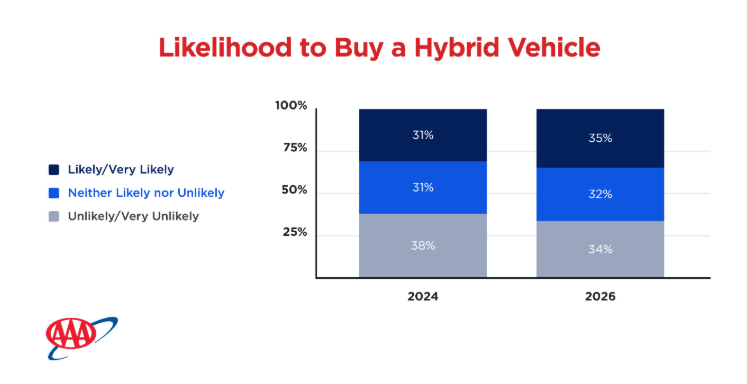
If rising fuel prices have you looking for alternatives to a  gas-powered car, you’re not alone. More than a third of U.S. adults say they are likely or very likely to purchase a hybrid for their next vehicle, according to a new AAA survey released today. 

The survey was conducted March 19 – 26, 2026 and included over 1,000 U.S. adults. Respondents who preferred hybrids over fully electric vehicles most often cited fewer concerns about driving range and charging access. 

While the number of public charging stations nationwide has increased from about 55,000 in 2022 to roughly 80,000 today, the survey found that hesitation to purchase fully electric vehicles remains. Only 18% of respondents — up 2% from 2025 — said they were likely or very likely to purchase a fully electric vehicle for their next vehicle. Meanwhile, the percentage of respondents who said they are unlikely or very unlikely to buy a fully electric vehicle as their next vehicle decreased by 5% to 58%. Cost and range anxiety were cited as the top barriers to purchasing electric vehicles, while saving money on gas and environmental concerns were leading motivators. 

For those who are considering the switch to an EV, AAA recommends the following tips: 

  • Consider the impact of extreme temperatures on EV performance. New AAA research shows that in 20-degree temperatures, EVs experience a 36% drop in efficiency and a 39% loss of range, while hybrids see a 23% decrease in fuel efficiency compared to 75 degrees. While cold temperatures have the greatest impact on range and efficiency, heat also plays a role. The same research shows that in 95-degree temperatures, EVs experience a 10% drop in efficiency and an 8.5% loss of range, and hybrids experience a 12% decrease in fuel efficiency.      
  • Evaluate charging access and energy pricing. EV operating costs depend heavily on electricity rates and where charging occurs. Home charging can help manage seasonal cost swings compared to frequent public charging.    
  • Look at reliability and safety ratings when shopping for a new EV. Perform a road test and become familiar with the vehicle’s technology. Consider leasing instead of purchasing; with evolving technology, the vehicle could be worth much less than you owe when it’s time to trade it in. 
  • Check batteries and tires when shopping for a used EV. Test the battery when it’s fully charged and compare the performance to factory numbers. If the battery has degraded below 70% of its capacity, the price of the vehicle should be lower. EV tires tend to wear more quickly, so be sure to check tires and ask if the vehicle had prior body work. 

Subscribe to Your AAA Newsletter

Sign up and receive updates for all of the latest articles on automotive, travel, money, lifestyle and so much more!

Northeast Pump Prices Jump 30 Cents Over the Past Week 

Crude oil and refined product prices climbed sharply last week, reaching multi-year highs after the U.S. initiated a blockade of the Strait of Hormuz. Domestically produced West Texas Intermediate ended the week $7.54 higher, and Brent crude rose $2.84 as markets digested the latest updates on the potential future peace talks and the eventual reopening of the strait. Before the war, anywhere from 125 to 140 oil tankers passed through the straight. Between  
May 1 and 3, just seven completed the passage, according to the Hormuz Strait Monitor. 

As higher oil prices continue to pressure the pump, tightening domestic stockpiles of crude and gasoline are adding fuel to the fire. Last week, the Energy Information Administration (EIA) reported that U.S. gasoline inventories fell by 6.1 million barrels — the 11th straight weekly decline — and now stand 2% below the five-year average and 1.4% below year-ago levels. Crude inventories also fell, declining by 6.2 million barrels as exports surged to a record 6.43 million barrels a day — an increase of 1.64 million barrels a day week over week. That’s 809,000 barrels a day higher than the previous record set in February 2023 and a clear sign of increasing demand for U.S. product from countries severely impacted by the supply clampdown in the Middle East.  

Despite surging gasoline prices, Americans are consuming more gasoline than they did last spring. Demand reached 9.1 million barrels a day last week, an increase of 49,000 barrels a day over the prior week, according to the EIA. Over the past four weeks, demand has averaged 103,000 barrels a day higher than the comparable weeks of 2025. 

“All the factors that drive the cost of gasoline have been heading toward higher prices,” said Jillian Young, director of public relations for AAA Northeast. “Along with higher oil prices, gasoline demand has held strong and U.S. exports are shattering records, leading to tighter inventories. Oil and gas markets will remain volatile amid ongoing uncertainty about a potential end to the war and resumption of vessel traffic through the Strait of Hormuz.” 

AAA’s May 4 survey of fuel prices found the national average up 34 cents from last week ($4.11), averaging $4.45 per gallon. The May 4 national average price was 35 cents higher than a month ago ($4.10) and $1.29 higher than last year ($3.16). 

Region Current Price* One Week Ago One Month Ago One Year Ago 
Connecticut $4.52 $4.21 $4.06 $3.07 
Massachusetts $4.35 $4.04 $3.91 $2.98 
New Jersey $4.42 $4.08 $4.08 $3 
New York $4.46 $4.18 $4.05 $3.10 
Rhode Island $4.39 $4.08 $3.96 $2.96 

*Prices as of May 4, 2026 

As of May 4, Georgia and Oklahoma had the lowest prices in the nation at $3.85 and $3.88, respectively. California and Washington had the highest prices in the nation at $6.11 and $5.67, respectively.  

The AAA Gas Prices website is your resource for up-to-date fuel price information. Search for average gas prices on national, state and metro levels by regular, plus, premium and diesel.  

Subscribe to Your AAA Newsletter

Sign up and receive updates for all of the latest articles on automotive, travel, money, lifestyle and so much more!

Living the Dream on an African Safari Honeymoon

What better way to mark one of life’s most unforgettable milestones than with an incredible journey to match?

AAA member Maggie Bass and her husband Adam wanted to spend their honeymoon on an African safari, and AAA Northeast travel advisor Helen Devoe helped to make it a reality.

From Bucket List to To-Do List

“Our trip was amazing!” Bass said. “Helen planned an incredibly seamless and stress-free travel experience for us. The entire trip was absolutely perfect, and my husband and I have already spoken about doing it again!”

The couple traveled in June to the Tengile River Lodge in South African in the Sabi Sands game reserve.

“We chose a safari for our honeymoon because it was one of the top trips on our bucket lists,” Bass said. “We had researched the best locations for the time of year we were planning, and we knew we wanted to take a once in a lifetime trip for this special occasion.”

After choosing their preferred country and accommodations, Bass contacted Devoe for advice and assistance scheduling transportation and excursions.

“She was amazing at coordinating all of our travel to and from such a unique location,” Bass added.

African Safari Honeymoon Giraffes_MaggieBass
Photo courtesy of Maggie Bass

On the Lookout for Big Game

Bass called shortly after getting engaged, according to Devoe, who was not surprised by her honeymoon pick.

“She knew exactly what she was looking for,” said Devoe. “Adam and Maggie both work for an airline, so it seemed normal that since they can fly free, they would pick an exotic destination for a honeymoon.”

And they came to the right place. This was not Devoe’s first safari.

African Safari Honeymoon_Elephants_MaggieBass
Photo courtesy of Maggie Bass

“I work through our partner African Travel, which has four decades of expertise. They helped me gain access to expert support, immersive training and exclusive tools to help me plan personalized journeys for folks looking to travel to Africa,” Devoe said.

Viewing wildlife was the top priority for the newlyweds.

Let's plan something wonderful

Book your next trip with AAA Travel now or call 888-780-5185 to speak with a travel advisor.

Book Now

“The main activity was to go out on day and evening game reserve drives — where they hoped to see the big five— lions, elephants, leopards, rhinos and buffalo,” Devoe said. “They also wanted their evenings to include stargazing at the beautiful African sky.”

The entire trip was so memorable, Bass mentioned that she could not pick one highlight.

“The experience of being that close to the animals in their natural habitat was life changing,” she said. “The food was amazing and the service was incredible. I would absolutely recommend AAA and specifically Helen Devoe to anyone.”

African Safari Honeymoon Lion_MaggieBass
Photo courtesy of Maggie Bass

Building Big Trips

Among the challenges of planning trips like a safari are deciding which country and park to visit, determining the budget, and then, crafting an itinerary that balances time to see wildlife with time to relax.

While the African safari honeymoon is one of the more uncommon trips she has organized, Devoe said she has booked vacations to other exotic destinations and they are the most fun to plan, simply because travel advisors don’t do them every day.

“I have booked … the Galapagos, river cruising in Egypt, Australia and even bird watching in Costa Rica,” Devoe said.

For those ready to map out an adventure, Devoe offered this advice:

  • Plan ahead by choosing your destination.
  • Research safety precautions and understand the local customs.
  • Make sure you have all the necessary travel documents.
  • Know the best time of year to travel and then calculate your budget.
  • Book your trip, get ready for an adventure, but most importantly, buy travel insurance. “Always be prepared for the unexpected.” Learn how to get travel insurance through AAA.

Devoe also understands the significance of these trips.

“For the most part, they are usually trips of a lifetime for the person going, and something that they will remember long after they have returned home.”

Contact a AAA travel advisor to start planning your vacation of a lifetime. The service is free with your membership!
Have you ever gone on an African safari? Would you like to? Tell us in the comments below.

For more stories like this — or to share your own — visit “Hey, AAA!,” our collection of member-submitted emails, photos and videos that capture the real moments AAA has been a part of.

Subscribe to Your AAA Newsletter

Sign up and receive updates for all of the latest articles on automotive, travel, money, lifestyle and so much more!

Go Glamping in National Parks

It’s a big year for the United States as our country celebrates the 250th anniversary of its founding and independence. And while cities across the nation prepare to party, fireworks aren’t the only way to light up the occasion.

A quieter alternative? Exploring the peace and unspoiled beauty of the great outdoors in one of the country’s incredible national parks. Even better, you don’t have to rough it if you don’t want to. Now, you can pack up and drive out to the heart of America the Beautiful without leaving modern luxury and convenience behind.

Under Canvas has introduced a new era of camping, and we’re here for it.

Under Canvas Glamping

Stay among the wild beauty of America's national parks without sacrificing comfort or style.

Book now

Glamping in the Great Outdoors

Camping has come a long way from pitching a tent in the woods or bringing a trailer to a campground. Reconnecting with nature in the traditional way has its perks, but it’s not for everyone. Some enjoy the wilderness but still prefer having modern comforts like a cozy bed, private bathrooms, freshly prepared meals and easy access to activities.

For those who want the best of both worlds, glamping adds glamour to the camping and outdoorsy experience.

Under Canvas is a pioneer in this type of getaway. It is “the go-to brand for discerning glampers looking for impeccable design, delicious on-site dining and unparalleled locations while exploring America’s national parks,” said Conde Nast Traveler.

Choosing this type of camping experience lets you enjoy luxury and nature at its best, to the high standards expected by a brand sold by Travel Impressions. Push back the flaps of your permanent safari-inspired canvas tent to reveal plush king beds dressed in high-end linens, with heating and private decks to gaze up at the stars. After a hike, refresh with a hot shower in your ensuite bathroom.

Two-tent suites in select locations and adjacent kids’ tents offer privacy and flexibility for group and family travel. Corporate retreats, outdoor weddings, family reunions and more have taken place at Under Canvas sites, and buyouts can help customize an experience no one will forget. From majestic Rocky Mountain vistas to breathtaking desert landscapes and serene seaside escapes, each setting leaves a lasting impression.

Under Canvas is committed to doing it all with low-footprint development practices that keep sustainability high and impact low. From preserving dark skies to protecting the natural environments they’re located in, visitors don’t have to choose between conscientious or upscale travel.

under canvas

Choose Your Own Adventure

With 10 locations and wide travel windows that start as early as March and extend as late as the end of November, there’s plenty of options for finding your perfect glampsite. However, demand is high, so reaching out to your AAA travel advisor and booking early through Travel Impressions is recommended.

Out West, destinations range from the red rock landscapes of Moab and Bryce Canyon in Utah to the awe-inspiring Grand Canyon in Arizona and the iconic beauty of Yosemite in California. Farther north, you’ll find landmarks like Mount Rushmore in South Dakota and the rugged wilderness of Montana, home to Glacier National Park and the gateway towns of North and West Yellowstone.

In the South, the Great Smoky Mountains near Nashville and Knoxville, Tennessee, offer a kind of magic all their own. especially on misty mornings. And in the Northeast, Acadia National Park in Bar Harbor, Maine, stands apart as a wild and scenic coastal escape.

You can also ask your advisor to ensure you’re among the first to discover Lake Powell – Grand Staircase, Zion and the Columbia River Gorge with Under Canvas — coming soon!

Daily Experiences and Dining

It’s more than just the stay that makes glamping with Under Canvas so memorable. Daily experiences — from guided hikes and yoga to live music, stargazing and community campfires — ensure that no two trips feel the same. Evenings spent sharing s’mores by the fire with friends bring an added sense of warmth and connection, while expert Adventure Concierges can tailor excursions to elevate your stay. Think a lobster roll lunch cruise in Acadia National Park, fly fishing in Glacier National Park, a Jeep tour through the Grand Canyon or a scenic float down the river at Horseshoe Bend.

Under Canvas glamping also includes snacks, offering a rotating menu of wholesome, nutritious food meant to fuel adventures, using seasonal and locally sourced ingredients. Coffee, tea and hot chocolate are available 24/7, and grab-and-go meals for purchase eliminate the guesswork and stress of prepping your bags for the day. In the evening, alfresco dining crafted by the Under Canvas team let guests kick back and relax until the stars emerge to tuck them in.

Enjoy member benefits when booking through AAA and Travel Impressions. Contact your AAA travel advisor for details. 

You’ve Read About it — Now Experience It

Let AAA Travel make your dream vacation a reality. Connect with a travel advisor for free trip planning, custom itineraries, exclusive perks and expert guidance every step of the way.

Call 888-780-5185 |  Find a AAA Branch  |  Contact Online

Subscribe to Your AAA Newsletter

Sign up and receive updates for all of the latest articles on automotive, travel, money, lifestyle and so much more!

Africa, Up Close and Unforgettable

Africa has a way of shifting your sense of scale. Wide-open savannas, dramatic coastlines, vibrant cities and extraordinary wildlife all exist within a single journey.

For many travelers, that variety is what makes Africa so compelling. A safari vacation is not just about seeing animals in the wild. It’s about waking before sunrise and not knowing what the day will hold, hearing distant wildlife from your lodge, sharing stories around dinner and experiencing places that feel completely unlike anywhere else.

With Alexander + Roberts, those moments are paired with the ease of small group travel. Their itineraries typically include fewer than 18 guests, along with premium accommodations, expert guides, private game drives and carefully planned itineraries that balance iconic sights with meaningful local experiences.

As part of the AAA Vacations collection, members can also enjoy added value on select Alexander + Roberts itineraries, including exclusive savings and member benefits.

AR Tanzania bush dinner
Tanzania bush dinner with Alexander + Roberts.

On Safari in Kenya + Tanzania

Few safaris capture the full scope of East Africa like Kenya and Tanzania, where landscapes range from open savannas and rolling grasslands to lakes, forests and dramatic mountain views.

The first major stop on the Alexander + Roberts’ On Safari in Kenya + Tanzania itinerary is in Amboseli National Park. Overlooking the Amboseli plain and Mount Kilimanjaro, this landscape is known for its wide-open terrain and large elephant herds, with game drives offering frequent sightings of lions, cheetahs and zebras.

From there, the journey continues into Tanzania to the Ngorongoro Crater, the largest intact volcanic caldera in the world. Its landscape creates a dense concentration of wildlife, including elephants and rhinos, creating frequent close encounters.

Africa Tours and Safaris

Plan your small group tour with Alexander + Roberts and get exclusive member benefits and savings.

Book now

The experience then expands further in the Serengeti, where multiple days are spent on safari across vast plains. Camps are strategically shifted throughout the year to stay close to migrating herds and predator activity.

Finally, there is the Maasai Mara, one of Africa’s most famous safari destinations. Known for having the highest concentration of wild animals in the world, it offers the chance to witness dramatic encounters and, depending on the season, the Great Migration.

Along the way, travelers may also visit local villages, learn about regional traditions and gain a deeper understanding of the people and cultures that shape the experience beyond the safari vehicle.

AR Victoria Falls
Victoria Falls

Spectacular South Africa + Victoria Falls

For travelers looking for a thoughtfully designed introduction to southern African, Alexander + Roberts’ Spectacular South Africa + Victoria Falls itinerary combines wildlife, city life, coastal scenery and vineyards for a broader view of the continent.

Your travels begin in Cape Town, with time set aside to explore the vast vineyards, before returning to the city to take in its most celebrated sights. From a sweeping coast along the Cape Peninsula to panoramic views atop Table Mountain, the experience unfolds against striking scenery.

From there, the trip continues to a private reserve bordering Kruger National Park, where the focus shifts fully to safari. Guests head out on game drives in open-top vehicles designed for unobstructed viewing of the 5 million acres of open land, guided by expert trackers who bring context to each sighting. Set within uncrowded, wildlife-rich areas, the experience feels immersive with every breath.

The journey concludes in Zambia at Victoria Falls, where the Zambezi River drops into a mile-wide gorge in one of the most dramatic natural settings in Africa. As you move along the rainforest trails, each viewpoint offers a different angle on the cascading water and the sheer force of the river as it cuts through the landscape.

An African safari is often a once-in-a-lifetime adventure. Alexander + Roberts’ makes planning easy, so you can focus on enjoying the experience.

AR Masai Mara game drive

You’ve Read About It — Now Experience It

AAA travel advisors will turn your inspiration into a memorable vacation, providing trusted guidance and exclusive member benefits. Connect with us to learn more.
Call 888-780-5185 |  Find a AAA Branch  |  Contact Online

All photos are courtesy of Alexander + Roberts.

Subscribe to Your AAA Newsletter

Sign up and receive updates for all of the latest articles on automotive, travel, money, lifestyle and so much more!

A Safer, Simpler Phone for Aging Loved Ones

The RAZ Memory Cell Phone stands apart in today’s crowded smartphone market by keeping things simple. Built for seniors with dementia and cognitive challenges, it makes calling easy, safe and reliable. Users gain confidence, while caregivers are given tools to support them from anywhere.

A Phone Designed for Simplicity

Unlike traditional smartphones filled with apps, notifications and confusing menus, the RAZ Memory Cell Phone features just one primary screen. On that screen are large, easy-to-recognize photos of loved ones, along with their names. To place a call, the user simply presses and holds the picture of the person they want to reach. That’s it — no dialing, no searching through contacts and no navigating menus.

The phone eliminates access to applications, settings and operating system features that can overwhelm or confuse seniors experiencing cognitive decline. By locking the user into a single, intuitive interface, the device ensures that users cannot get lost or accidentally change settings. The screen itself is always on and ready, further reducing friction and making the phone instantly usable at any time.

For seniors with memory challenges, such as those living with dementia, this approach is transformative. It allows them to stay connected with family and friends without the anxiety or frustration often associated with modern smartphones.

RAZ Memory Cell Phone for Seniors

Easy picture dialing, video calls and texting, with scam blocking and easy remote management.


Learn more

Who the Phone Is For

The RAZ Memory Cell Phone is primarily designed for:

  • Seniors experiencing cognitive decline or memory loss.
  • Individuals with low vision or hand tremors.
  • Older adults who prefer a simple, distraction-free phone.
  • Families seeking a phone for their senior that they can manage from afar.

Why It’s So Easy to Use

Ease of use is the defining feature of the RAZ Memory Cell Phone, driven by thoughtful design choices. These features create a user experience that is not just simple but reassuring.

One Screen, One Purpose

Everything the user needs is on a single screen — no app switching, clutter or confusing navigation.

raz
Picture-Based Calling

Seniors often recognize faces more easily than names or numbers. By using large photos as contact buttons (with names underneath), calling is intuitive even with memory challenges.

Press-and-Hold Interaction

Calls are initiated by pressing and holding a contact’s picture, which reduces accidental calls and reinforces intentional actions.

Simple Text Messaging

Texting features include super‑large text, big buttons, read‑aloud options for incoming texts and one‑tap preset replies.

No Unnecessary Features

Removing distracting apps, notifications and settings helps eliminate confusion and cognitive overload.

Accessibility Features

A special accessibility mode supports users with low vision or hand tremors through larger icons and high‑contrast visuals.

Always Ready

The screen does not time out by default, ensuring the phone is always accessible when needed.

Key Benefits for Seniors

Increased Independence and Aging in Place

Seniors can confidently make and receive calls without assistance, helping them maintain autonomy and reducing anxiety. By keeping seniors connected and safe, the phone enables them to remain in their homes longer.

Enhanced Safety

A dedicated emergency button provides immediate access to 911. Caregivers can also limit calls and texts to trusted contacts, effectively eliminating robocalls and scams.

Customization

Every feature is optional, allowing the phone to be customized to the user’s abilities. For example, a keypad can be enabled or hidden as needed.

Battery and Charging Support

The phone can remind the user to charge when the battery is low and will announce “phone charging” when charging begins.

Reminders

Create reminders and routines using text and/or audio recordings. 

Benefits for Caregivers

While designed for seniors, the phone is equally powerful for caregivers. Through the RAZ Care app, caregivers can remotely manage every feature of the phone from their own smartphone. This remote management capability is one of the device’s most compelling advantages.

raz
Complete Remote Control

Add and edit contacts and manage settings and features, all without needing physical access to the phone.

Real-Time Monitoring

Check the phone’s location, battery level, signal strength and whether it is powered on.

Safety Features
  • Receive alerts when the user calls 911.
  • Track the user’s location.
  • Prevent non-contacts from calling and texting the senior, to eliminate phone fraud.  
Communication Tools

Initiate video calls directly through the app, allowing face-to-face interaction.

Prevents Repetitive Calling

Help reduce repeated calls by limiting how often a contact can be called within a set time frame.

Quiet Hours 

Prevent middle‑of‑the‑night calls by setting designated quiet hours for specific contacts.

Dementia Helpline

Receive free over-the-phone coaching and support to help them care for their loved one. 

In short, the RAZ Care app transforms the phone into a fully managed communication system, giving caregivers visibility and control without being intrusive.

Emergency Support Option

As a paid option, users can subscribe to the RAZ Emergency Service, which routes emergency calls to a private dispatcher who assesses the situation before contacting 911.

This feature is particularly valuable for individuals who may accidentally or repeatedly call emergency services, providing a safeguard while still ensuring access to help when needed.

Wireless Service Plan Options

While the phone is unlocked and compatible with major providers, RAZ Mobility offers a special partnership with Affinity Cellular. Through this partnership, users receive three months of free service, followed by an affordable monthly cost of just $20. This makes the phone not only easy to use, but also cost-effective.

A Thoughtful Solution for Modern Aging

The RAZ Memory Cell Phone is more than just a simplified device — it is a thoughtfully engineered solution to a real and growing need.

For seniors, it offers dignity, confidence and connection. For caregivers, it delivers control, visibility and peace of mind.

Learn more and purchase the RAZ Memory Cell Phone.

Subscribe to Your AAA Newsletter

Sign up and receive updates for all of the latest articles on automotive, travel, money, lifestyle and so much more!

Cash Is Still King When Traveling Internationally

The modern wallet is increasingly digital, with most everyday purchases made by card or mobile payment. But even those who rarely carry cash at home should consider arriving overseas with some local currency.

Why? Because travel doesn’t always go according to plan. Having a bit of cash on hand is one of the simplest ways you can prepare for the unexpected.

Payment habits vary widely from country to country. Having cash to cover immediate expenses like tips, snacks or transportation is practical, and sometimes necessary.

11 Reasons to Carry Cash When Traveling

  • Card terminals can malfunction and internet connections can be unreliable.
  • Public transportation often requires cash. Buses, trams and even some metro systems in smaller cities may not accept cards or may require exact change.
  • Tipping customs vary. In many countries, tips for hotel staff, guides or drivers are expected in cash, even if you paid for the service by card.
  • You may need small denominations. Paying with large bills can be difficult in markets, taxis or rural areas where vendors may not have change.
  • Street markets and local vendors are usually cash-only. Some of the most memorable travel experiences like food stalls, artisan markets and pop-up shops don’t accept cards.
  • Emergency situations are easier to navigate. Whether it’s a delayed train, a last-minute taxi or a need to quickly change plans, cash can save valuable time.
  • Avoiding foreign transaction hiccups. Even when your card should work internationally, fraud alerts or security blocks can temporarily freeze access.
  • Rural and remote destinations may have limited banking access. ATMs can be scarce or unreliable outside major cities.
  • Split payments and group travel are simpler. Cash makes it easy to divide costs for shared expenses like taxis, tips or small purchases.
  • Some places add surcharges for card use. Paying in cash can help you avoid extra fees at smaller establishments.
  • Privacy and peace of mind. Cash transactions don’t rely on networks or devices, which can be reassuring when you’re navigating unfamiliar places.

It Pays to Be Prepared

Getting cash before your departure is easy with AAA foreign currency exchange services. AAA offers more than 80 types of foreign currency, so you can be ready for everything from taxis to souvenir shopping.

Members can order foreign currency up to $3,000 at their local AAA branch, with most orders delivered within three days. Keep in mind that requests for currency for smaller nations or less commonly traveled destinations may take longer to process. Orders of more than $300 U.S. are shipped free.

AAA recommends budgeting $50 to $100 U.S. dollars’ worth of foreign currency per person, per day.

Purchasing currency in advance saves you time when you arrive and helps you avoid airport lines, unfavorable exchange rates and the high fees commonly charged when exchanging money abroad.

If you have foreign currency left when you return, AAA can also buy it back, but it only if it was purchased from AAA. Members can sell back a maximum of $1,000 U.S. per day. Coins cannot be returned.

Leave with added peace of mind. Learn more about AAA foreign currency exchange.

Subscribe to Your AAA Newsletter

Sign up and receive updates for all of the latest articles on automotive, travel, money, lifestyle and so much more!

Word Search: Decipher the Airport Codes

Subscribe to Your AAA Newsletter

Sign up and receive updates for all of the latest articles on automotive, travel, money, lifestyle and so much more!

Q&A With AAA’s Car Doctor: May 2026

Q. I recently had the thermostat replaced on my Chevy truck. I went to the dealer, and they confirmed what I suspected — the thermostat was bad. I basically just said, “Fix it.” When I picked up the truck, the bill was a little over $1,200. I haven’t worked on my own vehicles since college, but $1,200 for a $12 part seems excessive. Your thoughts?

A. On some GM trucks, replacing the thermostat requires removal of the engine intake manifold. That turns what was once a $100 repair into a $1,200 job due to labor time and additional materials. This isn’t unique to GM. For example, on some Ford Explorers the water pump is driven by the timing chain, so a leaking water pump often means replacing the timing chain, gears, guides, and then the pump itself. Another example is certain Volkswagen Beetles, where servicing the cooling fan or air‑conditioning condenser requires removing the bumper cover and both front fenders. Added engineering complexity like this can certainly take the fun out of a weekend DIY repair.

Q. My 2017 BMW 330xi has 24,000 miles on it. It’s in mint condition and has been maintained exclusively at the dealer. I’m getting intermittent pop‑up warnings for a cruise control malfunction. It appears randomly while driving—sometimes multiple times on a trip, sometimes not at all. It’s driving me crazy, but it doesn’t affect drivability. I know that if I take it to the dealer, even the diagnostic inspection will be expensive. Any ideas to save me a trip?

A. Unfortunately, this is one situation where you’ll need either the dealer or an independent shop with a BMW‑specific scan tool. Cruise control faults can be triggered by a wide range of issues. A good starting point is the battery — BMW electronics are extremely sensitive to voltage drops. A battery that’s strong enough to start the car but slightly weak can cause random system warnings. Other possibilities include a failing wheel‑speed sensor or an intermittently faulty brake‑pedal switch. If the car is equipped with front radar or driver‑assist features, dirt on the sensor or a slight misalignment from a parking‑lot bump could also be the cause. At this stage, a proper system diagnosis is unavoidable.

Q. My 2011 Ford Mustang with the 3.7‑liter V6 had poor performance, very little power, and the check‑engine light on. A scan revealed a P0022 code, and Google suggested a VVT solenoid issue. I took it to my long‑time mechanic, whom I consider honest. He diagnosed the car and said the solenoids were fine but the timing chain was worn. I paid his diagnostic fee. After letting the car sit, I decided to try another shop. They also wanted to perform diagnostics. The next day they called and said, “We think we found it” — a bad solenoid. They replaced it, and the performance returned to normal. I went back to my original shop and explained what happened. They took no responsibility, saying the solenoids tested fine and led them to suspect the timing chain. In your opinion, should the shop have handled this differently—perhaps compensating me or at least placating me? Is the lesson here that big jobs deserve a second opinion?

A. Yes — when facing a major or expensive repair, whether it’s automotive, home repair, or even healthcare, getting a second opinion is usually wise unless the technician is absolutely certain. There are multiple ways to test a VVT solenoid: resistance checks, activation tests where power is applied to confirm operation, and analysis of live scan‑tool data. If only a partial test was performed, it’s easy to be led in the wrong direction. Unfortunately, admitting a diagnostic miss doesn’t come easily for many people. If it were me, I might have said, “I’m glad the car is fixed. These solenoids can fail due to dirty oil—how about we cover your next oil change.”

Q. I would like your advice about a problem with my 2016 Audi Q5. While driving on the highway at around 75 to 80 mph, the car started shaking. The check‑engine light came on, followed by the EPC light. After that, the engine shook at idle and sometimes took longer than normal to start. Later, when I moved the car a short distance uphill into my driveway, the check‑engine light began flashing for a few seconds, then went solid again when I put the car in reverse. The car is now parked, and I’m not driving it. Does this sound like an engine misfire? Is it unsafe to drive? Should I have it towed directly to a mechanic?

A. A flashing check‑engine light indicates an active engine misfire. The EPC (Electronic Power Control) light points to a fault within the throttle or engine management system and often accompanies misfires. Driving the vehicle in this condition risks additional damage, including potential catalytic‑converter failure. I would have the car towed rather than attempting to drive it.

Q. I own a 2021 Chevy Colorado with an automatic transmission and a four‑cylinder engine. The truck has only 37,000 miles. In December of 2024 it overheated and had to be towed to the dealer. A freeze plug was replaced, which was expensive mainly due to high labor costs. While I’m not impressed with the build quality, the truck’s size suits my needs perfectly. Recently, I noticed a shudder during acceleration and downshifts. My research suggests this model has torque‑converter issues, and that a transmission fluid purge may help. Do you think I should try that first? With today’s exorbitant used‑truck prices, I want to fix rather than replace it, but I can’t help wondering what’s going to fail next.

A. A fluid flush may help, but I would also want to inspect the transmission pan. Debris in the pan can provide valuable insight into the transmission’s overall condition. It is well documented that these transmissions have had ongoing issues with torque converters and valve bodies. Aggressive fluid flushing can also loosen more debris which can lead to additional issues. While I’m generally not a fan of chemical fixes, when facing a potential $3,000‑plus repair, I would consider an additive. For transmission shudder complaints, Lubegard Instant Shudder Fixx is one option worth trying.

Q. My 2016 Honda CR‑V is overdue for spark plugs at 109,000 miles. Should I spring for the expensive NGKs, or save money with a less‑than‑half‑price U.S.‑made brand (MODIGT) I found on eBay? Do I need a thin‑wall socket for these plugs?

A. I know the NGK plugs — at about $45 each — are expensive. Even at the risk of being called cheap, that’s still the plug I would use. Afterall, you’re replacing them only once every 100,000 miles. Yes, you will need a thin‑wall 14 mm spark‑plug socket. I’d also recommend replacing the spark‑plug tube O‑rings if there are any signs of wear.

Q. When I plug my iPhone 17 in, sometimes Apple CarPlay connects to my Toyota Camry and sometimes it doesn’t. The phone always shows that it’s charging. My sister has the same issue with her Honda. Why can’t Apple CarPlay consistently connect to our cars?

A. We’re seeing more technology‑compatibility issues as vehicles and phones evolve independently. It often seems that every time an iPhone operating‑system update rolls out, something that once worked suddenly doesn’t. If your vehicle supports over‑the‑air updates, make sure it’s fully up to date — and do the same with your phone. Staying current on both sides offers the best chance for reliable connectivity, even if it doesn’t guarantee it. Additonally if you are using a cable to connect to your car, Apple phones tend to be very fussy about cable quality. Using an Apple brand cable is always a good choice.

Subscribe to Your AAA Newsletter

Sign up and receive updates for all of the latest articles on automotive, travel, money, lifestyle and so much more!

How to Prevent Rodents in Cars

AAA’s Car Doctor John Paul often gets desperate emails from car owners who find themselves ride sharing with rodents.

“Somebody emailed me the other day because they opened up their car hood and there was a pizza box,” Paul said. “I mean, some rodent dragged a pizza box under the hood of their car.”

He is often asked the same two questions: How do I get a critter out of my vehicle? How do I prevent rodents in cars in the first place?

Sadly, Paul said, there is no 100% foolproof way to prevent a determined rodent from trying to make a home in your vehicle. As a fictitious paleontologist once said, “Life finds a way.”

However, there are steps car owners can take to reduce the risk of rodents nesting in a car engine, and to avoid fun surprises — like pizza boxes — when popping the hood.

Keep It Clean

Critters generally want two things out of vehicles: food and shelter. You have more control over the former than the latter. How many crumbs you leave behind from your morning-commute breakfast sandwich might determine how attractive your car is to rodents. Clean your car thoroughly and regularly.

Be Aware of Your Parking Surroundings

If there are plentiful food sources near your vehicle’s exterior it’s more likely rodents will nest inside. Situate bird seed and outdoor cat food dishes far away from your vehicle. If you have fruit or nut trees, rake regularly near your parking spot to clean up rotting organic matter. And avoid trash bins if you can.

“If you live in an apartment complex and they have some dumpsters outside, that is not the parking space you want to get,” Paul said.

Seal Up Entry Points

If you have evidence of rodent activity in your garage or signs of nesting near your car, use some expandable foam or steel wool to plug up small openings. Remember that rodents often fit through the size of a nickel or dime, so be as thorough as you can be without causing damage to your structure or preventing healthy air flow.

Use It or Lose It

It’s harder to hit a moving target. Use your car regularly to prevent rodents from getting too cozy. If you park on the street or a parking lot, keep critters guessing by rotating where you park. If you are going on an extended trip and no one will be using your vehicle, do what you can to rodent-proof it. Depending on your budget, the worth of your vehicle and your local weather, this may mean a special storage facility, or it may mean a weighted tarp specially designed for car storage.

Remain Vigilant

There are many products on the market, from ultrasonic devices to predator sprays, that claim to prevent rodents from nesting in your car, and there are also folk remedies some people swear by. A few may work well, some only help in certain circumstances and others just don’t work at all. If you find something that works, Paul says it’s important to remember that rodents can get used to a lot of things. Don’t assume what worked last season will work this season and remember that scents wear off.

Check Your Policy

Not all car insurance policies provide coverage for rodent damage. Don’t wait until you see signs of damage. Contact your insurance provider to see if you’re covered, or if you can purchase an additional rodent damage add-on or rider.

Reach out to a AAA insurance agent.

Let’s say you’ve done your best and you still hear the pitter patter of little feet in your vehicle. What now? You need to take action. Gnawing teeth can cause thousands of dollars of damage to car wiring.

Paul favors snap traps over glue traps and poisons because they offer the best chance for retrieval. Poisons can especially be problematic because rodents go to secluded and hard-to-reach places to die. He also cautions against spreading poisons near cars that may harm other wildlife.

If you see signs of multiple rodents, consider hiring a professional exterminator before things get out of hand. And if you notice any damage to wiring or change in vehicle performance with rodents present, have your vehicle checked out right away by a certified mechanic.

Find your nearest AAA-Approved Auto Repair facility.

Have you ever found a rodent living in your car? Tell us about it in the comments.

Subscribe to Your AAA Newsletter

Sign up and receive updates for all of the latest articles on automotive, travel, money, lifestyle and so much more!

Northeast Gas Prices Spike Amid Rising Oil Prices 

Oil prices rose over the weekend as markets reacted to the news that a second round of peace talks would not happen, leading to continued uncertainty about an end to the war with Iran. The Strait of Hormuz remains essentially closed, and the U.S. Navy has begun operations to clear mines from the critical passageway. 

Gasoline demand decreased slightly in the week ending April 17, from 9.08 million barrels a day to 9.05 million barrels a day, according to the latest Energy Information Administration (EIA) report. The EIA reports that, while the latest demand figure is 359,000 barrels a day lower than this time last year, it’s 632,000 barrels a day higher than demand levels seen at this time in 2024, indicating that higher prices aren’t greatly diminishing demand. Supply also dipped from 232.9 million barrels to 228.4 million barrels, according to the EIA. Both supply and demand figures are roughly in line with the five-year averages.  

“Because the price of oil makes up more than half of the price we pay at the pump, gas prices continue to be heavily impacted by the latest swings in oil prices,” said Jillian Young, director of public relations for AAA Northeast. “With refineries selling the more expensive summer-blend gasoline and the busiest driving season ahead of us, those factors may contribute to additional upward pressure on gas prices.” 

AAA’s April 27 survey of fuel prices found the current national average up 7 cents from last week ($4.04), averaging $4.11 per gallon. The national average price was 14 cents higher than a month ago ($3.97) and 97 cents higher than this day last year ($3.14). 

Region Current Price* One Week Ago One Month Ago One Year Ago 
Rhode Island $4.08 $3.94 $3.80 $2.94 
Massachusetts $4.04 $3.95 $3.78 $2.96 
New Jersey $4.08 $3.94 $3.87 $2.96 
New York $4.18 $4.10 $3.92 $3.09 
Connecticut $4.21 $4.04 $3.93 $3.06 

*Prices as of April 27, 2026 

As of April 27, Oklahoma and Kansas had the lowest prices in the nation at $3.50 and $3.52, respectively. California and Hawaii had the highest prices in the nation at $5.94 and $5.65, respectively.  

The AAA Gas Prices website is your resource for up-to-date fuel price information. Search for average gas prices on national, state and metro levels by regular, plus, premium and diesel.  

Subscribe to Your AAA Newsletter

Sign up and receive updates for all of the latest articles on automotive, travel, money, lifestyle and so much more!

The Benefits of Volunteering: How Helping Others Helps You Too

Sometimes the best way to help yourself is to help someone else.

Volunteering is a generous way to support and strengthen your community, but its impact extends beyond the causes you serve. People who give their time often experience improved well‑being, along with a deeper sense of purpose and connection.

The Many Advantages of Volunteer Work

Beyond the satisfaction of giving back, research has shown that volunteering can boost your mental and physical health, reducing stress, improving mood and even helping you live longer.

While many studies have focused on older adults, the positive benefits of volunteering extend across nearly every age group and life stage.

Mental Health Benefits of Volunteering

Compared to non-volunteers, people who give of their time tend to be less depressed or anxious, have more self-esteem, are more satisfied with their lives, express greater happiness and report an enhanced sense of meaning in life, according to Jeffrey Burr, a retired professor of gerontology at the University of Massachusetts in Boston.

Volunteering prompts the brain to release neurotransmitters like dopamine, which help you feel more positive and motivated, according to Mayo Clinic Health System. This natural boost can elevate your mood while creating a sense of calm and fulfillment. People who volunteer also feel more involved, less lonely and experience an improved quality of life, reported the National Library of Medicine.

Older people may also see boosts in mental abilities. Senior volunteers experience less cognitive decline and less memory loss, which are huge advantages as we age, revealed in a study called the Baltimore Experience Corps Trial as reported by The Journals of Gerontology.

Physical Benefits of Volunteering

Besides boosting your spirits and cognitive abilities, volunteering also has measurable benefits to your physical health and well-being, including improving cardiovascular functions, according to the American Heart Association, as well as enhancing mobility and general fitness.

A 2015 study published in The Gerontologist showed that middle-aged volunteers had better levels of HDL cholesterol in their blood, had less abdominal fat and were less likely to have high blood glucose than people who did not volunteer. Older volunteers were also less likely to have high blood pressure. Similar benefits have been observed among younger people. One study of Canadian high school students found that just two months of volunteering helped to reduce their cardiac risk factors.

People who volunteer tend to be more physically active, have better physical function, stable balance and may even live longer, according to research published by the American Journal of Preventative Medicine. After examining connections between volunteering and health in almost 13,000 U.S. adults more than 50 years old, the study revealed that, over a four-year follow-up period, people who volunteered at least 100 hours per year had a lower chance of dying than non-volunteers.

Finding and Sustaining a Sense of Purpose

“For older adults, volunteering can fill many important roles,” said Eric Kim, an assistant professor of psychology at the University of British Columbia and a co-writer of the journal report. “When older adults volunteer, it can simultaneously provide social connection, a sense of being needed, of mattering, of significance, structure and physical activity. I do think purpose is a key piece of the puzzle.”

Certain influences and conditions also make it more likely for people to volunteer — and keep it up. Strong social ties, better baseline physical health and religious participation are among the strongest predictors. Equally important, Kim said, are organizations that create a sense of belonging and reduce barriers to participation. Flexible schedules, accessible transportation and opportunities that align with personal values can all make volunteering not just possible, but sustainable.

volunteering

How to Find Volunteer Opportunities Near You

If you are interested in volunteering, first consider your interests, schedule, time commitment and available transportation. Sites such as Volunteer.gov and Idealist can help you find an engaging volunteer position. Also check out your local schools, library and community centers and see if your employer has volunteer opportunities.

AAA promotes volunteerism among its employees and members, often sponsoring community projects, including our Fuel Hope, Fight Hunger campaign.

“Volunteering feels good and it gives people a sense of purpose, boosts mood and helps lower stress,” said Karen Diehl, senior community and employee experience specialist for AAA Northeast. “It brings co-workers together around a shared goal, strengthening relationships and creating a real sense of purpose. On top of that, volunteering encourages people to try new things, meet new faces and build skills they might not use in their regular roles.”

To sign up for member volunteer opportunities with AAA, check out AAA Cares.

What are your favorite ways to volunteer in your community? Share in the comments below.

Subscribe to Your AAA Newsletter

Sign up and receive updates for all of the latest articles on automotive, travel, money, lifestyle and so much more!

Weekend in Paris

Paris draws millions each year for its cafes, museums, gardens and iconic landmarks. Thanks to its walkable streets and easy transportation, a weekend in Paris is all it takes to experience the city’s highlights — even if you’re visiting on a tight schedule.

Ready to take a quick spin through the City of Light?

Paris City Guide

A weekend in Paris can give you a taste of all it has to offer and whet your appetite for a longer visit. Plan an agenda that includes attractions, experiences, landmarks and time to chill, making sure not to miss the highlights, such as the Eiffel Tower, Notre Dame and Louvre.

If you have just one day in Paris, decide on your focus: museums, parks, landmarks or shopping. Believe it or not, you can squeeze in all the top attractions in 12 hours of daylight by starting at Notre Dame at 9 a.m. and ending with a Seine River cruise at 7 p.m.

Even a layover can give you time to explore if it’s more than four hours. (Remember to factor in time to travel to and from the airport and clear customs again.)

The fastest way to get around Paris is the Metro, an underground train system that runs frequently and has an extensive number of stops.

While it’s tempting to race through the city to see as much as you can, even fleetingly, focusing on one area or neighborhood can be more satisfying, such as Montmartre or Le Marais and Île de la Cité.

Book your flight to Paris now.

Your Paris Weekend Itinerary

First Stop: The Eiffel Tower, of Course!

The most popular tourist attraction in the world welcomes 6 million guests each year. Along with the views, there’s a Michelin-starred restaurant, champagne bar, exhibits and shops. The busiest season? July and August. Tickets are available up to two months in advance, but if they are sold out online, you can buy same-day tickets in person. Lines can be lengthy, so check the website for wait times and information on prices, hours and what to do.

What’s Nearby:

Walk across the Pont d’lena (bridge) to Trocadero Gardens, which align perfectly with the base of the Iron Lady, offering an ideal photo op! The complex includes museums, sculptures and Warsaw fountains.

Book a Paris hotel with AAA.
sprinting through paris
Jardin des Plantes

Shop the City’s Oldest Street

Rue Mouffetard is located in the 5th arrondissement, better known as the Latin Quarter, which dates to Roman times. The narrow, cobblestoned street is lined with cafes and restaurants, cheese mongers, butcher shops and bakeries. It’s the Paris you’ve always imagined.

What’s Nearby:

You’re within walking distance of the Pantheon. Once the highest building in Paris (before the Eiffel Tower was completed), its colonnade offers a spectacular view over the city. Or spend some hours at the Jardin des Plantes. Originally a place where herbs were grown for royalty, today it houses a zoo, garden and a gallery.

Let's plan something wonderful

Book your next trip with AAA Travel now or call 888-780-5185 to speak with a travel advisor.

Book Now

Head to the Island

Ile de la Cite is literally an island in the middle of the Seine River. Here you’ll find Notre-Dame Cathedral, which reopened in December 2024 following renovations after a devastating 2019 fire, and the famed flower market. This is also where you can see Pont Neuf, the city’s oldest stone bridge, connecting the island to the left and right banks of the Seine. The landmark has been featured in films like “The Bourne Identity” and “Midnight in Paris.”

What’s Nearby:

Au Vieux Paris d’Arcole, one of the city’s oldest restaurants.

Check out the Marais, a hip neighborhood lined with bars, clubs and restaurants. It is also home to several important galleries and art museums, including the Pompidou Centre and Musee Picasso. Don’t miss the imposing Hotel de Ville, which houses the Paris City Council.

What’s Nearby:

Paris’s oldest covered market, Les Enfants Rouges, dates to 1615. It’s filled with covered stalls selling produce, fish and meat. Find it near rue de Bretagne.

Looking for That Famous Pyramid?

Designed by I.M. Pei, the impressive glass Louvre Pyramid serves as one of the entrances to the equally famed Louvre Museum. Once a royal palace, it houses a collection that includes the Mona Lisa, the Venus de Milo, Greek statues and Renaissance masterpieces.

What’s Nearby:

Pretend you’re a 16th century royal by strolling the formal gardens of Jardin des Tuileries, dotted with fountains and sculpture by Rodin.

For creative, contemporary art, visit the Jeu de Paume, which features photographs, films, installations and rotating exhibitions.

sprinting through paris
Bon Marche Rive Gauche

Shop Till You Drop

If you are looking for one of the best department stores in Paris, stop into Bon Marche Rive Gauche. Opened in 1852, it is France’s best known department store.

And don’t miss BHV Marais, which sells everything from housewares to handbags. The original building, which dates to 1866, has been joined by a menswear store and boutiques dedicated to brands such as Gucci and Moncler.

What’s Nearby:

The Champs-Elysees is made for strolling and browsing, dotted with luxury brands and middle market retailers. The broad, leafy avenue connects two must-see landmarks at either end: Place de la Concorde and the Arc de Triomphe.

Besides the The Champs-Elysees, among the best areas to walk in Paris are Boulevard St-Germain and the left bank of the Seine.

sprinting through paris
Palace of Versailles

Get Out of Town!

Two monumental destinations are just outside the city proper. The Palace of Versailles is a UNESCO World Heritage Site and former royal palace with 2,000 rooms and a spectacular Hall of Mirrors. The trip to Versailles from Paris is worth it, if you have sufficient time; getting there and touring the palace and grounds can take almost a full day. For a different vibe, Disneyland Paris has all the magic you could want.

paris city guide

Places to Eat

Visitors have their pick of enticing dining spots in Paris, from Michelin-starred restaurants to market food stalls. Most bars and restaurants stay open until 2 a.m., so there’s time to explore. Here are a few suggestions:

If you’re looking for an authentic French brasserie, book a sidewalk table at Au Pied de Cochon. Open since 1947, this classic Gallic spot serves up cassoulet, moules frites and escargot.

Hanoi Paris is just steps from the Luxembourg Gardens and offers authentic Vietnamese pho and a kid’s menu.

For something sweet, enjoy a selection of colorful macarons from Maison Laduree. Check out its flagship store on the Champs-Elysees.

Need more to post to your Instagram? Pink Mamma is a buzzy Italian spot known for its fab decor and pasta with truffles. Make a reservation or arrive early as lines form well before opening.

And don’t forget the croissants! Considered a national treasure, you can find a good croissant in nearly any boulangerie in the city.

Book your Paris vacation with a AAA travel advisor.

What’s your favorite thing to do in Paris? Tell us in the comments.

Subscribe to Your AAA Newsletter

Sign up and receive updates for all of the latest articles on automotive, travel, money, lifestyle and so much more!