Must-Visit American Icons

Across the country, landmarks and landscapes tell the American story in powerful ways. From the beautiful natural spaces of our national parks to iconic American buildings and other manmade wonders, there’s so much to discover as you travel through the states.

For many, visiting these American icons is a lifelong pursuit, whether it’s walking the cobblestone streets of Boston, standing beneath the Statue of Liberty in New York Harbor or watching Old Faithful erupt in Yellowstone National Park. What’s on your list?

America’s 250th anniversary in 2026 is also inspiring special events and renewed interest in these American landmarks and historic sites, making it as good a time as ever to start checking them off your must-see destinations.

Celebrate America with an unforgettable vacation. Learn more.

Nearby American Icons

Boston

History practically seeps up from the cobblestone streets of one America’s oldest cities. Visitors can see many of Boston’s iconic landmarks by following the red brick line of the 2½-mile Boston Freedom Trail.  Many sites are significant to the American Revolution, but the trail is designed to provide a sample of Boston’s long and eventful history. The trail includes Boston Common, Old North Church and Paul Revere Park. No trip to Boston is complete without a stop at Faneuil Hall and Quincy Market, overflowing with shops and eateries from gourmet restaurants to street carts. Art and history museums round out your visit.

Autumn, Independence Hall, Philadelphia, Pennsylvania, America

Philadelphia

Visit the city where the American story launched 250 years ago. The nation’s first World Heritage City, Philadelphia is home to numerous iconic American landmarks, including Independence Hall, the Liberty Bell and the National Constitution Center. It also has the world’s biggest city-owned urban park system and is proud of its museum mile, also called Benjamin Franklin Parkway or the Parkway Museums District, which boasts more than a dozen art, history and science museums. Feel free to run up the steps of the Philadelphia Museum of Art, like Rocky. Lest you think the dining experience is limited to cheesesteaks, the central section of the city alone is home to more than 1,000 restaurants.

New York City

Anytime is a good time to travel to the Big Apple, but spring and summer are perfect for taking a ferry to explore iconic American landmarks such as  Ellis Island or Liberty Island to see the Statue of Liberty. Visitors can purchase additional tickets to tour the statue’s pedestal or take the 162 steps all the way up to the crown. Not far from the ferry, in Battery Park is South Street Seaport, with its restaurants, shops and historic ships for boarding. Discover more ways to plan your day in New York City.

Let's plan something wonderful

Book your next trip with AAA Travel now or call 888-780-5185 to speak with a travel advisor.

Book Now

Washington, D.C.

If you want to immerse yourself in American (and world) history and art and iconic American buildings, the nation’s capital is the place to go. See the original signed parchment copy of the Declaration of Independence at the National Archives. Washington, D.C., is also home to the Smithsonian, a network of museums, galleries, research centers and a zoo spread across the National Mall and beyond. Other sights to see include the U.S. Capitol, Washington Monument, Lincoln Memorial and monuments that honor service members from different conflicts.

Book now: Enjoy a nine-day journey through Boston, New York, Philadelphia and Washington, D.C.

National Parks

Nothing is more iconic than America’s national parks. These protected natural spaces are filled with mountains, forests, streams, wildlife and iconic monuments and welcome millions of hikers, campers, fisherman and other explorers every year.

These are just a few of the country’s top parks to experience.

grand canyon

Grand Canyon National Park

The Grand Canyon in Arizona is a geological marvel, stretching for 277 miles with a maximum depth of 6,000 feet. You can view the canyon from above at the north or south rim. The inner canyon is accessible by hiking or mule riding. For a classic travel experience, consider a train trip for slow, cinematic views unlike any other.

Book now: Canyon Country Featuring Arizona and Utah.

Yellowstone National Park

Explore America’s first national park, established by Congress and approved by President Ulysses S. Grant in 1872. Described by some as otherworldly, this massive park covers almost 3,500 square miles primarily in Wyoming but extending into parts of Montana and Idaho as well. Guests can enjoy breathtaking scenery, waterfalls, geysers and wildlife and choose from more than 1,100 miles of hiking trails. Yellowstone has more geysers and hot springs than anywhere else in the world, including Old Faithful, the park’s most famous geyser, and one of the few whose eruption times can be tracked.

Book now: America’s Cowboy Country.

Yosemite National Park

Stretching over almost 1,200 square miles in California, Yosemite is famous for its waterfalls but is home to almost every natural formation and woodlands, including mountains, cliffs, valleys, meadows, forests, rivers and lakes. Hiking is popular, and guided tours are also available. The park also has iconic historic sites, including several museums, an art gallery and an art and nature center.

Book now: Northern California with Yosemite National Park, eight-day guided tour.

More National Park Wonders

While there are countless national park highlights to explore, a few of the most famous include the sandstone arches of Arches National Park in Utah, the jagged peaks of Grand Teton National Park in Wyoming and the misty grandeur of Great Smoky Mountains National Park straddling North Carolina and Tennessee. Each park showcases a different side of America’s natural diversity.

If Badlands National park is on your must-see list, you can make it a road trip to another South Dakota American icon: Mount Rushmore is about 2 hours away. Need a ride? AAA offers exclusive member savings when you rent with Hertz.

Book now: See America’s national parks like never before on a nine-day train adventure with Railbookers.

You’ve Read About It — Now Experience It

Let AAA Travel make your dream vacation a reality. Connect with a travel advisor for free trip planning, custom itineraries, exclusive perks and expert guidance every step of the way.

Call 888-780-5185 |  Find a AAA Branch  |  Contact Online
How many of these American icons have you visited? What is next on your list? Tell us in the comments.


Subscribe to Your AAA Newsletter

Sign up and receive updates for all of the latest articles on automotive, travel, money, lifestyle and so much more!

Tips for First-Time Life Insurance Buyers

The idea of a life insurance policy can be daunting, especially when you’re starting from scratch. If you’re considering buying life insurance for the first time, you probably have a lot of questions, like: Do you really need life insurance if you’re young, healthy and single? Where do you even start? And what exactly is an annuity?

Although the process behind purchasing life insurance seems overwhelming, it doesn’t have to be. With these tips you’ll get a better understanding of why life insurance is important for everyone to have, how it works and what you should consider when selecting your first policy.

Understand Why You Need It

Everyone’s financial and familial situation is unique, so the reason why someone needs life insurance is likely different from why you need it. This is why it’s important to take stock of your own circumstances to make the best policy decision for you.

Life insurance is useful for folks of all ages and family types. Even if you are young and healthy, an unexpected accident or illness could occur, and life insurance can keep things stable for those who depend on you. For older adults or those with families, life insurance helps make sure your loved ones aren’t left with a financial burden after you’re gone.

In short, life insurance equals peace of mind.

Goldilocks Your Coverage

Find the coverage that fits your lifestyle — not too much, not too little.

When comparing quotes, pay close attention to the details of each policy, as even the cheapest option may end up costing you later. If the policy doesn’t provide the right amount of coverage for the right amount of time, you may end up paying more down the line.  

Shop For the Best Price

One of the most crucial parts of buying life insurance for the first time is to shop your coverage. Look for a policy that suits your needs and your budget.

Premiums, or the amount you pay to keep your policy active, can vary significantly from one insurance provider to another, even for the same coverage. This is why it’s always in your best interest to get quotes from multiple insurers to compare rates and find the best deal.

If you are purchasing life insurance for the first time at a young age, premiums will be cheaper for a higher amount of coverage, so it’s best to lock in those rates now rather than wait until you are older.

Get To Know the Lingo

Before committing to a policy, it’s important that you fully understand the terms and conditions. This might be easier said than done, as insurance jargon can sound like its own other language. Luckily, it’s a lot easier to get the gist once you know the basic terms. Check out our breakdown of the most common insurance terms to familiarize yourself with the jargon.

Work With a Reliable Provider

When you purchase your first life insurance policy, you want to go with someone who’s got your back. Choose a reputable insurance company with a strong financial track record and high ratings from independent agencies to show their reliability.

AAA offers life insurance with our members in mind, serving over 1.7 million policyholders with the same excellence you’ve come to expect.

AAA members can receive a 10% discount on their term life insurance premiums.

Get a Life Insurance Quote

Subscribe to Your AAA Newsletter

Sign up and receive updates for all of the latest articles on automotive, travel, money, lifestyle and so much more!

Europe Train Trips That Can’t Be Missed

A world of wonder awaits as you settle into your plush seat. The conductor booms, “All aboard,” and suddenly, you have a front-row seat to the world outside through the oversize window beside you.

Europe is the world’s gold standard for rail travel, with remarkable scenic routes, high-speed connections and unmatched city-center convenience. Rail travel continues to grow in popularity as the romance of a bygone era of travel is reborn, offering a more comfortable and sustainable way to experience a destination.

“Nothing beats seeing the beautiful countryside, the cities, the towns and the villages from a train. We all know what clouds look like from a plane … they all look the same. On a train, you get to sit back, relax and enjoy scenery you just can’t see from the air,” said Jim Marini of Railbookers, a AAA partner specializing in train-focused vacations, primarily in Europe.

From the most iconic scenic routes to the most practical, these are some of the best rail trips in Europe.

Book your Europe rail adventure with AAA Travel.

The Glacier Express: The World’s Slowest Express Train

Switzerland

Billed as the world’s slowest express train, the Glacier Express takes its time as it moves through the picture-perfect Swiss Alps between Zermatt and St. Moritz. The eight-hour journey trades speed for panoramic scenery as the coaches traverse 291 bridges, 91 tunnels and the famed Landwasser Viaduct, one of the most photographed railway bridges in the world.

Views from the Glacier Express shine in every season, whether it’s the serene snow-blanketed valleys of winter or the lush alpine meadows and wildflowers in the summer. The route has about nine stops and flexible ticket options allowing for overnight stays in mountain towns. Or the ticket can be combined with other scenic trains, such as the Bernina Express, which shares a starting point in St. Moritz.

“When you book with Railbookers, we build itineraries that offer enough structure for guided tours, but also free time for leisure. AAA members can add extra days, visit additional cities or even combine rail travel with a cruise — it’s all customizable,” Marini said.

Let's plan something wonderful

Book your next trip with AAA Travel now or call 888-780-5185 to speak with a travel advisor.

Book Now

The Bernina Express: From the Alps to Palm Trees

Switzerland to Italy

The Bernina Express takes one of Europe’s most popular scenic rail routes, renowned for the scope and breadth of views as it travels from glaciers to the idyllic Mediterranean coast in a single day. Distinguished as a UNESCO World Heritage railway, it connects St. Moritz to Tirano in about 4½ hours.

The journey begins with a dramatic crossing of the Bernina Pass. At about 7,400 feet, this is one of the highest railway crossings in the world, offering breathtaking mountain views before the train descends toward Italy.

Highlights along the route include the gravity-defying Brusio Spiral Viaduct, mesmerizing turquoise lakes and numerous glacier-fed waterfalls right along the tracks.

London to Paris or Brussels

The least scenic route just happens to be one of Europe’s most iconic rail journeys. The Eurostar zips passengers from London’s St. Pancras International station to the heart of Paris or Brussels in just 2 to 2½ hours. The rail line connects Great Britain and mainland Europe by way of a 31-mile tunnel running beneath the English Channel.

The ride is fast and incredibly convenient for travelers who appreciate bypassing airport transfers, security lines and baggage headaches. The Eurostar is also a great option for easy rail extensions, whether that’s adding a trip to Amsterdam from Paris or to Bruges, Belgium, from Brussels.

venice simplon orient express

Venice Simplon-Orient-Express: Vintage-Style Luxury

Multiple Europe itineraries

Modern luxury meets the timeless elegance of rail journeys aboard the Venice Simplon-Orient-Express. The legendary line has meticulously restored carriages of a bygone era of travel, evoking the glamour and drama of the high life on the rails of the early 20th century. Ornate dining cars glisten as multicourse gourmet meals magically appear before you, while well-appointed, lush private cabins offer a restful and luxurious night’s sleep.

The line, operated by Belmond, offers multiple itineraries, though it is best known for the iconic overnight journey from Paris to Venice, Italy.

The West Highland Line: One of Europe’s Most Scenic Railways

Scotland

Journey to the remote landscapes of Scotland, where mirror-like lochs, mystical moors and the rugged Highlands unfold along the storied West Highland Line. Connecting Glasgow to Mallaig or Fort William, the 5 to 6-hour route is a traveler favorite as it traverses alongside centuries-old castles, rugged coastlines and “wee” coastal villages. Fans of Harry Potter will spot the famous Glenfinnan Viaduct, while the route’s slower pace make it perfect for off-the-beaten-path adventures.

Your adventure awaits! From planning your dream rail itinerary to securing the best seats, a AAA travel advisor can make your European rail adventure seamless and perfectly tailored to your style.

Looking for more European getaways? Click here to discover top destinations, trending vacations and more!

You’ve Read About It — Now Experience It

Let AAA Travel make your dream vacation a reality. Connect with a travel advisor for free trip planning, custom itineraries, exclusive perks and expert guidance every step of the way.

Call 888-780-5185 |  Find a AAA Branch  |  Contact Online

Which of these Europe train trips would you like to experience? Tell us in the comments.

Featured image: The Bernina Express

Subscribe to Your AAA Newsletter

Sign up and receive updates for all of the latest articles on automotive, travel, money, lifestyle and so much more!

Home Safe: Backyard Liabilities to Consider This Summer

A backyard can be a sanctuary, a place to relax and enjoy the outdoors in the privacy of your own property. However, many homeowners may not be aware of the potential liabilities that can arise. While it may seem like a safe and harmless place, a backyard can still present risks for you and your guests. From swimming pools to play equipment, here are the backyard liabilities you should be aware of as you entertain family and friends this summer.

Trampolines

Although they’re undoubtedly a fun pastime, trampolines have the potential to be quite dangerous. In fact, the American Academy of Pediatrics cautions against buying a trampoline for your home due to the numerous injuries that can occur when misused.

To ensure all safety measures are in place with your home trampoline, make sure of the following.

  • Trampolines should be on level ground away from trees, fences and other potential hazards.
  • Always use a properly installed enclosure to prevent falls and injuries.
  • Confirm that the trampoline has shock absorbing pads that cover springs, hooks and the frame.
  • Make sure only one person is using it at a time.
  • Children under 6 years old should never use full-size trampolines.
  • Speak with a AAA insurance agent before setting up a trampoline on your property as they are excluded from some homeowners policies.

Backyard Parties

The unfortunate reality of drinking at social gatherings is that some impaired attendees may choose to drive themselves home afterward, risking not only their life, but others on the road as well. There were 11,904 motor vehicle deaths caused by alcohol impairment in 2024, according to the most recent statistics from the National Highway Traffic Safety Association.

If throwing a holiday bash or celebration that involves alcohol, have guests who plan to drink sleep over or make arrangements for a sober ride home. In addition, making sure all backyard furniture and structures like porches or decks are properly maintained and structurally sound to avoid accident or injury. With plans in place, plus good food and great friends, there should be nothing keeping you from enjoying your next backyard bash.

backyard liabilities - woman in pool floaty

Pools

Pools are a symbol of summer, but they’re also one of the biggest backyard liabilities. With drowning being one of the leading causes of death for children in the United States and more than 6,500 children and adolescents needing treatment for diving-related incidents annually, it’s imperative that every precaution be taken when using any pool.

  • Never leave children unattended. Designate an adult who isn’t distracted (reading, texting, listening to music, etc) to watch them.
  • Teach children not to play or swim near drains or suction outlets. Make sure no one enters the pool if there are any loose or broken drain covers as hair, limbs, jewelry and bathing suits can become stuck.
  • Make sure the pump is off while the pool is in use, and teach others how to shut it off in the event of an emergency.
  • Install at least a 4-foot fence with self-closing and latching gates around pools. Check your municipality’s requirements for specific measurements in your area.
  • Provide depth indicators around the pool.
  • Educate children on the dangers of diving and how to dive safely.

Fireworks

There were nearly 14,700 people treated in ERs for fireworks-related injuries reported in 2024. The legalities surrounding fireworks vary by state, so make sure you are always in accordance with regulations before purchasing and setting them off.

Remember, if you allow someone to light off fireworks on your property, you could be liable if there are injuries or other issues.

Barbecues and Fire Pits

Grill fires on residential properties cause an average of $37 million in damage per year, according to the U.S. Fire Administration. To limit the likelihood of such an event, always keep your grill at a safe distance from flammable items and high-traffic areas (think: back door or where guests frequently enter and exit).

Fire pits are a similar backyard liability, with related injuries spiking in recent years. Before using a fire pit, make sure your city or town allows them. To make accidents less likely, build fires at least 10 feet away from the home or any other structure, always have a fire extinguisher on hand, never use flammable liquids to start a fire and do not attempt to light fires on windy days.

Always keep kids and pets away from all fire sources and never leave fires unattended.

Get a AAA Home Insurance Quote

Subscribe to Your AAA Newsletter

Sign up and receive updates for all of the latest articles on automotive, travel, money, lifestyle and so much more!

AAA Northeast Urges Drivers to Commit to 100 Days of Safe Driving this Summer

In the Northeast, warmer temperatures aren’t the only indicator that summer is almost here — just take a look at the roads. The summer driving season brings out teens enjoying more independence behind the wheel, families taking road trips and people getting together for celebrations. To encourage safer choices during this busy travel time, AAA is calling for 100 Days of Safe Driving between Memorial Day and Labor Day.

Safer driving has the potential to make a major impact during the summer. A AAA review of national crash data found that more than 30% of fatal crashes involving teen drivers and nearly one-third of all impaired-driving fatalities occur between Memorial Day and Labor Day.

“Summer is full of chances to make memories, travel and enjoy time with friends and family, but a safe return home is the most important part of any summer trip or celebration,” said Jillian Young, director of public relations for AAA Northeast. “A singular decision behind the wheel can be life changing. This summer and beyond, we implore drivers to make sure their decisions help save lives — not risk them.”

Teen Drivers

Teen drivers have a higher rate of fatal crashes compared to adult drivers, mainly because of inexperience behind the wheel, according to the National Highway Traffic Safety Administration (NHTSA). In 2024, the most recent year of complete crash data, 2,636 people were killed in crashes involving a teen driver and nearly a third of those deaths occurred between Memorial Day and Labor Day.

AAA encourages teens to use the summer months as an opportunity to build safe driving habits by limiting distractions, obeying speed limits, buckling up, getting enough sleep and always driving sober. Parents also play an important role by setting expectations early and modeling safe behavior behind the wheel.

Impaired Driving

Summer celebrations, beach days and vacations can also lead to an increase in impaired driving. AAA’s crash data analysis found that nearly 1 in 3 summertime traffic deaths involved an impaired driver. AAA, in partnership with Mothers Against Drunk Driving, reminds anyone who plans to drink or use impairing substances to plan for a sober ride before going out.

State-Specific Data

Connecticut

There were 126 fatal crashes involving teen drivers (ages 16 to 19) from 2021 to 2025, with nearly a third of those crashes occurring from Memorial Day to Labor Day, according to the Connecticut Crash Data Repository.

In those same years, there were 444 fatal crashes from Memorial Day to Labor Day and nearly 32% of those crashes involved an impaired driver. 

Massachusetts

There were 264 fatal crashes involving young drivers (ages 16 to 20) between 2020 and 2025, with more than 38% of those crashes occurring from Memorial Day to Labor Day, according to the Massachusetts IMPACT crash data portal.

In the last five years, there were 545 fatal crashes in June, July and August and more than 37% of those crashes involved an impaired driver.

New Jersey

There were more than 371 fatal crashes involving teen drivers (ages 16 to 20) between 2020 and 2025, with more than 32% of those crashes occurring from Memorial Day to Labor Day, according to Numetric.

In the last five years, there were 810 fatal crashes in June, July and August. More than 16% of those crashes involved an impaired driver. 

New York

There were over 530 fatal crashes involving young drivers (ages 16 to 20) between 2020 and 2024, with more than 30% occurring in June, July and August, according to the New York State Traffic Safety Statistical Repository.

From 2019 to 2024, there were over 1,800 fatal crashes in June, July and August. Nearly 27% of those crashes involved an alcohol-impaired driver.

Subscribe to Your AAA Newsletter

Sign up and receive updates for all of the latest articles on automotive, travel, money, lifestyle and so much more!

10 Pet-Friendly Summer Activities in the Northeast

Looking to switch up your summer plans with your four-legged companion? The Northeast offers a variety of unique, pet-friendly activities beyond the usual dog beach and hiking trails. From harbor cruises and pool parties to cafe hopping and baseball games, there are countless ways to bond with your pet while exploring the region.

And if you’re searching for a place to stay or grab a bite, don’t miss our list of 20 pet-friendly hotels and restaurants in the Northeast — perfect for your summer getaway and beyond.

Swimming Pool Pawty in New Jersey (and beyond)

Cool off this summer with a private pool rental through Swimply, where many pool owners allow dogs to join in the fun. In New Jersey (and throughout the Northeast) there are dozens of dog-friendly pools available this summer. You’ll find pools equipped with dog toys, floats and even lazy rivers, beating out the standard dog park pool.

Dog-Friendly Cafe in NYC

Boris & Horton, New York City’s first dog-friendly cafe, is a paradise for pups and their people. Dogs can roam leash-free in designated areas while their humans sip coffee and snack on baked goods. You’ll find plenty of treats for your pup, plus a curated shop full of dog toys, outfits and accessories. Don’t miss their Yappy Hours and adoption events.

Harbor Cruise in Boston

Take in the sights of Boston from the water alongside dozens of wagging tails on the Massachusetts Bay Lines Dog Days of Summer Cruise. This 90-minute scenic cruise departs from Rowes Wharf and sails past the Seaport District, federal courthouse, and other landmarks. Dogs ride for free and are treated to water and snacks, while humans can purchase refreshments onboard.

More Pet-Friendly Boating Adventures

No boat? No problem. Use GetMyBoat, a platform for pair-to-pair boat rentals and charters, to rent a dog-friendly vessel complete with a captain. In Stamford, Connecticut, and other Northeast locations, you can customize your adventure — try paddleboarding, fishing or stopping by a dog-friendly beach for a photo op. Other top picks include a pet-friendly cruise past the Statue of Liberty (fishing optional!) or a private charter out of Newport, Rhode Island.

Gondola Sky Ride in Stowe, Vermont

Experience mountain magic with your dog on a gondola ride to the summit of Mount Mansfield at Stowe Mountain Resort. The ride offers panoramic views of Vermont’s summer and fall landscapes, and once you reach the top, you’ll have access to scenic hiking trails that welcome leashed pets. It’s sure to be a tail-wagging good time!

Camping in New Hampshire’s White Mountains

If you and your pup love the great outdoors, consider a stay at Huttopia White Mountains. This pet-friendly campground offers cozy wood and canvas tents, scenic hiking trails and swimming holes within the White Mountain National Forest. It’s the perfect basecamp for exploring nature, without leaving your furry friend behind.

dog on portland schooner
Author Jeanette Zinno’s dog, Rocki, on the Portland Schooner.
Sailing in Portland, Maine

Finding pet-friendly water adventures can be a challenge, but not in Portland. Climb aboard with Portland Schooner Co. for a relaxing sail through Casco Bay, where you and your pup can enjoy views of lighthouses, the rocky coastline and maybe even seals if you’re lucky. Pets must be comfortable on boats and able to sit calmly in your lap. Bring snacks, pack your favorite drink (it’s BYOB!), and enjoy the sea breeze with your best friend.

Baseball Game in Coney Island

Take your pup out to the ballgame with the Brooklyn Cyclones at Maimonides Park. Their Bark in the Park events welcome dogs into designated seating areas and include special perks, like a chew toy or pup cup. Be sure to arrive early for the pregame pup parade!

Biking in Erie, Pennsylvania

Explore the 13-mile bike trail at Presque Isle State Park with your pet riding comfortably in a dog trailer, available through Yellow Bike Rental Company. Choose from bikes, trikes or tandems while your pup enjoys the breeze and scenic views. Stop at one of the dog-friendly beaches along the way to let your fur-baby stretch its legs.

Drive-In Movie in Rhode Island

Cuddle up under the stars at Rustic Tri-View Drive In in North Smithfield, one of Rhode Island’s favorite seasonal attractions. Pets are welcome, and there are designated walking areas to stretch your pup’s legs before showtime. Don’t forget to bring a blanket and your dog’s favorite snacks while you hit the concession stand for your own movie treats.

Need pet insurance? AAA has you covered.
Did you know that you can add your pet to your AAA membership? With the complimentary AAA Pet ID Tag Program, AAA can help safely reunite lost pets with their owners. Drop by your local AAA branch to sign up.

What’s your favorite pet-friendly activity near you? Tell us in the comments. We’d love to hear how you and your furry sidekick are spending the summer.

Subscribe to Your AAA Newsletter

Sign up and receive updates for all of the latest articles on automotive, travel, money, lifestyle and so much more!

Gas Prices Take a Breather Across the Northeast 

Oil and refined product prices tumbled last week on signs of progress in the latest round of peace talks and reports of several tankers successfully transiting the strait. Domestic West Texas Intermediate (WTI) ended the week nearly $9 a barrel lower, and Brent crude fell by nearly $6 a barrel, alongside similar declines for gasoline and other refined products in futures markets. Prices edged even lower in early trading on Sunday after the release of official U.S. and Iranian statements citing progress in the talks, but a new round of U.S. attacks on Iranian targets on Monday will keep uncertainty at the forefront this week. 

As oil prices declined last week, data from the Energy Information Administration (EIA) show U.S. oil and gasoline inventories followed suit, tightening despite near-record production. Steady demand for gasoline ahead of the Memorial Day holiday weekend led inventories to fall for a 14th straight week, declining by 1.5 million barrels to 214.2 million barrels —11.4 million barrels below this time last year and 5% below the seasonal average. Crude supplies fell by nearly 18 million barrels to the lowest level since mid-June of last year on strong export demand. Exports rose by 112,000 barrels a day to 5.6 million barrels a day, 2.1 million barrels a day higher than this time last year. 

“As gasoline prices hover near four-year highs, oil and gas market participants continue to cautiously monitor ongoing peace talks between the U.S. and Iran,” said Jillian Young, director of public relations for AAA Northeast. “Until a firm deal is reached and the Strait of Hormuz fully reopens, markets will likely remain volatile.” 

AAA’s May 26 survey of fuel prices found the national average decreased 4 cents from the previous week ($4.53), averaging $4.49 per gallon. The May 26 national average price was 40 cents higher than a month prior ($4.09) and $1.32 higher than last year ($3.17). 

Region Current Price* One Week Ago One Month Ago One Year Ago 
Connecticut $4.61 $4.64 $4.19 $3.11 
Massachusetts $4.48 $4.49 $4.02 $3.01 
New Jersey $4.49 $4.50 $4.07 $3.06 
New York $4.58 $4.61 $4.17 $3.12 
Rhode Island $4.44 $4.48 $4.06 $3.01 

*Prices as of May 26, 2026 

As of May 26, Indiana and Mississippi had the lowest prices in the nation at $3.89 and $3.95, respectively. California and Washington had the highest prices in the nation at $6.10 and $5.75, respectively.  

The AAA Gas Prices website is your resource for up-to-date fuel price information. Search for average gas prices on national, state and metro levels by regular, plus, premium and diesel.  

Subscribe to Your AAA Newsletter

Sign up and receive updates for all of the latest articles on automotive, travel, money, lifestyle and so much more!

How the Sun Makes You Feel Better

After a long winter in the Northeast, the first glimpse of summer sun can be a tonic — especially for self-identified sun worshippers. But even if that’s never been your thing, in small doses, the sun, can still have positive health effects on your mind and body.

From sleeping well to better moods and more energy, these are some of the ways sunlight does us good.

The Sun and Our Bodies

To understand why the sun makes us happier, there are a few factors that make the largest contributions: vitamin D, serotonin and, of course, moderation.

Vitamin D is an important mineral for our health, and sunlight is the most efficient way for us to receive it. While we can absorb it from some foods like oily fish and eggs, the amount is very small compared to sunlight. In fact, more than 90% of our vitamin D comes from sunlight, per the Cleveland Clinic.

Five to 30 minutes of sun exposure most days of the week is optimal for our bodies to absorb the ultraviolet-B (UVB) rays needed to make vitamin D, according to a study published by the National Library of Medicine. When our skin absorbs UVB rays, it triggers the conversion of a molecule in the skin into vitamin D.

Having enough vitamin D has been associated with strong bones, a healthy immune system, cardiovascular health and good muscle function. It also contributes to the production of serotonin, the body’s “happy hormone.” Without enough sunlight, serotonin levels can dip, potentially increasing the likeliness of major depression with seasonal pattern (formerly known as seasonal affective disorder or SAD).

Sunlight plays a role in regulating our sleep cycle, as well. How does more sunlight make you sleep better, you may ask. Well, it has to do with humans’ circadian rhythm, or internal clock. When our eyes are exposed to enough natural sunlight, it signals our brains to stop producing melatonin, a hormone that helps us get to sleep. The more sunlight you get during the day, the more melatonin you produce at night. This, in turn, ensures that you’re well-rested and more alert during the day. Who needs coffee anyway?

Be Sun Safe

Sunlight keeps our bodies and minds happy, but it’s important to remember that moderation is key.

Because the sun emits UV radiation that can penetrate the skin and lead to skin cancer, the risks are high when it comes to improper exposure. Before going out in the sun, consider your location, skin tone, season and the time of day. If you plan to be outside in the sun for more than 30 minutes, apply sunscreen with at least 50 SPF and have a protective hat, shirt and pants just in case.

Do you feel happier when the sun is out? Tell us in the comments.

This article is for information purposes only and should not be construed as advice. Speak with a doctor or qualified health professional if you have questions about your health, wellness or lifestyle changes.

Subscribe to Your AAA Newsletter

Sign up and receive updates for all of the latest articles on automotive, travel, money, lifestyle and so much more!

5 Common Home Updates and How They Impact Your Insurance

Home renovations are both exciting and stressful. They improve the value of your property, not to mention your overall quality of life. But from setting a budget to vetting general contractors, there’s a lot to think about when beginning a new project. 

It can be easy to overlook how your home insurance factors into this equation. But changes like a new kitchen, home additions and plumbing can all affect the home insurance coverage you need. It’s important to weigh possible premium increases into the overall cost of your renovation. 

Fortunately, some types of renovations can actually lower the cost of insurance.

“It’s important to keep your agent informed about changes you make to your home for a lot of reasons,” said Ashley Kehew, director of insurance at AAA Northeast. “Plus, many times there are renovated-home discounts you are eligible for as well!”

Here are five of the most common home updates and how they can impact your insurance. 

New Bathroom or Kitchen

Kitchen and bathroom renovations are popular home updates that often increase the overall value of your home. However, you’ll likely see the cost of your dwelling coverage increase, which in turn, increases your premium. Improved fixtures (such as a luxury new tub or faucets) may also exceed your personal property coverage limits, meaning you’ll need to extend them. 

Note that small-scale changes (such as a new carpet or updating your windows) typically don’t require a policy change. 

home update

Home Additions or Home Office

Home additions can affect insurance coverage both during the renovation and after it’s complete. 

During construction, you may need additional coverages, such as sewer backup coverage, if your renovation may affect your plumbing, or uninhabited home insurance, if you’re vacating the property during renovations. 

An insurance agent can help you determine the coverage you may need during construction based on the scope of your project. Be sure your contractor has workers’ compensation or liability insurance, or you’ll be held liable if they sustain an injury on your property. 

If your addition includes a home office, you may need to purchase a separate home office policy or endorsement. This increases the limit on your existing policy to include business property coverage. Be sure to notify your agent if you have increased business risk in your home. Remember, a portion of your insurance policy is always determined by your home’s square footage. This means that home additions almost always increase your premiums.

Upgrading Your Roof

Not only does upgrading your roof increase the overall value of your home, but you’ll be prepared to withstand common risks, such as extreme weather. As such, insurance premiums typically decrease.

If you live in a hail or hurricane-prone state, and your roof includes built-in loss-mitigation measures (such as hurricane straps or impact-proof shingles), you can often look forward to additional insurance discounts. 

Building a Pool

A swimming pool can be an attractive feature that drives up home value. However, insurance companies consider pools an “attractive nuisance” and a significant liability risk. Add a slide or a diving board and expect your premiums to increase even more. 

Some insurance providers may require you to install a locking fence around your pool or request that you purchase an umbrella policy. In certain instances, providers may deny coverage altogether. In almost all instances, you’ll need increased liability coverage. 

Be mindful of pool landscaping during the design phase. For example, in-ground and above-ground pools are typically categorized differently by insurance companies. 

Updating Your Electric or Plumbing 

Bringing plumbing and electrical systems up to code lowers the risk of flooding or electrical fires, typically resulting in lower insurance premiums. Though the upfront cost of rewiring a home is significant, the insurance payoffs can go a long way to balance the cost.

With updated plumbing and electrical systems, you may even find more providers are willing to cover you, allowing you to shop around for a lower rate. 

Ultimately, the impact of a renovation on your home insurance depends on the type of renovation and your existing policy. 

Work closely with an insurance agent before, during and after your home renovation. It’s good practice to inform your insurance agents of cost estimates, a projected timeline, a description of the work and permits and contractor agreements before you begin work. Failure to notify your insurance company of a renovation could result in a voided policy or a denied claim down the line. 

“Imagine after years of planning, you finally renovate your kitchen to create your dream kitchen. You’d want it to be rebuilt exactly as it was if you had a loss, right? Not only do these things change your replacement cost coverage on your home, they can also change your liability risk.” Kehew said. “Your agent can help you evaluate your new insurance needs to make sure you are properly covered.” 

Get a Homeowners Insurance Quote

Subscribe to Your AAA Newsletter

Sign up and receive updates for all of the latest articles on automotive, travel, money, lifestyle and so much more!

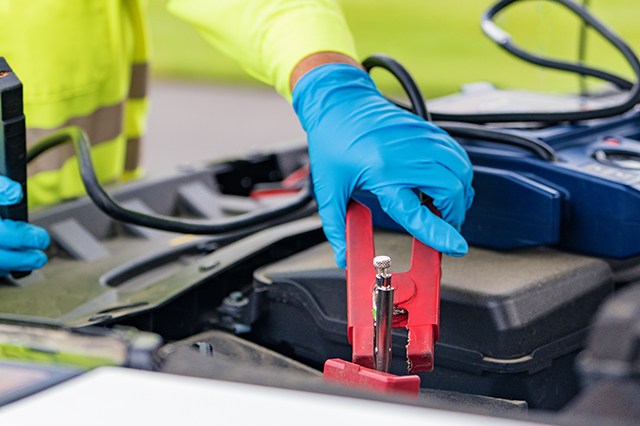
How to Jump a Car Battery Safely Every Time

Jumping a car battery doesn’t have to be a stressful process. You can always call for roadside assistance — that’s what AAA is here for, but it’s also a good idea to know the basics yourself. Here’s how to jump a car battery safely so you can be on your way as soon as possible.

AAA Mobile Battery Service makes buying a new battery easy. Our technicians will even test your current battery and charging system at your home or job. 

Step-by-Step Guide to Jump Start a Car

Safety First

Jump-starting a car safely begins with these important first steps.

  • Consult your owner’s manual to make sure you’re following the manufacturer’s recommendations. Some newer vehicles, including hybrid and electric vehicles, may require manufacturer-specific jump-starting or battery replacement procedures.
  • Make sure that other vehicles are at a safe distance and that you’re in a spot that’s out of danger’s way.
  • If you have any doubts, call AAA Roadside Assistance for help.

Have the Right Tools on Hand

All you need are positive and negative jumper cables. You should have these on-hand, tucked away for that inconvenient moment when your battery fails. They come in anywhere between 10 and 20 feet long with longer cables being easier to use. The extra length means less maneuvering to get the cables to reach from your car to the car providing the jump-start.

There are also portable car jump starters, which are essentially the jumper cables with a built-in battery pack so you don’t need another car to help with the process. These are a bit bulkier and shouldn’t be stored in a hot car.

Positioning the Vehicles

Ideally, you want both cars to face each other head-on about 18 inches apart. Depending on where the breakdown happens, this might not be possible. Do your best to get as close to head-on as possible without letting the vehicles touch. Err on the side of caution. Be careful of car doors if the positioning isn’t ideal. You don’t want to open the door and have the two cars accidentally touch.

Some batteries are located under the back seat or in the trunk; consult the owner’s manual if you have trouble finding it.

Once the cars are positioned, put both cars in park for an automatic transmission or neutral for a manual transmission. Set the parking brakes, turn off the ignition and remove the keys.

Attach the Jumper Cables

This is the part about jumping a car battery safely that makes people nervous, but there is no need to worry. Start by opening the hoods of both cars and finding the battery terminals. Usually, the terminals on the battery are red or black and you will see a + (red) and – (black) sign on the top. Make sure you can clearly see these signs; if the terminals are dirty, use a rag or brush to knock off any dirt or debris.

Where to Put the Positive Cable When Jumping a Car

If you’re wondering which jumper cable goes on first, think positive. Attach the red, positive cable clamp to the red, positive terminal of the dead battery. You want this connection to be secure so wiggle around the clamp to get a tight grip if it feels loose. Next, attach the opposite end of the red, positive cable to the working vehicle’s positive battery terminal.

Where to Put the Negative Cable When Jumping a Car

Attach the black, negative clamp to the working car’s black, negative battery terminal but do not attach the negative clamp to the negative battery terminal of the dead battery. Instead, attach it to an unpainted metal part of the car like a bolt or the engine block. Dead batteries can produce hydrogen gas — if there’s a spark you want it away from the battery.

jump start a car safely

Start the Car

Start the engine of the working car and let it run a minute or two before trying to start the dead car. If the car won’t turn over at first, wait a few more minutes and give it another try. Speeding up the idle for a minute or so can sometimes help.

If the car still doesn’t start, then you may need to call for roadside assistance. It could be a number of problems like battery corrosion, fuses or the starter. A professional can diagnose the problem and recommend a repair.

Disconnect the Jumper Cables

There’s an order to disconnecting the cables, too. Remove the black, negative clamps and do not let them touch while the other cables are attached to the car. Next remove the red, positive clamps. Do not let the red and black cables touch. You can now close the hoods and stow your jumper cables. Once your car is running, take it to a local repair shop to have the battery fully charged and tested.

See, it’s easy to learn how to jump a car battery. With a set of jumper cables and the help of someone with a running car, you can do the job yourself in no time.

Do you have an interesting story about a time you needed a jump-start? Share it with us in the comments below. 

Subscribe to Your AAA Newsletter

Sign up and receive updates for all of the latest articles on automotive, travel, money, lifestyle and so much more!

Top 10 Things to Do in Washington, D.C.

As an ever-evolving repository of American history, our nation’s capital is the place where politics and “we the people” intersect. The city, which straddles the Potomac River bordering Virginia and Maryland, rewards visitors with grand neoclassical architecture and dozens of monuments honoring leadership, heroism and sacrifice. Downtown revitalization, including an international dining scene, continues to make D.C. more appealing than ever.

Here are some of our favorite things to do in Washington, D.C.

Need a ride? Save with Hertz.

1.

The Smithsonian is the world’s largest museum complex, and within its 21 buildings there’s a ton of cool stuff to see. Head to the National Air and Space Museum to check out the planetarium or marvel at the many aircraft and spacecraft on display. The National Museum of American History is packed with interesting artifacts relating to American culture like Dorothy’s ruby slippers and Julia Child’s kitchen. Or check out the National Museum of African American History and Culture, one of the Smithsonian’s most powerful and comprehensive museums. A trip to one or several of the museums is among the Washington, D.C., day trips that you simply can’t miss while visiting.

2.

Spending time in Georgetown is one of many fun day trips around Washington, D.C. You’ll be charmed by a stroll through the residential neighborhood dating to 1751 that’s home to great restaurants, the M Street shopping district and the university bearing its name. A few sights to see in the area include the Old Stone House, the oldest house in D.C., and the historic Tudor Place. For a relaxing walk, try the C&O Canal, or for something livelier, The Washington Harbour.

Let's plan something wonderful

Book your next trip with AAA Travel now or call 888-780-5185 to speak with a travel advisor.

Book Now

3.

There are just a few zoos in the U.S. where you can see giant pandas, and the National Zoo is one of them. You’ll fall in love with the zoo’s two giant panda residents, male Bao Li and female Qing Bao, while watching them eat, sleep and roll around. Some other popular animals that the zoo conserves and cares for include elephants and large cats like African lions and Sumatran tigers, but with 1,500 animals from 300 different species to see, you’re sure to discover a few new favorites.

washington dc

4.

The Tidal Basin is one of Washington’s most photogenic sights, best experienced in early spring when the 3,000 cherry trees that ring it (a gift from Japan in 1912) are in bloom. Every year from late March through early April, the National Cherry Blossom Festival is held to celebrate the beautiful blossoms at their peak. Make your way around the circuit to find the Franklin Delano Roosevelt memorial, the Martin Luther King Jr. memorial and the Jefferson Memorial.

5.

The D.C. restaurant scene includes power lunch spots like the Michelin-distinguished Blue Duck Tavern and the tapas-style menus by Jose Andres at Zaytinya.

lincoln memorial

6.

Monument-hopping is one of the quintessential things to do in Washington, D.C, and one of the most commanding is the Lincoln Memorial. Walking up the 58 steps to the memorial brings you face-to-toe with the 19-foot-tall white marble statue of our 16th president, seated and looking toward the Washington Monument. To the left, the Gettysburg Address is etched, word for word, into the wall.

7.

Every president since John Adams in 1800 has called the White House home — and it’s worth reserving a free tour with your Congressional representative. Requests can be submitted up to three months in advance.

things to do in washington, d.c.
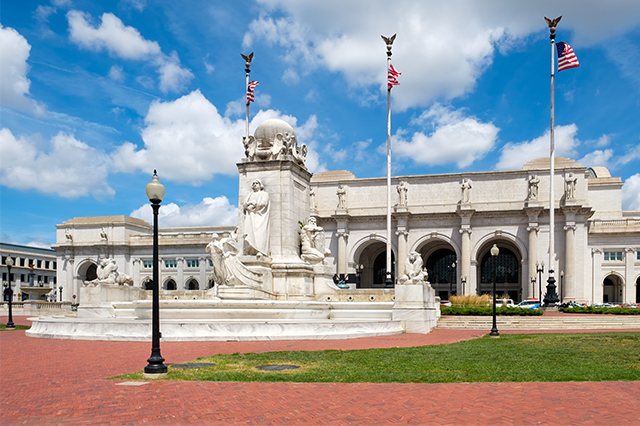
Union Station.

8.

Union Station is arguably one of our country’s prettiest train stations. The circa-1907 Main Hall, fresh from a restoration, has an optical-effect coffered ceiling.

9.

The Vietnam Veterans Memorial, which features austere black-granite walls engraved with the names of the more than 58,000 Americans who died during the conflict, is one of Washington’s most-visited and powerful monuments.

10.

Sit in one of the red-velvet banquettes at the Off the Record Bar in the basement of the AAA Four Diamond Rated Hay-Adams Hotel and order a cocktail. It doesn’t get more D.C. insider than this.

You’ve Read About it — Now Experience It

Call 888-780-5185 |  Find a AAA Branch  |  Contact Online

What are your favorite things to do in Washington, D.C.? Tell us in the comments below.

Subscribe to Your AAA Newsletter

Sign up and receive updates for all of the latest articles on automotive, travel, money, lifestyle and so much more!

6 Top Cheap Beach Vacations in the Northeast for 2026

budget wise

Quick Summary: You don’t need a flight to Florida for a budget-friendly getaway. The Northeast offers several affordable beach vacations, including Madison, Connecticut; Wells, Maine and Narragansett, Rhode island, which serve as lower-cost alternatives to pricey nearby hubs like Newport or Ogunquit. To maximize savings, book hotels several months in advance and leverage AAA member discounts for lodging and dining.

Though the Northeast is sometimes associated with harsh winters and record-breaking cold temperatures, the warmer months and sprawling coasts can provide the perfect atmosphere for a cheap beach vacation that won’t overheat you (or your wallet). So put aside those plans to head down to Florida and look closer to home — we’ve got a list of nearby beach towns that might surprise you.

Budget Destination The “Cheap” Alternative To… Key Budget Activity
Wells, ME Ogunquit, ME Kayaking the Webhannet River
Narragansett, RI Newport, RI Point Judith Lighthouse views
Dennis, MA Outer Cape Towns Mayflower Beach (Bay Side)
Madison, CT Luxury CT Shorelines Hammonasset Beach State Park

Madison, Connecticut

A quiet Connecticut getaway, Madison is not well-known by most tourists, so restaurant, lodging and entertainment prices aren’t driven by a high tourist demand.

Hammonasset Beach State Park is your one-stop shop for outdoor summer activities; swim and lounge in the sand on the beach, fish and hike the walking trails, or visit the Meigs Point Nature Center to have hands-on experiences with native animals.

Highlight

Main Street, aka Boston Post Road, is lined with independent shops and boutiques, family-owned restaurants and historic buildings, such as the crown jewel of the town, R.J. Julia Booksellers. The charm of this town is a welcome respite from everyday life.

Wells, Maine

Though Maine is as north as the Northeast gets, it isn’t all chilly temperatures. Its coastline is home to a number of beaches, 7 miles of which are in Wells.

When you’re not swimming, zipping on a personal watercraft or just enjoying the sun at one of four beaches, you could be kayaking or canoeing up the Webhannet River, or shopping at the antique stores along Route 1.

Highlight

Just a short drive away is Ogunquit Beach, a popular tourist destination in Maine. But since Ogunquit is so popular, the restaurants, hotels and shops nearby can get pricey. Staying in Wells ensures that you enjoy all of the views without breaking the bank.

beach

Dennis, Massachusetts

As far as New England beach vacations go, it doesn’t get any better than Cape Cod. One of the more inexpensive areas, Dennis lies right in the middle of the peninsula.

In Dennis, you decide which kind of beach you’d like to swim at — beaches with the mild waters of the Cape Cod Bay, like Mayflower Beach, or the even calmer waters of the Nantucket Sound, like at West Dennis Beach.

Highlight

The best part about Dennis is its proximity to everything else on the Cape. Whether you prefer the wilder waves of the Atlantic Ocean on the lower Cape or a more historic getaway like Falmouth on the upper Cape, Dennis is central to it all.

Hampton, New Hampshire

The waters in New Hampshire are quite cold for some, but this beach town has enough for you to do even if you don’t care to swim.

Enjoy fresh seafood at any of the eateries along Hampton State Beach or take the family to the Blue Ocean Discovery Center, where the little ones can get up-close and personal with marine life.

Highlight

Treat yourself to breakfast or lunch and watch the planes at the Hampton Airfield Airfield Cafe, which features an open deck cafe decorated with an aviation theme.

the beach

Cape May, New Jersey

With its sprawling beaches and quaint Victorian architecture, Cape May is perfect for family vacations.

Not far from the coast are attractions like the Cape May Lighthouse, Naval Air Station Wildwood Aviation Museum, Willow Creek Winery and more. Also nearby are campgrounds, which provide cheaper lodging options for vacationers.

Highlight

Just north of Cape May is Jersey Shore Alpacas, where visitors can meet and feed alpacas on a tour of the farm. It’s an inexpensive way to be sure that your vacation is memorable.

Narragansett, Rhode Island

A cheaper alternative to Newport, Narragansett also has beautiful beaches, plenty of opportunities to sample local seafood and a number of historic landmarks.

When you’re not swimming and soaking up the sun at Scarborough State Beach or Narragansett Town Beach, check out the Point Judith Lighthouse for a spectacular view of the coast. Then, head to Galilee for a bite to eat as you watch boats leave the harbor.

Highlight

The Block Island Ferry leaves from Point Judith, giving you the perfect opportunity to day trip on the island and enjoy a relaxing ride on the way there.

Let's plan something wonderful

Book your next trip with AAA Travel now or call 888-780-5185 to speak with a travel advisor.

Book Now

Booking Your Cheap Beach Vacation

While vacationing nearby will save you from airfare, location isn’t the only factor to consider when you want to save. Reserving your hotel several months in advance will generally get you a lower price. AAA members also get discounted rates at thousands of hotels whenever they book.

FAQ

Which Northeast beach town is the best alternative to Newport, Rhode Island?

Narragansett is a top-tier alternative to Newport. It offers similar beautiful coastlines and historic landmarks like the Point Judith Lighthouse but at a significantly lower price point for dining and entertainment.

How can I save money on lodging for a beach vacation in New Jersey?

For a cheaper stay in Cape May, consider local campgrounds or Victorian-style B&Bs located slightly inland. Additionally, booking through AAA can unlock member-only rates at thousands of regional hotels.

What is the most central budget beach town on Cape Cod?

Dennis, Massachusetts, is considered one of the most central and affordable areas on the peninsula. Its location provides easy access to both the calm waters of Mayflower Beach and the historic sites of the Upper and Lower Cape.

Share your tips and tricks to having a great vacation without breaking the bank in the comments below.

Subscribe to Your AAA Newsletter

Sign up and receive updates for all of the latest articles on automotive, travel, money, lifestyle and so much more!

Norwegian Cruise Line Debuts New Ship and Itineraries

Some trips are about getting away. Others are about how effortlessly you get there. A Caribbean cruise with Norwegian Cruise Line blends both.

Conveniently sailing out of New York City, your vacation begins long before the ship’s horn sounds. No flight schedules to manage. No airport delays to navigate. Just step aboard and let the ocean views, island vibes and fun come to you.

With four, five and seven-day itineraries, travelers can choose a pace that fits their schedule, whether it’s a quick reset or a longer stretch of time to fully unwind.

Book Now With AAA!

7-Day Bermuda Round-Trip From New York

7-Day Caribbean Round-Trip From Miami

Cruise into vacation mode

Experience the all-new Norwegian Luna, sailing from NYC.

Book now

A New Ship Designed for the Journey: Norwegian Luna

Norwegian Cruise Line’s newest ship is designed to bring together modern design, elevated dining and immersive onboard experiences.

Sailing from both New York and Maimi, Norwegian Luna offers a balance of energy and escape. Days at sea can be as active or relaxed as you choose, from poolside afternoons and oceanfront dining to live entertainment and thoughtfully designed spaces that make it easy to settle in.

Great Stirrup Cay: A Private Island, Reimagined

Many of Norwegian Luna’s itineraries include a stop at Great Stirrup Cay, the cruise line’s private island in the Bahamas — and it’s evolving in ways that make the experience even more dynamic.

Enhancements expected to debut this summer are set to expand what guests can enjoy throughout the day. A new dock will allow for smoother arrivals, while upcoming additions like a water park, cliff jumps and a dynamic river (a faster-moving take on the traditional lazy river) bring a more energetic, activity-driven edge to the day.

Beyond the new features, the island retains what makes it so appealing in the first place: wide stretches of beach, clear water and the freedom to spend your time however you choose. Whether that means relaxing in a private cabana, snorkeling along the shoreline or simply taking in the view, Great Stirrup Cay offers a more personal take on a Caribbean beach day.

ncl luna

New York and Miami Departures

For Northeasterners, sailing from New York offers the advantage of simplicity.

Skipping the flight can turn a vacation into something far more accessible. You can step onboard, settle in and begin the experience without the added layer of travel logistics. For many, that ease becomes part of the appeal — especially for shorter itineraries where every day counts.

Miami departures put you closer to the Caribbean from the start, with itineraries designed to maximize time on the water while still allowing for meaningful time ashore.

ncl luna

Flexible Itineraries, Memorable Moments

Whether sailing for four, five or seven days, Norwegian Cruise Lines’ itineraries are designed to make each day feel special without feeling over-planned.

A stop at Great Stirrup Cay might mean a morning relaxing on the beach, followed by an afternoon of adventure in the water park. Time onboard Norwegian Luna can shift just as easily, from relaxing spa time to riding on the Aqua Slidecoaster with the family.

Longer journeys allow you to settle in more, with more time to move between island experiences and unhurried days at sea, while shorter itineraries keep the pace focused, delivering a complete experience in just a few days.

You’ve Read About It — Now Experience It

Call 888-780-5185 |  Find a AAA Branch  |  Contact Online

Subscribe to Your AAA Newsletter

Sign up and receive updates for all of the latest articles on automotive, travel, money, lifestyle and so much more!

How To Deal With an Unexpected Pet Emergency

When our cat, Charlie, suddenly got sick, my husband and I were frantic.

Besides having no interest in sprinting down the hallway for treats (highly unusual in itself), Charlie was lethargic and hiding away. What did this mean? What was going on, and what should we do? Being only 6 years old, he’d never had a health scare before, and we were woefully unprepared. After many panicky phone calls, we were finally able to get him in to see an available vet.

Diagnosis: Tummy ache.

Cost: $600. No insurance. No financing options.

Although we were relieved Charlie would be OK, the worry and stress we experienced could have been avoided — or at least diminished — if we had a prior plan in place. Don’t make our mistake; read on to learn what to do in a pet emergency and how you can prepare for the unexpected when it comes to your best friend’s health.

Immediate First Steps in a Pet Emergency

  • Stay calm and assess. If your pet seems sick or has had an accident, your initial reaction should be to stay calm. Hard as it may be, staying calm is imperative, as panicking can hinder your ability to make rational decisions. Begin to quickly assess your pet’s condition to determine if the situation is critical. Look for signs like difficulty breathing, excessive bleeding or unconsciousness.
  • Seek veterinary care. If your pet is in severe distress or showing critical symptoms, contact your veterinarian or an emergency animal clinic right away.
  • Know basic first aid. Familiarize yourself with first aid for pets, such as how to perform CPR or apply pressure to a bleeding wound. These skills won’t substitute veterinary care but could be crucial in stabilizing your pet until you can get them to a professional for further help.
  • Transport your pet safely. Use a carrier to transport your pet to minimize any movement and prevent further injury. Try making them as comfortable as possible with blankets, treats or favorite toys. Of course, drive carefully.
  • Monitor and document symptoms. Keep a detailed record of your pet’s symptoms including when they began and any changes in behavior. This information helps the veterinarian better diagnose and treat the condition.

Listen to Our Podcast

Ready to bring home a new best friend? Listen to Episode 8 of our podcast, Merging Into Life: First-Time Pet Owner’s Guide.

Tune In

Does Having Pet Insurance Help in an Emergency?

“Anyone with a pet can benefit from the peace of mind and financial freedom provided by pet insurance,” said Ashley Kehew, director of insurance sales with AAA Northeast. “Depending on the pet insurance you have, it can help provide financial protection for emergencies and for regular vet visits. Pet parents can choose the best care for their furry friend rather than what is most affordable.”

Specialized care treatments or advanced tests that could be crucial for your pet’s health are more accessible with pet insurance.

“Pet emergencies, while unpredictable, are almost inevitable and extremely costly,” said Kehew. “You can’t put a price on the peace of mind that comes from knowing you can afford to give your pet the best of care with the help of pet insurance.”

In the event of a pet emergency, vet bills can be upward of thousands of dollars depending on the severity of the health issue, and some clinics are unable to provide treatment without proof of ability to pay first. Pet insurance is able to help mitigate emergency vet costs by covering a significant portion of the expenses, depending on your policy. Knowing you have that support can keep you focused on what truly matters in the moment: Your pet’s wellbeing and recovery.

Health emergencies aren’t the only unexpected events you should prepare your pet for. Learn how you can plan to keep your pet safe during storms and hurricane evacuations.

Talk to a AAA insurance agent advisor about pet coverage options.

Subscribe to Your AAA Newsletter

Sign up and receive updates for all of the latest articles on automotive, travel, money, lifestyle and so much more!

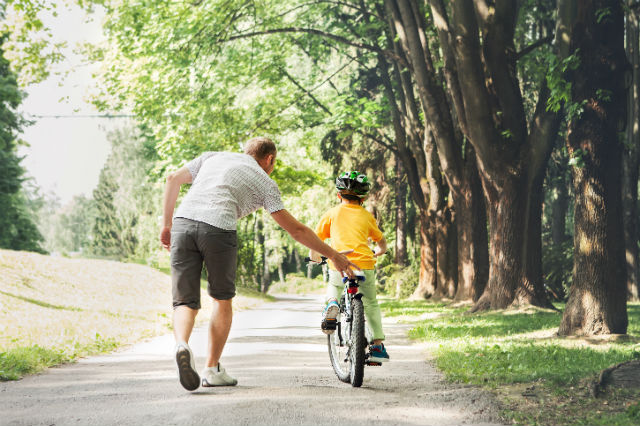
Bike Smart, Ride Safe

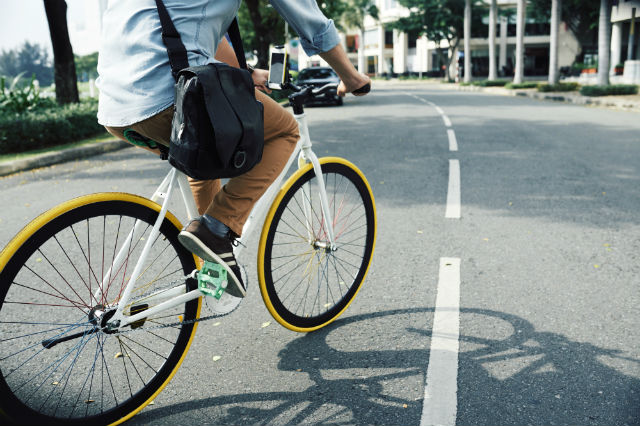
Bike rides are fun, environmentally friendly and great exercise to boot. But, like with any mode of transportation, you need to make sure to keep safety in mind while on two wheels.

Did you know? AAA Northeast offers 24-hour roadside assistance for your bike, too! The free service is available to all members. Learn more.

Helmets

Wearing a helmet is the single most important thing you can do to protect yourself when riding a bike.

American bike fatalities reached a record high of 1,166 in 2024, according to information from The League of American Bicyclists. Head injuries are the leading cause of death and serious injury. In 2023, 62% of bicyclists killed were not wearing helmets, according to the Insurance Institute for Highway Safety.

When you put on your helmet, make sure the visor sits about 1 to 2 inches above your brow, and that the chin strap is snug, but not constricting. If you can fit no more than two fingers in between your chin and the strap, you’re good to go.

Check out these easy steps to properly fit a bike helmet.

You might not love the way you look in a helmet but looks don’t matter when your life is on the line.

national bike month

Biking While Drunk

If you wouldn’t get behind the wheel of a car, you shouldn’t get behind the handlebars of a bike. The most recent stats reported by the Insurance Institute of Highway Safety show that 21% of cyclists killed in traffic crashes in 2022 were legally drunk.

Biking in the Dark

Bike deaths peak from 6 p.m. to 9 p.m., but why is that? Visibility is important on the road, especially when drivers and bikers share the same streets. During the day, you don’t have to worry too much about seeing and being seen, especially if it’s spring or summertime. However, as the day gets duskier, it’s more difficult for drivers to spot cyclists darting across the road or on the side of the street. If you’re going to be biking during this time, there are tons of bike accessories that will help make you more visible.

Sharing the road

Cyclists

Sharing the road with cars is dangerous, but it’s often necessary. Riding on congested sidewalks puts pedestrians in danger, and it’s actually illegal in some cities. Bike on the right side of the road (just like when you drive) and stay about 2 to 3 feet away from the curb. Be careful when you’re driving past parked cars – you never know when someone could open a door and clothesline you. Remember to stop at stop signs and red lights, just like someone in a car would.

Drivers

When you spot a cyclist, give them a wide berth. You’re driving something that weighs more than 4,000 pounds, while cyclists are balancing on a 15-pound, two-wheeled machine powered by their own legs. They don’t have the benefit of a car’s safety systems, and if there’s a crash, they’re probably going to get hurt. If there’s a bike lane in your city, don’t park in it. This forces cyclists to dart unexpectedly into traffic lanes. You also should not be driving in the bike lane, even if you’re just edging in by a foot or two. There could be cyclists in your blind spot, and even the cyclists that you can see are too close for comfort.

Click here for more tips on sharing the road.

What are some ways you stay safe while cycling? Let us know in the comments below.

Subscribe to Your AAA Newsletter

Sign up and receive updates for all of the latest articles on automotive, travel, money, lifestyle and so much more!

Why Are Popular Car Colors So Boring? A Brief History of Car Paint

White, black, gray and silver now account for more than 75% of all cars on American roads. But car colors haven’t always been this monotonous. Economic shifts, new paint technology and changing cultural tastes have shaped what we drive in every decade since the automobile was invented. Here’s how we got from Henry Ford’s all-black assembly line, to the bright rides of the 50s and 60s, to the colorless roads of today.

After decades of brilliant shades, muted tones are now among the most popular car colors. How did that happen? A look back in history shows us how we got to the common car colors we have today.

The History of Car Paint Begins

Any customer can have a car painted any color that he wants, so long as it is black.”

– Henry Ford

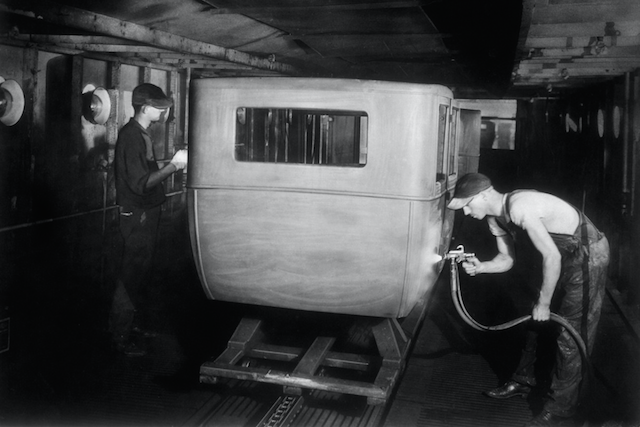
Automobiles in the late 1800s and early 1900s were essentially motorized carriages, and so they were painted just like their transportation predecessors. This meant using oil-based paint applied by hand. Most cars were painted black because the color was durable, cheap and dried quickly.

But there were problems with both the color and the application of early car paint. Even though it provided a luxurious, brilliant finish, painting a car took weeks to complete. In addition, the black paint would often fade or yellow. Since the paint had no binding agent, when discoloration occurred, the car had to be repainted, which cost money.

Despite Henry Ford’s famous words, not all Model Ts were painted black. In fact, from 1908 to 1914, the car came in several different colors. But when Ford implemented the assembly line manufacturing process, he needed a paint that dried quickly, thus the switch to black.

duco paint

At a Glance: The Evolution of Car Color

  • The Modern Monopoly: White, Black, Gray, and Silver account for over 75% of vehicles on U.S. roads today.
  • Resale Dominance: Neutral colors remain popular because they maintain higher resale value and appeal to a broader secondary market.
  • Historical Peak: The 1950s and 60s were the “Golden Age” of car color, defined by vibrant pastels and chrome-heavy two-tone designs.
  • Tech Influence: Modern “minimalist” aesthetics are heavily influenced by consumer electronics and the “Apple effect” in premium design.

Duco Paint

A major milestone in the evolution of car paint history occurred in the 1920s when the DuPont company developed a new type of automotive coating. DuPont scientists modified nitrocellulose, a substance used to make explosives and motion picture film, to create a low-viscosity lacquer that could be sprayed onto automobiles. This new paint, dubbed Duco, had numerous benefits over previous versions of car paint.

According to the Science History Institute, “Traditional varnishes chipped, cracked, crazed and faded; Duco lacquer was almost invincible. It tolerated air, sun, rain, mud, dampness, heat, cold, salt water, bacteria, perspiration, dirt, soaps and detergents. Most low-end finishes came in few colors, while Duco made available a rainbow of hues.”

General Motors was the first manufacturer to adopt Duco (at the time, GM and DuPont were under the same leadership). GM’s Oakland Motor Car Company painted its cars with two different shades of blue and a red or orange racing stripe, and debuted them at the 1923 New York Auto Show. The colors were an immediate hit with the public and by the mid-1920s all GM divisions were using Duco.

Car Color in the Roaring ’20s

The economic boom of the 1920s saw the rise of automobile ownership, which invited a broader spectrum of car colors and a variety in shades. Although the Great Depression reduced the abundance of colorful vehicles, it didn’t deter the evolution of car paint.

In the 1930s, newly created metallic paint gave vehicles an improved sheen. (Automobiles were also becoming less box-like, and the new paint helped enhance the curved forms.) Metallic paint was first made using real fish scales. It took 40,000 herring to make one kilo of paint, according to Consumer Reports. Less expensive versions of the paint used aluminum flakes instead.

Post-War Car Paint

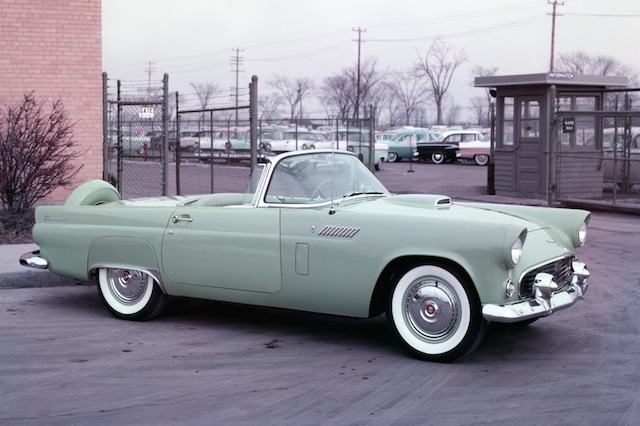
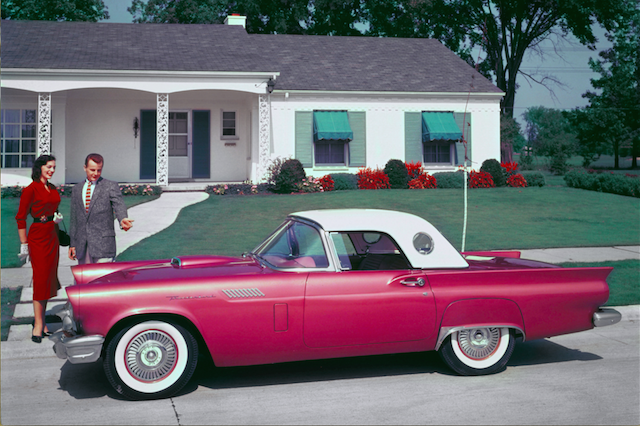
The end of World War II saw a boom in consumption and style, with automobiles at the forefront. By this time nearly all the large automakers had color advisory panels that surveyed consumers’ tastes and studied color trends in fashion and culture. Cars became flashier with features like tail fins, curved windshields and, of course, bright colors. In addition to the copious amounts of chrome, automobiles were painted in all shades of the rainbow. Two-tone arrangements, where a car’s body and roof were painted different colors, also became popular.

The color trend continued well into the 1960s with the emergence of muscle cars. These cars have always been more about performance than pragmatism, lending themselves as better canvases for brightly colored paints.

The color trend came to a quick halt during the fuel shortage of the 1970s. During this time, car owners became more concerned with fuel efficiency and car color took a back seat. Earth tones like brown, tan and dark green became popular.

The current color situation on United States’ roadways is not very colorful at all. “If you drove down an American street and looked only at the new vehicles, you might be forgiven for thinking you’re in a black-and-white movie,” described Volkswagen.

No one can argue with the truth. A recent study on popular car colors by iSeeCars found that 25% of the 20 million vehicles analyzed were white, 23% were gray and 22% were black. And this isn’t an anomaly: These have been the most common car colors for a decade.

It wasn’t too long ago, from the 1950s through the 1970s, when U.S. roadways were filled with automobiles of all shades of the color spectrum. So why the change?

“Color is always shifting, and our color perception is always evolving depending on what we see, what we observe and what we live with,” said Volkswagen Senior Color and Trim Designer Jung Lim “Limmy” Park. “Color preferences really reflect the unique social and cultural trends and even geography [of a region].”

There are a number of social and cultural theories as to the prevalence of more somber car colors in America. We are currently living through the second significant recession in about a decade. During times of economic uncertainty people tend to be conservative with their money. And while a different color on your car may not increase its cost, the mindset of keeping things simple and avoiding anything flashy has been known to carry over. A similar trend occurred following the Great Depression nearly a century ago.

As for cultural influences, there are some that suggest our car color choices are defined by our obsession with technology. Apple is the world’s most valuable company and its muted-color logo is recognized around the world.

“Prior to Apple, white was associated with things like refrigerators or the tiles in your bathroom,” Sandy McGill, chief designer for BMW DesignWorks told Motoramic.com. “Apple made white valuable.”

duco paint

The Right Car Color for the Right Car

There’s also always been a belief that certain colors are right for certain cars. Pickup trucks are more utilitarian and don’t need a neon coating. Luxury sports car, meanwhile, are made to get people’s attention and are likely a more acceptable place for a bright-yellow coat of paint.

But sports cars haven’t been immune to the colorless trend. The Ford Mustang is a perfect example. In 1967, the muscle car was available nine shades of blue and two shades of pink. In the 1970s, brown was consistently among the top three most popular Mustang colors, but hasn’t been offered since 2000. Black, on the other hand, didn’t break into the top three until 1994 but has remained there ever since.

No one can predict the future, but we do know that trends change. As long as the demand for new colors is there, the supply will come with it.

There’s another reason to be hopeful for more vivid roadways. We view so much of our lives through the sharp, brightly colored images on our electric devices that it wouldn’t be surprising to see other shades pop up on cars in the near future.

“We are all so impacted by our digital life through the pandemic, and the colors you mainly see are [on] your screen more than actual physical objects,” said Volkswagen’s Park. “The future is getting colorful, for sure.”

Frequently Asked Questions About Car Colors

White is the most popular car color in the U.S., making up roughly 26% of vehicles on the road. Black comes in second at about 22%, followed by gray and silver. Add those up and more than three out of four American cars are essentially colorless.

Why are most cars white, black, or gray these days?

A few things are at play. During uncertain economic times, people tend to make conservative choices across the board, and car color is no exception. There’s also a cultural angle: design experts have pointed to Apple’s influence in making white feel premium rather than plain. And neutral colors generally hold their resale value better, which makes them a safer bet for buyers thinking long-term.

Were cars always such boring colors?

Not at all. From the 1920s through the early 1970s, American roads were full of bright, expressive color. The post-World War II era was a particular high point, with two-tone paint jobs, pastels, and bold hues everywhere you looked. The 1970s oil crisis is the turning point most historians point to, when practicality took over and earth tones quietly became the new normal.

What was the first big breakthrough in car paint technology?

In the 1920s, DuPont developed a product called Duco, a nitrocellulose lacquer that could be sprayed on rather than applied by hand. It dried faster, lasted longer, and came in a wide range of colors. General Motors was the first to use it, showing off two-tone blue cars at the 1923 New York Auto Show to immediate public enthusiasm.

Does car color affect resale value?

It can. Neutral colors appeal to the widest range of buyers, which tends to make them easier to sell. Unusual or bold colors might limit your potential pool of buyers, though rare shades can occasionally command a premium with the right enthusiast.

Is car color making a comeback?

There’s reason to think so. Auto designers have noted that our screen-heavy lives are starting to influence what people want in the physical world. Some manufacturers are already reintroducing bolder options, and the general consensus in the industry is that more color is coming.

Why did Henry Ford only make black cars?

The short answer is efficiency. Black paint dried the fastest, which kept his assembly line moving. That said, the all-black era was more limited than the famous quote suggests. Early Model Ts (1908 to 1914) actually came in several colors. Ford switched to black when the assembly line launched and returned to offering more options once paint technology caught up.

If you want to try cars in all the colors of the rainbow, you can use your AAA membership to get a discount on Hertz car rentals.

Get more automotive history.

What color is your car? What colors would you like to see brought back? Let us know in the comments below.

Subscribe to Your AAA Newsletter

Sign up and receive updates for all of the latest articles on automotive, travel, money, lifestyle and so much more!

Things to Do in Madeira, Season by Season

Madeira moves to its own rhythm, guided by nature, harvest cycles and vibrant annual festivals. Each season offers something new.

Comprised of four islands off the coast of northwest Africa (two are inhabited and two are nature reserves), Madeira is an autonomous region of Portugal, about a two-hour flight from the mainland. Its location and history have allowed it to develop a culture blending multiple influences and an enthusiasm for celebration.

Throughout the year, various festivities shape life on the islands, from street parades and fireworks to flower-strewn traditions and wine-filled gatherings.

Take a look at what each season in Madeira has in store. Visit Madeira provides a wealth of information to help you explore even more.

The Magic of Madeira

Discover year-round beauty in this European paradise.

Book now

Winter

On a subtropical island, is it ever really winter? Madeira’s low winter temperature is about 55 degrees, so you don’t need to bundle up for any celebrations. The festival season gets off to an explosive start with Carnival in February, when the streets overflow with quirky parade floats, musicians, tasty foods and revelers in colorful costumes over the course of three weeks.

visit madeira
Courtesy of Visit Madeira. ©Francisco-Correia

Spring

Each year, the island celebrates its flora and fauna with the month-long Flower Festival, typically held from late April through May. The celebration includes two parades with dancers and colorful floats and a classic car parade. Highlights include the Wall of Hope, which children decorate with flowers and streets covered with floral carpets. Also in spring, the Madeira Rum Festival features five days of tastings, masterclasses, cocktail competitions and entertainment.

visit madeira
Courtesy of Visit Madeira. ©Ricardo Faria Paulino

Summer

Madeira kicks off summer with the Atlantic Festival, which runs through the month of June on the waterfront at Funchal Bay. Highlights include an international fireworks competition every Saturday night, with displays centered around a theme and set to music. Street performers and music add to the fun. During the day, visit any of Madeira’s many beaches and enjoy swimming, scuba diving, surfing and boating. Later in the summer, celebrate Madeira’s most famous beverage at the Madeira Wine Festival from the end of August until mid-September. Enjoy theme dinners, toast musical performances and of course, sip the country’s famous Madeira wine as well as other tasty cocktails.

visit madeira
Courtesy of Visit Madeira. ©Ricardo Faria Paulino

Fall

Madeira’s Nature Festival, held in early October, is a newer addition to the festival line up. The goal is to connect tourists with the island’s rich and diverse environment and promote active tourism, so visitors appreciate Madeira’s outdoors as much as its wine, food and music scenes. But yes, there also is music. Participants learn about Madeira’s plants and wildlife, try a new activity, such as surfing; go hiking or mountain biking or do yoga on a beach.

From it’s centuries of history to it’s vibrant gastronomy scene, there so much to discover in Madeira whenever you go. Reach out to your AAA travel advisor to start planning your getaway today.

You’ve Read About it — Now Experience It

Call 888-780-5185 |  Find a AAA Branch  |  Contact Online

Featured image: Courtesy of Visit Madeira. ©Francisco-Correia

Subscribe to Your AAA Newsletter

Sign up and receive updates for all of the latest articles on automotive, travel, money, lifestyle and so much more!

Crossword: Memorial Day

Subscribe to Your AAA Newsletter

Sign up and receive updates for all of the latest articles on automotive, travel, money, lifestyle and so much more!

AAA Projects 45 Million Americans Will Travel Domestically for Memorial Day Weekend

AAA projects a record-setting 45 million Americans will travel at least 50 miles from home for Memorial Day between Thursday, May 21 and Monday, May 25. Road and air travel are both expected to set records, with 39.1 million travelers driving and 3.66 million flying to their destinations.

“Memorial Day marks the unofficial start of summer, and for most Americans, it’s a three-day weekend,” said Jillian Young, director of public relations for AAA Northeast. “Despite higher fuel prices, many people continue to prioritize leisure travel during holiday breaks.”

Memorial Day Travelers by Mode of Transportation

By Car

AAA projects 39.1 million people will travel by car over Memorial Day weekend, a slight jump over last year. Driving is the most popular way to travel, accounting for 87% of travelers. This holiday weekend, drivers are paying more at the pump compared to last year. The national average for a gallon of regular gas as of May 11 is $4.52, up $1.39 from last year.

With a record number of travelers on the road this holiday weekend, AAA reminds drivers to put safety first, Slow Down, Move Over and drive sober. Before hitting the road, check your car’s battery, tire pressure and fluids. Last Memorial Day weekend, AAA responded to over 300,000 emergency roadside assistance calls nationwide to help drivers with issues like dead batteries, flat tires and empty fuel tanks.

For travelers who are renting cars over the holiday weekend, AAA’s car rental partner, Hertz, says Thursday and Friday are expected to be the busiest pickup days.

By Air

AAA projects 3.66 million travelers will take domestic flights over Memorial Day weekend, another small increase over last year. Air travelers make up 8% of the share of travelers this holiday weekend.

By Other Modes

Travel by other modes is expected to increase by 5%, with 2.2 million people traveling by bus, train or cruise. The popularity of Alaska cruises is helping drive this category’s growth, with peak Alaska cruise season kicking off this time of year.

AAA’s Top Memorial Day Weekend Destinations

Memorial Day weekend travelers are taking trips to theme parks and famous landmarks, boarding cruises in the Pacific Northwest and Alaska, and flying to Europe to visit iconic capital cities. Here are the top 10 domestic and international destinations, based on AAA booking data.

RankingDomesticInternational
1OrlandoRome, Italy
2SeattleVancouver, Canada
3New York CityParis, France
4Las VegasLondon, England
5MiamiAthens, Greece
6San FranciscoDublin, Ireland
7AnchorageBarcelona, Spain
8ChicagoSouthampton, England
9DenverAmsterdam, the Netherlands
10BostonEdinburgh, Scotland

Best and Worst Times to Drive 

Drivers should expect the heaviest congestion on Thursday and Friday between 3 and 6 p.m., and Monday afternoon, according to transportation data and insights provider, INRIX. Sunday should be the lightest day for traffic, barring any unexpected events on the road.

Best and Worst Times to Travel by Car
DateWorst TimeBest Time
Thursday, May 2112 to 9 p.m.After 9 p.m.
Friday, May 2211 a.m. to 8 p.m.Before 11 a.m.
Saturday, May 2312 to 5 p.m.Before 11 a.m.
Sunday, May 24Minimal Traffic Impact Expected
Monday, May 2512 to 5 p.m.Before 10 a.m.

Subscribe to Your AAA Newsletter

Sign up and receive updates for all of the latest articles on automotive, travel, money, lifestyle and so much more!

Northeast Gas Prices Continue to Climb Amid Tightening Inventories, War Uncertainty 

Last week, petroleum prices moved lower and retail gasoline prices stabilized slightly after reports that negotiations to end the 10-week-old conflict would resume through the weekend. Crude oil prices settled about $6 lower by the end of trading on Friday as markets weighed the chances of a peace deal and the potential resumption of oil and gas shipments through the blockaded Strait of Hormuz. 

But market optimism faded as the week began without an agreement that would bring an immediate end to the war. Crude prices climbed roughly 3% in early Asian trading on Monday and will likely remain volatile as uncertainty becomes the focus for oil and gas markets. 

Domestically, gasoline prices are facing increasing pressure from tightening supplies ahead of the busy summer travel season, which is set to begin with record-breaking travel volume over the upcoming Memorial Day holiday. Gasoline stocks fell last week for the 12th straight week, declining by 2.5 million barrels, according to the Energy Information Administration (EIA). Inventories are now 2.6% lower than the same time last year and 3.4% lower than the five-year average. And despite gasoline prices reaching four-year highs, demand continues to remain strong for the season, settling at 8.8 million barrels a day. That’s a decrease of about 300,000 barrels over the prior week, but still higher than last year by about 1.1%, according to the EIA.  

“Pump prices remain under pressure from tightening domestic supplies and higher oil costs caused by the ongoing war with Iran,” said Jillian Young, director of public relations for AAA Northeast. “Even with higher prices, demand figures show that Americans’ appetite for travel remains undeterred — for now.” 

AAA’s May 11 survey of fuel prices found the national average up 7 cents from the prior week ($4.45), averaging $4.52 per gallon. The May 11 national average price was 39 cents higher than a month ago ($4.13) and $1.39 higher than last year ($3.13). 

Region Current Price* One Week Ago One Month Ago One Year Ago 
Connecticut $4.61 $4.52 $4.09 $3.06 
Massachusetts $4.46 $4.35 $3.97 $2.97 
New Jersey $4.52 $4.53 $4.05 $2.98 
New York $4.58 $4.46 $4.13 $3.09 
Rhode Island $4.47 $4.39 $3.99 $2.95 

*Prices as of May 11, 2026 

As of May 11, Oklahoma and Mississippi had the lowest prices in the nation at $3.94 and $3.98, respectively. California and Washington had the highest prices in the nation this week at $6.15 and $5.76, respectively.  

The AAA Gas Prices website is your resource for up-to-date fuel price information. Search for average gas prices on national, state and metro levels by regular, plus, premium and diesel.  

Subscribe to Your AAA Newsletter

Sign up and receive updates for all of the latest articles on automotive, travel, money, lifestyle and so much more!