Questions to Ask When Trying to Find a Pediatrician

One night, you’re lying awake in your bed thinking: I’m going to be a parent? How am I ever going to take care of a kid? How do I even find a pediatrician who I can comfortably put in care of my children?

My wife and I were lucky. She’s a registered nurse whose spent her whole career working in a major maternity hospital. She’d been in regular contact with the best – and the not-so-best – pediatricians practicing in our metro area. She had her future pediatrician lined up long before we got married and decided to have children.

And she was right, the doctor she chose was knowledgeable, calm and warm. Nothing fazed him. Not our kids’ midnight coughing fits or stomachs covered in red blotches. That made it easier for us and for our children to stay calm. They knew they were in good hands. (They also grew to understand there was a lollipop waiting for them at the nurses’ station on the way out the door!)

Finding the best pediatrician you can will be one way to make sure your child starts off life on the right foot and continues his or her growth right through the time they walk off the stage with a high school diploma in hand.

You’re going to spend a lot of time in doctor’s offices when you have kids. And, if you intend to have more than one child, those visits will multiply – exponentially, it will seem. There will be dozens and dozens of appointments, phone calls, emails and treatment plans to wade through over the 18 years that each child’s health care is in the hands of a pediatrician.

So, take the time to find a pediatrician that is right for you and your family.

While there is no single quality that makes someone an excellent pediatrician, there are certain attributes for which you need to look. Pediatrics is a popular specialty, so if you live in or near a city, you’ll have a choice of pediatricians.

To begin your search for a pediatrician, get referrals from your obstetrician/gynecologist, nurse-midwife or other parents you know. As with all medical consumer issues, do your homework.

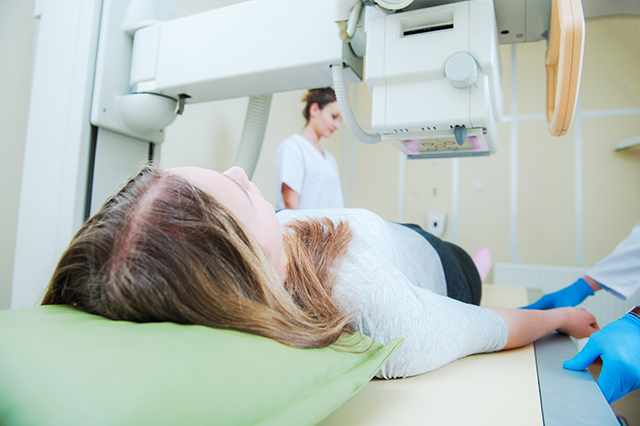
find a pediatrician

Do they accept most health insurance plans? Don’t add to the anxiety of shepherding a sick kid by failing to learn whether the doctor accepts your health insurance.

Do they have patient reviews that you can see?

Is the pediatrician certified with the American Board of Pediatrics?

If you choose a family physician, is he or she certified by the American Board of Family Medicine? Family doctors are trained to care for patients of all ages – including children.

Does the doctor have specialized training? This is particularly important to know if you think your child will have special medical needs.

When you’ve narrowed your choices, make appointments to get a sense of how the doctors and their staffs interact with patients and with each other.

How is their demeanor? Are the pediatrician and the office staff welcoming, efficient and respectful? Do they thoroughly explain your options in an easy to understand way?

How do they interact with your child? Your child is not an adult and shouldn’t be treated like one. Teenagers, on the other hand, probably will appreciate a more grown-up approach from their pediatrician. Whoever you choose for your child’s pediatrician, they should be able to relate to and communicate with their patients, no matter the age.

Even so, there may come a time when your boy or girl will feel more comfortable with a pediatrician of the same gender. This is often the case as children grow into teenagers. A pediatrician that belongs to a group practice may make it easier to switch doctors. Some parents feel more comfortable around a pediatrician who has children of their own – don’t be afraid to ask about a doctor’s family status.

What about emergencies and off-hour treatment? Childhood ailments do not always present themselves at convenient times. You’ll want to know if there is a call-in policy and off-hour coverage.

Is the pediatrician really taking the time to consider the health care concerns I have for my child? You should have a sense that the pediatrician listens to the symptoms you describe and can draw your child – if they are old enough – into a conversation. The pediatrician should be willing to discuss treatment options that are right for your child. As with other medical professionals, you should have a sense the pediatrician you choose will be a partner for you and your family.

After the visit, ask yourself:

  • Were there separate waiting areas for sick children and those arriving for exams or routine visits?
  • Was the waiting area clean? Where there toys or books to keep children occupied?
  • Did you have to wait a long time before you were seen?
  • Did the exam feel complete?
  • Did he or she listen to my questions and concerns?
  • Did they make me feel comfortable?

In the end, what you’ll want to come away feeling is that whatever the age or gender of your child happens to be, a pediatrician will treat him or her as if they were their own child, with kindness and caring. And, if you’re lucky, they’ll let you have a lollipop on the way out the door.

Parents, share your sage advice with new parents in the comments below. How did you find a pediatrician for your kids? Or, if you’re the new parent, what other questions do you have in regards to choosing a pediatrician? 

Subscribe to Your AAA Newsletter

Sign up and receive updates for all of the latest articles on automotive, travel, money, lifestyle and so much more!

Explore India by River Cruise

India is one of the most exotic and ethnically diverse countries in the world. It features a rich history that spans five millennia, many languages, religions and sects, and a diverse terrain, from the Himalayas and surrounding mountain ranges to the Indian Ocean coastline.

If you’ve always wanted to travel to the vibrant and mysterious cities of this South Asian destination, consider an India river cruise. With modern ships that can navigate waters ocean vessels can’t and the convenience of docking right in the heart of cities, Uniworld Boutique River Cruise Collection offers a one-of-a-kind India travel experience on land and sea.

One of Uniworld’s India river cruises explores Delhi, Jaipur and Agra – known as India’s Golden Triangle of iconic sights and must-see destinations, as well as the Sacred Ganges.

Delhi, which consists of two cities, is a captivating mix of ancient and modern. The 13-day trip begins in New Delhi, where open green spaces and wide straight avenues are a far cry from Old Delhi’s matrix of winding paths and alleys mainly accessible by foot. Inhabited for at least 2,500 years, New Delhi has been rebuilt many times, and the capital city still harbors the ancient relics to prove it. River cruisers will enjoy a well-paced tour through the old and new, the sacred and secular, and visit some of the city’s remarkable landmarks.

Save on Uniworld River Cruises

AAA Members save up to $1,000 per couple on Uniworld River Cruises on bookings made by October 31. 

Book Now

In Agra, travelers will get a chance to cross another destination off their bucket list at the Taj Mahal. Viewed at sunset and at sunrise the next morning, cruisers are offered two stunning views of this “elegy in marble.” A grand tribute to love, the Taj Mahal is considered one of the most beautiful monuments in the world.

Next on the itinerary is Jaipur, known as “Pink City” for the color of its trademark buildings. The city’s color scheme of terracotta pink historically represents welcoming and hospitality, and this India river cruise welcomes you to see it all. At the city’s center stands the City Palace complex, featuring gold-inlaid ceilings, ornate gateways, beautiful gardens and courtyards, and a museum. Travelers will also get a chance to see Jantar Mantar, an ancient observatory still frequented by local astrologers. The 13 architectural astronomy instruments on site are mesmerizing.

uniworld india river cruise

As the itinerary unfolds, the adventure continues to many other cities, landmarks and destinations. On the meandering cruise along the Scared Ganges, a seat out on the sun deck offers views ranging from rowboats transporting cows to former colonial settlements featuring European architecture. The trip ends early morning in Kolkata, considered by many Indians to be the nation’s intellectual capital, where travelers will journey into the enduring legacies of Mother Teresa and the colonial-era British Raj.

Multifaceted and mesmerizing, India is a place unlike any other. The country is rich with natural beauty, history and religion, the ancient and modern, even sights of romance. It is bursting with culture and mystery. And on Uniworld’s second India river cruise option, travelers are given the opportunity to get up close and personal.

The 12-day trip explores the same portion of India’s Golden Triangle and the Sacred Ganges, but the four day pre-cruise tour with Uniworld partners ME to WE offers travelers a more immersive experience through India’s countryside. This preliminary excursion begins in Udaipur, where guests call the stunning Araveli Cottages and Tented Camp in Rajasthan home for two nights. To prep for the immersive transition into India’s vibrant culture, there is a lesson in basic Hindi phrases before heading out into a local village where a Hindu tradition awaits. In the village, cruisers join the community for a Poja, a Hindu prayer ceremony that marks the beginning of an auspicious event.

The four days are spent mingling with community members, learning about daily life in rural India, savoring traditional cuisine, waking up to yoga sessions that overlook the vast Aravalli Mountain Range and more. Then the next phase of the journey begins as travelers board the lavish and elegant Indian-inspired décor of the Ganges Voyager II and head to the site of Kalna’s magnificent Hindu temples.

On both of Uniworld’s India river cruises, guests can enjoy plenty of all-inclusive perks and amenities on board, from the elegant and serene décor that characterize the suites, staterooms, and shared spaces, to the stylish restaurants run by top chefs. Head over to the expansive sun deck for beautiful views, get a massage at the spa, or visit the plush lounges and full-service bars for dancing and after-dinner entertainment.

Available on every sailing is a complimentary wellness program, where relaxed yoga sessions that are designed to promote holistic health at every stage are led by a certified yogi. Guests will even find an accompanying menu featuring organic meals and healthy eating guidelines during breakfast, lunch and dinner.

From ship to city, Uniworld promises an attentive, thoughtful and exhilarating experience. Their mission: to provide discerning guests with a truly unsurpassed and unforgettable river cruise experience.

Looking to book one of Uniworld’s India river cruises or explore a more detailed itinerary? You can browse upcoming departures and find more information here.

Subscribe to Your AAA Newsletter

Sign up and receive updates for all of the latest articles on automotive, travel, money, lifestyle and so much more!

Money Saving Tips for New Parents

Becoming a new parent is one of the most emotionally rewarding – and financially challenging – times. But don’t let the anxiety associated with seeing bills stack up dampen the joy of welcoming your firstborn into this world.

Despite the added expenses of caring for a newborn, there are ways to save money with careful planning. It’s possible to budget your finances even in light of the cost of medical expenses, diapers, toys, clothing and child care. To help you take charge of your budget, we’ve rounded up these helpful money saving tips for new parents.

The costs of a new baby

Even before your child is born, you should sit down with your partner to iron out your budget. What is your current income and what are your expenses? How much discretionary income do you have after you pay for your fixed bills and what will be allocated toward savings? Consider if your income will change once the baby arrives. For example, will it be more cost effective to have one person in the household stay at home to take care of the newborn?

Full-time child care costs a married couple 7 to 16 percent of their median income, according to Child Care Aware of America. For single parents in the United States, that cost is 24 percent of their median income. Child care is one of the biggest expenses for parents. For a couple with an income of $59,200 to $107,400, raising a child from birth to 17 years old will cost $233,610, according to the 2015 “Cost of Raising a Child” report released by the U.S. Department of Agriculture.

After you’ve created a budget, figure out how much money you can afford to set aside for the baby’s savings. This is your safety net. Having money set aside before your child is born will help you when emergencies pop up. Create a baby emergency fund before thinking about a college savings.

Money savings tips for new parents – cutting costs

As a first-time parent, there’s a lot of pressure to not make mistakes. But you don’t need the swankiest baby gear and designer clothes to raise a healthy and happy baby. In fact, if you shop smartly and reuse baby items, you can save money and be environmentally friendly. While it may seem counterintuitive to think about savings when you have a new baby girl or boy, it is possible. Here are some money saving tips for new parents:

Reuse everything. Reach out to other parents to reuse their baby clothes, toys, breast pumps and anything else that would be helpful. When buying clothes, always opt for second-hand finds. Buying used means you’re reducing waste. Plus, your baby will never know the difference.

money saving tips for new parents
Why buy one jar when you can buy many jars? Buying in bulk can save money.

Buy in bulk. Some of the most valuable money saving tips for new parents center on going to warehouse stores to buy diapers, which typically offer a cheaper price per unit than grocery stores. Do some online research and find companies that provide free diapers when you sign up for trial offers. There’s always your grandparents’ solution: use cloth diapers. If you’re really in a bind to pay for diapers, search online for nonprofits that assist low-income parents.

Buy smart gear. Finding baby equipment that grows with your child is the best investment you can make. Strollers, car seats, cribs and high chairs that can be adjusted as your child grows will save you money over time.

Meal plans. Make your own baby food out of fresh fruits and vegetables rather than buying store bought jars. Meal planning is another way to save. Set aside a day to write out all of the meals you’ll make every day for every meal. This will help you resist the urge to eat out, which will ultimately hurt your budget and your waistband.

Find free classes and workshops. Rather than paying for costly baby music or art classes, see what’s offered for free in the community at your local libraries, parks and community centers.

Join a babysitting co-op. You’ll have to adapt your budget to make accommodations for childcare, but there are ways to cut costs. Think about becoming a member of a babysitting co-op or enlist the help of friends and family as much as possible.

Fortunately others have gone through the trials and errors of parenthood, and they have good money saving tips for new parents. Don’t be shy about seeking advice from other parents in your social circle and online. Being a parent is about being resourceful and one of your biggest resources are other parents.

What was your best method to save money as a new parent? Share it with your fellow AAA members in the comments section below.

To save even more money, visit AAA.com/Discounts

Subscribe to Your AAA Newsletter

Sign up and receive updates for all of the latest articles on automotive, travel, money, lifestyle and so much more!

Enjoy Beautiful Tulips on an Unforgettable Holland cruise

Visiting Europe is a fun experience in any season, but if you’re traveling to enjoy the continent’s renowned tulips, spring is the time to do so. A Holland cruise down a local river with time in Belgium and Amsterdam is an unforgettable way of seeing each country’s floral beauty.

Passengers on Holland cruises enjoy floating past windmills beset by fields of blooming flowers, an experience interrupted only by excursions to spectacular attractions.

Keukenhof Gardens, in Lisse, the Netherlands, for example, features more than 7 million tulips and is one of the most popular attractions in all of Europe. Many Holland cruise itineraries also include time in Kinderijk, home to Holland’s largest concentration of windmills, and scenic canal cruises through the charming heart of Amsterdam.

Many Holland river cruise trips also feature sightseeing tours of Bruges, Belgium, along with visits to Arnhem, in the Netherlands, a favorite summer retreat of the Dutch royal family.

Here are a few highlights from some Holland river cruise itineraries that also venture into Belgium.

Amsterdam, the Netherlands

A lot of cruises in this neck of the woods start in Amsterdam, the 800-year-old thriving capital of the Netherlands. Modern river cruising ships offer the newest technology, panoramic decks, delicious cuisine (including regional wines) and outstanding service. The ships are so nice, in fact, a lot of travelers spend their first nights aboard enjoy their new accommodations, meeting fellow passengers and sitting down for introductory gatherings.

That said, before setting sail, be sure to check out some of Amsterdam’s most important sites and its diverse architecture. The city is linked through numerous canals and one of the best ways to start an Amsterdam river cruise, or at least a river cruise departing Amsterdam, is with a canal tour through the city.

Voldendam, the Netherlands

Volendam is a relatively short sail from Amsterdam, and worth exploring a bit if your ship pulls into port. The little fishing village is still home to fishermen dressed in traditional caps and baggy trousers. Travelers may also use their time in Volendam to visit farms to learn how local cheese is made. Sometimes, lucky visitors get to sample some of the tasty results.

Arnhem, the Netherlands

Arnhem is a favorite summer retreat of the Dutch royal family. Your schedule will dictate how much time you have to explore, but some of the more popular local sites include Burgers’ Zoo and Safaripark, with animals and a playground, and, for those in search of local culture, the Netherlands Open-Air Museum and National Heritage Museum.

Middelburg, the Netherlands

Middelburg is the capital of the Dutch province Zeeland, and a former Dutch East India Company trading city. You’ll be hard-pressed not to see at least a few monuments: The city has more than 1,100 of them, enough for it to be commonly known as the monumental city. The Delta Works Project, located at Neeltje Jans, is an interesting excursion if it’s available. With a substantial amount of land beneath sea level, the Netherlands has a high flood risk. Delta Works is an amazing example of how the Dutch are safeguarding themselves from such a natural disaster. Veere is another interesting local spot, about 15 minutes away by car. It was a prosperous port in the Middle Ages because of a wool trade with Scotland.

holland cruise
Antwerp, Belgium.

Antwerp, Belgium

Antwerp is Belgium’s second-largest city. It boasts beautiful Gothic and Baroque architecture and lively cafés. Explore local sites including the Liebfrauenkirche – Belgium’s largest Gothic church, the legendary Brabo Fountain and the home of prolific painter Peter Paul Rubens. If you’re interested in shopping, Antwerp has a lot to offer.

Ghent, Belgium

The center of Ghent is lined with typical patrician houses. St. Bavo Cathedral, with its world-famous painting of the altar of the citizens of Ghent, is a popular place for tourists, as is the Belfry, with its bell tower, which dates back to the early 14th century.

Bruges, Belgium

Bruges, one of Europe’s most perfectly preserved medieval cities, is easy to explore on foot. The city, like Amsterdam, is linked by canals and a canal tour is an interesting way of sightseeing. Spend some time in the historic city center, tour Burg Square and enjoy the unforgettable atmosphere of the Basilica of the Holy Blood.

Kinderdijk-Lisse

Stop in Kinderdijk (a UNESCO World Heritage site) to experience Holland’s largest concentration of windmills – many of which are still operating – and to get a revealing glimpse into Holland’s age-old battle with the sea. If possible, take an hour drive north explore the world-famous Keukenhof Gardens, in Lisse, spanning more than 70 acres within a beautiful park of tranquil ponds and shaded paths. With more than 7 million tulips and other flowers on exhibit, Keukenhof is a kaleidoscope of color in bloom.

Learn more about this exciting trip. 

To learn more about AAA vacation packages and to search for or book a trip similar to the Holland cruise outlined above, go to AAA.com/Vacations.  

Subscribe to Your AAA Newsletter

Sign up and receive updates for all of the latest articles on automotive, travel, money, lifestyle and so much more!

Asia Travel 101: Top 5 Safest Countries in Asia for Solo Travel

So you’ve decided to travel around Asia solo. Congratulations! Solo travel can be so rewarding: you decide what to do and when to do it, and are more open to meeting locals and fellow travelers. Your main concern about your upcoming solo Asia travel may be safety—how do you know if you’ll feel secure when you’re in a new land where you might not speak the language and are thousands of miles away from home? We’ve done the research for you and have rounded up the best Asian countries to visit as a solo traveler when it comes to safety.

Safest countries for Asia travel

5. South Korea

Despite its placement adjacent to volatile North Korea, travelers cite South Korea as one of the safest places for solo travelers. Metropolises like Seoul and Busan are especially tourist-friendly. In these major cities the subway announcements and signs are in English and Korean, making wayfinding simple. Koreans are known for their friendliness towards tourists and are eager to help visitors whether or not they speak English. As with anywhere you travel, be vigilant of your belongings in crowded, urban areas.

4. Taiwan

 The island nation of Taiwan is known for its modern amenities and low crime rate, making it a place where solo travellers will feel safe. People who visit Taiwan say that the Taiwanese people are culturally very helpful to foreigners. Visitors also say that Taipei’s cleanliness and ease of getting around add to the feeling of security. The data backs up this feeling, as Taiwan is near the top of the Global Peace Index’s ranking of nations in Asia and the U.S. State Department notes that crime is rare in Taiwan.

3. Singapore

The island city-state nation of Singapore is a great introduction to Asia travel, and is one of the safest spots for solo travel. Because it’s a melting pot of Chinese, Malay and Indian cultures and many religions, Singapore is a great place to sample other Asian cultures. Travelers who have spent time in Singapore say that it is impeccably clean and well organized. Because English is one of Singapore’s official languages, tourists will have an easy time navigating solo or approaching a local for assistance.

Singapore also boasts one of the lowest crime rates in Asia, and 98% of locals say that they feel safe walking alone at night. Singapore is also the third-most peaceful country in Asia according to the Global Peace Index. Even still, the U.S. State Department reminds visitors to Singapore be mindful of personal belongings in busy areas and to avoid credit card fraud by only carrying one card at a time.

2. Bhutan

Visitors to the Buddhist kingdom of Bhutan will feel like they’re on their own Eat, Pray, Love pilgrimage while visiting monasteries tucked away in the Himalayan landscape. Bhutan is the second most peaceful Asian nation after Japan in the Global Peace Index, so solo travelers will feel at ease.

Except for Indian nationals, all foreign visitors must visit Bhutan through an authorized Bhutanese tour operator and guide. With a local guide by your side, solo travelers will never be alone and should not worry about safety. The State Department also reports that Bhutan has little crime.

Although Bhutan’s official language is Dzongkha, middle school and high school are taught in English, making it even easier to communicate with locals.

Asia Travel
Tokyo, Japan.

1. Japan

Japan ranks tops the charts of the Global Peace Index as the safest, most peaceful country in Asia. The travelers we spoke to praised Japan for the sense of security it afforded foreign visitors.

Tokyo and Japan’s other urban centers are perfect for solo travelers. Their modern transportation systems make getting around a breeze and while not everyone speaks English, the Japanese are proud of their country and will generally be happy to help you find your way. Female solo travellers will enjoy the added security of female-only accommodations and subway cars.

Although crimes against U.S. citizens are fairly rare, the U. S. Department of State encourages travelers to be wary of theft in crowded areas and to be vigilant after drinking, especially in Tokyo’s nightlife districts.

Even in the safest destinations in Asia, travelers should be aware of their surroundings and belongings. We advise keeping your wallet and passport in a money belt tucked under your clothing. Check the U. S. State Department’s website for up-to-date travel advisories.

Did you know you can book your flights, accommodations and rental car with AAA? AAA members are eligible for even more savings on their Asia travel. It’s as easy as search, book, save.

Did we miss your favorite destination? Let us know in the comments below.

Plan and book Asia travel with AAA

Subscribe to Your AAA Newsletter

Sign up and receive updates for all of the latest articles on automotive, travel, money, lifestyle and so much more!

Busy Weekdays Call for Quick Dishes

During the school year, the regular rigmarole of a busy parent’s day goes something like this: work, cook dinner, shuffle the kids to basketball practice and ballet class, make sure they do their homework, sleep. Wake up, repeat.

Squeeze making lunches into the list and free time becomes a mere whisper in the wind.

Quick dinners that can easily be turned into lunches may save you time and energy. The following recipes will be a hit at dinner – and an even bigger hit at lunch the next day.

Chili macaroni skillet

Chill Chili

Pasta is a parent’s go-to easy meal, which is why Rachael Ray’s 30-minute recipe for chili mac is the perfect option for families juggling work, school and extracurricular activities. Chili mac combines all of the flavors of a chili with a hearty pasta dish. The meal reheats well and will still pack a spicy punch the next day.

Greek Goodness

What could make a kid happier than leftover pizza? Pioneer Woman Ree Drummond’s recipe for French bread pizza is quick and easy to make: top with Greek salad ingredients like olives, feta cheese, tomatoes and cucumber, and you’ve got a healthy dinner-turned-lunch.

Diamond Chicken Strips

Executive chef James Hackney of Twenty-Eight Atlantic, the AAA Four Diamond Rated restaurant at Wequassett Resort and Golf Club in East Harwich, Mass., shared his recipe for fried chicken strips. The kid-friendly strips, seasoned with paprika, kosher salt and garlic powder, will be just as tasty tomorrow as lunch.

It’s a Wrap

Executive chef Chris Shea of The Wayfarer, a AAA Three Diamond restaurant in New York City, shared his recipe for chicken paillard salad. The mixture of escarole, herbs, apple slices and almonds is drizzled with a vinaigrette and paired with roasted chicken. For lunch, fill a wrap with the leftover salad and chicken and top with avocado or tomato.

Subscribe to Your AAA Newsletter

Sign up and receive updates for all of the latest articles on automotive, travel, money, lifestyle and so much more!

AAA Insurance Is Brand of the Year

AAA Insurance Is Brand of the Year

We did it again!

AAA Insurance has been named Brand of the Year for its multiline insurance offerings, according to the independent and prestigious 2018 Harris Poll EquiTrend study.

“It is an honor to be recognized as the highest ranked multiline insurance brand,” said Frank Doyle, senior vice president of insurance services for AAA Northeast. “An independent evaluation of our brand validates what we’ve known for years – quality products and exceptional customer service have created a brand that Americans trust to catch life’s curveballs.”

AAA Insurance received the highest equity score among multiline insurance brands included in the study, which was based on the opinions of 77,031 U.S. consumers ages 15 and over surveyed online between Jan. 3 and Feb. 15.

What’s more, this exciting news follows AAA being named the 2017 Auto and Home Insurance Brand of the Year in the 2017 Harris Poll EquiTrend study, and 2016 Auto Insurance Brand of the Year in the 2016 Harris Poll EquiTrend study.

Visit AAA.com/HarrisPoll for details on Brand of the Year. Visit your local AAA branch or go to AAA.com/Insurance to talk to an agent about award-winning insurance.

Subscribe to Your AAA Newsletter

Sign up and receive updates for all of the latest articles on automotive, travel, money, lifestyle and so much more!

Thrill Rides at Universal Orlando Resort, Ranked

A visit to a theme park just isn’t complete without a couple of thrill rides. Being dropped from several stories up, sharp turns and inversions,  fast speeds, riding in the darkness – thrill ride seekers just can’t get enough of it all. If you’re heading to Universal Orlando or thinking of going soon, and you want to get a good thrill in, you’re in luck.

Ranked on a scale from Chill to Thrill, with “Chill” being fairly tame, “Better Still” representing rides that deliver an even bigger rush and “Thrill” being the most intense, we’ve compiled a list of rides in Universal Orlando that are sure to get your heart racing. And to make your search even easier, we’ve ranked all the rides by park.

Universal Studios Florida

Woody Woodpecker’s Nuthouse Coaster

Thrill Level: Chill 

Know someone who needs to be gently introduced to thrill rides or needs a chill thrill ride? That’s what Woody Woodpecker’s Nuthouse Coaster is for. This coaster gently swoops and turns through Woody’s nut factory that’s filled with puns and jokes galore. It’s your classic coaster without all the death-defying drops and swirls, so anyone can enjoy it.

Fast & Furious – Supercharged

Thrill Level: Better Still

Join Dom, Letty, Hobbs and the rest of the Fast & Furious crew to look at the vehicles and locations from the films themselves. But, when you least expect it, an enemy attacks, and the chase is on! Staying at the same pace with the crew in this ultra-fast ride will be crucial in your survival.

Harry Potter and the Escape from Gringotts

Thrill level: Better Still

Venture to the far end of Diagon Alley™ and enter the Gringotts™ bank underneath the huge fire-breathing dragon. As you wait for the ride, you’ll have a chance to walk through the bank’s fantastic marble lobby and see the goblins hard at work.  Then, you’ll take a journey and meet Harry, Ron and Hermione so you can avoid villains such as Voldemort™ and Bellatrix as well as trolls and more that stand between you and your return to Diagon Alley™. This is a must thrill ride, even for non-Harry Potter fans!

Hollywood Rip Ride Rockit

Thrill level: Thrill

Have you ever wanted to scream on a roller coaster to the soundtrack of your life? Look no further than Hollywood Rip Ride Rockit. This rip-roaring ride will have you travel at a 90-degree angle towards the sky, then dramatically drop you before blasting you through the track at 65 mph – all to the song of your choice, bumping through the speakers in your seat. At the end, you’ll have a chance to relive your adventure by purchasing a photo or a video of the experience.

Race Through New York Starring Jimmy Fallon

Thrill level: Thrill

Hey, hey, hey, hey! Fans of “The Tonight Show Starring Jimmy Fallon” will be thrilled to experience the history and fun of Studio 6B.  After sending a “Thank You Note,” seeing Hashtag the Panda and enjoying a barbershop performance by the Ragtime Gals, go on an extremely fast-paced ride through, below and above New York City with Jimmy Fallon and pals.

Revenge of the Mummy

Thrill level: Thrill

Others might tell you this ride’s not all that scary. It’s not the conventional outdoor roller coaster filled with twists and turns and inversions. But, that doesn’t make it any less of a thrill. “Revenge of the Mummy” will have you thrashing forward and back on the track as you try and escape the evil mummy Imhotep. Insects, warrior mummies and fire are just some of the things that he’ll throw at you. And just when you think you’re safe and sound? You’ll go on a pulse-quickening ride that goes on and on in the abyss.

Universal’s Islands of Adventure

Flight of the Hippogriff

Thrill level: Chill

This family-friendly coaster starts with Hagrid’s instructions on how to take care of a Hippogriff, a magical creature with the front legs, wings and head of a giant eagle and the body, hind legs and tail of a horse. Then, the Hippogriff will take you around the Care of Magical Creatures grounds and through the pumpkin patch. You’ll gently swing by Hagrid’s hut before making your return.

Doctor Doom’s Fearfall

Thrill level: Better Still

If you consider yourself a thrill ride pro, this ride – one of the two Marvel-based thrill rides on the list – will challenge your limits. Here’s the story: Doctor Doom needs to test his latest invention that sucks fear out of people. And he’ll use this fear as a weapon against the Fantastic Four. How is he going to possibly get fear out of you? His henchmen will strap you into a seat, blast you 185 into the sky with more thrust than a 747 jet’s and hurl you down with a force stronger than gravity itself. You won’t even have time to catch your breath on this ride!

The Incredible Hulk Coaster

Thrill level: Thrill

For the other Marvel-based thrill ride, you’ve volunteered to be a test subject for a potentially life-altering science experiment based on Dr. Bruce Banner’s research. You’ll step inside a high-security research compound commanded by General Thaddeus “Thunderbolt” Ross who blasts you with gamma radiation. Then you’ll be catapulted out with the force of a fighter jet and you’ll need to hang on with superhuman strength as the red-line rampage breaks its way through the sky.

Skull Island: Reign of Kong

Thrill level: Thrill

The ride starts the moment you walk in and wait in line, from the movie score playing to the temple ruins and skulls in the queue. Once you’re aboard, you and your guide will go deep into the heart of the jungle. Suddenly, you’re under attack! Your guide tries to fight off the attackers, but it’s only until King Kong – at three stories tall and 18 feet wide at the shoulders – shows up and gets in-between them. Is King Kong friend or foe? It’s not easy to tell, but one thing’s for sure: you’re in his domain now.

Universal’s Volcano Bay

Kala & Tai Nui Serpentine Body Slides

Thrill Level: Chill 

After taking a leap of faith at the top of a volcano, two guests will plunge down twin trap doors through clear, intertwining tubes on a fast-paced water adventure towards the sparkling turquoise pool at the bottom. If you love simple yet thrilling water rides, this ride’s the one for you.

Ohyah of Ohyah & Ohno Drop Slides

Thrill level: Chill 

After you ascend the side of a cliff, you’ll plummet down twisting and cold waters and get dropped four feet above a swirling pool. This thrilling water ride will make you want to ride it again and again!

Krakatau Aqua Coaster

Thrill level: Better Still

A misty journey with dark twists and turns on a four-person canoe within a volcano awaits. At the end of the journey, you plunge into a glistening waterfall. This ride, which is at the heart of Volcano Bay, is a thrilling adventure that’s sure to get you thoroughly soaked.

Ohno of Ohyah & Ohno Drop Slides

Thrill level: Better Still 

A treacherous climb to cross a deep chasm, a rickety rope bridge and a deep plunge into a swirling adventure that ends six feet above the pool at the base of Krakatau™ awaits riders of the Ohno Drop Slide.

TeAwa the Fearless River

Thrill level: Better Still

You’ll face roaring rapids and chopping waves when you ride TeAwa the Fearless River in Hammerhead Beach. A life vest is a must-have when you face this treacherous whitewater ride.

Ko’okiri Body Plunge

Thrill level: Better Still 

A ride based on the centuries-old tradition of honoring the volcano god Vol means that this ride is no joke. A 70-degree fall through a drop door, 125 feet of white-knuckle fun and a dizzying descent awaits all who dare to put themselves in Vol’s presence. As a reward for the journey, there is a wonderful payoff with a watery tribute from Vol.

Puihi of Maku Puihi Round Raft Rides

Thrill level: Thrill 

If you want a good thrill ride that’ll get your heart racing, this multi-person rafting ride will do the trick. The lava-tube path will test your bravery as you hurtle through a dark, winding cavern before you experience the sensation of zero gravity as you rush out the tunnel and splash to the bottom.

What are your thoughts on these thrill rides rankings? Let us know in the comments!

AAA Members get special savings and exclusive member benefits when they book select 3-nights or more vacation packages as well as discount tickets. To find out more, click here

Subscribe to Your AAA Newsletter

Sign up and receive updates for all of the latest articles on automotive, travel, money, lifestyle and so much more!

Frights, Bites and Scary Nights on the N.Y. Haunted History Trail

If you can’t resist a good ghost story, the Haunted History Trail of New York State is full of them. With 82 allegedly haunted hotels, restaurants, museums and other eccentric spots to explore, there’s no better time than the spooky season to try and hit as many stops as you can. They’re scattered throughout the state, so you can choose to stay close to home or explore a little bit. For paranormal fans, ghost hunters or those simply interested in learning more about the past, here are a few standout locations.

Frights

Feel the energy in the room shift inexplicably when you visit real haunted houses like Miss Fanny’s Victorian Party House in Wappingers Falls or Knox Mansion in Johnstown. Both are private residences that the owners open for tours by appointment for a small fee.

Museums and historic buildings can also be hotbeds of paranormal activity. The Saratoga Springs History Museum, Schoharie’s Old Stone Fort Museum and the National Baseball Hall of Fame in Cooperstown are among those that offer haunted history and ghost tours. You might even meet the spirits of a few late presidents at the New York state Capitol building in Albany.

Yaddo Gardens in Saratoga Springs is an allegedly haunted – and artistic – retreat.

For a lighter fright, meet the spirits at Yaddo Gardens in Saratoga Springs, located on the grounds of the prestigious artists’ retreat. Public ghost tours are $10 per person and take place Friday and Sunday evenings through Oct. 28.

Bites

Like a spirited meal? Head to the Calaboose Grille, a former jail turned eatery.

If food is better with friends, then why not ghosts? Find out at the Calaboose Grille. Once the Owego Town Jail, the cells remain, along with a few lingering cellmates who have been known to cause some mischief.

Or sit a spell at the Bull’s Head Inn. Constructed in 1802, Cobleskill’s oldest building was once the residence of Mrs. John Stacy, an avid prohibitionist. All fingers pointed to her when odd activity – such as slamming doors, items being pushed off tables and sightings of a woman in white – started occurring in 1966.

At Grapevine Farms Restaurant & Boutique, also in Cobleskill, customers often tell the owners that something feels off, especially on the third floor of the 1860s farmhouse. Not to fear; it’s only former owner – and resident spirit – David. The place is completely charming and homey, so it’s understandable that he wouldn’t want to leave.

Scary Nights

Everything is spookier in the dark. Search for spirits in the shadows on Rochester Candlelight Ghost Walks, Rome Lamplight Tours or investigate Rolling Hills Asylum by flashlight.

Live-in artists have created the fantastical Wings Castle in Millbrook.

For lodging options that are as hauntingly beautiful as they are haunted, book a stay at the Batcheller Mansion Inn in Saratoga Springs or the live-in art piece Wing’s Castle in Millbrook overlooking the Hudson Valley. At Pine Bush House Bed and Breakfast, supernatural occurrences are natural. Don’t forget to look up: Pine Bush is the UFO capital of New York.

Visit AAA.com/HauntedHistory to read more about Marisa’s experiences on the Haunted History Trail of New York State.

Subscribe to Your AAA Newsletter

Sign up and receive updates for all of the latest articles on automotive, travel, money, lifestyle and so much more!

The History of Credit Cards and the Credit Card Life Cycle

Credit cards are quickly becoming the most popular way for consumers to pay for goods and services. They’ve been around for almost a century, and since then, they’ve completely changed the landscape of spending in America and around the world. Have you ever wondered about the credit card life cycle or how it’s made?

A short history of the credit card

Credit cards came into being in the United States during the 1920s, when companies started issuing them to customers to use within their establishment. In 1950, a universal credit card was introduced by Diner’s Club, Inc. This card could be used at a variety of establishments. American Express established a travel and entertainment card in 1958. This was the first system that charged annual fees and sent out bills on a regular, monthly basis. Merchants who accepted the card were expected to pay a service fee to the credit card issuer, usually 4% to 7% of the total charge.

Later in 1958, Bank of America started the bank credit card system, calling it the BankAmericard. With this system, banks credited merchant accounts as sales slips were received. The charges were billed to the cardholder at the end of the month with interest. Consumers could pay the bank in monthly installments. The program started in California and began spreading to other states in 1966. In 1976, the credit card system was renamed Visa.

How is a credit card made?

Now that you know how credit cards came about, are you curious about how they are manufactured? Over the years, credit cards have been made with metal, fiber, celluloid plastic and paper. Today, credit cards are made with thin sheets of laminate plastic known as polyvinyl chloride acetate or PVCA. The unique chemical composition and design of modern credit cards allows them to be flexible, durable and waterproof.

credit card life cycle

Credit card life cycle: The manufacturing process

  • Compounding and molding – The life cycle of a credit card begins when a formula is created by mixing melted polyvinyl chloride acetate with additives. The molten plastic is then rolled and molded into flat sheets. The sheets are cooled, cut, and stacked. The core and laminate sheets are made using a similar process, but the laminate sheets that coat the core are thinner and more transparent.
  • Printing – Graphics and text are printed on the plastic core using a common silk screen process. The magnetic ink that forms the strip on the back of the card is imprinted on the laminated sheets because iron oxide particles can only be read when they are close to the surface of the card. This is done either by printing with magnetic ink or using a hot stamp on the surface of the card.
  • Lamination – In order to protect the finish of the credit card and increase its strength, several layers of lamination are added to the core. Sheets of core plastic are fed through a system of rollers with laminate stock above and below. Heat lamps bond the laminate film to the core stock.
  • Die cutting and embossing – Once lamination is complete, a die cutting method is used to cut and trim the credit cards. An embossing machine creates the raised letters and numbers on the cards, and then personalized information is programmed onto each magnetic strip.
  • Adding the chip – Modern credit cards are equipped with a chip for added security. The tiny computer chips are inserted after the lamination process is complete. Creating chip credit cards has raised the cost of manufacturing from less than 10 cents to more than a dollar per card.

Credit card life cycle: Design

Before cards can be manufactured, there are lots of design elements to consider. Complex features help prevent and detect fraud. These include the magnetic strip and chip that we discussed earlier, but there are other innovative features that aren’t as noticeable.

  • Your account number – Did you know that every credit card issuer relies on a different number of digits to ensure that card numbers are unique and nearly impossible to duplicate? Visa accounts have 13 digits, Master Card accounts have 20 and American Express cards have 15. The statistical security makes it very unlikely that someone will be able to make up a number and use it.
  • The signature panel – The signature panel is printed with a unique design that will come off if the signature is ever erased or compromised.
  • Holograms – Holograms have been a feature on credit cards for many decades. They were originally used to detect and prevent forgeries. Because most security breaches today do not stem from actual forgeries, modern holograms are mainly a unique design feature.

As technology changes, so will the manufacturing process for credit cards. Breakthroughs in digital technology will continue to improve credit card security, making theft and fraud more difficult.

What credit card design or safety features do you think are the most important in the credit card life cycle? Tell us in the comments section below.

Subscribe to Your AAA Newsletter

Sign up and receive updates for all of the latest articles on automotive, travel, money, lifestyle and so much more!

Tips For Seniors Saving For Retirement

It is a rite of passage to be eligible for senior discounts when you reach the age of 65. But for many seniors who live primarily on Social Security benefits and survive without a pension or savings, discounts are a necessity.

About half of people are in danger of not being able to maintain their lifestyle when they retire, according to the Center for Retirement Research at Boston College. Are you financially prepared for retirement? Are you saving for retirement properly? Whether you’re a retiree struggling to make ends meet or a worker worrying about building your nest egg, there are resources available to ensure that you don’t fall short of your retirement goals. Find out about saving tips and discounts to help with saving for retirement.

Best retirement plans

These days people are living longer than ever. There will be over 79 million Americans over the age of 65 by 2035, according to the Social Security Administration. For seniors, 33 percent of their income comes from Social Security. Of the 173 million people working 46 percent don’t have a pension plan and and 39 percent have not saved any money for retirement.

Saving for retirement begins with assessing your savings plans. There are various types of retirement savings plans that can supplement Social Security benefits and support a retiree’s lifestyle. To start with, consider your plans. Do you have a 401(k) or a IRA?

401(k). To be prepared for retirement many workers are encouraged to postpone retirement and continue working later in life. This allows workers to continue contributing to their 401(k) plans until they reach the age of 70, if they’re able to. If your company has a matching 401(k) make the highest possible contribution. It’s essentially free money. All of your contributions are tax deductible and the money grows tax-deferred.

IRA. For workers without a 401(k) plan an IRA is the next best option. Depending on the type of IRA (Roth or traditional), there are limits to how much you can contribute. Your bank or brokerage firm can help you set up an IRA. The main benefit of an IRA is you are in control of your money and decide on how to invest the funds.

Pension plans

Unlike 401(k) plans where employees and employers make contributions, with pension plans employees are not always required to make contributions. Employers sometimes solely put money away for employees while they’re working. Government jobs traditionally have provided workers with pension plans, but in recent times they’re becoming less common.

Typically when an employer retires, a pension check is paid on a monthly basis. Pension plans are taxed when funds are withdrawn. The amount you receive depends on the length of your employment, your age and your salary. Pension plans are protected if insured under the Pension Benefit Guaranty Corporation. But there are times when companies can’t meet their pension obligations.

401(k) withdrawal

A 401(k) looks like savings amount, but there are costly penalties to withdraw money before you reach the age of 59.5 years old. To prevent you from taking money out early the IRS taxes you 10 percent for each withdrawals. However, there are exceptions to the penalties for early withdrawals such as if you become disabled, die, or you’re fired, among other reasons.

saving for retirement
Seniors can benefit from a variety of discounts.

Finding discounts

To maintain your lifestyle in retirement, come up with a budget and find ways to cut costs. Senior discounts extend farther than just free cups of coffee. From grocery store freebies to travel and cruise discounts, seniors can tap numerous opportunities to cut back on their spending and stretch their budget. Finding ways to save and budget gives you peace of mind to enjoy your golden years.

And you don’t have to wait until you’re 65 years old to start asking for senior discounts. Many restaurants and shops honor senior discounts for people ages 50 to 55 years old. Make it a habit to always ask for senior discounts wherever you are. You may be surprised at the savings. Some eateries offer 5 percent to 10 percent off meals on certain days for seniors, or a free coffee or beverage everyday. Grocery stores also offer additional savings for seniors on specific days. To find deals and coupons in your area specifically for seniors, search online or visit SeniorDiscounts.com. Another tip to decrease your spending is to unsubscribe from advertisements and mailers that encourage you to spend.

If you have questions about your savings plan, seek financial advice from the experts. Make sure the person advising you is indeed an expert. Do your homework to find out about their job title before you take any financial advice. Who’s really an expert? Before you put your savings into someone’s hands, search the Financial Industry Regulatory Authority website to make sure they are trustworthy and to better understand professional credentials and designations.

Learn more about AAA Financial Services

Did you learn anything from a parent or friend about saving for retirement? Share your thoughts on the subject in the comments section below.

Subscribe to Your AAA Newsletter

Sign up and receive updates for all of the latest articles on automotive, travel, money, lifestyle and so much more!

Mortgage vs. Rent: What Works Best for You?

There are so many places in the world to settle down and build a home. Maybe home is a big sprawling house in the suburbs, or a tiny apartment in a big city. Home is what you make of it.

Home insurance cost, however, is very much determined by where you choose to live. Weigh your options to determine whether mortgage vs. rent works best for your overall budget.

The difference in home insurance cost

If you’re paying homeowner’s insurance, you are paying insurance for a lot more property than you would be if you were a renter. This is not a hard and fast rule, and everyone’s situation is different. However, as a homeowner, you are responsible for an entire household and the immediate property, while a renter is paying insurance on their possessions.

In addition, a homeowner has to directly pay property taxes, home maintenance costs, landscaping, lawn care and other costs associated with owning a home. A renter can pay into these costs, but their landlord is the one setting the terms and redirecting the funds. This can even include the cost of utilities and internet service in some situations. It depends.

However, a homeowner gets many more tax breaks and benefits than a renter. Tax credits help offset the cost of home ownership, and enable homeowners to eventually break even.

If it comes down to home insurance cost, there are several mortgage vs. rent calculators on the internet to help you determine which option is right for you. This one from the New York Times is particularly detailed.

mortgage vs. rent

Renter vs. homeowner benefits

A renter can turn to their landlord to fix a broken doorknob or a busted window. The homeowner must find and hire people to maintain their property on their own, and pay those people directly. Granted, some people may prefer to pick who cares and maintains their property and fixes their household, while others may not.

For the homeowner, picking their own handyman means being able to go to someone they trust instead of someone they are not familiar with. For the renter, their landlord might have more pull with local contractors and be a needed advocate for the property.

However, a homeowner is paying off a home with the eventual goal of owning property. A renter can live in the same apartment for 30 years – as long as the typical mortgage – and not truly own their home. While mortgages do require interest, there is also the likelihood of a big return on the investment of buying a home. A renter, meanwhile, is not likely to see a return on their investment.

In addition, renters have less freedom to decorate their homes, paint the walls and make renovations. Some rental agreements restrict wall hangings because they create holes, while other agreements are more relaxed. It very much varies. While a homeowner is free to reshape their house as they see fit (within reason and following local laws) a renter is legally obligated to return their rental to their landlord in the same condition it was purchased in.

Overall, renting is more beneficial in the short term, while home ownership is most beneficial for long term occupancy.

About renters insurance

Renters insurance provides coverage for lost, stolen or damaged possessions in your apartment. With renters insurance, you are protected for damage to your belongings and if someone gets injured while inside your apartment.

When you own a home, you also own the property in and around your home. If you rent your home, your landlord is the property owner. A landlord has the responsibility to protect and maintain the building structure. But a landlord, who may own your building, is not responsible for the objects inside your rented apartment, accidental injury or other legal liability.

In fact, your landlord may have insurance, but not for your specific living area. Of course, check with your insurance agent and ask about the specifics of your policy. In addition, check it against the coverage that your landlord has purchased.

Mortgage vs. rent? In your opinion, which is the better option? Tell us in the comments.

AAA provides both mortgage services as well as renters insurance. Talk to an agent today or visit AAA.com/Insurance to get a quote.

Subscribe to Your AAA Newsletter

Sign up and receive updates for all of the latest articles on automotive, travel, money, lifestyle and so much more!

The World’s Top Casino Hubs    

Las Vegas has certainly earned its reputation as the casino capital of the world.   Once you’ve been there and seen Vegas in all its over-the-top, neon splendor, you figure it’s got to be the ultimate gambling destination.

Wrong.

Vegas may be gambling’s iconic destination, but Macau, China and other Asian cities are where the action is these day—thanks to the emergence of the vast Chinese market. Macau, a special administrative region of China where gambling is legal, became the top-grossing gambling destination in 2007, and even after a two-year recession, it rakes in twice as much as Vegas.  Macau’s success has led to a casino building boom across Asia, with multibillion dollar properties boasting amazing features – from entire theme parks to elaborate shows.

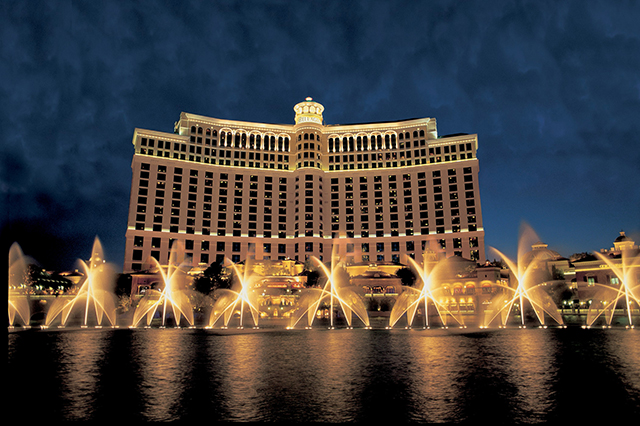
These so-called “integrated resorts” appeal to a wider audience, and are a perfect fit for today’s casino travelers, who spend most their time and money on non-gaming activities—dining, shows, shopping, cultural attractions, night life, and, other attractions. Yeah, dancing waters would be right up their alley.

This list of casino hubs – new and old, some famous, some still unsung – isn’t meant to be comprehensive, but it should give you an indication of how the casino biz is playing out at destinations near and far.

Asia

Macau, China

The Oriental Las Vegas brand held a monopoly on casino business until 2001, when foreign developers (including Wynn, Sands, MGM Grand) began construction at a furious pace. Today Macau is home to 33 casinos, six of which are the biggest in the world. The Venetian, at 550,000 square feet, is twice the size of its sister property in Vegas.  It was the casino built on what is now the ultra-swank Cotai Strip, where you will also find one of the most elaborate international resorts in Macau: City of Dreams. City of Dreams has four hotels, an interactive children’s play area, dozens of restaurants, and the House of Dancing Water.

Singapore

This No. 2 player in the region only got into the game in 2010, when two properties opened on Sentosa Island. Resorts World Sentosa boasts two casinos, a Universal Studios theme park, and the largest aquarium in the world.  Its neighbor, The Marina Bay Sands, built at a cost of $5.5 billion, is the most expensive casino resort in the world; among its features is the largest atrium casino in the world; Skypark, on the 57th floor, floor with an infinity pool overlooking the city; and a science museum.

Manila, Philippines

Entertainment City, a government sponsored development zone, is already home to four glitzy casinos, (Okada Manila boasts a $30-million fountain bigger than five Olympic-sized pools), plus a glass-domed indoor beach/ nightclub.

casino

Europe

Monte Carlo, Monaco

The most popular casino destination in Europe for more than a century, this picturesque village on the French Riviera attracts Europe’s crème de la crème. Monte Carlo offers incredible restaurants, posh hotels and opulent jewelry displays in the shop windows. Of its four casinos, the Belle Époque Casino de Monte-Carlo is the most famous, and a symbol of the city. Gambling here is high style and high stakes: one spin of the big wheel of fortune costs about $10,000 or so (depending on exchange rates).

Baden-Baden, Germany

The Kurhaus, built in 1820, is the oldest and most elegant casino in Germany.  This European casino hub is also a wellness center, with dozens of spas and thermal springs.

USA

Las Vegas, NV

133 casinos, and lots of neon. Those are the basics. Vegas is always evolving, too, and is also loading up with celebrity restaurants, shopping malls, zip lines, cooking classes and outdoor amusements to appeal to the millennial set. Oh, and they haven’t overlooked that booming Chinese market: the city’s first Asian themed casino, Lucky Dragon, is about to open and two more are under construction.

 Atlantic City, NJ

This stretch of South Jersey by the sea has always been a resort town – at one time more profitable than Vegas. In recent years, it’s been on a roll again. Mainly with revenue from non-gaming activities (too bad walking the boardwalk is free).

Other notable hubs: Tunica, Mississippi (the “Gambling Capital of the South”), Biloxi, on the Gulf Coast, Palm Springs, California and Southeastern Connecticut, home to Foxwoods and Mohegan Sun.

What are your favorite spots for casino travel? Let us know in the comments below!

Plan and book your next vacation with AAA

Subscribe to Your AAA Newsletter

Sign up and receive updates for all of the latest articles on automotive, travel, money, lifestyle and so much more!

Steer Clear of Unsafe Websites and Keep Your Credit Card Info Safe

Online shopping is just a normal part of life these days, but have you ever stopped to wonder whether the websites you’re visiting are secure before you give them sensitive credit card information? Most shopping websites are encrypted, which makes for safer browsing and shopping, but how can you tell you’re on an encrypted site? Here are some tips for steering clear of unsafe websites and keeping your information safe online.

How do I know if this website is safe?

Security breaches happen all the time, even in the biggest companies that claim to be the most secure. While there will never be a 100 percent guarantee that your information won’t be compromised, there are steps you can take to ensure you don’t visit an unsafe website.

  • Never enter a website through an email link – As a general rule, if you receive an unsolicited link in your inbox, you shouldn’t click on it. Hackers often pose as legitimate companies and then email links in hopes that an unsuspecting recipient will open them and share personal info.
  • Type in the URL by hand – Do not simply click on links if you don’t trust the source.
  • Check your status bar – Is there a lock icon in your status bar? This is a good sign that the website you are visiting is safe.
  • Make sure you shop on encrypted sites – Secure, encrypted sites will begin with “https.” Sites that begin with “http” may be fine for browsing, but they aren’t secure enough to handle your personal information.
unsafe websites

Sure signs of unsafe websites

Unsafe websites are easier to spot than you might think. We mentioned the difference between http and https above, but what exactly does it mean? Keep reading to learn about it and to answer “when is a website safe?”

No SSL certificate

SSL Certificates are data files that bind a cryptographic key to the personal details of a business. When installed on a company’s web server, the SSL certificate activates the https protocol and allows secure connections from a web server to a browser. This is most often used to secure credit card transactions, data transfers, and passwords. An online business needs to install the SSL Certificate onto its server to initiate a secure session with browsers. Once a secure connection has been established, information that is submitted to the website will be encrypted.

Legitimate business secure an SSL certificate by going through a validation process, but there are a few levels of validation. Most legitimate owners of a domain can simply pay a fee and request an SSL certificate. This does not validate the legitimacy of the business. The highest level of validation is an EV or extended validation. This proves the identity of the business owner and the legitimacy of the business. If a site has an EV certificate, it will show a green address bar with a lock icon.

Too many pop-up ads

Pop-up ads are annoying at best and potentially dangerous at worst. Most legitimate retailers won’t use them because they know that consumers despise them. If you shop on a https site with a pop-up ad, you’re probably okay, but if you’re getting one after another, take your business elsewhere. This probably goes without saying, but never click on those pop-up ads either. Clicking on ads will often bring you to a phony website, created especially to steal your personal information.

No contact information

Reputable websites will make it easy for you to contact them if you need customer support. They should be clear about their email address, physical address and phone number. If you are unsure about a website’s listed phone number, give it a call and see if you get a person on the other end. Steer clear of any online shopping experience that doesn’t have contact information on their website.

Keeping your personal information safe in the digital age

Now that you know how to spot a fake or suspicious website, you need to take a few additional steps to keep your credit card info and personal data safe.

  • Use a strong virus protection software – Phishing attacks, malware, trojan horses and viruses can all infiltrate your computer when you least expect it. You owe it to yourself and your bank account to install a powerful anti-virus software on your computer.
  • Don’t shop over public Wi-Fi – When it comes to entering credit card information, public computers and/or Wi-Fi networks are risky business. It’s best to do online shopping on your secure home network.
  • Keep some info to yourself – Online websites should never ask for your birth date or your social security number. If they do, you may want to take your business elsewhere.

Have you ever been the victim of theft or fraud because of shopping on unsafe websites? How did you handle it and what tips can you share with our readers? Share your advice in the comments section below.

Subscribe to Your AAA Newsletter

Sign up and receive updates for all of the latest articles on automotive, travel, money, lifestyle and so much more!

Credit Cards for College Students

If you’re a college student (or the parent of a college student), you may be wondering if you should apply for and use a credit card while you’re in school. Using a credit card in college is a great way to manage your finances, start building credit and earn some rewards. Credit card use does come with some risks, though, so it’s important to think and plan carefully before taking the plunge. Here’s what you should know about credit cards for college students.

Can you get a credit card with no credit?

It is more difficult, but not impossible, to be approved for a credit card if you have no credit history. If you have a job with a decent income that can be verified, you may be eligible for a credit card even without a solid credit history. Here are a few more options for college students with no credit history.

  • Apply for a student credit card – Credit cards for college students are designed specifically for college students who may not have a credit history or much income. Student credit cards usually have a low credit limit and a higher interest rate, but they are a great way to start building credit. If you are over the age of 18, have some income, and are a US citizen, you are probably eligible for a student credit card.
  • Apply for a secured credit card – Secured credit cards require a security deposit and the credit limit is usually very low. It is perfect for students who may not be eligible for other credit cards, and it’s a good way to start building credit from scratch.
  • Apply for a credit card with a co-signer – If you are unable to get credit cards for college students on your own, you may be able to apply for one with a parent or other responsible adult with good credit as your co-signer. The drawbacks to having a co-signer is that whoever you choose will have access to your credit card statements and your spending habits. If you are late or miss a payment, it will affect your credit score as well as your co-signer’s.
(Photo: © Media Bakery / MediaBakery)

How does a college student build credit?

It takes about seven years to build up a decent credit score, so the earlier you start the better. A good credit history will enable you to apply for car loans, cell phone plans, automobile insurance, and some apartment rentals. Aside from applying for your first credit card, which will begin your credit history, here are a few ways to build credit and maintain a good credit score.

  • Use your credit card for occasional, small purchases – While it may be tempting to reserve your card for emergencies only, the only way to build up good credit is to actually use your card. Consider putting small purchases like your weekly groceries or gas on your credit card.
  • Pay off your balance in full at the end of each month – Paying off your balance at the end of every billing cycle will help you earn rewards and avoid interest fees.
  • Don’t use your card for large purchases – If you can’t pay it off at the end of the month, don’t put it on your card. Large purchases like vacations, cars and tuition payments should not go on your credit card.

Make sure you understand the terms of your credit card

It’s important to read and understand the terms of your credit card before you start spending. Knowing a few important key terms and how they affect you will help you choose a credit card and spend wisely once you get one.

  • Annual Percentage Rate – If you carry a balance from month-to-month, you will be charged interest. If you think you will carry a balance, look for a credit card with a low APR. Some credit cards offer a low, or even 0 percent APR, as an introductory rate. While a low introductory rate can be a great incentive when applying for a new card, it’s important to remember that the rate will go up after six months or a year.
  • Fees – Many secured and student credit cards charge an annual fee. Other fees to be aware of are cash advance transaction fees, foreign transaction fees and late fees. Consider the likelihood of having to pay these fees before applying for a credit card.
  • Rewards – Credit card issuers often offer incentives to encourage people to apply for and use their cards. If your credit card comes with a rewards program, make sure you understand how it works so you can take full advantage of it. Rewards may include cash back on certain purchase categories or points you can earn toward travel or merchandise.

Are you a college student? Do you have any credit card tips to share with other readers? Leave a comment below. 

Subscribe to Your AAA Newsletter

Sign up and receive updates for all of the latest articles on automotive, travel, money, lifestyle and so much more!

Two Healthy Everyday Habits to Get Into

Many of us have experienced the struggle of trying to live healthier lives. We experiment with unreasonably strict diets, harsh workout routines and loads of other unrealistic expectations. But this all-or-nothing attitude has never been effective. In fact, trying to change too many of your habits too quickly may decrease your chances of sticking to a new routine.

Instead of driving yourself crazy, take things slowly and focus on the basics. Try these two healthy everyday habits. They are small changes that can make for a smoother transition to healthier living.

Healthy Everyday Habits to Get Into

healthy everyday habits
Forgo Facebook and Snapchat at least one hour before bedtime for a better night’s sleep.

Stop using social media before bed

Most of us can’t help ourselves. Right before bed, we grab our cell phones off the nightstand and do one last social media sweep, checking Facebook, Twitter, Snapchat and beyond. But the problem is that “one last look” can turn into an hour of scrolling and swiping. Why is that an issue? Heavy social media users are losing sleep.

One study showed that people who reported frequently checking their social media throughout the week, had three times the likelihood of sleep disturbances. But whether it’s trouble sleeping that causes late-night social media surfing or social media surfing that triggers trouble sleeping, has yet to be determined. Still, the implications are something to strongly consider. Stopping your electronics at least an hour before bed could help you catch up on some much-needed Z’s.

While some of our sleeping habits naturally gravitate towards night owl, that’s no excuse to use social media right before you shut your eyes for the night. There are plenty of more positive and constructive ways to pass the time. Instead of staring at more screens like the TV, your tablet or cell phone, try reading or listen to some calming music while you stretch.

Stretching before bed is one of the healthy everyday habits we recommend most. It offers a wide range of benefits, such as helping to loosen your muscles, relax your body into the evening, relieve tension and ultimately lead to a more restful sleep. If you’re particularly restless, try a calming cup of tea or some aromatherapy. But those are just a few ways to get better night’s sleep.

Wake up earlier

While many will groan at the prospect of having to wake up earlier, the truth is that early rising is a healthy everyday habit that has one major advantage over sleeping in: quiet time. Unless you live alone, it’s almost impossible to get some peace and quiet. Social media and cellphones give people access to you everywhere you go. At home, you probably share the space with kids, a significant other, a lovable (but needy) pet or maybe even all of the above. And at the office, things are no different.

But what’s so special about quiet time? Well, that one- to two-hour window before the household rises and the demands of the world come rushing in is your time to do things just for you. You can brew the perfect cup of coffee with your favorite tunes serenading you in the background or sit by the window with a cup of tea and read the paper or a new book. And for planners, this time is the perfect opportunity to make a to-do list and start planning out the day, maybe even the week. This is where stretching comes in again. A good morning stretch routine can lead to fewer aches and pains, increased blood flow and higher energy throughout the day.

Any change to your daily routine will take some getting used to. And these two healthy everyday habits are no different. However, these small changes can make a big impact on your life. You’ll find yourself more in tune with your own needs and more willing to focus on making life relaxing. Sometimes, you just have to start small to go big!

What are some healthy everyday habits that keep you energized and relaxed? Let us know in the comments below.

Subscribe to Your AAA Newsletter

Sign up and receive updates for all of the latest articles on automotive, travel, money, lifestyle and so much more!

See the Fjords on This Europe Tour Package

Dramatic fjords. Quaint stave churches. Cosmopolitan capitals. Denmark, Norway and Sweden’s charm and traditions pack every moment of this beautiful trip, taken by rail, road and water. This Europe tour package hosted by AAA Vacations will take you to another world. You’ll enjoy moments like indulging in ‘Kransekake-stenger’ cake at a working farm and pastry school in Bergen, where the hosts explain how rural life has changed since the Vikings first set up the farm.

Best Europe tour packages: Denmark, Norway and Sweden

Day 1 – Arrive in Copenhagen

Welcome to Copenhagen, Denmark, a city that was once a Viking fishing settlement and is now a blend of historic architecture and modern cultural attractions. Unwind after your arrival by checking out Copenhagen’s museums, villages and castles, or jump right into city life by checking out the shopping and entertainment opportunities nearby. Enjoy an evening drive and dinner in the city to begin your Scandinavian tour.

Day 2 – Copenhagen

Travel Europe by venturing into Denmark’s capital city. First, see the magnificent Amalienborg Palace, an elegant quarter featuring 18th-century buildings and the home to the current royal family of Denmark. After checking out the Amalienborg Museum, venture to Copenhagen’s historic center, where you’ll see the 17th century Stock Exchange, the Christiansborg Palace and the Neo-Classical Cathedral. Then, find a great photo opportunity at the Little Mermaid statue, inspired by the original Hans Christian Anderson fairytale. Towards the end of the day, take a canal cruise to see the city from a different point of view.

Day 3 – Odense

Next, visit the birthplace of the author responsible for the Little Mermaid, Hans Christian Anderson, in Odense on the island of Funen. To know more about the author, visit the Hans Christian Anderson Museum before you continue across the Jutland Peninsula and stop in Randers for the night.

Day 4 – Stavanger

Congratulations! You’ve finished the first part of this Scandinavian Europe trip. Next is Norway. Leave from the town of Hirtshals and sail across the Skagerrak to the port of Kristiansand in Norway. Then, drive to Stavanger, one of the oldest cities in Norway, and take a gander at the fjords and lakes you pass on the way.

Day 5 – Bergen

Norway’s coastline is known for its many fjords; get the perfect view as you island-hop from Stavanger to Bergen, a city on the west coast. Experience the history of the city on your tour through Bergen and a visit to the 13th century Haakon’s Hall, a history museum. Visit the bustling fish market and you’ll see why Bergen is considered an international center for acquaculture.

europe tour package
Sognefjord

Day 6 – Bergen 

Spend your last day in Bergen exploring the picturesque city and perhaps factor in the tiny village of Telavag, which is southwest of Bergen, while you’re at it. Learn what happened in Telavag in the Second World War, giving you something to think about as you travel Europe.

Day 7 – Flam Railway

Today, take an out-of-this-world train journey on the famous Flåm railway that ascends to nearly 3,000 feet above sea level. Admire the scenery of breathtaking mountains and waterfalls as you leave from the ski resort of Voss, then cross the waters of the Sognefjord to Leikanger.

Day 8 – Sognefjord (Leikanger)

The Sognefjord, or “King of the Fjords,” is the largest and deepest in Norway. Follow the Sognefjord through incredible glacier country and enjoy wonderful views of Geirangerfjord as you make your way to Geiranger village.

Day 9 – Geiranger

Spend the day relaxing in Geiranger, one of the municipalities on Geirangerfjord, and breathe in the clear mountain air surrounded by National Geographic-worthy scenery. Take an excursion along the Trolls’ Road, or Trollstigen, a serpentine mountain road in Rauma that leads you through steep mountain slopes and cascading waterfalls.

Day 10 – Lillehammer

Leave Geiranger and take a scenic drive to Ottadalen, one of the lateral valleys of the Gudbrandsdalen Valley, which was the inspiration for Ibsen’s “Peer Gnyt.” There, catch a bit of history at the traditional Stave Church at Lom, a type of medieval wooden church that was once common in north-western Europe. Next, head to Lillehammer, which hosted the 1994 Winter Olympics. Before the night ends, consider a walk along Storgata or a visit to the open-air museum at Maihaugan.

Day 11 – Oslo

In Hamar, visit the Olympic ice rink at Hamar Olympic Hall. Then, travel to Norway’s capital, Oslo, to sightsee. Visit the medieval fortress of Akershus, the Opera, the Royal Palace and the Bigeland Sculpture Park. Unwind after a long day by visiting a museum such as the Fram Polar Ship Museum or Viking Ship Museum, or shop the night away looking for souvenirs.

Day 12 – Stockholm

Congratulations! You’ve completed the second part of your Scandinavian Europe trip. Next is Sweden. Cross the border into Sweden and the city of Karlstad, which neighbors Lake Vänern. Pass Orebro to Sweden’s island-ringed capital, Stockholm.

Day 13 – Stockholm 

Finish off your trip in Sweden’s cultural, political and economic center. During your day-long stay in Stockholm, view the medieval Storkyrkan, Riddarholm Church and the Royal Palace. Visit the waterside City Hall where Nobel Prize banquets are held, and later spend time shopping in the trendy fashion stores or consider a small excursion. Tonight, dine in style to end the day with a bang.

Day 14 – Depart Stockholm

Say goodbye to Scandinavia as this chance to travel Europe draws to a close.

Have you been to Denmark, Norway or Sweden? Tell us about your Scandinavian getaway in the comments below!

Learn more about this exciting trip. 

Get in touch with a AAA travel counselor to learn about AAA Vacations and start planning your next getaway today. As a AAA member, you’ll save even more. Not a member? Join now!

Subscribe to Your AAA Newsletter

Sign up and receive updates for all of the latest articles on automotive, travel, money, lifestyle and so much more!

Tips for Cleaning Your Home’s Exterior

So, it’s time to clean your home’s exterior. The task may seem daunting, but the good news is there are several safe and effective ways to get the outside of your home looking brand-new in no time.

Preparation is key

Choose a warm, dry day with little to no wind for the job. Next, make sure all windows and doors are closed tight. Seal doors and windows with plastic or duct tape if you’re worried about leakage.

Place duct tape and plastic sheeting over vents, electrical outlets and outdoor light fixtures. Cover plants and shrubs. Clear away any lawn furniture that may be close to the house. Also, make sure to keep children and pets inside.

Treat tough stains by hand

Look the house over for any stains. Most stains can be removed by hand with soap, water and a sturdy scrub brush. Some of the most common stains are caused by mildew. These can be removed with a mix of oxygen bleach and dishwashing liquid. For each gallon of water, use one-quarter pound oxygen bleach powder and one-eighth cup of dishwashing liquid.

Use a scrub brush and wear a mask to avoid inhaling mildew spores. As when handling any kind of bleach, wear rubber gloves. If you don’t want to make your own, most hardware stores carry a slew of mildew and mold removers.

Over time, masonry and concrete can form efflorescence, a crystalline salt deposit caused by exposure to moisture. You can remove efflorescence with a strong, dry brush and a diluted solution of water and vinegar. There are also a host of commercial cleaners on the market to treat and remove efflorescence.

Rust can be removed with a good scrubbing. You can treat the area with baking soda, then give it a scrub with a wet brush. Go ahead and use sandpaper on stubborn rust stains, but be sure to wear a mask to avoid inhaling rust particles. The area may require a new coat of paint when you’re finished. You can also buy rust-removal products in stores.

Use a garden hose

You can also buy a siding cleaning kit. Many come with nozzle attachments for your garden hose. Use a scrub brush to remove any excess dirt or grime from siding and pretreat any trouble spots with cleaner.

Aim the hose at a 45-degree downward angle and apply cleaner from the bottom to the top of siding to avoid streaking. Then, rinse from top to bottom. Clean one section at a time.

Cleaning kits will often include wands, brushes, extendable handles and containers to fill with cleaner. Some come pre-filled with cleaner. A long-handle scrub brush can do wonders. You can also attach a brush extension to the end of a garden hose to reach those hard-to-get-to places. Always avoid power lines.

home's exterior

A good power cleaning

When the job calls for heavy artillery, you may choose to use a pressure washer. These can be bought or rented.

Size matters when it comes to pressure-washer nozzles. The smaller the nozzle size, the narrower the target area and the stronger the spray stream. The average exterior cleaning requires a 40-degree nozzle, which provides a safe and gentle cleaning. Test the washer out on a small section first.

To use, move the wand in a steady, sweeping motion. Stand about 10 feet away and slowly come in closer as you gauge the cleaning force of the washer. Do not use the wand closer than 2 feet away from the surface. Aim at a downward angle. Apply detergent from the bottom to the top and let it sit for five to 10 minutes. Then rinse, moving from the top to the bottom.

There are many different power-cleaning detergents on the market. Make sure to get the right one for your type of home.

Words of caution

Pressure washers are powerful tools. When used incorrectly, they can damage property and cause injury. Avoid spraying underneath siding or into gaps, which can cause water damage. And be sure to repair or replace any damaged siding before washing. Make certain to wear safety goggles.

It is best to avoid using power washers on exteriors such as stucco, brick or wood shingles. Remember to never direct a pressure washer at windows or another human being. In fact, a power washer can break the surface of the skin. (Did we mention kids and pets should stay inside?)

If using an electric power washer, keep the connections dry and don’t handle the plug when your hands are wet. Do not use a gas-powered washer indoors or without proper ventilation. And, don’t power wash a home covered in lead paint.

If you have a large home, a multi-story home or feel the job is more than you can handle, call a professional.

When is the last time you cleaned your home’s exterior? Do you DIY or leave it to the pros? Tell us in the comments. 

Learn about homeowners insurance from AAA.

Subscribe to Your AAA Newsletter

Sign up and receive updates for all of the latest articles on automotive, travel, money, lifestyle and so much more!

River Cruise Spotlight: Viking Cruises

Viking River Cruises, founded in 1997, originally began as a river cruise company, with ships traveling along the great rivers of the world, but in 2015 the company launched small ocean-going vessels. Currently, it has about 60 vessels, with cruises offered in Europe, China, Southeast Asia and Egypt. Regardless of whether you choose a river or ocean cruise, Viking prides itself on offering an intimate experience with a hotel-like atmosphere and all-inclusive pricing.

My daughter and I booked our first Viking cruise in 2016, traveling on the 930-passenger Viking Star on a 10-day trip from Athens, Greece to Venice, Italy with stops in Croatia, Slovenia and Montenegro. By the end of the cruise, we had made friends with several people onboard, even choosing to have dinner with them in various ports and making plans to stay in touch afterwards.

Amenities

Hand’s down, one of the best things about Viking cruises, whether you are on a river or ocean cruise, is that the fare is all-inclusive, from meals and beverages to shore excursions and even Wi-Fi. Of course, upgrading to things like fine wines at meals and more exclusive tours are available to purchase, but if you want to stick to a budget with no surprises at the end of your cruise, it’s very easy to do so. Even the specialty restaurants onboard are included, as is the excellent Nordic-style spa, where my daughter and I liked to relax almost daily after a long day in port.

Cabins

The Viking Star’s cabins are more than generous in size, with 270 square feet of space, and better yet, every single one has its own private veranda. Cabins all feature a king-size bed, (which can be split into two beds) separate seating area, complimentary minibar stocked with snacks and soft drinks, and bathrooms have heated floors and large glass-enclosed showers. My daughter and I had more than enough room to move around and we also appreciated the free movies on demand when we wanted some downtime. There are also several suite categories, which offer more space and more perks.

Dining

There are plenty of options to choose from on Viking cruises, including the main dining venue, simply called “The Restaurant,” which offers cuisine tied to the locations the ship is traveling to and specialty outlets like Manfredi’s, which serves outstanding Italian fare. The “Chef’s Table” restaurant is a fun concept, where you simply put yourself in the hands of the chef. There’s a set five-course menu, paired with wine, that centers on a particular cuisine or region. There are several other dining options around the ship that serve everything from salads to sandwiches, but hand’s down one of our favorites was Mamsen’s, which serves dishes from the cruise president’s mother’s cookbook. Her waffles are a particular treat, especially when you eat them with Norwegian cheeses or chocolate sauce.

viking cruises
Viking ocean ship snow grotto. (Photo: Viking River Cruises, Inc.)

Spa

While there are many similar amenities offered on Viking’s river and ocean cruises, the spa is not one of them. The Nordic-style spa on the ocean ships, which is amazingly free for all passengers, is outfitted with a salt-water-filled thermal pool, a hot tub, sauna, four heated loungers, therapeutic showers, and a “Snow Grotto.” This glass-enclosed room literally has snow falling from the ceiling periodically. The idea is for guests to go from hot to cold and back again through the various water features to boost circulation. Truthfully, it’s simply fun to go make a snowball while at sea!

Excursions and education

Every cruise includes a variety of free daily shore excursions, which my daughter and I sometimes had a hard time choosing from, because so many were tempting. Viking cruises also offers what it calls a “Culture Curriculum” program onboard, which offers a great overview of the cruise’s next port of call through performances of music and art, cooking demonstrations, port talks and guest lecturers. On land, the excellent local guides were thoroughly professional and engaging, whether we were touring the Parthenon or wandering through Dubrovnik.

River cruise ship itineraries

River cruises range from 8 to 23 days, with itineraries featuring Europe’s Rhine, Main, Danube, Seine, Rhône, Douro, Moselle, Elbe, Dordogne, Garonne and Gironde Rivers; Russia’s Volga, Neva and Svir; Egypt’s Nile; China’s Yangtze; and Southeast Asia’s Mekong.

Ocean cruise ship itineraries

Viking’s basic ocean cruises range from 8 to 15 days, with destinations to Scandinavia and the Baltic; the western and eastern Mediterranean; the British Isles; and North America and the Caribbean, as well as combination cruises of those itineraries available ranging from 22 to 50 days. A new ship, the Viking Sun, will spend her maiden season sailing the company’s first-ever world cruise, spanning 141 days and visiting five continents and 35 countries, starting in January 2018. Also in 2018, a fifth ship, the Viking Spirit, is slated to visit the Middle East, Australia, Asia and Alaska.

Have you ever sailed on a Viking Cruise? Tell us about your experience in the comments.

Book a river cruise vacation with AAA.  

Subscribe to Your AAA Newsletter

Sign up and receive updates for all of the latest articles on automotive, travel, money, lifestyle and so much more!

Keeping Your Passwords Secure With Online Password Managers

If you’re like many Americans, you probably have dozens of passwords for all of your online accounts, or maybe you have just a few passwords that you reuse over and over again. How do you organize these passwords and keep them safe? Perhaps you keep them in your head, in your filing cabinet, or on tiny slips of paper that float around your office, but have you ever tried using password managers to keep your passwords secure and at your fingertips? Whether you’ve got one password-protected account or a hundred, password managers are an easy way to keep all of your information in one easy-to-access spot.

What are password managers?

Just as the name suggests, a password manager keeps track of and manages secure passwords that you need to access your accounts. But password managers also generate random passwords that are impossible to hack into and protect your important online data — not only passwords, but also credit card information, security questions, and other sensitive information. Password managers use a single password to protect your information — that one you’ll have to remember.

How do password managers protect your data?

If you haven’t already signed up for premium protection with a password manager, you may feel better knowing you have a bit of protection with your browser’s built-in password manager. While these do offer a level of security, the companies that manage them are not transparent about how your passwords are encrypted. Browser password managers may be safe, but there’s a good bet they’re not safe enough.

Premium Password managers encrypt your data and then store it on their cloud-based servers or on your computer. The leading password managers come with a myriad of security options, from two-factor authentication options and syncing between devices to automatic password changers and protection against weak passwords.

password managers

An overview of top password managers

Premium password managers come at a price, although many companies offer a free, watered-down version without all the bells and whistles. Here’s a basic overview of some top-rated password managers available today.

Dashlane 4

Use Dashlane 4 on all of your devices — PC, Mac, iOS, or Android. Dashlane stores and monitors up to 500 passwords with secure sharing, two-factor authentication, and the ability to quickly change passwords that aren’t secure enough. The interface has a great design and is easy to use. Dashlane 4 is free to use on one device, but if you want to sync information between devices it will cost you $39.99 annually. You can easily import your existing passwords from your browser to get started.

LastPass 4.0

Like Dashlane, LastPass has the ability to change your passwords automatically, sync across devices and share passwords securely. It generates 12-character passwords automatically, and logs you into saved sites quickly and easily. LastPass also comes with a emergency access feature that allows another user to inherit your passwords if the need arises. There is a great free version of LastPass, but for the premium features it will cost you $12 a month.

Sticky Password Premium

One significant difference between Sticky Password Premium and the other password managers we’ve mentioned is that this one has the ability to save all your passwords on your own home network. One online console manages all of your trusted devices, finds and changes your weakest passwords, and imports your stored passwords from your browser. Using Sticky Password on one device is free. To sync across devices you pay $14.99 annually.

More tips for keeping your information safe online

Still not sure a password manager is right for you? There are definitely ways to go it alone. Use these tips to keep yourself safe. It’s a virtual jungle out there.

Never use the same password across accounts – There’s always a chance that one of your accounts will be hacked into, but if you use a different password for each one, the rest of your data will be safe.

Start with a sentence – The longer your password the better. Think of a sentence that you can remember and use the first letter from each word. For example – My best friend is my dog named Rover, would translate to MbfimdnR. Passwords like this are almost impossible for hackers to figure out.

Keep your passwords safe – If you’re not using a password manager to keep your passwords safe, you need to hide them away. You can write your passwords in a notebook or even put them in a filing cabinet. Do not keep them in your wallet and don’t store them in a folder on your computer.

Change your passwords frequently – Even the safest website can be compromised. One of the best ways to prevent fraud and identity theft is to change your password often — at least every 90 days.

Password managers are a simple and affordable way to keep your passwords and sensitive data safe online. While they aren’t your only option, they make a time consuming task much more manageable.

Do you use a password manager to keep your information safe? Are they a useful solution or more trouble than they’re worth? Share your thoughts in the comments section below.

Subscribe to Your AAA Newsletter

Sign up and receive updates for all of the latest articles on automotive, travel, money, lifestyle and so much more!