Q&A With AAA Northeast’s Car Doctor: February 2025

Q. I purchased a Ford Explorer when they came out more than 20 years ago and it was a great vehicle. About 10 years later I purchased the redesigned model and found it was lacking in several areas. I’m looking at the latest Explorer, what are your thoughts on the newest model.

A. Based on my most recent experience, this may be the best Explorer that Ford has built to date. The optional 400 horsepower turbo-charged V-6 engine is smooth and powerful, the newly redesigned 10-speed transmission shifts smoothly and is nicely matched to the engine. The model I evaluated was the “platinum” trim and it was very luxurious. As a three row SUV, Ford did a great job with this newest Explorer.

Q. My 2013 Honda CRV with 145,400 miles has a check engine light that goes on and off. The code indicates it needs a new catalytic converter. My mechanic quoted me $1,200 for an aftermarket part and $1,800 for a Honda part purchased from the dealer. Is it wise to repair the vehicle and if I decide to do the repair should I use the factory part or can I save money with the aftermarket part?

A. If you plan to keep the car for any length of time, it makes sense to repair it. I have found it is always better to go with original equipment when it comes to catalytic converters. Some aftermarket converters work fine (AP, WALKER, DORMAN are good ones) but many readers and shop owners have told me of problems with some bargain converters. I have seen replacements as low as $200. Also, there are two catalytic converters on this car. If your shop is confident with their diagnosis and comfortable with their aftermarket supplier and can save you $600 then it seems like an easy decision.

Q. My daughter just traded in her Porsche GTS with 110,000 miles. It needed brakes all around. The shop said that everything was frozen under there, and not even a fire wrench could get things apart. They blamed it on the snow prep they use on the roads in Connecticut. You wouldn’t believe the cost for brakes, it was astronomical. Then the next issue was $4,000 for air bag sensors. But here’s the kicker. My daughter was told that a Porsche is not meant to be a family car. Your thoughts please.

A. I remember having dinner with the president of Porsche when we hosted him at my press association. At the time they were introducing the Cayenne and telling us how Porsche is now not just a seasonal sports car company but a true all-weather car.  You didn’t mention what model GTS, is the 911 GTS a family car, well not really since the rear seat is mostly unusable. In fact, the rear seat in a 2025 911 is a no-cost option. But the Cayenne and Panamera certainly could be family cars. It is also interesting to note that today, Porsche sells more SUVs than sports cars. Because they can be fun, fast and great handling family cars.  Now the rust issue could be the pretreatment chemicals being used on the roads. Salt has been replaced by magnesium chloride in many states. It provides exceptional ice melting capabilities and in brine form lowers the freezing point of water. This chemical adds to road safety but is corrosive to both metal and concrete. 
Q. I am the original owner of a 2003 Ford Escape XLT 3.0L Duratec V6 with only 60,000 miles. The vehicle is always parked outside; waxed and well maintained. Over the last year — after steady or heavy rain, water enters the driver’s side floor beneath the rug.  The carpet above the pedal, close to the firewall and the floor itself is always wet. The top of the windshield is dry. I caulked any space I thought would be suspect on the windshield. My local garage blew out the drain lines from the sunroof. Where else should I look? 

A. My first thought was also the sunroof drains. I would double check that the drains are truly draining outside of the car. Open the sunroof and pour water into the open sunroof tray, you should be able to see the drain holes. The issue may be the water may not be draining outside of the car. The other common area is the seal at the cowl is leaking. Also make sure the AC evaporator is draining.  The cowl can leak into the evaporator and if the drain is clogged things get wet. Testing can be performed with low pressure water. When I looked for leaks, I used to use a garden hose hooked up to a shower head and would work my way up from bottom to top and look for the leak. What you can also try is turning the heater fan on full blast and with a spray bottle with soapy water, spray body seams and look for bubbles. The last thing is professional help. Some dealers use freelance wind and water leak techs. Some of these folks use ultrasonic tools to find leaks and even smoke machines to find leaks.

Q. I recently purchased a Tesla Model 3, used with only 9,000 miles on it. Any advice for winter use?

A. Preconditioning the cabin while the car is plugged in helps maintain battery range. I would avoid using regenerative braking in the snow. It is like applying the brakes and can cause a skid.  Also, unless this Model 3 is all wheel drive, winter tires or all weather (not to be confused with all season) tires are needed. Even with the weight of BEVs, tires provide traction. Some single motor EVs are rear wheel drive and with the instant torque of an electric car can easily skid. Similar to a gas car, where we recommend for winter to top off your fuel tank, top off your car’s battery. Electric cars are great when stuck in traffic since they use very little electricity, but starting the day with a battery at 90 percent will help prevent running out of electricity. Also, if you rely only on public charging, these stations can get crowded (especially with ride hailing drivers) if there is a prediction of extremely cold /wintery weather.

Q. I have a 2013 Nissan Sentra, I purchased four new sets of wipers, they all make a tremendous amount of noise.  My mechanic suggested new wipers again, which we did, and the blades still chatter. What can we do?

A. I would start with cleaning the windshield. I have used Bon Ami powdered cleaner or Bar Keepers Friend to remove any waxy film and deposits. Then follow up with a good window cleaner. The Car Doctor’s wife is a fan of SprayWay. Once you have purchased quality wipers, the next step is making sure the wipers are perpendicular to the windshield. Over time the arms bend and no longer provide good contact to the windshield. Sometimes just tweaking the wiper arms using an adjustable wrench as a tool can quiet the noise and chatter. If all of this does not work you may need to replace the wiper arms, which may not be keeping enough tension against the windshield.

Subscribe to Your AAA Newsletter

Sign up and receive updates for all of the latest articles on automotive, travel, money, lifestyle and so much more!

Northeast Gasoline Prices Frozen in Place 

On the one hand, stubborn inflation, tariff fears and expectations for higher interest rates in the coming months are acting as headwinds for oil and gas markets, holding prices down on the assumption of weaker economic activity. On the other hand, markets reacted positively last week to stronger demand and headlines describing peace discussions in the Middle East and between Russia and Ukraine. Overall, crude oil prices ended marginally lower last week — the fourth straight week of declines — and the price for U.S.-produced oil is now 9.1% lower than in mid-January. 

Meanwhile, gasoline demand rose last week to a healthy 8.57 million barrels a day, according to the Energy Information Administration. That’s an increase of 250,000 barrels a day week over week. That’s higher than the comparable weeks of 2023 and 2024, and demand so far in 2025 has outpaced last year by roughly 1%. Higher demand is music to the ears of domestic refiners, who have been increasingly concerned about the potential for an oversupply of winter-blended fuel before they officially switch to producing summer blend by April. National inventories of gasoline fell last week by 3 million barrels, which was the first drop in supplies in three months. 

“Refiners are beginning the process of emptying their tanks of winter blend and transitioning to summer blend production,” said Jillian Young, director of public relations for AAA Northeast. “Historically, pump prices start climbing in the late weeks of winter, but this year, regional prices are staying put so far, thanks to cheaper oil and sizable gasoline inventories.” 

AAA Northeast’s Feb. 17 survey of fuel prices found the current national average up 3 cents from last week ($3.13), averaging $3.16 gallon. Today’s national average price is 5 cents higher than a month ago ($3.11) and 12 cents lower than this day last year ($3.28). 

Region Current Price* One Week Ago One Month Ago One Year Ago 
Connecticut $3.08 $3.08 $3.06 $3.27 
New Jersey $3.02 $3.04 $3.04 $3.23 
New York $3.17 $3.17 $3.15 $3.30 
Massachusetts $3.03 $3.03 $3.02 $3.19 
Rhode Island $3 $3 $2.97 $3.14 

*Prices as of Feb. 17, 2025 

As of Feb. 17, Mississippi and Oklahoma had the lowest prices in the nation at $2.67 and $2.71 respectively. California and Hawaii held the highest prices in the nation this week at $4.84 and $4.53, respectively.  

The AAA Gas Prices website is your resource for up-to-date fuel price information. Search for average gas prices on national, state and metro levels by regular, plus, premium and diesel.  

Subscribe to Your AAA Newsletter

Sign up and receive updates for all of the latest articles on automotive, travel, money, lifestyle and so much more!

The Rules of Dealing With a Tailgater

It’s frustrating when a slower driver keeps you from getting where you need to go, and it might be tempting to tailgate, but that’s never a good idea. To avoid being a tailgater all you need is an attitude adjustment and a lighter foot on the gas.

The problem comes when someone is riding your bumper so close you cringe every time you brake. You can trust your AAA insurance policy to protect you if you are involved in a crash, but these tips from the AAA Foundation for Traffic Safety will help you avoid and safely deal with tailgaters before the situation escalates.
Keep Calm and Drive On

The most important rule when dealing with a tailgater is to stay calm. That’s likely not your first reaction, but it’s the best one.

Your initial response is probably some combination of anger at the driver who is way too close and anxiety over the possibility they’ll hit you. Let those emotions pass. If you react with anger or fear and start driving erratically, you’ll only make the situation worse. Continue driving the speed limit, stay cool and obey traffic signals.

When You Need to Brake, Take it Slow

Tailgating is dangerous because it reduces the space between cars to an unsafe distance. If you suddenly hit the brakes, the tailgater may not have enough time to react and slow down before hitting your car.

If you’re being tailgated, be extra cautious when you brake. Don’t slam on the brakes for no reason – and certainly not to be spiteful. Unless it’s an emergency braking situation, brake gently. You want the tailgater to see you slowing down and have enough time to slow down as well.

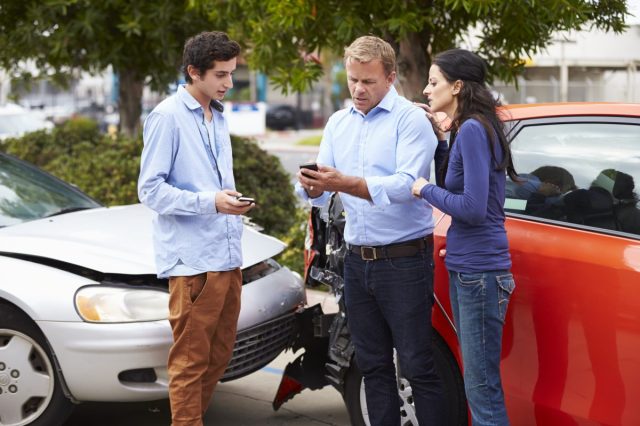
If you do happen to get into a fender bender or worse, file an insurance claim if needed and remember AAA Roadside Assistance is available 24/7 if you need a tow.

dealing with a tailgater

Get Safely Out of the Way

If you’re on a multi-lane road and it’s safe to move to another lane, put on your turn signal and get out of the way. This is the easiest way to deal with a tailgater and end the situation. The driver behind you is being unsafe and if you can solve the problem simply by switching lanes, then do so as soon as possible. If there’s not another lane, consider turning into a parking lot.

It might be tempting to get angry at the tailgater and not let them pass. Don’t let your emotions get the best of you. Tailgating is a dangerous and aggressive driving tactic.

Aggressive driving, defined by the National Highway Traffic Safety Association as a combination of moving traffic offenses that can endanger other people or property, is often the result of road rage and a major factor in fatal highway collisions each year.

A 2009 study by the AAA Foundation for Traffic Safety based on the NHTSA’s Fatal Accident Reporting System, found that aggressive driving played a role in 56% of fatal crashes from 2003 through 2007. And according to recent NHTSA data, “following improperly” is among the top aggressive driving behaviors associated with fatal crashes.

It’s far easier to change lanes and let a tailgater pass than become one of those statistics.
Drive at a Comfortable Speed 

There’s the chance you’ll be tailgated on a road where there’s no safe way to let the tailgater pass. If you’re doing the speed limit, don’t speed up. No matter how impatient the driver behind you is, do not break the law and go faster than posted speed limits.
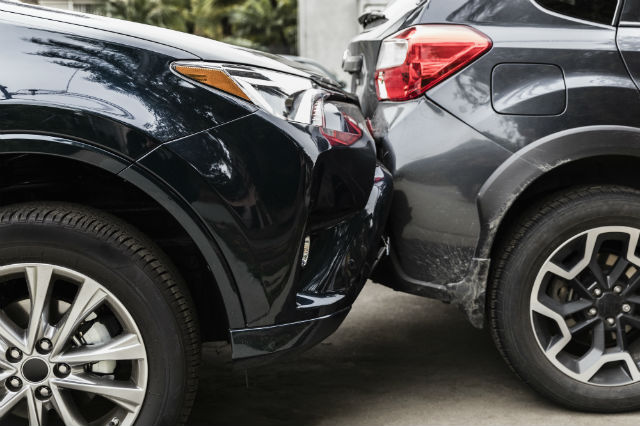
Driving at a speed where you’re confident and in control of your car is key. Do not be pressured into driving outside your comfort zone. That’s simply swapping one unsafe situation for another.

Avoid Confrontation

You’ve been glaring at the driver in your rearview mirror for 10 minutes when there’s finally room for him to pass. Fine. Let him pass, but don’t give him dirty looks or make rude hand gestures to let him know exactly how you feel about his tailgating as he speeds away. Responding to an aggressive driver with more aggression is not a responsible way of dealing with a tailgater.

Engaging an aggressive driver could escalate the situation into something even worse. The sooner the tailgater drives away, the better.

Aggressive driving tactics like tailgating are nerve-wracking. Keep calm, don’t overreact, and let the tailgater pass when possible so everyone safely arrives at their destinations.

How do you deal with a tailgater (safely)? Tell us in the comments.

This article has been updated and republished from a previous version.

Subscribe to Your AAA Newsletter

Sign up and receive updates for all of the latest articles on automotive, travel, money, lifestyle and so much more!

File Taxes ASAP, Get Your Refund Sooner

budget wise

Tax season runs from January 26 to April 15. Why wait until the last minute?

Procrastination and Taxes

One in five Americans claim they do not feel prepared to file their taxes in 2026 and 29% admit to waiting until the last minute to file, according to a report by IPX1031. Some of the top reasons for procrastinating include not knowing the tax deadline, wanting to ensure accuracy and finding the process too complicated, stressful and time-consuming.

Filing taxes can sometimes be frustrating and confusing, but it doesn’t have to be. Getting an early start on tax season can help give you the leg up you need.

Why File Early?

Last year’s average tax refund was $3,167, according to the IRS. That’s a significant chunk of change, and you could get it earlier if you file your taxes early.

When you file early, you’ll have far less stress to deal with during tax season. Since you have time to collect all of the documents and information you need, you won’t have to suffer through the last-minute scramble.

Taking the extra time to plan ahead and assemble all the necessary documents can make your life a lot easier. As soon as your tax forms start arriving in the mail, put them in a safe place like a file box or folder. Don’t forget to save your receipts from any tax-deductible purchases throughout the year.

tax season

When you prepare ahead of time and file early, you’ll most likely submit a more accurate return. The more accurate your tax return is, the more likely you are to get the refund to which you are entitled.

Filing early can also help to avoid tax fraud. Fraudsters have a habit of submitting phony tax returns with stolen Social Security numbers early on in the season. When you file your taxes early, you can beat them to the punch.

Some people procrastinate on their taxes because they’re worried that they’ll be hit with a tax bill instead of a refund for that year. But filing early will still help even if you wind up owing money. If you’re hit with a tax bill early on in tax season, you have more time to decide what payment plan is right for you.

Need Help?

Many people wait to do their taxes because they’re intimidated by the process, but filing your taxes doesn’t have to be hard. Software like TaxAct is designed to help users navigate the complexity of taxes with ease and accuracy.

AAA members can save 25% on tax prep and filings with TaxAct.
When do you usually start doing your taxes? Let us know in the comments below.

This article has been updated and republished from a previous version.

Subscribe to Your AAA Newsletter

Sign up and receive updates for all of the latest articles on automotive, travel, money, lifestyle and so much more!

Quirky Museums Near You

Museums exist for almost every interest. While there’s the usual natural history and art museums, there are also many Northeast museums dedicated to eccentric subjects, from puppets to stamps to sharks.

For curious visitors and unique hobbyists, here are 12 off-the-beaten-path museums in the region. Most on this list can be perused in an hour, making them good pitstop attractions. Plan your visit ahead of time, though, as admission hours of these quirky museums vary widely. 

Connecticut

Ballard Institute and Museum of Puppetry

Storrs

This museum houses some 3,000 puppets from around the world and regularly hosts performances, workshops and forums. Connected with the University of Connecticut’s School of Fine Arts, the Ballard Museum seeks to educate visitors about the history and future of this revered theatrical artform. Admission to the museum is free.

Lock Museum of America

Terryville

Here you’ll find the largest collection in the world of locks, keys, handcuffs and ornate door hardware, with many pieces of the collection made in Connecticut. Housed in what was once the headquarters for an important lock-making company, the museum also periodically hosts escape room challenges. Admission: $3-$5.

Massachusetts

Museum of Printing

Haverhill

Experience 500 years of printing history, from antique printing presses to word processors. The museum houses many exhibits, including what may be the world’s only collection of phototypesetting equipment. Admission: Free for students and Haverhill Library card holders; $10-$15 for others.

National Streetcar Museum at Lowell

Lowell

This small museum is a hands-on exhibit dedicated to trolleys and other street cars. The museum is housed within the Lowell National Historical Park’s visitor center, and visitors can hop on the park service’s free trolley service at certain times of the year. If you like this museum, it is part of a larger network of streetcar museums, which includes exhibits throughout New England and New York. Admission: $2-$3, cash/check only if purchased at the museum.

Spellman Museum of Stamps and Postal History

Weston

This quirky museum at Regis College is born from the stamp-collecting passion of a globetrotting Catholic cardinal. It contains a large library of national and international stamps, as well as exhibits on the history of stamps and Massachusetts post offices. The gift shop will be an important stop for any stamp collector. Admission: $2-$8; $20 maximum for families.

New Jersey

The Museum of Early Trades & Crafts
Courtesy of the Museum of Early Trades & Crafts

Museum of Early Trades & Crafts

Madison

This museum focuses on the work of past generations of New Jerseyans, from farmers to blacksmiths to millworkers. It also hosts many different hands-on learning opportunities for makers of all ages. Admission: $3-$6; $15 maximum for families.

Yogi Berra Museum & Learning Center

Little Falls

While this museum on the Montclair State University campus is dedicated to the great, oft-quotable legacy of one of baseball’s greatest catchers, it also offers many opportunities for hands-on learning opportunities on sports science and thoughtful discussions on baseball’s racially segregated past. Admission: $10-$15; free for members of the military and Montclair students.

New York

The AKC Museum of the Dog

Manhattan

Hosted by the American Kennel Club, this museum highlights artwork dedicated to our canine companions. Here you will find watercolors, bronze sculptures, textile art and interactive exhibits, all focused on the foibles and exploits of four-footed best friends. Admission: $5-$15.

H. P. Sears Oil Co., Inc. Service Station Museum

Rome

This roadside attraction is dedicated to a time when gas stations were full-service stops. In the mid-20th century, there were several dozen of these distinct red, white and blue art-deco service stations in the Northeast, but this is the only fully restored station left. Visitors can also explore a small showroom of antique gas station paraphernalia when it is open. Admission is free.

Museum at Bethel Woods

Bethel

This museum is dedicated to the legacy of the Woodstock Music Festival of 1969, which took place on the same property when it was privately owned farmland. Exhibits include a lot of psychedelic artifacts, film clips of the festival and oral histories from those who were there. Bethel Woods also continues to host music festivals, of course. Admission for the museum is $5-$22.69.

Rhode Island

Courtesy of the Artillery Company of Newport

The Artillery Company of Newport Museum

Newport

This museum is housed in the headquarters of a now-ceremonial Rhode Island militia that dates back before the American Revolution. Here, you will find an eclectic mix of military artifacts, including a bronze cannon cast by Paul Revere and VIP military uniforms from dignitaries of England, Egypt and Jordan. Admission is free.

Living Sharks Museum

Westerly

Dedicated to advancing shark preservation through education, this small museum stakes its claim as being the first shark museum in the United States. It features artifacts from around the world, including an exhibition on the movie “Jaws” in celebration of its 50th anniversary in 2025. Admission is free.

Save on museums and more with AAA Tickets.

Do you have a favorite quirky museum in the area? Tell us about it in the comments.

Featured photo: Courtesy of Bethel Woods Center for the Arts.

Subscribe to Your AAA Newsletter

Sign up and receive updates for all of the latest articles on automotive, travel, money, lifestyle and so much more!

Pedestrian Safety Crisis Worsens as Fatalities Rise 

New research from the AAA Foundation for Traffic Safety reveals concerning trends in pedestrian fatalities in the U.S., which have soared by over 80% in the past 15 years. There have been 7,522 fatalities nationally in 2022, after reaching a historic low of 4,109 fatalities in 2009.  

Almost the entire increase in pedestrian deaths has occurred on urban arterial roads, after dark. These busy roads are typically built to quickly move a lot of traffic in urban and suburban areas while still allowing access to local streets. This means pedestrians and vehicles often share congested roads that are not always well-lit or have appropriate sidewalks, crosswalks or traffic signals. 

Researchers uncovered that a disproportionate number of these pedestrian deaths occurred in socially and economically disadvantaged neighborhoods. Many residents in these areas depend heavily on walking, especially to reach public transportation. Cities and suburbs continue to grapple with several challenges when it comes to implementing the necessary infrastructure upgrades needed to make roads safer in these communities. AAA urges planners, public health professionals, legislators and traffic safety practitioners to work together to reverse these deadly trends.   

The study also identified several interconnected factors in these crashes, including a lack of safe crossing locations, high pedestrian crossing volumes and poorly lit roads without continuous sidewalks. 

“Reducing the spike in pedestrian deaths requires data-driven investments made where they can have maximum impact,” said Jillian Young, director of public relations for AAA Northeast. “Drivers and pedestrians alike must behave appropriately on the road. But, to truly move the needle on safety, policymakers must invest in road improvements in communities where a disproportionate number of pedestrians are hit and killed.” 

AAA recommends a Safe System approach, which considers the need to address both human and infrastructure factors, reducing crash severity through safer roads, vehicles, speeds and road users.  

AAA reminds drivers to do their part as well: 

  • Rember to stay alert. Engaging in risky driving behaviors such as speeding, texting, driving while drowsy or distracted or driving under the influence of cannabis or alcohol significantly increases the risk of a collision. Follow speed limits, keep your smartphone out of reach and only drive when sober.   
  • Do not rely on pedestrian detection systems to prevent a crash. This technology should only serve as a backup, not a replacement for an engaged driver.  

Drivers are responsible for yielding to pedestrians, but those traveling on foot should also be vigilant. Pedestrians should use caution by staying on sidewalks and using crosswalks as often as possible. Always obey traffic signals, look both ways before crossing the street and do not walk and text. 

Read the full report here.     

Subscribe to Your AAA Newsletter

Sign up and receive updates for all of the latest articles on automotive, travel, money, lifestyle and so much more!

The History of the Presidential State Car

“However, I believe it will do no harm to accept your invitation. It may prove an interesting experience.” —William McKinley

With those words the 25th president of the United States became the first to ride in an automobile while in office. It was the late 1800s and McKinley was accepting an invitation from O.F. Stanley, who had invented a “steam-propelled horseless carriage.”

History tells us McKinley did not enjoy his ride, which shouldn’t come as much of a surprise. After all, open-air vehicles driving on rough roads were not overly conducive to a luxurious experience. Fortunately for the commanders in chief to follow, the presidential driving experience has come a long way.

There are few, if any, vehicles that have earned as much reverence and intrigue as the presidential state car, and for good reason. Each one is both innately historic and one-of-a-kind. You do not need to be a historian or car aficionado to appreciate them.

These cars tell stories — about the presidents who rode in them and the country they oversaw.

FDR's sunshine special - presidential state cars
Franklin D. Roosevelt’s “Sunshine Special.” (From the Collections of The Henry Ford)

Franklin D. Roosevelt’s Lincoln Model K

During the early 1900s, U.S. presidents were driven around in standard production cars available to the general public, or at least the segment of the population that could afford such a vehicle back then. It wasn’t until Franklin D. Roosevelt’s presidency that the Secret Service began using specially built official state cars.

FDR’s tenure as president initiated the thought of customizing presidential vehicles for improved security and convenience for two specific reasons. In 1933, Roosevelt survived an assassination attempt as he was giving a speech from the back seat of his open touring car. He also needed a vehicle his wheelchair could get in and out of easily. And so, in 1939, the Lincoln K state car was introduced. Dubbed the “Sunshine Special” due to the fact FDR loved to ride with the roof down, the car came outfitted with a two-way radio as well as handles and extra-wide running boards that Secret Service agents could use to ride outside the vehicle.

After the Japanese attacked Pearl Harbor in 1941, security concerns ramped up even more. As such, the Sunshine Special went back to the factory where armored doors and bullet-resistant tires and gas tank were added. While that was happening, FDR used an armored limo that, according to the Secret Service, originally belonged to Al Capone. The Department of the Treasury had seized the vehicle years prior on a tax evasion charge.

Did you know? Theodore Roosevelt was the first president to ride in an automobile during an official procession, doing so in Connecticut in 1902.
presidential state car
The Lincoln Bubble-Top used by Harry Truman, Dwight Eisenhower and John F. Kennedy. (From the Collections of The Henry Ford)

The Lincoln Bubble-Top

President Harry Truman inherited the Sunshine Special, but by 1950 he was allowed to choose his own car. Rumor has it that Truman held a grudge against General Motors after the manufacturer refused to give him access to their cars during the 1948 presidential campaign. Therefore, Truman stuck with Lincoln and opted for the marque’s Cosmopolitan model.

Truman used the car for the remaining two years of his presidency. However, the vehicle is more closely associated with his successor, Dwight Eisenhower. It was the 34th president that had the car outfitted with its famous bubble-top roof so that spectators could see him when the top was up.

Kennedy Presidential State Car
President John F. Kennedy stands in the back of the presidential limousine (Lincoln-Mercury Continental convertible) during commencement for the United States Air Force Academy in June 1963. (Courtesy of the John F. Kennedy Presidential Library and Museum)

John F. Kennedy’s Lincoln

The most famous presidential state car played a role in one of the darkest moments in U.S. history — John F. Kennedy was riding in a 1961 Lincoln Continental when he was assassinated in 1963.

The car’s bold styling, featuring a low-slung body and suicide doors, personified the young, forward-thinking president. It was customized with a phone system and a mechanism that elevated the passenger seat to allow spectators a better view of the president.

But as aesthetically pleasing as the Lincoln was, it did not have any serious protective features. While the vehicle did come equipped with a clear plastic bubble-top, it was not bulletproof.

Lyndon B. Johnson’s Updated Continental

After President Kennedy’s assassination, it was clear the presidential limo needed a substantial update. The problem was, there was no time no wait for a new car. Lyndon B. Johnson needed a vehicle right away.

Instead, the ’61 Continental was stripped down and built back up stronger and more formidable than ever. Titanium was added to the vehicle’s body, the windows were bullet resistant and a permanent, bulletproof roof was installed. The car remained in use through LBJ’s presidency and into Richard Nixon’s term in office. It now resides in the Henry Ford Museum, along with several other presidential state cars. (Lincoln is a division of Ford Motor Company.)

presidential state cars - reagan's lincoln continental
Ronald Reagan’s Lincoln Continental. (From the Collections of The Henry Ford)

Ronald Reagan’s Cadillac

Presidents Nixon, Gerald Ford, Jimmy Carter and Ronald Reagan would all use variations of the Lincoln Continental. The presidential state car didn’t see a model change until Reagan switched to a Cadillac Fleetwood limousine in 1983. (Aside from George H.W. Bush’s Lincoln Town Car, Cadillacs have been used ever since.)

Modifications of the car included a raised roof that made it easier for the president to see the crowds. The new vehicle’s introduction also ushered in new safety protocols. Beginning with the Fleetwood, presidential cars were only used for official state business and, because of security concerns, this would be the last such vehicle to be preserved.

Did you know? The Lincoln Continental was involved in three presidential assassinations or assassination attempts. In addition to JFK, the vehicle was used to rush Gerald Ford to safety during a 1975 attempt in San Francisco and was the car Ronald Reagan was getting into when he was shot in 1981.

High-Tech Limos: Modern Presidential State Cars

Security measures escalated at a considerable pace in the 1990s. President Bill Clinton’s Fleetwood did not have running boards or a sunroof for safety reasons. It did, however, have telephones, internet access and satellite communications, all of which were considered extremely high-tech to have in a car in 1993.

President George W. Bush’s Cadillac DeVille marked an important milestone in presidential car history: It was the first such vehicle not to be based on a commercial model. Instead, it was built to the specifications of the Secret Service. In fact, by 2001, Cadillac wasn’t even producing cars that could be converted into limousines. It’s speculated that the “DeVille” was actually built on the chassis of one of General Motors’ full-size SUVs. Either way, the car was equipped with an infrared night vision system, 5-inch-thick armored doors and a self-contained passenger compartment with its own secure air supply.

President Obama’s Cadillac lived up to its moniker of “The Beast,” weighing 15,000 pounds. The blast-resistant limo had Kevlar-reinforced tires and 8-inch-thick rear doors as heavy as the main-cabin doors of a Boeing 757. The vehicle also carried tanks of oxygen and bags of type AB negative blood (Obama’s blood type).

Did you know? When the president travels, all the vehicles in the presidential motorcade are transported via U.S. Air Force planes.

Get more automotive history.

Featured image: John F. Kennedy’s presidential limousine. (From the Collections of The Henry Ford)

This article has been updated and republished from a previous version.

Subscribe to Your AAA Newsletter

Sign up and receive updates for all of the latest articles on automotive, travel, money, lifestyle and so much more!

Find a Tow Truck Anytime, Anywhere

A tow truck is one thing we never think about until we need it. And try as we might, that need will come. It is almost inevitable that at some point, you’ll have trouble with your vehicle and will require roadside assistance from a tow truck service. When that time comes, it’s common to be in a stressed and panicked state. Knowing ahead of time how to find a tow truck can go a long way toward getting you and your car off the road in a safe and timely manner.

When dealing with a broken down car, there are a number of situations that require proper action, including getting off the road safely, requesting a tow truck service near you, and having you and your vehicle picked up and dropped off.

Here are the important things to know when you need to find a tow truck near you.

Digital Roadside Request

24/7 road service at your fingertips.

Learn More
What should I do if my car breaks down and I need a tow truck service?

If you’re driving and your car suddenly fails, slow down and pull over to the shoulder of the road. Make sure you are out of the flow of traffic. When you are in a safe spot, request roadside assistance. Look for street signs or, if you’re on a highway, mile markers or landmarks. This will help the tow truck driver find you.

Here are some other tips to prepare for your tow truck service:
  • Remain with your vehicle. Under most circumstances it is safest to remain in your vehicle until a law enforcement officer or road service provider arrives.
  • Have your information ready. This includes your AAA membership number, the phone number where you can be reached, a description of your vehicle — color, make, model and year — and license plate number.
  • Verify your tow truck service provider. When your tow truck arrives, verify the name of the provider. AAA personnel should display an approved AAA emblem on their vehicles or produce identification.
  • Describe the situation. In addition to detailing the problems with your vehicle, make sure the service provider is aware of any circumstances that may require special towing or transport considerations, such as unusual vehicle, large number of passengers, infants and medical needs and whether your vehicle uses diesel or an alternative fuel.
find a tow truck

Does AAA offer towing?

Yes, as part of AAA Roadside Assistance, members have access to 24-hour tow truck service.

You can use the AAA app to find a tow company near you and track the driver as they are on their way. Download the app now.

How far will AAA towing take my car?

Those with a basic level membership receive up to 3 miles of towing per call per year included in their membership. Plus members receive 100 miles of towing for each roadside assistance call, while premier members get also 100 miles of towing per call with one tow up to 200 miles.

How can I find a tow truck near me?

Wherever you are when when your car breaks down, AAA will come to you. There are two easy ways to request a tow truck. One is by simply calling the number on your AAA membership card. You can also request assistance online. AAA’s digital roadside assistance request system is fast and easy to use.

What should I do after my tow truck service has taken possession of my car?

Tell the service provider the repair shop where you want your vehicle taken. If you don’t have one in mind, ask the operator if there is a nearby AAA Approved Auto Repair facility.

One member is allowed to ride to the repair shop with the tech in the AAA fleet truck, but both must wear facemasks. AAA can also help to arrange transportation to get you where you’re going safely.

Find a tow truck near you.

This article has been updated and republished from a previous version.

Subscribe to Your AAA Newsletter

Sign up and receive updates for all of the latest articles on automotive, travel, money, lifestyle and so much more!

So Far, FAFSA Filings Proceeding Smoothly

It seems like the kinks in last year’s Free Application for Federal Student Aid (FAFSA) have been ironed out.

When word got out in 2023 that the U.S. Department of Education planned to overhaul and simplify the FAFSA, parents and colleges anticipated an easier filing experience.

But it didn’t work out that way. The new form was plagued by problems. Usually released by Oct. 1, it was delayed until December 2024 and then final award decisions were late. With no word on financial assistance, students were forced to put off finalizing their choice of schools, and colleges had to push back deadlines for deposits, a stressing situation for schools and families.

“Families need a good window to compare different offers,” noted Donald Kerr, director of student lending and college services for AAA Northeast.

Fortunately, year two is going better, said Kerr, whose department helps families complete the FAFSA form. While there was a slight delay in releasing the 2025-2026 form, some families were able to access it in November, he said. This means students will get their award letters in time to make informed decisions.

AAA Is Ready to Help

Students seeking federal grants and loans to pay for college must fill out the FAFSA form annually to determine whether they qualify for financial aid, based on their family’s income. Many colleges also use the form to decide how much aid they award students.

Last year, not only was the FAFSA’s release delayed, but many completed forms had to be reprocessed. The original FAFSA formulas did not account for increases in the cost of living and inflation, which meant that some families qualified for more aid, according to Kerr.

Among the goals of the revamp was to reduce the number of questions and make the form easier to complete, so more families would submit it and more would qualify for aid. Before the revisions, families spent as long as an hour completing the FAFSA; most people can do it now in 20 to 30 minutes, Kerr said. AAA staff can also help members complete the forms. Because the FAFSA form is available online, Kerr said he and his staff have been able to assist more people virtually.

AAA staff members strive to assist members throughout the college process, from applications to graduation, according to Kerr. AAA’s Pivotal College Years portal provides information about colleges, how to apply and careers.

“We help with the financial aid process, finances, and then, when students graduate, we provide advice about repaying student loans,” Kerr added.

The student lending and college services department may be small, but it has more than 50 years of experience in financial aid, Kerr pointed out. They also offer webinars on financial aid topics. “Besides our experience, we keep in touch with members, we prepare ahead of the season and get ready for different changes so we can give members the expertise and guidance they need,” according to Kerr. “If we don’t know something, we make sure members know where to get it. We have more ability to help more people.”

Have you recently filled out the FAFSA form? Tell us about your experience in the comments.

Learn more about AAA Student Lending.

Subscribe to Your AAA Newsletter

Sign up and receive updates for all of the latest articles on automotive, travel, money, lifestyle and so much more!

Northeast Gasoline Prices Stuck in Neutral 

Regional supplies of gasoline rose by 3.5 million barrels last week as cold, wintry weather kept a lid on gasoline demand, which isn’t unusual at this time of year. Supplies now stand at 700,000 barrels above the five-year average and 2.2 million barrels higher than the comparable week last year.  

The price of crude oil, which accounts for more than half the cost to produce gasoline, fell last week by about 3% after President Donald Trump’s 10% tariff on Canadian oil imports was delayed by 30 days. 

While supply and demand help keep prices in check in the snowy Northeast, early signs of spring are popping up in petroleum markets. Mere weeks remain before U.S. refiners begin to transition to production of summer-blended fuel, which is more expensive to produce than the gasoline served to motorists in the winter. The higher costs are beginning to appear in futures markets, with prices for March delivery of gasoline climbing last week by about 2.5%. 

“Petroleum markets are in the midst of the winter doldrums as Americans drive less than any other time of year,” said Jillian Young, director of public relations for AAA Northeast. “Production has held steady all winter, which is keeping supplies up and prices down — for now.” 

AAA Northeast’s Feb. 10 survey of fuel prices found the current national average up 4 cents from last week ($3.09), averaging $3.13 gallon. Today’s national average price is 7 cents higher than a month ago ($3.06) and 5 cents lower than this day last year ($3.18). 

Region Current Price* One Week Ago One Month Ago One Year Ago 
Connecticut $3.08 $3.08 $3.03 $3.22 
Massachusetts $3.03 $3.02 $3 $3.16 
New Jersey $3.04 $3.06 $2.98 $3.12 
New York $3.17 $3.16 $3.13 $3.27 
Rhode Island $3 $3 $2.94 $3.10 

*Prices as of Feb. 10, 2025 

As of Feb. 10, Mississippi and Texas had the lowest prices in the nation at $2.67 and $2.70, respectively. California and Hawaii had the highest prices in the nation at $4.62 and $4.54, respectively.  

The AAA Gas Prices website is your resource for up-to-date fuel price information. Search for average gas prices on national, state and metro levels by regular, plus, premium and diesel.  

Subscribe to Your AAA Newsletter

Sign up and receive updates for all of the latest articles on automotive, travel, money, lifestyle and so much more!

How Long Should You Warm Up Your Car?

There was a time when drivers had to trudge outside on cold winter mornings to give their cars a head start and warm them up for a while before leaving.

Fast forward to modern cars and improvements to fuel and fuel systems and you may be wondering: Do you still need to warm up your car? Not really.

Synthetic oil and fuel injection technology have eliminated the need for extended warm up times, said Robert Sinclair, senior manager of public affairs for AAA Northeast. Synthetic fuel can effectively lubricate the engine quickly even in frigid weather.

So, how long should you warm up your car in winter?

“After starting the vehicle, in the time that it takes to put on the seat belt, the vehicle will be ready to drive,” Sinclair said in an interview with Fox Weather.

Allowing just enough time to warm up the interior and defrost the windshield is sufficient, according to Consumer Reports. Thanks to upgrades in technology, it takes only 20 to 30 seconds to fully lubricate an engine.

At the same time, avoid going from zero to 60 immediately.

“The key is to drive the vehicle gently until the engine reaches operating temperature, which a gauge, if the car is equipped with one, will show. In fact, gentle driving helps to circulate the engine oil more effectively and warm the transmission and related components which remain cold while idling,” according to Sinclair.

Older cars that still have carburetors do need to warm up, he added. And if the car has trouble starting or doesn’t start at all, it’s time to have the battery checked.

AAA Car Battery Service will come to you wherever you are, seven days a week, to test or replace your battery.
Note: Due to high demand because of cold weather, the wait times for mobile battery service may be longer than usual.

Do EVS Need to Warm Up?

When it comes to electric vehicles, you should warm them up in freezing weather to preserve battery power and range. They may have the latest technology, but that technology prefers to be warm.

EV batteries deplete more rapidly in colder temperatures. Chemical reactions that store and release energy in the battery slow down when the temperature drops. Because EVs don’t have engines to produce heat, the heating system also requires a lot of energy from the battery and reduces range. Using the HVAC system on a 20-degree day cuts the range by about 41%, according to AAA research.

The best way to prepare your EV for wintry weather is to start it while it is still plugged into your home charger so you can warm the interior without draining the battery. Plus, you can turn down the heat while you are driving and preserve driving range.

Do you still warm up your car on winter days?

Subscribe to Your AAA Newsletter

Sign up and receive updates for all of the latest articles on automotive, travel, money, lifestyle and so much more!

Understanding the Car Rental Reservation Process

There are plenty of reasons why you might need to reserve a rental car. Maybe you’re going on a trip for business or pleasure, could use some help with a move or need an extra set of wheels for a few days.

Understanding the reservation system before renting a car can help you avoid unexpected bumps in the road. You don’t want to start your journey getting frustrated that the rental isn’t ready yet or finding out you need additional paperwork.

To help smooth the way, we run through each step of the Hertz car rental process, from choosing the right vehicle to booking, pickup and drop-off.

Car Rental Savings

Get up to 20% off the base rate of your next car rental.*

*Terms apply.

Book Today

Making a Reservation With Hertz

It’s easy to make your reservation with Hertz. You can do it:

  • In person at a Hertz counter.
  • Over the phone.
  • Online.

Each step is straightforward. And don’t worry if you need help when booking online just call Hertz and a representative will talk you through it.

When you reserve a rental car, start by selecting a pickup point. This could be in another city, state or even country. You’ll also need to designate the date and approximate pickup time. Then, put in your drop-off date and time and note if the location is the same as the pickup point.

From there, you will be able to choose the type of car to book, according to your needs. You’ll also be able to decide whether you want to prepay for the rental before you arrive or at the pickup location before you get the keys.

Picking Up Your Hertz Rental Car

When you arrive at the Hertz counter or branch to pick up your car, there are a few things you should know to make your experience as quick and stress-free as possible.

Make sure you arrive with all the relevant information you’ll need:

  • Your booking confirmation.
  • Your ID.
  • Your credit card.

The customer service advisor will need to see your driver’s license and credit card to make sure everything matches the booking.

Please turn up for your reservation on time. This ensures you’ll get everything you need within your slot, giving you enough time to ask questions, check your booking and identify any issues.

When picking up the car, it’s a good idea to check over the rental agreement before you sign and ask questions about any additional optional services offered, such as prepaid toll passes or prepaid fuel cards to get you around. It’s also recommended to walk around the vehicle and take note of any existing scratches or small dents. If you do find something, make sure it’s photographed and properly documented by the customer service advisor before you drive away.

Returning Your Hertz Rental Car

Your trip is over and now back to reality. First things first, handing back the rental car. Before returning your vehicle to the Hertz branch or counter, it’s courteous to fill up the gas tank for the next customer.

Bring your vehicle to the agreed location, allowing plenty of time for traffic and end-of-rental checks. Any applicable fees or additional charges will be confirmed at this time. Once all the paperwork is done and the car has been checked, you’re good to go.

Understanding Hertz’s Reservation Policies

When you book your rental, you will get a copy of the reservation policies. These include how to change or cancel your booking, how to pay or get a receipt/invoice and what to do if you need a refund.

Any changes or cancellations can be done through your profile on the Hertz website. If you wish to change the card you’ll be using to pay for your reservation, the booking will need to be canceled and re-booked. Please try to cancel at least 48 hours before to receive a full refund.

Any refunds will be made within five to 10 working days back into the account for the card on file.  

Hertz Car Rental Reservation FAQ

Can I rent a car for someone else?

No, the primary driver and booking contact needs to be the person who will be picking up and paying for the car. You can add additional drivers if you need to in person.

Can you cancel a rental car reservation?

Yes. If you no longer need the car or want to rebook with a different card, please do so at least 48 hours before pickup. Cancellation fees may be incurred if less than 48 hours notice is given.

Is it better to reserve a rental car in advance?

Yes, advance booking ensure you’ll get the car you want, when you want it. It is always better to be safe than sorry.

When is the best time to reserve a rental car?

If possible, try not to reserve a car first thing in the morning or just before the branch closes. Mid-morning or mid-afternoon are recommended.

Are car rental reservations guaranteed?

The make and model of the car booked are not guaranteed, but a similar style will be provided.

Can a car rental company cancel your reservation?

Hertz will not cancel your rental car reservation; however, cancellation fees, late fees and no-show fees will be charged accordingly.

Ready to reserve your car? AAA members can save up to 20% on Hertz rentals.
Originally published on Hertz.com.

Subscribe to Your AAA Newsletter

Sign up and receive updates for all of the latest articles on automotive, travel, money, lifestyle and so much more!

Average Northeast Gasoline Prices Inch Down 

Nearly 70% of U.S. crude oil imports come from Canada and Mexico, with the bulk coming from Canada. Last week, domestic refiners imported 3.7 million barrels of oil a day from Canada — more than half the 6.4 million barrels a day of total imports, according to the Energy Information Administration (EIA). While most American-made gasoline stays in the U.S. and is used by American consumers, refiners do rely on imports of crude to supplement production of gasoline and other refined products.  

Before the tariff announcement on Saturday, oil and gasoline prices were trending down, with domestic crude prices falling by 2.85% to end the week after the EIA reported inventory builds of both crude and gasoline. In the Northeast, gasoline supplies increased by 1.8 million barrels and similar inventory gains were reported across the rest of the country. 

“While tariffs can play a role in gas prices, they are one factor among many,” said Jillian Young, director of public relations for AAA Northeast. “Fluctuations in gas prices do depend on the price of crude oil, but also on supply and demand and other global events, so time will tell how much impact will be felt at the pump.” 

AAA Northeast’s Feb. 3 survey of fuel prices found the current national average down 3 cents from last week ($3.12), averaging $3.09 gallon. Today’s national average price is 3 cents higher than a month ago ($3.06) and 6 cents lower than this day last year ($3.15). 

Region Current Price* One Week Ago One Month Ago One Year Ago 
Connecticut $3.08 $3.09 $3.02 $3.21 
Massachusetts $3.02 $3.03 $3.01 $3.15 
New Jersey $3.06 $3.09 $2.93 $3.15 
New York $3.16 $3.17 $3.12 $3.27 
Rhode Island $3 $3 $2.93 $3.10 

*Prices as of Feb.3, 2025 

As of Feb. 3, Mississippi and Oklahoma have the lowest prices in the nation at $2.67 and $2.68 respectively. Hawaii and California hold the highest prices in the nation this week at $4.54 and $4.47, respectively.  

The AAA Gas Prices website is your resource for up-to-date fuel price information. Search for average gas prices on national, state and metro levels by regular, plus, premium and diesel.  

Subscribe to Your AAA Newsletter

Sign up and receive updates for all of the latest articles on automotive, travel, money, lifestyle and so much more!

Gen Z Travel Trends

Gen Zers are taking to the skies and roads, and they’re on a mission. These travelers (technically ages 12-27 but realistically those who are college age or older) use their personal interests to define their destination wish lists. So, they seek shorter spurts of travel, pursuing self-care, sustainability and local culture, while maximizing their financial budget.

Cady DeBlois, a AAA Northeast travel advisor, helps customers research and book their vacations after they’ve submitted an online inquiry. This is a key tool for Generation Z travelers who have grown up with computers and social media at their fingertips and who need inspiration or more information on a destination, she said, and to book airfare, accommodations and activities.

These are her top Gen Z travel trends and tips for those who want to escape for a little R & R.

Nurturing Self-Care

A lot of Gen Z travel is focused on self-care, mental health and wellness. “Their vacations will be geared toward a spa type of resort or a relaxing getaway, not as much of a party scene,” DeBois said. “For example, Cancun, Mexico. It has the reputation of this big crazy party resort. But a lot of Gen Z … would rather go to Cancun and explore the rain forest areas or stay in a resort that’s eco-friendly and do an excursion to save sea turtles, or something like that. So, it’s a lot more laid back.”

Gen Z travelers are focused on learning about and being immersed in the culture and natural surroundings of their travel destination, rather than lounging on a beach all day. It’s in these moments they find quaint local restaurants and hidden walking trails with a view, a small neighborhood museum, bookstore or cafe, and time to relish in a massage.

Let's Plan Something Wonderful

Book your next trip with AAA Travel now or call 866-423-5585 to speak with a travel advisor.

Book Now

Being Flexible

Flexibility and their willingness to adjust their timing is another character trait of Gen Z, and one that benefits them when it comes time to book travel. “They say, ‘I want to go away, maybe I can go anytime. What is the cheapest day that I could fly out? What is the cheapest length of stay?’” DeBlois said. “I think because they’re so flexible, they are just looking for the best value.”

Budget-Conscious Planning

Gen Z travelers are typically stricter with travel spending and expect their dollar to go further. So, they identify their budget first, which determines how far afield they can voyage, as well as their method of travel, whether plane, train or car. Based on those stipulations, they pinpoint how much time they’ll take and what they want to experience while there, she said.

Many Gen Zers book last-minute trips expecting to get a good deal, but there is limited inventory at that point, DeBlois cautions. If traveling to Europe or Greece, for example, the only airfare available on short notice will be undesirable seats or departure times, which gobble up the budget and force the rest of the trip onto a shoestring. DeBlois suggest planning in advance as best as possible, even for shorter trips.

“A lot more of Gen Z is taking multiple three- to four-night trips throughout the year instead of saving up and going away for a full week,” DeBlois said, because this can be more budget-friendly and easier to plan. “They’re just looking for the best deal.”

gen z travel

Social Media-Inspired but Realistic

One of the biggest barriers for this TikTok generation is seeing destinations on social media that are promoted by an influencer who may have received complimentary accommodations or food — or both. When they realize how much money it actually costs to stay at the five-star resort that the influencer is endorsing, it can be either disappointing if they can’t go, or a huge upset to their finances.

DeBlois finds that Gen Z travelers would rather go where they can afford than stretch themselves too thin.

“At the end of the day, they just want to get away and take a break from their 9-to-5. They don’t want to go into debt to travel,” she said.

Trip Recommendations

“London, Ireland, Iceland — Italy is always huge. Greece is always huge, so that is going to be the splurge just because of the cost of airfare,” DeBlois said. “Another destination that has really been taking off lately is Canada. Specifically, the Banff area near Edmonton, in Alberta. That’s definitely an Instagram-worthy destination. Even Quebec is beautiful. And it’s close enough that from here, you can drive so that’s another way to cut costs.”

For more generation travel trends, check out our article, “How Millennials Like to Travel.

Plan your next vacation with a AAA travel advisor. It’s a free service included with your membership, so take advantage!

Subscribe to Your AAA Newsletter

Sign up and receive updates for all of the latest articles on automotive, travel, money, lifestyle and so much more!

Hosting a Party for the Big Game? Read This First!

The big game is on the horizon and you’re getting ready to host friends and family to cheer on your favorite team. You’ve wiped the fingerprints from your television screen, gone shopping for snacks and started working on your three-bean dip. But have you thought about safety?

If you’re having a game day party at your house this year, keep these home insurance tips in mind.

Keep an eye on your guests.  

If you’re planning to serve alcohol to your guests, keep an eye on how much they’re drinking. It is of the utmost importance that no one who has overindulged winds up behind the wheel. If someone does overdo it, make sure that they go home with a designated driver, call a taxi or hire a ride-sharing service to get them home safely.

Fans don’t let fans drive drunk.

Keep the food prep safe.

Watch open flames on the stove and grill, and make sure they’re clean from residue before you start cooking. Have a fire extinguisher on hand in case things get out of control.

Make sure you’re storing and cooking foods at the appropriate temperatures to minimize the risk of food poisoning, and always wash your hands before and after handling food.

Ask guests beforehand if they have any serious food allergies. If so, you might want to rethink the bowl of peanuts.

Minimize falling hazards.

Before the party, make sure that the paths leading up to your house are clear of ice and other debris, so that even in the dark they can be traversed safely. Inside the house, clean up any spills as soon as possible so that nobody slips and falls.

Whenever hosting a large event, you might want to consider event insurance.

Look into umbrella coverage.

While your existing homeowners insurance policy will protect you from liability losses in some situations, you might need some additional coverage. Umbrella coverage, also known as a personal liability policy, provides extra protection for the big game and beyond.

Learn more about your homeowners insurance coverage options.

Subscribe to Your AAA Newsletter

Sign up and receive updates for all of the latest articles on automotive, travel, money, lifestyle and so much more!

Must-Check Defect Checklist for a New House

You spent months finding the home of your dreams, you put in your offer and it was accepted — but it’s not time to celebrate just yet. Before you close the deal, you need to know exactly what you’re signing up for. No house is perfect, but some defects are more costly than others to fix. Armed with the results from a defect checklist for a new house, you may be able to negotiate a lower price.

A thorough home inspection enables the buyer to have a realistic understanding of the impact of what they are getting themselves into in terms of insurability, too, according to Jodi DeSantis, vice president of insurance sales for AAA Northeast. “It might look like it’s full of character [to you], but that’s not how insurance companies might look at it.”

“Unless you are paying cash for the property, your lien holder will require you to have insurance in place before they release the money to you,” adds DeSantis. Most insurance companies have some sort of inspection requirement from an exterior inspection to an actual walk-through of the home. “The insurance company inspector probably isn’t going to pull out a ladder to climb on your roof or get into the crawlspace,” says DeSantis. “But the inspector that the homeowner hires should actually be doing that.”

A pre-purchased home inspection should be performed by a licensed professional and is meant to inform prospective homeowners about the condition of the house. Don’t make the mistake of assuming the seller is going to repair everything — or anything — the inspector finds. It is also not the inspector’s job to advise you as to whether or not you should purchase the home; they report, you decide. Before choosing an inspector, be sure to do your homework and ask the right questions.

Defects to Look For  

To be sure all bases are covered by the professional home inspector’s investigation, your personal defect checklist for a new house should include the following.

Walls and ceilings

Be aware of cracks, holes, chips, wavy and uneven surfaces, missing plaster, fungus, water marks, lumps, bubbles, flaky paint, protruding nails, pipes and loose wiring.

Doors and windows

Check for damage such as missing screws or rust and gaps between door and window frames. Make sure they can be opened and closed easily and look for potential water damage due to improper installation.

Floor and tiles

Are there missing, cracked or chipped tiles? Tiles should not be slanting and there should be no gaps in the wall skirting.

Fixtures

Make sure all sinks and showers have fixtures. Ensure everything works and nothing is missing.

Pipes and plumbing

Check exposed pipes for leaks and be on the lookout for water stains on ceilings, which can signal a leak behind a wall. Low water pressure can also be a symptom of faulty plumbing.

Electricity and wiring

Look for wires without wire nuts and open junction boxes.

Drainage

Soggy areas in the yard and leaks in the basement can signal drainage issues.

Roof and gutters

Look for worn shingles and overgrown trees or landscaping that is encroaching on the roof or overhanging the structure. Basement dampness can be a sign of clogged gutters.

Foundation

Small cracks, sticking doors and windows can suggest foundation flaws.

circuit breaker

Potential Deal Breakers

The most common issues identified on a home inspection checklist are usually the easiest and least costly to address, according to the American Society of Home Inspectors; however, they may be an indication of bigger, pricier problems.

The roof needs replacing

Home Advisor data shows the national average for a roof replacement in 2025 ranges from $5,867 to $13,209.

The house is in a flood zone

Use FEMA’s flood maps to determine if the home is at a higher risk for flooding. Remember, flood insurance needs to be purchased separately from your regular homeowners policy.

Contact a AAA Insurance agent today to learn more.

Major foundation issues

Hire a structural engineer to determine if the cracks you spot are serious.

Aluminum wiring

This type of wiring almost always needs to be replaced. The process can cost thousands of dollars.

Once you have your home inspection report — essentially, a custom defect checklist for a new house — you can determine if negotiations with the seller are reasonable.

Some inspectors might estimate the remaining useful life of appliances or other systems for you (this is something to ask before you hire your inspector). You can also get your own repair and replacement bids from local contractors and home improvement stores. The more due diligence you commit to upfront, the happier you will be when you take ownership of your new home with your eyes wide open.

Learn more about AAA homeowners insurance. In the market for a new home? Get a mortgage with help from AAA.
Do you have any advice to add from your home buying experience? Share it in the comments.

Subscribe to Your AAA Newsletter

Sign up and receive updates for all of the latest articles on automotive, travel, money, lifestyle and so much more!

Fly and Drive: Road Trip Through Kentucky Horse Country

Well-known for horse racing and the Kentucky Derby, a road trip through Kentucky, from Shelbyville to Frankfort to Lexington, is the perfect way to immerse yourself in the state’s beautiful countryside and equine attractions. 

Get Up Close and Personal With the Horses

You’ll find many opportunities to visit with horses at the many horse farms between Shelbyville and Lexington. At Swallowland Farm in Shelbyville, you can visit the majestic Léttleiki Icelandics and even take riding lessons. Throughout the year, you also can visit to see the Icelandics in action during one of the competition shows.

In Eminence, say hello to a variety of thoroughbreds, including rescue horses and former racehorses, at West Meadow Farm. The farm offers tours, but make sure you reach out to schedule your visit before heading there.

Old Friends in Georgetown welcomes visitors to spend time with former racing champions including Triple Crown race winners Silver Charm, Big Brown, Tough Gold and others. Guided tours of the working farm are available year-round but must be booked in advance. Children younger than 10 are not permitted except on private tours.

Car Rental Savings

Get up to 20% off the base rate of your next car rental.*

*Terms apply.

Book Today

Explore Kentucky’s Horse History

At the Kentucky Horse Park in Lexington, you can take a deep dive into Kentucky’s relationship with the horse. Start at the International Museum of the Horse, which documents the history of the horse and its connection with humans through exhibits, artifacts, art and more. Next, head to the Hall of Champions, where you can meet some of the retired racing legends that call the park home. Then, down at the Breeds Barn, you can see and learn more about four to six different horse breeds during the Parade of Breeds Show. Of course, this barely scratches the surface of all there is to see and do here, so consider spending a day here to explore the entire park.

Get a Run for Your Money at Keeneland

You can’t come to Kentucky horse country and not see some horse races. At Keeneland in Lexington, you can catch thoroughbred racing throughout the year. When planning your visit, make sure you arrive early so you’ll have time to see the horses take a spin around the walking ring at the Paddock before the race starts. Then, head inside where you can place your bets, if you choose, before grabbing a seat to take in the action. If there are no races taking place during your visit, you can still sign up for one of the available tours of the grounds.

kentucky horse country

Where to Eat

The culinary scene in Kentucky’s horse country also can’t be missed. At Dos Mundos in Shelbyville, you can sample Peruvian and Asian fusion; think fried corn ribs and arroz chaufa, Peruvian-style fried rice topped with a spicy garlic chili oil fried egg and your choice of protein. At Fava’s 1910 Diner in Georgetown, you have to try the traditional Kentucky Hot Brown —  Texas toast with sliced ham and turkey, covered with homemade cheese gravy, topped with bacon and tomato and baked until golden brown.

In Versailles, at The Kentucky Castle, order the black cherry grilled cheese, which marries Broadbent smoked bacon with gruyere cheese and black cherry jam on sourdough bread.

For a special treat, head to the Rebecca Ruth Chocolates factory in Frankfort. During the tour, you will hear how this family business started and how Ruth Booe kept the business going and sample the original Bourbon Ball chocolate. Once the tour is over, stop in the gift shop to pick up a box of your favorite sweets to take home.

Where to Stay

For an affordable and convenient home base during your trip, check into The St. Clair in downtown Frankfort. Housed in a historic building, the boutique property features a variety of guest rooms and suites with full kitchens or a kitchenette, so you have all the comforts of home. The property is located above the Howser Tavern, where you can enjoy your favorite drink and a bite before heading up to your room. There’s even a speakeasy if you know where to look.

Exploring Kentucky’s horse country is sure to be a trip to remember.

Plan your trip with a AAA travel advisor and rent your car with Hertz. AAA members can save up to 20% on Hertz rentals.

Subscribe to Your AAA Newsletter

Sign up and receive updates for all of the latest articles on automotive, travel, money, lifestyle and so much more!

Crossword: Trains

Subscribe to Your AAA Newsletter

Sign up and receive updates for all of the latest articles on automotive, travel, money, lifestyle and so much more!

Is It Illegal to Hang Things From Your Rearview Mirror?

Among the perks of getting your own car is the chance to personalize it — with ducks, graduation tassels, fuzzy dice or even just a scented pine tree dangling from the rearview mirror.

Well, you may have to curb that decorative urge, depending on what state you live in. At least nine of the 50 states prohibit hanging items from a car’s rearview mirror, although both awareness and enforcement of the laws vary.

The states where it is illegal to hang things from your rearview mirror:

  • Arizona
  • California
  • Colorado
  • Illinois
  • Minnesota
  • New Jersey
  • New York
  • Pennsylvania
  • Texas
  • Virginia prohibits hanging any objects that obstruct the driver’s view. Florida also bans objects that block vision, but has certain exceptions, such as parking passes.

The main reason behind the prohibitions is to ensure drivers can look through the windshield unimpeded and are not distracted by the decorations. Another concern is preventing damage to the rearview mirror. Over time, hanging objects could weaken the glue holding the mirror in place.

The issue drew renewed attention during the COVID-19 pandemic, when people started hanging masks from rearview mirrors when they were not in use, prompting warnings about their potential to block a driver’s view.

Safety First

Any measures that improve driver safety are pluses, said Alec Slatky, managing director of public and government affairs for AAA Northeast.

“In general, the more visibility you have, the better,” Slatky noted. “Whether to spot a pedestrian, a deer or a pothole. If there’s something that’s obstructing your line of sight to the road, it’s probably better not to have it hanging.”

Consequences for drivers violating states’ laws include traffic citations and liability in the event of a crash in which it is determined that the driver’s vision was obstructed by a hanging object.

So, if you’re thinking of things you can hang from your car mirror — don’t. It may not be worth it.

Do you have anything hanging from your rearview mirror? Tell us in the comments.

Subscribe to Your AAA Newsletter

Sign up and receive updates for all of the latest articles on automotive, travel, money, lifestyle and so much more!

The Best Places to Visit in Mexico  

A Mexico vacation is more than just another tequila sunrise. While Cancun and the Riviera Maya are justly famous for relaxing all-inclusive resorts where sipping beachfront cocktails can be elevated to an all-day activity, the 90 miles of coastline between Isla Mujeres and Tulum also stirs the souls of travelers seeking Mayan history, adventure sports, abundant nature and Mexican culture.

Places to Visit in Mexico

Easy to reach and packed with an abundance of resort choices, Cancun is known for its high-rise hotels strung along a narrow strip of sand between a natural lagoon and the Caribbean Sea.

“My favorite area for a great beach vacation is Cancun’s Hotel Zone,” said Kimberly O’Flaherty, a AAA travel advisor and destination-wedding specialist. “Some people think it is still the ‘old’ Cancun, but it certainly has risen above the party atmosphere: Luxury is king now.”

Examples of high-end all-inclusive resorts that O’Flaherty says are great destinations for Cancun-bound travelers include the adults-only Live Aqua Cancun and Hyatt Zilara Cancun All Inclusive and the Hyatt Ziva Cancun, which welcomes families.

Let's Plan Something Wonderful

Book your next trip with AAA Travel now or call 866-423-5585 to speak with a travel advisor.

Book Now

Just north of Cancun is the growing but still laid-back resort area known as the Costa Mujeres (or Playa Mujeres), another destination for luxury beach stays.

“Costa Mujeres has some of the best calm beaches, and it is a short ferry ride to Isla Mujeres,” said O’Flaherty. “I think any catamaran tour that brings you there and lets you snorkel on the way is a ton of fun.”

Isla Mujeres stands apart for its relative isolation, safe and welcoming atmosphere and rich natural beauty.

“It’s a place to go swim with the whale sharks, and manta rays, too,” said O’Flaherty. “I suggest the Dreams Playa Mujeres and Secrets Playa Mujeres resort, depending on whether it is a family or adults traveling.” Staying in a smaller, mostly locally owned hotel on Isla Mujeres itself is another option.

Heading down the coast south of Cancun reveals another way to stay in the Mexican Caribbean: Vacationing on a pristine beach surrounded by dense jungle rather than other hotels.

Moon Palace Cancun is a AAA Four Diamond designated luxury family resort with a large water park. Another family-friendly choice is the Nickelodeon Hotels and Resorts Riviera Maya, just outside the growing beach community of Puerto Morelos.

The Mayakoba area includes a trio of the most luxe resorts in Mexico: the Rosewood Mayakoba and the AAA Five Diamond designated Banyan Tree Mayakoba and Fairmont Mayakoba, all clustered around golf courses and spas in an exclusive resort community.

best places to visit in mexico riviera maya
Playa del Carmen beach in Riviera Maya.

Mayakoba is a delightfully private Mexican vacation spot, yet also just a short drive to the shopping, dining and nightlife of Playa del Carmen. Browsing rare bottles of tequila and mescal at the shops along Fifth Avenue is a memorable experience, and Playa del Carmen also is the gateway for the 45-minute ferry ride to the island of Cozumel.

Mostly a destination for day-trippers and cruise ship visitors, Cozumel has a charming small town, San Miguel de Cozumel, but remains mostly undeveloped, making it popular with nature lovers as well as those who come to spend a day sunning on Playa Palancar Beach. Surrounded by the coral reefs of the Mesoamerican Barrier Reef — which runs the length of the Riviera Maya coastline — Cozumel also is a popular jumping-off point for dive tours.

Cozumel, like the mainland, is deeply pocketed with water-filled limestone caves called cenotes. Jade Cavern Cozumel is one of the island’s most popular tourist attractions. Cenotes are also part of the natural attractions at the Xcarat parks located in the Playa del Carmen area.

“For people who are into adventure, I suggest the Riviera Maya and Playa Del Carmen area,” said O’Flaherty. “A perfect place is the Hotel Xcaret Mexico, which includes entrance to all of the Xcaret parks.”

Built around an archaeological site of the same name, Xcaret is an ecological park offering the opportunity to swim in a cenote and on a river through a Mayan village, encounter dolphins and manatees, and enjoy a Mayan cultural show. Other parks include Xel-Ha, which features an underground river and water park, and Xplor with its 14 ziplines and ATV tours.

best places to visit in mexico tulum

Tulum trades high-energy for chill vibes. This small but rapidly growing coastal city was once known mostly for the ruins of a 13th century Mayan port town that once served the much larger city of Coba, located about 30 miles inland. In recent years, however, Tulum has emerged as the leading wellness destination in the Riviera Maya — first with small, toes-in-the-sand hotels, then later adding luxury boutique resorts with spas, yoga classes and other amenities.

Some Tulum hotels are on the beach, while others offer an in-town experience that allows visitors greater immersion in local culture than a stay at an all-inclusive resort.

“A visit to Tulum, Coba or both, and meeting with the Mayan people, is a must-do,” said O’Flaherty.

Plan your trip to Mexico with a AAA travel advisor. It’s a free service with your membership, so take advantage! Call 866-423-5585 to speak with an advisor today.

What is your favorite place to visit in Mexico? Tell us in the comments.

Subscribe to Your AAA Newsletter

Sign up and receive updates for all of the latest articles on automotive, travel, money, lifestyle and so much more!