3 Important Foods for Healthy Teeth and Eyes

Dental and vision care are vital to your overall health, so it’s important to do what you can to take care of both. While regular exams are needed to keep your teeth and eyes strong, everyday maintenance can also help.

Did you know that eating certain foods can benefit both your teeth and eyes? Here are three to start incorporating into your diet.

For exams and more, AAA members living in Massachusetts can take advantage of exclusive savings on both dental and vision insurance, with Altus Dental and Altus Vision™, for individuals and families.

Go Green

Dark leafy greens are packed with vitamins and minerals that are good for your entire body, including your mouth and eyes. They contain calcium and folic acid that keep your teeth and gums healthy and strong. Plus, chewing on crunchy leafy greens helps clean your teeth as you eat.        

Dark leafy greens also help reduce the risk of age-related eye diseases, such as cataracts and macular degeneration, as they are rich in vitamins C and E, as well as the carotenoids lutein and zeaxanthin.

eating

Don’t Skip Meat

Meat and fatty fish provide nutrients that boost oral and eye health, provided you incorporate the right meat and fish into your diet.

Meat contains protein and phosphorus, which help build strong teeth. Chewing meat also produces saliva, which can help wash away acids that harm your teeth. Beef is high in zinc, which protects the retina and promotes long-term eye health. Oysters are another good source of zinc, so don’t be afraid to order the surf and turf for dinner. 

If you aren’t a fan of oysters, choosing a fatty fish such as salmon or tuna can benefit both teeth and eyes. They contain high levels of phosphorus, which protects tooth enamel, as well as Omega-3 fatty acids that promote retinal health.

Go Nuts

Nuts are a powerhouse for vitamins and minerals that keep the whole body healthy – and that extends to your mouth and eyes. For instance, almonds, Brazil nuts and cashews contain calcium and magnesium that help fight bacteria that cause tooth decay. Also high in calcium, peanuts have vitamin D, which promotes healthy teeth and gums. And chewing nuts stimulates saliva, which helps cleanse the mouth.

Walnuts have Omega-3s, zinc and Vitamin E that fight inflammation in the eyes and age-related damage. Other nuts rich in Vitamin E that support eye health include peanuts, hazelnuts and cashews. 

Eating healthy foods can support healthy teeth and eyes, but diet alone isn’t enough. It’s also important to have regular dental checkups and cleanings and eye exams to monitor for changes that indicate disease not only in those organs, but throughout your body.

AAA Northeast members living in Massachusetts can utilize exclusive savings on dental and vision insurance with Altus Dental and Altus Vision™ to get routine screenings for themselves and their families.

With Altus Dental, AAA Northeast members living in Massachusetts can get quality coverage at more than 10,000 locations locally. In partnership with VSP® Vision Care, Altus Vision™ offers savings on exams, glasses, contacts and much more.

Explore the benefits and enroll today.

Subscribe to Your AAA Newsletter

Sign up and receive updates for all of the latest articles on automotive, travel, money, lifestyle and so much more!

Tiny Hearing Device, Big Impact

More than 48 million Americans suffer from hearing loss that impacts their quality of life. Many delay having their hearing checked, hoping it will improve, but age- and noise-related hearing loss is unfortunately irreversible.

But what if there was a possibility to hear better and no one would ever know your secret? Imagine: No more just nodding and smiling at dinners and parties because you cannot follow the conversations.

Horizon IX hearing aids from hear.com can put you right back in the action.

Effortless Hearing

From the world’s leading online provider of hearing aids, Horizon IX devices are German engineered and made to work effortlessly. They are not only tiny but rechargeable and can even connect to your phone for simple adjustments. And the sound? It’s so clear and natural, you’ll forget you’re wearing them.

What makes the difference is that these are the world’s first hearing aids with dual processing, which means they have two state-of-the-art computer chips instead of the usual one. Designed to be invisible, they are available in behind-the-ear and in-the-ear models.

The natural silicone on Horizon IX domes ensures a comfortable and natural-sounding hearing experience.

Not Your Grandpa’s Hearing Device

These devices give you unparalleled speech clarity — and are virtually invisible. Start your 45-day, no-risk trial.

Check if You Qualify

Higher Volume, Better Clarity

With Horizon IX hearing aids, sounds are louder and clearer. They use speech-processing algorithms to enhance a person’s voice while simultaneously reducing background noise. They can improve the clarity of at least three voices at once.

Horizon IX devices have been evaluated by audiologists in the U.S. and Germany and evidence suggests dramatic improvement in hearing when using them. In 2024, hear.com’s customers reported a staggering 95% increase in their hearing ability. 

Built with long-lasting rechargeable batteries, Horizon IX hearing aids can be easily adjusted from your phone. Just download the app and with a few taps, you can adjust the volume based on the setting and the number of people.

Happy Customers

More than 425,000 people already are hearing better with Horizon IX hearing aids. Finding them is easy – hear.com has partnered with more than 2,000 specialists across the U.S. to ensure people across the nation have access to this life-changing technology. The fitting and buying process is no-fuss too, with award-winning support and flexible payment options. No stress, just better hearing.

Want to try Horizon IX hearing aids for yourself? Find out if you qualify for a 45-day no-risk trial today.

Subscribe to Your AAA Newsletter

Sign up and receive updates for all of the latest articles on automotive, travel, money, lifestyle and so much more!

Winter Tires and Other Tips on How to Winterize Your Car

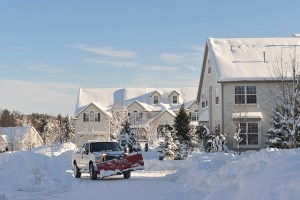
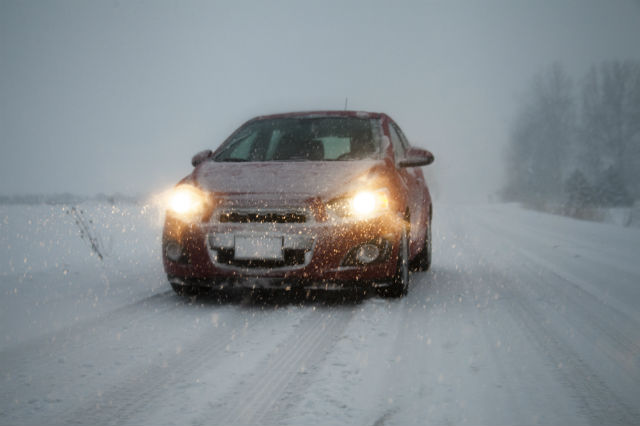
When winter arrives, cold weather, snow and ice can wreak havoc on your car and be potentially dangerous if your automobile isn’t properly winterized. One of the most important steps to take is considering a switch to winter tires. These tires are specifically designed to handle snowy and icy road conditions, as well as cold temperatures, which can harden all-season tires and reduce traction.

Proper tires go a long way in keeping you safe. After all, they are the only part of the car that touches the ground.

Do I Need Winter Tires?

The answer to this question depends mostly on where you live. If you experience just a few light snowfalls during the winter, you’ll most likely be fine with all-season tires. However, if you travel over snowy roads throughout the season, you should consider switching over to winter tires.

All-season tires are designed to be just that: tires that will be effective and efficient throughout the year. This works well during warmer months, as all-season tires have the proper traction and tread to handle clean, dry roads while maintaining peak fuel efficiency. But a tire designed to work well for most of the year sacrifices features needed to properly handle driving in cold, snowy weather.

“All-season tires, the type that most vehicles have, are a bit of a compromise,” said John Paul, AAA Northeast’s Car Doctor. “They need to work well in all seasons, at all temperatures…the reality is ‘one size fits all’ isn’t the case.”

“An old rule that I still use is that all-season tires work about 60%-to-70% as well as winter tires in four-to-five inches of snow,” Paul said. “If you need to be out before the snowplows or want the best traction for your vehicle, winter tires are the best option.”

Winter Tires vs. All-Season Tires

Winter tires have specific features that distinguish them from all-season tires. The first difference is the materials from which they are made.

Tire rubber must be flexible in order to grip the road, but the rubber on all-season tires stiffens at a relatively high temperature. The rubber compounds of winter tires, however, are designed differently. “Winter tires have rubber compounds that stay flexible and sticky as the temperatures drop below freezing,” Paul said.

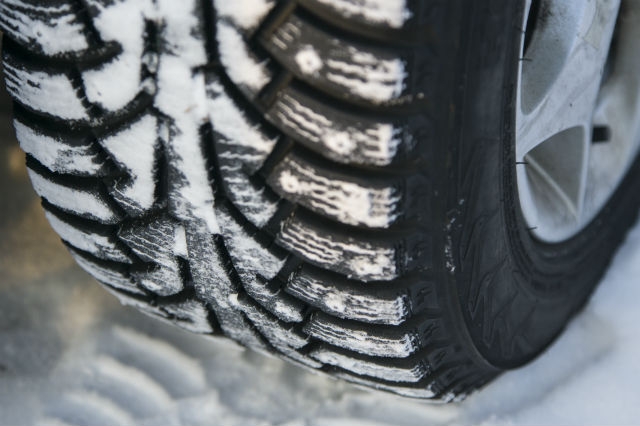
Winter tires also have unique tread patterns and deeper tread depths, which help channel snow and slush and expel water. The tread depths reduce snow buildup, allowing the tires to get better traction.

winter tires

Buying Winter Tires

There are a few things to consider when switching to winter tires. Whenever possible, it is important to get the same size tires as the ones that are currently on the vehicle. Some sports cars will allow for replacements that retain the same height but have a narrower profile.

Paul suggests always buying four tires and having them installed on spare wheels. “Depending on the vehicle, you may also need to purchase four tire pressure monitors for the four new wheels and tires.”

Once the weather warms up, it’s important to switch back to all-season tires. The softer rubber compounds of winter tires will cause the tread to wear out on dry roads much faster.

Other Tips on How to Winterize Your Car

Check Your Fluids

Not adjusting car fluids could cause them to freeze and damage your car. “The antifreeze/engine coolant should be clean and protect the engine against freezing,” Paul said. “A 50/50 mix of engine coolant and water will protect an engine to 34 degrees below zero.” Other fluids to refill or replace include freeze-resistant washer fluid, transmission fluid, and power steering and brake fluid.

Test Your Battery

Get your battery tested if it’s more than three years old and replaced if it’s more than five years old. Cold temperature limits your car battery’s power output while simultaneously requiring more power to work. “A car engine needs about 30% more energy to start when the temperatures drop to freezing,” Paul said. “And at zero degrees your vehicle battery can only deliver at 50% of its rated capacity.”

AAA will come to you, wherever you are, to test your car battery and replace it if needed. Learn more about AAA Battery Service.

De-Icing

Ice buildup can freeze your car doors shut. If you find yourself in that situation, don’t use hot water. You’ll melt the ice but leave behind more water to freeze later. Use de-icer spray instead but remember – prevention is the key. When it’s dry outside, wipe down the door seals and spray the gaskets with silicone to prevent freezing.

Keep it Clean 

Wash your car regularly to get rid of road salt and other chemicals that cling to the undercarriage and cause rust. If the rubber on your vehicle’s wiper blades leaves streaks behind, replace them.

Have a question for our Car Doctor? Ask him here.

Find more info on keeping your car running smoothly all year long. 

This article has been updated and republished from a previous version.

Subscribe to Your AAA Newsletter

Sign up and receive updates for all of the latest articles on automotive, travel, money, lifestyle and so much more!

What Is an Income Annuity?

Having life insurance is an important part of your long-term financial plan, but there are some circumstances that may necessitate the use of supplemental services – like income annuities. Read on to find out what exactly an income annuity is, how it works and if it’s right for you.

Listen to Our Podcast

Have insurance questions? Listen to Episode 3 of our podcast, Merging Into Life: Insurance 101.

Tune In

What Is an Income Annuity?

Not to be confused with life insurance, income annuities are financial products designed to provide a stream of income for a specified period, typically for the duration of a person’s life. Think of them as a long-term financial safety net with a twist. You can either contribute a lump sum or pay into it over time – kind of like a savings plan – and, in return, you get a steady stream of income immediately or in the future, usually when you retire. It’s sort of like giving yourself a paycheck even when you’re not working anymore, which is particularly valuable for retirees who do not have access to traditional pension plans or who have exhausted other sources of income. 

Income annuities come in two varieties – immediate or deferred income. Income annuities offer protection against longevity risk, as well, which is the risk of outliving one’s savings. By providing a guaranteed income for life (or a specified term), annuities ensure that retirees will not run out of money, regardless of how long they live.  

“People often like the idea of their money earning a guaranteed interest rate and transferring longevity risk to the insurance company,” says Costantino Detore, life insurance and annuity specialist with AAA Northeast.

How Do Income Annuities Work?

In order to get the benefits of an income annuity, you must either contribute a lump sum or pay regular premiums to your insurance company. In exchange, a person receives the promise of future guaranteed income payments. These future payments are based on various factors, including age, gender, interest rates and the length of the term. When you reach a certain age or retire, the insurance company begins paying you back in regular installments, similar to how social security operates.

There’s a good amount of flexibility when it comes to income annuities, too. It’s up to you how long you’d like to receive payments for, whether it’s for a specific number of years or for life. During this time, you receive regular payments, typically on a monthly or annual basis. “If you are concerned about a spouse running out of money, an income annuity can pay lifetime income over both person’s lives. Any remaining balance can also be transferred to children or loved ones,” DeTore said.

Income annuities bring some tax benefits, too, which is always a bonus when it comes to money matters. While the specifics vary depending on the jurisdiction and the type of annuity, in many cases the income deferred or received from annuities can be designed to maximize tax efficiency.

what in an income annuity

What Else Is There to Know About Income Annuities?

There are some potential drawbacks and limitations to consider before opening an income annuity.

First, it’s important to remember that most income annuities are not suitable if you anticipate needing your money back in a lump sum or for emergencies in the short term. This means that annuities should be considered in coordination with a full needs analysis — while being mindful of short-term and long-term financial goals.

While they offer stability, some income annuities do not provide payments that keep up with inflation over time, essentially decreasing their initial purchasing power. Some income annuities do provide this feature, so it is important to work with a financial professional that can match your needs with the right solution.

Talk to a AAA insurance specialist about an income annuity today.

Subscribe to Your AAA Newsletter

Sign up and receive updates for all of the latest articles on automotive, travel, money, lifestyle and so much more!

Your Couch to a 5K Training Plan

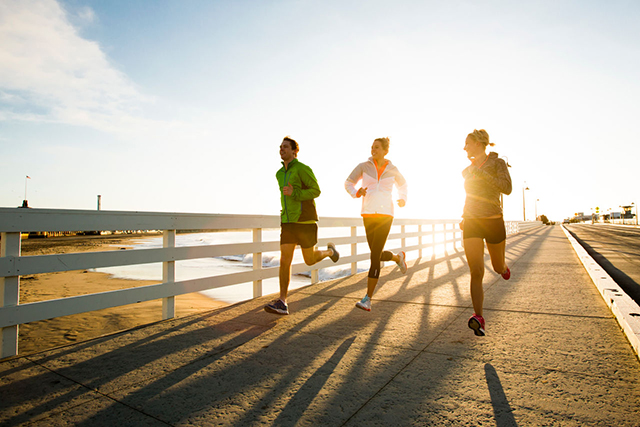
Everyone has that neighbor or friend who is a runner. They make it look so simple, racing by in all kinds of weather, gliding through local races and completing marathons. Even if you don’t consider yourself an athlete, have you ever thought, “Maybe I can do that?”

Not just maybe – you can. Running isn’t easy but it’s also not as difficult as you might think once you set a goal and develop a training schedule. Some people decide to train for a 5K race, which is 3.1 miles, and can make it from the couch to the starting line in as little as two to three months, according to some fitness experts.

“I love it,” said Jeff Dengate, Runner-in-Chief for Runner’s World, when he learns about people ready to start a 5K training plan or other running program. “It means they are becoming one of us.”

Before starting any exercise program, people should first see their doctors, especially if they have any history of heart problems. Eating a healthful diet also will help you get in shape.

Listen to Our Podcast

Interested in becoming a runner? Lace up those sneakers and let's get started. Listen to Episode 14 of our podcast, Merging Into Life: Running 101.

Tune In

Your Couch to 5K Training Plan

Start Slowly, Build Slowly

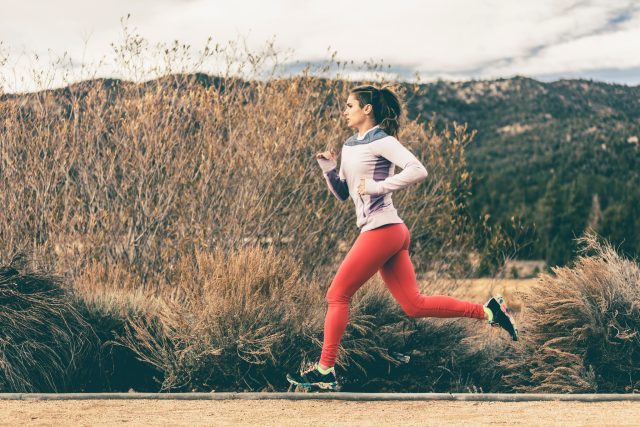
Dengate has been a runner for decades and completed 33 marathons. For novice runners preparing for a 5K, he estimated it can take between eight to 10 weeks to get in shape. “It can be intimidating,” he said, starting a training regime. Start slowly, be consistent and don’t get discouraged, Dengate advised. Track your daily runs on a phone or watch.

Those taking up running have plenty of company; running increased during the pandemic and numbers are continuing to grow, said Dengate, with 5K races among the most popular. “Some big road races are selling out in advance,” he added.

The first few training runs could last about five minutes each, Dengate continued, but then build two runs per week into your schedule and cross-train two days per week.

“After the first few runs, after a week or two, you are going to feel tired,” Dengate noted. “By the third week, you could be running seven minutes.” He cautioned that some people do too much too soon and get tired or injured. In a few weeks, you should build up to running four or five days a week for 20 minutes at a time and continue from there, he added. “If you get discouraged, recall a great running day you had, and it will trick your brain into a happy moment.”

runner
Be Consistent, Set Targets

Michael Vaiano, a physical therapist at The Schwartz Institute, stresses the 10% rule – don’t do more than 10% of exercise than you did the previous week. He has treated runners who pushed themselves too hard and hurt themselves not long before a race, Vaiano added.

“It is important to set goals and slowly meet goals, which hopefully leads to healthier lifestyles,” Vaiano noted. And running is not the only necessary training. “It’s important to not only slowly increase your running volume, but also stretch your calves, knees and hamstrings; you can do calf raises and squats to strengthen your glutes,” he continued.  After running, do an appropriate cool down phase. “Walk about one-quarter of a mile to reduce your heart rate.”

Consistency is the most critical component of a successful running program, according to Dengate. Block out time for running on your calendar to make it as important as every other commitment. “If you get out and move five days a week, you will see gains,” he continued. “Think of running more as a treat than a chore: ‘I get to go for a run!’ It’s not something you have to do. This flips your brain.”

Training for a single road race also could transform a couch potato into a running fan. “Completing a race gives people a good sense of accomplishment,” Vaiano said. “And often it’s a springboard to a healthier lifestyle, since they already have been training.”

For more running tips, from wearing the proper gear to keeping up the habit, listen to Dengate and Vaiano in episode 14 of our podcast, Merging Into Life: Running 101.

Have you ever trained for a road race or other athletic event? What was the most important part of your training? Share you tips in the comments below.

Any new exercise routines should be approached with caution. Consider your physical limitations and always consult your doctors.

Subscribe to Your AAA Newsletter

Sign up and receive updates for all of the latest articles on automotive, travel, money, lifestyle and so much more!

The Best Podcast Episodes of All Time

Most podcast recommendations are about the podcast series you should listen and subscribe to. But sometimes, all you need is one really good episode to help you discover your next favorite podcast.

Here are some of the best podcast episodes of all time, ever (in my opinion).

Reply All – “#158 The Case of the Missing Hit”

When “Reply All” posted “The Case of the Missing Hit,” it was an instant, well, hit. This is the story of a man from California who has a song stuck in his head. The song used to play on the radio in his youth, and he just wants to listen to it again. The problem is, it doesn’t seem like the song even exists. “Reply All” brings out all the stops to bring the song to life and find out why it mysteriously disappeared in the first place.

This American Life – “129 Cars”

A Long Island dealership has to sell 129 cars before the end of the month, and they’re not sure if they can pull it off. “This American Life” reporters embed themselves in the day-to-day business of the dealership as the deadline creeps closer and the salespeople get more and more desperate. I might have listened to this episode more than anyone else alive.

Listen to AAA's Podcast! 

The road to being a fully functioning, thriving adult is full of bumps, blind corners and dead ends. From budgeting tips to decoding your insurance policies, we're here to help make your journey as smooth as possible.    

Tune In

Radio Rental – “Episode 04”

“Radio Rental” is a podcast about the weirdest true stories out there – stories that are as creepy as they can get without actually being supernatural. “Episode 04” is special because of its second segment, titled “Laura of the Woods.” “Laura of the Woods” is the story of a boy who meets a young girl in the forest behind his house, and the hazy memories he has of their time together. Who was Laura, really? A ghost? An imaginary friend? Something more sinister? And why didn’t anyone else seem to know her?

You Must Remember This – “Six Degrees of Song of the South”

Karina Longworth’s “You Must Remember This” tells the forgotten stories of Hollywood. In her series, “Six Degrees of Song of the South,” she explores the dark history, subtext and creation of Disney’s “Song of the South” and how it echoes throughout popular culture today. It’s not one episode, it’s a miniseries, but it’s worth counting anyway.

Articles of Interest – “American Ivy”

While we’re on the subject of miniseries, we have to mention “American Ivy,” a series on Avery Trufelman’s podcast, “Articles of Interest,” about the history of preppy clothes and how the style has changed (and stayed the same) across time, class, race and gender. How did this one style spread from Ivy Leage campuses to almost every corner of the globe?

best podcast episodes

Blank Check With Griffin & David – “Billy Lynn’s Long Halftime Walk with J.D. Amato”

“Blank Check” is a podcast devoted to covering a director’s entire filmography, and their episode on “Billy Lynn’s Long Halftime Walk” comes at the tail end of their series on director Ang Lee. The thing that makes this episode really special is how guest J.D. Amato breaks down the cutting-edge technology they used to make “Billy Lynn’s Long Halftime Walk” work with a framerate of 120 frames per second. The standard speed for most movies is 24 fps, so that’s a huge difference. When trying to describe what it’s like to see the movie in its intended framerate, host Griffin Newman says “It’s going to be like we’re describing a ghost.” You don’t need to have seen the movie, or even be that familiar with Ang Lee’s work to enjoy the episode. It’s a fantastic mixture of dense tech talk and genuine laugh-out-loud moments.

Sixteenth Minute (of Fame) “the tumblr bone witch, pt. 1 and 2”

“Sixteenth Minute (of Fame)” is a podcast about the internet’s various main characters and what happened to them after they returned to relative obscurity. Comedian journalist Jamie Loftus tracks down the people involved, interviewing the experts on the weirder side of online infamy. In this two-part episode, she investigates the notorious story of “the tumblr bone witch,” a Tumblr user who advertised her collection of human bones which she’d supposedly found in a New Orleans graveyard. Whether you remember this incident or not, it’s a wild ride.

Criminal – “A Bump in the Night”

On “Criminal,” Phoebe Judge tells the types of true crime stories that aren’t usually covered on other crime podcasts. In “A Bump in the Night,” a young woman moves into a new apartment, but something doesn’t feel quite right to her. She hears strange sounds, and notices objects that seem to move around on their own. But it must be in her imagination, right?

Maintenance Phase – “The Body Mass Index”

Why do we still use BMI as an indicator of health? On this episode of “Maintenance Phase,” hosts Aubrey Gordon and Michael Hobbes explore the history of BMI, its invention by a 19th century mathematician and how our reliance on this antiquated measurement might be doing more harm than good.

The Lonely Island and Seth Myers Podcast – “Dear Sister”

On “The Lonely Island and Seth Myers Podcast,” Andy Samberg, Akiva Schaffer and Jorma Taccone sit down with Seth Myers to recount the stories behind their SNL Digital Shorts. On this episode, they discuss the landmark short, “Dear Sister.” They talk about the origins of the short, the way it made it to air and the bizarre experience of having a smash hit SNL skit.

Radiolab – “The Cataclysm Sentence”

If the world changed forever, and you could only pass down one sentence to all future generations to come, what would that sentence be? In “The Cataclysm Sentence,” “Radiolab” attempts to answer that question, first posed by Richard Feynman in 1961. Writers, historians, futurists and artists all attempt to come up with their own version of the cataclysm sentence. It’s a moving episode about the nature of humanity and our hopes for the future.


Mystery Show – “Case #2 Britney”

“Mystery Show” was a short-lived, yet beloved podcast in which host Starlee Kine attempts to solve life’s mundane (yet still confounding) mysteries. In “Case #2 Britney,” Kine interviews a writer whose first book was a flop. Yet somehow, a photo surfaces of Britney Spears holding that very book in her arms. As with many “Mystery Show” episodes, the real joy comes from the conversations Kine has with the strangers she meets as she attempts to solve the mystery.

Dead Eyes – “31 – Tom”

“Dead Eyes” follows Connor Ratliff on his search for answers about why he was unceremoniously fired by Tom Hanks from the 2001 mini series “Band of Brothers.” In episode 31, he finally gets to ask the man himself. Will Tom Hanks have the answers Ratliff so desperately seeks? Or are they lost to the sands of time forever?

Call Chelsea Peretti – “Rain’s Comin’ In”

I have never been a regular listener of the “Call Chelsea Peretti” podcast, but “Rain’s Comin’ In” is perhaps my favorite podcast episode of all time, ever. “Rain’s Comin’ In” is a live reading of the titular play, written by Peretti and performed by her and her comedian friends. The best way to describe it would be as a parody of rural family dramas like “August: Osage County” and the works of Tennessee Williams. Peretti and the other actors play it totally seriously, and she begins the episode by thanking various fictional organizations and grants that supposedly funded her work as a genius playwright. There’s no way that I can explain “Rain’s Comin’ In” in a way that will do it justice. It’s so funny that it makes me cry.

If you love podcasts, don’t forget to check out AAA Northeast’s podcast, “Merging Into Life.” It’s all about navigating life’s biggest milestones, from buying your first car to choosing your child’s first car seat. Listen now!

What’s your favorite episode of your favorite podcast? What do you think is the best podcast episode of all time? Let us know in the comments below.

This article has been updated and republished from a previous version.

Subscribe to Your AAA Newsletter

Sign up and receive updates for all of the latest articles on automotive, travel, money, lifestyle and so much more!

Inside a AAA Roadside Assistance Call

For members who request AAA Roadside Assistance, it may seem like all it takes is a phone call or the click of a button, but responding quickly and efficiently involves numerous steps. Checks and rechecks in the system ensure that the right vehicle with the right equipment gets to you as soon as possible.

We took a ride in a tow truck with a AAA roadside technician to find out what it’s like to respond to a service call.

Request AAA Roadside Assistance

We are available 24/7.

Call: (800) 222-4357 | Request online: AAA.com/GetMoving | AAA Auto Club App

What you will need:
  • Your 16-digit AAA membership number.
  • The location of the disabled vehicle.
  • The type of service needed.
  • A description of the disabled vehicle.
  • A phone number where you can be contacted.

Digital Roadside Request

24/7 road service at your fingertips.

Learn More

Getting on the Road

AAA Northeast operates 13 fleet centers across five states, with 600 roadside technicians and 400 vehicles. AAA also relies on a network of independent service providers. They assist members with a variety of vehicle services, including:

  • Breakdown.
  • Fuel delivery.
  • Flat tire
  • Dead battery.
  • EV charge.
  • Keys locked in car or child/animal locked in car.
  • Bicycle breakdown.

After a request is received by a dispatcher, the driver’s information is submitted to AAA’s auto-assign system, which taps a driver. If the system does not automatically assign a driver, then a dispatch supervisor will intervene. Dispatch managers remain in contact with the truck drivers throughout the call.

Callers who use the AAA app submit information about their situation themselves and after a truck is assigned can manage all the communications.

Rich Sheffield

A Life of Service

One of those tow truck operators is Richard Sheffield, who is based in Garden City, N.Y. He patrols the roads on Long Island and into New York City Sunday through Wednesday, never knowing where he will be going or what exactly he will find. On a dreary Wednesday, he was headed to Queens to tow a car that would not start. Country music keeps him company as he drives.

Wednesdays are usually slow for whatever reason, Sheffield noted, adding that he responds to a lot of calls on Sundays and Mondays. Weather always is a factor. “Everyone breaks down when it rains,” he said.

Among the challenges Sheffield faces, besides maneuvering a heavy truck in tight spaces, is knowing which roads he can use. Commercial vehicles are banned from parkways and some tunnels in New York, which can make for some creative detours. Because he is a Florida native and not familiar with all the metro-New York roads, he sometimes must verify with other drivers which roads are for commercial use.

Sheffield started working for AAA in Florida, not long after retiring as a police officer, before moving to New York six years ago. “AAA taught me everything about tow trucks,” he said. “I love working for AAA. I get to see another side of people from when I was a cop. Most members are nice, and I enjoy talking with them.”

Rich Sheffield

Ready to Respond

After arriving at the Queens address, Sheffield pulled over and called the member. Rey Vandross, the caller, said the car started the day before, and he had no trouble driving it. Vandross tried to start the car, with no success. Then Sheffield tried but it did not turn over. Sheffield checked the alternator and asked a few questions: Did the car run all right the day before?

Sheffield decided to jump the battery, at which point the car started and continued to run, so he checked the battery strength. He told Vandross the battery was extremely low and advised him to keep the car running and get to a mechanic to buy a new battery.

“Whenever possible, I like to get the car started and running so I can go on to someone who really needs help,” Sheffield explained. He added that he always waits for the member to drive off, to ensure the car continues running.

Need to have your battery checked or replaced before it’s too late? Learn about AAA Battery Service.

A AAA member for about five years, Vandross said that he has called for help before and is happy with the service. “I like how they come to the rescue and get the job done right,” he said.

Have you ever had to call a AAA Road Assistance? What was your experience like? Tell us in the comments below.

Subscribe to Your AAA Newsletter

Sign up and receive updates for all of the latest articles on automotive, travel, money, lifestyle and so much more!

AAA: Nearly 80 Million Americans Expected to Travel Over Thanksgiving 

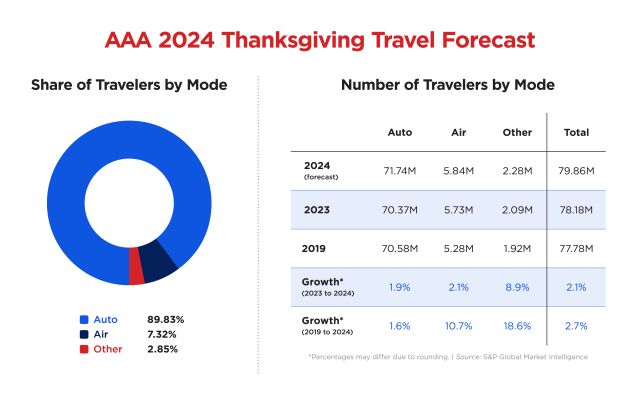
PROVIDENCE, R.I., Nov.18, 2024 – AAA projects a record 79.9 million travelers will head 50 miles or more from home over the Thanksgiving holiday travel period. For the first time, AAA’s forecast includes the Tuesday before and the Monday after Thanksgiving Day to better capture the flow of holiday travelers.  

This year’s projection of nearly 80 million travelers is an increase of 1.7 million people compared to last year and 2 million more than in 2019.  

“Thanksgiving is the busiest holiday for travel, and AAA continues to see demand soar post-pandemic as Americans reconnect with family and friends and seek memorable trips to new destinations,” said Jillian Young, Director of Public Relations, AAA Northeast.  

AAA projects a record 71.7 million people will travel by car over Thanksgiving – an additional 1.3 million travelers on the road compared to last year. This year’s number also surpasses pre-pandemic numbers in 2019, when 70.6 million people drove to their Thanksgiving destinations. Drivers are benefiting from lower gas prices this Thanksgiving season: The average national gas price is down 25 cents from this time last year.   

Thanksgiving air travel is also expected to set a record. AAA projects 5.84 million people will fly domestically this holiday, an increase of 2% compared to last year and a nearly 11% increase over 2019. Air travelers are paying 3% more for domestic Thanksgiving flights this year, while the number of flight bookings is similar to last year, according to AAA booking data. International flight bookings are up 23% compared to last Thanksgiving, in part because the cost to fly internationally is down 5%.  

Nearly 2.3 million people are expected to travel by other modes of transportation, including buses, cruises and trains. This category is seeing an increase of almost 9% compared to last year and an 18% jump over 2019, due in large part due to the popularity of cruising.  

This record number of travelers is headed, in large part, to warm weather destinations over the holiday. Four Florida cities are on the list of top domestic destinations because of their beaches, theme parks and cruise ports. Other top destinations include New York, California, Hawaii and Las Vegas. Internationally, Europe and the Caribbean dominate the list thanks to their beach resorts, tourist attractions and river cruises. 

Best and Worst Times to Drive  

The worst times to travel by car over Thanksgiving are Tuesday and Wednesday afternoon, according to INRIX, a provider of transportation data and insights. The best time to hit the road pre-Thanksgiving is early morning, and minimal traffic is expected on Thanksgiving Day. Drivers returning home on Sunday should leave early in the morning, and those coming back on Monday should expect a mix of travelers and work commuters on the road. 

AAA car rental partner Hertz says the busiest car pickup day is expected to be the Wednesday before Thanksgiving, and the busiest rental return days will be the Monday and Tuesday after the holiday.  

Best and Worst Times to Travel by Car 
Date Worst Travel Time Best Travel Time 
Monday, Nov. 25 1-5 p.m. Before 11 a.m. 
Tuesday, Nov. 26 1-7 p.m. Before 10 a.m. 
Wednesday, Nov. 27 1-5 p.m. Before 10 a.m. 
Thursday, Nov. 28 (Thanksgiving Day) Minimal Traffic Impact Expected
Friday, Nov. 29 7-10 a.m. After 1 p.m. 
Saturday, Nov. 30 4-8 p.m. Before 1 p.m. 
Sunday, Dec. 1 12-6 p.m. Before 1 p.m. 
Monday, Dec. 2 9 a.m.-6 p.m.  Before 8 a.m. / After 7 p.m. 

“With a record number of travelers on the road over Thanksgiving, we urge drivers to plan ahead to make their trips smooth and safe,” said Young. “For many, the night before Thanksgiving kicks off a season of holiday celebrations, and as drivers plan their road trips and outings, a safe and sober ride should be at the top of the list.” 

For older press releases, please click here.

Subscribe to Your AAA Newsletter

Sign up and receive updates for all of the latest articles on automotive, travel, money, lifestyle and so much more!

Merging Into Life: Running 101

SEASON 1: EPISODE 14
Episode Feedback

Interested in becoming a runner? Lace up those sneakers and let’s get started.

listen on apple podcast badge button
listen on spotify badge
listen on amazon music badge
listen on pocket casts badge button

IN THIS EPISODE

Have you ever dreamed of running across the finish line of a race, only to be frustrated when you can hardly run up the block? Running isn’t easy, but we’re here to help you go the distance.

Whether you’re interested in running as a healthy new habit or signing up for your first race, the beginner running plan laid out in this episode will take you from the couch to your first 5K. If your goal is to start preparing for a marathon, this is the first step.

Jeff Dengate, Runner in Chief at Runner’s World magazine, is here with running 101 to make running a part of your lifestyle. You’ll learn about the gear you’ll need, the physical and mental training required, how to keep up the habit in the cold winter months, diet suggestions and more. Mike Vaiano, physical therapist at the Schwarz Institute, provides insight on how to prevent injuries, so you don’t push yourself too hard too soon.


KEY TAKEAWAYS

[2:41] – How to set goals, and create a training plan as a beginner
[6:03] – How to find the right running shoe
[14:00] – The importance of warming up, and how to do it properly


TRANSCRIPT

[00:00:02]
Amanda Greene: I wish I was one of those people who loved running. In order to start a habit, you have to just start, right? I’m dressed, I’ve got my sneakers on, and you’re not going to believe this. I go to start running. It’s pouring out. I finally found some motivation to start running and it’s pouring. Maybe tomorrow. All right, I’m going to get out there today. I’m going to go for a jog, maybe some intervals. It’s pouring again today, so today is also not the day. I just checked the forecast and it’s supposed to rain all week long, so let’s just hope I can hang onto this motivation to start running until next week.

Welcome to Merging into Life where we navigate life’s milestones, one episode at a time. Brought to you by AAA Northeast. I’m your host, Amanda Greene. Today, we’re going to talk about becoming a runner and preparing for your first race. I’ve done some running in my life, but I’ve never really committed. I’m definitely one of those people who feels like my days are full enough as it is. It’s hard to fit in something that isn’t completely and immediately necessary, but of course it’s all how you look at it.

According to Harvard Health, even five to 10 minutes of daily low-intensity running can extend your life by several years, but I get it. Working on living longer can be tomorrow’s problem, but studies show running can make you feel better today. It’s a natural mood booster. Regular exercise has an antidepressant effect and improves working memory and focus. It’s hard to argue with those kinds of benefits, so let’s bring in some people who can help us lace up and hit the road to do it safely and to mitigate the risk of injury. We have Mike Vaiano, a physical therapist at the Schwarz Institute on Long Island, New York. But first, let’s talk to Jeff Dengate, Runner-in-Chief at Runner’s World. Jeff, how do you get a title like that?


RESOURCES

Fun Walking Apps for Exercise and Exploration

Starting a Morning Stretch Routine

Your Couch to 5K Training Plan

Runner’s World

Schwarz Institute

Harvard Health


Want to Learn More? Drop Us a Note

"*" indicates required fields

This field is for validation purposes and should be left unchanged.
Subject
Name*

*The views and opinions expressed in this podcast are not necessarily the views of AAA Northeast, AAA and/or its affiliates.

Subscribe to Your AAA Newsletter

Sign up and receive updates for all of the latest articles on automotive, travel, money, lifestyle and so much more!

Wedding Vow Renewal Was the Highlight of Their Italy Tour

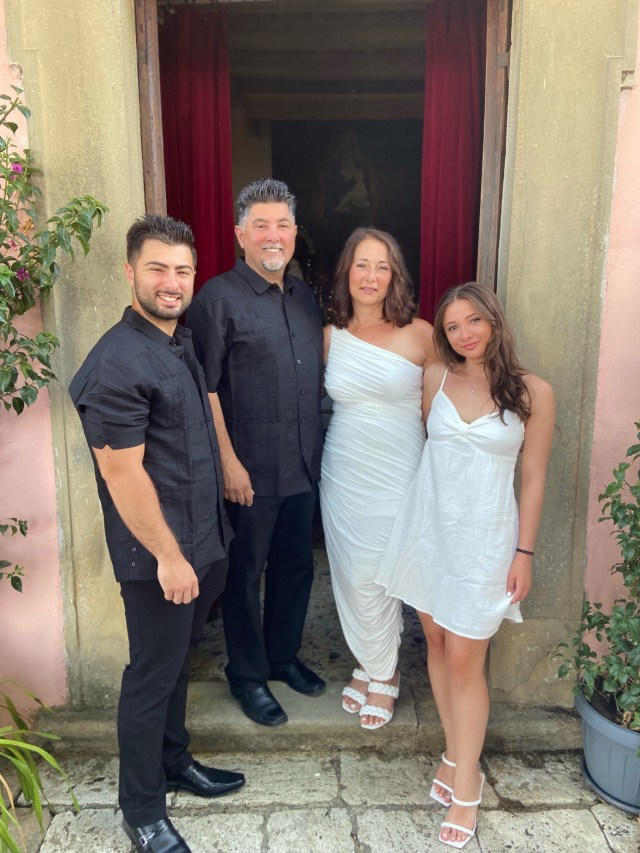
When it comes to 25th wedding anniversary celebrations, not much can top a 13-day tour of Italy with family, and Paramus, N.J., resident Franca Eleftheriades could hardly wait to experience the sights, cuisine and culture.

She wanted to add one more event to the packed guided tour – she told AAA Travel Counselor Claudete Fujikawa in the Hackensack, N.J., office that she and her husband Anthony wanted to renew their wedding vows in a church in Italy.

“I figured there was no better place; my parents were born, raised and married in Italy before they came to the U.S.,” Eleftheriades said.

AAA member story vow renewal
Franca and Anthony Eleftheriades with their children during their vow renewal ceremony in Italy.

The Right Choice

This was the first time Eleftheriades arranged a trip through AAA, when she stopped in at the AAA branch next to her gym. “I met Claudete, we just hit it off, and she helped me with all of it,” she said. “She is easy to work with, patient, knowledgeable and went out of her way. I was a little nervous; we don’t travel much, and she helped with transfers and she helped reassure us. She took the extra step.” 

The family booked the AAA Member Choice Vacations Italy’s Treasures: Art, Food and Wine of Italy for July. Squeezing a church service into a tight tour schedule sounded challenging, but Fujikawa did not hesitate to start planning. “I researched what day and time would be best to attend services at a local church,” she said. “Everything had to be coordinated with the itinerary as they were on an escorted tour. I advised the family to bring nice outfits to suit the occasion, such as a white summer dress.”  

A travel advisor for 27 years, Fujikawa personifies what it means to go above and beyond.  While all the trips she plans are special to her, “this was really one of the top,” she said.

Find great deals on Italy vacations with AAA Travel.

Let's Plan Something Wonderful

Book your next trip with AAA Travel now or call 866-423-5585 to speak with a travel advisor.

Book Now

From Hope to Reality

Eleftheriades mentioned in a pre-trip email to tour manager Giulio Passariello that she and her husband wanted to renew their vows during the tour but understood the complex logistics involved.

“She told me any day during the vacation would work, and only if it was possible. She wasn’t expecting anything exceptional,” Passariello said in an email. “If not, she said, ‘absolutely no problem.’ It was simply her dream, but she understood they were traveling with a group. I replied that I would try to do my best, very sincerely!” 

With no firm plans when the trip began, Passariello went to work, and he came up with the perfect event.

AAA member story vow renewal

Creating a Memory

“Considering the itinerary, pacing and timing, I planned to organize something in the evening, before dinner, while staying at the Hotel Villa Lecchi, a beautiful Tuscan villa immersed in the Tuscan countryside. That would give time to everyone to get prepared for the function and then go to dinner in the garden of the villa,” said Passariello. “The idea came to me not only because of the beauty of the place but also because in the park of the villa itself. Adjacent to the entrance, there is also an old chapel that is still consecrated that belongs to the villa itself. All the ancient noble families had a private chapel and a family priest in their summer residences and villas.”

The owner of the villa is a longtime friend, added Passariello, and he was willing to let the group use the chapel. He also knew an English-speaking priest in a nearby town.

AAA member story vow renewal

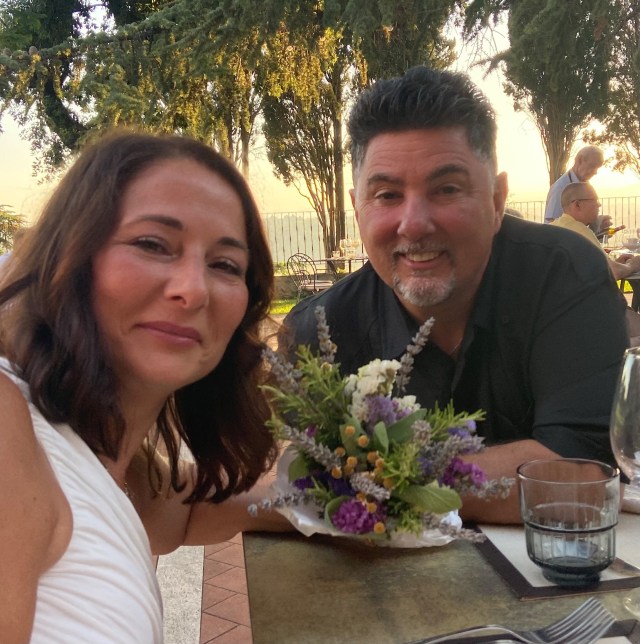
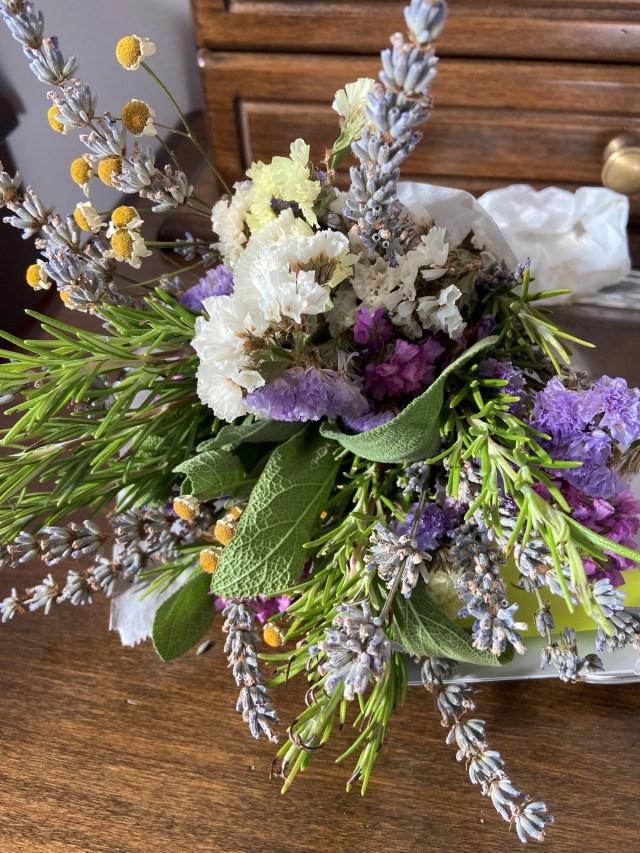
A number of tour members joined the couple, along with their 24-year-old son and 21-year-old daughter, for the ceremony, and then for dinner at the villa. A woman from the villa even assembled a bouquet of herbs from the garden for Franca Eleftheriades. The finishing touch was musical accompaniment from a traveling choir that also was staying at the villa. It performed during the service and serenaded the Eleftheriades and guests during dinner.

“It was just meant to be,” Eleftheriades said of the impromptu celebration, adding she was grateful to all involved. She already has recommended AAA Travel to other friends planning trips.

A Lifelong Connection

Passariello and the Eleftheriades have remained in touch. “I have wonderful memories of the sensations I felt seeing and realizing that we managed to make their dream come true,” Passariello said. “I was also in tears, along with the entire group who cooperated as if we were one family. It all went well and even more … like when everything aligns perfectly, even exceeding expectations. It seemed like a fairy tale.” 

The couple visited the AAA branch after they returned to show Fujikawa pictures. “She told me stories and I remember how she was all smiles,” said Fujikawa.

“And they booked another vacation.”

She encourages her clients to share with her any special reason for the vacation they are planning. “Based on the occasion, I try my best to make it memorable, whenever possible.” 

Talk to a AAA travel advisor to plan your destination wedding or dream honeymoon. Find your Agent of Honor today.

What is your dream vacation? Tell us in the comments.

Subscribe to Your AAA Newsletter

Sign up and receive updates for all of the latest articles on automotive, travel, money, lifestyle and so much more!

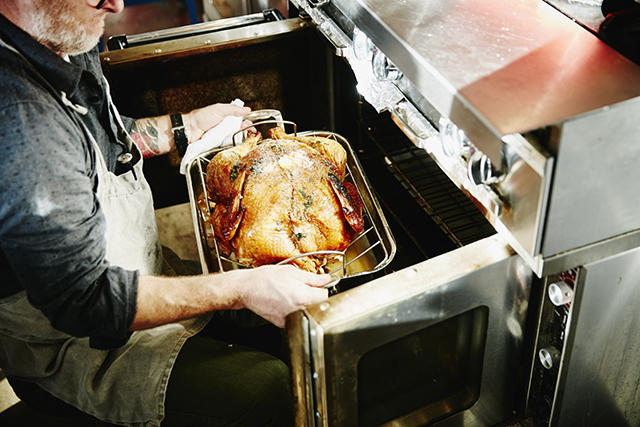
Talking Turkey: Holiday Turkey Cooking Tips

The turkey is practically synonymous with Thanksgiving and holiday dinners, a call-back to the wild fowl that still roams the Northeast where pilgrims once landed. In honor of the upcoming holiday, check out these turkey cooking tips for choosing, preparing and roasting the perfect bird.

Holiday Turkey Cooking Tip No. 1: Choosing Your Turkey

When selecting the perfect bird for the center of your holiday table, there’s a surprising variety of turkeys to choose from. If it’s just you and your significant other or a small group of family members this year, consider going for a slightly smaller turkey, choosing a turkey breast or trying something new. From heritage and kosher to organic and free-range birds, there’s more to turkey than simply fresh or frozen.

Prefer an audio summary of this post? Click below to listen to this article.

Heritage

Heritage breed birds are descendants of America’s first turkeys. These turkeys are typically free-range (allowed to roam outside), not as fatty and boast big, slightly gamy flavors thanks of their diverse diets. Heritage birds tend to have smaller breasts, darker meat and cost more than conventional turkeys.

Kosher

Kosher turkeys are processed following kosher standards (no mixing of meat and dairy, avoiding shellfish, etc.) These turkeys can be found fresh or frozen and sometimes organic. Kosher turkeys usually come pre-brined, meaning they’ll hold onto moisture, but you should avoid over-seasoning.

Fresh

Fresh turkeys are never chilled below 26 degrees. They should be kept in the coldest part of your refrigerator and cooked a day or two after purchasing. They are available in organic and/or free-range varieties. These turkeys are milder in flavor compared to heritage and brined kosher birds but are more moist and will cook faster than frozen turkeys.

Frozen

Frozen turkeys need to be thawed in the fridge – about 24 hours for every 5 pounds, according to the U.S. Department of Agriculture. In a pinch, you can submerge your sealed turkey in cold water to help it defrost faster. Frozen turkeys are some of the most widely available and affordable. The ability to buy them so far in advance allows for peace of mind and plenty of time for planning how to prepare it.

Pro Tip: When it comes to deciding on size, there should be about 1 to 1-1/2 pounds of turkey per person you plan to feed.

Holiday Turkey Cooking Tip No. 2: Prep and Seasoning

One of the biggest faux pas you can make when preparing a holiday feast is overcooking the turkey. Avoid making dry, bland turkey with these tips.

Brining

Wet brine your turkey in a seasoned, saltwater solution and refrigerate for 24 hours. Or, dry brine your bird by rubbing the outside with salt and allowing it to rest in the fridge for 24 hours or more. Both will help keep your turkey moist.

Seasoning

When seasoning, you can’t go wrong with classic salt and pepper. Tucking fresh herbs like rosemary, sage or thyme under the skin or inside your bird is another great way to impart flavor. Aromatics like carrots, celery, onion and garlic can also go inside or in a pan under your turkey. For crisp skin, rub the turkey with butter or olive oil.

Glazing

While traditionally seasoned turkeys are great, if you’re looking to try new flavor profiles this year, consider making a glaze, like cranberry-orange, black pepper-pomegranate molasses or mustard-maple. Seasoning your bird with a balance of salty, sweet, spicy and acidic flavors can elevate your entire meal.

Stuffing

For optimal food safety and to allow the turkey to cook as evenly as possible, the USDA recommends cooking stuffing on the side rather than inside your bird. However, if cooking stuffing in the turkey is a must, pack it loosely to allow for proper cooking and use a thermometer to make sure it reaches a safe internal temperature of 165 degrees.

Basting

While it may stray from family tradition, basting isn’t necessary to get a moist or flavorful turkey. Basting requires you to repeatedly open the oven, which is something you generally want to avoid. Opening the oven again and again causes heat to escape, prolonging the cooking process and resulting in a dry bird. Flipping your turkey or tenting it with aluminum foil halfway through the cooking process are other methods you can try to trap moisture and get a juicy result.

And don’t forget to use the drippings to make homemade gravy.

holiday turkey cooking tips

Holiday Turkey Cooking Tip No. 3: Cook Time and Resting

Regardless of the type of turkey you choose, the ideal temperature to bring your bird before cooking is 40 to 45 degrees. When roasting your turkey in the oven, plan for about 15 minutes of cook time per pound, plus additional rest time. Again, remember your bird will cook more evenly it’s not densely stuffed. And, try to resist the urge to open your oven unnecessarily.

About 30 minutes before you expect the turkey to finish cooking, use a reliable meat thermometer to check the turkey’s temperature. Insert the thermometer in the meatiest parts of the turkey, making sure to avoid hitting bone.

“The turkey should reach 180 degrees in the thigh, 170 degrees in the breast and 165 degrees in the center of the stuffing,” according to Samantha Woulfe, a Butterball Turkey Talk-Line expert.

If you plan on deep-frying your turkey, make sure you have the necessary equipment: a large turkey frying pot, outdoor propane burner, sturdy stand, ground covering and a fire extinguisher (just in case). Make sure your turkey is completely thawed before frying your bird in 350-degree oil for about 3 1/2 minutes per pound.

After cooking, lock in your turkey’s juices by loosely tenting it with foil and allowing it to rest for at least 30 minutes before you start carving. It’s important to make sure you don’t cover the bird too tightly to avoid steaming and losing any crispy skin.

Carve your turkey using a large cutting board on a stable surface and a chef’s or carving knife. A carving fork can help keep the bird stable while you cut if you don’t want to use your hand. Follow this step-by-step guide for details.

To assure food safety, “leftovers should be stored in containers in the refrigerator within two hours of cooking … [and] eaten or put in the freezer within three days,” said Woulfe.

If you have specific questions or concerns, you can call or text Butterball’s Turkey Talk-Line for assistance. Butterball answers more than 100,000 questions every November and December, helping home cooks properly cook their holiday birds. Experts will be available to all cooks, whether you’re preparing a Butterball turkey or not.

Don’t Forget The Sides

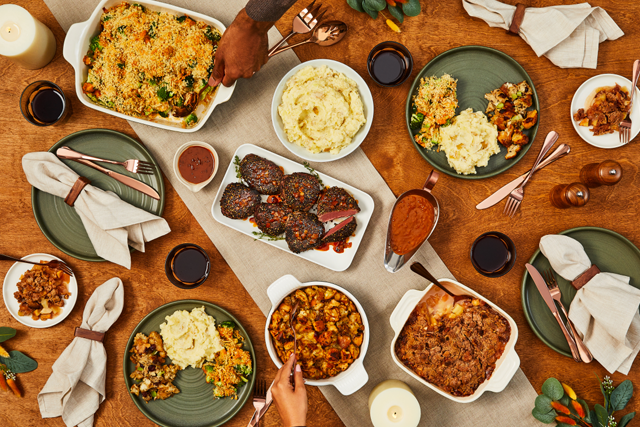
While turkey may be the centerpiece of your holiday meal, the sides are just as important – if not more. When choosing what to make, think about what would complement the meal as a whole, incorporating lots of different flavors and textures to keep a varied tablescape. Our favorites include marshmallow-topped sweet potatoes, buttery whipped mashed potatoes, stuffing and this cornbread casserole:

Beverages and Mocktails

When hosting for the holidays, it’s essential to have a variety of drinks your guests can help themselves to. Sparkling cider, soda, eggnog – you name it. Make sure to take stock of what your guests enjoy so you can have their favorite waiting for them.

Mocktails add even more variety to your drink options and are fun for kids, designated drivers and anyone who prefers not to drink alcohol. Try making a mocktail that’s themed to the occasion so it’s even more special.

What’s your favorite thing about Thanksgiving? Tell us in the comments. 

Subscribe to Your AAA Newsletter

Sign up and receive updates for all of the latest articles on automotive, travel, money, lifestyle and so much more!

12 Living History Museums in the Northeast

Have you ever wanted to see how people lived in the past? You might be familiar with the major historical events of certain eras, but what was day-to-day life actually like? These living history museums can help you travel back in time with the use of reenactments, architectural preservation, live artisans and hands-on activities.

Boston Tea Party Ships & Museum

Massachusetts

Live the elementary-school fantasy of dumping tea in the harbor at the Boston Tea Party Ships & Museum. You can learn from live actors, take part in interactive exhibits and explore full-scale replicas of the ships. AAA members can save on admission.

Pioneer Village

Massachusetts

Billed as the oldest living history museum in America, Salem’s Pioneer Village invites visitors to travel to the year 1630. It’s almost 100 years old itself – as it was originally constructed in 1930. It was even featured in the movie “Hocus Pocus,” representing the home of Thackery Binx. The village is open seasonally for self-guided tours, and usually features special events for October.

plimoth

Plimoth Patuxet

Massachusetts

Turn the clock back to pilgrim times at Pimoth Patuxet, which recreates Plymouth Colony and the home of the indigenous Patuxet people. Here, you can speak with knowledgeable interpreters in full costume, learn the truth about the first Thanksgiving and even climb aboard a replica of a 17th century ship. AAA members can get up to $4 off admission.

Old Sturbridge Village

Massachusetts

Visit the 19th century in Old Sturbridge Village, which boasts over 40 historic buildings across its 240 acres. In fact, it’s the largest outdoor history museum in the Northeast. You can see craft demonstrations, participate in interactive workshops, take a horse-drawn carriage ride, tour the beautiful gardens and more.

Coggeshall Farm Museum

Rhode Island

In partnership with Old Sturbridge Village, Coggeshall Farm Museum takes visitors back to the daily experience of a tenant salt marsh farmer in the late 18th century. This coastal farmland, which stretches across 48 acres, features historic structures, heritage-breed animals, heirloom plants and costumed interpreters.

Strawbery Banke Museum

New Hampshire

Strawbery Banke Museum (yes, it’s spelled correctly) features dozens of historic structures and gardens that take visitors on a tour from the 17th to the 20th centuries. Interpreters dressed as shop owners, gardeners and immigrants help visitors learn about how life changed throughout the years.

Street with cooperage, printing shop, smith, bank at Mystic Seaport, Mystic, Connecticut, New England, U.S.A.

Mystic Seaport Museum

Connecticut

Learn all about the rich maritime history of New England at the Mystic Seaport Museum, which recreates a historical fishing village and working shipyard. The museum includes over 500 watercrafts with four National Historic Landmark vessels among them. Climb aboard a wooden whaleship, meet skilled artisans and learn from history interpreters.

Old Bethpage Village Restoration

New York

Long Island’s Old Bethpage Village Restoration, set from 1765-1865, consists of 36 historical houses, barns and shops. Get a glass of root beer in the working tavern, churn some butter, see a craft demonstration at the blacksmith, or catch an old-timey baseball game in full historical dress.

Fenimore Farm

New York

Cooperstown might be best-known for the Baseball Hall of Fame, but it also features the sprawling Fenimore Farm. Previously known as the Farmers’ Museum, Fenimore Farm and Country Village recreates rural life from the 19th century. You can explore more than two dozen period buildings, including a farmstead, pharmacy, tavern, printing office, general store, blacksmith and more. You can also ride the Empire State Carousel while you’re there.

Genesee Country Village and Museum

New York

The Genesee Country Village and Museum is the largest living history museum in New York, featuring 68 buildings illustrating life in the 19th century. The museum is separated into three different periods as you stroll through the 1800s. The village’s costumed educators and artisans even demonstrate period-appropriate crafts like pottery, barrel-making, blacksmithing and baking.

Allaire State Park

New Jersey

At Allaire State Park, you can ride an old-fashioned steam train or explore the Historic Village at Allaire, an iron-making community from the 19th century. The park also has a network of trails for hiking, biking and horseback riding.

Howell Living History Farm

New Jersey

The Howell Living History Farm, set in the year 1900, features events like maple sugaring, cider pressing, beekeeping demonstrations, sheep shearing and more. On any given Saturday, there’s bound to be something interesting going on.

Have you ever been to a living history museum? What was it like? Tell us about your trip to the past in the comments below!

Need a ride? AAA members get exclusive Hertz discounts, including up to 20% on Hertz rentals.

Subscribe to Your AAA Newsletter

Sign up and receive updates for all of the latest articles on automotive, travel, money, lifestyle and so much more!

The Worst Hurricanes in US History

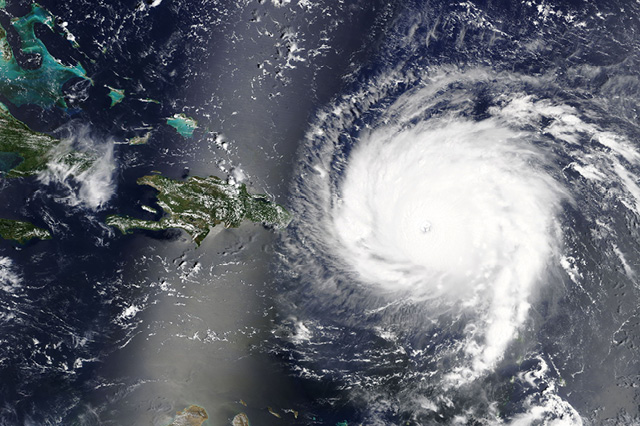
The United States has a tumultuous relationship with weather, bearing witness to some of the most devastating natural disasters in history. Our sheer size and dynamic terrain mean we’re easily subject to all kinds of frightful weather scenarios including tornadoes, blizzards, floods and perhaps the most feared of all, hurricanes.

Known for being unpredictable, hurricanes have a knack of making their way around, wreaking havoc from the south all the way up the eastern seaboard, leaving immeasurable destruction in their wake. On average, there are about 10 tropical storms that develop in the Atlantic each year, with six of those storms becoming hurricanes.

Amid all the hurricanes the U.S. has weathered over the years, there are some that have truly made history. These are some of the worst hurricanes ever to touch down in the United States, forever altering the lives of those caught in their paths.

The Worst Hurricanes in U.S. History: A Timeline

The Great Galveston Hurricane of 1900

Regarded as one of the deadliest natural disasters in U.S. history, the Great Galveston Hurricane of 1900 claimed an estimated 8,000 to 12,000 lives. This colossal storm struck the island city of Galveston, Texas, on Sept. 8, 1900, with winds reaching 140 mph. The city, which was already vulnerable due to its low-lying elevation, faced storm surges up to 15 feet that completely submerged the area. The tragedy prompted significant changes in hurricane preparedness, leading to the construction of a seawall and the implementation of more robust early warning systems.

The Labor Day Hurricane of 1935

The Labor Day Hurricane of 1935 made landfall in the Florida Keys with wind speeds surpassing 185 mph. The storm struck with such force that the entire Overseas Railway connecting the Florida Keys  was destroyed. Hundreds of World War I veterans working on the railway lost their lives, further compounding the human tragedy.

Hurricane Camille, 1969

This category 5 hurricane – one of only four to ever make landfall in the United States – arrived along the Gulf Coast of Mississippi in August 1969. With winds exceeding 175 mph, Camille’s storm surge resulted in the deaths of approximately 259 people and caused extensive damage to infrastructure and homes. The storm brought unprecedented rainfall, triggering flash floods and landslides in the mountainous areas of Virginia.

Hurricane Andrew, 1992

Hurricane Andrew struck South Florida in August 1992. With wind speeds peaking at 175 mph, Andrew leveled entire neighborhoods and caused catastrophic damage estimated at $26.5 billion. The storm claimed the lives of 26 people and thousands more were left homeless. After Andrew, many insurance companies started to establish hurricane deductibles in coastal states.

Hurricane Katrina, 2005

One of the most infamous hurricanes in U.S. history, Hurricane Katrina struck the Gulf Coast with unparalleled force, primarily impacting the city of New Orleans. The catastrophic failure of the city’s levee system resulted in massive flooding, displacing hundreds of thousands of residents and causing over 1,200 fatalities. The response to this disaster was marred by deficiencies in disaster management and emergency response, highlighting the need for more effective coordination between federal, state and local authorities during times of crisis.

Hurricane Ian, 2022

A rare category 5, Ian was the deadliest hurricane to hit Florida since the Labor Day Hurricane of 1935 and is currently the fifth-strongest hurricane on record to make landfall in the U.S. With winds peaking at more than 160 mph and a devastating surge (an estimated 10-15 feet), the storm claimed around 160 lives along its path, which continued as a category 3 hurricane in western Cuba and finally a category 1 in South Carolina. The storm surge alone leveled southwestern Florida’s Sanibel Causeway and the Matlatcha Bridge, resulting in about $113 billion in damage.

Hurricane Helene, 2024

Hurricane Helene made landfall in Florida’s Big Bend in September 2024 as a Category 4 storm, causing catastrophic flooding and wind damage across the southeastern U.S. Its path of destruction extended from Florida to North Carolina, with severe flash flooding in mountainous areas resulting in over 230 deaths. In Asheville, North Carolina, record-breaking floods submerged parts of the city, leaving residents cut off from communication for days. Damage estimates have reached approximately $200 billion, although it could be years before the extend of the damage has been accurately assessed.

The worst hurricanes in U.S. history stand as reminders of the immense destructive power of nature, and how being prepared is pivotal for rebuilding. Over the years, how insurance companies handle coverage for hurricanes has changed dramatically and it’s important to make sure you are properly covered and fully understand your policy.

Making sure you are protected with homeowners insurance through AAA is not only essential, it gives you the peace of mind you need in the event of an unexpected natural disaster. Learn more about AAA Insurance.

This article has been updated and republished from a previous version.

Subscribe to Your AAA Newsletter

Sign up and receive updates for all of the latest articles on automotive, travel, money, lifestyle and so much more!

What Is No-Fault Insurance?

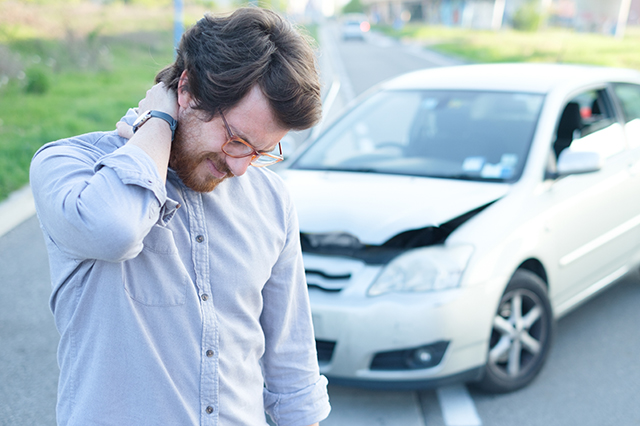
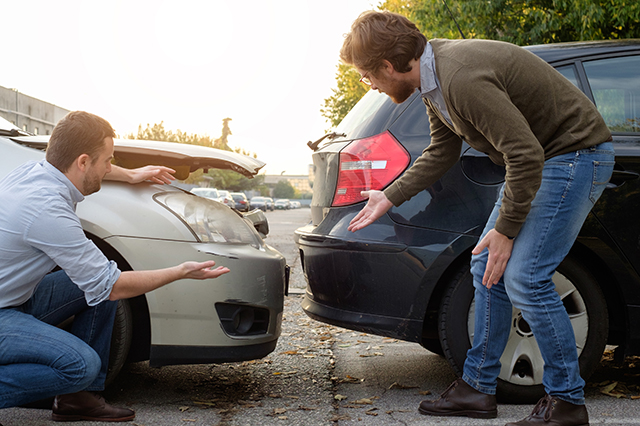
Getting into an accident can be unsettling, as in the case of a minor fender bender, or downright devastating in a worse scenario. The impact of personal injuries and expensive car repairs scare most of us, even though we have car insurance.

When a claim is made, one of the key factors that insurance companies look to determine is who is to blame. Amid the police report, adjuster investigations and overall confusion, throw in the concept of no-fault insurance. What does that even mean?

What Is No-Fault Insurance?

Insurance terms can be perplexing. Some drivers mistakenly think that “no-fault” means that no party will be blamed for an accident, but this is not the case.

In states with no-fault laws, each driver is required to file a claim with their own insurance company after an accident if they are injured. This way, each insurance company compensates its own policyholders for the costs of minor injuries, regardless of who was at fault.

The Purpose of No-Fault Insurance

While insurance companies work to determine which party caused an accident, there are often medical expenses that need to be paid.

No-fault insurance is designed to help policyholders get paid quicker and ultimately reduce the cost of auto insurance by taking small claims out of the courts, according to the Insurance Information Institute.

what is no-fault insurance
No-fault auto insurance does not cover repairs to your vehicle. It’s only limited to personal injury costs.
No-Fault Auto Insurance Is Only Available in Certain States

Not every state has a no-fault system. In the Northeast, laws have been enacted in Massachusetts, New Jersey and New York.

All drivers in these states are required to purchase personal injury protection (PIP) as part of their auto insurance policies, which is what helps to pay your covered medical expenses after an accident.

Even if you do not live in a no-fault state, you may be required to purchase this type of coverage. During the process of securing a quote, your insurance agent will explain the laws that apply to you.

Limited Right to Sue

Beyond the ability to apply to their own insurance provider for personal injury benefits, residents of no-fault states have a limited right to sue after an accident. While the specifics vary based on where you live, in general this means that there are restrictions on when you can sue the other party if they are determined to be at-fault.

In limiting the right to sue, states aim to reduce the number of lawsuits related to car accidents by making the threshold higher. Parties can sue if injuries are severe or if an accident results in death. Each state sets its own threshold, which can be set in monetary terms (bills that equal a certain amount) or verbal terms (a description of the type of injury).

No-Fault Insurance Does Not Cover Repairs to Your Vehicle

Since no-fault insurance is limited to personal injury, property damages that result from an accident are handled in accordance with the traditional insurance process. Your collision insurance will pay claims for the damages incurred to your own vehicle if you opted for it. If your car is leased or financed, you would have been required by your financial institution to purchase this type of coverage.

Property Damage Liability Still Applies

No-fault insurance pertains to the personal injury component of damages after an accident. If you were responsible for the situation that occurred, you are still liable for the expenses related to property damage. This means that if you hit another vehicle (or other physical property type) and damaged it, your property damage liability coverage is what will cover the damage. It’s important to be aware that state minimum coverages are often not enough to cover all damages incurred due to today’s cost of claims and to consult with your agent to be sure you are adequately covered.

Optional No-Fault Coverage

What is no-fault insurance in the context of policy options? If you live in a state that does not have a no-fault system (Rhode Island, Connecticut, New Hampshire in the Northeast), you may still have the option of purchasing this type of coverage. Since there are benefits and disadvantages to no-fault policies, spend time thinking about what will be best in your individual circumstances or consult with an insurance agent. Those who opt for no-fault coverage often do so because it is easier to receive payment for medical expenses should they be injured in an accident.

Ongoing Debate

There is an ongoing debate as experts, lawmakers, insurance companies and drivers weigh in on the impact of a no-fault insurance system. Some argue that the ease with which drivers can file claims with their own insurer increases fraud. Others counter with the necessity of providing drivers with a swifter way to handle injuries after an accident. Even among the states that have a no-fault system, there are varying litigation thresholds rather than one standard.

Whether you live in a no-fault state or not, the topic of no-fault insurance is one that may prompt you to review your policy, which is always beneficial. You might spend some time considering the potential financial impact of an accident or the ease with which personal injury claims will be paid. As you evaluate your own coverage to make sure it is sufficient for your needs, it is advisable to speak with an agent who can provide you with expert advice and give you clarification on policy terms and confusing phrases that complicate auto insurance discussions.

Still have a question about how no-fault insurance works? Ask us in the comments below.

To learn more about AAA insurance, get a quote or contact an agent, visit AAA.com/Insurance

This article has been updated and republished from a previous version.

Subscribe to Your AAA Newsletter

Sign up and receive updates for all of the latest articles on automotive, travel, money, lifestyle and so much more!

Merging Into Life: Solo Travel Guide

SEASON 1: EPISODE 13
Episode Feedback

Tips for a smart, safe and fulfilling solo trip.

listen on apple podcast badge button
listen on spotify badge
listen on amazon music badge
listen on pocket casts badge button

IN THIS EPISODE

Seeing the world (or exploring another state) with family and friends is amazing, but traveling solo is a freedom unlike any other. You get to do exactly what you want, when you want.

Is it weird to travel alone? Not at all. In fact, there are many benefits of traveling by yourself. It’s an opportunity for self-discovery and building confidence, pushing you out of your comfort zone and into new and exciting experiences.

In this episode, avid solo traveler Kim Rodrigues leads the way with her best tips for solo travelers, including how to stay safe when traveling alone. On the logistics side, Jillian Young of AAA Northeast’s Public Affairs team shares insight on the best times to travel and how to beat the crowds.

This is your essential guide to traveling solo.


KEY TAKEAWAYS

[6:32] – How to plan your solo trips
[9:49] – Tips and tricks for staying safe when traveling solo
[13:31] – The best times to travel by plane and by car


TRANSCRIPT

[00:00:05]
Amanda Greene: Hey, welcome home.

[00:00:06]
Amanda’s Husband: Thanks. I have bad news. You’re not going to like this. Listen, I have to work this weekend. I cannot go away like we had planned.

[00:00:14]
Amanda Greene: Oh no. Are you serious?

[00:00:16]
Amanda’s Husband: Why don’t you go? I will take the kids. It’ll be okay.

[00:00:19]
Amanda Greene: I think I’d feel weird going alone, and with you and the kids at home.

[00:00:23]
Amanda’s Husband: Absence makes the heart grow fonder.


RESOURCES

AAA Travel

Cruising Solo? You’re Not Alone!

Dive Deeper on a Small Group Tour

Rent a Car

K-Rod Collective


Want to Learn More? Drop Us a Note

"*" indicates required fields

This field is for validation purposes and should be left unchanged.
Subject
Name*

*The views and opinions expressed in this podcast are not necessarily the views of AAA Northeast, AAA and/or its affiliates.

Subscribe to Your AAA Newsletter

Sign up and receive updates for all of the latest articles on automotive, travel, money, lifestyle and so much more!

Westchester Is a Winter Wonderland

Glistening snow-covered lanes, dreams by the fire and plenty of plans to be made — experience all the landmarks of a winter wonderland fit for a song, just 30 miles from Manhattan in Westchester County, New York. Hop in the car for a drive or take Metro-North or Amtrak.

Here are a few highlights of the 2025-2026 winter season to inspire your trip.

Outdoor Activities and History

Explore Westchester’s collection of thematic trails. Walk the American Revolutionary Trail to retrace key moments from America’s founding and follow the African American Heritage Trail to honor powerful stories of perseverance and victory. You can also (responsibly) sip your way through the Westchester Craft Beverage Trail, a self-guided tasting tour of standout breweries, cideries and distilleries across the County.

For more fun in the fresh air, lace up your skates and soak up the beautiful winter landscapes at Westchester’s parks. When lakes and ponds freeze over, ice skating is allowed at Blue Mountain Reservation (Peekskill), Mountain Lakes Park (North Salem), Tibbetts Brook Park (Yonkers), Twin Lakes Park (New Rochelle), Wampus Pond (Armonk) and Wilsons Woods (Mount Vernon).

Cross-country skiers and snowshoers can enjoy Croton-on-Hudson’s Croton Point Park, featuring 508 acres along the Hudson River, and the serene 208-acre Kitchawan Preserve in Ossining. For hikers, Teatown Lake Reservation in Ossining is open from dawn until dusk and offers special programming like “Snow Stories” and the “Full Moon Hike” series.

Go Beyond Making New Traditions

Find the perfect gift and enjoy spectacular holiday views — this December in Westchester.

Learn More

Indoor Family Fun

On days when the indoors beckon, there’s something to keep everyone in the family entertained.

Walk-ins are welcome at The Pottery Factory in Mount Kisco, where you can tap into your creative side with pottery, candle making and more. For date night, join one of the instructor-led paint and sip party sessions.

Imagine spring at Five Iron Golf in Port Chester. Outfitted with state-of-the-art simulators, visitors can tee up at champion-level courses or challenge each other to a game.

Families with kids can spend hours at LEGOLAND Discovery Center Westchester in Yonkers. It’s the ultimate indoor LEGO® playground with endless building adventures and interactive experiences. In Rye, the Westchester Children’s Museum is another place where little imaginations can soar, providing hands-on spaces for kids to design, create and discover together.

Cozy Stays

Overnighting? Consider the scenic Abbey Inn & Spa in Peekskill. Overlooking the Hudson River in a restored convent and chapel, here you can enhance your stay with dinner at the farm-to-table Apropos Restaurant or a spa treatment.

Tucked along a peaceful, tree-lined road, the Kittle House Inn in Chappaqua, formerly known as Crabtree’s Kittle House Restaurant & Inn, plans to reopen guestrooms in early 2026. This luxurious escape combines the elegance of Old New York with historic charm and also includes a fine-dining restaurant.

The Bedford Post Inn is a quaint historic property, filled with charm. Dating back to the 1860s, it is home to an eight-room luxury inn, yoga studio and two distinct restaurants. Its heated bathroom floors and freestanding soaking tubs are exactly what you need on a cold winter day.

From indoor escapes to outdoor adventures, there’s plenty to keep you entertained in Westchester — and plenty of dining options to satisfy your cravings, wherever you go.

Start planning your Westchester getaway.

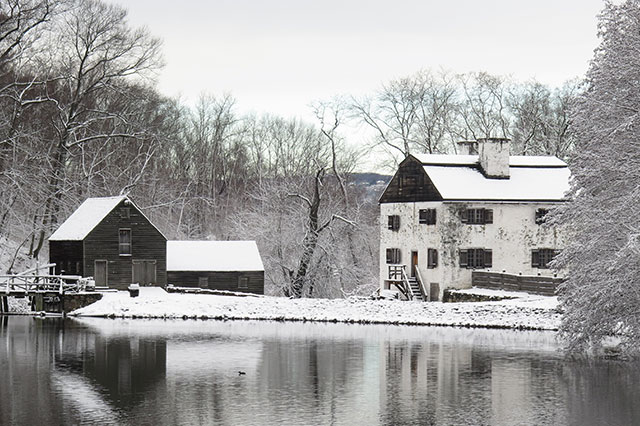
Featured image: Philipsburg Manor is a Historic Hudson Valley property on the African American Heritage Trail.

Subscribe to Your AAA Newsletter

Sign up and receive updates for all of the latest articles on automotive, travel, money, lifestyle and so much more!

Car Rental Safety Tips

Heading on a trip soon? You might want to rent a car. Car rentals offer a convenient way to get around your destination after your plane lands. For long road trips, a rental can provide extra space for passengers or cargo, and it can save your own car from the wear and tear.

Of course, you always want to drive safely, but getting into an unfamiliar car requires some extra preparation and precautions. From ensuring a secure place for pick up and drop off to taking time to learn about the vehicle’s features, here are some car rental safety tips to keep in mind before hitting the road.

Book Early and Prepare Ahead

Hertz recommends booking a car in advance so it will be waiting for you when you arrive at your destination. You should also try to decide ahead of time if you are going to buy rental car insurance.

Drivers are usually covered by their personal insurance or through a credit card when renting a car, but it’s smart to review your coverage with your insurance agent or credit card company first to see if you need to fill any gaps. Also, double check if your car insurance will cover you if you are traveling for business.

If you are taking an extended vacation and have a lot of personal items in the car such as electronics and jewelry, consider buying personal effects coverage. You also may have coverage for your belongings through your homeowners policy, so it is best to confirm that. 

If renting from Hertz, consider purchasing a loss damage waiver policy for an extra layer of protection to cover any damage to the rental car.

Before you go, take pictures of the interior and exterior of the car so you have a record of its condition.

Hertz Car Rentals

Save up to 20% off the base rate.* *Taxes and fees excluded. Terms and exclusions apply.

Let's Go!

Check Your Surroundings

Airports are the most common places to pick up and return rental cars and finding them is usually as simple as following the signs to the car rental counter. Company’s like Hertz also often have neighborhood locations that may be closer to you.

Depending on where you are picking up or dropping off your rental, there can be many people around or hardly any – both situations require some level of vigilance.

Keep your luggage and personal belongings with you at all times and do not engage with strangers that may be trying to distract you; while one person is trying to get your attention, another person could be trying to lift your bags. Similarly, don’t allow strangers to help you load and unload your bags or take the keys. Hertz employees wear badges, so they can be easily identified.

Check the Car

Familiarize yourself with the car; check to make sure you know how to turn on the lights, wipers, defroster, cruise control and parking brake and get a feel for the brakes.

Practice the same safety measures you do while driving your own car, such as wearing your seatbelt and staying off your phone.

Always lock the car and avoid parking on the street. Try to use hotel parking when you can. Don’t leave your personal items in the car, but if for some reason you must, keep them out of sight. Be aware of anyone approaching the car.

car rental safety

In Case of a Crash

No matter how cautious you are, car crashes can happen, which requires extra work on your end, no matter who is at fault. First, stay calm. Follow the same steps you would take if a crash occurred while driving your personal car: Check to see if anyone is injured and call 911.

If the car is operational, pull off the road to a safe place and exit cautiously, then exchange insurance information with the other driver if there is one. Make sure you get the case number when the police come to file a report.

As soon as possible, call the emergency number for the rental car agency, which should be on the rental agreement paperwork. Ask them where they want you to take the car, depending on whether it can be driven or needs a tow truck. Then of course, contact your own insurance company.

The rental company also will require you to complete an accident report, and forms usually are on the agency website.

One Final Look

At the end of your road trip, follow the rental company’s instructions for drop off. Just make sure that the gas tank is full, or if it is an EV, the battery is completely charged. Before handing over the key, clean up and scour the car to ensure you don’t leave any personal belongings behind.

AAA members can enjoy exclusive discounts and benefits when renting from Hertz.

Subscribe to Your AAA Newsletter

Sign up and receive updates for all of the latest articles on automotive, travel, money, lifestyle and so much more!

Can You Calm Flight Anxiety With Food?

Flying elicits a lot of emotions – from sheer excitement for some to downright dread for others. Those who experience the latter aren’t alone; about 25 million people report having a fear of flying, and whether that’s because of turbulence, lack of control or something else, combatting it is easier said than done.

While deep breathing exercises and mental preparation are common techniques to manage flying anxiety, there’s a growing interest in how certain types of food can help lessen nervousness during a flight. “Serotonin regulates digestion at multiple levels within the human GI system,” according to the National Library of Medicine. Because of this connection between our gastrointestinal system and the “feel good” hormone, it’s theorized that what we eat has a significant influence on our mood – but not all kinds of food are created equal when it comes to dispelling flight anxiety.

Let's Plan Something Wonderful

Book your next trip with AAA Travel now or call 866-423-5585 to speak with a travel advisor.

Book Now

Foods That Could Help Ease Flight Anxiety

Magnesium-Rich Foods

Magnesium is a mineral that’s been linked to reducing anxiety and improving your mood as it regulates neurotransmitters that help balance emotions. A deficiency in magnesium can actually contribute to stress and anxiety, so eating magnesium-rich foods before a flight may help alleviate feelings of unease.

Meals that feature a good amount of dark, leafy greens, like spinach and kale, are a great source of magnesium as are nuts and seeds, like almonds, sunflower seeds and pumpkin seeds.

Omega-3 Fatty Acids

Commonly found in fish, omega-3 fatty acids are known for their anti-inflammatory properties and may help reduce symptoms of anxiety by supporting brain health and regulating mood. Some studies even suggest that omega-3s may lower the production of stress hormones like cortisol.

Types of fatty fish like salmon, mackerel or sardines are your best bet, but pre-flight snacks like chia seed pudding or a handful of walnuts contain a good amount of omega-3s, as well.

Complex Carbohydrates

Carbohydrates are essential for producing serotonin. Before you reach for that bagel, though, it’s important to note that the type of carb matters. Complex carbohydrates provide a slow and steady release of energy and avoid the blood sugar spikes and crashes associated with simple carbs like baked goods, pasta and fruit.

Good sources of complex carbohydrates include oats, sweet potatoes, whole grain bread and quinoa.

flight anxiety eating
Herbal Tea

Certain herbal teas are well known for their calming properties, making them a great addition to your preflight prep. Besides helping to keep you hydrated, tea also contains compounds that can promote relaxation and reduce anxiety.  

When choosing which tea to drink before or during your flight, look for chamomile, peppermint or green tea. Chamomile tea contains apigenin, an antioxidant that binds to receptors in your brain that may decrease anxiety. Peppermint tea, on the other hand, has a cooling effect that can help calm the mind. Green tea, although usually caffeinated, has an amino acid called L-theanine which promotes relaxation without drowsiness.

Probiotics

Maintaining a healthy gut microbiome is important for your immune health as well as breaking down your food to adequately extract essential vitamins and nutrients from the food you eat. Probiotic foods that support gut health may have an impact on anxiety levels as healthy gut bacteria can improve mood and reduce anxiety by producing neurotransmitters that regulate stress.

Probiotic foods to consider include yogurt with live cultures, kefir and fermented foods such as sauerkraut and kimchi.  

Foods to Avoid

Just as certain foods can help calm your nerves, others can trigger or exacerbate it. For those with plane anxiety or fear of flying, it’s best to stay clear of the following.

Caffeine

Drinking coffee may be how you usually begin your day, but consuming caffeine before a flight can increase your heart rate and make you feel more jittery and anxious.

Sugary Snacks

As previously mentioned, simple sugars or carbohydrates can cause blood sugar spikes and crashes, which might leave you feeling tired and irritable.

Alcohol

Although having a drink may seem like a way to “numb” anxiety, it can actually disrupt your sleep, cause dehydration and make anxiety worse in the long run.

Do you have flight anxiety? What’s your hack for keeping it at bay? Let us know in the comments.

Subscribe to Your AAA Newsletter

Sign up and receive updates for all of the latest articles on automotive, travel, money, lifestyle and so much more!

Pamper Yourself at Wyndham Hotels & Resorts Spa Retreats

Find balance and tranquility at one of Wyndham Hotels & Resorts’ spa retreats, situated in picturesque locations around the world. Unwind with forget-the-world treatments, from therapeutic massages and nourishing facials to organic body wraps and services in ultramodern salons. Many properties are also home to wellness facilities like revitalizing saunas, state-of-the-art fitness centers and sparkling pools.

Lose yourself in a rejuvenating spa package, available at many of the spa hotels and resorts. Packages include, but are not limited to, luxurious massages, facials, body wraps and salon services.

Here are three of our favorite spa destinations. Explore even more.

Save at Wyndham Hotels & Resorts

AAA members get up to 15% on fall getaways.

Book Now

Grand Palladium Jamaica, All-Inclusive Resort Spa

Montego Bay, Jamaica

Nestled between Montego Bay and Lucea on Jamaica’s northeast coast, the AAA Four Diamond designated Grand Palladium caters to singles, couples, families and anyone looking for a relaxing stay full of pampering. Check out the 6,000-square-meter super spa equipped with 18 treatment rooms, head for the indoor pool for leisurely laps or get in some yoga or fitness classes. Prefer the outdoors? Guests have access to four beaches, where they can stretch out in the sun and have a beverage.

Westward Look Wyndham Grand Resort and Spa

Westward Look Wyndham Grand Resort & Spa

Tucson, Arizona

If you are looking for an oasis in the Sonoran Desert with stunning desert landscapes, this 80-acre, AAA Four Diamond resort is the spot. Enjoy all the luxury treatments offered at the Sonoran Spa, such as massage, energizing scrubs and restorative facials using natural desert botanicals and therapeutic herbs grown from their Wellness Garden. Swim in three different pools, soak in a hot tub, explore desert trails on horseback and dine at world-class restaurants onsite. Step outside the resort to visit Sabino Canyon, Saguaro National Park and Tucson Mall.

Wyndham Grand Cancun All Inclusive Resort & Villas

Wyndham Grand Cancun All Inclusive Resort & Villas

Cancun, Mexico

The perfect retreat for families, couples or anyone, this AAA Three Diamond property is steps away from the Caribbean’s turquoise waters. Take a dip in any of the resort’s three pools, unwind with a massage or rejuvenating facial at the spa and enjoy manicures, pedicures and blow-dry services at the salon. Plus, there’s golf, unlimited cocktails and sumptuous food. Shopping and entertainment are nearby.

Explore Wyndham’s locations worldwide. AAA members save 10% or more* on hotel stays. Book now by calling 800-789-4103 and mention you are a AAA member, or visit WyndhamHotels.com/AAA.

*Restrictions Apply.

Subscribe to Your AAA Newsletter

Sign up and receive updates for all of the latest articles on automotive, travel, money, lifestyle and so much more!

The New Tailgate Party: Frunkgating

Tailgating out of your EV or “frunkgating” brings the classic tailgate party to a whole new level. Front trunks – known as frunks on EVs – and the added power they can supply, bring all new possibilities to the parking lot.

So Cool

While frunks vary in size – the largest is approximately 14 cubic feet, equivalent to a medium upright freezer – all provide convenient storage space. Some are even watertight and have drains, which makes them handy coolers. For those who want to keep their frunks safe from spills and messes, frunk liners are available.

Bring the Power

Some EVs come equipped with plugs for bidirectional charging, meaning you can use the car’s battery as a power source, basically turning it into a generator on four wheels. Since EV batteries are powerful enough to light up a house for several days, plugging in grills and TVs is not a problem. Some frunks also include USB and 120-volt chargers, which can be used for Bluetooth devices, lights and even power tools.

The additional power also means more cooking options than a generator could support, so tailgaters can plug in a slow cooker, blender, popcorn maker, fans, heaters and even a microwave.

For an internet connection, owners can use their vehicle’s power port to access a mobile Wi-Fi hot spot.

frunk
The Ford F-150 Lightning’s Mega Power Frunk is the largest EV frunk, holding up to 400 pounds. It features multiple power outlets and boasts 14.1 cubic feet of waterproof space.

The Party Doesn’t Stop

No tickets to the big game? No problem. Truck owners can mount their big-screen TVs in the back of the vehicle and enjoy food and drinks while watching the game. Or sit and chill until the crowd thins after the final whistle blows.

Ready to kick off your frunkgate extravaganza? Try these game day snacks to get the party started. When it’s time for the main event, check out Southern Living’s 60 tasty tailgate recipes.

Have you used your EV for tailgating? What did you like about the experience?
To learn more, visit AAA’s EV website.

Subscribe to Your AAA Newsletter

Sign up and receive updates for all of the latest articles on automotive, travel, money, lifestyle and so much more!