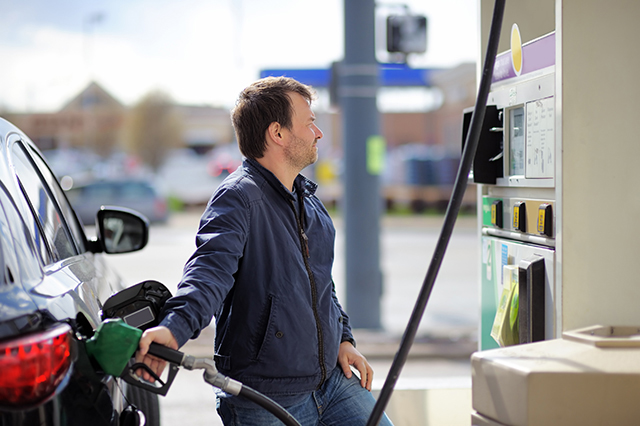
Northeast Gas Prices Mostly Stay Parked as Cold Snap Rolls In
Northeast gasoline prices this year are looking much like how they ended 2024 — but an arctic freeze currently impacting much of the United States and Europe could upset the balance.
The bitter cold, which is expected to deliver a hard freeze to oil-producing regions of the southwestern United States for the first time since 2022, has boosted crude oil prices amid a surge for home heating oil across the country and in Europe — which is facing a similar chilly forecast. Electricity demand is also expected to increase as millions crank their thermostats to cope. Overall, oil prices ended last week up about $2, and could rise further as temperatures plummet this week.
The rise in crude oil prices could begin to put pressure on the price of gasoline, but a sharp drop in gasoline demand and ballooning inventories are staving off significant hikes in our region — for now. Last week, domestic gasoline demand fell 9% to 8.1 million barrels a day, according to the Energy Information Administration. That’s in line with expectations for the post-holiday period. Meanwhile, domestic inventories grew by 7.7 million barrels, with Northeast supplies accounting for nearly 2 million barrels of the increase.
“If it weren’t for cratering demand and swelling inventories, gasoline prices could be on the upswing thanks to the impacts of severe cold,” said Jillian Young, Director of Public Affairs, AAA Northeast. “Oil and gas markets are watching for potential disruptions to production and supplies in southern areas of the United States unaccustomed to prolonged hard freezes.”
AAA Northeast’s Jan. 6 survey of fuel prices found the current national average up 4 cents from last week ($3.02), averaging $3.06 per gallon. Today’s national average price is 4 cents higher than a month ago ($3.02) and 2 cents lower than this day last year ($3.08).
State
Current Price*
One Week Ago
One Month Ago
One Year Ago
Connecticut
$3.02
$3.02
$3.05
$3.18
Massachusetts
$3.00
$3.02
$3.03
$3.18
New Jersey
$2.97
$2.91
$2.95
$3.08
New York
$3.12
$3.12
$3.15
$3.32
Rhode Island
$2.93
$2.95
$2.96
$3.06
*Prices as of Jan. 6, 2025
Today, Oklahoma and Mississippi have the lowest prices in the nation at $2.55 and $2.60, respectively.Hawaii and California hold the highest prices in the nation this week at $4.54 and $4.38, respectively.
The AAA Gas Prices website is your resource for up-to-date fuel price information. Search for average gas prices by Regular, Plus, Premium and Diesel on national and state levels, as well as metro areas.
Every state has its own regulations when it comes to REAL ID requirements. Please be sure to reference DHS.gov/realid for state-specific details. AAA Northeast is providing general information about the REAL ID Act and what to expect.
Since May 7, 2025, airline passengers have been required to show a REAL ID, passport or other accepted form of identification to fly.
The REAL ID Act established new federal minimum-security standards for state-issued driver’s licenses and identification cards. This means that all U.S. air travelers need a REAL ID driver’s license, or other acceptable form of identification, such as a valid passport, passport card, state-issued enhanced driver’s license, DHS trusted traveler cards (Global Entry, NEXUS, SENTRI, FAST) or U.S. military ID. This law also applies to those seeking access to federal buildings or nuclear facilities.
Starting Feb. 1, 2026, airline passengers without a REAL ID will need to pay the Transportation Security Administration (TSA) $45 to verify their identity for travel and access security checkpoints. So, if you haven’t already, now is a great time to apply for your license upgrade at your nearest AAA branch.
AAA members in Connecticut, Massachusetts, Rhode Island and New York can apply at certain local AAA branch offices. Reserve your spot online ahead of time at AAA.com/Reservations.
Getting a REAL ID
Most states use a central issuance method for driver’s licenses and IDs. You apply at the DMV or certain AAA branches and receive a paper temporary document until your plastic credential is mailed to you.
Unfortunately, the TSA does not recognize a temporary paper document as an acceptable form of ID. Normally, you would receive the plastic credential in two weeks. With the increased demand of individuals applying for the REAL ID, it’s likely the delivery of licenses will be delayed. Therefore, if you are traveling and in need of a REAL ID compliant form of ID, you will need to plan for additional time to receive your plastic credential.
In Massachusetts, Rhode Island and New York, DMV/RMV services at AAA branches are free for all AAA members. In Connecticut, AAA members from outside AAA Northeast territory pay $6 for DMV services and non-members pay $8.
There is no additional cost for the REAL ID itself. If not at renewal, only the standard duplicate license fees would apply.
Simply getting to the REAL ID issuing agency is only half the job; you also have to show up with the proper documents. Here is a rundown of what you’ll need. Requirements vary by state, so please check with your local DMV/RMV.
Proof of lawful presence/birth. You will also need legal proof of a name change with court documents, if your current name on your driver’s license/state ID does not match your lawful presence/birth document.
Proof of Social Security number. Your full name and full Social Security number must be shown.
Proof of residency. This will need to be demonstrated by two items from each state’s checklist.
For a list of documents that apply to each category, follow each state’s DMV REAL ID checklist.
REAL ID Driver’s License Application Challenges
REAL ID requires in-person physical and electronic verification of all documents.
Only original, non-laminated, unaltered documents are accepted.
Documents cannot be issued from a church, hospital or non-city/state/federal agency.
Inaccurate documents. You will not be successful if you deviate from the state’s DMV REAL ID checklist.
Name changes. All name changes must be proven with legal documents from birth to current name if a person has had name changes. Therefore, people who have had changes in their name should bring all documents showing the name trail from their lawful presence/birth document to their current name on their driver’s license/state ID. These documents must be issued by a city or state. Church marriage certificates cannot be used.
All of the above have led to longer wait times at AAA branches and the DMV/RMV.
Best Practices and Considerations
Be prepared. Obtain the state issued checklist prior to your appointment and adhere to it. Just because a church-issued marriage license, laminated Social Security card or a photocopy of a birth certificate was used at the DMV/RMV prior, it will not be accepted now due to new federal rules.
A valid passport can be used for lawful presence document and in most cases for a female, most likely will match their driver’s license/state ID name. If this is true, no name change documents need be presented. Please note an expired passport, even by one day cannot be used for this requirement.
If you have had multiple name changes and you are not using a valid passport: Bring original documentation for ALL name changes from birth to the current name.
If the Social Security card has been laminated or altered in any way, bring another document from the list or apply for a new card (It will take approximately 14 days for it to arrive). Note: Rhode Island does accept a laminated, but otherwise unaltered, Social Security card. Massachusetts and other states do not.
All Social Security documentation must show the person’s full name and full Social Security number from the state checklist.
Birth certificates must be original and issued by a city, town or state. No hospital or church birth certificates can be accepted. Certified copies and/or birth abstracts may be acceptable, but are subject to additional screening and verification processes. The rules vary by state. To be safe, go back to the agency that issued the birth certificate and request a new un-laminated one.
There are other forms of ID that will be accepted for the REAL ID requirement to board an aircraft within the U.S., enter a nuclear facility and to enter certain federal buildings. These include:
Getting into a car crash is overwhelming. On top of damage to your car, you may have injuries or worry about the cost of repairs. Whether you experience a major crash or a minor fender bender, the process of filing an insurance claim can be stressful. Prepare yourself by becoming familiar with the basic steps of how to file auto insurance claims.
How to File an Auto Insurance Claim
Contact the Police Immediately
Despite our best defensive driving efforts, most of us experience a crash at some point during our lives. Perhaps someone backed into your car in a parking lot or ignored a traffic signal. Regardless of the cause of the crash, here are a few tips on what you should do immediately after.
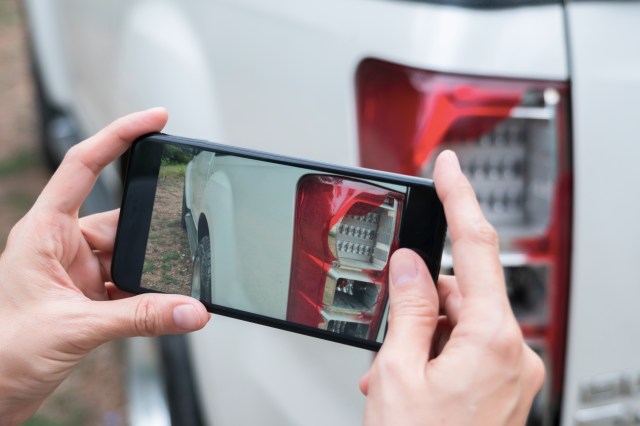
In addition to making sure everyone is safe, taking photos of damages and contacting AAA Roadside Assistance if needed, it is important to call the police right away so that injuries can be addressed and the event can be documented properly. The officer who arrives at the scene will record many of the facts that you will need for your insurance claim to be complete. These include where and when the crash took place, identifying information for the parties involved, insurance information and a description of what occurred.
Click here to learn what to do if you’ve be in a hit-and-run.
Inform Your Insurance Carrier
While the police report of your crash will not be available immediately, contact your insurance company right away. Whether you file your claim by phone, online or app, you should have your policy information on hand. During the initial filing, be prepared to provide your insurance policy number, driver’s license number and other identifying information.
A representative can explain the claims process and walk you through a series of questions regarding your crash. You will be asked to provide details of the incident as well as the date, time, parties involved and any injuries you incurred. The insurance company will request a copy of the police report when it is available as this will aid in the investigation.
In addition to taking an account of the crash, the representative will schedule a time for your vehicle to be inspected. An adjuster will come to the location of your car to write up an estimate for the necessary repairs.
Ask Questions About Coverage and Deductibles
Do you recall the details of your auto insurance coverage? Most of us pay our premiums but don’t think much about our policy until we get into a crash. Make sure to ask your insurance agent about your deductible so that you can plan financially for car repairs. Your deductible is the amount that you will owe before insurance covers the remainder. For instance, a $500 deductible means that you will owe $500 regardless of the total amount of repair needed for your car. If the other driver’s insurance company ultimately accepts fault for the crash, your deductible eventually will be returned to you.
In cases where the damage to your car is so great that it cannot be driven, you will need a rental car. Even if your vehicle incurs less damage, you will need one for the time it is at the body shop. Ask about your rental car coverage so that you stay within the limits of your policy and minimize additional cost. AAA members get exclusive savings on Hertz rentals.
Be Patient During the Claim Investigation
Once a car crash is reported, your insurance carrier will investigate to determine the nature of the crash and the severity of any damage to the individuals and vehicles involved. If there are differences between what you and the other party have reported, you may receive a call from the insurance company of the other driver. It can be stressful to recount the details of a crash repeatedly, so make sure to remain patient and calm so that you can accurately describe exactly what took place.
Track Your Insurance Claim Regularly
One of the most stressful parts of filing an auto insurance claim is waiting for it to be settled. Even the nicest rental car is no substitute for the comfort of your vehicle. Keep track of the progress on your claim, and stay in touch with those who are responsible for managing repairs. You will be back on the road in your own car faster if you answer questions promptly and remain active throughout the process.
Take Care of Your Injuries
In the aftermath of a crash, we often think about costly car repairs, but tending to injuries should be at the top of our to-do list. Keep up with appointments such as physical therapy, rest when advised and listen to your doctors. If any changes in your medical care are recommended, communicate these with your insurance carrier as well.
While safe driving can reduce the chance of a car crash, most of us will experience one at some point in our lives. Review your policy periodically, and keep these steps in mind so that filing an auto insurance claim can be as smooth as possible.
You’ve likely heard about sustainable travel – taking steps to reduce negative impacts on a destination’s environment and its residents.
This mindful way of traveling may soon be the only way to travel, as higher temperatures due to climate change and overcrowding stress popular destinations, prompting the reinvention of the tourism industry.
For Locals, Tourism Is a Gift and a Curse
Many countries need tourism to survive, but overtourism in popular vacation spots such as Italy, Spain and Greece left residents steaming and landmarks packed, according to Brian Garland, a travel advisor for AAA Northeast. Some cities lack the resources for such large crowds and are not equipped for sustained hot weather.
If temperatures continue to rise annually in Europe, those countries and others may drop off the summer travel schedule, he added. “Summer destinations may not be summer destinations anymore.” Already Scandinavia, the Arctic, the Canadian Rockies, Alaska and Iceland are increasingly popular summer vacation spots.
“Travel is harming certain communities, environments and ecosystems,” Garland explained. “Sustainability is not just a trend, it’s how travel will grow and survive. If places get over-toured, local economies will suffer.”
In summer 2024 locals rebelled in popular tourist destinations of Europe and Asia. Tourists crowded out residents, pushed rental prices beyond the reach of locals and failed to clean up after themselves.
In an effort to control crowds, Italy started requiring reservations at popular beaches during the peak summer season and banned towels and chairs from some shores. Overtourism in Bali prompted Indonesian officials to enact a moratorium on the construction of new hotels, villas and nightclubs in some sections of the island.
Even the wide-open spaces of U.S. national parks felt cramped, with about 13 million more visits in 2023 than in 2022, according to data from the National Park Service. During the busiest times, visitors have to book ahead to enter.
In their quest to capture photos of the trendiest spots, tourists have forgotten they are guests in someone else’s home, leaving the locals feeling frustrated.
Putting Locals First
Spurred by necessity and client interest, the travel industry is increasing offerings not just in sustainable and authentic travel, but also regenerative travel to give back to communities.
“People are moving away from large bus tours,” Garland said. “So far, younger travelers are the most interested.”
During authentic trips, people embed themselves in a community, while regenerative travel involves contributing to the place you stay, from planting trees to helping build a school.
“In travel, we sell memories, so why not make someplace better and easier for people to visit, enrich it and the locals who work there?” Garland added.
Part of traveling authentically means, for example, staying at an inn in town instead of a chain hotel and eating locally grown, seasonal foods in neighborhood restaurants. “It’s using the local culture as a springboard,” Garland said. “It’s the choice about preserving traditions and engaging with that community in a sustainable way and minimizing impact.”
Also called community-based tourism, the goal is to put more money into the hands of residents. “The more you can become connected with the local ecosystem, financial ecosystem and the cultural ecosystem, the more likely you are to have a better time,” Garland said.
Keeping Up With Sustainable Travel
AAA Travel has been growing its involvement in the sustainable travel market. It now is partnered with Tourism Cares, a nonprofit dedicated to the long-term survival of the travel and tourism industry, to create sustainable itineraries for popular destinations.
Overall, the U.S. is rapidly expanding its spot in the ecotourism realm. The nation’s sustainable tourism industry is nearly 7.5% of the global market. In 2023, that market’s estimated value was more than $258 million, and it is projected to climb beyond $663 million by 2033.
One of the fastest growing travel choices now is river cruising, Garland said. Not only because of the smaller ships, which have less of an environmental impact, but because there are fewer people and more opportunities to connect to the local community. Train travel also is growing, both in the U.S. and internationally, especially in Europe, Asia and Africa.
That doesn’t mean that AAA will be divesting itself from ocean cruises and flights any time soon, Garland noted. The Caribbean and Disney properties consistently are among the biggest draws. But AAA is taking other steps to be more sustainable, such as promoting EV and hybrid rental cars and finding other ways travelers can reduce their carbon footprint. “Travel agents are talking about sustainability in a way we didn’t five years ago,” Garland said.
Making Any Trip More Sustainable
Even trips to Disney properties can be more sustainable, according to Garland. Instead of eating all your meals and shopping only on-site, consider visiting at least one restaurant or business outside of the park and bring reusable water bottles. You could also set aside a few hours of your vacation to volunteer in the community.
“Just make one small change that saves resources,” Garland said. “You don’t have to become an eco-warrior. Just think about where your dollars are going, what you are taking out and how you can contribute.”
Whether you’re in it for fitness or fun, ice skating is guaranteed to please. Add in some frosty temps, a gorgeous outdoor venue and some hot cocoa afterward and it rises to the level of spectacular (if you’re bundled up, of course!). We’ve chosen our favorite outdoor ice skating rinks in Connecticut, Massachusetts, New Jersey, New York, Rhode Island and New Hampshire. Head to the spot nearest you and enjoy the classic winter pastime with family or friends.
Make sure to call if it’s snowing or extremely cold; some rinks will close if conditions are hazardous.
Connecticut
The Westport PAL outdoor ice skating rink offers indoor heated areas for changing, concessions and plenty of time for free skate, hockey practice and learn-to-skate and hockey lessons.
In Stamford, head over to the Steven & Alexandra Cohen Skating Center at Mill River Park for some outdoor skating fun. It’s open seven days a week. Warm up with some hot cocoa in the warming hut after your gliding session.
Massachusetts
Glide along in one of Boston’s most scenic spots at the Frog Pond in Boston Common. Here you’ll find adorable skating aids disguised as seals, skate rentals and lockers. You can even take lessons with the Skating Club of Boston. And if you’re hungry – or chilly – warm up with some snacks or a cup of hot chocolate from the Frog Pond Cafe. Skating begins in November and lasts through March. The rink is open daily except for Christmas and admission is based on the skater’s height.
New Hampshire
Want a little history mixed in with your outdoor pursuits? Then head for the Labrie Family Skate at Puddle Dock Pond at the Strawberry Banke Museum in Portsmouth. The family-friendly rink is nestled within the 10-acre living history museum and offers a learn-to-skate program for those new to the ice. In addition to free skating hours, the rink also offers adult hockey sessions. Admission to the museum costs extra.
New Jersey
In the summer, the two regulation size inline skating rinks at Central Park of Morris County are, well, just that. Come wintertime, however, they’re flooded and turned into outdoor ice skating rinks. The Parsippany park is open daily when weather permits; check the website for schedules.
New York
Sure, we could have chosen the obvious spots in New York City – Rockefeller Center or the rinks at Central Park – but there’s something magical about skating on the banks of the Hudson River with the One World Trade Center building in the background. The Rink at Brookfield Place has all that, plus skate rentals, learn-to-skate and learn-to-play-hockey packages, and instruction offered by former Olympic figure skaters Melissa Gregory and Denis Petukhov. Open daily.
Rhode Island
There’s no better way to show how much you love your family and friends by bumping into and ramming them on the coolest attraction at Providence’s BankNewport City Center outdoor ice skating rink: ice bumper cars! They’re offered daily during specified hours and must be reserved in advance. See website for the full schedule. They cost $13-$16 for 20 minutes of bumpy, jostling fun.
If skating is more your speed, don’t worry. You can still glide along the capital city, with the sparkling lights of City Hall and the Graduate Providence behind you. The rink offers skate rentals, lockers and helmets, ice hockey programming, cute penguin skate aids for little ones (and not-so-sure bigger ones) and skate-sharpening services. You can also sign up for learn-to-skate programs. Open daily.
What’s your favorite outdoor skating rink? Tell us in the comments!
Crossword puzzles help improve mood, memory, and even help fight disease! Stay active and test your health and wellness knowledge in our new crossword puzzle.
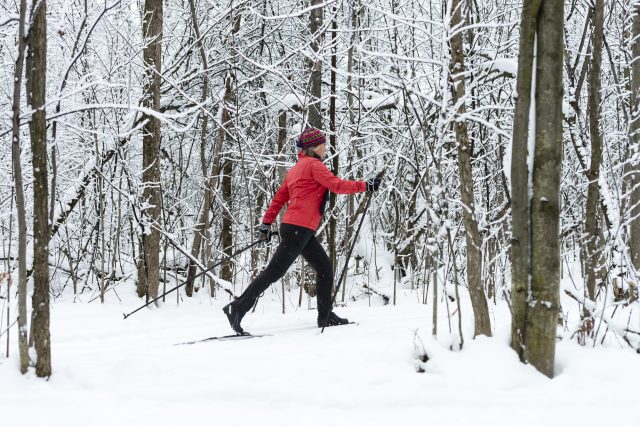
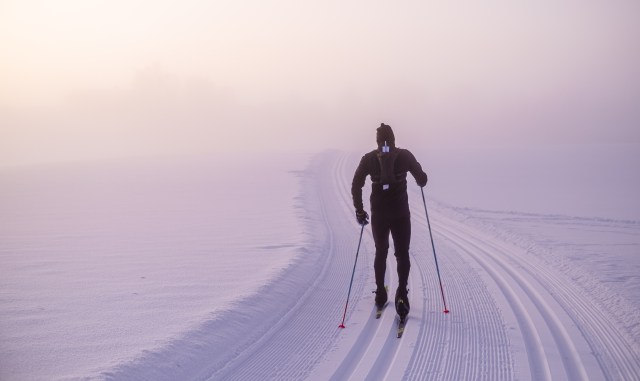
Once the temperatures plummet, it’s tempting to simply hibernate indoors until spring. But why not give your senses an unforgettable treat by immersing yourself in the enchantment of a freshly snow-covered winter wonderland? Think of it: frosted pines glistening in the sunlight, the magical hush broken only by the gurgle of a partially frozen stream. Cross-country skiing is a great way to make this dream a reality, and it’s especially accessible along some of the U.S.’s abandoned railroad corridors that have been transformed into multiuse paths, known as rail trails.
When coated with snow, a rail trail becomes a paradise for cross-country skiers, fat-tire cyclists, snowshoers and hikers alike. The level or gentle grade allows people of all ages and abilities to traverse the terrain safely and be enveloped by nature. You’ll never see winter the same way again.
If you’ve been wondering about where to cross-country ski next (or for the first time), try one of these six rail trails.
Paralleling the boulder-laden Carrabassett River for some 5 miles, the Narrow Gauge Pathway is a rail trail free of snowmobiles, unlike many others in Maine, making it a gem for cross-country skiing. The path, which follows the corridor of the former Kingfield and Dead River Railroad, is groomed for classic skiing on one side, leaving a separate area for skate skiing. Huddled between the expansive Bigelow Preserve and Sugarloaf Mountain, the route courses gently uphill as it heads west from Carrabassett to Bigelow, a former railroad settlement.
Clearings offer stellar views of snowcapped mountains that soar 3,000 to 4,000 feet high, such as Avery Peak and The Horns. Don’t let the frosty temperatures deter you from stopping along the way to snack at any of the numerous picnic tables that beckon skiers to rest awhile.
This mostly level path in the Berkshires cuts through the ancestral lands of the Mohican Nation in the Hoosic River Valley. (Its name derives from a Native American word for “the pleasant river between the hills.”)
Cross-country skiers will delight in Ashuwillticook Rail Trail’s scenic treasures, from views of snow-coated Mount Greylock, the state’s highest peak, to the mallard ducks and Canada geese swimming in the portions of the Cheshire Reservoir that haven’t frozen.
If you choose to tackle the full route, you’ll be skiing about 14 miles between Lanesborough and Adams along the former corridor of the Pittsfield and North Adams Railroad. Along the way, cement whistle posts, distinguished by a white “W,” are a reminder of the past.
As you glide the 3 miles from Franklin to Northfield, with glorious views of the churning Winnipesaukee River most of the way, you’ll be following part of a route once used by the Boston and Maine Railroad, and one that honors the area’s past.
In Franklin, a former mill town, the trailhead Trestle View Park is aptly named – the trail travels under an impressive former railroad trestle. Nearby, you’ll find a 15-foot-tall, black steel flywheel that was sourced from an old textile mill’s steam engine.
One of the most unique sights on the Winnipesaukee River Trail is the 19th century Sulphite Bridge, named for the ore once transported by trains to the nearby paper factory. It’s known locally as “the upside-down bridge” because trains would run along the top deck rather than through its center.
Set along a former railway corridor that once connected New England with Lake Ontario, the Island Line Rail Trail runs 13 miles from bustling Burlington to South Hero Island.
In the summer, a ferry transits a 200-foot gap in the route to provide access to South Hero, but in the winter, the crown jewel of this route is the 3-mile-long Colchester Causeway. Cross-country skiers will likely face blustery conditions while journeying along the narrow, marble block passage that’s lined with American elms. But the experience of cruising above ice-festooned Lake Champlain and gazing at Vermont’s snow-draped Green Mountains on one side and New York’s Adirondacks on the other makes it all worthwhile.
Anglers gravitate to frozen sections of the lake near the shore where they hope to catch Northern pike or lake trout. Hang around for the jaw-dropping sunset if the weather’s fine.
Even if you don’t ski the entire 20 miles of this rail trail, you’ll have plenty of opportunities to explore some of the half-dozen attractive New England towns along the way, from Manchester to Willimantic.
The Hop River State Park Trail follows the route of the former Hartford, Providence and Fishkill Railroad. The labor required to build the corridor is especially evident as you travel through slim rock cuts formed by blasting the hillside to accommodate the tracks.
Take a moment to admire the frozen cascades created by water seeping across the rock slabs and look for the heart-shaped tracks of deer in the snow. On your way, you’ll navigate through several picturesque green spaces, including densely forested Valley Falls Park and Bolton Notch State Park, with its snow-draped outcrops.
Opened in 2019, the Ashokan Rail Trail is one of New York’s newest. Formed along the bed of the abandoned Ulster and Delaware Railroad in the mid-Hudson Valley, this 11-some-mile path between Boiceville and West Hurley features abundant and diverse scenery.
As you ski along the north shore of the Ashokan Reservoir, a major source of New York City’s drinking water, you’ll wander through corridors of trees. Crossing the 60-foot-tall Glenford Dike affords views of the snowcovered Catskill peaks across the vast reservoir.
Signs offer insights into the history and activities of this area, including the Esopus people who lived here for more than 10,000 years. At times, one of the only things piercing the silence in this snowy dreamland may be the high-pitched call of a white-breasted nuthatch.
Share your favorite places to go cross-country skiing in the comments below.
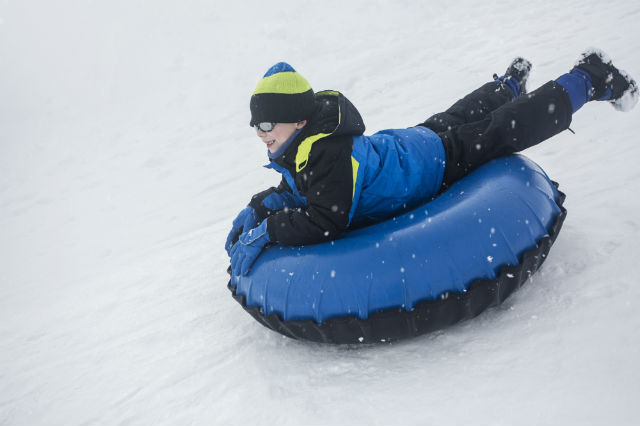
If you’re not much of a skier or snowboarder, snow tubing is a super fun way to enjoy the local slopes that doesn’t require any lessons.
Sliding down mountaintops at full speed, quick breaks for hot cocoa, time with family and friends – these are the ingredients for a perfect day. Just remember to dress appropriately – your toes and fingers will thank you!
These are some of our favorite snow tubing spots in the Northeast.
With more than 40 lighting-fast snow tubing lanes, Camelback Resort has plenty of slopes to go around. Enjoy the traditional (and always awesome) snow tubing experience or try something a little different. Snow tubing tickets are good for two hours. Galactic Snowtubing features an after-dark LED light show bound to keep everyone excited once the sun goes down. Camelback also offers skiing, snowboarding, zip lining, a mountain coaster and the indoor water park Aquatopia. Purchasing tickets online in advance is encouraged.
Visit Cobblestone Village and breeze down well-maintained slopes at top speed for a day of good times and laughs. Once you’ve reached the bottom, skip the hike back up with a Magic Carpet lift to the top. When you’ve had enough tubing for the day, try skiing or snowboarding on one of Mountain Creek’s intermediate slopes. All riders must be at least 42 inches tall to snow tube. Limited ticket quantities are available; advanced purchase required for all visits.
Zoom down six lanes of 650-foot snow-covered slopes in your own tube, or even book a kids’ snowmobile for those between the ages of 6 and 13. When you’re ready for a break, warm up with hot cocoa at Drop Zone. Advanced reservations are strongly recommended.
Windham Mountain Adventure Park also offers ice skating and, of course, skiing and snowboarding. Day and night, this park is guaranteed to keep you entertained all winter long.
The tubing runs at Powder Ridge can reach some pretty high speeds. Purchase weekday or weekend pass, or go at night for Interstellar Tubing with colorful glowing lights. When you’re done braving the cold outdoors, enjoy a warm, cozy atmosphere and a meal at the Fire at the Ridge Restaurant & Tavern right there on the resort.
Nashoba Valley’s slopes provide snowy excitement for all ages. Open Wednesday through Sunday, the Nashoba Valley’s Snow Tubing Park is the largest in New England, with 18 tubing lanes serviced by four lifts. Afterward, cozy up in the lodge and stop by the snack bar, which includes a full-service bar.
Ride forward, backward or spin down the hill – you can do it all at Cranmore’s Tubing Park. Featuring 10 lanes, you can spend the whole day whooshing down the slopes. Open every weekend through the winter.
Yawgoo Valley may be the only snow tubing park in Rhode Island, but that has nothing to do with its great reputation. The park includes seven lanes and tow ropes, which means plenty of tubing for everyone. Children need to be at least 42 inches tall to tube. Advance reservation required.
No matter where you are in the Northeast or what mountain you’re tubing down, remember to let loose. Snow tubing brings out the inner child in all of us. So when you’re flying down that snowy slope at top speed, don’t hold back any laughs or screams. Dress warm and, most of all, enjoy the time with your family and friends.
If your idea of the perfect winter trip is a mountain full of fresh snow to play on, then this is the list for you. With challenging high peaks for the experts and bunny slopes and lessons for beginners, plus snow tubing, ice skating, cozy lodges and other fun winter activities, these are some of the best ski resorts in the Northeast for an action-packed cold-weather day trip or weekend jaunt with your crew.
Featuring 20 trails and four terrain parks, there’s plenty of snowy fun to be found at Powder Ridge. For those new to skiing or snowboarding, the designated beginner area is a great place to learn. Group and private lessons are available and they specialize in working with kids as young as 3-5 years old. For more family time, the resort also has snow tubing, snowbike lessons and rentals. After you’ve worked up an appetite, enjoy a meal at the on-site restaurant Fire at the Ridge, which often has live music.
The highest ski area in Connecticut, Mohawk Mountain’s range of options helps it to stand out as one of the best ski resorts in the Northeast. Twenty-six trails challenge all skill levels, while a broad range of programming is offered for those just starting out, including Snowhawk children’s classes (ages 5-12). Mohawk’s option to reserve equipment online in advance is an extra benefit that will get you onto the slopes faster. When you need a break, cozy up with your clan at the base lodge. Dining and lodging are located on the property.
Part of New Hampshire’s scenic White Mountains, Bretton Woods is consistently ranked as one of the best Northeast ski resorts with 63 trails, 35 glades, 10 lifts and two freestyle terrain parks. They also offer family-friendly activities like horse-drawn sleigh rides, tubing, ice skating, guided ski and snowshoe tours, Fat Bike rentals and a zipline canopy tour. And with night trails open for skiing and snowboarding, the fun doesn’t end when the sun sets.
Once you’ve worked up an appetite, there are several on-mountain dining options, plus more within the nearby White Mountain lodging accommodations, including the stunning AAA Four Diamond Designated Omni Mount Washington Hotel.
Only two hours north of Boston, Loon Mountain is a convenient choice for your next winter day trip. Loon Mountain features 403 skiable acres, 73 trails and six terrain parks covering all skill levels, to deliver the excitement and challenges that your snow-loving family craves. For even more fun, there’s ziplining, cross-country skiing, snow tubing, ice skating, snowshoeing, private and group lessons for all age groups and New Hampshire’s only Superpipe. When it’s time to wind down and warm up or grab a quick bite, there are a number of on-mountain dining options and restaurants to choose from.
Home to dozens of trails, a snow tubing area and a designated learning center, Campgaw Mountain ski area is ideal for beginners and experts alike. With numerous learning programs for children ages 4-18, your child will receive instruction targeted to his or her age and skill level.
If you prefer your skiing experience to be (a little) more horizontal than vertical, High Point offers cross-country skiers and snowshoers access to a combination of 14 miles of trails tailored to all abilities and age brackets. But don’t think you won’t be experiencing an altitude rush – living up to its name, High Point is the highest point in the state. Open based on conditions, so be sure to call ahead.
Check out some of the 167 acres dedicated to freestyling at the resort’s terrain parks, or explore ski trails covering four peaks, all of which are open for night skiing. If indoor activities are more your speed, check out the resort’s seven dining and nightlife options, or hang out by the fireplace at the Appalachian lodge.
From small hills to steep drops like Catapult, Catamount’s signature double black diamond trail (and one of the steepest in the Northeast!), there’s something for everyone on this diverse network of slopes in the Berkshires. Of the 44 trails and park areas in this top ski resort, there are 10 black diamond and double black diamond trails, two terrain parks and night skiing. If you’d rather take it easy, the Snow Sports school is perfect for kids and first-timers. Catamount offers private and group lessons starting at age 3. After you’ve worked up an appetite, there are several on-mountain dining options and a café to satisfy your stomach rumblings, as well as nearby food and lodging.
Trying to convince a friend or family member that he or she would be a natural on the mountain? With the purchase of an all-day lift ticket, Mount Peter offers a free beginner ski or snowboard lesson every weekend and holiday. Family lessons are also available. And if you’re looking to get your little one primed for those black diamonds, the KinderLand program introduces kids 3-5 to the slopes. Round-trip bus transportation is available from several points in New York City, making it an easy day trip if you don’t have a car.
Featuring 45 trails and three terrain parks, all skill levels will feel welcome at this ski resort in the Berkshires. Jiminy Peak is known as one of the best ski resorts in the Northeast for its lessons, especially the full- and half-day skiing and snowboarding programs for children. When the family is not gliding down the ski trails, don’t miss the mountain coaster, which twists and turns through the woods at speeds of up to 23 miles per hour!
Another major selling point is Jiminy Peak’s Country Inn, a ski-in, ski-out, all-suite lodge, offering reasonably priced accommodations. Vacation homes on the resort property are also a great option for larger families. Dining includes restaurants and several stop-ins where you can grab a bite or warm drink and enjoy the views.
Made up of more than 1,000 acres, featuring 162 trails and glades and on-site lodging options, Sugarloaf is the biggest ski area in New England. The trails and six terrain parks range from easy to expert, and there are group and private program options for adults and kids alike. Take a private family lesson or enjoy tubing, ice skating, snowshoeing and snowmobiling with your group. At the resort’s Anti-Gravity Complex, you’ll find even more fun stuff for the young ones, including an indoor skate park, trampolines and rock climbing. A number of dining, lodging and nightlife options are available at the resort and nearby.
The Maine sister resort of Sugarloaf, Sunday River is almost as big and just as enjoyable. With eight peaks for varying skill levels, five terrain parks, lessons for kids and adults, family-friendly shows and kids-only events, nobody has a chance of getting bored here. There are three places to stay on the property, as well as on-mountain condos, all of which boast great ski-in, ski-out locations. There are also many on-mountain dining options, plus more in the nearby town of Bethel.
Peaking at an elevation of 1,543 feet, Blue Mountain in Palmerton, Pa., provides winter adventurists with access to 40 trails. With snowmaking equipment blanketing 100% of the trails, Blue Mountain is the perfect destination when Mother Nature just hasn’t been carrying her weight. With local lodging and nearby dining locations, it’s one of the best ski resorts in the Northeast.
If you’re looking for the full resort experience, Camelback Mountain in Tannersville, Pa., is certainly one of the best Northeast ski resorts for families. You’ll leave wondering how you ever went skiing before without access to an indoor waterpark, paint-your-own pottery studio, mini-golf course and laser tag arena. All this, in combination with lodging options ranging from one-bedroom suites to lofts accommodating up to 12 of your closest friends and relatives, six dining options and a spa. When you’re ready to hit the powder, jump on one of lifts providing access to 39 trails, all of which are lit for night skiing.
Your next snowy family getaway is in the heart of Vermont’s Green Mountains at Okemo. In addition to 121 trails and six terrain parks (home to the East’s longest Superpipe), there’s the convenience of nine different slope-side accommodations to stay the weekend. Ski lessons are available for all skill levels looking to learn or improve. Kids ages 5 and under get free lift tickets. For more winter attractions the whole family can enjoy, check out the mountain coaster, snow tubing and ice hockey/skating rink.
There’s no denying that you get a lot for your dollar at this Vermont ski resort, also known simply as “Smuggs.” Located within the Mount Mansfield State Forest, it’s got 78 trails and six terrain parks for all different ski levels, cross-country skiing, snowshoeing and kids-only trails – all among acres and acres of scenic woods.
Along with acclaimed kids’ ski and snowboard programs, the (many) other perks include dining options, childcare, a teen center, tubing, airboard (inflated sled) races, ziplining, snowmobile tours, snowcat rides, evening entertainment and adventures like off-site dog sledding and ice fishing tours.
After a long day out on the slopes, retreat to one of Smuggler’s five “communities” of condos, offering one to five bedroom accommodations for families of all sizes. If you’ve had enough frozen water, you can also jump into the indoor heated pool or hot tubs. And did we mention spa treatments?
On Vermont’s highest peak, Mount Mansfield, Stowe Mountain Resort features 116 trails, a cross country and snowshoe network and five terrain parks. For expert snowboarders, there are challenging jumps and rails in the terrain parks, plus smaller obstacles for those who are just learning or working on their skills. For new skiers and snowboarders, it’s one of the best ski resorts in the Northeast.
The center of the resort is the scenic Spruce Peak Village. Here visitors can enjoy food and beverage options from sit-down restaurants to a pancake house and craft sprits from WhistlePig distillery. If you want to spend some more time indoors, have the kids take on the rock wall in the Adventure Center, go shopping, decompress at the spa and wellness center, or catch a show at the Spruce Peak Performing Arts Center. Ski-in, ski-out lodging is offered at the the Lodge at Spruce Peak.
For more winter fun, check out our favorite snowboarding destinations.
Share your favorite ski resorts in the Northeast in the comments below.
This article has been updated and republished from a previous version.
Having served as the host of the alpine skiing competitions for the 1980 Winter Olympic Games, Whiteface Mountain has Olympic-quality amenities for people who love winter sports. New to snowboarding? You can take part in one of the on-site skiing and snowboarding classes for beginners. If you already know what you’re doing on the board, however, you might want to tackle the longest single intermediate run in the Northeast. With miles and miles of groomed cruisers, side country trails and 98% snowmaking coverage, you’ll be able to snowboard to your heart’s content. If you’re taking a break, try exploring the lakeside Olympic Village or bobsledding down the Olympic track.
With ride-on progression boxes, large street-style rails and 50-foot jumps, Mountain Creek’s terrain parks are great for snowboarders of all abilities to practice their jibbing, jumps and tricks. And as the largest ski area in New Jersey, everything you need is on-site, including lodging and dining. Make the most of your trip and take a lesson, hit the slopes at night or go snow tubing. Here, they take winter fun to the next level.
It doesn’t matter if snow is in the forecast, Mohawk Mountain always has good powder on its 26 trails. It had better – the resort was founded by snowmaking pioneer Walter Schoenknecht. Snowboarding lessons and packages are available for all levels and include rental equipment, lessons and lift tickets. During your visit, take advantage of special night rates and snow tubing. Located next to Mohawk State Forest, cross-country trails for snowshoeing and cross-country skiing can also be found at the top of the mountain.
At Stowe Mountain Resort, you’ll find Mount Mansfield, the tallest mountain in Vermont, and Spruce Peak. Between the two mountains, Stowe has something for everybody. It offers ski and snowboarding lessons for newbies, four double-trails, intermediate cruisers, cross-country skiing and more. Snowboarders will especially enjoy the terrain parks featuring jumps, rails, boxes and snow features. With 116 different trails to choose from, you’ll never get bored. You can also try snowshoeing, ice skating or visiting the picturesque Spruce Peak Village
Snowboarders will go wild for the “Beast of the East,” which is home to six peaks, six terrain parks and 155 trails. It’s one of the best places to go snowboarding on the East Coast. Killington’s Woodward Mountain Park was even ranked as the No. 1 terrain park in the East by Snowboarder Magazine in 2020. One of their terrain parks, The Stash, features a 500-foot-long superpipe with 18-foot walls. Beginners can enjoy snowboarding and skiing classes and try their hand at beginner-friendly parks like the Progression Park and Lil’ Stash. It even has Snowshed, a mountain dedicated solely to beginners. With a snow season that can span from late October to late May, Killington often boasts the longest season in the Northeast.
Want to snowboard down history? Stratton Mountain Resort is widely recognized as the home of snowboarding on the East Coast, and was one of the first areas in the U.S. to allow snowboarding on its mountain. It’s the home of the first snowboarding school and the birthplace of the U.S. Open Snowboarding Championships. Here, you’ll find 99 trails, four terrain parks, skiing and snowboarding classes, snowtubing, snowshoeing, ice skating, fat bike rentals and an epic superpipe. It’s easily one of the top places for snowboarding in the world.
Sugarloaf is the biggest ski area in all of New England, featuring more than 1,000 acres and 162 trails. Intermediate to experienced snowboarders and skiers will love the lift-serviced above-treeline experience at the Snowfields and the rugged snowcat-serviced Burnt Mountain Cat Skiing. There are also six terrain parks for freestylers. Beginners won’t feel left out, though. In addition to snowboarding and skiing classes, Sugarloaf offers a range of beginner-level trails and parks. There’s also lots of other winter activities, like snowshoeing, cross-country skiing, ice skating, fat biking, ski biking and Nordic skiing.
Sunday River is about two hours away from Sugarloaf, and almost as big! It boasts eight peaks and seven terrain parks for skiers and snowboarders to choose from. The best part? All eight peaks are open to snowboarding. Don’t get intimidated, though. This is an incredibly beginner-friendly resort, with a SnowSports School that offers lessons in snowboarding, skiing and ski biking. Sunday River also features Nordic skiing, snowshoeing, snow tubing, dog sledding and even ice climbing. That’s a lot of different ways to get cold.
Nestled in the picturesque Berkshires, Jiminy Peak offers 45 trails and three terrain parks for winter sports. Check out the twisting mountain coaster, snowshoeing trails and massive fire pit. One of the coolest things about Jiminy Peak is its commitment to sustainability – it even has its own wind turbine!
Are you loony for snowboarding? Loon Mountain, located just two hours away from Boston, is home to 61 trails, six terrain parks and a superpipe. If you’re looking for even more fun, you can go zip lining, cross-country skiing, snow tubing, ice skating or snowshoeing. There are also private and group lessons for all age groups.
If you are enjoying a leisurely bike ride and suddenly get a flat tire, a bent rim or snap the chain, call AAA’s roadside assistance number, 800-AAA-HELP (800-222-4357). Simply provide your membership number, name and specify that it is a bicycle issue.
A roadside technician can perform light service and repairs to get you back up and running, or will tow you and your bike to a safe location within 10 miles at no cost.
Members get two AAA bike service calls per year, including AAA Everyday members, for those without a car who still want to enjoy all the benefits of AAA.
Here are a few things to know about AAA bicycle service:
Service is provided along normally traveled roads or streets.
The member must be on the scene. Services are offered to the bicycle owner and minors traveling with them.
Only two-wheeled bicycles, including rental bikes, qualify for service. The bicycle must be able to fit on a bike rack and cannot be motorized in any way.
Minors traveling alone can receive AAA bicycle service if requested by a parent or guardian.
Learn more about AAA bicycle coverage. Happy cycling!
Were you aware of AAA bicycle service? Have you ever used it? Tell us about your experience in the comments below.
If you want to grab a beer and watch the game, head over to Brick House Tavern + Tap. This sports-centered gastro pub offers a huge variety of bottles, cans and drafts to choose from – you can even get wine or a craft cocktail if that’s your thing. Of course, don’t leave without a bite to eat! Brick House Tavern + Tap has a robust menu of appetizers, burgers and other entrees to complete your game watching experience. AAA members can enjoy 10% off food and non-alcoholic beverages.
Our list of restaurants that give AAA discounts wouldn’t be complete without this fan favorite. Immerse yourself in the world of music at the Hard Rock Cafe, where you can drink and dine in a rockin’ atmosphere filled with iconic music memorabilia and occasional live music performances. AAA members can save 10% on food, non-alcoholic beverages and merchandise at the Hard Rock Cafe gift shop.
If you’re feeling crabby, don’t worry! Just head to Joe’s Crab Shack, where you’ll find delicious foods from the sea and the shore. Here, seafood is so plentiful it’s served in buckets, on platters and in steampots. There’s nothing quite like cracking open a crab leg. AAA members get 10% off food and non-alcoholic beverages.
Deep in the jungle, you’ll find the Rainforest Cafe, a land inhabited by tropical fish, gorillas, elephants and more. The jungle atmosphere of the Rainforest Cafe, complete with regular “thunderstorms” and rowdy animatronic animals, is great for families and kids looking for a mini adventure. And don’t forget to get some volcano cake! AAA members can enjoy 10% off food and non-alcoholic beverages at participating restaurant locations.
If you like movies and you like shrimp, Bubba Gump Shrimp Co. is the place to go. Based on “Forrest Gump,” Bubba Gump Shrimp Co. serves a variety of shrimp dishes amongst memorabilia from the movie. If you’re not into shrimp, you’ll find other delicious seafood dishes on the menu, as well as land food like chicken, burgers and ribs. AAA members get 10% off food and non-alcoholic beverages.
Will you be taking advantage of any of these AAA restaurant discounts?Tell us in the comments below.
This article has been updated and republished from a previous version.
For my entire childhood, there were a few things stocked in our pantry that remained constant through the years: crushed tomatoes (because you can never make enough red sauce for pasta), garlic powder, bouillon and oyster crackers.
I can still see the bag: “PREMIUM” scrawled across the top in blue lettering. Or, more often than not, just “MIUM” as the bag was usually folded and halfway empty. The nickel-size crackers were ever-present in our New England home, and I know we weren’t the only ones.
Oyster crackers somehow found their way into the New England zeitgeist, but not many know how or why. Also, what’s with their name? The buttery bite-size crackers don’t contain oysters – just enriched flour, baking powder, shortening, yeast, salt and sugar. In fact, they don’t have an obvious link to oysters at all. Or do they?
Read on to find out how that quintessential cracker got to be in your warm bowl of chowder, and even how to make your own.
The history of oyster crackers
The origin of the first batch of oyster crackers is up for debate. A baker named Adam Exton is credited with creating them in his New Jersey bakery, The Exton Cracker Bakery, in 1847. However, the title of creator is hotly contested by the Westminster Cracker Company, which claims to have developed the original oyster crackers in 1828.
Why are oyster crackers called oyster crackers?
Regardless of who invented oyster crackers, their name is even more of a mystery.
The first theory as to why oyster crackers are so named sends us back to the 1800s, way before oysters were considered the delicacy they are today. Back then, oysters were overfished and thus quite cheap. Because of this, they were added to a number of foods and many new dishes were created to support the mass amounts of them being brought in by fishermen on both coasts of the U.S.
One of the most popular dishes created during this oyster heyday was oyster stew. It’s therefore assumed by many that oyster crackers were created, and consequently named, solely to garnish oyster stew.
The next hypothesis is simpler. Some food historians believe the name for oyster crackers came about because of their slight resemblance to an oyster shell. It’s also possible, of course, that both schools of thought are true; perhaps the crackers were created to adorn oyster stew and afterward began to resemble the oysters themselves.
Either way, we’re just glad they’re around.
(Illustration: Sarah Hopkins)
How did oyster crackers become chowder’s favorite companion?
Once oyster stew became a thing of the past, its crunchy adornment was able to stay popular. Why’s that? Durability.
As food trends shifted, the oyster cracker remained the best way to add a satisfying salty crunch to any soup. Their many layers keep them sturdy, even after they’ve absorbed some liquid. So, it’s no wonder why us New Englanders believe a bowl of white clam chowder is incomplete without a tiny packet of oyster crackers.
Can you make your own oyster crackers?
Why, yes you can! Picture it: you’ve just finished making a delicious clam chowder and can’t wait to dig in, when you come to find an empty box of store-bought oyster crackers in your pantry. Bummer. Luckily, they’re easier than you’d think to recreate. This recipe uses just six everyday ingredients you’re likely to have in the pantry right now.
If you’re not looking to make oyster crackers from scratch, try putting hot sauce on them like an Ohioan for a truly satisfying little snack, or making a ranch-flavored version like these.
Do you put oyster crackers on your chowder? Tell us your favorite way to eat them in the comments below.
This article has been updated and republished from a previous version.
Renting a car is a straightforward process until it comes to the question of rental car insurance. Should you buy rental car insurance from the rental company? Are you protected by your credit card company? Or are you already covered by your own auto insurance?
Before renting a car for your next road trip, learn whether you should sign up for this additional coverage on the spot.
Rental Car Insurance Options
When you rent a car, you will be asked whether you want to buy rental car insurance.
You will be offered multiple coverage options, and they may duplicate what you already have through your current auto policy. The daily cost for coverage can be high, often exceeding the amount it costs to rent the vehicle itself.
Loss damage waiver: With this option, the rental company won’t charge you if the rental car is stolen or damaged.
Collision damage waiver: Similar to the loss damage waiver but limited to collisions, this type of coverage protects you in the event the rental car is damaged. Learn more about what happens if you crash your rental.
Liability coverage: This coverage meets state requirements for bodily injury and property damage liability.
Personal accident insurance: In the event there are injuries to you or your passengers while operating the rental car, this coverage will pay for the associated medical expenses. It also provides accidental death coverage.
Personal effects coverage: This covers any belongings in the rental car in the event they are stolen.
Is It Necessary to Buy Rental Car Insurance From the Car Rental Company?
When you selected your auto insurance policy, you and your agent probably spent time researching options and making sure your coverage meets your needs. State requirements such as no-fault insurance mandate the liability coverage that you hold, so you should already have the amount of bodily injury and property damage coverage that meets minimum standards.
In most states, if your current policy has collision and comprehensive (covers damages to your vehicle not caused by collision, such as vandalism, theft or hitting an animal), the coverage will carry over to a rental as well. If you did not choose these optional protections, it generally is worth the cost to purchase insurance from the rental car company. The unanticipated cost of replacing a rental vehicle can be devastating.
Most auto insurance policies cover you while you are operating a rental vehicle, but there are often gaps in that coverage such as loss of rental fees if and when a rental car is damaged. AAA insurance professionals advise consumers to purchase some if not all of the insurance coverage offered by the rental car agencies. In addition, when travelling internationally, your auto insurance extends to Canada, but will not cover you in other foreign countries for rental vehicles.
If you are unsure about whether to opt for some or all of the coverage options listed above from the rental agency, take the time to contact your insurance provider and review your policy prior to renting a car.
Credit Card Insurance Benefits
Check with your credit card companies to determine if they provide rental car insurance. You might be surprised to learn that you have this benefit, which is commonly included in cards that offer travel rewards programs. In order for it to take effect, you must reserve the car and pay for it using that specific credit card and decline the insurance offered by the rental company.
Once you confirm this benefit, there are other details to ask about. Find out whether your credit card company offers primary or secondary coverage. Primary coverage will take the place of your regular car insurance policy, while secondary will cover expenses not paid for by your main policy. Also, ask for information about deductibles, since this is the amount you will be required to pay out-of-pocket if you make a claim.
Personal Usage Restrictions
When you rent a car for personal use, you are within the bounds of your auto insurance policy. However, if you plan to use a rental car for business reasons, you may not have the same protections. It is always advisable to contact your insurance agent ahead of time if you have questions about restrictions related to your coverage.
Protection for Personal Belongings
Particularly when drivers rent a car for vacation, they want to purchase personal effects coverage such as electronics, jewelry and other expensive items that may sit in an untended car for longer periods than usual. Remember that your homeowners’ or renter’s policy likely provides some protection when you are off-premises as well.
Uninsured Driver Considerations
All states with the exception of New Hampshire require auto insurance to purchase a car, so you most likely already have coverage. But vehicle insurance requirements vary broadly from state to state. Do you have enough insurance to cover you from a rental car accident? And are you protected from an uninsured or underinsured driver?
In states including Connecticut, Massachusetts and New York, all drivers must purchase uninsured/underinsured motorist coverage as part of their auto insurance policy to protect from at-fault drivers that carry little or no liability insurance coverage.
14% of drivers in the United States were uninsured in 2022, according to the most recent report from the Insurance Research Council.
If you do not have car insurance and are renting, you should purchase insurance from the rental car company. You will need to meet minimum standards for liability, and you can rest assured that the rental insurance will cover you in the event of an accident. You can inquire about credit card benefits too, but make sure there that loopholes don’t leave you exposed to potential financial hardship.
Should You Get Rental Car Insurance?
To be sure you are fully protected, the answer is yes. However, when deciding whether to purchase rental car insurance, you should take multiple factors into consideration, starting with the protection offered by your current auto insurance and credit cards, then decide how much rental car insurance you need to fill in the gaps.
Rental Car Reimbursement Coverage
All of the above options can protect you from damages or losses that may occur when renting a car, but rental car reimbursement is recommended to cover the cost of the rental itself should you need a vehicle while your car is in the shop due to a covered accident or loss.
Factors such as supply chain issues and lack of inventory from struggles brought on by the pandemic, are causing car rental costs – like auto insurance – to increase, making car rental reimbursement coverage more valuable than ever.
This coverage can be added to your personal auto insurance policy with daily reimbursement and maximum payout limits chosen at the time of purchase. Considering the rising cost of rental cars, you may want to think about increasing these limits.
When it comes to protecting the planet for future generations, we all have an important role to play – both at home and when vacationing.
We’ve reached a particularly fragile moment in the history of the Earth. The climate is rapidly changing and so too are critical ecosystems worldwide. By acting collectively, we can make a difference.
Need help getting started? Here are 24 sustainable travel tips to help you be more eco-friendly as you explore the world.
Become a slow traveler.
Slow travel has become a hot topic of conversation. For those not familiar with the concept, it’s the opposite of transportation-intensive itineraries that jam 10 countries into 12 days. Slow travel involves picking one or two destinations and staying put for longer, thus cutting down on carbon emissions. In other words, exploring one destination in more depth, truly getting to know its people, customs, traditions and landmarks, versus traveling to as many places as possible on a single vacation.
Similarly, aim to take fewer international or far-flung trips each year and when you engage in long-haul, carbon emissions-intensive journeys, plan to stay longer in your intended destination to make the trip worthwhile.
Choose climate-conscious travel companies, hotels and tour operators.
Do your homework when booking travel and research tour operators, travel companies and hotels carefully with an eye toward their sustainable business practices – or lack thereof.
Try to use your vacation dollars supporting travel businesses that are actively working to address the planet’s climate and environmental challenges. Often companies engaged in such important efforts are proud of what they’re doing and will make it clear on their websites and in their marketing materials.
Book flights responsibly.
The aviation industry is one of the most significant contributors to climate change. But you can help reduce the impact of flying by booking with airlines that have publicly committed to using sustainable aviation fuel, which is designed to reduce emissions. Some of the airlines taking this important step include United, Alaska, JetBlue, Southwest and Delta.
Purchase carbon offsets.
When you fly, take a cruise or drive, it results in carbon dioxide being released into the atmosphere, contributing to climate change. Cancel out some of those emissions by purchasing what’s known as offsets. This process involves providing financial support for projects around the world that are designed to reduce or store carbon emissions. Tree planting projects, for example, provide carbon offsetting.
One of the best-known and most reputable carbon offset companies is Tomorrow’s Air. It’s the first and only traveler collective that also provides climate education and helps fund carbon removal innovators.
Select non-stop flights.
It may seem like a small detail, but choosing nonstop flights, instead of connecting flights, is far better for the planet. “Nonstop flights produce remarkably fewer greenhouse gases,” says Nelly Gedeon, founder of Wayaj, a company that’s working to promote sustainable travel. “You not only reduce the impact by flying fewer total miles, but you eliminate additional takeoffs and landings that can account for nearly half of all carbon burned as a result of a flight.”
Minimize luggage weight on planes.
This might come as a surprise, but that suitcase you’re lugging around when traveling also plays a small role in contributing to emissions on planes. The heavier your suitcase, the greater the carbon emissions from the plane. That’s because an aircraft’s fuel consumption increases based on the weight of the plane. Packing light not only means your suitcase will be easier to carry during your vacation, but it will also be easier on the planet.
Longer flights, car rides and cruises result in a higher level of carbon emissions and have a greater impact on the planet. Consider local adventures, exploring your own city, state or region. Driving just a few hours generates far less emission than jetting around the world for all your vacations.
“Train travel is an excellent alternative to flying,” says Gedeon. “Train operators are reinstating sleeper trains as travelers look to avoid air travel. And when on vacation, trains become part of the experience and it encourages us all to enjoy slow travel. When was the last time you gazed out the window watching the countryside go by?”
Once you arrive at your destination, skip using a private car and instead try getting around by walking, cycling or using public transport, such as buses. Not only will this give you a chance to experience local life in your destination more authentically and potentially create even more memorable experiences from your journey, but it will also cut down on carbon emissions.
Use an electric or hybrid vehicle.
Planning a road trip? Use an electric or hybrid vehicle to reduce the emissions associated with your trip. Even if you don’t own an electric vehicle, you can still rent one for your trip. The infrastructure needed to make EV road trips easier has been increasing from coast to coast. Plan your next road trip with AAA’s EV website.
Opting to support local communities through your choice of accommodations is another approach to sustainable travel – one that provides benefits for the planet and its people.
“As best as possible, choose locally owned accommodations, eat at restaurants that source ingredients from the local supply chain, use local tour guides and operators, and purchase handicrafts and goods from local artists and businesses,” says Alix Collins, director of marketing and communications for the global non-profit organization Center for Responsible Travel.
When you invest directly in rural, poor and economically marginalized communities, the hosts typically earn a fair income and you’re supporting the preservation of their cultural and environmental assets.
Support hotel sustainability initiatives.
Often when checking into a hotel or resort, you’ll notice signs and information around your guest room and the property itself outlining ways to reduce the impact of your stay.
“Most properties offer guests the opportunity to participate in their sustainability initiatives by placing in-room notices about water and electricity conservation, change of linens and towels, recycling trash, as well as replenishing drinking water,” says Gedeon. Do your part and engage in these efforts whether it’s taking shorter showers, reusing towels or participating in recycling programs.
Visit destinations that emphasize sustainability.
Many destinations are taking bold steps to rethink business as usual and integrate comprehensive sustainability initiatives. Yet another way to reduce your individual impact on the planet is by consciously choosing to visit destinations that put such approaches at the forefront of their operations.
“Research your destination and choose those that prioritize sustainable tourism and the natural balance of nature and humanity,” says Yank Moore, director of conservation for the Jekyll Island Authority.
Avoid Peak Travel Times.
Most people want to travel in the summer, leading to overcrowding and more garbage at popular destinations. The number of visitors to U.S. national parks, for example, has exploded over the past several years, straining the environment. Try to take vacations off-season to avoid crowds and lower the impact on the local environment.
Don’t support wildlife exploitation.
Activities like swimming with dolphins, riding elephants, taking selfies with tigers, and animal entertainment of any type, subject wild animals to a lifetime of captivity and cruelty.
A growing number of tour operators and travel providers are rejecting these unethical activities altogether, but not all have taken this important step. Do your part as a traveler and avoid these activities altogether, to help protect wildlife, especially endangered animals. Instead, consider visiting and supporting sanctuaries that do not involve riding, or engaging with the animals in a hands-on way.
Volunteer when visiting a destination.
Lounging at the beach is certainly relaxing, but you can also take an active part in helping to protect and regenerate the environment in places you’re visiting. Many destinations offer volunteer activities, even for tourists. This can include planting a tree, spending a few hours working at a sanctuary or taking part in a local beach cleanup.
Explore off-the-beaten paths.
Overtourism of popular destinations is a burden that degrades local environments, causes increased amounts of waste and depletes local resources. Opting to explore lesser-known destinations helps to reduce the impact on heavily trafficked places, while also supporting often overlooked communities that need your tourism dollars.
Don’t buy souvenirs made from illegal products.
Do not buy products made from animal parts. This includes tortoise shells or ivory, which involve the slaughter of wild – and often endangered – animals. At least 20,000 elephants are killed annually for their ivory. Items made with tortoise shell often involve killing endangered hawksbill sea turtles.
While you’re at it, avoid buying products made from coral, sea stars or shells. Coral is critical for the healthy survival of coral reefs and takes years to regenerate when harvested for souvenirs.
Bring reusables.
Single-use plastics, whether it’s a water bottle, plastic bag or plastic utensils, take as long as 1,000 years to break down. Plastics are causing damage to the environment worldwide.
Aim to replace your plastic items with more sustainable and eco-friendly products. This effort should expand beyond basic stainless steel water bottles to also address many of the other plastic items that are often part of one’s daily routine. Bring reusable cutlery to a destination, for instance, to avoid using plastic utensils while traveling. Travel with eco-friendly toothpaste tablets rather than traditional toothpaste tubes that are not compostable and do not break down easily in waste streams. Similarly, avoid bringing toiletries packaged in plastic on your journeys.
The marketplace for eco-friendly alternatives for personal use items is proliferating at the moment and finding better options just takes a few minutes of online research.
Use eco-friendly sunscreens.
A handful of destinations globally have begun banning sunscreens that contain chemicals harmful to coral reefs and marine life. When traveling to a beach destination, avoid using sunscreens with the ingredients oxybenzone and octinoxate, which contribute to the bleaching of coral reefs and are toxic for young coral. Instead, look for non-nano mineral options. Typically, eco-friendly sunscreens proclaim as much on packaging and will instead contain ingredients such as zinc oxide or titanium dioxide, which do not harm marine environments.
Eat a plant-based diet.
Plant-based foods generally have a much lower carbon footprint than animal-based foods and offer a major opportunity for mitigating climate change. Many tour operators are now featuring plant-based meals as are more than a few hotels and resorts around the world. Show these travel companies you support their efforts by not only traveling and staying with them but also by ordering the plant-based items on the menu.
Clean up trash as you explore.
As you go for hikes, bike rides or beach walks in a destination, be an active steward of the environment. Collect trash that you come across and bring it somewhere that it can be disposed of properly.
Support local artisans.
Avoid buying mass-produced souvenirs that are often made from plastic, produced in a factory and flown across the globe to be sold. Instead, buy from artists and producers in the destinations you’re visiting and locally run shops. “You will not only help the local community, but your friends and family may better appreciate the locally made souvenir,” says Gedeon.
Be a sustainable travel evangelist.
Tell your friends, coworkers and family members how easy it is to be a sustainable traveler. Be an evangelist for protecting the planet whenever you have the chance. Share tips about the ways you’ve chosen to mindfully explore the world, support locals, protect wildlife and reduce your impact on the climate.
AAA’s sustainable travel series is written in partnership with Kind Traveler, a women-and-veteran-owned sustainable travel platform empowering travelers to make a positive impact in local communities, and contributing writer, Mia Taylor.
Editor’s note: This article has been updated by AAA editors with additional material.
Most car purchases today are paid with auto loans. But securing a loan as a sole applicant is not always a sure thing, especially for young borrowers who may be buying a car for the first time. If you find yourself struggling to get approved for an auto loan, adding a cosigner to your application could solve your problem.
Let’s look at what exactly a cosigner is and when you may need one for your car loan.
A cosigner is a third-party, often a family member or close friend, who agrees to take joint responsibility for paying back a loan. The cosigner is obligated to step in and repay the outstanding loan balance if the primary borrower falls behind or cannot continue to make the loan payments.
Adding a cosigner to your car loan application can greatly improve the chances of securing a loan, especially if you have a limited or poor credit history. A cosigner provides the lender with additional assurance that the loan will be repaid but does not have a share of the asset.
“Co-borrowers are generally people who share expenses and, most times, the asset,” says Ted Lyons, vice president of Financial Services at AAA Northeast. “Cosigners are usually added to loan applications to help with limited credit applicants or borrowers who have limited income. They are there more to step in should the borrower not pay.”
When Do You Need a Cosigner for an Auto Loan?
When You Have a Poor or Limited Credit History
Generally, there are two situations when you will need a cosigner. The first is if you have a limited credit history. In this case, since you have yet to prove your creditworthiness, a lender will want a cosigner who has a track record of repaying their debts. The other circumstance is if you have a less-than-ideal financial situation. This can include a poor credit score, limited income, a high debt-to-income ratio and unstable employment.
Some banks may decline your loan application outright based on your credit and financial profile. If this happens, you will have no choice but to find a cosigner (or see if another lender is willing to work with you).
When You Want to Get a Better Rate
If you qualify for a car loan on your own, a lender cannot require you to have a cosigner, but it may still be beneficial to have one. A cosigner can help you secure the best loan terms, including the lowest interest rate. The average loan rate on a new vehicle for those with excellent credit scores (between 661 and 780) was 6.70% in late 2024, according to the credit bureau Experian. The rate for subprime borrowers (501-600 credit scores) was nearly twice as high at 13%. Based on this data, submitting a car loan application with a credit score just 60 points higher could cut your loan interest nearly in half.
It’s important to know, however, that lenders apply loan rates differently, Lyons says. “Some lenders will assign the rate depending on the highest credit score, some the average, some the lowest and others, based on the credit score of the individual the vehicle is registered to.”
What to Look for in a Cosigner
“Choose a co-applicant wisely, they can hurt as much as they help,” Lyons warns. “You will want to consider one who has a good, established credit history.”
While there is no singular profile of a desirable cosigner, there are a few things to look for. On the financial front, they should have at least a “good” credit score of 670 or higher. The cosigner will also have to prove they have enough money to repay the loan in the event you cannot. Lenders will decide this based on a cosigner’s income and any outstanding debts they currently have on the books.
Finances aside, you also want to trust the person cosigning an auto loan. The last thing you need is someone leaving you high and dry should you fall on tough times and become unable to meet your monthly loan payments. Asking a reliable friend or family member to be your auto loan cosigner always is the best bet.
Ready to apply for your auto loan? AAA’s low-rate financing makes getting behind the wheel of your dream car easy and affordable.
Ready to explore? From charming coastal towns to stunning mountain views, this quiz will test your knowledge of the region’s must-see road trip destinations. See how many of these iconic spots you can name!
Some studies suggest that using cruise control to maintain a steady rate of speed can save more gas than adjusting the speed manually, though the amount varies based on the source.
According to a Natural Resources Canada study, setting the cruise control at 49.7 mph versus wavering between 46.6 to 52.8 mph every 18 seconds uses 20% less fuel. An Edmunds’ study showed that cruise control can yield as much as a 14% savings on gas, with an average of 7%.
When it comes to hilly terrain, however, drivers often outperform cruise control.
Does Cruise Control Really Save Gas?
Based on his experience, senior manager of public affairs for AAA Northeast, Robert Sinclair Jr. said he doesn’t view cruise control as an effective way to improve fuel economy.
“From the outset, cruise control was touted as a gas saver by maintaining a constant speed and avoiding the gas guzzling on-the-gas, off-the-gas driving style of those in a hurry,” Sinclair said. “Skeptics said ‘not true’ if a lot of hills were involved since maintaining a given speed on a steep incline would use more fuel.”
Sinclair said his first experience with the feature was in 1985 while driving a 1982 Mazda 626 with a manual transmission. He too wondered if cruise control saved gas but found it difficult to get an accurate analysis.
“Calculating mileage was hit or miss, relying on the fuel gauge to calculate gallons burned between full and half-full,” Sinclair said. “My mileage always seemed much lower than what the car was supposed to achieve. I noticed that in certain situations, the engine screamed to high [revolutions per minute] to get back to the selected speed. How can that save gas? Also, since cruise control is almost always used on the highway, would it make a difference if used with closed windows and air conditioning or with open windows and the A/C off? It was difficult to tell.”
Planning a road trip? Want to compare the costs to fly or drive? Visit AAA Gas Prices for a road trip planner gas cost calculator that you can use to find out how much you will spend on gas during your next driving trip or vacation.
Consumers long have complained about vehicles falling short of the amount of money they anticipated saving on gas while using cruise control, according to Sinclair.
On a recent drive from Detroit to New York, Sinclair once again pondered the gas-saving effectiveness of his cruise control. “The query came to mind as the vehicle I had did all sorts of crazy things while the cruise control was activated as another new system, collision braking, intervened to supposedly prevent crashes,” he said. “The cruise control tracked vehicles in front to slow down if we got too close. It seemed to track cars in an adjacent lane, so when I changed lanes to one with no cars in front for miles, the vehicle inexplicably started breaking hard. It got so bad that I worried I was going to get hit in the back when the wayward system started applying the brakes for no apparent reason. And this saves gas? I switched the system off and drove the way my grandfather learned.
“Having little opportunity to use it and modern systems complicating it to the point of frustration, my answer would be a resounding ‘no,’” he said.
How Cruise Control Works
Like a human driver, the cruise control manipulates the speed of the car by adjusting the throttle position, but instead of pushing a pedal, a mechanism called an actuator controls the throttle when cruise control is engaged. Both the cruise control and the accelerator are attached to the throttle with a cable. Both cables move when cruise control is on, which is why you might see your gas pedal move when cruise control is engaged.
The throttle controls the speed by regulating how much air is taken in by the engine. A small computer behind the dashboard or under the hood controls the cruise control. The computer is connected to the throttle controls and other sensors. Cruise control will automatically disengage when the driver hits the brakes.
Most controls have on and off buttons, as well as accelerate and decelerate buttons, which let you increase or decrease your speed by 1 mph. Some cars also have a coast button, which lets you decelerate while you hold the button down and resume your cruise speed when you release it.
The Next Generation of Cruise Control
Recently, automakers introduced autonomous cruise control or adaptive cruise control. Not only do these systems maintain a speed set by a driver, they also automatically maintain a safe distance from any vehicles ahead, braking when they get too close and resuming the cruising speed when it is safe to do so. Does it save gas? Well, some of these features can certainly help.
Cruise control systems can vary in design quality. The true test is when the car ascends a hill. A good system will not deviate the speed of the car too much during an uphill climb and it won’t overshoot the power it needs to maintain the necessary speed, either.
The fuel economy benefits of cruise control come from the system minimizing throttle openings, like when a driver lifts his or her foot off the accelerator a dozen times during a 10-minute drive. Therefore, a cruise control system that struggles on hills is not maximizing its ability to conserve fuel. However, with different systems in different vehicles, you are likely to see different results with almost every car model you drive.
What do you think? Does cruise control save gas in your vehicle when you’re driving? Share your thoughts in the comment section below.
This article has been updated and republished from a previous version.