The Northeast lays claim to some of the greatest champions in NFL history, one of the largest stadiums and – without contest – the biggest fans. Our Northeast football guide covers it all.
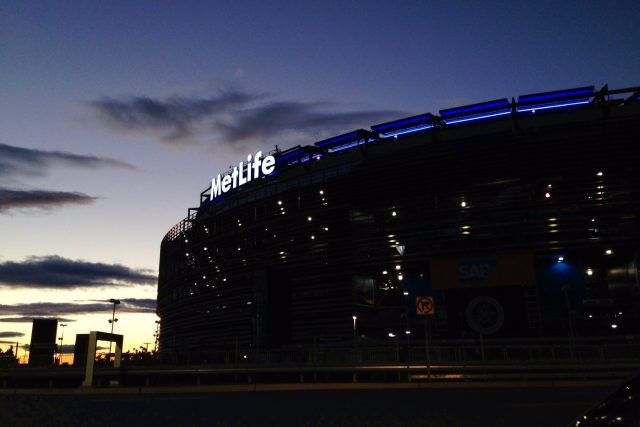
Reference our stadium guides to find your way to and around Metlife Stadium and Gillette Stadium, get answers to common questions and more.
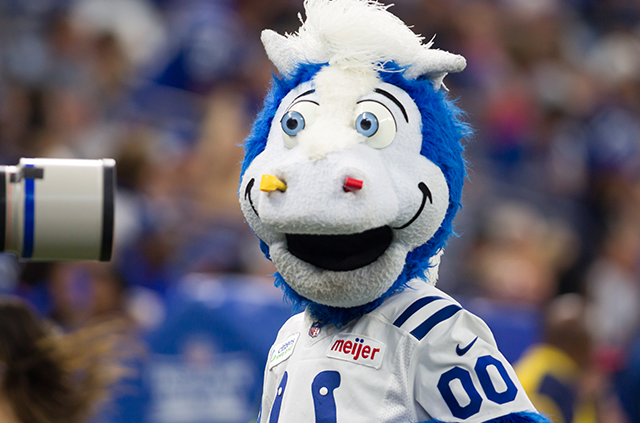
You can also relive some of the best moments in your favorite team’s history, have a laugh with our unofficial ranking of NFL mascots, stock up on tailgating essentials and find new game day recipes to try.
Don’t drop the ball! AAA members can access exclusive savings on NFL games withAAA Tickets.
If you’re in the midst of retirement planning, you’re probably thinking about your social security benefits, how much money you should be saving and the best places to retire. But have you taken care of your will and estate planning yet?
We know, it’s not the cheeriest of subjects, but always putting it off until later can cause big problems down the road.
Without a legal will, you’ll have zero control over who gets what after you’re gone. The fate of your house, your grandmother’s earrings and even the guardianship of your dependent children will be decided by strangers in a probate court.
This can be a very difficult experience for your loved ones (especially if you and your life partner are not married), so don’t leave this important part of retirement planning until it’s too late.
Thanks to online resources, writing a will is simple, quick and inexpensive. And if you take care of things now, you can spend more time focusing on the fun stuff. Read on to learn more about creating a will, and whether you should also establish a trust.
Writing a Will
Your first priority should be writing a last will and testament. If your assets are fairly simple, you can create a basic will online through a website such as LegalZoom, RocketLawyer, MetLife Legal Plans or LegalShield.* These services are affordable and will guide you step-by-step through the process. If your situation is more complicated, you may need the help of an attorney.
In your will you’ll provide instructions for who should receive your property and assets. You can include items such as:
Real estate
Money in bank accounts
Stocks, bonds and intellectual property
Artwork, jewelry and furniture
Explicitly naming who gets what will ensure that your wishes are carried out, and can prevent disagreements between family members.
And if you have dependent children (minor-aged or disabled), the most important part of your will is to name a legal guardian to care for them. Without a will, the probate court will get to decide this.
You’ll also designate an executor who will make sure all debts and taxes are paid and will handle the distribution of your property. This will reduce the cost of probate court, avoid unnecessary taxes and fees and ensure a faster and more efficient transfer of assets. If the process is handled by a court-appointed administrator it could take more than a year for them to track down and manage all your assets, which could negatively impact your loved ones.
Outside of your will, it’s very important to make sure the beneficiaries you’ve named for your IRAs, 401(k)s or life insurance policies are current and up to date. These retirement accounts and financial products are also legal contracts and will supersede your will. So even if you’ve named your child in your will as the beneficiary of your 401(k), if your ex-spouse is still listed on your 401(k), they’ll be the one receiving your money. The death benefit also can be assigned to someone’s estate if there is no beneficiary, and then the death benefit becomes taxable.
Five Wishes
In addition to creating a will, you might want to consider completing a living will similar to the Five Wishes Advanced Planning Guide. It is legal document offered in New York, New Jersey, Connecticut, Massachusetts and Rhode Island in which people specify their medical directives, including designating someone to make health care decisions for them if they are unable to, and designate end-of-life-care.
Creating a Trust
If you have significant net worth and substantial real estate holdings, you may want to explore establishing a trust alongside your will. Trusts are more expensive and complex to set up, so it’s a route worth considering only if deemed necessary.
When establishing a trust you’ll transfer legal ownership of your assets to the trust itself and appoint a trustee to manage the assets. With a living trust you can designate yourself as the trustee so you can maintain control of your assets. You’ll also name a successor trustee who will distribute your assets to their intended beneficiaries after your death.
Establishing a trust can be beneficial for several reasons:
Greater control over your assets – You can be more specific about who gets what and when, such as deferring release of funds to your children until they reach a certain age or providing for a beloved pet or charity.
Faster settlement process – Your heirs will be able to receive their assets without having to go through probate court which could take anywhere from three months to several years.
Minimizes cost – Probate court costs can be as much as 3% to 7% of your estate.
Privacy – Since your assets are not going through probate court, they will not become public record.
Harder to contest – If a disgruntled family member contests how you’ve chosen to distribute your assets, a trust will hold up better than a will.
There are many different types of trusts, and if you’re considering setting one up you’ll want to discuss your options with an estate planning attorney.
Have you gotten started on your will and estate plans yet, or have you been putting off this important part of retirement planning?
*Links are provided for informational purposes only and are not an endorsement from AAA Northeast.
Looking for something fun to do without spending a fortune? The smallest state in the country has plenty of opportunities to experience, learn, eat and shop all year long – and all for $20 and under.
Here are our picks for what to do in Rhode Island for $20 or less.
With more than 2,000 works of art currently on view, the Rhode Island School of Design Museum in Providence is the perfect place to spend an afternoon surrounded by beauty. Between the ancient Egyptian gallery, ancient Greek and Roman gallery, Asian art gallery and so much more, there’s something to interest everyone. Admission is free on Sundays from 10 a.m. to 5 p.m. and Thursday evenings from 5 to 8 p.m.
Known for having the best sunsets in Rhode Island, Beavertail State Park in Jamestown is the place to go for a relaxing immersion into coastal nature. Learn about the area’s ecosystem in the Beavertail Lighthouse Museum, traverse the beach’s rocks or watch the sun fall below the horizon from your vehicle.
Spend a sweet afternoon drinking tea, coffee or hot cocoa with a treat of your choice among adoptable kitties at Bajah’s in Tiverton, the state’s first and only cat cafe. Book a reservation beforehand or just stop by during business hours.
Your favorite type of seafood is here at the annual Charlestown Seafood Festival, Aug. 2 to 4. Between lobsters, clam cakes, chowder, a raw bar and more, you’ll be spoiled with choice. Also on the menu is great entertainment like live performances, rides and fireworks to cap off a perfect day.
Beginning at Memorial Boulevard, Newport’s beloved Cliff Walk is 3½ miles of stunning ocean scenery paired with views of Gilded Age mansions. Open sunrise to sunset, 365 days a year.
Concealed within a quiet residential neighborhood, Diamond Hill Vineyards in Cumberland truly is a hidden gem. Pack a picnic or buy from their selection of crackers and cheese before tasting a flight from their selection of fruit wines including blueberry, blackberry and spiced apple for $8. Of course, choose a designated driver before imbibing.
Fresh produce from local vendors lines the halls of Farm Fresh in Providence every Saturday from 9 a.m. to 1 p.m., year-round. But fruits and veggies are just the start; vendors also offer baked goods, alpaca yarn, handmade soaps, made-to-order crepes, granola, cheese and so much more.
Did you know there is an island off the coast of Rhode Island? A leisurely one-hour sailing on the traditional ferry from the port of Galilee in Narragansett will take you directly to Block Island’s main port where you have access to beaches, restaurants, bars and shops to peruse.
Spend a night under the stars! This campus in Charlestown is situated in one of the darkest sections of Southern New England, making it the perfect place to spot hundreds of millions of stars. Bring your own telescope or use the observatory’s. Open every Friday, pending inclement weather.
From May through October, you can catch a variety of family-friendly movies over at the Providence Rink (used for ice skating and bumper cars in the winter). Bring your own seating and snacks.
Discover our natural world and all about local geology, flora and fauna at the Museum of Natural History and Planetarium, at Roger Williams Park in Providence. It’s the only natural history museum in the state. Open daily from 10 a.m. to 4 p.m.
Experience kite flying like never before. At the Newport Kite Festival, July 8 and 9, the sky is filled with colorful and unique kites of all sizes. Bring your own to fly, enjoy the interactive workshops or just bring a blanket to watch. This event is free every year, but donations are accepted to help defray costs.
See all the newest cars, trucks and SUVs at the Northeast International Auto Show, Feb. 2 to 4. More than 250 new vehicles will fill the Rhode Island Convention Center, including top makers like Jeep, Volvo, Subaru, Ford and Toyota.
Vintage finds, local artisans, food trucks and more can be found at the Providence Flea, operating outside during the warm months and inside in the winter. Parking and entry are free. Open every Sunday, 11 a.m. to 3 p.m.
Known as the jewel of Providence, Roger Williams Park has 435 acres of beautiful landscapes and historic architecture, great for a scenic picnic or just hanging around. While you’re there, be sure to check out the botanical gardens ($5 entry) and the park’s event schedule for food truck events throughout the year.
The State Ballet of Rhode Island is the best of the best, putting on stellar performances since 1958, including classics like “Coppelia” and “A Midsummer Night’s Dream.” In an effort to make the arts accessible for everyone, the studio puts on a Pay What You Can morning performance where attendees can pay an amount that’s best for them, within their budget.
State Beaches – $6-$20 depending on residency and day of the week
Rhode Island is the Ocean State, after all. Choose from eight state beaches that line the beautiful 400-mile coastline, each offering a carry-in, carry-out policy to ensure the shoreline remains pristine and accessible to the public. As a note, entrance to Misquamicut State Beach exceeds $20 for non-residents on the weekends.
Versailles in R.I.? This gorgeous landscape art was developed in the early 1900s on a sprawling Newport estate, and now open to the public, serves as an idyllic panorama of tranquil pools, vibrant blooming flowers and other native species. Guided tours available daily.
The Fantastic Umbrella Factory isn’t what it sounds like. Since 1968, this gem of a property has given life to a 19th century farm with a cafe, gardens, animals, candy and jewelry shops and more dotting the pastural complex. Oh, and a bamboo forest.
Enjoy a summer evening in downtown Providence during WaterFire. This event is actually a live art installation where 100 braziers in the winding Providence River are lit, illuminating the city and creating a magnificent spectacle. Stroll along the river, grab a snack from the numerous food trucks parked along the way and simply enjoy. Check event schedule for dates.
What are some of your favorite activities to do in Rhode Island on a budget? What did we miss? Let us know in the comments.
You are finally ready to cut the gas pump hose and go shopping for one of the cheapest EVs of 2024. The trouble is, you are afraid this could mean years of eating nothing but spaghetti and meatballs.
While research has shown that the cost of EV ownership is nearly the same as a comparable gas-powered car over the lifetime of the vehicle, upfront costs have been a leading impediment to widespread EV adoption.
But wait – don’t throw out those gourmet cookbooks yet. The cost of EVs continues to drop, with many now selling for the same price as gas-powered vehicles.
Five out of the eight cheapest EVs of 2024, from compact cars to crossovers, boast starting prices below $40,000.
As of April 2023, EV buyers could be eligible for as much as $7,500 in tax credits.
What’s the Cheapest Electric Vehicle?
Chevrolet Bolt EV/EUV
MOST AFFORDABLE
Starting Price: $27,495
Starting at $27,495, the 2023 Chevrolet Bolt remains an affordable option in 2024, as a new model is not expected until 2025. The Bolt has 200 horsepower (150 kW). The compact car features include a 10.2-inch touchscreen, comfortable front seats, Apple CarPlay and Android Auto wireless compatibility, and a suite of standard safety features. The Bolt EV’s 259-mile driving range is especially impressive.
The Bolt electric utility vehicle (EUV) is a new Chevy offering. Longer in length than its sister model, it boasts more interior space than most other affordable EVs. This includes a roomier back seat, ideal for families. Despite its larger size, the Bolt EUV has nearly the same range as the EV.
More of the Cheapest EVs
Nissan Leaf
WELL EQUIPPED AND WELL PRICED
Starting Price: $29,255
Don’t be fooled by the Nissan Leaf’s price tag – the four-door hatchback offers quite a bang for the buck. Even at the lowest trim level, the Leaf comes equipped with 150 miles of driving range, Apple CarPlay and Android Auto compatibility, an iPad-size center-console touchscreen, remote keyless entry and cabin preconditioning. The Nissan model also provides motorists with a suite of driver assistance and safety features, including automatic emergency braking, pedestrian detection, blind-spot monitoring and lane-keeping assist.
There are, of course, some concessions that come with being one of the cheapest electric cars. Most notable is the lack of cargo space and rear legroom. But in the grand scheme of things, you’ll be hard pressed to find a better value among EVs than the Nissan Leaf.
Mini Cooper SE
SPORTY AND SPRIGHTLY
Starting Price: $31,895
If you’re looking for a sporty commuter car that won’t break the bank, the Mini Cooper SE is the vehicle for you. The EV can zip around town with a motor capable of accelerating from zero to 60 mph in fewer than 7 seconds. The two-door EV also comes with standard features such as an 8.8-inch touchscreen with built-in navigation, heated front seats, a heated steering wheel and lane-departure warning.
On the flip side, the hatchback has a paltry 114-mile range, as well as limited cargo and cabin space. You may want to skip the cross-country treks and stick to short trips.
There are, of course, some concessions that come with being one of the cheapest electric cars. Most notable is the lack of cargo space and rear legroom. But in the grand scheme of things, you’ll be hard pressed to find a better value among EVs than the Nissan Leaf.
Chevy Equinox Compact SUV
FOR THE OPEN ROAD
Starting Price: $34,995
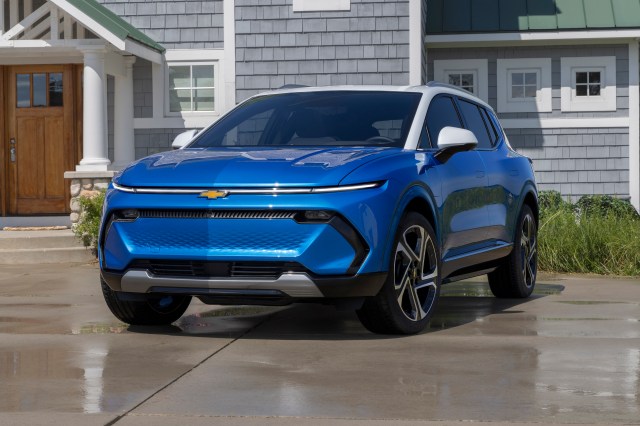
Available in early 2024, this SUV boasts a range of 319 miles on its front-wheel drive models. To keep the energy flowing, when engaged, the Regen on Demand and One Pedal Driving systems help convert the vehicle’s kinetic energy into energy stored in the battery. It can tow up to 1,500 pounds. Besides safety assistance, the car comes with reverse automatic braking. Inside, it has a 17.7-inch diagonal display touch screen.
Hyundai Kona EV
STYLISH AND AFFORDABLE
Starting Price: $35,000
The Hyundai Kona received styling and mechanical upgrades in 2021. The aesthetic changes include alloy wheels, improved LED headlights and a more streamlined design. Inside, drivers will find a new 8-inch touchscreen, ambient cabin lighting and a redesigned center console capable of wireless charging. A recalibrated suspension on the mechanical side makes for better handling and a smoother ride. Add in nearly 260 miles of driving range and you have an all-around impressive EV.
The electrified version of the Kona is available in only about two dozen states, including New York, Connecticut, Massachusetts, New Jersey and Rhode Island.
Tesla Model 3
GET UP AND GO
Starting Price: $39,000
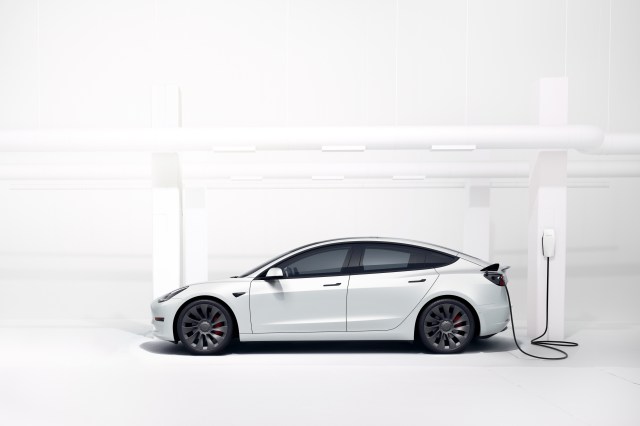
With an estimated range of 272 miles for the base model and 333 for the dual motor all-wheel drive version, the Tesla Model 3 has a lot to offer. Cabin upgrades for the 2024 model have made the interior quieter. The steering wheel has been redesigned and the front seats have perforated upholstery to improve ventilation. Rear-seat passengers now have access to an 8-inch display they can use to adjust climate controls or even watch movies. All Model 3s include heated and ventilated front seats, navigation and Tesla’s Autopilot semi-autonomous driving system.
Kia Niro
ROOMY HATCHBACK
Starting Price: $39,600
An all-electric crossover with front-wheel drive, the Kia Niro boasts 253 miles of estimated range and almost instant acceleration, going from zero-60 mph in 7.1 seconds. The heat pump helps preserve the driving range in cold weather. Its onboard power generator can charge or power laptops, electric bikes, camping equipment and more. The Niro comes standard with 20 collision–avoidance and driver–assist features, auto emergency braking technology and a 10.25-inch touchscreen display with navigation, Kia Connect and SiriusXM Satellite Radio.
Volkswagen ID.4
STYLE AND SPACE
Starting Price: $40,290
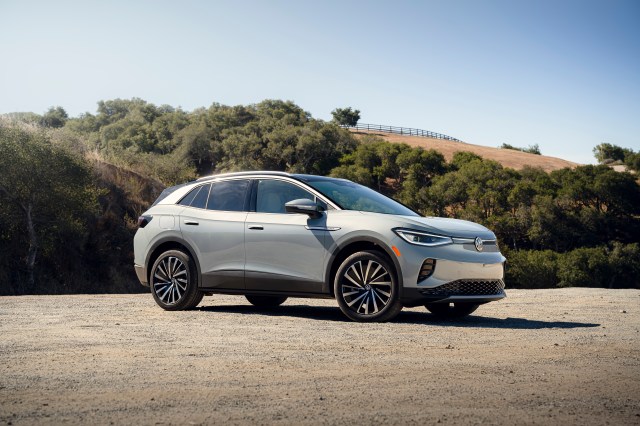
Spacious with a simple interface and handling like a traditional crossover, the ID.4 may check all the boxes for those looking for an EV that doesn’t skimp on utility or user experience. For 2024, VW made some improvements with the intention of raising performance and range on models with the larger, 77.0-kWh battery pack. That model comes with an upgraded electric motor that increases power to 282 horsepower in rear-wheel drive models and up to 330 horsepower with all-wheel drive. Other upgrades include a 12.9-inch infotainment display, backlit controls for volume and climate control and additional wheel designs, according to VW. The driving range may have increased, but VW has not specified a figure.
Thinking about buying an EV? Before you do, it’s important to know that the real cost of ownership is more than just the monthly payment. Try our EV Cost Calculator.
AAA’s Recommendation: Whether you own an electric vehicle or a gas-powered car is up to you – and you should consider lots of factors in making that choice. No matter what type of vehicle you’re choosing, we recommend visiting a dealership, test driving one, and asking as many questions as possible to make an informed decision.
It feels like you’re constantly being asked to make up new passwords these days. For every online account, every work login and every financial account, you’re going to need a password. It’s easy to imagine why some people would want to stick to the simple stuff – but how safe is that, really?
These are some of the most common passwords (aka the worst passwords) and why they’re unwise to use.
Counting Up and Counting Down
Passwords like “1234,” “12345” or “987654” are some of the most common passwords in the world, and that’s why they’re so easy to crack. Steer clear of numbers that are counting up or counting down, and don’t simply repeat the same number, like “1111.” That’s just as easy to guess as the others. The alphabet is also a poor inspiration for passwords, since “abc123” is often seen on roundups of the worst passwords.
Your Password Is ‘Password‘
Yes, even in 2024, people are still using the password “password.” While it might be easy to remember, it’s not keeping any of your information safe. Any variations that include the word “password,” “login,” “incorrect,” “default,” “welcome,” “letmein” or other password-themed words are not secure.
Keyboard Codes
Thought you were unique for using “qwerty” as your password? Think again. Many people use the first six letters of the keyboard as their password, or some other, equally-weak variation, like “qwerty123.” And don’t think you can get away with “asdfgh” either. The hackers are onto you, too. Any clusters of keys on a keyboard will be cracked almost instantly, so it’s best to avoid them.
Personal Information
Refrain from using personal information such as your birthday, your address or even your pet’s name as your password. You don’t want your password to be something that anyone who knows you could guess.
Dictionary Words and Common Phrases
You might think choosing a random word like “dragon” or “monkey” will keep you safe. There’s no way anyone could guess that! But hackers using automated scripts can cycle through every word of the dictionary while they’re trying to crack a password. So you might want to go a little more complex than “football” or “coffee.” You should steer clear of common phrases like “iloveyou” or “opensesame” for the same reason.
Using the Same Password
Thinking of new passwords can be tough, especially with all the rules different websites impose, but it’s unwise to use the same password across all of your accounts. If a hacker discovers that you use the password “Purp1eFl0wer62!” on Netflix, they’re probably going to try that password on your email account, your social media accounts and maybe even your bank account. If you use the same password everywhere, you’re basically giving any hacker that wanders along the keys to your entire digital life.
Your password should be longer than eight characters and feature a combination of uppercase letters, lowercase letters, symbols and numbers. Try to avoid using actual words in your password – you can mix them up with numbers and symbols for maximum security. For example, the password “FavoriteRadio98$” can be a lot more secure when it’s written as “F@v0r!t3R@di098$” instead. Make sure to change your password regularly, and to use a different password on each website.
Another great trick for generating a secure password is to use an abbreviated phrase, so it’s easier to remember, but harder to crack. If your phrase is “I want to see the stars,” your password could be “Iw@nt2Cth3***”. Even a simple phrase like “Come over to my house at 9 for the party” turning into “C0tmh@94tp” is a lot more secure than passwords that just use dictionary words and numbers. Just make sure your phrase is unique and not borrowed from any articles about password safety (like this one).
By avoiding the common password mistakes above and keeping security in mind, you can keep your personal and financial information private.
Looking for more ways to stay safe online? Norton 360 can help block hackers from your devices. Get comprehensive protection from viruses, malware and attacks on your online privacy. Norton 360 offers a password manager, real-time threat protection, cloud backups for your information, a secure VPN, dark web monitoring and more.
Get free identity monitoring services with ProtectMyID from AAA and Experian. AAA members can also take advantage of exclusive discounts on device security and online protection with Norton 360.
When it comes to important financial dates, most of us automatically think of Tax Day in April. But there are plenty of other notable days on the calendar in the world of personal finance. Some are deadlines, some are opportune times to save money and others may serve as helpful reminders to refocus your attention towards your own financial stability.
There are a few important financial dates to mark on your calendar for 2024.
FAFSA Form Becomes Available
Dec. 31, 2023
Your first step in financing your college education should be applying for federal loans. To do this, you’ll need to fill out the Free Application for Federal Student Aid, better known as FAFSA.
Although the form becomes available on Dec. 31, you do not need to submit it right away. The federal deadline is June 30, 2024, although some schools may have earlier deadlines.
First Required Minimum Distribution
April 1
According to the IRS: You have to begin taking withdrawals from your IRA, SIMPLE IRA, SEP IRA, or retirement plan account when you reach age 72 (73 if you reach age 72 after Dec. 31, 2022).
Tax Day
April 15
The last day to file federal taxes in 2024 is April 15, UNLESS you live in Maine or Massachusetts. Then the deadline is April 17.
Massachusetts Sales Tax Holiday Weekend
TBD
Many states across the country have sales tax holidays, including here in the Northeast. During these holidays, which typically last a week or weekend, sales tax isn’t applied to certain merchandise. Such is the case in Massachusetts, which holds an annual sales tax holiday weekend, typically in August. During this weekend, all personal use items under $2,500 are tax free. Some major exemptions include meals, tobacco products, alcohol, and utilities like gas and electricity.
National Nonprofit Day
Aug. 17
People are in need now more than ever before in recent memory. Yet the number of Americans donating to charity has fallen precipitously over the years. Use this holiday to consider giving to a worthy charitable cause.
Connecticut Sales Tax Holiday Week
Aug. 18-24
Connecticut is the other Northeast state with a sales tax-free holiday. The third Sunday of August (in this case the ) kicks off a week-long shopping event in which all clothing and footwear are free from sales tax. Arriving just before the new school year, this is the perfect time to purchase the clothes your kids will need throughout the year at a discount.
New Jersey Sales Tax Holiday
Aug. 24-Sept. 2
While most states limit their tax-free holidays to a week or weekend, New Jersey has a 10-day holiday leading up to the school year. During this time, all school and art supplies, instruction materials and computers (up to $3,000) are tax free.
Find savings on attractions, dining, shopping and more with AAA Discounts.
Labor Day
Sept. 1
Labor Day weekend is one of the premier times for sales. This is another prime opportunity to get discounted items you’ll need for the colder months.
The unofficial end of summer can also act as a good time to check on how well you are budgeting and saving and formulate a plan moving forward. Are you in good financial shape heading into the expensive holiday season or do you need to start putting more money aside? Are you on pace to meet any end-of-year money goals?
Medicare Open Enrollment
Oct. 15
Medicare enrollment begins on Oct. 15 and runs through Dec. 7. During this window, you can join, switch or drop a Medicare Health Plan based on your needs and financial situation.
Deadline to File Federal taxes (If You Received an Extension)
Oct. 15
If you requested (and received) an extension to file your federal tax returns, your final deadline is October 15.
Federal Health Insurance Marketplace Opens
Nov. 1
The dawning of November brings with it the opening of the federal health insurance marketplace enrollment window. Those utilizing the marketplace have until Jan. 15, 2025 to choose their health insurance plan for the 2025 calendar year.
Black Friday, Small Business Saturday, Cyber Monday, Giving Tuesday
Nov. 29-Dec. 3
The biggest shopping weekend of the year arrives like clockwork each November. This may be the best time to snag deals on holiday presents, saving big bucks.
If you have any funds left over, try donating a few dollars to your favorite charities on Giving Tuesday.
Last Day To Make Contributions
Dec. 31, 2024
The final date on the calendar is the last important financial date of 2024. This is your final opportunity to make some sound money moves for the year.
Can you make one more catch-up payment on your 401k? If you are planning to make a donation, it must be done by Dec. 31 for it to be deducted from your 2024 taxes.
Whether it’s mortgages, auto loans, student loans or small business loans, AAA has all your financial needs covered. Find out more.
New Haven pizza is consistently ranked among the top pizza styles in the country. To taste test for yourself, head to Wooster Street, Connecticut’s historic Little Italy neighborhood where it all began. Here, among a row of long-established pastry shops, restaurants and a few nationally recognized pizzerias, you’ll find the original Sally’s Apizza.
Sally’s Apizza (pronounced “ah-beetz”) has been handcrafting pizza the same way since it was founded by Salvatore “Sally” Consiglio in 1938. The recipes are original, with all the hallmarks of New Haven pies: thin crust, light on cheese and heavy on sauce. And at the Wooster Street location, they are still using the same 100-plus-year-old coal-fired brick oven, infusing every crust with coveted charred flavor.
“Every aspect down to the oven itself gives each bite a signature taste of sweetness, from the sauce balanced with a slight bitterness to the iconic char,” said Sally’s general manager, Matt Ball.
A large population of Italian immigrants came to New Haven in the early 1900s, bringing their favorite foods and customs with them. One of the most famous and the first to gain recognition for his Neapolitan-style pizza on Wooster Street was Sally’s uncle, Frank Pepe. After working for Frank for over a decade, Sally opened his own place down the block and both have grown to become more popular than ever.
What sets New Haven-style pizza apart from all the rest is that it remains true to its roots. The product you get today is consistent with what families were making generations ago. That’s what draws lines to the storefronts as soon as they open and brings in customers from across the country. Sally’s even retains the same look and feel from its early days, with wood-paneled walls and old-school booths.
The Consiglio family sold Sally’s Apizza in 2018 but Sally’s son’s Ricky and Bobby are helping to maintain the legacy, consulting as the operation expands to include locations in Fairfield and Stamford, Conn., with more to come. The first Massachusetts restaurant opened in Woburn in December, and another one is in the works in Boston’s Seaport District.
Don’t worry about the char, Ball reassures, “our new locations operate with the same coal-fired oven specifications as the original.”
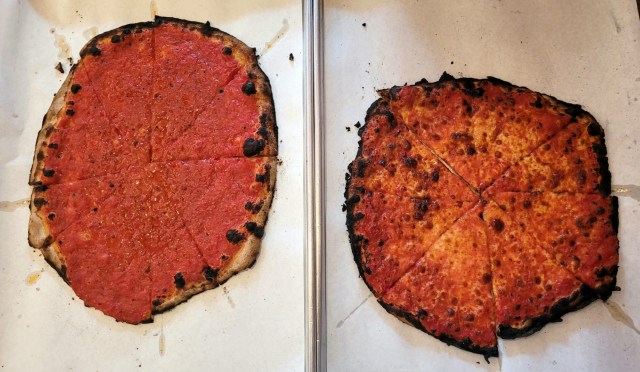
Sally’s Apizza’s Tomato Pie and its Mozzarella and Tomato Sauce Pie.
Our Recommendation
The Tomato Pie has been a menu staple since Sally’s first opened. Topped with just tomato sauce and a light sprinkle of parmesan, it calls back to a tradition established by New Haven’s Italian immigrants, when after a long day in the local factories, it was common for workers to head to bakeries and smear tomato paste on flatbread.
The simple combination lets the brick oven flavor shine. But “insiders know that adding garlic and basil is an out-of-this-world combo on this classic and timeless pizza,” Ball said.
Because the Tomato Pie is so popular, mozzarella cheese (the “mootz”) is considered a topping at Sally’s, so keep that in mind when ordering.
Back in the early aughts, name brands were everything. They were a status symbol, an indicator of supposed wealth and a representation of what was undoubtedly “in.”
That was then. Nowadays? It’s all about the dupe.
What Is Dupe Shopping?
A shortened term for “duplicate,” dupe refers to products with a permissible similarity to another, more expensive product. For example, this $37 Amazon dress that’s a dead ringer for the viral $90 Skims version, or this insulated water bottle that could pass for the mega-popular Stanley, but for half the price.
Below, we see this in action. Rather than spend close to $1,000 on the trendy swivel chair from CB2, this user found an almost identical dupe on Wayfair for much less.
Dupes get you the look for less, and everyone wants in. Videos tagged with #dupe on TikTok have over 6.5 billion views, solidifying the trend’s gargantuan popularity – and mighty profit power.
Why Are Dupes Trending?
The short answer? Saving money.
Although brands that are commonly duped aren’t considered luxury (midrange brands like Skims or Abercrombie are popular duped brands, particularly for Gen Z), there’s a certain thrill in finding a cheap alternative for a popular product – especially if it’s been discontinued, sold out or otherwise unavailable.
Thanks to TikTok and Instagram, we’re now able to see the dupe possibilities on a whole array of products from makeup to jeans, water bottles, home decor, shoes and everything in between.
Three aspects to consider when searching for a dupe:
Material
Similar ingredients
Other features of the original product like shape, flavor or color.
Some dupes can be found simply by how they look. Over the holidays, many on social media were finding dupes for Pottery Barn holiday decor that looked essentially identical to those being sold at a higher price from the retailer.
Other dupes need a bit of research. Take the viral Flawless Filter makeup foundation from Charlotte Tilbury ($49) versus its dupe contender Halo Glow from e.l.f. Cosmetics ($14). Both have generally similar ingredients, which can suggest a comparable formula (not to mention Halo Glow’s almost identical packaging and applicator).
For a product like athleisure, it’s all down to feel. Both of these $23 leggings from Amazon and Lululemon’s coveted $98 Align pant have an 80% nylon composition, making them seemingly analogous. Paying special attention to a garment’s fabric make up also makes it a bit easier when buying online when you’re not able to see or feel the difference close up.
Of course, one of the best ways to investigate a good dupe is to search for it on social media. Simply searching for the product of your choice plus “dupe” in TikTok or Reels will reveal video upon video of users testing, trying on and reviewing, so you can see for yourself how its dupes really stack up.
Have you found a dupe worth sharing? Let us know in the comments.
This article is for informational purposes only. AAA does not endorse any of the products mentioned.
Our pets are family, but are they protected by our home and auto insurance policies like family?
Whether you are the parent of a recently adopted pet or a longtime animal lover, one thing is for sure: Pets bring unconditional love and joy into our lives. It’s our job to do everything we can to protect them, and that includes preparing for the unexpected. Can insurance help?
We spoke with Jodi DeSantis, vice president of insurance sales for AAA Northeast, to get answers to the questions about how your existing insurance policies may protect your furry loved ones. Details may vary by insurance carrier and state, so check with your agent to find out exactly what your insurance does and does not cover.
Are pets covered by home insurance if they get hurt in your home or yard or lost? If not, are there special coverages available that you can add to your policy?
Generally, home insurance will not cover your pet’s injuries or medical conditions. Specialty pet insurance is recommended to cover those types of expenses. On occasion, a home policy may offer reimbursement on a reward for a lost pet, however, this would depend on your specific terms and conditions.
Some home insurance carriers will exclude or decline to insure certain dogs or dog breeds; for example, dogs with a higher-than-average bite history or a dog that has bitten previously. If your dog or dog breed is not excluded, a scenario where your dog bites someone is generally covered under your home insurance liability coverage.
Liability claims related to dog bites and other dog-related injuries cost homeowners insurers $1,136 million in 2022, according to the Insurance Information Institute and State Farm.
Don’t assume that your home or renters insurance will protect you if your dog bites a person or another animal. Review your policy or contact your insurance company to find out if you own a prohibited breed, and always notify your insurance provider if you get a dog. If you don’t, it opens up the possibility of a liability that could have been avoided with timely notification.
Are pets covered by auto insurance?
Some auto insurance carriers may offer pet injury coverage if your pet is injured during an accident while riding in your car.
Always make sure that your pet is safely restrained in the car. Here’s what you should know about pet car restraint laws in your state.
What if you accidentally hit someone else’s dog or cat and it results in injury or death?
If you are involved in an accident where you are found to be liable for injury to someone else’s pet, those injuries are generally covered under your auto liability insurance.
What if you own an animal other than a dog or a cat? Are there special insurance considerations for pets that could be considered dangerous?
Many insurance carriers will decline to cover an exotic, wild, or dangerous animal. Many of these situations are reviewed on a case-by-case basis.
What everyone told you as a kid is true – owning a pet is a big responsibility, but it can be even more rewarding. Consider investing in a specialty pet insurance policy to offset the expense of needed medical care and investigate whether your home and auto policies cover you from other pet-related concerns.
While the beaches are mostly empty and the wind may be colder, that doesn’t mean Newport isn’t fun during the off-season. Many of the city’s attractions are open all year, so treat the family to hotels with indoor pools, an aquarium, a winter festival, food competitions, escape rooms, mansion tours and more.
Visit Feb. 16 to 25 for the Newport Winter Festival, offering 10 days of events designed for Newport guests of all ages, including live musical performances. The Rainforest Reptile Show and Princess Party are two events kids will love. If you’re more of a foodie, don’t miss the festival’s 27th Annual Chili Cook-Off on Feb. 17 at the Newport Marriott. Local restaurants compete to be the best, and you’re the judge – so bring your appetite! The following Saturday, the Newport Marriot will also be hosting the Mac and Cheese Smackdown. Festival bracelets are available for purchase that afford discounts on event admissions.
The annual Newport Burger Bender is scheduled from Feb. 16 –Feb. 25. During the event, Newport area restaurants come together to compete in fun categories like “Most Napkins Needed” and “Most Likely to Become a Menu Staple.”
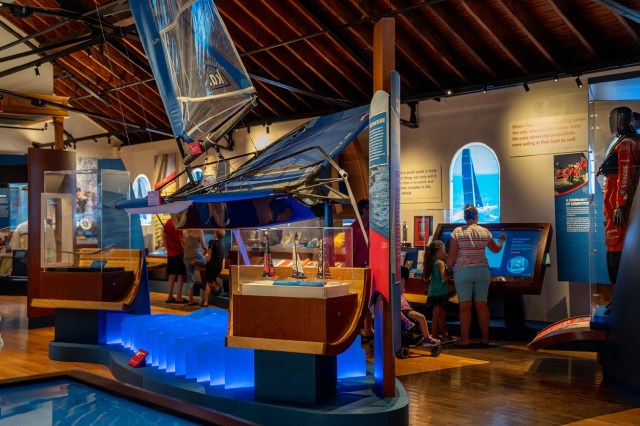
The Sailing Museum features interactive exhibits, allowing visitors to choose a virtual “boat” that will be their avatar to guide them through the different stations, as they learn about water and waves, what a good sailor needs to know and the lives of great sailors of the past.
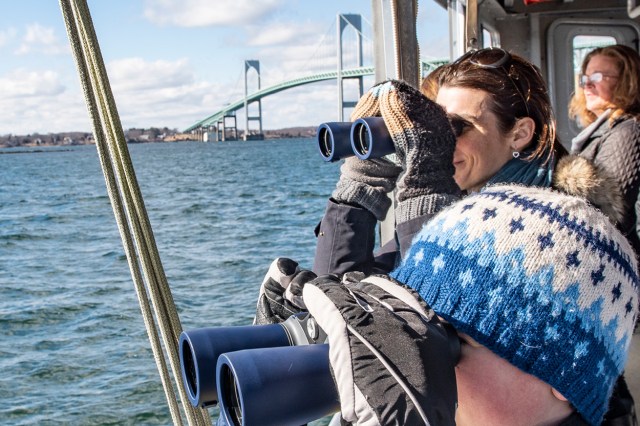
It’s seal watching season! Save The Bay offers seal watch tours and nature cruises in Narragansett Bay, November through April. Cruises conveniently depart from Bowen’s Ferry Landing. You can choose from a one- or two-hour tour, during which you’ll see seals swimming and laying out under the Newport Bridge and on Citing Rock located just off Rose Island.
Enjoy navigating through intricately designed rooms, crack codes, solve puzzles and unveil mysteries in one or both of the Paradigm Escape Rooms. The immersive gaming facility tests your abilities with “Da Vinci’s Test” or “The King’s Tomb.”
Who better to narrate a mansion tour than the mansion itself? During the Breakers Family Tour, you’ll also hear from family members and staff, as well as the friendly “dolphin” hiding under the grand staircase and the “dragons” in the dining room. Not only does the house come to life, but the sculptures and furnishings as well.
Newport’s Save the Bay Aquarium is relocating from Easton’s Beach to the Gateway Transportation and Visitor’s Center. Set to open this winter, it will feature marine life exhibits, hands-on activities and educational programs for kids.
Whether you like to relax by the pool or have kids that are anxious to splash around no matter the weather, these hotels have you covered.
Hotel Viking
Head up from Thames Street to One Bellevue Avenue where you’ll find the discerningly decorated Hotel Viking. Within the hotel is a refined pool complete with armchairs and chaise lounges for relaxing. Spa services are also available at the property’s Spa Fjör.
The Vanderbilt
The Vanderbilt’s sleek, heated indoor pool is the perfect complement to its stylish outdoor pool and the ideal place to turn when the weather gets chillier, but you are still craving a swim. You’ll find the pool tucked within a hotel influenced by the styles of Doris Duke as well as the mansion’s former owner, Alfred Gwynne Vanderbilt.
Newport Harbor Hotel
The Newport Harbor Hotel is located just where you’d think – right on the Newport Harbor. It’s so close the hotel features its own marina. While views of the harbor and its impressive boats are exciting, sometimes the winter calls for a warm dip, and the hotel’s indoor saltwater pool is the ideal place to relax.
Newport Marriott
Escape the hustle and bustle that sometimes dominates Newport in the summer months with a winter stay at the Newport Marriott. Especially appealing at this hotel are the waterfront views, nautically themed guestrooms, and indoor fitness center and pool.
Wellington Resort
The Wellington Resort, conveniently located right on Thames Street, is home to 53 guest suites available for vacation renting. When the weather gets chilly, the indoor pool is a great place to hang out.
Howard Johnson Inn
Located just two miles north of Newport proper in Middletown, the Howard Johnson Inn is a great lodging choice if you’re looking for an affordable stay with quality, newly renovated amenities. Named Hotel of the Year 2023 by Howard Johnson and Wyndham Hotels & Resorts, the property features an indoor heated pool, a whirlpool spa and sauna available for guest use.
Looking Forward to Spring?
Planning a spring vacation? Enjoy all the wonders of Newport when it is awash in yellow during Newport Daffodil Days. Organizer Newport in Bloom has all the details as well as information about other floral festivals during the year.
Learn more about why Newport should be your next winter staycation.
Get ready to enjoy nonstop activities, entertainment and dining while onboard the 3,099-guest Norwegian Viva. The ship was christened in Miami in late November following its inaugural summer season in Europe.
Kate McGowan, partnership operation manager for AAA Northeast, was on Viva’s first voyage out of Miami. “The detail that went into designing this ship was incredible,” she said. “It felt so spacious and the public areas never felt crowded. There were so many cozy areas to escape to and fun features I haven’t seen on other cruise ships.”
Here are some of the adventures you can look forward to.
Don a helmet and buckle up in your personal race car as you zoom along the Viva Speedway, what Norwegian Cruise Line says is “the first three-level racetrack at sea.” Or go virtual with racing simulators in the Galaxy Pavilion. Get your adrenaline pumping another way while cascading down the side of the ship either on The Drop free-fall dry slide or the 10-story The Rush dueling slides.
Taste the Cuisines of the World
The 16 dining venues across the ship include specialty restaurants that feature the first Mediterranean restaurant for the cruise line as well as Asian-Latin fusion, Japanese, French, Mexican and Italian cuisines, and a traditional American steakhouse.
More around-the-globe dining can be tasted at the Indulge Food Hall. Take a walk around the 11 eateries, eyeing your favorite dishes from Latin America, India and even Texas barbecue, then order electronically at your table.
You are sure to be entertained while watching the Broadway show “Beetlejuice: The Musical,” based on the Tim Burton movie and staged for the sea on Norwegian Viva. Or sing along to the songs from musical legends during “Icons,” a concert-like experience that shares favorite tunes from the last six decades from icons you love, such as Dolly Parton and Lady Gaga. The rock house band at the intimate Syd Norman’s Pour House will have you singing once again accompanied by a whole lot of clapping. You will be laughing out loud during the show at another intimate venue onboard: The Improv at Sea, where comedians do what they do best.
Get Your Game On
The cheering and energy from the audience may be the best part of the experience when two favorite television game shows are recreated onboard Norwegian Viva. “Deal or no Deal” can have you playing and dealing for cash with play cards available for purchase. “Press Your Luck Live” gets contestants avoiding the “whammys” to win big. Other onboard games get you moving with “interactive and tech-immersive mini golf” at Tee Time and a twist on darts at The Bull’s Eye. The Stadium provides a twist on pingpong and foosball and even the chance to play pickleball.
Pick Your Itinerary
It is an all-island Caribbean adventure with Norwegian Viva sailing through March 2024 from San Juan, Puerto Rico, on seven-day itineraries. The ship stops in a different port each day including Tortola, British Virgin Islands; St. John’s, Antigua; Bridgetown, Barbados; Castries, St. Lucia; Philipsburg, St. Maarten; and St. Thomas, U.S. Virgin Islands.
“The beaches at Great Stirrup Cay (Norwegian’s private island in the Bahamas) were stunning. I highly recommend splurging on a cabana or villa while there,” said McGowan.
Starting in April 2024, you can discover the Mediterranean and Greek Isles when Norwegian Viva repositions in Europe until November 2024.
Get insider tips, exclusive deals and more when you book your vacation with a AAA travel advisor.
Almost one-third of millennials, the generation spanning ages 27 to 42, said the next time they go car shopping, they likely will come home with an electric car, according to the AAA 2023 EV Customer Sentiment Survey.
The survey results, released in November, revealed that 31% of millennials said an EV would most likely be their next car.
At the same time, the familiar misgivings about buying and owning an EV persist across all age groups.
EVs = Prestige
Other studies support millennial leanings. Millennial consumers rank the highest (72%) when it comes to considering purchasing an EV and the largest percentage of those who say they are “very likely” to consider an EV (37%), according to the J.D. Power 2023 U.S. Electric Vehicle Consideration Study.
Some reports suggest that millennials are attracted to EVs by a desire for status, as well as to showcase affluence, as some EVs are seen as more prestigious than luxury gas-powered vehicles. The trend is more prevalent in cities, where there is greater access to charging stations. And for some, EVs are a better fit for their lifestyle. For those living in a house, it’s possible to install a charging station, allowing EV owners to anticipate long-term savings over the life of the car.
Elsewhere, research in Vietnam indicated that millennials there are shaping up to be the primary consumers of electric vehicles, in part because they are particularly attuned to state-of the-art technology.
Gen Z Not Far Behind
The Generation Z demographic, those born between 1997 and 2012, showed the second most interest in buying an EV. Baby Boomers, born between 1946 and 1964, were not far behind, with 18% saying they would buy a fully electrical vehicle for their next car.
Overall, 23% of U.S. adults said they would be likely or highly likely to purchase a fully electric vehicle the next time they buy a car. This was down slightly from 25% in 2022.
Environmental concerns (60%) and lower operating costs than a gas-powered car (76%) remain the primary motivators for purchasing EVs, though, 38% of Baby Boomers cited cutting-edge technology as a reason for an EV purchase.
Charging Concerns Persist
Consumers continue to list the same obstacles to EV ownership year after year. According to the AAA survey respondents, EVs cost too much, (59%), there are too few convenient places to charge them (56%), the cost of battery repair or replacement is too high (55%), and they fear running out of power while driving (53%).
An EV “ceiling” has developed, blocking increased adoption, Greg Bannon, director of automotive engineering research for AAA, wrote in a guest commentary for Automotive News. Despite lower prices and an increase in models to choose from, sales are stagnating, Bannon wrote. Consumers like the idea of owning one, but they are not convinced an EV is compatible with their lifestyle.
To punch through that ceiling, people may need to own two cars, an EV and a hybrid or gas-powered car, so they are confident they can take longer trips when they need to, he said. Drivers also can test the EV experience with a hybrid, Bannon noted. And to really boost EV sales, public charging stations need to dot the landscape.
“If we want to move the needle on EV interest and adoption, public charging must become more accessible, reliable, affordable and convenient,” said Bannon.
The J.D. Power study also warned that without more public charging stations and supporting infrastructure, EV momentum could stall further.
This is the sixth year AAA has administered the survey. It conducted 1,170 interviews, mostly online, with U.S. adults ages 18 and older in March 2023.
Tire care is an important part of car maintenance and something you should get into the habit doing at least once a month. It only takes a few minutes and could save you from having problems when you’re out on the road. Here’s what you need to do to be sure your tires are ready to roll.
Tire Care Starts With Your Eyes
Take a good look at each tire to see if there are any visible signs of damage. These include tears, bulges, bumps or wayward nails stuck into the tread. Even what looks like minor damage can cause major issues. Taking care of potential problems as soon as you see them can help avoid the need for flat tire roadside assistance later.
Make sure you check the whole surface of each tire including both the tread and the sidewall. Even if the tire isn’t flat, any damage is reason to consult a tire care expert for a thorough inspection. They can tell you if a replacement is necessary or if a repair can take care of the problem instead. Make checking your tires a regular part of your car maintenance schedule.
Check the Air Pressure
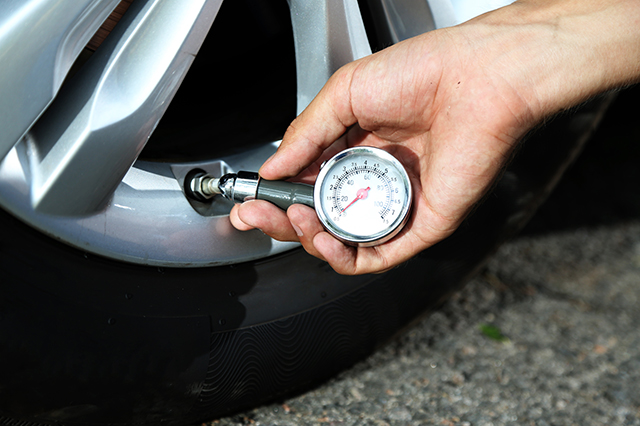
Properly inflated tires will not only keep you safer, they’ll extend the life of your tires and help your car get better fuel efficiency. Always check tire pressure when the tires are cool, not after you’ve been driving for miles and they’ve had a chance to get warm. Use the manufacturer’s recommended tire pressure as your guideline. It can be found on an information sticker located inside the driver’s door for easy reference.
Many cars have a tire pressure monitoring system that includes a dashboard indicator when your tire pressure is low. If this light comes on, don’t delay. Check your tire pressure as soon as possible to avoid damaging your tire and add air until the right pressure is reached. If the light seems to come on frequently, have your tires inspected to see if you have a slow leak.
Keep a close eye on tire pressure when the outside temperature shifts. As a rule, when the temperature drops 10 degrees your car’s tires can lose between one-half and one pound of air pressure. Add or reduce the air in your tires to stay at the manufacturer’s recommendation.
Check the Tread
The fancy pattern of rubber on each tire is the tread and it’s specially designed to keep the tires firmly in contact with the road. It whisks away water and snow and flexes to make sure you have the best traction possible. When that tread wears down, traction suffers. You’ll notice the problem when your car tends to slip in poor road conditions.
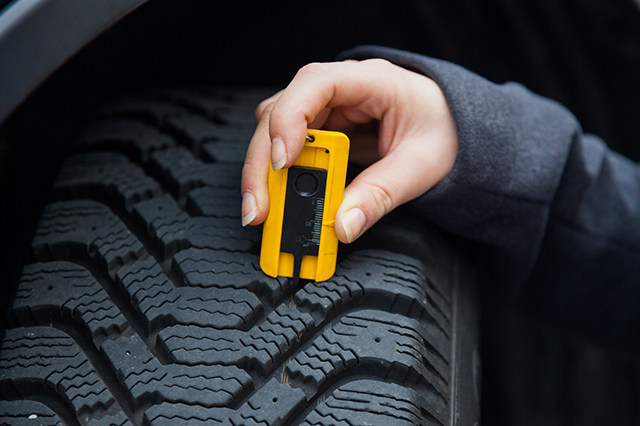
It’s hard to tell at a glance if your tire treads are worn down, so there’s an age-old trick for making sure the tread is still good. All you need is a quarter. If you put a quarter into a tread groove with the top of Washington’s head facing down and the top of his head is not visible, your tires have at least 4/32 inches of tread and are fine for continued use. If you can see above the top of Washington’s head, it is time to start shopping for new tires. Do this simple car maintenance test in multiple spots on each tire. Poor alignment or incorrect inflation can cause the tread to wear unevenly. Checking in a few spots helps make sure you’re getting an accurate idea of overall tread wear and helps avoid a call to flat tire roadside assistance if your tire fails.
Keep Up Car Maintenance
Part of taking care of your tires is maintaining overall car maintenance. Have your vehicle’s alignment checked periodically. You may not even realize your alignment is out of whack, but all those potholes and bumps in the road take their toll. Proper alignment helps avoid excessive or uneven tire wear, so you can keep your tires longer.
Although you can’t see it, there are clues you may notice when driving a vehicle with bad alignment. If the steering wheel pulls in one direction or if it vibrates, that’s an indication that your alignment is off. A professional can check your alignment and make the necessary adjustments to your car’s suspension system to keep everything in order.
The key to effective tire care is to pay attention to them rather than waiting for that annual inspection. Check them every month as a part of regular car maintenance and take care of any problems promptly to extend the life of your tires and stay safe on the road.
What’s your preferred method of tire care? Let us know in the comments!
A variety of factors, from job market conditions to inflation and broader concerns over our economy, have made it so that many Americans can no longer rely on a single household income to support their families.
In fact, a 2022 report showed that 40% of Americans balance a side hustle with their primary job.
While most side jobs aren’t substantial enough to equate a living wage, they do provide dedicated workers with an outlet to develop skills they may already have and make some money in the process. In some cases, the experience earned might even blossom into a true entrepreneurial venture, allowing workers to start their very own businesses.
Let’s discuss some of the most popular side hustles you might want to consider.
Make or Sell Your Own Items
If you make anything, whether craft projects or baked goods, you could be sitting on a potential moneymaker. Likewise, if you have a creative itch you’re dying to scratch, you might be able to do so and monetize it at the same time. E-commerce sites and creator marketplaces like Etsy make it easy to sell your product to consumers that are interested in your product. It’s also a good opportunity to learn how to build and promote your own website.
Online Tutoring
Just because you have knowledge in a specific area doesn’t mean that others share your expertise. In this case, you might be able to find work either through the creation of online courses or by becoming an online tutor in math, science or another subject for today’s school-age students. Tutoring websites can help you to break into the field. Plus, you can’t put a price on the fulfillment of helping kids who might otherwise be struggling in school.
Become a Ride-Share Driver
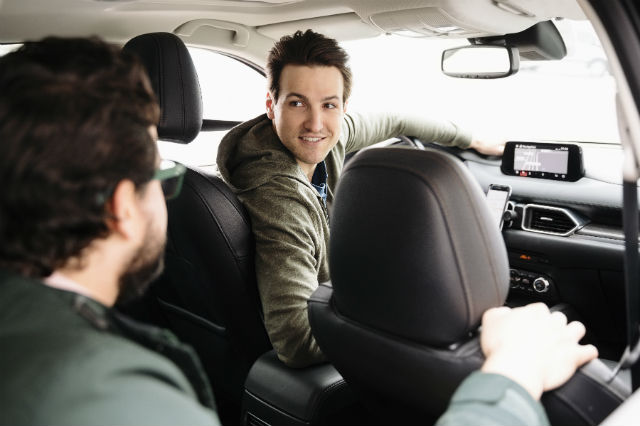
Ride-share services have had a game-changing impact on the world of transportation. Anyone with a license can become a driver, providing you with yet another route (pun intended) to consider as you contemplate which side hustle best fits your schedule. It won’t necessarily be the most consistent money, and you’ll have to account for the fact that you cover gas and other expenses related to your car. Beyond that, you’ll have lots of chances to whip up some extra money.
Start a Freelance Business
If you have specialized knowledge or experience, you could also start your own freelancing business. Tons of companies are open to fully remote freelance work for a number of disciplines, including writing, coding and graphic design. Freelancer websites make finding these opportunities easier than ever, giving you the chance to tackle other projects in your downtime. Imagine gaining valuable experience that can pave the way for your professional future. Just be sure your freelance work doesn’t present any conflicts of interest.
Meal Delivery
When you don’t feel like cooking, what do you do? These days, you simply browse any of the many meal delivery services available. These companies work with local restaurants to provide delivery services, and much like the ride-sharing role above, the barrier to entry is low for aspiring drivers. Some companies don’t even require that you own a car to do so, just be sure to check which services operate in your area. Even if it doesn’t fit your side hustle goals, you’ll probably find exactly what you want for dinner tonight.
Virtual Assistance and Other Tasks
Besides a dedicated meal delivery service, you could perform a similarly helpful function by becoming a virtual assistant. The job description varies wildly depending on your employer and their business, ranging from making calls to social media management. There are online services for aspiring VAs and employers that will connect you to a company with needs that match what you’re qualified (or willing) to do. There are also companies that focus on tasks like running errands, moving and home repairs.
Babysitting and Companion Care
Traditionally, babysitting is a first job for teenagers or college students looking to make a little extra pocket money, but it’s a viable side job for anyone who likes and works well with kids, especially parents whose own children are now grown. Similarly, companion care – which boils down to spending time with and taking non-medical care of senior citizens – is a great way to earn a little money, while at the same time forming a true human connection.
Of course, with today’s technology, the possibilities are endless. Since you have so many potential side hustles to choose from, be sure that you select one that matches your interest level and, if possible, your existing skill set. Remember that side hustles are known as such because they often don’t yield significant income at first. Your passion and dedication, however, promise to carry you through this early period and prevent you from burning out before your investment begins to really pay off.
No one likes being sick. But as the temperature drops and people start spending more time indoors, the risk of catching a cold, flu or other infection increases significantly. Your immune system is your first line of defense against sickness.
Learn how you can boost your immune system naturally with these tips.
Immune System 101
The immune system is a complex network of cells, organs and tissues that work together to help your body combat disease and infection.
Humans are born with some innate immunity. This includes skin, mucus membranes and the lymphatic system, which produces, stores and carries white blood cells that fight infections and other diseases. Acquired immunity happens when you get infected and recover from an illness or when you’re vaccinated.
There’s no quick trick or magical pill for developing a perfect defense against illness, but there are some steps you can take to boost your immune system naturally.
Get Your Probiotics
There’s still much to be learned about how gut flora and the immune system are linked. But probiotics, which strengthen the good bacteria in the gut, can help with digestion and better your immune system.
“There are two ways to get more good bacteria into your gut: fermented foods and dietary supplements. Fermented foods are the most natural source,” according to Harvard Health Publishing. “Probiotic supplements, which are typically sold over the counter, are reserved to treat specific ailments as suggested by your doctor, and not recommended for everyday use.”
Fermented Foods
Foods that typically contain probiotics are fermented foods like kimchi, pickles, sauerkraut, miso, tempeh, sourdough bread and some cheeses (cheddar, gouda, mozzarella). Just be aware of your salt intake. If you’d prefer to drink your probiotics, there’s kombucha – a fermented tea drink, and kefir – fermented milk.
Yogurt
Yogurt is touted as one of the best sources of probiotics. Different types and brands of yogurt boast different amounts of probiotics – anywhere from 90 billion to 500 billion colony-forming units per serving.
When it comes to eating yogurt, make sure to check the sugar content. Look for options with “active” or “live” cultures that have more protein than sugar.
Eat a Well-Balanced Diet
Go for Fruits and Vegetables
Eating a diverse diet provides your body with the nutrients it needs to support your immune system. You want to focus on eating a mix of whole foods, especially fruits and vegetables, which provide a wide array of vitamins, minerals and other nutrients.
“Malnutrition or a diet lacking in one or more nutrients can impair the production and activity of immune cells and antibodies,” according to Harvard School of Public Health. “Diets that are limited in variety and lower in nutrients, such as consisting primarily of ultra-processed foods and lacking in minimally processed foods, can negatively affect a healthy immune system.”
Stay Hydrated
There’s a reason why we’re told to drink plenty of fluids when we’re ill. To be proactive, get in the habit of drinking enough water everyday.
While drinking water alone doesn’t necessarily give your immune system a boost, water keeps our bodies functioning properly. Drinking water aids in digestion, helps carry nutrients and oxygen to your cells, protects organs and tissues, regulates your body temperature and more.
Know When to Supplement
Taking supplements may sound tempting – especially when some packaging makes flashy claims – but they may not be as beneficial as you’d think.
“Although some preparations have been found to alter some components of immune function, thus far there is no evidence that they actually bolster immunity to the point where you are better protected against infection and disease,” according to Harvard Health Publishing. “Demonstrating whether an herb – or any substance, for that matter – can enhance immunity is, as yet, a highly complicated matter.”
Correct Deficiencies
However, supplementing for nutrients you’re currently lacking can be beneficial. For example, many Americans are vitamin B6- and vitamin D-deficient. Some women ages 12 to 19 are iron-deficient. Talk to your doctor about any supplements you are – or potentially should be – taking. You may want to consider having bloodwork done to see if you have any deficiencies.
Support Your Immune System
There are five micronutrients – vitamins B6, C, E, magnesium and zinc – that help maintain immune function.
“Supplements containing them are often sold as immune boosters in doses that greatly exceed the recommended daily allowance. However, there is no evidence that such supplements have more benefits than merely following a healthy diet,” according to Harvard Health Publishing. “Rather than popping pills to get these micronutrients, you’re wiser to use various foods to boost your immune system.”
What’s more, supplements don’t have the same FDA oversight as medications, meaning it’s likely safer and more effective to get immune system-supporting vitamins naturally, from food.
“Just like a healthy diet, exercise can contribute to general good health and therefore to a healthy immune system,” according to Harvard Health Publishing. “It improves cardiovascular health, lowers blood pressure, helps control body weight and protects against a variety of diseases.”
On the other side of the spectrum, obesity – and the low-grade chronic inflammation associated with it – can hamper the immune system.
To stay active, exercise regularly by going on a bike ride a few times a week or taking a 20- to 30-minute daily walk. If it’s too cold outside, check out these ten indoor workouts to stay fit and boost immunity.
Save on Active&Fit Direct membership with AAA Discounts. Choose from thousands of fitness centers and studios nationwide and get access to thousands of guided workout videos.
Avoid Immune Suppressors
Too Much Stress
Stress weakens the immune system, according to numerous studies since the 1980s as well as psychologists in the field of psychoneuroimmunology.
Some stress is natural and largely unavoidable. But, “people who are older or already sick are more prone to stress-related immune changes,” according to the American Psychological Association.
Learn more about how too much stress impacts your health and ways to cope with daily stressors.
Unhealthy Substances
If you want your body to be able to defend itself, avoid consuming harmful substances. Protect your respiratory health by not smoking. And, if you drink alcohol, only drink in moderation.
“Clinicians have long observed an association between excessive alcohol consumption and adverse immune-related health effects such as susceptibility to pneumonia,” according to U.S. National Library of Medicine. “This association has been expanded to a greater likelihood of acute respiratory stress syndromes … and slower and less complete recovery from infection and physical trauma.”
Lack of Sleep
Sleep is an essential part of supporting your immune system. Getting enough high-quality sleep is proven to strengthen your body’s defenses and helps vaccines respond more efficiently.
Not enough sleep can even increase your chances of getting sick. “In the short-term, the risk of infections has been found to be higher in people who sleep less than six or seven hours per night. Studies have found that insufficient sleep makes it more likely to catch the common cold or the flu,” according to the Sleep Foundation.
How will you support your immune system this winter? Tell us in the comments.
Saving money is a skill, and like any skill, it sharpens over time with practice. The key to successful personal finance is adopting small positive practices. The more these saving habits become a part of your life, the more they become second nature – and the more your bank account grows as a result!
Develop a Smart Investment Strategy
A good rule to follow, whether at a casino or when monitoring the stock market, is knowing when to cut your losses. Give yourself an amount at which you’ll sell your stocks when your portfolio isn’t looking so good – maybe it’s the amount you initially put in, or perhaps something higher. You don’t want to lose more than you originally spent.
Unpack the emotional and psychological side of money. Listen to Season 2, Episode 2 of our podcast, Merging Into Life: How to Manage Money Stress and Build a Healthier Mindset.
One of the best saving habits you can get into is to pay your debts off in full when possible, or at least higher than the minimum. Paying off a credit card bill or medical bill little by little may be easier in the short run, but the downside to consistently choosing the minimum option is that you accrue interest, so you pay more in the long run.
Use Your Credit Card Carefully
Having a credit card comes in handy, but it’s important to avoid overspending. Keep in mind the money you have in your checking or savings account and never spend more than what you actually have. Unlike most debit cards, credit cards offer reward points and other benefits, so they can be a great asset for your finances.
Limit the Late-Night Snacks
One great piece of advice for both your body’s health and your financial health – don’t eat anything after midnight! We consume food to have energy for the tasks ahead. After midnight, the only task you should be focused on is sleeping. Avoiding late night snacks after this time can help you cut down on grocery bills, or the cost of restaurant food if you’re out late with family or friends.
Buy Higher-Quality Products
Some items are worth more money for good reason and choosing them over cheaper products can actually save you money in the long run. Take a car, for example; you may be tempted by the lower price tag of an older, used car. In the short run, yes, you save money. But once the car starts breaking down and you start having to bring it into the shop for repairs, you’ll wish you had purchased a newer model.
Keep Your Car in Good Shape
Speaking of cars, make sure to keep yours well-maintained. Regularly getting oil changes and checking to see what that funny noise is under the hood, rather than ignoring it, can help you avoid more costly problems down the road (no pun intended).
Manage Your Money Online
Consider switching to online banking and setting up automatic payments. This might seem a little scary because you may not feel like you have as much control over your finances, or you might be worried that a payment will be taken out when your account doesn’t have enough funds.
To set your mind at ease, try using an app like Mint, which alerts you when your funds are running low. Setting up automatic payments for your bills prevents you from accidentally paying late and getting charged late fees. After all, slipping up and forgetting to pay one of your bills can happen to even the most conscientious among us.
In addition, apps and sites like this are useful in two other amazing ways:
They give you an overview of all your accounts, helping you keep track of everything so your finances are less overwhelming.
They allow you to see the patterns in your spending habits, enabling you to see where your money is going every month, and what you might want to cut back on.
Still feeling wary about online banking? At least take one piece of advice from this tip: Create a spreadsheet for yourself that keeps track of all your accounts at once. Getting a bird’s- eye view of your finances can really help you with your budget.
Set up Your Retirement Fund Early
Don’t wait too long to start setting up a retirement fund. Once you have a better feel for what you have and what you’re pulling in regularly (using the previous tip), you’ll be better able to gauge how much you can part with each month to put into this essential fund. Putting aside 10% of your income each month for retirement is a safe bet. To make this easier you can set up an automatic transfer of a designated amount of money each month to go into these separate accounts, so you never accidentally skip a month.
Add More Money to Your 401(k)
Speaking of retirement, if you work at a job that allows you to have a 401(k), you might consider going for a higher contribution, or even up to the limit, also known as “maxing out.” Think carefully if you can afford it in the short term, though – maxing out is not for everyone’s budget. But if this saving habit is doable for you, you’ll end up with more money for your retirement than you would’ve with the lower contribution. In fact, it’s also a good idea to increase your 401(k) contribution every time you get a raise.
Pick up Handy Household Skills
In the process of sharpening your money-saving skills, you may also want to pick up some other valuable skills along the way, especially regarding your home. To save money on home upgrades and small repairs you may want to DIY some of your design projects or pick up a few basics on plumbing, painting and fixing leaks. You’ll be proud of yourself, too!
Establishing even just one or two of these money saving habits can help you reach your money goals. Get started today!
This article has been updated and republished from a previous version.
It’s true: Home is wherever your pet is. The most recent statistics show that about 45% of households have dogs and 26% have cats, according to the American Veterinary Medical Association. While many pet owners like bringing their pets along on car trips, they may not be aware of cat or dog car restraint laws.
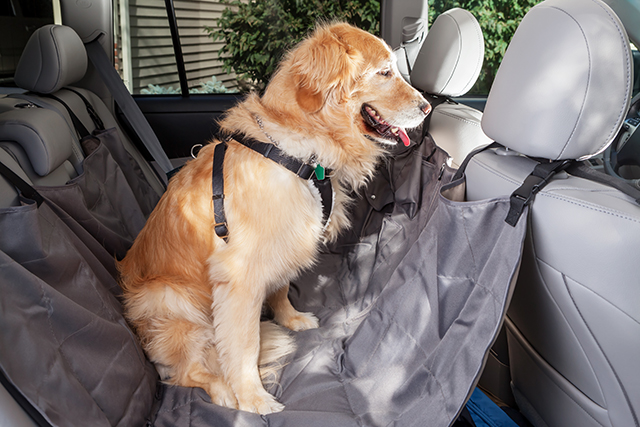
Laws on restraining pets differ from state to state, but it’s the invariable laws of physics that are most important when it comes to the safety of you and your pet. If a vehicle is traveling at 60 miles per hour, so are its passengers, and any unrestrained passenger (human or animal) becomes a projectile in a crash unless restrained. A 30-pound dog traveling at 60 miles per hour requires 1,800 pounds of restraining force, making it impossible to hold onto a pet to restrain them in your arms.
Pets can also easily become distractions in the car. Whether you’re taking them to the vet or a park or bringing them along for a hike or road trip, using pet restraints like dog car seats or seat belts help keep them safe in case of a crash and lower the chances they will disrupt your driving.
If you’re driving with your pet in the car, you should get to know your state’s restraint laws, as well as the laws of other states you may cross into.
In Connecticut, distracted driving laws could be applied to drivers carrying their pet on their laps. When it comes to dogs being transported in an open truck bed, they must be contained in a crate or cage. This is a measure to prevent them from falling or jumping out of the vehicle.
Maine
For pickup trucks, convertibles and other open vehicles, Maine laws require some kind of dog car restraint in order to protect canines from being thrown from or trying to escape the automobile. Additionally, pets shouldn’t be carried on the driver’s lap. Violators can be charged under distracted driving laws.
Massachusetts
Again, dogs being transported in the bed of a truck must be safely secured, in either a cage or crate that is properly tethered to the vehicle. There are also height requirements for the sides and tailgate of a truck – they must be at least 46 inches high. Fines can start at $50.
In Massachusetts, laws also prohibit essentially anything that could interfere with a driver’s operation of their vehicle. Though the language is a bit vague, this law can prevent a dog from riding on the driver’s lap, sitting in the front seat or being unrestrained in the car.
New Hampshire
Similar to other states, dogs traveling in truck beds must be properly secured within a crate or cage that’s correctly cross tethered to the vehicle. New Hampshire laws also require certain heights for the sides and tailgate of the vehicle.
In New Jersey, carrying an animal in a cruel or inhumane manner can result in a fine. This kind of disorderly offense could cost a driver anywhere between $250 and $1,000 per offense. Using safety restraints can help protect your pet.
New York
Currently, New York does not have specific laws regarding how to properly restrain pets in the car. A bill prohibiting unrestrained animals in automobiles was first proposed in 2009 but has yet to pass in the state legislature.
Rhode Island
In Rhode Island, dogs traveling in a vehicle need to be secured in some way. This can include within a crate, restrained with a harness or dog car seat belt. Pets can also be under the physical control of a person other than the driver. Violators who don’t restrain their dogs can pay a fine up to $200 depending on the number of offenses.
Vermont
Vermont‘s laws regarding pet restraints are a bit more ambiguous. According to this state’s laws, animals cannot be transported in a cruel or inhumane manner. So safely securing your pet isn’t a bad idea in Vermont.
Approved Harnesses and Carriers
Some northeastern states have laws requiring dogs be restrained or secured while riding in a vehicle, while other states’ laws are a bit more vague. If you would rather err on the side of caution and opt to use some kind of pet restraint, there are many safe options to choose from.
Kurgo products are designed for owners and dogs with an active lifestyle. They sell a variety of car products, like the crash-tested Car Safety Dog Harness and Seatbelt Tether.
Additional Pet Needs
When it comes to other pet needs on the road, be sure you have enough food, treats and water. A reflective leash and portable water bowl are helpful to have on hand, as well as a few toys. And finally, don’t leave home without your dog’s collar and ID tag(s).
If you’re taking your pet on a longer trip, check out these tips.
And did you know you can add your pet to your AAA membership? With the complimentary AAA Pet ID Tag Program, AAA can help reunite lost pets with their owners. It’s just another way we provide peace of mind to our members. Visit your local AAA branch to register your pet.
Do you drive with your pets? How do you keep them safe in the car? Tell us in the comments.
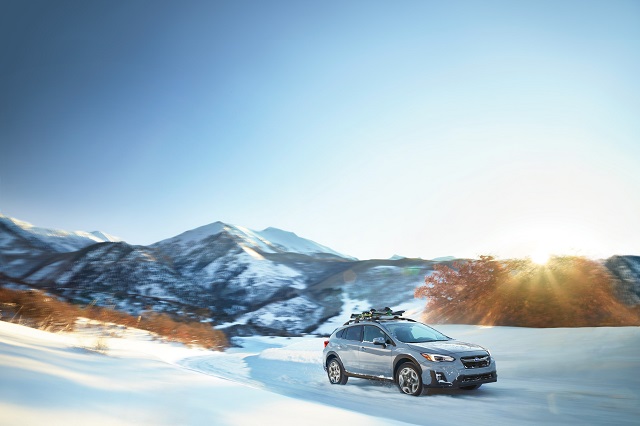
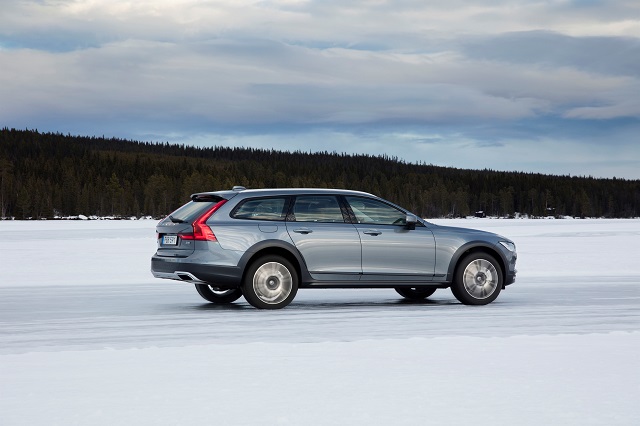
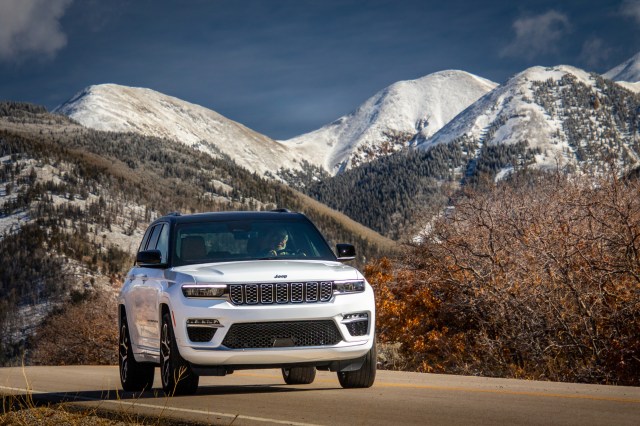
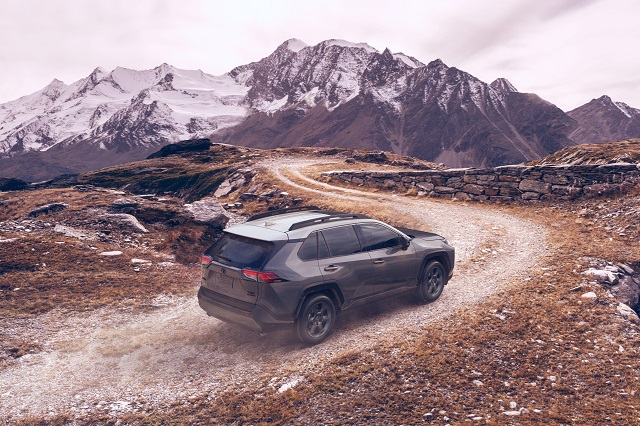
Everybody loves the sight of a winter wonderland … until you have to try to drive around in one. Snow, ice, freezing temperatures and low visibility can quickly turn that dreamscape into a nightmare. Fortunately, there are a host of features in modern vehicles that make driving in snow and hazardous conditions much easier and, most importantly, safe. While most vehicles have these features available, some put more of an emphasis on safety than others, making them the best cars for winter driving.
Nearly all Subarus are great for winter driving. Not only is the marque well-known for scoring high safety marks, every model in its lineup, with just one exception, comes standard with its Symmetrical All-Wheel Drive. This system sends power to all wheels simultaneously for maximum traction and acceleration. In slippery conditions, that power is distributed to the wheels with the best traction. This helps the car maintain a firm grip on the road.
Some of the Crosstrek’s other features add to its case as one of the best cars for winter driving. Most notably, the compact SUV has nearly nine inches of ground clearance. This makes driving on snow-covered roads much easier. The spacious storage room and raised roof rails should be enough for all your cargo if you’re going on an adventure. Add it all together and the Crosstrek is the perfect vehicle to get you through the winter.
If there’s a car manufacturer you can trust to build suitable vehicles for winter driving, its one that has to deal with winters in Sweden.
Much like Subaru, Volvo is renowned for vehicles that are both extremely safe and snow-friendly. And much like the Crosstrek, the V90 Cross Country comes with all-wheel drive, extra ground clearance and spacious cargo room.
The car’s Off-Road mode recalibrates responses to make driving on rough terrain easier. It comes with adaptive headlights, rain-sensing windshield wipers, collision avoidance systems, road-sign recognition and blind spot monitoring. Heated seats are also available.
Jeeps are known for their ruggedness, so it’s natural to find one on a list of best cars for winter driving. The Grand Cherokee comes available with the Quadra-Lift suspension that lowers the car at highway speeds and raises it for off-road driving. Also available is the Selec-Terrain Traction Management system that adjusts how power is distributed to the front and rear wheels. This enhances traction and handling on snow and other slippery surfaces.
What really distinguishes the Grand Cherokee from Jeep’s other models when it comes to great winter-driving cars is its comfort. It easily fits five adults as well as boasts abundant cargo space. Add in available heated seats and steering, and the Grand Cherokee is a cozy oasis from the winter cold.
The Toyota RAV4 TRD Off-Road trim includes Dynamic Torque Vectoring All-Wheel Drive, which enhances responsiveness and stability by distributing more power to the wheel that needs it.
But you don’t have to go to the top trim level to experience the best the RAV4 has to offer. Standard on all models is Multi-Terrain Select. Drivers can choose between four modes – including Snow — for enhanced traction. The system works by sensing slippage and then regulating wheelspin as needed.
The SUV also comes standard with the Toyota Safety Sense. This program includes a host of driver assistance features including pedestrian detection, lane departure alert and automatic high beams.
Boasting top safety awards, gas and hybrid trim options, and a reasonable price tag, The CR-V is one of the top compact SUVs on the market. It comes standard with front-wheel drive, but Honda’s Real Time all-wheel drive, which responds to adverse conditions, is available. Considering how inexpensive the base model is, tacking on additional features still shouldn’t break the bank.
Honda Sensing – a suite of safety features including adaptive cruise control and lane keeping assist system – comes standard in all trim levels. For additional safety help, blind spot monitoring and LED fog lights are also available.
While all the cars on this list have ample storage room, the CR-V takes it to another level. The SUV’s fold-down 60/40 split rear seatback creates an adaptable cargo space of more than 75 cubic feet.
The Top Car Features for Winter Driving
Winter Tires
Once the first snowfall of the year hits, the discussion on the need of winter tires begins. Our experts agree that if you live in a cold climate and regularly drive on snow during the season, you’ll want to invest in winter tires.
Winter tires have two specific features that distinguish them from all-season tires: material and tread pattern. The rubber compounds of winter tires stay flexible in below-freezing temperatures. Additionally, their unique tread patterns and deeper tread depths help channel and expel snow and reduce snow buildup.
All-Wheel Drive
All-wheel drive works by delivering power to all of a vehicle’s wheels instead of just two. Most of today’s best systems drive the front or rear wheels continuously and engage the other set automatically as needed. This is critical when driving on the snow because if one or two tires lose traction, power can be diverted to the other tires to help the car stay in control.
Advanced Safety Features
The same systems that keep drivers safe under normal conditions are even more important when adverse conditions arise. Features such as anti-lock brakes and stability control are required by law. Others, such as adaptive headlights and forward collision avoidance are almost always available. All these features can drastically improve vehicle control and visibility on wintery roads.
Heated Seats and Steering Wheels
Heated car seats and steering wheels may seem like more luxury features than safety features. But being comfortable and alert is critical to operating a car safely. These add-ons can go a long way toward getting a person prepared to drive.
Ground Clearance
Sedans can have as little as four inches of clearance from the undercarriage to the road. If you get a major snowfall, the car isn’t going anywhere regardless of the other features. SUVs however, can surpass eight inches of clearance. The more space, the easier it is to drive over the snow.
Regardless of the car your drive, stay safe on the roads this season by brushing up on our winter driving tips.
AAA Northeast is not affiliated with or sponsored by the car manufacturers discussed in this article. The article reflects our own independent analysis.
Whether you buy or build one, it’s always smart to keep an emergency roadside kit in your car — you never know when you might need it.
Before winter arrives, consider supplementing your kit with a few extra tools and supplies to help you stay safe in the season’s toughest conditions.
Year-Round Roadside Kit Essentials
There are a handful of items you should always keep handy for driving emergencies. These include:
First aid kit with extra medication.
Jumper cables or jump pack.
Portable air compressor.
Extra cell phone charger.
Flashlight.
Jack, lug wrench and a spare tire.
Non-perishable food and water.
Road flares or reflective triangles.
Toolkit.
Winter Driving Kit Additions
Shovel / Long-Handled Snow Brush or Broom / Ice Scrapper
Clearing snow off your vehicle and digging it out are two of the most common winter driving challenges. You’ll need at least these three tools in your winter driving emergency kit to effectively get the job done.
A shovel can help you clear a path around the car, as well as in front of and behind all four tires. Collapsible shovels are available for easy storage. A long-handled snow brush or broom should be used to remove snow from the vehicle itself. An ice scraper is the right tool to clear your windshield and windows when the winter weather has frozen over.
Kitty Litter / Sand
If you’re stuck in a slippery patch of snow and ice, kitty litter and/or sand can be your best friend. These substances help improve traction, allowing your tires to grip the road and propel the vehicle forward.
Camping Blanket
Staying warm will be one of your main priorities — and obstacles — if you’re in a winter roadside emergency. A blanket can go a long way in this situation. Your best bet is to look for a camping-style blanket that can be packed up tightly to easily fit in your car.
Lock and Windshield De-Icer
You can’t drive your car if you can’t get inside. Your locks can easily freeze shut if any type of precipitation is followed by plunging temperatures. De-icers can help thaw the lock and windshield quickly and get you on your way.
Rain Poncho
Wearing wet clothes in cold weather can cause hypothermia. For only a few dollars, a simple poncho can protect you and your clothes from the rain and snow. Plus, it can fold up inside a compact package to easily store in your winter driving kit.
Boots, Gloves, Hats
You may be best off keeping an entire extra set of warm clothes in your car. But if you have to narrow it down, make sure to have warm, dry sets of boots and gloves on hand, as well as a winter hat.
Your hands and feet are most likely to come in contact with the snow. Plus, extremities are often the first body parts to feel the effects of cold weather, so making sure these body parts are protected and well-insulated is vital. As for your head, heat escapes from every area of your body, so keeping your noggin uncovered is a mistake.
Hand and Feet Warmers
For an extra layer of protection, stock up on hand and feet warmers.
Extra Windshield Wiper and Fluid
Winter weather is particularly taxing on your vehicle. The onslaught of rain, snow, sleet and ice means your wipers will be working overtime. But this weather can also cause wipers to break. Keeping your windshield clear is paramount in safely operating a vehicle, so you don’t want to be stranded without effective wipers (or enough wiper fluid).
Pro tip: When replacing your wipers as part of regular car maintenance, save the old wipers for emergencies.
Sports Drinks
We know that it’s always a good idea to have extra water in your vehicle. In the winter months, however, you may want to supplement your hydration supply with sports drinks, which typically freeze at a lower temperature than water.
Additional Warning Devices (Flares and Reflective Triangles)
Warning devices should be part of your year-round roadside kit, but you’re more likely to use them in the colder months. The sun sets earlier during the winter, increasing the odds that it will be dark outside while you’re dealing with your emergency. Being stuck on the side of the road in the dark without any (or enough) warning devices can be very dangerous.
When it’s time to get into the holiday spirit, nothing makes the heart grow three sizes quite like a good Christmas movie.
Our Holiday Movie Showdown pitted eight of the most beloved festive flicks against each other for your votes. So, who “sleighed” the competition?
After three rounds and nearly 6,000 votes, the winner is “It’s a Wonderful Life”!
It turned out that Kevin McCallister’s booby traps were no match for Ralphie with “A Christmas Story” beating “Home Alone” by 90 votes. And in the battle of the comedies, “National Lampoon’s Christmas Vacation” defeated “Elf” by a similar margin. The 1964 stop-motion favorite “Rudolph the Red-Nosed Reindeer” crushed “The Nightmare Before Christmas” with 90% of the vote in the animation category.
After breezing past “Miracle on 34th Street” and “A Christmas Story,” in the first two rounds, “It’s a Wonderful Life” took on Rudolph for a battle of the classics in the finals, coming in with the knockout and winning by just ten votes!
Thank you for participating. Now mix up some hot chocolate, pop some popcorn and enjoy the holidays with your favorite movies.
Holiday Movie Polls
Let’s get your thoughts on a few more controversial holiday film questions.
Holiday Movie Watchlist
While the debate for best holiday movie may never truly be settled, we’ve put together a holiday movie watchlist of essentials that could put anyone in a jolly mood. To help us choose, each movie here has an average Rotten Tomatoes score of 68% or higher.
Oldies but Goodies
These classic holiday movies from the 1940s and 1950s bring the nostalgia.
“Holiday Inn” (1942)
This classic, seasonal Irving Berlin musical follows a trio of performers (played by Bing Crosby, Fred Astaire and Virginia Dale) who try their hand(s) at running a country hotel.
When a downtrodden father and husband, George Bailey (James Stewart), wishes he’d never been born, his guardian angel (Henry Travers) pays him a life-saving visit. A must for any holiday movie watchlist!
After an old man named Kris Kringle (Edmund Gwenn) fills in for Santa in the annual Macy’s Thanksgiving Day parade, he changes the lives of those around him.
There are many adaptations of this holiday classic, but this version comes highly rated and is one of the most faithful to the original story, telling the tale of a crotchety businessman who’s visited by ghosts.
This romantic comedy musical follows two singers (played by Bing Crosby and Danny Kaye) who join a sister act (Rosemary Clooney and Vera-Ellen) to put on a Christmas show.
*Some honorable mentions for this category include “Meet Me in St. Louis” (1944) and “The Shop Around the Corner” (1940).
Kid-Friendly Favorites
These G-rated movies and shorts are perfect for young kids – and kids at heart.
“Rudolph the Red-Nosed Reindeer” (1964)
This stop motion film is filled with iconic imagery and songs while telling an important lesson that’s equal parts nostalgic, heartwarming and festive.
The first Peanuts special to air on television, this animated classic tells the story of Charlie Brown and his friends as they learn the true meaning of the holidays.
The original adaptation of Dr. Seuss’s beloved tale, watch as the grouchy Grinch goes from hating and trying to steal Christmas, to fully embracing it.
A magical top hat brings a snowman to life in this classic animated film that makes a great singalong for little ones. (Get tips to build your own snowman here.)
These holiday movies are filled with adventure, laughs and holiday spirit. Check out these ‘nice’ – PG-rated – flicks fit for the whole family.
“A Christmas Story” (1983)
This fan-favorite holiday classic follows a young boy, Ralphie Parker (Peter Billingsley), who wants nothing more than a Red Ryder BB gun for Christmas.
In this iconic movie, 8-year-old Kevin McCallister (Macaulay Culkin) is accidentally left behind when his family goes on vacation. Hijinks ensue when two bandits (Joe Pesci and Daniel Stern) target his home.
In this flick, Will Ferrell’s portrayal of Buddy, a grown man who thinks he’s an elf, is hilarious and heartwarming, making a feel-good holiday movie for everyone in the family.
When Santa (voiced by Bill Nighy) misses delivering gifts to one child on Christmas Eve, his youngest son, Arthur (voiced by James McAvoy) steps up to try and save the day.
Although it’s a newer addition, the hybrid animation style of “Klaus” gives a nostalgic holiday feel while telling the story of a postman who discovers the location of Santa.
From action and horror to fantasy and other less conventional themes, these holiday movies – ranging in rating from PG to R – stray from the classic formula but are still festive in their own way.
“Gremlins” (1984)
The focus is more on the creatures than Christmas in this flick where a father gifts his son a “mogwai” with a specific list of care instructions.
This action classic stars Bruce Willis as a New York City policeman who’s attending a corporate holiday party with his wife. Things go awry when a group of terrorists threaten the festivities.
This horror follows a young woman babysitting a boy during the holidays when danger threatens the peace. This movies starts out a little cringe-inducing, but its many twists will keep you on your toes.
These holiday flicks – rated PG-13 and R – are for more mature audiences. Focusing on humor and adult situations, these ‘naughty’ holiday movies will have even the biggest ‘Grinches’ feeling festive.
“Trading Places” (1983)
Dan Aykroyd and Eddie Murphy star in this social satire where two men change places, experiencing opposite socio-economic lifestyles during the holidays.
Bill Murray stars in this comedy about a cold-hearted television executive. “Scrooged” is crude and hilarious – but also nostalgic and festive thanks to the “Christmas Carol” formula it follows.
This slapstick comedy follows husband and father, Clark Griswold (Chevy Chase), as he tries to prepare the perfect Christmas for his family, but things go off the rails.
A raunchy black comedy, “Bad Santa” stars Billy Bob Thornton as a grouchy conman and his partner in crime, Tony Cox, who pose as a mall Santa and elf in order to steal from outlet stores.