10 Ways to Help Your Kids Get Through School Stress

Tests, grades, homework, social pressures, teachers – there are lots of things that can give a kid school stress. Some stress is healthy and motivates us to get things done, but too much can be just the opposite. Check in with your child regularly about how she or he is feeling, and watch for changes in behavior that might be a sign of undue stress. Try these strategies if you feel like your child could use some help juggling priorities or coping with school stress.

1. Talk it out.

Make sure your child knows she or he can come to you with concerns. The American Psychological Association recommends stopping whatever you are doing when your child comes to you, and listening actively, letting them finish before you respond and then repeating what you’ve heard so they know you are listening.

2. Stop over-scheduling.

If your kids have no free time most days, frequently say they’d rather stay home than participate in activities, or if you’re most often with them in the car, they might be over-scheduled, according to the American Academy of Family Physicians. A better balance between activities and unstructured time might relieve stress.

3. Practice time management.

Helping your child organize schoolwork can go a long way to relieving school stress. Experts suggest that simple steps such as helping your child keep his or her backpack clean, using a planner to track homework deadlines – and extracurricular activities – and maintaining a clean workspace at home can make a big difference.

4. Focus on sleep.

The American Academy of Pediatrics says kids ages 6 to 12 need nine to 12 hours of sleep per night, and teens need eight to 10 hours. Sleep deprivation can lead to irritability and cause attention and memory problems. Dialing back bedtime might keep your child calmer and more focused.

5. Prepare for stressful situations.

If your child is facing a test, school performance or other potentially stressful situation, help by talking it through. Discuss what concrete actions your child can take to improve the situation and make a plan. Experts say a positive attitude can also help.

6. Try “teddy bear” breathing.

The American Institute of Stress recommends lying on the back with one hand to the chest and a favorite teddy bear on the tummy. As your child breathes in through the nose, the teddy bear should rise, but the chest should not. Have your child count to three, slowly breathe out and repeat.

7. Embrace imperfection.

Everyone makes mistakes. It’s how we learn. If your child is concerned with a bad grade or test score, The Child Mind Institute suggests sharing a story of your own failure, then talk through what went wrong this time and come up with a plan.

8. Keep things consistent at home.

The American Academy of Pediatrics recommends family routines so children know what to expect. When things happen on a predictable schedule, it is easier to make sure important tasks like homework are getting done.

9. Work it out.

The Anxiety and Depression Association of America notes that exercise produces endorphins, brain chemicals that boost mood and improve sleep. Make sure your child gets regular physical activity – whether through organized sports or fun activities such as dancing, hiking or bicycling.

10. Bring in a professional.

If your child experiences irritability, crying, clinging or other negative changes in behavior or physical symptoms such as sleep issues, stomachaches or headaches on a regular basis – and you believe they are stress related – the American Psychological Association recommends seeking professional help.

By Christina Elston

Get back to school savings with AAA!

Subscribe to Your AAA Newsletter

Sign up and receive updates for all of the latest articles on automotive, travel, money, lifestyle and so much more!

10 Ways to Make the Most of Your Parent-Teacher Conference

The parent-teacher conference is a rare opportunity to sit down for one-on-one time with your child’s teacher. They are a chance for a two-way discussion of your child’s progress that goes far beyond test scores and report cards. They also offer an opportunity to establish a partnership with the teacher so that you can work together to support your child. Whether your student is struggling, excelling or somewhere in between, making the most of this time can make a real difference in your child’s school year. The National Education Association, Harvard Family Research Project and the Nemours Foundation offer the following suggestions.

1. Write down your questions.

Take some time to think about what you would like to ask your child’s teacher, and write your questions down so that you can cover all the important points during the limited time available. Prioritize questions so the most important ones are addressed.

2. Check in with your child.

Have a conversation before the parent-teacher conference and ask your child whether she or he has any concerns or questions for you to discuss with the teacher. This gives your child a voice, and shows your child that you take the conference seriously.

3. Know what to expect.

Use the school’s online portal if possible, or send a note to the teacher, to find out how your child is doing in class. This will help you prepare for situations that might need to be addressed, and avoid surprises that could make the meeting awkward.

4. Stick to the schedule.

Your child’s teacher will be spending time with many other parents during parent-teacher conference days. As a courtesy to the teacher, and to the other parents on the schedule, arrive promptly for your appointment and don’t stay longer than your allotted conference time.

5. Start on a positive note.

Thank the teacher for his or her work with your child, and share some positive feedback about your child’s experiences in class. This sets the tone for cooperation and sharing during the rest of the conference.

6. Share information about your child.

Is there something happening at home that might impact your child’s behavior in class? Whether it’s distress over a death or divorce in the family or excitement over a new job or new baby, let the teacher know.

7. Ask about your child’s strengths, weaknesses and progress.

Aim for a complete picture of how your child is doing. Don’t just focus on problem areas, but on bright spots as well. Knowing what your child is doing well makes it easier to tackle challenges.

8. Ask about social skills.

School is more than academics. Ask how your child gets along with her or his peers, about your child’s participation in activities and about his or her friends. These things make a big difference in your child’s attitude toward school.

9. Ask what you can do at home.

Most teachers are delighted to give parents tools for helping their children catch up, or for challenging those who are pulling ahead. Whether it’s tips for organizing homework, helpful websites or suggestions for educational outings, take advantage of this advice.

10. Plan for ongoing communication.

Ask your child’s teacher how she or he would like you to follow up on what you’ve discussed. It might mean scheduling a future meeting or phone call, sending a note to class or emailing. Choose the communication channel most convenient for the teacher, and follow through.

By Christina Elston

Get back to school savings with AAA!

Subscribe to Your AAA Newsletter

Sign up and receive updates for all of the latest articles on automotive, travel, money, lifestyle and so much more!

10 School Backpack Essentials

Your child’s backpack is a kind of bridge between home and school, a place to carry essential supplies. But carrying around a pack all day can take its toll. The American Occupational Therapy Association reports that overloaded or improperly worn packs can lead to aching backs and shoulders, tingling arms and stooped posture.

Helping your child choose a pack that fits correctly, and then packing it with just the essentials, can make a big difference. Monitor your child’s pack on a regular basis to clean out nonessential items, and make sure your child wears the pack using both straps, rather than just slinging it over one shoulder.

1. The pack itself.

To prevent back pain, the American Chiropractic Association recommends choosing a pack with wide, padded, adjustable straps so that you can position the pack properly. It shouldn’t hang more than 4 inches below your child’s waistline. Packs with many compartments help you distribute the weight of the contents evenly.

2. School supplies.

Stick with the essentials. The pack should weigh no more than 5 to 10 percent of your child’s body weight, according to the ACA. If it weighs more, ask your school about electronic copies of textbooks or to consider photocopying book chapters for children to bring home.

3. Medication.

Know your school’s policy on medication. Children with asthma or food allergies might be allowed to carry an inhaler or an epinephrine auto injector with them. If your child does, make sure school personnel are aware and that the medication is kept where it is readily accessible.

4. Electronics and chargers.

Many schools allow students to bring cellphones, tablets and laptops to class, but these items won’t do any good if they aren’t charged. Make sure your child has power cables, and consider purchasing a portable power bank for charging when electricity isn’t available.

5. Emergency phone list.

Chances are, your child’s important phone numbers are in the contacts list in his or her cellphone. But these won’t be accessible if the phone is lost or damaged. Your child should carry a paper list with your phone number and others she or he might need.

6. Cash.

How much money your child needs to carry depends on a number of factors. Does your child take public transportation to school? Buy a school lunch? Have expenses for extracurricular activities? In many cases, you can avoid having your child carry excess cash by paying for lunch or activities in advance.

7. Weather gear.

During fair weather, pack sunscreen, and a light jacket for cooler mornings. If things are wet and chilly, pack an umbrella, hat, gloves and jackets to keep your child dry and comfortable. Make sure your child has layers for indoor versus outdoor temperatures.

8. Water bottle.

The American Academy of Nutrition and Dietetics says kids should drink an average of 6 to 8 cups of water per day – though age, weight, air temperature and humidity level play a part. Having water on hand at all times can help make sure your child stays hydrated.

9. Personal items.

There are a few little extras that just make things more comfortable and more fun. Hairbrushes, hand lotion, tissues, chewing gum or mints might fall into this category. It’s nice to pack these in their own case so they are easy to grab.

10. Something reflective.

The Centers for Disease Control and Prevention says child pedestrians are at greater risk than adults of being hit by cars because they are smaller and more difficult for drivers to see. Increase your child’s visibility by adding reflectors or reflective material to his or her backpack.

By Christina Elston

Get back to school savings with AAA!

Subscribe to Your AAA Newsletter

Sign up and receive updates for all of the latest articles on automotive, travel, money, lifestyle and so much more!

Save & Splurge: Saratoga Springs

Saratoga Springs is a city that has reinvented itself many times throughout history. Since before Colonial settlers arrived to this New York city, its mineral springs have drawn visitors for the water’s reportedly restorative properties. Then it became known as a hotbed of gambling and horseracing.

In the time since, Saratoga Springs has once again become a sought-after resort destination, one that combines the best of its past iterations to create something altogether new and welcome.

Budget

Stay: If you want to explore where aristocrats cavorted but don’t exactly feel like a Rockefeller, consider staying at the Springs Motel. The centrally located motel offers basic amenities and an outdoor pool. The service here is consistently high-level.

Do: There are plenty of vineyards, breweries and distilleries nearby. The Saratoga Winery manages to appeal to both wine and beer lovers, while the Thirsty Owl bistro has a tasting room for wines. Try the Olde Saratoga Brewing Company if you want to sample some brews.

Dine: Get greasy at Hattie’s Chicken Shack. The legendary joint serves up Southern hospitality cooking year-round in two Saratoga Springs locations. You’d be remiss for not trying the fried chicken, but the rice and beans, jambalaya and bloody marys also draw raves.

Mid-Range

Stay: The antique amenities at the Inn at Saratoga provide a glimpse into 19th century hospitality. Modern amenities include Wi-Fi, on-property parking, and passes to a nearby pool and YMCA. Draw a pint at the inn’s tavern or take the antique Roadster bikes out for a free spin.

Do: See the town’s namesake features at Saratoga Spa State Park. There, you can partake in several pools fed by the mineral spring water. There’s also great golfing to be found here, as well as plenty of nature trails for warm-weather hiking or snowshoeing in the winter months.

Dine: Max London’s Restaurant and Bar prides itself on fresh local ingredients; ink-written additions to the menu reflect daily availability. Brunch fare and cheeses, including homemade mozzarella, are what make the vibrant bistro memorable, but the weekend DJ doesn’t hurt, either.

Luxury

Stay: Elegance is the operating word at Saratoga Arms, a boutique hotel that prides itself on concierge-level service. The rooms are both stately and cozy, and the downtown location allows visitors to walk to many attractions. As a bonus, breakfast is included with your stay.

Do: If you’d like a bird’s-eye view of the region, get in the basket with Adirondack Balloon Flights. On a day of good visibility, you can see the Adirondacks and Vermont’s Green Mountains. If you’re in the area in September, travel to Queensbury for the Adirondack Balloon Festival.

Dine15 Church is an elegant, relatively new restaurant that immediately won the hearts of locals by saving a historical building from demolition. The restaurant draws equal praise for its food, ambiance and service. Steaks, burgers and desserts are all sure bets.

Sample Saratoga Springs for yourself by booking a stay at AAA.com/SaratogaSprings.

Subscribe to Your AAA Newsletter

Sign up and receive updates for all of the latest articles on automotive, travel, money, lifestyle and so much more!

Iceland: Close By, But Worlds Away

For a long time, Iceland had been on my travel bucket list. When I finally made it there, it surprised me how accessible it is from the East Coast.

While the island country is close to the Arctic Circle, it’s not as remote as it seems. I took a direct flight from Boston and arrived in Reykjavik in less time than it takes me to fly to California.

Whether you’re in the country for just a few days or a longer stretch of time, guided tours are a popular option, especially for first-time visitors. Like most people, I was based in the capital city, Reykjavik, and headed out for daytrips to some of the country’s most dramatic sites, including spectacular hot springs, glaciers, lava fields, volcanoes and waterfalls.

The Blue Lagoon and the Golden Circle route are usually at the top of visitors’ itineraries, including mine. I was especially excited to soak in the Blue Lagoon after hearing about it from friends. Many people visit between September and April to chase after the northern lights, but that wasn’t my goal on this trip.

Iceland Sights Ignite the Soul

Reykjavik

Reykjavik has a population of about 120,000. While that’s relatively small as far as capitals go, it seems large when you consider that Iceland’s total population hovers around 340,000. The cosmopolitan city is easily walkable.

Look into purchasing a Reykjavik City Card, which gives you access to a great selection of museums and galleries, unlimited bus travel, and access to the city’s thermal-fed public swimming pools. I visited one of the city pools and it was fun to mingle with locals whose daily swims and soaks are part of their routine schedule.

A visit to the Hallgrimskirkja church is a must. You won’t need directions to find it; its tall tower can be spied from almost anywhere in the city. Make sure to go to the top of the tower for amazing views.

Blue Lagoon

As far back as the 12th century, Iceland discovered that its abundance of geothermal pools was a both a luxury and a benefit. Visitors today can enjoy a variety of deliciously hot public swimming pools and natural springs. The most famous is the Blue Lagoon, which is located in a lava field about 45 minutes from Reykjavik. The water temperature fluctuates between 98 and 104 degrees.

Visiting the Blue Lagoon can be an all-day affair if you choose. I only wish I had the time. I was there for a few hours, though; enough time to soak in the enormous hot spring, apply a silica mud mask to my face, and get a smoothie at the Lagoon Bar without ever getting out of the water. It was blissful.

Golden Circle

The 200-mile-long Golden Circle drive includes three of Iceland’s best-known attractions: Thingvellir National Park, the Geysir geyser and Gullfoss waterfall. Many outfitters offer the immensely popular daytrip as an excursion, which is how I visited the sites in one day.

Thingvellir National Park is the site of Iceland’s ancient parliament, which dates to 930 and met there until 1798. It is also where the North American and Eurasian tectonic plates meet. The plates are slowly separating from each other, creating deep fissures in the ground.

Next up is Haukadalur, a geothermal area that’s home to the famous geysers Geysir and Strokkur. Wait around long enough and you’ll be rewarded with Strokkur shooting water up to 100 feet up in the air.

The last stop on the Golden Circle is Gullfoss, where the Hvita River roars down three separate drops before continuing south. On a sunny day, you might just glimpse a rainbow, like I did.

Visitors often come away from Iceland vowing to return – as did I. It’s a place I want to share with friends and family. So even though you may check it off your bucket list, Iceland might just become a destination you’ll want to experience again and again.

Subscribe to Your AAA Newsletter

Sign up and receive updates for all of the latest articles on automotive, travel, money, lifestyle and so much more!

Beyond the Leis, Hawaii Truly Pops

Having been to almost every state in the USA – I’ll get to you one day, North Dakota – it dawned on me that I’d never been to Hawaii. Pop culture had conditioned me to think of the 50th state as a paradise where women wore hula skirts, men wore Hawaiian shirts, and tourists wore leis. Of course, you can’t believe everything you see on TV. And so, I set out to visit Hawaii to discover it was everything I’d thought it would be – and more.

Hawaii

Known as the Big Island, Hawaii boasts a lot of surf – and a lot of turf. In the Kona district on the west coast, there are plenty of oceanside resorts and surf schools. And speaking of turf, it’s still being made on the southeastern part of the island: Cooling lava from Kilauea’s eruptions have added about 500 acres of new land along the coast since the 1980s. Hawaii Volcanoes National Park, home to Kilauea, is one of the island’s main draws. I stayed at Volcano House – a historic lodge with a view of the crater on which it resides – and drove down to see the Thurston Lava Tube and the vast black lava fields on the scenic Chain of Craters Road.

A lengthy hike from the end of the road brings you to the popular viewing area of Kamokuna, where hot lava meets cool ocean water with a magnificent plume of steam (best seen at dusk).

Oahu

Almost everyone flying to Hawaii lands in the capital of Honolulu. Many tourists stay in Waikiki Beach, a touristy area of hotels, restaurants, bars and – yes – leis, hula girl shows and resort-hosted luaus. But there are impressive places away from the commercialized strip.

Basing myself at the Surfjack, a hip, retro hotel, I discovered cuisine beyond poi and kalua pork: family-style whole snapper dinners at Mahina & Suns, savory potato beignets in the Pig and the Lady, and local favorite loco moco at Home Bar & Grill. On a drive up to the North Shore I learned that the 7-Elevens have better-than-average road snacks, from pork shumai to steamed manapua buns.

Kauai

Going to the lush island of Kauai, aptly nicknamed the Garden Isle, you feel like you’ve been there before. That’s because you probably have through movies. Non-CGI scenes in “Avatar” were filmed at the island’s lush Keahua Arboretum. A helicopter ride can take you  down Manawaiopuna Falls, just like the characters in “Jurassic Park.”

In the mood for more adventurous exploration? You can hike the 11-mile Kalalau Trail, which goes along the Napali Coast from Ke’e Beach to Kalalau Beach. If you want to kick your feet up on the southern shore, head to Koloa Zipline, featuring the longest zip lines on the island. Pedaling more your style? Try the Ke Ala Hele Makalae, the 17-mile “path that goes by the coast” on the island’s eastern shore.

Maui

Known as the Valley Isle, Maui is like a storybook Hawaiian experience, with its beautiful beaches, waterfalls and dudes in Hawaiian shirts (known on the islands as
Aloha shirts). Start your fairy tale at sunrise with the panoramic view atop Haleakala Mountain, where the sun appears to come up above the clouds. However, be warned; you’ll need a reservation with the National Park Service to secure a spot for sunrise.

Once the day has begun, there’s plenty to do: You can windsurf or take a kiteboarding lesson in Kanaha Beach Park – or simply bask at the beach. If you’re in the mood for a scenic, winding drive, the Hana Highway has spectacular views of the coastline and a few waterfalls. You can also go paragliding, where you’ll be treated to a bird’s-eye view of the Pacific Ocean. I dare say, you won’t find that in North Dakota.

FIND & BOOK A HOTEL IN HAWAII 

Subscribe to Your AAA Newsletter

Sign up and receive updates for all of the latest articles on automotive, travel, money, lifestyle and so much more!

Favorite Childhood Foods Reinvented

If you’re feeling nostalgic, try these “grown-up” versions of childhood foods and feel like a kid again!

Gourmet grilled cheese

Betty Crocker ups the grilled cheese game with this beer-battered recipe. Hickory-smoked bacon, provolone and cheddar cheese, and an ale-based batter reinvent a childhood staple for grown-up taste buds. For a sophisticated twist, try adding thinly sliced Granny Smith apples.

Favorite Childhood Foods Reinvented
Photo: rjgrant

Classy Cajun mac and cheese

For a fresh take on this classic, check out the All Things Mac and Cheese website. If the name wasn’t enough, maybe adding shrimp will persuade you. Cajun shrimp mac and cheese is a gooey mix of shrimp, Cajun seasoning, cheddar and pepper jack cheeses, cavatappi pasta and panko breadcrumbs.

Favorite Childhood Foods Reinvented
Photo: Wiktory / iStock / Thinkstock

Chic chicken tenders

Delish.com serves up a chicken tender recipe that will transport you to a Caribbean beach: baked coconut tenders with strawberry-mango salsa. This upscale take on chicken fingers uses coconut flakes and panko breadcrumbs for added crunch, with a refreshing strawberry, mango and hot pepper jelly salsa on the side.

Hungry for more? Check out AAA.com/FoodForAll for more tasty inspiration.

Top photo: svariophoto

Subscribe to Your AAA Newsletter

Sign up and receive updates for all of the latest articles on automotive, travel, money, lifestyle and so much more!

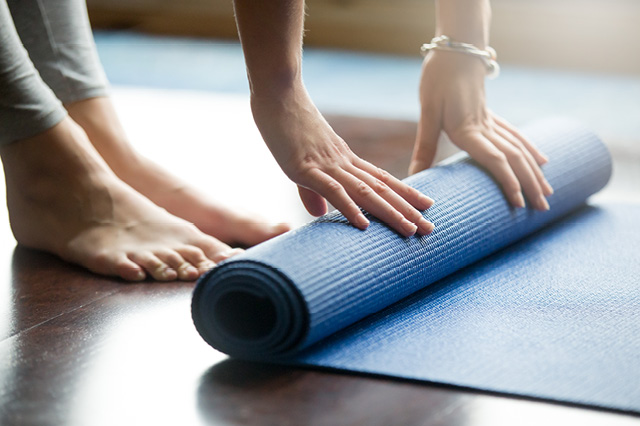
Find Your Flow With Varied Yoga Styles

More than 36 million people practiced yoga in 2016, according to a Yoga Alliance and Yoga Journal study. If you’d like to become one of them, we’ve put together a primer with the help of Andrew Tanner, chief ambassador for Yoga Alliance. His No. 1 piece of advice?  “Look for a studio near you, particularly one where you can take a private lesson,” he said. “It’s a great way to get feedback.”

Gentle

These classes move slowly, and incorporate lots of breath work and props. Tanner recommends beginners start with gentle classes, which usually have names like Restorative, Hatha or Yin yoga.

Flow

This is vigorous yoga, flowing from pose to pose with few rest periods in between, sometimes practiced in heated rooms. Look for names like Vinyasa, Ashtanga or Prana flow classes.

Alignment-Oriented

In Iyengar and Forrest yoga classes, poses are held for longer periods with an emphasis on proper alignment. Teachers often incorporate props like belts, blankets and blocks.

Hot

Hot yoga is done in a room heated to over 88 degrees. It’s generally good for people with muscle tightness, Tanner said. There’s also Bikram yoga, which involves 26 postures and takes place in a 102-degree room. (Bring a towel and lots of water!)

Fitness

Yoga Fit classes, which place more emphasis on poses that strengthen, fall into this category. They usually don’t use Sanskrit terms or chanting, either – it’s much more of a physical exercise, Tanner said.

Spiritual

These classes focus on breathing and mantras, and often involve spiritual and philosophical elements. Look for Hatha, Kundalini and Sivananda styles.

Subscribe to Your AAA Newsletter

Sign up and receive updates for all of the latest articles on automotive, travel, money, lifestyle and so much more!

Gardening Resources to Help Boost Your Blooms

Spring is here! In the Northeast, many of us just can’t wait to get our hands in the dirt and play in the garden. Whether you’re the kind of gardener who starts with seeds or you just dabble in the occasional potted plant, we’ve got great gardening resources to help you cultivate your green thumb this spring.

Websites

One of my best virtual gardening friends is www.gardeners.com, the website for the Vermont-based Gardener’s Supply Company. The site is packed with tons of articles about organic gardening, controlling pests naturally, composting and planning a garden. Have a burning question? Just enter it on the site and someone will get back to you with an answer, usually within 24 hours.

Connecticut-based White Flower Farm (www.whiteflowerfarm.com) is another great resource. Sign up for a free catalog and you’ll be tempted year-round. The site sells and gives advice on perennials, annuals, flowering shrubs – including more than 40 varieties of hydrangeas – roses, bulbs and vegetables.

Apps

Is there a beautiful tree in your neighborhood that you’d love to see on your lawn, but you don’t know what kind it is? Leafsnap will help. Just take a picture of a tree’s leaves, bark or flowers, and the app will identify it. The free app focuses on tree varieties in the Northeastern U.S. and Canada, and is available for the iPhone and iPad.

Want to record your garden’s growth for posterity? The Life app (free for the iPhone and iPad) is a journal where you can record everything about your garden, from when you first planted seedlings to when you last fertilized those beefsteak tomatoes.

Subscribe to Your AAA Newsletter

Sign up and receive updates for all of the latest articles on automotive, travel, money, lifestyle and so much more!

Weekend in Nashville

Love good food and good music? Nashville, one of the South’s most exciting cities, has an abundance of both – and plenty more, making it a great choice for a fun-filled weekend destination.

It also has a surprising amount of star power, as Taylor Swift, Garth Brooks and Trisha Yearwood, and Nicole Kidman and Keith Urban all have homes here. You’ll see them out and about with little fanfare, especially in the local restaurants and bars.

They go to places like Rolf & Daughters, a restaurant in the trendy Germantown neighborhood serving rustic Italian fare. There’s also Husk from famed Charleston chef Sean Brock for modern Southern, and Pinewood Social has not only a great weekend brunch but a small bowling alley. Merchant’s is a fun, bustling spot in the middle of everything on Broadway, and right across the street is Jack’s Bar-B Que for when you need a barbecue fix.

Nashville is known as Music City for a reason – if you hit Broadway you can catch live music every night of the week. Pop in and out of the honkytonks, where you can have a beer and watch up-and-coming talent in places like Robert’s Western World. And you can’t leave town without visiting the Country Music Hall of Fame and Museum, where you can take a tour of the famed Studio B where Elvis, Dolly Parton and Willie Nelson have recorded.

There are plenty of hotels if you want to be near the action, including the Sheraton Grand Nashville Downtown, an-atrium style hotel with chic, contemporary interiors, and the AAA Five Diamond Rated Hermitage Hotel, a Nashville classic that opened in 1910 and has hosted country music icons like Patsy Cline and Johnny Cash. Have a steak dinner in its AAA Four Diamond Rated Capitol Grille and an old-fashioned cocktail in the clubby Oak Bar.

FIND & BOOK A HOTEL IN NASHVILLE, TENN.

Subscribe to Your AAA Newsletter

Sign up and receive updates for all of the latest articles on automotive, travel, money, lifestyle and so much more!

Discover the Emerald Isle: Visit These Regions in Ireland

If you’re looking for a destination to put on your 2017 wish list, consider Ireland. Researching your ancestry, discovering the country’s rich history – who doesn’t love castles? – and taking in the legendary landscapes are just a few reasons to visit. And there are numerous ways to experience the country, from an escorted tour to a customized, private trip or perhaps a self-drive vacation. Here are some of Ireland’s most popular regions.

Dublin

The capital is known for its historic attractions, including Dublin Castle, Trinity College – home of the beautiful Book of Kells – and St. Patrick’s Cathedral. Follow in the footsteps of writers and poets like James Joyce and Seamus Heaney while on a literary pub crawl, and don’t miss a visit to the Guinness Brewery, where you can learn about the famous stout and even enjoy a free sample.

The Southwest

County Kerry, especially around Killarney, features some of the country’s most lush scenery with mountains, crystal-clear lakes and verdant valleys. Explore the rugged coastline of the nearby Dingle Peninsula and visit the foodie town of Kinsale in County Cork, where you can dine on local seafood, oysters and wild salmon, then head to a cozy pub to catch some traditional Irish music.

The West

If you’re a fan of “The Quiet Man,” you likely know it was filmed in County Mayo, where tours of the film’s locations are available. Mayo is also home to one of Ireland’s top hotels, Ashford Castle, which features a billiards room, afternoon tea and activities like fishing, falconry and archery. In nearby County Clare, have your camera ready for a visit to the 702-foot-high Cliffs of Moher.

FIND & BOOK A HOTEL IN IRELAND

For more information or to book your trip, contact your local AAA travel counselor or visit AAA.com/Travel.

Top photo: The 702-foot-high Cliffs of Moher are located on Ireland’s western shore (Photo: Mustang_79 / iStock / Thinkstock)

Subscribe to Your AAA Newsletter

Sign up and receive updates for all of the latest articles on automotive, travel, money, lifestyle and so much more!

Getting Caught Up With Pokemon Go

You may have seen them around town: Children, teens, even adults wandering around, only periodically looking up from their smartphones. They’re probably playing one of the hottest games of the app era: Pokemon Go.

Q. What in the world is it?

A. Pokemon Go (iOS, Android) is an augmented-reality game released in July 2016 by Niantic and The Pokemon Company. Players (known as trainers in Pokemon) try to catch different Pokemon characters as they walk around their surroundings by catching them with a Poke Ball. Once they’re caught, players store them in a Pokedex (a virtual file folder). Players try to evolve their characters into stronger versions by collecting goodies and experience. There are more than 150 characters in all. Some are based on animals, some on various folk tales, and some are just straight-up fictional creatures. You might have heard of Pikachu – he’s the franchise’s most popular character.

Pokemon Go caused quite a stir when it was first released. This video taken in Central Park in the summer of 2016 shows a crowd rushing to “catch” one of the game’s characters with their phones.

Q. Why do I see so many kids playing in certain locations?

A. Certain places – usually with some historical or cultural significance – are designated as PokeStops and gyms. Players can stock up on Poke Balls and other goodies at PokeStops, and battle other Pokemon and gain experience points at gyms.

Q. I vaguely recall Pokemon being around in the ’90s. Am I right?

A. Yup! Pokemon started out in Japan 1996 as a video game then quickly morphed into an uber-popular card trading game. It’s been around since then with various video game and television series.

Subscribe to Your AAA Newsletter

Sign up and receive updates for all of the latest articles on automotive, travel, money, lifestyle and so much more!

Tips For Traveling With Older Parents

Valerie Grubb loves to travel. Not only that, she loves to travel with her mom. In the past 20 years, the author of “Planes, Canes, and Automobiles: Connecting With Your Aging Parents Through Travel” has logged more than 300,000 miles with her mother, now 85.

“It’s been one of the best things I’ve ever done,” she said.

You, too, can have a great trip with your mom or dad, even if they have mobility challenges. Just follow Grubb’s tips.

Watch them walk

Don’t leave home without understanding your parents’ physical capabilities. “That may actually help you decide where you want to go,” said Grubb. A parent who struggles with the stairs won’t climb the 387 steps to the top of Notre Dame Cathedral. Pay your parents a visit and observe them so you can help them make the best choices for the trip.

Talk to the doc

Go with your parent for a pretrip checkup to discuss health concerns and details about medications (including generic names) your parent is taking. Carry a list of those medications and their doctors’ contact information with you at all times. “It’s rare that something happens when you’re just at the hotel,” Grubb said.

Remember that things change

If you haven’t spent extended time with your parents in a while, be aware that their dietary preferences may have changed, their memory may have diminished, or they may need more frequent rest stops. Grubb said that her mother was once “fearless” but became more wary of new places and of flying alone as she grew older. With patience and forethought, most issues can be overcome. “It changes the vacation a bit, but I can tell you it’s worth it,” Grubb said.

Travel puts you and your parent in a new adventure and allows you to deepen your relationship. Grubb, for instance, learned during one trip that her demure mom had been kicked out of high school for fighting. “You’re going to find out so much more about your parents when you’re with them,” she said. “New places trigger memories in all of us.”

Subscribe to Your AAA Newsletter

Sign up and receive updates for all of the latest articles on automotive, travel, money, lifestyle and so much more!

Stay Active With These Winter Workouts

Our motivation drops with every snowfall, but you can stay active when cold weather hits. Fight off hibernation habits with these winter workouts.

Shoveling snow

• A person weighing 170 pounds can burn about 250 calories over 30 minutes of shoveling, according to North Dakota State University.

• Shoveling increases your heart rate and provides a full-body workout.

• First, consider your age and physical limitations and get your doctor’s OK to perform such strenuous exercise. To prevent injury, make sure you use the right approach. Stretch and warm up then start slowly and take frequent breaks. Use proper posture to prevent back injuries. Bend at the knees and lift with your legs, rather than your lower back. Keep one hand at the shovel handle and the other close to the blade to maximize leverage.

Ice skating

• According to the United States Figure Skating Association, a 150-pound person skating for one hour burns 600 to 800 calories and gets the same aerobic exercise as running 5 miles.

• Skating exercises your quadriceps, hamstrings, abdominal muscles and lower back.

• Skating is low impact and avoids the joint strain common with running.

Snowshoeing

• According to www.snowshoes.com, snowshoers burn between 430 and 1,000 calories per hour, depending on speed, terrain and snow density.

• Snowshoeing is a low impact, cardiovascular activity that exercises the legs and promotes balance.

• And it’s easy! All you need are snowshoes, weather-appropriate clothes and brief instruction to start.

Cross-country skiing

• According to www.humankinetics.com, a 130-pound skier burns about 470 calories and a 190-pound skier burns about 700 calories during one hour of moderate cross-country skiing.

• Cross-country skiing requires upper-body propulsion and provides a full body workout.

• Plus, you can just set off on a ski trail – no lift tickets or lines to slow you down.

Please consult your physician or other health care professional before starting any new exercise regimen.

Subscribe to Your AAA Newsletter

Sign up and receive updates for all of the latest articles on automotive, travel, money, lifestyle and so much more!

Got Game? Your Smartphone Does

Winter means lots of time spent indoors. Lots.

And there are only so many movies and You-Tube cat videos that one can watch. Why not liven things up with a board game or two? But instead of hauling your circa-1985 edition of Trivial Pursuit or Risk from the basement, check out a new game on your smartphone or tablet.

No missing pieces, and you can download a new one every day if you want. So long, cabin fever!

Here are some of our faves.

Scrabble

iPhone ($7.99), iPad ($9.99) and Android devices (free)
Electronic Arts
Download: iOS, Android

No more missing tiles! Plus, the digital version has a speed play function and the ability to compete against your Facebook friends. You can also play a face-to-face game with the app’s pass n’ play option. A-W-E-S-O-M-E.

Monopoly

iPhone (99 cents), iPad ($4.99) and Android ($1.99)
Electronic Arts
Download: iOS, Android 

Remember how tedious Monopoly used to be? Counting out the money, figuring out who owns what? Well, the digital version does away with all that. Plus, you can challenge up to three friends with the pass and play feature. And maybe the best part? You shake the “dice” by shaking your phone.

Scattergories

iPhone, iPad and Android (all versions free)
Magmic Inc.
Download: iOS, Android

Quick! Think of a book title, fruit and car make that all start with the letter B. If you love making lists and thinking on your feet, this game’s for you. It’s fast, it’s fun, and you can either play against a random opponent or dial up your Facebook friends for an added challenge.

Heads Up!

iPhone, iPad and Android (all versions 99 cents)
Warner Bros.
Download: iOS, Android

Remember the board game Headbands? This is a lot like that, but a little more grown-up. It’s the brainchild of Ellen DeGeneres, who often plays it with guests on her show. You put your phone on your forehead, display side out, and must guess what word is displayed with help from the other players.

Jenga

iPhone, iPad and Android (all versions free)
NaturalMotion
Download: iOS, Android

3-D simulation makes you feel like you’re actually poking and prodding little blocks in a wobbly wooden tower. Up to four people can play with the app’s pass and play feature, and there’s no clean-up involved once the tower inevitably topples over.

Gotta get more games? For more virtual suggestions visit AAA.com/WinterPartyApps.

Subscribe to Your AAA Newsletter

Sign up and receive updates for all of the latest articles on automotive, travel, money, lifestyle and so much more!