Number of Deadly Traffic Crashes Involving Older Drivers on the Rise

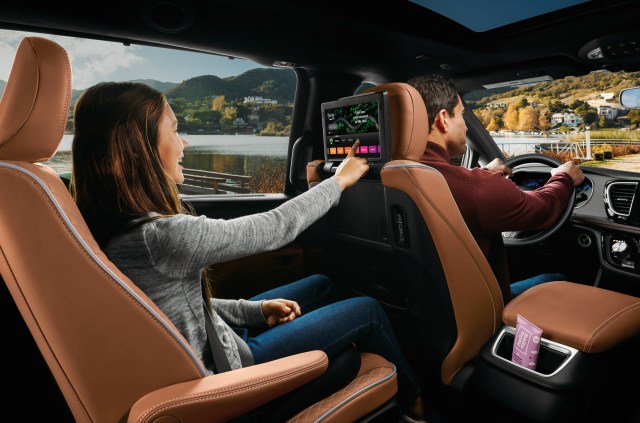
To mark National Older Driver Safety Awareness Week (Dec. 2-6, 2024), AAA Northeast is highlighting the rising number of fatal traffic crashes involving older drivers across the United States.

In 2022, the last year of available federal data, there were 7,870 fatal traffic crashes involving an older driver (aged 65+) – up 4.7% from 2021, according to the National Highway Traffic Safety Administration. Furthermore, 8,572 people were killed in crashes involving an older driver in 2022 – the highest number since at least 1975.

The rise in fatal crashes involving older drivers reflects the growing number of licensed drivers aged 65 or older nationwide: In 2022, there were around 51.5 million licensed older drivers – an increase of 15.6 million since 2012 and an increase of 23 million since 2002, according to the latest available data from the Federal Highway Administration.

AAA research shows that while seniors are less likely than their younger counterparts to engage in risky behaviors while driving, they’re at greater risk of being killed or seriously injured if a crash occurs.

“It’s important for seniors to stay active in their communities, but age-related changes may affect their driving ability,” said Jillian Young, Director of Public Relations, AAA Northeast. “Families and caregivers can help seniors stay safe on the road by encouraging them to keep their driving skills sharp and having a conversation should any changes need to be made behind the wheel.”

AAA offers the following tips for senior drivers and their families: 
  • Review new technologies. Today’s new vehicles are often equipped with a variety of safety features, from lane keeping assistance to adaptive cruise control. Review your car’s manual or watch video tutorials to ensure you’re comfortable with how these systems work. 
  • Monitor your health. Variousmedical conditions, eyesight problems or memory issues can make driving more challenging, and some medications can impair driving ability. Talk with your doctor and pharmacist about your safety on the road given your unique medical history. 
  • Adjust your driving habits when necessary. Some seniors may only drive during the day, avoid highways or make three right turns instead of an unprotected left turn. Families should discuss the best strategies to keep an older driver safe behind the wheel. 
  • Wear your seat belt. Wearing a seat belt is the best protection you can give yourself in the event of a crash. 

State-specific data:

  • In Connecticut, there were 260 fatal crashes involving an older driver (aged 65+) from 2019 to 2023 – accounting for 18% of all fatal crashes during that time period, according to the Connecticut Crash Data Repository.
    • There were approximately 590,000 licensed older drivers in Connecticut in 2022, an increase of 100,000 from 20 years ago.
  • In Massachusetts, there were 413 fatal crashes involving an older driver (65+) from 2019 to 2023 – accounting for 22% of all fatal crashes during that time period (1,870) according to the Massachusetts IMPACT Crash Data Portal.
    • There were approximately 1.07 million licensed older drivers in Massachusetts in 2022, an increase of 390,000 from 20 years ago.
  • In New Jersey, there were 140 fatal crashes involving an older driver (65+) in 2021, the last year of available finalized data – accounting for 20% of all fatal crashes that year, according to Numetric.
    • There were approximately 1.4 million licensed older drivers in New Jersey in 2022, an increase of 535,000 from 20 years ago.
  • In New York, there were 204 fatal crashes involving an older driver (65+) in 2023 – accounting for 20% of all fatal crashes last year, according to the Institute for Traffic Safety Management and Research.
    • There were approximately 2.8 million licensed older drivers in New York in 2022, an increase of 1.2 million from 20 years ago.
  • There were approximately 177,000 licensed older drivers in Rhode Island in 2022, an increase of 65,000 from 20 years ago.

Subscribe to Your AAA Newsletter

Sign up and receive updates for all of the latest articles on automotive, travel, money, lifestyle and so much more!

What Is an Income Annuity?

Having life insurance is an important part of your long-term financial plan, but there are some circumstances that may necessitate the use of supplemental services – like income annuities. Read on to find out what exactly an income annuity is, how it works and if it’s right for you.

Listen to Our Podcast

Have insurance questions? Listen to Episode 3 of our podcast, Merging Into Life: Insurance 101.

Tune In

What Is an Income Annuity?

Not to be confused with life insurance, income annuities are financial products designed to provide a stream of income for a specified period, typically for the duration of a person’s life. Think of them as a long-term financial safety net with a twist. You can either contribute a lump sum or pay into it over time – kind of like a savings plan – and, in return, you get a steady stream of income immediately or in the future, usually when you retire. It’s sort of like giving yourself a paycheck even when you’re not working anymore, which is particularly valuable for retirees who do not have access to traditional pension plans or who have exhausted other sources of income. 

Income annuities come in two varieties – immediate or deferred income. Income annuities offer protection against longevity risk, as well, which is the risk of outliving one’s savings. By providing a guaranteed income for life (or a specified term), annuities ensure that retirees will not run out of money, regardless of how long they live.  

“People often like the idea of their money earning a guaranteed interest rate and transferring longevity risk to the insurance company,” says Costantino Detore, life insurance and annuity specialist with AAA Northeast.

How Do Income Annuities Work?

In order to get the benefits of an income annuity, you must either contribute a lump sum or pay regular premiums to your insurance company. In exchange, a person receives the promise of future guaranteed income payments. These future payments are based on various factors, including age, gender, interest rates and the length of the term. When you reach a certain age or retire, the insurance company begins paying you back in regular installments, similar to how social security operates.

There’s a good amount of flexibility when it comes to income annuities, too. It’s up to you how long you’d like to receive payments for, whether it’s for a specific number of years or for life. During this time, you receive regular payments, typically on a monthly or annual basis. “If you are concerned about a spouse running out of money, an income annuity can pay lifetime income over both person’s lives. Any remaining balance can also be transferred to children or loved ones,” DeTore said.

Income annuities bring some tax benefits, too, which is always a bonus when it comes to money matters. While the specifics vary depending on the jurisdiction and the type of annuity, in many cases the income deferred or received from annuities can be designed to maximize tax efficiency.

what in an income annuity

What Else Is There to Know About Income Annuities?

There are some potential drawbacks and limitations to consider before opening an income annuity.

First, it’s important to remember that most income annuities are not suitable if you anticipate needing your money back in a lump sum or for emergencies in the short term. This means that annuities should be considered in coordination with a full needs analysis — while being mindful of short-term and long-term financial goals.

While they offer stability, some income annuities do not provide payments that keep up with inflation over time, essentially decreasing their initial purchasing power. Some income annuities do provide this feature, so it is important to work with a financial professional that can match your needs with the right solution.

Talk to a AAA insurance specialist about an income annuity today.

Subscribe to Your AAA Newsletter

Sign up and receive updates for all of the latest articles on automotive, travel, money, lifestyle and so much more!

Scene-Stopping Vacations

Movie lovers have been seeking out the locations of cinematic scenes ever since Burt Lancaster and Deborah Kerr memorably made out in the Hawaiian surf in 1953’s “From Here to Eternity.”

You can still recreate that little piece of Hollywood history at Halona Beach Cove in Oahu, Hawaii, and that’s just one leg of a feature-length journey around the globe to destinations made famous on film.

“Die Hard”

Fans of this action film turned Christmas tradition know that Nakotomi Plaza is almost as big a star as Bruce Willis. In real life, the very recognizable 34-story skyscraper is the Fox Plaza building in downtown Los Angeles.

“Dirty Dancing”

Although meant to be a midcentury Catskills resort, the fictional Kellerman’s Mountain House featured in the Patrick Swayze/Jennifer Grey coming-of-age classic was shot in the Blue Ridge Mountains of Virginia at the Mountain Lake Lodge, which hosts special “Dirty Dancing” weekends throughout the year. 

set jetting vacation croatia
Photo: ROCKY89 / GETTY IMAGES

“Game of Thrones”

Over the course of eight epic seasons, “Game of Thrones” film crews moved from Iceland to depict the snowy North, to Dubrovnik, Croatia (pictured), to portray King’s Landing – most infamously in Queen Cersei’s infamous walk of shame in Season 5.

Fans of the show should also visit the city of Girona in the Catalonia region of Spain, both inspiration and shooting locale for Braavos. And a number of scenes, including Castle Ward (Winterfell in the series), were shot in Northern Ireland, which has an official Game of Thrones Studio Tour.

set jetting vacation the elms newport
Photo: BEN QUEENBOROUGH / GETTY IMAGES

“The Gilded Age”

This hit HBO series that brings Victorian-era wretched excess exquisitely to life was filmed extensively on location in Newport, Rhode Island, most notably the Bellevue Avenue mansions.

Among the palatial homes featured in the series – or “summer cottages,” as the Astors and Vanderbilts demurely referred to them – are The Breakers, The Elms (pictured), Marble House, Rosecliff and Chateau-sur-Mer, all of which can be seen on tours arranged by the Preservation Society of Newport County.

Let's plan something wonderful

Book your next trip with AAA Travel now or call 866-423-5585 to speak with a travel advisor.

Book Now
The “James Bond” Franchise

Ian Fleming’s famous 007 has traveled around the globe in 27 films made over the course of more than 60 years. But Fleming had a soft spot for Jamaica, where he lived and wrote most of his James Bond books, and the film producers repeatedly returned to the island to film.

The association between Jamaica and Bond starts right at the beginning in 1962’s “Dr. No,” when the beautiful Honey Ryder strides out of the surf at Ocho Rios’s Laughing Waters Beach to meet Sean Connery’s Bond.

Other famous 007 locations in Jamaica include the Jamaican Swamp Safari Village in Falmouth, the Half Moon Resort in Montego Bay (“Live and Let Die”) and Dunn’s River Falls (“Dr. No”).

new zealand
Photo: IMAGEBROKER / GERHARD ZWERGER-SCHONER / GETTY IMAGES

“The Lord of the Rings” Trilogy

Peter Jackson’s original “Lord of the Rings” trilogy and his subsequent interpretation of J.R.R. Tolkien’s “The Hobbit” were showcases for the natural beauty of New Zealand. Visitors to the North Island of New Zealand can visit the actual Hobbiton. Various scenes from the movies also were shot on Mount Victoria and Kaitoke Regional Park, near Wellington.

On the South Island you’ll find Mount Sunday (pictured), the site of the Rohan city Edoras, the “Ford of Bruinen” on the Arrow River and the Waiau River, where Frodo and company paddled away from Lothlorien at the beginning of the quest to destroy the One Ring.

“Pirates of the Caribbean” Series

The opening scene of the first “Pirates of the Caribbean” movie where the Royal Navy “almost captured Captain Jack Sparrow,” was filmed in Wallilabou Bay in St. Vincent and the Grenadines. Remnants of the original set remain there. And the island where Jack and Elizabeth are marooned is Petit Tabac Cay in the Tobago Cays, also part of the Grenadines. On the lush island of Dominica, you’ll find the rope bridge Jack Sparrow fled across in “Dead Man’s Chest” over the Titou Gorge; the island served as the location for a variety of scenes in the second film.

“Stranger Things”

The Duffer Brothers’ ‘80s horror-style Netflix series is set in fictional Hawkins, Indiana, but was largely filmed in and around Atlanta, Georgia. Emory University is where Hawkins National Laboratory was filmed, Patrick Henry High School in Stockbridge is Hawkins High School and Middle School and the (closed) Gwinnett Place Mall in Duluth, stands in for Hawkins Starcourt Mall.

“The Walking Dead”

Zombies and survivors shuffle across the country in this long-running series – which just wrapped up after 12 seasons – but most of the filming took place in rural Georgia. The fortified town of Alexandria was shot in the small city of Senoia and has become the main pilgrimage destination for fans of the show. Nic and Norman’s restaurant in downtown Senoia is co-owned by series star Norman Reedus.

“Ted Lasso”

The Richmond Greyhounds of this soccer comedy starring Jason Sudeikis are fictional, but the real London suburb of Richmond was the filming location for scenes outside of Ted’s apartment, near 9½ Paved Court. The Hayes & Yeading United Football Club in Hayes, England, is the location for Greyhounds practices, while home games are staged at Selhurst Park Stadium, the actual home of the Premier League’s A.F.C. Crystal Palace soccer team. Prince’s Head Pub in Richmond is the series’ fictional Crown and Anchor.

“The White Lotus”

Mike White’s satirical HBO series that follows the rich, the climbers and the ordinary people they trample on was filmed in two Four Seasons resorts that stood in for a pair of fictional “White Lotus” resorts: the Four Seasons Resort Maui at Wailea in Hawaii in its debut season, and the San Dominico Palace in Taormina, Sicily, in season 2.

yellowstone
Photo: RICHARD SCHAFER / EYEEM / GETTY IMAGES

“Yellowstone”

The sprawling Yellowstone saga has spun off two prequels (1883 and 1923), with scenes shot from Texas to Montana and Utah. The ancestors of rancher John Dutton begin their journey in the stockyards of Fort Worth, Texas – now a popular park and entertainment district, while 1923 was largely filmed in Butte, Mont.

The coming 1944 story will film in the Bitterroot region of western Montana. As for “Yellowstone” itself, the standing sets for the Dutton Ranch are located on the private Chief Joseph Ranch near Darby, Mont., but can be seen from the road. Other stops for fans include Glen’s Cafe in Florence and Ruby’s Cafe in Missoula.

Plan your film location vacation with the help of a AAA travel advisor.

Subscribe to Your AAA Newsletter

Sign up and receive updates for all of the latest articles on automotive, travel, money, lifestyle and so much more!

Northeast Native American Sites for Celebrating Indigenous Culture

Many Indigenous tribes have called the Northeast home throughout time. In fact, history suggests that 10 million people lived in what would become the United States when Europeans arrived in the 15th century. There are still 25 federally recognized Native American tribes in the region today. Visit these Native American sites, including museums and historical places, to learn more about the rich and varied Indigenous culture in the Northeast.

Museums and Exhibits

Institute for American Indian Studies

Washington, Conn.

Formerly known as the American Indian Archaeological Institute, the Institute for American Indian Studies is located on the ancestral homelands of the Weantinock and Pootatuck people. It offers a variety of permanent, semi-permanent and temporary exhibits, along with workshops, lectures, book discussions and more.

Mashantucket Pequot Museum & Research Center

Mashantucket, Conn.

The Mashantucket Pequot Museum & Research Center features 85,000 square feet of permanent, indoor exhibitions, including life-size dioramas, films and interactive computer programs. Permanent exhibits featuring Indigenous people include “Arrival of the People,” “Pequot Village” and “Mashantucket Pequot Tribal Nation Today.”

Peabody Museum of Archaeology & Ethology at Harvard University

Cambridge, Mass.

The Peabody Museum at Harvard University is located on the tribal homelands of the Massachusett people, according to the museum’s website. North American artifacts make up nearly half of the museum’s collections. An exhibit specific to the Northeast includes artifacts from sites in the Boston and Cambridge, Mass., areas; Neville, N.H.; Orland, Maine, and more.

Mt. Kearsarge Indian Museum

Warner, N.H.

The Mt. Kearsarge Indian Museum is situated on Abenaki homeland. This museum sits on 12.5-acres of land, including the Medicine Woods Trail, the Betsy Janeway Arboretum and an activity area with spectacular views of the Mink Hills.

Winakung: Lenape Indian Village

Stanhope, N.J.

Located on Winakung Island in Waterloo Lake, this reproduction of a Lenape Tribe village features huts, longhouses, artifacts, walking trails and more.

Iroquois Museum

Howes Cave, N.Y.

The design of the museum itself is modeled after Iroquois longhouses, making this museum a true experience for visitors. Inside, permanent exhibits include contemporary, historical and archaeological collections.

American Museum of Natural History 

New York, N.Y.

This museum is home to several permanent exhibits dedicated to Native Americans. These include the Hall of Eastern Woodlands Indians, the Hall of Plains Indians and the Northwest Coast Hall, which opened in 1899 and was recently revitalized in partnership with Indigenous communities.

native american site
National Museum of the American Indian” by Jeffrey is licensed under CC BY-ND 2.0

National Museum of the American Indian

New York, N.Y.

Part of the Smithsonian, the National Museum of the American Indian features roughly 700 works of Native art from throughout North, Central and South America.

Ganondagan State Historic Site

Victor, N.Y.

Ganondagan State Historic Site is home to the Seneca Art & Culture Center. Here, visitors can view exhibits featuring artwork, traditional clothing and more. There’s also the Seneca bark longhouse – open during the warmer months – and walking trails.

Tomaquag Museum

Exeter, R.I.

The Tomaquag Museum was recognized with the National Medal for Museum and Library Service in 2016. Today, the museum’s featured exhibits include “Wunnegen Manootash (Beautiful Baskets),” “Wampum: Telling our Story” and “The Pursuit of Happiness: An Indigenous View.”

“Still Here” Mural

Providence, R.I.

Located on 32 Custom House St. in Providence, “Still Here” is a mural by artist Gaia in collaboration with the Tomaquag Museum, mentioned above. Commissioned by The Avenue Concept in 2018, the mural portrays Narragansett Lynsea Montanari holding a photograph of the late Princess Red Wing (Narragansett/Niantic, Pokanoket).

Indigenous Cuisine

Sly Fox Den Too

Charlestown, R.I.

A member of the Mashpee Wampanoag tribe, chef Sherry Pocknett shares and pays tribute to her culture through a menu of foraged, hunted and fished dishes, often including the three sisters of Indigenous American agriculture, corn, beans and squash. Pocknett won the James Beard Award for Best Chef: Northeast in 2023, becoming the first Indigenous woman to earn the prestigious designation.

Passamaquoddy Maple

Jackman, Maine

Owned and ran by the Passamaquoddy Tribe, Passamaquoddy maple syrup is certified organic and sustainably harvested from the tribe’s land in Maine. Harvesting maple syrup is an ancestral tradition for the Passamaquoddy people and other tribes across the Northeast and Great Lakes regions of New York.

Which of these Native American sites would you like to visit? Tell us in the comments. 

Subscribe to Your AAA Newsletter

Sign up and receive updates for all of the latest articles on automotive, travel, money, lifestyle and so much more!

Car Rental Safety Tips

Heading on a trip soon? You might want to rent a car. Car rentals offer a convenient way to get around your destination after your plane lands. For long road trips, a rental can provide extra space for passengers or cargo, and it can save your own car from the wear and tear.

Of course, you always want to drive safely, but getting into an unfamiliar car requires some extra preparation and precautions. From ensuring a secure place for pick up and drop off to taking time to learn about the vehicle’s features, here are some car rental safety tips to keep in mind before hitting the road.

Book Early and Prepare Ahead

Hertz recommends booking a car in advance so it will be waiting for you when you arrive at your destination. You should also try to decide ahead of time if you are going to buy rental car insurance.

Drivers are usually covered by their personal insurance or through a credit card when renting a car, but it’s smart to review your coverage with your insurance agent or credit card company first to see if you need to fill any gaps. Also, double check if your car insurance will cover you if you are traveling for business.

If you are taking an extended vacation and have a lot of personal items in the car such as electronics and jewelry, consider buying personal effects coverage. You also may have coverage for your belongings through your homeowners policy, so it is best to confirm that. 

If renting from Hertz, consider purchasing a loss damage waiver policy for an extra layer of protection to cover any damage to the rental car.

Before you go, take pictures of the interior and exterior of the car so you have a record of its condition.

Hertz Car Rentals

Save up to 20% off the base rate.* *Taxes and fees excluded. Terms and exclusions apply.

Let's Go!

Check Your Surroundings

Airports are the most common places to pick up and return rental cars and finding them is usually as simple as following the signs to the car rental counter. Company’s like Hertz also often have neighborhood locations that may be closer to you.

Depending on where you are picking up or dropping off your rental, there can be many people around or hardly any – both situations require some level of vigilance.

Keep your luggage and personal belongings with you at all times and do not engage with strangers that may be trying to distract you; while one person is trying to get your attention, another person could be trying to lift your bags. Similarly, don’t allow strangers to help you load and unload your bags or take the keys. Hertz employees wear badges, so they can be easily identified.

Check the Car

Familiarize yourself with the car; check to make sure you know how to turn on the lights, wipers, defroster, cruise control and parking brake and get a feel for the brakes.

Practice the same safety measures you do while driving your own car, such as wearing your seatbelt and staying off your phone.

Always lock the car and avoid parking on the street. Try to use hotel parking when you can. Don’t leave your personal items in the car, but if for some reason you must, keep them out of sight. Be aware of anyone approaching the car.

car rental safety

In Case of a Crash

No matter how cautious you are, car crashes can happen, which requires extra work on your end, no matter who is at fault. First, stay calm. Follow the same steps you would take if a crash occurred while driving your personal car: Check to see if anyone is injured and call 911.

If the car is operational, pull off the road to a safe place and exit cautiously, then exchange insurance information with the other driver if there is one. Make sure you get the case number when the police come to file a report.

As soon as possible, call the emergency number for the rental car agency, which should be on the rental agreement paperwork. Ask them where they want you to take the car, depending on whether it can be driven or needs a tow truck. Then of course, contact your own insurance company.

The rental company also will require you to complete an accident report, and forms usually are on the agency website.

One Final Look

At the end of your road trip, follow the rental company’s instructions for drop off. Just make sure that the gas tank is full, or if it is an EV, the battery is completely charged. Before handing over the key, clean up and scour the car to ensure you don’t leave any personal belongings behind.

AAA members can enjoy exclusive discounts and benefits when renting from Hertz.

Subscribe to Your AAA Newsletter

Sign up and receive updates for all of the latest articles on automotive, travel, money, lifestyle and so much more!

AAA: Nearly 80 Million Americans Expected to Travel Over Thanksgiving 

PROVIDENCE, R.I., Nov.18, 2024 – AAA projects a record 79.9 million travelers will head 50 miles or more from home over the Thanksgiving holiday travel period. For the first time, AAA’s forecast includes the Tuesday before and the Monday after Thanksgiving Day to better capture the flow of holiday travelers.  

This year’s projection of nearly 80 million travelers is an increase of 1.7 million people compared to last year and 2 million more than in 2019.  

“Thanksgiving is the busiest holiday for travel, and AAA continues to see demand soar post-pandemic as Americans reconnect with family and friends and seek memorable trips to new destinations,” said Jillian Young, Director of Public Relations, AAA Northeast.  

AAA projects a record 71.7 million people will travel by car over Thanksgiving – an additional 1.3 million travelers on the road compared to last year. This year’s number also surpasses pre-pandemic numbers in 2019, when 70.6 million people drove to their Thanksgiving destinations. Drivers are benefiting from lower gas prices this Thanksgiving season: The average national gas price is down 25 cents from this time last year.   

Thanksgiving air travel is also expected to set a record. AAA projects 5.84 million people will fly domestically this holiday, an increase of 2% compared to last year and a nearly 11% increase over 2019. Air travelers are paying 3% more for domestic Thanksgiving flights this year, while the number of flight bookings is similar to last year, according to AAA booking data. International flight bookings are up 23% compared to last Thanksgiving, in part because the cost to fly internationally is down 5%.  

Nearly 2.3 million people are expected to travel by other modes of transportation, including buses, cruises and trains. This category is seeing an increase of almost 9% compared to last year and an 18% jump over 2019, due in large part due to the popularity of cruising.  

This record number of travelers is headed, in large part, to warm weather destinations over the holiday. Four Florida cities are on the list of top domestic destinations because of their beaches, theme parks and cruise ports. Other top destinations include New York, California, Hawaii and Las Vegas. Internationally, Europe and the Caribbean dominate the list thanks to their beach resorts, tourist attractions and river cruises. 

Best and Worst Times to Drive  

The worst times to travel by car over Thanksgiving are Tuesday and Wednesday afternoon, according to INRIX, a provider of transportation data and insights. The best time to hit the road pre-Thanksgiving is early morning, and minimal traffic is expected on Thanksgiving Day. Drivers returning home on Sunday should leave early in the morning, and those coming back on Monday should expect a mix of travelers and work commuters on the road. 

AAA car rental partner Hertz says the busiest car pickup day is expected to be the Wednesday before Thanksgiving, and the busiest rental return days will be the Monday and Tuesday after the holiday.  

Best and Worst Times to Travel by Car 
Date Worst Travel Time Best Travel Time 
Monday, Nov. 25 1-5 p.m. Before 11 a.m. 
Tuesday, Nov. 26 1-7 p.m. Before 10 a.m. 
Wednesday, Nov. 27 1-5 p.m. Before 10 a.m. 
Thursday, Nov. 28 (Thanksgiving Day) Minimal Traffic Impact Expected
Friday, Nov. 29 7-10 a.m. After 1 p.m. 
Saturday, Nov. 30 4-8 p.m. Before 1 p.m. 
Sunday, Dec. 1 12-6 p.m. Before 1 p.m. 
Monday, Dec. 2 9 a.m.-6 p.m.  Before 8 a.m. / After 7 p.m. 

“With a record number of travelers on the road over Thanksgiving, we urge drivers to plan ahead to make their trips smooth and safe,” said Young. “For many, the night before Thanksgiving kicks off a season of holiday celebrations, and as drivers plan their road trips and outings, a safe and sober ride should be at the top of the list.” 

For older press releases, please click here.

Subscribe to Your AAA Newsletter

Sign up and receive updates for all of the latest articles on automotive, travel, money, lifestyle and so much more!

AAA Driving Instructor Tips for New Winter Drivers

Driving in inclement weather can be a challenge for even the most experienced drivers, but it can be especially daunting for new drivers. If your teen recently received a permit or driver’s license and has yet to experience driving in wintry conditions, these AAA driving instructor tips can help.

By preparing young drivers for winter conditions you’ll be making the roads safer for everyone.

Prepare the Vehicle

Young drivers should practice winter driving in a car that’s suitable for the weather. To have a properly winterized vehicle, consider switching to winter tires and winter windshield wiper blades. No matter which type of tire you opt for, be sure they are properly inflated and have plenty of tread.

Pro Tip: Test your young driver on how to change a tire.

Make sure your car is in peak operating condition and that you have it serviced before chilly weather returns. Check to make sure there’s plenty of antifreeze and windshield wiper fluid, and always keep at least half a tank of fuel in your vehicle during the winter.

Drive Your Savings With AAA Auto Insurance 

From competitive rates and discounts to fast, friendly claims service, AAA has it all.

Start Saving!

Ensure young drivers have essential winter tools in the car, especially a shovel, ice scraper and an emergency kit. Additional supplies may include a blanket, spare winter clothes (gloves, hat, scarf, socks, etc.), a flashlight, bottled water and a first-aid kit.

Have your teen practice in the vehicle they are planning to drive, whether it’s a sedan, crossover, SUV or truck, because they all handle differently in slippery conditions. While anti-lock brakes and stability control are required by law, new drivers should also get familiar with any additional advanced safety features in the car. Features that rely on sensors, such as blind-spot and and lane-departure warnings, could be affected by winter weather conditions, so it’s important for them to practice with and without the technology. Remember, advanced driver-assistance systems are designed to work in conjunction with an engaged driver, not replace one.

Check out our story on the five best cars for winter driving, all of which boast important safety features that make driving during the winter a little easier.

Prepare the Driver

Teach young drivers how to properly brake while driving during the winter.

“When there is a light coating of snow or ice on roadways, drive into a large cul-de-sac or spacious parking lot with no obstructions in your path,” said Richard Field, a AAA Northeast Driving School instructor. “At low speeds have them apply the brakes firmly to gain experience on stopping distance, slippage and sliding as well as effect of the anti-lock braking system. Experiment by varying light to hard pressure on the brake pedal. Repeat while turning the steering wheel to understand understeer on slick roads.”

Drivers must start braking earlier during slippery conditions. Emphasize doing everything slowly and carefully. Never use cruise control or slam on the brake. Instead, tell them to take their foot off the gas, let the car slow and apply the brake gradually.

Another lesson for winter driving is to increase following distance between yourself and other drivers on the road, generally providing about four to 10 seconds of distance in between cars. This gives drivers extra time to react in case of ice or other slippery conditions.

“Regardless of whether the vehicle has front-, rear- or four-wheel drive, the best way to regain control in a skid is to take your foot off the accelerator and avoid slamming on the brakes, while continuing to look and steer in the direction you want to go,” said AAA’s Car Doctor John Paul. “Wait for the front wheels to grip the road again. As soon as traction returns, the vehicle will start to steer; you can then gently apply the accelerator. While all-wheel drive vehicles get you moving better in snow than front- or rear-wheel drive vehicles, they all stop the same way. Don’t become overconfident and drive faster than the road conditions safely allow.”

An additional option is enrolling your young driver in a AAA Driving School course. Our programs create lifelong safe drivers by presenting students with real-world, hands-on training. Program offerings vary by state, but courses are available in Massachusetts and Rhode Island. All programs are licensed by each state’s departments of motor vehicles.

winter driving tips

Teach Caution

The most essential driver instructor tip for winter driving? Practice, practice, practice.

“New drivers simply may have no experience in winter driving, and rather than learning via trial and error, will benefit greatly from supervised driving practice,” Field said.

Start with being a good example. Keep an eye on the weather report: Everyone should avoid unnecessary driving during certain winter conditions – new and more experienced drivers alike. Be safe and stay home during severe winter storms.

One intimidating factor of winter driving is the possibility of running into black ice. Familiarize your young driver with how to navigate this challenging condition, starting with these tips.

Get more winter driving tips from AAA. 

Subscribe to Your AAA Newsletter

Sign up and receive updates for all of the latest articles on automotive, travel, money, lifestyle and so much more!

What Is No-Fault Insurance?

Getting into an accident can be unsettling, as in the case of a minor fender bender, or downright devastating in a worse scenario. The impact of personal injuries and expensive car repairs scare most of us, even though we have car insurance.

When a claim is made, one of the key factors that insurance companies look to determine is who is to blame. Amid the police report, adjuster investigations and overall confusion, throw in the concept of no-fault insurance. What does that even mean?

What Is No-Fault Insurance?

Insurance terms can be perplexing. Some drivers mistakenly think that “no-fault” means that no party will be blamed for an accident, but this is not the case.

In states with no-fault laws, each driver is required to file a claim with their own insurance company after an accident if they are injured. This way, each insurance company compensates its own policyholders for the costs of minor injuries, regardless of who was at fault.

The Purpose of No-Fault Insurance

While insurance companies work to determine which party caused an accident, there are often medical expenses that need to be paid.

No-fault insurance is designed to help policyholders get paid quicker and ultimately reduce the cost of auto insurance by taking small claims out of the courts, according to the Insurance Information Institute.

what is no-fault insurance
No-fault auto insurance does not cover repairs to your vehicle. It’s only limited to personal injury costs.
No-Fault Auto Insurance Is Only Available in Certain States

Not every state has a no-fault system. In the Northeast, laws have been enacted in Massachusetts, New Jersey and New York.

All drivers in these states are required to purchase personal injury protection (PIP) as part of their auto insurance policies, which is what helps to pay your covered medical expenses after an accident.

Even if you do not live in a no-fault state, you may be required to purchase this type of coverage. During the process of securing a quote, your insurance agent will explain the laws that apply to you.

Limited Right to Sue

Beyond the ability to apply to their own insurance provider for personal injury benefits, residents of no-fault states have a limited right to sue after an accident. While the specifics vary based on where you live, in general this means that there are restrictions on when you can sue the other party if they are determined to be at-fault.

In limiting the right to sue, states aim to reduce the number of lawsuits related to car accidents by making the threshold higher. Parties can sue if injuries are severe or if an accident results in death. Each state sets its own threshold, which can be set in monetary terms (bills that equal a certain amount) or verbal terms (a description of the type of injury).

No-Fault Insurance Does Not Cover Repairs to Your Vehicle

Since no-fault insurance is limited to personal injury, property damages that result from an accident are handled in accordance with the traditional insurance process. Your collision insurance will pay claims for the damages incurred to your own vehicle if you opted for it. If your car is leased or financed, you would have been required by your financial institution to purchase this type of coverage.

Property Damage Liability Still Applies

No-fault insurance pertains to the personal injury component of damages after an accident. If you were responsible for the situation that occurred, you are still liable for the expenses related to property damage. This means that if you hit another vehicle (or other physical property type) and damaged it, your property damage liability coverage is what will cover the damage. It’s important to be aware that state minimum coverages are often not enough to cover all damages incurred due to today’s cost of claims and to consult with your agent to be sure you are adequately covered.

Optional No-Fault Coverage

What is no-fault insurance in the context of policy options? If you live in a state that does not have a no-fault system (Rhode Island, Connecticut, New Hampshire in the Northeast), you may still have the option of purchasing this type of coverage. Since there are benefits and disadvantages to no-fault policies, spend time thinking about what will be best in your individual circumstances or consult with an insurance agent. Those who opt for no-fault coverage often do so because it is easier to receive payment for medical expenses should they be injured in an accident.

Ongoing Debate

There is an ongoing debate as experts, lawmakers, insurance companies and drivers weigh in on the impact of a no-fault insurance system. Some argue that the ease with which drivers can file claims with their own insurer increases fraud. Others counter with the necessity of providing drivers with a swifter way to handle injuries after an accident. Even among the states that have a no-fault system, there are varying litigation thresholds rather than one standard.

Whether you live in a no-fault state or not, the topic of no-fault insurance is one that may prompt you to review your policy, which is always beneficial. You might spend some time considering the potential financial impact of an accident or the ease with which personal injury claims will be paid. As you evaluate your own coverage to make sure it is sufficient for your needs, it is advisable to speak with an agent who can provide you with expert advice and give you clarification on policy terms and confusing phrases that complicate auto insurance discussions.

Still have a question about how no-fault insurance works? Ask us in the comments below.

To learn more about AAA insurance, get a quote or contact an agent, visit AAA.com/Insurance

This article has been updated and republished from a previous version.

Subscribe to Your AAA Newsletter

Sign up and receive updates for all of the latest articles on automotive, travel, money, lifestyle and so much more!

Fun Walking Apps for Exercise and Exploration

Staying fit is an important part of maintaining a healthy lifestyle, but it’s also something that’s easier said than done. Between busy schedules, work, kids and expensive gym memberships, working out can sometimes fall to the bottom of your to-do list – or fall to the wayside entirely.

When you want to get in a quick sweat sesh with limited time and resources, one of the best things to do is get outside and walk. Not only is it an effective way to stretch your legs and burn calories, it’s also a fun way to explore the world around you. By using an interactive walking app, you can take your walks up a notch by gaining important insights on your activity, set goals for yourself and even track your journey through a fantasy landscape.

Here are a few fun walking apps to fuel your fitness fire.

Fantasy Hike

Have you ever wanted to go on a quest like your favorite fantasy characters? Well, now you can! Fantasy Hike is an interactive and fun walking app that tracks your steps by narrating your journey to the fictional Mount Fire. See how many miles you’ve traversed each day, collect achievements and even compete with other fantasy characters. Every step you take is one step closer to triumph. Available on the App Store.

Listen to Our Podcast

Interested in becoming a runner? Lace up those sneakers and let's get started. Listen to Episode 14 of our podcast, Merging Into Life: Running 101.

Tune In

GPS My City

If you’re heading abroad and still want to get your steps in, consider downloading GPS My City to your device. As a collection of thousands of self-guided walking tours from around the world, this app allows you to explore on your own without losing your way, with voice-guided, turn-by-turn directions and a step tracker to see where you’ve been. Available on the App Store and Google Play.

iNaturalist

Although it doesn’t count your steps, iNaturalist is a definite motivator for any plant lover to get outside and move. Essentially a social network for nature enthusiasts, iNaturalist lets folks learn about plants together. Log your unique findings by taking a photo, record your observations, connect with the community of over a million users and even help others identify plants they’ve logged. Available on the App Store and Google Play.

Merlin ID

Less into flora and more about fauna? Try Merlin ID, an app that can identify hundreds of birds from just their song. When out and about on your walk, simply let Merlin ID listen to the birdsong and watch as it names all the birds it hears in your proximity. You’ll be a distinguished birder in no time! Available on the App Store and Google Play.

Peloton

You don’t have to have a Peloton to move with Peloton! Known for their mega-popular stationary bikes, Peloton has shifted their premium fitness content onto an app that includes not just spin classes, but also yoga, strength training, rowing and, yes, even walking. All digital classes are guided by a professional and can be taken on a treadmill or outside – there’s even a hiking class. Available on the App Store, Google Play, Amazon Appstore and Roku.

Zombies, Run!

Sometimes pretending you’re being chased by zombies is the only way to stay motivated, and that’s just fine. Co-created with novelist Naomi Alderman, Zombies, Run! is a fun walking app that puts you at the center of a zombie apocalypse where if you hear them, it’s time to move! Listen to your own music as the app runs, track your mileage and collect supplies with every walk or run to use against your next undead encounter. Available on the App Store and Google Play.

Stride

Your steps = your territory. That’s the premise behind Stride, a walking app that allows you to essentially claim your walks as your own kingdom. The further you walk, the more territory you can claim. Compete with people in your neighborhood, city or state to see who can cover the most ground, or team up with others to climb the ranks together. Available on the App Store and Google Play.

Ready to start walking? Start with one of these highly-rated fitness trackers.

Save on an Active & Fit Direct program with your AAA membership.

Do you have a favorite walking app? Let us know in the comments!

Subscribe to Your AAA Newsletter

Sign up and receive updates for all of the latest articles on automotive, travel, money, lifestyle and so much more!

How to Teach a Teen to Drive

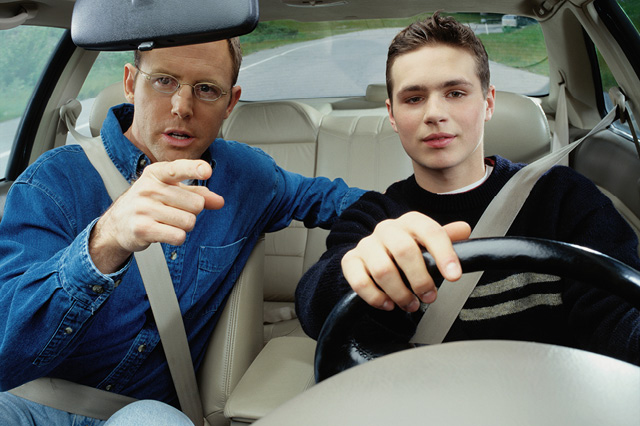
Obtaining a license is a big milestone for young adults, and parents can help by using this time to develop their teen’s behind-the-wheel skills. This is easier said than done, of course, as parents may be more nervous than their teens.

To help help lessen the learning curve, we asked AAA driving instructors for their best tips on teaching teens how to drive. Following this guidance will help prepare your new driver to tackle their road test – and become lifelong safe drivers.

AAA Driver Training School’s Tips on Teaching Your Teen to Drive

  • Before you take your child on the road, know your state’s restrictions. Your teen must have a permit in hand before they can do any on-road, behind-the-wheel training.
  • Review the functions in the car…adjusting mirrors and the seats, proper foot positioning, using wiper controls, opening the hood, adjusting climate controls, radio, navigation system and more.
  • Take your teen to an open lot – industrial park, mall parking lot, etc. – to practice driving without other traffic. When your teen starts your car, don’t panic. S/he is as nervous as you, so make it a point to keep your voice calm and provide instructions. Shouting out orders or directions is never effective.
  • Start by allowing the car to roll, gentle braking and steering. Graduate to slow acceleration, pulling into parking spots, coming to complete stops, backing up, and left and right turns. Gently make corrections when necessary and praise often.
  • New drivers find backing up challenging, even with a backup camera. Start by backing up in a straight line, then gradually add a left or right turn.
  • When your teen is comfortable accelerating, go out on a quiet street. Teach proper behavior at intersections, using the turn signal, stopping behind the white line (if marked), yielding to pedestrians. Drive around the block practicing right hand turns until confident.
  • When s/he is ready, practice left-hand turns. Be sure to explain the danger of hesitating in an intersection, and how to stay in the proper lane.
  • Practice turns. A two-point turn involves backing into a driveway to reverse direction. A three-point turn is more challenging, so practice on a quiet street.
  • Gradually increase driving proficiency on more-trafficked roads, including those with stop lights, multiple lanes, and even highways. Only increase the difficulty of roads when your teen says s/he is ready…do not force them to take on a challenge they’re not ready for.
  • Practice at night, in moderate traffic, and in inclement weather. The more practice they have with you, the more confident they’ll feel when they’re driving alone.
  • Use of hand signals can be important, so practice with your teen while out on the road.
  • Finally, teach your teen not to rely on advanced driver assistance systems, such as lane-keeping warnings, back-up cameras, and automatic braking. Turn these systems off if possible so your teen learns to constantly pay attention to road conditions and becomes confident in his/her abilities.

Comfort behind the wheel requires time. That’s why every state requires multiple hours of supervised driving before a new driver can take a road test. Be patient and increase the level of difficulty gradually.

 AAA Driver Training is available in Massachusetts and Rhode Island. Learn more.

Subscribe to Your AAA Newsletter

Sign up and receive updates for all of the latest articles on automotive, travel, money, lifestyle and so much more!

When You’re Caught in a Blizzard: Tips for Driving in Snow

Right before my last semester of college, I decided to drive the long way to campus by myself. It was about a seven-hour drive, but they were all long, calm country roads dotted with plenty of rest stops. It was supposed to flurry a little as I passed through Syracuse, but I wasn’t worried. My college campus was near Rochester, so I was used to driving in snow.

Somehow, the flurry turned into a full-on whiteout. It was the strongest blizzard I’d ever seen, turning day into night, and I was driving through it. Driving in snow can be easy when you’re going along plowed roads through a picturesque winter wonderland. It’s a completely different story when you’re going through a snow globe that’s been tossed in a blender.

The most important thing to know about driving in snow is knowing when to stop. I kept driving through horrific conditions because I was afraid to miss the first day of the semester. After I passed an 18-wheeler lying on its side in the median, I decided that I valued my life a little bit more than I valued English class. I was able to pull off the road and find a hotel where I stayed for the next two days (it was a BIG storm). Sure, I was bored. But more importantly, I was safe.

Make sure you’re safe the next time you have to drive in the snow with these tips from AAA.

Preparing to Drive in Snow

Before you head off on a long winter drive, watch the weather forecasts carefully. If you can avoid driving in snow, you should. Make sure other people know your route, your destination and your ETA.

Keep snow supplies in your car, including a collapsible shovel, an ice scraper and a window broom. Bring your phone and a charger with you, and make sure to download the AAA Mobile App. In case of emergency, keep blankets, gloves, hats, water, necessary medications and nonperishable food items on hand.

Click here for a full list of winter driving kit necessities.

driving in snow

AAA’s Tips for Driving in Snow

  • Do not use cruise control when driving in ice or snow – it’s important that you stay alert and are able to control your speed at all times.
  • Go slow! It’s easier to control your vehicle when you’re driving at a slow pace, so accelerate and decelerate as slowly as you can to regain traction on the road and avoid skidding off-course.
  • If possible, maintain eight or 10 seconds of distance between you and the car in front of you. It’s harder to stop in the ice and snow.
  • The best way to stop while driving in snow is by threshold braking. It’s not just for race car drivers! Plant the heel of your braking foot on the floor, and with the ball of your foot apply firm, steady pressure to the brake.
  • In heavy snow, don’t come to a complete stop if you don’t have to. Moving again from a full stop during a blizzard can be difficult and dangerous.
  • Try to drive in the tracks of the car in front of you – it will make it easier to control your vehicle.
  • Be patient with the other drivers on the road. This is a stressful situation for everyone, but it’s important to remain calm.

When to Stop

Sometimes, the snow is so unrelenting that you have to stop. Maybe you keep skidding or it becomes too hard to see. Maybe you’re not even sure where the road is anymore.

Stopping could mean having to shelter in your car. In this situation, do not wander away from the car – you might not be able to find it when you return (and it’s best to conserve your warmth and energy, anyway).

Attach a colorful sash, handkerchief or scarf to your antenna, side mirror or window. It will flutter in the wind and alert any emergency services to the location of your vehicle. Don’t use white fabric – it will blend in with the snow. You can also turn your car’s interior lights on if it gets dark outside. This doesn’t sap much energy from your car’s battery, and it can help emergency services find you.

You may choose to keep your car running so that you can make use of the heating system. Don’t overuse it, though. You want to save your gasoline. If you turn your engine on, make sure your exhaust pipe is kept clear. If it gets backed up with snow, you could risk carbon monoxide poisoning (and potentially death).

Insulate your body heat with anything you have on hand, from emergency blankets to crumpled-up newspapers to floor mats.

When you’re driving in snow – serious snow, like a blizzard or a snowstorm – you need to remain calm and make smart, safe decisions. By remembering these tips and preparing your car with emergency utilities, you can navigate a sudden blizzard without making snap decisions based on panic.

Winter driving is difficult for all motorists, but particularly so for new and improving drivers. Learn to become a lifelong safe driver – under all conditions – with the AAA Defensive Driving Course.

Do you have any tips for driving safe during a snowstorm? Share them with us in the comments below.

Learn more about AAA’s automotive services.

Subscribe to Your AAA Newsletter

Sign up and receive updates for all of the latest articles on automotive, travel, money, lifestyle and so much more!

How to Use a Roundabout

Roundabouts – some people like them, many people don’t. No matter how you feel about these roadway features, you should get used to them, as they’re increasingly becoming the modus operandi of American intersections. There are nearly 8,000 roundabouts in the U.S., including hundreds scattered across the Northeast, according to transportation engineering firm Kittelson & Associates.

Why the switch? Proponents say roundabouts have safety, environmental and financial advantages over traffic signals and stop signs. With that in mind, it’s likely that these road features will only become more common.

But navigating can be a tricky feat, especially if you’re not accustomed to them. Here’s everything you need to know about how to use a roundabout safely.

What Is a Roundabout?

A roundabout is a circular intersection in which vehicles travel counterclockwise (in the U.S.) with entering traffic yielding the right-of-way to circulating traffic.

These roadways have been popular overseas, particularly in Europe, for decades. However, they have only recently been widely adopted here in the U.S. The reluctance can likely be attributed to the negative response American drivers had with traffic circles and rotaries built in the first half of the 20th century. These features were similar to roundabouts but had design flaws. The connecting rounds entered the circle at abrupt right angles and in many cases vehicles within the central circle had to yield to those entering. These factors led to safety and traffic issues.

The Benefits of Roundabouts

According to the U.S. Department of Transportation, more than half of all fatal and injury-causing car crashes occur at or near an intersection. Studies of intersections have shown that converting traffic signals or stop signs to roundabouts can reduce all crashes by nearly 50% and injury crashes by up to 80%.

Roundabouts have two significant advantages over traffic signals and stop signs: They are safer and create less traffic. There are several design elements that make roundabouts a safer option. When a vehicle approaches a roundabout, the driver is forced to slow down in order to navigate the turn of the circle. Roughly one-quarter of all traffic fatalities are speeding-related. A slower car is a safer car.

Additionally, roundabouts nearly eliminate the chance of any of the most severe types of crashes – right-angle, left-turn and head-on collisions – from occurring. Most car crashes (including a vast majority or fatal crashes) involve vehicles traveling in different directions.

On the topic of traffic direction, since cars all move in the same direction in a roundabout, the stop-and-go nature of traffic flow that occurs at traffic signals and stop signs is significantly reduced. Research has proven that traffic flow improves after roundabouts have replaced traditional intersections. As an added bonus, roundabouts create less idling, which means fewer vehicle emissions (good for the environment) and less fuel consumption (good for your wallet).

The Dangers of Roundabouts

Although roundabouts are considered the safer intersection option, they can be potentially hazardous to some drivers, particularly older drivers.

“The single greatest concern in accommodating older road users, both drivers and pedestrians, is the ability of these persons to safely maneuver through intersections,” according to the Federal Highway Administration. The FHA also states older drivers may have difficulty in situations involving complex speed-distance judgments under time constraints, and are much more likely to be involved in crashes where the drivers were either traveling too fast for the curve or were surprised by the curved alignment. This all adds up to roundabouts being a significant safety risk for older drivers.

Roundabout Rules

How to Use a Roundabout

In theory, roundabouts are simple to understand, but they can be difficult to navigate if you’re unfamiliar. Upon approaching the intersection, a vehicle yields to traffic already within the roundabout. Vehicles already in the roundabout have the right of way. When there is a safe amount of space, you can enter. Remember, a yield sign is not a stop sign – if there are no cars in the roundabout, look around for pedestrians and bicyclists and proceed in.

Once in the roundabout, circle the road until you reach your desired exit. If you want to turn right, take the first exit; straight, the second; left, the third; and a U-turn, the fourth.

When there’s only one lane, it’s fairly straightforward. Things can get confusing in a multilane roundabout. In this scenario, the vehicle should be in the right lane to turn right or go straight, and in the left lane to go straight, turn left or make a U-turn. There will usually be signs leading up to the roundabout indicating which lane to occupy. Also remember to use your turn signal.

Roundabouts can be tricky for even the most experienced drivers, let alone new ones. Learn to become a lifelong safe motorist with the AAA Defensive Driving Course.

How do you feel about roundabouts? Do you find them confusing? Let us know in the comments below.

Subscribe to Your AAA Newsletter

Sign up and receive updates for all of the latest articles on automotive, travel, money, lifestyle and so much more!

Tell Us Your Tales From the Road

Have you ever seen a deer leap out from the darkness and over your hood? Or experienced glare so blinding you didn’t know what to do? Maybe a frozen windshield made you late for work more than a couple times? (We’ve all been there).

Cars and driving can be unpredictable, but there’s something to learn from each of these moments.

Tell us your tales from the road – the good, the scary and the embarrassing. Your story could help other drivers facing similar situations.

Tell Us Your Tales From the Road

Name(Required)
Address

Member Stories

We were traveling south to Florida from Rhode Island and stopped in Charleston for an overnight stay. The next morning, on our back out to Route 95, we hit a deer in the lovely little town of Walterboro, S.C. We were OK, but sustained significant damage to our car. Needless to say, that put a serious crimp in our trip plans and it was quite a while before we were able to continue on to Florida. I installed a deer whistle on the front end of my car to avoid another incident like that. So far it’s worked well – no deer mishaps!

William DeFusco

Pro tip: Deer are most active during dawn and dusk. Keep an eye out for “deer crossing” signs, and be especially vigilant when driving through wooded areas during these times. Deer also travel in herds, so if you see one there are likely others nearby. Click here for more deer safety tips.

We took a road trip to Quebec City, and when we attempted to return home to Massachusetts, we noticed a flat tire. ‘Oh no, we’re in another country!’ Well, we called AAA, and they sent help in under 30 minutes. The mechanic from CAA fixed the flat and even gave us recommendations for places to visit in Canada. Thank you, AAA.

Steve and Pam Perretti

Pro tip: AAA Roadside Assistance is available 24/7 (even in Canada!).

I was driving to North Sydney, Nova Scotia, in 2011 when I encountered fog so dense I couldn’t see more than 20 feet in front of my car. I kept one eye on my GPS so I didn’t hit any unexpected curves in the road. My other eye was watching both the road and the possibility of seeing a moose appear.

Joanne Sexton

Pro tip: When driving in fog, set your headlights to low. High beams bounce off the fog, making it even harder to see.

A few years ago, I was driving on I-95 North in the right when a tractor-trailer decided to switch from the center lane to the right lane. Unfortunately, I was in his blind spot, so he started to come over. I had to slow down and go into the breakdown lane to avoid him not hitting me. It was a miracle that the back end of the trailer missed my car’s front end. I’m sure the truck driver never had a clue we almost crashed.

Michael Amato

Pro tip: Checking your blind spot and “reading the road” are a few of the top reminders AAA Driver Training instructors have for new (and all) drivers. Learn more about AAA Driver Training, available in Massachusetts and Rhode Island.

Years ago, I was driving my Honda Odyssey and towing a small camper through northern Vermont. The road that I was on was two lanes with no breakdown lane. Enroute to my destination it began to rain, and shortly thereafter my van began to hydroplane. I wanted to pull off the road but that wasn’t an option. I slowed down to 5 mph and proceeded for several miles at that rate until the rain stopped. It was the scariest ride of my life.

Jan Berger

Pro tip: In a situation like this, stay calm, advises AAA’s Car Doctor, John Paul. Your first reaction to hydroplaning might be to brake, but try to resist the urge. Since you are literally riding on top of water, it won’t stop you. Instead, ease off the accelerator until your vehicle starts to gain traction. Click here for more tips on hydroplaning and driving in rain.

Subscribe to Your AAA Newsletter

Sign up and receive updates for all of the latest articles on automotive, travel, money, lifestyle and so much more!

Choosing a Driving School for Your Teen

It’s a milestone moment that fills parents with both excitement and anxiety: Your teen is ready to learn to drive.

Now, how do you choose the best driving school?

Not every parent is up for being their child’s primary driving instructor. With something as important as learning the rules of the road, you want to ensure your teen gets the most effective and safe experience possible.

When looking for quality driving schools for teens, stellar reputation and a history of turning out safe drivers is important, as is a school that provides not only time behind the wheel, but also classroom instruction and covers the fundamentals of defensive driving and risk prevention.

Professional driving schools can also help everyone in the family breathe easier.

“Learning from a professional instructor can help alleviate some of the stress and tension that may arise when learning from a parent or guardian,” said Steven Rossetti, director of driver training for AAA Northeast. “Reputable driving schools, like AAA, offer a well-organized and structured curriculum covering theoretical knowledge and practical skills necessary for safe driving.”

AAA Driving School is available all over the country, including locations in Massachusetts and Rhode Island. Learn more.

Still, driving schools cannot do the job alone. AAA recommends that each student participate in at least 50 hours of supervised driving. Parent or guardian involvement in learning to drive is critical.

How to Choose the Best Driving School

Track record is essential for finding a good driving school for teens. To find the best program for you and your child, AAA recommends the following:

  • Make sure the school belongs to a professional national or state association for driver education and safety organizations, such as The American Driver and Traffic Safety Education Association and the Driving School Association of the Americas.
  • Ensure the school has professional-looking and clean facilities and well-maintained cars.
  • The school should offer both classroom instruction and behind-the-wheel training. Classroom lessons should be integrated into driving practice. The course should last at least four to six weeks.
  • Confirm that the school has no complaints filed against it, and that it is willing to provide references. You may be able to find this information by checking with your DMV/RMV driver education unit.
  • AAA Driving School provides resources parents can use while they are practicing driving with their teens. Check out AAA’s Driver Training School Parent Guide.

Also, don’t forget to register your driver-to-be for lessons way in advance of popular times, such as school vacations and summer break.

aaa driving school

AAA Driver Training

AAA Driving School has been in business for more than 80 years and has a national reputation for quality driver training and safety education.

“We wrote the book on how to drive; it’s called ‘How to Drive,’” said Rossetti, and it is used by driving schools across the country. “It is the required curriculum for several states. Additionally, we offer member exclusive pricing and a free membership for full program graduates.”
AAA also encourages students enrolled in the driving school and their parents to sign a Parent-Teen Driving Agreement, that includes rules for teens to follow while learning to drive and driving.

“At AAA Driving School, our motto is ‘Creating Lifelong Safe Drivers,’” Rossetti said.

Enroll in AAA Driving School today.

Interested in becoming a driving instructor? AAA Northeast is hiring. We are offering a $1,500 signing bonus for full-time positions and $1,000 for part-time driving instructor positions. Apply online at AAA Northeast Careers.

Subscribe to Your AAA Newsletter

Sign up and receive updates for all of the latest articles on automotive, travel, money, lifestyle and so much more!

Building Your Budgeting Toolbox

budget wise

Financial expert Neale Godfrey and Shannon McLay, CEO of the NYC-based personal financial planning service Financial Gym, offer tips on what you need to have in your “toolbox” to build a budget that works for you.

Draft Up a Plan

Write down your goals. Think about the short term (a new car, student loans, vacations, a rainy-day fund), then think about the long term (buying a house, your kid’s college fund or retirement). How much money will you need to accomplish those plans? “Put a price tag in today’s dollars next to each item. Then figure out how many years you will need to save for that,” says Godfrey.

Listen to Our Podcast

Pay off your debt and get your finances in check.  Listen to Episode 10 of our podcast, Merging Into Life: Budgeting 101.

Tune In

Take Measurements

Use an online budgeting calendar or crunch the numbers yourself. When diving into the figures, McLay advises to start with your net monthly income – aka your take-home pay after taxes and deductions. Factor in fixed expenses such as rent and mortgage, debt payments and utilities. Then, determine savings and debt repayment goals and spend what is left over. You may find that you need to earn more.

Find Tools That Work for You

From apps to handwritten spending journals, envelope systems or spreadsheets, how you choose to keep track of your money is a personal preference. “Don’t be afraid to experiment with different options until you find one that works for you,” McLay said. “I usually recommend clients give budgeting methods at least a month if not a whole quarter before they decide if it’s for them.”

Keep a Motivator Close By

To resist temptations like online shopping that might upset your budget, Godfrey suggests keeping a picture of your goal nearby, such as a school photo of your child as a phone screensaver. “A quick glance at your phone might be a gentle reminder that a cool outfit will not get you closer to your goal of dancing at your child’s college graduation.”

Get to Work

Budgets fail for a variety of reasons, but McLay finds that a common fault is setting goals that are too ambitious. If you want to make meaningful progress, remain realistic about your income and expenses, and be accountable for your spending habits.


This article has been updated and republished from a previous version.

Subscribe to Your AAA Newsletter

Sign up and receive updates for all of the latest articles on automotive, travel, money, lifestyle and so much more!

How to Review the Year’s Budget (And Plan for Next Year!)

At the turn of another year, it’s time to ask yourself, “How did I do on my savings goals?”

Creating a budget is just one piece of the pie. In order to successfully understand and manage your finances, the next step is to review your annual spending habits to see how well you stuck to your plan – or how far you’ve strayed – and make any changes needed.

If you’ve been keeping track of your expenses, good for you! If you haven’t, this is a perfect opportunity to start the groundwork for next year.

Budgeting Throughout the Year

Your budget is the path to a successful savings plan, and it can help you meet your financial goals. Do you want to lower your debt? Make a down payment on a house? Save up for a comfortable retirement? Establishing a clear budget goal can help you do just that.

To start setting up your savings plan, figure out your net income – not your gross income, since you’re not taking all of that home anyway. Your net income is what you bring home after expenses like taxes, health insurance and your 401(k) contribution. Then you get to measure out all your other expenses.

Fixed expenses are expenses like rent, mortgage, insurance, car payments, debt, groceries and the like. Variable expenses are expenses like vacations, entertainment, dining out and other costs that vary from month to month.

You can also split your budget into the 50/20/30 rule, which divides 50% into essentials (mostly fixed expenses), 20% into savings and 30% into non-essential spending (mostly variable expenses). Non-essential spending is easier to trim from your budget.

Sticking to It

Sticking to your budget is about balancing your wants against your needs, so you should try to cut down on impulse spending. Make compromises, but don’t live like a monk either. If you start to feel deprived, it can increase the chances of abandoning your budget altogether – and you don’t want to do that! Pad your budget with a little bit of fluff to allow for the occasional reward or indulgence. Saving money isn’t supposed to make you feel miserable. It’s supposed to put you in control of your financial life.

A great way to start budgeting is simply to track what you’re already spending money on. Bank account statements can help you track your spending, but you can also write down your expenses, or track them using a budgeting app. Many people even use Microsoft Excel sheets to log the way their money moves. Having this record of your spending habits and needs can be very helpful when you’re looking back on your budget at the end of the year. It’s not only how you hoped to spend your money – it’s a record of how you actually spent it.

budgeting

Budgeting and Debt

You should do your best to get rid of debt, but it’s easier said than done. Things like credit card debt, student loans and other overdue payments can pile up fast. That’s why it can sometimes be helpful to pay off your debt before building your savings. Since debt can build up in interest, getting rid of your debt as soon as possible can help you to save more money in the long run.

Meeting Your Goals

What are your financial goals? Are you thinking about your budget in the long term or the short term? Short term goals can be things like paying off loans, a new car, a vacation, a rainy day fund or home improvements. Long-term goals can consist of building a college fund for a loved one, buying a house or saving up for retirement. You can save for multiple reasons at once, but you need to have an idea of what your goals look like so that you can properly plan for them.

Tools, budgeting calendars and financial plans can also help you meet your goals. There is a plethora of financial apps out there, for instance – from apps that can help you track your spending to apps that can store away all your spare change. Banks and company’s like AAA offer savings products with added benefits like high yields designed to help you grow and effectively manage your assets. You don’t have to do everything on your own – there’s probably a tool or program out there that can help you.

Budget vs. Spending

At the end of the year, after you’ve made your budget and tracked all of your spending, you can finally look back on how well you met your annual savings goals. Compare and contrast how you did versus how you expected to do.

Evaluating your spending habits across different times of year can provide a clearer picture of the habits you need to change (or even hang onto). The difference between your annual spending and your annual budget can provide a accurate depiction of your financial habits.

Add up your total expenses to see what your lifestyle costs you. Evaluate where you are spending the most, as well as the areas in which you went over your budget. Then you can adjust your budget or lifestyle accordingly. Maybe you need to allocate a larger budget for these items, or maybe you need to minimize the amount you’re spending on them. Let’s say you spend too much money on entertainment. You could decide that it’s important to you to go to live events and make concessions elsewhere, or you could choose different, less expensive events to spend your money on.

Revisiting and evaluating your budget will help you figure out your weak points and build a stronger budget for the following year.

Subscribe to Your AAA Newsletter

Sign up and receive updates for all of the latest articles on automotive, travel, money, lifestyle and so much more!

How to Save for Vacation

The pandemic put a lot of vacations on hold. Now, as the world starts to open up, hopes are high that we’ll be able to go on the much-needed getaways we’ve been patiently waiting for.

Whether you hope to spend your next adventure lounging on the beach, theme park hopping or kayaking down a babbling waterway, make sure you can afford everything you want to do with these tips on how to save for vacation.

Choose Your Timing Wisely

As you begin planning for your next vacation, consider going to your destination sometime other than during the summer. Early in the year (January to February) or late summer/early autumn (September) – essentially staying away from peak travel times like holidays and school breaks – are good choices. This way, you’ll be avoiding crowds and saving money by choosing less sought-after times.

Calculate the Price and Set a Goal

Depending on whether you’re planning to stay domestic or travel internationally, there are a variety of costs to account for, including plane tickets, transportation, lodging, meals, entertainment and souvenirs. All-inclusive trips are great, but you should still save a little extra money for spontaneous out-of-pocket expenditures.

Once you have an idea of how much your vacation will cost, subtract what you already have saved. The difference is your vacation savings goal. Knowing the specific amount of money you still need to save will allow you to figure out how much money you need to set aside per paycheck, week or month.

Pocket Some Extra Cash

Make saving for your next vacation a little quicker and easier by earning some extra money. One way to do this is by picking up a side gig or part-time/seasonal job.

A side gig, also known as a side hustle, includes jobs like driving for a ride-share service like Lyft/Uber, making food deliveries or doing freelance work. Side gigs offer the flexibility to work around your current schedule while earning additional income. If you need inspiration, check out these 5 great gigs for college students and 7 best part-time retirement jobs.

For a part-time or seasonal job at a brick-and-mortar location, grocery stores, restaurants and other retail locations often have plenty of options. Do your job search through a website like Indeed or ZipRecruiter, or visit the official website of a business you like and search for career opportunities.

Another way to earn a little extra money is to sell items you already have. Consider holding a yard/garage sale or sell more specific items like art, clothing, knickknacks and collectibles, with websites or apps like eBay, Facebook Marketplace, Let Go and Poshmark.

Make the Most of Your Money

Consider opening a special savings account specifically for vacations. Make it a high-interest or high-yield savings account if you can.

If your vacation isn’t for a while, consider saving with a high-yield certificate of deposit. There will likely be a minimum deposit requirement and you won’t be able to access that money without a penalty until it matures – after 6 months, a year, 2 years, etc., but the annual percentage rate or APR will likely be higher, meaning you’ll earn more interest.

Another option is using a cash-back rewards credit card. We all have daily expenses, so why not earn money on eligible purchases? Then, funnel those cash-back rewards right into your vacation savings.

save for vacation

Cut Costs Where You Can

Anywhere from a year to six months before your trip, try to be extra frugal. Set a stricter budget and save a little extra cash by not eating out, canceling a gym membership or cutting back on subscription services.

Shop Discounts and Sales

If your vacation will require a lot of walking (hello, theme parks!) or if you’ll be participating in watersports, hiking or other activities, you may need some gear you don’t already own. Get a new pair of walking shoes or more specific gear when they’re on sale to minimize the amount you have to spend.

AAA members can save with the AAA Powersports, RV and Buying Program or take advantage of discounts on products from Outdoorsy, Life is Good, Reebok Outlet Stores and other merchants. 

Another way to save and shop the sales is by using a travel agent. They will help you find different travel packages, comparing prices to help you find the best deals for your budget. AAA Travel Advisors are friendly, knowledgeable and will help you find and plan your next vacation.

Subscribe to Your AAA Newsletter

Sign up and receive updates for all of the latest articles on automotive, travel, money, lifestyle and so much more!

How to Teach Kids Good Money Habits

Instilling your children with responsible money habits and leading by example can help them work toward a stable financial future.

From setting up a savings account and figuring out an allowance to explaining how budgeting and credit scores work, different financial discussions are appropriate for different age groups.

When you decide it’s the right time to start teaching your kids good money habits, keep these tips in mind.

Start Talking About Money

When it comes to discussing money and financial topics with their kids, 25% of parents were somewhat reluctant, 14% were very reluctant and 11% were extremely reluctant, according to a Parents, Kids & Money survey from 2019.

However, 53% of the children surveyed – ages 8 to 14 – said they wished their parents taught them more about money. Before your child reaches the age of seven, start talking to them about money, the importance of saving and how much different goods and services cost.

Open a Savings Account

It’s never too early to open a savings account in your child’s name. This is where you can deposit any funds they receive on birthdays and holidays, before they’re old enough to make their own financial decisions.

This money can start gaining interest, and your child will have some funds to start learning with when the time comes. What’s more, the age of bank accounts can help them with applying for credit later.

Giving Allowance

Allowance is a great way for young kids to start earning money. According to a survey from T. Rowe Price, 51% of parents said they give allowance, but their kids have to earn it. This is opposed to 17% who give allowance without any requirements and 32% who don’t give allowance at all. What’s more, 52% of parents surveyed said they give $10 or less per week.

How you decide to grant allowance depends on your parenting style. Some parents give allowance for daily chores, like making the bed, feeding a pet, putting away dishes. Others only give allowance when their kid(s) go beyond regular/expected responsibilities.

When it comes to the amount of money you should give your child as an allowance, experts tend to say that, on a weekly basis, 50 cents to a dollar for every year of age is appropriate.

Emphasize Saving

When teaching your kid about saving, use a clear container – like a mason jar or plastic tub – to allow them to watch the progress of their savings. You can even have more than one, labeling each for different things, such as saving, spending and giving.

Many children take well to visual learning. Seeing the dollars and change stack up over time makes tracking goals clearer and can lead to a bigger sense of accomplishment.

Explain Budgeting

If there’s something your child wants, teach them how to purchase it through budgeting.

Show them how to set a financial goal, including the price of the item they want, plus a little extra so they’ll still have some money left afterwards. If they don’t have any savings remaining from birthdays and holidays, they may be able to save faster by doing extra chores, or they’ll simply have to be patient and save up to meet their goal gradually.

grandkid money

Introduce a Debit/ATM Card

If your child/teen gets a part-time job, they should have a more secure place to save their money. When your child becomes an adolescent, it’s time to consider whether they’re ready for a debit/ATM card.

A debit card allows them to pull funds from a checking and/or savings account and make purchases. Show them how to track their spending, maintain minimum account balances and remember to replenish their savings after a larger purchase.

Today, a lot of banking is done online, and many banks have apps that allow for easier money management. Help your child stay on top of their finances by setting up low-balance alerts, charge notifications and more.

Start Building Credit

Once your teen is a bit older and starting to think about college, trade school and/or making a significant purchase like a car, it’s time to teach them about credit.

Your teen will need a credit card in order to start building their credit. Teach them what does and doesn’t affect their credit score – like credit card use, payment history and more – with this guide.

Have them use their credit card only for charges they have the money to cover. Then, have them pay off balances right away. Also, emphasize the importance of checking their purchase history to find and report fraudulent charges. And make sure they know what to do if their credit card number is ever stolen.

Finally, let them know they are entitled to one free annual credit report each year from the three credit bureaus – Equifax, Experian and TransUnion. This will allow your teen to track the progression of their credit score as they try to get at close to 850 as they can.

Be a Good Example

It’s true that you will likely need to be a co-signer for certain accounts for your kids when they are young, and you’ll be acting as their financial advisor for many years. However, one of the most important things you can do to teach your kid(s) good money habits is to lead by example.

Show your child how you budget, save and spend responsibly by being a strong saver and savvy spender. Sharing your tried-and-true financial habits, as well as money mistakes you’ve made in the past, can all become valuable lessons to the young people in your life.

How do/did you teach your kid(s) good money habits? Tell us in the comments below.

Subscribe to Your AAA Newsletter

Sign up and receive updates for all of the latest articles on automotive, travel, money, lifestyle and so much more!

How to Manage Your Personal Savings

There’s no harm in hoping that you’re the next Powerball lottery winner, but responsibly managing your personal savings requires more than good luck.

The road to financial security begins with meticulous (and realistic) planning and budgeting. Whether you’re saving for college, retirement, a new car or an emergency, the first step in managing your personal savings is to set a goal. Start off by asking yourself this simple question: What’s your personal savings goal?

personal savings
A savings goal is an important part of a budget.

Budget

Once you have set your goal, then you can create a budget. Financial advisers often recommend that we put aside 20 percent of our income toward savings, which includes retirement and debt. This is what’s known as the 50/30/20 rule. The gist of the rule is this: Allocate 50 percent of your income toward necessities like rent or mortgage and other living expenses. Another 30 percent should be set aside for vacations and lifestyle expenses. The remaining 20 percent should be put toward retirement and cash savings. Of course, it’s easier to adhere to this plan when you have more income to play with. But managing your personal savings – at any income bracket – can become a habit with practice.

Here’s an easy trick to start saving: Set up an automatic transfer through your payroll system. That way funds from each paycheck will go directly into your savings. Think of your personal savings as another bill. You’re essentially paying yourself and making that a priority before anything else. With automatic transfers, you don’t have to think about the money that’s being allocated to your savings.

If a 20 percent savings plan isn’t practical for your lifestyle, set aside 15 percent or whatever works for your goal and budget. Consider this: How much do you earn and what are your expenses? You’ll likely have to reassess your budget and set your financial priorities. If it’s any comfort, know that you’re not alone in this struggle. In fact many other Americans also have difficulty managing their personal savings. GOBankingRates, in partnership with The Penny Hoarder, surveyed 3,000 Americans in 2014 and found that 44.5 percent didn’t have a savings account at all. Another 28.5 percent had less than $1,000 in their savings account.

There are numerous budget apps and online calculators available through your bank which can help you manage your budget. Take advantage of them. The first step in managing your personal savings is to gain financial awareness.

Trim the fat to bolster your personal savings

With a budget in hand, you can begin eliminating unnecessary expenses. Research how you can lower your phone, electric, gas and/or other monthly expenses. Find out if you’re eligible for cost-savings programs. Keep track of your spending, and, as a rule of thumb, always live below your means. You’ll be surprised to know that some of the richest people in the world are also some of the most frugal.

Distinguish between what you need and what you want. Perhaps you need new shoes, but do you need designer ones that you really can’t afford? Instead of impulse shopping for items that are out of your budget, wait a few weeks before making a purchase. After a few weeks pass, see if you still want to make that purchase. These short-term financial goals will help you meet long-term plans like retirement and paying off your debt.

The best savings account

Now that you’ve established your financial goal and created a budget, you can move on to the next step: What’s the best savings account for you?

Choosing a bank account really depends on your personal needs. Are you looking for an account to hold your cash and accrue the highest possible interest? If so, find a personal savings account with a competitive annual percentage yield (1.20 percent or 1.15 percent). Or perhaps you want to take advantage of signup cash rewards. Banks often give new customers cash bonuses when they open a new account with a minimum balance. Do a bit of online research and find the right bank account for your needs.

While you’re looking at bank account features, you may also consider opting out of overdraft protection, especially if you’re prone to overspend and accrue overdraft fees. Over time these fees add up. That money spent on unnecessary fees could have been used toward a fun experience like a tropical getaway.

Here’s another savings tip: Open a savings account with a different bank than your checking account. Do you often transfer money from your savings to your checking under the empty promise that you’ll repay it? Having accounts at different banks makes it more cumbersome to borrow money from your savings.

Find the resources you need to make sure you’re on track with your personal savings goal. Many banks offer interactive guides and calculators to help you stay focused and meet your personal savings goals. And if you’re not sure, contact a financial planner. The experts are there to help.

Have any tips of your own for saving money? Share them with your fellow AAA members in the comments section below!

Subscribe to Your AAA Newsletter

Sign up and receive updates for all of the latest articles on automotive, travel, money, lifestyle and so much more!

How to Open a Bank Account

Managing your finances is a task so full of complex processes and decisions that it’s easy to overlook the simple ones you encounter along the way.

Whether you’re a seasoned account holder or are just opening a new one, bank accounts are the foundation of your banking history and deserve careful consideration.

We look at the basics of how to open a bank account.

Which bank should I choose?

Your answer to this one likely depends on your bank history. If you have experience with a financial institution (whether positive or negative), this will play into your decision process. Otherwise, there are a few things to consider as you evaluate what bank is best for you. First, be sure to investigate the eligibility requirements of opening a new account. Often, these are broad enough for most consumers to qualify, but it’s always a smart move to confirm before moving forward.

The biggest factor to consider is what size bank you want to do business with. You’ll likely choose between a large chain or small bank, or a local or national credit union. Larger banks offer uniform service across a more widespread coverage area and more robust customer service, while smaller banks and credit unions presents banking with a more personal, intimate touch. For example, a local bank is more likely to work with you directly if you have questions or concerns, whereas a larger chain might have you call its customer service department. Whichever way you go, be sure to take a comprehensive view of what you’ll receive at each.

open a bank account

What kind of bank account?

Once you’ve decided on a bank, you should determine what type of account you want to open. Typically, this means either a checking or savings account. Opening one of each could be your best option, as the two accounts complement each other well. Do your research about what fees or restrictions might accompany your account and ask the bank all your questions before you begin setting up the new account.

Checking: When you think of everyday use, you’re picturing a checking account. With this, you would pay your bills, make purchases with a debit card or write checks. If you’re planning on a regular inflow and outflow of funds, a checking account is perfect for your needs.

Savings: A savings account is suitable if you need a long-term place to store your money. Whether you’re saving up for something specific or just hoping to collect some emergency funds, the money you deposit in a savings account accrues more interest the more you have saved and the longer you leave it untouched. You can still access these funds if necessary.

What do I bring?

Before you open your account, your bank will likely let you know what information you need. Some banks will allow you to open accounts over the phone or online. Regardless of how you open the account, the requirements are fairly universal:

Identification: You’ll need to confirm your identity before a new account is created. Most often, this responsibility falls to your driver’s license, but a passport or other state-issued photo identification may work. Check with your financial institution for requirements.

Personal information: You’ll have to provide your Social Security number – or taxpayer ID or EIN, as the case may be – to prove that you have a government record. Don’t worry about bringing physical proof of this, as normally the digits are all the bank will need. Other basic information such as your date of birth and contact information will come up as well.

Minimum deposit: To kick-start your new checking and/or savings account, you may often have an initial deposit ready to go. Though this varies depending on the bank and account details, this amount usually isn’t very much.

In most cases, the above basics are all you’ll need to open a bank account. However, if the primary account holder is a minor, your bank may require a parent or guardian to co-own the account. In that case, they would need to provide their personal data as well.

Subscribe to Your AAA Newsletter

Sign up and receive updates for all of the latest articles on automotive, travel, money, lifestyle and so much more!