Camera Settings Cheat Sheet

I can still remember the overwhelmed feeling I had when I got my first DSLR camera. I was coming from a point-and-shoot, where all I had to do was click one button. In comparison, my DSLR was massive with countless dials and buttons, interchangeable lenses and all new settings I had never heard of. What the f-stop?!

If you have a new camera and are also stumped by all the different terms, buttons and icons, I have compiled this camera settings cheat sheet to help you learn the basics.

Manual Camera Settings

Aperture: Aperture is the hole in your lens through which light passes. You can control the size of the lens opening by adjusting the aperture. Aperture is measured in f-stops.

F-stop: F-stop is the number your camera shows you when you change the size of the lens aperture. The lower the f-stop number, the larger the aperture/lens opening and therefore the larger the exposure. The higher the f-stop number, the smaller the aperture and exposure. It seems backwards, until you understand depth of field. 

Depth of Field: This refers to how much of your image is in focus. Because it is the smallest lens opening, a large aperture of f/1.8 will give you small depth of field, focusing only on your decided focal point and blurring the background. With a small aperture of f/22, your lens will be wider, giving you a bigger depth of field and all of your image will be in focus. Large apertures are used in portraits and close-ups. Small apertures are mostly used for landscapes.

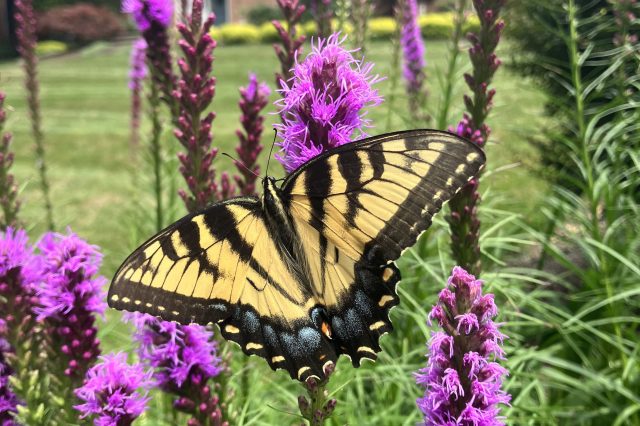
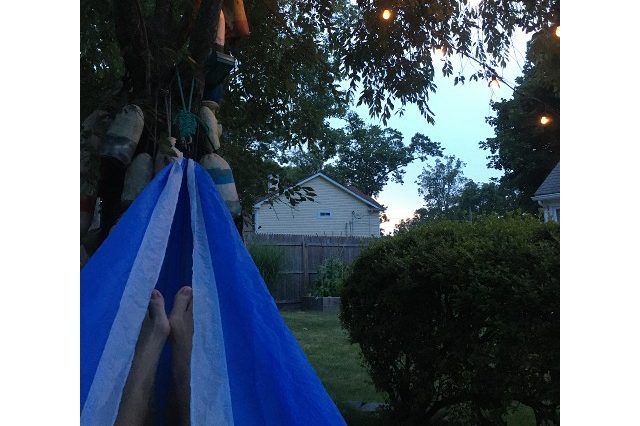
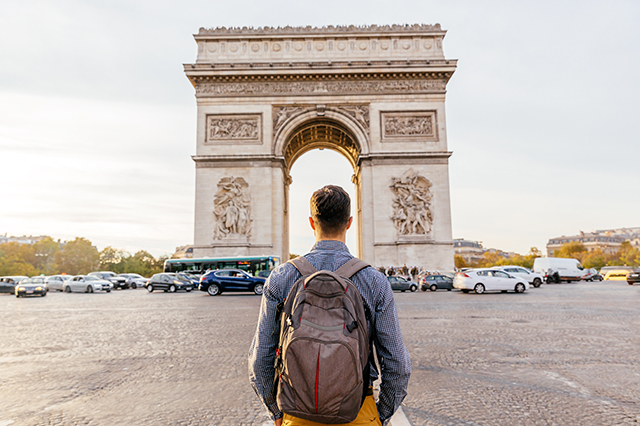
Large aperture example (f/4)
Small aperture example (f/14)

Automatic Modes

Most entry-level cameras have automatic modes in which the camera determines all of the settings based on what or when you are shooting. Automatic modes typically include Portrait, Auto, Macro, Sports, Landscape and Nighttime. 

Camera Shooting Modes

Cameras have various shooting modes, some more than others. The modes vary from automatic to semi-automatic to full manual control.

Aperture Priority Mode (A/AV): In this mode, you choose the aperture for your exposure and the camera chooses your ISO and shutter speed. 

Manual Mode (M): In manual, you have full creative control over your exposures settings. You will be choosing the aperture, shutter speed and ISO. 

Program Mode (P): This mode is very similar to auto but you can still adjust your white balance and use exposure compensation. 

Shutter Priority Mode (S/TV): You choose the shutter speed of your exposure and the camera chooses your aperture and ISO. 

Exposure

Exposure refers to how light or dark your image is.

Exposure Compensation: Some cameras have a dedicated button or dial for exposure compensation. It is usually denoted by a + and – sign or a dial with numbers ranging from -3 to +3. When you adjust your exposure compensation, you are either adding or subtracting light from your image. I find exposure compensation incredibly useful in the semi-automatic modes like Aperture Priority.

Exposure Triangle: A picture’s exposure is made up of three elements – aperture, ISO and shutter speed. Where these three elements intersect is the exposure of your image.

ISO: This refers to your camera’s sensitivity to light. A low number (100) means your camera is not as sensitive, while a high number (1200) means it is more sensitive. You want to use a low number in bright daylight, and higher numbers at dusk or at night. 

camera settings cheat sheet
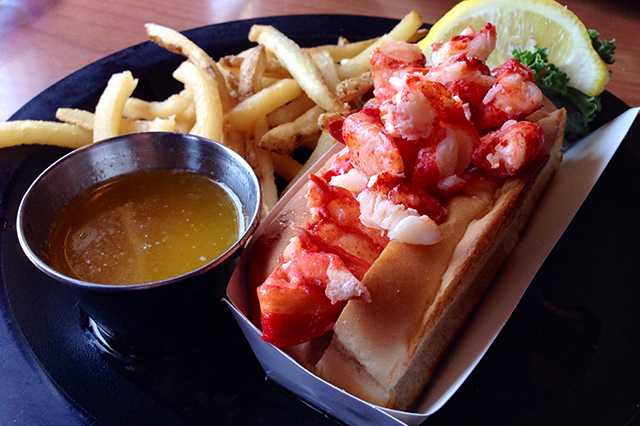
Slow shutter example (1/4 second).

Shutter Speed: This refers to how fast your shutter opens and closes. A fast shutter speed like 1/300 second will freeze motion, whereas a slow shutter speed like 10 seconds will show motion.

White Balance: You adjust white balance to accurately portray the colors in your images. There are several pre-set options within your camera. These are usually Auto, Daylight, Tungsten, Cloudy, Fluorescent, Flash and Shade. Auto usually does a great job, but if you are struggling to get your colors right under difficult lighting you may want to adjust to one of the other pre-set modes. There is also Kelvin white balance, which allows you to manually adjust the temperature yourself. It ranges from 1500k to 10000k; the smaller numbers are warmer and the larger numbers are cooler.

Focus

You probably don’t need a camera settings cheat sheet for this one. Focus is what is responsible for a sharp image versus a blurry image. 

camera setting cheat sheet
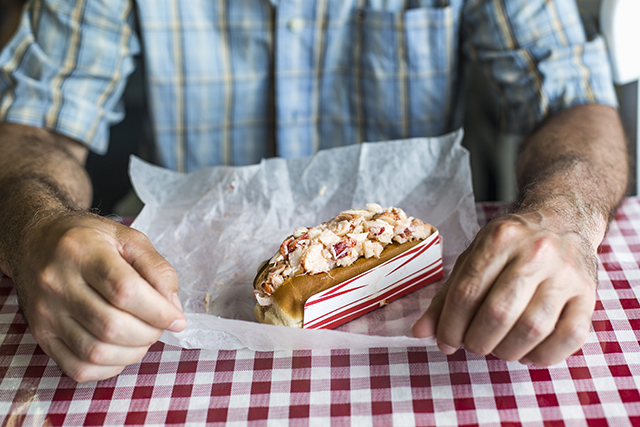
Shot in continuous mode.

Focus Modes

Most cameras have four focus modes. 

Single Shot: Camera takes just one image.

Continuous: Camera takes several images in rapid succession. Very useful for action shots. 

Automatic: This mode detects the subject and determines Single or Continuous focus based on movement.

Manual: Requires the user to manually adjust the aperture ring of the lens to put an image into focus.

I hope this little camera setting cheat sheet helped shine some light on the functions and buttons of your camera. If you ever find yourself confused or unsure about something, I highly recommend referring to your camera’s manual. Happy snapping!

For the month of April, Nikon has opened up its online school for free!

Beth Mancuso is a professional photographer. All photos are hers. 

Subscribe to Your AAA Newsletter

Sign up and receive updates for all of the latest articles on automotive, travel, money, lifestyle and so much more!

Faster Flight Routes for Summer Travel

Summer vacation can’t come soon enough. Fortunately, travelers flying domestically will be arriving at their destinations a bit faster, thanks to 169 shorter East Coast flight routes.

Designed to cut travel by 40,000 miles and 6,000 minutes annually, the Federal Aviation Administration announced the launch of more direct flight paths on May 1, just in time for peak getaway season.

While saving passengers time, the new routes also save on fuel – helping to cut down on air travel’s notoriously high carbon emissions – and prevent delays and cancellations by giving air traffic controllers more flexibility to redirect flights, especially when faced with bad weather. Further, “fewer converging points and more simple flows enhance safety,” the FAA said in their statement.

If your flight does end up getting delayed or cancelled, travel insurance can help. Don’t know where to start? AAA travel advisors make it a seamless part of the trip-planning process.

After more than seven years of development, the new and improved flight routes are a sign of some industry catchup, replacing legacy routes built when airplanes relied on ground-based radar, instead of GPS, which limited the way planes could travel.

The flight paths are great news for those traveling along the East Coast, as they are mainly operating on flights above 18,000 feet along the Atlantic Seaboard.

Still need to plan a summer vacation? It’s not too late! Schedule an appointment with a AAA travel advisor today.

Subscribe to Your AAA Newsletter

Sign up and receive updates for all of the latest articles on automotive, travel, money, lifestyle and so much more!

MCV – Discover America’s Greatest Treasures

MCV – Discover America’s Greatest Treasures

Subscribe to Your AAA Newsletter

Sign up and receive updates for all of the latest articles on automotive, travel, money, lifestyle and so much more!

Petro

Petro

Subscribe to Your AAA Newsletter

Sign up and receive updates for all of the latest articles on automotive, travel, money, lifestyle and so much more!

Discover the Emerald Isle: Visit These Regions in Ireland

If you’re looking for a destination to put on your 2017 wish list, consider Ireland. Researching your ancestry, discovering the country’s rich history – who doesn’t love castles? – and taking in the legendary landscapes are just a few reasons to visit. And there are numerous ways to experience the country, from an escorted tour to a customized, private trip or perhaps a self-drive vacation. Here are some of Ireland’s most popular regions.

Dublin

The capital is known for its historic attractions, including Dublin Castle, Trinity College – home of the beautiful Book of Kells – and St. Patrick’s Cathedral. Follow in the footsteps of writers and poets like James Joyce and Seamus Heaney while on a literary pub crawl, and don’t miss a visit to the Guinness Brewery, where you can learn about the famous stout and even enjoy a free sample.

The Southwest

County Kerry, especially around Killarney, features some of the country’s most lush scenery with mountains, crystal-clear lakes and verdant valleys. Explore the rugged coastline of the nearby Dingle Peninsula and visit the foodie town of Kinsale in County Cork, where you can dine on local seafood, oysters and wild salmon, then head to a cozy pub to catch some traditional Irish music.

The West

If you’re a fan of “The Quiet Man,” you likely know it was filmed in County Mayo, where tours of the film’s locations are available. Mayo is also home to one of Ireland’s top hotels, Ashford Castle, which features a billiards room, afternoon tea and activities like fishing, falconry and archery. In nearby County Clare, have your camera ready for a visit to the 702-foot-high Cliffs of Moher.

FIND & BOOK A HOTEL IN IRELAND

For more information or to book your trip, contact your local AAA travel counselor or visit AAA.com/Travel.

Top photo: The 702-foot-high Cliffs of Moher are located on Ireland’s western shore (Photo: Mustang_79 / iStock / Thinkstock)

Subscribe to Your AAA Newsletter

Sign up and receive updates for all of the latest articles on automotive, travel, money, lifestyle and so much more!

The Top Historical Sites in the Northeast

From the pilgrims landing in Plymouth to the signing of Declaration of Independence in Philadelphia, the United States’ origin story is centered in the Northeast. The region, therefore, is innately historical and thus naturally filled with locations teeming with historical significance.

But the area’s historical pedigree goes far beyond the political realm. Some of the country’s most brilliant and creative minds, including inventors, artists and authors, lived and worked in the Northeast.

With such a storied past, there may be no better place to travel through if you’re on the lookout for historical sites than the Northeast. Here are just a few of the locations that should be on your list.

Old State House and Old South Meeting House

The entire city of Boston is one big historical site, so formulating a list of notable locations can be a task. But few buildings in the city hold as much historical significance as the Old State House. Throughout the 1770s, this building was home to a merchants’ exchange, the seat of colonial and later state government, and the highest court of the Massachusetts colony.

The Old State House is most famous, however, as being the site of the 1770 Boston Massacre. This event would go on to be known as the first bloodshed of the American Revolution. The building is now a museum and Boston National Historical Park.

Just down the street from the Old State House sits the Old South Meeting House. This historical site, the largest building in colonial Boston, served as a church as well as the most notable meeting place in Revolutionary Boston. It was here where Boston citizens gathered for protests against the British.

Car Rental Savings

Get up to 20% off the base rate of your next car rental.*

*Terms apply.

Book Today

Old North Church

Few events in America’s existence hold as much historical significance as Paul Revere’s midnight ride, a journey that culminated in two lanterns being lit in the Old North Church’s steeple. The lanterns were a signal that the British were traveling to Lexington and Concord by sea and not by land.

The Old North Church still stands in the same spot on Salem Street, making it Boston’s oldest surviving church. The building remains an active place of worship but is also open for tours.

Plymouth Rock

In many ways, the history of America began when the pilgrims landed in Massachusetts, making Plymouth Rock one of the most significant historic sites in the Northeast –  and the country. Although there is no evidence that the particular rock was, in fact, the pilgrims’ steppingstone, several Mayflower passengers are said to claimed it so. In some ways, it’s a moot point, as Plymouth Rock serves more as a symbol than a marker.

The rock is part of Pilgrim Memorial State Park, which also includes the Mayflower II museum and attracts more than one million visitors each year.

9/11 Memorial & Museum

The newest, and most somber, location on this list is lower Manhattan’s 9/11 Memorial & Museum. Through artifacts, personal stories, and interactive experiences encompassing 110,000 square feet of space, the museum gives visitors an unparalleled look at the events of both the attacks of 9/11 and the 1993 World Trade Center bombing, all at the site where the Twin Towers once stood.

Outside, the memorial remembers the 2,977 people killed on 9/11 and six in the 1993 bombing. All of their names are inscribed in bronze parapets surrounding the twin memorial pools, which feature the largest man-made waterfalls in North America.

The Susan B. Anthony Museum & House

Susan B. Anthony, mother of the country’s modern women’s rights movement, did much of her work in her red brick house in Rochester, N.Y. The home was the site of her famous arrest for voting in 1872, the National American Woman Suffrage Association headquarters, and where Anthony passed away in 1906.

The Susan B. Anthony Museum & House houses artifacts of her life and work, which included the pursuit of suffrage, abolition, and education and labor reform.

Sagamore Hill

Sagamore Hill

No list of the country’s top historical sites is complete without a spot remembering presidents past. Located on the north shore of Long Island, Sagamore Hill was Theodore Roosevelt’s summer house. It’s most notable for being a site where Roosevelt hosted luminaries from around the world while serving as president in the early 1900s. The National Historic Site contains parts of Roosevelt’s extensive art collection, many personal items, as well as letters and other artifacts.

Mark Twain House & Harriet Beecher Stowe Center

The Northeast has more than its fair share of literature-themed historical sites. Sleepy Hollow and Walden Pond come to mind. But in Hartford, Conn., you get two for the price of one. Mark Twain, the famous Missourian, lived in the Connecticut city for several years, during which time he penned classics like “The Adventures of Tom Sawyer,” “Adventures of Huckleberry Finn” and “A Connecticut Yankee in King Arthur’s Court.” Amazingly, just around the corner lived Harriet Beach Stowe, author of arguably the most famous American novel, “Uncle Tom’s Cabin.”

Both Twain’s and Stowe’s houses are now museums dedicated to their respective former owners, filled with galleries, books and artifacts.

thomas edison national park

Thomas Edison National Historical Park

The home and laboratory of the country’s most famed inventor, Thomas Edison, sits in our own backyard. Now a museum and National Historical Park, the complex is open to visitors. A visit to the site, located West Orange, N.J., just 30 minutes outside New York City, allows guests to stand in the same place where Edison devised inventions that would forever alter our lives.

The museum’s collection is estimated to include more than 300,000 items, making it the third-largest museum collection in the National Park Service. Some of these artifacts include electrical lighting equipment, phonographs, family photos and decorative art.

The Newport Mansions

Take a trip back in time to the extravagant gilded age with a trip to the mansions of Newport, R.I. These homes, built in the late 1800s, served as summer “cottages” to the wealthiest families in the country.

The grandest of them all is The Breakers, first owned by Cornelius Vanderbilt II. In 1893, he hired architect Richard Morris Hunt to design a villa. Hunt commissioned an international team of craftsmen and artisans to create the 70-room Italian Renaissance-style mansion. In 1972, the Preservation Society of Newport County purchased the home from the Vanderbilt heirs. Along with the other mansions, the Breakers now serves as a historical and architectural, allowing guests to see first-hand how well the other half lived a century ago.

Need a ride as you tour the historic sites in the Northeast? AAA members can save up to 20% on Hertz rentals. And up to four additional drivers (who are AAA members) can drive for free, so everyone can take in the scenery.

Subscribe to Your AAA Newsletter

Sign up and receive updates for all of the latest articles on automotive, travel, money, lifestyle and so much more!

Top Places to Visit in the U.S. Right Now 

A lot of pent-up wanderlust is about to be unleashed.

Online traffic and bookings have significantly increased of late, particularly for hotels and car rentals, according to a recent internal survey by AAA Travel. With 40% of the U.S. population now fully vaccinated against COVID-19, Americans are demonstrating increased confidence to travel as we head into summer.

This trend comes fresh on the heels of the Centers for Disease Control and Prevention’s updated travel guidance that fully vaccinated people can travel at low risk to themselves, and can forgo masks in most settings. 

AAA Travel advisors are fielding numerous travel inquiries from people who are planning trips after a year at home. Booking data reveals that domestic travel and road trips remain the biggest drivers of travel recovery in the near term.  

Here are the top places to visit in the U.S. right now, based on AAA member interest and bookings. 

Note: Due to the ever-changing nature of the COVID-19 pandemic, please see official websites before visiting to check for restrictions or closures. 

Scallop Diving on Florida's Adventure Coast

Discover the adventure of scallop diving; an underwater scavenger hunt for all ages to enjoy!

Go Scalloping!

Orlando, Fla.  

Yes, the land of the Mouse House and Universal Orlando Resort is right at the top of the list of places to visit in the U.S., and it’s no surprise. The parks are open, with increased safety measures and some new procedures, and families are ready to add an element of fun and magic back into their lives. At Walt Disney Worldguests must have both a park reservation and valid admission for the same park on the same date, while Universal advises that its parks may reach capacity levels during the summer due to limited attendance numbers. The basics: Plan ahead if you’re traveling to the parks and make reservations and book theme park tickets in advance. 

Las Vegas 

Gourmet food, glamorous gaming, outdoor fun and even – yes – family-friendly fun is just some of what you’ll find in Las VegasNew spots are always opening upAfter filling up up on aesthetic art and creative joy at Area15 and Meow Wolf’s Omega Mart, head to the Downtown Container Park for trendy eats and shops – and a 40-foot metallic fire-breathing praying mantis that serves as the park’s mascot of sorts.  

Alaska  

If you’ve ever dreamed of taking aAlaskan cruise, now might be the time to book. President Joe Biden is expected to sign a bill into law Monday that would allow cruise ships to return to Alaska this summer. In addition to seeing wildlife like puffins and orca and humpback whales from your cabin, you can also see bears, moose, wolves and caribou – and exquisite panoramas – if you explore Denali National Park.  

Fort Myers, Fla.  

Perhaps best known in these parts for being home to Fenway South, the Boston Red Sox’s spring training facility, Fort Myers is also known for its historic sites, sandy stretches of beach, great seafood and outdoor activities like fishing, biking and paddlingYou can also check out the winter estates of Thomas Edison and Henry Ford, if you’re so inclined. The area is also home to Sanibel Island, a beach paradise known for its spectacular sunsets and seashell-combing.  

Hawaii 

Always one of the top places to visit in the U.S., the ultimate tropical paradise also has good news for travelers: Gov. David Ige wants to open up the islands to tourists by the July 4th holiday. By then, vaccinated travelers would not need to take a COVID-19 test to be able to visit.  

Key West, Fla.  

Florida’s southernmost point is surrounded by warm Atlantic waters on all sides, with plenty of historic architecture, water sports and fishing opportunities, and the chance to see where literary legends like Ernest Hemingway, Robert Frost and Tennessee Williams lived and worked. (Of course, make sure to get a slice of Key lime pie while you’re there. They’re especially good dipped in chocolate and served frozen on a stick.) 

Palm Springs, Calif.  

Midcentury-modern architecture, hot springs, beautiful weather and vintage boutiques all call Palm Springs home. The former playground Hollywood stars and starlets, today’s Palm Springs beckons those with a taste for style, glamour and relaxation with its many fine restaurants, gorgeous landscapes, tasteful shopping and many hiking and biking trails that thread through the desert to explore.

Need a ride? AAA members can save up to 20% on Hertz rentals

Where are you looking forward to traveling? Tell us in the comments below! And check out AAA.com/Travel for all of your travel-planning needs.

Subscribe to Your AAA Newsletter

Sign up and receive updates for all of the latest articles on automotive, travel, money, lifestyle and so much more!

Spend a Moment at … Ceremony Cafe and Tea House

Ceremony

406 Brook Street, Providence

Tucked away from bustling Thayer Street, Ceremony offers a reprieve from the everyday, in more ways than one. Especially popular among students (the prestigious Brown University is within walking distance), the minimally decorated café and tea house feels like a canvas upon entry, where the bold and colorful lattes are the art.

Owner Michelle Cheng opened the original Ceremony café in 2019 to huge success. Assistant Manager Amelie Zhou first fell in love with Ceremony as a patron of their Thayer Street location. “I wasn’t really looking for a job, but I found Ceremony and thought, ‘Oh my gosh, I want to work here immediately!’” Because of its quick popularity, Cheng moved the business to a new, bigger location and expanded Ceremony’s offerings to include coffee, espresso, sake and more.

All tea used at Ceremony is sourced directly from farmers in China, Japan and Taiwan and are all organic and handmade. You can even experience an authentic tea ceremony by booking the private tasting room that accommodates groups as big as six. During the ceremony, tea is steeped at least six times to taste different portfolios, and every steep is at a different temperature and ratio. Best of all, each tea is paired with a snack.

Before you go, don’t forget to peek at the well-stocked retail section full of treats from tea brewing kits to mochi ice cream and even beautiful hand-painted pottery.

Our suggestion: Add a matcha, espresso or strawberry-flavored teddy bear onto any iced drink (try the perfectly purple ube latte) for the sweetest little photogenic addition.

Thanks for spending a moment with us at Ceremony! Which of their treats would you like to try?

Featured image: Top your iced drink with an adorable (and yummy) matcha teddy at Ceremony.

Subscribe to Your AAA Newsletter

Sign up and receive updates for all of the latest articles on automotive, travel, money, lifestyle and so much more!

7 Free Things to Do in Rhode Island

budget wise

With more than 400 miles of coastline, Rhode Island is dubbed the Ocean State for good reason. This tiny state is a must-see on any trip to New England. Luckily, if you’re looking to visit on a budget, there are many free things to do in Rhode Island year-round, ranging from walks along the coast in Newport to visiting art museums in Providence.

Colt State Park

Bristol

If you’re looking for things to do in Rhode Island for free and you could use some fresh air, pay a visit to Colt State Park. Set along the edge of Narragansett Bay, this stunning state park is home to 464 acres of extended lawns, 4 miles of paved pathways and a large pier jutting into the bay.

The park’s amenities, including the East Bay Bike Path running through the property, make it popular for warm-weather activities like kite flying and picnicking as well as cross-country skiing and snowshoeing in the winter.

Colt State Park is located next to Bristol Town Beach, which you can visit for a fee. It also neighbors Coggeshall Farm Museum, which you can also enter for a fee. It features costumed historical interpreters who educate visitors on farm life in the late 1700s,

Head to Bristol during the summer to attend the Bristol Fourth of July parade, billed among the oldest in the country.

Cliff Walk

Newport

The Cliff Walk is a 3 1/2 mile path along the coast of Newport featuring the crashing ocean on one side and sprawling lawns and the famous Gilded Age mansions on the other.

It is believed that the path was originally carved out by deer and indigenous people; however, it was the wealthy of Newport who made the path accessible in the late 19th and early 20th centuries.

The Cliff Walk is indeed located on a cliff and some spots along the path are set against 70-foot drops. There are multiple sections, including paved areas for strolling and rugged terrain where you have to climb over rocks. There are several entrances and parking areas for your convenience, so you can choose the part of the trail that’s right for you.

The Cliff Walk is one of the most popular things to do for free in Rhode Island year-round, though you’ll have to bundle up to endure the New England cold in winter.

Frosty Drew Observatory

Charlestown

Every Friday night throughout the year, the Frosty Drew Observatory opens its doors to the public for a free night of stargazing.

The quality of such stargazing is, of course, best during nice weather when visitors can peer through one or more of the observatory’s seven telescopes. In foul weather, visitors can still attend presentations with astronomers and see exhibits in the science center. Remember, you will be outside, so be sure to dress warmly in the colder months.

The main telescope at the observatory is a Meade Schmidt Cassegrain LX200 16 inch, which the organization claims can “keep pace with almost every other object in the sky,” making it perfect for viewing the moon, planets and meteor showers.

The Frosty Drew Observatory is in lovely Ninigret Park, home to many recreational opportunities including a playground, bike course, swimming and sports fields. 

Rhode Island State House

Providence

Those interested in history, politics or architecture should pay a visit to the Rhode Island State House, the hub of government happenings in the state.

The building was erected between 1895 and 1904 and has one of the largest Georgian marble domes in the world, featuring a mural depicting different points in state history painted on the inside.

Visitors can engage in self-guided, docent-led or virtual tours. Rooms to explore include the house and senate chambers; the state room, often used for news conferences; the Charter Museum, which holds Rhode Island’s first charter signed by King Charles II himself; and the legislative library, containing over 30,000 books, including a set from the 1770s on Rhode Island law, which the public can peruse.

Check out the statehouse’s collection of YouTube videos about the different areas of the building before visiting.

Wright’s Dairy Farm

North Smithfield

Off the beaten trail on a back road in the northern part of Rhode Island, you’ll find Wright’s Dairy Farm. Stop by to see the resident Holstein cows milked every day of the year from 3 to 4:30 p.m. While you’re there, pay a visit to the baby cows or take a self-guided audio tour of the farm, which has been selling milk directly to the public since 1914. All milk is pasteurized on site, so you have “cow-to-bottle” fresh milk in just one day.

Wright’s Dairy Farm’s renowned bakery has been making creative specialty cakes and classic pastries with milk and cream from the farm’s cows, since the 1970s. There’s also The Wright Scoop, the farm’s “cow-to-cone” ice cream shop, where ice cream is served from a Streamline trailer set on the grounds. Classic flavors include black raspberry, mint chip and cookie dough.

RISD Museum

Providence

The famed Rhode Island School of Design’s museum, in operation since 1877, has free admission on Sundays from 10 a.m. to 5 p.m., and Thursdays and Fridays from 5 to 7 p.m.

Its collection contains over 100,000 pieces – 2,000 of which are in the museum – including artwork from around the world spanning thousands of years, from paintings and sculptures to clothing and furniture.

Among the exhibits are Ancient Greek and Roman galleries, metalwork and jewelry displays and featured costumes of the Gilded Age. 

Glass Float Project

New Shoreham

There’s a treasure hunt on Block Island! Hand-blown orbs are hidden across the island on beaches and 30 miles of greenway trails.

The orbs are handmade and placed by artisan Eben Horton, owner of The Glass Station Studio and Gallery in South Kingstown, on the Rhode Island mainland. The tradition began in 2012 with 150 floats. In 2023, there are 550. Most are clear, although 23 are colored in honor of the year.

While the orbs are hidden primarily in June every year, you can embark on your exploring adventure any time. If you’re lucky enough to find an orb, be sure to register it on the project’s website, which requests that seekers only keep one per year.

While the glass float hunt is free, you will have to pay for a ferry ride to the island. The cheapest option is the traditional ferry from Point Judith in Narragansett, R.I.

It’s still one of several great free things to do in Rhode Island.

Plan your next trip with AAA Travel.

For more money-saving tips and inexpensive things to do in the Northeast, check out Budget-Wise.

What are some of your favorite free things to do in Rhode Island? Share them in the comments below.

Subscribe to Your AAA Newsletter

Sign up and receive updates for all of the latest articles on automotive, travel, money, lifestyle and so much more!

The Key to Fighting Cavities as You Get Older

Cavities are an issue for many older adults. According to the Centers for Disease Control and Prevention, nearly 1 in 5 adults 65 years or older have untreated tooth decay. Ouch!

As you get older, it can get difficult to notice when you have a cavity. Your teeth may not feel as sensitive as they used to as your tooth pulp becomes calcified. That means you might not notice a new cavity as early as you used to. A great way to monitor your oral health is by going to your routine dentist appointments. Your dentist will be able to spot cavities you haven’t felt yet.

Fortunately for AAA Northeast members living in Massachusetts, Altus Dental makes it easier than ever to find an affordable coverage plan that offers a range of benefits and is widely accepted by dentists throughout the state.

Is your smile the best it can be? Here are some tips for how to fight cavities as you get older.

Maintain Your Oral Health Habits

Maintaining a good oral health routine is the first step to fighting tooth decay. It’s important to brush your teeth twice a day and floss daily. Using fluoridated toothpaste when you brush your teeth will help strengthen your tooth enamel. If you want to cover all your bases, you can add fluoridated mouthwash to your routine as well.

See Your Dentist Regularly

While you should always notify your dentist if your teeth feel strange or painful, or if you have more difficulty chewing than usual, regular trips to the dentist are a must even when you don’t think anything is wrong.

You might not realize you have a cavity until the situation has become far more serious, like gum disease, severe tooth decay or even tooth loss. If you go to your routine dental appointments, your dentist will pick up on issues that you may not have noticed on your own. Getting a regular professional cleaning can also help you maintain your oral health.

Watch Out for Dry Mouth

Many older adults often take medications that can cause dry mouth as a side effect. While it can be uncomfortable, it can also be bad for your oral health.

Saliva is an important part of keeping your mouth clean and healthy, and dry mouth can lead to an increased risk of tooth decay and other complications, like gum disease. If you’re experiencing dry mouth, talk to your doctor or dentist about what you can do to remedy the situation.

Stop Smoking

Tobacco products can be very damaging for your teeth – on the inside and the outside. According to the CDC, smokers who are over 50 years old are more likely to get gum disease than people who don’t smoke. Regular use of tobacco products can cause your gumline to recede, creating the perfect storm for cavities to form in hard-to-reach places.

Drink More Water

An important part of fighting cavities as you age is easier than you might think: drink more water. Drinking water helps keep you hydrated (and can help you avoid dry mouth), but it can also rinse away lingering acid from other drinks and foods you have consumed. You could also try swapping out some drinks that aren’t so good for your teeth (juice, coffee, soda) for a nice, cold glass of water.  

Altus Dental offers a variety of individual plans for patients to choose from, covering common procedures like routine exams, cleaning, fillings, root planing, dentures, crowns and more.

AAA members in Massachusetts can take advantage of exclusive rates on Altus Dental plans. Get your custom rate today.

Subscribe to Your AAA Newsletter

Sign up and receive updates for all of the latest articles on automotive, travel, money, lifestyle and so much more!

Is It OK to Take Melatonin for Jet Lag?

If you’ve ever flown across the country or an ocean, you’ve probably experienced jet lag. It’s a frustrating experience. No one wants to feel exhausted all day and then struggle to sleep at night – especially on vacation!

Many people take over-the-counter sleep supplements like melatonin for jet lag. But just because something is available over the counter doesn’t mean it’s safe or effective for everyone.

Here’s what experts have to say.

Jet lag 101

“Jet lag is when your internal body clock is mismatched with the time zone that you’ve traveled to,” said Dr. Stephanie Stahl sleep medicine physician and assistant professor at Indiana University Health.

“The daily schedule that is extremely important for the physiology of the human body is disrupted,” said Dr. Meredith Warner, orthopedic surgeon and founder of Well Theory. It’s normal for your body to take one full day of recovery for each hour of time difference, she said.

Is it OK to take sleep supplements like melatonin for jet lag?

First, consult your health care provider before taking sleep supplements for jet lag.

If you get the OK to take a sleep aid, consider melatonin. Melatonin is one of the most common ingredients in over-the-counter sleep aids. It is a hormone your body makes when it is time to sleep. Melatonin supplements trick your body into winding down for sleep even if you take it at a time different from your usual bedtime. Well-timed, low doses of melatonin can help combat jet lag, Stahl said.

“Other supplements known to help with the onset and maintenance of sleep include magnesium, GABA and L-threanine,” Warner said.

Risks and safety

“[Melatonin] can be safe with short-term use for most people with appropriate dosing,” said Jamie Lee McIntyre, registered dietician and nutrition communications consultant.

However, melatonin is not FDA-regulated. Contaminants or misleading labels can be a concern. McIntyre recommends looking for melatonin supplements with a third-party testing seal, such as USP or NSF. These labels indicate that an outside organization has reviewed and approved the product.

Additional factors must be considered once you’ve purchased a quality melatonin supplement. Sleep supplements can interfere with other medications, so running any sleep aid past your doctor is best. Melatonin is not recommended for children.

If your doctor says melatonin or conventional over-the-counter sleep aids are unsafe for you, McIntyre has a suggestion: Have an evening cup of chamomile tea until your body adjusts to the new time zone. She says research suggests this tea can have a sedative effect.

How to properly use sleep supplements for jet lag

If you decide to try melatonin for jet lag, pay careful attention to dosage and timing.

Experts generally recommend taking melatonin by mouth 30 minutes before bedtime. Only take it when you are in an environment where it is safe to fall asleep.

Dosage varies depending on the product, individual and how many time zones you’re crossing. Doses between half a milligram to 5 milligrams can be appropriate for combating jet lag, McIntyre said.

“When traveling eastward through five or more time zones, 2-3 mg of melatonin (immediate or delayed release) may be useful when consumed at local bedtime on arrival day and for two to five nights after,” she explains. “Research is less clear on the usefulness of melatonin for westward travel or through fewer than five time zones.”

Other ways to get over jet lag

The best jet lag treatment has nothing to do with supplements or over-the-counter medications.

Here are suggestions from our experts.

  • Adjust your schedule immediately. The most effective way to combat jet lag is to create a new schedule that matches your new time zone. Plan meals and bedtime on local time – and stick to it until it feels natural, Warner said.
  • Limit caffeine and alcohol intake. “Practice good sleep habits, including avoidance of caffeine within 10 hours of bedtime and avoidance of alcohol,” said Stahl. Both substances interfere with your body’s natural energy rhythms.
  • Eat a light dinner. “Avoid heavy meals prior to bedtime, and allow for two to three hours of upright sitting for proper digestion before laying down for sleep,” suggested McIntyre.
  • Use light to your advantage. Speed up your body’s time zone adjustment by exposing yourself to sunlight during the day and eliminating light exposure (including phones and TVs) at night.
  • Try playing white or brown noise. Research has found that some people fall asleep 38% faster when listening to static-like white noise. McIntyre suggested trying brown noise, which sounds like heavy rain or a shower.

What’s your remedy for jet lag? Share it with us in the comments.

Subscribe to Your AAA Newsletter

Sign up and receive updates for all of the latest articles on automotive, travel, money, lifestyle and so much more!

What Causes Traffic Jams?

Few things in life are more universally loathed than traffic – and rightfully so. Not only is road congestion a time-consuming inconvenience, it costs drivers money in the form of wasted fuel and increases harmful tailpipe emissions.

For such a common occurrence, traffic and its causes remain a mystery to many drivers. Sometimes the answer is obvious, such as in cases of a car crash or lane closure. In other instances, however, congestion seems to pop up out of nowhere. So, what causes traffic jams?

The State of Northeast Traffic

Before we dive into the cause of the problem, let’s define the problem itself. It will come as no surprise to locals to learn that the Northeast has some of, if not the worst, traffic in the country. New York (first) and Boston (fourth) are among the five most-congested American cities, according to the TomTom Traffic Index.

The study found that, on average, it took New York City motorists 24.5 minutes to travel about 6.2 miles (10 kilometers). That equates to driving roughly 15 mph. Other Northeast cities cracking the top 100 are Providence, R.I. (23); New Haven, Conn., (37); Rochester, N.Y. (41); Hartford, Conn., (63); Syracuse, N.Y., (73); and Albany, N.Y., (75).

A second study painted an even grimmer picture. The INRIX Global Traffic Scorecard ranks cities based on the total hours lost to traffic per driver. Boston (4) and New York (5) cracked the top five globally. Drivers in these cities were delayed 134 and 117 hours, respectively, in 2022. Domestically, Stamford and Providence were included among the 25 most-congested American cities.

What makes the INRIX report even more troublesome for Northeast motorists is its ranking of the U.S. corridors with the worst traffic. Six of the top 10 roadways are right in our backyard. Taking the top spot is Stamford’s southbound section of I-95, stretching between Sherwood Island Connector and Indian Field Road. Drivers traveling this 30-mile corridor lost an average of 34 1/2 minutes each day during rush hour. Other Northeast roadways making the list include I-93 in Boston, I-278 in New York along with Connecticut state highway 15 and the Merritt Parkway in Stamford.

What Causes Traffic Jams?

Traffic can be broken down into two categories: Recurring and nonrecurring. As its name implies, recurring traffic is the type you experience on a regular, if not daily, basis. It is the result of roads becoming fully saturated with cars, meaning there are more vehicles than the roadway can fit. Saturation is the leading cause of traffic in the United States, accounting for 50% of congestion, according to the Federal Highway Administration.

Nonrecurring congestion is any traffic jam caused by temporary disruptions that close part of a roadway. This category can be broken down further, including emergency situations (accounting for 25% of congestion), weather-related incidents (15%) and work zone closures (10%). Nonrecurring congestion can cause major backups as it is often unexpected, which prevents motorists from planning their commute accordingly, and usually leads to lane closures, leaving a smaller amount of available roadway for cars to pass.

Phantom Traffic Jams

You may have noticed another type of congestion missing from the aforementioned list. It’s a situation every driver has encountered: You’re driving along at a consistent speed when all of sudden traffic stalls. There must be a crash or lane closure up ahead, you think. But just a few minutes later, traffic begins to move at a normal pace.

What causes traffic congestion like this? It’s known as a phantom traffic jam, a type of congestion with no obvious cause. Obvious being the key word as there is, in fact, a cause. Phantom traffic jams occur when there is a minor disruption in traffic flow, such as an inattentive driver having to suddenly brake. When the proceeding drivers reach this disruption, they are forced to slow down, as a chain reaction. This sudden deceleration causes what researchers refer to as a traffic wave, one that crests at the site of the disruption and travels backward typically for 100 to 1,000 yards.

There needs to be enough cars on the road for these minor disruptions to create a noticeable slowing of traffic. In this sense, phantom traffic jams can be considered a subset of recurring congestion. But phantom traffic is more a result of something going astray than an overabundance of vehicles.

Tips for Dealing With Traffic

Knowing what causes traffic jams is one thing. Figuring out how to avoid it is another. While some congestion on the roadway is inevitable, following these tips will go a long way toward limiting your time stuck in traffic.

Know your destination. Missing an exit, driving in circles or cruising around looking for a parking spot adds to your driving time and keeps a slow-moving car on the road. Make sure to familiarize yourself with the route and destination before hitting the road.

Use GPS and navigation apps. These tools help guide you to your destination. They can also alert you of upcoming traffic jams and reroute you accordingly.

Be an efficient driver. If possible, drive at a time when you know fewer cars will be on the road. Limit your time driving by completing tasks and errands in one trip.

Give yourself space. Keeping a safe distance from the car in front of you helps prevent a crash, but it also goes a long way in limiting congestion. Sudden and rapid deceleration leads to phantom traffic jams discussed earlier. It’s best to maintain a consistent speed, which can only be done if you have enough space in front of you.

Give yourself time. This tip won’t necessarily prevent you from hitting traffic (unless you leave early enough to avoid it), but it will make your commute less stressful. Studies have shown that it is not necessarily the amount of time traffic consumes that causes stress, but the unpredictability of said time.

Carpool. Fewer cars on the street means less congestion. Carpooling also allows you to utilize high-occupancy vehicle lanes and bypass backed-up stretches of roadway.

Where have you experienced the worst traffic? Let us know in the comments below!

Head to Your AAA for more driving tips and insight.

Subscribe to Your AAA Newsletter

Sign up and receive updates for all of the latest articles on automotive, travel, money, lifestyle and so much more!

Why You Should Apply for Your Student Loans Now

Inflation, inflation, inflation. You’re likely well-past tired of hearing this term and even more exhausted of seeing its effects on your wallet. Successfully navigating such an unprecedented financial time requires deft maneuvering. Often, this means being proactive. This is particularly true when applying for your student loans this year.

In March, the Federal Reserve raised interest rates by 0.25%. It marked the ninth consecutive rate hike dating back to last year. The Fed has signaled that similar increases could occur in the coming months if inflation continues to rise.

Colleges and universities typically send their tuition bills to families in June and July. Most students who need to take out a loan, will apply in July or August, depending on the due date. Those two months could prove crucial in saving (or costing) you significant money over the long term.

“If interest rates continue to rise, the impact of waiting two months to apply for a loan could mean the interest rate increases twice,” says Don Kerr, Director of Student Lending and College Services at AAA Northeast. “It is hard to quantify exactly how much the interest rates could increase during that time, but if you can avoid even half a percent increase on a $30,000 loan with a 10-year repayment, you could realize significant savings.”

If a family has a solid estimate of how much they need to borrow, applying early could reduce the overall cost of the loan. But how do you get an estimate before the bill arrives? For this, you’ll want to refer to the financial aid award letter. This document will contain an estimate of the total cost of the school (tuition, room and board, fees, books and miscellaneous expenses) and an estimate of the total amount of financial aid qualified for (grants, scholarships and financial aid loans). On the letter, the financial aid offered will be subtracted from the total cost so the family can see an estimate of how much they are responsible for paying.

Another important note to remember is that applying for a student loan early does not increase the length of the loan or, more importantly, the time it spends accruing interest. Although you’ll apply before you head to campus, lenders don’t send the money until the school needs it.

AAA is here for all your student lending needs. Learn more or schedule an advising appointment at AAA.com/FinancialAid.

Subscribe to Your AAA Newsletter

Sign up and receive updates for all of the latest articles on automotive, travel, money, lifestyle and so much more!

STOP for Stop Sign History

As ubiquitous as it is universally recognizable, the stop sign has transcended the world of traffic to become the symbol used to warn anyone, inside a vehicle or out, to come to a halt. Stop sign history, however, shows the simple placard didn’t always have this much power. It took decades for stop signs to become commonplace and even longer for its design to be standardized.

Let’s take a look back at how the world’s most famous octagon came to be.

The Stop Sign Is Born

In 1867, at just 9 years old, William Phelps Eno experienced a life-altering event. The sight would be difficult to imagine today but was becoming all the more common at the time: a horse-and-carriage traffic jam. “There were only about a dozen horses and carriages involved, and all that was needed was a little order to keep the traffic moving,” he later wrote. “Yet nobody knew exactly what to do; neither the drivers nor the police knew anything about the control of traffic.”

Growing up in New York City in the late 1800s, Eno witnessed firsthand the chaos that was America’s nascent roadway system. When automobiles came around, the situation only got worse. The experience inspired Eno to devise numerous traffic-flow innovations – many still being used today – and earn him the title “The Father of Traffic Regulation.” He first suggested the idea of a stop sign in a 1900 article in The Rider and Driver, but it would be more than a decade until the first sign was installed in the country.

stop sign history
“Yellow State Highway Stop Sign” by Curtis Gregory Perry is licensed under CC BY-NC-SA 2.0

Stop Sign History Begins

The first stop sign in America was installed in Detroit, Mich., in 1915, although it would be unrecognizable to a driver today. It was a 2′ x 2′ white square sign with black lettering.

For the first several years of their existence, stop signs were made in a variety of shapes, sizes and colors. (There was little, if any, regulation or standardization in the early days of U.S. roadways.) If an individual or group constructed a street sign, it was done so any which way they desired. This resulted in signs such as the 40-foot sign in Tennessee that read “DRIVE SLOW – DANGEROUS AS THE DEVIL.” Another – adorned with a skull and crossbones symbol – warned, “DANGER GO SLO.” Understandably, this all proved to be quite confusing for motorists.

The Stop Sign Get Its Shape

In the fall of 1922, Wisconsin state highway engineer John T. Donaghey, Minnesota’s maintenance engineer Walter F. Rosenwald and Indiana’s Superintendent of Maintenance A. H. Hinkle traveled together throughout their home states, studying road signs in an attempt to develop universal designs.

The group created a plan, adopted by the Mississippi Valley Association of State Highway Departments in 1923, to classify street signs into shapes based on the level of danger. Since reflective paint hadn’t been invented, and there was little if any light on the road at night, they believed motorists could see the shape of the sign and act accordingly even if they couldn’t read the writing.

Before that point, most traffic signs were rectangular. So signs that provided direction or other regulatory information were kept rectangular. Signs that warned against the most dangerous situations – which at the time were railroad crossings – were circular. Stop signs fell in between and thus were given an octagonal shape.

In 1924, the American Association of State Highway Officials added a color element to traffic sign standardization. Members agreed that all danger and caution signs would be yellow, as this was the most visible color, particularly at night. Red was rejected as it would have been too difficult to see in low-light situations.

stop sign history
“Stop Sign” by ladybeames is licensed under CC BY-NC 2.0

The Red Stop Sign Arrives

Stops signs remained yellow all the way into the 1950s. While the color, on its own, may have succeeded in gaining motorists’ attention, the stop sign still had difficulty standing out because its color scheme was identical to all other cautionary signs. It was clear it needed its own design.

Traffic signals used red to signal motorists to stop for years, so using the color for stop signs as well was a logical choice. In 1954, the federal government revised the Manual on Uniform Traffic Control Devices, the national standard of traffic control devices, to change the stop sign to the one we know today: a red-and-white octagon.

But if traffic signals had been using red for decades, why wasn’t it used on stop signs much earlier? It was a matter of practicality. The color red fades and wears off easily, and no material existed that could make a red sign last outdoors for a considerable amount of time. As such, stop signs remained yellow into the 1950s in 47 out of the 48 states.

“California always used only red stop signs,” says Gene Hawkins, a civil engineering professor at Texas A&M University and expert on the history of traffic control devices. “They could do that because their stop signs were porcelain and were either illuminated or retroreflectorized with cats eyes or retroreflective buttons.”

Indeed, it appears the federal government was simply waiting for technology to catch up to the times. “It is generally understood that the original decision to standardize on a yellow background for the Stop sign, rather than on the more logical red, was based largely on the unavailability of red pigments that would not fade on exposure,” the 1954 Manual on Uniform Traffic Control Devices states. “The recent achievement of dependable red finishes available in competitive materials, has made the red sign practical.”

What do you think of this brief look at the history of the stop sign? Did you learn anything new? Tell us in the comments. 

For more stories from the past, head to our Auto History page to learn about the origins of everything from seat belts to cup holders.

Subscribe to Your AAA Newsletter

Sign up and receive updates for all of the latest articles on automotive, travel, money, lifestyle and so much more!

The Evolution of Car Design

It is not news that cars look very different than they did just a decade or two ago, let alone a century. But it’s easy to take these changes for granted – almost nothing is the same as it was 100 years ago.

But retracing the evolution of car design tells us more than just technological and engineering advancements – there are lessons in history and culture found within the body of a car.

Early 20th Century

The first automobiles were large and box-like, reminiscent of their transportation predecessors – the horse-drawn buggy, minus the horse. Popular was the “runabout” body style that omitted doors, windshield and windows. Even the first Model T cars adopted this look.

Car design has been heavily influenced not just by engineering and technology but also by prevailing styles. For instance, during the roaring ‘20s, cars took on an art deco look, which had become popular due to its perceived opulence. Cars were adorned with curved runner boards, gleaming paint jobs and enamel finishes.

During this time, paved roads became more common across the country. This eliminated the need for large, rugged vehicles that could traverse uneven dirt roads. In turn, cars became longer and sleeker.

evolution of car design
“File:Traction avant.jpg”by Liftarn is licensed under CC BY-SA 3.0cccc-bycc-sa

Pre-War

The 1930s were marred by the Great Depression, but the decade did produce a significant milestone in the evolution of car design. During this time, engineers invented the monocoque, a single-hull chassis. This made cars lighter and more structurally sound. From an aesthetic viewpoint, headlight, runner boards and fenders began to be integrated into the body of the car. This created a sleeker-looking automobile.

evolution of car design
“Kaiser’s Frazer”by Hugo-90 is licensed under CC BY 2.0cccc-by

Mid-Century

Commercial car production dropped off significantly during World War II. But just like the Great Depression, the world’s crises didn’t affect the evolution of car design. In a further attempt to integrate all the exterior parts of the car into a single form, pontoon styling came into fruition during and after the war. The look was marked by a bulbous hood, but it completely integrated such aspects as the runner boards, headlights and fenders into a single uninterrupted form. This continuous flow made the car visually cohesive.

During the middle of the century, European manufacturers began producing smaller, more efficient, compact cars (think Mini Cooper, Volkswagen Beetle). It wasn’t long before European and Japanese imports began to flood the American market. They filled a huge gap, as most American manufacturers continued to make larger models.

The 1960s also introduced Americans to muscle cars. These low-cabin, extended hooded vehicles had significant horsepower. For the first time, Americans had fast, loud cars.

The emergence of foreign imports, coupled with the 1973 oil embargo, forced U.S. manufacturers away from the boat-like designs of years prior. American companies started creating their own lines of compact cars that were affordable and efficient.

Just like in the roaring ‘20s, during this time automobiles took on the look of their surroundings. Bold and bright paint jobs were becoming popular and it wasn’t uncommon to see a shag interior.

evolution of car design
(Photo: Courtesy of Porsche)

Modern Car Design

In the 1980s, car design took a decidedly sharp turn toward pragmatism. Safety concerns began to come to the forefront of the conversation. The result was a somewhat boxy, uninspired look. Toward the end of the century, however, engineers were able to design cars that met safety standards but were also aesthetically pleasing – curves, contours and all.

Not even a quarter of the way through the 21st century, and we’ve seen car design break wide open, from the smallest to the largest and everything in between.

There have been many car design styles over the years. What are your favorites? Did you drive any older model cars? Tell us all about it in the comments below!

Subscribe to Your AAA Newsletter

Sign up and receive updates for all of the latest articles on automotive, travel, money, lifestyle and so much more!

9 Free Things to Do in New Jersey

budget wise

Whether you’re headed out for a couple’s getaway, family trip or solo jaunt, there’s plenty of fun, free things to do in New Jersey. From exploring arboretums to perusing art museums to visiting the lions at the zoo, there’s something for everyone in the Garden State, and you don’t have to spend a penny.

Rutgers Gardens

New Brunswick

Head to Rutgers Gardens to be immersed in 180 acres of gardens, natural habitats and a student-run farm, or just go to pay a visit to the robust farmers market. Students, staff and faculty of Rutgers University study in the gardens, but they’re also open to the public to peruse for free.

Take a walk through the Helyar Woods or enjoy over a dozen gardens including an Asian garden with a bamboo grove, collections of holly bushes, an ornamental tree collection, rhododendron and azalea gardens and a succulent garden.

Check the website before you go to download children’s activities designed to get them involved and excited to learn about nature.

Historic Longstreet Farm

Holmdel

Located in Holmdel Park, the Historic Longstreet Farm is a living history farm featuring interpretive costumed reenactments of what life was like on a New Jersey farm in the 1890s. Visitors watch as the farmers go about their daily activities, including working in the fields and tending to the animals.

On site is a farmhouse and the original home of the Hylin family, owners of Longstreet Farm, now used as offices. The farm hosts events including demonstrations on blacksmithing, cooking, cider making, harvesting corn and even playing the accordion.

Cape May County Park and Zoo

Cape May

The Cape May County Park zoo is home to 550 animals representing 250 species, including African lions, a bald eagle, best friend alpacas Stanley and Norman, Marty and Walter the camels and multiple snow leopards. If you’re interested, you can pay for private animal encounters with giraffes and capybaras, or for private tours.

The park itself features an 18-hole disc golf course, carousel and bike paths that converge with the Middle Township Bike Path, which runs through Cape May on a former railroad line.

Both the park and zoo are open year-round, making a visit here one of the best free things to do in New Jersey.

Drumthwacket

Princeton

Drumthwacket is the official home of the governor of New Jersey, and on Wednesdays, the property opens its doors for free public tours of the architecturally inspiring early 1800s building.

Tours run 45 minutes to one hour and take visitors through six of the residence’s rooms, which are used by the governor for meetings and receptions. Learn about the history of the building as well as the fine art and antiques throughout. Holiday tours are given in December. Registration is required for all tours.

Princeton University Art Museum

Princeton

The Princeton University Art Museum consists of various gallery spaces in downtown Princeton. Collections include works centered around African art, Chinese paintings, magazine photographs and sculpture. Be sure to check out some of the engaging children’s activities designed to immerse youngsters in the works featured in the various galleries.

A visit to the Princeton University Art Museum is one of the free things to do in New Jersey that’s great for the whole family.

Allaire State Park, Wall, New Jersey” by flickr4jazz is licensed under CC BY-NC-ND 2.0.

Allaire State Park

Wall Township and Howell

The biggest attraction at Allaire State Park is the 19th century Historic Allaire Village, a living history museum centered around life in a once self-sufficient industrial era iron production town.

Buildings in the village include a general store, blacksmith shop, carpenter’s shop, church and a workers’ row house, now converted into the village’s visitor center and museum. The museum hosts exhibits on the iron industry and the original owner of the village’s iron business, James P. Allaire.

Allaire State Park is also home to the Pine Creek Railroad, which offers diesel narrow-gauge train rides in the park. Additionally, there are trails throughout the park for hiking, horseback riding and mountain biking; a nature center, open seasonally; and great trout fishing and deer hunting.

Noyes Museum of Art

Hammonton and Atlantic City

The Noyes Museum of Art of Stockton University has two sites: The Noyes Art Garage in Atlantic City and the Noyes Galleries at Kramer Hall in Hammonton. Exhibits at the museums change regularly, but include works of photography, ceramics, painting and sculpture by significant U.S. artists, New Jersey artists and Stockton University faculty and students.

Frelinghuysen Arboretum

Morristown

Set on 127 acres along the Whippany River in the north-central part of the state, Frelinghuysen Arboretum is one of the best free things to do in New Jersey.

The property features a variety of habitats to explore including gardens, woodlands and meadows. During your visit you’ll find a rose garden, gazebo, water fountain features, a fern garden, vegetable garden, rock garden and even a labyrinth. It’s all set around the arboretum’s Colonial Revival mansion, which is the headquarters of the Morris County Park Commission. Deer hunting is allowed in fall and winter.

All Sports Museum of Southern New Jersey

Bridgeton

Sports fans should pay a visit to the All Sports Museum of Southern New Jersey, which pays tribute to athletes, coaches and sports announcers from southern New Jersey who have made an impact in the sports world. On display are vintage helmets, jerseys, baseball gloves and other sporting equipment, and a plethora of photographs celebrating athletic achievements.

Hall of Fame inductees have included pro baseball player Goose Goslin, tennis coach James Breech, Emmy Award-winning sports announcer Michael Barkann and bowler James Campani.

Plan your next trip with AAA Travel.

And for more things to do in the Northeast, check out Budget-Wise.

What are some of your favorite free things to do in New Jersey? Share them in the comments below.

Featured image: “Early autumn at Rutgers Gardens” by Billtacular is licensed under CC BY-NC-ND 2.0 ccbyncnd.

Subscribe to Your AAA Newsletter

Sign up and receive updates for all of the latest articles on automotive, travel, money, lifestyle and so much more!

Instant Print Photo Cameras are Back

Formerly replaced by the digital camera revolution, instant print photo cameras are back and better than ever. In the past few years there has been a surge in popularity of all things vintage, from vinyl records to tie-dye, and the nostalgic charm of cameras that print pictures instantly are no exception.

They are great for special occasions, affordable, and for the most part, pretty low-tech. And while some of today’s instant print photo cameras may look a bit different than its predecessors, the idea is still the same, using self-developing film to rapidly produce an image.

There are many different brands and styles to choose from, but what are the best instant print cameras on the market? We’ve rounded up the newest and most popular models to help you choose!

Polaroid One Step+

Polaroid OneStep

A new line of instant cameras with classic Polaroid charm. The Polaroid OneStep+ has everything identical to the original model, except it is equipped with a portrait lens and Bluetooth integration, allowing for different shooting modes and remote shutter control. This camera uses I-Type film, which produces the timeless Polaroid-sized print with white borders. A true step up from the original model, it is an excellent instant photo print camera if you are going for a retro photo look.

Fujifilm INSTAX Mini, INSTAX Square and INSTAX Wide

instax

Fujifilm’s INSTAX models are some of the most popular instant print photo cameras out there. One of their top performers, the INSTAX Mini is a lot of fun. Its larger plastic body style, vibrant colors and ease of use makes it an excellent choice for both kids and families. The INSTAX Mini looks a bit more whimsical compared to the classic Polaroid, while the Square has a sleeker style. The Wide uses larger film, making it more suitable to use at weddings or other parties where you know you will be taking a lot of group shots. Fujifilm produces a variety of film styles to use with their cameras from black and white to colorful borders.

Canon IVY CLIQ 2

Canon Instant Camera Printer

This instant print photo camera is almost pocket-sized, but don’t be fooled, it still packs a punch! The Canon IVY CLIQ utilizes a new technology called “ZINK” which is short for zero ink. It produces a more traditional borderless image rather than the classic white border, and the ZINK prints double as stickers! One of the most interesting features is that you have the option to store all captured images on a MicroSD card.

Kodak Smile

KODAK Smile Instant Print

This is another sleek pocket-sized instant camera gaining popularity. Its open slide design gives the Kodak Smile a unique look and like many of the other instant print photo cameras on the market, comes in different colors. Like the Canon IVY CLIQ, it has MicroSD storage and zero-pink prints, but it also has an LCD viewfinder display and in-camera photo editing options.

Instant print photo cameras hold a special place in the hearts of many and capture the magic of photography. Whether you are more of a purist and looking for vintage feel or are more interested in a camera with a little more tech, shop around and you will find the best instant print camera for you.

Kayla Mandeville is a Massachusetts-based photographer. Follow her on Instagram @k__elizabeth.

When you make a purchase through a third-party link, AAA Northeast could receive revenue.

Views expressed are the opinion of the writer and do not reflect the views of AAA Northeast.

Subscribe to Your AAA Newsletter

Sign up and receive updates for all of the latest articles on automotive, travel, money, lifestyle and so much more!

A Car Movies List for the Ages

From action and horror to animation and comedies, movies about cars come from a variety of genres and appeal to a wide range of audiences. Whether you’re looking for new or vintage automobiles, a thrilling car chase or impressive driving skills, you’re sure to find something you like on our car movies list.

While there are some amazing movie cars out there, like the bat mobile and Doc’s DeLorean time machine, this list focuses on movies about cars and the act (or art) of driving them. In these movies, cars aren’t merely eye candy; they help carry the film.

Check out our list of car films. All have an average score above 65%, according to Rotten Tomatoes and many have reached cult classic status or were Oscar nominees or winners.

“The Hitch-Hiker” (1953)

This suspenseful film noir follows two friends held at gunpoint by a hostile, psychopathic hitchhiker running from the law. The film was inspired by Billy Cook’s real-life murders and starts with text reading, “This is the true story of a man and a gun and a car.”

“Grand Prix” (1966)

Hailed as one of the best films about auto racing, “Grand Prix” follows the stories of four Formula One drivers at various stages in their careers. The movie won Oscars for film editing, sound and sound effects.

“Bullitt” (1968)

Starring Steve McQueen and featuring a classic car chase through San Francisco, this thriller on our car movies list tells the story of a cop (Lieutenant Frank Bullitt) on a mission to bring a mob boss to justice. It won the Oscar for best film editing and was nominated for best sound.

“Chitty Chitty Bang Bang” (1968)

Inspired by Ian Fleming’s story “Chitty-Chitty-Bang-Bang: The Magical Car,” this family-friendly movie follows an eccentric inventor and his family as they use the magical car he creates to go on a fantastical adventure.

“The Italian Job” (1969)

Comedy meets crime in this British film featuring a car chase with three Mini Coopers and an iconic cliffhanger of an ending. A remake would come out in 2003, starring Mark Wahlberg, Charlize Theron and Edward Norton, among others.

Car Movies List

“VW Käfer in Herbie-Optik” by GillyBerlin is licensed under CC BY 2.0cc_iconcc-by_icon

“The Love Bug” (1969)

The first of what would become a series of movies, “The Love Bug” tells the tale of an anthropomorphic Volkswagen Beetle named Herbie. The car’s iconic look — with its cream-colored paint job, red, white and blue racing stripes and number 53 — is still recognizable today.

“The French Connection” (1971)

Two New York detectives trail a heroin smuggler in this fast-paced crime drama based on true events. Not only does this film feature one of the greatest car chase scenes of all time, it won the Oscar for best actor, best directing, best film editing, best writing and best picture.

“Le Mans” (1971)

“Le Mans” tells the story of Porsche driver Michael Delaney (Steve McQueen), troubled by personal conflicts, as he prepares for and participates in a 24-hour endurance race at Le Mans, France. The film features real footage from the 1970 Le Mans race.

“Two-Lane Blacktop” (1971)

This road movie follows a mechanic and driver duo as they leave California in their 1955 Chevy. After picking up a hitchhiker, they find themselves in a cross-country race for pinks against a Pontiac GTO. “Two-Lane Blacktop” is both a cult film and a part of the Criterion Collection.

“Vanishing Point” (1971)

Barry Newman plays a veteran turned driver for hire in this action movie. Featuring a 1970 supercharged Dodge Challenger and a nail-biting police chase, “Vanishing Point” is a classic that’ll keep you entertained.

“Duel” (1972)

A young Steven Spielberg directed this TV film about a man commuting to work in a Plymouth Valiant until a truck hellbent on killing him begins its pursuit. This action-thriller was Spielberg’s debut and has been hailed as one of the best TV movies ever made.

“American Graffiti” (1973)

This coming-of-age story, directed by George Lucas and produced by Francis Ford Coppola, follows a group of friends cruising around their Modesto, Calif. town on the last day of summer. The film was nominated for five Oscars.

“Death Race 2000” (1975)

The indie and sports genres collide in this film about a dystopian future where drivers participate in a homicidal, Transcontinental Road Race. Though it faced mixed reviews upon release, the movie is now appreciated for its camp and over-the-top violence.

“Taxi Driver” (1976)

Directed by Martin Scorsese, this must-see film follows a troubled loner named Travis (Robert DeNiro) who becomes a cab driver in New York City. The film received four Oscar nominations.

“Goodbye Pork Pie” (1981)

This road movie follows two teens in a stolen yellow 1978 Mini — named Pork Pie — as they pick up a girl and try to evade the police. The 2017 remake “Pork Pie” is also worth a watch. This well-done reimagining was written and directed by the son of the first version’s director.

Christine

“Christine” by Conal Gallagher is licensed under CC BY 2.0cc_iconcc-by_icon

“Christine” (1983)

Based on Stephen King’s novel by the same name, this horror-thriller directed by John Carpenter centers around a boy and his 1958 Plymouth Fury, named Christine, that seems to have a murderous mind of its own.

“Heart Like a Wheel” (1983)

This biographical film tells the story of Shirley Roque, a woman who follows her dreams of becoming a drag racer despite the fact that racing was seen solely as a man’s sport.

“National Lampoon’s Vacation” (1983)

A family’s road trip from Illinois to a theme park in California goes off the rails in this adventure comedy. “National Lampoon’s Vacation” was a box-office success and continues to live on as a beloved cult classic, inspiring multiple sequels.

“Repo Man” (1984)

Dark, edgy comedy meets science fiction in this cult classic and Criterion film. When a recently fired, punk-rocker named Otto (Emilio Estevez) begrudgingly becomes a repo man, he quickly realizes how exciting, strange and wild the job can be.

Tucker 48

“Tucker 48” by strobie42 is licensed under CC BY-NC-SA 2.0cc_iconcc-by_iconcc-nc_iconcc-sa_icon

“Tucker: The Man and His Dream” (1988)

This film tells the story of an auto-loving inventor (Jeff Bridges) who dreams of designing a car that would challenge the industry. It was nominated for three Oscars.

“Thelma & Louise” (1991)

A true road film, “Thelma & Louise” follows two women (played by Geena Davis and Susan Sarandon) as they embark on a road trip that goes wrong. It won the Oscar for best original screenplay and was nominated for best actress, best cinematography, best directing and best film editing.

“The Fast and the Furious” series (2001-Present)

These action films are packed with exhilarating street races, mind-boggling stunts and plenty of fast, flashy cars. This series began in 2001 and shows no sign of stopping, with a ninth movie set to release in May 2021.

“Cars” (2006)

This animated movie about anthropomorphic cars follows a race car, named Lightning McQueen, whose egotistical dreams of fame and fortune are changed by the charm of a small town and its inhabitants.

“Death Proof” (2007)

Written and directed by Quentin Tarantino, this “grindhouse” thriller follows a stuntman (Kurt Russell) who uses his “death proof” car to terrorize a group of young women. The film is a tribute to slasher films and muscle cars from the 1970s.

“Gran Torino” (2009)

Directed by and starring Clint Eastwood, this film tells the story of a Korean War veteran named Walt. After a teenage neighbor tries to steal Walt’s prized 1972 Ford Gran Torino, and pays for his wrongdoing with chores, the two form an unlikely bond.

“Drive” (2011)

Ryan Gosling stars as an unnamed stuntman and mechanic who also midnights as a getaway driver. After falling for his neighbor Irene, the driver agrees to help her ex-husband with a heist that turns deadly. “Drive” was nominated for best sound editing and has been recognized for its hyper-stylized imagery.

Filming of the movie Rush Opentrack Track Days 14th May 2012 Brands Hatch THP_8920“Filming of the movie Rush Opentrack Track Days 14th May 2012 Brands Hatch THP_8920” by Opentrack Track days is licensed under CC BY-NC 2.0cc_iconcc-by_iconcc-nc_icon

“Rush” (2013)

This biographical sports drama stories the intense, 1970s rivalry between two Formula One drivers: James Hunt of Britain (Chris Hemsworth) and Niki Lauda of Austria (Daniel Brühl).

“Mad Max: Fury Road” (2015)

In a brutal, post-apocalyptic world, a drifter named Max (Tom Hardy) and rebel named Furiosa (Charlize Theron) stand together against a tyrant. This film revitalized the Mad Max series and won a number of Oscars, including costume design, film editing and production design.

“Baby Driver” (2017)

When a young, music-obsessed getaway driver (Ansel Elgort) wants to put his life of crime behind him to be with the girl he loves, his boss has other ideas. The film received three Oscar nominations.

“Logan Lucky” (2017)

In this quirky crime comedy, two brothers (played by Channing Tatum and Adam Driver) team up with their sister (Riley Keough) and a convicted felon (Daniel Craig) to pull off robbing Charlotte Motor Speedway during one of NASCAR’s biggest races of the season.

“Ford v. Ferrari” (2019)

Staring Matt Damon and Christian Bale, this film depicts the rivalry between a car designer and a driver, leading to an epic showdown where Ford challenges Ferrari at the 1966 Le Mans race. This movie won  Oscars for film and sound Editing.

Have any other films to add to our car movies list? Share them in the comments.

AAA members can save on fuboTV, a live streaming television service that offers everything from live sports to prestige TV shows and movies. 

If you’re a fan of cars on the big screen, don’t forget to read our post on famous movie cars. And if you’re looking for movies all about the journey, check out the Epic Road Movie Roundup.

This post has been edited and expanded to include suggestions from our members. 

Subscribe to Your AAA Newsletter

Sign up and receive updates for all of the latest articles on automotive, travel, money, lifestyle and so much more!

The Best Convertibles for Leaf Peeping

Most of us think of convertibles as warm-weather vehicles, not something we’d want to cruise around when the temperatures drop (at least not with the top down). But the best part of a leisurely drive during autumn is seeing the fall foliage all around. There’s no better vehicle to witness nature changing colors than one of the best convertibles on the market. The open-air car gives you unobstructed views that traditional automobiles can’t compete with. And trust us, feeling the crisp air on your face can be soothing.

Whether it’s because of their off-road capabilities, luxurious interiors or useful technology, these are the best convertibles to drive during your next leaf-peeping road trip.

MINI Cooper Convertible

The MINI Cooper features technology that can be very helpful during a leaf-peeping ride. First is a head-up display that projects essential driving info (speed, navigation instructions) onto the windshield and in the driver’s line of sight. This will help ensure you don’t have to constantly look down and miss the changing colors all around you. The Cooper also comes with a rain warner app that checks the forecast in your area. It warns you if rain appears imminent so you can put the top up and stay dry.

But the best thing about the MINI Cooper may just be its cost. With a price tag starting below $28,000, it’s one of the most affordable cars around.

best convertibles - Jeep Wrangler

Jeep Wrangler

The Jeep Wrangler isn’t your typical convertible but a leaf peeping excursion isn’t your typical convertible joy ride.

The Wrangler’s best quality when it comes to fall foliage viewing is its customizable roof. Drivers can choose between the standard, easy-to-lower soft-top roof; a removable hard top; and one-touch power top. You can even lower the windshield to feel the cool autumn air.

Of course, any Jeep is well equipped to go wherever the road should take you. The 2020 Wrangler is Trail Rated, meaning it passed a series of tests in tough terrain, harsh conditions and inclement weather. Should the alluring colors lead you off the beaten path, you’ll be well prepared.

best convertibles - mazda miata

Mazda MX-5 Miata RF

You won’t be able to bring the whole family along, or much cargo at all, but if you’re just going for a scenic drive, there are few cars more enjoyable than the Mazda MX-5 Miata RF. Not many cars offer the exceptional handling of the Miata and the vehicle has just enough engine power to remind you you’re in a sports car.

The rigid hardtop retracts into the trunk in just 13 seconds, so you’ll be off on your trip before another leaf can float to ground. If you enjoy the wind in your hair but not rattling your eardrums, you’re in luck. The MX-5’s nine-speaker premium sound system is specifically tuned and oriented for the convertible’s cabin. It delivers pitch-perfect acoustics, even with the top down.

best convertibles-Mustang

Ford Mustang

You can never go wrong with a classic. There’s a reason the Mustang has been so popular for more than five decades: it does just about everything right.

The legendary muscle car’s engine is fast but works at a respectable mpg, its handling makes it easy to drive, and as always, features an eye-catching style that makes it look, well, very cool. The fall foliage may just be the second best-looking thing on this trip.

best convertibles - Mercedes-AMG E 53

Mercedes-AMG E-Class

If it’s pure luxury you’re after, you’ll be hard pressed to find a better convertible than the Mercedes-AMG E-Class. The car’s exquisite cabin oozes elegance. It features a host of options, such as massaging seats, that will make you hope the ride never ends.

And if you thought the E-Class was all looks and no substance, think again. It has one of the smoothest engines on the market that just so happens to carry plenty of kick. This is a car that performs just as well driving up a mountainside as it does cruising down a city street.

best convertibles Jeep Wagoneer

Jeep Wagoneer

The new Jeep Wagoneer is not a convertible, so we’ll call this a bonus pick. We needed to add it to best fall foliage cars for one reason: it’s roof.

The Wagoneer features a full-pane glass roof that extends the full length of the car’s interior, giving everyone in the cabin a front-row view of the foliage above. The interior features three rows of passengers, meaning the entire family can come along for the ride.

So, what do you think? Now that you know some of the best convertible cars, which would you choose for your foliage excursions

Rent your ride and save with Hertz

Subscribe to Your AAA Newsletter

Sign up and receive updates for all of the latest articles on automotive, travel, money, lifestyle and so much more!

Term Life Insurance Myths and Facts

Like all life insurance products, term life policies are designed to ensure your beneficiaries are financially supported in the event of your passing. But unlike a whole policy, which lasts a lifetime, term life insurance only pays out if your death occurs during the term limit.

When weighing your options, why choose term? We debunk a few common misconceptions to help you decide. AAA Insurance Life and Annuity Senior Manager Timothy Boyle, helps us sort the facts from fiction.

Myth: It’s not worth paying for something that is going to expire.

Truth: Term life insurance is a simple way to make sure your family is covered from short- and long-term financial debts. It is affordable and provides a large amount of coverage for a small price. You choose the amount of coverage and the term length that fits your budget and needs.

Term policies are usually sold as 10, 15, 20, 25 and 30 years. Of course, the longer the term, the higher your premium will be because your risk increases with age. This is why it’s a good idea to invest in a life insurance policy as early as you can.

If you need help deciding on a term length, consider factors such as the length of your mortgage, how long your children will be dependent on your income and how far you have until retirement.

If you outlive the term, you have the option to update and extend your term policy or convert to a whole policy.

Myth: The life insurance policy provided by my job is enough.

Truth: Most employers offer group life insurance – usually the amount of your salary – for free or at a low monthly cost. This is a good supplemental insurance to have but can rarely stand on its own. Group term insurance provided by your job also does not follow you if you have to leave. So, if you get sick and have to stop working, you would lose your life insurance when you need it most.

As with all types of insurance, it’s not always sufficient to simply have a life insurance policy (or several). Your policy should provide enough coverage to ensure that your loved ones are financially stable. While more than half of Americans are covered by some type of life insurance, many are underinsured, meaning their death benefit would not cover the expenses they leave behind like a mortgage, college, car and credit cards.

Myth: Term life insurance just covers funeral expenses.

Truth: While a policy can be used for final expenses, most frequently, term products are used to cover large debts like a mortgage or college tuitions. AAA also offers several term products that can pay you back every cent paid in throughout the duration of the policy. Contact a AAA Insurance agent to learn more.

life insurance

Myth: Life insurance is only for older people or people with kids.

Truth: A life insurance policy can be beneficial for anyone that has someone to protect. Term life insurance policies are based on a fixed premium, so the younger you can secure a policy, the better.

Even if you don’t have any children or dependents yet, investing in a policy while young can protect the lifestyle and income of your loved ones down the road for less than if you were to wait.

In addition to death benefits, a term policy can also help you plan for your living future when converted to a permanent policy. Whole policies have cash value and some can be borrowed against and used to build wealth, support yourself tax-free during retirement and protect yourself if you become disabled or injured.

Once you lock in your price, you can still make changes to your policy.

Myth: Term life insurance is too expensive for not enough coverage.

Truth: Term life insurance is the cheapest form of life insurance. Always try to get as much life insurance as you can comfortably afford each month and consider increasing coverage later. It can’t be stressed enough that it is easier and cheaper to get life insurance when you’re young and healthy.

Your health plays a large role in determining how much your life insurance premium will be. Certain preexisting conditions, typically long-term and chronic, could raise your rate or affect your eligibility for a life insurance policy.

If you have health issues that prevent you from getting a traditional term life insurance policy, AAA offers no medical exam life insurance policies for its members, which are great for covering final expenses like burial and funeral costs. Speak to one of our insurance agents for more information on how you can get the best rate.

Investing in life insurance should leave you with a feeling of confidence, not confusion. Now that you have the facts, you can choose a plan with certainty, knowing your family will be well-protected no matter what.

Did you believe any of these term life insurance myths? How young did you start your life insurance policy? Tell us in the comments.

Learn more about your life insurance options with AAA Insurance.

Subscribe to Your AAA Newsletter

Sign up and receive updates for all of the latest articles on automotive, travel, money, lifestyle and so much more!