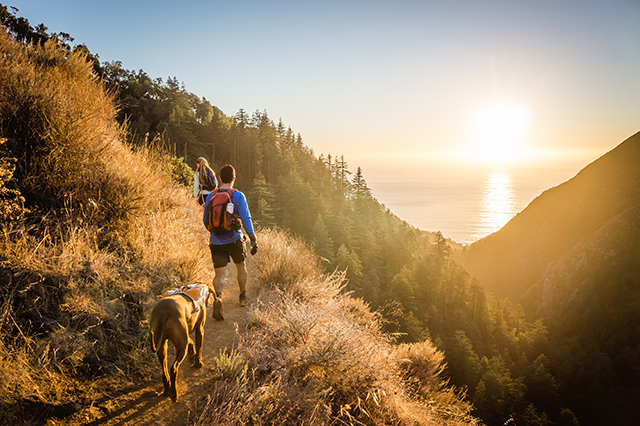
New Year, Nutrition

It’s finally a new year, and it’s time for you to choose a New Year’s resolution. You could set new goals at work, get better at personal hobbies or, perhaps most importantly, improve your personal well-being.

Whether you’re looking to shed a few pounds or just feel stronger and healthier, it’s a great time to establish good habits, like eating better. Here are a few tips to get you started on making and enjoying meals with nutrition in mind. 

Take Stock

What kinds of foods are you currently eating right now? Are you getting enough (or any) exercise? Go about your day as normal and write down the things you’re eating and doing. This will help you get an idea of where you’re starting from. If the number on the scale is what you’re worried about, this would be the time to weigh yourself and get your starting weight. The important thing at this stage, and the upcoming stages, is not to be too hard on yourself. Slow and steady wins the race, after all.

Call Your Doctor

You should always consult your doctor before starting a new diet or exercise regimen. If your diet causes you pain, exhaustion or discomfort, stop and talk to your doctor about what you’re experiencing. You have to be an advocate for your own body. It can be helpful to keep a journal during this time so that you can track how you’re feeling physically and emotionally.

Save More With the Active&Fit Direct™ Program!

Stay active with access to 2,500+ digital workout videos, 11,000+ fitness centers, unlimited one-on-one lifestyle coaching and more.

Learn More

Set Goals

One of the most important parts of eating healthy is to set realistic goals and transition slowly. Going from eating normally to a drastic crash diet will likely do more harm than good. If weight loss is your goal, take baby steps. Don’t plan to lose all of the weight in a week or a month – that’s unrealistic and likely dangerous. You’ll do better in the long term if you set a series of small goals for yourself. You can still have sweets and some of your favorite foods, as long as you do so in moderation. Write grocery lists and meals that you can prepare with healthy ingredients – like fresh fruit, vegetables and lean protein.

Meeting with a health or lifestyle coach, like those offered by the Active&Fit Direct™ program, can help you determine what your goals should be for your body. Learn more about lifestyle coaching. 

Cooking and Eating

Just because you’re eating healthy doesn’t mean you have to forgo taste! There are tons of healthy recipes online that are just as yummy as they are nutritious. If you’re not an experienced home chef, now is the time to learn! Cooking for yourself is a great way of ensuring that you’re eating exactly what you want to eat. When you choose the ingredients, you have control over the meal. People who cook at home consume less calories and more nutritious food groups than those who order out. It can also help you get into a routine of thinking more about what you’re putting into your body. Organic ingredients are not a must – but they can make your meal even yummier.

Staying Hydrated

Drinking water is always important. Switching to water instead of sugary sports drinks or sodas can go a long way when you’re trying to eat healthy. You don’t have to force water down your throat if you feel like you’ve had enough, though. And definitely don’t drink water instead of eating a meal. Drink water when you feel like you need to, and you’ll be just fine. Water isn’t for keeping your stomach full or avoiding food – water is for staying hydrated and healthy. Having a cool bottle of water on hand can help you drink more, since you always have it with you. It’s also important to drink water when you’re exercising.

Get Moving

Exercise is a great compliment to healthy eating. You’ll want to eat foods that can help power your body while you’re working out. Exercising also has many similar effects to healthy eating, such as increased energy, stamina and weight loss. The best way to exercise is to find something that you like to do. That way, it’s more of a hobby than a chore.

The Active&Fit Direct program offers digital workouts in categories like cardio, strength, dance, martial arts, mind/body, high intensity interval training and cycling. Try out a bunch of different exercise regimens and see which ones you like best. The best type of exercise is one you’re actually going to do. Try going on long walks, bike rides and runs around your neighborhood. And when gyms open back up again, the Active&Fit Direct program is partnered with over 11,000 fitness centers around the country. That’s a lot of different classes for you to choose from.

workout plan

Stick to It

So you’ve briefly fallen off the wagon and eaten a cheesecake. So what? The important thing is that you don’t give up. Healthy eating doesn’t mean that every single thing you eat has to be perfect. It means that you’re trying to take care of your body in the long term. Don’t beat yourself up about small things, when what really matters is the big picture. As long as most of the things you eat are healthy and nutritious, you can have a piece of birthday cake once in a while. 45 million Americans go on diets each year, but it’s unclear how many actually stick with them. Small changes over a longer period of time will be more meaningful than big changes that are quickly discarded or forgotten.

Be Good to Yourself

A lot of fad diets encourage beating yourself up, or feeling unsatisfied with your body. But that’s no way to live. You want to eat healthy for a long time, not just until swimsuit season. Try to frame this resolution as a way that you can pamper yourself – only the best for your body! You and your body have already been through so many things together. It deserves a good, home-cooked meal.

Find out how unlimited lifestyle coaching with the Active&Fit Direct program can help with diet, nutrition and more.

What are your favorite healthy foods? Let us know in the comments below! 

The Active&Fit Direct program is provided by American Specialty Health Fitness, Inc., a subsidiary of American Specialty Health Incorporated (ASH). Active&Fit Direct and the Active&Fit Direct logo(s) are trademarks of ASH and used with permission herein. Not all services may be available in all areas and the program may be changed (including monthly and enrollment fees and/or the introductory period) or discontinued at anytime.

Subscribe to Your AAA Newsletter

Sign up and receive updates for all of the latest articles on automotive, travel, money, lifestyle and so much more!

It Now Costs More Than Ever to Own a Car

It costs $279 more to own a car than it did just last year. According to new AAA research, the true annual costs of new vehicle ownership rose 5% in 2019 to $9,561. That’s the highest cost since AAA began tracking expenses in 1950.

COVID-19 has had several effects on the car-buying market. First, of course, is an overall drop in sales due to a number of economic factors. Then there is the issue of inventory, which is limited due to many car manufacturers halting vehicle production in order to switch to manufacturing ventilators and/or adjusting to consumer demand. As a result, dealerships are not offering as many price incentives as they normally would stimulate sales. In fact, the price of a new car has increased.

car costs

While many consumers focus on the sticker price, there are many other costs associated with new car ownership to consider. The new figures come from “Your Driving Costs,” which reviews nine categories of vehicles to determine the average annual operating and ownership costs of each. AAA focuses on top-selling, mid-priced models and compares them across six expense categories: fuel prices; maintenance/repair/tire costs; insurance rates; license/registration/taxes; depreciation; and finance charges. Of the six categories, only fuel price and financing dropped in cost from last year.

Depreciation, a measure of how quickly a car loses value, continues to be the biggest expense of owning a new car, especially as sticker prices continue to increase. On average, it accounts for 39% of the total costs for a new car. AAA’s Your Driving Costs found that in 2020, depreciation was up 12% over last year.

Other key findings in this year’s “Your Driving Costs” study include:

  • Pickup trucks had the highest overall driving costs while small sedans had the lowest
  • Medium SUVs had the highest maintenance and repair costs while electric vehicles had the lowest
  • By percentage, the category with the largest increase was license/registration/taxes. It rose 13% to a price of $851 per year.

To learn more, determine your own costs, and download the 2020 “Your Driving Cost” brochure, go to AAA.com/YourDrivingCosts.

For more information on the car-buying process, visit AAA.com/AutoBuying, a comprehensive resource that can help make the process more manageable.

Subscribe to Your AAA Newsletter

Sign up and receive updates for all of the latest articles on automotive, travel, money, lifestyle and so much more!

Tips for an Energy-Efficient Home

In an era ruled by technology and innovation, it’s easier than ever to live comfortably in your own energy-efficient home. Making a few simple changes will not only benefit your wallet, but can result in a positive cultural and ecological impact for years to come.

Sealing Your Home

Taking the time to insulate and properly seal the hidden air leaks in your home is an effective way to cut costs and create a healthier environment. To maximize home efficiency, seal all the gaps where air can leak in or out, including gaps around doors, windows, vents and more.

Door Sweep

Weatherproofing your home can save you up to 20% of your heating costs. Doors leading from the house to the garage are often not well-sealed. Installing a door sweep to seal the gap is one way to winterize your home that will help prevent air from coming in and out of your home. Stopping this air flow will keep heated indoor living spaces more comfortable and prevent an increase in your energy bills.

Attic Ventilation

Improve your home’s total comfort and energy effectiveness by sealing areas in your attic, one of the most prone spots for air leaks. According to Energy Star, best known for its symbol helping consumers easily identify energy-efficient products, “proper ventilation of the attic with natural air flow keeps the roof deck cool and dry, extending the life of roof shingles and preventing ice dams without using the energy needed to run an attic vent fan. Be sure attic soffit vents and gable vents are not blocked so air flows freely through them.”

Switch and Save!

New customers get $150 in FREE heating oil.

Get Offer

Check Ducts

Checking for holes in your ducts can significantly affect your heating and cooling systems. Look for holes, tears and other signs of leaking ducts and seal them using mastic or metal tape. In typical houses, about 20% of the air that moves through the duct system is lost due to leaks, holes and poorly connected ducts, according to Energy Star. Learn how to improve your home’s duct system.

Light Bulb Replacements

On simple upgrade for a more energy-efficient home is to replace light fixtures and traditional incandescent bulbs.  While compact fluorescent lights and LEDs are more expensive, their efficiency and longevity cost you less down the road.

Turn Off the Light

What’s easier than flipping a light switch? A 75-watt light bulb left on for a few hours a day can total roughly two percent of your monthly electricity bill. Get in the habit off always turning off the lights when leaving a room.

Outlets

Just like light switches, always remember to unplug any battery chargers or power adapters when not in use.

Tips for an Energy-Efficient Home

Decrease Water Usage

We often forget how big of a role water plays in our lives. The Environmental Protection Agency recently reported that the average American family uses 300 gallons of water each day. So what can you do? Do little things to cut costs like not letting water run when it is not necessary and scraping dishes instead of rinsing them before loading in the dishwasher. Wait until there is a full load before running your dishwasher and use the air-dry option if available. According to Petro’s energy savings tips, you can use nearly 5,000 more gallons of water a year if you hand wash your dishes. Let dishes air dry to save even more energy.

Home Office Efficiency 

While working from home saves time and money on commuting, it can increase home energy bills. Cut costs by utilizing the power save options built into your devices’ settings.

Air Conditioner Installation

In the market to invest in a new AC system? Keep an energy-efficient home by installing Energy Star-certified units. And just like windows, doors and skylights, have ductless and central air installed by a trained professional. When using your AC system, utilize programmable thermostats for better temperature control and energy conservation.

Replace Air Filters

Old air filters can restrict airflow and cause your home’s heating or cooling system to run longer and waste energy.

Home Heating Systems

Consider turning down the thermostat when you don’t need the heat. Adding insulation and sealing up air leaks will help preserve the heat in your home. Once the time comes to replace your heating system, look for high-efficiency equipment. While the energy-efficient equipment may cost more upfront, the long-term savings in energy and maintenance are worth the investment.

Install Energy-Efficient Windows

Drafty windows are dangerous for your energy bill. During the winter months, Energy Star recommends replacing your screens with storm windows to provide an extra barrier to the cold outside air. Caulk and weather-strip around windows and doors that leak air. With proper installation and sealing, your new windows can help improve your comfort, cut drafts and reduce fading of interior furnishings. And as the seasons change, also be sure to insulate window units with tight-fitting AC covers, which will prevent cold air from coming in and warm air from escaping.

By taking simple measures and adjusting your day-to-day behaviors and habits, you can significantly reduce energy consumption.

Take the first step to save energy and cut costs by calling Petro. AAA members who sign up as a new customer with Petro Home Services can receive special offers including $200 off any new heating or AC system. Learn more

How do you maintain a more energy-efficient home? Share your tips in the comments. 

Subscribe to Your AAA Newsletter

Sign up and receive updates for all of the latest articles on automotive, travel, money, lifestyle and so much more!

How to Entertain Outside in the Winter

After almost an entire year of social distancing, being stuck inside will feel especially boring and tiresome this winter. But just because it’s cold outside doesn’t mean you can’t grab a bit of sunshine and fresh air. Use any opportunity to bundle up, grab a thermos of hot cocoa or cider and get outside! You may even consider investing in an outdoor heating option.

From patio heaters and hot tubs to outdoor fireplaces and fire pits, you can enjoy outdoor living this winter with a little ingenuity. See how you can start entertaining outside thanks to the warmth of outdoor heating.

Have Fun in the Snow

Northeasterners know the look and feel of quality packing snow. Take advantage of sculptable precipitation to build a snow fort, a colony of snow people or make things interesting by holding a snowman building competition. Use old clothes, the classic carrot and buttons/coal or food coloring to give your snowperson plenty of personality.

When you start to feel chilly, serve up some hot cocoa and warm up near a patio heater or fire pit. When the snow sculpting fun is over, follow up with a snowball fight to really help yourself feel like a kid again.

Roast Marshmallows

It’s never the wrong time for a s’more. This iconic treat is normally synonymous with summer, but it also pairs well with a mug of hot chocolate. Build a bonfire or use a grill, outdoor fireplace or fire pit to stay warm while you toast marshmallows in the middle of winter. Drop a few roasted marshmallows into your hot cocoa to add some smoky flavor.

If wood-burning is not your style, a propane fire pit or fireplace is a safer, cleaner and smokeless option. Petro Home Services can help with all your propane needs.

Switch and Save!

New customers get $150 in FREE heating oil.

Get Offer

Going Bird/Animal Watching

Although some birds migrate south for the winter, there are still plenty of species that stick around through the chilly season. The lack of foliage in winter makes bird watching easier, so now is the perfect time to start.

Spotting cardinals is especially easy thanks to their bright red coloring, but setting out birdfeeders can help draw more birds to your lawn. To get the kids involved, have them make homemade birdfeeders. Depending on where you live and the time of year, you may be able to see other critters, like squirrels, chipmunks and deer, as well.

Taking Wintertime Photography

From icicles and frozen lakes to blanketed tress and falling snow, the Northeast is absolutely stunning during the winter. Make the most of this picturesque season by heading outside to take some photos.

After a fresh snowfall, see what natural beauty you can find in your own backyard. Whether you choose to use a smart device or a more traditional camera to take pictures, your fingers are sure to get cold after a while. Thaw your digits for a bit by stuffing your pockets with hand warmers or heading over to your outdoor fireplace or fire pit and get back to snapping pics in no time.

Enjoy a Winter Pool Party

Summer is probably the season that comes to mind when you think of swimming, but with propane-heated pools and hot tubs, you can extend the available months to swim and soak. Propane heaters are smaller compared to their electric counterparts, and they heat up water much more quickly.

There’s nothing like relaxing in a warm, bubbly hot tub while you watch some wintery snow fall. Feel like the king or queen of your snow-covered castle with an outdoor, heated bathing option and make spending time outside during the winter a truly comforting experience.

entertain outdoors in winter

Going Stargazing

The bare trees and clear night skies associated with the winter make the perfect conditions for stargazing, and there will be a variety of stellar activity to look out for this winter season.

When stargazing this year, stay warm with a patio heater or head out to the lawn, lay down a blanket and keep cozy with an outdoor fireplace or fire pit.

DIY Winter Festival

With outdoors being the safer alternative to indoor gatherings, propane patio heaters are a growing trend. So string up some lights, crank up the outdoor heaters and throw a DIY winter festival in your own backyard. Make a holiday playlist and prepare festive snacks and drinks.

For festival activities, you can play games, build gingerbread houses and make crafts. Invite a few local friends or family members to make your festival feel more authentic.

Whether you prefer spirited wintertime fun or more peaceful seasonal activities, you can stay cozy while spending time outside this winter season. From bundling up and sipping warm beverages to investing in outdoor heating, there’s no need to be stuck inside this winter season.

Petro Home Services offers a variety of outdoor heating services for propane patio heaters, hot tubs, outdoor fireplaces, fire pits and more. Best of all, they will schedule you for regular propane deliveries so that you never run out.

Will you be entertaining outside this winter season? Tell us in the comments below.  

Subscribe to Your AAA Newsletter

Sign up and receive updates for all of the latest articles on automotive, travel, money, lifestyle and so much more!

How to Choose the Best Snow Blower

More and more people are turning to a snow blower for their snow maintenance needs. Using a snow blower is fast, efficient and doesn’t require as much effort as shoveling, so it’s no wonder that this technology is being embraced by consumers. Whether you’ll be purchasing a new snow blower this winter, or you just want to take better care of your machine, this guide will give you a helpful overview.

The Benefits of an Electric Snow Blower

There are two main types of snow blowers: electric-powered and gas-powered. Electric snow blowers are meant for light snow removal. These are either plugged directly into an outlet with a cold weather extension cord or powered by a battery. These models are a lot lighter to carry than gas snow blowers, and are best for small properties where snow removal is minimal. Electric snow blowers are perfect for seniors and others who can’t carry larger models. They’re best for areas that don’t get a ton of snowfall, so if you plan on clearing out a foot of snow this winter, you might want to choose a different model.

The Benefits of a Gas Snow Blower

Single-Stage Gas Snow Blowers

Gas snow blowers are divided into three types: single-stage, dual-stage and three-stage. Single-stage blowers are ideal for moderate snow and can take care of most accumulations up to 8 inches. But make sure you don’t use a single-stage on gravel surfaces; since it touches the ground when throwing snow, it’ll shoot out bits of gravel on contact.

Dual-Stage Gas Snow Blowers

If you expect heavier snowfall or live on a large property, a dual-stage model is your best bet; these snow blowers are great for managing snowfall of a foot and higher. You can even use them to clear out ice and heavy, wet snow. If you have a large gravel or concrete driveway you need to clear, or live in area with high average snowfall, this kind of model is a great pick.

Invest in a more powerful model like this if you have a lot of hilly terrain to work with, as this is a lot tougher to manage than snow flat on the ground. And if you’re going to be making a lot of wide turns with your snow blower, you might want to look for a model with power steering.

There are three different stages of gas-powered snow blowers.
Three-Stage Gas Snow Blowers

Finally, three-stage snow blowers are meant for the heaviest snow accumulations. Chances are you won’t need to invest in a three-stage model unless you work in commercial snow removal, or if your area is prone to extremely heavy winter storms. With each stage, the models become a little more expensive, so choose the snow blower you think you’ll need. Many electric snow blowers will do the trick if you have a small yard, so do some research before purchasing your machine and read about the recommended uses for each model.

Changing the Oil in Your Snow Blower

If you decide to purchase a gas snow blower, you need to remember to change the oil every so often. Make sure to read the instruction manual to see how much oil is recommended for your model, and be sure to double check for any leaks. If you’d rather not worry about replacing the oil and want easier maintenance, consider an electric snow blower.

Essential Snow Blower Maintenance

Aside from replacing the oil, there are a number of parts on your snow blower that will wear down over time and need to be inspected. It’s essential to check your shear pins, which connect the gear case to the auger, to note if they’re missing or broken. You should have a few spare sets of these lying around, just in case they break mid-season. When installing new shear pins, make sure you’re using exact replacements or it could cause damage to the machine.

You’ll also want to inspect your scraper bars and skid shoes; these will wear down as the winter season goes on, so they will need to be replaced as needed to keep the machine functioning properly. The belts are another area you want to keep a close eye on. If you see heavy wear and tear on one of the belts, remove it and replace with a new part, being sure to maintain the same placement.

Storing Your Snow Blower

It’s important to make sure you store your snow blower properly. Because you’ll use it so often in the winter, you might consider leaving it outside. However, you may have trouble starting it if it’s constantly exposed to frigid temperatures. Your best bet is to leave it in your garage where it won’t be too exposed to the elements.

Learn about homeowners and condo insurance from AAA.

Got a great snow blower maintenance tip? Leave it in our comment section.

Subscribe to Your AAA Newsletter

Sign up and receive updates for all of the latest articles on automotive, travel, money, lifestyle and so much more!

Pro Holiday Photography Tips

The month of December is filled with decor, festivities, traditions and excitement, with ample photo opportunities throughout. Capture the beauty and cheer of the season with these holiday photography tips.

holiday photography

Traditions

The holidays are always rich with family traditions. Whether you are lighting menorah candles or hanging tinsel from the tree, make sure to document how your family celebrates.

Get Candid

I find that family traditions are best documented from a candid perspective. Don’t pose people, just sit back, observe and click away. Moments that evoke the sense of awe like opening presents, decorating the tree or visiting Santa are all great times to bring your camera out.

Raise Your ISO

If you are indoors make sure to have your ISO up high to avoid blurry photos. I would start at 1000 ISO and if you find you are still getting blur, bump it up even higher. Alternately you could use your flash to help with low light.

Go Wide

Use a wide-angle lens for any indoor shots. This will allow you to capture the whole scene. Choose a focal length anywhere between 14-24 mm.

Its All in the Details

Try out a macro lens or adapter to capture the little details that make up the bigger picture. If you don’t have a macro lens you can try using a zoom lens; just make sure you are standing far enough away for it to focus. Christmas tree ornaments, snowflakes and the needles of pine trees all have great detail when photographed close-up.

Get in the Frame

I can’t stress the importance of this enough, especially for holiday photography. Make sure that the whole family is present in your pictures. To achieve this, use the timer feature on your camera or a wireless remote. Many of the newer cameras have a built-in intervalometer. An intervalometer allows you to set your camera to take pictures on a cycle. For example, you can set it to take five pictures every five minutes until it gets to 50 shots. You can customize the time in between shots, how many shots at a time and the total number of shots. Check your camera manual to see if your camera has one.

Christmas Lights

Christmas lights are really fun to photograph and experiment with. Look for light displays around your home or neighborhood to photograph. I also like to search for local events or displays online. If you check the Facebook events near you, you’ll often find impressive home displays in your area.

Vary Your Aperture

Varying your aperture when photographing Christmas lights will yield completely different results. Look at the photo examples below to see the difference.

santa

In the first photo, I placed my subject in front of the lights and used a large aperture of f/1.8. You can see that the lights look like orbs in the background. The larger your aperture the larger the orbs will be. This is referred to as bokeh. In the second photo, I used a smaller aperture of f/18 and you can see that the lights now look more realistic.

Focus

For some artistic images of lights, try switching your lens focus to manual. Aim your camera at the lights and move the focus ring around; watch how changing the focus affects how the lights appear.

Twinkle Lights

To capture lights with a twinkle you are going to need a tripod. You are going to want it as dark as possible in your room, so turn off any ambient light. Put your ISO way down, like to 100, and choose an f/stop around f/14-f/22. You will also want a slow shutter; I recommend anything between four to 30 seconds.

holiday photography

Weather

While the weather outside may be frightful, the photos are so delightful!  For the best holiday photography, you have to get outside and capture the winter wonderland. Here are some tips for photographing snow.

Double Up

Not only should you double up on your clothing to stay warm, but also your batteries. Camera batteries drain quickly in cooler weather. Make sure your batteries are completely charged before heading out. Place your spare battery somewhere it will stay warm. I like to use the inside pockets of my jacket for this.

Photographing Snow

When it comes to photographing snow, fresh is best! Pure white snow photographs much better than dirty white snow. If you’d like to capture falling snow, I recommend a fast shutter speed to freeze the motion. Pick one above 1/200th of a second.

Top Holiday Photo Opportunities

  • Visiting Santa.
  • Lighting the menorah candles.
  • Decorating the tree.
  • Baking cookies.
  • Gingerbread houses.
  • Hot chocolate.
  • Unwrapping presents.
  • Christmas lights.
  • Sledding.
  • Snowball fights.
  • Cutting down the Christmas tree.
  • Building a snowman.

May your holiday season be warm and filled with joy! Happy snapping! 

Get more photography tips and check out past AAA Photo Sessions.

Tell us your holiday photography tips in the comments. 

Beth Mancuso is a professional photographer. All photos are hers. 

Subscribe to Your AAA Newsletter

Sign up and receive updates for all of the latest articles on automotive, travel, money, lifestyle and so much more!

13 Amazing New York Sunset and Sunrise Spots

Since the sun sets in the west, many people believe that views of the sun on the U.S. East Coast are nothing spectacular; but there are many places to go for an awe-inspiring New York sunset or sunrise.

Read through our of list of top New York sunset spots, then check the sun schedule, grab a camera and get out and discover some of nature’s most beautiful panoramic moments in New York State.

The Best New York Sunset Spots

Top of the Rock

A trip to the Top of the Rock is a must-see attraction to make your visit to New York City complete. According to the website, there is no other vantage point in the city that offers such inspiring, clear views as the ones you’ll find atop 30 Rockefeller Plaza. See all of the prominent buildings that make up the NYC skyline and an expansive view of the entire island right from Midtown Manhattan. Sunset tickets are available for an additional $10. Be sure to be there at sundown for a view of the city like you’ve never seen before. Show your AAA card to save $3 on admission

Brooklyn Bridge Park

Brooklyn Bridge Park is an 85-acre waterfront park extending 1.3 miles along Brooklyn’s East River shore. From here, visitors can witness a breathtaking view of the sun’s activity over the magnificent Brooklyn Bridge. Make your way through the Brooklyn Heights Promenade early in the morning to catch the sunrise, or spend the day with your family at one of the park’s many piers, which offer a wide variety of recreational activities.

new york sunset

Coney Island

Coney Island is one of New York’s oldest and most popular family attractions. Whether you decide to arrive as the sun rises or stay in the area late enough to watch the sun set, the amusement park’s features like the enormous Wonder Wheel, provide a picturesque view for all park goers to enjoy. Sit on the beach or a bench on the boardwalk to take in the timeless Coney Island version of the perfect New York sunset or sunrise. While you are there, visit the New York Aquarium and save up to 25% on tickets

Fire Island

New York’s Fire Island is a 32-mile-long sandbar that sits 13 miles off the coast of Long Island. As far as a New York sunset goes, this one might take the cake. Not only did CBS News Travel Editor Peter Greenberg list it as one of the best for Forbes magazine, it is also a prime spot to watch awe-inspiring beach sunsets and sunrises. People travel to the only-accessible-by-ferry island for a laid-back getaway, just miles away from the city. As Greenberg put it, Fire Island is the Hamptons without the attitude.

new york sunset

Staten Island Ferry

The Staten Island Ferry will whisk you away into the New York City sunset as its background; even during rush hour, it’s hard not to be captivated by the view. For this movie-perfect experience, ride the ferry just minutes before the allotted sunset and sunrise time and enjoy the view of Manhattan’s skyscrapers and other famous landmarks as you travel along the Upper and Lower New York Bay. Take a ride on the Staten Island Ferry and join the 20 million people that enjoy the free service each year.

Battery Park

When discussing New York City sunsets, Battery Park is bound to be mentioned for the beautiful scenery its location affords. With so many options for park-goers to sit and enjoy the waterfront view, Battery Park is a go-to destination to observe a sunset in New York. The benches located right near the water are perfect spots to watch the sky change color by the famous Statue of Liberty and New York Harbor.

Long Beach Boardwalk

When Senator William H. Reynolds first built the 3.5-mile Long Beach Boardwalk, he envisioned the start of a booming resort community. Over a century and a Great Depression later, Long Beach has transformed into a thriving and relaxing residential beach community. Witness the sun hide behind the Atlantic Ocean at night, and rise above the horizon at dawn. For a similar experience, visit the Jones Beach Boardwalk.

Sunken Meadow Park

Long Island’s Sunken Meadow Park is widely known as a popular picnic park that welcomes millions of families a year and helps them share in some outdoor fun. Offering one of the most dazzling views of the Long Island Sound with Connecticut in the distance, the park’s landscape adds to the stunning sunrises and sunsets seen there. Three miles of beach meets a man-made dam that separates the park’s creek from the tidal flats. Visit the park for an all-day trip and stay to welcome in the evening as the sun sets behind the water.

The Adirondack Mountains

For a trip a bit farther from the city, pack up your car and head to the Adirondack Mountains of upstate New York to watch the sun rise over the lakes. The serenity and beauty of the mist floating above the water of the Adirondack’s many lakes makes for an unforgettable experience. The 8-hour drive will be worthwhile once you see the majestic mountains set against a backdrop of bright orange. Take some time off for a relaxing weekend journey to nature, sit back and just enjoy the scenery.

Ontario Beach Park

The peaceful Ontario Beach Park is found on the shore of Lake Ontario near the Irondequoit border, in the northernmost section of Rochester. The park is 39-acres long and attracts thousands of people with its picturesque beaches and countless activities. In the summer, they offer picnic areas, as well as free outdoor concerts and movies. There are plenty of places to stay the night, just be sure to wake up in time to walk over to the boardwalk to witness the sun just rising over the waters of Lake Ontario.

new york sunset
Montauk Point Lighthouse

Montauk Point Lighthouse

The Montauk Point Lighthouse is the oldest lighthouse in New York State. The National Historic Landmark has been a part of Long Island’s land and seascape for over 200 years. It still provides an active aid to navigation for ships and boats passing through the area, making it one of the oldest operating lighthouses in the country. The lighthouse is located at the easternmost tip of the island, and climbing to the top will provide you with an open view of the remarkable sunsets and sunrises that take place behind and around the Atlantic Ocean.

Hamilton Park

With a stunning view of the Manhattan skyline from across the Hudson River, Hamilton Park in Weehawken, N.J., is the best location to watch the sun rise or set just outside of New York. There are benches, greenery and a beautiful lawn available for visitors for unwinding. For history buffs, the park is named after Alexander Hamilton who was shot and killed there on July 11, 1804 after losing a duel to Aaron Burr. The park features a statue of Hamilton, a large gazebo, basketball court, children’s playground, and tennis court.

Cape Vincent

The Town of Cape Vincent, N.Y. is the only town in the United States where you can enjoy both the St. Lawrence River and Lake Ontario at the same time. Visit Tibbett’s Point Lighthouse to view one of the most beautiful sunsets in New York State. If you are lucky enough you might be able to gaze at a ship using the St. Lawrence Seaway. While you’re there, enjoy the beautiful parks for recreation, fishing, picnics and relaxation. Cape Vincent is like taking a step back in time, and taking in the relaxing views will offer you the peace and tranquility we all search for during a vacation.

Subscribe to Your AAA Newsletter

Sign up and receive updates for all of the latest articles on automotive, travel, money, lifestyle and so much more!

The Pros and Cons of Payment Apps

Like nearly every other aspect of our lives these days, the act of payment has gone digital. Payment apps have risen in popularity over the years and are now a main source of financial transactions.

The advantage of using payment apps is obvious: they offer a quick, easy and convenient way to send money without having to worry about carrying a credit card, stopping by the ATM or, dare we say, write a check. In addition, many of these apps have evolved to include other financial features including credit lines, debit cards and even stock market investments.

Of course, nothing is perfect, and there are certain pitfalls to be wary of. To get a better sense of the pros and cons, here’s a rundown of the top payment apps’ notable advantages and drawbacks.

PayPal

Founded in 1998, PayPal was one of the original payment services to be widely adopted. As such, the app has expanded to reach 325 million users across 200 markets around the world.

Today, in addition to its user-to-user money feature, PayPal offers a host of other financial services. Most notable is the ability for users to purchase products online through their PayPal accounts. The company also offers individual lines of credit.

It’s not all positive, however. PayPal charges a fee to send money unless you’re using a linked bank account or the funds in your app account. Another downside is that it can take up to three to five days to transfer funds from PayPal to your bank. If you want it moved immediately, it’ll cost you 1% of the amount being transferred.

Venmo

Venmo is an app that allows users to send and receive money through bank accounts, credit cards or Venmo account balances. It is owned by PayPal and very similar to it, but has some notable differences. One such feature is that it offers a free debit card, funded by the user’s Venmo account.

Arguably the best thing about Venmo is its popularity. It has about 40 million users, so odds are that whenever you need to send or request money from someone, it can be done quickly and easier through the shared app.

On the flipside, Venmo’s main drawback is its fee. The payment app charges a 3% fee for all credit card transfers and a 1% fee to get money to your bank account instantly.

Zelle

Zelle is a money transfer service offered by most major banks. All you need to sign up is an email address and/or cell phone number (and a bank account). You can set up your account through the app or your bank.

Because the money is transferred directly into your bank account, and not a third party service, you’ll usually have access to the funds within minutes and not days. This is a significant advantage of using Zelle.

That said, you can only fund payments with this app through your bank account. You cannot connect a credit card, so you’ll need to always have enough money in your bank account.

apple pay

Apple Pay

Apple Pay is a payment service rolled out by the tech giant a few years ago. It allows users to send and receive money through Apple’s Messages app, almost like you would send a text message. The app is compatible with the latest versions of the iPhone, iPad, Apple Watch and Mac computer.

Not only can you send money virtually, you can use Apple Pay at many retailers. As long as you have your device, you can just hold it near the reader for a cashless – and contactless – transaction. According to Apple, 74 of the top 100 merchants in the United States accept this form of payment, including CVS, Target, Best Buy and 7-Eleven.

The obvious drawback to this app is the need for an Apple device. If you, or the person you’re sending or receiving money from, doesn’t own one of the previously mentioned gadgets, Apple Pay is not an option.

Google Pay

Google Pay is the company’s equivalent to Apple Pay. Unlike its rival’s app, however, Google Pay is compatible with both Android and Apple devices.

Other than that, the two services are very similar. Google Pay allows users to transfer money to each other, and you can also use it for payment at participating retailers.

The app has many of the same drawbacks as its competitors, namely its fees. You’ll be charged a 3% fee to send money via credit card and a 1.5% fee for an instant cash out deposit.

Cash App

Cash App is part money transfer app, part bank account. Not only can users send and receive money, the service allows them to get paychecks and tax returns deposited directly into their accounts.

A unique feature of this payment app is the ability to invest account funds in the stock market. Users can invest as little as $1 in individual stocks, giving them the potential to earn money. Cash App also offers its users a free debit card, which can be used to spend their account balances at different retailers.

Subscribe to Your AAA Newsletter

Sign up and receive updates for all of the latest articles on automotive, travel, money, lifestyle and so much more!

Top Outdoor Adventures in Florida

Florida is a popular destination for Northeasterners. Whether you are a snowbird seeking warmth in the midst of winter or are looking forward to planning your next summer vacation, Florida offers a variety of activities for all ages.

Snorkeling and Scuba Diving

You can’t visit Florida without making a splash in the water. Snorkeling and scuba diving are perfect ways to take advantage of the beautiful fresh and saltwater bodies.

Dive with animals like sea turtles around West Palm Beach, manatees in Crystal River and freshwater fish at natural Florida springs like Ginnie Springs. Try snorkeling at Dry Tortugas National Park, which is home to tropical fish, starfish, queen conchs and more.

Explore amazing underwater wonderlands like historic wrecks at PensacolaDestin and Panama City, geological caves like Devil’s Den and Blue Grotto, and reefs around MiamiFort Lauderdale and Looe Key. Or, find your own souvenirs while snorkeling around Venice Beach, which is also known as the “Shark Tooth Capital of the World.”

Endless Sunshine. Infinite Possibilities.

Discover Florida’s 320 freshwater springs, infinite mangrove tunnels or hidden caverns. Let your adventure begin.

Explore More

Camping

On a beach by the sea, at a natural spring or under the canopy of a lush forest, relax at one of the campgrounds and RV parks while visiting Florida.

Limited camping is available at several of Florida’s State and National Parks, including Fort Clinch State Park, Ocala National Forest and Bahia Honda State Park. Disney’s Fort Wilderness Resort in Orlando also offers unique camping opportunities, including fun outdoor activities like kayaking, biking and hiking.

visit florida

Horseback Riding

Feel closer to nature while igniting your sense of adventure by going horseback riding on the beach or a special nature trail.

Whether it’s trotting across the award-winning Cape San Blas, laid-back Amelia Island or going on a Fort Pierce beach tour on horseback, there’s plenty of outdoor activities featuring these majestic animals. In Bradenton, there’s “horse-surfing,” where visitors can ride on the beach before going into the water with the horses.

Away from the ocean, there are also horseback riding trails – like at McCulley Farms in Jasper – where riders can enjoy more scenic views.

Fishing and Boating

Being a peninsula, Florida boasts access to both freshwater bodies and the ocean – and great fresh and saltwater boating and fishing by proxy.

Head out on the open sea or settle on a pier, and you’ll have an opportunity to catch fish. From red snapper, grouper and mackerel to spotted sea trout and largemouth bass, there are many fish species to be found within just 100 miles of Tampa Bay. Anyone over 16 years old will need to purchase a Florida fishing license in order to partake.

There’s also boating and sailing options, including sailing clubs and schools, houseboating, sunset cruises, boat charters, marinas and sail ports.

visit florida

Ziplining

For views of nature with a thrill, soar over Ocala Canyons by zipline. In Kissimmee, kids can zip across the treetops. At Forever Florida in St. Cloud, there’s the new “The Rattlesnake” EcoSafari – a zipline rollercoaster that’s sure to get your adrenaline pumping.

Nature Photography

Florida’s wide array of plant and animal species make it the perfect location for nature photography. Recognized as a World Heritage Site, International Biosphere Reserve and Wetland of International Importance, Florida’s Everglades are especially photogenic.

Find plenty of plants at Corkscrew Swamp Sanctuary, along with the largest stand of old-growth cypress trees on the planet. Visit Fakahatchee Strand Preserve State Park and keep an eye out for an elusive Florida panther or black bear. On the other hand, you’re bound to see alligators at Big Cypress National Preserve.

Check out these tips on Taking Amazing National Park Photos.

Surfing

You may not think of surfing when it comes to the east coast, but Florida lays claim to a list of choice surfing spots.

Located south of Cocoa Beach, you’ll find the east coast’s own surf city. There’s also New Smyrna Inlet, which is referred to as “the wave magnet.” On Florida’s northwest Gulf coast, you’ll find surfers riding the waves at Perdido KeyPensacola, Fort Walton Beach and Panama City Beach.

visit florida

Golfing

Golfing is a great activity for improving both physical and mental health. This leisure sport gets you outside, in the sun and fresh air, all while keeping you moving.

“The Sunshine State has more golf courses per capita than any other place in the United States,” according to Visit Florida.

Watersports  

Watersports like canoeing, kayaking and paddle boarding are a must-try when visiting Florida.

From the gentle waters of Destin Harbor to the jetties of New Smyrna, there’s a stand up paddle boarding adventure for every experience level. See how many animals you can spot while paddling, like dolphins at Naples Beach, sea turtles and sharks at Blowing Rocks Preserve and crabs, sea stars and tropical fish around Stock Island.

If you prefer kayaking, there area number of creeks and hidden bays to explore in Southwest Florida. For a truly memorable and magical experience, try a nighttime bioluminescent kayaking tour on Florida’s east coast, including the Indian River and Mosquito Lagoon, where the water glows thanks to tiny bioluminescent plankton.

What is your favorite thing to do in Florida? Tell us in the comments. 

Subscribe to Your AAA Newsletter

Sign up and receive updates for all of the latest articles on automotive, travel, money, lifestyle and so much more!

AAA Photo Session: Pets

Pet parents love their furry companions and have the camera rolls to prove it. Whether it’s a fish, puppy, horse or hedgehog, if you’ve got a pet, you likely take a lot of photos of them.

Playing with their favorite toy? Photo. Sleeping belly-up on the couch? Photo. New haircut? Photo. Everything is a photo op when your subject is so darn cute!

We know you love to show off your pets and we are happy to oblige. Submit your best pet photo below and share it with the AAA Northeast community.

Reward your dog for letting you take a million pictures with a BarkBox subscription. Join now and they’ll get a free extra toy in every box!

How to Photograph Pets

Pets are not always the easiest to photograph. Despite their model-worthy looks, most haven’t got the whole posing thing down – not without the persuasion of a few treats, at least.

Local photographer Kayla Mandeville shares a few pro tips and tricks to help you snap frame-worthy photos of your best friend.

“Pet photography is a combination of animal, portrait and maybe even a little sports photography, and requires a lot of patience,” she said. “But you don’t have to be a professional to capture memorable photos of your pet.”

pet photo
Loretta Lynn (Kayla Mandeville)

Natural Light

“Using natural light is more aesthetically pleasing and will improve the final image. So, try shooting your pet outdoors or in a well-lit indoor space. When photographing pets, it’s important to avoid using a flash for two reasons. 1) A flash might startle your pet and cause it to be stressed out during the shoot. 2) It could potentially cause red eye, which is not always an easy fix in post-processing.”

Get on Their Level

“Whether that means sitting or lying down on the ground, shooting your pet at their level is a great way to capture more natural and candid shots. Trying different angles provides the opportunity for you to get unique perspectives and close-ups.”

Focus on Your Pet’s Eyes

“In any type of photography, you want to make sure that the eyes are in focus and sharp, as they are an important element in the shot. It is said that ‘eyes are the windows to the soul,’ and in pet photography that also rings true. Capturing their expressions will give more depth to your shot.”

pet photo
Willie Englebert (Kayla Mandeville)

Show off Their Character

“If you want to take your pet photos to the next level, capture your pet in their element! Posed shots are always beautiful, but it’s also great to photograph your pet’s personality. For example, if your pet is hyperactive, try shooting them in action! (Be mindful of your shutter speed.) If you have a pet that’s more on the lazy side, maybe get a picture of them yawning. Our pets are full of quirks and behaviors that make us love them, so capture that!”

The most important tip is to have fun with your pet! If they’re having fun, they’ll be relaxed and more likely to cooperate. That will be reflected in your shots.

Thank You for Participating!

Prepare for cuteness overload!

We received so many adorable photos of your pets. Take a look at all of the submissions in the slideshow and don’t forget to check our social media channels, where will feature some of our favorites.

Check out past AAA Photo Sessions and stay tuned for the next one, coming soon.

Subscribe to Your AAA Newsletter

Sign up and receive updates for all of the latest articles on automotive, travel, money, lifestyle and so much more!

The Anatomy of Auto Glass

When it comes to auto glass, windshields tend to get all the attention. But there are several other types of glass around the vehicle, providing protection, a clear line of sight, a refreshing breeze and, of course, sunlight.

Vehicle windows are also made with different processes and materials depending on where they are located on the car, all of which is done to ensure they are as strong and safe as possible.

Let’s take a look at all the auto glass on a car, as well as what it’s made from and how it’s produced.

Different Types of Auto Windows

The Windshield is the front window of a vehicle, and it does much more than just protect the driver and passenger from weather conditions and debris. This glass panel is integral in ensuring the proper deployment of the airbag and in maintaining the structural integrity of the vehicle. This is why it is critical to repair a broken or chipped windshield right away. It’s not just you’re line of sight that’s comprised. Modern windshields are also commonly integrated with advanced technology, such as rain sensors and head-up displays.

Side windows are glass panes located in the vehicle doors. They retract into the door panel when opened.

Vent windows are the auto glass located directly next to side glass windows. In older model cars that did not have air conditioning, these windows could be opened to keep the cabin at a comfortable temperature. Nowadays, they are used to improve the car’s aesthetic and allow side windows to roll down farther.

Safelite AutoGlass® Has You Covered

Members save 10%* on auto glass replacement or windshield repair with code AAA10NE at checkout on safelite.com.

Book Now

Quarter glass is the last window on the side of a car, behind the side window and above the rear wheel. These windows can be stationary, vented or retractable. They provide drivers with a clearer view of their surroundings.

Rear Windshields are on the back of the vehicle. They, too, help secure the car’s structure. Modern rear windshields are equipped with thermal strips that run a small current of electricity to heat the glass and keep it clean and clear.

Sunroofs are a popular feature on many vehicles. These glass panels are incorporated in the car’s roof, allowing sunlight and fresh air to enter the cabin. Sunroofs can generally be tilted open on a hinge or retracted backward above the roof or into the roof liner.

Different Types of Auto Glass

There are two types of glass used in automobile manufacturing: tempered and laminated. The latter is used to make the windshield, while the former is used to produce all the remaining windows of the vehicle.

Tempered glass undergoes chemical and thermal treatment. This helps strengthen the glass, making it much more difficult to break. The second benefit of this type of glass comes into play if it does break. When this happens, tempered glass breaks into many small pieces as opposed to large shards that could injure a passenger or driver.

windshield damage

Laminated glass actually consists of two glass panels, with a plastic layer in between. This plastic layer is designed to keep the windshield together even if it breaks or cracks. If you’ve ever seen a broken windshield, you’ll notice a spider web type pattern growing out from the point of impact with the rest of the windshield maintaining its general shape. When laminated glass is struck with enough force and breaks, the plastic layer works to keep the broken pieces of glass together. This helps keep the vehicle’s structure intact and prevents dangerous pieces of glass from hitting those inside the cabin.

How Are Windshields Made?

To make a windshield, two sheets of glass are pressed together. Between them is a layer of polyvinyl butryal, a plastic-like substance. Then pressure and heat are applied to bond the three components together. The windshield is then cut to size and curved in order to fit into the frame of the car. A water and airtight sealant is applied around the frame to bond the windshield into the car.

More than just windows to look out of, the glass that surrounds us in our cars is designed to keep us as safe as possible.

Get more car safety tips. 

AAA members can save 10% on Safelite AutoGlass replacement or repair. 

Subscribe to Your AAA Newsletter

Sign up and receive updates for all of the latest articles on automotive, travel, money, lifestyle and so much more!

8 Budgeting Tips for New Homeowners

Congratulations! You’ve joined the ranks of adults who have opted into homeownership. There’s no doubt that the process can be scary and overwhelming, but the end result is so worth it.

Although you’ve just traded paying rent for creating an asset by paying a mortgage, becoming a new homeowner is fraught with many unexpected costs. It’s not just about the final total due at closing. Inevitably, you’ll be making trips to your local home improvement store, the local department stores and furniture stores to make your house a home.

With all these impending charges, you may be wondering: How do I afford all of this? It helps to come in with an understanding of where you can save money during the process.

Get a Hardware Store Credit Card

Even if you don’t have any major home improvements planned for the first few months in your new house, you will likely still need to make a few runs to the hardware store in the first days and weeks.

At minimum, you’ll want to change your locks. You might also want to add a fresh coat of paint before moving in. It’s also possible that the old homeowners may have taken an essential appliance that you’ll need to replace. The list goes on (and seemingly, never ends).

You can’t plan for everything, but you absolutely can build a solid foundation for all the spending you’re about to do by proactively signing up for a hardware store credit card at one of the big chains, which offer special financing for large purchases. Some even offer a discount.

And while we’re talking about the big chains, it’s worth noting that you don’t need brand name tools for every project. Buy discount products, especially for single-use items such as painting commodities (tarps, trays, etc.)

Use Your Network to Knock Out Projects

No one wants to be on the receiving end of those “Can you help me move?” texts but there’s something to say about helping others – and benefiting from that good karma.

Before you hire an expensive contractor or moving service, consider who in your network may be able to help you with certain tasks. You can gauge people’s interest in helping by talking about your home improvement plans and seeing who speaks up about their enjoyment of certain tasks (like painting or demolishing walls). You might be surprised by who volunteers to help without being prompted.

But even if no one volunteers, it doesn’t hurt to ask. Just make sure to provide some pizza and beer (or whatever they enjoy) as thanks while they’re helping with a task. Don’t forget to proactively offer a helping hand when they have a project that you can contribute to.

It’s worth noting that there is a vast price difference between hiring a moving service versus renting a truck and doing it yourself (if you’re moving locally). This is a no-brainer way to budget as a new homeowner if you can handle the heavy lifting.

Even if you can’t do it all on your own or you can’t convince friends to help, you could hire help from an app like TaskRabbit (or through your truck rental company) and keep costs low.

Borrow Tools You’ll Only Use Once

Another way your network can be a great resource? Sharing tools. If there’s something you know you’re going to need for one project but probably won’t use again, see if a friend can lend you one to borrow.

No matter if you are buying or borrowing your tools, it’s important to treat and store them with care. For example, if you’re buying a lot of painting supplies, make them last by taking the time to rinse off paint immediately after a painting session.

Seek Out DIY Learning Resources

Another way to curb the costs around hiring professional help is to take a DIY approach to as many projects as possible.

While there are certain tasks like plumping and electrical fixes that are best left to the professionals, seeking answers on Youtube or Google can help you troubleshoot quick fixes on your own. If you’re not sure whether a video is trustworthy, send it to a handy friend to double check and see how other users responded in the comments section.

Establish a Mail Forwarding Address

You were probably already planning to do this already through the United States Postal Service. But here’s why you should do it ASAP – discounts!

Big retailers like Amazon are quick to offer discounts to new homeowners as part of the official mail forwarding process. If you were already planning on buying new things for your house, you might as well cut down your costs by taking advantage of these deals.

AAA members can also take advantage of exclusive discounts.

budget new homeowner

Shop Around Before Making a Big Purchase

One of the biggest purchases you may initially make as a new homeowner will probably be some type of appliance. Since appliances can represent an investment of several hundred or thousand dollars, it’s imperative to do some research before buying something.

Shop Craigslist, Facebook Marketplace and Habitat for Humanity ReStores if you don’t want to be on the hook for the full retail price, but make sure that if you choose to buy something used that you know how to determine if the appliance is in good working order.

If you don’t have this expertise or don’t want to bother with used appliances, you still have options. Try shopping during major sales holidays like Memorial Day or Black Friday.

Buy Staples in Bulk

If you’ve wanted a Costco membership since your apartment rentals days, there’s good news. As a new homeowner, you finally have the room to store in bulk.

So, go ahead and buy that mega package of toilet paper, cleaning supplies and granola bars. You’ll save money in the long-term that you can reinvest in your many house projects.

Bonus tip: While you’re shopping at a big box store (or even your local grocer), ask if they have boxes that they’d otherwise throw away. It’s the perfect opportunity to inherit moving boxes that you don’t have to pay for. Or, if you have friends who recently moved near you, tell them that you’d love their boxes if they were just going to toss them.

Declutter Before Moving and Sell Your Old Stuff

Before you start packing, consider if you really want to bring everything to your new house. Over time, you’ve probably collected a bunch of things that you don’t really want, including duplicates of essential items that you may never end up using.

Take this opportunity to declutter your possessions. Doing this before you move means that you’ll have less to pack. If you have items that other people want, sell them to make some money for your upcoming home projects. Make that money go even further with a AAA and Discover CD account that earns interest.

Buying your first home will be a wild ride and it will seem like you’re bleeding money everywhere. Though you can’t plan for every curveball, you can proactively find ways to minimize your spending as a new homeowner by following this advice.

How did you cut costs and stay on budget when buying your first house? Let us know in the comments.

Subscribe to Your AAA Newsletter

Sign up and receive updates for all of the latest articles on automotive, travel, money, lifestyle and so much more!

Choosing Eyeglass Lens Options and Treatments

Not only can you choose a pair of glasses to match your personality or style, you can customize your eyeglasses to suit your lifestyle. Whether you spend hours in front of a computer screen for work or do a lot of night driving, there are lens options and treatments that can make your life easier and help preserve your eye health over time.

Making sure your glasses are functioning to the best of their ability is vital. From scratch-resistant and UV-blocking coatings to anti-glare, anti-fog and blue light filtering treatments, use this guide to discover which type of lens upgrade is right for you.

New Exclusive Offer at LensCrafters®*

Show your AAA card and save 50% off lenses with a complete pair purchase.

*Shop Now

Types of Eyeglass Lenses Through Time 

Thanks to technological advances, the lenses of modern eyewear are made from a variety of materials, each offering their own pro and cons.

Glass Lenses

The lenses of the first eyeglasses were made of glass. Although they were clear, fairly scratch-resistant and easy to see through, glass lenses were quite heavy and chipped and broke too easily. Today, glass lenses are hard to find. They also offer no protection from the sun’s ultraviolet rays.

Plastic Lenses

Plastic lenses were invented back in the 1960s, and they are still used today. Made of a plastic polymer, plastic lenses are lighter and typically less expensive compared to other lenses; however, they can scratch easily and offer no UV protection.

Polycarbonate Lenses

Polycarbonate lenses were originally made for safety glasses back in the 1980s. These glasses are even lighter, more impact-resistant and less breakable than plastic lenses, making them a popular choice for kids and sports eyewear. Due to their durability, polycarbonate lenses can be expensive. This kind of lens can also cause distortions in the peripheral vision of some wearers.

High-Index Plastic Lenses

High-index plastic lenses are some of the thinnest lenses of modern eyewear. This type of lens is powerful, lightweight and great for stronger prescriptions – meaning the days of “soda bottle lenses” are over. Because high-index plastic lenses have a higher “index of refraction,” they tend to have more lens reflection and wearers can experience more glare.

lc

Kinds of Eyeglass Lens Coatings and Treatments

Once you choose which material you would like your eyeglass lenses to be made of, you can protect your glasses – and your eyes – with different kinds of lens coatings.

Anti-Scratch Coating

No glasses are completely scratchproof, but some lenses are more prone to scratches than others. Scratch-resistant coatings – also referred to as scratch coats or hard coats – will help protect your lenses. Although they are the most impact-resistant, polycarbonate lenses are also the softest and would greatly benefit from this kind of treatment.

Anti-UV Treatment

Opting for a UV-blocking lens treatment can help protect and preserve your eye health. UV rays are harmful to eyes, and longtime exposure is associated with eye problems like cataracts, eye cancer and macular degeneration, according to the American Academy of Ophthalmology.

Although they are not a full replacement for sunglasses, wearing glasses with UV reducing lenses whenever you are outside can help protect your eyes from the sun.

Both polycarbonate and a majority of high-index plastic lenses are built with protection from UV rays. So, consider a UV-blocking treatment for glass, plastic and some high-index plastic lenses.

Anti-Glare Coating

Light reflections in lenses can reduce contrast and clarity, making it difficult to see. This can be especially troubling while driving at night. Anti-glare or anti-reflective coatings help reduce glare and sharpen vision.

An anti-glare coating is great for all kind of lenses, but this is especially helpful for high-index plastic lenses, which tend to be more reflective than others.

Blue Light Coating

While blue light does occur naturally, it is also emitted from the screens of our devices. Blue light has a shorter wavelength and higher energy, causing more strain on our eyes.

“More than half of U.S. adults – 60% – spend a minimum of six hours a day, every day on phones, tablets and computers,” according to LensCrafters. “So it’s important to practice good habits to keep your eyes safe from blue light.”

Blue light filtering lenses are great for all kinds of glasses, including prescription and non-prescription varieties.

Photochromic Treatment

Commonly known as transition lenses, photochromic lenses darken when exposed to sunlight and lighten in more shaded environments, offering some UV protection. This kind of lens treatment can be applied to a variety of eyeglass lens materials. When it comes to cons, photochromic lenses can be expensive and take some time to lighten after sunlight exposure.

Anti-Fog

Eyeglass lenses can fog when you move from a warm environment to a colder one, and vice versa. Mask wearing guidelines brought on by the COVID-19 pandemic have also led to more instances of foggy lenses, due to the condensation of one’s breath.

Foggy glasses are not just annoying; the inability to see can also be dangerous. An anti-fog coating can help keep your lenses clear.

LensCrafters created an anti-fog spray to address this issue, which is available in-store now.

Scratch-resistant, UV-blocking, anti-reflective, anti-fog and blue light reducing eyeglass lenses can help you see better and help preserve your overall eye health. Talk to your eye doctor about different lens coating and treatment options to figure out which would work best for you.

Learn more about lens options from LensCrafters. 

AAA members can get 50% off lenses with a frame purchase from LensCrafters, plus more exclusive savings on exams, frames and more.

Subscribe to Your AAA Newsletter

Sign up and receive updates for all of the latest articles on automotive, travel, money, lifestyle and so much more!

Snowbirds’ Guide to Flying Away for Winter

Note: Due to the ever-changing nature of the COVID-19 crisis, please see official websites before visiting specific states and destinations to check for restrictions or closures.

If you’re one of the many snowbirds that head south for the winter, you already decided you’ve had enough of the brutally cold Northeast winters and may be planning to head somewhere warmer full-time in your retirement.

But whether you already are a snowbird or would like to become one, you may have a few questions before you take flight. How do you prepare for the journey each year? And if you haven’t already decided on a destination, where should you go?

From checklists for preparing to leave and return to our top picks for warm weather retirement destinations, this guide may help.

Checklists for Snowbirds

Preparing

  • Schedule a check-up with your primary doctor prior to leaving.
  • Make sure your prescriptions will also be accessible in your winter home.
  • Alert your bank and your insurance company about your relocation.
  • Sign up for online banking to track finances and pay bills easily.
  • Check with your provider about pausing or paying reduced rates for cable and internet services .
  • Make sure you pack for the weather! Your destination might be warm or even hot during the day, but it might be cool at night and early morning.
  • Bring all valuable documents such as passport, driver’s license and medical, insurance and tax documents.

RV Tips

  • Have your tow vehicle and RV inspected prior to your trip.
  • Add tank cleaner to RV’s waste tanks.
  • In addition to the trip essentials like clothing and toiletries, be sure to pack:

Car Insurance

Be sure to check car registration and insurance requirements in your winter home, as they vary from state to state. A AAA insurance agent can help you with any questions you may have.

Health Insurance

Make sure you have consistent health coverage wherever you go. If you have a Medigap supplement or are enrolled in a lower-cost Medicare Advantage plan, be sure to check the specifics, as these vary by region. If you’re traveling outside the country, be sure to look into the country’s health insurance requirements.

Home Care Tips for Snowbirds – Before you Leave

Plumbing

  • Turn off your water supply so that the pipes don’t leak or burst.
  • Contact a professional about turning off the water supply for older heating systems.
  • Drain water from pipes so that they don’t freeze.
  • Drain and shut off all water faucets.

Maintenance

  • Unplug all appliances, such as toasters and lamps.
  • Empty your fridge and unplug it.
  • Remove dead trees or limbs.
  • Have roof and gutters inspected.
  • Clean your home so you don’t attract pests.

Protect Your Home 

  • Make sure your alarms have been activated and are working.
  • Store valuables in a secure location.
  • Lock external doors and windows with locks, hinges or frames that can’t be broken apart.
  • Don’t post vacation plans to social media.
  • Check out these security tips for when you are away.

Make Your Home Look Occupied 

  • Have someone remove snow from your property after snowstorms.
  • Have mail forwarded to your snowbirds residence and stop newspaper delivery.
  • Ask a friend or a relative to pick up any flyers or other papers from your front door.
  • Have exterior and interior lights come on at certain times.

In Case of Emergencies 

  • Notify the police department well in advance of your departure and give emergency notification numbers.
  • Give a trusted friend, a neighbor or a relative access to your home to monitor all systems and to be available for emergency situations.
  • Also give them your contact information and a list of local contractors in case repairs are needed.

Home Care Tips for Snowbirds – When You Return

Plumbing

  • Turn on the water.
  • Turn on the heat.
  • Check for signs of leaks or pipe damage.

Maintenance

  • End mail forwarding.
  • Resume any utilities and services you paused or ended while you were gone.
  • Clean up the house.
  • Raise the house temperature and put in a new filter.
  • Test smoke detectors.
  • Use a carbon monoxide detector.
  • Let neighbors and the police department know of your return.
snowbirds

Where to Go

Now that you know the nitty-gritty of setting up the snowbirds lifestyle, you’ll need a place to snowbird to.

What to Think About 

To narrow your location search, here are some questions you should answer:

  • How long are you staying?
  • How are you getting to your destination?
  • What type of climate do you prefer?
  • Will you rent or buy your winter home? Or will you use an RV?
  • Are you bringing your pets with you?
  • Do you want to be close to family or are you willing to travel farther for warmer weather?
  • What do you want to do at your destination?

Here are our top picks for snowbird retirement.

South Carolina

The Golf Capitol of the South, with its 380-plus award-winning courses, also offers so much more than golf. Enjoy the scenic views of lakes, hills and mountain streams and eat up local treats such as Oyster roasts and Frogmore stew as well as cuisine from all parts of the world. Our top cities:

  • Myrtle Beach
  • Pawley’s Island
  • Hilton Head

Florida

Florida cities take the top spots of almost every single “top destinations for snowbirds” list there is, and it’s not hard to guess why. From pleasant temperatures in the winter and pristine beaches to natural sites, amusement parks and lively city scenes, snowbirds will find no shortage of things to do while staying warm in the winter. Our top cities:

  • Orlando
  • Hollywood Beach
  • Winter Park

Georgia

This state is known for much more than its peaches. Providing a getaway from the hectic city life, Georgia boasts beautiful and quiet beaches along the Atlantic shore and gorgeous oaks as well as charming fishing villages. There are opportunities for hiking beautiful trails, taking in the mountain air, camping by wildlife refuges, fishing in deep saltwater and more! Our top cities:

  • Brunswick
  • Jekyll Island
  • Kingsland

Texas

So many snowbirds visit the Lone Star State that it has a special name for them: Winter Texans. With temperatures easily in the 60s and 70s during the winter months, tons of activities and tons of food you just can’t get enough of (especially the Tex-Mex and barbecue!), it’s no wonder so many snowbirds from as far north as Canada make their way to the state every year. Our top cities:

  • Austin
  • Fredericksburg
  • Galveston

Arizona

If you want to spend your winter somewhere in a snowbirds desert paradise, Arizona is the state for you. From a thriving entertainment and arts district to baseball spring training sites, Arizona is a desert paradise for snowbirds. Our top cities:

  • Glendale
  • Yuma
  • Tuscon

Nevada

Feeling lucky? It might be unusual to think of this casino-famous state as a big snowbird spot. But, the gorgeous scenery, many sunshine days, tons of entertainment, affordable meals and outdoor opportunities make Nevada attractive for many snowbirds each year. Our top cities:

  • Overton
  • Laughlin
  • Las Vegas

California

Whether it’s soaking up the sun at one or many of the gorgeous white-sand beaches, enjoying the vibrant arts scene or partying it up at the many cultural festivals, snowbirds will have no problem making the most of their time in sunny California. Our top cities:

  • Palm Springs
  • Santa Barbara
  • Cathedral City & Rancho Mirage

Top RV Snowbird Destinations

  • Florida – 71 RV parks
  • Arizona – 49 RV parks
  • Texas – 42 RV parks
  • California – 24 RV parks

Do you have tips for snowbirds that we missed? Any other locations you’d recommend? Let us know in the comments!

To find out how AAA can help you save for all your life changes and milestones, visit AAA.com/Financial. 

Subscribe to Your AAA Newsletter

Sign up and receive updates for all of the latest articles on automotive, travel, money, lifestyle and so much more!

3 Creative Ways to Display Photos

There was time where you would print out photos, toss them into any old frames and nail them to the wall, but those days are over. There are lots of creative ways to display photos and different types of photo frames you can use that can make an impression and add style to your home.

When it comes to displaying your photography, the possibilities are endless. Whether your pictures are framed, frameless or bound together in a hardcover coffee table book, it’s time to start thinking outside of the box. Here are some inspiring ideas to show off your artwork, along with a few tips for creating a display that will pop.

Quality First

Regardless of how you plan on displaying your images, always start with quality prints. While using a home printer is fast and easy it doesn’t always produce the best-looking photos or meet the size requirements for your frame. From local print shops to online photo services, there are plenty of ways you can order quality prints fast and at the price point you are looking for. You will also have way more print options from traditional photo paper to canvas to metal.

Gallery Wall

A gallery wall is a creative way to display photos and take your empty walls to the next level. The best part is that you can customize it to fit your style.

There is no right or wrong way to arrange or frame the photos. You can use a mix of different types of photo frames or sizes, or everything can match. If need help, this 9-piece gallery wall kit comes with a hanging template. Give your gallery a theme, color coordinate or make it totally random. It’s up to you!

Like frames, canvases are also a great way to display images on a gallery wall. One tip when creating your wall of art is to lay everything out in advance. And remember, anytime you are displaying art, you want to try to keep it eye level.

Go Frameless

Whether it’s through a printing service or a DIY project, there are lots of creative ways to display photos sans frame.

The company Mixtiles transforms your images into high-quality restickable tiles, allowing you to play around until you land on the perfect collage. It’s a perfect solution for the indecisive or easily bored.

Stringing up multiple images using string and clips is also a popular way to hang photos that is super easy to update. Craft one yourself or purchase one that is already made.

And if you really want to make a statement, online printing services like Shutterfly or Zazzle can print your favorite photo on just about anything, from phone cases to throw pillows. It also makes for a great gift! There’s not a grandparent on earth that would say no to a mug featuring their grandchild’s smiling face.

creative ways to display photos

Photobooks

No wall space? No problem! Photobooks are a great way to showcase a large body of work. They come in all shapes and sizes and can be customized however you like.

Artifact Uprising creates various styles softcover and hardcover books with dust jackets. Pinhole Press is another high-quality custom photo book printing service that takes more of a contemporary approach and many  different book options.

Displaying images in a photobook can be more of an investment than other methods, but they are a long-lasting keepsake.

Tell us about more creative ways to display photos in the comments.

Get more photography tips.

Kayla Mandeville is a Massachusetts-based photographer. Follow her on Instagram @k__elizabeth.

When you make a purchase through a third-party link, AAA Northeast could receive revenue.

Views expressed are the opinion of the writer and do not reflect the views of AAA Northeast.

Subscribe to Your AAA Newsletter

Sign up and receive updates for all of the latest articles on automotive, travel, money, lifestyle and so much more!

Crossword: All About the ’90s

The’90s may be gone, but the decade is anything but forgotten. From the best movies to your favorite Lip Smackers flavor, get nostalgic with our ’90s-themed puzzle.

Here are some tips to help you get the most out of your puzzle playing experience. Good luck!

Since our members are the root of everything we do, your feedback is important to us. Let us know if you run into any issues while playing, or share your ideas for future puzzles by emailing us.

Subscribe to Your AAA Newsletter

Sign up and receive updates for all of the latest articles on automotive, travel, money, lifestyle and so much more!

Handling a Market Downturn When Near or at Retirement

If you’re still years or decades away from retirement, a dip in the stock market likely doesn’t cause much concern as your savings still have plenty of time to bounce back. However, if retirement is in sight, or you’re already there, any market volatility may have you worried.

It’s important to remember that you’ll likely be retired for many years, during which your savings accounts will continue to grow. You don’t need 100% of your funds the day you retire – you’ll still have plenty of time to ride out a down market. That fact alone may not provide all the reassurance you need.

Here are a few steps you can take to make sure you’re on solid financial footing during your retirement, regardless of how the market is acting.

Analyze Your Budget

The first step in figuring out if you have enough money to get by is knowing how much money you need to get by. Complete a detailed review of all the expenses you’ll have in retirement.

This is also the time to look at your discretionary spending. Many people tend to splurge in retirement on things like vacations and home renovations. Should the market take a downturn, however, these items may need to be trimmed or eliminated until your finances improve. Having them listed out makes it easy to identify what can stay and what needs to go.

Have Emergency Cash Savings

Your retirement accounts should not be your only source of money in your later years. As soon as retirement begins to approach, or even before, you should start building up your bank account.

Having a healthy bank account can limit the amount of money you’re forced to withdraw during an economic decline. This will give your retirement funds a chance to recover. Your cash should be kept in an easily accessible bank or credit union savings account.

Diversify Your Assets

It’s always a good idea to have a healthy mix of both stocks and bonds in your portfolio. But if you’re risk averse, you may want to reconsider how much of a percentage each one takes up.

Stocks generally perform better than bonds, so it’s wise to have a good amount in order to help your savings grow as much as possible. However, with great reward comes great risk. There are a host of reasons why a company you have stock in could suffer, which would then cause the value of your stock to drop. For example, from 2007-2009, when the country was in and out of a recession, the average return percentage on stocks was 5.49, -37 and 24.46, respectively.

Bonds, meanwhile, won’t get you quite the return of stocks but they offer very little risk, particularly those backed by the U.S. government. During the same three-year stretch from ’07 to ’09, average annual bond returns styed between 5-7%.

This is all to say that if you’re seriously concerned about the market’s performance you may want to consider shifting more of your money to bonds to mitigate potential loses.

what will i do in retirement

Find a New Source of Income

The idea of picking up a new job during retirement is likely the last thing a retiree wants to hear, and rightfully so. But this new gig doesn’t need to be the grueling, 40-plus hours a week job we’re used to. A part-time or freelance position with a modest income can go a long toward surviving fluctuations in the market – and alleviating the stress of financial concerns.

But most importantly, this new revenue source doesn’t need to be a job in the traditional sense. It could come from something you’re already doing in your free time. These days, there is a host of ways to turn your hobby into a moneymaking venture. Since you’re likely to pick up new hobbies during retirement, or expand on ones you already have, this new “job” could be something already in your wheelhouse. 

Determine a Safe Withdrawal Rate

An important step in planning for retirement is figuring out an appropriate withdrawal rate – determining how much money you can take out each year without running out during your lifetime.

It has long been suggested to withdraw 4% of your savings each year, adjusted for inflation. But during lean times, you may need to give yourself a pay cut.

For example, assume you have $500,000. The 4% rule would give you $20,000 annually. But if the market takes a drop and your portfolio is now worth $400,000, that $20,000 represents 5%. To get back to 4%, you’ll need to lower your withdrawal income for the year to $16,000.

What are your tips for saving during market downturns? Let us know in the comments below.

Subscribe to Your AAA Newsletter

Sign up and receive updates for all of the latest articles on automotive, travel, money, lifestyle and so much more!

What to Know Before Buying a Condo

It’s easy to think buying a condo is just like buying a house. After all, they’re both private residences. And while there are plenty of similarities in the process of purchasing either one, there are also some very important differences to consider.

Some of these differences are beneficial to potential buyers while others may be significant hurdles to get over. If you’re in the market for a condo, make sure to consider these factors before signing on the dotted line.

What is a Condo?

Are condos more like apartments or houses? The answer is they are a little bit of both. It’s common for condominiums to be seen as synonymous with apartments since they are both private residences within larger buildings or complexes. The main difference between the two is ownership. While a single individual or company owns the entire apartment building or complex, condos are owned by the resident living in the home, just like a traditional single-family house.

Condo Mortgages

The transaction of buying a condo is very similar to buying a single-family home, meaning you’ll likely need to take out a mortgage. Condo mortgages are usually more expensive than they would be for a typical single-family house, because these units are seen as riskier investments. If the condo association as a whole is struggling financially, each individual unit could potentially lose property value.

Just like purchasing a house, buying a condo also requires a down payment. This means you’ll have to pay a sum of money upfront. In fact, condominiums usually require a larger down payment than a house, by percentage. You may need to pay up to 20% of the purchase price to secure the best condo mortgage rate. A down payment less than that could require you to take out mortgage insurance, which will add to your monthly payment.

The good news is that condos are generally less expensive than single-family houses in the same area. So, while both the percentage of your down payment and your mortgage rate may be higher, the total dollars and cents of purchasing a condo will likely be less than buying a traditional house. For this reason, they can be greater starter homes for young or first-time buyers.

Learn more about how AAA can help you with your mortgage.

Homeowners Association Fees

One of the great (and convenient) aspects of living in a condo is access to amenities. Many buildings or complexes come with shared facilities such as fitness centers and parking lots. Even better is that the upkeep of any exterior or shared facility in the complex is taken care of by the condo board. They are responsible for hiring landscapers and pool cleaners, for example.

However, condo owners are required to pay fees to help cover these costs. These fees, known as homeowners association fees, can range from a couple hundred dollars each month to a several thousand. If you live in a high-end complex with amenities such as a spa and gym, you might need to budget for higher monthly dues.

This added cost should be factored in when deciding if buying a condo is within your financial means.

buying a condo

Insurance

In most cases, condo owners are required to obtain homeowner’s insurance for their individual residence, much like a house owner would do. However, condo complexes typically have a shared master insurance policy that covers parts of the building or complex itself.

Because of this, you may only need a policy that covers the interior of your home. If so, you should be able to secure a less expensive policy than you would if you owned a single-family house. Make sure to check what is covered in the building’s master policy and what is not.

Schedule an appointment with a AAA insurance agent to learn about your coverage options. 

Freedom

When it comes to the freedom to alter your home – and live how you like – condo living falls right in between apartment renting and owning a single-family house. Because you own your home and are not renting, you’ll have more flexibility to make alterations to your condo. However, condo boards typically have some restrictions, such as the color of paint you can use on your home.

These boards also have a host of other rules residents must abide by, regarding everything from pets and quiet hours to the ages of residents and number of guests allowed. Make sure you’re okay with the board’s rules before buying.

Should you buy a condo?

Buying a condo can be a great option for many people, as long as you remember to factor in any additional costs and lifestyle restrictions. Condominiums provide many of the benefits of traditional home ownership at a lower price point and with less of the upkeep.

But most importantly, condo ownership allows you to build equity in your home just as you would with a house. When renting an apartment, much like when leasing a car, you’re paying to borrow, not to own. At the end of your lease, you’re left with no tangible asset. Once you pay off your mortgage, however, the condo is all yours.

Have you ever purchased a condo? How did the experience go for you? Let us know in the comments below.

Learn more about AAA mortgage loans and other home loan services. 

Subscribe to Your AAA Newsletter

Sign up and receive updates for all of the latest articles on automotive, travel, money, lifestyle and so much more!

What to Know About the VA Home Loan

The Servicemen’s Readjustment Act of 1944, better known as the G.I. Bill, has long been considered one of the great legislative successes of the past century. By providing benefits to those who served our country, the bill not only assisted millions of individuals, it helped spur on a post-war economy and establish an American middle class. More than seven decades later, one such benefit is still proving fruitful: the VA home loan. These loans help provide the more than 17 million active and retired military personnel with housing.

If you’re an eligible service member, a VA loan can be just want you need to start the next chapter of your life. Here’s everything you need to know.

What is a VA home loan?

A VA loan is a mortgage backed by the United States Department of Veteran Affairs. It is eligible to men and women who have or are presently serving in the United States military. Members of the Reserve or National Guard are also eligible.

While the VA does not distribute the loans, it does set eligibility requirements and financially guarantees loans that qualify under the program. Qualified third-party lenders issue the loans and a AAA mortgage specialist can guide you through the program.

How does a VA loan compare to a traditional mortgage?

The are several financial benefits of a VA home loan that make it easier for a member of the military to purchase a home. Most notably is that VA loans require no down payment. Considering the fact that saving for a down payment can be a huge hurdle in the house-buying process, this can significantly speed up the process of getting into a new home.

Interest rates on VA loans are also usually lower than traditional mortgages, and no private mortgage insurance is required. This will help keep monthly payments low.

va home loan

How do I get a VA loan?

If you believe you are eligible for a VA loan, you’ll first want to head to the VA website to ensure you meet all the requirements. You may even be surprised to find you are eligible when you thought you weren’t. For example, if you didn’t reach the minimum service requirement, you may still be eligible if your discharge was for a reason such as a reduction of force or certain medical condition.

You’ll then need to get a certificate of eligibility. You can receive one directly from the VA or your lender can request it on your behalf.

Once you’re ready to apply, contact a AAA mortgage specialist who can walk you through the application process step by step and get you on your way to home ownership.

AAA’s VA loans offer flexible credit guidelines and acceptance of lower credit scores than most loan programs. To learn more about the program or to speak to a mortgage specialist now, visit AAA.com.

Subscribe to Your AAA Newsletter

Sign up and receive updates for all of the latest articles on automotive, travel, money, lifestyle and so much more!

Podcast Pulse: Can’t-Miss Audio Dramas and Fiction Podcasts

This post is part of “Podcast Pulse,” a series featuring overviews and suggestions for all the latest and greatest podcasts. 

Audio dramas, or fiction podcasts, are different than the podcasts that I’ve recommended in this column before. As podcasting as a medium becomes more mature, podcast genres are diversifying, podcasts are growing and podcasters are telling more unique stories. Audio dramas are worlds away from the “two guys shooting the breeze” podcasts that were once inescapable. In the world of audio drama, the possibilities are endless. And as the medium of podcasting grows, audio dramas are gaining more steam.

Here are some of my favorite audio dramas and fiction podcasts, in no particular order.

Welcome to Night Vale

“Welcome to Night Vale,” written by Jeffrey Cranor and Joseph Fink, was perhaps the first breakout hit in the world of audio drama podcasting. Narrated by radio host Cecil Palmer (voiced by Cecil Baldwin), “Welcome to Night Vale” is about everyday life in a desert town. It just so happens that this particular desert town is populated by glow clouds, uncanny-looking angels, mysterious hooded figures, sentient plastic bags and secret police. “Night Vale” is meditative, imaginative and deeply weird, with a style that sits somewhere between Lemony Snicket and H. P. Lovecraft.

You don’t need to listen from the beginning, but it’s a lot more fun if you do.

Alice Isn’t Dead

Written by Joseph Fink of “Welcome to Night Vale,” “Alice Isn’t Dead” chronicles a truck driver (voiced by Jasika Nicole) searching for her wife, Alice, who had been assumed dead. As she makes her lonely drive across the country, she encounters towns that sit beyond the bounds of reality, a ravenous creature that wants her dead, and a conspiracy that could explain even more than Alice’s disappearance.

Listen from the beginning.

Tides

“Tides” opens with astrobiologist Dr. Eurus (voiced by Julia Schifini) stranded on the Earth-like moon of Fons. Created by Jesse Schuschu and Ayla Taylor, “Tides” is named for the extreme tidal waves of Fons, which haunt Dr. Eurus as she seeks higher ground and examines the otherworldly creatures of the intertidal zone. From the squelching sounds of Dr. Eurus’s boots to the occasional crackles of her audio transmission, “Tides” is a completely enveloping experience.

Listen from the beginning.

The Adventure Zone

It wouldn’t be a Podcast Pulse list if I didn’t include something by the McElroys. Like “Join the Party,” “The Adventure Zone” is an actual-play podcast in which the McElroy brothers (and McElroy father) play a tabletop role-playing game together. The first arc, Balance, features Griffin McElroy as the dungeon master, with a wizard named Taako Taaco, a fighter named Magnus Burnsides and a cleric named Merle Highchurch (voiced by Justin, Travis and Clint McElroy, respectively). It has the lighthearted goofs that the McElroys are known for, but the stories and characters are also allowed to deepen and grow over time. It is not to be missed!

You can jump in on the first episode of Balance, the first episode of Amnesty, or check out the experimental arcs, Dust and Commitment.

The Last Movie

“Tenebras Occulta” is the last movie you’ll ever see. This tense, tight series written by Terry Miles unfolds over six episodes. Radio host Nic Silver (voiced by Terry Miles) and hacker MK (voiced by Kristine Kofsky) investigate rumors about a film that drives its viewers insane. In their quest to attend a screening, they encounter cults devoted to “Tenebras Occulta,” shellshocked former crew members and strange stories behind the making of the movie.

Listen from beginning to end.

The Bright Sessions

Dr. Bright (voiced by Julia Morizawa) is a therapist whose clients just happen to have superpowers. For example: One of them can time travel and another claims to hear the voices of angels. But who is Dr. Bright, and what exactly does she want from her strange and unusual clients? Creator Lauren Shippen centers the series on recordings of Dr. Bright’s therapy sessions, making it feel like you’re listening in to something you shouldn’t.

Listen from beginning to end.

Do you listen to any audio dramas? Which are your favorites? Let us know in the comments below. 

Subscribe to Your AAA Newsletter

Sign up and receive updates for all of the latest articles on automotive, travel, money, lifestyle and so much more!