36 Gas Saving Tips

There are a ton of tricks you can try to maximize your miles per gallon. Start with these gas saving tips.

  • Avoid buying gas when there’s a delivery truck at the station. Recent deliveries stir up sediment, which can clog your fuel filter.
  • AAA members can save at the pump with Shell. Learn more.
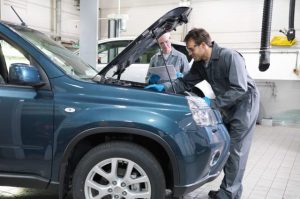
  • Annual tuneups and inspections are vital. Check your vehicle’s owners manual for recommended maintenance intervals and be sure to inspect suspension and chassis parts for possible misalignments. Problems such as bent wheels, axles, bad shocks and broken springs all create engine drag (and are unsafe when traveling at high speeds). Search for AAA Approved Auto Repair facilities near you.
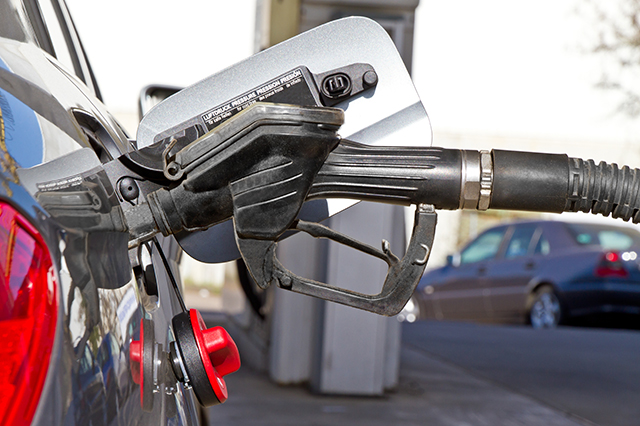
  • Avoid overfilling your gas tank, which can cause spills and waste. Never fill the gas tank past the first “click” of the fuel nozzle.
  • After filling up, make sure the gas cap clicks three times. Improperly sealed gas caps allow fuel to vaporize and could even trigger your check engine light.
  • Track local gas prices with GasPrices.AAA.com and stay up to date on daily price changes.
  • Properly inflated tires are safer, last longer and can improve your gas mileage by more than 3%, according to the Department of Energy. Check your tire pressure at least once a month and compare it with the recommended pressure listed in your owners manual and on the placard in your car door. Inflate your tires as needed and be sure to check tire pressure when your tires are cold. A good time to check is early in the morning after your car has been idle overnight.
  • Save money with self-service whenever possible and choose to pay in cash if there is an extra charge to use a credit card.
  • Keep your eyes open to find good prices at the pump. You could even apply for a credit card, which offers gas savings when using the card for purchases. You can earn 3% cash back on gas with the AAA Daily Advantage Visa Signature® Credit Card.
  • Keep windows closed when traveling at highway speeds. Open windows cause aerodynamic drag, which consumes fuel.
  • Think ahead when approaching hills. Only accelerate before you reach the hill, not while you’re on it.
  • Slow down! Although vehicle reach their optimal fuel economy at different speeds, gas mileage usually decreases rapidly over 60 mph.
  • Both acceleration and deceleration waste fuel. Try to drive at a constant speed and avoid tailgating. The driver in front of you could be unpredictable, making you brake or speed up more than necessary. Plus, it’s dangerous.
  • Use cruise control when possible. The small, more precise adjustments made by the car’s cruise control system will keep your speed constant and save you fuel.
gas-saving tips

  • Even on cold mornings, avoid warming up your engine at idle. Today’s cars are designed to start and go, saving you gas.
  • If you have a manual transmission, don’t keep your left foot on the clutch pedal while driving. The slightest pressure puts mechanical drag on components, wearing them down prematurely.
  • Avoid driving along rough roads whenever possible. Dirt and gravel can cost you on gas mileage.
  • Use alternate roads when they prove to be safer, shorter and straighter. Corners, curves and lane jumping all require extra gas. The shortest distance between two points is always a straight line.
  • Traffic lights are generally timed for your motoring advantage. By traveling steadily at the legal speed limit, you increase your chances of getting more green lights throughout your trip. Pay attention to the lights on your daily commute and try to anticipate whether they’ll turn green or red by the time you get there.
  • Gas stations near major highways often charge more for gas because land is generally more valuable in these locations, increasing overhead costs. Those higher costs are passed on to consumers. Before a road trip, fill up at your local station. If you must fill up near the highway, try stations near state border lines, which tend to price their gasoline less aggressively.
  • Find the best gas prices along your route with the AAA Auto Club App.
  • Remove snow tires during good weather seasons; traveling on deep tire treads hurts your fuel economy.
  • Operating the air conditioner on the maximum level can reduce your mpg by 5% to 25%, compared to not using it. Try to park your car in the shade so you won’t have to keep the AC working as hard. Turn off the air conditioning five minutes before you reach your destination.
  • Remove excess weight from the trunk or inside of the car: extra tires, child seats, unnecessary heavy parts, etc. Extra weight reduces mileage, especially when driving up inclines.
  • On large sport-utility vehicles and minivans, one of the simplest gas saving tips is to remove unneeded third-row seating. Some third-row seats weigh over 100 pounds. This is extra weight your engine has to deal with, which can waste gas.
  • Carpools reduce travel monotony and gas expenses. They also reduce traffic congestion.

Fuel Savings

Save $0.30/gallon on your first fill-up at Shell.

Sign Up
  • Combining errands into one trip saves you time and money. Several short trips taken from a cold start can use twice as much fuel as a longer multi-purpose trip covering the same distance with a warm engine. Trip planning ensures that traveling is done when the engine is warmed-up and efficient.
  • Turn off your engine when your car is just sitting. Idling burns 1 gallon of gas per hour and will earn you zero mpg. You’ll not only save fuel, but you’ll also help the environment by not releasing more emissions from your car than absolutely necessary.
  • Wax your car and keep it clean. This will reduce aerodynamic drag, thus providing better mileage.
  • Walk between stops. Once you get into town, some of your stops may be near each other. Park between some or all of them and walk or park in the first spot you find. If you wander all over the parking lot looking for a really close parking space, you’ll use more gas.
  • Track your mileage in real time. You may know what your consumption looks like from tank-to-tank, but that’s really not enough. Knowing the mileage you’re getting in real time and comparing it to what you got yesterday is one of the most useful gas saving tips you can practice.
  • Run errands during off-peak traffic hours. These days, many offices offer more flexible hours, so errands can be run at almost any time. Avoid being stuck in traffic if all you have to do is leave 30 minutes earlier or come in 30 minutes later.
  • Try to purchase vehicles that get good gas mileage. The difference between 20 and 40 mpg can be big for your wallet.
  • Don’t use premium fuel if it’s not necessary. If your car specifies regular fuel, don’t buy premium under the mistaken belief that your engine will run better. Most cars are designed to run just fine on regular gasoline. Check your owners manual to find out what grade your car requires.
  • Use your garage. Parking there will help your car stay warm in winter and cool in summer, so you don’t have to depend as much on your air conditioning when you drive.
  • Try to avoid traffic on busy days or times when it is raining, windy or barometric pressure is high. Rain and high barometric pressure create extra air drag that uses more fuel to create and maintain forward motion.
What are your favorite gas saving tips? Tell us in the comments below.

This article has been updated and republished from a previous version.

Subscribe to Your AAA Newsletter

Sign up and receive updates for all of the latest articles on automotive, travel, money, lifestyle and so much more!

Easy Mortgage Refinancing Guide

Considering refinancing your mortgage? Before making a decision, homeowners should review the reasons for the refinance and what they hope to gain — whether it’s a lower rate, a shorter term or immediate cash.

“While homeowners can refinance at any time, most consider this option every five to seven years due to associated costs and the long-term benefits of a well-structured plan,” according to Steven Vieira, director of mortgage operations and sales for AAA Northeast.

Learn about home refinancing with AAA.

Is It the Right Time to Refinance?

Whether mortgage refinancing is worth it for you now depends on your current rate or term and how long you plan to be in the home.

“The higher your current rate is, the more savings you will find by refinancing,” Vieira said.

There are no restrictions on how often you can refinance if it makes financial sense each time you do it, according to Vieira.

The best times to consider refinancing your mortgage are when you want to lower your interest rate or monthly payments and when you need a considerable sum of money for home improvements, college education or debt consolidation.

Once you determine what you hope to achieve by refinancing, do a financial inventory. Check your credit score, income stability and current home equity. Most lenders require at least 20% equity remaining after the transaction.

Mortgage Refinancing Options

Refinancing can range from a straightforward rate-and-term refinance to more complex scenarios.

Rate-and-Term Refinance

The most basic approach to mortgage refinancing focuses on lowering the interest rate to generate monthly savings.

A straightforward way to evaluate this is by calculating the break-even point. To do this, divide the total closing costs by the monthly savings.

“For example,” Vieira said, “If closing costs are $3,750, and monthly savings are $75, the break-even point would be 50 months. After that period, the borrower begins to realize net savings.” So that would be: $3,750 ÷ $75 = $50.

Cash-Out Refinance

Transactions become more complicated when borrowers seek additional funds through a cash-out refinance. This type of transaction allows you to cash out a portion of the equity in your home by replacing your current mortgage with another, larger loan.

Common reasons for a cash-out refinance include debt consolidation, home improvements, buying out an ex-spouse or making accessibility upgrades.

“Often borrowers aim to achieve multiple goals in one transaction,” said Vieira. “This is where a licensed loan originator plays a critical role — conducting a thorough consultation, which typically takes between 45 and 60 minutes, to assess financial impacts and design a plan that aligns with the borrower’s objectives and budget.”

Home Equity Line of Credit

Another mortgage refinancing option is a home equity line of credit (HELOC), sometimes called a second mortgage. This involves borrowing against the value of your home. A lender approves a line of credit, and you make payments only on the amount of money you borrow.

“These can provide flexibility for expenses such as college tuition or phased home improvements,” Vieira said. “However, these options often carry higher interest rates and may involve adjustable terms, making careful evaluation essential to avoid overextending the household budget.”

A cash-out refinance is a one-loan solution that replaces your current mortgage and the cash you want to take out with one new, long‑term loan — usually at a fixed rate. While a HELOC is usually a shorter-term loan with an adjustable rate, for the first few years the lender is paying only the interest. That means the monthly payment goes up when the payment is recalculated to include interest and principal.

“The HELOC is a great loan for someone who understands the risk and can manage the higher cost by paying it off sooner than required,” Vieira said.

hanging a photo

Steps to Refinance a Home

Once you decide to refinance and know how you are going to do it, Rocket Mortgage, one of the leading mortgage lenders in the U.S., suggests taking these steps.

  • Determine the effect on your monthly budget by projecting the new loan amount, including reviewing potential interest rates, closing costs and monthly payments.
  • Consult an expert. Arrange an appointment with a licensed mortgage loan originator, who can provide you with data about rates, terms, fees and payments. Find out if there are any limits on cash-out amounts or how the money is used.
  • When it’s time to submit your application, ensure you have all the required documentation, including proof of income, descriptions of your property, tax returns and your credit history. Also, be specific about the amount of cash you need. The lender will review all your financial information and verify the property value by setting up an appraisal to figure out the amount of home equity is available to you.
  • Pay the closing costs, if you didn’t roll them into the loan, and carefully look over the completed documents before signing them. Good luck with your new mortgage!
If you need assistance with a new mortgage or mortgage refinancing, contact a AAA mortgage specialist.
Have you ever refinanced your mortgage? Tell us in the comments.

Subscribe to Your AAA Newsletter

Sign up and receive updates for all of the latest articles on automotive, travel, money, lifestyle and so much more!

AAA: Check for Open Vehicle Recalls

From defective airbags to overheating batteries, millions of Americans drive each day in cars with open safety recalls that, if ignored, could have fatal consequences. In 2024 alone, there were 1,073 vehicle safety recalls affecting more than 29 million vehicles in the United States, according to the National Highway Traffic Safety Administration (NHTSA).

For Vehicle Safety Recalls Week (March 2 – 8), AAA is reminding drivers that safe cars save lives and urging all vehicle owners to check for open safety recalls. It’s also a good time to check related equipment, like tires and child car seats, for open recalls.

It’s easy to determine if your vehicle has an open recall:

  • Visit NHTSA.gov/recalls or download the SaferCar app.
  • Enter your VIN and registration card number. The VIN is located on the driver’s side corner of the windshield.
  • You can also enter vehicle equipment like trailers, tires and car seats into the SaferCar app.

If you discover an open recall for your vehicle or vehicle equipment, contact a dealership and schedule a repair as soon as possible. All safety recalls are performed at no cost to the owner.

The millions of recalls that go unrepaired can compromise safety. For example, the NHTSA reports that tens of millions of defective Takata airbags — responsible for 28 confirmed deaths nationwide — are still under recall in the United States. In 2025, there were 891 recalls affecting more than 29 million vehicles, according to a AAA Northeast analysis of NHTSA recall data. Of those, 16 recalls were dangerous enough for the NHTSA to issue “Do Not Drive” advisories for 48,371 potentially affected vehicles.

“Components like airbags, steering systems, brakes, fuel systems, sensors and wiring can prompt vehicle recalls, posing a serious safety risk,” said Jillian Young, director of public affairs for AAA Northeast. “Addressing vehicle recalls as quickly as possible can help drivers keep their vehicles running smoothly and safely, and, most importantly, save lives. Drivers should check their vehicles for open recalls at least twice a year.”

The NHTSA is also issuing a new, urgent warning to drivers of cars that had previously been involved in a crash in which the airbag deployed. Nine people have died and two others have been seriously injured in 11 crashes where the vehicle had an airbag replaced with a substandard and dangerous airbag inflator manufactured in China. According to the NHTSA, the airbags were likely illegally imported into the United States; fatalities occurred when the airbag inflators malfunctioned and ruptured, sending large metal fragments into drivers’ chests, necks, eyes and faces.

Alarmingly, these dangerous airbags will not show up by checking the VIN for open safety recalls. The following vehicle owners are at risk:

  • Owners of vehicles with salvage or rebuilt titles.
  • Owners of vehicles that were in a previous crash where airbags deployed.
  • Owners of used cars with unknown history.

The NHTSA is urging these owners to look at their vehicle history report for evidence of a previous crash or “total loss event,” prior airbag deployments, a salvage title or repairs performed at non-certified service centers. Visit NHTSA.gov for more information and resources.

Subscribe to Your AAA Newsletter

Sign up and receive updates for all of the latest articles on automotive, travel, money, lifestyle and so much more!

Drivers, Beware: Potholes Pop Up Early This Year

Pothole season is arriving early thanks to above-average snowfall blanketing the Northeast this winter. With plows pounding the roads and pavement cracking from recent freeze and thaw cycles, drivers are in for a bumpy ride before spring.

Potholes form when water penetrates the road surface through cracks and crevices. When that water freezes, it expands, breaking up the pavement, which then gets battered by vehicles. Typically, potholes rapidly multiply in mid- to late-March as winter turns to spring. This year, conditions are already prime for pothole formation due to major snowstorms followed by temperature swings above and below freezing.

Driving into a pothole can be costly: Potholes routinely cause major damage to wheels, tires and suspension components. Exceptionally large potholes can cause a vehicle to bottom out and result in severe damage to the undercarriage. Potholes can also contribute to crashes if drivers lose control after driving into one or swerve trying to avoid them.

An estimated 44 million U.S. drivers were hit with pothole repair bills in 2022, according to a recent AAA survey. In spring that year, AAA responded to 1.9 million tire-related roadside assistance calls across the U.S. — many stemming from pothole damage.

“Thanks to drastic swings in temperature, driver concerns are quickly shifting from roads covered in snow to roads loaded with potholes,” said Jillian Young, director of public relations for AAA Northeast. “While potholes might seem unavoidable at this time of year, you can decrease the odds of hitting one by driving and reacting appropriately.”

To avoid pothole damage:

  • Adjust your driving habits. Slow down and increase the space between your vehicle and the vehicle in front of you. This gives you more time to spot a pothole and react to avoid it.
  • Avoid driving into a puddle. Large puddles could hide deep potholes underneath the surface of the water.
  • Be extra alert on days following heavy rain. Rainwater can rush into cracks and grooves and lift broken segments of pavement.
  • Make sure your tires are properly inflated. Follow the manufacturer’s recommended inflation pressure, usually indicated on a sticker inside the driver’s side door jamb. Low-profile tires are increasingly popular, but they’re more vulnerable to blowouts and damage.

If you can’t avoid hitting a pothole, try the following:

  • Lift your foot off the gas and try to steer as straight as possible to prevent suspension damage. Slow down but avoid braking hard as you go over the pothole as that would compress your suspension and put extra force on tires.
  • Pay attention to new or unusual noises or vibrations after driving through a pothole. If something feels off, it could be a sign of damage. Take your vehicle to a trusted repair facility for a thorough inspection.
  • Consider purchasing a separate wheel and tire coverage plan.
  • Report the pothole to local authorities and file a damage claim if applicable. In some jurisdictions, drivers may be entitled to reimbursement for pothole damage repairs, but typically only under specific circumstances.

Subscribe to Your AAA Newsletter

Sign up and receive updates for all of the latest articles on automotive, travel, money, lifestyle and so much more!

Seasonal Trends and Geopolitical Conflict Put Pressure on Gas Prices 

Supply and demand data from the Energy Information Administration (EIA) last week showed seasonal expectations taking hold: Gasoline demand is strengthening as winter draws to a close, and gasoline output is declining as refiners conduct maintenance before the busy summer driving season. Domestic refiners operated at their lowest capacity since October with output falling by 223,000 barrels a day, according to the EIA. Demand settled at 8.73 million barrels a day — a slight decline of 16,000 barrels a day from the prior week, but well above the comparable weeks of 2024 and 2025. 

Oil prices, meanwhile, reached levels not seen in more than a year after weekend bomb strikes on Iran by the U.S. and Israel. While it’s too soon to determine the long-term impact of the conflict on local gasoline prices, higher global oil prices and the disruption of seaborne cargos through the region are causing immediate price hikes to ripple through global petroleum markets. 

“Even before the escalation of conflict in the Middle East, gasoline prices were poised to begin climbing on seasonal expectations of increased demand and higher production costs,” said Jillian Young, director of public relations for AAA Northeast. “When markets react to geopolitical conflict, rising oil prices put upward pressure on gas prices, but time will tell how large the impact will be at the pump.” 

AAA’s March 2 survey of fuel prices found the national average up 6 cents from the prior week ($2.93), averaging $2.99 per gallon. The March 2 national average price was 12 cents higher than the previous month ($2.87) and 10 cents lower than March 2, 2025 ($3.09). 

Region Current Price* One Week Ago One Month Ago One Year Ago 
Connecticut $2.92 $2.90 $2.87 $3.06 
Massachusetts $2.91 $2.90 $2.90 $3.01 
New Jersey $2.91 $2.92 $2.86 $3 
New York $3 $2.99 $2.98 $3.15 
Rhode Island $2.90 $2.86 $2.86 $2.98 

*Prices as of March 2, 2026 

As of March 2, Oklahoma and Mississippi had the lowest prices in the nation at $2.47 and $2.54, respectively. California and Hawaii had the highest prices at $4.65 and $4.38, respectively.  

The AAA Gas Prices website is your resource for up-to-date fuel price information. Search for average gas prices on national, state and metro levels by regular, plus, premium and diesel.  

Subscribe to Your AAA Newsletter

Sign up and receive updates for all of the latest articles on automotive, travel, money, lifestyle and so much more!

Are All-Inclusive Resorts Worth It?

Looking for a stress-free vacation with all the planning built in? Check in to an all-inclusive resort for a relaxing island getaway free from lengthy itineraries, worrying about dinner options and entertaining the children.

With multiple destinations worldwide, there’s an all-inclusive resort for everyone, whether you’re traveling solo, looking for an adults-only romantic escape or a fun-filled family vacation.

Here’s what to consider when booking your next vacation.

Contact a AAA travel advisor to book your all-inclusive vacation with exclusive member savings.

What Does All-Inclusive Really Mean?

An all-inclusive resort is a vacation property where the package covers your accommodation, unlimited food and alcoholic beverages, entertainment and more at one price.

The convenience of everything included in one bundle helps those traveling on a budget and prevents travelers from having to pull out the calculator to add up tomorrow night’s dinner expenses.

Although the essentials are included, added amenities such as personalized spa treatments, private pool cabanas, exclusive lounges and premium selections of alcohol will cost an extra fee.

Benefits of All-Inclusive Resorts

The biggest advantage of booking an all-inclusive is having everything you need right at your fingertips. With dining, entertainment, water sports and more on property, there’s no need to leave the safety of the resort.

Each resort offers multiple restaurants, pools and beaches, adding a wide variety of cuisine and activities so you’ll never be bored or looking for more.

Paying up-front for an all-inclusive resort additionally includes taxes and tips, so there are no surprise charges when you get back home.

All-inclusive resorts are all about fun in the sun, and you’ll often find them throughout the Caribbean and Mexico.

Hilton Cancun
© 2026 Hilton

Hilton Cancun, an All-Inclusive Resort

Surrounded by lush mangroves and oceanfront views, Hilton Cancun offers all-inclusive comfort and relaxation on the shores of the Mayan coastline. From traditional Mexican cuisine to global buffets and wood-fired pizzas, there are more than 12 luxury restaurants and bars on property featuring worldwide cuisine, plus an all-you-can-eat ice cream and churro shop for all ages.

Create lasting memories in swim-up pool rooms, play a classic game of bingo or take a Latin-style dance lesson. For families, the resort offers a variety of beach games, including volleyball and a splash playground with waterslides and interactive elements for the kids.

Book now
Aerial view of the Hilton Tulum Riviera Maya All-Inclusive. Photo by Victor Elias Photography
© 2026 Hilton

Hilton Tulum Riviera Maya All-Inclusive Resort

If you’re seeking a romantic excursion or family adventure, Hilton Tulum Riviera Maya All-Inclusive Resort is the perfect getaway, accommodating all parties. Choose between an ocean-view suite overlooking crystal-clear waters or nature views of the lush jungle from a private balcony. Unlimited drinks crafted by expert mixologists are always being poured, whether you’re lounging on the beach or swimming in the pool.

Enjoy Colores de Mexico, an evening of traditional cuisine, mariachi music, pinatas and games celebrating Mexican culture. Families can also snuggle up for beach movie nights or grab a pair of headphones for a silent disco with three live DJs.

Additional benefits include a daily restocked mini bar and 24-hour room service.

Book now
Hilton Vallarta Riviera
© 2026 Hilton

Hilton Vallarta Riviera All-Inclusive Resort

Located at the base of the Sierra Madre Mountains, Hilton Vallarta Riviera All-Inclusive Resort brings fun experiences daily with a wide variety of activities. With two infinity oceanfront pools, guests can take in the Banderas Bay during the day and enjoy live music and cultural performances after the sun sets.

Its 13 dining spots include restaurants inspired by spices of Southeast Asia, grill houses with premium cuts of steak, seafood and grilled fish and local fresh sushi with exquisite presentation. The martini and mojito lounges are both must-visits, featuring unique takes on cocktails, including refreshing liquor.

Book now
Hilton Cancun Mar Caribe
© 2026 Hilton

Hilton Cancun Mar Caribe All-Inclusive Resort

This hotel’s ideal beachfront location merges peaceful sights with radiant energy. Pool and beach service ensures the drinks keep flowing and snacks are always in hand. Fun for the entire family includes Habana nights, glow parties and fire shows with high-energy dancing vibes.

Just over a mile from the resort are three golf courses with breathtaking views for golfers of all levels. And don’t forget workout clothes, as the 24-hour fitness center includes a variety of cardio machines and weights. To relax, take a dip in one of 13 pools or unwind on the adult-only sundeck. There’s truly something for everyone.

Book now
Zemi Miches
© 2026 Hilton

Zemi Miches Punta Cana All-Inclusive Resort, Curio Collection by Hilton

On an exclusive beach near Redonda Mountain, savor views of palm trees and teal waters, with on-site amenities making the trip as easy and relaxing as possible. The newly built Zemi Miches Punta Cana All-Inclusive Resort, Curio Collection by Hilton offers daily activities for every vacationer.

Explorers can enjoy water activities, including paddleboarding, kayaking and snorkeling, while artists can take art and cultural classes, like pottery. For parents looking for a night without the kids, the resort offers two safe spaces — Coki Cove Kids Club and Palmchat Teens club — for socialization and games.

Whether you sipping poolside pina coladas or wandering beneath the palm trees, this resort offers a multitude of experiences.

Book now
What do you think? Are all-inclusive resorts worth it? Tell us in the comments.

You’ve read about it — now experience it.

AAA Travel Advisors will turn your inspiration into a memorable vacation, providing trusted guidance and exclusive member benefits. Connect with us to learn more.
Call 866-423-5585  |  Find a AAA Branch  |  Contact Online

Featured image: © 2026 Hilton

Subscribe to Your AAA Newsletter

Sign up and receive updates for all of the latest articles on automotive, travel, money, lifestyle and so much more!

Discover Mexico’s Premier Hilton Properties

Mexico has emerged as one of the world’s most compelling luxury destinations, offering an irresistible blend of ancient culture, stunning natural beauty and world-class hospitality.

Hilton’s exceptional portfolio of properties across Mexico’s most coveted locations provides the perfect gateway to experience this remarkable country’s treasures, from the pristine beaches of the Riviera Maya to the dramatic desert coastlines of Baja California.

Hilton Vallarta Riviera All-Inclusive Resort

Nestled in a secluded cove at the foot of the Sierra Madre Mountains, Hilton Vallarta Riviera All-Inclusive Resort offers a refined escape for travelers seeking an authentic Puerto Vallarta experience. With 444 oceanfront guest rooms, the resort blends natural beauty with upscale amenities. Guests can unwind on a private beach, enjoy two oceanfront infinity pools and stay active at the fitness center. Daytime activities, nightly entertainment, pool and beach service, and unlimited drinks, meals and snacks at the property’s five craft cocktail bars and seven restaurants are all included. or those looking to elevate their stay, premium experiences such as spa treatments and Bali Bed reservations — complete with shaded views, sparkling wine, massages, and chocolate-covered strawberries — are available for an additional fee.

hilton
Conrad Tulum Riviera Maya. Photo by Victor Elias Photography.

Conrad Tulum Riviera Maya

Sustainable Luxury in the Riviera Maya

This AAA Four Diamond resort blends ancient Mayan heritage with modern sustainability commitments. Located just minutes from Chemuyil Beach, Conrad Tulum offers 11 unique restaurants and bars, five resort pools and 16 spa treatment rooms designed around traditional Mayan healing principles.

The signature restaurant, Autor, creates culinary masterpieces blending ancient and modern Mexican flavors and offering chef-curated tasting menus. The resort also features Japa Chi, an exclusive Mexican wine collection created specifically for Conrad Tulum. Guests seeking elevated experiences can access the exclusive Ceiba Club with curated amenities, dedicated concierge service and top-tier hospitality.

Get Away and Save

AAA members get exclusive rates at Hilton family hotels and resorts.

Book Now
hilton
Aerial view of The Conrad Tulum. Photo by Victor Elias Photography.

Hilton Tulum Riviera Maya All-Inclusive Resort

All-Inclusive Excellence

Nestled in a secluded bay overlooking white sands and turquoise waters, this expansive, all-inclusive resort boasts 735 rooms and suites across villa-style buildings, all with private balconies. With 13 diverse restaurants and bars, a luxury spa, lively family pools and direct beach access, every day brings unlimited dining, drinks, entertainment, fitness classes and cultural activities. Upgrade to the Enclave for exclusive pools, lounge access and personalized service. Family-friendly, with daily kids’ and teens’ programs.

hilton
Waterpark at Hilton Cancun.

Hilton Cancun an All-Inclusive Resort

Gateway to the Caribbean

Located south of Cancun’s bustling Hotel Zone, this secluded beachfront property is a paradise of endless inclusions: 12 unique dining venues (including five specialty restaurants plus casual dining and bars), daily entertainment, yoga and fitness, splash zones for youngsters and spacious modern suites. With infinity pools, kids’ waterpark and comprehensive all-inclusive amenities, this resort provides effortless vacation planning where every detail is covered, allowing families to focus entirely on creating memories together.

waldorf cancun
Waldorf Astoria Riviera Maya. Photo by Victor Elias Photography.

Waldorf Astoria Riviera Maya

Pinnacle of Luxury

Nestled on 100 acres of pristine coastline about 15 minutes from Cancun International Airport, this refined haven offers 173 oceanfront rooms and suites, each with private balconies and soaking tubs. Dining options span international and Mexican flavors — from fresh seafood at Malpeque to cocktails at Peacock Alley. The lavish spa features 21 indoor/outdoor treatment rooms, hydrotherapy pools and holistic rituals inspired by Mexican wellness traditions, surrounded by lush mangroves for genuine tranquility.

You’ve read about it — now experience it.

AAA Travel Advisors will turn your inspiration into a memorable vacation, providing trusted guidance and exclusive member benefits. Connect with us to learn more.
Call 866-423-5585  |  Find a AAA Branch  |  Contact Online

Subscribe to Your AAA Newsletter

Sign up and receive updates for all of the latest articles on automotive, travel, money, lifestyle and so much more!

International Family Vacation Destinations

A recent survey showed that Europe is the top continent for family vacations.

While you might imagine teenagers being unimpressed by the Mona Lisa or weary children more interested in the hotel pool than the Roman Colosseum, Europe’s thousands of years of history, culture and art, combined with amusement parks, plenty of green spaces and beaches, make it appealing for all ages.

Family vacation preferences have also expanded to include South America, Thailand and the Caribbean, with each destination offering its own unique blend of versatility and beauty.

Here’s a quick look at some of the most popular international family vacation spots and their highlights.

United Kingdom

While the United Kingdom is not in Europe, it’s close by, making it a central spot for country hopping. London is an especially popular destination. Who doesn’t like the Tower of London and the crown jewels? Not to mention actual castles. The British Museum has rooms full of artifacts, including suits of armor, which are crowd-pleasers. The London Eye, the giant Ferris wheel, is also popular, as well as gardens and a zoo. Outside of London, the seaside resort of Blackpool is home to an aquarium, a waterpark and other attractions, not to mention the beach.

Let's plan something wonderful

Book your next trip with AAA Travel now or call 866-423-5585 to speak with a travel advisor.

Book Now

France

Just across the English Channel, France beckons, with Paris as the main attraction. Climb the Eiffel Tower and visit the Palace of Versailles or take a cruise on the Seine. The famous art museum, the Louvre, offers special tours for children. Had enough art and history? Head to amusement parks Parc Asterix or Disneyland Paris, or visit the Paris Botanical Gardens, which includes a zoo. Outside of Paris, enjoy the French countryside, skiing in the mountains or the scenic French coast.

greece santorini
Cliff Side Suites. Santorini, Greece.

Greece

The Cradle of Civilization also is full of architectural wonders to see, including the Parthenon, Temple of Zeus and the Acropolis in Athens. Kid-friendly tours are available for all the major archaeological sites in Greece. Take a break from the cities and visit some of the country’s beautiful beaches.

Ireland

Head to the Emerald Isle for your fill of ancient churches, castles, forts, museums, mansions and ghost stories. The Blarney Castle is one of Ireland’s most popular attractions with the well-known stone rumored to give all who kiss it the gift of gab. Kilkenny Castle is another of Ireland’s most visited heritage sites. For outdoor adventures, one of Ireland’s most famous sights, the Cliffs of Moher, rises 666 feet, with breathtaking views and the Irish landscape is perfect for biking and mountain climbing.

family vacations - venice
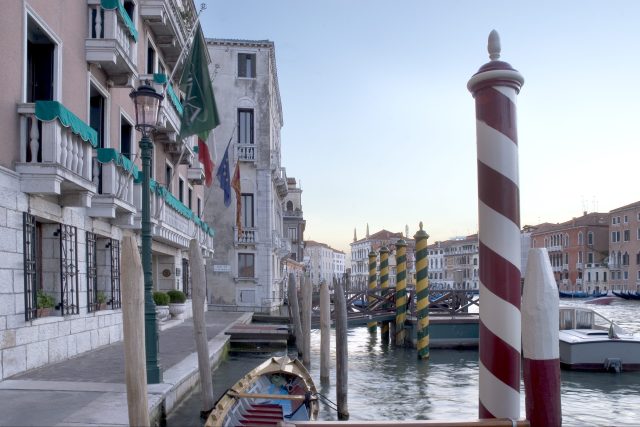
Palazzo Sant’Angelo Sul Canal Grande Hotel, Venice, Italy.

Italy

If you plan to visit different cities in Italy, and it’s hard not to, make sure you see Michelangelo’s Statue of David in Florence and Leonardo de Vinci’s painting of The Last Supper in Milan. Take a guided tour of the Vatican Museums to get a deeper look at Italy’s extensive artistic, religious and cultural history. In Rome, history and art is everywhere, but be sure to see the colosseum, a huge, ancient amphitheater and toss coins in the Trevi Fountain. To keep the younger ones happy, enroll them in gladiator school for a day. Kids also might like visiting one or more of the many car museums in Italy or hiking up a volcano.

Spain

Get to know medieval Barcelona with a family walking tour of the city’s Gothic Quarter. For the next stop, the Prado National Museum in Madrid, which has one of the largest art collections in the world, features works by Spain’s own Velasquez, Goya and El Greco. Also in Madrid, Parque del Retiro, a park surrounding a lake, is the perfect place for a stroll or a bike ride. For the more adventurous, travel to Alhambra in Granada, Andalusia, one of the best-preserved palaces of the ancient Muslim world. For a water-drenched day of fun, visit Siam Park, Tenerife’s water kingdom, ranked the best water park in the world, with heart-pumping slides and lazy river floating.

Caribbean

The Caribbean comprises almost 7,000 islands within 26 countries and features a unique blend of food, music and art. Lounge on some of the most beautiful beaches in the world, enjoy water sports such as snorkeling, scuba diving and Jet Skiing. Explore some of the nations’ colonial histories by visiting fortresses that are more than a century old. Hike along trails with waterfalls and mountains.

South America

For an outdoor adventure vacation, South America is home to towering mountains, unique wildlife and scenic beaches, as well as natural and manmade wonders. Take a train to Machu Picchu, the lost City of the Incas, in the Peruvian Andes. In Ecuador, enjoy tours highlighting native wildlife and rainforests. Experience “cowboy life” with the gauchos in Argentina and pick a spot to relax on Uruguay’s 410 miles of beaches.

family vacations- thailand
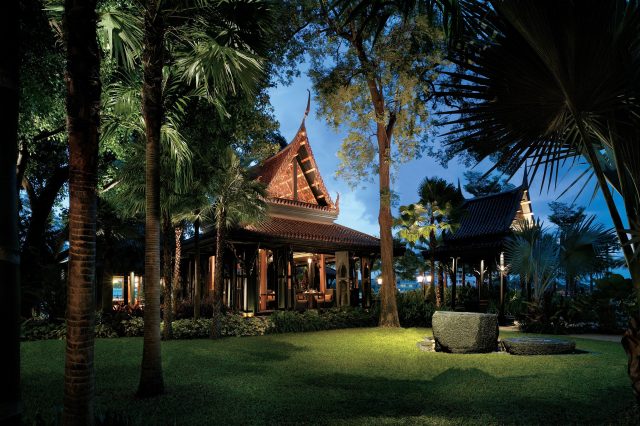
Shangri-La Bangkok, Thailand.

Thailand

Bangkok, Thailand’s capital, is the perfect place for foodies, with street foods the highlight of the culinary scene. “Floating” markets still exist, with boats full of items near the sides of canals. Make sure to take a water taxi during your exploration of the city. Among the not-to-be-missed spots are the Bangkok National Museum, Grand Palace and Chinatown. Outside of the city, enjoy pristine white beaches at Phuket and Koh Samui Chiang Rai and waterfalls and forests in mountainous northern Thailand.

Contact your AAA travel agent to plan your next family getaway today! 

Featured image: Beaches Turks and Caicos.

Subscribe to Your AAA Newsletter

Sign up and receive updates for all of the latest articles on automotive, travel, money, lifestyle and so much more!

Discover the Islands of Tahiti

Celebrated for its relaxed pace, French Polynesia is the perfect place to slow down. Here, time revolves around food, drink, culture and revelry, inviting guests to embrace a more leisurely way of living — even if only for a few days.

The Islands of Tahiti, including gems like luxurious Bora Bora, are treasures waiting to be discovered, each with its own signature style, promising unique and unforgettable experiences. Here are some of the top spots to visit among its 118 islands and atolls.

Tahiti

The largest of the Society Islands, Tahiti was formed by two volcanoes — the older, larger Tahiti-Nui in the northwest, and Tahiti-Iti in the southeast — resulting it its distinctive figure-eight shape and mountainous terrain.

Tahiti is the economic, cultural and political center of French Polynesia. The island has a beautiful waterfront where yachts, ferries and cargo boats come and go, and a thriving market full of South Pacific atmosphere. Those who fly commercially typically begin their journey in Tahiti by landing in Papeete.

Sofitel Kia Ora Moorea Beach infinity pool 3000px
Sofitel Kia Ora Moorea Beach infinity pool.

Moorea

Moorea is close to Tahiti and offers its coral reefs as a distinguishing characteristic popular with tourists. While snorkeling or diving, you can see the beautiful and vibrant colors of the reef fish in their natural habitat. Moorea’s topography includes Mount Rotui which lies between two enormous inlets, Cook’s Bay and Opunohu Bay.

Raiatea

The second-largest island in the Society Islands chain, Raiatea is a popular destination for sailing and deep-sea fishing and shares a coral reef and lagoon with neighboring island Taha’a.

Taha’a

Taha’a is known for its spice production. It is commonly known as the Vanilla Island because of the many fragrant vanilla orchids. The island is mostly dense forest and shaped like a flower.

Let's plan something wonderful

Book your next trip with AAA Travel now or call 866-423-5585 to speak with a travel advisor.

Book Now

Tetiaroa

Tetiaroa is the private island that was home to actor Marlon Brando. The island is now home to The Brando, the resort that carries his namesake, which celebrates and preserves Tetiaroa’s pristine beauty, offering the ultimate sustainable luxury for discerning travelers.

Huahine

A natural wonderland steeped in authentic Tahitian tradition, Huahine is home to copious marine life and is surrounded by coral. Culturally preserved and surrounded by lush vegetation, there’s an assortment of hidden temples scattered throughout the island.

Bora Bora

Bora Bora is the Society Islands’ honeymoon retreat. It is also where the overwater bungalow style of residence originated. The lagoon on Bora Bora is pristine, a veritable paradise where snorkeling and diving are common pastimes. With a romantic atmosphere popular with couples and newlyweds, the beaches of Bora Bora offer year-round opportunities for watersports and a relaxing scene for lounging in the tropical sun.

Rangiroa

Rangiroa is the largest atoll (a low tropical island created by coral rising up above the sea level) in the Tuamotu islands and the second largest in the world. From the air, it appears like a pearl necklace laid upon the water. More than 200 tiny motus (islands) wind along a fragile reef where infinite schools of marine life fill the iridescent waters.

Tikehau by Pearl Beach Resort 1500px
Tikehau by Pearl Beach Resort.

Tikehau

Approximately seven miles from Rangiroa, Tikehau is an oval-shaped atoll that consists of a series of flat motus, surrounding a pristine, magnificent lagoon packed with thriving and varied species of marine life. The real draws here are the fishing, beaches and incredible snorkeling and scuba diving opportunities. If you enjoy miles of beautiful pink sand beaches, sparkling turquoise water and a peaceful atmosphere, you will love Tikehau.

The Marquesas

The Marquesas are considered some of the most remote islands in the world. Nuku Hiva, the largest of the Marquesas Islands, is a mountainous bounty of forests and stunning beaches. With the Vaipo waterfall, one of the tallest in French Polynesia, and a volcano, Nuku Hiva is difficult to beat for adventure and sights.

Visiting Multiple Islands

While some travelers prefer to stick to one island and make the most of resort living, others prefer to spend their visit island hopping. With ample air and sea transfers available, you can see as much as French Polynesia as you desire. If you enjoy cruising, ask you AAA travel advisor about booking one of several cruise lines offering French Polynesia itineraries.

Hilton Hotel Tahiti Poolside 3000px
Poolside at Hilton Hotel Tahiti.

Where to Stay

Make the most of your time on the Islands of Tahiti with a stay that captures French Polynesian tranquility and charm. Book now and save.

Conrad Bora Bora Nui

This resort recently completed a multi-million dollar refurbishment and features 122 rooms and overwater suites, six restaurants, spa, fitness center and Kid’s Club. The King Pool Overwater Villas are 1,302 square feet with a private pool and incredible sunset views.

Hilton Hotel Tahiti

A prime waterfront location just five minutes from Faa’a International Airport, the city center and the maritime port. The The Hilton Hotel Tahiti’s restaurants and bars offer convenient spaces to indulge in local and international cuisine, while its casual marketplace makes it easy for guests to stock up on snacks and supplies before a day of adventure. The resort also features a spa and the largest outdoor pool in French Polynesia.

Hotel Kia Ora Resort & Spa

This secluded resort features a garden, beach and overwater bungalows on the edge of the second largest lagoon in the world. The restaurant offers continental cuisine with barbecues on Wednesdays and Sundays with a Polynesian dance show.

Sofitel Kia Ora Moorea Beach Resort

Set at the edge of a lagoon (ideal for snorkeling) on the longest white-sand beach on Moorea, Sofitel Kia Ora Moorea Beach Resort is a perfect place for honeymooners and anniversaries. Overwater, beachfront and garden bungalows embody the pristine beauty of the destination with natural materials and luxurious amenities. The resort also boasts an on-site restaurant, a spa, two shops, an excursions desk and diving and nautical center.

Le Taha'a By Pearl Aerial 3000px
Le Taha’a By Pearl.

Le Taha’a By Pearl Resorts

Located on the secluded Motu Tautau facing the island of Taha’a on one side and stunning views of Bora Bora on the other, Le Taha’a is a luxury hideaway inspired by Polynesian architecture and style. Its overwater bungalows feature wrap-around decks with steps down to the crystal-clear waters below. Surrounded by tropical gardens, 12 beach villas include plunge pools and direct beach access, while affording privacy within their walled gardens. Three restaurants, a spa, fitness center, tennis court, outdoor swimming pool, scuba diving center and a helipad are also among the standout amenities.

Le Tikehau by Pearl Resorts

This Polynesian-style resort offers 37 very spacious beach bungalows, overwater bungalows and suites with access to isolated pink-sand beaches and a lagoon teeming with tropical marine life. The bungalows are constructed with natural wood and feature private verandahs. The bar and restaurant are located poolside with views of the translucent lagoon.

Start planning your Tahiti vacation with a AAA travel advisor.

Featured image: Conrad Bora Bora Nui.

Subscribe to Your AAA Newsletter

Sign up and receive updates for all of the latest articles on automotive, travel, money, lifestyle and so much more!

Tahiti Lives Up to the Name ‘Paradise’

When people hear Tahiti, they envision an exotic paradise. And that’s exactly what it is. Its palm trees, glistening blue waters, miles of beaches and moderate temperatures are a dream come true. You have to see it to believe it.

Halfway between the U.S. and Australia, the figure-eight-shaped island of Tahiti covers 403-square miles. Part of French Polynesia, it belongs to a chain of islands known as the Society Islands and traveling to the other islands, such as Bora Bora – a longtime favorite of honeymooners – is easy.

French artist Paul Gaugin introduced the world to Tahiti in the 19th century with his many paintings of Tahitian life. If you’ve ever wanted to jump into those colorful pictures, now is your chance.

Let's plan something wonderful

Book your next trip with AAA Travel now or call 866-423-5585 to speak with a travel advisor.

Book Now

Unbelievable Beaches

Tahiti’s primary attraction is its glorious beaches, most with black volcanic sand and a few with the conventional soft, white powdery stuff. The water is clear and warm, and the lagoons are full of fish of every color.

About 40 miles southwest of Papeete, the capital of Tahiti and all French Polynesia, is La Plage de Maui, a white sand beach with offshore reefs home to numerous varieties of fish, making it a snorkeler’s paradise. Also close to Papeete are Faduma Waterfalls, accessible by a short hike through the woods, another popular tourist spot.

Lafayette Beach is a black-sand beach standout. This secluded beach is located about 20 minutes from Papeete.

tahiti
Le Tahiti by Pearl Resorts

Attractions, Excursions and Activities

Papeete is a bustling city with many attractions, including the Pa’ofa’i Gardens, swathed in lush greenery and with walking trails and fishponds. If you are a fan of street food, the city is known for its variety of food trucks. Tour the Papeete Market, consisting of multiple stores full of locally grown fruits and vegetables, as well as meats and pastries. And don’t miss the Museum of Tahiti, which is divided into four sections and houses collections highlighting the history of French Polynesia, and the growth of its culture and customs from the early settlers to the modern era.

A wonderful way to visit the different islands is, of course, by boat. Tahiti Yacht Charter offers tours on a variety of watercraft, from catamarans to spacious yachts. Travelers can reserve a private or group tour to travel around the archipelagos. Enjoy an intimate private sailing from Raitea (the Sacred Island), through the Leeward Islands to Taha’a (the Vanilla Island), Huahine (the Majestic Island) or Bora Bora (the Mythical Island).

Your AAA travel advisor can also set you up with engaging tours and activities on and around the surrounding islands, including Bora Bora, Moorea, Taha’a, Huahine and Rangiroa. Among these are ATV tours through the jungle and up mountainsides, lagoon cruises, fishing, snorkeling, dolphin and whale watching trips, and shark and ray safaris. Take a circle tour of Moorea that includes Belvedere Lookout, a perch that overlooks Opunohu Valley and Cook and Opunohu Bays, go on a glass bottom boat tour in Bora Bora and more. Select private tours are also available.

Contact your AAA travel advisor and plan your summer getaway today!

Featured image: Conrad Bora Bora Nui

Subscribe to Your AAA Newsletter

Sign up and receive updates for all of the latest articles on automotive, travel, money, lifestyle and so much more!

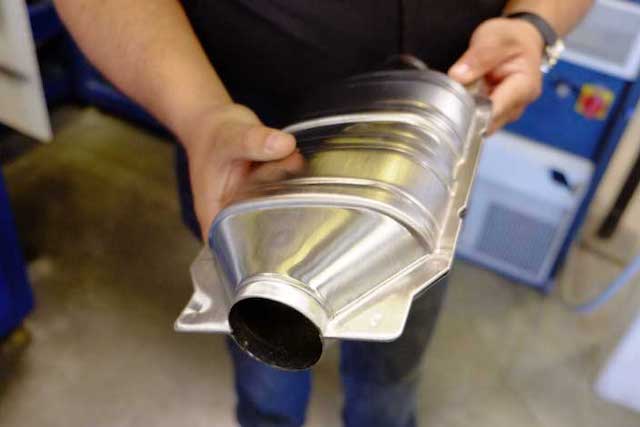
Catalytic Converter Theft Is Down, But Staying Alert Is Key

A catalytic converter is an important feature of your car’s exhaust system, limiting the amount of harmful pollutants emitted by an internal combustion engine. Unfortunately, since catalytic converters are filled with precious metals, they can be tempting for thieves to get their hands on. The good news is catalytic converter theft is on the decline.

After years of widespread catalytic converter theft, the number of reported cases was 68% lower in 2024 — dropping to 14,000 from roughly 44,000 in 2023, according to Consumer Reports.

For the reasons why, we can look to a few contributing factors.

  • Lower metal value. The value of rhodium, palladium and platinum inside the converters has decreased, reducing the profit motive for thieves.
  • New catalytic converter theft laws, Increased crackdowns on scrap yards and businesses purchasing stolen, undocumented parts.
  • Preventative measures. After becoming wise to thieving schemes, some vehicle owners are installing protective shields and anti-theft devices to their vehicles.

Although catalytic converter theft is declining, some states and car models remain at a higher risk. And replacement isn’t cheap. Depending on the type of vehicle, a new catalytic converter can cost between $1,000 and $3,500, according to the National Insurance Crime Bureau, so don’t let your guard down just yet.

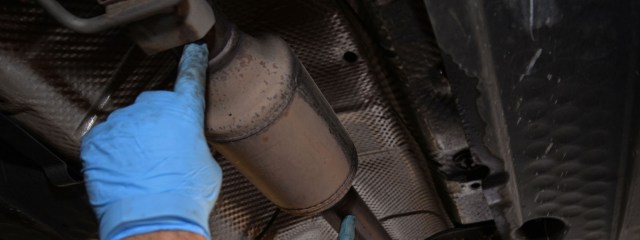
why are catalytic converters stolen?

How to Tell If Your Catalytic Converter Is Stolen

A missing catalytic converter will be readily apparent as soon as you start your engine. The car will make a loud, roaring sound. You may also notice the check engine light on and the vehicle not driving smoothly.

How to Protect Your Catalytic Converter

Install an Anti-Theft Device

Installing an anti-theft device over your catalytic converter is the most effective way to prevent it from being stolen. There are several types of devices available, including shields, cages and steel cables. Check with your mechanic to see if this is would be a safe solution for your vehicle.

Etch Your License Plate Number or VIN Onto the Catalytic Converter

This step can’t stop a thief from stealing the catalytic converter, but it could deter them. If the component should get taken, the unique marking can alert potential buyers that it is stolen. This may make it more difficult to sell and less appealing to thieves. Nearly two dozen states have passed or are considering legislation that would more closely regulate the purchase of scrap catalytic converters.

Park in a Smart Spot

Whenever possible, park your car inside a closed garage or in your driveway. If you’re parking away from home, leave the vehicle in a well-lit area.

The Most Stolen Car Parts

Catalytic converters are not the only vehicle components thieves are trying to get their hands on. Here are some other commonly stolen car parts.

Tires and Wheels

Car tires and wheels check a lot of boxes for thieves. They can be easily removed in just a few minutes, they’re expensive and they’re essential for every automobile yet commonly replaced, so there’s always a market for re-selling. An easy way to protect your wheels from theft is by installing wheel locks. These are specially designed lug nuts that can only be removed with a unique wheel lock key as opposed to a standard socket.

Batteries

These don’t hold quite as much appeal as other commonly stolen car parts because used car batteries are not overly expensive. They are, however, simple to remove, making them easy targets. Installing after-market hood locks can prevent anyone from accessing the battery.

Air Bags

Air bags need to be replaced once they’re deployed, creating an ongoing demand for these safety features, and an opportunity for thieves to make money.

Tailgates

Truck tailgates can often be removed in less than a minute without the need of any tools and can fetch hundreds of dollars on the resale market. While many newer pickup models now have locking systems, owners of older trucks can install their own tailgate locks.

How Can Insurance Help?

Having comprehensive coverage on your policy will ensure you are protected from stolen car parts. Sometimes (and less confusingly) called “other than collision,” it provides coverage from damage caused by an incident other than a crash, including theft. While only mandatory if you are leasing or financing a vehicle, this inexpensive option could prove to be invaluable if you find yourself the victim of a stolen catalytic converter or other car part.

Should you need to use your comprehensive coverage, your deductible would apply.

Reach out to a AAA insurance agent to discuss your auto insurance coverage options.

This article has been updated and republished from a previous version. 

Subscribe to Your AAA Newsletter

Sign up and receive updates for all of the latest articles on automotive, travel, money, lifestyle and so much more!

401(k) Rollover Mistakes to Avoid

If you are leaving one job for another, you want to ensure your 401(k) account continues to grow. When it comes to rolling over your funds, you have options. The key is to avoid common 401(k) rollover mistakes. Do your research to choose a plan that is best for you and follow all the proper steps, so you don’t get hit with a big tax bill or lose out on income growth, according to Fidelity.

To a certain extent, your age factors into what you choose to do. Cashing out a retirement account if you are under 59 1/2 (the minimum age for withdrawal established by the IRS) usually is not a good idea. If you close the account and take the money, you will have to pay income taxes and potentially a 10% early withdrawal penalty, significantly reducing the amount of money with which you will walk away.

Meeting with a financial professional to avoid any 401(k) rollover mistakes and ensure you pick the right solution can be helpful.

Sticking With Your Old 401(k)

In some cases, you can leave the money in your former employer’s plan, but that may not be the best choice. The money continues to grow, but there are limits to accessing the account. You can no longer deposit money into the account, and if you want to withdraw money, it may have to be the full amount. Plus, not all companies are open to former employees leaving money behind.

Consider rolling over your 401(k) into your new employer’s 401(k) or individual retirement account (IRA). This way you can build on what you already have. If you leave the job when you are age 55 or older, you can make withdrawals without paying any penalties, Fidelity noted.

Not all companies allow you to roll over your 401(k) into another plan. If it’s permitted and you opt for this, make sure you understand your new plan’s regulations and investment choices.

401k rollover mistakes to avoid

Not Considering an Annuity

Not investigating rolling your money into an annuity can be a mistake. You risk losing out on a more stable savings plan. You can roll over your 401(k) into an income annuity, which is a financial product designed to provide an income stream for a specified period, typically for the duration of a person’s life. Investors can either contribute a lump sum or pay into it over time — like a savings plan — and, in return, gain an income source immediately or for the future, usually when they retire.

“Among the benefits of rolling your 401(k) over to an annuity is it provides you and your family with a more secure retirement savings option while managing the risk of loss from market fluctuations,” said Christopher Perrier, director of life insurance sales for AAA Northeast. “This can serve as a guaranteed income stream for the remainder of your life.” 

Talk to a AAA insurance specialist to learn the best way to roll over your 401(k) into an income annuity.

Rolling Into an IRA Without Weighing Perks and Drawbacks

Rolling over a 401(k) to a rollover IRA, may sound easy, but that could be a mistake as well. Among the drawbacks: Investments through IRAs could be more expensive and the federal government offers more protections for 401(k)s than IRAs. Although some states offer additional protections for IRAs, according to Fidelity.

When you are 73 years old, unless you were born in 1960 or after, you will have to take required minimum distributions (RMDs) annually from the IRA account, even if you have continued to work. You won’t pay taxes or a penalty for moving the money, though, and it is still a tax-deferred account. You can also move the money to a traditional IRA, either existing or new.

Wherever you choose to transfer your money, remember to follow up to ensure there are no 401(k) rollover mistakes and that the transfer is completed. Transactions can be delayed for any number of reasons, and you want to be certain you know where your money is.

Learn more about AAA annuity products.

This article has been updated and republished from a previous version.

Subscribe to Your AAA Newsletter

Sign up and receive updates for all of the latest articles on automotive, travel, money, lifestyle and so much more!

Intro to Insurance for College Students and Parents

Before heading to college or sending a child off to school, there is a lot to think about: there’s financial planning, touring the campus, and of course, potentially meeting roommates and decorating the dorm room.

As you open this exciting chapter, don’t forget to take advantage of any available savings on your insurance for college students and update your policies. Think of it this way: If the college to-do list was a syllabus, getting your insurance needs in order would be one of your first assignments.

Insurance for College Students: Home and Renters

Parents may not be aware that homeowners insurance can extend some protection to their children going away to college. Approximately 10% of the personal property coverage on your policy (also known as “Coverage C”) will cover possessions in a child’s dorm room. “So, if the Coverage C on your policy was $250,000, $25,000 would be afforded to your child’s stuff if a covered loss were to occur,” said Emily Buckley, AAA Northeast insurance sales manager in Garden City, N.Y.

Expensive items such as computers and other technology are often subject to coverage limits under a standard homeowners policy. If the limits are too low, parents may want to consider purchasing a special personal property endorsement.

Students living off-campus should consider purchasing renters insurance, which covers belongings and provides protection from liability if someone is injured on the property. It may also provide funds if a dorm room or apartment becomes uninhabitable because of a fire, burst pipe or other debilitating circumstance.

Extracurriculars

  • Pack thoughtfully. While some valuables, such as laptops, may be needed on campus, other items like expensive jewelry are probably better left at home.
  • Create a detailed “dorm inventory” that includes photos and receipts of everything in your living space. If you need to file a claim, an up-to-date inventory will help make the process easier.
  • Burglaries make up about 50% of all on-campus crimes, and the library, dining hall and other public places are the primary areas where they occur, according to the Insurance Information Institute.
  • Always lock your dorm room door and never leave belongings unattended on campus.
college insurance

Auto Insurance for College Students

Auto insurance coverage depends on where you attend college. If you commute or stay at college in your home state and remain on your parents’ policy, coverage likely still applies. Check with your insurance provider to ensure minimum coverage requirements are met.

Parents who have kids attending school 100 miles or farther away could qualify for the student-away discount on their auto insurance policy that some companies offer. A young adult who doesn’t own a vehicle and drives the family car only when home is considered a lower risk, hence a lower rate. Full-time students who maintain at least a B (3.0) average or equivalent may also be eligible for a good student discount.

To see what discounts you may qualify for and to ensure you have adequate coverage while you or your child is at school, contact your insurance agent. “Any life event is the perfect time to give your agent a call to review and assess if any changes can be made to your policy to better protect you and your family, all the while saving you as much money as possible,” said Buckley.

Support their education goals

Give them a strong financial start with reliable student loan solutions.

Learn More

Car Care at College Tips From AAA

Whether driving many miles to an out-of-state school or commuting back and forth every day, it’s a good idea to keep your car well-maintained and running smoothly to help avoid any risks on the road.

  • Check tires at least once a month using a tire pressure gauge.
  • Regular upkeep such as oil changes, battery service, brake checks and filter replacements help extend the life of your car and helps mitigate repair costs. Check your owner’s manual to get to know your car’s maintenance schedule.
  •  Find a trusted repair shop near your school. Visit AAA.com/Repair to locate nearby AAA Approved Auto Repair facilities.
  • Breakdowns and other roadside emergencies happen. Make sure your vehicle has a well-stocked roadside emergency kit. In areas with winter ice and snow, add an ice scraper, snow brush and kitty litter or other material to increase traction if you get stuck in the snow. Emergency roadside assistance is available 24/7 for AAA members.

Tuition Insurance

There are a variety of reasons why a student may need to pause or stop going to college. Tuition insurance can provide reimbursement for non-refundable expenses like tuition payments, housing and even meal fees for students who need to leave school before the end of the semester for reasons which could include any covered illness, injury or psychological condition.

Insurance coverage may differ by state. Speak to a AAA Insurance agent to learn more about how you or the college student in your life can save on insurance.

This article has been updated and republished from a previous version.

Subscribe to Your AAA Newsletter

Sign up and receive updates for all of the latest articles on automotive, travel, money, lifestyle and so much more!

8 Great Small Bookstores in the Northeast

What could be better than browsing through some of the most unique small bookstores in the Northeast? Finding that special book and then continuing your day by exploring some of the most charming towns in the area.

Island Bound Bookstore

Block Island, R.I.

Located next door to the Block Island post office, the Island Bound Bookstore is open year-round. Owner Susan Bush capitalized on this prime location, selling books for day trippers to take to the beach or pick up to pass the time on a rainy day. Discover the extensive collection of books, including those about the history of the island and plenty of books for children vacationing with their family.

Island Bound Book store has hosted several famous visitors including Frank McCourt and the great Walter Cronkite. Surround yourself with the fresh sea air and enjoy your book.

Northshire Book Store

Manchester, Vt.

Located in the heart of the Green Mountains in a town that looks like a Norman Rockwell painting, you will find the Northshire Book Store.

The book shop is in a building that was the Colburn House Hotel for over 100 years. “Our store is full of nooks and crannies, making your search for just the right book a charming adventure,” said co-owner Nicole Ihasz.

 Between the in-house books and their extensive online collection, the booksellers at Northshire have access to over 10 million titles. After finding the perfect book, check out their amazing array of gifts including art supplies, Mount Mansfield maple products and the interesting Angry Goat Pepper Co.

Titcomb’s Bookshop

Sandwich, Mass.

Sandwich is the oldest town on Cape Cod, home to the Heritage Museum and Gardens, the world-famous Sandwich Glass Museum and Titcomb’s Bookshop.

Titcomb’s features three floors of unique books and gifts. The main floor has a mix of today’s bestselling books; the top floor has used books, a remarkable collection of antiquarian books and old Life magazines; and the basement is packed with enough toys to fill Santa’s workshop.

Over the years, Titcomb’s has hosted visits by many celebrity authors including Jeff Kinney, Jodi Picoult and, the “Fonz” himself, Henry Winkler.

The Book Barn

Niantic, Conn.

The Book Barn is unusual in the best way. Here you can wander around tiny gardens and a series of buildings that look like sheds stuffed with an inventory of 400,000 used books.

“We have regular visitors from Japan, Norway, France and India, which just shows how far people will go to get a bargain,” said Glen Shea, who has been selling books for over 20 years.

The Book Barn buys used books. Park your car, fill up a cart with your old books and strike a deal with one of the booksellers. Summer is the busiest season, when they sometimes purchase between 10,000 and 15,000 books a week, according to Shea.

River Run Bookstore

Portsmouth, N.H.

River Run has the distinction of not only being a novel bookstore, but it will also help you with the tools to write your own book. In addition to books, owner Tom Holbrook sells used typewriters.

Customers bring in their battered old typewriters, and Holbrook repairs and sells them in his store. “Strange as it may seem, young people are the biggest buyers of the typewriters,” he said. “I had one 10-year-old girl who saved her own money to buy a typewriter.”

About a third of River Run’s books are used, with the balance being new titles. While searching the shelves, you pass through an arch made of old discarded books. It’s a special shop enjoyed by the residents and visitors to the seaside town of Portsmouth.  

Brattle Book Shop

Boston

When it comes to describing the contents of Boston’s Brattle Book Shop, bookseller Zach Marconi said it best: “Here you can buy 10,000 books for as little as $1 each or buy one book that costs t$10,000.”

In a tiny plaza outside the bookstore are bins stuffed with used books at bargain prices. Upon entering the store, you can continue your browsing on three floors. The first two floors are filled with used books, and the top floor offers rare books for your library at home. The stock changes every day so you never know what you can find.

“I have customers who come into the store every day,” said owner Ken Gloss. “If somebody is home sick, they will call and find out what new books are in. When it comes to books, they don’t want to miss anything.”

Willis Monie Books

Cooperstown, N.Y.

In Cooperstown, you will find plenty of books about baseball. But at Willis Monie Books, you will find the largest stock of out-of-print baseball books in the country.  Although customers come to this small bookstore searching for all types of books, including Americana, art, history, fiction and thousands of mystery titles.

The business sells used books only. Monie and his son, Willis Monie Jr., are members of the Antiquarian Booksellers Association of America. And if you can’t find that special book you’re looking for, Monie has over 100,000 books listed online that he can search for you.

Mockingbird Bookshop

Bath, Maine

Bath is known for its shipyard, which produced destroyers for World War II in as little as 17 days. Today Bath draws tourists to its Maritime Museum and unique shops like the Mockingbird Bookshop.

The cozy store offers a very diverse collection of books, greeting cards and stickers. “We get a great deal of business from tourists in the summer looking for that special gift,” said owner Terri Schultz. “We have all styles of literary gifts, art supplies and handcrafted gifts.”

One of the special services is offered by Schultz’s 8-year-old daughter, Olivia, who said: “I love hanging out in the back of the shop making bookmarks to sell at our store,.” Is there a better gift than a bookmark crafted by the child of a bookseller?

If you like books, you’ll love these literature-themed road trips in the Northeast.

Plan your next trip with AAA Travel.

What is your favorite small bookstore? Tell us in the comments.

Subscribe to Your AAA Newsletter

Sign up and receive updates for all of the latest articles on automotive, travel, money, lifestyle and so much more!

The Best Time to Visit Iceland for Northern Lights

Perhaps the name of the country is a small giveaway, but winter is the best time to visit Iceland for the northern lights.

“If you’re looking to experience the aurora borealis, the best time to go to Iceland is during the winter months when the nights are longer,” said AAA travel advisor and Iceland travel expert Wendy Marley. “Exploring ice caves, glacier hiking and snowmobiling are just a few of the many winter activities available.”


What should you do in Iceland?

1. Do you like winter sports?

For many travelers, seeing the northern lights in Iceland is a once-in-a-lifetime experience, and while their appearance (a bit ironically) depends upon the weather on the sun, the darker the skies and the further north you are, the more visible and spectacular this shimmering light show in the sky becomes.

Book your northern lights Iceland tour with a AAA Travel.

When and Where to See the Northern Lights in Iceland

Located on the edge of the Arctic Circle, the Land of Fire and ice gets as little as four hours of sunlight during the winter, meaning visitors could see the northern lights in Iceland – along with brilliant stars in the sky – even in the middle of the day.

Light pollution in the capital city of Reykjavik makes conditions for viewing less than ideal, but there are several hotels within a two-hour drive of the city, like the Hotel Ranga in Hella and the Hotel Husafell in Iceland’s western highlands, that enjoy dark skies and cater to northern lights tourists.

More Reasons Winter Is the Best Time to Visit Iceland

It’s Cool for Adventurers

Active travelers will love Iceland’s many snow sports options. About 10% of Iceland is covered in glaciers, most of which are within easy driving distance of Reykjavik. Glacier hikes and ice climbing are just a few ways to enjoy an immersive experience on these rivers of ice, which also can be explored by jeep or snowmobile.

The Westfjords and the Troll Peninsula are also top destinations for skiers and snowboarders looking to challenge the slopes at Iceland’s lift-serviced ski areas or venture into the backcountry on a ski tourism or heliskiing adventure.

Let's plan something wonderful

Book your next trip with AAA Travel now or call 866-423-5585 to speak with a travel advisor.

Book Now

Langjökull, the second largest glacier in Iceland, is easily accessible from the capital. It’s also where visitors can enjoy a unique trip Into the Glacier with a tour of an 1,800-foot-long man-made ice cave, which plunges 98 feet deep into the glacier and features five chambers, including a wedding chapel.

Iceland is full of natural ice caves that can explored with or without a guide, as well as lava tubes like Raufarhólshellir, about half an hour from Reykjavik, where the entrance fills with natural ice sculptures as an added bonus for winter visitors.

blue lagoon iceland

It Can Be Warm and Cozy, Too

Visiting Iceland during the winter doesn’t mean having to brace yourself for being cold day after day. In fact, Iceland is called the Land of Fire and Ice because of its active volcanoes and geothermal activity, the latter of which creates hot springs and warms the mineral-rich, 102-degree waters of Iceland’s famous Blue Lagoon. The lagoon is fed by a nearby geothermal power plant, but Iceland also has dozens of natural hot springs and geothermal pools to plunge into, some of which have been incorporated into spa resorts.

Icelanders, of course, also have been adapting to the winter cold for generations, learning to keep warm from both within and without. Hearty stews and soups made with Icelandic lamb and arctic char are among the most popular foods in Iceland. Plokkfiskur, or fish stew, is especially beloved as a traditional winter meal. Icelandic rye bread is baked in casks placed at the edge of hot springs. Brennivin or burned wine (also sometimes called the “Black Death” by locals), is a caraway-flavored aquavit that can be quaffed as a shot or in cocktails; it goes particularly well with pickled or marinated herring, another common Icelandic delicacy.

Winter visitors to Iceland may not find too many souvenir T-shirts (because, brr), but the Handknitting Association of Iceland in Reykjavik sells sweaters, called lopapeysa, made from the wool of Icelandic sheep. It’s not only a great keepsake to take home, but also will keep you as cozy as an Icelander while you’re here.

The Wildlife

Iceland’s prodigious population of sheep and furry Icelandic horses are well adapted to the island’s winter weather, but the country also is home to more exotic animal species that thrive in the cold. You don’t need a red nose to guide you to Iceland’s reindeer herds: Just take a drive through the East Fjords area, and you’re likely to see reindeer grazing in the lowlands around Snaefell, the tallest mountain in Iceland not covered by glaciers.

The reindeer were brought to Iceland from Scandinavia, but arctic foxes have lived in Iceland since the last Ice Age. You can learn more about these remarkably adaptable animals at the Arctic Fox Center in the Westfjords village of Sudavik.

Iceland Northern Lights Tour

The five-day Iceland’s Classic Northern Lights Tour with AAA Travel is an Icelandic adventure that starts and ends in Reykjavik. The days in between are spent exploring Iceland’s famous Golden Circle and South Coast, sampling the local foods, soaking in hot springs and hiking to waterfalls, glaciers and icy caves, each night concluding with sky watching for a glimpse at the aurora borealis. And that’s just one of the many Iceland tours you can book through AAA.

Get insider tips, exclusive deals and more when you book your Iceland trip with a AAA travel advisor.

Have you ever seen the northern lights in Iceland? Tell us about it in the comments.

Subscribe to Your AAA Newsletter

Sign up and receive updates for all of the latest articles on automotive, travel, money, lifestyle and so much more!

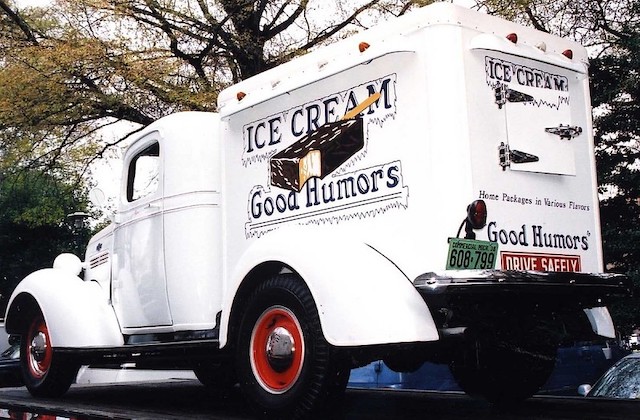
The History of Ice Cream Trucks

Is there a more quintessential summer experience than hearing the jingle of an ice cream truck, racing out of the house to catch up to it, then devouring a sweet, frozen treat?

People have been performing this seasonal ritual since ice cream truck history began in the early 20th century. Since then, these mobile dessert parlors have become a warm-weather mainstay across the country. But it hasn’t all been rainbows and sprinkles. There have been notable ice cream controversies along the way, and today, operators face an unpalatable future.

Let’s look back at 100 years of ice cream truck history.

The First Ice Cream Trucks

Ice cream trucks trace their roots back more than a century. In 1920, a Youngstown, Ohio, confectioner named Harry Burt devised a chocolate coating that could encase ice cream. He gave the treat to his daughter, who loved the taste but was less enthused by the mess that came with eating it. Her brother offered a solution: put a handle in it. Burt had previously developed a hard-candied lollipop, which utilized a stick handle. By freezing those sticks into the ice cream bars, Burt revolutionized the way we eat ice cream. He called his new creation the Good Humor bars.

During this time, Burt was already delivering ice cream via motorized trucks. But because his new ice cream didn’t need to be served in a bowl or cone, he could sell it directly to consumers on the street. He purchased 12 refrigerated trucks, equipped them with bells and sent the fleet out to hawk Good Humor bars. In turn, Burt became the first ice cream truck vendor in history.

A 1938 Good Humor ice cream truck (Credit: Smithsonian’s National Museum of American History)

The Rise of Good Humor

It didn’t take long for the company to flourish, thanks to some apt marketing maneuvers. Street ice cream of the time, usually sold from pushcarts, didn’t have the best reputation. It was known to be made of low-quality ingredients and was often the source of food poisoning. To distinguish itself, the Good Humor company’s fleet consisted of sparkling white trucks. Its drivers were outfitted in similarly colored uniforms, not unlike those worn by hospital orderlies. The company took cleanliness and appearance so seriously, it even had a training manual instructing drivers to “get the proper amount of rest each night and eat good food … and always have a clean shave and neat haircut.”

In addition to pristine appearances, Good Humor also benefitted from, of all things, Prohibition, which began in January 1920. Americans sought comfort in this indulgence after the other was taken away. Ice cream consumption rose an estimated 40% during the 1920s. 

Combined, these factors were a boon to Good Humor. The company sold 14 million bars in New York and Chicago in 1932 alone, according to Smithsonian Magazine. By the mid-1930s, Good Humor trucks could be found throughout most of the country. In the 1950s, the company boasted a fleet of 2,000 ice cream trucks.

Mid-Century Ice Cream Trucks

Ice cream consumption boomed following World War II, after wartime dairy rationing was lifted. Americans consumed more than 20 quarts of ice cream per person in 1946, according to the International Dairy Foods Association. This increase in demand led to an influx of competition in the ice cream truck business.

The most notable new entrant was Mister Softee, started by brothers William and James Conway in Philadelphia in the mid-1950s. The pair was working for an ice cream machine manufacturer when they began receiving more and more requests for machines that could be installed in trucks. However, this jury-rigged technique inevitably led to mechanical problems.

They were taking the ice cream machines and bolting them to the truck,” said Jim Conway, William’s son and Mister Softee’s current vice president. “But for a lot of reasons, that doesn’t really work well. You need shock absorbers, and you need to be able to keep the machine cool.”

The Conways concluded that ice cream trucks needed to be specifically built for the task. Their employer, however, did not want to invest the time and money needed to manufacturer such vehicles. So the brothers set out on their own to create a better ice cream truck. And that’s exactly what they did, developing a specially designed machine that produced perfectly smooth soft ice cream from the back of a moving truck. The Conways gradually added trucks to their fleet over the proceeding years but soon realized that the more lucrative business would be selling their trucks as franchises. From 1955 to 1970, Mister Softee franchising grew 3,600%.

Good Humor was still going strong during this time. By the 1960s, it boasted more than 85 different ice cream treats. The demise of its ice cream truck operation, however, was in sight. In 1975, New York City charged the company with hundreds of counts of falsifying food safety records in order to hide evidence of bacteria in its products. Authorities alleged that about 10% of Good Humor ice cream sold between 1972-1975 was tainted. The ordeal and the fines it brought combined with factors like declining sales, increased competition and the 1970s fuel crisis led Good Humor to exit the truck business and focus exclusively on grocery store sales.

The History of the Ice Cream Truck Song

Few sounds whet the appetite like the ice cream truck jingle. But the origins of this seemingly benign tune are downright stomach churning. The melody you hear emanating from many ice cream trucks is based off a 19th century folk song called, “Turkey in the Straw,” which itself is a take on an even older British tune, “The (Old) Rose Tree.” In the 1800s, “Turkey in the Straw” was given new, overtly racist lyrics as it was incorporated into traveling minstrel shows. By the 1890s, this new version was commonly heard in ice cream parlors, which often played the popular minstrel songs of the day. When ice cream purveyors began selling their products out of trucks and needed a way to announce their presence on the street, they opted for this familiar song.

To help right this wrong, Good Humor recently partnered with legendary rapper and producer RZA to create a new ice cream truck jingle. The song is available to drivers across the country free of charge.

As for the Mister Softee tune, it too was adapted from an earlier song. The melody is based off that of composer Arthur Pryor’s early 20th century composition “The Whistler and His Dog.” In 1960, Philadelphia ad executive Les Waas put lyrics to the song, which he titled, “Jingle And Chimes.”

The Last Frozen Bite?

It’s difficult to imagine ice cream trucks, once a staple of Americana, not meandering down neighborhood streets on hot summer days. But that could soon become a reality. “[The ice cream truck is] unfortunately becoming a thing of the past,” said Steve Christensen, the executive director of the North American Ice Cream Association.

A crippling combination of rising ice cream costs, inflated gas prices and ever more costly vendor permits have melted much of the profit away from operating an ice cream truck. Add in substantial frozen treat competition and you see why many owners are now finding the business untenable. So, the next time you see an ice cream truck in your neighborhood, be sure to grab a snow cone or two for old times’ sake.

Now that you’ve got ice cream on the mind, read up on the best spots in the Northeast to grab a scoop or two!

This article has been updated and republished from a previous version.

Subscribe to Your AAA Newsletter

Sign up and receive updates for all of the latest articles on automotive, travel, money, lifestyle and so much more!

Talking Turkey: Holiday Turkey Cooking Tips

The turkey is practically synonymous with Thanksgiving and holiday dinners, a call-back to the wild fowl that still roams the Northeast where pilgrims once landed. In honor of the upcoming holiday, check out these turkey cooking tips for choosing, preparing and roasting the perfect bird.

Holiday Turkey Cooking Tip No. 1: Choosing Your Turkey

When selecting the perfect bird for the center of your holiday table, there’s a surprising variety of turkeys to choose from. If it’s just you and your significant other or a small group of family members this year, consider going for a slightly smaller turkey, choosing a turkey breast or trying something new. From heritage and kosher to organic and free-range birds, there’s more to turkey than simply fresh or frozen.

Heritage

Heritage breed birds are descendants of America’s first turkeys. These turkeys are typically free-range (allowed to roam outside), not as fatty and boast big, slightly gamy flavors thanks of their diverse diets. Heritage birds tend to have smaller breasts, darker meat and cost more than conventional turkeys.

Kosher

Kosher turkeys are processed following kosher standards (no mixing of meat and dairy, avoiding shellfish, etc.) These turkeys can be found fresh or frozen and sometimes organic. Kosher turkeys usually come pre-brined, meaning they’ll hold onto moisture, but you should avoid over-seasoning.

Fresh

Fresh turkeys are never chilled below 26 degrees. They should be kept in the coldest part of your refrigerator and cooked a day or two after purchasing. They are available in organic and/or free-range varieties. These turkeys are milder in flavor compared to heritage and brined kosher birds but are more moist and will cook faster than frozen turkeys.

Frozen

Frozen turkeys need to be thawed in the fridge – about 24 hours for every 5 pounds, according to the U.S. Department of Agriculture. In a pinch, you can submerge your sealed turkey in cold water to help it defrost faster. Frozen turkeys are some of the most widely available and affordable. The ability to buy them so far in advance allows for peace of mind and plenty of time for planning how to prepare it.

Pro Tip: When it comes to deciding on size, there should be about 1 to 1-1/2 pounds of turkey per person you plan to feed.

Holiday Turkey Cooking Tip No. 2: Prep and Seasoning

One of the biggest faux pas you can make when preparing a holiday feast is overcooking the turkey. Avoid making dry, bland turkey with these tips.

Brining

Wet brine your turkey in a seasoned, saltwater solution and refrigerate for 24 hours. Or, dry brine your bird by rubbing the outside with salt and allowing it to rest in the fridge for 24 hours or more. Both will help keep your turkey moist.

Seasoning

When seasoning, you can’t go wrong with classic salt and pepper. Tucking fresh herbs like rosemary, sage or thyme under the skin or inside your bird is another great way to impart flavor. Aromatics like carrots, celery, onion and garlic can also go inside or in a pan under your turkey. For crisp skin, rub the turkey with butter or olive oil.

Glazing

While traditionally seasoned turkeys are great, if you’re looking to try new flavor profiles this year, consider making a glaze, like cranberry-orange, black pepper-pomegranate molasses or mustard-maple. Seasoning your bird with a balance of salty, sweet, spicy and acidic flavors can elevate your entire meal.

Stuffing

For optimal food safety and to allow the turkey to cook as evenly as possible, the USDA recommends cooking stuffing on the side rather than inside your bird. However, if cooking stuffing in the turkey is a must, pack it loosely to allow for proper cooking and use a thermometer to make sure it reaches a safe internal temperature of 165 degrees.

Basting

While it may stray from family tradition, basting isn’t necessary to get a moist or flavorful turkey. Basting requires you to repeatedly open the oven, which is something you generally want to avoid. Opening the oven again and again causes heat to escape, prolonging the cooking process and resulting in a dry bird. Flipping your turkey or tenting it with aluminum foil halfway through the cooking process are other methods you can try to trap moisture and get a juicy result.

And don’t forget to use the drippings to make homemade gravy.

holiday turkey cooking tips

Holiday Turkey Cooking Tip No. 3: Cook Time and Resting

Regardless of the type of turkey you choose, the ideal temperature to bring your bird before cooking is 40 to 45 degrees. When roasting your turkey in the oven, plan for about 15 minutes of cook time per pound, plus additional rest time. Again, remember your bird will cook more evenly it’s not densely stuffed. And, try to resist the urge to open your oven unnecessarily.

About 30 minutes before you expect the turkey to finish cooking, use a reliable meat thermometer to check the turkey’s temperature. Insert the thermometer in the meatiest parts of the turkey, making sure to avoid hitting bone.

“The turkey should reach 180 degrees in the thigh, 170 degrees in the breast and 165 degrees in the center of the stuffing,” according to Samantha Woulfe, a Butterball Turkey Talk-Line expert.

If you plan on deep-frying your turkey, make sure you have the necessary equipment: a large turkey frying pot, outdoor propane burner, sturdy stand, ground covering and a fire extinguisher (just in case). Make sure your turkey is completely thawed before frying your bird in 350-degree oil for about 3 1/2 minutes per pound.

After cooking, lock in your turkey’s juices by loosely tenting it with foil and allowing it to rest for at least 30 minutes before you start carving. It’s important to make sure you don’t cover the bird too tightly to avoid steaming and losing any crispy skin.

Carve your turkey using a large cutting board on a stable surface and a chef’s or carving knife. A carving fork can help keep the bird stable while you cut if you don’t want to use your hand. Follow this step-by-step guide for details.

To assure food safety, “leftovers should be stored in containers in the refrigerator within two hours of cooking … [and] eaten or put in the freezer within three days,” said Woulfe.

If you have specific questions or concerns, you can call or text Butterball’s Turkey Talk-Line for assistance. Butterball answers more than 100,000 questions every November and December, helping home cooks properly cook their holiday birds. Experts will be available to all cooks, whether you’re preparing a Butterball turkey or not.

Don’t Forget The Sides

While turkey may be the centerpiece of your holiday meal, the sides are just as important – if not more. When choosing what to make, think about what would complement the meal as a whole, incorporating lots of different flavors and textures to keep a varied tablescape. Our favorites include marshmallow-topped sweet potatoes, buttery whipped mashed potatoes, stuffing and this cornbread casserole:

Beverages and Mocktails

When hosting for the holidays, it’s essential to have a variety of drinks your guests can help themselves to. Sparkling cider, soda, eggnog – you name it. Make sure to take stock of what your guests enjoy so you can have their favorite waiting for them.

Mocktails add even more variety to your drink options and are fun for kids, designated drivers and anyone who prefers not to drink alcohol. Try making a mocktail that’s themed to the occasion so it’s even more special.

What’s your favorite thing about Thanksgiving? Tell us in the comments. 

Subscribe to Your AAA Newsletter

Sign up and receive updates for all of the latest articles on automotive, travel, money, lifestyle and so much more!

What to Know About the AAA Defensive Driving Course

For many motorists, their last driving class was back when they first got their license, and that was many moons ago. The fact is, no matter how skilled or experienced you think you are behind the wheel, a refresher couldn’t hurt.

That’s where the AAA Defensive Driving Course comes in. I’ve attended the course both in-class and online and have found it to be an easy way to be a better driver and save on auto insurance.

Learn more about AAA Defensive Driving Courses and to find out if there is an opportunity to lower your auto insurance rate in your state.

About the AAA Defensive Driving Course

The nationally-recognized AAA Defensive Driving Course is designed to provide the latest safety information and tips regarding traffic laws and basic rules of the road. The six-hour course can be taken in a classroom with a certified instructor or online. Depending on the state, completion of a program may count towards an insurance discount or violation point reduction.

I took the class in New York, where a AAA Defensive Driving Course certificate of completion can be presented to your insurance company for 10% off collision, liability and no-fault premiums every year for three years for the principal vehicle operator. Drivers can also receive a reduction of up to four points from their driving record acquired within 18 months prior to the class.

For AAA Northeast members in other states, similar auto insurance benefits are also available in Rhode Island, Connecticut and New Jersey, but not in Massachusetts. Learn more about what is offered in the state that you are licensed in.

AAA driver improvement course

In the Classroom

For two consecutive Thursday nights after work, I went to a local hotel to take the course. I enrolled online and chose to take it over two, three-hour sessions instead of all at once. It was a full class and appeared to be a familiar practice for some, who return every three years to maintain their car insurance benefits.

My instructor was a retired police officer who said he has been teaching the AAA Driver Improvement Course for 14 years. He spoke frankly but friendly and was undeniably knowledgeable about safety and road laws. He began with the question, “What causes crashes?” And from there continued with an eight-chapter workbook and video to answer that question and offer recommendations for prevention.

Topics covered included tips and reminders on vehicle maintenance, what to do in an emergency, traffic signs and road markings, and other basic principles such as avoiding road rage, drowsy driving and impaired driving. After each chapter, there was a short quiz, which the class took and discussed together.

aaa driver improvement course

AAA Defensive Driving Course Online 

For those who would prefer to take the class on their own time, an online version is available. You can take up to 30 days to complete the course, which is interactive, user-friendly and includes all of the same up-to-date research and safety information provided by the AAA Foundation for Traffic Safety that you get in the classroom.

Set aside an hour or so for a few nights and you’ll be done before you know it. A certificate will be mailed quickly upon completion, so you can get your insurance discount or point reduction as soon as possible if applicable where you live.

AAA Defensive Driving Course

You could qualify for auto insurance savings!

Sign Up

What You’ll Learn

We all consider ourselves good drivers, but there is always something new to learn. Cars and traffic continue to evolve over the years, and so the AAA Defensive Driving Course is constantly changing too. Distracted driving and texting while driving are some of the top themes touched upon, as well as understanding new vehicle technologies such as blind spot sensors and backup cameras.

Some of the traditional road “rules” and old standbys most of us learned in driver’s ed class have also been rethought. Remember the old 10 and 2 mantra for where to put your hands on the steering wheel? 9 and 3 or 8 and 4 is now the recommended placement as it’s better suited for now-standard power steering.

Overall, the course stresses that being a good driver is not just about your own safety but the safety of others, and that awareness of your own actions is just as important as being alert to what is happening around you.

aaa driver improvement course

Sign Up

Whether you take it for the insurance benefit, point reduction or simply because you want to feel safer on the road, the principles taught in the AAA Defensive Driving Course are valuable for every driver. The course is especially encouraged for teen drivers and senior drivers, who are both more likely to be in a crash.

The course does not take much time, it’s not difficult and it’s useful. And the knowledge that you walk away with – both new and refreshed – will help to keep the roads a little bit safer for everyone.

In-class or online, the AAA Defensive Driving Course is open to everyone, although AAA members are charged a lower fee.

What area of driving do you think is the most important to brush up on? Tell us in the comments below!

Learn more about the courses and benefits in your state and register for a class.

If you’re interested in learning how to drive or want to brush up your skills, we have you covered. The AAA Adult Driver Training Program will turn you into a lifelong safe motorist.

This article has been updated and republished from a previous version. 

Subscribe to Your AAA Newsletter

Sign up and receive updates for all of the latest articles on automotive, travel, money, lifestyle and so much more!

Thrifting Tips for a Total Wardrobe Refresh

budget wise

Thrifting is having a renaissance in the age of social media. With so many successful thrift fashion “hauls” posted to platforms like TikTok, many folks have become enchanted by the possibility of uncovering a gem or two at their own local thrift shop – a possibility that’s admittedly easier said than done.

Experienced thrifters call it “the thrill of the search” but to others, the search can feel totally overwhelming. Where do you even start? How do you know what to look for? Luckily, there are some strategies you can employ. Here are some thrifting tips to get the most out of your next secondhand shopping excursion.

Give Before You Get

Before you begin your thrift journey, it’s good to make room for all the new gems you’re about to find. First, take stock of your closet. Pull any garments and accessories that have gone unworn for at least six months, are too big, too small or simply don’t fit right and put them aside. Some items will be tough to get rid of, but it’s important to be realistic about when or if you’ll ever wear them again. If the answer is no, place them in a bag for donating. Organizations like Big Brothers Big Sisters, Savers, The Salvation Army or Goodwill are a few places to choose from.

Know Your Measurements

Because lots of thrift stores don’t have changing rooms, it’s good to know your measurements beforehand. Plus, you’ll be faced with a variety of brands from all different eras when you thrift, so it’s best to be precise.

Invest in a good measuring tape and make note of shoulder, chest, waist, hip and height measurements, so when you measure a garment in the store you’ll know right away if it’ll fit you well.

Find a great pair of jeans but forget your measuring tape at home? No problem. You can always try the viral “neck measuring hack” by placing the waistband around your neck to see if the ends meet. If they do, the jeans are likely to fit around your waist, too. Of course, this doesn’t work in all cases, but it’s good to try in a pinch!

Sometimes, you buy a skirt, dress or top that was too good to give up but doesn’t quite fit the way you’d like – but you can’t sew. Enter, the amazing micro-stitch gun. This handy tool lets you make a teeny micro-stitch into clothing that holds in place but can be easily tugged apart to remove.

Have a Plan

Most thrift stores can be overwhelming, due to their sheer size and the variety of ways they can be organized – including color-coordinated, arranged by size or type, or not organized at all. You never really know what you’re walking into, so it’s smart to go in with a plan.

Start at one end of the store and quickly snake your way through until you get to the other side. This way are able to generally assess where everything is. By the time you make your second pass, you can linger at racks that caught your interest and skip those that don’t.

In your search, make sure you’re looking at not only brand tags, but material as well. Garments made from 100% silk, cotton or linen will always be a good investment, and much more likely to last you a long time.

Explore More Online

Thrifting doesn’t just happen in-store anymore. Apps like Poshmark, eBay and Depop are a treasure trove of consigned goods that allow you to make offers and ask questions about anything that piques your interest like clothing, accessories, home goods or even secondhand tech. The downside? Lots of vintage resellers will buy from big thrift stores like Savers or Goodwill and double or triple the price, making some things unaffordable (and therefore defeating the purpose of finding a true deal). So, proceed with caution and remember that if something is out of your price range, you could likely find something similar at your local thrift with a bit of patience.

Go Often

Of course, the real secret to finding great stuff at the thrift is to go and go again. The more often you scan the racks, the more likely you are to snag a treasure before someone else does. Depending on where you shop, inventory may turnover every week or even every day, so if you don’t have luck on your first visit, it won’t be long before you can try again.

Do you have another thrifting tip to share? What’s the best item you’ve ever thrifted? Let us know in the comments.

Subscribe to Your AAA Newsletter

Sign up and receive updates for all of the latest articles on automotive, travel, money, lifestyle and so much more!

Garrett Morgan: Inventor of the Three-Position Traffic Signal

Some things in life are so commonplace, we hardly give any thought to how they came to be. Such is the tale of the humble traffic light. You can trace the modern traffic light back to Cleveland, Ohio, and the son of two freed slaves. Armed with nothing more than an elementary school education and an innate curiosity of how things work, Garrett Morgan patented several inventions that would revolutionize society.

Morgan was born in Kentucky in 1877. While still a teenager, he left home and moved to Ohio in search of work. He first worked as a handyman in Cincinnati before landing in Cleveland.

At the turn of the 20th century, Cleveland’s garment industry was the second largest in the country. Morgan got a job sweeping floors at a garment factory. Enamored by the inner workings of the sewing machines, he taught himself how to fix them (they broke quite often). Eventually he was hired as a repairman before opening his own repair shop.

It was while working at his shop that Morgan serendipitously created his first major invention. He was experimenting with a chemical solution that prevented sewing machine needles from overheating and burning the fabric. As the story goes, Morgan wiped his hands down before going to lunch. When he returned, the hairs on the cloth were perfectly straight.

Morgan then tried the substance on a neighbor’s dog before testing it on himself. Each time, the same perfect results. Whatever oils were in the substance were able to break down and relax hair fibers. Morgan bottled up the substance and G.A. Morgan’s Hair Refiner was born. He sold it in African American communities around the country to great success.

With sudden financial security, Morgan was able to pursue other ventures. After watching firefighters struggle to breathe due to smoke inhalation, the inventor was struck with the idea of a safety hood. The device, which was patented in 1914, consisted of a hood placed over an individual’s head, connected to a long tube that reached the ground. Since hot air and smoke rise, the tube on the ground would deliver clean air to the person.

In 1916, the city of Cleveland was drilling a new tunnel under Lake Erie. Workers hit a pocket of natural gas, creating an explosion that trapped them underground. When Morgan heard what had happened, he and his brother donned the safety hoods and entered the tunnel themselves. They were able to save two lives.

Morgan’s safety hood is widely considered a precursor to the gas mask. With the onset of World War I – and the use of poisonous gas – Morgan won a contract with the U.S. Navy. The hood became standard equipment for the U.S. Army during the war.

Morgan’s successes allowed him to own an automobile, which was a rarity in the day (he was reportedly the first African American in Cleveland to have a car). Streets in America, though, were a mess in the early 1900s. With a combination of automobiles, carriages, bicycles and pedestrians, the roads were chaotic and navigating them was dangerous.

One day Morgan witnessed a terrible accident at a Cleveland intersection and his brain once again went into problem-solving mode. Traffic signals had been invented, but they only included “Stop” and “Go” alerts. The problem was that drivers didn’t know when the “Go” signal was going to switch to the “Stop” signal. The result was that drivers would stop abruptly or be stuck in the intersection when vehicles traveling in other directions began to move.

To solve this, Morgan invented a T-shaped traffic signal that had a third, “caution” signal. When this signal was on, traffic in all directions stopped and intersections would clear. It would also allow pedestrians to cross before traffic started moving again.

Garrett Morgan
(Image: Courtesy of the Western Reserve Historical Society)

On November 20, 1923, Morgan was awarded a patent for a three-position traffic signal. In essence, he had invented the yellow light. Morgan’s original traffic signal prototype is on display at the Smithsonian’s American History Museum.

Aside from his technical contributions to society, Morgan was a pillar in Cleveland’s African American community. He founded the Cleveland Call, one of the most important African American newspapers in the country and was a leader in the city’s NAACP chapter.

Garrett Morgan passed away in 1963, one year before the passage of the of the Civil Rights Act.

For more stories about African American automotive pioneers, read about the fascinating lives of C.R. Patterson, Charlie Wiggins and Wendell Scott.

Subscribe to Your AAA Newsletter

Sign up and receive updates for all of the latest articles on automotive, travel, money, lifestyle and so much more!