Pampering is a Sure Bet at These Spa Resort Casinos

Noise, booze, smoke, tension — a casino resort doesn’t seem to be the healthiest vacation environment. But in this age when wellness has become a $500 billion industry and casinos are making more and more revenue from non-gaming activities, spa casino resorts are proliferating.

Casinos and spas have a history — Monte Carlo had its fresh air, Baden Baden its thermal baths, Saratoga its rejuvenating springs. The rich flocked to these places, to get away from the riff-raff, get pampered, and flaunt their wealth at the casino tables.

Spa resort casinos today are playing out in a variety of ways, from the old grand dames to the new cutting edge facilities, to the traditional-culture wellness offerings at Native American casinos.

Here are some of the best of the spa resort casinos.

Casino Baden-Baden, Germany

Marlene Dietrich called it “the most beautiful casino in the world” and this German gaming and wellness destination remains luxurious and understated. Lots of chandeliers, gilded mirrors and fixtures, deep plush carpeting everywhere. There are several spas nearby: Caracalla Spa is a 43,000-square-foot complex featuring thermal waters in pools, grottos, whirlpools and saunas—not to mention a host of massage and treatment options. Friedrichsbad offers a unique 17-step bathing ritual for detoxification.

Thermes Marins Monte-Carlo, Monaco

There are several casino spas in in this gambling mecca, but Thermes Marins is the best regarded and awarded. The 33000-square-foot casino spa facility focuses on wellness, fitness and preventive health – and boasts a staff of experts including therapists, doctors, a nutritionist, and health and sports trainers. Treatments are personalized for each guest. The facilities include a solarium, Hamman, sauna and a panoramic fitness room with spectacular views of the Mediterranean.

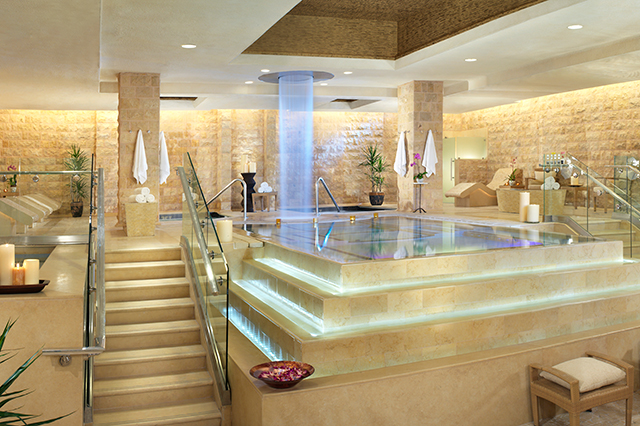
Qua Baths & Spa, Caesar’s Palace, Las Vegas 

The, 50,000-square-foot casino spa features a Roman bath, with elaborate mosaics and classical columns surrounding the pools. There are Vichy showers, three pools, a wide variety of massages including hot stones, a “lava melt” and one with Ayurveda oils, plus state of the art fitness facility.
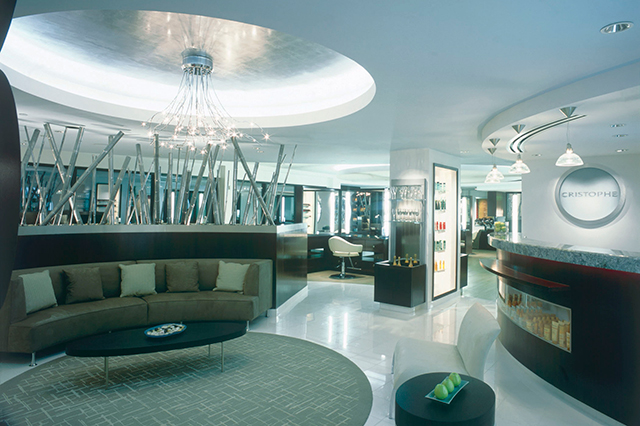
spa resort casinos
The MGM Grand Salon. (Photo: MGM Resorts International)

The Grand Spa at the MGM Grand, Las Vegas

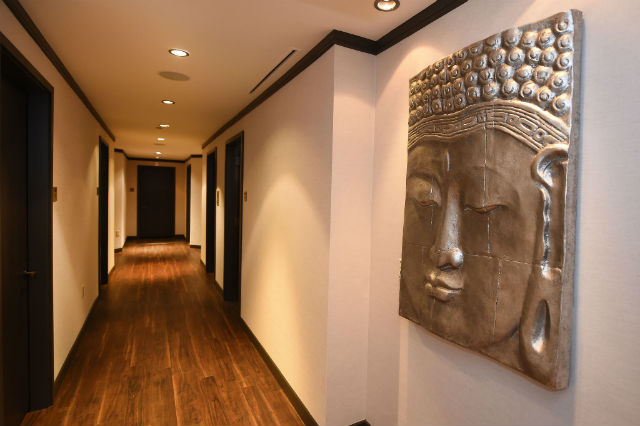
A zen-like facility with 20 treatment rooms and signature treatments such as the two-hour Dreaming Ritual, which includes an Australian Aboriginal massage, and the Nirvana, using Ayurvedic oils, Abhyanga massage, a Shirodara scalp treatment, hot stone treatment and a copper bowl foot balancing treatment.  Wellness goes beyond the walls of the spa, however: there’s an indoor hike through the casino that winds up with a stretch at the MGM Grand pool. You can all book a Stay Well room, which incorporates light therapy, Vitamin C-infused shower water, Air purification and water filtration systems, s specialized 24-hour in-room menu that offers a variety of healthy choices and access to body management programs developed by the Cleveland Clinic.

Skana, The Lodge at Turning Stone Resort, Upstate New York

Skana, the Oneida word for “peace” is a 33,000-square foot destination spa with American Indian design influences and treatment: it features 12 treatment rooms, VIP suite, full-service salon, and a therapeutic mineral pool. It’s also just part of the wellness program at this spa resort casino, cited as one the best spas in the world by Spa Magazine, and a reader’s choice award-winner in SpaFinder’s annual poll.

Turning Stone also offers a 65-foot lap pool, state-of-the-art StarTrac cardio and strength equipment, and 72 holes of golf.

The Spa at Wynn, Macau

Wynn’s properties are always classy, and that includes the facilities at all its spa resort casinos. But they outdid themselves in the new Macau development, which Forbes Travel Guide recently awarded five stars. There are two properties here, the Wynn and the Encore, and both have spa facilities. Wynn’s standout: the signature “Silk & Cashmere Awakening”; the Encore’s special calling card is a personal suite, complete with steam room, sauna, hydrotherapy bath and treatment room. Signature treatment: “1-6-8,” a perfectly choreographed massage performed by three therapists.

Have you ever been to any of these spa resort casinos? Share your experience with us in the comments below!

Plan and book your next trip with AAA

Subscribe to Your AAA Newsletter

Sign up and receive updates for all of the latest articles on automotive, travel, money, lifestyle and so much more!

Tips for Understanding Your Credit Report

Having a healthy credit history and understanding your credit report are important steps to maintaining your financial well-being.

Listen to Our Podcast

Get tips to outsmart scammers and protect your personal data. Listen to Episode 12 of our podcast, Merging Into Life: Identity Theft.

Tune In

Consumers with strong credit ratings often benefit from easy access to credit and lower interest rates. Checking your credit report lets you assess how you’re doing and gives you an idea of what to expect the next time you apply for a loan or a credit card. It can also alert you to potentially inaccurate information, such as fraudulent borrowing by an identity thief.

Here’s a quick rundown of what you can expect when you check your credit report.

What is a credit report?

The U.S. Consumer Financial Protection Bureau says it as well as anyone: A credit report contains information about your credit such as loan payment history and the status of your credit accounts. Lenders use these reports to make lending decisions.

Who compiles these reports?

The three largest providers of consumer reports in the U.S. are Equifax, Experian and TransUnion.

How can I get my reports?

Under the Fair Credit Reporting Act, you’re entitled to a free copy of your credit report every 12 months. Many consumers request their reports through www.AnnualCreditReport.com, the only credit report website authorized by federal law.

You can request one, two or all three of your reports – one from each credit bureau. You’ll need to enter your name, Social Security number and address before answering a series of identity verification questions based on your borrowing history.

Understanding your credit report

Knowing what you’ll see is a big part of understanding your credit report.

Your credit report will contain payment history on credit cards, mortgages, auto loans and student loans, among other types of debt. It will also show how much credit you have available, how much credit you’re using, information from debt collectors and debt buyers and public information, such as court judgments and bankruptcies.

Credit inquiries will be highlighted, too. Some reports differentiate between hard and soft inquiries.

Hard inquiries are typically those made by lenders in response to a request for credit. Auto loans, mortgages and credit cards are examples of borrowing that will trigger hard inquiries. Several hard inquiries in a short period of time for credit cards can negatively affect your credit score, although shopping for a mortgage or auto loan within a short period will be reviewed as only one inquiry. It’s considered smart consumerism.

Soft inquiries are generated following an auto insurance application (in certain states), or by lenders looking to send you promotional offers or raise your credit limit on their own, to name a few examples. Soft inquiries, which include reviewing your own credit, do not generally impact your score.

The most important thing to do when looking at a report is confirm the accuracy of information. The CFPB advises consumers to check that information in your credit report is only about you, and to keep an eye out for any inaccurate or incomplete information. Check for addresses where you did not live, names of employers you didn’t work for and any information that should no longer be on your report, such as derogatory information older than seven years or a bankruptcy older than 10 years. Generally, information reported within 90 days is considered current.

What if I see something inaccurate?

Consumers can dispute information on their credit reports that they believe to be inaccurate. Some online reports will allow you to file a discrepancy by clicking a link, and all three credit bureaus have dedicated websites for filing disputes.

Credit bureaus must investigate items in question, according to the Federal Trade Commission, typically within 30 days unless the request is deemed frivolous. If your dispute is valid, the company that provided the inaccurate information to the credit bureau – for example, your credit card company or auto loan lender – must notify all three credit bureaus. Once your report is updated, you are entitled to a free copy of your report from the bureau you filed your dispute with, and this free report does not count as your free annual report.

If you find inaccurate information, you aren’t alone. In May 2016, the CFPB highlighted credit reporting in its monthly complaints snapshot. More than three-quarters of credit reporting complaints received by the bureau related to incorrect information on consumers’ credit reports.

In early 2013, the Federal Trade Commission reported that 5 percent of consumers had errors on one of their reports that could potentially result in higher borrowing costs.

Where is my score?

Many people checking their credit report are interested in knowing their credit scores. Lenders use these numbers to determine an individual’s credit worthiness. The models used by each credit bureau differ from one another, which typically leads to different scores. Models can differ depending on the type of credit you’re requesting, too.

Your credit report does not contain your credit score. You can track down your credit score in a few different ways. Some credit card companies provide consumers a score on their monthly statements, while FICO scores are available for purchase.

Consumers should be careful using any service that offers free credit scores. In January 2017, the CFPB ordered TransUnion and Equifax to pay more than $17.6 million in restitution and $5.5 million in fines for deceiving consumers about the usefulness and actual cost of credit scores sold to consumers.

Scores sold to consumers were not the same ones used by lenders, announced the CFPB, and some consumers who signed up for free credit scores were automatically enrolled in a subscription program that charged them every month unless they canceled.

Always remember that no consumer has a single credit score.

Do you still have questions about accessing or understanding a credit report? Let us know in the comments below.

To learn about all of the financial services that AAA can provide, visit AAA.com/Financial

Subscribe to Your AAA Newsletter

Sign up and receive updates for all of the latest articles on automotive, travel, money, lifestyle and so much more!

Top 4 Locales for a Boston Staycation

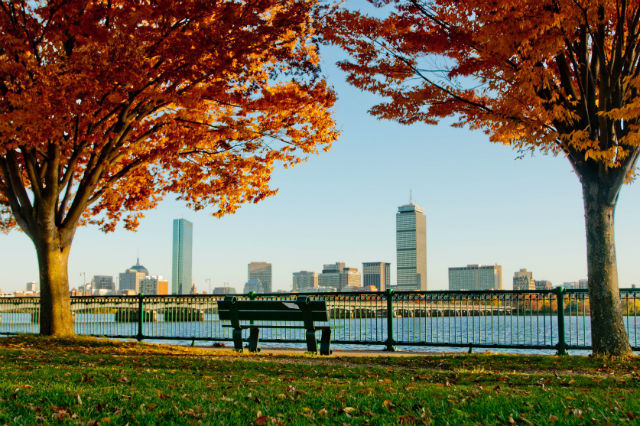
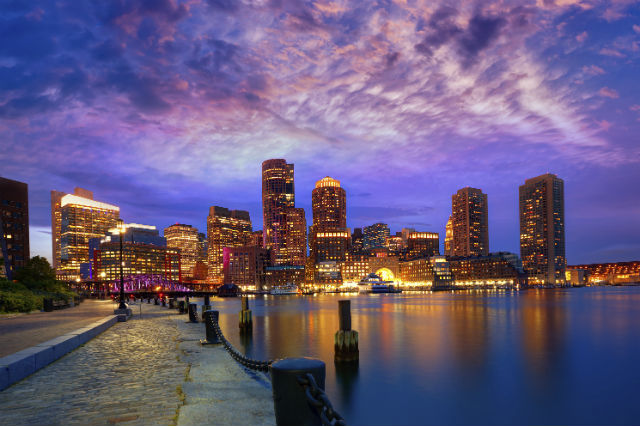
Though Boston is small, heading into the city can feel overwhelming. We’ve created itineraries that break down four of Boston’s most popular locations to make your stay as easy as possible. Fortunately, Boston is quick and easy to navigate, so these suggestions are interchangeable.

Happy stay-cay!

Back Bay

Start the day with coffee and breakfast at independent bookstore Trident Booksellers and Cafe. You’ll need the energy for a stroll down Newbury Street, which is home to upscale restaurants, shops and galleries.

For art lovers, Vose Galleries is one of the oldest fine art galleries in the country, and the Copley Society of Art features all manner of artworks by local artists. Along the way, you’ll find plenty of shopping. And don’t miss the Boston Public Library, renowned for its historical significance and architecture.

For lunch, choose from one of the many restaurants and counters within Eataly in the Prudential Center. Then head up (literally), to the Prudential Skywalk Tour for a 360 view of the city.

Book a Hilton Staycation!

AAA members save up to 15% at Hilton family hotels and resorts.

Book Now

Did you know you can take a tour of Fenway Park? Even if you’re not a sports enthusiast, historical Fenway is one of the country’s most beloved ballparks and worth getting to know better. Tours are offered year-round; see website for details.

If you’re a lover of the symphony, you can take a tour of Boston Symphony Hall, home to the Boston Symphony Orchestra and the Boston Pops. While you’re at it, see what’s happening at Berklee Performance Center at Berklee College of Music. Other can’t-miss cultural stops include the Museum of Fine Arts and the Isabella Stewart Gardner Museum.

Where to stay: The Hilton Boston Back Bay is a AAA Three Diamond Rated hotel right in the middle of all the action, making it simple to hit the town.

Faneuil Hall

Waste no time and walk right over to Faneuil Hall Marketplace in the historic Quincy Market building for a bite to eat, something to drink or some shopping. Boasting 18 restaurants and 35 colonnade eateries, you can find pretty much anything here, from local clam chowder to sushi to enchiladas. Shop for gifts such as local art, unique jewelry or fun Boston souvenirs for family and friends at the numerous outdoor canopy shops.

From Faneuil Hall, you can book a tour of Boston’s famous Freedom Trail, or take your own. You can’t miss it – the 2.5-mile trail through the city is marked with painted red lines along the sidewalks. Either way, you are going to work up an appetite for some good New England eating. Luckily, Boston’s seafood institution the Union Oyster House is located right along the Freedom Trail, where you can eat oysters to your heart’s content. While you wait for a table, cross the street and check out the New England Holocaust Memorial, a modern installment of six 54-foot glass towers dedicated to Holocaust victims.

Check out the nearby Boston Waterfront, where you can tour the world-famous New England Aquarium. At the aquarium you can book a whale watching excursion through Boston Harbor Cruises, weather permitting, that takes you to Cape Cod Bay’s marine sanctuary Stellwagen Bank. For a more historic cruise, hop aboard “Old Ironsides,” the 1797 navy ship USS Constitution.

As you head back to the present, be sure to visit the Seaport District, Boston’s hottest new neighborhood, with plenty of options for dinner.

Where to stay: For style and convenience, stay at the Hilton Downtown Boston Faneuil Hall. This AAA Four Diamond Rated hotel, built in 1928, is pet-friendly and was Boston’s first art deco style skyscraper.

boston staycation

North End

The North End is world-renowned for its authentic Italian restaurants. The first (or last!) thing you have to do is stop for coffee and cannoli. Touted as Boston’s first Italian café, Caffe Vittoria serves up top-notch cappuccino and pastries in a sublimely Italian ambiance.

For lunch, the choice is yours – authentic Italian sub or pizza? For a huge slice of old world-style pizza, Ernesto’s can’t be beat. If a good sandwich is what you are after, check out Monica’s Mercato & Salumeria, a North End institution serving up what some say are the best subs in the city.

You’ll probably need to walk it off afterwards, so take a stroll down the North End’s many quirky and winding streets. Take in some history at Paul Revere’s House and the Old North Church, from where Revere began his famous midnight ride.

For an elegant North End dinner, Lucca features locally-sourced seafood, pasta and a 500-selection wine list. If you prefer something more casual, try Al Dente or Panza; both serve up classic pasta dishes with a laid back and bustling vibe.

Where to stay: Within close proximity to the delicious foods of Boston’s North End, Ames Boston Hotel Curio Collection by Hilton is a contemporary chic luxury boutique hotel set in Boston’s first sky scraper, built from 1893-1915.

Theater District

For those who love theater, Boston doesn’t disappoint. Boston’s Theater District boasts at least ten world-famous theaters, including the Wang, the Shubert, and Boston Opera House, home to the Boston Ballet’s Nutcracker Suite. Check out the Blue Man Group at Charles Playhouse!

While you’re exploring, grab a coffee (or a glass of wine, or a beer) at the trendy Jaho Coffee Roasters. Options abound for dinner, either before or after a show. For seafood, Legal Crossing, a branch of Legal Seafoods, is situated close to the Opera House and Emerson College’s Paramount Theater. Craving some sushi? Check out Fin’s, situated near Emerson’s other two theaters, the Colonial and the Cutler Majestic.

Where to stay: Check in at the AAA Three Diamond Rated DoubleTree by Hilton Boston Downtown, which boasts a modern feng shui vibe and an Olympic-size pool.

What’s your ideal Boston staycation? Tell us in the comments.

Book your next Hilton stay with AAA.

Subscribe to Your AAA Newsletter

Sign up and receive updates for all of the latest articles on automotive, travel, money, lifestyle and so much more!

Common Questions to Ask Before a Home Inspection

It’s important to know the ins and outs of your home when it comes to homeowners insurance. Don’t be afraid to ask as many questions as possible when dealing with a home inspector. And remember, the questions don’t stop after the home inspection ends. There still could be some loose ends you need to tie up in case of emergencies.

A good home inspection gives details on an insurance policy

Here’s a typical question that’s asked during a home inspection:

What does my homeowner’s insurance policy cover?

It varies quite a bit. There are hundreds of insurance companies that have their own rules and regulations when it comes to standards. Liability and property are the two areas that cover policies.

Here are some of the things you can expect that goes into your insurance coverage:

  • Fire or lightning
  • Windstorm or hail
  • Explosions
  • Aircraft
  • Vehicles
  • Smoke
  • Theft or vandalism

What does a home inspector know about property damage?

Here are several things that could occur in regards to property damage.

Does my insurance cover damage from a pipe burst?

Yes. Even if it’s an accidental discharge from the pipes, you are typically covered. A good rule of thumb: Check your plumbing and heating system once a year. Even though you’re covered, you don’t want to go through the hassle of cleaning up this mess.

Does my insurance cover damages from fire, storm, lightning, explosions and smoke?

Yes. These are all common perils that you can get reimbursed for based on your level of insurance. A solid home inspection scopes out the level of damage and will allow you to assess whether or not you should see an agent for coverage. Also, you may want to get flood insurance in case your area is prone to torrential downpours. Some mortgage companies require you to get this insurance before financing. Getting this early may allow you to purchase it at a better rate.

Does my insurance cover earthquake damage?

This is something that’s not covered. It’s completely separate from your regular coverage. If you live in an earthquake-prone area, it’s a good idea to consult an agent who will guide you through the coverage process.

Learn about the right insurance coverage

Being aware of the right insurance coverage is another thing to think about especially when it comes to your location.

How much coverage do I need for my home?

There are a few answers to this question. It depends on a number of things:

  • What type of home you live in.
  • The value of your home.
  • Total asset value.
  • Rebuilding costs due to loss.
  • Whether or not you pay mortgage.

Another thing to know is that if you plan on adding any structure to your home whether it’s a shed, a guest house, or a garage, you’ll need to get coverage for those as well. Always check with an agent on additional coverage required when updating the home. A good home inspection will result in a thorough assessment of your property, which will give an idea of a proper quote for the house. Find a reputable person in your area who has the experience to do the job.

home insurance

Find out what coverage to get for a condo

A condo is a different situation than what you’ll typically deal with in a home.

What kind of coverage does the condo association provide for my condo?

While you are still a homeowner, a condo has a unique situation regarding coverage. One main difference is condo owners have a special homeowner coverage called HO-6, which helps you protect your property. Since you don’t own the whole building, there’s a special plan in place to reflect the proper coverage.

Your condo association will have a master policy in place, and it’s different for each city or zone. Remember, you still need to insure your property for elements like fire, storms, vandalism and theft. Add coverage if you’re going to put in special fixtures, a garage, or something else not included in the original condition of the property.

What happens with personal property?

Is my personal property covered by my insurance?

Most personal property is covered by the insurance. However, you should consider adding scheduled personal property coverage for things like jewelry, expensive art or collectibles. This is a good way to protect those items in your homeowner’s insurance.

Home insurance is essential to protect your house and belongings. Seek out a good home inspector to assess the house. This way you’ll be more clear on how to go about seeking the right coverage for your home.

What are some concerns you have for a home inspection? Does anything else come to mind when it comes to home insurance? Let us know in the comments below.

To learn more about AAA Insurance and to get a quote, visit AAA.com/Insurance.

Subscribe to Your AAA Newsletter

Sign up and receive updates for all of the latest articles on automotive, travel, money, lifestyle and so much more!

The Anatomy of River Cruise Staterooms

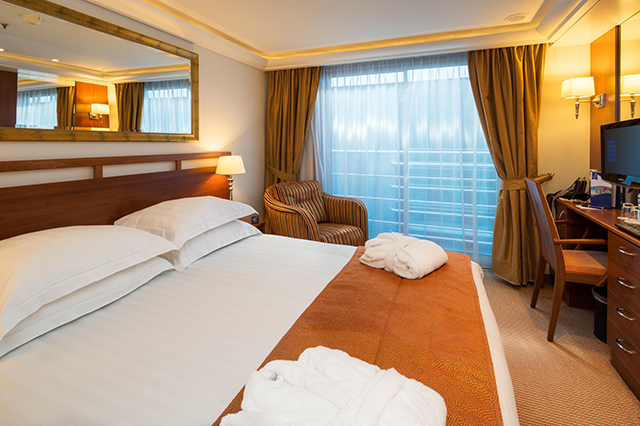
River cruise staterooms can be quite different from than those found on ocean cruise ships. One common element on a river cruise is that most guests can expect enormous windows, usually floor to ceiling, so you can watch the world go by. Balconies, whether “French,” (floor-to-ceiling windows that open, but don’t actually extend out to allow passengers to step out) or full, complete with a table and chairs, are pretty standard. The best way to get an idea of what a river cruise stateroom is like is to look at cabins on a few different river cruise lines.

Typical river cruise staterooms

AmaWaterways

AmaWaterways, which offers cruises in Europe, Asia and Africa, has generously sized standard cabins, with at least 160 square feet of space. On one of its typical ships, such as the AmaCello, there are 73 standard staterooms with 170 square feet; four suites, which are 225 square feet; and two single cabins, with 140 square feet. Most have French balconies, which basically means you can open the windows so you can watch the passing countryside and get some fresh air. The marble bathrooms feel quite luxurious, with multi-jet showerheads and high-end bath amenities. High-speed internet access, with movies on demand, and bottled water, is complimentary. Suites have a sitting area with a sofa and two chairs, a stocked minibar and a full bathroom, with a bathtub and a separate shower.

Scenic

Book a trip on one of Scenic’s innovative “Space Ships,” so named for the way the cruise line makes excellent use of the space it has, and enjoy cabins which all have river views (there are no inside staterooms). Scenic has what it calls “sun lounge” balconies (every cruises line seems to coin a different name) found in its balcony and deluxe suites. These lounges are simply a glass-enclosed portion of the cabin with two wicker chairs and a table. Push a button and the top part of the glass wall comes down and suddenly your cabin is a balcony. All cabins include still and sparkling water, iPod docking station and a complimentary mini bar stocked with drinks and snacks. Beds feature Egyptian cotton sheets and duvets, bathrooms are stocked with L’Occitane bath products, and perhaps best of all, every cabin gets butler service.

river cruise staterooms
Avalon Amazon Discovery Estuary Suite. (Photo: Avalon Waterways)

Avalon Waterways

On Avalon’s “Suite Ships,” the Panorama Suites, which are the majority of the cabins, have 11-foot-wide and seven-foot-tall wall-to-wall windows that open all the way, with a protective horizontal rail across the lower half. The line calls these “open-air balconies” and they are quite amazing. It’s essentially like having an entire wall roll back so you can take in the views with nothing in the way. In addition, the cabins are cleverly designed so that the beds face the windows, something that is surprisingly not a common feature on river cruise ships. There are also a handful of cruise staterooms with regular windows and two large suites. Amenities in all cabins include orthopedic mattresses, Egyptian cotton linens, free bottled water, complimentary Wi-Fi, and marble bathrooms with L’Occitane toiletries.

Emerald Waterways

Emerald Waterways’ “Star-Ship” class ships can accommodate 182 passengers and feature 72 suites and 20 staterooms. The majority of the cabin types are the Panorama Balcony Suites, which boast wall-size windows that open half-way. Emerald calls these “private balconies” and they make the 180-square-foot cabins seem much larger, especially when wide open. Amenities in all cabins include complimentary water, Wi-Fi and a stocked mini fridge (for a fee). Bathrooms have full showers, stocked with Italian Prija bath amenities. There are a few higher-end suites, which come with actual walk-out balconies and lots of perks, such as canapes before dinner, free minibar and more. The cruise staterooms, found on the lower decks, have picture windows which do not open, but are certainly a great deal for those who are just as happy taking in the views from the public spaces. There are also two single cabins, a nice option for solo travelers.

Viking Longship Class Cabins

 Viking’s signature “Longships” offer a variety of room categories, from standard staterooms with picture windows to expansive suites with living rooms, full verandahs (most ships call these balconies) and French balconies in the bedrooms. There are no interior rooms at all, so every passenger at least gets a view. The décor is Scandinavian with lots of blond woods and white accents. In every category, the bathrooms have glass-enclosed showers, L’Occitane toiletries and heated floors. A nice touch is that fresh fruit and bottled water are replenished daily. Free on-demand movies and Wi-Fi are also included.

Of course, on all lines, when it comes to cruise staterooms, more space means a larger ticket price. Is it worth it to you to pay for a larger cabin or does the size of your sleeping quarters not matter? Tell us in the comments.

Book a river cruise vacation with AAA

Subscribe to Your AAA Newsletter

Sign up and receive updates for all of the latest articles on automotive, travel, money, lifestyle and so much more!

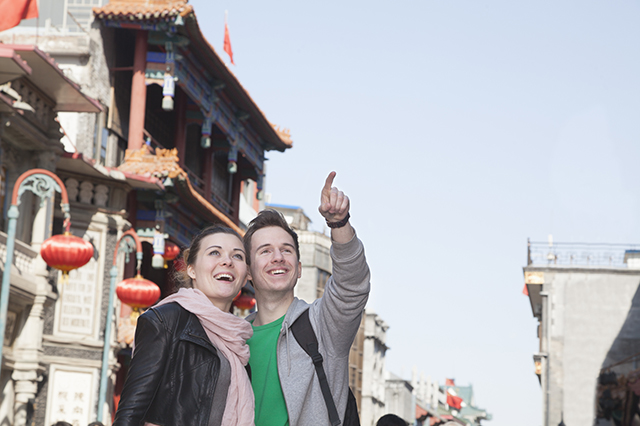
Travel in Asia: 20 Tips for Guided Tours in China

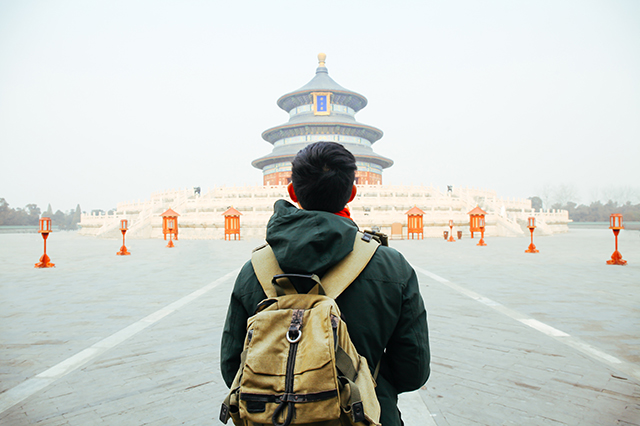
One of the best ways to explore a totally different culture is through the experienced guidance of a local tour guide. When you travel in Asia, a continent that is vastly different from many Westernized regions of the world, it can be helpful to plan your trip through an Asian tour company.

In order to get the best out of your experience, here are 20 tips for guided tours in China – and many are applicable when you take an Asian tour in other nearby countries.

1. You will need a visa

If you book travel in Asia with a tour in advance, the organizers may be able to secure a visa on your behalf (although it’s not required for travelers to all Asian countries).

2. Book your tour well ahead of time

It’s best to book your tour well ahead of time to give yourself the chance to find the best tour company for your needs, and to make sure that there’s room on the tour for you! Planning ahead will also help with securing the documentation you’ll need to get a visa.

3. Find the perfect tour package

The best tour packages to travel in Asia have everything for the price that a round-trip flight would usually cost. Finding something with flights, hotels, ground transportation and tours included means that all you have to worry about is showing up and enjoying the experience!

4. Avoid traveling during Chinese holidays

Check China-briefing.com to find out when the major Chinese holidays occur. Avoiding these will make for a much more enjoyable travel experience when you travel Asia.

travel in asia

5. Learn some basic Chinese words and phrases 

Study up ahead of time, or ask your guide. The locals will appreciate your efforts, even if you can’t exactly achieve fluency before your trip!

6. Don’t schedule tours for your entire trip

Save some time to explore China on your own, outside of your tour group. Many tour packages offer activity options for every day, but you need to allow for some time to check out the local scene on your own to really get the full experience.

7. Figure out public transportation

Though your guided tours will likely be on an air-conditioned charter bus or something of the sort, you’ll want to figure out the local public transportation options for when you want to get out on your own outside of tour time. Your tour guide will be an excellent resource for figuring out where to go and how to get there.

8. Guided tours are more expensive than self-guided tours

Guided tours will definitely cost more than you seeing an attraction on your own in China, but the price you pay covers easy entry (sometimes ahead of individuals who didn’t come with a tour group), expert knowledge you may not otherwise have, and transportation, which may be tough to arrange on your own – especially if it’s outside of a major city.

9. Be inquisitive

Don’t be afraid to be inquisitive about what’s going on around you during an Asian tour. Tour guides are happy to tell you all about their home – all you have to do is ask. It’s also OK to dig past the surface and ask about the tough stuff. The more you understand about the world around you, the better a global citizen you become.

10. Ask your guide when to visit popular attractions on your own

Your guide will have the most expert insights as to the best dates and times to check out popular attractions during your trip, to avoid the worst of the crowds. As far as planning travel to the country, off-season in China is late October through March, with less crowds and cooler temperatures. Additionally,  most tours groups go to popular attractions in the mid-morning and mid-afternoon hours, which are best avoided when venturing out on your own.

11. Don’t talk about the three Ts

There are three Ts that will set off any government official who may be happening to listen: Tiananmen, Taiwan and Tibet. Your tour guide will warn you if there are places where government spies (yes, really) may be hiding. In general, don’t say anything bad about the Chinese government in public. Save the politics for talk back home.

12. Make friends with people in your group

There’s safety in numbers when going out on your own. And though China isn’t necessarily an unsafe place, having a group can make it easier to figure out where to go and how to get back to your hotel when all is said and done.

13. If you have blond hair, you’ll become a paparazzi target

The Chinese people are a bit taken with the traditional American look – especially with blond hair. The locals may swarm you, asking for photos. Indulge them and feel like a movie star.

14. Trust the tour guide when it comes to drinking water

Though you should stick to bottled water when it comes to regular hydration, tour guides usually know to bring tourists to places that are careful with water. So if a dining host offers you juice or something similar, it’s likely ok to drink without worry – just make sure to ask. Hotels will always have water and juice that are safe to drink, even if it’s not bottled.

15. Your guide will know the best markets

Ask your guide for their recommendations, especially if you’re looking for a specific item or luxury product (like jade). They’ll let you know where you might get ripped off, and what markets are actually worth your time.

16. Don’t feel compelled to buy something during a factory tour 

If you’re on an extensive, multi-day Asian tour, you’ll probably be taken to a silk or jade factory (or something of the like). These places offer ridiculously expensive goods at the end of the tour, so don’t be afraid to just appreciate – and not buy. That said, they are some of the best places to find authentic goods, if you’re into that.

17. Tour stop restaurants aren’t always something to get excited about

Restaurants where tour guides take larger groups won’t be the most authentic, so make sure to ask your guide for dining suggestions for when you’re on your own, outside of the tour.

18. Tour guides can help you find what you forgot to pack

Forgot to bring a special converter plug? Your tour guide or tour mates may have an extra one you can borrow. It doesn’t hurt to ask!

19. Don’t overexert yourself

China (and its many historic attractions) wasn’t built with accessibility or disabilities in mind. Don’t feel like you have to walk the entire Great Wall in order to get the full experience. Sometimes, just being in the presence of these historic monuments is enough.

20. Don’t forget to tip your tour guide 

Your tour guide likely doesn’t make a lot from the tour company, and depends on tips. It’s customary to tip for this type of profession, so make it good!

If you’ve ever been on a guided tour in China or elsewhere, you’ve already lived many of these tips. If that’s the case, share your knowledge in the comments below.

What are your best tips for guided tours in China, or Southeast Asia, in general?

To learn about AAA Vacations packages to Asia, click here

Subscribe to Your AAA Newsletter

Sign up and receive updates for all of the latest articles on automotive, travel, money, lifestyle and so much more!

The Top 10 Things to Do in Hoboken, N.J.

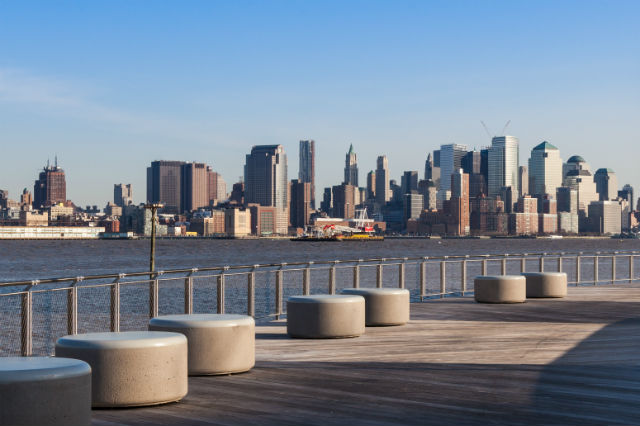
Hoboken, N.J., packs a lot of history into its 1 square mile. And whether you’re a die-hard foodie or a creative soul looking to enjoy the arts, there’s a lot to do and explore.

1.

Visit Frank Sinatra’s birthplace. Although the original tenement building is no longer there, a bronze star at 415 Monroe St. marks the spot. Pick up a Frank Sinatra self-guided walking tour at the Hoboken Historical Museum (which is a great place to explore even more rich Hoboken history).

2.

Bring your appetite and walking shoes to the Mangia Hoboken! food and culture tour. You’ll learn about some unique Hoboken history and sample delicious foods like freshly baked Italian bread and homemade mozzarella cheese.

3.

Pizza your way through Hoboken and visit some of the best spots for a slice in town. The Hoboken outpost of Brooklyn’s famous Grimaldi’s makes its own mozzarella cheese for its coal-fired pies, while Tony Boloney’s has some delicious one-of-a-kind creations. And Benny Tudino’s has the largest slice around!

4.

Take in a perfect view of the Manhattan skyline and enjoy traditional Italian fare at the Blue Eyes Restaurant and Cafe. And make sure you leave enough room for dessert – you’ll definitely want to try some cannoli and dessert coffees.

5.

One of of the best things to do in Hoboken is to take in the arts scene. You can catch different shows and events at the Mile Square Theatre or take a BYOB painting class with ArtEVino at the Monroe Center.

6.

Visit the Barsky Gallery to enjoy more art. You’ll find beautiful contemporary artwork from both the city’s local talent, as well as emerging and established artists from around the world.

7.

Stroll along Washington Street to get your fill of unique shops, vintage boutiques, world-class restaurants, delis and bars. Washington Street is also home to Carlo’s Bake Shop – made famous in the TLC series “Cake Boss.” Spend a few hours shopping and then treat yourself to some delicious sweets.

8.

Go kayaking on the Hudson – for free! – and enjoy some sun as you explore the river and city. It’s a lot of fun and great exercise.

9.

Sprawl out on the great lawn at Pier A Park and sunbathe with the locals on summer weekends. You can also watch movies under the stars with friends and family all summer long.

10.

Enjoy more stunning views of Hoboken and the Manhattan skyline at Castle Point Lookout on the Stevens Institute of Technology campus. At 100 feet tall, it’s the highest point in the city.

What are your favorite things to do in Hoboken? Tell us in the comments.

Now that you know that there are plenty of things to do in Hoboken, check out hotels in the area to start planning a quick getaway.

Subscribe to Your AAA Newsletter

Sign up and receive updates for all of the latest articles on automotive, travel, money, lifestyle and so much more!

The Top 10 Things to Do in Chicago

The Cubs finally won the World Series – after a 108-year drought – in 2016, but the celebratory buzz will likely remain for a long time to come. Catching a game at Wrigley Field, baseball’s second-oldest stadium after Boston’s Fenway Park, is certainly one of the top things to do in Chicago, as is visiting its museums, lakefront parks, funky neighborhoods and architecturally rich buildings – not to mention trying its deep-dish pizza and other local treats.

Things to do in Chicago

1.

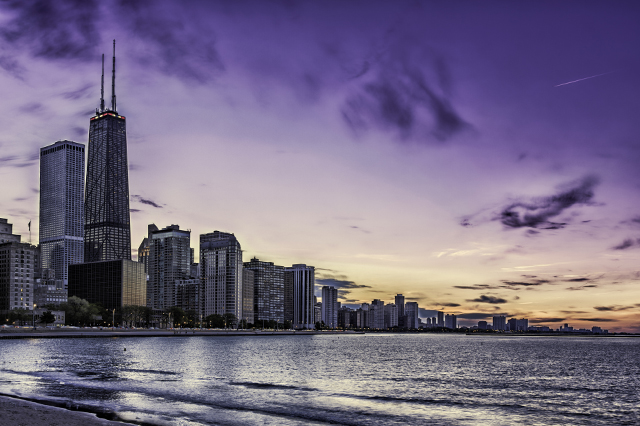
 One of Chicago’s grandest boulevards is North Michigan Avenue – specifically a stretch called Magnificent Mile. Here you’ll find AAA Five Diamond Rated luxury hotels including The Peninsula and The Waldorf Astoria, as well as boutique lodging options like The Kinzie, which offers modern design, skyline views and room service by The Public House gastropub. Designer shopping is all around, and there’s certainly no shortage of trendy restaurants with options like The Purple Pig nearby, serving up wine, cheese, in-house made charcuterie and tapas-style fare.

Magnificent Mile at dusk.

2.

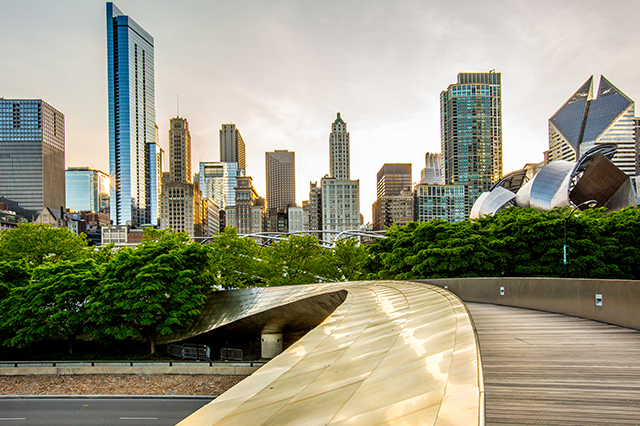
 An essential part of Chicago travel is a visit to Millennium Park to see Cloud Gate, the beloved Anish Kapoor-designed, bean-shaped stainless steel sculpture. It’s highly reflective surface captures the skyscrapers behind it in the most Instagrammable way. Of all the things to do in Chicago, it is one of the most photographed. Every day Millennium Park offers a variety of free programs, festivals and exhibitions, and you might even catch a concert at the Jay Pritzker Pavilion. Be sure to check what’s happening before you go.

3.

The Art Institute of Chicago is a can’t-miss attraction. The massive museum is home to several national treasures including “American Gothic” by Grant Wood and “Nighthawks” by Edward Hopper.

Top photo: Deep-dish pizza is a Chi-Town staple. (Photo: Thinkstock)

4.

The Navy Pier is the perfect place to go for a walk, catch a river cruise and get a taste for all the city has to offer. Kids will love taking a ride on the Centennial Wheel – offering 360-degree views of the skyline and Lake Michigan – and trying the hands-on exhibits at the Chicago Children’s Museum. Restaurants along the pier feature favorites such as Chicago-style Dogs at America’s Dog and deep dish pizza at Giordano’s. And if you have time for more exploring, check out the Crystal Gardens indoor botanical garden.

5.

A great way to see Chicago’s legendary architecture (the world’s first skyscraper, the Home Insurance Building, was built here in 1885) is to sign up for a guided boat tour along the Chicago River. For a different vantage point, head to the top of the John Hancock Building to experience the 360 Chicago observation deck. Those truly unafraid of heights can ride Tilt – a moving platform that tilts you downwards, 94 stories above the city.

6.

Catch a game at Wrigley Field. Dating from 1914, the iconic stadium is known for its ivy-covered brick outfield wall, rooftop bleachers and red marquee sign over the main entrance. Grab tickets for a tour for a chance to step onto the field, sit in the dugout and learn all about the history of the ballfield. For pregame excitement or post-game celebrations, hang out with fellows Cubs fans at one of the dozens of bars in Wrigleyville. The Cubby Bear is a classic that’s been around for over 60 years.

7.

 Visit Sue, the world’s best-preserved Tyrannosaurus rex skeleton at the Field Museum of Natural History, which boasts plenty of other dazzling artifacts and specimens in its vast collection. At the Museum of Science and Industry, you and your family can explore the most amazing aspects of the natural world and innovations with exhibits like “Science Storms,” which features a 40-foot tornado that you can control. Or learn the history of the Windy City at the Chicago History Museum, where visitors can sit on Chicago’s very first L car, among many other interesting hands-on and interactive exhibitions.

8.

 Deep-dish pizza and Chicago hot dogs are staples of any Chicago travel adventure, but you can also try the food truck scene. Fat Shallot has sandwiches like truffle BLTs and the Slide Ride sells gourmet sliders.

9.

 The city has no shortage of fine dining restaurants, including many that are AAA Diamond Rated. The AAA Five Diamond Alinea, helmed by highly creative chef Grant Achatz, serves New American tasting menus. Newly remodeled and reopened in May 2016, all three experiences offered – from the intimate kitchen table, reserved for parties of 6 only, to the more approachable salon menu – are unforgettable and worth the splurge.

10.

An elegant spot to have a cocktail is The Bar at the Peninsula Hotel. Long a favorite of celebrities and local pro athletes, the dimly lit lounge has a large selection of martinis and single malt whiskeys.

Which of these things to do in Chicago would you like to try? Tell us in the comments.

Looking for a variety of great lodging options in the area? Find and book great hotels in ChicagoCall 1-800-873-8283 to speak to a AAA travel counselor today or click here.

Subscribe to Your AAA Newsletter

Sign up and receive updates for all of the latest articles on automotive, travel, money, lifestyle and so much more!

Relaxation on a Luxury Rhine River Cruise

The sun hung low as we crunched along dirt paths between rows of vines at the Schloss Johannisberg winery, light filtering through the green leaves. Each German riesling grape, just forming into clusters in May, was small as the head of a pin. Close up, they looked like asparagus tips. Down the steep hill, the famous river snaked through its valley, a picture-perfect introduction to our luxury Rhine river cruise.

We later had dinner in the estate house, built in 1721, but not before a tour and tasting in the underground vaulted stone cellar, which dates to 1100. Almost 300 years prior to then, the vineyard was ordered to be planted by Charlemagne, the first ruler of the Holy Roman Empire.

The history lesson and meal that followed were a highlight of my time river cruising on the Viking Hlin riverboat, but it was hardly the only surprise for an itinerary that covered four countries in eight days.

If that pace already sounds exhausting, you’d be surprised. Sure, there were more activities and excursions than one could imagine being packed into one trip, but there was enough flexibility built in to allow for the best part of a vacation – doing nothing.

Enjoying a luxury Rhine river cruise

The ship left from Basel, Switzerland, and I had a couple hours to explore before we shoved off not far from the red stone cathedral that rises above the town. The rainy weather was enough to cut my walk short, but it wasn’t a deterrent to the inline skating race I stumbled upon. Lycra-clad competitors in high-performance rollerblades snaked through the historic center with astonishing speed, crouching over with arms swaying like speed skaters in the Winter Olympics.

Back on the boat, I settled into my stateroom, which was sizable for a cruise ship that fits only 190 guests. It had a built-in vanity and space for a separate chair beside the king-size bed. I was greeted with a plate of fruit and a bottle of sparkling wine, and I found other pleasant touches like soft lighting behind the headboard and a heated bathroom floor. The balcony was the best part; a serene perch for watching villages, castles and acres of vineyards glide by.

Life while relaxing on a luxury Rhine river cruise is much different than on a traditional cruise ship because there’s a lot less space to work with. Amenities common to ocean cruise liners like a pool and stage show were missing, but the staff arranged other low-key activities, such as a glass blowing demonstration and a speaker on German culture. Another big difference on a river is that there’s also a lot less distance to cover, so the ship felt much more connected to each destination.

A wealth of excursions  

We docked the first morning in Breisach, a storybook German village that was nearly flattened in World War II. I wandered up a hill to the 15th-century St. Stephen Cathedral for a view past the pitched roofs of the rebuilt pastel buildings and far into the vast green of the Black Forest. The town was small enough to cover on foot in less than an hour, leaving plenty of time to return to the ship for lunch and the optional afternoon excursion to Colmar, France.

During the half-hour bus ride to Colmar, the guide breezed through more than two millennia of history of the Alsace region, which has been known for its light, white wines since the Romans established it as a center for viticulture. The village’s half-timbered houses leaned on each other and over the cobbled streets, flower boxes brimming with pink, purple and yellow blooms that hung over the canal that cuts through town where tourists took lazy rides in low-sided wooden boats, ducking under footbridges along the way. On my way back to the bus, I stopped for macarons at a pastry shop and watched the elderly ladies lean on their canes as they took afternoon walks.

The day provided a good example of what to expect from the rest of the week on my luxury Rhine river cruise, which included stops in Strasbourg, France; Koblenz, Heidelberg, and Cologne, Germany; and Kinderdijk, Netherlands before docking in Amsterdam. Each day included one free excursion, generally a bus or walking tour with a guide who cracked innocent jokes while giving a history lesson. Passengers also received some free time in each port, allowing for that kind of aimless wandering through back lanes and tangled alleys that often defines a trip to Europe.

Each port had at least one optional excursion, sometimes up to three. Activities ranged from a few-hour cheese making and windmill tour in the Netherlands, to a full-day Taste of Alsace feast that visited several culinary spots in Strasbourg, parts of which could have doubled as that little town full of little people in “Beauty and the Beast,” in both appearance and temperament. While I was grabbing a quick coffee and croissant that morning, two different people bid me an unprompted bonjour! and took note of my petit dejeuner.

luxury rhine river cruise
Breisach, Germany.

Enormous bounty at the river’s edge

River cruising can work up an appetite. Then again, the hours of wandering each day were necessary for burning off multicourse meals for breakfast, lunch and dinner. The staff delivered on its fine-dining promises with service to match, amiably handling a casual meal in the upstairs Aquavit Terrace with the same attention as was standard in the dining room.

Breakfast featured made-to-order omelets or eggs Benedict, along with a buffet with a selection of meaty side dishes, cereals, pastries, fruit and desserts. I mustered the strength to skip the daily mimosa bar.

Lunch and dinner were both such feasts that the distinction between the two was often lost on me but for the time of day. One delicious meal blended into the next. A starter of goat cheese custard was followed by a savory brisket served with potato puree and a red wine demi-glace and finished with a rich chocolate torte. The lighter options didn’t aim any lower. Consommé with Asian slaw, for example, came with curried chicken salad and berry crumble.

The premium wine selection included with the Silver Spirits package changed depending on the country we were visiting, sometimes an Alsatian pinot gris, at other times a dry German reisling. Curiously, the house red and white were Argentinian, though satisfying all the same. Without a doubt, you want to splurge for the wine package on a Rhine riverboat cruise. It will not disappoint.

Once dinner wrapped up, we inevitably filtered into the lounge, where the well-trained bartenders learned your name in one try and managed to mix a mean Old Fashioned. What was lacking in big ship entertainment was made up with in enthusiasm from Gigi, the Romanian piano player with an accent like Dracula but the singing voice of Neil Diamond. He turned out hits like an adult contemporary radio station and got the crowd dancing, even if the lyrics didn’t quite come out as written each time.

Room with a view

As the week wore on, we left Cologne and its cathedral – a marvel of Gothic architecture and one of the largest in the world, and the schedule was adjusted from traveling at night to cruising during the daytime. The Rhine began to narrow among massive hills shooting straight from the water, juking back and forth at such a clip we were practically surrounded by the terrain. At some points, it was as if the boat would head straight into a wall of forest.

Riverside villages, comprised almost universally of about 50 buildings and a church spire, squeezed into the valleys between the hills. Every few miles a citadel in various states of repair would appear above a rocky outcropping, a sign of the power bestowed upon those who controlled the storied river over the centuries.

As I stood on the rooftop terrace, crows cawed, loons honked and finches twittered as the ship inched closer to the magnificent Marksburg Castle. The yellow stone fortress, with turrets capped in black slate, beckoned as if from a fairy tale. Surely, an imprisoned maiden was awaiting her hero prince in one of the towers.

By the time we docked in an industrial area of Amsterdam the last day, I was struggling to decide whether it was worth it to taxi into town for an hour before I had to catch my flight. The front desk attendant convinced me that would be cutting it close.

“Well,” she said, “that gives you a reason to come back, right?”

Yeah. She’s right.

Book your luxury Rhine river cruise vacation with AAA

Subscribe to Your AAA Newsletter

Sign up and receive updates for all of the latest articles on automotive, travel, money, lifestyle and so much more!

Should You Automate Your Savings?

Everyone knows how important it is to have a savings account, but many Americans fail to create a financial cushion for when those unexpected expenses crop up. Some workers struggle to bring in what they feel is enough income to create an effective savings, while others fail to create a system to facilitate and manage their savings goals. That’s where automation comes in.

In recent years, automation – that is, using an automatic system to eliminate the need for a manual task – has taken the finance world by storm. Automation is a valuable tool for consumers who are looking to start building a savings from the ground up. We take a closer look at why automation is worth investing your time and money in and offer advice on how to get your savings started now.

The Case for Automation

Traditionally, a savings account is built by simply transferring money piecemeal from one account to the next. But automation updates this process for the modern age, allowing consumers to experience the benefit of their hard work in the easiest way possible. Because transfers happen automatically, you never have to remember to tend to your savings account. Everyone these days has such busy schedules that it’s easy to imagine many would-be savers might forget or opt not to move money into their savings, especially if finances seem especially tight in the moment.

In addition, automating your savings means that you can get accustomed to not having the money that you have specifically earmarked for your savings. As such, you won’t have to worry about feeling tempted to spend this “extra” money. Since it goes straight to your savings, you’ll be able to accumulate a significant total sooner than you would otherwise, leading to a much higher return on your investment (based on your account’s interest). Automation helps you to maximize your savings in a way that just isn’t possible with any other method. Imagine being able to create a nest egg for you and your family without ever having to give it a second thought.

automate your savings

Tips for Effective Saving

You may be thinking that you cannot possibly start building your savings right now. After all, you might not have enough available income or foreknowledge of how to even begin. Luckily, effective savings doesn’t have to be as dramatic or complicated as you might think. In fact, here are a few first steps to keep in mind:

  • Crunch the numbers: Before you make any assumptions about what you can or cannot dedicate to automated savings, it’s worth taking a close, unbiased look at your income and expenses. Chances are, you will find a way to squeeze in a bit of savings amidst your budget. Even if that means skipping that extra meal out at the end of the week or keeping your next shopping trip in check; small sacrifices can translate to big rewards.
  • Start small and ramp up: While you’re reviewing your budget, remember that every little bit helps. Sure, many financial experts assert that you should ideally be saving at least 10 percent of each paycheck. However, if this is out of the question, don’t feel like saving is an impossible task. Once you calculate where savings can fit into your life, you can commit to a reliable amount each week or month. Then, as you become more confident in your ability to save, you can increase that total by a percentage point or so. Also, don’t forget to adjust your automated savings contributions as your income changes, whether for good or ill.
  • Spread the wealth: Once you decide how much you can realistically save, you’ll need to settle on how to allocate this total. Consider investing some of your savings in your retirement contributions as well as your other savings accounts. The pros and cons of each account will vary, but it’s best to deposit at least some of the income you have earmarked for savings in each account, giving you an easy way to diversify your savings.
  • Design your automation: Given today’s marketplace, you have a wide variety of options when it comes to finding ways to automatically manage your money. You can, of course, set up automatic transfers or deposits from one or several accounts to your savings destinations, but if you’re serious about dedicating some of your hard-earned income to the cause, you may choose to set up a direct transfer through your employer. Most companies that offer direct deposit will allow you to send an established percentage of your paycheck to a separate account. It’s one more way to save without even realizing it.
  • Read the fine print: You very well might already have a trusted savings account in mind. Still, if you are on the market for a new one, be sure to take a close look at what’s involved before you select which account(s) are right for you. For example, many otherwise attractive savings accounts have specific conditions, such as additional fees or minimum required balances, that might detract from your savings goals.
  • Keep the fire burning: Building a savings isn’t for the restless. You’re sending a chunk of your income into an account where it will not be touched for likely years on end. So, you’ll need to find ways to keep yourself motivated. Track your progress and set goals for yourself. Checking your savings account balance regularly will allow you to see the fruits of your labor and keep you going. Just don’t withdraw from it!

Learn how AAA can help you handle your savings.

Subscribe to Your AAA Newsletter

Sign up and receive updates for all of the latest articles on automotive, travel, money, lifestyle and so much more!

Must-See Destinations in Switzerland

Switzerland is one of Europe’s most popular travel destinations, and for good reason; the country boasts amazing scenery, magnificent ski resorts, and a rich and well-preserved history.

Before you buy your plane ticket, make sure you have your itinerary packed with some of Switzerland’s must-see destinations.

The Matterhorn: Switzerland’s Iconic Mountain

No vacation in Switzerland would be complete without a visit to the Matterhorn, the country’s most famous mountain (and one of the most famous in the world). You might recognize it from the package of the Toblerone chocolate bar. The mountain is unique in that its four faces are pointed in each of the four cardinal directions. Although it’s not the highest peak in the country, its steep and triangular shape make it an exciting challenge for mountain climbers and also a favorite subject of amateur and professional photographers alike.

Zermatt: A Haven for Hikers and Skiers

Right at the foot of Matterhorn is the quaint and picturesque town of Zermatt. This charming car-free town attracts troves of tourists every year, both to enjoy its rich history and to take advantage of the region’s plentiful ski options. Skiing is open year-round in this area, not only in the winter, so if skiing is your go-to sport you’ll have plenty to do.

Switzerland: Reach New Heights

Save $50 per person when you book a Switzerland tour with AAA Member Choice Vacations.

Learn More

The forested area on its perimeter make for some breathtaking scenery as well, where hiking is popular. Cycling is another fun pastime in this friendly town and is the best way to get around and explore the plethora of food options. While you’re here, you’ll also want to hop on the cog railway, which offers spectacular views of the mountain.

The Glacier Express: A Mesmerizing Ride Through the Alps

The Glacier Express is one of Switzerland’s top destinations, but it’s more than just a train ride; this 8-hour journey takes you over more than 200 bridges and through the Swiss Alps for a truly breathtaking, panoramic experience. A favorite moment on the ride is the spectacular views above Landwasser River. The ride goes all the way from Zermatt to St. Moritz and is an unforgettable trip for any world traveler. The train is built for a pleasant ride too; expect spacious dining cars, large windows and comfy seating.

GoldenPass: Take a Ride on the Chocolate Train

Another popular train ride is the GoldenPass. As with the Glacier Express, this is no ordinary train ride. The epic journey allows you to travel through three different regions, and there are 7 train lines depending on what you’re interested in seeing. The chocolate train is one of the most popular; you travel to Switzerland’s famous chocolate and cheese destinations and learn about how these delectable foods are made.

It’s no surprise that Switzerland is a paradise for chocolate connoisseurs. After all, milk chocolate was invented in the country in 1875. Since then Switzerland has created some of the best tasting chocolate anywhere in Europe (and the world).

destinations in switzerland
Old City of Bern

Bern: Switzerland’s Historic Capital

Of course, close to the top of the list for must-see Swiss destinations is the country’s beautiful capital, Bern. This famous city is a great stop for those who love to shop. It boasts 4 miles of sheltered shopping arcades, so you can find the best Swiss goods and sweets even if the weather is bad outside. The city is rich with history, and you’ll be delighted by the amazing traditional and medieval architecture. Some call Bern the “City of Fountains”; the city has over 100 beautiful fountains, with the oldest built in the 16th century.

Lucerne: A Swiss Shopping Experience

Aside from the capital, Lucerne is another one of Switzerland’s most visited cities. Lucerne boasts one of Europe’s oldest bridges, Chapel Bridge. Take a stroll on this pretty wooden bridge and enjoy the pleasant view. If you’re looking for a souvenir to bring back home, Lucerne has plenty of amazing shops where you can find the perfect gift. If you’re a watch enthusiast, this is the city to be. Aside from chocolate, Switzerland is known for its expert craftsmanship when it comes to watches, so if you were planning on investing in a new watch, this would be the place to do it!

Appenzell: Home to Folklore and Crafts

The charming town of Appenzell is a common tourist stop for those traveling through Switzerland. Since the town lacks connections to major roadways, it has a truly local and comforting atmosphere, and is a delight for those who just want to escape the activity and noise of daily urban life. The economy of this little oasis focuses on local crafts, so it’s a great stop for those looking for one-of-a-kind Swiss gifts. The buildings are colorful as well and the entire town has an almost fairytale quality to it. Also, it doesn’t hurt that they make some very appetizing cheese!

Swiss National Park: The Natural Beauty of Switzerland

If you’re a nature lover, a stop at the Swiss National Park should be an important part of your itinerary. The only national park in the country is home to chamois, ibex and other animals, and in the springtime this stunning wildlife sanctuary has a beautiful display of flowers. Since the park is pristinely preserved as part of Switzerland’s natural heritage, there’s only a single road for visitors, and trips into the park are limited. If untouched meadows and forest are your thing, make sure to pay this park a visit.

If you’re ready to plan your trip to Switzerland after reading about all the amazing activities and sights, remember that Switzerland isn’t part of the European Union, so the Swiss currency is Swiss Francs, not the Euro. Travel between Switzerland and other countries in Europe is still easy, so you’ll have no problem coordinating your Swiss travels with your other European destinations. If you do decide to go to Switzerland, don’t forget to bring back some delicious chocolate for your friends and family!

Get exclusive member benefits when you book a tour with AAA Member Choice Vacations.

Subscribe to Your AAA Newsletter

Sign up and receive updates for all of the latest articles on automotive, travel, money, lifestyle and so much more!

Top 10 Ways to Stay Focused in School

Stay focused? That’s easier said than done.

In the world of Netflix and social media, studying seems almost impossible. One minute you’re reading notes and the next, you’re binging “Into the Badlands.” Or worse – you’ve fallen down the Facebook rabbit hole and you’re three years into the profile of an old crush. Look, we’re not here to judge you (or your Facebook stalking). Distractions can get the best of anyone. But if you’re looking to have a successful classroom experience (and GPA), then it’s time to learn the art of staying focused.

How to stay focused in class 

The first step to straight A’s is paying attention in class. Because no matter how long or hard you hit the books, studying information you didn’t learn is impossible. So avoid missing out on important content and potential test material with these classroom tips.

  1. Sit in the front row

Not only will you hear the lecture more clearly, but you won’t be able to see the computer screens of sidetracked classmates ahead of you. Up front and center, you’ll feel more engaged, alert and motivated (aka guilted by your instructor) to take notes.

  1. Put your phone on airplane mode

With your device in the clouds and temporarily out of reach, you’re more likely to come back down to Earth and stay focused on the lecture. Check your text messages and Snapchat after class.

  1. Ditch the fancy tech

Since most of us don’t have the discipline to use our laptops, tablets and iPads solely for note-taking purposes, opt for old fashioned pen and paper. This is a much safer option for staying focused, and more productive. Some studies even suggest that taking notes by hand can help with learning and retention.

  1. Participate

If you’re taking a discussion-based class, make sure to join talks and ask questions. Not only will participating keep you from feeling sleepy and help boost your final grade, but formulating thoughts and arguments can help ensure you understand the material. Of course, this means you’ll actually have to read the assignment first.

How to stay focused while studying 

Next, it’s time to reinforce what you’ve learned. But getting distracted during a study session can be way too easy. If you want to stay focused while studying, remember to put those phones on airplane mode and follow the tips below.

Studying outside your dorm room will help you stay focused on studying – instead of distractions.
  1. Don’t study where you sleep

You’ll find yourself taking an unexpected nap, browsing through the magazines on your bedside table, folding laundry, reorganizing – anything to procrastinate. Instead, look for a study space that will get you out of the dorm, house or apartment. You want an area that is clean and tidy, quiet and filled with lots of natural light.

  1. Don’t study with friends

No matter how hard everyone promises to stay focused, going over notes will turn into a hangout session. Instead, study solo. Give yourself a chance to review the material and then meet up with friends to quiz one another later.

  1. Study one subject at a time

People nowadays like to multitask. We use our phones to text and check Instagram, while watching shows on our tablets and cooking dinner. But the truth is, people can’t multitask effectively, especially when the job requires us to process information. So to avoid inadequately reviewing information and forgetting material, concentrate on one subject.

  1. Don’t cram

Instead of stressing yourself out and losing sleep to study three weeks’ worth of information the night before a test, lightly review your notes after each class. Then, do one big cumulative review at the end of each week. By the time exams roll around, you’ll feel well-prepared. Use diagrams, flow charts and other visuals to help you along the way.

  1. Know your limits

Studying without breaks can be very ineffective. You’ll feel burned out, tired and extremely unfocused. So, remember to study in intervals. If you plan to have a two-hour review, study for 30 to 45-minutes at a time and take 15-minute breaks to snack and stretch your legs. When you sit back down to keep studying, you’ll feel refreshed and more alert.

How to stay focused on test day 

Staying focused doesn’t end after your study session. Here’s how you can stay on your toes in the time leading up to an exam.

  1. Keep your mental space clean

Don’t spend the precious moments before an exam surfing the internet or using social media. You should also avoid chatting with Negative Nancy’s who are convinced everyone is going to fail the test. The hours before an exam are your time to get in the right mental space, so use it wisely to stay calm, cool and collected. If it helps, tune out the world using soft, moderately-paced music and visualize your path to success.

Staying focused begins with your physical and mental health. Getting enough sleep each night, exercising, eating healthy and filling meals, having a sensible work-life balance and taking breaks when necessary are all essential to ensuring your best performance. So in the midst of all your papers, exams and other school stresses, remember to take care of numero uno – you!

What tips and tricks do you use to stay focused both inside and outside of the classroom? Tell us in the comments. 

Need help with college funding? Let AAA help

Get back to school savings with AAA!

Subscribe to Your AAA Newsletter

Sign up and receive updates for all of the latest articles on automotive, travel, money, lifestyle and so much more!

Alaska Cruise Shore Excursions Cater to Any Sense of Adventure

You’ve decided to take an Alaska cruise. How exciting! Heading north on a majestic ocean liner, you’ll pass by and gaze at landscapes that are truly unique compared to anywhere else in the country and amazingly, still very untouched.

As more are clamoring to see The Last Frontier, we help you make the most of an Alaska cruise with unforgettable excursion suggestions.

Alaska cruise lines offer excursions that cater to your sense of adventure

Whether you want to fly through the air or cruise on the sea, Alaska cruise lines have you covered.  On Norwegian Cruise Line’s Norwegian Pearl you can strap up for some fun at Bear Creek Zipline in Ketchikan. There you’ll zip along through an eco-rainforest adventure that features seven zip lines, ten tree platforms, and two rappelling elements!  If you prefer to stay grounded, try your oar at some sea kayaking in Juneau, where you may just meet up with a few furry friends.

Consider the Inside Passage

Alaska cruises allow you to getting up close and personal with glaciers for an experience that is unlike what you’d experience anywhere else and tour companies offer excursions in the air, or on land or sea that allow you to make the most of your time amidst nature’s intimidating and awe-inspiring structures.

A cruise to Glacier Bay National Park with Holland America Line takes you to a UNESCO World Heritage Site, or alternatively, to Tracy Arm, winding your boat through a narrow, twisting, 30-mile-long fjord that ends at the twin Sawyer glaciers.

Disney’s “5-Glacier Seaplane Exploration” lets you see not only one, but five glaciers as you fly over Tongass National Forest in a seaplane.  Can’t decide?  No problem!  Norwegian offers the opportunity to explore Alaska by air, water and ice on their “Taku Glacier Adventure”!  You’ll fly over Juneau, the Tongass National Forest, Juneau Ice Field, Gastineau Channel, and Taku River, all the way up to Taku Point, and you’ll meet the only advancing glacier of the Juneau Ice Field.

alaska cruise
Glacier Bay National Park.

Take in a bit of history

Jack London’s tales come to life as you explore Alaska’s history through the eyes of both the Native people and visitors that flocked there to strike it rich.  On Royal Caribbean’s “Alaska Gold Rush Highlights” excursion, you’ll learn about Skagway’s place in the Historic Gold Rush as you follow a gold miner’s journey along the scenic White Pass & Yukon Route Railway, viewing historic and picturesque landmarks, and even trying your luck by panning for gold. If it’s more cultural experience you seek, immerse yourself in the Mysteries & Traditions of the North Coast Native People tour from Norwegian, where you’ll witness the region’s traditional dancing, be regaled ancient stories and songs and even sample some local delicacies.

Be one with nature

Get off one boat and board another to take in some whale watching. On a tour in Juneau, you never know what you may encounter.  Keep your eyes peeled for humpback and killer whales, sea lions, porpoises, harbor seals, bald eagles, bears and deer.  Other excursions may include a stop in Skagway and a ride into Alaska’s heart through the Dyea valley, learning about the area’s gold rush past.

If animals aren’t your thing, enjoy nature, including the storied Mendenhall Glacier. And finally, if leisure is more your cup of tea, Disney allows you to enjoy just that on your stop in Victoria, B.C. with a traditional afternoon tea in the world-famous Butchart Gardens.

Eat like a local

If your favorite part of traveling is eating, then an Alaska cruise has got you covered!  While cruise ship dining often highlights regional cuisine, off-shore excursions will give you a more in-depth look (and taste of) Alaska’s bounty.

From the Disney Wonder, you can “Cook your Catch in Ketchikan,” or participate in a salmon bake in Juneau. Royal Caribbean’s “Alaska Rainforest Sanctuary and Crab Feast Wildlife Viewing” will ensure you work up an appetite during a hike through a rainforest sanctuary teeming with black bear, salmon, deer, eagles and other birds before diving into a Dungeness crab feast.  And the deliciousness doesn’t end when you get back in town; Royal Caribbean’s “Distillery, Craft Beer and Evening Market” in Victoria, B.C.  takes you to visit on local Victoria Distillers, browse the Sidney Street Market, and sample Canadian beers as well as premium spirits.

Meet our neighbors to the north

If your Alaska cruise departs from Vancouver, B.C., plan to come early or stay late to give yourself some time to hang around town a few days, for there is no shortage of things to do in this port town. Eat your way through Chinatown, get lost on Stanley Island or take in the shops in Gastown.

Royal Caribbean offers city cruise tours that will help you maximize your last precious vacation hours before you head to the airport.  If Vancouver is not your port of call, not to worry!  Many Alaska cruises stop in Canada, and even if you have just a few hours, it’ll be enough to take in some sights, eats and history, if you’re so inclined.  Holland America’s “Victoria Highlights & Craigdarroch Castle,” shows you not only the sights of Inner Harbor but also explores Craigdarroch, the old home of Victoria’s famous coal family.

Take advantage of the impending off season

Alaska cruise deals may be easier to find if you plan your trip closer to Labor Day, when Alaska cruising season ends for the winter.

Not only will you be able to find deals with the cruise companies themselves, but when stopping in port cities such as Ketchikan, you’ll find vendors trying to clear their inventory with deal busting end of the season sales! It’s a shopper’s delight, for sure!

What’s your excursion style? Tell us in the comments.

Have you booked your Alaska cruise vacation yet? Explore cruise vacations and deals with AAA

Subscribe to Your AAA Newsletter

Sign up and receive updates for all of the latest articles on automotive, travel, money, lifestyle and so much more!

Family Travel Insurance 101

How many reasons do you need to get family travel insurance?

The answer is easy: Look at your family, add up the members, and voila! There’s the number of reasons you most certainly need to consider travel insurance for your trip.

Travel insurance is important even when you’re traveling solo for the protection it offers when your flight’s canceled, your baggage is lost, or you break your leg skiing in the Alps.

But each additional person on an overseas trip gives you an additional reason to purchase robust travel insurance coverage, whether that’s family travel insurance for a summer holiday or group travel insurance for an alumni golf expedition, girls’ getaway weekend or church-sponsored “volunteer vacation.”

family travel insurance

What is it and why do we need it?

Family travel insurance and group travel insurance policies cover the same types of unexpected expenses as individual travel insurance policies, from trip cancellation and interruption to transportation mishaps (the flight, connections, car rentals). They may also provide protection from property theft, financial recourse against tour operators that suddenly go out of business, and post-emergency medical care not covered by your health insurer at home.

The expenses incurred by some of these multiply by a factor of however many people you’re traveling with (in terms of tickets purchased), and the chances others may occur multiply as well. Five trips cancelled are worse than one – and the more luggage and travelers you have on your trip, the greater the chances of someone losing their phone, getting sick before a pre-paid tour, or twisting their ankle on a hike.

What kinds of things will family travel insurance cover?

Here are just a few scenarios that illustrate how protecting your family vacation or group trip with travel insurance can save you considerable time and money:

  • Pre-paying for guided tours, show tickets and car rentals can save money, especially at group rates. But if one person needs to cancel, can you recover the cost?
  • The more the merrier – except when it comes to luggage. If two of the five bags your family or group is traveling with get lost or delayed, can you pull together the necessary “essentials” without going out of pocket?
  • If one part of your group (or your cousin’s family) misses a connection, will the unexpected additional cost for re-routing be paid for?
  • If one of the grandparents breaks a hip playing shuffleboard on a cruise in the Mediterranean, will Medicare foot the bill? (Answer: No, it will not.)

Again, when it comes to family and group travel, the more the merrier – until something goes wrong.

According to travel insurance expert Damian Tysdal in his blog Travel Insurance Review, the kinds of coverage that could prove most useful for group travel include trip cancellation and interruption, medical and evacuation, baggage delays and missed connection coverage, which “reimburses each traveler up to a certain amount when they miss an important connection and need alternative travel arrangements.”

What should I look for – or look out for?

Travel insurance policies aren’t much fun to read, but you’ll want to shop around for the best family travel insurance (or group travel insurance) for your group’s needs.

  • Shop around: You may see a pop-up ad for trip insurance while you’re booking a cruise and the cost may be low, but will the coverage meet your family’s needs? You can expect to pay between 5 to 8 percent of the total trip cost for a good plan.
  • We are family – right? Family travel insurance policies can have varying definitions of the term “family.” Some may be referring to a party with two adults and children under 18, but you may want to look for other age restrictions or whether the family needs to reside at the same address. There may also be special terms for single-parent families.
  • Don’t double up: Be sure you’re not duplicating coverage you may have elsewhere. Some personal property may be covered by homeowner’s insurance, and it’s possible your premium credit card may cover anything from flight delays to medical evacuation – provided you used the card for the trip purchase. Check beforehand and cross-reference coverage between policies.

Have you ever been glad you purchased family travel insurance or group travel insurance? What happened and how did it save the day? Feel free to share your insights in the comments section below.

For all things travel-related, go to AAA.com/Travel.

Subscribe to Your AAA Newsletter

Sign up and receive updates for all of the latest articles on automotive, travel, money, lifestyle and so much more!

The Ultimate Asia Vacation: Top 10 Guided Tours From India to Japan to Help You Travel Asia

Travel is so rewarding, but planning the perfect vacation – one where you see all of the top sights, gain an authentic sense of the culture and interact with the locals – can be a headache. Whether you’re taking your first Asia vacation or are spending time in a new city, these guided tours will give you an immersive experience without the stress of planning. We’ve rounded up our top Asian tours from west to east, so the most difficult decision you’ll have to make is which destinations to visit.

Asia vacation 101 

India

 Mumbai (Bombay)

You’ll get the Bollywood star treatment on this three-day private guided tour of Mumbai. You’ll visit Elephanta Island to see exquisite cave temples that were carved 1,400 years ago in honor of Shiva. You’ll also enjoy a private tour of the Hanging Gardens of Mumbai, see the Gateway of India overlooking Mumbai harbor and learn about the art and history of India at the Prince of Wales Museum.

 Delhi & Taj Mahal

Sites in Old Delhi include India’s largest mosque, the bustling Chandni Chowk market and Gandhi’s memorial. After a rickshaw ride you’ll go to New Delhi to see the palatial Humayun’s Tomb, which served as inspiration for the Taj Mahal, and the Qutb Minar.

You’ll take the train to Agra, home of the Taj Mahal — without which seeing your Asia vacation would be incomplete. First you’ll explore Fatehpur Sikri, India’s magnificently preserved 16th century capital. The highlight of the day will be touring the Taj Mahal, the hallowed mausoleum for Emperor Shah Jahan’s wife.

Thailand

Bangkok

Explore the Thai capital in style on this four-day guided tour of Bangkok. You’ll enjoy a traditional Thai massage at Wat Pho, a temple known for its massage school and massive reclining Buddha statue. Then you’ll see the Grand Palace which served as the home to Thailand’s kings for almost 150 years. Other highlights including the Damnoen Saduak floating market and visiting a coconut palm tree plantation.

Chiang Mai

Chiang Mai, the capital of the Lanna kingdom, is a must-see while in Thailand. The 700-year-old city, peppered with stunning wats (Buddhist temples) and surrounded by ancient city walls, is a stark contrast to Bangkok’s urban chaos. This three-day guided tour of Chiang Mai includes Wat Chiang Man, a temple known for the elephant statues that support it, the intricately carved Lai Kaim chapel at Wat Phra Singh, the gardens at Wat Suan Dok and  the entrance to the old city at Tapae Gate.

Vietnam

Ho Chi Minh City (Saigon)

Your tour of Ho Chi Minh City (Saigon) begins with the city’s French colonial landmarks, including the Notre Dame Cathedral and Central Post Office. After a visit to Independence Palace, the site of the reunification of Vietnam, you’ll spend time in Cholon, Ho Chi Minh City’s Chinatown. Your local tour guide will also lead you through the multi-level, Viet Cong-built Cu Chi Tunnel system, which played an important role in the Vietnam War.

Hanoi

Your first day of sightseeing will take you through Vietnam’s history, from the 11th century Temple of Literature and One Pillar Pagoda to the 20th century Presidential Palace and Ho Chi Minh Mausoleum. You’ll learn about Vietnam’s more than 50 ethnic groups at the Museum of Ethnology then cruise through Hanoi’s Old Quarter on a pedicab. You won’t want to miss the water puppet performance, a traditional art form that began in Vietnam’s rice fields.

China

Beijing

No Asia vacation is complete without China’s capital. Your private car will take you from Tiananmen Square to the Forbidden City, where your guide will lead you through the imperial complex. After a hike up the Great Wall of China, you’ll enjoy the splendors of the Summer Palace – enjoyed by China’s lords and emperors.

Shanghai

You’ll start your tour with a drive along Shanghai’s famous waterfront promenade, the Bund, from which you’ll have an unobstructed view of the city’s skyscraper-lined skyline. Then you’ll escape to the peaceful Yuyuan Garden, followed by a tour through the neighborhoods that make up Shanghai’s former French Concession. Your tour will end at the Shanghai Museum, home to millennia of Chinese art.

Asia vacation
Kyoto, Japan in Spring in the Higashiyama District.

Japan

Kyoto

Your guided tour of Kyoto begins at Kinkaku-ji Temple, whose reflection in the pond below make it postcard-perfect. At the Nijo Castle you’ll learn about samurais and the castle’s nightingale floors, which chirp when intruders pass. After a tour of the Kyoto Imperial Palace, your day will end at the Kyoto Handicraft Center, where you can stock up on souvenirs.

Tokyo

Your ascent up Tokyo Tower will leave you with incredible photos of Tokyo’s skyline. After a visit to the Imperial Palace you’ll be able to stock up on cheap electronics in Akihabara Electric Town. For a taste of ancient Japan you’ll tour the oldest temple in Tokyo, Sensoji Temple. You’ll end the day at Tokyo’s central train station, which is full of dining and shopping destinations.

Plan and book your next Asia vacation with AAA.

Subscribe to Your AAA Newsletter

Sign up and receive updates for all of the latest articles on automotive, travel, money, lifestyle and so much more!

Is Grad School Worth It? How to Determine If It’s the Right Option for You

Many college graduates face the same question upon finishing their undergrad degree – what now? For some, the decision is already made for them, because their chosen career path requires a graduate degree. But if your field doesn’t require it, it may be time to ask yourself another question: Is grad school worth it?

I was faced with this question myself pretty early on in college.

In my sophomore year, I was nominated by a professor for a master’s degree program, which would allow me to earn my master’s in one year rather than the usual two. I went to an information session about the program, where myself and other undergrad hopefuls met with the professional writing graduate program director.

It all sounded great to me at the time. I get to skip the usual application requirements, get internship and networking experience, and earn a master’s degree in half the time? Sign me up.

But I never applied for that program. In my senior year, after hearing the opinions of my parents, friends and a very honest professor, I finally decided that grad school wasn’t for me. At least, not yet.

There are some things that didn’t occur to me at that information session. Before you dive headfirst into grad school, ask yourself the following questions.

Are you ready for the workload?

Everyone’s grad school experience will be different in terms of workload. Your grad program may require coursework, a project, thesis or a combination of the three. If you do take classes, you won’t take as many as you did as an undergrad, but they’ll likely be more intensive. Consider this, plus an internship or teaching assistantship you may be completing on top of your coursework.

The stress of grad school could be much the same if not greater than the stress of undergrad; if you find yourself feeling burnt out after four years, it may be a good idea to at least take a break before attending grad school.

It comes with a big price tag. Is grad school worth it?

The average cost of tuition in a graduate degree program is $30,000 at a public university and $40,000 at a private university. Consider the return on investment. Will you be making more money with a graduate degree than you would with an undergraduate? Will your projected salary be enough to help you pay off your loan debt?

Use a grad school calculator. It uses figures like tuition, loan amount and interest rate, projected salary and more to tell you how much more money you could make throughout your life by going to grad school.

This calculator from Quartz at Work will tell you how long it will take for you to see a financial return on your investment, and what your net worth will be after finishing grad school, compared to what it would be if you don’t go to grad school.

is grad school worth it

Will you be overqualified with a graduate degree?

While some professions require a graduate degree, others may only require a bachelor’s. And while a graduate degree may impress some employers, it may give others pause. Research your field to find out what’s typically expected of job applicants based on where you’ll work and what position you’ll have.

If a bachelor’s degree or higher is expected, a graduate degree might give you an edge against other applicants, but only if it’s relevant to your career. Plus, an employer may think you’ll expect a higher salary with a graduate degree, and, in an economic downturn, choose a candidate who is qualified enough with an undergraduate degree.

Check the U.S. Bureau of Labor Statistics’ Occupational Outlook Handbook for which degrees people in your field typically hold.

Are you considering grad school for the right reasons?

There isn’t a single “right” reason for choosing to go to grad school. However, many college students finish their undergrad degree and immediately feel lost. To anchor themselves, they decide to stay in school and pursue a graduate degree until they figure out what they actually want.

Grad school is great for networking, building soft skills and studying a specific topic of interest in your field. It can open up the door to more career opportunities, or just be a chance to work closely with and learn from a professor or other faculty member. If you enter a grad program simply because you don’t know what else to do, you may leave it with a completely different idea of what you want, a degree you won’t use and a lot of debt. But, then again, you may find yourself exactly where you need to be.

Are you passionate about what you’re studying?

This is the question that could throw a wrench in whatever the previous questions have set in motion.

Sometimes students leave their undergrad careers with a burning passion for something – be it a career, cause, research topic or what have you – and can’t bear to leave it behind. Grad school can give students the tools they need to let that passion flourish. So, if you can make it happen, and you won’t be absolutely crushed by loan debt afterwards, don’t let fear stop you.

What do you think? Is grad school worth it? Tell us in the comments below!

AAA can help with the burden of paying for college. Click here to learn more about AAA student lending products.

Subscribe to Your AAA Newsletter

Sign up and receive updates for all of the latest articles on automotive, travel, money, lifestyle and so much more!

What’s New and Upcoming at Mohegan Sun

Known for its hospitality as much as its gaming areas, Mohegan Sun is an expansive resort destination.  Located on the picturesque Thames River in Connecticut, its impressive crystalline towers reflect the Mohegan Tribe’s affinity for nature. As does its impressive 55-foot waterfall.

If you’ve been there for a quick escape or settled in for a weekend getaway, you might recall the design elements that reflect tribal stories.  You might also recall some of New England’s finest restaurants, entertainment and luxury spas.

There’s always something new at Mohegan Sun, and here are the latest developments that await you.

GAME ON!

Coming winter 2018, Mohegan Sun will open GAME ON!, an interactive bar, restaurant and arcade that spans more than 20,000 square feet inside the Earth Expo & Convention Center. Fenway Park visitors may already be familiar with the GAME ON! concept, and this location will feature similar attractions. That means you’ll find a luxury bowling alley, karaoke, ping pong tables, shuffle board, billiards, darts and other favorite arcade games plus an exciting schedule of live entertainment throughout the year. When you’re ready to watch a game, you’ll find plenty of screens, as the space will feature three 16-foot high-definition digital displays with 3,000 watts of sound plus many other high-definition screens.

Mohegan Sun Has It All

With multiple award-winning entertainment venues, over 90 dining & shopping choices, thousands of gaming options and two world-class hotel towers (each with a Mandara Spa), Mohegan Sun is the premier destination for fun & relaxation in New England.

Learn More

Private bowling lanes and karaoke spaces can be booked for a group of 20 to 700, or you can plan to gather with other guests and enjoy craft beers and specialty cocktails at the 65-foot bar.  Mohegan Sun has an impressive lineup of restaurants already, and GAME ON! will offer delicious dishes to go along with its planned drink menu. As part of the resort’s overall gaming experience, GAME ON! offers a new way to engage in some friendly competition and then sit back, grab a drink and enjoy some entertainment.

The new attraction caps off an exhilarating period of development at the resort.  “To now be preparing to close out the year with the opening of GAME ON!, where our guests will get to enjoy top-notch service, great dining, fantastic drinks and a great deal of fun, is very exciting,” said Ray Pineault, President & General Manager of Mohegan Sun.

mohegan sun
Inside Mandara Spa. (Photo: Mohegan Sun)

Mandara Spa

Within 16,015 square feet of the Sky Tower, the new Mandara Spa, opened in May 2018, is a wellness destination that offers everything from ancient practices such as sound meditation and breath work to the latest in spa technology. Inspired by Balinese healing traditions, the sanctuary-like space feels like an island retreat. Singles and couples can indulge in massage and treatments focused around Elemis spa therapies that are based in science and sourced from nature. This East meets West philosophy extends throughout the spa, allowing guests to relax their muscles on an amber and quartz crystal bed or book a detoxifying body treatment.

“We’re very pleased to see it all come together, and we’re very excited for guests to experience the fully revamped spa and all of the world-class features and services Mandara Spa at Mohegan Sun will provide,” said Jeff Hamilton, Assistant General Manager of Mohegan Sun.

A Salt Inhalation Therapy wall is one of the new spa’s standout features. Also known as halotherapy, salt inhalation is intended to convey the health and mood benefits of breathing salty sea air.  As part of Mandara’s calming lounge, it fits right in with the atmosphere of luxurious relaxation.  Guests may be more familiar with the benefits of a hydropool or sauna, but the advantage of Mandara Spa is that you can explore new ways to unwind.  Book a familiar treatment, try a new therapy and then linger in the tranquility of the spa’s peaceful lounge.

Aspire and Thirty Three

Mohegan Sun focuses heavily on the guest experience, so when it comes to its new VIP hotel, the resort has planned a full slate of perks including an exclusive food and beverage experience. Aspire will be the resort’s signature luxury offering, a hotel within a hotel set on floors thirty one through thirty six of the Sky Tower. Guests enjoying a getaway in one of Aspire’s 93 rooms will receive enhanced services from check-in to check-out, making every moment a lavish getaway. The most exclusive perk is a fully remodeled dining experience known as Thirty Three because of its location on the thirty-third floor.

By the end of the year, Aspire will begin welcoming guests and introducing them to the new dining area.  According to Mr. Pineault, “Aspire and Thirty Three will become two of the most opulent experiences Mohegan Sun offers our hotel guests.”  With the resort reflecting the Tribe’s overall affinity for nature, that opulence includes a prime location overlooking the Thames River. Guests will take in sky-high views of the New England landscape while they enjoy a meal or the complimentary bar.

Views of the gorgeous surroundings are sure to captivate guests, and the interior of Thirty Three has been fully remodeled with a modern design concept to continue the visual appeal.  The space also features private table games and wide-screen TVs.

Upgraded furnishings can also be found in the Aspire rooms and suites, where guests have amenities including private butler service. Whether you need to make dinner reservations or plan a private party, someone is waiting to assist.  A private arrival experience that includes a dedicated elevator bay sets the stage for the VIP experience.

With the picturesque Thames River and New England landscape as its backdrop, Mohegan Sun sets the stage for relaxation, excitement or a little bit of both. Whether the serenity of the Balinese-inspired Mandara Spa appeals to your senses or you’re seeking an interactive experience at GAME ON!, Mohegan Sun’s latest developments provide even more ways for guests to customize their experience. For the most opulent trip, plan to stay in Aspire and dine on the thirty-third floor.

Subscribe to Your AAA Newsletter

Sign up and receive updates for all of the latest articles on automotive, travel, money, lifestyle and so much more!

The Best Baltimore Day Trips

Since it’s just an hour from Washington, D.C., Baltimore often gets overshadowed. But there are plenty of reasons to visit Charm City. During Baltimore day trips, you can explore the city’s maritime roots around the Inner Harbor, which is lined with numerous nautical attractions. It’s also the birthplace of Babe Ruth and the final resting place of Edgar Allan Poe. And Baltimore is home to a growing foodie scene with chefs sourcing ingredients from nearby farms – and don’t forget the tasty blue crabs from the Chesapeake Bay. Baltimore day trips are the best way to explore the city.

Budget

Stay: The Days Inn Baltimore Inner Harbor, in a former redbrick warehouse, is across from the convention center and a five-minute walk to the vibrant Inner Harbor waterfront area. The 250 recently renovated rooms feature mini-fridges, microwaves and free Wi-Fi. Fuel up for your day with a breakfast buffet at the on-site Harbor Grill.

Do: Browse among the works by Pablo Picasso and other artists at the Baltimore Museum of Art, while you’ll find armor and illuminated manuscripts at the Walters Art Museum. Both attractions are free, as is the circular-shaped Seven Foot Knoll Lighthouse. For baseball fans, day trips from Baltimore wouldn’t be complete without a trip to Camden Yards, home of the Orioles. During guided tours, you can see the Orioles dugout, the scoreboard, press room and more, while learning about the history of the Inner Harbor area and local hero Babe Ruth.

Dine: The Lexington Market, in operation since 1782, is a good spot for an affordable lunch. Try the award-winning jumbo lump crabcakes at Faidley Seafood, or try an authentic gyro and homemade baklava at Mt. Olympus. For a great burger, check out Abbey Burger Bistro in Federal Hill with a fun build-your-own option. Don’t worry, vegetarians; you’re in luck. Instead of a beef patty, you can choose from a fried green tomato, black bean burger or veggie burger.

baltimore day trips
There’s so much to do in the city of Baltimore. (Photo: f11photo / Shutterstock)

Mid-range

Stay: The Hyatt Place Baltimore, in a prime location between the Inner Harbor and Fells Point, offers plenty of amenities, including free Wi-Fi, a 24-hour fitness center, an indoor pool and snack menu available 24/7. Start your day of sightseeing with a complimentary breakfast and a caffeinated beverage from the hotel’s Coffee to Cocktails Bar. Plus, the trattorias of Little Italy are nearby.

Do: Along the harbor, tour historic ships such as the 1854 USS Constellation and be wowed by the nautical displays at the National Aquarium. Besides being home to a giant Pacific octopus, bottlenose dolphins and several kids of sharks, the aquarium also houses birds, golden lion tamarins and snakes.

And nearby is the Fort McHenry National Monument and Historic Shrine, the 18th century fort where Francis Scott Key wrote “The Star-Spangled Banner.” The fort is just one of many day trips from Baltimore you can take in the area.

Dine: Head to a local crab house for piles of steamed crabs, which come sprinkled with Old Bay seasoning and mallets for cracking. Captain James Seafood Palace has an all-you-can-eat special. You can also find lively taverns in the Fells Point waterfront district. If you consider yourself a beer connoisseur, Max’s Taphouse won’t disappoint: It has 102 beers on tap and more than 1,000 bottles from which to choose, along with hearty pub fare like a tater tot bowl layered with pulled pork and melted cheese and nachos piled high with either chili, pulled pork or grilled chicken.

Luxury

Stay: After taking these great Baltimore day trips, there’s nothing nicer than heading back to the comfort of a water-facing suite at the Four Seasons Hotel Baltimore, a AAA Four Diamond Rated property. Renew yourself in the heated outdoor lap pool, take advantage of 24-hour room service and enjoy the nightly turndown service. In the spa, indulge in a massage and dine at the farm-to-fork Wit & Wisdom.

Do: See the Baltimore Symphony Orchestra perform at the Joseph Meyerhoff Symphony Hall and don’t leave town without splurging for field-level seats for an Orioles game at Camden Yards and trying a National Bohemian (“Natty Boh”) beer and crab dip fries. Or take in Charm City’s twinkling skyline from aboard a Spirit Cruises dinner cruise, where guests can enjoy a buffet dinner, drinks and dancing under the stars.

Dine: At Charleston, a AAA Four Diamond Rated restaurant, chef and co-owner Cindy Wolf offers three- to six-course tasting menus showcasing her French-influenced low country cuisine. For a sublime farm-to-fork experience, book a table at Woodberry Kitchen, where you can enjoy fresh fare like heirloom tomatoes on toast, summer vegetable flatbread and cast-iron chicken and biscuits.

Book travel reservations with AAA

Subscribe to Your AAA Newsletter

Sign up and receive updates for all of the latest articles on automotive, travel, money, lifestyle and so much more!

55 Reasons It’s Great to Be Over 55

As we live longer, we experience greater happiness and enjoy expertise that often eludes us during our younger years. Researchers count these among the reasons to shift our perspective on aging.

Certainly, each year offers more opportunities to pursue our dreams, but redefining 55 means that we may even find ourselves discovering new dreams or turning our hobbies into new income streams.

When you factor in the tranquility of an empty nest, newly available discounts, and all the other reasons on our list, you can see why it’s great to be over 55.

  1. You are open to new experiences. With a world of possibilities still to explore, you’re more apt to take that Alaskan cruise or learn a new language.
  2. People trust your opinion.
  3. You take things in stride. Life may have thrown its share of challenges your way, but you’ve learned to put things in perspective.
  4. Smiles come more easily. Researchers have found that your happiness levels increase as you age.
  5. You’ve learned to say “no.” With clear priorities, it’s easier to turn down opportunities that just don’t feel right.
  6. Everyone wants your recipe. The dishes you made for family and friends have now become a required staple at holiday meals.
  7. Your hobbies might spark a new career. As you devote more time to painting or classic car maintenance, people might offer to pay for your expertise.
  1. Age-related fashion rules have been rejected. Now, personal style is your guide.
  2. You’re a walking dictionary. Vocabulary continues to expand, giving you an abundance of words to describe your latest adventure.
  3. You welcome the heat. Since sweat glands decrease as you age, summer is even more enjoyable.
  4. Childhood toys are now collectibles. Whether you decide to keep or sell them, your favorite play items have increased in value.
  5. Car insurance may become cheaper if you enroll in an approved driving safety class. Talk to your provider about programs that can help reduce rates. Learn about AAA auto insurance and defensive driving courses.
  6. You become a morning person. Changing sleep patterns might make your alarm a thing of the past.
  7. An empty nest means more time with your partner.
  8. You know the value of prevention. With good health being a high priority, you keep up with doctors’ visits and preventive measures.
  9. A sporty, two-seater car might just be practical. Fewer family passengers means you might finally be able to buy the sporty car you’ve been eyeing.
  10. Your brain still likes a challenge. Not only do you crave new challenges, your brain responds by making new neural connections.
  11. Local community centers offer you free classes and lectures.
  12. Home buying might be in your future. Whether you downsize or move to a new area, you get to experience the joy of owning a new home.
  13. Fads are easier to spot. You’ve lived through failed technology and fashion trends, making it easier to identify what has the potential to last.
  14. Being a grandparent. A child’s perspective invigorates your own view of the world.
  15. Migraines may decrease. Incidence of migraine attacks generally declines with age according to some studies.
  16. You reject trendy diets. Heart-healthy choices are a no-brainer, but you refuse to be a part of the latest diet craze.
  17. Museum discounts allow you to pace yourself. Lower admission prices make it easier to make multiple trips. No more racing from exhibit to exhibit.over 55
  18. Empathy increases. This makes you better at relating to others and helping them with difficult situations.
  19. You resolve conflicts skillfully. Research has shown that you become better at resolving social conflicts as you age.
  20. You know your limits.
  21. Free time increases. Family commitments ease once children leave the home, leaving your non-work hours free for fun activities.
  22. Retirement savings pay off. You finally get to reap the rewards of planning for the future.
  23. You refuse to be defined by a number. When you embrace aging, you focus less on the number and more on healthy living.
  24. Dating is more fun. As you mature, you know more about yourself and what you want, and this translates to a better dating experience.
  25. You can vacation off-season. When kids are heading back to school, popular vacation spots become less crowded and more affordable.
  26. Airline and hotel discounts equal real savings.
  27. You appreciate your accomplishments. Career achievements and solid family relationships are a source of pride.
  28. Quiet is easier to find. An emptier household creates more moments of tranquility.
  29. Your close friendships are even closer.
  30. You look forward to visits from your children. When the family comes together, you cherish every moment.
  31. Empty rooms become hobby spaces. Children’s bedrooms become great spaces for all your hobby equipment.
  32. You’re inclined to make a difference. Civic engagement increases, resulting in positive actions within your community.
  33. Adult children ask you for advice. As they raise their own families, they turn to you for guidance.
  34. Food bills decrease. Without teenagers in the house, your food seems to last longer.
  35. Your social life transforms. When school functions no longer dominate, you can choose who to socialize with more frequently.
  36. Volunteerism fits in your schedule.
  37. You’re less self-conscious. As you age, the fears that prevented you from taking a public dance class or trying a yoga pose in front of strangers often disappear.
  38. Every night can be date night. There is no need for babysitters anymore.
  39. You can rent out extra rooms. If you live in a prime tourist area, this can lead to significant supplemental income.
  40. You’re a problem solver. Studies have suggested that your ability to develop creative solutions to problems increases with age.
  41. You know how to throw a party. A lifetime of holidays, entertaining, and surprise visits has made you better than you realize at playing host.
  42. Your home stays cleaner. With fewer people living at home to create a mess, your space stays more organized.
  43. You continue to surprise yourself. While you are more secure in your identity, you still surprise yourself with new skills and dreams.
  44. Semi-retirement may be a possibility. Even if you’re not planning to retire, you might consider a reduction in hours.
  45. You appreciate your parents in new ways.
  46. Simple pleasures are easier to find. When you’re not racing between commitments, it’s easier to slow down and appreciate simple moments.
  47. You remember to pay it forward. As you acknowledge all the ways others have helped you throughout your life, you’re even more inclined toward acts of kindness.
  48. You’re in good company.

What other reasons are there to celebrate being over 55? Let us know in the comments below! 

Subscribe to Your AAA Newsletter

Sign up and receive updates for all of the latest articles on automotive, travel, money, lifestyle and so much more!

24 Hours in NYC

Take a bite out of the Big Apple and make the most of every available minute by planning an itinerary designed to hit New York City’s hottest spots in a day.

When all you have is 24 hours, the City that Never Sleeps is an ideal destination filled with thousands of things to do, see, and experience.

Consider these 10 entertaining possibilities.

1. Central Park

With more than 840 acres of sprawling lawns, woods, lakes and fountains, Central Park is the perfect spot to take a morning walk or bike ride. The park also offers amazing tree-framed views of the buildings on the Upper East and West Sides of Manhattan. Some of the park’s iconic attractions include the Alice in Wonderland sculpture and Strawberry Fields, where the Imagine mosaic proudly honors John Lennon.

2. The Cloisters

New York offers plenty of amazing museum options, but visitors who want a quieter experience often head to The Cloisters, which is arguably one of the city’s most underrated attractions. Located in Fort Tryon Park at the northern end of Manhattan, this medieval museum features stunning architecture and gorgeous scenery overlooking the Hudson River. Because The Cloisters is part of the Metropolitan Museum of Art, you can buy a single ticket for entrance to both museums on the same day.

Hertz. We’re Here to Get You There.

AAA members save up to 20%, plus an additional $5/day up to $35 off the base rate of your next weekend or weekly rental.

Book Now

3. Fifth Avenue

Window shopping is an art form at the upscale stores along Fifth Avenue. Browse the designer wares at Bergdorf Goodman, Tiffany & Co., and Van Cleef & Arpels before heading over to marvel at the Gothic architecture of St. Patrick’s Cathedral. Visit Rockefeller Center across the street and check out the Top of the Rock observation deck. AAA members get $3 off tickets.

4. Broadway

Theater buffs rejoice in the variety of shows offered on “The Great White Way.” If you can spare a few hours, seeing a show is a must. Although getting the best seats requires advance planning, you can still find last-minute options by visiting the theater box office or visiting the TKTS booth on Broadway and 47th for discounted tickets.

nyc hours nyc

5. Union Square

Located just a few blocks south of the Flatiron Building and north of Greenwich Village, Union Square has a unique vibe that is all its own. Centered around Union Square Park, this vibrant neighborhood is famous for its galleries and public art installations, such as the Metronome with its infamous countdown clock. It is also home to a fantastic farmers market, Union Square Greenmarket.

6. Greenwich Village

From the funky shops on Bleecker Street to the charming brownstones along tree-lined cobblestone streets, “The Village” is packed with things to do, see, and eat. Stroll through beautiful Washington Square Park, the unofficial heart of prestigious New York University, and relax by the fountain or join a chess game. Indulge in some Italian food at Minetta Tavern, or grab a quick drink and listen to live music at iconic Village hot spots like Cafe Wha?.

7. Lower East Side

While everyone else is heading to Soho or Midtown, check out the Lower East Side, home to eclectic shops such as bar-boutique The Dressing Room. The area is also known for providing foodies with some primo dining options, including Pig & KhaoDirty French, and Wildair.

8. Staten Island Ferry

Take in the Statue of Liberty, the Lower Manhattan skyline, and Brooklyn, all from the comfort of the Staten Island Ferry. This cruise takes you across New York harbor and features outstanding views that can’t be found anywhere else. While on the island, take time to experience the Snug Harbor Cultural Center, which features botanical gardens, cobblestone streets, Victorian homes, and the Chinese Scholar’s Garden.

9. Brooklyn Bridge

Walk across one of the oldest suspension bridges in the U.S. to cross the East River from Manhattan into Brooklyn. This signature landmark measures roughly 1.1 miles long and offers unique views of both boroughs, making it a popular tourist spot. After crossing into Brooklyn, take the first exit and walk down the stairs to explore one of the most happening neighborhoods, Dumbo, or take in the views of Manhattan from Brooklyn Bridge Park.

10. South Street Seaport

In Lower Manhattan, check out this charming, 11-block historic district. Popular attractions include the South Street Seaport Museum, boat tours of the harbor, and numerous shops and restaurants. From the seaport, visitors are within a few short blocks of the Woolworth Building and its lavish lobby tours as well as the 9/11 Memorial & Museum.

What’s your favorite NYC destination? Tell us in the comments.

Originally published on Hertz.com.

Subscribe to Your AAA Newsletter

Sign up and receive updates for all of the latest articles on automotive, travel, money, lifestyle and so much more!