Spring Car Care Tips

Winter can be a taxing season on both man and machine. What does this mean for drivers? Come spring, just like the natural world, your car is likely in need of rejuvenation. 

A well-maintained car is a safe car, which is what you’ll need for springtime driving. April’s showers make for slippery roads and the potholes that began forming over winter will come to bloom once the weather turns.

Car maintenance should be done year-round, but there are certain aspects to pay particular attention to when spring arrives. Whether tackling these tasks yourself or leaving it to the professionals at a AAA Approved Auto Repair facility, here are some spring car care tips to be mindful of.

Test Your Car Battery

Car batteries work harder to power vehicles during the winter. The best way to maintain your car battery is to take longer drives (approximately 30 minutes) on a regular basis. These trips allow the battery to regain its charge. You should also make sure the battery terminals are clean and free of any corrosion. Corroded terminals prevent the flow of electricity.

Roughly one-quarter of all roadside assistance calls AAA Northeast receives are battery related. Don’t wait until you need a jump — get your battery tested today. Request AAA’s Car Battery Service, and we’ll come to you to test your battery and, if needed, replace it on the spot with a new, discounted one. We’ll even take and recycle your old battery for free.

Get answers to more of your car battery questions.

Wash Your Car

Don’t forget to include a good cleaning on your spring car care to-do list. Snow, ice and salt can leave your car looking worse for the wear, especially if you didn’t wash it in the winter. Washing your car may seem straightforward enough, but there is a right way to do it. Improper washing is not only ineffective, but it could also cause damage to your vehicle. Follow this guide to get the job done properly, a process that includes using the two-bucket method and a microfiber cloth.

Don’t limit your cleaning to the car’s exterior. The cabin needs just as much attention. This includes vacuuming, getting rid of any unwanted smells and sanitizing the vehicle.

Once you’re done washing, consider applying a coat of wax. This extra step gives the car’s paint an extra shine and a protective coat.

Don’t Forget Your Car Fluids

One of the most common car care mistakes motorists make is ignoring their vehicle’s fluids, especially engine oil. Clean oil extends the life of your vehicle and helps with engine cooling, so make sure to change your oil according to the manufacturer’s time or mileage recommendations. Changing engine oil is a fairly easy maintenance task if you’re up for it. We guide you through the process here. When you’re done, make sure to dispose of the old oil properly and safely.

But engine oil isn’t the only fluid to keep an eye on when ticking off your spring car care checklist. Coolant, transmission, brake and power-steering fluids should be checked regularly. They can become ineffective if they get contaminated or the levels drop too low.

Still debating between conventional and synthetic engine oil? Here’s what you need to know before making a decision.

spring car care

Check Your Tires

Winter takes a toll on car tires on multiple fronts, especially when it comes to air pressure. Tires will lose roughly 1 pound per square inch of pressure with every 10-degree drop in temperature. Low tire pressure causes gas mileage to drop and can be a safety hazard. Underinflated tires make it more difficult to steer and stop and can lead to a blowout. Make sure to test your tire pressure regularly and inflate them to the manufacturer’s recommended level.

Rough winter roads can also wear away the tire’s tread. Proper tire maintenance includes ensuring there is more than 4/32 of an inch of tread on each tire. A quick and easy test is to insert a quarter upside down (Washington’s head first) into the tread. If the tread does not reach the top of his head, it’s time for new tires. While you’re inspecting the tires, look for cracks, cuts, chips or dry rot.

As part of your spring car care, don’t forget to also check your vehicle’s spare tire, jack, lug-wrench and wheel lock. If your vehicle’s spare is located under the car, make sure the mechanism that holds the spare tire is working properly.

Other Considerations

We spoke to Jason Malo of AAA-approved Advanced Auto, Inc., who emphasized the importance and benefits of consistent maintenance. “When we’re performing regularly scheduled maintenance, we’re actually extending the life of your vehicle,” he said. “You’ll have fewer (if any) unexpected expensive repairs, and you’ll be able to drive your car for many miles more.”

A few more spring car care reminders:

  • Steering, suspension, shocks and wheel alignment should be examined. “Misalignment causes the tires to wear abnormally and wear out too quickly,” Malo warns. “With the condition of the roads nowadays, you should have your car’s alignment checked, and adjusted as needed, at least once a year.”
  • Cars that sit for longer periods of time (months or more) can develop brake issues. Have the rotors, calipers and pads checked before heading out.
  • Engine filters can become clogged with dirt, dust and pollen. Get these checked and replaced, if needed. “If [a filter] is dirty or old, your car probably isn’t getting enough air,” Malo says. “Imagine running a race with a dirty rag over your mouth. Sound like fun? No? Your car doesn’t like it, either!”
  • Hoses and belts can dry out and crack in the winter. Better to find out before you hit the highway on a long drive.
  • Rodents and other small critters often take up residence in vehicles to escape the cold. They often build nests and chew wires and hoses, so check for damage under the hood.

AAA offers a wide range of services and discounts that can make proper vehicle maintenance easy and affordable for members. Learn more.

Subscribe to Your AAA Newsletter

Sign up and receive updates for all of the latest articles on automotive, travel, money, lifestyle and so much more!

Understanding Umbrella Insurance

When unexpected worst-case scenarios occur that result in large claims or lawsuits, personal umbrella coverage offers extra protection to what your auto and homeowners insurance policies can provide. Before asking your insurance agent to add it to your policies, it’s a good idea to have a base understanding of umbrella insurance first.

Listen to Our Podcast

Have insurance questions? Listen to Episode 3 of our podcast, Merging Into Life: Insurance 101.

Tune In

What Is Umbrella Insurance?

Imagine if you were at fault for causing a multicar pileup and are responsible for all the resulting damages and medical bills. Or if someone falls and gets hurt on your property and sues you. These situations don’t happen often, but you might sleep better at night knowing that your finances would be protected if they ever did.

Think of umbrella insurance as your emergency parachute, the safety net below your tether and – most obviously – your umbrella in a storm. A raincoat may save you from the usual shower, but when a sudden downpour hits, you are going to wish you had the added protection.

“A [personal umbrella policy] provides an extra layer of security beyond the coverage limits of your auto or homeowners policy,” said Jodi DeSantis, vice president of insurance sales with AAA Northeast.

For example, if your homeowners insurance policy has a $500,000 liability limit, but a catastrophic accident occurs and you are responsible for $1 million in property damage, legal fees and medical bills, it may cover the remaining $500,000 liability.

In addition to large claims and lawsuits, umbrella insurance covers liabilities your auto and home policies do not, like if you are sued for libel or defamation, defense costs and renting a vehicle in another country. It will not cover damage to your own property, business-related matters or intentional acts. Some policies today allow you to purchase additional uninsured/underinsured riders that will extend coverage to you for injuries sustained in an accident that go above both the at-fault parties coverage and your own uninsured/underinsured coverage on your auto insurance.

There may be some exclusions and a minimum liability limit on the primary policy required to qualify for an umbrella policy.

Is an Umbrella Insurance Policy Right for You?

With today’s litigious society, protection with high liability limits could be invaluable. At the end of the day, we are all at risk for unexpected accidents and the possibility of getting sued. If you find yourself in a position where you are in over your head, an umbrella policy could save your finances.

Umbrella insurance covers the policyholder and members of their family or household, which makes it especially practical for homeowners and married couples.

People that live with higher risks could also benefit from the extra cushion. You should consider the excess liability coverage from an umbrella policy if you:

  • Have a young driver on your auto policy. Teens are statistically the riskiest drivers on the road, with a crash rate three times that of drivers age 20 and older.
  • Frequently travel and rent vehicles abroad.
  • Own a boat.
  • Own a swimming pool or hot tub.
  • Own rental property.
  • Have a dog.
  • Frequently entertain or host guests on your property.
umbrella insurance

Understanding if Umbrella Insurance Is Worth It for You

Umbrella insurance is notably affordable. For about $150 to $300 per year, you can buy a $1 million personal umbrella liability policy.

As it is designed to supplement your existing coverage, the low cost is likely because you are usually required to have larger liability limits on your home and auto policies to qualify.

“Most insurance carriers give a discount on both your home and auto insurance if you have both written through them,” said Emily Buckley, insurance sales manager for AAA Northeast in Garden City, N.Y. With the amount you save from bundling, it could make sense to invest in an umbrella policy.

How to Get an Umbrella Insurance Policy

Keep in mind that not all umbrella policies are the same and there may be exclusions or limitations. Consult with your insurance agent for help with any specific concerns or needs you may have.

Play Wordrow!

Hint: This keeps your insurance coverage active.

For more information on umbrella insurance, schedule an appointment with a AAA insurance agent.

Now that you have a better understanding of umbrella insurance, do you think that it’s the right choice for you? Do you already have it? Tell us in the comments.

This article has been updated and republished from a previous version.

Subscribe to Your AAA Newsletter

Sign up and receive updates for all of the latest articles on automotive, travel, money, lifestyle and so much more!

Explore the Galápagos Islands on an Expedition Cruise

If a vacation learning about unique wildlife in one of the most exotic places on earth excites you more than lounging on a beach, HX Expeditions can take you on the voyage of a lifetime.

A leader in sustainable travel, HX Expeditions invites guests to responsibly explore remote destinations, including the Galápagos Islands.

Cruising With Purpose

When you book a cruise with HX Expeditions, you take on the role of Citizen Scientist. Through HX Expedition’s Science & Education program, guests collaborate with onboard scientists and subject matter experts in the ship’s science center, immersed in information about the wildlife, geography, climate and history of each destination.

Every explorer is tasked with engaging in active research projects, collecting data to enhance the overall knowledge of these regions, documenting biodiversity and monitoring the effects of climate change.

Local experts serve as the guides for the Galápagos cruises, providing information about the wildlife and islands on shore visits and valuable insight during onboard briefings before each daily expedition. All expeditions are included in the cost of the cruise.

Change the Way You See the World

Discover expedition cruises to the most remote and awe-inspiriting places on the planet.

Book Now

Galápagos Islands Expedition Cruise

Embark on the journey of a lifetime with a HX Expeditions cruise to the Galápagos Islands. Nestled in the Pacific Ocean near Ecuador, this chain of volcanic islands is home to a variety of plant and animal species found nowhere else on earth. While located in the tropics, depending on the island, some of the terrain is dry and some verdant.

Naturalist Charles Darwin brought the Galápagos to the world’s attention almost 200 years ago. While visiting in 1835, Darwin observed the differences among subspecies of animals on the islands, which prompted his theory of natural selection influencing evolution. Visit the Charles Darwin Research Center on Santa Cruz Island, where scientists are working to preserve the native wildlife.

While you can enjoy guided nature walks on trails frequented by lava lizards, land iguanas and other wildlife, HX Expeditions also provides small boats to explore the waters around the archipelago, which is the best way to observe its plants and unique animals. By boat, you can access 13 of the islands and view the dramatic differences in the terrain. Get up close with seals, sea lions and marine iguanas, not to mention the Galápagos penguin and 150 different species of birds.

hx expeditions

The Galápagos are famous for the geriatric giant tortoises that inspired the theory of evolution and gave the islands their name. These creatures can live to more than 100 years old weigh up to 900 pounds! They squeeze in time to eat and sunbathe while resting 16 hours a day. Visitors can observe 12 difference species of giant tortoises in the wild or in a protected breeding center. Once near extinction, conservation efforts by the Charles Darwin Foundation and others have brought their numbers up.

The surrounding waters are just as magnificent. Explore by kayak or go snorkeling to spot a variety of marine life. Underwater, you can view turtles, the only marine iguanas in the world and vibrant fish. If you prefer to stay dry, you can still view the underwater wonders from a glass-bottomed boat available on the MS Santa Cruz II.

Exploring Sustainably

While striving to offer the most authentic experiences possible, HX Expeditions also prides itself on its long commitment to sustainability. Its two newest hybrid-powered expedition ships, feature battery packs, heat recovery systems and a revamped hull design. The the carbon emissions of these ships is estimated to be 20% lower than traditional cruise ships. The company stopped using heavy fuel 10 years ago and advocates for its ban worldwide.

Seven years ago, all unnecessary single-use plastics were banned throughout HX Expeditions. To introduce some guests to healthier ways of eating, the cruise line has an extensive vegan and vegetarian menu and has focused on reducing food waste. Two years ago, food waste per guest was cut by 22%.

Other planet-friendly commitments include supporting 41 environmental, cultural and social projects in 11 different countries and helping communities the ships visit.

So, if you are ready for an adventure, not just a vacation, start planning your HX Expeditions cruise with a AAA travel advisor today

Subscribe to Your AAA Newsletter

Sign up and receive updates for all of the latest articles on automotive, travel, money, lifestyle and so much more!

The Ins and Outs of Traveling With Medication

Tapping Book now on your next adventure is always an exciting moment. But even the blissful rush of seeing a new place can be overshadowed by worrying about traveling with your medication.

Understanding the guidelines for flying with medication is a must to make sure your trip goes smoothly and, most importantly, you don’t go without the medication you need. Whether you’re flying within the U.S. or internationally, here’s what you should know before taking off.

How to Travel With Medication: Domestic

Prescription Medications

Although not required by the Transportation Security Administration (TSA), it’s best to keep your prescribed medications in their original pharmacy bottles or packaging. This helps to avoid confusion and provides clear proof of its legitimacy. The prescription label should have your name and the medication name.

Liquid medication “in excess of 3.4 ounces in reasonable quantities for the flight” is allowed in carry-on bags, according to TSA. It’s not necessary to have it in a clear zip-sealed bag, but you should tell your screening officer that medically necessary liquids are in your possession prior to being screened. TSA also allows you to bring an unlimited quantity of prescription medication in your carry-on bag but specifies that it must be for personal use.

When it comes to packing, old school is best, according to David Murcko, travel advisor with AAA Northeast.

“Liquids need to be in clear, zip-top bags anyway, so I just keep it simple,” he said. “I also write what it is on tape and stick the tape on the bag.”

Over-The-Counter Medications

For non-prescription medicine like vitamins, allergy pills or ibuprofen, it’s still best to keep them in their original packaging to prevent misunderstandings at security checkpoints.

Medical Devices

If you rely on medical devices like insulin pumps, nebulizers or a CPAP machine, make sure they are packed safely in your carry-on luggage. These types of devices are allowed through security but may require additional screening. As a precaution, it’s a good idea to carry any necessary documentation for these devices.

If a medical device is attached to your body, inform the TSA officer of its location prior to your screening. You will not be asked to remove devices attached to your body, but disconnected devices may be screened by X-ray.

traveling with medication

How to Travel With Medication: International

International travel adds another layer of complexity when it comes to carrying medications as each country has its own rules and regulations. To avoid complications, be sure to research the country you are visiting for their requirements. Some medications that are commonly prescribed in the U.S.  might be restricted or even illegal in another country.

When traveling with prescription medication internationally, it’s advisable that you carry a letter from your doctor that details your condition and the associated prescribed medications. You may also opt to carry copies of the prescriptions and their original packaging, showing that the medication is for personal use and is not a controlled substance.

If you are travelling with controlled substances, some countries require additional documentation or permits. Check with your airline and the destination’s consulate or embassy to confirm what documentation is needed.

“I always take doctors’ notes with me, copies of my passport and have Google Translate on my phone just in case there is an issue when traveling internationally,” said Murcko. To avoid confusion at customs, particularly if there is a language barrier, it’s helpful to have the names of your medications translated into the local language ahead of time.

Some medications like insulin or certain biologics require refrigeration, and long flights may pose a challenge in keeping them at the proper temperature. Be sure to contact your airline in advance to ask about options for storage.

Let's Plan Something Wonderful

Book your next trip with AAA Travel now or call 866-423-5585 to speak with a travel advisor.

Book Now

General Tips for Traveling With Medication

  • Keep a backup supply. “Always have a backup for your backup for your backup,” said Murcko. “Make sure that you have enough medical supplies for the whole duration of your trip plus extra, because you never know when you might be delayed or stuck somewhere.
  • If you’re traveling for an extended period of time, consider carrying extra medication in case of travel delays or lost luggage.
  • Know your rights. In many countries, travelers with medical conditions have the right to carry essential medications without facing discrimination or delays. If you experience difficulty, don’t hesitate to seek assistance from the appropriate authorities.
  • Stay organized. Use small containers to keep track of your medication and ensure you can quickly identify the right doses.

Have you ever had to travel with medication? Give your best piece of advice in the comments below.

Plan your next trip with a AAA travel advisor today. Travel advisor services are included with your membership at no extra charge.

Subscribe to Your AAA Newsletter

Sign up and receive updates for all of the latest articles on automotive, travel, money, lifestyle and so much more!

Add Another Driver to Your Car Rental

A long road trip is much easier when you’re not the only one doing the driving. It’s safer too. If one of you starts to feel drowsy or cramp up, the other driver can take over and play navigator for a while.

While each company has its own rules, this general guide can help you understand more about adding drivers to your car rental reservation, taking some of the stress and guesswork out of the process.

Why would I want to add another driver?

It might be boring to be the only one with driving duty — but more importantly, it can be dangerous. Driving for hours on end can sometimes be exhausting, and falling asleep behind the wheel is a real risk on a long road trip. Even if you’re not planning on sharing the wheel, it’s smart to be prepared if your passenger needs to take your place.

Adding another driver can also greatly reduce the time you might need to spend on the road, since you and your co-pilot can trade places instead of pulling over to rest (or even pulling into a hotel at night). This is a great asset to have when you’re on a time crunch. Less time can be spent at rest areas and more time can be spent covering ground.

Car Rental Savings

Get up to 20% off the base rate of your next car rental.*

*Terms apply.

Book Today

Who can drive your rental car?

The people who are automatically covered in a rental car agreement are “Authorized Operators.” An Authorized Operator can be your employer, employee or coworker if you’re on a company business trip together (and have booked your rental car through your company). They can also be your spouse, if you’re renting in certain states like California, Iowa or New York.  

Can I add anyone else?

A driver who is added to the rental paperwork is called an “Additional Authorized Operator.” Additional Authorized Operators must be present at the time of the rental and must sign on to the rental agreement themselves at the rental location. The additional driver must also present their driver’s license and a valid credit or debit card.

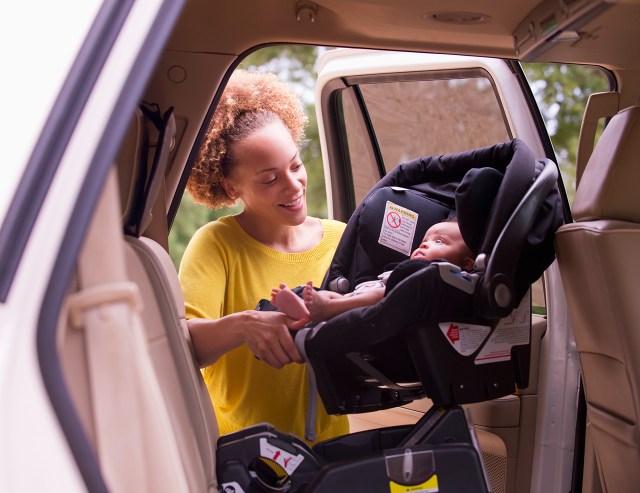
family loading car

How much does it cost to add more drivers?

The main reason that most renters hesitate to add an Additional Authorized Operator is that they often come with extra fees. These fees vary across rental companies and state lines. Hertz, for example, charges an extra fee of $13.50 per day per additional driver. Additional Authorized Operators who are between 21 and 25 may be asked to pay an age differential fee as well, since many companies consider younger drivers an insurance risk.

In New York State, fees for Additional Authorized Operators of rented cars are capped at $3 a day. But remember: State laws apply to the state that you are renting the car in to begin with — not the state that you’re going to be driving to.

Do AAA Members get any discounts for Additional Authorized Operators?

Car rental companies like Hertz, Dollar and Thrifty waive the additional driver fee when both the renter and the additional driver are AAA members. Spouses and domestic partners of AAA members are not required to have a separate AAA membership to receive the same discount. If you want to access a AAA discount, your AAA Club Code must appear on the rental. You could also present a valid AAA membership card or a AAA credit card.

At Hertz, AAA members receive the best rate available at the time of reservation, so you can get additional savings on top of the waived fee for extra drivers. AAA members also receive free unlimited mileage on most Hertz rentals, which is perfect for the type of trip that necessitates more than one driver. You can enjoy the open road without worrying about an extra Additional Authorized Operator fee and without thinking about the miles you’re racking up.

Whether you’re headed out on a long adventure or just want a little company, adding another driver to your rental car is easier than ever. Driving just isn’t the same when you’re doing it alone.

Rent with Hertz and take advantage of exclusive AAA discounts today.

Subscribe to Your AAA Newsletter

Sign up and receive updates for all of the latest articles on automotive, travel, money, lifestyle and so much more!

4 Surprising Links Between Oral Health and Vision

Think your teeth and eyes have nothing in common? They are more connected than you might expect!

From inflammation to vitamin deficiencies, researchers have found many links between oral health and vision. That is why it’s so important to schedule regular exams for both. If you are a AAA member living in Massachusetts, you can enjoy exclusive savings with Altus Dental™ and Altus Vision™ for individuals and families.

Here are some surprising ways oral health can influence vision.

Gum Disease: A Hidden Threat to Your Eyes

Anyone who has experienced an infection in a tooth or the gums knows that it can lead to swelling. That reaction doesn’t always stay confined to your mouth. Your body can respond to any infection with inflammation in other places, as well, which can lead to issues with your eyes.

Why is this? Optical blood vessels are small and particularly fragile, and they can be easily damaged by chronic or severe inflammation. For example, a study highlighted by the American Academy of Ophthalmology (AAO) found there may be a link between tooth loss and primary open-angle glaucoma, possibly because of inflammation. 

High Blood Sugar Risks

People with diabetes more often experience higher blood sugar levels than the average population. Over time, high blood sugar levels can damage blood vessels and lead to inflammation, both of which are associated with oral and vision issues. As such, diabetes can lead to increased risk of both periodontitis and glaucoma, according to the American Dental Association (ADA) and the AAO.

Infections and Bacteria Can Spread

Severe infections in the mouth can spread through the sinuses to the eyes. For example, the AAO has reported that sinus infections from dental abscesses have been linked to an increased risk of orbital cellulitis, a serious eye infection. Oral bacteria also can spread elsewhere, as the bacteria can survive and travel in the bloodstream. If this bacteria settles in the eye region, it could lead to inflammation and, in rare instances, infection.

Good Nutrition Is Key

Research has shown that deficiencies in certain vitamins, like vitamin A and C, can have a negative impact on teeth and vision. The AAO has preached that a diet rich in vitamins and minerals can lower the risk of age-related macular degeneration. The ADA also emphasizes that a healthy diet is associated with better oral health. Eating good food can benefit the health of your mouth and your vision.

Of course, no amount of clean eating can completely prevent dental or vision problems. That’s why it’s important to schedule regular preventive checkups with both your dentist and your optometrist.

AAA Northeast members living in Massachusetts can utilize exclusive savings on dental and vision insurance with Altus Dental and Altus Vision™. Altus Dental provides easy access to in-network care with more than 10,000 locations locally and nearly 420,000 nationwide. In partnership with VSP® Vision Care, Altus Vision™ offers savings on exams, glasses, contacts and much more. You’ll also have access to the nation’s largest network of independent eye doctors and popular retailers.

Explore the benefits and enroll today.

Subscribe to Your AAA Newsletter

Sign up and receive updates for all of the latest articles on automotive, travel, money, lifestyle and so much more!

5 Daily Habits for Better Oral Health and Vision

Do your eyes feel dry? Are your gums irritated? The health of your mouth and eyes are more connected than you may realize. Luckily, small daily habits like staying hydrated and eating nutrient-rich foods can help you maintain both a bright smile and clear vision.

One of the best things ways maintain your oral health and vision is to schedule routine annual eye exams and bi-annual dental cleanings. With Delta Dental of Rhode Island and DeltaVision®, AAA Northeast members in Rhode Island have exclusive access to discounted dental and vision insurance plans.

Here are some other things you can do every day to keep your mouth and eyes healthy.

Don’t Slack on Routine Oral Maintenance

We all know that brushing and flossing daily can prevent gum disease, but it also can protect your eyes. Preventing gum disease can decrease the risk of inflammation and infection in your mouth from gum disease. Sometimes, inflammation or infection in the mouth can travel through the sinuses or the blood to do damage to the sensitive optical blood vessels that are key to keeping your eyes healthy, according to the American Optometric Association (AOA).

Dental and Vision Insurance for Rhode Island AAA Members

Comprehensive coverage at exclusive rates for AAA members in Rhode Island.

Check Rates

Incorporate Superfoods Into Your Diet

The buzz about superfoods is not just hype. Research has shown that a daily diet high in vitamins and minerals like vitamin A and C and omega-3 fatty acids is good for supporting healthy gums and good eye health. Carrots, sweet potatoes and spinach are excellent sources of Vitamin A. Oranges, strawberries and broccoli provide a healthy dose of Vitamin C. And for omega-3 fatty acids, consider adding salmon, seaweed and walnuts to your meals.

Cut Down on Sugar

Oral wellness and healthy vision are also impacted by the foods you eat sparingly. Everyone knows that limiting your sugar intake can reduce the risk of cavities and gum disease, but curbing your sweet tooth can help to keep your blood sugar levels in a healthy range. That’s important, as people with chronically high blood sugar levels, like those with diabetes, are more at risk of having eye issues. The AOA reports that chronically high blood sugar levels stress and damage the tiny optical blood vessels that are essential for your vision.  

Just Add Water

Staying hydrated is very important to the health of both your mouth and your eyes as it helps to maintain healthy saliva production and tear film. Saliva prevents bacteria from gaining a foothold on your teeth, so much so that people with dry mouth often are prescribed a special toothpaste to help with saliva production. Tears protect the eyes by washing out irritants and keeping eyeballs hydrated.

Give Your Eyes a Break

Just like your teeth, your eyes need daily care. If you spend a lot of time looking at screens, follow the 20-20-20 rule. Every 20 minutes, look at something 20 feet away for at least 20 seconds. This reduces eye strain and can prevent headaches.

On our own, we all can only do so much to protect our oral health and vision. That’s why it’s important to schedule regular visits with your dentist or optometrist.

AAA members living in Rhode Island can access exclusive savings with Delta Dental and DeltaVision® plans. Enroll now.

Subscribe to Your AAA Newsletter

Sign up and receive updates for all of the latest articles on automotive, travel, money, lifestyle and so much more!

Fly and Drive: Backroads and Beaches of South Mississippi

If you’re seeking adventure in the South, look no further than South Mississippi. Here, you’ll find natural beauty, historic landmarks, picturesque main streets and delectable surf and turf. Spend a few days cruising along the coastline before exploring the inland cities of Hattiesburg and Laurel on this road trip. 

Cruise Along Coastal Mississippi

After your flight lands in Gulfport, climb behind the wheel of your rental and hit the streets of Coastal Mississippi, home to 12 cities along 62 miles of coastline. Set up your home base at one of the independent properties such as the White House Hotel in Biloxi or The Bay Town Inn in Bay St. Louis. Then, get ready for fun.

Start with swimming in the surf along the beaches of Gulfport or Biloxi. Enjoy some birdwatching at the Mississippi Sandhill Crane National Wildlife Refuge in Gautier or hike the Gulf Islands National Seashore at Davis Bayou in Ocean Springs. If you prefer to paddle, you can take to the water in Long Beach at the Wolf River.  

To dig into the history of the coast, stop by the Biloxi Lighthouse to learn more about the city’s history and heritage. For a lesson in the resilience and beauty of the human spirit in the aftermath of Hurricane Katrina, visit the Waveland Ground Zero Museum.

When you’re ready to eat, Coastal Mississippi satisfies every appetite. At The Chimneys in Gulfport, try the crab claws before moving on to the sauteed shrimp or trout. When you want a steak, there’s no better spot than Mary Mahoney’s Old French House in Biloxi; choice cuts include filet mignon, prime Angus ribeye and Wagyu sirloin. If you like alfresco dining, Shaggy’s Pass Harbor in Pass Christian is not to be missed, where the selection ranges from fish tacos to stacked burgers.

Car Rental Savings

Get up to 20% off the base rate of your next car rental.*

*Terms apply.

Book Today

Walk Through Downtown Hattiesburg

Head north on U.S. Highway 49 for a little more than an hour to Hattiesburg. Known as the Hub City, Hattiesburg welcomes you to enjoy its art, history, food and more, all within the downtown area. As you explore the area, keep your eyes open for some of the many murals that grace the building walls. For a whimsical excursion, head to the Hattiesburg Pocket Museum, which occupies an alley connecting Main and Forrest streets. Here you can grab a piece of art from the Pocket Gallery, view the mini installations or bust a move at the dance spot.  

There’s plenty of shopping and dining around every corner, too. Grab vintage candy or handmade jewelry at The Lucky Rabbit, or pick up a paperback at The Author Shoppe. When you’re hungry, try the burgers and onion rings at The Porter Public House.

Don’t leave downtown without a visit to the African American Military History Museum. Housed in a historic USO building, it contains hundreds of artifacts, exhibits and photographs telling the story of service from the American Revolution through today.

For accommodations, skip the chain hotels in favor of a tiny home. Just 25 minutes from downtown, Longleaf Piney Resort features nine tiny homes and one lake house set among the trees just off the Longleaf Trace, a rails-to-trails pathway. Here, you can relax to the sounds of nature, enjoy a campfire or snooze in a hammock. The resort also offers e-bikes for rent, so you can bike your way down the Trace to downtown Hattiesburg.

Discover Laurel 

Just 30 minutes north on Interstate 59, Laurel has become a popular destination as the location of HGTV’s “Home Town,” a show that features Ben and Erin Napier renovating houses around the area. Fans of the show flock to the Napier’s businesses hoping to catch a glimpse of the couple and to pick up some souvenirs. These include the Laurel Mercantile Co., Scotsman General Store & Woodshop and Scent Library.  

But don’t stop there. Stroll the streets downtown and pop into some of the shops and restaurants along the way. One recommendation? Check out the wares at HAND+made Laurel, and grab a cup of HAND+made Lemonade to enjoy on your walk. If you’re looking for lunch, try Pearl’s Diner. Just don’t be late because the restaurant is open only from 11 a.m. to 2 p.m., Tuesday through Saturday.

Don’t leave town without visiting the Lauren Rogers Museum of Art, a free museum where you can view five primary collections: American art, European paintings, Native American baskets, Japanese Ukiyo-e prints and British Georgian silver. The museum also hosts temporary exhibits featuring Mississippi artists, as well as American and international artists. On your way out, step into the gift shop for a unique memento to take home.

Plan your trip with a AAA travel advisor and rent your car with Hertz. AAA members can save up to 20% on Hertz rentals.

Subscribe to Your AAA Newsletter

Sign up and receive updates for all of the latest articles on automotive, travel, money, lifestyle and so much more!

Northeast Pump Prices Up on Seasonal Trends 

Demand for gasoline settled at 8.6 million barrels a day last week, according to the Energy Information Administration (EIA) — down 174,000 barrels a day from the previous week and 72,000 below the comparable week of last year. That’s the softest demand figure for this time of year since 2022, and a key factor in the subdued seasonal rise in prices. 

On the supply side of the equation, gasoline inventories in the Northeast remain above normal, standing at 61.6 million barrels — well above last year’s level as well as the five-year average, which were 58.2 million and 59 million barrels, respectively. There was a 1.2 million drop in barrel supply last week, according to EIA data. But demand wasn’t the cause; production is down as seasonal maintenance at regional refineries is ongoing.  

Beyond supply and demand forces, concerns about tariff policies and inflation data that came in higher than forecasted last week are weighing heavily on crude and refined product prices.  

“After trending down since January, pump prices across the Northeast are finally beginning to climb in line with seasonal expectations but remain well below what we were seeing this time last year,” said Jillian Young, director of public relations for AAA Northeast. “Compared to 2024, pump prices remain between 30 and 40 cents cheaper today.” 

AAA Northeast’s March 31 survey of fuel prices found the current national average up 4 cents from last week ($3.12), averaging $3.16/gallon. The March 31 national average price is a nickel higher than a month ago ($3.11) and 37 cents lower than this day last year ($3.53). 

Region Current Price* One Week Ago One Month Ago One Year Ago 
Connecticut $3.04 $3.01 $3.07 $3.44 
Massachusetts $2.97 $2.95 $3.02 $3.31 
New Jersey $2.96 $2.94 $3.01 $3.27 
New York $3.11 $3.10 $3.16 $3.44 
Rhode Island $2.95 $2.92 $2.99 $3.30 

*Prices as of March 31, 2025 

As of March 31, Mississippi and Oklahoma held the lowest prices in the nation, at $2.68 and $2.70, respectively. California and Hawaii held the highest prices in the nation at $4.80 and $4.51, respectively. 

The AAA Gas Prices website is your resource for up-to-date fuel price information. Search for average gas prices on national, state and metro levels by regular, plus, premium and diesel.  

Subscribe to Your AAA Newsletter

Sign up and receive updates for all of the latest articles on automotive, travel, money, lifestyle and so much more!

The Perfect Tuscany Road Trip

One balmy evening in Tuscany, my husband steered our rental car onto a rural road between clifftop Montepulciano and our farmstay for the night. The rugged hatchback rolled smoothly over narrow lanes bookended by rustic wooden fences. Pink clouds streaked across the sky. A summer breeze ruffled the tall grasses. As the Aperol-colored sun sank, we rolled the windows down and gaped at golden fields, stately cypress trees and Italian estates. I smiled and thought, “This. This is why I travel.”

More than anywhere else, travel in Tuscany feels like stepping into a sunlit postcard — only this visual treat is complete with the aroma of herbs, fresh cheese and the taste of a dozen vino della casas (wines of the day). It is holiday bliss. That’s probably why I’ve spent the last two summers road-tripping through the region.

If you also dream of driving through the rolling countryside of one of Italy’s most scenic regions, here are highlights from my Tuscany road trip to help inspire you.

Listen to Our Podcast

Drive abroad with confidence. Listen to Episode 23 of our podcast, Merging Into Life: International Road Trip.

Tune In

Preparing for an Italy Road Trip

Before any international road trip, I get my documents in order. For Italy, that includes a passport and an International Driving Permit (IDP). U.S. citizens can travel in Italy for up to 90 days without a visa.

IDPs are valid for only one year, so I’ve gone through several. Fortunately, the process is painless. Simply take a valid state driver’s license to my local AAA office, pay a $20 fee and that’s it! I can now legally drive in dozens of countries. AAA members can obtain an IDP at any AAA Northeast branch; AAA is the only authorized provider in the U.S. 

Once I have an IDP in hand, it’s time to book a rental car.

A Road Trip Through Tuscany

For such a small region — slightly larger than New Jersey — Tuscany offers a bounty of villages and vineyards to explore. It would be possible to drive through in a day, but the best way to see Tuscany is to take it slow. Drink in the views, stop for roadside photos whenever inspiration strikes and plan to see just one or two towns per day. The joy is in the journey, after all.

Most road trips through Tuscany begin and end in Florence. It’s also possible to start in Florence, explore Tuscany, and dip south into Umbria on the way to Rome. No matter where the trip begins and ends, these Tuscany icons and lesser-visited gems shouldn’t be missed.

Tuscan Road Trip

San Gimignano

It wasn’t love at first sight between San Gimignano and me. On our first Tuscany road trip, we visited this small, 13th century walled town for just one afternoon. The parking lots outside the walls were clogged with tour buses. Piazza della Cisterna, the central square, swarmed with crowds slurping melting gelato under the brutal summer sun.

But I gave this classic a second chance. On our last trip, we spent two nights at La Cisterna, an inn inside the city walls. What a difference! In the mornings and evenings, San Gimignano is another world entirely. The village wakes up slowly. At night, wandering the maze of streets centered around medieval towers feels like stepping back in time.

Certaldo

While staying at an agriturismo — a working farm with rooms to rent — outside San Gimignano, we asked our host where she would drive for a nice dinner. Certaldo, she said immediately.

The first treat in Certaldo was the cable car running from the modern town center to the compact, walled village above. Once we got to the top, all that was left to do was meander quiet cobblestone streets toward our host’s favorite restaurant: Ristorante L’Antica Fonte. We dined on fresh pasta and crisp white wine under an eave of foliage that made the restaurant feel like an enchanted garden. Clear views of San Gimignano across the valley were the cherry on top.

Montepulciano

When it comes to panoramic views, Montepulciano is hard to beat. The quintessential Tuscan town rises steeply from the main road. From afar, it looks like a formidable fortress. As we drove closer, the weathered, chalk-colored walls reflected the afternoon sun, and the pretty dome of the Sanctuary of the Madonna di San Biagio came into view.

The gardens, views and charming streets filled with shops and restaurants were worth the steep walk up in town. And it’s impossible to visit Montepulciano without enjoying at least one meal. Montepulciano is known for its local red wine, vino nobile, which pairs perfectly with one of my favorite Tuscan treats: pecorino cheese.

Tuscan Road Trip

Siena

Siena is no hamlet — it’s a full-fledged Italian city with a massive, ornate cathedral and a distinct fan-shaped central square that hosts the twice-annual Palio di Siena, a storied horse race marked by much pomp and circumstance.

Like many Tuscan towns, Siena has a massive pedestrian zone. Parking can be challenging. In both 2022 and 2023, we found an empty spot at “La Stazione” paid parking only after circling the block for several minutes. But Siena is worth the wait. Its grand walkable streets are the perfect place to get lost for hours. I recommend hopping from a sunny pizzeria lunch to afternoon aperitifs to a sumptuous supper at one of the city’s five Michelin-starred restaurants.

Let's Plan Something Wonderful

Book your next trip with AAA Travel now or call 866-423-5585 to speak with a travel advisor.

Book Now

Monteriggioni

If Hollywood made a movie set of a Tuscan village, it would look like Monteriggiono. Too small to be considered a town, the so-called commune consists of little more than a square that extends into three parallel streets. A perfect ring of medieval walls surrounds the tiny community. Still, it’s worth a visit — perhaps even an overnight stay — to stroll the cobblestone streets, pop into a handful of curated boutiques, and light a candle inside the small church. My perfect evening in Monteriggioni would include dinner at Ristorante Le torri Monteriggioni, where service is fabulously attentive, and a nightcap at uber-stylish Pit Stop 17.

Pienza

Located in Tuscany’s golden Val d’Orcia region, Pienza was the birthplace of Pope Pius II and was purportedly renovated to be “the ideal Renaissance town” in his honor. Beautiful wooden doors punctuate Pienza’s charming stone walls. The buildings practically drip with flower blooms in spring and summer, and cafes are located strategically to invite diners to drink in the views. We’ve twice stayed outside the town property. I vow to book one of the pretty terraced Italian rooms inside Pienza’s enchanting walls for our next Tuscany road trip.

Plan your road trip through Italy with a AAA travel advisor. Travel advisor services are included with your membership at no extra charge.

Subscribe to Your AAA Newsletter

Sign up and receive updates for all of the latest articles on automotive, travel, money, lifestyle and so much more!

How Do Potholes Form? And How to Avoid Pothole Damage

The dreaded pothole has plagued drivers for seemingly as long as paved roads have existed. And if you are driving around the Northeast, you are guaranteed to encounter more than your fair share. Pothole season usually starts around March, but winters with heavy rainfall and extreme temperature dips can bring them on even sooner. Unfortunately, some potholes — and pothole damage — are unavoidable, but there are ways to protect your car.

How Do Potholes Form?

Potholes are created when groundwater seeps into the ground underneath the pavement. If the water freezes, it will expand, causing the pavement to expand, bend and crack. When the ice melts, gaps or voids are left in the surface under the pavement. As this process is repeated, the pavement continues to weaken.

When cars begin to drive over this weakened surface, the weight continues to break down the pavement to the point where pieces of the roadway will come loose and be displaced. Once this happens, you have a pothole. “In addition,” said AAA’s Car Doctor John Paul, “the pothole can fill with water again, refreeze and break off more asphalt and the pothole becomes a car-eating crater.”

Because potholes are dependent on water freezing, they often form during the winter, but it usually isn’t until all the ice and snow recede from the roadways that they become noticeable and start to wreak havoc.

An Expensive Nuisance

Driving into a pothole is not only jolting, but it can also be costly. A 2023 AAA survey found that the number of drivers who sustained vehicle damage from a pothole requiring a repair soared 57% from the previous year. In 2022, an estimated 44 million U.S. drivers were hit with pothole repair bills, up from 28 million in 2021. The average price tag was $406 per repair.

“When a vehicle hits a pothole with any kind of force, the tires, wheels and suspension get the brunt of the impact and fixing any of those items is pricey,” said Mary Maguire, vice president of public and government affairs for AAA Northeast.

Tire Damage and More

The repercussions of driving over a pothole can be as minor as knocking a car out of alignment. This can usually be corrected with a trip to a repair shop.

In other cases, the damage can be much worse. Wheels and tires can become damaged to the extent that they are unusable. A pothole can puncture your tire and leave you with a flat and in need of roadside assistance. And it may not be just one tire — it could be both tires on the side of the vehicle where you encountered the pothole. It can also cause your rims to dent or bend.

Low-profile tires and lighter wheels on sporty vehicles are especially prone to being damaged, according to AAA.

Some damage is not as easily noticeable. Steering and suspension parts also can be damaged, causing severe handling issues and accelerated tire wear. If you hit a pothole and feel like something is a little off, you may still want to get your car checked by a professional mechanic.

Visit your nearest AAA Approved Auto Repair Facility. Members can save up to $75 per visit – that pays for your membership!

“In what I would call the worst case,” Paul said, “part of the drivetrain (engine and transmission) can suffer enough damage that the component loses oil and fails completely, requiring a complete rebuild or replacement.” The damage may be covered by your car insurance. In addition, you could try submitting a claim with the municipality that is responsible for the roadway.

Schedule an appointment with a AAA Insurance agent to discuss your coverage options.

More Ways to Prevent Pothole Damage

While potholes are a reality for many drivers, sustaining vehicle damage does not have to be. AAA recommends the following:

“The absolutely most important way to battle against potholes is to properly inflate tires,” Maguire said.

The National Highway Traffic Safety Administration reports that only 19% of consumers properly inflate their tires. Regularly check to ensure that your tire pressure is at the manufacturer’s recommended level, which can be found on a yellow sticker on the driver-side door jamb or in the owner’s manual.

You also want to make sure your tires aren’t overly or unevenly worn. To easily check the wear on your tread depth, insert a quarter into the tread groove with Washington’s head upside down; if you can see the top of Washington’s head, it’s time to start shopping for new tires.

Changes in vehicle handling, excessive vibration or uneven wearing of tires are all indications of a problem with the suspension, like alignment or shocks. If your vehicle pulls to the left or right, have the wheel alignment checked by a trusted mechanic.

Keep Your Eyes on the Road

To fight back against potholes, drivers must keep ample distance between their car and the car in front of them and diligently scan the road, especially at night and during rainstorms, to identify potholes and react to them.

Standing water or puddles may disguise a deep pothole. Avoid driving through standing water, when possible, but if you can’t, drive through slowly and act as though there may be potholes hiding beneath the water.

There may be times when you cannot avoid hitting a pothole. In that case, safely reduce your speed as much as possible and avoid braking abruptly, particularly as you go over the pothole as this compresses your suspension and adds extra force to the tire. Striking a pothole at higher speeds increases the chance of severe damage including knocking the wheels out of alignment, affecting the steering, and bending or even breaking suspension components.

If you hit a pothole, pay attention to any new or unusual noises or vibrations. If you detect something is off with your vehicle, take it to a trusted repair facility for a full vehicle inspection as soon as possible.

Tell us your thoughts about potholes in the comments below.

This article has been updated and republished from a previous version. 

Subscribe to Your AAA Newsletter

Sign up and receive updates for all of the latest articles on automotive, travel, money, lifestyle and so much more!

The Pros and Cons of Refinancing a Car

Refinancing your auto loan can be a big decision. You may be able to lower your interest rate and save money. However, in many cases, a new loan may cost you even more than the original.

Here are a few of the pros and cons of refinancing a car to help you decide if it is the right decision for you.

What Is Loan Refinancing?

Simply put, loan refinancing is replacing one loan for another. When you refinance, you are essentially paying off your old loan with money from your new loan, then repaying that new loan under its terms. There are several reasons you may choose to refinance depending on your personal circumstances and motivations. Typically, borrowers look to refinance their car if they believe they can qualify for a new loan with more favorable terms or they need to increase their immediate cash flow.

Pros

Lower Interest Rate

One of the most common – and financially beneficial – reasons to refinance your car loan is to reduce your interest rates. Interest rates can fluctuate depending on the market, so choosing to refinance your loan may simply come down to the fact that rates have lowered.

But the current market isn’t the only factor affecting interest rates. An important component lenders consider when calculating the interest rate they offer is the borrower’s credit score. This number helps financial institutions determine how likely you are to pay the loan back. Therefore, if you had a poor credit score when you took out your initial loan, your loan had a higher interest rate. Conversely, if your credit score has improved since then, you may qualify for a lower interest rate.

Lower Payments

If your financial situation has changed since you took out your original car loan and you are looking to lower your recurring expenses, refinancing could prove to be a good option. In this situation, a lender would offer you a new loan with lower monthly payments over an extended period. Essentially, you would be paying less money each month but over a longer time span. The downside of this, however, is that by extending the loan, the total amount you pay over the lifetime of the loan will increase (more on that below).

Increased Cash Flow

If you are in immediate need of cash, such as for a sudden home improvement need, a cash-out loan is also an option. This refinance option works if you currently owe less than what your vehicle is worth. You can then take out a new loan based on the equity of your car and pocket the money left over. For example, if your car is currently worth $12,000 and you owe $8,000, you have $4,000 in equity. A new loan would allow you to pocket the equity you have in your car.

There are some downsides to this option. Cars, unlike houses, are deprecating assets. Even if maintained well, a car will continue to lose value the longer you have it. This creates a possible pitfall of having an upside-down loan in which you owe more than what the car is worth. If you are involved in a crash that damages the car, the value will likely decrease drastically, making it even more likely that you go underwater on your loan.

Another consideration with cash-out loans is that interest rates tend to be much higher than with traditional car refinance loans. You’ll want to ensure that the total interest you will pay on the loan is less than the cash-out you receive.

pros and cons of refinancing a car

Cons

Increase in Total Cost 

Is refinancing a car worth it? It depends. If you need to lower your monthly costs, refinancing is a great place to start.

Lenders will generally will try to keep the original length of your loan. But if you have to extend the length for any reason, you may end up paying more over the life of that loan because interest will continue to be charged until the debt is fully paid. For example, if you have an $8,000 loan with a 5% interest rate paid over four years, you’ll pay a total interest rate of $843.25. If you extend your loan to six years, you will end up paying $1,276.44 in interest.

This may not be a problem if you are expecting to be in a better financial situation in the future or simply need a short-term influx of cash.

Higher Interest Rates

There’s no guarantee that you will be able to secure a lower interest rate when you refinance your car loan, particularly if you are refinancing in order to lower monthly payments or receive a cash-out loan. Because of this, you should review your auto loan at least annually to see if you can secure an interest rate lower than what you currently have. If you see a lower rate you may want to jump at the opportunity, even if you weren’t considering a refinance before. It’s better to get a good deal when you can rather than a bad deal when you need it.

You will also be susceptible to higher interest rates if you have an older car. Most lenders won’t issue a loan on an asset that has significantly depreciated in value. If they do, to make the deal financially viable, they will charge a higher interest rate.

Learn about refinancing options with AAA Auto Loans.

This article has been updated and republished from a previous version. 

Subscribe to Your AAA Newsletter

Sign up and receive updates for all of the latest articles on automotive, travel, money, lifestyle and so much more!

Our Northeast Flower Chart Shows You When to Plant

Gardening is one of the most satisfying pastimes. You dig around in the dirt a little bit, apply water and then — voila! — you have vegetables, greenery, herbs and flowers. Whether it’s spring, summer or fall, flowers can brighten up your garden or landscaping. But when is the best time to plant flowers? Our Northeast flower chart can help.

One of the first things you need to know when planting flowers is your planting zone. For the uninitiated, a planting zone is a way of measuring climate differences. The zones are based on the average annual minimum temperature in that area. You can find your zone here. There are around 11 planting zones in the US. Northeast planting zones range from 3 (cold) to 7 (mild), though most of the Northeast sits comfortably between zones 5 and 6. Only the very upper regions of New York, New Hampshire, Vermont and Maine get into the 3-4 range.

Sourced from the Old Farmer’s Almanac, our flower chart marks the zones in which certain flowers flourish, and it also notes if they’re annuals or perennials. Annual flowers, like impatiens, go through their entire life cycle in one planting period. If you want impatiens every spring, you have to plant them every spring. Perennial flowers, like peonies, have a longer life cycle. With proper care, they can return and flower year after year.

An important thing to note when consulting our flower chart is that most flowers do not do well in extremes. As you look over the flower chart, you’ll notice that almost all of the flowers thrive best when planted in either spring or fall. These mild, in-between seasons are perfect for growing strong and healthy flowering plants. Everyone knows you can’t usually plant flowers in winter, but the dog days of summer can be just as bad.

flower chart

Sunflowers

Sunflowers are annual flowers that flourish in zones 2-11. (Although there are some smaller perennial varieties.) It is best to plant them after the last spring frost. Sunflowers look almost like huge daisies — some of them can grow over 16 feet in height! They are hardy plants that are easy to maintain. Sunflowers bloom in summer and early fall.

Zinnias

These annual plants grow best in zones 3-10. Like sunflowers, make sure to plant them after the last spring frost, and no sooner. Zinnias are great flowers for new gardeners, since they’re easy to plant as seeds and they grow very quickly. They bloom in summer and are beloved by butterflies.

Coneflowers

Coneflowers are perennials that grow in zones 3-9. These spindly purple flowers are best when planted in spring. Coneflowers bloom from June to October, adding a vibrant pop of color to your garden for many months. Like zinnias, they also attract butterflies.

Jacob’s Ladder

This perennial plant can grow in zones 3-8, and can be planted in either spring or fall. The vibrant purple flowers can bloom from late spring to early summer, and last up to four weeks.

Shasta Daisies

Shasta daisies are perennial flowers that can grow in zones 5-8. Like Jacob’s ladder, they can be planted in spring or fall. These flowers are classics of the garden, with white petals and yellow florets. Shasta daisies bloom in spring or early summer, and sometimes even flower through fall.

Lavender

This fragrant perennial grows in zones 5-9, and should be planted in late spring. Expect the signature fragrance to hit its peak when they bloom in late spring and early summer.

Roses

Roses are perennial flowers that can grow in zones 3-10. Plant your roses in late spring or early summer. There are many different types of roses, but they usually bloom on and off from spring to fall.

Black-Eyed Susans

These perennials thrive in zones 3-9. They should be planted in late spring or early summer, when the soil temperature reaches 70 degrees. Black-eyed susans brighten up any garden when they bloom throughout the summer.

Big-Leaf Hydrangeas

Big-leaf hydrangeas are perennial and they grow in zones 5-7. They can be planted in either spring or fall. Big-leaf hydrangeas are fascinating flowers that grow in an array of rich colors depending on the pH level of the soil. My hydrangeas blooms in shades of blue, purple and pink, so I truly have no idea what’s going on in my dirt. They bloom from mid-spring to early fall.

Tulips

Tulips are technically perennial, but generations of hybridization and human meddling has weakened their ability to come back year after year. Most gardeners treat them as annuals. Tulips can grow in zones 4-8. They should be planted in the fall, about 6-8 weeks before hard frost sets in. Tulips come in many varieties, but they usually bloom in spring.

Peonies

Peonies are perennial flowers that do best in zones 3-8. They are best planted from late September to early October, about six weeks before the ground freezes. These fat, fragrant blossoms flourish when planted in an area with direct sunlight. Once established, peony bushes are hardy plants with vast root systems. They bloom in late spring and early summer.

Get more tips for landscaping and gardening in the Northeast. 

What are your favorite gardening flowers? Let us know in the comments below!

This article has been updated and republished from a previous version. 

Subscribe to Your AAA Newsletter

Sign up and receive updates for all of the latest articles on automotive, travel, money, lifestyle and so much more!

Could a Temporary Buydown Mortgage Be Right for You?

If you’re in the market for a new home, you’ve surely learned that the real estate landscape can drastically change in just a moment’s notice. Not long ago, houses would list and sell within days. Experts say that those days are behind us.

Financing a home has become costlier and buyers have become more cautious. With home sales slowing, many sellers have had to endure weeks and in some cases months of waiting as their properties sit on the market.

As of March 2024, the 30-year fixed rate mortgage (FRM) averages around 6.67%, according to Freddie Mac. To put it into perspective, the average 30-year FRM lingered around 3-4% ten years ago. While still high, it is an improvement from late October 2022, when the average rate was listed at at 7.08%, the highest in 20 years and more than double what it was at the same time the previous year. The spike led many potential homebuyers to hold off, lowering demand and pushing home prices down.

Despite the dark clouds facing homebuyers, an increasingly popular mortgage tool called a temporary buydown mortgage may be the silver lining. Steve Vieira, AAA Northeast’s director of mortgage operations and sales, says 2-1 and 1-0 options are “worth exploring and possibly beneficial for the seller and the buyer.”

How Does a Temporary 2-1 or 1-0 Buydown Mortgage Work?

“The first thing to be aware of is that the temporary buydown mortgage involves a cooperative seller,” Vieira said. “Before a qualified buyer locks in a fixed rate 30-year mortgage, the buyer or their realtor can approach the seller of the home or builder and negotiate a temporary buydown 2-1, or 1-0 mortgage.”

As its name suggests, a 2-1, or 1-0 temporary buydown mortgage allows the buyer to ease into their full fixed-rate mortgage fee. In a 2-1 mortgage, the first year of the buyer’s monthly payment is 2% less than the fixed rate. In the second year, the payment bumps up by 1% point. When the third year begins, the full fixed rate takes effect and remains for the duration of the loan. In a 1-0 buydown, the mortgage rate is 1% lower in the first year before increasing to the full rate in year two.

In each case, at closing, the seller pays the difference between the percentage points by depositing a lump sum cash deposit into an escrow account that is tied to the mortgage. Each time that the buyer makes a monthly payment, a withdrawal is made from the escrow account that brings the temporarily reduced payment up to the full loan rate.

temporary buydown mortgage

Temporary Buydowns by the Numbers

When describing the benefits of a temporary buydown mortgage for a buyer, Vieira offered this example of a Northeast couple, buying a home with a 7% fixed $250,000, 30-year, 2-1 mortgage. This is how the numbers would play out for the buyers:

  • At closing, the seller or the home builder makes a $5,831.88, lump sum cash deposit into an escrow account that is tied to the buyer’s mortgage. This cash deposit equals the difference in the interest costs between the temporary buydown rate and the note rate.
  • The buyer’s full 7% monthly mortgage payment, including interest, is $1,663.46.
  • For the first two years of the loan, the buyers make monthly graduated loan payments.
  • In year one, the buyers make their 5% monthly mortgage payments of $1,342.05.
  • In year two, the buyer’s interest payments increase to 6% and their mortgage payments increase to $1,498.88 per month.
  • In the third year, the buyers pay the full 7% payment of $1,663.46. They continue to pay 7% for the life of the loan.
  • During the first year of their temporary buy down mortgage, the buyers saved $3,856.92
  • During the second year of their mortgage, they saved $1,974.96
  • The buyers total two-year savings equals $5,831.88, the same amount that the seller deposited into the escrow account at the time of the sale.

Benefits for Sellers and Buyers

As an increasing number of houses linger on the market for longer periods of time, the seller benefits by closing the sale in less time. Taking part in the temporary buydown mortgage may also save the seller money over time. It could result in a far lower expenditure than what it would cost to slash the sale price on the home. Time is money in real estate. If the house sits on the market for weeks or months, the seller may be forced to drop the price by significantly more than the temporary buydown escrow payment.

The buyers, meanwhile, can use the extra cash to purchase new furnishings, update their new house and take care of other expenses that come with a move. The house sells and the seller turns over the keys to the new owners.

Learn more about AAA’s temporary buydown mortgage program and how it can potentially save you thousands of dollars on your next home purchase.

*Disclaimer: All loans offered through AAA Northeast Bank. NMLS # 179871, AAA New Jersey Division Financial Services Inc. NMLS # 2495543 110 Royal Little Drive Providence RI 02904 (800) 446-6997. Licensed by the N.J. Department of Banking and Insurance. MORTGAGE BROKER ONLY, NOT A MORTGAGE LENDER OR MORTGAGE CORRESPONDENT LENDER. “We arrange but do not make loans.” Other rates and terms available. Rates and terms subject to change without notice. Some restrictions apply. All loans are subject to credit approval, appraisal and satisfactory title examination where applicable. Consult your tax advisor regarding the tax deductibility of interest. Other rates and terms available. Counseling may be required.

Subscribe to Your AAA Newsletter

Sign up and receive updates for all of the latest articles on automotive, travel, money, lifestyle and so much more!

Your AAA Northeast Baseball Guide

We love baseball in the Northeast. When it comes to supporting our teams, Red Sox, Mets and Yankees fans are known for being some of most devoted.

Each spring, with the much-anticipated first crack of the bat on opening day, we return to such simple pleasures as Fenway Franks, the raising of the home run apple at Citi Field and singing along to “New York, New York” when the Yankees win.

Browse through our stadium guides for helpful tips and recommendations on things to see, do and eat in and around all three big league ballparks in the Northeast. Find out how to get coveted Green Monster seats, discover the most iconic features of stadiums across the country and more. For a fun day trip or road trip, we’ve even included a guide to nearby minor league cities.

Your AAA Northeast Baseball Guide 2018Your AAA Northeast Baseball Guide 2018
Yankee Stadium Guide
Your AAA Northeast Baseball Guide 2018
Fenway Park Stadium Guide
minor league baseball cities
7 Minor League Baseball Cities Worth Visiting
iconic baseball stadium features
The 11 Most Iconic Baseball Stadium Features
baseball game
Crossword: At the Ballpark

Which jersey do you wear? Tell us in the comments.

This article has been updated and republished from a previous version.

Subscribe to Your AAA Newsletter

Sign up and receive updates for all of the latest articles on automotive, travel, money, lifestyle and so much more!

Foreign Currency Exchange Do’s and Don’ts

Are you headed abroad sometime soon? If you’re traveling to another country, you’ll need to decide how to exchange your money into foreign currency. What’s the best way to exchange your money, and how much should you bring with you? Here are some dos and don’ts for foreign currency exchange, and how you can do a foreign currency exchange at AAA Northeast.

Don’t

Exchange Currency at the Airport

When you need to exchange currency, it can be tempting to use a kiosk or booth at the airport. At first glance, it seems like the most convenient option. However, airport currency exchanges often come with extra fees and steep exchange rates. Airport kiosks or booths know that at that point in your trip, you don’t have a lot of other options. That means they can take advantage of you, and you probably won’t get a fair exchange for your money. Plus, airports can be hectic, crowded places. You don’t want to get stuck in a long line when you have a plane to catch or an adventure to begin. That just takes precious time out of your trip and adds extra hassle to your travel days.

Do

Use a Bank or a Credit Union

It’s smart to have some foreign cash on hand when you’re traveling to another country, so you should get your foreign currency exchange done before you even get to the airport. Banks and credit unions usually have more reasonable fees and exchange rates than companies that are solely dedicated to foreign currency exchange.

If you’re a AAA Northeast member, you can exchange your currency for no added fee at your local AAA Northeast branch location. AAA Northeast members who are in good standing for one or more years can use a personal check to purchase foreign currency up to $3,000 at a time. When using cash or a debit card, you can purchase even more. There are dozens of foreign currency types available for exchange. Amounts greater than $200 will be shipped free to the branch location of your choosing — just remember that shipping can take up to three business days, so plan accordingly. During peak travel seasons, like holidays or summer vacation, shipping can take from five to seven days. Exchanges for less than $200 have a $10 shipping fee. Doing your foreign currency exchange at AAA Northeast is a great way to avoid extra fees and the last-minute hassle of airport exchanges. Other regional AAA clubs may have different policies, so make sure to check beforehand if you’re not in the AAA Northeast area.

Don’t

Rely Solely on Your Credit Card

When you’re traveling, credit cards are great for big purchases. But you shouldn’t use it for everything. Some credit cards have foreign transaction fees, which are applied when you purchase something outside of the country. These fees can range up to 3%, so make sure to check what your credit card’s foreign transaction fees are before you travel.

Do

Keep Cash on You

Depending on where you’re traveling, credit and debit cards might not be accepted everywhere you go. It’s not unheard of for a small cafe or a local shop to be cash-only, and you don’t want to miss out. When you’re out and about, you should have a small amount of the local currency with you. You never know when you might need it!

Foreign Currency Exchange With AAA

Get currency from more than 100 countries!    

Learn More

Don’t

Get More Money Than You Need

When you’re doing a foreign currency exchange at AAA, it might be tempting to just hit the limit and get $3,000 worth of your desired currency. But more foreign currency isn’t always better. Depending on the exchange rate you get, you’ll likely lose some value. If you do have currency left over, you can also exchange it at a AAA branch location. Just remember that AAA Northeast can only process buybacks for currency originally purchased at AAA Northeast up to but not exceeding the original sale amount.

Do

Spend Your Foreign Currency Before Returning Home

Before you do your foreign currency exchange, you need to figure out how much cash you’ll need to carry. Roughly, each person in your group will probably need $50 to $100 per day. If you’re going to an area where ATMs will be safe and easy to access, around $50 per person per day could be just right. By the end of your trip, figure out how much of the local currency you have left and try to spend it while you’re in the country. You could treat yourself to a special souvenir or even pay for restaurant or hotel bills partially in your leftover cash. If you explain that you’re leaving the country soon and want to spend your local currency, most businesses won’t mind splitting a bill between cash and credit.

Don’t

Use American Money

Some businesses in tourist-heavy foreign countries will accept US dollars. But you should pay in the local currency anyway. Whether you’re using cash or card, the exchange rate at these businesses could be predatory and unreasonable.

Do

Familiarize Yourself with Local Currency

If you’re using the local currency, try to keep the exchange rate in mind. When you’re paying with a currency that’s unfamiliar to you, it can be easy to overpay for things and waste your money unknowingly. Get familiar with the local currency before your trip so that you really know how much it’s worth.

AAA Northeast members can exchange currency at your local AAA branch location.

How much cash do you bring with you when you travel abroad? Share your tips in the comments below.

This article has been updated and republished from a previous version.

Subscribe to Your AAA Newsletter

Sign up and receive updates for all of the latest articles on automotive, travel, money, lifestyle and so much more!

Celebrate Earth Month With AAA

AAA Northeast is celebrating Earth Month throughout April with volunteer projects designed to bring members, employees and community groups together to help beautify the environment.

If you’re looking to make a difference in your neighborhood, join AAA branch teams as they spruce up parks, beaches and more. Cleanup events are happening monthlong across the Northeast.

Typically, employees show up in force, but AAA branches are trying to get more members involved, explained Thomas Ryan, Rhode Island district branch manager and co-chairman of the Branch Operations Member Engagement Committee.

“Earth Month is our biggest member engagement program of the year,” Ryan said.

In 2024, AAA Northeast successfully hosted 22 Earth Month events across the region, with a notable 64% member participation rate. Among the highlights was a Keep Blackstone Valley Beautiful day in Smithfield, R.I., which drew 31 volunteers, including 21 employees.

community cleanup

Other club and joint community-club cleanups included:

  • Collecting trash from the Farmington Canal in Hamden, Conn., which drew 19 member volunteers.
  • A Save The Bay event at Squantum Point in Quincy, Mass. A total of 25 people, including 18 members and an enthusiastic group of Girl Scouts from Swansea, Mass., turned out to help clean.
  • Three Earth Day weekend events in Massachusetts, which brought in around 13 member volunteers each, despite the rain.

“Besides cleaning up our community, the most rewarding part is creating relationships with members,” said Maggie McMenemy, a branch manager in Webster, Mass., and co-chairman of the Member Engagement Committee.

“It’s a great opportunity to get involved in the community, do something with your family and learn more about community organizations,” Ryan added.

cleanup event

Visit your local AAA branch or click here sign up for a AAA Earth Day cleanup near you.

How will you celebrate Earth Day this year?

Learn more about AAA in the community.

Subscribe to Your AAA Newsletter

Sign up and receive updates for all of the latest articles on automotive, travel, money, lifestyle and so much more!

Northeast Pump Prices Hold Steady Amid Lackluster Demand, Market Uncertainty

Domestic demand for gasoline last week fell a sizable 365,000 barrels a day to 8.8 million barrels a day, according to the Energy Information Administration (EIA). That’s a hefty week-to-week drop at a time of year that typically sees demand ride an incline through spring. Total product demand — which includes gasoline, propane and other oil-derived products — fell by 2.2 million barrels a day, the EIA reported.

Market prices for oil and gasoline did end last week slightly higher, after several moves by the Trump administration to increase pressure on Venezuela and Iranian oil production, which could reduce global availability of crude oil. The Treasury Department on Thursday issued penalties against a Chinese refinery for allegedly buying Iranian oil that is under U.S. sanctions. That action came on the heels of the Trump administration earlier this month revoking Chevron’s license to pump oil in Venezuela.

In the Northeast, gasoline inventories tightened last week on reduced output from Phillips 66’s refinery in Bayway, New Jersey, which is amid seasonal maintenance to switch to producing summer blended fuel. Stocks in the Northeast now sit at 62.9 million barrels, down 2.4 million barrels from last week but above last year’s figure of 60.9 million barrels.

“As gasoline prices remain relatively flat across the Northeast, the gap between pump prices this year and last year continues to widen,” said Jillian Young, director of public relations for AAA Northeast. “In some areas, prices are between 30 and 40 cents cheaper than this time last year.”

AAA Northeast’s March 24 survey of fuel prices found the current national average up a nickel from last week ($3.07), averaging $3.12 gallon. That national average price is 2 cents lower than a month ago ($3.14) and 41 cents lower than this day last year ($3.53).

RegionCurrent Price*One Week AgoOne Month AgoOne Year Ago
Connecticut$3.01$3$3.08$3.43
Massachusetts$2.95$2.95$3.03$3.30
New York$3.10$3.11$3.17$3.42
Rhode Island$2.92$2.91$3.02$3.29

*Prices as of March 24, 2025

As of March 24, Mississippi and Oklahoma had the lowest prices in the nation, at $2.66 and $2.69, respectively. California and Hawaii held the highest prices in the nation at $4.64 and $4.51, respectively.

The AAA Gas Prices website is your resource for up-to-date fuel price information. Search for average gas prices on national, state and metro levels by regular, plus, premium and diesel.

Subscribe to Your AAA Newsletter

Sign up and receive updates for all of the latest articles on automotive, travel, money, lifestyle and so much more!

The 11 Most Iconic Baseball Stadium Features

Few experiences are more enjoyable for sports fans than a trip to the ballpark. But the action on the field is not always the biggest draw. Sometimes, it’s the stadium itself that is worth the price of admission.

Whether it’s a signature aesthetic or noteworthy attraction, a century old or recently debuted, you can find these iconic baseball stadium features across the country.

Iconic Baseball Stadium Features
(Illustration: Sarah Hopkins)

The Green Monster

Fenway Park
Boston

Towering more than 37 feet high, Fenway’s iconic left-field wall is likely the most recognizable stadium feature in all of baseball. Seats were installed atop the Green Monster in 2003, providing lucky fans with a one-of-a-kind view of the game.

Check out our Fenway Park stadium guide. 

Monument Park

Yankee Stadium
Bronx, N.Y.

With a record number of Hall of Famers as well as countless other greats who have helped win a Major League-best 27 World Series, the Yankees have a plethora of legendary players worth honoring. They do so at Monument Park, located just beyond the center-field fence. The museum is free and open to guests prior to each home game.

Check out our Yankee Stadium guide. 

The Home Run Apple

Citi Field
Queens, N.Y.

Since 1980, the Home Run Apple has been popping out of its resting place behind the center-field wall every time a Mets player hits a homer. When the team moved into Citi Field in 2009, the original apple was installed just outside the park, while a new, twice as tall apple took its place.

Check out our Citi Field stadium guide. 

The B&O Warehouse

Camden Yards
Baltimore, Md.

Constructed by the Baltimore and Ohio Railroad, the 1,000-foot-long warehouse has been standing in its place since 1905. When Camden Yards opened next door in 1992, the red-brick building became a signature feature of the stadium’s trendsetting retro-style aesthetic.

The Roberto Clemente Bridge

PNC Park
Pittsburgh, Pa.

The Roberto Clemente Bridge, named after the Pirates’ Hall of Famer, is an unofficial yet unmissable part of PNC Park. Spectators have an unimpeded view of the bright-yellow overpass that spans the nearby Alleghany River. The bridge is closed to cars during Pirates’ home games, giving fans a pedestrian path to the stadium.

The Ivy

Wrigley Field
Chicago, Ill.

Boston ivy has adorned the outfield wall of Wrigley Field since the 1930s. Installed to help make the stadium more of a destination, the foliage remains one of the most iconic baseball stadium features to this day.

The Water Spectacular

Kauffman Stadium
Kansas City, Mo.

The 322-foot-wide water spectacular, consisting of waterfalls and fountains, has been entertaining Kansas City fans for decades. Upon opening, it was largest privately funded fountain in the world.

Rays Touch Tank

Tropicana Field
St. Petersburg, Fla.

Part attraction, part educational exhibit, the touch tank is the 10,000-gallon home of a fever of cownose stingrays, the same species found in the waters of Tampa Bay. The animals are cared for by staff from the Florida Aquarium. Fans can visit the tank throughout the game.

The Purple Seats

Coors Field
Denver, Colo.

In the thin air of Coors Field’s upper deck, you’ll find a distinctively painted row of purple seats. This row is 5,280 feet above sea level, exactly a mile high.

The Swimming Pool

Chase Field
Phoenix, Ariz.

Cool off in the desert with a dip in Chase Field’s swimming pool. The 8,500-gallon tank, located just beyond the right-field fence, has been a staple of the Arizona ballpark since it opened in 1998.

McCovey Cove

Oracle Park
San Francisco, Calif.

The unofficial name of San Francisco Bay located just over Oracle Park’s right-field wall, McCovey Cove is named after former Giants’ great Willie McCovey. On game days, the water is filled with boaters and kayakers waiting for a chance to scoop up a home run ball.

For more tips and recommendations on things to see, do and eat in and around all three Northeast Major League Baseball stadiums, be sure to check out our full Northeast Baseball Guide.

Tell us about your favorite iconic baseball stadium in the comments. 

Featured image: “_5036557” by jessedouglas is marked with CC BY-NC-ND 2.0.

This article has been updated and republished from a previous version.

Subscribe to Your AAA Newsletter

Sign up and receive updates for all of the latest articles on automotive, travel, money, lifestyle and so much more!

Minor League Baseball Cities Worth Visiting

Some may say the smell of the flowers’ bloom is Mother Nature’s decree that spring has sprung. Others may simply chalk it up to a groundhog’s prediction. But to many, the true signaling of spring’s arrival is neither a smell nor a sight, but a distinctive sound: the crack of the bat.

Baseball season has arrived to wake us all out of our winter slumber. And while the major league gets most of the attention, minor league baseball games can often be a more enjoyable (and practical) experience. Because they’re not the biggest draw in the sports world, minor league games cater to the fans, offering inexpensive tickets, family-friendly entertainment and eccentric promotions.

Plus, minor league baseball cities are often smaller, unique and distinctively charming. Here are six such locations in the Northeast worth traveling to.

minor league baseball cities
Sahlen Field helped usher in a new wave of stadium design that has become prevalent throughout the major leagues. (Photo: Buffalo Bison)

Buffalo, N.Y.

Home of the Buffalo Bisons (Toronto Blue Jays Triple-A team)

Buffalo is the second-largest city in New York, so there’s plenty of attractions no matter what form of entertainment you’re seeking. If visiting Niagara Falls is on your bucket list, this is the time to cross it off the list. The state park is just a 20-minute ride away.

Buffalo is one of the few minor league baseball cities that is also home to other professional sports teams, the Buffalo Sabres and Buffalo Bills. While the Bills’ season doesn’t start until the fall, depending on the time of year you visit, you may be able to take in a hockey game and make it a fully sports-themed trip.

Make sure to include a visit to the Martin House on your itinerary. It was designed by Frank Lloyd Wright for wealthy Buffalo businessman Darwin D. Martin. Consisting of six interconnected buildings, the complex is considered to be amongst Wright’s finest achievements. It was designated a National Historic Landmark in 1986. Wright designed several residential and recreational buildings in Buffalo, all of which are available to tour.

Speaking of architecture, Sahlen Field, home of the Bison, is one of the most significant ballparks in all of baseball, even if it is relatively unknown to most fans. Built in 1998, Sahlen Field was designed by the architect firm HOK Sport as one of the first retro-classic stadiums, a style that features distinctive aesthetics and architecture, and a location within the downtown area. A few years later, the same firm constructed Oriole Park at Camden Yards, kicking off a new wave of ballpark design that has become commonplace across major league baseball.

Coney Island, N.Y.

Home of the Brooklyn Cyclones (New York Mets Single-A team)

One could spend a whole afternoon simply wandering the Coney Island boardwalk and only scratch the surface of things to do. But there are a few must-see attractions. One of those is Luna Park, an amusement park home to dozens of rides, games, shops and dining options. And don’t forget to take a ride on the Cyclone. Built in 1927, the Cyclone is the country’s oldest wooden roller coaster still in operation. After you work up an appetite, head to the corner of Surf and Stillwell for a hot dog from the original Nathan’s Famous location.

Another top Coney Island attraction is the New York Aquarium, home to 8,000 animals including penguins, seals and a variety of shark species. If you’re in the mood for some music, head to the Ford Amphitheater. Since opening in 2016, the venue has played host to a who’s-who of musical acts including the Beach Boys, Sting and Peter Gabriel.

The Cyclones play at MCU Park, steps away from the boardwalk. The park opened in 2001 and marked the return of pro baseball to the borough of Brooklyn for the first time since the departure of the Brooklyn Dodgers in the 1950s. It’s hard to beat the view at MCU Park, as the Atlantic Ocean dominates the skyline (and brings in some cool ocean breezes during the summer) and the famous Parachute Jump ride towers over the right-field wall.

Wappingers Falls, N.Y.

Home of the Hudson Valley Renegades (Yankees Single-A team)

Tucked away in the picturesque Hudson Valley, two hours north of New York City, sits the town of Wappingers Falls.

One of the area’s can’t-miss spots for culture lovers is Dia: Beacon. Opened in 2003 in a former Nabisco box printing factory, the museum presents the Dia Art Foundation’s collection of art from the 1960s to the present, as well as special exhibitions and public programs.

Just to the north of Wappingers Falls in Poughkeepsie, another kind of tourist attraction lets you enjoy the great outdoors. Built on a converted railway bridge, Walkway Over the Hudson allows guests to traverse the Hudson River. The site welcomes 500,000 visitors each year who walk, bike and run amidst its scenic beauty.

The Renegades play in Dutchess Stadium. Built in just 71 days in 1994, the stadium has also hosted numerous concerts over the years. Performers have included none other than Bob Dylan and Bruce Springsteen.

minor league baseball cities
Downtown Scranton (Photo: Visit Lackawanna County)

Scranton, Pa.

Home of the Scranton Wilkes-Barre RailRiders (New York Yankees Triple-A team)

Scranton is more than just the home of Dunder Mifflin Paper Company. The northeastern Pennsylvania city played an important role in American history, one you can learn all about with a visit to the Electric City.

In the mid-1800s, brothers George and Seldon Scranton combined several smaller railroads to form the Delaware, Lackawanna and Western Railroad. This turned Scranton into a transportation hub. This history is immortalized at the Steamtown National Historic Site, a museum dedicated to Scranton’s railroad history.

Scranton also has a storied history in other trades that helped industrialize America. The Anthracite Heritage Museum showcases the story of coal mining, its related industries and the immigrant culture of northeastern Pennsylvania. For the brave of heart, you can also tour a coal mine originally opened in 1860. You’ll take a mine car down 300 feet to explore the winding underground rock tunnels and learn about the methods used in deep mining’s history.

When you get above ground, you’ll be happy to breathe the fresh air at PNC Field, home of the RailRiders. The stadium opened in 1989 and received a $40-million renovation in 2013.

Manchester, N.H.

Home of the New Hampshire Fisher Cats (Toronto Blue Jays Double-A team)

Manchester lies along the Merrimack River in southern New Hampshire. One of its top tourist attractions is the SEE Science Center, which offers interactive exhibits for people of all ages. A particular highlight is the LEGO Millyard, which recreates Manchester’s Amoskeag Millyard as it might have looked circa 1900. It is the largest permanent LEGO installation at mini-figure scale in the world.

The Currier Museum of Art features European and American works by the likes of Picasso, Monet and O’Keeffe. It also offers tours of the Frank Lloyd Wright-designed Zimmerman House. The property is the only Wright-designed building in New England open to the public. If you’re looking for a show or concert, two of the area’s premier entertainment venues are the SNHU Arena and the Palace Theatre.

Located on the shore of the Merrimack River in downtown Manchester, Northeast Delta Dental Stadium has been home to the Fisher Cats since it opened in 2005. The 6,500-seat venue has an open concourse, allowing guests to see the game action wherever they are. In 2008, the Samuel Adams Brewhouse opened just beyond the left-field wall. The bar and restaurant is open before and during home games. A $1 million stadium renovation in 2017 added a state-of-the-art live music stage, a Tiki Bar and a rock waterfall at the top of the main entrance stairs.

Portland, Maine

Home of the Portland Sea Dogs (Boston Red Sox Double-A team)

Thoughts of Maine often conjure up images of scenic coastlines, and the seaside town of Portland brings those visions to life. A walk along Commercial Street lets you explore a working waterfront and dip into a restaurant of your choosing for another Maine staple: fresh seafood.

And when you need a beverage to wash down the delectable fare, you’ll soon discover you’re in the perfect town. Portland has become one of the country’s craft brewing epicenters. There are a host of local breweries all worth a visit including Allagash, Rising Tide and Shipyard, just to name a few.

If it’s a more high-brow experience you’re after, head on over for a tour of the Wadsworth-Longfellow House, where the iconic poet Henry Wadsworth Longfellow grew up.

When you’re ready to watch the Sea Dogs, Hadlock Field is a great setting to catch a game. The park takes a cue from Maine’s picturesque surroundings with a lighthouse that rises from the centerfield fence every time a Sea Dogs player hits a home run and when the home team wins. The stadium’s most prominent feature, however, is the “Maine Monster” in left field, a nod to the famed “Green Monster” at Fenway Park.

Need a ride to the ballpark? AAA members can save on Hertz rentals.

For more baseball content, check out our Northeast Baseball Guide.

Have you been to any of the minor league baseball cities? What were some of the highlights? Let us know in the comments.

This article has been updated and republished from a previous version.

Subscribe to Your AAA Newsletter

Sign up and receive updates for all of the latest articles on automotive, travel, money, lifestyle and so much more!