Over the course of the last year, our communities have come together to support one another and bring hope to those who need it most. October 8, 2020, Organ Donor Enrollment Day, brings a different type of opportunity to help others – an opportunity to save lives by signing up to be a lifesaving organ, eye and tissue donor.
Did you know that nearly 10,000 children and adults in New York are currently waiting for a lifesaving organ transplant? These are our friends, family and neighbors and they need our help.
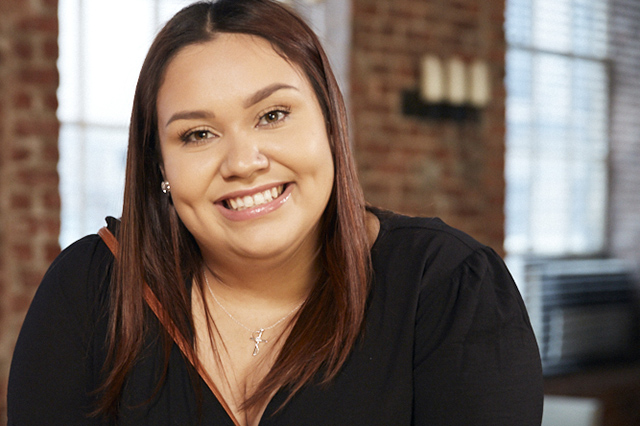
Meet Angelica. She may look like your typical 19-year-old, though she’s anything but. Yes, she loves to wear makeup, spend time with her boyfriend and listen to Ariana Grande, but the purse she always wears is not like her other fashion accessories. It carries a heart pump that is keeping her alive while she waits for a lifesaving heart transplant.
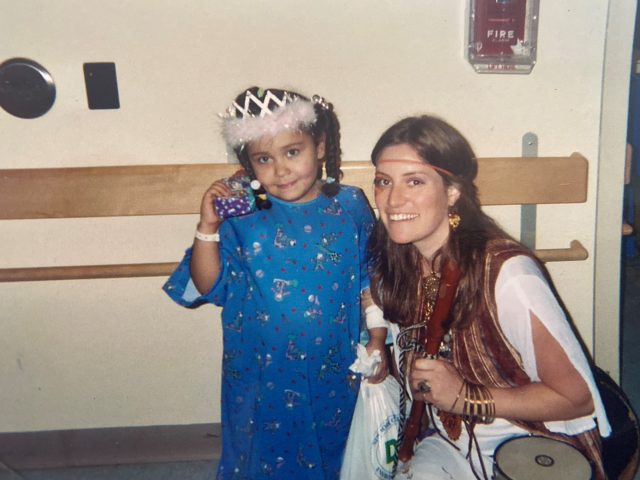
When Angelica was just four years old, she was diagnosed with anaplastic large cell lymphoma. It was a terrifying time for her family. Angelica underwent chemotherapy and was in remission for 14 years. In remission, she attended high school, participated in plays and helped with household chores.
Things took a turn in the summer of 2018 when she was diagnosed with heart failure that her doctors believed was a result of receiving chemotherapy at such a young age. They didn’t think her condition would progress as fast as it did, but soon Angelica was in need of a new heart.
“I felt so sick,” Angelica remembers. “I know it can be a long wait for a transplant and I was worried I wouldn’t live long enough to get my new heart.”
Angelica’s health continued to worsen, and she spent her 19th birthday in the hospital. It wasn’t long before she underwent surgery to implant a Left Ventricular Assist Device, also known as an LVAD. The battery-operated pump helps the left side of her heart circulate blood throughout her body.
“The LVAD made a huge difference, but I know I won’t be healthy until I get a new heart,” Angelica says. “I don’t have enough energy to go to school and I have to spend a lot of my time at home resting.”
Angelica was listed for a heart transplant in March 2019 and has spent the past year waiting for the call that will save her life. She keeps her cell phone on her at all times and dreams of the day when she can live a more healthy, normal life.
“A new heart would give me a chance to go back to school and move forward with my life,” Angelica says. “It would give me a chance to spend more time with my one-year-old niece. She is the person that keeps me going. I want her to know that she has the strongest aunt in the world. I can’t wait for the day when I have my new heart and I can start to plan for the future.”
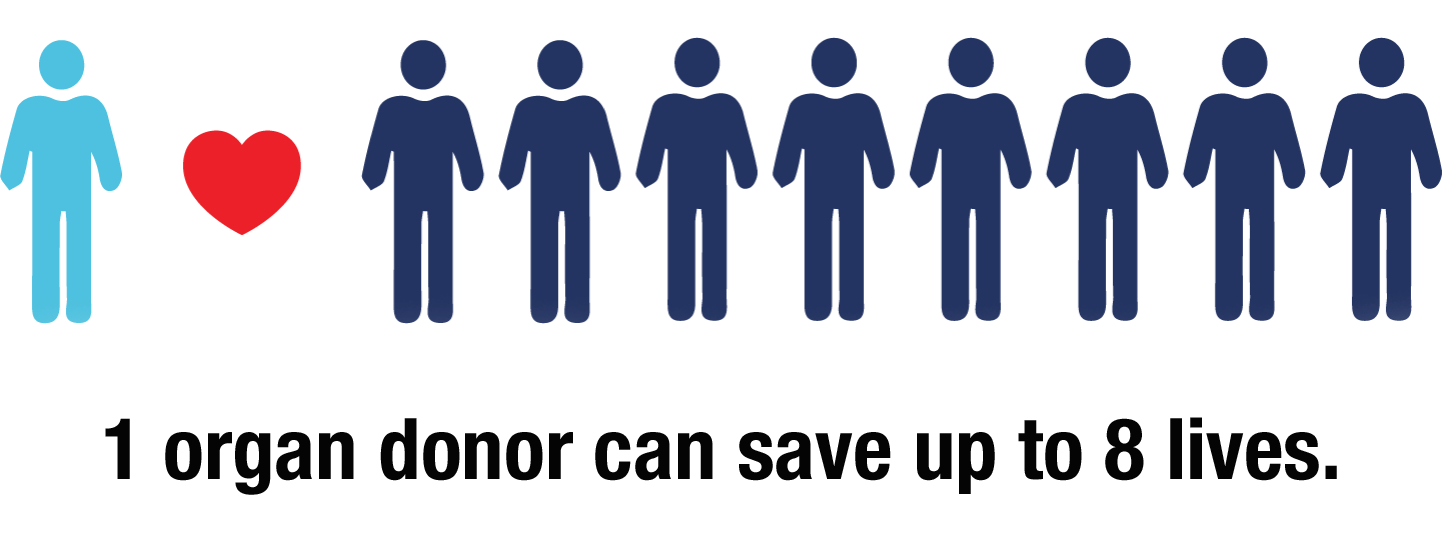
Organ Donor Enrollment Day on October 8th is an opportunity to bring hope to those waiting for a lifesaving transplant. It’s an opportunity to save lives, share your wishes with loved ones and encourage others to do the same. During this time, remember Angelica and the thousands of New Yorkers like her who are counting on us to say yes to organ donation. One person can save up to eight lives and leave a lasting legacy through those who live on because of their generosity.
In support of those waiting for a transplant, please take a few moments to learn more about organ donation and to consider registering as a donor.
Mount Greylock has become my go-to local hike over the years. Located in the Berkshires, at 3,491 feet, it’s the highest point in Massachusetts.
I have many fond memories of Mount Greylock: hiking in plummeting temps on a blistery New Year’s day, breaking trail in a fierce snowstorm, sliding across icy slopes in early March. For a little mountain, Mount Greylock has gifted me with awesomely big adventures.
Today will be no different.
Together Again
It’s been a while since Valerie, Rick and I have hiked together. Rick, a burly hippy with thedemeanorof Sasquatch and a voice like Garfield the Cat, is notoriously late. Valerie and I once banged on his bedroom window with a stick when he overslept. This morning, however, he is sitting under a huge willow tree, patiently waiting for us.
We set out on a flat gravel trail that weaves through meadows of wildflowers and butterflies.In the distance, I spot energetic dogs and happy children. It’s something out of a fairy tale.The forecast calls for a hot,sunny day. “Wish it wasn’t so humid,” says a woman walking by.
We follow the signs,wading through overgrown weeds that lead to the Thunderbolt trailhead.
Steeped in Ski History
Thunderboltis the shortest, steepestand officially hardest trail on Mount Greylock. Built by the Civilian Conservation Corps in the 1930s, it became a world-class ski run for competitive downhill races.Sadly, after World War II, with the advancement of chairlifts, Thunderbolt suffered – until the late 2000s, when a group of dedicated local volunteers brought it back to life.
Nowadays, back-country skiers from all overreturn in winter,laboriously skinning to the summitto earn their turns on the wild, thrilling terrain.
Casual Ascent
Ordinarily, we would vigorously run upthe lofty trail with no stops and hearts pounding. Today, in the August heat, we take a casual approach, relaxing on a rock to talk, breaking to snap a few pictures, and stopping at the spot where our friend Paul once sped uncontrollably down a bank while sledding in a flimsy, plastic toboggan. He stood up and brushed himself off, unharmed. Good times.
Thunderbolt may begin as a gradual hill climb, but the best (or worst) is yet to come. I forgot how up, up and up this trail goes – 2,000-plus vertical feet in less than 2 miles.My short legs take on steps made for giants, as we pass the iconic and descriptive ski signs: The Bumps, The Big Schuss andThe Bucket Trail.
We meet a family of hikers along the way. A little girl drags her feet. I say with dramatic enthusiasm, “You’re almost there (lie); the views are worth it (truth)!”She shoots me the stink eye.
Thunder on the Mountain
Less than a mile to the summit, where Thunderbolt intersects with the Appalachian Trail, thesky turnsa gloomy gray. We hear a distant rumbling. Rick asks, “Thunder?” I secretly hope so. I’m a sucker for a good rainstorm.
The last section of trail crosses the auto road. Short, steep and rocky, it opens up to a parking lot, where we are greeted by a crowd of people aimlessly walking about. A couple sits in camp chairs next to their grill and sports car.
Weathering the Storm
At the summit, sits an old rusticshelter, the towering Veterans War Memorial completed in 1932 and restored in 2015, and the Bascom Lodge built in the 1930s with local schist – still open for lodging, farm-to-table cuisine and an occasional intimate concert.
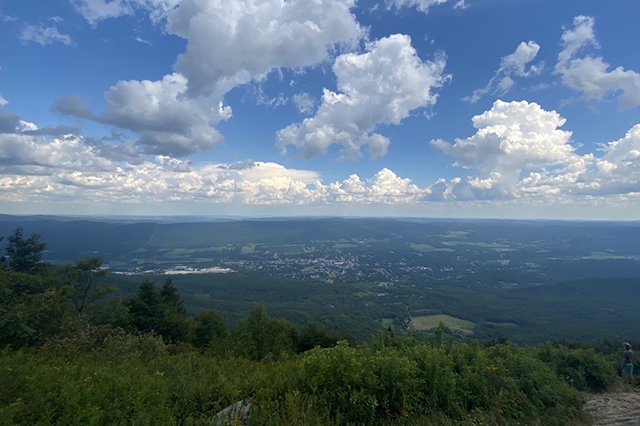
The sprawling views are the real attraction. You can see up to 90 miles on a nice day.
Today’s horizon is surprisingly cleardespitethe blanket of ominous, dark cloudshovering overhead.
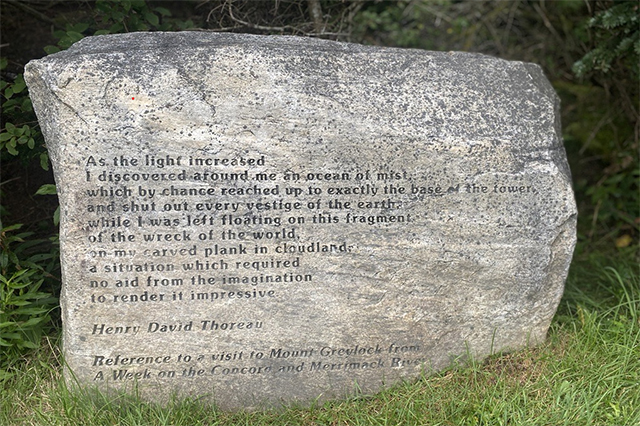
We stand on the mountain that inspired some of the greatest writers and poets, including Oliver Wendell Holmes, Henry David Thoreau and Herman Melville. Their quotes, along with other authors’, are etched in stones sitting along the peak’s paths.
The rumbling suddenly sounds angry. A drop hits the ground, then another. The rain falls hard. We rush to the shelter which is locked due to COVID. We find refuge under its awnings. The now-empty parking lotis a flowing river.
These unexpected moments are magic to me – and the reason I always carry a rain jacket. No matter how much you plan, Mother Nature can and will throw you a curve ball.
And just like that, the storm is over, leaving the course back down precariously wet and adding excitement to the journey.
It goes without saying that this year’s back-to-school season is unusual, in a variety of ways. But the movement toward distance learning represents perhaps the most dramatic change to a student’s everyday life.
The virtual classroom is poised to play a much bigger role in the lives of millions of students this school year, meaning they’ll be spending even more time on computers and tablets than usual. And this increased screen time opens the door a little wider for hackers and scammers, giving them more opportunities to take advantage of the unwary.
So how can you keep your kids safe at a time when being in school means being online? The following 10 tips (courtesy of Bill Dziura, the vice president of IT operations at AAA Northeast) will go a long way toward ensuring a safer digital school year.
1. Reports of video-teleconferencing hijacking (VTC), also known as “Zoom-bombing,” have emerged across the world and multiple reports have been filed with the FBI of conferences and classes being disrupted with disturbing images and threatening language. Your school district should make meetings and classrooms private and require participants to enter a password to participate.
2. Be aware of phishing emails designed to entice you to click on the latest and greatest offer related to coronavirus protections, or with urgent instructions from your school district or college system. The intent is to get you to unsuspectingly download malware onto your device.
3. Make sure your devices have anti-virus software and be sure to turn on automatic updates. Often people get a free version with new equipment but that software expires after a certain number of months.
4. Use multi-factor authentication on any accounts for which it is available.
5. Only work on secure or password-protected internet connections. Whenever you are entering any personal data, or making any online payments, make sure that the website is secure, using HTTPS or your browser shows a lock on the address line and tells you it is secure.
6. Limit the amount of sensitive information on devices that students will be using for virtual learning.
7. Avoid accessing any confidential or sensitive information from a public WiFi network.
8. Avoid using Bluetooth in a public place – it is an easy way for hackers to connect to your device.
9. Make sure that you are using a strong password to connect to home WiFi.
10. Do not use the same password on every account you have. This will increase your risk if one account is hacked.
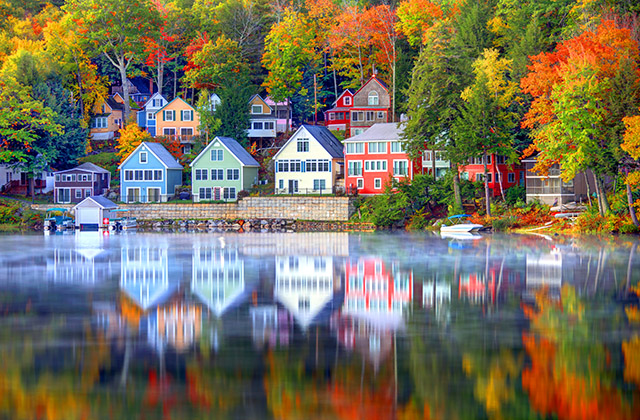
Though the end of summer is a sad thought for some, for others it means saying hello to their absolute favorite season. With the rise of pumpkin spice-flavored treats, the smell of firewood in the air and the Halloween movie marathons being played on TV, fall is a time for change – in more ways than one.
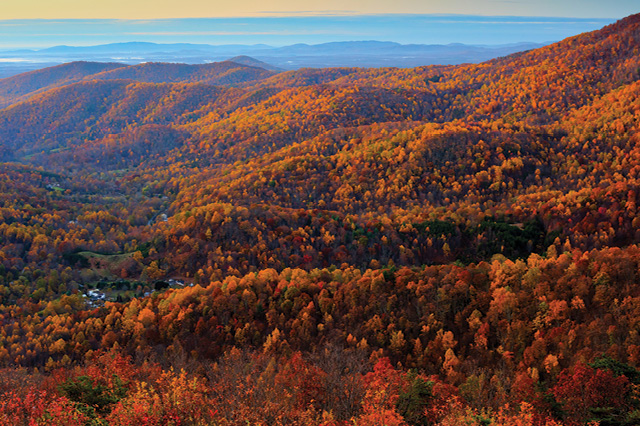
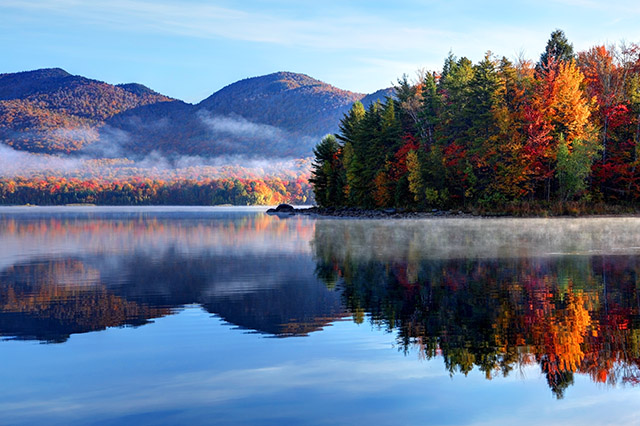
In fall, leaves go through a spectacular transformation. By the end of the month, the bright forest greens will begin to be replaced with deep reds, neon oranges, golden yellows and any combination of the three. As residents of the Northeast region of the U.S. – one of the few regions of the world that is home to color-changing foliage – we are treated to beautiful views, whether for camping, sightseeing or just enjoying the fresh air in our backyards.
How are we so lucky to see this natural phenomenon and why does it happen? To find this out and more, we talked to Patressa Kearns, visitor services park ranger and weekly fall color report writer at Shenandoah National Park in Virginia.
Q: Take us back to science class. Can you explain why and how leaves change color in the fall?
A: We used to distribute a really cool info brochure about the science of fall color. I’m going to quote from it a bit: “During spring and summer, the cells of the leaves produced food so the trees can grow. These cells contain the pigment chlorophyll, which gives leaves their green color and helps produce simple sugars to nourish the tree. Leaves also contain yellow pigments called carotenoids. Most of the year these shades of yellow are masked by the green chlorophyll. Changes in day length along with cooler temperatures trigger the leaves to stop making food. As chlorophyll breaks down, the dominant green colors fade and yellowish colors emerge.”
Q: What conditions are necessary for leaves to change color?
A: Warm, sunny days followed by cool nights (below 45 degrees Fahrenheit) produce the best fall color.
Q: What are all of the possible colors that leaves can turn? What colors do maples typically turn, oaks, etc.?
A: Oak trees tend to turn later and tend to be deep, rich shades, as opposed to the brighter, more neon shades of maples. Oaks are usually pumpkin orange, dark gold, sometimes paprika orange and wine red. Maples tend to be the more neon colors – bright orange-red and a few bright yellows. Hickories are a gorgeous gold, like flames! Ash trees are something else. They tend to be more bronze-y, but there can be bronze, deep gold and green all on one tree, so that a tree might look like a dying ember. Vines are colorful, too. Virginia creeper vines turn a deep, bright red. Bushes like sumac and sassafras are Jamaican red and gold. Sassafras can look like mangoes sometimes – bright green, pinky red and tropical gold. Dogwoods turn beautiful bronze-y wine colors.
Q: Which of those is your favorite?
A: I really like the ashes because they’re so mysterious. Everybody’s ashes here in the East are in trouble, though, from the emerald ash borer.
Q: What are some other trees from other parts of the country that produce cool colors in the fall?
A: Birches turn a beautiful yellow in the fall. There are almost none here in Shenandoah, but they are abundant out west.
Q: How long do we typically get to see colorful leaves before they die? When is fall color at its peak?
A: Speaking very generally, fall color lasts anywhere from a month to six weeks, usually closer to a month. In Shenandoah National Park, fall color begins toward the end of September and lasts through the end of October, with the best time usually falling around the middle of the month. Fall color tends to arrive a week or two earlier in the northeast than it does here and southward. So, my guess is that peak fall color tends to happen in early October in New England, New York, and Pennsylvania.
(Photo: Shirley Zhang / EyeEm / Getty images)
Q: Last year, some of us in New England felt as if fall came and went faster than usual. Part of that is due to the short amount of time the fall colors lasted. Why might have that been the case?
A: A lot of conditions can bring about shorter or longer fall color seasons. Sometimes we’ll get a spell of warm or even hot weather during the day in late September or in October, which slows down and dulls color. Sometimes rainy, windy weather can just plain knock the leaves off the trees before they get to their best color. Last year here in Shenandoah was not our brightest fall color, that’s for sure. It was pretty, but it never achieved the brilliance of other years. And in 2013, Shenandoah had a really long fall color period – on into mid-November!
Q: Have you ever taken a scenic drive or hike through some beautiful fall foliage?
A: Yes, in Connecticut. One fall, years ago, we visited the Denis Curtiss sculpture gardens in fall and the whole drive was lovely.
Q: Best state in the U.S. for fall foliage?
A: I don’t know for sure, but I think most people would argue for Vermont. I would argue, of course, for Virginia. Virginia has it all!
Q: What other national parks or state parks do you know of that also boast beautiful fall foliage?
A: If you’re talking about the eastern U.S., I’d say Shenandoah, of course, along with Acadia National Park in Maine; the Blue Ridge Parkway, which runs through Virginia and North Carolina; Valley Forge National Historical Park in Pennsylvania; and the Great Smoky Mountains National Park in North Carolina and Tennessee.
Q: Last, but not least, know any good tree jokes?
A: No, but if you do, I’d love to hear them because I’m a sap for tree jokes!
Over the centuries, there have been myths and legends to explain the phenomenon of leaves changing color, such as the Native American legend that celestial hunters slew a bear in the fall and its blood colored the leaves red, starting an annual change in color. Another Native American legend tells the tale of a fight between a Bear and Deer, ending in the same result.
No matter what you believe, the views this year are sure to be dazzling, as they are every year.
This story was originally published in 2017 and has been updated.
Setting aside time to focus on yourself can help reduce stress, improve your self-esteem and even help manage your physical health. Get self-care inspiration to relax and unwind in our new crossword.
Here are some tips to help you get the most out of your puzzle playing experience. Good luck!
Since our members are the root of everything we do, your feedback is important to us. Let us know if you run into any issues while playing, or share your ideas for future puzzles by emailing us.
Whether you’re staying in for quarantine or you’re an essential worker, self-care has changed since the pandemic started. Basics like caring for your hair, skin and nails can be difficult when you’re doing it on your own. Some people have even taken to cutting their own hair in the bathroom mirror out of desperation or boredom (I may or may not be one of those people).
To figure out what we’re supposed to be doing with our beauty and self-care routines during the pandemic, we can always turn to the experts on hair, skin and nails.
Hair Care
I admit it – I cut my hair at home. In my defense, it was at a length I just couldn’t tolerate anymore. But Miranda Chiarello, a hairdresser at Hairsay Salon in Garden City Park, cautions people against taking scissors to their own hairstyles.
“I really don’t agree with it,” she said. “If somebody is trying to achieve something very specific by doing it themselves… it makes it more challenging for the hairdresser to fix if and when salons eventually do open.”
People with roots growing in might want to stay away from box dyes, according to Chiarello. “Box color has a lot of metallic dye in it. What that means is that it makes it harder for, in the long run, if someone wants to switch up their color. It’s harder to get out. For somebody who is struggling with seeing some gray spots, I definitely recommend using a temporary root spray – or even an eyeshadow. That works just as well.”
Chiarello’s most important bit of advice might be to just give your hair a break for a while.
“I have been trying to take advantage of being home and not doing anything to my hair or my skin as far as putting any heat to it or doing a lot of makeup,” Chiarello said. “Being at work, I was constantly doing my makeup every single day, so it’s nice to give your hair and your skin a break. You can always go on Pinterest and find a lot of natural remedies for doing hair masks. Take advantage of giving everything a break and do some natural remedies like coconut oil and things like that. Braid your hair and leave it in as long as you possibly can. Let it recover from the day-to-day of being at work and putting heat to it.”
Skin Care
Skin care has become extremely important in times like these. People are washing their hands more than ever and wearing face masks, leading to skin issues that most of us haven’t dealt with before. To get more information on how to care for your skin during quarantine, I spoke to Dr. Carrie Kovarik, Associate Professor of Dermatology and Medicine at the Perelman School of Medicine at the University of Pennsylvania.
“We want to wash when it’s necessary,” Dr. Kovarik said. “Keep the washing to when it’s needed. And then make sure that you moisturize after you wash your hands. We like a petrolatum or oil-based moisturizer, not a lotion that you pump out of a bottle. Those are water-based. You want a thick cream that you can get out of a tube. Make sure you rub them all throughout your hands and even around the tips of your fingers, where they can crack if they get really dry. If your hands get really dry, put a nice thick coating on them before bedtime.”
People that have to wear masks on a day-to-day basis might be experiencing some adverse effects on their skin.
“They can get chafed from friction, or from stress behind the ears,” noted Dr. Kovarik. “What we recommend is that at the end of the day, you wash and get all the grime away. Stuff can collect behind the straps and under the nose – especially if you’re wearing makeup underneath. We don’t recommend petrolatum-based products for the face, because they can be sort of occlusive and clogging, but get a good, non-comedogenic moisturizer to put on your face. It can be helpful to heal the skin it it’s getting a little frictional dermatitis on it.”
If you’re staying at home, this is the perfect time to give your skin a break from your makeup routine, but Dr. Kovarik recommends that you still use a moisturizer with sunscreen in it. Even if you’re not going out in public, you still might be going outside.
Nail Care
Nails are a tricky subject. Long or artificial nails can harbor germs, even if you’re washing your hands often. The CDC advises healthcare workers to keep their nail tips no longer than ¼ inch long, and it might be wise for all of us to observe that precaution as well. This is definitely not the time to be biting your nails, as that’s a surefire way to deliver germs directly to your mouth.
Keep your nails as natural as possible for the time being. You don’t have to cut them down to the quick – leaving a little white crescent is perfect. Like your hair and skin, this is a time for your nails to be natural, to relax and recover.
Are you doing anything special for your hair, skin and nails during this time? Let us know in the comments below!
People are working from home now more than ever, and for many it is the new normal. While working remotely has many benefits, one potential downside is increased digital eye strain. This condition, also known as computer vision syndrome, “occurs when your eyes get tired from intense use,” according to the Mayo Clinic.
From reading and writing emails to attending virtual video meetings and other digital duties, your eyes are subject to a lot of screen time. Learn more about the symptoms of digital eye strain and what you can do to lessen the impact that working from home has on your eyes.
How Common Is Digital Eye Strain?
Whether you have transitioned your nine to five from the office to a digital work space, are electing to educate your kids remotely or both, you have likely increased the amount of time you are spending in front of screens.
Digital eye strain can start to occur after only two hours of uninterrupted screen time. Before the COVID-19 pandemic, “about 80% of American adults report[ed] using digital devices for more than two hours per day with nearly 67% using two or more devices simultaneously,” according to The Vision Council. “And 59% report[ed] experiencing symptoms of digital eye strain.”
While it’s obvious digital eye strain affects your eyes, some symptoms can occur in other parts of the body too, ranging from mild discomfort to specific body aches.
Dry, Itchy Eyes
When we stare at a screen for long periods of time, we tend to blink less. In fact, “focusing the eyes on computer screens or other digital displays has been shown to reduce a person’s blink rate by a third to a half,” according to Johns Hopkins Medicine.
Blinking is important and does a lot to help our eyes. “Blinking cleans the ocular surface of debris and flushes fresh tears over the ocular surface,” according to The National Keratoconus Foundation. “This brings nutrients and other substances to the surface structures keeping them healthy. It helps prevent infection and clears and brightens the image received by our retina.”
Blinking less can lead to eyes that look red and/or tired. It can also cause them to feel dry, itchy and generally uncomfortable.
Aches and Pains
Spending too much time in front of screens can cause aches and pains in your head, neck and shoulders. One common symptom of digital eye strain is a dull pain behind your eyes. This can lead to headaches or migraines. Other symptoms include tension in the neck and upper back, which can gradually become more painful if not properly addressed.
Changes in Vision
Staring at a screen for too long can also cause temporary changes to your vision. Blurry or double vision are common symptoms. You might also find you have trouble focusing at a distance.
While these symptoms are not permanent, they can cause discomfort and/or dizziness. Try not to stand up too quickly after sitting or staring at a screen for a extended period of time. Stay hydrated and follow the tips below.
If you are experiencing more intense or prolonged changes in vision, consult with an eye professional. AAA members can save 50% on lenses with a complete pair purchase at Lenscrafters.
What Can You Do?
Though it many feel more difficult to separate personal and work life while you are working from home, there are several things you can do to help your eyes.
Take Short Breaks
It’s important to occasionally step away from the screens, take a quick breather and give your eyes a rest. Do some stretches, get a glass of water or take a bathroom break. If you are really busy or on a productive roll you don’t want to interrupt, consider trying the simpler 20-20-20 rule.
“Every 20 minutes, shift your eyes to look at an object at least 20 feet away, for at least 20 seconds,” according to the American Academy of Ophthalmology.
Position Your Computer Properly
Another way to help your eyes is by making sure you keep the right amount of distance between your face and the computer screen.
“You should be sitting about 25 inches (right about at arm’s length) from the screen,” according to AAO “Also, position the screen so your eye gaze is slightly downward, not straight ahead or up.”
It helps to sit in a comfortable, supportive chair and maintain good posture. Choose a position where your feet are flat on the floor and your device is just below eye level.
Adjust Computer Displays
Adjusting the settings of your computer’s display can also help lessen the impact increased screen time has on your eyes.
Position your screen in a way that avoids glares from overhead lighting and windows. You can also try a matte screen filter.
You may also want to try to increase or deceased the brightness of your screen depending on the lighting of your at-home office space. “If the computer screen is brighter than the surrounding light, the eyes have to work harder to see,” according to Johns Hopkins Medicine. “Adjusting the screen’s brightness to match the level of light around it can help reduce eyestrain. Increasing the contrast on the screen may also help.”
Finally, enlarge the text of your computer to at least 100% or more. There’s no point in squinting at tiny text. Utilize the zoom feature of your internet browser and increase the general font size in your computer’s display settings.
Maintain Good Eye Care
Another way to help protect your eyes from the impacts of working from home is to maintain proper eye care. If applicable, wear your glasses or contacts and make sure your prescription is up to date. Use eye drops to combat excessive dryness, but try not be become too dependent on them.
When you are away from your devices, make sure you are getting enough sleep. Also, try incorporating more eye-healthy nutrients into your diet, including foods rich in vitamins A, E and C as well as omega-3 fatty acids and zinc.
If your digital eye strain symptoms continue, talk to your eye doctor or ophthalmologist. You may need to consider wearing computer glasses and/or blue light glasses.
AAA members can save on solutions for digital eye strain and other vision needs at Lenscrafters.
There’s no better dessert that defines the fall season like a fresh pie. And what better way to use up all those orchard apples that you just picked than to bake a fragrant apple pie, piled high with apple-cinnamon goodness? This season, treat yourself and let someone else do the baking for you. Here’s where to find the best pies for your table.
Note: Due to the ever-changing nature of the COVID-19 pandemic, please check official websites before visiting to check for restrictions or closures.
Connecticut
Michele’s Pies, Norwalk
You don’t want to miss out on the award-winning fruity and savory creations that Michele’s Pies is dishing out. The pies have won nearly 30 National Pie Championships. Try the Thanksgiving pumpkin pie, (even Food Network Chef Bobby Flay testifies to its greatness), or if you feel adventurous this season, have a slice of chocolate pecan bourbon.
Lyman’s Orchards, Middlefield
The hi-top apple pie at Lyman Orchards could give your grandma’s recipe a run for its money. Lyman Orchards has been perfecting pies for eight generations. Jam-packed with more than 2 pounds of apples, it was voted Best Pie by Connecticut Magazine in the Farm/Orchard category.
Massachusetts
Petsi Pies, Somerville
Petsi Pies has been rolling out some of the best pies in the state since 2003, continually receive raving reviews. Go for a classic fall favorite like the seasonal sweet potato pie or get a taste of the Florida Keys with a piece of Key lime pie. Everything is baked fresh daily.
Florence Pie Bar, Florence
Stop into the Florence Pie Bar to relax, grab a cup of coffee and nibble on a slice of its famous pie, be it sweet or savory, nutty or fruity and everything in between. You can bet that any of the seasonal pies will be a hit at your table, with favorites like coconut cream or salted chocolate and inventive takes on old classics like apple with apple cider caramel.
New Hampshire
Harvey’s Bakery and Coffee Shop, Dover
The folks at Harvey’s Bakery and Coffee Shop have been mastering their baking skills for more than 80 years. The freshly baked pies, bread and pastries have become a Dover favorite over the decades. Try the savory pork pie.
Black Forest Cafe and Bakery, Amherst
Black Forest Cafe and Bakery has a motto: “From scratch. by hand. since 1988.” This philosophy rings true in everything the bakery makes, including pies. The store sells 9-inch pies for sharing and 6-inch “cutie pies” for spur-of-the-moment snacking. Have a slice of traditional Dutch apple or chocolate cream with coffee whipped cream.
New Jersey
The Pie Store, Upper Montclair
The Brits are famous for their savory pies, and The Pie Store serves up these treats from across the pond daily. The steak, ale and mushroom pies and the turkey and stuffing pies are crowd favorites. If you’re craving something sweet, locals rave about the Key lime pie and the banoffee pie, filled with toffee and bananas and piled high with whipped cream and chocolate flakes.
Mara’s Cafe and Bakery, Denville
This bakery does it all, from pies to mousse to the cheesecakes that put them on the map. Mara’s Cafe and Bakery dishes out the traditional fruit pies like apple, cherry and blueberry, but the nut flavors are also big hits and some of the best pies around. Take home a pecan pie made with pure bourbon vanilla, or a three-nut cranberry pie with almonds, pecans and walnuts. And even the pickiest of eaters won’t turn away from a slice of chocolate chip cookie pie.
New York
Four & Twenty Blackbirds, Gowanus, Brooklyn
The Elsen sisters, Melissa and Emily, learned the art of making pie from the best: their grandmother. Four & Twenty Blackbirds uses locally sourced ingredients in all of their pies. The flavors rotate throughout the year, but if you’re passing through their neck of the woods, pick up a piece of salty honey pie, a custard pie laced with honey flavor with a sprinkle of flaked salt.
Monica’s Pies, Naples
Monica Schenk, owner of Monica’s Pies, learned how to make the Naples signature grape pie in 1983. Now, she is affectionately considered the Grape Pie Queen. She makes a variety of fruit, nut and cream pies that never disappoint. Her customers also love her chicken pot pie, loaded with chicken and vegetables.
Rhode Island
Provencal Bakery, Middletown
This 20-year old bakery started out baking artisan breads and gradually expanded its repertoire to include pastries, coffee and breakfast and lunch options. Provencal Bakery whips up delicious pies on call, from apple to chocolate cream to pecan with a hint of maple syrup.
Wright’s Dairy Farm, North Smithfield
At Wright’s Dairy Farm, you’ll find rustic comfort in each of the handcrafted pies. The bakery sells the traditional pies that everyone loves, including cream and custard pies made with milk and cream from its very own dairy cows. Take home a slice of strawberry rhubarb, coconut custard or apple cream. Don’t forget to wash it down with a glass of farm fresh milk.
Have you tried any of these pies? Where have you been that makes the best pies? Share in the comments below!
What’s your favorite exhibit? Test your knowledge of famous exhibits and art that make the world’s greatest museums so much fun to explore.
Here are some tips to help you get the most out of your puzzle playing experience. Good luck!
Since our members are the root of everything we do, your feedback is important to us. Let us know if you run into any issues while playing, or share your ideas for future puzzles by emailing us.
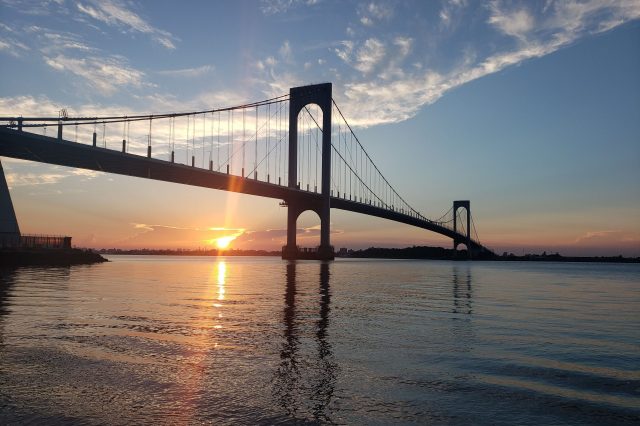
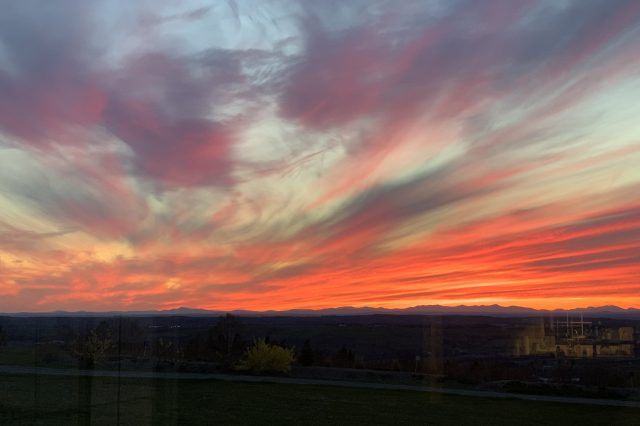
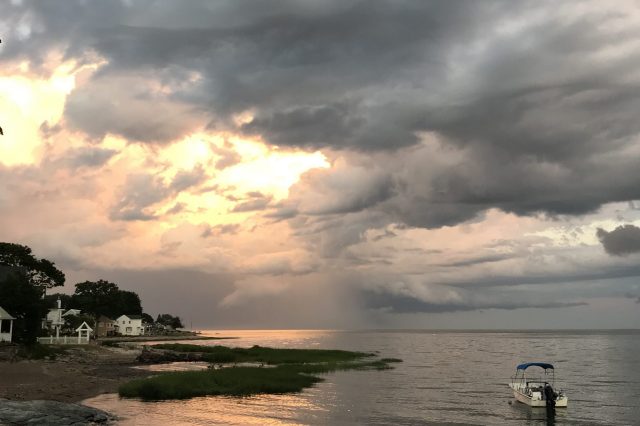
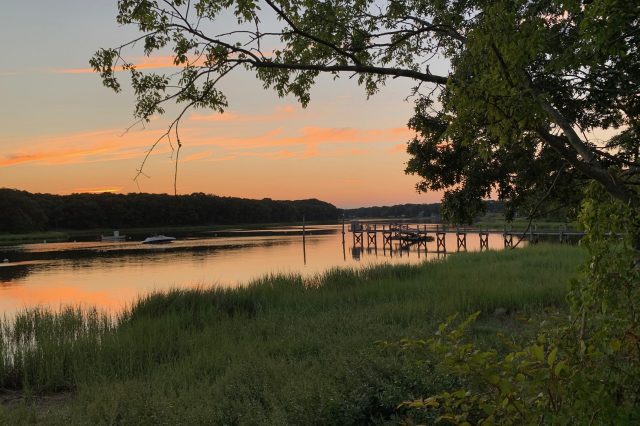
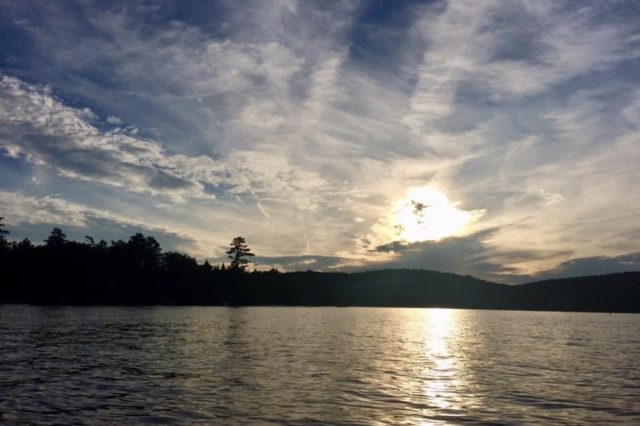
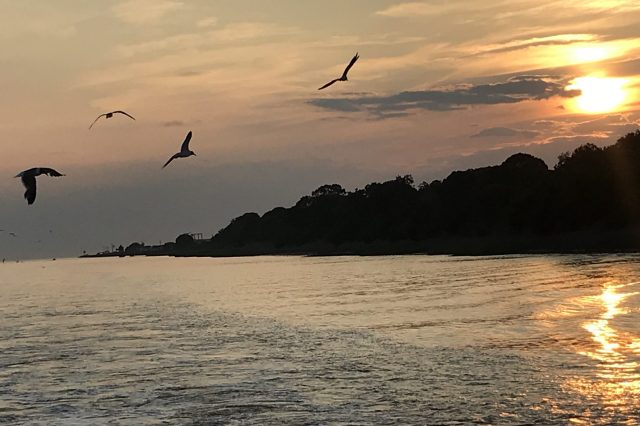
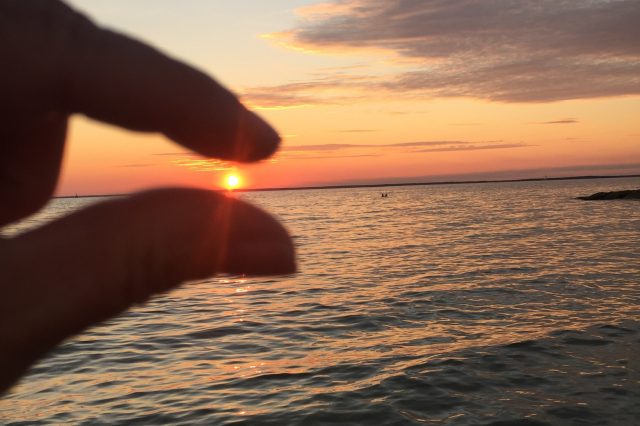
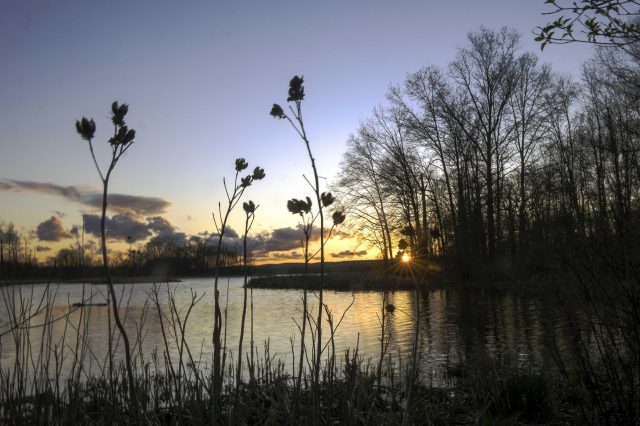
Sunsets are known for being particularly hard to photograph, but when you see a great one it’s hard to stop yourself from at least trying. Inspired by this idea, sunsets are the subject of our first-ever Your AAA Photo Session, a monthly challenge where you can learn new skills and share your pictures with the AAA Northeast community.
August evenings are ideal for picture-perfect sunsets. During these last few weeks of summer, there should be plenty of opportunities to capture the vibrant colors of the sky as the sun retreats below the horizon.
Whether taken in your backyard, on a road trip, on a boat or from the shore of one of the Northeast’s many fantastic beaches – we want to see your best shots.
How to Photograph Sunsets Like a Pro
Local photographer Kayla Mandeville shares a few pro tips and tricks to help you creatively approach and capture sunsets.
Plan Ahead and Arrive Early
“Before heading out for sunset, you need to plan. It’s helpful to determine your location in advance. Arriving to your location early is important, because it gives you time to set up your equipment and get a feel for the area. My favorite thing to do while waiting for the sun to set is taking advantage of ‘golden hour,’ the light right before sunset.”
Composition Is Key
“Creatively approach your sunset shots. The horizon does not need to be in the center of every picture. While each sunset is beautiful in its own way, an interesting foreground can take an average photo to the next level. Find a subject to focus on; it can be just about anything – a lighthouse, a seashell – use whatever you have around you.”
It’s All About Perspective
“While out shooting, I’m always trying to find ways to play around with perspective and camera positioning. A simple but often overlooked tip while photographing sunset is to look behind you! The sky opposite of the sunset sometimes is just as interesting as the sunset itself.”
Stick Around After the Sun Goes Down
“In my experience, shortly after the sun sets the sky will occasionally burst into color one last time before fading into night. Before packing up for the night, stick around for a little bit, just in case. If you have a tripod and remote shutter available, this is a great time to experiment with longer exposure times.”
Thank You for Participating!
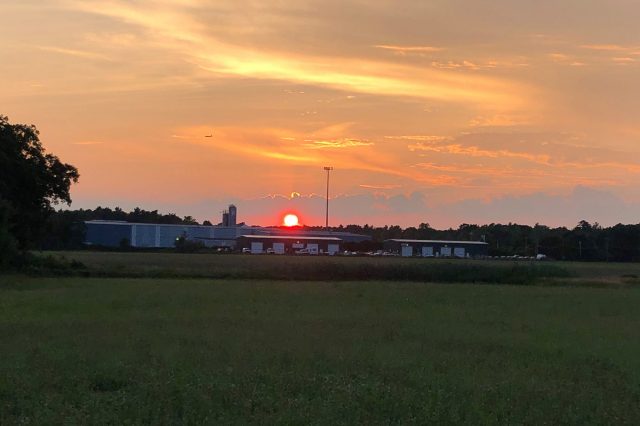
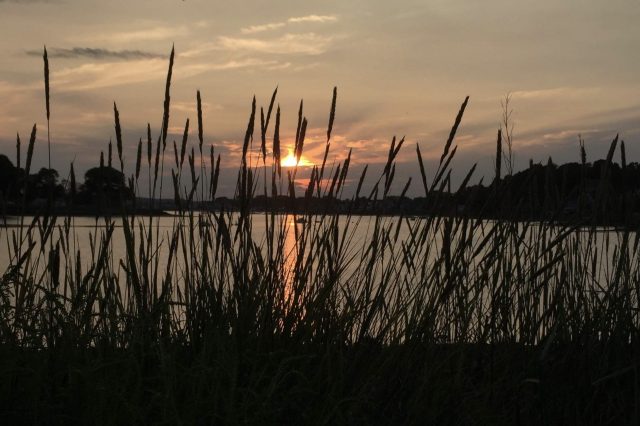
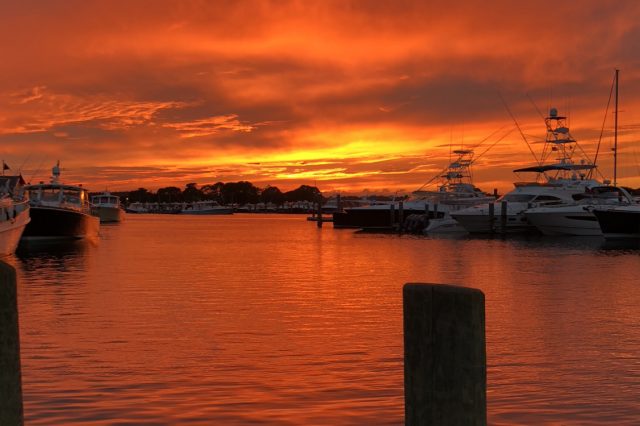
We received so many beautiful sunset photos from across the Northeast and beyond. Take a look at all of the submissions in the slideshow below and don’t forget to check our social media channels, where we will be featuring some of our favorites.
"An Acadia greeting." (Sara Houser)
(Andrew Rosen, AAA Employee)
Knox, Maine (Bonnie Tinley)
Narragansett, R.I. (Dana Laverty, AAA Employee)
"Sunset from hotel room in New Orleans." (Deborah Sofia)
"Glowing sunset." (Donna Hartt)
"West Haven Beach, 2020." (Donna MacLennan)
"A gorgeous afterglow over Greenwich Bay, R.I., in late fall. The vivid colors are completely natural – not doctored in any way." (Aimee Carrier, AAA Employee)
"August sunset over Brushneck Cove, Warwick, R.I." (Floyd Shulze)
"Sunset at Waikiki Beach." (Fran Mayko, AAA Employee )
Hudson Beach, Fla. (Frank Scarfi)
"End of day. West Caroga Lake, N.Y." (Genia Meinhold)
"Cape May sunset." (Hector Ramos)
Fire Island (James Molloy)
"Don't let the sun go down..." (Janet Fuller)
Reynolds Channel, Long Beach, N.Y. (Janine Bender, AAA Employee)
"Sunset over the ocean from the sky." (John Mardirossian)
"Holding on to sunset." (Karen Dion)
"Sailing in Boston Harbor." (Ken Legler)
"The sun is setting on the right and the moon is on the left, occupying the same sky over the Pacific Ocean. So beautiful!" (Kyung Pang)
(Andrew Sheldon, AAA Employee)
"Sunset over Great Swamp National Wildlife Refuge." (Lois Puttbach)
"Sunset on Block Island." (Ludmila Apcel)
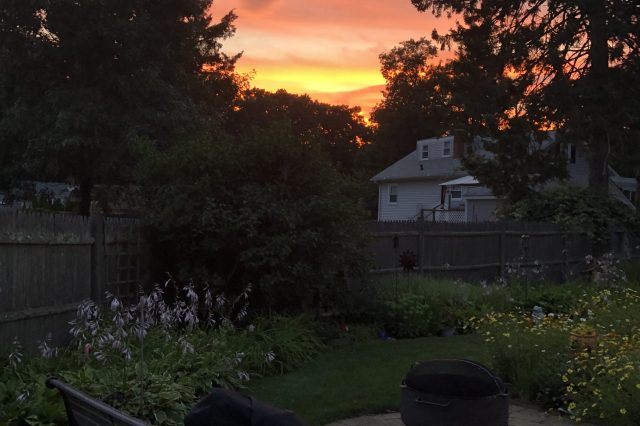
"Summer evening in the backyard." (Michelle Grundy)
What does the car you drive say about your personality?
Well, obviously, if you drive a Porsche, you probably have tins of caviar in your refrigerator, and if you rock a Mini Cooper, it’s likely that you watch BBC television programmes on a regular basis.
Those are jokes, of course, but studies have shown a link between certain personality traits and the type of car a person drives.
For instance, 70% of BMW owners consider themselves more knowledgeable than most people, and 49% of Volkswagen customers believe they are more imaginative, according to a survey of 200,000 Americans performed by market research firm YouGov.
So why not embrace the personality of the car you drive with a road trip that suits your vehicle preferences?
Note: Due to the ever-changing nature of the COVID-19 pandemic, please check official websites before visiting to check for restrictions or closures.
Looking for great insurance coverage for your ride? Visit AAA.com/Insurance.
Fall Foliage Drives for Nature Lovers
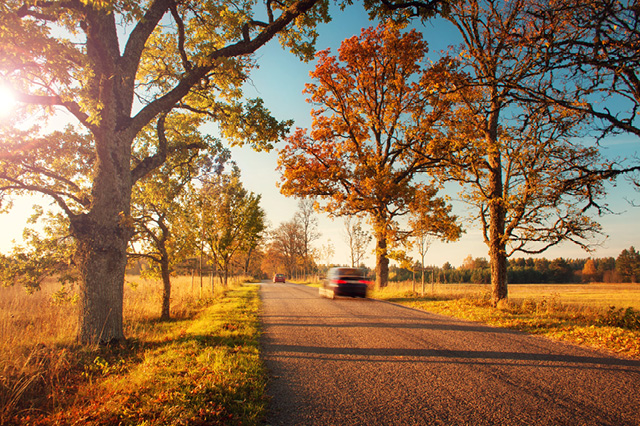
Green car drivers – that is, those who prefer electric or hybrid cars – will love the vibrant reds and yellows along New Hampshire’s Kancamagus Scenic Byway, a 30-mile stretch of Route 112 that cuts through the 800,000-acre White Mountain National Forest. Start your trek through the colorful mountainscape by embarking west out of Conway. Stop at the Saco Ranger Station for a map, which you can use to locate scenic overlooks, historic sites and picnic areas along the “Kanc.” There are hiking trails on the route, including a handicapped-accessible trail to Sabbaday Falls, one of the state’s most popular waterfalls with a 45-foot drop. West of the Jigger Johnson Campground, make a pit stop at the Russell-Colbath Homestead, a wood-frame home built in the early 1830s. Foliage along the Kanc peaks in late September through early October.
Fall Foliage Drives for Off-Roaders
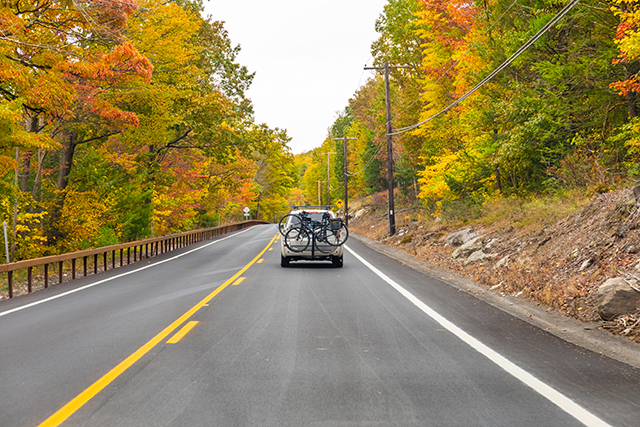
Those who crave thrills with their foliage – while in the front seat of a four-wheel-drive vehicle – should try the 60-mile Mohawk Trailin western Massachusetts. Native Americans once used to ship goods to Connecticut and New York’s Hudson Valley along the route, which runs along state Route 2 from Orange to North Adams in between 50,000 acres of state parks and Berkshire forests. As you approach the landmark Golden Eagle Restaurant in Clarksburg, beware of the notorious hairpin turn. Hit up observation points as you ascend the mountains for jaw-dropping views of Vermont and New Hampshire in the distance. Veer off the trail in North Adams for a 10-mile driving excursion to the summit of Mount Greylock, which at nearly 3,500 feet is the highest point in Massachusetts. For more thrills, head to Zoar Outdoor Adventure Resort in Charlemont for a zip line canopy tour. Foliage peaks here in October.
Power Hungry Fall Foliage Drives
Bust out the muscle car for a little showboating across the Rhode Island coast. Newport’s Ocean Drive loop is loaded with huge mansions and spectacular views of the Atlantic Ocean. And while the 10-mile drive can be completed in a half-hour, there are enough landmarks and leafy public parks to make a day of it. As you roll past mansion after mansion, including the childhood home of Jacqueline Kennedy Onassis, bring your baby by the historic Castle Hill Lighthouse and Brenton Point State Park. Brenton is home to a popular kite festival every summer, but you can still enjoy its hiking and picnic areas in the fall. Plus, it’s a pretty popular place, so you’re sure to turn heads in a gorgeous car. The loop also passes Fort Adams State Park at the mouth of Newport Harbor. Hourly tours of the military fortress are given daily between 10 a.m. and 4 p.m. Another must-see is the world-famous Newport Cliff Walk, a 3.5-mile trail along the stunning rocky Newport shoreline. October to early November is the best time for foliage in Newport.
Minivan Families
If you’re bringing the kids, you’re going to want to plan plenty of fun stops. The Last Green Valley in Connecticut has landing spots galore, which are steeped in history for everyone to enjoy. Parents will revel in trees flush with foliage during the 35-mile drive from Woodstock to Norwich via Route 169. There are cute towns flaunting Colonial architecture and many dining options on the way. In Norwich, parade down the 2-mile Benedict Arnold Trail, where you can see the birthplace of infamous turncoat and other historical buildings. When you’re done in the valley, there’s also the option of traveling another 30 minutes south to family-friendly Mystic Seaport, a re-created seaside village that houses more than 50 historic houses and shops. The Children’s Museum is perfect for aspiring sailors age 7 and younger, and the whole family can take a tour on the steamboat Sabino, which dates back to 1908. Foliage peaks in Connecticut in late September and early October.
Minimalist Fall Foliage Drives
Keep it simple in a compact sedan with a fall foliage driving tour through western New Jersey. A good place to start is High Point State Park in Sussex County, where you can catch glimpses of the lush forests as they illuminate all shades of autumn. When you’re ready for a break, hike a section of the Appalachian Trail within the park to the highest elevation in New Jersey. A 220-foot monument in honor of war veterans will meet you there. Climb the stairs to the top for sensational views of the Pocono Mountains in the west, the Catskill Mountains to the north and the Wallkill River Valley to the southeast. When you’re done exploring High Point, drive 30 minutes south to Stokes State Forest in Branchville. Soak up the autumn hues on the way down and arrive to find 12 miles of forests, streams and scenic vistas that straddle the Kittatinny Mountain Ridge. Foliage peaks here in October.
Dream Drivers
For those who boast a spectacular ride like a Porsche 911 – and want to take said ride on the foliage drive of a lifetime – might I suggest New York’s Hudson Valley as your destination? Take the scenic Taconic State Parkway to get started. Cross into Ulster County via the Mid-Hudson Bridge in Poughkeepsie. Follow Route 44/55 for a heart-stirring drive through Minnewaska State Park and the spectacular Shawangunk Ridge. There are several parking areas along the route where you can park for photographs that will make you Instagram famous. As you descend the mountain, look like a boss as you cut the hairpin turn (safely) in your flashy whip. Drop by Tuthilltown Spirits in nearby Gardiner to pick up a bottle of Hudson Maple Cask Rye Whisky or Hudson Four Grain Bourbon, then sip your drink of choice as you stare at the glorious foliage from the window of your room at the historic Mohonk Mountain House, an extravagant lakeside Victorian castle resort surrounded by 40,000 acres of forest that make for an incredible sight come fall. Foliage peaks here in late September and early October.
If you want to try out these drives but don’t have the right ride, why not rent one for foliage season? Visit AAA.com/Hertz.
Great scenery is one ingredient of an awesome motorcycle run, but it’s far from the only consideration to weigh before hitting the highway.
How the route lends itself to all that’s great about motorcycle touring – from the pavement’s twists and turns to the chance to feel nature envelop you – is equally important.
These four motorcycle routes all offer great foliage along roads that seem made for the ride itself.
Blue Ridge Parkway, North Carolina, Virginia
The Blue Ridge Parkway deserves a place on every motorcycle rider’s bucket list. The famed 469-mile route links Shenandoah National Park in Virginia with Great Smoky Mountains National Park in North Carolina. A 45 mph speed limit (25 mph in some congested areas) makes it impossible to miss stellar scenery while winding roads ensure an enjoyable ride. The parkway is lined with attractions to help break up a trip among two or three days. Consider Grandfather Mountain, in North Carolina, where a 2-mile curvaceous trip leads to sweeping summit views.
Cabot Trail, Cape Breton Island, Nova Scotia, Canada
Cabot Trail is sometimes referred to as one of the most scenic motorcycle routes in the world. The 185-mile loop runs along the northern half of the island and includes stretches through Cape Breton Highlands National Park. The area explodes with color in the fall, a palette that perfectly complements a curving route that occasionally skirts cliffs along the Atlantic Ocean.
Kancamagus Scenic Byway, New Hampshire
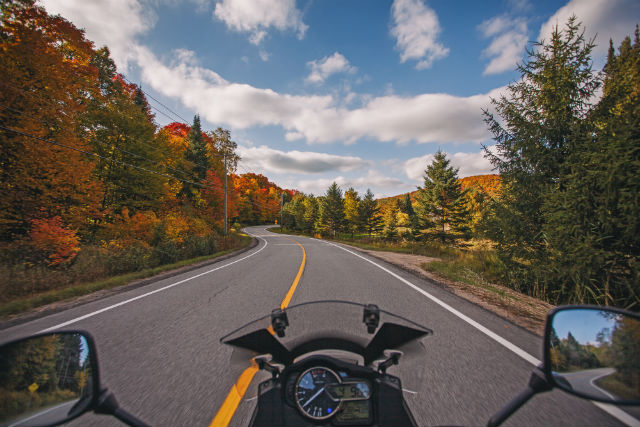
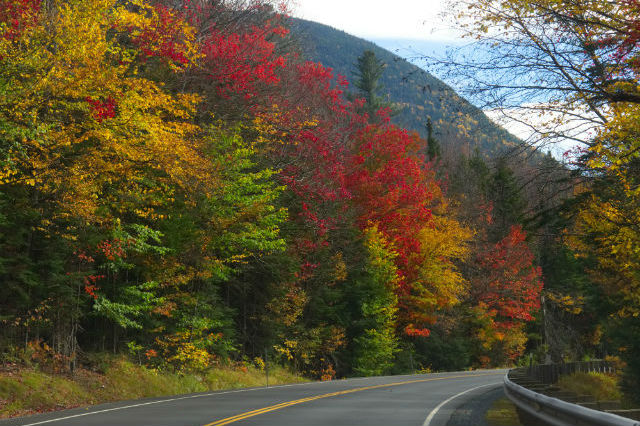
Leaf peepers have long appreciated the hotbed of foliage activity that seizes the White Mountains each fall. It’s hard to miss the red, orange and yellow hues, no matter where you travel, though no trip is complete without a blast down the “Kanc.” This 34.5-mile section of Route 112, through White Mountain National Forest, approaches an elevation of nearly 3,000 feet and is loaded with fabulous New England scenery. Riders will especially appreciate this as a motorcycle route for its regular twists and turns.
Tail of the Dragon, Tennessee
Research the country’s best motorcycle routes and you’ll come across Tail of the Dragon. Its claim to fame is an intense network of 318 curves spanning 11 miles along Route 129. The challenge starts at Deals Gap, near the North Carolina-Tennessee border, though some riders start runs farther south by Cheoah Dam, a site made famous by actor Harrison Ford in “The Fugitive.” Though it’s a thrilling ride, the serpentine structure doesn’t lend itself to sightseeing. If that’s what you’re after, or you want to celebrate the safe completion of your ride with a more relaxed route, consider Cherohala Skyway. The national scenic byway runs 43 miles along 4,000- and 5,000-foot-plus peaks connecting Robbinsville, N.C., with Tellico Plains, Tenn.
Make sure you’re covered this fall! AAA Premier and Plus members can sign up for motorcycle roadside assistance, and all riders can call AAA to make sure they’re getting a good price on motorcycle insurance. Learn more.
Boat tours offer amazing views any time of year, but they are especially noteworthy in the fall. Imagine navigating your way down a river or lake surrounded by beautiful fall foliage from above as well as reflecting in the water below.
Aboard a fall foliage cruise, you can learn about the history, flora and fauna of different locations, marvel at natural beauty and take stunning pictures. Some cruises also offer special events, themed trips, tastings and other complimentary treats.
Note: Due to the ever-changing nature of the COVID-19 pandemic, please check official websites before visiting to check for restrictions or closures.
River Quest offers different fall foliage cruises along the Connecticut River on weekends and weekdays.
One-and-a-half-hour fall foliage cruises occur on most weekdays. On these cruises, you’ll head south from Eagle Landing State Park in Haddam, catching views of the East Haddam Swing Bridge, Goodspeed Airport, Goodspeed Opera House and a local eagle’s nest. If you’re lucky, you may even catch a glance of a bald eagle.
Fall foliage tours occur on weekends. These hour-long voyages will take you north and south along the lower Connecticut River, where you can view the foliage of a wide array or trees and look for wildlife, especially native birds.
River Quest also allows visitors to bring their own picnic baskets and/or snacks. So be sure to take advantage and make your trip extra enjoyable.
This October try deciding between a wine- or wildlife-filled excursion with Damariscotta River Cruises. You can learn how oyster farmers harvest their renowned Damariscotta River oysters while keeping a lookout for native birds and harbor seals. Picture-taking is encouraged.
During the Oyster and Wine or Beer Tasting Tours, foodies and shellfish fans alike will enjoy sampling different wine,beer and oyster pairings aboard the River Tripper. An expert local wine docent and raconteur will also be present.
Acadian Boat Tours also offers two distinct cruises, one of which gives you VIP access.
Sightseeing and nature cruises are fully narrated and can be two or one-and-a-half-hours long, depending on which trip you pick. You’ll pass Egg Rock Lighthouse as you search for eagles, porpoises, seals etc. Not only will you see a plethora of wild animals on this cruise, it’s also pet-friendly.
VIP Somes Sound Fjord and Harbors Tours last for roughly three hours, allowing cruisers to really take in the wonders of the Acadia National Park shoreline, Valley Cove’s walls of granite as well as a journey through Somes Sound to visit the only fjord on the East Coast.
Whether you prefer brunch or lunch, cruising on Boston’s waters during the fall is a treat.
The Fall Foliage Brunch Cruise aboard the Northern Lights is a weekends-only, two-and-a-half-hour excursion. You’ll surely be able to relax by sipping on a special beverage and enjoying a gourmet brunch buffet while taking in the the views of Boston in autumn.
The Boston Harbor Fall Foliage Luncheon Cruises offer lots of family fun. Over the course of two hours, you’ll hear stories about pirates and ghosts as well as histories of the various Boston Harbor Islands you’ll pass, all while enjoying a picnic lunch.
By taking either of these fall foliage cruises in the Boston Harbor, there are some notable sites you could spot, namely iconic lighthouses: Boston Light, which claims to be America’s oldest lighthouse and Long Island Head Light, one of the first cast iron light houses.
Essex Cruises hosts narrated, sight-seeing cruises, including Sunday Morning Coffee and Muffin Cruises. But these specialty fall cruises emphasize the beverage of the season, apple cider.
Get up close to Hog/Choate Island on the Fall Foliage Cider & Donut Cruise. Marvel at the dark spruce forest while savoring complimentary hot cider and donuts from Russell Orchard of Ipswich.
With Hy-Line Cruises, you can take a Nantucket Ferry well into November and learn the area’s history before stopping at boutique shops, sampling island fare and exploring art galleries and museums. There’s also Fall Day Trips to Nantucket. Or for a totally different island vibe, you can hop onboard a Martha’s Vineyard Ferry.
Until the last weekend in October, you can enjoy both the industrial and natural on an Inland Rivers or Fall Foliage cruise for about two and a half hours.
You’ll pass New Hampshire’s industrial waterfront, featuring tankers, freighters and cable ships as well as the remnants of old shipyards. Moving inland, you’ll travel through either the Great Bay or the Cocheco River into Dover (depending on the tide) to reach this largely untouched, tidal estuary.
SeaStreak’s cruises depart from both New Jersey and New York City, taking the Hudson River to Cold Spring.
On weekends, passengers will travel by the Hudson to sight-see on a non-stop cruise or stop to explore the town of Cold Spring. Either way, your journey will take you under the George Washington Bridge, past the Cloisters and by breathtaking views of the Palisades.
This line offers a wide variety of NYC fall foliage cruises, lasting anywhere from two to nearly four hours.
Enjoy brunch or lunch as you travel north aboard the Manhattan or Manhattan II, respectably. From these 1920s-style yachts, you can leaf peep from a heated, enclosed observatory. Or you could climb aboard Yacht Kingston for a north-bound, fall foliage cruise where packing a picnic basket is encouraged. There’s also the Yacht Full Moon, which leaves from Chelsea Piers to bring you to the beautiful foliage of Palisades Park. Finally, you could set sail on an actual sailboat, the Schooner Adirondack, to discover what foliage flourishes north of Fort Lee, N.J.
Circle Line Sightseeing Cruises offers 90-minute Landmark Cruises well into November, where you can view the Empire State Building, Statue of Liberty and other iconic spots from a new and unique angle.
A trip on one of these ships is truly intimate – the boats hold fewer than 20 passengers.
Take a relaxing and historical Daytime Tour or Sunset Cruise. Cruises are narrated and last about 50 minutes. You’ll explore the Providence Harbor and River, Riverwalk, Waterplace Park and Fox Point Hurricane Barrier.
For something a little more spooky, take a Haunted Boat Tour. You’ll witness the century-old parks of downtown and may even be visited by a specter.
Why not take a ride aboard a restored, 50-ft. lobster boat?
You’ll cruise along the Narragansett Bay and Newport Harbor, exploring the nature of Newport and Jamestown. You’ll also receive different perks depending on which trip you pick. The Morning Narrated Mimosa Cruise includes complimentary mimosas as well as freshly brewed coffee, tea and juices. The Afternoon Narrated Harbor Cruise supplies complimentary local favorites, including Del’s lemonade and coffee “cabinet” shake. Finally, the Evening Narrated Harbor Cruise offers complimentary Quahog “stuffie” and a Champagne toast.
Whichever fall foliage cruise you choose to take, the leaves are sure to impress.
Car maintenance goes far beyond bringing in your vehicle for inspections and emissions tests. It entails regularly checking on your car, not just when you have to or when you think there is a problem.
Improper maintenance can decrease the longevity and performance of your vehicle. Additionally, minor problems that could have been fixed easily can turn into major issues that require extensive – and expensive – repairs.
What is the biggest car maintenance myth or misconception?
New vehicles are being built with “lifetime fluids” such as transmission fluid and drive line fluids. The manufacturers say the fluids do not need to be changed for the lifetime of the vehicle, but what they actually mean is the fluid lasts for the lifetime of the component. This could possibly be less than 100,000 miles depending on driving habits. Do not neglect your transmission or differential fluids. Replace fluids and they will be less likely to fail. Always use either manufacturer-specified or high-quality fluids that meet or exceed original equipment specs. We recommend every 30,000 miles for such services.
What’s the most common mistake people make in regards to keeping their car in good shape?
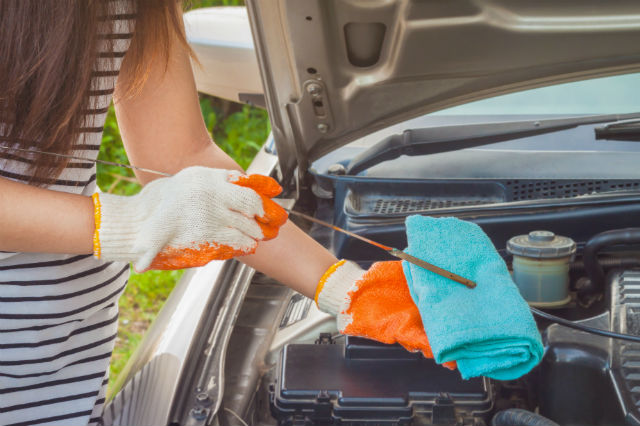
The biggest mistake would be not changing the engine’s oil in a timely manner and not checking the engine oil level between services. Most manufactures are extending their oil change intervals to 7,000 or even 10,000 [miles] in some cases. For the cost of an oil change, and the huge gain your engine feels in the long run, you should always change your oil at 3,000 for standard oil and 5,000 for synthetic oil. If you are bad with maintenance, then run your car with synthetic, it only helps.
Also, the reality is that all engines of today burn some amount of oil. One quart of oil over 1,000 miles is pretty normal. Running your engine low on oil even by one quart can drastically reduce the longevity of your engine and its performance. Check your oil no less than once every 1,000 miles and do not mix oil viscosities or brands.
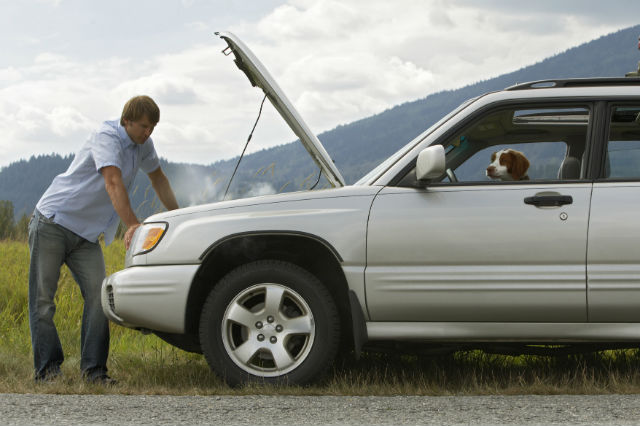
What causes a car to overheat and what should you do to fix it?
The most common car overheating cause is low coolant levels and neglected cooling systems. If you have a coolant leak, make sure you keep the radiator and overflow full at all times. In some cases, if the coolant level is very low, the engine coolant temp sensor won’t read properly and your engine can overheat. You may not know it is overheating until it is too late.
Do not use water to top if you don’t absolutely have to. If water is used, have your system flushed as soon as possible with fresh coolant.
Flushing your cooling system around every 100,000 miles is the best way to keep your cooling system from getting gunked up due to deteriorated coolant. Coolant does go bad over time. Check your fluid type before adding any coolant. Always use the manufacturer specified fluid type. Universal coolant can cause more issues than it’s worth.
What are your best tips to keep your car in the peak condition?
The best way to keep your car in good shape is to perform maintenance according to both your vehicle’s manufacturer-specified intervals and by recommendations of a good repair shop. Your owner’s manual can tell you when certain maintenance items need to be done. This would be considered minimum maintenance requirements.
To exceed the maintenance requirements, you should find a good repair shop that has your best interests in mind. Most shops are not just out to get your money. The reality is, the better a vehicle is maintained, the easier it will be to work on and the longer it will last. Therefore, everyone wins. Fixing things before they are a major problem can save you time and money and any good repair shop will give you a heads up when things are starting to fail. If you don’t trust your repair shop, do your research online and read reviews to find one you do.
All the tools needed for at-home car maintenance can be purchased at NAPA Auto Parts, where AAA members receive 20% off. If you prefer to let the pros handle it, find a AAA Approved Auto Repair facility near you.
What automotive questions do you have for our mechanics? Let us know in the comments below.
I think I was around 10 years old when I finally caught on to the “let’s see who can be the quietest until the next stop sign” game. I was young enough to feel offended by such a bamboozlement yet old enough to recognize it as one of the smartest games to play on a road trip – for parents, that is.
My friend’s mother, overcome, out-numbered and exhausted by three loud and often-fighting children in the back seat on one too many a carpool route, had invented the game for what I’m sure was the sole purpose of preserving her own sanity. In a strike of either good luck or as a tribute to her virtuosity, the three of us took the game very seriously and were cut-throatingly competitive. There was not a sniffle or a sneeze, not a shift or movement that could trigger a friction-inflicted noise, and certainly not a whisper coming from the back seat. The game was as entertaining for us as it was a valuable tool in the driver’s arsenal of carpool survival tactics, as it created, most importantly, quiet.
“Let’s see who can be quietest” is a great game to fall back on if you’re a parent who has reached your limit, but if you’re hitting the road this summer or fall, whether on a short journey to the local lake or an extended road trip with the family, having a stock of fun games to play can prevent restlessness, car-cabin fever and interpersonal conflicts between kids and adults alike, preemptively avoiding the “Are we there yet?!” and “Mommmm, he hit me!” chiming from the back seat.
Games to Play on a Road Trip With Young Kids
I’m Going on a Trip and I’m Going to Bring…
This is a great memory game to play that will keep kids of all ages entertained while also stimulating their brains. Person One starts out by saying, “I’m going on a trip and I’m going to bring…” something starting with the letter A. Person Two picks up with the letter B, but also has to remember what Person One said, and so on. For an extra challenge, theme the game based around the trip you are going on, for example, if you’re headed to the beach, only bring items that you would actually take to the beach.
Logo Game
From a hat, each person in the car picks out the name of a large chain restaurant, gas station or other branded company with a distinct and popular logo. For the next 30 minutes, keep your eyes and ears peeled for any mention of your company, whether on a billboard or road sign (one point), an actual location (two points) or a mention on the radio (three points). Whoever has the most points at the end of the half-hour wins!
Road Trip Bingo
Keep little minds occupied as they keep their eyes peeled for stop signs, street signs, blue cars, fire trucks and other commonly spotted road items. Create a bingo board by drawing the items or writing their names into the squares, then slip the paper into plastic sheet protectors and use erasable markers or sticky notes as bingo markers. Mom or Dad can maintain a master card in the front seat, calling out items as they see them, and handing out lollipops or stickers as prizes for the winners. Download our road trip bingo board!
Another twist on the road trip bingo game is to create a license plate bingo. If you’re feeling extra creative, put together multiple cards based on the states you will be passing through on your road trip; for example, if you’re headed to California, have one card for the Northeast states, one for the Southern states and another for the Western states.
Cow’s on My Side
Designed for trips through rural areas, this is the game to play on a road trip when there’s not much else to see out the window except rolling plains, farms and, well, cows. The goal of the game is to spot the most cows on your side of the car. Driver’s side passengers are one team, passenger’s side are another, and the person riding in the middle seat keeps score. Every time you see a cow on your side of the car, call, “Cow’s on my side!” Each cow is worth one point, with a large herd of cows being worth 20 points. If you see a cow on the other side of the car, call, “Cow’s on your side!” and steal a point from the other team. If you see a cemetery, call, “Ghost Cow!” and steal all the other team’s points. First team to 50 wins. Extra points if the cows moo as you pass!
License Plate Coloring Map
It’s a parenting win when kids are quiet, occupied, well-behaved and learning at the same time. Avoid restlessness with a geography lesson by printing out a map of the United States and having your children color in each state from which they spot a license plate. First one to get the whole map colored wins.
Games to Play on a Road Trip for Older Kids and Adults
Who says the kids get to have all the fun? Just because you’re an adult doesn’t mean you have to be bored on a long road trip. Remember to never practice distracted driving and only use your mobile device while you are a passenger, and to be sure to rotate drivers to avoid getting overtired, maintain alertness and make sure everyone gets a chance to join in on the fun.
Battle of the Bands
Put an end to the inevitable skirmish of who gets to choose the road trip soundtrack by deciding who has the best taste in music. Come up with a list of musical themes, such as love songs, breakup songs, wedding songs, certain artists or songs about vacation, put them in a hat and select them randomly. Each player then gets one minute to come up with what they think is the best song in that category, and then each plays it for the rest of the players. A poll is taken as to which song is best and each person gets one point per vote. The first person to reach 10 gets to pick the music for the next hour.
Road Trip Scavenger Hunt
This game is perfect for when you’re taking a road trip with a large group traveling in separate cars. Before you depart, brainstorm and record a list of landmarks and attractions you know you’ll see along the way, as well as some classic road trip staples like retro campers and silly-looking sleeping passengers. As each person spots an item on the list, they take a photo. For example, if you’re road tripping from the Northeast to Florida, include South of the Border signs, state border signs, a crab restaurant in Maryland and a peach-themed destination in Georgia. This game practically guarantees a good laugh when you review the photos as a group upon reaching your destination, granting points for creativity and quantity and collectively decide on a winner.
While You Were Sleeping
When one passenger falls asleep, everyone else makes up a story about a fake scenario that happened while that person was sleeping. When the passenger wakes up, the goal of the game is to tell the story while fooling the previously sleeping passenger. Each person that tells their part successfully gets a point, but if the sleeper joins the story, they get a point. Play this each time someone falls asleep, and the person with the most points upon reaching the destination wins.
Road Trip Toys
Etch-a-Sketch
When it comes to road trip toys, finding those that are entertaining yet prevent mess is the name of the game. Remember the great Etch-a-Sketch you had as a child? It’s still just as amusing and perfect to pack for a road trip because it’s compact and creates zero mess. The classic version is still great, but there have also been more modern innovations, such as the Fisher-Price Doodle Pro Trip.
Coloring Books and Non-Marking markers
Coloring books are a great way to keep kids quietly interested while stimulating their creative side. If your child loves drawing, invest in Crayola’s mess-free line, featuring special paper and non-marking markers, because as much as you love your kids’ stick figure drawings, you don’t love them scribbled all over your car’s interior.
Mad Libs
Mad Libs have stood the test of time as a hilariously entertaining and bond-generating pastime, and while the original version is just as good as ever, there are dozens of themed editions ranging from those marketed toward “Doctor Who” enthusiasts to road trippers. Purchase the one that’s appropriate for your carload, print out one of their printables or download one of their apps and you’ll be _______ (verb ending in “ing”) fun in no time.
Sometimes mobile games can keep restless kids occupied.
This app is an encyclopedia of over 100 family-friendly car games sorted by category – such as guessing, singing or memory – as well as difficultly level. Players can enter their desired criteria and the app will present them with a variety of games to choose from, as well as instructions for each.
This game wants you to find 94% of the answers to questions. But the questions aren’t your typical trivia questions. They include a whole range of thought-provoking topics such as “What animals are hatched from an egg?” You can’t just go with your gut with this game, so it’s an easy way to eat up a lot of time on a road trip.
Geography Drive USA is a learning game for kids designed to educate them on the states they are traveling through, teaching them about the area’s landmarks and historical events, as well as topical geography trivia.
What are some of your favorite games to play on road trips? Tell us in the comments!
Typically, COBRA is proposed as an option by your former employer if you depended on your job for health insurance. COBRA, which stands for Consolidated Omnibus Budget Reconciliation Act, is a federal law designed to help the newly unemployed, and those dependent on them, to continue their health coverage.
The Basics of COBRA Health Insurance
Essentially, under COBRA health insurance, you receive the exact same health care as you had when employed for a temporary amount of time. Generally, you won’t have to switch doctors or anticipate other changes to your medication or medical care. The plan counts as “minimum essential coverage,” so you don’t need to pay a fee to the government like those without health insurance. But you’ll likely pay a higher premium and an additional 2% fee.
The Price of COBRA Insurance Premiums
Typically, an employer pays around 90% of a health insurance premium, while the employee pays around 10%. If your employer doesn’t offer assistance in paying for your continued health coverage under COBRA, you may have to pay 100% of your health insurance premium. However, it’s also possible to deduct your COBRA health insurance expenses on your annual tax returns if they exceed 7.5% of your annual income. To get an idea of what your COBRA health insurance would cost, you can consult your company’s HR department and ask them the price of the full premium.
Who Qualifies for COBRA Health Insurance?
Aside from being laid off, COBRA health insurance is also an option if you voluntarily quit your job, and you can continue on the COBRA plan for up to 18 months. In addition, if an employee who was enrolled in COBRA as part of a family plan dies, spouses and dependents can still receive health care through the plan. If a young adult comes off of dependent status because of school status or age, they are also entitled to continue with COBRA.
Reasons You Won’t Qualify for COBRA
It’s important to note that if you worked for a smaller employer of less than 20 employees, you likely will not qualify for COBRA health insurance. In addition, if your employer stops offering company health insurance, or the company goes out of business, you also will not be able to apply to COBRA.
The Advantages of COBRA Health Insurance
So how do you know if it’s a good idea to choose COBRA or an option in the federal Insurance Marketplace? Although COBRA is most likely going to be the more expensive option, there’s a good chance that your employer’s health plan offered more extensive health coverage. If you like the doctors that are available under your employer’s plan and the quality of medical care you received, it might be worth paying the higher premium. If you’re considering finding a plan through the Marketplace, be sure to do thorough research on the coverage available and the doctors and services would have access to.
Other Health Insurance Options
If at some point you feel you need to reconsider your health care options, it’s usually possible to switch to a Marketplace plan. If your COBRA costs suddenly change because your former employer ends financial assistance for your plan, or if your COBRA health insurance is running out, you can change to a Marketplace plan at any time.
However, if you decide to end COBRA early in your coverage period, you have to wait for an upcoming open enrollment period to apply in the Marketplace. If you simply want to end COBRA because it’s too expensive and no other conditions have changed, you won’t qualify for a Special Enrollment Period. The situation is different if you’re looking to enroll in Medicaid. As long as your meet all of the qualifications, you can drop your COBRA health insurance and enroll in Medicaid at any time.
How to Decide on your Family’s Health Plan
If you’re certain you want to continue your employer’s health insurance with COBRA, remember that you are basically agreeing to an 18-month commitment, and you won’t be able to find alternative health insurance unless you qualify for a special enrollment period.
Regardless of whether you choose COBRA health insurance or another plan, the most important thing is to make sure you have health insurance coverage. You don’t want to have to pay the penalty fee for being uninsured, and in case any unexpected medical conditions arise for your family, you’re going to want some kind of reliable insurance in place. If COBRA health insurance provides more benefits than your other options, it can be a great health care choice for you and your family.
Have any advice for those enrolling in COBRA? Share below.
With gyms reopened at reduced capacity due to the pandemic, maintaining a healthy and active lifestyle can be a bit more challenging. While missing a few workouts isn’t a big deal, skipping weeks of exercise can take a major toll on your physical and mental health. Daily exercise can help prevent and improve a number of health problems, including depression, high blood pressure, diabetes and arthritis.
Worried you don’t have the proper equipment? The truth is, you can burn the same amount of calories and build as much muscle using your own body weight. A great way to start an at-home exercise routine is through instructor-led exercise videos you can follow along to. Thankfully, there are plenty of fitness apps, virtual trainers and workout programs to choose from. Even better, there are a ton of fun options available, from dance workouts set to your favorite songs to routines you can practice with your kids – or your dog!
With the Active&Fit Direct™ program, AAA members get access to over 11,000 participating fitness centers, 1,500 videos, one-on-one lifestyle coaching and virtual classes for just $25 per month.* The Active&Fit Direct program also offers 200 digital workout videos and daily workout classes on Facebook Live and YouTube at no cost. Join now – the $25 enrollment fee is being waived through Dec. 31, 2020.
No matter what your fitness goals are, staying healthy and in shape is totally doable from the comfort of your home. These are some of the most high-energy and unique classes that let you have fun while exercising.
In response to the COVID-19 outbreak, Active&Fit Direct premiered its Fit at Home program which is free to the public. Led by instructor Penny Bailey, the weekly virtual workout series offers a variety of 30-minute classes including yoga flow, yoga core, upper and lower body blasts, and a fitness mixer. For these classes, Penny says you’ll need a chair or bench and light and heavy dumbbells or your own home hack weights (like water bottles). You can join her Facebook Live workout classes every week day at noon, or watch them later on YouTube.
Yoga can be an effective way to cope with a high level of stress, and now is the perfect time to give it a try. Adding yoga into your daily routine has a range of benefits from improving core strength and flexibility to calming your mind. It also doesn’t require much equipment.
If you’ve ever searched for a yoga tutorial for beginners, you’ve likely come across the widely popular YouTube channel, Yoga with Adriene. Host Adriene Mishler will lift you up with her soothing voice as she guides you through each 20-minute session. Her channel offers hundreds of free videos that cover a mix of yoga styles on mindful breathing and stretches for beginners and yoga fanatics. No matter your age or ability, Adriene has a routine for you.
Take your cardio routine to the next level with this total body workout that uses popular dance moves to help you burn calories and more importantly, have fun. From warm up tutorials to intense partner videos, Maddie Lymburner offers a wide variety of free workout routines she’s created that go along with trendy songs on her YouTube channel, MadFit. If you like to dance, you’ll love MadFit.
Who doesn’t love a good dance workout? This throwback dance workout is fit for all levels of dancers who want to improve their dance moves and have some fun in the process. Want to learn how to dance along to your favorite old school songs? Never Stop Dancing brings the dance floor to your living room with choreography that’s easy to pick up. Instructors break down the basic steps of each song in tutorial videos before providing a master video to dance along to when you’re ready. You can learn the steps to Footloose video above by clicking here.
From lunge stretches to sumo squats, celebrity trainer Jillian Michaels guides you through 15 of the most effective leg strengthening exercises. In just 10 minutes, this workout is guaranteed to help improve your balance, strengthen your core and tone your lower body. Michaels has a selection of quick and easy at-home fitness videos, including a series of chair workouts, which are accessible with an Active&Fit Direct membership and through The Fitness App.
Physical activity is necessary, no matter how old you are. If you’re a senior, exercise is important for improving muscle strength, flexibility, blood circulation and boosting your overall mood. With limited access to gym equipment, a sturdy chair can be used for your at-home workouts.
Joe Wicks, AKA The Body Coach, has helped seniors stay active during the pandemic with his series of workout videos for seniors. His first of four videos geared towards seniors involves light stretching and low-impact squatting you can do from the comfort of your home.
The Body Coach becomes The Froggy Coach with a hilariously entertaining video series to help parents keep children moving and having fun. Ranging from five minutes to sixteen minutes, Joe Wicks leads you through a mix of basic exercises including squat jumps, burpees and reverse lunches. Dressed in a funny costume, he encourages everyone to follow along.
Barry’s Bootcamp instructor Allie Cohen leads this full body circuit workout that will keep you moving with strength training and cardio moves, making it one of the most rigorous on the list. High-intensity interval training or HIIT workouts are one of the best ways to get fat-burning results in no time. Cohen takes you through four sets of exercises that can be modified to fit any skill level by adjusting reps, weight and form. For this HIIT workout, make sure you have a set of light dumbbells, a bottle of water and a towel. Get ready to get sweaty and have a great time!
9. Cha-Cha Cardio Latin Dance Workout With Nicole Steen
Host Nicole Steen will shake up your exercise routine with this fun and exhilarating cardio dance workout. If you’ve never done a cardio dance routine before, don’t worry. Steen leads you through this high-energy class that repeats many of the same basic salsa moves in various combinations and patterns. Whether you’re a beginner or salsa pro, get ready to cha-cha away calories and tone your body from head to toe.
Squat Your Dog Fitness Challenge
The Squat Your Dog Challenge is the most adorable fitness trend on social media. Fitness and pet enthusiasts have been posting videos of themselves replacing weights with their furry companions. The trend involves picking up your dog and doing basic squats with them over your shoulder or in your arms. This exercise is not recommended for those who have large dogs.
How are you staying active these days? Tell us in the comments below!
Looking for more workouts? AAA members can access hundreds of on-demand fitness videos and livestreams for just $25 a month with the Active&Fit Direct™ program.
*Plus applicable taxes.
The Active&Fit Direct program is provided by American Specialty Health Fitness, Inc., a subsidiary of American Specialty Health (ASH). Active&Fit Direct and the Active&Fit Direct logo are trademarks of ASH.
If your windshield breaks and the damage can’t be repaired, you’ll have to get it replaced. Fortunately, windshield replacement can be done quickly and effectively – if you get the right auto glass shop to do it for you.
Once you’re ready to drive again, you may be too focused on your pristine new windshield and clear view to think about the old auto glass left behind. But what happens to a windshield once it’s replaced is critically important to our environment.
When does my windshield need to be replaced?
Any damage to your windshield should be repaired as soon as possible. Chips and cracks can quickly spread and interfere with your view of the road and jeopardize the vehicle’s structural integrity.
Depending on the size and severity of the damage, the windshield may not be repairable and will have to be replaced.
What happens to your old windshield after it has been replaced?
Developments in technology over the years have turned windshield recycling into a rather efficient process. That said, recycling a windshield isn’t as simple as recycling a glass bottle. This is because windshields are not only made of glass. Instead, they are comprised of two glass panels bound together by a thin layer of polyvinyl butyral (PVB) in between. PVB is a resin used to strongly bond materials together.
Once your windshield is replaced, the old windshield will usually be sent to a third party recycling company. Here, the windshield’s glass and PVB are separated. The materials are then broken down into cullet (recycled waste glass made in glassmaking). This cullet is sold to manufacturers to be repurposed.
Why is recycling glass so important?
Recycling windshields can reduce landfill waste, improve climate problems, save energy and improve the economy.
To put this number in context, it would be the same as eliminating 3,417 vehicles from the road, the emissions of 1.8 million gallons of gasoline or the emissions from 1,708 homes’ energy for one year.
Furthermore, glass manufacturing is an energy-intensive process that involves gas combustion and electricity. Recycling a windshield would eliminate the need for this environmentally hazardous energy.
How much glass is recycled in the U.S.?
Recycled glass can be substituted for up to 95% of raw materials. Yet the majority of new glass is only used once.
According to the Environmental Protection Agency, the United States generated 11.4 million tons of glass in 2017 but only recycled roughly three million tons. That’s a recycling rate of just 26%. When glass isn’t recycled, it often ends up in landfills, which produce a significant amount of greenhouse gases.
What can recycled glass be used to make?
Recycled glass cullet is used in the manufacturing and application of a long and varied list of items. It can be found in fiberglass insulation, carpet backing, water filtration, abrasives, jewelry, roof coating and asphalt, among other objects.
The PVB layer used to bind the glass panels of a windshield can also be broken down for repurposing. PVB is used in manufacturing such items as paint, textile/leather coatings, paper barrier coatings and anti-corrosive primers.
Are you looking for a side hustle? Why not make money by doing something you already love to do?
Just about any hobby can be become a business if you put your mind to it, especially with the help of the internet. With so many ways to connect, you can find customers all over the world. But before you start raking in the cash, you have to figure out a plan.
Here are a few ways you can get started on turning your hobby into a part-time business.
Set Goals
Before you start your business, consider why you want to get into the game in the first place. Are you doing this for fun? Do you just want a little extra income? Or do you want to turn this into your primary income one day? There are no wrong answers, but you should have a specific goal in mind before you jump right into things. A clear objective can ensure that you don’t lose track of why you wanted to start your business.
Choosing a Hobby
You probably have a few different things you like to do in your spare time. While many hobbies can easily translate into successful part-time businesses, like crafts, others such as chess or fishing, might require some out-of-the-box thinking.
Ask yourself if you will still enjoy your hobby once it becomes a job. You might love crocheting for yourself, but making items to order on a schedule might not be your cup of tea. One of the primary reasons for turning a hobby into a part-time business is that it will remain something you enjoy even while you’re making money. If you don’t enjoy it anymore, it becomes work – and you won’t even have your hobby to get your mind off it!
Check Your Skill Level
This might be a hard question to ask yourself, but are you good enough at your hobby to sell your product? When you’re doing something for fun, you don’t really have to worry about quality. But it’s different when you’re selling something to a customer. Even if it’s a DIY item, customers expect the best. After all, they are spending their hard-earned money on it.
If you’re not at the stage where you can consistently produce a high-quality product, stick with the hobby a little while longer and build up your skills. It’s much less stressful than trying to level up while also trying to run a small business. Besides, the better you are, the more in-demand you’ll be. You’ll be able to charge more for your product, and you’ll be able to feel good about what you’re selling. You’ll probably also get repeat customers that way.
Find Your Customers
Evaluate the existing market for your hobby. What are people looking for in this space? What are other people making? Can you fill a need? Many hobbyists find new customers by using a combination of selling online and going to local conventions and craft fairs.
You can use an online storefront to run your business, but it helps to branch out to different types of social media. People aren’t usually hanging out on online marketplaces, they’re hanging out on websites like Twitter and Facebook. Make profiles for your business and share pictures of your work to find new customers. You can also connect with other makers who are in the same space and trade tips with them. Creating relationships like these can help you and other small businesses grow. It also allows your customers to see that you’re part of a community, that you care about what you’re making.
To find your customers, you have to find your brand. Your brand is your business identity. How do you want other people to see you? What do you want to be known for? Are you a helpful member of the community? It can help to have a special logo, color scheme or aesthetic to tie your different accounts together.
Finances
Finances are the trickiest parts of starting a new business. If you’re turning your hobby into a business, you must report business income and expenses on your tax return, and you might have to pay quarterly taxes. You may also be required to collect sales tax. Set up a bank account specifically for your business. Don’t mix up your personal finances and your business finances – it will make everything a lot easier.
Before you start your business in earnest, meeting with an accountant can help you get a handle on things. An accountant can make sure everything is above board, and they can give you guidelines on how to operate moving forward.
One of the most important things about business finance is to record everything. Record all the money you’re spending on materials, marketing and other expenses, and all the money that you’re making with every sale. Make sure your records are organized and that you can understand them come tax time.
Learn By Doing
Sometimes the best way to learn something is to jump right in. Don’t worry about being perfect at everything right away – nobody is. Planning is great, and can help you out a lot when you’re getting started, but at some point you just have to pinch your nose and jump into the water. Don’t get stuck in the planning phase forever. The only way you can grow your business is by actually doing it.
No matter what your hobby is, there’s probably a way to turn it into a part-time business (or even more). As long as you love what you’re doing and you’re trying your best, you’ll be just fine.
Have you ever turned your hobby into a side hustle? Tell us about your experience in the comments below!
Do you love hitting the open road on your motorcycle? Our motorcycle mania crossword is sure to get your wheels spinning.
Here are some tips to help you get the most out of your puzzle playing experience. Good luck!
Since our members are the root of everything we do, your feedback is important to us. Let us know if you run into any issues while playing, or share your ideas for future puzzles by emailing us.