Related Articles




Trending Articles



NEWEST ARTICLES



We have no shortage of great eats in the Northeast — that’s a given. But paired with our rich history and penchant for the paranormal, visitors to the region — and residents alike — have their pick when it comes to haunted restaurants and haunted hotels. The best of both realms, some might say.
Dust off your spirit box and pack your bags. These are some of the best places to eat and stay amid the paranormal in the Northeast.
| Haunted Spot | Location | Eat or Stay | Reported Spirits & Activity |
|---|---|---|---|
| 1754 House | Woodbury, Conn. | Historic inn and tavern | Dozens of ghosts, including a man in 17th-century clothing, a female phantom and Capt. Joseph Curtis, the original owner, seen in the hallways |
| The Lizzie Borden House | Fall River, Mass. | Overnight stays, including Lizzie’s bedroom | Footsteps at night and full-body apparitions |
| Turner’s Seafood | Salem, Mass. | Restaurant | The ghost of Bridget Bishop, the first person executed in the Salem Witch Trials, seen running through the building as if fleeing her old orchard |
| Hotel Macomber | Cape May, N.J. | Hotel with an award-winning restaurant | “The trunk lady,” a prior owner, a Depression-era waitress and “the growler” in the basement |
| The Waverly Inn and Garden | New York City, N.Y. | Inn | Former owner John F. Coleman, plus room 16’s mysterious fireplace activity, missing pokers and two unexplained fires (1997 and 2012) |
| The Shanley Hotel | Napanoch, N.Y. | Overnight stays and paranormal investigations | Hot and cold spots, mysterious whistling, children laughing and rocking chairs that move on their own; featured on “Ghost Lab” and “Ghost Hunters” |
| White Horse Tavern | Newport, R.I. | Tavern serving since 1652 | A man in colonial garb, a floating female entity thought to be Rebecca Cornell and the sounds of a crying child |
| Graduate by Hilton Providence (formerly the Biltmore Hotel) |
Providence, R.I. | AAA Three Diamond hotel | A bathroom door slamming shut in a viral 2013 video, plus disembodied laughter, apparitions and locks that turn on their own |
Dozens of ghosts are said to haunt this historic inn and tavern. As one of the oldest inns in Connecticut, its paranormal entities range from a male apparition wearing 17th century clothing to a female phantom known to disturb visitors. Most famously, the specter of the inn’s original owner, Capt. Joseph Curtis, has supposedly been seen milling about the hallways since his death in 1825.
The infamous tale of Lizzie Borden lives on at the Lizzie Borden House, where paranormal enthusiasts can stay the night in Lizzie’s bedroom, her parents’ bedroom and even the room where Lizzie’s mother was found murdered. Guests have been said to experience everything from hearing footsteps at night to seeing full-body apparitions here.
Salem appearing in an article about haunted places is like a fork being found in the kitchen. Nevertheless, this restaurant, in particular, has a reputation for spooky happenings. The building stands where there was once an apple orchard owned by none other than Bridget Bishop, the first person executed as a result of the Salem Witch Trials of 1692. Witnesses have reported seeing her ghost running through the building in a frenzy as if fleeing through her orchard in fear.
Hotel Macomber has cozy rooms and an award-winning restaurant. But, among the featured amenities, you may also discover paranormal encounters.
Spirit sightings at the Hotel Macomber include “the trunk lady,” a frequent guest of the past who has been seen dragging her steamer trunk behind her ghostly apparition; a prior owner of the hotel; a waitress said to have worked there during the Great Depression; and, in the basement, a grumpy male spirit known as “the growler.”
Reportedly haunted by its previous owner, John F. Coleman, and a few other apparitions, the Waverly Inn and Garden has lots of reported paranormal phenomena you ought to experience to truly believe.
The former smoking room — now room 16 — seems to hold much of the activity, with fireplaces being inexplicably manipulated and pokers going missing. When mysterious fires broke out in 1997 and again in 2012, firefighters could not determine a cause for either. Because of this, many inn workers suggested it could have been caused by the pyro-ghost.
The Shanley Hotel has been featured on the television shows “Ghost Lab” and “Ghost Hunters,” and for good reason.
The place has everything you’d want (if you came for ghosts): hot and cold spots, mysterious whistling, children laughing, rocking chairs rocking on their own — you name it. Many guests have even reported an eerie feeling of being watched when no one is around. If you’re brave enough, choose to stay overnight or reserve a paranormal investigation.
Serving spirits — and spirits — since 1652, the White Horse Tavern has a storied history, which includes being owned by both pirates and patriots during its time standing.
Dubbed America’s oldest haunted bar, the ghosts you might see at the White Horse Tavern fit right in with its lore. They include a man in colonial garb; a floating female entity thought to be Rebecca Cornell, whose murder was supposedly solved with spectral evidence; and the sounds of a crying child.
From iconic clientele to historical significance, the former Biltmore Hotel has name recognition for many things, and, not least of all, for its haunted happenings. Stories have swirled for decades about the AAA Three Diamond hotel’s link to the paranormal, but a viral video posted to YouTube in 2013 solidified its spooky status. In the 3-minute clip, a man films his room’s bathroom door slamming shut, seemingly on its own. Other experiences include disembodied laughter, apparitions and locks turning on their own.
Rhode Island even has its own “real” vampire. Read more about her. 🧛♀️
Ready for your own ghost story? Book your spooky stay with a AAA travel advisor.


Storm King Highway (New York Route 218) in autumn is a must-do Hudson Valley activity — along with this jigsaw puzzle.
(Photo: James De Franco)
Looking for more fall fun? Check out 6 Hudson Valley Activities With Spectacular Scenery for ideas.

From Universal Orlando’s Halloween Horror Nights to Disney World’s Mickey’s Not-So-Scary Halloween Party, Orlando, Florida, theme parks deliver Halloween fun for thrill-seekers and families alike.
Not only is there trick or treating for an entire season, rather than just one night, but there are also deliciously creepy foods and over-the-top spooktacular decorations. Once the sun goes down, the scariest special events take over the parks.
Here are some of the best Orlando theme park Halloween festivities this year.
Orlando theme park Halloween events at a glance.
| Event & Park | Scare Level | Best For | When & Ticketing | Highlights |
|---|---|---|---|---|
| Halloween Horror Nights Universal Studios Florida |
Full terror | Older kids and Halloween kids at heart | After dark; special ticketed event | 10 haunted house mazes, four outdoor scare zones, two shows and an immersive tribute store |
| Mickey’s Not-So-Scary Halloween Party Magic Kingdom, Walt Disney World |
Not-so-scary (with one all-dark Space Mountain ride) | Families, plus kids and adults who love a costume | Select nights; special ticketed event | Spooky parade, fireworks, trick-or-treat trails and ghost stories in the Pirates of the Caribbean queue |
| SeaWorld Spooktacular & Howl-O-Scream SeaWorld Orlando |
Ghostly fun by day; terrifying by night | Kids by day; thrill-seekers by night | Daytime (Spooktacular) and nighttime (Howl-O-Scream) | Trick-or-Treat Trail and Peek-a-Boo Maze by day; five haunted house mazes, three live shows and a scare zone by night |
| Brick or Treat Legoland Florida |
Mild enough for the littlest kids | Families with young children | Select days, all day; included in base ticket price | Lego Zombie cheerleaders, Lord Vampyre, the Halloween Galacticoaster and pumpkin pie apple fries |
| Gators, Ghosts and Goblins Gatorland |
Festive, but not too scary | Families and kids | Select October weekend days; included in regular admission | Swamp Ghost’s Museum, the Cryptid Express and the Children’s Halloween Costume Parade |

For true spooky season devotees, Halloween Horror Nights at Universal Orlando can’t be missed. The event shuts down Universal Studios Florida park for a special ticketed event that includes 10 haunted house mazes, four outdoor scare zones, two shows and an immersive tribute store.
This year’s mazes include the final season of “Stranger Things,” the throwback terror of “Hellraiser,” a scary-but-touching tribute to Ozzy Osbourne, a music-filled visit to Club Juke from “Sinners” and the throwback kitsch of H.R. Bloodengutz Presents: A Halloween Fright-Tacular! Of course, you’re never too far away from a chainsaw-wielding berserker or a roller skating 1950s zombie at Mel’s Die-In. The scares at this event are real, and the immersion is truly next level, so it’s better for older kids and Halloween kids at heart.
While Halloween Horror Nights is confined to Universal Studios, there are also spooky happenings all over Universal Orlando Resort. At Epic Universe, it’s Halloween every day inside the park’s Dark Universe land, set in a town run by vampires where you can ride through Frankenstein’s castle, get your face painted like the Wolfman or get up close and personal with the Invisible Man or Ygor and his valise of body parts. In Islands of Adventure, the All Hallows Eve Boutique is a year-round Halloween store.
Around Universal Orlando hotels, spooky-but-not-scary activations are happening all around, including Universal Monsters Laguna Lounge at Loews Royal Pacific, a mid-century modern tiki experience; The Thirsty Fish at Loews Portofino Bay Hotel, which turns the hotel’s lounge into an eerie ship frozen at sea; and zombie-themed Night of the Living Shred performances at the Hard Rock Hotel.
For fall lovers, the kid-friendly Halloween atmosphere at Walt Disney World rivals the holidays. Most of the celebrations happen at Magic Kingdom: Mickey pumpkins and Disney character jack-o’-lanterns decorate the shops and storefronts of Main Street, and the stores are filled with Halloween-inspired merch. Many of the quick service and snack purveyors in the park have something a little bit spooky or in keeping with fall flavors, like festive caramel apples or the beloved sweet corn soft serve at Auntie Gravity’s in Tomorrowland.
The biggest celebration is Mickey’s Not-So-Scary Halloween Party, which closes Magic Kingdom on select nights throughout the season for a special ticketed event that includes a spooky parade and fireworks, and trick-or-treating trails throughout the park for kids and adults alike. Some of the rides change, too. The not-so-scary includes live actors in the Pirates of the Caribbean queue telling ghost stories and a festive light show during Mad Tea Party. The one truly scary modification is an all-dark ride on Space Mountain with creepy music.
Halloween is also the only time of year when adults are allowed to wear costumes inside the park, and people go all out with their niche fandom representation, including some who go as park snacks like Dole Whips and Mickey pretzels.
SeaWorld Orlando offers two different Halloween experiences. By day, kids can have a bit of ghostly fun at the SeaWorld Spooktacular, walking the park’s Trick-or-Treat Trail (complete with fog-filled bubbles), meeting characters from “Hotel Transylvania”and exploring the Peek-a-Boo Maze.
By night, Howl-O-Scream takes over the park. The terrifying event has five haunted house mazes, including one themed to “I Know What You Did Last Summer: The Final Catch.” There are also three live shows and walk-through scare zone. Outside the scare zones, roaming hordes are scattered throughout the park, so you truly never know where the next scream is coming from.

The best part about celebrating Halloween at Legoland Florida is that all the festivities are included in the park’s base ticket price. Brick Or Treat happens on select days at the Winter Haven theme park, and takes place throughout the day, with appearances by characters like Lego Zombie cheerleaders and Lord Vampyre, and uncanny seasonal overlays like the Halloween Galacticoaster and The Dragon: Roarsome Halloween Adventure. While it’s all a little bit Halloweeny, it’s in good fun and mild enough for even the littlest kids.
Brick or Treat candy stations are open for trick or treating in the afternoons, but Halloween treats like a festive fall pumpkin pie twist on the park’s iconic apple fries are available all the time.
Long before a certain mouse arrived in Orlando, Gatorland, which opened in 1949, was Central Florida’s first theme park. On select weekend days in October, the park hosts Gators, Ghosts and Goblins, a daytime event included in regular admission. Swamp Ghost’s Museum is dedicated to iconic monsters of classic literature, and the Cryptid Express is a lesson in mythic creatures like Yeti, Mothman and Florida’s own Skunk Ape.
Everyone is welcome to wear festive (but not too scary) costumes, but only kids are allowed to walk in the Children’s Halloween Costume Parade and get a treat bag for participating.
Scare scale: = gentle fun | = full terror
Featured image: Lego Spider Lady at Brick or Treat. Courtesy of Legoland Florida Resort, Merlin Entertainments.

Some things are just better in pairs. Chocolate and peanut butter, mornings and caffeine — even your homeowners and automobile insurance policies.
When it comes to managing your insurance needs, there are many reasons why bundling home and auto insurance (or insurance packaging) can be beneficial, from lower payments to a streamlined claims process. Here’s a look at all the ways a home and auto insurance bundle can make things a little simpler.
One of the most compelling reasons for combining insurance policies is the potential for cost savings. Insurance companies often provide substantial discounts to folks who purchase multiple policies from them, and this multi-policy discount can lead to significant savings over time.
Handling and keeping track of multiple insurance policies sometimes feels like a juggling act and can be rather time consuming. Bundling your auto and homeowners insurance simplifies the process by consolidating your coverage under a single provider. This can make it easier to keep track of payments, yearly renewals and policy updates. Instead of dealing with separate companies, you have a single point of contact for all your insurance needs, streamlining communication and any remaining administrative tasks on your end.
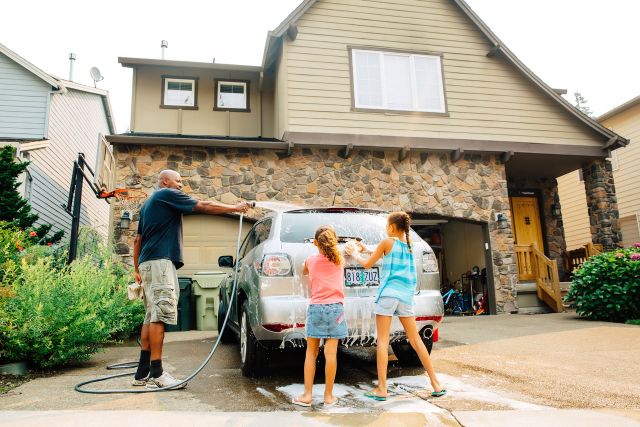
When you bundle your auto and home policies, you may gain access to enhanced coverage benefits that aren’t available with standalone policies. These additional perks may include higher liability limits, identity theft protection and increased coverage for certain types of claims. Bundling can also make you eligible for special programs or rewards offered by the insurer, like the ability to purchase an umbrella policy. This kind of policy provides coverage if the damages exceed the liability limits on your auto and homeowners policy.
In the event of a claim, having both auto and homeowners insurance with the same provider can lead to a more efficient process as coordination becomes more straightforward. This alone reduces the likelihood of disputes and delays that can occur when policies are with separate entities. If the claim involves both your vehicle and your home, like in the case of a natural disaster, such a direct line of communication is not only advantageous, but eases the burden on you to facilitate.
As always, it’s a good idea to compare offers from different insurers to allow for the best value and coverage for your specific needs.

Driving in the rain can be hazardous. In fact, 75% of all weather-related crashes occur on wet pavement, according to the Federal Highway Administration, and nearly half happen during rainfall.
“A wet road is a treacherous road, even after a gentle sprinkle,” said Jillian Young, Director of Public Relations for AAA Northeast. “As little as 1/12 of an inch of water can cause new tires to lose traction with the road at speeds as low as 35 mph. When it rains, slow down and give yourself extra room to stop.”
Here are more tips for staying safe while driving in the rain.
Hydroplaning — when a layer of water separates a vehicle’s tires from the ground and causes loss of traction, is one of the most dangerous situations caused by driving in the rain.
“You are literally riding on top of water without any control of your vehicle,” said AAA’s Car Doctor John Paul.
The first 10 minutes of a downpour present the highest risk for hydroplaning, which occurs when tires can’t displace enough water from their treads. Though it can happen with any tire and at any speed, it’s best to avoid driving on worn tires and to go slower in wet conditions to decrease your risk.
Follow these tips to avoid hydroplaning and maintain control of your car.
The harder it’s raining, the harder it is to see lane markings, signage and other vehicles. The situation can be even worse for drivers who neglect basic car care.
Remember these maintenance tips to keep your sight line clear while driving in the rain.

If you’re facing a storm that brings several inches of rain, it’s best to stay off the road when possible, and not just for your personal safety.
Vehicles traveling through water that’s deep enough to be pulled into the engine can suffer from hydrostatic lockup. In layman’s terms, that means the end of your engine.
If you have to traverse a deep puddle, do it as slowly as possible.
As you would in any type of weather, always share the road safely. Stay hyperaware of your surroundings and avoid distractions.
Cooler temperatures and colorful fall foliage make autumn an appealing time for a motorcycle ride. But the season also comes with conditions that require extra attention, including shorter days, colder temperatures, wet leaves, road debris and increased wildlife activity. The Motorcycle Safety Foundation and AAA Northeast are encouraging motorcyclists and drivers to take a few extra precautions during this time of year to help make every trip a safer one.
Motorcycle riders continue to be vulnerable on the roadways. More than 6,200 riders were killed in 2024, according to latest data available from the National Highway Traffic Safety Administration, making up 16% of all traffic fatalities.
Motorcycles can be more difficult to see than larger vehicles, and autumn conditions can create additional challenges for everyone sharing the road.
“As we all enjoy autumn drives and road trips before colder temperatures arrive, it’s critical drivers stay extra alert for motorcycles sharing the roads,” said Jillian Young, director of public relations for AAA Northeast. “This is especially important given motorcycles can be more difficult to see due to their size and all road users are adjusting to less daylight this time of year. We also urge motorcycle riders to follow all traffic laws and make themselves as visible as possible to help ensure safe rides.”
“Autumn can be a fantastic time to ride, but it’s also a time when roadways conditions can change quickly,” said Andria Yu, a RiderCoach and spokesperson for the Motorcycle Safety Foundation. “This is why it’s important that motorcyclists use a good search strategy. By actively scanning and always checking your surroundings, a rider can better spot potential hazards before they become problems. For car drivers, we ask that you make a conscious effort to look for motorcyclists and give them the space they need.”
For more tips and rider education and safety information, visit MSF-USA.org and AAA.com.
AAA Northeast is a not-for-profit auto club with offices in Rhode Island, Massachusetts, Connecticut, New Jersey, New Hampshire and New York, providing more than 6.9 million local AAA members with travel, insurance, financial and auto-related services.
The Motorcycle Safety Foundation promotes safety through rider training and education, operator licensing tests, and public information programs. MSF works with the federal government, state agencies, the military, and others to offer training for all skill levels so riders can enjoy a lifetime of safe, responsible motorcycling. Standards established by MSF have been recognized worldwide since 1973. The MSF is a not-for-profit organization endorsed by American Honda Motor Co., Inc.; BMW Motorrad USA; Bombardier Recreational Products Inc.; Harley-Davidson Motor Company, Inc.; Kawasaki Motors Corp., U.S.A.; KTM North America, Inc.; Polaris, Suzuki Motor USA, LLC; Triumph Motorcycles America; and Yamaha Motor Corporation, U.S.A. For safety information or to enroll in an MSF Basic RiderCourse near you, or to learn more about the many other MSF course offerings, visit MSF-USA.org or call (800) 446-9227. To keep up with the latest updates, follow the MSF on Instagram, YouTube, and Facebook.


Car battery maintenance is rarely top of mind — until your car won’t start.
Around 25% of the roadside assistance calls AAA Northeast receives are related to battery issues. The good news? Many battery problems can be prevented with proactive care. To help you keep your battery in good shape, we asked our AAA car battery experts some important questions about maintenance. Here are their answers.
The average battery life in the Northeast is between three to five years. As they age, batteries should be checked each year.
Regular car battery maintenance helps it last longer. This includes driving the vehicle several times per week in order to keep a full state of charge. These should be longer trips with steady cruise speeds.
“Short local trips are not optimal for longest battery life,” said Jason Carrara, senior manager of training for AAA Northeast Automotive Services. “They don’t provide the complete recharging a battery needs after giving energy to start your car.”
Battery terminals should be periodically removed and cleaned. This will ensure proper performance every time you turn the key or push the button to start your car. Electricity cannot flow properly, and your engine will not start, if terminals are corroded.
Before disconnecting the terminals, plug in a memory saver — a small tool that keeps your radio presets, clock and other settings from resetting while the battery is unplugged. (If you skip this step, just know you may need to reset your clock and radio presets afterward.) Put on gloves and eye protection, then disconnect the terminals from the battery posts and clean them with a baking soda and water solution.
If you’d rather leave it to the pros, this valuable service can also be performed at any AAA Approved Auto Repair Facility or by AAA Mobile Battery Service.
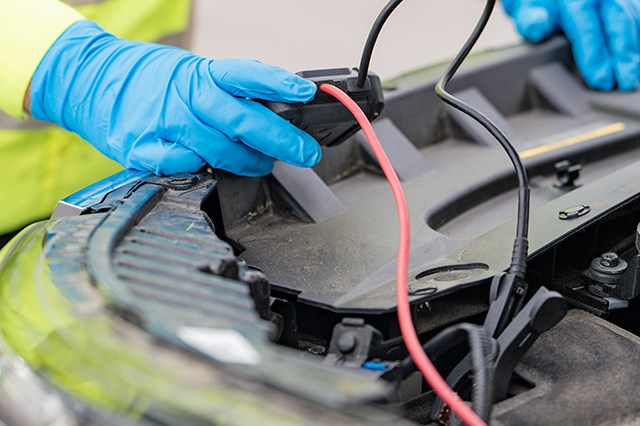
You can test the voltage with a tool called a voltmeter to get an idea about the condition of your battery, although it won’t give you the full picture.
You can also visit a trusted auto repair facility for battery testing. It’s a simple check and you can even ask to have it done when you’re getting an oil change or other repair work.
If you drain the battery, it needs to be recharged on a battery charger likely for several hours, sometimes even a whole day. Simply running the car for 30-60 minutes (a common remedy years ago) or going for a ride will usually not completely recover your battery and will shorten the life and performance ability of your battery.
“It is the cycling of a battery that causes a shortened life,” said AAA’s Car Doctor John Paul. “If you let your vehicle battery die, such as by leaving the lights on, even after a full recharge the battery may not recover to 100% of its original capability.”
Every time you get out of your vehicle, lock the doors and make sure the lights are off.
Extreme temperatures— both cold and hot — can be tough on car batteries.
Car batteries often fail during the winter because freezing temperatures reduce their ability to function at full capacity. A depleted battery is also much more likely to freeze, so it’s especially important to make sure your battery is fully charged before winter arrives.
Summer heat can weaken batteries too, but gradually over time rather than suddenly.
Test your car battery before every winter and summer to ensure it performs its best during the year’s most extreme weather conditions.
If your battery dies and you need a jump start, you can always request roadside assistance. But should you need to do it yourself, here’s how:
First, make sure both vehicles are parked safely, facing each other about 18 inches apart, with parking brakes set and ignitions off. Attach the red, positive cable to the dead battery’s positive terminal, then to the working battery’s positive terminal. Attach the black, negative cable to the working battery’s negative terminal, then connect the other end to an unpainted metal surface like a bolt of an engine block on the dead car (not the dead battery itself) to avoid sparking near the battery. Start the working car, let it run a minute or two, then try starting the dead car. Remove the cables in reverse order — negative first, then positive — making sure the clamps never touch. Afterward, have the battery fully charged and tested at a repair shop.
For more detailed instructions, read our step-by-step guide on how to jump-start a car.
Hybrids have both a 12-volt battery, which is standard in gas-powered cars, and a high-voltage battery that provides power for the electric motor. High-voltage hybrid batteries can last about 10 years, according to Kelley Blue Book. Manufacturers are required by federal law to warranty hybrid and EV batteries for at least eight years or 100,000 miles.
Yes, but only the 12-volt battery — which is what gets the car started — can be jumped. Owners should never touch the high-voltage battery. Jumping a hybrid is different from a gas car, so it is important to exercise caution and follow the proper steps. Consult your owner’s manual to identify the proper battery or jump terminals, and if you aren’t confident, call AAA Roadside Assistance.
AAA mobile battery service is a one-stop-shop for all your car battery needs. A technician will come to you, wherever you are, and test your battery and charging system with the latest equipment. If you need a replacement, the technician can install a new battery on the spot. All AAA car batteries come with a six-year limited warranty and members receive a $25 discount. AAA also recycles every old battery it replaces in an environmentally responsible way.
A. I consider this a legitimate preventive maintenance service, not just an upsell. Over the years, I have inspected many vehicles where the brake fluid looked clean in the reservoir but tested high for moisture and copper contamination. Brake fluid absorbs moisture over time, even in a sealed system. As moisture content increases, the fluid’s boiling point drops and corrosion can begin inside expensive components such as brake calipers and ABS hydraulic units. Before authorizing the work, ask whether the fluid was tested or if the recommendation is based solely on age and mileage. Spending money on a brake-fluid service every three to five years is inexpensive insurance compared with replacing costly brake-system components. The only real upsell may be the use of the word “synthetic.” Most modern DOT 3, DOT 4 and DOT 5.1 brake fluids are already synthetic.
A. Your friend’s concern is understandable, and I was somewhat skeptical when these systems first appeared. However, after seeing them on thousands of vehicles over the years, I have found that starter and battery failures directly related to stop-start systems are not nearly as common as many people believe. Vehicles equipped with these systems use heavy-duty starters and batteries designed for frequent restarts. While some owners find the system annoying, it was designed to improve fuel economy and reduce emissions. Ford allows you to switch the system off each time you drive, but there is no factory setting to permanently disable it. If you are concerned about battery life, simply have the battery and charging system checked as part of routine maintenance. It is also worth noting that the EPA has ended emissions credits for this technology, which may lead some automakers to move away from it in the future.
A. Your tire pressure monitoring system (TPMS) is working exactly as designed. Tire pressure changes by about one pound per square inch (PSI) for every 10-degree change in temperature. When the overnight temperature dropped, one or more tires likely fell below the threshold needed to trigger the warning light. As temperatures increased later in the day, the air inside the tires expanded and the light went out. However, I would not assume the problem fixed itself. In my experience, when the light comes on during cold weather, the tires are usually still a few pounds low. Check all four tires when they are cold and adjust them to the pressure listed on the driver’s door-jamb label. Taking a few minutes to check the pressure now can improve tire life, fuel economy and handling.
A. What you’re describing sounds normal. When climbing steep hills, the gasoline engine in a hybrid often works harder because the electric motor alone cannot provide all the power needed. Many hybrids also use a continuously variable transmission (CVT), which allows the engine to operate at higher revolutions per minute (RPM) than a conventional automatic transmission. The extra engine noise can sound unusual, but it is generally not a sign of trouble. On many hybrids, the steering wheel paddles increase regenerative braking rather than shift gears. They can be especially useful on long downhill grades, helping slow the vehicle while recharging the battery. For routine driving, I simply use the brake pedal and let the vehicle’s computer manage the system.
A. Most of the vehicles I test are designed for mainstream buyers, but occasionally I get behind the wheel of something a little more exciting. Recently, I spent time in the all-new Honda Prelude and found it to be a fun, practical sport coupe with responsive handling, good fuel economy and a 200-horsepower hybrid drivetrain. At the other extreme was the McLaren 750S. Its 740-horsepower twin-turbo V8 launches the car to 60 mph in just 2.7 seconds and on to a top speed of more than 200 mph. Does anyone need a $400,000-plus supercar? No. But it is reassuring to know there are still automakers willing to build vehicles simply to showcase what is possible in performance and engineering.
A. In my experience, a clicking noise during tight, low-speed turns is most often caused by a worn outer constant velocity (CV) joint. On vehicles with this kind of mileage, I frequently find a torn axle boot that has allowed grease to escape while dirt and moisture enter the joint. While this is usually not an immediate safety issue, it is something I would repair before a long trip or before the condition worsens. Before spending any money, have a trusted repair shop inspect the axle boots and joints. If the boot is damaged and the joint is clicking, I would replace the complete CV axle assembly since it is typically the most practical and cost-effective repair.

Arizona is made for a road trip. Fly into Phoenix, pick up a rental car and explore at your own pace, stopping for desert gardens, red rock landscapes, canyon overlooks, historic Route 66 and some of the best stargazing in the Southwest.
With just a few hours between Phoenix and Flagstaff, this easy drive offers plenty of variety along a relatively short stretch of road.
Begin at Desert Botanical Garden, where more than 50,000 plants fill 55 acres of the Sonoran Desert. Five walking trails wind past towering saguaros, agaves, yuccas and green-barked palo verde trees. The short Sonoran Desert Nature Trail offers mountain views and passes through an organ pipe cactus forest.
In fall, the Cohn Family Butterfly Pavilion comes alive with more than 1,000 free-flying Southwestern butterflies, including monarchs. Outside, look for colorful glass butterflies, dragonflies and hummingbirds from artist Alex Heveri’s “Glass in Flight” series.

Afterward, head north to the Musical Instrument Museum, home to more than 7,500 instruments from more than 200 countries and territories. Slip on a headset and hear African drums, Andean panpipes and more as you approach exhibits. In the Artist Gallery, see instruments, stage outfits and memorabilia from music legends, including Prince, Johnny Cash, Elvis Presley and Madonna.
Make time for the hands-on Experience Gallery, where you can bang a gong, strum a harp and try instruments from around the world. Catch a demonstration of the 25-foot-long Decap orchestrion, a 2-ton mechanical instrument with nearly 700 organ pipes. Don’t miss the massive red-and-gold organ console from Chicago Stadium, the former home of the Bulls and Blackhawks.
Nearby, stop at HULA’s Modern Tiki for a fun take on a tiki bar, with dishes like citrus ahi bowls and crispy coconut shrimp rolls. Or start the drive north and stop in Black Canyon City at Rock Springs Cafe, a roadside landmark since 1918 known for comfort food and house-baked pies.

From Phoenix, trade saguaros and the Sonoran Desert for Sedona’s towering red rock formations. Start on the Bell Rock Pathway, a wide multiuse trail that brings you close to Bell Rock and Courthouse Butte. Prefer two wheels? Rent an e-bike or mountain bike at Sedona Bike & Bean, where you can fuel up with coffee before or after your ride.
At Red Rock State Park, 5 miles of trails crisscross a 286-acre nature preserve along Oak Creek. Follow Eagle’s Nest Loop to the park’s highest point for 360-degree views that include Cathedral Rock and the Seven Warriors. Then stop at the Chapel of the Holy Cross, dramatically built into the red rocks. Inside, floor-to-ceiling windows frame views of Cathedral Rock and Bell Rock.

Get up to 20% off the base rate of your next car rental.*
*Terms apply.
Book TodayNext, follow State Route 89A into Oak Creek Canyon, where the road twists alongside the creek beneath steep canyon walls. At Slide Rock State Park, explore the historic Pendley Homestead, then see the natural sandstone slide that gives the park its name. Continue to Oak Creek Vista for a final look into the canyon and a Native American artisan market selling handcrafted jewelry, pottery and other works.
For dinner, Creekside American Bistro offers an outdoor patio with red rock views. Or reserve a sunset table at Mesa Grill Sedona, set beside Sedona Airport. Order street tacos and table-side guacamole as small planes take off and land against the spectacular red rock backdrop.

From Sedona, swap red rocks for ponderosa pines and views of the San Francisco Peaks in Flagstaff. Start at Walnut Canyon National Monument, where Ancestral Puebloan people built homes into limestone alcoves more than 700 years ago. The 1-mile Island Trail descends into the canyon and passes 25 cliff dwelling rooms. For an easier option, the 0.7-mile Rim Trail leads to two overlooks with views of the canyon and dwellings below.
Next, get your kicks on Route 66, which celebrates its centennial in 2026. Start at the downtown Flagstaff visitor center, housed in a historic train station, then follow the self-guided Walk This Talk audio tour along the original Route 66 alignment through the Southside neighborhood.
For an early dinner, head to Shift Kitchen & Bar, a block north of historic Route 66, for small plates like blue corn-crusted pork chop and lamb pasta. Or try Urban Pine Eatery for flatbreads, salads and sandwiches. This downtown spot was voted Flagstaff’s best new restaurant in 2025.
Finish the day at Lowell Observatory, where astronomer Clyde Tombaugh discovered Pluto in 1930. Explore hands-on exhibits at the Marley Foundation Astronomy Discovery Center, opened in 2024, then step into its multistory LED theater and rooftop Dark Sky Planetarium. At the Pluto Discovery Dome, see the 13-inch astrograph Tombaugh used to find Pluto.
After dark, head to the Giovale Open Deck Observatory, where six telescopes offer views of planets, star clusters, nebulae and galaxies. You may also get a chance to peer through the historic 24-inch Clark Telescope, once used to help map the moon for the Apollo 11 mission.
Featured image: Courtesy of Desert Botanical Garden

As communities throughout the Northeast and across the nation recognize National Pedestrian Safety Month, AAA Northeast is urging all road users and traffic safety stakeholders to work together to prevent pedestrian injuries and fatalities.
In 2025, 6,732 pedestrians were killed in U.S. traffic crashes, down 7% from 2024, according to preliminary data from the Governors Highway Safety Association (GHSA). While a continued decline in pedestrian deaths is encouraging, the number of pedestrians killed in 2025 was still higher than pre-pandemic levels.
“Every person should feel safe walking in their community, whether traveling to work, school, shopping or neighborhood parks,” said Robert Sinclair, senior manager, public affairs for AAA Northeast. “National Pedestrian Safety Month reminds us that safer streets are achieved through shared responsibility and sustained investment in education, engineering, enforcement and emerging vehicle safety technologies.”
Data from the National Highway Traffic Safety Administration (NHTSA) reveals that alcohol is a significant factor in pedestrian deaths: 43% of all fatal pedestrian crashes in 2024 involved a driver and/or pedestrian with a blood alcohol content (BAC) of 0.01 or higher. Additionally, most pedestrian fatalities (76%) occurred in the dark, and nearly 1 in 4 pedestrians (24%) were killed by hit-and-run drivers.
Speed is also a major factor. The average risk of death is 10% for a pedestrian struck at an impact speed of 23 mph, increasing to 25% at 32 mph, 50% at 42 mph, 75% at 50 mph and 90% at 58 mph, according to AAA research. Risks vary significantly by age and by type of vehicle, which is especially relevant as SUVs continue to rise in popularity and become larger and more powerful.
As daylight hours decrease and pedestrian activity remains high throughout October, drivers are urged to:
Pedestrians can reduce their risk by:
A AAA Northeast analysis of data from the Connecticut Crash Data Repository found a similar trend. There were 56 pedestrian deaths in 2025, down from 62 deaths in 2024. Still, there were 411 pedestrian deaths from 2019 to 2025, accounting for nearly 20% of all traffic fatalities during that period.
A AAA Northeast analysis of data from the Massachusetts IMPACT Crash Data Portal found a similar trend. In 2025, 77 pedestrians died, one fewer than in 2024. Still, there were 528 pedestrian deaths from 2019 to 2025, accounting for more than 20% of all traffic fatalities during that period.
In New Jersey, 178 pedestrians died in crashes in 2025, down 22% from 2024, according to GHSA estimates.
In New York State, 220 pedestrians died in crashes in 2025, down 27% from 2024, according to GHSA estimates.
Pedestrian fatalities reached historic lows in New York City in the first half of 2026, according to the New York City Department of Transportation. There were 46 pedestrian deaths recorded through June, a decline of 13% from the previous year and more than 42% below 2014, when the city implemented its Vision Zero program. Since the launch of Vision Zero, overall traffic deaths remain nearly 25% lower, according to city officials.
Despite progress, city leaders continue to emphasize that even one traffic death is too many. In September 2026, the city announced its Vision Zero Reimagined initiative, which includes expanded pedestrian-priority zones, safer intersection designs, lower neighborhood speed limits and enhanced enforcement targeting dangerous driving behaviors.
Pedestrian safety continues to be a major concern across Nassau and Suffolk counties. Recent data from the New York Metropolitan Transportation Council Crash Data Explorer indicates:
In Rhode Island, seven pedestrians died in crashes in 2025, down from 13 in 2024, according to state Department of Transportation crash data. As of Sept. 30, there were 11 pedestrian fatalities in 2026.
AAA Northeast is a not-for-profit auto club with offices in Rhode Island, Massachusetts, Connecticut, New Jersey, New Hampshire and New York, providing more than 6.9 million local AAA members with travel, insurance, financial and auto-related services.
Some trips are simply better together. Weddings, birthdays and anniversaries may inspire a group getaway, but that doesn’t mean you need a milestone to travel with the people who matter most. Sometimes, the chance to reconnect is reason enough to pack your bags and make new memories.
Yet between navigating schedules, departure cities, different dietary and travel preferences, and often varying budgets, coordinating a group vacation is easier said than done. That’s where an experienced AAA travel advisor comes in. Your advisor can match your group with the right destination and resort, all while organizing everyone’s ideas into one seamless vacation.
Ready to see where your group could go? These three beach destinations offer plenty of ways to make a special occasion — or no occasion at all at all — one you’ll be talking about for years to come.

Whether it’s saying “I do” in an oceanside gazebo or a candlelit dinner on the beach following a vow renewal, Mexico’s Riviera Maya sets the scene for romance. The 80-mile stretch of coastline is home to a wide range of resort experiences, which means more options to meet your group’s needs.
Consider El Dorado Casitas Royale, an adults-only escape specializing in weddings. Professional planning services and picturesque ceremony settings, including a beachfront chapel overlooking the Caribbean, allow couples to personalize the occasion. For guests, access to the neighboring El Dorado Royale expands dining, entertainment and activity choices.
Keep celebrating beyond the resort with an Amstar® DMC Cenotes and Paradise Lagoon Snorkeling Adventure. Explore underground rivers and limestone caves before snorkeling in a freshwater lagoon — a fun way to discover another side of the Riviera Maya together. Your advisor can even make it a private experience limited to just your group, if there are 20 or more.

Birthdays, bachelor and bachelorette parties and friends’ trips call for a destination that can keep the energy up. Cancun delivers with world-class beaches, exceptional dining, a vibrant nightlife and plenty to experience before reuniting for the evening.
At AVA Resort Cancun, variety is built into every stay. The resort boasts more than 17 bars, cafes and restaurants, giving you and your friends more than enough places to hang out and grab a bite. AVA’s unique spaces also make it easy to switch up the pace: the activity-focused north side speaks to families, and the south side offers a more elevated atmosphere with adults-only amenities. Beyond the pool and beach, you can test your teamwork in an escape room, challenge each other at the arcade or cap off the evening at the resort’s nightclub. An on-site lagoon adds paddleboarding and kayaking to the possibilities.
Take the fun further offshore with an Amstar Luxury Catamaran Sailing & Snorkeling excursion to Isla Mujeres. Snorkel along a coral reef along the island’s coast before settling in for a gourmet lunch and drinks from the open bar.

Grandparents, parents, teens and little ones don’t always vacation the same way — and they shouldn’t have to. With resorts offering something for every traveler, this iconic Dominican destination lets you balance individual downtime with shared family moments.
Majestic Resorts’ family-friendly properties deliver in spades. Accommodations include suites and swim-up options with space enough for everyone. But when the kids need time to get out and play, a dedicated club with water slides and guided activities gives them breathing room you can feel at ease about. Teens have a game area of their own, with billiards, table tennis and more. Meanwhile, adults can retreat to the spa, tee off for a round of golf or claim a spot by the pool.
For a day everyone can enjoy, head to El Dorado Waterpark. More than 20 attractions span four zones, from high-speed slides and vertical funnels to a wave pool and lazy river.
Whether your group is raising a glass to a milestone, reuniting after too much time apart or finally making good on that promise to take a trip, the best vacations are the ones experienced together.
Contact your AAA travel advisor to bring all the pieces together — from budgets and schedules to interests and room preferences — and plan a group getaway with Travel Impressions.
Featured image: El Dorado Royale

London does not treat theater as a side attraction. It is part of the city’s foundation, shaped by centuries of performance and storytelling that trace back pre-William Shakespeare and continue to evolve today. Many tourists visit London simply to see a show.
London’s West End is a vibrant and exciting place to be, where classic musicals and contemporary plays meet. Often compared to Broadway, London offers something more layered — a melting pot of past and present in which bold revivals, celebrity-led dramas, new writing and the latest blockbuster award winners all share the same stage.
For travelers, theater becomes more than an evening plan. It is a way to experience London through one of its defining cultural lenses, with each performance adding a different perspective on the city itself. It’s the ultimate live-like-a-local experience.
Here are just a few of our favorite shows that you could see in London this summer.

A night in the West End is not just about choosing a show. It is about stepping into a space where the atmosphere begins before the curtain rises and lingers well after the final bow.
The current lineup reflects that range, with productions that feel immersive, imaginative and distinctly London in how they are brought to life.
“Harry Potter and the Cursed Child” has been bringing the magic to London’s West End for 10 years. Starting Oct. 9, 2026, the show will transition to a one-part production, bringing the complete eighth Harry Potter story together in a single performance.
The most awarded new play in history and “one of the most defining pop culture events of the decade,” according to Forbes, it delivers spectacular spells, a mind-blowing race through time and an epic battle to stop mysterious forces, all while the future hangs in the balance.

Inspired by Roald Dahl’s beloved book, the Royal Shakespeare Company’s “Matilda The Musical” has won over 100 awards, including 25 for Best Musical, throughout its 15-year West End run.
With book by Dennis Kelly and original songs by Tim Minchin, it is the story of an extraordinary little girl who, armed with a vivid imagination and a sharp mind, dares to take a stand and change her own destiny.
“Matilda The Musical” balances sharp humor with a strong sense of heart. Its energy carries through every scene, from inventive choreography to its fast-paced storytelling. It is the kind of production that resonates across generations without feeling like it is trying to do so.

A mainstay of the West End for 20 years, “Wicked” continues to draw audiences with its scale and emotional depth.
Based on the acclaimed novel by Gregory Maguire, “Wicked” imagines the origins of L. Frank Baum’s beloved characters from “The Wonderful Wizard of Oz.” The story reveals the choices and events that shape the destinies of two unlikely university friends on their paths to becoming Glinda The Good and the Wicked Witch of the West.

Winning a record-breaking seven Olivier awards, “Cabaret at the Kit Kat Club” is one of the most successful musicals of all time, telling the story of city, a club and a generation dancing on the edge of history. Few productions blur the line between audience and performance quite like it. The theater is transformed into the Kit Kat Club, where every detail, from staging to atmosphere, pulls you into its world.
Don’t miss your chance to see Sarah Hyland of “Modern Family” and Skylar Astin of “Pitch Perfect,” now starring at the Kit Kat Club.

One of the defining qualities of the West End is how naturally it fits into the rhythm of the city. An evening performance can follow a day of exploring neighborhoods like Covent Garden or Soho, while a matinee leaves room to continue discovering London afterward.
Your AAA travel advisor can arrange tickets as part of your London vacation package, seamlessly coordinating show reservations with flights and hotels. Just be sure to book ahead to secure the best seats and prices. Whether theater takes center stage on your itinerary or is one highlight of many, having that support allows you to focus on what matters most — being there in the moment as the story unfolds.
Featured image: Sarah Hyland and Skylar Astin in “Cabaret at the Kit Kat Club.”
We know because we’ve been: Out There is a series of inspiring travel spotlights from AAA travel advisors and employees.
African safari tours have a reputation for being transformative. One moment you’re bouncing down a dirt path in a truck, and the next you’re stopped in your tracks by a group of sunbathing lions or a herd of wildebeest. Safaris are also understandably intimidating to plan. Between choosing the right season, the right parks and the right pace, travelers have a lot to figure out before they ever board a plane.
To get a real sense of what a safari vacation is like, we spoke with two AAA Northeast travel professionals who experienced it firsthand. Jodi Abata is a travel advisor who specializes in tours, custom travel, cruises and group travel; and Dan Campbell is director of travel sales. They recently joined a safari in Tanzania through African Travel. The weeklong excursion was a condensed version of the nine- to 10-day itinerary most travelers take to allow time to relax at the resort.
Travelers may make the journey to Tanzania for the incredible wildlife encounters, but the experience goes far beyond the safari. The natural beauty and warm hospitality also leave a lasting impression.
“It was amazing spending almost every day on safari seeing an array of animals in their natural habitats,” Abata said. “I never expected to become so emotional, but every new experience in Africa left me inspired, amazed and deeply moved. I still tear up when I talk about it!”
Abata also remembers the warmth of the people, particularly the nightly welcome from the dining staff, who would serenade guests with a song called “Jambo Bwana.”
“By the end of the trip, we were all singing along with them,” Abata said.

Campbell was similarly struck by the variety of experiences throughout the tour, which includes premium stays and visits to Tarangire National Park, Serengeti National Park and the Ngorongoro Crater.
“Tanzania is beautiful, rugged and filled with some of the most incredible wildlife experiences you can have,” Campbell said. “The people are friendly, the landscapes are unforgettable, and each safari park offers something different, which is what makes the trip feel so special.”
Being on the Serengeti Plain in the middle of the Great Migration, witnessing nature in action and participating in a Maasai warrior physical competition were among Campbell’s most memorable moments.
For Abata, the people were the highlight.
“I cannot forget the genuine hospitality and joy of the staff at every resort,” said Abata.
Each season offers something different. Tanzania’s safari off-season generally runs from March through May, when the country experiences its long rainy season.
“We went during the rainy season, but the little bit of rain we saw did not diminish our experience,” said Abata.
The dry season is from June to October, so vegetation is sparser and watering holes are smaller or dry. This is also the time of the Great Migration into the Northern Serengeti, though the timing of the herds varies from year to year.
“Tanzania is amazing all year round, but the best time to go really depends on what you want to see and what your safari budget is,” Campbell said. “The winter months bring birthing season, so it’s a great time to see the babies. Spring is the rainy season, when the savannah grasses are at their highest. It is usually the least expensive time to travel and brings smaller safari crowds, which can be a benefit because there are fewer safari vehicles in the parks. Summer and fall are the height of the travel season since the grasses are lower and the temperatures are cooler. “
A safari can be an unforgettable bucket-list experience for travelers of all ages, but families with younger children may want to wait a bit.
“Save it for when they can really appreciate what they’re seeing,” said Campbell.
And don’t rule out a safari vacation based on accessibility or dietary concerns. Accommodations can be made for travelers with mobility needs and menus can be adjusted to accommodate food sensitivities and dietary restrictions.
Proper packing and overall preparation are especially important for a safari tour. Try to pack as lightly as possible and dress casually and comfortably.
“You can’t easily correct prep mistakes once you are there, so follow the provided packing list and avoid overpacking,” said Campbell.
He also recommends listening closely to guides, drivers and accommodation staff while in the safari parks.
“Their guidance is there for your safety and not following it can lead to dangerous situations.”
“For the best Tanzania experience, a proper safari runs about 10 days or more,” said Campbell. “I would also recommend a pre-night stay in Arusha, which is the jumping-off point for safaris, to give yourself at least a day to unwind from the flight and get ready for the great adventure ahead.”
To make up for the long flight, Abata also suggests planning to go for at least eight days, “and maybe sneak in a night or two in Zanzibar for extra relaxation.”
A safari tour usually involves visiting different parks within Tanzania to see a variety of animals.
“You will travel by safari vehicle between the parks and explore the parks in those same vehicles. Flying between parks is also an option and can reduce drivetime, but it will increase the cost of the trip.”

“Planning an African safari can feel daunting because there are so many important details to think through,” Campbell said. “Having a AAA travel advisor who can help guide you through the destination, itinerary, timing, packing and expectations can make a big difference.”
AAA travel advisors make sure you find the best one to suit your needs and budget.
“We can even offer private custom trips for your group, family or even just two of you,” said Abata.
Featured image: Jodi Abata spots an elephant during a game drive. (Courtesy of Jodi Abata)
SEASON 3: EPISODE 8
Episode Feedback
You know that feeling when you buy something, and by the time you get home, you’re already wondering why you did it? In this episode of Merging Into Life, host Sabrina Pierotti sits down with Cara Nicole, the creator behind The Financial Freedom Girl on YouTube, to get honest about what is actually driving our overspending habits and what it takes to stop the cycle. They get into the psychology behind emotional spending, why conscious consumption is not about restricting yourself and the simple tools that help anyone who wants to stop impulse buying and clicking checkout one too many times.
[00:00:01] Cara Nicole: Personal finance is mainly an emotional game. There are rules that you can learn. There’s vocab that you could learn. But the biggest thing and the thing that really takes a lifetime to learn and you never really accomplish it fully is that it’s an emotional thing. And so that is where I think people get caught up with overspending is they don’t realize how much emotions are playing into this.
[00:00:22] Sabrina Pierotti: When I was younger, like in high school and early college, I loved to shop. I was also in the chapter of my life where I was going to school for fashion merchandising, and I was the president of the fashion organization on campus, so fashion was my identity. As a result, I loved to be very unique in my fashion choices. You know, I’ll never forget when I was in the Rome airport flying home from a school trip to Italy, I spotted these wedges that were maroon suede with a gold sparkle wedge. Oh my gosh, my jaw practically dropped to the floor when I spotted these and literally almost missed my flight purchasing them. But do you want to guess how many times I actually wore these wedges? Three. Why? Well, because they were not practical to my daily life. They were, not surprisingly, extremely uncomfortable. And unfortunately, I’ve just had way too many purchases like this in my young adult life that taught me a very, very important lesson. Spending my money on items like this is equivalent to literally flushing it down the toilet. Welcome back to Merging Into Life. I’m your host, Sabrina Pierotti. Today, we’re pulling back the curtain on what’s actually driving our spending and what it looks like to consciously resist consumerism. Joining us is full-time educational content creator, Cara Nicole. You may recognize her as the Financial Freedom Girl on YouTube, where she focuses on making personal finance, economics and sustainability topics more accessible to her viewers, so they have the tools they need to take control of their financial health. Now, please don’t get me wrong, I still buy things just for the joy of it, but nowadays that usually is in the form of a food item. See, this is not a podcast about not spending money. Today’s episode focuses on how to be more intentional with what we choose to spend our money on.
[00:02:21] Sabrina Pierotti: Cara, thanks so much for joining me. I’m really excited to talk about consumerism and how to just spend more responsibly. It is such a part of our everyday lives, and we just have so much to dive into. But before we do, I just want to get to know you a little bit. I mean, you have such an impressive following on YouTube, and you give such great advice and content. What inspired you to start your YouTube channel?
[00:02:45] Cara Nicole: Yeah, thank you so much Sabrina. This is the stuff that I love to talk about, and I’m really excited to share more about that. But my content creator story technically started back in 2013, when I was a senior in high school. So, that’s when I officially started the YouTube channel. It was on and off throughout the years, and then, it was really in 2022, after I’d taken a long break, that I wanted to create an outlet. I was working corporate, and I’d gotten very into personal finance. I was becoming somebody who my friends, maybe, hated, maybe, loved talking money about, because I was always reminding people, invest in your 401(k), and here’s the power of compound interest, and I was so fascinated about it. I was so passionate about it, and I was also, at the same time, getting very passionate about minimalism and realizing kind of the effects of this consumer culture we were in. I had all of that kind of brewing in me, so I wanted an outlet for that, and I started making video essays. And in the spring of 2023, one of those videos went really viral, and it went onto the front page of Reddit. I had some articles written about it and all this stuff and that really helped thrust me into this next level.
[00:03:45] Sabrina Pierotti: Good for you. Oh, I love stories like that. And what I really love about your videos is that you talk a lot about conscious consumer spending rather than just like rejecting spending altogether. I love a balanced approach in anything because you can’t just tell somebody, don’t spend. That’s just not part of living life. So can you explain what that distinction is between conscious consumer spending and rejecting consumerism.
[00:04:12] Cara Nicole: That distinction is so important to me because you’re right, you shouldn’t have this black-or-white thinking where, OK, you’re never going to spend any money or, hey, I’m going to go crazy, and I’m going to go buy a Lambo the second my bonus hits. That’s not sustainable either direction. And so conscious consumption is something I’ve been thinking a lot about for myself, and it’s something I promote on my channel which is this idea of you’re not rejecting consumerism as a whole, in part because I just don’t think that’s sustainable from an economic standpoint, but it’s also just an unrealistic expectation to put on ourselves. We’re setting ourselves up for failure and disappointment. That’s going to breed shame, and that’s not going to be helpful for you in the long run. So, instead, conscious consumption asks us to think about Intentionality behind every purchase that we have. So, instead of mindlessly consuming and spending money, no plan of what you want, you just know you want to do something, so you’re going to go buy a $100 of stuff. That’s mindless consumerism. Conscious consumption is saying, you know, my workout set is getting old, or I don’t fit into it very well anymore, I want something new. Here’s the kind of thing I want, and I’d ideally like to spend this amount. And then you have a plan, and you’re more intentional with your money, and it’s easier to budget that way, but it’s also a healthier emotional relationship with money that you have.
[00:05:27] Sabrina Pierotti: Yeah. That really kind of goes into anything in life, right? Being conscious or being unconscious or like what you said, mindless. And when you look at a lot of the spending habits of people, what is the biggest driver behind that mindless spending, that overspending?
[00:05:43] Cara Nicole: Yeah, there are definitely deeper reasons. And I’ll say, obviously, not everything is individual. I think there’s also systemic issues, and those other conversations that I like to bring into my channel too. But on an individual level, something I like to tell my audience is that personal finance is mainly an emotional game. There are rules that you can learn, there’s vocab that you could learn, but the biggest thing and the thing that really takes a lifetime to learn, and you never really accomplish it fully is that it’s an emotional thing. And so that is where I think people get caught up with overspending is they don’t realize how much emotions are playing into this. I can speak for myself when I used to overspend. I used to go and just purchase things all the time. It was because maybe I was bored, I was stressed, maybe I was feeling insecure, maybe I was just feeling lonely. There are all these other kinds of emotions that can come into play. And the way that we process them isn’t always the healthiest. I don’t think we’re in a culture that’s always set up to process things as healthily as possible. Those negative emotions cause us to be more reckless with our money, which is unfortunate because it just creates the spiral, because now when we’ve overspent, we know that we feel shameful, or when we have less in our bank account, we’re going to feel more stressed. So, it amplifies, and it turns into this really toxic cycle.
[00:06:56] Sabrina Pierotti: Something else, too, I think is important is when you were talking about the cycle of like when you spend on something and you get so excited, and then that kind of always like your brain remembers that and then, that is just something that continues to happen over and over and again if somebody isn’t conscious about that. So, when somebody is struggling, what are like basic steps to overcome it, but maybe can we even back up and say, before we try to tackle this, what can we remind ourselves about the situation?
[00:07:29] Cara Nicole: Yeah, I think it parallels so much our addiction to our phones right now and scrolling, because this is something I’m still working on, right? I’m trying to scroll less, and the same type of emotions pop up. Why do we turn to our phone to TikTok or to YouTube to start scrolling? It might be because of all those negative emotions I described earlier. So, I think in order for us to stop that urge to overspend or to scroll, we have to allow ourselves that vulnerability to be aware of our emotions. So, before we go and we click that checkout button on Amazon, or before we open up TikTok, take 10 seconds to breathe and ask ourselves, why are we opening up this right now? Why do I want to buy this? Why do I want to scroll right now? And just name that emotion a little bit. It lets you pause, but it also helps you build that connection in your brain, that yeah, money spending is an emotional thing. I’m having an emotional reaction here. Or if it’s because you actually need something, you can build that, and you can reinforce that. That is something that I need right now. I should be spending money on this. I think that’s the really helpful thing to do is just to become more aware and more comfortable naming those emotions.
[00:08:35] Sabrina Pierotti: Honestly, another sad reality of just like overspending too, is that after we buy something pretty quickly, that excitement fades and on to the next thing. You had mentioned earlier on how to spend more consciously and intentionally. For people who might feel shameful that they overspend in their lives or whatever hard feelings they may be feeling, I want to level set and just like let people know that this is an environment that we live in, a world that we live in, especially consumed by social media. That is a huge driver for mindless spending, overspending. How much of social media is actually about the content that we consume versus just like the way our phones are designed to keep us shopping?
[00:09:25] Cara Nicole: Hundred percent. Social media is a huge part of that. That’s why, even though I create content on social media, I myself have a very weird relationship with it, where I’m trying to move away from it, and I’m trying to make sure that the content I do put out is intentional and helps people in that way. Because it worries me what it’s doing to us, and there’s a quote about if something’s free, than you might be the product. In social media, that’s so true. You’re getting this access to like incredible content constant entertainment, and it’s completely for free. It’s really hard to resist. And so, I think anyone who’s been finding themselves scrolling all the time or buying all the time and overspending, give yourself grace. That’s the first thing to do, because this is hard. It’s really, really hard.
[00:10:07] Sabrina Pierotti: You talked a lot earlier about how people, if they are feeling a heavy emotion, like, they’ll turn to shopping to get that quick dopamine fix as a way to numb themselves. If this is something that could be playing out in somebody’s life, but they’ve never thought about it from that angle before, before they even get into the tactics on how to get better, how can somebody recognize that pattern in themselves?
[00:10:33] Cara Nicole: To recognize the pattern in yourself, you need to monitor your emotions. And that’s where it is really hard, because I think, we are also in a culture that kind of numbs us in general. We just sort of let stimuli after stimuli come, whether it’s shopping, whether it is food, whether it’s entertainment. And so, being aware of, OK, I bought this thing, I’m feeling some kind of way, like I had a little bit of a dopamine spike, but I feel bad about this after. That’s a piece of education right there. That’s the signal to you of what, what’s happening. The other easy signal is honestly just seeing that your bank account is going down and that your credit cards are getting harder to pay off, and that’s a very easy metric to see, and that is the nice thing about personal finances. Even though a lot of this is emotional, there’s also some very easy cut-and-dry ways you can see if you’re living beyond your means, and if you have specific savings goals, if you’re not quite hitting those. So, start there, I like to recommend doing a monthly money date with yourself. And take yourself out to like a nice coffee or get a cookie out and go over your finances, go over spending for that month. There’s a lot of different applications that you can use. You can manually input into a budget based on your spending. But look at what you’ve been spending on, and then maybe even let yourself journal a little bit about that. Explain to yourself why you bought certain things, whether you feel good about that, and it’s totally OK to feel really great about certain purchases. But if there’s ones that you don’t feel great about, why he has that and try to dig a little bit deeper into why that is, and I think that’s a great place to start.
[00:12:04] Sabrina Pierotti: And then once somebody has done that self-reflection and realized those patterns, then they can utilize these tools that we’re about to talk about and take back their power. And I want to share a personal tool that my mom, actually, I observed her doing when we would go out shopping as a kid. We would be out shopping, and she wouldn’t buy something. Of course, there were exceptions, but most of the time she wouldn’t buy something if she didn’t know where it was going to go or what she was going to do with it. And now I shop that same exact way, because I just hate inefficiency and waste, and I’m like, if I don’t know what I’m going to do with this item, whatever it is, I know it’s just going to add clutter to my home, and I don’t want that. Are there other filters that somebody can use in their mind when they go to impulse buy something? Are there other like quick things like that, that somebody can filter through their mind and really check in with themselves?
[00:12:59] Cara Nicole: Yeah, I love that your mom taught you that, especially because money things are hard, and we do absorb those money lessons from our parents or the people around us.
[00:13:10] Sabrina Pierotti: Living well without buying more sounds great until your car needs a part you didn’t budget for or a hotel deal disappears the second you hesitate. Well, that’s the upside of a AAA membership. It’s not about buying more. It’s about paying less for what you already need. Roadside help, travel discounts, everyday savings on things like tires and eyewear, so it’s built-in value, not another purchase. Check out everything included at AAA.com/Membership. Buying less, saving more. Now that’s a system that works.
[00:13:44] Cara Nicole: One thing I like to do is I like to carry an item around with me throughout the store until the end to see if I really still like it, and if I have to carry it around with me the whole time, do I care about it enough to really lug it around? And I’ll keep looking at it and be like, am I really going to use this? No, no, no. Am I really going to use this, though? Because most likely I’m not. And I’m more just, I feel like I’m in this store, so I need to buy something. So, that’s one, am I really going to use something and do I really need it? The other thing would just be give yourself a window to wait. This is especially true with online shopping, because it is so frictionless. They make it so easy to buy things nowadays. So, instead put it in your cart and wait at least 48 hours, and just say that if I really want it in 48 hours, I’m still going to want it, and I’ll still remember it. Most likely you’re going to put it into your cart and you’re going to forget it’s even there. And so that’s the signal that you don’t really need this.
[00:14:37] Sabrina Pierotti: That’s such a good point is adding that little bit of friction. Now, another interesting approach that you talk about is when thinking about spending it’s not just looking at it as a dollar amount, but also in hours of your life. Can you explain what this means?
[00:14:55] Cara Nicole: It’s kind of that whole, it’s your money or your life. There’s a great book by that title. And I think about that a lot, and that’s what really helped personal finance click with me. I think it started clicking with me when I worked at Disney World right after college. I took the Disney College program. You made $10 an hour. And it was a very fun experience in many ways. It was also very hard work. And I would see some of my coworkers, you know, after a long day of working, go and spend money on a night out eating or buying Disney merch. And so, every time you do that, if you spend $100 at Disney after a 10-hour shift, you just spent your entire day’s worth of pay. And so, that helped really make that connection of this really is my money or my life, because every time I say no to one of those things and I choose a cheaper option, I have more of my hours to me. I have fewer hours I have to work in the future. And that really compounds when you start thinking about investing, too. If you were to take some of the money you saved and you invest, in the long run, you can start building a nest egg that you can retire on fully, and you can draw from that. And so, I want people to start thinking about that more, because it can feel very distant. It can feel like you’re going to have to work forever. But if you can be strategic with your money, if you could be a conscious consumer, you can take back your life so much more, and you can have a lot more agency. And so, every time you spend, you do have to think about this is a little bit of my life that I’m giving away now, and is it worth it?
[00:16:28] Sabrina Pierotti: Absolutely. And I want to talk about the person on the other end of the spectrum who does not like to spend money, whether they just feel like they need to save every little bit, and even to the point where they don’t want to spend stuff that they need to spend on. What do you say to that person?
[00:16:46] Cara Nicole: Yeah, I would say extremes are bad on either side. You don’t want to be the person who’s spending recklessly all the time and never thinking about your future, but you also don’t want to be the person who is forever living in the future and sacrificing to the point where you’re miserable now. There’s different personalities. But I think you have to find your own balance, and that’s where that self-reflection is so important. That’s where figuring out your own values and your own vision for the future is so important, but it has been with trying to allocate a certain amount of money that is completely guilt free. That is for vacations, that is for spending on new clothes or something. And then telling myself that is money that is meant to be spent, you have to spend it. And it really does make it easier, because it feels like a line item in the budget now that I have to get done.
[00:17:49] Sabrina Pierotti: Now, I love what you just said, envisioning the life that you want to live. And you mentioned something earlier too about how money is your tool to live that life. And as I’ve also been kind of getting more into personal finance over the last couple of years, that’s something that I’ve picked up as well. Personal finance gives us the tools that we’ve always wanted for our lives. And so, your videos do a great job in framing money as a tool, not a goal. Can you share more about what that means? What does it mean to really use finance and money as a tool to create your dream life, and what does that look like for you personally?
[00:18:32] Cara Nicole: Yeah, I think the problem people get caught up in, that people are very critical of, is when money is the goal and not a tool. So, if your only goal is to achieve X amount of money, million dollars, billion dollars, and you are finding status and fulfillment and ego in that goal, that’s where I think that problem is, and that’s why I like a lot of greed and other problems can arise. But if you see money as a tool to live a life within your values, and you have those values that you’ve thought about, I think that’s a really phenomenal thing, and it can create a lot of great opportunities for yourself, but also your community and your loved ones. If your values are that you want to be able to give back and take care of your family and take care of your community, well now having money allows you to host big get togethers where you feed people and you can donate to the schools near you and there’s so many opportunities.
[00:19:55] Sabrina Pierotti: We talked about filters earlier, and that’s such a great way to filter a purchase that you’re considering. It’s like, does this really feed that vision that I have for myself, or is it just going to add clutter to my life? Now, a lot of people feel that when they have the intention of not overspending, that they have to choose between being financially responsible and saving for that future or investing or whatever it may be versus actually like enjoying their life now. And you talked about that balance a little bit earlier. So, how can someone work backwards really if they’ve never done this before? Maybe it’s journaling, maybe it’s self-reflection, but really evaluate what those values are, and then identify like what you said, work backwards and how money can serve those values.
[00:20:40] Cara Nicole: Yeah, think about the things that make you happy. The moments where you felt kind of beyond yourself, where you’ve felt fulfilled, you’ve felt seen, you felt recognized, and you feel energized. I think that’s the feeling that you want to chase. And I would suspect, I don’t know for sure, maybe this is just me, I suspect a lot of those times it’s not very tied to money. For me, a lot of the times where I feel the most seen and the most energized is when I’m spending time with friends out, like, outside. I play soccer, like kicking a ball around and stuff that doesn’t cost much. It’s very very cheap. We’re hosting friends for a potluck where we all make meals that are under $10. That’s also very cheap. I think, if we’re really real with ourselves, and we think about that, we don’t need as much money as we think to be fulfilled. It’s kind of that Maslow’s hierarchy of needs thing. So, obviously there’s like the food and shelter and whatnot, but after that we do have to think about how much is social media, or marketing, or just the general comparison trap infiltrating what our actual wants are.
[00:21:42] Sabrina Pierotti: No, that’s great. Now before we wrap up, you’ve provided so much great advice on like how people can have more agency in their life over this. But at the end of the day, we just live in an environment and in a world that really kind of feels against these great intentions that we might have. And people listening might know, yes, I do need to spend less money on things that ultimately don’t matter to my values or don’t feed that like grand goal I have for my life. But the path to spending is way too easy and frictionless like you said. How can we block out the noise?
[00:22:16] Cara Nicole: Yeah, I would say it’s not so much about blocking out the noise but honing in on the right kind of noise. Yes, there is absolutely there’s social media posts and there’s influencers and there are TV shows and all of that, that glorify buying lots of nice clothes and nice cars, and the biggest house, and XYZ, other kinds of spending. There’s also a lot out there that glorifies going outside, being with your community, being minimalist, not spending money, and that’s the type of stuff I would challenge people to try to go and seek and surround yourself with, because it’s kind of like the whole, we are the product of the five people we spend the most time around. Think about the people you spend time around in your real life. But also think about the type of media and messaging that you’re absorbing on a daily basis, because that shifts your reality. And so, taking back the control in your own media appetite, your own media diet, and then again, the people that you surround yourself with, making sure you’re around friends that also value things the way you value. If they’re off constantly spending and shaming you for not having this and that, maybe they’re not the kind of friends you want to be around and you want to build a life with. I think that’s where we have to sort of take that control. And it is tricky, but it gets easier, because every step you take towards cultivating that new reality for yourself, the more you’re encouraged by that new reality to keep moving forward.
[00:23:32] Sabrina Pierotti: It’s a habit. I mean, you send these new fresh signals to your brain and over and over, it really does become a new habit and then as a result, a new reality for your life.
[00:23:42] Cara Nicole: A hundred percent.
[00:23:45] Sabrina Pierotti: All right. Now, we are headed into our mailbag segment. And this is an exciting segment where listeners of the podcast and AAA members have a chance to ask their questions. They say: My childhood friends all make a lot more money than I do, and they love making expensive plans that are way outside my budget. They often cover my share, which is really nice. But I always end up feeling guilty, because I can’t really repay them. I don’t want to lose these friendships, but I also can’t afford to keep up. Should I start sitting these plans out or is it OK to accept their generosity without feeling like I owe them?
[00:24:19] Cara Nicole: That is a really tricky one, because friendships and money gets very complicated, and there’s a lot of emotions that are going to be brought to the table. I don’t think it’s a bad thing if your friends want to cover you, but I also think that it’s important to have hangouts where money isn’t going to be the core thing, where you don’t feel like you’re always having to keep up. Because that’s not fair to you either to feel like you’re always behind. And I think it is really helpful if you’re able to talk to your friends, maybe one that you really trust and say, Hey! This is how I’m feeling, and I want to make sure that I’m feeling equal here, that I’m contributing, and I don’t want to feel this guilt. And if they’re a good friend, they should understand that and be able to work with you to figure out some type of solution. And that solution might not be, you know, them not covering you anymore, but it might just be, like I said, adding on hangouts like a potluck or a picnic or something that is more affordable to the mix so that it’s not always like, OK, we’re dining out of the fanciest things, we’re going to these crazy vacations. Because that is going to be a hard reality to sit in, and it’s going to make you feel bad, and you want to be able to have that open dialogue with your friend.
[00:25:25] Sabrina Pierotti: You have given me, and hopefully, every single listener like the power back. So, thank you so much for sharing everything. And where can people find you and get more information and connect?
[00:25:34] Cara Nicole: Well, thank you for saying all of that. I appreciate it. And I do hope that this helps people feel like they have more agency in their financial lives. But you can find me at the Financial Freedom Girl on YouTube, Instagram, and TikTok. I do long form video essays, where I really dive into some of these topics. But I’m also doing these shorter videos as well where I dive into different financial concepts and ways to de-influence your mind. It’s been such a pleasure to chat with you on this.
[00:26:00] Sabrina Pierotti: Overspending is rarely about the thing you’re buying. It turns out a lot of our purchasing habits are actually about how we’re feeling. And yes, the tools help. Like the 48-hour cart rule, adding friction, doing a monthly money day with yourself. But none of that really sticks until you get honest about what’s driving you to the checkout button in the first place. So maybe the real work isn’t cutting back. It’s figuring out what you actually want your life look like and letting that do the filtering for you. What Cara reminded us of today is that it really comes down to one question: Is this worth it to me? Not to anyone else, not to the algorithm, not to your group chat, to you. And if you found this episode useful, please leave us a rating or a review to help others discover the show.
The views and opinions expressed in this podcast do not constitute financial advice and are not necessarily the views of AAA Northeast, AAA, and/or its affiliates.
How to Build an Emergency Fund
Have a question for our experts? Leave us a voice message. Whether it’s about money, insurance, wellness or everyday life, ask away — and keep listening. Your call could be featured on Merging Into Life.
*The views and opinions expressed in this podcast do not constitute medical advice and are not necessarily the views of AAA Northeast, AAA and or its affiliates.
One of the downsides of the expanded use and sophistication of artificial intelligence is its appeal to cybercriminals, who are creating elaborate artificial intelligence scams that are costing consumers millions of dollars.
The problem has become so widespread that, for the first time, the FBI included an AI section in its annual Internet Crime Report for 2025, The FBI logged more than 22,000 complaints of AI scams, resulting in more than $893 million in reported losses.
Because it evolves so fast, AI’s biggest danger is how quickly it increases the speed, scale and sophistication of scams, according to Experian.
Scammers have long relied on software, phone calls, emails and texts to deceive their targets, but AI allows them to craft highly personalized messages and extend their reach on a much higher scale. AI has also given criminals powerful new tools to make those schemes more convincing and far more difficult to spot. They can now generate remarkably realistic video and audio designed to entice people to click a link, respond to an offer or surrender personal information.
Data shows that AI not only helps generate more scams, but ones that are more costly to victims.
Most people have heard of AI scams, but awareness increases with income level, according to Experian’s 2026 U.S. Identity and Fraud Report. About 95% of people with higher incomes know about AI scams, compared with about 74% of those with lower incomes.
AI advancements have led to more realistic video and audio content; precise language use and computer-generated people that look so authentic they can be used to deceive online users. Called deepfakes, these video and audio files can sound exactly like a well-known person and can encourage someone to divulge personal information or money.
Among the most common frauds employing AI is pig butchering. People are lured into giving away personal information after someone gains their trust by sending text messages or emails, many of which are generated by AI. The scam’s name is derived from the practice of fattening up pigs for slaughter.
One of the earliest AI schemes, known as the Grandparent Scam, involves a scammer calling an individual claiming to be their grandchild or another family member who has been in an accident or arrested and needs money right away. Criminals can use AI to clone a voice sample of an individual to make the call sound more realistic, according to information from the Federal Trade Commission (FTC).
Other AI scams to be aware of, according to Experian:

Get tips to outsmart scammers and protect your personal data. Listen to Episode 12 of our podcast, Merging Into Life: Identity Theft.
Tune InAI-powered scams can be remarkably convincing, but there are usually red flags that something isn’t quite right. Watch for these warning signs before clicking a link, sharing personal information or sending money.
AAA’s ProtectMyID program, offered in conjunction with Experian, provides valuable protection against fraud and ID theft. The basic protection plan is free for AAA members. The program monitors your credit report, surveys the dark web for Social Security-number and email-address breaches and supplies support to resolve identity theft. Other monitoring services are available at an additional cost.
More ways you can protect yourself:
If despite all your precautions, you are the victim of an AI scam, Experian recommends the following actions:
AI’s applications and potential continue to evolve. While many of its uses are beneficial, in the hands of the wrong people, it can lead to costly scams.
Sometimes you just don’t feel like making dinner. But since we all must eat, having a recipe or two in your rotation that requires little to no effort can be just the thing to save you from last-minute meal mayhem.
This recipe takes the best of hearty, cozy and easy and mixes it with some health, too, so you can feel good about having seconds — which is a likely possibility. With pillowy gnocchi and fresh spinach, this soup comes together in under 30 minutes.
All you’ll need is a large pot or Dutch oven to get started, and a few ingredients you might have in the fridge already.
1 tablespoon olive oil
4 cloves crushed garlic
1 pound ground Italian sausage
1 tablespoon tomato paste
1 teaspoon salt
1 teaspoon black pepper
Italian seasoning, to taste
Crushed red pepper flakes, to taste
1 teaspoon onion powder
1 teaspoon garlic powder
2 cups chicken broth
1 (16-ounce) package gnocchi
2 cups heavy cream
3 ounces grated Parmesan cheese
8 ounces fresh spinach, roughly chopped
Watch below to see how it all comes together:
One Pot Orzo and Meatballs — NYT Cooking
One Pot French Onion Pasta — The Pioneer Woman
Skillet Lemon Chicken with Potatoes — EatingWell
Broccoli Cheddar Chicken Pot Pie — Half Baked Harvest
Sheet Pan Salmon — Half Baked Harvest
Most crude oil and refined product prices settled lower last week when trading stopped on Friday, with domestic West Texas Intermediate (WTI) slipping more than $3 and Brent crude settling nearly flat with a gain of just 50 cents. Oil and gas markets saw most of the losses on Friday, when both WTI and Brent fell by about $2 on reports of renewed diplomatic efforts for peace negotiations between the United States and Iran. Markets also reacted to multiple reports of improved product exports from the Middle East, with several oil tankers successfully transiting the Strait of Hormuz and Saudi Arabia reporting progress in reopening a key pipeline that was damaged and shut down after drone attacks earlier this month.
While any relief at the pump is welcome news, markets remain unsettled and oil prices were rising again in weekend trading in response to reports that the U.S. and Iran would not immediately return to the negotiation table. At the same time, pump prices are reflecting increasing tightness in domestic inventories, according to last week’s data from the Energy Information Administration (EIA). Gasoline supplies fell about 1.7 million barrels to 206 million barrels — well below the five-year average of 218 million barrels, according to the EIA. The decline in stockpiles is attributed to steady domestic demand, continued high exports and a recent dip in domestic refinery output. The EIA last week reported refinery utilization fell from 96.8% to 94%, but output remains well above the average of 91% for this time of year.
“Pump prices are taking a breather after a six-week runup driven by soaring oil prices, which remain elevated,” said Jillian Young, director of public relations for AAA Northeast. “Despite record high prices for this time of year, demand is holding steady with drivers appearing to absorb the higher costs through early autumn.”
AAA’s Sept. 28 survey of fuel prices found the national average unchanged from the previous week ($4.47), averaging $4.47 per gallon. The Sept. 28 national average price was 39 cents higher than the prior month ($4.08) and $1.34 higher than this day in 2025 ($3.13).
As of Sept. 28, Indiana and Texas had the lowest prices in the nation at $3.88 and $3.91, respectively. California and Hawaii had the highest prices in the nation at $6.36 and $5.57, respectively.
| Region | Current Price* | One Week Ago | One Month Ago | One Year Ago |
| Connecticut | $4.49 | $4.50 | $4.15 | $3.14 |
| Massachusetts | $4.39 | $4.41 | $4.07 | $3.08 |
| New Jersey | $4.38 | $4.42 | $4.04 | $3.09 |
| New York | $4.48 | $4.48 | $4.18 | $3.20 |
| Rhode Island | $4.38 | $4.40 | $4.06 | $3.07 |
*Prices as of Sept. 28, 2026
The AAA Gas Prices website is your resource for up-to-date fuel price information. Search for average gas prices on national, state and metro levels by regular, plus, premium and diesel.
AAA Northeast is a not-for-profit auto club with offices in Rhode Island, Massachusetts, Connecticut, New Jersey, New Hampshire and New York, providing more than 6.9 million local AAA members with travel, insurance, financial and auto-related services.
If you own a home, you need homeowners insurance. If you own a car, you need auto insurance. Pretty simple. But when it comes to life insurance, there isn’t one singular event that necessitates it, making it one of the more confusing forms of insurance. How do you know when you need it? Or if you need it at all?
We spoke to Paula Vaphiades, director of life insurance for AAA Northeast, about life insurance FAQs.
“Many people can benefit from life insurance, but for different reasons,” Vaphiades said. “Some folks get life insurance when they’re looking to protect assets; some look to secure their family’s future or leave a legacy. Some people use annuities, which are insurance products, to generate a lasting stream of income in retirement.”
Bottom line, many people should consider whether life insurance aligns with their financial goals and family needs: married, single, kids or no kids. Life insurance can help provide financial support for your loved ones and may offer peace of mind if you’re no longer here.
“Before you commit to any one insurance company, it’s important to do some research,” Vaphiades said. “Make it a priority to work with a reputable company that has a strong track record and offers products and services that fit your needs.”
“I would first identify what you are looking to protect. In numerous cases, life events such as purchasing a home, getting married or having a child spurs interest in a policy,” Vaphiades said. “It is also important to evaluate what amount of coverage would be best for you or your family. Consider whether you are looking for protection for a certain amount of time or something more permanent. Once you have a better understanding of both time and overall coverages, reach out to a specialist to discuss the options that would best suit your family.”
“Term life insurance is mostly known as temporary insurance, meaning it will last for only a certain period of time, generally up to 30 years,” Vaphiades said. “Although it is just temporary, there are some benefits to it — particularly the cost. Term life insurance is often more affordable than some forms of permanent life insurance, however it is generally purchased to help provide financial support for obligations such as a mortgage or other family expenses.”
“Whole life insurance is permanent insurance that often offers cash value accumulation. Although it is generally the most expensive type of life insurance, it is permanent and is designed to be used for final expenses, or to leave a legacy for your family,” Vaphiades said.
“In some cases, yes,” Vaphiades said. “However, you never know if you are going to leave your job, or if your job is going to leave you. It is always great to have some life insurance that you own so you can help provide financial support for your family in the future. Talking with a life insurance specialist can be a helpful way to determine how much coverage you may need.”
With a nor’easter expected to bring wind, rain and coastal flooding to the East Coast this weekend, AAA Northeast is encouraging homeowners, drivers and travelers to take proactive steps to protect themselves and their property before the worst of the weather hits.
AAA Northeast is a not-for-profit auto club with offices in Rhode Island, Massachusetts, Connecticut, New Jersey, New Hampshire and New York, providing more than 6.9 million local AAA members with travel, insurance, financial and auto-related services.