Misleading product names can cause all sorts of confusion for consumers. When those issues transfer to the roadways, however, the repercussions are much more serious. Yet consumer misunderstanding of specific automotive technologies is a growing problem across the country.
According to a new AAA survey, 40 percent of Americans believe that partially-automated driving systems have the ability to drive the car by itself. This idea is confounded by the names of these systems, including Autopilot, ProPILOT and Pilot Assist.
“With today’s exciting advances in vehicle technology, there is a greater need for naming that clearly signals to a driver what the system does,” said John Paul, AAA Northeast Senior Manager of Traffic Safety. “Vague or confusing terminology may lead someone to overestimate a system’s capability, unintentionally placing the driver and others on the road at risk.”
Automated driving systems are not intended to take over the task of driving. In fact, AAA found that these systems can be significantly challenged by every day, real-world conditions such as poor lane markings, unusual traffic patterns and stationary vehicles.
In partnership with the Automobile Club of Southern California’s Automotive Research Center, AAA tested four vehicles equipped with automated driving systems that combine technologies such as adaptive cruise control and lane keeping assist to help maintain lane position, forward speed and following distance in relation to a lead vehicle. During typical driving situations, the technology generally functioned as expected. However, AAA found test vehicles faltered in scenarios that included moderate traffic, curved roadways and streets with busy intersections. Researchers noted instances where the test vehicle experienced issues like lane departures, hugging lane markers, “ping-ponging” within the lane, inadequate braking, unexpected speed changes and inappropriate following distances.
As this automated driving technology becomes more prevalent in cars, standardized naming across vehicles that clearly reflects how technology functions will be necessary. Greater consistency across the industry will help consumers understand the type of technology their vehicle has along with how, when and where to use these systems.
My nana loved a good bargain. She’d shop the sales, cut the coupons and dive head first into the clearance bin to get the best deals.
With the evolution of technology, grocery shopping isn’t your grandma’s game anymore; anyone with a smartphone can gain access to apps that find the deals, download the coupons and even help you make lists and meal plans. Here are some of our favorites.
This app allows users to select their favorite stores and then searches for and compares deals found at each. It’s a great way to find sale items and premium bargains at over 65,000 stores nationwide. The app also automatically uploads the sale items users select into a shopping list, separated by store for convenience.
Forget running to the store every Sunday morning for a newspaper just to get the circulars. Flipp offers digitized ads featured by over 1000 stores, making it easy to sort through and find the best deals. The app also has a coupon feature which can automatically upload coupons to your store loyalty cards. Shoppers will love discovering new sales near them on desired items and can use the shopping list feature to organize before heading out to the store.
Ibotta is one of my favorite money saving apps with an awesome concept: it pays you to shop. Check out the app for featured deals before you go shopping and add them to your list. Then head out and buy your items and snap a picture of the receipt or link your store loyalty card to the app and voila! Money in your pocket that can be redeemed through PayPal, Venmo or various gift cards. It’s like getting a rebate on items you’re already buying!
The Krazy Coupon Lady will teach you how to coupon like a pro – she taught me! The app developers research and break down which stores are offering what deals and how to make the most of them, for example, how to combine a coupon with a store sale with an Ibotta offer. If you’ve never couponed before and want to learn the basics, the app also includes video tutorials that will have you clipping and shopping like an expert in no time.
Mealime combines the conveniences of meal planning and shopping list into one app. The app offers recipes, many of which can be prepared in 30 minutes or less and for various diets including paleo, keto, vegetarian and vegan. Many recipes also feature and track nutritional information. When you create your meal plan for the week, a grocery list is accordingly uploaded making shopping quick and easy.
This recipe organization allows users to upload their own recipes or add them from websites or blogs. The meal plan feature lets users pre-pick their recipes for the week and create a grocery list based on the necessary items. Also cool is the “use up leftovers” feature which finds recipes based on ingredients already in your fridge or pantry.
Yummly is an awesome recipe app that features over two million guided recipes, many approved by Yummly’s own test kitchen. Users can enter their dietary preferences and the app will present recipes that match. The app organizes shopping lists by category and grocery store aisle to make trips to the grocery store easier and quicker.
Out of Milk is a simple, direct app that allows users to use three major functions: create shopping lists of items they need to purchase, create pantry lists of items they already have and utilize a to-do list for other necessary tasks of the day. Items can be scanned by barcode to enter into lists and grouped by category for convenience.
What’s cool about this shopping list app is its sharable feature. It allows users to share their shopping lists with friends and family, or maybe a group of people all going to the same picnic. The app also allows users to sync their loyalty cards and offers recipe links from popular food sites and blogs.
AnyList organizes lists, collects recipes and offers a list sharing feature. Items can be crossed off as you go and organized by category or location within the grocery store. The recipe feature allows users to store their favorite recipes and upload ingredients from the recipes to their shopping list simply. The calendar feature allows for easy meal planning.
KeyRing’s main feature is that it allows users to upload their loyalty cards so that they’re all held in one place. No more clunky key rings! The app also features coupons and circulars so users can take advantage of the best possible deals as well as incorporates a shopping list feature.
What are your favorite apps for simplifying your grocery shopping experience? Tell us in the comments!
A day at a theme park can be hard on your body, especially if you aren’t as young as you used to be. Sure, you’re having fun, but you’re also going through long hours of walking and standing and baking under the sun. Not to mention, you’re not sure if that last roller coaster agreed with your stomach.
A comfortable theme park outfit is a part of staying safe and having a good time. The most important way to stay comfortable is to listen to your body. If the novelty headband or glasses you bought are giving you a headache, take them off. If you’re tired, take a break. It might be tempting to tough it out and power through, but it will only wind up ruining your day.
Keep these smart theme park outfit ideas in mind for your next family vacation.
Theme park outfit ideas that will keep your feet happy
Comfortable shoes are the most important part of any theme park outfit. Remember, your feet are going to carry you throughout your theme park vacation. I recommend running shoes with comfortable socks. Wear them to the airport as well. You might take a moment longer at security, but the reduced stress on your feet is worth the wait. Sandals are perhaps the worst types of shoes to wear at a theme park since they leave your toes exposed, can slip off easily and provide little support.
If your feet are starting to feel a little tender after a few days of walking and waiting in line, pay attention to them. Stretch and massage your feet and legs at the end of the day, and before you go out in the morning, tend to your foot’s problem areas. Apply blister cream and bandages to developing blisters, and apply moleskin to areas of your foot that undergo the most stress. Moleskin is a slim, adhesive layer of canvas and gauze designed to cushion and protect your feet. It can be cut into whatever shape you desire, or slapped on whole-cloth. It sounds gross, but it’s a lifesaver.
Theme park outfits that keep you cool
Most theme parks are in warmer climates or are most popular during summer, so you’ll have to get creative if you want to stay comfortable and cool.
Wear a wide-brimmed hat or a baseball cap to keep the sun off of your face. This will keep you cool, and has the added benefit of getting the sun out of your eyes. Just make sure not to lose your hat on the tilt-a-whirl.
In addition to the hat, make sure to apply and reapply sunblock throughout the day. If you’re fair-skinned, you don’t want to get a painful sunburn. If your skin is darker, it still needs protection from the sun’s harmful rays.
Speaking of staying cool…
The best way to stay cool is to stay hydrated. A frozen bottle of water is the smartest theme park outfit accessory; it will melt throughout the day while staying frosty and refreshing. If you want to travel lighter, you can usually get water for free at the theme park’s quick-service restaurants. Or seek out a fan-and-mister combo to spray yourself and your (only slightly annoyed) loved ones.
Another great way to stay cool is to seek out indoor rides and shows. Waiting in line seems a lot nicer when you’re waiting in air conditioning. And there’s no shame in going back to your hotel during the hottest hours of the day. When it’s hotter than the surface of the sun, the smartest move is to go to the park in the morning, siesta at the hotel around midday, then return to the park afterward. This is also a good move for parties with small children who may get tired and cranky. Some younger kids need a midday nap to keep up their theme park energy.
When it comes to keeping up your energy, there are tons of foods and snacks waiting for you within the theme park gates. Many people allow themselves to go off their diets at theme parks, where funnel cakes and turkey legs are the local cuisine. But if you’re not used to eating all that sugar and fat at once, you should pace yourself. One deep-fried Oreo could be the difference between a fun ride on the merry-go-round and losing your lunch on horseback.
Keep these tips in mind for a safe and comfortable theme park vacation. And maybe you’ll even be able to walk when you get back home.
Have any other tips to add? Tell us your theme park outfit ideas in the comments.
Would you pay $25 to take a nap? What if you really needed it? What if your house was a 40-minute drive or train ride away? Wouldn’t it be great to be able to take a nap in the middle of the workday? A nap pod is a place for you to grab a little cat nap when you’re out and about – a home away from home where you can snooze in peace.
While some offices provide their employees with nap pods, the vast majority of workplaces do not. Busy New Yorkers in search of a snooze must then look to outside businesses offering places to nap, like Nap York (currently under renovation), YeloSpa and even JFK International Airport. To see what all the nap pod buzz was about, I took a trip to the Casper Dreamery, located just a short walk away from Washington Square Park.
The Dreamery is owned by Casper, a mattress company, and it exists in the gray area between a service and an advertisement. Casper is a primarily internet-based business, which means that customers are often ordering their mattresses without ever having touched one (let alone laid down on one). At the Dreamery, you can order a private, 45-minute nap on a full-sized Casper mattress for just $25. That’s around 55 cents a minute.
I made a reservation on the Dreamery’s website a few days before my nap, and was advised to arrive 15 minutes early to my “class” so that I could have time to settle in.
As soon as I walked into the Casper Dreamery, I was met with their specific brand of sleepy whimsy. The entrance to the Dreamery is an arched, blue hallway dotted with pinpricks of light representing stars. After you make your way through the tiny galaxy, you find yourself in the lobby, which includes a lounge filled with comfy chairs, refreshments and “boring” reading material (think medical textbooks and the history of Maltese dogs).
In contrast to the busy city streets outside, the lobby was shockingly quiet. I felt for a moment like I was in a library (or a funeral home). It looked like there were no other customers there, but I wasn’t sure. I tiptoed up to the man at the front desk and whispered, “I have an appointment.”
I was greeted in a whisper-voice as well, and I was given a handful of tiny, complementary Sunday Riley bath products. The man then offered me a pair of Sleepy Jones pajamas to borrow. Everything in the Dreamery is a brand deal. Of course, I took the pajamas.
I was directed to a series of booths in which to get ready – they’re like dressing rooms, but with sinks. I was a little nervous, because my nap was only 45 minutes and I thought I was on the clock. In record time, I changed into my pajamas and rubbed what I think was face lotion all over my hands. I stored my street clothes and my purse in a nearby locker.
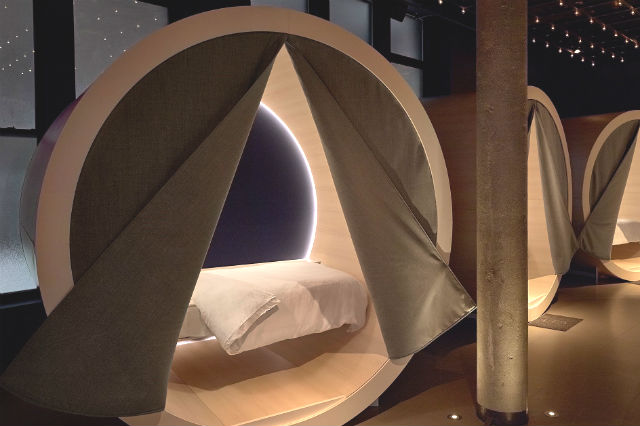
Finally, I was ready to enter my nap pod. A second employee appeared (did I mention they all wear stylish dressing gowns?) and led me to a room filled with giant, blonde wood hoops. I was led to my hoop, which had a mattress, pillow and duvet suspended in the middle.
“Is this your first time napping?” She asked, like it was a normal thing to say.
“Uh… yes?” I replied.
“Turn the light off when you’re ready to sleep, that will start the timer,” the employee told me, “Then when your time is up, the light will gradually come back on to wake you up.”
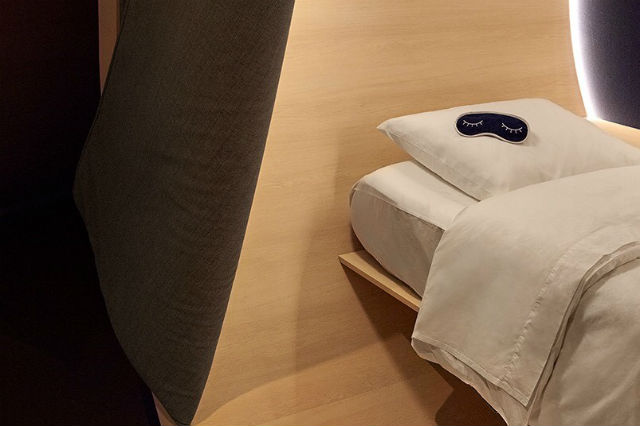
I stepped inside the hoop, and she closed the thick, beige curtains. It was the moment of truth. I settled down into the bed and pulled the duvet over myself (Casper assures its guests that the Dreamery’s sheets are laundered after every visit). I had to admit, it was comfortable – warm and cool at the same time, with a mattress that wasn’t too soft or too hard. I had reached peak Goldilocks, and I turned off the light.
I didn’t fall asleep, but I hadn’t really expected to. I have a strict sleep schedule, and it’s difficult for me to fall asleep outside of it. But I hadn’t expected to feel so relaxed either. I slipped into a sort of meditation as I was cradled in my sleep-hoop. I felt for once like I had my own little private pocket of Manhattan, where I could let my guard down and just rest. I was comfortable and snug, my thoughts turning away from worry and toward the kind of milkshake I was going to buy in Penn Station. Before I knew it, the light was coming back on.
I don’t know if nap pods are the sleep wave of the future, or if they’re just a fad. But when I stepped out of the Dreamery and back onto the loud, busy streets of NYC, I totally understood their appeal.
Would you like to try napping in a nap pod? Have you done it already? Let us know in the comments below!
From NBC’s “Today” Show to “The Rachael Ray Show” to The Weather Channel, you have likely seen Katie Linendoll on TV talking about must-have travel gadgets. The Your AAA Network recently spoke with her to learn about her favorite accessories.
Click the audio player below to listen. The text that follows is a transcript of the conversation.
Your AAA: Thank you for clicking on. You are listening to the Your AAA Network and today we’re joined by an Emmy winner, a tech expert, avid traveler, TV personality, and all around social and tech influencer. None other than Katie Linendoll. She is going to walk us through some of the hottest travel gadgets, but first, let’s set the stage for our listeners. How often are you on the road?
Katie Linendoll: It’s well over 250 days. I did a calculation year over year. It spans the globe, which is pretty exciting; 250-plus days ranging from the Faroe Islands to just recently Alaska and Iceland. This next four weeks will have me in Boston, to New Orleans, back to Iceland, back to the Faroes and then to Kenya –all just in a matter of one month. It’s incredible. I call it a true blessing. I love being on the road and I learned so much. It just builds your character.
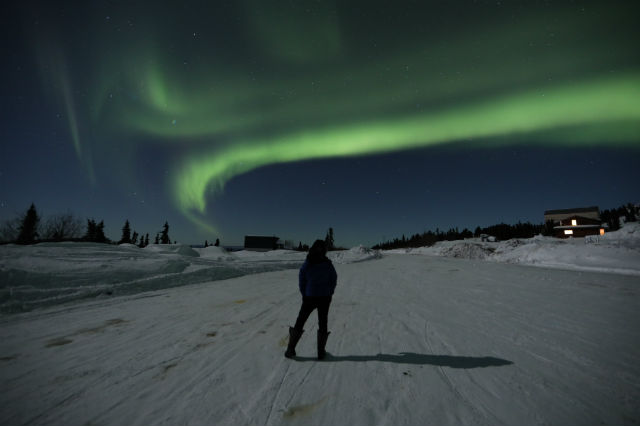
Katie Linendoll takes in the northern lights. (Photo: Katie Linendoll Productions, LLC)
Your AAA: No doubt about that. That amount of travel is unbelievable. I know even my own travel has ramped up to maybe once or twice a month at this point and I find it hard to hold it together. So, well done. Hat tip!
Katie: It’s funny, my friends will ask me, so what are you doing in June? I’m like, dude, I don’t know what I’m having for breakfast and/or what state I’m going to be in tomorrow, so just hold tight. Pump the brakes. I don’t know what my summer plans are yet.
Your AAA: Out of curiosity so far, have you hit every state in the U.S.?
Katie: My sister and I were just talking about this. Alaska was missing until the recent trip where we were chasing the northern lights – which was epic unto itself, but right now if I’m correct, I think I’m missing North Dakota and South Dakota.
Your AAA: So aside from evolving into a big-time traveler, I know you jumped into technology at a pretty early age, so what got you started on that path?
Katie: Yeah, my background in technology, it started when I was young. I guess you could say coding was my main foray into IT; I started when I was about 12 or 13, which sounds very young, but I laugh now because I have a 9-year-old niece that is just incredible on the computer. She is on-point with robotics and engineering. And now there are so many STEM gadgets, so it’s so cool to see how things have changed over the years. But my interest in tech as I noted was at 12 or 13, getting into coding. I got my networking certifications while I was still in high school and then I went on to get my degree in information technology and new media from Rochester Institute of Technology. Through and through, tech was always a huge passion of mine and it’s just remained that way.
I never foresaw going into a television direction. I was building websites as a freelance job when I was like 17, 18 and 19, in and out of college breaks, so I never saw going into this TV direction, but it’s a perfect fit for me right now. People’s interest in technology and consumer products – whether it is the latest iPhone or the latest STEM products – is only growing. So I think it’s a really good fit.
Your AAA: That is a perfect segue to talk about some of the travel gadgets on the market today that AAA members might want to check out.
Katie: First off, myCharge devices. They come in a range of sizes. I have the MyCharge hub and it gives about nine plus hours of extra battery life and it also has the built-in micro USB and lightning cable. I carry that pretty much every single day whether I’m on the road or not and people are always knowing that I have it on me. So whether their tablet or their smartphone or whatever they’re using needs to be charged up, it is a must-have accessory, especially while you’re on the road.
Also, just to give you a few of my other key items, I love Matador bags. They are these really lightweight, durable bags. They fold up to the size of almost a baseball. They’re super tiny. And when I travel, if I’m going to really cool places, I always come back with more and more stuff. So I have these really great durable, water-resistant bags that are so tiny that I throw them in my luggage, but then I can also fill them up with so much stuff. They come in a variety of sizes. I always go to the 24-liter size. They’re backpacks and there’s also a duffel bag. They’re just really cool to carry with you when you’re bringing more stuff back.
I have my own production company, so we filmed lots of different places for the likes of The Weather Channel and a number of other national outlets. Really good luggage is obviously key – 0ne that also has a lot of compartments and one that’s not going to tear, and be weather resistant. Eagle Creek luggageis my absolute go-to after trying many different types of luggage out.
I think one thing on the travel side that everybody needs to know that is kind of a hidden tip and trick is the Wi-Fi at rental car companies now. Well, first off, people don’t know about the travel pass on your smartphone. When I am internationally on location for a majority of the places that I visit, it’s only $10 extra a day to have a full-on travel pass as opposed to like, you know, $2 a minute, which can quickly add up. I know people who have seen their bill and they freak out. I think people need to take more advantage of their monthly service of just adding that on when they are traveling internationally or overseas. Wi-Fi hotspots that you can rent at rental car companies are also something a lot of people don’t realize are out there … they are about 10 bucks a day and it not only gives you Wi-Fi access in your car, but you don’t have to rent a GPS which can be super expensive per day at the rental car company. Now you can use your phone but you can also use a Wi-Fi hotspot anywhere you’re traveling in that country. So I think that is a really great tip and trick for anyone that’s going to be on the road this summer.
Your AAA: That’s awesome. I had no idea that something like that was offered. So going back real quick to the luggage, have you tested out any of that ride-on luggage that’s out there?
Katie: Personally, I think it’s gotten so crazy in terms of the media press and I just don’t think it’s practical.
Your AAA: I feel like there’s a line where there’s just too much technology and this just kind of crosses it, right?
Katie: There is totally a line! Plus I can run faster than that and I run a lot in airports. I hear my name way too often over the loudspeaker. One thing that I’m adamant about with what I test and what I stand behind in terms of technologies is practical tech.
Your AAA: So any good travel gadgets for families with young kids?
Katie: One thing I’m so keen on – I have lots of nieces and nephews is MiFOLD – it’s this little booster seat. Unless you’re a parent with a little one will this really hit home, but it’s super lightweight and it’s portable. If you have to bring a booster seat when you are traveling, it’s not great for airlines. It’s not approved, but it is good for when you are renting a car so you don’t have to pay for that extra booster seat. My niece always travels over to her friend’s house and actually takes that booster seat with her and it folds up right in her hand. It looks like nothing. Imagine a booster seat compacting down all the way to like a piece of paper. It’s amazing what the technology has come and done for that particular gadget, so parents will love that one.
And then, also of course, it’s not telling you anything you don’t know, I love the tablet side of things, whether it’s an iPad or the Kindle Kids Fire edition is just an awesome travel gadget. My nieces and nephews love it and are always watching the latest, whether on PBS or the Disney channel, they’re always staying tuned on. I’ve also hooked them up with Puro headphones. The decibel level on the headphones only goes to a certain level so it keeps their ears protected and it’s really good sound quality. So I think that’s a cool accessory for parents that are looking for really great pair of headphones.
Your AAA: I know when I’m sitting next to a kid on a plane, I can’t wait for them to break out the tablet with the headphones. Use it the whole flight, please.
Katie: Your fingers are crossed for it!
Your AAA: Getting back to travel now, let’s go into our rapid-fire questions. Sand or snow?
Katie: Snow. Said no one ever. I grew up in Erie. It was the most snow accumulation in 2017. I am a snow girl through and through.
Your AAA: Best childhood vacation memory.
Katie: There were six people in my family and we had a Ford Taurus and that we would pack in and go on road trips. Just being with my family was awesome.
Your AAA: Bucket list destination.
Katie: You know what? I’m going to actually go with a revisit because I feel like no matter where you go on the globe, it’s the people in the environment that make all the difference. It could be the coolest place but with the worst people and it’s going to change your whole attitude towards it. I just had one of the best travel experiences of my life in Fairbanks, Alaska. I think it’s dubbed as the golden heart of Alaska and they’re known for their people being so awesome and warm, and just cool people. Just because of the environment there and the people and the culture, I’d like to revisit it.
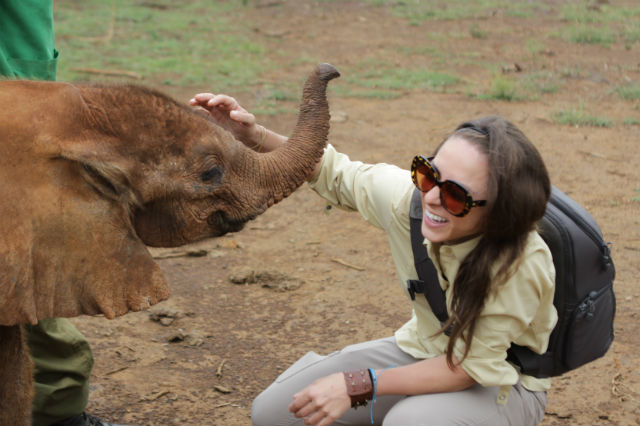
Katie Linendoll visits an Elephant orphanage in Nairobi, Kenya that rescues and rehabilitates elephants. (Photo: Katie Linendoll Productions, LLC)
Your AAA: Favorite travel spot in the Northeast.
Katie: I love the Boston area. I hope to be buying a home there.
Your AAA: Finally, what is one piece of travel advice you’d like to leave our AAA members with?
Katie: Preparation and organization, and all the right gadgets. You kind of have to split the difference. I prepare and I organize for my trips but I also leave room for the “let it happen.” I just came back from a trip to Disney and you can tell where the kids have just had it because they try to jam so much into one day. Sometimes you’ve just got to ride out the adventure and see whatever comes your way. Go with it. I think you’ve got to split the difference in terms of being organized and having a plan, and being ready to go off the grid.
Your AAA: I have no doubt that this conversation is going to leave AAA members wanting more from you, Katie. So where’s the best place folks can find you online?
Katie: Totally. I’m at Katie Linendoll on social across the board and I love connecting with new people. I always try to be good about it, responding, helping you with any travel gadgets or tech tips. So yeah, that’s where you can find me.
Your AAA: Awesome. Thanks for a great conversation. Be sure you head on over to katielinendoll.com and be sure to stick with the Your AAA Network for more travel and lifestyle content. I’m Andrew Rosen. Thanks for clicking on.
More people die from lung cancer each year than any other form of cancer. Therefore, it’s crucial to educate yourself on the risk factors, warning signs and screening options. And there’s no better time to start than right now. You can make a difference simply by learning the facts and spreading lung cancer awareness.
Lung cancer stats
Every 2.2 minutes, someone in the country is diagnosed with lung cancer. That equates to 234,000 new diagnoses annually. Not only is lung cancer prevalent, it is the leading cause of cancer death among both men and women, accounting for about 25 percent of all cancer deaths. Each day, 422 American die of lung cancer. Each year, it takes more lives than of colon, breast, and prostate cancers combined.
There is a common misconception that lung cancer mostly affects smokers. However, 60 to 65 percent of all new lung cancer diagnoses are among people who have never smoked or are former smokers.
Lung cancer awareness is critical to developing potentially life-saving treatment. Only six percent of federal government dollars spent on cancer research are spent on lung cancer research. The lack of research, in part, is the cause of such a high mortality rate.
Symptoms and warning signs
According to the American Cancer Society, most lung cancers do not cause symptoms until they spread. However, some people with early lung cancer do begin to suffer certain symptoms. The most common lung cancer symptoms include an enduring cough or one that gets worse, coughing up blood, chest pain that is often worse when breathing deeply, trouble breathing or respiratory infections, hoarseness, and exhaustion or weakness.
Although most of these symptoms are more likely to be caused by another illness, it is vital to see medical attention immediately if you are suffering from any of these conditions. If you do have lung cancer, you can be diagnosed earlier, which greatly increases the likelihood of treatment being effective.
Prevention
Lung cancer cannot always be prevented. However, certain precautions can lower your risk of developing the disease. Most notable of these is to not smoke and stay away from secondhand smoke. Even if you have been a smoker in the past, once you cease the habit, your damaged lung tissue will gradually repair itself. Regardless of your age or how long you’ve smoked, quitting will lower your risk of developing lung cancer.
According to the U.S. Environmental Protection Agency, radon is the second-leading cause of lung cancer. Radon is a naturally occurring radioactive gas formed from the breakdown of uranium in soil in rocks. Outdoors, there is not enough radon for it to be harmful. Indoors, however, it can become more concentrated. Homes and buildings throughout the country can have high levels of radon, particularly in basements. The problem is you can’t see, taste or smell it. Instead, you’ll need to get your home tested and, if needed, treated professionally.
Other tips to help prevent lung cancer include avoiding other carcinogens like asbestos and certain chemicals, and limiting exposure to air pollution. Also, maintaining a healthy diet filled with fruits and vegetables lowers the risk of developing several forms of cancer.
Screening
Certain individuals are at an elevated risk for developing cancer. If you are between the ages of 55-80, a current smoker or have quit within the past 15 years, and have a 30 pack-year history, you are part of the high-risk population. (Pack year is a way to measure smoking history over an extended period of time. It is calculated by multiplying the number of packs of cigarettes smoked per day by the number of years the person has smoked.)
If you meet these criteria, the U.S. Preventive Services Task Force recommends getting screened annually for lung cancer. A screening is done with a low dose CT scan.
There are other factors that may require individuals to undergo annual screenings, such as previous lung cancer diagnoses. If you believe you may be at risk of developing lung cancer, consult your physician to get a full assessment.
What are you doing to help protect yourself or your loved ones from lung cancer? Tell us in the comments below. And read more about keeping your body healthy at AAA.com/healthfitness.
AAA can help patients pay for health care costs with Medicare Supplement insurance from AAA. Learn more.
Whether you’re a history buff or not, the best history podcasts are sure to get you hooked on stories of ancient revolutions, little-known heroes, royal love triangles and more.
Do you love history? Or did you fall asleep in your high school history class? Whether you’re a history buff or not, the best history podcasts are sure to get you hooked on stories of ancient revolutions, little-known heroes, royal love triangles and so much more.
There are a lot of history podcasts out there – since history makes great podcast fodder. Here are my personal favorites, to get you started on your own historic journey.
Dan Carlin’s “Hardcore History”
Journalist Dan Carlin isn’t joking around. On his podcast, “Hardcore History,” he can explore a historical subject for hours. His episodes usually average about four hours each – some of them even have multiple parts. These deep dives are completely engrossing, even if it can take a few days to finish listening to them. Carlin’s exhaustive research, combined with his compelling, dramatic delivery, make “Hardcore History” a must-listen.
“Stuff You Missed in History Class” was the first podcast I ever listened to, more than ten years ago. Tracy V. Wilson and Holly Frey of HowStuffWorks investigate the forgotten corners and obscure characters in the margins of history. “Stuff You Missed in History Class” has a HUGE back catalog to trawl through – with inside jokes that have lasted for years (like the fact that their subjects keep getting exhumed). Wilson and Frey meticulously research each episode, and their joint method of reporting these forgotten stories make each episode effortlessly enjoyable.
“You Must Remember This” is a podcast about the golden age of the silver screen – the secrets and stories of Hollywood’s first century. Creator Karina Longworth narrates her fantastic research with dulcet, calming tones and she incorporates guest actors to voice the historical figures and Hollywood icons that populate the episodes. Longworth is a film journalist, but “You Must Remember This” has transformed over time into one of the most well-loved history podcasts around. Though you’re less likely to hear about Cleopatra than about Elizabeth Taylor, “You Must Remember This” has earned its spot as one of the best history podcasts.
Malcom Gladwell hosts “Revisionist History,” which is all about going back into historical stories, examining them through different lenses and reinterpreting what they mean to us today. “Revisionist History” reexamines everything from the far past to recent history with an emphasis on the malleability of memory, the unreliability of even primary resources and the inherent imperfections in the stories that we cling to the most.
“Our Fake History’s” tag line is “historical myths relished and ruined” – and that’s exactly what they do. History is littered with fake and apocryphal stories that we’ve been telling each other for eons. Did Pocahontas really save John Smith? Was Robin Hood real? Did Nero play violin while Rome burned? Did Shakespeare write any of his own plays? Educator and storyteller Sebastian Major tackles common historical myths and legends, revels in them, then attempts to separate fact from fiction.
Comedians Dave Anthony and Gareth Reynolds host “The Dollop,” a tongue-in-cheek history podcast. Every other week, Anthony tells Reynolds a little-known story from American history and Reynolds, hearing the story for the first time, reacts to it with his own comic flair. This charming matchup of history and comedy can’t be beat – and that’s why it’s run for over 300 episodes.
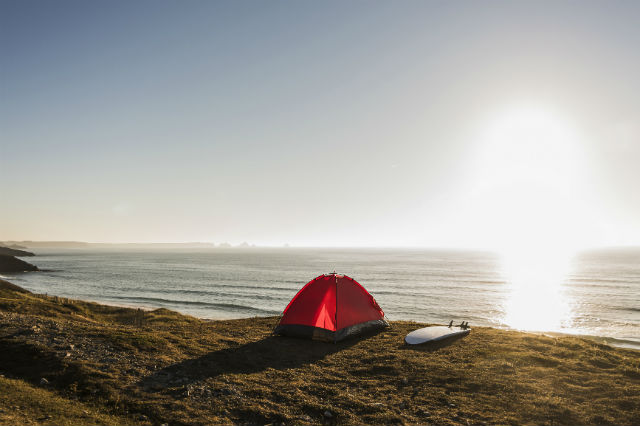
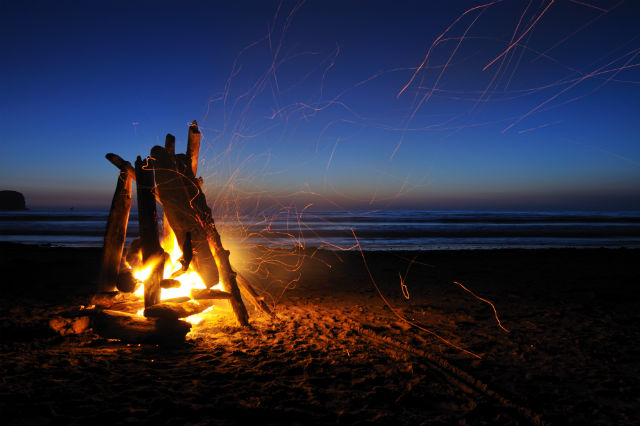
While there are plenty of beautiful woodland campsites nearby, camping out on the beach is definitely something you have to try at least once. If sleeping beneath the stars near a beach side bonfire sounds like an ideal situation to you, consider Montauk camping.
Camping is available at Montauk County Park and Hither Hills State Park.
It’s probably been a while since you last decided to abandon your television, tablet and smartphone screens to rough it in the great outdoors for a day or two. From health improvement and positive relationship building to developing important life skills, there is a list of benefits that camping can provide. So pack up your tent and head outdoors for a Montauk camping adventure.
Montauk County Park provides campers with the full on-the-beach Montauk camping experience. If you’ve always wanted to catch a fish, roast it over a campfire and eat it, you can do just that here. The park allows all campers access to salt and freshwater fishing. Shagwong Point is a particular favorite among surfcasters looking for striped bass and bluefish; if you’re bringing an RV this is the area where you would set up.
You can also visit Big Reed Pond, a 128-acre freshwater pond and National Natural Landmark that also includes brackish marshland and natural sand dunes.
While you’re living the simple life, take a trip back to simpler times at these historical sites.
Third House – This residence was built in the 18th century for cattle keepers who brought their cattle to Montauk each summer. Open seasonally, it also houses the Third House Nature Center, which hosts nature programs, hikes and activities for all ages. If you’re looking to spend some time with fellow campers while you’re on the grounds, be sure to swing by.
Montaukett Village – This is the home and burial ground of the Montaukett tribe, which includes the grave of member Stephen Talkhouse.
Deep Hollow Ranch – Built and established in 1658, Deep Hollow Ranch is the first and oldest cattle ranch in the United States. Stop by the ranch for an opportunity to enjoy the cinematic experience of riding a horse to and along the beach. If you prefer to ride along in something that has wheels, there are also wagon rides that will take you around the ranch and park.
Camp Wikoff – Take a look at where Teddy Roosevelt and the Rough Riders rested after the battle of San Juan Hill during the 1898 Spanish-American War.
This popular park offers a rich 189-site campground on the beach, open from Memorial Day to Labor Day. Campers can enjoy fireplaces, sport fishing, playing fields and more. Stroll through the eastern boundary of the park, which has woodlands filled with Russian olive, oak, shad and pine trees. You can also hike along the Walking Dunes trail of Napeague Harbor, a highlight of the park.
The park’s amenities include an accessible picnic area, playground, horseshoes, basketball, volleyball and tetherball courts. If you forget an important camping item, you can stop in the camp store and find what you need. There’s also the park office and centrally located phones, should you need assistance at any point during your stay. No need to bring your smartphone!
For fun activities where you can explore the campgrounds, you can enjoy biking, horseback riding, boating, fishing and hiking year-round and cross-country skiing in the wintertime. During the summer, bond with the family on the campgrounds over movies, folk and line dancing, magic shows and more recreation programs. Children can also enjoy several performances during the park’s children’s summer theater program.
Check out the weekly sand castle contest during the summer months. If you enter, you have the chance to win in several categories, including best sculptors and best castles.
Let “The End” be the beginning of a great adventure. Whether you choose the historic Montauk County Park or the popular and gorgeous Hither Hills for your Montauk camping adventure and getaway, you’re guaranteed an unforgettable experience that you and your fellow camping companions will talk about fondly for years to come.
Is Montauk camping on your list of things to do? Have you been to either of these parks for a camping trip before? Tell us in the comments.
Need help planning your next camping trip? Let AAA help.
In the days leading up to the U.S. Civil War, fugitive slaves headed north from the slave-holding states of the U.S. South on their way to liberty in Canada. As many as 100,000 freedom-seekers used the Underground Railroad, a network of people that assisted escaped slaves along their journey and gave them a place to stay until it was safe to continue to the next “station.”
Many passed through New York, notably Montgomery County and the surrounding region of Central New York State. The area’s many waterways, including the Mohawk River and the Erie Canal, provided stealthy transport for the northbound travelers under the cover of night. Furthermore, the religious faith of the area’s residents led to the growth of a strong abolitionist movement and word got out that this was a welcoming community to stop in during the long trek to the Canadian border.
Visitors to this region can trace the journeys of those who traveled along the Underground Railroad and learn about the work of the citizens who helped them on their way to liberation.
Montgomery County has plenty to plan your daytrip or vacation. Tour historical and cultural sites, shop and dine in our quaint villages, travel along the Erie Canal by boat or bike, fish in pristine streams, enjoy the produce of dozens of farms and visit diverse cultural and sporting events.
Though initially the lands north of Pennsylvania were considered relatively safe for escaped slaves because of widespread support for the abolitionist movement, the passage of the Fugitive Slave Act in September 1850 forced those who worked along the Underground Railroad to persevere in secret.
The act required that all escaped slaves, whether apprehended in southern slave-holding states or in the free north, be returned to their owners. Though it was eventually repealed in 1864, its enactment only strengthened the resolve of abolitionists in the northern states. The penalty for helping runaway slaves was steep – up to a $1,000 fine or six months’ imprisonment – but the people believed strongly enough in freedom for all humans that they took the chance to live up to their beliefs.
Amsterdam
Amsterdam, which straddles the Mohawk River, was home to numerous stationmasters for the Underground Railroad. Ellis Clizbe was an abolitionist and a founding member of the anti-slavery societies of both Amsterdam and Montgomery County. Known to shelter escaped slaves on his farm in the Rockton section of the city, Clizbe’s determined work lead to Amsterdam’s reputation as an “abolition hole” and a stronghold of the movement in New York State.
Another prominent city businessman, Chandler Bartlett, provided shelter for those seeking freedom in his shoe store on Main Street.
Take a self-guided walking tour of the town’s 41-acre Green Hill Cemetery. Listed on the National Register of Historic Places, it contains the graves of many residents of Amsterdam, both white and black, who fought against slavery.
Canajoharie
Twenty-two miles west along the Mohawk River sits the town of Canajoharie, another important locale for abolitionism in Montgomery County. The county historian created a self-guided walking tour of the abolitionist movement in the town that points out places of note still standing, as well as the locations of homes and businesses that are lost to time.
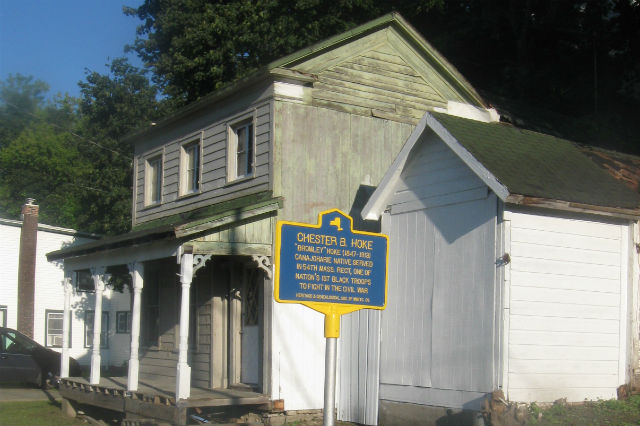
One historic home is that of Chester “Bromley” and Elizabeth Phillips Hoke. Descendants of grandparents who had been locally enslaved, it stands to represent the role that African Americans played in developing the economic and social development of the Mohawk Valley. Chester served in the 54th Massachusetts Infantry Regiment, one of the nation’s first blacks troops to fight in the Civil War.
The Canajoharie Academy, once located on Otsego Street, is best known for its former headmistress, a powerhouse in the history of reform movements in the United States, Susan B. Anthony. Another notable piece of history in the town is the African Methodist Episcopal Zion Church. A group of five African American men had purchased a plot of land on Cliff Street and incorporated the church in 1857, though it is not known whether a physical building was ever constructed. A former slave, the Reverend Richard Eastup, oversaw the church, whose denomination was commonly affiliated with such leaders of the movement as Harriet Tubman and Frederick Douglass.
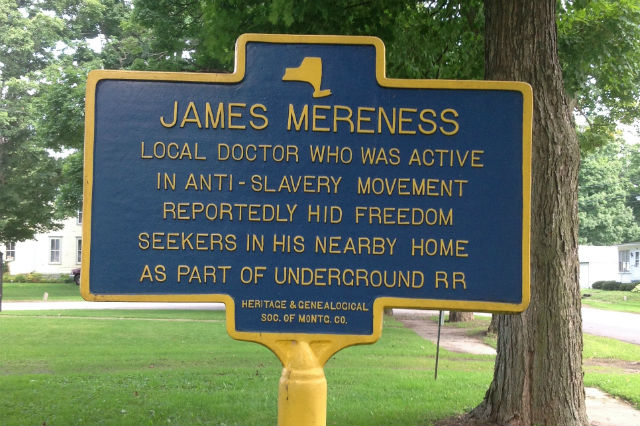
Dr. James Mereness historical marker. (Photo: Dennis Malcolm)
Western Montgomery County
In the village of Ames, Dr. James Mereness participated and organized anti-slavery meetings for the western part of Montgomery County for many years prior to the Civil War. Reports indicate that fugitive slaves seeking freedom from their lives in servitude sought shelter in Mereness’ home as part of the Underground Railroad network. Dr. Mereness died in 1872 but continued his interests in improving the lives of African Americans through bequests to educate them.
In the village of St. Johnsville where the picturesque Timmerman Creek runs into the Mohawk River, Daniel Leonard and his partner built a grist mill just north of the Mohawk Turnpike. Local lore has it that freedom seekers escaping slavery, hid in rooms below the mill. When water to the thirty-foot water wheel was shut off at night, the freedom seekers could make their way via a tunnel to the creek and continue their journey north and westward to freedom.
Today the mill operates as the Inn by the Mill bed-and-breakfast, where the owners happily show off the rooms where the freedom seekers waited to continue their journey to freedom.
Oneida County
The abolitionist movement was also strong to the west of Montgomery County in Oneida County, with 17 anti-slavery societies existing in the mid- to late 19th century. Today, visitors can see one of the few remaining landmarks of this time, the former Mechanics Hall, on the corner of Hotel and Liberty Streets. In this building, abolitionists held anti-slavery events and rallies, including one in 1857 that was attended by William Lloyd Garrison and Susan B. Anthony.
This summer marks 50 years since the “three days of peace and music” that gave us some of the most iconic moments in music history, like Richie Havens improvising “Freedom” and Jimi Hendrix reinventing the national anthem. At the site of the Woodstock festival, Bethel Woods Center for the Arts keeps the spirit of creativity and self-expression alive. It is celebrating the golden anniversary with programs including special exhibits and the opening of the restored Bindy Bazaar trails.
Bindy Bazaar Trails
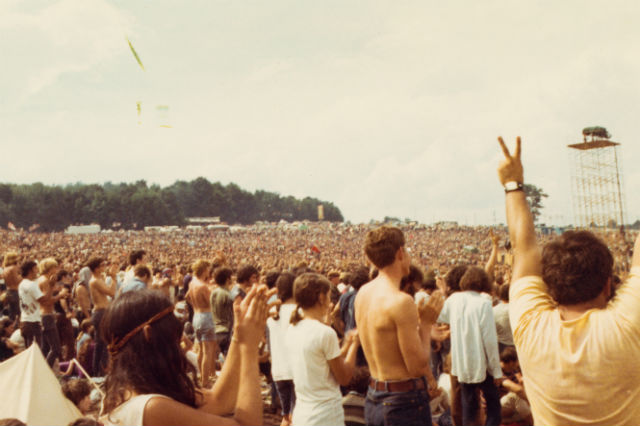
Over 400,000 concert-goers attended the 1969 festival in Bethel, New York, and on their way between two of the main grounds, they traveled on a network of trails that served as a marketplace featuring exotic goods, crafts and clothing. As one of its main preservation projects, Bethel Woods recreated the Bindy Bazaar trails through the wooded area west of the festival field. For the first time, guests can experience the trails restored to their original state and see historic evidence of the market, which included 20 vendor booths.
The first phase of the restoration will open May 4. Visitors that journey through the trails can imagine being swept up in the vibe of peace, love and music or reflect on the ideals of the 1960s, which are a focus of The Museum at Bethel Woods. Since the nonprofit cultural center stewards both the land and legacy of Woodstock, either would be in keeping with its mission. Museum exhibits are aimed at encouraging new generations to find their own way of changing the world through positive social engagement and music.
With roots in the 1960s, movements for the LGBTQ community, women’s rights, environmental protection and social justice issues are among those in which youth have played a role. Looking back further in time, concerts such as Farm Aid and the Concert for Bangladesh were inspired by Woodstock and the way its music unified attendees. These events reflected a shared vision of a better world. As Joan Baez declared at Live Aid, the 1985 benefit concert for famine relief in Ethiopia, “This is your Woodstock.”
Bethel Woods Center for the Arts, located at the historic site of the 1969 Woodstock festival in Bethel, N.Y., will commemorate the festival’s 50th anniversary throughout 2019 with A Season of Song & Celebration, including museum exhibits, concerts, festivals, films, speaker events, workshops and more for the whole family.
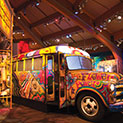
While there is a psychedelic bus and plenty of memorabilia including posters and jewelry in the museum’s permanent collection, the artifacts are intended to inspire more than nostalgia. Film footage and period photographs put visitors of all ages in the heart of the Woodstock experience, while We are Golden takes them further into the social context of the three-day festival where singer-songwriters like Joan Baez championed social change as much as creative expression.
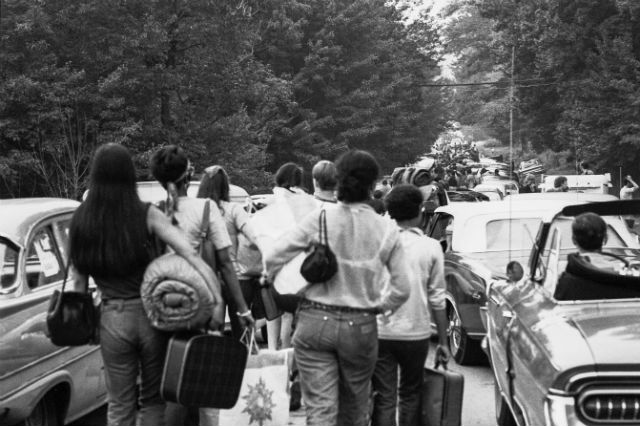
Certainly, some found Woodstock to be strictly a music experience, albeit a legendary one, with performers including Janis Joplin, Santana and Crosby, Stills, Nash & Young. Others remember an event typified by massive puddles of mud and even more massive traffic jams. Though Arlo Guthrie’s announcement that “the New York State Thruway is closed, man” wasn’t true, as only a few exits were closed, miles of traffic through Catskills towns made it feel that way.
In conveying the significance of Woodstock, Bethel Woods celebrates both the music and the cultural impact of the iconic gathering with aims to rekindle its spirit in the present. Located 90 miles northwest of New York City on the very spot where the event took place, it has a special role interpreting this anniversary. The site has officially been placed on the National Register of Historic Places in recognition of its importance to American History.
Through a special exhibit entitled We Are Stardust, Bethel Woods puts Woodstock in the context of other landmark 1969 movements. Those who attended the festival lived through a tumultuous decade in which the Vietnam War, Stonewall riots, Watts riots and the assassinations of both President John F. Kennedy and Martin Luther King Jr. occurred. These pivotal events and others led to a call for change and a push toward peace and unity.
Also contributing to the tension of the times was the Cold War space race between the U.S.S.R. and U.S., which was lagging behind the Soviet superpower. On July 20, 1969, just weeks before the Woodstock festival, that was all about to change. With the landing of Apollo 11, astronauts Neil Armstrong and Buzz Aldrin marked the fulfillment of President Kennedy’s goal of landing a man on the moon. In less than ten years, the U.S. skyrocketed ahead of its competition, satisfying and sparking yet even more “moon mania” in Americans who were fascinated with the limitless frontier of space.
We Are Stardust features objects and interpretation of the events leading up to the lunar landing, encouraging Bethel Woods visitors to delve into the historical significance of this pivotal 1969 event and its impact on those who would make up the festival crowd. The exhibit will be held from March 30 to December 31 in the Crossroads Exhibit Gallery. During the Lunar Weekend from May 17 to 19, Bethel Woods will be offering films, hands-on activities, speakers and activities focused on the profound impact of the lunar landing on American culture.
Throughout the 2019 season, Bethel Woods also will host a series of live discussions and workshops entitled Vibrations, in which artists and change-makers will reflect on what the spirit of Woodstock means to us today. These shared experiences are intended to promote open conversations about the future and reignite a commitment to peace and civility.
At the very spot in the Catskills where Woodstock took place, there may be no better place to find inspiration in its legacy.
For a full schedule of events including performances and film screenings, visit www.bethelwoodscenter.org.
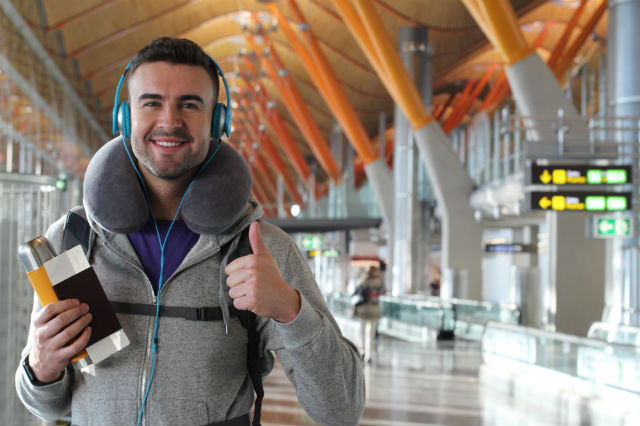
Having the right long flight essentials can turn a basic plane ride into a pleasurable trip that you can almost look forward to (hey, I said almost!) So, track down the neck pillow that will help you sleep better or prepare a healthy snack for your in-flight cravings. If you’re planning on spending many hours in the air, it’s worth taking the time to factor in comfort when prepping for the trip ahead.
Whether you’re flying across the United States or jetting all the way around the world, consider these long-haul flight must-haves. From carry-ons and comfy socks to the best headphones and TSA-approved beauty and grooming necessities.
Carry-ons
A long flight doesn’t always warrant a large suitcase that you have to check. I’m a fan of carrying on the Away suitcase because it’s well-designed with spaces for everything you may need; it even comes with a built-in phone charger. For a smaller carrier that fits under your seat and will hold all your long-haul flight essentials, I recommend this United by Blue genius bag that can convert from a backpack to shoulder bag. It’s light and has zippered compartments to safely stow your things.
Comfort
The airplane pillow is a highly debated topic among frequent travelers and for good reason. There is no one-size-fits-all solution; we all come in different sizes and shapes and have our own sleeping patterns.
The Infinity Pillow is a versatile pillow that can twist and wrap to transform and fit the needs of the space you’re in. The pillows by Ostrich look a little bizarre. But in the name of comfort, do you really care? If you’re stuck in the middle seat, opt for the Trtl. It’s a neck wrap that gives you support so you can rest in a comfortable position. And if carrying a large travel pillow discourages you from bringing one, try Travelrest’s inflatable pillow for a compact cure.
A footrest is for serious flyers that want to transform their seat into a cozy space. It attaches onto your tray table, allowing you to have a place to rest your feet. Make sure to buy one that separates your feet, or it can get uncomfortable. And don’t forget a good eye mask; it’s is a game changer when your neighbor has a reading light on.
Clothing
What you wear is one of the easiest ways to achieve comfort on a long flight. Your outfit should be a mixture of comfort and practicality. The “airplane mode” cozy sweatshirt and pants by The Laundry Room are a cozy and quirky option.
Layers are also a good idea to prepare for fluctuations in cabin temperature. Bring a big scarf; not only can you use it as a blanket, but it’s also a great stand-in for a pillow. The Crane & Lion wrap sweater is another long flight essential because it can morph into many different styles to fit your airplane needs.
Compression socks are a must if you have swollen ankles or just like comfy socks, like these by United by Blue.
Technology
A lot of planes either don’t have outlets for plugs or they are broken when you’re in dire need of a charge, so traveling with the portable myCharge charger is a must. It comes with a built-in cord to juice up your phone and a USB port.
These Sony noise-canceling headphones will save you from loud airplanes, screaming children and chatty neighbors when you’re trying to snooze.
And this may not be a tech recommendation, but don’t forget a pen! You’d be surprised by how many people don’t travel with this necessity.
Self-care
There’s nothing wrong with a little self-care in the air! Break out your TSA-friendly beauty and grooming products that are 3.4 ounces or less and keep your skin hydrated and protected from germs, dry cabin air and the sun’s rays (UV light still affects your skin through that tiny airplane window).
Use a face mist like this one from Caudalie to keep your skin fresh, and seal it with Tata Harper’s Retinoic Nutrient Face Oil, which will act as a barrier for your skin from the air on the airplane. Don’t forget lip balm, moisturizer, SPF, hand sanitizer, deodorant and toothbrush. You can also travel with a small tube of pure coconut oil. An all-in-one product that can stand in as a moisturizer, lip balm and more.
Sitting in one place on a plane can wreak havoc on your body. T-Spheres are travel-size aromatherapy massage balls you can use for pain and to increase circulation, and the Gaiam Finger Massager is the perfect tool to help with swollen hands from traveling.
Food
While airplanes offer meals and snacks on the plane, bringing your own nibbles will ensure you’ll actually enjoy them. I prefer to make snacks like roasted almonds or chickpeas if I have time before traveling.
Bring a Klean Kanteen water bottle and fill it up at the airport to avoid having to buy expensive plastic bottles. It’s light and will keep your water cold for hours.
A few more smart items to bring on the plane: a reusable spork and a bandana, so you won’t have to ask the flight attendant for utensils or a napkin, and you can reuse them throughout your entire trip.
Summer is just around the corner and there’s no better vacation retreat in the Northeast than the Pocono Mountains. One of the area’s main attractions is Pocono Raceway, which hosts two NASCAR races and one IndyCar race during the summer. Whether you’re a motorsports fan or not, there’s more than enough fun to spread around to people of all ages at Pocono Raceway.
The Raceway
Pocono Raceway is one of the most unique racing venues in the country. The track, known as “The Tricky Triangle,” has three turns – all different angles – and contains the longest front stretch in motorsports.
Behind the grandstand is Fan Fair. This ticketed area features interactive sponsor display areas, merchandise locations, kids’ areas and more. It also hosts driver appearances.
When hunger strikes, dive into the countless food options the venue offers such as hamburgers, hot dogs, chicken tenders, fries, BBQ, pizza, London broil and sausage sandwiches, to name a few. There are beverage carts located all around the track serving both non-alcoholic and alcoholic beverages. If you choose, you can also bring in outside drinks; the venue allows coolers filled with the beverage of your choice in the grandstand.
School’s almost out, family fun is in. There’s no better way to soak up summer than by getting away to the Poconos. Of course, with over 63,000 acres of lakes, trails and towns to explore, one day is hardly enough—so stay over.
Pocono Raceway holds three motorsports event weekends each year. Each weekend has three days of racing, leading up to the main event on Sunday. The Pocono 400 takes places on June 2. The race is part of the NASCAR Cup Series. The following month, Pocono Raceway hosts another NASCAR Cup event when the Gander RV 400 rolls into town on July 28. The Poconos racing season culminates with the ABC Supply 500 IndyCar Series on August 18.
Racing Experiences
Watching a race from the stands is one thing, whipping around the track yourself is another. If you’ve got the need for speed, Pocono Raceway has you covered. The Stock Car Racing Experience allows guests to get behind the wheel of a NASCAR style stock car and travel up to 160 mph around the famous 2.5-mile raceway. The experience includes a one-hour training session and all necessary safety equipment. Guests can also choose to get the experience from the passenger seat by catching a ride with a professional instructor.
Pocono Raceway also offers Pro Kart racing, Exotic Car driving experiences and rentals of three-wheel Polaris Slingshots.
The Pocono Raceway Air Show
Motorsport races aren’t the only big-ticket event during the summer. Be sure to mark your calendars for the weekend of August 24-25 when The Great Pocono Raceway Air Show flies into town. The event will feature four hours of aerobatic entertainment and re-enactments. Numerous pilots will showcase their dazzling skills, as will the U.S. Army Golden Knights, one of only three Department of Defense-sanctioned aerial demonstration teams. Guests can watch the Golden Knights parachute from the sky in precise formation.
The event features other entertainment for all ages with multiple displays and vendors in Fan Fair, kid-friendly activities, helicopter rides, exotic car rides and more. Tickets start at $15. Children six and under are admitted for free, and tickets for children between the ages of seven and 12 are half price.
Fun for the Kids
There’s more than enough fun to be had for kids during race weekends. What’s even better is that it’s all free. Children 12 and under receive free admission tickets to the 100 and 200 levels of the grandstand for all Friday, Saturday and Sunday events during NASCAR and IndyCar event weekends. They also receive free entry to Fan Fair, which includes the Lehigh Valley Children’s Hospital Kids Zone.
Poconos Raceway will also host the Lehigh Valley Reilly Children’s Hospital Kids Day on July 27. The family-friendly day features numerous activities including face painting, bounce houses, clowns, photo booths, a book mobile and more. There will also be displays from the Crayola Experience, Sky Zone, Legoland Discovery Center of Philadelphia, Monroe County Habitat for Humanity, American Red Cross and many other organizations. All activities are free for kids ages 12 and under as well as adults who have gate admission to that day’s race.
The raceway is also home to the The #PoconoMtns Inclusive Playground, a 5,000-square-foot playground designed for children of all ages and abilities to play together. The playground is open to the public throughout the spring, summer and fall, free of charge.
Fun for Everyone
The fun doesn’t stop when the races are over. The Infield Block Party is home to a live concert stage, whiffle ball field, kid’s activities, food, beverages and so much more. The block party is open Friday and Saturday nights during NASCAR race weekends, with live bands playing from 6:00 pm to midnight. In addition, Poconos Raceway hosts fireworks shows on Saturday nights. The Infield Block Party is open to all camping guests free of charge on Friday and Saturday, and to the public on Saturday for a $10 donation per vehicle. The proceeds go to the local fire company.
Even pets are invited to get in on the fun. Pocono Raceway’s Bark Park is the first dog park located inside a NASCAR and IndyCar track. The park is within a fenced-in area on the infield and includes obstacles and plenty of room for dogs to roam.
AAA Northeast officials were happy to host Gov. Charlie Baker at AAA Boston in March to show support for his proposed road safety legislation.
“We are extremely gratified to see that Governor Baker is making traffic safety a priority for this administration,” said AAA President and CEO Galvin. “For many years, our mission at AAA Northeast has been to make our roadways safer for motorists, pedestrians, cyclists, and those who work at the roadside.”
Called An Act Relative to Improving Safety on the Roads of the Commonwealth, the legislation is on point with AAA efforts to strengthen traffic laws and give authorities greater ability to enforce them.
“Ensuring the safety of travelers throughout Massachusetts is very important, and we are proud to have the support of stakeholders like AAA and MADD on this commonsense legislation,” said Governor Baker. “Our roadway safety legislation targets several areas which will have a real impact on improving safety for the traveling public, including imposing greater sanctions for operating under the influence and establishing requirements for newly emerging transportation options.”
Here are some highlights.
Hands-free: The use of electronic devices by drivers would be restricted to “hands-free” mode only. Anyone operating a motor vehicle would not be allowed to touch or hold a mobile electronic device, “except to perform a single tap or swipe to activate, deactivate, or initiate hands-free mode.” The bill would permit talking, texting and other tasks to be completed by voice commands and would allow law enforcement officers to better enforce distraction laws.
Seat Belt Enforcement: Law enforcement officials would be allowed to stop motorists who are not wearing seat belts.
Drunken Driving: First-time offenders who apply for hardship licenses would be required to use an ignition interlock device for a minimum of six months. It also clarifies the Registry of Motor Vehicles’ ability to penalize those who attempt to drive after drinking alcohol, even with a device, and those who tamper with the interlock device.
AAA also supports all of the governor’s other road safety proposals, which include the following.
Work Zone Safety: MassDOT would be allowed to establish mandatory lower speed limits in construction zones that would double fines when workers are present. Currently, lower speed limits in construction zones are only suggestions and law enforcement cannot enforce them.
Side Guards and Additional Mirrors: The proposal would require all commonwealth-owned and operated vehicles over 10,000 pounds to have side guards, convex mirrors and cross-over mirrors after Jan. 1, 2020. Contractors for the state and municipalities would be required to have these devices by Jan. 1, 2022. Some exemptions would be allowed.
New Technology: Electric scooters and other low-speed mobility devices, such as electric bicycles, currently lack a specific vehicle classification. The proposal treats these new technology items the same as bicycles, according to existing Massachusetts General Law.
Changing up the look of your home always helps you to appreciate it in new ways.
Whether you’re remodeling a kitchen or refreshing your living room, put your own spin on these home decor trends for a space that reflects your distinct style.
Maximalism
Designers have been shifting away from minimalist styles and Scandinavian-inspired rooms, taking us in the direction of maximalism. Sure, you’ll want to maintain the uncluttered approach that makes a space livable, but a shift toward bold art, texture and furniture means the graphic wallpaper or floral print sofa you’ve been eyeing is completely on-trend.
Vertical Gardens
With Pinterest users throughout the world posting their decorating tips, there’s plenty of inspiration to be found on social media. According to Pinterest’s top 100 trend report for 2019, we will continue to see vertical gardens popping up in our social media feeds. This space-saving living art works in just about any indoor or outdoor area since it doesn’t take away square footage.
Bold Colors
Neutrals never go out of style, but this year bolder colors are showing up everywhere from walls to patio furniture upholstery. Pantone selected Living Coral as its color of the year, and the pink and orange hues of this shade exude pure warmth. Those who prefer the cooler end of the spectrum will also find ways to apply bold color, such as the deep emerald kitchen islands noted in Houzz’s 2019 trend report.
Natural Finishes
If an emerald island is too bold for your taste, you might want to choose a rustic wood cabinet finish for your kitchen renovation.
Clean styling in an organic palette of natural wood tones remains a popular aesthetic choice for every room, not just the kitchen. Spaces that feel connected to the environment promote a sense of calm and reflect an appreciation of the natural world.
Before you redo an entire room based on a trend, however, consider testing it out in small ways, such as boldly colored throw pillows. If you find that the trend suits your style, move on to more extensive decorating projects.
There are many perks to staying at Walt Disney World resorts during your Disney vacation. Guests who are staying on property have access to the Disney Dining Plan, free transportation, Extra Magic Hours in the theme parks and more. And because of their wide price range, you don’t have to break the bank to stay at Disney World resorts. Whether you’re looking for a deal or dreaming of a luxury getaway, there’s a Disney resort for you.
Budget
Stay: Any of Disney’s value resorts will be a great place to crash at the end of a long day. These resorts, like Pop Century and the All-Star collection, have everything one could need, from a cafeteria to a huge pool. Art of Animation is Disney’s newest value resort, and it has the most transporting theme – Disney animation. Rooms are modeled after different Disney movies, like “The Little Mermaid” and “The Lion King.” Everything is new and fresh and delightfully colorful. It’s the perfect place for a young family to stay.
Do: Enjoy sculptures of iconic moments from Disney movies, like Simba, Timon and Pumbaa singing “Hakuna Matata” while walking across a gigantic log. Want to cool off? Play in the largest hotel pool of any Disney resort – the Big Blue Pool, inspired by “Finding Nemo.”
Dine: Landscape of Flavors is the best budget cafeteria at any Disney resort, serving up breakfast, lunch and dinner amid a colorful atmosphere of Disney concept art.
Stay: The moderate Disney World resorts offer a step-up from their value offerings. The theming here is more realistic, less plasticky and technicolor. The Port Orleans Resort (split into two parts: Riverside and French Quarter) is the perfect place to stay on a moderate budget. Lush, Louisiana-inspired decor will transport you and your family straight to New Orleans.
Do: There’s always something to do at Port Orleans Riverside and French Quarter. Take a horse-drawn carriage ride, play in one of the many pools or go to a Cajun campfire at nightfall. Take part in the paint classes, offered every Wednesday by a Disney instructor.
Dine: At the French Quarter you can enjoy live jazz in Scat Cat’s Club and Bar. At Riverside, you and your family can get a good meal at Boatwright’s Dining Hall, which serves Louisiana comfort food like jambalaya, catfish, grits and slow-roasted prime rib. Afterward, head on over to River Roost Lounge for a rollicking cabaret act and after-dinner drinks.
Luxury
Stay: There’s never a shortage of luxury experiences at Walt Disney World. You can’t go wrong when choosing a Disney deluxe resort – they’re all excellent. My personal favorite deluxe resort is the Wilderness Lodge, which is a great stay for the whole family. The cavernous lobby sports exposed log beams, giant totem poles and an indoor geyser. The Magic Kingdom is a short (and picturesque) boat ride away. In 2017, the resort completed a long refurbishment, so everything looks brand-new.
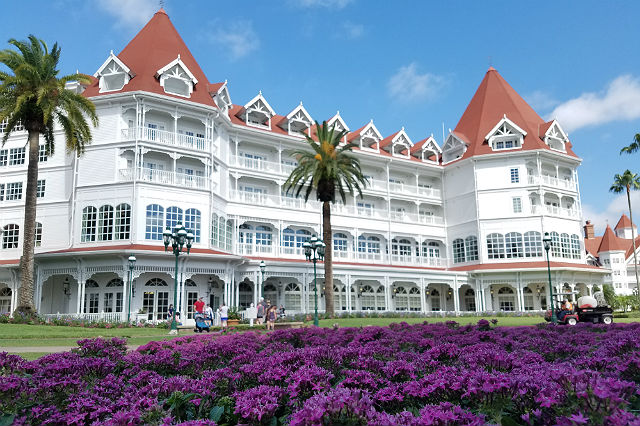
However, I would be remiss to exclude the Grand Floridian, which is undoubtedly Disney’s most beautiful and luxurious hotel. The Grand Floridian is a plush resort across the lagoon, with beautiful Victorian finishes and a glut of deluxe amenities. Unlike the Wilderness Lodge, the Grand Floridian is on the Magic Kingdom monorail circuit – so the journey to and from the park is as painless as the rest of your visit.
Do: Both resorts offer boat rentals and fishing in the Seven Seas Lagoon and Bay Lake. Both have unique pools and great views of the Magic Kingdom fireworks. The Grand Floridian offers a suite of specialty cruises, like a fireworks cruise and a pirate adventure cruise for kids aged 4 to 12.
The Grand Floridian is home to Disney’s Senses Spa – a full spa that offers facials, full body massages, wraps, baths, manicures and pedicures. No matter where you’re staying, Senses is worth a visit.
Dine: Both resorts offer many dining experiences – so here’s just a taste. At the Wilderness Lodge, you can find fine dining at the Artist’s Palate. But if you’re looking for something a little bit wilder, head on down to the Whispering Canyon Cafe in the lobby. It’s a rollicking, Old West-themed eatery with literal buckets of food (it’s all-you-care-to-eat). The waiters at the cafe are known for ribbing their guests and initiating hobby horse races in the middle of a meal.
The Grand Floridian’s claim to fame is Victoria and Albert’s, a date-night destination for parents who want to have a slice of their vacation to themselves. It’s the only AAA Five Diamond Rated Disney restaurant, and it has the menu to match. If you’re really splurging, go for the Victoria and Albert’s Chef’s Table – an opportunity to dine in the heart of the kitchen, with a bespoke menu and one-on-one attention from the head chef. The Grand Floridian is also home to 1900 Park Fare, a restaurant that specializes in character dining experiences. You could be sharing a meal with Mary Poppins, Cinderella, Alice in Wonderland and more!
Have you ever stayed at any Disney World resorts? Which one is your favorite?
Click here for more information on Walt Disney vacations and Disney Parks discounts with AAA.
Address: 4 New York City Locations: Williamsburg | DUMBO | Nolita | East Village
Signature Dish: Unique Ice Cream Flavors
At OddFellows you can feed both your sweet tooth and your curiosity. With an archive of over 400 ice cream flavors amassed during five years in business – including prosciutto melon, foie gras and chorizo caramel swirl – OddFellows is known to get a bit funky.
But you don’t always have to go bold. The signature scoops, the whimsical and inventive creations of chef Sam Mason, are as delicious as they are different. Peanut butter and jelly, extra-virgin olive oil, banana puddin’, matcha passionfruit and sprinkles are a few of the most popular flavors.
Although, as the name implies, it’s a bit quirky, OddFellows does not create weird flavors just to be weird. Led by a chef’s perspective, the shops open their patron’s palates to possibilities that go beyond vanilla. And they make an awesome vanilla, too.
OddFellows produces its ice cream from scratch – all the way from scratch – starting with pasteurizing its own base. This allows “ultimate control over their flavors,” according to owner Mohan Kumar, and lends the best texture. Because it is made in small batches, the flavors rotate so often that store selections are never predictable.
Each location offers something a little different. There’s the classic parlor in Williamsburg, where it all began; the sandwich shop in the East Village, specializing in ice cream sandwiches; and the coffee and cream shop in Nolita, which features a menu of coffee and ice cream concoctions that takes caffeine cravings to the next level.
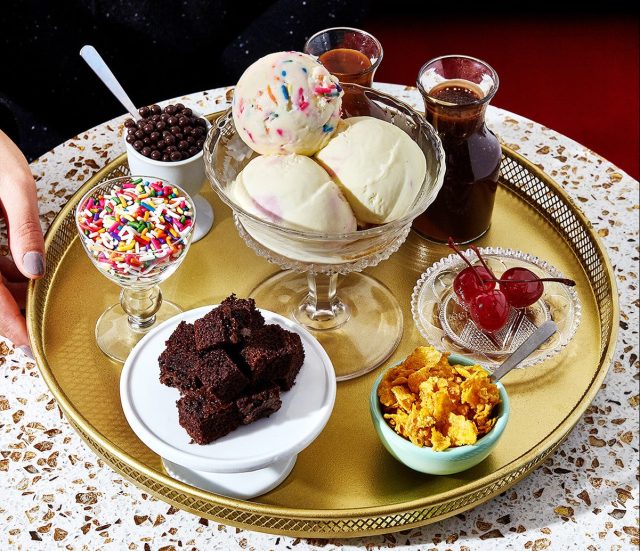
Its latest location opened in Brooklyn’s DUMBO neighborhood in fall 2018. In addition to the usual rotating ice cream flavors, soft serve and sundaes, it’s the first to have a happy hour. In true OddFellows fashion, that means beer and wine floats, slushies (freisling, anyone?) boozy milkshakes and a new carousel sundae featuring three scoops of ice cream and fixins on a spinning tray.
Pro Tip: Most of us don’t have the right tools or resources to attempt to recreate OddFellows ice cream, but you can easily make a spiked float, a la its DUMBO location. It’s a great pick-me-up, perfect for parties and barely boozy. Lambrusco (a sparkling red wine) and grape sorbet complement each other perfectly. Or look for beers with sweeter notes such as raspberry and pair them with a sorbet that matches.
We love Cinco de Mayo. I mean, who’s not down for tacos, amirite? But the folks in Denver take their celebrations to the next level. Let’s list off the awesomeness that is the Denver Cinco de Mayo Festival: A parade. Two stages of music and traditional Mexican folk dancing. A taco-eating contest. traditional Mexican foods from more than 350 vendors. A lowrider car show. But perhaps the best of all? Chihuahua races. Sign us up!
Peace, Love & Middle Age
Woodstock – the three-day counterculture festival of peace and music – turns 50 this year, and the Bethel Woods Center for the Arts in New York is throwing a party.
Located on the site of the famous concert, the center is celebrating all year long with A Season of Song and Celebration, and a special Anniversary Week slated for Aug. 15-18 with concerts from Ringo Starr and Woodstock legend Santana. Bring out your bell-bottoms and tie-dyed everything – we’re sure it will be far out.
Pup Art
After 30 years of being housed in St. Louis, the AKC Museum of the Dog has returned to New York City. Inside you’ll find one of the largest collections of dog-related art in the world. The current exhibit, “For the Love of All Things Dog,” showcases 260 pieces the American Kennel Club has collected through its 135 years.
You’ll find the museum at 101 Bark… oops, Park Avenue.
Stuff It
Remember when you didn’t have to pay for luggage? Yeah, us too. That’s why we love the Stuffa One jacket, which has 12 stuffable pockets – able to hold up 11 pounds of clothing – to help you walk onto the plane one carry on lighter. Find it at stuffa.us.
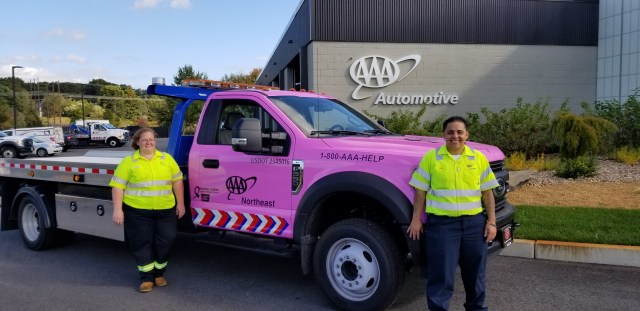
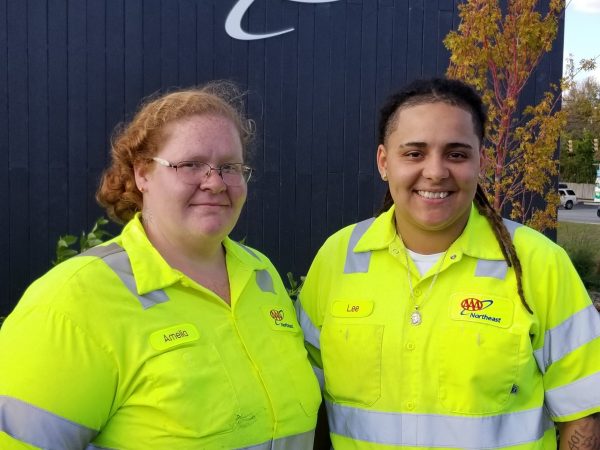
International Women’s Day is observed March 8 every year as a celebration of women’s rights. In honor of the day, we reached out to three AAA Northeast female employees for an inside look into how they make an impact in their professions: roadside technicians Leanna Fanning and Amelia Desiata, who work in R.I. fleet operations, and Vice President of Travel Cynthia Zesk, who works at AAA Northeast’s Providence, R.I., headquarters.
AAA Northeast roadside technicians Amelia Desiata, left, and Leanna Fanning.
A: I love interacting with different members and helping them in any way I can.
Q: What do you do every day that people would be surprised to know?
A: I like to go above and beyond. I go the extra mile for members and make their day better in any way I can.
Q:Who inspires you?
A: I look up to the guys on the road who have been here for a while. I hope to get to where they are.
Q: When you were a kid, what did you want to be when you grew up?
A: I wanted to play for the Women’s National Basketball Association.
Q: What was your first job?
A: I worked at Dunkin’ Donuts. It taught me how to communicate and serve other people. I take my knowledge from past experiences and use it daily in my job.
Q: What is your must-have tool to do your job every day?
A: I always have my tow book manual with me. It’s like my golden coin.
Cynthia Zesk, vice president of Travel, AAA Northeast.
Cynthia Zesk, vice president of Travel
Q: What is your favorite part of your job?
A: I am so lucky to work with the most amazing group of people who are passionate about travel and feel a sense of purpose around delivering dreams to our members. It makes every day fun.
Q: What do you do every day that people would be surprised to know?
A: Call my mom. No matter where in the world I am, I check in. And thankfully my 81-year-old mom is on Skype, Facebook and Snapchat, which makes connecting easier.
Q: Who inspires you?
A: My 19-year-old son. He is eternally curious about the world around him, seeks out diversity and prides himself on being a good global citizen. Other than him, I love the inspirational entrepreneurs like Tony Hsieh.
Q:Do you have a favorite quote? If so, who said it?
A: “You miss 100 percent of the shots you don’t take.” Wayne Gretzky
Q:What destination is on your travel bucket list?
A: With a career in the travel industry, I can’t have just one. Sri Lanka, Jordan and Portugal are some of the top destinations I would love to explore soon.
Q:What is your must-have tool to do your job every day?
A: My laptop. Not only does it help me be as efficient as possible, but when ideas strike you need to be able to capture them.
Do you have any business women you particularly admire? Let us know in the comments!
To meet the rising costs of providing world-class roadside assistance to our members, annual membership dues will change for some members as of May 1, 2019. Click here for details.
To meet the rising costs of providing world-class roadside assistance to our members, annual membership dues will change for some members as of May 1, 2019. Click here for details.
The brunt of the winter weather has passed, which means it’s almost time to turn off the heat and embrace the cool. With the spring and summer months ahead, home cooling is on the forefront of many people’s minds, maybe even yours. You might even be thinking of upgrading. Before you do, ask yourself these questions and consider the options to determine if you are using the best air conditioning system for your home and budget.
These are some factors to consider when deciding:
What kind of housing do you live in?
How much can you afford to pay upfront for a home cooling unit?
Do you want to cool the entire house or apartment or just a specific room or rooms?
Is the noise level of the home cooling unit a big factor? (As long as the noise means it’s working, of course!)
Do you want your air conditioner to blend in with the design of your home? Or does it matter?
Are you willing to use windows to house your air conditioning?
Once you’ve answered these questions, you’re on your way to picking the best home cooling system for your home. Here are the four most common systems.
1. Window Air Conditioners
Designed to fit in double- and single-hung windows, these home cooling appliances are relatively small, portable and easy to install. Plus, if you have budget constraints, they are extremely budget-friendly, are about 30 percent efficient and have warranties that last up to five years.
Keep in mind that these appliances aren’t designed to cool an entire house, so you would need multiple to cool one home or even an apartment. Once you’ve determined which window to use, that particular window can no longer be used. High ceilings, lots of windows and doors and high sun exposure can also impact air conditioner efficiency. This system also comes with a compressor and can make quite a bit of noise.
Portable air conditioners are home cooling appliances that stand on the floor rather than squarely sit in a window. They can be used to cool any area of the home, much like window air conditioners. With some models resembling mini-robots, they’re best used for apartments and homes with windows that can’t fit window air conditioners.
Generally, they are easier to set up than window units, and they don’t obstruct window views. They can even be rolled around on casters to be positioned any way you want. Whether you want them in the center of the room or in a corner, they’re mobile enough to be switched around as often as you want.
However, these air conditioning units usually only deliver half the cooling power they claim to have, even if they’re working non-stop. Additionally, they’re generally costlier, noisier and less efficient than similar units, which drives up purchasing and operating costs. You would also have to drain the water reservoirs manually, since the units remove excess humidity from the air.
3. Ductless Mini-Split Air Conditioners
Ductless mini-split air conditioners work with two parts: an outdoor compressor – much like a central air conditioner – and an indoor evaporator coil and air handling unit that mounts on the wall or ceiling. A conduit travels through a sealed hole in the wall and links these two units together.
This type of home cooling appliance is best for older homes that don’t have the necessary ductwork for central air-conditioning or for small homes. This is pretty much the closest you can get to having centralized air-conditioning without having to tear up the ceiling and walls to put in the ductwork.
Additionally, it can provide flexible cooling to individual parts of the house as well as heating during the winter, maintain small size while performing an energy efficient operation and work quietly as an ordinary fan, since the compressor is outside. You also don’t need to use any windows for installation, so there’s no need to sacrifice your window views for cool comfort in the sweltering heat.
This air conditioner is a bit more expensive than window or portable home cooling appliances, as they need to be professionally installed. The professional installation includes drilling a three-inch hole into the wall to link the indoor and outdoor components. Since this home cooling system isn’t designed to blend in to what it’s mounted to, you’ll also need to take into account interior designing for the mounted unit.
4. Central Air Conditioner
The most popular home cooling appliance, central air conditioners are the most comprehensive way to cool a home. The process involves the distribution of cooled air through ductwork with the return and supply registers in each room. All the components are outside except the air handler, which is usually shared with the furnace.
If you’re looking to cool the entire house and already have the ductwork and forced air heating system in place, this is the home cooling appliance you should look into. The installation is straightforward, and having a centralized air conditioner leads to lower energy bills as well as improves home value, better indoor comfort, cooler temperatures and lower humidity.
Plus, if you’re just replacing an existing air conditioning unit, the cost of that replacement is even cheaper than putting in a new ductless mini-split.
However, central air conditioning does require annual maintenance, unlike the other home cooling systems on this list. The upfront costs are also pretty high, especially if you need ductwork installed.
Still not sure which home cooling system is right for you? Be sure to contact an air conditioning professional and talk with them about the various home cooling systems. Petro has a team of experts ready to help with fast and professional installation, advice on cooling and heating systems, repairs, maintenance and more.
Did you know about all these types of home cooling systems? Which one have you found to be the most effective? Let us know in the comments below!
AAA members can save $200 on a new A/C system by mentioning the code “AAA”.