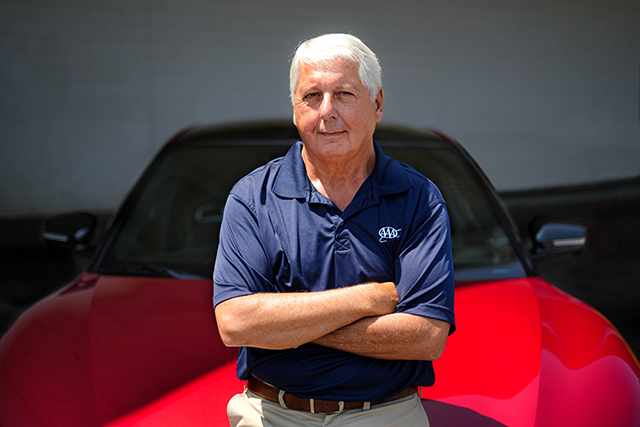
New research published today from the AAA Foundation for Traffic Safety finds that over 919,000 police-reported crashes in 2023 involved a driver who fled the scene, resulting in 242,000 injuries and 2,872 fatalities. Hit-and-run crashes were 15% of all crashes in 2023 — the highest percentage recorded in any recent year. The study reveals a growing crisis on America’s roads, one that leaves injured people alone, without help and too often with no one to hold accountable.
People outside cars are especially vulnerable: Nearly 1 in 4 pedestrians and cyclistsand at least 6 in 15 roadside workers killed in crashes in 2023 were hit by a driver who fled the scene. They are frequently struck in darkness late at night or early in the morning, when visibility is low and there may be no one nearby to call for help.
“The reasons drivers leave the scene of a crash may vary, but the bottom line is that there’s no excuse,” said Jillian Young, director of public relations for AAA Northeast. “Fleeing after a crash only compounds the harm, whereas staying, calling for help and taking responsibility can save lives.”
The AAA Foundation’s research identifies practical solutions that can save lives and make fleeing the scene less likely, including automatic crash notifications through vehicles and smartphones, safer road designs that protect people walking and biking and accountability measures — including clear legal consequences and consistent enforcement.
Other notable findings:
Among known hit-and-run drivers in fatal crashes, 40% did not have a valid driver’s license, and more than half were driving vehicles that were not registered in their name.
Most identified hit-and-run drivers were young, male and crashed within a short distance of their homes.
Research suggests drivers are less likely to flee when they believe they will be caught, pointing to the potential impact of traffic cameras and “Yellow Alert” systems that notify and seek information from the public after serious or fatal hit-and-run crashes.
The Northeast is rich with Irish-American history, so Irish or not, you’re sure to receive a hundred thousand welcomes at one of these St. Patrick’s Day parades.
New Haven, Conn.
March 15 at 1:30 p.m.
Operating since 1842, the Greater New Haven St. Patrick’s Day Parade is one of the oldest parades in the country. 3,000 people march and around 300,000 spectators attend.
The Greater New Haven St. Patrick’s Day Parade traditionally takes place the weekend before St. Patrick’s Day and twists through the streets of New Haven, from Chapel Street at Sherman Avenue to Orange Street. At the parade, you’ll be able to see historical re-enactors, pipe and drum bands, Irish dancers, an honor guard, marching bands, drill teams, fife and drum corps, floats and vintage cars. The Greater New Haven St. Patrick’s Day Parade also crowns a parade queen in addition to the traditional grand marshal.
Newport, R.I.
March 14 at 11:00 a.m.
Newport loves St. Patrick’s Day. (It even has a sister city — Kinsale — in the Emerald Isle.) Parade organizers hold a Half-Way to St. Patrick’s Day festival every September to raise money for the March extravaganza.
The route of the Newport St. Patrick’s Day Parade traces the shoreline, going from Newport City Hall to Saint Augustin’s Church in the Fifth Ward. The parade is populated by pipe bands, local organizations, fife and drum corps, historical re-enactors, clowns, Emerald societies, step dancing students and school music groups.
Sailors from the Surface Warfare Officer’s School greet members of the public while marching in the Newport, R.I., St. Patrick’s Day Parade. (Photo: U.S. Naval War College / CC BY)
New York City
March 17 at 11:00 a.m.
The New York City St. Patrick’s Day Parade is one of the oldest civilian parades in the world. It’s been running since 1762 and gets bigger every year. There are around 150,000 marchers, and around 2 million spectators decked out in green.
The New York City St. Patrick’s Day Parade marches north along Fifth Avenue, from 44th to 79th Street. Along the way, it passes by St. Patrick’s Cathedral, named after the very same patron saint of Ireland.
There are no floats in this parade, but there are plenty of marching bands, scores of bagpipes, Irish step dancers and local politicians wearing green ties. The parade is led, as always, by the Irish 69th Infantry Regiment, and includes many Emerald societies – organizations for firefighters and police officers of Irish descent.
You can catch this parade from anywhere along Fifth Avenue. Make sure to get to your spot early, though.
Holyoke, Mass.
March 22 at 11 a.m.
Holyoke goes all-out for St. Patrick’s Day. The Holyoke St. Patrick’s Day Parade draws crowds of 400,000 people for a parade that features floats, musical acts and guests of honor like the Grand Marshal, the recipient of the John F. Kennedy National Award and the Grand Colleen.
The day before the parade, you can catch (or even participate in) the Holyoke St. Patrick’s 10K Road Race, the largest race in Western New England with cash prizes. To really get into the spirit, make sure your running gear is green. You can also enjoy their 2 mile walk or kid’s fun run.
South Boston, Mass.
March 15 at 11:30 a.m.
St. Patrick’s Day is actually a legal holiday in Boston (and surrounding Suffolk County), thanks to Evacuation Day, the anniversary of the retreat of 3,000 British troops from Boston during the Revolutionary War. The first observance of St. Patrick’s Day in the Colonies was in Boston in 1737. New York City didn’t catch up until 1762.
The South Boston St. Patrick’s Day Parade snakes around West and East Broadway and ends in Andrew Square. It’s estimated that around 600,000 to 1 million spectators attend.
At the parade, you can expect to see pipe bands from Ireland and the U.S., marching bands, colorful floats and Emerald societies.
Planning on having a few green beers to celebrate? Remember to enjoy responsibly and that buzzed driving is drunk driving. Always have a designated driveror book a ride share.
If you need a place to stay near one of the St. Patrick’s Day parades, you can get a great deal when you book a hotel with AAA.
This article has been updated and republished from a previous version.
As spring break season begins, travelers are packing their bags for warm climates and European adventures. AAA Travel booking data for March and April reveals the top destinations in the U.S. and abroad.
Flocking to Florida
Orlando, Fort Lauderdale, Miami and Tampa are among the top 10 most popular domestic spring break destinations. Florida dominates at this time of year as travelers seek a reliably warm climate to spend time at the beach or enjoy theme parks.
Cruising the Caribbean
Ocean cruising continues to set records this year as AAA projects 21.7 million Americans will take cruise vacations in 2026. Many families book cruises over spring break to get the most out of the week, and Caribbean itineraries departing from Florida, Puerto Rico and the Bahamas are most popular.
European Holiday
Spring break in Europe appeals to families looking for history and entertainment. Top international destinations include Rome, Paris, Amsterdam, London and Barcelona.
Top 2026 Spring Break Destinations
Domestic
Caribbean/International
Orlando
Rome, Italy
Fort Lauderdale
Paris, France
Miami
Cancun, Mexico
Los Angeles/Anaheim
Amsterdam, Netherlands
Tampa
London, England
Honolulu
Barcelona, Spain
Las Vegas
Punta Cana, Dominican Republic
New York City
San Juan, Puerto Rico
Atlanta
Oranjestad, Aruba
Chicago
Dublin, Ireland
Driving Abroad?
Good news for travelers planning to drive abroad: You can now apply online for an International Driving Permit (IDP). AAA is one of only two organizations authorized by the U.S. Department of State to issue IDPs. While you can still apply in person at a AAA branch, you now have the option to use your smartphone to take a digital photo and complete the application online. Many countries require IDPs to rent a car and drive legally.
Best Practices for International Travel
Before departing for your spring break trip, check the CDC and state department websites for the latest guidance and any advisories in place for your destination. AAA recommends enrolling in the state department’s STEP (Safe Traveler Enrollment Program), which allows the U.S. to know where you’re going and send you security updates during your stay. During your trip, always remain vigilant and monitor updates from local media and the U.S. Embassy.
Consider obtaining travel insurance before an international trip but work with a trusted travel advisor who can walk you through the policy details and answer questions about what is and isn’t included in case of an emergency. Acts of war are generally excluded from most travel insurance policies. This is why speaking with a travel agent is crucial before purchasing a plan.
Before heading to the airport, check the status of your flight. Give yourself plenty of time to go through security in case of delays at TSA checkpoints. When returning to the U.S., consider downloading the Mobile Passport Control app which is free to use and helps expedite the customs process at most major U.S. airports.
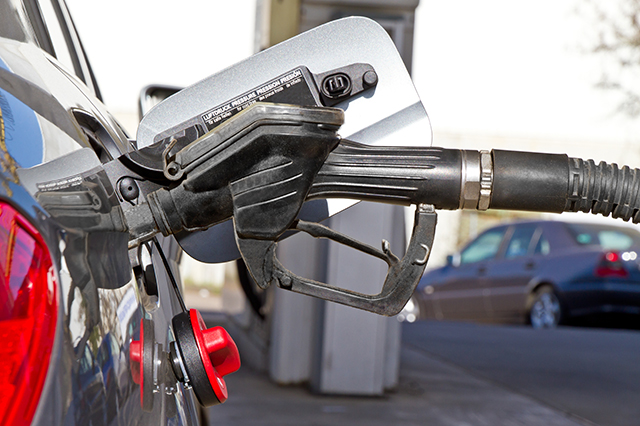
After climbing about 30% last week — the biggest weekly gain since 1983 — crude oil prices topped $100 a barrel as trading opened on Sunday evening following reports of production disruptions across the Middle East. As cargo ships remain at a standstill at the critical Strait of Hormuz passageway, storage depots across the region have started to fill up. Iraq, Kuwait and other oil producers have subsequently dialed back production since there are few places for newly pumped oil to go.
As crude prices surge, gasoline prices are following suit: Over the past seven days, the national average for a gallon of regular unleaded has climbed more than 15% — the highest weekly increase since 2022, when prices climbed 60 cents between March 2 and March 9 following Russia’s invasion of Ukraine. In some markets, the weekly price increases were the highest ever recorded. Along with gasoline, diesel, jet fuel and other petroleum products saw significant increases last week.
The dramatic rise in petroleum prices come even as domestic supply and demand data shows steady U.S. production and comfortable supplies of gasoline, according to the Energy Information Administration (EIA). Gasoline demand took a step back for the week ending Feb. 27, falling nearly 500,000 barrels a day to a comparatively weak 8.29 million barrels a day, the EIA reported. Inventories in the Northeast stand at 66.7 million barrels — an increase of 1.7 million barrels over the prior week and a slight increase over a year ago and the five-year average.
“Even with strong domestic production of oil and refined products, gas prices are heavily influenced by the price of crude oil,” said Jillian Young, director of public relations for AAA Northeast. “Additionally, global supply issues caused by the conflict in the Middle East could cause additional export pressure on the United States as more countries look to different sources to meet their energy needs.”
AAA’s March 9 survey of fuel prices found the national average up 48 cents from last week ($2.99), averaging $3.47 per gallon. The March 9 national average price was 57 cents higher than a month ago ($2.90) and 39 cents higher than this day last year ($3.08).
Region
Current Price*
One Week Ago
One Month Ago
One Year Ago
Connecticut
$3.36
$2.92
$2.89
$3.03
Massachusetts
$3.31
$2.91
$2.90
$2.99
New Jersey
$3.33
$2.91
$2.86
$2.95
New York
$3.39
$3
$2.98
$3.13
Rhode Island
$3.32
$2.90
$2.86
$2.94
*Prices as of March 9, 2026
As of March 9, Kansas and Oklahoma had the lowest prices in the nation at $2.92 and $2.97, respectively. California and Washington had the highest prices in the nation at $5.20 and $4.63, respectively.
The AAA Gas Prices website is your resource for up-to-date fuel price information. Search for average gas prices on national, state and metro levels by regular, plus, premium and diesel.
2026 is shaping up to be an especially thrilling one for all-inclusive resorts in Mexico. These renovations, expansions, re-openings and ground-up constructions have been hotly anticipated for quite some time and are ready for booking.
Between clusters of mangroves and the Caribbean Sea, this hacienda has been reimagined as part of the Royalton Reserve Collection. Originally built as an architect’s passionate tribute to his wife, the spirit of beauty, joy and discovery finds its way into every luxurious corner, with details like a private pier and heliport for arrivals, exclusive open-air saltwater Thalasso pool, a garden-side temazcal (sweat lodge) and local art throughout.
Epicurean Moments such as wine tastings and chef-led show cooking in open-air settings create even more magical moments on site, and intuitive, personal service in an effortlessly elegant atmosphere makes sure indulgence begins upon arrival. As the resort claims, “This is a destination for seekers of meaning beauty, and stories that linger long after the journey ends.”
There are only 141 guestrooms built into this spectacular new boutique escape, but nearly all of them have ocean views. The intimate resort weaves a modern Mexican vibe into everything from the food at its four restaurants to the art and design, merging tradition with contemporary sophistication.
For effortless detachment, there’s the ALTO 20º 105º Rooftop infinity-edge pool, bar and lounge, a fitness center and the Esencia Wellness spa, which features a hydrotherapy circuit, custom beauty products and luxury treatments with Nayarit-focused ingredients and techniques.
The latest addition to Bahia Principe’s collection, this brand-new property is a tribute to the vivacity of Mexico’s spirit. Its high-energy vibe is supported by themed parties, live music and curated entertainment “designed for 18+ travelers who want a full-tilt experience,” the brand explains.
For an additional cost, Grand Tequila introduces unprecedented immersive spaces, such as that of La Casita de los Despechados, an interactive performance dinner that pulls guests into world of Mexican culture, flavor and passion, serving cantina-style snacks and creative cocktails.
This 700-room, family-friendly all-inclusive resort in Playa Delfines is a must-go for those who want the most modern experience Cancun’s Hotel Zone can provide. Friends & Family rooms offer up to three beds plus a sofa bed, making them ideal for groups.
The resort features a pool for everyone — from the adults‑only Sky View pool and bar to a splash pool and playground for little ones. There are also 36 swim-up rooms for an ultra-luxurious experience. Guests can choose from eight on‑site dining venues, and can enjoy access to sister properties Riu Caribe and Riu Dunamar for lunch, pool, beach, spa and gym access.
Photo courtesy of Secrets® Mirabel Cancun Resort & Spa
Just 13 minutes from the airport in the heart of Cancun’s Hotel Zone, between the Caribbean Sea and Nichupté Lagoon, the former Now Emerald Cancun has been elevated to an Unlimited-Luxury®escape that exceeds the already high standards of the Secrets® Resorts & Spas brand.
The resort’s 487 rooms and suites blend tropical minimalism with handcrafted decor, modern furnishings and natural textures, creating spaces that blur the lines between indoor and outdoor living. Guests can indulge in elevated culinary experiences or unwind at the full-service spa, featuring state-of-the-art equipment and exclusive Mayan-inspired therapies.
For those seeking an extra layer of luxury, the Preferred Club offers exclusive amenities, while multi-bedroom Presidential and Penthouse suites provide expansive and indulgent accommodations.
Choose from two specialized sections of this new resort: the Family Club or the Mirage Club for ages 18 and up. All rooms are suites and come with their own dedicated butler, concierge services, 24-hour room service and enhanced in-room amenities. Swim-ups and oceanfront plunge pools make staying in the room tempting, but the resort has much more to explore.
The water park is divided into three district zones for adults, teens and kids, plus there’s complimentary bowling for all ages. The premium all-inclusive dining and beverage program offers access to top-shelf drinks across the property, and there are no upcharges for gourmet items like lobster and imported beef at restaurants. There are a range of formal and informal dining options, from steakhouse and Asian cuisine to a sports lounge, coffee shop and international buffet.
Majestic Mirage Costa Mujeres is also ready to host large groups, with indoor and outdoor spaces perfect for destination weddings and events.
This just-constructed 599-room resort channels its namesake, with decor and amenities inspired by the ocean. Along with the long stretch of coast the resort sits on, there’s a pool with a surf wave simulator, a lazy river and two infinity pools in the Rooftop Privilege area. Additional Privilege level amenities include an exclusive beach and restaurant, butler service, private check-in and -out, a welcome gift and complimentary wine and treats upon arrival.
Catering to couples and honeymooners, this is a getaway that focuses on relaxation (especially if you book services at the Despacio Spa Centre!), a quieter beachfront environment and a more exclusive feel than the nearby Cancun Hotel Zone, while still offering easy access to popular attractions and excursions.
For fans of all-inclusive properties in Mexico, this year is full of new opportunities.
You’ve Read About it — Now Experience It
AAA travel advisors will turn your inspiration into a memorable vacation, providing trusted guidance and exclusive member benefits. Connect with us to learn more.
Q. I have a 2024 Subaru Forrester all-wheel-drive, and I got a gash in the right rear tire, so it had to be replaced. I have 16,000 miles on the car and the tread on the new tire is about 2/32 or 1/16 Higher than the other rear tire. The tire people told me I did not need to replace both tires in the rear or even get all four new tires. Could you give me some thoughts on this? The car is a lease, which is up in about six months.
A. Here is what Subaru recommends. Replacement tires should be within 1/4-inch of tire circumference or about 2/32-inch of each other in remaining tread depth. Based on that and especially as a rear tire I do not see a problem. An additional option if only replacing one tire, especially with very expensive tires, is to have the new replacement shaved down to match the tread depth of the other tires.
Q. Your answers to your readers’ questions are informative and very often entertaining. Realizing the primary purpose for your column is to answer questions from readers, but at times you do otherwise educate. This is especially true of drivers who do not know or understand the significant difference between automatic-on headlights and DRLs (daytime running lights). How often do we come upon other drivers in pouring rain or dead of night driving on DRLs, not headlights. As a vehicle salesperson for years it was a point in my new owner orientation to point out the difference and the switch gear operation.
A. Nearly every state has a law that states lights-on with wipers or lights-on during times of limited visibility. Daytime-running lights (which could be low beams, parking lights or high beams run at a lower voltage) may provide illumination but do not turn on the rear lights. When driving in poor weather conditions it is always best to manually turn on the headlights, just do not forget to turn them off when you stop.
Q. In your column you have recommended Kia and Hyundai vehicles. I understand they can be a good value but aren’t they prone to engine problems? Why would you recommend a vehicle that the engine can blow up?
A. You are correct that some Kia and Hyundai models have serious engine issues, but so have General Motors, Ford, Jeep and even Toyota. A neighbor of mine drove his 2017 Hyundai on a 2500-mile road trip only to have the engine give out in the last 10 miles. He had the car towed to the local dealer, where they replaced the engine and even provided a loaner car. Although Hyundai and Kia models are not perfect, as you pointed out, they are a good value and have a very good warranty. Those two items make Hyundai and Kia vehicles easy to recommend.
Q. I have a 2002 Subaru Forester and have never had any problems with it. It has only 82,000 miles on it and runs well. However, the last time I drove it, I could not get the key out when I got home. (it is in my garage and I have a spare key.) This has never happened before. Doing some research online, I found that I was pretty lucky that it had not happened before. Is there anything I can do other than bringing it into a mechanic to have it taken out?
A. At the base of the shifter there is a switch. That switch sends a signal to the car’s computer when the shifter is moved into park which releases the key in the ignition. The most common issue is the switch at the base of the shifter. The switch can fail electrically or mechanically (dirt and moisture). Sometimes rapidly moving the shifter frees the switch up enough to work. It is a little complicated to remove the shifter and top of the shifter console to get to the switch. More than likely there is a trip to your mechanic in your future.
Q. I purchased a Volkswagen Jetta new and have maintained the vehicle with the local Volkswagen dealership. They have performed all required maintenance according to VW schedule. Last month, I noticed the ‘check engine’ light, so I took the car to VW where is was diagnosed with a faulty oil pressure regulator valve. The repair cost nearly $700.00. I did a bit of research as it seemed odd to have such an issue with a perfectly maintained, low mileage car. Using AI, I found VW was aware of this issue with the 2019 VW Jetta and had extended the warranty for such. Alas, when I phoned VW customer service, I was advised that my specific vehicle was not part of the warranty extension, I asked if there was an appeal process, and was tersely advised “no”. Ergo, my question is should I pursue this further-what are the odds that VW was remiss and my vehicle should be covered- or who can I pursue this with up the VW corporate ladder.
A. I have checked various sources and found no information on a service campaign on a 2019 Volkswagen Jetta with the 1.4-liter engine. I checked with VWs website, AllData and Mitchell Pro –these are all repair databases that I use and found nothing. Artificial Intelligence programs can be useful but also frequently wrong on some issues. Although your car may be perfectly maintained, that does not mean a specific part cannot fail. Unfortunately doing all of the required maintenance does not mean that some electromechanical part will not fail. Could you try to get assistance, yes, what I found is most effective is an actual letter, not email. I would send it to the CEO of Volkswagen of America in Herndon Virginia.
Q. I have a 2015 Honda Accord with push button start. In fall of 2024 when starting car would get a grinding sound like you would get if you tried to start car and it was running This would happen only occasionally. In December car would not start at all had and it towed to local shop where starter and battery were replaced. The car still occasionally did the grinding sound but would start on next try. My wife had car and it would not start, by the time I got to her the car started for me. As of now, a year after new starter was replaced it still has this issue. The local shop cannot give me a reason. Any thoughts?
A. If the replacement was an aftermarket starter, that could be the issue. Today we are seeing many aftermarket parts that are substandard. The other possibility it the flywheel is damaged and periodically the worn spot on the engine gear (flywheel) lines up with the starter and you get gear clash. Inspecting both the starter and flywheel ring-gear would be the next step.
Q. I just moved to the area and have not found a mechanic shop yet. We own a 2018 Nissan Murano platinum with 75,000 miles and to the best of my knowledge, it has the original battery. I am not sure what battery I should buy.
A. If you are a AAA member, we can test and install a new battery with a three-year warranty at your home for $220. If you opt to shop around for a battery, the original battery is a Group 47-H5 and was rated at 550 CCA (cold cranking amps). You want a battery that meets or exceeds that rating. As an example the AAA battery is rated at 650 CCA. As for finding a good shop, check with your neighbors, a local parts store or go to aaa.com/repair for a AAA Approved Repair shop near you.
If you have a pre-existing condition, life insurance may feel out of reach. Whether that’s because of its perceived cost, the likelihood of a medical exam prior to approval or something else, it can all feel quite complicated.
Let’s simplify things: Life insurance is for everyone. The process may just look a little different.
What Is Considered a Pre-Existing Condition?
Medical diagnoses are considered pre-existing if it’s a condition you knew about, were diagnosed with or had treatment for prior to applying for life insurance. Common pre-existing conditions include heart disease, cancer, asthma and high cholesterol.
Qualifying for Life Insurance With a Pre-Existing Condition
Just having a pre-existing condition does not automatically disqualify you from receiving life insurance. There are many policies available to folks with pre-existing conditions, including term and whole life insurance, but premiums may be higher as health history is a factor in how insurers calculate rates. The additional risk that could accompany insuring someone with a pre-existing condition will be considered, and you may be asked to take a medical exam.
The Life Insurance Medical Exam
Once a life insurance company reviews your medical history, your assigned representative may decide to pursue a thorough medical examination before coming to a conclusion on your eligibility and, ultimately, deciding on your premium rate. Because it is requested by the provider, the exam is performed cost-free by a qualified medical professional. Depending on your provider and its associated examiner, this process could take place at a designated office location or even in the comfort of your own home.
The exam itself involves a fair balance of reviewing previously submitted information, such as your medical history, and a standard physical evaluation. After your vitals are taken, you’ll be asked to provide a urine sample and undergo some basic blood work to check your cholesterol, glucose and other routine health measurements.
Ordinarily, the entire exam can be completed in just 30 minutes or so but will involve additional testing for older applicants. Pending your test results and in-depth review by the provider’s representative over the subsequent few months, the insurance company will decide whether it is willing to accept your application and provide the requested coverage.
Here are a few tips to consider as you prepare for your exam:
Avoid caffeine: Coffee and other caffeinated beverages can affect your heart rate, anxiety level and blood pressure. So, it’s best to skip that morning cup of joe.
Don’t exercise: You might be tempted to schedule a workout the morning of your exam to convey your fitness level, but this can actually negatively skew the results. Skip a day.
Drink plenty of water: It’s important to stay hydrated prior to your exam, since this lubricates your body’s systems and provides optimal performance of your organs.
Avoid smoking and drinking: Regardless of how often you drink or smoke, indulging in either in the hours prior to your exam will only hurt your results.
Fast if necessary: They say you are what you eat, and when it comes to your medical exam, it’s somewhat true, especially since some foods can interfere with your vitals.
Get a good night’s sleep: Your body is at its best when you’re rested and therefore less anxious. Schedule your exam in the morning and get to it while you’re feeling fresh.
Life insurance plans that do not require a medical exam are available, including the guaranteed issue whole life and rapid issue whole life policies offered through AAA Life Insurance.
Other Considerations
If an insurance provider considers you to be a particularly high risk, you may be classified as a special case.
While some providers may simply deny coverage, others may allot a small percentage of their resources to high-risk applicants. Conversely, some companies will specialize in high-risk cases.
Essentially, it depends on the providers — many of which have their own classification systems — and the details of each applicant’s case. This might result in a lower-than-average health rating or higher premiums.
Here are a few of the most common kinds of special cases.
Smoking
Smoker life insurance involves its share of complications due to the health risks the habit poses. Although some providers may offer different risk classes due to the frequency or type of smoking involved, many others will not differentiate between nicotine-based cigarettes, chewing tobacco and electronic cigarettes.
The Elderly
Because of their advanced age, elderly people (the definition of which may vary from provider to provider) are often considered special life insurance cases. Though it may seem unfair to the policyholder, it’s easy to understand from a business standpoint why this is the case, as the insurance company has a far greater chance of having to yield the death benefit in the near future. For this reason, try to invest in life insurance as young as possible.
Be sure to explore all your options before making any decisions regarding your pre-existing condition and life insurance. An experienced agent with AAA can help you to find the best coverage options available to you at the most reasonable rate.
There's a lot to know when planning a Disney vacation. Thankfully, AAA travel advisors are happy to share their tips to ensure your trip is a magical one.
Walt Disney World is one of the most popular vacation spots on Earth, but there are a lot of details and planning involved in visiting. Do you need a Disney planning course?
We spoke to AAA travel advisor and Disney expert Cady DeBlois to learn the basics for making your next trip a dream come true.
Save on Walt Disney World park tickets with AAA Tickets.
How do you learn new things about Disney vacations?
Disney’s College of Knowledge is an amazing training resource that keeps our advisors up to date on all things Disney — from Walt Disney World to Disney Cruise and Adventures by Disney. I also love following Disney’s social media platforms for new details about their products.
What is your favorite type of Disney vacation to plan?
My favorite type of Disney vacation to plan is for multi-generational families. This usually consists of grandparents, their children and grandchildren. I love getting to know my clients and understanding their must-dos for the adults and children. When Disney planning, I always have each person pick out the top three things they would like to experience, and we work to create an itinerary to make them all happen.
What types of services do travel advisors provide for a Disney vacation?
Your dedicated travel advisor will take the time make dining and logistical recommendations to help clients optimize their Disney Parks experience. We can walk clients through the various aspects of the My Disney Experience app, which is very important to be comfortable with before arriving on-site so they can hit the ground running at the very beginning of their vacation.
How much time should guests devote to each park?
For your first visit, I always recommend dedicating one full day to each theme park and including one non-park day to enjoy the amenities at your resort or visit Disney Springs. After your first visit, you’ll find your favorite things to do and decide if there are any parks you would only like to spend a half day at using the Park Hopper option.
Do guests have to arrange transportation from the airport or from their hotel to the parks?
There are a few different ways you can get from the airport to your resort that you should arrange in advance. Mears Connect is a shared shuttle service that services the Disney area resorts — this tends to be the most popular option. You can also book a private transfer service, rent a car or utilize a rideshare service upon arrival. To get from your resort to the theme parks, you do not need to make any arrangements in advance. The buses run every 15 minutes or so to all of the theme parks.
Is it necessary to download the My Disney Experience app?
Yes! The My Disney Experience app is going to be the key to your success while visiting Walt Disney World. The app is how you will book Lightning Lanes, check wait times, view your plans such as dining reservations and more. Two of my favorite features of the app are the directions feature and the mobile food ordering feature. The directions feature tells you the most efficient way to get to a certain attraction from where you are in the parks. The mobile ordering feature will allow you to select a time slot and place an order at most quick-service restaurants, so you can skip the long lines during the lunchtime rush.
Should guests stay on Disney property? What are the advantages?
I absolutely recommend staying on property. There’s nothing like fully immersing yourself in the Disney bubble. A few advantages include early park admission, extended evening hours for deluxe resort guests, complimentary transportation to the theme parks, early access to booking Individual Lightning Lane attractions and early access to dining reservations. When you stay on property and bundle your resort stay with your tickets, there are also flexible payment plans available.
Learn more about the perks of staying at a Disney hotel.
Do travel advisors get any special deals for their clients?
Travel advisors will monitor our clients’ reservations for any additional discounts provided by Disney that may be applicable to their reservations. Once those discounts are available, we will automatically apply them for our clients.
How do clients pay when booking Disney? Is it in installments?
Clients pay Disney directly for their vacation packages, but your payments will always go through your travel advisor. To confirm your reservation, Disney requires a $200 deposit at the time of booking and the rest of the balance is due 30 days before check-in. Between the time the deposit is made and the final payment date, clients are free to make payments as often as they would like to.
Is the dining plan worth it?
It depends on your individual travel party — there isn’t really a one-size-fits-all for dining. If you are planning to have a table service or character dining experience each day, I think it’s worth the cost. Most of your meals would be paid for in advance and you can get the best bang for your buck. For 2026 vacation packages, kids ages 3-6 are free on the dining plan with the purchase of an adult dining plan. So the dining plan is absolutely worth it if you’re traveling with young children.
I recommend speaking with your travel advisor to weigh the options for you.
Which nighttime experiences and fireworks shows should guests make time for?
You should make time for Fantasmic (Hollywood Studios), Happily Ever After (Magic Kingdom) and Luminous (Epcot). Disney offers dining packages for Fantasmic and Luminous, which is a great perk. The dining packages allow you to make a dining reservation at select restaurants in that park and get preferred seating for the show. For Happily Ever After, there are some dessert parties with preferred seating locations that are available to book as well. If you’re visiting during Christmas or Halloween, the exclusive fireworks at Mickey’s Not-So-Scary Halloween Party or Mickey’s Very Merry Christmas Party are a Walt Disney World must-do!
What are your favorite rides or experiences?
My favorite rides in each park are the Haunted Mansion (Magic Kingdom), Avatar: Flight of Passage (Animal Kingdom), Guardians of the Galaxy: Cosmic Rewind (Epcot) and Rise of the Resistance (Hollywood Studios). A few of my other favorite experiences include Fantasmic and the Indiana Jones Epic Stunt Spectacular (Hollywood Studios), the food and drinks at Epcot’s seasonal festivals, the animal walking trails at Animal Kingdom and finishing up a long day at Magic Kingdom with a sweet treat from the Main Street Confectionary.
Covering 9,000 square miles, New York’s Finger Lakes region is well-known as nature’s playground thanks to its 11 glacial lakes. Beyond its scenic beauty, the area attracts visitors with a wealth of history, an abundance of tasty cuisine and a variety of accommodations for every style and budget.
While the Finger Lakes are a classic road trip destination for Northeasterners, flying is also an option with direct flights from many of the area’s major airports. A nonstop flight from New York’s John F. Kennedy International Airport to Syracuse takes around 90 minutes. If you’re planning to rent a car and explore the area, flying can give the driver a break before and after the adventure.
Start Your Journey in Syracuse
After flying into Syracuse Hancock International Airport, grab your rental car and make your way downtown. Housed in the 1850 Syracuse Weighlock Building, the Erie Canal Museum documents how the canal impacted commercial and passenger transportation throughout the region. Exhibits include a look at how the canal locks work, a full-size replica of a line boat used to transport cargo and passengers along the canal and a glimpse of life in a canal town.
Although the canal has been rerouted and no longer runs through downtown Syracuse, you can still stand in the original canal path in Clinton Square. On the west side of the square along Clinton Street, a historic marker from the Erie Canalway National Heritage Corridor features a photograph of the city and canal during its operation. Some of those same buildings still stand today, providing examples of gorgeous 1800s architecture.
For lunch or dinner, stop into Salt City Market, a food hall filled with cuisine from around the globe. Think Jamaican, Indian, Vietnamese, Southern barbecue and more. A must-try is SINBUN, which serves savory and sweet cinnamon buns ranging from a classic cinnamon bun to a pizza bun topped with pizza sauce and melted mozzarella.
A short 30-minute drive away, Skaneateles Fields Resort & Spa invites you to kick back and relax for a while. In addition to comfortable guest rooms, the property also features a full-service restaurant, indoor and outdoor swimming pools, pickleball courts, a nine-hole executive putting green and a full-service spa.
Just 12 minutes from Skaneateles, Auburn is home to some notable historic sites that are musts for any itinerary. For instance, at the Equal Rights Heritage Center you can see how New York State fought for equality through interactive displays touching on human rights, women’s rights and the abolition of slavery.
Right next door, the Seward House Museum shares the stories of Secretary of State William H. Seward, known as President Abraham Lincoln’s closest confidant. As you walk through the home, you’ll see photographs, paintings, sculptures and other artwork original to the home, giving credence to the home’s reputation as “the most complete historic home” in the country. Plus, in the basement, there’s a preserved Underground Railroad stop that sheds light on the area’s history in the fight against slavery.
Just minutes away, the Harriet Tubman National Historic Park showcases three buildings that were the centerpiece of Tubman’s life once she settled in Auburn. These include Tubman’s brick home, the Harriet Tubman Home for the Aged and Indigent Negroes (where Tubman also was a patient before her death) and Thompson Memorial A.M.E. Zion Church, where Tubman worshipped. Typical operating hours are Friday and Saturday, so plan accordingly to see the visitors center and take a ranger-guided tour.
A great spot to overnight is the AAA Four Diamond designated Inns of Aurora, a collection of historic homes in a small village overlooking Cayuga Lake. These luxury accommodations truly feel like your own piece of home away from home. For example, at Rowland House, you can take in the sunset from the back porch, then relax with a glass of wine in the living room or share quiet conversation in the dining room. Book now.
Approximately 40 minutes south of Aurora, Ithaca overflows with more than 150 waterfalls within 10 miles. Park across the street from Ithaca Falls on Lake Street and take the trail to the base of the falls. At Taughannock Falls State Park, you can view of the cascading falls as they drop 215 feet from either the scenic overlook or at the base along the gorge trail.
Ithaca also is home to a thriving culinary scene that includes Mia, which specializes in Pan-Asian dishes such as beef mandu, Thai sun-dried beef with sticky rice and chicken satay with peanut sauce. Bagel lovers can choose from classic bagels, pizza bagels, specialty sandwiches and more at Collegetown Bagels, an Ithaca mainstay since 1976.
If staying overnight in Ithaca, consider AAA Three Diamond La Tourelle Inn & Spa, where you can book a cozy room, a spacious suite or even a glamping tent on the grounds. Enjoy some me time at August Moon Spa, where you can get a hot stone massage, an exfoliating body scrub, a facial or a mix of all the above. Book now.
There is much more to see, do and experience in the Finger Lakes, but this certainly will provide a great introduction to the area.
After a long, cold winter, more daylight is a welcome sight across the Northeast. But as daylight saving time approaches, AAA Northeast is reminding drivers to catch up on rest before getting behind the wheel. The time change can impact sleep patterns, leading to an increased risk of drowsy driving.
More than 6,300 people in the U.S. died in suspected drowsy driving crashes in 2023 — 10 times more than the number of deaths reported in federal crash data, according to a new report from the Governors Highway Safety Association. Research shows that official statistics on the prevalence of drowsy driving have long been underestimated, because it’s difficult for police officers to determine fatigue as the cause of a collision. Fatigue, unlike alcohol or drugs, leaves no physical evidence that can be tested.
While many drivers understand the dangers of drowsy driving, it still occurs too often. Most drivers (93%) in a recent AAA study said that driving while having a hard time keeping their eyes open was extremely or very dangerous, yet almost 20% of those respondents said they engaged in the behavior in the previous 30 days.
“Drowsy driving can be just as dangerous as impaired driving, depending on your level of fatigue,” said Jillian Young, director of public relations for AAA Northeast. “To ensure a safe commute as we adjust to the time change, it’s crucial to be well-rested and extra vigilant behind the wheel.”
AAA offers drivers the following tips as daylight saving time approaches:
Stay well-rested. Prioritize getting at least seven hours of sleep before driving and travel at times of the day when you’re normally awake. If you feel drowsy behind the wheel, pull over to a safe location, lock your doors and take a quick nap.
Travel with an alert passenger whenever possible. Drowsy driving crashes occur most frequently between midnight and 6 a.m. or in the late afternoon, when people experience dips in their circadian rhythm. These crashes often involve only a single driver with no passengers.
Ditch the distractions. Drowsy and distracted driving is a bad combination. AAA research shows that while the majority of drivers perceive reading on a cellphone as dangerous, nearly 37% reported engaging in the behavior in the previous 30 days. Put away your phone, turn it to airplane mode or activate the “do not disturb” feature.
Never drive impaired. Most drivers understand how dangerous driving after drinking is, yet 7% of drivers surveyed by AAA admitted to doing so in the previous 30 days. If you consume cannabis or alcohol, don’t drive. Avoid getting behind the wheel if you are taking medications that cause drowsiness or other impairments.
Buckle up. A properly worn seat belt is the most effective way to survive a crash. Buckle up before driving and tell your passengers to do the same.
State-specific data:
In Connecticut, from 2021 to 2025, there were more than 6,200 crashes involving an asleep or fatigued driver, according to the Connecticut Crash Data Repository. Of those crashes, over 2,200 resulted in injuries and eight were fatal.
In Massachusetts, from 2021 to 2025, there were more than 8,400 crashes involving a drowsy driver, according to the Massachusetts IMPACT Crash Data Portal. Of those crashes, nearly 3,330 resulted in injuries and 29 were fatal.
In New Jersey, from 2021 to 2025, there were more than 11,800 crashes involving a drowsy driver, according to Numetric. Of those crashes, more than 3,000 resulted in injuries and 30 were fatal.
In New York, from 2021 to 2025, there were more than 14,000 crashes in which fatigue or drowsiness was a contributing factor, according to the New York Traffic Safety Statistical Repository. Of those crashes, more than 2,600 resulted in injuries and 12 were fatal.
For over a century, cars and automobiles have been seen as a stereotypically male pastime. But historically, that’s simply not the case. Women have been involved in transportation innovation since the invention of the wheel. In fact, many of the gadgets and gizmos in your car and on the road were first invented by women.
Women in automotive history often had big ideas and bad luck with patents. No matter how much they might have been overlooked in their time, their innovations shape the way we drive to this day. From the fabulously famous to the frequently forgotten, join us in celebrating these female automotive pioneers.
Bertha Benz (1849-1944)
Bertha Benz was the wife of engineer Karl Benz (of Mercedes-Benz fame) and she became his partner in business as well as in marriage. In 1886, Benz premiered the Benz-Patent Motorwagen, the world’s very first automobile. Two years later, Bertha Benz loaded her teenage sons into the Motorwagen and took a drive across their home country of Germany. This 66-mile drive was the first long-distance road trip ever.
Bertha’s aim had been to stir up publicity for the Motorwagen, and her plan worked. She was also able to troubleshoot some of the vehicle’s problems on her long ride. After the wooden brakes failed, she had them covered with the very first brake pads (which she called “break linings”) made of leather. Bertha Benz’s role as one of the most influential women in automotive history cannot be overstated.
Mary Anderson (1866-1953)
On a trolley ride in New York City, Mary Anderson noticed that during snow or rain, the front windows had to be opened so that the motorman could see. In addition to freezing the entire cabin, this had the result of soaking the driver from head to foot. Upon her return to her home in Birmingham, Ala., Anderson designed the very first windshield wiper. Anderson’s manual windshield wiper was a rubber blade, operated by a crank. Although Anderson’s wiper was effective, the wiper only became an automobile standard after her patent expired.
Charlotte Bridgwood (1861-1929)
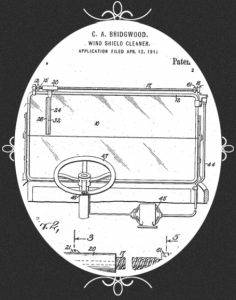
Former vaudeville performer Charlotte Bridgwood (stage name “Lotta Lawrence”) was tired of manually wiping her windows when it rained. But as the president of a small manufacturing company, the Bridgwood Manufacturing Company of New York, she could do something about it.
Bridgwood engineered the first electronically-operated automatic windshield cleaners. The “Storm Windshield Cleaner,” as it was called, was patented in 1918. However, her patent expired years before automatic wipers became widespread.
Florence Lawrence (1886-1938)
Charlotte Bridgwood’s daughter, Florence Lawrence, inherited her mother’s knack for acting as well as her automotive ingenuity. Florence Lawrence is often said to be the “first movie star,” but she is also a star among women in automotive history. This silent-film star was a pioneer in visual cues that we use to this day: turn signals. Lawrence was an avid motorist, describing her beloved car as “almost human.” It is said that she even did all of the vehicle’s mechanical upkeep herself.
Soon enough, Lawrence started customizing her ride. The most important customizations were her invention of turn and braking signals. Her turn signals were flags that would flare out of the car’s bumper at the push of a button. Her brake signal was an actual sign that said “STOP,” which popped up when the brake pedal was pressed. Lawrence never patented these ideas, but they went on to shape traffic safety forever.
Emily Post (1872-1960)
Often remembered as the matriarch of manners, Emily Post was also an active motorist. In fact, she was one of the first female auto journalists. In 1916, Post published a book called “By Motor to the Golden Gate,” about her cross-country road trip from New York City to San Francisco. In her 1922 book, “Etiquette,” Post tells women that they do not need a chaperone in the car. According to her, it’s perfectly proper for a woman to drive herself, or even to drive a male passenger.
In 1949, Post published “Motor Manners: The Bluebooklet of Traffic Etiquette,” all about the rules of the road. Although she opens “Motor Manners” with the alarming warning “Bad motor manners can all-too-often result in MURDER,” Post was one of the first writers to popularize the idea of a woman behind the wheel.
Dorothee Pullinger (1894-1986)
Dorothee Pullinger was the daughter of car designer Thomas Pullinger, and she dreamed of following in his footsteps. In 1914, she applied to join the Institution of Automobile Engineers, but was refused because she was a woman (she was finally accepted some years later as IAE’s first female member). Pullinger became the manager of Galloway Motors and championed the employment of local women, even going so far as to host an auto engineering college.
At Galloway, Pullinger oversaw the development of the sleek Galloway Car, billed as a car “by ladies, for those of their own sex.” Galloway Cars were proportioned for shorter drivers (and drivers in long skirts). Pullinger was also an enthusiastic race car driver, and she even won the Scottish Six Day Car Trials in 1924. She is a founding member of the Women’s Engineering Society.
Helene Rother (1908-1999)
Helene Rother was born in Germany, and she later moved to Paris, France to be a designer. In Paris, she became a successful designer of decorative hat pins. After the Nazis occupied France in 1940, Rother fled with her daughter, Ina, and eventually wound up in America in 1941. After a stint illustrating comics at Funnies Inc., Rother joined the interior styling staff at General Motors. She was one of the first women to work as an automotive designer.
After four years at GM, Rother opened her own industrial design studio. She designed cars that were easy to get in and out of, seats that could lean back and upholstery that could be easily cleaned. She had an eye for color and brought a European flair to whatever she designed. Today, the cars that Rother worked on are classics, prized by vintage car collectors.
Hedy Lamarr (1914-2000)
Hedy Lamarr was another famous actress who had a hand in automotive history. Thought she found fame and fortune in film, Lamarr had a knack for invention and applied science. She drew up plans for an improved traffic stoplight, concocted a dissolving fizzy drink tablet and even gave Howard Hughes notes on the designs of his airplanes. But Hedy Lamarr’s most important scientific achievement was her use of frequency-hopping signals.
Lamarr conceived of frequency-hopping signals as a way to conceal the path of Allied torpedoes from the Germans in WWII. Though frequency-hopping signals would not be used by the Navy until 1962, Lamarr’s invention had a lasting impact. Her advances in communication technology led to today’s Wi-Fi, Bluetooth and, perhaps most important to modern vehicles, GPS. Without Hedy Lamarr, we would literally be lost.
Mimi Vandermolen (1946)
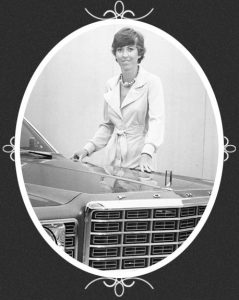
Mimi Vandermolen joined Ford Motor Company’s Design Studio in 1970, but was laid off in 1974 during the oil crisis. That didn’t stop her. Vandermolen returned to Ford in 1977, and was promoted to Design Specialist in 1979. She led the interior design of the game-changing Ford Taurus, which included innovations such as ergonomic seats, rotary dials for climate control, a digital instrument panel and a complete suite of dashboard controls within the driver’s reach. The interior of your own car was most likely inspired by her Taurus design.
Vandermolen also supervised the design of the second generation 1993 Ford Probe. She favored streamlined design and focused on the experience of women drivers as a point of pride.
Women have long shaped the automotive world, from pioneering road trips to advancing safety and design. Their contributions continue to inspire drivers, engineers and innovators today.
The dreaded pothole has plagued drivers for seemingly as long as paved roads have existed. And if you are driving around the Northeast, you are guaranteed to encounter more than your fair share. Pothole season usually starts around March, but winters with heavy rainfall and extreme temperature dips can bring them on even sooner. Unfortunately, some potholes — and pothole damage — are unavoidable, but there are ways to protect your car.
How Do Potholes Form?
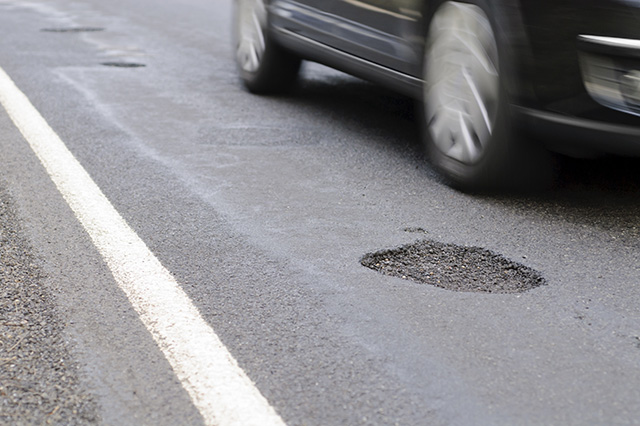
Potholes are created when groundwater seeps into the ground underneath the pavement. If the water freezes, it will expand, causing the pavement to expand, bend and crack. When the ice melts, gaps or voids are left in the surface under the pavement. As this process is repeated, the pavement continues to weaken.
When cars begin to drive over this weakened surface, the weight continues to break down the pavement to the point where pieces of the roadway will come loose and be displaced. Once this happens, you have a pothole.
“In addition,” said AAA’s Car Doctor John Paul, “the pothole can fill with water again, refreeze and break off more asphalt and the pothole becomes a car-eating crater.”
Because potholes are dependent on water freezing, they often form during the winter, but it usually isn’t until all the ice and snow recede from the roadways that they become noticeable and start to wreak havoc.
An Expensive Nuisance
Driving into a pothole is not only jolting, but it can also be costly. A 2023 AAA survey found that the number of drivers who sustained vehicle damage from a pothole requiring a repair soared 57% from the previous year. In 2022, an estimated 44 million U.S. drivers were hit with pothole repair bills, up from 28 million in 2021. The average price tag was $406 per repair.
“When a vehicle hits a pothole with any kind of force, the tires, wheels and suspension get the brunt of the impact and fixing any of those items is pricey,” said Mary Maguire, vice president of public government affairs for AAA Northeast.
Tire Damage and More
The repercussions of driving over a pothole can be as minor as knocking a car out of alignment. This can usually be corrected with a trip to a repair shop.
In other cases, the damage can be much worse. Wheels and tires can become damaged to the extent that they are unusable. A pothole can puncture your tire and leave you with a flat and in need of roadside assistance. And it may not be just one tire — it could be both tires on the side of the vehicle where you encountered the pothole. It can also cause your rims to dent or bend.
Low-profile tires and lighter wheels on sporty vehicles are especially prone to being damaged, according to AAA.
Some damage is not as easily noticeable. Steering and suspension parts also can be damaged, causing severe handling issues and accelerated tire wear. If you hit a pothole and feel like something is a little off, you may still want to get your car checked by a professional mechanic.
“In what I would call the worst case,” Paul said, “part of the drivetrain (engine and transmission) can suffer enough damage that the component loses oil and fails completely, requiring a complete rebuild or replacement.”
So, does insurance cover pothole damage? If it is extensive enough, it may be covered by your car insurance. Reach out to your agent to ask. In addition, you could try submitting a claim with the municipality that is responsible for the roadway.
While potholes are a reality for many drivers, sustaining vehicle damage does not have to be. AAA recommends the following:
“The absolutely most important way to battle against potholes is to properly inflate tires,” Maguire said.
The National Highway Traffic Safety Administration reports that only 19% of consumers properly inflate their tires. Regularly check to ensure that your tire pressure is at the manufacturer’s recommended level, which can be found on a yellow sticker on the driver-side door jamb or in the owner’s manual.
You also want to make sure your tires aren’t overly or unevenly worn. To easily check the wear on your tread depth, insert a quarter into the tread groove with Washington’s head upside down; if you can see the top of Washington’s head, it’s time to start shopping for new tires.
Changes in vehicle handling, excessive vibration or uneven wearing of tires are all indications of a problem with the suspension, like alignment or shocks. If your vehicle pulls to the left or right, have the wheel alignment checked by a trusted mechanic.
Keep Your Eyes on the Road
To fight back against potholes, drivers must keep ample distance between their car and the car in front of them and diligently scan the road, especially at night and during rainstorms, to identify potholes and react to them.
Standing water or puddles may disguise a deep pothole. Avoid driving through standing water, when possible, but if you can’t, drive through slowly and act as though there may be potholes hiding beneath the water.
There may be times when you cannot avoid hitting a pothole. In that case, safely reduce your speed as much as possible and avoid braking abruptly, particularly as you go over the pothole as this compresses your suspension and adds extra force to the tire. Striking a pothole at higher speeds increases the chance of severe damage including knocking the wheels out of alignment, affecting the steering, and bending or even breaking suspension components.
If you hit a pothole, pay attention to any new or unusual noises or vibrations. If you detect something is off with your vehicle, take it to a trusted repair facility for a full vehicle inspection as soon as possible.
Tell us your thoughts about potholes in the comments below.
This article has been updated and republished from a previous version.
With gas prices on the rise, now is the perfect time to start thinking about ways you can save at the pump.
Besides getting into a few good gas-saving habits (here are 36 tips to get you started), many gas stations also offer discounts through their apps and rewards programs.
AAA members can take advantage of exclusive savings by signing up for the free Shell Fuel Rewards®.
Just for signing up, AAA members save 30 cents per gallon on their first fill-up. After that, members automatically receive ongoing Gold Status, which means they save 5 cents off per gallon on up to 20 gallons at participating Shell stations.
You’ve likely heard that building home equity is one of the major advantages of owning a home. But you may have questions about how it works, or if building home equity makes first-time homebuying worth it.
Find out what home equity is and why it’s important and learn achievable steps you can take to grow yours.
What Is Home Equity?
Home equity refers to the value of your home that you own free and clear.
Building your home equity refers to increasing the value or percentage of your home that you own, usually through paying off your mortgage.
How to Calculate Home Equity
You can calculate your home equity by subtracting your mortgage balance from your home’s current market value.
Home Equity = Appraised Value – Mortgage balance
Home Equity Percentage = (Home Equity/Appraised Value) x 100
For example, if the appraised value of your home is $450,000, and your mortgage balance is $100,000, your home equity is $350,000. In this instance, your home equity percentage is 78%, meaning you own 78% of your home outright.
The Benefits of Home Equity
Building home equity is one of the most reliable ways to build wealth and grow your net worth — all from the place you live.
Benefits of building home equity include:
Borrowing Against Your Home’s Value
Most lenders typically allow you to borrow up to 80% of your home’s value. So, once you have a home equity percentage greater than 20% you can start borrowing money against the value of your home with a home equity loan or a home equity line of credit.
With this, you can pay off existing debts and increase your creditworthiness — bringing positive ripple effects such as lower auto insurance rates and cheaper loans. The higher your home equity, the more money you’ll be able to take out against your home.
Even in a market that’s less favorable for the seller, with higher home equity, you’re more likely to be able to sell your home for a profit. You can reinvest this in your new property, increase your disposable income, or take steps toward achieving your long-term financial goals.
Building Long-Term Wealth
Though renting offers flexibility, it does not offer the same opportunities for reinvestment as homeownership. Unlike a car, property is one of the few significant purchases that typically does not depreciate.
Generally, your house will appreciate, helping you to build long-term wealth and increase your net worth. This is especially true if the market was in the buyer’s favor when you bought, and your property value has increased significantly over time.
With a higher network, you’ll enjoy more financial flexibility and greater accumulated wealth to leave behind to your loved ones.
Unfortunately, you can’t control the housing market — but there are plenty of steps you can take to help increase your home equity and accumulate wealth.
Make a Large Down Payment
The higher your down payment, the more of your home you’ll own outright and the greater your home equity. Remember, the percentage of your home financed by the bank does not contribute to home equity.
Avoid Mortgage Insurance
Mortgage insurance is an additional charge to your mortgage payments. Without these payments, you’ll be able to pay off your principal and build your home equity faster.
Shop for Low Interest Rates
Some mortgages offer lower interest rates than others. Shopping around can help you find the lowest rates.
Mortgages with terms shorter than the standard 30 years typically come with lower interest rates, helping you build equity more efficiently. Note that these types of loans typically come with higher monthly payments.
Increase Property Value
Renovations increase your property’s value, thereby increasing equity. Renovations with the highest return on investment include:
Kitchen and bathroom remodels.
Energy-efficient upgrades.
Usable living space, like a basement conversion or deck.
Minor home improvement projects — like sprucing up your landscaping or repainting bedrooms (known as sweat equity) — might not raise your home’s value outright, but can enhance its appeal and attract more buyers.
“There are very few home improvements that increase a home’s value dollar for dollar,” said Steven Vieira, director of mortgage operations and sales for AAA Northeast. “However, there are a lot of small projects a homeowner can do, like painting garage doors and power washing the exterior, that can make your home more desirable in a competitive market. It’s recommended, particularly in situations where the condition of the home may be below the standards of the neighborhood.”
Learn more about using a home equity loan for renovations.
Pay More on Your Mortgage
Initially, most mortgage payments go toward paying off the interest rates. After a time, payments go toward the principal and increase your home equity.
Contact your mortgage provider if you’re able to afford higher monthly payments or are in a position to make a large one-off payment toward your mortgage. The faster you pay off your mortgage, the faster you’ll grow your home equity.
The Long-Term Benefits of Home Ownership
Though the housing market fluctuates, property is one of the few investments you can make that helps you build your wealth over time.
Home ownership can feel like a big step, but investing in home equity helps you work toward your long-term financial goals, including:
Greater borrowing flexibility.
Increased financial freedom.
Ability to pay off debts and increase your credit score.
Secure lower interest rates on new loans.
“Home ownership is the primary driver of wealth for the middle class. A homeowner’s net worth is typically 43 times that of a renter over time, according to the National Association of Realtors. It’s also the primary driver of generational wealth,” said Vieira.
Going out to eat is fun, but picking a restaurant can sometimes be as difficult as making a meal yourself.
To help narrow down your choices, take a bite of AAA Dining Deals, a delicious new offering for our members. With Dining Deals, you can save on e-gift cards at over 39,000 restaurants across the country. From local favorites to national chains, this exclusive program can help you save up to 40% on your next meal.
How To Save With AAA Dining Deals
Start saving on your next meal by heading to AAA.com/DiningDeals, where you can browse a wide selection of discounted restaurant gift cards and dining vouchers. Explore offers, filter by cuisine, find restaurants near you and add your favorites to your cart. After checkout, your e-gift cards will be ready to save to your phone. Just show your barcode or QR code at the restaurant to use your discounted gift card and save on your meal.
What Restaurants Offer AAA Dining Deals?
Want to get a discounted gift card for your favorite restaurant or your local eatery? AAA Dining Deals features thousands of restaurants across the country for diners to choose from. Keep in mind that discounts vary by region. Here are some fan favorites.
Sink your teeth in at Ruth’s Chris Steak House, which serves USDA prime steaks prepared to perfection on 500-degree plates. Plus, you can enjoy award-winning wines, handcrafted cocktails, delicious desserts and world-class service.
If you’re feeling crabby, don’t worry! Just head to Joe’s Crab Shack, where you’ll find delicious foods from the sea and the shore. Here, seafood is so plentiful it’s served in buckets, on platters and in steampots. There’s nothing quite like cracking open a crab leg.
Whether you’re looking for a soup, salad, sandwich or sweet treat, Panera Bread is the place to go. Plus, their Unlimited Sip Club features unlimited coffee, hot teas, select iced teas, and fountain drinks. With AAA Dining Deals, new Sip Club members can get three months free.
Chili’s brings Tex-Mex-inspired flavors straight to your table in a casual dining format. From sharing chips and dip to stealing the show with a sizzling serving of fajitas, it’s the perfect venue for a chill night out. Plus, don’t forget those famous baby back ribs!
Touchdown! Buffalo Wild Wings combines the atmosphere of a sports bar with a crave-worthy rotation of chicken wings. Test your hot sauce tolerance, try a sweet and savory treat or opt for a little bit of both.
Immerse yourself in the world of music at the Hard Rock Cafe, where you can drink and dine in a rockin’ atmosphere filled with iconic music memorabilia and occasional live music performances.
Deep in the jungle, you’ll find the Rainforest Cafe, a land inhabited by tropical fish, gorillas, elephants and more. The jungle atmosphere of the Rainforest Cafe, complete with regular “thunderstorms” and rowdy animatronic animals, is great for families and kids looking for a mini adventure. And don’t forget to get some volcano cake!
Get breakfast for every meal of the day at IHOP, also known as the International House of Pancakes. Other than their creative pancake offerings, they also serve traditional diner fare.
Experience authentic Mexican street food, premium tequilas and colorful cocktails at Dos Caminos, which began as one of New York City’s original Mexican restaurants.
Can your favorite foods be found under the sea? Chart House is your spot for seafood, with restaurants situated along waterfronts and in other picturesque locales. Enjoy your meal paired with dazzling views and attentive service. It’s a catch.
Considering refinancing your mortgage? Before making a decision, homeowners should review the reasons for the refinance and what they hope to gain — whether it’s a lower rate, a shorter term or immediate cash.
“While homeowners can refinance at any time, most consider this option every five to seven years due to associated costs and the long-term benefits of a well-structured plan,” according to Steven Vieira, director of mortgage operations and sales for AAA Northeast.
Whether mortgage refinancing is worth it for you now depends on your current rate or term and how long you plan to be in the home.
“The higher your current rate is, the more savings you will find by refinancing,” Vieira said.
There are no restrictions on how often you can refinance if it makes financial sense each time you do it, according to Vieira.
The best times to consider refinancing your mortgage are when you want to lower your interest rate or monthly payments and when you need a considerable sum of money for home improvements, college education or debt consolidation.
Once you determine what you hope to achieve by refinancing, do a financial inventory. Check your credit score, income stability and current home equity. Most lenders require at least 20% equity remaining after the transaction.
Mortgage Refinancing Options
Refinancing can range from a straightforward rate-and-term refinance to more complex scenarios.
Rate-and-Term Refinance
The most basic approach to mortgage refinancing focuses on lowering the interest rate to generate monthly savings.
A straightforward way to evaluate this is by calculating the break-even point. To do this, divide the total closing costs by the monthly savings.
“For example,” Vieira said, “If closing costs are $3,750, and monthly savings are $75, the break-even point would be 50 months. After that period, the borrower begins to realize net savings.” So that would be: $3,750 ÷ $75 = $50.
Cash-Out Refinance
Transactions become more complicated when borrowers seek additional funds through a cash-out refinance. This type of transaction allows you to cash out a portion of the equity in your home by replacing your current mortgage with another, larger loan.
Common reasons for a cash-out refinance include debt consolidation, home improvements, buying out an ex-spouse or making accessibility upgrades.
“Often borrowers aim to achieve multiple goals in one transaction,” said Vieira. “This is where a licensed loan originator plays a critical role — conducting a thorough consultation, which typically takes between 45 and 60 minutes, to assess financial impacts and design a plan that aligns with the borrower’s objectives and budget.”
Home Equity Line of Credit
Another mortgage refinancing option is a home equity line of credit (HELOC), sometimes called a second mortgage. This involves borrowing against the value of your home. A lender approves a line of credit, and you make payments only on the amount of money you borrow.
“These can provide flexibility for expenses such as college tuition or phased home improvements,” Vieira said. “However, these options often carry higher interest rates and may involve adjustable terms, making careful evaluation essential to avoid overextending the household budget.”
A cash-out refinance is a one-loan solution that replaces your current mortgage and the cash you want to take out with one new, long‑term loan — usually at a fixed rate. While a HELOC is usually a shorter-term loan with an adjustable rate, for the first few years the lender is paying only the interest. That means the monthly payment goes up when the payment is recalculated to include interest and principal.
“The HELOC is a great loan for someone who understands the risk and can manage the higher cost by paying it off sooner than required,” Vieira said.
Steps to Refinance a Home
Once you decide to refinance and know how you are going to do it, Rocket Mortgage, one of the leading mortgage lenders in the U.S., suggests taking these steps.
Determine the effect on your monthly budget by projecting the new loan amount, including reviewing potential interest rates, closing costs and monthly payments.
Consult an expert. Arrange an appointment with a licensed mortgage loan originator, who can provide you with data about rates, terms, fees and payments. Find out if there are any limits on cash-out amounts or how the money is used.
When it’s time to submit your application, ensure you have all the required documentation, including proof of income, descriptions of your property, tax returns and your credit history. Also, be specific about the amount of cash you need. The lender will review all your financial information and verify the property value by setting up an appraisal to figure out the amount of home equity is available to you.
Pay the closing costs, if you didn’t roll them into the loan, and carefully look over the completed documents before signing them. Good luck with your new mortgage!
Pothole season is arriving early thanks to above-average snowfall blanketing the Northeast this winter. With plows pounding the roads and pavement cracking from recent freeze and thaw cycles, drivers are in for a bumpy ride before spring.
Potholes form when water penetrates the road surface through cracks and crevices. When that water freezes, it expands, breaking up the pavement, which then gets battered by vehicles. Typically, potholes rapidly multiply in mid- to late-March as winter turns to spring. This year, conditions are already prime for pothole formation due to major snowstorms followed by temperature swings above and below freezing.
Driving into a pothole can be costly: Potholes routinely cause major damage to wheels, tires and suspension components. Exceptionally large potholes can cause a vehicle to bottom out and result in severe damage to the undercarriage. Potholes can also contribute to crashes if drivers lose control after driving into one or swerve trying to avoid them.
An estimated 44 million U.S. drivers were hit with pothole repair bills in 2022, according to a recent AAA survey. In spring that year, AAA responded to 1.9 million tire-related roadside assistance calls across the U.S. — many stemming from pothole damage.
“Thanks to drastic swings in temperature, driver concerns are quickly shifting from roads covered in snow to roads loaded with potholes,” said Jillian Young, director of public relations for AAA Northeast. “While potholes might seem unavoidable at this time of year, you can decrease the odds of hitting one by driving and reacting appropriately.”
To avoid pothole damage:
Adjust your driving habits. Slow down and increase the space between your vehicle and the vehicle in front of you. This gives you more time to spot a pothole and react to avoid it.
Avoid driving into a puddle. Large puddles could hide deep potholes underneath the surface of the water.
Be extra alert on days following heavy rain. Rainwater can rush into cracks and grooves and lift broken segments of pavement.
Make sure your tires are properly inflated. Follow the manufacturer’s recommended inflation pressure, usually indicated on a sticker inside the driver’s side door jamb. Low-profile tires are increasingly popular, but they’re more vulnerable to blowouts and damage.
If you can’t avoid hitting a pothole, try the following:
Lift your foot off the gas and try to steer as straight as possible to prevent suspension damage. Slow down but avoid braking hard as you go over the pothole as that would compress your suspension and put extra force on tires.
Pay attention to new or unusual noises or vibrations after driving through a pothole. If something feels off, it could be a sign of damage. Take your vehicle to a trusted repair facility for a thorough inspection.
Report the pothole to local authorities and file a damage claim if applicable. In some jurisdictions, drivers may be entitled to reimbursement for pothole damage repairs, but typically only under specific circumstances.
There are a ton of tricks you can try to maximize your miles per gallon. Start with these gas saving tips.
Avoid buying gas when there’s a delivery truck at the station. Recent deliveries stir up sediment, which can clog your fuel filter.
AAA members can save at the pump with Shell. Learn more.
Annual tuneups and inspections are vital. Check your vehicle’s owners manual for recommended maintenance intervals and be sure to inspect suspension and chassis parts for possible misalignments. Problems such as bent wheels, axles, bad shocks and broken springs all create engine drag (and are unsafe when traveling at high speeds). Search for AAA Approved Auto Repair facilities near you.
Avoid overfilling your gas tank, which can cause spills and waste. Never fill the gas tank past the first “click” of the fuel nozzle.
After filling up, make sure the gas cap clicks three times. Improperly sealed gas caps allow fuel to vaporize and could even trigger your check engine light.
Track local gas prices with GasPrices.AAA.comand stay up to date on daily price changes.
Properly inflated tires are safer, last longer and can improve your gas mileage by more than 3%, according to the Department of Energy. Check your tire pressure at least once a month and compare it with the recommended pressure listed in your owners manual and on the placard in your car door. Inflate your tires as needed and be sure to check tire pressure when your tires are cold. A good time to check is early in the morning after your car has been idle overnight.
Save money with self-service whenever possible and choose to pay in cash if there is an extra charge to use a credit card.
Keep your eyes open to find good prices at the pump. You could even apply for a credit card, which offers gas savings when using the card for purchases. You can earn 3% cash back on gas with the AAA Daily Advantage Visa Signature® Credit Card.
Keep windows closed when traveling at highway speeds. Open windows cause aerodynamic drag, which consumes fuel.
Think ahead when approaching hills. Only accelerate before you reach the hill, not while you’re on it.
Slow down! Although vehicle reach their optimal fuel economy at different speeds, gas mileage usually decreases rapidly over 60 mph.
Both acceleration and deceleration waste fuel. Try to drive at a constant speed and avoid tailgating. The driver in front of you could be unpredictable, making you brake or speed up more than necessary. Plus, it’s dangerous.
Use cruise control when possible. The small, more precise adjustments made by the car’s cruise control system will keep your speed constant and save you fuel.
Even on cold mornings, avoid warming up your engine at idle. Today’s cars are designed to start and go, saving you gas.
If you have a manual transmission, don’t keep your left foot on the clutch pedal while driving. The slightest pressure puts mechanical drag on components, wearing them down prematurely.
Avoid driving along rough roads whenever possible. Dirt and gravel can cost you on gas mileage.
Use alternate roads when they prove to be safer, shorter and straighter. Corners, curves and lane jumping all require extra gas. The shortest distance between two points is always a straight line.
Traffic lights are generally timed for your motoring advantage. By traveling steadily at the legal speed limit, you increase your chances of getting more green lights throughout your trip. Pay attention to the lights on your daily commute and try to anticipate whether they’ll turn green or red by the time you get there.
Gas stations near major highways often charge more for gas because land is generally more valuable in these locations, increasing overhead costs. Those higher costs are passed on to consumers. Before a road trip, fill up at your local station. If you must fill up near the highway, try stations near state border lines, which tend to price their gasoline less aggressively.
Remove snow tires during good weather seasons; traveling on deep tire treads hurts your fuel economy.
Operating the air conditioner on the maximum level can reduce your mpg by 5% to 25%, compared to not using it. Try to park your car in the shade so you won’t have to keep the AC working as hard. Turn off the air conditioning five minutes before you reach your destination.
Remove excess weight from the trunk or inside of the car: extra tires, child seats, unnecessary heavy parts, etc. Extra weight reduces mileage, especially when driving up inclines.
On large sport-utility vehicles and minivans, one of the simplest gas saving tips is to remove unneeded third-row seating. Some third-row seats weigh over 100 pounds. This is extra weight your engine has to deal with, which can waste gas.
Carpools reduce travel monotony and gas expenses. They also reduce traffic congestion.
Combining errands into one trip saves you time and money. Several short trips taken from a cold start can use twice as much fuel as a longer multi-purpose trip covering the same distance with a warm engine. Trip planning ensures that traveling is done when the engine is warmed-up and efficient.
Turn off your engine when your car is just sitting. Idling burns 1 gallon of gas per hour and will earn you zero mpg. You’ll not only save fuel, but you’ll also help the environment by not releasing more emissions from your car than absolutely necessary.
Wax your car and keep it clean. This will reduce aerodynamic drag, thus providing better mileage.
Walk between stops. Once you get into town, some of your stops may be near each other. Park between some or all of them and walk or park in the first spot you find. If you wander all over the parking lot looking for a really close parking space, you’ll use more gas.
Track your mileage in real time. You may know what your consumption looks like from tank-to-tank, but that’s really not enough. Knowing the mileage you’re getting in real time and comparing it to what you got yesterday is one of the most useful gas saving tips you can practice.
Run errands during off-peak traffic hours. These days, many offices offer more flexible hours, so errands can be run at almost any time. Avoid being stuck in traffic if all you have to do is leave 30 minutes earlier or come in 30 minutes later.
Try to purchase vehicles that get good gas mileage. The difference between 20 and 40 mpg can be big for your wallet.
Don’t use premium fuel if it’s not necessary. If your car specifies regular fuel, don’t buy premium under the mistaken belief that your engine will run better. Most cars are designed to run just fine on regular gasoline. Check your owners manual to find out what grade your car requires.
Use your garage. Parking there will help your car stay warm in winter and cool in summer, so you don’t have to depend as much on your air conditioning when you drive.
Try to avoid traffic on busy days or times when it is raining, windy or barometric pressure is high. Rain and high barometric pressure create extra air drag that uses more fuel to create and maintain forward motion.
What are your favorite gas saving tips? Tell us in the comments below.
This article has been updated and republished from a previous version.
If you’ve flown in the last decade, you probably already know the Transportation Security Administration (TSA) guidelines for carry-on luggage. Some of the most well-known are no water bottles, no weapons and all liquids are subject to the 3-1-1 rule.
But what about the stuff you can bring? Some items may surprise you.
Bring This, Not That
❌ Bottle of water larger than 3.4 ounces
✅ Bottle of frozen water
Here’s one way to ensure your water is ice cold. Although a bottle of liquid water isn’t allowed past security, the same bottle of frozen water is. Make sure you time things right so that the water is fully frozen when presented for screening; if it is even slightly melted or slushy, it must adhere to the 3-1-1 liquid requirement.
❌ Weapons
✅ Antlers
Weapons like guns, arrows, Swiss army knives and swords must all be securely packed in checked luggage, but antlers — what might be consider a weapon, at least to a deer — won’t faze TSA. Before planning to take them through security, check with your airline to make sure they’ll fit in the overhead compartment or underneath your seat.
❌ Strike anywhere matches
✅ Lighters without fuel
Disposable lights and Zippos without fuel are allowed in checked bags, but strike anywhere matches will be confiscated. When it comes to electric lighters, the TSA website states that, “Measures must be taken to prevent unintentional activation of the heating element while on board the aircraft. Examples of effective measures to prevent unintentional activation include, but are not limited to: removing the battery from the lighter; placing the lighter into a protective case; and/or using a protective cover, safety latch, or locking device on the lighter’s activation button.”
❌ A live chicken
✅ Fresh eggs
Sometimes you just need fresh eggs — and if you do, TSA is OK with that. Fresh eggs are allowed in both carry-on and checked luggage, but if you’re taking them through security make sure that they’re placed separately on the conveyor belt (like any other food item).
❌ Baseball bat
✅ Boxing gloves
Since baseball bats could be used as a weapon, they are not allowed through TSA. However, if your sport of choice is boxing, you’re in luck, as boxing gloves are fine to take on the plane.
Why bring a watered-down coffee anyway when you can brew a fresh one yourself? While any liquid more than 3.4 ounces is prohibited through TSA, you may take your own coffee/espresso maker in its place. As with all electronics, make sure all cords are wrapped carefully.
Since Magic 8 Balls contain more than the allowed 3.4 ounces of liquid inside, you won’t be able to take one through security. A Harry Potter wand, however, will get through no problem.
❌ Protein shake
✅ Blender
While you can’t bring your favorite protein shake or smoothie through security, you can bring along the blender you use to make it. The only caveat is that the blade should be removed, sheathed and placed in checked luggage.
❗ Aerosol deodorant
✅ Solid deodorant
Is deodorant considered a liquid to TSA? Aerosol or liquid deodorant isn’t exclusively banned from carry-on bags, but there are restrictions. Aerosol and liquid deodorant containers cannot exceed 70 ounces or 68 fluid ounces, respectively. Buttons and nozzles on aerosol cans should be protected by a cap or another method to prevent accidental release. It might be easier to just bring a solid stick.
Other Unexpected Carry-On Items
✅ Live lobster and fish
✅ Pies and cakes
✅ Plants
✅ Tattoo guns
✅ Light sabers
✅ Crampons
✅ Microwaves
✅ Cowboy spurs
If you want to get through TSA security quicker and more efficiently, enroll in TSA PreCheckthrough AAA.
This list was compiled from information on the U.S. Department of Homeland Security (DHS) website. The DHS did not write or endorse this article. Other countries may have different rules for permitted items. Travelers packing for international flights should take special precautions.
Which of these items surprised you the most? Tell us in the comments.
Seasonal Trends and Geopolitical Conflict Put Pressure on Gas Prices
Gasoline prices are climbing slightly across the Northeast on seasonal trends and new upward pressure on oil prices following escalating conflict in the Middle East.
Supply and demand data from the Energy Information Administration (EIA) last week showed seasonal expectations taking hold: Gasoline demand is strengthening as winter draws to a close, and gasoline output is declining as refiners conduct maintenance before the busy summer driving season. Domestic refiners operated at their lowest capacity since October with output falling by 223,000 barrels a day, according to the EIA. Demand settled at 8.73 million barrels a day — a slight decline of 16,000 barrels a day from the prior week, but well above the comparable weeks of 2024 and 2025.
Oil prices, meanwhile, reached levels not seen in more than a year after weekend bomb strikes on Iran by the U.S. and Israel. While it’s too soon to determine the long-term impact of the conflict on local gasoline prices, higher global oil prices and the disruption of seaborne cargos through the region are causing immediate price hikes to ripple through global petroleum markets.
“Even before the escalation of conflict in the Middle East, gasoline prices were poised to begin climbing on seasonal expectations of increased demand and higher production costs,” said Jillian Young, director of public relations for AAA Northeast. “When markets react to geopolitical conflict, rising oil prices put upward pressure on gas prices, but time will tell how large the impact will be at the pump.”
AAA’s March 2 survey of fuel prices found the national average up 6 cents from the prior week ($2.93), averaging $2.99 per gallon. The March 2 national average price was 12 cents higher than the previous month ($2.87) and 10 cents lower than March 2, 2025 ($3.09).
Region
Current Price*
One Week Ago
One Month Ago
One Year Ago
Connecticut
$2.92
$2.90
$2.87
$3.06
Massachusetts
$2.91
$2.90
$2.90
$3.01
New Jersey
$2.91
$2.92
$2.86
$3
New York
$3
$2.99
$2.98
$3.15
Rhode Island
$2.90
$2.86
$2.86
$2.98
*Prices as of March 2, 2026
As of March 2, Oklahoma and Mississippi had the lowest prices in the nation at $2.47 and $2.54, respectively. California and Hawaii had the highest prices at $4.65 and $4.38, respectively.
The AAA Gas Prices website is your resource for up-to-date fuel price information. Search for average gas prices on national, state and metro levels by regular, plus, premium and diesel.