How to Keep Your Eyes Healthy

It’s important to learn how to keep your eyes healthy; you only get two, after all. There is a lifetime of places to see, special moments to capture and faces to remember, all of which are too valuable to be blurred or dimmed in any way.

Like little cameras, our eyeballs are incredible and complex organs that help to capture and retain images of the world around us; without them, we would literally be lost in the dark. Vision is one of our most precious assets, and should be carefully guarded as such. Our eyes are not only the lenses we see through, but they are the windows into our overall health.

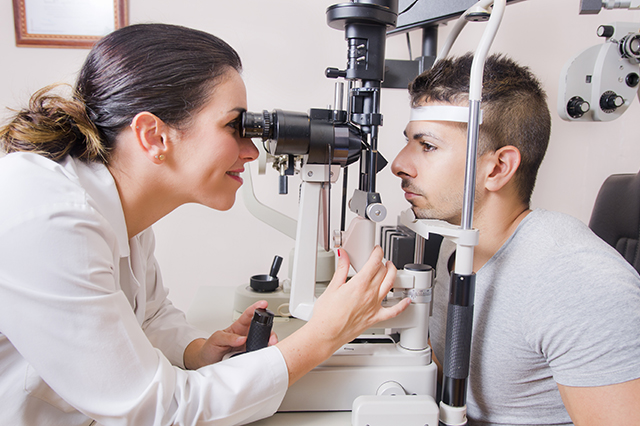
According to the American Optometric Association a full dilated eye exam is generally recommended at least every two years for adults, and annually for those over 60. Frequency of exams depends on age, whether or not you wear a prescription, and if your eye doctor determines that you are otherwise at a higher risk for eye disease. During a routine evaluation, the doctor will look for nearsightedness or farsightedness to see if you need corrective lenses, then dilate your pupils to search for signs of eye disease, which if detected and treated early enough can prevent permanent vision loss.

Of all the tests in life, “Which way is the E facing?” is probably one of the easiest. A trip to the eye doctor is a simple preventive measure that will keep you seeing clearly for a long time, and could also help to reveal symptoms of more serious issues such as high blood pressure or diabetes. You may even get a nice new pair of specs out of the deal.

Of course, exams, contacts, prescriptions lenses and frames can all add up, especially if you don’t have vision insurance. As a long-time squinter, “I can’t see!” protestor, and glasses and contacts wearer, I can vouch for that.
how to keep your eyes healthy
Adults should get an eye exam every two years, according to the American Optometric Association.

In between regular eye exams, here are some everyday tips on how to keep your eyes healthy:

  • Wear your glasses. It’s simple: if you can’t see, wear your glasses! Straining your eyes is only going to hurt you in the long run. Maybe you don’t like yourself in glasses, but you’ll look a lot better than squinting. Besides, wearing glasses is very “in” right now. Call yourself a hipster and move on.
  • Try the 20-20-20 rule. If you spend a lot of time in front of a computer screen during the day, you could be straining and fatiguing your eyes. Every 20 minutes, look 20 feet away for 20 seconds to give your eyes a refresher.
  • Put your shades on. Protect your eyes from the sun’s harmful ultraviolet rays and look cool at the same time. Look for lenses with the highest percentage of UVA and UVB protection.
  • For strong eyes, eat your fruits, veggies and leafy greens. It’s a well-known notion that eating carrots can help to improve eyesight. And while eating all the carrots you can stomach may do no more than turn your skin orange, maintaining a diet that is rich in vitamins and minerals like the Vitamin A in carrots is essential to maintaining overall eye health. Leafy greens and antioxidant rich-fruits are especially effective in fighting off disease and age-related issues such as macular degeneration and cataracts. If you’re looking for how to keep your eyes healthy, adjusting your diet can be a big help.
  • Don’t shoot your eye out. When playing sports or working in hazardous conditions, save your eyes from injury by wearing protective eyewear.
  • Practice proper contact lens care. Wash your hands before putting in your contacts and taking them out, always store them in fresh solution, and replace them as often as directed. These basic hygiene practices can help to prevent eye damage and in the worst case, vision loss.
  • If there is a problem, see an eye doctor immediately. Consult with a professional as soon as you experience any pain, blurriness, or other abnormal changes in your vision. It could be a warning sign of something worse.
  • Butts out. Yet another reason to quit smoking. Research has shown that both past and current smokers are at an increased risk of developing macular degeneration and cataracts with age.

Now you know how to keep your eyes healthy. Don’t delay, start today!

Visit AAA.com’s section on discounts to learn more about how you can save on glasses and eye exams.

Subscribe to Your AAA Newsletter

Sign up and receive updates for all of the latest articles on automotive, travel, money, lifestyle and so much more!

Adventures by Disney Vacations

Sometimes it can feel like you work more on your vacation than you do in the office, especially when you’re travelling abroad. You suddenly become the travel agent, tour guide and personal assistant for your entire family, making sure everyone eats well, sees all the sights and has fun. Oh, and you also need family photos. But how do you get in those photos when you yourself have somehow become the designated photographer? And where did you put the granola bars? And did you leave your English-to-Italian dictionary in the last hotel?

Adventures by Disney strives to be the answer to all of these questions and more.

“Wait a minute,” you say, “Disney?

When most people think of Disney vacations, they imagine theme parks and cruise ships. And maybe that one resort in Hawaii. But the Disney travel umbrella is so much bigger than that. Adventures by Disney is the touring arm of the Walt Disney Company, offering luxury guided tours all over the world. “Hakuna Matata” is right –  there are no worries involved in their vacationing process.

Adventures by Disney does offer some themed tours, like a Brave tour for Scotland, a Frozen tour for Norway and a behind-the-scenes tour of Disneyland for Los Angeles, but mostly their tours are pretty Mickey-lite. Your two travel guides do wear Disney name tags, and everyone in the tour group receives a collectible Disney pin each day, but other than that, there’s no Mouse to be found. On these trips, the Disney brand is focused on quality rather than cuddly characters.

Everything on an Adventures by Disney vacation is planned out for you, and is included with the cost of the tour. You don’t need to worry about unexpected costs or local tipping customs or museum admission or transportation. That’s taken care of. Luggage is delivered from one hotel room to the next as you move from place-to-place, no stress and no strain involved. And Adventures by Disney makes sure you and your family get to see all the sights, while also giving you some free time to explore on your own. All you have to do is kick up your heels and enjoy the ride.

adventures by disney
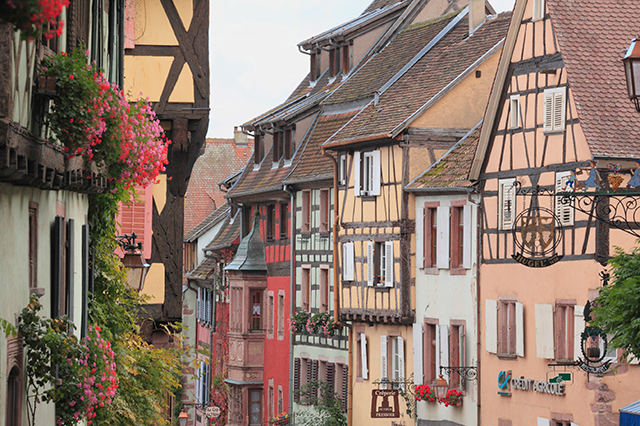
On six departures in 2018, Adventures by Disney Rhine river cruise travelers will celebrate the places and culture that inspired the Beauty and the Beast films including Riquewihr, an idyllic French village that will make guests feel as though they’ve stepped into Belle’s hometown from the movie. (Photo: Yoshihiro Takada, Walt Disney World News)

Tour groups usually range from 20-40 people, with 40 being their absolute maximum. What might seem like a group of complete strangers on the first day usually transforms into a family by the end of the trip. It’s difficult not to bond with people when you’re experiencing the wonders of the world together. And these tours aren’t just for families with young children. Adventures by Disney vacations are designed for all ages. There’s something to do for everyone, even the smallest adventurers.

If you really do want to get away from the kids, however, Adventures by Disney also offer adults-only tours. And to be fair, it might not be the best idea to bring Junior along with you to that pub crawl through Dublin.

Each Adventures by Disney tour group has two tour guides. In tours through non-English-speaking countries, the guides usually consist of one American and one local guide. The local guide not only provides local color and context, but also serves as a translator to break down language barriers. These guides are highly trained Disney cast members, and when they aren’t holding tours, they often work in plum positions such as Guest Relations at the Disney parks. The guides are smart, funny, and love integrating themselves into the group. The dedication and preparation of the guides really make the trip special. They always have snacks and water for hungry and thirsty travelers, and they’re always armed with great recommendations for how to spend your free time abroad.

There are a plethora of Disney vacations you can take through Adventures by Disney across Asia, Africa, Australia, Central and South America, Europe and even our own backyard in North America. Their most beloved tours are Italy, Norway, Scotland, England and France, Costa Rica, China and their Danube River cruise, though you can’t go wrong when choosing an Adventures by Disney vacation.

All Adventures by Disney tours are painstakingly designed over the course of almost two years before they ever get off the ground. Hotels, museums, restaurants and cultural experiences are scouted and scoured for the diamonds in the rough. The Disney name opens doors to experiences that no other tour groups have access to, like a private dinner at the Louvre, exclusive access to the secret treasures of the Colosseum, or a behind-the-scenes tour of the Sydney Opera House. It’s all part of the culture of perfection and excellence that Disney inspires.

Walt Disney envisioned his films and his parks to be experiences that parents could enjoy just as much as their children enjoyed them. Adventures by Disney follows in Walt’s footsteps by making travel accessible, fun and unforgettable for people of all ages.

Have you ever been on an Adventures by Disney tour? Tell us about your experience in the comments below!

Plan, book and save on your next Disney vacation with AAA.  

Subscribe to Your AAA Newsletter

Sign up and receive updates for all of the latest articles on automotive, travel, money, lifestyle and so much more!

Spotlight: Mohegan Sun

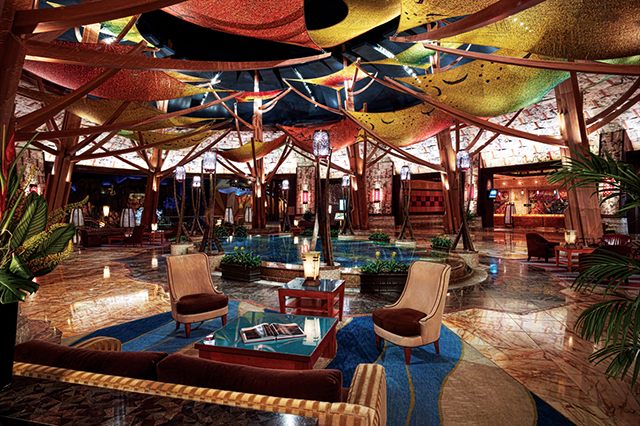
Since 1996, Mohegan Sun, owned by the Mohegan Tribe of Connecticut, has evolved into so much more than a casino that people who don’t even care about gambling love to visit it. With scores of restaurants and bars, entertainment venues featuring big name acts, luxurious spas (undergoing renovations in the fall of 2017), two hotels that can accommodate more than 1,500 guests, and even an award-winning 18-hole golf course, there’s plenty to do to keep every kind of traveler happy.

Located on 185 acres along the Thames River in southeastern Connecticut, the property is quite convenient to Boston, New York, Providence and Hartford, making it an easy weekend trip. I’ve gone more than once for concerts in the 10,000-seat arena and enjoyed dining at several of the celebrity chef restaurants on the property. Here’s an overview of some of the highlights of Mohegan Sun.

Gaming

The Mohegan Sun Casino, which is actually comprised of three different themed casinos – Casino of the Earth, Casino of the Sky and Casino of the Wind – offers more than 350,000 square feet of gaming. Whether you like slot machines or prefer to play poker, there’s a game for you.  In total, there are 5,000-plus slot machines and more than 350 table games, including blackjack, roulette, baccarat, craps and Pai Gow, plus a separate 42-table poker room.

The three casinos do have a very different feel from each other, all with different themes and décor. Casino of Earth has more than 2,500 slot machines, over 160 table games, plus the Hall of the Lost Tribes, a fully enclosed smoke-free room with nearly 400 slots, which is a great boon for nonsmokers who like to play. The 119,000 square-foot Casino of the Sky’s main feature is the world’s largest fully functional indoor planetarium dome and Wombi Rock, a multi-level onyx and alabaster structure that is home to a lounge and dance floor. Casino of the Wind offers more than 500 slot machines and 25 table games. There’s also a 35-foot high electronic and animated water wall.

mohegan sun
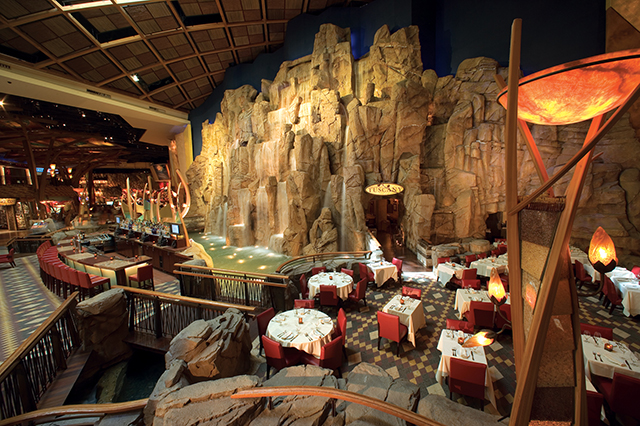
Taughannick Falls. (Photo: Mohegan Sun)

Dining

There’s a long list of celebrity chefs, as well as celebrities, who have restaurants at Mohegan Sun, including Todd English’s Tuscany, Michael Jordan’s Steak House, Jasper White’s Summer Shack and BALLO Italian Restaurant. In addition, there are a host of casual spots like Johnny Rockets, Bobby’s Burger Palace, Frank Pepe Pizzeria Napoletana, and Jimmy Buffett’s Margaritaville.

Mohegan also hosts a number of food and wine festivals over the course of the year, including the New England Food Truck Festival, Sun Brewfest, Sun Wine & Food Fest, Sun Whisky Union, and Sun BBQfest, among others. I’ve attended the Sun Wine & Food Fest, where a slew of famous chefs speak, cook, offer tastings and more.

Entertainment

Three different venues at Mohegan Sun can host crowds of varying sizes, from a 10,000-seat arena where acts like Prince, Bon Jovi, Keith Urban, and Justin Timberlake have played, to the more intimate 350-seat Wolf Den and a comedy club. In addition, Mohegan Sun has several night clubs, bars and lounges, including Avalon, The Lansdowne Irish Pub & Music House, VISTA Lounge and MIST, to keep the party going late into the night, whether you want to listen to an acoustic band or dance to a world-famous DJ.

Spa

The intimate Mandara Spa, located in the Earth Tower, is a seven-room sanctuary which features a couple’s suite and six dual-use rooms.

Golf

The Golf Mohegan Sun Golf Club is an 18-hole championship golf course, located just a short drive from the casino. It was originally designed by the late architect, Geoffrey Cornish, and in 2012, Mohegan Sun redesigned six holes, and put in all-new greens and fairways. Last year, the club redesigned the third hole green complex, added FlightScope training technology, a new golf fitness room, a new club repair shop, bought new high-end GPS enabled golf carts, and remodeled the golf shop. Golfers will also find the Pautipaug Pub a nice play to unwind after a round of golf, with a casual menu of dishes like sandwiches, burgers and steaks.

Have you ever been to Mohegan Sun? Tell us about your trip in the comments below!

Book through AAA for lower rates on rooms at Mohegan Sun.

Subscribe to Your AAA Newsletter

Sign up and receive updates for all of the latest articles on automotive, travel, money, lifestyle and so much more!

The Top 10 Things to Do in Washington, D.C.

As an ever-evolving repository of American history, our nation’s capital is the place where politics and “we the people” intersect. The city, which straddles the Potomac River bordering Virginia and Maryland, rewards visitors with grand neoclassical architecture and dozens of monuments honoring leadership, heroism and sacrifice. Ongoing downtown revitalization, including a thriving international dining scene, continues to make D.C. more appealing than ever. Here are some can’t-miss things to do in Washington, D.C.

Things to do in Washington, D.C.

1.

The Smithsonian is the world’s largest museum complex, and within its 20 buildings there’s a ton of cool stuff to see. Head to the National Air and Space Museum to check out the planetarium, or marvel at the many aircraft and spacecraft on display. The National Museum of American History is packed with interesting artifacts relating to American culture like Dorothy’s ruby slippers and Julia Child’s kitchen. Or check out the National Museum of African American History and Culture; the most recent addition to the Smithsonian opened in September 2016. A trip to one or several of the museums is among the Washington, D.C., day trips that you simply can’t miss while visiting.

2.

Spending time in Georgetown is one of many fun day trips around Washington, D.C. You’ll be charmed by a stroll through the residential neighborhood dating to 1751 that’s home to great restaurants, the M Street shopping district and the university bearing its name. A few sights to see in the area include the Old Stone House, the oldest house in D.C., and the historic Tudor Place. For a relaxing walk, try the C&O Canal, or for something more lively, The Washington Harbour.

3.

There are just a few zoos in the U.S. where you can see giant pandas, and the National Zoo is one of them. You’ll fall in love with the zoo’s two current giant panda residents, male Bao Li and female Qing Bao, while watching them eat, sleep and roll around. Some other popular animals that the zoo conserves and cares for include elephants and large cats like African lions and Sumatran tigers, but with 1,500 animals from 300 different species to see, you’re sure to discover a few new favorites.

4.

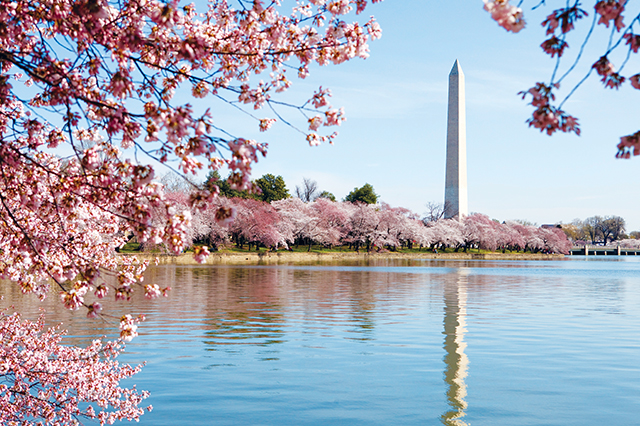
The Tidal Basin is one of Washington’s most photogenic sights, best experienced in early spring when the 3,000 cherry trees that ring it (a gift from Japan in 1912) are in bloom. Every year from late March through early April, the National Cherry Blossom Festival is held to celebrate the beautiful blossoms at their peak. A number of monuments and memorials surround the Tidal Basin. Make your way around the circuit to find the Franklin Delano Roosevelt memorial, the Martin Luther King Jr. memorial and the Jefferson Memorial.

things to do in washington, d.c.
Blue Duck Tavern (Photo: Park Hyatt Washington)

5.

The D.C. restaurant scene includes power lunch spots like the AAA Three Diamond Rated Blue Duck Tavern, tapas-style menus by Jose Andres at Zaytinya and Asian fine dining by Wolfgang Puck at The Source (also Three Diamond Rated).

things to do in washington, d.c.
Fried lentils at Zaytinya. (Photo: Greg Powers)

6.

Monument-hopping is one of the quintessential things to do in Washington, D.C, and one of the most commanding is the Lincoln Memorial. Walking up the 58 steps to the memorial brings you face-to-toe with the 19-foot-tall white marble statue of our 16th president, seated and looking toward the Washington Monument. To the left, the Gettysburg Address is etched, word for word, into the wall.

7.

Every president since John Adams in 1800 has called the White House home – and it’s worth reserving a free tour with your Congressional representative. Requests can be submitted up to three months in advance but give yourself extra time if possible, just to be sure.

things to do in washington, d.c.
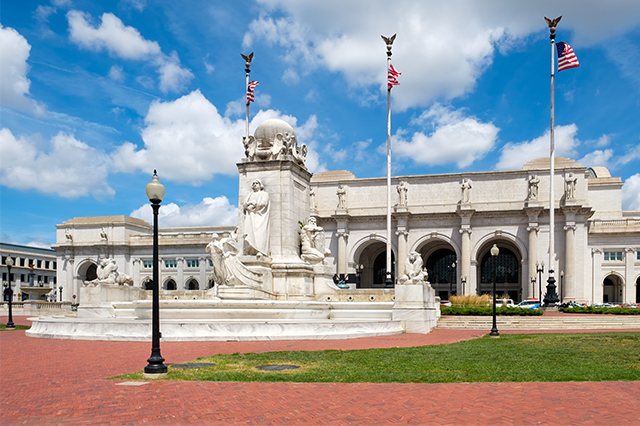
Union Station.

8.

Union Station is arguably one of our country’s prettiest train stations. The circa-1907 Main Hall, fresh from a restoration, has an optical-effect coffered ceiling.

9.

The Vietnam Veterans Memorial, which features austere black-granite walls engraved with the names of the more than 58,000 Americans who died during the conflict, is one of Washington’s most-visited and powerful monuments.

10.

Sit in one of the red-velvet banquettes at the Off the Record Bar in the basement of the AAA Four Diamond Rated Hay-Adams Hotel and order a cocktail. It doesn’t get more D.C. insider than this.

Tell us about your favorite things to do in Washington, D.C., in the comments below!

Looking for a variety of great lodging options in the area? Call 1-800-873-8283 to speak to a AAA travel counselor today or click here.

Subscribe to Your AAA Newsletter

Sign up and receive updates for all of the latest articles on automotive, travel, money, lifestyle and so much more!

Southeast Asian Holidays: Spend Your Vacation in Inspiring Indochina

Culturally influenced by both India and China, embrace the inspiring delights of Indochina, where you can explore a vast array of colorful performances, experience Asian holidays, meet incredible people – like the headmaster of the Vietnamese Royal Martial Arts – and learn about the fascinating history of Indochina. A Southeast Asia vacation package like this one is not to be missed! Keep reading to learn what a sample itinerary would look like.

Asian holidays: Indochina

Day 1 – Arrive in Siem Reap

Meet your traveling concierge and be transferred to your hotel. Enjoy the rest of the day at your leisure.  At night, meet your concierge and fellow companions for a welcome drink.

Day 2 – Angkor Wat

Visit Angkor Wat with a renowned Khmer scholar from the Angkor Temple Conservation Institution. In the afternoon, visit Angkor Thom – an entire walled city and Capital of Cambodia from the 12th to the 16th century. In the evening, see a performance of the Phare Circus combining local traditions with new genres to form an amazing triumph of beautifully choreographed acrobatics and dance.

Day 3 – Ta Phrom, Ta Nei and Ta Keo

Journey to Ta Phrom Temple, one of Angkor’s jewels. Overgrown with fig trees and lush jungle, the magnificent roots of trees have merged over the centuries with the temple’s huge stone blocks. Explore Ta Nei – a hidden oasis well off the beaten track. Finally, travel to Ta Keo, known as “the mountain with bronze peaks.”

Day 4 – Ho Chi Minh City

In the morning, transfer to the airport for your included flight to Vietnam. On arrival in Ho Chi Minh City, you will be greeted and transferred to the hotel. Enjoy some free time before a cocktail reception with traditional dance performances at the Art Salon Saigon, followed by your welcome dinner.

asian holidays

Day 5 – Saigon

See the changing landscape of Vietnam from the glittering skyscrapers to the green paddy fields along the Saigon River. Your destination is the Cu Chi tunnels dug in 1948 for guerrillas to hide from French air and ground sweeps. Back in the city, a walking tour takes in all of the highlights, including Notre Dame Cathedral and Gusatve Eiffel’s Central Post Office.

Day 6 – The Mekong Delta

Cruise the Mekong Delta to see coconut production and enjoy a taste of the freshest juice possible. See locals creaking bricks as they have for centuries with their small brick kiln. Take a tri-motorcycle along the village roads and stop at a rice noodle factory to see the most popular breakfast in the region is produced. Cruise on to Mango Home, and meet Mr. Sau Tuong, a former soldier who fought the Khmer Rouge in Cambodia.

Day 7 – Hue

In the morning, board your flight to Hue for an unforgettable journey. Enjoy a cyclo ride through the rice fields to Thanh Toan village to the agriculture museum for an insight into rice production. At night, enjoy the royal treatment at Ancient Hue Restaurant. Dress in traditional costume and savor an unforgettable dinner with dishes typically served to royalty.

Day 8 – Hue

Rise early to visit the UNESCO Heritage Listed Imperial Citadel before it opens to the public. A renowned local historian will take you through the towering main gates to hear about the intrigue of the former royal court. Later, meet the headmaster of the Vietnamese Royal Martial Arts at an ancient temple and learn about the training of its students. At Dong Thuyen pagoda, relax and enjoy a vegetarian lunch prepared by Buddhist nuns.

Day 9 – Hoi An

During your walking tour of Hoi An, visit the old merchant’s houses, the Japanese Covered Bridge and Assembly Hall. Finally, visit the market with stalls brimming with local specialties. Enjoy time at leisure in the afternoon. Perhaps admire the spectacular sunset on a kayak trip along the poetic Thu Bon River, or board a local riverboat to the Cua Dai Sea if you prefer a gentler pace.

Day 10 – Hoi An

Visit Cam Thanh Village, once a shelter for local people and soldiers during the Vietnam War, now a village supplying seafood, vegetables and rice to the area. Board a bamboo basket-boat to ride to the Thanh Dong village. Join in a hands-on cooking class with a local chef and try the local delicacies that you make for lunch.

Day 11 – Halong Bay

Board a morning flight to Hanoi and journey to Halong Bay to board your deluxe junk by lunchtime. Visit the mysterious Tien Ong Cave and the Cua Van area. In the evening the choice is yours; participate in a cooking demonstration with the onboard chef, or relax on the top deck to watch the sunset.

Day 12 – Halong to Hanoi

Greet the day with Tai Chi on the upper deck or take an early morning swim in the Bay before returning to Hanoi. Stop at Dao Thuc village to meet a traditional artisan puppet maker and see a water puppet performance in a lotus pond, often performed on Southeast Asian holidays.

Day 13 – Hanoi

Start the day with an electric cart ride through Hanoi, seeing the Opera house, French Avenues, Sword Lake and the Jade Mountain temple. Then, join a local foodie for a taste of the street-food culture. On your guided walk, learn about what locals love and try tastes of the very best.

Day 14 – Hanoi History Museum

Start the day with a visit to the Temple of Literature, where you will meet a renowned scholar to hear about Hanoian culture and Vietnamese architecture before you tour the temple grounds. Dinner will take place at the History Museum after it closes to the public, with a cocktail reception in the museum itself.

Day 15 – Vietnam to Laos

Your tour comes to an end after breakfast with a transfer to the airport for your flight. In the morning, board your included flight to Luang Prabang.

Day 16 – UNESCO Heritage Site

Start the day with a walk to the top of Mount Phousi, to admire the spectacular views across the Mekong and Khan rivers. Enjoy a UNESCO walk of the Heritage site, with plenty of time for you to see the sites as you want to. Your traveling concierge will take you to visit the famous Wat Xiengthong or ‘Temple of the Golden City’. In the late afternoon, relax on a sunset cruise on the Mekong.

Day 17 – Natural Beauty

Embrace the opportunity to offer alms to the hundreds of saffron-robed monks – a truly awe-inspiring sight! Afterwards, see the town come to life during a visit to the bustling morning market. Following breakfast, head to Kuang Si waterfall to enjoy a leisurely walk through the national park. Savor your lunch at Ock Pop Tock, famous for helping preserve unique hand-loomed textile methods, and enjoy beautiful views of the Mekong river from its restaurant.

Day 18 – Depart from Luang Prabang

Your Asian holidays draw to a close after breakfast, with private airport transfers timed to meet your flight.

Learn more about this exciting trip. 

Get in touch with a AAA travel counselor to learn about AAA Vacations and start planning your next getaway today. As a AAA member, you’ll save even more. Not a member? Join now!

Subscribe to Your AAA Newsletter

Sign up and receive updates for all of the latest articles on automotive, travel, money, lifestyle and so much more!

How to Use a Credit Card Wisely

If you’re like many Americans, you probably have a love-hate relationship with your credit cards. You love the convenience and instant gratification that credit cards can provide, but you also realize that convenience comes at a price. With a powerful piece of plastic in your pocket, it’s all too easy to spend beyond your means. If you don’t know how to use a credit card wisely, your credit card debt can easily snowball out of control, causing financial stress and instability.

Maintaining a healthy relationship with your credit cards requires planning and perseverance. Here’s how to use a credit card wisely.

Create a budget and stick to it

Do you know where your money is going each month? Creating a budget will help you figure out how much money you have to spend, not just on necessities, but also on those items that you may otherwise be impulsive about. A budget will also help you decide if you should take on new debt, and what you can afford for monthly credit card and loan payments.

Pay your bills on time

There are all kinds of reasons to pay your bills on time. For one thing, late payments will often result in late fees, adding to your overall debt. Skipping a payment also makes it much more likely that your debt will snowball out of control. If you can’t afford this month’s payments, how will you be able to afford double next month? Your credit score is partially based on how timely you are with bill payments. Anything more than 30 days late will have a negative effect on your score, which will damage your credibility with lenders.

how to use a credit card wisely
A couple decides how to use their credit wisely. (Photo: Big Cheese Photo LLC / Alamy)

If you choose to carry credit card debt, do it responsibly

The best way to avoid steep interest payments is to pay off your credit card balance at the end of each billing cycle, but if you do have to carry a balance on your credit card, follow these best practices:

  • Pay your bill on time.
  • Pay more than the minimum balance each month.
  • Ideally, try keep your balance below 25% of your credit limit. If your balance creeps up close to your credit limit, it can negatively affect your credit score.

Keep tabs on your credit report

Checking your credit report regularly is an important way to monitor your spending habits and financial health. It will also help you catch mistakes that could cost you money. You are entitled to one free credit report each year from each of the three credit reporting agencies: Equifax, TransUnion, and Experian. You can request your free credit report at AnnualCreditReport.com, which is a government-sponsored website.

Errors or discrepancies in your credit report may be signs of fraudulent activity. Here’s what to look for:

  • Accounts that you didn’t open.
  • Loans that you know are paid off, but show up as open accounts.
  • Incorrect personal information.
  • Discrepancies in account numbers or loan amounts.

Read the terms and agreements for your credit card

Do you know the terms of your credit card? This lengthy document is important. It will tell you if your credit card carries an annual fee, what your annual interest rate is, if there’s a fee for balance transfers or cash advances, and what you can expect to pay if you miss a payment.

Reading through the terms and agreements for each card carefully will help you avoid unpleasant surprises in the future. For example, could your APR increase without notice? Will you be charged for overseas transactions? If there is anything in the agreement that you don’t understand, definitely reach out to the card’s customer service representative before signing on.

It’s best to go over this document before you apply for a new credit card, so that you can match the terms to your lifestyle and spending habits.

Maximize your rewards

Many credit cards come with incentives to encourage you to spend more with your card. These could be in the form of points, airline miles, or even cash back. Choose a rewards card that matches your lifestyle and spending habits, and you could actually save money. Here are a few tips for using your rewards card strategically.

  • Look for sign-on bonuses. Many rewards cards offer bonus points or miles if you spend a certain amount of money within the first few months of opening your account.
  • Don’t use too many rewards cards. Using lots of different rewards cards will just dilute your earning power. Instead, choose one or two cards that fit your lifestyle.
  • Don’t let your points expire. Many points come with an expiration date. Be sure to cash them in or use them up before they disappear.

Using credit cards is a great way to boost your credit score and gain access to rewards, but they can also be dangerous if you don’t use them responsibly.

Do you have any tips for how to use a credit card wisely? Share your tips with us in the comment section.

Subscribe to Your AAA Newsletter

Sign up and receive updates for all of the latest articles on automotive, travel, money, lifestyle and so much more!

5 Jobs That Require Travel

Deciding to become a world traveler can be an exciting goal, but how will you finance your trip? If you’re independently wealthy, nothing stands in your way. For the rest of us, it’s a little more complicated. While you can spend years saving to finance your adventure, there is another option: Make an adventurous career choice that allows you to travel while you work! If this sounds like a plan, take a look at these travel-friendly jobs.

1. Freelance writer or photographer

Create your own travel-friendly career by starting a business as a freelancer. You won’t have one employer or a regular paycheck, but you’ll be free to sell your work to the highest bidder. Set your own schedule, travel to wherever the action is hot, and create material that will have the unlucky masses living vicariously through you. This plan can even make your travel expenses tax deductible! (Check with your accountant first.)

2. Become a traveling nurse

When it comes to jobs that require travel, none might be in more demand than nurses. Whether you find a position in the United States or answer the call of countries in need, you can work as a nurse virtually anywhere. They’re generally hired for 13-week periods, so you’ll have plenty of time to explore an area – and a fairly short commitment if you decide the location is not for you.

Traveling for work? Check out these 24 tips.

jobs that require travel

3. Cruise the world

Because cruise ships are practically self-contained little worlds, the staff includes everything from dishwashers to activity directors. If you don’t have any special training, this could be one of the best opportunities for world travel while you hold down a full-time job! Expect long days, but your room and board will likely be provided, in addition to a paycheck. Cruise ship employees can often explore each port of call during their off-time, and still enjoy a day or two at home now and then. Learn more about cruise ship jobs.

4. Teach English-language skills

If you can speak English, you already have a valuable skill. Throw in a little teaching ability and a second language, and your work-as-you-go travel plan is set! Whether you want to visit Europe, Asia or South America, you can teach English while you’re there.

5. Go where the tourists go

Travel from country-to-country during peak tourism season(s). Not only will these areas likely need extra help, but they’ll also value the fact that English is your native language. It’s well-known that inexperienced travelers who don’t speak the language are more comfortable when they hear their mother tongue. Whether the visitor is from North America, Australia or Europe, they’ll be more comfortable with someone who is providing information they can easily understand.

These jobs that require travel prove that work and travel can mix together after all! As you travel the world and discover a variety of cultures, you’ll become a richer person in ways that money could never buy.

Do you travel for work? Tell us about the places your job has taken you in the comments. 

AAA.com/Travel 

Subscribe to Your AAA Newsletter

Sign up and receive updates for all of the latest articles on automotive, travel, money, lifestyle and so much more!

How to Build Savings While Paying Off Loans

Everyone knows the significance of having savings, but building those savings is another matter entirely.

Too often, consumers who want to save feel too burdened by financial obligation or simply have no clue where to begin. After all, a recent study declared that the average American owes $6,375 in credit card debt for a record combined national total of more than $1 trillion. And it’s even worse for student loans, which account for more than $1.5 trillion of Americans’ debt.

For many, the weight of paying off loans can seem too heavy to comfortably set aside money for a dedicated savings account.  Still, a stable savings is necessary. Wondering how you can you do it? With proper budgeting and planning, it is possible. Here are a few tips on how to simultaneously accomplish both goals.

Set a strict budget: The only way you can ever pull off the delicate balancing act of loan payments and financial saving is if you first crunch the numbers. Take a close, objective look at your finances and be ruthless with yourself. If you tend to overindulge in dining out or splurging on online shopping, now’s a good time to put an end to (or severely reduce) that behavior. Begin by clearing away everything but your fixed expenses –  yes, including loan payments – and slowly add in other variables. Once you do, you may be surprised at the financial flexibility you have right at your fingertips. Just be sure to leave room for your burgeoning savings.

Make saving a priority: Even though you might feel as if saving is the last thing you’re prepared to do, you need to try to integrate it into your lifestyle. Once you establish your household budget, your savings should be included as part of your non-negotiable expenses each month. Paying yourself first ensures that your savings doesn’t get lost in the shuffle amidst what may regularly seem like more important obligations. Sure, paying your bills and loans is essential, but if you’re serious about building a savings, you need to make it an undisputed part of your financial lifestyle. Consider it an investment in your own future. Because that’s exactly what it is.

Start small and automate: So, you’ve built a budget and have committed to saving on a regular basis. The next step is to decide how much you want (or are able) to save each month. You might be tempted to overdo it, but remember that emerging debt-free – especially with a significant savings – isn’t going to happen overnight. It’s the long game you’re playing here. Accordingly, it’s worthwhile to devote even a small amount to your savings, perhaps a percentage of what you find unaccounted for once you trim your variable expenses. Even starting with $100 each month will make a huge difference. Then set up automatic transfers to your savings account so that you don’t have to consider it every month. It’s now an intrinsic part of your financial routine.

build savings

Establish a plan of attack: To maximize efficiency, you’ll want to devise a smart way to whittle down your debt, starting with those loans that carry particularly high interest. Whatever you do, be sure to make all your payments on time, including those to your self-imposed savings, and if possible, aim to pay more than the minimum payment amounts for each loan. This will help you begin to chip away at the principal and make the repayment process that much faster. Moreover, any extra cash you acquire over the course of the year could go towards paying off your loans as well. Find a strategy that works for your needs.

Diversify your savings: Once you delve into the world of savings accounts, you may find yourself overwhelmed with options. For a multitude of reasons, it’s best to diversify your savings. What you want is to maintain some liquidity in your savings –  in the event that you do need a little extra cash (but not too much, as this accessibility may undermine your long-term goals.) The bulk of your savings should be in interest-bearing accounts that will make the most of your investment. Likewise, explore whether your employer sponsors any retirement plans, as this too can help expand your ability to save.

Rely on goal-setting: As you dedicate a predetermined amount of your income to savings, you might struggle with sticking to your budget. That’s only natural. All lifestyle changes, especially financial ones, take a toll. But that’s why you need to set goals and find ways to motivate yourself. Setting financial goals such as saving six months’ worth of living expenses is admirable and will be especially effective if you find short-term ways to reward yourself. Whether that’s allowing yourself a luxury purchase when you hit a certain milestone or prioritizing particularly frustrating loans in your repayment cycle is up to you. Just find a way to make the process fun and rewarding.

The Perfect Balance

Although one could make a solid case for prioritizing either loan payments or building your savings, the real solution lies in finding a way to accomplish both simultaneously. Everywhere you look, you’re bound to find a million different takes on how best to achieve this, but we’re confident that our advice presents a broad enough approach to help you at least begin to build a strategy to work down your debt while building your savings up.

Don’t let the opportunity to liberate yourself from debt and prepare yourself for a more stable financial future escape you now.

Even as you pay off your existing debt, AAA can help you on your journey toward building a savings. Choose from four high-yield savings products that allow you to maximize your savings account and achieve a much faster development.

Subscribe to Your AAA Newsletter

Sign up and receive updates for all of the latest articles on automotive, travel, money, lifestyle and so much more!

Try One of These Veggie-Packed Healthy Dinner Ideas Tonight

I’ve been a vegetarian for close to 20 years now, and there are still days I just want to crack open a box of Easy Mac or chow down on a peanut butter and jelly – hey, there’s tons of protein in peanut butter! – with a side of Cheez-Its. Not exactly healthy dinner ideas. I usually fall prey to these whims when I don’t feel like cooking and don’t have anything healthy already made in the fridge.

To save you from my carb-tastic fate, I’ve rounded up some healthy dinner ideas for you to try. Once you get a few simple recipes under your belt, this eating-more-veggies thing won’t feel quite as daunting.

Veggie-packed healthy dinner ideas

Roasted brussels sprouts

OK, hear me out. I know Brussels sprouts are responsible for ruining many a childhood, but dang, they are delicious! Roasting brings out a whole new level of taste in the much-maligned veggies, with caramelized undertones and wonderful, crisp little pieces. I like Ina Garten’s recipe – and not only because she likes them salty, like french fries.

Avocado toast

When I really want to gross out my 12-year-old daughter, I make avocado toast, perhaps the most delicious food ever. I especially like it for breakfast, but it makes an excellent snack or lunch when paired with some soup or salad. I mash together half an avocado, a handful of chickpeas, a splash of Sriracha and a pinch of kosher salt and slather it on a piece of toasted Ezekiel bread. If you really want to step up your avocado toast game, check out the California Avocado Commission’s recipe for margherita avocado toast. All you need is some fresh mozzarella, cherry tomatoes, avocado and basil.

Roasted chickpeas

These protein-packed beauties make a healthy, crunchy, completely addictive snack when you roast them in the oven with a little salt, olive oil, and whatever savory spices you’d like to add. I like them with just salt and pepper, but some people do curry, some go flaming hot, some give them a Middle Eastern flair with a little cumin. These keep for a few days in a covered container, but I find they’re best right from the oven, as they tend to lose some of their crunch in storage. In need of a quick and healthy dinner idea? Toss them on top of a salad or into a stir-fry for added crunch.

healthy dinner ideas

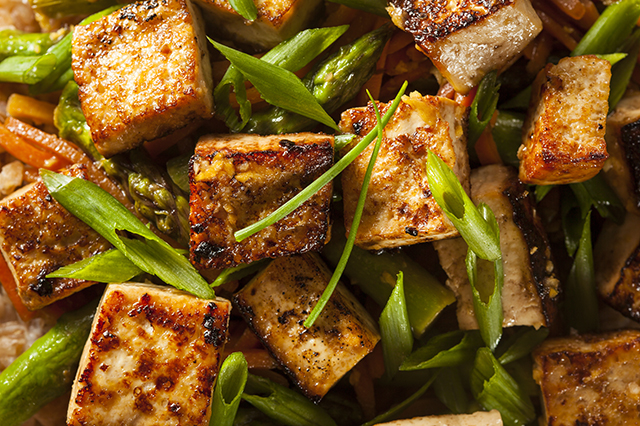
Crispy tofu

Tofu can be a little intimidating. There are all different kinds – soft, silken, firm, extra firm, seasoned, yadda yadda yadda – it’s sorta slimy, you’ve got to press it, etc. But once you’ve done it once or twice it really is simple. Bonus: It’s packed with protein and easily picks up the flavor of whatever sauces and spices it cooks with. This recipe for crispy tofu from Whole Foods takes a half-hour to cook, and when it’s done you can make some really healthy recipes for dinner: Throw it in a stir-fry or a salad, or eat it on its own with some dipping sauce, sweet potato fries and steamed broccoli. Voila.

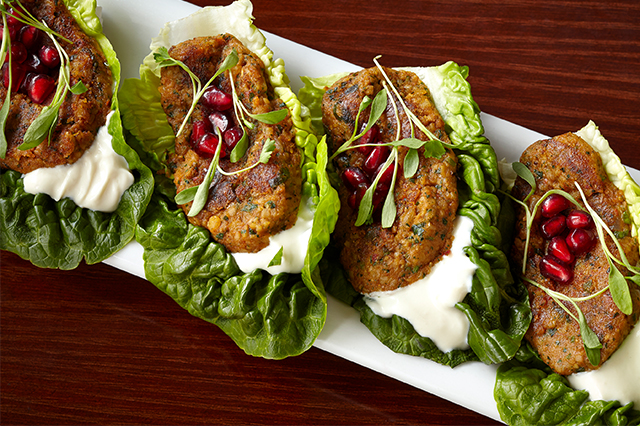
Falafel

In my college days, there was a place on campus that made stellar falafel. The owner would grab a golden-brown orb, dip it in tahini, and hand one to whoever happened to be walking through the door. Which was often me. For a girl raised on meat and potatoes, this was crispy, exotic fare at its finest. I became a devotee of the fried chickpea patties – a love affair that continues to this day. This recipe from Delish.com will make you a believer as well. Just grab a can of chickpeas, some herbs and tahini, and you’ll have a Middle-Eastern feast on your plate ASAP. Mix them with lettuce, tomatoes and fluffy pita bread and you’ve got one heck of a healthy dinner idea for Meatless Monday (or Tuesday, or Friday) on your hands.

Maple-roasted root vegetables

There is something so delicious and yet so simple about this dish from Fountain Avenue Kitchen. Every time I make it, my daughter and I have seconds. It’s so tasty. And there’s nothing better than roasting a sheet pan full of sweet potatoes, turnips, carrots and butternut squash come fall. You could even throw some roasted apples in there as well. Are you drooling yet? But the glaze is the best part. A mixture of maple syrup (real is best if you have it), Dijon mustard, olive oil and vinegar (I use balsamic) turns the veggies into savory, sweet, roasty nirvana.

Quinoa and black bean stuffed zucchini

This recipe is a great healthy dinner idea for a hot summer day, when zucchini is bursting from nearly every garden in the neighborhood. Tasteslovely.com takes hollowed-out zucchini, fills it with black beans and quinoa (both protein powerhouses), corn, enchilada sauce and cheese. The result is a bubbling, veggie-loaded dish that would be just perfect with a crisp summer salad made with garden-fresh tomatoes.

Have a few favorite healthy dinner ideas that you would like to share? Tell us in the comments.

Subscribe to Your AAA Newsletter

Sign up and receive updates for all of the latest articles on automotive, travel, money, lifestyle and so much more!

4 Must-Visit NYC Food Markets

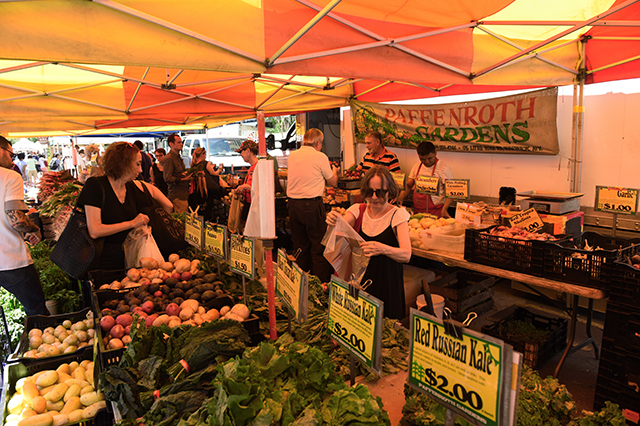
New York City is home to some of the best food on the planet. Go where the chefs go, discover their inspirations, and find a few culinary treasures to bring back to your own kitchen at the city’s finest and most abundant food markets. With lush stands of farm fresh produce, passionate and knowledgeable vendors and tastings galore, a visit to one of these NYC food markets is far from your average trip to the grocery store.

Chatting up farmers while browsing colorful fruits and bright leafy greens beneath the skyscrapers pulls you away from the big city for a moment, yet still feels urban and distinctly New York. Where else could you go food shopping and only minutes after enjoy a gelato with sweeping bird’s-eye city views? Best of all, these grand NYC food markets provide an opportunity to gain a closer connection to what we eat, because nothing quite compares to buying food directly from the proud hands that harvest and make it.

Eataly
200 5th Ave.
Market open daily, 10 a.m.-11 p.m. (restaurant hours vary)

Just beyond the shadow of the Flatiron Building, across the street from Madison Square Park, you will find Eataly – a full-fledged European market featuring the best products of both Italy and America with aisles upon aisles of specialty products to explore, and among them all, several restaurants, cafes and a cooking school. With a few of the most well-known Italian culinary stars in the country as partners, the Bastianich family and Mario Batali, authenticity and quality are assured.

There is handmade pasta, just-baked bread, freshly pulled mozzarella, homemade gelato and pastries, seafood and butcher counters, salumi, wine, olive oil, pizza, (deep breath!), and the list goes on. You will be overwhelmed, but in the best way. Take a break with a cured meat and cheese platter and a glass of wine at La Piazza, or ride the elevator up to the roof for house-brewed beers, homemade sausages, and an awesome view of the Empire State Building at Birrera.

Chelsea Market
75 9th Ave. (Between 15th and 16th)
Monday-Saturday, 8 a.m.-9 p.m.; Sunday, 8 a.m.-8 p.m.

Housed within the former Nabisco factory building in the meatpacking district, this industrial-style NYC food market and urban food court is a popular destination for both locals and tourists. But the hardest part about visiting Chelsea Market is picking a place to start. Among the many specialty shops, here you can buy kitchen supplies at Bowery Kitchens, produce at the Manhattan Fruit Exchange, Meat at Dickinson’s Farmstand Meats and fish at Lobster Place Seafood.

If eating is what you’re after, there are plenty of handcrafted, eclectic and internationaloptions to settle your stomach grumblings. Iron Chef-helmed Morimoto, Cull & Pistol Oyster Bar, The Green Table farm-to-table eatery, and sweet stops like Bar Suzette creperie and Sarabeth’s bakery are just a few. Some are sit-down, but most are grab-and-go. Pick up a sandwich or a bag of mini doughnuts from the Doughnuttery and head upstairs to the High Line, the famous El-train-turned-urban park, where there are a few more treats to discover. On a hot day, the shaved-to-order lemon ice from People’s Pops is everything.

nyc food markets

Union Square Greenmarket
North and west sides of Union Square Park
Monday, Wednesday, Friday & Saturday, 8 a.m.-6 p.m.

Union Square Market is the mother of all farmers markets. Operating year-round, hundreds of knowledgeable farmers and purveyors sell homegrown and handmade local and regionally sourced products down the stretch of Union Square Park. With family farm-grown produce, meats, dairy, fish, flowers, homemade baked goods and much more, the Greenmarket provides city-dwellers and chefs alike with the freshest selection of every season. Cooking demos, book signings, educational tours for students, and textile and compost recycling are among the events and activities offered every week.

Essex Street Market
120 Essex St.
Monday-Saturday, 8 a.m.-7 p.m.; Sunday, 10 a.m.-6 p.m.

The Essex Street Market has been a fixture on the Lower East Side since 1940, when it was started by Mayor Fiorello LaGuardia as a new outpost for street merchants to do business. It is made up of many small owner and family-operated merchants from around the city and the world, delivering quality products with personalized service and tangible pride. Customers are welcome to ask questions, and can get to know their butcher, fishmonger, and even chocolatier, by name. It’s a market experience that’s hard to come by, ingrained with character and a true sense of community.

Here you’ll find gourmet cheese, artisanal baked goods, uncommon fruits and vegetables, and some tasty new finds like the Swedish snacks at Nordic Preserves and Boubouki’s specialty Greek pies. For a truly, how should I say, “New York” experience, but a uniquely delicious meal, stop by one of the market’s on-site eateries, Shopsin’s General Store. You may just want to Google it first.

A few more food markets in NYC that are definitely worth a visit:

Arthur Avenue: The real little Italy of New York is in the Bronx.

Smorgasburg: Take a trip to Brooklyn to explore the 75-100 local and regional purveyors at this outdoor food market. Open every weekend April-November.

Grand Central Market: You don’t need to be going anywhere in particular to stop at Grand Central Station; make the market your destination for premium coffee, chocolate, dry-aged steaks and cheeses.

The Todd English Food Hall: Located in the sophisticated Plaza Hotel, The Todd English Food Hall provides an elegant setting to indulge in fine gourmet and prepared foods. Stop by and pick up the perfect picnic fare to bring across the street to Central Park.

What are you favorite NYC food markets? Let us know in the comments.

Plan your next trip to the Big Apple with AAA

Subscribe to Your AAA Newsletter

Sign up and receive updates for all of the latest articles on automotive, travel, money, lifestyle and so much more!

Spotlight: Celebrity Cruises

Founded in 1988 by the Greece-based Chandris Group, Celebrity Cruises is a premium cruise line with 12 ships that sail to more than 300 destinations. Wherever you want to go to in the world, you are sure to find a cruise with the destination or itinerary (there’s more than 160) that fits your needs.

The ships

Celebrity cruises boasts 12 ships, which are divided in four classes:

The Solstice Class

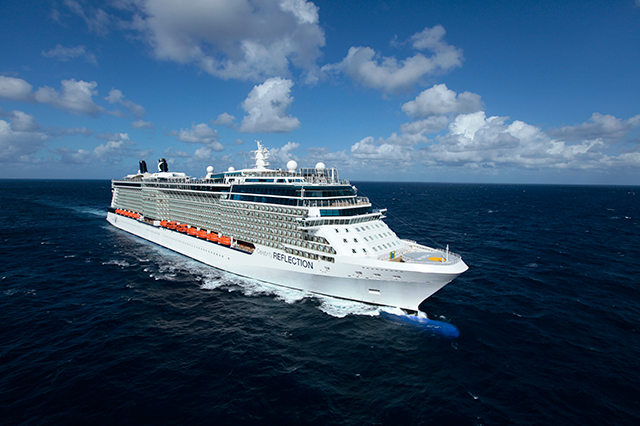
The five Solstice class ships – Celebrity Reflection Celebrity Equinox, Celebrity Eclipse, Celebrity Solstice and Celebrity Silhouette – all boast The Lawn Club, an outdoor venue with real, lush grass. It’s the perfect place to putt around, play a game of croquet, or even do some grilling at The Lawn Club Grill. At the Alcoves, sit back and relax in one of eight cabanas overlooking The Lawn Club with ocean views. The Solstice class ships also are the first to utilize solar technology and hold anywhere from 2,800-3,000 guests.

The Millennium Class

Launched in 2000, the Celebrity Millennium and her sister ships, Celebrity Infinity, Celebrity Summit and Celebrity Constellation, feature the industry’s first gas turbine engines, which reduce exhaust emissions by up to 95 percent over traditional propulsion systems.

The Edge Class

The Celebrity Edge definitely takes design to a whole new level. It’s not surprising since Celebrity assembled a world-class team of designers for the ship.

The ship’s outward facing design connects passengers with the sea, while the ship’s staterooms feature Infinite Verandas and some even have private plunge pools.

Finally, the Magic Carpet is the world’s first cantilevered, floating platform that reaches heights of 13 stories above sea level. Enjoy dinner, a drink, live music or just simply sit back and enjoy the ocean views.

The Xpedition Class

The Xpedition are Celebrity cruise’s luxury mega-yachts that explore the Galapagos Islands. The Xperience and Xploration, 48- and 16-person vessels, offer year-round itineraries, as well as luxurious amenities. There is even an expert naturalist onboard to educate and inspire exploration, while local fishermen supply fresh seafood to enjoy throughout the trip.

All Celebrity cruise ships are designed to give guests a comfortable and luxurious trip. Nearly 90 percent of the staterooms have outside views and 85 percent offer verandas.

celebrity cruises
On the Celebrity Edge, guests can take a dip in the 75-foot lap pool, relax in one of the spectacular martini glass-shaped hot tubs suspended elegantly in the air, or sprint along the nearly quarter-mile-long two-deck jogging track. (Photo: Celebrity Cruises, Inc.)

Destinations

Celebrity cruise ships visit more than 300 locations all around the world, including Alaska, Asia, Australia & New Zealand, Bahamas, Bermuda, Canada & New England, Caribbean, Europe, Galapagos, Hawaii, Pacific Coastal, Panama Canal, South America and the Mediterranean.

Dining

One of the best parts of cruising is the (seemingly) non-stop eating. Celebrity cruises celebrate each ship’s destination with locally-sourced foods and a menu created by acclaimed Chef Cornelius Gallagher. There is everything from Italian, French and Asian cuisine to fresh sushi and seafood.

Adults, of course, can enjoy a cocktail, glass of wine or cold beer in one of the many bars and lounges featured on board the Celebrity cruise ships. The Martini Bar & Crush, for example, serves up a variety of martinis.

Since beverages aren’t included in the trip price, guests pay as they drink, or they can take out a beverage package that allows them pay one set price for a variety of beverages. Passengers can choose from wine packages and modern luxury extras that include mixology classes to soda packages and non-alcoholic beverage packages that include premium bottled waters, specialty coffees and teas and non-alcoholic smoothies and drinks. The standard package starts at $45 per night.

And for true foodies, there is a dining package that allows you to experience several unique specialty restaurants without breaking the bank. Plans start at $109 per person for three meals, up to $336 per person for 14 meals.

Entertainment

Guests can enjoy 18 original shows created exclusively for Celebrity, such as iBroadway, which features Broadway hits through the years, and Simply Ballroom, where you can watch professional dancers perform everything from tango to rhumba. There is also Boogie Wonderland, showcasing music from the 70s; iMagic, exploring the history of master illusionists; and Rock City, a stadium-style concert. There is also live music throughout all of the ships.

For gamblers, the ships have casinos for passengers 18 and older.

Things to do

Whatever your age or passion, there is an activity to partake in on a Celebrity cruise. Take a swim in one of the beautiful pools, play a game of basketball or ping-pong, practice putting skills or even take a tour through the onboard art gallery. Each ship has a fitness center and spa services.

Excursions

When you’re off the ship, there is no shortage of excursions that allow you to really explore your chosen destination. Lounge on a Mediterranean beach, visit a tulip festival in Holland, taste wine in Seattle, tour the inside of Buckingham Palace, take a historic walking tour in Croatia, go for a gondola ride in Venice and so much more.

Kids’ activities

Kids of all ages will find something to do while on board a Celebrity cruise, including a camp experience for kids at sea that features STEM, art and culinary activities.

For older kids, the X-Club Teen Entertainment provides a hangout place for teens with fun social activities, the newest gaming consoles and titles, sports and teens-only late night dances. Parents can rest assured that everything is supervised by Youth Counselors.

Speaking of parents, there are also babysitting and supervised events for kids of all ages so that mom and dad can have some alone time. It is available for families while the ship is in port and during the evenings, and includes two babysitters for up to three kids, for $19 per hour.

Celebrity cruises has also achieved the Autism Friendly Cruise Line status, offering autism-friendly interactive initiatives for families, including sensory-friendly films and toys, dietary menu options, and overall autism-friendly training for Fun Factory staff and more.

Celebrity Cruise prices

Like all cruises, the cost of your trip will depend on the length of the cruise and where you’re going. For example, a quick five-day cruise to the Bahamas leaving from Florida starts at $329 per person; a seven-night Italian Renaissance cruise leaving from Barcelona starts at $1,149 per person; a 10-night Greek Isle cruise leaving from Venice starts at $2,499 per person; and a 15-night best of India and Sri Lanka leaving from Singapore starts at $1,599 per person. There are also land and sea packages available so you get to spend more time in your chosen destinations.

Captain’s Club

If you’re a frequent Celebrity cruise guest, it’s worth it to join the Captain’s Club. Depending on how much you travel with them, you’ll be offered exclusive deals, services, and cruises.

Celebrity Cruise deals

Check AAA’s special offers on cruises.

If you’ve been on a Celebrity cruise, do you have any tips to share with our readers? Leave a comment below.

Subscribe to Your AAA Newsletter

Sign up and receive updates for all of the latest articles on automotive, travel, money, lifestyle and so much more!

An Amazing Asian Tour From Japan’s Inland Sea to the Alps

Discover Japan’s remarkable natural beauty and fascinating history on a sweeping 12-day Asian tour from city, to sea, to mountain and garden! And with an intimate and congenial group, the wonderful native-born trip guides will also immerse you in the True Spirit of his native land – introducing you to local residents eager to share insight into their lives and traditional ways. Tour Asia in style, and don’t miss a thing.

Japan Asian tours with AAA Vacations

Day 1 – Welcome to Kyoto

Upon arrival, you’ll be met and guided to the coach that will take you to your city central accommodations at the deluxe Granvia Hotel. That night’s complimentary pre-tour stay is an exclusive AAA Vacations amenity.

Day 2 – Kyoto on Your Own

This entire day is yours to enjoy as you wish in this ancient city, revered by the Japanese as the cultural and spiritual heart of their nation.

Day 3 – The Best of Kyoto

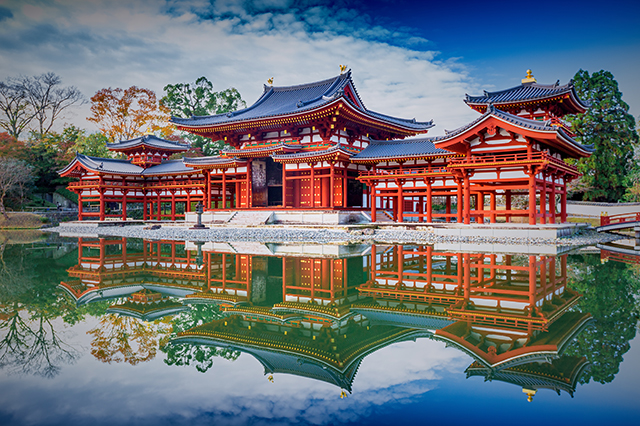
The day begins at Nijo Castle where you can try to walk in stealth across the Nightingale Floor, designed to chirp in warning if would-be assassins penetrated into the Shogun’s chambers. Continue to the vermilion-hued Heian Shrine and Kinkakuji Temple – the glittering Golden Pavilion. Delve into Japan’s enduring traditions when you dine with Geisha and tour the tranquil Zen meditation gardens of Kodai-ji Temple.

Day 4 – Inland Sea and Hiroshima

Cross the island-dotted Inland Sea to Miyajima Island and marvel at Itsukushima Shrine, established in the 6th century. Just off shore, the magnificent red Torii Gate rises majestically from the sea. In Hiroshima, visit Peace Memorial Park, where the Memorial Museum stands as a sobering reminder of the destruction wrought by the Atomic bomb.

Day 5 – Tour Nara, Japan’s First Capital

Discover the ancient capital of Nara where Buddhism was first introduced to Japan nearly 1,500 years ago. You’ll visit Todai-ji Temple, one of the largest wooden structures in the world and home to an immense statue of Buddha. Stroll the peaceful lantern-lined forest paths of Kasuga Shrine before returning to Kyoto.

Day 6 – By Rail to Kanazawa

Journey to Kanazawa and visit the Nomura Samurai Residence; with its marvelous cypress wood ceiling, hand-painted screens, and interior garden, it reflects the nobility of the wealthy family who lived here during the rule of the Maeda Samurai clan. At the Kutani Kosen Pottery Studio, you’ll see skilled artisans at work. Then stroll through Kenrokuen, revered as one of Japan’s finest gardens, and learn firsthand about the elements of traditional landscape design which have been incorporated so here.

Day 7 – Shirakawago and Takayama

Travel to the mountain hamlet of Shirakawago, famous for its “Joined Hands” farmhouses. More than a century old, they derive their name from their steeply pitched roofs which look like hands joined together in prayer. Surrounded by rugged alpine peaks, the region was often isolated from the rest of Japan for much of its history. It developed unique traditions which experienced guides will illuminate as you explore this picturesque region.

Day 8 – Full Day Sightseeing in Takayama

Mingle with city residents as they go about their daily shopping at the busy morning market and then admire perfectly-preserved buildings like Takayama Jinya, an imposing government hall of the Edo period. Enjoy a tasting of fine sake and tour the Folk Craft Museum. At the Festival Floats Exhibit Hall, you’ll see enormous parade floats dating back 400 years, many with cleverly engineered figures that can be animated when these floats are used in the town’s colorful spring and autumn festivals. A sake tasting reveals the history and finer points of this traditional Japanese rice wine.

asian tour
Tokyo City.

Day 9 – Onward to Tokyo

Journey by rail to Tokyo and transfer to your hotel, ideally located in vibrant Shinjuku. After time to refresh in your spacious Plaza Premier Room, join your guide for a walking tour in the vibrant, modern district where you’re staying. The area is popular with Tokyo residents for shopping, dining and entertainment.

Day 10 – Tsukiji Fish Market and Tokyo City Sightseeing

Early in the morning, we take you on a special visit to the world-famous Tsukiji Fish Market, where the city’s best chefs come daily to procure the freshest seafood. Then join one such master chef to learn the art of preparing restaurant-quality sushi. Enjoy the fruits of your labor for lunch before ascending the Tokyo Observatory for breathtaking views across the capital. Then stroll along the bustling Nakamise Arcade, home to colorful merchant stalls selling traditional Japanese snacks and handicrafts. End your sightseeing at the colorful Asakusa Kannon Temple; dating back to the 7th century, it’s the oldest in the city. Join chefs and homemakers at a bustling morning seafood market and learn how to prepare restaurant-quality sushi for lunch.

Day 11 – Full Day Excursion to Mt. Fuji and Hakone

Travel to the 5th Station of Mt. Fuji and continue to beautiful Hakone National Park, beloved for its pine forests and lovely views of Mt. Fuji. Enjoy a cruise across the placid waters of picturesque Lake Ashi and ascend Mt. Komagatake by cable car for sweeping views over the forested mountains. Return to Tokyo and enjoy your evening at leisure. On a clear day, your cruise on Lake Ashi offers breathtaking views of forested slopes and Mt. Fuji.

Day 12 – Depart Tokyo

Step aboard the comfortable airport limousine coach for your trip to the airport.

Been to Japan? Want to share your story? Let us know in the comments section!

Learn more about this exciting trip. 

Get in touch with a AAA travel counselor to learn about AAA Vacations and start planning your next getaway today. As a AAA member, you’ll save even more. Not a member? Join now!

Subscribe to Your AAA Newsletter

Sign up and receive updates for all of the latest articles on automotive, travel, money, lifestyle and so much more!

The Scariest Roller Coasters in the World

For thrill-seekers, nothing beats a roller coaster – the twists, the turns, the slow climbs followed by heart-in-your-mouth races downhill. Some can be pretty tame, with just a single loop or a gentle series of turns, but true coaster lovers place these scary rides on the top of their lists.

Sky Scream

Germany is known for its top-notch engineering, so perhaps it’s no surprise to find an unusual thrill ride at Holiday Park, about an hour south of Frankfurt. Sky Scream starts as expected – the coaster leaves the station and begins up its first hill – but doesn’t quite make it. The car pauses, then races back downhill, carrying passengers backward through the station and up another hill. Again, the car just barely makes the beginning of a twist, then stops and hurtles forward again. The walls of the station are a blur as the ride screams through, this time making it up the hill, through corkscrew turns and straight downward through scaffolding that frames the track.

Takabisha

In Japan, home of the minds who created Godzilla, roller coaster aficionados have several options for scaring themselves silly. At the Fuji-Q Highland in Fujiyoshida, the Takabisha boasts the steepest drop in the world: 121 gravity-defying degrees. This two-minute ride shoots passengers through a hill and inversion in the dark launch chamber before exploding out into the sunlight. The cars races through corkscrews and twists before chugging up the steep incline to the drop riders came for. A teasing pause at the top gives riders a chance to catch their breaths before they race down the improbable angle into the next set of curves.

scariest roller coasters

Eejanaika

Also at the Fuji-Q Highland is an unusual 4-D coaster: the Eejanaika. Its whirling experience comes courtesy of seats that rotate independently. Riders twirl their way through the circuit, even glimpsing Mount Fuji briefly, as their feet swing freely in the air. Perhaps the most exhilarating – or nausea-inducing – moment is achieving a “full-full,” where the train does a complete rotation while the rider also does a complete rotation in his seat. During a ride on the Eejanaika, one might even yell out the translation of its name: “Hey, what the heck!”

Gravity Max

From the ground, the circuit of Gravity Max coaster at the Lihpao Land amusement park in Taichung, Tawain, resembles many others, with hills and twists. Things are decidedly different, however, as the train leaves the station and noisily chugs up the first hill. Reaching the summit, the train stops. Then, with a whoosh of hydraulics and a kerchunk of machinery, the platform slowly tips, dangling the train over a 90-degree vertical drop. When the platform connects with the track below, the train is released and passengers plummet 13 stories to continue along the twists and single inversion of the awaiting track for this nearly two-and-a-half-minute adventure.

Formula Rossa

Featuring cars that resemble the Ferrari Formula One racer, down to its Rosso Scuderia color, Formula Rossa is one of the top attractions at Ferrari World in Abu Dhabi, United Arab Emirates, and easily one of the scariest roller coaster in the world. Like the sports cars the park promotes, this ride is fast and reaches its top speed of 150 mph in five seconds, using a hydraulic system that generates velocity much like the workings of the steam catapults on an aircraft carrier. Fitting for such a high-speed ride, the designers looked to the renowned Italian Autodromo Nazionale Monza for inspiration for the track’s layout.

The Incredible Hulk Coaster

Propelling riders through seven inversions and two tunnels, this coaster at Universal Studios in Orlando provides an unrelenting ride over lagoons and through a 110-foot cobra roll, all at a max speed of 67 mph. Despite its speed, passengers find this coaster gives a smooth ride, particularly when the trains are shot out of the station like a pinball and head immediately into a roll down a 105-foot drop. Like other attractions at this park, this coaster is themed, with riders taking part in a dangerous experiment led by Marvel Comics’ General Thaddeus Ross, the archenemy of the Hulk.

Plan your next theme park vacation with AAA.  

Subscribe to Your AAA Newsletter

Sign up and receive updates for all of the latest articles on automotive, travel, money, lifestyle and so much more!

Useful Apps to Get the Most Out of Your Phone

While smartphones are great for playing games and texting friends, with the right apps they can also be a useful tool to keep organized, plan your next trip or even keep you safe. We’ve highlighted a few apps that are sure to come in handy.

Apps to Keep Your Busy Life Organized

Notion for iOS (free) and Android (free)

Notion is an up-and-coming information management app that can function on both your phone and your desktop. It’s becoming increasingly popular for office use and daily tasks, and for good reason; the app boasts some of the most user-friendly and helpful tools to keep your day organized.

The app functions as a notebook for whatever reminders, notes and tasks you want to keep track of, all organized in an extremely clean and intuitive way. You can also insert different third-party software into your notebook, such as your Google Calendar or spreadsheets. Give it a try; you won’t be disappointed!

LastPass Password Manager for iOS ($2) and Android ($2)

How many times have you forgotten your password and had to go through the hassle of creating a new one? Or worse yet, if you’ve accidentally entered the wrong password too many times and been locked out of your account. You know how frustrating this can be!

LastPass solves all of this by allowing you to create a secure and protected password list on your phone, auto filling your logins, as well as enabling extra security protocols when you log into any site or application. You’ll never have to worry about dealing with a forgotten password again. Although there are a lot of password managing apps out there, this one stands out.

Pocket for iOS (free) and Android (free)

You might’ve heard of Pocket, a super useful app for those who are always reading articles and watching videos on their phone. We all lead busy lives, and sometimes you just don’t have time to read that interesting 10-page article you stumble upon online. That’s where Pocket comes in; you can instantly and easily save any articles and media you come across on the web and keep everything handy for you next time you have a free moment to read!

Grammarly for iOS (free) and Android (free)

Grammarly automatically makes grammar and spelling suggestions in response to your writing. This app is especially useful if you have to write a ton of emails every day at your job or for class.

useful apps

Perfect Apps for Your Next Trip

PackPoint for iOS (free) and Android (free)

Say goodbye to complicated packing checklists and last-minute shopping before your trip. PackPoint makes your trip planning easier by organizing your packing agenda in a simple and efficient way. All you need to do is tell the app what kind of vacation you’re going on (camping, backpacking Europe, etc.), and it will automatically start creating your custom packing list. The app will even plan accordingly based on the weather forecast for your travel dates!

AAA Mobile App for iOS (free) and Android (free)

Travel planning is a lot less stressful with the AAA Mobile app. In addition to letting you easily request and track roadside assistance, the app lets you find gas prices, discounts and search for nearby hotels, restaurants and attractions. You can even book your flights and accommodations directly in the app. Especially handy for road trips, the TripTik® Travel Planner function allows you to plan your route ahead of time and add points of interest to your itinerary.

Apps That Will Keep You Safe

bSafe for iOS (free) and Android (free)

If you’ve ever felt unsafe walking or traveling by yourself, this app is for you. Its extensive array of features can literally be life-saving in certain scenarios. bSafe is able to show your friends updates to your GPS movement, send them a notice when you arrive at your location, and even sound an alarm and immediately start capturing video given an emergency. If needed, you can also send any information or footage to the police through the app. Even if you don’t think you need it right now, this app may turn out to be crucial for your safety one day.

Kitestring for iOS (free) and Android (free)

The concept behind Kitestring is simple: send an alert to your friends when you don’t confirm your safety. Here’s how it works. First, you set a timer on the app that counts down to your chosen time. When the time is up, the app “checks in” on you to confirm that you’re safe and sound. If the app receives no response, it immediately starts contacting your friends and family that you choose to notify. This app is a great safety asset because it looks out for your safety even if you can’t access your phone in an emergency.

Take advantage of your phone and see how much difference installing one of these helpful apps can make.

What useful apps do you use?Let us know in the comments below!

Subscribe to Your AAA Newsletter

Sign up and receive updates for all of the latest articles on automotive, travel, money, lifestyle and so much more!

Optional Car Rental Services

Car rental companies like Hertz can provide you with the perfect ride for your next trip, but that’s not where the options end. They also offer ways to make your journey even easier. Whether it’s car seats for kids, keeping you connected while on the road or helping you to find your way, here’s a look at some of the optional services available that you may not have known about.

Traveling With Kids

When you travel with kids there are lots of extra things to pack, but when you rent with Hertz you can cross car seats off your list. Some Hertz locations have infant, child and booster seats available for rent. And AAA members can use one car seat free – all you have to do is reserve in advance. Not only is this easier than carting your car seats from home, it can save money on airline baggage fees and eliminate the chance of loss or damage in transit. Learn more.

Traveling With Disabilities

Hertz aims to make traveling with disabilities easier by offering hand controls and spinner knobs at no extra cost. Simply notify Hertz at least 24 hours before your rental and your car will be properly equipped when you arrive.

Additionally, all Hertz locations have handicap accessible parking and return areas. Easy access busses are provided with electric ramps, room for two wheelchairs and waist-high luggage racks to make traveling easier for everyone.

Hertz. We’re Here to Get You There.

AAA members save up to 20%, plus an additional $5/day up to $35 off the base rate of your next weekend or weekly rental.

Book Now

Staying Connected

Hertz Wi-Fi makes sure you and your passengers stay connected when you’re on the go. This Wi-Fi hotspot device includes unlimited data with the ability to manage five connected devices. It’s small enough to pop in your backpack, purse or even your pocket, so you can stay connected when you arrive at your destination. There’s also a voice-activated GPS navigation option with turn-by-turn directions and real-time traffic updates so you can avoid unexpected delays. Global calling and texting are available with a daily preset credit and no roaming fees.

To make life even easier, there are a range of apps available with Hertz Wi-Fi as well. These include a language translator for typed and verbal communications, currency converter, social media, news, games and discount offers at stores, attractions and restaurants.

Pay for Tolls With PlatePass

Although you may have a transponder that lets you easily pay for tolls when you’re at home, it may not work elsewhere. Even when traveling to an area where it does work, you still have to remember to pack it for your trip and take it with you when you head back home. PlatePass automated toll payments makes this process easier.

Navigating With NeverLost

One of the biggest challenges you face when driving away from home is making sure you don’t get lost. Hertz NeverLost keeps you on track with two available navigation systems. Select markets offer NeverLost Magellan GPS, which also includes travel guides, hands-free calling, directions to the return facility and a walking mode. Most Hertz locations offer the enhanced NeverLost Navigator+ system which adds a language translator, real-time ETA, optional domestic and international calling plans, discounts at stores and restaurants and optional Wi-Fi.

car rental services

Protection Plans

It’s important to stay protected when you travel so Hertz offers a wide range of optional protection plans to set your mind at ease. There’s liability insurance to protect against claims from people injured in an accident; loss damage waiver, limited loss damage waiver and partial damage waiver coverage set caps on your financial responsibility for any damage or loss to a Hertz vehicle.

Personal accident insurance and personal effects coverage are also offered as a package to further protect you in the event of an accident. This helps cover medical expenses for you and your passengers as well as any damage to personal belongings while renting from Hertz. In the event of an accident, the protection plans offered by Hertz limit your financial responsibility and help make sure you and your passengers are properly covered.

Hertz Gold Plus Rewards Benefits

AAA members that enroll in Hertz Gold Plus Rewards membership earn exclusive bonus points which can add up to free rentals; the more you rent the more points you earn! This service lets you change your rental car on the spot when you arrive at your destination if you decide you need a different vehicle. There’s also convenient eReturn that allows you to fill out the slip on your rental agreement and leave it in the car with your keys on return rather than needing to speak with an agent.

Membership includes Mobile Gold Alerts, which can be sent to your email or mobile phone. This notifies you when your rental car is ready on the day of pickup with the exact car and stall number, so you don’t have to stop at the desk when you arrive.

Buying a Rental Car From Hertz

You know you can rent a car from Hertz, but did you know you can buy a used rental car from Hertz, too? Every vehicle offered for sale through Hertz Car Sales is thoroughly cleaned and inspected to be sure it’s ready for sale. These low-mileage vehicles are often available at a lower price than you’ll find elsewhere, and they come with no-haggle pricing. What you see is what you pay for, so the stress of working out a deal is gone. Even better, AAA members get a discount!

There are a range of financing options, too, and you can fill out all the forms online, so you know how much you can afford before you even begin shopping. It’s all about making the experience quick and painless. Once you find a car, you can rest easy knowing it comes with a 12-month/12,000-mile warranty in case something unexpected happens once you’re home.

Learn more about exclusive Hertz benefits and discounts for AAA members.

Subscribe to Your AAA Newsletter

Sign up and receive updates for all of the latest articles on automotive, travel, money, lifestyle and so much more!

The Most Fun You’ll Have at Sea

Royal Caribbean is known for its wide variety of entertainment options, from world-class musicals and state-of-the-art casinos to more uncommon attractions like laser tag and surf simulators.

If you are thinking of a family cruise vacation soon or in the future, know that Royal Caribbean can help you fill your days at sea with adventure and excitement.

Tallest Slide at Sea

Royal Caribbean always goes above and beyond, so it should come as no surprise that the cruise line owns and operates the tallest slide at sea. The Ultimate Abyss plummets guests 10 stories down. Riders sit on a special mat that helps ensure they hit top speed (9 mph) as they slip and slide through tunnels outfitted with flashing lights and audio speakers that spit out sound effects and music.

Escape Rooms

Escape rooms are an incredibly popular attraction these days, and Royal Caribbean brings some of the most sophisticated and thrilling versions of this group adventure puzzle game to the table. In Escape the Rubicon, on Royal Caribbean’s Harmony of the Seas, guests must work together to solve a series of puzzles and riddles to make it off the ship, but they will also enjoy a special twist to a traditional escape room with the incorporation of a theater-like production into the surroundings. Without giving too much away, your team of friends, family and other guests boards the S.S. Rubicon, uniquely outfitted with hidden clues and a mystery that must be unraveled before time runs out. Guests can also try the all-new Observatorium on the recently renovated Independence of the Sea. In this planetary puzzler, teams have 60 minutes to beat the clock and solve mind-bending space-themed games and teasers.

Sail Royal Caribbean's Anthem of the Seas

Come seek the Royal Caribbean for an unforgettable island hopping escape with amazing cruise deals. Anthem of the Seas sails year-round out of Cape Liberty, N.J.!

Learn More

Shows and Entertainment

In the world of at-sea entertainment, Royal Caribbean is second to none. No matter when or from where you set sail, you are sure to have an itinerary packed with dazzling live performances, which could include Tony Award-winning musicals, dance productions, ice skating shows and so much more. The latest offerings aboard Royal Caribbean vessels are “Grease,” “Mama Mia” and “Hairspray.” On Oasis-class ships (click here to learn more about Royal Caribbean ship classes), guests can also book a seat at the Aqua Theater, the deepest pool at sea, flanked by two 30-foot-high diving boards where aquatic acrobats thrill all those in attendance.

Laser Tag

What fun would a vacation be without a little intergalactic interaction? In Battle for Planet Z, kids (and parents!) can venture to a galaxy far, far away, where the last remaining humans on a robot-dominated planet must battle with a troop of invading aliens from a distant planet. This glow-in-the-dark laser tag game is for guests ages 5 and up, but the whole family can get in on the action aboard many Royal Caribbean ships, including Symphony of the Seas, Independence of the Seas and more.

royal caribbean fun

Make Your Own Sushi

Foodies rejoice! Royal Caribbean has something for everybody and that includes food aficionados. Take, for instance, the make-your-own sushi classes aboard most Royal Caribbean ships. You and your crew can learn from a chef and you don’t even need any prior cooking experience. Discover the origins and history of the famed fish and rice dish before diving into creating three rolls with the help of a sushi expert. Be sure to log your progress with the help of waitstaff who are happy to take your photo step by step. This fun and tasty class is one delicious and pleasant experience.

The North Star

Royal Caribbean is constantly raising the bar and that expression is taken to the extreme both figuratively and literally with the North Star, a glass-enclosed pod attached to a mechanical arm that lifts riders 300 feet above sea level for spectacular views. Available on Quantum-class ships, this futuristic gondola ride can fit 14 passengers and lasts about 15 to 20 minutes. Best yet, those with Royal’s Voom Wi-Fi package can use it aboard the North Star so there is no delay in firing out your favorite photos and videos to social media. Guests 42 inches and taller can ride (48 inches to ride alone). Adults can drop by the North Star Bar afterward to celebrate time well spent and photos well taken.

Robot Bartenders

Speaking of bars, the Bionic Bar robot bartenders aboard Royal Caribbean ships have been making waves ever since their debut on the Quantum of the Seas several years ago. These Italian-built robots can mix, muddle, stir and shake up countless cocktail concoctions from the 30 spirits and 21 mixers behind the bar. The robots stir up more than 1,000 drinks per day, and guests can watch a digital board next to the bar to see when their drink is ready. For ultimate convenience, you can pick up your drink directly from the robotic bartender or have waitstaff deliver it to you at your table.

Surf Simulator

When you think surfing, you think ocean, but not necessarily like this. Royal Caribbean’s 40-foot-long surf simulator called the Flowrider lets you hang 10 while your family and friends are close enough to see the smile on your face. Children 52 inches and taller can boogie board on the waves, while guests must be 58 inches tall to attempt the stand-up surfing. Various packages and private lessons are available, but however you go about it, you’re sure to carve some epic crests.

Nightlife

One last attraction that has to be mentioned is the nightlife aboard all Royal Caribbean ships. Whether it’s a drink on the deck during sunset or the neon-lit iFly skydiving simulator after dark, the fun doesn’t stop when the sun goes down. If you love slot machines, blackjack and roulette, know you can find some of the best casinos at sea aboard Royal Caribbean ships. Of course, what else would you expect from the leader of at-sea entertainment.

Take advantage of exclusive benefits and savings when you book a Royal Caribbean vacation with AAA Vacations.

Subscribe to Your AAA Newsletter

Sign up and receive updates for all of the latest articles on automotive, travel, money, lifestyle and so much more!

Top 10 Things to Do in the Catskills

The lush Catskill Mountains region, which lies in southeastern New York, has become a beloved destination for quick skiing trips in the winter and long summer stays.

Each year, thousands of visitors are drawn to the many things to do in the Catskills. From hiking and snowshoeing to sightseeing and apple picking, whatever your purpose may be, you’re sure to love it in the Catskills.

Windham Mountain Resort

Fly-Fishing

The Catskills have been touted as the birthplace of American fly-fishing and for good reason. It’s home to the Catskill Fly Fishing Center and Museum and the town of Roscoe, aka Trout Town USA. Trout Town Adventures & Guide Services is a family-owned business in Roscoe that offers guided fly-fishing tours with state-certified guides.

Depending on the season, Windham’s Adventure Park has a plethora of things to do in the Catskills for all ages. In the winter, the park offers a variety of activities like snowmobiling, cross-country skiing, ice skating and snowshoeing. If you’re visiting in the summertime, there’s golfing, hiking, mountain biking and more.

Glamping

If you’re an adventure seeker, forgo a lodge or hotel and try glamping (glamorous camping) in a cozy tepee in Roxbury or a rustic cabin in Olivebridge. These gems are tucked away in the mountains and will allow you to fully immerse yourself in nature and forget about your 9-to-5 job.

Animal Sanctuary

The Catskill Animal Sanctuary rescues animals and welcomes visitors for tours, events, kids’ camps and overnight stays. The sanctuary is a 148-acre refuge in Saugerties for 11 species of farmed animals. Visitors can take a tour and learn about farming animals and can even volunteer or sponsor an animal at the sanctuary.

Vineyards & Breweries

There are many vineyards and breweries nestled throughout the Catskills. Millbrook Vineyards and Winery has been around for over 30 years and offers wine tastings and guided tours exploring the vineyard and cellars. If you’re more of a beer person, West Kill Brewing is located on a 127-acre farm and is known for its locally grown ingredients that add to the delicious flavors of its seasonal brews.

things to do in the catskills
Horses in Ashland, N.Y. (Photo: Jeanette Zinno)

Horseback Riding

If you’re looking for fun things to do in the Catskills, there are ranches and riding stables in almost any town in the region that offer horseback riding lessons, pony rides and scenic mountain trail rides. Most horse stables cater to beginners or experts, making this a great family activity and a must for your things to do in the Catskills list.

Spa

If outdoor activities aren’t your thing, opt for some rest and relaxation at one of the numerous cabin themed spas in the Catskills, known for their locally inspired signature treatments. The Windham Spa has a treatment that pays homage to its mountain roots with local and homegrown botanical oils, complemented by a blend of massage with cupping and hot and cold stones. The Copperhood Retreat & Spa in Shandaken invites guests to book a massage on a private outdoor deck overlooking the Esopus Creek, where the sounds help with releasing any tension.

Hiking at Kaaterskill Falls

There are hundreds of hiking trails in the Catskills, but one of the most popular hikes in the area is Kaaterskill Falls in Palenville, in part because it is a relatively short hike to a huge, 260-foot waterfall that you can snap a photo under. The trails around Kaaterskill Falls were recently updated to improve safety conditions, but this hike can still be dangerous if you wander off the path. Be safe and stay on the hiking trail.

Whitewater Rafting

Tubing down the Esopus Creek in Phoenicia sounds like the perfect way to cool down in the dog days of summer and a fun thing to do in the Catskills. Battle the rapids with The Town Tinker Tube Rental, which rents tubes and gear to anyone capable of maneuvering down the creek. A bus takes you back to the starting point, so you can ride down the river as many times as you’d like! After you’ve worked up an appetite, visit the Phoenicia Diner, a popular watering hole that offers classic dishes using seasonal ingredients sourced from many Catskill farms.

Drive-In Movie Theaters

Who knew drive-in movie theaters still existed? Well, they do in the Catskills. The common pastime of the 1950s and 1960s has had a resurgence of popularity throughout upstate New York. Drive-In 32 in Greenville and Hi-Way Drive-in Theatre in Coxsackie are two theaters that will reopen for the summer season with concessions. So grab your popcorn and pile in your car for some country fun!

What are your favorite things to do in the Catskills? Tell us in the comments.

Subscribe to Your AAA Newsletter

Sign up and receive updates for all of the latest articles on automotive, travel, money, lifestyle and so much more!

Unusual Things to Do in Las Vegas

Believe it or not, there are plenty of unusual things to do in Las Vegas that don’t have anything to do with gambling. In fact, many of these unusual things to do in Las Vegas aren’t even on the Strip.

Dig This
3012 S. Rancho Drive
Smash and crash as you get behind the wheel of a bulldozer or excavator with the backdrop of the Las Vegas Strip. You can even crush a car during an aggression session, where you spray paint your thoughts and feelings onto the car, and then smash it to pieces with a 30,000 pound excavator. Prices start at $650 for 30 minutes.

Neon Museum & Boneyard
770 N. Las Vegas Blvd.
Pay homage to some of the old signs of casinos and businesses that once graced the Strip at this 2-acre campus that includes an outdoor exhibition space (the Boneyard) with more than 200 signs. Guided tours are available seven days a week, with day tours costing $15 to $19, and night tours priced at $22 to $26.

unusual things to do in las vegas
The Neon Museum in Las Vegas.

Pinball Hall of Fame
1610 E. Tropicana Ave.
Love pinball? Well, you’re in luck because this place is 10,000 square feet of all things pinball. There’s a mix of both pinball machines and class arcade games – and all you need is a pocketful of quarters to get in on the fun.

The Las Vegas Natural History Museum
900 N. Las Vegas Blvd.
Kids will love the 35-foot T. rex exhibit, as well as exploring the rainforest, marine life gallery and treasures of Egypt (just to name a few). There are also special, limited-run exhibits, such as a Rainforest Adventure that ran through last summer. $12; $6 ages 3-11; ages 2 and under free.

Las Vegas Springs Preserve
333 S. Valley View Blvd.
The preserve features 180 acres of nature walks and displays, as well as Boomtown 1095, a re-created historical streetscape that highlights Las Vegas’ beginnings. $18.95; $10.95 ages 5-17.

The Wildlife Habitat
3555 Las Vegas Blvd. S.
Nestled on the Flamingo Hotel’s lush 15-acre grounds, the habitat is stocked with exotic birds, fish and turtles. It’s open daily from 8 a.m. to dusk and there are also two live feedings every day. And the best part is it’s all free!

The Mob Museum
300 Stewart Ave.
Explore the history of organized crime in Vegas in this massive exhibition space that includes multisensory exhibits, including the bloodstained wall of the St Valentine’s Day Massacre rebuilt brick by brick and an electric chair you can sit in (feel free to snap a photo, too!). There are also guided tours available. $20.95; $13.95 ages 11-17; free ages 10 and under.

Red Rock Canyon National Conservation Area
State Highway 159
Take in all of the area’s natural beauty at Red Rock Canyon. It’s a great spot to hike and bike, and there are different trails to choose from so just choose the one that’s right for you. Whichever trail you pick, there’s plenty of nature to take in – 600 types of plant to be exact, including a Joshua tree. And don’t forget to say hello to Jackson, the Red Rock Canyon burro! $7 per vehicle.

Hoover Dam
Located 35 miles south of Las Vegas on U.S. Route 93, Hoover Dam is an amazing engineering achievement in the country’s history. Tours are $30 per person; participants must be ages 8 and up.

Tule Springs Fossil Beds National Monument
601 Nevada Way, Boulder City
A 30-minute drive from Las Vegas, Tule Springs is home to fossils that date back all the way to the Ice Age, including mammoths, lions and camels, just to name a few. It is also one of the first parks to tell the story of Pleistocene paleontology, and it was the first site where scientists first applied radiocarbon dating in the United States. The National Park Service distributes maps that take visitors on self-guided walking tours.

The Discovery Children’s Museum
360 Promenade Place
This 58,000-square-foot facility is three stories full of fun. Families can enjoy Eco-City, a “city” made with sustainable and eco-friendly materials; get creative at Fantasy Festival, which has a lifesize ship, castle and stage to inspire imaginative play; let the little kids play at Toddler Town and more. $14.50 for ages 1 to 99.

Shark Reef Aquarium
Mandalay Bay, 3950 S. Las Vegas Blvd.
Be awed by the Shark Reef at the Mandalay Bay, with 14 exhibits that feature 100 sharks, piranhas, rays and crocodiles. There is also a touch pool and the 1.3 million gallon shark exhibit with a walk-through tunnel. $25; $19 ages 4-12; free ages 3 and under.

Lion Habitat Ranch
382 Bruner Ave., Henderson
Several lions and a giraffe live at this sanctuary, which features guided tours and feeding experiences. The lions were formerly at the MGM Lion Habitat. When the habitat closed and the lions couldn’t be returned to their natural dwellings, the ranch was opened so they would have a safe home. $25; free ages 14 and under.

Las Vegas Ski & Snowboard Resort
6725 Lee Canyon Road
Believe it or not, you can ski in Vegas! The winter season starts in late November, and the resort is open through April depending on the weather. There’s also tubing, snowshoeing and snowboarding. And you can even learn to ski for free!

Did we miss any unusual things to do in Las Vegas that you enjoyed during your trip? Tell us about it in the comments below!

Plan and book your next Vegas vacation with AAA. 

Subscribe to Your AAA Newsletter

Sign up and receive updates for all of the latest articles on automotive, travel, money, lifestyle and so much more!

10 Signature Boston Foods and Eateries

Every place has its must-try foods. Whether you’ve lived somewhere your whole life or are just visiting for a weekend, the meals and snacks you have along the way become part of the story of your time spent there. Food memories stick with you.

Like any city, Boston food is vast and varied – a melting pot of different cuisines and restaurant styles. But the best food in Boston, naturally, flaunts a New England stamp. Some of the city’s most well-known dishes were born from Colonial traditions or feature fresh local seafood. Others simply can’t be found anywhere else.

As with our compilation of famed Rhode Island eats, we hope to introduce you to 10 city-defining Boston foods with hopes of helping you to create some long-lasting memories.

Boston Baked Beans

The recipe that put the bean in Beantown. The preparation of baking beans can be traced back to the Native Americans and was adapted by the colonists, eventually evolving into the molasses and salt pork preparation now famously known as Boston baked beans.

Molasses most likely took on the role of primary sweet component when Boston had a surplus of the ingredient in the late 1700s due to producing and exporting rum. In fact, the sticky stuff was in such excess that it proved to be a devastating force during the Great Molasses Flood of 1919, one of the oddest disasters in history.

Marliave, which claims to be the “oldest chef-owned restaurant in Boston,” takes their beans seriously. Slow cooked and light on the molasses, if you’re used to the canned version you will be pleasantly surprised. It might seem out of place at a restaurant with French roots, but the city’s eponymous dish is not too far off from a classic cassoulet.

Boston Cream Pie

The chocolate-topped, cream-filled golden sponge cake was said to be invented at Parker’s Restaurant at the Omni Parker House and has been served since the hotel’s debut in 1856. Fun fact: It’s also the birthplace of Parker House rolls.

While Boston cream pie has been many things since its creation, including a Betty Crocker boxed mix and a reinvention as everyone’s favorite doughnut, one thing it has never been is an actual pie. The name comes from its originally being baked in pie pans.

Can’t make it to the hotel? Omni Parker House ships the pies anywhere in the country ($89, free shipping).

Samuel Adams Boston Brewery

The Boston brewery is one of three Samuel Adams breweries in the country, but it’s the only one that is open to the public. As the headquarters of research and development, here you can sample specialty and experimental beers solely available in the Boston area or – even more exclusively – in the brewery tap room or beer garden.

Free tours happen every day except for Sunday and depart every 40 minutes from open to close. Tickets are first come, first served; weekday and early tour times are less busy. Paid specialty tours like the “Beyond the Brewhouse” tour, which takes visitors into the exclusive barrel room, are also available.

boston food
(Photo: Walle Gobetz / CC BY)

Cannoli at Mike’s Pastry

Boston’s North End is the city’s little Italy and a popular tourist spot for those looking to indulge in its delicious selection of restaurants, bakeries and cafes. If you’re in the area, make sure to make a cannoli stop at Mike’s Pastry. In addition to the classic cream, there are 18 flavors to choose from, such as amaretto, espresso, limoncello and Nutella with a chocolate shell. People line up for these, so be prepared for a wait. Mike’s also has locations in Cambridge and Somerville.

Neptune Oyster Lobster Roll

If you’re looking for a good lobster roll in Boston (not an unreasonable expectation), there is a consensus that Neptune Oyster is the place to go.

Located on the charming streets of Boston’s North End, Neptune’s beloved lobster roll is served either hot with drawn butter or cold with mayo on a brioche roll. There are no fillers – just big, hunky pieces of sweet, fresh lobster meat.

There are even more Boston favorites to try on the menu, like the stellar raw bar selections, Wellfleet clam chowder made fresh to order, or johnnycakes topped with Boston smoked bluefish and caviar.

Sticky Buns at Flour Bakery and Cafe

Sticky buns don’t just become one of the most, rave-able, craveable, unbeatable foods in Boston, they have to earn it. The buns at Flour most certainly have. Made with traditional yeasted French brioche dough, the acclaimed treats are rolled with cinnamon sugar and toasted pecans and served dripping with a dark, sticky caramel goo of honey, cream, butter and brown sugar.

Flour Bakery and Cafe has all types of delicious goodies, but none have reached the much-deserved sticky bun level of fame. It’s partially responsible for helping chef/owner Joanne Chang launch her bakery from one to eight outposts in and around Boston.

Try one warm from the oven and you’ll quickly understand why they are such a big deal.

Bagelsaurus Bagels

When owner Mary Ting Hyatt noticed a lack of good bagel options in the area, she took it upon herself to change that. Located in Cambridge just a short drive from Boston, Bagelsaurus bagels are bagels done right, and some may say worth traveling any distance for, never mind 15 to 20 minutes.

Crafted with time, patience and a sourdough culture that results in a one-of-a-kind flavor and texture, the bagels stand well enough on their own, but the menu of creative bagel sandwiches elevates them even higher.

The shop’s claim to fame is the sea salt bagel with honey rosemary cream cheese. Another customer favorite is the Hot Smoked, stacked with hot smoked salmon, cream cheese, pickled red cabbage, dill and red onion, as well as the T Rex, starring homemade almond butter, banana, honey and bacon.

boston food
Fenway Frank (Photo: Joy / CC BY)

Fenway Franks

No Red Sox game is complete without a Fenway Frank in hand. As classic as Fenway Park itself, the hot dogs have been a staple of the oldest ballpark in Major League Baseball as far back as anyone can remember. When the stadium got an update in 2009, so did the Franks.

Kayem’s signature recipe, developed especially for the park, did not let fans down. Made with a hint of garlic and smoke, they are prepared and served the way they have always been in Fenway – boiled and grilled for the perfect balance of juiciness and snap, and snuggled into a New England lobster roll-style split-top roll. Top it however you like or enjoy it plain.

Click here for more iconic baseball stadium hot dogs.

Baked Alaska at Oleana Restaurant

Also in Cambridge, Oleana serves a spin on baked Alaska that is the perfect refreshing finish to a tableful of its Turkish and Middle Eastern-inspired small plates. Presented like a toasted cloud surrounded by passion fruit caramel, a swirl of meringue envelopes homemade coconut ice cream atop a coconut graham cracker macaron crust. The ideal balance of flavors and textures is what keeps fans coming back.

Faneuil Hall Marketplace and Quincy Market

Historic Fanueil Hall is a hot spot for visitors. Once the site of such notable events as the establishment of “no taxation without representation” in 1764 and where Samuel Adams rallied for independence from Great Britain, today it is a hub of activity.

There is always something going on at the cobblestone promenade surrounding the markets, and plenty of options to eat. If you’re more of a fancy foodie, you might not be all that impressed with the options, which can be touristy, like the recreation of the TV bar Cheers (the real one is in the Beacon Hill neighborhood) and Dick’s Last Resort, where servers are told to be obnoxious and guests are made to wear silly paper hats.

Nonetheless, Faneuil Hall Marketplace is a must for the itinerary. It’s central to top attractions like the New England Aquarium and Paul Revere’s house, and there are some good, casual eateries where you can grab a bite. In addition to a selection of cuisines from around the globe, there are sweet shops and snack kiosks, and lobster rolls and chowder galore. Stop at the outpost of McCormick & Schmick’s, Anthem Kitchen & Bar or the Salty Dog Seafood Grill & Bar, a cool hangout to get all the fried seafood goodness that New England is known for.

Save up to 20% on purchases at participating stores when you shop with a AAA Offer Sheet.

As it turns out, there’s much more to Boston food than beans. It’s about history, seafood, culture and dreams realized in the form of delicious treats. Try them all while exploring the best of the city.

What’s your favorite Boston food? Tell us what or where you like to eat in the city in the comments below.

Subscribe to Your AAA Newsletter

Sign up and receive updates for all of the latest articles on automotive, travel, money, lifestyle and so much more!

What is Supplemental Insurance? Short-Term vs. Supplemental Health Insurance

Between jobs and worried about going without health insurance coverage? You may be considering short-term health insurance. If so, take the time to understand what you’re buying and how that differs from a supplemental health insurance policy. Short-term health insurance is an option meant to provide coverage in between other insurance coverage – when you’re switching jobs, for instance. These plans are different than supplemental insurance. What is supplemental insurance?

That’s insurance intended to fill the gaps in your primary health insurance plan and provide you with extra financings for specific medical issues, such as helping pay for your kid’s braces.

As opposed to supplemental insurance policies, short-term health insurance policies typical cover expenses related to accidents or major illnesses. People don’t generally think about these types of policies to cover preventive medical care, such as check-ups, as the expectation is they’ll soon have a permanent insurance plan in hand.

Short-term policies generally have lower premiums than other health insurance policies. That’s a reason that these plans attract not only those between jobs but people who can’t afford a more comprehensive plan.

However, short-term plans come with hard limits in exchange for those low charges. For instance, they are exempt from most provisions of federal health care law, are limited to 90 days in length and won’t cover chronic illnesses or medical conditions that developed before you sign up.

Your application can be rejected for coverage if you take prescription medications regularly or have a certain health conditions.

In addition, short-term policies rarely cover maternity care, will cap payments and should a policyholder reapply, the insurer may exclude coverage for medical conditions that arose during the original policy term.

what is supplemental insurance

Short-term insurance may be for you if you’re:

  • Unable to apply for Affordable Care Act coverage because you missed Open Enrollment and you don’t qualify for Special Enrollment.
  • Waiting for your ACA coverage to start.
  • Looking for coverage to bridge you to Medicare.
  • Turning 26 and coming off your parent’s insurance.
  • Between jobs.
  • Aren’t old enough for Medicare.

For these situations and many others, short-term health might be right for you. It can fill that gap in coverage until you can choose a longer-term solution.

So here is what you need to know:

Advantages

  • Immediacy – healthy applicants can get covered quickly.
  • Costs – typically offered with different premium levels, deductibles and benefit maximums.
  • Flexibility – The policies also cover a range of medical services. In addition, policyholders can often choose their own doctor and hospital without restrictions, though there may be financial incentives for using in-network providers.
  • Enrollment/eligibility – The enrollment process often includes just a handful of yes/no questions regarding your health.

A few caveats

  • No coverage for pre-existing conditions.
  • It’s not comprehensive coverage.
  • You could still pay a penalty.
  • You could still end up facing a gap in coverage. When your short-term plan ends, you will not be eligible to purchase a regular plan in the individual market if it’s outside of open enrollment.

What is supplemental insurance?

Supplemental Health Insurance is another matter altogether. It is slightly different from primary plans, but works in coordination with your benefits. Often, people purchase a supplemental policy to cover healthcare services or conditions that were left out of their primary plan, such as dental and vision care.

Generally, this type of coverage helps to pay for the deductibles, copayments, and/or coinsurance of a medical claim. Just like secondary insurance, it does not replace your primary insurance or double your benefits. Rather, it helps cover costs that might otherwise be left for you to pay.

One of the greatest advantages to having more than one plan is extended coverage. If you submit a medical claim to your primary care insurance and only a portion of it is covered, you can then submit the claim to your supplemental insurance plan. The first may not cover certain tests at a hospital or doctor’s office that your second plan might cover. Coordinated coverage between two plans may save you money overall.

Supplemental plans may cost as low as $12 per month for an individual or $30 for a family. However, it is an added cost that you need to consider. To determine if one of these backup policies is right for your budget, think of a medical scenario and then add up the potential costs. Add up your deductible and anything else you might spend after a long stay in the hospital. Then figure out how much a supplemental insurance plan might help with those costs and the overall costs of keeping this additional healthcare plan.

If coverage for your primary and secondary plans are nearly identical, then you are paying twice to have the same benefits. Especially if both plans have deductibles, then your out-of-pocket costs for having more than one plan may not be worth it.

Did we answer your questions about supplemental and short-term insurance, and the differences between the two? If we missed something, let us know in the comments below. 

Subscribe to Your AAA Newsletter

Sign up and receive updates for all of the latest articles on automotive, travel, money, lifestyle and so much more!