You might cover hundreds of miles on your next vacation or business trip, but that doesn’t mean it will be easy to reach the 10,000 steps a day that experts recommend for good health. There are ways, however, to tuck them in. “Every minute counts. Every step counts,” says Heidi Simon of America Walks, a...
You might cover hundreds of miles on your next vacation or business trip, but that doesn’t mean it will be easy to reach the 10,000 steps a day that experts recommend for good health. There are ways, however, to tuck them in. “Every minute counts. Every step counts,” says Heidi Simon of America Walks, a coalition of advocacy organizations dedicated to getting Americans on their feet.
Here are Simon’s tips for your next trip.
Plan Ahead
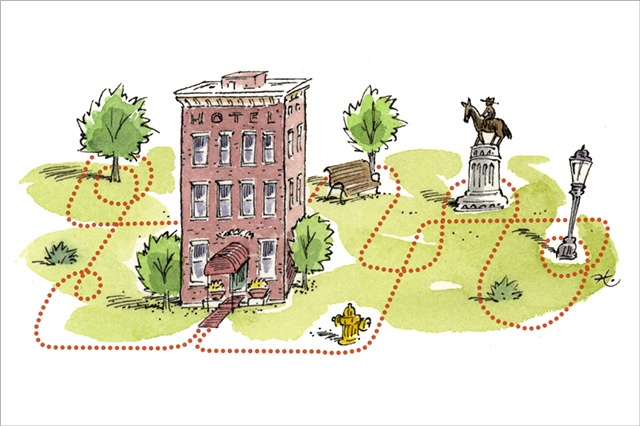
Check out your destination and your hotel. “A lot of cities have walking tours as ways to get out and explore wherever you might be visiting,” Simon said. When booking a hotel, try to find one in a walkable area so you can take a morning or evening stroll if you’ll be in a seat for most of the day.
Walk in Transit
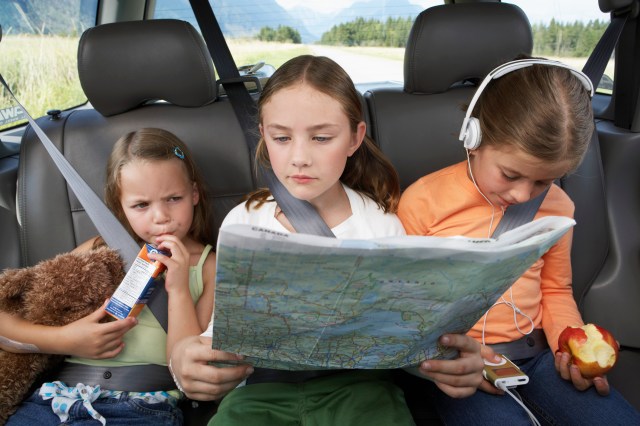
“If you’re waiting at an airport, you could be walking around the terminal and getting your steps in that way,” Simon said. Some airports – including those in Atlanta, Minneapolis-St. Paul and Portland, Ore. – offer walking paths or walking tours. When traveling by car, Simon recommends taking a 15-minute walk beforehand, and as many short walking stops as you can fit in.
Walk and Play
On vacation, make sure you include one or two activities a day that involve walking. When visiting museums and attractions, get a map from the information desk and plan to explore far-flung corners to help you get some steps in. Or take a walk around the grounds before your visit.
Walk and Work
“We are big supporters of walking meetings,” Simon said. “If you know you’re going to be meeting with someone and it’s a nice day out, maybe suggest that you guys have a conversation as you walk around outside.” Take advantage of physical activity breaks now offered at many conferences, or get in touch with other participants and get a walking group together. “That’s another way to network and make connections,” Simon said.
Improvise
Unexpected downtime is one more chance to get moving. “Sometimes you might just have an extra 15 minutes in your day and see a park down the road that you want to walk to,” said Simon, “and that’s just as healthy as if it was something that was penciled into your schedule.”
How do you get your steps in while you’re on the road? Let us know in the comments!
Need to get away? Visit AAA.com/Travel for ideas and inspiration for your next trip.
The AAA Foundation for Traffic Safety will soon release new information on the driving habits of older drivers. The research is the second phase of the foundation’s groundbreaking senior driver study, the Longitudinal Research on Aging Drivers project, or LongROAD for short. The multiyear project, which began in 2015, has resulted in the largest and...
The AAA Foundation for Traffic Safety will soon release new information on the driving habits of older drivers. The research is the second phase of the foundation’s groundbreaking senior driver study, the Longitudinal Research on Aging Drivers project, or LongROAD for short.
The multiyear project, which began in 2015, has resulted in the largest and most comprehensive senior driver database in existence. AAA will use its findings to better understand the risks senior drivers face and how to counteract them.
In December, the foundation released the first results from the LongROAD study. Researchers found that 90 percent of older drivers do not use accessories, like pedal extensions and seat cushions, that can keep them safer behind the wheel. Those who do use them often do not consult professionals to learn how to install them, something AAA recommends.
The foundation also is expected to release reports on the following subjects this year.
New car reliability
When the rubber hits the road, what new cars can you count on? This report helps prospective buyers choose a reliable set of wheels and examines what causes new cars to break down.
Ride-sharing costs
Many people today would rather summon an Uber or Lyft than own a car in a big city. This study will look at what it costs someone to use a ride-sharing service as their primary mode of transportation.
Apple CarPlay vs. Android Auto
A follow-up to research that found drivers who use voice-based and touch-screen vehicle features while driving were visually and mentally distracted for more than 40 seconds. This project will examine the safety and functionality of these two burgeoning apps.
Since 1947, the not-for-profit AAA Foundation for Traffic Safety has performed research to make roads safer and prevent traffic crashes. Read about recent findings and upcoming projects.
It can be hard to keep up a regular exercise schedule on top of the mountain of spring cleaning chores facing you. But there’s some consolation: Doing housework counts as a form of exercise.
This spring, take advantage of the time you’ll already be spending outside and burn more calories by turning your outdoor chores into workouts.
We’ve paired the following chores with exercises recommended by WebMD, so that you can finish your spring tasks without sacrificing fitness.
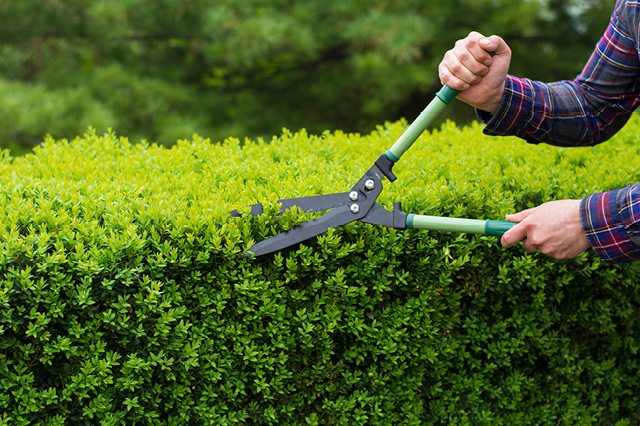
Since you’ll already be reaching up to trim your trees and taller shrubs, why not add calf raises to the task?
Hold on to something, like a stepladder, for balance and stand with your feet hip-width apart. Raise your heels so that you’re standing on your toes, hold, and then lower your heels back down.
Become an Extreme Gardener
While we’re still waiting for “extreme gardening” to be a real thing, you can add exercises like lunges to bump things up a bit.
When pulling weeds, step forward with one leg, keeping your upper body straight and abs tight. Lower your hips until both knees are at a 90-degree angle, and push back up to the starting position to complete the lunge. Then you can pull those pesky weeds out of your garden.
When doing other garden work, be sure to switch the arm you’re working with periodically to equally distribute the muscle work.
Tips
Don’t be afraid to make extra trips. Leave your tools in the garage so that you have to walk back and forth to retrieve them.
Keep your core engaged.
Always use your legs instead of your back when lifting something heavy, like a bag of fertilizer or mulch.
Always consult your doctor before trying any new exercises.
How do you make the most out of your outdoor chores? Tell us in the comments below!
Working out covers one area of fitness. Let AAA Prescription Savings help you ward off springtime ailments by covering medication for your whole family – including your pets!
If you’re moving or planning some cleaning or remodeling this spring, you’ll probably be packing a lot of boxes. Keep in mind these tips from moving experts.
The Best Containers
Boxes and cartons designed specifically for moving can help prevent damage to your items and make packing easier.
Wardrobe boxes are large cardboard containers with a bar across the top for hanging clothing. Move clothes from the closet to the box while still on the hanger and put them back just as easily.
Mirror boxes are slim and rectangular – specifically sized to cushion glass and paintings.
Small, sturdy boxes that are easy to lift and carry are designed for holding heavy items like books and dishes.
The Best Process
Secure fragile items using unprinted paper. Before placing wrapped items in a box, pad the bottom with a stack of wadded paper. Fill gaps with towels, clothing or bubble wrap.
First, pack by room (all the kitchen items together) then, by items (dishes in one box, etc.). Place the heaviest things at the bottom.
Uh-oh. You’re all packed, but now you need something. Label each box by room and what’s inside.
What are your tips for mastering the art of packing boxes? Let us know in the comments below!
AAA members save up to 20 percent on Penske one-way truck rentals when booked online, plus discounts on packing supplies. Learn more.
You’re going to be stuck in the car with your beloved family or friends for an inordinate amount of time. Maybe it will be for the trip you always wanted to take to Walt Disney World Resort (hello, 20-hour drive!) or a shorter jaunt to Amish Country or Niagara Falls.
Whatever the trip, you’re going to need something that can keep everyone happy (and occupied) for an hour. Or two. Or – shudder – 20.
To help you out, we’ve rounded up some family-friendly and general-interest podcasts that should help smooth out any long ride, no matter who calls shotgun, hogs the snacks or takes up way too much room in the back seat.
This science podcast is for both kids and curious adults. Each episode answers a question or looks at a particular topic through a child’s eyes. Molly Bloom hosts, with a different kid each episode co-hosting and various experts chiming in.
Check out “Narwhals: Unicorns of the Sea?” for a good introduction. During it, you’ll learn that only males have the trademark “horn” – it’s really a tusk! – and that they grow in size over time.
The shows have delved into topics like roller coaster designs, the science behind Mary Shelley’s “Frankenstein,” how electricity reaches your outlets, and mystery sounds galore. Everyone – not just the kiddos – will have fun deciphering the various sounds. Hint: They’re never what you think they are!
Episodes are just short enough to keep kids’ attention – podcasts range from 4 to 60 minutes.
Chances are you’ve heard a TED Talk or two. During these short talks – usually less than 18 minutes long – you can learn about everything from AI to the power of introverts to zoology from leading experts in the field.
TED Talks Daily podcasts take these informative video talks and distills them into an audio format. You can find a talk on almost every conceivable subject, from the morals of driverless cars to digital photo archeology to what it’s like to see the Earth from space.
Third-grader Eva Karpman hosts this short podcast aimed at inspiring kids – and their adults – to pursue their passions. Sometimes her mom Olga joins in, too. Each episode is between 20 to 30 minutes long, just perfect for keeping a young one’s attention.
Recent episodes have found Eva talking to Melissa Hartwig, a sports nutritionist behind the Whole 30 food craze; one-handed concert pianist Nicholas McCarthy; and Joe De Sena, who founded the Spartan Race.
Anyone who’s heard “This American Life” knows it’s a special brand of radio show – and luckily for us – podcast. The first episode I ever heard was “House on Loon Lake.” I was in my car running errands, when suddenly I found myself in the middle of the podcast and absolutely unwilling to leave the radio, straining to learn more about the abandoned house and the gang of kids who discovered it. I sat in driveway and listened to the rest of the show for 20 minutes.
The show is that good. Host Ira Glass and his cohorts examine a different theme each week. It’s essential, gripping storytelling that’s extremely hard to explain. But it’s intoxicating and addictive. Most are suitable for all audiences, but you may want to listen to one you’re interested in beforehand to make sure it’s OK for younger listeners. (The website has episodes divided into topics like “Stories Kids Seem to Like,” “Funny Stories” and “Award Winners” to help you choose.)
But be warned: This show has been on the air since 1995, and has hundreds of episodes in its archives. Happy listening!
Anyone who thinks kids (and adults!) spend way too much time on their screens today will appreciate this biweekly podcast where host Kitty Felde chats about middle-grade books, or books that are aimed at readers ages 8-12.
Each episode is 20-minutes long, and discusses all genres, including the classics, not just the teenage vampire pulp that seems to invade the publishing world every few years or so. And the kids are the stars here – discussing what they like and don’t like about books, and asking questions of various authors.
Recent episodes have found children excitedly chatting about Roald Dahl’s “James and the Giant Peach,” Dave Barry’s “The Worst Class Trip Ever” and Kwame Alexander’s “The Crossover.”
If you love silly science, you’ll love this podcast from hosts Guy Raz and Mindy Thomas. I mean, really, how can you not like any podcast where the host imagines pouring pancake batter into a 3-D printer for some quick and easy flapjacks?
Equally silly episodes explore the science of doggo sniffers, the organizational habits of squirrels and the brain-boosting effects of recess.
Most episodes hit the 20-minute mark, just perfect for playing a bunch during a really, really long car ride.
Getting the recommended eight hours of sleep is one way to accomplish a happier, healthier lifestyle. With a good night’s sleep, individuals can experience benefits such as boosted immune systems, improved moods and better brain function. If you’re not getting the best sleep possible, it’s time to go ahead and find yourself a new bed mate – we’re talking about mattresses here – and pave your path to some uninterrupted Zs. So, which is the best type of mattress for you?
There are a lot of things to consider when buying a new mattress. When it comes down to the actual bed, you’ll need to think about firmness, size, and materials. But there are also individual preferences to consider, like your favorite sleeping position or how much you weigh. Some people might even want to factor in old injuries or problem areas. With all of these things to think about, finding the best type of mattress could feel impossible. We break it down and cover the basics.
Which is the Best Type of Mattress For… Side Sleepers
Side sleepers have some pretty unique needs. And since their resting positions often change throughout the night, it’s important to find a mattress that offers all-around support. A side sleeper’s bed should relieve pressure on the hips and shoulders, as well as keep the spine, neck and back aligned. That means you’ll want to look for something between soft and medium on the firmness scale. Foam mattresses, which contour and support the shape of your body without too much pressure, are great options. Side sleepers should look for mattresses with materials like memory foam, latex foam, gel polymer, poly foam, or coils with a pillow top design.
Tip: Proper spine alignment is particularly important when it comes to side sleepers. Place an old pillow between your knees while you sleep. This can help make sure your upper leg is properly supported.
Stomach sleepers should look for mattresses that fall somewhere between medium and firm.
Which is the Best Type of Mattress For… Stomach Sleepers
While side sleepers should focus on beds that contour the body, stomach sleepers should do the exact opposite. Instead, opt for beds that fall somewhere between medium and slightly firmer. This will allow stomach sleepers to remain flat (or as flat as possible) while resting and prevent backs from overarching, which can cause stiffness and prolonged back pain. However, even though stomach sleepers should invest in firmness and support, most still want a bed the feels soft and comfortable. If you find yourself in this category, look for options with highly advanced foam materials ora firm mattress with a thin, but soft foam or pillow-top layer. This should help give you that perfect balance between rigid and soft.
Tip: Stomach sleepers should try to keep their bodies as flat as possible when resting. You’ll want to find a pillow that supports this position. According to Sleepopolis, an overstuffed pillow will elevate the head too much and may lead to extra pressure or spinal misalignment in your neck.
Which is the Best Type of Mattress For… Back Sleepers
Like stomach sleepers, most back sleepers need a mattress that is firm. According to Sleepopolis, the medium to slightly firm range generally provides necessary back support, while remaining soft enough to remove pressure points. However, back sleepers can choose from a wide range when it comes to firmness levels, it all depends on preference. Those with a lower overall weight might find that mattresses that are too firm may cause a “floating” feeling that exacerbates lower back pain. Adjustable foundation mattresses can be a great investment.
Tip: Sleeping on your back can feel a little awkward. If you have some extra pillows lying around, use them to better position your body. According to The Sleep Jungle, placing one pillow under each arm is a great position for back sleepers.
While the information above can help consumers make more informed choices, budget will ultimately decide what type of mattress a person springs for. Before heading out on your next shopping adventure, do some research and consider factors like mattress size and brand, since these will both affect pricing.
How do you decide which is the best type of mattress for you? Let us know in the comments below.
Trying to get more veggies into your diet? March is all about the green – what with St. Patrick’s Day and the start of spring and all – so there’s no better time to try some easy vegetable recipes.
The five dishes below taste great and will help boost your veggie intake this spring.
Food blogger Angela Liddon touts this dish, which is packed with quinoa, spinach, avocado, zucchini, snap peas, carrots and pepitas. Not only does it look gorgeous, it’s also filled with tons of vitamins, fiber and fresh-from-the-garden goodness. It’s a bowlful of sunshine, so welcome after the dreary winter months.
Tender spring asparagus takes center stage in this penne dish with asparagus and cherry tomatoes from Italian food maven Giada De Laurentiis. This quick and easy dish takes just 15 minutes to get from stovetop from tabletop, making it perfect for a weeknight dinner.
Using chocolate as a base is a sneaky yet delicious way to get vegetables into, say, a finicky toddler or reluctant teen. With the addition of avocado, this chocolate avocado pudding from allrecipes.com gets an influx of vitamins and nutrients. According to the U.S. Department of Agriculture, avocados are full of vitamins B, C and E, as well as potassium. Yum!
Tacos are one of my favorite go-to meals. Sometimes I fill them with fake meat crumbles, and sometimes I use fish or black beans instead. But I never through about making them with shrimp until I saw this recipe from garlicmysoul.com. It’s so fresh and easy: Saute up some shrimp, toss with whatever roasted veggies you have, add some salsa and voila. Dinner! (Bonus: My 13-year-old daughter loved this dish. Mom for the win!)
Don’t have time to eat your greens? Drink them instead! With just four ingredients – kale, coconut water, banana and pineapple – this smoothie recipe from realsimple.com will make you feel like you’re vacationing in the tropics, tasty mocktail in hand.
Have a few favorite healthy dinner ideas that you would like to share? Tell us in the comments.
Parking in NYC can be a daunting task. There are lots of signs and rules and parking tickets. And when it comes to expensive parking garages, it’s hard to know where to go to get the best deal for your dollar – or at least feel the least ripped off.
Whether parking on the street, in a lot or at the airport, we’ve gathered hints and tips that will help to get you into a decent NYC parking spot. If you can park here, you can park anywhere!
Alternate Side Parking in NYC
You hear it every morning on the traffic report, “Alternate Side Parking is in effect” or “Alternate Side Parking rules are suspended,” but unless you deal with it every day you’re probably not quite sure what that means. Alternate Side Parking rules are enforced to make room for street sweepers in the morning. Most streets are cleaned twice weekly, once in each direction, and when the rules are in effect you can’t park on the side of the street that is being cleaned.
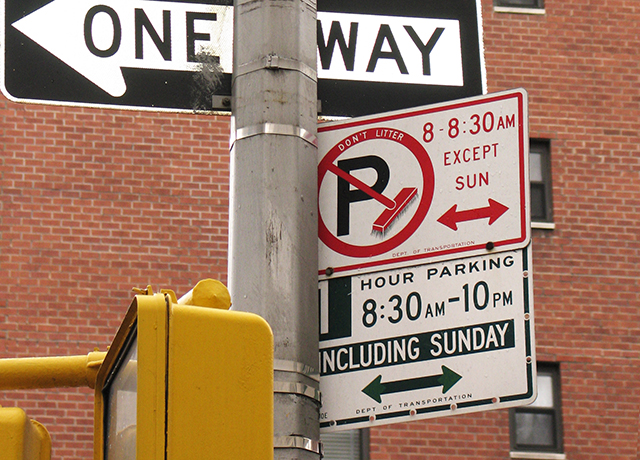
Alternate Side Parking signs can be recognized by a large red “P” crossed out with a broom, citing specific days and hours. For example, a sign may say “11:00 a.m. -12:30 p.m., Monday and Thursday,” which means you would have to move your car no later than 11:00 a.m. on those two days.
The city suspends Alternate Side Parking for holidays and as needed for severe weather or other emergencies. When the rules are suspended, you may park your car in “No Stopping,” “No Standing” and “No Parking” zones, unless the rules are enforced seven days a week (i.e. “No Standing Anytime”). For the calendar of scheduled suspensions and to find out exactly what these very similar but different signs mean, click here.
Parking Garage Tips and Airport Parking
Finding NYC parking on the street is no easy task, but parking garages can get expensive. Once again, it pays to plan ahead and do a little research before you pull into the first and closest lot you see. Thankfully, there are many websites and apps to compare rates, get discounts, and even find and reserve your parking space in advance.
One of the most convenient and economical ways to get to the airport is to drop your car off at a lot that has free and continuous shuttle service. Perhaps you’ve seen the yellow and black spotted Swiss cheese-looking shuttles driving along the Belt Parkway – that’s The Parking Spot, an affordable, 24/7 airport parking service. The Parking Spot provides full-service, nearby parking to 21 major airports in the U.S. including LaGuardia and Newark. It offers free valet service, luggage assistance and free shuttle service that operates every five to seven minutes.For flyers headed to JFK, you can click here for ways to save on long-term parking.
Street Parking in NYC
To avoid getting stuck with a parking ticket (about $70 on average) pay attention to the meter and/or time restrictions and keep an eye out for Alternate Side Parking rules and suspensions. Read the signs carefully; metered parking limits range from 1-12 hours and vary from block to block, sometimes even on different sides of the same street.
Parking rules are strictly enforced and you will get a ticket – or get towed. All of New York is a designated Tow-Away Zone. For anything from an illegally parked car to an expired registration, you may be headed to the tow yard.
Gone are the days of digging through your pockets and searching under the car mats for change. NYC Parking Cardscan be purchased online from the Department of Transportation and can be used for street parking and in municipal lots. Load it up in prepaid denominations of $20, $50 or $100, then just swipe and go. Except of course on Sundays, when metered parking in NYC is free throughout the five boroughs.
Whenever venturing into the city, always think ahead. Consider how potential obstacles such as traffic, construction and holidays, may affect your travel time and parking options. Plan your route accordingly.
Do you have any tips for parking in NYC that you would like to add? Let us know in the comments.
Taking a cruise is a fantastic way to see amazing sights while vacationing with ease. But if all your cruising daydreams take you only to palm trees and tropical beaches, then you’re missing out.
If you love nature and the great outdoors – or have ever dreamed of visiting the 49th state – a cruise is one of the best ways you can experience Alaska’s breathtaking natural beauty.
Intrigued? Read on to learn more about the unique experiences an Alaskan cruise has to offer.
Natural beauty
The Last Frontier is home to spectacular natural phenomena, much of which is best enjoyed from the water. From the comfort of your cruise ship you’ll witness amazing wildlife and stunning views. Here are just a few of the incredible sights on your Alaskan cruise for which you’ll have a front row seat.
The Inside Passage: Weaving between islands and fjords, mountains and glaciers, few routes in the world can rival this waterway’s scenic views. It’s also home to a thriving ecosystem of marine life. Typical sights include whales, bald eagles, sea lions, porpoises and sea otters.
Tracy Arm: Located near Juneau, this narrow fjord is home to some of Alaska’s largest glaciers and is surrounded by forested mountains, waterfalls and vibrant wildlife on sea and land. Watch and hear the thunderous sound of “calving” – icebergs breaking off from the glaciers and falling into the sea!
Hubbard Glacier: Known as “the galloping glacier,” this 600 foot tall glacier races toward the sea at an impressive 80 feet per year. With its stunning blue color and constant calving activity, Hubbard Glacier is spectacular to behold.
Hubbard Glacier.
Fun excursions
While there’s so much to see from the grand vantage of your cruise ship, you will be equally amazed at the host of fun land excursions to pick from.
Ketchikan Zipline: Ready for adventure? The Ketchikan Zipline is an exhilarating ride through the canopy of the lush Tongass National Forest. Enjoy a stunning bird’s eye view of the rainforest and see how many bald eagles you can spot!
White Pass & Yukon Route Railroad: Hop aboard a vintage train car and follow in the literal tracks of the Klondike gold prospectors. This narrow-gauge railway ascends nearly 3000 feet in elevation in only 20 miles, providing nonstop panoramic scenes and an impressive view from the summit.
Misty Fjords: Travel via floatplane to this vast wilderness stretching along the Inside Passage, and admire the pristine lakes, waterfalls and jaw-dropping granite cliff faces.
Denali National Park: Visit the interior of Denali National Park on a cruisetour. With six million acres of breathtaking wilderness and the highest peak in North America, this park is chock full of things to do and ways to explore! From hiking and snowshoeing, to white water rafting and helicopter tours, to zooming through in a jeep or ATV. Learn to drive a dog sled, or grab some down time by playing with the puppies at the Husky Homestead.
Fascinating destinations
From bustling cities to charming mountain towns, Alaska’s settlements are home to rich history, breathtaking views and a thriving lifestyle.
Skagway: Step back in time and explore Alaskan history through this picturesque mining town. Take a walking tour through the historic district and be transported back to the 1898 gold rush. Have a pint of spruce tip ale at the Skagway Brewing Company. Take a (shockingly) refreshing dip in the glacial waters of Lower Dewey Lake. Or explore what nature has to offer in the stunning alpine environment.
Juneau: This city has the distinction of being the second largest in the US (by area), and is the only state capital that cannot be reached by road. Explore the easily accessible Mendenhall Glacier. Take a thrilling tramway ride up 1,800 feet to the summit of Mt. Roberts. Watch for whales, bears, eagles and more on a wildlife tour. Or set out on Juneau’s impressive 250+ miles of hiking trails with panoramic views of lakes, glaciers, mountains, and the city itself.
Ketchikan: There are so many opportunities to play and learn in this quaint mountain town. Watch the incredible journey of King Salmon swimming up Ketchikan creek. Learn about the history and arts of native peoples and view the world’s largest collection of totem poles. And don’t forget to save some time for flightseeing, snorkeling, and a spin on the famous zip lines.
Luxurious onboard experiences
Just because you’re touring wild, rugged Alaska, doesn’t mean your Alaskan cruise will lack luxury. When you’re not out adventuring, there are plenty of amenities to enjoy from the comfort of your ship.
Food: Sip cocktails and enjoy fine dining, or relax in a casual atmosphere. Your ship offers a variety of specialty restaurants, bars, and lounges to choose from. Traveling by cruise allows you to enjoy the culinary expertise of world class chefs – even in the world’s most remote areas.
Spa & fitness: There’s no need to neglect your wellness during your trip! Take advantage of the luxurious spa and fitness facilities onboard. Relax in the sauna, keep up with your normal workout routine, or pop in for a yoga or spin class.
Events, parties and entertainment: It wouldn’t be a cruise without incredible entertainment. Enjoy live music and exciting performances, then dance the night away when the DJ takes the stage.
Activities for kids and teens: The cruise experience can be magical for the whole family! Engage in fun, family-centered activities that are great for all ages. Let your teens do their thing in a (supervised) teen hangout space. Keep learning at the center with an exciting summer camp program. Drop your little ones off at a kid-focused event or employ a babysitter so you can squeeze in a few hours of adult time.
What about you? Are you ready for your own Alaskan cruise adventure? Happy adventuring!
Your phone is, in essence, you. Photos and experiences from your travels, messages to your friends and loved ones, banking information, passwords, your calendar – all this information, and more, may be found on your smartphone. And with all this data, it’s easy to see how losing your phone can be scary. But what about the less obvious threats, like automatic location sharing?
As we continue to get connected and share our lives through social media, it’s important to keep ourselves and our information secure. Check out our top 3 cyber security tips on how to keep enjoying the conveniences of your smartphone without oversharing.
Use a passcode
Your smartphone’s lock screen is the first line of defense against people who might want to sift through your personal data. You’ll want to make a strong passcode. Devices have options for traditional PINs, unique passwords, fingerprint IDs and even facial recognition. While the best security measure is to utilize at least two of these options, not everyone is comfortable with fancy biometrics. And that’s okay – just be sure to use some form of security.
PINs are easy to remember, but hacking them is also as easy as a quick glance over the shoulder. Instead use a unique passcode that mixes letters, numbers and symbols – one that you haven’t used before. And for even greater precautions, use these passcode cyber security tips:
Set the lock screen to reappear after a short window of no activity. It’s best to keep it between 30 seconds to 1 minute, but never go above the 5-minute mark. Otherwise, even with a passcode, there will be a large window for others to get a hold of your info.
Have your device automatically wipe its data after a certain number of failed login attempts. If your phone is lost or stolen, this will ensure that other people can’t access your information.
Change your passcode from time to time. It will help keep would-be intruders guessing.
Be wary of public Wi-Fi
Free Wi-Fi has become a standard in restaurants, coffee houses, hotels, airports and other communal spaces around the world. Convenient, yes, but public Wi-Fi should probably come with a warning: Log in at your own risk. Susceptible to cyber-attacks, your personal and financial data are vulnerable on public Wi-Fi. How do you keep your information protected?
Avoiding public Wi-Fi altogether is the most effective way to stay safe. And that leaves smartphone users with unlimited data plans at an advantage. Travelers can simply turn on their phone’s personal hotspot to connect a laptop, iPad or another Wi-Fi enabled gadget to their secure network. But if you’re traveling with a large group, you’ll need a device with a little more oomph. Portable Wi-Fi Gadgets, although palm-sized, can usually connect up to 10 devices without sacrificing internet speed and will work anywhere there’s network coverage.
Still, things happen, and sometimes using public Wi-Fi is unavoidable. So, if you find yourself connected to Starbuck’s free Wi-Fi on your next coffee run, here are some of the most important cyber security tips to remember:
Accidentally connecting to a “fake” hotspot is easier than you think. So, make sure to turn off your phone’s “automatically connect to Wi-Fi whenever it’s available” feature. And always ask an owner or employee at the location you’re visiting for the Wi-Fi details, including the network name.
When using public Wi-Fi, don’t pay bills, do online banking or access other sensitive data. Yes, that includes e-mail and social media, like Facebook, which can sometimes share sensitive info. Only use public Wi-Fi to surf the web.
Use a VPN, or Virtual Private Network, to connect to public Wi-Fi whenever possible.
Share your location sparingly
Whether you’re headed out of town for a business trip or a vacation, it’s best to keep that information to yourself. Seriously. Uploading a post that tells all of your Facebook friends and their friends that you’ll be gone for a week, puts your home and your valuables at risk.
Even if you don’t post your location and vacay plans on social media, chances are you’re still sharing plenty. Most smartphones and apps automatically share your location. And as automatic geotagging features and geolocation apps grow in popularity, consumers might want to think twice about who their sharing this information with and how often.
When you take a photo, most smartphones will capture your geographical location as well. And while that might seem harmless, and maybe even cool, this geotagging feature can be risky. Geotags, which don’t appear on actual images the way time stamps do, are stored in the photo’s metadata. And that tag can include your exact GPS location.
That picture you just posted of your awesome, new flat screen TV? Criminals can easily retrieve its location (your address!) using EXIF (Exchangeable Image File) viewer apps. And to make matters worse, if you like geotagging your Facebook posts and tweets, those same criminals will know when you aren’t home, making your valuables easy pickings.
How do you protect your information and prevent oversharing? Here are some cyber security tips that will help:
Turn off location services. While some apps like “Find my iPhone” and maps require location sharing to work properly, it’s unnecessary for others. From data-sensitive apps like your mobile wallet, to game apps, your location may be shared. Head to your smartphone’s privacy settings and look for location services. You’ll want to individually turn off location sharing for any app you think might put you and your information at risk.
Remove image geotags using EXIF viewer apps and editors, such as deGeo(iOS) or other.
While these top 3 cyber security tips are essential, it’s important to remember that they aren’t the only ones to worry about. From making sure you don’t automatically save usernames and passwords in your apps to updating software regularly, there are plenty of things to consider when it comes to the safety of your personal information.
What cyber security tips do you exercise in your day to day phone use? Let us know in the comments below.
Some of our fondest memories are from life’s special occasions – a family vacation, your child’s graduation, or perhaps a milestone wedding anniversary.
But these special moments often come with a high price tag, and stressing over how to afford the bill can greatly detract from your experience of the event.
It’s important to build savings and be financially ready when these important moments occur, so you can enjoy them to the fullest and not be saddled with inconvenient expenses or credit card debt.
We know saving can feel tough, so we’ve put together some simple tips for how you can save in advance for the moments that matter most to you. Follow these 5 tips to ensure you’re prepared for all the momentous occasions in your life.
Plan Ahead
Map out the big events or trips you have coming up in the next one to two years (or further out if needed). Knowing a special occasion is on the horizon allows you to start setting aside the funds you’ll need to enjoy it the right way.
Do some research to estimate what the final price tag will look like. If you’re planning a trip, find out the approximate cost for travel, lodging and activities. If you’re planning a celebration, consider whether you’ll need to rent a venue or pay for catering. Don’t let unexpected expenses take away from your experience!
Once you know the total amount you’d like to save for your special occasion, plus how much time you have to reach your goal, you can calculate the exact amount you’ll need to save each month.
You’ll find it’s much easier to save when you have a clear, measurable goal that you’re working toward!
Automate Your Savings
A great way to make sure you actually save your desired amount each month is to open a savings account specifically for the event, and to have your savings amount automatically withdrawn from your paycheck.
So if you plan to spend $2000 on your child’s graduation party, and you have 6 months to build your savings, you would transfer $333 ($2000 ÷ 6) to your new account each month or $166 per paycheck if you’re paid twice a month.
With your savings on autopilot you won’t have to worry about forgetting to save, or risk the temptation of spending those funds on something else. Plus, with a separate savings account you can easily watch your progress as you work toward your goal.
If your saving plan is short term, such as a year or less, you can maximize your savings by opening a savings account that accrues interest. For long term saving, consider putting your money in an investment account to get an even higher return.
Cut Unnecessary Spending
What if the amount you want to save from your paycheck cuts into your budget for everyday expenses? You may want to examine your budget and see if there’s any unnecessary spending you can cut out so that more of your income can go toward savings.
Adjusting your budget could mean some simple changes, like reducing how frequently you eat out, brewing coffee at home instead of paying Starbucks, or drinking less alcohol. If you’re ready to make a bigger change, consider canceling or negotiating your cable service or switching your cell phone carrier.
Remember, you’re cutting out non-essential expenses now so that you can spend later on the moments that matter. So be sure to have a clear goal of what you’re working toward and an easy way to measure your progress. If you’re foregoing fun now but don’t have a clear picture of the wonderful payoff, it will be much harder to stick to your new budget.
Save Points
Many credit cards offer rewards in the form of points that can be redeemed for expenses like airfare, rental cars, lodging, and dining. Going into debt for your vacation or honeymoon is not a good plan, but having a credit card that accrues points you can spend on travel is a great way to make your dollars go further.
Instead of using your credit card for purchases you can’t afford, use it to pay for items that were already in your budget like gas, groceries and utility bills. Then pay off your balance in full.
You’ll earn points that you can use toward special occasions, and with your balance paid off you won’t be charged interest. Some credit cards will even reward you with cash back or extra points for making certain purchases.
When you pay for portions of your trip with points, this allows you to have a smaller savings goal – or to put those extra savings toward upgrading your trip.
Increase Your Income
If you have big goals for saving and would rather not cut back on your current lifestyle (or are unable to), you may want to think about ways you can increase your income.
You don’t need a salary increase to make extra money (though asking for a raise could be a quick way to reach your goals). These days there are many opportunities to earn extra cash.
Use your professional skills to pick up some freelance work, like filing taxes, doing bookkeeping, or helping small businesses with their marketing. Get some quick cash through pet sitting or providing childcare. Have a garage sale to sell older housewares, or head to the internet to sell nicer items like collectibles and designer clothing.
Are you a whiz at math? Writing? Speaking Spanish? Become a tutor! Students from elementary age through college need tutoring.
Have an empty room now that your child’s moved out? Rent it out to travelers on AirBnB. Or drive for a rideshare service like Uber or Lyft. These services are always recruiting and typically offer generous signup bonuses for new drivers.
Whatever hustle you choose, be sure you’re using your earnings to build savings and get closer to your goals!
What about you? What are the best tactics you’ve used to build savings for life’s special occasions?
Europe’s historic cities are home to incredible architecture, grand churches and ancient ruins. Here are the top ten landmarks in Europe that everyone should see at least once in their lifetime. Add them to your bucket list of travel destinations.
Stonehenge – Wiltshire, England
Located in southern England, Stonehenge is one of the most famous landmarks in Europe and draws nearly one million visitors to the site every year. The monument is comprised of colossal rocks in a circular pattern, leaving historians puzzled by what this site was meant to represent when it was built thousands of years ago. Today there are various theories that suggest the grounds were used for rituals and burials, but the true reason for its creation we may never know.
No European jaunt would be complete without seeing the historic Tower of London on the north bank of the River Thames. Its roots go all the way back to William the Conqueror and it has served as a fortress, prison, palace and even a way station for the Crown Jewels at various points in English history. Now a world famous tourist attraction, the Tower is a World Heritage Site that hosts millions of visitors per year. Now, you can’t book this in advance, but it is worth it to try to get on a tour with a Yeoman Warder, the iconic guards at the Tower, and hear their stories.
Eiffel Tower – Paris, France
The Eiffel Tower has easily become a recognizable cultural icon of France since being unveiled in 1889 as the tallest man-made structure in the world. The iron-lattice tower symbolizes romance, charm and the Parisian joie de vivre that the city is so well known for. This destination is at the top of many travel bucket lists, making it the most visited paid European landmark. If you take a trip up the tower, make a stop on the first level where a glass floor was opened in 2014.
The Kinderdijk Windmills – Netherlands
Windmills are the epitome of Holland. The windmills of Kinderdijk were originally built in the 17th century to prevent flooding and turned into a tourist destination in the 1950’s. Travelers began showing up with cameras to watch the windmills at Kinderdijk and the site has since become one of the most photographed places in Holland. The landmark contains a cluster of nineteen pristine windmills, forming an iconic and unforgettable Dutch scene.
Acropolis – Athens, Greece
The Acropolis of Athens is a landmark rich with history that contains the remains of several ancient buildings including the Parthenon, making it the most significant site in Greece. Its monuments and sanctuaries are built from white marble and sit above the city, a magical site to see when you arrive to the metropolis no matter what time of day it is. Needless to say this architectural masterpiece will not disappoint.
Colosseum – Rome, Italy
The Colosseum is a jaw-dropping landmark in Rome that was commissioned as a gift to the Roman people by Emperor Vespasian of the Flavian dynasty. The massive golden structure served as an arena for gladiators and wild animal battles that entertained the 50,000 people that were seated in the audience. Two-thirds of the original Colosseum was destroyed over time, but the site still attracts millions of tourists. Today you can visit the underground passageways to view the area where gladiators and animals awaited their fate, which was opened in 2010.
Hagia Sophia – Istanbul, Turkey
The Hagia Sophia, roughly translated as “Holy Wisdom” is a must-see landmark in Europe and considered one of the most important in Istanbul. The domed monument was built as a cathedral, turned into a mosque and now serves the city as a museum. Tourists flock to the monument for its religious and historical significance; it survived earthquakes and fires throughout the years, emperors were crowned in the monument and sultans were laid to rest outside of the building in lavish tombs. Today you can expect to see spectacular domes and exquisitely colorful mosaics.
LaSagrada Familia – Barcelona, Spain
La Sagrada Familia in Barcelona is a must-visit destination for any tourist passing through the city. Antoni Gaudi´s masterpiece is the largest unfinished Roman Catholic Church on earth and has been under construction for 130 years. The church is an extraordinary interpretation of Gothic architecture; the exterior inspires awe by its sheer size and brilliance, while the interior has an unexpected delicate beauty from the massive amount of stained glass and art. Take a half-day to explore this dazzling landmark in Europe.
Saint Basil’s Cathedral – Moscow, Russia
Saint Basil’s Cathedral is a church and centerpiece of the Red Square in Moscow that now serves as a museum to the public. The dream-like building is shaped like a flame from a fire rising into the sky; this and the vibrant colors of the cathedral’s domes have made it a highly visited landmark in Europe. The church is made up of nine small chapels that are aligned to points on the compass. Saint Basil’s has been a museum and tourist attraction since 1929 and in 1990 it became part of a UNESCO World Heritage Site.
Neuschwanstein – Bavaria, Germany
Neuschwanstein is a 19th century castle located in the hills of Bavaria. The picturesque palace was opened to the public shortly after the king’s death in 1886 and is now one of the most visited castles in the world. On a guided tour of the ornate castle, you’ll have access to fourteen rooms including the king’s bedroom and dressing room, among others. Don’t miss Marienbrücke on your visit, the bridge that hangs over a waterfall and has one of the most amazing views of the castle. It’s rumored that Walt Disney actually modeled the castle in the movie Cinderella after it!
Hungarian Parliament Building – Budapest, Hungary
The Hungarian Parliament is the tallest building in Budapest and a breathtaking sight to see as it faces the River Danube, which is one of the reasons why it has become such a popular tourist destination. The parliament is symmetrical and has two identical halls on each side of the building, one is used for legislation and the other is used for guided tours. When visiting the parliament you can expect to see brilliant Gothic architecture, numerous significant statues and beautiful paintings.
Which landmarks in Europe are on your travel bucket list? Tell us in the comments below.
Universal Studios rides immerse us in our favorite imaginative worlds, delivering excitement for movie buffs and thrill-seekers alike, not to mention those expressly seeking the chance to fly through Hogwarts. Journey with lovable heroes and fly through a Quidditch match as you explore these must-see park highlights in Universal Orlando Resort.
Those brave enough to journey into the ominous temple in Universal’s Islands of Adventure are in for an unforgettable, heart-pounding 3D thrill ride. Guests go on safari in a jungle of prehistoric predators, leading to an up-close encounter with the giant ape known as King Kong. If you thought he was impressive in the movies, wait until you see him in real life.
Volcano Bay
Universal’s all-new water theme park offers the perfect balance of thrills and relaxation. Rent a cabana or hang out on Waturi Beach and watch the waves roll in. The TapuTapu bracelet will virtually hold your place in the ride lines while you have fun doing other things. The centerpiece of Volcano Bay is the Krakatau water coaster, a water-soaked adventure on a canoe through the dark twists and turns of the volcano’s center that ends in a plunging waterfall finale.
Fast & Furious Supercharged
You won’t want to miss this ultra-fast chase based on the Vin Diesel movie. When it comes to immersive experiences, this one will make you feel as if you are racing at 120 miles per hour, giving you incredible motion simulation that catapults you into the action, all without leaving your seat. Visitors to the Orlando park can experience the chase this spring. You’ll even be able to see 15 authentic cars from the movie on site.
Harry Potter and the Forbidden Journey
With the originality of the world created by J.K. Rowling, a theme park attraction based on her series has to take fans on an impressive journey. Beyond the attention Universal gave to recreating this magical world, it developed rides with simulated flying and plenty of surprises to keep you on the edge of your seat. Even if you never read the books or saw the movies, take the time to experience Harry Potter and the Forbidden Journey, one of the most popular Universal Orlando rides. While you might only be familiar with the title character, you’ll be charmed by a magical world complete with striking visuals and plenty of twists and turns that highlight iconic locations from the series.
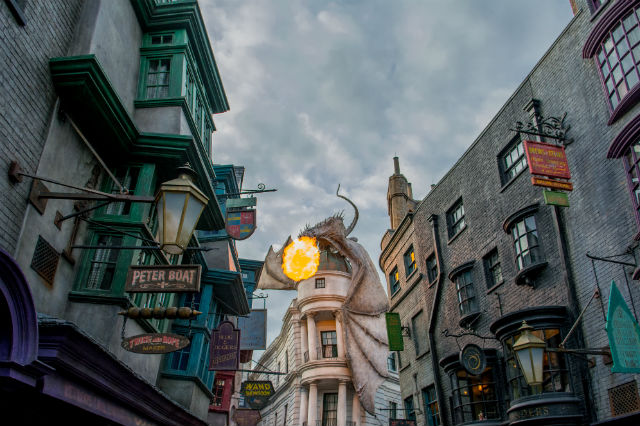
In the Wizarding World of Harry Potter, visitors can experience another high-speed magical adventure as they come face to face with villains and menacing creatures on their way through the grand bank at the end of Diagonal Alley. This attraction is unmistakable. Just look for the enormous fire-breathing dragon that guards its entrance. Once inside, you might be equally awed by the 62,000 crystals that make up the lobby’s chandeliers. The goblin-owned establishment was crafted so impeccably that you might wonder if Universal Orlando’s designers secretly graduated from Hogwarts themselves.
Transformers: The Ride 3-D
Once the adrenaline rush subsides, you can’t help but be struck by the technology behind Universal Orlando rides. Transformers relies on a combination of high-definition 3-D effects and photo-realistic visuals to blur the lines between the real and virtual worlds seamlessly. As far as immersive experiences, this one draws you into dramatic storyline moments and ongoing action in such a convincing way that you will again be amazed by the behind-the-scenes technology. Film fans will appreciate the opportunity to experience Michael Bay’s vision in a new way, but as with the Harry Potter attractions, you don’t need to be familiar with the series to appreciate the action and stunning images.
Despicable Me Minion Mayhem
Some visitors board rides for the thrill, but fortunately there are plenty of options at Universal Orlando for children too young to appreciate the super-charged world of Transformers and The Fast and the Furious. Families can take a heartwarming adventure with Gru and his daughters followed by a Minion-inspired dance party. The highlight might just be the chance to make it through Minion training. In keeping with the features that make Universal Orlando rides so captivating, this one is a 3-D experience that puts you right in the middle of the action.
Race Through New York Starring Jimmy Fallon
Late night television might not be the likeliest inspiration for a theme park ride, but the designers at Universal captured the quirkiness of one of Jimmy Fallon’s popular segments. Instead of challenging guests on The Tonight Show, this time he challenges park visitors to a race through New York that includes a virtual flight above the Statue of Liberty, under the East River, and even a trip through the subway. Expect some one-liners, but forget about waiting for this ride. With Virtual Line, you can reserve a time for this ride via the free Universal Orlando Resort App.
As it pushes forward in new directions, Universal knows what it takes to turn a film phenomenon into a captivating live experience. Add these highlights to your itinerary and enjoy the downright fun of jumping into a movie scene with the whole family.
What’s your favorite ride in Universal Orlando? Tell us in the comments.
The clunky thermostat. Unsightly cords. Strangely-placed wall vent. What do all of these things have in common?
They command the eye’s attention upon entering a room, but not in way that a homeowner entertaining guests might want. Eyesores such as these can either be too costly or impossible to change or replace. The only thing left to do is conceal them like we would an ugly blemish.
Get out your tool belt and put that Pinterest-thinking cap on — we’ve got some D-I-Y solutions to hiding some of your home’s most unpleasant eyesores.
1. Dress up a wall vent
Vents aren’t exactly the ugliest of home necessities, but a vent won’t fit in on a wall that’s otherwise covered in beautiful art pieces or family pictures.
Remedy this by making an easy D-I-Y vent cover. Hang a rubber door mat over the vent, ensuring that the mat has plenty of spaces between the rubber sections to allow for maximum airflow. If you’ve got a mat at home with enough spaces, but don’t like the color, try a metallic spray paint to dress it up.
2. Disguise a thermostat or alarm system
Thermostats, alarm systems and other control panels are made to be practical, not pretty. When one is smack-dab in the center of a living room wall, it can be an eyesore.
Hide the control panel underneath a piece of canvas art. Pick something that compliments the rest of the décor in the room, then nail three hinges to the canvas and screw it into the wall. Now you can swing it open when you need to use the control panel and close it when you don’t need it.
3. Tuck away those charging cords
In this day and age, one person could have multiple electronic devices that need to be charged, and likely in the same place. Nightstands, kitchen counters and end tables often become charging stations for cell phones, tablets, laptops, gaming devices — you name it. It can look untidy.
Clear a spare drawer to make your own D-I-Y charging station. Line the bottom of the drawer with cork floor tiles to make a safe bed for your electronic devices. Then, drill a hole in the back of the drawer for a power cord strip to fit through. Next, mount a power strip on the back of the drawer with screws. Now you have a hidden place to charge your devices. Use twist ties to keep each cord separate from the others.
How do you hide your home’s eyesores? Tell us in the comments below!
Protect your home with homeowners insurance from AAA. Get a quote today.
Pets are susceptible to a number of everyday health problems, from hairballs to fleas. Thankfully, there are some home remedies that might eliminate the need to visit a vet.
Pets are susceptible to a number of everyday health problems that can range anywhere from hairballs to an infestation of fleas. Thankfully, there are some home remedies – for both cats and dogs – that could prevent frequent visits to the vet. Although, you should always check with your pet’s doctor before treating maladies at home.
Hairballs: While there isn’t a magical solution to stop your cat from coughing up hairballs, there is one to help your cat pass them more easily. PetMD suggests you feed your cat half a teaspoon of butter once a day for a few days.
Bladder maintenance: If your cat is having problems doing his business, it could indicate a serious problem that requires immediate medical attention. For urinary maintenance, PetMD recommends trying unsweetened cranberry juice, which can increase urine acidity and help prevent problems. You can add cranberry powder to your cat’s food or cranberry juice to his water.
Hot spots: When dogs feel something irritating their skin, their instinct is to scratch — and lick and scratch some more. Eventually, the area becomes inflamed. First, the Pet Poison Helpline suggests that you remove the fur or hair around the hot spot with grooming clippers, and then gently clean the area with a damp cloth or gauze pad. Then, two or three times a day, apply a half-and-half mixture of water and apple cider vinegar. Unfortunately for Fido, he’ll need an Elizabethan collar until the hot spot heals.
Fleas: Repel fleas from your dog’s fur or hair and relieve them of their itchiness using lemon water. PetMD recommends that you put lemons in a pot, pour boiling water over them and let them steep overnight. Then, apply the solution to your dog’s skin with a spray bottle.
If these or any problems worsen or don’t improve, contact your veterinarian right away.
Which pet home remedies do you swear by? Tell us in the comments below!
‘Smells Like Teen Spirit’? Nirvana, Rolling Stones on Trend Again
When’s the last time you saw a Nirvana T-shirt? Was it at the height of the band’s fame in the 1990s? How about AC/DC, Guns N’ Roses, Slayer or Pink Floyd? Vintage band tees have come back into style. But they’re not mementos from concerts attended in yesteryear. They’re stocked on the racks at chain...
When’s the last time you saw a Nirvana T-shirt? Was it at the height of the band’s fame in the 1990s? How about AC/DC, Guns N’ Roses, Slayer or Pink Floyd?
Vintage band tees have come back into style. But they’re not mementos from concerts attended in yesteryear. They’re stocked on the racks at chain retail stores like Target and teen-favorite H&M.
In Target, you can find a gray, made-to-look-vintage tee for Metallica or another featuring the Rolling Stones famous logo.
So why would a teen want to wear a Pink Floyd “Dark Side of the Moon” tee if he or she has never even heard a song by the band?
It’s simple. Bands, their logos and their album art are associated with a particular brand, and clothing companies are capitalizing on it. The concert tee isn’t just a symbol of fandom anymore – it’s a fashion choice. A teen might feel that the Pink Floyd brand is a good fit for his or her personal style.
Of course, there are still plenty of genuine fans of these legendary bands who buy the tees. Streaming services, iTunes and YouTube have made it possible for young people to hear the music and see the concerts from their parents’ and grandparents’ generations. So, a teen walking down the street wearing a Nirvana tee may be paying homage to a band he or she really loves.
Or, maybe I’m just defending them because I bought a Prince “Purple Rain” T-shirt at Target. Much like rock ’n’ roll, this seems to be a trend that will never die.
What old concert tee is still hanging out in your closet? Share your favorite concert memories in the comments below!
It’s February, which means Valentine’s Day is approaching fast. How are you celebrating with your significant other this year? If food is in the equation, make this year special by whipping up a romantic recipe at home instead of going out. The names of the following recipes alone will make you and your partner say,...
It’s February, which means Valentine’s Day is approaching fast. How are you celebrating with your significant other this year?
If food is in the equation, make this year special by whipping up a romantic recipe at home instead of going out. The names of the following recipes alone will make you and your partner say, “Aww!”
A Cutesy Breakfast in Bed
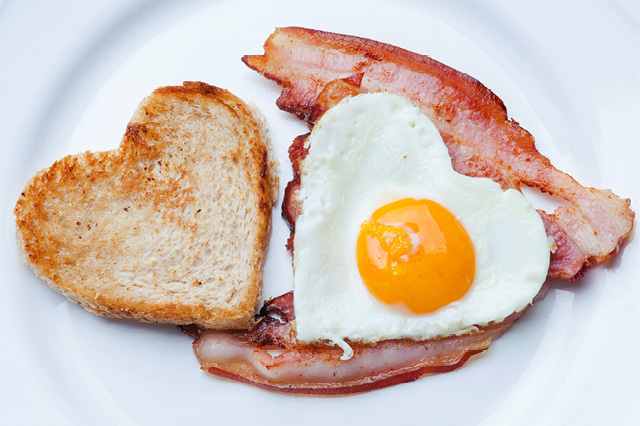
Wake your loved one with a smile – and the bacon egg-in-a-heart recipe from www.delish.com, perfect for a surprise breakfast in bed. First, shape a strip of bacon into a heart and bake until crispy. Place the bacon heart over the center of a slice of bread and cut out the shape of the heart. In a skillet, toast the bread, place the bacon heart over the cut-out shape and crack an egg in the center. Sprinkle with salt and pepper, and cook until the egg whites are set. Keep the small heart-shaped piece of bread for dipping into the yolk, or as an accessory to an already adorable meal.
DukeII / iStock / Thinkstock
A Timeless Tradition with a Twist
Write your loved one a romantic love letter – or try the recipe for ricotta love letters with toasted almonds from ABC’s “The Chew.” Combine ricotta, lemon zest, Parmigiano-Reggiano and nutmeg in a bowl. Then, fill wonton wrappers with a half-tablespoon of the ricotta mixture. Saute almonds and butter in a pan until lightly toasted, then add the ravioli, lemon juice and more Parmigiano-Reggiano. The best part? You can make the ravioli beforehand and freeze them, so you can spend more time with your partner on Valentine’s Day.
Kondor83 / iStock / Thinkstock
A Match Made in the Kitchen
Show you’re a perfect pair by making a pair of sweetheart steaks, recipe courtesy of www.tasteofhome.com. The unique part of this recipe is the sauce, which is made from a whole host of things: Catalina salad dressing, honey, apricot preserves, grape jelly, soy sauce, chives and more. Let these ingredients simmer in a saucepan for 30 minutes, then broil two steaks topped with the sauce, basting occasionally. The juicy steaks will have your hearts – and stomachs – soaring.
What’s your favorite recipe for saying “I love you?” Tell us in the comments below!
Find more creative recipes in our Food for All department.
At AAA, we focus a lot of our efforts on saving lives. Not many organizations can say that. We’re proud of the work we do. Not only do we rescue people from the side of the road in sometimes precarious situations, but we advocate for safer roads and driver safety. We lobby for legislative changes,...
At AAA, we focus a lot of our efforts on saving lives.
John Galvin
Not many organizations can say that. We’re proud of the work we do. Not only do we rescue people from the side of the road in sometimes precarious situations, but we advocate for safer roads and driver safety. We lobby for legislative changes, such as requiring the use of seat belts and most recently, requiring children age 2 and under be in rear-facing car seats. We do this because we know it saves lives.
Celebrating its 70th anniversary this year, the foundation’s mission is to identify traffic safety problems and foster research that seeks solutions. A leader in this field, the foundation has been cited for landmark studies on distracted driving, teen driving, senior mobility and safety, and most recently with the University of Utah on distractions being caused by infotainment systems in today’s cars.
Each year, the foundation creates a conversation on traffic safety through its culture survey. This survey gives us an idea of how important traffic safety issues are to the public. For example, drivers feel talking on a cellphone while driving is dangerous – yet a large percentage of people still do it. Overcoming this double standard will encourage safe behaviors – and save lives.
One other important piece of research coming out of the AAA Foundation focuses on older drivers. Referred to as the LongROAD study, this project is following 3,000 older drivers, their driving habits and specific risk factors over several years. The significance of this is that we’ll be developing scientific data to advocate for effective policies and programs. We expect to be able to make several recommendations that will help drivers stay safer longer.
As a valued AAA member, we want you to know about the work we’re doing on your behalf to protect you and your families on the road. We’ll be telling you more about the studies from the foundation throughout the year. We invite you to learn more about the foundation by visiting its website at AAAFoundation.org.
Knowledge is the first step in becoming a better driver. And better drivers save lives.
North Carolina’s capital city is a delight to visit, with a compact downtown, thriving restaurant scene, exploding craft brewery industry and several free museums and green spaces. The walkable city is bursting with energy, and it can be fun to time your visit with one of the city’s many festivals. 1. The North Carolina Museum...
North Carolina’s capital city is a delight to visit, with a compact downtown, thriving restaurant scene, exploding craft brewery industry and several free museums and green spaces. The walkable city is bursting with energy, and it can be fun to time your visit with one of the city’s many festivals.
2. You can get into endless debates about what barbecue style is best, but any place that’s been around for more than 75 years, like Clyde Cooper’s BBQ, must be doing something right. The casual spot has been serving Carolina-style barbecue since 1938. Top lean pork shoulders are slow cooked until beyond tender and mixed with a secret barbecue sauce. Order a plate with hush puppies and collard greens for a classic meal.
3. Hop aboard the Raleigh Brews Cruise, a bus tour that takes visitors on a behind-the-scenes visit to three local breweries. Guides explain the brewing process, the different styles of beer, and what makes each brewery unique. Of course, multiple samples are supplied, and – best of all – someone else does the driving. Coolers are provided on the bus if you decide to pick up some beer to go.
4. One of city’s more creative restaurants is Bida Manda, one of the few true Laotian restaurants in the U.S. The cuisine is a blend of Thai, Vietnamese and Chinese, with a dash of influences and techniques from its French colonial past. Crispy pork belly soup with coconut curry is outstanding, as are more familiar dishes like fresh summer rolls and pad thai. Servers will patiently walk you through the menu and following their advice is highly recommended.
An artfully plated dish at the Umstead Hotel and Spa.
5. Located about 15 minutes from downtown, the luxurious AAA Five Diamond Rated Umstead Hotel and Spa is worth the drive. The six-story hotel sits on 12 acres filled with gorgeous gardens and a lake. It has an amazing collection of art, complimentary bicycles to borrow and an outdoor pool. Guests also have use of the spa facilities, including a steam room, sauna, whirlpool and pool, even if they don’t book a treatment.
6. Raleigh is a real food-lover’s town, and a great way to get a feel for the area is to take a Taste Carolina Gourmet Food Tour. You’ll meet chefs while enjoying their food, most of which features local ingredients. Guides also talk about the city’s history and architecture along the way. Tours might visit five to seven restaurants and shops, and various types of walking tours are offered every weekend.
7. It’s fun to browse the city’s eclectic shops and boutiques. You’ll find that one-of-a-kind something for yourself and all types of unique gifts in the Warehouse District, an enclave of creative entrepreneurs. Check out the Raleigh Denim Workshop, which uses local materials and artisanal methods to create an ideal pair of jeans, and the award-winning, bean-to-bar Videri Chocolate Factory, to name just two.
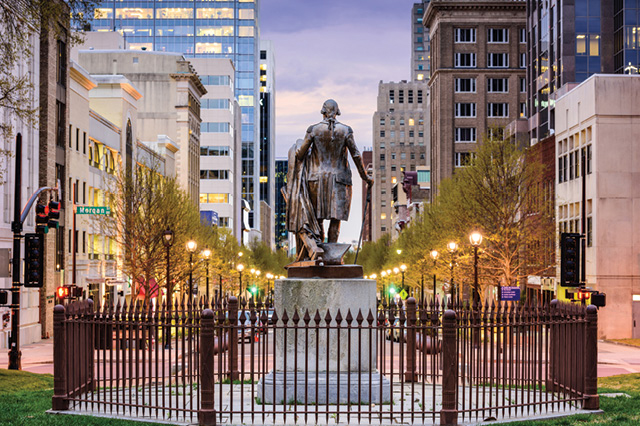
8.North Carolina’s state capitol is a gorgeous Greek Revival-style building that was completed in 1940. Today, it’s a National Historic Landmark that houses a museum and executive office space. Outstanding features include the domed rotunda, original 1840 furniture and a copy of Antonio Canova’s statue of George Washington depicted as a Roman general, wearing a tunic, body armor and a cape. Free guided tours are offered Saturdays at 11 a.m. and 2 p.m.
9. To get your blood pumping, rent a bike and head to the Art to Heart Trail, part of the city’s 104-mile Capital Area Greenway System. The route begins at the North Carolina Museum of Art, which has an outdoor art park and 3 miles of trails, then heads through Pullen Park and North Carolina State University’s campus.
10. For a spooky end to the night, take a Raleigh Haunted Footsteps Ghost Tour, a 1.5-mile stroll that combines local ghost stories, folklore and history. You’ll head to four different sites to hear about the capitol phantoms, a peg-legged ghost and the specters that haunt the area where the Yarborough House once stood.
Have you been to Raleigh? Tell us about it in the comments section below.
Get a taste of Raleigh by planning your stay with AAA Travel.
While you’re snuggling with your dog under blankets on the couch, your car is outside freezing its bumpers off. Cold temperatures, snow and ice – plus all the chemicals used to treat slippery roads –hammer your car all winter. It’s up to you to help it bounce back. Here are eight things to fix on...
While you’re snuggling with your dog under blankets on the couch, your car is outside freezing its bumpers off.
Cold temperatures, snow and ice – plus all the chemicals used to treat slippery roads –hammer your car all winter. It’s up to you to help it bounce back. Here are eight things to fix on your vehicle once we roll past the worst of the wintry weather.
Kick the Tires
Tires lose air pressure every month and every time the temperature drops by 10 degrees, said AAA Media Relations Manager Robert Sinclair Jr. Check the air pressure as soon as you can and inspect them for bulges, cracks and bruises on the sidewall, which could lead to a blowout if ignored. You can find the recommended levels on the door jamb sticker or inside the owner’s manual.
Wash Me!
Hopefully it hasn’t gotten so bad that a neighbor left a finger drawing on the back windshield. Regardless, wash your car regularly to get rid of road salt and other chemicals that cling to the undercarriage and cause rust.
Wipe Troubles Away
Don’t be that person who hangs out the car window to see every time it rains or snows. If the rubber on your vehicle’s wiper blades leaves streaks behind, replace them.
Clean Inside
Cigarette smoke and wet floor mats can create residue on the inside of the windows that can make it hard to see. Clear them with some glass cleaner.
Vacuum Up
Snowy boots can leave behind ice melt residue and dirt on your interior carpets. When snow season is over, vacuum and shampoo the carpets.
Go With the Flow
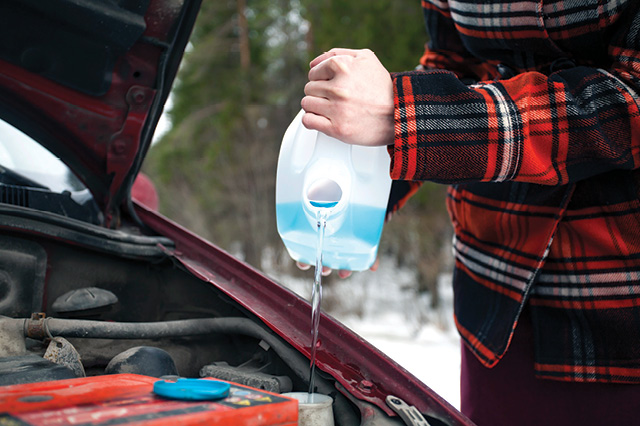
Certain fluids require more attention than others. Take some time to get to know where the fluid reservoirs are in your car. While you’re there, fill up the washer fluid and learn how to check the level of important ones like coolant and motor oil.
Inspector Gadgets
Beyond fluids, there are important parts AAA’s Car Doctor John Paul likes to inspect at the end of winter. He gets under the car and sees if something like a mound of ice has damaged the muffler system or other major parts. If you suspect serious damage, consult a professional.
Be Cool
It might be one of the furthest things from your mind, but now is a good time to see if the air conditioning works. If not, get it fixed before it gets hot.
It’s also important to have your battery checked this time of year. Did you know AAA will come to your home to check your car battery and replace it on the spot, if necessary? Click here to learn more.