How to Avoid Vehicle History Report Scams

If you’ve ever bought or sold a used car, you’re likely familiar with vehicle history reports. These detailed reports provide crash data, maintenance records and ownership history, assuring buyers that they are getting what they paid for. Unfortunately, the process of obtaining these reports is often corrupted by criminals in the form of vehicle history report scams.

Such scams are often perpetrated by sellers trying to offload a damaged, stolen, salvaged or malfunctioning car. In other cases, scammers are trying to obtain personal information. Either way, it’s critical to use a reputable vehicle history report provider. Otherwise, you will be leaving yourself vulnerable to criminals.

Listen to Our Podcast

For more car-buying tips, listen to episode 1 of our podcast, Merging Into Life: Buying Your First Car.

Tune In

Types of Vehicle History Report Scams

Incomplete Reports

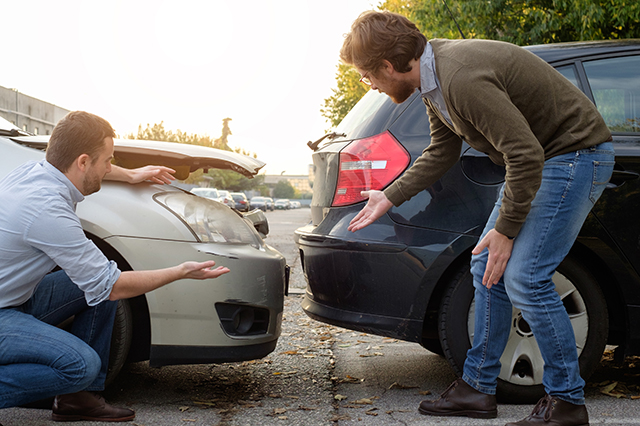
Sellers may try to pass off an outdated or incomplete vehicle history report that does not include all the relevant information. If a car is involved in a crash but no insurance claim or police report is made, it likely will not show up on a vehicle history report. In such instances, the owner may not disclose this information to potential buyers in fear of losing the sale.

“I try to remind consumers that the information is only as good as how and when it was entered,” said AAA Northeast Car Doctor John Paul.

Speaking of when, another trick scammers often use is providing an outdated report that was completed prior to any damage. In whatever manner it’s done, intentionally withholding information is a scam.

Fake Reports

Scammers will often create counterfeit vehicle history reports containing fabricated or altered information in an attempt to hide negative records. These may include digitally altered documents and/or fake vehicle identification numbers used to deceive buyers. Fake reports are most often used by private sellers.

Phishing Scams

Scammers often send emails or text messages to potential buyers leading them to fraudulent websites. Once there, the recipients are asked to provide personal and/or financial information, which can then be used for identity and monetary theft.

One type of phishing scam specifically targets people selling their cars online. The criminals contact the sellers as if they are interested in purchasing the vehicle, but ask them to get a vehicle history report from a website link that they provide first. Once the seller orders the report, they are never contacted again, and the scammer has what they wanted all along – valuable personal information.

Mechanic talking to customer about car

How to Avoid Vehicle History Report Scams

Use Reputable Sources

Now is not the time to go comparison shopping. Your safest bet in securing an accurate vehicle history report is using a well-known, reputable provider. Start by heading to the National Motor Vehicle Title Information System’s website, vehiclehistory.gov. Here, you can get a vehicle history report and find a list of approved report providers.

Verify the Website’s Legitimacy

Scammers will often try to deceive consumers by creating websites that appear to be those of trusted sources but aren’t. To spot these fake sites, you’ll need to examine the URL.

All secure websites have URLs beginning with “https,” rather than “http,” along with a lock icon on the left side of the address bar. You should also examine the end of the URL to make sure the domain checks out. Legitimate websites have commonly used domains such as “.com,” “.org” and “.gov”.

Scammers have tried using websites with a “.vin” domain, thinking users would believe it was legitimate site for looking up a vehicle identification number, which is often abbreviated as “VIN.” In fact, “.vin” is a domain used for websites related to wine, as “vin” is the French word for wine.

Do not provide any personal information if any of these elements are missing or suspicious.

Get a Pre-Purchase Inspection

Ultimately, your goal is to learn whether the car is in the condition the seller claims it is. The best way to know this is by having a trusted mechanic inspect it. This should always be done prior to purchasing a used car, even one that comes with a legitimate vehicle history report.

Don’t know a good mechanic? We know hundreds. Find a AAA Approved Auto Repair shop close to you.

Be Skeptical of Enticing Offers

Scammers will often try to lure in unsuspecting individuals by offering free or low-cost vehicle history reports. The Car Doctor always says, “if the deal is too good to be true it most likely is.”

Trust Your Gut

Whether buying or selling, if anything strange comes up during the vehicle history report process that seems suspicious, trust your gut and walk away.

Have you heard about or been a victim of a vehicle history report scam? Tell us in the comments below.

In the market to buy a car? Apply now for affordable auto loan rates on new and used cars with AAA Auto Loans.

Subscribe to Your AAA Newsletter

Sign up and receive updates for all of the latest articles on automotive, travel, money, lifestyle and so much more!

Nearby Dinosaur Attractions for Kids

Dinosaurs are fascinating for all ages, but our prehistoric predecessors are particularly awe-inspiring to kids learning about them for the first time.

Dinosaur attractions that stand alone or as part of museums breathe life into what can otherwise only be imagined from books or on screens. Thinking about colossal creatures roaming the Earth with footsteps big enough to shake the ground feels like make-believe, but standing next to a life-sized model of a sauropod footprint brings an entirely new perspective.

I remember when my parents would take me to visit the American Museum of Natural History in New York City as a kid. Looking up at the long neck of the rearing Barosaurus skeleton at the grand entrance could stop anyone in their tracks, but it feels even bigger when you’re small.

Our region has played a large role in the unearthing and research of dinosaurs in North America. From discoveries of old dino stomping grounds in Connecticut, to paleontology digs and expeditions led by institutions such as the American Museum of Natural History and the Carnegie Museum of Natural History in Pennsylvania.

If you know a kid who can tell his Brachiosaurus from his Stegosaurus or can identify a Triceratops in two seconds flat, you don’t want to miss out on these local dinosaur attractions.

Dinosaurs! At the Center for Science, Teaching and Learning

Rockville Centre, N.Y.

Filled with lessons of evolution, extinction and how animals eat, dinosaurs are excellent science teachers. Dinosaurs! is an engaging educational space on the grounds of Long Island’s Tanglewood nature preserve that focuses on adaptations. Towering models of dinosaur skeletons, hand-painted murals and lifelike animatronics serve as the attention-grabbing example of how animals conform to their surroundings, with interactive and hands-on exhibits and real-life birds and reptiles throughout to tie them to today’s world. Outside, there’s even more dinosaurs, animals and a dino dig.

The American Museum of Natural History

New York, N.Y.

A premier dinosaur attraction, the American Museum of Natural History is home to the world’s largest collection of dinosaur fossils, the first of which was found in 1897. Pick your favorite from the many scale models of ancient reptiles in the dinosaur halls, where you can see Tyrannosaurus rex, Triceratops, flying Pterodactyls and more. The museum is also home to a cast skeleton of one of the largest dinosaurs ever discovered: the Titanosaur. At nearly 19-feet-tall and 112-feet long, it cannot even be contained within its gallery!

Dino Roar Valley

Lake George, N.Y.

You are going to see a lot more than squirrels and birds on this nature trail. At Lake George Expedition Park, visitors embark along the 1.5-mile path of Dino Roar Valley, encountering prehistoric sights and sounds and meeting a variety of moving, roaring, dinosaurs along the way. After exploring the trail, little ones and their families can enjoy a dinosaur-themed stage show and hands-on activities and adventures like the opportunity to climb into a dinosaur’s nest and fossil digging. Open seasonally.

Field Station: Dinosaurs

Leonia, N.J.

Located on the sprawling grounds of Overpeck County Park a short drive from Manhattan, Field Station has attractions starring dinosaurs for kids of all ages. Paleontologists have worked to make the park experience as authentic as possible, with scenic trails featuring more than 30 realistic animatronic dinos. Live shows, games and activities like the T.rex “live feeding” make this a memorable and educational day trip for the whole family. Check website for seasonal schedule.

Carnegie Museum of Natural History

Pittsburgh, Pa.

Andrew Carnegie’s interest in dinosaurs and evolution fueled paleontology expeditions in the late 1800s that led to the discovery of many dinosaur types in North America, beginning the fossil collection that can be seen in the “Dinosaurs in their Time” exhibition at the Carnegie Museum of Natural History. Home to dozens of original fossils from the Mesozoic Era, most of the skeletons are real, not replicas. Remarkably, more than 75% of the objects on display are “type” specimens – meaning that they are the original specimen on which individual species are based – including the T.rex!

Yale Peabody Museum of Natural History

New Haven, Conn.

After being closed four years for renovations, the Yale Peabody Museum of Natural History reopened in March with new classrooms and collection areas, improved accessibility and 50% more gallery space. Outside the museum, the life-sized bronze Torosaurus statue invites visitors to explore the Great Hall of Dinosaurs inside. Its collection includes Stegosaurus and Triceratops fossils and the type specimen of Brontosaurus. You’ll also get to see Rudolf Zallinger’s famous mural “The Age of Reptiles” – the world’s largest dinosaur mural.

dinosaur attractions
Dinosaur tracks on display at Dinosaur State Park.

Dinosaur State Park

Rocky Hill, Conn.

Walk in – or at least next to – the footsteps of dinosaurs. Dinosaur State Park is the site of 2,000 dinosaur tracks –500 of which are on display – believed to be from large carnivorous dinosaurs called Dilophosaurus. The fossils were accidentally discovered when the land was being excavated for a new building in the mid-sixties. The park’s museum, surrounding gardens, picnic area and the opportunity to cast your own dinosaur footprint make it perfect for a family day out.

The Dinosaur Place at Nature Art Village

Oakdale, Conn.

For a day of fun, Nature’s Art Village has something for everyone, from museums to mini golf to shopping and antiquing. They also have more than 50 life-sized dino models over 1.5 miles of nature trails, complete with hands-on activities and lessons for your journey. Feel the towering presence of a 40-foot Brachiosaurus, meet an animatronic Dilophosaurus, feel the rumble of a volcano near Raptor Bay and finish with a picnic. The kids will love the dino-themed playground and maze, which ends with sliding out of the mouth of a T.rex! Check out their website for more seasonal activities.

Beneski Museum of Natural History

Amherst, Mass.

One of New England’s largest natural history museums, the Beneski museum, located on the Amherst College campus, has more than 1,700 specimens on display, including fossilized dinosaur and fish skeletons, dinosaur footprints, wooly mammoths and trilobites. Its collection numbers more than 200,000 specimens, which are available for study by academics and researchers.

Save on museums, zoos and other attractions with AAA Discounts.

What’s your favorite dinosaur attraction? Tell us in the comments.

Subscribe to Your AAA Newsletter

Sign up and receive updates for all of the latest articles on automotive, travel, money, lifestyle and so much more!

Why Are Catalytic Converters Stolen?

You’ve probably heard the term “catalytic converter” recently. Unfortunately, it’s likely for all the wrong reasons.

Theft of this important car part has been rampant in the last few years. In 2019, 3,389 catalytic converters were reported stolen across the country, with 14,433 stolen in 2020, 52,000 in 2021 and 153,000 catalytic converters stolen in 2022. Although thefts did decline in 2023, the risk still remains.

We know the motivation behind stealing valuable cars, but why the specific interest in catalytic converters?

why are catalytic converters stolen?

What Is a Catalytic Converter?

A catalytic converter is an important feature of your car’s exhaust system. Its purpose is to limit the amount of harmful pollutants emitted by an internal combustion engine. Located between the vehicle’s engine and tailpipe, these devices convert toxic gases found in car emissions, such as carbon monoxide and nitrogen oxides, into less-harmful substances like carbon dioxide and water vapor.
Catalytic converters are filled with precious metals, which act as the catalysts. Most often, these include palladium, rhodium and platinum. When the engine emissions’ harmful gases pass through the device, they make contact with these metals and undergo a chemical reaction. This process alters their molecular structure, converting them into safer substances.

Why Are Catalytic Converters Stolen?

The reason these catalytic converters are stolen so often lies in what’s inside them. There is both a high demand and limited supply of the precious metals contained in these devices. Recent disruptions in supply chains have made them even more difficult to source and, in turn, even more expensive.

This has turned catalytic converters, which can be removed from cars in a matter of minutes with readily available tools, into valuable commodities. Today, catalytic converters are worth more than gold – literally. Platinum, palladium and rhodium are each worth thousands of dollars per ounce. Catalytic converters typically have just a few combined grams of these metals. That would still fetch a price of at least a few hundred dollars, possibly up to $1,000.

AAA Approved Auto Repair

We take the guesswork out of finding a trusted technician for your vehicle.

Learn More

Cars Most Likely to Have Catalytic Converter Stolen

All catalytic converters are valuable and thus prone to theft. But those found in two vehicle segments are most likely to be stolen, for vastly different reasons. One because they’re more valuable and the other, because they are easy to get to.

Catalytic converters work most effectively in high temperatures, which is why they are typically located near the engine. Because the engine in hybrid vehicles is not always in use, the converters fail to heat up to optimal temperatures. Therefore, the converters in hybrid vehicles have more of the precious (and expensive) metals to make up for the lack of efficiency.

Larger vehicles like SUVs and trucks are victims of their own circumstance. A higher ground clearance makes it easier for a thief to slide under the vehicle and remove the converter.

How to Tell If Your Catalytic Converter Is Stolen

It’s unlikely you’re looking underneath your car every time you go for a drive. So how else can you tell if your catalytic converter has been stolen? It will be readily apparent once you start your car.

Without a catalytic converter, your car will make a loud, roaring sound once the engine starts. You may also notice the check engine light on and the vehicle not driving smoothly.

why are catalytic converters stolen?

How to Protect Your Catalytic Converter From Getting Stolen

Install an Anti-Theft Device

Installing an anti-theft device over your catalytic converter is the most effective way to prevent it from being stolen. There are several types of devices available, including shields, cages and steel cables. Check with your mechanic to see if this is would be a safe solution for your vehicle.

Etch Your License Plate Number or VIN Onto the Catalytic Converter

This step can’t stop a thief from stealing the catalytic converter, but it could deter them. If the component should get taken, the unique marking can alert potential buyers that it is stolen. This may make it more difficult to sell and less appealing to thieves. Nearly two dozen states have passed or are considering legislation that would more closely regulate the purchase of scrap catalytic converters.

Park in a Smart Spot

Whenever possible, park your car inside a closed garage or in your driveway. If you’re parking away from home, leave the vehicle in a well-lit area.

The Most Stolen Car Parts

Catalytic converters are not the only vehicle components thieves are trying to get their hands on. Here are some other commonly stolen car parts.

Tires and Wheels

Car tires and wheels check a lot of boxes for thieves. They can be easily removed in just a few minutes, they’re expensive and they’re essential for every automobile yet commonly replaced, so there’s always a market for re-selling. An easy way to protect your wheels from theft is by installing wheel locks. These are specially designed lug nuts that can only be removed with a unique wheel lock key as opposed to a standard socket.

Batteries

These don’t hold quite as much appeal as other commonly stolen car parts because used car batteries are not overly expensive. They are, however, simple to remove, making them easy targets. Installing after-market hood locks can prevent anyone from accessing the battery.

Air Bags

Air bags need to be replaced once they’re deployed, creating an ongoing demand for these safety features, and an opportunity for thieves to make money. Approximately 50,000 air bags are stolen each year at a cost of more than $50 million, according to the NICB.

Tailgates

Truck tailgates can often be removed in less than a minute without the need of any tools and can fetch hundreds of dollars on the resale market. While many newer pickup models now have locking systems, owners of older trucks can install their own tailgate locks.

How Can Insurance Help?

Having comprehensive coverage on your policy will ensure you are protected from stolen car parts. Sometimes (and less confusingly) called “other than collision,” it provides coverage from damage caused by an incident other than a crash, including theft. While only mandatory if you are leasing or financing a vehicle, this inexpensive option could prove to be invaluable if you find yourself the victim of a stolen catalytic converter or other car part. Catalytic converter repair could cost thousands of dollars.

Should you need to use your comprehensive coverage, your deductible would apply.

Reach out to a AAA Insurance agent to discuss your auto insurance coverage options.

This article has been updated and republished from a previous version. 

Subscribe to Your AAA Newsletter

Sign up and receive updates for all of the latest articles on automotive, travel, money, lifestyle and so much more!

Merging Into Life Podcast: Theme Park Tips and Hacks

SEASON 1: EPISODE 2
Episode Feedback

Secrets to seamlessly planning your first family trip.

listen on apple podcast badge button
listen on spotify badge
listen on amazon music badge
listen on pocket casts badge button

IN THIS EPISODE

Every child dreams of going on a theme park adventure. Rollercoasters, magical characters, delicious food – what’s not to love? But planning a trip to a theme park can also feel overwhelming. With so many options, how do you narrow down what to do? What is the best day to go to a theme park?

Enter Felicia Troy, AAA travel sales manager and Disney enthusiast. Having planned countless theme park trips, Felicia knows the top theme park secrets and amusement park hacks to maximize your experience and find fun for the whole family. This episode is full of useful theme park tips, from finding the perfect place to stay to getting the most out of park apps.

You can plan the best theme park vacation ever, and we’re here to help.

Save on Walt Disney World park tickets with AAA Tickets.

KEY TAKEAWAYS

[2:42] – The best time to go to a theme park
[6:40] – Preparing for your trip and what to pack for a theme park vacation
[12:01] – How to deal with long lines and the best ways to beat theme park crowds
[15:47] – The importance of setting a budget and how to save money at theme parks


TRANSCRIPT

[00:00:02]
Amanda Greene: You are almost done with school. Are you excited for summer?

[00:00:05]
Kids: Yeah, I can’t wait. I’m going to miss my friends.

[00:00:09]
Amanda Greene: I know, but summer break means a summer vacation. Where do you think we should go this year?

[00:00:14]
Kids: Disney!


RESOURCES

Ask an Advisor: Disney 101

How to Skip Lines at Disney

11 Ways to Save Money on a Theme Park Vacation

Your Guide to Universal Orlando Resort Parks

Contact a AAA Travel Advisor

AAA Tickets


Want to Learn More? Drop Us a Note

"*" indicates required fields

This field is for validation purposes and should be left unchanged.
Subject
Name*

*The views and opinions expressed in this podcast are not necessarily the views of AAA Northeast, AAA and/or its affiliates.

Subscribe to Your AAA Newsletter

Sign up and receive updates for all of the latest articles on automotive, travel, money, lifestyle and so much more!

Northeast Donut Shops Are a ‘Hole’ Lot of Delicious

There are a lot of places around the country that you could call “donut obsessed,” but here in the Northeast, we have verifiable evidence. According to a study by Rent.com, eight of the country’s top (i.e. most abundant) donut cities are in the Northeast. While we have unquestionable proof that we do, in fact, run on Dunkin’, we still love to support the little guys. Here are some of the best independent Northeast donut shops.

PVDonuts
Providence, R.I.

The line around the block may be a hint that PVDonuts is something special, but a taste will have you fully convinced. The menu changes every month, and always with fun and inventive flavors that are equal parts tasty and nostalgic, like their Wild Berry Pop Tart, Funfetti and Dunkaroos donuts. At Thanksgiving, PVDonuts makes a special Friendsgiving donut topped with cranberry glaze, stuffing and fried chicken.

Knead Doughnuts
Providence, R.I.

Knead gets top marks for their gourmet donuts. Their brown butter pecan and peanut butter and jelly-filled are among the best. Get your fix at locations throughout Providence.

Back Door Donuts
Oak Bluffs, Mass.

During the day it’s all business at this bakery on Martha’s Vineyard, but at night it’s a party in the back where people line up by the hundreds at the purple door for hot and fresh donuts. Don’t, under any circumstances, skip the big-as-your-face apple fritters. Open seasonally from April through October.

Blackbird Doughnuts
Boston, Mass.

Blackbird Doughnuts has grown to seven Massachusetts locations (including Fenway Park) for a reason. They’re really that good. In addition to the classics, they serve up creative flavors like Everything Bagel, a brioche donut filled with whipped cream cheese and topped with toasted garlic, onion, poppy seeds and sesame seeds. Seasonal flavors include Summer Corn and Root Beer Float.

donut shops
(Photo: PVDonuts)

Cold Hollow Cider Mill
Waterbury Center, Vt.

Apple cider donuts are one of New England’s signature treats – and the ones that come from Cold Hollow Cider Mill are special. The secret? The fresh-pressed cider made on premises using a vintage 1920s machine. While you can get them hot out of the fryer all year round at the mill, you can also order them online and ship them straight to your house.

Peter Pan Donut & Pastry Shop
Brooklyn, N.Y.

Peter Pan hasn’t changed much since it opened in the ’50s and like the true classic it is, it doesn’t have to rely on gimmicks or trendy flavors to stand out. Here it’s quality and freshness that earns the affection of regulars and newcomers alike. Order an egg cream or coffee with a red velvet, jelly or sour cream donut, pull up to the counter and enjoy the neighborhood atmosphere. Bet you can’t resist a fresh-from-the-fryer glazed for the road.

Cider Belly
Albany, N.Y.

Throw a rock in New York City and you can find a decent donut shop. The truly great ones, like what you’ll find at Cider Belly, are worth the extra effort to get to. This donut shop focuses on cider donuts but in interesting variations. Try the Sap Sucker with maple drizzle, the Venetian with cappuccino glaze or go all-in with a Double Down, a cider donut with cider glaze.

northeast donut shops
(Photo: The Holy Donut)

The Holy Donut
Portland, Maine

Maine potato donuts are a time-honored tradition, but nobody makes them like The Holy Donut, one of the earliest producers in the gourmet donut trend. Now, they make 2 million dense, moist donuts a year across their three locations around Portland, in flavors like original and dark chocolate potato, sweet potato and seasonal favorites like Maine blueberry. The savory bacon and cheddar-filled donut alone justifies the drive.

Neil’s Donuts and Bake Shop
Wallingford, Conn.

This old-fashioned bakery outside of New Haven serves up fresh bread, coffee cakes, muffins, coffee rolls, pastries, cookies and danish. Although, if you skip getting one of Neil’s 40 varieties of donuts, you’re missing out. Choose from cake donuts, glazed donuts and crullers in flavors like lemon chocolate, blueberry crumb and coconut cream. Or don’t choose and get them all. No judgement here!

Goody Good Donuts
Laconia, N.H.

Make sure you go to Goody Good with an empty stomach – if you choose wisely, you’ll end up with a treat that’s bigger than your hand that would get Homer Simpson’s stamp of approval, and Fred Flintstone’s too! This bakery serves nearly 30 flavors of donut, including the Bedrock, which is a honey donut rolled in Fruity Pebbles. Don’t sleep on the Arnold Palmer, either; the lemon and raspberry combo is a match made in a heavenly glazed shell.


Tell us about your favorite local donut shop in the comments.

This article has been updated and republished from a previous version.

Subscribe to Your AAA Newsletter

Sign up and receive updates for all of the latest articles on automotive, travel, money, lifestyle and so much more!

A Lifetime of Traveling While Gay

A few years ago, traveling a potholed highway across dusty plains in Gujarat, India, I was in my element: exploring the crafts and culture of a remote corner of the world, joined by three other journalists. Our good-natured guide, Sam, knew Gujarat and its customs and history well. Although he was not worldly and had never traveled outside India, Sam was open-minded. Banter flowed easily as we bumped along.

At some point the conversation transitioned to living arrangements and I commented on how my husband had recently started working from home, and how we were adapting to share the space.

“You mean your wife,” Sam interjected.

No, my husband, I replied.

“No, you mean your wife.”

I turned to Sam and smiled. “No, I have a husband at home.”

For a moment, Sam froze, and then his eyes widened quizzically. “You’re married? To a man?”

Several minutes of confused back-and-forth ensued, as I tried to explain how laws in the United States had evolved to embrace same-sex marriage. Sam was equal parts aghast and intrigued. He seemed to go through a mental checklist to identify ways this did not add up.

“But who cooks dinner?”

David, left, and Chris on a bamboo raft in Jamaica, circa 2010.

The Journey Begins

Each June, as rainbow stripes take over corporate logos, as allyship reaches out through social media and Pride marches set forth in cities and towns across America, I can’t help but reflect on how far the LGBTQ community has come over the last few decades.

Yes, I’m a glass half-full kind of guy.

For more than 25 years, I have been fortunate to be a travel journalist. But I don’t consider my work to be that of a gay journalist. That is, I rarely write about LGBTQ-specific travel, such as gay cruises or gay resorts.

I don’t often visit places like Provincetown and Key West, luxuriating in what fellow writer Kwin Mosby calls “the safety net of gay-friendly destinations.” I have no dating apps on my phone to meet locals; instead, I often travel with my husband of 35 years. Whether it’s at the registration desk when I verify we have a single-bedded room or by the pool where we share the kind of nose-in-book silence that longstanding couples do, we can be conspicuous by default.

In 1986, when my husband-to-be and I took our first vacation together, we were naive in our choice. We picked Jamaica, a country which soon emerged as the poster child for gay-unfriendly destinations.

Lured by the pulse of reggae and ads featuring lovers on a bucolic bamboo raft, I booked airline tickets through a Denver travel agent. Maybe she thought Chris and I were “just friends,” but she never advised us that Jamaicans might be unwelcoming to a same-sex couple. I picked up a brand-new “Guide to Jamaica” by Moon Publications, a book bereft of resort coverage but long on cultural context – useful on a first trip to the Caribbean.

In glancing through the book today I find not one word of caution to a gay or lesbian traveler.

text_ad use_post=’190714′

In Montego Bay we checked in at Doctor’s Cave Beach Hotel, amid what seemed to a monsoon. Day after day it rained, and while this was good for getting acquainted with ladies selling fruit and crafts at the market, we eventually succumbed to a worn-out cinema for a matinee showing of “Indiana Jones and the Temple of Doom.” At the box office we were offered tickets for the balcony or downstairs – we chose downstairs. Little did we know, kids and families sat in the balcony, and downstairs was where the prostitutes worked. Although the ladies gave up pursuing us after we explained that we really were there to see the movie, somehow the word got out that a couple of queers were seated in the theatre.

As the credits rolled we exited onto the street, where a half-dozen young guys were waiting. They laughed and pointed, shouting my least-favorite f-word, and followed us with taunts for a block in the rain before losing interest.

A couple days later the sun came out and we headed to Negril, landing in a funky beachfront guest house called Arthur’s Golden Sunset. Here, for $10 a night, we were welcomed and eased into a Jamaican groove. I don’t recall another taunt during our stay, but I remember wandering up the beach to a fancy all-inclusive resort named Sandals. We gawked at smiling lovers, a sprawling pool and boisterous swim-up bar. As we neared the edge of the pool, imagining it for the day we hit a lottery jackpot, a guard came up to shoo us away, noting that the resort was for couples only.

It didn’t take long to understand that Sandals, and a few other Jamaican resorts, defined the term “couples-only” in strictly heterosexual terms.

Great Britain has marketed itself as an LGBTQ-friendly destination for more than 25 years.

The Power of the Gay Dollar

Flash forward a decade to the start of my career as a travel writer. By this point, Chris and I had visited seven or eight Caribbean islands, which even included a return trip to Jamaica. Among my first projects was the “Fielding’s Caribbean” guidebook, and soon I became a contributing editor at Caribbean Travel & Life magazine. As my island connections multiplied, invites to be hosted at Sandals resorts arrived. I ignored the first few, then got annoyed with the chain’s PR representative.

“Why would I stay as a guest at a resort that won’t allow me to check in as a paying customer?” I asked. She was embarrassed, and the invites stopped coming.

But by 2003, when Sandals had grown to 12 resorts on five islands, the policy met its match. Under Mayor Ken Livingstone, Transport for London – the government agency that oversees most of the city’s transportation system – stopped accepting Sandals advertising.

With Britain being the company’s second-largest market, Sandals responded a year later by “refining” its policy, very quietly opening its doors to LGBTQ couples.

Of course, by this point some destinations were beginning to recognize the value of the gay dollar, led by Great Britain.

“We’ve reached out to LGBTQ+ travelers for a good 25 years now,” says Paul Gauger, senior vice president of VisitBritain’s Americas offices. Great Britain was the first foreign government to participate in Pride marches in the U.S.; in 2019, VisitBritain joined 29 Pride celebrations and events in the U.S. and across the Americas. “But we don’t just activate during Pride season,” adds Gauger, “it’s throughout the year.”

While Gauger notes that cities like London and Manchester have been a focus for much of the marketing, countryside and coastal vacations across England, Scotland and Wales are also promoted today.

“The community has changed,” says Gauger. “Not all gay and bisexual men want to be out partying all the time. There are gay and lesbian couples traveling with kids experiencing our family attractions, and there’s a greater number of people from the transgender and queer community traveling, too.”

Great Britain is hardly alone today in dedicating resources to attract LGBTQ visitors. International destinations from Argentina to Montreal hire research firm CMI to help them understand the dynamics of marketing to the community. In its 2019 report, CMI found that Canada and Mexico were the most frequent international destinations for America’s LGBTQ travelers, while Britain, France, Spain, Germany, and Italy were all visited by more than 6 percent of respondents in the previous year.

LoAnn Halden, a spokesperson for the International Gay and Lesbian Travel Association, points to Malta as one success story in the last five years.

“It’s a conservative country that almost overnight updated its laws and is now considered the best European country for LGBTQ+ rights,” says Halden.

In the U.S., New York City, Chicago, Las Vegas, Los Angeles and San Francisco have a long track record attracting LGBTQ visitors, but smaller cities are also getting in on the act.

In 2012 Columbus, Ohio hosted a fam (familiarity) trip for LGBTQ media and soon after began integrating same-sex couples into its marketing materials; last year, a gay couple was featured on the cover of Columbus’ visitor guide.

Roger Dudley, director of community and customer engagement for Experience Columbus, says travel priorities have evolved and not everyone wants to go to the big gay mecca cities. “Maybe they’ve checked those off their list,” adds Dudley. “Columbus is driving distance for a lot of people in the Midwest, so we’re a good place for long weekend.”

Even Salt Lake City, a destination identified with Utah’s conservative politics and the Mormon Church, has started marketing to the LGBTQ community. Eric Thompson, vice president of marketing for Visit Salt Lake, says the city has, on a per capita basis, a larger-than-average LGBTQ population.

“We felt like we needed to dedicate more resources in that direction,” explains Thompson, who adds that the city’s 2019 Pride celebration drew 80,000 people. “There’s been a lot of migration from other states to Utah, and gays and lesbians feel comfortable here.”

David, center, with gorilla tracking guides in Bwindi Impenetrable National Park, Uganda.

Still Work To Be Done

Feel comfortable? As a 6-foot-3-inch white man, I feel fairly comfortable almost everywhere I go. Work has taken me to some pretty unusual places, but it is rare for me to feel ill at ease when traveling. After all, being the fish out of water often makes for a better story. Still, often I find myself exploring the world in a bubble that masks the reality beyond the sheen.

Plant me amid the gilded embrace of a safari lodge in the Serengeti and it’s easy to overlook how Tanzania’s institutionalized homophobia preys on its citizens. Bask in the luxury of a cruise floating down the Nile River, and who cares that Egypt’s General Directorate for Protecting Public Morality uses dating apps to entrap and imprison gay men?

Make no mistake: Many of the larger companies involved in tourism today earn a perfect score of 100 on the Human Rights Campaign’s annual list of best places to work for LGBTQ equality. This includes American, Southwest and United airlines, and the Choice, Marriott International, Hilton, InterContinental, and Wyndham hotel groups. I’m delighted when companies like these integrate a rainbow into their social media stream, even if it disappears on July 1.

But as I grow older, and “roughing it” – staying in budget digs and trip-planning on the fly – yields more hassle and less serendipity than it once did, I’m finding I need to make a more concerted effort to pierce the bubble that luxe hotels and well-meaning but image-conscious tourism boards sometimes provide.

In 2008 I traveled to Uganda, in East Africa, a country ravaged by the reign of Idi Amin through the 1970s, followed by a sequel, the Lord’s Resistance Army that was still terrorizing rural Ugandans when I visited. But on my trip, this ravishingly beautiful country, called the “Pearl of Africa” by Winston Churchill, managed to retain the raw appeal that once made it the cornerstone of the Grand Tour of Africa.

I was besotted – so much so that I wrote about Uganda for National Geographic Traveler as one of the magazine’s “places to go” in 2013. But then Ugandan President Yoweri Museveni signed a bill imposing prison terms for homosexual acts, one of the most regressive laws anywhere directed at the LGBTQ community.

My heart broke, both for stories of Uganda I no longer cared to share as well as for the people of this developing country, rich in natural resources and tourism potential. I called the country’s tourist board in New York and asked an attendant whether a same-sex couple would feel safe on a Ugandan safari.

“You don’t need to worry,” she told me. “This law is not meant for foreigners.”

Daina Ruduša, a spokesperson for human rights organization OutRight Action International, says there is a difference between welcoming LGBTQ tourists and how local people live their lives.

“Even in highly repressive, hostile places – Indonesia, United Arab Emirates and Russia, for example – LGBTIQ travelers are welcomed and treated respectfully, often not facing any issues at all, while locals face active persecution,” Ruduša explains. “This can be partly because LGBTIQ people and issues are seen as a ‘Western’ phenomenon.” Local authorities feel safe in the knowledge that visitors will leave without impacting local culture, while cashing in on the economic incentives tourism provides.

To be sure, LGBTQ rights have made great advances in many corners of the world. With the addition of Austria, Taiwan, Ecuador and Costa Rica in the last two years, same-sex marriage is legal now in 29 counties.

But one third of the world’s countries still have laws that criminalize homosexuality. In much of the Middle East and northern and East Africa, same-sex relations can result in prison sentences; the death penalty is on the books in at least four countries.

“One has to be rational and sensible,” says Geoffrey Weill, owner of a New York-based travel public relations firm. “The entire world is not necessarily as advanced as we are (on LGBTQ rights). We’re privileged, we live in a society where nobody inquires, nobody asks. To turn travel into a world-changing crusade is naive.” Respect of customs and expectations in a foreign land is part of the bargain, he adds.

“You don’t flaunt a Star of David or rainbow flag where they’re not going to be welcomed.”

David and Chris at the Sandals resort on the island of Grenada in 2018.

Coming Full Circle

In 2018, Chris and I were headed to the Caribbean island of Grenada. While laws against homosexuality are still in place, it’s an island we have been particularly welcomed at on multiple previous visits. By chance, we were invited to stay at the Sandals resort: The Jamaican chain had planted its flag on Grenada since our last visit.

We hardly knew what to expect. Amid honeymooners and Sandals regulars, we were welcomed at the check-in counter with warm smiles – nothing felt forced.

We were escorted to our room by a butler, a young, confident Grenadian who was taller than me. His well-rehearsed spiel described the resort’s amenities, the evening schedule and how to operate the infinity pool on our balcony. Despite plenty of opportunity, he didn’t miss a beat.

And at dinner, when we landed at the resort’s French restaurant, our waitress had laid out our initials on the table with heart-shaped glitter. We blushed.

While we noted only one other (presumably) lesbian couple at the resort during our visit, we actually started to blend in with the crowd. If we anticipated being the center of attention, just a bit, that didn’t materialize.

When I told Adam Stewart, CEO of Sandals Resorts, about our Grenada experience, he was not surprised. “I have never gotten one letter from a same-sex couple that said they were discriminated against, or that they weren’t welcomed,” said Stewart, who added that the family-owned company also did not experience negative feedback from its famously loyal clientele.

I have no idea what happened to the young Jamaican men who taunted us as we exited the cinema 35 years ago. But I’m hoping that the takeaway for them – that day, or maybe another day – was that a gay couple was less exotic, more ordinary than they expected.

Plan your next vacation with the help of a trusted AAA travel advisor.

David Swanson is a San Diego-based freelance writer-photographer and served as president of SATW, the Society of American Travel Writers, in 2018-19. His stories have appeared in National Geographic Traveler, Travel + Leisure, the Los Angeles Times and elsewhere.

This article has been updated and republished from a previous version. 

Subscribe to Your AAA Newsletter

Sign up and receive updates for all of the latest articles on automotive, travel, money, lifestyle and so much more!

See the Best of New England in a Week

Throughout New England — consisting of Connecticut, Rhode Island, Massachusetts, New Hampshire, Vermont and Maine — visitors will find more than enough activities, entertainment and food to fill out a full week’s itinerary. Of course, narrowing down your choices may be quite the challenge.

We’ve picked some of our favorite New England destinations to make planning your road trip a little easier. Wherever your starting point, you can use the AAA mobile app to map out the perfect route.

Need a ride? Save on Hertz car rentals with AAA.

Dive into Mystic, Conn.

Take a deep dive into America’s seafaring past at the Mystic Seaport Museum (pictured above). Check out the artifacts in the formal exhibit halls, wander the streets of a recreated New England coastal village, see historic boats like the Charles W. Morgan whale ship, tour a working shipyard and hear the stories of those who made their living from the sea. Of course, no visit to Mystic complete without your own excursion on the water. Whether it’s a river cruise on the 1908 steamboat Sabino, a sail on the Breck Marshall–a 20-foot Crosby catboat, or some time on a pedal boat, you can enjoy the sea air as you travel through the water.

Book a hotel near Mystic, Conn.
Providence is the capital and most populous city in Rhode Island. Downtown Providence has numerous 19th-century mercantile buildings in the Federal and Victorian architectural styles. Providence is known for its nationally renowned restuarants,great museums, and galleries

Head to Providence, R.I., for bites and sites

Get a well-rounded taste of Providence on a food tour. During Providence Tour Company’s Crime and Cuisine on Federal Hill tour, you’ll sample some of the city’s notable Italian cuisine from such restaurants as Roma and Trattoria Appia. Along the way, you’ll hear the tales of how one mayor went after a mob boss, the corruption that shook the state’s banking system and how the city police cracked down on an illegal dice game. You’ll walk away with satisfied taste buds, a bit of history and a special memento.

Book a hotel near Providence, R.I.

Make your way to Worcester, Mass.

New England’s second largest city, Worcester offers plenty of outdoor recreation, including Mass Audubon’s Broad Meadow Brook Wildlife Sanctuary. This is a great place to get outside and stretch your legs. There are 5 miles of trails, ranging from 0.1 to 1.7 miles in length. Along the way, you can watch for a variety of wildlife, including wild turkeys, great-horned owls, green herons, turtles, butterflies and much more. There’s also a nature center, where you can learn more about the area and its inhabitants.

Book a hotel near Worcester, Mass.

Hertz Car Rentals

Save up to 30% off base rates.*

*Taxes and fees excluded. Terms and exclusions apply.

Let's Go!

Set out for Concord, N. H.

One of the best ways to explore this capital city is by taking the Historic Walking Tour. This self-guided tour takes approximately 1.5 hours and covers 2 miles. Prominent stops include the New Hampshire State House, the JFK Apartments and the New Hampshire State Library. Because you take the tour at your own pace, you can pop into the many boutiques, galleries and shops throughout downtown as you go along. When it’s time to refuel, choose one of downtown’s restaurants to sample a bit of local flavor.

Book a hotel near Concord, N.H.

Visit Vermont’s Only National Park

Don’t drive past Marsh-Billings-Rockefeller National Historical Park in Woodstock, Vt. Here, you can learn about the families that called this area home, and tour some of the buildings they resided in. For instance, the Marsh-Billings-Rockefeller Mansion is open for tours each May through October, and the Belvedere – which includes a bowling alley and fallout shelter – is open for select guided tours. Outside, you can walk the gardens, hike more than 20 miles of trails or participate in one of the many programs and special events held each year. 

Book a hotel near Woodstock, Vt.
Portland Head Light is a historic lighthouse in Cape Elizabeth, Maine. The light station sits on a head of land at the entrance of the primary shipping channel into Portland Harbor, which is within Casco Bay in the Gulf of Maine. Completed in 1791, it is the oldest lighthouse in Maine

Relax in Cape Elizabeth, Maine

Check out the collection of lighthouses in Cape Elizabeth. These include Maine’s oldest lighthouse, Portland Head Light, Ram Island Ledge Lighthouse and Two Lights (twin lighthouses, including Cape Elizabeth Light). You’ll also find two state parks and a municipal park where you can hike, picnic and swim the day away. Of course, you can indulge your love of seafood, especially lobster, at the many local restaurants. You’ll find plenty of cozy accommodations in and around the town.

Book a hotel near Cape Elizabeth, Maine.

New England is an ideal choice for any road trip, so feel free to use this itinerary as a guide to crafting a journey that suits your interests. Each destination features a wealth of accommodations, from familiar brands to local inns and plenty of private rentals, so you can find exactly the right spot to lay your head at night. When all is said and done, you’re sure to have great memories to talk about on the ride back home. 

Rent a car with Hertz and take advantage of exclusive AAA member perks and savings.

Subscribe to Your AAA Newsletter

Sign up and receive updates for all of the latest articles on automotive, travel, money, lifestyle and so much more!

A Hotel to Match Every Orlando Visitor

Thanks to its deservedly world-famous theme parks, restaurants, performing arts, eco-tours and wildlife attractions, Orlando offers something for every type of family and traveler. And luckily, the same goes for hotel choices.

hyatt

There are two excellent choices, both minutes away from the Universal theme parks. If it’s space you need, look no further than Hyatt House, across from Universal Orlando Resort™. Here you can decide how many comforts of home you’d like, from in-room microwaves and refrigerators to suites with full kitchens and separate living rooms.

Or stay at the freshly-renovated Hyatt Place, across from Universal Orlando Resort™, where you can wake up to free breakfast and be on a rollercoaster in a matter of minutes (it’s a good idea to give yourself more than a few minutes in between). Take your pick of room configuration – most include sleeper sofas and some feature bunk beds. And thanks to being a Universal Partner Hotel, you’ll have access to discounts on food and merch at select park locations.

Summer in Orlando Never Looked Better

AAA Members can save up to 10% at exciting Hyatt hotels and resorts.

Learn More

At the Hyatt Regency Grand Cypress Resort you can relax in a private cabana at the lagoon-style pool one day, hit the links at the award-winning golf course the next, and take the complimentary shuttle to Walt Disney World® and Universal Orlando™ as often as your wallet can handle it. There’s three on-site dining options, including Chef Richard Blais’ Four Flamingos, featuring the wide array of seafood that Florida is famous for.

And lastly, filed under “something amazing for everyone,” is Hyatt Regency Orlando. While just minutes from all the major theme parks, the sprawling swimming grotto, complete with waterfalls and waterslide is an attraction-worthy escape. Fiorenzo Italian Steakhouse is one of Orlando’s finest, so take a break from the action to relax and indulge – you’ve earned it!

AAA Members can save up to 10% at participating Hyatt hotels.

hyatt

Subscribe to Your AAA Newsletter

Sign up and receive updates for all of the latest articles on automotive, travel, money, lifestyle and so much more!

Crossword: Pride Month

Subscribe to Your AAA Newsletter

Sign up and receive updates for all of the latest articles on automotive, travel, money, lifestyle and so much more!

Upcoming Pride Parades and Events in the Northeast

June is Pride Month, a time for celebrating LGBTQ+ community and history. If you’re celebrating Pride Month, there’s no better way to do it than at a local Pride parade. Here are just some of the amazing Pride parades and events happening this month in the Northeast.

Need a ride? Get exclusive deals on Hertz car rentals when you book with AAA.

Provincetown Pride – May 31 – June 2

No Northeast Pride list is complete without P-town! There are Pride events throughout Provincetown, Mass., all weekend long, but some of the highlights include a Pride festival, a queer comedy showcase, dance parties, artsy performances and a Pride-themed 5K run.

Jersey Pride June 2

There are three elements to Jersey Pride in Asbury Park: the parade, the rally and the festival. The parade begins at Asbury Park City Hall and weaves through the city with floats, marching bands and other performers until it reaches the festival grounds at the shore. The rally is an outdoor concert, featuring a mix of local artists and national headliners. The festival features a food court, family activities, community outreach organizations and local vendors.

Boston Pride for the People – June 8

Boston Pride for the People will include a parade, a festival, a block party and more. The parade kicks off in Copley Square, and the festival will begin shortly after on the Boston Common. There, you can enjoy live entertainment, dancing, food, drink and local vendors.

Long Island Pride – June 9

Long Island Pride is back home in Huntington Village! Participants can enjoy a Pride parade on Main Street, as well as a concert and a sprawling festival featuring artists, vendors, food and music!

Rhode Island PrideFest – June 15

At Rhode Island PrideFest, you can enjoy live performances, vendors, nonprofits, food and drink. Just don’t get too tuckered out to enjoy the nighttime festivities. The Illuminated Night Parade takes place in Downtown Providence after dark, when the streets are suddenly filled with illuminated floats, marching groups decked out in lights and glow sticks, performers, bright lights and spectators. This massive celebration is not to be missed.

Pride Parade

Manchester Pride Festival – June 15

Celebrate Pride in the Granite State with the Manchester Pride Festival, taking place in Veterans Park in Manchester, N.H. With artists, local vendors, food trucks, live entertainment and more, you’ll never get bored. Manchester Pride is also offering a week’s worth of Pride events leading up to the festival, including an art exhibition, a youth Pride event and even Pride karaoke.

Pride Portland! – June 15

Portland, Maine, is celebrating Pride with Pride Portland!, a big, loud and proud festival and parade. The parade steps off from Monument Square and snakes around Portland for about an hour, until reaching the festival grounds at Deering Oaks Park. The theme for the 2024 parade is “Life as Art.”

West Hartford Pride Festival – June 22

While West Hartford celebrates Pride with events all month long, the West Hartford Pride Festival features a rally, live music, speakers, drag performers, food, local vendors, nonprofits, family activities and more.

Newport Pride – June 28-30

Are you ready to put the pedal to the metal? The main event of Newport Pride is the Pride Ride on June 29, a Pride parade where all participants are on bicycles. Decorate your bike (and biking gear) in all the colors of the rainbow and join the 4-mile bike parade around Newport, R.I., ending in the Pride Market and Festival. The Pride Market and Festival features live entertainment, local retailers and vendors, food, music and fun activities for the whole family.

NYC Pride – June 30

When you’re celebrating Pride in the city where it all began, there’s never a shortage of things to see and do. The NYC Pride March is an annual march that commemorates the 1969 Stonewall Riots, which are widely considered to be the beginning of the modern movement for LGBTQ rights. With millions of participants and attendees snaking through lower Manhattan, it’s consistently one of the largest Pride events in the world.

On the very same day, you can attend the NYC PrideFest in Greenwich Village. PrideFest is an annual street fair featuring exhibitors, local artists, live entertainment, food and activities to celebrate Pride Month. Whether you’re taking a break from the march or planning on spending the whole day there, PrideFest is a great way to celebrate Pride.

Vermont Events Various Dates

Vermont’s main Pride event in Burlington takes place in September, but there are many other Pride events all across the state to be found in June!

Are you looking forward to attending a Pride parade or event this year? Did we miss any of your favorites? Let us know in the comments below!

This article has been updated and republished from a previous version. 

Subscribe to Your AAA Newsletter

Sign up and receive updates for all of the latest articles on automotive, travel, money, lifestyle and so much more!

Driving Massachusetts Into the Future 

Challenges abound for today’s transportation officials, but it’s nothing strange for Monica Tibbits-Nutt, secretary and CEO of the Massachusetts Department of Transportation. She took over in November 2023 after serving two months as the department’s interim secretary and chief executive. Prior to that, she was the undersecretary.  

Tibbits-Nutt oversees the four divisions of MassDOT – Highway, Rail and Transit, Registry of Motor Vehicles and Aeronautics – in the most populous state in New England and the 16th in the nation. Her expertise includes regional and transportation planning, urban design and transit equity.  

Tibbits-Nutt recently discussed transportation and sustainability issues and some of the solutions she envisions. 

What sparked your interest in transportation? 

I was always interested in transportation. I realized the biggest housing issue when I was a housing planner in Ohio was transportation. I applied to be on the Massachusetts Bay Transportation Authority advisory board, and I’ve been here 17 years. I like that as a transportation planner I get to build out a whole city. I have a blast every day I come to work. 

What do you think are the most pressing issues in traffic safety today?  

In Massachusetts, speeding and distracted driving. During the pandemic, people got used to driving 70-80 mph, and now, people are looking down at their phones and not driving. You can see it nationwide 

How can we best solve our infrastructure deficiencies? 

Mass transportation is suffering across the nation. The roadways are still considerably congested here, probably more than in the rest of the country. We encourage people to work from home and want to get people closer to mass transit stations and closer to their work. 

But I’m very optimistic about continued infrastructure funds; the federal government is focused on providing funding for agencies, but there still are not [comprehensive] plans. 

What issues do you think will be priorities 10 years from now? 

Honestly, I think we’ll be having the same infrastructure conversations, maybe with more focus on bridges. At MassDOT, we’re looking at our fleet, with a focus on electrification, electrifying commercial fleets and building out electric vehicle charging options for people, so EVs are more cost effective, and those with EVs don’t have to go it alone.  

Building on that, what plans does MassDOT have to become more sustainable over the next 10 years? 

We’ll be getting funding from the federal government to put EV chargers on federal roadways, including the Massachusetts Turnpike. We have 15 regional transit authorities and want to help them electrify, while focusing on equity and accessibility. If we want people to make the switch to EVs, we must provide the infrastructure.  

Just for Fun

What’s your perfect road trip?  

It’s going to different weird places – like to see the largest bale of hay. I love diners and good truck stops, very local attractions. I love Buc-ee’s in the South. 

What was your first car? 

A Cadillac that cost $50. I was in high school. The passenger door didn’t work, and the back doors didn’t work. I couldn’t roll any windows down. I had it for two years until it ceased to exist. It just stopped working one day in front of the school. My best friend’s dad was the fire chief, and the fire department had to get me out with an extrication tool. That’s how it went out. 

Featured image: Courtesy of MassDOT

Subscribe to Your AAA Newsletter

Sign up and receive updates for all of the latest articles on automotive, travel, money, lifestyle and so much more!

Classic Hamburger Joints That Never Get Old

Burgers have become so trendy. You’ll find them stacked patties high, topped with everything from fried eggs to waffles to truffle butter.  

Not that there’s anything wrong with innovation. But for those hankering for the blissful basics – excellent beef topped with lettuce, tomato and maybe a pickle, look no further than these old-school hamburger joints.

All American Hamburger Drive-In

Massapequa, N.Y.

A classic in every sense of the word: Drive up, get in line, order at the window, then grab your bag full of burgers and fries and dine under the glow of the neon sign at an outdoor table. Long Island’s oldest drive-in hamburger joint is a nostalgic throwback to the “Happy Days” era. The menu is, too, with recipes that haven’t changed since it opened in 1963. The burgers, which come single, double or quarter pounder, are served with a sprinkle of raw onion, pickles and ketchup. Get yours with fries, onion rings and a thick shake.

Al’s French Frys

South Burlington, Vt.

People drive miles just for the fries, which are legendary, and then end up loving the burger, too. Open since 1946, the restaurant has been named a James Beard American Classic.

Gilley’s Diner

Portsmouth, N.H.

This unpretentious diner is an oasis of old-school cool in downtown Portsmouth. What began in 1912 as a humble cart has segued into a brick-and-mortar hotspot, complete with a classic 1936 Worcester diner car. Locals and tourists head here for the atmosphere and the no-frills menu which includes a 100% chuck burger – order it with a side of poutine or a bowl of baked beans.

Louis’ Lunch

New Haven, Conn.

Fans claim the hamburger got its start here in 1895 and the Library of Congress agrees. Still family-owned, Louis’ has served the same classic hamburger sandwich – a hand-rolled double burger made with five different cuts of meat and served on white toast – for more than a century! Order one with cheese on top or cheese on the bottom, just don’t ask for ketchup. The only condiments offered are cheese, onions and tomato.

hamburger joints - red rooster
Classic hamburger served at New York’s Red Rooster Drive-In. (Karen Croke)

Red Rooster Drive-In

Brewster, N.Y.

This roadside drive-in, with its ice cream cone roof topper and mini-golf course, has been serving up the classics including burgers, shakes and fries, since 1963. Bon Appetit named it among the country’s best hamburger joints, labeling it “a perfect pitstop,” serving 100% Angus beef patties on a soft sesame seed bun.

Stanley’s Famous Hamburgers

Central Falls, R.I.

Since 1932, “Stanleyburgers” have been a staple for Rhode Islanders and travelers alike. The patties, which are embedded with onions before cooking, get a flip on the grill, topped with more onions and pickles and then served on a pillowy soft bun. Regulars swear by the cheeseburger, single or double, with a side of dirty fries – French fries covered with Stanley’s own blend of herbs and spices. The retro diner has chrome counter stools, red leather booths and charming period art. Stanley’s has been honored as Rhode Island Magazine’s “best burger” multiple times.

hamburger joints - teds meriden
The “Everything” cheeseburger at Ted’s. (Karen Croke)

Ted’s Restaurant

Meriden, Conn.

Steamed burgers? Ted’s has been serving its square patties this way since 1959. Freshly ground beef is packed into individual metal trays then cooked in the original steamer. For Ted’s famous cheeseburger, white cheddar is steamed until gooey then ladled on top of the burger before it lands in a fresh roll. The “Everything” comes piled with lettuce, tomato, pickles, ketchup, mustard and mayo. Make sure to get a lot of napkins – this is definitely a two-handed burger! Ted’s is a homey joint, with a few counter stools and tables, as well as a small outdoor area.

White Hut

West Springfield, Mass.

Thin, griddled patties topped with white American cheese and fried onions and served wrapped in white paper have been the draw here since 1939. The Hut’s Hamburg and Cheeseburg (they leave off the “er” here) were named among the top 50 in the U.S. by Thrillist. After a change in ownership in 2020 (the White Hut had been family owned until then), the restaurant has been renovated and expanded, adding a food truck and a brand-new second location in Holyoke.

White Manna

Hackensack, N.J.

Burgers here, known as sliders, are made from extra lean ground beef cooked with onions and cheese and served on a soft Martin’s Potato Roll. Larger than an appetizer slider, but smaller than a full-sized burger, they’re perfect in multiples. And that’s how folks order them. In Hackensack since 1946, White Manna has become internationally famous due to appearances on Food Network’s Diners, Drive-Ins and Dives and lots of other media. You’ll know you’ve arrived when you see a line forming outside a retro aluminum diner with a distinctive red sign.  

Who do you think makes the best classic burger? Share your favorite hamburger joints in the comments.

Prefer hot dogs? Check out our story on GOAT hot dog joints and join the debate for top dog in the Northeast.

Subscribe to Your AAA Newsletter

Sign up and receive updates for all of the latest articles on automotive, travel, money, lifestyle and so much more!

Don’t Forget These Important Electrical Safety Tips

It’s a good idea to occasionally assess your home’s potential electrical hazards.

The following electric safety tips from the Electrical Safety Foundation International and the National Fire Protection Association can help you keep your home safe, reducing the risk of property loss, accidental injuries and fatalities. 

Have questions about your homeowners insurance coverage? Schedule a meeting with a AAA Insurance agent.   

Costs of Electrical Hazards

Fires are one of the major dangers associated with electrical hazards. From 2016-2020, an average of 30,740 home fires were caused by an electric source, resulting in 390 deaths, over 1,090 injuries and $1.4 billion in direct property damage annually, according to the latest report by the NFPA.

Anything with a cord or plug around the house could be a hazard, especially if misused or improperly maintained. Fires can spark from issues in wiring and electrical distribution systems from household appliances, lighting, cooking tools, office equipment and more.

Assessing Your Home’s Risks

Being aware of potential hazards is half of the battle, and you don’t have to be an expert to spot an electrical problem.

There are several warning signs of overloaded electrical systems, including frequently blowing fuses, tripping circuit breakers and lights dimming when other devices are used. If you hear a buzzing sound coming from outlets or switches, or they are warm to the touch, you could have an overloaded electrical system. 

If your home is a few decades old or you recently had a major appliance installed, you should have your place of residence inspected by a licensed electrician. Your home may need to have new circuits installed in order to meet appliances’ demands. 

If you find yourself relying regularly on extension cords and/or power strips, it’s likely your home doesn’t have enough outlets to suit your needs. Consider having additional outlets installed. While do-it-yourself projects are growing in popularity, when it comes to electrical work, “hiring a qualified, licensed electrician” is strongly recommended by ESFI.

electric safety

Taking Everyday Precautions

One of the first things you can do to give yourself some peace of mind is installing and maintaining your home’s smoke detectors. Making sure you have enough fire alarms for your home’s size and that they are placed in the right locations can help save lives. Testing your detectors once a month, changing the batteries at least once a year and replacing them every ten years can help you combat house fires, electrical and otherwise.

Always make sure to childproof outlet covers and other hazardous areas if they can be easily reached by tiny hands. Tamper-resistant electrical receptacles are a great option.

Lighting and Appliances 

Improper use of electronics can lead to issues like damaging your devices and appliances as well as increasing the chance electrical risks will happen.

A best practice of electric safety is to regularly inspect electrical cords for damage, like sharp bends and cracks. Contact with a single strand of exposed wire can result in an electrical burn or shock. If a device’s power cord is damaged, stop using it.

Never place anything flammable too close to lamps or other heat-producing appliances. Though it may seem like common sense, it’s still an electrical safety tip worth mentioning. Loose curtains and drapes can be inadvertently moved by fans, drafts and when people or pets walking by. Art, family photos, posters, maps and other wall hangings can fall down, making contact with an appliance or loosening wires.

Use light bulbs with the correct wattage for a specific appliance. Invest in energy-efficient lighting and appliances, and unplug devices when they’re not being used. These acts will not only reduce the risk of electrical hazards, they will help you save money too.

Avoid overloading outlets and running cords under rugs, doors or windows. Not only could they become a tripping hazard, covered cords can overheat and become potential fire hazards.

The Dos and Don’ts of Extension Cords

Never use an extension cord that becomes warm or is damaged; exposed wiring is dangerous. You also want to make sure you are using the right kind of extension cord; there are different types for indoor versus outdoor use. Finally, don’t plug major appliances into an extension cord – plug them directly into a wall outlet instead. Extension cords are not intended for permanent use.

Preparing for Natural Disasters and Storms

When storms or natural disasters are in the forecast, the risk of losing power reminds us of how dependent we are on electricity. Before a storm hits, charge necessary devices, like cell phones.

Natural disasters also increase the risk of electrical hazards. If flooding is possible, consider unplugging electronics and moving them as high as possible to avoid water damage. Carry essential devices in plastic bags or other waterproof containers.

If you’re outside when a storm rolls in, stay 10 feet away from fallen overhead power lines. Call your area’s electrical company or emergency services to alert them of the issue. If you are in your car when a wire falls, stay inside your vehicle

Practicing electric safety in and around your home can help save lives and lessen financial loss.

Do you have any other electrical safety tips to add? Share them in the comments. 

Make sure your home is fully protected with homeowners insurance from AAA. 

Subscribe to Your AAA Newsletter

Sign up and receive updates for all of the latest articles on automotive, travel, money, lifestyle and so much more!

Buying a Car in a Pricey Market

Recent automotive industry news indicates many consumers are keeping their older cars rather than purchasing new ones. While vehicles last longer now than they ever have, the main reason people are holding on to their cars is the sticker shock of new models. The average new car price today is about $47,401, nearly double what it was 12 years ago, but down 3.5% from January 2023.

Listen to Our Podcast

For more car-buying tips, listen to episode 1 of our podcast, Merging Into Life: Buying Your First Car.

Tune In

How long can I expect my current car to last?

The average age of a AAA member’s car is about 12 years old, but your car’s lifespan depends on how well you take care of it and how well you follow the scheduled maintenance. Try to build a relationship with a good repair shop over time, so its staff understands your expectations and budget. They should also keep you informed about your car’s overall condition and perform routine maintenance.

Some drivers will wait until the car breaks down or warning lights come on, but it’s always advisable (and less expensive) to do preventative maintenance, including oil changes, cabin- and air-filter replacement, battery cleaning, wiper-blade replacement and headlights checks. Find a AAA Approved Auto Repair shop near you.

Many cars also have lower mileage and less wear and tear because people are driving fewer miles to work since the pandemic. Instead of commuting five days a week, many people are now only driving to work two or three days a week, or none at all.

Traditionally, drivers wanted new cars every few years to get the latest, greatest safety features, said John Paul, AAA Northeast’s senior manager for traffic safety and Car Doctor. But now, many of the important safety features, such as smart airbags, anti-lock brakes and automatic emergency braking are standard in most cars.

At the same time, be aware of recalls. The National Highway Transportation and Safety Administration maintains a database of all recalls in the last 15 years. Enter your vehicle identification number on the NHTSA website to see if your car is affected.

AAA Approved Auto Repair

We take the guesswork out of finding a trusted technician for your vehicle.

Learn More

Is it time to let go?

“There was a time when we said that if the cost of the repairs equaled half the cost of the car, it was time to let it go,” Paul said. “Today that may not be as relevant. As an example, a 2010 Toyota Camry can be worth $5,000 to $7,000. At one time putting a $3,500 transmission in a $6,000 car was crazy. Now with the average used car price at $28,000 putting $3,500 into a car that is still serviceable to get a few more years out of it can make sense if the car is structurally sound, the engine is in good shape and you still enjoy the car.”

Here are some guidelines for deciding whether to replace your car:

  • If you’re facing a major repair, make sure your car is both mechanically and structurally sound before you commit to the service. A vehicle that’s been around for a decade is sure to need additional repairs or parts in the future, and they could be pricey.
  • If it is starting to rust away. Once structural rust sets in, the cost of repairs can become overwhelming.
  • Parts availability. As some cars age, replacement parts become hard to source, meaning that it your car breaks down, it may stay out of service for a long time.
  • Overall dependability. If your car is stranding you on a regular basis, a newer car should be more dependable.

Deciding on a New Car

There is a plethora of choices on the market these days. Yours can depend on your driving style, commute, cargo needs and more. Also, consider if you want a traditional gas-powered car, a hybrid, plugin hybrid or electric vehicle.

If you’re considering an EV, there are tax incentives for both the purchase of the car as well as for a home charging station. For gas-powered cars, think about your driving habits, how often you expect to fill up and the price of gas. And, if you’re taking out a loan, you’ll find interest rates have increased dramatically.

Be wary of longer-term loans. The dealer may find a way to make your desired monthly payment feasible, but if you take on a six-, seven- or eight-year loan you’ll be making car payments and paying repair costs. And, if you decide to trade in the vehicle after a few years, you may owe more than the car is worth.

The cost of owning and operating a car goes well beyond the monthly loan payment. The latest study from AAA revealed that the average cost is $12,182 a year, or $1,015 per month. This study factors in purchase price, depreciation, special features and add-ons, fuel, insurance, repairs and more.

buying a car

What’s my trade-in worth?

Before shopping, do your homework. Check out what companies like CarMax, TrueCar and Carvana are willing to pay for your car. When you start negotiating for a new vehicle, it’s always best to consider the new car purchase and the trade-in as two separate transactions. Settle on a new car price without the trade, then bring the trade into the discussion.

Do I want a new or used car?

You’ve probably heard that a new car loses its value the minute you drive it off the lot, and that’s true. In fact, most cars depreciate about 20% in value in the first year of ownership. A used car might be a better choice, though inventory is getting tighter as people hold on to their personal vehicles longer. However, there are unique concerns that come with any used car purchase.

Used car considerations

Keep in mind that someone traded in that car you have your eye on because they kept it long enough, repairs were mounting up or it may not have been reliable. Certified pre-owned cars generally have better warranties and are in better mechanical shape due to a more rigorous inspection process.

One important note: With the increase in hurricanes and flooding, CarFax reports that nearly half of flood-damaged vehicles return to the market as used cars. Click here for a full list of signs that may reveal if a car has been flooded.

Find a great price on a new or used vehicle with the AAA Auto Buying Program.

Does your car need an upgrade? Will you buy new or used? Tell us in the comments.

Subscribe to Your AAA Newsletter

Sign up and receive updates for all of the latest articles on automotive, travel, money, lifestyle and so much more!

Birdwatching in the Northeast

Birdwatching, or birding, is a lifelong activity that you can participate in no matter where you are. It’s a great way to get out in nature and connect with your surroundings. There’s also a huge community of birders ready to welcome newcomers into the pastime. Are you interested in picking up the binoculars and going birding? Check out these beginner tips for birdwatching in the Northeast.

Getting Started

You don’t need a lot to get started on your birding journey – just a pair of binoculars and a good field guide.

The Best Birdwatching Binoculars for Beginners

Top-of-the-line birding binoculars can cost up to $3,000, but there’s no reason to get those right out of the gate. The National Audubon Society recommends the Athlon Neos 8 x 42 as a good, low-cost pair of beginner binoculars. If that’s still out of your price range at the moment, try the more affordable Celestron Outland X 8 x 42 binoculars or even the ultra-compact SkyGenius 8 x 21 Lightweight binoculars. As long as you have something that lets you see the birds from afar, you’re ready to start birding.

Northern Parula Bird
Northern Parula

Birding Field Guides

Every birdwatcher needs a field guide; it’s an especially invaluable tool for beginners. A field guide will help you identify birds via illustrations or photos, range maps of where you can find them, species information and more.

If you don’t want to carry around a book and prefer a digital experience that’s easily searchable, you could try using field guide apps for your smartphone, like Sibley Birds v2, Audubon Bird Guide and Merlin Bird ID. But you have to make sure you’re not draining your phone battery or losing service while you’re out birding.

Some birders, however, might want to get out into nature precisely to escape their phone. If this is the case and you’d rather stick to physical field guides, you’re in luck. The birding world is full of amazing resources, and many field guides have special editions that are specific to your area. Birdwatchers in the Northeast have a lot of guides to choose from. Here are just some great guides to get you started.

“The Sibley Field Guide to Birds of Eastern North America” is a fantastic guide for beginners and seasoned birders alike, featuring 650 bird species and thousands of painstakingly accurate illustrations by David Allen Sibley. Sibley’s illustrations and descriptions are sure to help you identify any bird in the region you may come across.

The American Museum of Natural History: Pocket Birds of North America, Eastern Region,” which covers over 350 species, uses high-quality photographs in their compact, easy-to-carry guide.

The New Stokes Field Guide to Birds: Eastern Region” is another great photography-based guide for birdwatchers, featuring 545 species and over 2,000 photos.

Looking for something that’s stood the test of time? The most recent edition of the “Peterson Field Guide To Birds Of Eastern and Central North America,” based on the original field guide by Roger Tory Peterson, features captivating, accurate illustrations of the region’s birds and instructions on how you can use field marks to identify them.

birdwatching in the northeast
Piping Plover

Tracking Your Birds

When you see a new bird, it’s time to tick it off your lifetime list. Most birders keep track of all the birds they’ve seen since they started birding. Checking new finds off the list becomes part of the fun. You might want to get a field notebook for tracking all of your sightings. The Letterfolk Bird Passport Journal is a pocket-sized field journal with space to log facts about the birds you’ve seen, a “bird bucket list” and a place for your own photos or illustrations. The Sibley Birder’s Life List and Field Diary is a field journal featuring space to record your sightings of 923 species in the continental United States and Canada, a checklist for recording how many times you’ve seen them and a lifetime list of all birds.

If you want to go digital for your bird list, there’s no better site than eBird. This collaboration between the Cornell Lab of Ornithology and the National Audubon Society allows users to comprehensively track their bird sightings, share information, find birding hotspots and connect with other birders. It’s an extremely popular website in the birding community and is sure to help any beginner birder. Plus, it’s free.

best birdwatching near you
Cerulean Warbler

The Best Birdwatching Near You

There are many places to find birds in the Northeast. You can probably spot some in your backyard or at your local park. But if you want to find birds in the field, there are tons of great places to go birdwatching near you.

Headed to the beach? Cape Cod National Seashore is the perfect place to find shorebirds like piping plovers, American oystercatchers, whimbrels and more. Over 330 species of birds have been recorded at Fire Island National Seashore, and there’s even a raptor-viewing platform near the Fire Island Lighthouse. The Boston Harbor Islands are a hotspot for migrating birds and nesting shorebirds. Rhode Island’s Block Island is also a favorite of migratory birds in the fall.

Sometimes you can find birds at historic sites. Sagamore Hill, Theodore Roosevelt’s “Summer White House,” is home to 119 species of birds. Roosevelt was a birder himself. Valley Forge National Historical Park provides a comprehensive list of the birds that can be spotted there, including the season they appear and how rare or abundant they are in the park.

Another great way to see birds is to hit the trail. The Lake Champlain Birding Trail in New York and Vermont features 88 birding sites along the lake. Along the Maine Birding Trail, you can see puffin colonies at Acadia National Park and Baxter State Park. On the New Jersey Birding Trails, you can hit beloved birding hotspot Cape May, the Meadowlands, the mysterious Pine Barrens and more.

You’ll never run out of places to go birdwatching in the Northeast. Over 260 different species have been found at the Delaware Water Gap, including bald eagles, golden eagles, cerulean warblers and scarlet tanagers. Niagara Falls is an amazing place to spot gulls, as 100,000 gulls fill the skies over the Niagara River in the fall and winter. Birders even love New York City’s Central Park. Can’t get enough? You can find even more hotspots near you by searching for your region on eBird.

birdwatching in the northeast
Atlantic Puffins

Birding Responsibly

One of the most important things to remember while you’re birding is that you’re there to observe birds, not to disturb them. If you’re birdwatching in a nature preserve or forest, stay on the path so you don’t trample any important vegetation or frighten the wildlife. It’s always best to keep a respectful distance from the birds, especially when they’re nesting. This is why binoculars are so important. If you want to take photos of the birds, it can be helpful to bring a zoom lens so that you can let them have their space while still getting your shot.

Definitely don’t feed birds any human food, and make sure you don’t leave any food or trash behind. Even if you have birdseed, check the local regulations before using it. In places like national parks, it’s illegal to feed the birds at all, and many states have laws against feeding wildlife on public land.

Remember to be quiet! It’s true that loud noise can disturb birds, but it can also scare them away. If you want to see as many birds as possible (and as responsibly as possible) keep the volume to a minimum. The other birders in the area will thank you as well.

Birdwatching is a wonderful hobby that people of all ages can participate in, and there’s no time like the present to start your birding journey. Get out there and start finding some feathered friends!

Have you ever gone birdwatching before? Are you a birder yourself? Let us know in the comments below.

This article has been updated and republished from a previous version. 

Subscribe to Your AAA Newsletter

Sign up and receive updates for all of the latest articles on automotive, travel, money, lifestyle and so much more!

Merging Into Life Podcast: Car Buying Guide

SEASON 1: EPISODE 1
Episode Feedback

Tips for first-time car buyers.

listen on apple podcast badge button
listen on spotify badge
listen on amazon music badge
listen on pocket casts badge button

IN THIS EPISODE

There’s a lot to know about buying a car, especially for a first-time car buyer. How do you get the highest value for the lowest price? Is it better to buy new or used? Should you lease or own? Sedan or hatchback?

Don’t worry we got you! This episode is full of new car buying tips.

You’ll find out about how to negotiate a deal, where to get financing, the best time to buy a vehicle and what to look for when buying your first car.

Guests Nicole Wakelin, automotive journalist, and Ted Lyons, vice president of financial services at AAA Northeast, share their expertise.


KEY TAKEAWAYS

[3:01] – The first things you need to consider before you start car shopping, including what to look for when buying your first car
[9:55] – The best time to buy a vehicle
[10:34] – Budgeting and the importance of getting pre-approved. We answer: How much should I spend on my first car?


TRANSCRIPT

[00:00:02]
Amanda Greene: I go to get into the car this morning and there’s a puddle under it. I can’t tell what this is. Oil, brake fluid, coolant, whatever it is, I’m fairly sure it should be in the car and not on my driveway. The air conditioning doesn’t work. Rust is starting to show and now this, I’m out. It’s time for a new car.

Welcome to Merging into Life where we navigate life’s milestones, one episode at a time. Brought to you by AAA Northeast. I’m your host, Amanda Greene.


RESOURCES

AAA Car Buying Guide

AAA Auto Insurance

AAA Auto Loans

AAA Auto Buying Program

AAA Auto Loan Payment Calculator

JD Power

More from Nicole Wakelin


Want to Learn More? Drop Us a Note

"*" indicates required fields

This field is for validation purposes and should be left unchanged.
Subject
Name*

*The views and opinions expressed in this podcast are not necessarily the views of AAA Northeast, AAA and/or its affiliates.

Subscribe to Your AAA Newsletter

Sign up and receive updates for all of the latest articles on automotive, travel, money, lifestyle and so much more!

Experience Gifts for New Grads

Graduating from high school or college is a big accomplishment and a milestone worth celebrating. If you want to give a graduate something they’ll never forget, consider an experience gift.

Maybe you’re the one who just graduated, and you want to treat yourself by broadening your horizons. No matter who is turning the tassel this year, these are some of the best experience gift ideas for a new grad.

Live Events

Is there a concert that your grad has been wanting to go to forever? Maybe a hit Broadway show or a favorite sports team? AAA members can access special discounts for tickets to concerts, Broadway shows, music festivals, comedy shows and more. Just try searching your grad’s favorite artist, from Taylor Swift to Usher. You can also get discounted tickets to sports events like baseball, basketball and football.

New Semester. Same Low Rates.

Set them up for success with AAA Student Lending.

Learn More

Classes

More classes? Your grad might appreciate it more than you know! Encourage them to cultivate their hobby or passion project with local art and music classes. Or help them meet people in their city with low-stakes courses that encourage teamwork. Some great options include pottery, golf, martial arts, cooking and dancing. Check out what’s available near your grad and see if any of them are gift-worthy.

If they’re interested in fitness, you can get them a subscription for Active&Fit Direct, which includes over 12,500 gyms, 12,000 on-demand videos and one-on-one wellness coaching.

Or keep them inspired with access to thousands of books on topics ranging from memoirs to motivation with an Audible subscription. AAA members get a two-month free trial with two free bestsellers or new releases.

experience gifts

Travel

Being well-traveled is an education in itself.

New travelers may prefer guided tours, where a local expert is the one leading the way. Guided tours also make thoughtful experience gifts, since they take care of all the stress associated with planning daily itineraries, hotel stays and more. Reach out to a AAA travel advisor to discuss options and start planning.

After all their hard work, you might want to give your grad a chance to kick back and relax. There’s no better way to get some much-needed rest and relaxation than by going on a luxurious cruise. Whether they’re in search of Caribbean fun in the sun or a European river journey, there’s a cruise for every type of traveler.

Want to immerse your grad in the world of fantasy and fun before they have to get back to reality? AAA members can get discounts to theme parks like Walt Disney World, Universal Orlando Resort and more. You can get them the gift of thrills and chills while saving on tickets.   

More Ideas

Check out our list of gifts to get your grad financially ready.

You can also never go wrong with flowers. Save up to 20% on 1-800-Flowers.com ordersFor more gift ideas, visit AAA.com/Discounts.

Do you remember what you got when you graduated? Would you have preferred an experience gift? What are you planning to do for the recent grads in your life? Let us know in the comments below.

Subscribe to Your AAA Newsletter

Sign up and receive updates for all of the latest articles on automotive, travel, money, lifestyle and so much more!

Insurance Jargon From A to Z

You don’t need to be a lawyer to make sense of your insurance policy.

What’s more, understanding the language used in these contracts helps you get the best products for your lifestyle.

This A to Z guide for decoding insurance jargon will get you started.

Actual Cash Value

The calculated worth of insured property at the time of loss or damage. Replacement cost minus depreciation = actual cash value.

Beneficiary

The person who receives the payout from a will, life insurance policy, annuity or similar contract.

Captive Agent 

An individual who sells insurance contracts for a specific insurer.

Deductible

The portion of the loss you pay for before your policy kicks in.

Endorsement 

An addition to an insurance policy that adds to or changes the terms. Also called a rider.

Flood

Not typically included in a homeowners policy, this extra coverage protects your property from floods.

Hazard

A circumstance that increases the likelihood of loss.

Independent Agent

An agent who represents multiple insurance companies.

Liability Coverage

The part of your policy that will pay out if you’re found responsible for someone else’s injuries.

Named Perils

Hazards specifically named in a policy.

Occasional Driver

Someone who is not the main driver of the car he or she usually operates.

Personal Injury Protection

Coverage that pays for the insured’s medical expenses regardless of who is at fault for a crash.

Quote

An estimate of what your insurance premium would be with a given insurance provider.

Renters Insurance 

An affordable insurance policy that protects a renter and their belongings.

Standard Risk

Someone who is insurable at standard insurance rates. High- or low-risk policyholders may pay higher or lower rates based on such risk.

Term

The period when an insurance policy is in effect.

Umbrella Policy

Excess liability insurance that could also cover losses not covered by other insurance policies.

Whole Life 

A life insurance policy that remains in effect for a person’s entire lifetime with guaranteed cash value and a payout upon their death. In contrast, a term life insurance policy is cheaper but has no cash value when the term ends. Learn more.

Need more help? Talk to your AAA insurance agent about the specific terms of your policy.

Subscribe to Your AAA Newsletter

Sign up and receive updates for all of the latest articles on automotive, travel, money, lifestyle and so much more!

Top Tips for a Stress-Free Move

Moving into a new house or apartment can seem like a daunting task. You’ve probably accumulated a lot of stuff over the years, and the idea of packing everything up can be enough to overwhelm anyone.

Make your next move a little easier with these tips.

Listen to Our Podcast

Moving out of your parents' house and into your first place? Check out Episode 9 of our podcast, Merging Into Life: Moving Out for the First Time.

Tune In

Timing Is Everything

In real estate, you might not always have control over your timeline. But if you have any choice when it comes to your move, you should choose to move in the spring. The days are longer and the temperature is warmer, but it’s also not as hot as a summer move.

Moving to a new house in the summer can be a sweaty chore, especially if you don’t have air conditioning installed yet. And moving in the winter can be dangerous – with a layer of ice coating the ground and a limited amount of daylight to work with. Try to plan for a moving date with a forecast of sunny skies.

Pack for Success

Half of the moving struggle is packing. Before things get moving, you need to make sure all your items are packed up and ready to go.

Pack by room. The smartest way to pack is to tackle one room at a time. It’s a natural way to organize your belongings, and it will help keep everything together when you unpack later. Once you organize by room, then you can organize by item. Pack all your dishes together, or all your linens together. Don’t spread the same types of items across multiple boxes if you can help it.

Use labels. Remember to label your boxes clearly. When your boxes are all labeled with the room in which they belong and the items that they contain, unpacking will be so much easier.

Handle with care. Make sure that your fragile items are properly protected for the move. Wrap your delicate items with bubble wrap or unprinted paper – newspaper is convenient, but the newsprint can leave stains behind. It’s also a good idea to put towels or other soft materials on the bottom of boxes containing delicate items.

Get the right box. Boxes and containers designed specifically for moving can make the whole process easier. Wardrobe boxes can help you easily transport hanging clothing, and mirror boxes can help protect your mirrors. Boxes with handles are the best for moving – giving the movers something to hold onto.

Get the Right Vehicle for the Job

If you have a car, it probably can’t fit everything you own. It probably can’t even fit your couch. When you move, you will most likely need a bigger vehicle to help you do it. Luckily, AAA members can save on truck rentals from Penske.

Penske offers truck rentals from cargo vans all the way up to 26-foot trucks. So which is right for you?

If you’re moving from a small apartment or a studio, try a high roof cargo van, which has the capacity of about one room, or a 12-foot truck, which has the capacity of two.

If you’re moving from a bigger apartment or a standard-sized house, opt for a 16-foot truck, which has the capacity of two to three rooms, or a 22-foot truck, which has the capacity of three to five.

Are you making an extra big move with even more cargo? The mammoth 26-foot truck has the capacity of five to seven rooms.

Don’t forget – when renting a truck from Penske, AAA members receive exclusive savings of 12% or more.

Do you have a tip that helped with your last move? Let us know in the comments below.

Subscribe to Your AAA Newsletter

Sign up and receive updates for all of the latest articles on automotive, travel, money, lifestyle and so much more!

Flood Insurance FAQ: What You Need to Know

Though some areas are more susceptible than others, heavy rains and flash floods should be a concern for those living in the Northeast. After all, we are on the coast and so many of us live near water. Are your home and belongings protected with flood insurance?

Brush up on your knowledge of flood insurance with the answers to these frequently asked questions.

Do I need flood insurance if I have homeowners or renters insurance?

Short answer: Yes. Homeowners insurance does not cover flood damage.

Longer answer: In the 1960s, after a series of flooding along the Mississippi River, flooding was viewed as an uninsurable risk, and many private homeowners insurance companies pulled out of offering coverage for flood damage. Thus, the National Flood Insurance Program was born. The program provides federally backed flood insurance to certain communities participating in the program. If your community doesn’t participate in the program, you can’t buy a policy through the NFIP, but you may be able to buy a policy through a private insurance company.

Check the NFIP Community Book to see if your town or city participates in the program.

Do I need flood insurance if I don’t live near water?

If you don’t live in a Special Flood Hazard Area, defined by FEMA has having a 1% or greater chance or flooding in any given year, you’re not federally required to have flood insurance. However, your mortgage lender may still require you to have it. And, according to the Federal Emergency Management Agency, more than 40% of flood claims come from properties outside high-risk flood zones. So, though you may not technically need to have flood insurance, it’s still recommended as floods can happen anywhere.

What exactly does flood insurance cover?

In general, flood insurance protects your home from damage done by rising waters, inundation (what happens when water covers normally dry land) and mudflows (when floodwater mixes with mud). It covers the cleanup, debris removal and repairs necessary after a flood.

You can insure your house for up to $250,000 with building property coverage and your belongings for up to $100,000 with personal property coverage, which must be purchased separately through the National Flood Insurance Program. You may be able to purchase additional coverage through a private flood insurance program.

flood insurance faq

What doesn’t flood insurance cover?

Knowing what isn’t covered is as important to understanding flood insurance as knowing what is covered.

Flood insurance doesn’t cover damage that affects property and belongings outside the home, including trees, walkways, pools, decks and patios, fences, septic systems and the like. In furnished areas below ground level, insurance coverage doesn’t include paneling, bookcases, window treatments, carpeting and other floor coverings, drywall for walls and ceilings, and personal property such as clothing, electronic equipment, kitchen supplies and furniture.

Coverage for basement and crawlspace damage is pretty limited.

Policyholders should also be aware of the “earth movement” or “long-term differential movement” clause. Loss of property caused by earth movement, even if due to a flood, isn’t covered. That means your policy may exclude damage caused by landslides, sinkholes or movement of land due to water accumulation or gradual erosion.

What should I do before a flood?

If you have flood insurance, take pictures or video of your property to document the condition of your home before any damage is done. Photograph the house, the foundation, the interior and exterior walls and each room inside to avoid a dispute over whether the damage was pre-existing. FEMA recommends that you keep a file of these photos along with a copy of your insurance policies, plus serial numbers and receipts for major appliances and electronics.

If you don’t have flood insurance, first ensure that your community participates in the NFIP, then talk to an insurance agent about your options. Keep in mind that there is a 30-day waiting period to purchase flood insurance, so you can’t wait until just before a storm (home closings where it is required by the lender are an exception.)

Contact an experienced AAA Insurance agent today.

What should I do after a flood?

First, call your insurance agent or insurance company. Make a list of damaged or lost items and include receipts if possible. Take pictures of the damage after the flood, before any cleanup or debris removal.

Learn more about what to do before, during and after a flood.

Do you have flood insurance that has come in handy? Tell us how it has helped you in the comments below.

This article has been updated and republished from a previous version. 

Subscribe to Your AAA Newsletter

Sign up and receive updates for all of the latest articles on automotive, travel, money, lifestyle and so much more!