“If ever I should wish for a retreat whither I might steal from the world and its distractions, and dream quietly away the remnant of a troubled life, I know of none more promising than this little valley.”
It’s with these words that Washington Irving’s nameless narrator describes the now proverbial Westchester glen that sets the scene for his tale, “The Legend of Sleepy Hollow.”
I picked up a hardcover copy of the classic on a recent weekend trip to Sleepy Hollow, N.Y. Reading it again after experiencing the sights and places that likely inspired Irving, I found that the picture of a seemingly bewitched, sheltered and unchanging respite rings true.
Close enough to see the silhouette of the Manhattan skyline and beautifully flanked by the changing colors of the trees, yet far enough away to appreciate the slower pace of its charming downtown areas, historic properties and river views, Sleepy Hollow country is an ideal place to get into the spirit of fall and Halloween.
Experience Fall in and Around Sleepy Hollow, N.Y.
Irving wrote “The Legend of Sleepy Hollow” while living in England, but it’s said that his Tarrytown memories influenced the portrayal of the starring village. At his Sunnyside estate, you’ll feel transported back in time as guides in 19th century costumes walk you through the restored rooms of Irving’s romantic, red-roofed cottage overlooking the Hudson River. Admission is by timed tours only, Thursdays through November 9 and weekends Mid-Nov. through mid-Dec.
If you’re dreaming of a Sleepy Hollow Halloween, Sunnyside hosts a dramatic retelling of “Irving’s Legend,” weekends in October. This is your chance to catch a glimpse of the Headless Horseman, so reserve tickets in advance.
Not far from Sunnyside is the village of Sleepy Hollow, which officially adopted its moniker in 1996. The Old Dutch Church and churchyard, described as the Headless Horseman’s headquarters in the story, are here. Sleepy Hollow Cemetery, while not the setting in the story (but easy to confuse), is where Washington Irving is buried.
Check out more scenic and historic graveyards in the Northeast.
A tunnel of illuminated pumpkins at the Great Jack O’ Lantern Blaze, held annually at Van Cortlandt Manor in Croton-on-Hudson, N.Y. (Photo: Westchester County Tourism & Film)
More Fun Nearby
While you’re in the Tarrytown area, you’ve got to see the Gothic Revival castle at Lyndhurst decked out in its autumnal best. Fall mansion tours are offered throughout the season. Or go at night to get acquainted with the mansion’s spooky side at Lyndhurst After Dark.
One of the area’s most popular events, the Great Jack O’Lantern Blaze at Van Cortlandt Manor in Croton-on-Hudson, runs through the end of November. The walk-through attraction features incredible themed displays made from more than 7,000 hand-carved illuminated pumpkins.
Featured image: Master storyteller Jonathan Kruk offers a dramatic performance of Washington Irving’s classic tale, “The Legend of Sleepy Hollow.” (Courtesy of Visit Westchester)
New York has a lot to offer in the fall – gorgeous foliage, hiking, festivals, farms and parks. But as Halloween nears, those looking for a fright or two don’t have to look much further than Westchester County. With its numerous historical homes, each with their own storied pasts, Westchester is the perfect place to seek out some bone-chilling fall fun.
If you’re ready to be enthralled by the spectral tales of yesteryear, these Halloween-themed events are sure to do the trick.
Although you can tour the Armour-Stiner Octagon House year-round, tours during October take on a hauntingly spooky spin. During the Myths & Mysteries Guided Tour, you’ll hear about the peculiar lore surrounding the eccentric mansion as you explore its many rooms and curiosities. Another option is the Lady in White Interactive Tour, where guests become part of a chilling narrative. Solve the decades-long puzzle of an obscure woman in white who vanished at the Octagon House without a trace, leaving only questions in her wake.
Photograph courtesy of Lyndhurst, a site of the National Trust for Historic Preservation.
Explore the sprawling Lyndhurst Mansion estate by candlelight as you listen to macabre tales of its past during the Lyndhurst After Dark event. Beautiful historic architecture, decor and special collection items will be on full display as you traverse the grounds, watch mini live performances throughout the mansion and enjoy on-site refreshments during your visit.
Join illusionists Mark Clearview and Nick Wallace for a night of spirited magic at historic Philipsburg Manor. During the entrancing Spirits of Sleepy Hollow Country event, watch as they communicate with the beyond, including infamous legends well-known to Sleepy Hollow County such as Hulda the Witch, Major Andre and even the Headless Horseman.
The weather may be getting chillier, but that’s no reason not to hit the road, especially if you’re in search of a foodie adventure. You can find all the best cuisines New England has to offer in Newport’s many restaurants – and enjoy spectacular fall foliage along the way.
Complement your meal with a visit to the area’s best wineries and breweries, and be sure to stop by some of the island’s best farms for first dibs on locally grown and sourced foods. What’s more, Newport Restaurant Week will be held from Nov. 3-12 with various restaurants offering deals on regular menu items as well as special prix fixe menus.
Newport is home to some fabulous seafood establishments, but Newport Restaurant Week is a great opportunity to try something new. Fans of Jamaican food, or anyone thinking about trying it, should head to Humming Bird. If you’ve got a curiosity about Polynesian cuisine, take a stroll to Bowen’s Wharf to Wharf Fishhouse and Tiki Bar. Vegetarians and vegans will love Root Plant Based Eatery, located on trendy Broadway, where diners can also discover the eclectic Caleb & Broad to sip on craft beers and sample dishes like street corn tacos and pea and mint falafel.
For those who like the finer things in life, a meal at AAA Five Diamond Cara at The Chanler hotel is a must. Here, you can enjoy sophisticated European-style dishes often prepared with local, New England-sourced ingredients in a luxurious setting. If you’re visiting The Chanler during restaurant week, The Café is offering two-course prix fixe menus for lunch and dinner.
You’d certainly be missing out if you visited Newport and didn’t pay a visit to at least one of the city’s Italian restaurants. You can savor dishes like lasagna spiedini and prosciutto agnolotti at Giusto Newport, led by Rhode Island native chef Kevin O’Donnell. The restaurant’s menu pays homage to traditional Italian dishes, adding O’Donnell’s own creative spin, and sources many of its ingredients from local farms and fisheries. Snag a deal during restaurant week at Sardella’s Italian Restaurant, which is offering a choice of ten classic dishes to make up a three-course prix fixe menu for $45.
Travel north of Newport proper to the city of Middletown, where you’ll find the stunning, expansive grounds of Newport Vineyards, owned and operated by the Nunes family for the past 25 years. During your visit you can enjoy tastings, winery tours and even a meal at the onsite restaurant. Also on the property is Taproot Brewing Company, serving hop-forward beers like the brewery’s New England IPA and German Lager.
Visitors to Aquidneck Island looking to relax along the water with a glass of wine shouldn’t miss Greenvale Vineyards in Portsmouth, set along the Sakonnet River. While in town, beer-lovers might also want to check out Ragged Island Brewing Company, a barn-turned-brewhouse, set on a working farm. Pivotal Brewing Company just over the bridge in Bristol has a more industrial and eclectic atmosphere, located in a large brick building and serving brews like IPAs and Pilsners.
Just outside the city of Newport, you’ll drive through plenty of farmland, home to farms that produce meats, cheeses and local produce, many of which you you’ll often see at local farmer’s markets and on the menu in area restaurants.
Aquidneck Farms is famous for its grass-fed beef, which grazes on hundreds of acres of preserved conservation land, while Simmons Farm is known for its fresh produce. Mount Hope Farm has a different vibe and is perfect for exploring, with trails and gardens throughout the property’s arboretum. Sweet Berry Farm is the ideal destination for a pick-your-own fruit adventure, even during the fall months, when nearly ten varieties of apples are ripe and ready for picking in the farm’s orchards.
When heading to the Newport area for Newport Restaurant Week, you’ll need a place to stay. Check out the elegant Hotel Viking close to downtown, or opt for the more intimate AAA Four Diamond Cliffside Inn.
When it comes to packing sustainably the key is to think light, durable and minimal. Lowering your carbon footprint throughout your travels will help protect the environment and the health of local communities.
The following tips are a great way to start incorporating more efficient ways to prepare for an upcoming trip whether it be a short jaunt or a lengthy stay abroad.
Think Big
You might think small containers are lighter and more minimal, but you may end up needing more to fit your toiletry needs, which means more single-use (often not recyclable) plastic.
“Go big or stay home,” advises Condé Nast Traveller. “Those dinky mini-version shampoos and creams small enough to squeeze into your hand luggage are tempting, but they’re a nightmare from a disposability point of view.”
Instead, invest in refillable bottles (which come under the 3.4-ounce mark if you’re flying) and fill up from what you have at home. If available, choose biodegradable, reusable bamboo or ceramic airless containers.
The Merino Wool T-Shirt Hack
If you are a savvy, seasoned sustainable traveler, you’ve probably heard all the ways to pack minimally and efficiently. Well, there’s a new craze surrounding ethical merino wool t-shirts that offers yet another answer to packing responsibly.
Merino wool is known to be breathable, odor-resistant, temperature regulating and to keep moisture at bay, so the idea is that you can pack three shirts for an entire trip, rotate each without washing and never have to worry about stinking or feeling uncomfortable.
It’s important to opt for sustainable brands like IceBreaker, which only uses merino wool fiber that is naturally renewable, recyclable and biodegradable (never made in a petrochemical lab). The company also partners with growers who must adhere to a five-point animal welfare guideline system, protecting the health and happiness of the sheep.
Opt for Planet-Friendly Toothpaste
Ah, the toothpaste dilemma. Often forgotten during those crucial moments of packing, these plastic tubes that never die fill landfills every year in alarming numbers. As a responsible traveler, it is your duty to not only remember to pack the toothpaste (so you don’t have pay extra to buy it at your destination) but to choose teeth-cleaning options that are sustainable.
Many companies are offering alternatives to the tube, like toothpaste tablets that you swirl around in your mouth like a mint and aluminum and glass packaging that can be recycled when empty. Well + Good put together a great list of eco-friendly toothpaste options.
Use Reef-Safe Sunscreen
Travelers spend a lot of time outdoors – and use a lot of sunscreen – on holiday, especially if you’re vigilant and follow the application recommendations by the American Academy of Dermatology.
But did you know that the chemicals in certain sunscreens can be harmful to the health of marine life, including coral, fish and dolphins? Some of the sunscreen you apply inevitably gets washed off when you swim or shower, affecting the water system it flows into.
So, while you’re out enjoying your beach vacations and sun-filled cruises, be sure to use sunscreen products labeled “reef-safe,” which usually means they do not contain the UV filters oxybenzone and octinoxate. It’s also recommended to read through all ingredients to ensure that the whole product is environmentally safe.
The company Babo Botanicals is a great option as all its sunscreen products are made with mineral-based ingredients that will not impact coral reefs.
Pack Plastic Free. Period.
It’s no secret that plastic is a huge contributor to landfills and ocean pollution. According to a new report by the Organization for Co-operation and Development, “The world is producing twice as much plastic waste as two decades ago, with the bulk of it ending up in landfill, incinerated or leaking into the environment and only 9% successfully recycled.”
So, when preparing to pack for a trip it’s good to get into the habit of eliminating plastic altogether. This means no plastics in clothing, toiletries, sanitary products and single-use food packaging or products. Some countries like Rwanda have decided to ban travelers from bringing plastic bags and over 80 countries now have a full or partial ban on single-use plastic bags.
If we truly want to do our part in lowering our travel footprint, eliminating plastic needs to be a major priority.
How do you pack sustainably? Add you tips in the comments below.
AAA’s sustainable travel series is written in partnership with Kind Traveler, a women-and-veteran-owned sustainable travel platform empowering travelers to make a positive impact in local communities, and contributing writer, Maria Russo.
What is it about our devotion to coffee that makes it so indispensable?
Is it the flavor or aroma, the moments of peace it instills as we relish it or the superpowers it imbues once the caffeine kicks in? It’s surely a little bit of everything that makes it one of the world’s favorite drinks.
When it comes to our beloved bean water, many consider themselves casual connoisseurs. If you’re always in search of the next best cup, these Northeast coffee roasters are some of the finest in the game, perfecting blends that quickly become an integral part of their customers’ daily habit.
But first, let’s take a brief look at how coffee came into our lives.
Meant to “Bean”
An estimated 400 billion cups of coffee are consumed each year. Without it, many of us lose focus and may not otherwise function like a normal human.
But it’s so much more than a quick energy boost or morning ritual. Coffee is loaded with powerful antioxidants to improve health and brain function, and may affect metabolism, inflammation and one’s sensitivity to insulin.
This famed pick-me-up is steeped in 1,500 years of history, too. Legend has it that an Ethiopian farmer noticed his goats wouldn’t sleep after eating berries from a particular tree. Word quickly spread of the stimulant, and by the 1000s, the Arabian Peninsula began to blend the seeds (beans) with animal fat to make a snack bar, then roasted them to drink in the 1200s. Beans were finally being sold by the 15th century.
Public coffee houses were called “Schools of the Wise” as they became the center of social and cultural activity and communication, according to the National Coffee Association of the U.S.A., and by the 17th century, European travelers to the Near East raved about the beverage. However, some considered coffee “the bitter invention of Satan,” and only papal approval allowed coffee to escape controversial condemnation in 1615. It was even banned in the Ottoman Empire until 1839.
Once coffee replaced beer and wine in the morning cup, work performance not surprisingly improved, and opinions shifted.
When the Dutch successfully cultivated beans in the late 1600s in Sri Lanka, they were smuggled or carried abroad, including to France, Portugal, Brazil and New Amsterdam (now New York City). In the Northeast, it topped tea’s popularity when Boston Tea Party rioters launched tea reserves into Boston Harbor in 1773, and Thomas Jefferson is rumored to have said, “Coffee – the favorite drink of the civilized world.”
Though the variety of coffee beans is as plentiful as grapes for wine, 60% of coffee as we know it is the arabica varietal, with origins in Ethiopia – versus the African robusta strain, making it one of the world’s largest commodities.
If all this has you craving a sip of Joe, take a look at what’s brewing at these Northeast coffee shops.
You can smell the freshly roasted coffee beans before you even open the door of this Fairfield County institution. Once inside, the magnetic appeal of its six or more drip coffees and espresso takes over, as do the oven-warm muffins and collage of college flags on the ceiling. Take your cuppa to go and stop by its monthly Caffeine and Carburetors events. Cash only.
Willoughby’s has been roasting the finest fair trade, organic arabica beans for nearly 40 years. Its impressive international lineup of single origin and blended coffees originates from destinations including Panama and Kenya, as well as Bolivian co-ops that support social welfare of coffee bean farmers. The result is a heavy, rich aroma, with smooth body and sweet milk chocolate flavors that will woo you.
This environmentally conscious roaster has a walk-up espresso bar to grab a can of beans (try Liquid Sunshine’s strawberry and caramel undertones), a hot or cold beverage (an Iced Americano or hot latte will hit the spot) and breakfast sandwich on the go. Fresh international coffees are roasted daily, then packed or brewed in a building that composts and uses 100% wind energy.
Gracenote Coffee is all about making coffee that tastes good. Seems simple, but it’s their unique analytical approach that really makes the difference. Sourcing only the best coffee available, Gracenote pairs each type of coffee bean with its own roasting process to get the most distinct flavors out of every batch. Buy online to try for yourself or visit one of their two locations, both located in Boston.
Sit outside this fair trade and community-centric coffee house on Saturday mornings and enjoy its live music while sipping your organic arabica coffee. It offers myriad styles, from single origin Peruvian Penachi to house blended javas, sourcing from family farms then small-batch roasting for premier flavor profiles.
This coffee has come a long way since 2012 when it was roasted in a garage and sold curbside from a cart. Now it’s in three Jersey City locations as well as South Korean cafés. Modcup’s Gold Label Single Origin from Kenya is so good it has a wait list, but you can enjoy its experimental Ecuador Typica that uses anaerobic and cold fermentation processes (just like wine), or its delicious seasonal single origin Colombia Cumbarco.
Since 1987, Aldo Maiorana has been brewing his premier javas and baking famous biscotti and scones for fans across New York and the globe. His Italian and French upbringing mixed with international travels to inspire the coffee’s old-world styles that transcend trends. It even drove Starbucks out of town. Enjoy his signature Orient Espresso blend, or any of his single-origin organic coffees roasted daily.
This simple yet classic menu hasn’t changed much since established in 2007, but it still draws a queue. Its traditional macchiato stains the espresso with a teaspoon or two of milk, while its delectable cappuccino is a double with steamed milk and foam. Try kaffe mit schlag, a fresh-roasted coffee of the day with whipped cream and its famed olive oil cake.
Sumatra Lintong beans at Cooper’s Cask are aged in Rhode Island’s Sons of Liberty single malt whiskey barrels to infuse coffees with sweet tobacco and woody earth overtures with a hint of vanilla and caramel. This means you get an enriched coffee that widens to a long whiskey finish for that extra push through the day. Purists will delight in the Single Origin Series, from destinations like Costa Rica and Tanzania.
With no brick-and-mortar location, this hyper-local roaster offers home delivery or pick-up at farmers markets for customers to experience the freshest small-batch blends. Try a 32-ounce growler of the trademark cold brew concentrate, Aquidneck dark roast coffee or Sumatra French roast for an exotic personality.
May we suggest pairing your coffee with one of these local doughnuts or bagels?
Tell us about your favorite Northeast coffee roasters in the comments below.
Before deciding on an oyster bar for this piece, I initiated a causal poll among my social media followers: “What’s your favorite oyster bar?” The almost unanimous answer? Matunuck Oyster Bar. And after visiting, I can see why.
A winding oceanside road leads up to a VIP parking lot where you can drop your keys and head inside. Even on a Wednesday afternoon, everyone’s dressed up — and the place is absolutely humming with patrons. A very good sign, indeed.
Just a quick glance at their menu stretches the imagination as well as the palate with innovative renditions on old favorites such as quinoa crab salad, oyster po boys, jambalaya, passionfruit oysters and clam chowder, among many other tempting choices.
What exactly makes the food here so good? It’s likely the restaurant’s steadfast commitment to both farm-to-table and pond-to-plate sourcing concepts for all their ingredients. Along with a certified-organic vegetable farm that produces vegetables, herbs and microgreens, owner Perry Raso also purchased an oyster farm in 2002 where every Matunuck oyster you enjoy at the restaurant was grown and ethically farmed. All other ingredients are sourced as locally as possible, from places like Watch Hill or Narragansett, Rhode Island. For those interested in the farming process, tours of the oyster farm are available.
Not a Rhode Islander? You can still get a variety of shellfish shipped fresh right to your doorstep!
Our suggestion: Before your main course, order the oyster sampler to get a perfect variety of 12 local oysters.
At the end of the year, Royal Caribbean’s Serenade of the Seas will set sail from Miami toward the sunbaked beaches of the Bahamas and the ABC islands (Aruba, Bonaire and Curacao). But instead of being content splashing around the Caribbean for a week or two, the ship will dip down to Brazil for a peek at Rio de Janeiro’s scintillating sand and iconic Christ the Redeemer statue – and then keep cruising around the world for 274 days! Yes, that’s nearly nine months. Along the way, passengers get to check off one bucket-list travel experience after another on an amazingly seamless journey dubbed the “Ultimate World Cruise.”
Royal Caribbean’s Serenade of the Seas in Seattle. (Courtesy of Royal Caribbean Cruise Lines)
This roundtrip voyage spans all seven continents and completely circumnavigates the globe. A parade of world wonders appears – Machu Picchu, Iguazu Falls, the Great Barrier Reef, the Great Wall of China, Petra, the Pyramids of Giza, the Colosseum, the Taj Mahal and more, as the ship morphs into a waterborne fairy godmother, making mind-blowing travel dreams come true in effortless style.
Royal Caribbean offers the longest world cruise, but it’s not the only line casting a broad spell over the high seas. Its inaugural world cruise signals the growing popularity of these cruises, which date back a century to Cunard Line’s pioneering round-the-world voyage on RMS Laconia. In fact, earlier this year Cunard celebrated that milestone with a 118-day Centenary World Voyage aboard its flagship, Queen Mary 2. The ship sailed roundtrip from its Northeast homeport in New York and promises another convenient world cruise from our area in 2024.
Most cruises around the world span at least 100 days and depart in January, adding a winter getaway element. Although countless port calls on multiple continents are always part of the deal, it’s worth noting not all of these globe-trotting cruises complete a full circumnavigation. Also, as a rule, smaller ships have an edge when it comes to slipping into off-beat ports that can’t accommodate bigger boats. Exclusive shoreside and shipboard events for world cruise passengers are a nice touch to expect, but they will differ as well. So, research pays off when picking an itinerary.
In between Royal Caribbean’s sporty adventurous vibe and Cunard’s refined traditional sensibility, you’ll find a range of cruise lines to consider. And while choosing the right “godmother” is an important decision, don’t take too long. World cruises can sell out fast, especially on smaller luxury ships, where waitlists are common. Plus, last-minute bargains rarely materialize. Instead, perks for booking early are the norm with world cruises. Those extras can include everything from pre- and post-cruise hotel stays to airfare credits, luggage transfers or onboard bonuses such as gratuities, beverage packages, internet and even laundry services.
Aside from seeing the world in one fell swoop sans all the logistical hassles, such as hotel-hopping, repetitive packing and jarring time-zone adjustments, these epic voyages have the benefit of fostering real comradery. The ship becomes a second home to like-minded passengers with a shared curiosity for what lies beyond the horizon. People who have waited a lifetime to travel and those who have logged lots of nautical miles come together. Retirees and solo travelers traditionally flock to world cruises, but the appeal has spread to digital nomads, families with home-schooled children and people prompted by a post-pandemic urge to explore.
Oceania Insignia docked in Shanghai. (Courtesy of Oceania)
“Older clients are drawn to world cruises, because they have the time and the money to invest in the experience,” says AAA travel advisor Wendy Marley. “But lots of people are working from home now, remotely, and that has opened up this option to a larger group. Technology also makes it easy to stay connected. I was cruising in Antarctica recently and was able to FaceTime with my children.”
The cost of cruising around the world varies significantly – think $20,000 to $100,000 as an entry point – depending on itinerary, ship size, level of service, inclusions, etc. Still, the experience delivers something consistent. It’s a beautifully balanced approach to discovering our planet, with a familiar ship delivering foreign places, relaxing sea days juxtaposed with active port calls, cosmopolitan cities mixed with quaint outposts. And, don’t be surprised if it fills you up, yet leaves you wanting more.
Cruising can be addictive, and repeat “worlders” are not uncommon! Segment sampling is a thing, too. So if you can’t commit to a full cruise, consider a shorter leg of an exotic world journey.
Princess ship sailing in New Zealand. (Courtesy of Princess Cruises)
Ready to sail away? Here are some more lines to look at if you want to see the world.
Holland America: Another line with traditional maritime roots, Holland America offers a 128-day Grand World Voyage roundtrip from Florida next year aboard its 1,964-passenger Zuiderdam. A 124-day voyage in 2025 is scheduled, too.
Oceania: Known for its upscale, perennially popular Around the World in 180 Days voyages (a play on Jules Verne’s classic – plus 100!), Oceania’s 2024 itinerary sold out in one day. In 2025, the 656-passenger Insignia sails a rare east-to-west route from Miami to San Diego, but has a roundtrip option back to Miami as well as a 200-day Miami to New York version.
Princess: The 2,200-passenger Island Princess promises big-ship entertainment and offers 111-day world cruises roundtrip from Florida and California in 2024. Its 2025 cruise, on the same ship with the same roundtrip service, lasts 116 days.
Regent: World cruises on this super-inclusive luxury line sell out in a snap, with 2024 and 2025 waitlisted. The 2026 itinerary, 155 days roundtrip from Miami on the all-balcony 696-passenger Mariner, set a record as Regent’s longest.
Seabourn: The 2024 world cruise from this intimate luxury line travels from Los Angeles to Athens, spanning 145 days on the 450-passenger Sojourn.
Silversea: Butler-laden luxury accents three world cruises, including a 132-day roundtrip voyage from San Francisco aboard the 388-guest Silver Shadow in 2024. The 2025 and 2026 cruises, aboard 596-guest Silver Dawn, sail from Tokyo to New York in 136 days and from Fort Lauderdale to Lisbon in 140 days, respectively.
Viking: This river cruise line sails identical 930-passenger, all-balcony ships and offers world cruises departing in December, rather than January, so expect to spend Christmas and New Year’s Day afloat. Despite offering two departures this year, both are waitlisted. A 2024, 180-day circumnavigation starts in Florida and ends in New York.
The High Points of Low Season: Cape Cod in the Fall
You may be used to visiting in a bathing suit, but perhaps you'll like it even better in a sweater. With the summer crowds and humidity gone, fall offers the opportunity to experience a different side of Cape Cod.
Summer may be over, but there’s still plenty to do on Cape Cod in the fall. Being born and raised here, I know this for a fact. The summer crowds are gone, and with them the humidity. During these cool fall days, there’s an abundance of things to do, from art shows and exploring outdoors to fall festivals. Let me share some of my personal favorites.
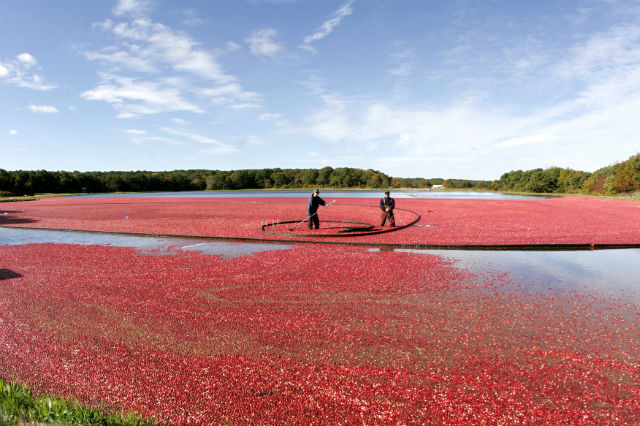
Tour a cranberry bog. With tours running until December, you’ll gain insight into the history and cultivation of one of the Cape’s most important industries while enjoying the crisp fall air and wildlife.
Visit Heritage Museum and Gardens in Sandwich, with over 100 acres of grounds, trails and meticulous gardens. The Cape’s oldest town, Sandwich has a rich arts history and is home to the Sandwich Glass Museum and the Dan’l Webster Inn and Spa, where you can dine in its renowned restaurant or have a spa day.
If your itinerary takes you to Falmouth, you won’t want to miss Highfield Hall and Gardens. This historic museum hosts art exhibits, culinary demonstrations, live music and more. And while we’re on the topic of art, attend a fall event or exhibit at Cape Cod Museum of Art in Dennis, or take a class at Truro Center for the Arts at Castle Hill. This fall’s lineup includes pottery and painting workshops.
If it’s vino you crave, have a tour and wine tasting at the historic 1813 estate of Truro Vineyards. Their Lighthouse Wine Series features wines in lighthouse-shaped bottles, celebrating these Cape icons.
Speaking of lighthouses, you’ve had the chips in the iconic bag with the red lighthouse, why not tour the Cape Cod Potato Chip Factory? Special bonus fact: that lighthouse is real – it’s Nauset Light, situated in Eastham on the beach named after it. It’s part of the Cape Cod National Seashore, a federally protected stretch of some 43,000 acres of beach, woods and wetlands establish by President John F. Kennedy in 1961.
Why not hit the beach? Fall is a perfect time to lose yourself in the solitude of a beach walk, and if you’re traveling with Fido, most beaches allow dogs in the fall. “Woof!” Be sure to check first.
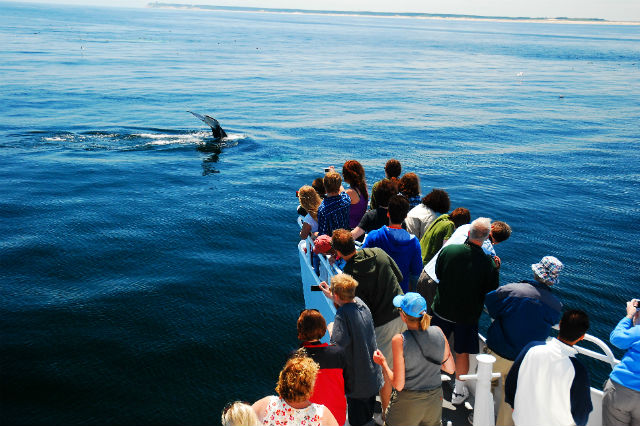
There’s still time for a whale watch – most whale watching boats run through October, so book a trip from Provincetown or Barnstable Harbor. Make sure to bundle up. It might be a little chilly out there.
With the summer heat behind you, it’s a perfect time to tour Provincetown’s legendary dunes and dune shacks. Book a tour with Art’s Dune Tours. Traversing via SUV, you’ll not only experience the breathtaking beauty of the dunes, but also see the famed dune shacks, a couple of which were previously occupied by Jack Kerouac and Tennessee Williams.
Did you know that Nickerson State Park has more than 1,900 acres of woods and ponds? There are 400 campsites, miles of trails through the woods and around picturesque ponds (8 to be exact, with fishing allowed), and an 8-mile bike path that connects to the 22-mile Cape Cod Rail Trail.
There’s lots going on this fall at Cape Cod Museum of Natural History, from guided walks and birdwatching, to discussions about archaeology.
If you’re not easily scared, take a Haunted History Tour of Barnstable village. Choose from three different tours that’ll take you to places such as a haunted cemetery, historic homes and even the old Barnstable village jail (creepy). And while you’re in the spirit of the season, why not go pumpkin picking? Explore local farms and pick the perfect pumpkin!
Did someone say golf? Many Cape golf courses offer reduced rates in the fall.
Journey through the wonders of Australia, New Zealand and Fiji on a South Pacific tour. Beyond the breathtaking vistas, adventures and iconic attractions, deeper, cultural experiences will connect you to the heart of these nations.
Now is the time to finally start planning the South Pacific trip you’ve always dreamed of. Avanti Destinations makes it possible.
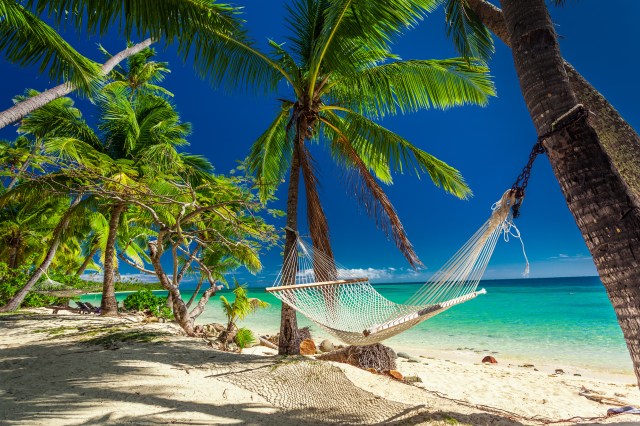
In Australia, spot koalas and kangaroos as you explore the bush, outback, beaches and reefs. In New Zealand’s Southern Alps, see stunning fjords and glaciers. Prefer an island getaway in Fiji? Don’t miss the tropical fish darting in deep, crystal-clear waters.
Beyond the Mainstream
While renowned attractions often steal the limelight, Avanti Destinations encourages you to look further into the rich cultures and complexities of the South Pacific.
Here’s a taste of three new South Pacific tours:
Take a 16-day journey through the Land Down Under. Tour the Sydney Opera House, prepare indigenous “bush tucker” meals, explore the Great Barrier Reef and more.
A perfectly paced 14-day self-drive tour of New Zealand is perfect for off the beaten path adventurers. Explore the Waitomo Glowworm Caves. See Maori treasures at Te Papa National Museum. Finally, relax and enjoy the views as you cruise in Milford Sound.
Fancy an eight-day adventure in Fiji? Feel the sand between your toes, indulge in island spa treatments, and taste Melanesian cuisine and fresh seafood.
On your next vacation, learn more about the Aboriginal Australians, Maoris of New Zealand or Fijian natives.
In Australia’s Uluru, see the color-shifting sandstone monolith sacred to the indigenous people.
Rotorua is New Zealand’s center of Maori culture and geothermal activity (bubbling mud pools in age-old forests, anyone?) And Savusavu, Fiji’s premier scuba diving site, is home to coconut and sugarcane plantations, pearl farms and local chocolate makers.
Most people know about Disneyland and Walt Disney World, but do you know about Disney’s international parks? If you’re looking to broaden your Disney vacation horizons, you might want to check out the Disney resorts around the world.
In addition to locations in Anaheim and Orlando, there are four Disney international resorts: Disneyland Paris, Tokyo Disney, Hong Kong Disneyland and Shanghai Disney. Some resorts include multiple parks (i.e. Magic Kingdom, Epcot, Animal Kingdom, etc. in Walt Disney World) – making a grand total of 12 parks – and seeing them all is a travel wish list for some Disney fans.
You may be thinking “Seen one, seen ‘em all,” but the Disney resorts outside of America are full of surprises and unique experiences.
Hong Kong Disneyland
Hong Kong Disneyland is built entirely on reclaimed land. Their little centerpiece castle was recently renovated into the grand Castle of Magical Dreams, which pays homage to all the Disney princesses. Hong Kong Disneyland is currently undergoing a huge overhaul of the entire park, including the addition of new lands. Be on the lookout for the new “Frozen” inspired land debuting soon.
The best unique attractions at Hong Kong Disneyland include Mystic Manor (a distant relative of the Haunted Mansion), Big Grizzly Mountain Runaway Mine Cars and the Iron Man Experience. There’s also a trilingual version of the Jungle Cruise, with lines in Mandarin, Cantonese and English.
Tokyo Disney
Tokyo Disney was the first Disney park to be built outside of the USA. It’s also the only Disney resort that isn’t partly owned by the Walt Disney Company itself, though they do have creative control. Tokyo Disney is comprised of two parks: Tokyo Disneyland and Tokyo DisneySea. Tokyo Disneyland is a riff on the “castle park” Disney-resort style, with a Cinderella Castle, Main Street USA and a series of themed lands. Tokyo DisneySea is a nautical-inspired park, with themed “ports of call.” It’s not a water park, just a park with a water theme.
“If I could visit any Disney international park, it would be Tokyo Disneyland,” said Cady DeBlois, a AAA travel advisor who specializes in Disney vacations. “Their DisneySea park is the only one of its kind out of all of the Disney parks. One of Toyko Disneyland’s most unique features is that Main Street is covered by beautiful Victorian-style glass, so no need to worry about the hot sun or rain! These parks seem the most unique, while still keeping that Disney charm present.”
The best attractions unique to Tokyo Disney are Pooh’s Hunny Hunt, Monster’s Inc. Ride & Go Seek, Journey to the Center of the Earth and the Venetian Gondolas. A lot of diehard Disney fans love Tokyo Disney, and some even go so far as to say Tokyo DisneySea is the best Disney park in the world.
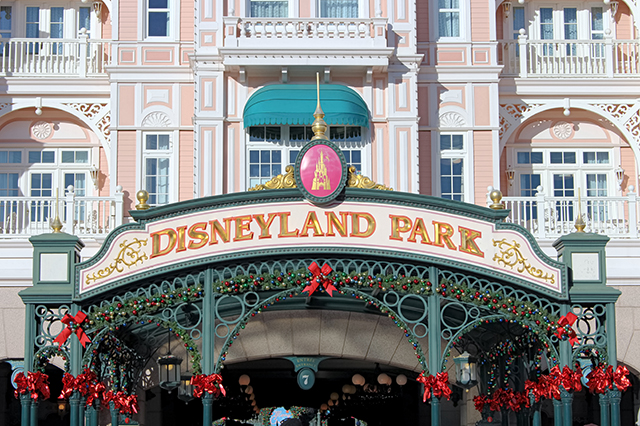
Disneyland Park in Paris.
Disneyland Paris
Disneyland Paris consists of a castle park, called Disneyland Park, and a park based on Disney’s Hollywood Studios in Orlando, called Walt Disney Studios Park. Originally known as Euro Disney, Disneyland Paris is a charming resort with a little bit of European flair.
The best attractions unique to Disneyland Paris are Phantom Manor (their version of the Haunted Mansion), Crush’s Coaster and Alice’s Curious Labyrinth. Disneyland Paris is home to one of Disney’s most beautiful castles. Their centerpiece Sleeping Beauty Castle is playful, colorful and inspired by nearby historic architecture. There’s also a dragon underneath, which is less historic and more awesome.
Shanghai Disney
Shanghai is the newest of all the Disney resorts, and it shows. This glossy, beautiful park is jam-packed with thrill rides and amazing attractions that reimagine stateside Disney classics. Shanghai Disney is crowned with the largest castle out of all the Disney parks. The Enchanted Storybook Castle is tall and sprawling and very pink, with several attractions housed inside.
Shanghai Disney is perhaps the most unique castle park, offering a variety of new attractions and lands, with a layout inspired by the rules of feng shui. Hong Kong Disneyland attempted to solve the Main Street USA feng shui problem (a straight road leading to the castle that caused chi to flow out of the park) by bending the walkway from the train station to the gate. Shanghai Disney solves the problem by replacing Main Street USA with the (much shorter) Mickey Avenue, followed by a large Chinese garden filled with Disney versions of the Chinese zodiac animals. The winding pathways of the garden protect Enchanted Storybook Castle’s chi.
The most exciting and unique attractions at Shanghai Disney are Pirates of the Caribbean: Battle for the Sunken Treasure (which deviates wildly from other Pirates of the Caribbean rides), Voyage to the Crystal Grotto and the Roaring Rapids.
Disney Parks Around the World: A Private Jet Adventure
If you have disposable income in the six-figure range and about a month of free time, you can travel to every single Disney park around the world in a private jet. This is, in fact, a real vacation package offered by Adventures by Disney, and it takes 24 days to complete the entire trip. It also includes visits to the Lucasfilm campus, Disney’s studios, the Taj Mahal, the pyramids of Giza and Versailles, naturally.
“You stay in the best resorts at each theme park, have some VIP tours and basically get treated like royalty at each park,” said DeBlois. “I would love if Disney offered a scaled-down version of this for Walt Disney World and Disneyland that may be a little more affordable and cater to those without passports.”
What’s next on your list of Disney vacations around the world? Would you go on a private jet adventure to Disney international parks if you could? Let us know in the comments below.
With their abundance of iconic sights, it’s no wonder that national parks such as the Grand Canyon and Yosemite are on just about everyone’s must-see list. And though the public may assign east coast state parks second-tier status, some, such as Franconia Notch in New Hampshire and New York’s Niagara Falls, are thronged with tourists. Yet, others remain underrated, despite their beauty. In these parks, you’ll have opportunities to peacefully commune with nature without being surrounded by influencers hoping to snap the next Instagram-worthy shot.
Here are six lesser-known Northeast state parks, all worth a visit.
Fillmore Glen State Park. (Courtesy of New York State Office of Parks, Recreation and Historic Preservation)
Just a half-hour from Ithaca, this more than 900-acre park is noted for stunning waterfalls and a stream-fed swimming hole, the park’s most popular feature, where you’ll also notice picnic tables on a spacious lawn and a bathhouse. After climbing a set of steep stone stairs on the 1.3-mile Gorge Trail, you’ll follow a creek in the narrow gorge with impressive rock formations dating back to between 10,000 and 21,000 years ago. Crossing a series of footbridges, you’ll view a quintet of waterfalls. But, if you want to see cascades without a workout, take a short walk from the parking lot to 50-foot-high Cowshed Falls. It got its name because it’s said cows would shelter under the adjacent rock overhang during stormy weather.
Located on the banks of the Salmon River, this Northeast state park features a 300-acre expanse of hemlock and oak woodlands, plus a swatch with wildflower-bedecked meadows and a trio of ponds where you can fish for bass. Native Americans who traveled through these lands gave it the name Machimoodus meaning “place of noises.” (In the early 1980s, scientists determined the “unnatural” rumbles were a result of deep micro quakes, the sounds echoing in a cave.) Bird watchers will be thrilled with the variety of species, including belted kingfishers and Carolina wrens. Combining the Upper and Lower Vista trails (a 2.5-mile loop) gives you a challenging hike with lovely views of the Salmon and Connecticut rivers, and at observation points, you may spot hawks and eagles.
Parvin State Park. (Courtesy of New Jersey Department of Environmental Protection.)
In this 2,180-acre park located on the outskirts of the Pine Barrens, every season is glorious, including the fall when many of the trees (including black, chestnut and scarlet oaks) display vibrant hues. Birders also flock here at this time of year to view red-eyed vireos, scarlet tanagers and other species. Though swimming in Parvin Lake is a popular summer activity, the rest of the year (in good weather) you can picnic on the beach; fish for bass, catfish and pickerel; and canoe, kayak or paddleboard. Among the 15 miles of (mostly multi-use) trails is the flat, 3-mile Parvin Lake Trail circles that lake is woodsy in parts and goes along boardwalks to cross wet areas and streams. Along the way, gaze at the placid lake where you’ll probably see turtles and maybe even whitetail deer or red foxes.
Straddling the towns of Goshen and Washington, this 5,500-acre state park is peppered with plenty of wetlands and almost a dozen ponds, where you may spy loons. A chain of four ponds allows you to paddle from one to the next: Butterfield, May, Mill and North ponds, in that order. North Pond has lovely mountain views, including Mount Sunapee, while wee islands dot May Pond (the biggest). There are myriad coves around Mill Pond where you might see wildlife, including herons, beavers and even moose. And, when you paddle from Butterfield to May Pond, you’ll navigate an especially serene section through a channel (the Narrows) lined with pine trees.
Once owned by a series of farm families, including the Dame Family, this land, now a 1,000-acre park, is across the street from the remaining portion of their farm with pick-your-own offerings. The park’s name comes from a deep fissure that resembles a canyon of sorts. And, sure, there are snakes (such as the Eastern garter and Northern black racer), but they’re not poisonous. A maze of not-well-marked, undulating trails weave through the wetlands and forests dense with trees, including red maple and white oak. Hiking many of them provides reminders (such as low stone walls) of past cattle grazing.
Mega rock outcroppings (glacial erratics) dot the landscape at Snake Den, where you’ll cross numerous creeks on footbridges. Don’t be surprised by an array of sometimes colorful mushroom species, including purple violet cort and the red-capped Russula that slugs love. (Look, but don’t touch or eat.) In the fall, you’ll also notice the twittering of goldfinches, black-capped chickadees and other birds, as well as the dramatically crimson meadowhawks and other delicate dragonflies flitting about.
This 3,500-acre Northeast state park – taking its name from Josiah Wompatuck, the Native American chief who had long claimed this land – is blessed with ponds, streams and extensive forests of mountain laurel, white Atlantic cedar and other types of trees. With the park’s network of paved and unpaved trails, road cyclists and mountain bikers alike find plenty to relish. For a short, easy bike ride, the 1.5-mile Whitney Spur Rail Trail is mostly level, coursing through woodlands and wetlands, passing boulders that are remnants of the last glaciation. Mountain bikers can tackle some adventurous, fast, single-track that requires riding over rocks and hopping over logs. Cycling down Prospect Hill, for example, you’ll be negotiating a series of switchbacks from the park’s highest point.
What are your favorite state parks in the Northeast? Tell us in the comments.
Featured image: Pillsbury State Park. (Courtesy of New Hampshire State Parks)
Staying fit is an important part of maintaining a healthy lifestyle, but it’s also something that’s easier said than done. Between busy schedules, work, kids and expensive gym memberships, working out can sometimes fall to the bottom of your to-do list – or fall to the wayside entirely.
When you want to get in a quick sweat sesh with limited time and resources, one of the best things to do is get outside and walk. Not only is it an effective way to stretch your legs and burn calories, it’s also a fun way to explore the world around you. By using an interactive walking app, you can take your walks up a notch by gaining important insights on your activity, set goals for yourself and even track your journey through a fantasy landscape.
Here are a few fun walking apps to fuel your fitness fire.
Have you ever wanted to go on a quest like your favorite fantasy characters? Well, now you can! Fantasy Hike is an interactive and fun walking app that tracks your steps by narrating your journey to the fictional Mount Fire. See how many miles you’ve traversed each day, collect achievements and even compete with other fantasy characters. Every step you take is one step closer to triumph. Available on the App Store.
If you’re heading abroad and still want to get your steps in, consider downloading GPS My City to your device. As a collection of thousands of self-guided walking tours from around the world, this app allows you to explore on your own without losing your way, with voice-guided, turn-by-turn directions and a step tracker to see where you’ve been. Available on the App Store and Google Play.
Although it doesn’t count your steps, iNaturalist is a definite motivator for any plant lover to get outside and move. Essentially a social network for nature enthusiasts, iNaturalist lets folks learn about plants together. Log your unique findings by taking a photo, record your observations, connect with the community of over a million users and even help others identify plants they’ve logged. Available on the App Store and Google Play.
Less into flora and more about fauna? Try Merlin ID, an app that can identify hundreds of birds from just their song. When out and about on your walk, simply let Merlin ID listen to the birdsong and watch as it names all the birds it hears in your proximity. You’ll be a distinguished birder in no time! Available on the App Store and Google Play.
You don’t have to havea Peloton to move with Peloton! Known for their mega-popular stationary bikes, Peloton has shifted their premium fitness content onto an app that includes not just spin classes, but also yoga, strength training, rowing and, yes, even walking. All digital classes are guided by a professional and can be taken on a treadmill or outside – there’s even a hiking class. Available on the App Store, Google Play, Amazon Appstore and Roku.
Sometimes pretending you’re being chased by zombies is the only way to stay motivated, and that’s just fine. Co-created with novelist Naomi Alderman, Zombies, Run! is a fun walking app that puts you at the center of a zombie apocalypse where if you hear them, it’s time to move! Listen to your own music as the app runs, track your mileage and collect supplies with every walk or run to use against your next undead encounter. Available on the App Store and Google Play.
Your steps = your territory. That’s the premise behind Stride, a walking app that allows you to essentially claim your walks as your own kingdom. The further you walk, the more territory you can claim. Compete with people in your neighborhood, city or state to see who can cover the most ground, or team up with others to climb the ranks together. Available on the App Store and Google Play.
Ready to start walking? Start with one of these highly-rated fitness trackers.
If you dream of saying “I do” on a Caribbean beach beside crashing waves and swaying palm trees, consider starting with the hotel.
For such a momentous occasion, it’s not just about where you are celebrating, but who is there with you and the little details that make the day completely yours. Hotels and resorts that specialize in weddings know this and prioritize every couple’s vision, while also making the logistics of getting married away from home as seamless as possible.
When you have the help of an experienced travel advisor (we like to call them “agents of honor” at AAA) and choose a resort that prides itself in nuptial planning, coordinating a destination beachfront wedding may actually be easier than doing it yourself stateside.
Every detail is covered, all in one place. Flowers, music, officiant, photos, linens, sparkling wine to toast with – the resort takes care of it all.
Destination weddings are often smaller, which could mean extra savings. Resort wedding packages also include a robust list of inclusions and perks that can be customized to your budget.
There is no wedding “season.” Plan for the time of year that works best for you. Especially in the Caribbean, the weather is almost always good (just be mindful of hurricane season).
No need to plan a honeymoon. You’re already there!
A AAA Four Diamond hotel for you and your guests to luxuriate in. Get ready before the “I dos” at the spa, play a round at the on-site golf course with the wedding party and check out local nearby attractions like Green Grotto Caves. A great place to eat, drink and be married!
A spectacular all-inclusive resort, set on a beautiful beach. Complimentary wedding and honeymoon packages are available.For those seeking an adults-only experience, the Colonial Club brings upgraded amenities, butler service, 24-hour room service and exclusive areas.
Plan your destination wedding and honeymoon with AAA and Travel Impressions. Get started.
June 6, 2024, will mark 80 years since the D-Day landings in Normandy. Before dawn that day, Operation Overlord began. It brought the united land, air and sea forces of the Allied forces together in what remains the largest amphibious invasion in military history.
Near 160,000 Allied troops landed that day and led the way for over 850,000 service members reaching Normandy’s shores by the end of June. This invasion and victory truly marked the beginning of Western Europe’s liberation.
You can set foot where history took place on tour, learning from a unique perspective about what happened the day that the tides turned against the Axis powers in WWII. Embarking on this special journey, prepare yourself for moving encounters with history as you visit the memorials and significant sites of France’s shores, forever linked to memories of World War II.
Omaha Beach, Utah Beach and the Normandy American Cemetery
Immerse yourself in D-Day history with a visit to the two U.S. landing zones of the invasion of Normandy: Omaha Beach and Utah Beach. On Omaha Beach, you’ll be able see the 6-mile stretch that has become synonymous with the invasion at Normandy, where some of the toughest fighting took place.
At the Normandy American Cemetery, pay respects and take in the stars and stripes raised over the graves of the 9,386 military who gave their lives in the Battle of Normandy. This cemetery is located on the site of the former temporary St. Laurent Cemetery, established on June 8, 1944, as the first American cemetery on European soil in WWII.
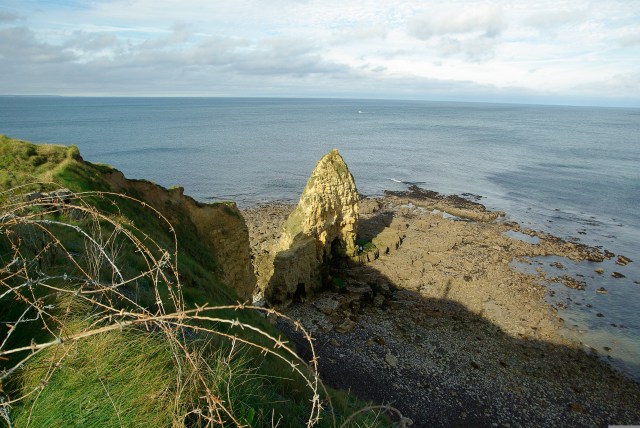
Jutting into the English Channel, Pointe du Hoc provided an elevated vantage point for German forces, overlooking both Omaha and Utah beaches. Ultimately, members of the 2nd Ranger Battalion scaled 100-foot cliffs on D-Day to seize the fortified enemy position and protect Allied brothers-in-arms. Visiting this location is a key to understanding the heroic feats accomplished that day.
Juno Beach
While many Americans lost their lives on Omaha Beach, Canadian soldiers suffered heavy casualties at Juno Beach. Ultimately, the Canadian forces at Juno captured more territory from Nazi occupation than any other battalion during this operation.
Arromanche-les-Bains
What is now a seaside resort town will forever be tied to the events of D-Day. See the remains of the artificial Mulberry port built by the Allies to resupply their lines during the liberation of France.
Caen Memorial Peace Museum
The Caen Memorial Peace Museum was built to commemorate those who died in the Battle of Normandy in 1944, with an additional focus on how fragile peace time was in the 20th century. It first opened on June 6th, 1988, the 44th anniversary of D-Day, and shares what led to WWII. On the grounds of the museum, you’ll find three memorial gardens, one each for American, Canadian and British forces that were all instrumental in liberating France from Axis occupancy.
This is a journey not taken lightly. We honor the past and the heroes before us by revisiting history here. Step back into 1944 and experience the gravity of visiting these historic battlegrounds of WWII.
We have faith that future generations will know that here, in the middle of the twentieth century, there came a time when men of good will found a way to unite, and produce, and fight to destroy the forces of ignorance, and intolerance, and slavery and war.”
Federal student loan repayment resumes soon – so what should you be doing? After over three years of forbearance, student loans are set to begin accruing interest on September 1, and payments will resume in October. We reached out to Donald Kerr, director of student lending and college services at AAA Northeast, to find out what you need to do to prepare for the return of student loan payments.
Check out Donald’s tips for tackling student loans on New York’s PIX11 News. For help planning and paying for college finances, book an appointment with a AAA lending specialist today.
Student Loan Repayment Date
Wait, what day is this actually starting? Before payments start again, the company that manages your student loan will contact you to let you know the exact date your next payment is due. They’ll also tell you the amount that’s due at that time.
Make Sure Your Information Is Correct
A lot can change in three years, including your address, email and phone number. Make sure the company holding your student loan has your correct contact information, or you could miss important communications.
If you don’t already have one, make an online account with your student loan servicer. This will allow you to view your repayment information as soon as it’s available.
Know Your Stuff
Don’t know the company that’s currently holding your student loan? Has it been transferred to a different student loan servicer? Some companies stopped working with the Department of Education during the pandemic, or were acquired by other student loan servicers. You can look up who’s managing your federal student loan by going to studentaid.gov.
Keep a Budget
Keeping a budget is one of the most important ways you can stay on top of your student loans. Once you know the amount you need to pay every month, you can set it aside in your budget. An even better way to ensure that your student loans get paid like clockwork is to set up an auto payment option. The money will be automatically deducted from your account every month, so you won’t have to worry about forgetting a payment. It’s a good way to stay on track and build a positive credit history.
What if You Can’t Pay?
But what if, no matter what you do, you can’t afford the monthly payment? No matter what, don’t ignore the loan. If you reach out to your student loan servicing company, you can explore the options available for reducing your monthly payment.
One such option is an income-based repayment plan. This will ensure your monthly payment is affordable to you based on your income level.
You could also utilize a graduated repayment plan that starts low and gradually scales up your monthly payment over the lifetime of the loan.
Another option is an extended repayment plan. This will increase the number of years you have to repay your loan, resulting in a lower monthly payment.
“Only use these repayment plans if absolutely necessary,” said Kerr. “When you extend the term of the loan, you add additional cost from more daily interest adding up over a longer period of time.”
Still Have Questions?
If you follow these tips, you should be ready to start repaying your student loans when the time comes. But if you still have questions, you can visit the repayment section at studentaid.gov or call your student loan servicer directly.
You can also reach out to AAA for help. “We offer a counseling service on different repayment strategies and options available to members,” Kerr said. “We also have a student loan refinancing product that can help, but this is mostly for private student loans.”
Are you prepared for the return of student loan payments? Will you be using any of these tips? Let us know in the comments below.
AAA is here for your student lending needs. Learn more or schedule an advising appointment at AAA.com/FinancialAid.
AI-powered tools are now available to help homeowners visualize different design options, find the perfect furniture and even coordinate a complete renovation.
Here are some of the ways AI can help you redesign your home.
Virtual Visualization
AI room designers can help you visualize different design options in your home before you make any changes. This can be done by uploading photos of your current space to an online platform, or by using a smartphone app to scan the room. Tools, like AI Room Planner, will then generate a 3D rendering of the space, which you can use to experiment with different furniture layouts, paint colors and other design elements.
Product Recommendations
AI can also be used to recommend products that are compatible with your design style and budget. For example, if you’re looking for a new sofa, Decorilla and similar AI-powered tools, can scan your home’s dimensions and design style to recommend sofas that will fit perfectly.
Renovation Planning
AI can also be used to help plan a complete home renovation. This can include things like creating a budget, scheduling contractors and managing the project. AI tools, such as this one from REimagine Home, can help you stay on track and avoid costly mistakes.
“See In Your Room” Technology
Some online retailers like Wayfair and Amazon and home improvement stores like Home Deport and Lowe’s are now using AI-powered “see in your room” technology to let you visualize furniture in your own home before you buy it. This technology uses a smartphone app to scan your room and then superimposes 3D renderings of furniture into the image. This can be a helpful way to see how different pieces of furniture will look in your space.
There are many benefits to using AI for home design.
Save time and money: AI-powered tools eliminate the need (or added cost) to hire a professional interior designer. You can also use AI to find the best deals on furniture and other home improvement products.
Get the perfect look: Stop the scroll for good. AI can help you get the perfect look for your home by providing you with personalized recommendations based on your style and budget.
Make informed decisions: Get data and insights that would not be possible to obtain without AI’s help.
Get creative: AI can give you access to a wider range of options than you would have otherwise.
Get Started With AI for Home Design
If you’re interested in using AI for home design, there are a few things you need to do. First, do your research. As there are many different AI-powered home design tools available, it’s important to explore all the options and choose the one that’s right for you.
Next, gather your information. Before you start using an AI-powered tool, you’ll need to have accurate dimensions of the room(s) in your home that you’re looking to renovate in order to get the best results. Lastly, be patient. AI tools are still pretty new and under development, so don’t expect them to be perfect. Experiment with different options until you find the ideal look for your home.
Whether you choose to use AI room designers or other tools to plan your renovations or not, AAA can help you get your ideas from screen to reality with a home equity loan.Find out more.
Would you use AI technology to redesign or renovate your home? Let us know in the comments!
Back to school means lots of things – new classes, new outfits and maybe even a new school. But what it shouldn’t mean is new stress about what to pack for your kid’s lunch.
Between their ever-changing food aversions and trying to incorporate foods that are healthy, it can feel like a game of Minesweeper trying to come up with school lunch ideas that keep your kid(s) full and happy, but we may have found a cheat code: bento box lunch.
Meaning convenient or convenience, “bento” is a style of Japanese meal categorized by multiple food items in neat, single portions. Although anyone can pack a bento box lunch, they’ve become particularly popular among children for their fun styles and cute accessories that make eating lunch a customizable experience.
You can have a lot of fun coming up with bento box lunch ideas for kids – and they will likely have a lot of fun with what you make, too!
Shop
For our bento box, we incorporated both breakfast and lunch foods with a turkey wrap, quinoa salad, banana and hazelnut spread sandwich, mixed fruit and cucumber bites.
For the turkey wrap, we used hummus as the base layer and piled on sliced turkey, red peppers and butterhead lettuce. The breakfast sandwich consisted of bananas, hazelnut spread and chia seeds for some extra nutrition. Our quinoa salad was admittedly store bought (hello, convenience), but making your own is also super easy like in this recipe from Cookie and Kate.
Coming up with bento box lunch ideas for kids and putting one together may seem a little intimidating at first (there are so many compartments!) but it’s your time to get creative and try all different ways of “plating” the food.
For example, instead of cutting our wrap in half, we sliced it into many pieces and assembled it on the bottom of the bento box insides-up like sushi. We then added the quinoa salad into a smaller, movable compartment next to the wrap and placed a kitty cat spoon into it for ease, and a touch of cuteness.
For the top compartment, we made our breakfast sandwich by layering the hazelnut spread, bananas and chia seeds then used a star-shaped cookie cutter to create two sandwiches. So as not to waste, we created mini sandwiches out of the crusts with a small star cutter.
Making fruit and vegetables interesting can be a challenge but we found such delight in using cutters to create all different shapes, like a flower, bear and heart. To top everything off, we incorporated butterfly forks that were as functional as they were fun.
Have you ever tried making a bento box lunch? Share your bento box lunch ideas for kids in the comments below.
Due to its location on the Atlantic coast, the Northeast has its fair share of natural disasters, namely hurricanes, tropical storms and winter storms. As is the nature of nature, flooding, tornadoes, wildfires, hailstorms and even earthquakes can also occur with little to no warning, leaving devastation in their wake.
Natural disaster prep requires practical planning and a few smart investments, but the most important step is ensuring the safety and security of your family.
How to Prepare for a Natural Disaster
Take Precautions
Look into the threats most likely to occur in your area and devise a strategy, such as the three-step plan recommended by the American Red Cross.
Some natural disasters call for evacuation, while others require hunkering down. Account for those in your household – considering young children, the elderly, people with disabilities and pets – and be sure you have supplies to meet their needs. Then, assign tasks and practice your plan.
Keep a survival kit on hand with items such as water, non-perishable foods, medicines and extra clothes. Also consider making a home inventory list. Taking photos and/or making a video of your property can help prove what you have for insurance purposes.
In most instances, homeowners insurance offers some coverage for property damage resulting from natural disasters, but it’s important to review the details with your agent.
“Some perils like earthquakes are usually excluded from a base homeowner policy but can be added as an endorsement,” says Raymond Eng, AAA Vice President of Insurance Sales. “It’s not uncommon for some of these coverages to have separate deductibles which may be stated as a percentage of your dwelling coverage amount.”
Finally, store important financial, legal and medical documents in a safe, waterproof place.
Prep Your Home
Different natural disasters pose various risks to your home. If you are wondering how to prepare for a natural disaster, routine maintenance can help reduce the chance of serious damage.
Keeping your roof in good condition provides extra protection from hurricane winds, tornadoes and hail. Managing wear and tear and replacing your roof when needed can lead to fewer issues down the road.
While maintaining your roof will also protect against heavy rains, sealing your basement can help combat flooding as well. Also, keep your gutters and drainage systems clear by installing gutter guards or screens.
To protect against fires, make sure your smoke detectors are in working order. Outside the home, maintain flammable vegetation by trimming back branches hanging over your roof and keeping grills and woodpiles at least 30 feet away from your home.
For winter storms, make sure your home is winterized, meaning heater vents and drains are unblocked, snow removal tools are accessible and your home is well-insulated.
Though earthquakes are less common in the Northeast, making sure large and heavy structures like chimneys, water heaters and furniture are reinforced or secured can offer peace of mind.
Stay Safe During a Natural Disaster
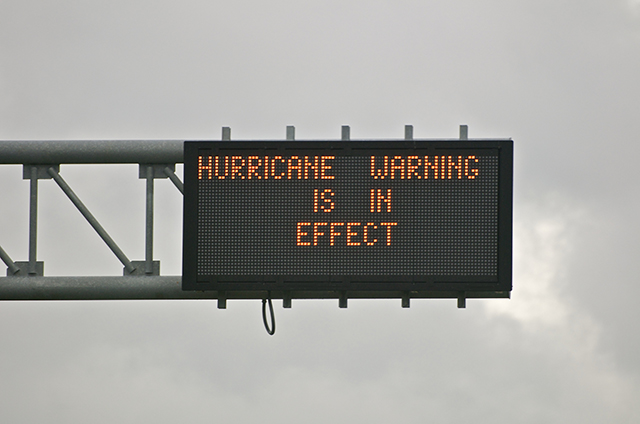
Staying informed is one of the best things you can do to prepare for a natural disaster. Look and listen for emergency alerts from the Department of Homeland Security or the National Weather Service. A “watch” means there’s a possibility of a natural disaster, while a “warning” is more serious, meaning that a storm is already being tracked.
Keep batteries in your radio, charge your phone and keep it in low power mode to make sure you receive potentially life-saving information.
Be ready to react. Gather your survival kit and essential documents, change into protective clothing and make sure your vehicle’s tank is full in case you need to flee. If you think you’ll be hunkering down, close all doors and windows, reserve the power of electronic devices and collect water for drinking, cooking, washing and flushing toilets.
How to Recover After a Natural Disaster
After a disaster has occurred, check in and around your home to assess any damage and file a claim if needed. Notify your insurance carrier of your situation and they will walk you through the claims process and what to expect.
“In the case of widespread damage typical of natural disasters, timing is important,” says Eng. “It’s not unusual for contractors and the availability of building materials to get backed up, resulting in a longer timeline to complete repairs for the insured.”
Don’t wait for a natural disaster to strike. Preparing your home, family and insurance plans in advance can make a bad situation less difficult.
Learn more about home insurance offered through AAA.
“The farther backward you can look, the farther forward you are likely to see.” These wise words from Winston Churchill perfectly capture the essence of a growing travel trend – heritage travel.
More than relaxing on beaches or taking a cruise, this is a different, more meaningful type of travel that connects visitors with their ancestry and family history.
A heritage travel trip might involve visiting your grandparents’ birthplace or exploring a place you’ve only heard whispers of in family stories. Or it could include uncovering hidden stories from historical records with the help of expert genealogists, thereby gaining a profound understanding of your ancestry, identity and the paths that have led to your present.
By forging a tangible link to a distant past, heritage travel is turning tourism into something more personal and exciting.
Roots Run Deep
If you’re feeling a tug of curiosity about where you come from, you’re not alone. As we’ve emerged from the pandemic’s shadow and international destinations welcome travelers back, heritage travel is emerging as a burgeoning trend. A 2022 Priceline survey of 1,300 travelers discovered that heritage travel carries a profound significance for 1 in 3 Americans (34%), and 26% considered their heritage travels as their most cherished voyages. Nearly half of those who embarked on a heritage trip (49%) felt a stronger connection to their roots, and 25% discovered something new about themselves.
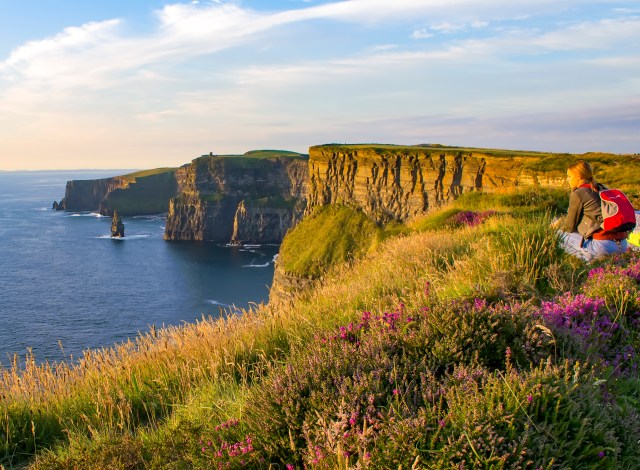
Regarding Americans contemplating a heritage travel vacation, a staggering 68% are eyeing international adventures, which is understandable given the diverse makeup of American lineage. And with a staggering 120 million individuals tracing their roots back to the Celtic Isles, Ireland and Scotland are emerging as top destinations for heritage travel, and local genealogists are ready with their insights and assistance to guide visitors on these personal heritage odysseys.
Find out the best time to visit Ireland to avoid crowds and more.
Deidre Lussier, a travel advisor at AAA Northeast, fell hard for Ireland’s legendary landscapes and the genuine warmth of its people on a recent heritage travel trip with Brendan Vacations. “I absolutely loved it and can’t wait to go back. That lush green color is just incredible – pictures don’t do it justice. You need to see it in real life,” she said.
Before her trip, Lussier gave Brendan the few details she knew about her family history, like her grandparents’ names and the fact that they had emigrated from Ireland. Her mother also had some additional information about the family’s origins. Lussier shared it all with Brendan, and then the experts they work with from the Irish Family History Centre, a genealogy organization based in Dublin, began their research.
Using the few details she had, Brendan and the Irish Family History Centre created an extensive presentation that taught Lussier more than she could’ve ever imagined about her lineage – including the exact location of her ancestors’ plot of land in County Limerick. They also traced the names of her grandparents and great-grandparents and created a comprehensive timeline of her ancestors’ marriages and voyage to the United States.
“It was just amazing to find out exactly where they came from, including the actual area,” Lussier said. “The house is no longer there, but they provided a visual representation. They even found out that they worked as carpenters, so that was really cool.”
Ireland, in particular, warmly welcomes descendants and provides robust resources for those eager to learn more about their family histories. And tour operators like Brendan are there to guide travelers by filling in missing details and bringing their family stories to life, all while helping them have experiences they couldn’t necessarily organize or access on their own. Through meticulously researched genealogy sessions, they leverage their connections to shed light on the significance of coats of arms, lineage and immigration records, and uncover the essence of visitors’ heritage.
For example, Brendan’s customized itineraries can help you retrace your forebears’ steps and coordinate visits to ancestral sites. “If you wanted to learn more about where your family came from inland Ireland, they can research it before you arrive, and then, they can help plan so you can visit,” said Lussier. Enlisting the help of local expertise on a heritage travel trip enriches family narratives, weaving in missing threads and uncovering untold chapters.
For Lussier, the experience was invaluable. “I wanted to show my mom the whole presentation. So, I shared it with her, and she was flabbergasted by some of the things they found.” Inspired, Lussier then shared the genealogists’ discoveries with her cousins, siblings and even her brother’s children. Their response was unanimous: a mix of amazement and wonder.
Rediscovering your roots and understanding your personal history fosters a deep sense of belonging and strengthens present-day connections. It’s no wonder that Lussier is already eager to return to Ireland with her daughter to share her experience and their shared heritage, research further and explore more. Exploring your family history through heritage travel is an experience that far surpasses that of a simple vacation – it’s a transformative journey.