DIY Paint Decorating Ideas

Feel like your home could use a makeover? Color is the perfect way to add more character to any space. Ever better, a crisp paint job can give your home a fresh feel without breaking the bank or taking up too much time. So before you go gutting the place or buying new furniture, check out our list of fun DIY paint decorating ideas.

Sponge it up

For those of you who love the colors already on your walls, sponge painting is a great way to spice up the interior without getting rid of your already awesome color scheme. Use a paint roller and lay down your favorite color as the base. Then, use a natural sea sponge for the accent color. To keep the room bright and airy, be sure to use the lighter color on top.

The textured, cloud-like finish is both bold and beautiful. You can sponge paint the entire room, or pick a single wall and make it the focal point. Check out these DIY Tips for a Beautifully Sponge Painted Room or visit Home Depot’s guide to sponge painting.

Feeling inspired? Take your sponge paint decorating ideas to the next level and try an ombre finish.

diy paint decorating
(Photo: KatarzynaBialasiewicz / iStock / Thinkstock)

Get interactive

While it’s not the brightest, chalkboard paint is a lot of fun for everyone – and useful too! Paint some in your child’s bedroom, add a small bucket of colored chalk, and watch his or her imagination take shape across the walls. Or use chalkboard paint in rooms like the kitchen, mudroom and office to have a space for memos and reminders.

You can coat an entire wall or use masking tape to section off small squares. Either way, chalkboard paint takes writing on the walls to a whole new level. This wall painting project is simple to do and the results are so rewarding.

Click here for steps and chalkboard DIY paint decorating ideas and inspiration.

It’s mathematical

If you have a knack for precision and a bit of patience, adding unique shapes and angles to your walls might be easier than you think. To create a geometric feature wall, you’ll need some FrogTape or masking tape, a ruler, a paintbrush, a paint roller and some creativity!

From triangles to hexagons, which will create an awesome honeycomb look, your geometric wall can feature any shapes you want, any size you want them. Just pick a color scheme. And before putting a brush to your walls, be sure to sketch a layout on paper. The finished product is bold, colorful and a great focal point for any room.

For geometric feature wall basics, check out B&Q’s instructional video. But don’t be afraid to try out more intricate designs! DIY paint decorating ideas can be a little daunting, but this one is well worth the effort.

 Simple lines

Less involved than the geometric feature wall, stripes are an easier paint decorating idea that will bring a pop of color into your space. But you’ll still want a ruler, precision and patience to set up the lines for this DIY wall painting project.

First, think about whether you want the stripes to be horizontal or vertical. Then, use a ruler to set up the width of each stripe. Be sure to leave an even amount of space in between. Use FrogTape or masking tape to mark off your sections. Go for a classic black and white look, or use bright colors, like sky blue and mint green – whatever matches your home and style best! Multiple stripes of varying sizes are an engaging style. And a tri-color wall with three large blocks can be an interesting center point as well. Either way, this design can help highlight the tones in any room.

Check out Sherwin-William’s instructional video for tips on painting stripes. Feeling inspired? Take stripes to the next level and zig-zag your way to a chevron pattern.

Freestyle

There’s nothing like seeing an original piece of art in your home. For those of you lucky enough to be artistic, buy some paint, various paintbrush sizes, and let the blank wall be your canvas. Of course, you’ll still want to do the basics, like fill in cracks and put down primer. But for this paint decorating idea, the rest is up to you! Create a one-of-kind, freestyle pattern. Paint the mountains, the forest or a sunset. Get inspired by a whim or sketch beforehand. The finished mural will bring a unique sense of you to the home.

From furniture and decorations, to wall art and color schemes, a home’s interior says a lot about the owner. What do your home paint decorating ideas say about you?

Let us know about your DIY paint decorating ideas and projects in the comments below!

Subscribe to Your AAA Newsletter

Sign up and receive updates for all of the latest articles on automotive, travel, money, lifestyle and so much more!

Polaroid Cameras Snapping Back Into Fashion

Millennials are infamously known as the instant gratification generation. Could that be why Polaroid-type cameras have made a resurgence?

In November 2012, Fujifilm released the Fujifilm Instax Mini 8, a funky, chunky camera with a vintage selling point: It prints photos instantly, much like a classic Polaroid camera. And, just as instantly, it was on every teenager’s Christmas list.

The camera’s cute shape and fun pastel colors – a far cry from the sleek, minimalistic design of digital cameras – made it mainly an aesthetic choice. But while its hipster vibe made it popular with young people, it was the instant-print feature that stuck.

In 2016, Polaroid released the Polaroid Snap Touch Instant Digital Camera, a hybrid of vintage Polaroid and modern digital camera. It instantly prints photos using ZINK, or Zero Ink, technology. Its other features include an LCD touchscreen, Bluetooth capability and a “selfie mirror,” whatever that is.

HP used the same ZINK technology to create the HP Sprocket, a printer that connects to your smartphone through Bluetooth to print photos from your camera roll or social media accounts. The printer doesn’t require an ink cartridge – only special ZINK paper you can find wherever HP Sprockets are sold.

The printer is so small, it fits in the palm of your hand. It prints 2-by-3 snapshots with a sticky back, so there are a number of ways you can use them. You can place them in a scrapbook or journal, hang them with clothespins from a string of lights or pass them out to friends to share your favorite memories.

Coming soon from HP is a Sprocket Plus, which will print bigger photos, and a Sprocket 2-in-1, which doubles as a camera and printer much like the Polaroid Snap Touch.

What do these products have in common?

They allow you to remember a time when cameras could instantly print photos without extra time or hassle; a time when you could literally hold on to your memories. They’ve just updated the technology (and design) for the modern social scene.

Or, you could always buy a refurbished vintage Polaroid from Urban Outfitters for about the same price as an HP Sprocket. Maybe that will next be on your teenager’s wish list.

Find more examples of old trends in the new age here.

Subscribe to Your AAA Newsletter

Sign up and receive updates for all of the latest articles on automotive, travel, money, lifestyle and so much more!

Motivating Tunes: Choosing the Perfect Workout Music

Picture this: You’re at the gym, getting some cardio done on a treadmill, when you happen to glance over at someone pumping iron ahead of you. He’s in great shape and shows no signs of stopping, which makes sense once you notice how focused he is. Then, you see his headphones. It makes you wonder – what kind of music is he playing?

Whether you’re a member of your local gym or like to work out at home, chances are good that you listen to music while you exercise. Most people use it as a motivator, and for good reason – music has been scientifically proven to positively influence your performance. If you like to put on music while you’re cleaning the house, you’ll understand why.

With all of the various genres and artists out there, there must be some secret to choosing the best workout music. Should we match music the right beats-per-minute to our activity? Is there a genre that never fails to get the body moving?

According to Kellie Roman, a National Academy of Sports Medicine master instructor, trainer and educator, it’s much simpler than that.

“The bottom line is, choose the music that makes you happy,” she said.

Roman taught fitness classes in New York City for over 20 years that included kickboxing, step aerobics and high-intensity interval training. For large classes or sessions with small groups, her go-to is pop music. Think Top 40, mainstream – anything from Taylor Swift to Jay Z.

But now that Roman works as a personal trainer, the music she plays during a session is tailored to the client’s taste.
The reason?

“Music that makes us happy is often tied to good memories,” Roman said. “Listening to it changes us from the inside out.”

We all have a genre or artist that makes us feel good, whether it be classic rock or heavy metal, old-school Eminem or new-school Florida Georgia Line. If we like what we’re listening to, our desire to move increases. At home, that might translate to dancing, but in a workout session, that translates to working harder. Plus, the distraction from fatigue helps.

So if you’re looking to make a workout playlist, start with the music that makes you feel good and go from there. If you still need some help picking music, Roman says that anything with a strong bass line always gets her clients moving.

And, if all else fails, try Michael Jackson or Justin Timberlake.

Any new exercise routine should be approached with caution. Consider your physical limitations and always consult your doctors.

Ready to get started on that New Year’s resolution to be fit? Find more advice on exercise and well-being here.

Subscribe to Your AAA Newsletter

Sign up and receive updates for all of the latest articles on automotive, travel, money, lifestyle and so much more!

Taste Africa With These Flavorful Dishes

Maybe a West African restaurant just opened up nearby, and you’re interested but hesitant to stop in. Maybe your new Ghanaian friend has been trying to get you to sample her traditional cuisine. Or maybe you’re just looking for some recipes to help you re-create Mom’s best dishes at home.

Whether you’re looking to expand your palate or revisit a family favorite, this collection of recipes from the continent of Africa is sure to make your mouth water. (Just a note: Some ingredients may seem unfamiliar to Western cooks, but you can find what you need at a well-stocked African store or online.)

A Snack Fala-ful of Flavor

Tamiya, or Sudanese falafel, is made out of ground chickpeas and flavored with savory herbs like dill and chili powder. This recipe from recipe website www.tasteofsouthsudan.com calls for ground chickpeas, onions, garlic, dill and chili powder, which you form into 2-inch patties and deep fry on medium heat. The result is a yummy appetizer or healthy snack.

Spice Up Your Life

Doro wat, the national dish of Ethiopia, isn’t for everyone – the spicy chicken stew is traditionally made with berbere, a hot spice blend that this recipe from cooking website www.daringgourmet.com uses to make a flavorful sauce. Combine the berbere with minced onion, garlic and ginger, add diced chicken to the sauce and then add chicken stock, white wine and honey. Boil eggs to pop into the stew and – to make the experience more authentic – eat it with injera, an Ethiopian flatbread.

It’s No Rice-A-Roni

Jollof rice is a staple of West African cuisine. This recipe for the Ghanaian style of making jollof rice from the website www.africanfoodmap.com calls for long grain rice, your choice of beef, chicken or lamb, and a sauce made of onions, garlic, chili peppers and tomatoes. Fry the meat until it’s browned, then add the meat and your choice of vegetable to the rice to finish.

Put a Pudding on Your List

End your delicious African meal with a South African treat courtesy of www.africanbites.com: malva pudding. Though it is said to be of Dutch origin, South Africans have made it their own using apricot jam. After putting together your typical cake or pudding mixture – eggs, flour, milk and the like – you bake and then cover it in a butter-drenched sauce. Then, satisfy your sweet tooth by serving hot with custard or ice cream.

Find more recipes in our Food for All department.

Subscribe to Your AAA Newsletter

Sign up and receive updates for all of the latest articles on automotive, travel, money, lifestyle and so much more!

Tax Returns: Cash in on Tax Savings

What’s your New Year’s resolution? Is it to learn how to get the most out of your tax returns?

Okay, perhaps that’s not your New Year’s resolution. But the 2018 tax season is upon us, and while the deadline to file isn’t until April, it’s never too early to start thinking about how you can save money.

Still not convinced?

According to TurboTax, there are a number of tax deductions that many people don’t know exist or overlook in their haste to file on time. Here are three to keep in mind and help motivate you this tax season.

Tuition

Most people know that tuition is deductible for full-time students, but did you know that you could be eligible even if you aren’t working toward a degree? A lifetime learning credit of 20 percent of up to $10,000 of tuition and fees might be available to you.

Mileage

Whether you’re self-employed or an employee, you can deduct your mileage if you use your vehicle for business purposes. Mileage used when driving between more than one job is also deductible.

Bad Debts

It’s a rough day when you loan your friend $10,000 and he or she disappears without a trace. Not all is lost; up to $3,000 of that is deductible as a short-term capital loss in the year the debt becomes uncollectible.

AAA members can save on TurboTax federal products. Learn more here.

Subscribe to Your AAA Newsletter

Sign up and receive updates for all of the latest articles on automotive, travel, money, lifestyle and so much more!

Save & Splurge: Raleigh, N.C.

Raleigh, North Carolina’s capital city, is a delight to visit, with a compact downtown, thriving restaurant scene, exploding craft brewery industry, and several free museums and green spaces. The walkable city is bursting with energy, and it can be fun to time your visit with one of the city’s many festivals. Make sure to check out its eclectic shops and boutiques, too.

Budget

Stay: The Holiday Inn Raleigh Downtown is ideally situated in the center of town. Once you park your car, you might not need it again until you leave: Shopping, restaurants and attractions are just minutes away on foot. The hotel offers free WiFi and the panoramic views from its 20th floor Skye Tower Restaurant and Lounge are outstanding.

Do: Spend a day exploring the North Carolina Museum of Natural Sciences, the North Carolina Museum of History and the North Carolina Museum of Art, all of which are completely free! Admission is just $5 at the excellent Marbles Kids Museum, where families can enjoy dozens of hands-on exhibits and educational programs.

Dine: Any barbecue place that’s been around for more than 75 years, like Clyde Cooper’s BBQ, must be doing something right. The casual spot has been serving Carolina-style barbecue since 1938. Top lean pork shoulders are slow cooked until they are beyond tender and mixed with a secret barbecue sauce.

Mid-Range

Stay: The Raleigh Marriott City Center is within walking distance to entertainment, museums, attractions and dining. The 400-room hotel has comfortable guest rooms, featuring Marriott’s signature bedding, plus an indoor pool and a Starbucks. Rye Bar & Southern Kitchen offers tasty Southern cuisine.

Do: Hop aboard the Raleigh Brews Cruise, a bus tour that takes visitors to three local breweries. Guides explain the brewing process, the different styles of beer, and what makes each brewery unique. Of course, multiple samples are supplied, and – best of all – someone else does the driving.

Dine: One of Raleigh’s more creative restaurants is Bida Manda. The Laotian cuisine is a blend of Thai, Vietnamese and Chinese, with a dash of influences from the country’s French colonial past. Crispy pork belly soup with coconut curry is outstanding, as are more familiar dishes like fresh summer rolls and pad thai.

Luxury

Stay: Located about 15 minutes from downtown, the AAA Five Diamond Rated Umstead Hotel and Spa is worth the drive. The six-story hotel sits on 12 acres filled with gorgeous gardens and a lake. It has an amazing collection of art, complimentary bicycles to borrow and an outdoor pool. Guests also have use of the spa facilities, even if they don’t book a treatment.

Do: Raleigh is a real food-lover’s town, and a Taste Carolina gourmet food tour is a great way to get a feel for the area. You’ll meet chefs while enjoying their food, which usually features local ingredients. Guides also talk about the city’s history and architecture along the way. Tours might visit five to seven restaurants and shops. Tours are offered every weekend.

Dine: One of Raleigh’s go-to special occasion restaurants, the Second Empire Restaurant and Tavern, makes for a delicious night out. The seasonal menu might feature dishes like grilled Australian rack of lamb or roasted five-spice Pennsylvania duck breast. For a truly luxurious meal, book the chef’s table and eat in the kitchen with chef Daniel Schurr and his staff.

Get a taste of Raleigh by planning your stay at AAA.com/BookRaleigh.

By Kim Foley MacKinnon

Subscribe to Your AAA Newsletter

Sign up and receive updates for all of the latest articles on automotive, travel, money, lifestyle and so much more!

A Little Car Maintenance Goes a Long Way

A Little Car Maintenance Goes a Long Way

AAA estimates that Americans spend an average of 17,600 minutes driving each year. That translates into more than 293 hours, or just over 12 full days of driving time. That’s a lot of work for both car and driver. What could possibly go wrong?

We know the dangers when drivers are impaired, drowsy or distracted. We discuss that a lot in our educational outreach and advocacy. We also know that well-maintained cars can last longer than ever before. We talk about that as well, and it’s appropriate to do so now, in the weeks and months before another Northeast winter arrives.

October might be the most critical month when it comes to preparing for the weather ahead and car maintenance. That’s why AAA Northeast recognizes each October as AAA Car Care Month, complete with opportunities for members to have their vehicles checked out before the cold and snow arrive.

When was the last time you changed your vehicle’s windshield wiper blades? How about making sure the summer heat didn’t drain the battery of all the power it will need for winter? When did you last change the oil or rotate the tires?

In this issue, you’ll find details of special AAA Car Care Month offers for members. They include Saturday battery and vehicle inspection checks at AAA locations, and a special discount at participating AAA Approved Auto Repair facilities. You can receive specific information about our special offers by visiting AAA.com/CarCareMonth.

Earlier this year, a AAA survey found that 64 million U.S. drivers would not be able to pay for an unexpected vehicle repair without taking on debt, suggesting that many Americans may not fully realize the costs associated with owning and operating a vehicle. In 2016, that figure was over $8,500, with an estimated $800 allotted for maintenance and repairs.

Here is where the AAA Approved Auto Repair program is one of your best member benefits. There are hundreds of local AAA Approved facilities, and thousands nationwide, that all meet our stringent standards for training, equipment and, especially, customer service and satisfaction.

Handling car maintenance issues before or as they arise – rather than waiting for them to escalate – is a good way to protect both your vehicle and your wallet.

By Mark A. Shaw

Subscribe to Your AAA Newsletter

Sign up and receive updates for all of the latest articles on automotive, travel, money, lifestyle and so much more!

Awe-Inspiring Ireland

To someone unfamiliar with the depths of Irish culture, images of shamrocks and leprechauns and pints of green beer on St. Patrick’s Day might spring to mind. At least that was my experience before visiting Ireland.

Anyone who’s traveled to the Emerald Isle knows that its centuries-old culture goes far deeper than the American collegiate celebration.

A good way to immerse yourself in Ireland is by road. The island boasts plenty of landscapes to accentuate the drive, from fantasy-inspiring mountains to dramatic coastlines and green meadows.

Dublin

A few days in Dublin are practically obligatory. Renowned Irish writers, including James Joyce, Oscar Wilde and Samuel Beckett, have passed through the city. It’s also the stage for much older writings: The Book of Kells, one of the world’s most well-known medieval texts, is on display at Trinity College.

Walking Dublin’s streets, it’s mind-boggling to realize that some establishments are more than 800 years old. For example, the Brazen Head, which offers a traditional beef and Guinness stew, has served patrons since 1198. And speaking of Guinness, the Guinness Storehouse is a popular exhibition about the beer brewed since the 18th century.

The Wild Atlantic Way

Ireland’s Wild Atlantic Way is made for scenic drives along the west coast. One of the more dramatic spots is the Cliffs of Moher, a 5-mile stretch of shale and sandstone standing hundreds of feet above the Atlantic Ocean.

Galway is a good base from which to explore the west coast. There’s a youthful vibe, with plenty of pubs and street performers on Quay Street. From here, you can easily reach surf spots at the beaches of Kilkee, or go rock climbing and zip lining in Westport.

County Kerry and the South

County Kerry is home to Ireland’s highest peak, Carrauntoohil. It’s also home to the Skelligs, a pair of islands made famous by the presence of Luke Skywalker in the new “Star Wars” movies.

Cork is the main city of the south, and it serves as a good base to explore the region – especially nearby Blarney Castle, home of the famed Blarney Stone.

Northern Ireland

The landscape may seem a bit familiar driving through Northern Ireland. That’s because some sites double as locations in HBO’s popular “Game of Thrones.” Castle Ward in Strangford is Winterfell, while the area around Slemish Mountain poses as the Dothraki grasslands.

Another fantastical-looking site is the very real Giant’s Causeway, comprised of about 40,000 volcanically formed rock columns. The site is a little over an hour’s drive from Belfast. When you’re in town, you can visit Titanic Belfast, an interactive exhibition about the famed Titanic, on the site where the ship was built.

You’ll never run out of awe-inspiring experiences on the Emerald Isle.

If you wish to travel to good old Ireland yourself, visit AAA.com/Travel or AAA.com/Vacations

by Erik R. Trinidad

Subscribe to Your AAA Newsletter

Sign up and receive updates for all of the latest articles on automotive, travel, money, lifestyle and so much more!

Healthy Dishes: Yummy Recipes with Healthful Benefits

Fill your diet with superfoods that address women’s health concerns with these flavorful and healthy dishes.

1. Savor the flavor

When thinking of building strong bones, a cheesy Italian meal probably doesn’t come to mind. But this spinach and ricotta cannelloni from the National Osteoporosis Foundation is loaded with nutrients such as calcium, iron and protein that give you an edge against bone disease.

2. A slice of veggie heaven

The American Cancer Society thinks you should have your pizza and eat it, too. But this pizza is loaded with cancer-fighting ingredients like eggplant, artichokes and tomatoes.

3. A fall staple

Good news: You can enjoy a yummy risotto that’s low in carbs and unhealthy fats by adding pumpkin. This side dish from the American Diabetes Association is made healthier by substituting in olive oil and yogurt for butter and cream.

4. Wrap up your meal

Look no further than the American Heart Association’s white bean hummus wrap for a heart-healthy sandwich. Choose a multigrain wrap, fill it with creamy white bean hummus, and add avocado, bell pepper, cucumber or any combination of vegetables to add a tasty crunch.

5. Sweet n’ wholesome

This light nighttime snack will satisfy your sweet tooth and your need for daily nutrients, according to the National Osteoporosis Foundation. The vanilla yogurt panna cotta is notable for its toppings: Just add raspberries, or another choice of fruit, plus honey and flaxseeds for a dessert rich in calcium, protein, folate and fiber.

6. Stuff to your heart’s desire

Nothing says fall like a stuffed squash recipe, and one that protects against heart disease is even better. This couscous-stuffed acorn squash from the American Heart Association is low in cholesterol and high in healthy unsaturated fats, making it a hearty choice for your health. Stuff with spinach, couscous and walnuts, then top it off with a drizzle of maple syrup and a sprinkle of blue cheese crumbles.

Subscribe to Your AAA Newsletter

Sign up and receive updates for all of the latest articles on automotive, travel, money, lifestyle and so much more!

College Road Trips: Places to See on Your College Search

There’s hardly a parent with a teenager contemplating college that hasn’t hit the road to visit potential schools. From simple afternoon visits to more complicated college road trips, it’s wise to book some noncollege-oriented activities to offset some of the pressure. After all, when both you and your child are deciding their future for the next four years, tensions can be quite high. Taking time for a hike, visiting a museum or simply sightseeing can be a fun and welcome reprieve.

My daughter and I roller-skated and shopped in Philadelphia, discovered many great restaurants in Vermont, and enjoyed a snowy hike in New Hampshire during college road trips to see schools.

No matter where you go, save time to relax. Here are some highlights we found in popular college towns.

Northern New England and beyond

Our college road trips took us to Burlington, Vt., a fabulous city on the banks of Lake Champlain. Its charming and walkable downtown is packed with funky shops, art galleries and independent restaurants. You can kayak or take a dinner cruise on the water, or hike, bike and ski in the Green Mountains.

Hanover, N.H., home to Dartmouth College and the Hood Museum of Art, is another popular stop for college trips.

If you’re that far north already, why not visit Montreal? It’s less than two hours away. Just don’t forget your passport! Highlights in the easily walkable city include the Old Port area, Olympic Park and the Biodome.

Eastern Massachusetts, Cape Cod and Rhode Island

There are more than 50 colleges and universities in the Boston area alone, but there’s no reason to stick to the city proper. Cape Cod and its miles of glorious beaches can be reached in a little over an hour. A 45-minute ferry ride from Falmouth can get you to Martha’s Vineyard, which can easily be explored via bike or public transportation. The more remote island of Nantucket is a bit further afield, but can get there in 45 minutes if you fly out of Boston. Newport, R.I., with its famous Cliff Walk and mansions, can be reached in about an hour-and-a-half. Providence is even closer and its museums, restaurants and shops are fun to explore.

Western and Upstate New York

Niagara Falls is a natural choice for anyone planning school visits to western or upstate New York. You can see the spectacular falls from afar or head out on the Maid of the Mist to get sprayed up-close. It can be fun to get another perspective from the Canadian side, but if you do, remember to pack your passport. Buffalo, just about a half hour south of Niagara Falls on the shores of Lake Erie, features gorgeous architecture and a fascinating history. We were intrigued to learn about Frank Lloyd Wright’s contributions to the city’s architectural scene in the early 1900s, thanks to a wonderful tour at the Martin House Complex.

Washington D.C., Baltimore and Philadelphia

Certainly, there are too many colleges to count in the D.C., Baltimore and Philadelphia areas, where any number of activities can occupy visitors for days on end. The wonderful – and free – museums of the Smithsonian Institution should be on every visitor’s agenda. Baltimore’s Inner Harbor, where you’ll find the National Aquarium, the USS Constellation and the Maryland Science Center, is also a must.

Philadelphia’s rich history is a delight to explore, from seeing the Liberty Bell to Independence Hall, where the Declaration of Independence was signed. For a break you can’t beat the historical Reading Terminal Market. Located beneath the Reading Railroad’s 1891 train shed, it features more than 100 food stalls, which my daughter and I tried to sample our way through.

North Carolina and Georgia

Southern college road trips often involve visits to Raleigh, Durham and Chapel Hill in North Carolina. Raleigh is home to world-class museums, like the North Carolina Museum of Natural Sciences and the North Carolina Museum of History, both of which are free. Definitely leave time to head to the stunning beaches of the Outer Banks, less than four hours away, for a couple of days to unwind.

If you’re heading to Charlotte, put the NASCAR Hall of Fame and the U.S. National Whitewater Center (where you can raft where Olympians train) on your list.

The charming city of Savannah, along Georgia’s coast, is home to one of the country’s largest National Historic Landmark Districts, so a walking tour is a great way to get acquainted with the city and its history. A fun alternative is to take one of the many ghost tours available, since the city is said to be America’s most haunted.

Need assistance with college funding? Let AAA help. You can also visit AAA.com/Hotels to find and book a hotel near your destination. 

By Kim Foley MacKinnon

Subscribe to Your AAA Newsletter

Sign up and receive updates for all of the latest articles on automotive, travel, money, lifestyle and so much more!

10 Ways to Supplement Your Child’s Education

As a parent, you’re probably used to answering questions. Lots of them. But what if your child comes home from school with queries you can’t answer? Questions about, say, why the world is round or why tigers have stripes or why the ocean is salty. Thanks to Google, you can usually get some quick answers, but what if you want to dig a little deeper?

Here are 10 ways you can supplement your curious child’s education at home – and have fun at the same time.

1. Surround your child with books.

Children who have a wide variety of reading materials at home have higher scores on reading proficiency tests than other students, according to the Educational Testing Service. Sign him or her up for a library card and make frequent visits. Whatever their interests, they’ll be able to find a book, magazine, movie or program to suit their tastes.

2. You can’t necessarily count on schools to provide field trips these days.

Zoos, art museums, historic homes, farms, nature centers and natural history museums are all rich sources of information. Have a child who’s curious about where trash goes? See if your local landfill offers tours. And make sure to look online before you go – many organizations have online study guides to enhance your visit, as well as in-house programs and children’s activities.

3. Check out online study guides and homeschooling websites.

The National Education Association has tons of lesson plans organized by subjects, and the National PTA has student guides divided by grades. Most states have at least one organization devoted to homeschooling – use Google to ferret them out.

4. Enlist your child as a helper.

When my daughter was small, I’d let her help me edit book manuscripts at home. And she’s given presentations to local schools on internet safety with her father, a cybersecurity expert. Whether it’s cooking or coding, they’ll gain self-confidence and you’ll gain some valuable bonding time.

5. Find an activity your child will love.

Not only will your kiddo learn a new skill, but he or she will build more neurons and maybe get some exercise at the same time. Whether they lean toward karate, music, cooking, language, archery, swimming or arts and crafts, the options are almost endless.

6. Go back to school.

Local colleges and universities often offer classes for children, both during the school year and in the summer. Have a budding artist at home? The Rhode Island School of Design offers classes in animation, drawing and architecture, while little chefs can take cooking and baking classes at the Culinary Institute of America in Hyde Park, N.Y.

7. Websites can be your friend.

I know, I know – kids already spend so much time on their devices. But certain well-crafted websites can both entertain and inform. Scratch teaches children how to write computer code using an easy drag-and-drop interface, while National Geographic Kids, the Library of Congress and NASA have content geared toward curious kiddos.

8. Commission an out-of-school assignment on your child’s favorite subject.

When my daughter was younger, she absolutely adored chipmunks (thanks, Alvin). After exhausting our local library’s resources, we asked her to write a one-page report on chipmunks. She loved it, and did one on wolves a few years later.

9. At-home science experiments.

If you don’t mind a little cleaning up afterward, this could be a whole lot of fun. Clear off the kitchen table and build a volcano out of clay or Play-Doh and mix together baking soda and vinegar to create an eruption. Grow and hatch butterflies – or buy an ant farm. (Kits are easy to find online.) Or just make some simple dough out of flour and water and let your child have fun making shapes – and making a mess.

10. Ask teachers for resources.

Last but certainly not least, go to the pros! If your child wants to learn more about a favorite subject or needs some extra practice, his or her teachers can recommend books, strategies and resources to help them succeed and thrive, both in and out of the classroom.

Get back to school savings with AAA!

Subscribe to Your AAA Newsletter

Sign up and receive updates for all of the latest articles on automotive, travel, money, lifestyle and so much more!

10 Ways to Help Your Kids Get Through School Stress

Tests, grades, homework, social pressures, teachers – there are lots of things that can give a kid school stress. Some stress is healthy and motivates us to get things done, but too much can be just the opposite. Check in with your child regularly about how she or he is feeling, and watch for changes in behavior that might be a sign of undue stress. Try these strategies if you feel like your child could use some help juggling priorities or coping with school stress.

1. Talk it out.

Make sure your child knows she or he can come to you with concerns. The American Psychological Association recommends stopping whatever you are doing when your child comes to you, and listening actively, letting them finish before you respond and then repeating what you’ve heard so they know you are listening.

2. Stop over-scheduling.

If your kids have no free time most days, frequently say they’d rather stay home than participate in activities, or if you’re most often with them in the car, they might be over-scheduled, according to the American Academy of Family Physicians. A better balance between activities and unstructured time might relieve stress.

3. Practice time management.

Helping your child organize schoolwork can go a long way to relieving school stress. Experts suggest that simple steps such as helping your child keep his or her backpack clean, using a planner to track homework deadlines – and extracurricular activities – and maintaining a clean workspace at home can make a big difference.

4. Focus on sleep.

The American Academy of Pediatrics says kids ages 6 to 12 need nine to 12 hours of sleep per night, and teens need eight to 10 hours. Sleep deprivation can lead to irritability and cause attention and memory problems. Dialing back bedtime might keep your child calmer and more focused.

5. Prepare for stressful situations.

If your child is facing a test, school performance or other potentially stressful situation, help by talking it through. Discuss what concrete actions your child can take to improve the situation and make a plan. Experts say a positive attitude can also help.

6. Try “teddy bear” breathing.

The American Institute of Stress recommends lying on the back with one hand to the chest and a favorite teddy bear on the tummy. As your child breathes in through the nose, the teddy bear should rise, but the chest should not. Have your child count to three, slowly breathe out and repeat.

7. Embrace imperfection.

Everyone makes mistakes. It’s how we learn. If your child is concerned with a bad grade or test score, The Child Mind Institute suggests sharing a story of your own failure, then talk through what went wrong this time and come up with a plan.

8. Keep things consistent at home.

The American Academy of Pediatrics recommends family routines so children know what to expect. When things happen on a predictable schedule, it is easier to make sure important tasks like homework are getting done.

9. Work it out.

The Anxiety and Depression Association of America notes that exercise produces endorphins, brain chemicals that boost mood and improve sleep. Make sure your child gets regular physical activity – whether through organized sports or fun activities such as dancing, hiking or bicycling.

10. Bring in a professional.

If your child experiences irritability, crying, clinging or other negative changes in behavior or physical symptoms such as sleep issues, stomachaches or headaches on a regular basis – and you believe they are stress related – the American Psychological Association recommends seeking professional help.

By Christina Elston

Get back to school savings with AAA!

Subscribe to Your AAA Newsletter

Sign up and receive updates for all of the latest articles on automotive, travel, money, lifestyle and so much more!

10 Ways to Make the Most of Your Parent-Teacher Conference

The parent-teacher conference is a rare opportunity to sit down for one-on-one time with your child’s teacher. They are a chance for a two-way discussion of your child’s progress that goes far beyond test scores and report cards. They also offer an opportunity to establish a partnership with the teacher so that you can work together to support your child. Whether your student is struggling, excelling or somewhere in between, making the most of this time can make a real difference in your child’s school year. The National Education Association, Harvard Family Research Project and the Nemours Foundation offer the following suggestions.

1. Write down your questions.

Take some time to think about what you would like to ask your child’s teacher, and write your questions down so that you can cover all the important points during the limited time available. Prioritize questions so the most important ones are addressed.

2. Check in with your child.

Have a conversation before the parent-teacher conference and ask your child whether she or he has any concerns or questions for you to discuss with the teacher. This gives your child a voice, and shows your child that you take the conference seriously.

3. Know what to expect.

Use the school’s online portal if possible, or send a note to the teacher, to find out how your child is doing in class. This will help you prepare for situations that might need to be addressed, and avoid surprises that could make the meeting awkward.

4. Stick to the schedule.

Your child’s teacher will be spending time with many other parents during parent-teacher conference days. As a courtesy to the teacher, and to the other parents on the schedule, arrive promptly for your appointment and don’t stay longer than your allotted conference time.

5. Start on a positive note.

Thank the teacher for his or her work with your child, and share some positive feedback about your child’s experiences in class. This sets the tone for cooperation and sharing during the rest of the conference.

6. Share information about your child.

Is there something happening at home that might impact your child’s behavior in class? Whether it’s distress over a death or divorce in the family or excitement over a new job or new baby, let the teacher know.

7. Ask about your child’s strengths, weaknesses and progress.

Aim for a complete picture of how your child is doing. Don’t just focus on problem areas, but on bright spots as well. Knowing what your child is doing well makes it easier to tackle challenges.

8. Ask about social skills.

School is more than academics. Ask how your child gets along with her or his peers, about your child’s participation in activities and about his or her friends. These things make a big difference in your child’s attitude toward school.

9. Ask what you can do at home.

Most teachers are delighted to give parents tools for helping their children catch up, or for challenging those who are pulling ahead. Whether it’s tips for organizing homework, helpful websites or suggestions for educational outings, take advantage of this advice.

10. Plan for ongoing communication.

Ask your child’s teacher how she or he would like you to follow up on what you’ve discussed. It might mean scheduling a future meeting or phone call, sending a note to class or emailing. Choose the communication channel most convenient for the teacher, and follow through.

By Christina Elston

Get back to school savings with AAA!

Subscribe to Your AAA Newsletter

Sign up and receive updates for all of the latest articles on automotive, travel, money, lifestyle and so much more!

Save & Splurge: Saratoga Springs

Saratoga Springs is a city that has reinvented itself many times throughout history. Since before Colonial settlers arrived to this New York city, its mineral springs have drawn visitors for the water’s reportedly restorative properties. Then it became known as a hotbed of gambling and horseracing.

In the time since, Saratoga Springs has once again become a sought-after resort destination, one that combines the best of its past iterations to create something altogether new and welcome.

Budget

Stay: If you want to explore where aristocrats cavorted but don’t exactly feel like a Rockefeller, consider staying at the Springs Motel. The centrally located motel offers basic amenities and an outdoor pool. The service here is consistently high-level.

Do: There are plenty of vineyards, breweries and distilleries nearby. The Saratoga Winery manages to appeal to both wine and beer lovers, while the Thirsty Owl bistro has a tasting room for wines. Try the Olde Saratoga Brewing Company if you want to sample some brews.

Dine: Get greasy at Hattie’s Chicken Shack. The legendary joint serves up Southern hospitality cooking year-round in two Saratoga Springs locations. You’d be remiss for not trying the fried chicken, but the rice and beans, jambalaya and bloody marys also draw raves.

Mid-Range

Stay: The antique amenities at the Inn at Saratoga provide a glimpse into 19th century hospitality. Modern amenities include Wi-Fi, on-property parking, and passes to a nearby pool and YMCA. Draw a pint at the inn’s tavern or take the antique Roadster bikes out for a free spin.

Do: See the town’s namesake features at Saratoga Spa State Park. There, you can partake in several pools fed by the mineral spring water. There’s also great golfing to be found here, as well as plenty of nature trails for warm-weather hiking or snowshoeing in the winter months.

Dine: Max London’s Restaurant and Bar prides itself on fresh local ingredients; ink-written additions to the menu reflect daily availability. Brunch fare and cheeses, including homemade mozzarella, are what make the vibrant bistro memorable, but the weekend DJ doesn’t hurt, either.

Luxury

Stay: Elegance is the operating word at Saratoga Arms, a boutique hotel that prides itself on concierge-level service. The rooms are both stately and cozy, and the downtown location allows visitors to walk to many attractions. As a bonus, breakfast is included with your stay.

Do: If you’d like a bird’s-eye view of the region, get in the basket with Adirondack Balloon Flights. On a day of good visibility, you can see the Adirondacks and Vermont’s Green Mountains. If you’re in the area in September, travel to Queensbury for the Adirondack Balloon Festival.

Dine15 Church is an elegant, relatively new restaurant that immediately won the hearts of locals by saving a historical building from demolition. The restaurant draws equal praise for its food, ambiance and service. Steaks, burgers and desserts are all sure bets.

Sample Saratoga Springs for yourself by booking a stay at AAA.com/SaratogaSprings.

Subscribe to Your AAA Newsletter

Sign up and receive updates for all of the latest articles on automotive, travel, money, lifestyle and so much more!

Iceland: Close By, But Worlds Away

For a long time, Iceland had been on my travel bucket list. When I finally made it there, it surprised me how accessible it is from the East Coast.

While the island country is close to the Arctic Circle, it’s not as remote as it seems. I took a direct flight from Boston and arrived in Reykjavik in less time than it takes me to fly to California.

Whether you’re in the country for just a few days or a longer stretch of time, guided tours are a popular option, especially for first-time visitors. Like most people, I was based in the capital city, Reykjavik, and headed out for daytrips to some of the country’s most dramatic sites, including spectacular hot springs, glaciers, lava fields, volcanoes and waterfalls.

The Blue Lagoon and the Golden Circle route are usually at the top of visitors’ itineraries, including mine. I was especially excited to soak in the Blue Lagoon after hearing about it from friends. Many people visit between September and April to chase after the northern lights, but that wasn’t my goal on this trip.

Iceland Sights Ignite the Soul

Reykjavik

Reykjavik has a population of about 120,000. While that’s relatively small as far as capitals go, it seems large when you consider that Iceland’s total population hovers around 340,000. The cosmopolitan city is easily walkable.

Look into purchasing a Reykjavik City Card, which gives you access to a great selection of museums and galleries, unlimited bus travel, and access to the city’s thermal-fed public swimming pools. I visited one of the city pools and it was fun to mingle with locals whose daily swims and soaks are part of their routine schedule.

A visit to the Hallgrimskirkja church is a must. You won’t need directions to find it; its tall tower can be spied from almost anywhere in the city. Make sure to go to the top of the tower for amazing views.

Blue Lagoon

As far back as the 12th century, Iceland discovered that its abundance of geothermal pools was a both a luxury and a benefit. Visitors today can enjoy a variety of deliciously hot public swimming pools and natural springs. The most famous is the Blue Lagoon, which is located in a lava field about 45 minutes from Reykjavik. The water temperature fluctuates between 98 and 104 degrees.

Visiting the Blue Lagoon can be an all-day affair if you choose. I only wish I had the time. I was there for a few hours, though; enough time to soak in the enormous hot spring, apply a silica mud mask to my face, and get a smoothie at the Lagoon Bar without ever getting out of the water. It was blissful.

Golden Circle

The 200-mile-long Golden Circle drive includes three of Iceland’s best-known attractions: Thingvellir National Park, the Geysir geyser and Gullfoss waterfall. Many outfitters offer the immensely popular daytrip as an excursion, which is how I visited the sites in one day.

Thingvellir National Park is the site of Iceland’s ancient parliament, which dates to 930 and met there until 1798. It is also where the North American and Eurasian tectonic plates meet. The plates are slowly separating from each other, creating deep fissures in the ground.

Next up is Haukadalur, a geothermal area that’s home to the famous geysers Geysir and Strokkur. Wait around long enough and you’ll be rewarded with Strokkur shooting water up to 100 feet up in the air.

The last stop on the Golden Circle is Gullfoss, where the Hvita River roars down three separate drops before continuing south. On a sunny day, you might just glimpse a rainbow, like I did.

Visitors often come away from Iceland vowing to return – as did I. It’s a place I want to share with friends and family. So even though you may check it off your bucket list, Iceland might just become a destination you’ll want to experience again and again.

Subscribe to Your AAA Newsletter

Sign up and receive updates for all of the latest articles on automotive, travel, money, lifestyle and so much more!

Beyond the Leis, Hawaii Truly Pops

Having been to almost every state in the USA – I’ll get to you one day, North Dakota – it dawned on me that I’d never been to Hawaii. Pop culture had conditioned me to think of the 50th state as a paradise where women wore hula skirts, men wore Hawaiian shirts, and tourists wore leis. Of course, you can’t believe everything you see on TV. And so, I set out to visit Hawaii to discover it was everything I’d thought it would be – and more.

Hawaii

Known as the Big Island, Hawaii boasts a lot of surf – and a lot of turf. In the Kona district on the west coast, there are plenty of oceanside resorts and surf schools. And speaking of turf, it’s still being made on the southeastern part of the island: Cooling lava from Kilauea’s eruptions have added about 500 acres of new land along the coast since the 1980s. Hawaii Volcanoes National Park, home to Kilauea, is one of the island’s main draws. I stayed at Volcano House – a historic lodge with a view of the crater on which it resides – and drove down to see the Thurston Lava Tube and the vast black lava fields on the scenic Chain of Craters Road.

A lengthy hike from the end of the road brings you to the popular viewing area of Kamokuna, where hot lava meets cool ocean water with a magnificent plume of steam (best seen at dusk).

Oahu

Almost everyone flying to Hawaii lands in the capital of Honolulu. Many tourists stay in Waikiki Beach, a touristy area of hotels, restaurants, bars and – yes – leis, hula girl shows and resort-hosted luaus. But there are impressive places away from the commercialized strip.

Basing myself at the Surfjack, a hip, retro hotel, I discovered cuisine beyond poi and kalua pork: family-style whole snapper dinners at Mahina & Suns, savory potato beignets in the Pig and the Lady, and local favorite loco moco at Home Bar & Grill. On a drive up to the North Shore I learned that the 7-Elevens have better-than-average road snacks, from pork shumai to steamed manapua buns.

Kauai

Going to the lush island of Kauai, aptly nicknamed the Garden Isle, you feel like you’ve been there before. That’s because you probably have through movies. Non-CGI scenes in “Avatar” were filmed at the island’s lush Keahua Arboretum. A helicopter ride can take you  down Manawaiopuna Falls, just like the characters in “Jurassic Park.”

In the mood for more adventurous exploration? You can hike the 11-mile Kalalau Trail, which goes along the Napali Coast from Ke’e Beach to Kalalau Beach. If you want to kick your feet up on the southern shore, head to Koloa Zipline, featuring the longest zip lines on the island. Pedaling more your style? Try the Ke Ala Hele Makalae, the 17-mile “path that goes by the coast” on the island’s eastern shore.

Maui

Known as the Valley Isle, Maui is like a storybook Hawaiian experience, with its beautiful beaches, waterfalls and dudes in Hawaiian shirts (known on the islands as
Aloha shirts). Start your fairy tale at sunrise with the panoramic view atop Haleakala Mountain, where the sun appears to come up above the clouds. However, be warned; you’ll need a reservation with the National Park Service to secure a spot for sunrise.

Once the day has begun, there’s plenty to do: You can windsurf or take a kiteboarding lesson in Kanaha Beach Park – or simply bask at the beach. If you’re in the mood for a scenic, winding drive, the Hana Highway has spectacular views of the coastline and a few waterfalls. You can also go paragliding, where you’ll be treated to a bird’s-eye view of the Pacific Ocean. I dare say, you won’t find that in North Dakota.

FIND & BOOK A HOTEL IN HAWAII 

Subscribe to Your AAA Newsletter

Sign up and receive updates for all of the latest articles on automotive, travel, money, lifestyle and so much more!

Favorite Childhood Foods Reinvented

If you’re feeling nostalgic, try these “grown-up” versions of childhood foods and feel like a kid again!

Gourmet grilled cheese

Betty Crocker ups the grilled cheese game with this beer-battered recipe. Hickory-smoked bacon, provolone and cheddar cheese, and an ale-based batter reinvent a childhood staple for grown-up taste buds. For a sophisticated twist, try adding thinly sliced Granny Smith apples.

Favorite Childhood Foods Reinvented
Photo: rjgrant

Classy Cajun mac and cheese

For a fresh take on this classic, check out the All Things Mac and Cheese website. If the name wasn’t enough, maybe adding shrimp will persuade you. Cajun shrimp mac and cheese is a gooey mix of shrimp, Cajun seasoning, cheddar and pepper jack cheeses, cavatappi pasta and panko breadcrumbs.

Favorite Childhood Foods Reinvented
Photo: Wiktory / iStock / Thinkstock

Chic chicken tenders

Delish.com serves up a chicken tender recipe that will transport you to a Caribbean beach: baked coconut tenders with strawberry-mango salsa. This upscale take on chicken fingers uses coconut flakes and panko breadcrumbs for added crunch, with a refreshing strawberry, mango and hot pepper jelly salsa on the side.

Hungry for more? Check out AAA.com/FoodForAll for more tasty inspiration.

Top photo: svariophoto

Subscribe to Your AAA Newsletter

Sign up and receive updates for all of the latest articles on automotive, travel, money, lifestyle and so much more!

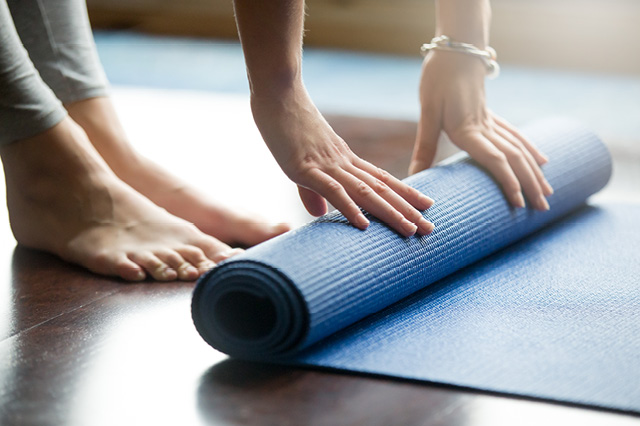
Find Your Flow With Varied Yoga Styles

More than 36 million people practiced yoga in 2016, according to a Yoga Alliance and Yoga Journal study. If you’d like to become one of them, we’ve put together a primer with the help of Andrew Tanner, chief ambassador for Yoga Alliance. His No. 1 piece of advice?  “Look for a studio near you, particularly one where you can take a private lesson,” he said. “It’s a great way to get feedback.”

Gentle

These classes move slowly, and incorporate lots of breath work and props. Tanner recommends beginners start with gentle classes, which usually have names like Restorative, Hatha or Yin yoga.

Flow

This is vigorous yoga, flowing from pose to pose with few rest periods in between, sometimes practiced in heated rooms. Look for names like Vinyasa, Ashtanga or Prana flow classes.

Alignment-Oriented

In Iyengar and Forrest yoga classes, poses are held for longer periods with an emphasis on proper alignment. Teachers often incorporate props like belts, blankets and blocks.

Hot

Hot yoga is done in a room heated to over 88 degrees. It’s generally good for people with muscle tightness, Tanner said. There’s also Bikram yoga, which involves 26 postures and takes place in a 102-degree room. (Bring a towel and lots of water!)

Fitness

Yoga Fit classes, which place more emphasis on poses that strengthen, fall into this category. They usually don’t use Sanskrit terms or chanting, either – it’s much more of a physical exercise, Tanner said.

Spiritual

These classes focus on breathing and mantras, and often involve spiritual and philosophical elements. Look for Hatha, Kundalini and Sivananda styles.

Subscribe to Your AAA Newsletter

Sign up and receive updates for all of the latest articles on automotive, travel, money, lifestyle and so much more!

Gardening Resources to Help Boost Your Blooms

Spring is here! In the Northeast, many of us just can’t wait to get our hands in the dirt and play in the garden. Whether you’re the kind of gardener who starts with seeds or you just dabble in the occasional potted plant, we’ve got great gardening resources to help you cultivate your green thumb this spring.

Websites

One of my best virtual gardening friends is www.gardeners.com, the website for the Vermont-based Gardener’s Supply Company. The site is packed with tons of articles about organic gardening, controlling pests naturally, composting and planning a garden. Have a burning question? Just enter it on the site and someone will get back to you with an answer, usually within 24 hours.

Connecticut-based White Flower Farm (www.whiteflowerfarm.com) is another great resource. Sign up for a free catalog and you’ll be tempted year-round. The site sells and gives advice on perennials, annuals, flowering shrubs – including more than 40 varieties of hydrangeas – roses, bulbs and vegetables.

Apps

Is there a beautiful tree in your neighborhood that you’d love to see on your lawn, but you don’t know what kind it is? Leafsnap will help. Just take a picture of a tree’s leaves, bark or flowers, and the app will identify it. The free app focuses on tree varieties in the Northeastern U.S. and Canada, and is available for the iPhone and iPad.

Want to record your garden’s growth for posterity? The Life app (free for the iPhone and iPad) is a journal where you can record everything about your garden, from when you first planted seedlings to when you last fertilized those beefsteak tomatoes.

Subscribe to Your AAA Newsletter

Sign up and receive updates for all of the latest articles on automotive, travel, money, lifestyle and so much more!

Weekend in Nashville

Love good food and good music? Nashville, one of the South’s most exciting cities, has an abundance of both – and plenty more, making it a great choice for a fun-filled weekend destination.

It also has a surprising amount of star power, as Taylor Swift, Garth Brooks and Trisha Yearwood, and Nicole Kidman and Keith Urban all have homes here. You’ll see them out and about with little fanfare, especially in the local restaurants and bars.

They go to places like Rolf & Daughters, a restaurant in the trendy Germantown neighborhood serving rustic Italian fare. There’s also Husk from famed Charleston chef Sean Brock for modern Southern, and Pinewood Social has not only a great weekend brunch but a small bowling alley. Merchant’s is a fun, bustling spot in the middle of everything on Broadway, and right across the street is Jack’s Bar-B Que for when you need a barbecue fix.

Nashville is known as Music City for a reason – if you hit Broadway you can catch live music every night of the week. Pop in and out of the honkytonks, where you can have a beer and watch up-and-coming talent in places like Robert’s Western World. And you can’t leave town without visiting the Country Music Hall of Fame and Museum, where you can take a tour of the famed Studio B where Elvis, Dolly Parton and Willie Nelson have recorded.

There are plenty of hotels if you want to be near the action, including the Sheraton Grand Nashville Downtown, an-atrium style hotel with chic, contemporary interiors, and the AAA Five Diamond Rated Hermitage Hotel, a Nashville classic that opened in 1910 and has hosted country music icons like Patsy Cline and Johnny Cash. Have a steak dinner in its AAA Four Diamond Rated Capitol Grille and an old-fashioned cocktail in the clubby Oak Bar.

FIND & BOOK A HOTEL IN NASHVILLE, TENN.

Subscribe to Your AAA Newsletter

Sign up and receive updates for all of the latest articles on automotive, travel, money, lifestyle and so much more!