10 Retro Road Trip Stops in the Northeast

Nostalgia tourism is on the rise in 2025, and there’s no better way to embrace it than by hitting the open road to explore some of the quirkiest, most iconic roadside attractions in the northeast, like Lucy the Elephant in New Jersey and the Coffee Pot in Pennsylvania.

“Places like (these) drive tourism. They drive interest. People plan vacations around them. They tell stories we can all connect with, not to mention they are inherently fun and quirky,” said Rolando Pujol, author of “The Great American Retro Road Trip: A Celebration of Roadside Americana.”

For classic Americana and timeless charm, here’s what to add to your retro road trip itinerary.

L.L. Bean Boot

Freeport, Maine

Few things scream “Maine” like a gigantic 16-foot-tall duck boot. Standing proudly outside the L.L. Bean flagship store in Freeport, this oversized icon pays tribute to the state’s rugged culture and the legendary rubber-bottom boot that put L.L. Bean on the map. Inside the store, you’ll find classic duck boots in much more reasonable sizes to help you gear up for your next adventure.

Paul Bunyan Statue

Bangor, Maine

Standing 31 feet tall and weighing 3,700 pounds, Bangor’s Paul Bunyan statue is a must-see for fans of timeless roadside attractions. This legendary lumberjack has been keeping watch over his birthplace since 1959, erected in honor of Bunyan’s 125th birthday. Skeptical about Bangor’s claim? Check out Bunyan’s “official” birth certificate at City Hall. Maine’s own Stephen King even gave the statue a brush of pop culture fame, bringing it to life in his 1986 novel, “IT.”

The Coffee Pot

Bedford, Pa.

Built in 1927, the 18-foot-tall Coffee Pot first operated as a roadside diner serving up hot coffee and hearty meals along U.S. 30. By 1937 it had been transformed into a bar with a hotel behind it. Over time, this caffeine-forward landmark fell into disrepair. Then, Bedford County and the Lincoln Highway Heritage Park Corridor stepped in to restore this iconic landmark in 2004. Today, this giant, coffee pot-shaped relic is a nostalgic tribute to the golden age of road travel.

Doo Wop Museum

Wildwood, N.J.

Step into the past  at the Doo Wop Museum, a nostalgia-inducing tribute to the 1950s and 1960s. Explore vintage mid-century artifacts, including neon signs, pop culture memorabilia and plenty of vinyl upholstery. The Neon Sign Garden features carefully restored signs from iconic Wildwood motels, like the White Star Motel and Swan Motel. Inside, you’ll find a malt shop and a gift shop stocked with merch to show off your love for the Doo Wop era.

For more offbeat attractions, check out these quirky museums in the northeast.

Lucky Snake

Atlantic City, N.J.

At the Lucky Snake within the Showboat Hotel you’ll feel as though you’ve been transported back to the heyday of arcades. This expansive complex features vintage pinball, classic video games, and water gun games, as well as mini golf and roller skating. Not only does Lucky Snake proudly boast the title of the world’s largest arcade, but it’s also home to what could be the world’s largest Zoltar, a towering 11-foot-tall fortune-teller machine.

Plan your next arcade road trip with this guide to classic arcades.

Lucy the Elephant

Margate, N.J.

Standing 65 feet tall, Lucy the Elephant has watched over the Jersey Shore since 1881, originally built as an eye-catching real estate advertisement. Now a National Historic Landmark, she welcomes visitors who come to admire her in all her glory. Snap street-view photos for free or book a guided tour inside for sweeping views across the Atlantic Ocean. It’s a fun way to step back in time at one of the top roadside attractions in the northeast.

Fingerlakes Drive-In

Auburn, N.Y.

Since 1947, the Fingerlakes Drive-In has been keeping the magic of old-school movie nights alive. As the oldest operating drive-in theatre in New York, it offers the best of both worlds — tune in through your FM car radio or enjoy the vintage charm of classic speakers. Roll up for a double feature under the stars, just like the good old days. A classic concession stand serves up hot dogs, nachos, and crispy onion rings. It’s a must-visit for anyone craving nostalgic summer fun.

TWA Hotel

JFK Airport

Step into the jet-set era at the TWA Hotel, a mid-century marvel at New York’s JFK Airport. Housed in the iconic 1962 TWA Flight Center, this retro-chic hotel celebrates the golden age of air travel. Sip cocktails in the stylish Sunken Lounge or Connie Cocktail Lounge, take a rooftop pool dip with runway views, or explore a museum filled with artifacts, interactive exhibits, and stories curated by the New York Historical Society.

Haines Shoe House

York, Pa.

Ever dreamed of sleeping inside a shoe? Probably not — but at the Haines Shoe House in York, Pennsylvania, you can do just that. Built in 1948 to promote a local chain of shoe stores, this larger-than-life roadside attraction is pure Americana. Once home to a museum and an cream shop, it’s now a one-of-a-kind Airbnb, complete with a hot tub, foosball table, and an outdoor fire pit. Featured on HGTV’s “What’s With That House” and “The Amazing Race,” this oversized shoe is a must-stay for any offbeat or retro road trip adventure.

The Flavor Graveyard

Waterbury, Vt.

Where do retired ice cream flavors go? At Ben & Jerry’s, they find a final resting place in the Flavor Graveyard where curious visitors can pay their respects to dearly departed pints like “Peanut Butter and Jelly” and “Tennessee Mud.” Perched on a scenic hilltop adjacent to the iconic ice cream factory, this funky graveyard features 35 flavors, each with a clever epitaph. It’s a bittersweet (but mostly sweet) stop for any ice cream lover.

Have you been to any of these retro road trip destinations? Tell us your favorite in the comments.
Need a ride? Rent a car.

Subscribe to Your AAA Newsletter

Sign up and receive updates for all of the latest articles on automotive, travel, money, lifestyle and so much more!

Bike Smart, Ride Safe

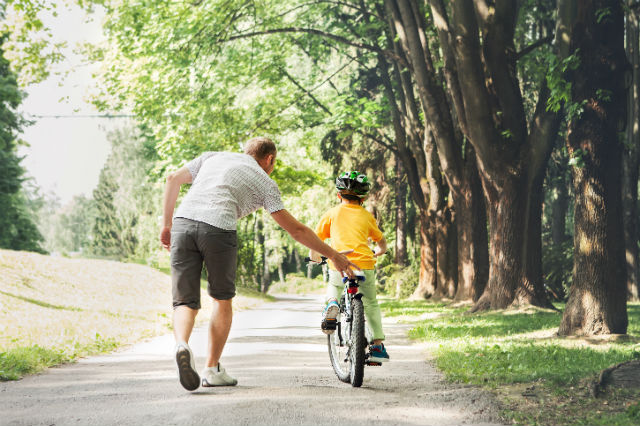
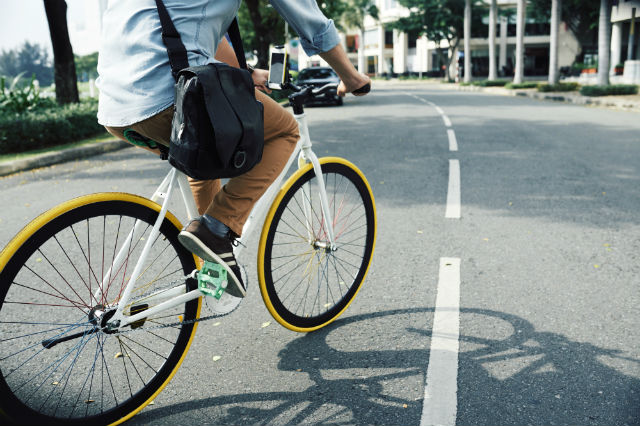
Bike rides are fun, environmentally friendly and great exercise to boot. But, like with any mode of transportation, you need to make sure to keep safety in mind while on two wheels.

Did you know? AAA Northeast offers 24-hour roadside assistance for your bike, too! The free service is available to all members. Learn more.

Helmets

Wearing a helmet is the single most important thing you can do to protect yourself when riding a bike.

American bike fatalities reached a record high of 1,166 in 2024, according to information from The League of American Bicyclists. Head injuries are the leading cause of death and serious injury.

When you put on your helmet, make sure the visor sits about 1 to 2 inches above your brow, and that the chin strap is snug, but not constricting. If you can fit no more than two fingers in between your chin and the strap, you’re good to go.

Check out these easy steps to properly fit a bike helmet.

You might not love the way you look in a helmet but looks don’t matter when your life is on the line.

national bike month

Biking While Drunk

If you wouldn’t get behind the wheel of a car, you shouldn’t get behind the handlebars of a bike. The most recent stats reported by the Insurance Institute of Highway Safety show that 21% of cyclists killed in traffic crashes in 2022 were legally drunk.

Biking in the Dark

Bike deaths peak from 6 p.m. to 9 p.m., but why is that? Visibility is important on the road, especially when drivers and bikers share the same streets. During the day, you don’t have to worry too much about seeing and being seen, especially if it’s spring or summertime. However, as the day gets duskier, it’s more difficult for drivers to spot cyclists darting across the road or on the side of the street. If you’re going to be biking during this time, there are tons of bike accessories that will help make you more visible.

Sharing the road

Cyclists

Sharing the road with cars is dangerous, but it’s often necessary. Riding on congested sidewalks puts pedestrians in danger, and it’s actually illegal in some cities. Bike on the right side of the road (just like when you drive) and stay about 2 to 3 feet away from the curb. Be careful when you’re driving past parked cars – you never know when someone could open a door and clothesline you. Remember to stop at stop signs and red lights, just like someone in a car would.

Drivers

When you spot a cyclist, give them a wide berth. You’re driving something that weighs more than 4,000 pounds, while cyclists are balancing on a 15-pound, two-wheeled machine powered by their own legs. They don’t have the benefit of a car’s safety systems, and if there’s a crash, they’re probably going to get hurt. If there’s a bike lane in your city, don’t park in it. This forces cyclists to dart unexpectedly into traffic lanes. You also should not be driving in the bike lane, even if you’re just edging in by a foot or two. There could be cyclists in your blind spot, and even the cyclists that you can see are too close for comfort.

Click here for more tips on sharing the road.

What are some ways you stay safe while cycling? Let us know in the comments below.

This article has been updated and republished from a previous version. 

Subscribe to Your AAA Newsletter

Sign up and receive updates for all of the latest articles on automotive, travel, money, lifestyle and so much more!

What Is Hydroplaning?

Everyone knows to drive slowly on ice to avoid skidding. But driving through water can be just as hazardous, and if you are not careful, can cause a car to slide off the road.

What Is Hydroplaning?

You’ve probably heard the term before, but what exactly does it mean?

Hydroplaning occurs when a thin layer of water comes between the tires and the road. Suddenly the tires have no traction, the driver has no control of the car and is in danger of sliding off the road or into oncoming traffic. All this happens in a matter of seconds.

Cars are at greatest risk for hydroplaning during the first 10 minutes of a downpour because tires can’t quickly displace enough water from their treads. Drivers traveling 40 mph or more through water more than one-tenth of an inch deep have a higher chance of hydroplaning.

What to Do When Hydroplaning

If your car starts to hydroplane, release the accelerator slowly, said AAA’s Car Doctor John Paul. Quick deceleration or sudden steering maneuvers can put the car into a skid. Hold the steering wheel firmly and keep the front of the car pointed straight ahead. Steer gently to keep the car going forward and take your foot off the gas pedal so the car slows down on its own.

How to Avoid Hydroplaning

To prevent your car from hydroplaning, Paul said:

  • Watch the roadway; look for pooling water and big puddles. Monitor your car’s speed. “The faster your car is traveling, the more likely you are to hydroplane.” 
  • Leave extra following distance between you and the traffic ahead. This will give you more time to react.
  • Ensure your tires are fully inflated and have adequate tread. AAA recommends replacing tires when the tread gets down to 4/32nds inches of tread (2/32nd inches is the minimum legal tread depth in most states).

A legal tire with 3/32nd inches of tread can take up to 225 feet to stop from 60 mph, while a tire with 5/32nd inches of tread will take 195 feet. “That 30-foot difference can be the difference between a crash and one that didn’t happen,” Paul said. 

Has your car ever hydroplaned? What helped you recover? Tell us in the comments.

Subscribe to Your AAA Newsletter

Sign up and receive updates for all of the latest articles on automotive, travel, money, lifestyle and so much more!

Why Life Insurance Through Work Isn’t Enough

It’s easy to believe that the group life insurance offered through your employer is sufficient coverage for you and your family. After all, what’s good for the goose is good for the gander, right? Well, not necessarily.

While group life insurance is generally affordable and convenient, it has its shortcomings. Relying solely on your life insurance through work could mean there isn’t enough to support your family’s needs.

Listen to Our Podcast

Have insurance questions? Listen to Episode 3 of our podcast, Merging Into Life: Insurance 101.

Tune In

How Group Life Insurance Limits Your Coverage

Employee-provided life insurance only offers a fixed amount of coverage for a specified period of time. The coverage amount is often a multiple of your salary, but doesn’t consider factors such as outstanding debts, mortgage obligations or a variety of future expenses.

Plus, group life coverage isn’t portable. When you leave your job – whether by choice or circumstances beyond your control – your life insurance coverage may end, leaving you and your family without protection during a period when financial stability is needed most. Starting a new policy at that point may come with higher premiums, as well, particularly if your health has changed since your initial enrollment in the employer plan.

Another significant drawback of life insurance through work is the lack of customization. These plans are designed to cater to a diverse group of employees, and as a result may not address everyone’s specific needs. Your financial situation, lifestyle, responsibilities and future plans are unique, and a one-size-fits-all approach to life insurance may not be sufficient. The great thing about individual policies is that some offer cash value, which is a great way to help plan for your retirement at the same time.

Get the Best of Both Worlds

Should you get life insurance through work? Sure, work life insurance is a valuable benefit, but it shouldn’t be considered a stand-alone solution for comprehensive coverage. Getting a personalized, individual life insurance plan ensures that your unique circumstances are accounted for in addition to being portable and offering the flexibility to adapt to life’s changing stages. You also get to choose whether you’d like a term or permanent policy.

Regular assessments of your coverage and consulting with a life insurance agent can help ensure that your life insurance strategy remains aligned with your evolving needs, providing you and your loved ones with the peace of mind they deserve.

Learn more about life insurance from AAA.

Subscribe to Your AAA Newsletter

Sign up and receive updates for all of the latest articles on automotive, travel, money, lifestyle and so much more!

Northeast Pump Prices Budge Only Slightly on Increased Demand, Tightening Inventories  

A primary factor keeping a lid on gasoline prices is the cost of crude oil, which began this week at a four-year low after OPEC+ member countries over the weekend agreed to increase production through June. The decision comes after the Saudi government last week indicated that it supported boosting production even if it led to lower crude prices. That’s an about-face from the group, which implemented production cuts in 2022 in an effort to boost oil prices even if it meant losing global market share to the United States and other oil-producing nations.  

If it weren’t for lower oil prices, gasoline prices might otherwise be climbing, based on the most recent supply and demand data from the Energy Information Administration (EIA). After weak numbers through March and most of April, demand for gasoline has rebounded somewhat in recent weeks, with last week’s total surpassing 9 million barrels a day, according to the EIA. The figure is more in line with expectations for this time of year and stronger than the comparable weeks of 2024 and 2023.  

The bump in demand comes as gasoline inventories continue to tighten: National inventories declined by 4 million barrels last week, the EIA reported. Refiners have been slow to wrap up spring maintenance activities and are more focused on producing higher-margin jet fuel and diesel, leading to gasoline supplies declining in 11 out of the past 12 weeks. There are now 225 million barrels of gasoline in storage, according to the EIA, down from 229 million the prior week and 227 million last year. 

“Cheaper oil can wipe out potential price increases that ordinarily would be caused by higher demand and falling inventories,” said Jillian Young, director of public relations for AAA Northeast. “Additionally, market participants are uncertain whether the recent boost in demand is a sign of things to come or just a blip.” 

AAA Northeast’s May 5 survey of fuel prices found the national average up 2 cents from last week ($3.14), averaging $3.16/gallon. The May 5 national average price was 10 cents lower than a month ago ($3.26) and 49 cents lower than this day last year ($3.65). 

Region Current Price* One Week Ago One Month Ago One Year Ago 
Connecticut $3.07 $3.06 $3.09 $3.75 
New Jersey $3 $2.96 $3.06 $3.62 
New York $3.10 $3.09 $3.14 $3.73 
Massachusetts $2.97 $2.96 $2.99 $3.60 
Rhode Island $2.96 $2.94 $2.99 $3.63 

*Prices as of May 5, 2025 

As of May 5, Mississippi and Louisiana had the lowest prices in the nation, at $2.65 and $2.70, respectively. California and Hawaii held the highest prices in the nation at $4.77 and $4.49, respectively.  

The AAA Gas Prices website is your resource for up-to-date fuel price information. Search for average gas prices on national, state and metro levels by regular, plus, premium and diesel.  

Subscribe to Your AAA Newsletter

Sign up and receive updates for all of the latest articles on automotive, travel, money, lifestyle and so much more!

Spring Motorcycle Maintenance Checklist

With spring comes the sweet sound of rolling thunder (and we’re not talking about the weather!).

Motorcyclists itch for the first nice day of spring, when the sun is shining, the temperature hits above 60 degrees and the conditions are just right. Before that long-awaited ride, take care of spring motorcycle maintenance to get ready for the road.

Ready, Set, Go  

When getting your bike out of winter storage, give it a fresh oil change and have a professional do a thorough inspection to check on the brakes, fluid levels, tire pressure, battery and other mechanics.

Once the big spring motorcycle maintenance items are taken care of, the Motorcycle Safety Foundation recommends a quick assessment before every ride. The acronym T-CLOCS reminds riders to look at their tires, controls, lights, oil, chassis and stands.

Insurance Basics 

A specialized motorcycle insurance policy can provide full coverage for you and your bike.

Like car insurance, a minimum amount of liability coverage for bodily injury or property damage caused to others by you, is required in almost every state. Other types of coverage, like collision, which can help cover the cost of repairs if your bike is in a crash, and comprehensive, for damages from events such as fire, theft or vandalism, are usually optional.

The beauty of a specialty policy is that it can provide a wider range of customizations, a perk that any motorcycle owner can appreciate. Each policy is as unique as its rider. When requesting a quote, mention if your bike has any modifications, if you own a vintage model or have more than one bike, which will likely affect your coverage needs and premium. If you frequently carry passengers, you may also want to consider adding guest passenger liability.

Depending on state and provider, discounts are sometimes offered for multi-bike owners, mature riders, training course completion and memberships in rider associations or clubs. Check with your insurance agent to find out about the laws where you live, coverage options and available savings.

Learn more about motorcycle and scooter coverage through AAA Insurance. 

At the Roadside

Whether it’s just a drive around the neighborhood or you’re headed all the way to Sturgis, no one wants their trip delayed by unexpected holdups. You should always be prepared to “shift gears” when needed. If you do find yourself stuck at the side of the road, pull over to a safe location and call roadside assistance for any repairs too significant to fix on your own.

AAA Plus and Premier members can sign up for motorcycle coverage for 24-hour roadside services including jumpstarts, tire inflation, fuel delivery and towing for all street-legal motor bikes. Roadside assistance is also included with motorcycle insurance policies acquired through AAA, so you can get the help you need and keep on riding.

motorcycle

Safety and Gear

Motorcyclists are five times more likely to be injured and 28 times as likely to be killed than car occupants, according to the most recent research by the National Traffic Safety Administration.

Don’t forget that motorcycles have different reaction times and are less visible to surrounding vehicles. Follow traffic laws, never drive impaired and always wear a U.S. Department of Transportation-compliant helmet and other protective gear.

Sharing the Road With Motorcycles

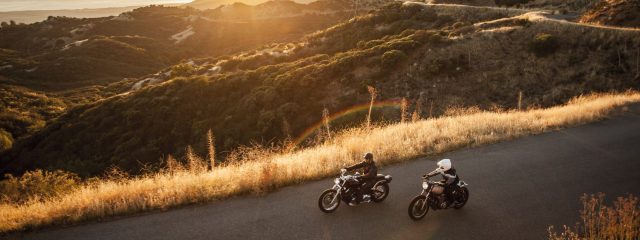
If you don’t own a motorcycle, you probably know someone that does. Keep their safety in mind when sharing the road, especially between May and September when riders are more likely to be out.

  • “Look twice, save a life.” Check mirrors and blind spots for motorcycles before switching lanes and at intersections.
  • Signal before changing lanes or merging and allow enough time to determine a motorcyclist’s intention before proceeding.
  • Increase following distance and provide enough time to stop in an emergency.

There’s a camaraderie among motorcyclists that can often be seen by a passing wave or a cool thumbs up. An upside-down peace sign from one rider to another means to keep your two wheels on the ground. In other words, stay safe out there.

Get in touch with a AAA Insurance agent to find out about coverage options for your motorcycle, boat, RV or other leisure vehicle. 

What are your spring motorcycle maintenance tips? Tell us in the comments. 

Subscribe to Your AAA Newsletter

Sign up and receive updates for all of the latest articles on automotive, travel, money, lifestyle and so much more!

Graduation Gifts to Get Your Grad Financially Ready

Whether high school or college, graduation not only marks the end of a years-long undertaking, but it also launches students into all the financial responsibility of adulthood. This milestone is the perfect opportunity to help the graduate in your life get started on the road to successfully navigating their own finances.

“The biggest hurdle to get anybody going on their personal finances is to just get it started,” said Ted Lyons, vice president of financial services at AAA Northeast. “Once that initial step is made, then you need to help the soon-to-be graduates in your life understand that it’s up to them to continue it.”

Let’s run through some of the most practical graduation gifts to consider.

Life Insurance Policy

Contrary to what you may believe, it’s actually never too early to start thinking about life insurance. Although young people might not be worried about buying a policy right after graduation, they may find themselves missing out on the benefits of having a long-term policy plan in place.

Consider the value in investing in their future family during their 20s and 30s, when health concerns are typically not much of a factor. Moreover, since they’re unlikely to look that far ahead, this is one gift they most likely wouldn’t have thought to get themselves.

Learn more about getting life insurance through AAA. 

CD or Savings Bond

These two are classic graduation gifts for a reason. A certificate of deposit (CD) or savings bond makes an ideal starting point for a young adult still trying to get their financial bearings. Both contribute positively toward your graduate’s more immediate savings goals, though a savings bond retains its value regardless of inflationary rates and — unlike a CD — remains free from taxation. In the end, either gesture gets your graduate thinking more practically about their financial future.

Online Savings Account

Many new graduates still haven’t created a savings account. Opening an online savings account is one of the most important ways in which you can aid a recent graduate, Lyons believes. “Once you learn to pay yourself first, you’ll really be able to watch your money grow,” he said.

To get the most value out of their burgeoning savings accounts, graduates should also set up an automatic payroll deduction directly into their savings. This inherently makes future saving a priority and establishes smart financial habits.

graduation gifts

Investments

Unless your graduate is particularly precocious when it comes to the financial world, they may not realize the value in wisely investing their money. That’s where you can come in with an initial investment of your own. Stocks may be the first thing you think of, but the risk involved makes them a poor choice for a graduation gift. Instead, you might opt for a mutual fund or exchange-traded fund, which presents a crash-course in investing and plants the seeds for long-term investment plans. Over time, this seed investment provides a solid foundation upon which your grad can build.

Retirement Planning

Like a life insurance policy, retirement planning isn’t typically at the top of the priority list for recent graduates. But it certainly ought to be, especially if they’re earning an income. Roth IRAs are tax-free, and a contribution to this forward-looking account — no matter how generous — can go a long way toward getting your graduate set up for his or her golden years. Encouraging your graduate to maximize 401k plans that may be offered through their future jobs is also a win for their financial security, especially when a company match is available.

Knowledge Starter

All the above suggestions help graduates to consider how their money can flourish in the years ahead. But if you’d rather not commit to a specific graduation gift, you could always present a more general way to emphasize the importance of their personal finances.

Perhaps you could set up a consultation with a financial advisor, who can guide your graduate to establish a financial plan that works for their specific goals. Even a gift as simple as a top-rated finance book or a subscription to budgeting software is incredibly valuable in the long run.

In the end, what your graduate needs most is an education in the financial realities they’re about to confront. Whatever form that takes will inevitably put them in better shape to make informed decisions with their money, and with any luck, your graduation gift could even play an integral role in their future.

Know any other students that could use a hand financially? AAA can help with student loans and student loan refinancing.

Subscribe to Your AAA Newsletter

Sign up and receive updates for all of the latest articles on automotive, travel, money, lifestyle and so much more!

Fly and Drive: Florida and Alabama Along the Gulf Coast

When you want sun, sand and surf, make your way to the Florida Panhandle and Alabama Gulf Coast for road trip adventures that won’t disappoint. With airports in both Pensacola, Florida, and Mobile, Alabama, you can start and end your trip wherever works best for you. Thanks to a wide range of activities and attractions along the way, you won’t have any trouble filling your itinerary between flights.

Get the ‘Blues’ in Pensacola, Florida

In Pensacola, there’s plenty of entertainment to help you make the most of your time. A not-to-miss event is watching the U.S. Navy Blue Angels practice from the flight line behind the National Naval Aviation Museum on Naval Air Station Pensacola. You won’t find a better view of this aviation team in action. Visitors ages 18 or older need a government-issued ID for entrance to the base, but admission is free. You can rent a chair for the show or climb into the bleachers, but get there early as these go fast. After the practice, head into the museum to learn more about our country’s naval aviation history.

If you love baseball, head to a Pensacola Blue Wahoos game near downtown Pensacola. A Double-A affiliate of the Miami Marlins, the Blue Wahoos take to the diamond every April through September, so catching a game is easy. Before or after the game, you can find tasty Southern cuisine at Five Sisters Blues Cafe (try the fried chicken!) or satisfy every appetite from one of the food trucks at The Garden at Palafox + Main.

Of course, you can’t go to Pensacola and not enjoy the beaches. Find your spot in the sand, where you can soak up some rays or float in the beautiful blue water. For more adventures, take to the skies with Radical Rides for some parasailing, watch for dolphins at sunset with Frisky Mermaid or paddle after dark with Glow Paddle.

Car Rental Savings

Get up to 20% off the base rate of your next car rental.*

*Terms apply.

Book Today

Explore Gulf Shores and Orange Beach, Alabama

To reach your next stop, head west for approximately one hour, and you’ll enter the neighboring Alabama cities of Gulf Shores and Orange Beach. From the beaches to the back roads, there’s no shortage of fun adventures to keep you on the go.  

If you missed seeing the Blue Angels practice in Pensacola, join Sail Wild Hearts for their Dolphins & Angels tour from Orange Beach. Enjoy a six-hour journey aboard a 53-foot catamaran, complete with breakfast, lunch and snacks as you cruise along the Gulf Coast toward Pensacola. Then, sit back and watch the Blue Angels practice from the water, a unique perspective that is an unforgettable experience. Don’t forget to look for dolphins throughout your journey!

Once back on shore, make your way to Gulf State Park where you can explore nature from the beach to the Backcountry Trail. Grab a bike from the free bike sharing program and start pedaling your way down the 28-plus-mile trail that traverses the park. Along the way, you’ll see nine distinct ecosystems, so keep a close eye out for the changing flora and fauna. The nature center provides a deeper dive into the plants and wildlife in the Gulf region.

For more animal encounters, the Alabama Gulf Coast Zoo answers the call. The zoo is home to 118 different species, including favorites like giraffes, macaws and iguanas. You can even sign up for meet-and-greets with select animals, including hanging out with sloths, feeding a giraffe or tortoise or lounging with the lemurs.

Oriental-American Garden, Bellingrath Gardens, Mobile area (Theodore), Alabama
Bellingrath Gardens

Step Back in Time in Mobile, Alabama

For the final leg of your road trip, head northwest to Mobile for a taste of history, mystery and strolls through the gardens.

Your first stop could be the USS Alabama. Tour this historic battleship to see how it and its crew served in World War II. Follow up your tour with a visit to the USS Drum submarine. Next up, the Mobile Carnival Museum documents the rich history and traditions of carnival through elaborate costumes, historical photographs and videos of past parades and balls. You could even climb aboard a float for a commemorative photograph.

For an evening to remember, step aboard the Perdido Queen paddlewheel riverboat for a murder mystery dinner cruise on the Mobile River. Immerse yourself in the action and see if you can figure out who the killer is before dinner is over. The key is to join in the fun and roll with the punches. You could be called upon to solve the crime!

Wrap up your trip with a stroll at Bellingrath Gardens, where 65 acres of lush gardens surround a 10,500-square-foot estate. You can walk the gardens throughout the year, but if you want to see something specific, check the website to see what’s in bloom while you’re in town. It will be a wonderful way to end your journey along the Gulf Coast. 

Plan your trip with a AAA travel advisor and rent your car with Hertz. AAA members can save up to 20% on Hertz rentals.

Subscribe to Your AAA Newsletter

Sign up and receive updates for all of the latest articles on automotive, travel, money, lifestyle and so much more!

Using Your GPS Safely

For those of us who are directionally impaired, driving with a GPS device is like having your own personal sherpa. These days many people won’t drive without them.

GPS is operated by the U.S. Department of Defense and was developed for military use in the 1970s. Civilians gained access in the 1980s. GPS provides users with positioning, navigation and timing services using satellite signals. Mazda unveiled the first GPS system for cars in 1990, and it’s now standard in cars and on smart phones.

Thanks to GPS, road trips are now a breeze. Besides guiding you to your destination, GPS apps and infotainment systems from some vehicle manufacturers can alert you to upcoming hazards such as construction, lane closures and nearby emergency vehicles, including AAA Roadside Assistance trucks.

However, constantly glancing at the screen to make sure you don’t miss the next exit can be distracting — and anything that takes your focus off the road can be dangerous

Set Your GPS Before You Drive

The only safe way to use GPS is to program your route in the navigation system before you shift your vehicle out of park.

“This gives you time to adjust additional settings, such as avoiding toll roads or adjusting the volume of audible directions,” said Brian Butterworth, director of AAA Northeast’s Driving School.

Entering information into your GPS while driving or simply looking away from the road to check the screen diverts your attention and could lead to a collision. While statistics do not indicate which crashes were caused by using GPS, about 13% of all traffic crashes in 2023 were influenced by a distracted driver, according to the National Highway Traffic Safety Administration.

“While driving, keep your focus on the road ahead — do not look at the screen. Instead, rely on the audible directions to tell you where to go,” said Butterworth.

AAA Driving School students learn how to use a GPS safely during the classroom instruction section on distracted driving.

Voice Commands Are Not the Answer

Voice to text may be legal in some states to set navigation if the device is properly mounted, but that doesn’t mean it is a safer option. These systems have not been shown to reduce crash risk or decrease distraction, Butterworth continued. “While your mind is focused on the voice-activated system, you’re not focused on the road ahead.”

Another safety tip: While driving using a GPS, if you miss a turn or are not in the correct lane to follow the GPS guidance, don’t panic. Backing up or making a sudden turn increases the chances of a collision. Instead, give the GPS time to recalculate the route and let the device get you back on track.

So, enjoy all the perks a GPS provides — just remember to keep your eyes on the road.

Do you depend on your GPS? Despite its benefits, do you ever find it distracting? Tell us in the comments.

Subscribe to Your AAA Newsletter

Sign up and receive updates for all of the latest articles on automotive, travel, money, lifestyle and so much more!

Motorcyclist Fatalities Surge as Weather Warms  

As warm weather finally graces the Northeast, everyone is getting out more — including motorcyclists. Unfortunately, this brings a sharp increase in fatal crashes involving motorcycles. A AAA Northeast analysis of National Highway Traffic Safety Administration (NHTSA) data from the last decade found that almost 60% of motorcyclist fatalities occur between May and September.  

The last 10 years of NHTSA data shows motorcycle fatalities spiking by over 32% from April to May, when many motorcyclists begin taking advantage of consistently warmer temperatures. 

Motorcyclist fatalities in the U.S. continue to trend dangerously upward. There were 6,335 motorcyclists killed in 2023, representing 15% of all traffic fatalities, according to NHTSA. This was the highest number of motorcyclists killed since at least 1975, the earliest year of available data.  

“The continued increase in motorcyclist fatalities is especially troubling given that most categories of traffic fatalities decreased from 2022 to 2023, while motorcyclist deaths continued their dangerous climb,” said Jillian Young, director of public relations for AAA Northeast. “As we all take to the roads more frequently during warmer weather, drivers must keep in mind that staying alert and aware is critical to improving safety, especially as motorcycles can be more difficult to see because of their size.”  

AAA offers the following tips for drivers: 
  • Increase following distance and take extra care when driving behind a motor, especially when stopping or accelerating. 
  • Carefully check mirrors and blind spots for motorcycles, which are less visible than other vehicles on the road. 
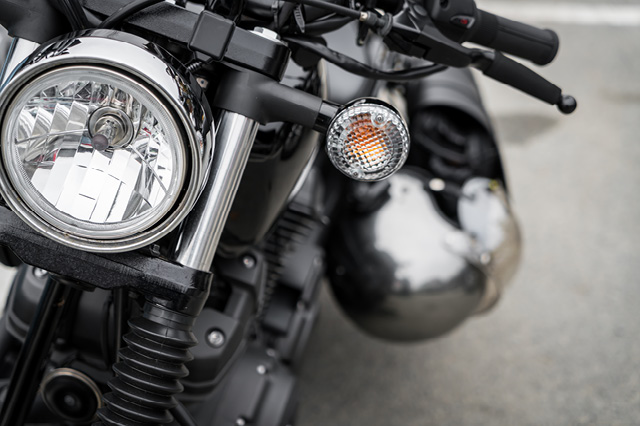
  • If a motorcyclist has their turn signal on, wait to make sure they actually turn before passing them. The turn signals on many motorcycles do not turn off automatically, so there’s a chance they could be activated from an earlier turn. 
  • Never drive distracted. At 55 mph, taking your eyes off the road for just 5 seconds is equivalent to driving the length of an entire football field blindfolded. 
State-specific data:
  • In Connecticut, there were 55 fatal crashes involving motorcycles in 2023, according to the Connecticut Crash Data Repository.  
  • In Massachusetts, there were 65 fatal crashes involving motorcycles in 2024, according to the Massachusetts IMPACT data portal. 
  • In New Jersey, there were 76 fatal crashes involving motorcycles in 2023, according to Numetric’s crash data repository.  
  • In New York, there were 188 fatal crashes involving motorcycles in 2023, according to the Institute for Traffic Safety Management and Research.  

Subscribe to Your AAA Newsletter

Sign up and receive updates for all of the latest articles on automotive, travel, money, lifestyle and so much more!

Q&A With AAA Northeast’s Car Doctor: May 2025

Q. Both headlights, top portion, on my 2019 Hyundai Tucson are completely cloudy and discoloration with what appear to have minute cracks. Is there a service recall with this deformity with free replacement of the plastic headlight covers?

A. The only bulletin that I know of has to do with condensation. You may be able to buff out the cracks and remove the discoloration. This would be a part that would be normally covered by the five year, 60,000 mile warranty. Since you are outside of that period it may be worth asking the dealer if there is any good will assistance. If nothing else report the issue to https://www.nhtsa.gov/. Perhaps if enough people report this issue there will be a recall.

Q. I am the original owner of 2022 Volkswagen Tiguan SEL with 25,000 miles currently. Last week the low oil level appeared. I checked the oil, and it showed low. Upon research it seems 22-23 Tiguans are prone to oil consumption. Do you think this is something I need to be concerned about in the future, or trade in and get the GV70 I was looking for? Thank you for your column, great insights into auto issues.

A. Volkswagens tend to use some oil and in most cases VW/Audi consider one quart of oil use in 1200 miles normal. As a side note the plastic engine oil drain plug needs to get replaced on every oil change, if not it will leak. If you are considering trading your car, with the low miles and only three years old has good value.  Since you purchased the car new the vehicle limited warranty covers the powertrain warranty for 5 years or 60,000 miles. So, if the oil consumption gets worse, you are covered. As a side note, VW has issued bulletins about oil consumption testing and oil quality. There is a class action suit, but nothing has been determined as far as I know. Would I trade it for a GV70, The GV 70 is a very nice vehicle, well designed and a good value for a luxury SUV. So yes, if it were me and the numbers work, I would trade it.

Q. My 2013 Chevrolet Equinox has 98,000 miles on it and needs a new water pump. The mechanic said I should also change the timing belt at a total cost of $2,600. I have been reading about this issue and understand both items should be done at same time due to the labor of getting at them. The cost estimates I am seeing ranges from $1,200-$1,500 for the complete job. Obviously $2,600 seems way out of line. In your opinion, is this a fair price?

A. I am a little confused because my information shows both the four- and six-cylinder engines having timing chains not belts. Typically, with regular service the timing chains should last the life on the engine. Based on what I am seeing and parts listed there is no timing belt. Unless the timing chain has stretched or it is rattling, I would replace the water pump and move on.

Q. I have been reading about and watching videos about Valvoline Restore and Protect oil. Most of the reviews are quite positive. Do you have an opinion on this oil?

A. In my own car I have been using Pennzoil Platinum synthetic once the car hit 15,000 miles. Recently I purchased six quarts of Valvoline Restore and Protect, which by the way is a little pricy-nearly $11.00 per quart. The reasoning is, the engine in my car has a history of sticky piston rings. Based on what I have seen in chemical analysis this oil may help prevent a future problem.

Q. I have a 2020 Subaru Forester and when it was in a local shop for an oil change the technician showed me some cracking in the front suspension bushing. He said it was not serious, but it is something I should take care of in the future, maybe by year end. Any thoughts on this?

A. Some cracking in rubber bushing is normal and to be expected with age. If you take a screwdriver and stress the crack and it goes completely through the bushing, the bushings need replacement. In fact, Subaru states cracks with a width greater than 13mm (1/2 inch) will have an impact on the vehicle ride quality and will require replacement. Cracks with a width of 13mm (1/2 inch) or less will not cause any functional concerns and will not require replacement.

A. Years back the engine combustion chamber and specifically the intake valves would build up with carbon deposits. The issue was mostly solved with gasoline with a higher percentage of cleaning additive. Today we are seeing a similar issue with direct injection design engines. Direct injection engines are prone to carbon buildup because fuel is injected directly into the cylinder, rather than at the intake valves. This lack of fuel cleaning additive at the valves and ports leads to more combustion deposits over time. The walnut shell blaster is used once the intake manifold is removed to blast off any deposits. I first heard about walnut shell blasting to clean carbon buildup in aircraft engines. The walnut shell abrasive can be easily targeted to the valves and without causing damage to any other parts.

Do you have car questions? Email AAA’s Car Doctor for a personal reply: jpaul@aaanortheast.com.

Subscribe to Your AAA Newsletter

Sign up and receive updates for all of the latest articles on automotive, travel, money, lifestyle and so much more!

Don’t Rock the Boat: Boat Safety Tips

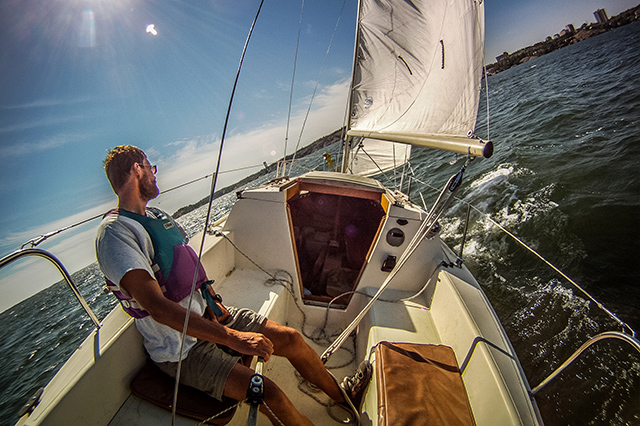
Whether you enjoy fishing, sailing, traveling by water or days on the deck with family and friends, there’s no doubt that having a watercraft is a lot of fun, and a lot of responsibility.

Like motorcycles and RVs, all grownup “toys” have their fair share of risks to account for and maintenance to uphold. Boat owners have to think about things like docking and storage, cleaning, navigation and equipment, as well as the overall safety of everyone on board and other boaters.

Here in the Northeast where the water is a quintessential part of life and summer, it seems like everyone either has a boat or knows someone who does. If you’re a seafaring lover that daydreams of the water whenever you’re not on it, or if a watercraft is on your wish list, here are some boat safety tips and insurance considerations to keep in mind.

To explore your boat insurance options or get a quote, schedule an appointment with a AAA Insurance agent.

Boat Safety Tips

In 2023 there were 3,844 reported recreational watercraft accidents, which included 564 deaths, 2,126 injuries and millions of dollars of property damage, according to the most recent report from the Insurance Information Institute and the U.S. Coast Guard. In the Northeast, New York is among the top 10 states for watercraft accidents.

Part of being a boat owner is making sure that you, and everyone you invite onto your vessel, are following safety protocol. The next time you are out on the water, remember these tips.

Life Jackets Save Lives

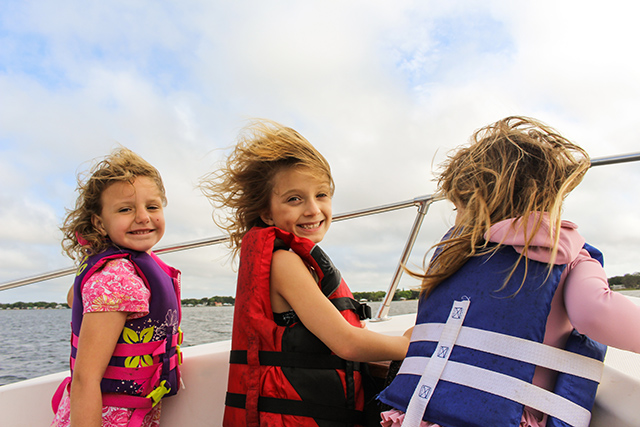
In 2023, 75% of fatal boating-related fatalities involved drowning, according to recreational boating statistics from the U.S. Coast Guard. Of those, 85% were not wearing a life jacket. The U.S. Coast Guard requires a Coast Guard-approved life jacket for each person aboard a recreational vessel. Boats larger than 16 feet also need at least one throwable personal flotation device.

Children’s life jacket requirements vary by state; in states where there is no law in place, the Coast Guard requires children under 13 to wear an approved life jacket on moving boats.

While life jackets are especially encouraged in dangerous conditions like rough waters and severe weather, half of all recreational boating fatalities happen in calm water, according to the Coast Guard. Your safest bet is always to wear a life jacket whenever you are on or around water.

Don’t Drink and Drive Your Boat

When combined with typical watercraft conditions such as motion, vibration, sun, wind and spray, alcohol can impair a person’s abilities faster on water than on land, according to the U.S. Coast Guard. Coast Guard numbers show alcohol was a contributing factor in 17% of recreational watercraft deaths in 2023.

Boater Safety

Operator inexperience was a primary contributing factor in 44 recreational watercraft deaths in 2023. Along with knowing the basics, you should also be well-equipped to handle difficult weather and emergency situations. Boater education laws are mandated in all local states for boat operators, but you can brush up on boating safety at any time with one of the many courses available. As an added incentive, completing a boater safety course could earn you a discount with some specialty watercraft insurers.

Pay Attention

Similar to when you are driving, distraction can be deadly when operating a boat. Operator inattention accounted for 45 deaths in 2022. Keep your attention on the task at hand.

Check Your Vessel

Schedule a Vessel Safety Check with a certified examiner from the Coast Guard or United States Power Squadrons at any time to make sure your boat is in tip-top condition.  

boat safety tips

Boat Insurance

Is boat insurance necessary?

In many cases, like if you are leasing or financing the vessel or if a marina requests it, proof of insurance is required. The real question is whether you should get a policy specifically for your boat or stick with the coverage your homeowners insurance can provide.

While some insurance carriers provide limited coverage for boats of a certain length or horsepower on your homeowners policy, a specialized boat insurance policy is highly recommended because it can provide broader coverage and options for customization.

With specialty insurance, in addition to choosing from a list of standard options including liability, physical damage, and total loss replacement, you can also add boat-specific needs, such as:

  • Coverage for fishing equipment.
  • On-water assistance and towing.
  • Personal property replacement.
  • In some cases, water sports coverages.

Let AAA Insurance help you find a boat insurance policy that’s right for you.

Need a tow? AAA members can save on Sea Tow memberships. 

What do you love most about having a boat? Tell us in the comments.

Subscribe to Your AAA Newsletter

Sign up and receive updates for all of the latest articles on automotive, travel, money, lifestyle and so much more!

Norwegian Aqua Offers More

Norwegian Aqua is the 20th ship in Norwegian Cruise Line’s fleet, and its debut signifies even more to love when sailing the seas. With a 10% increase in size and capacity over its sister ships Norwegian Prima and Norwegian Viva, Norwegian Aqua offers several unique features and extra spaces for fun on and off the ship.

Here is what you can expect when sailing the 3,571-guest Norwegian Aqua.

Moments That Wow

Starting with the ship’s biggest onboard attraction, the Aqua Slidecoaster is the world’s first hybrid roller coaster and waterslide at sea. The high-speed launch will take you and a friend on a two-person ride across one of two different courses that span three decks. For another adrenaline rush, try The Drop, a 10-story free-fall dry slide.

When you’ve tried all the slides, there’s lots of games to play on board. The Aqua Game Zone offers virtual reality experiences and classic arcade games, while interactive darts are the highlight at the Bull’s Eye Bar. By day, the Glow Court is a high-tech sports complex with an interactive LED floor, but at night, it transforms into a vibrant nightclub. Outdoors, The Stadium provides opportunities for games like pingpong and foosball.

Listen to Our Podcast

Insider tips and hacks to make your first (or next) cruise totally stress-free. Listen to Episode 21 of our podcast, Merging Into Life: Tips for Cruising

Tune In

Relaxation Zones

There are plenty of areas to simply chill out on Norwegian Aqua. Norwegian’s adults-only Vibe Beach Club has more space on this ship, with outdoor loungers and cabanas perfect for reading or simply looking out at the sea. The pool deck has also been expanded to offer more lounge chairs and day beds than Aqua’s sister ships.

The Mandara Spa and Salon has more than twice the number of heated loungers, and it is naturally where you will find spa services and saunas. And for guests who opt for the ship’s top accommodations, The Haven by Norwegian offers a private pool area.

norwegian aqua

Norwegian Aqua’s Dining and Entertainment

As can be expected, there is no shortage of food and beverage outlets on Norwegian Aqua. There are 17 dining options and 18 bars and lounges. Pick your favorite cuisine, including specialty dining venues offering Italian, French, Japanese, Thai, seafood, steakhouse and Mexican. The Indulge Food Hall features its own international cuisine choices plus the new Planterie for plant-based foods.

Norwegian also excels in its large variety of onboard entertainment options, and its newest ship is no exception. A new immersive theatrical concert, “Revolution: A Celebration of Prince,” pays tribute to the famous singer. Norwegian has also enhanced its popular “Elements: The World Expanded” production, which combines acrobatics, magic and visuals inspired by the four elements of earth, wind, fire and water. Game show enthusiasts will want to be participants at the “Price is Right LIVE.” “Rumors, a Fleetwood Mac Tribute Experience” will also be shown on the main stage of the Aqua Theater thanks to it being a guest favorite on other ships.

Other entertainment venues that should not be missed while sailing Norwegian Aqua is Syd Norman’s Pour House, where you can sing along to live bands performing rock, R&B, Broadway show tunes and hits from the 1960s, 1970s and 1980s. As part of a redesign of the Metropolitan Bar, it now features daily live entertainment and a grand piano. Make time for The Improv at Sea to enjoy live comedy shows. The Aqua Theater converts to a late-night dance club.

Let's Plan Something Wonderful

Book your next trip with AAA Travel now or call 866-423-5585 to speak with a travel advisor.

Book Now

Fun in the Sun and Sand

Norwegian Aqua’s departures are focused on Bermuda and the Caribbean through 2026. The ship sails out of Port Canaveral, Florida, through August 2025 on seven-day Eastern Caribbean itineraries, with port stops at Puerto Plata, Dominican Republic; St. Thomas, U.S. Virgin Islands; Tortola, British Virgin Islands; and Norwegian’s private island in the Bahamas, Great Stirrup Cay.

August through October 2025, the ship will start sailing out of New York City on five- and seven-day Bermuda voyages. Norwegian Aqua will then return to Florida, with seven-day departures out of Miami to the Eastern Caribbean from October 2025 through April 2026.

Great Stirrup Cay has new enhancements in store for later this year, including tram service around the island, the adults-only Vibe Beach Club and the Horizon Park recreational area featuring lawn-style games. There will also be an expansive pool area with a dedicated bar and kids’ splash zone, and a relaxation area with Tiki-inspired amenities.

Learn more about Norwegian Aqua and book your next cruise vacation with a AAA travel advisor

Are you interested in sailing the new Norwegian Aqua? Tell us in the comments.

Photos courtesy of Norwegian Cruise Line.

Subscribe to Your AAA Newsletter

Sign up and receive updates for all of the latest articles on automotive, travel, money, lifestyle and so much more!

AAA Finds “Do Not Disturb” Significantly Decreases Smartphone Use Among Young Drivers  

New research from the AAA Foundation for Traffic Safety shows that a smartphone’s Do Not Disturb (DND) feature, when activated, can be effective in reducing smartphone interactions when driving. Distracted driving killed over 3,200 people in 2023, according to the National Highway Traffic Safety Administration, although researchers believe that number is higher. And despite texting bans in almost all 50 states, distraction remains a prevalent problem among drivers, especially younger generations. 

Despite their potential to reduce distraction, smartphone technology-based countermeasures like the DND feature are not widely used by drivers. To uncover the reasons why, the AAA Foundation for Traffic Safety examined what’s causing drivers to avoid these features and how to overcome their objections.  

What’s Keeping Drivers from Using DND? 

The findings show that some major misconceptions about how the technology works are behind drivers’ apprehension. Drivers cited limited access to music and navigation as reasons not to activate DND features. However, current smartphone-blocking features allow music and navigation to be used when activated. Other barriers mentioned by drivers included not realizing these features were available or forgetting to turn them on. 

Another overarching theme regarding why drivers shy away from turning on these features is something most people can relate to — FOMO (fear of missing out). People worry that if DND features are activated, they may miss an important call or text while driving.  

Despite this resistance, many drivers favor DND features that automatically turn on during stressful situations like heavy rain, snow or traffic. This preference suggests that drivers are more inclined to use this feature to reduce distraction when there are greater demands on their attention. Other factors that would influence the use of DND features include improved accuracy in recognizing when a user is not a driver, control over what apps are restricted and insurance discounts.  

The Impact of Training and Education 

The study also revealed that younger drivers (ages 18-24) — a group more likely to use their phones when behind the wheel — are more knowledgeable about DND features than older generations. Compared with drivers 25 and older, the 18- to 24-year-old group was more likely to say they know how to use DND, more likely to know it can be set to automatically turn on and more likely to report current usage. However, the younger group was also more likely to think they can drive safely and message, more likely to want to see notifications and more likely to experience FOMO than drivers who are 25 and older.  

Since this group is more prone to driving distracted, researchers were curious whether training and education could improve awareness and understanding of DND features, leading to increased usage. In an on-road study, participants ages 18-24 were monitored for 10 weeks — five weeks with no intervention and five weeks using a DND feature. Between the two periods, a survey was given to assess current knowledge of the technology, followed by training on how to use it. It is important to note that the DND feature was set to turn on automatically when driving was detected, and participants were told to keep this setting on for the remainder of the study. 

The Results 

Before training:  
  • 50% of participants did not know their phone had a DND feature. 
  • 85% reported not knowing how to use it. 
  • 65% did not know it could be set to turn on automatically when driving was detected. 
After training:  
  • 100% of participants knew their phone had a DND feature, knew how to use it and knew that it could be set to turn on automatically. 
  • There was a 41% decrease in smartphone interactions. 
  • Participants were 6% less likely to pick up their phone. 
  • Opinions of DND features remained unchanged. 

To encourage the use of DND features, AAA recommends improving automatic activation and situational awareness features (like recognizing when the user is a passenger versus a driver) and addressing misconceptions through in-app messaging. 

Subscribe to Your AAA Newsletter

Sign up and receive updates for all of the latest articles on automotive, travel, money, lifestyle and so much more!

Outstanding Sculpture Gardens and Parks in the Northeast

Set foot in a sculpture garden or park and you’ll find a peaceful environment bubbling with sensory delights. It’s something that’s sure to be a balm for the soul, while also offering room to roam, unencumbered by the four walls of an art museum.

Here are seven outdoor sculpture enclaves in the Northeast worth exploring.

Need a ride? Rent a car.

Bedrock Gardens

Lee, New Hampshire

Fanciful discoveries await as you roam this serene 30-acre property. Woodland paths weave about, taking you on a journey to almost 24 garden spaces designed by Jill Nooney and cocreator Bob Munger. She also fashioned whimsical sculptures, giving rusted farm equipment, air compressor tanks and other found objects a new life as unexpected works of art. In the Dark Woods, a grove of dead white pine trees, a creature with bulbous eyes and a jagged mouth squats on the forest floor. Amid eye-popping pink, orange and yellow blooms in the Garish Garden stands a quirky, curly-haired female figure. Whether gazing at white bloomed Chinese fringe trees or a fluffy, purple-colored smoke bush, you’ll find places to relax, even on tractor seats turned into swivel chairs.

Coastal Maine Botanical Gardens

Boothbay, Maine

Ornamental gardens blanket 19 acres of this 325-acre verdant expanse where twisty paths connect an array of themed areas such as the water lily-laden Slater Forest Pond where dragonflies flit about, and the forest-rimmed Vayo Meditation Garden where still waters fill a schist stone basin.

Over a dozen sculptures fleck the landscape, including a wavy granite bench and a steel rebar wolf. Two new pieces by indigenous artists reflect cultural identity, sustainability and respect for the land. For example, Shane Perley-Dutcher created a pair of braided copper fiddleheads, reflecting this traditional Native American food and basketry techniques. But the most famous members of the gardens may be the five giant, friendly trolls created by Thomas Dambo using all sorts of repurposed wood, including old roots and oak bark.

deCordova Sculpture Park and Museum

Lincoln, Massachusetts

Nestled atop rocky outcrops, among forests of Japanese cedar and Norwegian spruce, on well-tended lawns and along the shore of placid Flint’s Pond, this 30-acre green space showcases an eclectic array of modern and contemporary works. You’ll do plenty of ambling on this undulating landscape as you seek out many of the park’s five dozen or so sculptures.

Along a secluded path stands a cluster of eight translucent plastic doors (“Best of All Possible Worlds,” by Saul Melman) that replicate their location in the artist’s home. Another lane brings you to a bucolic setting with a series of granite arches where water tumbles about (Ron Rudnicki’s “Rain Gates”). Don’t miss the severely tilted shingled cabin (“Huff and a Puff,” by Hugh Hayden) that’s a facsimile of Thoreau’s one-room dwelling on Walden Pond.

Donald M. Kendall Sculpture Gardens

Purchase, New York

Named for the former PepsiCo CEO who initiated the sculpture garden’s development, the 168 acres on the campus is an oasis of woodlands, ponds and numerous garden rooms designed by noted British landscape architect Russell Page. Saunter through a tunnel of climbing hydrangeas to access the Stream Garden, relish the 10-foot-tall Chinese silver grasses in the Grass Garden and listen to the bull frogs in the Water Lily Garden. Wander across lawns and along a golden-hued gravel path to inspect the 42 sculptures created by such 20th century masters as Alexander Calder and Henry Moore. Circle around Moore’s bronze “Double Oval” that sometimes looks like two objects and other times, not so much. Only by standing underneath Calder’s red painted steel “Hats Off” can you see a group of people tossing their hats.

Green Animals Topiary Garden

Portsmouth, Rhode Island

A menagerie of two dozen leafy creatures populates this 7-acre former country estate — considered the oldest topiary garden in the U.S. — that sits beside scenic Narragansett Bay. Fashioned from yew, English boxwood or California privet, a baby giraffe, a unicorn, a reindeer and a camel are just a few that are sure to capture your attention, along with non-animal topiary including a sailboat.

To see everything on this property that dates to the turn of the 20th century, meander along the manicured paths, discovering smaller gardens dedicated to herbs, vegetables, orchards, berries and other plantings, including centuries-old Damask roses, and arbors draped with grape vines and gourds. Most notably, spring brings a cornucopia of hues from the thousands of blooming tulips; and, later, lupine, coral bells and other brilliant blossoms.

Grounds for Sculpture

Hamilton Township, New Jersey

An air of playfulness and magic pervades this 42-acre sculpture park, museum and arboretum that was established by renowned sculptor J. Seward Johnson. Wander paths shaded by bald cypress, American sweetgum and hundreds of other tree species, becoming delightfully lost as you stand in awe of the works — many by Johnson — which are so realistic that they often require a double-take.

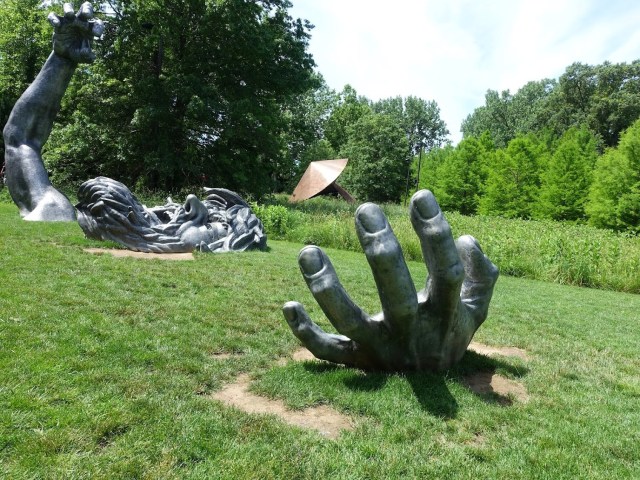
A naked woman relaxes beside a picnic basket on the grass (“Dejeuner Déjà Vu”) inspired by an Edouard Manet painting. Atop a grassy hill dotted with red blossoms, a woman wearing a sweeping skirt holds a shade umbrella (“On Poppied Hill”) based on Monet’s work, “Woman with a Parasol — Madame Monet and Her Son.” One of the most dramatic, “The Awakening,” depicts the five aluminum segments of a giant who appears to be climbing out of the earth.

Hogpen Hill Farms

Woodbury, Connecticut

Who thought that art doesn’t mix with science? Edward Tufte, a former Yale and Princeton professor who’s considered a pioneer in data visualization, established this 234-acre tree farm, peppering it with his megalithic and steel sculptures that are often imbued with a sense of whimsy. For example, a fully equipped vintage airstream trailer perches at the end of a steel beam, as if ready to launch into space. Set in a field, one of several yellow diamond warning signs states “Sign Not In Use.” With more than 100 pieces of art speckling the hilly landscape, every member of your family will find something enthralling, whether it’s the irony of a 2-foot-high graceful dancer wielding a tool, or the assemblage of rugged stones forming a delicate, airy wall.

Save on admission to botanical gardens and more with AAA Tickets.

What’s your favorite Northeast sculpture garden or park? Tell us in the comments below.

Featured image: “The Awakening” at Grounds for Sculpture. Courtesy of Jeanine Barone.

Subscribe to Your AAA Newsletter

Sign up and receive updates for all of the latest articles on automotive, travel, money, lifestyle and so much more!

Ask a Travel Advisor: Disney Planning 101

Walt Disney World is one of the most popular vacation spots on Earth, but there are a lot of details and planning involved in visiting. Do you need a Disney planning course?

We spoke to AAA travel advisor and Disney expert Cady DeBlois to learn the basics for making your next trip a dream come true.

Save on Walt Disney World park tickets with AAA Tickets.

Listen to Our Podcast

For more tips on planning your family trip listen to Episode 2 of our podcast, Merging Into Life: Theme Park Secrets.

Tune In

How many Disney vacations do you book per year?

In 2024, I booked 75 Walt Disney World vacations.

How do you learn new things about Disney vacations?

Disney’s College of Knowledge is an amazing training resource that keeps our advisors up to date on all things Disney — from Walt Disney World to Disney Cruise and Adventures by Disney. I also love following Disney’s social media platforms for new details about their products.

What is your favorite type of Disney vacation to plan? 

My favorite type of Disney vacation to plan is for multi-generational families. This usually consists of grandparents, their children and grandchildren.  I love getting to know my clients and understanding their must-dos for the adults and children. When Disney planning, I always have each person pick out the top three things they would like to experience, and we work to create an itinerary to make them all happen.

What types of services do travel advisors provide for a Disney vacation?

Your dedicated travel advisor will take the time make dining and logistical recommendations to help clients optimize their Disney Parks experience. We can walk clients through the various aspects of the My Disney Experience app, which is very important to be comfortable with before arriving on-site so they can hit the ground running at the very beginning of their vacation.

How much time should guests devote to each park?

For your first visit, I always recommend dedicating one full day to each theme park and including one non-park day to enjoy the amenities at your resort or visit Disney Springs. After your first visit, you’ll find your favorite things to do and decide if there are any parks you would only like to spend a half day at using the Park Hopper option.

Do guests have to arrange transportation from the airport or from their hotel to the parks?

There are a few different ways you can get from the airport to your resort that you should arrange in advance. Mears Connect is a shared shuttle service that services the Disney area resorts — this tends to be the most popular option. You can also book a private transfer service, rent a car or utilize a rideshare service upon arrival. To get from your resort to the theme parks, you do not need to make any arrangements in advance. The buses run every 15 minutes or so to all of the theme parks.

Let's Plan Something Wonderful

Book your next trip with AAA Travel now or call 866-423-5585 to speak with a travel advisor.

Book Now

Is it necessary to download the My Disney Experience app?

Yes! The My Disney Experience app is going to be the key to your success while visiting Walt Disney World. The app is how you will book Lightning Lanes, check wait times, view your plans such as dining reservations and more. Two of my favorite features of the app are the directions feature and the mobile food ordering feature. The directions feature tells you the most efficient way to get to a certain attraction from where you are in the parks. The mobile ordering feature will allow you to select a time slot and place an order at most quick-service restaurants, so you can skip the long lines during the lunchtime rush.

Should guests stay on Disney property? What are the advantages?

I absolutely recommend staying on property. There’s nothing like fully immersing yourself in the Disney bubble. A few advantages include early park admission, extended evening hours for deluxe resort guests, complimentary transportation to the theme parks, early access to booking Individual Lightning Lane attractions and early access to dining reservations. When you stay on property and bundle your resort stay with your tickets, there are also flexible payment plans available.

Learn more about the perks of staying at a Disney hotel.

Do travel advisors get any special deals for their clients?

Travel advisors will monitor our clients’ reservations for any additional discounts provided by Disney that may be applicable to their reservations. Once those discounts are available, we will automatically apply them for our clients.

How do clients pay when booking Disney? Is it in installments?

Clients pay Disney directly for their vacation packages, but your payments will always go through your travel advisor. To confirm your reservation, Disney requires a $200 deposit at the time of booking and the rest of the balance is due 30 days before check-in. Between the time the deposit is made and the final payment date, clients are free to make payments as often as they would like to.

©Disney

Is the dining plan worth it?

It depends on your individual travel party — there isn’t really a one-size-fits-all for dining. If you are planning to have a table service or character dining experience each day, I think it’s worth the cost. Most of your meals would be paid for in advance and you can get the best bang for your buck. However, travelers who may not want sit-down meals might prefer to split an entree at a quick-service restaurant or order groceries to their room instead. I recommend speaking with your travel advisor to weigh the options for you.

Which nighttime experiences and fireworks shows should guests make time for?

You should make time for Fantasmic (Hollywood Studios), Happily Ever After (Magic Kingdom) and Luminous (Epcot). Disney offers dining packages for Fantasmic and Luminous, which is a great perk. The dining packages allow you to make a dining reservation at select restaurants in that park and get preferred seating for the show. For Happily Ever After, there are some dessert parties with preferred seating locations that are available to book as well. If you’re visiting during Christmas or Halloween, the exclusive fireworks at Mickey’s Not-So-Scary Halloween Party or Mickey’s Very Merry Christmas Party are a Walt Disney World must-do!

What are your favorite rides or experiences?

My favorite rides in each park are the Haunted Mansion (Magic Kingdom), Avatar: Flight of Passage (Animal Kingdom), Guardians of the Galaxy: Cosmic Rewind (Epcot) and Rock ‘n’ Roller Coaster (Hollywood Studios). A few of my other favorite experiences include Fantasmic and the Indiana Jones Epic Stunt Spectacular (Hollywood Studios), the food and drinks at Epcot’s seasonal festivals, the animal walking trails at Animal Kingdom and finishing up a long day at Magic Kingdom with a sweet treat from the Main Street Confectionary.

Contact a AAA travel advisor and start planning your Disney trip today.

Subscribe to Your AAA Newsletter

Sign up and receive updates for all of the latest articles on automotive, travel, money, lifestyle and so much more!

Where to Eat Brunch in the Northeast

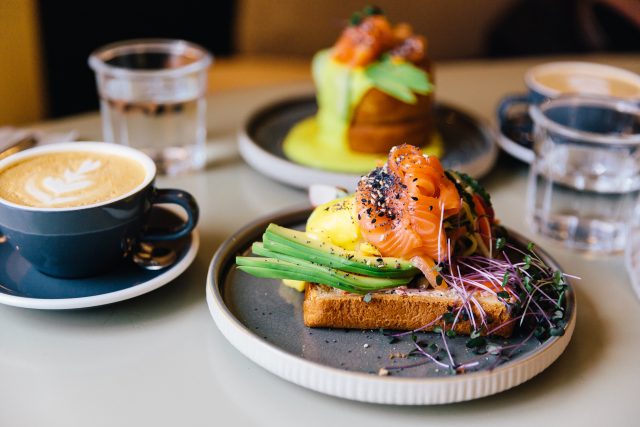
Let’s do brunch! Whether it’s buffet, a la carte, laid-back or special occasion-worthy, brunch is a proposition most can’t resist. Mostly reserved for the weekends, it’s a treat to cap off the week, made to be enjoyed leisurely among friends and proven to effectively postpone the Sunday scaries.

Brunch has become so popular, narrowing down a list of just 21 recommendations in our region is a challenge. When it comes to everyone’s favorite midday meal, we feel that each of these restaurants stands out for their food, atmosphere and overall experience.

Here’s where to eat brunch in the Northeast.

The Beehive

Boston

Nestled in the Boston Center for the Arts complex, The Beehive is an art space as well as an eatery. The decor is decidedly Bohemian, with exposed stone, painted murals and multicolored curtains draped everywhere.

The Beehive is a Boston hotspot for live music. Join the other bees for food and drink at the live music brunch, held every Saturday and Sunday from 10 a.m. to 2 p.m. While you enjoy the entertainment, try the coffee cake du jour, corned beef hash or eggs shakshuka.

Buttermilk & Bourbon

Locations in Boston and Watertown, Mass.

For comfort food (what could be better at brunch?), head over to one of Buttermilk & Bourbon’s two Massachusetts locations. The menu is based on the American South, with a focus on the food and culture of New Orleans. At brunch, which runs on Sundays from 10:30 a.m. to 3:30 p.m. at the Boston location and until 3 p.m. in Watertown, the menu includes buttermilk-fried chicken and cheddar-bourbon waffles, pulled pork Benedict and freshly fried beignets. For cocktails, order a round of B&B Hurricanes.

Boston 

If you’re looking for where to eat brunch in Boston, Clink has great food and a great story. The restaurant is in the unique Liberty Hotel, which used to be a prison. You can still see bars from original jail cells and exposed brick walls in the dining room, offset by stylish lighting, an open kitchen and butcher block tables.

On Saturdays and Sundays from 10 a.m. to 2 p.m., you and your friends can enjoy the artisan breakfast sandwich, yogurt parfait, smoked salmon platter and other favorites. The best part is Clink’s self-service bloody mary bar. So long, prison hooch!

Lincoln Tavern & Restaurant

Boston

Lincoln is a brunch spot every day of the week. Along with breakfast and lunch standards like omelets, salads and sandwiches, you’re sure to be tempted by their wood-fired pizzas, including a breakfast pizza topped with poached eggs, caramelized onions, bacon, roasted tomatoes and hash browns.

Sunny Side Up

West Springfield, Mass.

Serving all-day breakfast six days a week from 7 a.m. to 2 p.m., there’s a lot to be “eggscited” about (as their menu says) at Sunny Side Up. Highlights at this small but welcoming family-owned and operated establishment include nine types of benedicts, egg sandwiches and breakfast wraps. Lunch begins at 11 a.m., when you can start ordering sandwiches, burgers, melts and a variety of Polish specialties. Try the Polish Platter for a sampling of pierogi, stuffed cabbage, sausages and more.

Ogie’s Trailer Park

Providence, R.I.

You don’t want to miss the trailer park brunch at Ogie’s, Saturdays and Sundays from noon to 4 p.m. The weirdly wonderful indoor/outdoor dining establishment is decorated to look like a circle of 1950s-style aluminum trailers.

Order your meal at the window of one of the trailers and chow down on delights like breakfast tots, vegan French toast, jalapeno cheddar grits and eggs with bacon lardons and tomatillo sauce, or their version of eggs benny, served on a biscuit with barbecue pulled pork. If you’re not into bloody marys and mimosas or you’ve had your fill of brunch cocktails, bottomless coffee is also an option.

Ocean House

Watch Hill, R.I.

Enjoy a luxurious brunch at Rhode Island’s only AAA Five Diamond Designated hotel to the sounds of jazz, blues and soul from local musician Greg Piccolo. Every Sunday from 8 a.m. to 2:30 p.m. Ocean House’s chefs prepare an a la carte menu of sharable plates of fruit, cheese and charcuterie, local shellfish and more, followed by two courses of elevated brunch fare and assorted desserts.

King Bar by David Burke

Garden City, N.Y.

The a la carte spread served every Sunday from 11 a.m. to 2 p.m. at the AAA Four Diamond Garden City Hotel makes deciding where to eat brunch on Long Island easy. A raw bar selection, eggs cooked any way you like and chef David Burke’s take on classics such as croque madame, lobster mac and cheese and chicken and waffles are a delicious way to treat yourself for special occasions or simply celebrate the weekend.

Cowfish

Hampton Bays, N.Y.

Outside on the deck or lawn, Cowfish brunchers can relax with the view and breezes off the Shinnecock Canal (which also makes it easily accessible by boat). On the menu, you’ll find the likes of braised pork Benedict, filet tournedos – a classy take on steak and egg made with filet mignon, potato hash and bearnaise sauce, fish entrees and sandwiches. Brunch is served Saturdays and Sundays, 11:30 a.m. to 3 p.m.

Jacob’s Pickles

New York, N.Y.

Jacob’s Pickles, of course, has perfected its pickle game, so be sure to sample a few — or all — of their pickled items. It’s also known for its biscuits, sizeable craft beer list and laid-back atmosphere. If that doesn’t tick off every item on your brunch checklist, the breakfast and Southern biscuit sandwiches ought to do it. The Southern-inspired menu is all about comfort. Yes, please, sausage gravy-smothered fried chicken on a biscuit.

The Fulton

New York, N.Y.

Wondering where to eat brunch with a view? This Jean-Georges Vongerichten waterfront gem is located at Pier 17 in Lower Manhattan’s Seaport District, complete with outdoor dining and an unobstructed look at the Brooklyn Bridge.

A nod to the area’s history and former home of the Fulton Fish Market, the seafood-focused brunch menu is served on Saturdays and Sundays from 11:30 a.m. to 3 p.m. and features a caviar selection, raw bar, variety of eggs Benedict, casual sandwiches and opulent mains, including Maine lobster with scrambled eggs.

Sunday in Brooklyn

Brooklyn, N.Y.

It doesn’t have to be Sunday; Sunday in Brooklyn serves brunch and dinner seven days a week. With its outdoor seating, rooftop and rustic chic décor, it’s exactly the kind of hip and trendy restaurant you would except to find in Williamsburg.

The Sunday Pancakes with hazelnut maple praline and brown butter, avocado toast, shakshuka and biscuits and gravy are among the menu standouts. Cocktails, like the Honeybear on Holiday, presented in a repurposed honey bear bottle, are a lot of fun.


View this post on Instagram


A post shared by Elm Street Diner (@elmstreetdiner)

Elm Street Diner

Stamford, Conn.

Waffle towers, donut stacks, pancake tacos and milkshakes with every conceivable topping balanced on top – Elm Street Diner leans into their Instagram-worthiness hard. Stop in for Sunday brunch from 10 a.m. to 2 p.m. and choose from the many imaginative creations, from Oreo Belgian waffles and churro French toast to chicken and waffles Benedict. And don’t forget to share @ElmStreetDiner!

Terrain Garden Café

Westport, Conn.

This dreamy indoor/outdoor greenhouse space has everything you need for a relaxing afternoon. Brunch is offered daily from 11 a.m. to 4 p.m. Monday through Friday and 9 a.m. to 4 p.m. on weekends. And afterwards, you can shop the home and garden boutique.

Both the atmosphere and the food are light and fresh, making Terrain one of the most idyllic brunch places in Connecticut. Choose a grain bowl, sandwich, salad or breakfast item from the seasonally influenced menu, all made with ingredients sourced from local farms and purveyors. Pair your meal with a specialty coffee, cocktail or non-alcoholic drink from an impressive list of concoctions.

Engine Room

Mystic, Conn.

Located in a restored Lathrop Marine Engine building, this industrial-cozy restaurant does brunch every Sunday from 10 a.m. to 2 p.m. When the weather is nice, patio dining is available with views of the Mystic River.

On the menu, selections include a breakfast sandwich made with Jersey pork roll, a crepe of the day and the Engine Room’s specialty hamburgers. Try the Hangover Burger topped with barbecue flourishes and a fried egg and wash it all down with one of the sixteen craft beers on tap.

Pond House Café

West Hartford, Conn.

While the locally fresh menu does not disappoint, it’s the setting that makes this brunch spot special. Part of the historic Elizabeth Park Conservancy, diners are treated to beautiful garden views. After brunch, explore the formal gardens and walking paths. Both the restaurant and grounds are open year-round, so you can enjoy the changing landscape through the seasons. Brunch is available 11:30 a.m. to 4 p.m. on Saturdays and 9:30 a.m. to 2:30 p.m. on Sundays.

Toast City Diner

Locations in Montclair, Red Bank and Asbury Park, N.J.

Open seven days a week, this cozy spot serves comfort food for breakfast, brunch and lunch all day, every day. The sweet offerings like carrot cake pancakes and bananas Foster French toast are not to be missed. Their mantra is “peace, love, pancakes,” after all. If you’d rather go savory, try the lobster cobb salad, smoked salmon omelette or the Brookdale cheese steak.

Robin’s Nest

Mt. Holly, N.J.

The historic and picturesque Robin’s Nest Restaurant has Sunday brunch from 10 a.m. to 2 p.m. Make sure to get your hands on their French toast martini or their Pickled Mario bloody mary as you sit down to order. The brunch sampler and egg tacos can satisfy any midday muncher, and the pork roll melt is the ultimate Jersey brunch pick.

Amanda’s Restaurant

Hoboken, N.J.

Situated in a series of refurbished brownstones, this Jersey favorite provides the perfect atmosphere for a weekend-making brunch. From eggs to burgers to pasta, there’s something for everyone. Pair your meal with Amanda’s homemade focaccia and a Bellini and you’re all set. Offered Saturdays and Sundays from 11 a.m. to 3 p.m.

Haven Riverfront Restaurant & Bar

Edgewater, N.J.

Catch brunch service at Haven on Saturdays and Sundays from 11 a.m. to 3 p.m. Inside or out on the patio, the view of the Manhattan skyline in unbeatable. You can choose to have brunch a la carte or go with the prix fixe option, which includes your choice of brunch item and two mimosas, bloody marys or Bellinis.

Remember, if you plan on enjoying a few drinks with brunch, be sure to designate a driver.

Find more AAA Diamond Designated restaurants near you.

What’s your favorite brunch spot? Tell us in the comments below.

This article has been updated and republished from a previous version.

Subscribe to Your AAA Newsletter

Sign up and receive updates for all of the latest articles on automotive, travel, money, lifestyle and so much more!

Blue Envelope Program Aids Autistic People and Police

Traffic stops are unnerving for most people, but for people with Autism Spectrum Disorder, they can be terrifying.

While every autistic person is different, some can have difficulty communicating and can be upset by bright lights and loud noises, like sirens and radio chatter. They may be confused by a police officer’s questions and give answers viewed as inappropriate, which can lead to tension.

The Blue Envelope Program was developed to reduce stress and avoid miscommunication between autistic drivers and police officers. First introduced in Connecticut in 2020, the program has since been adopted by multiple states, including Maine, Massachusetts, New Jersey, New York, Rhode Island and Vermont.

What Is the Blue Envelope Program?

These are no ordinary envelopes. The Blue Envelope Program makes traffic stops easier for both autistic drivers and police officers.

Drivers use them to store important documents, such as their car registration, insurance card, identification and emergency contact name. The outside of the envelope lists important tips for both the driver and the officer on the best ways to communicate.

When officers see a blue envelope, they know to approach the driver more thoughtfully. Some states also have blue envelope stickers that drivers can put on their vehicle.

Preventing Misunderstanding

Kari Sassu, a psychologist and the codirector of the Center of Excellence on Autism Disorders at Southern Connecticut State University in New Haven, hopes the Blue Envelope Program will help avoid confusion.

“There are too many stories of people being misperceived and taken out of vehicles,” said Sassu, whose son is autistic but does not drive. “People with Autism Spectrum Disorder have atypical communication styles and often make no eye contact. I realize police officers need to make split-second decisions, and when they encounter someone (with autism) on a traffic stop, they might think their answers are snarky. Some individuals are very literal, and their response time is longer, so folks get agitated.”

Practicing Responses

To foster better understanding between police and autistic drivers, the Center of Excellence has hosted training sessions for drivers and police departments, which include practice traffic stops.

Facilitators encourage police to communicate using clear, precise language and deliver a consistent message. For example, “I’m going to reach into the car, get the blue envelope, step away from the car and then come back.”

During the drills with police officers, instructors tell drivers what to expect when they are pulled over and practice appropriate responses. Practice is critical for autistic people, Sassu added.

Autism Speaks, a national advocacy organization for people with autism, also offers resources to promote better interactions between law enforcement and autistic people. 

Enough practice and awareness can help make a difference.

“I think it’s positive, it’s a wonderfully intended tool,” Sassu said of the Blue Envelope Program. “But it’s only as good as the ability to use it effectively. This allows us to build a bridge between these two communities.”

If your state and county participates in the Blue Envelope Program, blue envelopes are available at police stations, driving schools, DMV locations, online or through autism advocacy groups. In Rhode Island, you can get one at AAA branches throughout the state.

Have you heard of the Blue Envelope Program? Tell us in the comments.

Featured image: Blue Envelope for autistic drivers. Courtesy of the Connecticut Department of Motor Vehicles.

Subscribe to Your AAA Newsletter

Sign up and receive updates for all of the latest articles on automotive, travel, money, lifestyle and so much more!

Life Events That Warrant Updates to Your Insurance Policies

It’s well-known that insurance isn’t one-size-fits-all — different circumstances naturally require a variety of products, coverage options and price points. But what you might not know is that insurance isn’t a one-and-done process. As we navigate through life, our insurance should evolve with us through changes to already established policies (adding on a new vehicle) or new policies altogether (welcoming a new addition to your family).

Here are the life changes you may experience that should catalyze changes to your home, life and auto insurance policies to ensure you’re covered for what’s most important.

Auto

Acquiring a new vehicle is the most frequent instance of a life event that would alter your auto insurance, but even making changes to an existing vehicle could incur an update to your policy. Modifying your current vehicle with customizations or significant upgrades could increase the value of your car and therefore require a policy that properly reflects the coverage you need. Factors like the vehicle’s make, model and safety features can affect your premium.

More life events that would trigger auto insurance policy changes include:

  • When your teen gets licensed.
  • When your teen is sharing a vehicle with you.
  • When your teen is taking a car to school.
  • Getting married/adding a spouse to an existing plan.
  • Change in job status (i.e., retirement, hybrid or fully remote work, etc.) as this may impact annual mileage rating factor.
  • Relocating to a different city, town or state.
  • Buying, selling or trading in a vehicle.

Home

One of the most common life events that call for a home insurance policy update is buying a new home or condo. When transitioning from renting to homeownership, it’s important to switch from renters insurance to a comprehensive homeowners insurance policy as this coverage protects your home’s structure, personal belongings and liability. In most, if not all cases, mortgage lenders may require you to carry a certain level of coverage in order to purchase.

Even if you’ve lived in the same home for years, your home insurance policy may need to change if you’re making substantial renovations or undergoing any remodeling projects like finishing a basement or constructing an addition. Renovations can increase the value of your home and alter its structure, which may require adjustments to your homeowners policy. In this instance, inform your insurance provider about the changes to ensure adequate coverage.

More life events to consider for home insurance include:

  • Starting a new business.
  • Marriage.
  • Divorce.
  • Getting a dog.
  • Purchasing a trampoline or pool.
  • Purchase of jewelry, furs or expensive artwork.
life event

Life

The happy arrival of a new family member brings joy and responsibilities, including the need for insurance updates. When you have children, it becomes crucial to reassess your life insurance policy to ensure everyone is covered and cared for in the event of an untimely passing.

This may also be an opportune time to discuss term life insurance versus whole and which suits your family best considering the new circumstances. While term life insurance is ideal for covering large debts (mortgages, other loans, etc.) for a set period of time, whole life insurance is typically used for estate planning, final expenses and leaving a legacy.

Other life events that would need changes to life insurance include:

  • Getting married.
  • Purchasing a home.
  • Job changes.
  • Retirement.
  • Teen(s) entering college.

Life is full of unexpected events, and it’s important to have insurance policies that adapt to those changes as well as you do. From purchasing a new home to starting a family or acquiring a new vehicle, these life events necessitate updates to your home, life and auto insurance policies. By regularly reviewing and adjusting your coverage, you can ensure that you are adequately protected and prepared for whatever life throws your way.

Learn more about AAA Insurance.

Subscribe to Your AAA Newsletter

Sign up and receive updates for all of the latest articles on automotive, travel, money, lifestyle and so much more!

Grocery Shopping Tips to Save Money

budget wise

If you are looking to trim your household budget, start by examining what you put into your grocery cart.

Food is the third largest household expense, according to the latest stats from the Bureau of Labor Statistics. Practicing smart shopping techniques can equal big savings over the course of several months or years.

At this point in your life, grocery shopping is likely a rote habit, but it may be time to switch it up a bit in the interest of your budget. Before you browse the food aisles, read these grocery shopping tips to save money.

Learning to Budget

It would be nice if savings could simply fall into our shopping cart without any effort. In reality, we must be diligent planners and follow smart grocery shopping tips to save money. Take comfort in knowing that discounts and savings come to savvy shoppers. If you do your homework and create a weekly or monthly budget, you’re bound to spend less on groceries and shopping in general. Take a moment to look at your grocery receipts or bank statements to get an idea of your regular shopping expenses.

Once you’ve got a good picture of your grocery shopping habits, come up with a target savings goal and new weekly or monthly budget. Be sure to take into consideration the number of people in your household and your total income. To help you figure out what you should be spending, the U.S. Department of Agriculture puts out monthly cost of food reports that provide estimates of weekly and monthly spending for different budgets (thrifty, low-cost, moderate and liberal).

Budgeting always starts with a clear plan and goal. How much do you want to save per month? What is your savings goal? Answering these questions will give you a long-term vision to work toward.

grocery shopping tips to save money
Using coupons can be a helpful way of saving money on groceries.

Grocery Shopping Tips to Save Money

After you’ve compiled a budget that your family is committed to follow, start implementing smart grocery shopping tips to save money. Here are some ideas to cut out fat in your budget.

Meal plans

You’ll be a smart shopping expert if you plan your weekly meals ahead of your shopping trip. Take stock of the food that’s already in your kitchen and figure out what can be used to make breakfast, lunch and dinner for the week. Create a calendar and write down every meal you’ll make for the entire week. After that’s done, compile a shopping list with only the items you need to make those meals. Planning out your meals for the entire week saves time and money.

Find Sales

You can browse newspaper inserts for sales and coupons, and there are also apps to help you find more deals. Free apps like SnipSnap scour coupons for nearby grocery stores, which can be downloaded to your smartphone. To save further, become a loyalty member and look out for rebates. Checkout51 identifies rebates for you when you photograph your receipt. The app collects your rewards and then deposits cash rebates into an account for you. If you “like” your favorite brands on social media or sign up for newsletters, you may find further savings.

Buy Generic and Bulk

Don’t buy name brand products that immediately catch your eye. We’ll let you in on a secret: Generic store products are often placed in poor shelving real estate. Comb the bottom and top shelves for discounted off-brand items. Bulk items are also a better bargain than smaller packaged items. But remember to always check the price per unit to see if you’re actually getting a deal on a bulk item. To find the price per unit figure out the cost of the item and divide it by the quantity to get the unit price.

Cut Your Own Food

Buying pre-cut meat and cheese at the deli or pre-cut veggies and fruit is convenient but pricier. You’ll pay less if you buy larger cuts of meat rather than deli slices. It’s cheaper to buy whole fruits and veggies and cut them yourself at home.

Don’t Shop Hungry

You’ve probably heard it before: Don’t shop on an empty stomach. It’s hard to resist that yummy bakery section or other items not on your shopping list when you’re hungry. Grab a handful of nuts or eat a small snack so you’re not distracted by hunger pangs while you shop.

Add As You Go

Use the calculator on your phone to keep a continual tab of the items in your cart. That way there aren’t any surprises at checkout.

Before leaving the store always check your receipt to make sure you weren’t overcharged.

Do you have more grocery shopping tips to save money? Share your shopping suggestions with us in the comments section below.

To save even more money, visit AAA.com/Discounts

Subscribe to Your AAA Newsletter

Sign up and receive updates for all of the latest articles on automotive, travel, money, lifestyle and so much more!