Grocery Shopping Tips to Save Money

budget wise

If you are looking to trim your household budget, start by examining what you put into your grocery cart.

Food is the third largest household expense, according to the latest stats from the Bureau of Labor Statistics. Practicing smart shopping techniques can equal big savings over the course of several months or years.

At this point in your life, grocery shopping is likely a rote habit, but it may be time to switch it up a bit in the interest of your budget. Before you browse the food aisles, read these grocery shopping tips to save money.

Learning to Budget

It would be nice if savings could simply fall into our shopping cart without any effort. In reality, we must be diligent planners and follow smart grocery shopping tips to save money. Take comfort in knowing that discounts and savings come to savvy shoppers. If you do your homework and create a weekly or monthly budget, you’re bound to spend less on groceries and shopping in general. Take a moment to look at your grocery receipts or bank statements to get an idea of your regular shopping expenses.

Once you’ve got a good picture of your grocery shopping habits, come up with a target savings goal and new weekly or monthly budget. Be sure to take into consideration the number of people in your household and your total income. To help you figure out what you should be spending, the U.S. Department of Agriculture puts out monthly cost of food reports that provide estimates of weekly and monthly spending for different budgets (thrifty, low-cost, moderate and liberal).

Budgeting always starts with a clear plan and goal. How much do you want to save per month? What is your savings goal? Answering these questions will give you a long-term vision to work toward.

grocery shopping tips to save money
Using coupons can be a helpful way of saving money on groceries.

Grocery Shopping Tips to Save Money

After you’ve compiled a budget that your family is committed to follow, start implementing smart grocery shopping tips to save money. Here are some ideas to cut out fat in your budget.

Meal plans

You’ll be a smart shopping expert if you plan your weekly meals ahead of your shopping trip. Take stock of the food that’s already in your kitchen and figure out what can be used to make breakfast, lunch and dinner for the week. Create a calendar and write down every meal you’ll make for the entire week. After that’s done, compile a shopping list with only the items you need to make those meals. Planning out your meals for the entire week saves time and money.

Find Sales

You can browse newspaper inserts for sales and coupons, and there are also apps to help you find more deals. Free apps like SnipSnap scour coupons for nearby grocery stores, which can be downloaded to your smartphone. To save further, become a loyalty member and look out for rebates. Checkout51 identifies rebates for you when you photograph your receipt. The app collects your rewards and then deposits cash rebates into an account for you. If you “like” your favorite brands on social media or sign up for newsletters, you may find further savings.

Buy Generic and Bulk

Don’t buy name brand products that immediately catch your eye. We’ll let you in on a secret: Generic store products are often placed in poor shelving real estate. Comb the bottom and top shelves for discounted off-brand items. Bulk items are also a better bargain than smaller packaged items. But remember to always check the price per unit to see if you’re actually getting a deal on a bulk item. To find the price per unit figure out the cost of the item and divide it by the quantity to get the unit price.

Cut Your Own Food

Buying pre-cut meat and cheese at the deli or pre-cut veggies and fruit is convenient but pricier. You’ll pay less if you buy larger cuts of meat rather than deli slices. It’s cheaper to buy whole fruits and veggies and cut them yourself at home.

Don’t Shop Hungry

You’ve probably heard it before: Don’t shop on an empty stomach. It’s hard to resist that yummy bakery section or other items not on your shopping list when you’re hungry. Grab a handful of nuts or eat a small snack so you’re not distracted by hunger pangs while you shop.

Add As You Go

Use the calculator on your phone to keep a continual tab of the items in your cart. That way there aren’t any surprises at checkout.

Before leaving the store always check your receipt to make sure you weren’t overcharged.

Do you have more grocery shopping tips to save money? Share your shopping suggestions with us in the comments section below.

To save even more money, visit AAA.com/Discounts

Subscribe to Your AAA Newsletter

Sign up and receive updates for all of the latest articles on automotive, travel, money, lifestyle and so much more!

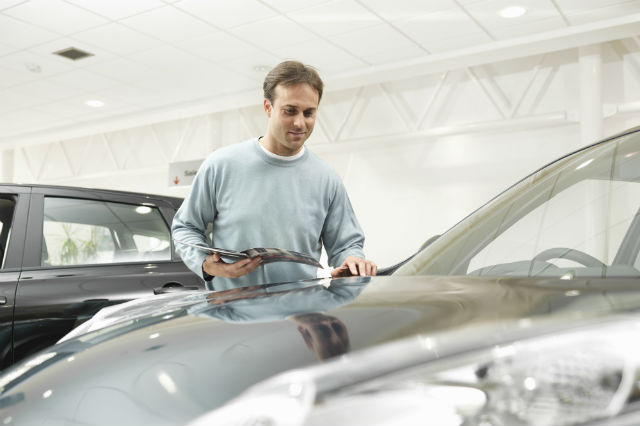
Questions to Ask When Buying a Used Car

With the average price of a new car now around $48,641, hitting record highs every year since 2022, consumers are turning to the used car market.

Not only does this save money, but the quality of cars over the past few years has improved, which means they can last longer.

There are a lot of questions that need to be addressed before purchasing a pre-owned vehicle. Here are some suggestions on what to ask when buying a used car.

Listen to Our Podcast

Make an informed decision for your next vehicle. Listen to Season 2, Episode 9 of Merging Into Life: Should You Lease or Buy a Car?

Tune In

What to Look for When Buying a Used Car

First, ask yourself what you can afford, what kind of car you want and what you need it for. A car used primarily for commuting to school or work will check different boxes than one you plan to take on a cross-country adventure.

Once you’ve narrowed down the kind of car you want, you can research prices. If you are going to need a loan, start investigating loan options and try to get approved for one before you select a car.

The AAA Auto Buying Program makes it easy for members to search for cars in their area, get discounts and apply for an auto loan all in one place.

What Questions to Ask When Buying a Used Car

When is the best time to buy a used car?

The best time to buy a used car is before you need it, advised John Paul, AAA’s Car Doctor. When your car is dead in the driveway is not when you want to start looking.

“It sounds corny, but buy with your head, not your heart,” Paul said. “You need to decide if your next car is a need or a want. Too often people buy a car they want at a too-good-to-be-true price only to find out that it’s a used car because it has problems.” 

If you are buying from a dealer, sometimes prices drop before next year’s models come in.

Do I need insurance before buying a used car?

You almost always need insurance before buying a used car or any other car. Most banks require proof of insurance before approving a loan and a dealer requires insurance to complete the sale and register the car. You might be able to buy a car from an individual without insurance, but you will still need insurance to register it.

Get covered with AAA Auto Insurance.

What’s the best mileage for a used car?

Lower mileage is always better, and the average car today racks up between 12,000 and 15,000 miles per year, noted Paul. So, it would not be unusual for a 10-year-old car to have 150,000 miles on it.

Used Hondas and Toyotas usually are solid buys, Paul added, and he has had good luck with 8 to 10-year-old Mazda 6s.

How to buy a used car?

You can purchase a used car from a dealer, an individual or a website. There are pluses and minuses to buying from an individual or buying from a dealer, Paul noted. While buying a car from an individual is usually cheaper, the car does not come with any warranty, and you should have a mechanic look it over before you commit to it.

Visit your nearest AAA Approved Auto Repair shop. Members can save up to $75 per visit — that pays for your membership!

Also read the title carefully with private sales to make sure the name on the title is the person who owns the car. If it is in someone else’s name, that person could be a car flipper and not really a private seller, according to Paul.

Used cars purchased from dealers are more expensive, because they usually are prepped and the price may include other fees, but usually the cars come with a warranty.

Dealers offer certified pre-owned cars, meaning they have gone through more extensive inspections and may have some new parts, such as tires or brakes, so they have an almost-new feel. Not all certified pre-owned cars are the same, Paul cautioned. Some offer more features, are better maintained and have different levels of certification.

what questions to ask when buying a used car

What to check when buying a used car?

  • Keep an eye out for signs a car was damaged by floods. With so much flooding recently, more cars that were underwater may be on the market and can have a long list of problems. Red flags include a musty or moldy smell, damp carpets, rust in hidden places and condensation in the headlights. “Flood damaged cars can be money pits,” warned Paul. A car history reporting service can tell you about any vehicle damage. 
  • Overall wear and tear. Make sure everything works, from the windows to the radio to the climate control. 
  • The car’s mileage should match its physical condition. A low mileage car should have pedals with little or no wear, the seats should be clean and the carpets should not be worn. If it is a sedan, look in the trunk, and if it is an SUV, inspect any storage compartments for signs of possible leaks. Whenever in doubt, have the car inspected by a reputable repair shop.
  • When you take it for a ride, the car should be free of noises, drive straight, shift easily and stop smoothly without pulling to either side. 
  • No warning lights should be on, and that includes the check engine, ABS, airbags-SRS lights. Any lights could signal expensive repairs in your future. 

Should I buy an extended warranty for a used car?

Whether you should buy an extended warranty for a used car depends on several factors, including the car’s age and mileage. The older the car, the greater the chance it could need a major repair not too far down the road, which an extended warranty will likely cover. On the other hand, extended warranties often require a large payment up front and not every major repair is covered.

Get a quote for an extended warranty with AAA.

What do I do after buying a used car?

After you buy a car and get it home, read the owner’s manual and follow the advice of your repair shop to keep it in the best possible running condition, Paul advised. Keep up with the maintenance and keep it clean.

“If you take care of your car, it will take care of you,” Paul said.

Find affordable rates on used cars with AAA Auto Loans.

Are you considering a used car for your next vehicle? Tell us in the comments.

Subscribe to Your AAA Newsletter

Sign up and receive updates for all of the latest articles on automotive, travel, money, lifestyle and so much more!

Northeast Pump Prices Stay Parked Despite Increase in Demand 

Last week, the Energy Information Administration reported a surge in gasoline demand for the week before Easter Sunday to the tune of 9.4 million barrels a day — an increase of 1 million barrels a day over the prior week. That’s a bigger jump than last year, when pre-holiday demand rose by about 500,000 barrels a day, and it’s only the second time this year that weekly demand has exceeded 9 million barrels a day.    

On the supply side, inventories of gasoline are tightening as domestic refiners across the country work through remaining seasonal maintenance schedules and wholesalers push the last drops of winter blend fuel out of the system. In the Northeast, inventories fell by 1 million barrels to 58 million barrels. That’s still 6.1 million barrels higher than last year, but the region is now below the 59.1 million barrel five-year average.  

Despite the supply and demand dynamics putting upward pressure on pump prices, oil and gas markets remain gripped by uncertainty about trade policy and potential economic impact, keeping pump prices in check. Additionally, OPEC+ nations reaffirmed plans to increase production through April and into the summer, keeping oil prices contained in the low to mid-range of $60 a barrel.      

“Historically, surging spring demand foretells a busy summer driving season, but this year, market participants remain uncertain whether it’s the start of a trend or just a blip,” said Jillian Young, director of public relations for AAA Northeast. “Demand has been considered weak all year, and it will take several more weeks of stronger demand before a clear trend emerges.”  

AAA Northeast’s April 28 survey of fuel prices found the national average down a penny from last week ($3.15), averaging $3.14/gallon. The April 28 national average price was a penny lower than a month ago ($3.15) and 51 cents lower than this day last year ($3.65).  

Region  Current Price*  One Week Ago  One Month Ago  One Year Ago  
Connecticut  $3.06  $3.04  $3.03  $3.73  
New Jersey $2.96 $2.96 $2.95 $3.60 
New York $3.09 $3.09 $3.11 $3.71 
Massachusetts  $2.96  $2.95  $2.97  $3.59  
Rhode Island  $2.94  $2.94  $2.96  $3.63  

*Prices as of April 28, 2025  

As of April 28, Mississippi and Oklahoma had the lowest prices in the nation, at $2.67 and $2.68, respectively. California and Hawaii held the highest prices in the nation at $4.79 and $4.49, respectively. 

The AAA Gas Prices website is your resource for up-to-date fuel price information. Search for average gas prices on national, state and metro levels by regular, plus, premium and diesel.  

Subscribe to Your AAA Newsletter

Sign up and receive updates for all of the latest articles on automotive, travel, money, lifestyle and so much more!

What Is Mortgage Fraud? And How to Avoid It

Buying a home is the largest expense most people will ever incur — safeguarding your money and property while securing a mortgage and filing documents is critical.

Sadly, there are unscrupulous people who want to take advantage of homebuyers. In 2024, there was more than an 8% increase in fraudulent mortgage applications.

What Is Mortgage Fraud?

There are different types of mortgage fraud. These include fake companies who advertise great interest rates online only to vanish later, online “consultants” who offer to negotiate better rates and scammers who post fake websites to obtain wiring instructions.

Mortgage fraud and other online scams have skyrocketed since the COVID-19 pandemic, which means consumers must be extra vigilant, said Steven Vieira, director of mortgage operations and sales for AAA Northeast.

The mortgage loan officers at AAA Northeast have tips for ensuring obtaining a mortgage and transferring funds goes as smoothly and safely as possible while avoiding all types of mortgage fraud.

Listen to Our Podcast

Get tips to outsmart scammers and protect your personal data. Listen to Episode 12 of our podcast, Merging Into Life: Identity Theft.

Tune In

One way consumers can safeguard their identities and receive alerts about suspicious activities pertaining to their accounts is by signing up for AAA’s free ProtectMyID identity theft protection service before they start their financial dealings.

“Notifications are the biggest benefit,” Vieira said. “If you can catch fraudulent activity in time, it can be stopped.”  

Consumers also can sign up for OptOutPrescreen.com, a service that prevents consumer credit reporting companies from providing your credit file information to data brokers. Credit reporting companies typically sell information to data brokers. There is a risk that the information will wind up in the hands of disreputable companies, leading to a type of mortgage fraud.

what is mortgage fraud

You Can’t Be Too Prepared

Preparation and verification are the best ways for consumers to protect themselves from all types of mortgage fraud when buying a home. “You need more financial information than ever before, so make sure you go with professionals you trust,” according to Vieira. “Make sure the loan officer is licensed, and the person is reputable.” You may see mortgage offers on the internet that look like great deals, he added, but it’s best to avoid them.

As much as possible, take a hands-on approach to securing a loan and transferring money, Vieira advised. Verify everything with your settlement agent and avoid relying on a computer when doing it.

Stay Offline, If Possible

Online criminals try to get their hands on wiring instructions, Vieira said, because there is a lot of money coming in and out of escrow accounts. They can set up fake websites and if someone clicks on the wrong link somehow, money gets diverted from the transaction and can be gone.

“That’s the reason for everything AAA does; we go into a lot of detail when it comes to a closing,” Vieira said. “We want money transactions to go smoothly. We ensure money is wired to the correct account. That’s the kind of relationship we have with the settlement process.”

If you are still wondering what mortgage fraud is, scams related to new mortgages/refinancing include:

  • Foreclosure rescue: Your home is in foreclosure, and you are frantically looking for a solution. A company on the web promises to reverse the foreclosure if you pay an upfront fee. Don’t do it. This is often fraudulent, according to Vieira. After you hand over the money, the people on the other end disappear.
  • Loan modifications: Similarly, an online company may promise to negotiate or modify your home loan. That also is likely a fraud. “Always call the company servicing your loan directly,” Vieira said. “Every loan company in the country has loan (assistance) programs, because everyone wants to avoid a foreclosure. Stay away from private companies — go right to the lenders.”
  • Natural disaster schemes: Following a catastrophic event, offers may pop up on the web to assist homeowners who lost their houses to get government money to help pay off their mortgages. Again, the best thing to do is contact your lender directly.
  • Home title fraud: Scammers illegally transfer the deed to your home to themselves or someone else. To avoid this, check with local government officials at least once a year to ensure no documents have been filed against your deed.

AAA Northeast has plenty of mortgage specialists available to help you begin and complete your home purchase. Contact AAA Financial Services for more information.

Subscribe to Your AAA Newsletter

Sign up and receive updates for all of the latest articles on automotive, travel, money, lifestyle and so much more!

The Top Speeding Ticket Excuses

Have you ever been pulled over for going past the speed limit? What excuse did you give to try to get out of it? Whatever it was, you’re probably not alone.

One survey conducted a few years back revealed the most common speeding ticket excuses from one thousand drivers.

Have you used any of these?

Top Successful Speeding Ticket Excuses

These are the most common excuses respondents gave when successfully avoiding a speeding ticket, according to the latest survey results from CarInsurance.com.

  • 26% claim they didn’t realize they were speeding.
  • 21% say they are late for work.
  • 25% tell police there is a medical emergency.
  • 20% say they have to use the bathroom.
  • 14% say they didn’t see a speed limit sign.
  • 22% remark that they were going as fast as everyone else.
  • 15% blame being late to pick up or drop off a child.
  • 13% remarked that they were late for a doctor’s appointment.
  • 13% said they were late for a court appointment.

Men vs. Women

When it comes to safe driving habits, it appears women reign supreme: 42% of women say they’ve never been stopped for speeding or haven’t in about 10 years, compared to just 15% of men.

The most common excuse for speeding for both men and women was that they did not realize they were speeding.

speeding ticket excuses

Speeding Habits

According to the survey, 52% of drivers acknowledge exceeding the speed limit by 5-10 mph, while 4% admit to driving 16 to 29 mph over the speed limit. Another 3% of people admit driving more than 30 mph over the limit.

Other speeding habits include:

  • 31% said they speed, but it’s rare.
  • 34% said they almost always speed but only between 5 and 10 mph over the limit.
  • 64% said it’s OK to speed on the highway.
  • 8% said they’re OK with speeding on residential streets.

So, what is the reason behind speeding? Drivers had various explanations: 17% said they speed to arrive on time, 10% said speed limits are generally too low and 8% claimed it’s safe to speed as long as it’s less than 20 mph above the speed limit.

Everyone hopes to just get a warning from the police rather than a ticket. If the survey is correct, asking for leniency often works. The survey revealed that 48% of drivers who requested a warning didn’t offer an excuse and got the warning, while 29% of respondents still got a ticket after asking for a warning without giving an excuse. Women are less likely to request a warning: 20% of women have never asked for a warning, compared to 52% of men.

Safety First

Speeding significantly increases the likeliness and severity of a crash. According to the latest stats from the National Highway Traffic Safety Administration, speeding killed 11,775 people in 2022.

AAA implores all motorists to drive cautiously and within the speed limit. This is even more crucial when driving in hazardous conditions or past emergency vehicles.

Not only is speeding dangerous, it can also hurt your wallet. You’ll have to pay the fine, plus your car insurance will likely increase.

If you do get ticketed for speeding, completing the AAA Defensive Driving Course can qualify you for an insurance discount and license point reduction in certain states. It’s also a great way to brush up on your driving skills.

Tell us your best speeding ticket excuse in the comments! 

This article has been updated and republished from a previous version.

Subscribe to Your AAA Newsletter

Sign up and receive updates for all of the latest articles on automotive, travel, money, lifestyle and so much more!

Find Bike Trails and Paths Near You

Improving your fitness doesn’t mean you have to pay for memberships to gyms or recreation centers. Simply find bike trails near you, head outside and get moving —  for free!

Biking is a great outdoor workout. It’s good cardio and low-impact, making it the perfect activity for people of all ages, all while being eco-friendly and fun. Whether you prefer scenic views, family-friendly trails or a bit of a challenge, there are a wide variety of paved, dirt and off-road biking trails across the Northeast.

When you head out this season, remember to stay safe by wearing a helmet and following the rules of the road. AAA members can rest assured knowing AAA Northeast offers 24-hour roadside assistance for your bike, too!

Connecticut

Farmington Canal Heritage Trail

Explore southern Connecticut and the Farmington Valley via paved pathways and enjoy scenic views with this trail. Also referred to as the FCHT, this 58-mile trail is suited for biking, walking, hiking and in-line skating.

Air Line State Park Trail

This stone dust trail stretches from East Hampton to Putnum, following old rail beds. Walk, hike, bike or ride a horse to enjoy this secluded trail.

Litchfield Double Loop

For something a bit more challenging, this trail spans over 35 miles and has several hilly sections. Follow a loop around Bantam Lake and take in the views of forests and farmlands.

Find more bike trails in Connecticut.

New Hampshire

Cotton Valley Rail Trail

This 12-mile trail will bring you from Wolfeboro to Wakefield. Take in New Hampshire’s gorgeous Lakes Region as you pass Lake Winnipesaukee, Crescent Lake and Lake Wentworth.

Pondicherry Wildlife Refuge Trails

Including the Pondicherry Rail Trail and the Presidential Rail Trail, this route is nearly nine miles in length. Easy to moderate in terms of difficulty, this scenic trail passes Cherry Pond and two marches with beautiful mountains as your background.

Northern Rail Trail

A 48-mile trail that’s still expanding, these paths are made of cinder and crushed stone, making it suitable for mountain biking, hiking and horseback riding. The scenery is beautiful year-round.

Franconia Notch Bike Path

Almost nine miles in length, this trail is perfect for walking and cycling, but roller blades and skateboards are not permitted.

Find more bike trails in New Hampshire.

Massachusetts

Ashuwillticook Rail Trail

Just under 13 miles in length, this 10-foot-wide trail is paved and open from dawn to dusk. Biking, roller blading and running are all welcomed activities.

Charles River Bike Path

Located in the Boston, Mass. area, this multi-use trail is open from sunrise to sunset. Travel the nearly 23-mile-long trail while taking in scenic views.

Cape Cod Rail Trail

Open from sunrise to sunset, this 25-mile trail will take you through six Cape Cod towns. Its paved pathway is perfect for walking, running and biking.

Find more bike trails in Massachusetts.

New Jersey

Elephant Swamp Trail

This one-way, 6-mile trail is open from sunrise to sunset. The trail surface is made of crushed stone, dirt, gravel and woodchips, making it suitable for walking and mountain biking.

Henry Hudson Drive

This scenic 7-mile roadway follows the Hudson River, taking you through part of Palisades Interstate Park. Take caution, as this drive is open to both cars and bicycles. It is open during daylight hours only.

Cape May Shoreline Ride

For beautiful costal views, travel along this trail that’s 42 miles roundtrip. You’ll see lighthouses, wildlife and more as you loop around the bottom peninsula of New Jersey.

Find more bike trails in New Jersey.

find bike trails near you

New York

The Harlem Valley Rail Trail  

Including two sections totaling 26 miles — only 10 miles of which are paved — this trail is open from dawn to dusk. Some parts of the trail are still in development.

Putnam Trailway

This trail is 12 miles in length and makes its way through Putnam County, spanning from Baldwin Place to Brewster Village.

The Erie Canalway Trail

Stretching from Albany to Buffalo, this nearly 400-mile trail can be explored region-by-region. The trails are mostly made of stone dust and gravel, but some sections are paved or natural surfaces.

Find more bike trails in New York.

Rhode Island

Blackstone River Bikeway

Cycle 24 miles of paved pathway to explore the Blackstone Valley. This trail also connects to East Bay Bike Path, and there are hopes to expand it to 48 miles in length.

East Bay Bicycle Path

Spanning Bristol and Providence, this 14.3-mile path is great for biking, walking and inline skating. As you travel this trail along the Narragansett Bay coastline, keep your eyes open for maritime views and coastal wildlife.

Washington Secondary Bike Path

This asphalt rail trail spans 19 miles from Kent to Providence. Walking, biking and in-line skating are all welcome.

Find more bike trails in Rhode Island.

What are your favorite bike trails? Tell us in the comments.

This article has been updated and republished from a previous version.

Subscribe to Your AAA Newsletter

Sign up and receive updates for all of the latest articles on automotive, travel, money, lifestyle and so much more!

Tips to Keep Your Insurance Premiums as Low as Possible

Learning about an auto insurance premium increase can be a bummer, especially if you’re a safe driver with a clean record.

Thankfully, there are steps you can take to limit hikes in your rates.

Drive Safe

Avoiding accidents and speeding tickets is the most important part of averting an auto insurance premium increase. Motorists with tickets and crashes on their records are higher risks for insurance companies, and their premiums reflect that.

Take a Defensive Driving Course

Speaking of safe driving, in some states taking a defensive driving course (like the AAA Driver Improvement Program) can earn you an insurance discount. Even if you don’t get a discount, the tips you learn can help keep you safe behind the wheel, which is a big part of managing insurance costs. Learn more.

Bundle Up

Getting auto and renters/homeowners insurance through the same company is a recipe for savings. Most companies give discounts to customers who bundle their coverage.

Look at Your Deductibles

Deductibles are what drivers are required to pay toward the cost of a claim before insurance kicks in. Many drivers who increase their deductibles see a drop in premiums because they’re limiting the costs their insurance companies will face following an accident.

Look at Your Vehicles

The cost of repairing a vehicle after a crash factors into insurance premiums. It’s why a high-end sports car is likely going to be more expensive to insure than your everyday sedan.

Comprehensive and collision protection might make sense for newer cars (it may also be required for financed vehicles), but as cars get older and their values decrease, the expense of such coverage might not be worth it.

Listen to Our Podcast

Have insurance questions? Listen to Episode 3 of our podcast, Merging Into Life: Insurance 101.

Tune In

Good Grades

Adding a teen driver to your policy can be expensive, but many companies will give discounts to young drivers who are doing well in school. Your child must be a full-time high school or college student and maintain at least a B (3.0) average or equivalent.

Use Your Garage

Has your garage become more of a storage container than a place to house your vehicle? If so, think about spending a Saturday or Sunday cleaning it out. Some companies offer discounts to drivers who garage their vehicles.

Pay at Once

Paying for your policy in one payment versus installments may get you a discount. Some companies also provide discounts to drivers who have monthly payments automatically deducted from their bank accounts.

Maintain Good Credit

In most states (excluding Massachusetts, California and Hawaii), having mediocre or poor credit can impact your premium.

Talk to Your Agent

A lot of drivers only talk with their insurance agents when they’re looking for a policy quote or after an accident, but regular communication with your agent can help make sure your insurance costs aren’t higher than necessary. AAA Insurance agents are ready to discuss these and other ways of getting you the right coverage for the right price.

Learn more about AAA Insurance.

This article has been updated and republished from a previous version.

Subscribe to Your AAA Newsletter

Sign up and receive updates for all of the latest articles on automotive, travel, money, lifestyle and so much more!

Northeast Pump Prices Hold Steady

Americans consumed just 8.46 million barrels of gasoline a day last week, according to the Energy Information Administration (EIA). That’s a slight uptick of 37,000 barrels a day over the prior week, but still trailing 2024’s pace by roughly 200,000 barrels a day. Next week’s figures, which will include data encompassing the Easter holiday, will be closely watched by market participants to see if demand breaks out of the spring doldrums.

In a vacuum, pump prices might fall on the weak demand alone, but a decline in refinery runs and an uptick in crude oil prices last week acted as a counterbalance. Domestic refiners ran 74,000 fewer barrels a day of crude and feedstocks through their refineries last week, continuing a trend of lower output to reflect the weak demand trend. While the week-to-week decline in run rates was slight, output over the past few weeks is trending about 500,000 barrels a day below the comparable weeks of 2023 and 2024. As a result of the lower output, domestic inventories of gasoline fell by 2 million barrels, of which 800,000 barrels were shed in the Northeast. Still, regional supplies remain well above last year’s levels to the tune of about 6 million barrels. 

“As demand has continued to stay soft, refiners have dialed back gasoline production to keep a floor beneath pump prices, which are the lowest for this time of year since 2021,” said Jillian Young, director of public relations for AAA Northeast. “Across the country, drivers are spending between 50 and 60 cents less per gallon than this time last year.”

AAA Northeast’s April 21 survey of fuel prices found the current national average down 3 cents from last week ($3.18), averaging $3.15 gallon. The national average price was 3 cents higher than a month ago ($3.12) and 52 cents lower than this day last year ($3.67). 

Region Current Price* One Week Ago One Month Ago One Year Ago 
Connecticut $3.04 $3.05 $3 $3.69 
Massachusetts $2.95 $2.95 $2.95 $3.56 
New Jersey$2.96$3$2.94$3.60
New York$3.09$3.10$3.10$3.68
Rhode Island $2.94 $2.94 $2.92 $3.58 

*Prices as of April 21, 2025 

As of April 21, Mississippi and Tennessee had the lowest prices in the nation, at $2.68 and $2.70, respectively.California and Hawaii held the highest prices in the nation this week at $4.84 and $4.50, respectively.

The AAA Gas Prices website is your resource for up-to-date fuel price information. Search for average gas prices on national, state and metro levels by regular, plus, premium and diesel.

Subscribe to Your AAA Newsletter

Sign up and receive updates for all of the latest articles on automotive, travel, money, lifestyle and so much more!

Tips for How to Negotiate a New Car Price or Lease

You’ve compared vehicles online and narrowed down the car options to those that suit your needs and budget. Now it’s time to find the best deal. Whether you’ve negotiated successfully in the past or never mastered the process, these tips on how to negotiate a new car price are worth reviewing. They can help you to avoid the nagging feeling that you paid way more than the next driver for the same vehicle.

Do Your Research

Most car shoppers dread haggling with a salesperson, but the negotiation process is less stressful when you begin on solid footing, which is an informed idea of what you can expect to pay. Research prices before you speak with a dealer so that you can arrive at a fair value for your preferred vehicle.

Manufacturer websites allow you to build the exact model you want and see the suggested retail price (MSRP). Also known as the sticker price, the MSRP will be displayed on the dealer lot or advertised, and it is the price for which the dealer is aiming.

Listen to Our Podcast

For more car-buying tips, listen to episode 1 of our podcast, Merging Into Life: Buying Your First Car.

Tune In

Car buyers should have a lower opening bid informed by online tools — like the AAA Auto Buying Program — that show the average range of what other buyers have paid for a specific model. The ideal opening bid is on the low end of that spectrum. Due to the way manufacturers structure dealer discounts and incentives, it’s difficult to determine the exact invoice price, but the rough figure helps you to understand how much a dealer will profit from your purchase. Let the salesperson know that you have arrived at a fair price after thorough research and always steer the conversation away from the MSRP.

Even if you plan to lease a new car, begin with this step. The full price of a leased car is known as cap cost, short for capitalized cost, and it will appear on your contract.  Dealers often try to steer discussions toward monthly lease payments, often lowering them by extending the length of the lease, but a low cap cost is a better way to lower your monthly payment.

how to negotiate a new car price

Request Multiple Quotes

Gathering competitive bids also gives you some leverage. For those who are particularly stressed about how to negotiate a new car price, a car buying service will do the legwork in exchange for a flat fee or percentage of your purchase or lease.  Otherwise, contact multiple dealers so that you can compare quotes and use these to possibly secure an even lower price.

Most manufacturer websites incorporate tools that allow you to compare prices within a certain geographic radius. Depending on how far you are willing to travel, or how much delivery will cost, extend your search beyond the local area. Take your lowest quote to other dealers and see if they will beat it, shopping around until you feel comfortable with the deal.

Take Advantage of Manufacturer Incentives

While you want to avoid paying the retail price listed on manufacturer websites, look there for any incentives that can be applied to your new car deal. Since special offers are determined by location, you will need to provide your zip code to see a list of incentives that apply to purchases and leases. The most common incentives are rebates, finance offers and special programs that often are available for recent graduates and veterans.

What to Discuss Later in the Process  

Have you ever tried to negotiate a new car price only to be asked what your ideal monthly payment would be? Perhaps the most challenging part of negotiations is keeping the conversation on track. Dealers want to stay as close to the MSRP as possible, so salespeople will often steer the discussion away from price toward monthly payments and trade-in values. They can meet your ideal payment in a number of ways that won’t benefit you including extending the length of a loan or lease. Since cars depreciate quickly and interest adds up, you’ll wind up owing quite a lot more than the car is worth.

The time to discuss trade-in value and monthly payments is after you’ve agreed on a price. As with the fair price you researched for your new car, come prepared with the value of your trade-in. Use a reputable online tool to determine the amount you can expect to receive based on the make, model, age and condition of your car.

Even after following these tips on how to negotiate a new car price, it can be hard to know when to accept a deal. Certainly, if a dealer can’t come reasonably near your price, it’s time to move on. The same holds true for pressuring tactics. However, if you receive a good offer from a reputable dealer, have the confidence to stop negotiating and move on to the enjoyment of your new vehicle.

Remember, AAA is ready to help with financing a new or used car when you are.

This article has been updated and republished from a previous version.

Subscribe to Your AAA Newsletter

Sign up and receive updates for all of the latest articles on automotive, travel, money, lifestyle and so much more!

Sustainability Hacks for Low-Waste Living

While it might seem like an overwhelming challenge at first, finding ways to live sustainably can be as simple as switching one habit or product for another. Small changes can have a big impact, and there are plenty of ways to reduce or change altogether how you consume — and these ideas can help get you started.

Replace Single-Use Plastics

One of the most effective ways to cut down on waste is by swapping single-use plastic items for reusable alternatives.

Starting small, reducing your single-use plastic consumption could be as simple as choosing not to purchase items packaged in plastic, like presliced fruits and vegetables at the supermarket. Single-use plastic bags are banned in some Northeast states (Connecticut, New Jersey, New York and Rhode Island), but bringing your own reusable bags is a good idea wherever you shop.

Plastic packaging is tough to avoid entirely. From shampoo bottles to cleaning supplies, packaging reportedly accounts for 40% of the world’s plastic waste. This is why shopping at sustainable refill stores is an excellent option for reducing packaging waste.

Sustainable refill stores offer a “closed loop” shopping experience where the business itself and the makers of the products sold share the responsibility for reusing or returning packaging. This means there is no unnecessary waste generated. To shop at a refill store, simply bring your own containers (jars, bottles or bags) to refill everyday items like detergent, cleaning supplies, grains, spices and more. Find a refill store in your state here.

Join a CSA

Community Supported Agriculture, known as CSA, is a system that allows consumers to buy shares of a farm’s harvest before the season begins. By doing so, the farm is given the funds it needs to support its growing season up front, and in return, the consumer enjoys a delivery of that season’s harvest, typically on a weekly basis. Think of it like a farmers market that comes to you.

By participating in CSA, you’re not only supporting local farmers, but also helping to limit food waste. As a way to conserve resources, some CSA farms request that you reuse produce containers for the duration of the season so that packing waste can be limited as well.

To search for CSA-participating farms near you, visit LocalHarvest.org and enter your zip code.

Compost Your Organic Waste

Composing is a great way to keep food waste out of landfills, where it can contribute to greenhouse gas emissions. Instead of throwing away food scraps like vegetable peels, coffee grounds or eggshells, composting at home can improve the health of your soil and bring new life to what would otherwise be thrown in the trash.

If you don’t have outdoor space to compost, tossing scraps into a designated compost bin works just as well. In addition, many communities offer composting programs for residents.  

Buy Secondhand, Upcycle and Shop Your Closet

Shopping can be fun and even relaxing, but purchasing new items unnecessarily contributes to overconsumption. Instead, try thrifting, vintage shopping or online marketplaces for clothing, furniture and appliances. Buying secondhand opens a treasure trove of unique items that can be repurposed or upcycled, helping to extend the life of products and reducing the demand for new resources.

Feeling the pressure to purchase something new to wear for an event? Shop your closet instead. Finding new, creative ways to wear older items is a sustainable way to refresh your wardrobe without buying anything and helps you to catalogue what you have so you know what’s at your disposal in the future.

Invest in Energy-Efficient Appliances

Energy consumption contributes heavily to carbon emissions. When possible, make switches that use less energy, such as LED bulbs, refrigerators and washing machines. Appliances that use less energy save you money in the long run and reduce your overall environmental impact.

Of course, practicing good habits like turning off lights when not in use and unplugging devices are easy, low-effort ways to reduce your energy use every day.

These are only a few ways we can be more sustainable. How are you reducing waste in your own life? Let us know in the comments.

Subscribe to Your AAA Newsletter

Sign up and receive updates for all of the latest articles on automotive, travel, money, lifestyle and so much more!

Q&A With AAA Northeast’s Car Doctor: April 2025

Q. I brought my 2019 BMW X5 in for service for a low oil pressure warning message. Here is the summary. Is this an accurate estimate? Hooked up with charger and found fault codes for oil pump pressure too low (1C2002) and oil pressure control too low (1C0102). After performing a function test on oil pump, found that pump is faulty. Oil pump needs to be replaced together with oil quantity control valve. The total estimate is $9600 and the shop charges $219 per hour labor. Does it make sense to even repair the car?

A. The technician notes are handy, but it seems as if the shop should have provided you with an itemized estimate. The oil pump is $795 and just to replace the pump is 14 hours labor. If at the same time the tech replaces the timing chains, this will add another 15 hours labor. Depending on the extent of service required the estimate could be accurate. Although at this point, I would ask for an itemized estimate to see exactly what work is to be performed. The car with the needed repairs is not worth much. A proper running X5 is worth $28-$32,000, so repairing the car would make sense.

Q. I recently had to replace my battery in my 2010 Buick. My neighbor helped me and did something I had never seen before. Rather than using a memory saver or risk losing radio codes and presets, he had the car running while replacing the battery. He said this is how he was taught years ago. Perhaps this can help other DIY’ers.

A. That method of changing the battery with the engine running in years past did two things. It would retain the vehicle memory and if the car stalled with the battery disconnected you knew the charging system was not operating correctly. But today with more sophisticated electronics the chance of damaging the alternator, computers and other modules is certainly possible. This is not the recommended procedure.

Q. A am considering purchasing the Mazda CX-30 and was wondering if you ever test drove this car? I read some things about nice handling and fun to drive. I would also like to get it without low-profile tires. I am not a fan with the hard ride. What are your thoughts?

A. The Mazda CX-30 is a fun little car, handles well, feels nimble and sporty. Fuel economy could be better, the rear seat is tight for adults and the infotainment system is a little frustrating. Historically reliability has been quite good with nearly all Mazda models. I believe that Mazda quality is better than most since as a company they tend to make calculated and slow changes, rather than reinventing something new each year. I too would skip the low-profile tires not just for the ride, but they are more susceptible to pothole damage of our less than perfect roads.

Q. I have a 2013 Mercedes Benz ML-350. The Blind Side Indicator is more often unavailable than available. The new car dealer I use occasionally wanted over $3,000 to repair. Sometimes it is available on startup, sometimes not.  Often it will fail during a drive. Is it an electronic control or sensor issue? Is there an alternative such as isolation/replacement of a defective part?

A. No easy answer on this, the system is intertwined with the collision warning sensor, so it has many parts, and they are all connected through a CAN (computer network). The first thing that needs to be performed is a scan of all the modules and see if there is a code (this will not show up as a check engine light). It could be anything from a faulty sensor in the bumper to a front collision sensor that is misaligned due to a slight parking lot bump with another car. You need to start with the module scan first. There is a dozen interconnected modules. The problem is the issue may not be anything that makes sense. Recently I was looking at a VW. The car had several warnings on the dash, one was for the passenger side airbag. The issue was the antilock brake sensor was faulty. When this happened, it pulled down communications with the CAN. Always best to diagnose first and not guess.

Q. Our 2019 VW Beetle is developing a whistling sound at highway speeds. We do not know which door / window is the culprit. Before I bring it to the dealer’s attention on my next visit, I would much rather hear possible cause from you first, thus avoiding possible runaround from dealership.

A. There is no known or common cause of a wind noise on this model. So, some diagnosis is necessary, and you could try to do it yourself. Start the car and with the heater fan set to high close all the doors and windows. Now take a spray bottle of very sudsy soapy water and spray around the doors, windows, windshield and look for small bubbles. Find the bubbles find the leak. If it has a sunroof look at that too. I have had good luck using this method.

Subscribe to Your AAA Newsletter

Sign up and receive updates for all of the latest articles on automotive, travel, money, lifestyle and so much more!

Tips for First-Time Life Insurance Buyers

The idea of a life insurance policy can be daunting, especially when you’re starting from scratch. If you’re considering buying life insurance for the first time, you probably have a lot of questions, like: Do you really need life insurance if you’re young, healthy and single? Where do you even start? And what exactly is an annuity?

Although the process behind purchasing life insurance seems overwhelming, it doesn’t have to be. With these tips you’ll get a better understanding of why life insurance is important for everyone to have, how it works and what you should consider when selecting your first policy.

Understand Why You Need It

Everyone’s financial and familial situation is unique, so the reason why someone needs life insurance is likely different from why you need it. This is why it’s important to take stock of your own circumstances to make the best policy decision for you.

Life insurance is useful for folks of all ages and family types. Even if you are young and healthy, an unexpected accident or illness could occur, and life insurance can keep things stable for those who depend on you. For older adults or those with families, life insurance helps make sure your loved ones aren’t left with a financial burden after you’re gone.

In short, life insurance equals peace of mind.

Goldilocks Your Coverage

Find the coverage that fits your lifestyle — not too much, not too little.

When comparing quotes, pay close attention to the details of each policy, as even the cheapest option may end up costing you later. If the policy doesn’t provide the right amount of coverage for the right amount of time, you may end up paying more down the line.  

Shop For the Best Price

One of the most crucial parts of buying life insurance for the first time is to shop your coverage. Look for a policy that suits your needs and your budget.

Premiums, or the amount you pay to keep your policy active, can vary significantly from one insurance provider to another, even for the same coverage. This is why it’s always in your best interest to get quotes from multiple insurers to compare rates and find the best deal.

If you are purchasing life insurance for the first time at a young age, premiums will be cheaper for a higher amount of coverage, so it’s best to lock in those rates now rather than wait until you are older.

Get To Know the Lingo

Before committing to a policy, it’s important that you fully understand the terms and conditions. This might be easier said than done, as insurance jargon can sound like its own other language. Luckily, it’s a lot easier to get the gist once you know the basic terms. Check out our breakdown of the most common insurance terms to familiarize yourself with the jargon.

Work With a Reliable Provider

When you purchase your first life insurance policy, you want to go with someone who’s got your back. Choose a reputable insurance company with a strong financial track record and high ratings from independent agencies to show their reliability.

AAA offers life insurance with our members in mind, serving over 1.7 million policyholders with the same excellence you’ve come to expect.

AAA members can receive a 10% discount on their term life insurance premiums.

Secure your first life insurance policy with AAA.

Subscribe to Your AAA Newsletter

Sign up and receive updates for all of the latest articles on automotive, travel, money, lifestyle and so much more!

Northeast Pump Prices Reverse Course on Weak Demand 

The Energy Information Administration (EIA) last week reported that Americans consumed 8.42 million barrels of gasoline a day, a decline of 70,000 barrels a day from the prior week and 187,000 barrels a day below last year’s figure. Just two years ago, demand was 500,000 barrels a day higher. Over the past four weeks, demand has been below last year’s levels by an average of 250,000 barrels a day. 

Meanwhile, after a volatile week in the markets, oil prices are hovering in the low $60-a-barrel range, the lowest they’ve been since April 2021. Crude prices are now $10 cheaper than they were at the start of spring on worries that global demand for oil will decrease amid ongoing trade tensions. Last week, the EIA cut its forecast for global oil demand and domestic gasoline prices, citing both tariffs and plans by OPEC+ member nations to raise oil output in May. 

Ample supply is also supporting downward pressure on gas prices. In the Northeast, supplies are still 6.8 million barrels above last year’s levels and stand at 59.9 million barrels.  

“It’s unusual for pump prices and demand to be falling at this time of year,” said Jillian Young, director of public relations for AAA Northeast. “Typically, both gas prices and demand rise through spring ahead of the summer driving season, but uncertainty is in the driver’s seat this year.”  

AAA Northeast’s April 14 survey of fuel prices found the national average down 7 cents from last week ($3.25), averaging $3.18 gallon. That price is 10 cents higher than a month ago ($3.08) and 45 cents lower than this day last year ($3.63). 

Region Current Price* One Week Ago One Month Ago One Year Ago 
Connecticut $3.05 $3.09 $3 $3.49 
Massachusetts $2.95 $2.99 $2.96 $3.37 
New Jersey $3 $3.06 $2.92 $3.33 
New York $3.10 $3.13 $3.12 $3.50 
Rhode Island $2.94 $3 $2.92 $3.37 

*Prices as of April 14, 2025 

As of April 14, Mississippi and Oklahoma had the lowest prices in the nation, at $2.71 and $2.72, respectively. California and Hawaii held the highest prices in the nation at $4.89 and $4.51, respectively.  

The AAA Gas Prices website is your resource for up-to-date fuel price information. Search for average gas prices on national, state and metro levels by regular, plus, premium and diesel.  

Subscribe to Your AAA Newsletter

Sign up and receive updates for all of the latest articles on automotive, travel, money, lifestyle and so much more!

Starting a Morning Stretch Routine

It’s not a stretch to say that stretching is important, maybe more than you think.

Stretching correctly can help improve athletic performance and decrease the risk of injury. Even if you’re not a fitness enthusiast, regular stretching can help with your overall flexibility and mobility.

Here’s how to start your day off the right way with the best morning stretch routine.

Why Start a Stretch Routine?

Stretching is a tried-and-true method for keeping your body in working order.

“Stretching keeps the muscles flexible, strong and healthy, and we need that flexibility to maintain a range of motion in the joints,” according to the Harvard Health blog. “Without it, the muscles shorten and become tight. Then, when you call on the muscles for activity, they are weak and unable to extend all the way. That puts you at risk for joint pain, strains and muscle damage.”

Of course, you should still support your body in other ways as well, like eating a balanced diet, drinking plenty of water and getting enough sleep.

The Rules of Stretching Safely

Start slowly. While stretching, you’ll want to feel some tension or a slight burning sensation but no pain.

“While it’s normal to feel some tension when stretching a muscle, you should never feel pain,” according to Healthline. “If the area you are stretching starts to hurt, back off the stretch until you don’t feel any discomfort.”

Use smooth movements and remember to breathe while stretching. Avoid bouncing, which can cause accidental injury. Also, make sure to do an equal number of stretches for each side of your body.

“Everyone’s genetics for flexibility are a bit different. Rather than striving for the flexibility of a dancer or gymnast, focus on having equal flexibility side to side (especially if you have a history of a previous injury),” according to the Mayo Clinic. “Flexibility that is not equal on both sides may be a risk factor for injury.”

Why Stretch in the Morning?

Repetition is key when it comes to stretching. Doing stretches every morning and making it a part of your routine will allow you to reap the most benefits.

Try to do your stretches daily — or at least two to four times per week.

“Skipping regular stretching means you risk losing the potential benefits,” according to the Mayo Clinic. “For instance, if stretching helped you increase your range of motion, your range of motion may decrease again if you stop stretching.”

Listen to Our Podcast

Interested in becoming a runner? Lace up those sneakers and let's get started. Listen to Episode 14 of our podcast, Merging Into Life: Running 101.

Tune In

Choosing Your Stretch Routine

Types of Stretches

There are several different types of stretches, but the two major ones are static and dynamic.

Dynamic or active stretches, such as  lunges, kicks and pushups, should be done before a light to moderate workout. This type of warmup stretches your muscles in a way that prepares them for additional exercise.

Static stretches involve flexing a muscle as far as you can (comfortably) and holding that position for a set amount out time — typically 10 to 30 seconds. This type of stretch is commonly used in yoga. Static stretches focus on a specific muscle group at a time and are good for post-workout cooldowns.

Getting Started

Do dynamic stretches if you plan to exercise afterward and static stretches if you’re just limbering up for the day.

No matter which route you choose, don’t roll right out of bed and start stretching. You want to warm up your muscles for a quick five to 10 minutes before beginning your morning stretch routine.

“Cold muscles are not as pliable, which makes stretching a lot more difficult,” according to Healthline. “The best time to stretch is after you work out, but if you’re not exercising before performing your stretches, consider warming up for five to 10 minutes with some light cardio, such as walking or jogging.”

So, while your morning coffee is brewing, take a few laps around the house, walk up and down the stairs a few times, hop on your elliptical or treadmill or do some other low-intensity activity.

Knowing What to Stretch

A good morning stretch routine should only take about five to 10 minutes.

Use this time to stretch the muscles you use most often, specifically leg muscles — like your calves, hamstrings, hip flexors (pelvis) and quadriceps — along with your shoulders, neck and lower back.

Hold each stretch/position for 10 to 30 seconds.

good morning stretch routine

Examples of Stretch Routines

You can customize your morning stretch routine to cater to the muscles you use the most, avoid old injuries, etc.

If you need inspiration, there are plenty of routines available online. This five-minute daily stretching routine from Healthline, these morning stretching exercises from Verywell Health and these dynamic warmup stretches to do before every run from Runner’s World are all good examples to start with.

When to Talk to a Doctor

If you have an acute or chronic pre-existing injury, you may want to seek outside help when planning your stretch routine.

“Find a physical therapist (your local Y is a good place to start) who can assess your muscle strength and tailor a stretching program to fit your needs,” according to the Harvard Health blog. “If you have chronic conditions such as Parkinson’s disease or arthritis, you’ll want to clear a new stretching regimen with your doctor before you start.”

Those with certain medical conditions should only perform stretches recommended by a doctor.

Looking for more simples ways to improve your health? Check out our Mind & Body series.

Subscribe to Your AAA Newsletter

Sign up and receive updates for all of the latest articles on automotive, travel, money, lifestyle and so much more!

What Is Actual Cash Value vs. Replacement Cost?

When reading your home insurance policy — or any insurance policy, for that matter — it’s easy to get lost in the verbiage and jargon.

Two of the most bewildering terms for home policyholders are “actual cash value” and “replacement cost.” At first glance, one might mistake these policies as being similar or interchangeable, but they are not the same. Being unaware of the difference could affect your coverage.

With housing values going up (and insurance rates going up with them), it could be a good time to update your home insurance, particularly whether you are covered for actual cash value or replacement cost. It could mean more money in your pocket.

Actual Cash Value vs Replacement Cost

The big difference between actual cash value and replacement cost is depreciation: the decrease in value of an item due to factors such as age, obsolescence and wear and tear.

An actual cash value policy pays the amount needed to replace a lost or damaged item, minus depreciation.

Replacement cost provides the sum needed to replace a damaged item with one of similar kind and quality without deducting depreciation.

It is not always clear whether a policy pays actual cash value vs replacement cost. If you have any questions or doubts, review your policy with an insurance professional who can help you better understand how you are covered.

Think of It This Way …

When you make a claim, your insurance company determines your settlement or the compensation you will receive based on the type of policy you have. The Insurance Information Institute gives the example of a tree falling through your roof and onto your eight-year-old washing machine.

“If you had a replacement cost policy for the contents of your home, the insurance company would pay to replace the old machine with a new one. If you had an actual cash value policy, the company would pay only a percentage of the cost of a new washing machine because a machine that has been used for eight years would be worth less than its original cost.”

If the tree also damaged your 15-year-old roof so badly that it needed to be replaced, a replacement cost policy would pay the full cost of installing the new roof, while an actual cash value policy would only pay a percentage.

Choosing a Policy  

“Oftentimes a policy that pays actual cash value will have cheaper premiums than one that pays replacement cost,” said Jodi DeSantis, vice president of insurance services for AAA Northeast. But when it comes to getting sufficient coverage for your home, “don’t always go for the lowest cost option.”

What you save upfront may eventually end up costing you in the event you need it, especially in today’s volatile market. As the value of homes has gone up, so have building costs, and what was enough to cover repairs in the past, may not be enough now.

When you experience a loss, even if your entire home is damaged beyond repair, a standard homeowners policy will pay to replace it up to the limits of the policy. If your policy limit does not keep up with the current market where you live, you may not be adequately covered.

Some policies automatically increase your home coverage limits each year, which could be helpful, but still may not be sufficient in the current environment.

There is no time like the present to reach out to your insurance agent, review your policy and make any needed adjustments.

Schedule an appointment with a AAA insurance agent today.

Subscribe to Your AAA Newsletter

Sign up and receive updates for all of the latest articles on automotive, travel, money, lifestyle and so much more!

Caring for and Insuring Classic Cars

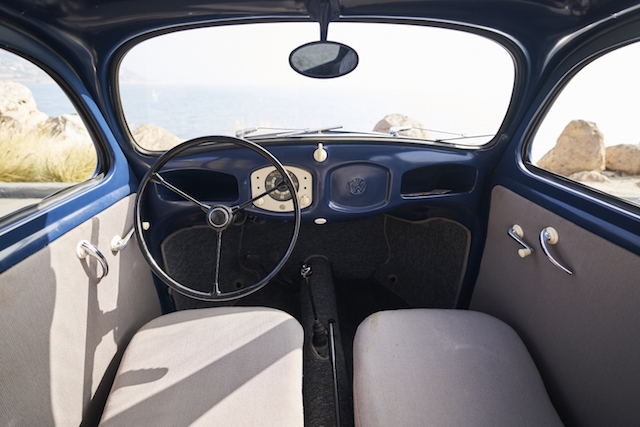
A classic car is a special purchase. It’s not something you buy out of necessity, but rather because it speaks to your heart. It could be the car you dreamed of owning when you were a kid, or maybe it’s the one your parents owned years ago. You might even buy classic cars as an investment in the hopes that their value will increase over time. No matter why you buy a classic car, it deserves special care to keep it looking good and ready to drive for years to come.

Keep it Covered

Classic cars are beautiful and it’s tempting to leave yours sitting in the driveway for the world to see. There’s nothing wrong with showing off your pride and joy, but don’t leave it exposed to the elements all the time. Weather is your car’s enemy. The sun, rain and wind take their toll. The sun fades paint and sensitive interior fabrics, rain leaves residue on that shiny exterior you worked so hard to wax, and wind blows dirt and sand against that beautiful finish leaving scratches.

Whenever you aren’t driving the car, make sure it’s protected from the elements. Keeping classic cars in a garage whenever they’re not in use is the best way to protect them from harm. If you don’t have a garage, then at least put a car cover over your classic. Those who live in winter climates (and who won’t be taking their classic car out when the weather turns) should consider a storage service to keep the car protected.

Classic Cars Like Clean

It’s important to keep your classic car clean, especially if you drive it during bad weather. Salt from winter driving, mud and dirt from rainy weather, and even the road grime that builds up on a sunny day should be cleaned off. Make sure you clean the outside and inside of your car and occasionally give it a thorough detailing.

It’s also wise to get the undercarriage washed to be sure corrosive chemicals aren’t harming delicate parts. You might not be able to see the undercarriage, but if it’s covered with salt and chemicals, you’ll know it’s dirty when parts begin to rust. A thorough cleaning keeps your car looking good and helps avoid costly repairs.

Get car washing tips.

classic cars

Classic Cars Need Insurance

Even if you don’t drive it as often as your modern car, classic cars still need insurance because accidents happen to everyone. Classic car insurance includes many of the same items found in a traditional auto insurance policy. Typically, there’s property coverage to repair or replace your car and any property, as well as collision and comprehensive coverage. There’s also liability coverage in case you’re involved in an at-fault accident, and medical and personal injury protection for the medical expenses of you and your passengers.

AAA insurance works with carriers that specifically specialize in insuring classic cars, as they tend to have unique values rather than a standard actual cash value that you’d find on sites similar to Kelly Blue Book. 

Talk to a AAA insurance agent about protecting your car with classic car insurance. 

Perform Regular Maintenance

Classic cars require much of the same regular maintenance as modern cars. You’ll need to keep the oil filled and get it changed at regular intervals. The windshield wiper blades should be replaced any time they’re leaving streaks behind and the tires need to be checked every month to ensure the tread is still good. Even if you don’t drive your classic car as often, perform the same monthly maintenance checks as with your modern car to make sure nothing is overlooked.

It’s also a good idea to find a mechanic or auto body shop with experience maintaining classic cars. Do research about who specializes in this kind of work in your area. Once you find a reputable shop, ask them if they’re familiar with your specific car and make sure they are comfortable keeping it maintained. Cars today are not the same as the cars built years ago, so finding a classic car mechanic is important.

Budget for Repairs

Parts for modern cars are readily available with established pricing you can easily research. Classic cars are a whole different world. Parts can be hard to come by and if they’re particularly rare or difficult to produce today, then they’re going to be expensive. Do a little research before buying your classic car to make sure you have enough money to keep it in good shape.

Even something as simple as a tune-up that doesn’t require special parts can be more expensive on a classic car. Prices can run anywhere from a few hundred dollars to a few thousand, depending on your car. Budget carefully so you’re not left with a classic you can’t maintain. Remember, your classic car doesn’t come with a warranty like a new car. Anything that goes wrong is going to be your responsibility, so budget accordingly.

If you’re the proud owner of a classic car, what are your ownership tips for those looking to take the plunge? Share them with us in the comments below.

Learn more about classic car insurance from AAA. 

Subscribe to Your AAA Newsletter

Sign up and receive updates for all of the latest articles on automotive, travel, money, lifestyle and so much more!

Help AAA Give Back to Your Community

For AAA Northeast, community involvement is part of the culture. Employees are encouraged to volunteer — and do so often — in support of local charitable organizations that help important causes, such as the environment, food insecurity and local families in need.

And because we love meeting and engaging with our members, there are often projects that get members involved as well.

Uniting AAA Employees and Members

In 2024, AAA Northeast ran four successful community service campaigns: Earth Month, AAA Road to Hunger Relief, Trunk or Treat events and a new initiative called Lend a Hand for the Holidays.

“We wanted to be part of events that allowed us to stand shoulder-to-shoulder volunteering with our members in giving back to the community,” said Rhode Island District Branch Manager, Thomas Ryan, who oversees the Branch Operations Member Engagement Committee. “Our member engagement events are a great way for us to bring our involvement with nonprofit organizations to members who also want to give back but need help finding how.”

Putting Hunger in its Place

The hunger relief campaign alone included more than 20 events. Instead of putting out food collection boxes at branches, this time AAA volunteers joined members of the community and local organizations outside supermarkets to ask shoppers for food and filled car trunks.

“When we put out boxes for food donations at a branch, maybe we’d collect 20 or 30 items,” said Maggie McMenemy, a branch manager in Webster, Mass., the co-leader of the Member Engagement Team. “But standing outside a grocery store, we collected 330.”

Volunteers also spent more time stocking shelves at food pantries and cooking and serving meals at community kitchens. Altogether, AAA Road to Hunger Relief was able to feed more than 923 families and collect more than 2,700 pounds of food, with the assistance of 41 members.

Delivering Holiday Spirit

Through the Lend a Hand for the Holidays campaign, volunteers in Rhode Island, about 43% of which were members, helped collect toys and package and serve holiday meals for families in need.

In Connecticut, Thanksgiving meals were collected and served and 1,472 gifts delivered with help from 42 members.

At My Brother’s Keeper in Easton and Dartmouth, Mass., AAA partnered with community members to deliver Thanksgiving meals and buy and wrap holiday gifts. “After the event, a member told me that they has such as great time that they wanted to do it again,” said Theresa Barry, associate marketing specialist. “This is exactly what we are looking to do — get repeat volunteers!”

Building Bridges

Last year also was a success when it came to building connections for the future. AAA members collected names and contact information from community groups and individuals to involve them in future campaigns.

“Helping and serving is a way of life here,” added Shannon Reyes, a branch manager in Warwick, RI., who helps with events. “It is one of the things that I really love about working for AAA.”

AAA Employees join Swansea Girl Scout Troop 876 for a Squantum Point, R.I., cleanup.

Cleanups, Food Drives and More

Some of the most popular charitable activities in our communities occur annually, including Earth Month cleanups in April.

aaa in the community
AAA employees and members from Worcester, Mass., including Mayor Joseph Petty (center), take part in a community cleanup event.

Making a Difference

“I love to serve our community and know that my contributions are helping someone else and encourage all of us to take some time to give back,” said Tamara Thornton, a branch manager in the Smithfield, R.I., branch. “I like being able to play a role in making a difference in the community.” 

More local events dot the calendar year-round. AAA branches host blood drives, days for planting vegetable and flower gardens for nursing homes and other care facilities, and gatherings to pack meals to distribute at local food pantries. Other employee charitable efforts include joining the Southern New England Heart Walk, creating cards for Sending Smiles and sorting donations for the Dorcas International Clothing Collaborative, to name a few.

“I really enjoy the smaller settings where we get to make a bigger impact,” Reyes said. “I feel that the AAA branch teams do an amazing job of finding those opportunities and bringing as many employees and members as possible along with us to support these organizations.”

Dozens of in-house projects are always on tap at offices in the Northeast, including making blankets for veterans, sending cards to senior citizens, planting flowers at community buildings, packing diapers and helping to harvest crops for food banks.

“When we can get out and volunteer, we show those that live in the community that AAA cares,” said Reyes. “We want to make our communities a better place to live, work and enjoy.”

We’d love to see you at our next community event! Find AAA community service events in your area.

We are always looking for new local charities and organizations to support. Do you have a favorite? Please share your suggestions in the comments.

Featured image: AAA employees and members at a cleanup event in Norwalk, Conn.

This article has been updated and republished from a previous version.

Subscribe to Your AAA Newsletter

Sign up and receive updates for all of the latest articles on automotive, travel, money, lifestyle and so much more!

The Benefits of Being Outdoors

The maternal directive to “go outside and get some fresh air” may have been more about preserving mothers’ mental well-being, but we now know that spending time outdoors is a great mood booster for everyone.

“Having a relationship with nature is unequivocally important for good mental health, coping and distress prevention,” said Erin K. Engle, a licensed clinical psychologist and clinical director of Columbia University Psychiatry Specialty Services. “It’s critical in maintaining key aspects of health, including emotional, psychological and physical health.”

Let Nature Recharge Your Batteries

The benefits of being outside are plenty. Improved attention, lower stress, better mood, reduced risk of psychiatric disorders and even an uptick in empathy and cooperation have all been linked to exposure to nature, according to the Canadian Psychological Association.

Sunshine, physical activity and the calming effects of nature are among the reasons spending time outside reduces stress and improves one’s outlook. People feel like they are away, even briefly, from their everyday obligations. Not only that, but when times are tough, being in nature pumps up your reserve of positive emotions like dopamine and endorphins, offsetting stress and building resilience.

A review of research published by the Journal of Global Health revealed that mental health improved in 98% of the cases where people connected with nature.

benefits of being outdoors

Escape the Stress

Removing ourselves from the daily bombardment of information to escape to forests, parks and yards helps to restore our minds and bodies, according to Attention Restoration Theory.

The constant demands on people for directed attention — to texts, social media, work and school — can eventually lead to attentional fatigue, marked by decreased concentration, difficulty focusing, poor decision-making and irritability. Nature counters that feeling by removing the distractions and allowing you to just be.

This doesn’t mean you have to load up your backpack, vanish into the wilderness and chat with squirrels to enjoy the benefits of fresh air. Accessing local nature daily in short bursts can significantly impact your mood, Engle said.

At least one study showed that while exercise can help those with depression, walking outside is even better.

Take a Walk

@ninalaevski So true🤑 #stupidwalkchallenge ♬ оригинальный звук – _malifisenta007_

Walking is an easy way to recharge, but it’s not always as simple to find the motivation to get up and go.

In late 2021, The Stupid Walk for Stupid Mental Health trend took off on TikTok, amassing over 3,000 videos under the hashtag #stupidwalkchallenge, showing annoyed-looking people stomping off to get their steps in for the day. It proved that sometimes we have to force ourselves to do what’s best for our mental, physical and emotional well-being — and we may wind up liking it.

Simple Ways to Spend More Time in Nature

  • Take a daily walk outside, even just a five-minute one.
  • Take a longer walk around a lake or park. Take your pet with you.
  • Plant a garden and spend time tending it.
  • Stroll through a forest and look for different birds and plants.
  • If you have children, plan a nature scavenger hunt with them.
  • Read a book next to a lake or under a tree, or both.
  • Ride your bike on a scenic trail.
  • Take a hike.
  • In the winter, go cross-country skiing.

What’s your favorite way to spend time outdoors to make yourself feel better? Tell us in the comments.

Subscribe to Your AAA Newsletter

Sign up and receive updates for all of the latest articles on automotive, travel, money, lifestyle and so much more!

Did You Know? You Can Request AAA Fuel Delivery

Running out of gas could bring your entire day to a halt. AAA’s emergency gas delivery service saves you from being stranded and can help get you to your destination on time.

AAA brings you gas but won’t fill up the tank. Roadside technicians deliver enough fuel — about 1 to 2 gallons — to get you to the nearest gas station.

AAA keeps you moving. To request roadside assistance 24/7, including AAA fuel delivery, go to AAA.com/GetMoving, call 1-800-222-4357 or download the AAA Auto Club App.

Basic members are required to pay the pump price for the fuel directly to the technician who delivers it, while the cost is included in Plus and Premier memberships. AAA Northeast members are permitted four service calls during a calendar year.

Learn more about AAA Roadside Assistance.

Did you ever need to call for AAA gas delivery? Tell us about your experience in the comments.

If you didn’t know, now you do! Discover more AAA services you might not be aware of.

Subscribe to Your AAA Newsletter

Sign up and receive updates for all of the latest articles on automotive, travel, money, lifestyle and so much more!

8 Underrated Summer Travel Ideas Across the U.S. 

Summer is a time for outdoor adventures, and you’ll find plenty of that to go around in these destinations. If your vibe is more wine country or fine dining, you’ll find that, too.

No matter where you head, a comfortable hotel makes all the difference on vacation, so you’ll find a Marriott Bonvoy hotel option for each destination, as well. 

Let's Plan Something Wonderful

Book your next trip with AAA Travel now or call 866-423-5585 to speak with a travel advisor.

Book Now

Asheville, North Carolina 

Asheville manages to stay grounded while catering to travelers with glam tastes. Take a spin on the Blue Ridge Parkway or explore Great Smoky Mountains National Park. From the AC Hotel by Marriott Asheville Downtown explore the River Arts District and the Asheville Black Cultural Heritage Trail.

Jackson Hole, Wyoming 

While known for its ski areas, the scenery and amenities of Jackson Hole don’t stop when the snow does. The jagged peaks of Grand Teton National Park border this lively valley near Yellowstone. Set up base camp at The Cloudveil, Autograph Collection before heading out for hiking, biking or white-water rafting. At night, go stargazing at the Snow King Observatory & Planetarium.  

bay harbor michigan
Inn at Bay Harbor, Michigan

Mackinac Island and Bay Harbor, Michigan 

Mackinac Island in Lake Huron delivers the charm. Horse-drawn carriages rule the roads in this car-free area brimming with clapboard Victorian architecture. Anchor on the mainland at the Inn at Bay Harbor, Autograph Collection. Then, head northeast from the hotel to Mackinaw City and hop the ferry to Mackinac Island, where you can golf, explore historic forts and picnic.

New England’s Farm Coast 

Punctuated by harbors, lighthouses and small villages, the New England farm coast sometimes looks more like the 19th century than modern life. Book the Fairfield Inn & Suites by Marriott New Bedford in Massachusetts to embrace the area’s “coastal grandmother” cool. Browse galleries, enjoy the agritourism and sample seafood straight off the boat. 

Beautiful view on Mount Rainier with Forest Canyon in front.
View of Mt. Rainier in Olympia, Washington

Olympia, Washington 

A funky, laid-back city, Olympia helped unleash grunge music and keeps the flame alive at Rainy Day Records and the Capitol Theater. Catch a show at the Washington Center for the Performing Arts, and make sure to stop by the capitol building, which sports the world’s largest Tiffany chandelier. Stay at the Courtyard by Marriott Olympia.

Sonoma County, California 

Dip into mud baths and geothermal pools at Dr. Wilkinson’s Backyard Resort and Mineral Springs, a Member of Design Hotels in Calistoga. It’s the perfect spot for sipping on the area’s famous pinots. But the fun of Sonoma County extends beyond its legendary vineyards. Head to the coast to scan for whales, wander among stately redwoods and feast on unique dishes at the innovative Bravas Bar de Tapas.

Tucson, Arizona 

Avoid crowds and find sweet deals vacationing in Tucson, during the summer, where the nightlife and fine dining scenes don’t dip when the mercury rises. Choose The Leo Kent Hotel, Tucson, a Tribute Portfolio Hotel for your vacation. From here, you can visit the baroque San Xavier del Bac Mission, Tumacácori National Historical Park and the Fred Lawrence Whipple Observatory on Mount Hopkins. 

park city utah
St. Regis Deer Valley, Utah

Utah Crater and Park City, Utah 

Slip into a geothermal hot spring inside Utah Crater, a limestone cave in Homestead. With an average temperature of 94 degrees, the sapphire water is ideal for swimming, snorkeling, paddleboard yoga and scuba diving. Nearby is The St. Regis Deer Valley. This pet-friendly Park City resort offers ski access in the winter, guided hikes, lawn games and “dive-in movies” at the pool. 

Book a Marriott Bonvoy hotel with AAA for your summer getaway.

Edited from Marriott Bonvoy Traveler.

Subscribe to Your AAA Newsletter

Sign up and receive updates for all of the latest articles on automotive, travel, money, lifestyle and so much more!