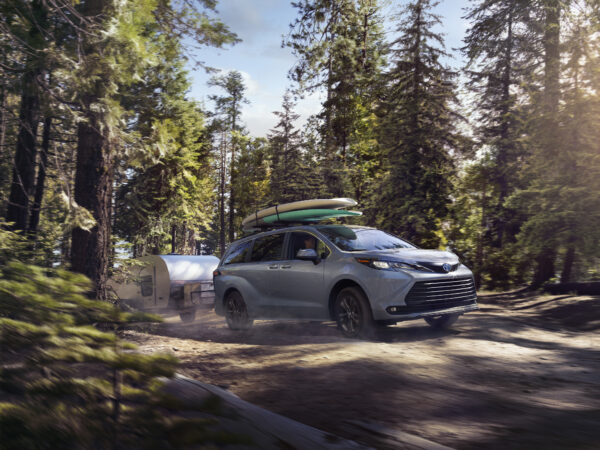
Having a car means the open road is yours to explore. The possibilities for adventure are endless! But, before heading out on a road trip, there are a few things to consider. What are the road trip essentials? What are good road trip snacks? And, how do you even choose where to go?
READ MORE
[00:00:26]
Amanda Greene: Welcome to Merging Into Life, where we navigate life’s milestones one episode at a time, brought to you by AAA Northeast. I’m your host, Amanda Greene.
Ah, the open road. Picture it. It’s just you behind the wheel with nothing but adventure on the horizon. If you’ve ever heard of a guy called Jack Kerouac, you may know the quote, the road is life. Okay, we might not all have that same level of wanderlust in us, but every now and again, a little getaway can go a long way.
Today we’re going to walk you through everything you need to know about planning your first road trip, whether it’s a long road trip across state lines or a quick day trip to that new food truck you keep hearing about. So buckle up because we’re diving into all things you need to know before you hit the road. And of course, we’ll also get into what people often get wrong. Adrian Petrie is going to touch on those dos and don’ts in a bit. But first, I’d like to introduce you to someone who knows a thing or two about road trips.
[00:01:31]
Lindsey Basara: I will absolutely travel an hour for an ice cream. It’s just going to happen. That’s what’s on my priority list.
[00:01:36]
Amanda Greene: That’s Lindsey Basara She’s the driving force behind the blog and Instagram account called New England Chickadee. Lindsey is always posting about her latest adventures. So even when she’s not on the road, she’s thinking about her next trip.
[00:01:50]
Lindsey Basara: I love road tripping. I love travel. It’s something that I’ve always really enjoyed doing.
[00:01:55]
Amanda Greene: I imagine you’d be someone who sits at the kitchen table with your calendar planning your trips for the next five months. How far out are you planning?
[00:02:02]
Lindsey Basara: So, it depends. There are some trips that I’ve definitely planned out just because of things that might be happening during that season, but a lot of them I actually do ad hoc, just kind of where I’m feeling like traveling on a given weekend or on a given day. And a lot of it might even just depend on the weather.
This winter I had a lot of trips planned that involved more snow-related activities, and then I needed to pivot a little bit to actually adjust that because we didn’t have as much snow in New England this year. So surprisingly, it’s a balance between planned trips and then just really ad hoc trips as well.
[00:02:35]
Amanda Greene: What are some of your favorite road trips you’ve done? What are a few that stand out?
[00:02:39]
Lindsey Basara: Oh my gosh, I have so many. I have so many road trips that I love. I would say a couple of my favorites are probably actually with my mom. She’s a huge fan, probably my biggest fan, and I planned out a whole road trip for her to take her in the fall through Vermont to see all of the foliage for places that she had never been to before. And so we started from Western Mass and went up 91 North a little bit and then did a lot of off-roads.
It was just a beautiful, beautiful fall day when we went and the foliage was right at peak. So that’s probably one of my most memorable road trips. Another one of my road trips that really will stick out to me is a much longer road trip that I actually took across country with my husband. We briefly lived out in Colorado. And when we moved back to New England, to Massachusetts, we ended up road tripping all the way across the country.
So that one definitely took a bit more planning because it was about a week long road trip across a whole bunch of different states, but it was my first time experiencing some of the states out west, just the really expansive open landscapes. That’s also one of the road trips that just really stands out in my mind because it was more of those once in a lifetime opportunities that I had, which was great.
[00:03:54]
Amanda Greene: Let’s talk about before you go, the actual planning of a road trip. Maybe it’s your first time. How do you choose your destination?
[00:04:02]
Lindsey Basara: So every time I find something that I like that really excites me, a place that I want to go to, or even my favorite places that I’ve already been to, I have a pin on Google Maps. I have dots covering entire states. In the winter, there’s a lot of really nice seasonal winter lights events that are happening around the area. I might plan a destination specifically to one of those, but then I’m looking to see what are things that I can stop at along the way?
AAA TripTik Travel Planner
Where do I have things already marked on Google Maps that I want to be able to travel to? And for me, when I’m thinking about planning my trip, I like to structure it where I have a variety of different activities. So I generally want to do some type of outdoor activity. Might be a hike. It could just be a nice walk. It could be kayaking or paddleboarding or a bike ride.
I also really like to do something that’s generally like a historical property – even if it’s a statue or a monument – something that’s specific to that location. I also really like to find something like the local bakeries, local coffee shops, and really find a lot of the places that the locals might be going to. So kind of a balance between the active activities and more of the relaxation activities.
[00:05:18]
Amanda Greene: Do you have tips for people maybe who have never done a road trip or haven’t gone on many? What advice could you give them to get them started?
[00:05:26]
Lindsey Basara: Figure out where you feel comfortable traveling for your first road trip. I will go up to about three, three and a half hours, on a road trip one way at least. That’s just what works for me. That’s the right balance for time. But I would say, pick something that’s maybe even only within an hour distance. Pick something that you feel comfortable with first and pick something that you’re really interested in seeing.
What’s a place that maybe you’ve experienced before but you haven’t seen everything that’s there? Another thing, just in terms of getting ready for your first road trip, is packing. Packing for a road trip is something that I continue to refine because there’s always things that I add to my packing list, but I am really big of a mindset where I want to pack more things that I’m going to actually use rather than forget something.
[00:06:14]
Amanda Greene: And since you’re not getting on a plane, you can overpack and stuff as much as you want in your car.
[00:06:19]
Lindsey Basara: Yes, which I love. So for me, I’m always having snacks. I’m having water in my car. I’ll have things just like napkins, utensils if I need to. I also will pack a bunch of seasonal items generally. If it’s the summertime, I might bring just a lawn chair or a beach blanket.
I might even throw in an inflatable tube just because of those spontaneous opportunities that you might encounter on the road. I also want to make sure that I do have just some basics, like a little bit of extra cash, bring an extra rain jacket. So there’s really just a checklist that I’ll go through and make sure I have all of the things that I might need for the road trip.
[00:06:57]
Amanda Greene: I do love a good beach blanket. So I know there are basics that we should always keep in the car, like a flashlight, extra batteries, a first aid kit. Is there anything else we should think of when it comes to safety?
[00:07:09]
Lindsey Basara: I always want to tell somebody where I’m going, especially if I’m going by myself. A lot of my road trips, I do go solo. If my route changes a little bit, maybe I update them. But at least before I head out, I give them the general vicinity of I’m going here, this is where I’m planning to stop, this is about when I plan to come back. That way, folks know where you are in case you have a roadside emergency and you’re in a spot without service or anything.
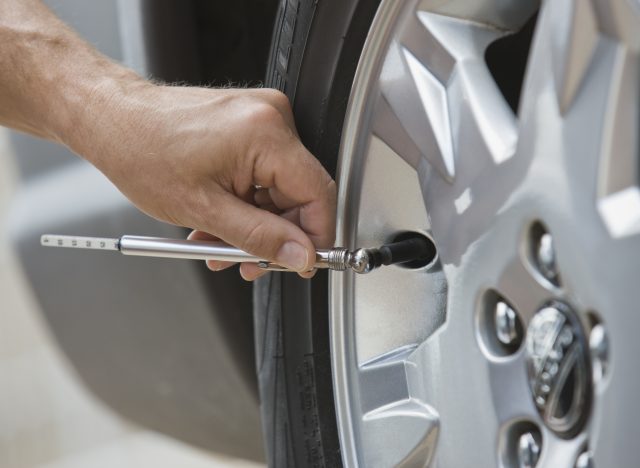
I’m always planning for what could happen. And I just always want to make sure that the car ready to go too. I want to have a full tank of gas. I might bring a tire gauge just to make sure the tire pressure is good, windshield wiper fluid, all of those things, just so that I don’t need it while out on the road, or can avoid having to stop if i don’t want to
The other thing that you can do is you can either take some screenshots of your Google Maps on your phone if you don’t want to have the paper printed, or you can even download some maps as well too, just to have those offline.
[00:08:08]
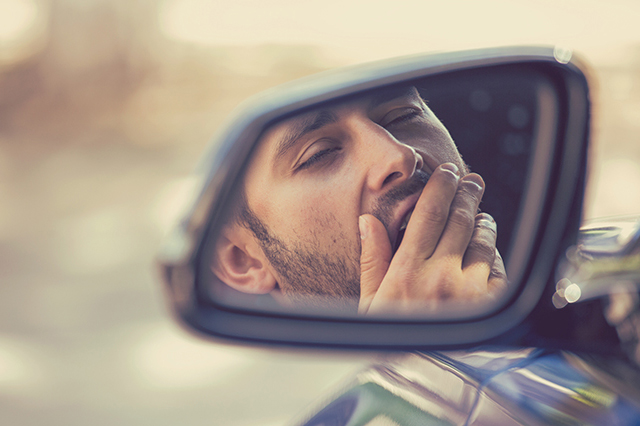
Amanda Greene: All great things to keep in mind. You can never be too careful. Another note on the safety front. If you find yourself starting to get sleepy, don’t try to push through it. According to AAA research, 18% of traffic fatalities involve a drowsy driver. So don’t be afraid to pull over and take a break if you find yourself getting tired.
So, you have made it very clear that planning is very important and there is a lot you can prepare. There is a lot you can plan. But what would you say to someone who decides to take a road trip on a whim and maybe hasn’t done all of the preparation? Do you have advice for them?
[00:08:45]
Lindsey Basara: Above all, the road trip is about having fun. Get in your car on a nice day, roll the windows down, put on a fun playlist, and just get out there and explore. That’s really what road tripping is all about, is just experiencing new things, enjoying the ride on the way. I would say there’s absolutely nothing wrong with spontaneous road trips. In fact, I would encourage those as well too.
[00:09:10]
Amanda Greene: As you can tell, Lindsey’s obviously a pro at this stuff, and there’s something so freeing about hitting the road on the spur of the moment. She has me feeling kind of spontaneous, but what are some things I might be overlooking? Let’s talk to another expert.
[00:09:26]
Adrian Petrie: My name is Adrian Petrie, and I’m the auto travel manager here at AAA Northeast. I’m based in Providence, and I’ve actually been with AAA for about 30 years.
[00:09:35]
Amanda Greene: Adrian has seen it all, the smooth rides and the bumps along the way. So Adrian, where do you see people go wrong?
[00:09:45]
Adrian Petrie: The biggest thing they get wrong is the time. They just don’t realize how long a road trip can actually be. We’re so used to going around the United States in an airplane. So you say to somebody, “Oh, how far is it from here to West Palm Beach, Florida?” They go, “Oh, it’s about three hours,” because they’ve only ever flown. I’m like, yeah, but it’s also about 1,300 miles and it’ll take you 22 hours to drive it. And that’s one of the biggest things.
[00:10:12]
Amanda Greene: So what’s your advice for how people should manage their time?
[00:10:15]
Adrian Petrie: If all of a sudden you wake up one day and say, “You know what? I think I’m going to drive to San Francisco and back because I’ve got a long weekend,” that’s not going to happen. So my suggestion is don’t spend all of your time in the car. It will drive you absolutely insane. For me, there’s a big difference between a road trip and a long drive.
During COVID, I had to go down to Florida to visit my in-laws and we didn’t want to fly. So, we get in the car, we start driving, and all you’re doing is you are focused on the destination. And basically all I thought about for the next 22 hours was, am I there yet? Am I there yet? Because it was driving me absolutely nuts. If I had had the time, what I could have done was say, “Well, why don’t I drive for seven hours and stop in Washington, DC? Maybe do some sightseeing. Stay overnight. The next day, drive another six hours and go to Charleston or Savannah. Look at the city. Another overnight. And then I’ve only got a five hour journey on the third day to get to my destination.” And by breaking it up into manageable chunks, it mentally prepares you as opposed to just sitting there with your hands on the wheel going, “Oh, I need to be there.”
[00:11:22]
Amanda Greene: Like Lindsey says, planning stops based on things you’re actually interested in makes the journey way more fun. It’s an important point, and Adrian agrees. Adrian, where do you find the fun spots to stop?
[00:11:35]
Adrian Petrie: So let’s just say you wanted to go to Montreal, but you didn’t just want to drive for three or four hours. So Google great breakfast places or great lunch places or something of interest that would be of either historical interest or just a hobby of yours, and you’ll see them. You’ll see them pop up all over the place. See what is between A and B, not just what is at the end of your journey.
[00:11:58]
Amanda Greene: A road trip must be really fun for a foodie because I feel like we’re seeing a lot of shows and a lot of content about fun restaurants all over the country. My husband and I took a road trip a couple years ago and we ended up at some famous grilled cheese restaurants that was world renowned and we had no idea, but people kept telling us, “You have to go here. You have to go here.”
And so it is fun once you start asking around for suggestions along your journey, just to go into it mentally with the flexibility of we’re not just driving toward our destination, we’re going to make the journey there a little adventure.
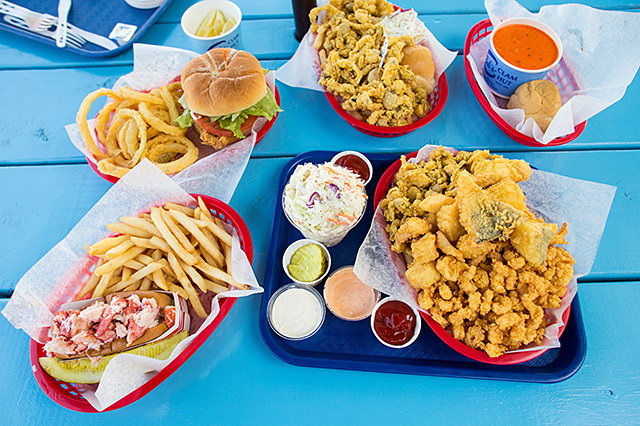
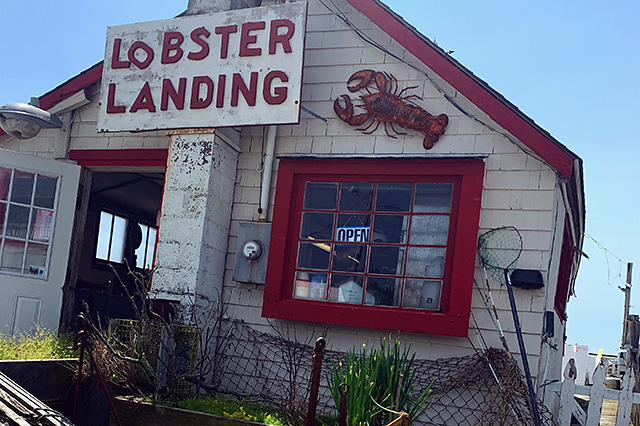
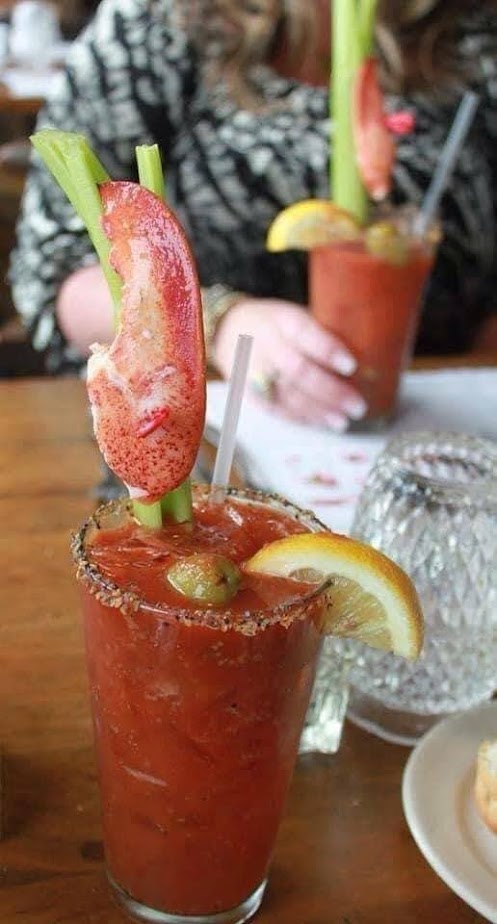
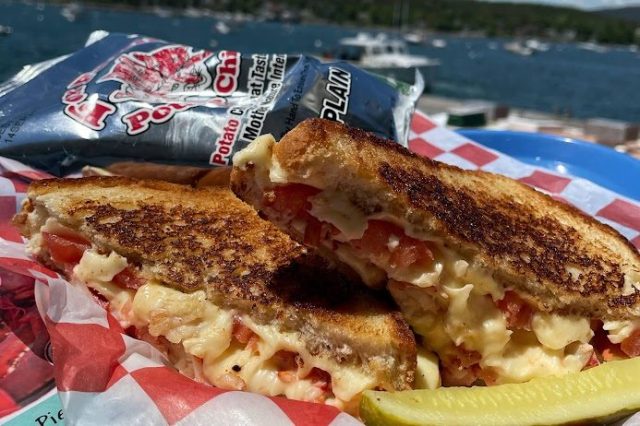
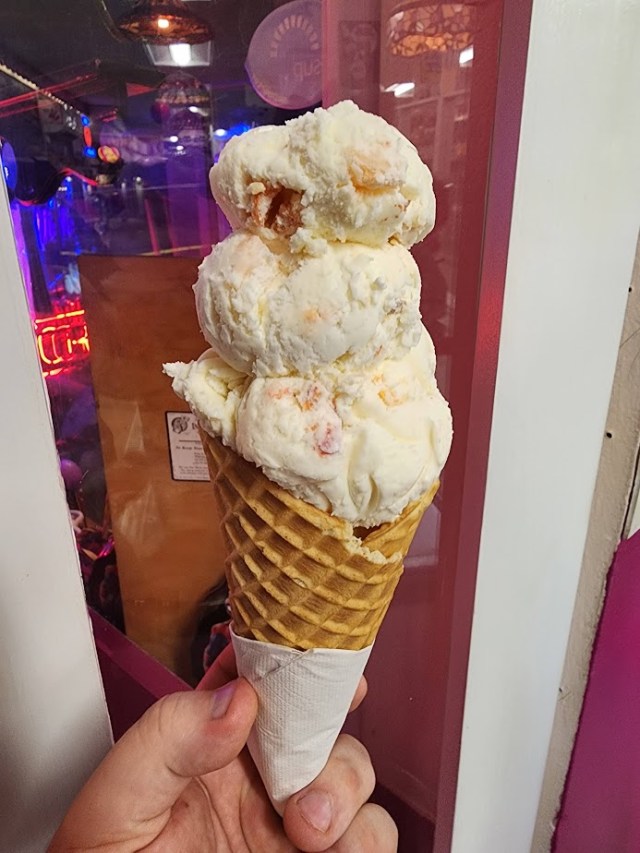
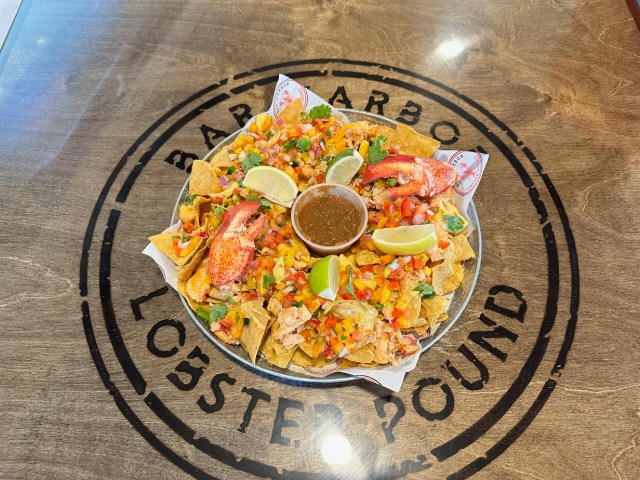
Stop at some of these tasty destinations throughout the Northeast on your next road trip.
[00:12:32]
Adrian Petrie: Absolutely.
[00:12:34]
Amanda Greene: So, in what feels like an incredible coincidence to me, that grilled cheese place I was just talking about, well, it turns out Lindsey’s been there too.
[00:12:43]
Lindsey Basara: A lot of my road trips, I’m not going to say they’re all planned around food, but I actually almost took a different route at one point because I specifically wanted this grilled cheese sandwich.
[00:12:52]
Amanda Greene: In Ohio?
[00:12:53]
Lindsey Basara: And then we reali–
[00:12:54]
Amanda Greene: Was it in Ohio?
[00:12:54]
Lindsey Basara: Yes.
[00:12:56]
Amanda Greene: Yes! My husband and I took a road trip and we also stopped for this legendary grilled cheese sandwich. I’m pretty sure it had mozzarella sticks inside of it. I mean, they have very creative grilled cheeses. So you planned it partly around food. We happily ended up there, but that’s really funny.
[00:13:13]
Lindsey Basara: That’s amazing. I saw that and I was like, I need to go. But I will absolutely travel like an hour for an ice cream. It’s just going to happen. That’s what’s on my priority list.
[00:13:22]
Amanda Greene: It’s safe to say most people are looking for something fun and different, so keep an open mind and ask around. You’ll find the good spots like Lindsey and I both did. What about the budget? What are some ways we can keep a road trip affordable?
[00:13:37]
Lindsey Basara: I’m asked that question a lot and I will say there’s a lot of things that you can do that are completely free. There’s a lot of public gardens. There is a lot of museums where you can get a library pass to go to them for free or have discounted passes. A lot of times they’ll even offer certain free days. For me, a lot of things that I end up spending my money on are generally going to be the food.
I, as I mentioned, love ice cream. I also love coffee and lattes, so I will pay more for that. I’ll pay $ 10 for an ice cream. I don’t think about it just because I know that’s where my priorities are. So I would say when you’re planning out your road trip, think about what are those top priorities for you. What are those must haves that you’re willing to spend money on?
It might not be an ice cream. It might be something completely different. And start for where you want that budget to be. A lot of the cost is going to come from just the gas associated with it and tolls if you are taking highways, so factor those in, but you can really do a ton of activities for free.
Read: How Much Does a Road Trip Cost?
[00:14:41]
Amanda Greene: So how does planning change for a day trip versus a long multi-day trip?
[00:14:48]
Lindsey Basara: The biggest factor in the overnights or extended trips versus a day trip is going to be where I’m going to actually stay. So for me, there’s another research component as to where it is that is the best place for me to stay, that’s also in a price point that I feel comfortable with, and is going to be a convenient location to all the different things that I’m hoping to see and do in the area.
If I’m planning something farther out, I have the opportunity to look at a whole bunch of different websites, find different discounts. A lot of times they even offer discounts if you are based in New England and you’re staying at a hotel in New England.
Get New England road trip inspiration.
For something like my Colorado road trip, I actually hadn’t booked all of the hotels that we were going to be staying at from the beginning because I wanted a little bit of flexibility in terms of what if I didn’t really get to that location. If I’m going to be staying at a place for maybe a week or so, I want to put a little bit more research into that specific property to make sure that it’s going to be where I want to be in terms of my overall stay too.
[00:15:49]
Amanda Greene: As a rule of thumb, booking in advance is always the safest bet. You know your spot is secure and hopefully you get a good rate. Hotel prices vary based on factors like the day of the week and local events that drive up prices. So booking during off peak times can really save you money. But fear not. If you’re traveling on a whim, sometimes you can find great last-minute deals if a hotel has a lot of vacancies. Just remember, it’s not a guarantee. Do you have any other ideas of how to keep it fun in the car, whether you’re alone or traveling with a group?
[00:16:23]
Lindsey Basara: So if I’m by myself, I love podcasts. I also love listening to audiobooks. I’ve actually gone through an entire audiobook in one day. If I’m with my friends or my husband, we’re generally putting on something that’s super upbeat, that’s a fun vibe. It might be just like a road trip playlist that we’ve created. Even some ’90s throwbacks that we have going in the car. My friends and I always love singing along. I can’t really even count how many Spice Girls we just broke out into.
[00:16:53]
Amanda Greene: When I think of road trips, I picture those sitcoms or the movies where the family is chaotic, but they’re so loving and they’re spending this time traveling in a car together somewhere. And it’s usually the longest distance they’ve ever ridden in a car together and it’s crazy, but people are singing and there’s pit stops. The crazy is inevitable, and I look forward to that because it is its own special kind of experience. What do road trips mean to you? What is your favorite thing about traveling this way?
[00:17:28]
Lindsey Basara: I would definitely say bonding is one of those things, and it’s just being able to be in control of where you’re headed. I love going on road trips where I’ve been to the location before and it’s just a familiar spot where I feel calm if I go there or I just feel like I need that connection. But there’s also road trips where I want to experience things for the first time and I want to be able to maybe see something new in that area that I have never seen before. So it’s that excitement.
It’s like that what’s coming next kind of moment that takes you out of just the day-to-day routine that you have and it creates this whole new experience. If I’m going by myself, it’s sometimes really nice to just be in the car for a little bit by myself, thinking about all the things that have happened during the week, just having that time to recenter and refocus. And then if I’m going with friends or family, it’s nice to be able to catch up and spend that time together. So I love the actual destinations, but I really like the in-the-car part of that as well.
[00:18:26]
Amanda Greene: This has all been such a great reminder that adventure is out there. It’s just a matter of saying yes. Okay, so I’m going to ask you some rapid fire questions. What’s the ultimate road trip snack?
[00:18:39]
Lindsey Basara: Oh, popcorn.
[00:18:41]
Amanda Greene: What’s your one go-to road trip anthem that you shamelessly belt out at the top of your lungs?
[00:18:47]
Lindsey Basara: Oh, I was going to say “Spice Up Your Life” or any Taylor Swift song.
[00:18:52]
Amanda Greene: Do you totally unplug and stay off social media when you’re on the road, or do you post your adventure as you go?
[00:18:59]
Lindsey Basara: Oh no, I post as I go.
[00:19:01]
Amanda Greene: What scenery do you prefer, mountains or coastline?
[00:19:04]
Lindsey Basara: Oh, mountains.
[00:19:05]
Amanda Greene: What’s one road trip that’s still on your bucket list?
[00:19:10]
Lindsey Basara: I have still been wanting to get up to Moosehead Lake in Maine. It’s really far up there for me, but I would love to go up there.
[00:19:19]
Amanda Greene: Lindsey, you are a joy and you, I think, have inspired me and probably a lot of people listening to get out and explore things. So thank you for sharing all of your adventures with us and all of your tips. I’m going to go on to Google Maps, just like you said, and start putting pins in places.
[00:19:34]
Lindsey Basara: Thank you so much for having me. It’s been great talking with you as well.
[00:19:38]
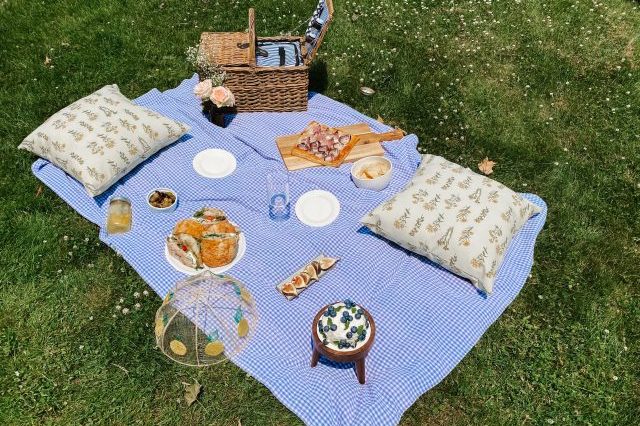
Amanda Greene: So there you have it. For a fun and successful road trip, here are a few things to keep in mind. Planning is great for maximizing the things you want to see, but there’s nothing wrong with going on an impromptu excursion too. Have fun stuff in the car, snacks, music, a picnic blanket, and people.
Long car rides are a wonderful way to reconnect with family and friends. Or take a solo trip and catch up on your podcasts and take some time for yourself. Tell someone where you’re going and don’t rely on cell service. Keep safety in mind. And remember, don’t drive drowsy. It’s never worth the risk.
[00:20:16]
Amanda Greene: Welcome back. How was your trip?
[00:20:18]
Friend: It was so nice. It felt so good just to clear my head and get away.
[00:20:23]
Amanda Greene:That is so great. Sometimes just disconnecting for a minute feels so good. Did you see anything cool along the way?
[00:20:23]
Friend: Oh my god, you know what? I actually stumbled upon this place that had the best grilled cheese of my life.
[00:20:36]
Amanda Greene: Stop it right now. What is going on? Did it have mozzarella sticks inside of it?
[00:20:41]
Friend: Yes, it did.
[00:20:42]
Amanda Greene: Get out of here.
[00:20:46]
Amanda Greene: You’ve been to Merging Into Life where we navigate life’s milestones one episode at a time, brought to you by AAA Northeast with assistance from JAR Audio. I’m your host, Amanda Greene. If you had anywhere as much fun as I did, follow us wherever you get your podcasts and leave a review.
We really want to know what you think. Email us at podcast@aaanortheast.com. And if you want to know the name of that grilled cheese place in Ohio, check out the show notes or visit aaa.com/podcast. The views and opinions expressed in this podcast are not necessarily the views of AAA Northeast, AAA, and/ or its affiliates.