5 Fine Farm Vacations

If you need a break from the bumper-to-bumper traffic or the noise of the big-city life, how about a relaxing vacation on a farm? Mosey on over to the barn and feed the chickens, gather some eggs for your breakfast, milk a cow or just stroll across the land and enjoy life at a slower pace. If this appeals to you and your family, consider a real working farm for your next vacation.

Blue Heron Farm

Charlemont, Mass.

Owners Bill, Norma and their son, Jubal, have been operating Blue Heron Farm for 30 years, but the farm itself has been in existence since 1797.

With over 130 acres of maple trees, it is not surprising that the Coli family concentrates on the production of organic maple syrup as their primary crop. Bill thinks of his farm as “a rural and picturesque place with a low-key ambiance.”  You know it’s special when you are welcomed by Norwegian Fjord horses that amble over to say howdy.

Those looking to book a farm vacation at Blue Heron can stay in one of its cottages, which come equipped with everything needed to cook your own meals. When asked if meals are provided for guests, Bill said, “we will feed you if you eat hay and grain.”

The farm is located on the slopes of the Berkshire hills, providing a relaxing atmosphere to stroll the miles of trails which are perfect for reconnecting with nature. But if you want to enjoy other activities you can try rafting on the Deer River, mountain biking and ziplining. The charming towns of Shelburne and Williamstown are a short drive away, and offer shopping, art galleries and fine dining.   

farm vacations
Norwegian Fjord horses at Blue Heron Farm.

East Hill Farm

Troy, N.H.

Located at the base of Mount Monadnock in southern New Hampshire, East Hill Farm can provide lodging for up to 140 people in its main inn and several cottages. It’s also a popular wedding destination.

There’s something for the entire family here, including boating, fishing, water skiing, ice skating, relaxing massages and three swimming pools. Good home-cooked meals are provided, along with a special kids’ menu, served family-style so you can enjoy the company of fellow guests.

If you like to dance, you can join in square dancing or country line dancing, or you can saddle up the horses for a trail ride instead. Little ranchers ages 5 and younger can mosey along on a pony. There’s lots of room at East Hill for the kids to play and pitch in by feeding chickens, milking cows and collecting eggs.

Liberty Hill Farm

Rochester, Vt.

Some go to Liberty Hill Farm to celebrate anniversaries and family reunions, while others visit simply to relax and enjoy the special ambiance that comes with enjoying a vacation on a farm. “Come for the cows, stay for the food and come back for the memories,” said one guest in a testimonial posted on the farm’s website.

Cows and Vermont go together like peanut butter and jelly, and Liberty Hill has 270 cows that are ready to supply your daily dairy needs. You can even try your hand at milking the cows or bottle feeding the calves. Try fishing for some trout or salmon, or hike on the many trails that surround the farm.

The main inn was built in 1823 and there is a big porch where you can rock away your worries. Breakfast and dinner are prepared with fresh ingredients from the farm.

Pagett Farm

Palermo, Maine

Everybody knows about the beautiful coastline of Maine, but there is a special place in Maine that promotes a feeling of peace and relaxation. That place is Pagett Farm. Farmers Pam Page and Don Barrett manage 63 acres of farmland with an emphasis on organic farming and raise their animals in open pastures, not the standard feedlot method.

Guests can stay in a yurt, platform tent or a nearby lakefront cottage for their farm vacation. “We protect our dark night skies on the farm and hence enjoy starry nights and fireflies,” said Pam. Guests can hike nature trails or help with the chores if desired.

For birdwatchers, there are 32 nesting boxes on the farm, so bluebirds, swallows and other fine-feathered friends are often swooping through the air at this little piece of paradise.

Farm vacations - stone and thistle
Stone and Thistle Farm

Stone and Thistle Farm

East Meredith, N.Y.

Stone and Thistle Farm sits in a quiet valley near the Catskills of central New York. And, if you are looking for fresh-off-the-farm food, you can’t get much fresher than this. Meat from its beef cows, lambs and goats, which are fed only grass and hay, can be purchased at the on-farm store, open by appointment.

During your visit you can tour the expansive property and, like Dr. Doolittle, talk to the animals, which include horses, cattle, ducks and goats. If you’d like to interact with the animals more, you can sign up for the chance to do some chores like collecting eggs, bottle feeding goats or teaming up with the border collies to round up the sheep. Stay overnight in the 1863 farmhouse, or the farmhouse cabin.  

Would you go on a farm vacation? Tell us in the comments.

Plan your next trip with AAA Travel.

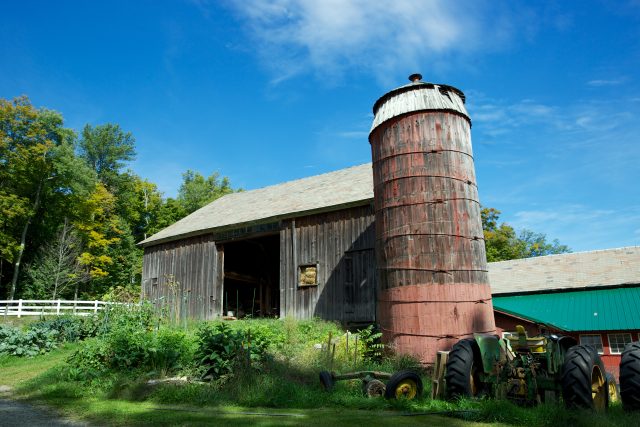
Featured image: The Barn at Blue Heron Farm.

Subscribe to Your AAA Newsletter

Sign up and receive updates for all of the latest articles on automotive, travel, money, lifestyle and so much more!

Understanding Algorithms

In the digital era, algorithms have become the silent architects of our online experiences, shaping the content we encounter on social media platforms and the broader internet. These complex mathematical constructs play a crucial role in curating our feeds, determining what we see and, in turn, influencing our perception of the world. And while we often hear about them, understanding algorithms and how they actually work remains a bit of a mystery.

Here we’ve untangled the wires behind the feeds we see on social media, when shopping on Amazon and beyond.

Decoding Algorithms

At their core, algorithms are sets of instructions designed to solve specific problems or perform specific tasks. In the context of social media and the internet, algorithms are responsible for analyzing vast amounts of data, sorting it and presenting it to users in a personalized and relevant manner. They achieve this by leveraging a combination of data analysis, machine learning and artificial intelligence.

Data Collection and Analysis

Algorithms begin by collecting a staggering volume of data, including user behavior, interests, demographics and interactions. This data forms the foundation for their decision-making processes. By analyzing this information, algorithms can construct user profiles and predict individual preferences, enabling them to present content that aligns with your interests.

Machine Learning and Personalization

Machine learning algorithms are a crucial component of the equation. Through a process of iterative learning, algorithms continually refine their models based on user interactions and feedback. By observing which content users engage with, algorithms learn to identify patterns and make predictions about what content is likely to capture users’ attention.

Content Ranking and Prioritization

One of the primary tasks of algorithms is to rank and prioritize content. To achieve this, algorithms assign a relevance score to each piece of content based on various factors, including recency, popularity, user preferences and relevance to previous interactions. The content with the highest scores is then displayed prominently in your feed.

Friends with phones

Factors Influencing Content Selection

Several key factors come into play when algorithms determine what content users see:

  • User Engagement: Algorithms prioritize content that has a high probability of engagement based on individual user behavior and similar user patterns. This can include likes, comments, shares and click-through rates.
  • Relevance: Algorithms analyze the content’s relevance to users’ interests and previous interactions. They consider factors like keywords, hashtags and topics of interest to provide a personalized experience.
  • Recency: Freshness matters. Algorithms often prioritize recent content to keep users up-to-date and promote real-time engagement.
  • Popularity: Algorithms tend to boost content that has already gained traction, as it is perceived as more likely to resonate with a broader audience.
  • User Settings: Algorithms take into account user preferences and settings, such as language, location and privacy settings, to tailor the content displayed.

The Impact on Information Diversity

While algorithms aim to enhance user experience by providing personalized content, concerns have been raised about their potential impact on information diversity. There is a risk of creating filter bubbles, where algorithms reinforce users’ existing beliefs and limit exposure to diverse viewpoints. To mitigate this, some platforms incorporate mechanisms to introduce serendipity and expose users to new ideas and perspectives.

Algorithms wield immense power in shaping the digital landscape, determining what content we encounter on social media and the internet at large. Through data analysis, machine learning and personalization, algorithms strive to deliver content that aligns with users’ interests and preferences. However, as we navigate this algorithmic landscape, it is essential to remain mindful of the potential biases and implications they may have on information diversity. By understanding how algorithms work, we can engage with online content more critically and actively seek out diverse perspectives in the ever-expanding digital realm.

Read more tech stories like this.

Subscribe to Your AAA Newsletter

Sign up and receive updates for all of the latest articles on automotive, travel, money, lifestyle and so much more!

Easy Homemade Ice Cream and Other Frozen Treats

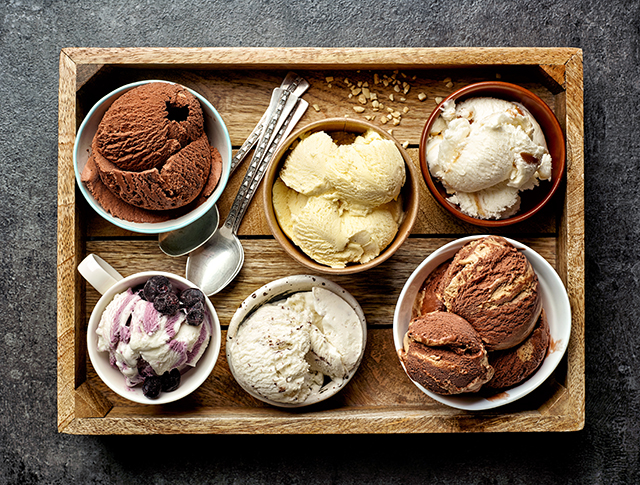
Ice cream is one of the simple pleasures of summer. Vanilla or flavored, in a cup or a cone, with sprinkles or without – on a hot day, nothing cools you down and lifts you up like a frozen dessert.

And while it’s never too hard to get your hands on ice cream when a craving strikes, whether it’s from a favorite local shop or franchise, stocking up at the grocery store or answering the song of a neighborhood truck, you’ll have a lot of fun trying out these easy homemade ice cream recipes. No ice cream machine or special tools required!

When you make your own ice cream you can use the freshest ingredients of the season straight from the farmers market or get creative with whatever you have on hand. Best of all, you can have all the free samples your heart desires.

Easy Ice Cream Recipes

Since vanilla is used as a base for many other flavors, it’s the best place to start. Try this easy homemade ice cream from Taste of Home. If you want more of a frozen custard-style ice cream, go for an egg-based recipe, like this one by David Lebovitz. And if you can’t resist a good scoop of chocolate, well, we’re right there with you. When’s dessert?

If You Have an Ice Cream Machine

One of the most popular ice cream machines on the market is the 1- to 2-quart frozen yogurt, ice cream and sorbet makers by Cuisinart. It is affordable, fully automatic and super user-friendly. All you have to do is freeze the freezer bowl, add your ingredients and press a button to start the churning.

A good tip is to freeze the freezer bowl at least a day ahead. Some recipes or manuals may say that you only need several hours, but if you want to ensure that it’s cold enough to freeze your ice cream, the longer it stays in the freezer the better.

Before you make your own ice cream, avoid these five common mistakes.

Easy Homemade Ice Cream Without a Machine

No ice cream maker? No problem! If you want to dip your toe into ice cream making before diving in, there are plenty of methods you can try that won’t cost you much more than the ingredients.


View this post on Instagram


A post shared by NYT Cooking (@nytcooking) on

Mason Jar Ice Cream

The latest ice cream craze to hit the internet is Mason jar ice cream. The New York Times has a recipe for basic vanilla and a few other delicious-sounding flavors that come together in a literal shake, plus there’s the cool illustration above to help you along.

Food Processor

Not everyone has an ice cream maker in their kitchen, but a lot of people do have a food processor. Bring out the old slicer and dicer for something a bit sweeter and smoother. As explained here, making ice cream in a food processor starts with freezing your base in a zip-close bag, then blending to a smooth consistency.

Nice Cream

Keep out the food processor for nice cream – a healthier, vegan and dairy-free alternative to traditional ice cream. A one-ingredient marvel at its most basic, a frozen ripe banana is all you need to blend up the perfect treat. Add peanut butter or cocoa powder if you’d like. If not the star, a frozen banana is still used as the base for other fruit flavors like strawberry or mango, which also require a splash of regular or non-dairy milk to smooth it out.

Plastic Bag Method

Add all your ingredients to a small plastic bag, place it inside of larger plastic bag filled with ice and get shaking!

Granita

If a refreshing Italian ice or Del’s Lemonade is more your style, you’ll love granita. Whether made from coffee, lemon or fresh fruit puree, it’s an excellent palate cleanser after a meal. After freezing, simply scrape with a fork for a coarse icy texture that’s like a snow cone. The Kitchn has a great tutorial on how to make granita out of any fruit.

And that’s how easy homemade ice cream can be. Serve in a waffle cone, with a warm slice of your favorite pie or as a sundae with all your favorite toppings and a cherry on top.

Find all the things you’ll need to make ice cream at home below in our curated shopping list.

Have you ever tried to make your own ice cream? Tell us your favorite flavor in the comments.

Subscribe to Your AAA Newsletter

Sign up and receive updates for all of the latest articles on automotive, travel, money, lifestyle and so much more!

How to Ensure You’re Insured

We’ve made it through some of the most turbulent financial times in recent history. Give yourself credit for staying on course and taking care of your home, your car, your personal well-being and that of your family.

The insurance world, like so many other industries, has been buffeted by natural disasters, post-COVID economic recovery and other financial pressures. As we continue to realign ourselves, economically speaking, we’re all paying the price.

Unfortunately, increasing insurance policy payments have joined the ranks of groceries, gas, clothing and other items as the day-to-day cost of living has continued to go up. But ensuring that you stay insured continues to be a wise financial decision. 

To make sure your insurance is keeping up with the times and you are sufficiently covered, speak to a AAA insurance agent.

How Did We Get Here?

Inflation is the No. 1 culprit. “U.S. insurers have paid more than their counterparts worldwide to repair and rebuild damaged properties and vehicles due to inflation since 2018,” according to the Insurance Information Institute. The group also reported that the U.S. “saw the highest cumulative inflation rate increase for insurance replacement costs (30.4%) between 2018 and 2022.”

When it comes to calculating homeowners policy rates, insurers examine what the cost would be to rebuild the structure where it is located and the state of the real estate market in that community. They also consider the cost of lumber, labor, the supply chain and other variables, as well as the likelihood of storms and natural disasters impacting that region.

“Homeowners can expect to see their premiums increase by an average of 7.1% in 2023,” according to S&P Global Market Intelligence and ValuePenguin, following an upward trend for more than five years, which has increased by a cumulative 19.1% since 2018.

Industry experts predict further increases are on the horizon.

Auto insurance rates have also gone up, rising to match the growing number of drivers, and thus, accidents on the road, as well as to meet the expense of car repairs. Consumers spend an average of $548 on car repairs, according to the most recent data from Kelley Blue Book and Cox Automotive. Part of the reasoning is that new car parts are pricier than ever, and older cars are harder to fix.

Other items that come into play when auto policies are written include the type of car or truck being insured, the driver’s driving history and the state of the vehicle being insured.

These are challenging days for private insurers. And while the cost to stay insured is higher for customers, it’s even more important to have that coverage.

“A good insurance policy can mean the difference between security and disaster,” said Jodi DeSantis, managing director, insurance sales and operations at AAA Northeast.

insure your ensured

Coping With the New Normal

What can you continue to protect your home and car?

 “Become an educated consumer,” advises DeSantis. “In these uncertain economic times, it’s important for consumers to understand their policies and what they cover. Keep your agent up to date on any changes impacting your home or auto,” she said. “Auto and home insurance is not a luxury, but it is a very important part of your financial plan.”

Patrick Sullivan, managing director of insurance sales, emphasized the same message. “Being wisely insured contributes to your present and future financial well-being.”

Be an Educated Insurance Consumer

As the insurance industry copes with the volatile forces in our world today and premiums continue to rise, some firms are cutting back. Consumers may find that purchasing new policies may be more difficult than in the past.  

Reach out to an AAA insurance agent to discuss your current policies and needs. It’s a free service for members.  

Here are five more tips to ensure you remain insured:

•  Make your insurance payments on time and be aware of your renewal dates.

•  Improve your credit score.

•  Adjust your homeowners policy and auto coverage.

•  Choose a top-rated insurer such as AAA.

•  Be an educated insurance consumer and stay up to date on changes impacting insurance in your state.

Learn more about protecting your car, your home and your future with AAA Insurance.

Subscribe to Your AAA Newsletter

Sign up and receive updates for all of the latest articles on automotive, travel, money, lifestyle and so much more!

10 Primo Water Parks in the Northeast

Summer only comes once a year, so it’s time to get your bathing suit on and beat the heat at one of the Northeast’s splashiest water parks.

Splish Splash

Calverton, N.Y.

Head down to Long Island to find the biggest water park in New York. Splish Splash features 96 acres of water attractions, like water slides, two wave pools, a lazy river, children’s play areas and more. Don’t leave without riding New York’s only hydromagnetic coaster, Bootlegger’s Run, which defies gravity and sends rafts uphill!

Hurricane Harbor at Six Flags Great Escape

Lake George, N.Y.

There are a few ways to have some aquatic fun at this Six Flags theme park. Its water area, adjacent to an amusement park full of thrill and family rides, gives visitors plenty to keep busy with an array of water slides and splash areas. Visitors can consider booking a night at nearby Six Flags Great Escape Lodge and Water Park. It has an indoor water park and guests get free tickets to Great Escape and Hurricane Harbor.

Hurricane Harbor at Six Flags New England

Agawam, Mass.

A hot summer day calls for a special type of excitement, and that’s what guests get at Hurricane Harbor, part of Six Flags New England. Several waterslides offer no shortage of thrills, especially Bonzai Pipelines, where riders stand on a trap door that gives way to a 257-foot plummet. More easygoing visitors can float on a 1,000-foot long lazy river. Younger swimmers can spend the day at Splash Island, which has a child-size lazy river and wave pool.

Morey’s Piers and Beachfront Water Parks

Wildwood, N.J.

What’s better than a fun water park? Two of ’em. Morey’s Piers’ six beachfront blocks include Raging Waters Water Park and Ocean Oasis Water Park and Beach Club. Together, the parks offer visitors a wonderful lineup of slides and pools, along with a few kiddie areas. Wildwood is home to 5 miles of beach and a 38-block boardwalk lined with food and amusements.

Lake Compounce

Bristol, Conn.

You don’t become the oldest continuously operated amusement park in the country without giving guests reason to visit. Lake Compounce does that by combining a variety of thrill rides with a great water park. Crocodile Cove’s slides, lazy river, aquatic play area and children’s wave pool provide a great mix of summer fun. 

Funtown Splashtown USA

Saco, Maine

Funtown Splashtown offers guests a mix of amusement park (Funtown) and water rides (Splashtown). The latter houses slides, pools and play areas, such as Pirate’s Paradise Aquaplay, where a 500-gallon bucket drenches kids every two minutes. Race your family and friends on the Amphitrite’s Challenge slide or take it easy in the swimming pool.

best water parks in the northeast

Dorney Park and Wildwater Kingdom

Allentown, Pa.

Dorney Park opened Wildwater Kingdom in 1985, and it’s been delighting visitors ever since. The Snake Pit is among the most thrilling attractions. Its six slides include the Constrictor, an enclosed chute with four 360-degree loops, and Python Plummet, where riders enjoy a near vertical fall from roughly 60 feet in the air. There’s a wave pool, a couple of lazy rivers and plenty of spots for children, too.

Camelback Lodge & Aquatopia Indoor Water Park

Tannersville, Pa.

Along with abundant natural beauty, the Pocono Mountains are home to a great water park scene. AAA Three Diamond Great Wolf Lodge, in Scotrun, Split Rock Resort, in Lake Harmony, and Kalahari Resorts and Conventions, in Pocono Manor, all offer guests indoor water parks.

Camelback has its own indoor water park, Aquatopia, which complements an outdoor park of more than three-dozen rides, slides and attractions. Tackle Triple Venom’s three slides to get your heart racing, then ride down Sand Storm with up to three family members or friends.

Sesame Place

Langhorne, Pa.

Here the long-running children’s show “Sesame Street” comes to life in a wonderful way. The park’s attractions are based on the series’ colorful characters, and water rides include an inner tube floating adventure (Big Bird’s Rambling River). The Count’s Splash Castle is full of interactive aquatic toys such as water curtains, hoses and water wheels, while parents and children can enjoy Slimey’s Chutes in two-seater rafts.

Water Country USA

Williamsburg, Va.

Look up a list of the best water parks in the country and you are certain to see a mention of Water Country USA. Thrill-seekers will find plenty to keep their hearts racing, including a 75-foot drop from atop Vanish Point and a weightless moment while flowing down megaslide Colossal Curl. More laid-back guests can check out the 23,000-square-foot Surfer’s Bay Wave Pool or take a relaxing float on the 1,500-foot-long Hubba Hubba Highway, while the youngest splisher-splashers can explore child-size slides and play areas.

Did we miss one of your favorite water parks? Tell us in the comments.

AAA has discounts to amusement and water parks around the region. Before your trip, visit AAA.com/Tickets to make sure you’re taking advantage of exclusive membership benefits.

Subscribe to Your AAA Newsletter

Sign up and receive updates for all of the latest articles on automotive, travel, money, lifestyle and so much more!

The Circular at Hotel Hershey’s Chocolate Souffle

AAA Diamond Designation: Four Diamond (Distinctive fine dining, well-serviced amid upscale ambience. Learn more about AAA Diamonds.)

Location: 100 Hotel Rd, Hershey, Pa.

If anyone knows a good chocolate recipe, it’s Hershey. Enjoy a taste of the sweetest place on Earth at home with this dark chocolate souffle from the Hotel Hershey’s flagship restaurant, The Circular, courtesy of Hershey’s Corporate Pastry Chef, Cher Harris.

Overlooking Hotel Hershey’s garden and reflecting pool, The Circular is known for its spectacular views and expertly prepared menu, focused heavily on steaks and chops. “Start out with the classic lobster bisque but save room for the sinful chocolate desserts,” recommends a AAA inspector in a Diamond review.

Restaurant Recipe Guide

Featuring more than 40 recipes and tips from top chefs and kitchens in the Northeast. Download the Restaurant Recipe Guide and get cooking!

Download Now!

We know exactly which dessert we would choose. A staple on The Circular menu for over 20 years – naturally starring Hershey’s Special Dark Chocolate – the dreamy chocolate soufflé puts an exclamation point on any great meal.

Hershey’s Dark Chocolate Souffle

  • 6 ounces Hershey’s Special Dark Chocolate
  • 1.3 ounces bread flour
  • 1 ounce butter
  • 6.5 ounces whole milk
  • 1/8 teaspoon salt
  • 2 ounces egg yolks
  • 7 ounces egg whites
  • 1/4 teaspoon cream of tartar
  • 1.5 ounces granulated sugar
  • ½ teaspoon orange zest, fresh

Heat oven to 375 degrees, using convection if possible.

Melt the chocolate over a double boiler. (After bringing water to a boil, turn off heat and place bowl filled with chocolate over steaming pot to melt.)

In a separate saucepan, whisk flour and butter over heat until incorporated and to cook out starch, approximately 2 minutes. Whisk milk in four parts, whisking to smooth after each addition. Cook to thicken/smooth.

Add flour mixture to the chocolate (over warm water bath) and whisk vigorously to smooth. Add the salt and egg yolks and whisk until smooth.

Whip the egg whites and cream of tartar until foamy. Stream in the sugar and whip to a medium peak (like shaving cream). Fold in the chocolate mix and the orange zest; first fold 1/3 of whites into chocolate bowl to loosen, then fold the chocolate into the bowl of whites with a whisk.

Portion into buttered/sugared ramekins. Bake for 12 minutes.

Makes 4 individual ramekins.

Headed to Hersheypark this summer? AAA members can save on tickets.

For more restaurant recipes, visit AAA.com/DiamondDish.

Subscribe to Your AAA Newsletter

Sign up and receive updates for all of the latest articles on automotive, travel, money, lifestyle and so much more!

AAA Photo Session: Color Theme

This Photo Session was a celebration of color! Rather than rainbows – which we received beautiful photos of last year – this time it was all about keeping it monochrome, focusing on a single color but in a variety of shades.

Thank You for Participating (Session Closed)

Browse through the photos we received for the May/June color-themed Photo Session in the slideshow below, and don’t forget to check our social media channels, where we will be sharing some of our favorites. Select photos may also appear in an upcoming issue of Your AAA magazine.

Check out past AAA Photo Sessions and stay tuned for the next one.

Subscribe to Your AAA Newsletter

Sign up and receive updates for all of the latest articles on automotive, travel, money, lifestyle and so much more!

Why Are Popular Car Colors So Boring? A Brief History of Car Paint

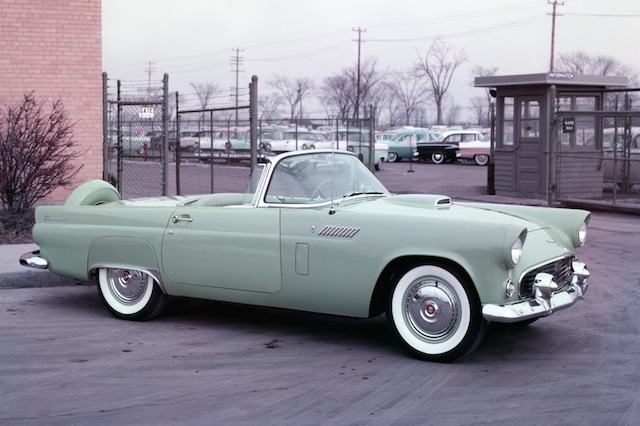
Car colors have historically been dictated by current events, the national mood, technology and cultural influences, resulting in decades of brilliant shades. More recent times, however, have seen muted tones become the most popular car colors.

A look back in history shows us how we got to the common car colors we have today.

The History of Car Paint Begins

Any customer can have a car painted any color that he wants, so long as it is black.

Henry Ford

Automobiles in the late 1800s and early 1900s were essentially motorized carriages, and so they were painted just like their transportation predecessors. This meant using oil-based paint applied by hand. Most cars were painted black because the color was durable, cheap and dried quickly.

But there were problems with both the color and the application of early car paint. Even though it provided a luxurious, brilliant finish, painting a car took weeks to complete. In addition, the black paint would often fade or yellow. Since the paint had no binding agent, when discoloration occurred, the car had to be repainted, which cost money.

Despite Henry Ford’s famous words, not all Model Ts were painted black. In fact, from 1908 to 1914, the car came in several different colors. But when Ford implemented the assembly line manufacturing process, he needed a paint that dried quickly, thus the switch to black.

duco paint

Duco Paint

A major milestone in the evolution of car paint history occurred in the 1920s when the DuPont company developed a new type of automotive coating. DuPont scientists modified nitrocellulose, a substance used to make explosives and motion picture film, to create a low-viscosity lacquer that could be sprayed onto automobiles. This new paint, dubbed Duco, had numerous benefits over previous versions of car paint.

According to the Science History Institute, “Traditional varnishes chipped, cracked, crazed and faded; Duco lacquer was almost invincible. It tolerated air, sun, rain, mud, dampness, heat, cold, salt water, bacteria, perspiration, dirt, soaps and detergents. Most low-end finishes came in few colors, while Duco made available a rainbow of hues.”

General Motors was the first manufacturer to adopt Duco (at the time, GM and DuPont were under the same leadership). GM’s Oakland Motor Car Company painted its cars with two different shades of blue and a red or orange racing stripe, and debuted them at the 1923 New York Auto Show. The colors were an immediate hit with the public and by the mid-1920s all GM divisions were using Duco.

Car Color in the Roaring ’20s

The economic boom of the 1920s saw the rise of automobile ownership, which invited a broader spectrum of car colors and a variety in shades. Although the Great Depression reduced the abundance of colorful vehicles, it didn’t deter the evolution of car paint.

In the 1930s, newly created metallic paint gave vehicles an improved sheen. (Automobiles were also becoming less box-like, and the new paint helped enhance the curved forms.) Metallic paint was first made using real fish scales. It took 40,000 herring to make one kilo of paint, according to Consumer Reports. Less expensive versions of the paint used aluminum flakes instead.

Post-War Car Paint

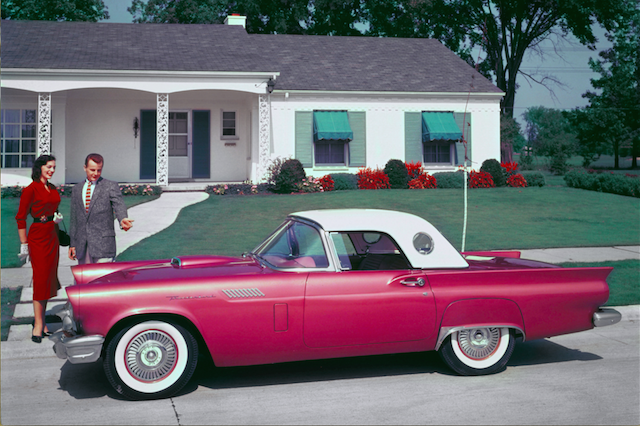
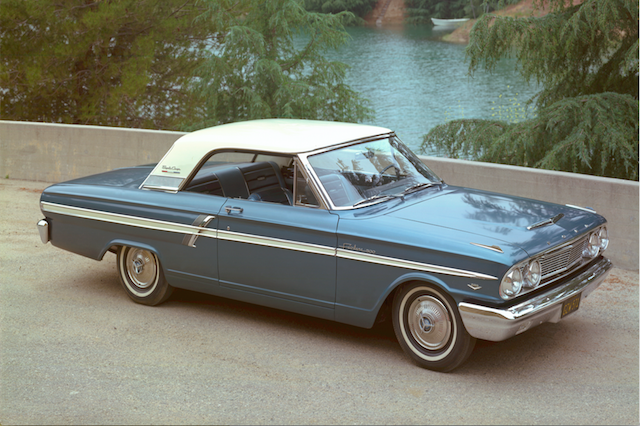
The end of World War II saw a boom in consumption and style, with automobiles at the forefront. By this time nearly all the large automakers had color advisory panels that surveyed consumers’ tastes and studied color trends in fashion and culture. Cars became flashier with features like tail fins, curved windshields and, of course, bright colors. In addition to the copious amounts of chrome, automobiles were painted in all shades of the rainbow. Two-tone arrangements, where a car’s body and roof were painted different colors, also became popular.

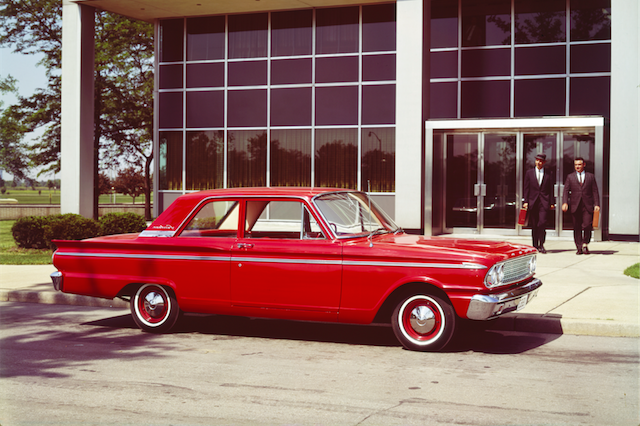
The color trend continued well into the 1960s with the emergence of muscle cars. These cars have always been more about performance than pragmatism, lending themselves as better canvases for brightly colored paints.

The color trend came to a quick halt during the fuel shortage of the 1970s. During this time, car owners became more concerned with fuel efficiency and car color took a back seat. Earth tones like brown, tan and dark green became popular.

The current color situation on United States’ roadways is not very colorful at all. “If you drove down an American street and looked only at the new vehicles, you might be forgiven for thinking you’re in a black-and-white movie,” described Volkswagen.

No one can argue with the truth. A recent study on popular car colors by iSeeCars found that 25.8% of the 6.1 millions vehicles analyzed were white and 22.3% were black. Even more sobering if you’re a fan of colorful hues is that the next two most popular paint colors, at 18.4% and 12.1%, were gray and silver. This isn’t an anomaly: These have been the most common car colors for a decade.

It wasn’t too long ago, from the 1950s through the 1970s, when U.S. roadways were filled with automobiles of all shades of the color spectrum. So why the change? “Color is always shifting, and our color perception is always evolving depending on what we see, what we observe and what we live with,” said Volkswagen Senior Color and Trim Designer Jung Lim “Limmy” Park. “Color preferences really reflect the unique social and cultural trends and even geography [of a region].”

There are a number of social and cultural theories as to the prevalence of more somber car colors in America. We are currently living through the second significant recession in about a decade. During times of economic uncertainty people tend to be conservative with their money. And while a different color on your car may not increase its cost, the mindset of keeping things simple and avoiding anything flashy has been known to carry over. A similar trend occurred following the Great Depression nearly a century ago.

As for cultural influences, there are some that suggest our car color choices are defined by our obsession with technology. Apple is the world’s most valuable company and its muted-color logo is recognized around the world. “Prior to Apple, white was associated with things like refrigerators or the tiles in your bathroom,” Sandy McGill, chief designer for BMW DesignWorks told Motoramic.com. “Apple made white valuable.”

duco paint

The Right Car Color for the Right Car

There’s also always been a belief that certain colors are right for certain cars. Pickup trucks are more utilitarian and don’t need a neon coating. Luxury sports car, meanwhile, are made to get people’s attention and are likely a more acceptable place for a bright-yellow coat of paint.

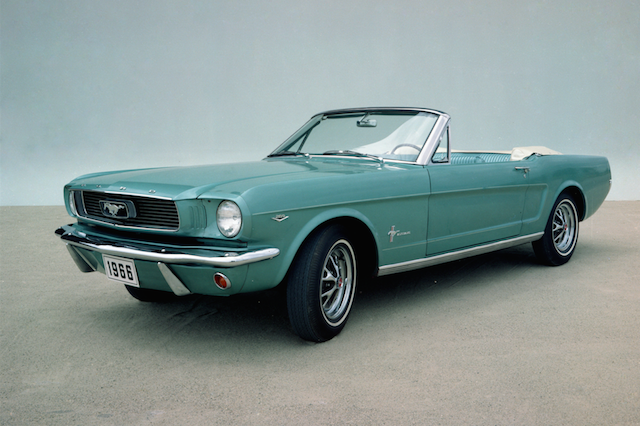
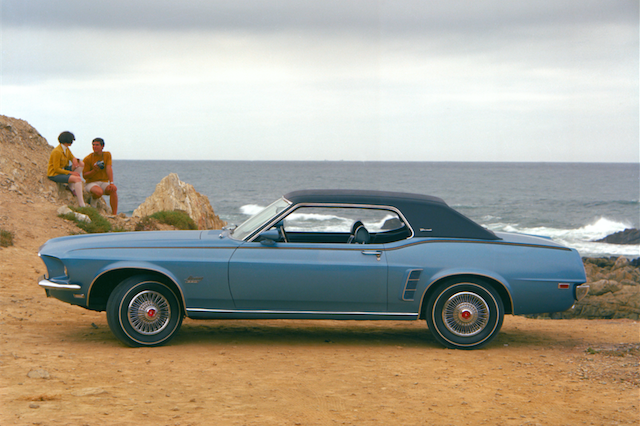
But sports cars haven’t been immune to the colorless trend. The Ford Mustang is a perfect example. In 1967, the muscle car was available nine shades of blue and two shades of pink. In the 1970s, brown was consistently among the top three most popular Mustang colors, but hasn’t been offered since 2000. Black, on the other hand, didn’t break into the top three until 1994 but has remained there ever since.

No one can predict the future, but we do know that trends change. As long as the demand for new colors is there, the supply will come with it.

There’s another reason to be hopeful for more vivid roadways. We view so much of our lives through the sharp, brightly colored images on our electric devices that it wouldn’t be surprising to see other shades pop up on cars in the near future. “We are all so impacted by our digital life through the pandemic, and the colors you mainly see are [on] your screen more than actual physical objects,” said Volkswagen’s Park. “The future is getting colorful, for sure.”

What color is your car? What colors would you like to see brought back? Let us know in the comments below.

If you want to try cars in all the colors of the rainbow, you can use your AAA membership to get a discount on Hertz car rentals.

Get more automotive history.

Subscribe to Your AAA Newsletter

Sign up and receive updates for all of the latest articles on automotive, travel, money, lifestyle and so much more!

Spend Summer Outside in Hamilton County

Make this summer one to remember in the expansive, unspoiled wilderness of Hamilton County, N.Y., your gateway to the great outdoors.

If your idea of the perfect summer retreat includes hiking to waterfalls, peacefully paddling along scenic coastlines and visiting charming small towns to dine, shop and stay, you’ve found your next road trip destination.

So, what are you waiting for? Big adventure awaits in the Adirondacks.

Camping

Sometimes the best way to get out in nature is to go on a camping trip. Hamilton County is full of campgrounds that support tent and RV camping alike.

Lake Eaton Campground in Long Lake offers a beach and a variety of hiking trails, Lake Durant Campground in Blue Mountain Lake has access to the Northville-Placid Trail and the picturesque Blue Mountain, and Sacandaga Campground in Hope is within hiking distance of several waterfalls.

Eighth Lake Campground and Indian Lake Islands Campground (only accessible by boat) are both perfect for fishing, boating and paddling.

Experience the Great Outdoors This Summer!

Rediscover the joy of summer and embrace adventure in the breathtaking Adirondacks.

Experience Today

Small Towns

The small towns of Hamilton County have just as much to offer as the great outdoors. Check out the Speculator Farmers Market, the antique wooden boats at the Blue Mountain Lake Boat Livery, the Inlet Golf Club and the iconic Hoss’s Country Corner store in Long Lake.

Culture

In true Adirondacks fashion, it’s not hard to find cultural offerings amidst the trees.

Learn about the art and history of the area at Adirondack Experience, the Museum on Blue Mountain Lake. Cruise and dine on the W.W. Durant, a replica steamboat that sails across Raquette Lake. You can even step back into architectural history at Great Camps Sagamore and Santanoni.

Hiking Challenges

If you’re looking for hiking challenges, you’ve come to the right place. On the waterfall challenge, you’re tasked with finding as many of the area’s waterfalls as you can. Each waterfall is worth a certain amount of points, and if you hike enough, you can earn a special waterfall patch. Similarly, the fire tower challenge tasks you with hiking to the area’s historic fire towers to earn a fire tower patch.

Hamilton County is filled with hiking trails for all skill levels and destinations, from ponds to birding hot spots and more. Just remember to leave no trace behind so the trails can be enjoyed for generations to come.

Have you ever gone camping or hiking in the Adirondacks? Let us know in the comments below.

®I LOVE NEW YORK is a registered trademark and service mark of the New York State Department of Economic Development; used with permission.

Subscribe to Your AAA Newsletter

Sign up and receive updates for all of the latest articles on automotive, travel, money, lifestyle and so much more!

Free Summer Activities in Boston and New York

budget wise

A variety of free summer activities are scheduled in Boston and New York City in the next few months, each offering a surefire good time that won’t hurt your wallet. As a matter of fact, there are a lot of options that don’t cost a dime.

Here are a few highlights in each of the Northeast’s two largest cities.

Free Summer Activities in Boston

Boston Harborfest

Billed as one of the country’s largest Fourth of July festivals, Boston Harborfest offers five days of free summer activities, beginning June 30. The long weekend kicks off with opening ceremonies in Downtown Crossing. This year’s schedule has everything from live music and a classic car show to a chowder tasting and historic reenactments, including a costumed interpreter performing a dramatic reading of the Declaration of Independence at the Old State House on Independence Day. While some events do require an entry fee, many of Harborfest’s highlights are free.

Boston Pops Fireworks Spectacular

The Boston Pops will continue the beloved tradition of free music and fireworks at the Hatch Shell on the Charles River Esplanade on July 4, from 8 p.m. to 11 p.m. Get your seat early. The event is massively popular and it’s easy to see why. What other occasion do you have to celebrate the most patriotic day of the year along a scenic river in one of the nation’s most historic cities?

Concerts in the Courtyard, Boston Public Library

Combine an awesome musical performance with a beautiful setting, and you’ve got a memorable event. Boston’s Central Library, in Copley Square, will host free, one-hour concerts Fridays and Wednesday throughout the summer in its courtyard. Jazz, classical and folk are just some of the genres on tap.

Lowell Folk Festival

A bit outside Boston, but worth the trip. The 2023 Lowell Folk Festival takes place from July 28-30 and will feature over 20 performers on stages throughout downtown Lowell. Check out music and food from around the world, crafts and a family fun area with street performers, hands-on activities, face painting and other free summer activities.

Shakespeare on the Common

The Commonwealth Shakespeare Company returns to Boston Common this summer with “Macbeth.” Performances will be held every night at 8 p.m. from July 19 through Aug. 6. Bring a blanket/chairs and snacks.

Revere Beach International Sand Sculpting Festival

Taking place on Revere Beach from July 28-30, this festival is a perfect summer outing. Come and gawk at incredible and gigantic sculptures made entirely of sand. This year’s theme is “Wonders of the World.”

Payson Park Kiddie Concerts

If you are looking for free summer activities for kids in Boston, Payson Park has children’s concerts on Friday mornings from July 7 – July 28. The kids get to play outside while listening to the stylings of kiddie rockers and children’s entertainers. On rainy days, shows are played at Belmont Public Library.

Free Summer Activities in New York City

Macy’s Fourth of July Fireworks

It wouldn’t be Independence Day in New York without this annual, humongous fireworks show – a highlight of the many free summer activities in New York. More than 3 million people come from far and wide to see the spectacle. Check out the barge map for the best places to view the show.

Nathan’s Famous Fourth of July International Hot Dog Eating Contest

You haven’t seen it all until you’ve witnessed this annual showdown, arguably the best-known event in the world of competitive eating. Crowds gather at the flagship Nathan’s Famous on Coney Island every Independence Day to see who can eat the most hot dogs in 10 minutes. The festivities begin at 10 a.m. with music and dance performances. The women’s competition begins at 11 a.m., followed by the men’s competition at 12:30 p.m. Will 14-time champ Joey Chestnut beat his record of 76 hot dogs and buns?

Free Summer Movies

Battling a tough case of the Mondays? Head over to Bryant Park for Movie Nights on the lawn. 11 screenings will be shown this summer through Aug. 21. The lawn opens at 5 p.m. for picnicking and films begin at 8 p.m.

Movies With a View, at Brooklyn Bridge Park, is another free film option, plus food and music to round out your night. Movies are shown every Thursday evening from July 6 through Aug. 24 on the Pier 1 Harbor View Lawn. Food vendors open and live music starts at 5:00 p.m., the lawn opens at 6:00 p.m. and movies begin at sundown.

Lincoln Center Summer for the City

Lincoln Center is celebrating the return of togetherness in a big way. Enjoy 300+ free events and select choose-what-you-pay performances through Aug. 12. Dance the night away under a 10-foot disco ball, participate in family workshops, enjoy free comedy and jazz, and much more!

SummerStage

Residents and visitors alike will enjoy another season of free concerts around the city thanks to SummerStage. Billed as the city’s largest free outdoor performing arts festival, and a great example of free summer activities in New York, the annual event includes more than 90 free and benefit shows in Central Park and twelve neighborhood parks throughout the five boroughs. Genres performed throughout the summer will include indie rock, hip hop, jazz, R&B, salsa, bhangra and opera in different languages. In addition, poetry and contemporary dance are also scheduled.

The Bronx Zoo

Every Wednesday at the Bronx Zoo is free admission day (advanced timed tickets required). The Bronx Zoo is one of the greatest zoos in America, with an intense focus on conservation and education, and it’s one of the all-time best summer activities for kids in New York. Can’t make it on a Wednesday? Save up to 20%  when you purchase tickets in advance online with AAA.

Recommend your favorite free summer activities in Boston and New York City in the comments below. 

Top photo: Movies on the Bryant Park lawn. (batuhanozdel / Editorial RF / iStock Editorial / Getty Images Plus)

Subscribe to Your AAA Newsletter

Sign up and receive updates for all of the latest articles on automotive, travel, money, lifestyle and so much more!

Home Safety Detectors You Should Have

Home safety starts with being alerted to potential problems as soon as possible. From carbon monoxide and house fires to burglaries, floods and other accidents, having the right detectors and alarms in place is a simple preventative measure that can save lives. Knowing about the types of detectors, where they should be installed and when to replace them are also key to your family’s safety at home.

Smoke Alarms

“Fire research has demonstrated that with today’s modern furnishings, fires can spread much more rapidly than in the past when more natural materials were used,” reports the National Fire Protection Association. “Because of this, having a sufficient number of properly located smoke alarms is essential.”

There are two common types of smoke alarms. Generally, ionization smoke alarms are more responsive to “flaming fires,” while photoelectric are more responsive to “smoldering fires,” according to the NFPA. Using a combination of both is highly recommended, although the type and number of smoke alarms required in homes is set by local law.

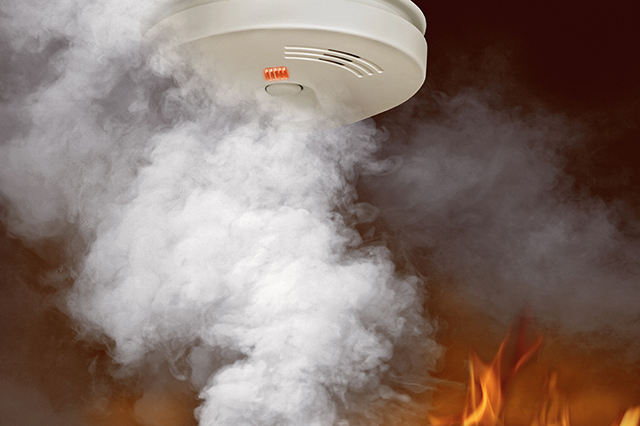
Smoke alarms are designed to detect the presence of smoke and alert people in the home of potential danger but must be connected to a monitoring service to signal the fire department, a service a professional alarm installer can provide.

Smoke alarms should be installed on every level of a home, including in the basement, as well as inside each bedroom and outside every sleeping area. To maintain your devices, try to test once a month, replace the batteries at least once a year and completely replace them every ten years.

There were 3,704 deaths and 16,600 injuries from fires in 2019, according to the latest statistics from the U.S. Fire Administration, and just over half of these were due to cooking. Having a smoke alarm near the oven is a good idea, but it should be at least 10 feet away to prevent setting it off every time you accidentally – or purposefully – char your food. Also, don’t put smoke alarms too close to a window or exterior doorway, as potential drafts could throw off its detection.

Life Moves Fast – AAA Keeps Up

Get home insurance from a company that moves with you.

Start Protecting

Carbon Monoxide Detectors

Carbon monoxide is a poisonous gas sometimes referred to as the “silent killer.” Unlike fire, with its flames, heat and smoky smell, CO is dangerous because it is invisible, odorless and tasteless.

“Each year, more than 400 Americans die from unintentional CO poisoning not linked to fires, more than 100,000 visit the emergency room and more than 14,000 are hospitalized,” says the Centers for Disease Conrtol and Prevention.

The symptoms of carbon monoxide poisoning are similar to those of the flu – dizziness, fatigue, headaches and nausea – and so many people disregard these warning signs. Long-term exposure to CO can lead to chest pain, confusion, irritability, impaired judgment and coordination, loss of consciousness and death.

The elderly and young children are especially susceptible to CO poisoning, as well as anyone with anemia, cardiovascular disease, sickle cell anemia or respiratory conditions.

Carbon monoxide is produced by many fuel-burning household appliances, like water heaters, furnaces or boilers, gas and wood-burning fireplaces and stoves. Other kinds of CO-emitting appliances, that can be hazardous if you use them indoors or too close to your home, include generators, grills, lawn equipment and power tools.

Since carbon monoxide is undetectable to our senses, CO sensors are absolutely necessary for home safety. You’ll want two to three carbon monoxide detectors in an average-sized home – more if your home is larger. Place detectors near heat-producing appliances, and replace them every five years. To make sure your detector is working efficiently, change its batteries once or twice a year.

To be safe, all fuel-burning appliances should vent outside. You should also have your heating system serviced once a year to make sure everything is working properly.

Flood Sensors

Flood sensors can detect unusual levels of moisture, helping to protect your home from potential water damage. Not only is water damage costly – flooding ruins carpet, furniture, electronics, etc. – it can also lead to mold.

If you live in an area that experiences flooding and/or heavy rains, a flood sensor can monitor places prone to water damage, like attics, basements and crawlspaces, and warn you about water seeping into your home.

If you live in a drier area, you may still want to consider flood sensors for potential indoor incidents, such as burst pipes during freezing temperatures, a leaking sink or washing machine, plumbing issues, etc.

Just 1 inch of water can cause $25,000 of damage to your home,” according to FEMA’s National Flood Insurance Program. However, standard home insurance policies don’t protect against flood damage. If you are concerned about flooding, you should consider purchasing a separate flood insurance policy. Reach out to a AAA insurance agent to learn more.

Motion Detectors

Motion sensors are an important part of protecting your loved ones, your home and your valuables. Today’s security systems are capable of monitoring in real-time who’s ringing the doorbell, entering your home or even going into a specific room. Some systems even send notifications straight to your phone.

Motion detectors are great for combating burglaries. There are many types of motion detectors to choose from to fit your home and your needs. Some basics include passive infrared, microwave and video motion detectors as well as dual technology motion sensors that combine different methods of monitoring.

Pets are notorious for setting off motion alarms, but detectors that go by weight or are placed above your pet’s height are less likely to give false alarms.

Detecting potential risks as soon as possible by using a variety of home safety detectors can help protect your family, pets and assets. Plus, most insurance companies provide a discount on homeowners insurance if there is a centrally monitored security system, which typically includes motion sensors and smoke detectors.

Make sure your home is protected with homeowners insurance from AAA. 

Subscribe to Your AAA Newsletter

Sign up and receive updates for all of the latest articles on automotive, travel, money, lifestyle and so much more!

Cruise Canada and New England With Norwegian Cruise Line

There’s no better way to explore the coastline of New England and Eastern Canada than on a cruise. Traveling by sea, you can fully appreciate the picturesque villages, scenic landscapes and nautical charm these ports of call are known for. And Norwegian Cruise Line offers sailings from local ports, making it a quick and easy getaway.

Here are five reasons you should consider Canada and New England for your next cruise.

Cruise From Home

When you’re coasting up the coast of New England and Canada, you can take advantage of homeport cruises from Boston and New York. You’ll be in the bustling city at one moment and sailing the Atlantic the next.

Scenic Views and Seaside Towns

On your cruise up the coast, you can stop at picturesque ports of call like Bar Harbor, Nova Scotia and Prince Edward Island.

In Bar Harbor, Maine, you can explore the natural beauty of Acadia National Park. In Nova Scotia, you can take a shore excursion to the idyllic fishing village of Peggy’s Cove. And on Prince Edward Island, you can walk in the footsteps of Anne of Green Gables.

Feel Free to 'Sea' the Leaves

An enchanting autumn is just beyond the horizon!

Cruise Today

Quebec City

Quebec City is a port of call you won’t want to miss. Explore the European-style streets of Old Quebec, see the walls and gates surrounding the only fortified city north of Mexico and tour the historic Chateau Frontenac hotel overlooking the St. Lawrence River. Don’t forget to visit the majestic Montmorency Falls if you can.

See? Food!

When it comes to seafood, New England and Canada’s east coast can’t be beat. You can pull your own lobster traps in Portland, Maine, sample the local shellfish and attend a “downeast” lobster bake in Bar Harbor, eat fresh-caught fish in Peggy’s Cove, do a walking tour of Charlottetown’s delicacies and more. There’s lobster everywhere you turn, but it’s so fresh that you’ll never have enough.

The Norwegian Cruise Line Experience

Sure, the shore excursions and ports of call are great, but what about the ship? You’ll sail in comfort on Norwegian Cruise Line, whose ships offer a variety of dining options, live entertainment and even an onboard spa. NCL’s freestyle philosophy of cruising means that you can decide what you want to do and when you want to do it.

Are you ready for your North Atlantic adventure? Book a Norwegian Cruise Line cruise today.

Subscribe to Your AAA Newsletter

Sign up and receive updates for all of the latest articles on automotive, travel, money, lifestyle and so much more!

Breaking Down the Benefits of a Healthy Gut

Chances are, you’ve heard a marketing slogan or two about the benefits of a healthy gut. But what exactly does that mean?

Dr. Ali Rezaie, a gastroenterologist and co-founder of The Good LFE, a nutrition resource for people with digestive issues, describes the gut microbiome as “the constellation of bacteria, fungi and viruses living in our bowels.”

Disgusted? Don’t be. Your digestive tract’s good bacteria help break down food, process vitamins and even contribute to immune health.

The trouble often begins when certain bacteria overmultiply or migrate to places they don’t belong. That’s the case with a gut disorder called SIBO (small intestinal bacterial overgrowth), which now affects about 11% of the population. SIBO occurs when the small intestine is overpopulated with bacteria.

Signs of Gut Problems

Nearly two-thirds of Americans say they regularly experience gastrointestinal issues, according to the National GI survey conducted by the National Institutes of Health. Are you one of them?

If you do have an overgrowth of bacteria in your small intestine, you’ll notice. Rezaie said the imbalance can lead to a collection of symptoms that include:

  • Painful bloating.
  • Diarrhea.
  • Constipation.
  • Generally unpredictable bowel habits.

Still, gastrointestinal distress can be caused by many gut disorders, not just SIBO. Rezaie also looks for signs of these other health conditions:

  • Inflammatory bowel diseases (Crohn’s disease and ulcerative colitis).
  • Celiac disease.
  • Gluten sensitivity.
  • Stomach or intestinal infection.
  • Lactose intolerance.

Finding the Root of Your Gut Issues

Different bowel disorders require wildly different diets or treatments. For instance, someone with constipation might need more fiber, while someone with SIBO could experience worsening symptoms if they overeat fiber. 

That’s why it’s essential to have a doctor pinpoint the cause. Some diagnoses require a colonoscopy, yes, but not all. Rezaie said noninvasive breath tests can be used to diagnose SIBO.

benefits of a healthy gut

3 Ways to Maintain a Healthy Gut Microbiome

It’s not always possible to prevent digestive issues. If you’ve already developed gastrointestinal problems, it’s time to talk to a doctor. But if you have no symptoms of a gut imbalance, you can follow these tips to support a happy, healthy gut.

1.    Eat a Balanced Diet

“There is no magic specific food that can make the gut microbiome healthy,” Rezaie said.

Instead, fill your day and your plate with a combination of these foods:

  • Carbohydrates (like whole grains and potatoes).
  • Protein (meat, eggs, nuts and beans).
  • Fat (yogurt, cottage cheese and avocados).
  • Vegetables (leafy greens, carrots and broccoli).

2.    Eat Foods With Gut-Healthy Probiotics and Fiber

Amy Gorin, a Connecticut-based inclusive plant-based dietitian, also suggests eating foods known to support good gut bacteria. However, if you have SIBO – an overgrowth of bacteria – you will need a tailored diet.

Here are her top three recommendations for gut-nourishing foods.

Kefir

“Kefir is a fermented liquid dairy that contains a plethora of gut-helping probiotics,” Gorin said. This creamy, drinkable yogurt is traditionally made by fermenting cow or goat milk, but brands like COYO and Biotiful offer plant-based varieties.

Research has found promising links between kefir consumption and gut balance, but more studies are needed to understand precisely how kefir affects the gut microbiome and how much you’d need to drink to influence your overall health.

What we know for sure is that kefir contains good bacteria known as probiotics.

Sauerkraut

A cup of this fermented cabbage dish includes a heaping helping of potassium and digestion-supporting fiber.

“Reach for an unpasteurized sauerkraut if you want the maximum gut health benefits,” said Gorin. “This is the type of sauerkraut that contains probiotics.”

Beans

Beans are brimming with fiber, which “helps maintain good gut health,” said Gorin. “This includes stimulating digestion and feeding the gut bacteria.”

She recommends incorporating beans into a salad or making roasted chickpeas – an easy fiber-packed snack or side dish.

3. Space out your meals

Did you know that your digestive system keeps a self-cleaning schedule? Rezaie said the small intestine completes “housekeeper waves” every two hours when we are not eating.

Letting your digestive system clean itself between meals can help keep your gut bacteria balanced. Frequent snacking can disrupt the cleaning schedule and potentially contribute to bacteria imbalances.

“A reasonable rule would be to space the meals for five hours and not to eat at nighttime for an eight-hour period,” said Rezaie.

Bottom Line

Talk to a doctor if you’re experiencing frequent bloating, diarrhea or constipation. A gastroenterologist can help pinpoint the cause of your digestive woes and develop an effective treatment plan, which might or might not include dietary changes.

If you have a healthy digestive system and want to maintain the benefits of a healthy gut, focus on eating a balanced diet, enjoying probiotic- and fiber-rich foods and giving your body a break between meals and snacks.

Did you know the importance and benefits of a healthy gut? Did you learn something new? Tell us in the comments.

Subscribe to Your AAA Newsletter

Sign up and receive updates for all of the latest articles on automotive, travel, money, lifestyle and so much more!

Shop and Cook: Red, White and Blue Charcuterie Board

When you think of the Fourth of July, what comes to mind? Maybe it’s the fireworks display you see every year or the beach plans you make with friends. Or, if you’re anything like me, perhaps your first thought is all the yummy cookout food you’ll get to eat!

You know the staples well: burgers, hotdogs, potato salad and your ice-cold drink of choice. But this year, why not try something a little different?

Enter the red, white and blue charcuterie board. All the patriotism, no grill master required.

Shop

When shopping for charcuterie ingredients to adorn your Fourth of July board, keep a keen eye out for unassuming fruits, vegetables, meats, cheeses and crackers that fall into each red, white and blue color category. Finding a well-rounded variety for each color becomes increasingly sporadic once you’ve secured the obligatory strawberries for red and blueberries for blue, so it’s your time to get creative!

For our board, we were able to find the following items for each color:

Red

  • Cherries
  • Strawberries
  • Raspberries
  • Salami
  • Sopressata
  • Prosciutto

White

  • Brie
  • Goat Cheese
  • Sea Salt Crackers
  • Manchego
  • Macadamia nuts

Blue

  • Black grapes
  • Blackberries
  • Blueberries
  • Fig Crisps
  • Purple-Rind Cheese

Assemble

Assembling a charcuterie board is all about filling space in a thoughtful way. We suggest laying out ingredients in color order, then choosing one item at a time to scatter evenly among the board before moving on to your next item. For example, if you begin with blackberries, make a few small piles in the blue section of your board, then focus on placing another ingredient. This way, everything is evenly dispersed. A more random approach may result in too much of one thing or not enough of another.

Once you’ve placed all your ingredients, look at the board from all angles to ensure there are no large blank spaces. If there are, simply fill with the ingredient of your choice. We found that crackers and nuts make the best last-second fillers.

For more summer snack goodness, check out Shop and Cook: Beach Snacks.

What’s your favorite part of a Fourth of July cookout? Tell us in the comments.

Subscribe to Your AAA Newsletter

Sign up and receive updates for all of the latest articles on automotive, travel, money, lifestyle and so much more!

The Most Fuel-Efficient Cars Worth Considering

When you’re planning on putting miles under your belt with a vehicle, having the most fuel-efficient car makes all the difference. Not only does fuel-efficiency help you save at the pump and put money back into your pocket, it also helps minimize your carbon footprint. Win-win!

Of course, when you are buying or even renting a vehicle, numerous factors play into your final decision, including safety, price, size, utility and additional luxury features (such as heated seats and sunroofs). Once you nail down the price range you’ll be shopping in, you can then look to prioritize how fuel-efficient the car is.

And if you don’t want to worry about fuel at all, it may be time time to get into an electric vehicle. Check out AAA’s EV platform to learn more.

Economy Cars

When it comes to fuel-efficient cars, there isn’t a lot to choose from in the economy price range of gas-powered cars. Often, the model only becomes superbly fuel-efficient when you upgrade the system to a hybrid version of the car. Nonetheless, the Hyundai Sonata offers a lot of bang for your buck.

Hyundai Sonata

The Hyundai Sonata averages a solid 31 mpg with the ability to get up to 38 miles mpg on the highway. The versatile car enters the market at a sub-$26,000 price tag. The hybrid model will cost you about $3,000 more but you’ll be able to enjoy up to 54 mpg on the highway.

most fuel efficient cars
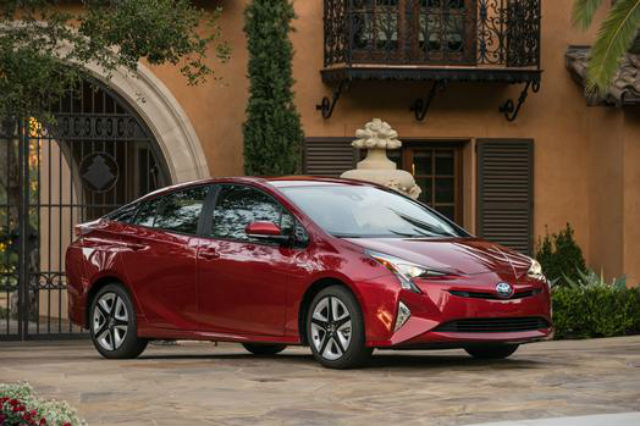
Toyota Prius (Photo: Toyota)

Mid-Range Options

This is where you’ll find the majority of your most fuel-efficient vehicles. These cars are designed for middle and upper-middle class folks who aren’t fans of needlessly burning money every time they go to the grocery store.

Toyota Prius

The Toyota Prius hybrid puts gas guzzlers and even gas sippers to shame, as it can last up to 57 city miles and 56 highway miles per gallon. When traveling less than 25 mph, the car can run entirely on electric.

Toyota Corolla

The world’s most popular car is also one of the most fuel-efficient. The traditional gas-powered Corolla gets an impressive 32 city / 41 highway mpg. But the hybrid version, powered by two electric motors reaches a combined 50 mpg.

Luxury Splurge

Tesla Model X

Luxury cars are built with things besides fuel-efficiency as a top priority, unless they’re an electric car, such as the Telsa Model X. Starting at nearly $100,000, it has a 348-mile range.

When Considering Fuel-Efficient Cars …

Though getting the most fuel-efficient car might not be your top priority when it comes to buying or renting a vehicle, it should be at the top of your list (assuming you’ve got safety covered). In some cases, you’ll be shelling out extra cash for the hybrid version of the car. But in the long run you’ll be laughing all the way to the bank.

Do you have any preferences among the most fuel-efficient cars listed? Tell us why in the comment section below!

AAA members can save even more money at the pump with Shell’s Fuel Rewards program. Learn more.

In the market for a new car? Learn about the AAA Auto Buying Program.

Subscribe to Your AAA Newsletter

Sign up and receive updates for all of the latest articles on automotive, travel, money, lifestyle and so much more!

Start Forming Healthy Habits

It’s never the wrong time to start forming healthy habits. Establishing practices that are good for you can help you manage stress and improve your overall wellness and mood. Try incorporating some of these healthy daily habits into your routine and see what sticks.

Journaling

Whether it’s for helping to keep your life organized with lists and reminders or chronicling reflections about your day, many people find writing beneficial to mental health.

“Journaling can help you manage anxiety, reduce stress [and] cope with depression,” according to the University of Rochester Medical Center. “Journaling helps control your symptoms and improve your mood by helping you prioritize problems, fears and concerns; tracking any symptoms day-to-day so that you can recognize triggers and learn ways to better control them [and] providing an opportunity for positive self-talk and identifying negative thoughts and behaviors.”

All you need to start forming this healthy habit is a bit of time, a clean notebook and a writing utensil. Go for a quality journal to write in, like a Moleskine Classic Notebook or – if thoughts often come to you on nature walks or in the shower – a Rite in the Rain Weatherproof Notepad. A good pen, makes writing by hand feel even more cathartic.

Stay Hydrated

Water helps your body function at its best, but many struggle to drink enough.

The U.S. National Academies of Sciences, Engineering, and Medicine suggests a daily fluid intake (from water, other beverages and food) of 15 ½ cups for men and 11 ½ cups for women as a baseline, though this may need to be modified depending on activity level, environment and individual health needs.

To establish this healthy habit, the Mayo Clinic recommends drinking a glass of water with each meal and between meals, before, during and after exercise, and when you feel thirsty.

Drink from a reusable water bottle with markers for easy measuring and tracking, like the Venture Pal. If you’re really serious about your water drinking goal, splurge on a smart water bottle that tracks your water intake and glows to remind you to stay hydrated.

To flavor your water, try adding mint, slices of cucumber, lemon or your favorite fruits like pineapple and strawberries. If you simply can’t stomach that much water in one day, consider supplementing with other healthy beverages, like a cup of tea.

“It’s a myth that caffeinated beverages or those containing alcohol are dehydrating because they make you urinate,” according to Harvard Health Publishing. “They do, but over the course of the day, the water from these beverages still leads to a net positive contribution to total fluid consumption.”

Pro tip: You can also get water from certain foods, like salads and fruit.

Be Positive

Doing something you’re good at or enjoy is one of many routes to happiness. Hobbies like baking, crafting, gardening, tending to a collection and listening to music are all great ways to boost your mood.

Another way to stay positive is to focus on the good things in your life. Similar to the journaling method mentioned above, you can start an intentional gratitude journal. Listing the circumstances, people and things you’re thankful for can help you have a more optimistic attitude.

Sometimes we need an emotional pick-me-up. One way to feel better is with a book of affirmations. Some popular ones include “The Gratitude Daily Journal,” “Power Thoughts: 365 Daily Affirmations” and – if you’re struggling with feelings of anxiety or depression – “You’re Strong, Smart and You Got This

An additional option is doing good deeds. Volunteering your time, donating to a good cause or simply doing something nice for someone else, can help improve your mood. Here’s a list of good deeds you can do from home.

For more ideas to amp up your positivity, check out these small ways to be happier.

Go Offline

Whether it’s for a set period every day or a block of time once a week, taking a break from screens and social media is a good habit to get into.

Take some time to unplug, defrag and do essentially any other beneficial activity. This is a good opportunity to nap, read, meditate, play a game or spend time with a pet.

Take time for a bit of self-care or head outside for some fresh air. You can do an outdoor workout or go on a walk, hike or bike ride. Less active tasks, like gardening or birdwatching are good, too.

forming healthy habits

Eat Well

One way to eat better is to meal plan. Meal planning saves time and money, and making food at home is almost always healthier than eating out because you can control the amount of salt, fat, etc. in your meals.

Get a meal planning calendar or two-column meal planner and grocery checklist, or try a meal planning app, like Paprika, PlateJoy, MealBoard, Mealime, MealPrepPro or Yummly.

Start by incorporating more fruits and vegetables – a mix of fresh and frozen to save money – into your diet. Try making more vegetarian meals, cutting back on dairy and avoiding processed foods.

It’s important to listen to your body; it may need more fuel throughout the day. Snacking between meals is okay when it’s done right. When you’re feeling peckish during the day, reach for healthy snacks.

Stay Active

The goal is to get in a little bit of activity every day. Try scheduling time to exercise when your schedule allows. Start a morning stretch routine or try a fitness routine you’ll actually enjoy, like yoga, or easy indoor or outdoor workouts.

Otherwise, attempt small bursts of activity throughout the day. Fit in a little bit of exercise anywhere you can, like loosening up with Pilates at your work desk, taking a walk on your lunch break or these every day activities that burn the most calories.

You can use health apps and wearable fitness trackers to make sure you’re meeting your goals.

Get More Sleep

One third of American adults are sleep deprived, according to the Sleep Foundation.

Occasionally missing out on sleep can negatively affect your mood and memory, while chronic sleep deprivation can have long-term effects on your overall health. Since there really isn’t a way to “catch up” on lost sleep, it’s best to get quality sleep when you can.

Try going to bed 30 minutes earlier than you normally do. Be mindful of what you eat and drink before heading to bed, avoiding alcohol, caffeine and heavy foods. Limit naps to 30 minutes or less – and don’t take them too late in the day. Avoid using electronics at least one hour before bed, as the blue light they emit could keep your mind active. Instead, try reading, writing in your journal or simply lying in the dark.

Make your journey into healthy habits easier by checking out our curated shopping list below.

Which healthy lifestyle habit is part of to your daily routine? Tell us in the comments.

Subscribe to Your AAA Newsletter

Sign up and receive updates for all of the latest articles on automotive, travel, money, lifestyle and so much more!

How To Stop Bug Bites From Itching and Other Helpful Tips

The internet is rife with “life hacks” and old wives’ tales on how to stop bug bites from itching, but do any of them actually work?

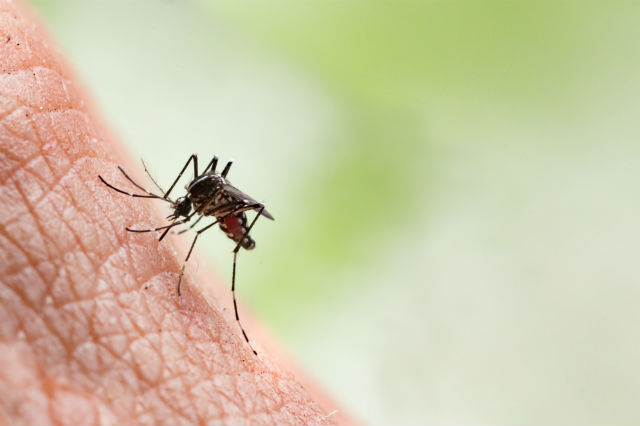
Last summer, I gave one of them a try. I read that marking an “X” into the bite with my fingernail would provide some relief. My backyard is a huge attraction for mosquitoes, so, soon enough, I had a sizable bug bite to test this on.

The verdict? I may have been distracted from the itchiness for a good 30 seconds or so, but that’s all it was – a distraction. To truly relieve yourself of the itch, you must reduce inflammation, which won’t be achieved by a game of X-marks-the-spot.

But first, the best protection against any bug bite is prevention.

How to arm yourself against bugs

Now, hold on. Put down those citronella tiki torches for a second. Bug bite prevention comes down to three simple tips.

Avoid them as much as possible

It’s the summer and, though we may be traveling, camping or going to family barbecues, the only way to ensure we don’t get bitten is to ensure we don’t give bugs the chance.

Avoid tall grass and wooded areas to avoid ticks, head indoors once the mosquitoes come out and, when traveling, ensure you’re sleeping in places that are air-conditioned or screened against bugs.

Wear insect repellent

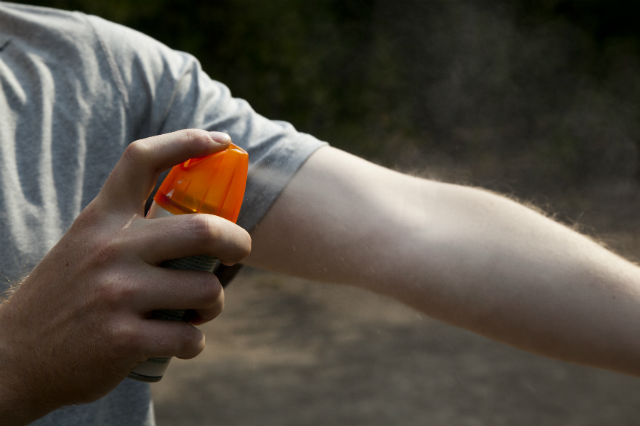
The Centers for Disease Control and Prevention recommends wearing EPA-registered insect repellent with at least 20 percent DEET to protect against mosquito and tick bites. Apply as directed and apply often.

For a more natural insect repellant, try products with oil of lemon eucalyptus.

When applying both insect repellant and sunscreen, apply sunscreen first, let it dry and then apply the repellent.

Cover up

Whenever possible, wear long-sleeve shirts, pants, socks and a hat. Tuck your shirt into your pants and your pants into your socks.

For extra protection while traveling and camping, the CDC recommends using permethrin-treated gear, such as tents, sleeping bags and clothing.

Click here for more skincare advice for travelers.

how to stop bug bites from itching

Common bug bites

The mosquito bite is a summertime ailment so common that it’s nearly synonymous with the season. But mosquitoes aren’t the only bugs that are prevalent in the warmer months. Bedbugs, fleas and ticks enjoy the warm weather, too.

Tick bites can be itchy like mosquito bites, but, luckily (or rather unluckily), we can identify them by the tick’s head. Ticks like to bite and set up shop in the skin, burrowing in their heads. Even if the tick is too small to see, it will enlarge after feasting on your blood.

Bedbug bites look similar to mosquito bites and can be harder to identify. Bed bug bites are red and raised, but are different in that they can sometimes appear in clusters or straight lines. Flea bites are different in that they appear as small red dots surrounded by reddened halos.

Most flies don’t bite, but some of the most pesky and painful bites can come from horse flies, deer flies and sand flies, also known as biting midges or no-see-ums. Bites from horse and deer flies are recognizable for the sharp pains that follow the initial bite. The bites of sand flies are painful as well, but much smaller.

How to stop bug bites from itching

This may sound reminiscent of lectures from Mom, but the most important piece of advice on how to stop bug bites from itching is to stop scratching them.

Scratching causes the skin to become more inflamed, which causes more itchiness, which makes you want to scratch again, which causes more inflammation and … you get it. Plus, too much scratching could break the skin and cause an infection.

Resist the urge and try one of the remedies below instead.

  • Apply an ice pack or cool, wet cloth to the bite for 15 to 20 minutes once an hour for the first six hours after being bitten.
  • Take an antihistamine. Histamine is the compound that the body’s immune system releases after being bitten. It’s what causes itchiness, inflammation and swelling. Taking an antihistamine medication will soothe those symptoms throughout the body.
  • Apply a hydrocortisone cream or calamine lotion to the bite. Both can be used to treat inflammation.
  • Apply aloe vera gel. You may know to use aloe vera to soothe sunburns – the same cooling effect can help soothe itchiness.
  • Make an oatmeal mask by adding water to colloidal oatmeal and apply it to the bite to reduce inflammation. Wash it off with warm water after 15 minutes.
  • Soak a bag of green or black tea, then place it in the fridge to cool it down. Once cool, place it over the bite to reduce swelling and relieve itchiness.

Contact your doctor if any new symptoms develop or if symptoms become more severe or frequent.

What’s your advice on how to stop bug bites from itching? Tell us in the comments below.

Subscribe to Your AAA Newsletter

Sign up and receive updates for all of the latest articles on automotive, travel, money, lifestyle and so much more!

Top 5 Reasons for Check Engine Light

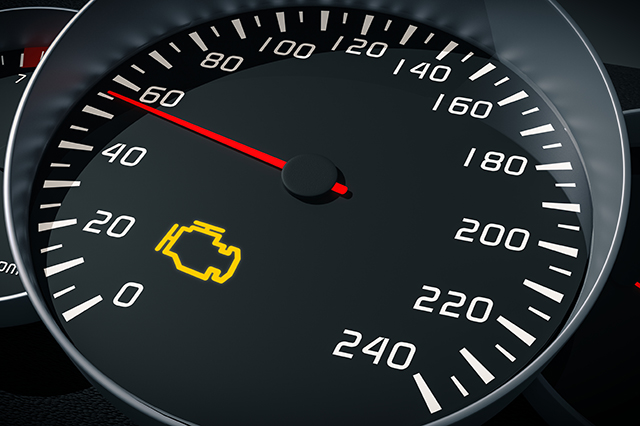
The check engine light always seems to flash at the worst possible time. Either you just got your car out of the shop, are about to head out on a big road trip or you were just telling a friend how reliable your car is.

Regardless, the check engine light is not something you should ignore. Sometimes, you get lucky and it’s an easy fix. Other times, it signals that a serious repair is needed. Either way, the sooner you can diagnose the issue, the faster you can get your car fixed.

These are some of the most common reasons for check engine lights, according to the CarMD Vehicle Health Index.

Catalytic Converters

Average repair cost: $1,313

Of the top 10 reasons for check engine lights, replacing the catalytic converter comes in at number one. The catalytic converter turns carbon monoxide found in exhaust gases into less harmful emissions. Without it, your car won’t go, and if it does, it will get horrible gas mileage.

The good news is this part should not fail if you are keeping up with your car maintenance. The main reasons for it failing are faulty oxygen sensors and bad spark plugs, which your mechanic should be checking when your car goes into the shop.

A failing catalytic converter would be noticeable as it may cause reduced acceleration, sluggish engine performance, dark exhaust smoke and heat under the engine.

AAA Defensive Driving Course

You could qualify for auto insurance savings!

Sign Up

Oxygen Sensors

Average repair cost: $242

Oxygen sensors can fail due to lack of maintenance like neglecting oil changes.

Most cars have two to four oxygen sensors. They measure the amount of unburned oxygen in the vehicle’s exhaust system. If one fails, the vehicle could burn more fuel than is needed.

Many drivers ignore the O2 senor because it doesn’t typically affect how the car performs, but if you don’t address the issue, it will reduce your fuel economy and slowly damage you car. It could eventually bust your catalytic converter, a much more expensive repair.

Ignition Coils and Spark Plugs

Average repair cost: $393

These parts help start a car. The spark plugs ignite the mixture of air and gas found in the combustion chamber and spark plug wires deliver the spark needed to do this from the ignition coil to the spark plugs. All very cool stuff, and all parts that degrade and could fail over time.

Spark plugs can usually last up to 100,000 miles, but they don’t always. A good mechanic will inspect them routinely.

If you ignore spark plugs long enough you could experience reduced engine power and fuel economy or damage the catalytic converter.

Loose or Damaged Gas Cap

Average repair cost: $25

As the price tag indicates, this is an easy and inexpensive fix for your check engine light.

If the gas cap is broken or loose, the vehicle’s fuel system gets thrown out of whack. You probably won’t feel or notice anything different about how the car drives, so it may come as a surprise.

If your check engine light comes on without warning, the first thing you should do is tighten the gas cap and check it for cracks. Rather than bring it to the shop, this is a repair you can do yourself. A new gas cap should cost you less than $15.

Mass Air Flow Sensor

Average repair cost: $304

This sensor works with the vehicle’s computer to get the right mix of air and fuel in the combustion chamber. If it fails, so can your car. Rough idles and stalls are all but assured when this happens.

Like some of the other problems on this list, an unchecked mass air flow sensor will decrease your fuel economy and can damage your spark plugs, catalytic converter and oxygen sensor, resulting in a mega-repair with a big price tag, so don’t hesitate to bring to a trusted mechanic.

Lesson learned? Avoid the dreaded check engine light by staying up on your car maintenance.

Need a  mechanic? Search our list of reputable AAA Approved Auto Repair facilities in your area.

If your check engine light turning on is the latest in a series of ongoing car problems, it may be time to invest in a new set of wheels. Learn about the benefits of the AAA Auto Buying program.

Subscribe to Your AAA Newsletter

Sign up and receive updates for all of the latest articles on automotive, travel, money, lifestyle and so much more!

The Cheapest US Cities to Visit

budget wise

Some cities are notoriously expensive to travel to and worth saving for (hello, New York City!); however, costly trips are not always in the budget. If you’re looking for a vacation but watching your wallet, we’ve gathered four of the cheapest U.S. cities to visit. Each city is fabulous and fulfilling without the high price tag.*

So, what are you waiting for? Get planning!

Oklahoma City, Oklahoma

If you’re interested in heading to one of the cheapest cities to visit in the South Central U.S., look no further than Oklahoma City. Located smack in the middle of the Sooner State, it’s home to a plethora of museums, outdoor activities and unique accommodations, many at a bargain price. It was even voted one of the “Best Places to Go in the United States in 2022,” by Frommer’s.

If you’re interested in museums, don’t miss the brand-new First Americans Museum which celebrates the 39 tribal nations that live in Oklahoma with exhibits, artifacts and performances. Admission starts at just $15 for adults.

Explore and enjoy the city on a walk through Scissortail Park, a 40-acre urban greenspace spanning from downtown Oklahoma City to the Oklahoma River. Here you’ll find gardens, playgrounds, music venues on the lawn and a lake where you can rent kayaks and pedal boats.

For a different perspective, take a cruise on the Bricktown Canal Water Taxi, offering narrated tours, historically themed boat rides and dinner cruises through the Bricktown entertainment district (pictured above). Prices start at $13 for adults.

Other attractions include the Oklahoma City Zoo, the National Cowboy and Western Heritage Museum and Stockyards City, a western-style town front where you can stock up on western-themed goods.

When it comes to where you’ll stay, lodging at AAA Diamond Designated hotels in the area start at $54 per night. Meals will run you about $50 for a three-course dinner for two at a mid-range restaurant.

Albuquerque, New Mexico

Albuquerque may be one of the cheapest U.S. cities to visit, but it doesn’t mean it skimps on attractions and excitement. There’s plenty to do here from museums to outdoor activities, and of course, there are the famous hot air balloons.

Among the city’s most compelling attractions are the over 50 murals painted in locations throughout downtown. You can either walk the mural route or take a mural trolley tour. Either way, be sure to follow along on the MurosABQ website to learn about the paintings and their artists.

Visit the Indian Pueblo Cultural Center where you’ll find exhibits – including pottery, art and jewelry – celebrating Pueblo culture. Also on site are artists selling their wares, dance performances and the Indian Pueblo Kitchen where you can enjoy a meal inspired by Pueblo foods. Admission starts at $12 for adults.

Nature enthusiasts can hike along the Rio Grande or head to Sandia Peak, where there’s outdoor fun year-round in the Sandia Mountains. Hike and bike in the warmer months or choose to ski or snowboard during winter. Want to see the views but skip the exercise? Take the Sandia Peak Aerial Tramway to the top.

Albuquerque is famous for its hot air balloons. Whether you want to watch or hitch a ride, there’s no better time to visit than during the Albuquerque International Balloon Fiesta, which happens annually in October. Pay a visit to the Anderson-Abruzzo Albuquerque International Balloon Museum to learn all about the science and art of ballooning.

AAA-approved hotels in Albuquerque start at $70 per night. A three-course meal for two people at a mid-range restaurant will cost you about $63.

cheapest us cities to visit

New Orleans, Louisiana

New Orleans may be best known for its Creole culture, French Quarter and robust nightlife scene, but it’s also one of the cheapest U.S. cities to visit, making it simple to navigate on a budget.

Pay a visit to the New Orleans Museum of Art where admission starts at just $15 per adult. The museum claims to be the best of its kind in the area and includes 40,000 items that focus on French and American art from the past 5,000 years. The Walda Bestoff Sculpture Garden is also on the grounds, featuring 90 statues across 11 acres.

Traveling with the kids? You’d be remiss not to head to the Louisiana Children’s Museum. Themed interactive exhibits for children include a puppet theater, sensory lagoon, book nook and crafts area. Admission starts at $16 for adults and the museum offers free entry on the second Sunday of the month.

Another destination great for the whole family is the Audubon Zoo where you’ll find 58 acres of animals including a white tiger, Komodo dragon, elephants, alligator lagoon and baby animal nursery.

AAA-approved lodging starts at just $58 per night and food costs about $68 for a mid-range restaurant meal on a weekday.

5 Historic Road Trips in the Northeast

Philadelphia, Pennsylvania

A city steeped in American history, in Philadelphia you can learn about our forefathers, as well as visit art museums, learn about science and even tour a former prison.

The infamously cracked Liberty Bell is one of the biggest attractions in Philadelphia and has served as a representation of freedom for hundreds of years. The bell sits in front of Independence Hall where the Declaration of Independence was signed. Tours of the building are free but timed entry tickets are required during regular hours in peak season.

Numerous museums are located along the Benjamin Franklin Parkway, perhaps the most notable of which is the Philadelphia Museum of Art, containing 240,000 pieces of art, some dating back 2,000 years. Admission for adults starts at $25. The Barnes Foundation is another art museum featuring paintings dating from the Impressionist movement to modern times with works by Van Gogh, Renoir and Picasso. Admission starts at $25 for adults.

The Franklin Institute is a science museum with a variety of exhibits to learn from, including its Giant Heart – big enough to walk through, interactive brain, planetarium and observatory. Adults are admitted for $23.

If you so dare, head to the Eastern State Penitentiary, one of the formally most famous (and allegedly haunted) prisons in the world. Self-guided and guided tours are available during the day and at night. Various exhibits are also on site, including infamous gangster Al Capone’s cell. Admission is $17 for adults.

Lodgings start at just $107 for a AAA-approved hotel. A three-course meal for two at a mid-range restaurant will set you back about $65.

Due to the recent I-95 collapse in Philadelphia, we recommend planning ahead before your trip by visiting www.pa.gov/i95updates for the latest detour information.

Plan your trip to one of these cities with AAA Travel.

What’s your favorite affordable destination? Tell us in the comments.

*All prices listed are as time of writing and subject to change.

Subscribe to Your AAA Newsletter

Sign up and receive updates for all of the latest articles on automotive, travel, money, lifestyle and so much more!

How to Recognize Signs of Hacking and Strengthen Digital Defenses

In today’s interconnected world, cyber threats loom large, and our computers and phones are prime targets. Detecting signs of hacking early is crucial to protect sensitive data and prevent further damage. Here we’ll outline key indicators to identify a compromised device and offer practical steps to fortify your digital security and minimize the risk of future hacking attempts.

Signs of Hacking

Unusual system behavior

Sudden slowdowns, frequent crashes or the appearance of unfamiliar pop-ups can indicate malicious activity. Be wary of unexpected error messages or applications running without your permission.

Unauthorized access

If your accounts are frequently locked due to suspicious login attempts or you receive notifications for unrecognized login locations, it’s possible that someone has gained unauthorized access.

Unfamiliar accounts or software

Check for unknown user accounts on your computer or unfamiliar applications installed on your phone. Hackers may create hidden accounts to maintain control over the compromised system.

Unexplained data usage or network activity

If your internet usage or mobile data consumption increases significantly without an apparent reason, it could be a sign of a compromised device sending or receiving data without your knowledge.

Strange email or social media activity

Be vigilant for unexpected outgoing emails, messages sent from your accounts that you didn’t compose or posts published without your authorization. These could indicate that your accounts have been breached.

Steps to Improve Your Online Security

Update your software

Keep your operating system, applications and antivirus software up to date. Software updates often include security patches that fix vulnerabilities exploited by hackers.

Use strong and unique passwords

Create complex, unique passwords for all your accounts. Consider using a password manager to securely store and generate passwords.

Enable two-factor authentication (2FA)

Enable 2FA whenever possible. It adds an extra layer of security by requiring an additional verification step, such as a fingerprint scan or a unique code sent to your phone.

Be cautious of suspicious emails and links

Avoid clicking on suspicious links or downloading attachments from unknown sources. Be wary of phishing attempts and carefully scrutinize emails asking for personal information or login credentials.

Back up your data

Regularly back up your important files to an external hard drive or cloud storage. In the event of a hack or system failure, you can restore your data without major losses.

Use a Firewall and antivirus software

Install reputable firewall and antivirus software to detect and block malicious activities. Keep the software updated and perform regular scans for potential threats. Consider purchasing the Norton 360 online protection package, which safeguards your computer from viruses and malware and also monitors the dark web for data breaches. AAA members receive a 50% discount on an annual subscription.

Secure your Wi-Fi network

Change the default administrator credentials on your router and use a strong password for your Wi-Fi network. Enable encryption in settings to protect your wireless communication.

Practice safe online habits

Avoid downloading files from untrustworthy websites, be cautious when sharing personal information online and limit the amount of personal data you disclose on social media.

Recognizing the signs of a compromised device and taking proactive steps to enhance your digital security is paramount in the face of growing cyber threats. By staying vigilant and implementing robust security measures, you can protect your computer and phone from hacking attempts and safeguard your valuable digital assets.

Safeguard your identity with ProtectMyID, free for AAA Members. Enroll now.

Subscribe to Your AAA Newsletter

Sign up and receive updates for all of the latest articles on automotive, travel, money, lifestyle and so much more!