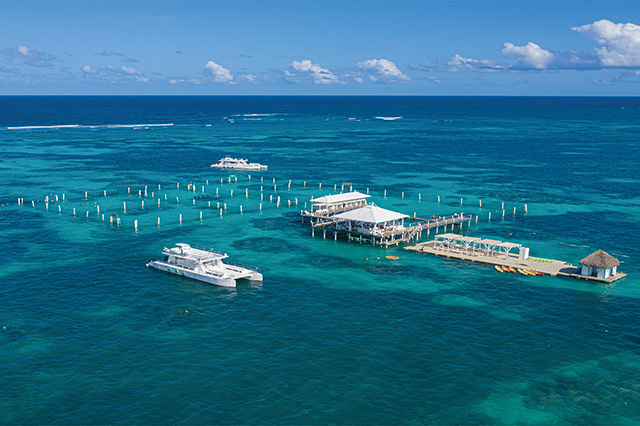
10 Bucket List Experiences in the U.S.

When people think about the places they want to visit and the things they hope to see and do in their lifetime, their minds often wander far beyond their own borders. Seeing the world is amazing, enriching and deeply impactful, though not always easy to make happen. That’s part of what makes those trips bucket list experiences. But not every item on your travel wish list requires a passport stamp.

The United States is remarkably vast and diverse, with countless landscapes, cultures and traditions packed within its borders, offering no shortage of “wow” moments. From celebrating Mardi Gras in New Orleans to witnessing an active volcano in Hawaii or watching the northern lights illuminate Alaska’s night sky, these 10 bucket list travel experiences prove that some of life’s most unforgettable adventures can be found right here at home.

Want to make it a road trip? AAA members save on car rentals with Hertz.

Witness the Albuquerque International Balloon Fiesta

The largest balloon event in the world, the Albuquerque International Balloon Fiesta is held annually the first week in October and features the ascent of around 600 hot-air balloons. Balloons take off in waves, filling the sky with a dazzling variety of colors and shapes. Events include the Balloon Glow, where tethered balloons light up at dusk like giant lanterns; the Night Magic Glow, an evening display set to music; and the Special Shape Rodeo, featuring balloons shaped like everything from animals to cartoon characters.

🎈 See the Albuquerque International Balloon Fiesta with AAA Exclusive Vacations, Oct. 7-11, 2026. Spots are limited and this trip is filling quickly! Contact your AAA travel advisor to learn more and reserve your space on this unforgettable guided vacation. 🎈

Celebrate Mardi Gras in New Orleans

There is no party like Mardi Gras, and no U.S. city like New Orleans. Get ready for one of the nation’s biggest celebrations in a city steeped in centuries-old traditions from multiple cultures.

Held annually during the Carnival season, which runs from Jan. 6 until Fat Tuesday — the day before Ash Wednesday — the city hosts costume balls, parades with colorful floats and live music. The festivities build throughout the season, culminating in the massive Fat Tuesday celebration that Mardi Gras is best known for.

Generations-old clubs called krewes prepare floats and host events. Float riders typically throw beads, cups, play money and candy to the crowds. City residents deck out their houses in the Mardi Gras colors of gold, purple and green and king cakes fly off the shelves. As they say in New Orleans, laissez les bons temps rouler (“let the good times roll!”).

bucket list experience

See the Northern Lights and Wildlife in Alaska

The northern lights, or aurora borealis, are among the world’s most sought-after bucket list experiences. These bands of colorful, wavy lights in the night sky are created by solar flares. If seeing them is on your list, Alaska is one of the best places in the world to do so. They are most clearly visible from late August through late April.

Other Alaska must-dos include seeing wildlife in its natural setting. The best time to see Alaska’s Big Five — bear, moose, caribou, wolf and Dall sheep, is between mid-May and mid-September, and tours are available.

Dog sledding is another iconic Alaskan adventure. Traditional mushing tours on snow-covered trails generally operate from November through March. Options in warmer weather include taking a helicopter to a glacier to ride a sled through the snow or using a wheeled sled. Tours are available from several Alaskan cities.

Watch the Sunrise at Cadillac Mountain

Long a destination for early risers, Cadillac Mountain is the is the first place in the country where you can see the sun rise. Located in Acadia National Park, it is the highest point on the eastern seaboard of the U.S., (1,530 feet), providing breathtaking views of the landscape, coastline and nearby islands. The distance to the summit is 3.5 miles and there is a paved road leading to the top. Visitors can drive, hike or take a tour bus. From mid-May to mid-October, those planning to visit the summit must purchase a vehicle reservation in advance at Cadillac Summit Road Vehicle Reservations. Bonus if it’s fall foliage time!

bucket list experience

Take a Great American Road Trip

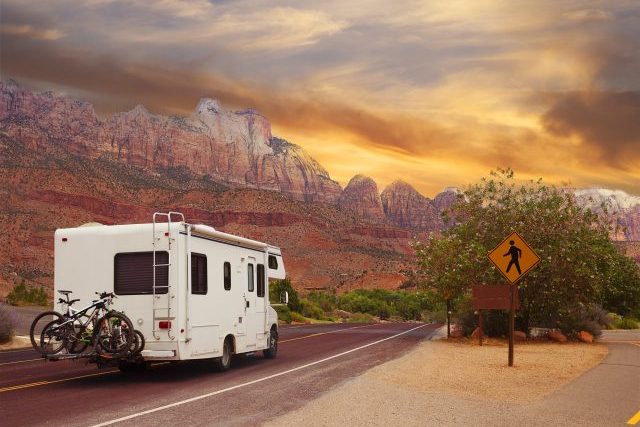
Road trips are a tradition that celebrate the freedom of the open road and the diverse experiences that make the United States so unique. More than reaching a destination, it’s about the journey — discovering historic landmarks, quirky roadside attractions, small-town charm and unforgettable scenery along the way. Whether it’s across the state or across the country, road trips are a classic bucket list travel experience.

Among the country’s most iconic drives are Route 66 and California’s Pacific Coast Highway. Route 66 carries travelers from Chicago to Santa Monica through the heart of classic Americana, while the Pacific Coast Highway delivers stunning ocean views, dramatic cliffs and stops at destinations such as Big Sur, Monterey, Hearst Castle and the majestic California redwoods. Each route stands on its own but can also be combined to create the ultimate American road trip.

Visit an Active Volcano in Hawaii

One of the best places to (safely) see an active volcano in the U.S. is Hawaiʻi Volcanoes National Park. Hawaii currently has six active volcanoes. The park includes the summits of two of the world’s most active, Kīlauea and Mauna Loa. Kilauea has been erupting periodically since 2024. For updates on volcanic activity, view webcams or check out eruption activity.

View the Cherry Blossoms in Washington, D.C.

A gift of about 3,000 cherry trees to the U.S. from Japan in 1912 has grown not just into a lush grove lining the Washington, D.C., Tidal Basin and National Mall, but a month-long festival. And the collection has grown as well; Japan recently donated another 250 trees to the U.S. in 2026 to mark the nation’s 250th birthday. People come from around the world to view the sea of white and pink blossoms and enjoy exhibits, concerts, performances, parties, lectures and a kite festival. While dates vary based on when the trees bloom, it’s typically around
mid-March to mid-April.

bucket list experience

Stand Beside Niagara Falls

Nothing prepares you for the majesty of Niagara Falls and the thunderous sound of about 700,000 gallons of water pouring over the falls every minute. Niagara Falls State Park in New York is the oldest state park in the U.S. and your gateway to experiencing the falls. Take the popular Maid of the Mist boat ride under the falls and get close to the falls on the Cave of the Winds tour, which takes you down the Niagara Gorge. Be prepared to get wet! For a different view of the falls, bring your passport and cross the border into Canada.

Stargaze Under the Darkest Skies

To admire the stars without interference from the artificial lights that saturate communities, seek out one of the 150 certified dark sky places across the U.S. Globally, there are more than 270 dark sky places. A dark sky can make the Milky Way and other celestial wonders more visible. Arizona and Utah have popular sites and Flagstaff, Arizona, was named the first International Dark Sky City in 2001.

Attend a Broadway Show

If the sum of your theater exposure is a high-school production of “Oklahoma!” it’s time to head to the Big Apple and get tickets for a Broadway show. Some of the best actors and singers in the world are featured in these productions, providing a level of entertainment you won’t find anywhere else. Whether your taste runs to dramas, comedies or raucous musicals, you won’t be disappointed. Save on Broadway tickets with AAA!

The Best Time to Experience Each Adventure

Timing makes all the difference when it comes to these iconic U.S. experiences. Use this quick-reference guide to plan your visit and catch every adventure at its absolute best.

Bucket List Experience Best Time to Go Where to Find It
Albuquerque Balloon Fiesta First week of October Albuquerque, New Mexico
Mardi Gras January 6 through Fat Tuesday New Orleans, Louisiana
Northern Lights Late August through late April Alaska
Alaska’s Big Five Wildlife Mid-May through mid-September Alaska
Dog Sledding November through March (snow tours) Alaska
Sunrise at Cadillac Mountain Year-round; vehicle reservation required mid-May to mid-October Acadia National Park, Maine
Great American Road Trip Year-round Route 66 & Pacific Coast Highway
Active Volcanoes Year-round; check current eruption activity Hawaiʻi Volcanoes National Park
Cherry Blossoms Mid-March through mid-April Washington, D.C.
Niagara Falls Year-round Niagara Falls State Park, New York
Dark Sky Stargazing Year-round; clearest on new-moon nights Arizona & Utah
Broadway Show Year-round New York City, New York

U.S. Bucket List Experience FAQs

Do I need a passport for any of these bucket list trips?

No — all 10 experiences are located within the United States and don’t require a passport. The one exception is if you want to view Niagara Falls from the Canadian side, which does require a passport for the border crossing.

How far in advance should tickets or reservations be booked?

Booking early pays off for popular events like the Albuquerque Balloon Fiesta and Mardi Gras, where lodging can sell out months ahead. For national park destinations like Cadillac Mountain, plan to reserve a vehicle permit as soon as the seasonal window opens, since spots go quickly during peak months.

Is it safe to visit Hawaiʻi Volcanoes National Park during an eruption?

The park is designed for safe viewing, with designated overlooks and trails that keep visitors a safe distance from active flows. Checking current eruption activity and webcams before a visit helps confirm which areas are open and viewable that day.

Do AAA members get discounts on these trips?

Yes! AAA members can save on car rentals with Hertz for road trip adventures, find deals on Broadway tickets and book guided vacation packages, like the Albuquerque Balloon Fiesta, with a AAA travel advisor.

What’s the best time of year for a cross-country road trip like Route 66 or the Pacific Coast Highway?

Both routes are drivable year-round, though late spring through early fall brings the mildest weather and longest daylight hours for sightseeing. Fall offers a bonus of changing foliage in many regions along the way.

Which of these experiences require a car reservation or permit?

Cadillac Mountain requires a vehicle reservation for summit access from mid-May through mid-October. Most other destinations, including Niagara Falls and the Washington, D.C., National Mall, don’t require advance permits, though checking current park or event guidelines before arrival is always a smart move.

Which of these experiences are on your bucket list?

You’ve Read About It — Now Experience It

Let AAA Travel make your dream vacation a reality. Connect with a travel advisor for free trip planning, custom itineraries, exclusive perks and expert guidance every step of the way.
Call 888-780-5185 |  Find a AAA Branch  |  Contact Online

AAA Northeast Offers Tips for Driving When Air Quality Is Poor 

As smoke from Canadian wildfires triggers air quality alerts across the region, AAA Northeast is offering tips for drivers to stay safe on the road in smoky conditions: 

  • Drive with your windows closed to keep hazardous particles from entering the cabin. 
  • Set your vents to “recirculate” to prevent outside air from entering the vehicle. Look for a button or setting that shows a circular arrow symbol. Check your owner’s manual if you’re unsure how to toggle the recirculating setting. 
  • Replace your cabin air filter. A new cabin air filter can capture small particles and improve the quality of air coming through the vents, especially if air recirculation is active. Consider purchasing a filter with HEPA filtration to block smoke particles and other fine particulates that a basic filter can’t. Some filters are treated with activated carbon, which can help block odors.  
  • Improve your visibility by driving the same way you would in bad weather — increase your following distance, slow down and create space to let other drivers merge or change lanes. 

Those traveling by air should be aware of impacts from the smoke, which might include flight delays. Plan a flight as early in the day as possible and download your airline’s app to get notified of a delay or cancellation. 

Subscribe to Your AAA Newsletter

Sign up and receive updates for all of the latest articles on automotive, travel, money, lifestyle and so much more!

AAA Study: Extreme Summer Heat Reduces Electric Vehicle Range and Efficiency

If it seems like your electric vehicle’s range melts away more quickly in the scorching summer heat — you’re right. A new AAA study shows that extreme temperatures reduce efficiency and range for EVs and hybrids. 

Key Facts 

  • Study Finding: EVs experience a 10% decrease in efficiency when temperatures reach 95 degrees, compared with performance at 75 degrees. 
  • Range Impact: EVs lose approximately 8.5% of driving range at 95 degrees. 
  • Impact on Hybrids: Hybrid vehicles experience a 12% decrease in fuel efficiency during extreme heat. 
  • Primary Takeaway: While winter temperatures remain the biggest challenge for EV efficiency, summer heat can also significantly reduce vehicle performance and operating efficiency. 
  • Consumer Guidance: AAA Northeast recommends tire maintenance, reduced highway speeds, cabin preconditioning, eco mode use, strategic parking and smart charging practices to maximize efficiency. 

While cold temperatures have the greatest impact on efficiency and range, hot weather plays a role, too. The AAA study found that EVs experience a 10% drop in efficiency and an 8.5% loss of range in 95-degree temperatures, compared with their performance in 75-degree temperatures. For example, an EV with 250 miles of range may have just under 230 miles at 95 degrees. Additionally, hybrids experience a 12% decrease in fuel efficiency. 

AAA offers the following tips to maximize EV efficiency and range: 

  • Check your tire pressure. Like any vehicle, underinflated tires waste energy and reduce efficiency. 
  • Remove roof racks. Removing roof racks can improve range by reducing aerodynamic drag. Extra weight in the trunk or cargo area can also reduce range. 
  • Don’t speed. Higher speeds significantly reduce range, especially over 70 mph, when aerodynamic drag increases rapidly. 
  • Precondition the cabin while the vehicle is plugged in. Use seat ventilation instead of relying heavily on the air conditioning. Setting the temperature to 78 degrees instead of 70 degrees can significantly reduce energy use while keeping the cabin comfortable. Climate control removes humidity, so higher temperatures will still feel cool. 
  • Use eco mode. Depending on your vehicle’s settings, eco mode may reduce energy consumption by softening throttle response, optimizing regenerative braking and reducing auxiliary power use.  
  • Park in the shade when possible and use a windshield sunshade to reduce cabin heat. Before getting into a very hot vehicle, open the doors briefly to let trapped heat escape.  
  • Evaluate charging access and energy pricing. EV operating costs depend heavily on electricity rates and where charging occurs. Home charging can help manage seasonal cost swings compared to frequent public charging. When using public charging stations, charge at a lower rate when possible. Level 1 and Level 2 charging may help preserve long-term battery health compared to frequent use of Level 3 DC fast charging.  
  • Don’t let a hybrid run on empty. Running a hybrid on empty can severely damage the internal combustion engine and electric drivetrain. Hybrid owners looking to save money on fuel should plan to fill up before nearing empty to allow time to find the cheapest gas station.  

Subscribe to Your AAA Newsletter

Sign up and receive updates for all of the latest articles on automotive, travel, money, lifestyle and so much more!

Gas Prices Rising Again Across the Northeast  

Prices dropped steadily since late May, but uncertainty about a ceasefire and volatility along the Strait of Hormuz sent crude oil prices up last week, and prices at the pump followed suit. Following continued strikes over the weekend, futures for West Texas Intermediate and Brent crude oil were both up as of early Monday morning.  

The price jumps come despite a drop in gasoline demand, which decreased in the lead up to the long Fourth of July weekend from 9.13 million barrels a day to 8.84 million, according to the latest figures from the Energy Information Administration (EIA). That figure is 314,000 barrels a day lower than the same week last year. Despite the slight drop in demand, EIA data shows total domestic gasoline supply dropped as well, from 214 million barrels to 212.1 million — 6% below seasonal averages. 

“Oil prices — and gas prices in turn — remain reactive to developments in the war with Iran, and markets are responding to escalating strikes and increased uncertainty regarding the Strait of Hormuz,” said Jillian Young, director of public relations for AAA Northeast. “Despite the latest increases in prices at the pump, current gas prices remain significantly lower than a month ago and their peak in May.” 

AAA’s July 13 survey of fuel prices found the national average up 8 cents from the previous week ($3.79), averaging $3.87 per gallon. The July 13 national average price was 21 cents lower than the previous month ($4.08) and 72 cents higher than the previous year ($3.15)

As of July 13, Indiana and Texas had the lowest prices in the nation at $3.23 and $3.42, respectively. Hawaii and California had the highest prices at $5.44 and $5.38, respectively.  

Region Current Price* One Week Ago One Month Ago One Year Ago 
Rhode Island $3.85 $3.75 $4.07 $3.04 
Massachusetts $3.90 $3.88 $4.20 $3.05 
Connecticut $3.94 $3.89 $4.24 $3.13 
New Jersey $3.93 $3.82 $4.12 $3.08 
New York $4.07 $4.05 $4.37 $3.17 
Gas Prices by State Over Time

Gas Prices by State Over Time

$5.00
$4.50
$4.00
$3.50
$3.00
$3.13
$4.24
$3.89
$3.94
CT
$3.05
$4.20
$3.88
$3.90
MA
$3.08
$4.12
$3.82
$3.93
NJ
$3.17
$4.37
$4.05
$4.07
NY
$3.04
$4.07
$3.75
$3.85
RI
$3.15
$4.08
$3.79
$3.87
US
One Year Ago
One Month Ago
One Week Ago
Current

*Prices as of July 13, 2026 

The AAA Gas Prices website is your resource for up-to-date fuel price information. Search for average gas prices on national, state and metro levels by regular, plus, premium and diesel.  

Subscribe to Your AAA Newsletter

Sign up and receive updates for all of the latest articles on automotive, travel, money, lifestyle and so much more!

Treading the Boardwalks of the Northeast

Article Overview: From Coney Island’s Cyclone to Atlantic City’s 5½-mile stretch, the Northeast’s best seaside boardwalks blend classic amusements with quiet, scenic escapes. Explore eight top picks across Connecticut, New Jersey, New York, and Massachusetts.

There is just something so appealing about a broad wooden pathway on the seashore. Mix those boards with the smell of fried seafood, a little music and a few attractions, and the boardwalk becomes a destination that has entranced generations of Americans.

And the concept of a seaside boardwalk has evolved in some parts to be a quieter, more scenic affair. You’ll find that many of these pathways are better suited for bird-watchers than people-watchers, and many flock to seaside boardwalks to snap some unbeatable photos.

Whether you’re into thrills or tranquility, the shoreline of the Northeast is a boardwalk empire. Here we share eight of our favorites.

Turn this boardwalk bucket list into your next road trip — join AAA and unlock exclusive discounts on attractions, dining and parking at destinations up and down the coast. Become a member today and drive with roadside assistance backing you up the whole way.

Which Northeast Boardwalk Is Right for You?

Eight boardwalks, four states, endless ways to spend a day by the water. Here’s a quick side-by-side look to help plan your route.

Boardwalk State Length Best For
Ocean Beach Park Connecticut 0.5 miles Families who want a pool and waterslide with their beach day
Silver Sands State Park Connecticut 0.75 miles Birdwatchers and legend-hunters chasing buried treasure tales
Salisbury Beach Boardwalk Massachusetts 625 feet A short, accessible stroll near a classic New England downtown
Asbury Park Boardwalk New Jersey 1 mile Music lovers and fans of arcade games and public art
Atlantic City Boardwalk New Jersey 5.5 miles First-timers who want the classic rolling-chair boardwalk experience
Ocean City Boardwalk New Jersey 3 miles Families seeking a relaxed, alcohol-free resort atmosphere
Riegelmann Boardwalk (Coney Island) New York 2.7 miles Thrill-seekers chasing classic rides and Nathan’s hot dogs
Rockaway Beach and Boardwalk New York 5.5 miles Surfers and food-hoppers ready for a long walk

Connecticut

Ocean Beach Park, New London

The half-mile boardwalk and surrounding beach pack in a lot of fun per square foot. Opened in 1940, Ocean Beach Park is one of the only boardwalk areas to include an Olympic-size freshwater swimming pool and a waterslide. Other family-friendly activities include mini-golf, a carousel and an arcade. If you want a quieter excursion, there’s a nearby nature walk.

Silver Sands State Park, Milford

A three-quarter-mile wooden boardwalk offers great views of the beach, sand dunes and marshland. The park’s boardwalk connects you to a sandbar, traversable at low tide, which leads to Charles Island, where pirate Capt. William Kidd is rumored to have buried treasure. It’s a great spot to view majestic Long Island Sound and spy migrating flocks of birds.

The Northeast Beach Guide

If you're looking for sun, sand and saltwater this summer, check out our list of the best beaches in the Northeast.

Go now!

Massachusetts

Salisbury Beach Boardwalk, Salisbury

The newest and the shortest of the boardwalks in the Northeast, this walkway was completed in 2017 as part of a revitalization effort of a vintage seaside community that harks back to colonial times. Bordering an expansive beach and near the bustling downtown district, the 625-foot boardwalk was built with accessibility in mind. It features covered picnic areas, a classic carousel and play structures for kids just a short walk away.

northeast boardwalks
Atlantic City Boardwalk, New Jersey.

New Jersey

Asbury Park Boardwalk, Asbury Park

This mile-long boardwalk is cemented in rock ‘n’ roll history, bordering music venues the Stone Pony and Paramount Theatre, which were the early stomping grounds of Bruce Springsteen and the band Bon Jovi. The walkway has gone through several rounds of revitalizations in the last quarter century, while still keeping its quirky character. Families will enjoy that the stroll has opportunities for mini-golf, a splash park and plenty of classic pinball and arcade games. Asbury Park is also known for its public murals.

Atlantic City Boardwalk, Atlantic City

The grandparent of all seaside walkways, Atlantic City Boardwalk is also one of the longest boardwalks in the Northeast, measuring approximately 5½ miles with the connected section in Ventnor City. It’s so long that it has tram service and an amusement park at its heart. The boardwalk became a popular leisure destination in the late 1800s with the introduction of rolling chairs to enjoy the seaside with minimal effort. Those chairs are still rentable if you want a truly retro Atlantic City experience. Some construction is underway on the boardwalk as part of a $33 million revitalization project.

Ocean City Boardwalk, Ocean City

This wide boardwalk spans almost 3 miles of one of the most well-known dry resort communities in the U.S., meaning no alcohol is served or sold there. The locale is also well known for the Music Pier, a storied venue for musicals, concerts and orchestra performances. While at the boardwalk, enjoy mini-golf, amusement park rides and good food.

New York

Riegelmann Boardwalk (Coney Island), Brooklyn

Visit this almost-3-mile boardwalk to check a lot of things off your boardwalk bucket list. For some vintage thrills, hop on the Coney Island Cyclone or the Wonder Wheel at Luna Park, spend a day at the New York Aquarium and snack on Nathan’s Famous hot dogs. The city has renovation plans, so the century-old boardwalk will soon have a facelift.

Rockaway Beach and Boardwalk, Queens

If you are setting out to go from one end to the other of this boardwalk, bring comfortable shoes and an empty stomach. The 5½-mile walkway is known for its food vendor hubs. Offshore is also the only place in the Big Apple where you are legally allowed to surf. The boardwalk, destroyed during Superstorm Sandy, was rebuilt with elevated sections in 2017.

boardwalks in the northeast

Sunrise or Sunset Walks on the Boardwalk?

Boardwalk(Required)

Boardwalk FAQs

What is the longest boardwalk in the Northeast?

Atlantic City Boardwalk in New Jersey and Rockaway Beach Boardwalk in New York, at 5½ miles each, are tied as the longest in the Northeast. Atlantic City’s total includes a connected section running into Ventnor City, while Rockaway stretches along the Queens shoreline with elevated sections rebuilt after Superstorm Sandy.

Which boardwalk is best for a family with young kids?

Ocean Beach Park in Connecticut stands out for families thanks to its Olympic-size freshwater pool, waterslide, mini-golf, carousel and arcade all in one spot. Salisbury Beach Boardwalk in Massachusetts is another solid pick, with covered picnic areas and play structures built with accessibility in mind.

Are dogs allowed on Northeast boardwalks?

Pet policies vary by location and season, so check each boardwalk’s official website before visiting. Many Jersey Shore and New York boardwalks restrict dogs during peak summer months but relax the rules in the off-season.

Is parking available near these boardwalks?

Most boardwalks offer nearby public parking lots or metered street parking, though availability tightens during summer weekends and holidays. Arriving early or using rideshare options can save time at busier destinations like Atlantic City and Coney Island.

What’s the best time of year to visit a Northeast boardwalk?

Late spring through early fall (May through September) brings the warmest weather and the most open attractions, arcades and food vendors. Visiting on a weekday or in the shoulder season (May or September) means smaller crowds and easier parking.

Is Coney Island’s boardwalk under construction?

Yes. New York City is undertaking a renovation of the century-old Riegelmann Boardwalk, so visitors may encounter construction areas. Check current advisories before planning a visit to avoid closed sections.

How do I get to Atlantic City Boardwalk without a car?

Atlantic City is accessible by train, bus or car, and the boardwalk runs right through the casino district, so no car is needed once you arrive. A free tram service also runs along sections of the boardwalk for those covering longer stretches.

What is your favorite boardwalk? Tell us in the comments.

Dive Into Summer Savings

The summer heat may be on, but that doesn’t mean you have to sweat paying full price.

Make the most of your AAA membership and take advantage of these exclusive deals.

Whether you’re planning a road trip, a theme park outing or a backyard barbecue, AAA has you covered with discounts that keep your wallet cool.


Limited-Time Offer!

From sports games to rock concerts, AAA Tickets is your home for savings on summer fun. Plus, AAA members can earn 10% cash back on all AAA Tickets purchases made with a AAA Visa Signature® credit card from 7/1/26 – 7/31/26.*

Thrilling Theme Parks

There’s no better way to spend a summer day than by heading to a theme park. Whether it’s a local amusement park or one of the heavy-hitters in California and Florida, AAA members can score big savings on admission at parks like Walt Disney World, Universal Orlando Resort, Six Flags and more!

Check out all the theme park savings you can get on the East Coast.

Local Attractions

Summer is a perfect time to check out the local attractions in your area, like zoos, aquariums and museums. If you want to take a walk on the wild side, AAA members can get exclusive savings at zoos, aquariums, virtual events, museums and more.

Can’t-Miss Water Parks

It’s time to beat the heat and cool off at the water park. Whether you’re lounging in the lazy river or tackling every slide in sight, AAA members can splash into savings at water parks like Splish Splash, DreamWorks Water Park, Water Country, the Jay Peak Pump House and so much more. You can even save at the Walt Disney World water parks.

Movie Night

Get some popcorn and some sweet, sweet air conditioning at your local movie theater this summer. If you want to catch the latest summer blockbuster in theaters, you can get movie theater discounts at AMC Theatres, Regal, Showcase Cinemas and Cinemark Theatres.

Deals on Tickets

From sports games to live music, AAA Tickets has you covered for your next big summer event. AAA members can access special discounts for tickets to Broadway shows, concerts, music festivals, comedy shows and more. You can also get discounted tickets to sports events like baseball, basketball and football.

Save on Sunglasses

With such a bright summer, you’re going to need shades. At LensCrafters, AAA members can save on eye exams, plus discounts on new lenses, frames and contacts. It’s the perfect place to get a pair of stylish sunglasses for your summer adventures. Don’t need a prescription? You can even get 30% off select non-prescription sunglasses.

Sizzling Steaks for the Grill

Ready to throw some steaks on the grill? You can save every time you shop with Omaha Steaks. Get free shipping on select combos and enjoy 10% off on all items sitewide. At Omaha Steaks, you can find steak, chicken, pork, seafood, appetizers and even complete meal kits. It’s a treat for grill masters and new home cooks alike.

Road Trip Maintenance

Show your car some love during these hot summer months with car parts, tools, accessories and repair services from NAPA. AAA members can save on auto parts and accessories online and at participating locations – plus, you’ll earn NAPA rewards points.

Fuel Savings

One of the best ways to save all year round is at the pump. AAA members can get complimentary Gold Status with the Shell Fuel Rewards Program. By signing up for free, you can save instantly on all your fill-ups. This is a great way to save money on gas, especially if you’re someone who commutes long distances or loves road trips.

Looking for more summer savings? Search all AAA Discounts & Rewards.

*Offer is exclusive to AAA Travel Advantage Visa Signature® Credit Card or AAA Daily Advantage Visa Signature® Credit Card holders enrolled in the AAA Travel Advantage or AAA Daily Advantage Rewards program. Cash Back can be redeemed as Statement Credits, Direct Deposit, Rewards and qualifying purchases at participating AAA locations. This rewards program is provided by Comenity Capital Bank and its terms may change at any time. For full Rewards Terms and Conditions, please see http://AAA.com/AdvantageTravelTerms or http://AAA.com/AdvantageDailyTerms.
Credit card offers are subject to credit approval
AAA Travel Advantage Visa Signature® Credit Card or AAA Daily Advantage Visa Signature® Credit Card Accounts are issued by Comenity Capital Bank pursuant to a license from Visa U.S.A. Inc. Visa is a registered trademark of Visa International Service Association and used under license

Subscribe to Your AAA Newsletter

Sign up and receive updates for all of the latest articles on automotive, travel, money, lifestyle and so much more!

Merging Into Life: Preparing for Your First Baby: The Honest Guide

SEASON 3: EPISODE 3
Episode Feedback

When it comes to your first baby, there are no stupid questions.


EPISODE SUMMARY

There’s no shortage of advice for new and expecting parents, but knowing what’s actually worth paying attention to is a different story. In this episode of Merging Into Life, host Sabrina Pierotti sits down with Dr. Carole Keim, board-certified pediatrician, author of “The Baby Manual” and host of The Baby Manual podcast, to cut through the noise and get honest about what first-time parents really need to know. From safe sleep guidelines and sleep training to postpartum depression and building a support system without family nearby, this episode is a warm, judgment-free guide to navigating the earliest and most overwhelming days of parenthood.


KEY TAKEAWAYS
  • Relationship and readiness: The three most important areas to focus on during pregnancy are your relationship with your partner, safe sleep setup at home and your own emotional readiness. You don’t need a fully decorated nursery, you just need to be on the same page as your co-parent and have your safe space ready to go.
  • Follow the ABCs of safe sleep: Baby sleeps “alone,” on their “back” and in a “crib” or bassinet with a firm mattress, no pillows, no blankets, no toys. The American Academy of Pediatrics recommends keeping baby in your room for the first year to reduce the risk of sudden infant death syndrome (SIDS).
  • When you can start sleep training a baby: Sleep training is not a one-size-fits-all decision, and timing matters more than method. Babies under 2 months old should be fed every time they wake. Between 4 and 6 months old, when sleep patterns begin to shift, you can start gently working toward longer stretches.
  • Signs of postpartum depression in new moms: Postpartum depression can look different than you expect, and it’s more common than people admit. Feeling disconnected from your baby, losing interest in things you used to enjoy or a persistent sense that you’re not doing enough are all signs worth taking seriously. If something feels off, trust that feeling and reach out to your doctor.
  • Building a support network: You don’t need a big family nearby to build a real support system. From neighborhood kids and paid helpers to meal trains, community groups and workplace childcare, there are more resources available than most new parents realize. Asking for help is not a sign of struggling. It’s part of the plan.

TRANSCRIPT

[00:00:02] Dr. Carole Keim: When a baby is first born, I feel like we have this social pressure that you think you’re going to look at the baby and immediately be in love for the whole rest of your life. And that doesn’t always happen right away. It’s not like in the movies. In the movies, it’s like your water breaks. It’s always like in a restaurant, right? And then you rush into the hospital and then like maybe 20 seconds later, there’s a bunch of screaming, and then there’s baby and it’s beautiful. That’s not exactly what happened.

[00:00:32] Sabrina Pierotti: As I have gotten older and have lived more life, I know myself well enough to confidently say that I am a mega planner and researcher. For example, if we are traveling to a new destination, I am reading blogs about the weather and collecting a list of recommended restaurants. I like to be prepared. That’s why having a baby scares the living daylights out of me, because where do you even start? My old boss once told me that you never feel fully ready to have kids; you just do it, and you figure it out. And that is exactly why we have Dr. Carole Keim on the show today.

[00:01:07] Sabrina Pierotti: Welcome back to Merging Into Life. I’m your host, Sabrina Pierotti. Carol is such a relief to new and expecting parents. I actually bought Carole’s book for a couple of my friends who recently became mamas because they were like, Sab, I don’t know what is normal and what’s not normal. And that is exactly what Carole talks about in the book and in today’s episode. Joining me today is Dr. Carole Keim, a board-certified pediatrician, author and host of the “Baby Manual” podcast. Through her medical practice, books and digital content, she helps new parents navigate the questions, fears, and surprises that come with caring for your baby. We’re talking about the things first-time parents often don’t know they need to know. From newborn care and surprising body changes to postpartum emotions, relationship shifts and the weird but normal questions people are sometimes too embarrassed to ask. This episode is all about taking some of the fear out of the unknown.

[00:02:10] Sabrina Pierotti: Hi, Carole. Thank you so, so much for joining me. I’m so excited to have you on this episode of Merging Into Life. And I feel like this is just like the perfect time, because personally, my husband and I are thinking about starting a family, and like I’m early 30s, so a lot of my girlfriends are like in the midst of having newborns. So, I want to start from the very beginning of the whole process of bringing a new life into this world. Someone walks into your office pregnant with their first child, and they’re feeling all of the emotions. They’re excited, they’re scared, they are overwhelmed. What are the most common questions that new parents and expecting parents usually come to you with?

[00:02:55] Dr. Carole Keim: When you first find out that you’re pregnant, you’re going to have your initial visit with your obstetrician or your family doctor first. And that is usually in the first couple of weeks of pregnancy. So, the first day that you can test a pregnancy is one month or about four weeks after your last period started. Your due date is set for 40 weeks from the first day of that last period that was missed. It’s really just a suggestion. It’s almost never actually on the due date. Throughout the pregnancy, make sure you’re eating lots of different things, a wide variety of foods, whatever your body can tolerate. You need a good quality prenatal vitamin. Don’t do anything extreme that you wouldn’t have done before you were pregnant. Don’t start up like a crazy weightlifting program or anything like that. But if you were working out before, keep doing that. Keep doing as much as you possibly can while you’re pregnant


RESOURCES

Merging Into Life

Join AAA

AAA Life Insurance

Planning for Baby: Tips for New Parents

What to Know About Getting a Child Life Insurance Policy

Dr. Carole Keim

The Baby Manual

The Baby Manual podcast


You can be featured on our podcast!

Have a question for our experts? Leave us a voice message. Whether it’s about money, insurance, wellness or everyday life, ask away — and keep listening. Your call could be featured on Merging Into Life.


*The views and opinions expressed in this podcast do not constitute medical advice and are not necessarily the views of AAA Northeast, AAA and or its affiliates.

Subscribe to Your AAA Newsletter

Sign up and receive updates for all of the latest articles on automotive, travel, money, lifestyle and so much more!

Q&A With AAA’s Car Doctor: July 2026

Q. We recently had our 2019 VW Beetle in for service and were told the lower engine cover was hanging and needs to be replaced at a cost of $585. They said this should be done sooner rather than later. What is a lower engine cover, and do you agree with their assessment? Is there a danger in driving as is? A second issue was the driver’s seat warmer, which was not working properly, and to fix the issue would require removal of the seat cover to replace the lower heated seat element at a cost of $1,650. Does the seat actually have to be removed?

A. The lower engine cover is often called the “belly pan.” It is usually made of plastic or composite material, though some are metal, like your VW’s. If badly damaged, it may need replacement. The part itself runs close to $300, plus labor. It is removed during oil changes and typically secured with triple-square or, sometimes, Torx fasteners, which can go missing over time. Unless the cover is severely damaged, it can often be resecured or even straightened. While not critical to basic operation, it helps protect components from road debris and water, and it contributes to airflow and noise reduction. If it is hanging down, it should at least be secured to prevent further damage. As for the seat heater, if power and wiring are intact, the heating element has likely failed, usually as an open circuit. Repair typically requires removing the seat and separating the upholstery to access the element. It’s a labor-intensive job, which helps explain the cost.

Q. I enjoy washing my car, but there is a wide variety of products available. Do you have one you favor?

A. In the past, I used whatever dedicated car wash soap was on sale. Never use dish detergent unless you want to strip away wax. Lately, I have been using Mothers California Gold Ceramic Wash & Wax. It cleans well, adds shine, and helps water bead. It also softens water slightly, which reduces spotting. Just keep in mind it provides only temporary hydrophobic protection, not a true ceramic coating. For light cleaning, I am still a fan of Meguiar’s Waterless Wash & Wax when the car is not too dirty.

Q. Over the weekend, I filled my 2014 Toyota Camry with the highest-octane fuel to help clean carbon deposits and injectors. It cost just under $100. Am I correct that higher-octane fuel burns slower? I will return to regular at the next fill-up.

A. This is a common misconception. Higher-octane fuel does not burn slower — it simply resists engine knock under higher compression. In your Camry, performance and fuel economy will be about the same regardless of octane. For cleaning, most gasoline — especially top tier brands — already contains detergents in all octane grades, so using premium alone provides little added benefit. If it were my car, I would stick with 87 octane and use a fuel system cleaner, such as Techron, a couple of times per year.

Q. I just had my 2022 Mazda CX-5 serviced for an oil and filter change and tire rotation at 36,928 miles. The service department suggested a brake flush (with DOT 3 fluid) and a coolant flush (Mazda says the first coolant flush is at 120,000 miles, and the coolant looks okay). What are your thoughts on this and the fluids to use?

A. According to the service recommendations for your Mazda, the coolant should be replaced at 10 years or 120,000 miles. It should then be replaced every five years or 60,000 miles thereafter. From what I can tell, Mazda does not have a specific interval for a brake fluid flush. That being said, at AAA we see a benefit to replacing brake fluid every three to five years. Brake fluid is hygroscopic (it attracts moisture), and moisture is the enemy of any brake system. Regarding what fluids to use, DOT 3 brake fluid is correct, and for coolant the best choice is Mazda FL-22. Acceptable aftermarket equivalents are “Asian Vehicle Green” coolants specifically labeled as compatible with Mazda FL-22.

Q. I replaced the shifter cable on my 2008 GMC 3500 truck, but now when I go to put it into drive, it pops off the steering column attachment point. What could be the cause?

A. There are a couple of possibilities. You need to start by installing the cable when the transmission is in neutral. Then shift the transmission to park and check the adjustment. There is a specific procedure to make sure the cable is lined up correctly. The other possibility is that you got the wrong cable — perhaps one for the diesel instead of the gas engine — or that it is simply a poorly made cable. If the cable is identical to the old one, the issue is in the installation. I would recommend getting a service manual so you can follow the installation steps. You may also want to consider a DIY subscription to ALLDATA. It is reasonably priced, with one-month and one-year subscription plans.

Q. I am having an argument with my daughter. She drives to and from the beach barefoot. You seem to have all the answers—is barefoot driving illegal?

A. No, driving barefoot is not illegal. However, if a crash occurred due to a lack of reasonable footwear, she could be cited. Also, sandy “beach feet” could slip off the pedals. Although it is not illegal to drive barefoot, proper footwear makes for safer driving.

Q. My wife just purchased a 2026 Subaru Forester. The engine starts at 1,500 RPM and, after a few minutes, drops to around 650 RPM. I explained to her that she should let the idle drop before driving away, which she does not. My question is: is she causing harm to the engine by driving off at the higher RPM?

A. Is she causing harm to the engine? Probably not. The elevated idle speed during startup is normal and part of the engine’s cold-start strategy. The car is ready to drive once all the warning lights on the dashboard turn off, regardless of idle speed. What I recommend with any car, new or old, is to avoid hard acceleration for the first few minutes to allow all the vital fluids to circulate.

Subscribe to Your AAA Newsletter

Sign up and receive updates for all of the latest articles on automotive, travel, money, lifestyle and so much more!

Gas Prices Are Still Dropping as Summer Heats Up

Pump prices have fallen steadily over the past six weeks as oil and gas markets monitor progress in ongoing peace talks between the U.S. and Iran. While a permanent deal hasn’t yet been reached, signs of progress in the negotiations have helped push petroleum prices steadily lower. Crude prices, which climbed above $110 a barrel at the height of the conflict, settled Thursday between $68 and $71 to end the holiday-shortened trading week. Across the Northeast, the price for a gallon of regular unleaded has fallen 60 to 70 cents below this year’s highest prices in late May.

As gasoline prices fall, demand is holding strong, according to last week’s figures from the Energy Information Administration (EIA). Heading into the July Fourth holiday, total demand climbed 358,000 barrels a day to reach a solid 9.13 million barrels a day, the EIA reported. That’s 491,000 barrels a day higher than the same period last year and follows a trend in recent weeks of higher demand compared to a year ago.

As gasoline consumption reaches peak summertime levels, production is following suit. Domestic refiners operated at 96.6% of capacity last week — the second highest level of the year so far. But strong U.S. and foreign demand for American oil and gas is taking a bite out of inventories and keeping some pressure on prices. Gasoline stockpiles last week dropped 2.3 million barrels to fall 7% below the seasonal average and now sit 18 million barrels below year-ago levels. Crude inventories fell by 9.3 million barrels to the lowest level since May 1984. Imports are also feeling the lingering effects of the war, with considerably less gas coming into the U.S. The latest gasoline import figures amount to half of last year’s import total during the same period, according to the EIA.  

“Falling gasoline prices ahead of the Fourth of July were a welcome sight for the record 61.4 million Americans expected to take road trips over the holiday,” said Jillian Young, director of public relations for AAA Northeast. “Even though prices across the country averaged 70 cents a gallon higher than last year, the stronger demand suggests they weren’t high enough to quell the appetite for travel.”

AAA’s July 6 survey of fuel prices found the national average down 7 cents from the previous week ($3.86), averaging $3.79 per gallon. The July 6 national average price was 40 cents lower than the prior month ($4.19) and 65 cents higher than last year ($3.14).

As of July 6, Indiana and Texas had the lowest prices in the nation at $3.04 and $3.30, respectively. Hawaii and California had the highest prices at $5.46 and $5.38, respectively.

RegionCurrent Price*One Week AgoOne Month AgoOne Year Ago
Connecticut$3.89$3.95$4.39$3.15
Massachusetts$3.88$3.94$4.31$3.06
New Jersey$3.83$3.86$4.27$3.12
New York$4.05$4.11$4.47$3.19
Rhode Island$3.75$3.80$4.20$3.02
Gas Prices by State Over Time

Gas Prices by State Over Time

$5.00
$4.50
$4.00
$3.50
$3.00
$3.15
$4.39
$3.95
$3.89
CT
$3.06
$4.31
$3.94
$3.88
MA
$3.12
$4.27
$3.86
$3.83
NJ
$3.19
$4.47
$4.11
$4.05
NY
$3.02
$4.20
$3.80
$3.75
RI
$3.14
$4.19
$3.86
$3.79
US
One Year Ago
One Month Ago
One Week Ago
Current

*Prices as of July 6, 2026

The AAA Gas Prices website is your resource for up-to-date fuel price information. Search for average gas prices on national, state and metro levels by regular, plus, premium and diesel.

Subscribe to Your AAA Newsletter

Sign up and receive updates for all of the latest articles on automotive, travel, money, lifestyle and so much more!

Awaken Your Senses in Puerto Rico

Puerto Rico leaves an impression long after you’ve left.

Not because of any single landmark or attraction, but because of the countless moments that unfold between them. The sound of coquí tree frogs calling after sunset. A plate of mofongo made from a recipe that’s been passed down for generations. Live music drifting through a plaza as locals and visitors gather.

While travelers often arrive expecting beautiful beaches, colorful streets and year-round sunshine, they quickly discover that the island’s greatest appeal goes beyond what can be captured in a photograph.

puerto rico

Hear the Heartbeat of the Island

The call of the coquí frog is one of the Island’s most recognizable sounds, echoing through the evening and becoming part of the experience of being there. Beyond it, waves roll onto shore, waterfalls tumble through the interior and local voices fill plazas and gathering places throughout the day.

Music is equally woven into the fabric of everyday life. In Loiza, discover bomba, one of Puerto Rico’s most celebrated musical traditions through an interactive workshop. In Ponce, the sounds of plena folk music continue a cultural legacy rooted in storytelling and community.

These aren’t performances observed from a distance. They’re opportunities to embrace the culture that continues to shape the Island today. If you love to dance, you can join the locals or take a class to learn the steps of salsa, merengue, reggaeton and bachata.

Ignite Your Spirit in Puerto Rico

Embark on a sensory journey filled with vibrant flavors, captivating rhythms and unforgettable experiences.  


Book Now
puerto rico

See Beauty in Every Direction

Despite its manageable size, Puerto Rico offers an astonishing range of landscapes.

The Island is home to bioluminescent bays that showcase living light in darkness. As the sun sets, the water glows with every movement, creating a scene that feels suspended between science and imagination. Mosquito Bay in Vieques is considered among the brightest in the world.

The limestone formations of Cañón Blanco in Utuado create a dramatically different perspective. Here, pale rock formations shape the river and reflect the afternoon sun, creating one of the Island’s most distinctive natural settings.

As the day winds down, travelers find themselves drawn to El Morro in Old San Juan, where historic stone walls overlook the Atlantic and the changing light transforms the scenery once again.

puerto rico

Taste the Story of Puerto Rico

To understand Puerto Rico, spend time at the table.

The Island’s culinary traditions reflect generations of influences that have shaped its culture. Crispy tostones (fried plantains), savory alcapurrias (stuffed fritters) and rich plates of mofongo showcase ingredients and techniques that have evolved over centuries. These are dishes meant to be savored rather than rushed, inviting visitors to slow down and enjoy the moment.

Travelers can sample local flavors at bustling roadside kiosks, neighborhood restaurants, farm experiences in the countryside or sophisticated dining rooms in San Juan. Along the way, they may discover locally produced coffee grown in the mountains, handcrafted cocktails featuring Puerto Rican rum or fresh seafood pulled from nearby waters.

Every meal is an invitation to connect with local traditions and the people who keep them alive.

puerto rico

Feel Fully Present

Perhaps the most memorable part of Puerto Rico isn’t a single attraction. It’s the feeling that accompanies the journey.

That feeling emerges in quiet moments along the shoreline, on rainforest trails and mountain adventures, and while taking in the view from a centuries-old fort at sunset. It’s reflected in the warmth of local hospitality and in a pace of life that invites visitors to slow down and be present.

At Coamo Hot Springs, visitors can soak in thermal waters that have long been associated with restoration and relaxation. In Orocovis, Toro Verde Nature Adventure Park offers a very different sensation as visitors soar above the forest on one of the world’s longest zip lines. Meanwhile, the surf culture of Rincón offers another way to engage with Puerto Rico’s spirit, whether you’re catching a wave or simply taking in the atmosphere.

Long after the trip ends, memories of Puerto Rico tend to return unexpectedly. A familiar song. The scent of salt air. The taste of a favorite dish.

The details may soften with time, but the feeling remains. That’s the kind of connection travelers hope to find when they set out to explore somewhere new — and one Puerto Rico delivers time and time again.

You’ve Read About It — Now Experience It

Let AAA Travel make your dream vacation a reality. Connect with a travel advisor for free trip planning, custom itineraries, exclusive perks and expert guidance every step of the way.

Call 888-780-5185 |  Find a AAA Branch  |  Contact Online

Subscribe to Your AAA Newsletter

Sign up and receive updates for all of the latest articles on automotive, travel, money, lifestyle and so much more!

Crossword: Road Trippin’

Subscribe to Your AAA Newsletter

Sign up and receive updates for all of the latest articles on automotive, travel, money, lifestyle and so much more!

Your Punta Cana Trip Begins at Marinarium Parks

Even before Punta Cana became one of the Caribbean’s most beloved vacation destinations, its coastline was full of life. Beneath the turquoise waters, a vibrant ecosystem of coral reefs, colorful tropical fish and graceful rays thrives. For travelers arriving from busy cities, colder climates and inland destinations, the sea was always stunning from the shore, but its greatest wonders lay just below the surface.
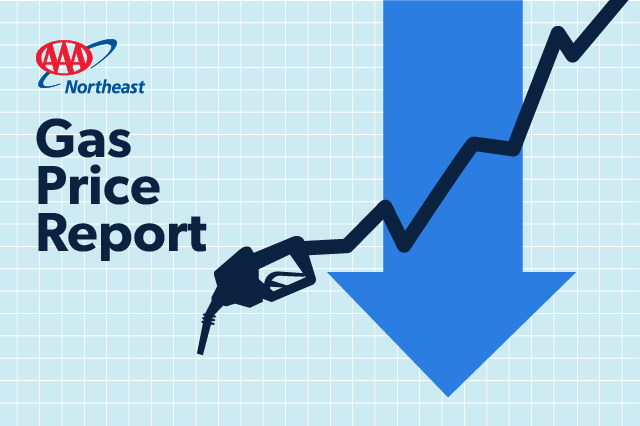
Among the first marine excursion companies in the Punta Cana region, Marinarium Parks started 25 years ago with one goal: to help people experience the sea, not just admire it from the shore.

For many guests, Marinarium Parks has provided their first snorkeling adventure and introduction to the world below the waves, revealing that the Caribbean is not only a place to relax, but a living environment full of movement, color and connection.  

That sense of discovery still guides the family-owned business today. Over the years, Marinarium Parks has grown into a collection of sea and land excursions. From snorkeling and floating ocean platforms to tropical landscapes, animal encounters, river activities and buggy tours, each experience offers a different way to connect with Punta Cana.

marinarium parks

Marinarium Snorkeling Cruise

This half-day cruise invites guests to discover the reef and marine life in a beautiful coastal area. The journey begins with warm breezes, music, Caribbean views and the excitement of heading out onto the water.

The highlight is the opportunity to snorkel with stingrays and nurse sharks in a controlled marine environment. For some guests, it is an exciting adventure. For others, it is a personal milestone: the first time putting on a mask, floating over a reef or feeling confident enough to explore beyond the beach.

After snorkeling, the cruise continues along the coast of Cabeza de Toro and Bávaro, where guests can take in tropical scenery, enjoy drinks and music, join in the dancing on board and stop at a natural pool.

Book now.

marinarium

Reef Explorer

Set on a floating island platform in crystal-clear Caribbean waters, Reef Explorer combines snorkeling, water activities, relaxation and wellness in one place.

Guests can snorkel alongside nurse sharks and stingrays, try paddleboards, kayaks, water bikes, power snorkeling, stop by the smoothie bar or relax on floating hammocks with the sea all around them. It is ideal for groups where everyone wants something different. Some guests stay active, while others slow down and take advantage of the relaxing massage therapies.

Book now.

marinarium parks

Eco Park

While Marinarium’s roots are in the sea, Punta Cana’s beauty does not end at the shoreline. Eco Park was created to help guests discover another side of the destination: the Dominican countryside, animals, rivers, viewpoints and local traditions. Eco Park is worth adding to a Punta Cana itinerary as it brings together nature, adventure and a closer look at life beyond the resort.

Visitors can enjoy close encounters with domestic and exotic animals, interact with farm favorites, go horseback riding and visit a typical Dominican house to learn more about local traditions. The river area adds another layer of adventure, with kayaks, paddleboards and the only bamboo raft journey in the area. Guests can also visit panoramic viewpoints and hilltop swings for unforgettable photo moments.

Book now.

marinarium parks

Eco Park + Buggy Adventure

For those who want more excitement, the buggy adventure is the perfect addition. Driving through the Dominican countryside brings energy, movement  and a little mud —  to the day. The four-seater Honda Pioneer, Eco Park is great for families, couples and groups of friends.

Book now.

Happy Hour Sailing Cruise

For guests seeking Punta Cana’s social side, the Happy Hour Sailing Cruise offers music, drinks, ocean views and an easygoing Caribbean atmosphere. It is a fun way to party, snorkel and add a festive moment to your trip.

Book now.

Plan your Marinarium Parks experience.

You’ve Read About It — Now Experience It

Let AAA Travel make your dream vacation a reality. Connect with a travel advisor for free trip planning, custom itineraries, exclusive perks and expert guidance every step of the way.

Call 888-780-5185 |  Find a AAA Branch  |  Contact Online

Subscribe to Your AAA Newsletter

Sign up and receive updates for all of the latest articles on automotive, travel, money, lifestyle and so much more!

AAA Northeast Warns Fourth of July Travelers Across the Northeast About Deadly Hot Car Risks During Summer Heat Wave 

 As a heat dome brings scorching temperatures to our area this week, AAA Northeast is sounding the alarm to parents and caregivers about the danger of leaving children in hot cars. And with over 61 million people expected to travel by car during this holiday week, it’s critical that families understand the risk — even for short pit stops. 

Nine children have died in hot cars so far this year and there were 33 pediatric vehicular heat stroke deaths in 2025, according to NoHeatStroke.org.   

On a typical 80-degree summer day, the interior temperature of a vehicle climbs by 20 degrees in only 10 minutes and reaches a deadly 109 degrees in 20 minutes. On hotter days, the interior temperature can easily reach 120 to 140 degrees and cracking the windows has little effect. 

More than half of pediatric vehicular heatstroke deaths from 1998 to 2025 were among children under 2 years old, according to NoHeatStroke.org. Most (53%) children who died were forgotten by a caregiver, 24% gained access to the vehicle on their own and 22% were knowingly left in the vehicle by a caregiver.  

“While every family wants to believe this could never happen to them, a child dying from vehicular heatstroke is an unimaginable tragedy that can happen to any family,” said Jillian Young, director of public relations for AAA Northeast. “Especially during this busy time for road travel, we urge families to establish firm guidelines about heatstroke safety and put processes in place to ensure children and pets are never left behind, no matter how quick the stop.” 

AAA recommends caregivers practice the following to prevent hot car deaths:  

  • Stop and look at the backseat before exiting a parked vehicle. Make it a habit to check the entire vehicle before locking the doors and walking away. Place personal items, like a purse or briefcase, in the back seat as another reminder to look before you lock. In some cases, a sticky note affixed to the steering wheel or a smartphone screen can help prevent a fatality.  
  • Ask childcare providers to immediately call if your child doesn’t show up for care as expected. Always seek confirmation that your child was removed from the vehicle safely by anyone transporting them that doesn’t typically do so, including spouses, grandparents, other family members and close friends.  
  • Never leave a child in a vehicle unattended for any length of time. Rolling windows down or parking in the shade does little to change the interior temperature of the vehicle. 
  • Lock your vehicle to prevent unsupervised access and a child getting trapped inside. Keep car keys away from children and teach them that the inside of a car should never be used as a play area.  
  • Act fast, call 911 and take action if you see a child alone in a locked car. A child in distress should be removed as quickly as possible.  

Statistics about pets dying in hot cars are not tracked as closely, but the American Veterinary Medical Association reports that every year, hundreds of pets die of heatstroke in parked vehicles. Exercise the same care with a pet as you would with a child.   

Subscribe to Your AAA Newsletter

Sign up and receive updates for all of the latest articles on automotive, travel, money, lifestyle and so much more!

AAA Roadside Tech Praised for Going the Extra Mile

Donna G. of Fairfield, Connecticut, praised AAA Northeast roadside technician Andrew Nelson for his kindness and professionalism when she had car trouble.

“I want to formally commend the exceptional service I received,” she said. “In a stressful situation, when my car was disabled, he went above and beyond to ensure my safety and provide professional, empathetic care — what I would call white-glove service.”

Andrew, who has been at AAA for 20 years, made sure Donna felt reassured every step of the way.

“Prior to arriving, he called me regarding timing, where my car was located and my location to coordinate it all. He immediately put me at ease and made the experience much less stressful for me. He arrived promptly and handled the tow to a nearby auto repair facility with incredible skill. He actually physically pushed the car himself to get it in the right position and out of the way for others in the lot.”

Andrew’s positive and friendly disposition made the experience memorable for Donna.

“More importantly, his kind demeanor, humor and clear communication made a difficult morning much easier to manage. It is rare to encounter such a high level of dedication and professionalism. People like this technician are the reason I remain a loyal AAA member.”

Andrew remembered the call and said that Donna was nervous, and he wanted to make her feel comfortable.

“I treat members like I would like my parents or grandparents to be treated,” he said. “If someone is stressed and has no one to help, I try to help. I try to treat members like family, if they are open to it.”

Nelson’s roadside call strategy is trying to determine what needs to be done before he arrives.

“Every call is different,” he said. That’s one of the reasons he enjoys his job. “I’m not stuck in an office. I meet new people and go different places. And I get to help people along the way.”

AAA Roadside Assistance is available 24 hours a day, seven days a week in the U.S. and Canada.

For more stories like this — or to share your own — visit “Hey, AAA!,” our collection of member-submitted emails, photos and videos that capture the real moments AAA has been a part of.

Subscribe to Your AAA Newsletter

Sign up and receive updates for all of the latest articles on automotive, travel, money, lifestyle and so much more!

Old-School AAA TripTik Still Delivers

A stressful drive to Florida convinced Denise A. and her husband of Westborough, Massachusetts, that they needed a better way home. A AAA member service counselor mapped out the best route.

After an absolutely horrendous drive to Florida from Massachusetts at the end of February, we knew we needed a new route home for the return trip.

We were lucky to find a AAA branch in St. Augustine, Florida, and we explained our plight to Robin, a member service counselor who greeted us at the front door.

Robin sat down with us, showed us all our options for the return trip, mapped out pros and cons and showed us how to find locations along the way that had amenities such as hotels, restaurants and more. Once we decided on our route, she put together a TripTik and highlighted the route on a paper map!

With a GPS that refused to reroute, the TripTik was invaluable. We had the most enjoyable and stress-free drive back to Massachusetts. I’m holding on to that TripTik! Paper maps still work!”

Find your local AAA branch.

For more stories like this — or to share your own — visit “Hey, AAA!,” our collection of member-submitted emails, photos and videos that capture the real moments AAA has been a part of.

Subscribe to Your AAA Newsletter

Sign up and receive updates for all of the latest articles on automotive, travel, money, lifestyle and so much more!

From AAA Member to Member Service Counselor

AAA Member Service Counselor Maryanne W. of Connecticut credits an exceptional roadside assistance experience with inspiring her to apply for — and ultimately land — a job with AAA years later.

About 20 years ago, my late husband and I drove his new-to-him Mazda Protege on an inaugural trip to Massachusetts. We lived for road trip adventures. Well, this turned into an adventure we were not expecting.

We were driving through the University of Massachusetts campus in Amherst after a delicious barbecue dinner in Sunderland when the water pump decided it didn’t want to work. We needed to get home to Connecticut. It was Sunday night, and we both had to be at work on Monday morning, so we called AAA Roadside Assistance.

We had a basic membership and could not afford the additional towing mileage. After all, I’d just spent all our money at Yankee Candle! The rep from AAA recognized we were local members and helped us to upgrade to a higher membership with more covered miles. There was no waiting period back then to upgrade. We were towed home that night, both of us riding in the tow truck with the driver.

Everything about our experience with AAA that night amazingly positive. I remembered that when I saw a AAA member service job become available, and because I’m all about customer service, I was eager to work for a company that cares so much for its members.”

For more stories like this — or to share your own — visit “Hey, AAA!,” our collection of member-submitted emails, photos and videos that capture the real moments AAA has been a part of.

Subscribe to Your AAA Newsletter

Sign up and receive updates for all of the latest articles on automotive, travel, money, lifestyle and so much more!

Helping a Couple — and Their Cats — on 1,200-Mile Road Trip

When COVID-19 shutdowns threatened to trap Conrad M. of Landing, New Jersey, his girlfriend and their two cats in Florida, a quick call to AAA got them a membership and two nights lodging for the whole family.

It was March 2020. We were about to head home to New Jersey after our three-month hibernation in South Florida. By car. With two cats.

Then the news reports on COVID-19 started to turn dire. People were getting sick, masks and hand sanitizer were in great demand, and we were 1,200 miles from home. Normally, we fly a relative down, and he drives us back to New Jersey. We do it with minimal stops and one overnight. But he couldn’t fly down: Florida insisted on a 14-day quarantine on anyone arriving from the Northeast. And driving ourselves would require two overnight hotel stays.

Hotels and restaurants were closing. We were afraid of not being able to find a pet-friendly hotel. I saw an ad for AAA. I called and asked, ‘If we call from the road, tell them where we are and ask them to arrange a pet-friendly hotel about an hour from here, could they do that?’ They said they could, and I signed up.

Even though we had more than a week left on our stay in Florida, we left immediately. AAA lived up to the promise and found us and our cats lodging for two nights, both on short notice. I’m a believer!”

Please note: Travel services are available immediately upon joining AAA. There is a brief waiting period for roadside assistance.

For more stories like this — or to share your own — visit “Hey, AAA!,” our collection of member-submitted emails, photos and videos that capture the real moments AAA has been a part of.

Subscribe to Your AAA Newsletter

Sign up and receive updates for all of the latest articles on automotive, travel, money, lifestyle and so much more!

Ask an Agent: Homeowners Insurance FAQs

If you have a mortgage, you need to have homeowners insurance. But despite its integral role in protecting your house and family, you still might have questions about how homeowners insurance actually works.

We spoke to Ashley Kehew, director of insurance at AAA Northeast, about some of the most frequently asked homeowners insurance questions to help provide some clarity on your policy.

I have recently added a small addition to my home. How does this impact my home insurance policy?

Any addition to your home, even if small, will change your home’s replacement cost,” Kehew said.

Whenever you are planning significant upgrades or remodeling to your house, you should reach out to your insurance agent to update your policy accordingly. Something as simple as painting wouldn’t qualify, but adding a room or installing new kitchen cabinets would add value to your home. You want to ensure that your policy accurately reflects your home’s worth, allowing for the most comprehensive coverage.

What’s the difference between replacement cost and actual cash value?

Replacement cost covers the expense to rebuild or replace your property in today’s world,” Kehew said. She gives the example of a TV you bought six years ago: It may not be worth more than $50 today, but it would certainly cost more to replace it. “Replacement cost coverage gets you a brand-new TV; it doesn’t factor in the depreciation of that 6-year-old TV.”

If you had actual cash value coverage, you’d get the actual value of that 6-year-old TV today — which certainly would not be enough to replace it. The same goes for home.

“An older roof or older siding with actual cash value coverage would receive a depreciated payout, whereas, replacement cost coverage would pay to replace your roof or siding fully.”

Why is my home insured for more than its market value?

In some instances, your coverage will exceed the market value of your home, especially if you have replacement cost coverage applied to your policy. Rather than adhering simply to the market value — the current purchase price of your home, replacement cost reflects what is necessary to rebuild your home in the event of a total loss.

“It’s common to see the replacement cost for a home exceed the market value,” Kehew said. “The replacement cost of a home takes into account many things, including debris removal, construction costs, materials and labor, which can all add up to be more than what your home would sell for in today’s market.” 

If you’re unsure whether you have replacement cost or cash value stated in your policy, or want to change it, contact your insurance agent.

Is my property covered while I’m on vacation or away from my home?

Yes, of course. Your policy applies to your home even when you and your family are out. No matter whether you are down the street or on a European tour, your property is covered under your homeowners insurance.

“Most homeowners insurance will cover you anywhere in the world for things such as theft or damage from a covered peril,” for example, fire, Kehew said.

Do I need to buy additional coverage for certain high-value items, such as jewelry?

The answer to this one depends on your policy. Homeowners insurance typically has limitations when it comes to the liability for certain types of personal property.

“While standard policies have sublimits for items such as jewelry, the coverage type and amounts are limited. When you schedule an item, you are protected for so much more than the standard perils. You have full protection for things such as mysterious disappearance, breakage or even a stone falling out!” said Kehew.

If you have any questions about a specific type of valuable such as jewelry, furs, cash, silverware or firearms, contact your insurance agent to determine your policy’s limits and, if necessary, to buy additional coverage.

Learn more about getting jewelry insurance coverage through AAA.
homes

I don’t live in a flood zone. Do I still need flood insurance?

“Flood insurance is available to everyone and honestly, should be considered by everyone,” Kehew said.

Like earthquake coverage, flood insurance is not included in a basic homeowners insurance policy, and if you aren’t in a flood zone, you should be able to protect yourself from common occurrences like storms and flash flooding. But if you live in an area where flooding is a serious risk, you should consider purchasing flood insurance, though you would have to acquire a separate policy.

Learn more in our flood insurance FAQ.

What is a hurricane deductible?

Much like how you need specific coverage for earthquakes, floods and other disasters, a hurricane deductible isn’t part of your basic homeowners insurance policy. Rather, this is a separate deductible that provides protection from any damage to your home resulting from a named storm.

“Hurricane deductibles are a separate, higher deductible that applies specifically to damage caused by hurricanes,” said Kehew. “Often, you’ll see them listed as a percentage. What this means is that it’s a percentage of your home’s insured value.”

For example, a 5% hurricane deductible on a $500,000 insured home would be a deductible of $25,000. Over time, as your dwelling coverage increases (say at renewal, your dwelling coverage increases to $510,000), your hurricane deductible will continue to increase with that coverage ($25,500, which would be 5% of the new dwelling coverage amount). Reach out to your agent for further details about what works best for you.

Get a Homeowners Quote

Subscribe to Your AAA Newsletter

Sign up and receive updates for all of the latest articles on automotive, travel, money, lifestyle and so much more!

Term Life Insurance Myths and Facts

Like all life insurance products, term life policies are designed to ensure your beneficiaries are financially supported in the event of your passing. But unlike a permanent policy, which lasts a lifetime, term life insurance only pays out if your death occurs during the term limit.

When weighing your options, why choose term? We debunk a few common term life insurance myths to help you decide.

Myth: It’s not worth paying for something that is going to expire.

Truth: Is term life insurance worth it? We say yes. The truth about term life insurance is that it’s a simple way to make sure your family is covered from short- and long-term financial debts. It is affordable and provides a large amount of coverage for a small price. You choose the amount of coverage and the term length that fits your budget and needs.

Term policies are usually sold as 10, 15, 20, 25 and 30 years. Of course, the longer the term, the higher your premium will be because your risk increases with age. This is why it’s a good idea to invest in a life insurance policy as early as you can.

If you need help deciding on a term length, consider factors such as the length of your mortgage, how long your children will be dependent on your income and how far you have until retirement.

If you outlive the term, you may have the option to update and extend your term policy or convert to a permanent policy.

Myth: The life insurance policy provided by my job is enough.

Truth: Most employers offer group life insurance — usually the amount of your salary — for free or at a low monthly cost. This is a good supplemental insurance to have but can rarely stand on its own. Group term insurance provided by your job also does not follow you if you have to leave. So, if you get sick and have to stop working, you would lose your life insurance when you need it most.

As with all types of insurance, it’s not always sufficient to simply have a life insurance policy (or several). Your policy should provide enough coverage to ensure that your loved ones are financially stable. While more than half of Americans are covered by some type of life insurance, many are underinsured, meaning their death benefit would not cover the expenses they leave behind like a mortgage, college, car and credit cards.

Myth: Term life insurance just covers funeral expenses.

Truth: While a policy can be used for final expenses, most frequently, term products are used to cover large debts like a mortgage or college tuitions. Contact a AAA insurance agent to learn more.

life insurance

Myth: Life insurance is only for older people or people with kids.

Truth: This is one of the most common life insurance misconceptions. The truth is, a life insurance policy can be beneficial for anyone that has someone to protect. Term life insurance policies are based on a fixed premium, so the younger you can secure a policy, the better.

Even if you don’t have any children or dependents yet, investing in a policy while young can protect the lifestyle and income of your loved ones down the road for less than if you were to wait.

In addition to death benefits, a term policy can also help you plan for your living future when converted to a permanent policy. Permanent policies have cash value and some can be borrowed against and used to build wealth, support yourself tax-free during retirement and protect yourself if you become disabled or injured.

Once you lock in your price, you can still make changes to your policy.

Myth: Term life insurance is too expensive for not enough coverage.

Truth: Term life insurance is the cheapest form of life insurance. Always try to get as much life insurance as you can comfortably afford each month and consider increasing coverage later. It can’t be stressed enough that it is easier and cheaper to get life insurance when you’re young and healthy.

Your health plays a large role in determining how much your life insurance premium will be. Certain preexisting conditions, typically long-term and chronic, could raise your rate or affect your eligibility for a life insurance policy.

If you have health issues that prevent you from getting a traditional term life insurance policy, AAA offers no medical exam life insurance policies for its members, which are great for covering final expenses like burial and funeral costs. Speak to one of our insurance agents for more information on how you can get the best rate.

Investing in life insurance should leave you with a feeling of confidence, not confusion. Now that you have the facts, you can choose a plan with certainty, knowing your family will be well-protected no matter what.

Did you believe any of these term life insurance myths? How young did you start your life insurance policy? Tell us in the comments.

Get a Life Insurance Quote

Subscribe to Your AAA Newsletter

Sign up and receive updates for all of the latest articles on automotive, travel, money, lifestyle and so much more!

Foreign Currency Exchange Do’s and Don’ts

If you’re traveling to another country, it’s a good idea to exchange some cash into foreign currency. What’s the best way to exchange your money, and how much should you bring with you? Here are some dos and don’ts for foreign currency exchange, and how you can do a foreign currency exchange at AAA Northeast.

Don’t

Exchange Currency at the Airport

When you need to exchange currency, it can be tempting to use a kiosk or booth at the airport. At first glance, it seems like the most convenient option. However, airport currency exchanges often come with extra fees and steep exchange rates. Airport kiosks or booths know that at that point in your trip, you don’t have a lot of other options. That means you probably won’t get a fair exchange for your money. Plus, airports can be hectic, crowded places. You don’t want to get stuck in a long line when you have a plane to catch or an adventure to begin. That just takes precious time out of your trip and adds extra hassle to your travel days.

Do

Use a Bank or a Credit Union

It’s smart to get your foreign currency exchange done before you even get to the airport. Banks and credit unions usually have more reasonable fees and exchange rates than companies that are solely dedicated to foreign currency exchange.

If you’re a AAA Northeast member, you can exchange your currency for no added fee at your local AAA Northeast branch location. AAA Northeast members who are in good standing for one or more years can use a personal check to purchase foreign currency up to $3,000 at a time. When using cash or a debit card, you can purchase even more. There are dozens of foreign currency types available for exchange. Amounts greater than $300 will be shipped free to the branch location of your choosing — just remember that shipping can take up to three business days, so plan accordingly. During peak travel seasons, like holidays or summer vacation, shipping can take from five to seven days. Exchanges for less than $300 have a $10 shipping fee. Doing your foreign currency exchange at AAA Northeast is a great way to avoid extra fees and the last-minute hassle of airport exchanges. Other regional AAA clubs may have different policies, so make sure to check beforehand if you’re not in the AAA Northeast area.

Don’t

Rely Solely on Your Credit Card

When you’re traveling, credit cards are great for big purchases. But you shouldn’t use it for everything. Some credit cards have foreign transaction fees, which are applied when you purchase something outside of the country. These fees can range up to 3%, so make sure to check what your credit card’s foreign transaction fees are before you travel.

Do

Keep Cash on You

Depending on where you’re traveling, credit and debit cards might not be accepted everywhere you go. It’s not unheard of for a small cafe or a local shop to be cash-only, and you don’t want to miss out. When you’re out and about, you should have a small amount of the local currency with you. You never know when you might need it!

Don’t

Get More Money Than You Need

When you’re doing a foreign currency exchange at AAA, it might be tempting to just hit the limit and get $3,000 worth of your desired currency. But more foreign currency isn’t always better. Depending on the exchange rate you get, you’ll likely lose some value. If you do have currency left over, you can also exchange it at a AAA branch location. Just remember that AAA Northeast can only process buybacks for currency originally purchased at AAA Northeast up to but not exceeding the original sale amount.

Do

Spend Your Foreign Currency Before Returning Home

Before you do your foreign currency exchange, you need to figure out how much cash you’ll need to carry. Roughly, each person in your group will probably need $50 to $100 per day. If you’re going to an area where ATMs will be safe and easy to access, around $50 per person per day could be just right. By the end of your trip, figure out how much of the local currency you have left and try to spend it while you’re in the country. You could treat yourself to a special souvenir or even pay for restaurant or hotel bills partially in your leftover cash. If you explain that you’re leaving the country soon and want to spend your local currency, most businesses won’t mind splitting a bill between cash and credit.

Don’t

Use American Money

Some businesses in tourist-heavy foreign countries will accept US dollars, but you should pay in the local currency anyway. Whether you’re using cash or card, the exchange rate at these businesses could be predatory and unreasonable.

Do

Familiarize Yourself with Local Currency

If you’re using the local currency, try to keep the exchange rate in mind. When you’re paying with a currency that’s unfamiliar to you, it can be easy to overpay for things and waste your money unknowingly. Get familiar with the local currency before your trip so that you really know how much it’s worth.

AAA Northeast members can exchange currency at your local AAA branch location.

How much cash do you bring with you when you travel abroad? Share your tips in the comments below.

Subscribe to Your AAA Newsletter

Sign up and receive updates for all of the latest articles on automotive, travel, money, lifestyle and so much more!