Whether you’re buying a house or car, going to college or simply charging expenses to your credit card, being in debt is one thing just about everyone can relate to.
Total household debt in the United States surpassed $18.20 trillion in June 2025, according to the Federal Reserve Bank of New York. The average household accumulates nearly $105,056 in debt, including mortgage loans, credit cards and student loans.
But not all debt is created equal. In fact, some types of debt can be viewed as investments that will benefit your long-term financial outlook. Other forms of debt, however, can be dangerously problematic. Here’s a breakdown of the most common types of good and bad debt.
What Is Good Debt?
While there is no hard and fast definition of good debt, it is generally considered to be any debt that helps you increase your income or net worth. Furthermore, most examples of good debt also fall under the category of installment debt, in which the borrower is forced to pay the debt down in fixed amounts over a defined period of time, greatly reducing the risk of financial disaster.
Student Loans
The cost of college tuition has skyrocketed over the years, meaning nearly all students wanting to get an advanced degree will have to go into debt by taking out student loans. But there is a direct relationship between education level and both median income and unemployment rate. Therefore, student loans can be viewed as an investment in your future, increasing the likelihood that you land a well-paying job.
Another advantage of student loans is that they generally have lower interest rates, particularly if they are federal loans. This makes them easier to pay off.
There may be no better type of debt to own than a mortgage. Unlike many other purchases and expenses, housing is a necessity. If you choose to rent, you’ll be paying money that you’ll never recoup. The beauty of buying a house, however, is that it forces you to save money. Each monthly mortgage payment you make increases the amount of equity you own in your house. Once your mortgage is paid off, the full value of your home belongs to you.
Not only do you then own a very valuable asset (thus increasing your net worth), real estate values usually increase each year, meaning you’re making money without even doing anything. If you choose to sell your house down the road, you’ll likely be making a profit.
In the market for a new home? Learn more about low-rate mortgages through AAA.
Home Equity Loans
The value of your home will increase over time even if the property is left alone. A few home improvements projects will bump that number up even more. This is where home equity loans come into play. If you need to borrow money to complete these projects, and the increase in home value is greater than the total cost of the loan, you can file that home equity loan under good debt.
Home equity loans can often come with low interest rates and the interest you do pay on them may be tax deductible.
Car Loans
Car loans tend to straddle the line between good and bad debt, as car ownership, from a financial aspect, has both pros and cons. Opposed to homes, which gain value over time, new cars lose value from the minute you drive one off the lot.
That being said, cars are a necessity for most people, needed to, amongst other things, get them to work where they can earn a living. In order to make a car loan as “good” as possible, find one with favorable terms, including a low interest rate.
AAA can get you get behind the wheel of a new car or refinance the one you already have. Learn more about our Auto Buying Program and low-rate Auto Loans.
What Is Bad Debt?
Bad debt not only puts you in the hole for your immediate future, it also offers no redeeming qualities, such as increasing your income or net worth. Furthermore, it can often cause your debt totals to spiral out of control. Here are some types of bad debt to look out for.
Credit Card
What mortgages are to good debt, credit cards are to bad debt. Credit card debt doesn’t help your long-term financial outlook and, even worse, it can cause your debt totals to spiral out of control. Credit card debt is the prime example of what’s known as revolving debt, in which there is no predefined repayment plan and minimum payments change as you pay off your debt or add to it.
Credit cards offer an easy way to pay for things, but consumers pay for that convenience in the form of extremely high interest rates. This means that even a small amount of debt can grow to a significant amount in a short period of time. This significantly increases the total amount of debt you owe and makes getting even on your debt all that more difficult.
Piggybacking off credit card debt, any loan with a high-interest rate can be labeled as bad debt and should be avoided. It can be very difficult to catch up with your payments if you fall behind on these types of loans, putting you in a worse financial position than you began. A prime example of this is payday loans, which provide short-term cash you’re required to repay by your next paycheck, usually within a week or two. However, payday loans can have interests rates as high as 600%. If you’re late on your repayment, it’s a very slippery slope into a massive hole of debt.
Find low rates on auto, home and student loans with AAA.
This article has been updated and republished from a previous version.
Summer flights represent an outsize percentage of cancellations
The bags are packed, the car is parked, and you’ve made it through the security lines. But is your flight taking off on time? During the busy summer travel season, the earlier the flight, the better chance the answer to that question will be yes.
Summer flights bring an increased risk of delays and cancellations compared to the rest of the year. Across the country, from June to August 2024, 72% of flights departed on time, compared to 80% throughout the rest of 2024, according to data from the U.S. Department of Transportation. And while June through August flights made up just over a quarter of 2024’s total flights, they accounted for 33% of all delays and 40% of all cancellations.
Early flights are more likely to depart as scheduled. Across the country last year, flights from June through August in the 6 a.m. hour had just a 1-in-9 chance of being delayed or canceled. By the 10 a.m. hour, those odds jump to 1-in-5; by 3 p.m., flights had a whopping 1-in-3 chance of being delayed or canceled. The odds of delay or cancellation only increase into the evening hours.
“Any travelers concerned about the potential for delays and cancellations are best served by choosing flights earlier in the day, which are most likely to take off on time,” said Jillian Young, director of public relations for AAA Northeast. “Travelers should prepare by signing up for text alerts and downloading apps for the airline they’ve booked and an alternative airline, as that can be the quickest way to rebook if needed.”
State-specific airport data:
Connecticut: At Bradley International Airport, 80% of flights took off on time in 2024. In June, July and August, that average dropped to just under 73%. And in 2024, flights during those three months accounted for almost half of cancellations for the entire year.
Massachusetts: At Boston Logan International Airport, 79% of flights took off on time in 2024. In June, July and August, that average dropped to approximately 72%. And in 2024, flights during those three months accounted for over half of cancellations for the entire year.
During the 2024 summer travel season, roughly 85% of flights between 6 and 9 a.m. took off on schedule at Logan, compared to approximately 53% of flights between 6 and 9 p.m.
At Worcester’s Regional Airport, 75% of flights took off on time in 2024. In June, July and August, that average dropped to just under 69%. And in 2024, flights during those three months accounted for over 40% of cancellations for the entire year.
New Jersey: At Newark Liberty International Airport, approximately 76% of flights departed on time in 2024. In June, July and August, that average dropped to 68%. And flights during those three months accounted for over 53% of cancellations for the entire year.
During the 2024 summer travel season, roughly 83% of flights between 6 and 9 a.m. took off on schedule, compared to less than 50% of flights between 6 and 9 p.m.
New York: Across New York City area airports, delays and cancellations increase in the summer, with most delays occurring later in the day compared to early morning. Flights in June, July, and August accounted for an outsize portion of cancellations for the entire year: nearly 65% at JFK, over 60% at LaGuardia, 53% at Newark, 57% at Stewart, 39% at Westchester and 38% at MacArthur.
Percentage of Flights Departing on Time for June, July and August 2024
Airport
6–9 a.m.
6–9 p.m.
JFK
~84%
~53%
LaGuardia
~86%
~56%
Newark
~83%
~49%
At Syracuse Hancock International Airport, about 82% of flights took off on time in 2024. In June, July and August, that average dropped to about 76%. And flights during those three months accounted for just over 60% of cancellations for the entire year.
Rhode Island: At Rhode Island T.F. Green International Airport, about 82% of flights took off on time in 2024. In June, July and August, that average dropped to roughly 75%. And flights during those three months accounted for just over 41% of cancellations for the entire year.
Q. I was reading an article online about the start stop feature cars use today to save on gas. This mechanic says it is the worst thing invented. Says everyone should disable this feature because it ruins your engine. Stating, starting an engine that many times shortens the life of the engine. Is there any real data about this feature? I really do not care for the feature myself but would like to know if it does save on gas and help the environment without shorting the life of the engine.
A. The starters are supposed to be more robust, if fact Toyota has a code for starter replacements and it is in the hundreds of thousands of starts. Chrysler and Hyundai both also claim the starting components are designed for repetitive start/stops. With today’s computer-controlled fuel injected engines there is very little chance of oil dilution, so I do not see this feature ruining an engine. Does it save on gas, yes it does, a little. About 11 years ago we did this study and found the tech does save fuel and lowers vehicle emissions. https://newsroom.aaa.com/2014/07/aaas-tests-reveal-real-world-benefits-automatic-stop-start-technology/. Is it my favorite new car feature, no. In fact the EPA is considering a ban on auto start/stop technology in new cars.
Q. I maintain my 2016 Honda Odyssey by the book hoping to drive it for 300,000 miles. At 104,000 miles I had the spark plugs changed. My gas mileage dropped from 27.8 mpg to 26.1 mpg under the same driving conditions. I asked my mechanic if there may be something that was not reconnected causing this 6% drop in mpg. He replied that there were many different things that could affect miles per gallon. Nothing else had or was changed. Thinking about this I decided to change the air filter. Now my MPG is back to my normal 27.8. Do you think that the hotter spark from new plugs may have required greater airflow for efficient combustion? It is recommended that the air filter be changed every 30,000 miles. I was going with the air filter manufacturer recommendation of 12 months. Which do you think is better? Also, for this test I purchased a Fram 18-month filter. Which brand filter do you prefer?
A. The idea that the filter improved the mileage is interesting, since technically the computer system should keep the fuel mixture the same-a clogged filter will reduce power which you need to add more throttle and end up using more fuel. Personally, I still look at the air filter and if it is dirty or dusty or pollen filled, I replace it. This is probably every 18 months of so. I try, when possible, to use factory filters or if not tend to use WIX filters which are made by Mann-Hummel. They also make many of the OE filters. Is Fram a good company I am sure, but I had a weird issue with a Fram oil filter on one car. I would get a lifter tap sound in the morning when I switched to the OE filter no tap. Since then, I have used WIX or the factory filter.
Q. My brand-new Kia K4 just turned 1500 miles and has an 8-speed automatic transmission with Normal setting and a Sport setting. I just went on a trip driving in a normal setting. On the highway at 70 MPH the tachometer is reading 2300 RPM’s. I discovered the car is in 7th gear. I can manually paddle shift to 8th gear and the RPM’s drop to 1600. On my trip there I did this all the time and got 45 MPG. On the way home I did not touch the paddles and got 38 MPG. Any thoughts?
A. This does sound a little strange. I can understand that in the sport setting, the computer will lock out 8th gear for better performance. In the normal setting they transmission should go into 8th speed at highway speeds. I would go back to the dealer and road test another K4 for comparison. Having an 8-speed transmission that does not shift into 8th gear automatically does not make much sense to me.
Q. I was watching YouTube and saw a mechanic checking for parasitic electrical drain with a thermal imaging camera. Does this work and have you tried it?
A. I recently have been using an Innova Infrared Inspection Camera. I did find a relay that stayed on when the car was off because of the heat signature. Although it is a versatile tool, it is not the quick answer to finding parasitic draw, it is just another tool for diagnostics and troubleshooting that can get you down the correct path. I think we watch the same channels.
Do you have car questions? Email AAA’s Car Doctor for a personal reply: jpaul@aaanortheast.com.
Incorporating one meatless meal, or even an entire meatless day, into your weekly routine might seem like a small change, but its impact can be surprisingly powerful. Whether you’re motivated by improving your health, environmental concerns or ethical considerations, embracing meatless meals on a regular basis offers a host of benefits for you and the planet alike. And no, it doesn’t mean only eating plain, boring salad.
Improved Health and Nutrition
Let’s start with your health. Studies have shown that daily consumption of processed meats is associated with higher instances of coronary heart disease and that eating plant-based foods can help lower that risk. Diets centered around vegetables, legumes, whole grains and fruits, on the other hand, are linked to a reduced risk of chronic illnesses such as Type 2 diabetes.
This is because plant-based meals tend to be lower in saturated fat and cholesterol while still providing protein sources like beans, lentils, tofu, quinoa and nuts. Even one day of eating this way can help your body reduce inflammation and improve digestion.
Environmental Sustainability
The environmental cost of meat production (especially red meat) is significant. Livestock farming contributes to deforestation, water pollution and high greenhouse gas emissions — more than the world’s cars, trucks, planes and trains combined, according to Johns Hopkins Center for a Livable Future. Reducing global meat consumption could dramatically cut these emissions, per the United Nations Environment Programme.
Processing meat uses a lot of water, as well, with beef having the highest water footprint of all foods — over 1,800 gallons of water to produce a single pound of beef, to be exact. In addition, livestock production accounts for a whopping 75% of the planet’s agricultural land and has directly contributed to an over 60% decline in species population since the 1970s, per Johns Hopkins Center for a Livable Future.
By skipping meat just once a week, you’re effectively reducing your carbon footprint, conserving water and helping to preserve natural ecosystems. Not a bad trade off.
Cost Savings on Your Weekly Grocery Trip
Meat is often one of the most expensive items on a market receipt, even if you’re purchasing cheaper cuts. Replacing that line item on your shopping list with plant-based proteins like beans, lentils, rice and seasonal vegetables can save you money without compromising nutrition. A recent study found that being vegetarian or “flexitarian” (a diet that’s mostly vegetarian but makes allowances for the occasional consumption of meat) could decrease your food bill by up to one-third.
Culinary Creativity
Having to incorporate some new ingredients into your diet creates an opportunity to be a little innovative in the kitchen. Even a simple ingredient like chickpeas can be prepared in a variety of different ways, in a multitude of dishes. Try your hand at different methods of preparation like braising or air-frying to experiment with texture or get creative and find a recipe for a whole new dish you’ve never made before. No matter what, choosing to eliminate meat for at least one meal a week can open your palate to delicious alternatives.
Watch how we brought simple, plant-based ingredients together for a hearty soup that, in our opinion, is even better the next day:
Blend 1 can of cannellini beans and 1 cup of vegetable broth in a blender until smooth. Set aside.
Heat olive oil in a large pot or Dutch oven over medium heat. Add onions and carrots and cook for 7-8 minutes. Add garlic, stir. Add remaining can of cannellini beans, can of chickpeas and rosemary.
Stir in the blended broth and bean mixture along with the remaining 3 cups of broth, kale, salt and pepper. Bring to a boil before reducing to a simmer to cook uncovered for 20 to 25 minutes.
Stir in lemon zest and juice. Slowly add Parmesean cheese while continuing to stir to avoid clumps.
Plate and enjoy! Try with additional pepper on top, more cheese or a hunk of sourdough bread.
Check out more meatless recipes on Your AAA Network:
Summer is the perfect time for a road trip, and nothing beats a beach excursion. The Northeast has miles of coastline to explore, from the rocky shores of Maine to the bustling coastal villages of Connecticut and New York.
It’s not just about setting out a beach blanket and soaking in the sun. There are also hiking trails, bike routes, historical sites, and plenty of shops and restaurants to experience. Here are the top coastal destinations in the Northeast to visit this summer.
This family-friendly destination has something for everyone. There’s the beautiful Maine coast for the water lovers, where you can enjoy the view, go for a swim, or rent a kayak and create your own personal adventure. You can also head into Acadia National Park where early risers can catch the sun coming up along the rocky shoreline and spend the day exploring the many hiking trails found throughout the park.
After a busy day, take some time to wander downtown and see the shops, from art galleries to specialty food and clothing stores. Finish your day by choosing from an array of restaurants where you can order a lobster roll or even a whole lobster and learn how to shell one like a true Mainer.
At just 13 miles, New Hampshire has the shortest coastline of any state, but there’s plenty to see and do along that short distance. There’s Wallis Sands State Park where families with little ones can play in the sand or grab a bite to eat in the snack shack. For more adventure, head to Hampton Beach and wander the boardwalk. And don’t miss 135-acre Odiorne Point State Park. The New Hampshire coast might be small, but what it lacks in size it makes up for in fun.
You’ll find Provincetown way out on the tip of Cape Cod, making the meandering drive that leads here half the fun. Stop along the way at one of the many beaches to dip your toes in the water or grab a little something to nibble on for the rest of your trip.
This busy town has something for everyone, including an active nightlife that you won’t find in most seaside towns. Miles of picturesque beaches, galleries featuring local talent and restaurants where you can lounge away the day enjoying fresh seafood, make Provincetown a great coastal destination.
Any list of top coastal destinations in the Northeast would be incomplete without including Martha’s Vineyard. A trip to this island located south of Cape Cod starts with a ferry ride, and yes, you can bring your car along for the trip. Once there, get ready for winding country roads and incredible views around every corner.
The streets are full of unique shops featuring art, clothes and all manner of souvenirs. Rent a bike to fully enjoy the island and take time to catch a show at Martha’s Vineyard Playhouse. This is the place to see and be seen, so keep your eyes open for celebrities from your favorite actors to politicians.
A visit to Mystic offers a chance to explore the coast and experience a bit of our nation’s history. The Mystic Seaport Museum takes you back in time where you can climb aboard a wooden whaleship, meet blacksmiths and coopers, and learn about the country’s rich maritime history.
There’s also the Mystic Aquarium with the only beluga whales in New England — a sight the kids will not want to miss. Explore the shops at Olde Mistick Village and wind down after a busy day with an evening cruise on the ocean or dinner at a seaside restaurant.
You can’t beat the views on the soft sandy beach in Narragansett. And while you may think of surfing as a west coast thing, there’s a section of the beach specifically reserved for surfers, so don’t forget your board.
If you’re a lobster fan, plan to check out the village of Galilee. It’s home to the largest fishing fleet in Rhode Island with both commercial fishermen and deep-sea fishing cruises. It boasts a wide range of seafood restaurants, or you can purchase lobster and fish right from the fisherman at the docks. It doesn’t get any fresher.
Those looking for an oceanside getaway with a dose of opulence and old-world charm should have Newport on their lists. It has the seaside charm of shops, restaurants and beaches, along with the over-the-top grandeur of the Newport Mansions. These historic properties show off the finest in American architecture from the Colonial Era to the Gilded Age and are open for touring. There are also special programs focusing on servant life, daily operations of these grand estates and even food and wine tours. Once you finish exploring the homes, take some time to walk the expansive grounds and enjoy the spectacular ocean views.
A popular getaway spot for New York City residents, Montauk is located at the easternmost tip of Long Island and offers beautiful views of the ocean and miles of sandy beaches. Plan to visit Montauk Point Lighthouse, the oldest lighthouse in New York. It’s well worth the climb to the top for the incredible 360-degree view of Block Island Sound and the Atlantic Ocean.
After a day of exploring the beaches of Montauk, enjoy the evening at one of the many seafood restaurants in the area. Expect excellent cuisine prepared by local chefs in a casual yet upscale setting, perfect for relaxing.
There is no shortage of amazing coastal destinations to visit this summer. Whether you’re looking for a day at the beach or museum with the kids, an afternoon wandering through boutiques full of local creations or the ultimate seafood dinner to finish the day, it’s all waiting for you here in the Northeast.
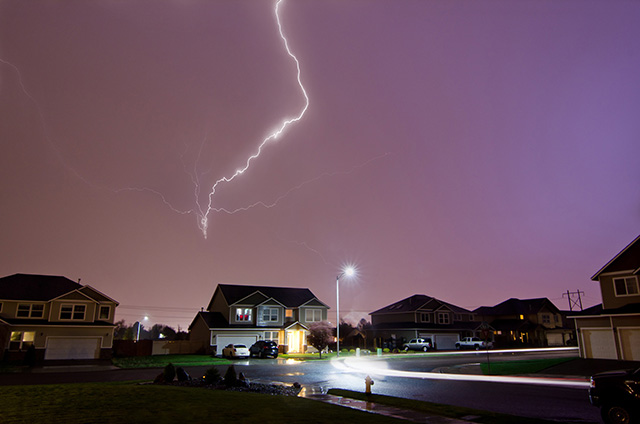
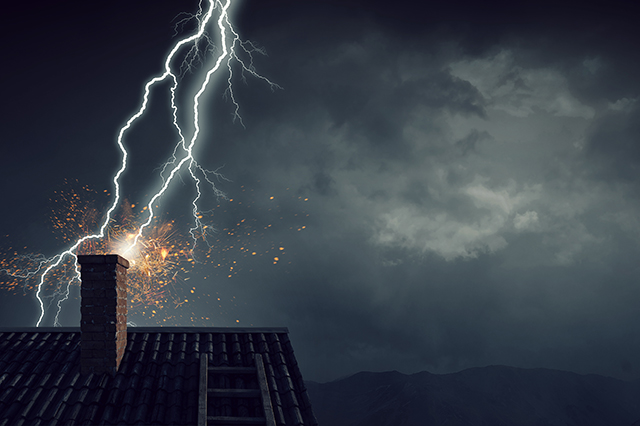
Dealing with a lightning strike and navigating your homeowners insurance to ensure you’re covered is probably not something you’d normally expect to have to do. The probability of a house being struck by lightning is low, but if it does happen the damage can be severe. The best course of action is to always be prepared.
Surge and Damage to Electronics
Electrical surges caused by lightning strikes can wreak havoc on connected electrical appliances.
A standard homeowners insurance policy will cover damage to personal property — including electronics and appliances — resulting from covered events, such as a lightning strike. However, the insurance will only cover up to the limits of your policy. Given the increase of expensive electronics in homes, it is important to check with your insurance agent to ensure the limit in your policy is set high enough.
You may also want to review your homeowners policy to see if reimbursement for personal possessions is based on actual cash value or replacement cost. Actual cash value pays the amount needed to replace the item, minus depreciation. Replacement cost generally pays the dollar amount needed to replace a damaged item with one of similar kind and quality without deductions for depreciation.
Creating a full inventory of personal items before disaster strikes can ease the process of making a claim, as well as help to clarify if you have enough insurance or not.
Home Damage
If your house has been directly hit by a lightning strike, you should immediately call the fire department. Lightning strikes often lead to fires starting in an attic or within the walls of a house, which might be hard to identify until it’s too late.
Standard home property insurance will cover damages to your house and property due to fires caused by lightning. In the case of fire damage, it is also good to know if your homeowners insurance will cover additional living expenses, which are designed to foot the bill of living elsewhere while your home is being repaired. This payout is usually about 20% of your home’s value.
The Best Insurance Is Disaster Avoidance
Taking steps to protect your valuable electronics and appliances, as well as your home from a lightning strike, can amount to tremendous financial, mental and emotional savings.
Most homes will already have a grounding system, such as a lightning rod, built into their house. Lightning rods are now designed to be incredibly inconspicuous, often not much bigger than a pencil. A good grounding system should be paired with point-of-use surge protection devices. These devices can vary from whole-house surge protectors, which are installed at your home’s main electrical panel, to surge protector strips. Even with surge protectors in place, it is advisable to unplug high-value electronics during storms.
Also, be sure to cut down or trim trees that may be in danger of falling on your home.
Professional Protection
If you’ve recently moved or made an addition to your current house, it is wise to call in a certified professional to ensure your place is as safe as it can be from lightning-strike damage.
Lightning will always take the easiest way to the ground when it hits a home, which means a custom lightning-protection system for your home can create pathways to safely guide the powerful surge of electricity away from valuables. However, only professionals will be able to install such a system with confidence.
Get more tips on how to safely deal with the potential dangers of thunderstorms and lightning before, during and after a storm occurs from Ready.gov.
By taking the necessary precautions, it is possible to minimize the chances of significant damage to your personal property and home. However, if a disastrous lightning strike does cause a power surge or fire in your house, your standard homeowners insurance policy should have you covered.
Learn about AAA home and condo insurance in your state.
Worried about lightning strikes and your homeowners insurance coverage? Leave your thoughts in the comments.
This article has been updated and republished from a previous version.
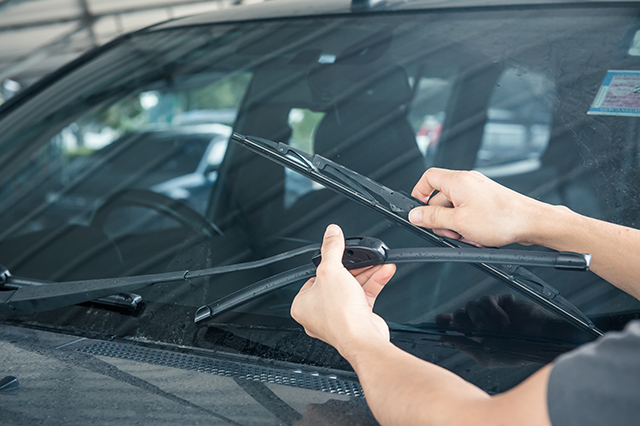
Even though windshield wipers are critical for safe driving, we tend to not think about them until it’s raining or snowing. It’s only after you flip them on and streaks spread across your windshield that you remember it’s time for new ones.
We asked Justin Fortier, general manager of AAA Approved Auto Repair facility Fortier’s Auto Sales & Service in Fall River, Massachusetts, exactly how often to replace windshield wipers.
He recommends at least once a year, and twice is probably better.
“I replace mine in the fall and the spring,” he said.
At Fortier’s shop, wipers usually come up when a customer is getting the oil changed. The technician may notice that the wipers are worn or are cracked while cleaning the windshield.
“The average customer doesn’t mention wipers unless it’s raining,” he said. “They put it out of their minds.”
Learn the signs to spot car trouble early, avoid breakdowns and manage repairs with confidence. Listen to Season 2, Episode 7 of our podcast, Merging Into Life: Your Essential Car Maintenance Checklist
Conditions That Influence Windshield Wiper Efficiency
Wear and tear, infrequent cleaning and environmental factors can all affect windshield wiper performance. Fortier suggests using alcohol to clean the blades regularly to help maintain them.
Ice and snow can take a toll on wipers, especially if the wipers freeze to the windshield. Before a snowstorm, Fortier recommends you stand your wipers upright, but when it is time to put them down, do so slowly; people have broken their windshields by dropping the wipers onto the glass.
Another tip to save your wipers when the temperature drops: Turn the wipers off before shutting off the car. If you don’t and the wipers freeze to the glass, they could break or the windshield could shatter when you turn the car on.
Replacing Wiper Blades
When it’s time to replace your windshield wipers, “try to get a name brand with a guarantee,” advised Fortier. An autobody shop could help you put them on if you are not comfortable tackling the task on your own.
Do you replace your windshield wipers often enough? Tell us in the comments.
For auto repair and maintenance you can trust, find a AAA Approved Auto Repair facility near you. With savings up to $75 per visit on labor, it’s a service that essentially pays for your membership.
For answers to more of your car questions, check out our Ask a Mechanic series.
Expansive beaches, rocky shores, miles of hiking trails, charming towns, gourmet seafood — it’s all yours to enjoy on a road trip along the Bay of Fundy coast in New Brunswick, Canada. About a 200-mile drive can give you a taste of all this amazing region has to offer.
Located east and northeast of Maine, New Brunswick is a proud mix of Indigenous, Acadian (French), English, Irish and Scotch cultures that define the province, along with its seafaring history, all of which are on display as you take to the roads.
Sample the area’s renowned fresh lobster and seafood, then dive into the fascinating world of local marine life at the Huntsman Marine Science Centre. At the Fundy Discovery Aquarium, you can interact with local sea creatures through touch tanks and engaging exhibits.
Explore the Bay of Fundy and the City of Saint John
Continue your journey by driving east about 60 miles to the City of Saint John.
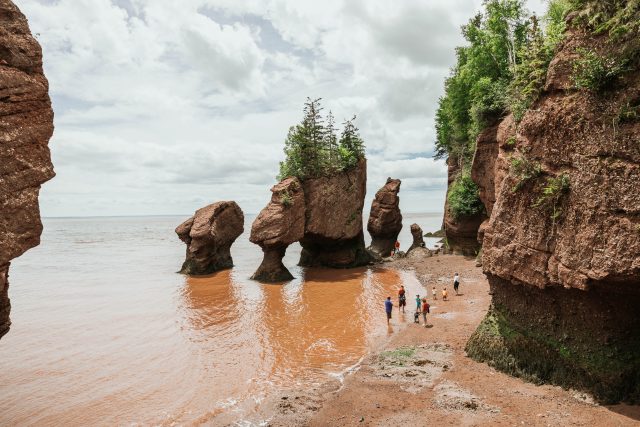
New Brunswick’s famous Bay of Fundy boasts the highest tides in the world, reaching up to 52 feet. For an unforgettable experience, you can walk on the bay floor three hours before and three hours after the low tide mark. You can also go kayaking on the Bay of Fundy or Saint John River, but before any tidal activities be sure to check the tide schedule.
While you are here, you have to see the Reversing Falls Rapids, another amazing natural phenomenon that happens twice a day when the bay reaches high tide and its powerful waters collide with Saint John River and reverse the river’s flow.
Ready for a bite and a drink? There is something for every taste bud and budget. Saint John has more than 80 bars and restaurants within a 10-block radius in the city. Seafood, of course, is at the top of many menus.
Diners might also want to try dulse, a dried red seaweed. Eaten plain or mixed in with other foods like salads and sandwiches, the dulse harvested from the Bay of Fundy is said to be the best in the world.
If you are a beer drinker, take a tour of the Moosehead brewery, Canada’s oldest family-owned independent brewery.
After you bid the City of Saint John goodbye, continue driving east and stop in the town of Moncton, in the area known as the Hub of the Maritimes. Sample local spirits at the Magnetic Hill Winery, one of 19 wineries in New Brunswick.
If you are traveling with children, head to Magic Mountain, Atlantic Canada’s biggest waterpark, with waterslides, a lazy river and wave pool, plus games and golf. For a drier outing, visit Magnetic Hill Zoo, a 40-acre park home to more than 60 native and exotic species of animals and a fun zone with inflatables.
Next, it’s off to the show-stopper — Hopewell Rocks Provincial Park, where the beach features more than 20 sea “stacks” of rocks shaped over thousands of years by the highest tides in the world. Visitors can descend stairs (99) or use a ramp to get to the sea bottom at low tide. When the tide is in, kayak around and through the sea stacks for amazing views. The admission fee covers two full days, so visitors can experience high and low tides.
Fundy Trail Provincial Park is another New Brunswick icon you don’t want to miss. As you head back home, take the scenic Fundy Trail Parkway down along the coast and find waterfalls, beaches, hiking and biking trails and inspiring lookouts along the way.
So, bring your explorer’s spirit, hiking boots and a passion for seafood as you set out on your Fundy Coast road trip. Book now.
You’ve Read About it — Now Experience It
Let AAA Travel make your dream vacation a reality. Connect with a travel advisor for free trip planning, custom itineraries, exclusive perks and expert guidance every step of the way.
Amsterdam may have once taken on a mythical quality for those who have never visited. Too often, the capital city of the Netherlands was portrayed either as a quaint land of tulips, windmills and wooden shoes or as a party destination with a wild nightlife.
The true identity of Amsterdam is more vibrant and nuanced than either of these caricatures, of course. Amsterdam is one of the rare European cities that has a contemporary feel while still retaining its old-world charm. The city is dotted with welcoming cafes, inviting parks and cultural attractions. It is eminently walkable and even easier to travel by bike, with great public transportation also available.
Amsterdam is also considered one of the safer large cities in Europe, and many of its inhabitants speak at least some English, making it a welcoming destination for U.S. families.
If you ever have the good fortune to visit, here are some suggestions for what to do in Amsterdam.
6 Things to Do in Amsterdam
Take in Museum Quarter
Three of the Netherlands’ most important art museums are within walking distance from each other in this quarter. Rijksmuseum offers an encompassing survey of Holland’s rich art history, including works by Rembrandt and Van Gogh. The Van Gogh Museum features the world’s largest collection of paintings by the famous Dutch painter. Be advised that tickets should be booked well in advance for this museum. For a different vibe, check out the Stedelijk Museum of Modern and Contemporary Art and Design, which also serves as a community art-making hub.
The Museum Quarter is lined with high-end shops and welcoming cafes. In warm weather months, you also can find great options for outdoor dining and street food.
Tulip season in Holland runs from mid-March to mid-May, and it is truly a sight to behold. If you happen to be in Amsterdam during the height of tulips, be sure to visit Keukenhof botanical garden, one of the largest flower gardens in the world. A short ride from the city, Keukenhof has some 7 million bulbs, making a vibrant backdrop for any trip photo.
There are windmills in the garden, but there is also the historic Molen van Sloten Windmill within Amsterdam’s city limits. The 1847 mill is still in use today, and both the windmill and a connected museum are open to the public. Also, the bridges spanning Amsterdam’s canal system are picturesque. You can hop aboard one of several canal rides to pass under them all and be given a guided tour of the city’s history.
Walk Through the Markets
Amsterdam has many great opportunities for casual shopping. Most famously, the Albert Cuyp market in the city center is a three-block open-air market with an eclectic mix of wares for tourists and locals alike, and opportunities to snack on Holland’s famous stroopwafels and other foods. The ever-bustling Leidestraat is lined with shops offering high-end fashion at reasonable prices. And if you happen to be in Amsterdam on the holiday of King’s Day in late April, the city itself turns into an open-air market and street festival, with locals selling a little of everything on the sidewalk in celebration of the king’s birthday.
Holland is shaped by its World War II history, and the modern city wears this history in the open. The Anne Frank House provides a haunting glimpse of the city’s most famous refugee. Frank’s diary provided an important history of the horror of the Holocaust. Tickets for this small museum must be purchased in advance, as it is one of the most popular things to do in Amsterdam.
Also, the Verzets Resistance Museum documents the Dutch resistance movement’s efforts to fight Nazi occupation, as well as the fall of the Dutch colonial empire in the world’s post-war realignment. Throughout the city, you can also find plaques and artwork documenting the city’s wartime history.
Animal lovers can happily spend the day at Artis Zoo and botanical garden. The zoo has an impressive labyrinth of indoor and outdoor attractions. There you can also find Micropia, a museum dedicated to understanding microbial life. The Artis grounds include a large aquarium, but it is undergoing extensive renovations and will reopen in spring 2026.
Quirky Stops
Of course, Amsterdam does have a quirky and wild side. For family-friendly fare, The Upside Down Amsterdam is a relatively new museum, offering the perfect opportunity for seemingly gravity-defying selfies to send to friends. There also are micromuseums for all sorts of interests, including ones dedicated to Dutch cheesemaking, cat art and even historic smoking pipes.
Amsterdam is a culturally rich destination that is easy to get acquainted with. With so many attractions, however, it may take a lifetime of visits to get to know the city well.
Plan your trip to Amsterdam with a AAA travel advisor. Browse our Amsterdam vacations, then start making your dream trip a reality. Travel advisor services are included with your membership at no extra charge.
Have you ever been? Share your favorite things to see and do in Amsterdam in the comments below.
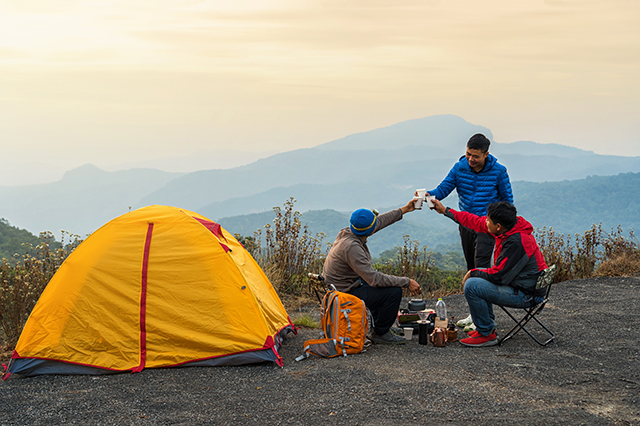
If you need a break from the grind of everyday life, try shutting down your devices and escaping to the wilderness for some camping and hiking.
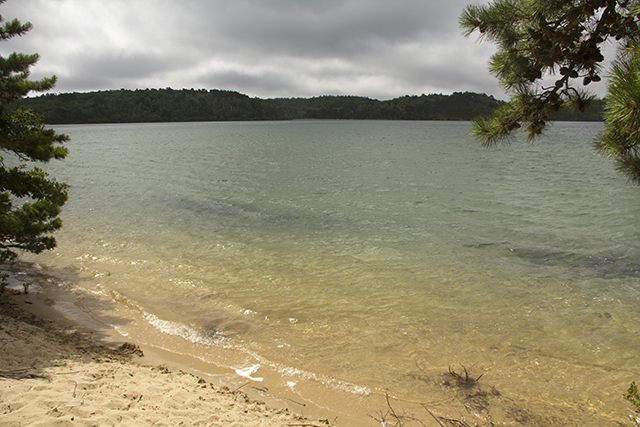
The last time I went camping, I turned off my phone for three days. I didn’t read or reply to any emails, liked zero social posts and not once did I hear it ring or ding to notify me of a message. If someone wanted to reach me, they would have had to drive five miles into the piney forest of Massachusetts and hike up a dirt path to my campsite or track my steps along a thin trail snaking beside the shores of a strikingly, seemingly impossibly blue lake.
My feet were dirty, my clothes were slightly damp from the morning dew and my hair gave off the slightest scent of smoke that it had absorbed while my face had been warmed by the glow of the campfire. My senses were rejuvenated through environmental immersion, and – even if only temporarily – I was freed from the constraints of technology, hurry and responsibility.
Here, I was reminded why hiking camping trips are my happy place. It offers a reprieve from the everyday hustle and bustle, a reconnection with nature and reminder of the simplicity of life’s necessities: cooking, breathing clean air, exercising and – perhaps most importantly– relaxing.
Whether getting lost in the woods brings you joy or you prefer enjoying the great outdoors from the comforts of an RV parked in a resort, check out our collection of bucket list-worthy destinations for the best camping and hiking in New England and New York.
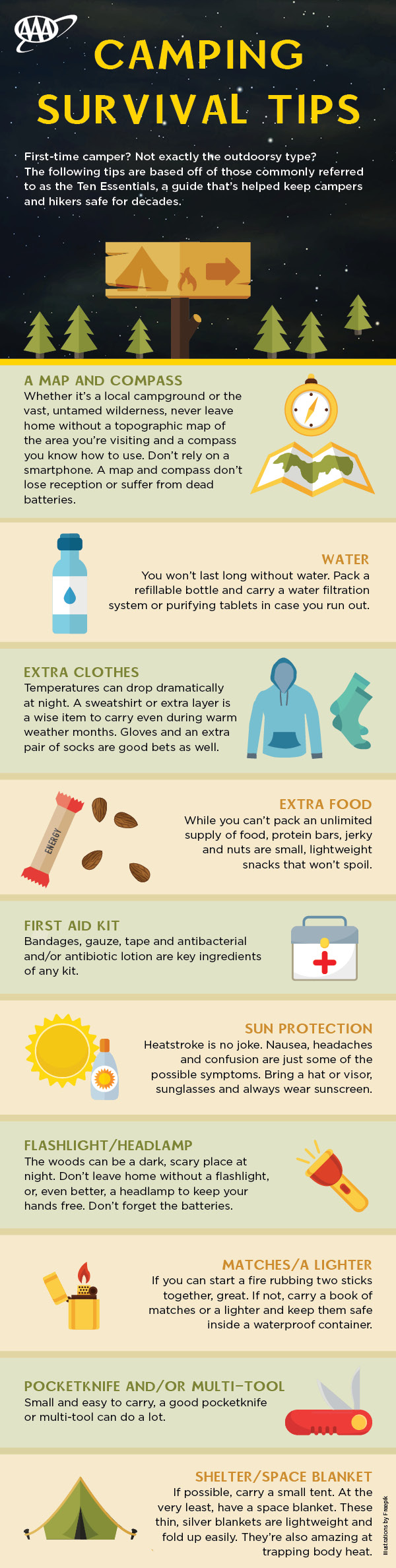
First-time camper? Take a look at the infographic below for tips on how to survive (literally and figuratively) out in the wilderness.
Novice hikers, we’ve got you covered too. This list of essentials will get you on the trail with all the right gear and supplies needed for a successful hike.
On a trip into the Litchfield Hills of Connecticut, you’ll find yourself leaving quaint, small towns in your wake and diving deep into the woods, traveling along winding, hilly, tree-lined roads where acorns ping off the roof of the car and the smells of pine and the countryside waft in through the windows. The area is dotted with picturesque lakes, including Lake Waramaug, upon whose shores you’ll find 76 campsites, some overlooking the water and others hidden within the trees.
There is also a number of cabins on site, for those campers who aren’t quite willing to give up the comforts of the indoors. The campground is open Memorial Day through Labor Day and contains fishing, picnic, swimming and boating facilities, including canoe and kayak rentals.
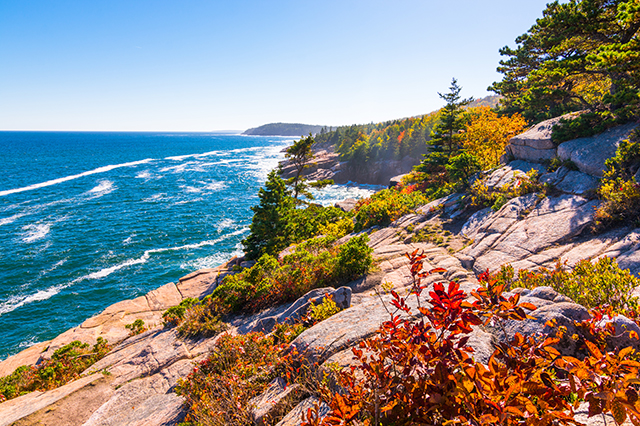
Located on Mount Desert Island, surrounded by the chilly Atlantic waters off the central Maine coast, Acadia National Park offers world-class hiking on the island’s mountain with dramatic views of the Maine coastline and encircling foliage. There are five different camping and hiking areas in the park, and choosing the right one for your trip depends on the experience you hope to have.
Blackwoods Campground is open year-round, offering traditional tent camping facilities during the warmer months and primitive camping experiences during the off-season, when campers must hike to their sites. Seawall Campground, on the Southwest Harbor, and Schoodic Woods Campground, on the Schoodic Peninsula just southeast of Winter Harbor, offer amenities such as drive-in tent camping and RV accommodation sites.
Those looking for a more rustic, immersive and wilderness-focused experience should make a reservation at Duck Harbor Campground located on Isle au Haut, a smaller island located about 30 miles south of Mount Desert Island. You’ll have to catch a ride on the mail boat to get to this island where you won’t find any vehicles, but instead five fantastically primitive campsites that ooze adventure, each of which includes a lean-to shelter for a tent and a composting toilet.
After you’ve set up camp, head out on the 18 miles of hiking trails that explore the island’s marshes, bogs and mountains. Wildwood Stables Campground is only open to visitors with stock animals.
What makes Cathedral Pines Campground one of the best places for camping in New England? It meets many campers’ criteria for a fabulous and comfortable camping and hiking experience. It’s in the middle of nowhere, provides access to great outdoor activities, and yet still has flushing toilets.
Set within towering red pines in northwestern Maine, and less than 30 miles from the Canadian border, this campground offers a rural outdoors feeling while providing the comforts of bathroom, shower and laundry facilities. There’s also a playground, recreational hall and boating amenities.
Whether you find yourself among the warm sunshine of the spring and summer months, the stunningly beautiful reds, oranges and yellows of the autumn months, or – if you’re brave enough – the snow in winter, Mother Nature practically guarantees campers in the Berkshires a visually beautiful experience no matter what the season.
Savoy Mountain State Forest offers some of the best camping and hiking in New England. It features 46 campsites, available for reservations seasonally and located below the bowing branches of an apple orchard, as well as four cabins that can be rented year-round.
Campers can choose from a variety of outdoor experiences and adventures, accessible from each of their 50 miles of collective hiking trails. The trails pass through floating bog islands, climb up to overlooks to offer spectacular views and weave through the forest before emerging over cliffs to reveal hidden, crystal clear waterfalls.
Chocorua Camping Village is the ideal destination for resort-style, all-inclusive family camping and hiking in the woods of the New Hampshire White Mountains. Here you’ll be surrounded by the quieting comforts associated with camping like sprawling lakes, towering pine trees, fire pits and picnic tables.
But, you and the kids will also have access to many activities and amenities, including a game room, movie theater, swimming pool and treasure hunts. Both tent and RV sites are available, and more indoors-y, yet still adventurous campers can rent one of 10 Wabanaki Lodges. These log cabins are accessible only by venturing over a footbridge.
Who says you have to choose between camping and going to the beach? Charlestown Breachway offers campers and beachgoers the best of both worlds. RV-suitable campsites are located right on a man-made breachway that separates the Atlantic Ocean from Ninigret Pond. Campers also have access to the state beach, freshwater fishing and shell fishing. There is even a boat launch on site. Campers must have a self-contained RV (this means no tent camping), as there are no sanitation facilities.
Nickerson State Park in Cape Cod is a mini paradise. A world away from the crowds, scorching sun and crashing surf of the Cape Cod National Seashore, you’ll discover an enchanting forest refuge offering warm breezes, picturesque hiking trails and private beaches overlooking crystal clear waters of eight kettle ponds, formed thousands of years ago by glaciers and lined with white sand.
You’ll have your pick of more than 400 campsites and access to swimming, boating and fishing facilities, as well as the Cape Cod Rail Trail, a paved bike path that runs through the park. There is also a nature center on site that offers recreational programs and yurt camping options.
Like Cathedral Pines, Moosalamoo Campground affords campers an outdoor, backwoods getaway without feeling too in the backwoods. The 19 sites, located at the base of Mount Moosalamoo, offer drive-in tent camping, toilet facilities, accessible drinking water and trash disposal. Once on site, campers can challenge themselves on the mountain’s more than 70 miles of nearby trails, which are open for biking, cross-county skiing, hiking, horseback riding and snowmobiling in the winter.
One of the state’s most popular camping spots, Taconic State Park can easily get crowded. So, it’s a good idea to plan ahead. Some highlights include standing under Bish Bash Falls, hiking Brace Mountain and walking the famed Appalachian Trail.
Visitors can opt for tents or cabins, which include kitchens and outdoor campfire and picnic areas. Fishing is available at the campground. Deer and turkey hunting is also allowed, but with restrictions. The Copake Iron Works Museum, where visitors can learn about the area’s iron industry, is also nearby.
Referred to as the “Grand Canyon of the East,” Letchworth offers a variety of amenities. Swimming, camping, hiking, fishing, lectures and cultural activities are some of the many features it has to offer. The site has camping spots for tents and trailers, but also private cabins and hotel-style lodging.
The park features 66 miles of hiking trails. Horseback riding, snowmobiling, cross country skiing, biking, swimming, kayaking and whitewater rafting are also available. And, if you’re not afraid of heights, you can see the park from a hot air balloon.
Overlooking Otsego Lake, this area is the one described in James Fenimore Cooper’s “Leatherstocking Tales.” The park offers biking, camping, fishing, hiking and picnicking. In the winter months, there is skiing and ice fishing. The campgrounds include concession stands, a nature trail, pavilions, picnic tables, showers, grills, volleyball courts and fire rings.
Campfire wood is sold in the park. There are also a variety of nearby attractions, such as the Canadarago Boat Launch, Herkimer Home State Historic Site and Hyde Hall State Historic Site.
There are plenty of natural wonders to explore at the Adirondacks, from waterfalls and lakes to mountain views and tree-lined hiking trails. Campers will enjoy the privately run Adirondack campgrounds which include lakeside amenities like daily paddleboard rentals. Some sites also offer RV hookups. For a more rugged experience, there are backcountry campsites, which are located a little more than 150 feet away from trails or water sources, and are served by outhouses.
Considered the most famous of the Finger Lakes state parks, this spot offers 305 campsites with restrooms, showers, dumping stations and firewood for sale. It also offers concession stands, a gift shop, picnic tables and grills, playing fields, an Olympic sized swimming pool, kiddie pool, playgrounds and 19 waterfalls.
Reservations for campsites may be booked nine months in advance for a two-night minimum stay. Visitors to the park can also hike, fish in Seneca Lake or Catherine Creek and hunt in designated areas.
One of the main draws to this state park is its huge beach at Canopus Lake. For hikers, there are more than 14,000 acres of forest. Fishermen can catch bass, pickerel, perch, brook and rainbow trout in the park’s waters. The site also offers picnic areas, hikes led by park staff, a bridle path for horses, concession areas and more. And in the winter, Fahnestock is a popular locale for sledding, snowmobiling, ice fishing and cross-country skiing.
Home to more than 47,000 acres, this park is considered the second largest in New York State. The scenic campgrounds include approximately 200 miles of hiking trails, 31 lakes and plenty of quiet, secluded spots for spending the night. The Beaver Pond Campgrounds feature comfort stations, laundry facilities and a dumping station. Activities in the park include fishing, camping and hiking, picnicking and boating.
For those hoping to camp out on the water, this 168-site campground features a 40-acre freshwater lake and two-mile sandy beach. Visitors can also spend the night on oceanfront property. There’s also a self-guided nature trail, sport fishing, opportunities for biking and hiking, picnic areas, woodlands and more. In the summer, Hither Hills offers movies, folk and line dancing, children’s theater and magic shows.
Shut down your smartphone for a few days and appreciate the beauty of nature in the Northeast region. You’ll come back feeling reinvigorated and better than ever.
Need a ride? Get exclusive deals on Hertz car rentals when you book with AAA.
Tell us your favorite camping spot in the the comments below.
This article has been updated and republished from a previous version.
Over the past couple of years, Disney parks have been experimenting with different ways for guests to line up for rides. In 2021, they introduced a paid system called Lightning Lane to replace the previous line-skipping option known as FastPass+
At the end of summer 2024, Lightning Lane received a major update that might sound a little familiar to FastPass+ fans.
We went to Walt Disney World in August to figure out how to skip lines at Disney using the Lightning Lane rules.
Save on Walt Disney World park tickets with AAA Tickets.
Lightning Lane Multi Pass vs. Lightning Lane Single Pass
With Lightning Lane Multi Pass, guests can choose from a variety of attractions, up to three at a time. These attractions might be separated into tiers, depending on which park you visit. After you’ve used all your Lightning Lanes, you may schedule additional attractions, if there are reservations left. The most popular rides in the park probably will not be listed as options in Lightning Lane Multi Pass. But if you want to make sure you ride without a wait, you can get a Lightning Lane Single Pass.
Lightning Lane Single Pass can be used for one ride, one time. At time of writing, Single Pass rides include TRON Lightcycle / Run, Seven Dwarfs Mine Train, Guardians of the Galaxy: Cosmic Rewind, Avatar Flight of Passage and Star Wars: Rise of the Resistance. Make sure to check which rides are available before scheduling your Lightning Lane Single Pass.
Lightning Lane reservations are an additional cost per person, per day, on top of your ticket. The price fluctuates based on the park you’re attending and the anticipated crowd levels, but is usually somewhere between $15 and $25.
Lightning Lane now has rules similar to the way FastPass+ worked before 2021, with rides separated into different tiers and the opportunity to schedule additional reservations throughout the day.
To get the most out of Lightning Lane Multi Pass or Single Pass, you have to know about it before you even walk through the gates. Well, ideally you should know about it seven days before you walk through the gates.
Rules
If you have a park ticket and are staying at a Walt Disney World hotel, you can make Lightning Lane reservations up to seven days prior to your check-in date, starting at 7 a.m. Eastern Standard Time. You may make Lightning Lane selections for the duration of your stay, up to 14 days. You can do this through the My Disney Experience app.
Anyone with park admission can book Lightning Lanes three days in advance of their trip, starting at 7 a.m.
Lightning Lane arrival windows are usually an hour, and they cannot overlap. For example, if your window for Space Mountain ends at 2:30 p.m., you can’t get a Haunted Mansion Lightning Lane that starts at 2:15 p.m.
However, a la carte Lightning Lane Single Pass purchases can overlap with your Multi Pass Lightning Lanes.
In Magic Kingdom, Epcot and Hollywood Studios, the rides are separated into two tiers. When you are making your original three reservations, you are allowed to choose only one attraction from Tier 1, and two attractions from Tier 2. All Animal Kingdom attractions are in the same tier, so this rule does not apply.
If you want, you can edit your Lightning Lanes and switch them out with same-tier attractions that have available time slots.
Strategy
Do not use your Disney World Lightning Lanes for shows, parades or nighttime experiences. No matter what anybody tells you, they’re not worth it. It doesn’t change your wait time, and it might not even guarantee you a better view.
Schedule your first three Lightning Lanes as early as possiblein the day. This way, you can knock out your original Lightning Lanes fast and have more time to schedule your additional rolling Lightning Lanes.
Don’t see what you want? Refresh the page a few times. Sometimes you’ll find additional time slots that you didn’t see before.
I was pleasantly surprised at how easy it was to schedule my Lightning Lane Multi Passes on my trip to Hollywood Studios. I was able to snag reservations for Mickey and Minnie’s Runaway Railway, Star Tours and Toy Story Mania.
On top of that, I got a Single Pass to ride Star Wars: Rise of the Resistance. I was nervous about the return window overlapping with my Runaway Railway pass, which would have been an issue in the FastPass+ days. However, I got scanned in to both attractions with no issue at all.
Plus, since I’d made the reservations days in advance, I didn’t need to wake up early in the morning on my vacation to make sure I was able to do everything I wanted. I even got the opportunity to schedule additional Multi Pass reservations when I was done riding Toy Story Mania. There were only some time slots at select rides left, but I feel like I got my money’s worth by getting to skip a few additional lines.
The My Disney Experience app had some hiccups, but it ran a lot better than it has in previous years. I paired it with my phone, with my MagicBand+ and with a park ticket at various times throughout my trip, and it worked great no matter what.
Disney is always introducing new and exciting changes, but it can feel overwhelming at times. To help you navigate your next trip, AAA has travel advisors who specialize in Disney vacations. It’s their job to stay on top of all the latest happenings and help you plan.Reach out to one of our Magic Makers today!
Have you tried the new Disney World Lightning Lane system? Are you still confused about how to skip lines at Disney? Let us know in the comments below.
Are you planning to buy or sell a home? Maybe it’s your first time. If so, you’re probably wondering what to expect on closing day.
In a nutshell, the buyer pays the outstanding balance on the home along with any closing costs and fees. After signing a pile of paperwork, the seller transfers the property over to the buyer, who closes on the mortgage and celebrates becoming a new homeowner.
Simple, right? Not quite!
There are many steps that need to be taken before the big day. Perhaps most important, a buyer will need to be financially prepared, with ample funds to make a down payment, prove creditworthiness and pay closing costs.
On the Day of the Closing
Typically, the buyer, seller, closing attorney and real estate agent attend the closing. Sometimes the mortgage lender sends a representative to attend, too. Mortgage co-signers need to be present. A buyer’s spouse may also need to attend the closing, depending on the state.
One thing you can be sure to expect at closing? Lots of paper. Documents to sign include the property deed, bill of sale, promissory note and closing disclosure. Which paperwork you sign depends on the state you’re in, but you can plan on signing a stack of more than 30 documents.
Ideally, buyers are handed the keys to their new home after the closing. Quite often, the move-in date takes place on the same day of the deed recording. Depending on what city or county you’re in, it may take up to a few days.
Sometimes, a specific move-in date will be set in the purchase agreement. Ask your realtor about your move-in date well in advance of the closing. Also, try to schedule the closing in the morning and earlier in the week so there is enough time to record the deed with the city or county.
Closing Costs Explained
Closing costs can be substantial. They may include origination fees, appraisals, taxes, surveys, title searches, recording fees, credit reports, attorney’s fees, home inspections and homeowners insurance. Buyers often go into sticker shock when they see the total closing-day bill.
Sellers may also have closing expenses such as utility bills and real estate agent commissions. Closing costs are paid for with a cashier’s check, certified check or wire transfer.
To pave the way for a smooth transaction, AAA Northeast mortgage specialist Louis Alfaia suggests buyers first get pre-qualified for a mortgage. “I recommend buyers start with a mortgage company or bank they trust,” he said.
“You’ll meet with a mortgage loan originator or specialist,” said Alfaia. “They’re going to review your income, your assets and your credit profile. In doing so, they’ll qualify you and tell you what you can finance. Once that’s done and you have your prequalification in hand, you start shopping for your home.”
Learn more about the benefits of prequalifying for a mortgage.
Once a buyer is pre-qualified, they move to the next step: pre-approval. A pre-approval gives the buyer a competitive edge, as sellers know are serious and likely to be approved for a mortgage. Pre-approval typically lasts for up to 90 days, Alfaia said.
He warns buyers not to make any major financial changes leading up to the closing. Examples include changing or quitting jobs, making large purchases or opening a new line of credit.
Sometimes buyers get excited and go out and buy new home items on credit, Alfaia said. This is a big no-no. “If you go out and get a credit card to purchase furniture, it can affect your credit and your ability to repay the mortgage. You’ve just added debt to the scenario.”
Timing Is Key
The purchase and sale agreement is completed soon after the buyer’s offer is accepted. It specifies the final sale price, the closing date, the title company and the terms of the earnest money deposit, which can be used as a down payment on the home. “It’s the actual contractual agreement between buyer and seller, with final terms of the purchase,” said Alfaia.
It also lays out what are known as “closing contingencies.” These include dates by when to have your financing approved and when you’ll need to complete a home inspection. “Once you have the signed purchase agreement, you normally have 10 days to do a home inspection,” Alfaia said.
At least three days before the closing, the lender will provide a closing disclosure that further outlines the terms of the mortgage, he said. This document lists closing fees, monthly payments and total balance due. “It’s like a balance sheet,” said Alfaia.
A final walk-through of the home is scheduled very near to closing day. “It’s usually recommended to have it done the day before closing,” said Alfaia, to ensure buyers are getting the property they signed up to purchase.
No Deal: Parents Urged to Avoid Counterfeit and Used Car Seats
Raising children is expensive, so every parent appreciates a good deal. When it comes to selecting the right car seat, however, deals that seem too good to be true often are.
In recent years, reports of the prevalence of counterfeit and unsafe car seats and harnesses being sold online have been on the rise, putting children at risk. Unwitting parents might think they’ve found a great price on a name brand car seat only to end up buying a knockoff that hasn’t been crash-tested. Bogus seats might look nearly identical to genuine seats, but a close inspection usually reveals troubling details, such as flimsy plastic, lack of crash-absorbing padding, low-grade belts and weak clasps and clips — all of which mean the child is less protected.
To determine whether a seat is real or counterfeit, AAA Northeast offers parents and caregivers the following tips:
Genuine seats come with a detailed instruction booklet and registration card, usually tucked inside a compartment or placed on the seat itself in the shipping box.
All car seats approved for use in the U.S. are clearly marked with regulatory compliance and safety information labels. Approved seats are required to list the manufacturer and date of manufacture and often include an expiration date. Newer seats include QR codes that will take you to the manufacturer’s website. Seats should also include a sticker that states: “This child restraint system conforms to all applicable federal motor vehicle safety standards,” as well as a date of manufacture and often an expiration date.
All car seats sold in the U.S. are required to have a three-point harness.
Check every label for misspellings, off-center text or odd use of English language possibly caused by poor translation.
If you’re still uncertain, provide the serial number to the manufacturer and ask for help confirming whether the seat is real or a dupe.
To avoid buying a counterfeit car seat in the first place, parents and caregivers should keep the following in mind:
Buying car seats directly from the manufacturer is a safe way to avoid unscrupulous sellers.
If buying from a major retailer, only shop from authorized sellers listed on car seat manufacturer websites.
If buying online from a store that features a marketplace, make sure the car seat is shipped and sold from the first-party seller, like Amazon or Walmart, not a third-party reseller. A seller’s customer service number should be an 800 number or have a U.S. area code.
Consider buying a car seat in person from an established retailer.
Avoid auction, drop-ship and foreign deal sites, like Temu, Wish, eBay and Alibaba, and be skeptical before buying from an advertisement on Facebook, Instagram or TikTok that isn’t clearly from the manufacturer or authorized seller.
Never buy a used seat from garage or yard sales, Facebook Marketplace or Craigslist since there’s no way to guarantee it hasn’t been involved in a crash.
The PGA Championship, one of professional golf’s four majors, has been played at many of America’s great golf courses. Fortunately, many of the courses are located in the Northeast. In fact, it has been held in the State of New York 13 times, more than any other state. Here are some of the top local PGA Championship Golf Courses, including a few that are open to the public.
The Baltusrol Golf Club is located at the base of the Baltusrol Mountains in northern New Jersey. It consists of two 18-hole courses – the upper and the lower – but it is the lower course that held the 2005 and 2016 PGA Championships.
Built in 1922, the par-72 course is spread out over rolling parkland. Ponds and other man-made and natural hazards come into play. The course has undergone small renovations over recent years, including minor adjustments to several greens, the lengthening of holes from the tee and re-positioning or adding bunkers.
A view from the 18th hole of Bethpage State Park Black Course. (Photo: Courtesy of PGA of America)
There are five 18-hole regulation golf courses at Bethpage State Park. The Black course is the most difficult. In 2002, it became the first public course to host the U.S. Open, which returned in 2009. In 2019, it welcomed the PGA Championship for the first time, becoming one of the few public golf courses to have that honor.
Built in 1936 as part of the Depression Era public-works project, the Black Course was designed by famed golf architect A.W. Tillinghast. The course conditions today, however, are largely a product of a major restoration led by architect Rees Jones ahead of the 2002 Open.
Bethpage Black is noted for being one of the most difficult courses in the country, putting every shot to the test. After competing there in 2016, then two-time major champion Jordan Spieth said, “The course is up there with the hardest, probably, top five courses I’ve ever played in my life.”
For those looking for an opportunity to play on a world-class course, this may just be your best opportunity. Not only is it open to the public, but because it’s operated by a government agency (the New York State Parks Department), it offers reasonable fees for a course of its caliber.
About 30 minutes south of Boston sits Canton, Mass., home of the Blue Hill Country Club. Blue Hill held the PGA Championship back in 1956.
The Championship Course was designed in 1925 and restored by renowned designer Ron Prichard in 2003. With its tree-lined fairways and lush rolling terrain, this par-72 course remains as picturesque as ever.
The Salisbury Golf Club in East Meadow, N.Y., was a prominent golf and social club in the early 1900s. It consisted of five 18-hole courses. But during the Great Depression, the club couldn’t pay its taxes and Nassau County took over the property. It has since been renamed Eisenhower Park and has three courses: Blue, Red and White. The Red Course is the only original course remaining from the Salisbury Golf Club. It also happens to be the course on which Hall-of-Famer Walter Hagen won the 1926 PGA Championship.
While it may not be widely considered among the top courses in the Northeast, Eisenhower Park is open to the public, guaranteeing every golf enthusiast a chance to hit the links where the pros have played.
Located on the outskirts of Rochester, N.Y., Oak Hill Country Club features two courses – East and West. It’s the East course that has hosted the PGA Championship four times – 1980, 2003, 2013 and 2023.
The club has a prestigious history of hosting major golfing events. It is the only golf club to have hosted four PGA Championships, the Ryder Cup, three United States Opens, two United States Amateurs, the United States Senior Open and the Senior PGA Championship.
The Shawnee Inn & Golf Resort, Shawnee on Delaware, Pa.
Nestled right along the Delaware River – just across the way from northern New Jersey – is the Shawnee Inn & Golf Resort. Back in 1938, the golf world descended on this picturesque resort when its golf course became the setting for that year’s PGA Championship. Nowadays, guests of the resort and the general public are free to go for a round.
The course was the first to be designed by Tillinghast, who would go one to work on more than 260 courses. Shawnee is classically designed and uniquely flat compared to other courses in the surrounding Pocono Mountains. Another distinction is that 24 of its 27 holes are located on an island in the Delaware River.
The par-69 course at Wannamoisett Country Club was built in 1914 before hosting the PGA Championship in 1931. Wannamoisett is known as a challenging course to maneuver. It’s built on fewer than 100 acres but is filled with bunkers and small greens. The fairways are lined with thick rough and the large, rolling greens are difficult to read.
Members of the club recently invested $3 million to improve the golf course. This investment enhanced playability for golfers of all skill sets, including the installation of a state-of-the-art computerized irrigation system, the rehabilitation of bunkers and the addition of new forward and back tees.
About an hour drive north of Manhattan lies the Winged Foot Golf Club, which celebrated its centennial in 2023. The club has hosted several major golf events, including the 2020 U.S. Open and the 1997 PGA Championship. The club consists of two courses, but it’s the West Course that consistently ranks as one of the top golf courses in the country.
Over the past decade, extensive renovations of the golf courses were overseen by Gil Hanse, the preeminent architect of his generation, to restore the greens to their original state. The clubhouse, built in a Tudor architectural style, also received a makeover.
Have you played any of these courses? Let us know in the comments below.
This article has been updated and republished from a previous version.
Ready to start planning your next theme park outing? From Dollywood to Walt Disney World, the East Coast is home to some amazing parks.
Before you go, don’t forget to check for any discounts or rewards you may be entitled to.
Here are 14 East Coast theme parks you can save on with AAA Tickets.
Six Flags
There are three Six Flags parks on the East Coast and they are each unique in their own ways.
Six Flags New England
Six Flags New England in Agawam, Mass., is billed as “New England’s most exciting theme park,” featuring Superman The Ride, The Joker 4D Free Fly Coaster, Wicked Cyclone and more. You can also enjoy Hurricane Harbor water park, special events and live entertainment. AAA members can save up to 56% on admission.
Six Flags Great Adventure
Six Flags Great Adventure in Jackson, N.J., boasts rides like the famous wooden coaster El Toro, the hypercoaster Nitro, THE FLASH: Vertical Velocity super boomerang coaster and the themed coaster Skull Mountain, among others. Check out their special events, like Six Flags Slam Fest, Summer Vibes Festival and Thrill-a-Thon. While you’re there, try their Wild Safari Drive-Thru Adventure, which features 1,200 animals. AAA members can save up to 56% on admission.
Six Flags Over Georgia
Traveling a little further away from home? Six Flags Over Georgia in Atlanta, Ga., offers rides like the fan-favorite Monster Mansion, the classic Dahlonega Mine Train, the enchanting Riverview Carousel, the Great American Scream Machine and more. Getting a little warm in the Georgia sun? Head over to their water park, Hurricane Harbor. AAA members can save up to 56% on admission.
Busch Gardens
Busch Gardens Williamsburg
Busch Gardens Williamsburg in Williamsburg, Va., is widely-recognized as the most beautiful theme park in the world (a title it has held for over 30 years). Its landscaping and gorgeous themed environments based on European villages will make you feel much farther from home. As for rides, you can try the Pantheon roller coaster, the scenic Busch Gardens Railway, the twisty Tempesto and more. Visitors can also enjoy their water park, Water Country USA. AAA members can save on admission.
Busch Gardens Tampa Bay
If you want even warmer weather, head down to Busch Gardens Tampa Bay in Tampa, Fla., which offers a bevy of rides to choose from, like the Iron Gwazi, the extreme Sheikra and the family-friendly Cobra’s Curse. The Serengeti Express Train will transport you to the wilds of the Seregenti, where you might catch a glimpse of free-roaming herds of African animals like giraffes and zebra. If it’s getting too hot to handle, you can cool off in their water park, Adventure Island. AAA members can save on admission.
LEGOLAND
LEGOLAND New York Resort
LEGOLAND New York in Goshen, N.Y., is every LEGO fan’s dream. Visitors can enjoy kid-friendly rides like The Dragon roller coaster, LEGO NINJAGO the ride, Merlin’s Flying Machines, the LEGO Factory Adventure Ride and more. One of the park’s main attractions is Miniland, a miniature country made of LEGO Bricks! AAA members can save up to 50% on admission.
LEGOLAND Florida Resort
Located in Winter Haven, Fla., LEGOLAND Florida Resort features the LEGOLAND theme park, SEA LIFE Florida Aquarium, a water park, and a Peppa Pig theme park. At the main LEGOLAND park, you can enjoy rides and play areas like Battle of Bricksburg, Lost Kingdom Adventure and Coastersaurus. And of course, you can visit Miniland USA, which features tiny LEGO replicas of the most stunning and important American landmarks — and also pirates. AAA members can save up to 45% on admission.
Hersheypark
Since its founding in 1906, Hersheypark has been a delicious destination. Visitors can enjoy delectable rides like the classic Comet, the wooden Wildcat, the Candymonium coaster and more. Don’t forget to stop by Hershey’s Chocolate World and take the factory tour ride, which blissfully smells of chocolate. Bring a swimsuit and towel if you want to enjoy one of Hersheypark’s many water rides in the Boardwalk section of the park. AAA members can save up to 37% on admission.
Dollywood
Dollywood in Pigeon Forge, Tenn., is one of the most beloved theme parks in the country, boasting attractions like Blazing Fury, Lightning Rod, Lumberjack Lifts, Mystery Mine and more. Visit Dolly’s Tennessee Mountain Home, a life-sized replica of Dolly Parton’s childhood home. And of course, since it’s Dollywood, the entire park is full of music and live entertainment. Visitors can also enjoy the water park, Dollywood’s Splash Country. AAA members can save up to 10% on admission.
Sesame Place
Can you tell me how to get to Sesame Street? Sesame Place in Philadelphia, Pa., is a theme park and water park filled with kid-friendly rides and experiences like Big Bird’s Tour Bus, Sunny Day Carousel, Oscar’s Rotten Rusty Rockets and Elmo’s Silly Splashy Slides. Plus, you can meet all of your friends from Sesame Street. AAA members can save on admission.
Dorney Park
People have been coming to Dorney Park in Allentown, Pa., since 1884 — and it’s still a destination to write home about today! Try one of their 60 amazing rides, like the Antique Carousel, Steel Force or Thunderhawk. Thunder Creek Mountain, their log flume ride, is built straight into a mountain and drops riders down 210 feet. It’s the longest log flume drop in the world. If you’re not soaking wet after that ride, check out Wildwater Kingdom, Dorney Park’s water park. AAA members can save on admission.
Kings Dominion
Kings Dominion in Doswell, Va., has a lot of roller coasters to offer. Ride the steel coaster Tumbili, the wooden Grizzly, the hybrid Twisted Timbers, the Intimidator 305, Racer 75 and more. There are also rides for the little ones, like Blue Ridge Tollway, the Kite Eating Tree and Snoopy’s Junction. Afterward, you can cool down at the water park, Soak City. AAA members can save up to 46% on admission to Kings Dominion.
Walt Disney World
How do you even summarize Walt Disney World? Well, it’s the happiest place on Earth, but you know that already. This massive resort boasts four theme parks, two water parks, a shopping center and hundreds of activities spread across dozens of hotels. It’s not only the most popular theme park on the East Coast, it’s the most popular theme park in the world. From the Tower of Terror all the way down to It’s a Small World, there’s something for everyone. AAA members can save on gate prices.
Universal Orlando Resort
Once upon a time, Universal was just the park that you would go to if you were in town for Disney. But now, Universal Orlando Resort is a notable theme park in its own right. With four theme parks, including the brand-new Epic Universe, and a water park, you’ll never run out of things to do. Here you can step into the Wizarding World of Harry Potter, Super Nintendo World or Dark Universe, dedicated to classic Universal monsters. Coaster enthusiasts will love the Hollywood Rip Ride Rockit and Revenge of the Mummy, while kids will go wild for Despicable Me Minion Mayhem and The Cat in the Hat. AAA members can save on tickets to all the fun.
Looking for theme park discounts and more? AAA members can get exclusive savings at concerts, theme parks, events, museums and attractions! Go to AAA.com/Tickets.
Do you have a favorite theme park? What’s your favorite ride? Tell us in the comments below.
This article has been updated and republished from a previous version.
Weekly figures reported by the Energy Information Administration (EIA) last week suggest that the summer driving season made a pit stop after the holiday weekend with demand for gasoline falling more than 1.1 million barrels a day from the prior week to 8.26 million barrels a day. While demand typically falls in the days following a holiday weekend, markets were rattled by the lower-than-expected reading, which sent wholesale gasoline prices lower immediately after the EIA released its report.
With the weak demand came a sizable build up of inventory as domestic production continues to flirt with record levels. Refiners, last week, increased their capacity utilization —a measure of how much refinery output potential is being used —to 93.4%, up from 90.1% a week before. Inventories of gasoline across the country swelled by 5.2 million barrels, with a whopping 3.4 million of those landing in the Northeast, according to EIA data. Meanwhile, the EIA said domestic oil production in May averaged 13.46 million barrels a day, just slightly behind the record 13.48 million barrels a day set in March.
“After strong demand leading up to Memorial Day, markets deflated last week after weaker-than-expected demand readings sparked fears about the strength of the summer driving season,” said Jillian Young, director of public relations for AAA Northeast. “While it’s too early to tell how the rest of the summer will play out, folks who are traveling now will enjoy substantially lower pump prices than last year.”
AAA Northeast’s June 9 survey of fuel prices found the current national average down 2 cents from last week ($3.14), averaging $3.12 per gallon. The June 9 national average price was 2 cents lower than a month ago ($3.14) and 32 cents lower than this day last year ($3.44).
Region
Current Price*
One Week Ago
One Month Ago
One Year Ago
Connecticut
$3.08
$3.09
$3.06
$3.58
Massachusetts
$2.99
$3
$2.97
$3.47
New Jersey
$2.98
$3.01
$2.98
$3.43
New York
$3.10
$.3.11
$3.10
$3.62
Rhode Island
$2.97
$2.98
$2.96
$3.44
*Prices as of June 9, 2025
As of June 9, Mississippi and Oklahoma had the lowest prices in the nation at $2.62 and $2.69, respectively.California and Hawaii held the highest prices in the nation at $4.70 and $4.46, respectively.
The AAA Gas Prices website is your resource for up-to-date fuel price information. Search for average gas prices on national, state and metro levels by regular, plus, premium and diesel.
For many Americans, the backyard deck is a favorite recreational area to get together with family.
It doesn’t feel like a dangerous place, but if it’s not built correctly or properly maintained it could become one. Collapses and failures of decks, porches and balconies accounted for about 2,900 injuries between 2016 and 2019, according to the most recent research from the Consumer Product Safety Commission.
Let’s explore some of the culprits that might be making your deck unsafe and what you can do to address these potential issues.
Dangerous Backyard Decks Are More Common Than You Think
Injuries due to collapsing or unsound decks often occur because a deck is either built in a way that violates current housing codes or has deteriorated over time.
If your deck was built before 1980, it’s likely that it was made with wood that wasn’t properly treated to prevent termite infestation. Aside from this, the average lifespan of a deck is around 15 years. If your home has a backyard deck that was built 30 or 40 years ago, make sure to have it inspected by a professional to identify and fix any hazards.
If you’re planning on spending time and dining out on your deck with family and friends, it’s especially important to make sure it is in top shape ahead of time. It’s never a good idea to test the limits of an old deck and put your loved ones at risk.
How to Inspect Your Backyard Deck for Wood Damage
If you built your deck yourself, it was constructed more than 15 years ago or if you simply suspect it might not be in the best shape, take some time to inspect the wood and other elements. One of the most obvious signs that your backyard deck is damaged is if you notice large cracks in the boards or posts, which could lead to more serious issues down the road.
You should also check the entire deck for rotting wood and termite holes. While it might not be obvious at first, use a screwdriver to poke around in any areas that look weak. If the wood feels spongy or soft inside, you’ll need to remove the rotten area and consult a professional to evaluate the extent of the damage.
Rotting wood can be caused by water damage and fungi, and in general, the elements can take a toll on wood over time. After all, your deck is subject to the weather 24/7; rain, snow, sun and wind can all be factors in causing your deck to decay, especially over decades of exposure and without proper maintenance.
Structural Signs Your Backyard Deck Might Be Unsafe
Pay close attention to any strange noises or movements you notice while spending time on your backyard deck, such as loud creaking, warped or weak boards and wobbly railings. While a weak railing might not seem as crucial to fix as the main body of the deck, these can pose a particular hazard for children or the elderly. If a piece of the railing suddenly becomes loose, people are at risk of falling. In the same way, make sure to keep a close eye on the stairway to verify the steps aren’t loose or damaged.
Examine your deck to confirm it has the proper structural connections. If you don’t see the standard bolts and metal connector plates supporting your deck and only see nails, your deck is structurally unsound. Finally, take a look at the wood posts supporting the weight of your deck and make sure they’re not off-center on their concrete footing. If you don’t have any concrete footing at all and your posts are touching the ground, this is usually a coding violation.
Insurance Considerations
“If someone were to get injured on your deck, your homeowners liability coverage should cover that up to the limits. If you have sufficient underlying limits and an umbrella policy, the umbrella policy would also provide excess coverage if that’s needed,” said Jodi DeSantis, vice president of insurance sales at AAA Northeast.
DeSantis advises homeowners to have their backyard deck inspected before any problems arise. If you suspect your deck shows any of these warning signs, don’t attempt to handle the problem yourself. Hire a professional who’s familiar with the coding laws in your area.
Although it might seem like a hassle to have repairs done on your deck when you’d rather be barbecuing, you’ll feel better knowing your family is safe from danger.
Learn more about AAA home and condo insurance in your state.
This article has been updated and republished from a previous version.
Celebrated for its relaxed pace, French Polynesia is the perfect place to slow down. Here, time revolves around food, drink, culture and revelry, inviting guests to embrace a more leisurely way of living — even if only for a few days.
The Islands of Tahiti, including gems like luxurious Bora Bora, are treasures waiting to be discovered, each with its own signature style, promising unique and unforgettable experiences. Here are some of the top spots to visit among its 118 islands and atolls.
Tahiti
The largest of the Society Islands, Tahiti was formed by two volcanoes — the older, larger Tahiti-Nui in the northwest, and Tahiti-Iti in the southeast — resulting it its distinctive figure-eight shape and mountainous terrain.
Tahiti is the economic, cultural and political center of French Polynesia. The island has a beautiful waterfront where yachts, ferries and cargo boats come and go, and a thriving market full of South Pacific atmosphere. Those who fly commercially typically begin their journey in Tahiti by landing in Papeete.
Sofitel Kia Ora Moorea Beach infinity pool.
Moorea
Moorea is close to Tahiti and offers its coral reefs as a distinguishing characteristic popular with tourists. While snorkeling or diving, you can see the beautiful and vibrant colors of the reef fish in their natural habitat. Moorea’s topography includes Mount Rotui which lies between two enormous inlets, Cook’s Bay and Opunohu Bay.
Raiatea
The second-largest island in the Society Islands chain, Raiatea is a popular destination for sailing and deep-sea fishing and shares a coral reef and lagoon with neighboring island Taha’a.
Taha’a
Taha’a is known for its spice production. It is commonly known as the Vanilla Island because of the many fragrant vanilla orchids. The island is mostly dense forest and shaped like a flower.
Tetiaroa is the private island that was home to actor Marlon Brando. The island is now home to The Brando, the resort that carries his namesake, which celebrates and preserves Tetiaroa’s pristine beauty, offering the ultimate sustainable luxury for discerning travelers.
Huahine
A natural wonderland steeped in authentic Tahitian tradition, Huahine is home to copious marine life and is surrounded by coral. Culturally preserved and surrounded by lush vegetation, there’s an assortment of hidden temples scattered throughout the island.
Bora Bora
Bora Bora is the Society Islands’ honeymoon retreat. It is also where the overwater bungalow style of residence originated. The lagoon on Bora Bora is pristine, a veritable paradise where snorkeling and diving are common pastimes. With a romantic atmosphere popular with couples and newlyweds, the beaches of Bora Bora offer year-round opportunities for watersports and a relaxing scene for lounging in the tropical sun.
Rangiroa
Rangiroa is the largest atoll (a low tropical island created by coral rising up above the sea level) in the Tuamotu islands and the second largest in the world. From the air, it appears like a pearl necklace laid upon the water. More than 200 tiny motus (islands) wind along a fragile reef where infinite schools of marine life fill the iridescent waters.
Tikehau by Pearl Beach Resort.
Tikehau
Approximately seven miles from Rangiroa, Tikehau is an oval-shaped atoll that consists of a series of flat motus, surrounding a pristine, magnificent lagoon packed with thriving and varied species of marine life. The real draws here are the fishing, beaches and incredible snorkeling and scuba diving opportunities. If you enjoy miles of beautiful pink sand beaches, sparkling turquoise water and a peaceful atmosphere, you will love Tikehau.
The Marquesas
The Marquesas are considered some of the most remote islands in the world. Nuku Hiva, the largest of the Marquesas Islands, is a mountainous bounty of forests and stunning beaches. With the Vaipo waterfall, one of the tallest in French Polynesia, and a volcano, Nuku Hiva is difficult to beat for adventure and sights.
Visiting Multiple Islands
While some travelers prefer to stick to one island and make the most of resort living, others prefer to spend their visit island hopping. With ample air and sea transfers available, you can see as much as French Polynesia as you desire. If you enjoy cruising, ask you AAA travel advisor about booking one of several cruise lines offering French Polynesia itineraries.
Poolside at Hilton Hotel Tahiti.
Where to Stay
Make the most of your time on the Islands of Tahiti with a stay that captures French Polynesian tranquility and charm. Book now and save.
This resort recently completed a multi-million dollar refurbishment and features 122 rooms and overwater suites, six restaurants, spa, fitness center and Kid’s Club. The King Pool Overwater Villas are 1,302 square feet with a private pool and incredible sunset views.
A prime waterfront location just five minutes from Faa’a International Airport, the city center and the maritime port. The The Hilton Hotel Tahiti’s restaurants and bars offer convenient spaces to indulge in local and international cuisine, while its casual marketplace makes it easy for guests to stock up on snacks and supplies before a day of adventure. The resort also features a spa and the largest outdoor pool in French Polynesia.
This secluded resort features a garden, beach and overwater bungalows on the edge of the second largest lagoon in the world. The restaurant offers continental cuisine with barbecues on Wednesdays and Sundays with a Polynesian dance show.
Set at the edge of a lagoon (ideal for snorkeling) on the longest white-sand beach on Moorea, Sofitel Kia Ora Moorea Beach Resort is a perfect place for honeymooners and anniversaries. Overwater, beachfront and garden bungalows embody the pristine beauty of the destination with natural materials and luxurious amenities. The resort also boasts an on-site restaurant, a spa, two shops, an excursions desk and diving and nautical center.
Located on the secluded Motu Tautau facing the island of Taha’a on one side and stunning views of Bora Bora on the other, Le Taha’a is a luxury hideaway inspired by Polynesian architecture and style. Its overwater bungalows feature wrap-around decks with steps down to the crystal-clear waters below. Surrounded by tropical gardens, 12 beach villas include plunge pools and direct beach access, while affording privacy within their walled gardens. Three restaurants, a spa, fitness center, tennis court, outdoor swimming pool, scuba diving center and a helipad are also among the standout amenities.
This Polynesian-style resort offers 37 very spacious beach bungalows, overwater bungalows and suites with access to isolated pink-sand beaches and a lagoon teeming with tropical marine life. The bungalows are constructed with natural wood and feature private verandahs. The bar and restaurant are located poolside with views of the translucent lagoon.
Let AAA Travel make your dream vacation a reality. Connect with a travel advisor for free trip planning, custom itineraries, exclusive perks and expert guidance every step of the way.