AAA Diamond Designation: Four Diamond (Distinctive fine dining, well-serviced amid upscale ambience. Learn more about AAA Diamonds.)
Location: 100 Hotel Rd, Hershey, Pa.
If anyone knows a good chocolate recipe, it’s Hershey. Enjoy a taste of the sweetest place on Earth at home with this dark chocolate souffle from the Hotel Hershey’s flagship restaurant, The Circular, courtesy of Hershey’s Corporate Pastry Chef, Cher Harris.
Overlooking Hotel Hershey’s garden and reflecting pool, The Circular is known for its spectacular views and expertly prepared menu, focused heavily on steaks and chops. “Start out with the classic lobster bisque but save room for the sinful chocolate desserts,” recommends a AAA inspector in a Diamond review.
We know exactly which dessert we would choose. A staple on The Circular menu for over 20 years – naturally starring Hershey’s Special Dark Chocolate – the dreamy chocolate soufflé puts an exclamation point on any great meal.
Hershey’s Dark Chocolate Souffle
6 ounces Hershey’s Special Dark Chocolate
1.3 ounces bread flour
1 ounce butter
6.5 ounces whole milk
1/8 teaspoon salt
2 ounces egg yolks
7 ounces egg whites
1/4 teaspoon cream of tartar
1.5 ounces granulated sugar
½ teaspoon orange zest, fresh
Heat oven to 375 degrees, using convection if possible.
Melt the chocolate over a double boiler. (After bringing water to a boil, turn off heat and place bowl filled with chocolate over steaming pot to melt.)
In a separate saucepan, whisk flour and butter over heat until incorporated and to cook out starch, approximately 2 minutes. Whisk milk in four parts, whisking to smooth after each addition. Cook to thicken/smooth.
Add flour mixture to the chocolate (over warm water bath) and whisk vigorously to smooth. Add the salt and egg yolks and whisk until smooth.
Whip the egg whites and cream of tartar until foamy. Stream in the sugar and whip to a medium peak (like shaving cream). Fold in the chocolate mix and the orange zest; first fold 1/3 of whites into chocolate bowl to loosen, then fold the chocolate into the bowl of whites with a whisk.
Portion into buttered/sugared ramekins. Bake for 12 minutes.
Makes 4 individual ramekins.
Headed to Hersheypark this summer? AAA members can save on tickets.
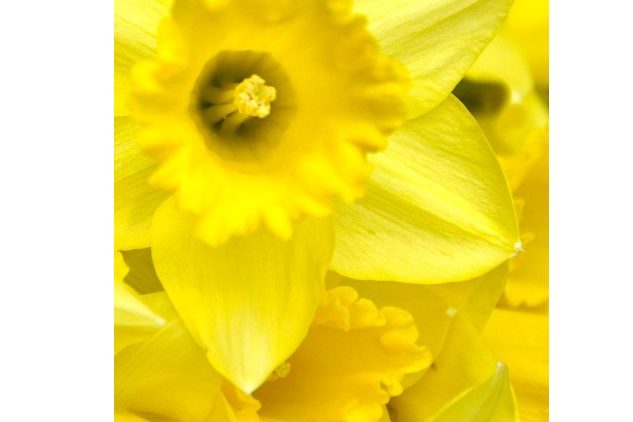
This Photo Session was a celebration of color! Rather than rainbows – which we received beautiful photos of last year – this time it was all about keeping it monochrome, focusing on a single color but in a variety of shades.
Thank You for Participating (Session Closed)
Browse through the photos we received for the May/June color-themed Photo Session in the slideshow below, and don’t forget to check our social media channels, where we will be sharing some of our favorites. Select photos may also appear in an upcoming issue of Your AAA magazine.
"Sunset, Long Island Sound at Crescent Beach." (Louise Triano)
"Peonies Pride. First cuts of this season!"
(Paula Stapleton)
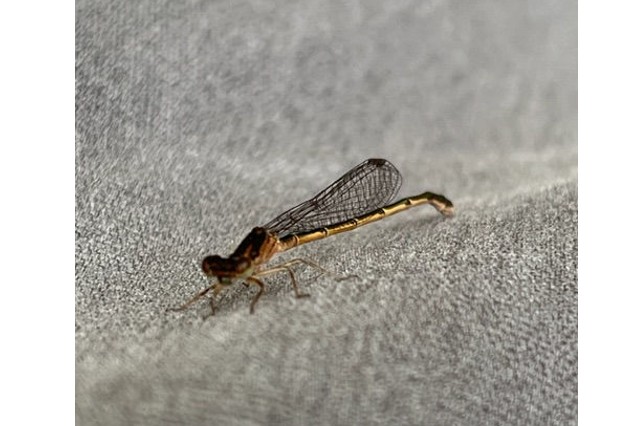
"Natures color comes in all shades ... the gold hues and dark back made this simple dragon fly amazing to watch." (James Jewkes)
"Iris" (Berj Bahtiarian)
(Tama Mobisson)
"What could be better than grilled corn on the cob?"(Sylvia Reisini)
"The art of gardening."(Maureen Baldino)
"Begonia" (Manny Fernandes)
"Pencil cactus, morning raindrops." (Jim Rizzo)
"Ecuadorian landscape in shades of green." (Illene Schwartz)
"Feeling free." (Patricia Taber)
"Sunrise over Brooklyn." (David DeLucia)
"Nothing better when catching up with a friend than sitting down with a hot, foaming cup of cappuccino, the frothier the better! Savor the scents along with the special moments." (Catherine Calle)
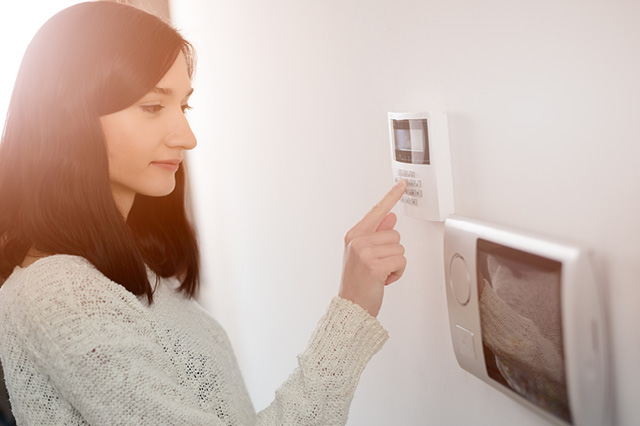
Home safety starts with being alerted to potential problems as soon as possible. From carbon monoxide and house fires to burglaries, floods and other accidents, having the right detectors and alarms in place is a simple preventative measure that can save lives. Knowing about the types of detectors, where they should be installed and when to replace them are also key to your family’s safety at home.
Smoke Alarms
“Fire research has demonstrated that with today’s modern furnishings, fires can spread much more rapidly than in the past when more natural materials were used,” reports the National Fire Protection Association. “Because of this, having a sufficient number of properly located smoke alarms is essential.”
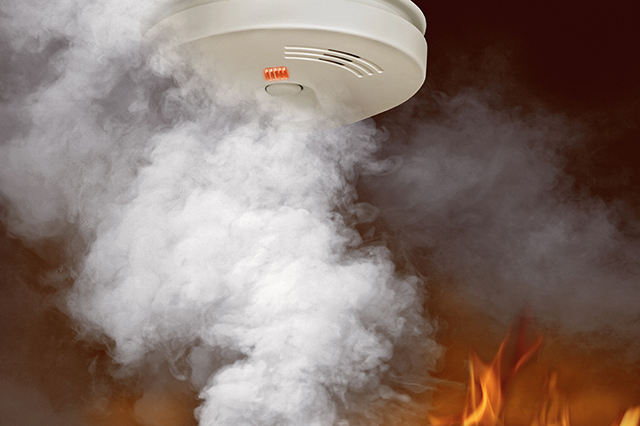
There are two common types of smoke alarms. Generally, ionization smoke alarms are more responsive to “flaming fires,” while photoelectric are more responsive to “smoldering fires,” according to the NFPA. Using a combination of both is highly recommended, although the type and number of smoke alarms required in homes is set by local law.
Smoke alarms are designed to detect the presence of smoke and alert people in the home of potential danger but must be connected to a monitoring service to signal the fire department, a service a professional alarm installer can provide.
Smoke alarms should be installed on every level of a home, including in the basement, as well as inside each bedroom and outside every sleeping area. To maintain your devices, try to test once a month, replace the batteries at least once a year and completely replace them every ten years.
There were 3,704 deaths and 16,600 injuries from fires in 2019, according to the latest statistics from the U.S. Fire Administration, and just over half of these were due to cooking. Having a smoke alarm near the oven is a good idea, but it should be at least 10 feet away to prevent setting it off every time you accidentally – or purposefully – char your food. Also, don’t put smoke alarms too close to a window or exterior doorway, as potential drafts could throw off its detection.
Carbon monoxide is a poisonous gas sometimes referred to as the “silent killer.” Unlike fire, with its flames, heat and smoky smell, CO is dangerous because it is invisible, odorless and tasteless.
“Each year, more than 400 Americans die from unintentional CO poisoning not linked to fires, more than 100,000 visit the emergency room and more than 14,000 are hospitalized,” says the Centers for Disease Conrtol and Prevention.
The symptoms of carbon monoxide poisoning are similar to those of the flu – dizziness, fatigue, headaches and nausea – and so many people disregard these warning signs. Long-term exposure to CO can lead to chest pain, confusion, irritability, impaired judgment and coordination, loss of consciousness and death.
The elderly and young children are especially susceptible to CO poisoning, as well as anyone with anemia, cardiovascular disease, sickle cell anemia or respiratory conditions.
Carbon monoxide is produced by many fuel-burning household appliances, like water heaters, furnaces or boilers, gas and wood-burning fireplaces and stoves. Other kinds of CO-emitting appliances, that can be hazardous if you use them indoors or too close to your home, include generators, grills, lawn equipment and power tools.
Since carbon monoxide is undetectable to our senses, CO sensors are absolutely necessary for home safety. You’ll want two to three carbon monoxide detectors in an average-sized home – more if your home is larger. Place detectors near heat-producing appliances, and replace them every five years. To make sure your detector is working efficiently, change its batteries once or twice a year.
To be safe, all fuel-burning appliances should vent outside. You should also have your heating system serviced once a year to make sure everything is working properly.
Flood Sensors
Flood sensors can detect unusual levels of moisture, helping to protect your home from potential water damage. Not only is water damage costly – flooding ruins carpet, furniture, electronics, etc. – it can also lead to mold.
If you live in an area that experiences flooding and/or heavy rains, a flood sensor can monitor places prone to water damage, like attics, basements and crawlspaces, and warn you about water seeping into your home.
If you live in a drier area, you may still want to consider flood sensors for potential indoor incidents, such as burst pipes during freezing temperatures, a leaking sink or washing machine, plumbing issues, etc.
“Just 1 inch of water can cause $25,000 of damage to your home,” according to FEMA’s National Flood Insurance Program. However, standard home insurance policies don’t protect against flood damage. If you are concerned about flooding, you should consider purchasing a separate flood insurance policy. Reach out to a AAA insurance agent to learn more.
Motion Detectors
Motion sensors are an important part of protecting your loved ones, your home and your valuables. Today’s security systems are capable of monitoring in real-time who’s ringing the doorbell, entering your home or even going into a specific room. Some systems even send notifications straight to your phone.
Motion detectors are great for combating burglaries. There are many types of motion detectors to choose from to fit your home and your needs. Some basics include passive infrared, microwave and video motion detectors as well as dual technology motion sensors that combine different methods of monitoring.
Pets are notorious for setting off motion alarms, but detectors that go by weight or are placed above your pet’s height are less likely to give false alarms.
Detecting potential risks as soon as possible by using a variety of home safety detectors can help protect your family, pets and assets. Plus, most insurance companies provide a discount on homeowners insurance if there is a centrally monitored security system, which typically includes motion sensors and smoke detectors.
There’s no better way to explore the coastline of New England and Eastern Canada than on a cruise. Traveling by sea, you can fully appreciate the picturesque villages, scenic landscapes and nautical charm these ports of call are known for. And Norwegian Cruise Line offers sailings from local ports, making it a quick and easy getaway.
Here are five reasons you should consider Canada and New England for your next cruise.
Cruise From Home
When you’re coasting up the coast of New England and Canada, you can take advantage of homeport cruises from Boston and New York. You’ll be in the bustling city at one moment and sailing the Atlantic the next.
Scenic Views and Seaside Towns
On your cruise up the coast, you can stop at picturesque ports of call like Bar Harbor, Nova Scotia and Prince Edward Island.
In Bar Harbor, Maine, you can explore the natural beauty of Acadia National Park. In Nova Scotia, you can take a shore excursion to the idyllic fishing village of Peggy’s Cove. And on Prince Edward Island, you can walk in the footsteps of Anne of Green Gables.
Quebec City is a port of call you won’t want to miss. Explore the European-style streets of Old Quebec, see the walls and gates surrounding the only fortified city north of Mexico and tour the historic Chateau Frontenac hotel overlooking the St. Lawrence River. Don’t forget to visit the majestic Montmorency Falls if you can.
See? Food!
When it comes to seafood, New England and Canada’s east coast can’t be beat. You can pull your own lobster traps in Portland, Maine, sample the local shellfish and attend a “downeast” lobster bake in Bar Harbor, eat fresh-caught fish in Peggy’s Cove, do a walking tour of Charlottetown’s delicacies and more. There’s lobster everywhere you turn, but it’s so fresh that you’ll never have enough.
The Norwegian Cruise Line Experience
Sure, the shore excursions and ports of call are great, but what about the ship? You’ll sail in comfort on Norwegian Cruise Line, whose ships offer a variety of dining options, live entertainment and even an onboard spa. NCL’s freestyle philosophy of cruising means that you can decide what you want to do and when you want to do it.
Are you ready for your North Atlantic adventure? Book a Norwegian Cruise Line cruise today.
Chances are, you’ve heard a marketing slogan or two about the benefits of a healthy gut. But what exactly does that mean?
Dr. Ali Rezaie, a gastroenterologist and co-founder of The Good LFE, a nutrition resource for people with digestive issues, describes the gut microbiome as “the constellation of bacteria, fungi and viruses living in our bowels.”
Disgusted? Don’t be. Your digestive tract’s good bacteria help break down food, process vitamins and even contribute to immune health.
The trouble often begins when certain bacteria overmultiply or migrate to places they don’t belong. That’s the case with a gut disorder called SIBO (small intestinal bacterial overgrowth), which now affects about 11% of the population. SIBO occurs when the small intestine is overpopulated with bacteria.
Signs of Gut Problems
Nearly two-thirds of Americans say they regularly experience gastrointestinal issues, according to the National GI survey conducted by the National Institutes of Health. Are you one of them?
If you do have an overgrowth of bacteria in your small intestine, you’ll notice. Rezaie said the imbalance can lead to a collection of symptoms that include:
Painful bloating.
Diarrhea.
Constipation.
Generally unpredictable bowel habits.
Still, gastrointestinal distress can be caused by many gut disorders, not just SIBO. Rezaie also looks for signs of these other health conditions:
Inflammatory bowel diseases (Crohn’s disease and ulcerative colitis).
Celiac disease.
Gluten sensitivity.
Stomach or intestinal infection.
Lactose intolerance.
Finding the Root of Your Gut Issues
Different bowel disorders require wildly different diets or treatments. For instance, someone with constipation might need more fiber, while someone with SIBO could experience worsening symptoms if they overeat fiber.
That’s why it’s essential to have a doctor pinpoint the cause. Some diagnoses require a colonoscopy, yes, but not all. Rezaie said noninvasive breath tests can be used to diagnose SIBO.
3 Ways to Maintain a Healthy Gut Microbiome
It’s not always possible to prevent digestive issues. If you’ve already developed gastrointestinal problems, it’s time to talk to a doctor. But if you have no symptoms of a gut imbalance, you can follow these tips to support a happy, healthy gut.
1. Eat a Balanced Diet
“There is no magic specific food that can make the gut microbiome healthy,” Rezaie said.
Instead, fill your day and your plate with a combination of these foods:
2. Eat Foods With Gut-Healthy Probiotics and Fiber
Amy Gorin, a Connecticut-based inclusive plant-based dietitian, also suggests eating foods known to support good gut bacteria. However, if you have SIBO – an overgrowth of bacteria – you will need a tailored diet.
Here are her top three recommendations for gut-nourishing foods.
Kefir
“Kefir is a fermented liquid dairy that contains a plethora of gut-helping probiotics,” Gorin said. This creamy, drinkable yogurt is traditionally made by fermenting cow or goat milk, but brands like COYO and Biotiful offer plant-based varieties.
Research has found promising links between kefir consumption and gut balance, but more studies are needed to understand precisely how kefir affects the gut microbiome and how much you’d need to drink to influence your overall health.
What we know for sure is that kefir contains good bacteria known as probiotics.
Sauerkraut
A cup of this fermented cabbage dish includes a heaping helping of potassium and digestion-supporting fiber.
“Reach for an unpasteurized sauerkraut if you want the maximum gut health benefits,” said Gorin. “This is the type of sauerkraut that contains probiotics.”
Beans
Beans are brimming with fiber, which “helps maintain good gut health,” said Gorin. “This includes stimulating digestion and feeding the gut bacteria.”
She recommends incorporating beans into a salad or making roasted chickpeas – an easy fiber-packed snack or side dish.
3. Space out your meals
Did you know that your digestive system keeps a self-cleaning schedule? Rezaie said the small intestine completes “housekeeper waves” every two hours when we are not eating.
Letting your digestive system clean itself between meals can help keep your gut bacteria balanced. Frequent snacking can disrupt the cleaning schedule and potentially contribute to bacteria imbalances.
“A reasonable rule would be to space the meals for five hours and not to eat at nighttime for an eight-hour period,” said Rezaie.
Bottom Line
Talk to a doctor if you’re experiencing frequent bloating, diarrhea or constipation. A gastroenterologist can help pinpoint the cause of your digestive woes and develop an effective treatment plan, which might or might not include dietary changes.
If you have a healthy digestive system and want to maintain the benefits of a healthy gut, focus on eating a balanced diet, enjoying probiotic- and fiber-rich foods and giving your body a break between meals and snacks.
Did you know the importance and benefits of a healthy gut? Did you learn something new? Tell us in the comments.
Shop and Cook: Red, White and Blue Charcuterie Board
Shop and cook with an editor from Your AAA! Celebrate the Fourth of July with this patriotic charcuterie board that’s sure to be the star of any cookout.
When you think of the Fourth of July, what comes to mind? Maybe it’s the fireworks display you see every year or the beach plans you make with friends. Or, if you’re anything like me, perhaps your first thought is all the yummy cookout food you’ll get to eat!
You know the staples well: burgers, hotdogs, potato salad and your ice-cold drink of choice. But this year, why not try something a little different?
Enter the red, white and blue charcuterie board. All the patriotism, no grill master required.
Shop
When shopping for charcuterie ingredients to adorn your Fourth of July board, keep a keen eye out for unassuming fruits, vegetables, meats, cheeses and crackers that fall into each red, white and blue color category. Finding a well-rounded variety for each color becomes increasingly sporadic once you’ve secured the obligatory strawberries for red and blueberries for blue, so it’s your time to get creative!
For our board, we were able to find the following items for each color:
Assembling a charcuterie board is all about filling space in a thoughtful way. We suggest laying out ingredients in color order, then choosing one item at a time to scatter evenly among the board before moving on to your next item. For example, if you begin with blackberries, make a few small piles in the blue section of your board, then focus on placing another ingredient. This way, everything is evenly dispersed. A more random approach may result in too much of one thing or not enough of another.
Once you’ve placed all your ingredients, look at the board from all angles to ensure there are no large blank spaces. If there are, simply fill with the ingredient of your choice. We found that crackers and nuts make the best last-second fillers.
When you’re planning on putting miles under your belt with a vehicle, having the most fuel-efficient car makes all the difference. Not only does fuel-efficiency help you save at the pump and put money back into your pocket, it also helps minimize your carbon footprint. Win-win!
Of course, when you are buying or even renting a vehicle, numerous factors play into your final decision, including safety, price, size, utility and additional luxury features (such as heated seats and sunroofs). Once you nail down the price range you’ll be shopping in, you can then look to prioritize how fuel-efficient the car is.
And if you don’t want to worry about fuel at all, it may be time time to get into an electric vehicle. Check out AAA’s EV platform to learn more.
Economy Cars
When it comes to fuel-efficient cars, there isn’t a lot to choose from in the economy price range of gas-powered cars. Often, the model only becomes superbly fuel-efficient when you upgrade the system to a hybrid version of the car. Nonetheless, the Hyundai Sonata offers a lot of bang for your buck.
Hyundai Sonata
The Hyundai Sonata averages a solid 31 mpg with the ability to get up to 38 miles mpg on the highway. The versatile car enters the market at a sub-$26,000 price tag. The hybrid model will cost you about $3,000 more but you’ll be able to enjoy up to 54 mpg on the highway.
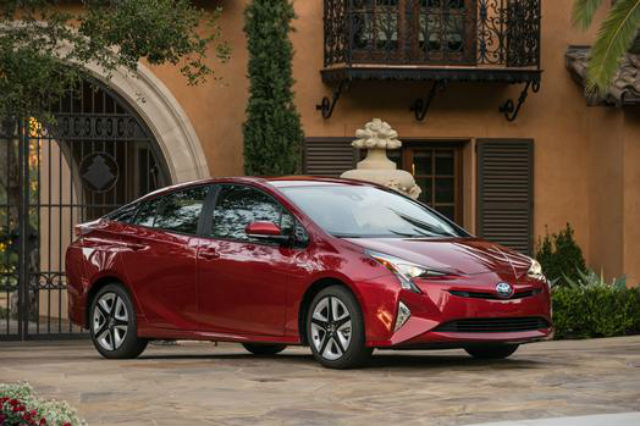
Toyota Prius (Photo: Toyota)
Mid-Range Options
This is where you’ll find the majority of your most fuel-efficient vehicles. These cars are designed for middle and upper-middle class folks who aren’t fans of needlessly burning money every time they go to the grocery store.
Toyota Prius
The Toyota Prius hybrid puts gas guzzlers and even gas sippers to shame, as it can last up to 57 city miles and 56 highway miles per gallon. When traveling less than 25 mph, the car can run entirely on electric.
Toyota Corolla
The world’s most popular car is also one of the most fuel-efficient. The traditional gas-powered Corolla gets an impressive 32 city / 41 highway mpg. But the hybrid version, powered by two electric motors reaches a combined 50 mpg.
Luxury Splurge
Tesla Model X
Luxury cars are built with things besides fuel-efficiency as a top priority, unless they’re an electric car, such as the Telsa Model X. Starting at nearly $100,000, it has a 348-mile range.
When Considering Fuel-Efficient Cars …
Though getting the most fuel-efficient car might not be your top priority when it comes to buying or renting a vehicle, it should be at the top of your list (assuming you’ve got safety covered). In some cases, you’ll be shelling out extra cash for the hybrid version of the car. But in the long run you’ll be laughing all the way to the bank.
Do you have any preferences among the most fuel-efficient cars listed? Tell us why in the comment section below!
AAA members can save even more money at the pump with Shell’s Fuel Rewards program. Learn more.
It’s never the wrong time to start forming healthy habits. Establishing practices that are good for you can help you manage stress and improve your overall wellness and mood. Try incorporating some of these healthy daily habits into your routine and see what sticks.
Journaling
Whether it’s for helping to keep your life organized with lists and reminders or chronicling reflections about your day, many people find writing beneficial to mental health.
“Journaling can help you manage anxiety, reduce stress [and] cope with depression,” according to the University of Rochester Medical Center. “Journaling helps control your symptoms and improve your mood by helping you prioritize problems, fears and concerns; tracking any symptoms day-to-day so that you can recognize triggers and learn ways to better control them [and] providing an opportunity for positive self-talk and identifying negative thoughts and behaviors.”
All you need to start forming this healthy habit is a bit of time, a clean notebook and a writing utensil. Go for a quality journal to write in, like a Moleskine Classic Notebook or – if thoughts often come to you on nature walks or in the shower – a Rite in the Rain Weatherproof Notepad. A good pen, makes writing by hand feel even more cathartic.
Stay Hydrated
Water helps your body function at its best, but many struggle to drink enough.
The U.S. National Academies of Sciences, Engineering, and Medicine suggests a daily fluid intake (from water, other beverages and food) of 15 ½ cups for men and 11 ½ cups for women as a baseline, though this may need to be modified depending on activity level, environment and individual health needs.
To establish this healthy habit, the Mayo Clinic recommends drinking a glass of water with each meal and between meals, before, during and after exercise, and when you feel thirsty.
Drink from a reusable water bottle with markers for easy measuring and tracking, like the Venture Pal. If you’re really serious about your water drinking goal, splurge on a smart water bottle that tracks your water intake and glows to remind you to stay hydrated.
To flavor your water, try adding mint, slices of cucumber, lemon or your favorite fruits like pineapple and strawberries. If you simply can’t stomach that much water in one day, consider supplementing with other healthy beverages, like a cup of tea.
“It’s a myth that caffeinated beverages or those containing alcohol are dehydrating because they make you urinate,” according to Harvard Health Publishing. “They do, but over the course of the day, the water from these beverages still leads to a net positive contribution to total fluid consumption.”
Pro tip: You can also get water from certain foods, like salads and fruit.
Be Positive
Doing something you’re good at or enjoy is one of many routes to happiness. Hobbies like baking, crafting, gardening, tending to a collection and listening to music are all great ways to boost your mood.
Another way to stay positive is to focus on the good things in your life. Similar to the journaling method mentioned above, you can start an intentional gratitude journal. Listing the circumstances, people and things you’re thankful for can help you have a more optimistic attitude.
An additional option is doing good deeds. Volunteering your time, donating to a good cause or simply doing something nice for someone else, can help improve your mood. Here’s a list of good deeds you can do from home.
Take some time to unplug, defrag and do essentially any other beneficial activity. This is a good opportunity to nap, read, meditate, play a game or spend time with a pet.
Take time for a bit of self-care or head outside for some fresh air. You can do an outdoor workout or go on a walk, hike or bike ride. Less active tasks, like gardening or birdwatching are good, too.
Eat Well
One way to eat better is to meal plan. Meal planning saves time and money, and making food at home is almost always healthier than eating out because you can control the amount of salt, fat, etc. in your meals.
Start by incorporating more fruits and vegetables – a mix of fresh and frozen to save money – into your diet. Try making more vegetarian meals, cutting back on dairy and avoiding processed foods.
It’s important to listen to your body; it may need more fuel throughout the day. Snacking between meals is okay when it’s done right. When you’re feeling peckish during the day, reach for healthy snacks.
Stay Active
The goal is to get in a little bit of activity every day. Try scheduling time to exercise when your schedule allows. Start a morning stretch routine or try a fitness routine you’ll actually enjoy, like yoga, or easy indoor or outdoor workouts.
One third of American adults are sleep deprived, according to the Sleep Foundation.
Occasionally missing out on sleep can negatively affect your mood and memory, while chronic sleep deprivation can have long-term effects on your overall health. Since there really isn’t a way to “catch up” on lost sleep, it’s best to get quality sleep when you can.
Try going to bed 30 minutes earlier than you normally do. Be mindful of what you eat and drink before heading to bed, avoiding alcohol, caffeine and heavy foods. Limit naps to 30 minutes or less – and don’t take them too late in the day. Avoid using electronics at least one hour before bed, as the blue light they emit could keep your mind active. Instead, try reading, writing in your journal or simply lying in the dark.
Make your journey into healthy habits easier by checking out our curated shopping list below.
Which healthy lifestyle habit is part of to your daily routine? Tell us in the comments.
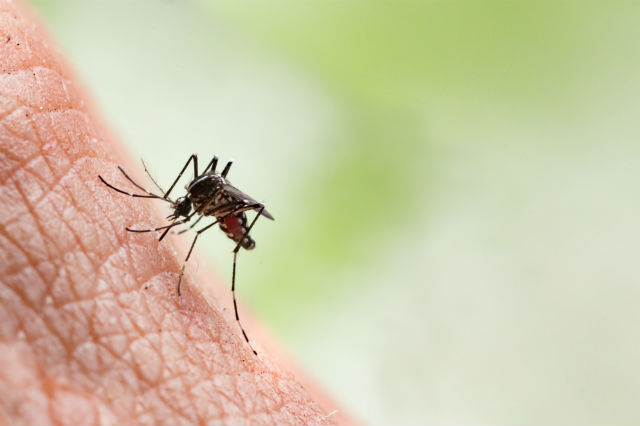
The internet is rife with “life hacks” and old wives’ tales on how to stop bug bites from itching, but do any of them actually work?
Last summer, I gave one of them a try. I read that marking an “X” into the bite with my fingernail would provide some relief. My backyard is a huge attraction for mosquitoes, so, soon enough, I had a sizable bug bite to test this on.
The verdict? I may have been distracted from the itchiness for a good 30 seconds or so, but that’s all it was – a distraction. To truly relieve yourself of the itch, you must reduce inflammation, which won’t be achieved by a game of X-marks-the-spot.
But first, the best protection against any bug bite is prevention.
How to arm yourself against bugs
Now, hold on. Put down those citronella tiki torches for a second. Bug bite prevention comes down to three simple tips.
Avoid them as much as possible
It’s the summer and, though we may be traveling, camping or going to family barbecues, the only way to ensure we don’t get bitten is to ensure we don’t give bugs the chance.
Avoid tall grass and wooded areas to avoid ticks, head indoors once the mosquitoes come out and, when traveling, ensure you’re sleeping in places that are air-conditioned or screened against bugs.
The mosquito bite is a summertime ailment so common that it’s nearly synonymous with the season. But mosquitoes aren’t the only bugs that are prevalent in the warmer months. Bedbugs, fleas and ticks enjoy the warm weather, too.
Tick bites can be itchy like mosquito bites, but, luckily (or rather unluckily), we can identify them by the tick’s head. Ticks like to bite and set up shop in the skin, burrowing in their heads. Even if the tick is too small to see, it will enlarge after feasting on your blood.
Bedbug bites look similar to mosquito bites and can be harder to identify. Bed bug bites are red and raised, but are different in that they can sometimes appear in clusters or straight lines. Flea bites are different in that they appear as small red dots surrounded by reddened halos.
Most flies don’t bite, but some of the most pesky and painful bites can come from horse flies, deer flies and sand flies, also known as biting midges or no-see-ums. Bites from horse and deer flies are recognizable for the sharp pains that follow the initial bite. The bites of sand flies are painful as well, but much smaller.
How to stop bug bites from itching
This may sound reminiscent of lectures from Mom, but the most important piece of advice on how to stop bug bites from itching is to stop scratching them.
Scratching causes the skin to become more inflamed, which causes more itchiness, which makes you want to scratch again, which causes more inflammation and … you get it. Plus, too much scratching could break the skin and cause an infection.
Resist the urge and try one of the remedies below instead.
Apply an ice pack or cool, wet cloth to the bite for 15 to 20 minutes once an hour for the first six hours after being bitten.
Take an antihistamine. Histamine is the compound that the body’s immune system releases after being bitten. It’s what causes itchiness, inflammation and swelling. Taking an antihistamine medication will soothe those symptoms throughout the body.
Apply a hydrocortisone cream or calamine lotion to the bite. Both can be used to treat inflammation.
Apply aloe vera gel. You may know to use aloe vera to soothe sunburns – the same cooling effect can help soothe itchiness.
Make an oatmeal mask by adding water to colloidal oatmeal and apply it to the bite to reduce inflammation. Wash it off with warm water after 15 minutes.
Soak a bag of green or black tea, then place it in the fridge to cool it down. Once cool, place it over the bite to reduce swelling and relieve itchiness.
Contact your doctor if any new symptoms develop or if symptoms become more severe or frequent.
What’s your advice on how to stop bug bites from itching? Tell us in the comments below.
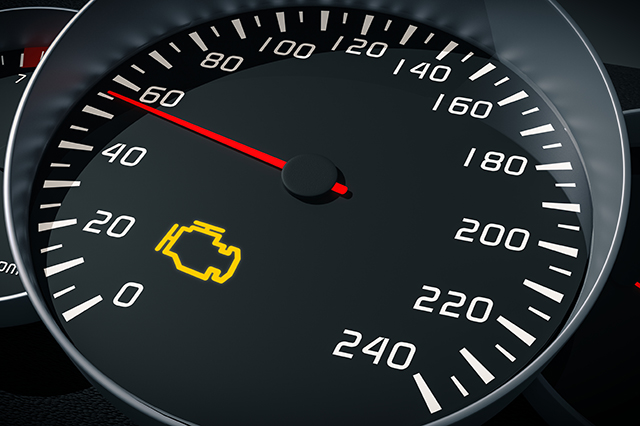
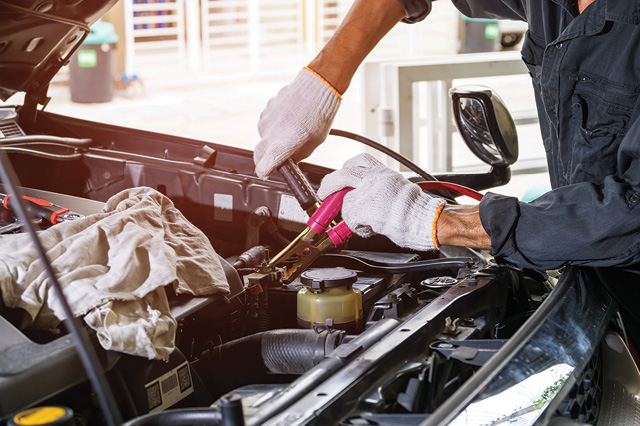
The check engine light always seems to flash at the worst possible time. Either you just got your car out of the shop, are about to head out on a big road trip or you were just telling a friend how reliable your car is.
Regardless, the check engine light is not something you should ignore. Sometimes, you get lucky and it’s an easy fix. Other times, it signals that a serious repair is needed. Either way, the sooner you can diagnose the issue, the faster you can get your car fixed.
These are some of the most common reasons for check engine lights, according to the CarMD Vehicle Health Index.
Catalytic Converters
Average repair cost: $1,313
Of the top 10 reasons for check engine lights, replacing the catalytic converter comes in at number one. The catalytic converter turns carbon monoxide found in exhaust gases into less harmful emissions. Without it, your car won’t go, and if it does, it will get horrible gas mileage.
The good news is this part should not fail if you are keeping up with your car maintenance. The main reasons for it failing are faulty oxygen sensors and bad spark plugs, which your mechanic should be checking when your car goes into the shop.
A failing catalytic converter would be noticeable as it may cause reduced acceleration, sluggish engine performance, dark exhaust smoke and heat under the engine.
Oxygen sensors can fail due to lack of maintenance like neglecting oil changes.
Most cars have two to four oxygen sensors. They measure the amount of unburned oxygen in the vehicle’s exhaust system. If one fails, the vehicle could burn more fuel than is needed.
Many drivers ignore the O2 senor because it doesn’t typically affect how the car performs, but if you don’t address the issue, it will reduce your fuel economy and slowly damage you car. It could eventually bust your catalytic converter, a much more expensive repair.
Ignition Coils and Spark Plugs
Average repair cost: $393
These parts help start a car. The spark plugs ignite the mixture of air and gas found in the combustion chamber and spark plug wires deliver the spark needed to do this from the ignition coil to the spark plugs. All very cool stuff, and all parts that degrade and could fail over time.
Spark plugs can usually last up to 100,000 miles, but they don’t always. A good mechanic will inspect them routinely.
If you ignore spark plugs long enough you could experience reduced engine power and fuel economy or damage the catalytic converter.
Loose or Damaged Gas Cap
Average repair cost: $25
As the price tag indicates, this is an easy and inexpensive fix for your check engine light.
If the gas cap is broken or loose, the vehicle’s fuel system gets thrown out of whack. You probably won’t feel or notice anything different about how the car drives, so it may come as a surprise.
If your check engine light comes on without warning, the first thing you should do is tighten the gas cap and check it for cracks. Rather than bring it to the shop, this is a repair you can do yourself. A new gas cap should cost you less than $15.
Mass Air Flow Sensor
Average repair cost: $304
This sensor works with the vehicle’s computer to get the right mix of air and fuel in the combustion chamber. If it fails, so can your car. Rough idles and stalls are all but assured when this happens.
Like some of the other problems on this list, an unchecked mass air flow sensor will decrease your fuel economy and can damage your spark plugs, catalytic converter and oxygen sensor, resulting in a mega-repair with a big price tag, so don’t hesitate to bring to a trusted mechanic.
Lesson learned? Avoid the dreaded check engine light by staying up on your car maintenance.
If your check engine light turning on is the latest in a series of ongoing car problems, it may be time to invest in a new set of wheels. Learn about the benefits of the AAA Auto Buying program.
Some cities are notoriously expensive to travel to and worth saving for (hello, New York City!); however, costly trips are not always in the budget. If you’re looking for a vacation but watching your wallet, we’ve gathered four of the cheapest U.S. cities to visit. Each city is fabulous and fulfilling without the high price tag.*
If you’re interested in heading to one of the cheapest cities to visit in the South Central U.S., look no further than Oklahoma City. Located smack in the middle of the Sooner State, it’s home to a plethora of museums, outdoor activities and unique accommodations, many at a bargain price. It was even voted one of the “Best Places to Go in the United States in 2022,” by Frommer’s.
If you’re interested in museums, don’t miss the brand-new First Americans Museum which celebrates the 39 tribal nations that live in Oklahoma with exhibits, artifacts and performances. Admission starts at just $15 for adults.
Explore and enjoy the city on a walk through Scissortail Park, a 40-acre urban greenspace spanning from downtown Oklahoma City to the Oklahoma River. Here you’ll find gardens, playgrounds, music venues on the lawn and a lake where you can rent kayaks and pedal boats.
For a different perspective, take a cruise on the Bricktown Canal Water Taxi, offering narrated tours, historically themed boat rides and dinner cruises through the Bricktown entertainment district (pictured above). Prices start at $13 for adults.
Other attractions include the Oklahoma City Zoo, the National Cowboy and Western Heritage Museum and Stockyards City, a western-style town front where you can stock up on western-themed goods.
When it comes to where you’ll stay, lodging at AAA Diamond Designated hotels in the area start at $54 per night. Meals will run you about $50 for a three-course dinner for two at a mid-range restaurant.
Albuquerque may be one of the cheapest U.S. cities to visit, but it doesn’t mean it skimps on attractions and excitement. There’s plenty to do here from museums to outdoor activities, and of course, there are the famous hot air balloons.
Among the city’s most compelling attractions are the over 50 murals painted in locations throughout downtown. You can either walk the mural route or take a mural trolley tour. Either way, be sure to follow along on the MurosABQ website to learn about the paintings and their artists.
Visit the Indian Pueblo Cultural Center where you’ll find exhibits – including pottery, art and jewelry – celebrating Pueblo culture. Also on site are artists selling their wares, dance performances and the Indian Pueblo Kitchen where you can enjoy a meal inspired by Pueblo foods. Admission starts at $12 for adults.
Nature enthusiasts can hike along the Rio Grande or head to Sandia Peak, where there’s outdoor fun year-round in the Sandia Mountains. Hike and bike in the warmer months or choose to ski or snowboard during winter. Want to see the views but skip the exercise? Take the Sandia Peak Aerial Tramway to the top.
Albuquerque is famous for its hot air balloons. Whether you want to watch or hitch a ride, there’s no better time to visit than during the Albuquerque International Balloon Fiesta, which happens annually in October. Pay a visit to the Anderson-Abruzzo Albuquerque International Balloon Museum to learn all about the science and art of ballooning.
AAA-approved hotels in Albuquerque start at $70 per night. A three-course meal for two people at a mid-range restaurant will cost you about $63.
New Orleans may be best known for its Creole culture, French Quarter and robust nightlife scene, but it’s also one of the cheapest U.S. cities to visit, making it simple to navigate on a budget.
Pay a visit to the New Orleans Museum of Art where admission starts at just $15 per adult. The museum claims to be the best of its kind in the area and includes 40,000 items that focus on French and American art from the past 5,000 years. The Walda Bestoff Sculpture Garden is also on the grounds, featuring 90 statues across 11 acres.
Traveling with the kids? You’d be remiss not to head to the Louisiana Children’s Museum. Themed interactive exhibits for children include a puppet theater, sensory lagoon, book nook and crafts area. Admission starts at $16 for adults and the museum offers free entry on the second Sunday of the month.
Another destination great for the whole family is the Audubon Zoo where you’ll find 58 acres of animals including a white tiger, Komodo dragon, elephants, alligator lagoon and baby animal nursery.
AAA-approved lodging starts at just $58 per night and food costs about $68 for a mid-range restaurant meal on a weekday.
A city steeped in American history, in Philadelphia you can learn about our forefathers, as well as visit art museums, learn about science and even tour a former prison.
The infamously cracked Liberty Bell is one of the biggest attractions in Philadelphia and has served as a representation of freedom for hundreds of years. The bell sits in front of Independence Hall where the Declaration of Independence was signed. Tours of the building are free but timed entry tickets are required during regular hours in peak season.
Numerous museums are located along the Benjamin Franklin Parkway, perhaps the most notable of which is the Philadelphia Museum of Art, containing 240,000 pieces of art, some dating back 2,000 years. Admission for adults starts at $25. The Barnes Foundation is another art museum featuring paintings dating from the Impressionist movement to modern times with works by Van Gogh, Renoir and Picasso. Admission starts at $25 for adults.
The Franklin Institute is a science museum with a variety of exhibits to learn from, including its Giant Heart – big enough to walk through, interactive brain, planetarium and observatory. Adults are admitted for $23.
If you so dare, head to the Eastern State Penitentiary, one of the formally most famous (and allegedly haunted) prisons in the world. Self-guided and guided tours are available during the day and at night. Various exhibits are also on site, including infamous gangster Al Capone’s cell. Admission is $17 for adults.
Lodgings start at just $107 for a AAA-approved hotel. A three-course meal for two at a mid-range restaurant will set you back about $65.
Due to the recent I-95 collapse in Philadelphia, we recommend planning ahead before your trip by visiting www.pa.gov/i95updates for the latest detour information.
In today’s interconnected world, cyber threats loom large, and our computers and phones are prime targets. Detecting signs of hacking early is crucial to protect sensitive data and prevent further damage. Here we’ll outline key indicators to identify a compromised device and offer practical steps to fortify your digital security and minimize the risk of future hacking attempts.
Signs of Hacking
Unusual system behavior
Sudden slowdowns, frequent crashes or the appearance of unfamiliar pop-ups can indicate malicious activity. Be wary of unexpected error messages or applications running without your permission.
Unauthorized access
If your accounts are frequently locked due to suspicious login attempts or you receive notifications for unrecognized login locations, it’s possible that someone has gained unauthorized access.
Unfamiliar accounts or software
Check for unknown user accounts on your computer or unfamiliar applications installed on your phone. Hackers may create hidden accounts to maintain control over the compromised system.
Unexplained data usage or network activity
If your internet usage or mobile data consumption increases significantly without an apparent reason, it could be a sign of a compromised device sending or receiving data without your knowledge.
Strange email or social media activity
Be vigilant for unexpected outgoing emails, messages sent from your accounts that you didn’t compose or posts published without your authorization. These could indicate that your accounts have been breached.
Steps to Improve Your Online Security
Update your software
Keep your operating system, applications and antivirus software up to date. Software updates often include security patches that fix vulnerabilities exploited by hackers.
Use strong and unique passwords
Create complex, unique passwords for all your accounts. Consider using a password manager to securely store and generate passwords.
Enable two-factor authentication (2FA)
Enable 2FA whenever possible. It adds an extra layer of security by requiring an additional verification step, such as a fingerprint scan or a unique code sent to your phone.
Be cautious of suspicious emails and links
Avoid clicking on suspicious links or downloading attachments from unknown sources. Be wary of phishing attempts and carefully scrutinize emails asking for personal information or login credentials.
Back up your data
Regularly back up your important files to an external hard drive or cloud storage. In the event of a hack or system failure, you can restore your data without major losses.
Use a Firewall and antivirus software
Install reputable firewall and antivirus software to detect and block malicious activities. Keep the software updated and perform regular scans for potential threats. Consider purchasing the Norton 360 online protection package, which safeguards your computer from viruses and malware and also monitors the dark web for data breaches. AAA members receive a 50% discount on an annual subscription.
Secure your Wi-Fi network
Change the default administrator credentials on your router and use a strong password for your Wi-Fi network. Enable encryption in settings to protect your wireless communication.
Practice safe online habits
Avoid downloading files from untrustworthy websites, be cautious when sharing personal information online and limit the amount of personal data you disclose on social media.
Recognizing the signs of a compromised device and taking proactive steps to enhance your digital security is paramount in the face of growing cyber threats. By staying vigilant and implementing robust security measures, you can protect your computer and phone from hacking attempts and safeguard your valuable digital assets.
Safeguard your identity with ProtectMyID, free for AAA Members. Enroll now.
The trend in personal transportation in recent years might be summed up as “smaller is better.” Take the Honda HR-V, for example. The second generation of this subcompact crossover exists for people looking for the practicality of a CR-V at a more affordable price.
Under the hood is a 2.0-liter, four-cylinder engine that puts out an adequate 158 horsepower, with a choice of front- or all-wheel drive. This powertrain delivered good fuel economy and passable performance.
Now built on the same underpinnings as the Civic, this new HR-V actually bucks the downsizing trend by growing about 9 inches longer and 3 inches wider than the original. That translates to decent room for four passengers or 55 cubic-feet of cargo.
The cabin features nicer styling and better materials than the model it replaces. The low seat height relative to other crossovers adds to the car-like feel.
Figure in a smooth ride and the Honda HR-V becomes a good choice for buyers looking for utility in a reasonably priced package.
Starting Price: $23,800
MPGe (city/highway): 25 city / 30 highway
Safety: N/A
To see what sets the Volvo XC40 Recharge apart from other compact crossovers, you need only raise the hood. You won’t find the four-cylinder gasoline engine that powers other versions of the XC40. In its place is a handy “frunk” (front trunk) that makes room for all those things you couldn’t fi t into the regular cargo hold. Elsewhere, the cabin has decent room for four adults.
Given that this is a luxury model, it came as no surprise that our test car was kitted out with the latest technology, including adaptive LED headlights; a lane centering feature also takes the fatigue out of long trips.
Powering this all-wheel-drive green machine are battery packs sandwiched under the floorboards. Given that most people rarely travel more than 100 miles a day, its 250-mile range on a full charge should be enough to get you through your daily commute. This powertrain also produces the sports car-like acceleration of battery-powered models and still manages to tow a useful 2,200 pounds.
In short, the XC40 Recharge is likely to surprise you.
The cruise industry has a longstanding reputation for embracing diversity among crew members and passengers. Within the LGBTQ+ community, Celebrity Cruises’ legacy of support has generated iconic programming and garnered numerous accolades. In recognition of Pride Month, the line ramps up its rainbow-themed activities throughout June and even hosts the largest Pride Party at Sea.
While this year marks the fifth annual Pride Party at Sea, the event was inaugurated in 2017, but postponed twice due to the pandemic. The upcoming bash promises to be bigger than ever, with Celebrity initiating festivities aboard the Pride Party at Sea flagship, Celebrity Edge, during its June 10th European cruise, and then “handing off the party baton” fleet-wide to spread the celebration across multiple hemispheres and time zones. In all, the tandem party will travel more than 10,000 miles around the world to 12 ships, featuring itineraries in places such as Alaska, Iceland, Scandinavia, Bermuda, the Caribbean and multiple regions in Europe.
Activities include ceremonially raising the Pride flag atop the ship, a parade and a pool-deck party with live music, dancing and entertainment. In step with Celebrity’s penchant for cool aesthetics, you can expect accoutrements like “mermaids” in the pool, mod lighting effects and artists that interact with guests Cirque-du-Soliel-style. Plenty of rainbow swag gets passed out. Creative bites and signature beverages abound, too. Plus, in the spirit of inclusion, the entire ship is invited to the soiree, which means officers, crew, staff and all kinds of guests come together to recognize and celebrate Pride.
The roster of multigenerational LGBTQ+ focused programming can run the gamut from themed crafting and fashion shows to Walk-for-Pride campaigns and various social hours. It’s also worth noting all Celebrity cruises, regardless of timeframe, feature the line’s popular first-night LGBTQ+ Welcome Party. Likewise, the Celebrity Weddings program has facilitated destination nuptials for same-sex couples for years. In 2018, Celebrity also made history as the first major cruise line to conduct a legal, same-sex marriage at sea.
Dedication to the LGBTQ+ community extends beyond Celebrity’s boats. The line serves as presenting sponsor of Miami Beach Pride, a festival in the city where Celebrity is headquartered. Most remarkably, Celebrity just collaborated with renowned photographers (think Annie Leibovits and Giles Duley) to establish the All-Inclusive Photo Project, the world’s first open-source photo library promoting diversity in travel marketing imagery. Not surprisingly, the line also has been recognized by the Human Rights Campaign as one of the best places to work for LGBTQ+ equality.
Clearly, Celebrity’s outreach amounts to more than trendy tokenism. Beyond all else, the shipboard result is an atmosphere that invites members of the LGBTQ+ community to simply feel comfortable being themselves and enjoy the cruise experience.
On a Celebrity voyage, guests can expect to indulge in impeccably designed spaces – everything from cabins that feature Infinite Verandas (where the touch of a button transforms the entire living space into a private, open-air perch at the water’s edge) to top-deck Lawn Clubs (where real grass grows underfoot). Sublime pool decks, spas, tech-savvy entertainment centers, art galleries, casinos and an array of elevated eateries beckon, too. Celebrity’s latest ships come with a Magic Carpet, an eye-catching venue cantilevered over the open ocean that slinks up and down the side of the ship. Among other things, it delivers spectacular alfresco dining and drinks.
Celebrity could rest on its laurels, but the future looks even brighter for LGBTQ+ passengers, because in 2024 the line plans to expand its Pride Month celebrations with more daily gatherings, guest entertainers and new attractions yet to be revealed. Plus, there will be a Pride Party at Sea on every voyage in June. That adds up to 46 cruises. Celebrity Ascent, set to debut later this year, will join the festivities, literally bringing another boatload of Pride to the high seas.
Start planning for next year’s Pride Party at Sea today.
World Ocean Day is June 8. In the spirit of protecting our oceans, learn how to be part of the solution and not the problem on your next visit to Hawaii.
The first World Ocean Day was introduced in Rio de Janeiro on June 8, 1992, and just over thirty years later, World Ocean Day is still a day centered around educating and motivating people on caring for and acting in service of the world’s oceans.
The 2023 World Ocean Day is all about supporting the 30×30 goal, which is the commitment to protecting 30% of the world’s lands, waters and oceans by 2030. At the United Nations Convention on Biological Diversity in December 2022, the 30×30 commitments were announced, and it’s a worldwide movement that you can be a part of.
Supporting habitat conservation and restoration, understanding the impact our actions have on the ocean and valuing the role nature and the ocean play in our lives are important ways each of us can help support the 30×30 goal. It can sometimes be easier to care about the nature that surrounds us and that we see every day, but it’s important to remember that caring for the planet can and should extend to our vacations.
Hawaii is a hugely popular tourist destination thanks to its natural beauty. But tourism can come at a cost, and there’s the potential to make the land and ocean around Hawaii a little bit worse for having visited. Flip the script and make Hawaii better because you decided to visit. Here are some ways to do that, including volunteer opportunities, reef-safe sunscreen and five hotels across the islands that are dedicated to sustainability. Each way brings us one step closer to the World Ocean Day goal.
Volunteer on Vacation, Get a Free Night’s Stay
“Malama”in Hawaiian means to care for, preserve and protect. The Malama Hawaii Program, launched in 2021, gives tourists opportunities to give back and care for Hawaii and come away feeling more connected to its natural beauty and culture. Plus, in exchange for volunteering just a couple hours of your time on your Hawaiian vacation, you can get perks like a free night’s stay or a resort credit at participating hotels across the islands.
The program has plenty of options for everyone’s interest, especially those who are passionate about the ocean. Help restore native Hawaiian fishponds with the Malama Loko Ea Foundation. Take the Malama ka Aina tour at Kualoa Ranch (which you may recognize from the “Jurassic Park” movies) and learn more about the area’s ecosystem from the mountain to the ocean, and help harvest taro or thatch a roof on a traditional Hawaiian house. Or grab a bucket and some gloves and help clean up the beach; you can choose to get your supplies from one of the participating hotels and visit the closest beach, or you can join a group event, like those hosted by Maui Ocean Center or Kauai Surfrider Foundation.
5 Hawaiian Hotels Going Above and Beyond for the Planet
Choosing where to stay is also a way that you can help support ocean conservation. Get to know five of Hawaii’s top hotels with robust sustainability efforts in place.
All 1 Hotels are committed to sustainability, LEED-certified and all of its U.S. properties are carbon neutral. This includes 1 Hotel Hanalei Bay on Kauai’s North Shore, just opened in February 2023. The design of the hotel echoes the natural beauty of Kauai, which is a high bar. The organic rooftop garden provides the freshest ingredients to the restaurants and helps keep the building cooler, reducing the need for air conditioning.
Moana Surfrider, a Westin Resort & Spa on Oahu, was Waikiki Beach’s first hotel, opened in 1901. Its location on the beach is unsurpassed, but it’s not just a beautiful luxury hotel with amazing views. The LEED-certified hotel has been recognized for its sustainability practices, including reducing energy and water usage, recycling everything from cooking oil to paper to cardboard, composting food and landscape waste, and avoiding aerosol cleaning products.
On the island of Hawaii, the AAA Five Diamond Desginated Four Seasons Resort Hualalai has partnered with the Hawaiian Legacy Reforestation Initiative to plant over 50,000 indigenous koa trees. Koa wood has traditionally been used by Hawaiians to build things like surfboards, outrigger canoes and ukuleles. The hotel sources much of its food from local providers. There’s also a garden and oyster pond on-site that helps supply the restaurants, and food waste is given to local pig farmers. It also hosts beach clean-ups, avoids single-use plastics and has on-site marine biologists to teach visitors about the unique pond and ocean ecosystem at the resort.
Oahu’s North Shore, known for its big waves during the winter, is home to Turtle Bay Resort. It has a solar roof on many of its buildings, and native plants make up much of the landscape. Recycling is mandated across the resort, much of the used cooking oil is converted to biodiesel and any landscape waste is mulched or composted. The resort also treats its own wastewater, which cuts down on the need for freshwater, and uses saltwater-tolerant grass on its golf course. If you want to volunteer during humpback whale season, between November and April, you can help count humpback whales off the coast for Turtle Bay’s partnership with NOAA.
AAA Four Diamond Hyatt Regency Maui Resort and Spa on Ka’anapali Beach is a LEED gold-certified property and has worked to reduce water and energy consumption and boost its renewable energy usage with solar panels. It’s another hotel that gets old cooking oil turned into biodiesel and food waste donated as pig food to local farms. When the humpbacks make their way to Hawaiian waters, educational sessions teach guests about the whales and the importance of protecting their ocean home.
Check Your Sunscreen
Wherever you decide to stay and whatever you decide to do in Hawaii, make sure you’re not harming the ocean with the sunscreen you’re using. Hawaii has banned the sale of sunscreens that contain the chemicals oxybenzone and octinoxate, which have a negative impact on coral reefs as well as the overall marine environment.
Some local ordinances ban any non-mineral sunscreens, including Maui and Hawaii counties, so make sure to bring mineral sunscreen with you. Mineral sunscreens block the sun with minerals like zinc oxide and titanium oxide.
In case you do forget to pack the right sunscreen, you can find dispensers with reef-safe Raw Elements USA sunscreen on dozens of beaches across Hawaii.
Simple things like taking time to pick up trash on the beach, wearing mineral sunscreen and staying at a place that goes above and beyond for the planet, all add up. Embody the spirit of World Ocean Day throughout the year and help care for and protect Hawaii on your next visit.
Learn how AAA Northeast is becoming more sustainable. Visit AAA.com/ESG to read about our environmental, social and governance initiatives and how we are progressing on these goals.
AAA’s sustainable travel series is written in partnership with Kind Traveler, a women-and-veteran-owned sustainable travel platform empowering travelers to make a positive impact in local communities, and contributing writer, Kristin Conard.
When drivers load an electric pickup with heavy cargo, they make the vehicle work harder, significantly reducing the truck’s range. But by how much? AAA Automotive Engineering researchers recently tested the Ford F-150 Lightning, the electric version of the iconic best-selling American pickup, to determine the impact of payload on the range. When loaded with 1,400 pounds of sandbags, 110 pounds shy of its maximum capacity, the Lightning’s range dropped from 278 miles to 210 miles, a reduction of 24.5%.
“Our testing revealed a significant range reduction, but it’s important to note that the Lightning was loaded to near its maximum capacity,” said Greg Brannon, director of AAA Automotive Engineering. “Most buyers will likely use their Lightning with a lighter load, resulting in a much smaller range reduction.”
It’s also important to remember that the driving range of all vehicles, whether gas-powered or electric, is affected by weight. And as battery technology continues to improve, EV range will likely increase. However, even with current technology, electric vehicles are still more energy-efficient than gas-powered vehicles regarding energy consumption. The Ford Lightning’s range is less than its gas-burning cousin, which may get over 500 miles per tank unloaded. Buyers concerned about EV range should consider the driving they will be doing and choose the right vehicle for their needs. The difference, for now, is that it is easier to gas and go than stop and charge.
In general, heavier payloads will reduce the range of an EV. This is because the extra weight requires more energy to move. The type of driving also plays a role. Highway driving, which typically involves higher speeds and less regenerative braking, will further reduce range. Unlike gas-powered vehicles, which perform more efficiently at highway speeds, EVs thrive in urban driving conditions due to regenerative braking from more frequent stops. Regenerative brakes capture the energy from braking and convert it into the electrical power that charges the vehicle’s high-voltage battery. This electricity can then be stored in the car’s battery or power other electrical components.
In the case of battery electric pickups used as work vehicles, permanent loads (such as equipment racks, toolboxes, and equipment trays built into the vehicle) will reduce the range at all times, even without additional cargo.
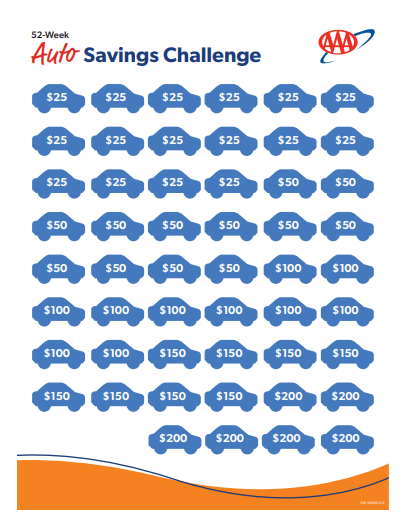
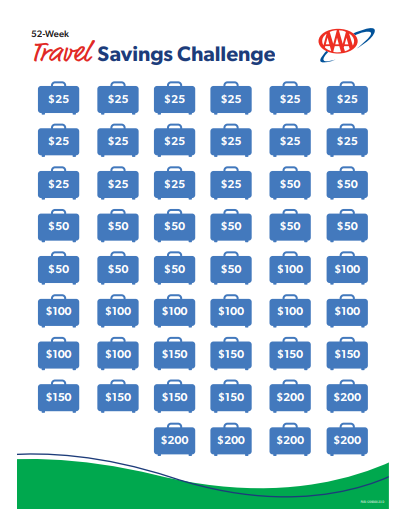
Saving money. It’s something that we all mean to do, but for one reason or another, often don’t. By focusing more on the expenses we need and a less on the indulgences we want, saving can fall to the wayside. Savings challenges make it easy to visualize and commit to reaching your goals.
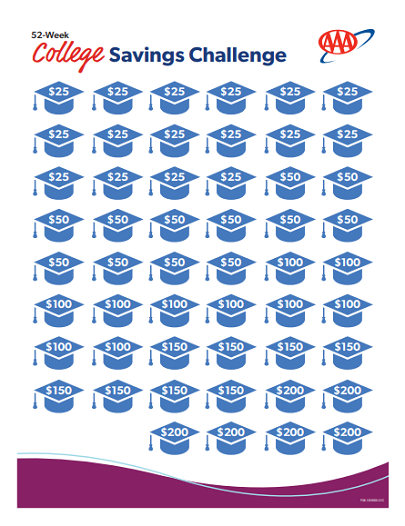
These challenges are designed to help you save money over a specified period of time. Savings challenges come in all shapes and sizes, so to speak. One common type is a 52-week challenge, which requires saving a set amount of money each week over the course of a year. You can start small, saving $5 a week, then gradually move up to larger sums each week.
Aside from accumulating money for a specific financial goal, savings challenges force you to be conscientious of your expenses and spending habits. In turn, you can evaluate what goods and services you can live without and where you may be spending more than you should.
To help you on your journey, we’ve devised savings challenge worksheets for four major purchases that you’ll almost certainly need to save for: a house, college, a car and travel. By following our 52-week savings challenge, you’ll be able to bank an additional $4,400. Depending on your situation and lifestyle, that should be enough to cover a family vacation or a down payment on a car. It can also take a chunk out of your student loan debt or help fund a down payment on a new house.
Shop all the supplies you need for a perfect day of sun, sand, and surf here.
Here are some tips to help you get the most out of your puzzle playing experience. Good luck!
Since our members are the root of everything we do, your feedback is important to us. Let us know if you run into any issues while playing, or share your ideas for future puzzles by emailing us.
Cruises have a reputation for catering to older vacationers. Or at least, they used to. In recent years, millennial and Generation Z travelers have taken the cruise industry by storm.
Why now? What changed? Here are some of the top reasons there’s been a spike in interest in cruises for young adults.
Younger generations tend to spend money on experiences, rather than things, so they travel more as a whole. An impressive 84% of millennial and Generation Z travelers would rather take a dream vacation than purchase a luxury item, according to the 2023 Global Travel Trends Report by American Express.
Ports of Call Are Calling
Cruises that feature multiple ports of call seem to be a big draw for younger travelers who want to sample a slew of different destinations on one trip.
AAA travel advisor Melinda Hardaker, a millennial who has been on four cruises herself, said part of the appeal of cruises for young adults is the ability to explore multiple destinations “while only having to unpack once.”
Book now and save on Royal Caribbean’s Oasis of the Seas. Visit three destinations in one seven-night voyage, sailing from Cape Liberty, New Jersey!
No Decisions Needed
A cruise vacation is easy to plan, with far fewer logistics to figure out than other types of travel. Young travelers appreciate the seamless experience cruising provides. You don’t have to book hotel rooms in each city you visit, figure out how you’re getting to your next destination or find your own shore excursions – it’s all included. The biggest decision is whether you should get the drink package or not.
Dining at Sea
Once upon a time, cruises were known for lackluster dining options and boring buffets. That time is long gone. Cruise lines have majorly upped their game in the dining sphere, featuring restaurants by celebrity chefs, hibachi grills, steakhouses, experiential dining options and more. Still prefer the main dining room? Get friendly with your server – they’ll wait on your table the whole trip, learning your preferences, dietary restrictions and tastes.
View of the Central Park neighborhood on Royal Caribbean’s Oasis of the Seas.
A Lot of Boat for Your Buck
Cruising is cost-effective. The price of your ticket will usually cover your room, meals in most onboard restaurants, onboard entertainment, use of the pool and room service. Some luxury cruise lines even include airfare. You will usually pay extra only for things like a drink packages, shore excursions and spa treatments.
Younger travelers who are looking for a vacation with a lot of value realize that cruises can be a comfortable way to travel for less.
Variety of Entertainment Options
There’s never a dull moment on a cruise. Entertainment options are packed in every corner of the ship, so you won’t have a chance to get hit by the doldrums.
“I’m big into musicals and performances,” said Hardaker. “So I always check out what’s happening on the ship while researching.”
Like most generations, millennials and zoomers love live music. Lounge singers, piano bars and band performances are common sights (and sounds) on cruise ships. And if you’ve got the nerve to get behind the mic yourself, don’t miss karaoke.
Some cruise lines even offer Broadway-scale performances. Royal Caribbean has featured shows like “Cats,” “Grease,” “Mamma Mia!” and “Hairspray,” and Norwegian Cruise Line has put on musicals like the new smash-hit “Six,” “Kinky Boots” and “Priscilla, Queen of the Desert.”
There’s also more interactive entertainment options, like dance-offs, trivia tournaments and escape rooms.
Attractions and Recreation
Cruise ship attractions have gotten pretty amazing in the past decade or so. You don’t need to leave the ship to have a full day of fun. From roller coasters to trapeze schools, sea days are anything but boring. Younger travelers particularly enjoy Norwegian Cruise Line’s go-karts, Carnival’s aerial SkyRide recumbent bikes and Royal Caribbean’s surfing and skydiving simulators.
Many cruises also feature classes on topics like cooking, painting and dancing. You could leave your vacation with a new skill for samba!
Tips for cruising | first cruise vacation | crusie hacks. Let me know in the comments below your favorite cruise tip! #cruisetok#cruiselife#cruisewithme
It’s no secret social media has a lot of deciding power when it comes to millennial and Gen Z travel plans. The Global Travel Trends Report unveiled that among millennial and Gen Z participants, 46% reported traveling to a destination because of Instagram, and 29% said the same about TikTok.
Young cruising influencers like Smart Cruiser and Emma Cruises are part of the thriving #CruiseTok community on TikTok. Featuring reviews, cruise tips and travel footage, their posts are not only getting more young adults interested in cruising, but showing them how to do it like seasoned passengers. It also doesn’t hurt that cruises are great vacations for photo ops.
Cruises for Young Adults: First Time Tips
“Do your research,” said AAA travel advisor Cody Jette, a Gen Z cruiser who recently completed an Alaskan cruise. “While travel advisors can provide a plethora of information, it is best to play around with the cruise line resources and really get a full understanding of how it works.”
“Just breathe,” Hardaker added. “The ship is going to offer so many things for you to do, but don’t feel rushed or intimidated. I find that while cruising, I’m a more go-with-the-flow type. Make plans but don’t plan every day. Try something new and out of your comfort zone. Have fun!”
Read about another AAA travel employee’s first cruise experience.
Podcasts can be a great way to learn new things – especially while multitasking with household chores, driving to work or simply taking a moment for yourself. There’s a podcast for essentially every topic, and money is no exception.
Why not take advantage of free financial advice from experts? Check out 10 of our favorite finance and money podcasts covering everything from paying off debt and earning passive income to saving strategies and retiring early.
“Planet Money” discusses the economy in a way that’s equally informative and entertaining. It’s witty and quirky, while also taking a journalistic approach. The podcast presents marketing case studies, answering important questions like why we tip, why grocery store layouts matter and much more.
With over 1,000 episodes ranging from an average of 20 to 30 minutes each, there’s a good chance you’ll find something that sparks your interest. New episodes are available twice a week and are hosted by various producers.
Hear stories and strategies from top business minds through this show that aims to help listeners manage their own finances and live richer, happier lives. Hosted by financial strategist and author Farnoosh Torabi since 2014, artists, authors, entrepreneurs, journalists and other industry experts from the fields of real estate, education and beyond discuss ideas about careers, money and more.
There are over 1,500 episodes of “So Money” that range from 25 to 50 minutes in length.
Incoming and current college students, as well as new graduates – and possibly their parents – might want to consider listening in on this audio show. From starting a side hustle to deciding on loan repayment plans, “The College Investor” discusses topics such as how to tackle student loan debt and start earning more money, investing and saving.
Rather than interviewing guests, host Robert Farrington distills the best content from “The College Investor” blog, presenting it in a simple, audible format. The episodes are relatively short, ranging from 5 to 30 minutes each.
J. David Stein, former chief investment strategist and money manager, hosts this podcast all about money, “how it works, how to invest it and how to live without worrying about it.” A convenient resource for anyone looking to start investing.
There are hundreds of episodes ranging from 20 to 30 minutes.
“The Dave Ramsey Show” is an especially helpful money podcast for anyone looking to get out of debt and regain control of their finances. Listeners call in to explain their financial situations and ask questions. Although Ramsey’s advice can sometimes come off as a bit harsh, his brutal honesty conveys the true seriousness debt imposes on everyday people.
Ramsey has been on the radio since 1992 and has written seven books about life and money. Podcast episodes are about 40 minutes each.
Looking to achieve financial independence? The Mad Fientist – a combination of the words finance and scientist – teaches listeners about entrepreneurship, real estate and how to retire sooner through interviews with personal finance experts.
New podcasts are posted quite sporadically, but you can explore the Mad Fientist’s 60+ podcast episodes, ranging from 20 minutes to an hour in length, dating back to 2012.
Since 2009, host Pat Flynn has held interviews with entrepreneurs, industry experts and other business professionals. With a focus on building online businesses and blogging strategies, “Smart Passive Income” is best for those looking to boost their earning potential.
Episodes average between 30 minutes and an hour. New episodes air on Wednesday.
Co-hosts Joe Saul-Sehy and OG present this Academy of Podcasters Award-winning show all about saving money, as they interview guests, play trivia and answer fans’ questions. Conversational and slow-paced, each episode sounds like friends discussing money moves, including what works and what doesn’t.
The 900+ episodes of “Stacking Benjamins” are anywhere from 50 minutes to 2 hours long.
Building financial independence is the focus of this podcast hosted by Paula Pant. Learn how making smart money decisions can help you achieve the kind of lifestyle you want to live. Pant’s slogan, “you can afford anything, but not everything,” is encouraging while still being realistic.
There are over 400 episodes ranging from 20 minutes to an hour.
Co-hosts Jonathan Mendonsa and Brad Barrett discuss how to reach financial independence, including ways to pay off debt, reduce living expenses and build passive income. The pair interviews guests and reaches out to their community for feedback and successful financial strategies.
Explore 400+ episodes ranging in length from 35 minutes to just over an hour.
Regaining control of your financial situation isn’t always easy. Although there’s no one-size-fits all strategy to paying off debt or saving, listening to a few money podcasts can help you explore different options and make a plan that works best for you.
What money management or financial advice podcasts do you listen to? Tell us in the comments below.