Here are some tips to help you get the most out of your puzzle-playing experience. Good luck!
Since our members are the root of everything we do, your feedback is important to us. Let us know if you run into any issues while playing, or share your ideas for future puzzles by emailing us.
Getting rid of your old car isn’t always as easy as it seems. You might be able to trade it in and get some money back on your new car purchase. Maybe you can successfully resell it on your own. Either way, new cars depreciate precipitously, so it’s unlikely you’re going to get back a lot of money no matter how you unload your old vehicle. With that in mind, donating your car might prove to be the most rewarding option.
Donating your car has several benefits. First and foremost, you’re helping those in need. There are also financial and convenience advantages as well. Your donation will likely be tax-deductible and many charities will come pick up the vehicle, which is particularly helpful if it no longer runs.
Which charities accept car donations?
Many of the country’s major charities accept car donations, including Habitat for Humanity, Goodwill, Make-A-Wish, the Salvation Army and the Ronald McDonald House, to name a few. If you’re curious if a smaller and/or local non-profit accepts car donations, reach out and ask. This also includes technical high schools and colleges that look for vehicles to teach with. They may be willing and able to even if it’s not advertised.
Regardless of the organization, it’s always a good idea to research the charity you’re giving to. This ensures your donation is used to support your intended cause.
What do charities do with the car?
Depending on the organization and the state of the car, charities will typically do one of two things with the donated vehicle. If it’s still running well, some may use it for their own operations or give it to a needy individual or family. Most often, however, charities will sell the cars at auction or for scrap and use the proceeds to fund their work.
Can you donate your car without a title?
It can still be possible to donate your car without a title, depending on the state where you live. If your state allows it, you will need to provide other paperwork that proves ownership. If you don’t have a title for your vehicle, contact your state’s DMV and/or the charitable organization to see if and how you can donate the car.
Can you claim a tax deduction from donating your car?
Charitable donations are only tax-deductible if they are made to non-profits that have received 501(c)(3) status from the IRS or meet 501(c)(3) requirements, such as religious organizations. You can use the Tax-Exempt Organization Search Tool on the IRS website to learn if a particular organization is eligible to receive tax-deductible donations.
How do you claim the deduction on your taxes?
First and foremost, you’ll have to itemize your deductions when filing taxes in order to receive the financial incentive for the car donation. If you claim the standard deduction, which most taxpayers do, you won’t receive a deduction for your donation.
For tax purposes, a donated car is only worth as much as the charity is able to sell it for. Even if you believe the vehicle has a higher value, your deduction is capped at the sale price.
Written Acknowledgment
A deduction claim of more than $250 but less than $500 requires written acknowledgment of the donation from the charity. This document must include the following:
The name of the charity.
A description (but not value) of your vehicle.
And one of the following:
A statement that no goods or services were provided by the charity in return for the donation.
A description and good faith estimate of the value of goods or services, if any, that the charity provided in return for the donation.
A statement that goods or services provided by the charity consisted entirely of intangible religious benefits.
A deduction claim of more than $500 requires the written acknowledgment include the following:
Your name and taxpayer identification number.
The vehicle identification number (VIN).
Date of donation.
And one of the following:
A statement that no goods or services were provided by the charity in return for the donation.
A description and good faith estimate of the value of goods or services, if any, that the charity provided in return for the donation.
A statement that goods or services provided by the charity consisted entirely of intangible religious benefits.
If the charity is going to use the vehicle, the written acknowledgement should state so, and you can deduct the car’s fair market value. If the charity plans to sell the vehicle, the document must also include:
A statement certifying that the vehicle was sold in an arm’s length transaction between unrelated parties.
The date the vehicle was sold.
The gross proceeds received from the sale.
a statement that your deduction may not exceed the gross proceeds from the sale.
Tax Forms
You must obtain this written acknowledgment, which can be made through Form 1098-C, within 30 days of the vehicle’s sale or the date of the donation. If you are claiming a deduction between $500 and $5,000, you must also complete Section A of Form 8283. If the deduction is more than $5,000, Section B must be completed and include the signature of an authorized charity. You may need to include a written appraisal from a qualified car appraiser.
Have you ever donated your car? Tell us about it in the comments below!
Road trips are a great way to have your own adventure across America’s roads. Take your expedition to the next level by making it an RV road trip.
Why an RV Road Trip?
Taking an RV road trip is almost completely different to taking one in your car.
First of all, you and your family will probably have a lot more room to spread out in an RV, alleviating the stresses of being in the same car with each other for hours on end. You don’t have to worry about scoping out hotels and motels along your route in advance – you already have a clean and safe space to sleep in your RV. You also don’t have to rely on rest stop food if you have your own little kitchen on wheels.
If you had already been planning on camping, RVs can make the experience a lot easier. You get to visit scenic sites across the country without the hassle of putting up a tent and taking it down when you’re finished.
There’s also a lot of camaraderie that comes with traveling in an RV. You’re bound to meet other road-trippers at RV parks, campsites and roadside attractions, and you can swap tips and tricks for how to make your trip one to remember. You can also find RV communities online if you want to connect after your road trip is over (or before your road trip to get some insider information).
Have you decided you want to go RVing? Great! The second choice you need to make is whether you should rent an RV for a road trip, or buy one to keep. RVs are a hot commodity, spiking at the height of the pandemic. Around 11.2 million households now own an RV.
Before you rent or buy an RV, you should learn about the different styles and sizes that might fit you and your family best. There are many types of RVs, but here are the three that you’re most likely to encounter. They also don’t require the addition of a pickup truck.
Class A: At 26-45 feet, it’s the biggest motorized RV, with top-shelf amenities like a bathroom, a kitchen, and lots of sleep and storage space. They’re limited on where they can drive due to their large size, and they have low fuel efficiency.
Class B: Also called “camper vans,” Class B can be 17-23 feet. It’s the smallest of the three, with good fuel economy. It’s also easier for drivers who don’t have much experience with RVs, though it’s a little cramped inside.
Class C: The mid-sized Class C is 20-30 feet, making it smaller than a Class A, but bigger than a Class B. It’s the best of both worlds, and usually comes with a bathroom, kitchenette and sleeping areas.
If you’re planning on taking frequent road trips, buying an RV might be more cost-effective for you.
If you’re a AAA Northeast member, you can save on everything from theme parks to fitness products. But did you know that your AAA membership can help you save on everyday items too? Here are 10 AAA discounts that can help you save on your day-to-day purchases.
Shell Fuel Rewards
No matter what gas prices are like, we’re always looking for more ways to save at the pump. With Shell Fuel Rewards, you can save $0.30 per gallon on your first fill-up, and at least $0.05 per gallon on every fill-up after that.
Feeling hungry, but don’t want to go out? If you’re craving a burrito from your favorite restaurant, you can probably get it on Grubhub. Grubhub is the leading food ordering and delivery app, offering deliveries from almost every single restaurant in your area.
Well, what if you want to cook at home? It’s not always easy to know what to make, or how to make it. The Dinner Daily offers personal weekly meal plans based on your local grocery store’s sales and coupons, saving you time and money. The detailed shopping lists and delicious recipes will turn you into the ultimate home cook.
Movie buffs will love this discount to AMC Theatres, the largest movie theater chain in the world. Don’t let high ticket prices keep you away from the magic of the movies.
HelloFresh is a subscription service that delivers the ingredients and recipes necessary for delicious weekly meals. With fresh, pre-portioned ingredients, seasonal recipes and over 30 fresh meals to choose from every week, you’ll never get tired of being in the kitchen. Try recipes like Szechuan beef noodles, onion crunch chicken, lobster ravioli and more.
Need to send a package? AAA members can get 5% off UPS shipping and 15% off packing supplies. As a bonus, you also get up to 30% off online printing services and 15% off new mailboxes and in-store printing and copy services.
Parking can be hard to find, especially at the airport. The Parking Spot offers full-service parking at 22 major airports across the country, with special features and car care options available at certain locations.
Going organic doesn’t have to be expensive. If you buy organic or health-related products, you’ll love Thrive Market. Thrive Market is a subscription box that will deliver your favorite organic foods, snacks and household necessities straight to your doorstep.
If you love magazines, you could be saving a whole lot on most of your subscriptions. Magazine Advantage has so many subscriptions to choose from, including People, Real Simple, Cosmopolitan, Men’s Health, Popular Mechanics and HGTV Magazine.
The Northeast has a long history of superior oyster farming, well-known for the gems it yields.
A highlight of nearly every restaurant menu on the eastern seaboard, the rugged outer appearance and slimy inner meat of oysters may deter weary diners, but devotees of the bivalve mollusk are rewarded with a briny blend of freshness and flavor reminiscent of the sea.
A Brief Dive Into Northeast Oyster History
One of the earliest aquatic species domesticated by humans, the oyster has been a staple of indigenous diets in America long before European contact. When its industry came of age during the Civil War era, it spurred the Bloody Oyster Wars over harvest grounds in the Chesapeake Bay, which produced 14- to 20-million-bushel harvests. Since it was abundant, easy to harvest, inexpensive and nutritious, oyster demand outpaced supply in the wild and nearly collapsed the seemingly indestructible business in the 1900s.
Since the oyster life cycle takes as long as three years, oyster farming has filled in to maintain our insatiable appetite for this star of the raw bar. The floating bags used by oyster farmers for cultivation, buoys and bottom cages have sprouted along shorelines and inlets throughout the Northeast. These varied marine habitats, from Long Island Sound to Narragansett Bay and Cape Cod, determine everything about the oysters – from shape and size to flavor and brininess – and are responsible for making Northeast oysters among the best in the world.
A Superior Shellfish
Oysters command over half of total mollusk sales nationwide, according to Aquaculture North America. Sustainability and environmental benefits, along with flavor, have helped to catapult its popularity.
A crucial component to ocean health, oysters begin as free-floating larvae, attaching to rocks, docks or any submerged surface. They grow into a sustainable reef, promoting biodiversity and creating a habitat for other marine animals and plants. That reef provides a barrier during storms, preventing erosion and protecting vulnerable coastline.
One oyster filters up to 50 gallons of surrounding waters per day, which improves water quality, increases fish habitat and reduces nutrient influx from land.
Northeast Oyster Farming
Massachusetts
South Shore and Cape Cod oyster farming gives Massachusetts its street cred.
The muddy, windswept flat of Duxbury Bay, 40 miles south of Boston, is the prime spot to grow the brutally briny and fat Duxbury oyster, and Island Creek Oysters is the region’s inaugural farmer. Book a tour to see the aquaculture process directly from the source and slurp down a few oysters at their freshest.
Cotuit Oyster Company, in the Barnstable village of Cotuit on Cape Cod, is the oldest oyster farming business in the country, having raised Cotuit oysters since 1837. The clear and cold streams, estuaries and marshes here mean these oysters have a distinctly bright ocean taste. If you can’t enjoy in person, they harvest and ship fresh to your door within 24 hours, which is a service many oyster farms offer.
Rhode Island
It’s no surprise oysters were the most abundant shellfish in Rhode Island until the early 1900s. Its inlets and salt ponds are quintessential for cultivation.
Matunuck Oyster Bar in South Kingstown is a “pond to plate” operation, growing, harvesting and serving its prime Potter Pond oysters with a water view since 2002.
On the Sakonnet River in Narragansett Bay, Aquidneck Island Oyster Company launched its first-class bivalve operation in 2020. They are available at local restaurants including Midtown Oyster Bar, Coast Guard House and TwoTen Oyster Bar.
Connecticut
Designated Connecticut’s state shellfish in 1989, oysters have been a staple here since the colonial era, when fishermen harvested wild oysters almost to the brink of extinction.
In 1850, 250 schooners imported two million bushels of oysters to New Haven, and by the 1890s, the world’s largest fleet of oyster steamships operated here. The founder of Copps Island Oysters was part of that resuscitation, and remains a fourth-generation family-operated farm, with food truck and catering services. Based in Norwalk, or “Oyster Town,” they grow three varieties of deep cupped oysters on the natural sea floor, where shallow water, swift currents and sandy bottoms create a balance of brininess, sweetness and minerals.
Further up Long Island Sound in Niantic Bay, the Niantic Bay Shellfish Farm also offers plump, sweet and buttery oysters that take on the terroir of their native waters.
New York
Oysters thrived in New York’s brackish harbors, and in the early 1600s, 350 miles of reefs surrounded the island city, constituting half of the world’s oyster population. At its 19th century zenith, residents ate one million oysters every day, but their shell disposal methods contaminated area waters and overharvesting led to the closure of New Yok City oyster beds in 1927.
Now sustainable farms cultivate fresh native oysters, including Widow’s Hole Oyster Farm in Greenport, Long Island, where visitors can tour the beds and learn a two-decade long practice. Peconic Pearls, also cultivated on Long Island, are grown in a modern marine hatchery before they are planted in Peconic Bay by the Noank Aquaculture Cooperative, leading to fresh, juicy morsels.
New Jersey
The intersection of the Hudson River and Atlantic Ocean was long considered the bellwether of oyster growth, with its cold, intertidal estuary helping oysters develop stronger flavor. Indigenous populations collected oysters here in dugout canoes for more than 2000 years, when miles of New Jersey coastline were girdled by mudflat channels and sand basins covered in eelgrass. It was the epitome of tide to table, until oyster production peaked in New Jersey from 1880 to 1930.
Today, Ocean City Oyster Company by G.E.I. Oyster Farm in Great Egg Harbor Bay floats bags atop the water’s surface, so the oysters rise and fall with the tide as they grow, instilling unique local flavor. Sweet Amalia Oyster Farm in Cape May hand harvests each deep-cupped shellfish for superior freshness, imparting a delicate burst of minerality, earthiness and crispness.
Where to you go to eat oysters? Tell us in the comments.
For more local delicacies, check out the recipes and chef tips from AAA-recommended restaurants in Diamond Dish.
From skylines to skyscrapers, your pictures captured the grit and glory of cities near and far.
Thank You For Participating! (Session Closed)
Browse through all the submissions we received during August’s cityscapes-themed Photo Session in the slideshow below, and don’t forget to check our social media channels, where we will be sharing some of our favorites. Select photos may also appear in an upcoming issue of Your AAA magazine.
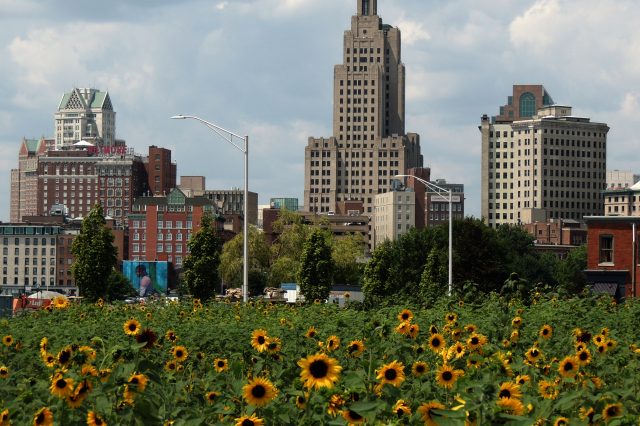
10,000 suns. Providence, R.I. (Fran Dyer)
New York City skyline with Brooklyn Bridge. (Pramod Agrawal)
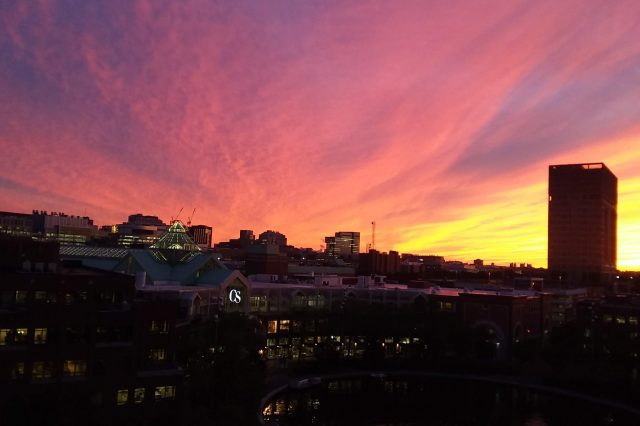
Sunset over Cambridge. (William Machanic)
I used to work in the World Trade Center. (Vicki Hammer-Rosenkrantz)
New York City from Citi Field. (Nick Ferrara)
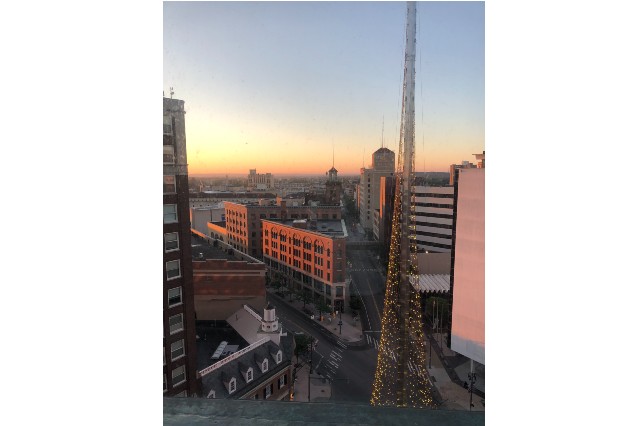
View from 11. (Mary-Margaret Hyde)
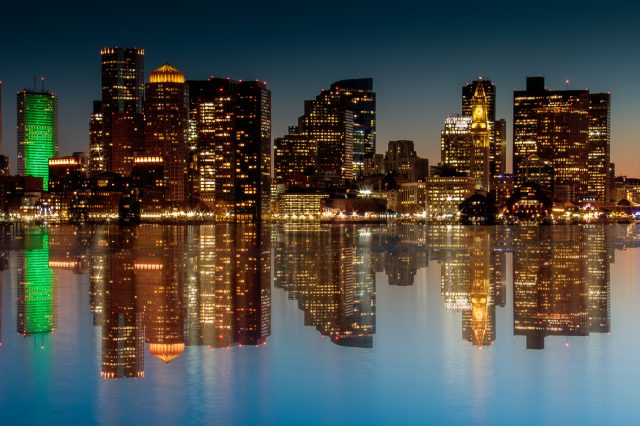
Boston reflected. Taken from Piers Park, Boston, Mass. (Mark Landman)
Boston (Kristen Simonelli)
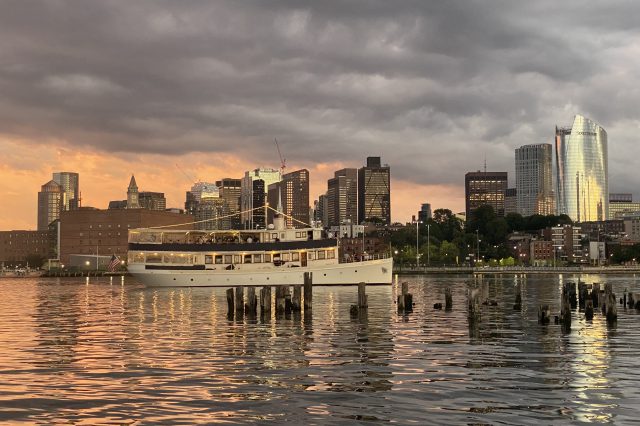
Sightseeing yacht Valiant touring Boston Harbor. (Ken Legler)
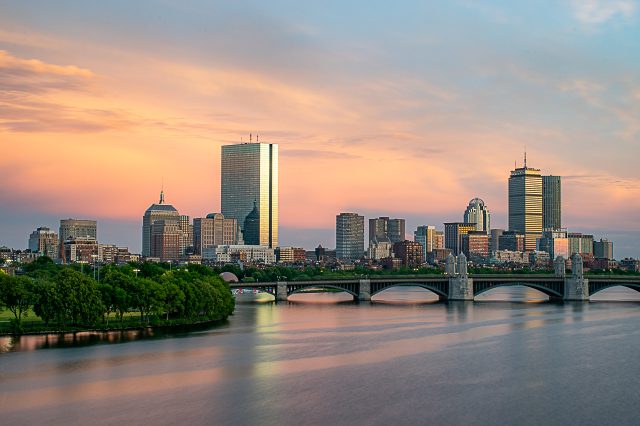
Sunset of the Boston Skyline over the Charles River. (Jason Sheehan)
Philly. (Jolee Sabella)
New York, New York. (Joan Tabor)
Looking up! (Joanne Martselos)
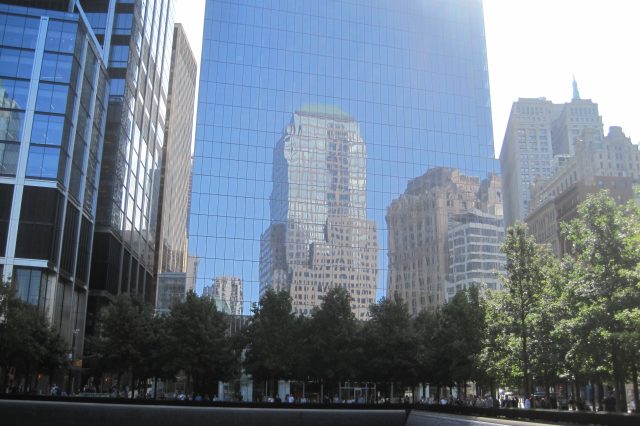
Reflections from 9/11 reflecting pools. World Trade Center, NYC. (Janine Bender, AAA Employee)
Boston. (Greg Gale)
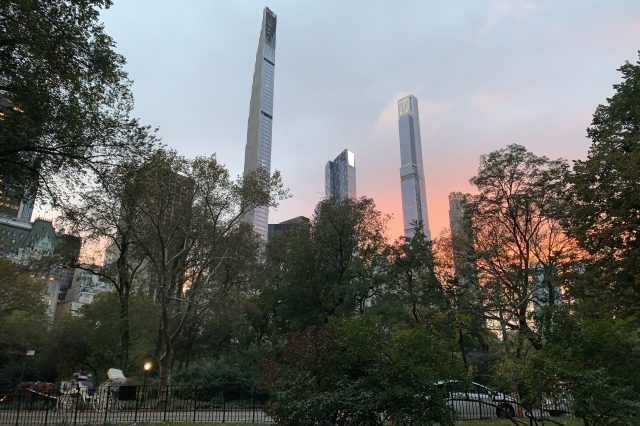
Evening in Central Park, N.Y. (Gillian Furniss)
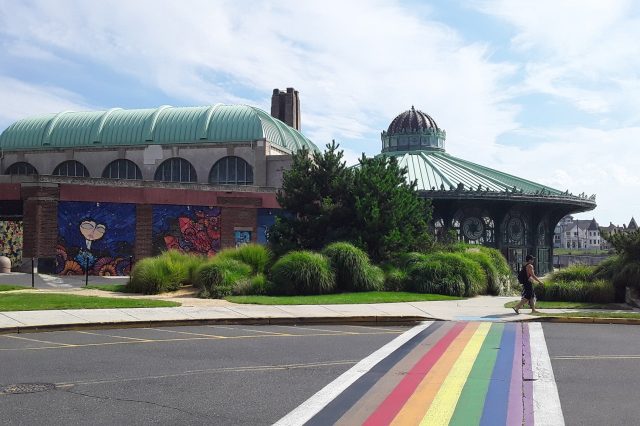
Rainbow (George Figueroa)
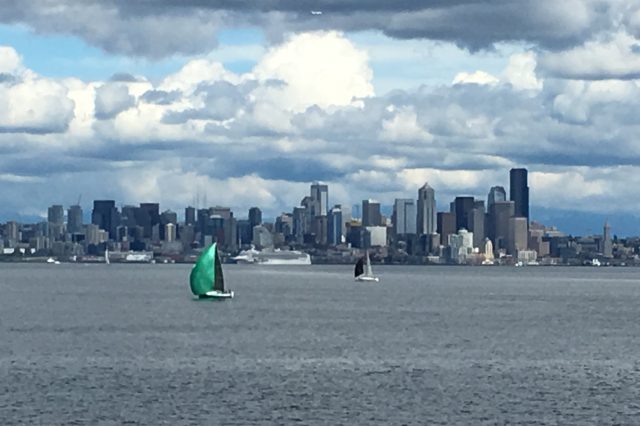
View of downtown Seattle from ferry. (Faith Brancato)
Cloud Gate, reflecting and distorting the Chicago Skyline. (Diane Sheehan)
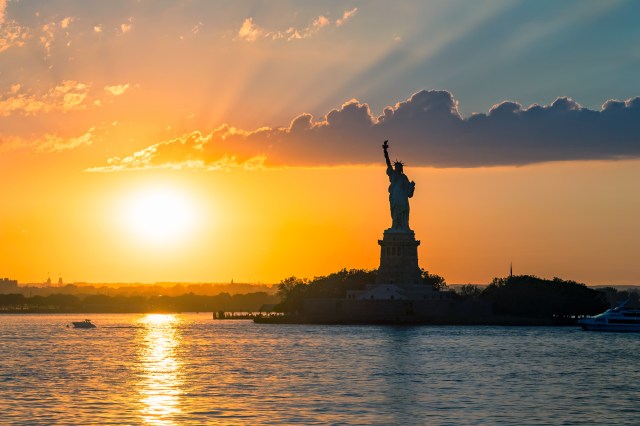
Shadow of Lady Liberty. (Debra Bianco)
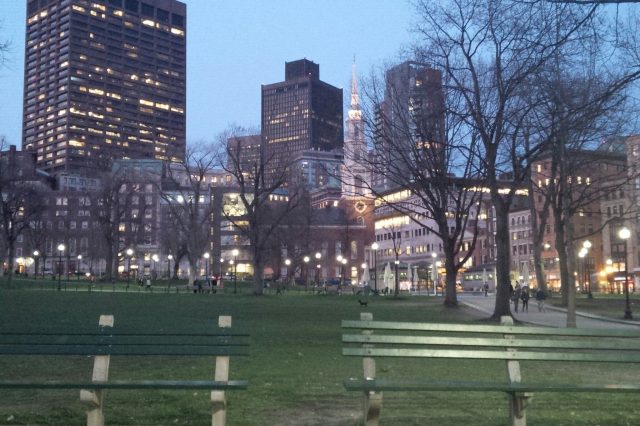
Springtime in Boston. (David DeLucia)
Sails, sleepy clouds and skyscrapers. (Christine Mark-Duruaku)
Whether you’re looking to purchase a new home or to sell your current one, the first step is typically to contact a real estate agent. It sounds easy enough until you start to notice the various, sometimes fancy titles that some agents have. Dual agent? Broker? Transaction coordinator? What are all the different types of real estate agents?
To help you navigate these sometimes complicated and confusing terms, we’ve compiled a list of real estate agent titles to help you find a professional best-suited to your needs.
Types of Real Estate Agents
When you’re buying or selling property, you’re most likely going to work with an agent, also referred to as a real estate associate broker or simply a salesperson.
Real Estate Agent
In general, real estate agents monitor the market and look for housing trends in areas such as pricing, inventory, location and more. They can tell you about available houses that you can afford as well as take you on tours of prospective homes.
Buyer’s Agent
This type of real estate agent helps people that are looking to purchase a house with all aspects of the buying process from the home search to the closing. He or she can help you find the right property, deal with the mounds of paperwork, negotiate the offer and also recommend reliable home-related professionals, such as home inspectors, movers and more.
Seller’s Agent
If you’re selling your home, this agent, also sometimes called the listing agent, works with you step-by-step, from home marketing to closing, as you prepare to sell your home. Additionally, they list your home on the multiple listing service. If you’re buying a house, you deal primarily with the seller’s agent rather than with the seller directly.
Dual Agent
This type of real estate agent represents both the buyer and the seller in the same real estate transaction. If a potential buyer doesn’t have a buying agent working with them, they can contact a seller’s real estate agent and tell him or her to submit an offer on their behalf.
Transaction Coordinator
The transaction coordinator or transaction agent helps the real estate agent or broker in processing administrative items for a real estate transaction. He or she manages deadlines, gathers the necessary paperwork, opens an escrow account and makes sure disclosures are properly signed and filled out. He or she simply maintains the transaction between the buyer and the seller and doesn’t represent either party.
Other Real Estate Titles
Realtor
People often use the term realtor and real estate agent interchangeably, but there’s a difference between the two. As mentioned before, a real estate agent is someone who has obtained a real estate license and can help you buy or sell a house. A realtor is a real estate professional who is a member of the National Association of Realtors and adheres to the standards and code of ethics of the association. They can either be agents or brokers.
Real Estate Broker
A real estate broker is one step above a real estate agent. He or she has taken real estate education beyond the agent level and passed a broker’s license exam, meeting state requirements to own or manage a real estate company. They can either work alone, unlike a real estate agent, or hire agents to work for them. Some brokers also provide services for buyers and sellers. All agents hired to help buy or sell properties report to a broker.
The broker also handles earnest money deposits – money that the buyer puts down to buy a home and is delivered when the sales contract or purchase agreement is signed, and bears responsibility for the actions of real estate agents under his or her supervision. If you have any issues that can’t be resolved directly with the agent, the next step to take would be talk with the broker.
Real Estate Associate Broker
The associate broker is a real estate agent who has taken additional education classes and earned a broker’s license. He or she could work independently, but they choose to work for a broker or join a larger real estate network.
Did you know about these types of real estate agents? Let us know in the comments.
Fad diets come and go, but healthy eating remains the same. It should come as no surprise that focusing on good nutrition is one of the best things you can do to up the odds of living to 100. Do your best to increase the length and quality of your life by incorporating these foods for longevity into your diet.
How Food Affects Longevity
“We all want to live longer, but the key is living healthy for longer,” says Vicki Shanta Retelny, RDN, writer, speaker and host of the “Nourishing Notes” podcast. She says research on the Blue Zones – places with a disproportionately high number of people who live past the age of 100 – shows that lifestyle factors impact healthy aging.
Of course, there is no magic food guaranteed to lengthen your life. But even during the COVID-19 pandemic, heart disease remained the leading cause of death in the United States. The good news is that you can choose foods that boost your heart health, dramatically improving your odds of a long, healthy life.
“Think of your body like a nice car and food like gas,” says Amy Gorin, MS, RDN and inclusive plant-based dietitian in Stamford, Conn. “You need to fuel your body with quality foods that help every aspect of health, from heart health to bone health and more.”
So, what are the best foods for longevity? Below, Gorin and Shanta Retelny recommend eight foods that help to keep your body running smoothly and ward off life-shortening diseases.
Fatty Fish
Salmon, sardines and canned, light tuna all contain omega-3 fatty acids, good fats which Shanta Retelny says help “[fend] off inflammation in the brain and cardiovascular system.” In other words, eating fatty fish can reduce your risk of life-shortening heart disease, and possibly even dementia.
Pro tip: Shanta Retelny recommends aiming for at least two servings of fish per week.
Tofu
There are many health benefits to plant-based eating, according to Gorin. “Eating a vegetarian diet can help lower your risk of Type 2 diabetes and coronary heart disease,” she says.
But if you’re reducing meat consumption or eliminating it entirely, it’s essential to incorporate plant-based proteins. Gorin suggests tofu.
Pistachios
Nuts and seeds can also help fill your protein quota. Shanta Retelny says pistachios offer the most protein per serving.
“With aging, our bodies become less sensitive to insulin,” she adds. “Eating higher protein snacks like pistachios can help keep your blood sugar in a healthy range.
Arugula
Arugula is a food for longevity because it’s brimming with nitrates. Gorin says research suggests that eating one cup of nitrate-rich vegetables each day can “dramatically lower your risk of heart disease.”
Pro tip: Gorin recommends eating arugula in a salad, like this one with a vitamin C-rich citrus dressing.
Whole-Grain Oats
Are you worried about shortening your life because of high cholesterol? Eat more oatmeal!
Shanta Retelny says the fiber in whole-grain oats helps keep cholesterol in check and your heart healthy. “Oats have a number of beneficial compounds that can fend off inflammation and promote healthy aging,” she adds.
Berries
Both Gorin and Shanta Retelny promote eating berries for longevity. Healthy cholesterol levels help prevent heart disease, and people who regularly eat berries tend to have lower cholesterol.
Shanta Retelny says that wild blueberries pack an especially heart- and brain-healthy punch. “According to the MIND Diet, creating a berry habit at least twice a week can keep your brain healthy and functioning well in your older years,” she says.
Pro tip: Think of berries as more than just a snack. Gorin suggests incorporating them into everything from pancakes to homemade ice cream.
Pomegranates
Pomegranates are packed with antioxidants, which can “fend off damage from free radicals that cause our cells to age,” explains Shanta Retelny. They’re also tasty when pressed into juice – just be sure to get whole-pressed fruit juice for the full benefits.
Pro tip: Shanta Retelny suggested making a longevity-boosting spritzer by combining POM Wonderful 100% pomegranate juice with sparkling water.
Prunes
Research suggests eating five or six prunes per day can help prevent bone loss, and that’s great news for anyone hoping to live to 100.
“Bone health may be a surprising thing to think about when it comes to longevity, but think about hip fractures, for instance,” says Gorin. “Within the first year of injury, they can come with an increased risk of death.”
Pro tip: Gorin suggests boosting your daily intake by blending prunes into smoothies or adding chopped prunes to salads.
In general, cutting down on processed items and incorporating these foods for longevity into your regular eating habits will help you feel better, for longer. Your doctor or nutritionist can also help guide you in the right direction.
Which of these longevity foods do you love? Share your favorite ways to enjoy them in the comments below.
Who invented the car? When did the first car come out? These seem like simple enough questions until you try to define exactly what a car is. Even the Merriam-Webster Dictionary gives “car” only the broad definition of “a vehicle moving on wheels.”
Does your idea of a car include a gasoline-powered engine? Both steam and electric engines predate gasoline. What about wheels – does a car need four wheels? The first patented automobile only included three. You can see how quickly things can get murky.
The truth is, no one person created what we know today as an automobile. Inventors and engineers continually improved on previous designs and technology, dating back hundreds of years.
Who invented the car?
The history of the car most often begins with Karl Benz. The German inventor of Mercedes-Benz fame, filed a patent for a “vehicle powered by a gas engine” on Jan. 29, 1886. His creation was, in fact, the world’s first gasoline-engined automobile.
But Benz’s car was the end product of an idea dating back hundreds of years. None other than Leonardo da Vinci sketched designs for a self-propelled vehicle in 1478. His contraption was powered by a spring that needed to be wound up first. If it sounds unfeasible, think again. In the early 2000s, a team at Florence’s Institute and Museum of History and Science recreated the model vehicle and proved that it did, indeed, work.
It would take nearly 300 years for a self-propelled vehicle to become reality. In 1769, Frenchman Nicolas-Joseph Cugnot introduced the world’s first steam-powered vehicle. As you can imagine, this early design left a lot to be desired. Steam engines were excessively heavy, causing Cugnot’s creation to weigh nearly 9,000 pounds. As such, the three-wheeled vehicle traveled a measly 2.5 mph and was relegated to use by the French army as a military tractor.
In the 1830s, Scottish inventor Robert Anderson affixed a nonrechargeable battery and motor onto a carriage, creating the first electric vehicle. Over subsequent decades, several other engine types were designed, including one fueled by hydrogen gas.
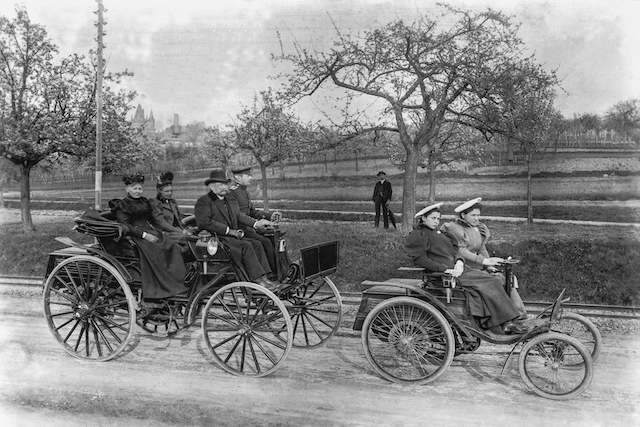
On the move in 1895 in the small Benz “Velo” (right) – Karl Benz’s daughters Klara (at the wheel) and Thilde. At the wheel of the Benz Patent Motor Car “Phaeton” is Benz’s son Richard. The other passengers are relatives of the Benz family.
When did the first car come out?
Benz’s invention didn’t look anything like the gas-powered cars we know today. The three-wheel vehicle was nearly identical to a horse buggy, with a front wheel replacing the equine animal. He knew a four-wheel would be more stable but was dissatisfied with the steering systems available at the time. Benz solved the problem by inventing his own solution: double-pivot steering.
With his new steering system installed, Benz was ready to introduce his four-wheel car to the public. The Benz Velo was unveiled in 1894 at the World Exposition in Chicago. It would ultimately prove to be an unmitigated success. More than 1,200 units were manufactured in total, bestowing the Velo the title of the world’s first production car.
When was the first car made in America?
Around the same time Benz was making history in Europe, brothers J. Frank and Charles Duryea were doing so on this side of the Atlantic. In 1893, the bicycle mechanics from Springfield, Mass., built the country’s first operable gasoline automobile. Three years later, it became the first gas-powered car sold in America.
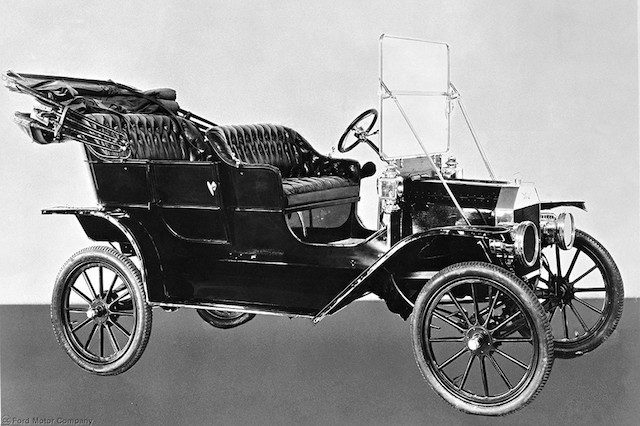
Competition, however, was close on their toes. By 1909, nearly 500 companies entered the car-making business, though these were all small scale operations. That all changed in 1908 when Henry Ford introduced the Model T. Inexpensive yet reliable, the vehicle made car owners out of more people than ever. The introduction of the moving assembly line in 1913 further reduced the vehicle’s price. When all was said and done, 15 million Model T’s were sold. America has been a car-loving country ever since.
While there is no definite answer to who invented the car, the history of the automobile is always fascinating to explore.
Want to keep reading? Learn how the car has evolved since the Model T first graced the roadways.
AAA members can save on automotive replacement parts and accessories at NAPA.
After being cooped up for the better part of two-and-a-half years, we’ve all been itching to stretch our legs outside the confines of our homes and offices. And what better way to find your sea legs than by setting sail on a once-in-a-lifetime cruise to a wondrous and blissful destination.
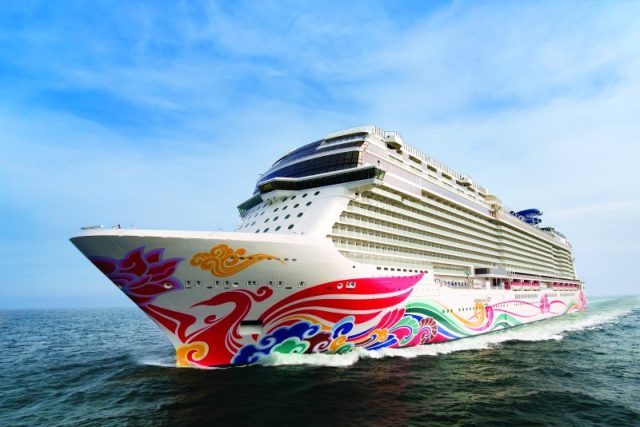
Norwegian Cruise Line offers such trips to every corner of the world, many of which depart from right here in the Northeast. To get a better idea of what a luxury cruise vacation like this would be like, let us take you through the experience of being onboard the Norwegian Joy as it sails to the turquoise waters, pristine beaches and alluring culture of Bermuda.
Getting To and On the Ship
One of the most convenient aspects of cruising from the Northeast is not having to travel far to get onboard. Most major cruise lines, including Norwegian, depart from both Boston and the New York City area. Whether driving or taking mass transit, getting to the ship is a breeze.
That convenience carries over to the boarding process. Norwegian’s online check-in system allows you to register and submit your required travel documentation days or even weeks prior to setting sail, all from the comfort of your own home. After checking in virtually, you can print your eDocs, which act as boarding passes, and luggage tags. On the day you arrive to the pier, you’ll simply need to go through security and pick up your room key. Less time waiting on line means more time to enjoy your vacation.
COVID-19 Protocols
As of October 4, 2022, Norwegian Cruise Line is allowing all passengers onboard regardless of vaccination status. There is also no testing requirements. However, individual countries may still have travel requirements, so make sure you meet those standards before boarding the ship.
Hand washing and sanitizing stations are located throughout the boat and guests are encouraged to use them frequently. Other safety features include enhanced cleaning and sanitation practices, medical-grade air filters and additional medical staffing. All Norwegian cruises will now also have a dedicated public health officer onboard to oversee day-to-day sanitation and cleanliness protocols.
Should a positive COVID-19 case occur during the cruise, Norwegian will employ contact tracing to identify and notify any passenger who may have been exposed. Isolation and quarantine accommodations are also available should they be needed.
Staterooms
Staterooms aboard the Joy range from four-person inside rooms to six-person penthouse suites. No matter the level, you can expect high-quality accommodations. Inside and Oceanview rooms are the most budget-friendly. Balcony level rooms come with a sitting area and your own private balcony for a front-row seat to epic sunrises and sunsets.
Those wishing to go all-out on their vacation experience can book a Haven stateroom. These suites, located at the top of the ship, are not only the most spacious and luxurious, they come with first-class amenities. These include access to the private Haven lounge and restaurant, 24-hour butler service, white tablecloth in-suite dining, priority restaurant and entertainment reservations, and of course, plush bathrobes and slippers.
Onboard Experience
Dining
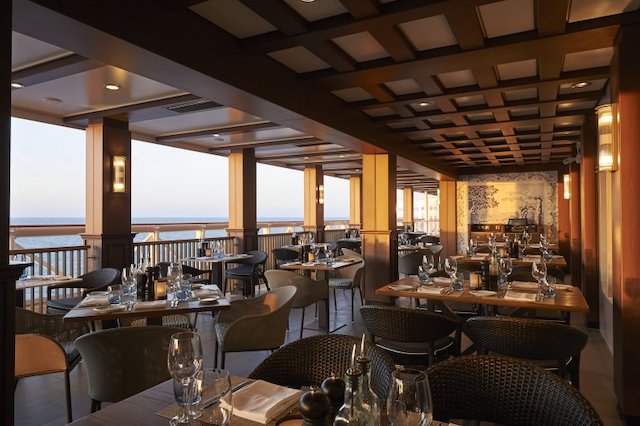
Opposed to many cruises that only offer fixed dining times, Norwegian’s Freestyle Dining program allows you to eat when and where your heart (and stomach) desires. This includes both complimentary eateries and specialty restaurants. Of course, if you’d like to make a reservation to ensure your seat at the table, you’re always free to do so.
The Joy has three main dining rooms – the Manhattan Room, Savour and Taste. All are complimentary with rotating menus that change daily. The other free dining offerings are the buffet-style Garden Café and the Local Bar & Grill, serving pub fare and classic comfort foods.
Specialty dining options run the gamut of cuisines, including seafood at Ocean Blue, Japanese at Teppanyaki, barbeque at Q Texas Smokehouse, French at Le Bistro and premium-cut steaks at Cagney’s Steakhouse.
Entertainment
If you don’t have time to make it to a Broadway show in Manhattan before or after your cruise, fear not. The Joy puts on a performance of the hit musical “Footloose” that will make you feel like you’re on the Great White Way. Later in the week, catch a showing of the Vegas-style spectacular “Elements,” featuring music, dance and magic.
The Cavern Club, named after the legendary Liverpool nightclub where the Beatles once played, hosts several performances from, you guessed it, a Beatles cover band. You’ll also find nightly live music played at various locations throughout the ship.
The best part about all these entertaining shows? They are all complimentary!
For the Kids
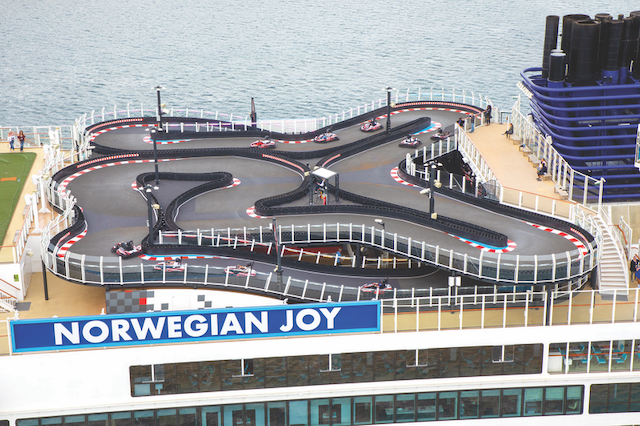
The Norwegian Joy was the first cruise ship in the world to come equipped with a racetrack onboard. Guests young and old can zip around the two-level go-kart track at up to 30 mph. Complete with a covered race pit, floodlights and race car engine noises piped into your helmet, this may just be as close as you get to competing in a NASCAR race.
For a different sort of thrill, families can compete in the open-air laser tag game on deck 20. Looking for some slightly slower-paced fun? Try your hand at the Joy’s nine-hole mini golf course.
After working up a sweat, the little ones can cool off at the Kids’ Aqua Park or head inside to the Splash Academy for themed activities and parties.
Since the dawn of the medium, people have been using podcasts to talk about movies. Movie buffs make some of the nerdiest and most interesting podcasts out there.
“Blank Check” is a podcast about filmographies. Actor Griffin Newman and film critic David Sims examine the films of directors who found success early on in their careers, as well as the films they made after those successes. Griffin and David both have firsthand knowledge of the film industry and they invite you in to learn all about the insider drama behind Hollywood’s biggest successes and bombs. “Blank Check” is effortlessly funny, with ongoing gags like producer Ben Hosley’s growing list of nicknames (Producer Ben, Produer Ben, the Benducer, Our Finest Film Critic and Birthday Benny, to name a few), the quest to spot famous people eating burgers and Griffin’s photographic memory of box office scores. “Blank Check” is almost like a book club for movies, as it encourages listeners to watch the full filmographies of the directors they choose to cover. Recent series on directors like Bob Fosse or Sam Raimi are like little film classes.
This show from NPR is a podcast staple, and it should be in everyone’s subscription list. “Pop Culture Happy Hour,” hosted by arts journalists Linda Holmes, Glen Weldon, Stephen Thompson and Aisha Harris, is a roundtable discussion of the latest in film, television and beyond. They are also occasionally joined by other insiders, NPR personalities and pop culture critics. This friendly chat session feels more like a club than a podcast, and their film and television recommendations have never steered me wrong.
On “Black Men Can’t Jump (In Hollywood),” hosts Jonathan Braylock, Jerah Milligan and James III exclusively watch movies with Black protagonists and other leading characters of color. As the hosts crack jokes about the movies, they also explore Hollywood’s evolving relationship with race and how people of color are portrayed on screen. They track the careers of Black actors, the kinds of stories that Black characters get to tell and the success (or failure) of the resulting films.
One of the best film podcasts that deals with bad movies is “How Did This Get Made?” Actors and comedians Paul Scheer, June Diane Raphael and Jason Mantzoukas do a deep dive on the worst movies they can possibly find, asking the same question every time: How did this get made? This celebration of film failures will have you doubled-over with laughter. Stick around for Paul Scheer’s reading of “second opinions” – five-star reviews of the film-of-the-week on Amazon.
On “The Bechdel Cast,” hosts Caitlin Durante and Jamie Loftus watch movies through a feminist and comedic lens. The title is based on the Bechdel test (sometimes known as the Bechdel-Wallace test) which asks viewers to see if a film has two female characters, if those female characters have names and if they have a conversation about something other than a man. It sounds like a low bar, but you’d be surprised at how many films fail to clear it. While Durante and Loftus are truly interested in female representation in movies, they’re not afraid to have fun with their premise.
“Slate’s Spoiler Specials” is a podcast about films that have just been released in theaters. Unlike other podcasts about new movies, however, “Slate’s Spoiler Specials” does not shy away from spoilers. In fact, it’s all about the spoilers. Slate critics host a discussion about all of the juiciest parts of the newest movie, from unsuspected twists to after-credits surprises. It’s a great way to spend more time with a movie you loved.
What do you think are the best film podcasts? Let us know in the comments below!
We’ve all been there before: driving home after work and being blinded by the setting sun. You squint, turn the sun visor down and try to peer through the windshield just to get a glimpse of the road. Truth be told, this is more than just a seasonal annoyance, it can be a serious safety risk.
Just after sunrise and before sunset, the sun can shine directly into a driver’s eyes. The glare can make it much more difficult to see the road ahead, as well as other cars, pedestrians and hazards. While the sun will continue to rise and set, there are some helpful tips to dealing with the glare when driving during these times of the day.
Keep Your Windshield Clean
Your windshield provides your view of the road, so any dirt, debris or smudge can limit your field of vision. This situation is exacerbated during sunrise and sunset. When the sun hits your windshield during this time of day, it highlights all the dirt and smudges on the glass – even those you didn’t know were there. Now, you don’t have to just deal with seeing past the sunlight, but also all the dirt on your windshield. This could create a serious safety risk.
Fortunately, there is an easy way to prevent this: keep your windshield clean. You don’t need to do a thorough wash everyday, just a quick clean once a week should do the trick. And remember to clean both the outside and inside of the glass. A professional-grade product will give you the best results.
It may seem counterintuitive to turn your headlights while the sun is up. But this tip is not necessarily just for you, it’s to help your fellow drivers. If your headlights are on, so are your taillights, making it easier for the car behind you to see your vehicle. If they can see your car, they’ll be less likely to cause a crash, creating a safer roadway for everyone.
Make sure that your lights are clean. These lights can get cloudy and dirty, creating a much dimmer light.
Break Out the Shades
No reason to reinvent the wheel. If the sun is in your eyes, put on a pair of sunglasses. It’s a great idea to always have a pair stored in your car. You never know when the clouds will part while you’re driving. Ideally, you’ll want to use polarized sunglasses, which have a special chemical applied to the lenses that filter light. The result is a clearer picture and reduced strain on your eyes.
Drivers can also utilize the vehicle’s sun visor. Depending on the location of the sun, the visor may be able to completely block it out.
Drive Slow
The goal of beating sun glare is to get from one place to another safely. So while driving slowly won’t help get the sun out of your eyes, it will help you drive during sunrise and sunset.
Driving at a safe speed is always important regardless of the circumstances, but is even more critical when your vision may be compromised. The slow speed gives you more time to observe the vehicle in front of you, scan the road, watch for hazards and pedestrians, and make any adjustments.
Leave Extra Room
It doesn’t matter how slow you’re driving – if you don’t leave enough room between your vehicle and the other cars on the road you’re more likely to cause a crash, particularly in low visibility. In fact, limited light can negatively affect depth perception. Make sure to give yourself plenty of space to react and maneuver.
Adjust Your Driving Routine
If you’re forced to deal with sun glare on a regular basis, you may want to consider altering your driving schedule if possible. After all, you don’t have to fight sun glare if you don’t have to face it. Are you able to start your trip a few minutes earlier or later? If so, this may help alleviate the problem.
You may instead be able to adjust your route. Although you’ll likely need to travel in the same direction, you may be able to find a different route that has tall buildings or trees that will help block out the sun.
Pull Over
If you can’t drive safely, don’t drive at all. When you find yourself fighting a losing a battle against sun glare, do the right thing and pull over. Find a safe spot, ideally in a parking lot and wait for the sun to move. It may only take a few minutes for the sun to get out of your direct line of sight and allow you to properly see the road.
Following these tips to avoid glare are important for keeping your view of the road clear when driving. If there is something more obstructive such as a crack or chip in your windshield, make sure to have it fixed as soon as possible.
The small Adirondack village of Lake Placid is well-known for its scenic beauty, winter sports and Olympic history. Although many people associate it with winter, Lake Placid is most picturesque and enchanting in fall.
Leaf Peeping
Autumn views are endless in Lake Placid. So, grab your sweater and a camera and take in the scenery on a foliage tour (available on land and water) or on the Skyride Experience gondola ride.
The region has its own foliage report that can help you plan your trip around peak autumn sightseeing.
Every year, Lake Placid draws in thousands of tourists to enjoy a myriad of outdoor activities.
The tree-lined fairways and epic mountain landscapes at the Whiteface Club make for an especially memorable fall golfing experience.
And from mountains and lakes to valleys, rivers and thousands of miles of trails, Lake Placid is a hiker’s utopia. The Adirondack High Peaks are the biggest summits, drawing in crowds of explorers. But as you plan your adventure you will find there are many other treks with great views and fewer people, like the Mt. Van Hoevenberg East Trail, one of the newest trails in the six million acres of Adirondack Park.
Hit the Town
Post-adventure, there is plenty to do and see outside of the magical terrain.
Head to town and explore the many award-winning restaurants or visit the Lake Placid Center for the Arts, which offers programs in music, theater, dance, art and film, in addition to galleries, exhibitions and workshops to enjoy. At the local shops, you can discover fresh farmers markets finds, fine art and everything in between.
After a busy day, you may also want to wind down with some self-care at a full-service spa, known for custom treatments and local ingredients. Maybe a deep tissue massage after hiking the High Peaks?
Financing an EV is very similar to financing a gas-powered car. However, new considerations come into play when deciding between new or used, and buying or leasing.
So, you’re ready to make the switch to an electric vehicle. You’ve done your homework, formulated a price range, even homed in on a few possible models. All that’s left are some test drives and signing on the dotted line, right? Let’s pump the brakes a bit.
EVs may not have internal combustion engines but they do come with the two age-old, car-buying questions: New or used? Buy or lease? Many of the factors that go into these decisions are the same for EVs as they are for their gas-powered counterparts. However, there are some important distinctions that should be taken into consideration.
New vs. Used
Ideally, we’d always like to get behind the wheel of a sparkling new car every time we’re in the market for a different set of wheels. Particularly in the rapidly developing world of EVs, buying a new vehicle ensures you’re driving the best-performing, most technologically advanced model available. But for practical reasons, purchasing a new car isn’t always an option. This is where the used car market comes into play.
The primary benefit of opting for a used EV is the upfront savings. This is no small point, as EVs are known to have high upfront costs. EVs also have fewer moving parts and require less maintenance, so older models will typically be in better shape than used gas-powered cars. Depending on the age of the used car, you could still be covered by the warranties, including the all-important battery warranty. (Not all car companies transfer this warranty to second-hand owners. If looking for a used EV, make sure to ask about this and factor it into your car-buying decision.)
There are some risks that come with owning a used EV. Regardless of the status of the warranty, you will be getting a poorer-performing battery. These lithium-ion batteries begin to degrade on day one and lose approximately 1-2% of their capacity each year. As battery capacity drops, so does driving range and overall performance. Since EVs are still a fairly new technology, there’s not a substantial amount of data on how long a typical battery will last.
Buying vs. Leasing
EVs are at the cutting edge of technology with better-performing cars being introduced each year. Batteries, in particular, are rapidly becoming more and more efficient. You may not want to be locked into a vehicle today when they can get a much-improved model a year or two later. A lease allows you to upgrade every two or three years, promising you’ll always be at the technological forefront. The rapid improvement in EVs also means they undergo steep depreciation. This loss of value won’t be your concern if you don’t own the car.
Leasing allows guarantees that you’ll be covered by the car’s warranties, which will likely outlast the terms of your lease agreement. For EVs, this includes a battery warranty good for a minimum of 8 years/100,000 miles. After the expiration of said warranty, the owner is responsible for any battery repairs or replacements, which can be expensive. By leasing, you’ll get a fresh battery long before your current one degrades any noticeable amount.
Buying an EV has its share of benefits, as well. Long-term, it’s generally a more sound financial decision to purchase a car instead of borrow. At some point, your monthly payments will end and the vehicle will be an asset you own. Lease payments will continue as long as you are in possession of the vehicle.
When it comes to EVs specifically, buying is the only way to ensure you will be eligible for the full federal tax credit, as well as any local financial incentives. Dealerships may pass along some of these savings if you are leasing, but there’s no guarantee.
And just because you purchased the vehicle, doesn’t mean you can’t upgrade. In fact, it may be easier to do so than when leasing an EV. You can always sell the vehicle any time you like. Getting out of a lease agreement early, however, may cost you in the form of termination fees and penalties.
Financing
For all intents and purposes, financing an EV is the same as financing a gas-powered car. When formulating the terms of your auto loan, lenders are going to look at factors such as credit score, down payment and income, not how the vehicle is powered.
On the personal financial side, coming up with a price range for an EV purchase can be a little trickier. EVs are typically more expensive than gas-powered gas in the same class. However, numerous federal and local tax credit and rebate programs can help offset that cost. Owners will also recoup money over the lifetime of vehicle ownership, as EVs are generally less expensive to operate thanks to fewer maintenance demands and zero fuel costs.
The electric vehicle movement isn’t just revolutionizing automobiles, it’s shaking up the business world, as well. For decades, mass car manufacturing has been designated almost exclusively to the major companies. The changing mobility landscape, however, has given upstart companies an opportunity to enter the picture. Several up-and-coming EV manufacturers have done just that and made quite the name for themselves in the process.
But there’s more to the EV industry than just the cars themselves. The country is in desperate demand for substantial charging infrastructure improvements. Private companies have spotted this need in the market and are continuing to build out their own network of publicly available charging locations.
Here are some of the new EV brands you’ll be hearing more of in the future.
EV Manufacturers
Rivian
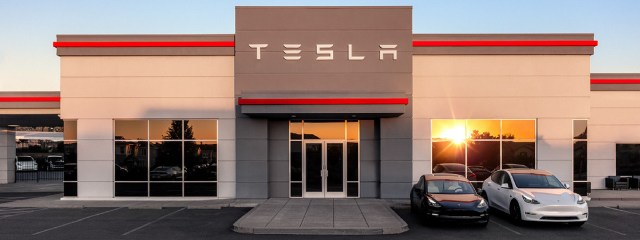
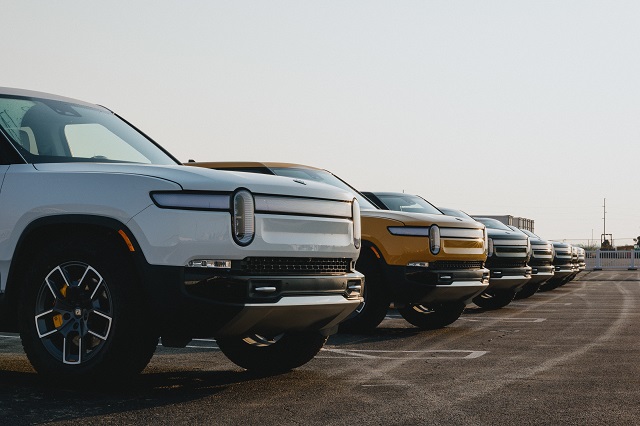
Even casual EV connoisseurs have likely heard the name Rivian by now. The startup was founded in 2009 and has since picked up a number of big-name investors, including Amazon and Ford.
Rivian made history in 2021 by producing the first commercially available electric pickup truck, beating industry stalwarts such as Tesla and GM. All-in-all, the R1T truck has been well received by critics. According to Rivian, it boasts a driving range of 260-400 miles, 11,000-pound towing capacity and a 0-60 time of as little as 3 seconds. In addition to the pickup truck, the Southern California-based company is producing an electric SUV that should be available later this year, and manufacturing fully electric delivery vans for Amazon.
Lucid
Like Rivian, Lucid made headlines last fall. This time, it wasn’t for production but for performance. In September, the California-based startup announced its debut sedan, the Lucid Air, achieved an EPA-certified range of up to 520 miles. That number is by far the highest of any EV on the market, besting runner-up Tesla Model S by more than 100 miles. (Lucid and Tesla are inextricably linked, as the former is being run by many past executives of the latter.)
Lucid currently offers three trim levels of the Air: the Grand Touring, Touring and Pure. All can travel at least 400 miles on a single charge, but you’ll have to pay a hefty price for that superior performance. The models come with starting price tags ranging from $87,400 to $154,000.
Fisker
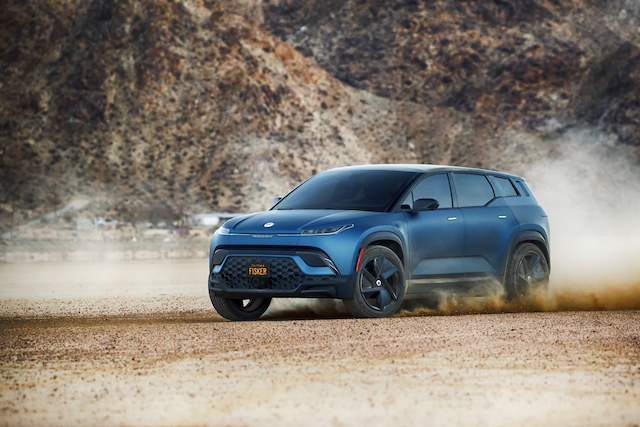
Auto designer Henrik Fisker, who styled cars for BMW and Aston Martin, founded his eponymous EV company in 2016. Not long after, the car manufacturer announced it was developing a fully electric, $40,000 luxury SUV. The finish line of that pursuit is finally within sight, with the Fisker Ocean expected to arrive later this year. Touted as the most sustainable SUV on Earth, the vehicle’s most notable feature is a solar roof that, according to Fisker, can produce up to 1,500 miles worth of energy per year.
The upstart EV maker, which has already announced plans for a second, smaller SUV dubbed the Pear, has received more than 40,000 reservations for the Ocean. The base trim has a starting price point below $38,000.
NIO
NIO is a China-based EV manufacturer founded in 2014. It is already one of the leaders in electric car sales in its home country, along with companies like XPeng and Li Auto, and has big plans for expanding into other regions around the world. Late last year, NIO announced intentions of selling its vehicles in 25 new countries and regions, including the United States, by 2025.
NIO offers a full lineup of EVs, including both sedans and SUVs, with more models expected in the future. The ET7 and ES8 are its flagship sedan and SUV, respectively.
VinFast
VinFast, established in 2017, is the first Vietnamese carmaker to sell its vehicles globally. The EV manufacturer has eyes on entering the American market later this year. It will do so with two models, a mid-size and full-size SUV, dubbed the VF8 and VF9, respectively.
What’s most notable with VinFast isn’t its vehicles, however, it’s how the company is selling them: Drivers buy the car but lease the battery. The monthly payments are commensurate to the mileage plan chosen. Furthermore, VinFast offers consumers the option of a home charger or access to nationwide public charging.
Apple
It only makes sense that the largest tech company in the world would try its hand at manufacturing the increasingly popular, boundary-pushing technology that is an EV. To be clear, there are currently no known plans of an Apple-branded car coming to fruition anytime soon. But the tech giant’s intention of developing such a vehicle goes back nearly a decade, and just last year rumors circulated that Apple was partnering with Hyundai to produce an EV. While that deal ultimately fell through, don’t be surprised to hear about an Apple car in the very near future.
EV Infrastructure Providers
EVgo
EVgo is the nation’s largest public fast charging network, one that includes over 850 locations across more than 30 states and 60 metropolitan areas. The company claims 130 million Americans live within 10 miles of an EVgo fast charger. Furthermore, it has announced plans to triple its network’s size within the next five years.
Fast chargers can recharge an EV battery in minutes rather than hours. EVgo further distinguishes itself by powering all its locations through renewable energy. To use a charger, drivers can pay as they go or sign up for a membership. EVgo recently partnered with General Motors in a deal that will allow GM customers to receive discounts on charging and exclusive reservations at EVgo locations.
ChargePoint
While EVgo has the largest number of fast-charging stations, its footprint pales in comparison to that of ChargePoint in terms of total locations. The country’s leader in EV charging stations, ChargePoint has roughly 15,000 outposts across the U.S., accounting for some 50,000 charging ports. The vast majority of these, however, provide Level 2 charging, which takes longer to recharge an EV battery than fast charging.
ChargePoint chargers are sometimes free to use if they’re owned by a retail business, such as a shopping mall or hotel. Otherwise, EV owners can pay via smartphone or ChargePoint card.
Blink
Blink is another of the largest owners and operators of public EV charging locations. Since 2009, it has constructed more than 23,000 such locations. Utilizing Level 2 charging, Blink chargers are capable of adding up to 65 miles of range in an hour.
Blink also sells residential chargers to use at home. These Level 2 chargers connect to your home’s Wi-Fi and can be controlled through a smartphone and devices like the Amazon Echo and Google Home.
The fundamental difference between electric vehicles and gas-powered cars is, of course, the source of energy. For the most part, the battery found in an EV provides greater peace of mind than an engine. No more frequent visits to the gas station, far less maintenance, the complete absence of harmful emissions, etc.
But this doesn’t mean batteries come with no considerations. There are several important aspects about these power sources that EV owners need to know about.
EV Battery Degradation
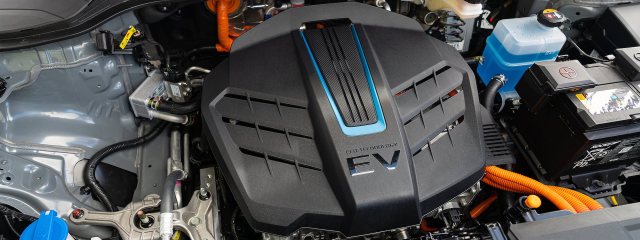
The vast majority of EVs utilize a lithium-ion battery, which provides greater energy density and a longer-lasting charge than other rechargeable batteries. Lithium-ion batteries are also found in your cellphone and laptop. You’ve probably noticed that as years go on, these devices don’t hold a charge as well as they originally did, causing their batteries to deplete much faster.
The same holds true for the lithium-ion batteries in EVs, which have a limited number of charging cycles. EV batteries will slowly lose capacity over time, a process known as battery degradation. Studies have shown that EV batteries typically lose about 5-10% capacity over the first five years on the road.
Healthy EV Battery Practices
While battery degradation is inevitable, there are several steps you can take to ensure your battery lasts as long as possible.
Don’t Overcharge: EV charging is non-linear, meaning it takes more time and energy to charge the battery’s last 20% capacity. This is extra work is taxing on the battery. Therefore, it’s recommended to charge your EV battery only up to 80%. Many fast-charging public stations will cut off charging or switch to slow charging once a battery reaches that level.
Avoid Low Charge Levels: On the other end of the spectrum, you’ll also want to keep your battery above 20%. Repeatedly charging from extreme low levels to a full charge can reduce the overall battery life.
Minimize Fast Charging: Level 3 charging, also known as DC Fast Charging, provides the unique benefit of being able to add 60-80% of a battery’s charge in as little as 30 minutes. However, pressing so much current into a battery in such a short time can strain the battery. You should only use fast charging when necessary. Level 3 is ideal for a quick recharge on a road trip, but Level 2 is kinder to your car’s battery.
Stay Within a Comfortable Temperature Range: EV batteries do not like the extreme ends of the thermostat. Prolonged exposure to intense heat or cold will not only impact the battery’s efficiency, it could also speed up degradation.
Measuring a Battery’s State of Health
It’s important for EV owners, and especially used-EV shoppers, to know the exact state of a vehicle’s battery. Fortunately, there are several ways to find this information out. Current owners can simply see what the estimated range is after they fully charge their car, then compare that to the range when they first purchased the vehicle. If your EV originally boasted a 200-mile range, for example, but now a fully charged battery only provides 180 miles, the battery’s capacity has dropped 10%.
For a more precise status update, head back to the dealership, where the service department can provide a detailed report on your vehicle’s battery health. Used car shoppers can also get a copy of such a report and will want to examine this document carefully.
Finally, EV owners can look to third parties for status updates. Companies like Recurrent offer automated battery health reports. Shoppers can also utilize this tool to check on the battery condition of a particular EV they have their eye on, simply by plugging in the car’s VIN.
EV Battery Warranties
The good news in regard to EV batteries and their potential decline is that these power sources are covered by a warranty that could very well last the length of the ownership. Federal regulations require automakers to provide an EV battery warranty of at least eight years or 100,000 miles. Some car companies go even further. Hyundai, for example, offers a 10-year/100,00- mile warranty on all its EV batteries, while the Tesla Models S and X come with eight-year/150,000-mile protections.
While the length of EV battery warranties may be similar, they are not all created equal. Some cover the replacement of a battery once its capacity drops below a certain percentage (usually around 60-70%), while others will only protect against a completely failed battery.
Many battery warranties are transferable, allowing used EV buyers to inherit whatever time and mileage remains on the original warranties. However, this practice is not universal. If you’re in the market for a second-hand EV, make sure to learn if the warranty will rollover.
Battery Replacement Costs
If your EV battery has finally reached the end of the road and your warranty has already expired, you’ll need to replace it. The battery is one of the most expensive components of an EV, so a new one won’t be cheap. The exact cost of this repair varies significantly based on car model, but you should expect to pay several thousand dollars. More-powerful batteries, however, could run well into the five-figure range.
Whether you’re looking for a meal you can prepare at home or a snack delivery, these AAA discounts can satisfy both your food cravings and your wallet.
Wolferman’s
Got a craving for baked goods? An indulgent breakfast, brunch or dessert from Wolferman’s should do the trick. Since 1888, Wolferman’s has remained a proud purveyor of gourmet breads and pastries. Try their delicious English muffin sampler, their deluxe ham brunch banquet, their orange cream bundt cake and more.
If you want to send someone a delicious gift, Harry & David is sure to please. They have something for every occasion – or no occasion at all! With options ranging from fruit wreaths to gourmet gift baskets, you can’t go wrong. Try their deluxe orchard gift basket, their Moose Munch popcorn tins or even their gourmet turkey feast.
Cooking at home can be fun, but going to the grocery store isn’t always. With Home Chef, you don’t have to worry about the hassle of gathering ingredients. This subscription box will deliver all the ingredients and instructions for a perfect meal right to your doorstep. You can create and enjoy meals like crispy Dijon chicken, shrimp lo mein, butternut squash gnocchi and so much more. You don’t have to be a professional chef to make a delicious meal in the comfort of your own home.
Jaques Torres Chocolate delivers fresh, handcrafted chocolates with premium ingredients. Try a box of assorted bonbons, or even a rich mug of hot chocolate. It’s the perfect way to satisfy your sweet tooth.
If you’re looking for your new favorite wine, try Winc’s online quiz. It’s only a minute long, and it helps Winc determine your tastes, your palate and your preferences. With a Winc subscription, you’ll get four bottles a month delivered right to your doorstep. You’ll be an at-home sommelier in no time!
Choosing a restaurant can sometimes be as difficult as making a meal yourself. But with Restaurant.com you can find a great meal – and a great deal. Check reviews and deals for over 20,000 restaurants nationwide. Want to stay home? They also have takeout options.
With Omaha Steaks, you can get premium steaks and gourmet food delivered to you. Shop their selection of filet mignon, strip steaks, top sirloins, ribeyes, T-bones and porterhouses. You can also order other foods, like pork, seafood, poultry, burgers and even wine. With the right cut of meat or glass of wine, you can turn your grill or kitchen into a five-star restaurant. It’s like going out to eat without ever leaving the house.
It seems like all the human members of your family are eating pretty well – and your furry companion should too. With a BarkBox subscription, you get a monthly box of new dog treats, toys and chews.
As we all know by now, it’s an expensive world out there. This may lead you to believe that any vacation exploring that world is going to come with a sky-high price tag. Au contraire. One type of getaway has, by and large, avoided skyrocketing costs and could be the perfect budget-friendly vacation for you and your traveling party: cruises.
Not only have cruise prices remained stable during these inflationary times, that stable price is incredibly low. “[The prices] are some of the lowest that we’ve seen in a very long time,” Chris Gray Faust, managing editor of The Cruise Critic, recently told “Good Morning America.” “Not only are the fares low, but a lot of the cruise lines are putting in a lot of extra value type of things–like, they’re throwing in free gratuities, free Wi-Fi, free drink packages, things like that.”
All-Inclusive Cost
What makes a cruise so budget-friendly is that the price to book your spot onboard includes travel to your destination, lodging, meals and entertainment. If these were purchased individually, they would cost significantly more than the price of a cruise ticket.
Let’s take a look at an example. Norwegian Cruise Line’s seven-night cruise from New York to Bermuda starts at less than $800 per person. Factor in a round-trip flight and add in a week-long stay at a nice hotel and you’re already well past the cost of a cruise.
And this is without taking into consideration the food and entertainment. Norwegian offers several complimentary dining options onboard, meaning you won’t need to pay for a single meal all week. (You can, of course, pay for a meal at one of the many specialty dining restaurants if and when you choose.) And entertainment? The ships put on several Broadway- and Las Vegas-caliber performances throughout the week. If you were to purchase tickets to such a show on land, it would likely set you back at least $100 per person.
Budgeting Made Easy
Cruises also make it easier to budget accordingly by allowing you to prepay for any add-ons you may want. Drink packages and shore excursions, for example, can be purchased beforehand so you know exactly what you’re paying for each and are not surprised at the end of your trip with massive bill.
Walking onto the ship with all aspects of your trip already paid for ensures that you won’t exceed your budget and provides a peace of mind that will suit you well as you set sail.
Although its moniker and football team are named for its rich history in steel production, Pittsburgh’s industrial past has made way for a modern renaissance. Come expecting urban beauty, a celebration of diversity and a small-town feel that retains the traditions of the past while looking toward the future.
Point State Park
The perfect introduction to the city, Point State Park is located at the confluence of the Allegheny, Monongahela and Ohio rivers, known as the Golden Triangle. The scenic green space is a National Historic Landmark, remembered for its significance in the French and Indian War and other milestone struggles throughout the mid to late 18th century. It’s also known for having the nation’s tallest water fountain, spouting water up to 150-feet high!
On the Town
Head to the Strip District for a mile of mom-and-pop grocers, bakeries, restaurants and sidewalk vendors, ride the funiculars up the famous Pittsburgh inclines (the Monongahela Incline is the steepest in the country) and immerse yourself in pop art at the Andy Warhol Museum.
And don’t miss your chance to see inside the University of Pittsburgh’s 42-story Gothic Skyscraper, the Cathedral of Learning. Here you can take a self-guided tour of the Nationality Rooms, 31 classrooms designed by artists and architects that reflect different cultural periods, including Byzantine, Romanesque, Renaissance, Tudor and folk.
Pittsburgh is a sports town. Depending on when you visit, you can see the Steelers at Acrisure Stadium (football), the Pirates at PNC Park (baseball) or the Penguins at PPG Paints Arena (hockey). College teams are also popular, especially the University of Pittsburgh’s Panthers.
If you enjoy adventure travel, recreational spaces abound. Walk, jog or cycle the trails along the Three Rivers Heritage Trail or go hiking in Riverview Park on the city’s North Side.
Where to Stay
Whether you’re in search of the value and convenience of Super 8 or the style and energy of the Wyndham Grand Pittsburgh Downtown, Wyndham Hotels and Resorts has options throughout the city.
Perhaps you’d like to wind town at the TRYP by Wyndham in the heart of Pittsburgh’s historic Lawrenceville neighborhood. If you’re headed somewhere else after your stay, Microtel Inn & Suites and Wyndham Garden are both located by the airport.
There’s nothing quite like a road trip for getting out and seeing – and tasting – what a region has to offer. It’s not just about the destination but the stops along the way that make the ride special, and that’s especially true of where you choose to eat.
Whether it’s a meal or a quick stop for something sweet, instead of dining at familiar places and chain restaurants, seek out local spots. It’s fun to find the best food in town! Here are a few of our favorite places to stop and eat while road tripping through the Northeast.
It’s not technically a law that you must have a lobster roll when you’re in Maine, but it’s definitely an unofficial rule. Located right on the waterfront, Becky’s has all manner of seafood to choose from, including a fantastic lobster roll. Too early for lunch? Don’t worry, you can still get your fix with their lobster omelet.
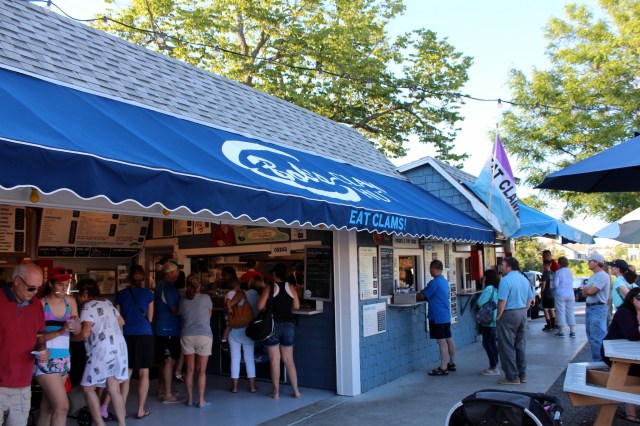
This isn’t a seafood restaurant. It’s a seafood joint. Although there’s nothing fancy about Bob’s, you’ll find some of the best clams and fried fish in the state at this unassuming building on the side of the road in Kittery. In fact, it made our list of the top 8 clam shacks in the region. The parking lot is tiny, so you may need to find a spot next door, but it’s worth the walk to get a heaping helping of fresh New England seafood. On a sunny day, walk right through the building to the yard out back and enjoy your meal on a picnic table in the sun.
Don’t miss Polly’s if you’re making your way through the White Mountains of New Hampshire. Open for breakfast and lunch, this sweet stop is all about pancakes with plenty of maple syrup. You can create your own with a choice of seven batters and four fillings, including blueberries, chocolate chips and daily specials. Make sure you get some of the locally smoked bacon as a side and check out the country store where you can get many of their mixes to-go.
There are several Red Arrow Diner locations in New Hampshire, but our favorite is the original in Manchester. It’s open 24 hours a day so you can get your pancakes, eggs, burgers and pie any time, day or night. Even if you’ve never visited you may recognize the Red Arrow Diner for being a famous stop along the campaign trail for presidents looking to make a big impression for the first national primary. You can see their photos shaking hands with the locals all along the wall behind the counter.
You can find King Arthur Baking products in your local grocery store, or you can go to the flagship location up in the Green Mountains of Vermont. This stop is part shopping experience and part food break. The huge store sells everything a home baker could possibly need for their kitchen, but there’s also freshly baked breads, rolls, sweets, sandwiches and pizza. On sunny days, eat in the beautiful outdoor courtyard and enjoy the fresh mountain air.
No matter which donut flavor you try at Kane’s you won’t be disappointed (we highly suggest the creme brulee). There are several locations including one in downtown Boston and on the famous Route 1 that runs all the way from Maine to Florida. Not only are donuts tasty, but a box in the backseat makes for perfect nibbling as you make your way to your next destination.
Are you even on a road trip if you don’t stop for pizza and eat the leftovers in the car? Known for their thin-crusted, coal-fired Neapolitan-style pizza, Franke Pepe’s opened its New Haven location back in 1925 now has restaurants throughout the Northeast. A large is enough to feed a family and then some, so order accordingly.
There’s a little bit of everything at this diner-style restaurant, from must-try pastrami and Reuben sandwiches, to salmon and lox and sweet cheese blintzes. You can even get a little something to-go at the deli counter. And did we mention there’s pie? Good luck picking just one flavor from the case up front. We recommend taking a slice or two for the road.
You might not think of Rhode Island as a place for great barbeque, but Becky’s may change your mind. It has all your hickory-smoked favorites from pulled pork to brisket to ribs, along with a list of tempting sides. Finish your meal with a slice of key lime or pecan pie.
Brewery Ommegang is well-known for its wide selection of beers, but did you know it also has a fantastic cafe? This brewery in the woods is an idyllic location for a break from the road while touring upstate New York. Try the chicken and waffles with maple bacon bechamel and raspberry coulis or the poutine with local cheese curds and rich demiglace.