AAA projects 19 million Americans will embark on ocean cruises in 2025, a 4.5% increase over 2024, when 18.2 million Americans set sail. This year is expected to be the third straight year of record cruise passenger volume.
“The cruise industry has rebounded post-pandemic more strongly than other travel segments, with cruise demand growth exceeding hotel demand growth in the last two years,” said Jillian Young, director of public relations, AAA Northeast. “There’s a reason so many first-time cruise passengers become repeat cruisers. Cruises offer something for travelers of every age and provide a cost-effective, all-inclusive option that allows cruisers to enjoy meals, drinks and activities without worrying about additional expenses.”
In 2022, cruise volume rebounded to 84% of 2019’s level, then surged to a new high in 2023, nearly 20% above the pre-pandemic baseline. That number has continued to climb since, with 2025 projected to surpass 2019 by 34%.
Seeking Sunshine
Most U.S. cruise passengers (72%) are heading to the Caribbean, while 6% are taking Alaska cruises and 5% will cruise in the Mediterranean. The Caribbean’s dominance this year is on par with its pre-pandemic numbers in 2018 and 2019.
Shorter Caribbean cruises are rising in popularity. Even though most cruise itineraries are six to eight days, 18% of Caribbean cruise itineraries this year are 2 to 5 days, compared to only 2% in 2023.
The three busiest cruise ports in the world are in Florida: Miami, Port Canaveral and Fort Lauderdale are the busiest ports based on embarkation and debarkation. Miami landed the world’s largest cruise ship with the debut of Royal Caribbean’s Icon of the Seas last year, and this summer, Port Canaveral welcomes theIcon’s sister ship, the equally large Star of the Seas.
Cruise Forecast Methodology
In cooperation with AAA, Tourism Economics prepared the 2025 cruise forecast based on scheduled cruise itineraries covering virtually all major cruise vessels, the economic outlook and travel sector trends. This forecast relies on cruise-related analytics from Cruise IP (Tourism Economics’ proprietary database for the cruise industry), economic forecasts prepared by Oxford Economics and assumptions on the future path of the tourism industry.
In this analysis, U.S. cruise passenger volume refers to ocean cruises taken by U.S. residents. It includes cruises that depart from U.S. or international ports.
An icy windshield can be expected on a frigid winter morning, but it’s not exactly welcome (especially if defrosting is going to make you late.) While windshield wipers may take care of a light freeze, wipers or even an ice scraper alone are no match for a thick layer of ice. That’s when you’ll need to use winter wash fluid.
Learn how windshield de-icers work so you can be safely on your way.
Standard Windshield Wiper Fluid vs. De-icers
The type of fluid you choose to put in your wiper fluid reservoir may not seem important, but it makes a big difference when you’re trying to deal with winter weather. Standard windshield wiper fluid is designed to clean – whether it’s dirt, road grime or bug guts – but it’s not especially effective at breaking through ice and may freeze in cold weather, causing damage to the washer system.
In winter, use winter wash fluid, a washer fluid that’s also marked as a de-icer and remains liquid at temperatures down to at least minus 20 degrees. These are specially formulated to protect against freezing and can melt a thin layer of ice. Some popular brands include Rain-X, Peak and Prestone.
How Do Windshield De-Icers Work?
Using a winter wash fluid helps to quickly clear light ice and keeps it from building up as you drive. However, it might not be enough to break through a thick coat of ice on its own.
You can take out the ice scraper, which is smart to have in your car in the winter months, but there are also spray-on de-icers to make short work of the job. Simply spray the windshield with the de-icer, and within a few moments, the ice will start to melt. After that, all you need to do is hop behind the wheel and turn on the wipers to clear the last of the ice.
Some de-icers conveniently come with a built-in ice scraper.
What Not to Do to Clear the Ice
Never put hot water on your windshield to melt the ice.
Yes, hot water melts stuff, but you don’t ever want to put hot water on your windshield. Not even a little bit. Heat makes things expand and throwing hot water on a cold windshield makes the glass expand very quickly. This can cause your windshield to crack, sometimes in very dramatic fashion.
Even if the windshield doesn’t break, this method leaves you with a wet pane of glass, which is likely to refreeze and leave you right where you started.
An Ounce of Prevention
If there’s the option to park your car in a garage, then that’s where it should be parked. Even a covered car port can reduce or eliminate the amount of ice that builds up on your windshield. Failing those two options, you can simply cover the windshield. A tarp or large towel will do the trick, just make sure it’s secured so it doesn’t blow away in the middle of the night. Tucking it under the wipers is usually enough to keep it in place.
Windshield covers are readily available at most auto supply stores and come weighted or with built-in magnets. But be careful – if your car is dirty, any grit trapped between the magnet and the metal could scratch the finish of your vehicle.
Wiper fluid, winter wash fluid and most kinds of sprays contain chemicals, such as alcohol, which are potentially harmful and in some cases flammable. Avoid contact with your skin and eyes, don’t inhale the fumes and make sure children and pets aren’t exposed to these treatments, especially if something drips onto the ground. The alcohol in some spray de-icers can also remove wax. Cleaning the car and reapplying wax when the weather gets warmer is time well spent.
It’s also important to fully and completely clear your windshield (and entire car) of ice before you drive away. Do not be the person with a tiny peephole scraped into the ice at eye level. The windshield needs to be free of ice so you can see the road and everything around you. Not clearing your windshield could get you pulled over by the authorities and, depending on where you live, include a hefty fine. It’s better to be a few minutes late than risk a crash.
Now that you know how windshield de-icers work, learn how to clear snow and ice from the rest of your car.
Identity theft is one of the most common types of fraud affecting consumers today. After obtaining another’s personal information or data, thieves use it to rack up credit card charges, apply for documents and even transfer property. Besides the financial losses, victims face months of stress as they clear their names, change passwords and resecure their personal information.
The best way to protect yourself from identity theft scams is to safeguard your personal information and know what to look for. While identity theft methods are always evolving, there are a few common threads. One certainty: Scammers focus on easy targets.
Here are some identity theft ploys to be aware of and ways to protect yourself all year.
Take control of your identity with ProtectMyID® from AAA, fueled by Experian®. ProtectMyID Essential isfree for AAA members.
Online Shopping Scams
Online shopping scams can consist of fraudulent websites, credit card fraud, gift card scams and hacking public Wi-Fi to get sensitive information. They are especially common during the holiday season when online shopping is at its height, and when shoppers typically overlook red flags.
How to avoid these scams:
Always make purchases on secure Wi-Fi networks or use a virtual private network (VPN) when one isn’t available. Only shop from trusted and familiar retailers whose website URLs begin with “https” to indicate they securely encrypt your information. Review your accounts and statements regularly to ensure no fraudulent action has taken place. If you see an unfamiliar charge, report it to your bank immediately for dispute.
It’s generally safer to use credit cards rather than debit cards for online purchases since credit card purchases aren’t tied to your personal funds. And as an added measure of safety, avoid storing your credit card information on shopping websites. Manually entering your account information may feel like a chore, but it’s worth the extra effort. If you lose a device, a cybercriminal could have easy access to stored account details to make fraudulent purchases or sell your account information.
Learn how AAA members can save on Norton 360 subscriptions, which provide a password manager, real-time threat protection, cloud backups for your information, a secure VPN, dark web monitoring and more.
The Phishing Scam
This popular identity theft racket occurs when scammers send you an email disguised as a message from a legitimate business or organization in hopes that you will provide them with personal data such as account numbers, passwords or your Social Security number. These emails often are very cleverly crafted, using exact logos and return email addresses that seem legitimate.
How to avoid this scam:
Never click through links on emails unless you know the sender. Never send secure personal data in an email. If a business claims it needs to confirm your personal information, close the email and log into your account through the official website to update your information. You may also want to contact the business to confirm it did not send the email and alert staff to a potential scam.
IRS Refunds and Winning Lottery Scams
You’ve heard the saying, “If it’s too good to be true, it probably is.” Keep this in mind when you get emails or phone calls suggesting that you’re about to be rich. Scammers will send out official-looking letters or emails with news of huge IRS refunds or lottery winnings – all you have to do is send them your bank account number so they can deposit the funds. Once criminals have your bank account number, they can do all kinds of financial damage.
How to avoid this scam:
The IRS only will contact you with a letter sent to your home address. Never give your bank account number to anyone you don’t know.
Medical Identity Theft Scams
A thief can steal your personal information and use your identity to see doctors, obtain prescriptions or file claims with your health insurance provider. Not only does this scam cost insurance companies millions of dollars each year, but it could also affect your own medical records, treatment plans and possibly your credit score.
How to avoid this scam:
Ensure that your doctor’s office keeps medical records in a secure area. Ask for an insurance card without your Social Security number on it. Read insurance and medical statements regularly for any signs of abnormal activity.
Confirming Your Information Scams
Scammers pose as officials from your bank or credit card company and ask for your account numbers, passwords or pin numbers in order to update their records. Sometimes they will ask for the three-or-four-digit security number from the back of your credit card. Calls or emails requesting this information should never be trusted.
How to avoid this scam:
If you suspect a call is fraudulent, immediately ask for the person’s name and phone number. This may be enough to scare them off. Regardless, hang up the phone without giving them your personal data, and call your bank or credit card company right away.
How to Protect Yourself From an Identity Theft Scam
You can take steps to protect yourself and your loved ones from identity theft. Here are a few more tips to evade scammers.
Never give out personal information over the phone or through email. If someone calls you claiming to be your doctor, bank, credit card company, etc., ask for their phone number and tell them that you will call them back later. If they suggest calling you back at a more convenient time, hang up, and immediately call the company and ask if they were trying to reach you.
Keep tabs on your credit report. If your personal information has been stolen, you will almost definitely see signs of it in your credit report. Many credit cards offer credit report monitoring free of charge. You are also entitled to one free credit report annually from AnnualCreditReport.com.
Report potential scams to the FTC. The Federal Trade Commission may not investigate every individual claim it receives, but it will document them to look for trends and signs of large-scale fraud. Use this link to file a fraud complaint with the FTC.
Discuss identity theft with your family members. Children, teens and the elderly are the most vulnerable to identity theft scams. Discuss the latest scams with your family and remind them not to share their personal information with callers or over email.
Are you a small business owner? Don’t leave your business uncovered. Sign up for small business insurance with AAA.
Have you ever been the victim of an identity theft scam? Share your tips for avoiding scams in the comments.
This article has been updated and republished from a previous version.
If you live in the Northeast, you’ve been through your fair share of snowstorms. You probably even have a memory of your own worst snowstorm – when the snow piled up high against your door, or the power went out, or school was closed for a week. In honor of Mother Nature’s icy and relentless wrath, we present the biggest blizzards and worst snowstorms in United States history.
The Great Blizzard of ’88
In March of 1888, the Northeast was faced with one of the worst blizzards in American history. Also known as the Great White Hurricane, the Great Blizzard of ’88 left as much as 55 inches of snowfall in some areas, and caused disaster wherever it went. The entire area from Washington, D.C., to Maine suffered from brutal winds, massive snowdrifts and catastrophic damage. Over the course of the three-day blizzard, over 400 people were killed. Major cities like New York City and Boston ground to a halt as their railway and telegraph lines were buried or destroyed. The disastrous effects of the Great Blizzard of ’88 actually inspired Boston to create the first underground subway system in the country.
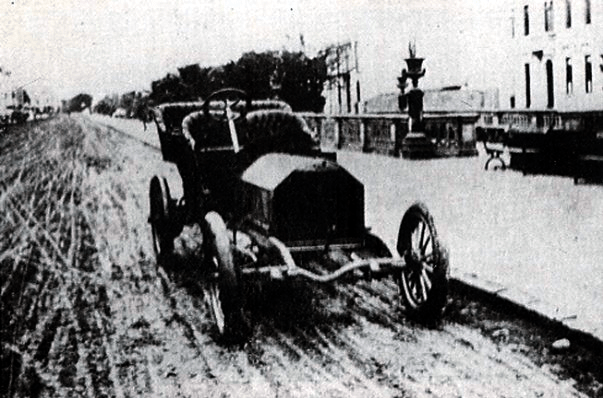
An early automobile is stranded during the Knickerbocker Storm.
The Knickerbocker Storm – 1922
On Jan. 28, 1922, more than 2 feet of snow fell on Washington, D.C. The weight of the snow collapsed the roof of the Knickerbocker Theatre, killing 98 people. This led to stricter building codes to prevent such a tragedy from ever happening again. To this day, the Knickerbocker Storm holds the record for the most snowfall in D.C., and the Knickerbocker Theater’s collapse remains its deadliest disaster.
The Great Appalachian Storm – 1950
On Thanksgiving weekend of 1950, as much as 62 inches of snow blasted the central Appalachians. As if that wasn’t enough, the area was also beset by frigid cold and intense wind storms. Right after the storm passed, temperatures became unseasonably warm, which led to extensive flooding from the snowmelt. Overall, the Great Appalachian Storm of 1950 caused at least 160 deaths.
The Blizzard of ’78
The Blizzard of 1978 struck on Feb. 5, and didn’t dissipate until two days later. The nor’easter broke snowfall records in Boston (27.1 inches), Providence (27.6 inches) and Atlantic City (20.1 inches). The huge amounts of snow dumped by the storm were matched with hurricane-force winds and coastal flooding. The severity of the blizzard hadn’t been anticipated, and many people were forced to shelter in place for days at a time. Motorists found themselves stranded in their cars in the middle of snowy highways. An estimated 100 people lost their lives.
The Storm of the Century – 1993
In March of 1993, a great cyclonic storm formed in the Gulf of Mexico. As the storm progressed up the East Coast, it began to snow in regions as far south as Alabama and Georgia. The snowstorm stretched from those Southern regions into Maine and even Canada. The affected areas were battered with unseasonably frigid temperatures, powerful wind gusts and up to 60 inches of snow. At one point, every major airport on the East Coast was closed. It was one of the first major storms predicted several days in advance thanks to computer forecast models. While the advanced warnings no doubt saved lives, 318 people still lost their lives. The Storm of the Century is known as one of the deadliest American storms of the 20th century.
The Great Blizzard of 2003
From Valentine’s Day to Feb. 19, the Great Blizzard of 2003 swept across the Mid-Atlantic and the Northeast. Every major city from Washington, D.C., to Boston was covered in an enormous blanket of snow, with many areas getting up to 2 feet. Airports across the Northeast suspended flights and shut down operations completely, while New York City, Boston and Philadelphia transformed into icy ghost towns as residents hunkered down against the bitter cold. The Great Blizzard of 2003 caused 27 deaths and put an entire region of the country on hold.
Snowmageddon – 2010
In February of 2010, two blizzards – one on Feb. 4-7 and one on Feb. 9-11 – hit within just days of each other. Most people agree that “Snowmageddon” refers to the first blizzard, but the second storm is sometimes included in the term. However you define it, it was called “Snowmageddon” for a reason: The storm wreaked havoc across the country, icing over roads in New Mexico and shutting down the federal government in the nation’s capital. The massive storm also led to transportation shutdowns and power outages, and killed 41 people in the U.S. and Mexico.
New Yorkers attempt to dig a car out of the snowy streets of Bushwick.
Snowzilla – 2016
A January 2016 blizzard, hailed as Snowzilla, paralyzed the entire East Coast, leaving hundreds of thousands without power. Snow fell in areas as far south as Georgia, Alabama and even the Florida Panhandle. With intense snowfall, hail, wind gusts and whiteout conditions, it was unsafe to travel even short distances. In all, 55 people lost their lives. The snow reached a maximum height of 42 inches in Glengary, W.V.
December 2022 North American Winter Storm
The most recent storm on the list hit the United States and raged on from Dec. 21 to Dec. 26. The December 2022 North American Winter Storm was a bomb cyclone that buffeted the Midwest and the Great Lakes region with blizzard conditions, even dumping as much as 55 inches of snow in Buffalo, N.Y. A wide swath of the country also experienced extremely cold temperatures, even if they didn’t get hit with any snow. The unprecedented scope of this storm is estimated to have affected 60% of Americans, who received winter weather advisories or warnings, and caused massive disruptions for travelers during the busy Christmas season. As a result of the storm, 106 people across the United States and Canada lost their lives.
What’s the worst snowstorm in United States history that you remember? How did you stay warm? Tell us your story in the comments below.
Northeast gasoline prices aren’t moving much thanks to lower oil prices, falling gasoline demand and market uncertainty as a new administration moves into the White House.
Last week, according to the Energy Information Administration (EIA), gasoline demand dipped to 8.08 million barrels a day — the lowest level in a year — as millions of Americans endured snow and bitter cold, particularly across the south.
Another factor easing pressure on gas prices is lower oil costs. The price for a barrel of crude fell between $3 and $4 last week, reversing a monthlong trend of increasing crude prices. Petroleum markets are pricing on expectations that the new administration will push for increased crude production around the world.
As demand cools, so does gasoline production. The EIA last week reported a sizable drop in domestic refinery utilization — a measure of how much refining capacity is being used — from 91.6% to 85.9%. Market observers believe the lower utilization rate is a sign that winter maintenance is underway at several facilities. While less refining activity can support higher gas prices in general, the short-term impact is unlikely to be significant thanks to ample supply. Nationwide, gasoline stocks climbed 2.3 million barrels last week to 245.8 million barrels. That’s just 1.5 million barrels below the five-year average.
“Historically, pump prices are lower in the depths of winter as people drive less,” said Jillian Young, director of public relations for AAA Northeast. “What’s unusual is for the snow and cold to have such an impact on demand in southern states.”
AAA Northeast’s Jan. 27 survey of fuel prices found the current national average unchanged from last week, averaging $3.12 gallon. Today’s national average price is 9 cents higher than a month ago ($3.03) and 2 cents higher than this day last year ($3.10).
Region
Current Price*
One Week Ago
One Month Ago
One Year Ago
New York State
$3.17
$3.16
$3.12
$3.26
Utica, N.Y.
$3.30
$3.30
$3.30
$3.26
Connecticut
$3.09
$3.08
$3.02
$3.17
Massachusetts
$3.03
$3.02
$3.02
$3.12
Rhode Island
$3
$2.98
$2.94
$3.03
*Prices as of Jan. 27, 2025
As of Jan. 27, Oklahoma and Mississippi have the lowest prices in the nation at $2.67.Hawaii and California hold the highest prices in the nation this week at $4.54 and $4.45, respectively. New York holds the 13th place on the list of highest gas prices in the nation.
The AAA Gas Prices website is your resource for up-to-date fuel-price information. Search for average gas prices on national, state and metro levels by regular, plus, premium and diesel.
Car insurance scams are illegal schemes that involve drivers, body shops or towing companies who try to cheat the system and make money. Unfortunately, even if you have never been directly involved with an auto insurance fraud incident, all policyholders end up footing the bill through higher premiums.
“Fraud costs. It’s rampant and everybody pays as a result,” said AAA spokesman and Senior Manager of Public Affairs Robert Sinclair.
We’ve put together a list of some of the most common car insurance scams, so you can do your part to combat this widespread issue and avoid becoming a victim.
Auto Insurance Fraud Affects Everyone
Auto insurers lose at least $29 billion a year due to insurance scams, according to the most recent numbers from the Insurance Information Institute. And because it is so common, fraud is accounted for in all auto insurance policies, especially in places where it’s more prevalent.
Insurance companies determine their rates, at least partially, based on losses. So, the more losses – or claims – filed in a specific city or state, the higher premiums are likely to be. Additionally, fraud can slow legitimate claims and, in some cases, present the possibility of physical danger.
Types of Car Insurance Scams
Counterfeit airbags
In these cases, repair shops replace legitimate air bags with cheap knockoffs to save themselves money or, in more extreme cases, fill the air bag area with other materials.
Parking lot scams
If a stranger approaches you in a parking lot, claims to be with an auto repair shop and offers to provide services, whether it’s fixing a windshield or repairing a dent, don’t fall for it. This is nearly always a scam. Once the person obtains your insurance information, they can submit false claims under your policy, which you’ll later have to clear. All the while, these false claims will raise your premium.
Agent fraud
There are several common scams that involve unscrupulous agents. On some occasions, agents have been known to steal premiums outright, pocketing the money and not actually setting up the coverage. Another common fraudulent practice is known as “sliding,” in which an agent slips extra coverage that you didn’t ask for into your policy. This can add a few hundred dollars to your premium, all the while padding the agent’s commission. As always, you can avoid such scams by working with a company you know you can trust for your auto insurance needs, like AAA Insurance.
Staged accidents
Of course, some examples of fraud come from the drivers themselves. In some incidents, known as “swoop and squats,” two drivers collaborate to trap a victim. One person drives alongside the victim, while the second swoops in front of them, stops and causes a rear-end crash.
Some scams are pulled at the scenes of legitimate accidents. Drivers involved in the crash, but who are not at fault, might cause additional damage to their own vehicle to increase the claim. Lastly, be wary if you are in a legitimate crash and someone at the scene attempts to advertise the services of specific repair shops or lawyers. If you give them your information, they could submit fraudulent claims using your name.
Another type of staged accident known as a “panic stop” requires two merging traffic lanes. When one driver attempts to merge into the next lane, he is waved forward by a driver who then crashes into the victim and later claims they didn’t know the victim was going to merge.
Auto premium evasion
These scams involve customers purposefully misleading their insurance companies by providing a fake address from a lower premium area when they register their vehicles. In some other instances, drivers deliberately fail to add a new driver in their household – such as a teenager – to the family policy. These types of fraud are said to cost the auto industry billions of dollars every year.
Other scams
Some other types of insurance scams include filing more than one claim for a single injury, providing incorrect information while getting a quote, buying a policy after an accident has already occurred, filing a claim for injuries unrelated to an accident, misreporting wages lost due to accident-related injuries, reporting higher repair costs than those paid to the mechanic or falsely reporting a vehicle as stolen.
Auto Insurance Fraud Laws
Making fraudulent car-related claims is a crime in all 50 states, although punishments vary state-to-state, and a majority of them have established bureaus to conduct auto insurance fraud investigations.
Fraudulent claims can be either a felony or misdemeanor, depending on the nature and extent of the scam. “Soft fraud” refers to scams when a person exaggerates an existing claim, such as overstating the damages caused by a crash. These types of scams are typically considered misdemeanors. Auto insurance fraud penalties for such scams often include fines, jail time of up to a year, community service or probation.
“Hard fraud” occurs when a person either causes or fabricates a loss for the deliberate purpose of receiving insurance payments. These cases are nearly always considered felonies and result in much stricter insurance fraud punishments, such as incarceration in prison for a number of years.
Although there are likely numerous types of behavior that could prompt an auto insurance fraud investigation, top giveaways include claimants appearing calm and unflustered after having submitted a large claim, handwritten receipts for repairs on a covered item and someone adding to or increasing their insurance coverage before submitting a claim.
Protect Yourself From Car Insurance Scams
If you are involved in a crash, there are several important steps you should immediately take that can help prevent you from becoming a victim of fraud. One of the best defenses available to drivers is their camera.
“Take lots and lots of photographs – of the other vehicle, the registration and inspection stickers, of the scene, the damage, the license plate,” Sinclair said. “And, if you can, take a photograph of the other driver. Also, have as much insurance coverage as you can afford – and then some more. Get an umbrella policy in addition to your normal vehicle policy.”
At the scene of the crash, it’s also a good idea to take photos of road signs or anything else that can identify the area where the incident took place. Take notes and jot down the name, address, phone number, driver’s license number and auto insurance information of everyone involved in the crash.
A police report helps protect you against people committing fraud who might further damage their own car following the accident to pump up their claim. So, be sure to call 911.
And, as mentioned before, be wary of those who immediately appear after a crash and attempt to be helpful by advising you to take a particular service provider, whether it’s a towing company, doctor, attorney or auto body shop. Never sign a blank claims form.
Lastly, contact your auto insurance carrier immediately after the crash, regardless of whether you believe you’re at fault. Don’t admit fault to anyone at the scene.
These web-savvy travelers are prepared with pinpointed destinations, detailed itineraries and a padded budget. Try these tips to help you find your own adventure that way too.
Millennial travelers know what they want when it comes to travel, and they aren’t afraid to scour the web for the best options, itineraries and deals to get where they want to go.
Keen to explore new countries and experiences with their extended families, including young children and older parents, these mature travelers (ages 28 to 43) with financial security don’t flock to trendy destinations because an influencer told them to. Rather, their curiosity, convenience and personal interest guide them to curate meaningful travel on a mission. And most likely, those destinations are abroad.
AAA travel advisor David Murcko, a world-traveler since childhood, says travel is very personal, so it just depends on the client, what they happen to need in the moment and their travel companions.
These are his top insights for millennial travelers who want to get away this year or – better yet – plan for next year.
Unique Destinations
The easier a destination is to access – including one or two flight layovers – the more likely millennials are to go there, Murcko said, unless “they have been saving up for a special occasion, like a graduation. Then, they say, ‘let’s go to Europe.’” Recently, Murko has found Italy, Croatia and Ireland to be some of the most popular getaways. While he highly recommends Romania and Hungary, destinations in Southeast Asia are also on the top of his list, including Vietnam and Thailand.
The Caribbean is also a hot spot for this age group seeking a carefree beach escape, while he has recently booked trips to far-flung destinations like a couple’s getaway in Japan, a honeymoon in Bora Bora and family-friendly school vacations to Walt Disney World.
“Travelers from the U.S. want to explore the country [they are visiting],” Murcko said. “I just recently helped someone who is following Taylor Swift, and they were looking at ideas, itineraries and stuff to do around Dublin.”
Millennial travelers are independent, knowledgeable with technology, and start their research as much as six months in advance, according to the analytics firm Morning Consult. So, by the time they find travel advisors like Murcko, they have their plan in place and need help tweaking and confirming final arrangements.
“I’ve had people come in with an idea, they had done research on their own, but they had too much, and they just wanted to brainstorm,” Murcko said. “It’s like they needed that assurance of, ‘Does this sound good? Have you been here?’ that sort of thing.”
Be FIT or Go Guided
Foreign Independent Travel (FIT) is the traveler’s version of DIY, where the traveler books everything themself. They select the flight, hotel, car rental, insurance and build their own package a la carte, Murcko said.
With a guided trip, however, there’s a set itinerary where the transportation and hotels are all built in and booked by an agency.
“I think what people in this age range don’t like about guided travel is the misconception that there’s no free time, which is definitely not the case. They always schedule free time for guided trips,” Murcko said. He took a guided tour in Turkey earlier this year and would recommend it whole-heartedly.
“You usually have a few hours to yourself, and you do what you want,” he adds. “Go get lost, do whatever.”
Taking Their Time
Whereas younger Gen Z travelers hop on a plane for a long-weekend trip to appease their wanderlust and maintain their modest finances, Millennials do not travel in short bursts of time. And while they are budget conscious, they are willing to spend on the ideal vacation that hits all their points. They arrive in a single country, stay for a week or two and settle in. They will try to learn about the customs and culture, and if they already speak some of the foreign language, they will try to improve their fluency while abroad.
“Millennials are not traveling to different areas, but they just stay in one place and explore, get to know some of the off-the-beaten-path stuff. They don’t hit the tourist traps. They want to see more of the culture, the history and not necessarily where everyone else goes,” Murcko said. “I always tell people, ‘When you go to a place, try to learn the culture, try to learn the customs, try to speak the language if you can.’”
Plan your next vacation with a AAA travel advisor. It’s a free service included with your membership, so take advantage!
Cruise passengers unpack just once yet repeatedly wake up in different destinations. It’s a magical formula for exploration, even before factoring in the watery vistas! And ensuring a smooth sail is as simple as knowing your ABCs.
Insider tips and hacks to make your first (or next) cruise totally stress-free. Listen to Episode 21 of our podcast, Merging Into Life: Tips for Cruising
They’re like downloading pocket-size, personal cruise directors! Printed planners detailing daily activities still exist, but apps are making them obsolete by offering additional research functions, deck plans, destination maps, messaging and reservation capabilities, bill tracking and more. Some even control features such as cabin lights and shades.
B – Budget
Curtail onboard spending with packages purchased prior to boarding. Look for deals on beverages, specialty dining, shore excursions and internet, but always check the math while bearing usage in mind.
C – Cabins
Like on land, shipboard real estate is about location. Cabins on upper decks cost more than the exact same cabins on lower decks. Plus, you’ll pay for being centrally situated. Windowless inside cabins are undeniable bargains, if used simply for sleeping, but nothing delivers a worthwhile sense-of-place better than a private balcony. So, splurge assuredly! Avoid anything below the pool deck or near noisy entertainment venues, elevators and the anchor. For less motion, go midship on a lower deck. And, when traveling with a group of friends or family, ask if balcony partitions can be removed to make a communal outdoor space.
Fee-based specialty restaurants can be a gourmand’s nirvana, where culinary excellence melds with amazing showmanship — like Celebrity Cruises’ animated Le Petit Chef experience, Norwegian Cruise Line’s theatrical teppanyaki tables and Royal Caribbean’s whimsical, down-the-rabbit-hole Wonderland eatery — but it’s hard to beat the elegance and grandeur of the main dining room on a ship. And everything is included. So, give the escargot a try, along with other bites you might have passed on for fear of disliking them and wasting money. If you end up hating something, just swap for something else. There’s no better opportunity to broaden your palate.
E – Embarking
Arrive early or late, but don’t get stuck in the middle where serpentine lines choke out cruise spirit! Also, since you’ll be separated from checked luggage for a while, bring a carry-on with essentials and a bathing suit if you plan to hit the pool deck. If there’s an escorted ship tour, take it.
Bumper cars on Royal Caribbean Anthem of the Seas.
F – FOMO is real
Accept the fact that you can’t do everything, especially right away. The decks of megaships from Carnival, Disney, Norwegian and Royal Caribbean are stacked with wild attractions. Picture roller coasters, water parks, go-karts, skydiving simulators, ziplines, slides and more. Some ships even stage licensed Broadway shows. Daily activity rosters propose everything from enrichment lectures to line dancing. Live music is always on tap, and with the exception of Disney and Viking, you’re bound to find a casino calling.
G – Gratuities
Most cruise lines charge a daily fee covering food servers and cabin stewards, alleviating the need to tip directly. Automatic gratuities on bar and spa bills are another trend, so be aware to avoid double tipping.
The Norwegian Prima, sailing from NYC.
H – Homeports
Skip the stress of flying and sail from a convenient, drive-to homeport, where you can parlay the savings into an upgraded experience or maybe a second cruise. Homeports in the Northeast include Boston, Bayonne, N.J., (Cape Liberty) and two in New York City (Manhattan and Brooklyn).
I – Itinerary
Nothing beats the calm wash of the Caribbean for testing one’s sea legs. It’s cruising’s most popular destination, promising year-round itineraries of all lengths. Alaska ranks second among American travelers, but a growing demand for world cruises proves the entire globe is in play.
J – Join
Participating in group activities is a surefire way to meet like-minded travelers, especially if cruising solo. Joining communal dining tables is another easy icebreaker. Plus, online platforms help acquaint passengers even before boarding.
K – Kids
The gangway’s open, and not just on Disney ships. Mainstream lines have dedicated kids’ clubs brimming with toys and tech gadgets. Supervised, age-specific programming is the norm, including hip haunts for teens. You’ll even find luxury lines catering to kids during school breaks. Viking’s adult-only ships are the exception.
L – Lingo
Embrace some sailor-speak, especially directional nautical terms such as port (left) and starboard (right). Tendering, the process of using small boats (tenders) to access the shore from a ship at anchor, is key, too. Logistically, tendering takes extra time and presents accessibility challenges to consider.
M – Multigenerational
There’s something for everybody aboard today’s big boats. Family members can scatter to pursue individual interests and then easily come together for shared meals, family-friendly shows and agreed-upon activities.
N – Naps
Schedule some, because nothing compares to the awesome snoozing only the cradle of the sea can induce.
O – Opinions
Everybody has one, but when it comes to cruise planning, the advice of a seasoned travel advisor is priceless. Aside from facilitating a good lifestyle fit with a line and ship, your advisor can help address pop-up issues and secure perks. Onboard, engage the crew. They’re well-traveled, know the ship and love sharing insights.
P – Packing
Go light or you may likely go home regretting it. Cruising has become less formal, although it’s still a fun opportunity to don a dazzling outfit. Bring space-saving storage, such as hanging toiletry bags and magnetic hooks, which work great because ships are mostly metal. Avoiding overpacking also leaves room for acquired treasures!
Q – Quiet
Even on energetic, city-size ships peaceful nooks abound, but intimate ships can elevate quiet moments to an art form.
R – Reservations
Don’t wait till you board to book shore excursions, special occasion dates at alternative restaurants, spa appointments on sea days and even seats for some shows. With online and app portals to make reservations in advance, popular slots go quickly.
S – Size
It matters, and age isn’t just a number. The biggest and newest ships sport all the eye-popping amenities lines love to tout. However, if you’re seeking pure seafaring luxury and personalized service, smaller ships from Oceania, Regent, Seabourn and Viking excel.
T – Tours
Ship-organized shore excursions are the safest and most convenient (but not necessarily least expensive) way to tour ports. Exploring independently, while preferable in easy-to-navigate ports, requires research and good time-management. Ships will wait for passengers on a late-returning shore excursion but won’t extend that courtesy to those touring independently.
U – Unplug
For sanity and to spare unexpected roaming fees, turn your phone off. Or, at least put it on airplane mode.
V – Views
Some ships are so commanding you can forget you’re at sea. From the bow, watch the slippery edge of the horizon disappear. Then, head aft, where the ship’s lacey wake stretches out like a roadway marking your journey. Savor every sail-in/sail-out.
Infinity pool on Norwegian Prima.
W – Wellness
Beyond the bountiful buffets and the lido lounge chairs, spectacular fitness facilities beckon. Look for gyms sporting the latest equipment (Peloton bikes, Pilates apparatus, etc.), boxing rings, rope courses, yoga classes, meditation sessions and spas adorned with thalassotherapy pools. Sea-salt scrubs are so apropos! Plus, spa-centric staterooms and dedicated spa restaurants make getting fit while afloat an immersive affair.
X – Xanadu
Cruise line private islands fit the bill. They stand out as the most popular stops on Caribbean voyages.
Y – Yes
Just say it and set sail. Statistics show you won’t regret the decision.
Z – Zen
Find yours. From the latest leviathans to sublime small ships, riverboats to rugged expedition vessels, there’s a cruise line and a soulmate ship for anyone who wants to sail away.
Plan your next cruise vacation with a AAA travel advisor. It’s a free service with your membership, so take advantage!
Tell us your favorite thing about cruising in the comments below.
Featured image: Royal Caribbean Anthem of the Seas.
Life insurance is one of the best ways to ensure your loved ones are financially secure when you’re no longer around to provide for them. Despite its importance for a bright financial future, life insurance still has a reputation for being a bit confusing.
From annuities to underwriting, life insurance terminology can pose a barrier to fully understanding a policy, which isn’t an ideal scenario for either the customer or the company providing the policy. Getting to know life insurance terms is a win for everyone involved and helps to demystify the process as a whole.
While specific policies differ from company to company, there are some standard terms that are used across the life insurance landscape. Keep the following glossary handy any time you’re starting, updating or simply reviewing your life insurance policy.
A policy that acts as a financial safety net for your loved ones if anything happens to you. It’s like saying, “I got your back – even if I’m not around.”
Non-forfeiture
Non-forfeiture means that if you stop paying your premiums, you won’t lose everything, and you can instead choose options like taking cash or reduced coverage.
Participating and Non-participating Policies
A participating policy type may offer a piece of the company’s profits as a dividend. A non-participating policy does not.
Policy Proceeds
Policy proceeds are the funds your policy pays out when it matures, or someone claims it (i.e. your beneficiary).
Premium
The regular payment that’s made to keep your policy active. Sort of like a gym membership, but instead of working out, it’s ensuring your loved ones are financially healthy.
A rating is an extra charge added to your premium if you are considered a higher-than-average risk.
Rider
Just like how celebrities can add expensive coconut water to their dressing room riders, a life insurance rider is a little add-on to customize your policy (like extra coverage or specific inclusions).
Standard Risk
The classification of a person applying for life insurance coverage that falls under the average standards on which premium rates are based.
Supplementary Contract
A separate agreement for how the policy payout will be managed (installments vs. lump sum, etc.).
Underwriting
The process of underwriting is like choosing your fantasy team. Both use “stats” (in this case, medical history and lifestyle habits) to evaluate risk and determine the best outcome (cost and type of coverage).
Damage caused by ice damming is one of the most common home insurance claims in the Northeast. Learn how you can prevent ice dams from wreaking havoc on your home.
While seeing your home decorated with long, sparkling icicles hanging down from the roof might look pretty enough to paint, ice dams can cause damage to the interior and exterior of your house. The key to ice dam prevention is staying on top of regular home maintenance before and during the winter.
What Are Ice Dams?
Created by melting snow running down from the roof and refreezing as the temperature drops, ice dams form at the cold eaves of the house and jut down like frozen stalactites. This barrier of ice prevents melting snow from getting the proper drainage that it needs, causing water to back up and possibly leak through the shingles, down into the home.
What Causes Ice Dams?
Ice dams need three things to form:
Snow.
Heat from a building.
Cold air to refreeze the melted snow into solid ice.
“In New England, ice dams tend to form in more northern exposed parts of the roof because of the limited sun that they get,” said Jodi DeSantis, vice president of insurance sales for AAA Northeast.
As water continues to melt and refreeze, it can cause the dam to get bigger and bigger. “What happens over time is that the forming ice tends to clog any gutters, and subsequent melting and freezing cycles will start to form these huge icicles hanging off of the roof’s edges,” DeSantis said.
Ice Dam Damage
National data collected between 2018 and 2022 lists water damage and freezing among the most common homeowners insurance claims, according to the most recent report from the Insurance Information Institute.
For some homeowners, the weight of ice dams can rip off gutters or lead to broken shingles. But it’s the resulting water damage that can be the most devastating. Water damage caused by ice dams can be extensive and expensive, affecting ceilings, walls and insulation, and can eventually lead to issues with mold.
Water stains on the ceiling or walls are usually the first sign of damage caused by ice damming.
Ice Dam Prevention
To avoid the potential risks, knowing how to prevent ice dams is imperative. If you start to notice an issue with ice dams forming on your home, there are some precautions you can take.
Add Insulation
Adequate attic insulation is one way to winterize your home, which keeps the heat inside your house from escaping into your attic and prevents snow from melting too fast. Proper attic venting also helps to maintain a cooler temperature on your roof.
Clean the Gutters
To lessen the chance of ice building up around gutters, you should try to clean out leaves and debris before the first snow.
How to Get Rid of Ice Dams
To decrease the chance of ice damming, “the only thing you can do is to get rid of the ice as quickly and as safely as possible,” DeSantis said.
Immediately after a storm, use a roof rake to clear as much snow off as you can, even if it’s just around the gutter line. Do not climb onto the roof to do this. If you need a more thorough cleaning, consider hiring a contractor to do the job for you.
Longer-term solutions include replacing your roof and gutters, especially if they appear worn out. A qualified roofer should inspect your roof every three years for leaks, cracks and other faults, according to the National Association of Home Builders.
How You Are Covered
Standard homeowners insurance will generally cover water damage or any roof damage that occurs as a result of ice dams, though you may need to pay a deductible. If you own a condominium, Unit Owners Building Property Endorsement Special Coverage (often called Unit Owners Special Coverage A) broadens condo coverage to what are referred to as “open perils,” and allows for the coverage of ice dams. Without this coverage, many insurance companies will not cover ice dam damage on a condo.
Once ice damming damage has occurred, there is a typical requirement that obligates the homeowner to take the necessary action to limit any further damage such as moving furniture or artwork from the path of the water coming into the house.
Ice dams can be destructive, but extensive damage can be thwarted with preventive home improvements and maintenance. Preparing your house for wild winter weather will save you money and stress in the long run.
Have you ever experienced any trouble from ice damming? Tell us about it in the comments.
Strong demand for home heating oil and new, tougher U.S. sanctions against Russia — the world’s second-largest oil producer — pushed crude prices up 2% last week to levels not seen since mid-August. Oil prices have risen for four straight weeks, which has led to gasoline prices in commodities markets jumping by nearly 8% over the past month.
Adding to the upward momentum is demand for both oil and gasoline. Last week, crude inventories fell by 2 million barrels to 412 million barrels. That’s 17 million barrels below last year’s figure and far below the five-year average of 440 million barrels, according to the Energy Information Administration (EIA). Meanwhile, demand for gasoline was higher than the comparable weeks of 2021 through 2024, surprising some market watchers who expected lower figures due to snow and cold, which typically suppresses demand.
The rise in pump prices is being tempered somewhat by strong inventories of gasoline. The EIA reported another large build in gasoline inventories last week as refiners maintain high output through the winter. Supplies were up 5.9 million barrels — the third straight week of inventory builds above 5 million barrels — and inventories have risen by 36.7 million barrels since mid-November. In the Northeast, gasoline stockpiles now stand about 500,000 barrels above the five-year average.
“The price for a gallon of gasoline can fluctuate week-to-week on supply and demand factors, geopolitical developments and the weather,” said Jillian Young, director of public relations for AAA Northeast. “But ultimately, the price for a barrel of crude oil is the leading indicator for gas prices.”
AAA Northeast’s Jan. 20 survey of fuel prices found the current national average up 6 cents from last week ($3.06), averaging $3.12 gallon. Today’s national average price is 7 cents higher than a month ago ($3.05) and 4 cents higher than this day last year ($3.08).
As of Jan. 20, Mississippi and Texas had the lowest prices in the nation at $2.68 and $2.71, respectively. Hawaii and California held the highest prices in the nation at $4.53 and $4.45, respectively.
The AAA Gas Prices website is your resource for up-to-date fuel-price information. Search for average gas prices on national, state and metro levels by regular, plus, premium and diesel.
With temperatures expected to dip into the single digits this week, homeowners across the Northeast might be worried about the potential for winter-related damage to their properties – and rightly so: In 2022 alone, cold weather and winter storms caused nearly $6 billion in insured losses in the United States, according to the Insurance Information Institute.
The most common types of insurance claims related to severe winter weather include frozen pipes, ice dams building up along roof edges, damage from falling trees and limbs and even house fires.
Fortunately, a few preventive measures can reduce the risk of a winter catastrophe, starting with a review of your existing homeowners insurance policy to ensure any potential disaster is covered. Water damage from a leaking pipe or an ice dam that sends water through the roof may be covered by a typical homeowners policy. But flooding caused by other events, such as rapid snow melt, may require a separate flood insurance policy.
“‘Winter storms are not typically thought of as natural disasters, but they can cause significant damage in the Northeast,” said Greg Smolan, vice president of insurance operations for AAA Northeast. “Taking preventive measures will help minimize the risk associated with winter weather.”
AAA Insurance recommends that all homeowners take these steps to effectively winterize their homes for safety and to avoid costly repairs:
Clear gutters and downspouts of debris to allow melting snow and ice to flow freely. To help prevent ice dams from forming, keep the attic well-ventilated and the attic floor well-insulated. Heat tape may also help prevent ice buildup and can facilitate melting.
To prevent pipes from freezing and bursting, insulate exposed pipes, seal cracks in outside walls near pipes, keep cabinet doors on exterior walls open and keep a slow trickle of water flowing through unprotected pipes during cold spells.
Know the location of the main water shutoff valve: If your pipes freeze, the faster you shut off the water, the better chance you have of preventing them from bursting and causing major damage.
Ensure your heating system is up to snuff by having the furnace, boiler or chimney serviced at least once a year. Be sure to have ducts, vents and filters inspected.
Check your smoke and carbon monoxide detectors: Residential fires and carbon monoxide poisonings increase in the winter as people rely on indoor fires and heating systems. Detectors should be checked at least twice a year.
Follow all safety guidelines when using supplemental space heaters to prevent electrical fires or fires caused by the placement of heaters too close to flammable materials.
Trim trees and remove dead branches: Ice, snow, wind and rain can cause weak trees and tree limbs to fall and damage your car or home – or fall on people walking on or near your property.
Clear your driveway and walkway of snow as soon as possible to prevent slips and falls.
Winter in New England brings many things, but usually snow and more snow. It’s no wonder it’s a hot spot for cold-weather enthusiasts looking to ski and snowboard. And while the Northeast as a whole is a popular hub for winter fun, there’s one area so chock-full of activities and quintessential New England charm that it should not be missed.
North Central Massachusetts, a scenic region covering over 800 square miles with 27 communities and three cities, is not only home to New England’s most accessible ski resort, but it’s also an area known for its farms, wineries, festivals, art scene, family entertainment and more. No matter how you like to spend your winter downtime, you can find it here.
Discover all that’s in store for you in North Central Massachusetts.
Skiing and Snowboarding
Whether you’re a seasoned skier/snowboarder or a novice just learning the ropes, Wachusett Mountain is an ideal place to go to experience some wintery fun. Glide down the mountain’s 27 snow-packed trails, hone your skills on the racing course or simply enjoy an après ski treat (more on that later) – the choice is yours.
Children and beginners have many options when it comes to learning how to ski or snowboard at Wachusett. Lessons are held for all ages starting as young as four years old, in addition to the option of private and adaptive lessons that cater to an individual’s specific needs. Need some new gear before you take off down the slopes? Not a problem. Wachusett’s MTNside Ski & Ride shop offers gear, apparel, accessories and fun Wachusett logo wear that you can proudly sport back home.
After all your exertion on the slopes, there’s nothing better than a warm meal and a cold drink. You’ll find everything from hot cider and coffee (at the Bullock Lodge) to casual pub fare (Black Diamond Restaurant), sandwiches with a view (O’Brian’s Deck Bar & Grill) and local craft beers (Coppertop Lounge), all at your fingertips within the Wachusett resort.
If you prefer a slower-paced winter activity, winter hiking and snowshoeing opportunities can be found all around North Central Massachusetts, like at the breathtaking Wachusett Mountain State Reservation or Leominster State Park a bit further north. Check out the Massachusetts Audubon Sanctuary, as well, for a chance to spot some of the many protected local species of mammals, birds and insects.
Ice skating fans have a plethora of skating locations in and around the North Central Massachusetts area to choose from. From outdoor lakes in Barrett Park and Leominster State Park to the indoor Veteran’s Ice Arena and Gardner Veteran’s Arena, there’s no shortage of chances to lace up those skates.
Those seeking to go ice fishing will find the perfect spot over at Asnacomet Pond where trout run abundant.
Family Entertainment
North Central Massachusetts specializes in family fun. At Great Wolf Lodge, your group can enjoy the excitement of a water park in the middle of winter, play a game (or several) of mini golf, rock climb, Build-a-Bear and so much more.
If you’re not looking for an overnight stay, there’s the popular FunStuf PlayAway, an indoor playground with lots of games, inflatable slides, a photo booth and even a giant keyboard, a la the movie “Big.” Launch Family Entertainment in the city of Leominster offer fun for all ages, including bowling, trampoline dodgeball, VR games and more. Or visit Cornerstone Ranch for a charming horse-drawn sleigh ride through the snow (open all winter long through March).
Art, Music, Culture and Entertainment
Head indoors to enjoy all kinds of fine art at one of the region’s museums. Try the Fitchburg Art Museum where the first Thursday of the month is free for everyone, or the Fort Devens Museum in Devens, a welcoming place for Veterans and their families to gather, remember and share the stories. Other great choices include the The Icon Museum and Study Center (housed in a 150-year-old gallery space that includes a terrace, tea room and performance facilities), Gardner Area League of Artists and the Winchendon History and Cultural Center, a supposedly haunted location where you can actually investigate for ghosts!
If you’re lucky enough to be in town for a concert at the Groton Hill Music Center, this nonprofit educational center is the perfect place to enjoy some of the best performances in the state, including headliners like LeAnn Rhimes and classical shows including the Vista Philharmonic and Yefim Bronfman.
Food and Drink
Arguably one of the best parts of any trip is the great food and drink you get to enjoy as you explore. From fine dining restaurants to family-friendly options, North Central Massachusetts boasts an abundance of culinary experiences.
It’s easy to work up an appetite while touring the region’s 27 cities and towns. If you start to get hungry while hiking, shopping and museum-hopping, you’re in luck! For lunch, there’s wood-fired pizza, deli sandwiches, familiar fast food options and more. And when you’re ready to relax and dine in style, options range from classic Italian to Brazilian steakhouse.
Beer lovers won’t want to miss some of the best breweries in Massachusetts. Try Wachusett Brewing Company for seasonal draughts like the Frosty Day IPA (fruity and citrusy) or the West Coast IPA (citrus and pine hop). Or visit Thirsty Robot Brewing Company, a microbrewery that specializes in imaginative and flavor-driven small batch beers and New England IPAs.
At Hardwick Vineyard & Winery, the award-winning wines are a winner with the public, as well. Enjoy a glass of Enfield Apricot, Hardwick Honey, Chocolate Raspberry or even Valley Asparagus.
For a quick snack, stop for an apple cider doughnut at one of the many local farms, like Red Apple Farm, Carlson Orchards or Bolton Orchards.
Upcoming Events
Whenever you visit, there is always something fun happening in North Central Massachusetts. Check out the events calendar for trivia, live music and more.
Start planning your North Central Massachusetts trip today.
Funded by the Massachusetts Office of Travel & Tourism.
Nobody likes having to pay tolls, and news of toll hikes rarely sits well with drivers. But the fact remains that tolls play a critical role in our roadway system. They provide significant funds to maintain and improve roads, bridges and tunnels.
Losing just a fraction of toll revenue can be financially damaging to agencies charged with overseeing said roads. Unfortunately, that is precisely what’s happening due to the growing trend of toll evasion. The last several years have seen an increase in the number of drivers attempting to evade paying their fair share of tolls.
Here’s how they do it and how authorities are cracking down.
What Is Toll Evasion?
Simply put, toll evasion occurs when a motorist illegally bypasses a toll without paying the proper fee.
It was a more difficult task back in the day, when each toll booth had a barrier gate that lifted only after the driver paid their fare or had their transponder read. But in recent years, many states have begun transitioning to cashless tolling. Instead of toll booths, these systems use an overhead framework of cameras and transponder readers.
If you have a transponder, the toll process is the same as before. If you drive through a cashless tolling system without a transponder, however, the cameras will take a picture of your license plate. That plate number is then matched to your registration. A few weeks later, a bill will be in your mailbox. The cashless tolling process helps traffic move more freely and improves driver safety. But it also provides toll evaders with an opportunity.
More and more motorists looking to get a free ride are obstructing their license plates as they pass through cashless tolling spots. This can prevent the cameras from picking up the number and, in turn, motorists getting billed.
Toll evaders use a number of creative ways to hide their license plates. Many try to muddy their plates with dirt, paint or grease. Others use plastic covers on their license plates that can distort the numbers when viewed at an angle. These covers are easy to find and even easier to install.

The Rise in Toll Evasion
The increase in cashless tolling has brought with it an increase in toll evasion. In Massachusetts, more than 14,500 obstructed license plates were recorded by the state’s Department of Transportation over a roughly three-year period, from late 2016 to early 2020, according to Boston 25 News. Tinted license plates are legal in Massachusetts.
With tens of millions of dollars on the line, authorities are homing in on toll evaders. In May 2022, the New York State Police, New York City Police, New York City Sheriff, the Port Authority of New York and New Jersey and the Metropolitan Transportation Authority (MTA) announced a joint effort to crack down on toll evasion.
The efforts have been paying off. In 2024, the Port Authority issued more than 7,000 summonses for toll evasion and collected almost $18 million in unpaid tolls and related fees.
New York City Congestion Pricing Evasion
Now the MTA has another toll to monitor: congestion pricing. Three days after it went into effect on Jan. 5, 2025, the New York City Police Department logged 82 violations, arrested two people and took possession of 17 cars for attempting to evade the new law.
The New York City congestion pricing law requires drivers traveling into Manhattan south of 60th Street to pay a $9 toll on weekdays between 5 a.m. and 9 p.m., and on weekends from 9 a.m. to 9 p.m. Drivers pay through their E-ZPass transponders, if they have them. Otherwise, cameras capture the drivers’ license plates and bills are mailed to their homes.
The move is designed to reduce traffic in some of the city’s busiest areas and generate money to improve mass transit systems. Congestion pricing is expected to generate between $500 million and $800 million a year, according to the MTA.

Know the Law (and The Penalties)
Through increased enforcement and sharing of information, authorities can track down violators after the fact. If you evade a toll, it does not mean you have gotten away. By piecing together other images and videos, authorities can often identify your vehicle and, if so, will flag your car.
Every state has a law on the books requiring license plates to be both affixed to the vehicle and legible. Twenty-nine states require cars to have both a front and rear license plate. In Massachusetts, the law reads: “Plates shall be kept clean with the numbers legible and shall not be obscured in any manner by the installation of any device obscuring said numbers.” New York’s law goes one step further, specifying that license plates “shall not be knowingly covered or coated with any artificial or synthetic material or substance that … distorts a recorded or photographic image of such number plates.”
If you get caught breaking these laws, it will cost you. Citations for knowingly obstructing your license plate come with fines upward of $300. Repeat offenders can even lose their driver’s licenses and/or have their cars impounded.
What do you think about what can be done to prevent toll evasion? Tell us in the comments.
This article has been updated and republished from a previous version.
AAA Northeast offers many of the same services as state motor vehicle departments at select branches, so you can skip the long lines and get things done on your own time.
What DMV Services Can Be Done at AAA?
Depending on your state, DMV services available at select AAA Northeast branches may include:
Not all services are offered in all states. For a deeper dive into what DMV services AAA offers, read this post.
State DMV services are available at all AAA Northeast branches in Massachusetts, Rhode Island and New York, and at three branches in Connecticut: Norwalk, Fairfield and Danbury.
Click here for a full list of services available at your nearest branch.
In Massachusetts, Rhode Island and New York, DMV/RMV services are available only to AAA members and are free of charge. In Connecticut, AAA Northeast offers DMV services to members for free; AAA members from outside the AAA Northeast territory pay $6 for DMV services; and non-members pay $8.
Reservations are required for DMV services. Come to the AAA branch with all needed documents and payments for your transactions.
Have you ever used AAA DMV services? Tell us about it in the comments.
There’s a lot more you can do at your local AAA branch. Don’t miss out on these six AAA branch services.
In a time of economic uncertainty marked by soaring prices, Americans are nevertheless optimistic about the financial outlook for 2026: 63% said they expect to do better financially in 2026 than in 2025, according to a NerdWallet survey. And 82% reported feeling either partially or very confident about meeting 2026 financial resolutions, noted another survey from 401K Specialist magazine.
Americans’ top financial goals for 2026 include paying down debt, increasing income and saving more, noted Edward Jones.
Whatever the goals, whether someone is aspiring to save more money, buy a car or a house or pay down student loans, they should start by assessing their income and spending, according to Ted Lyons, vice president of financial services for AAA Northeast.
Build That Emergency Fund
One of the places those savings should go is an emergency fund. This is money put aside in the event of an unexpected expense, such as a major car repair, a medical procedure, a broken appliance or a job loss. Some experts say you should have enough money saved to cover six months of household expenses, but if you can’t manage that, base your savings on what you spent on your last significant expense. One way you can guarantee regular savings is by having money taken out of your paycheck each time you are paid. Without an emergency fund, if something breaks, you will be forced to turn to credit cards and could start accumulating debt.
When it comes to meeting specific financial goals, such as buying a house or car, first take stock of your financial situation, Lyons said. Tally how much you currently earn, spend and save.
“Ideally, you don’t want to make rash decisions on any of these large purchases,” he added. “If the car is acting up, start doing research. Look into your credit report to make sure it’s accurate and resolve any items that may be on your report in error.”
Decide if you want to lease or buy a car. Once you know, determine what you can afford, factoring in other expenses, such as gas, maintenance and insurance.
Research cars, get member pricing on in-stock dealer inventory and apply for an auto loan all in one place with the AAA Auto Buying Program.
Identify the car you want and start looking at what they are selling for. Shop around for the best loan interest rates and then get pre-approved for a loan.
“If you do all those things, you can be prepared to act when that unicorn shows up,” Lyons said. Otherwise, if you see a car on a lot that you like, but haven’t researched or still need financing, you will be at a disadvantage to negotiate. If you don’t act and leave to do your homework, the car may be gone when you return.
Unfortunately, when it comes to cars, you don’t always have time to plan. If your car suddenly stops working or is totaled in a crash, you may have little choice when it comes to securing a loan or maybe even getting your first-choice car. Although there is the potential to refinance a higher-interest loan you may have taken with the dealer.
The process is similar if your goal is to buy a house. First determine what you can afford. The total value of the house should not exceed three to five times your annual household income, according to Fidelity. Saving money for a down payment is critical, added Lyons. The larger your down payment, the lower your monthly mortgage payment. Pay off credit cards balances, starting with the ones with the highest interest rates, to improve your credit rating and enable you to save more money.
Shop around to get the best mortgage rate, and if you can, get preapproved for a mortgage. Buyers need to be ready.
Refinancing private student loans is another issue that gets a look as a new year starts. Unfortunately, the current interest rates for private loans are likely higher than what customers already are paying, said Donald Kerr, director of student lending and college services for AAA Northeast. The current interest rate for a private student loan is 2.89%.
If you still want to consider refinancing, research lenders to find the best interest rates. A higher credit score is usually necessary to get the lowest rate. If you have multiple loans, consolidating them into one payment can save money and make repaying easier. Once you are approved for a loan and complete any necessary paperwork, the new lender will pay off the loan and set you up with a new rate and payment terms.
If you have a federal student loan, refinancing it usually is not advantageous, Kerr said. You may get a lower rate, but you will lose the protections and perks that come with a government loan, such as the opportunity to apply for deferrals and loan forgiveness programs.
Learn about affordable and flexible student loan options with AAA.
Whatever your financial goals, AAA Northeast is available to help. Contact AAA Financial Services.
Did you set any financial resolutions for the new year?
Your favorite meteorologist is calling for a wintry mix. The storm will develop while you’re at work, leading to a miserable evening commute. As you pull into the office parking lot, you notice that a healthy handful of your co-workers have popped up their windshield wipers.
That’s when your dilemma begins.
Do you follow suit? If you leave your wipers up, at least you know that you won’t leave work to find them stuck to the windshield. But some argue that you’ll still have to chip away ice from the wipers.
Our resident automotive expert, AAA’s Car Doctor John Paul, doesn’t do it on his own car.
“Putting the wipers up and away from the windshield makes it easier to clean the windshield if it snows,” he said. “It also eliminates the chance that the wipers will freeze to the windshield.”
But it also means you’re putting stress on the spring that holds the wiper arms against the windshield, he cautions.
On the other hand, Robert Sinclair Jr., senior manager of public affairs at AAA Northeast, believes leaving windshield wipers up is a safe option.
“I don’t see any harm in it, though you still have to clean the snow off the glass,” said Sinclair.
In case your wipers are accidently left on, leaving them up also eliminates the chance of burning out the windshield wiper motor when you start your car and the blades try to push their way through the heavy snow.
Sinclair offers an alternate method for preventing wipers from freezing to the windshield.
“You can put a blanket or snow cover over the windshield and weigh it down with some bricks prior to a storm,” he said. “The next morning, pull off the blanket and the windshield is clear.”
Whether you choose to put your windshield wipers up or leave them down, you need to make sure they are working properly before you head out on the road.
Wiper blades should completely clear the glass with each swipe.
Consider installing all-weather wiper blades that have a one-piece plastic beam frame or winter blades that wrap the metal frame in a rubber boot. Both designs help prevent snow and ice buildup that can interfere with blade-to-glass contact.
Fill the windshield washer fluid reservoir with a winter cleaning solution that has antifreeze components. Some window washer solution is rated to just 20 degrees, but in cold weather this solution can freeze and damage the washer system. Look for washer fluid that protects well below freezing temperatures.
No matter what you do with your windshield wipers, AAA members can save on automotive replacement parts and accessories at NAPA.
What do you do with your windshield wipers when you hear that snow is on the way? Do you leave them sticking up or flat against the windshield? Tell us in the comments.
Coming off another strong year for the cruise industry, savvy travelers are looking to plan their next sail now. It’s the best time of year for scoring great cruise deals, whether to take advantage of seasonal discounts or lock down your preferred cabin in advance.
AAA Travel is seeing strong interest in bookings for this summer and beyond, and homeporting, solo trips and smaller ships are some of the biggest trends. Still, when most people picture a cruise, they think of big ships sailing the ocean blue, invariably on a weeklong course set for the Caribbean. While that’s a great place to start, there are lots of other options.
Imagine everything from tropical escapes on large boats that feel like amusement parks to polar expeditions on small ships that strike a studious vibe. There are long voyages and short, action-packed and laid-back, and often from convenient Northeast ports.
If you need a nudge to experience one of the many seafaring possibilities, here are a few different types of cruises you can try.
The largest megaships from Royal Caribbean and Carnival carry nearly 7,000 passengers. These splashy, ocean-going leviathans tout over-the-top attractions – think water parks, roller coasters, ziplines and even ice skating rinks – as well as multiple restaurants, sprawling spas and lively nighttime entertainment. There’s something for everyone, from singles to seniors. Supervised programs for kids make them family-friendly, and cabins come in all sizes. Aboard such spectacular ships, the destination almost becomes secondary.
Homeport Cruises
Forget airport hassles and airfare. Cruise from a nearby port in Massachusetts, New York or New Jersey. Homeport cruises are perfect for impromptu escapes, and some provide last-minute deals. The rugged coast of Canada, Bermuda’s pink beaches and the Caribbean beckon, all easily accessible on round-trip voyages from various lines, including Royal Caribbean, Celebrity, Princess and Disney Cruise Line.
Built to duck under ancient bridges and slip through narrow locks on Europe’s inland waterways, riverboats host about 150 passengers in a style drastically different from big ships. Riverside scenery always remains visible, alleviating open-water anxiety, and destination-focused itineraries as well as included tours reveal the history of riverside hamlets. Viking’s scenic river cruises sail year-round on the Rhine, which is adorned with castles.
My top tip for river cruising is fly to the port city the day before to explore the city and shake off the jet lag. It’s great to start your trip exploring instead of stressing. I always do this!”
– Marie Kwash, AAA travel advisor
ABERCROMBIE & KENT, RENDEZ-VOUS
Barge Cruises
Catering to 20 passengers or fewer, tiny barges have big personalities. Most glide at a snail’s pace through the canals of the French countryside, sourcing culinary delights like earthy wines, silky cheeses and flaky pastries along the way. Guests hop off whenever they want to stroll or bike nearby towpaths. It’s a bespoke affair, perfect for couples, groups looking to charter an entire boat, or anybody interested in traveling off-grid. Barges also favor the Scottish Highlands, where the Caledonian Canal links several lochs.
Steamboat Cruises
Ready for a dose of Americana while rollin‘ on the river? Watch the big paddle wheels keep on turning (and turn back time) as Riverlorians spin tales – equal parts lore and history – about life along the arteries of America’s heartland. American Queen Voyages operates the world’s largest steamboat, the 417-passenger American Queen, which plies the mighty, muddy Mississippi. Out west, the 221-passenger American Empress roams the Columbia and Snake rivers, where wineries, canyon waterfalls and the echoes of Lewis and Clark call visitors.
If you dream about discovering remote destinations, you should be on an expedition ship. These eco-friendly small cruise ships explore the most extreme (and pristine) places on the planet, while onboard experts help you digest the unfolding wonder. Spot polar bears in the Arctic or sail past glistening glaciers in Antarctica with Viking, which even boasts science labs on its polar-class ships. For warm-water expeditions, Celebrity exposes the isolated Galapagos Islands, where giant tortoises and blue-footed boobies reign.
On adventure cruises, the academic aspect gets dialed back, but you’ll still learn about nature, wildlife and local culture, while having plenty of sporty fun. Destinations aren’t as far-flung, favoring places such as Alaska and the Sea of Cortez.
HOLLAND AMERICA LINE / ANDY NEWMAN
Cruisetours
A dreamy travel mashup, you’ll head to sea either before or after a multi-day land tour, effortlessly linked and facilitated by the cruise line. Cruisetours with Holland America and Princess are popular in Alaska, where inland attractions such as Denali National Park are accessible via scenic train travel and stays at wilderness lodges.
World Cruises
A trip around the world is the holy grail of a life well-cruised. Unpack once and let the parade of world wonders begin. The ship becomes your global ambassador. Circumnavigating the planet takes at least 100 days, plus significant funds. Cunard launched the first world cruise and still offers these epic voyages from its Northeast homeport, but many lines, including Royal Caribbean, feature world cruises now.
World cruise segments, called Grand Voyages by lines like Holland America and Cunard, sail from the U.S. and can be shorter, letting guests choose to participate in certain legs of the journey instead of the full trip. Imagine going on safari in Africa or surveying Australia’s outback, minus the international flights.
World cruises have always been popular with retirees who have the free time to explore. But they are becoming more popular with younger travelers who can work remotely and experience the world in their spare time.”
– Wendy Marley, AAA travel advisor
For Savvy Travelers
Transatlantic and Repositioning Cruises
A rite of passage for many travelers, transatlantic crossings hark back to the golden age of ocean liners. Cunard’s Queen Mary 2, with weekly service linking New York and Southampton, England, is the only liner operating a traditional transatlantic route. The itinerary contains no port calls. You’ll get that “king-of-the world” feeling at the bow, as well as from white glove service at afternoon tea and evening galas in the largest ballroom afloat.
Repositioning cruises may involve transatlantic travel, but the purpose differs, and ports are included. Logistic byproducts, they are exactly as billed: one-way cruises to reposition ships. Notably, many Caribbean-based ships migrate to the Mediterranean for summer and return in winter. Repos tend to be bargain-priced and feature numerous sea days.
Tips When Booking Your Cruise
AAA’s travel advisors are available to assist with booking – and working with an advisor is free for AAA members. Travel advisors often have access to exclusive deals and amenities, like cabin upgrades or onboard credits. Part of a cruise loyalty program? You can still get all your points, perks and prestige when you book with AAA Travel.
Plan ahead. When you book your dream cruise, cover all your bases. Don’t wait to reserve excursions, onboard dining, shows or even the cruise itself. When you book far in advance, you have more freedom to pick and choose what you want. With AAA Travel, cruisers can make reservations for ships sailing more than two years from now.
Try not to fly in on the day of sailing, since flight delays can throw a wrench into your cruise plans.
Stepping onto the slopes can be incredibly intimidating for beginner skiers, so finding the right resort can make all the difference. However, with over 100 ski areas across New England and New York, deciding exactly where to go to sharpen your skills can be tricky.
Good ski resorts for beginners include access to lessons, well-groomed trails, a variety of gentle terrain and a friendly atmosphere to ease into the sport without feeling overwhelmed.
Practicing at a less-crowded ski resort will make it easier to navigate the slopes without constantly dodging other skiers. It’s also helpful when resorts have lift ticket options like half-day passes if you’re not ready to ski all day, or discounted areas, so you’re not paying for terrain you don’t have the skills to use.
Finally, you should also consider the quality and availability of beginner-friendly amenities like magic carpets and designated learning areas. Learning to ski can be challenging enough, so you don’t want to worry about managing a rope tow or T-bar lift on top of it.
Keeping these criteria in mind, these Northeast ski resorts stand out for creating an approachable environment for new skiers.
This resort, surrounded by state forests and the Deerfield River, is known for minimal crowds and long green runs (beginner trails), perfect for practicing turns. Plus, most beginner trails are separate from advanced terrain, so there’s no need to worry about faster skiers passing by. For those not ready for a full day on the slopes, four-hour tickets are available Monday through Friday for just $35. Berkshire East also has a learn-to-turn ski package, which includes a lower mountain lift ticket, ski or snowboard rental, and a one-hour first-time group lesson, starting at just $70 if you choose the night option.
Head to southern Vermont for a mix of gentle green and blue runs that are ideal for beginners. This resort offers half-day lift tickets starting at $94, making it an excellent option for those not ready to spend the whole day on the slopes. First-timer lesson packages ($229) include lift tickets, rentals, and an introduction to skiing or snowboarding. In addition to great skiing, Bromley’s location near Manchester makes it easy to find cozy accommodations and the perfect apres-ski spot.
The instructors at this resort in the Finger Lakes region use an innovative terrain-based learning model, which uses special snow features to naturally regulate speed and body position, helping to alleviate the anxieties of first-time skiers. The Intro2Snow package provides all-day access to the resort’s learning center, rental equipment and lift tickets for just $99. For skiers looking to practice, the beginner area pass grants access to gentle slopes for just $58. You can also ski at night for $68; on Tuesdays, find all-day lift tickets for $48. Plus, kids under 6 always ski for free. As a bonus, Greek Peak is just 40 minutes outside Ithaca, a lively college town with cultural attractions and superb dining, which means you can plan a comprehensive getaway that combines skiing with off-slope activities.
With beautiful views of Mount Monadnock and the Worcester Hills, this small, approachable resort has a relaxed environment where new skiers can build their skills without feeling overwhelmed by large crowds. The resort’s Passport Program ($669) for first-time skiers includes lessons over four days and, upon completion, a free season pass and set of skis. Pats Peak also offers pay-one-price (POP) packages for rentals, skiing and group lesson tips starting at $79 (only available on Saturday nights), along with the option for discounted lift tickets depending on the area of the mountain you want to explore.
Located near the New Hampshire border in eastern Vermont, Saskadena Six is a solid option for beginners looking for a stress-free day on the slopes. The resort features a well-maintained learning area perfect for first-time skiers, and you can access it for just $35. Skiers can also book the Unlimited Snow Sports Package, which includes unlimited access to Saskadena Six Ski Area, daily breakfast and two nights at the Woodstock Inn, located in historic Woodstock that, in winter, looks like a real-life Christmas village with plenty of shopping and apres-ski dining options.
For a beginner-friendly experience with approachable instructors and well-groomed trails, hit this resort located in one of the larger towns in the Berkshires. You’ll have multiple magic carpets, a beginner chairlift and a long green trail perfect for practicing your turns. The adult beginner package ($160) includes a beginner lift ticket, equipment rental and a group lesson for first-time or beginner skiers. Ski Butternut also offers some of the most affordable lift tickets in the region, with prices as low as $25 on Fridays and $40 on weekdays. The resort’s central location makes it easy to explore nearby museums, spas and dining for a well-rounded getaway that includes activities beyond skiing.
Check out AAA member deals at ski resorts nationwide.
Do you know of any other great beginner ski resorts? Is your favorite already on the list? Tell us in the comments.
Last week, crude oil prices rose about $3 in response to the announcement of more U.S. sanctions against Russian petroleum products, which could significantly hamper supplies of Russian oil exports to China and India. The sanctions, announced by the U.S. Department of Treasury on Friday, are directed at two leading Russian oil companies and more than 180 sea vessels believed to be part of a shadow fleet of tankers used by Russia to circumvent existing sanctions.
Gasoline prices tend to climb alongside the cost of crude oil, but increases in pump prices are being tempered by seasonally low demand for gasoline and growing domestic inventories. Last week, refiners added 6.4 million barrels of gasoline to domestic stocks, of which 2.8 million barrels landed in the Northeast, according to the Energy Information Administration. Regional supplies are now roughly 500,000 barrels higher than this time last year.
“The rise in oil prices heightens the odds of pump prices following suit,” said Jillian Young, director of public relations for AAA Northeast. “Oil prices climbing nearly $10 a barrel over the past 30 days is starting to have a significant impact on petroleum markets, especially since gasoline prices typically start to gradually climb in the first quarter ahead of spring.”
AAA Northeast’s Jan. 13 survey of fuel prices found the current national average unchanged from last week, $3.06 a gallon. The national average price as of Jan. 13 is four cents higher than a month ago ($3.02) and a penny lower than Jan. 13, 2024 ($3.07).
Region
Current Price*
One Week Ago
One Month Ago
One Year Ago
Connecticut
$3.03
$3.02
$3.04
$3.15
Massachusetts
$3
$3
$3.02
$3.14
New Jersey
$2.99
$2.97
$2.92
$3.04
New York
$3.13
$3.12
$3.14
$3.28
Rhode Island
$2.94
$2.93
$2.95
$3.04
*Prices as of Jan. 13, 2025
Oklahoma and Mississippi have the lowest prices in the nation at $2.58 and $2.61, respectively.Hawaii and California hold the highest prices in the nation this week at $4.52 and $4.38, respectively.
The AAA Gas Prices website is your resource for up-to-date fuel price information. Search for average gas prices by regular, plus, premium and diesel on national and state levels, as well as metro areas.