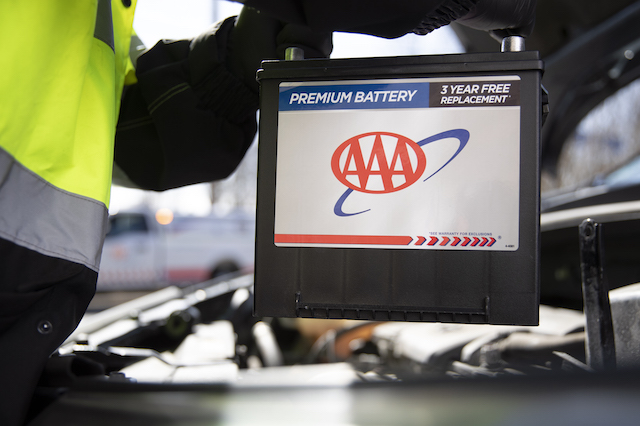
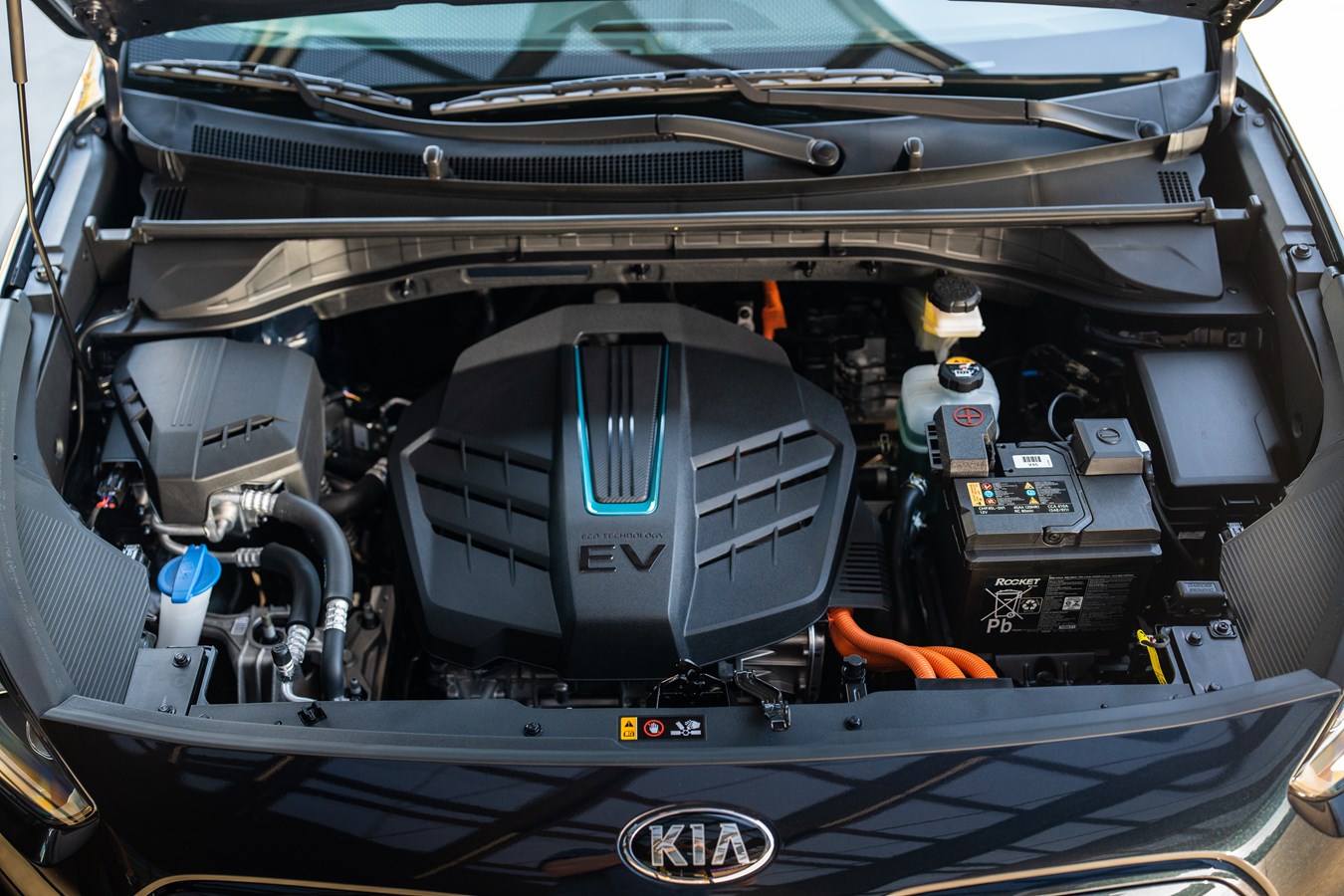
Do you know what’s under your hood? If your answer is the most recycled consumer product in the world, you’d be correct. Lead car batteries have the highest collection and recycling rate of any type of battery. According to Essential Energy Everyday, lead car batteries have a recycling rate of nearly 100%. Even better? With a circular economy, the lead in car batteries is infinitely recyclable, meaning it can be used over and over with no loss of performance.
You can feel good about where your car battery goes when it reaches the end of its lifespan. More than 130 million lead batteries are recycled and kept from landfills every year, according to Essential Energy Everyday. And a new lead battery typically consists of 80% recycled material.
Ethical Partnerships
AAA takes great pride in its deep-rooted reputation for environmental protection. When you use AAA for car battery replacement, we do the work for you. No hidden fees or hoops to jump through: Responsible car battery recycling is automatically built into your service.
Using an Environmental Protection Agency-approved recycling center, we recycle every lead battery we replace. Our primary battery manufacturer, East Penn Manufacturing, is a private, family-owned company operating the largest single-site lead battery manufacturing facility in the world. Based in Pennsylvania, the EPA-permitted facility calls itself a model for the lead car battery recycling industry. It uses advanced technology to reduce lead emissions into the air, wastewater and stormwater.
The AAA Mobile Battery Service Program
AAA is dedicated to protecting our environment and ensuring great road trips for generations to come. A lead car battery usually lasts for three to six years, depending on a variety of factors. Factors like extreme heat or cold; harsh wear and tear; short, infrequent drives; and age all affect the lifespan of your battery. When the time comes to replace it, a AAA battery service technician comes to you – at work, at home, almost anywhere – to deliver and install it. Plus, in keeping with our commitment to greater sustainability for the planet, AAA technicians will also safely recycle your old battery.
Visit AAA.com to have a AAA technician check the condition of your battery – and replace and recycle it, if necessary.
The best road movies are all about the journey.This category of film often features a road trip or quest, where characters travel — whether it be via car, truck, train or on foot — on a journey that almost always changes the course of their lives, for better or for worse.
You can watch these adventures unfold with our picks for the best road movies. All movies on this list have an average Rotten Tomatoes score of 70% or higher, and many of these films are part of the Criterion Collection.
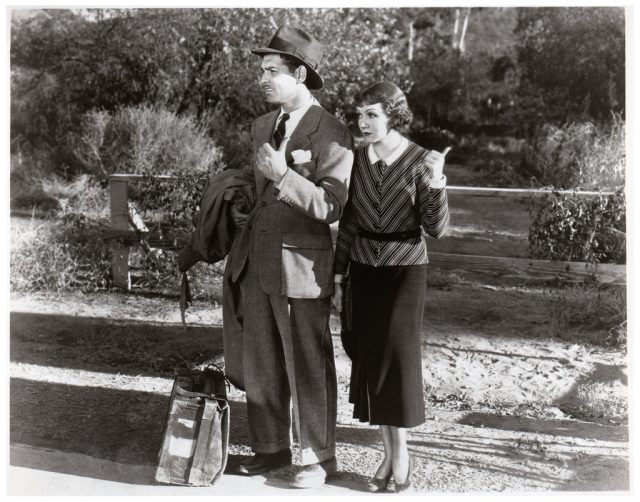
This romantic comedy follows an entitled, runaway heiress (Claudette Colbert) and the reporter (Clark Gable) who tries to help her reunite with her new husband in exchange for an exclusive story.
The epitome of a Western, “Stagecoach” tells the story of a group of characters onboard a stagecoach leaving from Arizona to a settlement in Lordsburg, N.M. This film was also John Wayne’s second movie.
One of Swedish director Ingmar Bergman’s most important films, “Wild Strawberries” follows a professor on his way to accept an honor as he encounters interesting characters and reflects on his life.
This adventure-comedy follows a group of strangers as they travel around California looking for a buried fortune. The film is known for its all-star cast and scavenger-hunt-like premise.
A true road movie and absolute must-see, “Easy Rider” captured the 1960s counterculture movement. The film follows two bikers enjoying the freedom of the open road as they travel cross-country.
“Vanishing Point” (1971)
A Vietnam veteran turned driver for hire (Barry Newman) transports a car cross-country after making a bet he can deliver it in less than 15 hours.
This film follows a mechanic and driver duo as they leave California in their 1955 Chevy. After picking up a hitchhiker, they find themselves in a cross-country race for pinks against a Pontiac GTO.
“Smokey and the Bandit” (1977)
Burt Reynolds stars as Bo “Bandit” Darville in this action-comedy about two bootleggers who try to smuggle a tractor-trailer filled with 400 cases of beer across state lines.
“The Blues Brothers” (1980)
In this musical comedy, two brothers (played by John Belushi and Dan Aykroyd) decide to reunite their band in order to raise money for the orphanage they grew up in.
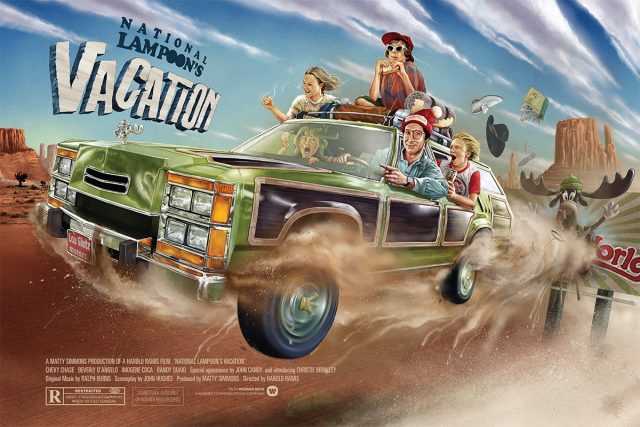
In this adventure comedy, a family’s road trip from Illinois to a theme park in California goes off the rails. “National Lampoon’s Vacation” was a box-office success and continues to live on as a beloved cult classic, inspiring multiple sequels. Not only is it one of the best road movies, it’s also one of the funniest.
“Pee-Wee’s Big Adventure” (1985)
When Pee-wee Herman’s beloved bike is stolen, he travels far and wide to find it. One of director Tim Burton’s lighter, brighter movies, this flick is kid-friendly.
This French film tells somewhat of a story in reverse, opening on a wandering woman’s dead body before using flashbacks to explain what happened to her.
Opposites attract in this romantic comedy where a quirky, free-spirited woman (Melanie Griffith) hijacks an uptight banker’s life, taking him (Jeff Daniels) on a wild adventure.
“Planes, Trains and Automobiles” (1987)
After a business trip to NYC, a marketing executive (Steve Martin) wants nothing more than to make it back home to Chicago in time for Thanksgiving. When he meets a traveling salesman (John Candy), the adventure becomes much more entertaining.
“Midnight Run” (1988)
In “Midnight Run,” a cross-country chase unfolds after a bail bondsman (Joe Pantoliano) hires a bounty hunter (Robert De Niro) to bring an embezzler from NYC back to Los Angeles.
“Rain Man” (1988)
Two brothers (played by Tom Cruise and Dustin Hoffman) reunite for a cross-country trip after their father passes away, disproportionally dividing his fortune between the two.
A true road film, “Thelma & Louise” follows two women (played by Geena Davis and Susan Sarandon) as they embark on a road trip that goes wrong.
“True Romance” (1993)
When a comic-book store clerk (Christian Slater) and a lady of the night (Patricia Arquette) fall in love, the pair decides to run away together.
“Dumb and Dumber” (1994)
This comedy follows two dimwitted friends (played by Jim Carrey and Jeff Daniels) who find a suitcase full of money and travel to Colorado to try to return it.
“Get on the Bus” (1996)
Director Spike Lee tells the story of a group of men on their way to participate in the Million Man March in Washington, D.C. During the bus-ride, these strangers connect through sharing life experiences.
“Almost Famous” (2000)
In this coming-of-age story, a 15-year-old boy follows an up-and-coming band touring the U.S. in order to write a piece for Rolling Stone magazine.
“Sideways” (2004)
Two friends (played by Paul Giamatti and Thomas Haden Church) take a trip to wine country for one last bachelors’ experience in this romantic comedy.
“The Motorcycle Diaries” (2004)
When two friends decide to ride motorcycles from Brazil to Peru before returning to school, they learn more about the world than they would have ever expected. “The Motorcycle Diaries” was inspired by true events.
The Hoover family sets off in a VW bus, traveling cross-county so their youngest can fulfill her dream of competing in the Little Miss Sunshine beauty pageant.
“Into the Wild” (2007)
Based on a true story, “Into the Wild” follows a young man who decides to leave a life of privilege behind to explore the Alaskan wilderness.
Auteur Wes Anderson tells the story of three estranged brothers hoping to reconnect as they take an exploratory train-ride across India.
“Wendy and Lucy” (2008)
In this indie film, a woman (Michelle Williams) and her dog wander across Alaska looking for ways to survive.
“The Road” (2009)
Based on the novel of the same name by Cormac McCarthy, “The Road” follows a father (Viggo Mortensen) and his son (Kodi Smit-McPhee) as they traverse a barren, post-apocalyptic landscape.
“Zombieland” (2009)
In the midst of a zombie apocalypse, a small group of survivors travels across the U.S. looking for Twinkies and a safe place to call home.
“Locke” (2013)
Tom Hardy stars in this drama about a man driving to London for the birth of a child conceived during a one-night stand. The entire movie is set within the confines of the vehicle.
What’s do you think is the best road movie? Tell us in the comments.
AAA members can save on fuboTV, a live streaming television service that offers everything from live sports to prestige TV shows and movies.
In the past year, many of us have been forced to slow down our travel, trading in our tickets abroad for gas in our tanks. Road trips have been the saving grace for travel in the past year, especially when it leads us to stunning natural sites throughout the country. As more opportunities for travel open up, seeing these natural wonders of the U.S. should be high on your list of places to explore.
Note: Due to the ever-changing nature of the COVID-19 crisis, please see official websites before visiting to check for restrictions or closures.
Antelope Canyon, Arizona
Antelope Canyon is known for its smooth, vibrantly colored sandstone formations, photographed constantly by visitors near and far. You can snap some photos yourself at this popular natural wonder of the U.S. and watch the sun reflect on the stone, filling the canyon with a waterfall of bright natural light.
Natural Bridge State Park, Massachusetts
Most people travel to the coast of Massachusetts to soak in the sun at the beach, but don’t forget about the western side in the Berkshire Mountains. Lined with quaint towns to explore like Great Barrington, Stockbridge, Lee and Lenox – and filled with luxury accommodations, cute eateries and cutting-edge cultural institutions – it’s definitely worthy of a trip.
Make a stop in the town of North Adams, home to the Natural Bridge State Park. The natural bridge is smooth, made completely of marble and is the only one of its kind in North America.
Mount St. Helens, Washington
Mount St. Helens is a stratovolcano along the Pacific coast in Washington. The volcano is made mostly of lava, volcanic ash and minerals. The volcano famously erupted in May 1980, killing 57 people and destroying hundreds of homes.
Thunder Hole, Maine
If you visit Bar Harbor, Maine, you have to check out Acadia National Park. The views are absolutely stunning with cliffside landscapes located along the splashing shore. Hike through the park pathways to discover deep red stone off of the Atlantic. The park alone is noteworthy, but while there you can visit the popular Thunder Hole, a break between two towering rock formations that catches the strong ocean waves, sending crashing water and mist into the air.
Niagara Falls, New York
New York is full of stunning waterfalls, but of course the most well known is Niagara Falls. Not only can you see this natural wonder of the U.S. (and Canada) from an observation deck, but there are multiple ways to get up close and personal like the Cave of the Winds experience that goes into the Niagara Gorge.
Another New York waterfall worth mentioning is Kaaterskill Falls, a two-tiered waterfall in the Catskills. You’ll feel like you’re in Bali. And about an hour and a half downstate in Dover Plains, you don’t want to miss the Dover Stone Church; the natural rock formations created a church-type peak in a beautiful cave entrance with a waterfall housed inside.
Rainbow Hot Springs, Colorado
Of course, when you’re talking about natural wonders in the U.S., Colorado must come into the equation. Not only does the state have gorgeous mountains and landscapes, but it has plentiful hot springs, as well. Rainbow Hot Springs is a bit of a hike into the forest – nearly 5 miles – but the views and relaxing in the steamy hot mineral water is completely worth it.
Old Faithful, Wyoming
Old Faithful, the well-known geyser in Yellowstone National Park, is definitely worth the trip. Nature can be unpredictable at times, but not Old Faithful. According to Yellowstone.net, “Old Faithful erupts every 35 to 120 minutes for 1 1/2 to 5 minutes. Its maximum height ranges from 90 to 184 feet.” People come from all over to visit the famous park and see the geyser erupt in person.
Grand Canyon National Park, Arizona
For nature buffs and hiking enthusiasts, the Grand Canyon National Park is a no-brainer. There are so many ways to explore the vibrant red rock and desert views: visitors can set out on whitewater rafting, hiking, biking or horseback riding excursions, or take a guided walk with a park ranger.
What are some of the most impressive natural wonders of the U.S. that you’ve seen? Tell us in the comments.
From action and horror to animation and comedies, movies about cars come from a variety of genres and appeal to a wide range of audiences. Whether you’re looking for new or vintage automobiles, a thrilling car chase or impressive driving skills, you’re sure to find something you like on our car movies list.
While there are some amazing movie cars out there, like the bat mobile and Doc’s DeLorean time machine, this list focuses on movies about cars and the act (or art) of driving them. In these movies, cars aren’t merely eye candy; they help carry the film.
Check out our list of car films. All have an average score above 65%, according to Rotten Tomatoes and many have reached cult classic status or were Oscar nominees or winners.
“The Hitch-Hiker” (1953)
This suspenseful film noir follows two friends held at gunpoint by a hostile, psychopathic hitchhiker running from the law. The film was inspired by Billy Cook’s real-life murders and starts with text reading, “This is the true story of a man and a gun and a car.”
“Grand Prix” (1966)
Hailed as one of the best films about auto racing, “Grand Prix” follows the stories of four Formula One drivers at various stages in their careers. The movie won Oscars for film editing, sound and sound effects.
“Bullitt” (1968)
Starring Steve McQueen and featuring a classic car chase through San Francisco, this thriller on our car movies list tells the story of a cop (Lieutenant Frank Bullitt) on a mission to bring a mob boss to justice. It won the Oscar for best film editing and was nominated for best sound.
“Chitty Chitty Bang Bang” (1968)
Inspired by Ian Fleming’s story “Chitty-Chitty-Bang-Bang: The Magical Car,” this family-friendly movie follows an eccentric inventor and his family as they use the magical car he creates to go on a fantastical adventure.
“The Italian Job” (1969)
Comedy meets crime in this British film featuring a car chase with three Mini Coopers and an iconic cliffhanger of an ending. A remake would come out in 2003, starring Mark Wahlberg, Charlize Theron and Edward Norton, among others.
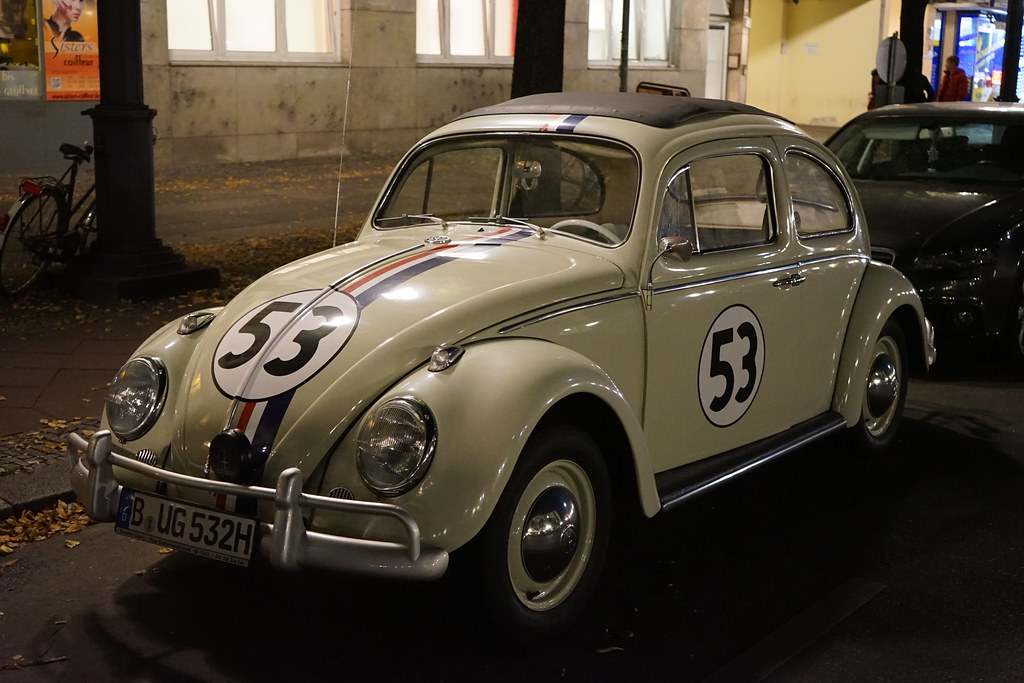
The first of what would become a series of movies, “The Love Bug” tells the tale of an anthropomorphic Volkswagen Beetle named Herbie. The car’s iconic look — with its cream-colored paint job, red, white and blue racing stripes and number 53 — is still recognizable today.
“The French Connection” (1971)
Two New York detectives trail a heroin smuggler in this fast-paced crime drama based on true events. Not only does this film feature one of the greatest car chase scenes of all time, it won the Oscar for best actor, best directing, best film editing, best writing and best picture.
“Le Mans” (1971)
“Le Mans” tells the story of Porsche driver Michael Delaney (Steve McQueen), troubled by personal conflicts, as he prepares for and participates in a 24-hour endurance race at Le Mans, France. The film features real footage from the 1970 Le Mans race.
“Two-Lane Blacktop” (1971)
This road movie follows a mechanic and driver duo as they leave California in their 1955 Chevy. After picking up a hitchhiker, they find themselves in a cross-country race for pinks against a Pontiac GTO. “Two-Lane Blacktop” is both a cult film and a part of the Criterion Collection.
“Vanishing Point” (1971)
Barry Newman plays a veteran turned driver for hire in this action movie. Featuring a 1970 supercharged Dodge Challenger and a nail-biting police chase, “Vanishing Point” is a classic that’ll keep you entertained.
“Duel” (1972)
A young Steven Spielberg directed this TV film about a man commuting to work in a Plymouth Valiant until a truck hellbent on killing him begins its pursuit. This action-thriller was Spielberg’s debut and has been hailed as one of the best TV movies ever made.
“American Graffiti” (1973)
This coming-of-age story, directed by George Lucas and produced by Francis Ford Coppola, follows a group of friends cruising around their Modesto, Calif. town on the last day of summer. The film was nominated for five Oscars.
“Death Race 2000” (1975)
The indie and sports genres collide in this film about a dystopian future where drivers participate in a homicidal, Transcontinental Road Race. Though it faced mixed reviews upon release, the movie is now appreciated for its camp and over-the-top violence.
“Taxi Driver” (1976)
Directed by Martin Scorsese, this must-see film follows a troubled loner named Travis (Robert DeNiro) who becomes a cab driver in New York City. The film received four Oscar nominations.
“Goodbye Pork Pie” (1981)
This road movie follows two teens in a stolen yellow 1978 Mini — named Pork Pie — as they pick up a girl and try to evade the police. The 2017 remake “Pork Pie” is also worth a watch. This well-done reimagining was written and directed by the son of the first version’s director.
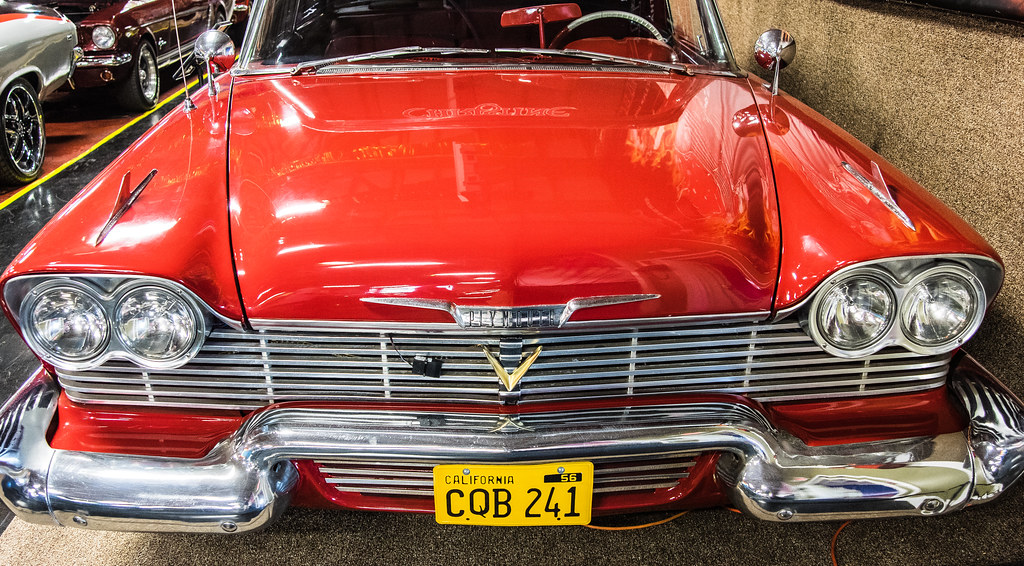
Based on Stephen King’s novel by the same name, this horror-thriller directed by John Carpenter centers around a boy and his 1958 Plymouth Fury, named Christine, that seems to have a murderous mind of its own.
“Heart Like a Wheel” (1983)
This biographical film tells the story of Shirley Roque, a woman who follows her dreams of becoming a drag racer despite the fact that racing was seen solely as a man’s sport.
“National Lampoon’s Vacation” (1983)
A family’s road trip from Illinois to a theme park in California goes off the rails in this adventure comedy. “National Lampoon’s Vacation” was a box-office success and continues to live on as a beloved cult classic, inspiring multiple sequels.
“Repo Man” (1984)
Dark, edgy comedy meets science fiction in this cult classic and Criterion film. When a recently fired, punk-rocker named Otto (Emilio Estevez) begrudgingly becomes a repo man, he quickly realizes how exciting, strange and wild the job can be.
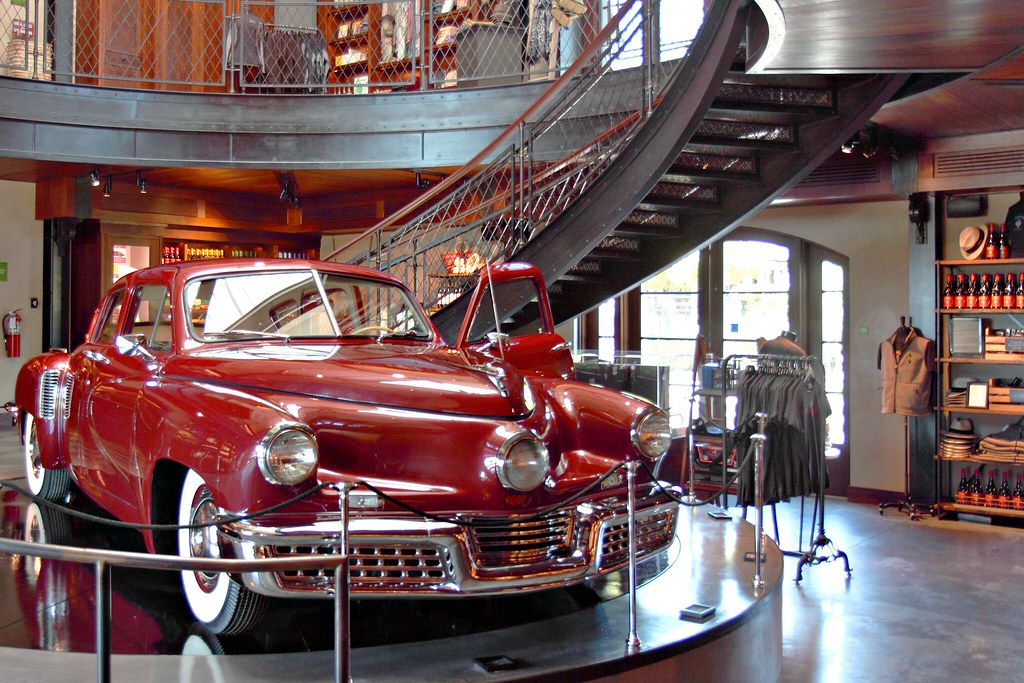
This film tells the story of an auto-loving inventor (Jeff Bridges) who dreams of designing a car that would challenge the industry. It was nominated for three Oscars.
“Thelma & Louise” (1991)
A true road film, “Thelma & Louise” follows two women (played by Geena Davis and Susan Sarandon) as they embark on a road trip that goes wrong. It won the Oscar for best original screenplay and was nominated for best actress, best cinematography, best directing and best film editing.
“The Fast and the Furious” series (2001-Present)
These action films are packed with exhilarating street races, mind-boggling stunts and plenty of fast, flashy cars. This series began in 2001 and shows no sign of stopping, with a ninth movie set to release in May 2021.
“Cars” (2006)
This animated movie about anthropomorphic cars follows a race car, named Lightning McQueen, whose egotistical dreams of fame and fortune are changed by the charm of a small town and its inhabitants.
“Death Proof” (2007)
Written and directed by Quentin Tarantino, this “grindhouse” thriller follows a stuntman (Kurt Russell) who uses his “death proof” car to terrorize a group of young women. The film is a tribute to slasher films and muscle cars from the 1970s.
“Gran Torino” (2009)
Directed by and starring Clint Eastwood, this film tells the story of a Korean War veteran named Walt. After a teenage neighbor tries to steal Walt’s prized 1972 Ford Gran Torino, and pays for his wrongdoing with chores, the two form an unlikely bond.
“Drive” (2011)
Ryan Gosling stars as an unnamed stuntman and mechanic who also midnights as a getaway driver. After falling for his neighbor Irene, the driver agrees to help her ex-husband with a heist that turns deadly. “Drive” was nominated for best sound editing and has been recognized for its hyper-stylized imagery.
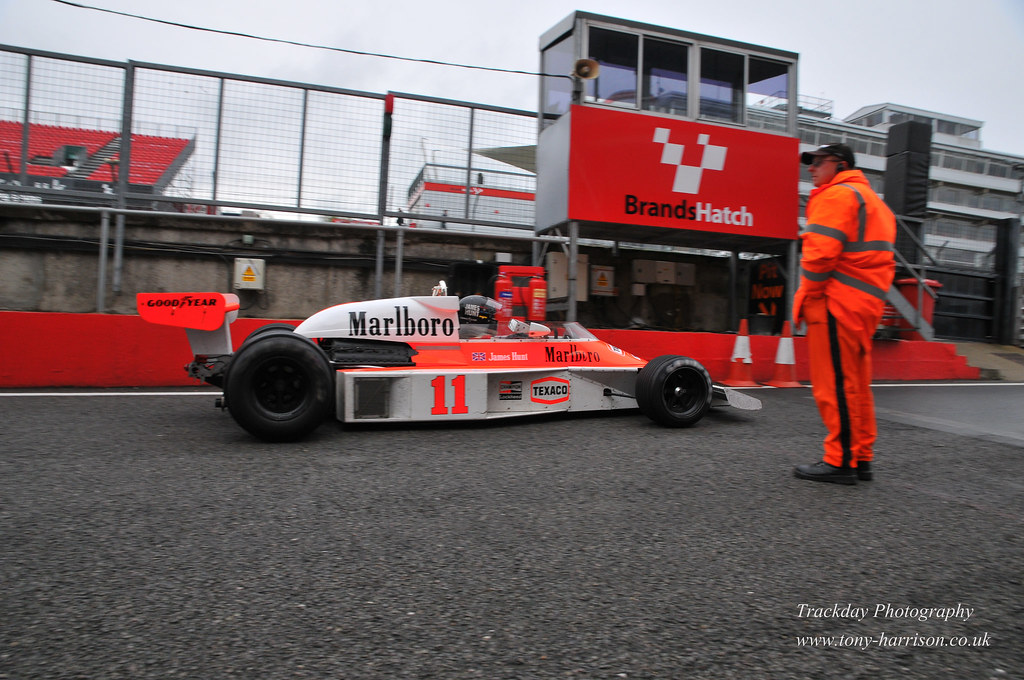
This biographical sports drama stories the intense, 1970s rivalry between two Formula One drivers: James Hunt of Britain (Chris Hemsworth) and Niki Lauda of Austria (Daniel Brühl).
“Mad Max: Fury Road” (2015)
In a brutal, post-apocalyptic world, a drifter named Max (Tom Hardy) and rebel named Furiosa (Charlize Theron) stand together against a tyrant. This film revitalized the Mad Max series and won a number of Oscars, including costume design, film editing and production design.
“Baby Driver” (2017)
When a young, music-obsessed getaway driver (Ansel Elgort) wants to put his life of crime behind him to be with the girl he loves, his boss has other ideas. The film received three Oscar nominations.
“Logan Lucky” (2017)
In this quirky crime comedy, two brothers (played by Channing Tatum and Adam Driver) team up with their sister (Riley Keough) and a convicted felon (Daniel Craig) to pull off robbing Charlotte Motor Speedway during one of NASCAR’s biggest races of the season.
“Ford v. Ferrari” (2019)
Staring Matt Damon and Christian Bale, this film depicts the rivalry between a car designer and a driver, leading to an epic showdown where Ford challenges Ferrari at the 1966 Le Mans race. This movie won Oscars for film and sound Editing.
Have any other films to add to our car movies list? Share them in the comments.
AAA members can save on fuboTV, a live streaming television service that offers everything from live sports to prestige TV shows and movies.
Stress is the body’s natural response to life’s changes and challenges. From everyday stressors like money, school and work to more situational strains like family drama, postponed plans and global events, stress affects everyone.
Stress signals the body to release hormones that help with your “fight-or-flight” response. While some stress can keep you motivated or help you react in crisis situations, unchecked long-term, or chronic, stress can harm your health over time.
Stress can manifest in mental and physical ways, influencing your behavior, your mood and your body. Discover how stress impacts your health and methods for coping with it.
Physical Effects
How does stress affect health? It’s not uncommon to feel it, and sometimes you can see it as well.
Stress impacts the body in internal and external ways, affecting everything from the heart and digestive track to the condition of hair, skin and nails.
It raises a person’s heart rate and blood pressure. “Repeated episodes of acute stress can cause inflammation in the coronary arteries, thought to lead to heart attack,” according to the American Institute of Stress.
Stress can also cause gastrointestinal problems, like heartburn, nausea and stomach pain. Prolonged and/or intense stress can cause more severe symptoms, like vomiting, constipation and diarrhea.
In addition, stress often manifests as muscle tension in the back, jaw and neck, which can lead to other issues. “The contraction of muscles for extended periods can trigger tension headaches, migraines and various musculoskeletal conditions,” according to AIS.
Another serious repercussion of stress is a weakened immune system. “People under chronic stress are more susceptible to viral illnesses like the flu and the common cold, as well as other infections,” according to AIS. “Stress can also increase the time it takes you to recover from an illness or injury.
Finally, stress can even affect your appearance. Hormonal changes brought on by stress can lead to dry/itchy skin, hives, rashes and acne (even in adults). Stress – specifically the cortisol release it triggers – can affect biotin levels, leading to hair loss and weakened nails.
Mental and Emotional Effects
Although feeling stressed is a mood in itself, stress can also cause other mental and emotional symptoms.
Some effects are relatively minor but can impede daily life, like forgetfulness, restlessness, irritability/anger, lack of focus or motivation and feeling overwhelmed. Stress can also lead to more extreme conditions like anxiety and depression.
Another common symptom is fatigue, which can also be accompanied by insomnia, or the inability to sleep. While many Americans say they don’t get enough sleep, nearly half (46%) of Americans say they’ve laid awake at night due to their stress levels.
Behavioral Effects
Feeling stressed affects human behavior in more ways than one because everyone reacts to stress differently.
Stress can cause some people to withdraw socially, inadvertently leaving more time to stress due to fewer distractions. Clenching and/or grinding teeth is common, especially during sleep, which can cause headaches and jaw pain later. Nightmares are also common.
Struggling with long-term stress can lead to impulsive behaviors, like over- and under-eating. Overeating causes weight gain and sluggishness while under-eating can cause dehydration and low blood sugar as well as feeling lightheaded and tired.
Nervous habits like excessive fidgeting and frequent crying spells are warning signs you could be overstressed. Prolonged stress can lead to more dangerous habits, like compulsive online shopping and dependence on alcohol, drugs and tobacco.
Ways to Combat Stress
While you may not be able to avoid every stressor, there are certain things you can do to cope with stress. The first step is knowing your triggers and figuring out what type of activities best combat your stress.
Spending time in nature is another great way to deal with stress. Bird-watching, gardening and going for nature walks work well for people looking to feel more in touch with the natural world.
Finally, take time for yourself. Do something to calm your mind and body, like napping, taking a bath or drinking some soothing tea. Similarly, try doing something you enjoy. Hobbies like baking and cooking, crafting, reading, doing puzzles and playing video games can help distract you from stress.
Active Techniques
Other people combat stress through physical exertion. Working out is one popular method. While regular exercise is good for physical health, it can improve your mood as well.
“Scientists have found that regular participation in aerobic exercise has been shown to decrease overall levels of tension, elevate and stabilize mood, improve sleep and improve self-esteem,” according to the Anxiety & Depression Association of America (ADAA). “Even five minutes of aerobic exercise can stimulate anti-anxiety effects.”
Cleaning is another way people deal with stress. The act of cleaning and organizing can relieve stress by giving you a sense of control. Afterward, a clean, decluttered space will give you a sense of calm – and accomplishment.
AAA members can also take advantage of the Active&Fit Direct program, which offers digital workouts in categories like cardio, strength, dance, martial arts, mind/body, high intensity interval training and cycling. There are over 2,500 workout videos to choose from! Try out a bunch of different exercise regimens and see which ones you like best. And if you want to hit the gym when they open, Active&Fit Direct is partnered with over 11,000 fitness centers around the country.
Social Activities
Being social, like spending time with friends, family or your community, can also help relieve stress. Humans are social by nature, and spending time with people you love can improve your mood by giving you someone to talk to.
Spending time with animals is another great way to relieve stress, according to the ADAA. Play with your pet or consider adopting, fostering or volunteering at an animal shelter to get some quality time with animals.
If nothing else helps, consider seeking professional help. Talk to your doctor about your stress and symptoms. They may be able to help or send you to a mental health specialist.
Learn how COVID-19 anxiety can affect your driving.
Find more Your AAA articles about health and fitness.
It’s an exciting day when your child finally gets a driver’s license, but shortly after you’re faced with a big decision. How do you pick a good first car? What makes for an ideal – and safe – starter vehicle?
If you haven’t bought a car recently it may be overwhelming to look at all the options. We break down the basics to make finding the best first car for your young driver a snap.
Focus on safety
Safety is a top priority. The challenge is figuring out which cars are the safest for teens. According to the AAA Foundation for Traffic Safety, teenagers are three times as likely as adults to get into a deadly crash while driving.
There are lots of new autonomous safety features found on today’s cars, but they often add quite a bit to the price. Focus on crash test scores first and then see what your budget allows.
Size matters
There are cars with room for anywhere from two people all the way up to a small army of teenagers. Think like Goldilocks and avoid those two extremes. Instead, go for the just-right option in the middle – you want plenty of protection in case of a fender bender.
Say no to performance
There isn’t a teenager out there who hasn’t dreamed of having a shiny red sports car in their driveway on the day they turn 16. High-horsepower sports cars are fun but aren’t a good idea for those who are still learning to drive. Let your kids keep dreaming about that fancy sports car and buy them something they can easily handle instead.
Consider a car with extra room for hauling stuff back and forth to college and apartments. Hatchbacks are great at doing double duty, with plenty of seating for passengers and a versatile cargo area.
Go with good fuel economy
Even if they have a job, young drivers don’t typically have tons of extra cash. If it’s too expensive to fuel up their new car, there’s a good chance they’ll be coming to you for a little help to fill the tank. Make it easier for them and buy a car with good fuel economy.
This also figures into the long-term value of a first car. Your child will likely go from broke high schooler to broke college student, so every penny matters. Buying a first car with good fuel economy ensures they’ll be able to keep if fueled up and ready to go throughout their college years.
Don’t forget technology
Technology is everywhere, including your car. This is generally a good thing, but it’s also a major cause of distracted driving. As a parent, how do you make sure your child is using in-car technology safely?
Features like Apple CarPlay and Android Auto seamlessly integrate smartphones with in-dash systems and reduce the temptation to pick up the phone, but have also proved to be distracting.
Automakers are helping by adding teen driver systems that keep the radio’s noise level down, encourage seatbelt fastening and more. The systems also provide parenting-assistance options, so you can coach them toward better driving habits. Learn more about teen driver technologies.
Follow these simple guidelines and you’ll easily find a first car for your new driver that he or she will never forget. Do you remember you first car?
If buying used, make sure to get a thorough inspection
A used car can be a great option for your kid as these vehicles generally cost less but usually still have many of the latest safety and technological features available. That said, since these cars have been around the block a few times, it’s important to get a used car thoroughly inspected and test driven before purchasing. Here are the items to look for:
Remove all four wheels and check all the brakes including the parking brake.
Fully inspect the steering and suspension system.
Look for signs of rust or previous body repairs. Is the interior badly worn or does it look too pristine, like something was replaced to cover a long history or possible abuse? This all needs to be performed with the vehicle on a lift to carefully look for problems.
Check the computer for diagnostic fault codes and be leery if the computer memory was cleared recently—someone could be hiding a check engine light issue.
Drive the car. How does it ride? How does it handle? Does it drive straight?
How does the engine perform and how does the transmission shift?
Look for any smoke coming from the tailpipe (blue and white are bad).
Operate all the controls. Does the A/C and heat work? Do the windows? Some window repairs can be $500 and up.
Check all the vital fluids (much can be learned from fluid color), belts and hoses.
Ask if there are maintenance records. Reports from the likes of CARFAX or AutoCheck can’t hurt but doesn’t always tell the entire story.
Finally, use all of your senses, look over everything carefully, look around in nooks and crannies, check the trunk or spare tire storage for signs of water (could have been in a flood). Does it smell mildewy or too sanitized?
It’s always best to have a thorough inspection of a used car done by a professional auto shop, such as one of AAA’s Approved Auto Repair facility. Click here to find one closest to you.
Find tips for parent-teen driving agreements and other teen driver resources at TeenDriving.AAA.com.
Next step: car insurance. Click here for a complete guide to teen auto insurance. Then visit AAA.com/Insurance to see all the options available for your teen driver.
Electric vehicles are becoming more popular by the day. And as technology continues to improve — and the need for cleaner energy continues to grow — these cars are becoming not just more sought after, but more accessible. So what do we need to know about these vehicles of the future? First and foremost, is learning about the different types of electric vehicles.
These cars are not one-size-fits-all. From the manner in which they are powered to how far they can travel and how much they cost, there are some important aspects to sort through.
Conventional Hybrids
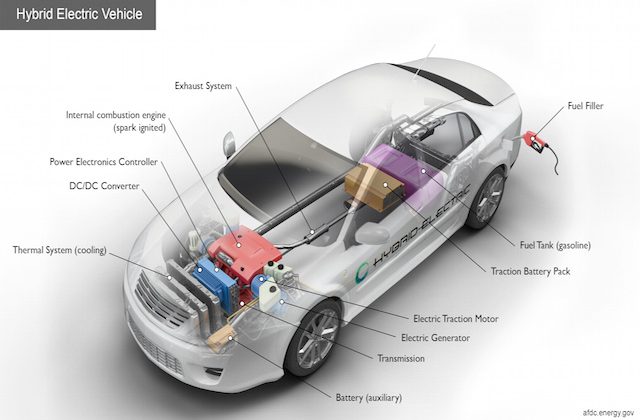
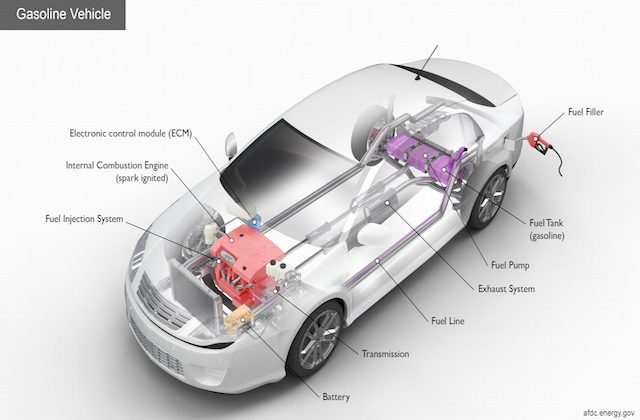
As the name implies, hybrid vehicles use both a gasoline engine and an electric motor. The motor in conventional hybrids cannot be plugged into an electrical source to be recharged. Instead, the motor’s battery gets its power from the gasoline engine as well as by capturing energy when the vehicle brakes. This process, which converts kinetic energy into electricity, is known as regenerative braking. The motor works with the engine to reduce gas consumption or even allows the engine to turn off.
Conventional hybrids offer a significant step up in fuel efficiency compared to traditional cars. The 2021 gas-powered Toyota Corolla gets an estimated MPG of 31 city/40 highway, while the hybrid version starts at $23,500 but has an MPG of 53/52.
Plug-in Hybrids
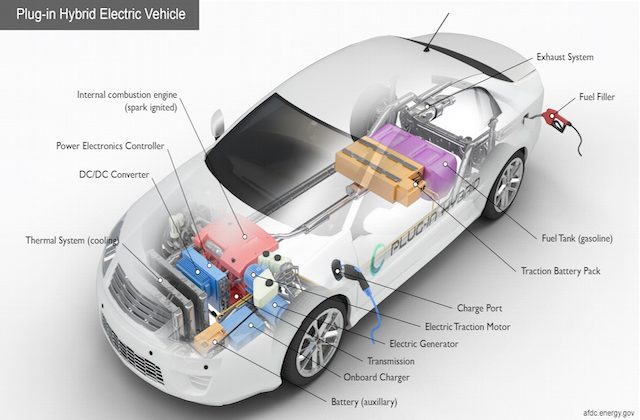
Plug-in hybrid electric vehicles are also powered by both a gas engine and electric motor. What differentiates them from conventional hybrids is the way in which the battery is charged. In addition to using regenerative braking, PHEV batteries are charged by plugging in an electrical outlet.
The main advantage of a PHEV over a conventional hybrid is its ability to run on electricity alone. According to the U.S. Department of Energy, most PHEV can travel between 20 and 40 miles using only the electric battery. Because of this, plug-ins are substantially more fuel efficient.
Battery Electric Vehicles
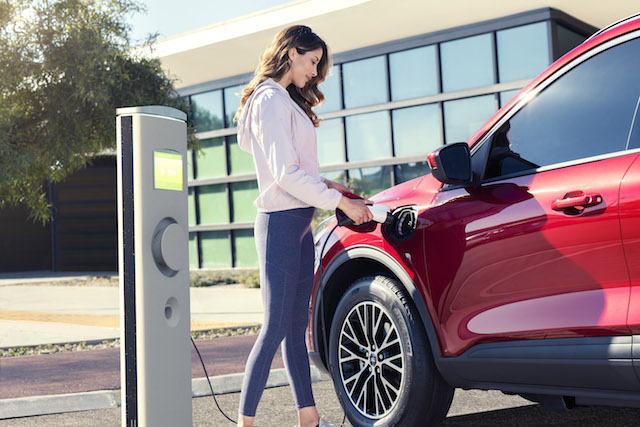
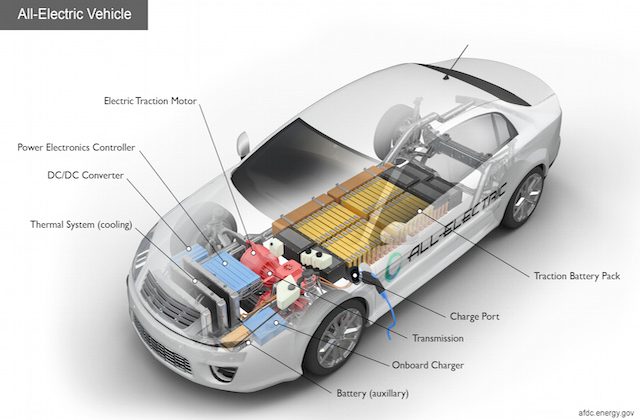
Battery electric vehicles are cars powered by internal batteries charged by plugging into an outlet. Unlike hybrids, BEVs do not have a gas engine and rely exclusively on electricity to run. The lack of an engine means that BEVs do not produce any of the dangerous emissions that traditional gas-powered vehicles do. (There are some emissions created by charging these cars.)
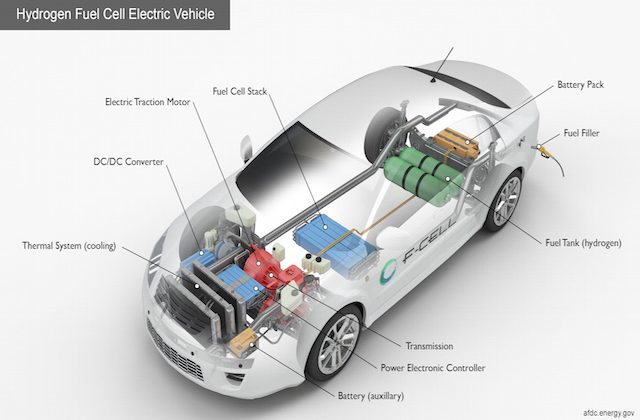
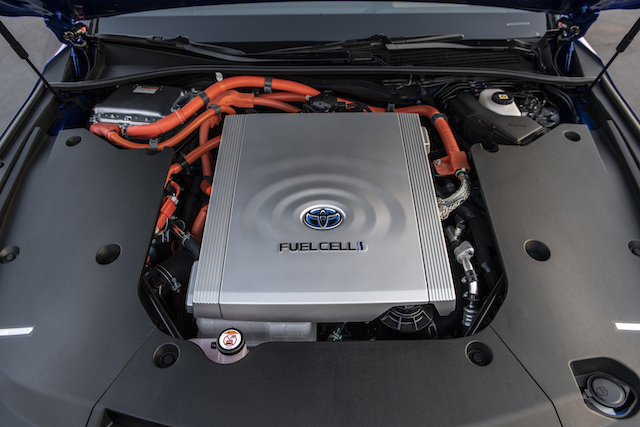
The least common type of electric vehicle, fuel cell electric vehicles are powered by electricity – but not from a battery. Instead, they are equipped with tanks filled with hydrogen. The car’s fuel cell combines this hydrogen with oxygen to produce electricity to power the motor.
Hydrogen-powered cars are still an emerging technology. In fact, most FCEVs are currently only sold/leased in California (although the Toyota Mirai can be leased in Hawaii). But their potential – 400-plus miles of range, a refueling time of less than five minutes – means you’re likely to see them become more available in the near future as the refueling infrastructure grows.
The Cost of Electric Vehicles
Electric vehicles are generally more expensive than similar, gas-powered cars. Of all the types of electric vehicles, conventional hybrids are usually the least expensive. (The Toyota Prius has a starting MSRP below $25,000.) As you move into fully electric cars, the price goes up. You’ll be hard-pressed to find one below $30,000, while a luxury model can easily reach into the six figures.
Other savings brought in from electric vehicles offset some of these costs. The most notable savings come at the pump. A study by Consumer Reports found that fuel savings can reach $4,700 or more during the first seven years of owning an electric vehicle. The total ownership savings over a similar gasoline-only car, including repair and maintenance costs, ranges from $6,000 to $10,000.
Electric vehicles are also eligible for tax credits. The federal government awards credits between $2,500 and $7,500 for the purchase of qualified electric cars. Many state governments have similar programs. For example, New York provides a rebate of up to $2,000, while Massachusetts awards $2,500 for an all-electric vehicle and up to $1,500 for a plug-in hybrid.
Charging Different Types of Electric Vehicles
Conventional hybrids do not need any external charging. They are powered by converting the vehicle’s own energy.
Plug-in hybrids and battery electric vehicles do need to be connected to an outside power source and there are options. Most owners will charge their cars at home. All electric vehicles can be plugged into a standard outlet. The only draw back to this method is the time is takes to recharge, usually eight or more hours. You can leave your car plugged in at night and be ready to go in the morning. But those who want to upgrade can install a wall-mounted charger in their home. This device delivers twice the voltage and cuts charging time in half.
The other popular option is using public charging stations. Though not as common as traditional fuel-pumping stations, the number of charging locations continues to grow. There are approximately 25,000 electric vehicle charging stations in the U.S. totaling roughly 80,000 charging outlets. Payment for the use of these outlets vary depending on the operator.
If you’re traveling a long distance, it’s always a good idea to plan out your route according to where you know you can get a charge. Motorists can find electric car charging stations with the free AAA Mobile app for iPhone and Android. The app can also be used to map a route, find discounts, book a hotel and access AAA Roadside Assistance.
Do you own an electric vehicle? If so, what type? Let us know in the comments below.
When Capt. Kate McCue helmed the Celebrity Edge March 8, 2020, for a special International Women’s Day cruise, she had no idea she’d be at sea for the next 10 months.
But that’s what happened when the cruise ended – and the world shut down.
McCue and her all-female bridge crew, along with a full complement of ship employees, were stuck on board with nowhere to disembark because of worldwide lockdowns.
But there was nowhere else she would rather be.
“To have the women on board and to have such an empathetic environment was truly something mind-blowing,” McCue said. “And honestly, it’s an experience I would never trade in a million years.”
When a crew member’s father died of COVID-19, co-workers held a celebration of his life. They celebrated a wedding, and an engagement. The hotel director had his first child, a baby girl, and they lit up her name in lights on the side of the ship.
“We kind of saw that full circle – from that celebration of life, the wedding, the engagement and a birth – and of course celebrating birthdays for crew members sending them cake,” she said. “It’s been a special time. I’ve enjoyed because I’ve gotten to know my crew in a different way.”
The first American female cruise ship captain is alsoa certified social media star, along with her elf sphynx cat, Bug. (Bug even has her own Instagram channel with 49K followers.) It all came about organically, after she was promoted to captain of the Edge.
Guests kept asking her the same questions that were coming up in media interviews.
“That’s when I realized that I had been given this platform and if I shied away from this –if I didn’t try to normalize a woman inthis role and kind of crush those stereotypes– then the next woman who came up would have to go through the same things and answer the same questions,” McCue said. “And I thought, I need to take this on, and I need to take this on in a genuine way so people can see what the job is like, can see the lifestyle, the benefits, and hopefully garner some interest, which it has.”
Women – and men, too – contact her all the time on social media, saying they had no idea that being a cruise ship caption was a viable career option. They ask whatto study, how to get started, and what to focus on. It’s something she didn’t have making her way into the industry.
Like any social media whiz, she uses each platform for different things. Her Instagram channel(where she has 246K followers) serves as a personal photo album. Her inner “goofball” comes out on TikTok (a whopping 1.6M followers), which – like so many others – she discovered during the pandemic. It’s also where she likes to post quick question-and-answer clips.
Her YouTube channel, meanwhile, is more of a deep delve into what the crew does, how they do it, and why things are donein certain ways. Longer videos are a good way to discuss day-to-day things like ship operations to equipment and opportunities they have out at sea.
“It’s definitely a hobby, but it’s something that I really enjoy doing,” McCue said. “And I only post when I feel inspired.”
Quarantine Time
In the meantime, there’s plenty going on ship-side to keep McCue busy. When we spoke around the holidays, she was spending her days signing Christmas cards, wrapping presents and looking forward to the day when we can all travel again.
“We’re not going to be away from travel forever. There’s no way,” she said. “People need to travel. They need to broaden their horizons. They love the experiences that it brings and how it fulfills your life. It’ll happen.”
We all know the travel industry has been through a lot in the past year. But we didn’t anticipate how the high demand of getting back to travel in 2021 would affect car rentals. If you’re planning to travel in the near future and will need a rental car, you should book now. Recently, rentals cars have been extremely hard to come by depending on your destination, leading to exorbitant prices.
But why? When the pandemic hit the U.S. a year ago and air travel came to an abrupt halt, rental car companies found themselves with lots full of vehicles and no drivers to get behind the wheel. In turn, the companies began selling their cars in droves in order to generate money to stay afloat financially. According to CNN, more than half a million vehicles have been sold as used cars by the industry over the past 12 months. This represents roughly one-third of all the rental cars in the country.
As the travel industry has yet to fully rebound, rental companies have not had access to the funds to rebuild their fleet of cars. With such little supply, it’s critical to book your rental car as far in advance as possible, especially if you’re traveling during the summer months, which are expected to see an increase in travel.
“We’re seeing a surge in demand for leisure travel in vacation destinations across the industry…Given where the industry was during this time a year ago, we’re happy to help travelers return to the road safely,” Hertz spokesperson Lauren Luster told CNN. “Because of the spike in demand and tighter fleets across the car rental industry, availability may be more limited.”
So what does this mean for you? Like everything we’ve learned and experienced in the past year, we just have to adjust our former way of thinking and the same goes for how you typically rent a car. Think a bit further in advance, book ahead – maybe even before you’re booking your flight or hotel. Book early and book via AAA to save.
Car care is increasingly more complicated these days, but that doesn’t mean you can’t make some repairs on your own. Here are common car repairs you can safely and easily do yourself and some that are best left to the car care pros.
DIY Car Care
Changing a Flat Tire
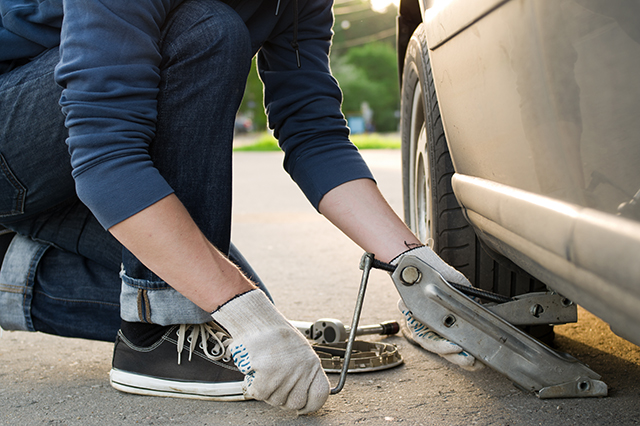
Flat tires are a nuisance and they seem to strike at the most inopportune moments. You can call AAA services for help with the job or you can try to tackle this one all on your own. The process isn’t complicated and the tools to do the job should be in your car. Once you find the spare tire, jack and tire iron, you can remove the flat tire and pop on the spare, although it’s not always that easy. Get full, step-by-step instructions.
Headlights, tail lights and turn signals tend to burn out and legally need to be replaced before you drive. If you can manage changing a household lightbulb, then you can change many of the bulbs in your car. Find the correct bulb at an auto parts store and then follow the instructions in your owner’s manual to see how to access and remove the old bulb. Keep in mind, not all lights are created equal; for example, some headlights require removal of the bumper cover to gain access to the bulb.
Replace an Air Filter
The job of keeping your engine free from dust and dirt goes to the air filter. Eventually, it gets dirty and needs to be replaced as a part of regular car care. You’ll find the air filter in the engine compartment beneath a cover that may be held on with screws, clips or clamps. Once you remove the cover, take out the the filter and clean the housing before installing the new one. Your owner’s manual has guidelines on how often this should be replaced, but a good rule of thumb is to do it every 30,000 miles and check the filter’s condition with each oil change.
Happy Friday! I’m John, AAA’s Car Doctor. Today we’re talking about car batteries, top spring-cleaning tips and how to prep your car for warmer weather. Ask your questions below. ????
Checking your oil should be a regular part of monthly car maintenance and is essential to keeping your car in working order. If you check and find the oil is low, then it’s easy to add more. Purchase the correct grade at a gas station or auto parts store. Pop the hood and unscrew the oil cap. Pour in the fresh oil and once the dipstick shows it’s full, your car is all set. Learn more about changing your own oil.
Tips and Tricks
If you drop a part where you can’t reach it, dab some superglue on the end of a dowel or coat hanger, touch it to the object, wait a minute for the glue to dry and carefully retrieve the part.
Using a spray with soapy water (kids bubble soap works great) can help find leaks. Just spray it to the suspected area and look for bubbles to form.
Use a mixture of baking soda and water with an old toothbrush to clean the corrosion off your battery cables. Hot water and a little soap will work too.
Cloudy headlights can often be improved with non-conventional approaches. Non-gel toothpaste contains abrasive that can clean a plastic headlight cover. As a last-ditch effort, if you need a quick fix, bug sprays that contain DEET will dissolve the plastic haze and temporarily clean the headlights.
If you see a dent in your fender, a plumbing plunger often can pull out the dent. Pour hot water on the dented panel, attach the plunger and pull. If the panel isn’t creased, you might get lucky and the dent will be gone.
A plastic bumper can sometimes be salvaged with boiling water. Pour it over the bumper; it may soften it enough to manipulate the plastic from the backside so you can push it back into shape.
Car Care Best Left to Professionals
Timing Belt
Plenty of people try to replace the timing belt, but it’s not a good idea. This car care job requires taking apart a good bit of your engine. It also requires reassembling it correctly when the job is done. If you make a mistake putting things back together, what was originally an inexpensive car repair could end up being very costly.
Shock Absorbers and Struts
Not only is this a tricky job that can require special tools to perform correctly, but because you will need to jack up the car and climb under it to perform the job, it can be dangerous. Rather than risking injury and a poorly performed repair, it’s best to pay to have this done by a professional.
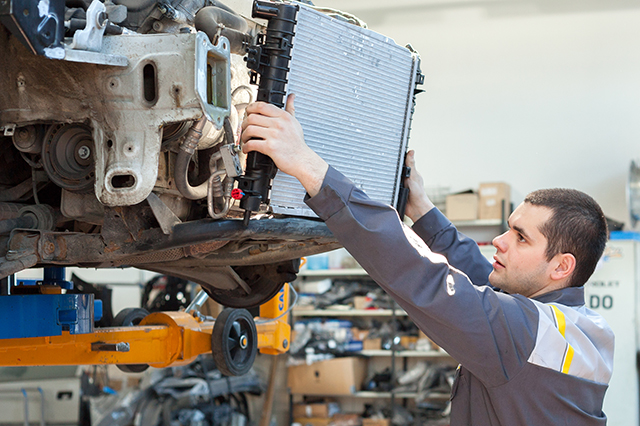
Radiator
This is a big one that people dread because it’s not cheap to repair. Depending on the vehicle, this can also be a difficult and time-consuming job. If you don’t follow procedures correctly a radiator replacement could turn into a much more expensive repair. This is such an important part of car care that doing it improperly could mean needing a whole new engine. Instead of taking that risk, have a professional do the job and you’ll know it’s done correctly.
Fuel Pump
The fuel pump supplies fuel to the fuel injector at just the right pressure. It is a sensitive part and an expensive one to replace. This might tempt you to try the job on your own, but that isn’t a good idea. In many cases you need to remove the fuel tank and depressurize the fuel system. This is definitely a job for the pros.
Brakes
Replacing your brakes isn’t the most complicated job, but it’s not one you want to do wrong. Your brakes are what stand between you stopping at a traffic light or careening into an intersection. If you don’t know how to do this correctly, is that a chance you’re willing to take? We didn’t think so. Seek a professional for this auto repair rather than risking brake failure.
What would you add to our suggestions for repairs anyone can handle versus those that should only be done by professionals? Let us know in the comments!
AAA members can save on automotive replacement parts and accessories at NAPA.
AAA employee Tiffany Edouard is a DIY home decorating enthusiast, charity supporter and a longtime volunteer in the community.
So when she heard about Help Her Home from a friend, it immediately sparked her interest. The organization designs and furnishes places where women can find peace and happiness after hardships such as homelessness and domestic violence.
“I’m always changing things and getting rid of things, so I asked if I could donate some of it,” said Edouard, a senior paralegal at AAA.
She also requested and received a $5,000 donation from AAA.
Volunteer Effort
For Women’s History Month in March, Edouard helped with the labor, using extra paid time off AAA employees get for volunteering in the community. She worked at a safe house for women with the organization’s founder, Kendra Morales. They put together a private bedroom for a mother with three children. Other families occupy three additional bedrooms, and they all share the kitchen, which is part of a common area.
Tiffany Edouard
“Kendra told me AAA’s donation is allowing her to do that entire safe house,” Edouard said. “This really came full circle. I learned about the organization, then I joined the committee. I asked for a donation on their behalf, and they received it; then I actually saw the money being used.”
Edouard has been a volunteer in the community since a very early age. She gives her time and effort at hospitals, food banks and soup kitchens, just to name a few. This experience was different.
“It was touchable and attainable,” she said. “I could picture the people living in the space. When I was building a wardrobe, I was thinking about hanging little-kid-size hangers. It made me feel good that they would know it was specifically for them.”
For more about AAA efforts in the community, click here.
Today’s cars have an increasing number of safety features, but there’s one thing that still sits at the top of the list for ensuring you and your loved ones are safe – car brakes. Improvements over the years have made them better and longer-lasting, but if you don’t maintain them properly, then they won’t do their job. Here’s how you can properly take care of your car brakes and know when you need a car brake repair from an experienced professional.
How do car brakes work?
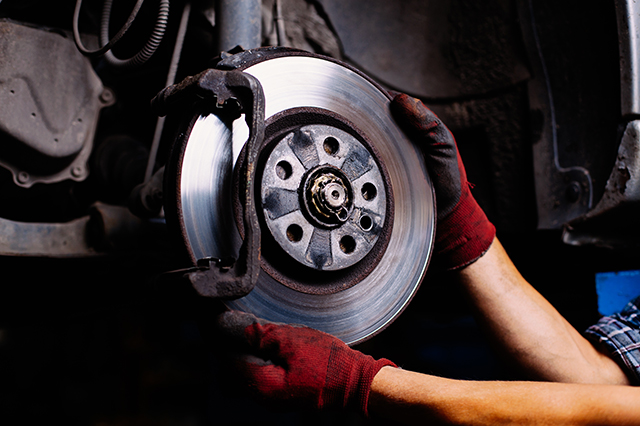
You know they slow you down, but how do they pull off the trick? Your car brakes are made up of multiple parts that work together to slow down your car. Most modern cars use disc brakes on all four wheels. These consist of a plate-like disc (rotor) attached to the wheel, caliper, brake pads, mounting hardware and hydraulics. When you push the brake pedal, that disc is squeezed by the brake caliper, which holds the disc brake pads. Think of your hand grabbing the edge of a spinning plate or how a typical bicycle brake operates. Brake pads are made of a variety of materials that are designed to provide friction and dissipate heat.
The calipers have, depending on the vehicle design, from one to eight pistons that push/squeeze the brake pads against the disc to slow it down. This involves a hydraulic system that pushes brake fluid from the master cylinder to those pistons. When you press on the brake pedal, you’re creating pressure and sending that fluid to the pistons. All of these parts, from the discs to the brake fluid, need to be maintained for your car brakes to work properly.
Check the brake fluid
If the brake fluid is low, it may be due to a leak or the brake pads wearing down. As the brake pads wear, the fluid level will drop in the brake fluid reservoir. If you notice any difference in the operation of your vehicles brakes have the car inspected by a qualified repair shop. You can check your brake fluid to make sure it doesn’t run low or run out, resulting in brake failure. If you are adding brake fluid regularly, there is a leak and it should be checked asap.
Start by checking your owner’s manual to find out where the brake fluid reservoir is located and read the guidelines for checking the brake fluid in your vehicle. Some anti-lock brake systems require pumping the brakes first, so find out if your vehicle has this requirement before you open the reservoir.
Clean the top of the reservoir thoroughly so no dirt gets into the fluid. Dirt can cause your system to fail completely, so make sure absolutely no dirt falls into the reservoir. Once the cap is off, check to see that the fluid level is within about a half inch from the top and add more fluid if it’s too low. Brake fluid absorbs moisture so open the reservoir and fill it quickly rather than letting it sit open. When adding brake fluid always use the proper fluid from a sealed container. Brake fluid attracts moisture. If your spare brake fluid is in an open container, dispose of it and buy new fluid and install the cap when you have topped off the brake fluid.
While it’s open, look at the color of the fluid. If it’s dark, then you should take your car in for service to have the brake fluid replaced. A general guideline is to have it changed once every two years to prevent damaging your car brake system.
While the cap is off of the reservoir, look at the color of the fluid. If it’s dark, then you should take your car in for service to have the brake fluid replaced. New fluid is clear/tan color, contaminated fluid gets darker with age. A general guideline is to have the fluid changed during brake service, although some manufacturer’s recommend fluid changes every two to three years, so check the vehicle’s owner manual.
How long do car brakes last?
How long car brakes last depend on a variety of factors. It’s best to check your brakes roughly every 7,000-10,000 miles to be sure the pads aren’t worn and that the discs and calipers are in good condition.
Worn brake pads announce themselves loudly with a high-pitched screeching sound. That’s the worn brake pad indicator, which is designed to make that noise as a warning. If you hear it, then take your car in to have the brakes checked as soon as possible.
Visually inspect the car brakes
Although you can sometimes see your brakes through the spaces in the wheel spokes, it’s better to remove all four wheels for a closer look. This is a job best done when your car hasn’t recently been driven as brakes get hot and you don’t want to burn your fingers during the inspection.
Safely jack up the car and remove each wheel, so you have a clear view of the disc. A little rust on the disc is OK, but heavy rust requires attention from an experienced service technician. Also look for any uneven wear or scoring on the disc. A professional can tell you if the discs need to be reground or completely replaced. Next, check the calipers. Uneven brake pad wear is an indication of calipers sticking or binding.
Lastly, check out the brake pads. You can see them through the inspection hole which is in the dust shield on the caliper. A mechanic will mount your car on a lift and measure them to ensure they’re not too thin. When they’re roughly a 3-mm thick, then it’s time to have them replaced. If you’re unsure about the thickness of your brake pads, then have a professional inspection.
Lastly, check out the brake pads, a flashlight will help you get a good view. Look at the inside and outside pads. The brake pads can wear differently from left to right, which is why it is important to check all the brakes for wear. At a professional repair shop, a technician will put the car on a lift, inspect not just the brake pads but also look at the brake lines/hose and other brake components. When they’re roughly a 3-mm thick, then it’s time to have them replaced. If you’re unsure about the thickness of your brake pads, have a professional brake inspection.
Car brake maintenance and repair is essential to the safety of both you and other roadway users. Have you ever noticed your brakes not feeling just right? Then it’s time to have them checked.
AAA members can save on automotive replacement parts and accessories at NAPA.
In honor of Car Care Month, AAA members can receive a free “wheels off” brake inspection, tire check, suspension check and tire rotation at a Approved Auto Repair facility all April long.
To learn about the vast array of automotive services AAA provides, click here.
Last week, President Biden unveiled his plans for a $2 trillion infrastructure bill. The far-reaching proposal, entitled The American Jobs Plan, covers everything improvements to water systems to investments in caregivers.
Most notably, the bill would finally address the country’s long-failing transportation infrastructure by investing $621 billion in the sector. (The American Society of Civil Engineers recently gave America’s infrastructure a C- grade.) The funding would include $115 billion for bridges and roads improvements. According to the White House, the money will be used to modernize “the bridges, highways, roads, and main streets that are in most critical need of repair.” This is good news for motorists in the Northeast as the region has more than its fair share of the worst roads in the country.
The largest allocation of funds to the transportation sector would be the $174 billion in electric vehicle (EV) investments. This will help provide consumers rebates and tax incentives for purchasing EVs, as well as establish grant and incentive programs for state and local governments and the private companies to build an additional 500,000 EVs chargers by 2030. The dearth of public charging stations is seen as one of the main hurdles to a wider adoption of EVs in the U.S.
Other transportation funds would include $20 billion to improve road safety, $85 billion for existing public transit, $80 billion for railways, $50 billion to improve infrastructure resilience, $25 billion for airports, $17 billion for waterways and ports of entry, $20 billion to reconnect urban neighborhoods cut off by highways.
It’s important to remember that this is simply the president’s proposed legislation. It still needs to be approved by Congress, a process that could likely see the amount of spending, and where it is spent, altered significantly.
Anyone who has been self-isolating for a year knows that the four walls of your home have started to look a little too familiar as of late. But with staying home comes a unique kind of flexibility. After all, who says working from home has to happen at your house?
Note: Due to the ever-changing nature of the COVID-19 crisis, please see official websites before visiting to check for restrictions or closures.
As people have been looking for safe travel options, a new trend has emerged: hotels are offering packages that allow families to relocate their pod to a new place while also staying socially distanced, whether that means using a hotel room as an alternative workspace or offering an extended stay in a space that offers luxury amenities for “schoolcations.” The trend has really given “home away from home” a whole new meaning.
Cabanas double as workspaces at the JW Marriott in Cancun.
Take, for example, Montage Hotels.ItsMontage Palmetto Bluff in Bluffton, S.C., near Hilton Head, is offering a program calledMontage Academy. In addition to a virtual concierge who will help students with their school curriculum, there are optional daily activities in everything from arts and crafts to eco–science to cooking.
Kimpton hotels are also wooing families. To encourage them to stay, Kimpton is offering a Stay Longer and Save packagethat gives guests a 15-25% discount when they stay three or more nights.
Even at places without dedicated school programs, people are choosing longer hotel stays at places where it’s easy to work. For longer stays, the MGM hotels in Las Vegas – including Bellagio, Mandalay Bay and the MGM Grand – are offering an additional 33% off the lowest rate for guests who book three or more nights.
Some hotels are taking the opposite approach, offering very short stays for people who just need to get out of the house and have a separate place to work. The Hyatt Regency Boston Harbor is offering Office for the Day packages that give guests a hotel room from 7a.m. to 7p.m., with discounts on dining and access to the hotel’s pool, spa and gym. In downtown Providence, Homewood Suites by Hyatt is offering a Work from Home package that gives guests access to a king suite with a sitting area from 8a.m. to 6p.m. and includes free parking and high-speed internet.
The hospitality industry, not just restaurants but hotels and other travel services, have taken a huge hit during the pandemic. In many ways, offering “workcation” and “schoolcation” packages has been a creative pivot to help boost abysmal occupancy rates, which fell to 44% in 2020 according to travel research firm STR, which called it “officially the worst year on record for U.S. hotels.”
“For the first time in history, the industry surpassed 1 billion unsold room nights, which eclipsed the 786 million unsold room nights during the great recession in 2009,” the firm reported. According to their findings, hotel profits across the country fell nearly 85% last year.
There’s evidence that these creative programs are helping, though. STR reports that January 2021 showed a small increase in hotel profits, the highest since October.
Some critics have claimed that working or learning while traveling puts a dent in attention span and retention, others believe that experiencing new things is an education all its own.
“While poolside taco making or local wood carving can’t replace rigorous in-person learning on a real curriculum, some of the hotel schooling programs could help fill in a few educational gaps left by COVID – or at least keep students engaged for a week or so while kept off campus,” Tim Chester writes of the hotel school trend. “And many are designed to immerse kids of all ages in the culture of the destination, which could help instill good vacation habits for the whole family.”
That’s the kind of experience offered on Mackinac Island in Michigan. The entire island is a National Historic Site, and has no cars whatsoever, but museums, lighthouses and miles of coastline to explore. The Grand Hotel on Mackinac Island offers a Grand Back to School package with dedicated learning space and a fourth hotel night free.
Family tennis games and supervised class time are on the menu at the Four Seasons Orlando.
For those who are comfortable traveling internationally, the JW Marriottin Cancun is offering packages that include cabanas outfitted as workspaces to accommodate remote workers (and learners) who want to spend their breaks between meetings swimming in the ocean. For true luxury, The Ritz-Carlton Cancun is offering Work from Anywhere package that includes food and beverage discounts and special rates on stays of seven nights or more.
If that sounds like the work–from–home dream, then consider the “school–from–home” dream: Walt Disney World’s Four Seasons Orlando hotel is offering a schoolcation that includes supervised class time in a dedicated learning space for half- and full-day sessions, while parents can work by the adults-only pool and families can meet afterwards to splash around in the lazy river – or, of course, head to the Magic Kingdom.
Have you ever received a parking ticket and been afraid your car insurance would skyrocket? Maybe you passed over a red car because you were told your premiums would be higher. With all the misinformation circulating about auto insurance, it’s time to debunk common car insurance myths.
Understanding car insurance is easy with these answers.
The AAA Guide To Understanding Car Insurance Myths
A red car is more expensive to insure
This seems to be one of the most common car insurance myths, and one that may influences choices on the car lot. Like most myths, it is grounded in truth. When you request a quote, the insurance company will ask you the color of your vehicle, along with its model, make and other descriptive information. It will use some of this information to assign risk; however, color is not one of the determining factors. Your friend who has a red car may pay more for insurance, but this is more likely due to the model, the need for expensive parts or even the number of violations on his record.
Not all tickets are equal. If you park illegally at a shopping mall, your insurance rate will not increase. The same is true for a minor violation such as failing to show proper vehicle registration. If, however, you are guilty of reckless driving, driving under the influence, driving with a suspended license or other major violation, you can expect to see an increase. Insurance companies consider the type and number of violations you have when determining the cost of your auto insurance as they are indicators of how big of a risk you are.
If you don’t report an accident, your rates won’t change
After being involved in an accident, some drivers are tempted not to inform their insurance company, thinking it can remain hidden. If you received a ticket, it will be included on your driving record, where it won’t remain hidden for long. When you renew a policy, the insurer will review your record to see if anything has changed. Additionally, the other party may contact your insurance company as they pursue a claim for damages you caused. The sooner you contact your insurance company, the better they can help you to navigate the aftermath of an accident.
If your car is totaled, your insurance company will replace it
Collision and comprehensive coverage can protect you in the event your car is totaled by another vehicle, a storm or another covered circumstance. This does not mean that your insurance company will cover the entire cost of replacing your vehicle. Insurers take depreciation into account when determining the value of your totaled vehicle.
New car owners know depreciation all too well. As soon as you drive off the lot, your car already is depreciating, which takes a serious toll on value. If your car is a total loss, an adjuster will determine the fair market value of your vehicle and the company will pay you this amount. You are still responsible for the balance of your loan, even if your insurance company has paid a lower figure.
To protect yourself, invest in gap insurance. This covers the difference between the fair market value of a totaled vehicle and what you owe to a lending institution.
When I loan someone my car, I’m not responsible for a crash
This is another persistent car insurance myth that many policy owners believe. Auto insurance is coverage for your vehicle, which means that anyone who has permission to drive your car has the same protection as you do. When you loan someone your car, you are assuming the risk that they could get into an accident. If one occurs, your insurance will be the primary policy liable for costs.
Everything in my car is covered by my policy
We use our cars for a variety of purposes, both business and recreational. We need to transport tablets, laptops and other equipment, subjecting them to the possibility of being damaged or even stolen. While your auto insurance policy is designed to cover items such as car electronics, it isn’t necessarily intended to cover all your belongings. Your homeowners policy, however, may.
For this myth, the truth is in the fine print. Your policy will specify what is covered. If you still have questions, consult with an agent who can help you with understanding the car insurance you currently have.
Understanding car insurance can be complicated enough without these persistent myths. Toss them aside and you will find it easier to navigate your policy and make decisions that impact your auto insurance.
Did you believe any of these car insurance myths? Tell us in the comments.
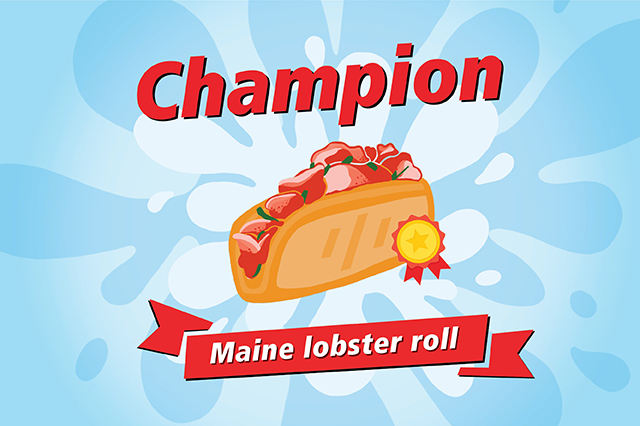
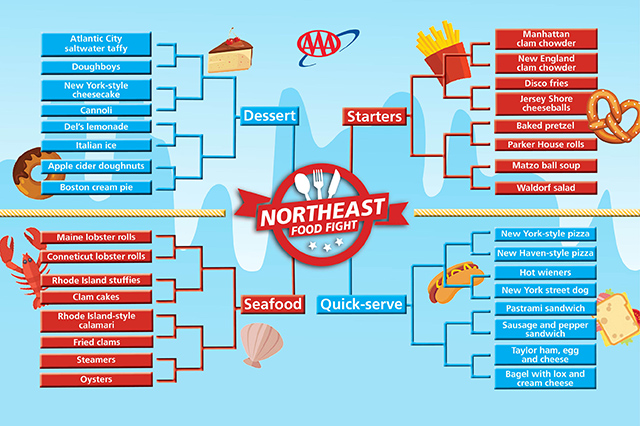
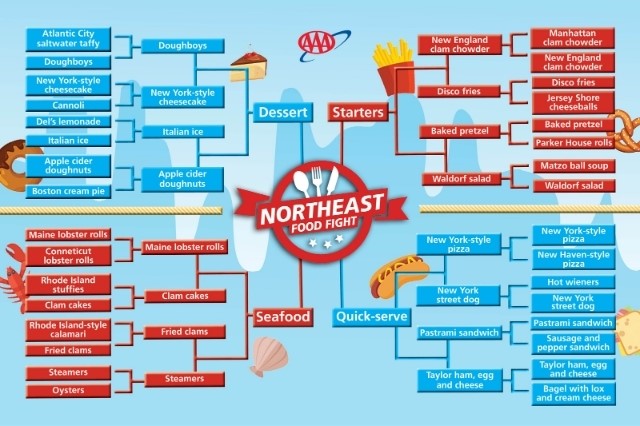
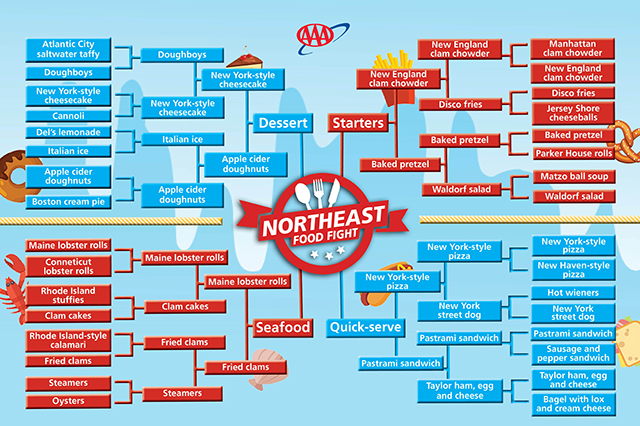
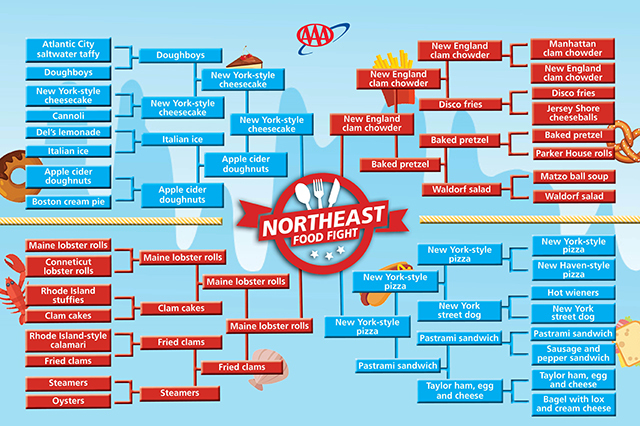
32 dishes battled it out, and after five rounds of voting and thousands of votes, it all came down to two Northeast culinary powerhouses: Maine Lobster Rolls vs. New England Clam Chowder.
In the final round, lobster rolls edged out clam chowder 57% to 44%, taking the crown of Northeast Food Fight champion!
KEEP SCORE
ROUND 1
14,927 total votes
Atlantic City Taffy vs. Doughboys
Doughboys – 65% (winner)
Atlantic City Taffy – 35%
New York-Style Cheesecake vs. Cannoli
New York-Style Cheesecake – 59% (winner)
Cannoli – 41%
Apple Cider Doughnuts vs. Boston Cream Pie
Apple Cider Doughnuts – 54% (winner)
Boston Cream Pie – 46%
Del’s Lemonade vs. Italian Ice
Italian Ice – 58% (winner)
Del’s Lemonade – 42%
Maine vs. Connecticut Lobster Roll
Maine Lobster Roll – 80% (winner)
Connecticut Lobster Roll – 20% (winner)
Rhode Island Stuffies vs. Clam Cakes
Clam Cakes – 56% (winner)
Stuffies – 44%
New York-Style Pizza vs. New York Street Dog
New York-Style Pizza – 83% (winner)
New York Street Dog – 17%
Pastrami Sandwich vs. Taylor Ham, Egg and Cheese
Pastrami Sandwich – 80% (winner)
Taylor Ham, Egg and Cheese – 19%
ROUND 3
1,204 total votes
New England Clam Chowder vs. Baked Pretzel
New England Clam Chowder – 77% (winner)
Baked Pretzel – 23%
Main Lobster Roll vs. Fried Clams
Maine Lobster Roll – 70% (winner)
Fried Clams – 30%
New York Style-Cheesecake vs. Apple Cider Doughnuts
New York Style-Cheesecake – 61% (winner)
Apple Cider Doughnuts – 39%
New York-Style Pizza vs. Pastrami Sandwich
New York-Style Pizza – 60% (winner)
Pastrami Sandwich – 40%
ROUND 4
405 total votes
New England Clam Chowder vs. New York-Style Pizza
New England Clam Chowder -56% (winner)
New York-Style Pizza – 44%
Maine Lobster Roll vs. New York-Style Cheesecake
Maine Lobster Roll – 65% (winner)
New York-Style Cheesecake – 35%
ROUND 5
307 total votes
Maine Lobster Roll vs. New England Clam Chowder
Maine Lobster Roll – 57% (winner)
New England Clam Chowder – 44%
ROSTER
DESSERT
Atlantic City Salt Water Taffy
The go-to Atlantic City souvenir since the 1800s. A piece of boardwalk nostalgia, salt water taffy is made in a variety of flavors and (thankfully) not from actual seawater.
Doughboys – Rhode Island
The Ocean State’s version of a zeppole or beignet, these sugar-coated fried balls of dough are best enjoyed still warm from the fryer. Available at pizzerias and clam shacks throughout the state.
New York-Style Cheesecake
Rich, tangy, dense and creamy, New York-style cheesecake is cream cheese-based and usually made with a graham cracker or vanilla wafer crust.
Cannoli
Crispy fried pastry shells with sweet ricotta cream filling, traditionally dipped in dark chocolate chips on each end. You’ll find some of the best cannoli in the bakeries of Little Italy neighborhoods throughout the Northeast.
Del’s Frozen Lemonade – Rhode Island
Part slushy, part Italian Ice, distinctly Rhode Island and all delicious. A hot day’s perfect companion.
Italian Ice
A smooth summer snack that cools you down but is lighter than ice cream. Served in a range of refreshing flavors at pizzerias and franchises like Rita’s and Ralph’s.
Apple Cider Doughnuts
Sugar and spice, plus everything nice about doughnuts, the addition of apple cider and cinnamon sugar transforms an already delicious dessert into something even better. No apple picking adventure, farmers market or fall festival would be complete without them.
Boston Cream Pie
The chocolate-topped, cream-filled golden sponge cake was said to be invented at Parker’s Restaurant at the Omni Parker House in Boston, where it has been served since 1856.
SEAFOOD
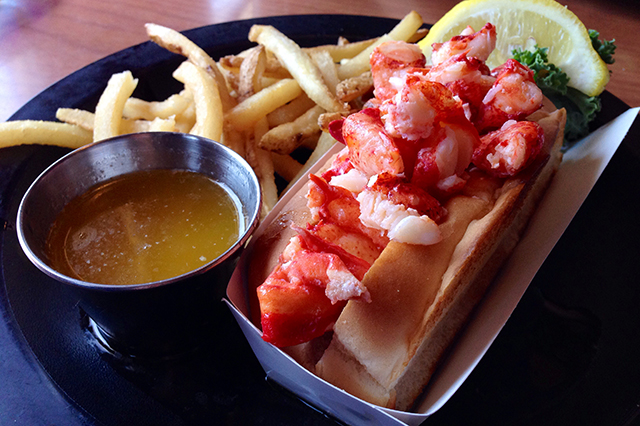
Maine Lobster Roll
The Maine lobster roll features cold lobster salad dressed in mayonnaise, served on a split-top New England hot dog bun. Some will add celery, lettuce and other seasonings to the mix, but purists believe that nothing should come between fresh lobster meat and mayo.
Connecticut Lobster Roll
A hot lobster roll served with warm melted butter for dunking or pouring over top.
Stuffies – Rhode Island
Stuffed quahogs (Rhode Island’s official state shellfish) baked and served on the half shell. These clam shack favorites are typically made with a mixture of celery, onions, clams, bacon, breadcrumbs, chopped clams, clam juice and seasonings.
Clam Cakes – Rhode Island
Standard on beach and roadside clam shack menus, these fried dough fritters are crispy on the outside, soft on the inside and stuffed with meaty quahogs. Commonly served beside a bowl of clam chowder.
Connecticut-style lobster roll.
Rhode Island-Style Calamari
Crispy fried rings and tentacles get a flavor boost from a quick toss with garlic, butter and the vinegary kick of pickled cherry peppers. The official state appetizer of Rhode Island.
Fried Clams
Breaded and fried strips of clam.
Steamers
Steamed clams freshly harvested from East Coast and New England waters.
Oysters
The star of local raw bars, Oyster fans say that New England oysters are some of the sweetest.
STARTERS
Manhattan Clam Chowder
A tomato-based clam chowder made with vegetables and notably absent of milk or cream. A polarizing contender.
New England Clam Chowder
A thick and hearty cream-based clam chowder, customarily made with salt pork, onions and potatoes.
Disco Fries – New Jersey
Found at New Jersey diners, these gravy and mozzarella-topped fries are an irresistible late-night snack.
Jersey Shore Cheese Balls
Breaded and fried balls of cheddar that made their mark on the Seaside Heights boardwalk.
New England chowder and fried clam cakes from Evelyn’s Drive-In in Tiverton, R.I.
Baked Pretzel
Although they can be found just about anywhere, baked pretzels are a quintessential New York City street food, distinguished by their soft texture and irresistible toasty aroma.
A comfort dish composed of chicken broth, aromatic vegetables, matzo ball dumplings and dill. A staple of any New York Jewish deli worth its schmaltz.
Waldorf Salad
A sweet salad starring crunchy raw apples and celery tossed in mayo. Many iterations also include walnuts. First made to celebrate the 1983 opening of the Waldorf Astoria Hotel in New York City.
QUICK-SERVE
New York-Style Pizza
A “regular” (cheese) New York pizza is a round pie with large, foldable slices, thin crust, tomato sauce and nearly full mozzarella coverage. Sold as a whole pie or by the slice.
New Haven-Style Pizza – Connecticut
Sometimes referred to as “apizza,” New Haven-style pizza is a coal-fired, Neapolitan-style pie marked by its ultra-thin crust. Sold as a whole pie.
Hot Wieners – Rhode Island
Also known as New York System wieners, these craveable sausages are more than your average hot dog. Typically ordered “all the way,” with onions, yellow mustard, celery salt and a seasoned beef sauce.
New York Street Dog
All-beef hot dogs topped with onions, sauerkraut and brown mustard. Often called “dirty water dogs” but revered, nonetheless.
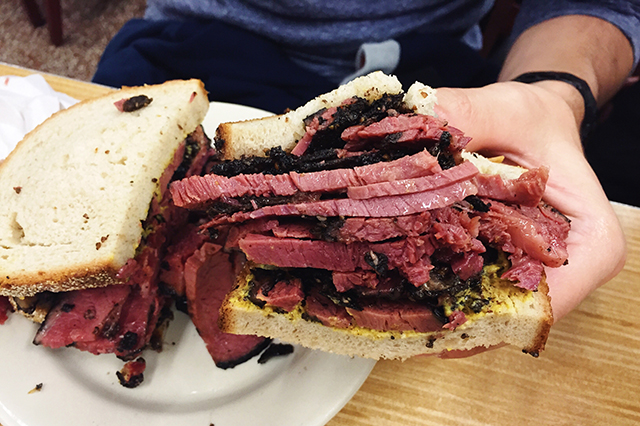
Pastrami Sandwich – New York
Thin slices of tender, spice-rubbed, smoked pastrami, piled high on rye.
Sausage and Peppers
Grilled sweet or hot Italian sausage on a bun, topped with cooked peppers and onions. Tastes as good as it smells.
Taylor Ham, Egg and Cheese – New Jersey
A popular Jersey breakfast sandwich consisting of sliced Taylor ham or pork roll – a processed, smoky pork product, a fried egg and American cheese on a roll.
Bagel and Lox – New York
A bagel topped with cream cheese and smoked salmon is a New York classic. Complete with sliced onion, tomato and capers, if you please.
Shop our storefront to get the supplies you need to make and enjoy some your favorite Northeast foods at home.
What’s your favorite Northeast food? Do you think adding tomatoes to clam chowder is blasphemous? Are you team Maine- or Connecticut-style lobster roll? Tell us in the comments!
Marijuana legalization continues to become more common in the United States, including in our neck of the woods.
In March, New York became the 16th state to legalize recreational marijuana, several of which are right here in the Northeast. Late last year, New Jersey voters approved a ballot measure to legalize marijuana, which moved through the state legislature and became law in 2021. New York and New Jersey join Massachusetts as the three states in the AAA Northeast footprint where recreational marijuana use is legal. The Governors of Connecticut and Rhode Island have all expressed support for legalization, as well.
As more states move toward legalization, AAA is urging the public to educate themselves on the dangers of impaired driving. “Marijuana can impair driver performance, for instance, by decreasing reaction time,” says John Corlett, director of public and legislative affairs in New York.
Surveys by AAA also show that drivers that operate a vehicle under the influence of alcohol and cannabis, at the same time, are much more dangerous than drivers that drive after using either substance alone. In addition, data from AAA also indicate that cannabis users also routinely underestimate their level of impairment, Corlett said.
To educate drivers about the increasing risk of drugged driving, AAA Northeast offers a host of free resources to community groups and schools. Traffic safety educators are available to present virtual and in-person educational forums on impaired driving.
One such program is Shifting Gears: The Blunt Truth About Marijuana and Driving, a program designed for high school health education classes that aims to educate young drivers about the physical and cognitive processes that are affected by marijuana and the risks associated with impaired driving.
“This evidence-based curriculum includes state troopers and police officers certified as Drug Recognition Experts to speak to new drivers first-hand about the consequences of marijuana impaired driving,” says Diana Gugliotta, senior manager of public affairs for AAA Northeast. “Attitudes about marijuana impaired driving differ from drunk driving, so education is needed to change the misconceptions and promote safe behaviors for young drivers.”
“This generation of new drivers will be the first to come of driving age in states where marijuana is legalized,” Gugliotta continued. “We need to stress that using designated drivers is just as important when marijuana is being consumed as when alcohol is consumed.”
Click here to request a program for your high school or youth group.
Learn more about the AAA programs helping to keep the roads safe for everyone.
Most Americans searching for European vacation ideas dream about winding cobblestone alleys, sidewalk cafes and ancient town squares, and then automatically think of the continent’s big five: London, Paris, Rome, Amsterdam and Barcelona (or Madrid). All are world-class cities that should be on your bucket list. However, once you’ve crossed them off of your list, it opens up an unlimited number of possibilities for your next destination. To help narrow things down, we turned to the travel pros to find out the best European vacations that need to be on your agenda for “someday” (hopefully, soon). Here’s what they said.
Exploring the History of Italy
Hundreds of years before the ancient Romans came to dominate the Western world, the Etruscans and the Greeks shared the Italian peninsula. And for hundreds of years after the empire’s decline, successive societies rose and fell again. From the Stone Age to the Renaissance, each left an indelible mark that is still apparent up and down the boot.
Besides the eternal allure of Rome, an abundance of signs pointing to former glory linger in Florence, Milan and Venice, which all experienced a measure of dominance at some point throughout the centuries. All of the cities are easily reached by train, but it’s just as enjoyable to wind through the hilly countryside in a car.
Along the way, you’ll be captivated by the delectable food, engaging people and sense of living history, said Laurence Norah, founder of the travel site FindingTheUniverse.com. “I remember when I went with my wife, she kept saying, ‘What’s that and what’s that?’” Norah said. “It took forever to get anywhere because everything is so old and beautiful.”
Driving Through Mysterious Iceland
A relative newcomer to the tourist trail, remote Iceland has surged in popularity in the last decade, partly because its national airline offers free multiday stopovers in the capital of Reykjavik on the way to another destination. What’s been hiding in plain sight in the land of fire and ice is some of the most beautiful scenery in all of Europe, says Krista Canfield McNish, founder of FoodWaterShoes.com.
“You’ll encounter stunning landscapes and waterfalls like those in places like New Zealand, Norway and Switzerland,” McNish said. “What makes Iceland special are all the nooks and crannies you can get into.”
On the Ring Road that circles the island, travelers will find hot springs, volcanoes and dramatic mountain backdrops under spectacular displays of the northern lights. McNish said the highlights of her two-week trip included descending 400 feet into a dormant volcano, climbing onto a glacier and swimming in the vivid Blue Lagoon. Perhaps not surprisingly, the ice cream scene in Iceland is special, with unique flavors like birch, dandelion and multiple varieties of licorice.
Cruising Along the Danube River
Another of history’s great empires, the Austro-Hungarian, lived and died along the storied Danube River, which flows through some of central Europe’s most photogenic cities. The architecture in the biggest among them, Vienna and Budapest, exudes all the pomp and circumstance of the Hapsburgs. The same sense of history can be found in the quirky smaller cities that you might never thought to have visited, like Nuremberg, Bratislava and Belgrade.
And thanks to competition from several luxury river cruise lines, it’s a great way to experience some of the best European vacations in comfort with high-thread-count sheets and premium dining options to go along with the beautiful views.
Walking the Camino de Santiago in Spain
The famed pilgrims’ trail runs from the French border in the Pyrenees Mountains for more than 300 miles through northern Spain to the city of Santiago de Compostela, where legend says the bones of St. James are buried. Along the way, you pass through medieval villages and breathtaking landscapes, a journey that has inspired hundreds of books, including tomes by actors Shirley MacLaine and Andrew McCarthy.
Gabriel Schirm, author of “Sunrises to Santiago: Searching for Purpose on the Camino de Santiago,” says you don’t have to trek the whole trail to get the complete experience. Most people start in the city of Sarria, which is about a five-day walk from the end. Regardless of where you begin, it’s an indescribable experience.
“Once you arrive at the Praza do Obradoiro, or the golden square of Santiago, it is common to see fellow pilgrims weeping, jumping up and down for joy or hugging people who were just a few days earlier complete strangers,” Schrim said.
Eating Your Way Through the French Countryside
Paris eternally tops every traveler’s wish list, for good reason, but the undeniable romanticism of the French way of life might be more easily found in the countryside than in the bustling city. From tiny neighborhood boîtes to palatial chateaus, the savory tradition of long, paced meals lives on in restaurants where the wine flows as freely as the friendly smiles.
Besides having charming bed and breakfasts near the beach, the idyllic town of Lion-sur-Mer is one of the best European vacations you never knew you wanted to visit, providing a good home base for World War II buffs interested in learning how the D-Day invasion led to the liberation of Europe.
What are some memories of your favorite trips to Europe? Tell us in the comments below.
AAA members can save on travel bags, luggage and accessories at Samsonite. You can also save on stylish, long-lasting bags with a European flair at Hedgren.
When you are ready, AAA travel advisors are available to help you plan for your future dream trips.
Many of us spend more time in our cars than in our beds. And while you may do everything you can to keep your home clean, do you sanitize your car?
Your vehicle can be filled with all kinds of nasty stuff, in addition to the old french fry or lost banana peel that fell between the seats. And what about the germs spread by coughing and sneezing?
Here’s a guide to making sure your vehicle is clean, inside and out.
Washing Your Car
Let’s start with the basics – get out the vacuum and clean the carpets, seats and even the roof. Since you have the vacuum out, clean out the trunk and toss out unused stuff that just seems to accumulate.
Once all the dirt is gone, it is time for a good interior wash. Mix up some mild dish soap and water and use a soft brush and use more of the suds than the actual liquid and brush away, getting into all the nooks and crannies. Wipe off surfaces with a microfiber cloth. There are also specialized interior cleaning products, although soap and water usually does the trick.
Sanitizing Your Car
Now that the car is clean let’s get to those germs. Disinfectant wipes that both clean and disinfect for all the surfaces that you touch, work well. If disinfectant wipes aren’t available use 70 percent isopropyl alcohol.
Wipe down all surfaces and finish up with a microfiber cloth. In addition to the steering wheel and shifter, other areas you should attack include switches, interior and exterior door handles, armrests, console covers, even the sun visors. A light touch is all you need, don’t flood any surface with cleaner.
If your car has a touch screen, be careful with cleaners. Alcohol-based cleaner can damage touch screens. Some professional cleaning crews will use a 50/50 mixture of vinegar and distilled water sprayed on one microfiber cloth and then wiped down with a clean/dry microfiber cloth. Don’t use paper towels on display screens or gauge clusters, they can scratch these surfaces. Finish up with a quick spray of antibacterial antiseptic spray in the vents and under the seats.
With leather seats, use specialized leather cleaner. Cloth and vinyl seats can be cleaned with interior cleaner or a mild soap and water mix. The same mixture can be used on the carpets and floor mats. Don’t use too much cleaner, flooding the carpets could lead to mold and mildew buildup. Let the carpets dry thoroughly before putting the floor mats back in and don’t forget to secure them in place.
Cleaning your car on a regular basis will minimize germs and help maintain its value. Click here for more tips on how to properly clean your vehicle.
It’s easy to think of windshields as simply providing drivers a view of the road and protecting them from wind, debris and adverse weather conditions. But they do much more than that.
Believe it or not, vehicle glass connects to many modern advanced safety features. If your windshield is damaged, replaced incorrectly or if the forward-facing camera attached to the windshield is not properly recalibrated, it can seriously affect your car’s safety. Here’s how to prevent that from happening.
Advanced Safety Features
There are advanced safety features in modern cars that do everything from keeping a car in its proper lane to slowing down in order to prevent a crash.
Several of these features directly connect to the vehicle glass. Forward-facing cameras and sensors located on or near the windshield constantly monitor the vehicle’s surroundings and interact with other vehicle safety systems and sensors to alert drivers when there’s trouble.
Here are some of the common advanced safety features related to vehicle glass.
According to the National Highway Traffic Safety Administration, rear-end collisions are by far the most common type of automobile crash in the U.S. Forward collision warning helps prevent this problem. This feature scans the road ahead and alerts the driver if a crash is imminent using cameras and sensors.
Automatic Emergency Braking
Forward collision warnings can alert you of an imminent crash, but it alone can’t prevent one. That’s why the system pairs with automatic brakes. If a driver ignores forward collision warning, the automatic braking system will take over and apply the brakes to slow or stop the vehicle to prevent or reduce the severity of a crash.
Lane Keep Assist
This safety feature is just what its name implies. Using cameras and sensors, it can detect road markings, and, using those for reference, determine if the vehicle is moving out of its lane without a turn signal. When this happens, the driver is alerted with a mix of alarms, lights and vibration. Advanced safety systems can even take over driving controls and steer the car back into the correct lane.
Rain Sensor
A rain sensor may seem like more of a luxury than a safety feature. But according to the Federal Highway Administration, 10% of all vehicle crashes occur during the rain, which accounts for nearly half of all weather-related crashes. Keeping your windshield and visibility clear is of the utmost importance concerning safety.
Rain sensors are usually located directly behind the rearview mirror. The sensor can measure how many raindrops are on the windshield. The more rain, the faster the windshield wipers will work, and vice versa.
Recalibration
A damaged windshield, or the faulty replacement of one, can affect advanced safety features and leave them prone to malfunction. This is why proper advanced safety systems recalibration is a necessity when replacing a windshield.
Depending on the vehicle’s manufacturer, your car will require either static or dynamic recalibration, although some vehicles require both.