Crossword: Motorcycle Mania

Subscribe to Your AAA Newsletter

Sign up and receive updates for all of the latest articles on automotive, travel, money, lifestyle and so much more!

Answers to the Top 5 Questions About Auto Insurance

Most drivers consult with friends and family when it’s time to select a car insurance policy. During the process, they often receive conflicting information about everything from coverage requirements to the impact of an accident on their premium.

Before deciding on the policy that’s right for you, ask yourself these questions about auto insurance to help ease any confusion.

What coverage should I purchase?

Since states determine their own coverage requirements, this varies according to where you live. In most states, drivers are required to have a minimum amount of liability insurance, which covers injuries and property damage you cause during an accident. If your state has no-fault laws, you will be required to purchase personal injury protection, also known as PIP, which covers medical expenses, lost wages and other damages for anyone covered by your policy.

Beyond the minimum requirements, you usually must purchase collision and comprehensive insurance if you have a lease or auto loan. Collision insurance covers damage to your own vehicle from contact with other vehicles and non-moving objects such as trees and fences, even in the event of a total loss. If damage is caused by storms, floods or other natural causes, comprehensive insurance will cover the cost of repairs or replacement. It even protects you if your car is vandalized or stolen.

Talk to your insurance agent to go over your coverage needs.

What factors determine my insurance premium?

You may be surprised to learn that you were quoted a higher premium than a friend in a neighboring ZIP code, triggering questions about auto insurance rates.  As with coverage requirements, location is a key factor, but in this case, providers look much more locally. If you live in a metropolitan area, providers may assign more risk based on the level of hazards and vandalism to which your vehicle may be exposed.

Regardless of where you live, certain cars will be more expensive to insure based on how much it costs to repair or replace them. A luxury car may be more expensive to fix, and certain models are stolen more often for their parts. You can lessen the impact on your premium by opting for location tracking and anti-theft technology.

As they assign risk to determine cost, insurers also will factor in your driving record.  Safe drivers generally pay less as they have demonstrated the ability to navigate hazards, avoid accidents and incur less damage to their vehicle, all of which result in fewer insurance claims.

Additional factors such as age, gender and marital status factor into your rate. For example, middle-age drivers generally pay less than drivers under 25 or over 65 as do married people, who statistically have been shown to be less likely to get into an accident.

questions about auto insurance

What insurance discounts are available?

If you have a history of accidents and violations, you might want to sign up for a safe driver course. It is important to show insurance companies that you are committed to improving skills such as defensive driving. Many companies will reward you with a discount on your premium.

Discounts may also be available for bundling home and auto insurance under one plan or for teen drivers with good academic performance. As you research plans and carriers, remember to ask about discounts, as this is one of the top questions about auto insurance that can help you save money.

Should I select a plan with a high or low deductible?

As you evaluate the plan that suits your circumstances, you will have to choose between coverage with a high or low deductible, which is the amount you pay before your insurance pays for damages. There is an inverse relationship between your deductible and premium, so you will pay a lower premium for a high deductible plan. However, that doesn’t mean it will cost you less over the course of the year. If you have to make a claim, high out-of-pocket costs may be difficult to afford, particularly if you are on a fixed income.

Will my insurance rate increase after an accident?

The physical and emotional toll of an accident can be overwhelming, not to mention the resulting expenses. As your insurance company helps you navigate the claims process, you may wonder if your rate will increase. Each carrier handles this situation differently. Some have accident forgiveness policies, and others may assess your driving record as well as the severity of the accident before raising your rates. Ask your carrier about these policies to avoid an automatic premium increase.

With answers to the top questions about auto insurance, you can feel more confident comparing plans and carriers. Remember to review your coverage annually as policies and rates change, and you may even qualify for a new discount or two.

Do you have any other questions about auto insurance that you would like to add? Tell us in the comments.

Learn more about AAA auto insurance.

Subscribe to Your AAA Newsletter

Sign up and receive updates for all of the latest articles on automotive, travel, money, lifestyle and so much more!

Why You Should Stop Avoiding the Dentist

What’s your excuse for avoiding the dentist? Is it because of cost or lack of insurance coverage? Maybe you see no need, or it could be fear that’s keeping you from getting your pearly whites examined.

You can probably come up with a hundred ways to dodge the drilling sounds and poking and prodding of the often-dreaded dentist visit, but there’s an equally long list of reasons why you shouldn’t.

In addition to practicing good oral care with daily brushing and flossing, routine dental visits are necessary to the health of your teeth and overall well-being.

Excuses, Excuses

While Americans recognize oral health as an important aspect of their overall health, dentists top the list of doctors that they do not see as often as they would like. It’s as easy as picking up the phone and penciling in a date, but many still find a reason to avoid making the call.

Convenience

No one wants to trade vacation time for the dentist. A lot of dental offices offer days with early morning and/or night hours. If your appointment(s) continue to clash with your job, work out a plan with your boss.

Fear

Whether you are holding onto trauma from childhood, scarred from a bad dental experience or you don’t like doctor’s offices, neglecting your teeth over time could cause a lot more pain and suffering.

Now more than ever, health concerns surrounding the COVID-19 pandemic may be scaring you from going to the dentist. But there is no need to fear; dental offices are taking all necessary precautions to keep their practices safe and sanitary, such as minimizing the number of  people in the waiting room, installing physical barriers, providing hand sanitizing stations, wearing PPE and frequently cleaning and disinfecting surfaces after each patient.

For those with dental anxiety, it helps to find a dentist that you like, that you can trust and that makes you feel comfortable. For more severe cases, sedation dentistry might be a solution.

Need to Go to the Dentist?

Chewsi can help you save 24% on average. No monthly fees. Referral code AAANE.

Insurance

Considering the high prices of dental procedures, it’s understandable why those without insurance would want to avoid their yearly visit. But research conducted by the American Dental Association shows that 5% of privately insured adults still do not have plans to get their teeth checked and 10% are unsure.

If you have private insurance, Medicare or Medicaid, find a doctor within your network to get the most out of your coverage.

If you do not have dental insurance because you lost your job, you are retired or work part time, no worries. You can use Chewsi to save on the dental care you need. And, unlike insurance, there are no waiting periods, service limits or excluded services.

Discount dental plans ask you to pay a monthly or annual fee to save on care. But a pay-as-you-go model like the Chewsi app means no commitment to ongoing fees and no contracts to sign. No limits and no exclusions mean instant affordability for expensive dental care like dentures, crowns and implants. And because anyone can use the app, you can help your parents and your adult children save on the care they need, too.

The Chewsi app is free to download, with no monthly or annual fees. Just bring your smartphone to the dentist and get ready to save an average of 24% on the dental care you need.

Cost

Maybe you are just scared of the bill.

Most of the reasons that keep people from going to the dentist – like the anxiety of what they’ll find and the complicated and expensive procedures that may follow – can be largely sidestepped by getting started on a dental checkup schedule.

The ADA encourages regular dentist visits “because they can help spot dental health problems early on when treatment is likely to be simpler and more affordable. They also help prevent many problems from developing in the first place.”

The longer you wait to go to the dentist, the higher your bill is likely to be. Consistent cleanings prevent cavities, which can prevent root canals, and so on.

avoiding the denstist

Why Go?

Benjamin Franklin got it right when he said that “an ounce of prevention is worth a pound of cure.” (Granted, he was not talking about going to the dentist.)

Dental checkups and professional cleanings are encouraged at least once a year and every six months is even better. But “there is no one-size-fits all dental treatment,” says the ADA. “You are a unique individual with a unique smile and unique needs when it comes to keeping your smile healthy.”

But it’s not just about your teeth. In fact, even if you don’t have any teeth you should still see the dentist regularly. The Mayo Clinic describes the mouth as a window to your overall health. An oral exam can help to spot symptoms of other diseases or medical conditions such as diabetes, HIV, thyroid problems, iron deficiency and certain cancers.

Furthermore, studies have shown ties between gum disease, tooth loss and poor dental health and an increased risk of developing cardiovascular issues.

Expectant mothers – 60% to 75% of which have gingivitis, according to the Centers for Disease Control and Prevention – should be especially vigilant about dental care. The American Academy of Pediatrics warns that gum disease left untreated in pregnant women may be linked to low birth weight and preterm births. Moms can also unintentionally pass cavity-causing bacteria to newborns, increasing their risk for tooth decay.

So, clip on that bib, open those chompers and let the dentist in.

Save on All Dental Care

Even if you have insurance, your plan may not offer full coverage for every procedure or cover services that are considered non-essential like teeth whitening or invisible aligners.

Chewsi offers discounted prices on any dental service you need or want. It isn’t insurance, so there aren’t any premiums or monthly fees. It can be used to complement your existing benefit plan or can help to lower the cost if you have none.

The Chewsi app is free to download and simple to use. Once you register, you can search for a specific dentist or procedure affordable for your budget, call to set up an appointment and pay directly through the app.

No dental service is excluded from savings. Use Chewsi to save an average of 24% on:

  • Dental cleanings and exams.
  • Dentures.
  • Implants.
  • X-rays.
  • Fillings.
  • Crowns.
  • Periodontal (gum) care.
  • Cosmetic care.
  • Braces and invisible aligners (even for adults!).

And, you’ll never need a pre-authorization for any service.

So Easy to Use

Ready to get started? Download the free Chewsi app and register with the AAANE member referral code, create your account and you’re ready to start saving at the dentist. It’s easy.

  • Find a Chewsi dentist and call for an appointment.
  • Bring your smartphone to your appointment.
  • Use the Chewsi app to pay and see your savings immediately.

Find your Chewsi dentist today.

Learn More About Chewsi

Watch videos to see how Chewsi works or email the customer service team with any questions.

It’s time to get your best smile. No more excuses.

Subscribe to Your AAA Newsletter

Sign up and receive updates for all of the latest articles on automotive, travel, money, lifestyle and so much more!

Must-See Natural Attractions in Vermont

As the site of picturesque hikes, epic ski hills and breathtaking vistas, Vermont is an ideal spot for enjoying nature. Touring this small state by car provides easy access to some of the country’s most rustic trails, waterfalls, lakes and mountains. Enjoy colorful foliage during the autumn months, fresh snow for winter skiing, cool swimming holes in the summer and the sweet symphony of bird song in the spring. Don’t miss these must-see natural attractions in Vermont.

Brattleboro Farmers Market

In southern Vermont, start your road trip right by picking up all sorts of treasures at Brattleboro Farmers Market. This great lunch spot is a quaint place honoring Vermont’s small farms. Local honey, flowers, vegetables, artisanal breads, maple syrup, cheeses, soaps and much more are available for sale by artists and farmers who happily share their knowledge of the area’s natural resources. Live music and dancers often add to the fun.

The market is open on Saturdays, 10 to 2 p.m., through October. In light of COVID-19, this year the market is offering a curbside pickup option.

Fall Road Trip Savings

Save up to 15% on your next road trip.

Book Today

Green Mountain National Forest

Driving west from Brattleboro, the sights are amazing in Green Mountain National Forest, Vermont’s only federally managed lands. The forest is home to the state’s section of the Appalachian Trail. Stop to do some exploring in Grout Pond Recreation Area, which consists of 1,600 forested acres popular for camping, fishing and canoeing. Open year-round, the 10 miles of flat trails are ideal for hiking and cross-country skiing at all levels. Alternatively, Bald Mountain Trail, originating from Bennington, is great for a three-hour round-trip excursion.

(Photo: Courtesy of the Vermont River Conservancy)

Buttermilk Falls

Driving north from the Green Mountains, be sure to stop in Ludlow, located just northeast of the forest. On a hot summer day, nothing beats the short hike to Buttermilk Falls. The 1.1-mile wooded trail leads to sparkling waterfalls and refreshing swimming holes that are perfect for families. Wade in the chilly waters of the upper, middle or lower falls. Look for cars parked along Buttermilk Falls Road off Route 103 to find the trailhead. Water shoes are recommended for safety.

Quechee Gorge

Driving northeast from Ludlow takes you to a walkway along the iron bridge on Route 4 that grants you access to a breathtaking vista of the deepest gorge in the state. Formed by glaciers 13,000 years ago, Quechee Gorge is continually cut by the energy of the Ottauquechee River. A trail leads through the woods to the rim of the gorge for an up-close and personal view of the best of nature in Vermont.

Vermont
(Photo: Mark Vandenberg/@stowebeautiful)

Stowe Recreation Path

It’s a short drive up Interstate 89 to the foot of Mount Mansfield, Vermont’s highest peak. Stowe Recreation Path offers a low impact way to enjoy the beauty of the area. Rent a bike or take a stroll on the paved path to take in the vistas of Mount Mansfield, which offers some of the best all-level winter skiing and a challenging summer rock climb. With no motorized vehicles allowed, Stowe’s flat, 5.5-mile path meanders along beside streams and fields, making it a good place for a jog and family bike riding.

Lake Champlain

Head west toward Burlington to experience one of the best natural attractions in Vermont. On the border of Vermont and New York and reaching into Canada, Lake Champlain is a must-see natural attraction. Whether you’re into kayaking, ice fishing, or enjoying romantic dinners at lakefront restaurants, the 587 miles of shoreline are ideal for viewing more than 300 species of birds and other wildlife.

If you take a dip in the lake, be sure to look out for “Champy,” the 20-foot serpent monster that Samuel de Champlain, the lake’s namesake, claims to have seen in the lake. For an on-the-water search, take one of the area’s boat tours, such as the Spirit of Ethan Allen. For a sweet treat, drive over to Cold Hollow Cider Mill in Waterbury Center for a legendary cider donut.

Need a ride? AAA members can save up to 20% on Hertz rentals.

Originally published on Hertz.com.

Subscribe to Your AAA Newsletter

Sign up and receive updates for all of the latest articles on automotive, travel, money, lifestyle and so much more!

Ask a Mechanic: Headlight Replacement

The importance of headlights cannot be understated. Dim or poor functioning headlights can obscure a driver’s vision at night and during hazardous weather conditions. Research from AAA reveals that clouded or yellowed headlights generate only 20% of the amount of light that new headlights. Therefore, it is critical to know how to keep headlights in the best working condition and when to start thinking about headlight replacement.

To get some insight, we asked Joel Sirois, Mechanical Service Manager at AAA Approved Auto Repair shop Zoel’s Body & Auto Center in Meriden, Conn., for tips on when to replace headlights.

Do car headlights dim over time?

Let me start by reminding drivers that headlights and headlight bulbs are two different animals.

Headlamp bulbs do not tend to dim. However headlamp assemblies, or headlamp lenses, can cause the light to dim. This is a result of oxidation from ultra violet rays of the sun.

How long do headlights last on average?

Headlight bulbs should last five years or so but road and climate conditions will often cause the filament to prematurely break.

What can you do to improve headlight brightness?

Customers cannot really do anything to make the bulbs brighter but regular washing of the lenses helps. If lenses fog or yellow, reconditioning or headlight replacement is necessary.

headlight restoration

How do you know when to replace headlights? Do you need to replace both headlights at once?

Replace headlamp bulbs when they no longer work. Changing the pair is recommended but not necessary. Some bulbs can be expensive and/or expensive to get to.

What auto maintenance questions do you have for our AAR mechanics? Let us know in the comments below and we’ll get them answered for you?

Looking for a shop to bring your car in for maintenance or repair? AAA has an Approved Auto Repair network of more than 7,000 facilities across the country. Click here to find the one closest to you.

Subscribe to Your AAA Newsletter

Sign up and receive updates for all of the latest articles on automotive, travel, money, lifestyle and so much more!

Dorm Room Tips: Making the Most Out of Small Living

It’s that time of year again! College kids across the country are packing their parents’ minivans and heading back to school. But those who live on campus will be returning to the struggle of living in an itty-bitty dorm room.

Whether it’s the first year you’ve lived in a dorm or the fourth, living in a small, shared space can be tough. Where are you supposed to put all your stuff? How do you stay organized when you only have one half of a very small room?

With these dorm room tips and tricks, you can kiss the mess goodbye and make the most out of your tiny living space.

Raise Your Bed

This is one of the most important dorm room tips. Most colleges provide students with beds that can be raised up, providing a lot of necessary storage space underneath. I recommend raising your bed just high enough to fit the school-issued dresser beneath it. You probably still have a lot of room under there, so add some stackable plastic drawers for even more organized storage. This is also a great place to keep your laundry bag or basket (preferably toward the, uh, foot of the bed).

Change up the Layout

It’s not against the rules to move the school-issued furniture around – but so many students just leave the layout the way they found it! Try different ways of configuring the beds, desks and drawers to give you and your roommate maximum space. A great trick is to try placing the beds against two adjoining walls, instead of against the opposite walls. With your beds at a right angle, you’ve suddenly eliminated the weird, useless corridor between them. It instantly makes the room look a lot bigger and brighter.

Make the Most of Your Closet Space 

Your assigned closet will probably be quite narrow, but that’s all right. There are many organizational tools on the market for this specific problem. I recommend utilizing an accordionlike cloth set of hanging shelves. You can slide it to the side of your closet and instantly double the amount of clothes you can store in there. This is great for clothes that don’t need to be hung up, like T-shirts, jeans and sweats (aka the college kid uniform). You’ll read a lot of dorm room tips that suggest doing this for shoes as well, but I would only do that if you can find a set of hanging shelves that is very narrow.

Live the Micro-Fridge Lifestyle

A micro-fridge is basically a minifridge with a microwave attached to the top. Many schools rent these out to their students, and I highly recommend taking them up on that offer. It’s not a five-star kitchen, but it’s an efficient way to store some snacks or cook up some emergency ramen. There are tons of microwave meals for college students who waited too long to finish their essay and now they have to do the whole thing the night before it’s due. You’ll thank yourself for the micro-fridge then.

dorm room tips

Organize Your Desk

Your desk is where a lot of your work is going to end up, so you’d better keep it organized. If your desk didn’t already come with one, try picking out a desk hutch for added storage. A desk hutch is a little unit of shelves that you can put on top of your desk. You’ll still have room to work, but you’ll also have a place to store your books. Use little bins or boxes to segment the space inside your desk drawers so you can always find what you’re looking for. Some desk lamps even come with pencil holders attached at the base, which is a cute way to save desk space.

Utilize Your Wall Space

Hey, it’s free real estate. I don’t know of any college that lets students drill holes into walls, but temporary fixtures like Command Hooks can be just as good! Using walls to store your (more attractive) items can double as form and function. Got a huge necklace collection? Use hooks or a corkboard to hang them on instead of hiding them away in a bulky jewelry box. You can use walls to display and store hats, handbags, scarves and more.

Coordinate With Your Roommate

One of the most efficient ways you can make the most out of your dorm room space is to coordinate with your roommate. Before you move in together, make sure each person knows what they’re supposed to bring. You don’t want to wind up with two rugs, two TV sets and two coffee makers. When you coordinate with your roommate to share the space, there’s no limit to what you can do. Well, no limit besides the college’s rules.

Check out our list of top 10 college dorm essentials for more dorm room tips! 

Need help with college funding? Let AAA help.

Subscribe to Your AAA Newsletter

Sign up and receive updates for all of the latest articles on automotive, travel, money, lifestyle and so much more!

10 Virtual Travel Days to Eventually Make a Reality

Americans won’t be traveling the globe for the foreseeable future due to the pandemic. But that doesn’t mean you can’t enjoy the eye-opening, spirit-lifting feelings you get from experiencing something new.

Spend a day, a night or a weekend in a different city or country by virtually exploring museums, architecture and natural wonders. Round out those experiences by making different foods and cocktails, watching movies and listening to music from those locales to feel like you’re really there. You can even learn some of the language for bonus points.

From South America to Asia and everywhere in between, you can enjoy new sights, sounds and tastes from the comfort of home with these virtual travel days.

Costa Rica

Marvel at Costa Rica’s diverse wildlife through virtual tours of the Lankester Botanical Gardens, Arenal Volcano, Rincon de la Vieja Volcano, Poas Volcano and the Macaw Rescue Center.

If you’re more into art, watch a virtual guide of the Jade Museum in San Jose, Costa Rica’s capital city. Go to the official website of Costa Rica to attend a virtual mediation session, find recipes and coloring book pages for the kids.

Enjoy the sounds of Costa Rica’s rainforest with Manuel Obregon’s Simbiosis playlist and head to the kitchen to make some Costa Rican cuisine. Try local favorite picadillo de papa, ground beef and potatoes served on tortillas, or the rice and beans dish gallo pinto. Round out your meal with a fruity, smoothie-like drink called batido.

England

Act like you’re in England with a virtual tour of Buckingham Palace or the Tower of London. You can also see a natural wonder like Stonehenge or St. Ives harbor. Marvel at the beautiful architecture of York Minster, Chatsworth House or St. Paul’s Cathedral.

When hunger strikes, make some crispy fish and chips or a filling shepherd’s pie. For something sweet, consider scones, a gorgeous trifle or rice pudding. Enjoy with a cup of English tea.

If you haven’t gotten to it yet, watch an iconic British show like the U.K. versions of “Shameless” and “The Office,” or newer additions like “Catastrophe” and “Fleabag.” For something less gritty, there’s always “The Great British Bake Off.”

France

Take a virtual tour of beloved French attractions like the Louvre, the Eiffel Tower and Versailles. If you prefer natural views, check out Mont Blanc, the lavender fields of Valensole Plateau or the gardens of Villa Ephrussi de Rothschild.

Try your hand at making some classic French cuisine. La Cuisine Paris offers online cooking classes on how to make everything from French bread and croissants to macarons and souffles. Ooh la la!

Pair it all with a glass of Champagne and a movie. Flicks like “Midnight in Paris,” “Amelie” or a kid-friendly option like “Ratatouille” are all solid picks.

Germany

Use Germany’s #DiscoverGermanyFromHome page to virtually explore a plethora of German castles, museums and other attractions, like the Berlin Philharmonic concert hall and Bavarian State Opera house. There are opportunities to see natural wonders too, like Schlossberg Cave and Natural Monument Partnach Gorge.

You’ll also find downloadable recipes for dishes like Berlin potato soup and dibbelabbes (potato and leek hash). Try a German beer or a nonalcoholic apfelschorle, a tasty blend of apple juice and mineral water.

While you’re enjoying your meal, listen to the music of German composer Ludwig van Beethoven, or watch a classic German film like “The Cabinet of Dr. Caligari” or “Nosferatu.”

Iceland

Witness Iceland’s beautiful glaciers, waterfalls, hot springs and more with this 360-degree panoramic map. See art exhibits from the National Gallery of Iceland, or check out this web guide of The Culture House.

Much of Icelandic cuisine relies on local ingredients, but there are some dishes you can make from home, like Icelandic baked fish or kjötsúpa (Icelandic lamb soup).

Replicate the feeling of an Icelandic hot spring by drawing a bath, adding some Epsom salts and taking a nice long soak. Though it may not have the same benefits as Iceland’s mineral-rich hot springs, an Epsom salts bath may soothe tired muscles and ease aches and pains.

virtual travel

Italy

There are many iconic sights to see in Italy: the Leaning Tower of Pisa, the Roman Colosseum or Cinque Terre National Park are but just a beautiful few.

Make a pasta dish, homemade pizza or Italian soups like minestrone or Italian wedding soup. Finish with an Italian dessert like tiramisu, panna cotta or biscotti and a delicious cappuccino.

Enjoy your treat and listen to music from the late Ennio Morricone, an Italian composer famous for his film and television scores. Or, watch a classic film from Italy like “8½,” “Bicycle Thieves,” “Cinema Paradiso” or “Investigation of a Citizen Above Suspicion.”

Japan

Following the postponement of the 2020 Tokyo Olympics, you may find yourself still wanting to visit Japan. Check out this virtual reality movie that takes you everywhere from Tokyo Tower and Nara Park to sumo wrestling matches and Kabuki theater performances.

Enjoy the flavors of Japan by brewing some tea. Green teas like matcha are especially popular. If you’re looking for a spirit, go for sake, Japanese rice wine. Try making homemade ramen or sushi. If you’re nervous about working with raw fish, there are plenty of vegetarian alternatives.

Once you have your food and drink, settle down to enjoy some Japanese cinema. There’s something for everyone. Put on an old samurai movie, a horror flick like “Ringu” (The Ring) or “Ju-On” (The Grudge) or a kid-friendly Studio Ghibli movie.

South Africa

You can go on a virtual safari with Virgin Limited Edition every Monday on its Instagram channel. Cape Town Travel has a bunch of virtual tours, too, bringing attractions like Boulders Beach, Robben Island and Two Oceans Aquarium straight to you.

There’s also a 360-degree aerial photo of Cape Town for some great views. Animal lovers might enjoy watching live video footage of watering holes across Africa to see wildlife in their natural habitats.

Try your hand at making South African cuisine like Cape Malay curry, bobotie (a curried mix of fruit and meat) or chakalaka (a spicy melange of beans, tomatoes and onions). Complement these dishes with a cup of rooibos tea or wine made from Pinotage, a red grape indigenous to South Africa. While you enjoy your meal, listen to some South African jazz or contemporary artists.

Spain

Satisfy your culture fix at one of Spain’s many museums. View collections from the Prado National Museum or take a virtual tour of the National Archaeological Museum, the Museum of Natural Sciences of Barcelona or the Bilbao Fine Arts Museum.

Try making Spanish dishes like gazpacho, paella or patatas bravas, fried potatoes served with a hearty tomato sauce. If you have a sweet tooth, try making a Spanish dessert like flan or churros.

Enjoy some of Spain’s cinema with iconic films like “Pan’s Labyrinth” or Oscar-winner “All About My Mother” – or any one of director Pedro Almodovar’s films. Or, listen to some classical Spanish music.

Thailand

Find 10 virtual tours of places across the nine Thai provinces. You’ll discover everything from Phimai Historical Park and two different perspectives of the Kung Krabaen Bay to multiple museums and King Narai’s Palace. There’s also the completely virtual National Museum Bangko.

When you’re hungry, try making your own pad Thai, green curry or tom kha, a tasty coconut soup. Wash it down with a cooling Thai-style iced tea.

Watch a movie like popular art house thriller “Bad Genius,” martial arts movie “Ong-Bak: Muay Thai Warrior” or any one of Thailand’s many horror movies.

Where would you like to travel? Tell us in the comments below!

When you are ready to start traveling again, AAA Travel is here to help you plan. 

Subscribe to Your AAA Newsletter

Sign up and receive updates for all of the latest articles on automotive, travel, money, lifestyle and so much more!

What Is a Money Market Account?

In the confusing world of finance, savings accounts can seem like an outlier – too straightforward to be complicated. You put money you want to save into an account, it earns interest, you take it out when you need it, with a little more money than you started.

Simple enough, right? Not quite. The trick is that there are several types of savings accounts and they are not all created equal. One such savings product is a money market account. This type of account stands out in that it blends several defining characteristics of other savings accounts to create a unique opportunity for financial growth and flexibility.

What is a money market account?

A money market account is an interest-bearing deposit account with a bank or credit union. As a customer deposits money into an account, those funds earn interest, thus increasing the customer’s initial deposit. Unlike similar types of savings accounts, money market accounts typically come with checking and debit card privileges.

Money market accounts offer consumers a hybrid option between traditional savings accounts and certificates of deposit, with a higher interest rate than the former and greater accessibility to funds than the latter.

What are the pros and cons of money market accounts?

There are advantages and disadvantages to owning a money market account. On the plus side, you’ll receive a higher interest rate than on a traditional savings account. You’ll also be able to easily access your money should you need to. Many savings accounts, such as certificates of deposit, penalize customers for withdrawing funds early. Finally, the Federal Deposit Insurance Corporation insures money market accounts. If the bank goes out of business, you won’t lose your deposit.

But a money market account is not for everyone. Generally, financial institutions require a significantly higher account minimum, which you may find prohibitive. There may also be monthly fees associated with the account.

And although money market accounts also allow check writing and debit card usage, you are limited to six such transactions each month. You may find yourself needing to write a check but forced to wait for the calendar to turn or be subjected to a penalty.

money market account

What about interest rates?

Customers can often get a locked-in interest rate for a set period of time when opening an account. From that point, however, the interest rate can fluctuate. If the rate drops, so does your yield. Conversely, the rate could increase over time and you’ll find yourself with more funds than you anticipated.

This is a different scenario than one you’d experience with a Certificate of Deposit. Owners of CDs are protected from downturns in the market. The interest rate locked in during the initial deposit lasts for the duration of the CD. However, if the CD matures when interest rates are low, and an owner wants to renew, they’ll be forced to do so with a lower rate.

Who is a money market account right for?

As with any financial decision, choosing a money market account depends largely on your own financial situation and goals. Fortunately, the flexibility afforded in a money market account can make it an ideal choice.

Money market accounts are good options for those who want to earn interest but don’t want their money locked away. It provides a sense of security knowing that should an emergency arrive, you can access your money at that time. It also allows you to retain some financial normalcy with its debit card and check writing privileges.

The major condition that can limit individuals from pursuing money market accounts is the amount of money needed to open one. As mentioned previously, most banks will require both a high minimum deposit and a high balance. Should you fall under the minimum, you may be subjected to fees.

Before you open a money market account, ask yourself two questions: “Do I have a large enough balance?” And, “Am I going to be making major withdrawals that could drop my balance below the minimum?” The appeal of a savings account is that your money is earning for you. It defeats the purpose if you’re forced to pay those earnings back to the bank.

Subscribe to Your AAA Newsletter

Sign up and receive updates for all of the latest articles on automotive, travel, money, lifestyle and so much more!

9 Reasons to Love Your Eyeglasses

Gone are the days of eyeglasses being seen as “nerdy” or only for intellectuals and older people. Over 60% of the human population wears glasses, contact lenses or some other kind of corrective eyewear.

Anyone and everyone can wear eyeglasses, whether it’s for health reasons, self-expression or confidence. Glasses come in a variety of styles, from retro to modern, and are made to compliment all kinds of face shapes and skin tones.

Read on to discover nine reasons why you should love your eyeglasses.

Better Sight

One of the most obvious reasons to love your eyeglasses is because they give you better sight. Glasses can help with everything from nearsightedness and farsightedness to astigmatism. Additionally, eyesight naturally declines overtime, with many people experiencing difficulty reading around their mid-40s, according to Harvard Health Publishing. Straining to see can lead to a number of problems, like frequent squinting that can cause headaches and neck pain.

Fashionable Accessory

Glasses are no longer seen as being solely functional — they are fashionable! Eyeglasses are made from different materials like plastic, metal and wood, and come in a wide array of colors and styles. They can make you look more professional or show off your fun side. You can match an occasion and dress an outfit up or down with different styles. When it comes to colors, you can accessorize with glasses that compliment your eye or hair color, match something you are wearing or add a pop of color to an otherwise neutral ensemble.

New Exclusive Offer at LensCrafters®*

Show your AAA card and save 50% off lenses with a complete pair purchase.

*Shop Now

Calmer, Healthier Eyes

Opposed to contacts, wearing glasses can protect your eyes from irritants like dirt and dust when exercising, playing sports or working outside. If you are going out for a jog or bike ride, glasses can also help keep pesky little bugs away from your eyes.

Sun Protection

Some glasses can shield your eyes in other ways, offering protection from the sun’s harmful UV rays. Photochromic or transition lenses are a prime example. These lenses start out clear but darken in sunlight, shading your eyes. If you are in the market for a pair of sunglasses, AAA members can save 30% at LensCrafters.

Alternative to Contacts

Another reason to love your glasses is how quick and easy they are to use. Simply throw them on and you are good to go. Unlike contacts, you do not have to put anything into your eyes, which can be difficult for some. Glasses may also be cheaper in the long term.

love glasses

Experimentation

It has never been easier to try on different styles of eyeglasses. You can decide on a new look with virtual tools that allow you to find the best frames for your face shape. It’s the perfect way to experiment before stepping into a store. Thanks to these modern conveniences, you can easily shop for specs online and never have to guess whether a new pair of glasses suits you.

Blue Light Protection

Some eyeglasses can also protect from blue light, a high-energy visible light that’s emitted from electronic devices, like cellphone, computer and television screens. Exposing yourself to too much blue light before bed can lead to digital eye strain and affect your sleep, throwing off your circadian rhythm. “While light of any kind can suppress the secretion of melatonin, blue light at night does so more powerfully,” according to Harvard Health Publishing.

Cool Customizations

Not only will different glasses show off your style and personality, eyeglasses can complement your appearance. Frame shapes can be narrow, round, walnut-shaped, square, rectangular, etc. Frames can be also be thick or thin, full-rimmed, semi- or completely rimless. Find the best glasses for your face shape, then customize any or all details to your preference, from aesthetics like decorative arms and detailed brow lines to functional upgrades like scratch-resistant and anti-reflective lenses.

Simple Maintenance

Caring for your eyewear is relatively simple. Use a spray cleaning solution to remove blemishes like fingerprints, dirt and droplets from you lenses when needed. Wipe down the bridge and arms of your glasses when you notice residue from sweat or makeup. Finally, store your glasses properly within a case or microfiber pouch.

What do you love most about your glasses? Tell us on the comments below!

AAA members can save 50% off lenses with a frame purchase from LensCrafters, plus exclusive savings on exams, frames and more. 

Subscribe to Your AAA Newsletter

Sign up and receive updates for all of the latest articles on automotive, travel, money, lifestyle and so much more!

Crossword: All About Sports

Just because you won’t be able to watch professional sports in person this year, doesn’t mean you can’t join in on the fun. Test all your sports knowledge in our new crossword puzzle.

Here are some tips to help you get the most out of your puzzle playing experience. Good luck!

Since our members are the root of everything we do, your feedback is important to us. Let us know if you run into any issues while playing, or share your ideas for future puzzles by emailing us.

Subscribe to Your AAA Newsletter

Sign up and receive updates for all of the latest articles on automotive, travel, money, lifestyle and so much more!

See the World From Your Couch on Virtual Tours

We may not be able to travel very far right now. But you can satisfy your wanderlust – and keep boredom at bay – by looking at the world at a whole new way: virtual tours.
These internet jaunts will let you wander through museums, zoos, theme parks and international landmarks all over the world. So gaze at the world’s wonders, small and large, while dreaming of a future that will once again include plane rides, hotel stays and peace-of-mind.

Here are 17 virtual tours you can enjoy from the safe social distance of your couch.

Virtual Tours for the Traveler

Walt Disney World: Put on your ears and let’s go! There’s plenty of sunshine coming your way on a VisitOrlando virtual tour of the Walt Disney World Resort parks. Then, stop by YouTube channels Fun Family Florida and Virtual Disney World to ride the rides like Expedition Everest, Star War’s Rise of The Resistance and Pirates of the Caribbean.

National Parks: Google Earth put together a collection of virtual tours, guiding you through 31 of the country’s most beautiful national parks. Google Arts & Culture also includes a digital exhibit called The Hidden Worlds of the National Parks that brings five national parks to life, including Hawai’i Volcanoes National Park and Kenai Fjords National Park in Alaska.

Google Arts & Culture: Google Arts & Culture can take you around the world. Explore the Taj Mahal, Machu Picchu, the pyramids of Egypt or visit the final frontier and step aboard the International Space Station. The options are endless.


For the History Buff

Titanic: At 2:20 a.m. on April 15, 1912, the Titanic sank into the Atlantic Ocean about 400 miles south of Newfoundland, Canada. This virtual tour lets you explore the luxurious ship and watch it “sink” in real time.

Anne Frank House: Go to Amsterdam and discover the secret annex where Anne Frank hid for more than two years and wrote her famous diary entries during World War II. You can also take a look around the house where Anne and her family lived before going into hiding and visit an online exhibition about her life and legacy.

Smithsonian National Museum of Natural History: Discover presidential portrait collections, explore the engineering marvels of the Inca Empire or remix one of the 2.8 million images available through Smithsonian Open Access. You could easily spend all day here.

Buckingham Palace: The official residence of Queen Elizabeth II, Buckingham Palace has served as the London home of the royal family since 1837. Explore the grand staircase, featuring a magnificent gilded bronze balustrade, and take a tour around the white drawing room, featuring Queen Victoria and Prince Albert’s famous grand piano.

virtual tours

For the Animal Lover

Cincinnati Zoo: Did you know the Cincinnati Zoo is the second-oldest zoo in the United States? Be sure to check in around 3 p.m., because that’s when the zoo holds a daily home safari on its Facebook Live Feed.

The Dublin Zoo: Tune in live to the African savanna, Dublin Zoo’s largest habitat that houses giraffes, rhinos, ostriches and zebras. Keep your eyes peeled for a herd of Asian elephants on the Kaziranga Forest Trail and watch penguins swim, waddle, hop and play.

Monterey Bay Aquarium: Can’t wait for Shark Week? You don’t have to, thanks to live online footage of Monterey Bay’s shark cam.

The Shedd Aquarium: This Chicago aquarium shares some pretty adorable behind-the-scenes footage of its residents on Facebook. Our personal favorite is Yaku the sea otter!

For the Artist

Van Gogh Museum: Wander through the Amsterdam museum free from fellow visitors and search for your favorite painting without being disturbed. You can also find a selection of things to do online, like check out stories about Van Gogh’s life, the Unravel Van Gogh app and more.

Metropolitan Museum of Art: Even though the Met Gala was canceled this year, you can still explore The Costume Institute Conservation Lab, just one of the museum’s 26 online exhibits.

Thyssen-Bornemisza Museum: Madrid’s famous art museum features works from celebrated artists like Rembrandt and Dali, all available online.

For the Musician 

Country Music Hall of Fame: Tune in to live and prerecorded programs that complement the stories of artists, songwriters, master musicians, producers, record executives, scholars and more captured in conversation and performance.

The Metropolitan Opera: Cozy up and watch the past 14 years of cinema transmissions, starring all of opera’s greatest singers. Each day a different encore presentation from the company’s Live in HD series is being made available for free streaming.

The Rock & Roll Hall of Fame and Museum: The museum’s newest exhibit, “Play It Loud: The Instruments of Rock & Roll,” will not leave fans disappointed. You may have to wait it out to see Bruce Springsteen’s guitar or extravagant costumes worn by Prince, but you can watch the “Play It Loud” opening party, featuring a special performance from Metallica.

The most important part of a virtual tour is the technology you use to experience it. One of the best ways to try these virtual tours is through your smartphone. You can get the new Galaxy Note20 for under $400 when you pre-order, trade-in an old device and use your AAA member discount. Plus receive $100 in instant credit on your next Samsung purchase. Act fast, though, because the offer ends on 8/20/20.

Bonus:

Many musicians have been offering mini-concerts via their social media accounts. If you don’t already, make sure to follow your favorite artists for their latest updates and pop-up virtual performances!

Which of these virtual tours will you be taking? If you have any more suggestions, be sure to share them with everyone in the comments.  

Subscribe to Your AAA Newsletter

Sign up and receive updates for all of the latest articles on automotive, travel, money, lifestyle and so much more!

Wild Mountain Ride: Biking Off of the Beaten Path

It’s too early to be 90-plus degrees.

The air feels thick, almost soupy. The mosquitoes and black flies relentlessly swarm me. It’s another glorious summer morning at Douglas State Forest in Massachusetts.

I unfold the step stool that helps all 5 feet, 2 inches of me wrestle my mountain bike from the top of my car. This is a feat worth witnessing, at least for a few minutes of mild amusement.

This 5,907-acre forest borders Connecticut and Rhode Island and is popular for a slew of outdoor activities including swimming, boating, hiking, fishing and horseback riding. Lately, it has been my go-to spot for mountain biking.

Always Looking Out(side)

I didn’t plan on falling in love with mountain biking. It was just something to pass the time when I couldn’t rock climb.

I get restless when I’m inside. It doesn’t matter if it’s sunny and breezy, cold and damp, or like today, sweltering and humid. I always want to be in the thick of nature, between the trees, on the rocks and in the dirt, rubbing elbows with squirrels, snakes and spiders. Since there are loads of surrounding trails in my little town, mountain biking allows me to choose an adventure in my own backyard.

Push the Limits

The mountain bike terrain in the Northeast is rugged. The trails are constructed of dense roots, logs, rocks and seamlessly infinite hills. This is exactly the kind of “fun” I seek out, the tough puzzle I’m determined to solve and the therapy I need to keep my anxiousness at bay. This is an activity where scrapes and bruises are not prices to pay, but badges of honor.

A few days earlier, I conquered a classic intermediate-grade trail named White Pine. I previously battled the middle section and failed due to an unforgiving rock garden – a sea of burly, intimidating boulders with no clear line. This rock garden looks you in the eye and says, “come on, come at me,” then kicks you when you’re about to reach the finish line and mocks you when you fall. It’s gnarly and cruel.

At least, that’s what I thought until recently, when something just clicked inside me and I confidently sped through it as if it were a smooth road. Mountain biking can play a mean mental game, where the tiniest trace of doubt brings progression to its knees.

The Long Haul

Today, with my loyal pack of mosquitoes following closely, I am eager to tackle another challenge. I come prepared with the essentials: water, bike pump, multi-tool and spare tube. I tell everyone I know with a daughter, “every girl should know how to fix a flat.”

I plan to ride the Midstate Trail toward some of my familiar favorites, but along the way, I come across Pack a Sandwich, one of the more difficult-graded and creatively named trails. It intrigues me, and just like that, my plan changes.

The steep hills are merciless from the start. The two short and somewhat flat areas offer no respite with slick, rocky stream crossings. As I am painfully regretting my spontaneity, questioning myself “why I do this,” and cursing Pack a Sandwich, another mountain biker approaches from the opposite direction. He asks, “enjoying going that way?” I then realize most riders enter the trail from the other side – to go downhill, but his question reminds me that I am here to push myself. “Love it,” I say.

mountain biking

Ready for Anything

I reach a turn onto an easy trail, where I can accelerate to an enjoyable, fast speed, until almost immediately, my tire becomes flat. Sigh. Out come the tools.

When changing a tube of a mountain bike, one must first slightly inflate it before putting it on the rim.  Oddly, as I pump the just-out-of-the-package tube, it doesn’t seem to hold the air. I bring it close to hear the dreaded, faint hiss escaping from a minuscule hole. The new tube is faulty and I have one option – walk my bike more than 5 grueling miles back to the car.

Embrace the Suck  

I choose the steeper, but shorter way. I torment myself by frequently checking the map on my app to see how much farther I need to go: 4.75 miles, 4.5 miles, 3.83 miles. All I can think about now is a veggie sandwich. A bunny darts out, startling me back into reality. It quickly disappears into the green brush.

I arrive at Eagle Bridge, a slightly uphill yet easy 1.1-mile trail that always seems more agonizing than it should be, especially at the end of a long ride. Today it feels endless, but I still have my flying, buzzing friends to keep me company.

It’s About the Journey

My final mile is on a relaxed, horse-poop-adorned trail where I once frightened a wild turkey. I didn’t know they could run so fast. I felt awful, turned around and rode away, giving the turkey its space. Right now, I am thankful there are no turkeys in sight, just the open dirt parking lot and my lonely dust-covered car.

I’ve hiked trails like these many times, carrying a backpack in lieu of a bike. I remove my helmet, lean against my car and look around, feeling exhausted and grateful.

I appreciate the time I can spend in the outdoors. I wanted an adventure and got one. I also have never wanted a veggie sandwich more.

Share your epic outdoor adventures in the comments. 

Subscribe to Your AAA Newsletter

Sign up and receive updates for all of the latest articles on automotive, travel, money, lifestyle and so much more!

Windshield Chip and Crack Repair: When to Call a Pro

A minor chip in your car’s windshield may not seem like a major problem. In fact, you could be tempted to try to repair it yourself or ignore it altogether. But a faulty repair – or no repair at all – is simply not an option.

Driving with a damaged windshield can obscure your vision and impact the vehicle’s structural integrity. In fact, according to the Insurance Information Institute, it is illegal to drive with a broken windshield in certain states.

A chipped or cracked windshield should be repaired or replaced as soon as possible, and done so by a qualified auto glass technician.

What causes windshield chips and cracks?

There are a host of ways your windshield can become damaged. Some, like debris hitting the glass, produce immediate chips or cracks. But there are other events and conditions that can damage your windshield without you even realizing – until its too late. These include extreme temperatures, dirt, worn-down windshield wiper blades and improper cleaning. Even the act of driving itself can wear down a windshield. (Think potholes, speed bumps, etc.)

When should a damaged windshield be fixed?

Even though the damage may seem small, windshield chips of any size should be repaired as soon as possible.

Left unfixed, a small chip can grow into a crack that spans the length of the glass. A large crack can jeopardize the structural integrity of the vehicle and may require a complete replacement of the windshield as opposed to a simple repair that is quicker and less expensive.

It’s also important to remember that a successful windshield repair is dependent on several factors including how recent the damage is. The damage to the glass can expand fast, allowing foreign material to enter the crack or chip and further complicating any repair. In order to achieve the best results, the glass needs to be fixed as quickly as possible.

Can a damaged windshield be repaired or does it need to be replaced?

Each repair job is unique but depending on the location, size and type of the damage, it may be repairable without having to replace your windshield.

windshield chip crack

Should I call a professional or handle it myself?

Windshield repairs should always be handled by professionals, regardless of your own automotive expertise. Technicians undergo extensive training on repairing and replacing auto glass. This gives them an expertise that most do-it-yourselfers simply don’t possess.

Fixing a car’s glass is a unique car maintenance task. Unlike changing your car’s oil or replacing an air filter, it depends entirely on materials and skill. Professional companies have access to high-grade materials oftentimes not available to the public.

Another consideration is whether or not your vehicle has an advanced driver assistance system. This safety feature can include components such as cameras and head-up displays that must be able to integrate with the car’s windshield. If you have advanced driver assistance, a windshield repair or replacement is more complicated and the need for a trained professional increases.

What are the dangers of trying to fix a damaged windshield yourself?

As confident as you may be to try a do-it-yourself fix, the best plan is to sit this one out and let the pros handle it. There are several potential pitfalls to going at it alone.

Depending on your insurance, windshield repairs or replacements may be covered. Therefore, spending any amount of money on a DIY kit could amount to needless spending.

Damaged windshields are dangerous because they can distract the driver and obscure the driver’s visibility. Unfortunately, one of the most common problems with DIY fixes is that the material used to repair the windshield dries incorrectly. This can lead to a thick line being formed along the crack, obscuring the driver’s vision.

Getting your windshield replaced by a professional service generally comes with a warranty. Safelite, for instance, offers a nationwide lifetime warranty on windshield replacements. Under this warranty, auto glass is warranted against defects in material or workmanship for as long as you own your vehicle and if the defect is brought to the attention of Safelite within 30 days of discovery.

Safelite also offers a nationwide guarantee on windshield repairs for as long as you own or lease the vehicle on which the repair was made. This guarantees that the repaired portion of the windshield will not crack further and that the repair will pass any state vehicle inspection. If you are dissatisfied with the repair, Safelite will credit the cost of repair toward replacement.

Get more car safety tips. 

Subscribe to Your AAA Newsletter

Sign up and receive updates for all of the latest articles on automotive, travel, money, lifestyle and so much more!

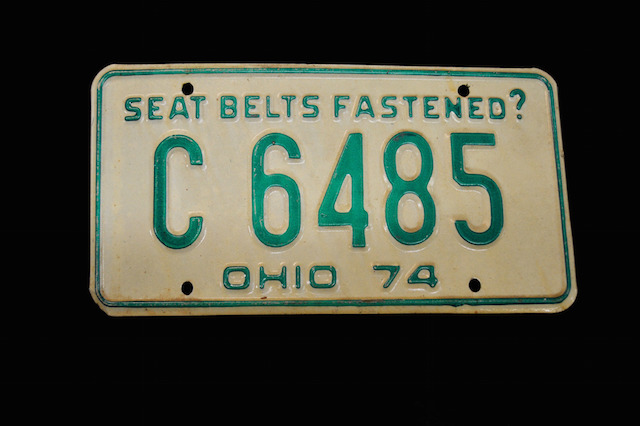
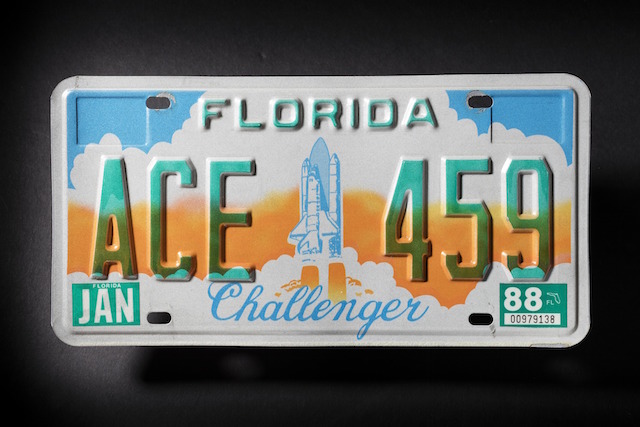
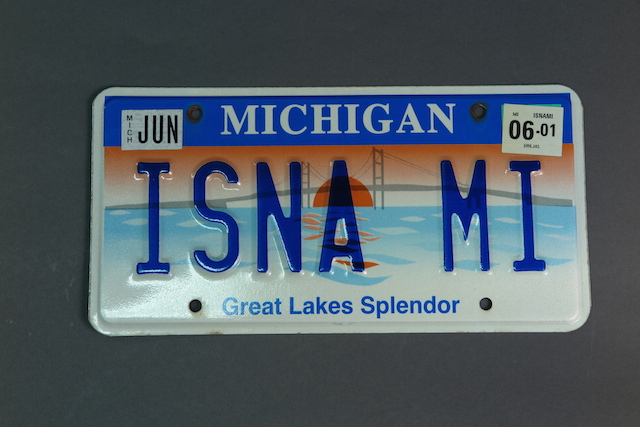
License Plate History: A Timeline

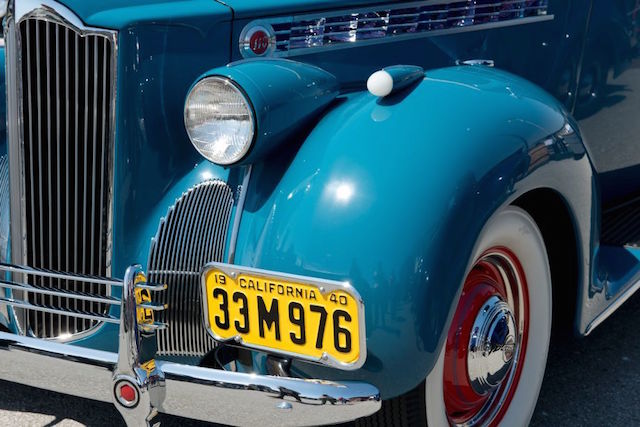
With some 270 million vehicles registered in the U.S., each one adorned with an alphanumeric metal panel, it’s easy for license plates to be overlooked maybe even maligned for their connotation of trips to the DMV. But like other parts of the automobile’s past, there’s more to the history of license plates than what meets the eye. As unlikely as it may seem, these vehicle identifiers have been influenced by technology, culture and current events. Thus, they offer a unique window into our country’s past.

Let’s take a look at the last 100-plus years of license plate history.

  • license plate history

1901 – New York Requires Vehicles to Be Registered 

On April 25, 1901, New York Governor Benjamin Odell Jr. signed a bill into law that required vehicle owners to register their cars with the state. As part of the registration process, the law dictated all automobiles have “the separate initials of the owner’s name placed upon the back thereof in a conspicuous place, the letters forming such initials to be at least three inches in height.”

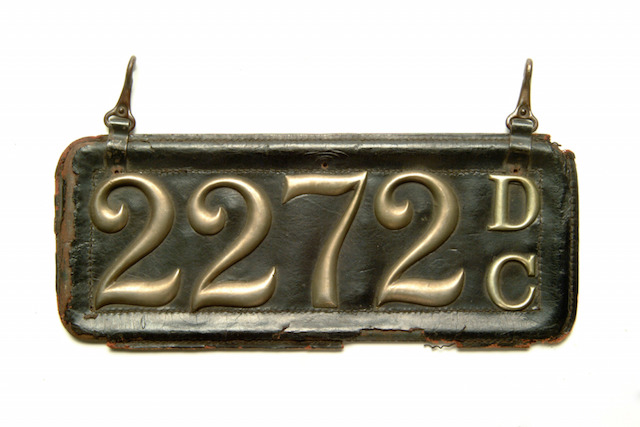
There was one catch: New York State did not issue the plates; owners were expected to create them on their own. This meant there was no standardization and early plates varied widely in materials, style and color. Motorists commonly used metal, wood or leather. Some even painted letters directly onto the vehicle.

Approved Auto Repair Limited Time Offer!

Get a free wheels-off brake inspection this summer at your local AAR facility.

Learn More

1903 – Massachusetts Issues First State License Plates

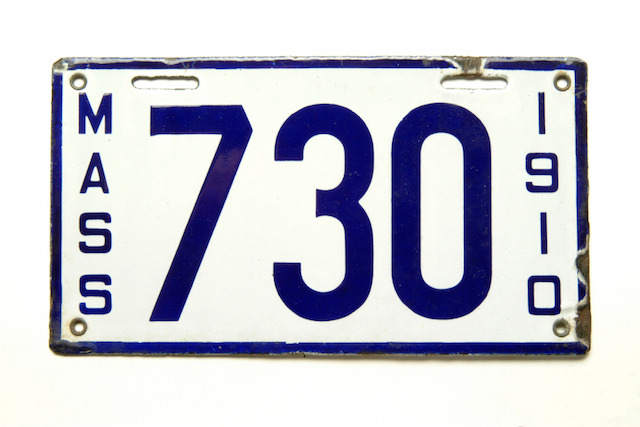
Massachusetts becomes the first state to issue license plates to drivers. These cobalt blue plates were made of iron and covered with porcelain enamel.

The very first plate featured just the number “1.” It was issued to Frederick Tudor, who worked for the highway commission. It remains an active registration by a member of his family.

1928  Idaho Introduces License Plate Slogans

Nowadays it’s very common for state slogans or other phrases to adorn license plates. That all started when Idaho began stamping “Idaho Potatoes” on all its license plates back in the 1920s.

1931 – The First Vanity Plates

Pennsylvania becomes the first state to issue customized license plates, beginning what would grow into a popular trend. At the time, however, drivers could only add their initials to the plate.

According to the American Association of Motor Vehicle Administrators, there were 9.7 million vehicles with personalized vanity plates in North America in 2007.

1944 – A Supply Shortage

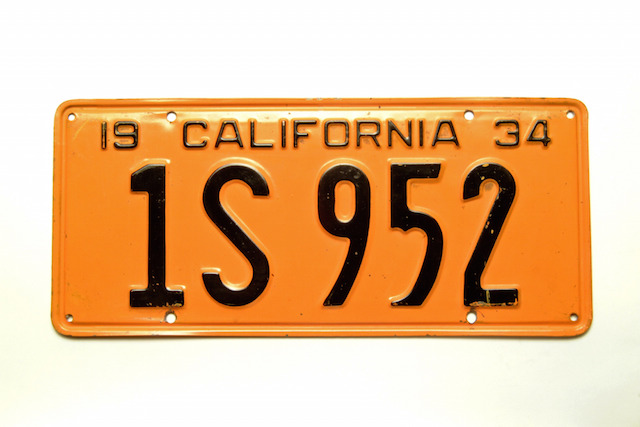
During World War II, a vast amount of the country’s metal supply was used to build war supplies. This led to a nationwide metal shortage and states were forced to use alternative materials for their license plates, including fiberboard, cardboard and even soybean-based plastic.

license plate history

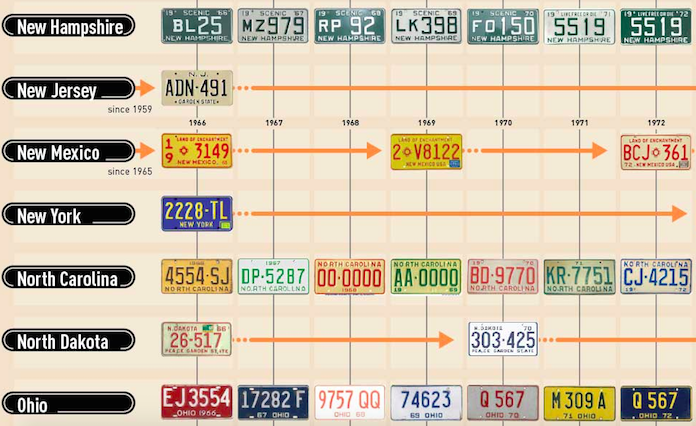
History of state license plates. See the full infographic of all 50 states.

1957 – The Standard Size Is Set

Automobile manufacturers come to an agreement with international governments and standards organizations on the size of license plates. The standard plate size is set at 12 by 6 inches in the United States.

1971 – A New Material Arrives

The manufacturing company 3M introduces High Intensity Grade Reflective Sheeting. States began to require the new material be used in the production of license plates in order to improve visibility.

1977 – License Plates Reach the Supreme Court

The land’s highest court gives their decision on the case of Wooley v. Maynard. Up until that point, the state of New Hampshire required all noncommercial vehicles to have license plates containing the state motto “Live Free or Die.” Resident George Maynard cut off the words “or Die,” believing they went against his religious beliefs. He was cited for violating the state law, fined, and after refusing to pay, jailed for 15 days.

Maynard sued and the case eventually made its way to the Supreme Court. In a 6-3 decision, the court ruled that New Hampshire could not require citizens to display the state motto, stating “New Hampshire’s statute in effect requires that appellees use their private property as a ‘mobile billboard’ for the State’s ideological message…The First Amendment protects the right of individuals to hold a point of view different from the majority, and to refuse to foster, in the way New Hampshire commands, an idea they find morally objectionable.”

License plates are not the only automobile accessory to make it to court. Bumper stickers have been there too.

2000 – America’s Most Expensive License Plate

A 1921 Alaska license plate is sold for $60,000. To date, it is the country’s most expensive license plate. Its high value is a product of its rarity as the plate is one of only four known to exist.

Why so few? Alaska in the 1920s was not even a U.S. state at the time. It remained mostly undeveloped, with little infrastructure, including roads. Navigating its terrain in an automobile was nearly impossible, so very few people owned one. Fewer cars meant fewer license plates.

For all things automotive, visit AAA.com.

Subscribe to Your AAA Newsletter

Sign up and receive updates for all of the latest articles on automotive, travel, money, lifestyle and so much more!

Find the Perfect Car for Your Next Road Trip

Taking a road trip is the vacation du jour this summer: AAA forecasts Americans taking 700 million trips during the season, 97% of which will be done on four wheels. It’s no surprise, as road trips are a great way to travel while simultaneously maintaining safety and social distancing restrictions.

If you choose to take a long drive with family, friends or a significant other, there are some aspects of the trip you’ve most likely thought about ahead of time such as the best route, an itinerary and travel essentials.

It’s easy to overlook the most important component: the car. Not every type of car is right for every kind of road trip. Where you’re going and who you’re going with play a significant role in picking a vehicle best suited for your travels.

Whether buying or renting, there’s a perfect car for everyone. So which one is right for you?

Fall Road Trip Savings

Save up to 15% on your next road trip.

Book Today

For Families

If you’re traveling with your family, the most important vehicle feature will likely be size. After all, fitting several people and their stuff is simply impossible to do in many cars.

Depending on the size of your family, you’ll probably want to look for a crossover, SUV or minivan. Many such models can seat up to eight people. Remember also that you’ll need to bring along each person’s luggage. When choosing a car for a family road trip, check that the amount of cargo space available is suitable, as well as if seats can fold to create more room and whether or not the vehicle has roof rails.

Some good family vehicle options are the GMC Yukon, Subaru Outback and Ascent, Kia Telluride, Chrysler Pacifica and Toyota Highlander.

For Couples

A great road trip need not require a great number of people. Sometimes two is more than enough. When you have the luxury of traveling light, why not opt for a smaller, more luxurious ride?

If you’re taking a scenic drive, a perfect option would be a convertible. You’ll feel the wind in your hair as you enjoy unobstructed views of the picturesque surroundings.

Most rental companies will have luxury cars and convertibles in their collection. However, availability may be limited so make sure to book early. Some great car options for couples are the Cadillac XTS, Chevrolet Camaro, Ford Mustang, Chevrolet Corvette and Mercedes-AMG E63.

For the Eco-Conscious

It wasn’t long ago that the idea of taking an electric car on a road trip would scare most people off, worried about having to constantly find a charging station or else be stranded on the side of the road.

However, more and more charging stations are being built as electric vehicles continue to surge in popularity. Plus, advancements in technology have increased the mileage range of batteries. Fully electric vehicles can travel more than 250 miles without a charge.

In addition to the environmental benefits, the main appeal of electric cars is the savings in gas costs. Electric vehicles get north of 100 mpg while hybrids can get more than 50 mpg. Average mpg for fuel-engine cars sits at around 25. If you plan on going on a long-distance trip, an electric vehicle could save you a significant amount of money.

In the past, electric vehicles were all primarily sedans. But over the past several years, manufacturers have released more electric SUVs. Now you won’t have to choose between going green or going with limited supplies.

If you’re interested in an electric vehicle for your road trip, some options to take a look at are the Toyota Prius, Tesla Models 3 and X and Hyundai Kona Electric.

For Thrill Seekers

If you’re planning a road trip that keeps going after the pavement ends, you’re going to need a vehicle that can handle the terrain. While engine power, suspension and four-wheel drive will come to mind when deciding between vehicles for such a trip, a key feature for off-road cars is ground clearance. This is the distance between the lower end of the vehicle body and the ground. You’ll need an elevated clearance to get over any hills, rocks and mud. Aim for a minimum ground clearance of 8.5 inches.

If you’re the outdoorsy type, you probably have some gear you’d like to bring along like bikes, camping gear and the like. If so, check the vehicle’s cargo space.

But let’s not focus entirely on the vehicle’s technical aspects. It’s important to consider the fact that you’re going to be in this car for extended periods of time. Therefore, you’re best off not choosing the car based solely on off-road capability but one that combines performance and comfort.

Some options you may want to consider are the GMC 1500, Jeep Cherokee and Gladiator, Chevrolet Colorado and Land Rover Defender.

Interested in purchasing a new road trip car? AAA’s Auto Buying Program can get you behind the wheel of the perfect vehicle – and save you money in the process. If you’re looking for a rental instead, AAA members can save up to 20% on Hertz rentals.

Subscribe to Your AAA Newsletter

Sign up and receive updates for all of the latest articles on automotive, travel, money, lifestyle and so much more!

What to Know About Electric Car Charging Stations

Although they still represent a small percentage of the cars on U.S. roadways, electric vehicles are becoming more popular with each passing month. There were about 330,000 plug-in electric vehicles sold in the U.S. in 2019. So even if you don’t have an electric car now, it’s likely that you’ll be sharing a ride in one sometime soon. Either way, it’s a good idea to get familiar with electric car charging stations.

Charging Levels

There are three standard electric car charging levels. All electric cars are capable of being charged on Level 1 and 2 stations. Some vehicles, however, cannot charge at a Level 3. In addition to these, Tesla uses a proprietary charger, the Tesla Supercharger, that is only for Tesla vehicles.

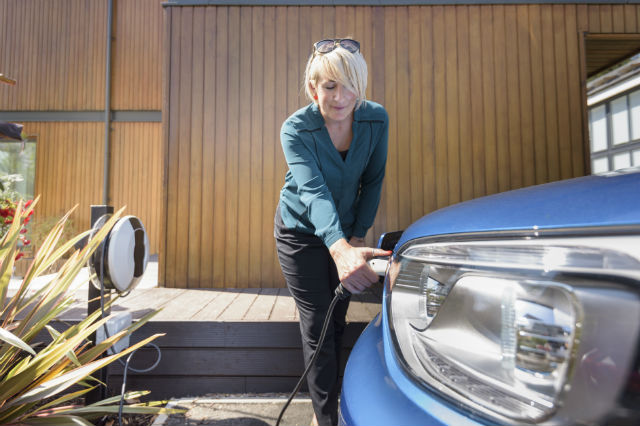
Level 1 chargers are typically for home use for two reasons. First, they can be plugged into a standard outlet without any installation. Additionally, they deliver a weaker charge, which requires a significantly longer charging time. Level 1 chargers typically deliver about 2 to 5 miles of range per hour of charging. Most electric car drivers will use a Level 1 at home to charge their cars overnight.

Level 2 chargers are most commonly found at commercial charging stations. (They can be used in a residential setting but need to be installed by a professional electrician since they can’t be plugged into a traditional outlet.) Level 2 chargers deliver 10 to 60 miles of range per hour of charging. They can fully charge an electric car battery in as little as two hours.

Level 3 chargers, also known as DC fast chargers, can provide 60 to 100 miles of driving to your car battery in as little as 20 minutes. However, not all electric cars are compatible with Level 3 chargers, including most plug-in hybrids and even some all-electric vehicles.

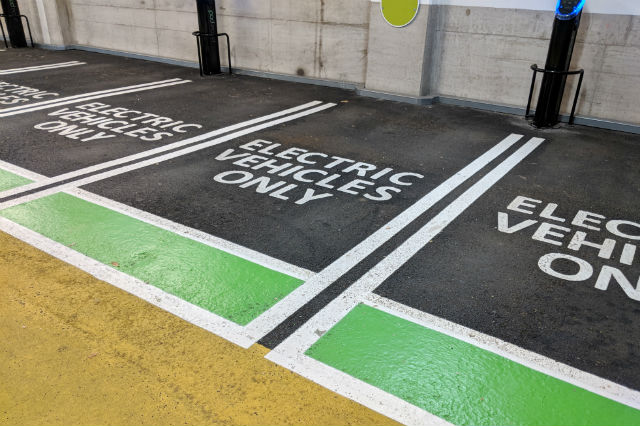
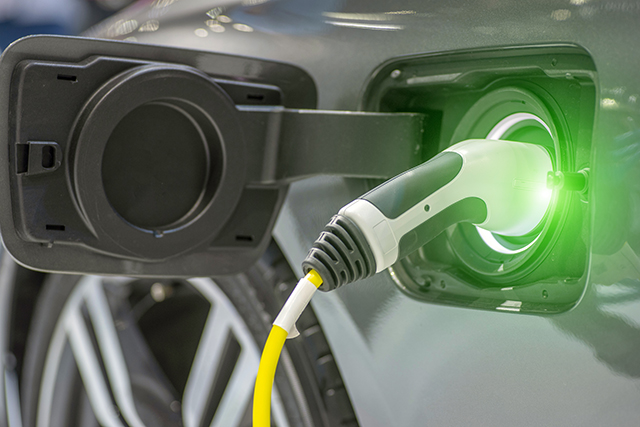
Electric Car Charging Stations

How to Find Charging Stations

As more electric vehicles take to the roads, more charging stations are popping up, but they’re still not nearly as ubiquitous as traditional gas stations. Therefore, it’s always important to know where you can get a charge, especially if you’re traveling through a new area.

The easiest way to locate electric vehicle charging stations is by using another piece of popular technology: your smartphone. There are several apps that provide electric car charging station maps. The AAA Mobile app, available for both iPhone and Android platforms, lists all charging stations in your area (as does AAA’s online TripTik Travel Planner).

Google Maps also has a feature that lets users discover charging stations on their route. Simply searching terms such as “EV charging” or “EV charging stations” will pinpoint all the nearest locations. It will also show drivers the types of ports available, the number of ports at the site and their charging speeds.

Another useful tool is the ChargePoint app. With more than 60,000 locations, ChargePoint is the largest network of electric vehicle charging stations in the US. The company’s app goes one step further by informing users in real-time how many ports are available for use.

electric car charging stations

How Much Does It Cost?

Individual charging stations set their own pricing structure. Many locations are free to use, while others may be free for a few hours before starting to charge. Some car manufacturers will even have their own unique payment system. For instance, certain Tesla models include an annual charging credit. Once you surpass the allotted amount, a small fee applies.

If you know what station you’re planning to use beforehand, make sure to check what fees are associated with a particular spot before you hit the road.

electric car charging station

Know Your Car’s Range

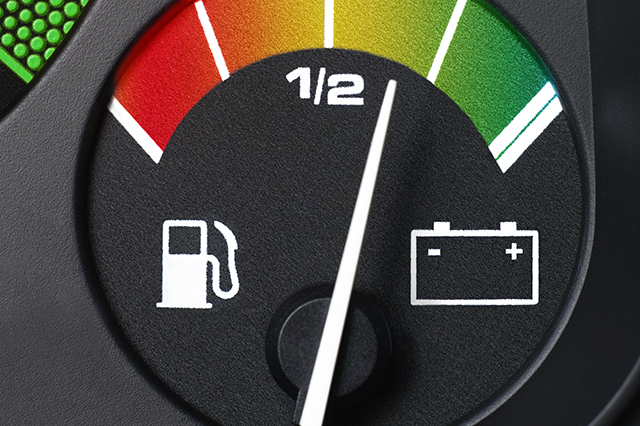
Just as you would check how much gas is in the tank before pulling out of the driveway, you should know how far your electric battery is capable of taking you before embarking on your trip. But in certain cases, your car’s battery life doesn’t tell the whole story.

AAA research has found that extreme temperatures can have a drastic effect on the driving ranges of electric cars. In 20-degree temperatures, driving range was reduced by 12 percent. With the car’s heat running, driving ranges decreased by 41 percent. When temperatures rose to 95 degrees, there was a 4-percent decrease in electric vehicle range.

Visit AAA’s Electric Vehicle platform for more information on these cars of the future.

Motorists can find electric car charging stations with the free AAA Mobile app for iPhone, iPad and Android. The app can also be used to map a route, find discounts, book a hotel and access AAA Roadside Assistance. Learn more at AAA.com/Mobile.

Subscribe to Your AAA Newsletter

Sign up and receive updates for all of the latest articles on automotive, travel, money, lifestyle and so much more!

Financial Literacy at a Glance: A Quick Glossary of Essential Terms

There’s no question that staying on top of your finances is a critical component to ensuring a comfortable future. Doing so requires an understanding of financial products and terms.

Financial terminology can often seem like a foreign language and it’s easy to get confused and overwhelmed. To make things clearer, here is a glossary of commonly used terms that you’re sure to come across at one point or another.

401(k) Plan

A retirement savings plan set up through an employer. Employees can make contributions that are deducted straight from their paycheck. It is common for employers to offer matching contributions up to a certain level. Many plans also offer a Roth option (see below).

Annual Percentage Rate (APR)

Expressed as a percentage, APR is the annual cost of a loan, including the interest and all fees.

Annual Percent Yield (APY)

The annual return of an investment over the course of a one-year period.

Asset

Any resource owned by an individual or business that has economic value. The most common examples include cash, real estate and investments.

Asset Allocation

The manner in which money is invested. There are three major asset allocation categories: stocks, bonds and cash. Each of these react differently to changes in the market. Therefore, it is commonly suggested to diversify your portfolio, spreading your investments in different categories in order to minimize risk.

Bonds

A debt instrument used by governments, corporations and other institutions to generate money. When an individual purchases a bond, they’re lending money to said entity for a specific period of time. The bond owner holds no ownership of the institution but receives periodic payments based on the interest rate and gets paid back in full on the bond’s maturation date.

Capital Gains

The increase in value of an asset or investment above its original purchase price. This gain is only on paper, and thus not taxed, until the asset is sold.

Certificate of Deposit (CD)

An investment in which a specific amount of money is deposited into an account for a specific amount of time in order to gain interest. The money must be kept in the account for the entirety of the term to earn the full interest. Early withdraws result in penalties.

Compound Interest

The interest on the initial principal of a deposit or loan as well as interest accumulated over previous periods. (Example: A $100 investment with a 5% interest rate will earn you $5 after the first year. But at the end of the second year, you’ll earn $5.25; $5 on the initial $100 deposit and $0.25 on the $5 in interest.)

Contribution Limit

The maximum amount of money an individual can add to a retirement account in a given year.

Credit Score

A numerical representation of an individual’s creditworthiness. Credit scores are calculated based on several factors including the length of your credit history, late payments and total amount of debt. Scores range from 300 to 850 with a higher score indicating an individual is more likely to pay bills on time. Lenders and creditors use credit scores to formulate terms on a potential loan. Generally, higher credit scores result in more favorable terms.

Interest

The fee charged by a lender to a borrower for lending them money. It is expressed as an annual percentage of the principal.

Individual Retirement Account (IRA)

Retirement savings accounts that are funded through an individual’s own contributions. There are two types of IRAs: traditional and Roth. Traditional IRAs are funded with contributions from pre-tax earnings. The money is not taxed until it is withdrawn. Conversely, Roth IRAs are funded with earnings that have already been taxed. Withdrawals from a Roth IRA are not taxed.

financial literacy

Money Market Account

A type of savings account in which owners earn interest on the account’s balance. Opposed to Certificates of Deposit, which require funds to remain in the account for a specific amount of time, Money Market Accounts generally allow owners to access via ATM, debit and checks.

Mortgage

A loan used for purchase of real estate.

Net Worth

The difference between what an individual owns (assets) and what they owe (liabilities). It is calculated by adding together all money, investments, and current market value of owned items and subtracting all debt and other obligations.

Principal

The original monetary investment on which interest is generally paid.

Refinancing

The process of securing a new loan to pay off one or more existing loans. It is a common practice for borrowers to refinance in order to receive more favorable terms and save money.

Required Minimum Distribution 

The minimum monetary amount required for retirement savings account holders to withdraw each year. Distributions are required to begin when account owners turn age 72-73. The amount of the withdrawal is based on the value of the account on December 31 of the previous year and the individual’s current age. Failure to withdrawal the required amount could result in increased taxes.

Required Minimum Distributions do not apply to Roth IRAs.

Reverse Mortgage

A financial tool for homeowners age 62 or older that allows them to access the equity they have in their home. A Reverse Mortgage can help you stay in your home while providing additional financial freedom and peace of mind with tax-free income.

Stocks

A share of ownership of a company. An individual who buys a company’s stock has part ownership of that company’s assets and earnings.

Subscribe to Your AAA Newsletter

Sign up and receive updates for all of the latest articles on automotive, travel, money, lifestyle and so much more!

Fun Games to Play With Kids

When kids are home – whether it’s for the weekend or during a school break – odds are they’ll be looking for things to do. Build up your arsenal of fun games to play with kids to keep them active and entertained year-round.

Rather than heading out to overcrowded public spaces, staying home and playing games with your kids is a great way to bond and save money. From lawn games to board games and other classics, there are a plethora of indoor and outdoor games perfect for family fun.

Classic Games

There’s a reason certain games have stood the test of time. Whether you’re looking to get your kids moving or engage their brains, classic games are a reliable choice.

Active Classics

Verbal games like Mother May I, Simon Says and red light, green light require no supplies and keep little ones entertained. More active games like tag (or freeze tag), hide-and-seek (or sardines, the reverse hide-and-seek where the “it” person hides) and duck, duck goose also encourage movement and laughs.

You’ll need a few items for classic games like capture the flag, hot potato and kick the can. For the latter two, you can easily use a ball or hacky sack in place of the potato or can. Similarly, avoid messy eggs and use a golf or Ping-Pong ball for spoon races. Games like marbles and jacks require some supplies, but are true classics.

via GIPHY

Brain Games

Keeping your mind active is just as important as moving your body. Games like chess and checkers are thought-provoking, fun games to play with kids. Dominoes and puzzles never get old; you just need plenty of space.

A simple deck of cards lends itself to many different games, from easy, kid-friendly ones like go fish and old maid to more strategic games like crazy eights and rummy.

Outdoor Games

Get your kids outside by taking advantage of your own backyard and driveway. They’ll enjoy some fresh air and sunshine while playing sports, creating their own adventures and exploring.

via GIPHY

Sports

Play catch with a baseball, Frisbee or football, or kick around a soccer ball. You could also set up a net for basketball, badminton, volleyball or tennis. Don’t forget hula-hooping, jumping rope and limbo; make them extra fun by setting them to music or turning them into a competition.

For something a bit different, make your own mini-golf course. If you don’t want to dig holes in your yard or do heavy-duty building, you can craft a golf course using household items. Use halved paper towel rolls, spare pieces of PVC pipe, strips of cardboard and books for ramps and tunnels. Sturdy toys make good barriers and a cup can act as the hole.

Active Creativity

If your kids aren’t fond of sports, lots of other outdoor activities can keep them moving. Try building something together, like an obstacle course, tree house or a fort. Not only will they be memorable to create, they’ll be fun to use afterword.

Plan a scavenger hunt by writing a list of objects for your child to find. This could be as simple as “something blue” and “something round” or more specific items you hide ahead of time. Or bury some toy dinosaurs and let your little ones become archaeologists.

Lawn and Driveway Games

Classic lawn games such as cornhole, croquet and horseshoes – as well as newer additions like Spikeball – are all fun games to play with both kids and groups of all ages. A safe driveway is a prime location for activities, too. Make art with chalk or play hopscotch or four square. Use a basketball to play games like horse or around the world.

The good times don’t have to stop when the sun goes down. Manhunt (hide-and-seek in the dark) is a good family game at night, as well as activities like stargazing and catching fireflies.

via GIPHY

Water Games

Have a blast while staying cool in the summer. Start a water battle with water balloons or water guns, or incorporate them into other games like hide-and-seek, hot potato and tag. Turn on the sprinklers and bring them into your game of limbo, make them part of your obstacle course or simply let the kiddos run around. If you have a pool, initiate games like sharks and minnows, swimming races and Marco Polo.

Indoor Games

Indoor games are great for rainy days, snow days, when it’s just too hot outside and lazy weekends with the family.

via GIPHY

Board Games

Young kids will enjoy board games like Candy Land and Left Right Center (make it interesting for an older crowd by replacing the chips with dollars). For tweens/preteens there are games like Apples to Apples and Yahtzee. Teens and young adults will like more mature games like The Game of Things, Quelf and Risk. And Jenga and Twister always get the party started.

See our full list of favorite board games for the whole family here.

Moving Indoors

If your kids are a little too energetic for board games, go for games that make them move. Try indoor bowling with some masking tape and/or strips of cardboard for lanes, a soft ball and empty bottles for pins.

Games like freeze and musical chairs will have the kiddos moving until the music stops. Blow up balloons and tell your little ones not to let them touch the ground; make the game more challenging by setting rules: only use your head, no hands, etc. Engage your kids’ sense of imagination by pretending the floor is lava and using blankets and cardboard shapes as safe zones.

via GIPHY

Create

Another way to keep children young and old entertained and using their minds? Get creative! Draw, color, paint or make crafts. Turn plain shirts, socks and pillowcases into works of art with tie-dye.

Make a fort with little ones using blankets and pillows. Older kids and teens with a bit more patience will enjoy making a Rube Goldberg machine and sharing the results on social media; you can use dominoes, marbles, cups and other everyday items to set off a chain reaction that’s as fun to create as it is to watch unfold.

Perform

Some of the best bonding experiences come from simple play and using imagination. This kind of free-spirited fun isn’t just for children, either.

Craft some characters or use toys to put on a puppet show with or for your kids. Make reading to your kids into a game by acting out the story together, either in person or with toys. Or put on your kid’s favorite musical movie, set up the closed captions/subtitles and have a sing along.

Kids of all ages can have fun playing charades. Choose categories and/or writing prompts ahead of time to keep things interesting. For tweens and young adults, consider Catchphrase, which is essentially verbal charades.

Technology

Sometimes you may need to lean on technology to keep your kids entertained. There are plenty of fun and educational apps for children. For older kids, check out this list of the best video games for escaping reality.

What’s your favorite game to play with kids? Tell us in the comments below!

When you make a purchase through a third-party link, AAA Northeast could receive revenue.

Subscribe to Your AAA Newsletter

Sign up and receive updates for all of the latest articles on automotive, travel, money, lifestyle and so much more!

How to Choose the Ideal Lawn Mower for Your Yard

A high-quality lawn mower is an essential piece of equipment for any homeowner. If you don’t want to hire a lawn mower service, you’ll need to mow the lawn yourself to make sure the grass doesn’t get too unmanageable throughout the season. But choosing the best lawn mower for your home can be tricky. Read on to learn about the different types of lawn mowers and the basics of lawn mower maintenance.

Lawn Mower Basics

The first decision you want to make is whether you’re going to buy a walk-behind or riding mower. As a general rule of thumb, a walk-behind mower is perfect if you have less than a half-acre of grass. Any larger than this, and you’ll want to consider a riding mower. Since most homeowners mow their lawn at least once or twice a month in the warmer seasons, a riding mower is a great investment for larger yards. It’ll get the job done a lot quicker and you’ll be a lot less tired afterward.

The Best Lawn Mower for Hilly Terrain

If your property has a lot of hills, you’ll want to go with a self-propelled walk-behind mower; using a riding mower on this kind of terrain can be dangerous if the lawn mower tips over on a steep incline. A riding mower is great for expansive, moderately flat lawns, while a walk-behind lawn mower is a lot smoother if you have a lot of obstacles to move around, such as rocks or garden patches.

The Benefits of Choosing a Reel Mower

If your lawn is relatively small, flat and easy to manage, a reel mower can be a smart choice. These require no gas or electricity and are easier to maintain than other, more expensive lawn mowers. However, reel mowers generally won’t work well if your lawn has a lot of tough weeds to cut through. They work best if you walk briskly while operating them, which can make for a good workout!

The Benefits of Choosing a Riding Mower

If you do decide to go with a riding mower, remember that in general they’re riskier in terms of safety. That being said, they’re a lot more efficient at cutting grass than other options. Some riding mowers have a cutting width of 60 inches, which lets you cut more lawn in a lot less time.

Riding mowers come in both electric and gas-powered models. Although electric mowers are quieter, more environmentally-friendly and require less maintenance overall, gas-powered machines are best for heavy-duty mowing and longer mowing times. If you have a large yard with lots of obstacles, look for a zero-radius-turning mower with a steering wheel. These vehicles boast four-wheel steering and can make turns effortlessly around your lawn.

Essential Lawn Mower Safety

Safety is one crucial element you want to take into account, as lawn mower accidents are more common that we’d like to think. It’s absolutely imperative to make sure small children are nowhere near the mower during operation, as they can be hard to spot or hear while riding. Look for lawn mowers with built-in safety mechanisms, like automatic shut down if you get off the vehicle. Parking brakes are also useful to limit your risk of injury.

Lawn Mower Maintenance Tips

One of the first signs that something isn’t quite right with your lawn mower is if it fails to start from the first few times yanking the cord. If your lawn mower starts acting this way, it’s best to find a qualified professional who’s familiar with the make and model of the machine. You should get your mower checked at least every year to keep track of any changes.

Just like your car, you’ll want to check the oil once or twice a season. And of course, make sure your tires and spark plug are in good condition and replace if necessary. After every use – and only after the lawn mower is completely powered down – make sure to clean out any grass from the bottom deck of the machine with a hose. If you take good care of your machine, it will reward you with many years of mowing.

If you decide that mowing the lawn just isn’t for you, or you don’t think you can keep up with it physically, you can always hire a lawn mower service. But if you do decide to buy or upgrade your mower, these guidelines can give you a good idea of what mower to choose and how to take care of it.

What type of lawn mower do you use? Tell us in the comments. 

Subscribe to Your AAA Newsletter

Sign up and receive updates for all of the latest articles on automotive, travel, money, lifestyle and so much more!

Beyond the Beach: A Guide to Cape Cod Museums

Like many others, for me Cape Cod has always conjured beaches, clam shacks and miniature golf. I spent a couple vacations as a kid in Chatham and waitressed in Harwich Port the summer after college. Then it was off to big cities and real jobs. Serendipity brought me back to Cape Cod, where I’ve lived year-round for 20 years and discovered a host of wonderful things to do at all times of the year and in all types of weather. For summer days when you want a change of pace from the beach, these seven Cape Cod museums can’t be beat.

Heritage Museums & Gardens, Sandwich

When I debated buying my house in Sandwich Village, a deciding factor was that I could walk to this 100-acre gem. It should be on everyone’s Cape Cod museums itinerary, especially this summer as Heritage celebrates its half-century mark with “50 for 50: Fifty Years, Fifty Favorites,” a giant scavenger hunt that will captivate young and old. Wending your way by foot or trolley through spectacular gardens and other spots, a map leads you to 50 items spread through the three museum buildings and the grounds.

If you’ve never seen a pristine 1930 Duesenberg, a Korean stewartia tree or Buffalo Bill’s rifle, now’s the time. Celebrate checking all 50 items off your list with a spin on the restored 1908 Looff Carousel with animals like an ostrich, giraffe, frog and zebra vying with the horses for riders.

Cape Cod Children’s Museum, Mashpee

I logged many rainy-day hours here when my daughter was young, having nearly as much fun watching her explore as she was enjoying the more than 20 interactive exhibits. It’s one very big space with a walk-on pirate ship in the middle, surrounded by activity stations including one with dress-up paraphernalia, a play kitchen and restaurant, a puppet theater, a submarine, a train, a fishing pond and a workbench with tools. Just right for toddlers to 10-year-olds and parents who don’t expect big-city children museum features like multiple floors and an Imax theater.

Cahoon Museum of American Art, Mashpee

This 35-year-old museum that sports a new addition to its 18th-century main building just got easier to spot for another reason: several trees out front painted electric blue by artist Konstantin Dimopoulos. It’s part of an ongoing worldwide environmental art installation meant to draw attention to global deforestation and the importance of trees to the planet. It’s also a way to make people aware that there’s contemporary art inside as well as the museum’s well-known historical collections. This summer, “Exquisite Shells: The Art of Sailors Valentines,” an extensive international exhibition in the museum’s new modern wing, traces the fascinating history of the art form from its 19th-century beginnings to the cutting-edge designs of contemporary makers. Some intricate arrangements feature thousands of meticulously placed shells, requiring the supplied magnifying glass to truly appreciate.

cape cod museums
You can explore the witty world of Edward Gorey at his home-turned-museum in Yarmouth, Mass.

Edward Gorey House, Yarmouthport

Coming face to face with objects from Edward Gorey’s life and work in the 200-year-old sea captain’s home where he lived, you get a delicious taste of just how brilliantly quirky the late author, illustrator, playwright and set and costume designer was. Arguably the most unique of all Cape Cod museums, the collection also honors Gorey’s passion and concern for animals, raising awareness about local and national animal welfare issues. This summer’s exhibition, “Hippity Wippity: Edward Gorey and the Language of Nonsense,” explores imagery and language that is “whimsical and stark, mysterious and beautiful.” Families with young children will want to put Aug. 3 on their calendars. That’s Fantastagorey Day, the museum’s annual children’s summer festival and a day of creative games, activities, storytelling, puppetry and free admission for all.

FIND & BOOK A HOTEL IN CAPE COD WITH AAA

Cape Cod Museum of Art, Dennis

Nestled in a pleasant campus-like setting shared by the funky Cape Cinema and the famous Cape Playhouse, the museum is small but mighty, with an ambition to pay homage to artists past and present with connections to Cape Cod. Through Aug. 25, “Moby Dick: Inspired Visions” by Peter Michael Martin fills, appropriately enough, the ship-hull-ceiling gallery with two dozen unique works of art inspired by the novel, including a life-size kinetic wall sculpture. It’s a monumental, playful and profound tribute to Cape Cod’s whaling culture and to author Herman Melville on the 200th anniversary of his birth. On Thursdays, museum admission is free between 5-8 p.m., and all summer long the museum offers a variety of art classes for kids. AAA members save $1 on general admission with a valid AAA card.

Cape Cod Museum of Natural History, Brewster

For nature-lovers, this is the go-to of all Cape Cod museums. Exhibits on two floors include the geologic history and archaeology of the area; Bird Alley, with over 200 preserved birds; a whale exhibit; and an aquarium with different species of crustaceans, mollusks, fish, frogs, turtles and snakes. Several interactive displays are geared toward children. Nature film screenings and guided field walks are offered daily, and the museum’s Kid Summer Day Program engages aspiring naturalists from 3 to 15 in the wonders of local flora and fauna.

cape cod museums
(Photo: Anton Grassl / Courtesy of the Provincetown Art Association & Museum)

Provincetown Art Association and Museum, Provincetown

As one might expect in the oldest continuous art colony in America, PAAM is the jewel in the crown of Cape Cod museums. “Our mission is to hold true to the artists who have ties to the Cape and Islands,” said Christine McCarthy, the museum’s executive director whose expertise and enthusiasm have guided the museum’s programming for almost 20 years. She’s excited about this summer because the museum is showcasing several living artists in addition to the esteemed historical collections. “Circa 1945: Abstract Art in the Renee & Chaim Gross Foundation Collection” is an opportunity to see items from a special private collection outside of visiting the foundation in Greenwich Village. Also on view, “Stephen Pace in Provincetown” features both the artist’s abstract and figurative oil paintings and watercolors, and “Selections from the Pat and Nanno de Groot Collection” presents recent acquisitions gifted to PAAM, including works by Pat de Groot, Nanno de Groot, Richard Baker and Paul Bowen, among others. All summer, dozens of one-day to weeklong workshops are offered in printmaking, painting, drawing, performance art and photography.

Discover more fun things to do in Cape Cod.

What are your favorite Cape Cod museums? Share them with us in the comments. 

Subscribe to Your AAA Newsletter

Sign up and receive updates for all of the latest articles on automotive, travel, money, lifestyle and so much more!