The Worst Car Names Ever

What do impacts, citations and flat tires have in common? They’re all things we absolutely do not want to happen when driving a car.

And yet, they are all terms automakers have used to name vehicles. (OK, flat tire is not the name of a car, but Reventon is, which translates to flat tire in Spanish). The lapse in foresight and good judgment immediately places these monikers among the worst car names in history.

Unfortunately, these three are far from alone. Throughout automotive history, countless bad names have come and gone. From the bizarre to the truly uninspiring, with a number of simply bad ideas mixed in, here are some of the worst names ever bestowed upon an automobile.

Studebaker Dictator

It’s hard to imagine a period when this name would have ever worked, but Studebaker picked the absolute worst time in history to try to sell the American driving public on the Dictator: the advent of World War II.

Interestingly, the model was originally known as the Standard Six. Studebaker began renaming its cars in the 1920s. Although no one could have predicted the future, the automaker sensed enough trouble in the air to use the name Director in the European market.

Dictator lasted a decade on this side of the pond before it became too tarnished a word for Studebaker, which opted to swap in the name Commander in 1937.

Ferrari LaFerrari

If you’re unfamiliar with the beauty that is the Italian language, this name translates to “Ferrari the Ferrari.” The Italian carmaker was aiming for the contextual interpretation of the “definitive” Ferrari, but the name just sounds awkward and lazy.
worst car names
(Photo: SenseiAlan)

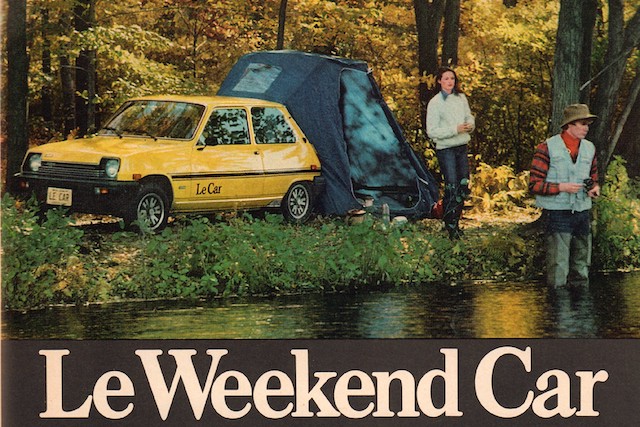
Renault LeCar

In competition with LaFerrari for the least original car name is Renault’s entry: The Car.

Mitsubishi Minica Lettuce

Lettuce has many positive attributes: It’s a good source of vitamins A and K, helps strengthen bones and has even been shown to improve your sleep. It also plays an indispensable role in a BLT. Shockingly, none of these facts served as inspiration for Mitsubishi’s naming of the Minica Lettuce.

Developed in partnership with the Japanese supermarket chain Seiyu, the car was designed specifically for loading and unloading groceries. The tiny sedan, which had two doors on the passenger side but just one on the driver side, was small enough to travel on small streets suited more for bicycles and rickshaws.

As for the name, Lettuce was the title of a shopping magazine published by Seiyu, which also sold the car right there in its grocery stores.

Isuzu Mysterious Utility Wizard

The Wizard was simply ahead of its time. If it had debuted in the late 1990s instead of the late ’80s, it could have ridden the Harry Potter train broom to success. Instead, the MU Wizard has since been left to compete for worst car name ever.

To make matters worse, there doesn’t appear to be any story behind the name’s origin. It’s like it just appeared out of thin air.

Nissan Friend-ME

The Friend-ME was a concept car Nissan unveiled in 2013 specifically designed to appeal to Chinese 20-somethings. As such, the sedan had a social media-inspired cabin in which all four passengers had access to the same infotainment screens and could share content from their phones onto said screens. An interesting concept, indeed!

While the car’s design highlights the positive attributes of social media, its name reminds us of the worst. It simply reeks of desperation and self-promotion. Nissan even went as far as stylizing it with a capitalized “ME.”

Toyota Deliboy

This was not some sort of traveling sandwich purveyor mobile, just a tiny delivery truck. Its name is supposedly a portmanteau of the words, “delivery” and “boy.” Not only was the moniker a failure, so too was the truck itself. Poorly designed and featuring a woefully underpowered engine, the Deliboy was only in production for a few years.
worst car names

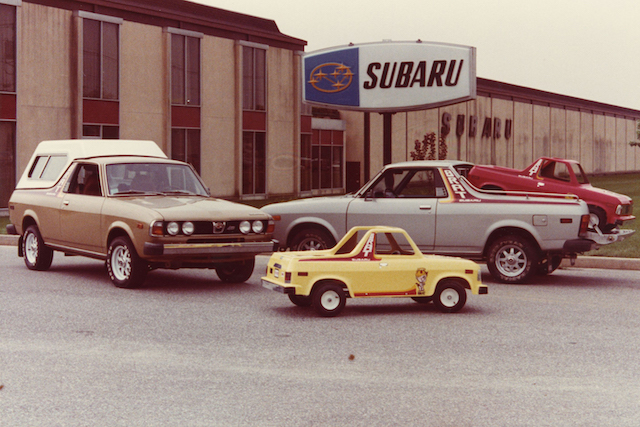
Subaru BRAT

Like many car names before and since, BRAT is an acronym. In this case, it stands for “Bi-Drive Recreational All-terrain Transporter.” Certainly, Subaru could have gone a different route, but we’re not entirely sure the car maker didn’t choose the name due to, rather than in spite of, its unruly connotations. The BRAT was marketed to younger (dare we say rebellious), off-roading drivers.

Interestingly, the car was quick to live up to its devilish moniker. BRAT models sold in America featured two rear-facing jump seats in the cargo area. This allowed Japan-based Subaru to classify it as a passenger car rather than a light-duty truck, thus eluding a significantly higher import tax.

Honda That’s

Honda, that’s a terrible name for a car. The third-generation of the Honda Life had a head-scratching name that was as grammatically awkward as it was flat-out weird. We’re hoping something got lost in translation from the Japanese automaker and no one truly believed this was going to work.

Kia Pro_cee’d

The Pro_cee’d was the sports version of the Kia Cee’d, giving the South Korean automaker two terrible titles in its portfolio. The company later took the bold step of changing the car’s name to ProCeed.

Know a terrible car name we missed? Let us know in the comments below!

Learn more about automotive history

Subscribe to Your AAA Newsletter

Sign up and receive updates for all of the latest articles on automotive, travel, money, lifestyle and so much more!

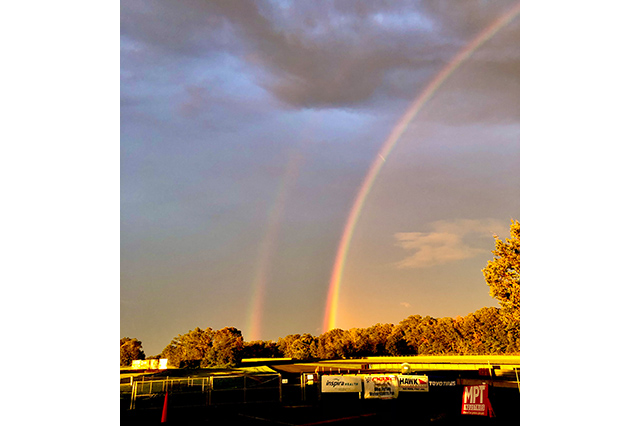
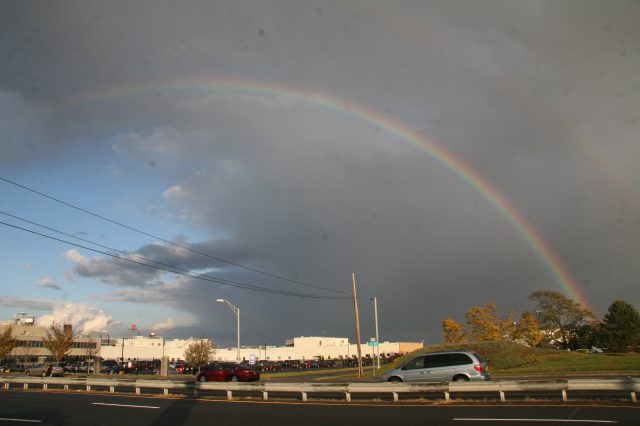
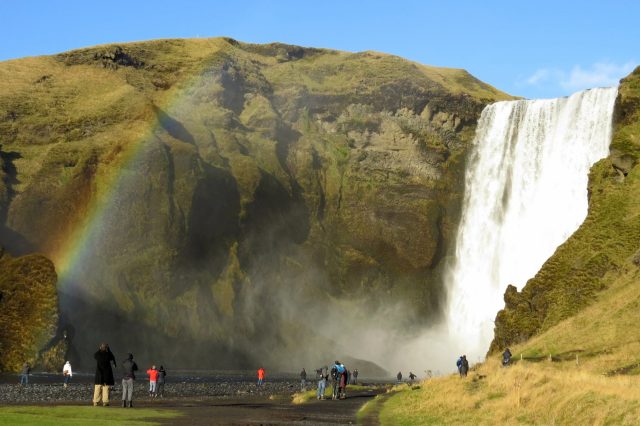
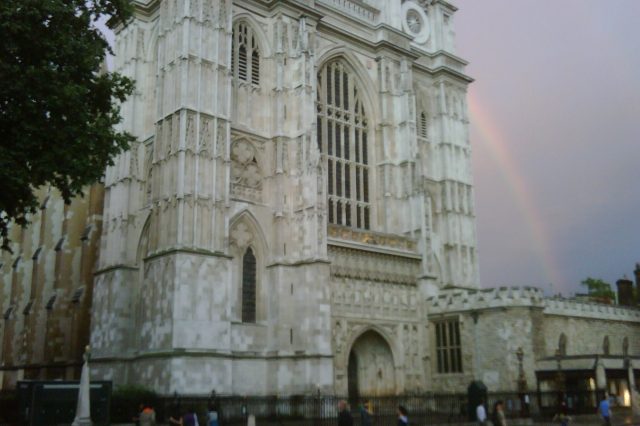
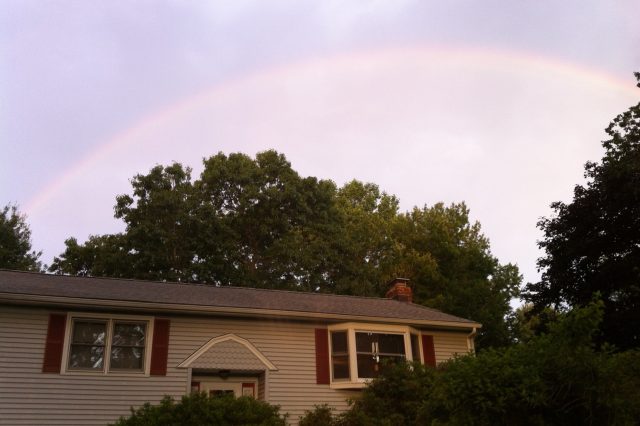
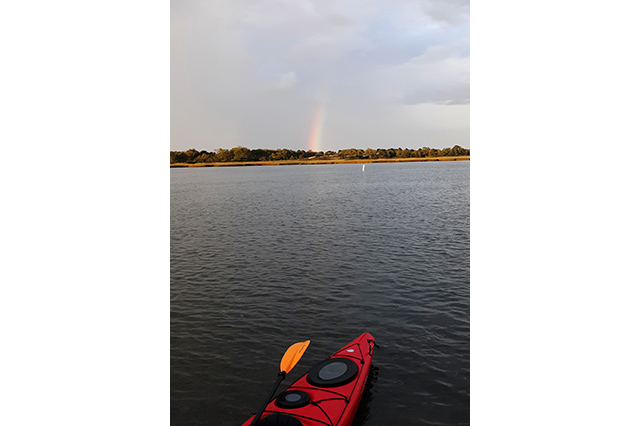
AAA Photo Session: Rainbows

Rainbows are a gift from nature. Their colorful displays represent hope, luck and the good that is to come after a storm, inspiring folklore, songs, paintings and seasoned and amateur photographers alike.

Spring has arrived and we’ve got seasonal showers, flowers and rainbows on the mind. We asked you to show us some ROYGBIV and you delivered!

Thank You for Participating! (Session Closed) 

Browse through all of the photos we received during March’s rainbow-themed Photo Session in the slideshow below, and don’t forget to check our social media channels, where we will be sharing some of our favorites. Select photos may also appear in an upcoming issue of Your AAA magazine.

How to Spot a Rainbow

  • The right conditions: For a rainbow to form, there needs to be both rain and sun. It doesn’t necessarily have to be raining where you are, but it should be falling somewhere nearby.
  • Where to look: Look at the darker side of the sky, opposite of where the sun is. “In order to see a rainbow, the sun must be to the viewer’s back, and rain must be falling ahead of the viewer,” according to Weather.com.
  • Timing: Rainbows are most likely to occur around the hours of sunrise or sunset. This is because the sun needs to hit the raindrops at a certain angle into order for refraction to happen. “Rainbows will only occur when the refracted sunlight strikes the raindrop’s edge at the exact angle of 48 degrees,” explains Weather.com. Any less, and the light will just pass through.

Check out past AAA Photo Sessions and stay tuned for the next one.

Subscribe to Your AAA Newsletter

Sign up and receive updates for all of the latest articles on automotive, travel, money, lifestyle and so much more!

How to Remove Scratches From Car Paint

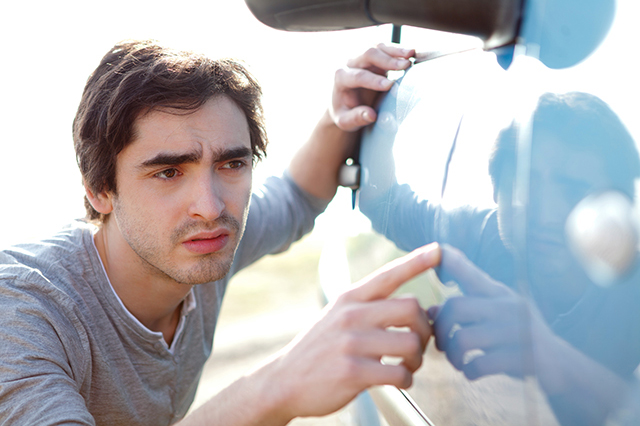
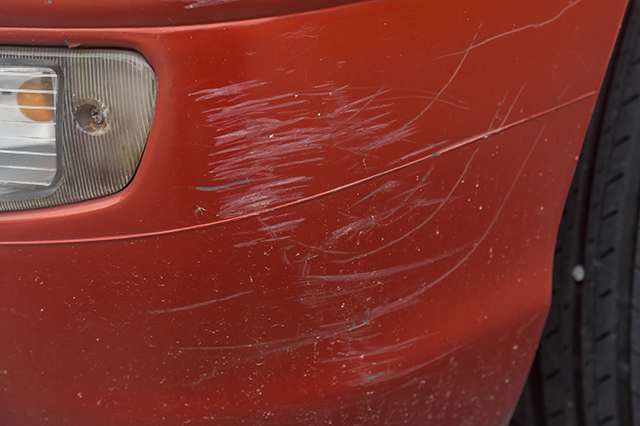
You’re closing in on your parked car and there it is again: that eyesore of a paint scratch above the driver’s side door handle. If only you knew how to get rid of it, or at least where to start.

We spoke to Mike Stoops, product and training specialist at Meguiar’s car care products, to find out how to remove scratches. Rule number one, Stoops said: If you can feel the scratch with your fingernail, it may be too deep for an easy fix. If you can see but not feel the scratch, and want to give fixing it a go, keep reading for his tips on how to remove scratches from car paint.

Q: What kind of equipment do I need?

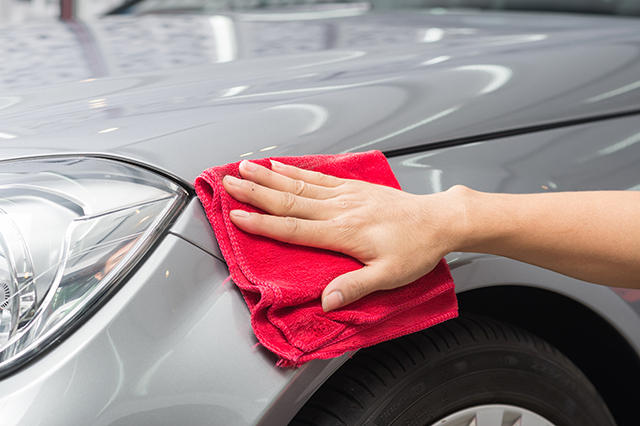
A: Ideally, you want to get a mild scratch removal product; you don’t need a real aggressive product for this kind of repair. What you do want is to be careful of the applicator you use. People tend to grab an old cotton shop rag or an old cotton wash cloth. That material can haze the paint. Really, the smarter move is to go with a nice clean microfiber towel or, better yet, a soft foam wax applicator pad.

Q: What’s the first thing to know about how to remove scratches from car paint?

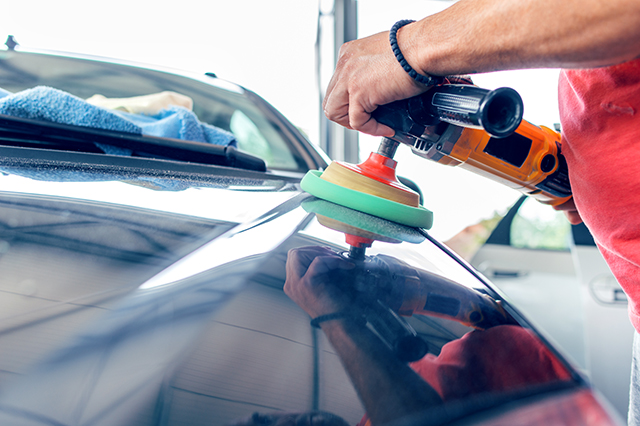
A: Paint is hard, paint is thin, and therefore you need to proceed with caution. Even when working by hand (instead of using a buffer), I’ve seen people get overly aggressive and run into problems.

how to remove scratches from car paint

Q: Can you explain the layers of paint on a vehicle?

A: Regardless of if it’s a steel body car or an aluminum body car – or even composite like the Chevy Corvette – all vehicles are covered in a primer coat, a color coat and then a clear coat, which adds the gloss and UV protection to the color below it. And your hope is that whatever scratch you have is only in the clear coat. If you can see it, but you can’t feel it, that’s actually a good sign. If you can’t feel it, you can probably get rid of it.

Q: Once you have your scratch remover and your pad, how do you get started?

A: First, you want to remove any loose dirt or dust from the surface to avoid grinding it into the paint. Spray the area down (with water) and then wipe it dry with a clean microfiber towel. That’s usually more than sufficient to prep the area, if we’re dealing with an isolated scratch.

Q: How much scratch remover should I use?

A: Squeeze a dollop the size of a 50-cent piece – I don’t know how many people remember how big a 50-cent piece is, so let’s call it a “fat quarter” – onto the middle of your applicator pad.

how to remove scratches from car paint

Q: How much of the surrounding area should you hit with the product?

A: If the scratch is, say, about a quarter- or half-inch long, don’t work just that tiny little area. Work an area around it, maybe 6 to 12 square inches.

Q: What kind of motion should you use to apply the scratch remover?

A: It doesn’t really matter if you work it in a circular motion or a straight line motion. Do whichever is most comfortable for you. Work that with some energy. We’re not applying a wax, so you do not want to just lightly apply the product and walk away to let it dry, that’s not going to do anything. That’s a very common mistake. These products have superfine abrasives in them that are used to mechanically work the paint down and remove the scratch, and they don’t do that on their own, they need your help.

Q: How long should you work the product into the scratch?

A: Work the product for 20 seconds or so. Then it will become a very thin translucent film on the surface. Wipe off the residue. Don’t let it dry. These products serve no purpose if you let them dry. Plus, they can be a little difficult to remove if they dry on the paint.

Q: It didn’t go away immediately. Did I do it right?

A: You want to start out lightly. If the first application doesn’t remove the scratch entirely but makes a visual improvement, that’s actually a really good thing. I’d almost rather see that you didn’t fix everything on the first attempt than watch you remove more paint than you actually needed to. Taking two or three applications to slowly get in there is really the perfect way to do it.

how to remove scratches from car paint

Q: Why is aggressively applying a scratch removal product a problem?

A: Take one of your thumbs and rub it vigorously into the palm of your other hand. It will get hot very quickly. Modern paint does not like heat and modern paint does not like concentrated friction. You can literally rub through your entire clear coat in a matter of minutes regardless of what liquid you’re using, especially if you use an aggressive applicator.

And that’s how to remove scratches from car paint.

Have any other tips? Leave them for us in the comments.

Learn about AAA Automotive Services

Subscribe to Your AAA Newsletter

Sign up and receive updates for all of the latest articles on automotive, travel, money, lifestyle and so much more!

Your Story: Adventures With Classic Cars

There’s something about a classic car that stirs sentiment in all of us.

There is the beauty of bold lines, showy adornments and a shiny grill. There is the rumble of an engine that screams power and speed. There is appreciation for the ingenuity of its designers as well as the craftsmanship of its builders – and those who painstakingly restored them. But mostly, there is a sense of nostalgia for times gone by.

We asked members to share photos of their classic cars for a Photo Session: Show Us Your Wheels feature. Some members also shared the fond memories behind their wheels.

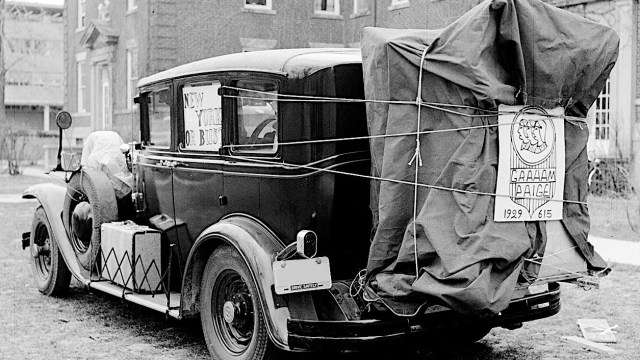
Andy Wittenborn in his 1929 Graham-Paige at East Broad Top Railroad and Coal Company, Pennsylvania, in 1960.

Andy Wittenborn’s 1929 Graham-Paige

Andy Wittenborn, a AAA member from Pleasantville, N.Y., has never owned a new vehicle and never wanted to.

His 1929 Graham-Paige was already antique when he purchased it in 1957. And over the next decade, it took him across the country to pursue his interests in steam locomotives and photography.

Wittenborn always loved trains but didn’t fully develop an appreciation for cars until college in Indiana. That’s where he bought the Graham-Paige for $250. It hadn’t been used in a while. There was old gas in the tank, and when he tried to start it, the valves partially seized. But the owner, a machinist, was able to fix it before handing it over. Wittenborn put a high-fidelity speaker in the trunk and drove it home to Scarsdale, N.Y.

Then, Wittenborn joined the U.S. Army as a photographer. He was stationed in Germany, so the car sat unused for more than two years. When he returned to civilian life, he resurrected the Graham-Paige. He liked its unique features, such side rails for storage and blinds in the rear windows. But it also had wood-spoke wheels, which went flat often. So, he usually carried a couple of spares in the side rails. The car was always in need of some repair, and Wittenborn did most of the work. He was so confident in the old car, he didn’t hesitate to drive it on long road trips, including an epic journey cross-country in 1965.

His friend from the Army asked him to come out to northern California where he was working on a project for the U.S. Forest Service. So Wittenborn set out from New York on a three-week trip, with lots of pit stops.

“I would drive during evening until 1 a.m. and then pull off. I drove across the Midwest on interstate 80 at 45 mph, and the car was happy. As soon as I hit Rocky Mountains, it started overheating,” he said. “On the whole trip, I had nine flat tires.”

When he arrived in California, people were surprised by the old car. Wittenborn joined the project for a couple of weeks, then he and his friend left for home on an indirect route to see various railroads. It was slow going because of car problems and dwindling funds. They took temporary jobs building houses in Colorado before hitting the road again, eventually making it back to the East Coast.

“I drove that car for a while, then bought a 1940 Plymouth for $50. It was like night and day,” he said.

Wittenborn cherishes the memories of the Graham-Paige, though he’s owned other antique cars since. He has a fondness for Franklins. He and his wife used his 1933 Franklin in their wedding announcement, and they are members of the H. H. Franklin Club. He’s the club photographer.

Man with red sports car
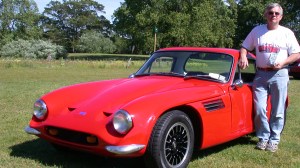
Rolf Beuttenmuller at a car show with his award-winning Vixen.

Rolf Beuttenmuller’s 1970 TVR Vixen S2

Rolf Beuttenmuller, a AAA member from Bellport, N.Y., gets a lot of questions when he’s driving his 1970 TVR Vixen S2. Most people have never heard of it.

The British-made car is rare – one of only 424 built and 177 exported – and highly sought after, according to Beuttenmuller. They were hand-built on a tubular frame with a fiberglass body, and the mechanicals were by other manufacturers, he said.

car engine

His car has a 1.6-liter Ford Cortina GT engine. It was recently rebuilt by a professional, taking it from 92 to 150 horsepower on a small-bodied vehicle that weighs only 1,600 pounds.

Otherwise, Beuttenmuller has performed most of the repair work himself, including two frame-off restorations. He also stripped and repainted it the current red, and completely rewired it.

“It’s now a reliable driver with lights that don’t flicker on and off. Electrics in British cars are notoriously bad,” he said.

Beuttenmuller bought the Vixen used for $2,400 in 1972, when he was in the U.S. Air Force stationed in England.

He will always remember his test drive.

He started off slowly and cautiously until the owner told him he had to “kick it in the butt” to fully appreciate it. Then, he fell in love.

“I didn’t care that it is the most impractical car I have ever owned,” he said.

Fifty years later, he feels the same exhilaration when he’s behind the wheel.

“I have to rein in the teenager that lurks within me when I hit the pedal. It is like driving a large go-cart,” he said.

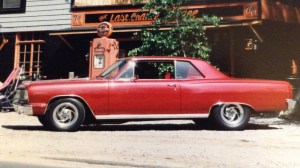
Red car amid 1960s-style backdrop
Ed Pater’s 1964 Chevelle amid a period backdrop.

Ed Pater’s 1964 Chevelle Malibu

Ed Pater, a AAA member for Wolcott, Conn., purchased his 1964 Chevelle Malibu two-door sport coupe in 1988. It had only 58,641 miles on it, though it had traveled around the country and oversees with its original owners, a military officer and his wife.

“They bought it new. I have the original paperwork and title,” Pater said.

It didn’t have the horsepower or the bucket seats it has now. Pater made those modifications and more.

“In 1990, I had my friend give it a wild strawberry paint job. And, that’s how you see it now,” Pater said. “The door panels, dash pad and headliner are original, though.”

As a founding member of the former CT Chevelle Connection car club, Pater took the car out for show much more than he does now.

“It only comes out when I find the time to hit a cruise night, but it does bring out the ‘kid’ in me,” he said. “I try to drive it during summer months. In all the years I’ve had it, I don’t think it’s ever been in rain, let alone snow.”

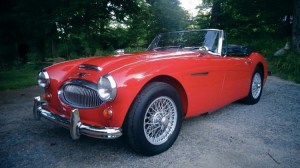
Red sports car in driveway
Jack Sheehy loves the body style of his antique Austin-Healey.

Jack Sheehy’s 1965 Austin-Healey

Jack Sheehy, a AAA member for Sterling, Mass., has owned his 1965 Austin-Healey for about eight years.

“It has a gorgeous body style, a beautiful walnut dashboard, and its inline 3,000 cubic centimeter, 6-cylinder engine purrs like a kitten,” he said.

The car gets a lot of use in the summer, when he and his wife visit car shows.

“We even win an award every now and then,” he said.

It’s only broken down once, on the Lowell connector, right after he purchased it. He and his daughter pushed it off the road, then Sheehy called AAA and got a tow the rest of the way home.

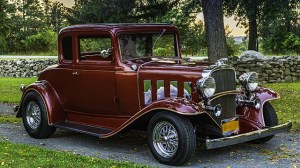
Dark red old car in park setting
Robert Almond’s 1932 Chevy reflects its setting in its shiny chrome.

Robert Almond’s 1932 Chevy

Sheila Almond, of Goshen, N.Y., likes the looks of her husband’s 1932 Chevrolet as well as the looks they get from people when they roll around in it.

The exterior is wild strawberry red with gold trim. The interior is dark red. The 350- horsepower motor is detailed in chrome, and the structure is wood.

They’ve owned the five-window coupe with a rumble seat since 2016.

“It was a retirement present for my husband, who never thought it would be possible to own his dream car,” Almond said.

Do you have an antique vehicle? Tell us about it using this form, and we may add your story to this feature.

Whether you own a classic car for show or pure pleasure, you need the proper insurance. Learn the essentials of protecting your pride and joy.

Subscribe to Your AAA Newsletter

Sign up and receive updates for all of the latest articles on automotive, travel, money, lifestyle and so much more!

Connecticut Spa Days and Relaxing Getaways

Connecticut may be one of the smallest states in the U.S., but it sure is mighty. From outdoor activities to an impressive food scene, there’s plenty of reasons to visit – and keep returning. If you need an escape from your everyday stresses (and who doesn’t these days?), book a quick getaway to a Connecticut spa, resort or inn for some rest and relaxation.

Old Saybrook, Conn.  

Located on the marina in Old Saybrook, the AAA Four Diamond Saybrook Point Inn, Marina & Spa is a charming escape that exudes the culture and character of coastal New England. This Connecticut spa has welcomed guests for over 130 years and is equipped with Swiss showers, a hot tub, sauna, steam room, a massive pool and a long list of indulgent spa treatments that will relax, soothe and pamper your every whim.

Take a break from spa-ing and enjoy a lobster roll poolside or enjoy waterfront dining at Fresh Salt, where the fresh waters of the Connecticut River meet the salt of Long Island Sound.

While you can easily spend a full weekend at the inn without ever having to leave, those interested in venturing out can grab one of the complimentary bikes and head to downtown Saybrook’s historic Main Street for local art galleries, antique shops, stylish boutiques and eclectic eateries.

New Canaan, Conn.

New Canaan draws in visitors with lush parks, antiquing, clothing shops and chic restaurants, and keeps them there with gorgeous lodging and relaxing Connecticut spas.

Dating back to the 1700s, the Roger Sherman Inn is an enchanting bed and breakfast with historic charm. Expect to enjoy live music, delicious food, the tranquil gardens on the grounds and a sunset on the wraparound porch.

Plan a half-day of pampering at the Ciel Eau Day Spa and indulge in a luxurious massage, facial or nail services from the extensive spa menu. You want to be sure to leave some time for discovering downtown New Canaan and perusing the many swanky boutiques and shops that line the streets.

After working up an appetite from a day of total relaxation and retail therapy, hit up Elm restaurant, where chef Luke Venner is the brains behind seasonal and locally inspired dishes like squash blossom pizza and lobster salad with corn, avocado and manchego.

connecticut spas

Mystic, Conn.

You can’t miss the Mystic Seaport when visiting Connecticut, a popular ocean and riverfront village known for its Colonial-period buildings, shopping on Main Street and fresh seafood. (Check out our list of fun things to do in Mystic, Conn.)

The town is scattered with some of the most relaxing Connecticut spas including Le Spa and Mystic Massage and Wellness, ready to help detox your mind and body with massage, facials, reiki (a Japanese technique for stress reduction and relaxation) and more.

For relaxation on the water, enjoy the famous Mystic view from a sailboat with Argia Mystic Cruises, which offers day sails and sunset cruises from May to October.

When you get hungry you can’t miss the Oyster Club, a popular spot in Mystic where the menu changes daily with delicious dock-to-table delights. Weather permitting, head directly above the restaurant to the open-air treehouse for a more casual dining experience.

Rest for the night at The Whaler’s Inn, which has been a site of hospitality in downtown Mystic for over 125 years. The inn retains many historical touches, while the decor pays homage to the area’s nautical heritage.

Morris, Conn.

Tucked away in the Litchfield Hills of northwest Connecticut, Winvian Farm has long been an extraordinary getaway for rejuvenation for travelers from far and nearby.

The AAA Five Diamond Hotel is set on a 113-acre private estate and features the Winvian Spa, a 5,000-square-foot structure with a 40-foot swimming pool.

This Connecticut spa offers a wide range of innovative spa treatments like chromo therapy tub treatment, a hydrotherapy experience or a salt glow body treatment.

The cottages that surround the property each provide a unique experience. Guests can book a night in the treehouse, the log cabin, the greenhouse or the library cottage. The hotel’s amenities include the AAA Five Diamond Designated Restaurant at Winvian Farm, organic gardens, fitness classes and activities like skiing, horseback riding and hiking.

Go to www.ctvisit.com to find more fun things to do in Connecticut.

Plan and book your next trip with AAA Travel

How do you like to relax in Connecticut? Tell us in the comments.

Subscribe to Your AAA Newsletter

Sign up and receive updates for all of the latest articles on automotive, travel, money, lifestyle and so much more!

Tips for Traveling With Autism

Preparing for a trip is exciting, but it can also be stressful. From figuring out your mode of transportation to booking accommodations and mapping out attractions, there’s an added level of considerations to be made if your child, significant other or family member has an autism spectrum disorder.

The prevalence of autism in the U.S. has risen from 1 in 125 children in 2004 to 1 in 44 in 2021, according to the Autism Society, making traveling with autism a situation more and more families have to think about.

Traveling with someone with autism requires some extra preparation and patience. Here are our tips for planning for a trip with adults or children on the spectrum.

Recognizing the Challenges

Learning how to travel with an autistic child or family member with special needs may pose some specific challenges. Changing a routine, navigating unfamiliar environments and the potential for significant sensory stimulation (loud noises, bright lights, etc.) can all cause your loved one discomfort and/or stress.

Only 13% of parents with a child on the spectrum said they take family vacations, according to a survey by the International Board of Credentialing and Continuing Education Standards. An even smaller 11% of these parents said they are “satisfied with current travel options for families with autism,” but 93% said they would be “more inclined to travel if autism certified options were available.”

Pre-Travel Prep

“While a lot of research shows that travel is one of the most intellectually stimulating events for individuals with autism, there are very few travel options that are trained and prepared to meet the needs of those on the spectrum,” according to the Autism Society.

When planning your trip, consider talking to a travel advisor who went through a Certified Autism Travel Certificate program – also referred to as Certified Autism Travel Professional.

“I highly recommend using our AAA travel advisors with a SmartDepart Certification and an Autism Travel Certification,” said Stacey Crowley, AAA Travel Business Operations Manager. “They have all the information you need to navigate through all the pieces of your trip with ease!”

You can also find certified destinations via AutismTravel.com, a resource created by the IBCCES. Destinations with certified autism centers will have resources like quiet rooms and at least 80% of their staff is trained in the field of autism.

Other Resources

If you’ll be traveling by plane, the TSA Cares helpline offers travelers with disabilities, medical conditions and other special circumstances extra assistance during security screenings. Call 72 hours before traveling with your questions about the security screening process. Call 855-787-2227 or email TSA Cares.

You can also request a passenger support specialist, fill out a TSA Disability Notification Card or apply for TSA PreCheck.

“If a passenger with a medical device, medical condition or a disability is approved to use TSA PreCheck, he or she does not need to remove shoes, laptops, 3-1-1 liquids, belts or light jackets during the screening process,” according to the TSA. “However, everyone is required to undergo screening at the checkpoint by technology or a pat-down.”

For more information on what to expect at the airport, see this document from the TSA and/or these PreCheck and screening tips from the IBCCES.

TSA PreCheck enrollment is now available at select AAA branches. Learn more.

When it comes to hotels, parks and other attractions, see if the location is a Certified Autism Center and consider getting a IBCCES Accessibility Card, a free resource to help individuals with cognitive disorders or physical impairments identify helpful accommodations when visiting certified attractions.

Working Together

There are several steps you and your loved one can take to make your next trip less stressful. Consider marking your trip on the calendar.

“It is important to determine how much preparation a specific person may need,” according to the Autism Society. “For example, if your son or daughter has a tendency to become anxious when anticipating an event that is to occur in the future, you may want to adjust how many days in advance you prepare him or her.”

To help prepare your family member for your travels, another option is making a social story or going through a detailed schedule of your trip.

“Let them help in the planning, come to your local branch and pick up some maps or tour books, watch YouTube videos of the rides at Disney you want to go on,” said Crowley. “Getting them invested in the trip will help add excitement and lets them feel like they are in the driver’s seat.”

As your departure approaches, do everything you can to help your child or relative feel as comfortable as possible. This means prepacking their favorite snacks, following your normal nightly/morning routines prior to your trip and bringing a comfort item. Consider a back-up comfort item as well.

“Having familiar items readily available can help to calm stressful situations,” according to the Autism Society.

Other tips include looking at pictures/videos from a previous trip. This helps remind them how fun traveling can be and remind them that they’ve done it before. If you’re going to be traveling for an extended period of time, whether it be via car or plane, consider exercising or playing beforehand to help them burn some energy.

traveling

Traveling by Plane

At the airport, consider doing a practice run or role-playing what will happen during the different stages of boarding the plane. Also, consider bringing noise-cancelling headphones if your relative or child is sensitive to this type of stressor.

On the plane, help combat the discomfort of ear popping due to air pressure changes with a piece of candy or gum, or a chewing toy or pacifier for toddlers and infants.

Once you’re safely in the air, keep everyone entertained by watching a movie, listening to music or playing a game on a device. For younger kids, coloring books, toys and putty are good options, too.

If your child or family member is especially anxious about the plane ride, consider setting up a countdown timer. This way they’ll know exactly how much longer the flight will last.

Stay Positive

Be prepared, keep an open mind and have confidence in recognizing your child, spouse or family member’s comfort level.

“Know how much noise and other sensory input they can tolerate. Know their level of anxiety and the amount of preparation it may take,” according to Autism Society. “If you detect that a situation may be becoming overwhelming, help them find a quiet area in which to regroup. And there may be some situations that you simply avoid (e.g., crowded shopping malls the day after Thanksgiving). Know their fears and those things that will make the season more enjoyable for them.”

When planning your next trip, trust your gut and utilize as many resources as you can. Don’t be afraid to ask for assistance.

“I just want families to know that it is possible to travel and have those vacation memories everyone dreams of,” said Crowley. “There are a ton of great resources out there to help guide you through vacation planning, and AAA is one of them that you definitely want to use. We are always here for you, so let us do the heavy lifting so you can relax and enjoy. There is such a great big beautiful world out there and everyone deserves a chance to explore it!”

Get more information about accessible travel. 

Subscribe to Your AAA Newsletter

Sign up and receive updates for all of the latest articles on automotive, travel, money, lifestyle and so much more!

#trending: Empty Cities and Easier Passport Renewals

A Visual Time Capsule

Trending

Shuttered restaurants. Empty streets. Abandoned storefronts. Most of us remember the shutdown scenes from the first few months of the pandemic. A new book from teNeues preserves the early 2020 phenomenon into a visual time capsule.

Cities of Silence: Extraordinary View of a Shutdown World” features photos from 60 cities throughout the world, eerily bare and shrouded in silence. From an empty Parisian cafe to a deserted Brooklyn Bridge, the book gives a glimpse into a rare moment of history when the world’s doors closed and residents were stuck at home.

Passport to Convenience

Trending

You may soon be able to renew your passport online, thanks to an executive order issued by President Joe Biden in December. Currently, passports are renewed in person at a passport agency or via mail, with an average processing time of eight to 11 weeks.

The order could also improve the screening experience at airports: It instructs the Secretary of Homeland Security to test new technologies to reduce passenger wait times at security checkpoints. (Yay!) No timetable has been set for the orders.

Learn about AAA passport services

Subscribe to Your AAA Newsletter

Sign up and receive updates for all of the latest articles on automotive, travel, money, lifestyle and so much more!

5 New York City Secrets

We all know about the must-sees in New York City: Times Square, the Empire State Building, Central Park, the Statue of Liberty and other well-visited landmarks. But do you know about the magical, overlooked places tucked away from the crowds? The undiscovered curiosities that are often just as delightful – and much less frenetic – than the blockbuster attractions?

A Papal Sanctuary

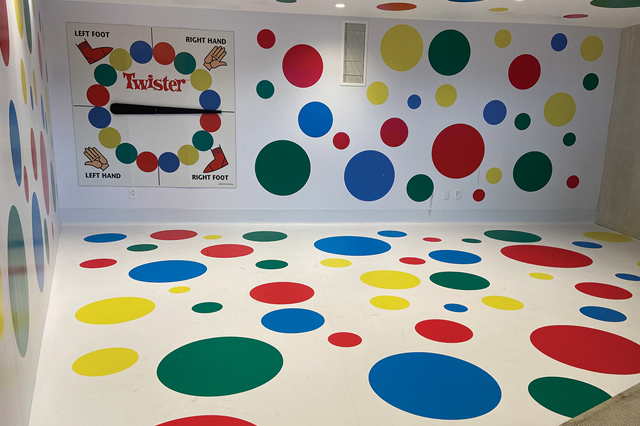
The lobby of the TWA Hotel is an homage to midcentury modern style: There’s even a giant Twister room inside the new hotel at the JFK Airport. But the true secrets lie in the Ambassadors Club, where popes could rest privately between their TWA flights in a gilded room far from the crowds.

Cryptic Carvings

It’s easy to miss the elaborate scenes carved into the pillars of Bethesda Terrace in Central Park. But take a closer look and you’ll be rewarded with intricate portraits of fauna, flora and whimsical details of the four seasons. Kids will especially love searching for a rooster, an owl and a witch flying atop her broom.

Take 5 5 Hidden Secrets in New York City

Majestic Mascots

They’re not exactly “secret,” per se, but the two marble lions standing sentry outside the New York Public Library’s flagship Manhattan branch have names. They are Patience and Fortitude, given their nicknames by Mayor Fiorello LaGuardia during the Great Depression.

Hidden History

You can see remnants of some of the city’s oldest buildings on Broad Street in the Financial District. An archaeological dig in the late 1970s unearthed the foundation of the circa-1670 Lovelace Tavern, which is displayed under glass.

A Grand Mystery

In the midst of one of the city’s busiest spots, you can stand near an archway, whisper into it, and someone listening 30 feet away at the other end can hear it. You’ll find the Whispering Gallery in the lower level of Grand Central Terminal, right outside the Grand Central Oyster Bar restaurant.

Plan your next trip to New York City with a AAA Travel advisor or with the AAA Mobile App. 

And don’t forget you can save on Broadway shows and more with AAA Tickets. 

Subscribe to Your AAA Newsletter

Sign up and receive updates for all of the latest articles on automotive, travel, money, lifestyle and so much more!

New and Used Car Prices Climbing to Record Highs

You may experience an extreme case of sticker shock the next time you visit the car dealership. The average new car price in December 2021 was more than $47,000, up 14% (or nearly $6,000) from the same period just one year prior.

The price rise is the result of dueling extremes in automobile supply and demand. The latter has been historically high for months. It has been fueled by factors including more workers returning to the office and needing cars to get there and people having more cash on hand to purchase vehicles because of the reduction in activities like vacations and dining out. Plus, auto loan interest rates remain low.

But as demand for vehicles has surged, supply has dwindled. Auto manufacturers around the world have been suffering from a global computer chip shortage and drastic supply chain issues.

The result is record-low inventory numbers. There were fewer than 900,000 new cars available for sale to American consumers last fall, according to Cox Automotive. That’s down from nearly 2.5 million in 2020 and 3.5 million in 2019.

The outlook doesn’t look much more promising, as the current war in Ukraine has already showed signs of disrupting supply chains even further.

All of this turmoil is ultimately paid for by the consumer. In February, Edmunds reported that more than 80% of new car buyers are paying above sticker price. The effects of the volatile new-car market has now trickled down to used cars.

With less new model year vehicles available, shoppers have been turning to used cars, making them hot commodities. In turn, the average listing price for a used car has risen to a record-high $28,000.

Don’t let high prices scare you off from purchasing a new vehicle – and don’t spend more than you need to. As always, AAA is here to help. AAA’s Auto Buying Program allows you to compare vehicle reviews and lock in savings before visiting the dealership. Members save an average of more than $3,400 on new vehicles.

Subscribe to Your AAA Newsletter

Sign up and receive updates for all of the latest articles on automotive, travel, money, lifestyle and so much more!

Gone Glamping

Have you ever wanted to spend a night in a tepee, get cozy in a lushna or stargaze from a safari-style tent?

You’re in luck. These whimsical lodgings are part of a travel trend called “glamorous camping,” commonly known as “glamping.”

These digs come with a variety of modern features such as air conditioning, indoor bathrooms, solar-powered lights, Wi-Fi and king-size beds with luxe linens. Not to mention many glamp-sites have perks like saunas, hot tubs and fire pits, on top of insane vistas that look out to the desert or onto the mountains.

Windham, N.Y.

Nature lovers rejoice! Eastwind Hotel & Bar in the Catskill Mountains is equal parts wilderness and glam with hiking trails within walking distance and a hotel lounge with a bar and a sauna nearby. The hotel offers lushnas, miniature A-frame huts with a mesmerizing view of Windham’s ski slopes. Cabins are available year-round for about $250 a night and are equipped with a cozy queen bed and gorgeous heated bathrooms just a few steps away.

Valle, Ariz.

Under Canvas offers glampers canvas safari tent accommodations 20 minutes outside Grand Canyon National Park. The two-person Stargazer tent has its own viewing window above the king bed to peruse the starscape, an en-suite bathroom and a wood stove to keep you toasty. This tent is available from April-October and starts at $189. It includes all meals with the option of booking separate adventures, because hiking though the Grand Canyon on this trip is a must.

River Ranch, Fla.

Get your countryside vibe and stay in a tepee year-round at a dude ranch in the Sunshine State. Westgate River Ranch Resort & Rodeo is a glamp-ground located on some of Florida’s last untouched land along the Kissimmee River. The lavish tepees come fully furnished with a fireplace and a porcelain bathtub. The tepee lodgings start at around $555 per night and can accommodate four people. River Ranch also offers all-inclusive activities, such as horseback riding and airboat rides.

Plan and book your next getaway with AAA Travel

Subscribe to Your AAA Newsletter

Sign up and receive updates for all of the latest articles on automotive, travel, money, lifestyle and so much more!

Synthetic vs. Conventional Oil: Which Should You Use?

Motor oil plays a critical role in keeping your car running smoothly. Its fundamental purpose is to lubricate the moving parts of the engine to prevent friction and overheating, which can cause major damage. But today’s motor oils do much more, such as keep the engine clean and protect it from wear and corrosion.

The improvement of motor oil is thanks in large part to the evolution of synthetic oil. Once used primarily in aircraft engines and high-performance vehicles, it’s now common for everyday car owners to opt for synthetic oil instead of its conventional counterpart.

But is it necessary to make the switch? What are the advantages and drawbacks? Here are the answers to all your synthetic vs. conventional oil questions.

What’s the Difference Between Synthetic and Conventional Oil?

Although they may appear the same to the naked eye, synthetic and conventional oil are significantly different when you get down to the molecular level. The latter is derived from refined crude oil. Synthetic, on the other hand, is an engineered product made from high-quality base oils. It comes in fully synthetic and synthetic blend varieties.

Both synthetic and conventional oils are mixed with additives to give them the optimal physical properties for lubricating a car’s engine.

Is Synthetic Oil Better For Your Engine Than Conventional Oil?

Yes. Conventional oil is less chemically stable, causing it to break down and lose its protective qualities faster. Because synthetic oil is made from high-quality oil (opposed to the crude oil found in conventional), it is more chemically stable, allowing it to better retain the physical properties needed to properly lubricate a car engine.

Synthetic oil’s high quality keeps your car engine cleaner and more protected. It also resists damage from high temperatures and flows better than conventional oil in cold temperatures.

Does Synthetic Oil Last Longer Than Conventional Oil?

In general, using synthetic oil will allow for longer intervals between oil changes. However, this is highly dependent on the brand of synthetic oil you use. Brand recommendations can range anywhere from 3,000 to 20,000 miles. Other factors, such as such as driving style and conditions, will also affect how often you need to change your oil.

No matter what kind of oil you use, always follow the oil change frequency recommendations in the vehicle owner’s manual.

synthetic vs conventional oil

Which is Cheaper?

Up until this point, synthetic oil seems like the clear winner. But the battle of synthetic vs. conventional oil isn’t over until you factor in the all-important price tag – and that’s when things start to shift. Synthetic oil is significantly more expensive than its conventional counterpart, sometimes up to twice as much. One AAA study found switching from a conventional oil to a synthetic oil will cost drivers on average $64 more per year, or an extra $5.33 per month.

This leads to the next question: Is synthetic oil worth the extra money? According to AAA Car Doctor John Paul, the answer is yes. “In my own cars, I have found by switching to synthetic oil I have had easier cold weather starts, quieter operation and a slight reduction in engine oil temperature,” Paul said. While conventional oil is capable of getting the job done, synthetic oil better protects your engine. This can more than make up the cost difference in the long run. The same AAA study found synthetic oil outperformed conventional oil by an average of nearly 50%.

In conclusion, switching to synthetic oil could be worth the money, especially if you tow heavy loads or operate in extreme hot or cold conditions.

Common Motor Oil Myths

If you switch to synthetic oil, you can never switch back to conventional because it will damage the car’s engine.

False: In most cases, synthetic oil uses conventional oil as a base stock, so switching back and forth will cause no harm.

Synthetic oil will cause my engine to leak oil.

False: Synthetic oil is an excellent detergent cleaner and can wash away oil sludge, which may uncover a previous leak that was being blocked by the sludge. Synthetic oil will not cause any leaks if your car is reasonably well-maintained.

All synthetic oil blends are the same.

False: There are no standards when it comes to the ratio of synthetic and conventional oil that comprises synthetic blends. The blend could contain 50% synthetic oil or 5% and there is no way of knowing. 

Learn more about proper automotive care. Still have questions? Leave them in the comments below.

Subscribe to Your AAA Newsletter

Sign up and receive updates for all of the latest articles on automotive, travel, money, lifestyle and so much more!

Where to Stay and Play in San Antonio, Texas

Experience the sights, sounds and flavors at the crossroads of Southern Texas and Mexico in San Antonio.

Things to Do

River Walk

The River Walk is unquestionably the city’s most recognizable attraction. The 15-mile stretch of the San Antonio River flows through the heart of the city, flanked by tranquil parks, lively cafés and shops. Take a boat tour with GO RIO Cruises for an overview of the waterway and enjoy the people watching.

Shop for artisan crafts or stop for a bite at La Villita or Market Square, billed as one of the largest Mexican marketplace outside of Mexico.

Remember the Alamo

Visit the site of the historic 1836 Battle of the Alamo where Texas won independence from Mexico and became a self-governing republic.

Before it was a fort, the Alamo was the first of five missions along the San Antonio River established by the Spanish in the early 1700’s to educate Native Americans converted to Christianity. Follow the signs to each of the missions on a scenic drive, walk or bike ride through San Antonio Missions National Historical Park.

Hit the Road With Wyndham Hotels & Resorts

With more than 6,500 hotels in North America, Wyndham Hotels & Resorts has a wide range of hotels and resorts to accommodate your travel needs.

Save 10% or More

Tex-Mex Dining

Don’t miss some of the best tacos, enchiladas and guacamole this side of the Río Grande in downtown San Antonio. Some restaurants are open 24 hours – just in case partying along the River Walk leads to a late-night tamale craving.

More

San Antonio is also home to renowned museums, golf courses and gardens. If you have kids, don’t miss the San Antonio Zoo, SeaWold San Antonio or Six Flags Fiesta Texas.

Places to Stay

Wyndham Garden San Antonio Riverwalk/Museum Reach

A modern AAA Three Diamond hotel overlooking the Museum Reach section of the River Walk. Foodies will love that it’s only a short walk to the Pearl District, a vibrant culinary destination.

La Quinta Inn and Suites San Antonio Downtown

Another affordable AAA Three Diamond retreat centrally located in the heart of the action. The wide variety of contemporary room styles includes suites, expanded kings and double bedrooms.

Super 8 by Wyndham San Antonio Downtown NE

It’s all about convenience and comfort at this affordable hotel, just 11 miles from San Antonio International Airport and near the city’s top museums, galleries, shops, golf and attractions. Enjoy the free Wi-Fi, breakfast and outdoor pool.

Book a Wyndham hotel for your San Antonio stay.

Subscribe to Your AAA Newsletter

Sign up and receive updates for all of the latest articles on automotive, travel, money, lifestyle and so much more!

All the Electric Pickup Trucks on the Horizon

It may not have garnered front-page headlines, but a major milestone in automotive history was reached last fall. It took place in the otherwise quiet, ironically named town of Normal, Illinois. There and then, electric vehicle startup Rivian rolled its first consumer-ready vehicle off the assembly line, instantly becoming the first electric pickup truck brought to market.

Pickup trucks represent the final frontier in electric vehicles, which have quickly evolved from tiny sedans to SUVs. The market for the emission-free trucks is expected to grow significantly over the next several years. In other words, the Rivian R1T‘s time in the spotlight alone is coming to a close. It will soon be sharing the stage with a host of competitors. In fact, a number of new electric pickup truck models are right around the corner. Some are already in production, others won’t be available until 2023 (hopefully). Either way, expect to see these vehicles driving on a street near you in the not-so-distant future.

future electric pickup trucks

GMC Hummer

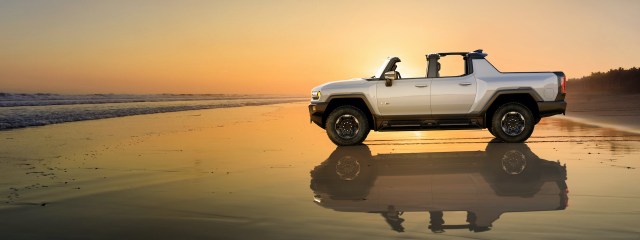
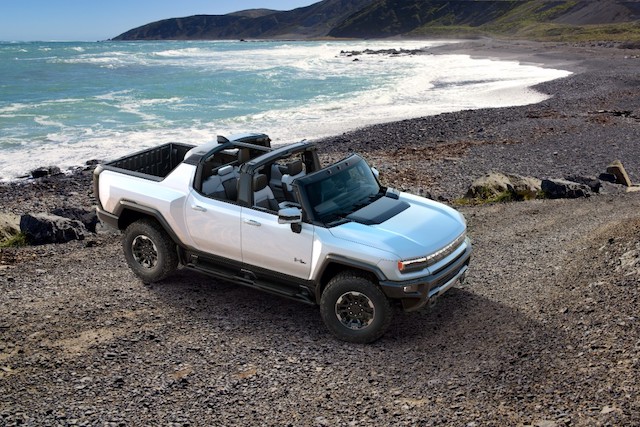
The aughts were full of trends we can safely say the world is better off without. Chief among them was the popularity of the gas-guzzling Hummer. But in true 2020s fashion, the truck has been rebooted with a new owner (GMC) and a new way of moving.

While it was once antithetical to use the terms “Hummer” and “environmentally friendly” in the same sentence, this new, fully electric version is entirely emission free. It’s compatible with the fastest available chargers, enabling owners to gain nearly 100 miles of range in just 10 minutes of charging. The Hummer EV can travel more than 320 miles on a full charge.

The electric pickup truck, which went into production late last year, does have one thing in common with its gas-powered ancestor: it’s a beast of a vehicle. Powered by three separate motors, the Hummer EV produces an unparalleled 1,000 horsepower and 11,500 lb.-ft. of torque. All that strength comes at a price, however. The Edition 1 model came with a price tag north of $110,000. Less expensive versions will be available beginning in the fall.

https://www.youtube.com/watch?v=oc3sQ2UcTlg&list=PLCFM1h5Oz66glrCg2NISP1eYsfcQ6EfIb

Ford F-150 Lightning

Few automobiles have garnered as much pre-manufacturing publicity as the Ford F-150 Lightning. But, then again, few automobiles have had the potential to truly revolutionize American driving. The gas-powered F-150 has been the best-selling vehicle in the U.S. for nearly half a century. Converting owners of the traditional model to those of the Lightning could go a long way in helping EVs carve out a larger percentage of overall cars on the road.

And it appears the Lightning has already struck a chord with pickup truck drivers. In January, Ford announced it would be doubling its production 150,000 trucks per year after receiving 200,000 initial reservations. (For context, there were roughly 725,000 Ford F-150s sold in 2021).

Owners should be more than satisfied when they finally get behind the wheel of the Lightning, which is set to hit the road this spring. The emission-free pickup delivers 563 horsepower, 10,000-pound towing capacity and a F-150 record 775 lb.-ft. of torque. It also is the first vehicle ever with the extremely convenient ability to power your house.

GMC Sierra Denali EV

Not resting on its laurels, GMC is coming out with a second electric pickup truck right on the Hummer’s heels. The Sierra Denali EV’s debut will make GMC the first automaker to offer two such vehicles.

Although it’s set to be revealed later this year, not much is known about the truck yet. The car maker offered a glimpse of the vehicle’s futuristic front end but has offered few other details so far. We do know the pickup truck will be a luxurious one – “Denali” is GMC’s highest trim level.

future electric pickup trucks

Chevrolet Silverado

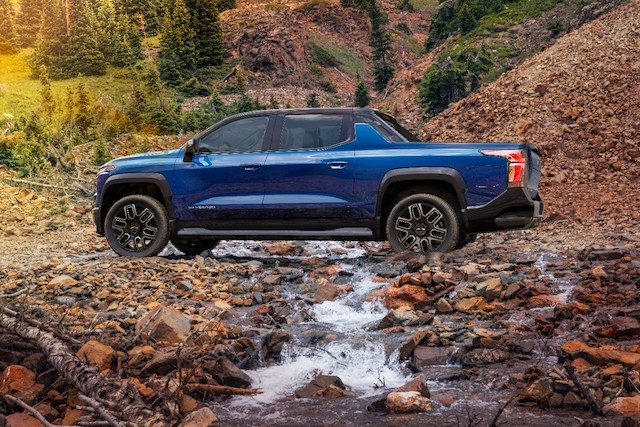
The F-150 may be America’s best-selling vehicle, but the Silverado is not far behind. Drivers purchased more than half a million units of the Chevy truck in 2021, making it the year’s third most-popular automobile. And just like its chief competitor, there will soon be an electric version.

The Silverado EV isn’t set to debut until the spring of 2023, but the payoff may be worth the wait. According to Chevrolet, the pickup truck will have up to 664 horsepower, more than 780 lb.-ft. of torque and be capable of supporting a payload of 1,300 pounds, all while getting from 0-60 mph in less than 4.5 seconds. Those concerned about driving range can sleep easy knowing the Silverado EV is expected to travel an estimated 400 miles on a full charge. Potential owners may also be lured by the opportunity to play hero to stranded motorists as the pickup truck will be capable of charging other EVs courtesy of an accessory charge cord.

future electric pickup trucks

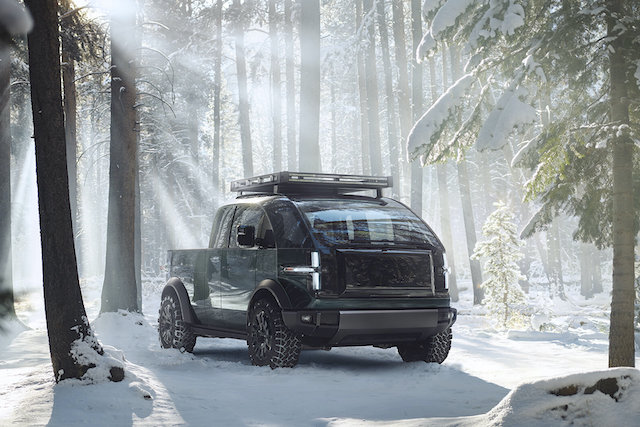
Canoo Pickup

Those looking to couple their advanced technology with futuristic design can wait on bated breath for the Canoo Pickup. Slated to launch as early 2023, the vehicle is complete with an onslaught of features designed to appeal to those using it for work and fun. The Canoo’s modular bed allows it to be divided to hold and secure loads of various shapes and sizes. Speaking of cargo, the vehicle has a payload capacity of a full-size pickup, but the footprint of a mid-size. Other work-focused features include multiple fold-down tables and charge ports accessible from all sides of the vehicle.

When the weekend arrives, Canoo owners can store their gear on the optional roof rack, which is easily accessible by an integrated step ladder. The innovative pickup is also designed to accommodate camper shells.

future electric pickup trucks

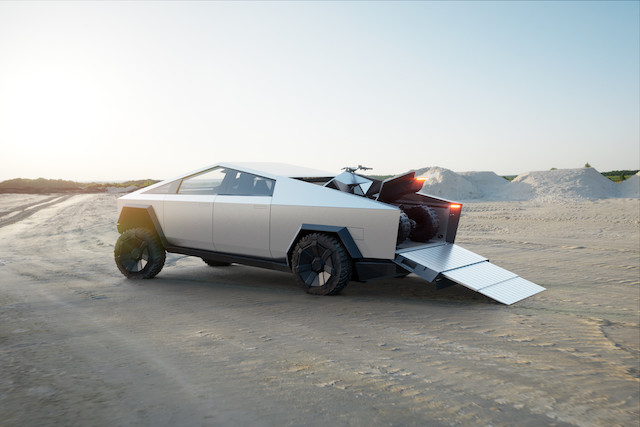
Tesla Cybertruck

The only thing more confusing than the Cybertruck’s appearance is its production timeline. When it was originally unveiled in 2019, Tesla claimed the Cybertruck would be available by late 2021. Before that could happen, production was delayed until 2022. In January, Tesla announced it wouldn’t begin manufacturing until 2023, citing supply chain issues. This coincided with the car maker ridding its website of any references to a production schedule.

For the sake of some much-needed optimism, let’s assume the Cybertruck will indeed be available sometime next year. When that happens, consumers will be privy to a vehicle unlike any they’ve ever seen – assuming Tesla’s claims come true. The pickup’s DeLorean-style monochrome shell is nearly impenetrable. The 100-cubic-feet of exterior storage space can handle 3,500 pounds and be completely covered by a tonneau strong enough to stand on. All this in an electric pickup truck capable of accelerating from 0-60 mph in less than 3 seconds and covering 500 miles on a single charge.

Visit AAA’s Electric Vehicle platform for more information on these cars of the future.

Ready to get behind the wheel of an electric pickup truck (or any new vehicle)? Make sure to download our Free Car Buying Guide, which walks you through every step of the process.

Subscribe to Your AAA Newsletter

Sign up and receive updates for all of the latest articles on automotive, travel, money, lifestyle and so much more!

5 Fantastic Ways to Explore Ireland and the United Kingdom

A visit to Ireland and the United Kingdom tops many American travelers’ wish lists. These stately European islands have an almost magnetic pull. Perhaps that’s because the British Isles offer enough storied history and varied landscapes to enrich and entertain you for weeks on end.

But planning a trip across the Atlantic Ocean can be overwhelming. When it comes to international flights and layovers, visas, currency exchanges and even COVID-19 protocols, some travelers prefer the simplicity of group tours. With an expert-curated tour like AAA Member Choice Vacations, you can leave the day-to-day planning to the pros while boosting your chances of meeting new friends far from home.

Though every group tour unfolds a bit differently, each is designed to include the perfect balance of bucket-list attractions, hyper-local experiences and free time for self-guided exploration or relaxation.

Discover just a few of the exciting ways to tour Ireland and the United Kingdom.

united kingdom tour
Cliffs of Moher

Travel Ireland’s Wild Atlantic Way

Picture yourself beginning the week with an Irish storyteller showing you around a historic Dublin home, then days later finding yourself standing tall atop basalt columns on the legendary Giant’s Causeway. Add in stops for a walking tour in Belfast and a dram of whiskey at Bushmills Distillery, and you’ve got just a hint of the many-splendored Wild Atlantic Way.

Ireland’s iconic tourism trail is brimming with jaw-dropping landscapes, culinary treasures and Celtic history. A guided tour along the Wild Atlantic Way is like getting a front-row seat to the beauty and culture of Ireland. It truly is the best of the Emerald Isle.

For most travelers, a two-week itinerary around the perimeter of Ireland and Northern Ireland is plenty of time to hit the must-see spots like Dublin, Galway, Kilkenny and Glenveagh National Park. A vacation of this length also offers free time, which you can fill with distinctly Irish activities like seaweed foraging in the Ring of Kerry and exploring the Cliffs of Moher.

Ireland, England and Scotland are Calling

Dreaming about traveling to Ireland, England and Scotland? Now is the time to go!

Plan Now

Discover Scotland

The U.K. includes England, Scotland, Wales and Northern Ireland. Though some travelers have time for a whirlwind tour of the entire island nation, many choose to focus on just one country. If you prefer to travel deep rather than wide, you can’t go wrong with Scotland.

Scotland is full of rugged coastlines, rich food and resplendent castles on hills. Those castles hint at the country’s long history and deep cultural traditions. For instance, at Armadale Castle and Gardens, you can learn more about the Isle of Skye and its distinct local Clan Donald history. At Inveraray Castle, on the other hand, you’ll learn about Clan Campbell.

Of course, a trip to Scotland would not be complete without also visiting Edinburgh, Loch Ness, Glasgow or St. Andrews. Along the journey, you’ll soak in the Scottish spirit – both literal and figurative! Guided tours include plenty of opportunities to visit Scotland’s famous whisky distilleries.

Spend a Week in London Town

Traversing the English countryside is lovely, but what about giving yourself a full week in one of the most iconic cities in the world? When you choose a AAA Member Choice Vacations Spotlight on London tour, you unpack once and have the entire trip to explore all the city has to offer, from hallowed Westminster Abbey to inimitable Big Ben.

Whether you’re craving high tea, an ale tasting at a classic British pub or a night or two of live theater entertainment, London offers a multitude of destinations and experiences.

The British capital is an ideal destination for tour travel because it’s so well-connected. For instance, after a walking tour near Buckingham Palace with your local guide, you can quickly hop on the Tube (London’s famous underground metro) toward Tottenham Court Road to meet fellow travelers for a pint near The British Museum. You’ll quickly learn your way around and even have time to revisit outstanding museums and restaurants when you spend a whole trip in one city.

Cliffs of Moher
Dunrobin Castle Gardens

Soak in Britain’s Best Landscapes

If you prefer a slower pace that focuses on the picturesque wonders of the U.K., consider a guided trip to Britain’s landscapes.

In Scotland, explore the rolling hills outside of Edinburgh. Take a tour of the Royal Yacht Britannia for a swan’s-eye view of the city, then head south through the Borders Region, marked by gentle slopes and rural Scottish land. From there, you’ll discover all that England has to offer: ancient walled towns and Shakespeare’s charming countryside birthplace on the banks of the River Avon. In Wales, many travelers enjoy sailing the Pontcysyllte Aqueduct for a unique vantage of one of the country’s most charming villages, Llangollen.

Don’t forget your camera if you decide to take a guided tour of the U.K.’s landscapes. From grassy hillsides and placid lakes to quaint, walled villages, you’ll want to remember the incredibly diverse beauty of the British Isles.

Dive Deep Into Celtic Culture

If you have enough time to explore two places, why not take a Celtic-focused tour of Ireland and Scotland? The ancient Celts traveled all over Europe, but warm Celtic culture is still going strong in these two U.K. countries.

Tour Scotch whiskey distilleries and nibble your way through local meats and cheeses (try haggis made from sheep offal if you dare!). Follow in the footsteps of ancient clansmen on the Giant’s Causeway and the pristine forests of Glenveagh National Park in Donegal.

In Dublin and Edinburgh, take time to discover the historic downtowns, shop for souvenirs and enjoy snacks or drinks at local pubs. Just don’t miss the tour of St. Patrick’s Cathedral in Dublin!

During the afternoons, you can choose to quietly soak in the stories from your guide or meet up for self-guided exploration with new friends.

No matter your travel style, there’s excitement and adventure around every corner of history-rich Scotland and Ireland.

Start planning your U.K. tour today. 

Subscribe to Your AAA Newsletter

Sign up and receive updates for all of the latest articles on automotive, travel, money, lifestyle and so much more!

The History of Crash Test Dummies

Imagine being strapped into a car as it accelerates to 35 mph and collides head-on into a concrete barrier. Then you get into a second car, which is immediately T-boned by a 3,000-pound moving object. As a finale, you’re in a third car as it drives along at 55 mph before hitting a ramp and rolling over.

Welcome to the life of a crash test dummy.

By any measure, cars today are safer than they’ve ever been. That’s in no small part due to the development of crash test dummies. Anthropomorphic test devices, as they’re known in the scientific world, have evolved into highly sophisticated tools capable of closely mimicking a human’s response during a car crash. That information, in turn, is used by researchers, car designers and engineers to make automobiles as safe as possible.

It’s not an overstatement to say these dummies are life savers.

The History of Crash Testing

Before there were crash test dummies, there needed to be crash tests.

When it came to improving vehicle design during the early 20th century, however, safety was a distant-second consideration. Automobile manufacturers instead focused on making cars more aesthetically pleasing, with streamlined bodies, oval windows and wide roof pillars.

Unfortunately, these design features typically made cars less safe. It wasn’t until auto-related fatalities continued to soar in the 1930s and ’40s that car makers began to incorporate safety improvements into their designs.

https://www.youtube.com/watch?v=BPQdlJZvZhE

In 1934, General Motors became the first car maker to crash test its vehicles when it collided an unoccupied car into a concrete barrier. By the 1950s, universities including Cornell, UCLA and Wayne State began conducting their own crash tests, which proved the effectiveness of vehicle safety features, most notably the seat belt.

Increased safety studies, coupled with Ralph Nader’s seminal book, “Unsafe at Any Speed: The Designed-in Dangers of the American Automobile,” forced the government into action. In 1968, the National Traffic and Motor Vehicle Safety Act went into effect, mandating seat belts in all new cars.

The National Highway Transportation Safety Administration was established just two years later. In 1978, the government agency conducted its first crash test, a 35-mph frontal collision. The NHTSA began side impact testing nearly two decades later, and eventually added rollover resistance tests in 2000.

NHTSA is one of the two primary organizations conducting crash tests today, along with the Insurance Institute for Highway Safety. The independent agency funded by America’s insurance companies began its own crash test studies in the mid-1990s. Today’s IIHS tests are more extensive than its government counterpart’s. Not only does IIHS conduct six crash tests to NHTSA’s four, it also studies a vehicle’s crash avoidance and mitigation ability.

The History of Crash Test Dummies

The first crash tests were done on unoccupied vehicles. This usually involved the driver jumping out of the moving car before the collision.

Eventually, cadavers were used to allow researchers to see how crashes affected a human body. But dead bodies, of course, do not react the way living, breathing, moving bodies do. Matters were further complicated when testing progressed to include survivability, something that clearly could not be measured on a cadaver.

Researchers eventually moved on to using animal subjects, including primates and even bears. The most commonly used animal, however, was a pig due to the fact that it has the same thoracic and abdominal organs as humans. While testing on living creatures provided new insight, the significant differences between man and animal prevented researchers from gaining practical crash test data. A better solution was needed.

The history of crash test dummies began in the 1940s, when they were developed for the U.S. Air Force to use in the testing of aircraft ejection seats. The first dummy was created by Sierra Engineering Company and Alderson Research Laboratories, named after founder Sam Alderson. Their humanoid invention was aptly dubbed “Sierra Sam.”

In 1968, Alderson debuted the first crash test dummy designed specifically for automotive testing. It was known as the VIP, short for “vehicular impact personnel.” Consisting of a steel rib cage, articulated joints, flexible neck and cavities to hold instrumentation, it was designed to mimic the acceleration and weight distribution properties of an average male, according to the American Physical Society. The VIP series expanded to include crash test dummies that represented large males and averages females.

history of Crash Test Dummies
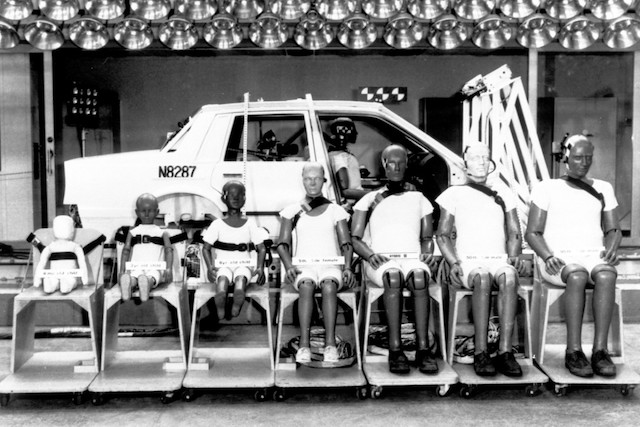
The Hybrid II series of crash test dummies

The Hybrid Dummies

Up until the early 1970s, crash test dummies were supplied by independent companies. That all changed when General Motors became dissatisfied with the options on the market and developed its own, instead.

In 1971, the auto maker created the Hybrid I dummy, which incorporated features from the VIP series, along with those from Sierra Engineering and some of GM’s own designs. It was followed the next year by Hybrid II, which more closely mimicked human anatomy and provided consistent results.

These early Hybrid were primarily designed to test the effectiveness of seat belts, according to Humanetics, one of today’s premier crash test dummy manufacturers. A more sophisticated dummy would be needed to determine the effect a crash would have on the head, neck and limbs of car occupants, including those of different genders, ages and sizes.

GM solved this before the close of the decade with the introduction of the Hybrid III. Not only was it the most humanlike crash test dummy ever made, it contained 41 channels of information. (The Hybrid II had just eight.) This allowed researchers to precisely measure injuries to susceptible parts of the body, including the head, torso and legs.

Originally developed to replicate an average male, the Hybrid III line was expanded in the 1980s to include large male and small female dummies. Child models were introduced in the 1994.

Vince and Larry

Fewer than 20% of Americans reported wearing seat belts in the early 1980s, more than a decade after the safety feature became mandated in all new cars. To spur a change in public behavior, NHTSA unveiled a new advertising campaign in 1985 aimed at getting drivers and passengers to buckle up.

And who did the agency call upon to direct the public’s attention to this life-saving issue? Crash test dummies, of course.

With the tagline, “You could learn a lot from a dummy,” the campaign consisted of television and radio commercials featuring dummies named Vince and Larry. In each ad, the dummy duo experiences the painful consequences of not wearing seat belts.

The ingenious marketing tactic worked wonders. Seat belt use in America doubled the year after Vince and Larry made their national debuts. By the time the campaign ended in 1998, roughly 70% of vehicle occupants were wearing their seat belts.

Today, you can find the Vince and Larry dummies in the Smithsonian.

Today’s Crash Test Dummies

The Hybrid III crash test dummy holds rank as the industry standard to this day. However, it was designed specifically for use in frontal impact tests. Since many car crashes involve other impacts, new models have been developed over the past 30 years.

The Side Impact Dummy (SID) and ES-2 measure injuries during side collisions, as does the BioRID during rear impacts. Several child-sized dummies have also been created to evaluate child restraint systems. These include the Civil Aeronautical Medical Institute (CAMI) models representing infants and the Child Restraint and Airbag Interaction (CRABI) series simulating small children.

Learn more about automotive history.

Subscribe to Your AAA Newsletter

Sign up and receive updates for all of the latest articles on automotive, travel, money, lifestyle and so much more!

The Most Stunning Scenic Locations in the Northeast

As we continue to ease back into traveling, one thing we’re all likely looking for are wide-open spaces. That, of course, means the great outdoors. And there’s no better region for scenic sightseeing than the Northeast, where lush forests cover rolling hills across each state and miles upon miles of coastline are blanketed with picturesque beaches. Here are a few of the most scenic locations in the Northeast.

White Mountains - scenic locations
(“The White Mountain National Forest, New Hampshire, USA” by weesam2010 is licensed under CC BY-NC-SA 2.0)

The White Mountains

The White Mountains cover roughly one quarter of the state of New Hampshire. The region is home to the White Mountain National Forest as well as several state parks.

The mountain range contains numerous hiking trails that can lead to waterfalls and scenic outlooks or all the way to the top. Although these are some of the most rugged mountains in the Northeast, the view from the top is worth the effort.

If instead you enjoy staying grounded, take a drive along the Kancamagus Highway. This 34-mile stretch of road carves through the mountains, running alongside several different rivers.

Letchworth State Park

Any place known as the “Grand Canyon of the East,” certainly has some big shoes to fill. But Letchworth State Park, located in western New York, lives up to the billing.

Instead of the Colorado, it’s the Genesee River that carves through the gorge, traveling over three major waterfalls and reaching heights of 600 feet. The park has more than 60 miles of hiking trails, ensuring you’ll be able to find the perfect lookout spot to witness the bucolic sights.

Heublein Tower

Heublein Tower sits atop Talcott Mountain in Simsbury, Connecticut. The 165-foot structure was built in 1914 and originally served as a summer home for a prominent local family.

Today it’s known for providing some of the best views of the Nutmeg State and beyond. Perched atop the 1,000-foot tall mountain, visitors to Heublein Tower are provided with panoramic views of the Farmington River Valley, Long Island Sound and the Berkshires. You may even be able to catch a glimpse of Mount Monadnock, 80 miles away in New Hampshire.

Aquinnah Cliffs - scenic locations
(“Blue Moon Rising” by Massachusetts Office of Travel & Tourism is licensed under CC BY-ND 2.0)

The Aquinnah Cliffs

Beyond the gingerbread-style homes and the postcard-esque downtowns lies an even finer sight on Martha’s Vineyard: the Aquinnah Cliffs. The natural wonder, carved by glaciers millions of years ago, rises up from the beach on the island’s southwestern tip.

Visitors can walk along the beach below to get an up-close view of the clay cliffs, which are unlike any type of formation you’ll likely see on a New England Beach. Guests can also take the upper trails to catch a glimpse of the Gay Head Light and nearby Elizabeth Islands.

The Berkshires

The Berkshires, a region of mountains and forests in western Massachusetts, has long been known as one of the most scenic locations in the Northeast. It’s at its best once the temperatures drop, becoming a premier destination for fall foliage. Your best bet for picturesque views is taking a drive along the Mohawk Trail. The road, now a designated scenic tourist route, carves through the Berkshire mountains for more than 60 miles.

Cadillac Mountain - scenic locations
(NPS / Kristi Rugg)

Cadillac Mountain

A top attraction within Acadia National Park, no list of the top scenic locations in the Northeast is complete without Cadillac Mountain – and for good reason. For several months of the year, visitors who trek to the top early enough can be the first to witness the sunrise in the United States.

Even if you miss the morning light, a trip to the top of Cadillac Mountain is a worthy sightseeing expedition. At 1,500 feet, it’s the highest peak on the Eastern Seaboard. Visitors can experience an unparalleled 360-degree view of Maine’s coast along with lush greenery and the vast Atlantic Ocean.

Lake Champlain

Vermont may be a landlocked state but one look at Lake Champlain will have you forgetting all about the ocean. With nearly 600 miles of shoreline and 71 islands, there’s more than enough territory to explore and take in the sights. There are three bridges crossing the lake, connecting Vermont to New York, creating the perfect opportunity for a picturesque drive.

The surrounding region is just as eye-catching. Endless trees cover the hillsides and the nearby Adirondacks tower to the west. There are also miles of trails perfect for a short hike. Visitors who make it to the end are gifted with spectacular vistas as far as the eye can see.

Need a ride? AAA members can save up to 20% on Hertz rentals.

Tell us your favorite scenic locations in the Northeast in the comments below. 

Subscribe to Your AAA Newsletter

Sign up and receive updates for all of the latest articles on automotive, travel, money, lifestyle and so much more!

How Much to Tip Valet When Parking

In the ideal valet scenario, you pull up like one of the cool guys in the movies, toss your keys to the driver with a wink and ask him to “keep it close.” What happens in reality? Not so smooth.

In what is often a confusing and sometimes hectic situation, many are left guessing when it comes to proper valet protocol. How much to tip valet? Where to stop the car? Do you tip at drop off or pick up? What we should do and what’s right to do is not always clear-cut.

We spoke to lifestyle and etiquette expert Elaine Swann, aka “The Etiquette Lady,” for her advice and asked valets from Teller’s Chophouse in Islip, N.Y., for their take.

how much to tip valet

Although trusting a stranger with the keys of one of your most expensive possessions can be a bit unnerving, valet service is offered at high-end hotels and restaurants to elevate your overall experience at the establishment and can make it even more enjoyable. As Teller’s General Manager Frank Ferraro puts it, “The valets are working hard to make you happy.”

No doubt it is a luxury to walk out of a restaurant stuffed to your eyeballs and not even have to move to retrieve your car. And what a treat door-to-door service is on a rainy or freezing night!

If you choose to take advantage of valet service (keyword: service), it is not a question of if you should tip, but how much to tip valet. “It is always a good idea to tip the driver,” said Swann, who suggests leaving the gratuity when you return to pick up your car. Tips are commonly pooled so you don’t usually have to worry about tipping twice if the person who parked your car is different than the one who retrieved it.

Of course, if you want any extra attention, like if you want them to “keep it close,” the valet at Teller’s reveals that a slightly larger gratuity beforehand is the norm. I’m pretty sure that’s how the cool guys in the movies make it look so easy. I don’t know about the wink though. Maybe you shouldn’t do that.

In general, how much to tip valet depends on the level of help and accommodation provided. “The tip can be anywhere between three to five dollars depending on the service,” says Swann. Sometimes the valet will go above and beyond for you, carrying bags or gifts, going back to your car to get something you forgot, or even helping with directions and information about where you are going. “If they do anything for you other than just parking your car, then definitely give a larger tip.”

Also, consider the circumstances. The valets at Teller’s say that they appreciate any tip, but a little extra during times of inclement weather or bitter cold is always nice.

how much to tip valet
(Photo: Philip Lange / Shutterstock.com)

Swann recommends checking in with the hotel or restaurant in advance to see if valet service is included or can be added to your credit card. For example, some hotels will allow you to add the valet tip to your room charge. But most of the time, tips are earned and collected by the valets themselves, so you want to make sure that you have enough cash on hand.

Naturally, common courtesy goes a long way in determining the level of service you will receive. Simply being polite was the top solution from the valet at Teller’s for helping the entire process go smoother, not just for them, but for everyone in the lot. It also cuts the chance that they’ll take your Lambo out for a test drive while you’re eating. Just kidding.

Swann goes back to the basics, stressing the importance of saying “please” and “thank you” and establishing a friendly relationship with the valet. “If they’re wearing name tags use their first name so that way you have a connection with them. It will make them feel better about taking care of your car and taking care of you.”


To make parking as seamless possible, avoid distractions, stay alert and as Swann suggests, make eye contact with the valet as you are pulling in for direction. “If you’re looking around, getting distracted on your cellphone or talking to someone, you’re not paying attention. Making eye contact with that valet will help you in terms of getting instructions on where to stop your car.”

And finally, if you know you are going to valet park, turn down your radio, make sure the seat area is cleared of clutter, remove any valuables, and turn off the GPS and exit the navigation. Even if it’s just taking a minute to throw everything into the trunk, make sure your car is clean. “It makes it easier for the valet to get in and out without them having to worry about your phone charger hanging down … or having to fight with your GPS repeating and rerouting.”

Tell us your tips on how to tip valet in the comments below.

Learn about AAA’s automotive services

Subscribe to Your AAA Newsletter

Sign up and receive updates for all of the latest articles on automotive, travel, money, lifestyle and so much more!

Out There: My Vegas Vacation

We know because we’ve been: “Out There” is a series of inspiring travel spotlights from AAA Travel advisors and employees.

Most people know the old saying, “What happens in Vegas, stays in Vegas.” This cheeky little adage isn’t exactly true. In fact, for the past few years, Visit Las Vegas has flipped the script with their motto: “What happens here, only happens here.”

The Vegas experience is something unique and one that should absolutely be shared! When AAA travel advisor Michael Collins returned from his recent trip to the strip, we connected to hear about his experiences.

What do you think draws so many to the Vegas strip?

First off, Vegas is so much more than just the strip. Yes, most people think of the giant hotels, casinos and all the neon, but the city offers many unique experiences in such close proximity. One moment you find yourself at an award-winning musical and the next day you’re flying in a helicopter over the canyons or out to the Hoover Dam.

Very true! It is located close to quite a few other destinations, correct?

It sure is, making it a perfect place to stay, start or end a trip. Las Vegas is only a six-hour drive from Arches National Park and is only a two-hour drive from the Grand Canyon West Rim. For people looking to experience the canyon, including a stay in Vegas may make the trip even more memorable. The city is under four hours from Joshua Tree National Park, so don’t overlook Las Vegas if you’re thinking of a National Park trip.

There are so many hotels and resorts, and on this recent trip you popped in at more than one property, including New York, New York. From the street, this resort looks amazing as it mimics the monuments and skylines found in NYC. Is it just as fun on the inside?

You bet it is! At one time it was labeled as the first boutique hotel in the city, and since opening in 1997, the resort has had some of the most fun activities on the strip. Home to a rollercoaster that runs indoors as well along the rooftop edge, the resort has surprises around every corner. There is a piano bar, several restaurants, and a family-friendly arcade. Las Vegas has often been associated with weddings, and New York, New York offers a bridal package where couples can take their vows on the rollercoaster. Now there is a wedding photo opportunity! I will say this, though: the rollercoaster runs until midnight, so if you have a room with a “coaster view,” be aware.

What a fun property! What other hotels did you visit?

As a travel advisor, I like to make the most of my trips so that I can take back first-hand experiences to share with my clients. After my visit to New York, New York I spent a few nights at the Park MGM Las Vegas. This resort was once the Monte Carlo, but boy has it been refreshed and updated.

The Monte Carlo was a popular stay for decades. How has MGM revitalized the location?

Architecturally, the resort has been modernized. My room was a standard king, with very comfortable bedding. The room had a casual seating area, but right away I noticed there was no desk. MGM removed all office furniture from these rooms when they renovated and decided to make the Park MGM more like a “home away from home.” Even the art in each room is unique. No two pieces throughout the nearly 3,000 rooms are the same.

I think the best part of the Park MGM was the culinary scene! The resort is home to Eataly, Best Friend by Roy Choi and Bavette’s steak house. I couldn’t tell you which place was best, as I enjoyed myself at all three.

Good food and good stays! Speaking of which, are there any AAA 5 Five Diamond hotels in Vegas?

Bellagio and Aria are both Five Diamond locations! With over 4,000 guest rooms, 16 restaurants, 10 bars and nightclubs, and 150,000 square feet of gaming space, Aria has quickly become a landmark since opening in 2009 and has been featured frequently in movies and television, too!

I think one of the most fun parts of Aria is the main lobby. Aria features installations by artists from all over the world. The installations change frequently and add to the unique luxury atmosphere of the property. When I visited, there was this very cute display of brightly colored polar bears by multimedia artist Paola Pivi.

And let’s not forget the Aria sky suites. These suites include transportation to and from McCarron International Airport. Guests get a private check-in area with key-controlled access from the valet area and main Aria lobby.

The Bellagio fountain is one of the most famous attractions on the strip. Did you view the water show?

Yes I did, and if you want a great view of the fountain, visit the Paris Hotel and Casino across the street and make a reservation for the patio seats overlooking Las Vegas Blvd at Beer Park and you can get a great picture.

I also recommend heading inside the resort. Bellagio boasts some very unique features in addition to its famous fountain. Fiori di Como is an art installation by Dale Chihuly. It is comprised of over 2,000 pieces of hand-blown glass. Art critics from around the world have attempted to appraise the piece and have determined it to be priceless. Bellagio is home to the world’s largest chocolate fountain, too. There is also a botanical garden that changes five times a year for each season and for the Lunar New Year celebrated by East Asian cultures throughout the world.

There seems to be an art scene in Vegas!

Not only is there this new approach to art, but also wellness. Resorts are taking a healthy approach to stays, with features like the Stay Well rooms at MGM Resorts. These rooms include air purification, aromatherapy, specialized lighting, and enhanced cleaning protocols.

Another trend is touchless experiences. All MGM Resorts in Las Vegas offer free mobile check-in. This is also your digital key in most resorts. Simply open the app and touch your smartphone to your key panel and operate the elevator. This option is completely contactless and is super convenient. I checked in the night before I left home and when I opened the app at the airport the next morning I had my room assigned. I walked into the resort and went straight to my room.

From the lights and sights to the food and art, what happens in Vegas should definitely be shared!

Start planning your next trip with AAA Travel.

Subscribe to Your AAA Newsletter

Sign up and receive updates for all of the latest articles on automotive, travel, money, lifestyle and so much more!

Diamond Dish: Shell & Bones Oyster Bar and Grill

Diamond DesignationThree Diamond (Trendy food skillfully presented in a remarkable setting. Learn more about AAA Diamonds.)

Location: 100 S Water St, New Haven, Conn.

Located on the waterfront in the historic City Point area of New Haven, Shell & Bones is acclaimed for both its setting and food. While fresh fish and oysters are the stars, prime cuts of meats also shine.

Executive Chef Arturo Franco-Camacho incorporates fresh and sustainable ingredients to present new takes on classic dishes, like this award-winning New England clam chowder.


Restaurant Recipe Guide

Featuring more than 40 recipes and tips from top chefs and kitchens in the Northeast. Download the Restaurant Recipe Guide and get cooking!

Download Now!

Clam Chowder

  • 1½ cups water
  • ½ cup dry white wine
  • 50 littleneck clams
  • 2 tablespoons unsalted butter
  • 1 tablespoon bacon fat
  • ½ cup diced bacon
  • 1 large Spanish onion, diced
  • 3 garlic cloves, minced
  • 2 cups diced celery
  • 3 sprigs thyme, chopped
  • 2 bay leaves
  • 1½ pounds (about 2 cups) Yukon gold potatoes, peeled, cut into ¼-inch dice
  • 2 cups heavy cream
  • 2 tablespoons parsley, chopped

PRO TIP: The soup is better the next day. Letting it sit in the refrigerator overnight gives the bacon extra time to infuse its smoky flavor into the cream.

Pour the water and wine into a large pot. Bring to a boil at high heat. Add clams, cover and cook until they open, about 5 minutes. Remove clams to a bowl. Strain liquid and reserve. When they have cooled, set aside 6 clams in the shell. Remove remainder from their shells and cut into small pieces.

Melt butter and bacon fat in a pan over medium heat. Add bacon and cook until crisp, 4-6 minutes. Add onion, garlic, celery, thyme and bay leaves. Sauté until onions are translucent, about 4 minutes. Add potatoes, clam juice and heavy cream. Simmer until potatoes are tender, 8-10 minutes. Discard bay leaves. Add chopped clams and parsley, stir and serve.

Place a reserved clam in the shell on top of each bowl. Sprinkle crispy bacon on top if desired. Serve with crackers or potato chips.

Serves 6.

For more restaurant recipes, visit AAA.com/DiamondDish.

Subscribe to Your AAA Newsletter

Sign up and receive updates for all of the latest articles on automotive, travel, money, lifestyle and so much more!

Word Search: All About the ’80s

Subscribe to Your AAA Newsletter

Sign up and receive updates for all of the latest articles on automotive, travel, money, lifestyle and so much more!