Trade your winter blues for clear-blue water. The Bahamas beckons, offering an idyllic escape from the Northeast. As the closest Caribbean destination to the U.S., travelers can feel a world away without the commitment of a long-haul flight.
It’s Easier to Get to Now
Accessing this island paradise has never been easier, thanks to a surge in new airlift options, including those from major hubs like New York and Boston. JetBlue added new daily nonstop flights from New York’s LaGuardia Airport to the Bahamas capital, Nassau, in 2023.
The 16 Bahama Islands, each with its own character, truly offer something for everyone. Whether they’re couples seeking a romantic getaway on Paradise Island, parents in search of eco-adventures for the whole family on Grand Bahama Island or hobbyists exploring unique boating, diving or fishing excursions throughout the Out Islands, there are hidden gems and attractions tailored to every traveler.
Island Time Accommodations
With hotel renovations in Nassau like the historic British Colonial Hotel, reopened in December, as well as the new Goldwynn Resorts & Residences, the Bahamas is rich with improved and modern offerings.
Bahamian Cultural
From its lively music to its and bright handmade crafts and clothing, the beauty of the Bahamas transcends its natural surroundings. Sample culinary staples like fish fry and conch salad, visit the monuments and museums in downtown Nassau and connect with the friendly locals – you are invited to experience it all.
No matter which island (or islands) you visit, the Bahamas is sure to provide a culturally enriching, adventure-filled and rejuvenating vacation for all who visit.
From how long renewing your passport will take to how much one will cost, our Passport FAQ is helpful for seasoned travelers and adventure newbies alike.
Passport delays and expiration issues among the most common reasons travelers miss or cancel international trips, so checking your passport early, understanding processing times and knowing renewal rules is essential for stress‑free travel.
Here are some common passport FAQs that new international travelers should be familiar with.
What is a passport for?
A passport is a document that allows the holder to travel internationally. It is also occasionally used as a means of identification, and often more trusted than other forms of ID. A passport is absolutely necessary for travel to or from the U.S.
Where do I get a passport?
You can apply for a passport by mail in some situations, and at passport acceptance facilities like designated local post offices, public libraries and other types of government offices. Find one near you.
You can mail your passport paperwork to the closest National Passport Processing Center.
If you are getting a new passport or a passport for a child, you will need the DS-11 form.
If you are renewing your passport, you will need the DS-82 form.
If you are changing your passport info, such as spelling or name change, you will need the DS-5504 form.
A passport is required for any air travel outside the U.S. (Photo: Montri Thipsorn / Shutterstock)
How much does it cost?
For a child’s passport book (DS-11), the application fee is $100 and the processing fee is $35. For an adult’s first passport (DS-11), the application fee is $130 and the processing fee is $35. For an adult passport renewal (DS-82), the application fee is $130 and there is no processing fee.
What do I need to bring with me to get a passport?
An important inclusion on any passport FAQ list is a completed DS- form, which you can download from travel.state.gov. There are form-fillable PDF versions as well as printable versions you can fill out by hand.
You will also need evidence of U.S. citizenship such as a valid or expired U.S. passport, a U.S. birth certificate, a consular report of Birth Abroad, a Certificate of Naturalization or a Certificate of Citizenship. Any one of these official documents will do.
The passport office will also require a photocopy of the front and back of your chosen document to keep for their files.
At the passport office, you will need to present ID, such as an undamaged U.S. passport, a driver’s license, a certificate of naturalization or citizenship, a government employee ID, a U.S. military or military-dependent ID, a valid foreign passport or Mexican Consular Identification. Naturally, they will require a photocopy of the front and back of your ID as well.
You need to provide a passport photo that meets U.S. passport photo requirements, such as sizing, background and facial expression.
If you have a special circumstance, you might also need accompanying paperwork. Take a look at the comprehensive list of special circumstance documents at travel.state.gov.
How do passport photographs work?
It is not really recommended to take a passport photo yourself, as the rules and regulations are so strict. Some post offices and pharmacies offer passport photo services. Fortunately, in addition to this passport FAQ, AAA also offers passport photo services at many branch locations, making the process much easier for AAA members.
In a passport photo, your head must be facing the camera with a neutral facial expression. You cannot be taking up too much or too little of the frame, and you must be wearing “neutral clothing.” You have to be standing in front of a plain white background, with no glasses and no non-religious hat or head coverings. The shadows can’t even be too extreme. The photo must have been taken within the past six months, and it must be printed in color. The dimensions are 2 x 2 inches.
Can I retake my picture?
The only way to change the photo on your passport is to renew your entire passport with a DS-82 form and a new picture. Usually, you don’t have to change your picture unless your appearance has drastically changed since the time of the last photo. Most physical changes over the course of 10 years are considered very minor by Border Patrol agents.
What passport services does AAA offer?
As noted above, AAA branch offices have passport and immigration photo services, with special pricing for AAA members. Though AAA does not issue passports or process passport applications, DS- forms are available at all branch offices. AAA branch offices can also help you with many passport FAQs in person.
How long does it take to get a passport?
It usually takes approximately eight to 11 weeks for routine service. It might take longer, so give yourself some wiggle room by applying as early as you can.
“If you want to travel this year, check your passport now,” said Chuck Nardozza, managing director of travel sales at AAA Northeast.
Nardozza advises travelers to check the passport status of everyone in your travel party, share your passport status with your travel advisor and book travel that ensures your return date is at least six months before your passport is set to expire.
Can I rush my passport to get it faster?
You can usually get an expedited passport within five to seven weeks by mail or by visiting an acceptance facility.
Travelers with a life-or-death emergency can make an appointment at a passport agency or center to receive a passport within within 72 hours. You still have to do all of the paperwork, and you have to present proof of the emergency.
Looking for more ways to speed up the process? You can also use RushMyPassport, an expedited passport courier service. You simply fill out the appropriate paperwork, mail it to RushMyPassport via FedEx, and your documents are hand-carried to the U.S. Department of State. There is an extra fee for this service, but AAA members receive an exclusive discount.
How long does my passport last?
If you were 15 or younger when you received it, it will last five years. If you were 16 or older when you received it, it will last 10 years.
How do I correct or change information on my passport?
If you require a correction for the gender listed on your passport, you must re-apply using form DS-11. You will need to present photo ID, a new passport photo, proof of your legal name change and a medical certificate that states you are either in the process of transitioning or have already transitioned.
If you are changing your name, you must re-apply using form DS-5504. You will need to present your old passport, an original or certified document of your name change and a new passport photo.
To correct a data or printing error, you must use form DS-5504. You will need your incorrect passport, a passport photo and evidence of error. There are usually no fees to correct such errors.
Does my child need a passport for international travel?
Yes. It does not matter how old they are. They need one.
Both parents must be present to sign the passport application, or the absent parent or guardian can sign a statement of consent. The child also needs to appear with the parents in person for the application.
Do I need a passport to go to Mexico or Canada?
Yes. You need a passport for international travel even within North America. You can also use a passport card if you are traveling by land or sea. New York residents can use a DMV-issued Enhanced Driver License to return to the U.S. by land or sea from Canada, Mexico and some countries in the Caribbean.
A passport card is a smaller and less expensive version of a passport. It is about the same size as a driver’s license. It is meant for people who live near borders and regularly have to cross them. Passport cards are only applicable for travel to and from Canada, Mexico, the Caribbean and Bermuda. They cannot be used on any international flights – only by land or sea.
What happens if my passport gets stolen or lost while abroad?
Contact the nearest U.S. embassy or consulate and tell the consular officer about your lost or stolen passport. Provide staff with your travel details so that they can help you get a new passport.
You will need a new passport photo, ID, evidence of U.S. citizenship, a travel itinerary, a DS-11 passport application, a DS-64 statement regarding a lost or stolen passport, a police report if available or applicable and the normal passport fees.
Follow the heavenly scent of freshly baked cornbread, fried-to-perfection catfish and collard greens and you’ll find yourself right at Kin’s front door. Located in downtown Providence, Kin is a place for good food and family. In fact, owner Julia Broome named the restaurant as such so that everyone who enjoyed a meal there feels like they belong, just like family.
Broome opened Kin after just a year of planning amidst the pandemic, when she decided to follow her lifelong dream of opening a restaurant. Inspired by watching her mother and great-grandmother cook growing up, Broome’s vision for Kin became a reality in March 2021. These days, Kin’s still serving up a mouthwatering menu and has created a space that feels just as homey as the food is delicious.
Joining the ranks of other superb soul food spots in the Northeast, Kin establishes its own embodiment of Southern comfort food with flavorful takes on classic dishes like po boys, blackened salmon, mac and cheese and candied sweet potatoes. Come for brunch on Sundays from 11 a.m. to 3 p.m. and sample all the sweet and savory offerings from shrimp and grits to Fruity Pebble French toast. If lunch and brunch aren’t enough, Kin also hosts After Hours on Saturday evenings that features local DJs and a special mini menu. Events like R&B sing-along brunches and trivia also grace their space, so make sure to check their calendar each month and reserve your spot in advance.
Our recommendation: Don’t miss the Chicken + Waffles and collard greens with just the right amount of kick. They were out of biscuits when we visited, but we’ll be back to try!
Have you ever wanted to dig into a podcast filled with so much tension that it feels like you’re watching a movie? These podcasts paint vivid pictures with words as they take the listener through narratives full of twists and turns.
Amanda is dying. Or is she? “Scamanda” follows the tale of Amanda C. Reilly, a wife, mother and blogger who told everyone that she had been diagnosed with cancer. Amanda built an online empire dedicated to following her cancer journey. But was it all an elaborate hoax? Truth really is stranger than fiction, especially when you can’t tell the two apart.
This miniseries from podcast “In the Dark” chronicles the stories of royal fugitives from Dubai. Why did these women run, and what happened to them when they were caught? Journalist Heidi Blake weaves a tense and compelling narrative from their stories of escape, survival and courage.
“Sold a Story” dives deep into the state of literacy education in the English-speaking world. Host Emily Hanford explores the changes in how we teach reading and why the education system might be going in the wrong direction. If we’re truly teaching kids how to read, why are so many of them falling behind? “Sold a Story” interviews parents, children, teachers and education specialists to find out what’s going on between the pages.
In 1986, Jacob Wideman murdered fellow teenager Eric Kane on a summer camp trip. By 2016, he was released from prison on parole. So how did he wind up back behind bars? “Violation” by journalist Beth Schwartzapfel untangles the complicated history surrounding the case, including interviews with Jacob and his father, famous writer John Edgar Wideman. This true tragedy feels almost literary as “Violation” tries to make sense of it all.
“The Turning” is a podcast about iconic figures and the people who devoted their lives to them. Season one recounts the stories of women who became nuns to follow Mother Teresa. Season two covers the inner workings of the New York City Ballet under George Balanchine. Both feature a tangle of emotions, conflicted memories and personal triumphs.
Did you know that you can read “Dracula” in real time? Well, kind of. Bram Stoker’s famous novel is made up of letters, diary entries and articles, each featuring a date. “Re: Dracula” transforms this classic tale into a tense audio drama, releasing entries the same day they’re featured in the book.
When comedian Jamie Loftus took the Mensa exam, she didn’t think she’d get in. But once she did, she discovered a darker side of the organization. “My Year in Mensa” recounts online harassment, the hidden world of Mensa Facebook groups, and Loftus’ visit to the annual Mensa convention – after being blocked online by half of the people there. “My Year in Mensa” is as shocking as it is funny – just beware the frequent airhorn sound effects.
“Radio Rental” is a podcast about real-life horror stories, told by those who lived them. Although the stories are real, the podcast is hosted by a video store clerk named Terry Carnation, played by Rainn Wilson. This framing device provides some much-needed levity when the stories get a little too close to home. “Radio Rental” is all about close calls, mysterious strangers, weird memories and last-minute twists.
“Killed,” billed as “the podcast that brings dead stories back to life,” chronicles news and magazine stories that never made it in front of readers. Host Justine Harman interviews the journalists involved to find out why their stories were killed and what they did next. It’s an exploration of the stories that almost got buried for good, and the reporters who wouldn’t stop digging.
In seasons one and two, investigative podcast “The Dream” tackled pyramid schemes and wellness scams. In the long-awaited season three, they’re exploring the world of self-help and life coaching. Host Jane Marie’s journey across the different seasons tells the story of someone searching for meaning, and not always finding it. But she’s not afraid to let the search continue.
What happens when you turn someone’s life story into entertainment? Jess Shane’s podcast, “Shocking, Heartbreaking, Transformative,” is an experiment in upending the typical rules of making a documentary. She auditions prospective subjects, solicits their opinions on her work and even pays them for their time. But is it enough?
Do you have a favorite podcast? We’re always looking for new recommendations. Tell us about it in the comments below!
Spring fever is starting to kick in and a visit to North Central Massachusetts is just what the doctor ordered. With sprawling forests in bloom, country roads to trek and charming towns to explore, residents and guests alike are invited to discover this New England gem.
Shed your down jacket for a T-shirt and head out into the open air. The fish are biting, the birds are chirping and the sun is shining longer. As Mother Nature begins to paint the hillsides with beautiful green foliage, you don’t want to miss the show.
In North Central Massachusetts, now is the time that rock climbers start heading to the slopes of Crow Hill. Even canoers and kayakers are getting in the water as the ice melts from all the lakes and ponds. And golfers can finally get back into the swing of things.
For those who want to hold onto winter for just a little longer, there’s still skiing into early April at Wachusett Mountain.
Country Roads
The warmer days bring the hikers, bikers, runners and walkers back out to Wachusett Mountain State Reservation, a historic site offering 17 miles of trails. It’s also dog-friendly, so bring your best friend! If you want the view without the work, you can take your car straight up to the summit of the mountain, for a breathtaking 360-degree look at the landscape in bloom.
Ice cream stands and farmers markets are opening in the villages and towns. Berry fields and orchards start to welcome visitors as they get ready for their seasonal bounty. And garage sales and antique markets are abuzz with activity once again. For shoppers, spring sales begin at all the quaint shops. For foodies, restaurants and all local craft breweries return to offering outdoor seating for those warmer days and nights.
It’s all waiting for you in North Central Massachusetts!
Financial expert Neale Godfrey and Shannon McLay, CEO of the NYC-based personal financial planning service Financial Gym, offer tips on what you need to have in your “toolbox” to build a budget that works for you.
Draft Up a Plan
Write down your goals. Think about the short term (a new car, student loans, vacations, a rainy-day fund), then think about the long term (buying a house, your kid’s college fund or retirement). How much money will you need to accomplish those plans? “Put a price tag in today’s dollars next to each item. Then figure out how many years you will need to save for that,” says Godfrey.
Use an online budgeting calendar or crunch the numbers yourself. When diving into the figures, McLay advises to start with your net monthly income – aka your take-home pay after taxes and deductions. Factor in fixed expenses such as rent and mortgage, debt payments and utilities. Then, determine savings and debt repayment goals and spend what is left over. You may find that you need to earn more.
Find Tools That Work for You
From apps to handwritten spending journals, envelope systems or spreadsheets, how you choose to keep track of your money is a personal preference. “Don’t be afraid to experiment with different options until you find one that works for you,” McLay said. “I usually recommend clients give budgeting methods at least a month if not a whole quarter before they decide if it’s for them.”
Keep a Motivator Close By
To resist temptations like online shopping that might upset your budget, Godfrey suggests keeping a picture of your goal nearby, such as a school photo of your child as a phone screensaver. “A quick glance at your phone might be a gentle reminder that a cool outfit will not get you closer to your goal of dancing at your child’s college graduation.”
Get to Work
Budgets fail for a variety of reasons, but McLay finds that a common fault is setting goals that are too ambitious. If you want to make meaningful progress, remain realistic about your income and expenses, and be accountable for your spending habits.
This article has been updated and republished from a previous version.
What’s even better than receiving a love note on Valentine’s Day? Receiving a love note you can eat!
These simple but scrumptious pastries might look labor-intensive but are relatively easy to assemble and bake quickly. With just a bit of patience and finesse, they’ll be ready in under 35 minutes.
Pillsbury premade refrigerated pie crust (pack of two)
Raspberry jam or preserves
1 egg
Powdered sugar
Flour for dusting
Prep and Bake
Preheat your oven to 425 degrees. Prepare a baking sheet with parchment paper.
Before you begin assembling your love notes, make sure the premade pie crust dough is soft enough to work with, but still cold to the touch. Try leaving it in a warm spot on the counter for about 15 minutes to achieve the ideal consistency.
Once your dough is ready, roll it out onto a lightly floured flat surface. Use square cookie cutter to make five squares from the dough. Repeat with the second premade pie crust dough. Don’t toss the leftover scraps; we’ll need those next.
Set aside your ten dough squares and use the remaining dough to make your hearts. If your scraps of dough aren’t large enough, combine them all into one tight ball and roll out flat with a rolling pin. With a small heart-shaped cookie cutter, cut out ten hearts.
If you still have remaining dough after this step, create another ball and cover with plastic wrap. This can be placed into the freezer and used again for other recipes!
Now that you have your squares and hearts, it’s time to assemble your letters. Take one dough square and turn it clockwise so that it resembles a diamond shape. Take a scant tablespoon of raspberry jam and place in the center (the less jam the better at this stage, as you can always add more later.)
Fold the left side of the diamond towards the center, followed by the right. Then, fold the bottom of the diamond upwards so that it sits on top of the left and right piece. If they’re not staying in place, dab some water on the undersides of the dough corners and re-stick. The top flap will stay unfolded. Lastly, take a dough heart and place right on top of all three folds. Press down gently so the jam peeks out of the top of the “envelope.”
After all love notes have been assembled, place onto a baking sheet about an inch apart. Whisk one egg and lightly brush over each pastry, careful not to touch the jam. Bake for 20 minutes or until golden brown. Allow to cool, then dust with powdered sugar. Add more jam to the tops, if needed.
Serve warm and enjoy!
Click here for more Shop and Cook recipes and videos.
How are you spending your Valentine’s Day this year? Let us know in the comments!
There’s a lot to think about when planning a wedding. Beyond the venue, the dress and tux fittings, the cake tastings and bachelor/bachelorette parties, there’s your life together as a married couple.
This wedding planning guide will help kickstart your plans for the big day and beyond with tips on saving money, insurance considerations and more.
Getting Started
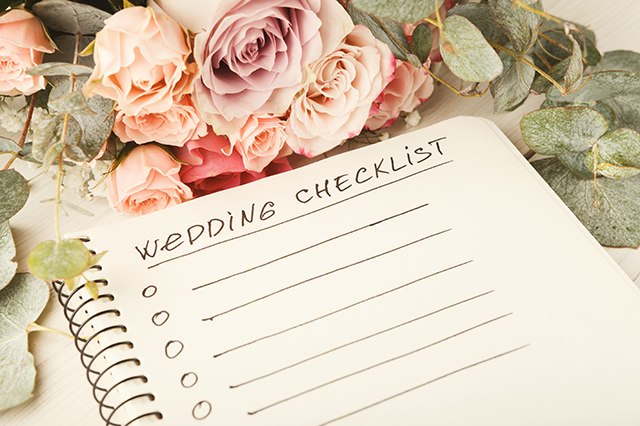
Start by making a good old-fashioned list. Brainstorm what you and your spouse want on your special day and jot it down. Include the over-the-top requests you’ve been dreaming of since you were a kid like a castle honeymoon or writing your own vows. You’ll be surprised at how much easier your vision will come together when all your ideas are in one place.
Get yourself a wedding planning notebook if it helps. Think about things like the time of year you want to get married, how many people you want to invite, if you want a destination wedding and the big one – what is your budget?
It wouldn’t be a proper wedding planning guide without a section on budget.
Nailing down a budget can seem like the most unromantic part of planning a wedding, but setting your monetary limits and goals as soon as possible will help you to prioritize and allocate your finances wisely. You don’t want to start your life together financially struggling ever after.
Some of the largest wedding costs include the reception venue (which may include food and beverage), the band/DJ, florist, photographers and plane tickets for a destination wedding/honeymoon. Weigh these expenses and decide what is worth saving and splurging on. If venue prices are a little too crazy, you may want to opt for a wedding in your parents’ backyard instead. If you can’t find a photographer within your price range, maybe there’s a friend that’s willing to volunteer.
Wedding Money-Saving Tips
Once you have an idea of the type of wedding you want to have and where you’d like to honeymoon, you can start putting money aside.
Shaun McGee, vice president of financial services for AAA Northeast, suggests opening a dedicated savings account. “Covering such a large expense can seem like a dauntless task, but it is achievable. Opening a high-yield, online savings account and contributing to it through payroll deduction is a great way to reach your goal,” he said.
Here are a few more simple tips to keep in mind to save and stay within your set budget.
A longer engagement could mean more time to save. We know you can hardly wait to tie the knot but having an extended period to save could make it easier to make all your wedding dreams come true. Break down how many months you have until your wedding and decide on a weekly or monthly savings goal. Implement this with simple changes like skipping your daily $5 latte or cooking at home more.
Use tools. There are lots of convenient money saving apps that can help you track your spending and saving. Keep each other accountable and have fun with it.
Have your wedding cake and eat it too. You can skip a few luxuries here and there without sacrificing your overall vision. While all the upsells will be tempting, your wedding will still be amazing without the ice cream sundae station. You can still have your dream Ireland castle honeymoon, too, you just may need to shave off a few days or opt for three- or four-star accommodations instead of an extravagant resort.
Wedding and Honeymoon Money Spending Tips
Ask all your wedding purveyors how you can cut costs. They know that everyone’s budget is different and will work with you. For example, the date you choose could make a huge difference in price as weekdays are generally less in demand and less expensive. Also, the type of reception. If the cost per plate is too much for a sit-down dinner, you may want to consider having a cocktail party or a brunch instead.
Planning your honeymoon flights on certain days can also significantly cut the cost of your tickets, saving you hundreds, if not thousands, of dollars. Do your research and be sure to compare different dates when booking. Keeping your trip domestic will also be less expensive.
AAA travel advisors that specialize in destination weddings and honeymoons are available to assist with all the details and find you as many savings as possible. Find your Agent of Honor today.
Another smart spending tip for your wedding is to rent instead of buying your jewelry, tux or wedding dress. Sample sales can also save you some big bucks. If you’re buying a wedding dress, buy it well in advance (at least 8-10 months ahead) to avoid rush fees on shipping and alterations.
Overall, it’s pretty easy to find deals and sales on almost all things wedding and honeymoon-related. Sign up for newsletters for brands you like, follow their social media accounts and grab all the latest wedding and honeymoon magazines.
Protecting Your Wedding
When you’re planning for the best day, you don’t want to have to think about the worst, but life and the weather are unpredictable. If something happens that is out of your control – like a snowstorm or hurricane – that forces you to cancel or postpone your wedding, event insurance can be a life safer. It can also protect you from financial losses if one of your vendors calls out sick or if someone gets hurt.
You hopefully won’t need to use your event insurance, but at least you can have peace of mind knowing that it’s there. Start by requesting a quote.
You may want to consider travel insurance for your honeymoon or group travel insurance if you’re planning a destination wedding. Your travel agent can help you get a plan in place.
And don’t forget about your rings! Wedding ring insurance is also a good idea to protect your bands from loss, left or damage. AAA Insurance can help you find the right jewelry insurance policy. Get a quote today.
After the Big Day …
Time to do some adulting! Marriage is a major life event that merits a review and update of your insurance policies.
“One way newlyweds can save money on their insurance is to combine auto policies,” says Emily Buckley, AAA Northeast senior insurance agent. “Most of the time this means going from a single- to multi-vehicle policy, which allows you to qualify for a multi-car discount.”
This may be also good time to look into an umbrella policy. This liability insurance provides coverage above and beyond the limits of your car and property policies. “When you and your spouse combine policies, it’s important to understand that you’re also combining your funds,” Buckley said. “The perfect policy to protect your lifestyle? An umbrella!” Umbrella insurance covers the policyholder and members of the family/household, making it especially practical for homeowners and married couples.
And of course, life insurance. While you are combining your finances, take a look at your life insurance policies. If you already have a term plan, this is an opportunity to convert it to a whole plan. And if you don’t have a policy yet, now is a good time to look into one.
Congratulations! As you prepare for this milestone event, remember to keep your budget in mind, take an organized and thoughtful approach to planning and don’t get too caught up in the details. Most importantly, enjoy this exciting time.
In the Northeast, you don’t have to go that far before you run into history. And the Northeast is full of historic sites that celebrate Black stories and culture.
The Amistad, which sails up and down the Long Island Sound between New Haven, Bridgeport and New London, Connecticut, is a replica of the original Spanish schooner La Amistad where the 1839 uprising took place. In the winter months, you can find it docked on the wharf at the Mystic Seaport Museum. The floating classroom outlines the slave rebellion, the landmark Supreme Court case that followed and the history of the civil rights movement from 1841 to the present.
While you’re in the area, you can check out other sites that played a role in the case, like the Austin F. Williams Carriagehouse and House, the First Church of Christ and the New Haven Green. There’s also an Amistad memorial in New Haven, which depicts uprising leader Sengbe Pieh (also known as Joseph Cinque) and honors the brave African people who took part in the rebellion.
After spending about a decade in Ontario, Canada, former slave turned American abolitionist Harriet Tubman moved back to the U.S. and settled in Auburn, New York, with her family. The Harriet Tubman National Historical Park consists of Harriet Tubman’s home, the Harriet Tubman Visitor Center, the Tubman Home for the Aged and the Thompson Memorial African Methodist Episcopal Zion Church.
The Tubman Home for the Aged was a home for elderly African Americans that Tubman herself opened, and where she lived from 1911 until her death in 1913. The Thompson Memorial African Methodist Episcopal Zion Church was the church she attended while living in Auburn.
While you’re in Auburn you can also visit the Fort Hill Cemetery, where Tubman is buried, and pay your respects.
New York is full of sites that played important roles in the Underground Railroad. The Niagara Falls Underground Railroad Heritage Center is located near the former International Suspension Bridge, a route used by many on the Underground Railroad who sought freedom in Canada.
The Heritage Center tells the story of these freedom seekers, as well as free African American residents, abolitionists and others who helped them along the way. For many, this represented the last leg of the journey, the last river to cross before they were free. At the Niagara Falls Underground Railroad Heritage Center, their stories live on.
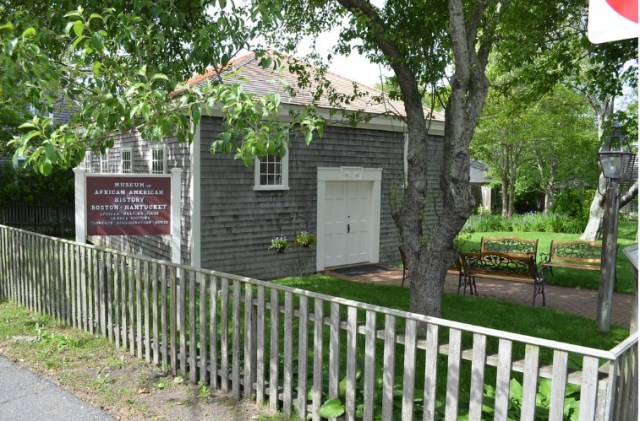
The Museum of African American History, which has locations in Boston and Nantucket, is New England’s largest museum dedicated to the history, culture and contributions of African Americans. Here, you can discover over 3,000 historic objects, including rare photographs, prints and artifacts.
After your visit, consider a stroll through historic buildings on the museum’s Boston Black Heritage Trail. The trail is a walking tour of pre-Civil War sites important to Beacon Hill’s free African American community. On this free guided or self-guided walking tour, you can visit sites like the Charles Street Meeting House, the George Middleton House, the Abiel Smith School and more.
Author and civil rights activist W.E.B. Du Bois’s familial and childhood home is memorialized at the W.E.B. Du Bois National Historic Site in Great Barrington, Massachusetts. Though the home is no longer standing, the 5-acre site offers a self-guided interpretive trail, a commemorative boulder and the original foundations of the house. You can also take the self-guided Great Barrington Walking Tour, which identifies sites around Great Barrington that were important or influential to W.E.B. Du Bois.
Inspired by his mother’s original collection of artifacts related to African American history, Jeffrey Fletcher opened the Ruby & Calvin Fletcher African American History Museum in Stratford, Connecticut in 2021. At the museum, visitors can see a wide collection of historic artifacts ranging from the period of slavery all the way up through the civil rights movement.
Founded in 1976, the African American Museum in Philadelphia was the first museum built by a major U.S. city dedicated to the life and work of African Americans. The museum tracks the art, culture and history of African Americans from the pre-Colonial era to the present day. The exhibits are constantly being rotated and updated, so it’s a great museum for multiple visits. The museum focuses both on local history and the wider scope of the Black experience in America.
Have you ever been to one of these historic sites or museums? Are there any sites that we forgot to mention on our list? Let us know in the comments below!
Your engagement story is one that will be retold for years to come, so you’ll want to make it as special as possible. That includes picking the perfect location to drop to one knee. Fortunately, there are spectacular locations throughout the Northeast to choose from. Here are 12 spots perfect for a marriage proposal.
If magical is what you’re aiming for, you’ll need an otherworldly setting. Watkins Glen State Park is just the place. The glen’s stream descends 400 feet, creating 19 different waterfalls along its course. The result is breathtaking scenery. The gorge path winds over and under these waterfalls and through the spray of Cavern Cascade. There are also rim trails that overlook the gorge.
Central Park may not be the most original proposal site, but there’s a reason it’s so popular – there’s not a bad patch in the entire 843 acres. You can choose to pop the question in one of its wide-open settings such as Sheep Meadow or the Great Lawn, or opt for a particularly romantic attraction like the Bethesda Terrace Arcade, Bow Bridge or Belvedere Castle.
To get jaw-dropping views of New York City’s skyline, you may be tempted to search for the highest skyscraper perch. But to get the best sight of Manhattan, you should hop over to the other side of the East River. Brooklyn Bridge Park offers visitors sweeping views of the harbor, the Brooklyn and Manhattan bridges and the Lower Manhattan skyline.
Letchworth State Park, also known as the Grand Canyon of the East, is the hidden treasure of Western New York. The sweeping vistas, dramatic plunges and dreamlike waterfalls have to be seen to be believed. For an extra romantic proposal, book a hot air balloon ride over the park. It’s the perfect place to pop the question.
This Cape Cod peninsula was established as a nature preserve more than 40 years ago. Yet it’s still somewhat of a hidden gem. The 12-acre property contains numerous trails that provide sights of Buzzards Bay and Quissett Harbor. The main attraction is the outermost stretch of ground, where the land elevates to provide spectacular, far-reaching waterfront views – a picture-perfect spot to get down on one knee.
Want your proposal photos to really impress? The Isabella Stewart Gardner Museum is an art museum that also features breathtaking gardens and unforgettable architecture. The Courtyard is the main attraction, but there are beautiful proposal spots all around the property.
On a clear day, views from Mount Washington’s 6,288-foot summit can reach as far as Vermont, New York, Massachusetts, Maine, Canada and the Atlantic Ocean. Hiking the mountain is no easy feat though. It takes an average of five hours each way and should only be done if you’re an experienced hiker. Fortunately, there are much easier ways to reach the top. The Mount Washington Auto Road allows you to drive to the top as you pass through four distinct climate zones. If you’re looking for something a little more charming, try the Mount Washington Cog Railway.
If your significant other is a history buff, the Cliff Walk may be the best proposal site. This 3.5-mile trail wraps around Newport’s shore. The path is famous for combining the natural beauty of the Easton Bay with the architectural history of Newport’s gilded age. You’ll walk past the numerous mansions that make up this National Historic District.
U.S. National Parks contain some of the country’s most beautiful settings, and Acadia is no different. The park includes seven peaks above 1,000 feet, 158 miles of hiking trails and 45 miles of carriage roads with 16 stone bridges. But for a truly unique setting try Cadillac Mountain, the highest point along the eastern coast of the United States. Between October and March, Cadillac is the first spot in the country to see the sunrise. See our Acadia National Park guide.
Strolling through the Bartlett is like being transported directly into a Robert Frost poem. The destination’s miles of trails take visitors past immaculate gardens, majestic trees, colonial stonewalls and pristine wetlands. With more than 90 acres to explore, you’ll be sure to find the perfect spot to pop the question.
The eponymous lighthouse is a postcard-worthy sight. However, the park’s most famous attraction is its carousel. Built in the early 1900s, the carousel is one of less than 100 of its kind in use today. It’s housed in a building on the beach shores, providing a picturesque setting overlooking the Long Island Sound.
The hills are alive at this famous Austrian-style lodge ran by the real-life von Trapp family. It’s an amazing proposal spot if your partner is a fan of “The Sound of Music,” but it’s also an extremely photogenic location, nestled in the rolling hills and lush mountains of Stowe.
Let the wedding planning begin! Check out these tips before you walk down the aisle.And don’t forget to insure your engagement ring. Get a quote now.
Whether you’re craving truffles or turtles, barks or brittle, gummies or Gibralters (find out what those are below!), these Northeast candy stores are sure to satisfy.
Ready to take a sweet road trip but need a ride? Click here to rent a car.
Stuffed with jelly beans, gummy worms, candy corn and licorice, Chutters holds the distinction of having the longest candy counter in the world. It could take all day to browse the 500 different types of sweets stored in big glass jars, but don’t pass up the assortment of M&Ms before you start filling your bag. Save room for the gourmet chocolates and fudge! Chutters also has locations in Lincoln and Bretton Woods, N.H.
Some folks know not to mess with success, keeping beloved recipes in the family for generations. And so it goes at this shop, in business since 1927, where you’ll find luscious creams, fudge, chocolate cherries and even a dark chocolate-dipped Twinkie! Select chocolate by the pound from behind a glass case or grab a bag and fill it with your favorite hard candies and gummies.
Find Rhode Island-themed chocolate novelties, such as sea creatures, flip-flops, even chocolate seashells at Sweenor’s. In business since the ’40s, the fourth generation is still making many of its chocolate treats by hand, including clusters, barks and brittles.
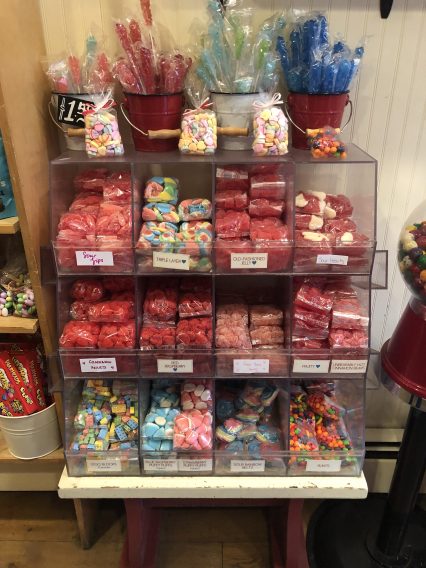
You can spot this third-generation shop by its bright red and white striped roof. Once inside, you won’t know where to look first, because Pearl’s is loaded with nostalgic treats such as Dots, Pixy Stix, Laffy Taffy and Bit-O-Honey. Then there are peanut butter cups and caramels next to jelly beans and rock candy. Pearl’s is also known for its nuts.
Reportedly Vermont’s largest candy store – offering some 1,500 varieties – Middlebury Sweets is actually located in the middle of its namesake motel, which features candy-themed rooms. The shop sells handmade peanut butter cups, peanut butter and banana Elvis bark, Tiger Paws (also known as turtles) and novelty candy items. And if you need to crash after your sugar high, you won’t have far to fall.
Vermont Nut Free Candy is a mecca for chocolate lovers who have peanut or nut allergies. Courtesy of Vermont Nut Free Candy.
This shop, and its online site, is a mecca for chocolate lovers who have peanut or nut allergies. Stocked with boxed chocolates, bunnies and chocolate-covered pretzels, owners Gail and Mark Elvidge began the company in 1998 after they couldn’t find a safe chocolate product for their young son, who had a life-threatening peanut allergy. Find additional retailers on their website.
Everything made here is fair trade, organic and fully vegan – and seriously unique, from the legendary salted Galapagos turtles to caramels infused with cardamon, violet, rosemary sea salt and chile. The shop also sells its full chocolate collection, plus baked goods, at Confectionary! in New York City.
A variety of hard candies and chocolates are available at Samuel’s Sweet Shop in Rhinebeck, N.Y.
Aside from their Clodhoppers (peanut butter, pretzel and graham cracker covered in milk chocolate), another treat is finding Paul Rudd behind the counter. Rudd, known for roles in “Ant-Man,” and “Only Murders in the Building,” and, of course, for being voted People’s Sexiest Man of the Year in 2021, co-owns this adorable shop with “Walking Dead” actor Jeffrey Dean Morgan. Buy packaged goodies, chocolate by the pound or novelty items such as chocolate mac ‘n cheese and unbearably hot cinnamon bears.
New York City, Walpole, N.H; Boston and Cambridge, Mass.
Using a Swiss technique for crafting chocolate, Larry Burdick began his eponymous shop in 1987. Today, with four locations in the Northeast, the chocolate, including signature chocolate mice, is still made by hand. Burdick offers boxes for weddings, holidays and even drinking chocolates. No wonder it has been named best chocolate by Food & Wine and other publications.
According to its history, this candy biz dates to the 1800s when Mary Spencer sold hard sugar candies known as Gibralters. Today, find them along with molasses-flavored Black Jacks (a stick candy), penuche brown sugar fudge, nostalgic apple rings, butterscotch drops and nonpareils. Modern appetites will appreciate the assortment of chocolates, barks and patties, and in the summer months, lots of licorice.
Orne’s, which opened in 1884 and is still family run, is a must-stop for its signature fudge – don’t miss the chocolate walnut! – mint julep truffles and saltwater taffy. Some of its more unique sweets include pebbles, which are hard candies with a soft inner surprise, and gravel, milk chocolate inside a candy stone. A summer staple, Orne’s closes during the winter. It reopens in April 2024.
If you’ve ever stopped at a big box store, you’ll get the appeal of this expansive space – it bills itself as Maine’s largest candy store – with some 8,000 square feet of everything sweet, from its own brands of candy and chocolate to sodas, ice cream and Maine-made products. Smaller Sweetz & More candy stores are also located throughout New Hampshire; see website for details.
Before you gobble up a pound of their caramels, meltaways and truffles, find out how they’re made by booking one of Fascia’s popular chocolate experiences, which include a demo and the chance to make your own chocolate bar.
Munson’s was known as the Dandy Candy Company when a young couple began making and selling wafers and ribbon candy from their garage in 1946. Today, Munsons is still family owned and has expanded to eight locations in Connecticut, where you can find its caramels, fudge, brittles and truffles, along with seasonal treats and UConn Husky bars.
Which of these candy stores will you go to satisfy your sweet tooth? Do you have another favorite candy shop that we forgot to mention? Tell us in the comments.
Can’t get enough sweets? Send someone you love (or yourself) a chocolate gift from Simply Chocolate. You can save 20% when shopping online with your AAA discount.
Whether you’re a solo traveler hoping to join like-minded people on your next vacation or a couple eager to explore with friends, a small group tour might be the perfect choice for your next trip.
AAA Member Choice Vacations (MCV) Explorations specializes in small group tours with an average of 16 travelers, so you can get to know the places you are visiting on a different level. Experienced tour managers plan the day with a mix of exciting experiences and plenty of free time to explore on your own or with new friends from your group.
A few of our favorite things about small group tours:
You can leave the logistics to the pros and still enjoy a personalized experience. No evenings and weekends spent researching hotels, reading restaurant reviews or comparison shopping for tickets and tour guides.
Deeper cultural immersion. Want to have lunch with a local? Fancy a tour of an iconic landmark without the crowds? Or do you want the chance to get to know your local guide by sharing meals and train rides together? These things aren’t often possible on larger tours.
Forging new friendships. With a small group tour, you’re not just a face in the crowd. These tight-knit groups offer a chance to get to know your fellow travelers and local guides.
There are many small group tours designed to suit various interests, from culture and history to wildlife and nature. Here’s a peek at just a few exciting AAA MCV Explorations tours.
A journey through Italy’s quintessential rolling hills and vineyards feels like stepping into a postcard. This small group trip kicks off with a day in Rome before taking you to Umbria to explore the historic streets of Orvieto, a majestic clifftop town. You’re sure to form new friendships and fall in love with new Italian foods (sheep cheese, anyone?) and small hilltop villages on this classic 10-day trip through two of Italy’s most beautiful, breathtaking regions.
Japan is a bucket-list destination for many American travelers. It’s a land of contrasts. Deep cultural traditions such as tea ceremonies and geisha entertainment coexist with the neon-lit streets of Tokyo, where you’re just as likely to enjoy dinner at a conveyor belt sushi joint as a traditional Japanese bar (izakaya) hidden in one of Shinjuku’s labyrinthine alleys. On this small group tour, you and your fellow travelers will experience it all: Tokyo, Kyoto and Osaka, all connected by Japan’s famous bullet trains and led by a local guide.
You and your group will spend 12 days and 11 nights discovering the legends and history of this wild northern portion of the United Kingdom. Along the way, you can sip local whisky, learn the history of Scottish clans and enjoy the spectacular coastal views from a cozy hotel in windswept Loch Melfort. Last stop? Edinburgh, where the tour officially ends, but you and your crew will have the option to stay another night exploring.
Known as “the land of fire and ice,” Iceland is perfect for adventurers, nature lovers and landscape photographers of all skill levels. Prepare to forge new friendships as you visit the Langjökull glacier, go whale-watching, see wild Icelandic horses and take a dip in the Instagram-famous Blue Lagoon with a dozen or so fellow travelers. This trip is 10 straight days of breathtaking landscapes and incredible new experiences, all planned out for you and led by friendly local guides.
Are you dreaming of an adventure in Africa but don’t know where to start? This incredible small group journey perfectly balances cultural immersion, wildlife sightings and jaw-dropping scenery. You can forget the logistics and simply enjoy the trip as you take a deep dive into southern Africa. Get ready for eight safari drives, a memorable starlit bush dinner, a home-hosted lunch near Victoria Falls, South African winery visits and so much more. You’ll never forget this 15-day vacation with a small group of fellow adventurers and guides.
These five itineraries are just the tip of the iceberg. AAA Member Choice Vacations has dozens of small group Explorations tours in exciting places, including Machu Picchu and India’s Golden Triangle. Most tours also offer optional extensions for diving even deeper before or after the main trip. Learn more.
A typical consumer spends around 14 hours on their car buying journey, including researching and shopping online, according to a recent report by Cox Automotive. But at the end of the day, how and where you spend your time learning about a vehicle could impact your overall satisfaction with your purchase. One of the best ways to get to know a car is to take it for a test drive.
The average test drive at the dealership gives you only limited information. It takes hours – not just a few minutes – to decide whether the seats are comfortable enough or if the handling leaves something to be desired. Renting a car for an extended test drive, on the other hand, provides plenty of time to learn about all the bells and whistles. And it’s the most fun you’ll have conducting car-buying research.
Once you’ve narrowed your choices down, consider spending some quality time with your favorite vehicles, perhaps on a road trip or two. One of the most effective ways to do this is by renting. This may cost you some money upfront, but it could save you from buying a car that won’t meet your needs in the long run.
This could be an especially beneficial step if you are thinking about purchasing an electric vehicle, giving you extra time to learn about things like range and charging.
Even if the specific trim level is different in the rental compared to the car you want to buy, you can still experience how the vehicle handles and performs for different types of driving. Details like color, fabric vs. leather seats and other optional features, don’t matter on a test drive. Focus on what the car delivers in terms of comfort and performance.
If your weekday and weekend driving habits are different, make sure your rental time includes both types of days.
Things to Consider During an Extended Test Drive
On a standard test drive, you only have enough time to decide if the car handles well under limited circumstances. An extended test drive allows you to dive deeper into the car’s features. Create a checklist of things that are important to you and evaluate those features in each car.
Some important things to consider include:
Noise: Listen for the level of road noise in the car while driving. Does road noise make it difficult to carry on a conversation with others in the car or to hear the radio? Even at low speeds, is the engine too loud for you?
Adjustability: Can you customize settings to make the seats and other features comfortable? Take into consideration the seat angle and height, cup holder and armrest positioning, as well as the fit of the seat belt. A long drive can reveal design features that could move a vehicle to the top or bottom of your list.
Safety: Do you feel secure in the car? Does the vehicle feel solid with smooth movement, particularly at cruising speed on the highway? It’s essential that you feel safe in your car. Checking safety ratings is important, but you also need to feel personally secure in the vehicle.
Power: The trick is to get enough power to do the job but not so much that you feel out of control or burn fuel needlessly. Does the vehicle make it up steep hills without feeling like it’s struggling? Some drivers are content with 140 horsepower, while others would never consider anything less than 200. If you don’t have a preference, then factor in fuel efficiency, and choose the smallest engine that effectively handles the job.
Gadgets: Play with the interface of the entertainment system, assessing the placement and ease of use of the controls for features like cruise control and the stereo.
As you spend more time driving your rental, you’ll develop a better idea of how well the vehicle suits you. This will help you determine whether the car in question is suitable for your lifestyle and driving demands. After all, the last thing you want is to be stuck with a car that struggles to meet your needs.
We’ve all heard the phrase “you can’t burn the candle at both ends” to symbolize what happens if we overextend ourselves by working too much without rest. But in an increasingly stressful world where Americans are working more than ever, it seems that lots of candles are already totally burnt out.
Learn how to find strength and heal through loss, loneliness and life’s most difficult seasons. Listen to Season 2, Episode 11 of Merging Into Life: Building Emotional Resilience When Life Gets Tough.
This unique type of stress has a name: burnout, or occupational burnout. It is an all-encompassing state of physical and emotional exhaustion induced by chronic workplace stress. Sound familiar? You bet. Employee stress has been increasing for over a decade and remained at a record high in 2022, according to a survey conducted by Gallup.
So, we’re all stressed. What now?
Burnout Symptoms
Identifying burnout is the first step in addressing it. According to the World Health Organization, burnout is categorized by, “feelings of energy depletion or exhaustion; increased mental distance from one’s job, or feelings of negativism or cynicism related to one’s job; and reduced professional efficacy.”
What Causes Burnout
Several factors contribute to these feelings, often stemming from a combination of professional and personal circumstances. Professionally, high work demands, lack of control, insufficient support and unclear expectations can create a perfect storm for burnout to rear its head. Individual traits like perfectionism and an inability to say ‘no’ can also increase the likelihood of burnout occurring.
Dealing With Burnout
Studies have shown that employees who experience workplace burnout have a 180% greater risk of developing depressive disorders, making it even more important to know how to decrease its effects.
When it comes to beating burnout at work, prioritizing self-care is a must to replenish physical and emotional energy. Establish a routine that includes plenty of sleep, nutritious meals and regular exercise. Taking breaks throughout the day can also prevent burnout by allowing moments of relaxation to create space between stressful tasks.
Learning to set clear boundaries between work and personal life can help, too. Establishing limits on the amount of time and energy dedicated to work-related tasks prevents work from pooling into other areas of your life and creating a false sense of urgency.
Of course, reaching out for support when you need it is never a bad idea. Discussing your feelings with friends, family or a mental health professional can provide valuable insights and coping strategies to help you manage and overcome the feelings of burnout.
How to Prevent Burnout
Experiencing burnout once is more than enough. To avoid feeling its effects again, there are a few things you can do. First, regularly assess your stress levels and overall well-being. Incorporating self-reflection into your routine, like performing daily check-ins on how you feel, can identify potential stressors before they escalate. Overcommitting to tasks, assignments and projects can lead to overwhelming stress, so be selective about the tasks and responsibilities you take on by developing the ability to say ‘no’ when necessary.
Burnout is a real and prevalent challenge in our fast-paced world. Recognizing its signs, addressing its root causes and adopting a proactive approach to well-being can help in navigating and preventing burnout once and for all.
Have you ever experienced burnout? How did you resolve it? Tell us in the comments.
In the Northeast, the colder season is traditionally a time for hunkering down with a good book, bracing for bitter temperatures and trying to stick to those vexing New Year’s Resolutions. But is it the best time of year to buy a house? For house-hunters willing to brave the elements and choose from a slimmer inventory of homes, the experts say yes.
According to the national online real estate database at Zillow, the best time to sella house is March. In addition to spring bringing a rose-colored hue to real estate, families typically like to purchase closer to the summer months and avoid uprooting the kids during the school year.
As a result, the inventory of houses on the market tends to be highest during these peak late spring/early summer selling months. A seller’s market is great for those trying to unload real estate, and higher inventory certainly gives home buyers more properties to choose from, but competition from other buyers is also likely to peak during this period, driving prices higher.
Buying a house in the winter, however, puts the buyer back into the driver’s seat. Yes, there are usually a much smaller number of homes on the market, but there are also fewer buyers to compete with, and sellers might be much more motivated to get a deal done, providing buyers with critical bargaining leverage.
“Sellers are much more motivated in the winter,” says Alan Wood, a broker with RE/MAX Plus in Rochester, New York “We like to say winter sellers aren’t just in the market, they are on the market, and really want to sell, and buyers can often get a little better price because of the lack of competition.”
Of course, not everything about winter makes it the best time to buy a house. Accumulated ice and snow can make it difficult for buyers to carefully evaluate the exterior of the home and the quality or quantity of the landscaping. “From a buyer’s standpoint, it is difficult to evaluate a home when everything is covered in snow,” says AAA mortgage consultant Louis Alfaia. “Be sure to visit your possible new home when the roof and yard is clear to avoid any nasty surprises.”
Wood agrees and says there’s nothing wrong with asking to see summer photos of the yard or taking some extra time for a more thorough inspection of things that are easily hidden by snow, including roof issues, grading issues, and damage to sidewalk, driveway and patio pavement.
A little extra due diligence aside, wintertime house hunters can expect a bevy of advantages over spring and summer buyers, including extended rate locks and discounts on everything from interest rates to moving company fees. “We move 80% more people in the summer than in the winter,” says Lior Rachmany founder and CEO of Dumbo Moving, the largest moving company in New York City. “As a result, winter moves, on average, cost 25% less than summer moves.”
And like purchasing a home at any time of year, patience and timing are key to finding a great deal on a house during the winter months. “Except in extreme cases, winter sellers still typically wait to negotiate until the house has been on the market for awhile. Even if winter is the best time of the year to buy a house, sellers will still usually work their offers until the 30-day mark, and then begin looking to either negotiate or revisit their listing price.”
Wintertime house-hunters are likely to be well-positioned for increased inventory to hit the market over the next two decades, too. According to Zillow, more than a quarter (27.4%) of the nation’s owner-occupied homes will be sold as a “Silver Tsunami” of Baby Boomers vacate their houses for retirement communities and assisted living facilities. Since this critical demographic has already raised their children, sellers won’t have to worry about matching the market to their kids’ academic calendar.
And don’t be surprised if you run into some lingering holiday spirit. According to Alfaia, sellers will often keep decorations up to give buyers a cozy, nostalgic feeling. “It can be a great time to see a house if it is decorated,” he says. “If you can tolerate the elements, and exercise some patience, winter just might be the best time to buy a house.”
Learn more about how AAA can help you with mortgages.
If you’re thinking about visiting Newport for the first time, you’d be in good company. You see, Newport is the star of many firsts. It hosted the first circus in the U.S. (1774). It was the first city in the country to have gas-illuminated streetlights (1803). Even the first electric light photograph was taken in Newport (1866).
What’s its next first? Welcoming you!
Between its rich and storied history, award-winning restaurants, scenic views, shopping and attractions, Newport is a destination that refuses to be boring. With all there is to do, it might be hard deciding where to start, but your search ends here.
Here are five of our favorite Newport attractions.
Cliff Walk
Take a stroll back in time. Cliff Walk – named for its location upon the soaring seaside cliffs of Newport’s eastern shoreline – is a 3.5-mile trail that takes you past jaw-dropping ocean views and gorgeous Gilded Age mansions. A visitor favorite, Cliff Walk is designated as a National Recreation Trail within a National Historic District, making it a uniquely special place. Start your journey at Memorial Boulevard near Easton’s Beach. Walking the trail in its entirety takes about 2.5 hours. Open from sunrise to sunset, 365 days a year and free to enter.
Want to experience Downton Abbey and the Gilded Age in real life? Have your pick of more than a dozen magnificent properties, all teeming with the history, art and architecture of their heydays. As summer cottages for America’s wealthiest from 1870-1910, every Newport mansion tells a story, giving visitors an intimate look behind the curtain of the lavish lifestyles and opulent culture of those who lived in them, and the realities of the servants who worked to keep everything running.
Self-guided audio tours and guide-led tours are available. Plus, be on the lookout for events taking place within the mansions all throughout the year from ballet performances to holiday celebrations and much more.
Newport’s position on Aquidneck Island made it an ideal location as a colonial sea port for whalers, traders and adventurers. Today, Newport’s famed harbor is home to sailing of all sorts from America’s Cup competitions to cruises and more.
Visitors can join in on the fun. Climb aboard your choice of sailboat or power boat with Newport Classic Cruises to take in the stunning views of the harbor and Narragansett Bay either on a warm sunny afternoon or as a sunset cruise to close out your day. Other ways to get your sea legs include taking a seal cruise, chartering an antique yacht and taking a guided tour cruise to learn about the harbor’s history.
Once you’ve explored all you can on foot, it’s a good time to take a meandering ride down Ocean Drive. Beginning at historic Bellevue Avenue, this 10-mile road winds and weaves through one of the most scenic sections of Newport. It passes through gorgeous natural landscapes and famous landmarks such as Hammersmith Farm – where Jacqueline Kennedy Onassis grew up, Gooseberry Beach, Fort Adams State Park and Breton Point State Park.
Want to make your drive even better? Renting an antique car to cruise along in only maximizes the experience, in our opinion.
To truly experience a place, you must try the local fare.
You won’t have trouble finding a gem, either. Newport has one of the best food scenes in the state of Rhode Island, boasting award-winning restaurants and some of the freshest seafood around. Craving something hearty? Order a bowl of clam chowder at The Black Pearl, where they’ve been perfecting their famous recipe for over four decades. Or head on over to Flo’s Clam Shack for a half dozen of golden clam cakes to enjoy while you take in the eclectic surroundings.
During the summer months, you can’t do better than a classic Maine-style lobster roll from Luke’s, served from a waterside window and alongside other tempting menu items like shrimp rolls and crab rolls. Scales & Shells has you covered for seafood pasta cravings with their lobster fra diavolo that’s made-to-order and impossibly flavorful. For local ingredients, colonial charm and white tablecloths, try White Horse Tavern, a beloved favorite that’s been open since 1673.
It’s not always easy to drive in winter conditions, and it can seem even harder when you’re not driving your own car.
If you need to rent a car when there’s ice and snow on the ground, there are a few important tips that you should keep in mind.
Which Car Should You Choose?
One of the most important things to consider when driving in winter is what you’re driving. Depending on what the rental company has to offer, you may have a wide variety of vehicles to choose from. But which are best for driving in winter conditions?
If you’re looking for a car that can handle serious winter conditions, opt for an all-wheel drive sedan or SUV. If you’re headed somewhere with deep snow, you might want the higher ground clearance offered by an SUV.
Some SUVs have advanced all-wheel drive features that can actually improve your winter driving skills. However, not all SUVs have this feature, so check before renting.
Think about renting a car you’re familiar with. If you drive a sedan at home, perilous weather conditions might not be the best time to try out a large SUV. It’s easier to adapt to a car that’s similar to the one you drive at home, and sometimes that’s just as important as all-wheel drive. It’s also not a great time to try out driving an electric vehicle, since they have instant torque (which can be unsettling to first-time EV drivers) and limited cold weather range. If you do rent an EV, make sure to map out charging stations in advance.
And no matter what type of car you’re renting, make sure it has at least all-season tires. If the climate is particularly snowy, opt for vehicles with dedicated winter tires. Even a front-wheel drive vehicle can perform well in winter if it has four winter tires.
If you’re traveling, you’re probably not carrying a full winter car kit with you. But you don’t want to be caught out in the snow without the necessities. If you’re going to be out in winter in a rental car, it’s a good idea to bring along a long-handled snow brush and an ice scraper, just in case. It might also be helpful to get a small, collapsible snow shovel so you can dig your car out if it gets snowed in.
Get to Know Your Vehicle
Don’t hit the road without familiarizing yourself with your rental vehicle. Take a moment at the rental lot to learn where all the important controls are. Find out how to turn on the lights, toggle the windshield wipers, the defroster, traction control, all-wheel drive operation and even the radio and GPS. You don’t want to be fiddling around with buttons and knobs while driving in the middle of an icy road.
If you’re not familiar with how some aspects of your rental car work, try them out in an empty parking lot before you start your journey.
Driving in Winter Weather
All-wheel drive is great, but it can’t change the laws of physics. Even though an all-wheel drive vehicle will get you moving better in the snow, the handling and stopping won’t change that much in comparison to a front-wheel drive vehicle. All-wheel drive might get you up the hill, but when you’re coming down the hill, all vehicles are basically toboggans. Don’t let all-wheel drive make you overconfident behind the wheel. You might feel solid and secure until you have to make an evasive maneuver, which could cause you to skid.
Skidding happens when your wheels lock, when you apply the brakes or accelerator too hard or when you hit a slippery surface while driving around a curve too fast. The most important thing to remember when your car starts skidding is that you should not panic. Continue to look at the path you want to travel, steer in the direction you want the car to go, avoid slamming on brakes and continue to steer even after your tires stop skidding.
When you’re driving on a highway, stay in the lane that has been cleared most recently, and keep your distance from the cars ahead of you. In snowy or slippery conditions, the normal following distance of three to four seconds should be increased to eight to ten seconds. Avoid changing lanes unless you absolutely have to, since you could possibly lose control of your vehicle when driving over built-up snow between lanes. Do not use cruise control when you’re driving in inclement conditions, like icy, wet or snowy roads.
If you’re looking for a memorable family getaway, you can start by pinpointing some of the best indoor water parks in our region. Whether riding the slides or watching from a comfy lounge chair, there’s plenty to keep everyone in your group satisfied and having fun.
Head out for the day or stay the weekend; many of these indoor water parks are located on-site at hotels with dining options, arcades and other kid-friendly indoor and outdoor activities to help you make the most of your visit.
And unlike traditional water parks, there’s no season for indoor water parks, so you can swim, splash and lounge at a balmy 80 degrees, all year round.
Water lovers never have to go too far for a day of adventure. Water Park of New England features wet and dry fun for the whole family, including lazy rivers, water obstacle courses, water slides, indoor/outdoor whirlpools for adults, dining options and arcades. Day passes are available, as well as overnight packages for those staying at the park’s partner hotel, DoubleTree by Hilton Boston North Shore.
Wind along the lazy river, catch some waves on Flow Rider surfing simulator, challenge your friends to a game of pool basketball in the Aqua Arena or get dunked by the deluge bucket in the Jungle Hideout – these are just some of the ways to enjoy a day of fun in the sun (or not) at Big Kahuna’s, formerly Sahara Sam’s. Several slides offer a variety of experiences, from the speedy Raging Rivers to the family-friendly Snake Eyes. A toddler play area and an adult-only area, bar and concessions are also on-site.
Just minutes away from Lake George, the White Water Bay indoor water park at Six Flags Great Escape Lodge features over 38,000 square feet of waterlogged fun and attractions, including racing slides, a whitewater raft ride and surfing simulator. With an adults-only warm water spa, a beach for the little ones and a lazy river, there’s something for everyone. Water park passes are included with overnight stays; day passes are also available. While the outdoor areas are closed for the season, the indoor fun goes on all year round.
Take a family road trip to this resort in the Hudson Valley for a weekend of all-around, all-inclusive good times. You’re sure to keep busy with all of the on-site activities like mountain tubing, horse riding and mini golf (and skiing, snow tubing and ice skating in winter), but there’s no doubt the kids will want to spend some time at Big Splash. They can ride the 250-foot-long Gold Rush Flume slide, play on the interactive aqua station and attempt to conquer a slippery obstacle course. This water park is exclusively for guests.
While the resort is known for its ski slopes, you can experience a different kind of thrill on one of the body slides or the three-story tube slide at Cascades. If you want to slow down, head outside to the heated pool and hot tubs where you can relax beside the mountain year-round. Other attractions include a basketball cove and children’s play area. Water park tickets are included with stay at Hope Lake Lodge. Day passes are also available, but purchasing in advance on the resort’s website is highly recommended, especially for weekends.
No matter the time of year there’s something to do on the mountain at Camelback Resort in the Poconos, from zip lining to skiing. The fun continues for guests heading back to Camelback Lodge, where the multilevel Aquatopia awaits. Seven pools, 13 slides – including the longest indoor water coaster in the U.S., wave pool, surf simulator, lazy river, aqua play structure and adventure lagoon for the little ones, make it one of the best indoor water parts in the Northeast. A swim-up bar, spa lagoon and private cabanas provide refuge from all the excitement for adults. This water park is exclusively for guests.
The name of the park sums it up: Water + thrilling water attractions = H20ooohh! Hot tubs, a wave pool, an aqua play structure, surf simulator and five slides – including the Amazon Blast slide, which drops four stories – are among the exciting things you’ll experience at this Pennsylvania retreat. Refuel in the snack area before going back to ride your favorites again. Day passes are available, as are discounts for those who stay at Split Rock Resort.
At 100,000 square feet, the Kalahari Resorts location in the Pocono Mountains is among the largest and best indoor water parks in the country. The Africa-inspired escape features a swim-up bar, surf simulator, toddler play area, water coaster, lazy river, indoor/outdoor family whirlpool and slides like the surprising Barreling Baboon and the Zimbabwe Zipper, which can reach speeds of 40 mph. Enhance your poolside experience with a private indoor cabana, which includes a flat-screen TV, chaise lounges and a refrigerator. Water park passes are included with overnight stays; day passes are also available.
A popular family destination in the Northeast, our list of indoor water parks would not be complete without Great Wolf Lodge. Here the fun includes wave pools, lazy rivers, water tree houses, obstacle courses, several play areas for the littlest members of the family and a bunch of multi- and single-rider slides. Cabana rentals and separate hot springs for adults-only and families are available for relaxing. Try slideboarding in the Poconos location, where riders use controls on their rafts to play interactive games. The water parks are for lodge guests only.
Seven water slides, a lazy river and an awesome wave pool – just to mention a few things – make Splash Lagoon a destination worth visiting. You’ll want to try out the Aqua Tumblers, which let you walk (and fall and roll over) water. They look like too much fun to resist! Several dining options round out the day. For an on-land adventure, brave kids can take on the challenging ropes course when they dry off. Get a day pass or book a package to stay at one of the affiliated hotels nearby.
Have you been to any of these indoor water parks in the Northeast? Tell us your favorite in the comments.
Don’t miss out on exclusive benefits and discounts for amusement parks, water parks, entertainment, attractions and more. Check out AAA.com/Tickets.
Whether you’re prepping food for game day or simply looking for a recipe to combat the cold, nothing satisfies quite like making homemade chili.
From meat-forward and bean-focused recipes to regionally inspired flavors, discover the different styles and check out our tips for making chili from scratch.
With special equipment like slow cookers and Instant Pots and tons of great recipes at your disposal, the world of chili is practically endless.
Chili con Carne
Chili con carne is Spanish for “chili with meat.” When making homemade chili, this is easily one of the most popular types, while still offering opportunities for customization.
Beef, pork and venison are all popular proteins for chili con carne. Ground options tend to be easier for most cooks – and cook faster – but cuts of chuck roast make for an especially hardy, stew-like dish.
Although this kind of chili demands meat, it also usually includes ingredients like garlic, onions and tomatoes. Beans are optional. When it comes to seasoning, chile peppers or chile powder are musts. Other spices like cumin, oregano and paprika are also common.
Check out this chili con carne recipe from Simply Recipes with coriander, oregano and thyme. For something a bit different, this Food Network recipe is made with beer and cocoa powder. Or try this ground beef chili con carne with a four-star rating on All Recipes, seasoned with cumin, cinnamon sticks and clove.
Chili Verde
Popular in southwestern states like Colorado and New Mexico, chili verde or “green chili” is made with ingredients like jalapenos, tomatillos and oregano, all of which help to give it its signature color.
Green chili often has meat, although it can be made vegetarian. Pork is commonly used to make chile verde, with cubes of pork loin or shoulder (also referred to as pork butt) being the most popular.
Leave yourself plenty of time to make this type of chili, because the pork needs to simmer for a few hours to become tender. Roasting or charring your tomatillos and peppers adds a smoky flavor and seasonings like cilantro, cumin and oregano give nice depth.
This chili recipe from Simply Recipes features jalapenos and green chiles (Anaheim or poblano), while this slow cooker version from the food blog The Salty Marshmallow takes out some of the hassle.
Vegetarian Chili
A vegetarian chili calls for plenty of beans. Black, kidney and pinto beans are all great options that bring protein and fiber. “Meaty” vegetables like mushrooms or eggplant along with meat substitutes like tofu or tempeh can be used to give the chili more body. Lentils can also help make your veggie chili more filling, like with the Minimalist Baker’s one-pot red lentil chili.
Use classic chili ingredients like garlic, onions and tomatoes and consider additions like soy sauce or Worcestershire (go for a vegetarian version if you don’t eat anchovies) to provide depth and savory flavor to your vegetarian chili. Or, go the route of celebrating vegetables by adding a mix of bell peppers, sweet potatoes or carrots.
This homemade vegetarian chili recipe by Cookie and Kate uses a mix of classic spices and two types of beans, while this variation from Allrecipes uses a meat substitute for authentic flavors and textures.
Texas Chili
An offshoot of chili con carne, since it typically contains meat, Texas-style chili is known for its lack of beans and tomatoes – although the latter is sometimes debated.
Texas chili is all about the meat and heat, focusing on the chile peppers, protein and seasoning. When making a Texas chili, it’s common to create a homemade paste from a combination of dried peppers.
This true Texas chili recipe, starring beef chuck and 2 ounces of dried chiles, is approachable, while this (no beans) Texas-style Classic Chili Con Carne from New York Times Cooking combines ancho chiles and bacon with your choice of beef chuck, buffalo or venison.
Black Bean Chili
Opposite of the Texas interpretation of chili, this type makes beans the star. Black beans are packed with nutrients like folate (vitamin B9), iron, magnesium and thiamine (vitamin B1), with just half a cup of these beans boasting 8 grams of protein and 7 grams of fiber.
Black bean chili can include some meat, though usually ground as to not take away from the texture of the beans, but there are plenty of vegan and vegetarian versions, too.
This pale chili features white cannellini or Great Northern beans. The addition of ground or shredded turkey or chicken is common, but white chili can also be vegetarian or vegan.
Though incorporating sour cream into the stew itself isn’t unheard of among other kinds of chili, some white chili recipes call for a splash of heavy (or whipping) cream as well. This addition gives white chili a nice, creamy flavor and texture and helps to keep the dish’s pale color.
Taste of Home’s creamy white chili recipe uses sour and heavy cream, while this easy white chili recipe’s only source of dairy is a cup of shredded Monterey Jack cheese. This white chicken chili from the Chunky Chef has little pops of color thanks to the addition of corn kernels and fresh cilantro.
Lean Chili
Both chicken and turkey are great protein options if you’re looking for a healthier meat-based chili. Cubed, ground or shredded, lean proteins like these take well to seasoning.
Give your lean chili a Texas-inspired spin by cutting out the beans, or make it your own with your pick of peppers and chilies: ancho, bell, jalapeno, habanero, poblano, serrano, etc.
Keep things healthy by incorporating a few extra vegetables, like diced carrots and celery, and use low sodium broth and no-salt-added diced or crushed tomatoes so you can control the salt levels.
You can make a lean version of virtually any type of chili. Try the green paleo chicken Chili verde recipe by a Spicy Perspective, or go for a more traditional tasting healthy turkey chili from Ambitous Kitchen.
Garnishes and Sides
After making homemade chili, garnishing it with the perfect toppings can elevate the entire dish. Top your chili with shredded cheese, fresh avocado and/or a dollop of sour cream to help cool some of the spice. Fresh herbs, jalapeno slices and diced red onion are also tasty toppings.
Serve your chili along with a fresh side salad for extra veggies to round out the meal or opt for tortilla chips to add texture. Sliced cornbread is another great side, offering a nice balance of sweetness to the chili’s spice and heat.
You’ll want to have all the right tools and ingredients for making chili from scratch. Shop for everything you’ll need below.
The Northeast lays claim to some of the greatest champions in NFL history, one of the largest stadiums and – without contest – the biggest fans. Our Northeast football guide covers it all.
Reference our stadium guides to find your way to and around Metlife Stadium and Gillette Stadium, get answers to common questions and more.
You can also relive some of the best moments in your favorite team’s history, have a laugh with our unofficial ranking of NFL mascots, stock up on tailgating essentials and find new game day recipes to try.
Don’t drop the ball! AAA members can access exclusive savings on NFL games withAAA Tickets.