
Best Western’s Top 10 Road Trip Tips

It goes without saying that a lot has changed over the last few years, including the appetite to travel. Now more than ever, people around the world are looking at travel as an essential investment – and many Americans are hitting the road for their getaways.

As you plan your next road trip, here are Best Western® Hotels & Resorts’ top 10 travel tips to help you make the most of your well-deserved vacation.

Take advantage of AAA rates.

Savings on hotel stays is one of the top benefits consistently noted by AAA members, who can save up to 15% at Best Western® Hotels & Resorts when booking online or through a AAA Travel Advisor.

AAA members are also offered special promotions. This summer, AAA members who stay two nights with Best Western now through September 4 will receive a free night for future fall/winter travel. Advance registration is required on AAA.com/BestWestern.

Consider your travel companions.

If you’re heading out with your family, consider having shorter drive days, making frequent stops and ending your day in the late afternoon rather than in the evening. Choose hotels that will be a welcome destination at the end of the day. Consider family-friendly brands that offer pools, hot tubs or water slides. With a shorter drive day, you can arrive with time to relax and enjoy the hotel amenities.

Do any research ahead of time.

Have you ever arrived at your destination after a long day of driving only to spend hours looking up restaurant and attractions? Researching these things before you hit the road will save you a great deal of time, stress and frustration. The more you know, the smoother the ride!

Summer Travel Savings With Best Western!

Stay two nights and receive a free night award, through September 4. Registration required.

Book Now

Be aware some things have changed.

The pandemic changed how businesses – especially those in the travel landscape – offer some of their services. While some of these changes were temporary, some look like they’re here to stay. For example, daily housekeeping services at many hotels may not be standard and may be by request only. While housekeeping staff may not be permitted to enter your room for daily standard service, think about requesting additional linens or garbage pickup when needed.

Enjoy the journey – not just the destination!

The magic in road trips is often found in the memories made along the way. Consider stopping at scenic lookouts, family-friendly attractions or a new place to eat. Sometimes it’s the smallest moments that make the biggest memories.

And don’t undervalue the importance of rest. Stop at a rest stop and give yourself time to stretch your legs, close your eyes and take any necessary breaks. It’s a good idea to stop every two or three hours when driving for an extended time.

Disconnect. Don’t text and drive.

Few things are as dangerous as texting and driving. Every day, distracted drivers kill an average of nine people and injure more than 3,000 people in the United States, according to the National Highway Traffic Safety Administration.

Put your phone down and consider using the “do not disturb” feature when you’re behind the wheel.

hotel room hub

Leverage loyalty programs for added value.

Many attractions, restaurants, gas stations and hotels offer loyalty programs. Find the programs that are right for you and make sure your loyalty pays off. Consider planning hotel stays and other stops along your route with just one brand so that by the end of your trip you’ll have enough points for an excellent reward!

The AAA PreferredSM Best Western Rewards® program offers an upgrade to Gold member status and bonus points that never expire and can be redeemed for free nights and more.

Don’t forget the snacks and cooler … and masks and sanitizer.

Stock up on everyone’s favorite snacks and drinks for an easy way to stick to any budget and time restraints. Consider a mix of both healthy snacks – like fruits and veggies – as well as special treats and sweets – like cookies and chips. It is a vacation after all! And as you travel outside your local area, protocols may be different from what you’re accustomed to. While many businesses have lifted mask requirements, remember to bring COVID-related items in case they’re needed to keep your family safe and healthy.

Remember that a great day always starts with a great breakfast.

Did you know that breakfast is the meal people skip most? Don’t miss a good start, particularly when preparing for a day of driving with the kids. Look for hotels that offer breakfast –either complimentary continental, hot or from an on-site restaurant. If you’re planning an early departure, many hotels offer a grab-and-go option.

Bring your dog along for the ride!

With the prevalence of road trip travel this spring and summer, rest assured you can take your four-legged friend along, with many hotels offering pet-friendly rooms. Consider bringing along your pet’s bed, a favorite toy or a special blanket so they feel right at home.

Visit AAA.com/BestWestern to book your next stay.

Subscribe to Your AAA Newsletter

Sign up and receive updates for all of the latest articles on automotive, travel, money, lifestyle and so much more!

Visit the Northeast’s Top Lake Destinations

When contemplating the most impressive natural features in the Northeast, you’ll be tempted to look up to the region’s famed mountain ranges or out along its miles upon miles of pristine coastline. But if you look inward, you’ll find a group of equally impressive features: lakes. The Northeast is home to several of the most prominent – and largest – lakes in the country.

Each of these bodies of water offer all the outdoor recreation you can fit into your schedule. Add in the cultural, historic and family-focused attractions found amongst quaint, waterfront towns and these lakes become the perfect vacation destinations.

lake destinations

Lake George

New York

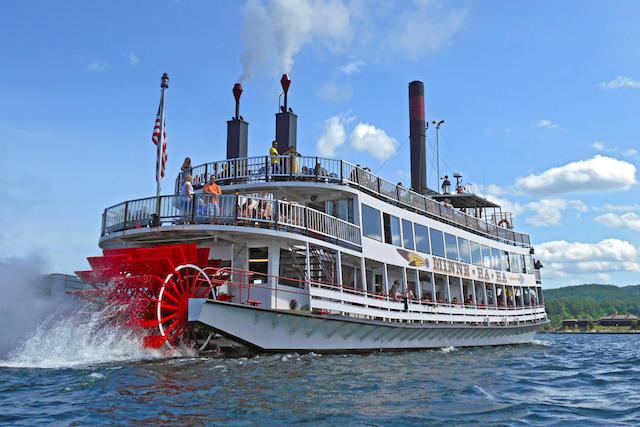
Nestled amongst New York’s pristine Adirondack Mountains is picturesque Lake George, a popular vacation destination for nearly two centuries. Known as the “Queen of the American Lakes,” this 32-mile-long body of water boasts 109 miles of shoreline, comprised of beaches large and small. Those wanting a front-row seat to this natural wonder can book a cruise with the Lake George Steamboat Company or enjoy a self-guided exploration by renting a paddleboat, kayak or canoe. More of an adventure seeker? Try zipping around the water on a jet ski or get your heart pumping on a whitewater rafting expedition.

Off the water, Lake George provides the opportunity for a one-of-a-kind night under the stars. There are nearly 400 campsites located across the lake’s 44 state-owned islands. Speaking of dry land, history buffs will want to explore Lake George’s southern shoreline. The area is home to several historical sites that played important roles in the French and Indian War. Families with little ones, meanwhile, can spend a day at nearby attractions like Six Flags Great Escape and Hurricane Harbor, Lake George Expedition Park and the Adirondack Extreme Adventure Course.

Car Rental Savings

Get up to 20% off the base rate of your next car rental.*

*Terms apply.

Book Today

Lake Winnipesaukee

New Hampshire

New Hampshire is home to nearly 300 bodies of water. The largest of these is Lake Winnipesaukee, located in the central portion of the state, not far from the Maine border. Covering a mammoth 72 square miles, the lake offers ample space for just about every water activity under the sun, including boating, waterskiing, pontoon boat charters and standup paddleboarding.

Nature lovers will be hard-pressed to find a better setting than New Hampshire’s Lake Region. Lake Winnipesaukee is surrounded by several Hollywood-worthy bodies of water, including Squam Lake, where the Academy Award-winning movie “On Golden Pond” was filmed. All this natural beauty sits at the foot of New Hampshire’s White Mountains, home to 6,822-foot-tall Mount Washington, the highest peak in the Northeast.

The surrounding towns of Laconia, Meredith and Wolfeboro have long been popular tourist destinations. In fact, Wolfeboro is considered the oldest summer resort town in America, with a history that dates back to 1759. Within these local neighborhoods, visitors will find top-notch restaurants, museums and family attractions. (Parents, make sure to put Laconia’s famous Funspot arcade on your itinerary.)

Walden Pond

Massachusetts

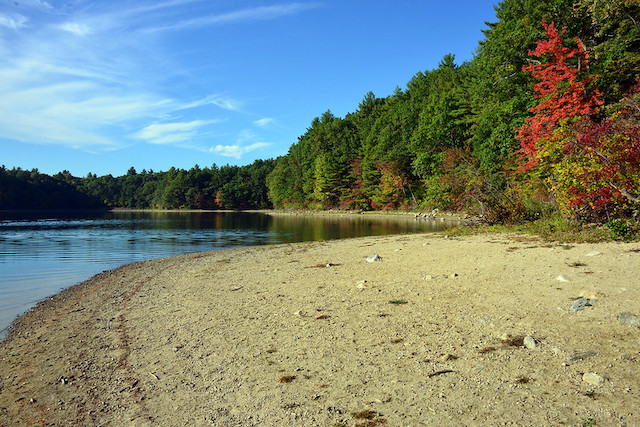
The serenity of this famous Massachusetts pond inspired Henry David Thoreau to pen his iconic book “Walden,” an ode to the simplicity of living in nature. Travelers will still find much of that same serenity a century-and-a-half later. Walden Pond feels worlds away from the hustle and bustle of modern-day life, despite being just a 30-minute drive from Boston.

Don’t let the name fool you, this “pond” is more than 60 acres in size. Guests will find all the traditional recreational activities available at their fingertips. Back on land, a walking path encircling the pond allows visitors to explore the shoreline and surrounding forest on foot.

What separates Walden Pond from other popular lake destinations is its unique place in American and literary history. Walden Pond is located in Concord, site of the first Revolutionary War conflict. Guests can learn about the town’s historical importance with stops at local museums, parks and memorial sites. Decades after the war, several notable authors called Concord home. This included Thoreau’s friend Ralph Waldo Emerson, whose house is open to the public. Just north of the pond sits Louisa May Alcott’s Orchard House, where she wrote “Little Women.”

Lake Champlain

New York-Vermont

Forming a geographical border between northern New York and Vermont is scenic Lake Champlain. Stretching 120 miles long and covering 435 square miles, it is the sixth-largest lake in the country. The water, lined by Vermont’s Green Mountains, claims postcard-worthy views at every turn.

Those looking to try their hand at sailing, a popular Lake Champlain activity, can book a private instruction or rent a boat of on their own. When it comes to sporting, Lake Champlain is a fisher’s paradise. More than 90 different species of fish can be found swimming underneath the surface and the lake is considered to have some of the best bass fishing in the Northeast. Speaking of animals, bird watchers should bring their binoculars to spot the 300-plus types of birds that live on or near Lake Champlain.

Those wanting to cross the river can do so via one of three bridges (two on the south end, one on the north) or by hopping on any of the three ferry services that travel along the wider, central portions of the lake. Once on land, visitors can travel through the quaint, waterfront towns that line the lake. The most notable of which is Burlington, Vermont’s most-populous city. Here, guests will want to make sure to stop by the Church Street Marketplace, a lively, open-air mall filled with restaurants, bars, boutique retailers and live music.

What’s your favorite lake destination? Let us know what you love about it in the comments below!

Save money getting to and around these water oases with AAA. Members can receive up to 25% off on Hertz car rentals. Traveling with friends and family? Up to four additional drivers (who are AAA members) can drive for free. 

Subscribe to Your AAA Newsletter

Sign up and receive updates for all of the latest articles on automotive, travel, money, lifestyle and so much more!

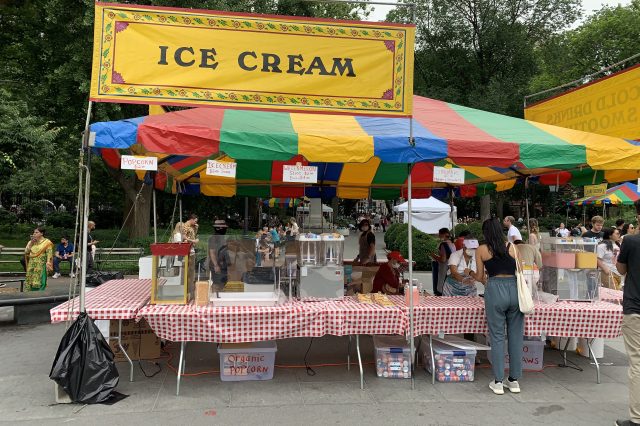
AAA Photo Session: Ice Cream

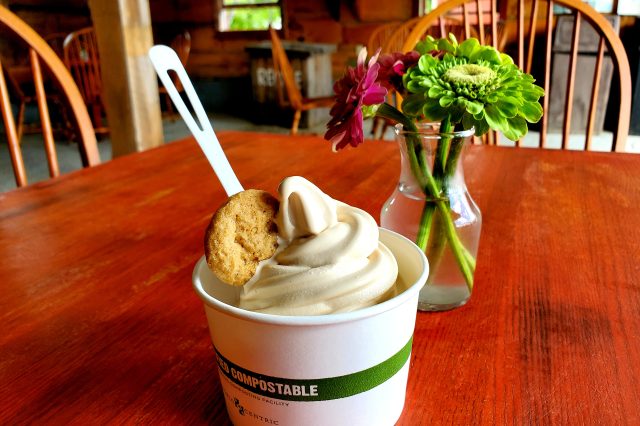
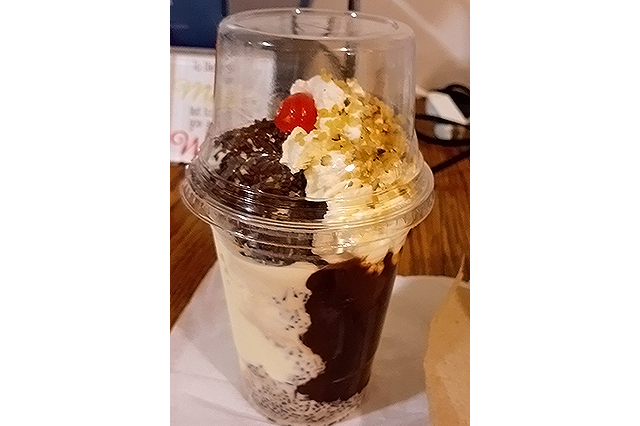
Scooped in a cup or swirled into a cone, homemade or from your favorite local shop, ice cream is the sweetest way to cool down on a hot day.

You sent us your best photos of this classic summer treat, delivering all the hot fudge, sprinkle-covered and cherry-topped goodness we’d hoped for.

Thank You for Participating! (Session Closed)

Browse through all of the photos we received during June’s ice cream-themed Photo Session in the slideshow below, and don’t forget to check our social media channels, where we will be sharing some of our favorites. Select photos may also appear in an upcoming issue of Your AAA magazine.

Check out past AAA Photo Sessions and stay tuned for the next one.

Subscribe to Your AAA Newsletter

Sign up and receive updates for all of the latest articles on automotive, travel, money, lifestyle and so much more!

Your Guide to a Fun Summer in Connecticut

Make sure you’re sitting down. I’m about to tell you something shocking.

All your life, you’ve been told to fly to Florida or the Caribbean for your summer vacation, and all your life you’ve been missing out on one of the best-kept secrets in nearby summer travel: Connecticut.

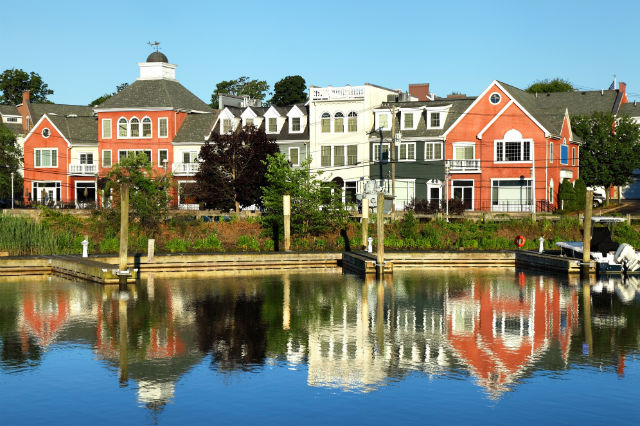
Halfway between New York City and Boston, all the outdoor fun you need is in the summer in Connecticut: great weather, beautiful scenery, charming coastal communities and some of the freshest seafood you’ll ever eat. And you don’t even need to fly there.

Start planning your trip today with our guide to summer fun in Connecticut.

All Natural

The beauty of coastal Connecticut might make you forget all about the Hamptons. It’s loaded with lighthouses and incredible coastal communities like the city of Milford, which has more shoreline than any other city in Connecticut. Rent a kayak, paddleboard, bike or scooter from Scoot & Paddle and set out on an expedition of the Milford Point area, where rare birds fly overhead and 400 acres of unspoiled marshland are waiting to be explored.

In Portland, Brownstone Adventure Sports Park is perfect for thrill-seeking nature lovers. This outdoor adventure park has rock climbing, snorkeling, cliff jumping and zip lines. It caters to all ages and groups of any size.

For a timeless, beautiful and truly unique 19th century experience, board the Essex Steam Train & Riverboat – a two-hour journey into the heart of the Connecticut River Valley on a real steam locomotive, which includes an hour-long cruise on the Connecticut River.

If you’d rather captain your own ship, head to Mystic Boat Adventures in the family-friendly village of Mystic. Drive your own miniature power boat up the Mystic River and see historic whaling ships up close at Mystic Seaport. And if that’s not thrilling enough, you can register for adult summer camp at Kent’s Club Getaway, where the adventures never stop.

Amusement Parks, Casinos and Shopping

Connecticut has earned a reputation as one of the best getaways for families and attractions like Lake Compounce are a big reason why. This family-friendly theme park is home to Connecticut’s largest water park and the world’s top-rated wooden roller coaster. Say hello to dozens of lifelike animatronic dinosaurs in its Dino Expedition area and when you’re all worn out, stay overnight at its campground only steps away from the park.

The thrills and laughs continue at Quassy Amusement & Waterpark in Middlebury, which is also known for great summer events like 3D fireworks and beach parties featuring live music, fire pits and waterslides.

Other family friendly attractions in Connecticut include Mystic Aquarium, where you can see thousands of sea creatures – including New England’s only Beluga whales and endangered African penguins, and Beardsley Zoo in Bridgeport, which has a Siberian tiger, a red wolf and 300 animals from North and South America. Get discounts at Mystic Aquarium with AAA. 

Of course, kids can’t have all the fun. That’s where Connecticut’s world-class casinos come in.

Mohegan Sun in Uncasville has hotels restaurants, golf, spas, entertainments and more. Foxwoods Resort Casino in Ledyard has all that and primo outlet shopping, too. Shopping enthusiasts can also head to Clinton Premium Outlets and The Shops at Yale in New Haven for more than 65 boutique shops, national retailers and award-winning eateries.

Living History

History comes to life in Connecticut in the form of Revolutionary War sites and coastal communities that date back to the 1700s. Look no further than the Henry B. Dupont Preservation Shipyard at Mystic Seaport, the largest maritime museum in the United States. Here you’ll find an astounding collection of historic vessels like the 1841 whaleship Charles W. Morgan, the last remaining wooden whaleship in the world.

At Putnam Redding Memorial State Park, you can see the site of the Continental Army’s 1779 winter encampment, and at Dinosaur State Park you can stop for a picnic after seeing its Jurassic-era fossil tracks from 200 million years ago.

Recharge your batteries on the green at the nearly 320-year-old Yale University campus and walk the 26-block New London Historic District, which is loaded with art, music and more than 30 eateries (state hero Nathan Hale once walked these streets – and so did Benedict Arnold).

summer in connecticut

Coastal Dining

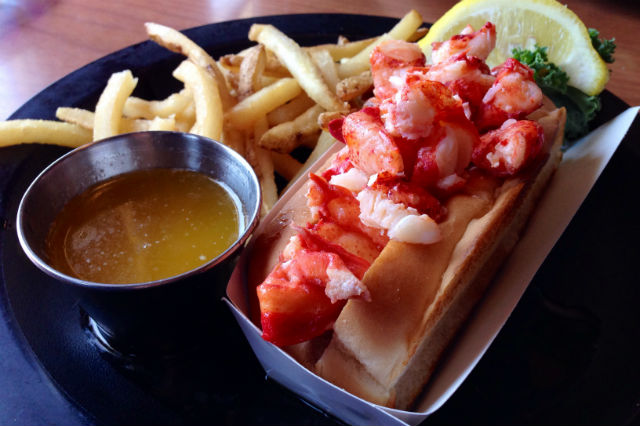
Eating is an adventure too, especially when it comes with views of the Atlantic Ocean. Complete your summer in Connecticut with a local favorite: the buttered lobster roll. Lobster Landing in Clinton, Abbott’s Lobster in Noank and Lenny & Joe’s Fish Tale in Madison are standouts, but you really can’t go wrong when it’s a lobster that was plucked from the ocean earlier that day.

Red 36 in downtown Mystic has a seasonal menu with an extensive raw bar and breathtaking water views. Or try the award-winning steak and seafood at Shell & Bones Oyster Bar & Grill in New Haven (don’t leave without trying the famous clam chowder). For an especially unique experience, head to The Place Restaurant in Guilford. Here you’ll sit outdoors on tree stumps while a crackling wood fire roasts clams and smoky lobsters (open May through October).

Craft Beverages

If your idea of enjoying summer in Connecticut involves a craft beverage in your hand, then Connecticut is perfect for you, provided you drink responsibly and have a designated driver. The state has a bunch of historic spaces that have been seamlessly outfitted into cool production facilities and hangouts when you need a break from the summer heat. Take Two Roads Brewing Company in Stratford, for example, which transformed a 112-year-old building into a state-of-the-art brewery and taproom.

Willimantic Brewing Company in northeastern Connecticut is stationed in a 1909 post office building and has been serving craft brews to its loyal patrons for more than 30 years. Chill out with a cold one underneath the shade of a colorful umbrella on the steps of the onetime mail center.

And it’s not just the suds that are worth the trip to Connecticut. The Connecticut Wine Trail has more than 20 vineyards and wineries, many of which overlook the stunning countryside or coast – perfect on a sunny summer day.

Summer Events

Connecticut’s summer events celebrate its New England culture and proximity to the Atlantic Ocean. Every July, more than 300,000 visitors head to the New London waterfront district for Sailfest, southeastern Connecticut’s premier summertime celebration. This year’s festival will feature more than 200 food and craft vendors, amusement rides and a firework show. You can even view the festivities from a 19th century cargo schooner with towering masts.

Other popular summer events in Connecticut include the Mystic Outdoor Art Festival and the Brooklyn Fair agricultural extravaganza in August, and the East Norwalk Oyster Festival in September.

And the best part? Connecticut is so close that you can get there easily – and quickly – by train or car. And whether you decide to stay for a couple of weeks or a weekend, you’ll find one of the best summer escapes has been right in your backyard all along.

There is so much to do in Connecticut in the summer, but it’s also a great year-round destination.

Share what you love about Connecticut in the comments. From outdoor activities to hotels and day trips, we want to hear about it.

FIND & BOOK A HOTEL WITH AAA IN CONNECTICUT 

Subscribe to Your AAA Newsletter

Sign up and receive updates for all of the latest articles on automotive, travel, money, lifestyle and so much more!

The Ultimate Guide on How to Defog Windows in Your Car

Other than aggressive drivers and traffic jams, it’s hard to name something more annoying than figuring out how to defog windows during a long commute.

Window fog makes it hard to see the road ahead, and like a pesky bee to a soda can, it always comes back.

Fortunately, car experts have clearing foggy car windows down to a science. Keep reading for advice on how to defog windows and tips for making it happen faster.

How to Defog Windows on a Cold Day

The fog that forms on a windshield is condensation, created when water vapor in the air near the glass falls below or above a certain temperature, known as the dewpoint. When the temperature of a car cabin gets warmer than it is outside, that’s when the moisture from our breath and clothes condenses on the inside of the windshield and windows.

When the windshield gets foggy, the go-to move for many drivers is to blast the defroster, using the hottest heat and strongest setting to clear the glass. The warm air from the defroster helps evaporate the moisture near the windshield, but it’s only a temporary fix.

If you want to stop the fog from forming, experts recommend using cool air to lower the temperature on the inside of the glass. You can accomplish this by blowing cool air out of the defroster, turning on the air conditioner (which acts as a dehumidifier) or by cracking the windows, if you can tolerate a brief face-full of cold air.

John Paul, AAA’s Car Doctor, recommends turning off your car’s “recirculate” button (symbolized by a car with a looping arrow inside). When it’s off, the car pulls in dry air from outside the car to clear the windshield, instead of using moist air inside the car, which causes the problem in the first place.

“The other issue that causes moisture on the inside of the car is damp carpets,” Paul said. “It is always a good idea to wet-vac the car after a week of getting in and out of the car with snowy boots.”

How to Defog Windows on a Warm Day

Getting rid of fog on the outside of the windshield when you’re running the A/C in the spring is much easier – just use your wiper blades. Get tips on how to make your windshield wipers last.

But if the humidity outside the car is causing the side windows to fog up, try using the opposite logic of what to do on a cold day. That is, use warm air, or the least-powerful cooling setting, to raise the temperature inside the cabin a little bit. That way you’re not putting the windows up and down every five minutes or turning the wiper blades off and on the entire trip.

Other Tips and Tricks for Foggy Car Windows

Cleaning the inside of your windshield will help prevent fog before it happens, said AAA Northeast spokesman Robert Sinclair Jr. Fog has a harder time forming on a clean surface, and an easier time forming on dirt and the film left behind from smoking, so he recommends taking a couple minutes over the weekend to spruce it up. Use a non-sudsing ammonia for the best clean, he said (just make sure to crack the windows open while you do it so you don’t inhale the stuff).

Another, more unusual tip, comes from YouTuber DaveHax, who recommends keeping a sock full of kitty litter on or close to the dashboard. The litter is very absorbent, and can help contain some of the moisture in the cabin.

Also, keep wet belongings like a recently used umbrella or sweaty gym clothes in the trunk if you want to cut down on the amount of moisture inside your car (hey, every little bit helps).

What Not to Do

Lastly, most people know this, but it bears repeating: Avoid wiping foggy car windows with your hands. Hands carry oils that will transfer to the glass, so while it could temporarily defog car windows, it might just make the problem worse later on. Keep a microfiber cloth inside your vehicle in case you have to clear the windshield in a pinch.

And when you clean your windshield, avoid spraying a cleaning product directly on it – where it will splash on the dashboard and elsewhere. Spray your solution on a microfiber towel, and wipe up and down, and side to side, using long stokes. Then use another towel to wipe off any excess spray.

Now that you know how to defog windows, you’ll know what to do the next time things get steamy inside your car.

Do you have any tips or questions about defogging car windows? Leave them in the comments below. 

Learn about AAA’s automotive services

Subscribe to Your AAA Newsletter

Sign up and receive updates for all of the latest articles on automotive, travel, money, lifestyle and so much more!

Subscription Boxes You’ll Love to Look Forward To

budget wise

Remember when you’d get a package or card in the mail as a child? The sense of excitement as you tore it open, wondering what was inside? Well, now you can recapture some of that thrill with monthly subscription boxes. From food and relaxation to pets and hobbies, there’s a box out there for everyone.

We rounded up some of the best box subscriptions to show the impressive range of goodies available. Read on for inspiration and, perhaps, a little gift-giving to yourself!

Food and Drink

Home Chef

Cooking at home is fun, but going to the grocery store can be such a chore sometimes. With Home Chef, you don’t have to worry about the hassle of gathering ingredients. This subscription box will deliver all the ingredients and instructions for two perfect meals to your doorstep every week! You can create and enjoy meals like crispy Dijon chicken, shrimp lo mein, butternut squash gnocchi and more. You don’t have to be a professional chef to make a delicious meal in the comfort of your own home. AAA members can get $110 off their first four boxes with promo code AAANE110.

Winc

If you’re looking for your new favorite wine, try Winc’s online quiz. It’s only a minute long, and it helps Winc determine your tastes, your palate and your preferences. With a Winc subscription, you’ll get four bottles a month delivered right to your door. You’ll be an at-home sommelier in no time! AAA members can save on their first order, plus free shipping to boot.

Bokksu

Have you ever wanted to expand your snacking palate? Bokksu delivers authentic Japanese candy and snack foods each month. Every box includes 20-25 selections of Japanese teas, candies, cakes, chips, mochi and other premium snacks. It also comes with a culture guide that will show you where in Japan your snacks come from and tell you about their story.

Simple Loose Leaf

You can never have enough tea. The Simple Loose Leaf subscription box delivers a curated, monthly selection of premium tea blends from around the world. You’ll also receive tasting notes about the origin of the teas, what their flavor notes are and how you can best brew and enjoy them.

subscription box

Pet Box Subscriptions 

BarkBox

Get a box of fun surprises for your fur baby every month with a BarkBox Subscription. Every 30 days, your pooch will get two bags of healthy treats, two unique toys and a dental chew. They’ll never get bored! All items in BarkBoxes are made in the USA with locally-sourced materials free of wheat, corn and soy. If your toys/treats don’t work for any reason, let the company know; their Scout’s Honor Guarantee means they promise to replace or make the situation right every time. AAA members can get a free extra toy in every BarkBox when they sign up!

Chewy

Not ready to commit to a monthly subscription? Check out the Chewy Goody Box, which offers a huge variety of themed boxes for cats and dogs. Filled with handpicked treats, toys and other goodies, these boxes will be a delightful surprise for your furry friend. Plus, since it’s not a subscription, you can choose which box you want and know ahead of time what special treats they’ll contain! AAA members can save on Chewy products.

Self Care Subscription Boxes

TheraBox

Need some “me” time? TheraBox will remind you to kick up your feet and take some time for yourself every month. Each box includes items that will help you relax and unwind, like scented candles, luxury bath products, mindfulness activities, sleep masks and more. It’s a great excuse to give yourself some much-needed self care.

Allure Beauty Box

Most makeup lovers are always looking for new products to try. The Allure Beauty Box is box subscription that sends at least three full-size products, some mini items and a pocket-sized magazine filled with beauty tips and exclusive offers every month.

GQ’s Box

Don’t just get recommendations, get quality products delivered straight to you four times a year! GQ’s Best Stuff will send you seasonal boxes filled with just the right stuff to get the season started on the right foot. Boxes have featured products like body wash, skin and beard lotion, designer fragrances, sheet masks, sunglasses, water bottles and even clothes.

Just for Fun

Crated with Love

Are you out of date night ideas? Crated with Love is a date night in a box! Every month, you’ll receive a themed box filled with games, activities, recipes and even a playlist for your date. It’s a great way to make a date night in feel unique and fun.

Hunt A Killer

You can put your detective skills to the test with Hunt A Killer, an immersive game that makes you the main character of a murder mystery. With each box, you’ll receive new pieces of evidence, like a handwritten letter, a pamphlet for a national park, a notebook, an ID badge or something completely unexpected. Can you catch the killer? This set comes with every episode, so you won’t have to wait for the next box to continue unraveling the mystery.

Kids and Families

KiwiCo

Kids love to be creative, but sometimes it can be tough to think of new and exciting activities for them. KiwiCo is a subscription service that delivers enriching monthly activities featuring science and art. You can choose from a variety of interests and age groups to make sure your child is getting the box that’s right for them. KiwiCo offers boxes like the Panda Crate for ages 0-24 months, the Yummy Crate for young chefs, the Tinker Crate for budding engineers, the Doodle Crate for new artists and so much more. AAA members can save 40% off their first crate.

Raddish Kids

Raddish is a kids cooking subscription box that will send you three kid-friendly recipe cards and a new kitchen tool every month. The recipes will help teach cooking skills throughout different cultures and cuisines, and the special tools will help any young chef feel at home in the kitchen.

What do you think is the best monthly box subscription? Do you sign up for any that we talked about? Tell us about it in the comments.

Subscribe to Your AAA Newsletter

Sign up and receive updates for all of the latest articles on automotive, travel, money, lifestyle and so much more!

Inside Elvis’ Memphis

The biographical musical drama “Elvis” starring Austin Butler as Elvis Presley and Tom Hanks as manager Colonel Tom Parker, has sparked a renewed fascination with the late icon. And whether you are inspired by the movie or are a fan of Elvis or music in general, a visit to Memphis provides plenty of rock-and-roll fun for travelers.

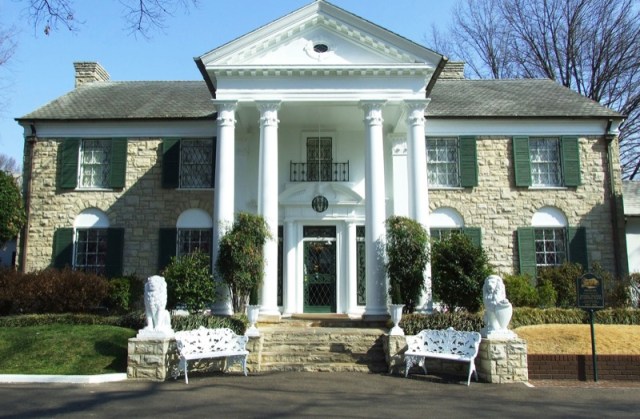
The first stop for an Elvis-themed (or any) tour of the city is the 120-acre Graceland. The King’s estate features the uniquely styled Graceland Mansion. Single and multi-day tickets are available, inviting visitors into Elvis’ personal world.

At the mansion, you’ll see the music room, racquetball room, the famous Jungle Room and more. And you can pay your respects at the Meditation Garden, the final resting place for Elvis and members of his family.

Once you are done exploring the house, cross the street to the 200,000-square-foot Elvis Presley’s Memphis entertainment and exhibit complex. Check out Elvis’ impressive car collection, including his Pink Cadillac, at the Presley Motors Automobile Museum, or see his collection of gold and platinum records and iconic jumpsuits at the Elvis the Entertainer Career Museum.

elvis memphis graceland
“Graceland” by josephleenovak is licensed under CC BY 2.0.

Included in the price of your Graceland ticket, interactive and immersive experiences at Elvis Presley’s Memphis feature customized photos and videos of you and Elvis. Pick an Elvis from the era of your choice: the 50s, 60s, or 70s. You can even virtually dress up like an Elvis impersonator or place yourself in Elvis’ movie posters and album covers.

And you don’t want to miss his custom jets. Known as “Flying Graceland,” the Lisa Marie (named for Elvis’ daughter) is decked in signature Elvis style.

When it’s time for a break, dine on Memphis barbecue at Vernon’s Smokehouse. For those who would like to enjoy live music, the Graceland Soundstage at Elvis Presley’s Memphis hosts musicians and bands.

Die-hard fans can spend the night at the 450-room Guest House at Graceland, a full-service hotel that includes a 464-seat theater.

Follow the Music

Explore more of Elvis’ Memphis at Sun Studio, where he recorded his first singles. It’s also the site where other music greats such as Howlin’ Wolf, Johnny Cash, B.B. King and Roy Orbison recorded their early tunes. A guided tour of the studio features outtakes from recording sessions and plenty of stories about the music legends.

The Memphis Rock ‘n’ Soul Museum, created by the Smithsonian Institution, looks at Memphis’ music story starting in the 1930s and those “who, for the love of music, overcame racial and socio-economic barriers.”

Elvis is, of course, an inductee of the Memphis Music Hall of Fame. A visit here offers a look at cool memorabilia, video performances and interviews, and interactive exhibits. The Stax Museum of American Soul Music and The Blues Foundation Blues Hall of Fame offer additional context and music exhibits.

Stroll along Beale Street, home to shops, restaurants, bars and live music venues, and get a photo with the Elvis statue near Main Street. In the evening, take your pick of such clubs as B.B. King’s Blues Club, Rum Boogie Café’s Blues Hall Juke Joint and Blues City Café to listen to live blues. And you can relive the excitement of the “first-ever rock and roll show” at Overton Park Shell outdoor amphitheater where Elvis performed in 1954.

Dine Like The King

While in Memphis, be sure to check out two of Elvis’ favorite dining spots.

At the Arcade Restaurant on South Main Street, you can sit in the Elvis booth and order his favorite fried peanut butter and banana sandwich.

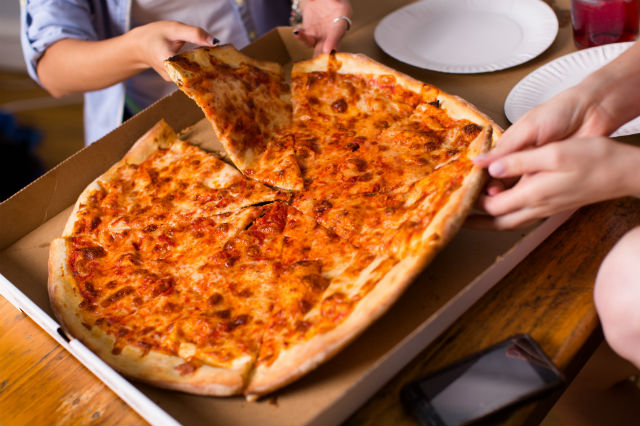
Or head to Coletta’s Italian Restaurant’s South Parkway location to eat in the Elvis Room, a private dining space that Elvis and his entourage would regularly take over. They claim to have created barbeque pizza, so be sure to try some while there.

Festival Time

Every August, the annual Elvis Week is filled with concerts, tributes, conversations, a moving candlelight vigil and more. This year’s event takes place Aug. 9-17 at Graceland and marks the 45th anniversary of Elvis’ death. Among the special appearances slated for 2022 are Priscilla Presley and Barbara Eden.

The Holiday Lighting Weekend at Graceland kicks off the season on Nov. 17 to 19 this year. Special holiday tours of the decorated Graceland Mansion and grounds run from Nov. 17 to Dec. 23, with the holiday décor staying on through Jan. 8, 2023.

Graceland also celebrates Elvis’ birthday every year with a four-day celebration around January 8. Be part of the festivities for Elvis’ 88th birthday taking place Jan. 6 to 9, 2023.

Let a AAA travel advisor help you plan your trip to Memphis.

Subscribe to Your AAA Newsletter

Sign up and receive updates for all of the latest articles on automotive, travel, money, lifestyle and so much more!

Guide to Northeast Pizza Styles

From thin, charred New Haven “apizza” to thick-crust Sicilian-style Brooklyn pies, Northeast pizza styles are as diverse as the places that made them famous. Consider this your guide to the region’s signature styles — and where to find them.

Neapolitan

Originating in Naples, Italy, Neapolitan pizza was brought to the Northeast by Italian immigrants who began to settle in these parts around the late 19th century.

This traditional round, thin-crust pie now boasts global fame, though it’s larger than the domestic Italian versions of past generations. Its simultaneously doughy yet crispy edge, abundant San Marzano tomato sauce and smattering of buffalo mozzarella cheese provide the simple foundation that allows chefs to craft unique variations, using secret family recipes and time-honored baking traditions to set their pies apart.

Artisan adaptations have morphed into their own official methods, including New York and New Haven styles, as well as New Jersey tomato pies and thin-crusted bar pies, which reign within their state borders.

Minor subtleties separate each pizza style, from length of dough fermentation (New York style is quick rise, while New Haven dough proofs overnight), to cooking methods (coal, wood or gas fire), to size (New Haven’s smaller pizzas counter New York’s larger pies that are often sold by the foldable slice) and cheese (tomato pie is often “senza formaggio” or without cheese.)

They also have their own lexicon: New Haven die-hards put a little “mootz” on their “apizza,” which is a vestige of their Italian dialect, while New York slices smothered in cheese are often simply referred to as “regular.”


View this post on Instagram


A post shared by Frank Pepe Pizzeria (@frankpepepizza)

Legendary New Haven neighbors Frank Pepe’s Pizza Napoletana, Modern Apizza and Sally’s Apizza are the go-to for traditional eponymous pies since the 1920s and 1930s. Try the classic clam pizza at Frank Pepe’s (which it invented and others copied) or Sally’s Garden Special.

Get an inside look at how pizza is made at Frank Pepe’s.

For classic New York-style pies from legit Italian pizzaiolos, it’s Di Fara Pizza in Brooklyn (since 1965) or Joe’s in Greenwich Village (since 1975). Both offer Neapolitan and Sicilian pizzas with little fanfare, just a classically delicious old-world vibe with old-world ingredients.

In Rhode Island, Pizza Marvin in Providence crafts a delicious New Haven pizza, while Fellini Pizzeria’s New York pie is as close to the original as you can get, but with a whole wheat crust.

Boston’s Regina Pizzeria is considered by many as the city’s best brick oven pizza, though Molinari’s in Dorchester offers considerable competition with its custom sauce and wood-burning oven.

For a personal-sized, super thin-crust Neapolitan pie, head to Eddie’s Pizza on Long Island for their trademarked bar pie.

Cross the New Jersey border for tomato pies, which generally are Neapolitan, though variations abound. A dusting of parmesan instead of mozzarella scatters the top, though some chefs bury cheese beneath the sauce. De Lorenzo’s Tomato Pies was one of the first to open outside Trenton, and that 86-year legacy means a mouth-watering, slightly charred crust.

Sicilian

Originating in Sicily, Sicilian pizza (known as “sfincione” in Italian, which appropriately means “thick sponge”) was popular there until the 1860s, where translations included stuffed crust, a calzone-type pizza pocket and even a second layer of dough.

Its thicker, doughier crust resembles focaccia bread, and it’s baked in a pan, so its rectangular shape is a healthy canvas for toppings. Tomato sauce and flavorful cheese, as well as sardines, herbs and onion are common accompaniments, though heavier garnishes have been widely served across America for a nearly 100 years.

Regional variations make this pizza an epicurean adventure, from Chicago’s deep dish to Detroit’s hearty square and Rhode Island’s cheese-less pizza strips. Just like its Neapolitan cousin, Sicilian pies have their own vocabulary, so make sure to ask for a “square” rather than a slice, and don’t fret if you need cutlery for the first steaming bite.

L&B Spumoni Gardens in Brooklyn is a can’t-miss destination for the upside-down Sicilian pie, where four generations have layered sweet tomato sauce atop strands of mozzarella and parmesan to prevent it from saturating the dough.

Emmy Squared in Brooklyn is known for their Detroit-style pie, a cheese-covered square pizza with a thick, fluffy crust, baked on a cooling rack embedded in a pan for maximum crisp factor on the cheese-crusted corner piece.

Alternately, Emmett’s in SoHo proffers round deep-dish pies that harken back to the founder’s upbringing in Chicago, with such a cavernous crust that they resemble a Thanksgiving dessert, except they’re bursting with copious tomato sauce and cheese.

Gino’s Pizza & Ristorante in Belleville, New Jersey, serves up enchanting Sicilian pies, either plain or with everything.

In Dedham, Massachusetts, the potato pizza at Santoro’s Sicilian Trattoria is a delicacy, with its thick crust covered in creamy Bechamel sauce, instead of tomatoes, julienned potatoes, rosemary and sage seasoning and mozzarella and parmesan cheeses.

Rhode Island’s pizza strips are renowned as party pizzas because they’re ideal for large groups and are served at room temperature, without cheese but with an ample dose of sweet tomato sauce that’s almost like a paste. DePetrillo’s Pizza and Bakery in North Providence and The Original Italian Bakery in Johnston, both operated by members of the same family, offer bona fide pizza strips. For a fresh out of the oven meal. A Guy and His Pie in Pawtucket offers a rotating weekly menu of Detroit-style pizzas.

The Grandma pie is a lighter, fresher more rustic version of the traditional Sicilian, dotted with crushed plum tomatoes. It is thinner, denser, and crispier than traditional Sicilians, but just as delicious. Umberto’s Pizzeria of New Hyde Park, New York, is often credited with originating the Grandma-style pie and makes a shining example of this pizza style; try it any of their six locations across Long Island.

What’s your favorite pizza? Tell us in the comments.

Last updated: April 15, 2026

Subscribe to Your AAA Newsletter

Sign up and receive updates for all of the latest articles on automotive, travel, money, lifestyle and so much more!

The History of the Car Wash Industry

As long as people have had cars, they’ve needed to keep them clean. For the majority of car wash history, the process was anything but smooth. Professional cleaning was labor intensive and fairly inefficient, so most people completed the task themselves.

But like nearly every other part of automobile history, the car wash has seen light-years worth of evolution in just a few decades. In the latter half of the 20th century, car washes began to introduce automation. Ever since, the process has continued to advance to the one we have today, where a vehicle can go from mud-, dirt- and grime-riddled to gleaming and glistening in a flash.

Car Wash History Begins

Although there is some debate over which professional car wash was in fact first, the title is widely credited to belong to Automobile Laundry in Detroit, Mich. Frank McCormick and J.W. Hinkle opened the business in 1914.

The actual process of cleaning the car was rudimentary at best. Workers had to physically push the vehicles through several stations that performed different cleaning tasks.

It took several decades for the car wash to become semi-automated. In 1940, an automatic conveyor car wash opened in Hollywood, Calif. But even this process was underdeveloped. It used a winch system to pull the car along, but workers still had to do all the manual labor.

In 1946, the first cleaning aspect of the process became automated when Thomas Simpson designed and built an overhead sprinkler system that washed down vehicles.

car wash
The car wash as we know it developed from automation methods pioneered in the 1950s. “Angel Car Wash, 558 S. Anaheim Blvd, Anaheim, 1974” by Orange County Archives is licensed under CC BY 2.0.

Automatic Car Wash History

Car wash history took some major steps forward in the 1950s when a man by the name of Dan Hanna Sr. entered the picture. In 1955, Hanna was vacationing in Mexico. His hotel was located across the street from a car wash, which he became fascinated with. When he returned home to Portland, Ore., he opened his own business, Rub-A-Dub car wash in Milwaukie, Ore.

Hanna quickly realized the need for a more efficient cleaning process and began building and testing new equipment. In 1959, he had finally developed a working model of the first mechanized car-washing system. Not only did he utilize the machinery himself, he put them in other people’s car washes as well.

By the 1960s, Hanna had become the premier manufacturer of car wash equipment. During this time, he made major strides in car wash history, patenting numerous revolutionary car wash inventions including the wraparound brush, soft cloth friction wash and recirculating water system.

Over the years, car wash businesses continued to work to streamline the cleaning process. Around the turn of the century, a new priority came to the forefront: limiting waste. New technology emerged that better recycles and preserves water as well as reduces electricity usage.

The Car Wash Today

The car wash industry has ballooned to become an enormous trade.

There are more than 60,000 car wash locations in the United States, According to the International Carwash Association. More than 2 billion cars are washed each year in North America. This equates to retail sales totaling roughly $15 billion.

Much of this has to do with a shift in consumer trends. In 1994, less than half of all drivers reported last washing their vehicle at a professional car wash. In 2019, that number jumped to 77%.

Types of Car Washes

The evolution of the car wash has resulted in a host of different professional car washing options available to drivers today. These can include:

  • Self-Service: Drivers park their cars at a designated bay and pay a small price for access to cleaning equipment, including high-pressure water hoses, sponges and soaps. Car owners must do all the cleaning themselves.
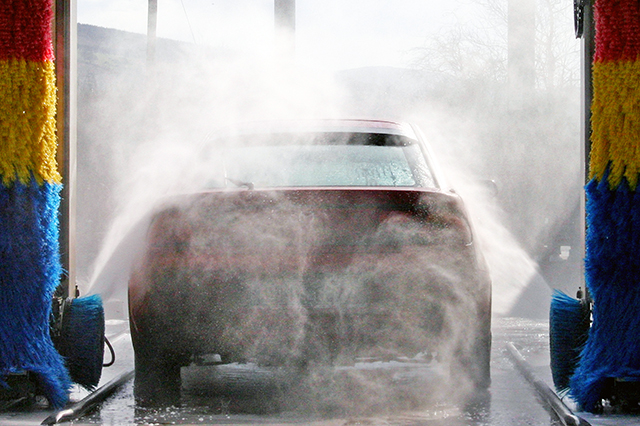
  • Automatic: automated car washes pull the car along a conveyor belt and utilize machines to most of the cleaning. These can include soft touch washes, which use cloth to scrub the car, or no touch, which use only high-pressure water and soap.
  • Hand Wash: Professional cleaning attendants wash the car completely by hand.

Each method has its advantages and disadvantages in regards to price, time and efficiency. For example, self-service is more labor intensive for the driver but is almost always the cheapest option. Hand washing can be customized to a vehicle’s precise cleaning needs but it a process that costs more and takes a significantly longer time to complete.

Visit NAPA Auto Parts for all your car-washing needs and receive 10% off just for being a AAA member. If you prefer to let the pros handle it, AAA members also receive discounts at ScrubaDub Auto Wash Centers, RoJo Car Wash and Pristine Auto Spa.

Are you a regular car wash patron or do you prefer to washing it yourself? Let us know in the comments below.

Subscribe to Your AAA Newsletter

Sign up and receive updates for all of the latest articles on automotive, travel, money, lifestyle and so much more!

What Is Horsepower? Common Car Terms Explained

On a fateful 18th century day, engineer James Watt was conducting research on ponies lifting coal out of a mine. He determined a single pony could exert 22,000 foot-pounds of work in a minute. (In practical terms, this meant lifting 220 pounds 100 feet high or 22 pounds 1,000 feet.) Watt estimated a horse to be 50% stronger than a pony and increased the number to 33,000 foot-pounds per minute. He called his new unit of measurement horsepower.

Devised long before the advent of automobiles and internal combustion engines, horsepower was never meant to describe an engine’s performance. So, as we know it today, what is horsepower? This same question can be applied to many oft-mentioned automotive terms and features. Whether its through television commercials, car-buying research or conversations with your mechanic, you’re likely bombarded with automotive lingo all the time. But do you really know what it all means?

To help you become a more educated motorist, we rounded up and defined a number of car terms you’ve heard of but might not be crystal clear on.

A, B, C, D Pillars

No need to dust off that architecture textbook, these terms are quite simple. Pillars are a vehicle’s roof support structures. The A pillars are found at the front of the car on both sides of the windshield. B pillars are located between the front and rear doors, and C pillars are toward the back of the car on opposite sides of the rear window. On SUVs, wagons and minivans, the C pillars are behind the rear doors and D pillars surround the back window.

adaptive cruise control

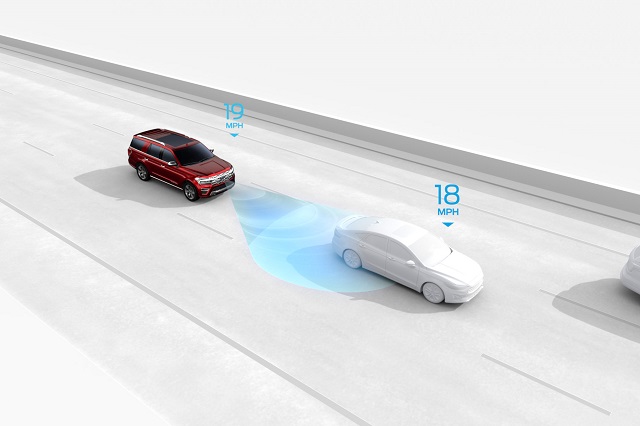
Adaptive Cruise Control

This system automatically adjusts a car’s speed in order to maintain a preset distance from the vehicle in front of it. If a slower car moves ahead of you, the adaptive cruise control will reduce your vehicle’s speed, and vice versa. Advanced versions of the system will slow a car down while traveling around corners and adjust speed based on changes in the posted speed limit.

All-Wheel Drive

All-wheel drive is a type of transmission system that directs power from the car’s engine to all four wheels independently. This provides better traction and handling, particularly in adverse conditions.

There are two types of all-wheel drive: full-time and part-time. The former continuously sends power to the front and rear axles. The latter uses sensors the detect when power is needed for each axle and then turns on automatically. When allowable, the part-time system will switch to two-wheel drive to improve fuel economy.

Alternator

An integral part of a vehicle’s charging system, the alternator is responsible for powering a car’s electrical components when the engine is on. It also charges the car battery when driving. Components inside the alternator rotate to create alternating current (AC), which is transformed into a direct current (DC) that, in turn, charges the battery.

Anti-Lock Brakes

Anti-lock braking systems prevent wheels from locking up during heavy braking situations. By releasing and reapplying the brakes, ABS keeps your tires from skidding, which can help you steer your vehicle during a sudden stop. ABS kicks in automatically, utilizing sensors to detect when the wheel is about to lock up.

Catalytic Converter

Part of your car’s exhaust system, the catalytic converter sits underneath the vehicle between the engine and tailpipe. The device contains precious metals that convert toxic emission gases into less-harmful substances such as carbon dioxide and water vapor. These metals are highly valuable, which explains why catalytic converters are some of the most frequently stolen car parts.

Differential

The differential is a system of gears that allows left and right wheels to rotate at different speeds. Without a differential, you wouldn’t be able to turn your car properly.

Four-Wheel Drive

Like all-wheel drive, four-wheel drive (4WD) systems send power to both the front and rear axles. However, with 4WD, the front and rear driveshafts are locked together. This means both axles spin at the same speed, which provides extra traction on off-road conditions. Typically, 4WD is only found in trucks and SUVs suited for off-road use.

What Is Horsepower?

Simply put, horsepower is the measurement of how much power an engine can produce. Generally, the higher the horsepower, the faster the car. But it’s important to note that horsepower refers to the maximum speed an engine can produce and its ability to maintain that speed. It has less to do with how quickly a vehicle can go from 0-60. (There’s another term for that).

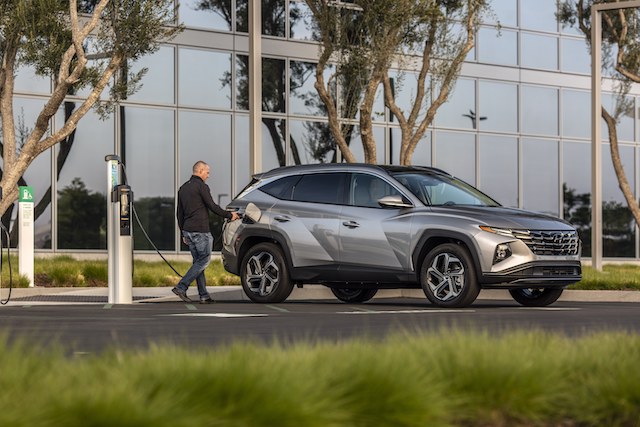
Hyundai Tucson PHEV
The Hyundai Tucson is available in both traditional and plug-in hybrid models.

Hybrid, PHEV and BEV

The three most common types of electric vehicles are conventional hybrids, plug-in hybrid electric vehicles (PHEV) and battery electric vehicles (BEV). Conventional hybrids use both a gasoline engine and an electric motor. The motor cannot be recharged through an external source. Instead, it uses a process known as regenerative braking to capture energy and turn it into electricity. Plug-in hybrid electric vehicles are also powered by gasoline engines and electric motors. However, their motors can be charged through an electrical outlet. PHEVs also have the ability to run solely on electricity.

Battery electric cars do not have gas-powered engines. All their power comes from an internal battery, which is recharged through an external source.

Learn more about the differences between the types of electric vehicles.

Kilowatt-Hour

You’re likely familiar with kilowatt-hour (or its abbreviation kWh) from your electric bill. It’s the measure of energy an electrical device needs to run for one hour. A 1,000-watt microwave, for example, requires 1 kWh.

The battery capacity of an electric vehicle is measured in kilowatt-hours. They can range significantly, but generally fall between 40 and 100 kWh. If you have a 100-kWh battery, such as the one found in the Tesla Model S, and the vehicle is operating at 25 kWh, you can drive for four hours before needing a charge. Kilowatt-hours are also a consideration when charging your electric vehicle, which takes us back to that electric bill. If you’re looking to fully charge that same 100-kWh battery, and the going rate of electricity is $0.20/kWh, it will cost you $20.

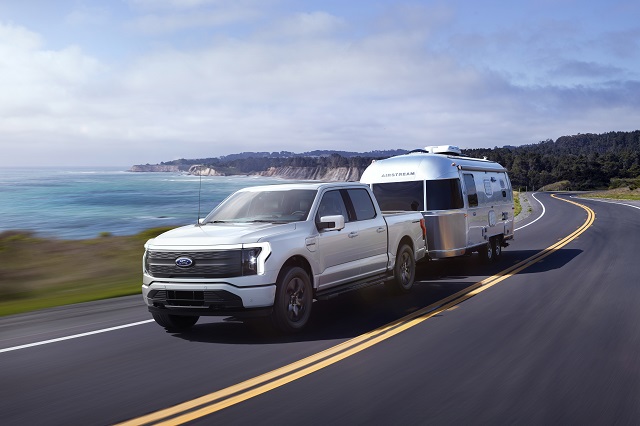
The Ford F-150 Lightning boasts 775 lb.-ft. of torque, allowing it to tow up to 10,000 pounds.

Torque

In technical terms, torque is the twisting force produced by the engine. Essentially, it’s the power needed to accelerate a car from stationary to high speeds. Torque is particularly important in pickup trucks, as it takes more power to move heavier stationary loads.

Spark Plug

A small but integral part of your car’s ignition system, spark plugs provide the spark that ignites the air-fuel mixture inside a combustion engine. This tiny explosion kickstarts the engine’s pistons into motion, creating the power needed to move your car.

Shocks and Struts

These two components of a car’s suspension system are often used interchangeably, but they are separate components with distinctive jobs. Shocks are hydraulic devices that minimize the movement generated by a car’s springs to create a smooth ride. Struts, meanwhile, are structural components found in some cars. In addition to their role in shock absorption, struts are also an integral part of a vehicle’s steering system, impacting brake performance, wheel alignment and turning ability.

Is there an automotive term or component you’re in the dark about that’s not listed? Let us know in the comments below and we’ll shed some light.

Subscribe to Your AAA Newsletter

Sign up and receive updates for all of the latest articles on automotive, travel, money, lifestyle and so much more!

8 Great Summer Destinations

Whether you’re looking to disconnect with a refreshing and quiet getaway in the mountains or escape to warm sandy shores for fun in the sun, summertime is the perfect time to break away from day-to-day routines and enjoy the beautiful outdoors.

Best Western® Hotels & Resorts makes traveling to scenic destinations near and far easy, offering approximately 2,300 locations across North America – many of which are near popular national parks and world-class beaches. And AAA members save up to 15% at Best Western-branded hotels – making summer travel easy on your wallet too. The only difficult part? Narrowing down which destination to go to!

We’re sharing eight great summer destinations – any of which are sure to bring you the amazing experiences you’re looking for this summer season.

Fort Myers

When we close our eyes and imagine a warm tropical getaway, we think of Fort Myers, Florida. Positioned along the sunny Gulf Coast, this area is known for its rich history, fun downtown waterfront and spectacular beaches.

On the coastline, you’ll find Fort Myers Beach, a 7-mile stretch of paradise with sugary white sand and sparkling waters that postcards can’t even do justice. Whether you want to soak up the sun and let the waves lull you to sleep, or indulge in the water activities and enjoy local eats and finds at the laid-back beach village, this destination is a beach goer’s dream.

Travelers can also hop over to the neighboring island of Captiva, known for some of the most romantic beaches in the U.S., or the island of Sanibel, world-renowned for its shell-covered beaches and fishing pier.

For a place to stay, check out the Best Western Plus Beach Resort.

Manhattan Beach

An idyllic California getaway involves the beach, outdoor activities, shopping, amazing food and proximity to Southern California’s major attractions. Enter: Manhattan Beach. This laid-back beach town has been dubbed “The Pearl of L.A.’s South Bay” and was immortalized in the Beach Boys classic, “Surfin’ U.S.A.”

From its beautiful beachfront, biking trails and parks, to its boutiques, cafés and creative eateries,  you’re sure to have the quintessential California experience at Manhattan Beach. Centrally located to all major freeway arteries in L.A., travelers also have easy access to explore and check off the big city attractions on their must-see list.

For a place to stay, check out Best Western Plus Manhattan Beach Hotel.

Summer Travel Savings With Best Western!

Stay two nights and receive a free night award, through September 4. Registration required.

Book Now

Great Smoky Mountain National Park

If you’re looking to enjoy the quiet splendor, fresh air and tranquil sounds of the mountains, we recommend the beautiful and serene Smoky Mountains.

Part of the Appalachian Mountain Range, Great Smoky Mountain National Park is the most-visited national park in the United States. Visitors can traverse over 300 miles of maintained roads to explore and view the animals, reptiles and hardwood forests that call this region home.

For a place to stay, check out the Best Western Plaza Inn.

Orange Beach

A lesser-known beach, but a favorite among those who have been, the city of Orange Beach offers 32 miles of white sand beaches with 360-degree views. Year-round warm weather makes this beach a popular destination for locals but remains a relatively unknown beach for tourists!

Enjoy the best that Orange Beach has to offer by staying at the spectacular Best Western Premier The Tides.

Acadia National Park

The oldest park east of the Mississippi, Acadia National Park is located along the rugged coastline of Maine near Bar Harbor. This diverse park offers activities for all interests.

Explore the shoreline and the tide pools, or for a different perspective, hop on a cruise tour and learn the history while enjoying the scenery. Back on land, keep your eye out for the moose, deer and black bear that roam the park.

For a place to stay, check out Best Western Acadia Park Inn.

summer destinations

Yosemite National Park

The crown jewel of America’s national parks, Yosemite is the oldest and perhaps the most famous.

Many of the national parks have distinguishing characteristics that set them apart from the others. For Yosemite National Park, the many waterfalls are what draw millions of visitors to the park each year. The diverse landscape also includes the mighty sequoia trees and famous rocks including Half Dome and El Capitan.

In addition to hiking, fishing and rock climbing, Yosemite has been a muse for many photographers. Take a workshop at the Ansel Adams Gallery at Yosemite for tips on capturing your treasured moments.

For a place to stay, check out the Best Western Plus Yosemite Gateway Inn.

Miami Beach

Let’s face it, some of us want to have our cake and eat it too. So, when you want to soak up the sun on a world-class beach during the day and enjoy the glitz and glamour of a big city at night, look no further than Miami Beach.

The cultural hub of South Florida, Miami’s sparking beaches, turquoise waters and vibrant culture draw in millions of visitors from around the world every year. And the city only gets livelier as the sun goes down. Enjoy premier eating establishments globally inspired by Peruvian, Cuban, Caribbean, Asian and American cuisine and then hit the town for a night out in South Beach.

Known as the American Riviera, South Beach is packed with bars, restaurants and entertainment venues so fabulous you have to see them to believe it.

For a place to stay, check out the Best Western Plus Atlantic Beach Resort.

Thousand Islands National Park

Thousand Islands National Park in Ontario, Canada, consists of 21 islands making it a boater’s paradise where you can kayak and canoe your way between the islands.

Your water adventure at Thousand Islands continues with some of the best scuba diving in Ontario. The rich waters support a diverse marine population and shipwrecks may yield treasures.

Mallorytown Landing offers picnic areas perfect for a small quiet bite or picnic shelters can be rented for larger family gatherings. Mallorytown Landing has become a popular launch spot for kite surfers.

For a place to stay, check out the Best Western Fireside Inn.

Limited-Time Summer Offer for AAA Members

AAA Members who stay two nights between June 6-September 4 will get a free night award for future fall/winter travel.

Visit AAA.com/BestWestern to register. Terms and conditions apply.

Subscribe to Your AAA Newsletter

Sign up and receive updates for all of the latest articles on automotive, travel, money, lifestyle and so much more!

The Evolution of Car Air Conditioning: A Complete History (1940–2026)

Quick Summary: Automotive air conditioning evolved from primitive “car coolers” in the early 1900s to a near-universal feature today. Key milestones include Packard’s first factory-installed unit in 1940, the shift to engine-compartment systems in the 1950s, and the environmental transition to R-134a refrigerant in the 1990s. Today, over 99% of new cars come equipped with advanced climate control. Last Updated: April 7, 2026.

Summer brings with it a host of delightful sensations – the sun’s warmth on your skin, the smell of the ocean air, and the sight of early-morning sunrises and late-evening sunsets. It also gives rise to that dreaded, uncomfortable feeling every motorist has experienced: opening your car door in the middle of a hot day only to be keeled over by the wave of heat emanating from the vehicle’s interior.

The truth is, cars get hot. Dangerously hot, actually. Fortunately, nearly every American car is equipped with standard air conditioning. But this wasn’t always the case. Modern air conditioning was invented in the early 1900s and it took several more decades to devise a way to incorporate it into an automobile.

So, how did we go from relying on open rooftops and rolled-down windows to being able to turn our car into an icebox with just the press of a button? The history of air conditioning in cars has seen quite the evolution.

Early Automotive Cooling Systems

Although air conditioning in cars was still years away, the earliest vehicles had a distinctive advantage to beating the heat: they were open air. The earliest Model T’s, for example, had no doors and a collapsible hood. Drivers were likely more concerned about cold weather.

But closed-body vehicles quickly followed. For drivers and passengers to cool down in these cars, windows were rolled down while vents under the dashboard circulated air. However, these ventilation systems were crude and didn’t keep dirt, dust, pollen or insects from getting inside the vehicle.

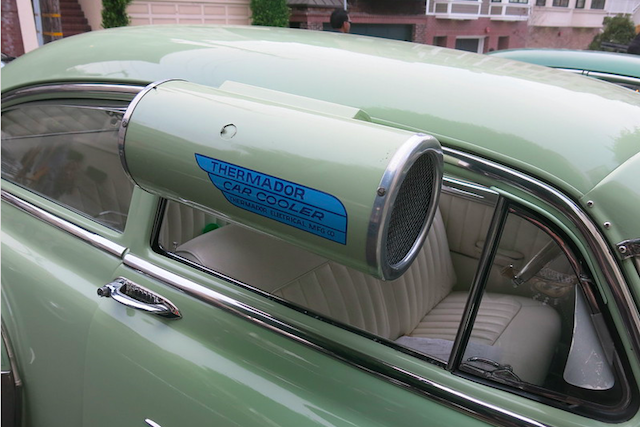
Other primitive cooling devices included the Knapp Limo-Sedan Fan, a small electric fan mounted to the interior of a car, and the car cooler. This latter device was attached to roof of the car and used water evaporation to deliver cool air through an open window. It was known as the first product to lower a car’s cabin temperature. A car cooler could “reduce the inside temperature of the car as much as 15 to 20 degrees,” according to a Popular Mechanics article published at the time.

history of air conditioning in cars
Era Key Milestone Innovation
Early 1900s The “Car Cooler” External units using water evaporation.
1940 Packard Factory AC First built-in unit (located in the trunk).
1953 Engine-Mounted AC GM moves AC units to the engine compartment.
1964 Comfort Control Cadillac introduces thermostat-set temperatures.
1996 Refrigerant Shift Industry-wide switch from R12 to R-134a.

Air Conditioning in Cars Arrives

The 1940s was a seminal time in the history of automotive air conditioning. To kick-start the decade, Packard became the first automaker to offer factory-installed air conditioning. It was followed closely by Cadillac, which introduced the feature in its 1941 models.

As one could imagine, these early cooling systems were far from perfect. The unit was located in the trunk of the vehicle, forcing the driver to get out of the car and manually install or remove the drive belt from the compressor to turn the air conditioning on and off. Secondly, the system could only recirculate air already in the cabin, not incorporate outside air. When a smoker was onboard, the air quickly become unbearable. Furthermore, the condensed water running overhead was known to drip down on passengers. If that wasn’t enough, these first systems had no control settings – they were either on or off.

Air conditioning, and auto manufacturing in general, took a back seat for much of the remaining decade as the country devoted its efforts to World War II.

The Post-War Rise in Air Conditioning

Euphoria was not the only thing gripping the country after the war: Waves of cool air started circulating coast to coast as air conditioning in cars became an option for most motorists. In 1953, General Motors, Chrysler and Packard all introduced new air conditioning systems. Three years later, every major American carmaker offered air conditioning as an option. An estimated 3,000 cars were equipped with air conditioning before the onset of World War II, according to automotive company Hagerty. By the end of the 1950s, that number had skyrocketed to 1 million.

The technology of these cooling units continued to improve as well. In 1953, General Motor’s Harrison Radiator Division devised a revolutionary system that could fit into a car’s engine compartment. About a decade later, Cadillac made a breakthrough of its own with the invention of comfort control. The system, which kept the cabin at a temperature set by the driver, worked by channeling some of the cold air to the heater core, thus mixing hot and cold air to keep the temperature steady. These enhancements only further popularized the use of air conditioning in cars. At the culmination of the 1960s, more than half of all new automobiles were equipped with air conditioning units.

Environmental Concerns

The 1970s brought with it a brand new problem for carmakers when it came to air conditioning units. Scientists had discovered that compounds known as chlorofluorocarbons (CFCs) were depleting the earth’s ozone layer. Automotive air conditioners used a CFC refrigerant called R12, better known as Freon. As the decade wore on, and the number of air conditioners in cars increased, it became increasingly clear that a new option needed to be developed.

After years of testing, a suitable replacement was found in the refrigerant R-134a. In 1987, the U.S. government signed the Montreal Compact, which, in part, required car manufacturers to make the switch in coolants by 1996.

Modern Automotive Air Conditioning

Nowadays, you’ll be hard pressed to find a vehicle on the market without air conditioning: Only 1% of passenger cars don’t offer it, according to Car and Driver magazine.

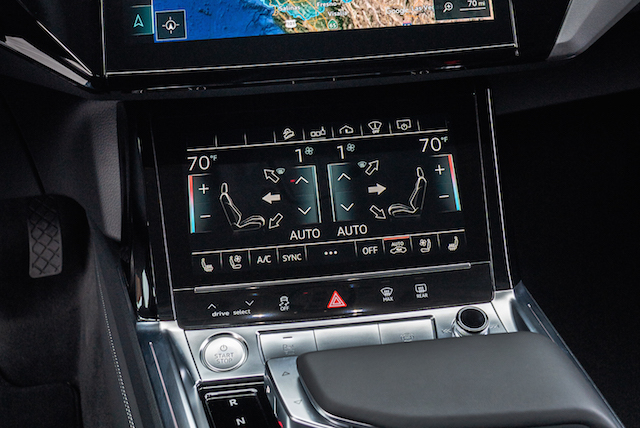
As you’d expect, these modern systems are highly advanced, with features such as dual and rear climate control, which allow separate temperature controls for the driver and passengers.

Automotive air conditioning is not without its drawbacks, however. Most notably is its effect on fuel efficiency. Air conditioning can reduce a conventional vehicle’s fuel economy by more than 25%, according to the Environmental Protection Agency. That number could be even greater in hybrids, plug-in hybrids and electric vehicles.

Some simple tips to limit the reduction in fuel efficacy include using air conditioning only at highway speeds, not idling with the air conditioner running, and opening the windows before driving to let hot air out of the cabin before turning on the air conditioning.

FAQ

Which car company was the first to offer air conditioning?
Packard was the first automaker to offer factory-installed air conditioning in 1940. Cadillac followed shortly after with its own system in 1941 models.

How did early car AC systems work?
The first systems were located in the trunk. Drivers had to manually exit the car and adjust the compressor’s drive belt to turn the AC on or off. These units only recirculated cabin air and lacked adjustable temperature controls.

Why did car manufacturers change AC refrigerants in the 1990s?
Original systems used R12 (Freon), which contained chlorofluorocarbons (CFCs) that depleted the ozone layer. Following the Montreal Compact, automakers transitioned to the more environmentally friendly R-134a by 1996.

Love learning about cars? Head to our auto history page.

Auto History Accuracy: This timeline of automotive innovation was last updated on April 7, 2026, to include the latest data on fuel efficiency and modern climate control systems.

Subscribe to Your AAA Newsletter

Sign up and receive updates for all of the latest articles on automotive, travel, money, lifestyle and so much more!

Ask a Travel Advisor: Family Vacations Outside the Box

Q: We’d like to take a family vacation that’s a little different. We love to see new things and experience different cultures. Do you have any suggestions?

For the answer we turned to Anne Lischwe, travel sales manager at AAA Northeast.

Her first suggestion? Europe.

“People don’t necessarily think about Europe for a family vacation,” she said. “But it’s a great way to introduce younger and middle-school-age children to everything they’re learning in school.”

A European trip is easier to plan than you may think, she said. A guided trip or river cruise are both great choices, since you’ll be travelling with guides who can easily answer any questions that arise. Plus, a side trip to Disneyland Paris is always a fun excursion.

Letting your children get involved in the planning process will help get them excited about the trip, too. Let them help in planning which countries to visit, what attractions to see or even where to dine out.

“It can be a really engaging way to encourage them to see the world,” Lischwe said.

Road trips – especially to national parks and the wide-open spaces of the West – are another option, especially for outdoor enthusiasts. They can be more cost-effective, since you’re not paying airfare and luggage costs – you can just throw everything you need right into the trunk.

And they’re infinitely customizable to your budget, time constraints and interests. Lische, who’s originally from the Midwest, has fond memories of visiting national parks with her family growing up.

“It’s a wonderful family bonding experience,” she said, “and a great way to make memories.”

Have a question for our travel advisors? Ask away!

Subscribe to Your AAA Newsletter

Sign up and receive updates for all of the latest articles on automotive, travel, money, lifestyle and so much more!

Life Insurance and the Game of Life

Life insurance is an important part of planning for the future and protecting your loved ones. But as you reach different milestones, your life insurance needs may change.

As you move through the phases of life like tiles on a board game, it’s important to review your life insurance policy and make sure you’re getting the coverage you need. Here are some life milestones that might cause you to revisit and update your policy.

Let AAA’s insurance agents help you find a policy that’s right for you. 

Being Single

“I feel like everybody needs life insurance,” notes Brenda Silva, Life Insurance Specialist at AAA Northeast. “Even students who are attending college and obtaining college loans. It’s affordable to purchase life insurance when you’re young.”

Most young and single people don’t think about life insurance, since they don’t yet have a family of their own. But your single years are a great time to look into life insurance. It can help you plan for the future and keep premium prices down. There are many affordable life insurance options at this time that can lay the groundwork for your financial future. A great way for young and single people to start their life insurance journey is by looking into term life insurance.

Term life insurance offers a fixed premium that provides coverage for a predetermined period of time. The longest a term plan will extend is typically 30 years from the issued date. It offers a more limited scope of protection, but it’s often more accessible than whole plans.

How much life insurance do you need? Learn more about the difference between term and whole life insurance. 

Getting Married

When your marital status changes, your life insurance needs might change as well. If you’re getting married, you’ll be combining your finances. If you’re getting divorced, that might change your financial situation as well.

While rates won’t be as low as they might have been when you were younger, it’s still a good time to start a life insurance policy. If you have a term plan, now is a good time to convert it to a whole plan.

Having Children

With life insurance, you can make sure your children’s needs will be taken care of, no matter what happens. Now is the perfect time to take a look at your life insurance policy and expand it. With your new family, you’ll need to have a stronger financial safety net in place.

The goal of life insurance is not only to replace lost income, but to maintain your family’s standard of living. When you add dependents, like children, make sure that your policy takes that into account. Consider future needs your children might have down the line, like higher education.

Buying a Home

Buying a home is the perfect time to review your life insurance policy and make sure it can cover your mortgage and increased expenses. You don’t want to leave your family vulnerable if the unexpected happens. When you expand your policy, take into account your income, mortgage, other expenses, debts and potential future financial burdens.

Getting a New Job

If you get a new job, a promotion or even face a job loss, your life insurance needs can change. If you get a pay raise through a new job or a promotion, you’ll want to make sure your policy stays up to date. Your employer might provide a life insurance policy, but sometimes that specific policy doesn’t offer enough coverage to meet your family’s needs. Besides, if you leave the job for any reason, you might be at risk of losing the policy entirely.

“If you’re out of employment, sometimes you had employer-paid life insurance and now you’re not working,” said Silva. “Look into having some insurance to fill in the gap for that reason.”

Retirement

Well-funded, whole life insurance policies offer tax-deferred cash value growth that can be accessed in retirement, helping you to transition more easily into your post-work life and plan for your family’s future.

“During your working years, the cash value you build in a life insurance policy can be an important source of back-up funds or ‘opportunity reserve’ — using your policy’s cash value to help fund life moments,” said Timothy Boyle, life and annuity manager for AAA Insurance.

Whether you choose to use the money as an emergency fund, to help supplement your retirement income or to help fund your retirement dreams, the money is available to you tax-free through withdrawals and policy loans.

Planning Your Estate

Your life insurance benefits can ensure that you leave a legacy, like leaving an inheritance, making a charitable donation or covering the cost of estate taxes. Life insurance can also help your family pay for your final expenses, such as funeral and burial costs. In what will surely be a difficult time for your family, make sure that it doesn’t stress them financially as well. It’s not something a lot of people like thinking about, but it’s a beautiful way that you can care for your family even after you’re gone.

Life insurance is an important way to plan for your future, but the future is changing all the time. As you play the game of life, make sure to double-check that your insurance policy is keeping up.

Get a personalized life insurance policy through AAA

Subscribe to Your AAA Newsletter

Sign up and receive updates for all of the latest articles on automotive, travel, money, lifestyle and so much more!

5 Inspiring Spots for ‘Bleisure’ Travel

Gone are the days of the 9-to-5 office grind and having to choose between business and leisure travel. Enter: bleisure travel.

What is bleisure travel? Exactly what it sounds like: a getaway that combines both work and play.

One side effect of the global pandemic was an increase in hybrid and fully remote work schedules, which many businesses have adopted for the long term. Bleisure travelers are taking advantage of the added flexibility and choosing to work from around the world.

Almost 10% of business trips can be categorized as bleisure trips, according to Forbes, as freelancers and corporate travelers alike extend their business trips to visit new cities and explore. And nearly 60% of businesses support it.

So, grab the Wi-Fi password and hit the pool. Here are some of the most serene places to work remotely, featuring perks for business travelers and unbeatable views.

Montauk, New York

Located at the tip of Long Island, Montauk is an ideal place for work-life balance. It’s a town where you can hunker down all summer and enjoy the magical cliffside beaches and vast seaside views. There’s never a lack of things to do, from surfing and sailing lessons to visiting the Montauk Point Lighthouse and enjoying the catch of the day at a local restaurant.

Located on Old Montauk Highway, Hartman’s Briney Breezes Beach Resort offers rotating specials for extended stays and a breathtaking view of the ocean. The hotel is within walking distance to the beach and just a few minutes from plenty of dining options.

bleisure travel - baha mar

Nassau, Bahamas

Bahamian island living sounds like something we can all get used to. With the flexibility to work from anywhere, the Bahamas’ extended-stay work visa program BEATS (Bahamas Extended Access Travel Stay), welcomes professionals to trade-in their cubicles for views of stunning aquamarine waters and breathtaking sunsets.

There’s never a dull moment in the vibrant capital of Nassau, offering travelers a lively nightlife, local delicacies and activities galore, such as the Queen’s Staircase, National Art Gallery and The Retreat Garden.

Prepare to be transported to Bahamian Paradise at the AAA Four Diamond Rosewood Baha Mar. Ready for your next work assignment? Sit by the pool with your laptop and take in the ocean views. A workcation from a cabana doesn’t sound bad.

Mexico City, Mexico

In the past few years, Mexico’s capital has become an attractive destination for Americans looking to explore its history, museums, authentic cuisine and neighborhoods.

With incredible views overlooking the avenue of Paseo de la Reforma, the AAA Five Diamond St. Regis Mexico City caters to bleisure travel, offering amenities like conference rooms, a children’s club and 24-hour butler service (so don’t panic if you forget your computer charger).

After the Zoom calls are done, hit the Remède Spa for a restorative treatment or head out to discover Mexico City’s many parks, cantinas and artisan markets. With so much to do and see, a month of remote work is a good amount of time to properly wander through this exuberant city.

Catskills, New York

The Catskills are a hotspot for remote workers. Here you can slow down with serene views of babbling brooks and mountains and enjoy lunch breaks and post-workdays with waterfall hikes, foraging and antiquing.

With so many accommodations available, from traditional rentals to unique treehouse hotels, experiment with something in-between by booking a stay at A Tiny House Resort in Cairo. Just two hours from New York City, the property is set up as a little village, offering Wi-Fi and perks like a food truck, pool, firepits and a mini farm. You can even pet a goat in between work calls!

After your workday is complete, explore nearby towns, like Catskill, Hudson, Woodstock and Phoenicia, all offering local restaurants, shopping and outdoor adventures.

Lisbon, Portugal

Whether you’re in search of Michelin-starred restaurants or street food, luxury shopping or local artisan bargains, Portugal’s capital city has it all. With friendly locals and gorgeous views, it’s a place any remote worker would want to hang their hat (and shingle).

Martinhal Cascais, a resort on the coastline just outside of Lisbon has seen the rise of the bleisure market since COVID-19 hit, often hosting parents with kids in tow looking to stay for extended periods in one of their 12 two-bedroom villas at discounted rates.

The villas are outfitted for longer stays – think kitchens and washer/dryer units, living rooms and gardens – where bleisure travelers can work and the whole family can enjoy the resort’s amenities. They even have a beautiful light-filled conference room for meetings.

Enjoy work breaks by exploring the pristine coastline by bike. You can rent bikes and book guided tours at the hotel.

Book your next trip with AAA.

Do you live the bleisure lifestyle? Tell us in the comments.

Subscribe to Your AAA Newsletter

Sign up and receive updates for all of the latest articles on automotive, travel, money, lifestyle and so much more!

AAA Photo Session: Motorcycles

You loved showing us your classic and collector car photos, and now the motorcycle enthusiasts came to represent, showing off classic Harleys, custom choppers, sport bikes and others.

Similar to cars, motorcycles are photogenic from just about every angle. In the daytime or at night, in motion or posed, they are effortlessly cool. And the chrome details make for great reflection shots.

Thank You for Participating! (Session Closed) 

Browse through all of the photos we received during May’s Motorcycle-themed Photo Session in the slideshow below, and don’t forget to check our social media channels, where we will be sharing some of our favorites. Select photos may also appear in an upcoming issue of Your AAA magazine.

May through September is the most popular time for motorcycles to be on the road, so remember to stay extra aware of bikers when driving. If your are a motorcyclist, hopefully you’ve gotten your seasonal maintenance taken care of and you’re ready to ride safely this summer.

Check out past AAA Photo Sessions and stay tuned for the next one.

Subscribe to Your AAA Newsletter

Sign up and receive updates for all of the latest articles on automotive, travel, money, lifestyle and so much more!

Traffic Fatalities Reach 16-Year High

The National Highway Traffic Safety Administration estimates 42,915 people died in motor vehicle traffic crashes in 2021. That would be the highest total since 2005. It would also mark a 10.5% increase from 2020, the largest annual percentage increase since the organization began tracking fatalities.

“We face a crisis on America’s roadways that we must address together,” said U.S. Transportation Secretary Pete Buttigieg. “With our National Roadway Safety Strategy and the President’s Bipartisan Infrastructure Law, we are taking critical steps to help reverse this devastating trend and save lives on our roadways.”

The Bipartisan Infrastructure Law includes the new Safe Streets and Roads for All program, which will invest up to $6 billion over five years to fund local efforts to reduce roadway crashes and fatalities.

The nearly 43,000 deaths also include pedestrian fatalities, which were up 13% from a year ago, and bicyclist fatalities, which rose 5%. Some other notable categories where the traffic fatality count increased include:

  • On urban roads (up 16%)
  • Among drivers 65 and older (up 14%)
  • Among females (up 12%)
  • In crashes involving at least one large truck (up 13%)
  • During daytime (up 11%)
  • In speeding-related crashes (up 5%)
  • In police-reported, alcohol-involvement crashes (up 5%)

Closer to home, the rise in traffic deaths in the Northeast mostly surpassed the national average. A breakdown by state of total fatalities and percentage increase includes:

  • Connecticut: 327; 10.8%
  • Massachusetts: 413; 20.4%
  • New Hampshire: 123; 18.3%
  • New Jersey: 709; 21.4%
  • New York: 1,139; 8.9%
  • Rhode Island: 67; 0.0%

Stay safe on the road this summer with these driving tips from AAA experts.

For more traffic and automotive news, visit AAA.com.

Subscribe to Your AAA Newsletter

Sign up and receive updates for all of the latest articles on automotive, travel, money, lifestyle and so much more!

Planning a Vegetable Garden

Though it may seem like having a green thumb is a superpower, planning a garden takes work and knowledge. Growing and eating your own vegetables is especially rewarding but you have to keep certain factors in mind like how much sun your garden gets, what the soil is like and how the plants react with the climate in your area before you can see any success. With all that said, here are some tips for planning a vegetable garden.

Good luck and may homegrown salads be in your future!

Planning a Garden for Veggies

First of all, what kind of space do you have to plant a garden? Do you have a large patch of backyard? Maybe it’s a small space on your rooftop or something even simpler such as planters or pots. No matter what, it’s best to start small if you’re a beginner so you don’t get overwhelmed with taking care of too many plants.

Your garden should be cleared of weeds, rocks, roots and debris before planting. Stay away from trees because their shade and roots can take sunlight and nutrients away from your garden.

It’s important to plant in an area with a lot of sunlight and easy access to water. Plants always need sunlight, and you don’t want to have to constantly carry water to your garden. Place your vegetables on top of a hill or near a wall to avoid wind damage.

Another important factor is soil. The best quality soil is dark, loose and full of earthworms. Add manure and fertilizer for added nutrients. Rake and till the ground to break up clumps and smooth out the soil.

Also, measure the pH of your soil with a test kit. It varies, but most vegetables prefer a pH between 6 and 7. If the pH is lower than 6, it is acidic, and if it is higher than 7 it is alkaline soil.

Finally, you need to account for your local temperature. If you want to plant perennials, or plants that come back every year, it’s important to know your hardiness zone. That measures the average annual lowest temperature in your area and what your plants can withstand over a year. However, this is a guideline and not a hard and fast rule. Even in the Northeast, the hardiness zone varies from 7b (5 to 10 degrees Fahrenheit) to 2b (-45 to -40 degrees Fahrenheit). Find your hardiness zone here.

planning a garden
With the right plan, you’ll be picking vegetables from your garden in no time.

Planting a Vegetable Garden

What vegetables do you want to grow? Well, first you should consider what grows well in your area. Ask your local gardening store or plant nursery what vegetables are best for you. Lettuce and tomatoes are good starter plants – they are easy to grow and inexpensive to buy.

You can start your vegetables from either plants or seeds. Plants are more likely to survive and quicker to harvest, while seeds cost less and can be saved for another season. However, plants are often limited in variety, and seeds take longer to grow, or may not grow at all. If you are a beginner, start with plants and work your way up to seeds.

Space out your plants when putting them in the ground. It gives them more room to grow. And try not to step on the ground between plants. That compacts the soil, which means water and nutrients cannot get through to roots properly.

It’s prudent to protect your plants from pests. Deter bugs with natural predators or plant-friendly pesticides. For squirrels, put your vegetables in a fence or wire mesh. And keep an eye on your plants. Inspect them regularly for damage, disease, discoloration or other signs of invaders.

And don’t forget to pick your veggies when they’re ripe and ready! And enjoy! There’s nothing like eating homegrown vegetables.

Watch Your Vegetable Garden Bloom

Turn your scraps into compost for richer soil. Put your organic garbage in a bin and watch it decompose. Fruit peels, dead leaves, lawn clippings, eggshells, you name it, nature decomposes it and gives you a cheaper fertilizer. It takes some time and effort, but the organic fertilizer is worth it. Plus you save money and help the environment.

And finally, keep a journal on your garden’s progress. Take notes, remember your mistakes and record your victories. Gardening is a process and it takes time to figure out exactly what works for you. And don’t forget to have fun!

Looking for tips on planting flowers? Check out our Northeast flower chart. 

Did you find these tips helpful? Do you have any other tips for planning and planting a vegetable garden that you would like to share? Tell us in the comments.

Subscribe to Your AAA Newsletter

Sign up and receive updates for all of the latest articles on automotive, travel, money, lifestyle and so much more!

Different Types of Fuel and What’s Best for Your Car

It wasn’t too long ago that gasoline and diesel were the only two options to power your car. But these fuel types come with serious drawbacks including high cost and environmental hazards. With the increased need to use renewable fuel sources, several other options are being used more frequently – and more are continuing to emerge. With that in mind, here are a few of the most popular types of fuel for cars, and how to determine the right one for your vehicle.

Click here to check the current cost of gas in your state – updated weekly! 

Gasoline

The most commonly used fuel for cars is gasoline. It is easily combustible, which allows for quick starting and fast acceleration. However, the high levels of carbon dioxide produced from burning gasoline is a leading contributor to pollution and, in turn, global warming. According to the Union for Concerned Scientists, cars and trucks account for nearly one-fifth of all U.S. global-warming emissions. In response, many companies and consumers are increasing their use of alternative fuel types.

There are generally three different types or “grades” of gasoline, determined by the gasoline’s octane level. A level of 87 is considered “regular,” 91 is “premium,” and 89 is mid-grade. The grade of gasoline you should use depends on the type of vehicle and engine you have. (More on that below).

Diesel

Along with gasoline, diesel is the other popular form of fuel, used specifically for diesel engines. Diesel vehicles are more fuel efficient, often traveling about 20% to 35% farther on a gallon of fuel than their gas-powered counterparts. Therefore, vehicles that are traveling far distances, such as trucks and vans, commonly use diesel engines. It also produces less carbon dioxide than gasoline. However, it does create nitrous oxide, which causes smog.

Liquified Petroleum

Better known as propane, liquified petroleum is a much cleaner and cheaper form of fuel. Many hybrid cars in foreign countries such as the United Kingdom have been designed to use propane. However, automobiles in the United States rarely use it. The only way to use propane domestically is to convert your vehicle’s gas engine.

Ethanol

Ethanol is a popular biofuel made from sugar cane, barley, corn and other natural resources. However, it is generally used as an additive in other fuel sources in order to help cut down on hazardous emission. According to the U.S. Department of Energy (DOE), more than 98% of U.S. gasoline contains ethanol, typically E10 (10% ethanol, 90% gasoline).

But gasoline with higher percentages of ethanol also exist. E85, also called flex fuel, is an ethanol-gasoline blend containing 51% to 83% ethanol. E85 can only be used on Flex Fuel Vehicles, which are specially designed to run on gasoline, E85, or any mixture of the two. Ethanol can be extremely helpful in cutting down on emissions but a car’s fuel delivery system and engine need to be designed to use it.

Compressed Natural Gas

Compressed natural gas is a clear, odorless and non-corrosive gas that can be used in liquid or gas form to run a combustion engine, though gas engines would need to be converted to use it. The fuel produces approximately 80% less emissions than gasoline. Additionally, vehicles that run on compressed natural gas are similar in power, acceleration, and cruising speed to gasoline or diesel vehicles. Compressed natural gas can limit driving range, though, as less overall gas can be stored in the same size gas tank.

Biodiesel

This renewable, biodegradable liquid fuel is made from vegetable oils, animal fats or recycled cooking grease. According to the DOE, biodiesel emissions are 74% lower than those from petroleum diesel. Diesel vehicles can generally use a low percentage of biodiesel without any engine modification. However, higher levels of the fuel will require modifications.

types of fuel

Determining the Type of Fuel for Your Car

Gasoline vs. Diesel

Most vehicles in the United States run on gasoline or diesel fuel. The driver’s manual should dictate the fuel type your car needs. There should also be a label on the fuel door that reads something along the line of “Diesel Fuel Only” or “Unleaded Gasoline Only.” If there’s ever a doubt, call the manufacturer.

It is imperative that you put the proper fuel in your car’s tank. Gas engines cannot combust diesel fuel and vice versa, so the car won’t start if it is filled with the wrong fuel type. Even worse, it can cause serious damage to the engine.

AAA Approved Auto Repair Facilities can help get your car back out on the road. Find the nearest one here.

Regular vs. Premium

As stated previously, gasoline grades are dependent on the fuel’s octane level. Higher octane levels ensure the gas burns evenly, which helps keep your engine cleaner and improve performance. Therefore, it is commonly used in vehicles with high-compression engines or turbochargers, like sports cars.

The car’s manual should state the gasoline grade needed. It may suggest premium gas but not require it. If this is the case, your car should be able to run fine with lower grade gas, and it could save you money.

The Future of Fuel

Internal combustion cars are and will continue to be the popular vehicles, but electric cars continue to grow in popularity. Currently electric vehicle sales are about 3 percent of all the vehicle sold, but that could change quickly. Ford General Motors and Stellantis Corporation have a goal of having up to 50 percent of the vehicle sales being electric in just 9 years.

Further in the future we could see a more popularity with hydrogen. Hydrogen is stored in a onboard tank and that hydrogen goes through a fuel cell and makes electricity to run the electric motor(s). The byproduct of hydrogen combustion is water. Unlike battery electric car, hydrogen cars refuel much quicker.

AAA members can save money at the pump with Shell’s Fuel Rewards program. Learn more.

Motorists can find the cheapest gas prices wherever they are by using the AAA Mobile App.

Subscribe to Your AAA Newsletter

Sign up and receive updates for all of the latest articles on automotive, travel, money, lifestyle and so much more!

Restaurants With a View in NYC

The best restaurants with a view in NYC are not hard to come by. Spectacular sights abound in the city – whether waterfront, street view or panoramic outlooks of the skyline. And when it comes to rooftop views, NYC’s got some of the most amazing there are.

When dining out, the view of New York City is perhaps the best company you could ask for. It elevates the meal (sometimes literally) and creates a memory that will last long after you’ve licked the crumbs from your dessert plate.

The Best Restaurants With a View in NYC

The River Café
1 Water Street, Brooklyn

A New York City Classic with prime real estate under the Brooklyn Bridge, the AAA Four Diamond and Michelin-starred River Café has been wowing customers with romantic views of the Manhattan skyline and the Statue of Liberty since 1977. Serving classic New American fare, the restaurant consistently receives rave reviews. Nightly piano music enhances the ambiance. A dress code is enforced for dinner, when men are required to wear jackets and ties are preferred.

The View Restaurant & Lounge
The Marriott Marquis, 1535 Broadway

High above Times Square, The View is NYC’s only revolving rooftop restaurant. Located within the Marriott Marquis hotel, express glass elevators whisk guests up to the 48th floor, where they are met with eye-level views of some of the tallest buildings in Manhattan. The revolving floor makes a 360-degree turn every hour, so the sights are always changing. Contemporary American cuisine is served, featuring an award-wining wine list, prix fixe dinner menu and a Sunday mimosa brunch buffet. One floor up, The View Lounge serves cocktails and a dinner buffet until late night. Unlike the main restaurant, the lounge operates on a first-come, first-serve basis with no reservations required.

Asiate (pictured above)
The Mandarin Oriental, 80 Columbus Circle at 60th Street

Part of the AAA Five Diamond Mandarin Oriental, Asiate accentuates the hotel’s top selling point – its stunning panoramic views from the top of the Time Warner Center overlooking Central Park, Columbus Circle and beyond. The interior, which incorporates elements of nature and a wine wall with more than 3,000 bottles, is equally stunning. Modern and contemporary American dishes are served a la carte for breakfast and lunch, while a three-course prix fixe menu and chef’s tasting menu are offered at dinner. On the weekend, the restaurant is also open for a three-course prix fixe brunch.

Riverpark 
450 Eat 29th Street

Tom Colicchio’s farm-to-table restaurant is visually impressive, inside and out. Situated on the edge of the East River, guests are treated to water views from the dining room’s large surrounding windows or can choose from two outdoor dining options. On the patio, traditional seating and full menus are served, while the terrace provides a more casual and communal atmosphere with picnic tables. Featuring modern American cuisine, the menus change daily, using fresh and seasonal ingredients from local greenmarkets and farms.

ONE Dine
One World Trade Center
285 Fulton Street

On the 101st floor of One World Trade Center, ONE Dine is one of three on-site eateries that are part of One World Observatory (that’s a lot of ones!). Serving a casual a la carte menu of seasonally-inspired items, the sit-down restaurants overlooks the main observation floor and boasts panoramic city views from every angle. Reservations are required and can only be made with the purchase of a ticket to the Observatory.

Grand Banks
Pier 25 Hudson River Park

Can’t get enough water views? When it comes to the best view restaurants in NYC, Grand Banks – based aboard the historic Sherman Zwicker, a wooden schooner anchored in the Hudson – is unforgettable. Open seasonally, you’ll feel like you’re on vacation as you enjoy a nautically-inspired cocktail or glass of wine or champagne with all the sustainably harvested and wild-caught East and West coast oysters your heart desires. Although the star of the menu is the oysters, Chef Kerry Heffernan also serves up a concise menu of ingredient-driven small-plates and brunch.

best restaurants with a view in nyc
The Cantor Roof Garden Bar at The Met. (Photo: Metropolitan Museum of Art)

Food and Drinks With Rooftop Views 

Cantor Roof Garden Bar 
1000 Fifth Avenue

Guests can access this treasure atop the Metropolitan Museum of Art via the elevator in the European Sculpture and Decorative Arts galleries. Open seasonally from early spring through fall, the rooftop delivers panoramic views of Central Park and features a new art installation every summer. The café serves specialty drinks, small plates, salads, sandwiches and sweets and on Friday and Saturday nights it becomes a martini bar. The rooftop follows the same hours as the museum, so plan accordingly.

Serra by Birreria
200 Fifth Avenue

Located in Eataly, the Flat Iron District’s Italian food market, Serra by Birreria is a rooftop restaurant perfect for those that enjoy change. While many restaurants update their menus with the seasons, the overall design of Serra’s greenhouse-themed space is also made to shift from spring to summer to fall. And with a retractable roof and heaters, the weather outside won’t stop you from enjoying your meal or the view.

The Press Lounge
653 11th Avenue

Part of Ink 48 hotel and the sister venue of PRINT restaurant, the Press Lounge is an elegant rooftop setting with sweeping views of Midtown Manhattan and the Hudson River. Guests who are 21 years of age and over are invited to take the elevator up and get some fresh air and sample seasonally inspired cocktails and small plates. General open seating is first-come, first-serve. Reserved seating is recommended for large groups and requires a deposit of $50 per quest.

And there you have it – some of the best restaurants with a view in NYC. If you like dining in a picture-perfect setting, you’ll also enjoy our article about the Loeb Boathouse in Central Park.

Have you been to any of these restaurants? Do you have any other favorites spots the area with great views that you would like to add? Tell is us in the comments.   

Learn more about AAA Diamond establishments

Subscribe to Your AAA Newsletter

Sign up and receive updates for all of the latest articles on automotive, travel, money, lifestyle and so much more!