As an organization, AAA is an advocate for road safety and preventing impaired driving – whether it be a result of alcohol, marijuana or other illicit drug use.
According to a study by the AAA Foundation for Traffic Safety, younger drivers are more likely to say they think it is safe to drive after using marijuana.
In response to the continued legalization of recreational marijuana, AAA hopes the Shifting Gears program will deliver potentially life-saving information to teenagers and young adults.
The Start of Shifting Gears
After Shifting Gears first launched in 2019, AAA Northeast President and CEO John Galvin praised the program, citing early successes, open dialogue and largely positive reception.
“This program has far exceeded our expectations. Not only are we educating teens, but we’re also learning a lot,” said Galvin. “We’ve learned that teen attitudes around marijuana have shifted. Some students are very open about their drug use. Some believe marijuana is better for them than prescription drugs taken for anxiety or ADHD, because they consider it natural, even if the source is unknown and the dosage is uncontrolled.”
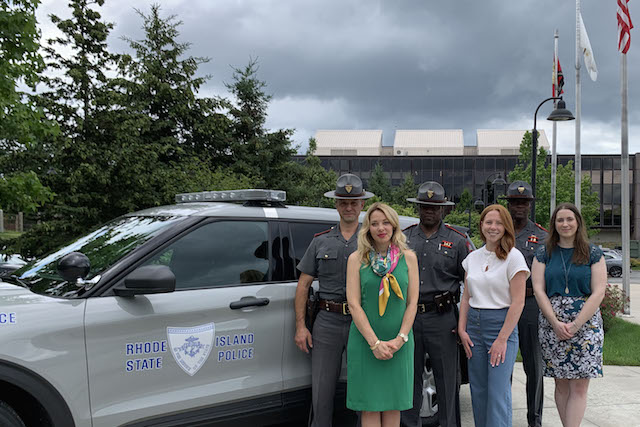
This year, AAA Northeast began working closely with the Rhode Island State Police’s Community, Equity and Diversity Unit. The Unit’s leader, Captain Kenneth Jones, is a 23-year veteran of the Rhode Island State Police.
Captain Jones committed Rhode Island troopers to speak in all of this year’s Shifting Gears programs, where they explain the risks of marijuana-impaired driving to high school health classes. When the COVID-19 pandemic required a pivot to virtual learning, troopers were able to join Zoom and Google Classroom sessions along with AAA Northeast educators.
Impacts of the Program
This partnership between AAA and the state police, which has since expanded to Massachusetts, has proven to be extremely successful. During the sessions, students ask great questions and troopers share first-hand experiences as well as strong reminders about current state laws and the impact of impaired driving.
What’s more, these young people’s attitudinal shifts toward impaired driving are measurably better. Students walk away with stronger opinions that marijuana impacts the necessary abilities to drive safely, such as reaction time. Additionally, pre and post-program surveys showed a positive shift in students’ plans to designate a driver if ever faced with such a scenario.
Looking Toward the Future
AAA Northeast’s relationship with the Rhode Island State Police’s Community, Equity and Diversity Unit will expand in September, incorporating child passenger safety programs to assist families with child car seats and booster seats.
For more traffic safety information from AAA, visit AAA.com/Community.
In September of 2007, it rained 28 out of 30 days in London. I know because I was there and I counted. I counted because I wanted to quantify my misery and stupidity, states induced by the hole in my rain boot.
It was a rookie mistake, really. I was studying abroad for the semester and was permitted to bring two suitcases. Of course, like every know-it-all college student in her early twenties, I knew exactly how to pack a suitcase efficiently (yeah, right.) Rain boots, I decided, would take up too much room and were too heavy.
So there I was, combating daily downpours and forever skirmishing against a seemingly permanent state of mist with my arsenal of eight cocktail dresses, eight coordinating pairs of heels – including the essential gold glitter pair – and a giant teddy bear named in honor of my stateside boyfriend.
With a less-than-favorable exchange rate and a shoe size that didn’t quite line up with a U.K. equivalent, I bummed a pair of galoshes off another American student with a sprung hole and cursed those glitter heels with every water-soaked step.
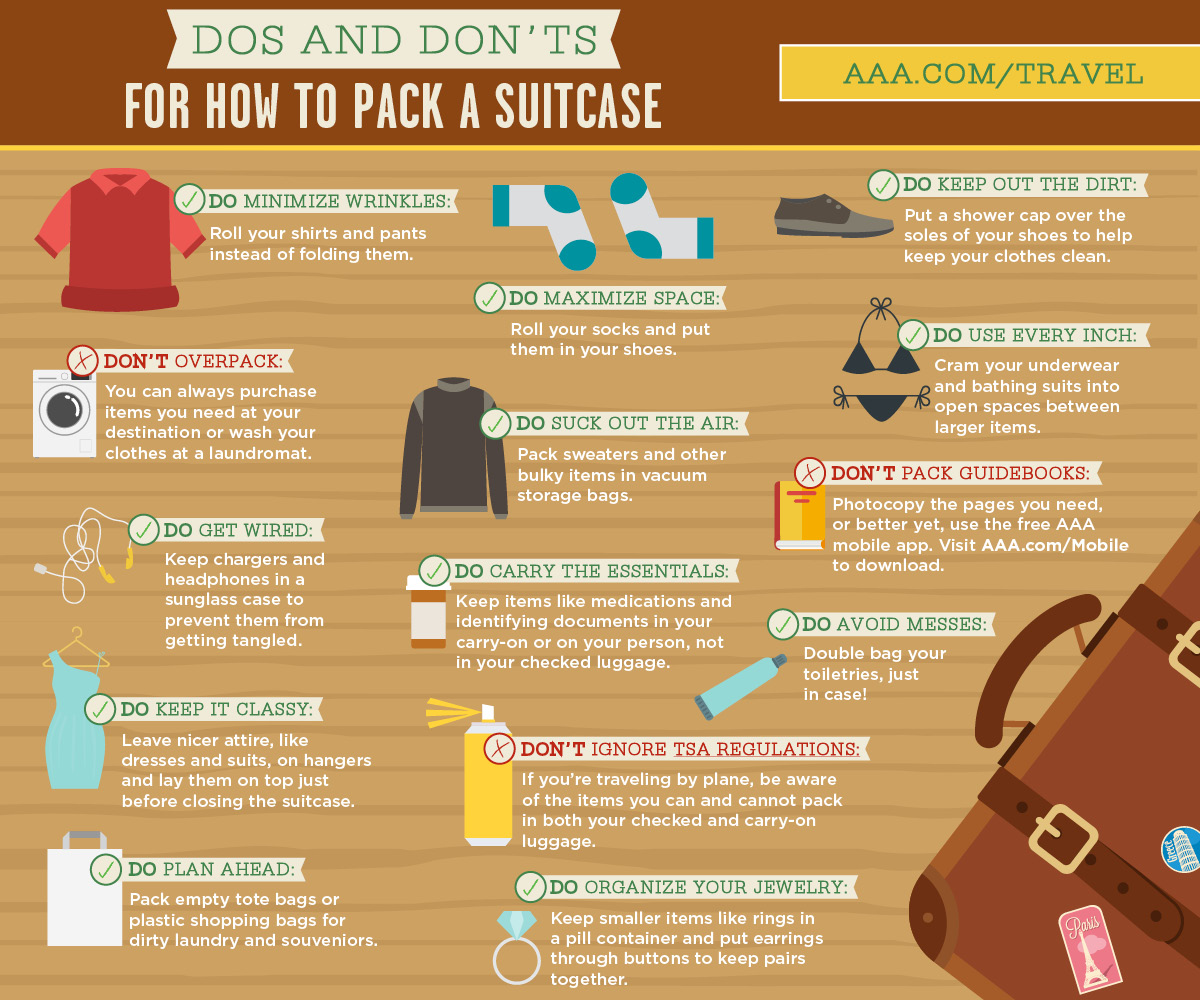
I spent the next six months traveling Europe, mastering the “weekend-getaway-in-a-purse” and “Mediterranean-cruise-in-a-duffle-bag” packing challenges. I discovered I could fit twice as many clothes into a suitcase when I rolled them instead of folded them, how to prevent (or at least contain) toiletry explosions, and that I really only needed two or three pairs of shoes. I like to think I mastered how to pack a suitcase.
I recently returned to London, traveling with my best friend, who laughed when I showed up to the airport wearing my rain boots. They were too heavy for my suitcase and took up too much room, but there was no way I was I leaving them behind this time.
Fortunately, you have the advantage of benefiting from my mistakes and my chronically wet right pinky toe circa 2007. Whether you’re traveling abroad, to a beach destination, waterpark or theme park or are headed out on a camping or road trip, we’ve put together a fool-proof list of dos and don’ts when it comes to how to pack your suitcase.
How to Pack a Suitcase for…
A Wilderness Adventure
If you’re headed into the great outdoors for a camping or hiking trip, you’ll have to make a few tweaks to your packing list. Make sure your clothing is quick-drying or wicking, switch out the fancy attire for rain gear and be sure to pack a warm hat and gloves. If you are traveling by plane, use your backpack as your carry-on and wear your hiking boots on the flight to save space and weight in your baggage.
The Beach or a Cruise
If you’re headed for a warm, sandy locale or are counting down the moments until you’ll be sunbathing on the deck of an ocean liner, you’ll definitely need a swim suit. Gentlemen should pack two to three pairs of trunks. Ladies can double the number of suits they bring by packing solid color tops and bottoms that can be mixed and matched. Choose a floppy hat that will fold in your suitcase versus a straw one, opt for the Kindle instead of a book (don’t forget the charger!) and pack lots of island white (it goes with everything!).
A Theme Park or Water Park
Heading out into the jungle of a Florida theme park is a completely different type of adventure and requires a unique form of preparation. Being ready for the unexpected is the name of the game. Tackle long days of walking and waiting on lines in the heat by bringing your own water bottles, sunblock, cool clothing and most importantly, comfy sneakers. When it comes to water rides and unexpected thunder storms, you’ll want to be ready with a poncho and maybe even a dry change of clothes for the little ones.
A Road Trip
Ward off road trip boredom by putting together a list of road games and making themed playlists for each leg of the journey before you go. Whenever traveling by car, it’s also important to have a properly stocked emergency kit with essentials like a first aid kit, flares, snacks, flashlights and blankets. Remember to download the AAA mobile app or have your card handy in case you need to request require roadside assistance.
Don’t Forget!
Double check that you have these essential items before walking out the door: phones, chargers, wallets, IDs and passports.
Now that you know the dos and dont’s of how to pack a suitcase, find hotels and book your next trip today at AAA.com/Travel.
What was your worst packing mistake that you will never repeat? Tell us in the comments.
Although thoroughbred racing in Saratoga has come to a close for the season, there is still so much to see and do in Saratoga, New York, in the fall. With a variety of dining, shopping and outdoor recreation opportunities, not to mention prime foliage views of the Adirondacks, it’s a road trip destination the whole family can enjoy. The area also happens to be a history buff’s dream, with historically significant sites, buildings and museums to explore. Here are a few you won’t want to miss.
Saratoga National Historical Park was a significant location during the American War for Independence. In 1777, American troops battled and defeated a British invasion during the Battles of Saratoga. Here you can visit the site of the first-ever British Army surrender and the turning point of the American Revolution.
Today, the park has nature trails to walk, hike and bike. Visitors can enjoy educational programs throughout the year, along with amazing natural views, gorgeous foliage and tons of wildlife to see.
While in the park, history lovers can also stop at the home of Major General Philip Schuyler. If you are a fan of the play “Hamilton” you may recognize the name from the Schuyler sisters; Hamilton married Schuyler’s daughter Elizabeth (Eliza). The house is currently closed due to ongoing restoration but can still be admired from the outside.
Located in Saratoga County, Grant Cottage is where General Ulysses S. Grant, Civil War commanding general of the U.S. Army and eighteenth President of the U.S., completed his memoirs mere days before passing away. Grant Cottage is a National Historic Landmark. Visitors can partake in guided tours of the downstairs cottage interior and explore the site grounds and visitor center exhibits.
The New York State Military Museum displays history dating from the Revolutionary War to the present. A substantial part of the museum’s collection contains items from the Civil War. The museum is home to a historic armory and more than 25,000 artifacts, including battlefield souvenirs, fine art, uniforms, weapons and more. There’s also the Veterans Research Center, which houses a 12,000-volume library with over 24,000 photographs, 2,500 oral histories of New York veterans and more.
The National Museum of Racing and Hall of Fame honors the history of thoroughbred racing in America along with the sport’s most accomplished participants. This museum is located in Saratoga Springs, which is also home to the oldest thoroughbred racetrack in America. Museum attractions include plenty of exhibits, a horse racing simulator and interactive Steeplechase Gallery.
These historical gardens are part of Yaddo Mansion. Dating back to 1899, the gardens were a gift from financier Spencer Trask to his wife Katrina. The couple wished for their estate to be used as a haven for artists, but that the 10-acre property stay free and open to the public. Visitors are invited to view the rock, rose and classical Italian gardens and can also enjoy docent-led or self-guided private group tours of the grounds.
Located less than 10 miles southwest of Saratoga Springs, the National Bottle Museum is home to a wide variety of bottles and items related to bottle-making, including bottles from around the U.S., uranium glass and a glass paperweight collection. There’s also the JRM Artists’ Space, a gallery for artists of diverse mediums to showcase their artwork.
Discover even more activities, attractions and history in Saratoga.
® I LOVE NEW YORK is a registered trademark and service mark of the New York State Department of Economic Development, used with permission.
Local flavor doesn’t get any more local than this.
Many farm-to-table (also known as farm-to-fork and field-to-table) restaurants across the Northeast are enlisting the help of foragers to add diversity to their inventory of ingredients.
Foraging is the act of looking – or hunting – for fresh, in-season fruits, vegetables, greens, herbs and mushrooms from the wild. Professional foragers have the knowledge and trained eyes to identify a wide variety of plants, honing their abilities to tell the difference between delicious wild ingredients and potentially inedible lookalikes.
Incorporating fresh, local and seasonal ingredients foraged from nature – whether it be forests, mountains, valleys or anywhere in between – elevates any dining experience. And restaurants are increasingly adding wild plants to their menus for flavor as well as ethical and environmental reasons.
The Truth About Foraging
Tama Matsuoka Wong is a professional forager and cookbook author based in New Jersey. She defines foraging as “harvesting wild plants for food, although what is ‘wild’ and ‘not so wild’ is not always a hard line.”
“Being an ‘artisan’ forager does require skill, and only gets better the more experience you have. Some people call this ‘wildcrafting,'” said Wong. “The rewards are that the plants become more multifunctional and delicious, once you determine the best time and way to pick it as well as how to prepare/cook it.”
Wong has been foraging informally since she was young. She remembers picking wild mulberries for her mother as child – though she didn’t call it foraging at the time.
Today, she forages herbs, greens, vegetables, fruits, nuts and seeds for the renowned Restaurant Daniel along with retailers like Fresh Direct, Farm to People and Natoora, which are looking for more local plant-based items.
Wong’s advice to the foraging-curious public is to educate yourself and practice.
“Learn about the plants around you, in your backyard or garden. Many are healthy and delicious,” said Wong. “Foraging them is a great way to become more self-sufficient as well as a convenient way to ‘grocery shop’ – you just need to stop trashing them as ‘weeds.'”
Foraging in the Northeast
If you’re interested in sustainability and fresh, delicious food, check out this list of restaurants in the Northeast that source ingredients from local and in-house foragers.
Chef Bun Lai – whose mother opened Miya’s in 1982 – is a James Beard-nominated chef, an avid forager and sustainability activist, crafting seafood-, plant- and invasive species-based sushi and cuisine. While Miya’s Sushi brick and mortar location closed in 2020, it has “metamorphosed into an eatery in the woods where we hold intimate gatherings that foster a deeper connection between human beings and nature,” according to its website. “Additionally, Miya’s does pop-ups around the country and catering for special events.”
Harvest Wine Bar – Greenwich, New Haven, West Hartford and Westport
Harvest features modern American cuisine, including dishes with Asian, Latin and Mediterranean influences. The family-owned restaurant follows a “farm-to-fork” philosophy, supporting local and organic farms in order to serve fresh, seasonal and high-quality ingredients. Their mushrooms are sourced from a local mushroom forager located in Newtown, Conn.
Stone Row Kitchen + Bar serves “homegrown” food. The menu showcases ingredients sourced from regional farmers, foragers and fishers. Some menu highlights include duck fat fingerling potatoes, grilled asparagus Benedict and the grass roots burger. Check out chef Tyler May’s seasonally inspired menus.
Find more farm-to-fork eateries in Connecticut. Want to try foraging? Find a class or tour in Connecticut near you.
This farm-to-table neighborhood bistro relies on partnerships with local farmers, fishermen and foragers to deliver modern twists on classic dishes. Fresh, seasonal ingredients make up much of the menu. Popular dishes include the fiddleheads & mushrooms, “One Local Cheese” course and lemon cake. See Forage’s dine-in menu here.
Discover modern French cuisine at Deuxave, which sources quality ingredients from local farmers, fisherman and foragers. Chef/co-owner Christopher Coombs loves using seasonal, local ingredients – especially those from the Northeast. This is evident in menu items like the Rhode Island striped bass crudo, native lobster & spaetzle and spiced Long Island duck breast.
This neighborhood bistro and bar offers dishes for a variety of diets, including gluten free, vegan and vegetarian options. Chef/owner Evan Mallett is an experienced forager who named both his restaurant and book, “Black Trumpet,” after the popular edible fungi. Mallett’s menu is inspired by ingredients from New England’s eight distinct seasons (early and late periods of each season).
Greenleaf is a farm-to-table restaurant that sources its ingredients from local farms, foragers and fishmongers, including Northeast Family Fisheries, Three Rivers Farm Alliance and several farms. The menu takes inspiration from the seasons and local New England goods, with fare like the local cheese board and drinks like seasonally inspired cocktails and local craft beer.
Oak & Grain’s menu features local and sustainable fish, meat and produce that are sourced from regional fishers, foragers and over 20 farms. Chef Bryan Leary is a forager himself and brings eggs from his own chickens and uses herbs from the inn’s gardens.
Park Place is home to creative, modern dishes that highlight fresh, local and seasonal ingredients. The menu consists only of “the finest ingredients and wild foods we forage ourselves,” according to its website. Chef Phil Manganaro is a forager, and the restaurant also sources ingredients from local farmers and purveyors.
Dinning at Crystal Springs Resort is a celebration of local fare, since a wide variety of menu items are sourced from local foragers. Foraged ingredients range from ramp bulbs, plum blossoms and wild ginger to five different types of mushrooms. See a sample menu.
Elements features “Interpretive-American” cuisine by utilizing fresh, local ingredients. Executive chef/co-owner Scott Anderson and his team work with local farmers, foragers and butchers daily, prepping ingredients for the restaurant’s four-course tasting menu, nine-course chef’s tasting menu and a la carte options.
Home to some fantastic New York-inspired Korean food, Ssam Bar is part of the Momofuku Group, founded by chef David Chang. The menu features a mix of smaller dishes – ssam means “wrapped” – along with some larger fare and cocktails. Forager Evan Strusinski provides a variety of mushrooms, including black trumpet, maitake and yellow foot.
Foragers is a farm-to-fork style restaurant (in Chelsea), market (in DUMBO) and eatery and butcher’s counter (in Brooklyn) featuring clean, ethical food made from fresh, high-quality ingredients sourced from the Hudson Valley.
Anise hyssop is a perennial herb native to our region and easy to grow in a backyard garden. (Photo: Daniel)
This AAA Five Diamond French restaurant is based in Manhattan but sources its ingredients straight from nature. Resident forager Tama Matsuoka Wong supplies Executive Chef Eddy LeRoux with fresh, seasonal ingredients. The two also wrote “Foraged Flavor” together, a cookbook featuring wild plant recipes.
Hyper-local and seasonal ingredients are all part of the AAA Five Diamond experience at Ocean House, which boats its own in-house forager, Chef James McNamee.
Farm-to-table dinning at the AAA Four Diamond Weekapaug Inn features modern interpretations of New England coastal cuisine. Menu items are created using traditional native foraging, local produce and fresh off-the-boat seafood.
What’s in a name? According to Shakespeare, not much. But carmakers would disagree with the Bard.
Establishing a new car model name is serious business, one that involves input from every corner of the company: research and creative teams devise a list of potential options, marketing executives ensure the name has mass appeal, lawyers confirm the moniker doesn’t infringe on a trademark, etc. The end result is a vast array of car names – some that simply sound cool, others that tell much more, from a vehicle’s origin to its engine performance.
The inspiration behind many car model names is both obvious and intentional. The Greek titan Atlas held up the sky, making him the perfect namesake for Volkswagen’s first seven-passenger SUV. The Toyota Prius revolutionized electric vehicles and is aptly named after the Latin prefix meaning “to go before.” The Kia Sedona and Hyundai Santa Fe exhibit the same ruggedness defined by their eponymous Southwest cities.
While these titles may lack a creative backstory and the need for explanation, many car names do not. And though car companies have yet to agree on a uniformed naming system, a look around the current automobile market shows a few common themes.
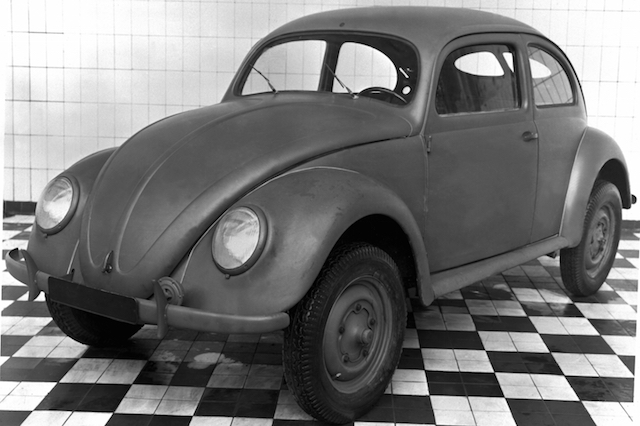
The original name of the Volkswagen Type 1, aka the Beetle, was KdF, or the Kraft-durch-Freude-Wagen.
Animals
Some of the most famous cars in history have been named after animals, none more well-known than the Volkswagen Beetle. The Beetle moniker’s origin story is unique in that it was not the car’s original name. When the vehicle first went into production, it was known as the KdF, short for Kraft-durch-Freude-Wagen, German for Strength-Through-Joy car, or more commonly, Volkswagen, meaning “people’s car.” In 1938, Germany held a ceremony marking the start of construction of the first Volkswagen. The event drew thousands of spectators and garnered international press. In its coverage, the New York Times predicted Germany’s autobahns would be inundated with “thousands of thousands of shiny little beetles.” Over time, Beetle went from a nickname to the official car model name.
On this side of the pond, the Ford Mustang is among the most legendary American car names. The title was the brainchild of one of the Mustang’s designers, John Najjar. As legend has it, Najjar had been reading about the P-51 Mustang airplanes flown during World War II and suggested the name to his boss, who promptly rejected it. Undeterred, Najjar pitched the Mustang moniker again, but this time associated it with a horse instead of a plane.
Ferruccio Lamborghini’s passion for bullfighting his astrological sign – Taurus – led to the car company’s famous bull logo. The name of its cars followed suit. The automaker’s current three-model lineup includes the Aventador and Huracán, named after famous Spanish fighting bulls, and the Urus, the name of the ancestor species of modern cattle.
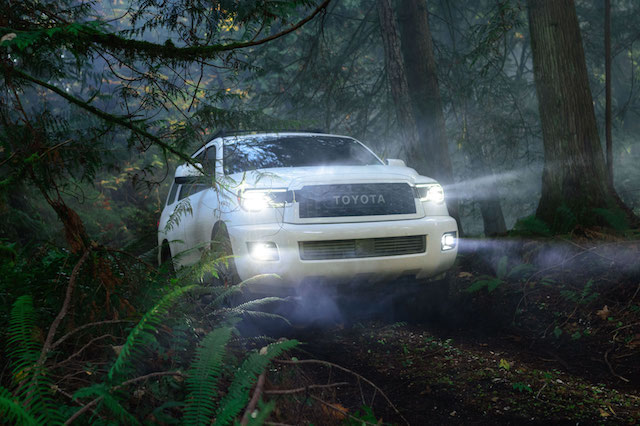
The Toyota Sequoia gets its moniker from the tree of the same name.
Nature
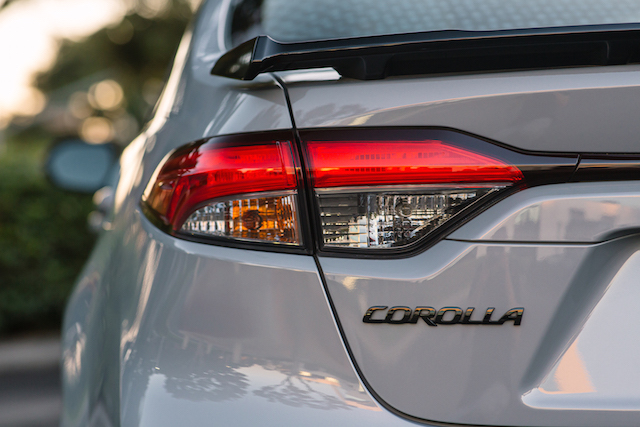
Several of the world’s largest automakers have taken their naming cues from Mother Nature, few more prominently than Toyota. Corolla refers to the crowning portion of a flower and Highlander to the Scottish Highlands. The Toyota Sequoia is named after the tree of the same name, while Tacoma is derived from the Salish Native American name for Mount Rainier.
In the 1970s, Volkswagen went through a phase of naming its new vehicles after different types of winds. Jetta is German for jet stream, Golf translates to gulf, referring to the Gulf Stream, and Passat is short for passatwinde, the German word for trade wind.
BMW has a rather straightforward way of naming its automobiles.
Numbers and Letters
Several carmakers have eschewed creative naming strategies and use a simple numbers-and-letters nomenclature instead, though the reasoning behind this method varies greatly.
If you’ve ever perused BMW’s lineup of cars you might think you need some sort of codebreaker to decipher the meaning of the model names, which consist of various numbers and letters. But the carmaker’s Strategic Naming and Vehicle Identification system is actually one of the most straightforward, if unexciting, naming conventions around.
All BMW sedans are assigned a three-digit number. They may seem random, but they’re not. The first digit signifies the segment or model series. The larger the number, the larger the car size. The next two numbers refer to the engine performance measured in kilowatts. (They used to indicate the displacement of the engine, 30 for a 3.0-liter engine, for example). The cars then have a lowercase “i” or “e.” These stand for injection, meaning gas-powered, and electric. If the vehicle has all-wheel drive, it has “xDrive” attached to its name.
On the lowbrow end of the numbers-and-letters spectrum is Tesla. The revolutionary Silicon Valley company’s CEO Elon Musk has sometimes been accused of juvenile behavior. The naming system he devised for the car company’s vehicles won’t help that reputation. Telsa’s four vehicle models have one-letter designations: S, 3, X and Y. Why? Because Musk wanted the brand’s lineup to spell “SEXY.” Unfortunately for him, Ford already owned the Model E trademark, so the company was forced to go with the number 3.
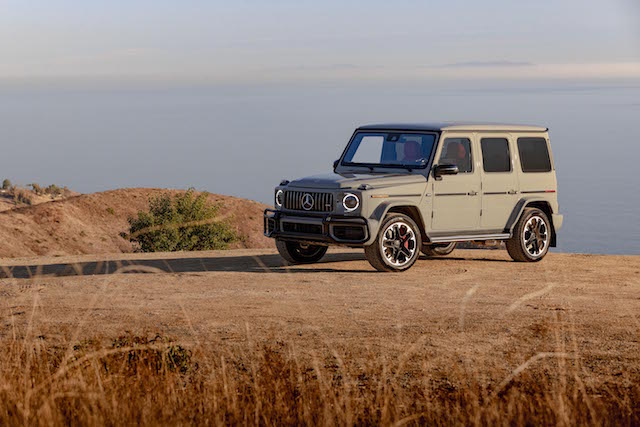
Mercedes G 63
Acronyms, Abbreviations and Amalgamations
Mercedes Benz’s G-Class SUVs derive their names from the German word Geländewagen, meaning off-road wagon. The Totoyta RAV4, meanwhile, stands for Recreational Active Vehicle with 4-wheel drive.
These may come as no surprise, but there are car model names you probably didn’t know were short for other terms. Hyundai is a fan of portmanteaus. The carmaker’s Ioniq model name is a combination of the words ion and unique, while its Veloster moniker is a mashup the words velocity and roadster. The Nissan LEAF’s name stands for Leading Environmentally Friendly Affordable Family. The Toyota Yaris is another amalgamation, this one of Greek and German origin. Charis was a symbol of beauty in Greek mythology, and ya is German for yes, a nod to Toyota’s anticipated reaction to the new car from the European market.
Made-Up Words
When all else fails, you can always just create a new word, right? At least that’s the thinking behind some car model names. The most famous example is the Camaro. When Chevrolet unveiled its debut pony car in 1966, the company claimed Camaro was a French slang term for friend. It quickly changed its story, instead stating a camaro was “a small, vicious animal that eats Mustangs.” (The Ford Mustang was the car’s chief competitor.) It was, in fact, neither, just a fictional word picked from a list of 2,000 potential names.
Did you know about the origins of any of these car model names? Did we forget any popular vehicle monikers? Let us know in the comments below!
New York is the city that never sleeps, but sometimes New Yorkers could sure use a rest. When the breakneck pace of the Big Apple has you caught up in a whirlwind, a trip out of town can be the best way to recalibrate. Fortunately, there are numerous road trip destinations that offer whatever you’re looking for. Nature, relaxation, culture – they’re all just a short drive away.
Greenport, N.Y.
The bucolic North Fork of Long Island is known as being the low-key alternative to its buzzier and busier sister Fork to the South. This is epitomized by the charming town of Greenport. Popular attractions at the seaside destination include a historic movie theater and antique carousel, as well as numerous museums, art galleries, restaurants, and, when it’s time to settle in, a host of inviting boutique hotels.
As delightful as Greenport is, the drive there is even better. You’ll be in the middle of Long Island’s wine country – acres upon acres of green dotted with one winery after another. If you plan to sample the fruits of the land on your tour, make sure to designate a driver.
Montauk, N.Y.
Should you instead opt for a trip to Long Island’s southern perch, don’t stop driving until you reach The End. While upscale hotels and restaurants have elevated Montauk from pure surfer-town to chic destination over the past several years, it is still decidedly more laid back than the rest of the Hamptons scene.
Visitors can relax at the town’s beautiful beaches and ocean fronts, go fishing, surfing and paddling, and enjoy the plethora of seafood restaurants, nature trails and festivals. Of course, a visit to the historic Montauk Point Lighthouse is always a must. And don’t avoid Montauk just because it’s the off-season. It’s a great place to visit year-round.
Newport, R.I.
Rhode Island’s popular seaside city is known for its opulent past. Visitors can tour the magnificent mansions that were once the summer retreats of the Astors and Vanderbilts. For a more modern experience, take a scenic boat ride around the harbor or a picturesque stroll along the Cliff Walk. Add in some incredible seafood and this Ocean State city becomes and ideal getaway locale.
The four-hour drive from New York City will take you along the Connecticut coast. Make a pit stop at one of the region’s many historic towns to enjoy a quintessential New England experience of picture-perfect scenery and exciting attractions.
The Catskills
Roughly three hours outside New York City, the Catskills are a verdant mountain region, ideal for any type of getaway.
The Catskills are famous for its extensive number of well-maintained hiking trails. There are 98 peaks, so you’ll have plenty of paths to choose from.
No matter the time of year, Windham Mountain Resort has something for everyone – skiing, golfing, live concerts, and relaxing spa treatments are just a few of your options. The region is also teeming with wineries and breweries in case you’re in the mood to imbibe.
Beacon, N.Y.
Just an hour north of Manhattan sits the quaint town of Beacon, smack dab in the middle of the Hudson Valley. The drive there, north along the Hudson River with picturesque views, doesn’t get much better. Once you arrive, you can choose between strolling Main Street’s mile-long drag of shops, cafes, or restaurants. Or, if you’re an outdoorsman, go for a hike or kayak down the Hudson.
One can’t-miss tourist attraction is Dia: Beacon. Opened in 2003 in a former Nabisco box printing factory, the museum presents the Dia Art Foundation’s collection of art from the 1960s to the present as well as special exhibitions and public programs. Depending on when you’re in town, you may also be able to catch a minor league baseball game.
Philadelphia, Pa.
If it’s not a change of pace you’re looking for but just a change of scenery, Philadelphia may be the little city you’re looking for. The City of Brotherly Love is unmatched in its historic pedigree. Must-see landmarks include Independence Hall, where both the Declaration of Independence and U.S. Constitution were signed, and the Liberty Bell.
The iconic “Rocky” steps beckon all to the Philadelphia Museum of Art, but don’t forget to go inside. The museum houses more than 200,000 pieces of art from Claude Monet, Georgia O’Keeffe, Andy Warhol and many others.
No trip to Philadelphia is complete without a proper cheesesteak. Head to Geno’s or Pat’s to get yours.
But there are plenty of things to do outside the walls of museums and auditoriums. Adventure parks, water sports, fishing, horseback riding, camping, biking, and hiking – including along the Appalachian Trail – are all available.
What’s your favorite Northeast road trip destination? Tell us in the comments below.
Need a ride? Learn about exclusive Hertz discounts for AAA members.
Si bien la mayoría de los sitios de herencia hispana se encuentran en el oeste y el sur de los Estados Unidos, la región del Noreste tiene algunos tesoros que vale la pena visitar.
Si bien la mayoría de los sitios de herencia hispana se encuentran en el oeste y el sur de los Estados Unidos, la región del Noreste tiene algunos tesoros que vale la pena visitar.
En los EE. UU., existen sitios con más de 500 años de herencia hispana para explorar, pero el Mes Nacional de la Herencia Hispana recién se oficializó en 1988.
Para honrar esta larga historia y las innumerables contribuciones que han hecho los latinos e hispanos, la celebración comienza el 15 de septiembre (el día de la independencia de Costa Rica, El Salvador, Guatemala, Honduras, Nicaragua, México y Chile, o alrededor de esa fecha) y finaliza el 15 de octubre (unos días después del Día de la Raza o el Día de Colón/Día de los Pueblos Indígenas).
Estos son algunos destinos emblemáticos para visitar y realizar su propio homenaje en cualquier momento del año.
Nueva York
Sociedad Hispánica de América
Fundada en 1904 por el filántropo Archer M. Huntington, la Sociedad Hispánica de América hoy alberga la colección más grande de objetos hispanos en los Estados Unidos. Estimulado por una pasión por las diversas culturas de España, Latinoamérica, Portugal y Filipinas, Huntington comenzó exhibiendo sus numerosas posesiones privadas, una colección que sigue creciendo en la actualidad.
El museo está abierto al público y presenta exhibiciones que abarcan desde pinturas de maestros como El Greco y Goya hasta fotografías, libros, artículos de cerámica, joyas y muebles. Como si este vasto tesoro no fuera suficiente para satisfacer la curiosidad de cada amante de la historia, este hito histórico nacional es una joya arquitectónica ubicada en el legendario distrito histórico Audubon Terrace del Upper Manhattan, un lugar incluido en la lista del Registro Nacional de Lugares Históricos.
El Museo de Barrio
No muy al sur de la Sociedad Hispánica, encontramos El Museo de Barrio. Fundado en los años sesenta por una gran comunidad de representantes de la cultura puertorriqueña, hoy alberga una colección permanente de más de 8,000 objetos, que abarcan más de 800 impactantes años de historia del arte de Latinoamérica y el Caribe. Además de una amplia variedad de eventos populares durante todo el año y exhibiciones temporales, sus colecciones permanentes se enfocan en el arte moderno, el arte gráfico, las tradiciones populares, y los objetos precolombinos y de la cultura taína. No deje de consultar el sitio web antes de ir a disfrutar de los últimos eventos familiares y comunitarios.
El Bronx también alberga una tienda de música impregnada de herencia hispana. Asimismo incluida en el Registro Nacional de Lugares Históricos, Casa Amadeo, antigua Casa Hernandez, es la tienda de música latina más antigua de la ciudad de Nueva York en funcionamiento ininterrumpido.
Inaugurada en 1941 por los hermanos Victoria y Rafael Hernandez, en 1969 pasó a manos del legendario músico y compositor Miguel Ángel “Mike” Amadeo, quien hoy, con casi 90 años, aún la posee y dirige. La encontrará en la planta baja de un hermoso edificio neorrenacentista de 1905 que ha sido administrado por la organización de viviendas comunitarias Banana Kelly desde los años setenta. Acérquese para descubrir la historia y las melodías, y recorra la zona para sentir una vibración única.
Nueva Jersey
Centros culturales hispanos fuera de la ciudad de Nueva York
Uno de cada cinco residentes de Nueva Jersey se identifica como latino o hispano, por lo que no es una sorpresa que a tan solo un paso de la ciudad de Nueva York haya algunos destinos destacados para sumergirse en la auténtica comida, cultura y herencia del mundo hispanohablante.
Havana on the Hudson, la segunda área latina/hispana más poblada de los EE. UU., ostenta con orgullo la siempre concurrida Bergenline Avenue. Es el tramo comercial más largo del estado y atraviesa las ciudades de minorías-mayorías de North Bergen, Guttenberg, West New York y Union City.
A tan solo 30 minutos hacia el noroeste, se encuentra el vecindario de Little Lima en Paterson. Este enclave peruano, digno de visitar por derecho propio, también linda con los chispeantes vecindarios italiano, puertorriqueño, dominicano y mexicano de la ciudad.
Si está buscando algo de herencia hispana que sea un poco más antigua, visite la ciudad más grande de Nueva Jersey, Newark. El Museo de Arte de Newark alberga una imponente colección de obras de arte y objetos latinoamericanos desde la era precolombina hasta la actualidad.
Blackstone River Valley (Corredor del Patrimonio Nacional)
Cuna de la Revolución Industrial estadounidense a mediados del siglo XIX, Blackstone River Valley estuvo repleto de fábricas textiles famosas en todo el mundo. Sin embargo, a comienzos de la década de los sesenta, la escasez de operarios de telares capacitados impulsó a Jay Giuttari, entonces dueño de una fábrica y luego el fabricante textil más grande de Latinoamérica, a comenzar a traer tejedores expertos de Colombia.
Muchas fábricas de la zona pronto siguieron sus pasos, lo que generó una nueva ola de inmigración de Sudamérica que garantizó la supervivencia de las antiguas fábricas durante algunas décadas más. De hecho, Lyon Silk Works de Giuttari funcionó hasta el 2020. Ahora designada Corredor del Patrimonio Nacional, esta región de 48 millas junto al río Blackstone abarca desde Pawtucket, Central Falls y Providence en Rhode Island hasta Worcester, Massachusetts. Estas ciudades aún son el hogar de diversas comunidades hispanas vibrantes, muchos de cuyos residentes colaboraron con la preservación de una parte valiosa de la historia estadounidense.
Sept. 11 Memorials in the Northeast Pay Homage to Lives Lost
As the 20th anniversary of Sept. 11 draws near, survivors, families and anyone who wants to pay tribute to the nearly 3,000 victims can find solace at these memorial sites.
Twenty years have passed since Sept. 11, 2001, but it’s still fresh in the memory of many. Nearly 3,000 lives were lost that day when terrorists crashed four commercial planes into the twin towers in New York City, the Pentagon in Washington, D.C., and a rural Pennsylvania field.
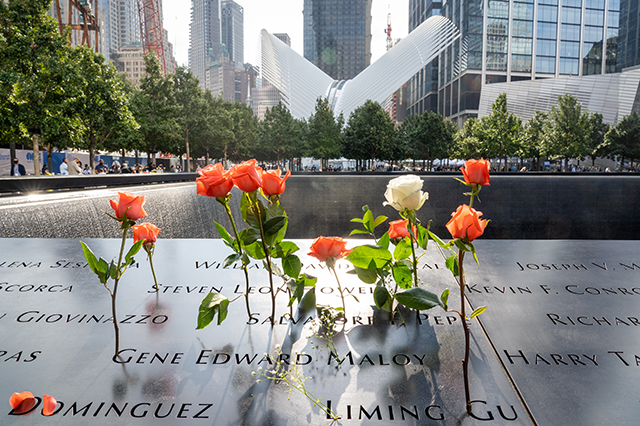
Memorials at these sites provide a poignant, spine-tingling moment of reflection and solace, and nearly 200 others coast-to-coast allow visitors to learn and pay tribute. Their exhibits highlight details from that fateful day, the names of the victims, and may include plane wreckage or steel from the buildings. All of them honor the events and people of 9/11.
Note: COVID-19 restrictions are in place for some memorials. Exhibitions may be closed, and masks may be required. Please check official websites for updates before your visit.
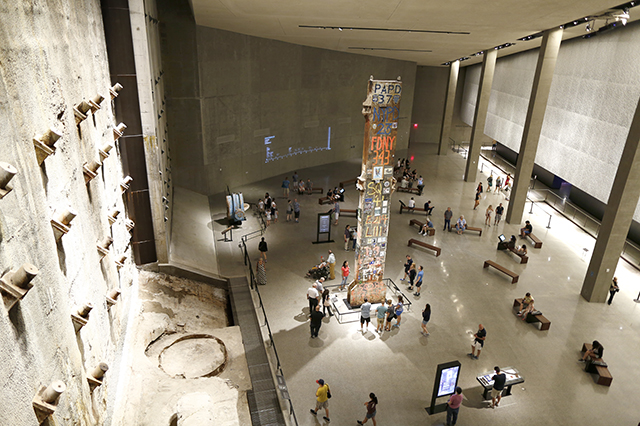
Foundation Hall, in the 9/11 Memorial & Museum in New York City, houses The Last Column: the last piece of steel removed from ground zero and decorated and signed by rescue and recovery workers.
9/11 Memorial & Museum
New York, N.Y.
The 9/11 Memorial & Museum’s message of healing, unity and renewal is evident the moment you approach the building’s massive glass facade. Just inside, two steel girders, representing the ill-fated north and south towers of the World Trade Center, stretch to the ceiling of the country’s primary institution for examining the events, aftermath and people of Sept. 11. It also pays homage to those killed in the February 1993 attack.
Descending underground, a ramp evokes the history of construction ramps at the site: one that built the original complex in the 1960s, and another installed during the post-9/11 recovery period to remove wreckage and allow victims’ families access to ground zero. Follow the Survivors’ Stairs, which led hundreds of fleeing survivors out of the buildings to safety.
Keep going, and you’ll experience two significant spaces. Memorial Hall, sited between the footprints of the original twin towers, features site-specific artwork. Foundation Hall contains the slurry wall, a concrete retaining wall that obstructed the Hudson River during 1960s construction, and remained intact during the destruction that occurred on 9/11. You can’t miss The Last Column: the last piece of steel removed from ground zero covered in inscriptions and mementoes from rescue and recovery workers.
A 20th anniversary commemoration ceremony for family members will be held beginning at 8:30 a.m. Sept. 11, where family members will read the names of those who lost their lives that day. At sundown, twin beams in the shape of the twin towers will illuminate the nighttime sky during the annual Tribute in Light. Cultural institutes throughout the city are also planning events that day to mark the anniversary.
The National 9/11 Pentagon Memorial
Washington, D.C.
The memorial is currently closed to visitors due to the COVID-19 pandemic, but its website features an audio tour, interactive map and biographies of the victims.
The names of the passengers and crew are etched onto 40 polished stones at the Flight 93 National Memorial’s Wall of Names in Shanksville, Pa.
Flight 93 National Memorial
Shanksville, Pa.
This expansive site offers a visitor center, Tower of Voices and memorial plaza to explore. Begin at the visitor center to learn about the events of 9/11 here and their context within the larger terrorist attack. A permanent interactive exhibit with maps and timelines recounts the story of the passengers and flight crew of United Airlines Flight 93, and the investigation after the crash.
The Tower of Voices is a 93-foot-tall instrument set among a field of wildflowers. Its 40 wind chimes represent the 40 lives lost at the site that day. Installed and dedicated in September 2020, there are no other chime structures like it in the world.
A memorial plaza holds the quarter-mile boundary of the crash site, featuring the Wall of Names, where 40 white polished stones are inscribed with the names of the passengers and crew.
The National Park Service will hold a memorial for family members Sept. 11 beginning at 9:45 a.m. It will also be streamed live on the site’s Facebook page.
Empty Sky Memorial
Jersey City, N.J.
There are more than 150 memorials across the Garden State, but the official memorial to the 749 state residents that lost their lives is erected at Liberty State Park. Flanking the Hudson River across from New York City, the Empty Sky Memorial features twin stainless steel walls crossing a gently sloped mound anchored by a granite path directed toward ground zero. The victims’ names names are inscribed upon the walls.
Other Sept. 11 Memorials
There are several other Sept. 11 memorial sites in the Northeast where people can pay their respects and share memories of that fateful day.
Connecticut
The 9/11 Memorial in Sherwood Island State Park in Westport features the names of 161 people who died that day, who either lived in Connecticut or had close family in the state. On a clear day, you can see the lower New York skyline from the park, which is on the shore of the Long Island Sound.
New Hampshire
A 9/11 Memorial in Hudson’s Benson Park is crafted from steel from the twin towers. It memorializes resident David Kovalcin, who was a passenger on Flight 11, as well as all those who lost their lives that day and U.S. military members serving their country.
Maine
In Portland, the 9/11 Memorial of the Cumberland County Sheriff’s Office features steel salvaged from the World Trade Center site. It honors all those lost on that day.
Massachusetts
The Logan Airport 9/11 Memorial features a glass cube, The Place of Remembrance, that honors the crew and passengers of American Airlines Flight 11 and United Airlines Flight 17. The flights left Boston for Los Angeles on Sept. 11, 2001, but were hijacked by terrorists and flown into the twin towers.
Click here for a list of other Bay State memorials.
Rhode Island
A memorial and plaque at the State House holds the names of nine Rhode Islanders who died in the attacks.
How do you honor the victims and heroes of Sept. 11? Let us know in the comments.
While man-made bridges, castles and gardens can be beautiful, there’s nothing quite like marveling at nature. From lush forests and flowing waterfalls to hike-worthy mountains and glimmering lakes, you will find breathtaking natural wonders in our corner of the country. Here are our picks for 10 of the most beautiful places in the Northeast.
Note: Due to the ever-changing nature of the COVID-19 pandemic, please see official websites before visiting to check for restrictions or closures.
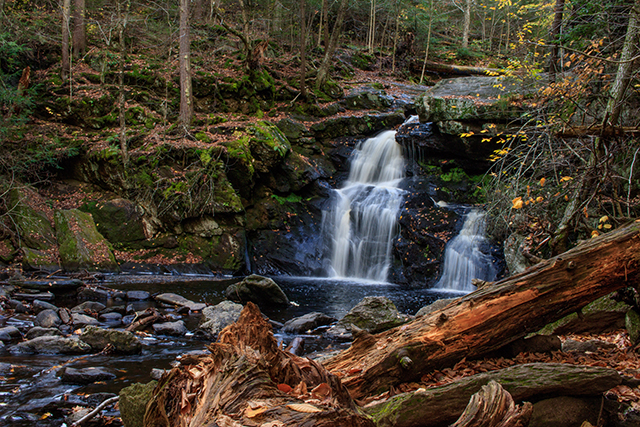
Enders State Forest in Granby, Conn. covers 1,500 acres of woodlands and is home to Enders Falls. Fed by Enders Brook, the falls feature cascades, horsetails, plunges and slides — the tallest of which features a 30-foot drop. Visiting Enders State Forest anytime between April and November will result in gorgeous views.
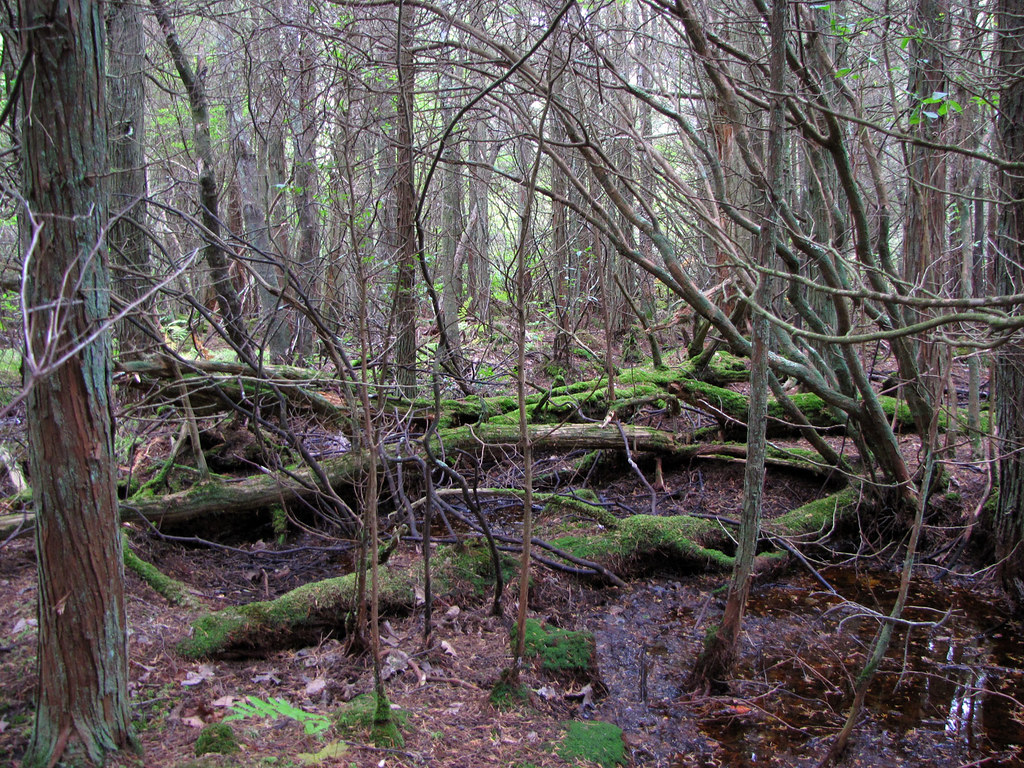
Located in Wellfleet, Mass., this 1.2-mile trail takes visitors through a striking oak and pine forest that looks like it could be straight out of a movie. A boardwalk leads through wetter areas of the Atlantic White Cedar Swamp, where you’ll find a lush wonderland.
“Bartholomew’s Cobble, MA” by angela n. is licensed under CC BY 2.0
Explore five miles of trails while viewing the fields, forests and rocky knolls of Bartholomew’s Cobble in Sheffield, Mass. With woodland flowers blooming in the spring and colorful foliage in the fall, this spot is truly one of the most beautiful places in the Northeast. It also has the greatest diversity of fern species in North America and one of the biggest Cottonwood trees in the state.
New Hampshire
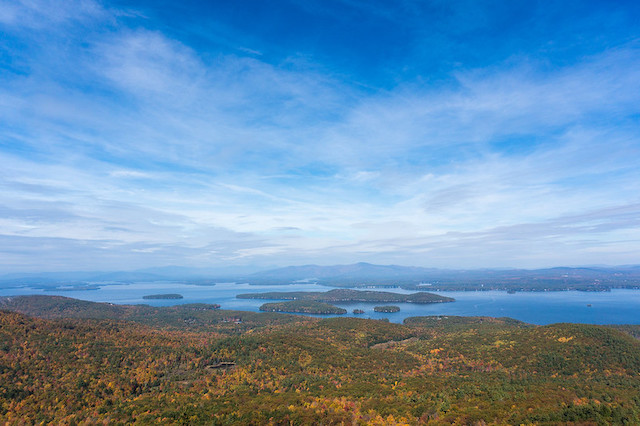
“Lake Winnipesaukee from Mount Major, New Hampshire” by rjshade is licensed under CC BY 2.0
Located toward the center of the state, the Lakes Region is home to the Squam Lakes and the largest lake in New Hampshire, Lake Winnipesaukee. Make the surrounding White Mountains a picturesque backdrop or explore the hiking trails around the Lakes Region area for some breathtaking views of the water from up above.
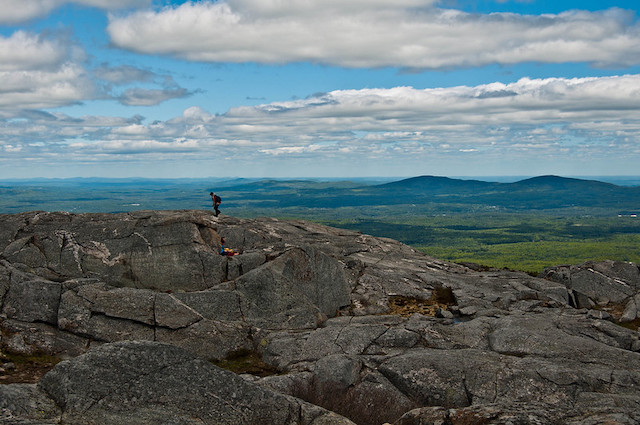
“Atop Mt Monadnock” by Dipanjan Nath is licensed under CC BY-SA 2.0
Located in southern New Hampshire, this 3,165-foot tall mount is surrounded by Monadnock State Park’s thousands of acres of lush forest. The area is great for camping, hiking and photographing foliage, rock structures and – once you reach a high enough spot – amazing panoramic views.
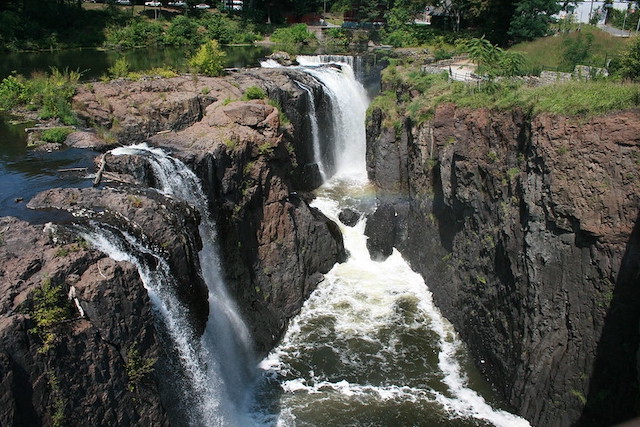
Fed by the Passaic River, the Great Falls are a 77-foot high waterway located in Paterson Great Falls National Historical Park. Surrounded by protected land, the falls are a sight to behold, being one of the largest waterfalls in the entire U.S.
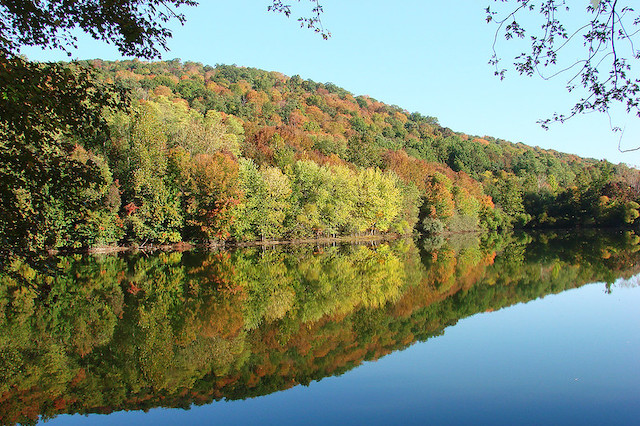
“Ramapo Reservation” by Billtacular is licensed under CC BY-NC-ND 2.0
Wander the trails of the Ramapo Valley County Reservation, located in Mahwah, N.J., to discover a pond, reservoir, waterfall and other scenic views. This 4,000-acre park also allows access to the Ramapo River for canoe, kayak and raft owners.
New York
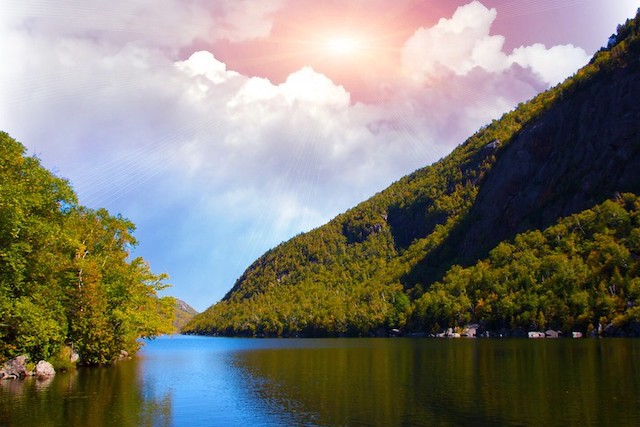
“Lake Placid New York ~ Sunset over Saranac River” by Onasill ~ Bill is licensed under CC BY-NC-SA 2.0
If you are planning a trip to upstate New York, you can’t miss the Adirondack Mountains and Adirondack Park. The area covers roughly 5,000 square miles, including some incredibly scenic spots, like Mount Arab, Mount Haystack, Kane Mountain, Hanging Spear Falls, Lake Placid and so much more. The Adirondacks are perfect for hiking, bird watching, nature photography and paddling across the area’s 3,000 lakes and ponds.
“Kaaterskill Falls” by Garrett Ziegler is licensed under CC BY-NC-ND 2.0
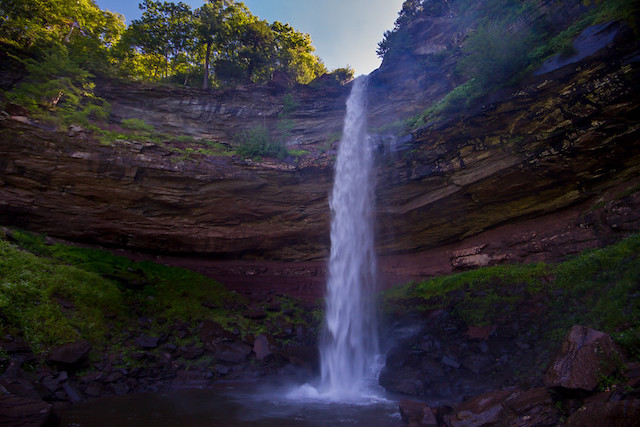
You’ll find many of the most beautiful places in the Northeast in the Catskills, including the Catskills Scenic Trail, Kaaterskill Falls and Panther Mountain Trail. The latter features eight scenic lookout spots and five ledges, including the Giant Ledge, which boasts amazing views.
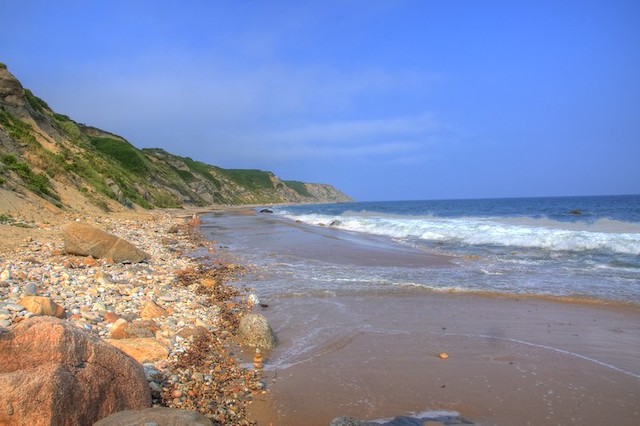
Located off the coast of Rhode Island, Block Island features gorgeous beaches and the Mohegan Bluffs. The pale, sandy beach and 200-foot tall bluffs are sights to behold. Make the climb to the top of these clay cliffs for some amazing views of the Atlantic Ocean.
What do you think are the most beautiful places in the Northeast? Tell us in the comments.
Shopping for car loans doesn’t tend to bring about the same joy as shopping for new cars. But finding the right loan is the first step to getting behind the wheel of the right car. After all, it’s likely the only way to know which vehicle you can afford. But how do you know which car fits into your budget?
Trying to calculate your monthly auto loan payment can be confusing when you’re forced to consider down payments, interest rates, trade-in value and term lengths. You don’t want to be at the dealership, completely unaware of what your monthly payment should be. This is an easy way to be locked into an auto loan that may not be the best loan available to you.
But don’t worry. As always, AAA is here to help! The auto loan payment calculator below can provide you with the estimated monthly payments of a new loan. Just plug in the amount of the loan you’re looking for, interest rate and term length. The auto loan payment calculator allows you to see the affect of changing the loan length and/or interest rate on your monthly payment.
This isn’t just for first-time loan shoppers, either. Those looking to refinance their current loan can also use this tool. Often, customers can save at least a few dollars on their monthly payments by refinancing. This may not sound like a lot, but over the course of the loan can add up to hundreds of dollars in savings.
Use our auto loan calculator to calculate terms of a new loan or to see if refinancing your current loan can save you money.
Note: Auto loan calculator results are an estimate. Actual loan rates vary due to a variety of individual factors, such as credit score, income and vehicle condition.
See how AAA Auto Loans can help you get a new car, including auto loans, refinancing and the AAA Car Buying Program.
Wildlife tourism is a massive industry, ranging from your local zoo to monthlong safaris across the savanna; it capitalizes on our desire to be one with nature, to see ourselves in the creatures with whom we share the planet. There are few things more awe-inspiring than a massive elephant, or the slinky strength of a tiger.
Some wildlife tourist attractions can be a net positive, according to a study by the Wildlife Conservation Research Unit at Oxford. Such attractions can provide job opportunities for the locals and help to conserve wildlife habitats. But wildlife tourism isn’t always ethical. In fact, it’s increasingly difficult to tell the difference between attractions that mistreat animals and those that provide them sanctuary. How can we identify ethical wildlife tourism? And how can we tell when things are wrong?
The Dark Side of Wildlife Tourism
In a 2019 article from National Geographic, “Suffering Unseen: The Dark Truth Behind Wildlife Tourism,” reporter Natasha Daly visited two different elephant attractions in Thailand. At Maetaman, in Chiang Mai, the elephants perform feats like playing the harmonica, giving people rides or painting pictures. They are constantly interacting with trainers, who – according to the story – prod them with sharp bullhooks. In between shows, they’re chained in small confinements. Afterward, Daly visits the nearby Elephant EcoValley, where tourists can feed elephants and even bathe them. The elephants can be seen grazing and bathing throughout the site, which includes a museum. But Elephant EcoValley and Maetaman are the same company. And they use the same elephants.
A similar strategy could be seen in the (now-closed) Tiger Temple, which operated as a religious site in Thailand. Tiger Temple was home to nearly 150 tigers, kept in concrete cages at night and drugged to interact with tourists by day, according to an article in Time. Why so many? Because tourists prefer to take pictures with cubs, and cubs grow up.
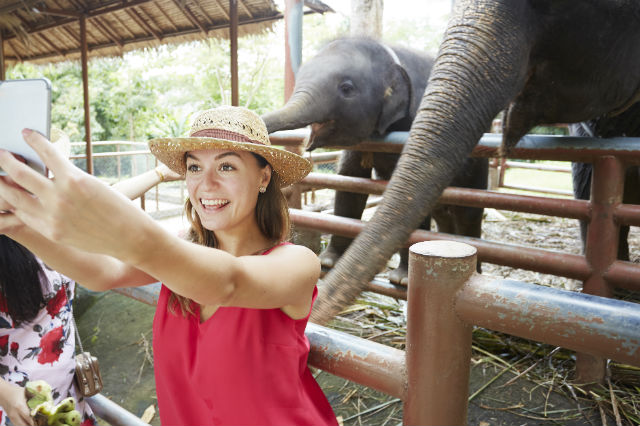
It would be disingenuous to only include examples from Thailand, because unethical wildlife tourism is a global issue. Its influence can even be seen on your social media feeds. Sites like Instagram routinely influence where travelers want to go and what they want to do. These sites are also full of pictures of people posing with non-domesticated animals in tourist traps. The problem is so big that Instagram discourages its users from searching hashtags like #slothselfie or #lionselfie (feel free to look at how many animal selfie tags have this warning – #lemurseflie, #tigerselfie, #elephantselfie, etc.) In 2017, Tinder begged its users to stop posting so many pictures of themselves lounging with tigers (I swipe left).
Wildlife Tourism Activities Done Right
When people post a picture with a frightened sloth or a toothless tiger, it’s not because they are bad or want to hurt animals. On the contrary, many of the wild animal selfie-takers write long captions about how they love animals and nature. The problem is that tourists routinely overestimate the wellness standards and conservation efforts of wildlife tourist attractions.
Animals are like us, but they’re not like us. It can be difficult to tell when an animal is frightened or in pain. Some of them even look like they’re smiling. How can we tell the difference between ethical and unethical wildlife tourism?
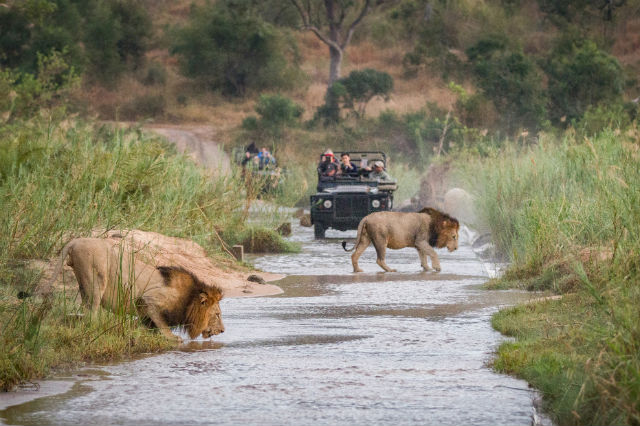
“Any facility that offers public interactions with wild animals, such as photo ops with tiger and bear cubs or primates, rides on wild animals, swim-with-the-dolphins, play sessions, or even public feeding can put both animals and the public at risk,” said Debbie Leahy, senior strategist of captive wildlife for the Humane Society of the United States. “In the interest of both animal welfare and public safety, responsible facilities do not offer close encounters with wild animals, including animals ranging from elephants and big cats to sloths and kangaroos. We recommend safaris and activities in which animals are seen in their natural wild environment, where they are free-roaming and free to express their natural behaviors.”
Leahy notes that the most ethical types of sanctuaries are those that house animals who cannot return to the wild, like those that are injured or have been rescued from captivity.
“Research a facility before visiting and beware of phony sanctuaries,” she said. “Some facilities claim to rescue animals, but breed animals and keep them in inhumane conditions, or use them for public contact. Many reputable sanctuaries are accredited by the Global Federation of Animal Sanctuaries.”
“Sadly, many vendors and operators will claim that their animals came from sustainable sources and are treated well. In the case of rescue/rehab centers and captive facilities, tourists can ask how many animals have been released back to their native habitats, if they allow breeding at their facility, if they allow physical interactions at their facilities (including bottle-feeding, petting, ride/walk/swim-with safaris, animal performances, displays and photo opportunities with captive wildlife), if they sell any wildlife products, or if the animals in their care are used for entertainment (bear-dancing, chimpanzee boxing, elephant painting, etc.)”
Sometimes it can be hard to accept these realities. Many of us daydream of the chance to snuggle a sloth or pose with an elephant. We don’t want to think about ethics and morals on vacation – that’s what regular life is for! But once you know about these things, you can’t turn it off. You can’t look away. And that’s for the best.
One of the best ways to see animals is in their natural habitat, like on safari. Seeing an exotic animal in the wild is truly a once-in-a-lifetime experience that you’ll remember forever. If you want to try it for yourself, talk to your AAA travel advisor about small group tours in Africa, where you can see magnificent wildlife in their natural habitat while also contributing to the local economy.
Tourist attractions are hugely influenced by consumer demand. If we are willing to dig deeper and ask tougher questions, there’s a real chance that they could change for the better. Instead of daydreaming of elephant selfies, now I dream of a sanctuary that contributes to the local community while treating the animals well. Where the tourists are content to see elephants from afar.
The Northeast is home to hundreds of lighthouses, each more iconic than the next. With their charming structures and idyllic surroundings, photographing these beacons is sure to produce incredible results.
Thank You for Participating!
Your lighthouse photos shine a light on your talent! Browse through all of the pictures we received for the August Photo Session in the slideshow below, and don’t forget to check our social media channels, where we will be sharing some of our favorites. Select photos may also be featured in an upcoming issue of Your AAA magazine
The Scituate Lighthouse by the water on a beautiful August afternoon. (Adam Figarsky)
Sandy Neck on a November afternoon. (Daniel Lupfer)
Morning light. (Danna Gaynor)
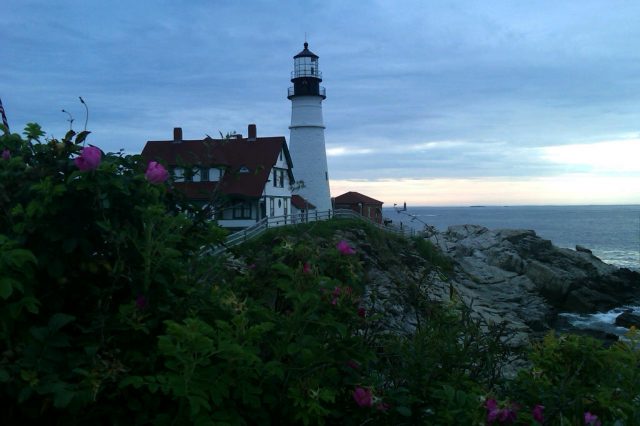
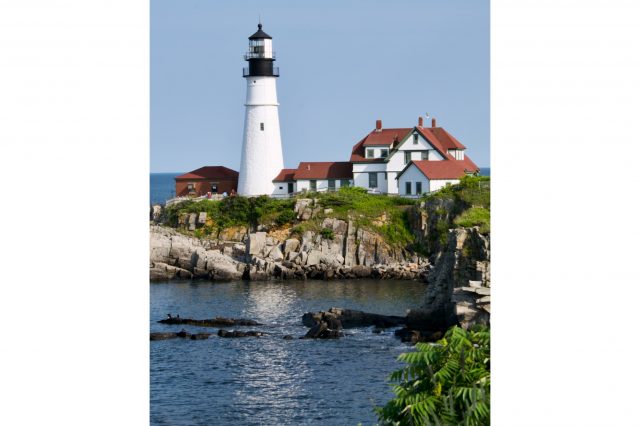
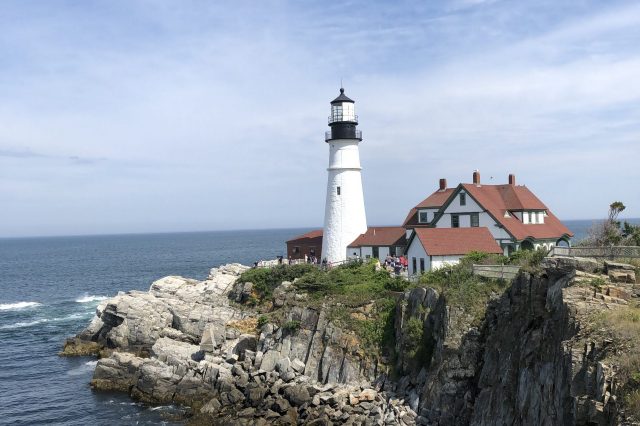
Portland Head Lighthouse in Cape Elizabeth, Maine. (David Delucia)
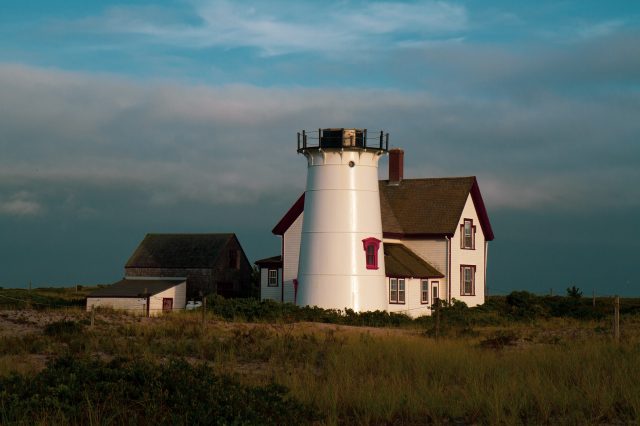
Stage Harbor Lighthouse in Chatham, Mass., as the sun is starting to set. (David Saias)
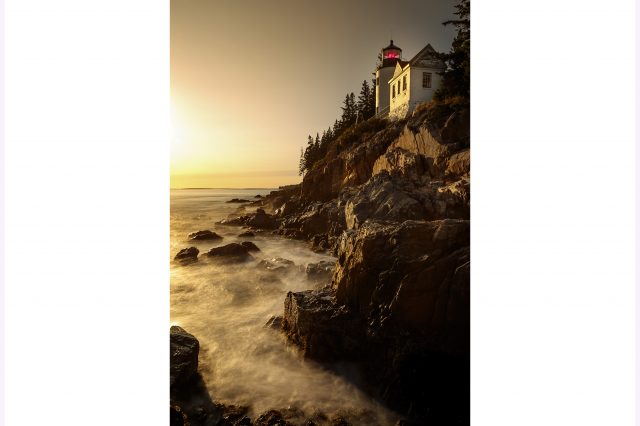
Bass Harbor Headlight in Acadia National Park. (David Weiss)
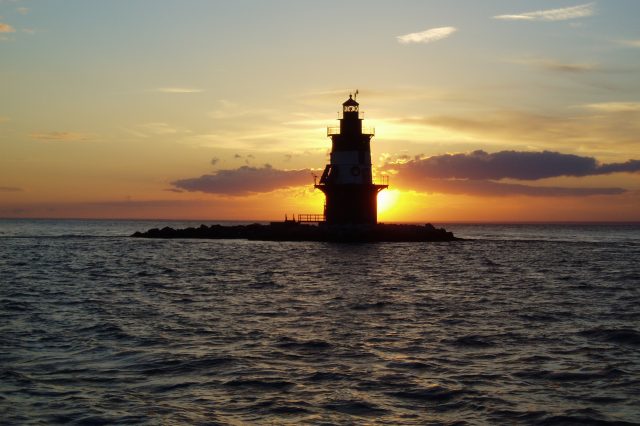
Orient Point Lighthouse at sunset. (Amy Smith)
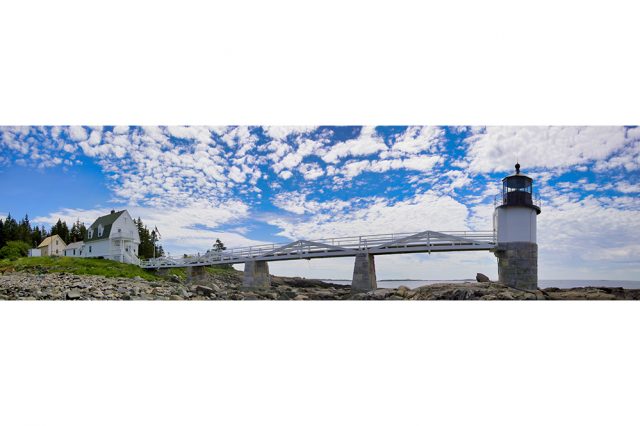
Marshall Point Lighthouse (Anthony Cerino)
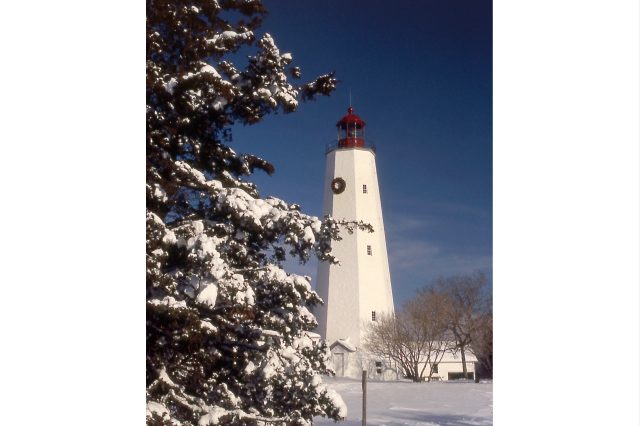
Snowy Sandy Hook (Arthur Crosta)
(Carol Cunningham)
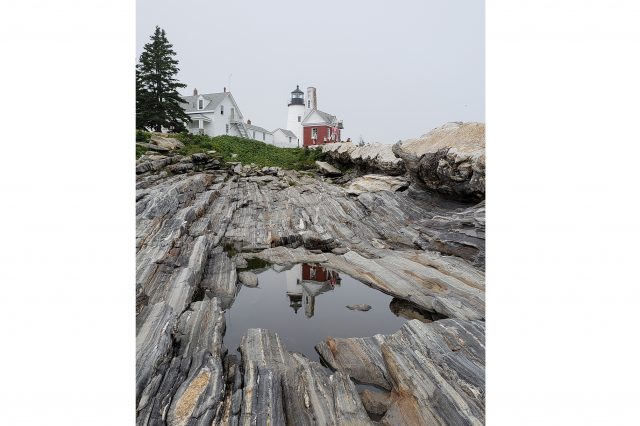
Pemaquid Point Lighthouse, Bristol, Maine. (Caroline Calo)
Portland Head Light (Caroline Stella)
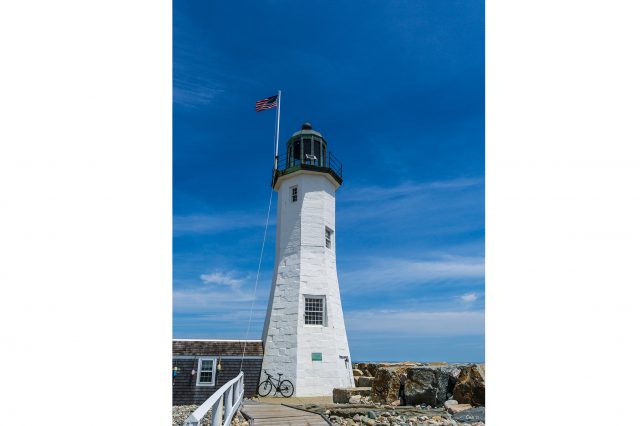
Old Scituate Light (Cindy Merrill)
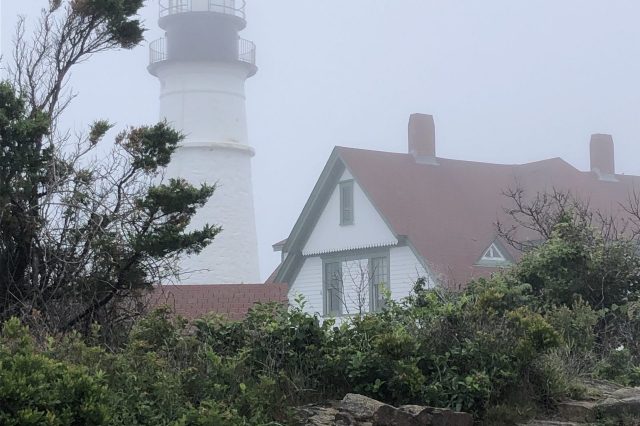
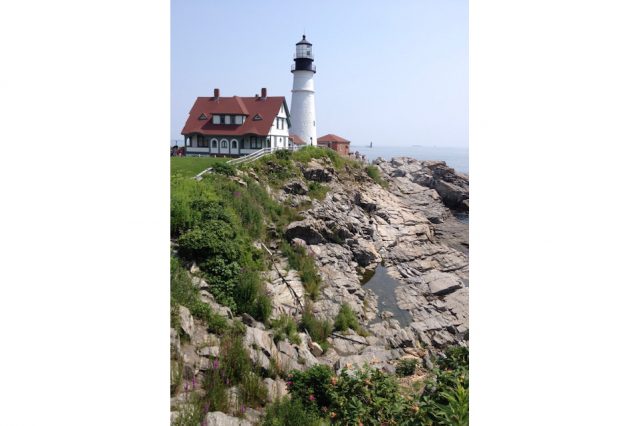
Portland Head in Fog, July 2021. (Donna McWilliams)
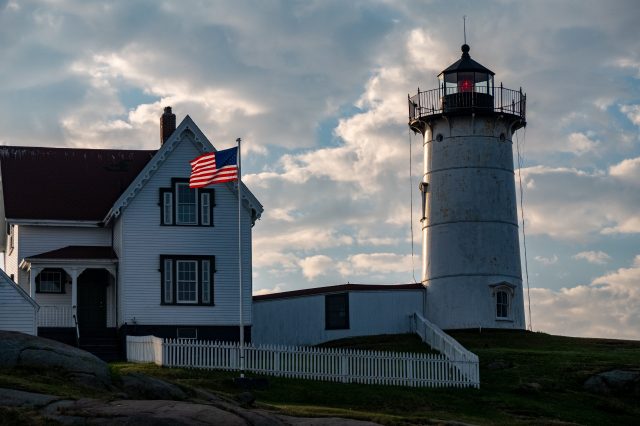
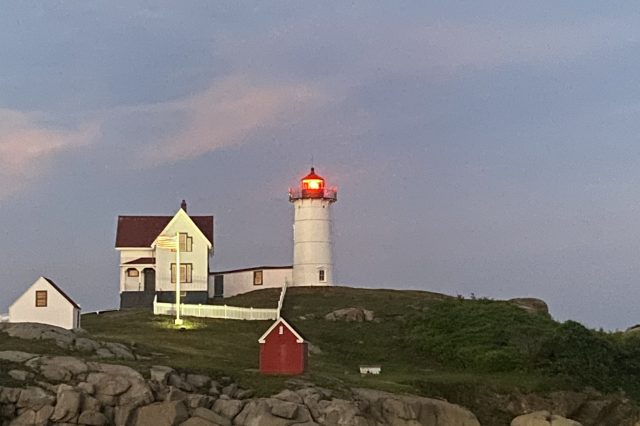
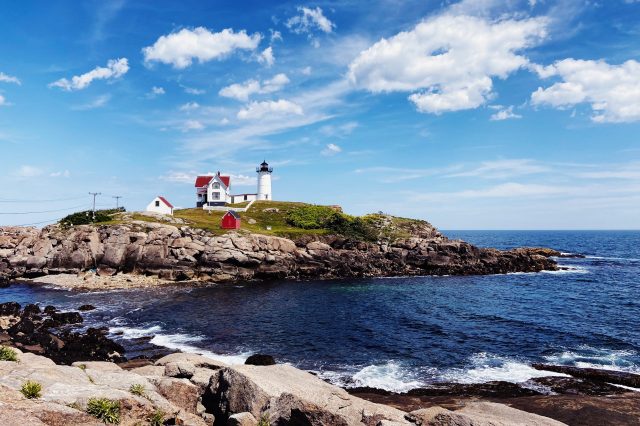
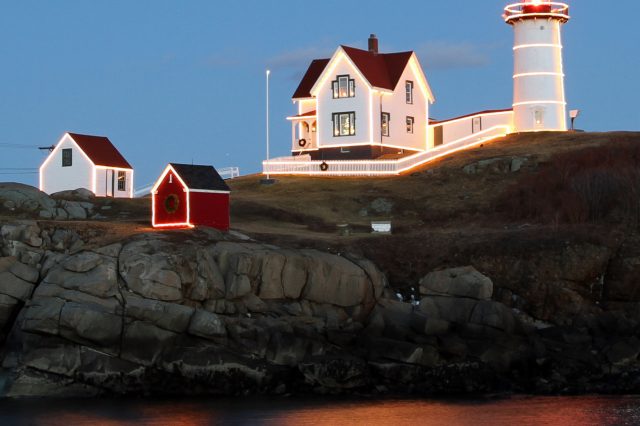
Sunrise, Nubble Light, York, Maine. (Doug Beller)
Portland, Maine (Faye Neil)
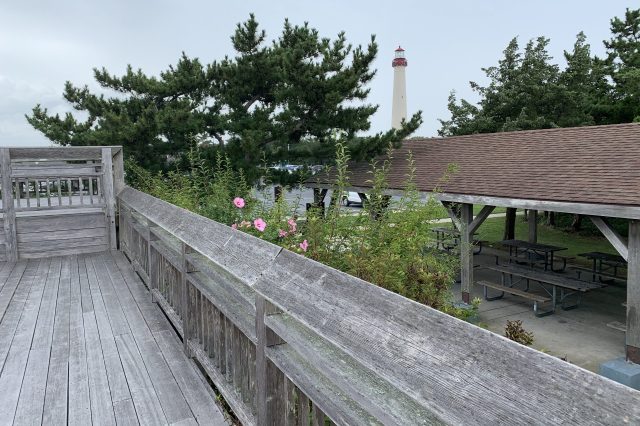
Lighthouse, Cape May, N.J. (Gillian Furniss)
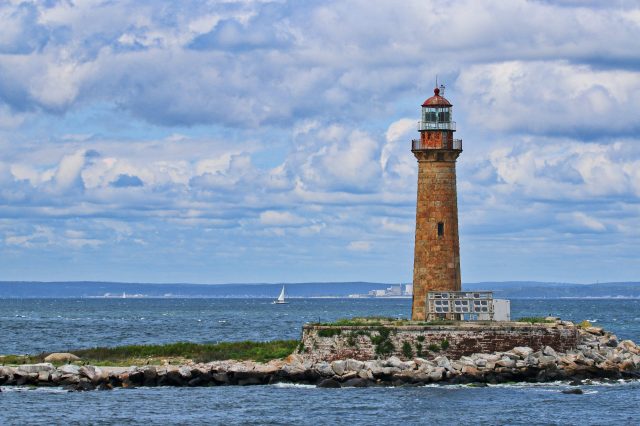
Little Gull Island Lighthouse (Gwendolyn G. Enstine)
Fort Williams Park, Cape Elizabeth, Maine. (Holly Lankowski)
Indian Island Lighthouse, Maine. (Janet Pumphrey Harper)
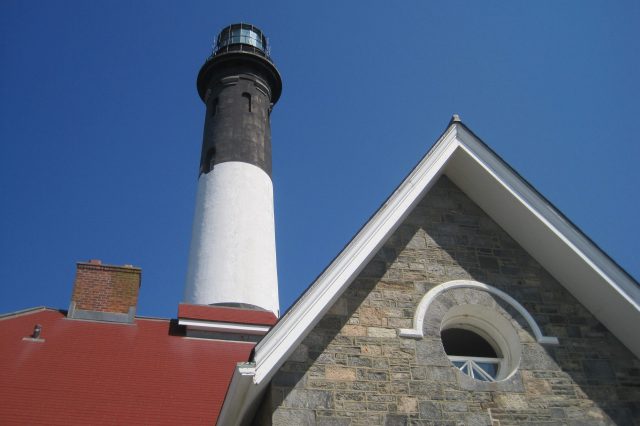
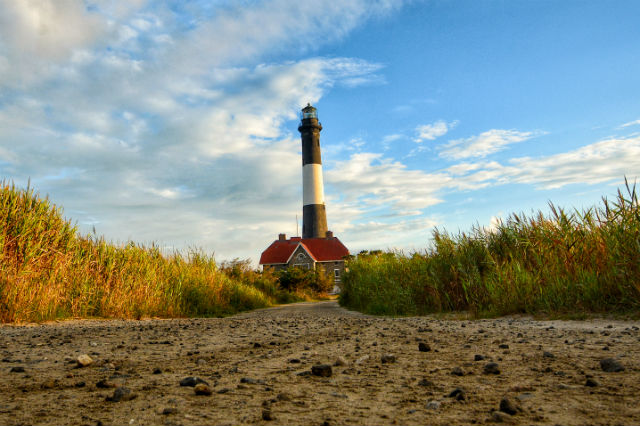
Fire Island Lighthouse, Fire Island, N.Y. (Janine Bender, AAA Employee)
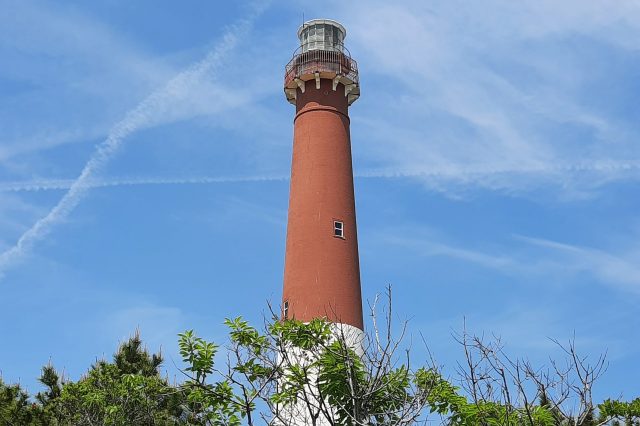
Barnegat Lighthouse, N.J.(Janis Lee)
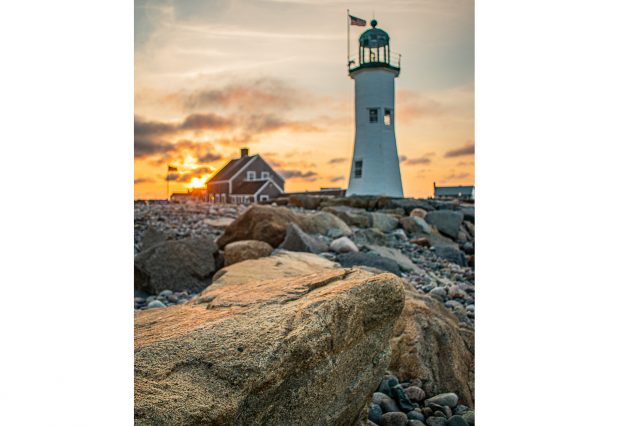
Scituate Lighthouse, sunset. (Jason Sheehan)
Maine lighthouse at sunset. (Jean Greenberg)
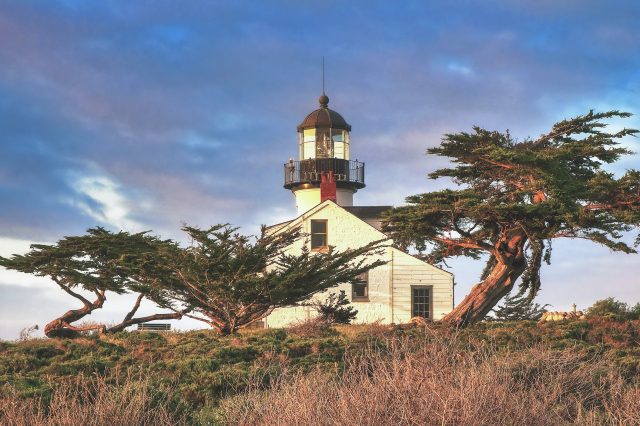
Lighthouse in Carmel, Calif. (Jeffrey Langford)
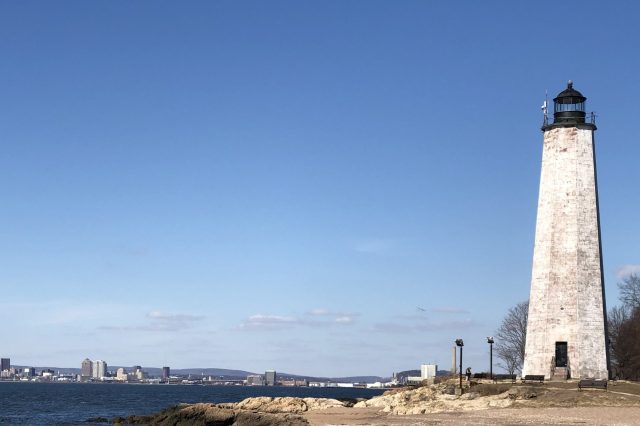
New Haven Harbor is safeguarded by the light at Lighthouse Point. (Joanne Ekstrom)
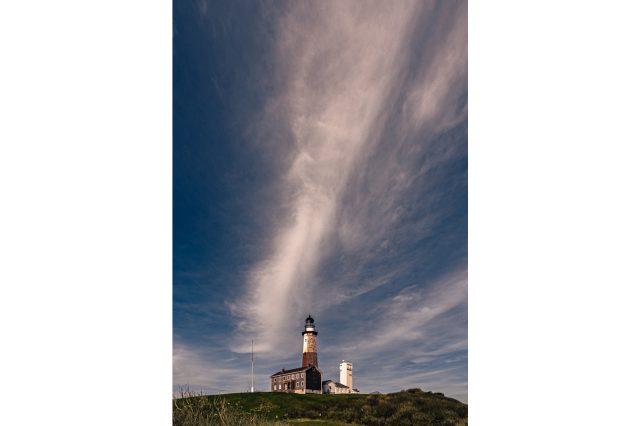
Montauk Point Lighthouse, Montauk, N.Y. (Joseph Kelly)
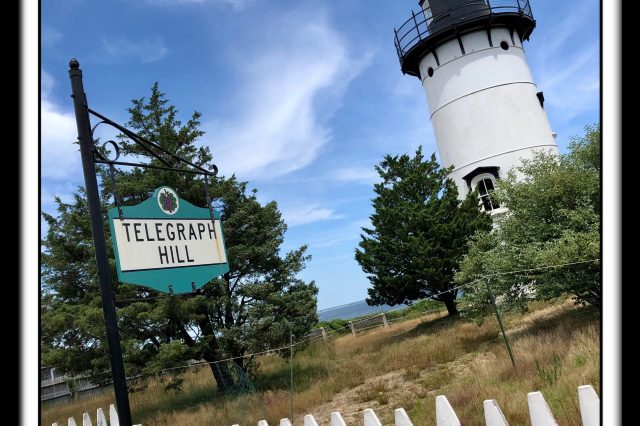
East Chop Lighthouse, Martha’s Vineyard. (Karen D'Auria)
Nubble Light (Kristina Wright)
(Lori Phillips)
Tranquility! (Maria Barcsle)
Cape Neddick Light/Nubble Light, York Beach, Maine. (Mark Bankoff)
(Mary Chin)
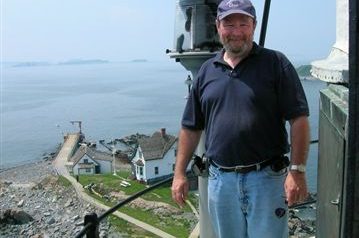
Working a few years ago at Boston Light maintenance. (Mathias Mulvey)
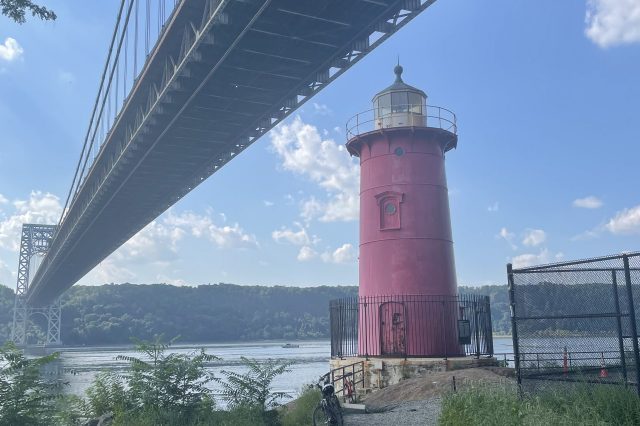
Little Red Lighthouse @ George Washington Bridge New York. (Mathilde Diaz)
Cape May (Rachael Constantine)
Nubble Lighthouse at night. (Reverend Robert Gill)
Pounce Inlet Lighthouse, Fla. (Robert Lagarenne)
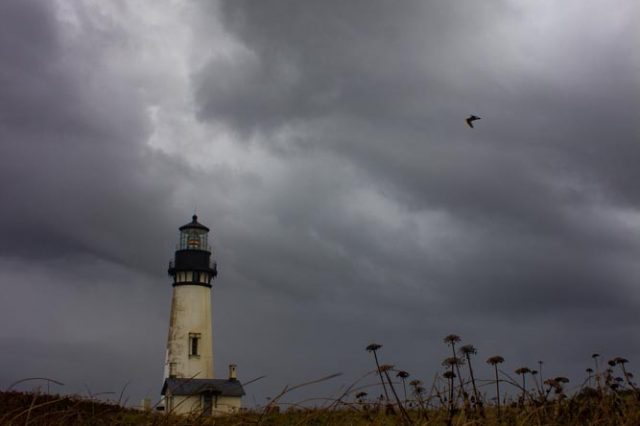
Yaquina Bay Lighthouse, Ore. (Russell Henault)
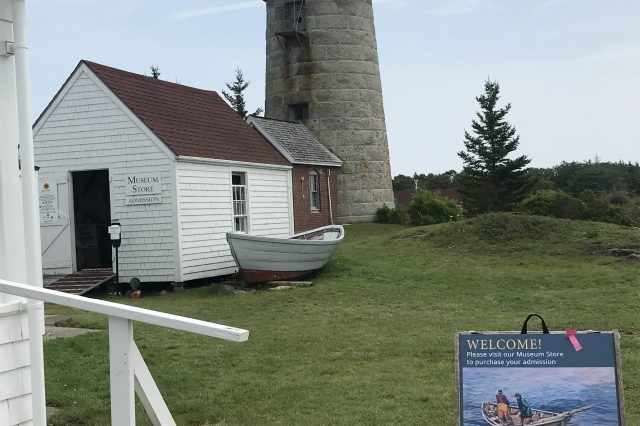
Monhegan Island Light (Sharon Baraiola)
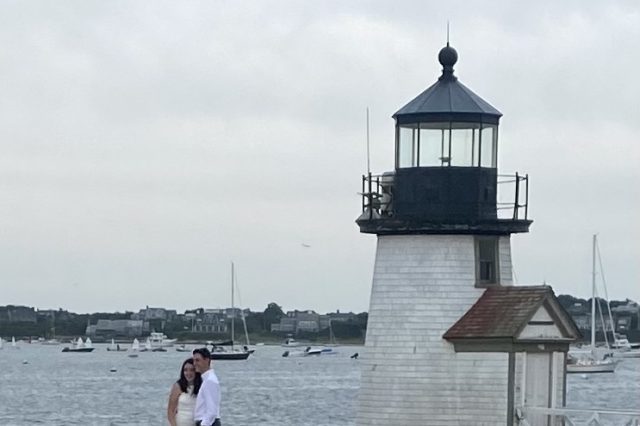
Brant Point proposal. (Stacey Cabral-Levesque)
Sunset on a quiet evening.(Susan Daly)
(Susan Eginton)
Yaquina Head Light Ore. (Taylor Donohe)
Tips for Great Lighthouse Photos
Lens Choice
When photographing lighthouses, it is best to capture the landscape surrounding the structure as well. Lighthouses are often surrounded by the most beautiful coastline. For the best results, I recommend a wide angle zoom lens. My go-to lens is a 17-28mm. For the wide shot, I would use a small aperture like f/22 to capture all the details in the scene. A telephoto lens can also be fun if you zoom in on only the lighthouse. Choose a vertical orientated photo for optimal results. Try using a large aperture here to isolate the lighthouse from it’s background, like f/2.8.
Watch the Horizon Line
A horizon line is where the sky and land meet. For a flawless composition, make sure the horizon line in your image is straight. Many cameras can turn on a grid within the live view; place your horizon along the lines of the grid.
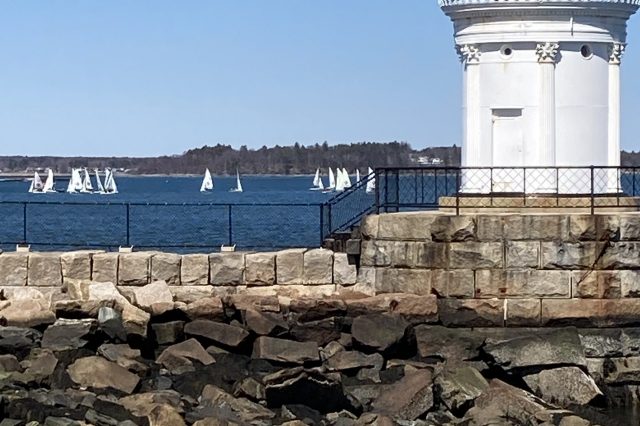
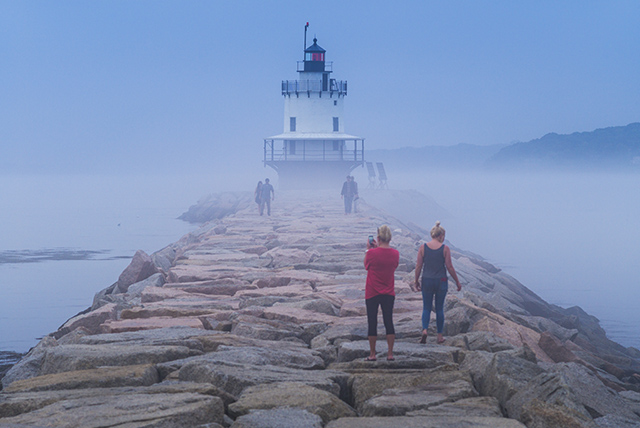
Spring Point Ledge Lighthouse, South Portland, Maine. (Photo: Getty)
Add People
Instead of waiting for people to clear out of your shot, try taking a few where you include them. People standing near the lighthouse will help show the scale of the structure.
Starbursts
If the lighthouse is lit up, set your aperture to a small number to capture a starburst of the light rays. Start with your lens’s smallest number, typically f/22 or f/20. If you are shooting at dusk/dawn or the evening, you will want to have your ISO up high enough to capture the lighthouse. I would start at ISO 800 and increase as needed. A sturdy tripod is highly recommended for any low-light photography.
Fire Island Lighthouse, Fire Island, N.Y. (Photo: Getty)
Vary Your Shutter Speeds
If you are able to photograph water with the lighthouse in the same frame, try playing with different shutter speeds. If waves are crashing up on shore and you want to freeze that motion, use a fast shutter speed like 1/500th sec. If you want the water to be soft looking use a slower shutter speed like 1/10th of a second and below.
Check out past AAA Photo Sessions and stay tuned for the next one, coming soon.
Beth Mancuso is a professional landscape and travel photographer.
Hearing loss happens gradually over time, often going unnoticed – and untreated – until it becomes severe. But difficulty to hear can set off a cascade of issues, including loneliness, fatigue and reduced job performance.
The inability to understand a loved one’s words or to participate in a casual conversation with friends can lead to social isolation, and when diminished hearing makes it difficult to communicate with doctors or hear an alarm, the effects can be downright dangerous.
Furthermore, research shows that hearing loss can be connected to depression, heart health and forms of dementia, so it’s important take your ear health seriously.
Hearing Loss and Dementia
What many considered an inevitable yet mostly frustrating part of the aging process was cast in a new light when Johns Hopkins School of Medicine research by Dr. Frank Lin showed hearing loss as a risk factor for dementia.
Researchers tracking adults over time found that moderate hearing loss tripled the risk for dementia, while those with severe hearing loss were five times as likely to develop the condition. While the link between the conditions is still being explored, the social isolation that stems from hearing loss may be a factor, as it is known to be associated with an increased risk of dementia.
About 48% of Americans experience some level of hearing loss, but most do not seek treatment right away. With an average of 7 years passing before an individual seeks help for diminished hearing, the data suggests a missed window during which individuals might be able to delay or avoid cognitive decline. The use of hearing aids and other hearing loss treatments could prevent or interrupt the complex process that links the conditions.
As the leading cause of death in the United States, heart disease claims a life every 36 seconds, according to the Centers for Disease Control and Prevention. So how does your heart affect your ears? It’s all about good circulation. When your blood is flowing properly, your ears are getting what they need to stay healthy.
Sudden hearing loss can be an early sign of vulnerability to stroke, one of the most common forms of cardiovascular disease. Studies also suggest that low-frequency hearing loss could be an indicator of current or potential disease.
Listen to what your ears are telling you. If you or a loved one experiences sudden hearing loss or the onset of low-frequency hearing loss, have a doctor evaluate the situation as soon as possible.
Hearing Loss as a Side Effect of Cancer Treatment
Age is the strongest predictor of hearing loss, with the greatest amount of loss experienced by those in the range of 60 to 69 years, but other causes include noise exposure, auditory tumors and drug side effects.
Treatments such as chemotherapy and head or neck radiation used to combat cancer can lead to sensorineural hearing loss, the kind that occurs when there is an issue in either the inner ear or the auditory nerve that delivers sounds to the brain. A landmark study revealed that 61% of patients ages 8 months to 23 years receiving cancer treatment reported hearing loss. If you are being treated for cancer, make sure to monitor ear health to catch hearing loss early.
Reduced Job Performance
Struggling to hear a coworker in a meeting and finding it difficult to communicate effectively at work can lead to distress and impact job performance, particularly when left untreated. This can lead to irritability and a diminished sense of well-being.
As workers age, they may acquire hearing loss, but the connection between hearing and job performance isn’t restricted to older workers. Young people are exposed to potentially damaging noise from loud concerts, sports events and the improper use of audio devices. Certain occupations such as working in public safety, manufacturing and the military come with a greater likelihood of dangerous noise exposure while on the job, making it especially important to wear proper ear protection.
Fatigue From Struggling to Hear
While it’s common to feel tired after listening to someone speak for a long time in a meeting, fatigue sets in much faster when any level of hearing loss is present. Listening requires more cognitive resources when hearing is diminished, and that allocation of brainpower can be greater when conditions aren’t ideal. Being in a noisy environment or sitting through a conference may require more effort, tax the brain, and therefore lead to more tiredness.
An audiologist can help to break this cycle and ease fatigue by providing you with a solution to treat your level of hearing loss and make listening easier.
A Link to Depression
Those who experience hearing loss or know someone with hearing problems may observe how isolating it can be to face the constant challenge of being unable to communicate well. During a free-flowing exchange, topics change quickly and voices come from multiple directions.
The inability to participate in fluid conversations about everyday life can lead to anxiety about social gatherings and avoidance of them in the future, leaving those with hearing loss feeling deep loneliness.
The Importance of Early Treatment
With connections to dementia, decreased well-being, and serious illnesses such as depression, hearing loss can clearly take a mental and physical toll if left untreated. Related cognitive decline and other unwanted conditions may be delayed or avoided with early treatment, such as the use of hearing aids. Rather than accept hearing loss as a natural part of the aging process, have an audiologist assess your hearing as the first step.
Durante más de un siglo, mujeres y hombres de Latinoamérica han marcando el rumbo en el mundo de la industria automotriz, tanto en sentido figurado como literal. Si bien muchos de ellos no son muy reconocidos, todos han alcanzado metas que nadie esperaba y han inspirado a futuros innovadores.
Desde una empresaria al mando de la industria automotriz hasta un ingeniero que acerca los vehículos de pasajeros a las personas, sus historias de pasión, orgullo y perseverancia son trayectorias que vale la pena celebrar.
Tatiana Calderón: Una carrera hacia podio
Hija de una familia de vendedores de automóviles, en 2002, a la tierna edad de nueve años, la colombiana Tatiana Calderón hizo su aparición en el circuito automovilístico. Tras superar una de las tantas señales de alto y así poder avanzar en su carrera profesional, se convirtió en la primera campeona nacional de go-kart tanto en los Estados Unidos como en Colombia. Desde estos primeros triunfos, esta conductora nunca ha hecho marcha atrás. Su lista increíblemente extensa de distinciones en el mundo del automovilismo y las pruebas de manejo sigue creciendo, al igual que los modelos y las marcas que la contratan como piloto. En 2018, Calderón se convirtió en la primera latina en conducir oficialmente un automóvil de la Fórmula Uno actual.
Courtesy: Tatiana Calderón; Credit: DPPI Images
Juan Alberto Grieve: Diseño de un medio de transporte para las masas
Con la llegada del siglo XX a Perú, los automóviles no solo se convirtieron en un gran lujo, sino estrictamente en un asunto extranjero. Solo aquellos muy adinerados podían pagar automóviles importados de Europa, y estos eran sobre todo para pasear por la ciudad. No obstante, el ingeniero peruano Juan Alberto Grieve tuvo la visión para inventar un vehículo personal más democrático que pudiera usarse en los accidentados terrenos rurales de Perú. Luego de haber construido el primer motor de combustión interna de Sudamérica en 1905 y haber formado el primer club de automóviles de Lima un año más tarde, Grieve estaba preparado para desplegar su vocación. En 1908, presentó el primer automóvil diseñado y construido en el continente, y lo vendió a la mitad del precio de un modelo europeo similar. Lamentablemente, este espíritu emprendedor fue aplastado por el presidente de Perú, quien consideraba que los automóviles solo debían ser fabricados por países “avanzados”. Sin embargo, Grieve sigue siendo una referencia histórica en el amor latinoamericano por la industria automotriz.
Gregorio Ramirez Gonzalez: Inventor del “hecho en México”
El emprendedor mexicano Gregorio Ramirez Gonzalez nació en 1913 en una familia muy modesta. Luego de tener que dejar sus estudios a los 10 años, tuvo varios empleos y finalmente abrió su propia tienda de camiones con acoplado en 1946. Con el ingenio para armar prototipos de camiones a partir de vehículos militares estadounidenses descartados, presentó una línea de camiones fuertes y robustos. El emprendimiento se convirtió en la primera empresa de fabricación de automóviles de México: Grupo Industrial Ramirez. Este importante grupo también produjo las primeras camionetas y furgonetas hechas en México. En 1961, comenzó a fabricar la Rural Ramirez, un camión pequeño que fue el primer vehículo del país sin piezas importadas. Con el pasar de los años, cerró muchas operaciones conjuntas con automotrices gigantes como General Motors, Ford y Nissan. De humildes inicios a pionero de la industria automotriz.
Patricia Salas-Pineda: Potencia en la industria automotriz
Patricia Salas-Pineda nunca se conformó con ser la primera en ninguna etapa de su carrera de 30 años en la industria automotriz. Esta pionera también trabajó sin descanso para expandir la presencia latinoamericana en las categorías más elevadas de la industria estadounidense. Californiana de nacimiento y graduada en Derecho en la UC Berkeley, en 1984 se unió a la incipiente empresa New United Motor Manufacturing y colaboró para convertirla en una planta automotriz de USD 4,500 millones. Luego se convirtió en vicepresidente del grupo y abogada general de Toyota North America, y su ejecutiva latina de más alto rango. Antes de jubilarse en 2016, había liderado el Hispanic Business Strategy Group durante tres años. Desde entonces, ha trabajado en diferentes juntas corporativas apoyando las voces latinoamericanas en la industria y otros ámbitos.
Ernesto Ancira Jr.: Hablando de automóviles…
En 1972, Ernesto Ancira compró una concesionaria de Chevrolet en San Antonio, Texas. En las décadas que siguieron, convirtió a Ancira Auto Group en un pequeño imperio que se adjudica varias innovaciones en los Estados Unidos: el primer grupo hispano de concesionarias, la primera concesionaria con personal hispanohablante y la primera concesionaria dirigida por una minoría. En la actualidad, la cadena cuenta con más de 750 empleados en seis sucursales que venden las 11 marcas más importantes de automóviles. Ernesto aún está a cargo de la empresa, mientras que una de sus cinco hijas, April Ancira, es la vicepresidente. La orgullosa y próspera empresa familiar es una historia inspiradora en la herencia latinoamericana más reciente.
Luca Cafici: Reinvención del comercio de automóviles
Siguiendo los pasos de los innovadores latinoamericanos de la industria automotriz, nos encontramos con el emprendedor argentino Luca Cafici. En 2015, cofundó la incipiente empresa InstaCarro en San Pablo, Brasil. Cubrió una necesidad en el tercer mercado automotriz más grande del mundo: conectar rápidamente a personas que venden automóviles usados con concesionarias de todo el país. El mercado digital ha ganado tanta popularidad, en especial durante la pandemia, que ahora se precia de la posibilidad de vender automóviles en menos de una hora. Gracias a una reciente ronda de financiamientos, el director ejecutivo Cafici planea expansiones en otras cinco ciudades brasileñas en 2021.
It’s no secret that Massachusetts is home to breathtaking foliage in the fall. Hikers can find fantastic natural views by perusing the many trails that wind around North Central Massachusetts’ mountain ranges, waterfalls and woodlands
Check out this list of some of our favorite hiking spots, and consider visiting North Central Massachusetts during the fall for an outdoor adventure and prime leaf peeping opportunities.
There are tons of things to see at Brooks Woodland Preserve in Petersham. This 693-acre preserve offers miles of footpaths. Spot remnants of old stone walls from early-19th-century farmsteads as you travel through the forest. Tree varieties include hemlocks, red oaks and white pine, making for beautiful foliage hikes during autumn.
There’s plenty of wildlife to see as well. Along parts of the Moccasin Brook, Roaring Brook and Swift River, beaver dams can be found. Glacial boulders provide dens for porcupines.
Westminster, Princeton, Leominster, Fitchburg and Sterling, Mass.
Located on Route 31, Leominster State Forest is a nature enthusiast’s dream. Hiking, mountain biking, rock climbing and fishing are all welcome activities.
This 4,300-acre, oak-hardwood forest features wooded roads and footpaths leading throughout, including the 95-mile Midstate Trail. A segment of the Midstate Trail traverses Crow Hill’s rocky ridge, where there are views of ponds, wooded hills and Wachusett Mountain.
Jacob’s Hill Reservation features two vistas with panoramic views across Tully Valley and the steep cascades of Spirit Falls, which are especially picturesque after an autumn rain. Across the valley, Tully Mountain rises in the town of Orange, where ledges provide a striking view of the region, including Mount Monadnock, Wachusett Mountain and Mount Watatic.
The entrance is on Route 68 in Royalston. The reservation may also be reached via the Tully Trail from Long Pond.
This scenic footpath is located in Worcester County, 45 miles west of Boston. The 92-mile hiking trail extends from Rhode Island, crossing the gentle hills of Central Massachusetts and eventually connecting to the Wapack Trail in New Hampshire. The Midstate Trail is highly accessible, easy to hike and the best way to enjoy the natural side of the region.
This loop hike is moderate in difficulty and home to two great viewpoints – one overlooking Pierce Pond and the other looking toward Mt. Monadnock. Hiking, observing wildlife and geocaching are all welcome activities.
Monoosnoc Ridge extends from Route 2 south to Sholan Farm in Leominster. The Blue-Blazed Monoosnoc Trail and other paths lead to views of the North and South Monoosnoc Hills, babbling brooks and an orchard. Trailheads include West Street at the north end, and Elm and Wachusett streets.
One of the most-visited mountains in Central Massachusetts, Mount Watatic welcomes a variety of non-motorized recreational activities including hiking, nature watching, mountain biking and more. Leaf peeping is great in the fall thanks to Mount Watatic’s panoramic views, encompassing the Boston skyline, Mount Wachusett, Mount Monadnock and the Wapack Range.
Mount Watatic is located at the southern end of the Wapack Mountains on Route 119 in Ashburnham. The combined Midstate and Wapack trails lead over the summit and to another vista at Nutting Hill.
Fed by Lawrence Brook, Doane’s Falls features multiple waterfalls, including a dazzling 200-foot drop to the Tully River. For hikers, there’s also a gorgeous half-mile of woodland trail. Visitors can enjoy the sound of the water as they make their way through colorful fall foliage.
For even more natural beauty, there’s a ¾ mile-trial across Athol Road from the parking area. Paralleling a quiet section of Lawrence Brook, this trail leads to the tranquil Codding’s Meadow.
Royalston, Athol and Orange offer many options for hikers, bikers and paddlers. The Tully River Valley is home to a 4.5-mile footrail that loops around Tully Lake and the quarter-mile cascades of Doane’s Falls. A 7.5-mile mountain bike and hiking trail circles the adjacent Long Pond, passing by red maple trees that offer vivid foliage along the water’s edge starting in late September.
Access is available at Tully Lake Recreation Area on Route 32 as well as Tully Lake Campground and Doane’s Falls Reservation on Doane Hill Road.
The Nashua River Rail Trail is an 11-mile bike trail, but it is also open to walking, rollerblading and horseback riding from sunrise to sunset. Dogs are allowed and the trail is wheelchair accessible as well. Foliage is beautiful in the fall.
Parking and access points to the trail are located in Ayer, Groton and Dunstable.
At 2,006 feet tall, Wachusett Mountain is this region’s highest peak, boasting 360-degree views from Boston to the Berkshires. The surrounding 3,000-acre Wachusett Mountain State Reservation features a 17-mile biking and hiking trail network, including direct routes to the summit along with longer circuits combining multiple paths.
The main entrance is located on Mountain Road off Route 140 in Princeton, and other trailheads are located on nearby roads. Wachusett Summit Road is open from 9 a.m. to sunset from Memorial Day weekend to the last weekend in October.
It’s storm season, and power is a precious commodity. When you could lose power at any moment, how do you make sure that your life can go on as normal? Heating, cooling, lighting and even some cooking all depend on having access to a power source. Here in the Northeast where we occasionally face extreme weather, a backup generator could be a wise investment.
Storm Season
For the Atlantic, hurricane season begins June 1 and ends November 30. But for the Northeast, the highest potential for hurricanes and storms begins in August and stretches until late fall. After that, of course, the blizzards and winter storms set in.
Wind storms, hurricanes, floods, nor’easters, blizzards and heat waves are just some weather events that can cause power outages. Outages can last anywhere from a few hours to a few weeks. And from food spoilage to costly flooding and water damage due to unpowered sump pumps, the effects of power outages can be serious and costly.
How long do you think you could last without electricity? Without your TV, your refrigerator, your phone charger, your Wi-Fi, your air conditioning or even your hot water? When the lights go out, there’s nothing you want more than for them to go back on.
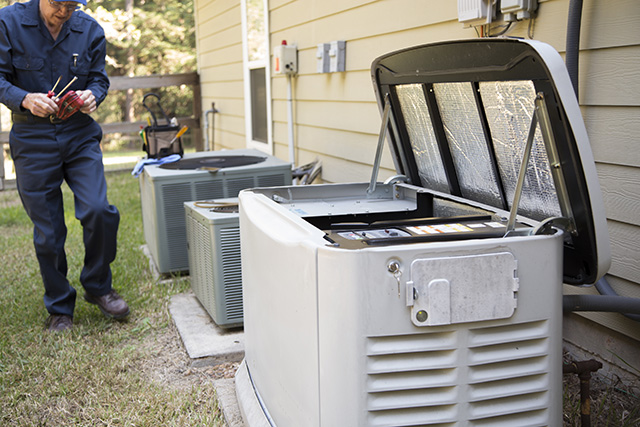
If you have a backup generator, you don’t need to worry about the power going out. Backup generators like the Briggs and Stratton generators provided by Petro can help you stay up and running no matter what the weather looks like outside.
A backup generator is an electrical system that supplies your house with power in the case of a power outage. Most such generators run on natural gas, liquid propane gas or diesel. Briggs and Stratton generators are there to give you peace of mind, and scheduled tune-ups will make sure that they’re always ready when you need them.
There are two types of generators: portable generators and standby generators. Portable generators are smaller and run at a lower capacity. They can be suitable for powering your home temporarily during an outage, but there are some safety concerns related to generators like these. If used improperly, such as placed inside a house or garage, they could cause carbon monoxide poisoning.
Standby generators are more powerful, reliable and safe than portable generators. Standby generators sense when your home has run out of power, and will turn on to provide you with power automatically. Once the main utility power is restored, the generator shuts down. A standby generator is permanently installed outside the home. There are, of course, still some safety tips you need to keep in mind while operating your standby generator.
Standby Generator Safety
When you first get your generator, make sure to read the manual. It can help you practice good generator safety, identify potential problems, and verify that the generator has been installed correctly.
If you intend to power your home with your standby generator, do not backfeed its power source into the power system it’s supposed to be supporting. If you just plug your generator into a wall outlet in your home, you can break your generator, start a fire or worse. Isolate your backup generator by installing a transfer switch, which removes your home from the power system and helps regulate generator power properly.
Like portable generators, standby generators should never be installed indoors. They should always be installed outdoors and away from enclosed spaces to prevent carbon monoxide poisoning. Do not install your generator near doors, windows or vents that are likely to be opened. Plus, make sure that you have a carbon monoxide detector installed in your home no matter what. Keep a fire extinguisher in your home and easily accessible.
When you’re dependent on a generator, it’s best to minimize your use of electricity and electrical appliances. This ensures that you’ll get the most you can out of your generator.
Which Generator Is Right for You?
When you’re choosing a generator, make sure it’s powerful enough to meet your energy needs. Small to medium sized homes don’t have the same energy needs as larger homes; while most small homes can use a 12kW standby generator, larger homes will usually need a 20kW standby generator.
Other important questions you should consider are whether anyone in your household has a medical need for power, like people who use electronic medical devices. Do people in your household need a large amount of power to do their work or hobbies? Or are you a pretty low energy consumption household to begin with?
When you’re installing a generator, it’s always best to seek a professional opinion. They’ll know what’s best for your home and how to install it safely and securely. The highly trained and experienced generator installation technicians at Petro Home Services can help you handle your generator installation, upkeep and any other questions you might have. Make sure you keep your generator in good working order with annual maintenance check-ups.
AAA members who sign up as a new customer with Petro Home Services can receive special offers including $200 off any new heating or AC system. Learn more.
Do you have a backup generator? Tell us in the comments.
It’s easy to overlook and underappreciate the roads that crisscross our towns, states and country. After all, they are usually what separate us from where we want to be – the more pavement behind us, the closer we are to our stop. But sometimes, the road itself is the destination. Sometimes, cruising along a winding byway is the best part of your trip. Such is the case with the most scenic roads of the Northeast.
Note: Due to the ever-changing nature of the COVID-19 pandemic, please see official websites before visiting to check for restrictions or closures.
Maine: Park Loop Road
We’d be remiss if we didn’t include a drive through Acadia National Park, the sole national park in the Northeast. Park Loop Road leads travelers on a 27-mile journey around the eastern edge of Mount Desert Island. It might seem like a short trek, but it’ll take longer than you expect. There are countless areas to pull over and get an even closer look of the area’s ponds, mountains and shoreline.
Want to extend your drive? Turn onto U.S. Route 3 to discover more of the island’s coastline.
Photo: Courtesy of Visit White Mountains
New Hampshire: Kancamagus Highway
While we could never pick a favorite, New Hampshire’s Kancamagus Highway is certainly one of the most scenic roads of the Northeast. And though the area’s natural beauty makes it a worthwhile destination any time of the year, at least one visit during the fall is a must.
The 34.5-mile National Scenic Byway cuts through the heart of the White Mountain National Forest, making it one of the country’s ideal spots for fall foliage viewing. Speaking of mountains, “The Kanc” winds its way up to an elevation of nearly 3,000 feet, providing visitors with breathtaking views of the surrounding area. Much of the route’s path downward runs parallel to the rolling waters of the Swift River.
While you don’t need to leave your vehicle to enjoy the sights of the Kancamagus Highway, there’s even more picturesque sights just off the paved path, including waterfalls, gorges and covered bridges.
Vermont’s Route 100 runs north to south nearly the entire length of the state, but it’s a small, 11-mile stretch between Waterbury and Stowe that has earned special designation. The Green Mountain Byway travels between its namesake mountain range to the west and the Worcester Range to the east. Along the way, it winds past 4,395-foot Mount Mansfield, Vermont’s highest peak. Visitors will also be greeted with the picturesque backdrop of meadows, farmland, forests and historic residences.
Although it’s a short drive, travelers can easily spend a full day in the area. The local towns and villages are home to an array of attractions, including the Ben & Jerry’s ice cream factory.
The verdant Bridge of Flowers in Shelburne Falls, Mass., is worth the detour off the Mohawk Trail.
Massachusetts: The Mohawk Trail
Completed in 1914, the Mohawk Trail Scenic Byway is one of the country’s oldest auto-touring roads. The route covers nearly 70 miles across western Massachusetts and takes visitors to dense forests, waterfront vistas and historic towns. In total, the byway runs parallel or crosses five major rivers. For a one-of-a-kind sightseeing stop, pull over in the town of Shelburne Falls to get a firsthand look at the Bridge of Flowers. This historic crossing, which traverses the Deerfield River, is covered with thousands of flowers and shrubs. The roadway is also home to more than 100 other attractions, including everything from old Pilgrim churches to state parks.
Connecticut: State Route 169
State Route 169 runs north-south through the state’s northeast corner, known to locals as the “Quiet Corner.” As the moniker implies, driving along this byway is like traveling back to a much simpler time. This 36-mile strip of pavement leads travelers past picturesque villages, farmsteads and historic Colonial structures, as well as scenic woodlands and photo-worthy foliage.
Rhode Island isn’t nicknamed the Ocean State for nothing, and there’s no better way to witness the seaside beauty than by cruising along Ocean Drive. This 10-mile shoreline drive runs along the southern tip of Newport. Along the way, travelers are greeted by unmatched views of the city’s surrounding waters, islands and bridges. The area is also home to Newport’s historic Gilded Age mansions. As you reach the eastern end of Ocean Drive, feel free to travel by foot along the famed Cliff Walk. This 3.5-mile path gifts visitors with a front row seat to Rhode Island’s natural beauty.
Photo: Courtesy of I LOVE NY
New York: Upper Delaware Scenic Byway
When it was constructed in 1939, New York state Route 97 was proclaimed “The Most Scenic Highway in the East.” While plenty of roads have been paved since then, few compare to this spectacular drive. Known today as the Upper Delaware Scenic Byway, the thruway runs alongside the Delaware River for roughly 70 miles. Twisting and turning hundreds of feet above the river, the scenic byway provides breathtaking views of the surrounding valley and cliffs. The serpentine stretch isn’t the fastest route from point to point, but the journey is well worth it.
New Jersey: Palisades Scenic Byway/Henry Hudson Drive
Beginning at the George Washington Bridge and traveling north, these two roadways run parallel to each other along the Hudson River. Along the way, they climb New Jersey’s Palisades cliffs. The elevated height provides stunning views of New York City and there are several designated outlooks along the byway. Both roads run through the lush Palisades Interstate Park, which offers visitors 2,500 acres to explore.
When it comes to choosing your path, know that Henry Hudson Drive is closer to the water but often filled with cyclists and hikers, making it a slightly more challenging drive.
Need a ride to enjoy these scenic Northeast drives? AAA members can save up to 20% on Hertz rentals.
What are your favorite scenic roads in the Northeast? Tell us in the comments.
The other night, I got a strange phone call. The number had my same area code, and a lot of other digits that were similar to my phone number.
“Hello,” said the voice on the other end. “This is Kate, I’m calling about a significant problem with your health insurance.”
Something didn’t seem right.
“Sorry,” I said, “This seems like a robocall.” I wasn’t sure why I was talking to a robot. Maybe I was too polite.
There was a pause on the other end of the line. Then Kate finally answered. “…No,” she said in a slightly monotone voice. “Do you want to solve the significant problem?”
At this point, I hung up. I couldn’t believe I’d almost been fooled. I should have known better. But robocalls are designed to scare you into answering – into interacting in any way. These scams can be especially dangerous for seniors, who usually haven’t had as much experience dealing with bots.
Robocalls are typically scams targeting seniors. That’s because seniors usually have landlines (which are more susceptible to robocalls), they answer unknown numbers more often (not having grown up with caller ID) and they have less experience with the world of internet scams.
With just a little bit of background knowledge, you can be savvier about how to avoid robocalls and other scams targeting seniors.
Why Robocalls?
The internet has made scammers and con artists a lot sneakier than they used to be. It’s also made it a lot easier to run thousands of automatically-dialed robocalls at once. Don’t have your number in the phone book? It doesn’t matter – that’s not what these phone farms are relying on. They can scrape phone numbers from almost anywhere, across the internet and beyond.
Scammers want to lure you into revealing private information. They do this by scaring you into going along with their schemes. Robocalls prey on common anxieties and desires among Americans, like health insurance, COVID-19, student loans, Social Security, tax errors, interest rate scams and get-rich-quick schemes. Robocalls are one of the main ways that telemarketing scammers prey on their victims. They are depending on you being naïve and unaware of their tricks.
How Do I Avoid Scams Targeting Seniors?
Caller ID can be helpful when you’re trying to avoid phone scams targeting seniors. Be wary of unknown numbers. Not every unfamiliar number is dangerous, but there are some red flags you should be looking out for. Exercise caution when the number is unfamiliar to you or is simply marked “unknown.”
Many phone scams rely on “spoofing,” which means that the number you see on your Caller ID might not be the actual number that is calling you. Spoofed numbers will usually look very similar to your own phone number – down to minute differences like one or two different digits. Spoofed numbers are trying to trick you by throwing you off with a number that is familiar to you. They’re hoping you’ll answer – at least out of curiosity, if nothing else.
Not all robocalls are bad, however. Some robocalls could be your pharmacy notifying you of a new prescription, or an automatic system notifying you of an upcoming appointment at the dentist. If you have any doctors, pharmacies or other services that use automated calls, save their numbers in your phone so that you know they’re safe to answer.
It’s not the end of the world if you accidentally answer a robocall – but it does mean you’ll most likely get more of them. Whenever you answer a spam call, you are filed as an “active phone number,” which means that the scammers know there’s someone who will pick up at the other end of the line. Answering robocalls only begets more robocalls.
What if I Answer?
Answering a call doesn’t automatically mean you’ve fallen victim to the scam. When you pick up the phone, just be vigilant.
Phone bots don’t sound the same as they used to. Most of them sound almost like real people. Sometimes they’re prerecorded tracks from actors, making it even more difficult to tell.
The best way to tell if someone is really a robot is to be familiar with what modern phone bots sound like. Phone bots are often incapable of answering questions that their programmer hasn’t anticipated. That’s why, when I said “This seems like a robocall,” Robot Kate said “No.” I wasn’t technically asking a question, and “No” didn’t technically answer. Kate was almost there, but she didn’t quite make sense.
Phone bots will often take a couple more seconds than the average person to reply to what you’re saying. This is because it has to understand what you have said, then choose from a script what the best answer would be. They usually can’t keep up with the pace of a normal conversation.
Do not give out any personal information to a stranger who has called you unexpectedly over the phone. You don’t know what they’re planning on doing with it. This includes your name, birthdate, passwords and other sensitive information.
Avoid saying the word “Yes.” Scammers have been known to record your “yes” response and use it as proof that you agreed to something that you didn’t, like a credit card charge. Do not press any buttons that the bot might ask you to press (like to speak to a human being, for example). It’s a trick.
If you feel that a call is suspicious in any way, go with your gut. The best thing you can do to combat scams targeting seniors is to hang up.
Keep a close eye on your personal information with identity theft monitoring and protection from ProtectMyID.® The Essential plan is free for AAA members. Enroll now.
Wizards, witches and muggles, rejoice. You can now sidle up to a butterbeer bar and order a tankard of the frosty brew, craft your very own magical wand, and treat yourself to chocolate frogs and Bertie Bots Every Flavour Beans right here in New York City.
The Harry Potter New York flagship store recently opened in the Flatiron District, and its three floors are packed with fantastical props, clothing, gifts, books – of course! – the aforementioned butterbeer bar, a wand station, and plenty of selfie spots, including a bright-red London phone box, a life-size replica of Fawkes the phoenix and a giant Nagini slithering around the Dark Arts section.
Luxury Treatments, Bar None
The Spa at the Hotel Hershey is celebrating its 20th anniversary this year. We crunched some of the (tasty) numbers. Since its opening, it’s provided 1.7 million treatments and served 896,000 guests, all in its luxurious 40,000-square-foot spa. Sounds divine – and delish!
Boston Garden
Through September, the main lawn of the Museum of Fine Arts, Boston, will be transformed into a garden of sunflowers and traditional Native American crops of corn, beans and sedges. Two gardens will frame the bronze statue Appeal to the Great Spirit, which portrays a Native American man on horseback: Ekua Holmes will plant 3,000 sunflowers as part of “Radiant Community,” while Elizabeth James-Perry’s “Raven Reshapes Boston: A Native Corn Garden at the MFA” will feature plantings of corn, beans and sedges in the shape of a horseshoe crab.
Maybe you haven’t been on the road much these past 18 months. Or maybe you’ve been on the front lines of the pandemic since the beginning. Whatever the case, you can depend on AAA Northeast to help keep your auto in tip-top shape – and to get you there safely. If it’s been a while since you last had your car serviced, you may want to take it in for a tune-up. AAA has a network of...
Maybe you haven’t been on the road much these past 18 months. Or maybe you’ve been on the front lines of the pandemic since the beginning.
Whatever the case, you can depend on AAA Northeast to help keep your auto in tip-top shape – and to get you there safely.
If it’s been a while since you last had your car serviced, you may want to take it in for a tune-up. AAA has a network of more than 7,000 Approved Auto Repair facilities that have been inspected and adhere to AAA’s rigorous standards. Plus, you’ll get 10% off labor costs as a AAA Northeast member. Find a shop near you at AAA.com/Approved.
It’s also a good time to get your battery checked before winter sets in. Our technicians will come to you and test your battery. If it needs replacing, we’ll do it right on the spot. You’ll find all the details at AAA.com/Battery.
And don’t forget about our world-class roadside assistance. Whether it’s a drained battery, a flat tire or a locked-out vehicle slowing you down, AAA has your back. Just head to AAA.com/GetMoving, submit your issue and your vehicle’s make/model and location, and a qualified AAA roadside technician will be on the way.
You’ll get real-time text updates on your phone and be able to track the service vehicle as it makes its way to your location.
For more than 119 years, AAA has been a beacon of safety and security for our members. And we’ll continue to be alongside you, every step of the way, on the winding road ahead.