Perfect Pairings: Great Northeast Cideries

You may know cider as that amber nectar of fall, the sweet elixir of golden days spent apple picking, baking cinnamon-swirled treats and plucking pumpkins fresh from the vine.

Ah yes, you know cider. But how well do you know its cousin of the slightly harder variety?

Hard cider, as its alcoholic cousin is known, is having a moment. Small and large craft cideries are popping up throughout the country – and the world – with the American industry seeing $516 million in sales in 2018, according to the American Cider Association. It can be at turns bubbly or still, dry and nuanced or sweet and heady and redolent with the scent of just-picked fruit.

Note: Due to the ever-changing nature of the COVID-19 crisis, please see official websites before visiting to check for restrictions or closures.

Fall is the perfect time to dip into the burgeoning cider renaissance. And luckily for us, there are a bevy to choose from in the Northeast. We’ve picked our favorites and paired them with nearby attractions to help you make the most of the fleeting autumn season. As always, remember to drink responsibly and designate a driver who won’t be imbibing.

cider trail
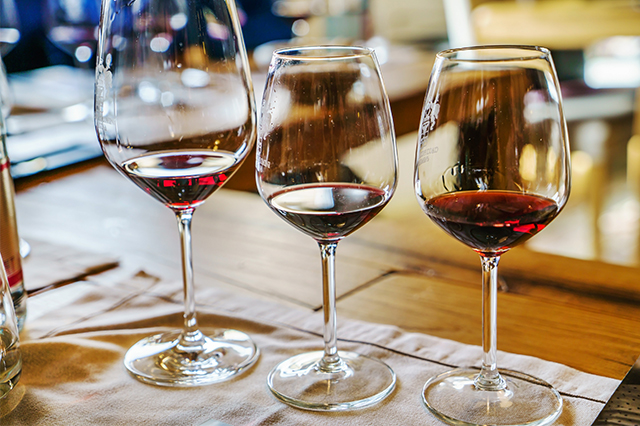
A flight of ciders at Artifact Cider Project in Florence, Mass.

Artifact Cider Project

Florence, Mass.

Started by best friends Jake Mazar and Soham Bhatt, Artifact Cider Project makes a perfect starting or ending point to a trip to the Berkshires. The welcoming taproom is packed with games (Scattergories, anyone?) and overlooks a warehouse filled with giant vats of cider. On my visit, there were nine different varieties available to sample, including two limited-edition ciders and fresh apple juice from a local orchard. I tried a flight of four 4-ounce samples: Wild Thing, made of McIntosh apples; Taking Flight (my favorite), a sweeter blend of Empire apples; Wolf at the Door, an intriguing mix of sharp notes and Artifact’s house culture; and No New Friends, a tart blend of apple and cranberries. Plus, the music rocks and you can nibble on some tasty flatbreads (try the potato and herb) while you sip.

Pair it with: A stroll down the adjacent Northampton Bikeway to visit the Florence Pie Bar, a charming little eatery serving up sweet and savory pies. Or head to Shelburne Falls, just a half-hour up the road, to check out the glacial potholes, stunning rock formations first created 14,000 years ago.

Downeast Cider

Boston

Downeast Cider is known for its unfiltered ciders that you shake before drinking, and for the founders’ stellar sense of humor. Consider the driving directions to its Boston shipyard location: “By car – Hop on AOL and print out some MapQuest directions. If you take a wrong turn, may God have mercy on your lost soul.” Friends (we’re sensing a theme here) Ross Brockman and Tyler Mosher founded the company while in college. You can order ahead for cans, growlers and kegs – it’s all here. There are several varieties available, including the original blend, double blend, pumpkin blend and even a mimosa variety. My favorite is the unfiltered original, a sweet cider that smacks of the alcohol-free brew we all know and love. And lucky me still has some of this season’s limited-edition native blueberry cider, crafted with wild Maine blueberries.

Pair it with: So. Many. Options. Head across Boston Harbor to the hip Seaport area and explore the Institute of Contemporary Art (advance tickets required) with a side trip to Flour to try the famous cinnamon buns with a cult-like following. Or take a water taxi to the Charlestown Navy Yard and visit Old Ironsides (aka the USS Constitution), a wooden-hulled vessel launched in 1797 that serves as the U.S. Navy’s oldest floating warship.

Clyde’s Cider Mill

Old Mystic, Conn.

The Clyde family has been pressing hard cider at Clyde’s Cider Mill, a National Historic Landmark, since 1881. The sixth generation is hard at work today, opening the mill every September for a yearly fall-a-palooza. In addition to hard and sweet cider, the mill sells its own apple wine, pumpkins, fudge, apple cider doughnuts, pies, maple syrup, Indian corn and more. Visit on a weekend in October or November, and you can watch cider-making demonstrations and enjoy free tastings.

Pair it with: A slice at Mystic Pizza, the pizzeria that launched Julia Roberts’ career. Or take a step back in time at the Mystic Seaport Museum, where you can check out its fleet of 17 historic ships and see what seafarin’ life was like in years past.

Northeast Cideries
Cider and heirloom apple varieties at Sowams Cider Works Company in Warren, R.I.

Sowams Cider Works Company

Warren, R.I.

Nestled in a quaint seaside town, Sowams Cider Works Company is the perfect place to while away a fall afternoon. Owner Spencer Morris grows several kinds of apples, including heirloom and hard-to-find varieties, on his orchard in the Touisset section of Warren. Those that don’t get turned into cider are on display in bins and sold on an honor system when the tasting room is closed. (On a recent visit, I spied varieties I’d never seen on supermarket shelves, like Chestnut Crab, Goldrush and Ashmead’s Kernel.) The inviting, sunny taproom is all windows and wood, open wide to the elements on fine days. Current ciders include Virginia Crab, a variety grown by Thomas Jefferson that yields a dry, crisp drink; Major No. 72; and Wickson No. 84. If you’re craving a bite, you can order a cheese plate crafted by local pasta shop Prica Farina.

Pair it with: A jaunt down charming Main Street, filled with boutiques, coffee shops and gift stores. Visit Imagine Gift Store (the one with the cow statue outside) and browse through one of the area’s largest gift stores or make your way down to the old-time soda fountain at Delekta Pharmacy for an authentic coffee cabinet – Rhode Island’s oddly named version of a milkshake. Or order online from the aforementioned Prica Farina and bring home some fresh spaghetti, ravioli or gnocchi for dinner.

Don’t forget to enjoy your cider responsibly, and always have a designated driver during your travels. Cheers!

Tell us about your favorite local cideries and ciders in the comments. 

Save on fall activities with AAA Discounts

Subscribe to Your AAA Newsletter

Sign up and receive updates for all of the latest articles on automotive, travel, money, lifestyle and so much more!

8 Literature-Themed Road Trips in the Northeast

Some of the country’s greatest literary talents lived, worked and were inspired by locations in the Northeast. Fortunately for book lovers, many of these historic destinations have been preserved or restored and are open to the public. Here are a few literature-themed road trip ideas for your next adventure.

Sleepy Hollow Cemetery

Sleepy Hollow, N.Y.

Just 30 miles north of New York City sits the town of Sleepy Hollow, whose namesake cemetery is cited as the resting place of the Headless Horseman in Washington Irving’s “The Legend of Sleepy Hollow.” Irving spent the last 25 years of his life living just south of Sleepy Hollow in the town of Tarrytown. He is buried in Sleepy Hollow Cemetery along with numerous other famed individuals including Elizabeth Arden, Andrew Carnegie and William Rockefeller. Visitors can take guided tours of the cemetery during the day or evening. Irving’s restored estate, Sunnyside, is also open to the public in nearby Irvington. The home is filled with the author’s possessions, including his books and writing desks.

The Mark Twain House & Museum

Hartford, Conn.

Mark Twain may be one of the most famous Missourians in history, but he spent many years of his life living in Hartford. The author and his family moved to Connecticut in 1871. Three years later, they moved into their newly constructed house, where they would live until 1891. Twain wrote many of his most famous books during this time, including “The Adventures of Tom Sawyer,” “Adventures of Huckleberry Finn” and “A Connecticut Yankee in King Arthur’s Court.” The house is available to see through guided tours and also hosts a variety of programs and events. A great destination to add to your literature-themed road trip.

Harriet Beecher Stowe Center

Hartford, Conn.

One of Twain’s neighbors in Hartford was Harriet Beecher Stowe. The author of “Uncle Tom’s Cabin” lived in a Victorian Gothic cottage on Forest Street for the last 23 years of her life. In 1924, Stowe’s grand-niece Katharine Seymour Day purchased the house. She spent years collecting manuscripts and objects connected to her famous relative. In 1968, the Harriet Beecher Stowe House opened to the public as a museum. The center includes modern galleries and interactive spaces, and houses more than 12,000 books, 4,000 pamphlets, 180,000 manuscripts and 12,000 images related to Stowe and her work.

Emily Dickinson Museum

Amherst, Mass.

Emily Dickinson is one of the most intriguing figures in American literature. Much of her life and work is misunderstood or unknown, in part because she lived a very reclusive life. Although she wrote nearly 1,800 poems, less than a dozen were published during her lifetime. The Emily Dickinson Museum attempts to shed more light on one of America’s greatest poets. The location consists of two buildings: the Homestead, Dickinson’s birthplace and home, and the Evergreens, home to Dickinson’s brother and his family. Collectively, they house thousands of objects that help bring guests into Dickinson’s life. The museum offers guided tours as well as a host of public programs and events.

literature themed road trips
Walden Pond at sunrise.

Walden Pond

Concord, Mass.

A Northeast literature-themed road trip wouldn’t be complete without a stop at Walden Pond, the focus of Henry David Thoreau’s seminal piece “Walden.” The author lived on the pond’s banks for more than two years, chronicling everything he learned and witnessed from nature. The book is credited with inspiring the modern conservation effort. The pond itself is part of the 462-acre Walden Pond State Reservation. Guests can see the site of Thoreau’s cabin as well as visit the Thoreau Institute Library, which holds more than 60,000 Thoreau-related items including books, manuscripts, art, music, maps and correspondence.

The Amazing World of Dr. Seuss Museum

Springfield, Mass.

Theodor Geisel, better known as Dr. Seuss, was born in 1904 in Springfield, Massachusetts. More than a century later, his hometown paid tribute to their native son by opening The Amazing World of Dr. Seuss Museum. The first floor features interactive exhibits on Dr. Seuss’ life growing up in Springfield, while the second floor recreates his studio and living room. Right outside the museum is the Dr. Seuss National Memorial Sculpture Garden, featuring bronze sculptures of the author’s most famous characters. More than three million people have visited the garden since its opening in 2002.

Robert Frost Farm

Derry, N.H.

In 1900, Robert Frost’s grandfather purchased a farm in Derry for Frost and his family. The family lived on the property for the next 11 years. His time spent on the farm served as an inspiration for the poet. During this period, Frost wrote many of the poems included in his first two books. In 1965, the state of New Hampshire purchased the farmhouse buildings situated on 12.6 acres of land, opening the property for public visitation in 1975. Guests can take a guided tour of the farmhouse to view Frost’s kitchen, where he wrote poems late at night near the wood stove, and the stairs that inspired the setting of his famous poem “Home Burial.” The landmark also offers a free, self-guided nature trail along the perimeter of the property. The path winds past 14 points of significance to Frost, such as the Hyla Brook.

Herman Melville’s Arrowhead

Pittsfield, Mass.

A native New Yorker, Herman Melville moved his family to the Berkshires in Western Massachusetts in 1850. The property, known as Arrowhead, was Melville’s home for the next 13 years. It was here where he penned some of his most famous works, most notably his classic novel “Moby-Dick.” Guided tours allow visitors to explore the home’s historic rooms, including Melville’s study. Guests can also dive deeper into the author’s world by following the Melville Trail. The journey takes participants to many of Melville’s beloved locations in the Berkshires, including Pontoosuc Lake, Balance Rock and Mount Greylock.

Have you ever been on a literature-themed road trip or visited any of these historic locations? Tell us in the comments below!

Need a ride? Learn about exclusive Hertz discounts for AAA members.

Subscribe to Your AAA Newsletter

Sign up and receive updates for all of the latest articles on automotive, travel, money, lifestyle and so much more!

How to Teach a Teen to Drive

Obtaining a license is a big milestone for young adults, and parents can help by using this time to develop their teen’s behind-the-wheel skills. This is easier said than done, of course, as parents may be more nervous than their teens.

To help help lessen the learning curve, we asked AAA driving instructors for their best tips on teaching teens how to drive. Following this guidance will help prepare your new driver to tackle their road test – and become lifelong safe drivers.

AAA Driver Training School’s Tips on Teaching Your Teen to Drive

  • Before you take your child on the road, know your state’s restrictions. Your teen must have a permit in hand before they can do any on-road, behind-the-wheel training.
  • Review the functions in the car…adjusting mirrors and the seats, proper foot positioning, using wiper controls, opening the hood, adjusting climate controls, radio, navigation system and more.
  • Take your teen to an open lot – industrial park, mall parking lot, etc. – to practice driving without other traffic. When your teen starts your car, don’t panic. S/he is as nervous as you, so make it a point to keep your voice calm and provide instructions. Shouting out orders or directions is never effective.
  • Start by allowing the car to roll, gentle braking and steering. Graduate to slow acceleration, pulling into parking spots, coming to complete stops, backing up, and left and right turns. Gently make corrections when necessary and praise often.
  • New drivers find backing up challenging, even with a backup camera. Start by backing up in a straight line, then gradually add a left or right turn.
  • When your teen is comfortable accelerating, go out on a quiet street. Teach proper behavior at intersections, using the turn signal, stopping behind the white line (if marked), yielding to pedestrians. Drive around the block practicing right hand turns until confident.
  • When s/he is ready, practice left-hand turns. Be sure to explain the danger of hesitating in an intersection, and how to stay in the proper lane.
  • Practice turns. A two-point turn involves backing into a driveway to reverse direction. A three-point turn is more challenging, so practice on a quiet street.
  • Gradually increase driving proficiency on more-trafficked roads, including those with stop lights, multiple lanes, and even highways. Only increase the difficulty of roads when your teen says s/he is ready…do not force them to take on a challenge they’re not ready for.
  • Practice at night, in moderate traffic, and in inclement weather. The more practice they have with you, the more confident they’ll feel when they’re driving alone.
  • Use of hand signals can be important, so practice with your teen while out on the road.
  • Finally, teach your teen not to rely on advanced driver assistance systems, such as lane-keeping warnings, back-up cameras, and automatic braking. Turn these systems off if possible so your teen learns to constantly pay attention to road conditions and becomes confident in his/her abilities.

Comfort behind the wheel requires time. That’s why every state requires multiple hours of supervised driving before a new driver can take a road test. Be patient and increase the level of difficulty gradually.

 AAA Driver Training is available in Massachusetts and Rhode Island. Learn more.

Subscribe to Your AAA Newsletter

Sign up and receive updates for all of the latest articles on automotive, travel, money, lifestyle and so much more!

Diamond Dish: Flour Bakery & Cafe

Diamond Designation: Approved (Noteworthy by meeting the industry-leading standards of AAA inspections. Learn more about AAA Diamonds.)

Address: Eight locations in Boston/Cambridge

Signature Dishes: Sticky Buns and Banana Bread

Sticky buns don’t just become one of the most raved-about, craveable foods in Boston for nothing. Flour Bakery and Cafe earned that designation, and the proof is in the bun. Try one warm from the oven and you’ll quickly see what makes these treats so special.

Flour has all types of delicious goodies, both sweet and savory. The seasonal grain bowls, salads and French- and American-inspired sandwiches all get positive reviews, but the sticky buns are its claim to fame. On the menu since Flour’s original location opened on Washington Street in Boston’s South End in 2000, they are what many are willing to wake up early for, wait for, and even travel far and wide to get a taste of.

After nearly two decades of business and seven more locations, the ooey-gooey buns have become what many consider to be the best they’ve ever tried. Made with a buttery rich brioche rolled with cinnamon brown sugar and pecans, they are baked in what chef and owner Joanne Chang calls a “honey-cream-butter-brown sugar goo mixture,” which caramelizes and helps the buns to truly live up to their name. A good slathering of pecans all over is the final touch.

flour bakery & cafe
(Photo: Flour Bakery & Cafe)

Need further convincing that these sticky buns are incredible? They won against celebrity chef Bobby Flay on the Food Network competition show, “Throwdown! With Bobby Flay.”

If you go for breakfast, the egg sandwich is perhaps equally famous for its unbeatable deliciousness. Not your typical quick-serve sandwich, it’s made with a perfectly portioned ham or bacon-filled omelet, topped with cheddar, arugula, tomato and dijonnaise and served on a freshly baked bun.

You might also want to consider trying the old-fashioned sour cream coffee cake, banana bread or a brown butter cinnamon roll (aka the sticky bun’s cousin). If you don’t have room (understandable), you can always bring a few home for later.

Restaurant Recipe Guide

Featuring more than 40 recipes and tips from top chefs and kitchens in the Northeast. Download the Restaurant Recipe Guide and get cooking!

Download Now!

Flour’s Famous Banana Bread

1 1/3 cups (190 grams) all-purpose flour
1 teaspoon baking soda
1/4 teaspoon ground cinnamon
1/2 teaspoon salt
1 cup plus 2 tablespoons (230 grams) sugar
2 eggs
1/2 cup vegetable oil
3 1/2 very ripe medium bananas (about 340 grams or 1 1/3 cups mashed)
2 tablespoons creme fraiche or sour cream
1 teaspoon vanilla extract
3/4 cup (70 grams) walnut halves, toasted and chopped

Heat the oven to 325 degrees.

Sift together the flour, baking soda, cinnamon and salt. Set aside.

In the bowl of a stand mixer fitted with a whip attachment, beat the sugar and eggs on medium speed until light and fluffy, about 5 minutes. (Or whip by hand with an electric hand mixer until light and fluffy, about 8 minutes.)

With the mixer on low speed, slowly drizzle in the oil. Be sure not to pour the oil in all at once; add it slowly so that it has time to incorporate into the eggs and doesn’t deflate the air you’ve just beaten into the batter.

Add the mashed bananas, creme fraiche and vanilla and mix on low speed until just combined. Fold in the dry ingredients and nuts by hand until thoroughly combined, so there are no more flour streaks in the batter

Pour the batter into a buttered 9-by-5-inch loaf pan and bake for 60 to 75 minutes, until the top of the banana bread is golden brown and springs back when you poke it in the middle. If your finger sinks when you poke it, it needs to bake a little longer. Let cool for at least 30 minutes and then pop out of the pan and serve. Keeps for 2 to 3 days at room temperature, tightly wrapped. Or store in the freezer, tightly wrapped in plastic, for up to 2 weeks and defrost overnight at room temperature.

Makes one 9-inch loaf.

For more AAA-approved signature dishes, visit AAA.com/DiamondDish.

Subscribe to Your AAA Newsletter

Sign up and receive updates for all of the latest articles on automotive, travel, money, lifestyle and so much more!

Instant Print Photo Cameras are Back

Formerly replaced by the digital camera revolution, instant print photo cameras are back and better than ever. In the past few years there has been a surge in popularity of all things vintage, from vinyl records to tie-dye, and the nostalgic charm of cameras that print pictures instantly are no exception.

They are great for special occasions, affordable, and for the most part, pretty low-tech. And while some of today’s instant print photo cameras may look a bit different than its predecessors, the idea is still the same, using self-developing film to rapidly produce an image.

There are many different brands and styles to choose from, but what are the best instant print cameras on the market? We’ve rounded up the newest and most popular models to help you choose!

Polaroid One Step+

Polaroid OneStep

A new line of instant cameras with classic Polaroid charm. The Polaroid OneStep+ has everything identical to the original model, except it is equipped with a portrait lens and Bluetooth integration, allowing for different shooting modes and remote shutter control. This camera uses I-Type film, which produces the timeless Polaroid-sized print with white borders. A true step up from the original model, it is an excellent instant photo print camera if you are going for a retro photo look.

Fujifilm INSTAX Mini, INSTAX Square and INSTAX Wide

instax

Fujifilm’s INSTAX models are some of the most popular instant print photo cameras out there. One of their top performers, the INSTAX Mini is a lot of fun. Its larger plastic body style, vibrant colors and ease of use makes it an excellent choice for both kids and families. The INSTAX Mini looks a bit more whimsical compared to the classic Polaroid, while the Square has a sleeker style. The Wide uses larger film, making it more suitable to use at weddings or other parties where you know you will be taking a lot of group shots. Fujifilm produces a variety of film styles to use with their cameras from black and white to colorful borders.

Canon IVY CLIQ 2

Canon Instant Camera Printer

This instant print photo camera is almost pocket-sized, but don’t be fooled, it still packs a punch! The Canon IVY CLIQ utilizes a new technology called “ZINK” which is short for zero ink. It produces a more traditional borderless image rather than the classic white border, and the ZINK prints double as stickers! One of the most interesting features is that you have the option to store all captured images on a MicroSD card.

Kodak Smile

KODAK Smile Instant Print

This is another sleek pocket-sized instant camera gaining popularity. Its open slide design gives the Kodak Smile a unique look and like many of the other instant print photo cameras on the market, comes in different colors. Like the Canon IVY CLIQ, it has MicroSD storage and zero-pink prints, but it also has an LCD viewfinder display and in-camera photo editing options.

Instant print photo cameras hold a special place in the hearts of many and capture the magic of photography. Whether you are more of a purist and looking for vintage feel or are more interested in a camera with a little more tech, shop around and you will find the best instant print camera for you.

Kayla Mandeville is a Massachusetts-based photographer. Follow her on Instagram @k__elizabeth.

When you make a purchase through a third-party link, AAA Northeast could receive revenue.

Views expressed are the opinion of the writer and do not reflect the views of AAA Northeast.

Subscribe to Your AAA Newsletter

Sign up and receive updates for all of the latest articles on automotive, travel, money, lifestyle and so much more!

Finding Glasses That Suit Your Style

Picking out glasses can be a bit overwhelming. With so many brands, styles and customizations available to choose from, you could spend hours looking at and trying on different options. Round and square, big and small, polarized and progressive – where do you begin?

Finding the perfect pair starts here.

See an Eye Doctor

The first step is to visit your eye doctor for a regular check-up to determine your prescription. AAA members can get 30% off eye exams at participating LensCrafters locations. While you’re there, you can also talk to your eye doctor about what types of glasses you should wear.

Consider Your Lifestyle

Choosing the right glasses is about more than just how they look, it’s about how you live. Keep these important questions in mind when you are shopping.

What do you do from day to day? If you spend most of your days in front of a computer or other digital devices, you will need a different type of lens than if you spent most of the day working or being active outside. You might want to consider blue light filtering lenses.

Do you have a special eye condition? Whether you have astigmatism or another condition that affects your vision, choosing the best lenses and frames can potentially help to alleviate your symptoms.

New Exclusive Offer at LensCrafters®*

Show your AAA card and save 50% off lenses with a complete pair purchase.

*Shop Now

Find the Right Prescription Lens for You

The next step is to determine the kind of lens that will help you feel and see your best. Your eye doctor or an optician can talk with you about the various prescription lens types available, but here’s a quick introduction to some of the most common options.

Single vision – The most common type of lens, single vision lenses are usually prescribed to correct eye conditions such as nearsightedness, farsightedness and astigmatism.

Progressive –  With two or three focal points in one lens, progressive lens can help you see no matter the distance without needing to switch out your glasses. The two most common progressive lenses are bifocals and trifocals.

Bifocals –  These lenses do double duty, giving you close-up lens power for reading, texting and close detail work while also improving your distance vision. You don’t have to get the traditional lenses with a line; lineless bifocals are available that can transition from near to far.

Trifocals –  Featuring three focal points in one lens, trifocals help you to see close-up, mid-range and far away.

finding glasses

Frame Your Face

The key to looking your best in glasses and making sure they fit securely is to determine which frames best compliment the shape of your face. Most faces are either circle-, oval-, heart- or square-shaped. An in-store optician will help you to narrow down compatible pairs of glasses for your face shape.

Find a LensCrafters store near you or find your look virtually on LensCrafters.com.

Square – Round, oval, cat eye, butterfly and semi-rimless frames complement broad jawlines and foreheads.

Heart –  Light-colored frames with thin temples (also known as the arms of eyeglasses) or exaggerated bottoms go well with this shape, complementing the narrow chin, visible cheekbones and broader forehead.

Oval – Most frame shapes go well with this wide shape, but the most complementary match is typically rectangular.

Round – Horizontal and rectangular frames go best with this facial shape.

Enhance Your Vision

After picking out the lens type and frames best for you, the next step is to modify your lenses, so you can see the way you want while going through your day. There are different enhancements for all sorts of activities.

Premium AR – Short for premium anti-reflective, this enhancement diminishes reflections to make tasks such as driving in the dark much easier. Premium AR can also repel dirt and oil so that your glasses are easier to clean.

Polarization –  If you spend a lot of time outdoors, polarized lenses are your best bet for seeing clearly. This type of enhancement minimizes glare from the sun and provides UV protection, so you won’t be squinting while doing outside work. Polarized lenses also work to make colors crisp and details more vibrant in the sunlight, perfect for jobs that require doing detailed work outdoors.

Photochromic – This enhancement changes the lenses from clear to dark when going from indoors to outdoors and vice-versa when coming in from the outdoors to indoors. They adapt based on the amount of brightness detected, so this type of lens is also great for reducing eye fatigue and strain.

How do your eyeglasses complement your style? Tell us in the comments.

AAA members can get 50% off lenses with a frame purchase from LensCrafters, plus more exclusive savings on exams, frames and more.

Subscribe to Your AAA Newsletter

Sign up and receive updates for all of the latest articles on automotive, travel, money, lifestyle and so much more!

Keep Your Eyes Safe in Any Situation

Whether at home, work or playing sports, it’s important to have the right eyewear to keep your eyes protected. People wear different shoes to keep their feet comfortable and safe for various occasions, why not do the same for your eyes?

It’s easy to forget how vulnerable our eyes can be when left exposed and unprotected. From flying dirt and UV exposure, to digital eye strain and chemicals, eye injuries can happen when you least expect them. How you protect your eyes depends on your lifestyle.

LensCrafters offers a variety of prescription safety glasses equipped with the impact-resistant lenses and protective side shields. But before investing in protective eyewear, see a doctor to make sure your glasses are the right fit. AAA members receive exclusive discounts on optical services at LensCrafters.

Eye Safety on the Job

In certain work environments where eye hazards are particularly high, such as construction sites or labs, protective eyewear is essential. Thankfully, today’s safety glasses look like stylish eyeglasses with impact-resistant polycarbonate lenses, side shields and super-resilient frames, which help to protect your eyes from injury. Here are some of our top picks.

ESS ICE

The ESS ICE Eyeshield is an affordable, frameless and lightweight option that has interchangeable lenses for eye protection in any light. These glasses also have a soft rubber non-slip nosepiece that makes them comfortable to wear.

ESS Striker 

This economical high-performance goggle is a more durable alternative to the ESS ICE. It features a large roomy frame that can be worn over prescription eyeglasses and provides essential ballistic protection. The rugged lenses have an optimal combination of scratch-free and anti-fog coatings, making it one of the most dependable pair of goggles on the market.

New Exclusive Offer at LensCrafters®*

Show your AAA card and save 50% off lenses with a complete pair purchase.

*Shop Now

Eye Safety in the Office

We spend a great deal of time staring at screens and our eyes pay the price, especially those who work from home. Digital devices emit blue light, which can lead to symptoms of digital eyestrain including headaches, blurry vision and dry eyes, not to mention retinal damage over time. Save your eyes from the extra strain with blue light filtering lenses, available in both prescription and non-prescription options.

Ray-Ban

These modern frames from Ray-Ban use LensCrafters’ BlueIQ technology to block 20 to 50% of harmful blue light.

Michael Kors 

A designer pair of blue light glasses that stands out from the rest, these Michael Kors frames are a stylish take on protective eyewear that will have you looking and feeling your best.

sunglasses

Eye Safety at Home

A great pair of polarized sunglasses will not only protect your eyes from the sun, they will also help you to see clearer while driving, exercising or relaxing. With so many styles to choose from, LensCrafters can help you find designer sunglasses that make those bright, sunny days more comfortable.

Ray-Ban New Wayfarer

This classic top-seller is Ray-Ban’s signature look. Slip these on and instantly feel cooler while enjoying top-quality comfort and design.

Ray-Ban Clubmaster 

One of Ray-Ban’s most iconic shapes, the Clubmaster sunglasses has a classic retro style with sleek modern lenses for a timeless look you’ll love. The polarized glasses come in multiple styles and offers the best sun protection while you enjoy your outdoor activities.

Oakley FLAK 2.0 XL

Pairing style with performance, Oakley sunglasses are another Lenscrafters customer favorite. Represent your favorite football team with the special-edition NFL Flak 2.0 XL, featuring official team logo lens etch and team color accents throughout.

You can save 30% on sunglassses at LensCrafters, including designer brands like Ray-Ban, Oakley, Coach, Michael Kors and Tiffany & Co.

Find a LensCrafters store near you.

Subscribe to Your AAA Newsletter

Sign up and receive updates for all of the latest articles on automotive, travel, money, lifestyle and so much more!

How to Save Money During Lean Times

Saving money is smart, but it isn’t always easy – especially during financial setbacks. The COVID-19 crisis has affected the workforce in unprecedented ways, leaving many Americans with less work hours and lower pay, if not unemployed.

Whether you’re trying to build an emergency fund or replenish a savings account, holding onto income can be difficult, especially for those currently living paycheck-to-paycheck or trying to pay off debts.

From different saving methods to budgeting, here are some tips to help you save your dollars, even when you don’t have a lot coming in.

Start Small

Every penny counts when it comes to saving. If money is tight, saving small increments at a time can be a great way to start. It might not feel like much in the short-term, but saving just $5 or $10 a week can add up to $250 or $520, respectively, in a year. And that’s not counting interest. Another method is to set a specific, achievable goal for yourself, like working toward saving one month’s worth of expenses.

Consider CDs

Certificates of deposit or CDS are a great option if you already have some money to set aside. While your money will have to stay in the bank for a set period of time – anywhere from one to 60 months – you will be rewarded with higher interest rates compared to traditional savings accounts. The longer the term of your CD, the higher the interest rate will be.

A CD isn’t the best option for your emergency fund, as you won’t be able to access the money before its maturity date without facing a penalty.

Make it Automatic

Life is becoming more digital every day. If you haven’t already set up automatic deposits and transfers, now’s the perfect time to start.

Autopay eliminates the chance of accidentally forgetting to save, giving you one less thing to think about. Automatically send money from checking to your savings weekly, bi-weekly or monthly, depending on what you can afford.

Some institutions also offer certain rewards for setting up automatic payments. When it comes to loans, setting up autopay can save you some money with a 0.25% reduction to your interest rate.

Track Your Spending

Tracking your spending can help you stick to your budget and get a better idea for whether there are things you can cut back on.

Check your account statements every month. Not only will you see exactly where your money is going, you could also catch potential fraudulent charges.

Consider using a budgeting app, or track your spending with a spreadsheet.

Cut Back on Streaming

Many people watch TV shows and movies or listen to music to settle down at the end of the day or on weekends. Entertainment is good, but limiting the number of paid services you subscribe to can save you money.

From Netflix, Hulu and Amazon Prime to newer additions like Disney+, HBO Max and Peacock, there are too many streaming services to count.

“The average American subscriber watches 3.4 services,” according to Forbes. Try to limit yourself to three or less paid streaming services at a time and/or consider going for cheaper packages. Opting to see more ads could save you money.

If you haven’t already, consider cutting cable to save money.

savings accounts

Cook Your Own Food

Ordering out gets expensive. If you rely on takeout and/or delivery regularly, try mixing in more home-cooked meals.

Breakfast and lunch are typically cheaper to order out, so for the biggest financial impact, try making your own dinners. Consider making big batches of easily-reheatable meals, like casseroles and soups. Enjoy for a few days or freeze leftovers for later.

Slow cookers and Instant Pots are easy options for those who don’t enjoy cooking or don’t have time to stand in front of the stove.

Go for Free Services

There are plenty of options when it comes to free entrainment. All you need is a device and Wi-Fi.

Head to YouTube for how-to videos about everything from cooking and crafting to meditation and yoga. If you would rather read, check out e-books from your local library.

For other ways to expand your mind, go globetrotting virtually or take advantage of free virtual tours through museums, theme parks and zoos.

Resist Risks

When money is tight, it can be tempting to look for different ways to pay the bills. Avoid risky behaviors like using payday loans and high-interest credit cards.

A payday loan is “a short-term, high cost loan, generally for $500 or less, that is typically due on your next payday” according to the Consumer Financial Protection Bureau. The fees you’ll have to pay along with the high annual percentage rate of payday loans typically make them more trouble than they’re worth.

Credit cards can be helpful for building credit, and some offer decent cashback perks, but high interest rates can make them risky. “More than 189 million Americans have credit cards,” according to Debt.org. “On average, each household with a credit card carries $8,398 in credit card debt.” To avoid risk, try making purchases with your credit card only when you have the cash to cover the cost. This way you’ll be strengthening your credit without adding to your debt.

How do you save money during lean times? Tell us in the comments below. 

Subscribe to Your AAA Newsletter

Sign up and receive updates for all of the latest articles on automotive, travel, money, lifestyle and so much more!

“The Goldbergs” Stars Remember Their First Cars

Although they play siblings on TV, you wouldn’t think there’s any relation between Hayley Orrantia and Sean Giambrone based on their first cars. The latter opted for a highly-rated modern vehicle, while the former first cruised the road in an American classic.

The two actors star in the ABC show “The Goldbergs,” a multi-season sitcom about a family in 1980s America. Orrantia portrays daughter Erica on the show, while Sean Giambrone plays her brother, Adam.

Because neither actor has to think back too far to remember their first set of wheels, their good memories are still fresh on their minds.

the goldbergs
Hayley Orrantia with her 1978 Pontiac Trans Am

Hayley Orrantia

What was your first car?

My first car was a unique one! It was a red 1978 Pontiac Trans Am.

How did you acquire it?

My dad has always been an old car guy and was the one who found it. My mom and dad surprised me at the house with it one day.

What did you love most about the car?

I loved having a bright red car and it had the classic Firebird decal on the hood. I had very bold style back then, so it definitely fit me well. And who doesn’t love driving a hot rod?

Was there anything you didn’t like about it?

Because it was an older car, it came with older features. It had window cranks, which worked on and off and the AC wasn’t super strong, which made it not-so-pleasant on hot, Texas summer days.

What is your favorite memory of the car?

That’s tough to pinpoint, because I had so many fun times when I would drive me, my best friend and high school boyfriend to school in the mornings. At that point, it was less about the car and more about the memories we made on our way to things.

What happened to it?

Because I was moving to California from Texas, we figured it wouldn’t make the trip so I sold it to a guy in Florida. Crazy story: Years later, I was writing songs with someone in Nashville and we found out that his best man at his wedding was the guy who bought the car from me! Small world!

Sean Giambrone and his Mazda3

Sean Giambrone

What was your first car?

It was a Mazda3.

How did you acquire it?

My brother and I got it to share when I was 16.
 
What did you love most about the car?

The hatchback. It made it easy to pile a surprising amount of stuff in it.

Was there anything you didn’t like about it?

No, it was a lot of fun. It had a lot of entertainment features and responded how you’d want it to.

What is your favorite memory of the car?

Taking it on a road trip with my brother and some friends. I took the trip to see a Bob Dylan concert and we camped out afterwards.

What happened to it?

My older brother has it still, so it’s still in the family.

Find more stories about stars’ first wheels at AAA.com/MyFirstCar.

Subscribe to Your AAA Newsletter

Sign up and receive updates for all of the latest articles on automotive, travel, money, lifestyle and so much more!

Head to the New England Harvest Feast at Plimoth Plantation

What better way to get in the Thanksgiving mood than going back in time to enjoy a recreation of the first Thanksgiving. The Plimoth Plantation, located in Plymouth, Mass., is a living history museum with outdoor and indoor learning environments dedicated to telling the stories of two distinct cultures – English and Native. Each year, Plimoth Plantation hosts a New England Harvest Feast on certain days in November. Here’s what guests can expect.

Note: Due to the ever-changing nature of the COVID-19 pandemic, please see official website before visiting to check for rules and restrictions.

Plimoth Plantation

The Plimoth Plantation is the realized dream of Henry Hornblower II. The Boston native was fascinated by American history and archaeology. Hornblower spent his boyhood summers at his family’s summer house in Plymouth. He quickly grew an interest in the area, and the new relationship between the Pilgrims and the native Wampanoag people.

Under Hornblower’s visionary leadership, the Plimoth Plantation opened in 1947, telling the iconic story of Plymouth Colony. At first, it consisted of two English cottages and a fort on Plymouth’s historic waterfront. The museum has grown to include Mayflower II (1957), the English Village (1959), the Wampanoag Homesite (1973), the Hornblower Visitor Center (1987), the Craft Center (1992), the Maxwell and Nye Barns (1994) and the Plimoth Grist Mill (2013).

All of these exhibits and learning experiences built on thorough research about the Wampanoag People and the Colonial English community in the 1600s.  The museum’s offerings are rounded out by a host of special events, public programs and workshops that offer a rich and diverse exploration of the 17th-century.

The New England Harvest Feast

So, what exactly can you expect from a 17th-century meal?

Plimoth Plantation’s menu begins with cheate bread and butter with wood-pressed cider. The first course consists of a sallet of herbs; mussels seeth’d with parsley and beer; a dish of sauc’d turkey; a pottage of cabbage, leeks, and onions; and a sweet pudding of native corn.

The second course features stew’d pompion (pumpkin); a chine of roast’d pork, fricassee of fish, cheesecake made with spice and dried fruit, and a charger of Holland cheese and fruit.

Due to the COVID pandemic, tables will seat only six people and plated entrees will be served.

The Experience

As guests dine on their meals, a host will guide them through each item on the menu. Historical experts will also be on hand to answer questions about England and Plymouth, then and now.

During dinner, visitors will also get a taste of 17th-century entertainment. This includes performances of centuries-old psalms and songs.


View this post on Instagram


A post shared by Plimoth Patuxet (@plimothpatuxet) on

The Museum

A ticket to the event includes admission to several buildings and attractions. (Click here to see the museum’s COVID guidelines.) The Wampanoag Homesite is a representation of how the Wampanoag would have lived in the 17th-century – planting crops, fishing and hunting, gathering wild herbs and berries for food, and reeds for making mats and baskets. Unlike the people in the 17th-Century English Village, the staff in the Wampanoag Homesite are not role players. They are all Native People – either Wampanoag or from other Native Nations.

The 17th-Century English Village is a re-creation of the small farming and maritime community built by the Pilgrims along the shore of Plymouth Harbor.

Guests will also have access to the Plimoth Grist Mill, which tells the story of the corn grinding mill built by the Pilgrims; the Nye Barn, home to livestock that represent the types of animals found in Plymouth Colony in the 17th century; and the craft center, where visitors can get a glimpse into the historic crafts and technologies that allow the museum’s artisans to vividly recreate the look and feel of the 17th century.

And, of course, visitors can also check out the newly restored Mayflower II, an authentic reproduction of the ship that brought the Pilgrims to Massachusetts in 1620.

Have you been to Plimouth Plantation or the New England Harvest Feast? What were your favorite experiences? Let us know in the comments below!

Get exclusive savings on more fall entertainment and attractions with AAA. 

For more fall fun, go to AAA.com/FallFest

Subscribe to Your AAA Newsletter

Sign up and receive updates for all of the latest articles on automotive, travel, money, lifestyle and so much more!

Buyer’s vs. Seller’s Market: What Does It Mean for Homebuyers?

If you are looking to purchase a house, the buyer’s vs. seller’s market talk may sound familiar. But what does it mean for getting the right home at the right price?

Though change is in the air, the market is still somewhat tight for home buyers. “Nationwide, it’s definitely a seller’s market in most areas of the country right now,” said Steven Vieira, AAA Northeast’s director of mortgage sales and operations. “The inventory is very low.”

There are rural pockets of the country where this is not the case, Vieira said. But in urban areas of the Northeast such as Rhode Island, Massachusetts and Connecticut, it’s still “heavily a seller’s market,” he said.

Buyer’s vs. Seller’s Market

“A seller’s market is defined as anything with less than six months of inventory available to buyers,” said Vieira. “If I list my home and there’s a high probability of selling my home within two months, that’s a seller’s market.”

The main difference between a buyer’s or seller’s market is that in a seller’s market the sellers are basically calling the shots, he said. “Buyers have to go in with the most competitive offer because there will be multiple offers on the table. They may need to act quickly,” Vieira explained. “We recommend they are pre-approved for the mortgage before putting in an offer.”

Vieira suggests getting questions and paperwork in order before going in to look at a home. “Often, when it’s a hot seller’s market, the seller will say, ‘You can have an inspection, but you’ll be responsible for fixing anything that’s wrong with the house,’” he said. “In a normal market, that can be negotiated in the sale price.”

Compare this to a buyer’s market when shoppers have more bargaining power. “If there’s enough supply in the market and it takes six months or more to sell your home, it’s a buyer’s market,” said Vieira. “It typically means there are more incentives. A seller may offer to pay the closing costs. They may offer to lower the sale price. Many different incentives can come in.”

Home prices are typically headed down in a buyer’s market, he said, and there is competition among sellers. “They have to make sure homes are competitively priced. The buyers are in control,” Vieira said.

Home Sweet Home

From renting to buying, AAA members save more at home.

Learn More

The Housing Market Crash

The current seller’s market was driven, in part, by the housing crisis. “There’s still some residual anxiety from the financial collapse of 2008,” Vieira said, after which banks became more restrictive in their lending practices.

Vieira pointed to the Dodd–Frank Wall Street Reform and Consumer Protection Act, commonly referred to as simply “Dodd-Frank.” The law ushered in massive reforms to the financial industry, along with rules designed to protect consumers from predatory-lending practices. Passed in 2010, the law made it more difficult for many would-be homebuyers to obtain financing.

Home values, on average, fell more than 23% from their peak following the economic crisis, Vieira said, but have since rebounded in most major markets. “The median home-sale price has risen constantly since,” he said. “This tends to knock out first-time homebuyers.”

buyer's vs seller's market

Homebuying and COVID-19

And now, to top it all off we are living in the world of COVID-19. When thinking about a new home, you’ll need to consider some updated procedures including virtual tours, private showings instead of open houses and even new steps within the lending process.

One change includes explaining any variations in income and re-verifying employment within five days of closing. While this might sound daunting, Vieira explained, “If the borrower had any period of time when they were out of work that needs to be documented and explained by the employer. If they had a reduction in income, it would need to be documented and explained by the employer. Keeping all your pay-stubs up until closing is recommended and providing a good contact in your company’s HR department is required because most of those last minute VOE’s [verification of employment] are just a phone call to the employer to make sure the borrower is still employed.”

Despite the stubborn seller’s market, buyers can still take advantage of conforming and government-backed programs, which offer fixed-rate loans with down payments as low as 3% with no minimum borrower contribution. “This means the down payment can come from a gift,” Vieira added.

AAA Northeast serves as a broker for low-rate mortgages. The company also offers a number of other mortgage products, including reverse mortgages, home equity loans and lines of credit. Regardless of where you might be in the process, AAA is happy to walk you through the best options.

Learn more about how AAA can help you with your mortgage.

Subscribe to Your AAA Newsletter

Sign up and receive updates for all of the latest articles on automotive, travel, money, lifestyle and so much more!

The Simple Maintenance Task Your Mechanic Says Will Extend Your Car’s Life

Car maintenance goes far beyond bringing your vehicle in for inspections and emissions tests. It requires regularly checking on your car and consulting with your mechanic before a serious problem arises.

Improper maintenance can decrease the longevity and performance of your vehicle. Additionally, minor problems that could have been fixed easily can turn into major issues that require extensive – and expensive – repairs.

We spoke with Justin Knight, mechanic at AAA Approved Auto Repair facility Knights Automotive in Ledgewood, N.J., to get his best tips on car maintenance as the Northeast heads into winter.

What is the biggest car maintenance myth/misconception?

One of the biggest maintenance myths/misconceptions is that every new vehicle still under its factory warranty must be serviced at a dealership or its warranty will be voided. I hear from many customers that dealerships tell them they must have their car serviced there. That is simply not true. It is your right to have your car serviced by any certified automotive repair shop. But remember, services must be performed within the manufacturer’s maintenance schedules or warranties will be voided.

What’s the most common mistake people make in regard to keeping their car in good shape?

The most common mistake is being on time for oil changes. The number of people I see going way overdue on oil changes is staggering. This simple task will maintain the health of your engine as well as allow more opportunity for your mechanic to inform you of any needed services before things break down. It is all about maintaining your vehicle, not waiting until it needs to be fixed.

While we generally suggest referring to the manufacturer’s recommendations for your car’s oil change schedule, it also depends on factors such as the age of your vehicle and how often you drive it. Learn more about oil changes from AAA experts.

What are your best general tips to keep your car in the best condition?

The best thing to do is to be on time for oil changes and all your manufacturer’s scheduled maintenance. It is important to look at your owner’s manual and know when services should be done on your vehicle, as well as know what all the warning lights on your dash mean. Not letting warning lights linger will help maintain the life of your vehicle.

Heading into winter, what are some car problems people should watch out for and how can they prevent them?

Some car problems you should always be aware of during the winter months are battery issues, door locks and latches freezing, windshield washer fluid freezing and broken wiper arms and transmissions. The last one can easily be prevented by always making sure you clean off any snow or ice from your windshield before using your wipers, as well as starting your car and letting it warm up before you start to drive it.

Also make sure your washer fluid has enough strength, meaning it should be able to withstand temperatures of at least -20 degrees Fahrenheit. And that it is not too low, otherwise it will freeze and cause the bottle to crack.

Another thing to be aware of is the condition of your tire treads and pressures. Extreme cold weather leads to a fluctuation in tire pressure, causing tire pressure monitoring system lights to come on. The winter can be referred to as tire light season.

Is it smart to invest in winter tires, and what makes them different from year-round tires?

I believe it is smart to invest in snow tires, especially if you have a two-wheel-drive vehicle. At the same time, it all depends on your situation and how often you drive your vehicle during snowstorms and bad weather to determine if they are a worthwhile investment.

Another factor is how your vehicle handles in the snow. Every vehicle handles differently in extreme weather. To this point, it is important to know exactly how your vehicle handles in all weather conditions as well as snowy conditions with or without snow tires.

It is also important to consider snow tires for all-wheel-drive/four-wheel-drive vehicles. Some of these vehicles will be fine with all-season tires but snow tires will just increase handling ability in the snow.

The main difference between snow tires and all-season tires is the tread pattern. There are also minor differences in the rubber compound; snow tires are typically softer to increase grip. Some snow tires do come with tiny metal studs in the tread. While certain states prohibit snow tires or set restrictions on the months that they can be used, they are allowed throughout the Northeast.

Stay safe on the road this winter!

All the tools needed for at-home car maintenance can be purchased at NAPA Auto Parts, where AAA members receive 20% off. If you prefer to let the pros handle it, find a AAA Approved Auto Repair facility near you.

For more experts car tips, see our article on what your mechanic says is damaging your car

What automotive questions do you have for our mechanics? Let us know in the comments below.

Subscribe to Your AAA Newsletter

Sign up and receive updates for all of the latest articles on automotive, travel, money, lifestyle and so much more!

Diamond Dish: The Lambs Club

Diamond Designation: Three Diamond (Trendy food skillfully presented in a remarkable setting. Learn more about AAA Diamonds.)

Address: 132 W. 44th St., New York, N.Y.

Signature Dish: The Lambs Club Burger

Looking for a midtown restaurant that feels as classy as Broadway itself? Located inside the AAA Four Diamond Chatwal Hotel, The Lambs Club is a stylish choice.

Chef and restauranteur Geoffrey Zakarian – whom you may recognize from Food Network as one of the stars of “The Kitchen” or as a judge on “Chopped” – and his staff, serve up seasonal American bistro and grill-style dishes with signature modern flair. Dressed in pops of show curtain red, the decor feels appropriately theatrical and tastefully retro.

While dinner options like the dry-aged Delmonico steak, Pekin duck breast and lobster spaghetti impress, nothing hits the spot like a burger done right. The signature TLC burger found on the bar and lunch menus comes topped with craveable fixings like crispy fried shallots and a tangy secret sauce. Three-course prix fixe menus are also available for pre-theater ($65) and matinee lunch ($45).

The eatery takes its cocktails and wine selection seriously, too; the wine list features an extensive by-the-glass selection along with a knowledgeable staff to help you find the perfect pairing.

the lambs club

The restaurant is named after The Lambs, America’s first professional theatrical club, which called the building home at the turn of the century. Members of the prestigious thespian society – which is still active today – have included such recognizable names as Charlie Chaplin, George M. Cohan and Fred Astaire.

Further honoring the history of the space, the enormous 18th-century, fully restored French limestone fireplace prominently displayed in the dining room was a gift to The Lambs from the building’s architect, Stanford White.

It’s open daily for breakfast, lunch and dinner, as well as for brunch on the weekends with live music. The prices are in line with what’s expected in the theater district, but it’s the stellar food, service and atmosphere that make The Lambs Club stand out. As noted by a AAA inspector, “It’s for good reason that this [restaurant] is favored for the midtown business elite to see and be seen.”

Restaurant Recipe Guide

Featuring more than 40 recipes and tips from top chefs and kitchens in the Northeast. Download the Restaurant Recipe Guide and get cooking!

Download Now!

The Lambs Club Burger and Fries

1 tablespoon canola oil
Sea salt, to taste
1 pound ground beef (40% chuck, 40%, brisket, 20% fat), formed into two 8-ounce burger patties
2 slices sharp cheddar cheese
2 tablespoons butter, room temperature
2 brioche or challah rolls
2 tablespoons LC sauce (recipe below)
1 ounce fried shallots (recipe below) or fried onions
2 bibb lettuce leaves
2 half-sour pickle spears

Heat a cast-iron pan over a high flame. Add the oil. Once oil is at its smoking point, season the burgers with sea salt and sear on both sides until heavily caramelized.

Cook burgers to desired temperature. Top with cheddar cheese after they’ve rested for 5 minutes. Wipe the pan clean.

Spread the butter on the buns and toast the buns in the same pan with a little of the rendered beef fat.

Spread the LC Sauce on both sides of the toasted buns and sprinkle on fried shallots. Top with lettuce leaves and burger patties. Serve with pickle spears and french fries.

Makes 2 burgers

LC Sauce

1 ¼ cups mayonnaise
2/3 cup ketchup
2 tablespoons cornichons, chopped
2 tablespoons prepared horseradish
2 tablespoons shallots, chopped
2 tablespoons parsley, chopped
Coarse kosher salt and fresh-cracked pepper, to taste

Combine all ingredients and season with salt and pepper. Reserve sauce in a quart-size container with airtight lid.

Makes 2 cups

Crispy Shallots

5 ounces shallots, thinly sliced on a mandolin
1 quart canola oil, for frying
Coarse kosher salt, to taste

Combine the shallots and cold oil a pot twice the volume of the oil. Cook over medium heat, stirring frequently to ensure no sticking and even cooking.

Once shallots are golden and almost crispy, use a slotted spoon to remove them from the oil and place on a plate with paper towels to drain. Season with kosher salt.

Makes enough for 5 burgers

French Fries

1 ½ pound high-starch potatoes, such as Idaho
2 quarts canola oil
Coarse sea salt, to taste

Wash and scrub the potatoes thoroughly, but do not peel. Cut into batons, ½ inch by ½ inch by 4 inches. Rinse in cold water three times. Soak the potatoes in fresh, clean water overnight in the refrigerator.

The next day, heat the oil to 350 degrees in a heavy-bottomed pot. Make sure the oil doesn’t fill the pot by more than a third, so it won’t bubble over when you add the potatoes. Prepare a sheet pan with absorbent towels. Drain the potatoes and dry. Fry for 3 minutes, then remove the blanched fries from the oil with a mesh skimmer. Rest the fries on the prepared sheet pan for at least 15 minutes.

To finish, change the absorbent towels on the sheet pan. Return the fries to the hot oil for 3 to 5 minutes or until crispy, then remove with a mesh skimmer. Place the fries on the prepared sheet pan and season liberally with sea salt. Serve while hot and crispy.

Makes 4 portions  

For more AAA-approved signature dishes, visit AAA.com/DiamondDish

Subscribe to Your AAA Newsletter

Sign up and receive updates for all of the latest articles on automotive, travel, money, lifestyle and so much more!

How to Establish Your Professional Brand Online

The COVID-19 pandemic has changed the world in many ways, impacting a wide array of industries. While working remotely has become a new normal for many, and some are starting to return to work, millions of Americans are still unemployed (13.6 million as of August 2020).

Whether you’re looking for remote work, a side gig or something more traditional, you’ll likely be doing much – if not all – of your job search virtually. Job hunting was never easy, but virtual job hunting poses its own challenges.

From honing your skills and revamping your resume to preparing for virtual interviews, there’s plenty you can do build your brand and improve your job search.

Whether you’re looking for employment or just want to update your portfolio, check out these tips to establish your professional brand for online job hunting.

Building Your Professional Brand

Your brand is a representation of you. It’s based on everything you do, including your job performance and the behaviors you demonstrate.

“Ask yourself: What am I known for? What does my supervisor think about my work? How do my colleagues perceive my attitude or behaviors?” said Jill Harris, AAA Northeast’s manager of talent acquisition. “Depending how you respond to these questions, it might be time to consider ways to enhance your brand, knowing that you have the power to positively or negatively affect your brand all the time.”

Think about who you are and what makes you unique, and then play to your strengths. Do you volunteer? Have you learned any new skills? Maybe you took online classes, learned a language or earned a license. If not, there’s always time to learn. LinkedIn Learning offers free courses. You can also take a skills assessment to prove your know-how.

Virtual Networking

Regardless of where you are in your career or job search, networking can be a valuable tool. LinkedIn is perfect for virtual networking because you can join groups and make connections within your preferred industry.

“Given the climate right now, I’ve seen lots of opportunities for job seekers to attend virtual information sessions that employers are hosting, or virtual career and networking events hosted by a state’s department of labor,” Harris said. “If you belong to industry associations or affiliations, they likely have regular meet-ups virtually. It’s worth exploring all that is available.”

It’s recommended you update your LinkedIn account – at least your headline or “about” section – every 90 days.

Updated Cover Letter, Resume and Portfolio

Your cover letter, resume and portfolio are all extensions of your brand. Make sure they are the best representation of you and your work history.

Cover Letters

Even if a job posting doesn’t require a cover letter, you should consider writing one anyway. It’s a great way to differentiate yourself.

“It allows the job seeker to expand on his/her skills and experience and how they directly relate to the job opening,” Harris said. “But be careful – a well-written cover letter could be a game-changer, but a poorly executed cover letter could put you out of the running.”

Try submitting a unique letter for each job posting. While it’s perfectly acceptable to reuse a template, try demonstrating specific skills and incorporating language listed in the job posting.

Resume

Unless you’re a designer, modern resumes should be simple, clean and easy to read. Some white space is good. Use headings and sections to break up your experience, education, skills, etc., and put the latest experience first. List accomplishments and responsibilities with bullet points, not paragraphs, starting with action verbs.

“Industry surveys indicate that at least 90% of people ‘pad’ their resume, which means to some degree inflating their experience and skills,” Harris said. “I would caution against this; the resume needs to be an accurate depiction of the work you’ve done.”

Portfolio Website

Portfolio websites have been growing in popularity, but you might not need one. It all depends on your profession. Artists, programmers, writers and other visually focused professionals can benefit from portfolio websites as a way to show examples of their work.

“If that site is used in a professional capacity for prospective employers or clients, I would encourage the job seeker to be mindful of the content and only post what is relevant,” said Harris.

establish you professional brand

Applying for Jobs

There are many online platforms built for job hunting. Websites like Indeed, LinkedIn and ZipRecruiter are free and let you search for work by experience level, job type, salary and more. Some also allow you to set up job alerts that notify you when a new posting matches criteria you’ve selected.

“I recommend that job seekers review the position details closely and only apply to jobs that match their skills, experience and interest,” Harris said. She also recommends keeping a log of the jobs you apply to. “No one wants to be contacted by a recruiter and then not remember that they submitted an application.”

While applying to jobs is stressful, the worst part can be waiting.

“I know every job seeker wants to know immediately what’s happening with their application,” said Harris. “Employers can review hundreds, and even thousands, of resumes and applications a day. I would like job seekers to understand that it takes time.”

Some job sites offer application tracking where you can check on the status of your application.

Preparing for Virtual Interviews

When it comes to virtual interviews, prepare like you normally would. Research the company, practice answers to FAQs and come up with your own questions to ask. During the interview, dress the part, speak clearly and use positive body language.

The only major difference is you’ll be in your own space, so make sure it also reflects your brand. Good lighting, a quiet, private space and a clean background are all important.

Make sure the device you’re using for the interview is fully charged, perhaps plugged in, and updated. Finally, make sure you’re using the right program – Skype, Zoom, Google, etc. – and do a dry run to test the audio and video.

When all is said and done, try to be patient and stay positive. Your last action should be sending a follow-up email to thank the interviewer for their time.

“The interactions you have with employers – by phone, email, text, video or in-person – matter,” Harris said. “This is the time to continuously be mindful of what your brand represents.”

Subscribe to Your AAA Newsletter

Sign up and receive updates for all of the latest articles on automotive, travel, money, lifestyle and so much more!

AAA Photo Session: Birds

The Northeast is home to birds of all sizes, colors and songs, from tiny finches to bald eagles.

Whether you are a casual backyard bird watcher that likes to feed the sparrows and spot the occasional cardinal or are a pro birder that could identify a red-tailed hawk from a mile away, it’s hard not to be impressed by our local feathered friends.

Have you ever caught up to a hummingbird fast enough to grab a photo or captured an owl mid-flight? Submit your best bird photographs below! We can’t wait to see and share them with the AAA Northeast community.

How to Photograph Birds

Local photographer Kayla Mandeville shares a few pro tips and tricks to help you land the perfect bird photo.

“Photographing birds can be a bit challenging because they can be unpredictable and are often far away,” she said. “It requires time and patience.”

Equipment Is Important

“When photographing birds, your equipment is very important, more specifically your lens. To get a great shot of a bird you are going to need a telephoto lens. A telephoto lens can range from 150-600mm, 200-500mm, or on the lower end, 100-400mm. A lens size indicates how far away you can capture your subject. There is nothing worse than having the perfect shot lined up and not enough focal length to capture it. Larger lenses can be heavy, so with that being, I recommend using it with a tripod to avoid camera shake and produce a sharp image.”

Be Mindful of Your Camera Settings

“Camera settings are extremely important in bird photography. Be mindful of your ISO (brightness) and your shutter speed (the amount of time the sensor is exposed to light). A bird in flight requires a faster shutter speed than a stationary bird. In the moment, it is easy to forget to change your shutter speeds, but the wrong settings could leave you with a less than desirable image.”

Get help from our camera settings cheat sheet.

how to photograph birds
(Photo: Kayla Mandeville)

Closely Observe Their Behavior

“Birds can be unpredictable by nature. When photographing them, try to anticipate what they might do next, although it can make it difficult to compose your shot. Watch for subtle movements and patterns. This information is valuable when setting up your shot. It will enable you to predict their next move and get the best shot possible. It’s important to watch from afar – if you notice a bird changes its posture, or flies or runs away, it’s possible that you may be too close. You don’t want to approach a bird in a way where it induces stress or disrupts its natural behaviors. It is important to approach bird photography ethically.”

What’s Going on Around the Bird Is as Important as the Bird Itself

“While clean backgrounds are most desirable in bird photography, a background that complements the subject can work as well. Rather than just a shot of a bird, use background or foreground details to tell the story.”

By using these basic tips and giving it your own creative spin, you will be on your way to getting your bird shot for this month’s #AAAPhotoSesh. Check out last month’s sunset session for inspiration.

Thank You for Participating!

We were so impressed by your bird photos. Take a look at all of the amazing captures in the slideshow below and don’t forget to check our social media channels, where we will be featuring some of our favorites.

Stay tuned for the next AAA Photo Session, coming soon!

Get more photography tips.

AAA Northeast may receive revenue from products purchased through recommended third-party links.

Subscribe to Your AAA Newsletter

Sign up and receive updates for all of the latest articles on automotive, travel, money, lifestyle and so much more!

How to Start a Walking School Bus Program

School transportation looks different this year. For parents & students with concerns about traffic safety, a walking school bus program can be a great benefit to the community.

A walking school bus is a planned route on which a group of students – accompanied by an adult and/or trained AAA School Safety Patrollers – travel to school. There are assigned “stops” along the way where other students join on the way to school.

Decide Who Will Organize & Manage the Program

This can be a group of parents who share responsibility of leading the bus different days of the week. The school may be able to help with grouping students by neighborhood.

Find Your Students!

Organize walking groups with interested families. Use social media to get the word out! Share info with the school so they can promote it too. Create a map to mark “walking school bus” stops.

walk to school

Use Your AAA School Safety Patrol!

Visit AAA.com/SafetyPatrol to order supplies or register a new School Safety Patrol. Use the resources on that page to conduct a training with your students.

Conduct a Walkability Audit

Take note of the safest route(s) possible and identify possible hazards. Provide feedback on sidewalks, crosswalks and traffic control devices before you decide on the route.

Use the Safe Routes Audit Toolkit for help.

Announce the Program in Your Community

Share the news with the school & police department.

Send a press release to local media, and share on social media networks.

Make It FUN & SAFE!

Have a group meeting with students and parents to review the rules before the program begins. Set regular check-ins to make sure students are following safety guidelines. Incorporate “theme weeks” to engage students.

Visit AAA.com/Community to learn more!

Subscribe to Your AAA Newsletter

Sign up and receive updates for all of the latest articles on automotive, travel, money, lifestyle and so much more!

Researchers Look at How ADHD Affects Young Drivers

Distracted driving is one of the most serious problems plaguing America’s roads today. In 2018 alone, it caused nearly 3,000 deaths and injured an additional 400,000.

Distracted driving usually consists of preventative behavior such as talking or texting on your phone, eating and drinking, and changing the station on the radio. But what if you had a neurological disorder, specifically attention deficit hyperactivity disorder or ADHD, that caused you to have trouble paying attention? Furthermore, what if you were a young, inexperienced driver? What sort of problems would this create and how could we mitigate them in order to create safer roads for everyone?

These are the questions a group a researchers at the University of Massachusetts-Amherst is trying to answer. Led by Dr. Shannon Roberts, professor of mechanical and industrial engineering, and Dr. Jennifer McDermott, professor of psychology, the research team studied how ADHD impacted young people while driving and how automated technology may or may not effectively help this segment of vulnerable drivers. “We felt this research was needed because young drivers with ADHD are more prone to crashes and they are more likely to receive moving violations,” Roberts said. “As a consequence, some young drivers with ADHD avoid driving all together. However, advanced vehicle technology has the potential to help.”

To answer these questions, the team conducted two separate experiments. The first is a series of attention tests to determine young drivers’ abilities with respect to working memory, inhibitory control and selective attention. The second is a driving simulator experiment to examine the drivers’ skills in hazard anticipation, hazard mitigation and attention maintenance when they drive with and without automation. The results from both experiments were combined to find the correlation between attention profiles and driving behavior.

“What we found was that the technology hindered young drivers, regardless of whether they had ADHD, with respect to the eye glances – they looked away from the road more when they were driving with automation,” Roberts said. “But it helped them with respect to vehicular measures – they were able to maintain a constant speed when they used automation.”

Roberts and her team hope the results of this project can be used productively to inform policy and technology advancements. “Given the variation in ADHD symptomology, it’s difficult to come up with one policy or piece of technology that can address the problem,” she said. “However, what we know for sure is that there needs to be some sort of training to ensure that young drivers know how and when to use the technology. The technology can be useful in some situations, but it can also be dangerous in others. Having customizable or adaptable training will relay this fact to young drivers.”

Learn how AAA is working to keep the roads safe for drivers of all age.

Subscribe to Your AAA Newsletter

Sign up and receive updates for all of the latest articles on automotive, travel, money, lifestyle and so much more!

What’s the Difference Between a Pension and 401(k)?

One of the hard truths of retirement is that Social Security will not cover your financial needs. In fact, it probably won’t even cover half. According to the Center on Budget and Policy Priorities, Social Security benefits for someone who retires in 2020 will only replace about 40% of past earnings.

All this is to say that you’ll likely need an additional account in order to live comfortably in retirement. There are two primary types of such accounts: a pension and 401(k).

Both a pension plan and 401(k) are savings accounts used to provide the owner with money in retirement. However, they differ significantly in how they are funded and administered.

What Is a Pension Plan?

Pensions are a workplace benefit that employees receive once they have met certain criteria. These usually include the requirement to work a minimum number of years. The amount of money put into a pension is usually based on the employee’s years of service and earnings during that time.

One of the main benefits of a pension is that the employee does not need to contribute as much, if any, to the account. Instead, it is usually funded mostly by the employer. Because of this, pensions can be extremely beneficial to employees and are highly sought after. However, they are quickly disappearing from the private sector. According to the advisory group, Willis Towers Watson, only 14% of Fortune 500 companies offered a pension plan to new employees in 2019. That’s a significant drop from 59% rate in 1998.

If you work in the private sector and you have a pension, it is likely fully funded and you don’t need to worry about the money running out. The Pension Benefit Guaranty Corporation, a federal agency, insures more than 35 million American pension plans. Pensions for public employees, however, have been under duress. The Pew Charitable Trusts found a $1 trillion gap in pension funding for all 50 states.

A major drawback to a pension is the lack of control the employee has over the account. A pension plan does not allow employees to see where their money is being invested or how it is performing. They also may not be able to choose if the account funds are distributed in a lump sum or monthly payments.

401k withdrawal

What Is a 401(k)?

401(k) accounts are also an employee benefit. However, this retirement plan requires the employee to contribute the funds. A percentage of each paycheck will be directed into the account. Some employers offer to match employee contributions up to a certain percentage. In 2020, employees are allowed to contribute up to $19,500 into a 401(k). Those age 50 and older are allowed to add up to $6,500 in catch-up contributions.

There are two types of 401(k) accounts: traditional and Roth. In a traditional plan, money is deducted from an employee’s paycheck before taxes are applied and continues to grow tax-free. However, when the money is taken during retirement it is taxed just as regular income would be.

Roth accounts work in the opposite manner. Money put into the plan is taxed at that time. However, all the funds in your account can be withdrawn in retirement tax-free.

One of the main benefits of a 401(k) is the control an employee has over the account. Generally, an employee can choose which funds within a company’s plan to place their money. (Employees should make sure they are well-educated on the topic and seek out help from financial advisors.) Workers are also able to see how their 401(k) accounts are performing at any time.

Learn about all the ways AAA and Discover can help you save and set you up for a comfortable retirement.

Subscribe to Your AAA Newsletter

Sign up and receive updates for all of the latest articles on automotive, travel, money, lifestyle and so much more!

How Has Auto Glass Technology Evolved Over the Years?

Although their purpose has remained the same, windshields have evolved quite a bit over the past 100-plus years. What once was a simple windowpane used to block debris has become an integral part of an automobile’s structure, technology and safety.

So how did we get to a place where windshields can break but not shatter completely, keep a car safer during a crash and detect rain all on their own? It took a little bit of good fortune and a steadfast determination to improve auto glass safety and quality.

Early Windshields

The first motorized vehicles couldn’t travel fast enough for the wind to be a significant concern. It wasn’t until 1904 that the first windshields appeared and they weren’t particularly effective. Early windshields were horizontally divided pieces of plate glass that weren’t aerodynamic. When the top half got too dirty, the driver could fold it down.

The biggest problem with the first generation of windshields was how easily they broke. Whenever there was an accident, the glass would break and inevitably injure the passengers, posing a severe health risk.

As the 20th century rolled on, cars became more popular. More vehicles on the road led to more crashes, which caused an increase in glass-related injuries to both drivers and passengers and an influx of lawsuits.

Manufacturers knew they needed to create a better type of auto glass. The Ford Model A, released in 1930, was the first mass-produced car to feature safety glass, invented nearly 30 years earlier.

Safelite AutoGlass® Has You Covered

Members save 10%* on auto glass replacement or windshield repair with code AAA10NE at checkout on safelite.com.

Book Now

Safety Glass

French chemist Edouard Benedictus played a major role in the development of windshields.

In 1903, Benedictus was working in his lab when he accidentally knocked over a glass flask, which fell to the ground and broke. But to his surprise, Benedictus saw that the glass didn’t break apart and shatter. Instead, the flask kept its general shape.

Unbeknownst to Benedictus at the time, the flask was covered in cellulose nitrate, a transparent liquid plastic. As luck would have it, he had just discovered safety glass, and not a minute too soon.

windshield recycling

Post-War Windshields

By the end of World War II, techniques for making rounded glass in airplane cockpits were also incorporated into automobiles. By the 1950s, the more aerodynamic curved glass became the norm for passenger vehicles.

In the 1960s and ’70s, the public became much more concerned about auto safety. One such concern was the occurrence of passengers being ejected through windshields during crashes. This forced vehicle manufacturers to develop stronger windshields. The solution was found in a substance known as polyvinyl butyral, a clear liquid plastic that was added as an inner layer between two sheets of glass. In 1966, this new safety glass was implemented on all vehicle windshields in the United States.

During this time, the National Highway Traffic Safety Administration was founded. Among other responsibilities, the NHTSA sets safety standards for motor vehicles and motor vehicle equipment.

Modern Windshields

Windshields continue to evolve at a rapid pace. As gas mileage becomes more of a concern, manufacturers have increased vehicle aerodynamics by improving glass curvature and smoothness.

Windshields have also gotten larger to improve a driver’s visibility and improve a car’s aesthetics. Such is the case with some of the panoramic windshields hitting the market.

It’s not just the size of the glass that’s improved – the technology has taken us leaps forward. Many windshields now include forward-facing cameras linked to advanced safety systems, which control features like automatic braking and forward-collision warning. Windshield sensors can also detect rain, so wipers deploy automatically for better visibility. Head up displays are another growing technology that allows essential driver information, such as speed and navigation, to display on the windshield, so the driver doesn’t need to look down continually.

The safety and technology of today’s auto glass is something we rarely think about. A brief look back in history helps us to appreciate what most drivers take for granted.

Get more car safety tips. 

AAA members can save 10% on Safelite AutoGlass replacement or repair. 

Subscribe to Your AAA Newsletter

Sign up and receive updates for all of the latest articles on automotive, travel, money, lifestyle and so much more!

The Best Convertibles for Leaf Peeping

Most of us think of convertibles as warm-weather vehicles, not something we’d want to cruise around when the temperatures drop (at least not with the top down). But the best part of a leisurely drive during autumn is seeing the fall foliage all around. There’s no better vehicle to witness nature changing colors than one of the best convertibles on the market. The open-air car gives you unobstructed views that traditional automobiles can’t compete with. And trust us, feeling the crisp air on your face can be soothing.

Whether it’s because of their off-road capabilities, luxurious interiors or useful technology, these are the best convertibles to drive during your next leaf-peeping road trip.

MINI Cooper Convertible

The MINI Cooper features technology that can be very helpful during a leaf-peeping ride. First is a head-up display that projects essential driving info (speed, navigation instructions) onto the windshield and in the driver’s line of sight. This will help ensure you don’t have to constantly look down and miss the changing colors all around you. The Cooper also comes with a rain warner app that checks the forecast in your area. It warns you if rain appears imminent so you can put the top up and stay dry.

But the best thing about the MINI Cooper may just be its cost. With a price tag starting below $28,000, it’s one of the most affordable cars around.

best convertibles - Jeep Wrangler

Jeep Wrangler

The Jeep Wrangler isn’t your typical convertible but a leaf peeping excursion isn’t your typical convertible joy ride.

The Wrangler’s best quality when it comes to fall foliage viewing is its customizable roof. Drivers can choose between the standard, easy-to-lower soft-top roof; a removable hard top; and one-touch power top. You can even lower the windshield to feel the cool autumn air.

Of course, any Jeep is well equipped to go wherever the road should take you. The 2020 Wrangler is Trail Rated, meaning it passed a series of tests in tough terrain, harsh conditions and inclement weather. Should the alluring colors lead you off the beaten path, you’ll be well prepared.

best convertibles - mazda miata

Mazda MX-5 Miata RF

You won’t be able to bring the whole family along, or much cargo at all, but if you’re just going for a scenic drive, there are few cars more enjoyable than the Mazda MX-5 Miata RF. Not many cars offer the exceptional handling of the Miata and the vehicle has just enough engine power to remind you you’re in a sports car.

The rigid hardtop retracts into the trunk in just 13 seconds, so you’ll be off on your trip before another leaf can float to ground. If you enjoy the wind in your hair but not rattling your eardrums, you’re in luck. The MX-5’s nine-speaker premium sound system is specifically tuned and oriented for the convertible’s cabin. It delivers pitch-perfect acoustics, even with the top down.

best convertibles-Mustang

Ford Mustang

You can never go wrong with a classic. There’s a reason the Mustang has been so popular for more than five decades: it does just about everything right.

The legendary muscle car’s engine is fast but works at a respectable mpg, its handling makes it easy to drive, and as always, features an eye-catching style that makes it look, well, very cool. The fall foliage may just be the second best-looking thing on this trip.

best convertibles - Mercedes-AMG E 53

Mercedes-AMG E-Class

If it’s pure luxury you’re after, you’ll be hard pressed to find a better convertible than the Mercedes-AMG E-Class. The car’s exquisite cabin oozes elegance. It features a host of options, such as massaging seats, that will make you hope the ride never ends.

And if you thought the E-Class was all looks and no substance, think again. It has one of the smoothest engines on the market that just so happens to carry plenty of kick. This is a car that performs just as well driving up a mountainside as it does cruising down a city street.

best convertibles Jeep Wagoneer

Jeep Wagoneer

The new Jeep Wagoneer is not a convertible, so we’ll call this a bonus pick. We needed to add it to best fall foliage cars for one reason: it’s roof.

The Wagoneer features a full-pane glass roof that extends the full length of the car’s interior, giving everyone in the cabin a front-row view of the foliage above. The interior features three rows of passengers, meaning the entire family can come along for the ride.

So, what do you think? Now that you know some of the best convertible cars, which would you choose for your foliage excursions

Rent your ride and save with Hertz

Subscribe to Your AAA Newsletter

Sign up and receive updates for all of the latest articles on automotive, travel, money, lifestyle and so much more!