Q: We’d like to take a family vacation that’s a little different. We love to see new things and experience different cultures. Do you have any suggestions?
For the answer we turned to Anne Lischwe, travel sales manager at AAA Northeast.
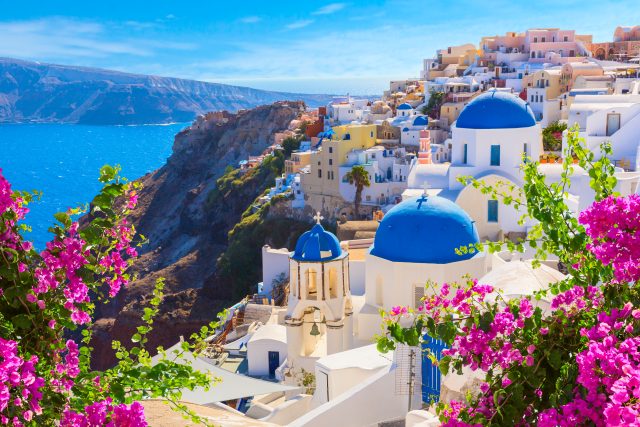
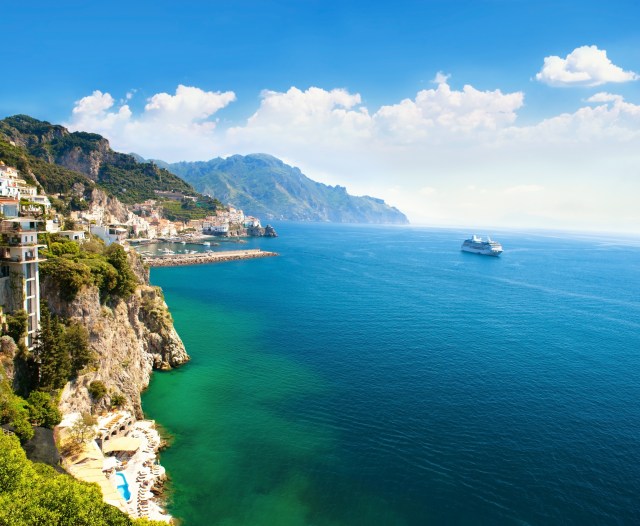
Her first suggestion? Europe.
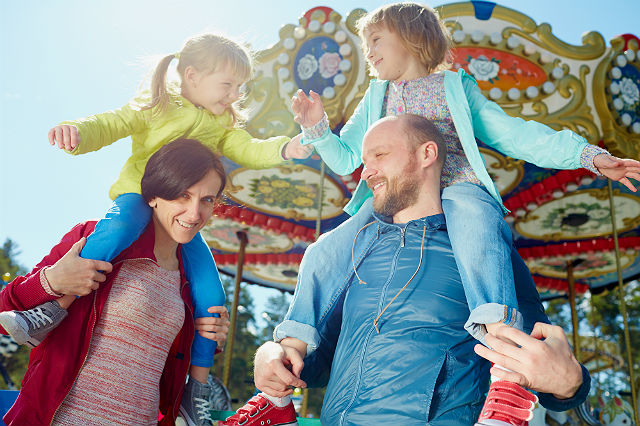
“People don’t necessarily think about Europe for a family vacation,” she said. “But it’s a great way to introduce younger and middle-school-age children to everything they’re learning in school.”
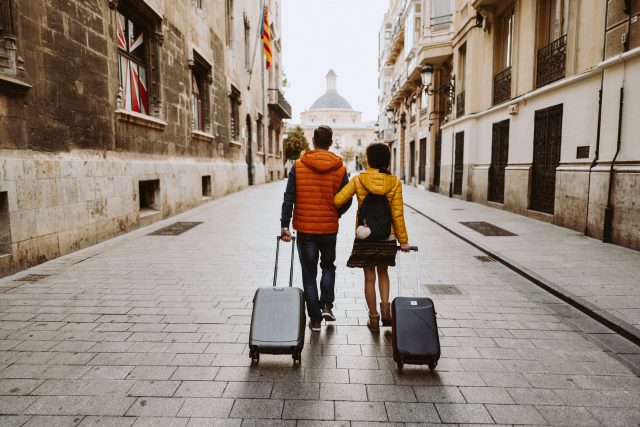
A European trip is easier to plan than you may think, she said. A guided trip or river cruise are both great choices, since you’ll be travelling with guides who can easily answer any questions that arise. Plus, a side trip to Disneyland Paris is always a fun excursion.
Letting your children get involved in the planning process will help get them excited about the trip, too. Let them help in planning which countries to visit, what attractions to see or even where to dine out.
“It can be a really engaging way to encourage them to see the world,” Lischwe said.
Road trips – especially to national parks and the wide-open spaces of the West – are another option, especially for outdoor enthusiasts. They can be more cost-effective, since you’re not paying airfare and luggage costs – you can just throw everything you need right into the trunk.
And they’re infinitely customizable to your budget, time constraints and interests. Lische, who’s originally from the Midwest, has fond memories of visiting national parks with her family growing up.
“It’s a wonderful family bonding experience,” she said, “and a great way to make memories.”
Have a question for our travel advisors? Ask away!
Life insurance helps you plan for the future, but the future is changing all the time. Here are some milestones that might cause you to reconsider your life insurance needs.
Life insurance is an important part of planning for the future and protecting your loved ones. But as you reach different milestones, your life insurance needs may change.
As you move through the phases of life like tiles on a board game, it’s important to review your life insurance policy and make sure you’re getting the coverage you need. Here are some life milestones that might cause you to revisit and update your policy.
“I feel like everybody needs life insurance,” notes Brenda Silva, Life Insurance Specialist at AAA Northeast. “Even students who are attending college and obtaining college loans. It’s affordable to purchase life insurance when you’re young.”
Most young and single people don’t think about life insurance, since they don’t yet have a family of their own. But your single years are a great time to look into life insurance. It can help you plan for the future and keep premium prices down. There are many affordable life insurance options at this time that can lay the groundwork for your financial future. A great way for young and single people to start their life insurance journey is by looking into term life insurance.
Term life insurance offers a fixed premium that provides coverage for a predetermined period of time. The longest a term plan will extend is typically 30 years from the issued date. It offers a more limited scope of protection, but it’s often more accessible than whole plans.
How much life insurance do you need? Learn more about the difference between term and whole life insurance.
Getting Married
When your marital status changes, your life insurance needs might change as well. If you’re getting married, you’ll be combining your finances. If you’re getting divorced, that might change your financial situation as well.
While rates won’t be as low as they might have been when you were younger, it’s still a good time to start a life insurance policy. If you have a term plan, now is a good time to convert it to a whole plan.
Having Children
With life insurance, you can make sure your children’s needs will be taken care of, no matter what happens. Now is the perfect time to take a look at your life insurance policy and expand it. With your new family, you’ll need to have a stronger financial safety net in place.
The goal of life insurance is not only to replace lost income, but to maintain your family’s standard of living. When you add dependents, like children, make sure that your policy takes that into account. Consider future needs your children might have down the line, like higher education.
Buying a Home
Buying a home is the perfect time to review your life insurance policy and make sure it can cover your mortgage and increased expenses. You don’t want to leave your family vulnerable if the unexpected happens. When you expand your policy, take into account your income, mortgage, other expenses, debts and potential future financial burdens.
Getting a New Job
If you get a new job, a promotion or even face a job loss, your life insurance needs can change. If you get a pay raise through a new job or a promotion, you’ll want to make sure your policy stays up to date. Your employer might provide a life insurance policy, but sometimes that specific policy doesn’t offer enough coverage to meet your family’s needs. Besides, if you leave the job for any reason, you might be at risk of losing the policy entirely.
“If you’re out of employment, sometimes you had employer-paid life insurance and now you’re not working,” said Silva. “Look into having some insurance to fill in the gap for that reason.”
Retirement
Well-funded, whole life insurance policies offer tax-deferred cash value growth that can be accessed in retirement, helping you to transition more easily into your post-work life and plan for your family’s future.
“During your working years, the cash value you build in a life insurance policy can be an important source of back-up funds or ‘opportunity reserve’ — using your policy’s cash value to help fund life moments,” said Timothy Boyle, life and annuity manager for AAA Insurance.
Whether you choose to use the money as an emergency fund, to help supplement your retirement income or to help fund your retirement dreams, the money is available to you tax-free through withdrawals and policy loans.
Planning Your Estate
Your life insurance benefits can ensure that you leave a legacy, like leaving an inheritance, making a charitable donation or covering the cost of estate taxes. Life insurance can also help your family pay for your final expenses, such as funeral and burial costs. In what will surely be a difficult time for your family, make sure that it doesn’t stress them financially as well. It’s not something a lot of people like thinking about, but it’s a beautiful way that you can care for your family even after you’re gone.
Life insurance is an important way to plan for your future, but the future is changing all the time. As you play the game of life, make sure to double-check that your insurance policy is keeping up.
Gone are the days of the 9-to-5 office grind and having to choose between business and leisure travel. Enter: bleisure travel.
What is bleisure travel? Exactly what it sounds like: a getaway that combines both work and play.
One side effect of the global pandemic was an increase in hybrid and fully remote work schedules, which many businesses have adopted for the long term. Bleisure travelers are taking advantage of the added flexibility and choosing to work from around the world.
Almost 10% of business trips can be categorized as bleisure trips, according to Forbes, as freelancers and corporate travelers alike extend their business trips to visit new cities and explore. And nearly 60% of businesses support it.
So, grab the Wi-Fi password and hit the pool. Here are some of the most serene places to work remotely, featuring perks for business travelers and unbeatable views.
Montauk, New York
Located at the tip of Long Island, Montauk is an ideal place for work-life balance. It’s a town where you can hunker down all summer and enjoy the magical cliffside beaches and vast seaside views. There’s never a lack of things to do, from surfing and sailing lessons to visiting the Montauk Point Lighthouse and enjoying the catch of the day at a local restaurant.
Located on Old Montauk Highway, Hartman’s Briney Breezes Beach Resort offers rotating specials for extended stays and a breathtaking view of the ocean. The hotel is within walking distance to the beach and just a few minutes from plenty of dining options.
Nassau, Bahamas
Bahamian island living sounds like something we can all get used to. With the flexibility to work from anywhere, the Bahamas’ extended-stay work visa program BEATS (Bahamas Extended Access Travel Stay), welcomes professionals to trade-in their cubicles for views of stunning aquamarine waters and breathtaking sunsets.
There’s never a dull moment in the vibrant capital of Nassau, offering travelers a lively nightlife, local delicacies and activities galore, such as the Queen’s Staircase, National Art Gallery and The Retreat Garden.
Prepare to be transported to Bahamian Paradise at the AAA Four Diamond Rosewood Baha Mar. Ready for your next work assignment? Sit by the pool with your laptop and take in the ocean views. A workcation from a cabana doesn’t sound bad.
Mexico City, Mexico
In the past few years, Mexico’s capital has become an attractive destination for Americans looking to explore its history, museums, authentic cuisine and neighborhoods.
With incredible views overlooking the avenue of Paseo de la Reforma, the AAA Five Diamond St. Regis Mexico City caters to bleisure travel, offering amenities like conference rooms, a children’s club and 24-hour butler service (so don’t panic if you forget your computer charger).
After the Zoom calls are done, hit the Remède Spa for a restorative treatment or head out to discover Mexico City’s many parks, cantinas and artisan markets. With so much to do and see, a month of remote work is a good amount of time to properly wander through this exuberant city.
Catskills, New York
The Catskills are a hotspot for remote workers. Here you can slow down with serene views of babbling brooks and mountains and enjoy lunch breaks and post-workdays with waterfall hikes, foraging and antiquing.
With so many accommodations available, from traditional rentals to unique treehouse hotels, experiment with something in-between by booking a stay at A Tiny House Resort in Cairo. Just two hours from New York City, the property is set up as a little village, offering Wi-Fi and perks like a food truck, pool, firepits and a mini farm. You can even pet a goat in between work calls!
After your workday is complete, explore nearby towns, like Catskill, Hudson, Woodstock and Phoenicia, all offering local restaurants, shopping and outdoor adventures.
Lisbon, Portugal
Whether you’re in search of Michelin-starred restaurants or street food, luxury shopping or local artisan bargains, Portugal’s capital city has it all. With friendly locals and gorgeous views, it’s a place any remote worker would want to hang their hat (and shingle).
Martinhal Cascais, a resort on the coastline just outside of Lisbon has seen the rise of the bleisure market since COVID-19 hit, often hosting parents with kids in tow looking to stay for extended periods in one of their 12 two-bedroom villas at discounted rates.
The villas are outfitted for longer stays – think kitchens and washer/dryer units, living rooms and gardens – where bleisure travelers can work and the whole family can enjoy the resort’s amenities. They even have a beautiful light-filled conference room for meetings.
Enjoy work breaks by exploring the pristine coastline by bike. You can rent bikes and book guided tours at the hotel.
You loved showing us your classic and collector car photos, and now the motorcycle enthusiasts came to represent, showing off classic Harleys, custom choppers, sport bikes and others.
Similar to cars, motorcycles are photogenic from just about every angle. In the daytime or at night, in motion or posed, they are effortlessly cool. And the chrome details make for great reflection shots.
Thank You for Participating! (Session Closed)
Browse through all of the photos we received during May’s Motorcycle-themed Photo Session in the slideshow below, and don’t forget to check our social media channels, where we will be sharing some of our favorites. Select photos may also appear in an upcoming issue of Your AAA magazine.
Biketoberfest in Daytona Beach. (Cindy Merrill)
The Divine Ms. B (B is for Blue) hangs out at Lake Candlewood, Conn. (Fran Mayko, AAA Employee)
Motorcycle, Shanghai, China. (Gillian Furniss)
Sunrise on Blue Ridge Parkway. (Giovonni Binkley)
Beauty in chrome. (Joan Tabor)
Tribute to a fallen officer. (Vicki Hammer Rosenkrantz)
2014 Harley-Davidson FLHXS Streetglide Special Twin-Cam 103ci. Owner, Mike Yates. (Manny Fernandes)
May through September is the most popular time for motorcycles to be on the road, so remember to stay extra aware of bikers when driving. If your are a motorcyclist, hopefully you’ve gotten your seasonal maintenance taken care of and you’re ready to ride safely this summer.
The National Highway Traffic Safety Administration estimates 42,915 people died in motor vehicle traffic crashes in 2021. That would be the highest total since 2005. It would also mark a 10.5% increase from 2020, the largest annual percentage increase since the organization began tracking fatalities.
“We face a crisis on America’s roadways that we must address together,” said U.S. Transportation Secretary Pete Buttigieg. “With our National Roadway Safety Strategy and the President’s Bipartisan Infrastructure Law, we are taking critical steps to help reverse this devastating trend and save lives on our roadways.”
The Bipartisan Infrastructure Law includes the new Safe Streets and Roads for All program, which will invest up to $6 billion over five years to fund local efforts to reduce roadway crashes and fatalities.
The nearly 43,000 deaths also include pedestrian fatalities, which were up 13% from a year ago, and bicyclist fatalities, which rose 5%. Some other notable categories where the traffic fatality count increased include:
On urban roads (up 16%)
Among drivers 65 and older (up 14%)
Among females (up 12%)
In crashes involving at least one large truck (up 13%)
During daytime (up 11%)
In speeding-related crashes (up 5%)
In police-reported, alcohol-involvement crashes (up 5%)
Closer to home, the rise in traffic deaths in the Northeast mostly surpassed the national average. A breakdown by state of total fatalities and percentage increase includes:
Connecticut: 327; 10.8%
Massachusetts: 413; 20.4%
New Hampshire: 123; 18.3%
New Jersey: 709; 21.4%
New York: 1,139; 8.9%
Rhode Island: 67; 0.0%
Stay safe on the road this summer with these driving tips from AAA experts.
For more traffic and automotive news, visit AAA.com.
Though it may seem like having a green thumb is a superpower, planning a garden takes work and knowledge. Growing and eating your own vegetables is especially rewarding but you have to keep certain factors in mind like how much sun your garden gets, what the soil is like and how the plants react with the climate in your area before you can see any success. With all that said, here are some tips for planning a vegetable garden.
Good luck and may homegrown salads be in your future!
Planning a Garden for Veggies
First of all, what kind of space do you have to plant a garden? Do you have a large patch of backyard? Maybe it’s a small space on your rooftop or something even simpler such as planters or pots. No matter what, it’s best to start small if you’re a beginner so you don’t get overwhelmed with taking care of too many plants.
Your garden should be cleared of weeds, rocks, roots and debris before planting. Stay away from trees because their shade and roots can take sunlight and nutrients away from your garden.
It’s important to plant in an area with a lot of sunlight and easy access to water. Plants always need sunlight, and you don’t want to have to constantly carry water to your garden. Place your vegetables on top of a hill or near a wall to avoid wind damage.
Another important factor is soil. The best quality soil is dark, loose and full of earthworms. Add manure and fertilizer for added nutrients. Rake and till the ground to break up clumps and smooth out the soil.
Also, measure the pH of your soil with a test kit. It varies, but most vegetables prefer a pH between 6 and 7. If the pH is lower than 6, it is acidic, and if it is higher than 7 it is alkaline soil.
Finally, you need to account for your local temperature. If you want to plant perennials, or plants that come back every year, it’s important to know your hardiness zone. That measures the average annual lowest temperature in your area and what your plants can withstand over a year. However, this is a guideline and not a hard and fast rule. Even in the Northeast, the hardiness zone varies from 7b (5 to 10 degrees Fahrenheit) to 2b (-45 to -40 degrees Fahrenheit). Find your hardiness zone here.
With the right plan, you’ll be picking vegetables from your garden in no time.
Planting a Vegetable Garden
What vegetables do you want to grow? Well, first you should consider what grows well in your area. Ask your local gardening store or plant nursery what vegetables are best for you. Lettuce and tomatoes are good starter plants – they are easy to grow and inexpensive to buy.
You can start your vegetables from either plants or seeds. Plants are more likely to survive and quicker to harvest, while seeds cost less and can be saved for another season. However, plants are often limited in variety, and seeds take longer to grow, or may not grow at all. If you are a beginner, start with plants and work your way up to seeds.
Space out your plants when putting them in the ground. It gives them more room to grow. And try not to step on the ground between plants. That compacts the soil, which means water and nutrients cannot get through to roots properly.
It’s prudent to protect your plants from pests. Deter bugs with natural predators or plant-friendly pesticides. For squirrels, put your vegetables in a fence or wire mesh. And keep an eye on your plants. Inspect them regularly for damage, disease, discoloration or other signs of invaders.
And don’t forget to pick your veggies when they’re ripe and ready! And enjoy! There’s nothing like eating homegrown vegetables.
Watch Your Vegetable Garden Bloom
Turn your scraps into compost for richer soil. Put your organic garbage in a bin and watch it decompose. Fruit peels, dead leaves, lawn clippings, eggshells, you name it, nature decomposes it and gives you a cheaper fertilizer. It takes some time and effort, but the organic fertilizer is worth it. Plus you save money and help the environment.
And finally, keep a journal on your garden’s progress. Take notes, remember your mistakes and record your victories. Gardening is a process and it takes time to figure out exactly what works for you. And don’t forget to have fun!
Looking for tips on planting flowers? Check out our Northeast flower chart.
Did you find these tips helpful? Do you have any other tips for planning and planting a vegetable garden that you would like to share? Tell us in the comments.
It wasn’t too long ago that gasoline and diesel were the only two options to power your car. But these fuel types come with serious drawbacks including high cost and environmental hazards. With the increased need to use renewable fuel sources, several other options are being used more frequently – and more are continuing to emerge. With that in mind, here are a few of the most popular types of fuel for cars, and how to determine the right one for your vehicle.
Click here to check the current cost of gas in your state – updated weekly!
Gasoline
The most commonly used fuel for cars is gasoline. It is easily combustible, which allows for quick starting and fast acceleration. However, the high levels of carbon dioxide produced from burning gasoline is a leading contributor to pollution and, in turn, global warming. According to the Union for Concerned Scientists, cars and trucks account for nearly one-fifth of all U.S. global-warming emissions. In response, many companies and consumers are increasing their use of alternative fuel types.
There are generally three different types or “grades” of gasoline, determined by the gasoline’s octane level. A level of 87 is considered “regular,” 91 is “premium,” and 89 is mid-grade. The grade of gasoline you should use depends on the type of vehicle and engine you have. (More on that below).
Diesel
Along with gasoline, diesel is the other popular form of fuel, used specifically for diesel engines. Diesel vehicles are more fuel efficient, often traveling about 20% to 35% farther on a gallon of fuel than their gas-powered counterparts. Therefore, vehicles that are traveling far distances, such as trucks and vans, commonly use diesel engines. It also produces less carbon dioxide than gasoline. However, it does create nitrous oxide, which causes smog.
Liquified Petroleum
Better known as propane, liquified petroleum is a much cleaner and cheaper form of fuel. Many hybrid cars in foreign countries such as the United Kingdom have been designed to use propane. However, automobiles in the United States rarely use it. The only way to use propane domestically is to convert your vehicle’s gas engine.
Ethanol
Ethanol is a popular biofuel made from sugar cane, barley, corn and other natural resources. However, it is generally used as an additive in other fuel sources in order to help cut down on hazardous emission. According to the U.S. Department of Energy (DOE), more than 98% of U.S. gasoline contains ethanol, typically E10 (10% ethanol, 90% gasoline).
But gasoline with higher percentages of ethanol also exist. E85, also called flex fuel, is an ethanol-gasoline blend containing 51% to 83% ethanol. E85 can only be used on Flex Fuel Vehicles, which are specially designed to run on gasoline, E85, or any mixture of the two. Ethanol can be extremely helpful in cutting down on emissions but a car’s fuel delivery system and engine need to be designed to use it.
Compressed Natural Gas
Compressed natural gas is a clear, odorless and non-corrosive gas that can be used in liquid or gas form to run a combustion engine, though gas engines would need to be converted to use it. The fuel produces approximately 80% less emissions than gasoline. Additionally, vehicles that run on compressed natural gas are similar in power, acceleration, and cruising speed to gasoline or diesel vehicles. Compressed natural gas can limit driving range, though, as less overall gas can be stored in the same size gas tank.
Biodiesel
This renewable, biodegradable liquid fuel is made from vegetable oils, animal fats or recycled cooking grease. According to the DOE, biodiesel emissions are 74% lower than those from petroleum diesel. Diesel vehicles can generally use a low percentage of biodiesel without any engine modification. However, higher levels of the fuel will require modifications.
Determining the Type of Fuel for Your Car
Gasoline vs. Diesel
Most vehicles in the United States run on gasoline or diesel fuel. The driver’s manual should dictate the fuel type your car needs. There should also be a label on the fuel door that reads something along the line of “Diesel Fuel Only” or “Unleaded Gasoline Only.” If there’s ever a doubt, call the manufacturer.
It is imperative that you put the proper fuel in your car’s tank. Gas engines cannot combust diesel fuel and vice versa, so the car won’t start if it is filled with the wrong fuel type. Even worse, it can cause serious damage to the engine.
AAA Approved Auto Repair Facilities can help get your car back out on the road. Find the nearest one here.
Regular vs. Premium
As stated previously, gasoline grades are dependent on the fuel’s octane level. Higher octane levels ensure the gas burns evenly, which helps keep your engine cleaner and improve performance. Therefore, it is commonly used in vehicles with high-compression engines or turbochargers, like sports cars.
The car’s manual should state the gasoline grade needed. It may suggest premium gas but not require it. If this is the case, your car should be able to run fine with lower grade gas, and it could save you money.
The Future of Fuel
Internal combustion cars are and will continue to be the popular vehicles, but electric cars continue to grow in popularity. Currently electric vehicle sales are about 3 percent of all the vehicle sold, but that could change quickly. Ford General Motors and Stellantis Corporation have a goal of having up to 50 percent of the vehicle sales being electric in just 9 years.
Further in the future we could see a more popularity with hydrogen. Hydrogen is stored in a onboard tank and that hydrogen goes through a fuel cell and makes electricity to run the electric motor(s). The byproduct of hydrogen combustion is water. Unlike battery electric car, hydrogen cars refuel much quicker.
AAA members can save money at the pump with Shell’s Fuel Rewards program. Learn more.
Motorists can find the cheapest gas prices wherever they are by using the AAA Mobile App.
The best restaurants with a view in NYC are not hard to come by. Spectacular sights abound in the city – whether waterfront, street view or panoramic outlooks of the skyline. And when it comes to rooftop views, NYC’s got some of the most amazing there are.
When dining out, the view of New York City is perhaps the best company you could ask for. It elevates the meal (sometimes literally) and creates a memory that will last long after you’ve licked the crumbs from your dessert plate.
A New York City Classic with prime real estate under the Brooklyn Bridge, the AAA Four Diamond and Michelin-starred River Café has been wowing customers with romantic views of the Manhattan skyline and the Statue of Liberty since 1977. Serving classic New American fare, the restaurant consistently receives rave reviews. Nightly piano music enhances the ambiance. A dress code is enforced for dinner, when men are required to wear jackets and ties are preferred.
High above Times Square, The View is NYC’s only revolving rooftop restaurant. Located within the Marriott Marquis hotel, express glass elevators whisk guests up to the 48th floor, where they are met with eye-level views of some of the tallest buildings in Manhattan. The revolving floor makes a 360-degree turn every hour, so the sights are always changing. Contemporary American cuisine is served, featuring an award-wining wine list, prix fixe dinner menu and a Sunday mimosa brunch buffet. One floor up, The View Lounge serves cocktails and a dinner buffet until late night. Unlike the main restaurant, the lounge operates on a first-come, first-serve basis with no reservations required.
Asiate(pictured above) The Mandarin Oriental, 80 Columbus Circle at 60th Street
Part of the AAA Five Diamond Mandarin Oriental, Asiate accentuates the hotel’s top selling point – its stunning panoramic views from the top of the Time Warner Center overlooking Central Park, Columbus Circle and beyond. The interior, which incorporates elements of nature and a wine wall with more than 3,000 bottles, is equally stunning. Modern and contemporary American dishes are served a la carte for breakfast and lunch, while a three-course prix fixe menu and chef’s tasting menu are offered at dinner. On the weekend, the restaurant is also open for a three-course prix fixe brunch.
Tom Colicchio’s farm-to-table restaurant is visually impressive, inside and out. Situated on the edge of the East River, guests are treated to water views from the dining room’s large surrounding windows or can choose from two outdoor dining options. On the patio, traditional seating and full menus are served, while the terrace provides a more casual and communal atmosphere with picnic tables. Featuring modern American cuisine, the menus change daily, using fresh and seasonal ingredients from local greenmarkets and farms.
On the 101st floor of One World Trade Center, ONE Dine is one of three on-site eateries that are part of One World Observatory (that’s a lot of ones!). Serving a casual a la carte menu of seasonally-inspired items, the sit-down restaurants overlooks the main observation floor and boasts panoramic city views from every angle. Reservations are required and can only be made with the purchase of a ticket to the Observatory.
Can’t get enough water views? When it comes to the best view restaurants in NYC, Grand Banks – based aboard the historic Sherman Zwicker, a wooden schooner anchored in the Hudson – is unforgettable. Open seasonally, you’ll feel like you’re on vacation as you enjoy a nautically-inspired cocktail or glass of wine or champagne with all the sustainably harvested and wild-caught East and West coast oysters your heart desires. Although the star of the menu is the oysters, Chef Kerry Heffernan also serves up a concise menu of ingredient-driven small-plates and brunch.
The Cantor Roof Garden Bar at The Met. (Photo: Metropolitan Museum of Art)
Guests can access this treasure atop the Metropolitan Museum of Art via the elevator in the European Sculpture and Decorative Arts galleries. Open seasonally from early spring through fall, the rooftop delivers panoramic views of Central Park and features a new art installation every summer. The café serves specialty drinks, small plates, salads, sandwiches and sweets and on Friday and Saturday nights it becomes a martini bar. The rooftop follows the same hours as the museum, so plan accordingly.
Located in Eataly, the Flat Iron District’s Italian food market, Serra by Birreria is a rooftop restaurant perfect for those that enjoy change. While many restaurants update their menus with the seasons, the overall design of Serra’s greenhouse-themed space is also made to shift from spring to summer to fall. And with a retractable roof and heaters, the weather outside won’t stop you from enjoying your meal or the view.
Part of Ink 48 hotel and the sister venue of PRINT restaurant, the Press Lounge is an elegant rooftop setting with sweeping views of Midtown Manhattan and the Hudson River. Guests who are 21 years of age and over are invited to take the elevator up and get some fresh air and sample seasonally inspired cocktails and small plates. General open seating is first-come, first-serve. Reserved seating is recommended for large groups and requires a deposit of $50 per quest.
And there you have it – some of the best restaurants with a view in NYC. If you like dining in a picture-perfect setting, you’ll also enjoy our article about the Loeb Boathouse in Central Park.
Have you been to any of these restaurants? Do you have any other favorites spots the area with great views that you would like to add? Tell is us in the comments.
About a two hour drive from the bright lights and fast pace of New York City, straight down to the tail fins of the Long Island “fish,” you’ll find sprawling vineyards and dozens of wineries both large and small producing some of the top-rated wines in the nation.
A journey out to Long Island’s East End is an excellent way to spend a weekend staycation or day trip in New York. The trail is vast and every winery has something special and unique to offer, from award-winning bottles to picnic areas. Most have tasting rooms and tours, and many also offer live music and special events on the weekends.
The geography, soil, and maritime climate of Long Island’s North and South Forks afford ideal conditions for growing an array of grapes that yield quality varietals and blends. Like Long Island itself, the wines are often underestimated, but with time and an expanding collection of awards and critical acclaim, the region is proving to be a contender in the wine industry and an increasingly popular travel destination.
The following Long Island wineries boast especially great views. With panoramic vineyard overlooks akin what you might imagine seeing in Napa Valley or Tuscany, these locations provide some of the best settings to enjoy the wine country.
Kontokasta is unique in that it is one of the only North Fork wineries with a water view. Its blufftop location overlooking the Long Island Sound and its sublime breezes are what make the wine so good, and the visit even better.
As you enjoy the view you can sip your way through an award-winning bottle knowing that it was created thoughtfully and with love by the Kontokosta family.
The tasting room, meadow and bluff are are open to visitors on Saturday from 11 a.m. to 6 p.m. and by appointment only Sunday through Friday.
Unlike most Long Island wineries, you don’t need to drive all the way out East to enjoy a scenic day among the vines at Harmony. Only about 70 minutes from Manhattan in a town called Head of the Harbor and just a few minutes away from the Stony Brook village center, it bills itself as the “most convenient farm winery.”
Harmony’s tasting room resides within a 17th century house that overlooks the vineyard and Stony Brook Harbor. Visit for live music on the weekends and special events including trivia nights and “drink-in theatre” outdoor movies.
Utilizing sustainable biodynamic farming methods, Macari not only stands out for its exceptional wine but for its dedication to the land that yields it. A leader in natural viticulture on Long Island, the Macari family and their team cultivate an ideal grape growing environment through practices such as composting and using little to no pesticides on their vineyard. The difference is one you can taste.
Relaxing above the vines with a flight of tastings on the Macari tasting room deck in Mattituck is one of the best ways to spend a summer day on Long Island.
On the way to some of the larger Long Island wineries, you will find a modest little house marked “Palmer Vineyards,” inviting you in for a taste. Palmer wines are distinctly Long Island. From the sustainable farming used to harvest the grapes, to the methods practiced in their state-of-the-art winemaking facility, the Palmer team works hard to preserve the unique qualities of the region’s terroir in every bottle.
The charming pub-style tasting room has standing tables and cozy booths, perfect for sharing a cheese plate and a flight of tastings. Out back, guests can lounge with wine glasses on Adirondack chairs overlooking some of the more than 90 acres of Merlot, Chardonnay, Pinot Blanc, Sauvignon Blanc, Gewürztraminer, Cabernet Sauvignon and Cabernet Franc grapes growing on the property.
A short self-guided tour that leads into the tasting room explains Palmer’s winemaking process while giving guests a glimpse at the French oak barrels and stainless steel tanks where the wines are fermenting and aging.
Pelligrini Vineyards is home to some of the most celebrated wines on Long Island. Their secret begins in the vineyard, where they take full advantage of the seaside breezes, soil conditions and optimal sunshine of their North Fork location, which happens to be very much like Bordeaux, France. The process continues using both modern fermentation methods and classic oak barrel aging in their cellar, all with as little manipulation as possible.
Founded by graphic designer Robert Pelligrini and his wife, aesthetics have always been at the forefront of Pelligrini Vineyards. It is no wonder that it is one of the most beautiful Long Island wineries, both inside and out. Take in the view of the vineyard from the rustically elegant tasting room or courtyard.
Raphael’s commitment to quality and detail are evident from the moment you pull up to the estate. The pristine grounds and Tuscan villa-style tasting room make a grand first impression and the wines and hospitality leave a lasting one.
Family-owned and operated since 1996, Raphael combines decades of new world experience with old world traditions to make their wines. Their dedication to the details, such as being one of the few remaining Long Island wineries to harvest their grapes by hand, has allowed them to produce stand out vintages over the years, especially red varieties.
Guests are treated to expansive views of the grapevines from the upper and lower outdoor patios, or the tasting room where there is often live music to sing along to. If you’re looking to get away, even if only in your mind, Raphael will take you to Europe for the moment. Feel free you bring your own picnic.
What are your favorite Long Island wineries? Tell us in the comments.

On March 1, 1872, Congress established Yellowstone National Park, the first of what is now a total of 59 national parks spanning 28 states and two American territories. Collectively, they are considered the country’s greatest natural treasures.
President Franklin D. Roosevelt once said, “There is nothing so American as our national parks…The fundamental idea behind the parks…is that the country belongs to the people, that it is in process of making for the enrichment of the lives of all of us.”
In addition to being aesthetically beautiful, national parks showcase the past of both our country and the land on which it resides. Here’s a look at a few of the most interesting historic sites at national parks and the stories behind them.
The Old Courthouse
Gateway Arch National Park
The Gateway Arch, one of the most iconic historic sites at national parks, is a tribute to the diverse people who reshaped the country: Thomas Jefferson, who negotiated the Louisiana Purchase, which doubled the size of the United States; Lewis and Clark and their guide Sacagawea, who explored the new land and mapped a route to the Pacific; and the countless pioneers who forged Westward.
Yet the park in which the Arch resides is home to a lesser-known but equally significant historical site: The Old Courthouse, where one of the most important cases ever tried in the United States was heard.
In 1846, Dred Scott, a slave who had spent many years living in free territories, sued for his freedom. The first two trials were held in the Old Courthouse, the latter of which Scott won. This decision was appealed all the way to the Supreme Court, which denied Scott his freedom. Although Scott was defeated, the case is widely credited with hastening the start of the Civil War. Visitors can tour the courthouse where the case was heard, as well as the restored courtrooms.
Elkhorn Ranch
Theodore Roosevelt National Park
One of the country’s great outdoorsmen, President Theodore Roosevelt may have had more impact on the national park system than any other citizen. While in office from 1901 to 1909, he established five new national parks, doubling the number of federal parks across the country. It’s only fitting that one of today’s 59 parks bears his name.
In the late 1800s, a young Roosevelt headed to the Dakota Territory for a two-week hunting trip. The following year, his mother and wife passed away just hours apart. In search of solitude, the future president returned to Dakota and established the Elkhorn Ranch. In his writings, Roosevelt referred to this location as his “home ranch” and it is believed that it was here where he developed many of his beliefs on the importance of conservation.
Because Roosevelt wanted a secluded location, getting to the ranch can be difficult. It takes a several-mile drive on unpaved roads to reach the remote location. And though only the cabin’s foundation stones remain, visitors can appreciate the peace and solace Roosevelt found here.
Balcony House
Mesa Verde National Park
Lest we forget that people lived in North America long before European settlers arrived and the United States was formed, the Cliff Dwellings at Mesa Verde National Park in Colorado are a perfect reminder.
After living on the mesa top for 600 years, Ancestral Pueblos began building homes beneath the overhanging cliffs late in the 12th century. The structures ranged in size from one-room storage units to villages of more than 150 rooms.
One of the most famous of these pueblos is known as the Balcony House, a 40-room structure considered a medium-size cliff dwelling. The tunnel, passageways and modern 32-foot entrance ladder are what make it the most adventurous dwelling tour in the park. Visitors can see the Balcony House by ranger-guided tours only.
Horseshoe Canyon
Canyonlands National Park
People have lived in the area that is now Canyonlands National Park for more than 10,000 years. There may be no better evidence of their presence than Horseshoe Canyon, which contains some of the most significant rock art in North America.
The canyon’s best-known panel is called The Great Gallery, a well-preserved site that includes both pictographs (paintings) and petroglyphs (carvings) of life-sized figures with intricate designs.
Artifacts recovered from this area date back to 9000-7000 BCE, a time when large mammals like mastodons and mammoths roamed the southwest. However, Horseshoe Canyon has the more recent history of serving as a refuge for outlaws like Butch Cassidy who were on the run from the law.
Lamar Buffalo Ranch
Yellowstone National Park
In 2016, when President Barack Obama officially named the American bison the country’s national mammal, John Calvelli of the Wildlife Conservation Society said, “Many consider this our nation’s first successful conservation story.”
That effort began many years ago at the Lamar Buffalo Ranch.
In the 1800s, bison were hunted nearly to extinction. Yellowstone Park was home to just 25 in 1901. In the first effort to preserve a wild species through management, Congress purchased 21 bison from private owners, and they were brought to the Lamar Buffalo Ranch to be fed and bred.
As the herd grew, bison were released to breed with free-roaming population or used to start herds on other public land. Today, the Yellowstone population numbers in the thousands, one of the largest in North America.
Have you been to any of these historic sites? Tell us in the comments!
Need a ride? Learn about exclusive Hertz discounts for AAA members.
Plan your next national park vacation with AAA Travel.
If you’ve tuned into HGTV lately (or really any reality TV or do-it-yourself network), the chances are pretty good you landed on a show about what it’s like to buy a flipped house.
From programs like “Flip or Flop” or “Good Bones” or “Masters of Flip,” we just can’t seem to get enough house flipping entertainment. There’s even a show called “Zombie House Flipping.”
While the basic strategy of house flipping – purchasing a less-than ideal property, making improvements and then reselling at a profit – is nothing new, the popularity of flipping has surged over the past decade. The trend surged in 2021, when 323,465 U.S. single family homes and condos were flipped, according to California-based research firm ATTOM Data Solutions. That number represented a 26% from 2020, and the highest total since 2006.
With more and more flipped houses hitting the market, there’s a good chance your next home could fall into this category. If that’s the case, here’s what you can expect during the home-buying process.
What to Know When Buying a Flipped House
Whether you’re actively pursuing a flipped house or simply run across some flips during your house hunting process, knowing some of the generalities and pros and cons of buying a flipped house can help you make better investment and purchasing decisions. To really get inside the mind of a house flipper, we turned to financial coach Karen Ford, author of the best-selling Amazon book “Money Matters,” who has been flipping houses for nearly a decade.
First of all, don’t expect a flipped house to look as perfect as the ones on TV. Most flipped houses start out as so-called “distressed” properties (think foreclosures, tax seizures, etc.), and while professional flippers make substantial capital improvements, their focus is on improving the overall bones and aesthetics of the property and relisting it quickly, not addressing every tiny imperfection.
“What we’re immediately looking for are any foundation issues, any water damage, the quality of the roof and the electrical and plumbing service,” says Ford. “A successful flip might only take four to six weeks. Time is money, and the longer it takes us to get that flip back in the market, the more our costs go up.”
Cost containment is key for house flippers trying to recoup their initial investment (and make a profit), so home buyers should not expect any extensive remodeling or extremely high-end finishes or appliances in a flipped home. There might be a new roof or the hardwood floors might be refinished, and damaged windows or doors replaced, but the more common improvements will be things like new carpet, fresh paint and updated hardware.
Price can also be a signal that a home on the market has just been flipped. Most professional flippers are trying to bring lower-quality properties up to the level of other houses (called “comps”) that are successfully selling in a neighborhood. That means the most expensive house on the block shouldn’t be a flipped house. Flippers tend to price homes just at or below market in order to sell quickly and get paid.
“We always evaluate a neighborhood and know what the comps are and know what we are going to resell for before we buy a deal” Ford says. “It’s a good safety net to lowball against comps, so if houses in a neighborhood are selling between 130 and 150 thousand dollars, we’d never take on a deal with the expectation that we’d sell for 160 thousand. We might list it for 150 thousand, but we’d always plan the remodel and renovation against a sell price closer to 130.”
Finally, for homeowners trying to figure out what to know when buying a flipped house, Ford says applying common sense and the due diligence you’d bring to any home purchase is key. While most house flippers look for “good bones” with easy improvements, don’t assume that your house is in great shape simply because a flipper just did their thing.
“We don’t get what we expect, we get what we INSPECT,” Ford says. “Don’t trust. Always check things out and inspect the inside and the outside of your home purchase carefully. Evaluate the neighborhood and the comp properties and have a plan, and you’ll always be more likely to make a more educated investment into your new home.”
And who knows, you just might end up flipping it again yourself.
Flipped house or new construction, the first step to home ownership is securing a mortgage, and AAA is here to help. To learn more about our home loan services or to speak to a mortgage specialist now, visit AAA.com.
Whether it’s a dreary, morning commute or a wind-in-your-hair sunset cruise, a car ride just isn’t the same in silence. It’s this universal appetite for good listening where car radio history begins.
Vehicle audio has been around in one form or another for nearly as long as there have been automobiles on the road. Initially, car owners would take portable battery radios on their journey. It wouldn’t take long for a superior option to arrive on the scene thanks to a now-famous company that was just trying to stay afloat during its nascent stage.
1930: The First Car Radio
In 1928, brothers Paul and Joseph Galvin founded the Galvin Manufacturing Corporation. The company produced battery eliminators, devices that enabled battery-powered radios to operate on household electric current. As more radios began running through home electrical systems, however, battery eliminators became obsolete.
Coupled with the financial effects of the Great Depression, the Galvins needed a new product to stay in business.
The brothers recruited a group of engineers to build a radio that could be installed in automobiles. Putting various parts inside the car and others underneath the floor, the crew successfully manufactured a sturdy radio that received a clear signal and could withstand rough roads.
Paul Galvin unveiled the device in grand fashion, driving from Chicago to Atlantic City to demonstrate the radio at the 1930 Radio Manufacturers Association Convention. Unregistered for the event and without a booth, Galvin parked the car outside and turned up the radio’s volume. The stunt drew hordes of spectators and by the time he left Atlantic City, Galvin had secured enough sales to keep his company in business.
But what would they call this new technology? Wanting a unique name for its product, the Galvin Corporation combined “motor” from motorcar with “ola” from Victrola (a popular line of phonographs) to create Motorola. The moniker quickly became so well-known, the company changed its name to Motorola, Inc.
1953: The Groundbreaking Becker Mexico
Technological advancements over the following two decades spurred improvements to the size and functionality of car radios. In 1953, the Becker company reached a major milestone in car-radio history when it unveiled its now-legendary Mexico model. Arguably the first high-end car radio, the Becker Mexico featured FM stereo and was the first in-car radio with a fully automatic station scan.
1955: Chrysler’s In-Car Record Player
Through the mid-1950s, drivers were at the mercy of radio stations when it came to musical choices. That began to change when Chrysler unveiled a car record player known as the Highway Hi-Fi. It was developed by Peter Goldmark, head of CBS Laboratories, who had previously invented the 33 1/3 Long-Playing (LP) record. The system was mounted underneath the dashboard and would project forward with the push of a button.
Because 12-inch, 33⅓-rpm records were too big, and smaller, 45-rpm records played just one song, Goldmark needed a new format. He developed a record with groove spacing one-third the width of an LP. Combined with a slower turntable, this allowed these new records to be just 7-inches wide, yet play the same amount of music as a 12-inch LP.
Goldmark tested the system in his own Chrysler with great results. His bosses were less than enthused with the ingenuity, however, believing in-car record players would steer listeners away from CBS-owned radio stations.
Undeterred, Goldmark went straight to the car manufacturer. He successfully sold the idea to Chrysler, which offered the Highway Hi-Fi as an add-on to several of its 1956 models. While noble in its intention, the record player ultimately proved more problematic than its worth.
It came with six propriety records, none of which were major hits. They included the soundtrack to “The Pajama Game” musical, Tchaikovsky’s “Symphony in B Minor” and songs from Walt Disney’s “Davy Crockett.” If customers wanted more options, they had to purchase new records. Even then, they could only choose from a small subset of Columbia Records’ catalog. (Columbia was the only company producing the 7-inch records.)
The biggest issue with the Highway Hi-Fi, however, was its functionality. Goldmark had gone to great lengths to ensure records wouldn’t skip as the car drove, performing numerous tests on premium Chrysler models. But the carmaker also offered the record player on lower-end Dodges and Plymouths, which had inferior suspension systems. This caused the records to skip and the warranty claims to mount. Combined with the device’s high price (more than $2,000 today), these drawbacks ultimately doomed the Highway Hi-Fi. It was discontinued just a few years later.
1960s-70s: Eight Tracks and Cassettes
The in-car record player was down but not out. In 1960, Chrysler replaced the Highway Hi-Fi with the RCA Victrola turntable. The device held a total of 14 singles that would play one after another. The UK’s Auto Mignon was a more compact record player, though it only held one 45-rpm record at a time.
Before the in-car record player could be perfected, Ford and Motorola jointly introduced the eight-track tape player in 1965. It remained the go-to choice for car audio throughout much of the 1970s.
Cassette tapes, which were initially developed in 1963, began supplanting eight-track players in the late 1970s as tape quality improved. They would remain extremely popular, both in and out of cars, through the 1980s.
1984: Compact Discs
Compact disc players made their way into cars in the 1980s. The first was the Pioneer CDX-1, introduced in 1984. Lincoln offered the earliest factory-installed player in its 1987 Town Car model.
This new technology offered a far-better listening experience than any previous option. CDs had vastly superior sound quality and were more durable than cassettes. Plus, listeners could instantly skip tracks with the push of a button instead of rewinding or fast-forwarding. Car CD players became ubiquitous by the 1990s.
2000s: The Brave New World of Car Radios
Many new chapters have already been written in car-radio history this century. Through the use of USB, auxiliary cords and Bluetooth, drivers started connecting their mobile devices to car radios beginning in the early 2000s. Nowadays, most cars allow drivers to sync their phones to the car radio via Apple CarPlay and Android Auto. These apps give users hands-free access to their music, as well as streaming services like Pandora and Spotify.
The 2000s also introduced the world to satellite radio. As opposed to terrestrial radio, which has a limited signal range, satellite radio can broadcast over an entire continent with crystal-clear clarity. This feature has made it a popular option for car listening.
What’s your favorite car radio memory? Where will car audio tech go next? Let us know in the comments below!
If car radio history has whet your appetite, head to our auto history section for more stories on automotive evolution.
If you want to get better at drawing, painting or dancing, you can probably sign up for a group class at your local community center. But did you know that some of those classes can even be considered types of art therapy and may be led by a certified art therapist?
So, what is art therapy, exactly? And what’s the difference between an art therapy session and a night out at your local paint-and-sip studio?
Melanie Wallace, an associate marriage and family therapist and art therapist in Beverly Hills, explains some of the benefits of art therapy and what you can expect at your first session.
What Is Art Therapy?
It’s all in the name: Art therapy is a blend of art-making and psychological therapy.
But an art therapy session isn’t quite like doodling at home. With art therapy, a licensed professional can help tap into your creative expression to process a recent loss, difficult transition or even deal with depression or anxiety symptoms. Wallace says that for some people, art therapy is an excellent alternative to talking through difficult experiences or feelings.
In art therapy, the creative process is as important as the creation itself. In other words, you don’t need any artistic skills. Just enjoy the process!
Types of Art Therapy
Most art therapy refers to sessions involving visual art – painting, drawing, and sculpting, for example.
If you prefer to express yourself in other ways, you might enjoy a different type of creative arts-based therapy, such as music therapy, dance or movement therapy, or poetry and expressive writing therapy.
Benefits of Art Therapy
Do you struggle to put words to what you’re thinking or feeling? Art therapy can help.
“Art gives us insight into the subconscious,” says Wallace. Expressing yourself through drawing, sketching or painting provides a path to work through stress, anger or sadness.
Research shows that art therapy can also help soothe depression, anxiety and even dementia. That’s probably because it offers a chance to socialize, tap into your creative skills and work through your thoughts and feelings along the way.
Art therapy offers important benefits to seniors experiencing memory loss or struggling with low self-esteem, Wallace says. It can also help with self-awareness and self-esteem, as well as emotional resilience, conflict resolution and social skills.
Who Is Art Therapy Good For?
Anyone can participate in an art therapy class or individual session, says Wallace. Art therapy can be particularly beneficial for:
People who have tried talk therapy and crave something more creative.
Seniors struggling with communication due to physical or cognitive decline.
Regardless of your age or reason for trying art therapy, seek out a licensed professional. Trained art therapists have completed graduate school coursework in the implementation of art therapy, says Wallace.
What Happens in an Art Therapy Session?
First, remember an art therapy session is not the same as an art class, though both can help lift your mood. An art therapy session can include a variety of art techniques beyond drawing or sketching, such as collage-making, finger painting, sculpting, doodling or even creating shapes out of a crumpled pieces of paper.
A typical art therapy session proceeds in three stages:
Directive – The therapist offers you an art prompt such as, “what does sadness look like?” or “sketch the first thing you thought of when you woke up this morning.”
Creation – You take time to create your art. According to Wallace, it’s no problem if you don’t enjoy drawing. Some participants make collages with magazine cutouts or glue 3D sculptures with crumpled paper. “The sky’s the limit!” she says.
Discussion – Once your art is complete, the therapist will ask questions to help you open up about your art and what’s on your mind.
What to Expect in Group Art Therapy
Do you prefer the camaraderie of painting or drawing with a friend? Then a group art therapy session might be the perfect way to boost your mood, sharpen your mental processing and learn new creative skills.
People often work in pairs or trios during a group art therapy session. A group art piece might begin with everyone getting a piece of paper and drawing a quick scribble. Then, everyone passes the paper to the left and adds to the new drawing in front of them. The process continues until the therapist signals that it’s time to stop and discuss.
In another situation, Wallace says she might suggest that participants “draw a community.” After the group decides what community means to them (what should be included in the picture), everyone works together to sketch, draw or color on a large butcher paper.
Most art therapists provide the supplies for classes or individual sessions. But if you’d like to enjoy the benefits of artistic expression at home, Wallace recommends stocking up Copic sketch markers, Sakura Expressionist oil pastel set, Crayola colored pencils and Sketchbooks with perforated pages.
What’s your favorite creative expression? Share the artistic methods you use to unwind or keep your mind sharp in the comments below.
We know because we’ve been: “Out There” is a series of inspiring travel spotlights from AAA Travel advisors and employees.
Simply everything is unforgettable in Switzerland. The melange of French, German, Italian and Austrian cultures, the legendary Gruyere cheese and raclette, mountains taller than the clouds and charming villages make this European nation – much like its revered cheese fondue – a melting pot of character.
AAA travel advisor Rachel Jordan visited this legendary destination and shared her story with us.
Spectacular Switzerland
Do you ever have those surreal moments in life where time seems to freeze, and you just soak up every ounce of your surroundings? After a nearly two-year hiatus on all travel, I found myself in one of those moments, sipping a delicious local Riesling, bobbing my head to “I Gotta Feeling” by The Black Eyed Peas, and watching an elaborate air performance of paragliders welcoming people back to Switzerland.
Back in October of 2021, I hopped over the pond to attend Switzerland Travel Mart, an extravagant gathering and celebration of the travel industry showcasing everything that Switzerland has to offer from high-speed adrenaline-pumping activities in Interlaken to watch making and fondue eating in Gruyere.
And while I could easily write a book on my trip, I’m going to cut it down a bit and highlight my top five experiences from both the conference and my post-convention trip to Zermatt.
Jungfraujoch (Top of Europe)
Seeing the Swiss Alps on a sunny day makes you feel like a kid on Christmas. The snow is sparkling, everyone is smiling and taking photos and it’s one of the most breathtaking views in the world. While sipping hot chocolate at the top of Europe (literally) was an amazing experience, it was what followed that made the day truly spectacular. Not only did my travel group get to explore glacial tunnels and try our hand at curling, but I ended up in the VIP gondola on the ride back down the mountain, where we celebrated the gorgeous views with a bottle of champagne.
Five Lakes Hike – Zermatt
Definitely a trek, but worth every step. I love hiking, especially when there is a great view involved, and with panoramic views of the Swiss Alps and the Matterhorn at every turn, you can’t get much better than the Five Lakes Hike. At a mere 45 degrees, the hike was extremely comfortable as we trekked up the terrain for a few views of the Matterhorn’s reflection on glacial lakes.
The hike down offered stunning views of Swiss fall foliage, but the highlight for me was our lunch stop at Chez Vrony, a quaint, yet shockingly full, mountainside restaurant with by far the best view around. The food was traditional and delicious and the rest was much needed for our continued hike back to town.
The Hotels
Switzerland knows how to do luxury. In both Interlaken and Zermatt the accommodations were comfortable and beautiful with amazing views. In Interlaken, I stayed at the Victoria-Jungfrau Grand Hotel & Spa on the more historic side of the hotel and my room was better than I ever could’ve imagined. Just a short walk from the train station, it’s positioned right on the main road across from where all the paragliders land and offers mouth-watering breakfasts each day. I honestly wished I would never leave.
In Zermatt, I stayed in the Schweizerhof Hotel which has a more modern flair than the Victoria-Jungfrau. After a tasteful renovation, the hotel has a semi-traditional, yet very stylish interior and the exterior features balconies with a classic Swiss facade of dark wood paneling and a plethora of colorful flower boxes. I lucked out yet again and had a corner balcony facing the Matterhorn that offered beautiful sunset scenery. The meals here were also spectacular (my favorite being the Matterhorn-shaped mousse we had for dessert), but the best part was the spa on site. Soaking in a hot tub and visiting a sauna after the Five Lakes Hike was pure bliss.
The Gornergrat
I have dreamed of seeing the Matterhorn most of my life and catching the first glimpse of the mountain on the Gornergrat cogway railway is something I’ll never forget. The train is charming and relaxing as it makes its way past several smaller stops on the way to the top, offering stunning views at every turn of a corner. However, the views from the top at the Gornergrat station can’t be beat. It’s the perfect place to have a picnic lunch and enjoy your surroundings.
Dinner(s) and a show
There’s a reason that Switzerland Travel Mart only happens once every two years – they pull out all the tricks to win over their visitors (it worked). On the final night of the convention, Switzerland Tourism threw a grand event at the Victoria Jungfrau that I’m sure would rival any royal ball, featuring perfectly crafted hors d’oeuvres, lines of canapés, decorative desserts and a performance by a Swiss pop star to finish off the night!
A trip to Switzerland is a must-do at least once in your life, and I am so thankful to work in an industry that allows me to experience other cultures and parts of the world in order to share these moments.

With the sun in your face and the wind in your hair, even a trip around town is more fun in a convertible, but there’s nothing quite like taking one out for a road trip. Here are the best road trips for convertibles sure to keep you smiling all summer long.
U.S. 1, Florida Keys
Head for the Florida Keys to get the most out of your convertible while the summer sun shines. Once you leave the mainland there’s a 120-mile stretch of road that takes you through a chain of little islands dotting the ocean.
Open water surrounds you as you drive from island to island and soak in the Florida sun. The route also includes 7 Mile Bridge, which is one of the longest bridges in the world.
Pacific Coast Highway, California
The Pacific Coast Highway is the quintessential West Coast road trip and it’s perfect for convertibles. It offers a spectacular view of the Pacific Ocean with plenty of opportunities to stop and explore the cities and towns along the California coast.
The 332-mile section from San Francisco to Santa Barbara has something for everyone. Enjoy unique shops, restaurants of every kind, beaches and incredible views of the bluffs that will have you pulling over to snap the perfect seascape picture.
U.S. Route 9, New York
U.S. Route 9 will take you all the way from Delaware up to the Canadian border. It’s a beautiful 300-mile trek, but the stretch that runs through New York is particularly picturesque.
You’ll find farmers markets throughout the countryside along with grand estates from the Gilded Age. Sure, you could take the interstate and get to where you’re going faster, but then you’d miss out on the scenery, quaint towns and restaurants perfect for grabbing a bite when you need a break.
Route 66, Illinois
No list of road trips in the U.S. would be complete without the famous Route 66. Much of the original route is long gone, but you can still experience this famous road uninterrupted for roughly 300 miles from Chicago to St. Louis.
Think classic American road trip for this one. Stop at a diner for burgers and fries and take in quirky roadside attractions you won’t find anywhere else. The interstates might be the quickest way to get across the country, but roads like this remind you why it’s sometimes better to take the long way.
The Kancamagus Highway, New Hampshire
It might be difficult to pronounce – just call it “the Kanc” like the locals – but this twisty road that runs between Conway and Lincoln, N.H., is the perfect place to enjoy the drive in a convertible. It winds its way through the White Mountain National Forest with plenty of overlooks where you can stop and soak in the view.
There are lots of places to get out and stretch your legs on trails for hikers of every skill level. Stop for a picnic lunch along the Swift River and relax to the sound of the rushing water as you take in the mountain landscape.
Blue Ridge Parkway, Virginia
The Blue Ridge Parkway covers nearly 500 miles from Virginia to North Carolina and it’s a stunning journey. The winding road takes you through the woods and along burbling streams complete with waterfalls.
During the spring, wildflowers add pops of color to this scenic drive. The view is equally spectacular in the fall when the leaves change. On a mild fall day, a ride through the Blue Ridge Parkway with the top down lets you enjoy the weather before winter arrives.
Hana Highway, Hawaii
If ever there was a place perfect for a convertible, it’s Hawaii. Make the most of your vacation and rent a convertible for a drive along the Hana Highway in Maui. At 38 miles it’s not a long route, but you can easily spend a day stopping and exploring along the way.
This trip is a true joy for those who love to drive along steep terrain and one-lane bridges. The view is breathtaking with roadside waterfalls and greenery at every turn.
Park Loop Road, Maine
Acadia National Park in Maine is home to the 27-mile Park Loop Road. This drive takes you along the rocky Maine coast up to the top of Cadillac Mountain. It’s a scenic drive that can get busy in the summer months, but that just gives you more time to slow down and enjoy the drive.
This a true nature-lover’s drive. Lush forests make a stark contrast to the brilliant blue Atlantic Ocean and rocky shoreline. Drop the top and take it all in.
Hells Canyon, Oregon
This somewhat unknown route shows off the deepest river gorge in the country, Hells Canyon, with a 208-mile drive that winds through northeast Oregon. Enjoy your journey through the Wallowa Mountains, which has more than 19 peaks that rise over 9,000 feet.
This is a twisting route that’s made for enjoying with the top down as you traverse narrow and twisting roads perfect for a sporty ride.
The Tunnel of Trees, Michigan
Head north to Michigan Route 119 and you’ll discover The Tunnel of Trees. Start out in Traverse City, drive through the towns of Petoskey and Cherelvoix to this narrow road path through the trees.
It’s a 27-mile stretch designed to be taken slowly. While trees line one side of the road, the opposite side gives glimpses of Lake Michigan. It’s a beautiful drive on a summer day or on a mild fall day when you can take in the foliage and enjoy sweater weather.
Need a ride?Learn about exclusive Hertz discounts for AAA members.
Nearly 30% of Americans describe themselves as at least somewhat superstitious, according to a YouGov America study. And roughly 19 million Americans have one or more phobias. reports Johns Hopkins Medical Center.
As such a common yet dangerous activity, maybe it’s not surprising that a host of superstitions and phobias revolve around driving. And although these practices and conditions have vastly different affects on people, they are both ways we hope to garner good luck and safe passage while on and off the road.
Here are some of the most common car superstitions and phobias.
Car Superstitions
Car Coining
This term refers to the practice of throwing a few spare coins onto the floor of a new car. Those who partake in the practice believe it will give them good luck. This tradition may have practical, and not superstitious, origins. Before the days of E-ZPass, tolls had to be paid in cash. It wasn’t uncommon for drivers to keep loose change on the dashboard or in cupholders, where it could easily fall to the floor.
(Credit: David Salafia)
Holding Your Breath
One of the most common car superstitions is holding your breath as you drive through a tunnel or past a graveyard. The reasoning behind the practice usually varies. One belief is that if you hold your breath through the entirety of the tunnel and make a wish, it will come true. Others claim there’s a more practical motive. The change in air pressure in the tunnel hurts their ears and holding their breath helps alleviate the pain. As for the cemetery, most claim it prevents disturbing the dead and/or breathing in a spirit.
How the ‘holding your breath’ superstition came to be is difficult to pin down. One interesting theory is mentioned in a 1903 book, “Tube, Train, Tram, and Car.” It claims that back in the day, there was a belief that tunnel air could cure whooping cough. Parents would bring their children to the tunnel, then hold their breath to avoid contracting the disease themselves.
Tapping the Roof While Passing Yellow Lights
Many people tap their sun visor or the roof of their car as they drive through a yellow light. It’s believed to provide the driver with a bit of good luck – either in the future or to just get through the intersection safely.
Lifting Your Feet
Another common car superstition involves lifting your feet off the floor when driving over railroad tracks. Depending on who you ask, keeping your feet on the ground could cause you to lose your sweetheart, never get married, die young or bring about a spell of bad luck. Just like with holding your breath, do not attempt this if you are driving. Taking your foot off the gas/brake is extremely dangerous and could easily cause a crash.
Scratching a New Car
Some drivers will make small scratches on their brand-new car under the misguided belief that new cars are more likely to be involved in crashes. Once scratched, the vehicle has gotten its first bit of damage out of the way and it’s minor. Now the car is “used” and safer to drive.
Car Phobias
With more than 5.2 million crashes and nearly 40,000 fatalities occurring on U.S. roadways in 2020, there’s reason to be at least somewhat fearful of driving or riding in an automobile. And there’s certainly enough to form a phobia, especially if you’ve experienced car-related trauma before.
But those suffering from car-related phobias experience more than common nervousness when they’re in a vehicle. Phobias cause an extreme fear response even when there is no imminent danger. Just the thought of the fear alone can trigger severe anxiety. Phobias can be so intense that individuals may avoid the object or situation causing them distress entirely.
Here are some of the most common car phobias:
Motorphobia: The fear of cars.
Amaxophobia: The fear of riding in a vehicle, either as a driver or passenger.
Vehophobia: The fear of driving a car.
Gephyrophobia: The fear of driving over bridges.
Dystychiphobia: The fear of accidents.
Hodophobia: The fear of traveling.
Autoplenophobia: The fear of car washes.
Claustrophobia: The fear of confined places.
Do you have any car superstitions? Tell us about them in the comments below.
Here are some tips to help you get the most out of your puzzle playing experience. Good luck!
Since our members are the root of everything we do, your feedback is important to us. Let us know if you run into any issues while playing, or share your ideas for future puzzles by emailing us.
Want to take a vacation without breaking the bank? You don’t have to forgo style and comfort just because you’re traveling on a budget. Here’s how you can create a fulfilling experience without the price tag.
Bring Your Own Luxury
Many of the comforts at pricey hotels are things you can bring from home – for a lot cheaper.
A silk pillowcase (or even your own pillow) can make all the difference in a good night’s sleep. A plush bathrobe can also add the feeling of luxury. Bring along a basket of upscale toiletries to turn the bathroom into your personal spa.
Freshen up your hotel room with scent sprays or melts. Try to steer clear of scented candles, for fire safety reasons. You could even bring along an air purifier if it fits in your luggage.


If you want to upgrade your experience even more, be polite to the hotel staff. They might be able to help make your stay even better.
If your room has undesirable qualities, like a view of the parking lot or noisy neighbors, you can ask for a change. A room on the top floor will most likely be quieter and less likely to be overshadowed by nearby buildings. While employees will not always be able to accommodate you, they’re more likely to try their best if you ask nicely. If it’s possible, try requesting a room with your preferred view when you make the reservation.
You can also ask the employees for their opinions on what local attractions or restaurants you should visit.
Utilize the Amenities
If there’s a pool in your hotel, remember to bring a bathing suit. Using the amenities that are offered in the hotel will make it feel like a special experience, no matter why you’re staying there. Most hotels, even budget hotels, will include a pool and even a small gym. You’re paying for them, so use them! Don’t forgo the continental breakfast, either. It might not be room service, but who doesn’t enjoy a free breakfast?
Choose the Right Hotel
Not all budget hotels are created equal. Finding a quality budget hotel can make a big difference in your hotel stay, and you don’t need to spend more money to do so. AAA members can enjoy 10% or more off a stay at Wyndham Hotels and Resorts – and that includes a series of safe, clean and affordable hotels.
Microtel offers simple, modern rooms aimed at vacationers and business travelers alike.
Hotels like Howard Johnson and Days Inn are focused on convenience, comfortable amenities and friendly service in a family-style environment.
Super 8 is a great choice for road trippers who need some rest and relaxation for heading back out on the road.
Travelodge is tailored to travelers who are looking for somewhere to crash between their many adventures, from exploring national parks to hitting the beach.
How do you make the most of your budget hotel stays? Share you tips in the comments below.
Getting outside to enjoy some fresh air and nice weather while firing up the grill is an iconic summer pastime. And while there’s nothing wrong with throwing some burgers over the coals, you can easily turn a standard cookout into a day to remember by having fun with different barbecue theme ideas.
You can find inspiration from other countries and eating styles and let it influence your barbecue’s food and drinks. Then, go all-out with decorations, music and games that complement the theme.
Mexican Barbecue
Try barbecue versions of tasty Mexican dishes and serve them up with refreshing drinks like aguas frescas, horchata or margaritas.
Traditionally, Mexican barbacoa is made with beef, goat or sheep. It’s generously seasoned before being slowly cooked with steam, making for meat that’s equally tender and flavorful. Cook your barbacoa on the grill and use it to make tacos, burritos or simply enjoy it as is.
Tostada means “toasted” in Spanish, and it’s like a little pizza on a tortilla. Make your tostadas with browned ground beef or grill up some chicken. You can also use the grill to toast your tortillas and cook vegetables to add a hint of smoky flavor.
Quesadillas are super easy and customizable. Precook your meat of choice or make a vegetarian quesadilla with refried beans, cheese and veggies like onion, peppers and tomatoes. Add other ingredients like rice and beans, then simply lay out your ingredients between two tortillas and toast each side on the grill until everything is warm and the cheese is melted.
When it comes to topping and garnishes, have guacamole, salsa and sour cream on hand, along with fresh-chopped cilantro.
Korean Barbecue
Korea has its own version of barbecue that you can make at home. Try bulgogi, a marinated grilled beef, or barbecue beef short ribs, aka kalbi. Both are prepared with a similar marinade made of flavorful ingredients like garlic, ginger and green onion.
Grill your meat to your liking, tuck it into a lettuce or radish wrap and enjoy with dipping sauces made with chili paste, sesame oil and soy sauce. Serve with rice and sides like fish cakes, kimchi and pickled vegetables.
Accompany your meal with a Korean spirit like soju. There’s also sikhye, a sweet rice beverage that’s typically enjoyed for dessert.
Surf and Turf
Pair seafood with your favorite cut of red meat for a coastal, surf and turf-themed barbecue. Grill your meat as you usually would along with a few shrimp or scallops (use skewers to make flipping easier), or steam fresh clams in your grill.
Try a spin on the classic with a surf and turf burger. And if you’re more into the surf than the turf, make pasta for a seafood linguine.
When serving seafood, make sure you have plenty of butter and lemon juice on hand. Enjoy your surf and turf with tropical beverages like a mai tai, piña colada or tequila sunrise.
This is a fun and easy barbecue theme idea. You may not realize that you can grill pizza, but it’s as easy as buying or making dough, deciding on a sauce (red or white) and choosing your toppings. It cooks up quickly and is always a crowd-pleaser.
Heat your grill so that you have medium-high heat on one side and medium heat on the other. Then, stretch out the dough and place it directly on the grates on the hotter side (or on a pre-heated pizza stone). Once you see crosshatching on the bottom of the dough, flip and move it to the cooler side of the grill and add your toppings. Close the grill for a minute or so to let the cheese melt.
Smaller pies and flatbreads are even easier to make on the grill – and everyone can get their own pie with personalized toppings. Pair you pizza with drinks like a bellini, spritz veneziano or wine.
Vegetarian Barbecue
Though meat might be the first thing that comes to mind when one thinks of a barbecue, there are a plethora of vegetables that take well to grilling.
One popular and easy way to grill veggies is by using skewers. Chop up essentially any of your favorite veggies, slide them onto a skewer and get grilling. Vegetables like onion, zucchini and peppers are all great options. If you don’t feel like breaking out the skewers, simply throw whole veggies like asparagus, mushrooms and corn on the cob right onto the grill.
Consider making make a pesto, balsamic glaze or other dressing to season your veggies before and/or after grilling them.
Another perfectly grill-able vegetarian option are plant-based meat alternatives, like veggie burgers, imitation beef patties and faux chicken.
Dessert Barbecue
If you don’t own a fire pit or have the means of making a bonfire, you can easily make s’mores with a grill. If you’re looking for a healthier sweet, try grilling some fresh fruit.
You can grill essentially any fruit, but some popular ones are seasonal, like peaches, pineapple, plums and strawberries. Grilling fruit causes the natural sugars to caramelize, making them warm, sweet and jam-like.
Cut your preferred fruits into pieces and make kebabs or simply grill halved fruits. Enjoy them plain or season your fruit with a bit of cinnamon, honey/sugar and/or lemon juice. And, when they’re ready to serve, no one will argue with a spoonful of vanilla ice cream or dollop of whipped cream on top.
Grilling Safety
Most Americans own some kind of grill or smoker. Whether you have a charcoal, gas or propane grill, you should always keep safety in mind.
“In 2014-2018, fire departments went to an annual average of 8,900 home fires involving grills, hibachis or barbecues per year, including 3,900 structure fires and 4,900 outside or unclassified fires,” according to the National Fire Protection Association. Those same years, an average of 19,700 people had to be hospitalized because of injuries involving grills.”
To enjoy your next barbecue to the fullest, check your grill for gas leaks before use, keep your grill at least 10 feet away from your home and have a fire extinguisher nearby.
Which of these barbecue theme ideas would you like to try? Tell us in the comments below.
We know because we’ve been: “Out There” is a series of inspiring travel spotlights from AAA Travel advisors and employees.
The Antarctic is a bucket list trip for so many and it is no secret why. The last continent to be discovered is full of breathtaking, undisturbed landscapes that have been witnessed by few. Seeing glaciers and penguins up close on this remote, ice-encased island is a truly unique and special experience.
Andrea Bernier, director of financial systems in finance and accounting here at AAA Northeast, shared her experience exploring the seventh continent on a Hurtigruten expedition ship with us.
For Andrea, vacationing in Antarctica was a dream for over 10 years. Then, in late 2019, it was finally time to start turning that dream into reality. She started researching cruise itineraries and found the one! The trip of a lifetime. On Dec. 4, 2021, a total solar eclipse occurred in the waters off Antarctica, and the cruise planned on being there to see it. She was ready to book the trip and it was the perfect time with the AAA Travel Marketplace quickly approaching. This is when she met Melanie, her AAA travel advisor.
Shortly after, the COVID-19 pandemic began, causing changes to her 2020 travel plans. The Hurtigruten trip to Antarctica and the Falkland Islands trip was scheduled for more than a year away, so she was still hopeful that it would be occurring as planned and she would be able to see the solar eclipse.
The pandemic did not soften her anticipation and excitement for this trip. During this time, Andrea kept a close eye on Chile’s travel policy since that was the port of entry for her trip. Thankfully, Chile’s borders opened for travelers like her in time for her trip.
Of course, planning such an elaborate journey during the pandemic left a lot of uncertainties. For Andrea, this meant having her AAA travel advisor as a resource was extremely important.
“There was very little time to review the ever-changing requirements for the flights and cruise,” said Andrea. “Having Melanie by my side during that time was invaluable. She helped me quickly navigate the paperwork and ensured all our questions were addressed by the cruise line.”
Other passengers she spoke to weren’t so fortunate. They found the pre-departure process to be very frustrating and did not receive answers to their questions. Some even missed out on the cruise because they didn’t get everything submitted in time.
Once in Chile, Andrea was required to quarantine at her pre-night hotel before getting on another flight the next day to embark on the cruise. Then, it was on to Antarctica at last!
The first two days of her cruise were filled with lectures on wildlife and the history of Antarctica. She got to witness the stunning solar eclipse as the cruise made its way across the Drake Passage.
In regard to her experience aboard the cruise ship, Andrea told us that “Life on board the ship was quiet and calm. At times, it felt as if we had the whole ship to ourselves with the passenger capacity at less than half of what it normally was.”
At last, Andrea arrived at the Antarctica peninsula, and it was a majestic sight! “We were surrounded by towering white mountains, flowing glaciers, penguins swimming in the water and seals sunning on icebergs,” Andrea said. “It was truly a scene that needs to be experienced.”
New, secluded locations were selected for landings and the wildlife viewing was spectacular. “In our time there, we encountered four different types of penguins, their penguin chicks, countless bird species, seals, panda dolphins and sei whales,” Andrea explained.
After a stop at the Falklands Islands the cruise started its journey back to Chile, and before she knew it, Andrea was back home. “It was an incredible three weeks and the trip of a lifetime at the bottom of the world. I am very grateful for the opportunity to have traveled to such an amazing place and I am looking forward to future travel adventures.”