“I can’t adult today” is an expression that many millennials have heard friends say, seen as a slogan on a t-shirt or perhaps uttered themselves (maybe even multiple times in the same week).
While the sentiment strikes a chord with many, the reality of the situation is millennials now comprise the largest percentage of the country’s workforce, according to the Pew Research Center. This generation is now in the prime window for “peak adulting” – that is to say, getting married, having children and, of course, committing to 30 years of debt with a new mortgage.
But another adult decision that it’s time for millennials to put some serious consideration into is life insurance. Unlike the aforementioned weddings or additions to the family that take months of planning and adjusting to, once you know what you need, signing up for a life insurance policy is a process you can get started in a matter of minutes.
Learn about your life insurance options with AAA Insurance.
No Better Time Than Now
Millennials were ranked most in need of life insurance in 2022 by the Life Insurance Marketing and Research Association’s (LIMRA) annual Insurance Barometer Study.
Now would be the ideal time for millennials to sign up for life insurance, though, as insurance is generally cheaper for younger, healthier individuals – the right policy could result in saving significantly over the coming years.
Additionally, for those who receive life insurance through their employers, it’s important to examine if that amount would cover what you want it to cover in the event the policy is needed, meaning funeral costs, future college tuitions for your children, monthly living costs and any other outstanding debts. Most people find that the additional coverage gives them added peace of mind that they are securing their family’s future for the road ahead.
Be Kind to Your Budget
That all sounds good, but can you afford it? Another takeaway from LIMRA’s 2022 study was that millennials were the most likely generation to overestimate the cost of life insurance – by an average of $1,000 per year.
It varies based on policy, but many options would be cheaper than what the average American household spends on movie/TV streaming services ($55/month according to J.D. Power) or a typical monthly internet bill, which Nerdwallet estimates to be around $47-$69 per month.
Let Us Help You
If any of this still gives you those “I can’t adult right now” vibes, don’t worry. Our qualified agents can walk you through the process and find the best option for you.
Have you ever seen a deer leap out from the darkness and over your hood? Or experienced glare so blinding you didn’t know what to do? Maybe a frozen windshield made you late for work more than a couple times? (We’ve all been there).
Cars and driving can be unpredictable, but there’s something to learn from each of these moments.
Tell us your tales from the road – the good, the scary and the embarrassing. Your story could help other drivers facing similar situations.
Tell Us Your Tales From the Road
Member Stories
We were traveling south to Florida from Rhode Island and stopped in Charleston for an overnight stay. The next morning, on our back out to Route 95, we hit a deer in the lovely little town of Walterboro, S.C. We were OK, but sustained significant damage to our car. Needless to say, that put a serious crimp in our trip plans and it was quite a while before we were able to continue on to Florida. I installed a deer whistle on the front end of my car to avoid another incident like that. So far it’s worked well – no deer mishaps!
William DeFusco
Pro tip: Deer are most active during dawn and dusk. Keep an eye out for “deer crossing” signs, and be especially vigilant when driving through wooded areas during these times. Deer also travel in herds, so if you see one there are likely others nearby. Click here for more deer safety tips.
We took a road trip to Quebec City, and when we attempted to return home to Massachusetts, we noticed a flat tire. ‘Oh no, we’re in another country!’ Well, we called AAA, and they sent help in under 30 minutes. The mechanic from CAA fixed the flat and even gave us recommendations for places to visit in Canada. Thank you, AAA.
I was driving to North Sydney, Nova Scotia, in 2011 when I encountered fog so dense I couldn’t see more than 20 feet in front of my car. I kept one eye on my GPS so I didn’t hit any unexpected curves in the road. My other eye was watching both the road and the possibility of seeing a moose appear.
Joanne Sexton
Pro tip: When driving in fog, set your headlights to low. High beams bounce off the fog, making it even harder to see.
A few years ago, I was driving on I-95 North in the right when a tractor-trailer decided to switch from the center lane to the right lane. Unfortunately, I was in his blind spot, so he started to come over. I had to slow down and go into the breakdown lane to avoid him not hitting me. It was a miracle that the back end of the trailer missed my car’s front end. I’m sure the truck driver never had a clue we almost crashed.
Michael Amato
Pro tip: Checking your blind spot and “reading the road” are a few of the top reminders AAA Driver Training instructors have for new (and all) drivers. Learn more about AAA Driver Training, available in Massachusetts and Rhode Island.
Years ago, I was driving my Honda Odyssey and towing a small camper through northern Vermont. The road that I was on was two lanes with no breakdown lane. Enroute to my destination it began to rain, and shortly thereafter my van began to hydroplane. I wanted to pull off the road but that wasn’t an option. I slowed down to 5 mph and proceeded for several miles at that rate until the rain stopped. It was the scariest ride of my life.
Jan Berger
Pro tip: In a situation like this, stay calm, advises AAA’s Car Doctor, John Paul. Your first reaction to hydroplaning might be to brake, but try to resist the urge. Since you are literally riding on top of water, it won’t stop you. Instead, ease off the accelerator until your vehicle starts to gain traction. Click herefor more tips on hydroplaning and driving in rain.
Ice hotels have quickly become a popular trend in travel, with new locations popping up around the globe. But it hasn’t stopped there. Now venues are taking it the next level, creating everything from elaborate bars and lounges to museums and castles constructed completely out of ice. Here are some can’t-miss ice attractions at home and abroad.
Ice Hotels
The Ice Hotel Quebec, Canada
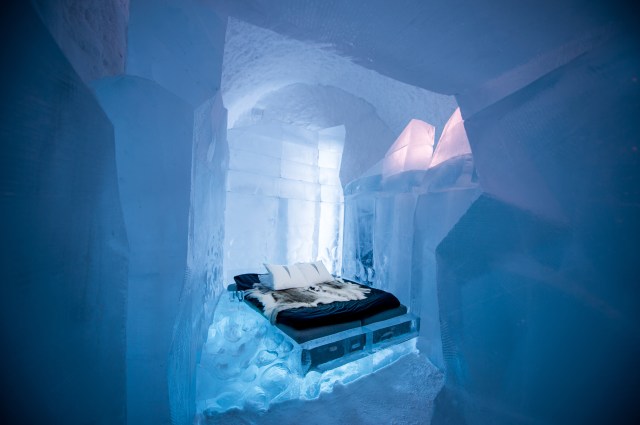
The Ice Hotel, or Hotel de Glace, is the only hotel in North American made of ice. Open seasonally, every winter the guests rooms are carved from scratch, complete with ice furniture and beds.
If sleeping in temperatures hovering around 25 degrees is too cold for your blood, you can buy tickets to visit the hotel, which also includes an ice bar.
Guests and non-guests alike are encouraged to experience a guided tour of the structure, during which you’ll discover the processes and secrets of the construction of the hotel, visit the ice workshop, make your own ice glass and top it off with a cocktail at the ice bar.
Icehotel Jukkasjarvi, Sweden
Beginning in 1989, Icehotel, located in the small Swedish village of Jukkasjärvi, 125 miles north of the Arctic Circle, has been reconstructed every winter using tons of ice from the nearby Torne River.
Every aspect of the building is made from ice, down to the beds in guest rooms and glasses at the hotel bar. And it’s not just a place to sleep. Icehotel doubles as an art gallery, with roughly 40 artists creating ice carvings throughout the structure each year. Even if you don’t spend the night, you can take a guided tour of the hotel.
Icehotel offers both cold rooms, which maintain a temperature of 19 to 23 degrees, and warm rooms. It is recommended to stay one night in a cold room and a couple in a warm room. The location also features an ice bar and even a church.
Starting in 2016, the destination became a yearlong attraction with the creation of Icehotel 365, a permanent ice structure open to guests 365 days a year. It’s kept cold using a refrigeration unit run by energy from solar panels. The seasonal component of Icehotel continues to be constructed annually.
Ice Bars
The Sagamore Resort in Bolton Landing, N.Y., creates its Glacier Ice Bar each winter. It takes upward of 18,000 pounds of ice build the attraction, which also includes exquisite ice carvings. Guests can sip their drinks in the sub-zero lounge before warming up next to the fireplace at Caldwell’s Lobby Bar. The 2023 Glacier Ice Bar will be open on the weekends of Jan. 20-21 and 27-28.
Also from the Opal Collection of hotels and resorts, Samoset Resort on the Ocean in Rockport, Maine, has a similar ice bar and lounge, scheduled to open in 2023 the weekends of Jan. 13-15 and Jan. 20-21.
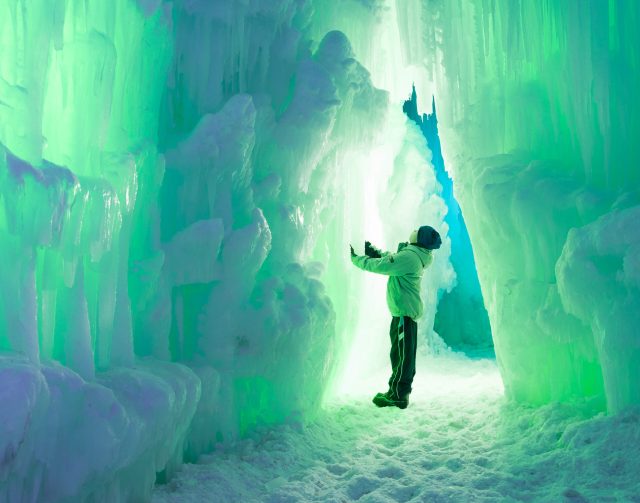
(Photo: Ice Castles, Mary Siversten)
Ice Attractions
These cool ice attractions are available to experience both near and far. All of them are held annually, so if you can’t travel to them now, you can certainly add them to your wish list for the future.
Ice castles are no longer just the things of fairy tales and Disney movies. Created by a company aptly named Ice Castles, these majestic frozen structures are built using hundreds of thousands of icicles hand-placed by professional ice artists. The castles include breathtaking LED-lit sculptures, frozen thrones, ice-carved tunnels, slides, fountains and more. The attraction has also been known to hold special events, such as visits from certain enchanted frozen princesses and fire performances. Opening January 2023.
Aurora Ice Museum Fairbanks, Alaska
On the grounds of Chena Hot Springs Resort sits the Aurora Ice Museum. Created from more than 1,000 tons of harvested ice and snow, the museum is the world’s largest year-round ice environment. It stays a balmy 25 degrees thanks to a patented absorption chiller, the first of its kind used for this purpose.
Inside you’ll find ice sculptures of jousting knights, a giant chess set, igloos and spheres. It’s all the work of champion ice carver Steve Brice. Adding to the otherworldly allure are ice chandeliers that illuminate the space with the colors of the aurora borealis.
Harbin’s ice festival is the largest in the world. Since temperatures are below freezing for half of the year here, residents have plenty of time to perfect their ice sculpting skills. The annual events takes place from December until the ice starts to melt in late February/March. The most popular attraction is the Ice and Snow World, consisting of huge landscapes, buildings, sculptures and slides, all built out of snow and ice and colorfully lit at night.
Hyde Park Winter Wonderland is a wonderland unlike any other. It has roller coasters, ice skating, comedy shows, a circus and much more. And when it comes to ice, it has you covered.
The Magical Ice Kingdom is a forest filled with redwood trees, wolves, unicorns and more all carved from more than 500 tons of ice. To get your own ice carving career started, join an ice sculpting workshop. Here, you’ll get to create your own ice masterpiece under the tutelage of one of the U.K.’s finest ice artists. And finally, stop by Bar Ice for a festive drink surrounded by beautifully carved ice sculptures.
Would you like to visit any of these icy destinations? Tell us in the comments.
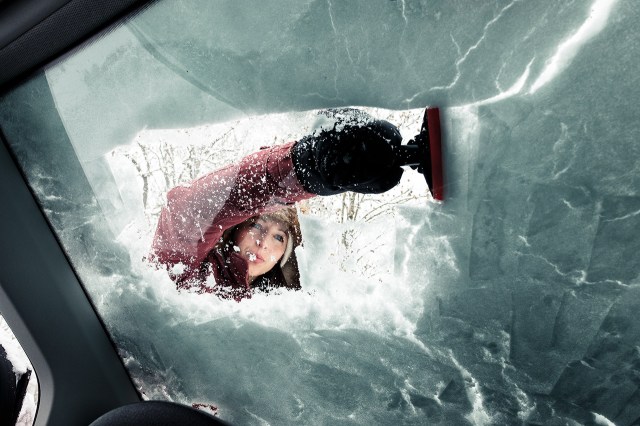
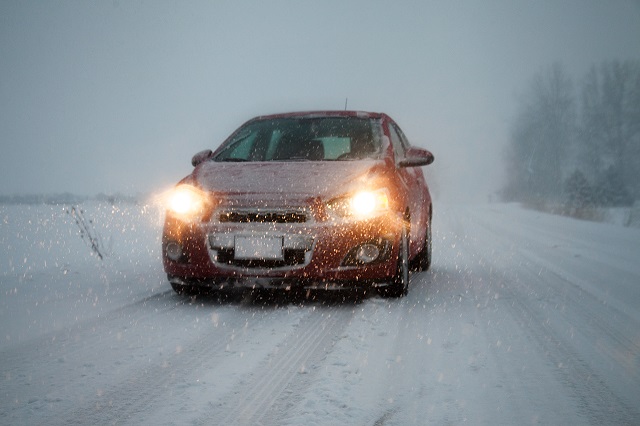
Driving a car covered in snow and ice is exceedingly dangerous. The accumulation can block windows, obstructing your view of the road and surroundings. Potentially even more hazardous is the possibility of sheets of snow and ice dislodging from the vehicle while it’s in operation. This could cause serious injury to others and damage to property. For these reasons and others, it’s illegal to drive with snow and ice on your car.
Every Northeast state has snow and ice removal laws on the books that prohibit operating a vehicle without removing significant accumulation. Here’s a look at snow removal laws by state.
Connecticut
Connecticut is one of a handful of Northeast states with a specific law regarding snow and ice removal from vehicles. The statute reads, in part, that a driver, “shall remove any accumulated ice or snow from such motor vehicle, including the hood, trunk and roof of such motor vehicle, so that any ice or snow accumulated on such vehicle does not pose a threat to persons or property while the vehicle is being operated on any street or highway of this state.” The law also clarifies that drivers will not be cited if the snow accumulation began while the vehicle was in operation.
The fine for violating Connecticut’s snow removal law is $75. However, if failure to comply with the law results in personal injury or property damage, the fine escalates to a minimum of $200.
New Hampshire
New Hampshire statute 265:79-b, better known as Jessica’s Law, requires drivers to remove snow and ice from their vehicles. The law is named after Jessica Smith, a 20-year-old woman who died when a sheet of ice flew off a trailer and hit a truck that subsequently crashed into her car.
Neither snow nor ice are specifically mentioned in the law’s text, but it does state that it is illegal to drive a vehicle, “in a manner that endangers or is likely to endanger any person or property.” The fine can range from $250 to $500 for the first offense and $500 to $1,000 for subsequent offenses.
New Jersey
The Garden State is another with a snow-specific law on the books. Section 39:4-77.1 of New Jersey’s statute reads, “Each driver of a motor vehicle operated on a street or highway in this State shall have an affirmative duty to make all reasonable efforts to remove accumulated ice or snow from exposed surfaces of the motor vehicle prior to operation, which surfaces shall include, but not be limited to, the hood, trunk, windshield, windows, and roof of the motor vehicle.”
The statute goes on to state that a law enforcement officer can stop a driver if they believe the accumulated snow or ice poses a threat to other people or property. Violating the law can result in a fine between $25 and $75 regardless of whether the snow or ice becomes dislodged from the car.
Massachusetts
Unlike some other Northeast states, Massachusetts does not have a law specifically addressing snow accumulation on cars. However, the issue falls under the purview of other statutes.
Drivers who fail to remove snow and ice from their vehicles, for example, could be cited for driving with an unsecured load. Chapter 85, Section 35 of the Massachusetts law book states, “No person shall drive or move a motor vehicle on any way … if it is loaded with sand, gravel, loam, dirt, stone, rubbish or debris that could fall on other vehicles or on the highway and create litter or potential hazards to other vehicles, unless its load is fully and adequately covered.” If the snow is blocking a window, a driver could be cited for violating Chapter 90, Section 13, which prohibits impeding operation of a motor vehicle.
New York
Like Massachusetts, there is no specific New York State snow removal law (one was introduced in state Senate nearly a decade ago, but was never voted on). However, the Empire State does cover the issue with other traffic laws. For example, Section 1213 of New York’s Vehicle and Traffic Laws prohibits operation of a motor vehicle with an obstructed view.
Even if the windows are cleared, drivers need to also remember that, under state law, license plates must be visible as well as the illumination from head and taillights, something snow and ice accumulation can prevent.
Rhode Island
Rhode Island General Law 31-23-16 addresses snow and ice removal from cars. It states that, “No person shall drive any motor vehicle with any significant amounts of snow or ice upon the vehicle.” The statute goes on to clarify that “significant” can be defined as, “any amount of accumulation which might reasonably be expected, when blowing off the vehicle while driving, to obscure the vision of an operator of another vehicle.”
Similar to laws found in neighboring states, the Rhode Island statute exempts snow and ice accumulation that began while the car was in use.
Even with a snowless car, winter driving is especially difficult for new and improving drivers. Learn to become a lifelong safe motorist – under all conditions – with the AAA Defensive Driving Course.
Think you don’t need a digital detox? If the next few sentences sound familiar, then you might just need to unplug.
You know the drill. It’s 6:30 in the morning. Time to get up, because your smartphone is chiming away.
You go to turn it off, but think, “Hmm. What’s the weather going to be like today?”
And just like that, you’ve lost 15 minutes first thing in the morning, checking your phone for the latest news updates, Facebook posts, Instagram shots and email messages. And that’s just you. If you have children, they’re likely doing the same thing. According to a recent study published by the American Medical Association, daily screen time for kids aged 3 to 18 increased by more than an hour and twenty minutes during the Covid-19 pandemic.
Why not try a digital detox for a few days? To help you unplug, we enlisted the help of Jess Davis at Folk Rebellion, a site devoted to helping folks detach from their screens and get back to IRL.
Digital Detox 101
First of all, take stock. What do you use your smartphone for? Is your calendar/phone/alarm clock/email retriever/Facebook checker/portal to the online world?
“The more power you give your devices, the more beholden you are to them,” Davis said.
Tell folks you’re going offline for a few days, and they can reach you by phone if they need to. Then buy a planner and write down your plans for the week. Borrow a camera if you’ll miss the one on your phone. Print out a map or – gasp! – ask people for directions if you’re going somewhere you’ve never been.
Disconnect from the endless scroll and reconnect with yourself. Listen to Season 3, Episode 2 of Merging Into Life: How to Take an Analog Vacation and Actually Unplug
If you have kids, revisit an old hobby or introduce them to a new one.
“Help them fall in love with the tactile and the tangible,” Davis said. “Provide them with hobbies in the physical space.”
Have them join you in a favorite childhood game. “Battleship,” anyone? Or take a trip to the local library. Or get outdoors. When the weather gets warm, kids will love exploring the craggy trails in their own backyards.
Easy Family Digital Detox Tips
You may get a little resistance initially from family members who aren’t as, um, enthusiastic about unplugging from technology.
It’s all about being prepared. No matter how long your detox will last, it helps to lay a groundwork so that family members will know the expectations.
Set up ground rules. Discuss which screens will be out (can you Skype with grandma or send an email to a teacher?) and set the amount of time. Do you want to try it for a half-day at first? Or a week? There aren’t really any hard and fast rules; just do what feels right for your family.
Plan activities.Fairplay suggests loading up your time with things to do, especially in the beginning. The last thing you want is bored family members complaining that there’s nothing to do in hour two of your screen-free experiment.
Make a big deal out of family dinner time. It’s a great time to reconnect with family members after a long day of school, work, sporting activities, errands and so on. Maybe have everyone choose a favorite meal to make, or have everyone contribute in some way to dinner. Or perhaps have everyone read the same book and discuss it during mealtime. Whatever you do, make it a special time for talking, listening and sharing ideas.
Pick a family project. Is there something you’ve been meaning to get around to but just never have the time? Maybe the garage could use a good cleaning, the yard is in need of serious attention or a room needs painting. Assign everyone a different role and have them take ownership of it.
Buh-Bye, Technology!
Still nervous? Here are 20 great ideas for getting your brood away from the screens, courtesy of Fairplay.
Bake cookies and give them to a neighbor.
Paint a picture.
Learn the name of local birds and go bird-watching.
Write a letter to your representatives or senators.
With black-and-white photography, it’s not all black and white. It’s vintage but timeless, simple but dramatic and despite its limited palette, highly impactful.
By removing the distraction of colors and instead focusing on light, shadows and contrast, black-and white-photos can often feel more commanding and expressive.
Thank You for Participating! (Session Closed)
Browse through the photos we received for the November/December black-and-white Photo Session in the slideshow below, and don’t forget to check our social media channels, where we will be sharing some of our favorites. Select photos may also appear in an upcoming issue of Your AAA magazine.
The king. (Sonia Perry)
Grandpa's hand. (Jonathan Rosen)
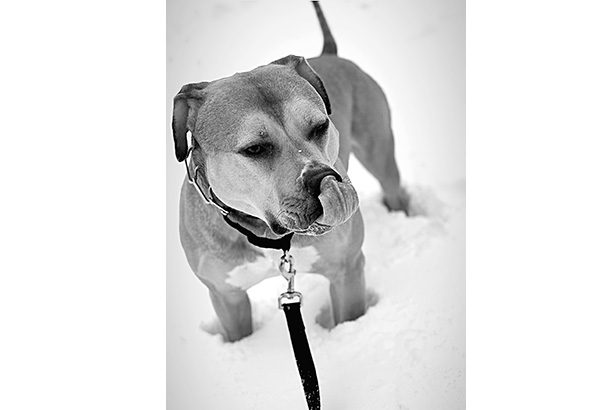
Dog in snow. (Stephanie Weichman)
Engine 621 Long Island Rail Road at Speonk station on a
winter's night. (Robert Goldring)
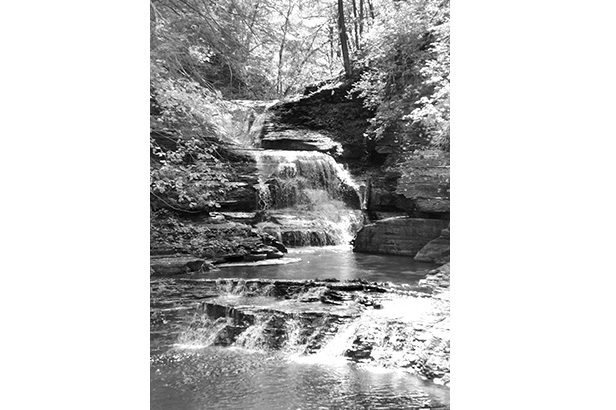
Lucifer Falls. (Stacey Camp)
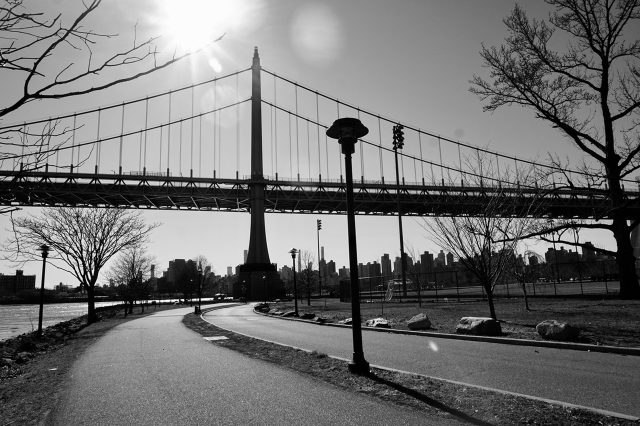
Elizabeth Ortiz Memorial Beach facing Co-Op City in the Bronx. (Frank Forti Jr.)
Found love on a sidewalk. (Sharon Nikosey)
My special Christmas. (John Alexander)
Remember the fallen. (Sandra Kelly)
Green Cay Nature Preserve, Boyton Beach, Fla. (Russell Henault)
Strolling shadows. (Peter Roarke)
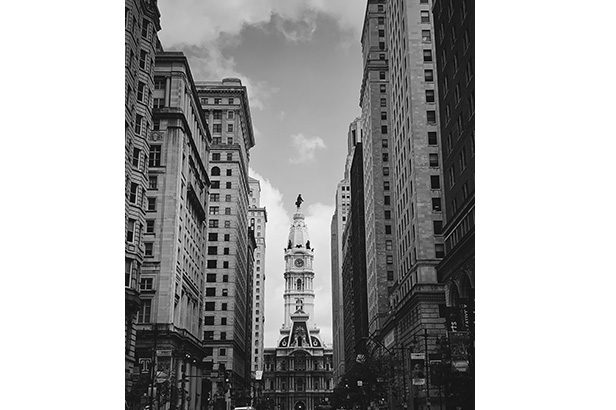
"This photo was taken in Philadelphia, Pa. There’s something about capturing urban scenes in black and white that has always captivated me." (Nicole Shaw)
Paris in April. (Nancy Ori)
Randall's Island, NYC. (Martha Tobias)
Keeping my cool. (Marybeth O'Brien)
Skyline in the Charles. (Mark Landman)
(Shawanda Brooks)
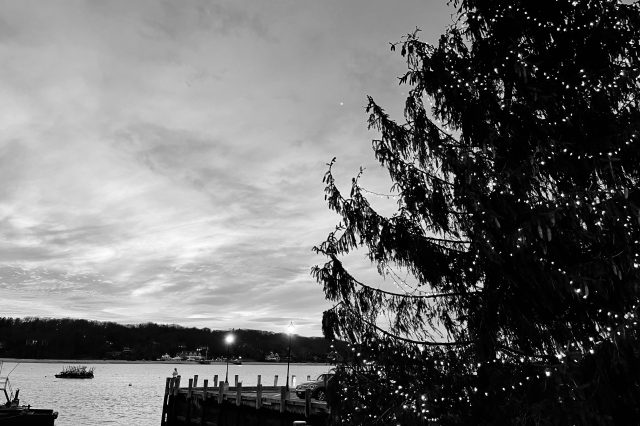
Harbor holiday. (Maria Russo Schwartz)
Tucked in for the winter. (Jaqueline Pike)
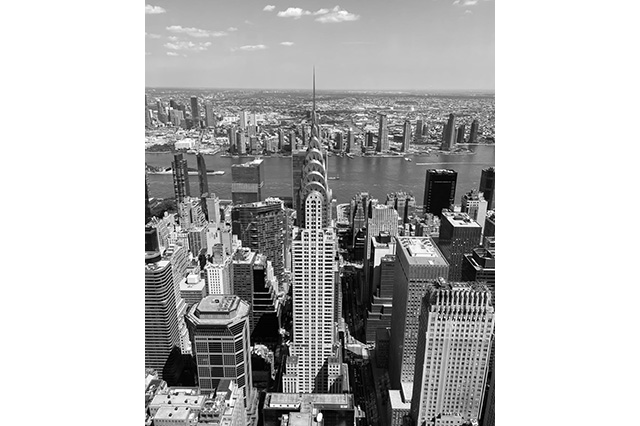
Chrysler Building, NYC. (Marguerite Woskoska)
Nature's windshield. (Gregg Lentoni)
Shadows of the sunflowers. (Joan Tabor)
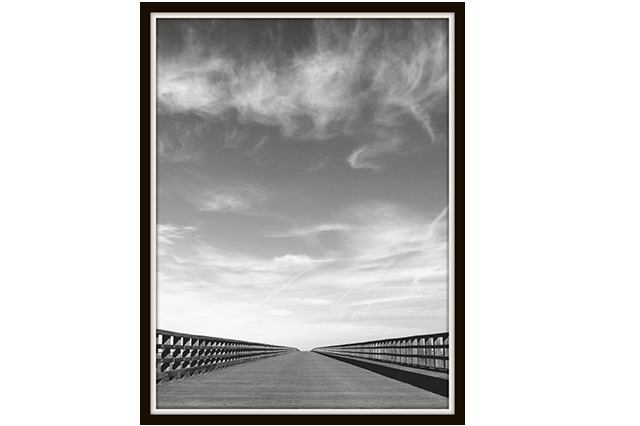
Powder Point Bridge, Duxbury, Mass.(Greg Gale)
Slow steps. (Gert Condon)
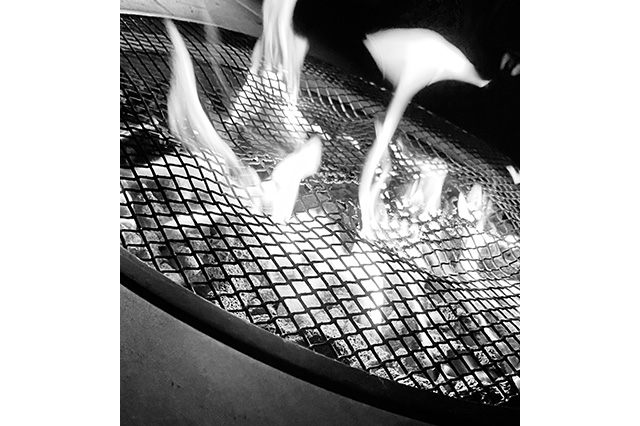
Black and white fire pit. (Elizabeth McCarthy)
Morning pre-flight before takeoff from Kwajalein. (Don Malpass)
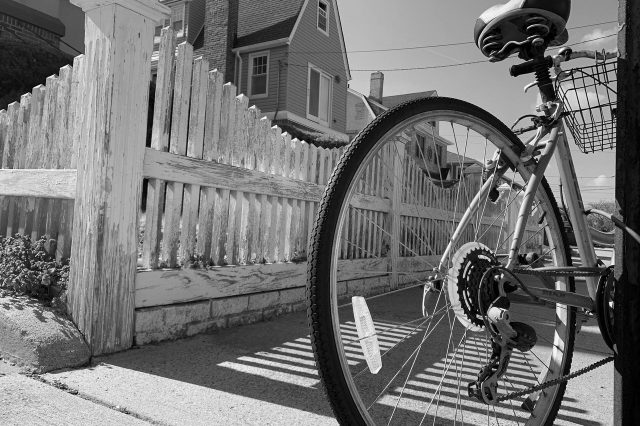
Summer ride. (Cheryl Scanlan)
Historic Thurmond. (Chad Lovell)
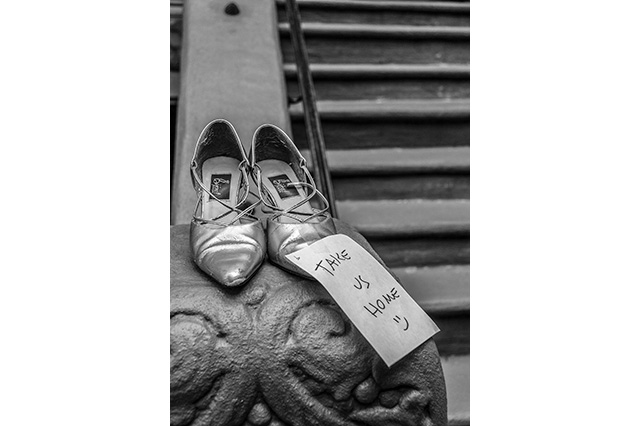
"Take Us Home." A pair of elegant shoes left for passerby in front of New York brownstone.(Cameron Bloch)
Boston Public Garden.(Barbara Bartone)
A moment in time.(Bohdana B. Rousseau)
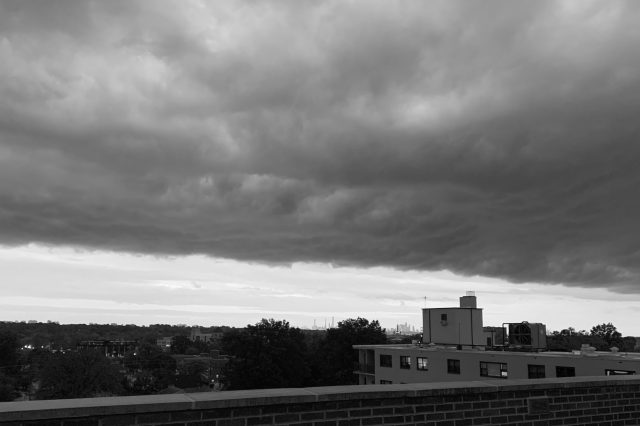
Storm rolling into Manhattan. (Arlene Romoff)
Naturally black and white, glistening frozen pond in Middletown, Conn. (Vicki Hammer Rosenkrantz)
"Bastian the kid." (Tara DelSesto)
Three birds. (Tania Machado)
Field trip for children in Tuscany. (Susan Daly)
Autumn leaves. (Sue Canavan)
Inspired? Check out these tips on how to shoot in black and white from Adobe.
When you look around your house, does it feel like you have too much stuff and no place to put it all? It’s hard to restore order in your kingdom once you feel like you’ve lost it, but if you’re ready to roll up your sleeves and tackle the chaos, there are plenty of home organization techniques and resources available to help.
While organization experts don’t all approach their work with the same methodology, they do agree that eliminating clutter leads to reduced stress and increased productivity. It can also save you money, because when you know where things are, you know your personal inventory and won’t buy more of what you don’t need.
Choose Joy
If you’ve worked with one of her certified consultants, tuned into her Youtube channel or watched her Netflix series, you already know that Japanese organizing consultant Marie Kondo, author of the best-selling “The Life-Changing Magic of Tidying Up,” wants you to live your best life.
Kondo has even transformed the tedious chore of folding laundry into a meditative activity. And she urges that, as part of the purging ritual, you hold each belonging as you ask yourself whether it brings you joy. If the answer is no, then it’s time to say thank you and goodbye.
Her KonMari method for organizing and storing focuses on category rather than location. You start with one category at a time such as clothes or books. Gather every book from every room in the home and make one big pile so you can get honest about the true quantity.
Other home organization tips from Kondo include putting loose change into your wallet so it can be spent rather than in a drawer where it will be forgotten, selecting clear storage containers so no labels are needed and remembering that storing before sorting results in hoarding. Pretty bins and baskets disguise clutter without addressing the problem.
Less Is More
“Decluttering/purging is the process of editing your inventory piece by piece, deciding what is important to you and discarding the rest,” says Wendy Silberstein, founder of The Aesthetic Organizer in New York. According to Silberstein, home organization is most effective when working with your fully pared down inventory. Then, it’s a matter of categorizing and classifying inventory in a system that works for you.
When editing with her clients, Silberstein takes a more direct approach than Kondo to get it done. “We don’t spend as much time analyzing if an item ‘sparks joy.’ We ask whether it has been productive or useful in the last 12 months,” she explains.
There are three home organization tips that Silberstein has found to be especially effective. The One in One Out Rule, she says, is a very simple tip to grasp and it’s effective when respected. For each new item you bring into your home – a new pair of shoes, a new pair of jeans or a new toy for your child – one item must get donated or recycled.
Another tip she suggests is to embrace drawer organizers. Use them in your kitchen for cooking tools and cutlery, in your bathroom for makeup, your desk for supplies and even the junk drawer. “Wherever you have a drawer with multiple items, separate them with drawer organizers,” she says. “Be sure to measure twice before purchasing.”
Her third tip is clear canisters. But, unlike Kondo, Silberstein says, “Label, label, label! Remove groceries such as cereals, snacks, grains and pasta from unsightly and bulky packaging and place in clear pop-top canisters for all family members to see. And label them!” she emphasizes.
Vertical Solutions
Home organization can be especially challenging for those living with children in apartments. San Francisco-based interior designer Lisa Rybak, founder of Complete Wonder Home Design, is also a home organization expert whose designs create order out of chaos.
Furniture with the right storage solutions – especially units that take advantage of unused vertical wall space – can help an apartment with toys everywhere become a tidy home.
“We bought a lot of new pieces with storage,” says Rybak of a client with that very living situation. “When everything has a place, it can be neatly put away. The child actually had more space in the new furniture unit than she did when she was taking over the apartment. It was an amazing transformation.” Now her clients have a place to eat dinner, open walkways throughout the apartment and the balcony can be enjoyed because it isn’t being used for storage.
The decision to move can also contribute to improved home organization, according to Rybak. “With an organized pack, a more conscious effort is put forward to grouping like items before you move.”
Which of these home organizing tips is your favorite? Do you use any of the methods mentioned here? Tell us in the comments.
AAA provides homeowners insurance, guidance and more to protect your home and keep it running smoothly.Talk to an agent today or visit AAA.com/Insurance to get a quote.
Instagram has single-handedly changed the way Americans share their food. With hashtags like #eatingfortheinsta and #foodie, the social media platform has millions of food posts to explore. While many Instagrammable foods have earned their status by being regional classics or totally unique creations, some restaurants are creating visually appealing and over-the-top dishes with the intent to get more snap-happy customers in the door – and their name out in the world.
If you like to take pictures of your food, these dishes are guaranteed to get you likes. That is, if you can hold off on eating them until you get the perfect shot (and are sometimes willing to wait on line).
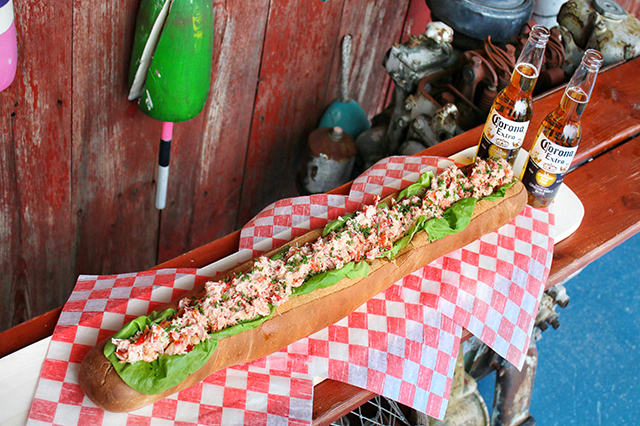
Let us start this off by saying North River Lobster Company serves a 28-inch lobster roll on a boat. If that combo doesn’t check all your Instagrammable food goals, what will? So, hop on board New York City’s only floating lobster shack to snap a pic and devour the Shelley lobster roll. Equivalent to six individual lobster rolls, we’d recommend sharing this colossal sandwich with a group. Instagrammers can also pair the roll with a signature 64-ounce fishbowl to complete their Insta-worthy post. Open seasonally, starting in April.
Not only does Voodoo Doughnut have everyday Instagrammable donuts, like the signature jelly-filled voodoo dolls, it also takes pre-orders for any customizable doughnut you can imagine. Think characters from your favorite show (hello, “Game of Thrones”) and celebrities galore (oh hey, Oprah). These epic video game controllers in doughnut form gained 7,000 likes on Instagram! Voodoo’s social empire has grown a following of over 250K, waiting for the next Insta-craze to ogle over. Although it’s roots are in Portland, Oregon, the shop has become so popular it’s expanded to fourteen locations in four states.
What started in Hawaii as a small family-owned shave ice company has now expanded to Oregon and California. The treats at Wailau Shave Ice melt in your mouth, and they are the prettiest ice creations we’ve ever seen. Pictured is ube flavor (purple yam), a sweet and salty flavor with toasted coconut on top. They have specials every month, keeping consumers coming back for more Instagrammable delights. But act quickly – these masterpieces melt fast!
In Japanese culture, the fish known as Tai or sea bream is a symbol of good luck, prosperity and happiness – the last of which is sure to happen as soon as you get your hands on one of these fish-shaped waffle cones at one of Taiyaki NYC’s locations in New York, Boston or Miami. Filled with sweet red bean paste, swirled with soft-serve ice cream and topped with your choice or rainbow mochi, sprinkles and more, it’s hard to resist taking a photo.
Whether you’re visiting Disney World or Disneyland, snacks are part of the experience – specifically, Mickey Mouse-shaped snacks. From waffles to ice cream bars to the much raved-about Mickey beignets, many foods found throughout the parks sport the unmistakable three-circle formation, making them all extremely photogenic. Perhaps the most Instagrammable is the latte art at Joffrey’s Coffee & Tea Company in Disney Springs, which can be customized with your chosen print of Mickey or any of your other favorite characters. They even offer the option to print a selfie!
Move over, mouth-watering pastry and gooey dripping cheese dishes, cocktails are having a moment too. Minneapolis’ Hell’s Kitchen offers a DIY meal-in-a-drink, called the Jacked Up Bloody Mary Bar, where you can topple specialty olives, cheeses, bacon, chicken wings, peppers, dozens of other garnishes and your choice of 242 types of hot sauce on top of your drink. Available on weekends, this hot spot even has Insta-friendly backdrops for some #foodintheair action.
The burger is a popular Instagammable food, partly because it’s an American favorite but also because you can stack it as high as possible with just about anything in between. Case in point: The Mission Impossible Burger at Safehouse, an espionage-themed bar and restaurant in Chicago’s River North neighborhood. Composed of 15 burger patties layered with cheddar, American and pepper jack cheeses, who wouldn’t want to show it off?
Who knew that frosé (frozen rosé) with candy could make for such a gorgeous still life? The view at NYC’s Skylark’s rooftop doesn’t hurt the shot, either. Rosé lovers can customize their favorite drink with unique toppings like gummy bears, edible flowers and miniature marshmallows. Photos of these pink creations get thousands of likes. Available seasonally.
It would be a crime not share this life-size Marie Antoniette-inspired cotton candy dessert on Instagram. Barton G. is known for its extravagant presentations. This 4-foot cotton candy pompadour atop a mannequin head is just one example of the impressive creations found at their Los Angeles and Miami Beach locations.
Do you share your food on social media? Tell us which instagrammable foods have gotten you the most likes in the comments below.
Get deals on dining and entertainment with AAA Discounts.
The Northeast doesn’t go into hibernation in winter; it thrives in every season. If it’s not in your plans (or your budget) to fly off to a warmer destination this year, why not embrace the cold months with a winter road trip?
Whether it’s fun on the slopes or small town New England charm you’re looking for, the region is full of wintery things to do, with ample outdoor activities and year-round attractions.
You can live out all your your snow-covered, hot chocolate-fueled, après-ski vacation fantasies at these five winter road trip destinations.
The Green Mountains
It’s difficult to find a scene anywhere in Vermont that doesn’t look like it was lifted straight from a postcard. But if we had to pick one area to visit during the winter, it would be the Green Mountains.
The Green Mountains span the length of Vermont, running along its eastern edge. There are plenty of routes to travel but we highly recommend taking the Scenic Route 100 Byway. Not only does it provide picturesque views, it’s the main thoroughfare to many of Vermont’s best-known resort towns, including Killington and Stowe. If you choose to travel the length of the byway, you’ll likely want to stop over at some of these destinations. Route 100 is nearly 150 miles long, after all. Here, you’ll find great food and drink, handmade arts and furniture and some of the best skiing in the country.
And if you make it all the way to Waterbury, make sure to schedule a trip to the Ben and Jerry’s factory.
Check out these hotels near all the skiing and snowboarding action.
Lake Placid
This small village nestled among the Adirondack Mountains in northern New York is, of course, most famous for being the host city of the 1980 winter Olympics. If you’re a history buff, sports fan or just an outdoor enthusiast, a winter road trip to this town is a must.
Many of the sites that hosted events four decades ago are open to the public. You can ice skate at the same arena that hosted the “Miracle On Ice” game, ski down Whiteface Mountain and, if you’re brave enough, even take a trip down the state-of-the-art combined skeleton and bobsled track.
But Lake Placid is more than just a one-trick pony. The town is also well known for its restaurants featuring locally sourced ingredients and its host of outlets selling unique arts, crafts and keepsakes.
Technically, the Hudson Valley is just north of Manhattan. Yet, once you’re there, you’ll feel 1,000 miles away from the hustle and bustle of New York City. This 150-mile valley along the Hudson River has been designated a National Heritage Area. It perfectly combines history, culture and recreation.
Some highlights include the Dia: Beacon art museum, as well as a visit to the town of Sleepy Hollow and author Washington Irving’s estate Sunnyside. Farther north, in the town of Poughkeepsie, is Walkway Over the Hudson. This pedestrian bridge offers walkers, hikers and bicyclists unparalleled views of the river. At 1.28 miles long, it is the longest such elevated bridge in the world. For those who simply want to kick back and enjoy their trip, the area is dotted with numerous wineries, distilleries, cideries and breweries.
The mountain chain known as the Green Mountains goes by a different name when it crosses the Massachusetts state line: the Berkshires.
The drive alone is worth the trip to the Berkshires. Crisscrossing the forest-lined rolling hills is a sightseer’s dream. While an autumn trip through the region is a feast for the eyes, the Berkshires may be at its best during the winter. Outdoor enthusiasts flock to the rolling hills for ample opportunities at skiing and snowmobiling. Popular hiking locations include Mount Greylock, the highest point in the state, and along the Appalachian Trail.
But those who want to get out of the cold are just as likely to enjoy western Massachusetts, as the Berkshires are one of the Northeast’s great cultural hubs. The area is home to several art museums, including the Massachusetts Museum of Contemporary Art and the Norman Rockwell Museum.
These hotels are close to all of the Berkshires’ wonderful cultural attractions.
Cape Cod
While it’s a common thought to head to “winter” destinations during the cold months, visiting an area during its off-season allows you to fully enjoy everything it has to offer minus the crowds and exorbitant price tags. Cape Cod is known as a summer hotspot, but the miles of beaches and New England charm that define the area are still there after the temperatures drop. There’s something different, but equally enjoyable about a walk along a snow-covered beach.
Since you’ll likely find discounted hotel rates, you can even upgrade your accommodations. Find an ocean cottage, warm up next to the fireside and enjoy everything that is winter in the Northeast.
Take advantage of off-season rates at these Cape Cod hotels.
For some, “it’s the most wonderful time of the year” for reasons worth singing about. For others, winter in the Northeast hits a sour note. Snow, ice and freezing temperatures are more than just uncomfortable, they come with responsibilities like shoveling, salting, and in some cases, snowplowing.
Home and small business owners are responsible for keeping their property well-maintained after a snowstorm or risk liabilities such as slips, falls and other damages. And operating a snowplow can be a risk in and of itself.
So, whether you operate a snowplow as a part-time winter gig or are simply a bystander watching the plow rumble by from the warmth of your home or office, it’s helpful to know about snowplowing risks and how your insurance can protect you.
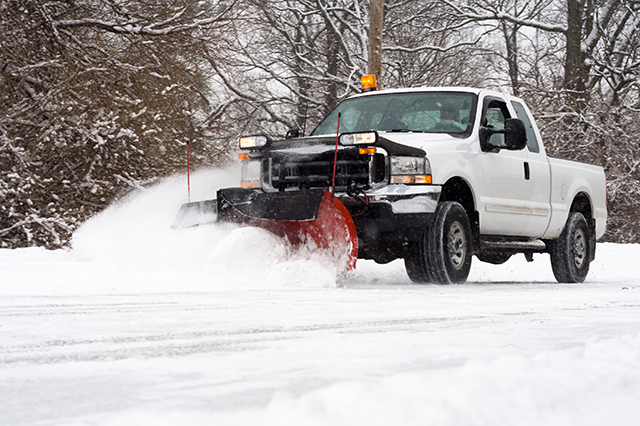
Snowplows are huge, heavy pieces of equipment that have the ability to wreck anything in their path – that includes your mailbox, curbs, car, lawn and sprinkler heads.
To prevent anything other than snow from getting plowed on your property, pull your car as far into your driveway as possible and off the apron and put tall, brightly colored stakes to indicate where sprinkler heads, curbs and other buried items are located.
Are You Covered?
In most cases your homeowners policy will cover damage caused by a plow. But if your insurance agent reviews your claim and determines that it could have easily been prevented – like if your car was parked in the street at a time when it shouldn’t have been, or your mailbox was less than the U.S. Postal Service-recommended 6”-8” from the curb – you’re on your own.
Depending on what was a damaged, you may also want to reach out to your city or town, which sometimes have insurance policies to protect property they may own, like sidewalks and curbs.
Snowplowing Risks for Small Businesses
For small businesses, snowplowing risks vary as each state, municipality and carrier handles snow removal slightly differently.
Are You Covered?
Landscapers, contractors, property managers, retail business owners, building lessors and dining establishments are some of the types of businesses that need to think about snowplowing coverage.
What if you attach a plow to your personal truck to clear snow for yourself and neighbors? Whether or not you charge for the service, you do not necessarily need a business auto liability policy. Your personal auto policy will likely still cover you. If you are using a private car less than 10 thousand pounds to plow for other businesses, your agent may recommend adding an endorsement to your auto policy for a small premium that would specify that the vehicle is used for business part-time.
If you plow for a town or business that requires additional insurance, then you will need a business auto liability policy. But not to worry, your premium should not increase by much if at all, as insurance companies recognize that snowplowing is a limited-time operation.
A business auto policy should provide physical damage coverage for the plow itself as long as the vehicle it is attached to also has physical damage coverage. However, it will not cover any slips, falls or other injuries that happen after you have finished plowing. You would need separate general liability coverage for that.
For any questions about snowplowing risks and small business insurance, schedule an appointment with the AAA Insurance commercial team.
Do you plow for neighbors or as a side business in the winter? Tell us in the comments.
A smaller resort doesn’t mean a lesser experience at these intimate hotels. For vacationers who prefer a more secluded scene for their next adventure, here are seven boutique properties in seven top-tier destinations. Although the guest roster may be small, the list of perks is anything but.
Zoëtry Villa Rolandi Isla Mujeres Cancun
Mexico
Pick up the art of life at this holistic retreat just a 25-minute boat ride from Cancun. Your first lesson: checking in to a private suite overlooking the ocean. Make a study of the natural beauty of Isla Mujeres as you try out Bvlgari bath amenities in the hot tub or savor a cup of coffee in your sitting area. Look for more luxury at the spa … like a complimentary 20-minute thalassotherapy (sea water therapy). Classes in meditation and cooking, free green fees at the Greg Norman-designed Playa Mujeres Golf Club and gourmet dining cinch your mastery in fine living.
Live Aqua Private Residences Los Cabos
Mexico
Experience a new take on the Live Aqua brand from Los Cabos’ largest accommodations. Starting at a spacious 953 feet, the one-, two-, three- and four-bedroom residences each come outfitted with a washer and dryer, a terrace facing the sea, desert or The Ocean Golf Course, and full kitchen. Send a grocery list to the concierge to have the pantry pre-stocked for your arrival and consider booking a chef to transform your favorite ingredients. For true “wine therapy,” however, opt for a treatment at SOMMA Wine Spa, Mexico’s only spa to incorporate wine.
An adults-only resort set on the beach inside the exclusive Cap Cana community, this 2021 Tripadvisor Travelers’ Choice represents the best of Palladium Hotels & Resorts. Every suite offers Infinite Indulgence benefits like 24-hour butler and room services and your choice of pool, marina or ocean views. Find the latter in spades at the Ibiza-inspired beach club, but don’t miss out on exploring Cap Cana. Punta Espada Golf Club, designed by Jack Nicklaus, was rated the top course in the Caribbean and Mexico by Golfweek, and Scape Park is one of the destination’s best adventure centers.
Zoëtry Montego Bay Jamaica
Jamaica
Imbibing Zoëtry’s trademark approach to wellness with Jamaican touches, here guests can fully appreciate the lush beauty of the Rose Hall neighborhood. Suites offer floor-to-ceiling glass doors leading to private terraces overlooking tropical gardens or the Caribbean Sea. Health-conscious dishes highlight locally grown ingredients at three restaurants. Beachfront Jerky Jo’s provides an authentic jerk experience. Included kayaking, paddleboarding and guided snorkeling liven up mornings, while traditional afternoon tea makes for an elegant break before a bracelet-making or cooking lesson.
Regency on Beachwalk Waikiki by Outrigger
Hawaii
A quick walk from the beach, restaurants and shopping – including the International Market Place – it’s the location that sets this condominium resort apart. Combining Outrigger’s laid-back Hawaiian style with the conveniences of home, families, friends and travelers on a budget can have the flexibility to dine in or out, thanks to the full kitchen. Hang out on the lanai to enjoy the AC and some downtime while waiting for the laundry to dry. Before heading out to the Beach Walk, try the award-winning pork cutlets at Tonkatsu Ginza Bairin on the ground floor, the chain’s only outlet outside of East Asia.
Named by CNN Travel as one of the seven hotels in the world with the best views, The Springs sits 1,000 feet above Arenal Valley, tucked away among the hot springs and flowering trees. Outdoor pursuits are as robust as the panoramas, with hiking trails, tubing, horseback rides and rock climbing via the Club Rio Adventure Center, plus a water slide, mini golf course and animal sanctuary to round out the options. Strike a more leisurely chord at the Sanctuary Spa, where invigorating treatments incorporate volcanic clay harvested from the property’s springs. Afterward, sample fusion cuisine that elevates local flavors at award-winning chef José Rojas’s Las Ventanas restaurant (reservation required).
Mystique St. Lucia by Royalton
St. Lucia
Ideal for travelers who need an extra-big dose of R&R, this venture from Royalton Resorts knows the value of quiet time, keeping its focus on the natural glamour of Rodney Bay. Unwinding by the waves is guests’ favorite pastime; Serenity Spa helps maintain the tranquil vibes. For a change of pace, set out to discover nearby Gros Islet. Let loose during the weekly street party, or join the Carnival-esque fish fry in Anse La Raye. Those who prefer to take advantage of the property’s all-inclusive plan can enjoy their own version sans cost; an on-site fish and chips stand serves up local eats right on the beach.
Winter is the harshest of seasons, at least when it comes to the weather. And that excess strain extends to our cars. Frigid temperatures, snow, ice and freezing rain can take quite a toll on vehicles. One of the most prominent effects cold weather has on cars is a drop in fuel economy. Simply put, a drop in temperature goes hand-in-hand with a drop in miles-per-gallon.
There’s a host of reasons why fuel economy is worse in winter, as well as a number of steps drivers can take to help mitigate this annual problem.
Why Fuel Economy Is Lower in Winter
Mechanical Factors
As temperature decreases, density increases. This means the air in your car tires contracts in cold weather, leaving you with less tire pressure. Under-inflated tires have increased rolling resistance.
Internal combustion engines operate most efficiently at high temperatures. During the winter, it takes longer for an engine to reach its ideal temperature. This drop in efficiency is most prevalent on shorter trips, since the car spends a greater percentage of driving time in sub-optimal temperature.
In the winter, drivers often turn their engines on prior to driving to warm up their cars. While idling like this, a vehicle gets 0 miles-per-gallon.
Motor oil and other driveline fluids become thicker in cold weather, resulting in increased friction. This causes the engine to work harder and use more fuel.
Just like engines, car batteries are less efficient in colder temperatures. They are also taxed more from the increased energy usage of heaters, defrosters, etc. As a result, the alternator must work harder during the winter to keep the battery charged. To meet this demand, it takes more energy from the engine.
The batteries in electric vehicles are also negatively impacted by cold weather, resulting in decreased driving range. One study done by AAA found a 12% decrease in range when the outside temperature reached 20°F. When the heating system was in use, however, driving range suffered a 41% drop.
As part of the Clean Air Act, oil refineries are required to make summer and winter blends of gas. Gasoline needs to be able to evaporate for the engine to work, a much taller task in the winter. To help fuel evaporate in freezing temperature, additives such as butane are added to winter blends. Butane and other additives found in winter blends have marginally less energy than those found in summer blends. A study by the EPA found Environmental Protection Agency found that winter gasoline contains 1.7% less energy.
Using four-wheel drive, a popular option when driving on rough terrain, uses more fuel, thus dropping fuel efficiency.
Exterior Factors
The air outside the vehicle has a negative effect on its efficiency. Because the cold air is denser, cars traveling in the winter are subjected to an increase in aerodynamic drag, particularly at elevated speeds.
Tires traveling over icy and snowy roads will have less of a grip on the road, resulting in wasted energy wasting energy.
All of these factors combined can result is a 10-15 percent drop in miles per gallon compared to warmer weather.
How to Improve Fuel Economy in the Winter
When you’re surrounded by cold weather for months at a time, it’s impossible to completely ward of its effect on fuel efficiency. However, there are a number of simple steps that, when combined, could add a notable boost to your miles per gallon.
Park your car in a warmer place: Preventing the vehicle from getting too cold will go a long way in improving fuel efficiency.
Combine trips: An engine is least efficient when it’s cold. During short trips, it never has time to reach optimal temperature.
Don’t idle: A car engine will warm up faster when the vehicle is moving. The engine will warm up faster being driven, which will allow the heat to turn on sooner, decreasing fuel costs, and reducing emissions.
Be prudent with warming features: Seat warmers, steering wheel warmers, and other heating devices use up energy. Only use them when necessary.
Check tire pressure: If you follow every other fuel economy tip but have under-inflated tires, you’ll never reach optimal efficiency.
Use the correct type of motor oil: Check your owner’s manual for the recommended winter oil.
Remove exterior car accessories: Roof racks, cargo carriers, even flags increase wind resistance and slow you down.
Don’t spend much time warming up your vehicle: Cars don’t need to be warmed up on very cold days. Getting seated, fastening your seat belt fasten, and setting the climate control and radio is about all the warm up your car needs. It’s best to drive nice and easy until the car comes up to temperature. This speeds the warming process but also helps minimize wear on the entire vehicle.
Find the average price of gas in your neck of the woods. Then,learn about more gas-saving tips here.
Sandwiched between Italy, France, Germany, Austria and Liechtenstein, Switzerland often ranks on the top of sustainable living indexes, with high volumes of recycling, organic produce and incredibly clean air. And the country is on its way to become net-zero by 2050.
Switzerland even has its own philosophy about traveling green – “Swisstainable.” This ethos is all about relaxing in nature, experiencing authentic local culture, eating regional ingredients and staying longer and delving deeper.
Instead of a hectic vacation where you’re trying to visit five cities in a week, commit to one or two of Switzerland’s 26 cantons and discover Alpine life.
Best Times to Travel to Switzerland
While there’s no denying Switzerland’s incredible skiing and snowboarding season, which often runs from November to April, spring and summer are also incredible in the Alpine mountains.
Whether in Geneva, Zurich or Lausanne, you’ll find carpets of flowers, well-marked hiking and comfortable temperatures perfect for city exploring. Visiting in summer also means you’ll be steering clear of overtourism.
How to Get Around
You can’t go wrong traveling by rail in Switzerland. This small country is well connected in every direction with trains from across Europe and between every city and town with over 3,000 kms of tracks. It’s a reliable and cost-effective way to get around, with week and month passes for adults and families.
Switzerland offers some of the most incredible train journeys in the world, like heading up to St. Moritz in the winter on a glass-topped train.
All year-round, visitors can also make use of the country’s huge cable car network across the many mountain peaks. Don’t miss the double decker cable car at Alp Trida Sattel which takes you 2,550 meters above sea level where you can look out over France, Germany and Austria.
Ethical Activities
Despite being landlocked in the center of Europe, Switzerland is home to 1,500 lakes and 48 mountains over 4,000 meters high. With an abundance of opportunities for hiking, mountain biking, trail running, skiing and snowboarding, Switzerland is a haven for adventurous and active visitors. It boasts some of the best trails and runs in Europe (65,000 kilometers of them!)
Switzerland is also home to 19 national parks, which make up over an eighth of all the country’s land, so being outside in nature is a national obsession. But there are other unique activities on offer as well.
You can stroll a treetop path in St. Gallen, take a stand-up paddleboard tour of Zurich, or walk and taste the terraced medieval vineyards at Lavaux. Visit the non-profit Arosa Bear Sanctuary in Arosa where rescued bears are looked after (and you arrive by cable car). Or learn alongside your kids about primeval forests at Switzerland’s first UNESCO biosphere park at Entlebuch, with sensory trails, wildlife spotting and other fun family activities.
In terms of the most sustainable cities, all of Switzerland’s cities are interwoven with interesting green spaces, from parks to forests, to meadows. Stroll the park-backed Ouchy promenade in Lausanne or bike safely around the car-free center of St. Gallen, then top off the afternoon with a lake swim.
Sustainable Hotels
Whether you want to stay in an Alpine lodge or a five-star hotel, Switzerland has sustainable options for every type of vacation.
At the edge of the atmospheric Arosa forest, the Valsana Hotel Arosa is a climate neutral option with wood fires and rustic wooden balconies. Switch off completely in a traditional Alpine hut; there are 200 across the mountain slopes.
Responsible travelers will also appreciate CERVO Mountain Resort nestled in the car-free town of Zermatt. Almost 95% of CERVO’s energy is covered by geothermal energy. Additionally, all CERVO’s products, from the kitchen to the rooms, are sourced locally or from sustainable companies.
Switzerland is also home to several famous wellness hotels which mix spas, sauna, stunning grounds and healthy food. The wellness destination of Leukerbad has been attracting people to its healing waters since the Roman era.
What to Eat
Thanks to Switzerland’s enormous variety of landscapes, lakes and rivers, the tiny country packs a punch when it comes to gastronomy, with a huge emphasis on seasonal, local and organic food.
Over 16% of farmland here is organically managed. In the autumn, morels and mushrooms take center stage, while in winter it’s got to be fondue and raclette cheese.
Head to the medieval town of Gruyere to see how the famous cheese is made, tour Basel for the best street food or order the national dish, oozy-melty, potato-based tartiflette.
Author Bio: AAA’s sustainable travel series is written in partnership with Kind Traveler, a women-and-veteran-owned sustainable travel platform empowering travelers to make a positive impact in local communities, and contributing writer, Georgina Wilson-Powell.
A bagel may just be the simplest indulgence. Perhaps you take it with a cream cheese schmear or loaded with lox, capers and red onion. Either way, its chewiness on the inside and delicate crispness on the outside is pure bread heaven. These top bagel shops combine this deliciousness with a dollop of history and community, for your next feel-good meal.
The savory counterpart to another regional favorite –doughnuts– bagels reign supreme in the Northeast.
Sugar & Olives makes its signature bagels with its own rye flour-based sourdough starter that bubbles with active yeast as it rises on the counter during production. This natural leavening takes four days, creating nine fresh varieties. Pumpernickel caraway everything and cinnamon raisin are the newest flavors. Or try gluten-free with hot honey pistachio cream cheese for your morning kickstart.
Since 1994, Upper Crust has kettle boiled and hearth baked more than 18 varieties of 5-ounce “bull style” bagels fresh daily, including weekly specialty bagels like apple walnut, pesto and sun-dried tomato. No matter how you slice it, its Beach Club sandwich makes a great lunch with turkey or roast beef, or try The Vegg, featuring a veggie burger with lettuce, tomato and Bermuda onion.
Do you like your bagel savory or sweet? This bagel shop makes both. Your little one might like peanut butter and jelly or Nutella on a plain bagel, while you might try something bolder, like the jalapeno cream cheese on a caraway bagel with notes of fennel. The egg and cheese breakfast sammy will satiate every taste bud. If you like it that much, take a dozen bagels with cream cheese to go.
The turkey club is a popular choice at Beyond Bagels, a small but friendly bagel shop in North Reading. Also try the Lox Supreme with scallion bacon cream cheese. A dozen freshly-baked bagel flavors are the tastiest backdrop for hearty additions like these that satisfy the hungriest appetite for breakfast or lunch. Don’t forget an espresso or chai. Cash only.
Start with Bagels n’ Cream’s famed egg bagel and you have nowhere to go but up. Hot out of the oven, it’s the perfect blank slate for the nearly 50 custom breakfast and lunch sandwiches served at this independent bakery. Pumpernickel rye is also a crowd pleaser, or try the biali to kick up the flavor profile. Fresh roasted coffee, as well as baklava for dessert, make this a one-stop shop. If you can’t make it in person, order online for delivery.
There’s just something about the Nova Scotia lox and cream cheese at Boonton Bagels that makes use smile with anticipation. Perhaps it’s because it crafts custom bagel sandwiches with the freshest ingredients. Try the Italian egg sandwich with peppers, tomatoes and potatoes, or any of its specialty sandwiches like the Michael Jordan (corned beef and pastrami with coleslaw and Russian Dressing) or the Jennifer Lopez (roast beef, lettuce, tomato and Russian dressing).
Serving traditional sourdough bagels and lox for more than 100 years, Russ & Daughters was founded by a Polish immigrant selling herring from barrels in 1908. His three daughters helped it grow to an appetizing store, selling the best bagels and their accompaniments. Now operated by fourth generation cousins, Russ & Daughters and its Orchard Street café remain must-visit foodie destinations. Try the Yum Kippered (baked salmon and cream cheese on a bagel) or the whitefish salad for Russ family recipes, and make sure you take some to go.
Since 1949, Goldberg’s has dominated New York’s bagel heritage, from Brooklyn and Queens to Long Island. Four generations later, its 14 flavors of freshly baked bagels include sesame, pumpernickel and egg everything, as well as 13 cream cheese varieties and add-ons like hash browns, tomato and lox. Its extensive menu includes a host of specialty breakfast and lunch sandwiches, so every picky eater will find something tempting to nosh.
Founded by a chemical engineer-turned baker, Rebelle Artisan Bagels hand rolls then cold ferments every bagel. They’re bathed in brewer’s grade malted barley, dipped in poppy seeds, sesame seeds or the house-blended everything mix, then baked on soaked cedar planks in a 24-hour process that elicits crispy yet chewy perfection. Try the house-made whitefish salad or house-cured lox on a pretzel bagel with Avi’s Pickles, then take home a signature pop tart and a half-dozen everything.
Rhode Island’s newest and most secret bagel shop doesn’t have its own storefront – yet. Jamo’s Bagels are boiled and baked New York-style at Foodworks Restaurant in Portsmouth, then sold at locations across Aquidneck Island on weekends, including Sweet Berry Farm in Middletown, and The Nitro Bar in Newport, which can craft your bagel into a mouthwatering egg sandwich. Make sure to pre-order your favorite jalapeno cheddar bagel or get it delivered before it sells out.
Did we forget your favorite bagel spot? Tell us about the best bagel shops near you in the comment below.
Shop our favorite winter essentials to keep you warm and cozy all season long.
Here are some tips to help you get the most out of your puzzle playing experience. Good luck!
Since our members are the root of everything we do, your feedback is important to us. Let us know if you run into any issues while playing, or share your ideas for future puzzles by emailing us.
AAA Four and Five Diamond Designated restaurants Gracie’s and COAST are AAA Diamond Award recipients once again.
During a recent ceremony held in their honor, leaders from each restaurant discussed what’s helped them to become two of Rhode Island’s top dining establishments.
To become a AAA Diamond property, rigorous inspections are conducted by trained experts for specific, objective criteria, including experience, service and cleanliness. A Four Diamond property is considered distinctive fine dining that is well-serviced amid an upscale ambiance, while a Five Diamond Designation is considered world-class luxury where the amenities are an indulgence for once-in-a-lifetime experiences.
An upscale bistro located in Downtown Providence, Gracie’s received its 11th consecutive AAA Four Diamond Award this year. It’s also the only restaurant to earn the recognition in all of Providence County. COAST, located within the Ocean House hotel in Westerly – a Five Diamond Property in its own right – has earned its Five Diamond Designation four years in a row.
After receiving their awards a the AAA-hosted event, Gracie’s owner Ellen Slattery and Scott Pinocci, director of restaurants for Ocean House, shared their wealth of industry experience and tips in an interactive question and answer session for aspiring culinary and hospitality professionals. Questions ranged from, “What was your career trajectory?” to “What kind of music do you listen to while you cook?” (Classical for Slattery and blues, hip-hop and jazz for Pinocci.)
When asked to discuss their leadership style, Pinocci remarked, “As a leader, you want to be able to see everyone for the individual that they are and really make sure you’re giving everyone the opportunities and the tools that they need to grow.” Slattery agreed, saying “when you can, individualize how you’re guiding someone based off what their strengths are, not what your strengths are.”
Looking back on her career, Slattery wished she had given herself more time. “At 27, I really had a lot of ambition, and I didn’t think that I could fail. I would say, looking back, that I wish I had developed more of a plan and taken business classes. I wish I had developed more before I put everything in. I learned the hard way!”
As far as where he sees the next wave of culinary trends going, Pinocci encourages those looking to get into the hospitality industry to not follow trends and forge their own path. “Don’t just copy and paste things that you see on Instagram. All of these cool ideas only fit a certain place. Understand your community and what works there first,” he said. “You’re the next generation of chefs and restaurateurs. You are the benchmark. You are the needle. Wherever you take this is where it goes. It’s not preset. And you have all the opportunity to do it.”
Get recipes from AAA Diamond Designated restaurants.
Are you hosting a party this holiday season? From Christmas family get-togethers to New Year’s Eve bashes, we’ve got you covered.
Choose a Theme
Theme parties are the way to go! A good theme adds a little bit of magic to any party – people love to dress up, talk about each other’s outfits (or costumes), take photos together and marvel at the themed décor. It’s also an easy way for your guests to know what they should be wearing, so no one feels too dressed up or dressed down. They don’t have to be too complicated, either. Even a simple theme can tie the whole party together.
Here are some holiday themes your guests will love:
Ugly Christmas Sweaters: Wear an ugly Christmas or holiday sweater to the party.
Holiday Character Costume Party: Dress as your favorite holiday character, from Rudolph to Krampus.
Pajama Party: Wear your best holiday pajamas.
Après-Ski: Dress like you’ve just come off the ski slopes.
Silver and Gold: A simple color theme like this is perfect for a New Year’s Eve party.
Best of the Year Party: If you have a creative group of guests for your New Year’s Eve party, ask them to dress as something that happened in the news or pop culture that year.
Holiday Sparkle: Glitter and sparkles are super easy to come by, which makes this a fast and easy theme for both costumes and decorations.
Know Your Audience
If you’re having family over for the holidays, it’s always nice to sit down to a big dinner together. But if it’s more of a friend hang, a formal, sit-down dinner in the dining room isn’t always the way to go. Try mixing things up with a buffet-style dinner and a few small tables, or serve a bunch of different small plates instead so that people can float around and mingle with different groups.
Awesome Appetizers
No matter what kind of party you’re having, you need appetizers. Nothing makes guests happier than some good food they can snack on throughout the event. You could go with beloved classics like a charcuterie board, chips and dip or pigs in the blanket, or you could use the opportunity to whip up some new apps. You could try making bacon-wrapped scallops, baked brie with almonds or even freestyle a slab pie. Yum!
Delightful Drinks
What’s a party without some delicious cocktails and mocktails?
The deep, maroon color of this pomegranate mocktail is perfect for a holiday party. With lemon juice, sugar syrup and pomegranate juice, it’s a surefire crowd pleaser.
This festive recipe for cranberry mimosas includes fresh cranberries, cranberry juice, champagne and is garnished with a sprig of fresh rosemary.
Want something warm for these cold winter nights? Try this blackberry mulled wine, which includes red wine, apple cider, brandy, blackberries, cinnamon sticks and more. Serve in a mug to make it extra cozy.
Delicious Desserts
There’s no better time for something sweet than the holiday season, so make sure you have some desserts ready for your guests. A cute, seasonal way to serve dessert is to make a chocolate bar – a station just for serving goodies from hot chocolate to chocolate mousse.
There’s also the time-honored tradition of the cookie swap, where you ask your guests to bring their own cookies and everyone gets some samples of each. If you’re planning on doing a cookie swap, make sure you provide seasonal cookie tins or boxes so your guests can take some cookies home with them.
Delegate Your Duties
If you usually get a little overwhelmed with party planning, opt for parties where you don’t have to do everything yourself. A wise host knows when to delegate some of their duties to friends and family members. Good parties happen when everyone works together.
When everyone brings a dish, a drink or a dessert, it’s a whole lot easier to get the party started. You could even ask your guests to do something like contribute songs to a holiday playlist beforehand, so you can hear everyone’s holiday favorites throughout the night.
Need some extra help with the food? HelloFresh offers delicious holiday specials for just this occasion. Try their holiday feast bundle, which includes all the ingredients for a prime rib feast, their holiday cheese and charcuterie board or their happy holidays dessert board for a sweet treat. With HelloFresh, you can get ingredients and step-by-step recipes delivered straight to your door. Plus, you can get 65% off and free shipping on your first box, plus 15% off each delivery for one year.This exclusive offer is valid through Dec. 25, 2022.
Are you hosting a party or a family get-together this holiday season? Tell us about it in the comments below!
From stylish Scandinavian hubs to the cobbled streets of Slovenia, book one of these green destinations and discover pioneering culture, food, transportation and more.
Sustainable travel comes in many forms, from choosing a lower carbon flight or carbon offsetting, to opting for a travel destination that doesn’t suffer from overtourism (when too many tourists overwhelm local infrastructure and make it difficult for residents to live a normal life).
For your next European vacation, you can spend your time and money in a way that can have a positive impact on the planet. Instead of going all out in Paris or Amsterdam, consider adding one of these five sustainable cities to your itinerary.
While visiting these destinations, support their efforts to be more earth friendly by using only public transport, booking locally run tours and using your dollars to do good.
For Foodies: Copenhagen, Denmark
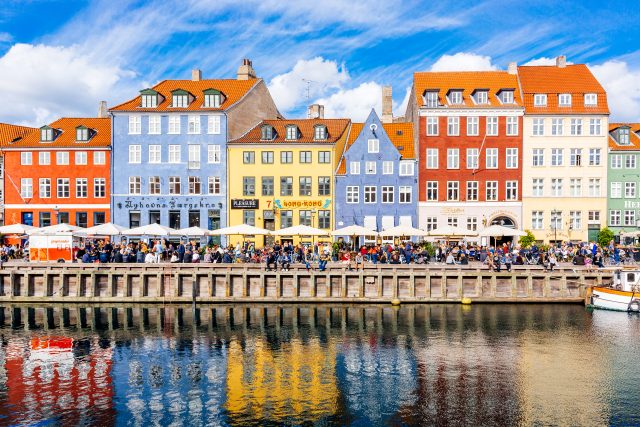
Copenhagen (pictured above) is famous among European capitals for good reason. It tops sustainability lists thanks to its strong work-life balance and incredible seasonal food.
For a delicious, eco-friendly trip to Copenhagen, dive into the organic New Nordic food scene, from affordable organic options at Reffen street market to Green Michelin-starred Terra.
Spend time in the city’s 12 parks and don’t miss swimming in the harbor – the water’s lovely and clean. Copenhagen is one of the world’s best cities to explore by bikes, so be brave and get on two wheels!
Eco luxury has a new home in Copenhagen at the Bali-inspired Guldsmeden Manon Les Suites, a five-star hotel with a courtyard pool surrounded by lush green walls.
For History Lovers: Ljubljana, Slovenia
Go off the beaten track to Slovenia’s capital, Ljubljana. Thanks to its slow tourism approach, this charmingly compact capital is packed with history but plenty of green space, too. A former European Green Capital, Ljubljana’s cobbled city center is car free, while forests and parks like Tivoli offer visitors hiking within the city limits.
Use the city’s river and head out for a standup paddleboarding tour under its beautiful bridges, which date back centuries, or hop on an electric train for a city-wide tour. Much of Ljubljana was landscaped for people to enjoy on foot, with stunning riverbanks and pretty views woven throughout the city.
Ljubljana is a diamond in the rough for anyone who wants to explore beyond France, Spain and Germany. Book a room at B&B Hotel Ljubljana Park, a four-star hotel that maintains beehives on its roof.
For Nature Lovers: Oslo, Norway
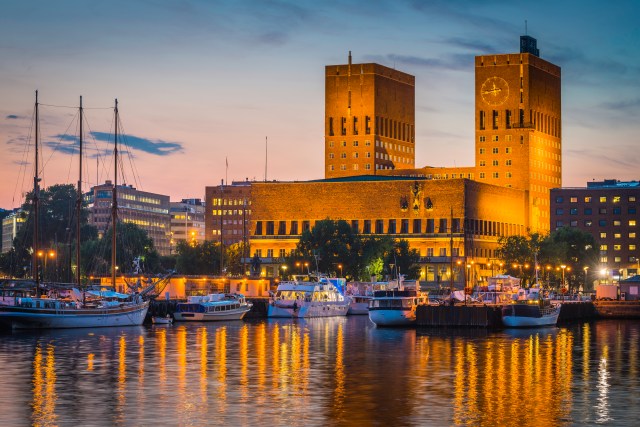
Norway’s capital is one of the five most sustainable cities in the world – and it aims to be a world leader in carbon neutrality.
If you’re looking for a place that’s green and clean and where you can spend a lot of time outside, Oslo fits the bill. Over half the city is made up of parks and forest and it’s easy to explore via bikes, e-bikes and electric ferries. And Oslo is strung across 40 islands, meaning you’re never far from pristine water to swim, sail or just enjoy strolling beside.
Nature lovers will appreciate the easy-access hiking routes surrounding the city. Try Maridalsvannet for dense forest at the water’s edge.
Thon Hotel Terminus is an eco-friendly, colorful hotel close to the train station that serves up incredible Norwegian breakfasts. For organic and locally grown food, book the local institution Cafe Elias or Nordvegan for vegan dishes by Michelin-starred chef Reuben Waller.
For Connected Visitors: Tallinn, Estonia
Crowned the European Green Capital for 2023, Estonia’s capital Tallinn is one of the most exciting and vibrant cities for a vacation. Sandwiched between Latvia and Lithuania to the south and Finland over the water to the north, Tallinn sits on the edge of the Gulf of Finland and makes the most of its location, with surfing, swimming and sailing on offer.
While its architecture is charmingly medieval, Tallinn has a modern approach to urban living, introducing free city-wide Wi-Fi, digital nomad visas and paper-free museum and travel tickets.
Check out the Estonian Open Air Museum to learn more about how people lived in the past (aka, a more sustainable way), explore the entire seaside city on foot (because it’s that small) or head to the Telliskivi Creative City, a reclaimed factory which houses artists, shops and restaurants.
For Families: Zurich, Switzerland
Zurich often appears on the most sustainable indexes and it’s no surprise. It is far more than a financial center, it’s a shining example of what cities can be – sustainable, green and charming. Spend an afternoon by the lake; the city has lidos galore, islands to explore and cruises and kayaks to hire. Or dive down ancient streets in the Old Town, stopping for insanely good hot chocolate at Confiserie Sprüngli.
Zurich’s cuisine is not all cheese and meat either, the city is home to the world’s oldest vegetarian restaurant Haus Hiltl and The Artisan, which grows its ingredients in a community garden. Stay at the Widder Hotel for Swiss sustainable luxury.
AAA’s sustainable travel series is written in partnership with Kind Traveler, a women-and-veteran-owned sustainable travel platform empowering travelers to make a positive impact in local communities, and contributing writer, Georgina Wilson-Powell.
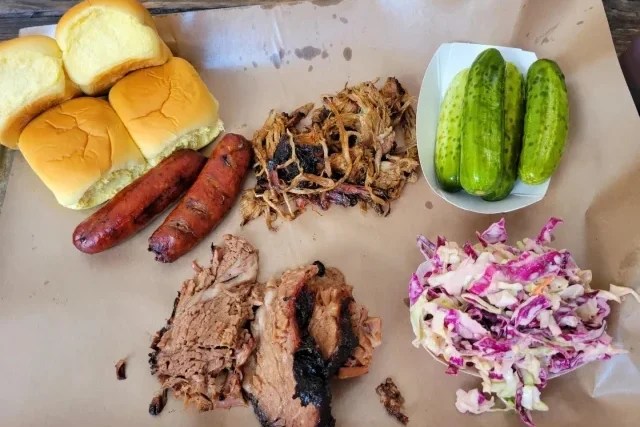
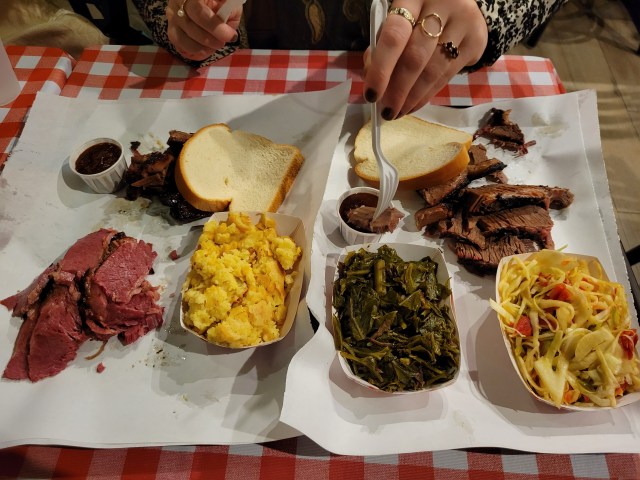
Of all the food experiences of my life, there are perhaps no fonder memories than those of hot summer nights, eating in the backyard with my sleeves rolled up to my elbows, fingers coated in sweet and sticky barbecue sauce, my teeth picking the tender meat from a rib bone.
Finding good barbecue near you is not always easy in the Northeast, but lucky for us, plenty of Southern expats have migrated here, bringing along their regional barbecue traditions. You just need to know where to look.
These are some of the most popular barbecue styles in the country and my picks for the best local barbecue restaurants in the Northeast to try them.
Barbecue Pride and Prejudice
The roots of barbecue run deep into human history. The act of cooking meat over an open flame has existed for at least 700,000 years. Its most modern form, of which American barbecue fans are most familiar, is cooking over a pit or grill, which was adapted from the cooking methods of the indigenous Taino in the Caribbean.
Barbecue continues to feature heavily in practically every culture, from Brazil to Afghanistan to Korea. Whether it’s simply the delicious flavors of smoked and grilled meats or some primordial remembrance of humankind’s past hard-wired into our genetics, Americans are particularly crazy about barbecue. We’re also territorial about our favorite regional barbecue varieties.
In the United States, local barbecue is something to be proud of and something to argue over, like the athletic prowess of your hometown sports teams. “The Big Four” of barbecue styles are Carolina, Kansas City, Memphis and Texas. But despite the prevalence of these places in our collective knowledge of barbecue, many others have incredibly delicious variations, such as Kentucky, Alabama, California and Hawaii.
What you are unlikely to hear about is barbecue that originated in the Northeast, as barbecue has been heavily influenced by West African and Caribbean cultures that were uprooted and taken to the Southern states from the time of colonization onward.
Where to Find Good Barbecue Near You
Alabama-Style Barbecue
Alabama is not often thought of as one of the core barbecue states in the union, but it has been steadily growing among the ranks of food journalists, road-trippers and barbecue lovers.
Alabama barbecue is best-known for its white barbecue sauce, composed of mayonnaise, vinegar, salt and black pepper. The creation of white barbecue sauce is attributed to pitmaster Bob Gibson of Decatur, Ala., who smoked pork and chicken in hickory barbecue pits for hungry restaurant goers.
Where to Try It in the Northeast
Perhaps blasphemous to natives of Buffalo, N.Y., white sauce barbecue chicken wings are tangy, slightly sweet, smokey and delicious. To sample, head to Blue Smoke on the southern end of Manhattan. Executive Chef and Pitmaster Eric Lunsford moved between Georgia, Texas and Mississippi in his younger years – three states with formidable barbecue cultures – and his culinary repertoire displays a diverse knowledge of regional flavors and ingredients.
Pig Beach, with locations in Long Island City, Queens and Gowanus, Brooklyn, N.Y., offers an equally delicious rendition of Alabama wings for barbecue lovers in the outer boroughs. And for those traveling far north of New York, Bluebird Barbecue in Burlington, Vt., has slow-smoked, quick-fried chicken wings with Alabama white sauce.
Carolina-Style Barbecue
My first taste of Carolina barbecue floored me. I sat at an outdoor picnic table at Buxton Hall Bar-B-Cue in Asheville, N.C., in a blissed-out state from a whole-hog pulled-pork meal. The unique, tangy flavor of vinegar-based barbecue sauce added a flavorful kick to the meal, which came with coleslaw and hush puppies – fried balls of cornmeal that are fluffy on the inside and crispy on the outside.
Nick Barr, Buxton Hall’s culinary director, explained to me that Carolina barbecue is mostly recognized by Eastern Carolina-style whole-hog barbecue. Early Carolina settlers kept pigs as a necessity and the animals have remained the backbone of Eastern Carolina ever since.
Whole hogs are cooked in block pits using only coal from hardwoods, which are shoveled from the bottom of a burn barrel loaded with oak or hickory wood. The hog is mopped with a pepper vinegar sauce while it cooks, imparting the distinct flavor that helps to characterize Eastern Carolina-style barbecue.
Where to Try It in the Northeast
You can recreate my Buxton Hall meal at Prohibition Pig in Waterbury, Vt., when you order the whole hog from the smoked meats portion of the menu. It is a half-pound of Eastern North Carolina-style smoked pork. Get it with hush puppies and you will arrive at the pearly gates of barbecue heaven.
South Carolina has its own style of barbecue sauce. While a vinegar and pepper barbecue sauce is also popular in the region, it is the mustard-based barbecue sauce that makes South Carolina barbecue stand out. For a taste, I recommend trying the Carolina mustard sauce chicken wings at Theodore’s Booze, Blues and BBQ in Springfield, Mass.
John Brown BBQ (Photo: Tim Vetter)
Kansas City-StyleBarbecue
Choice cuts for Kansas City barbecue are brisket and ribs, dry rubbed and slow cooked, usually with hickory wood chips to give its signature smoky flavor. It’s also identified by having a thicker, sweeter, tomato or molasses-based barbecue sauce.
Henry Perry is lovingly remembered as the father of Kansas City barbecue. Originally from Memphis, Tenn., Perry moved to Kansas City, Mo., creating his own blend of flavors for his barbecued meats that borrowed from the Memphis style but created something new. He began his career as a pitmaster in 1908 and became especially well-known for feeding over 1,000 city residents for free on July 3, 1920, now officially “Henry Perry Day” in Kansas City.
Where to Try It in the Northeast
For some of the best Kansas City barbecue in the Northeast, head to John Brown BBQ in Long Island City, Queens. For a true experience, order the ribs and brisket, but also seriously consider getting the smoked pastrami, which rivals some of New York’s best delicatessens. John Brown’s burnt ends are also among the best I’ve ever tasted, crispy and charred on the outside with a moist, tender center.
St. Louis-Style Barbecue
Missouri is famous for two types of barbecue, and in St. Louis it’s all about the ribs. Both the cut of meat and the flavor of the sauce are particular to St. Louis-style ribs. The ribs come from the belly of the hog after the belly has been removed; the breastbone is removed, and the ribs are stripped of cartilage and connective tissue, leaving a fattier, meatier rib than other variations.
St. Louis barbecue sauce is thinner than Kansas City’s, and it is sweet and tangy with the inclusion of vinegar. The ribs are grilled before adding sauce.
Where to Try It in the Northeast
For the good stuff, head to Zach and Lou’s Barbeque in Torrington, Conn.. They close for the winter but open their doors again in March. For those headed toward Maine, try Elsmere BBQ and Wood Grill for a full rack of St. Louis-style smoked and grilled ribs.
Memphis-StyleBarbecue
My first Memphis barbecue experience was at Central BBQ’s Poplar Avenue location in the Home of the Blues. Like a kid in a candy shop, I was insatiable as I attempted to eat everything in sight: ribs, pulled pork, greens, homemade pork rinds, slaw … nothing on the menu was safe from my hunger.
The distinctive flavor of Memphis barbecue comes from the spice rub, which can either be a dry rub that coats the meat prior to cooking or a wet rub that is brushed on the meat before, during and after cooking. Memphis rubs start with salt, pepper and brown sugar, and can include upward of 30 additional spices and flavors, depending on the pitmaster cooking the meat. Even fans of dry-rubbed ribs and pulled pork are known to keep a cup of Memphis barbecue sauce nearby. The thin, tomato and vinegar-based sauce is delicious whether you’re adding it to chicken, pork or beef.
Where to Try It in the Northeast
Often, Memphis-style barbecue is found in the form of pork ribs in the North. Smokin’ J’s Memphis BBQ is Marlboro, Vt., is your go-to for Memphis ribs, smoked slowly over hickory fire.
For the grill masters looking to try their hand at cooking Memphis barbecue at home, Memphis King in Schenectady, N.Y., sells its own dry rubs. You can try each rub by ordering their addictive dry-rubbed french fries. Don’t come just for the rub though, the pulled pork, cooked low and slow in the Memphis tradition, shouldn’t be missed. Go early, as they’re likely to sell out daily.
Texas-Style Barbecue
Restaurants offering up Texas barbecue are usually serving Central Texas fare. Central Texas barbecue features low-and-slow-cooked meats that spend many hours in the pit, with few sauce options. Beef is favored over pork, and meats are cooked over a hardwood fire.
Brisket is king in Central Texas, with many barbecue joints serving two options: leaner or fattier and more moist options. The seasoning for Central Texas brisket is surprisingly simple, often just a salt and pepper rub, with any sauces and condiments served as a side option.
Due to its massive size and blending of cultures, it should come as no surprise that Texas has different regional varieties. Eastern Texas barbecue features more sauces, pork options and side dishes, while Southern Texas barbecue has a heavy Mexican influence, with barbacoa serving as a common beef option.
Where to Try It in the Northeast
Hoodoo Brown BBQ in Ridgefield, Conn., offers both Central and Eastern Texas options. The restaurant’s owner, Cody Sperry, found inspiration on a trip to Austin, Texas, and brought his newfound barbecue knowledge back to Connecticut to the benefit of all in the Nutmeg State. Find the Holy Texas Trinity on the menu for a sampling of Texas staples: brisket, pork ribs and a variety of sausages.
Pulled Fork BBQ in Long Valley, N.J., makes its Texas-style barbecue in an outdoor smoker where the meat cooks for 10 hours. When the day’s supply runs out, that’s it, no more. Pulled Fork’s dry-rubbed, chopped beef brisket is the star here. Many of the meat options can be ordered as a sandwich, allowing customers to customize their meal with sauces and condiments.
New York City barbecue joints like Fette Sau in Williamsburg, Brooklyn, make no qualms about blending Southern barbecue flavors and techniques with local ingredients and menu items that reflect the demographics of their patrons. Self-described as one part Central Texas and one part New York Deli, Fette Sau has offered up traditional Texas smoked beef brisket, light on sauce offerings, alongside beef tongue pastrami, an item more likely to be found in an old-school New York Jewish delicatessen.
Another favorite of New Yorkers is Hometown Bar B Que located in both Red Hook and Industry City, Brooklyn. Here you’ll find a hybrid menu that features Texas-style barbecue, alongside Vietnamese hot wings and Korean barbecue ribs.
Northeast cuisine has its stars: chowders, fresh oysters, lobsters, steamed clams and a host of other seafood dishes. But when the craving strikes, you want to know where to find good barbecue near you. Fortunately, we have chefs, cooks, and grill masters who have brought their knowledge of Southern barbecue to our neighborhoods.
If you love barbecue, check out this recipe for a classic side dish from Dinosaur Bar-B-Que.
Featured image: A sampling of barbecue offerings at Fette Sau in Williamsburg, Brooklyn.
Tucked away in the sunny haven that is Southern California sits a destination so chock full of things to do, places to see and food to eat, you won’t believe your eyes, or your taste buds. And no, it’s not Disneyland (although it’s close – about 5 miles away). It’s the city of Buena Park.
Many people may know Buena Park for its famed Knott’s Berry Farm, California’s first theme park, but the city holds even more fun and excitement for folks of all ages. With all there is to do, you may wonder how you can make the most of your time and money when visiting, but don’t sweat it.
Here are the best ways you can enjoy Buena Park whether you’re on a budget or ready to splurge.
The aforementioned Knott’s Berry Farm is one of the most popular attractions in Buena Park, and for good reason. The 160-acre theme park boasts world-class rides and attractions dispersed among four themed areas: Ghost Town, Fiesta Village, The Boardwalk and Camp Snoopy. If you’re looking to enjoy a day here with your family, saving on everyone’s entry ticket is easy; VisitBuenaPark.com is the best place to find discounted tickets for Knott’s Berry Farm all year long.
And during the hot summer season from May to September, there’s no better way to cool off than at Soak City. As the biggest water park in Orange County, at an enormous 15 acres, Soak City is the place to be for all kinds of water fun, including a lazy river, wave pool and lots of waterslides. As with Knott’s Berry Farm, you’ll be able to get the best savings if you purchase your discounted tickets through the Visit Buena Park website.
Splurge
Spending a day (or two) at Knott’s Berry Farm is always time well spent, but if you’re looking to upgrade your visit – whether for convenience, timesaving or simply to enhance your experience – there are many ways to do so. Skip to the front of any line with Fast Lane, a ticket add-on that allows priority boarding on select rides and the ability to ride as many times as you want. Other upgrade perks include FunPix, which gives you unlimited downloads of professional photos taken in the park and a selection of food and drink add-ons.
At Soak City, you can enhance your visit with a private cabana. No matter which of the three different cabana options you select, you get a spot big enough for eight people, a patio set, umbrella and lounge chairs.
Dining
Save
Have you ever eaten dinner while watching a medieval-themed tournament right in front of you? Well, at the Medieval Times Dinner Tournament you can! The famed two-hour immersive experience is the most popular in North America and features everything from horse riding to swordplay. While you enjoy a four-course meal, the action plays out before you solely for your entertainment. Pirates Dinner Adventure offers a similar interactive themed dinner show experience, filled with special effects, aerial artistry, stunts and lots of swashbuckling fun.
For something more casual, grab a bite at Porto’s Bakery & Cafe or slurp down some noodles at Ramen & Tsukemen TAO, granted the Michelin Guide distinction of Bib Gourmand for its great value.
To save on dining and more, be sure to check Visit Buena Park’s discounts and deals when planning your trip.
Splurge
Looking for some top-notch cuisine? Buena Park is packed with some of the best restaurants in the state, including the highly rated Argentine steakhouse Gaucho Grill and Gangnam House, a traditional Korean barbecue restaurant.
Activities
Save
There are quite a few activities to enjoy in and around Buena Park that capture the imagination and won’t break the bank. At the Buena Park Historical District, you can enjoy free tours of a selection of historical homes like Whitaker-Jaynes House and the Bacon House. There’s also the Clark Interpretive Center inside Ralph B. Clark Regional Park, Knott’s Independence Hall and the Henry Boisseranc Park, all of which are completely free to the public.
Splurge
Adding on an indoor activity to your Buena Park trip, like the Big Air Trampoline Park, is great if the weather turns rainy, but also a perfect way to enjoy some family fun that’s active as well. Leap into the foam pit, play trampoline dodgeball or even test your balance on the ninja warrior courts. Jump passes at Big Air begin at 90 minutes and go all the way up to annual passes that allow for unlimited jumps and other big perks.
Stays
After your fun-filled days in the city of Buena Park, you’ll need a comfortable place to wind down and relax. There are plenty of affordable hotels in the area to choose from, with amenities like free breakfast, free parking and free shuttles to major attractions.