When the weather gets warmer, meals tend to get lighter. As we head into summer, our preferences begin to shift to healthier, refreshing and more energizing foods. And with a bounty of fruit and vegetables at their peak, it’s hard not to be inspired by the season’s fresh and colorful ingredients.
Whether you are calorie- or carb-conscious, want to be more sensible about sodium, are trying to cut down on saturated fat or are just looking to get into healthier eating habits, Home Chef meal kits make it easier to reach your goals. Each week you can choose from 30 delicious, dietician-approved recipes, featuring steak, chicken, pork, fish, vegetarian options and more, delivered straight to your home.
Home Chef’s menu plans help you to ease into balanced eating habits with approachable, good-for-you meals like these, making the most of the foods you love and what’s seasonally available.
Looking for a healthy hot meal that’s ready in no time? Home Chef’s Oven-Ready kits arrive with pre-chopped ingredients and cook in an included oven-safe tin. The chicken teriyaki dish pictured above is just one of the meals you can expect to choose from that’s low-carb, low-fat and low-calorie but high on flavor.
Topped with pickled vegetables and lime crema, these carb-conscious tacos are the perfect patio meal for a summer night. The sofrito base is a great way to enhance the steak and incorporate vine-fresh, end-of-season tomatoes. Also available with Impossible plant-based substitute.
Healthy Entrée Salad
Home cooks that are on the move can drive right past the drive-through and straight home to their Home Chef delivery. No-prep, no-mess entrée salads like this spinach option come with fresh greens and pre-portioned ingredients. Top it with your choice of steak, chicken, shrimp or Impossible Burger.
May and June are when asparagus truly shines – and a sprinkle of shredded parmesan doesn’t hurt it either. While it sounds like it could be on a restaurant menu, you can whip up this 504-calorie chicken dish in just 15 minutes.
Bring the spirit of New Orleans into your kitchen with this jambalaya-inspired meal. Green peppers, onions, Cajun seasonings and cheddar cheese take it to the next level.
What’s your favorite light summer meal? Tell us in the comments.
Learn more about how AAA members can save on Home Chef. Get cooking.
Traveling abroad brings an abundance of excitement and an equal amount of preparation. We all know what sits at the top of the to-do list: book flight, reserve accommodations, pack bags, etc.
But one aspect that can easily be overlooked is how you’ll get around your destination once you are there. Renting a car overseas may prove to be the easiest and most convenient form of transportation. However, the process isn’t quite as straightforward as it is in the United States. There are a number of preparations you should take well before leaving the country.
Do Your Homework
If you’re planning on renting a car abroad, spend plenty of time researching the rates and services of different rental dealerships. This will allow you to get the best price and the proper car for your trip. Always book your car in advance of your trip. Cars are almost always more expensive when you book at the counter. Plus, you’ll avoid possible last-minute problems that can arise with exchange rates, language barriers, unfamiliar rental requirements and many other components of the car renting process.
When it comes to price, local companies may offer less expensive options, but choosing a company you’re familiar with might be easier. Hertz has more than 1,300 international airport locations in more than 150 countries and regions around the world. In addition, all Hertz international locations offer English-speaking personnel to assist customers.
Check Your License
While some countries will recognize a U.S. Driver’s License, many do not. It is best to make sure beforehand. The U.S. Department of State recommends checking with your country’s local embassy. If you are unable to drive legally with a U.S. license, you will need to obtain an international driving permit. An IDP is a valid form of identification that translates your information into 10 languages. It remains valid for one year.
This process can also be done by mail. However, make sure to start the process early to give yourself enough time. You must receive the permit prior to leaving. An IDP can only be issued by your home country.
Learn the Rules of the Roads
Driving on the left side of the road is just one of the many possible changes you’ll have to get used to when driving in a new country. Make sure to brush up on the local driving laws long before you get behind the wheel of your car rental. (Hint: You can’t turn right on red in many foreign countries.)
When renting a car abroad, you will want to ensure your vehicle is equipped with a GPS unit that can be set to English (unless you’re fluent in the country’s native language). Don’t rely on your cellphone to guide you around town. Cellular charges can get very expensive overseas and service in remote parts of the world are unreliable.
At participating locations in Europe, the Hertz Connect device can provide you with navigation services, complimentary Wi-Fi, unlimited data, internet access, unlimited 4G hotspot across Europe, 30 minutes/day of international calling, use it inside and outside the car, and it works on up to 5 devices. The device is free to Gold Plus Rewards members whose rental spend is $250 USD or more.
You will also want to learn about any areas or roads that should be avoided, and any hazardous or dangerous road conditions. This information can be found on the U.S. Department of State’s website.
Budget for Extra Costs
When renting a car abroad, be prepared to build into your budget some room for extra costs. Check your auto insurance policy to see if you are covered while driving overseas. If you are covered, make sure that your coverage meets the country’s minimum requirements. If you are not covered, be prepared to purchase insurance from the rental company.
Remember that most European cars are manual. Cars with automatic transmission may be more expensive as foreign rental car dealerships generally have fewer in stock. (This is also another reason to reserve your car as early as possible.) Even if you have driven a manual before, keep in mind that depending on where you’re traveling, the driver seat may be on the right side of the car, in which case you’ll be shifting with your left hand. Make sure you’re comfortable with this before reserving a car.
And don’t forget about gas. Gas is often significantly more expensive in foreign countries. Research these prices beforehand so you can set an appropriate budget.
Practicing mindfulness in today’s hectic world can be challenging, but the emotional, mental and physical benefits of meditation are worth the effort for many. Discover apps that help meditators of all levels achieve peace of mind and deal with issues concerning sleep, relationships and fitness.
Many of these apps have a free initial download; however, users will have to pay to unlock special features and programs.
Great for beginners, this app is structured, friendly and easy, offering classes for stress, sleep and pain management. It features meditations of different lengths along with exercises for anxiety, better rest and personal growth. There are meditations catered to children of different ages, as well as SOS sessions to help restore calm for those who experience panic and anxiety.
Calm is a good choice for more experienced meditators. The app offers a plethora of ambient music, instructional videos and individual exercises. Sessions offer something for everyone, ranging from focus and concentration to breaking habits, forgiveness and self-esteem. Calm’s Sleep Stories provides over 100 guided imagery bedtime stories, some read by celebrities like Matthew McConaughey and Bob Ross. AAA members can save $40 on a one-year subscription.
Breethe help users gain quality sleep with special music, breathing exercises, nature soundscapes, readings and hypnotherapy. Meditations range in subject matter, length and desired outcome. Beginners can start with a 12-week program that teaches the ins and outs of meditation as they progress. The gentle alarm clock and morning meditations help users make the most of their morning routine. Perhaps the most unique feature is the mindfulness program for kids and teens.
This app asks users to check in with how they’re feeling, recommending certain meditation and mindfulness exercises tailored to their emotional state. Features include guided mediations, journaling, yoga and acupressure videos. The app lets users track their check-ins and map their feelings, stressors and emotions. Recommended for new and experienced meditators.
The magic of Buddhify is that users don’t have to schedule their meditation; they do it when it’s convenient for them, whether they’re taking a break at work, walking, eating or traveling. With meditations ranging from 3-40 minutes, there’s something for every availability and meditation level, ranging from beginner to advanced.
Omvana is a meditation app with guided meditations led by experts. It allows users to link with the HealthKit program to help identify stress levels and recommends certain meditations based on your mood. Users can also choose their own background music to further customize the experience.
This app is based on the book by the same name by news anchor Dan Harris, who famously had a panic attack on the air. Harris narrates the app, taking listeners on a guide through his learnings on meditation, which helped him manage his emotions. Self-described as “designed for skeptics,” the app uses videos and guided meditations to make meditation easy and accessible. There’s information on relating mindfulness to everyday activities and interactions, such as relationships and work, as well as exercises of different lengths to help fit meditation into a busy day.
Gain access to 500+ guided meditations led by 50 knowledgeable instructors ranging from monks to life coaches with this app. Meditations cover a variety of topics, including sleep and stress, and are customized for both new and experienced meditators. What’s cool about this app is that it features meditations catered toward different social groups, including kids, moms, entrepreneurs and even veterans.
This free meditation app provides users access to guided meditations, advice from experts and discussion groups to expand their meditation communities. Users can practice different types of meditation, including Zen and Buddhist mindfulness, and join groups with other members centered on topics like atheism, Christianity and even poetry. If desired, Insight Timer will also provide a gentle reminder when it’s time for your daily meditation.
Glo focuses on yoga, Pilates and meditation exercises, having users adopt exercised-based mindfulness. Classes follow a program where users start with the basics of a topic, for example, emotional health or strength, and work their way toward more advanced classes as they grow. With professional instructors, it’s all the benefits of a yoga or Pilates studio from the comfort of home.
MINDBODY blends mindfulness and fitness into one. Users can search fitness classes like Pilates, yoga, barre and cycling, as well as wellness services, including meditation, massage, acupuncture and nutrition. The idea is to heal the entire body through customizable fitness class searches and services.
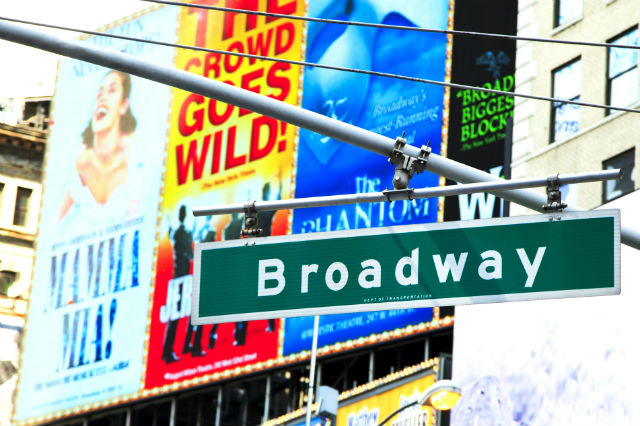
They say the neon lights are bright on Broadway – and a Broadway show is the perfect compliment to any trip to the Big Apple. With Broadway set to return this September, it’s time to brush up on the ins and outs of the Great White Way. These New York City theater tips can help you find affordable tickets, discern the best seats in the house and figure out theater etiquette.
Where to Get Affordable Tickets
“God, I hope I get it! I hope I get it!” – A Chorus Line
Other than distance, the main barrier to entry on Broadway is cost. Sure, ticket scalping inflates the prices drastically – but even buying tickets straight from the theater itself can stress your wallet. Here’s some theater tips on how you can get more affordable tickets to Broadway shows.
TDF
TDF, or the Theatre Development Fund, operates a few “TKTS” booths throughout the city. At these booths you can purchase same-day discounted tickets for Broadway and off-Broadway shows. You can spot the TKTS booth in Times Square by the iconic red steps that serve as its roof.
You won’t be able to find mega-blockbusters like Hamilton or The Book of Mormon at a TKTS booth (since shows like these don’t have any extra tickets laying around). I’ve used TKTS for most of my theater-going life, and their generous discounts have enabled me to see many of my favorite Broadway shows. If you’re not in the mood for a musical, make sure to take advantage of the Times Square TKTS’s much shorter “express” line for plays.
Don’t want to wait on line? You don’t have to! You can snag tickets at deep discounts on TodayTix. This handy app lets you purchase tickets for Broadway and off-Broadway shows on your phone. On the day of your show, a TodayTix employee will meet you in front of the theater and give you your tickets. TodayTix can be a little bit of a gamble, since they choose the seats for you – although they try to get you the best seats possible.
There are other ways to get discounted tickets, too, like Broadway Roulette and show-specific lotteries. If you are a student, many Broadway shows offer discounted student rush tickets for people with a college or high school ID.
Which Seats Are Best?
“Join us, sit where everybody can see!” – Pippin
Most Broadway theaters have a proscenium set-up, like the layout of your high school auditorium. The stage is on one side and the audience is on another. The Circle in the Square Theater’s layout changes, but it’s usually thrust (the stage sticks out into the audience) or in the round (the audience circles the stage).
Many people think that the closer you are to the stage, the better. In a traditional proscenium theater, that’s not really true. Front-row seats are not bad, but you’ll have to crane your neck to see the whole stage (and the actors might spit on you by accident). You’re really too close to see and appreciate all of the action.
The actual best seats are about 8 or 10 rows back from the stage, in the center orchestra. You’re still super close to the stage, but you have enough perspective to appreciate what’s going on. It’s almost obscene how good these seats are.
Another fantastic option is the front row of the mezzanine. Sure, you’re lofted up above the orchestra, but you also have a panoramic (and completely unobstructed) view of the stage.
Box seats will not give you a good view – sorry! You’ll essentially only be able to see half of the stage. Usually, they are only available for purchase in-person at the box office. Back rows of the orchestra can also be rough, since the overhanging mezzanine cuts off the top half of the stage. Usually there’s not a lot of action going on in that space, but it still makes the show feel very claustrophobic.
Theater Etiquette
“First, some dos and don’ts. Mostly don’ts.” – The Frogs
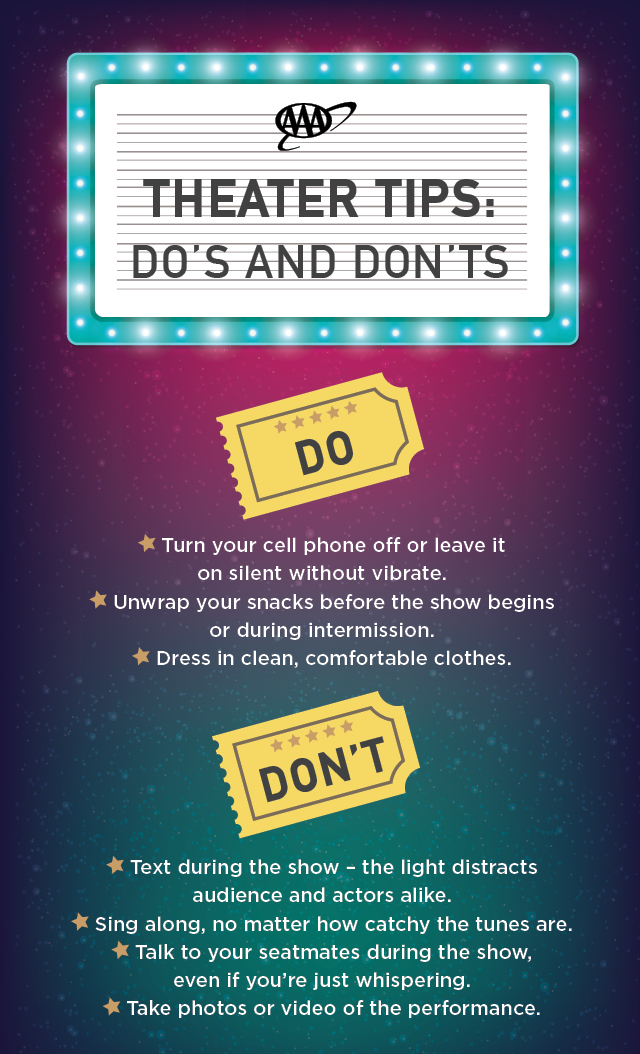
In live theater, suspension of disbelief is very delicate. That’s why many theater etiquette rules revolve around minimizing distractions (to both the audience and the actors). Here are some theater tips that can help everyone in the audience have a good theater-going experience.
Turn it off. Leaving your cell phone on vibrate isn’t good enough, since the buzzing still makes noise. Either keep your cell phone on silent without vibrate or turn your phone off completely. Do not text during the show – the light disturbs the people around you.
Mr. Cellophane. If you have any candies or snacks, make sure to unwrap them before the show starts (or at least refrain from unwrapping them during a serious, silent moment).
Unexpected song. Do not sing along with the show – or even hum. It can be hard, but it’s the right thing to do.
I feel pretty. You don’t have to be in your Sunday finest to go to a Broadway show – but you shouldn’t look like you’re at home eating bonbons either. Dress in clean, comfortable clothes. Jeans and a nice shirt should be just fine (though you can certainly dress up more if you’d like to).
Happy talk. Feel free to chat away with your seatmates before the show, but when the overture starts you should quiet down. Save any of your thoughts and feelings for intermission or after the final curtain.
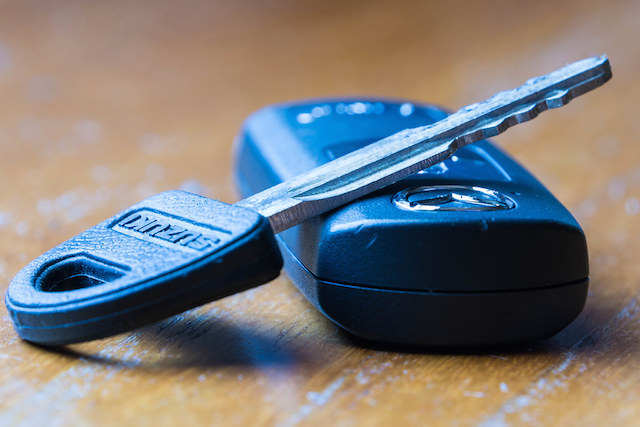
For decades, mechanical car keys used to start an automobile were standard. Now those jagged pieces of metal are nearly extinct. The history of car keys has a story to tell.
What connotations come to mind with the words “car keys?” Bad thoughts, like frantically ransacking your house, bags and pockets in search of them? Good thoughts, like being handed them for the first time at a dealership or flicking your wrist and hearing the engine come alive?
Either way, these experiences are likely to soon be stowed-away memories of a different time: The truth is, the history of car keys as we know them is quickly coming to a close.
Just about every other aspect of automotive technology has drastically evolved over the past century, and the keys we use to open and start our cars are no different. But car key history is unique in that instead of simply improving the feature, current technology has rendered traditional car keys obsolete, sending them the way of the dodo, car ashtrays and crank windows.
That renders the age-old question: How did we get here? Let’s take a look back.
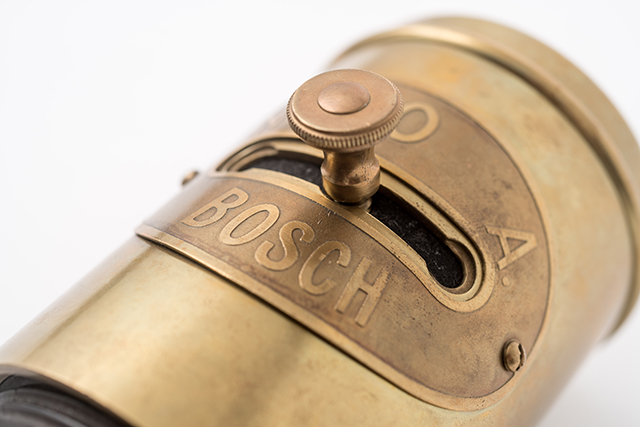
Photo: Robert Bosch GmbH, Stuttgart/Germany, Corporate Archives
The History of Car Keys Begins
Car key history can be traced back to 1910, but these early versions didn’t start the engine or ignition. Instead, the first car keys controlled the ignition’s electrical circuit. Using the key, car owners could switch off the flow of electrical current, making it impossible to start the vehicle. Once the switch was on, the ignition could be activated, although drivers still had to then crank up the engine.
Soon after, keys that could lock and unlock both the electrical circuit and the ignition became more common.
Because it was still impossible to start the engine without a key, car theft was not a concern, and “locking” a car wasn’t a practice. In fact, most early automobiles were roofless and some were even door-less.
Mid-Century Car Keys
A major milestone in car key history occurred in 1949 when Chrysler unveiled the first car key that could start a vehicle’s engine all on its own. It was able to do so through the use of an ignition tumbler, or ignition lock cylinder.
In 1965, Ford became the first manufacturer to introduce double-sided keys that could be inserted into the tumbler either way. While seemingly elementary by today’s standards, these types of car keys remained the norm for decades.
This was also around the same the time the dual key, which could both start the car and unlock the doors, took hold. Prior to the 1960s, some vehicles still required two separate car keys.
Car Keys Meet Technology
Car key evolution was mostly dormant for the next quarter century but took some momentous leaps in the 1990s. It was this decade that saw the rise of the now ubiquitous key fob.
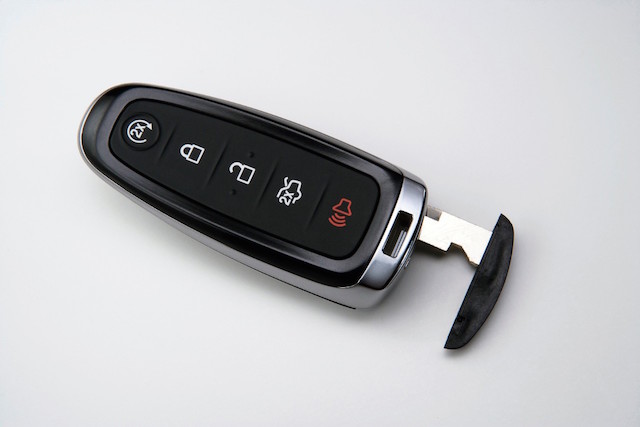
Remote keyless entry fobs allowed car owners to lock and unlock vehicle doors from afar by emitting a coded signal through radio waves to a receiver in the car. As technology developed, key fobs gained more functions, such as opening the trunk or sliding doors and starting the engine remotely.
(If you’re curious about the strange name, according to The Atlantic, “fob” may come from the word “fuppe,” which means “pocket” in the low German dialect.)
Car fobs are very expensive to replace. Make sure you’re protected with AAA’s Tire & Wheel Program, which covers lost keys and key fobs up to $5,000.
Car Keys Today
The traditional, mechanical car key is quickly becoming a thing of the past – if it’s not already a relic of automotive history. Almost all of today’s new vehicles have some version of a keyless entry and push-button start system. In fact, according to consumer auto research firm Edmunds, 91% of 2019 model-year vehicles had keyless ignitions. That’s up from 72% in 2014.
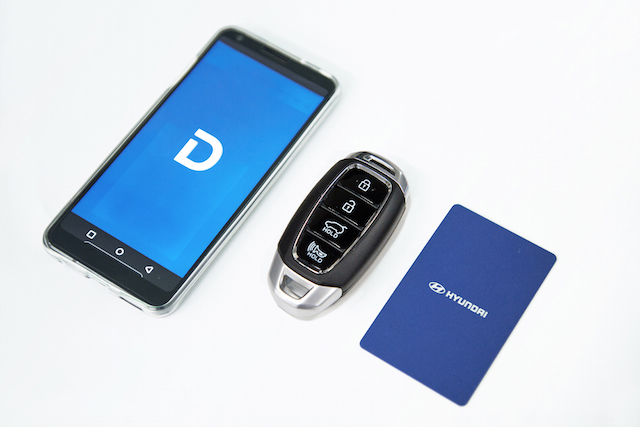
We’ve come a long way from having to carry one key for the engine and one key for the doors. But apparently one key is still one too many: Drivers can now store a digital car key on – where else – their phones.
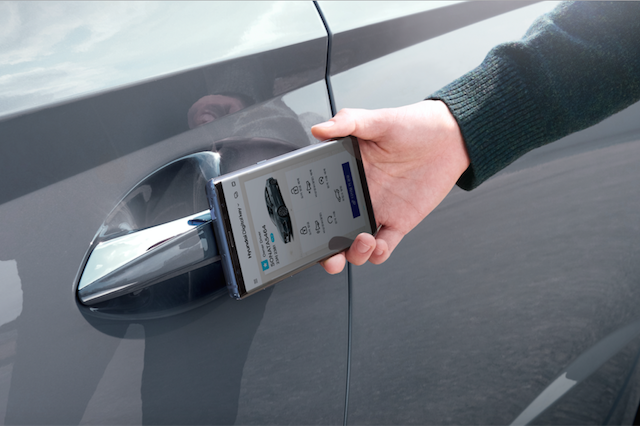
Apple’s Wallet app includes a feature to add your car key. In order to do this, you need to have a compatible car as well as an iPhone or Apple Watch. Once installed, a user simply places their phone or watch next to the car’s door handle to unlock the vehicle. To start the car, they just place the phone or watch in the car’s key reader and press the start button. When an owner wants to share their key, they can simply send an iMessage to that user, which tells them how to add and use the car key.
Tesla owners can use the company’s smartphone app to do many of the same things. The app can track a driver’s smartphone from up to 30 feet away and automatically unlock the doors by the time they reach the car. But the electric automaker isn’t alone. About 31 brand marques, including BMW, Chevrolet, Chrysler, Dodge, Hyundai and Lincoln offer digital car keys, making the trend’s rise seem more assured and imminent.
What are your thoughts on car keys today? Do you like the idea of a digital key on your phone or would rather have a tangible key you can hold? Let us know in the comments below?
Raise your hand – or honk your horn – if you are the proud owner of a classic or collector car.
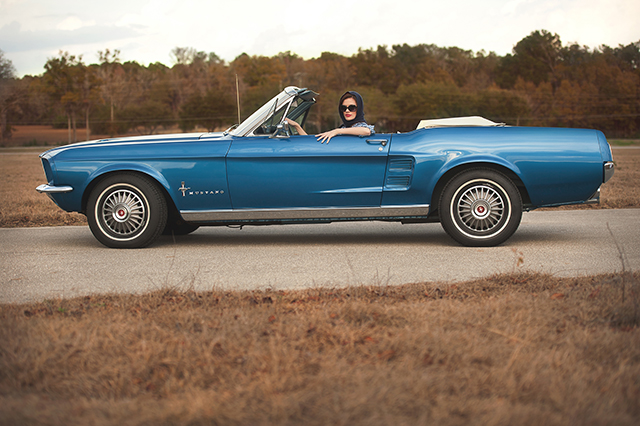
Classic cars are a huge source of pride for their owners. Showing them off in car clubs and shows, shining them up and, of course, taking them out on the road are all part of the fun. And you don’t have to own a classic car to love them. Auto enthusiasts can spend hours admiring the details and craftmanship of these vehicles.
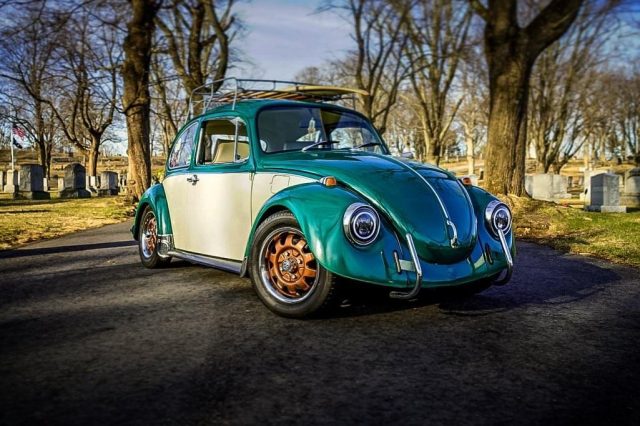
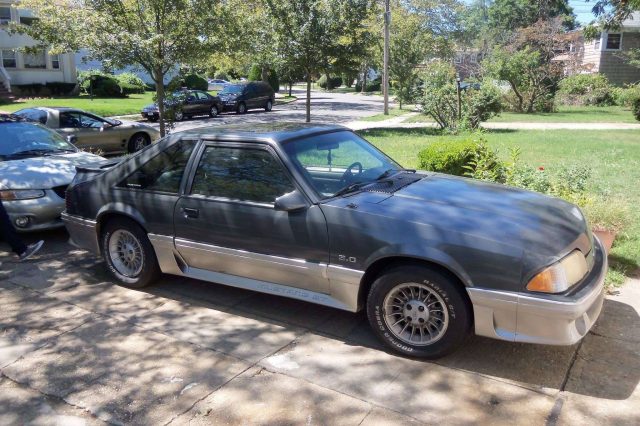
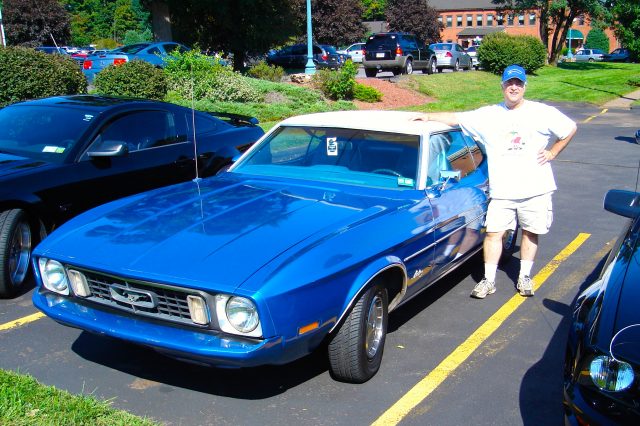
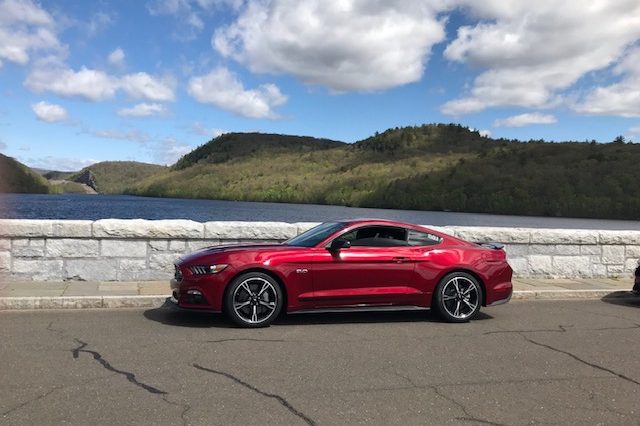
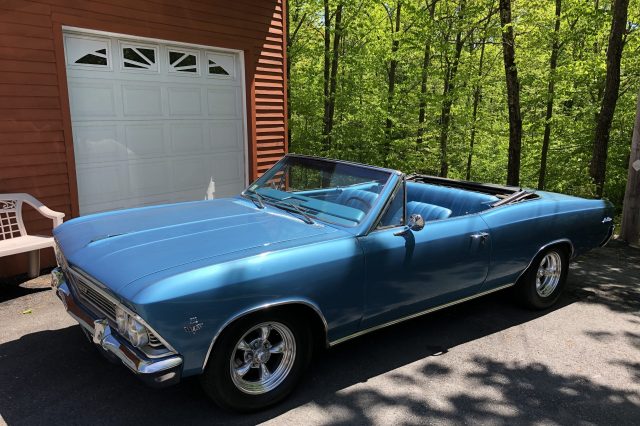
We asked you to submit your best car photos and you delivered. Browse through our virtual car show in the slideshow below, and don’t forget to check our social media channels, where we will be sharing some of our favorites. Some photos may also be featured in an upcoming issue of Your AAA magazine.
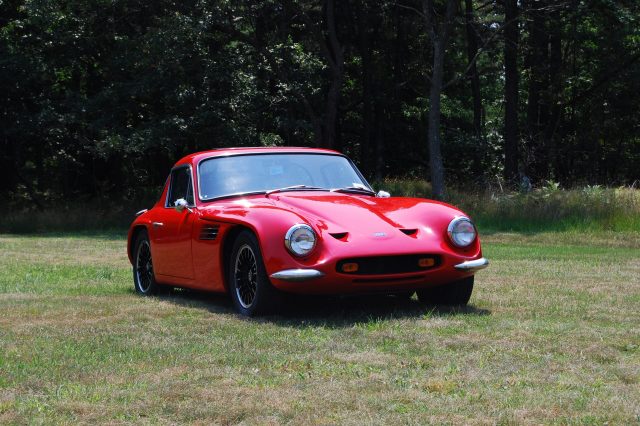
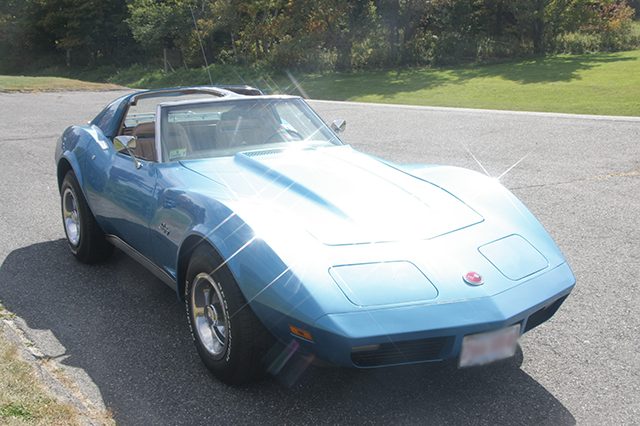
1970 TVR. Owned for 49 years. (Rolf Buettenmuller)
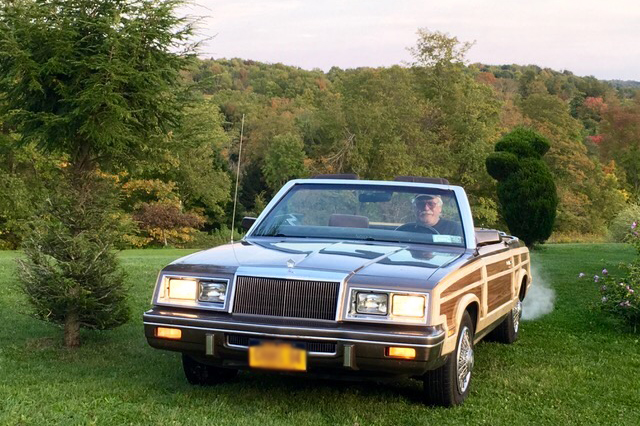
Chuck Seward driving our 1984 Chrysler Labaron. (Clare Armstrong-Seward)
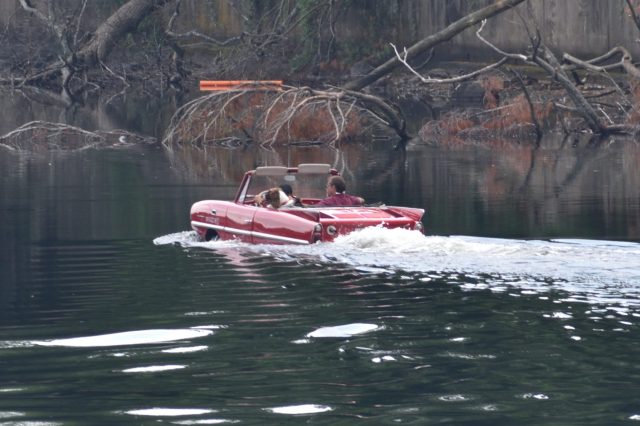
Just another drive around the pond. (Stephen Maniatis)
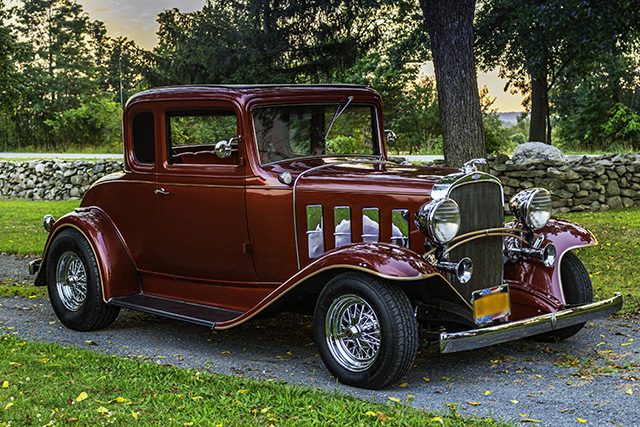
Labor of love. (Sheila Almond)
20 years of cruises, car shows, Lime Rock races, and Vettes to Vets. (Roger Simmons)
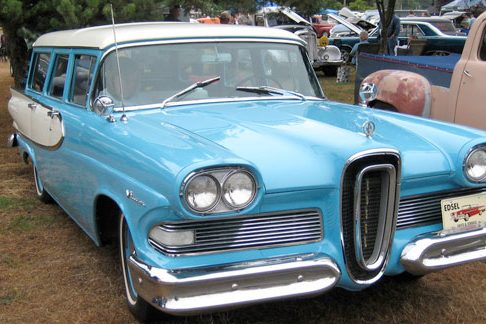
Ford Edsel Villager station wagon. Photographed at the Bear Mountain Car Cruise, Bear Mountain, N.Y.
(Robert Raniolo)
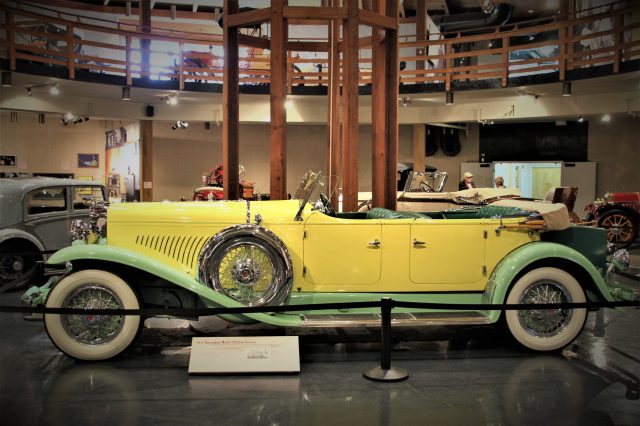
1931 Duesenberg Model J Derham Tourster.
(Philip Butkovitz)
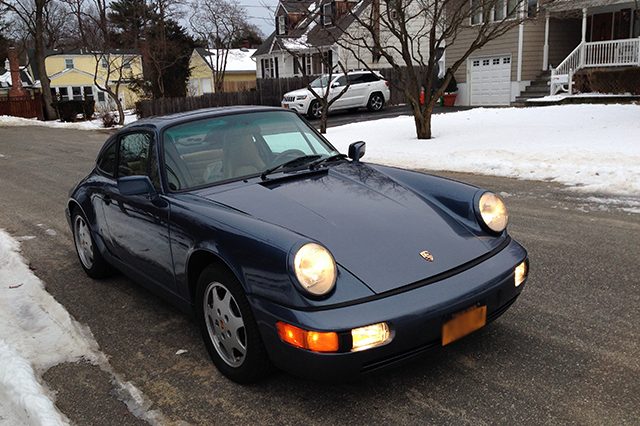
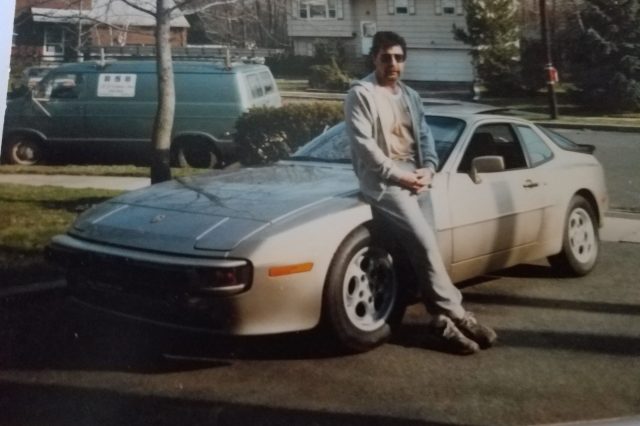
Pete’s 1989 Porsche 911 C-4. (Peter Thivierge)
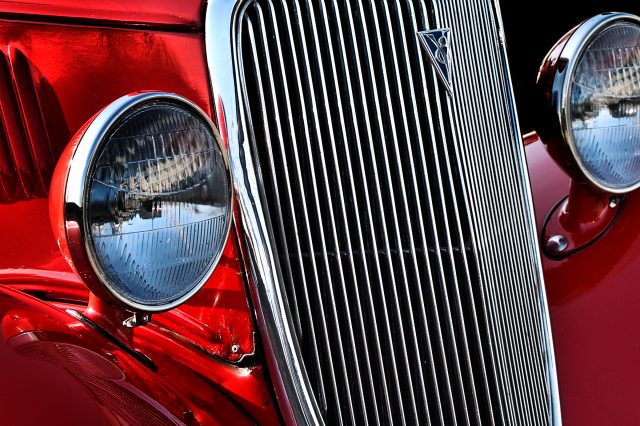
Red antique car. (Peter Willis)
Dad's hot rod. (Melissa O'Brien)
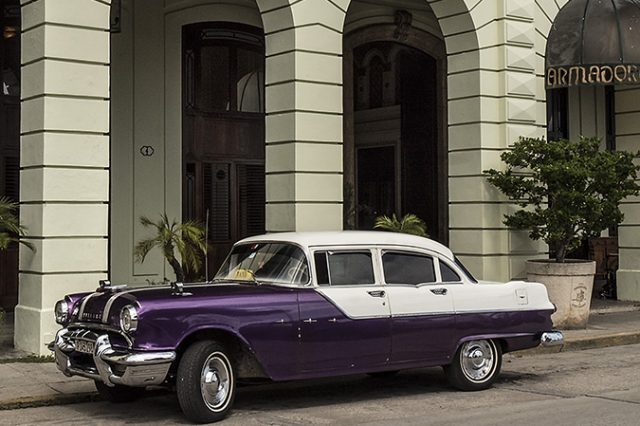
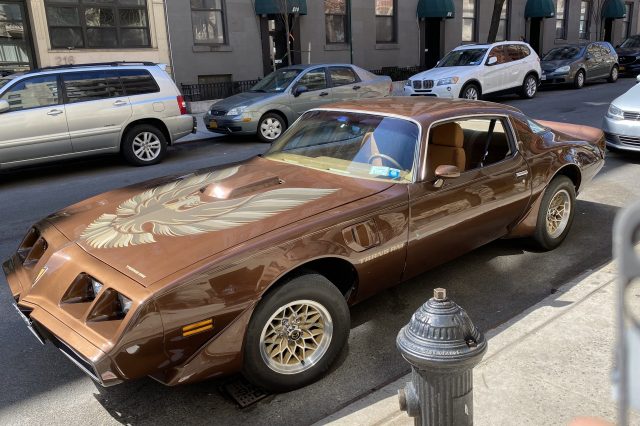
Classic Pontiac in Havana.
(Maxine Kamin)
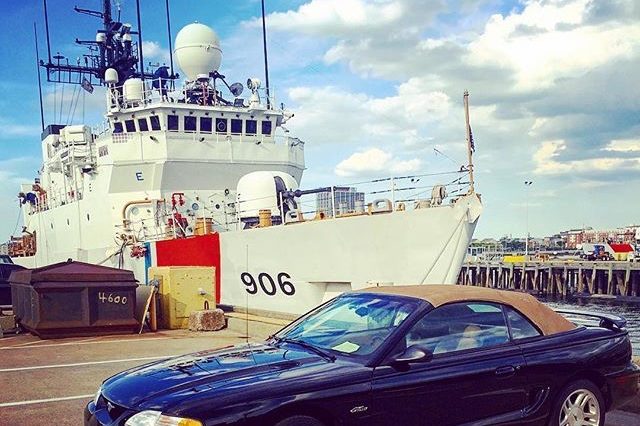
My 1998 Mustang GT at USCG Base Boston with Cutter Seneca in background. (Matt Mulvey)
(Mark Darlow)
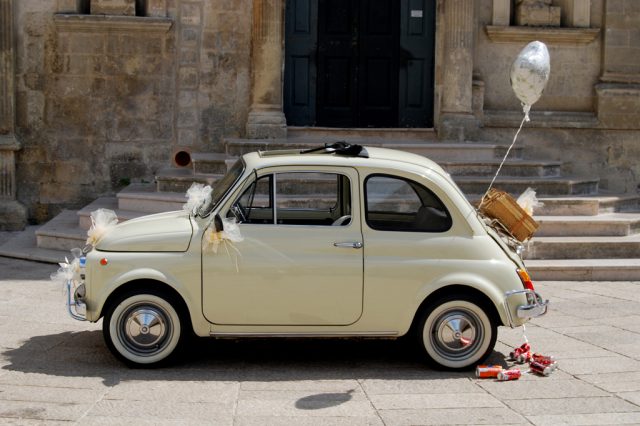
Fun in the sun! (Mark Badorini)
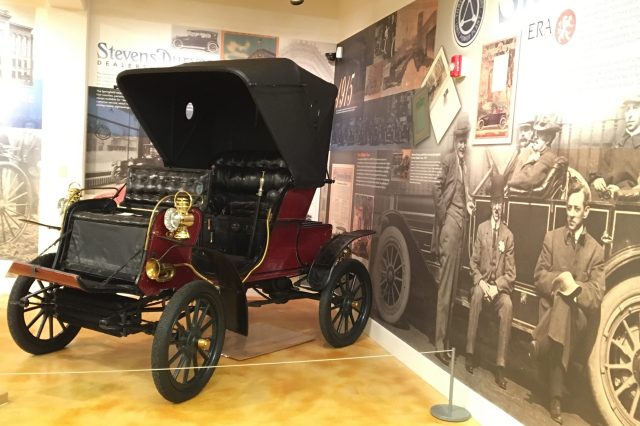
Duryea Motor Car. Springfield, Mass.
(Margaret Sullivan)
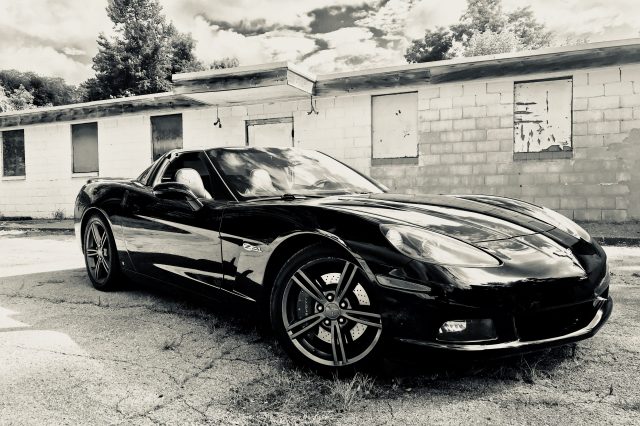
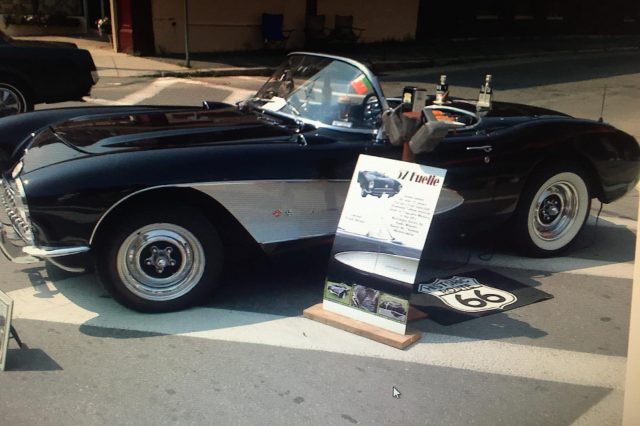
Black Beauty (Marcelo LaRosa)
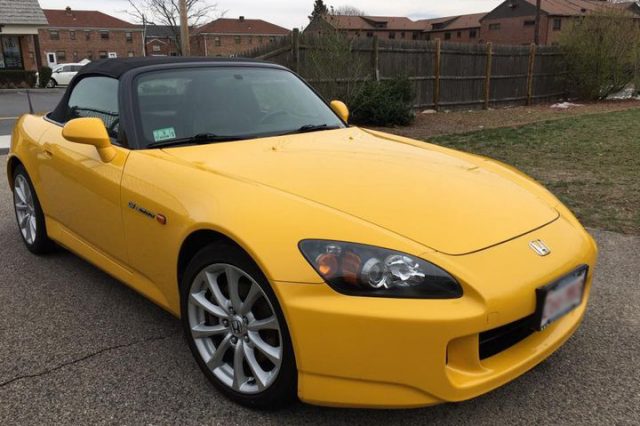
My little bit of sunshine all year long.
(Kristen Bagdasarian)
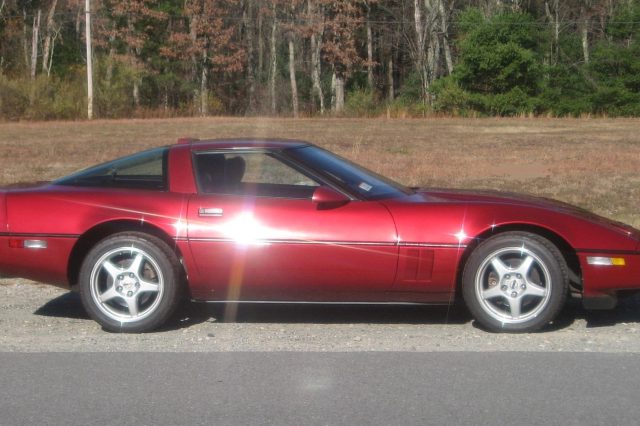
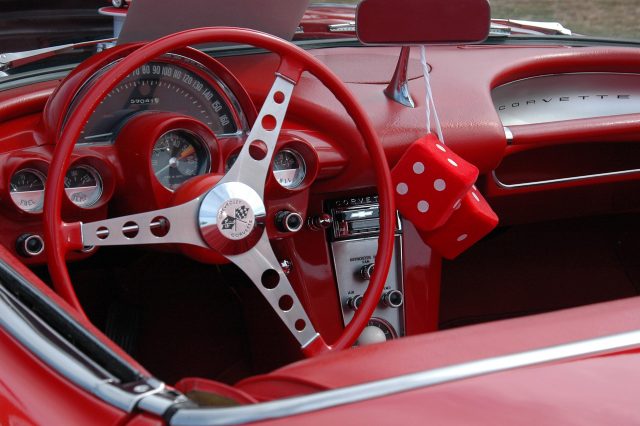
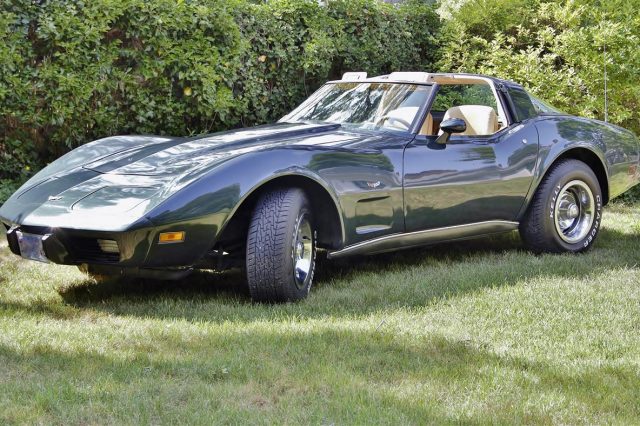
Racy red Corvette. (Kathleen Seraphin)
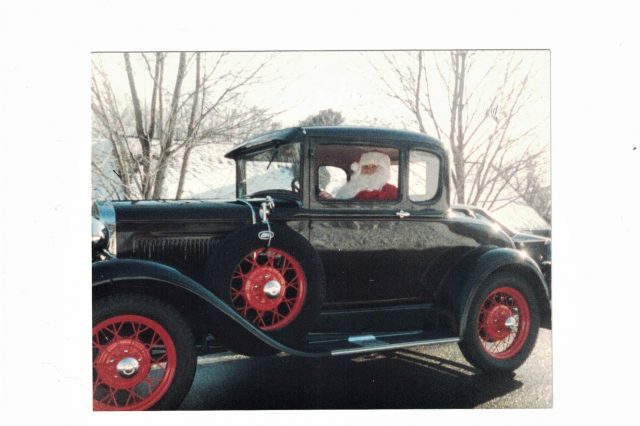
Santa Charlie in his restored 1930 Model A.
(Joyce Donovan)
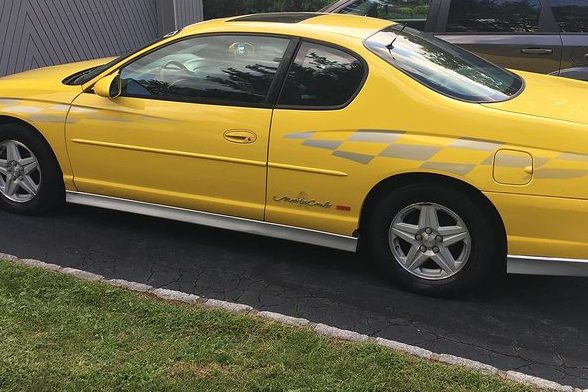
2002 Chevy Monte Carlo SS Limited Edition Pace Car. (Max Lenn)
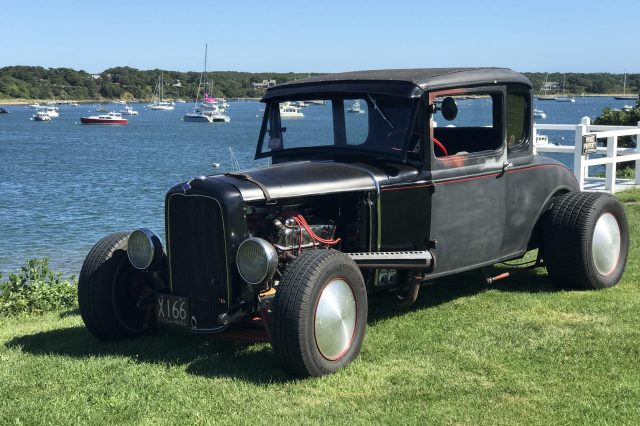
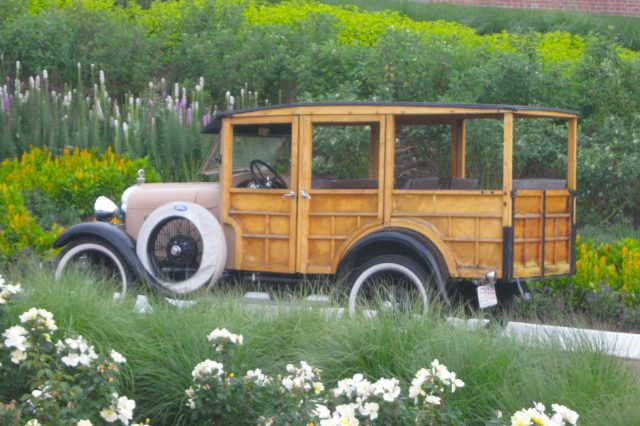
Woodie at Chatham Bars Inn, Cape Cod.
(Jerry Goldberg)
(Jeremy Miville / AAA Employee)
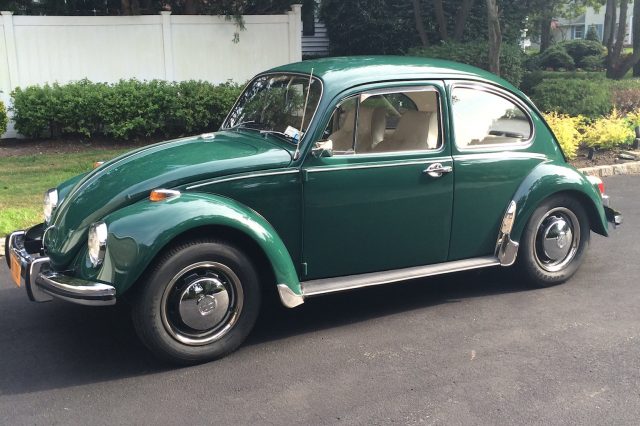
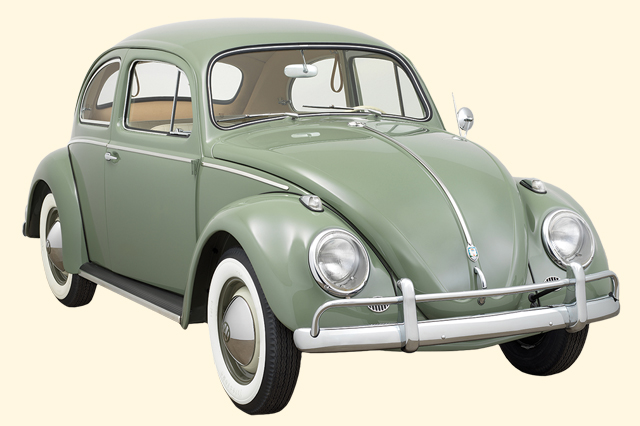
1968 Delta Green VW Beetle. (James Semertzides)
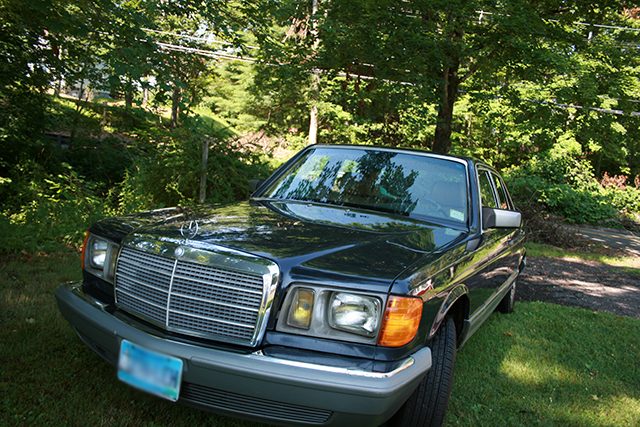
Dad's Benz. (Jame Freeman)
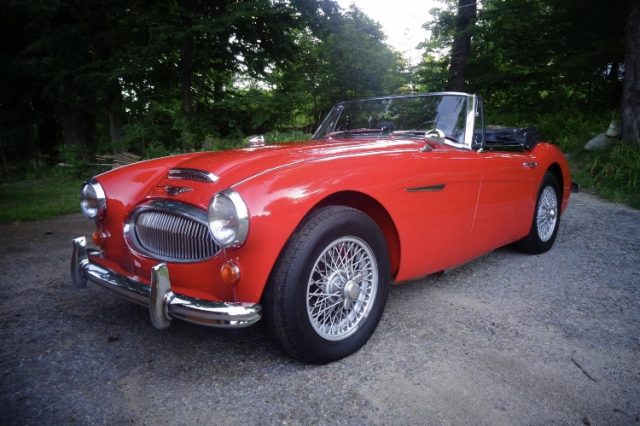
1965 Austin-Healey. “Ready for the Open Road.” (Jack Sheehy)
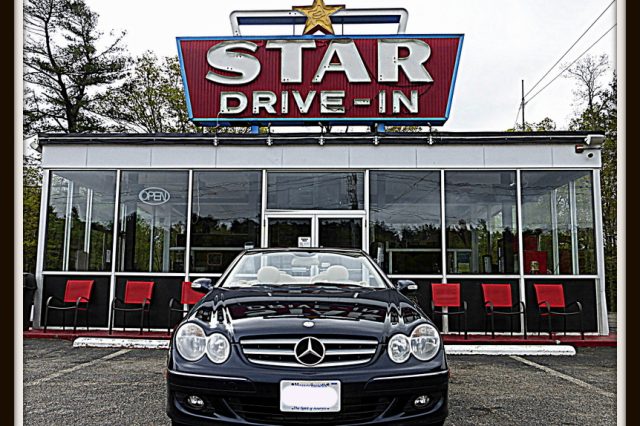
2007 Mercedes Benz CLK350 Convertible. Star Drive-in, Taunton, Mass. (Greg Gale)
A real Americana shot! (Grace Mary Romano)
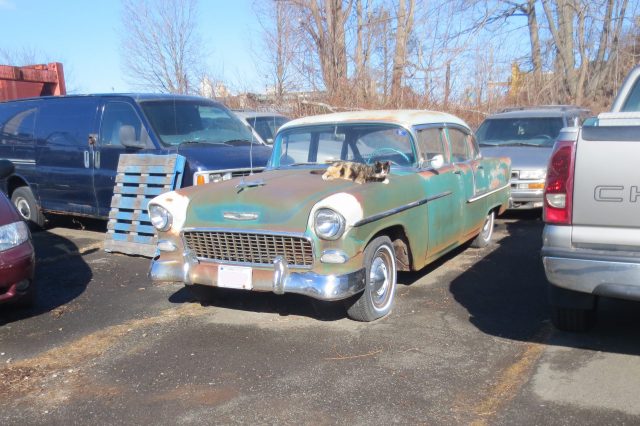
For sale. (Gloria Buettner)
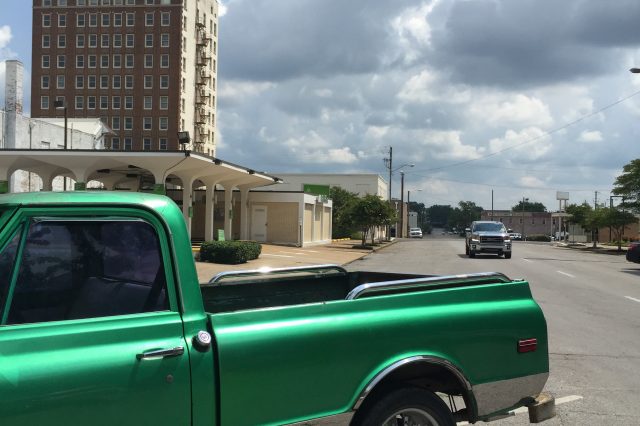
Green pickup truck. Meridian, Miss. (Gillian Furniss)
My '57 Vette I have been driving for 37 years. (Fred Oliver)
A real Americana shot! (Grace Mary Romano)
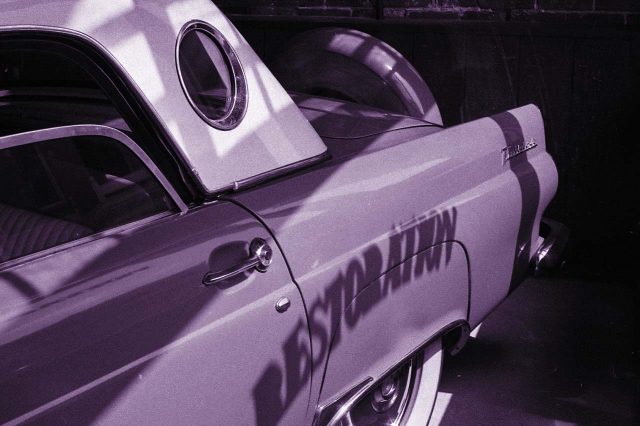
Restoration (Ev Jones)
Ground control. (Erin Ouellette)
Grandpa's ride. (Emily Bauer)
(Edward Zbrizher)
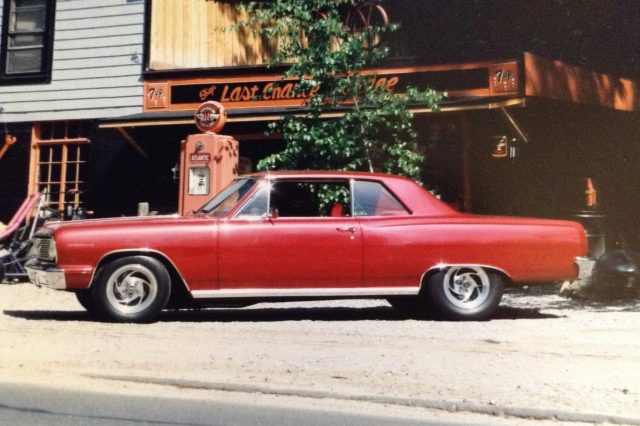
My 1964 Chevelle Malibu. (Ed Pater)
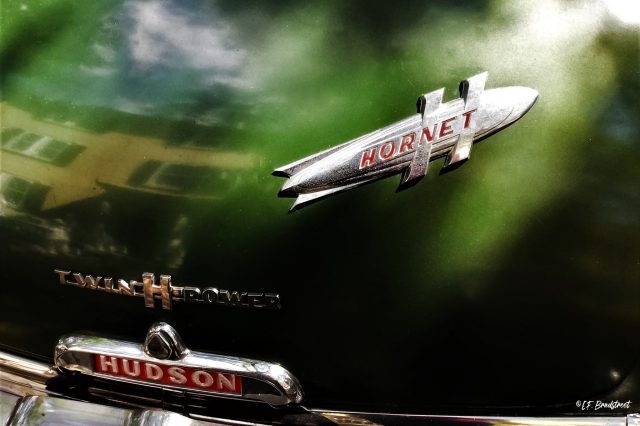
1952 Hudson Hornet (Ed Bradstreet)
My yellow Bumblebee. (Diane-Michele Petrillo)
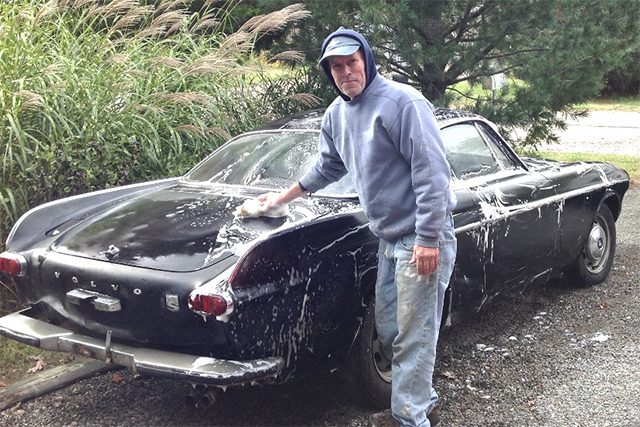
Volvo P1800S getting special attention. (Diane Jones)
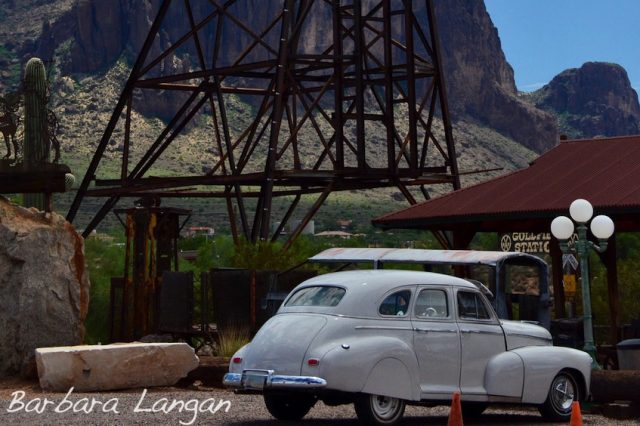
Taken at the Goldfield Mines in Arizona. (Barbara Langan)
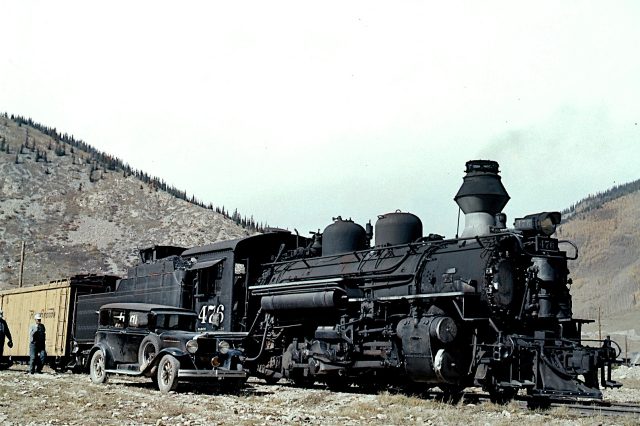
1929 Graham-Paige & D&RGW 476 in Silverton, Colo., in 1961 on 9,000-mile trip to California and back. (Andrew Wittenborn)
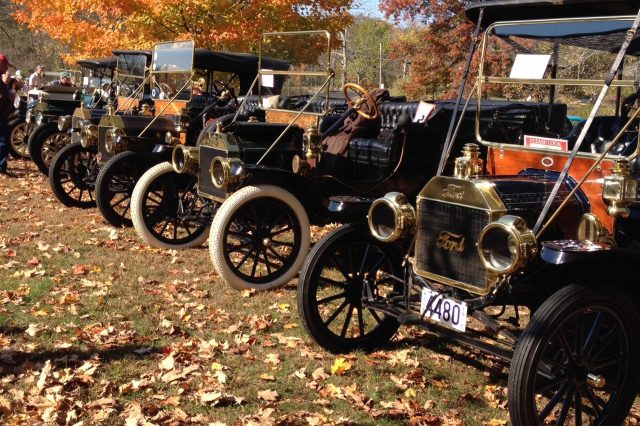
Autumn days. (Wanda Gilbert)
Antique car. (Debby Eskenazi)
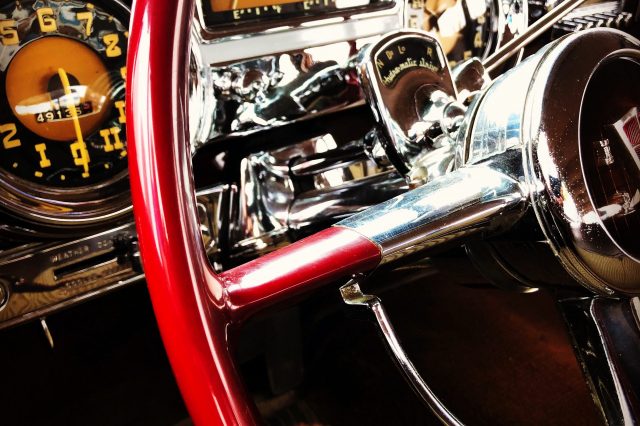
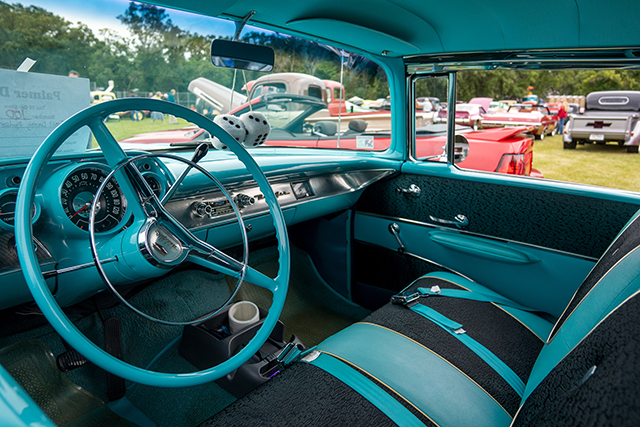
Hudson Hornet dashboard. (David Saias)
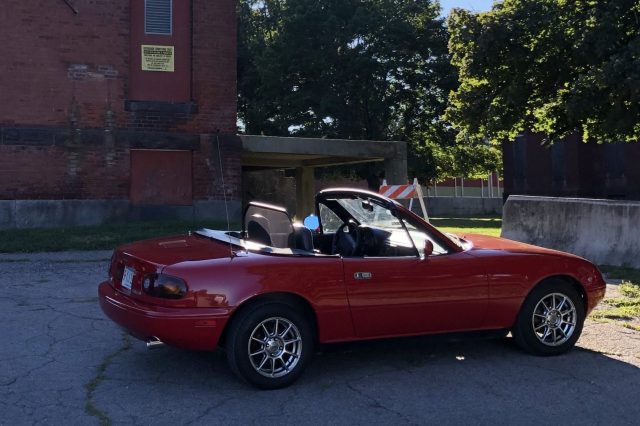
Miata at Medfield State. (Danny Mercer)
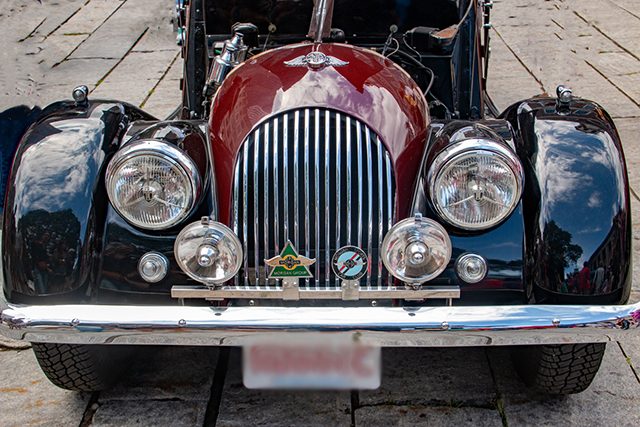
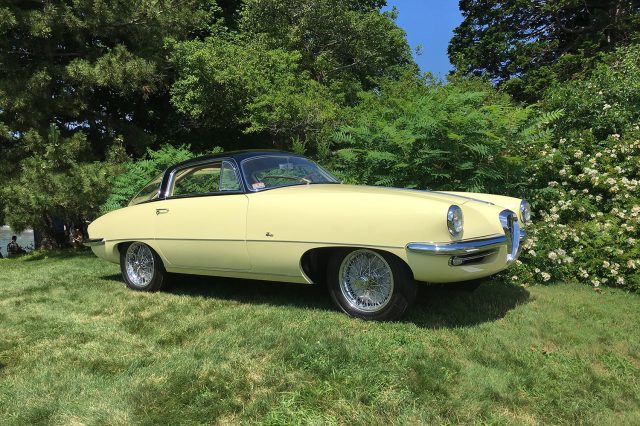
Taken at Concours d'Elegance at Endicott College. (Deborah Angelosanto)
The car I used to set myself up for success.
(Tesfa Scott)
3 Simple Tips for Better Car Photos
Classic and collector cars are a thing of beauty and your pictures should accurately reflect that. These simple car photography tips will help you make your car and photos shine.
(Photo: Beth Mancuso)
Try Different Heights and Angles
Eye-level shots are actually the least flattering to cars. Try getting down low and shooting up at the car. You can achieve ground-level shots by placing your camera directly on the ground and using the LCD screen to compose your shot. If you don’t have an LCD screen, try lying flat on your stomach and taking shots that way. Once you have captured ground-level shots, move on to crouching or kneeling shots. From there, try to add some height by using a step ladder. If you want a completely original viewpoint, use a drone to capture the birds-eye view of your car.
While you are changing up your height, you should also vary your angle. I recommend doing a complete 360-degree walk around the car and stopping every foot or so, snapping a few shots of every height and angle.
(Photo: Beth Mancuso)
Bring Out the Details
What makes classic and collector cars shine are all the thoughtful details. They are a work of art. Zoom in on the details of the car. On the outside you can capture the grill, wheels, hood ornaments, curves in the fender and hood, headlights, etc. Make sure to hop inside and capture the interior details as well. The steering wheel, upholstery and dials are the can’t-miss shots. You can get creative by placing something visually interesting in the side or rear-view mirrors.
(Photo: Beth Mancuso)
Show Them in Their Element
The best car photos are those that show the car in its natural environment. Trying staging a shot on an open road. You can do this by finding a less-traveled road and having a spotter look for oncoming cars. Park the car and have someone hop in to pose as the driver.
From the pilgrims landing in Plymouth to the signing of Declaration of Independence in Philadelphia, the United States’ origin story is centered in the Northeast. The region, therefore, is innately historical and thus naturally filled with locations teeming with historical significance.
But the area’s historical pedigree goes far beyond the political realm. Some of the country’s most brilliant and creative minds, including inventors, artists and authors, lived and worked in the Northeast.
With such a storied past, there may be no better place to travel through if you’re on the lookout for historical sites than the Northeast. Here are just a few of the locations that should be on your list.
Old State House and Old South Meeting House
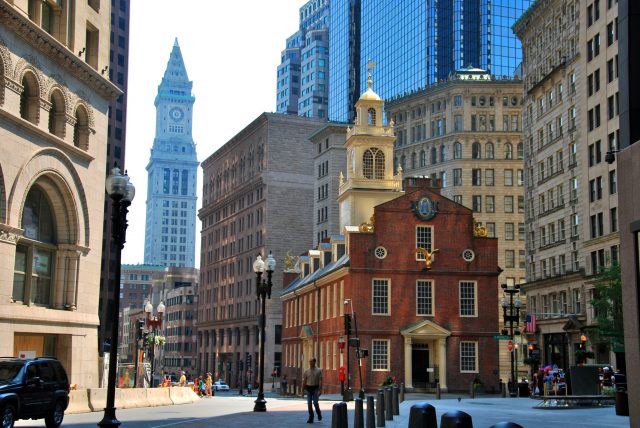
The entire city of Boston is one big historical site, so formulating a list of notable locations can be a task. But few buildings in the city hold as much historical significance as the Old State House. Throughout the 1770s, this building was home to a merchants’ exchange, the seat of colonial and later state government, and the highest court of the Massachusetts colony.
The Old State House is most famous, however, as being the site of the 1770 Boston Massacre. This event would go on to be known as the first bloodshed of the American Revolution. The building is now a museum and Boston National Historical Park.
Just down the street from the Old State House sits the Old South Meeting House. This historical site, the largest building in colonial Boston, served as a church as well as the most notable meeting place in Revolutionary Boston. It was here where Boston citizens gathered for protests against the British.
Few events in America’s existence hold as much historical significance as Paul Revere’s midnight ride, a journey that culminated in two lanterns being lit in the Old North Church’s steeple. The lanterns were a signal that the British were traveling to Lexington and Concord by sea and not by land.
The Old North Church still stands in the same spot on Salem Street, making it Boston’s oldest surviving church. The building remains an active place of worship but is also open for tours.
Plymouth Rock
In many ways, the history of America began when the pilgrims landed in Massachusetts, making Plymouth Rock one of the most significant historic sites in the Northeast – and the country. Although there is no evidence that the particular rock was, in fact, the pilgrims’ steppingstone, several Mayflower passengers are said to claimed it so. In some ways, it’s a moot point, as Plymouth Rock serves more as a symbol than a marker.
The rock is part of Pilgrim Memorial State Park, which also includes the Mayflower II museum and attracts more than one million visitors each year.
9/11 Memorial & Museum
The newest, and most somber, location on this list is lower Manhattan’s 9/11 Memorial & Museum. Through artifacts, personal stories, and interactive experiences encompassing 110,000 square feet of space, the museum gives visitors an unparalleled look at the events of both the attacks of 9/11 and the 1993 World Trade Center bombing, all at the site where the Twin Towers once stood.
Outside, the memorial remembers the 2,977 people killed on 9/11 and six in the 1993 bombing. All of their names are inscribed in bronze parapets surrounding the twin memorial pools, which feature the largest man-made waterfalls in North America.
The Susan B. Anthony Museum & House
Susan B. Anthony, mother of the country’s modern women’s rights movement, did much of her work in her red brick house in Rochester, N.Y. The home was the site of her famous arrest for voting in 1872, the National American Woman Suffrage Association headquarters, and where Anthony passed away in 1906.
The Susan B. Anthony Museum & House houses artifacts of her life and work, which included the pursuit of suffrage, abolition, and education and labor reform.
Sagamore Hill
No list of the country’s top historical sites is complete without a spot remembering presidents past. Located on the north shore of Long Island, Sagamore Hill was Theodore Roosevelt’s summer house. It’s most notable for being a site where Roosevelt hosted luminaries from around the world while serving as president in the early 1900s. The National Historic Site contains parts of Roosevelt’s extensive art collection, many personal items, as well as letters and other artifacts.
Mark Twain House & Harriet Beecher Stowe Center
The Northeast has more than its fair share of literature-themed historical sites. Sleepy Hollow and Walden Pond come to mind. But in Hartford, Conn., you get two for the price of one. Mark Twain, the famous Missourian, lived in the Connecticut city for several years, during which time he penned classics like “The Adventures of Tom Sawyer,” “Adventures of Huckleberry Finn” and “A Connecticut Yankee in King Arthur’s Court.” Amazingly, just around the corner lived Harriet Beach Stowe, author of arguably the most famous American novel, “Uncle Tom’s Cabin.”
Both Twain’s and Stowe’s houses are now museums dedicated to their respective former owners, filled with galleries, books and artifacts.
Thomas Edison National Historical Park
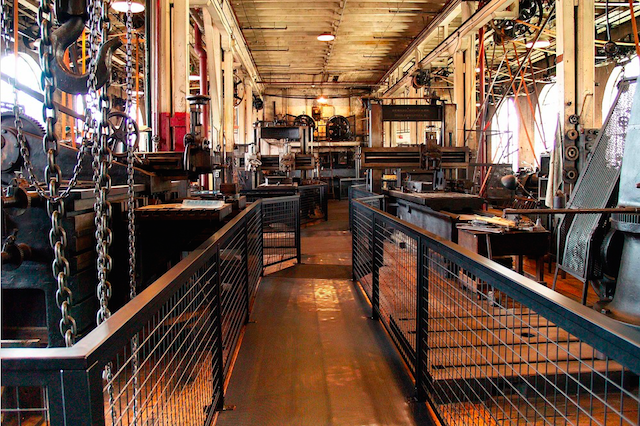
The home and laboratory of the country’s most famed inventor, Thomas Edison, sits in our own backyard. Now a museum and National Historical Park, the complex is open to visitors. A visit to the site, located West Orange, N.J., just 30 minutes outside New York City, allows guests to stand in the same place where Edison devised inventions that would forever alter our lives.
The museum’s collection is estimated to include more than 300,000 items, making it the third-largest museum collection in the National Park Service. Some of these artifacts include electrical lighting equipment, phonographs, family photos and decorative art.
The Newport Mansions
Take a trip back in time to the extravagant gilded age with a trip to the mansions of Newport, R.I. These homes, built in the late 1800s, served as summer “cottages” to the wealthiest families in the country.
The grandest of them all is The Breakers, first owned by Cornelius Vanderbilt II. In 1893, he hired architect Richard Morris Hunt to design a villa. Hunt commissioned an international team of craftsmen and artisans to create the 70-room Italian Renaissance-style mansion. In 1972, the Preservation Society of Newport County purchased the home from the Vanderbilt heirs. Along with the other mansions, the Breakers now serves as a historical and architectural, allowing guests to see first-hand how well the other half lived a century ago.
Need a ride as you tour the historic sites in the Northeast? AAA members can save up to 20% on Hertz rentals. And up to four additional drivers (who are AAA members) can drive for free, so everyone can take in the scenery.
With so much to offer, planning day trips in New England can be overwhelming. Sometimes it’s best to leave the planning to a professional and take one of the many already-established New England tours. Whether you’re looking to explore by foot, bicycle, boat, bus, road or train, we’ve picked out some of the best tours in New England.
Note: Due to the ever-changing nature of the COVID-19 crisis, please see official websites before visiting to check for restrictions or closures.
Urban Adventours offers professionally guided, all-inclusive tours of Boston and surrounding areas. Newcomers to Beantown should opt for the City View Tour, offering up-close and personal access to the capital city’s highlights, including Boston Common, Copley Square and many of the city’s historic neighborhoods. Baseball fanatics can enjoy the private sports-themed Funway to Fenway tour, while history buffs can ride the path of Paul Revere on the private Ride to Freedom tour. Family-friendly and night tours are also offered.
Cape Cod Rail Trail Nickerson State Park, Brewster, Mass. (see website for free parking areas)
Cape Cod has been a popular destination for New England day trips since the late 1800s. Back then, they would board trains to leave the busy city behind, traveling out along the peninsula to the respite offered by small towns, sandy beaches and wooded areas. Today, those railways have been transformed into a 22-mile network of paved bike paths connecting the towns of Dennis and Wellfleet, right in the elbow of the hook. Thanks to the Cape’s near-sea-level altitude, the terrain is mostly flat, making the paths perfect for a leisurely afternoon ride through forests, cranberry bogs and state parks.
Also transformed from a former railway, the Minuteman Commuter Bikeway runs through areas that played host to the first moments of the American Revolution. The path offers an easy commuting option to a T station for locals, while offering visitors a look into the history of the four towns, as well as at the scenic landscapes common to the Boston suburbs.
Looking to peddle a little farther into the wilderness? Bike New England’s database includes hundreds of maps of officially established bike paths and more adventurous paths forged by other bikers throughout the greater New England area. Set out on one of the Connecticut Heritage Trails, tour the Rhode Island seashore or tackle the hills of the Massachusetts Berkshires.
Did you know that your AAA membership also includes roadside bicycle service? If your bicycle breaks down during an excursion or you get a flat tire, just call for assistance! Note that bicycle assistance is only available on established roads and streets, and not on all off-road bike paths.
Part tour bus, part boat and all fun, DUCKs are vehicles inspired by World War II amphibious landing vessels that offer tours of Boston that go off the beaten path and the paved road. The classic sightseeing tour, narrated by ConDUCKtors, hits many Boston attractions while on land, then changes the tour’s perspective when it nosedives into the water for a tour on the Charles River. Ask any Bostonian – taking a Duck Tour is one of the most New England things to do.
The Argia is a 81-foot schooner docked in the historic seafaring village of Mystic, Conn. Daily half-day cruises of the Mystic River and nearby Long Island Sound are offered during the warmer months, when the antique Main Street drawbridge opens to allow the ship’s tall sails to pass through. After being welcomed aboard by the caption, passengers can help hoist the sails or sit back and enjoy the charming scenery and picturesque lighthouses.
Boston Harbor Cruises offers a variety of boat tours, but perhaps the most unique is aboard the Codzilla. The boat’s exterior is painted to resemble a giant, neon and very angry shark, whose bared jaws plow through the harbor at 40 mpg. As the water coaster spins and swerves, passengers will get splashed and are encouraged to scream in delight or sing along to the hard-rock soundtrack. It’s not historic or peaceful, but it will sure get your blood pumping!
Finest Kind Cruises offers tours of the Ogunquit coastline in southern Maine that bring a sense of palpability to the spirit of Vacationland. A breakfast cruise navigates the newly lit, serene morning waters to a harbor seal hotspot, while a lighthouse cruise provides a coastal viewpoint of local homes and a lighthouse. Those itching for the classic Maine experience and photo-op should book the Lobstering Trip, staffed by real lobstermen harvesting real lobster traps.
For a New England tour via water that’s hands-on, interactive and great exercise, the Kayak Centre of Rhode Island offers a series of guided kayak tours featuring the Newport and Jamestown coasts, historic Wickford harbor, Ninigret Pond and, for those not frightened by the creepy crawly, a Rhode Island swamp.
This company provides the typical city tourist hop-on, hop-off experience in the most Boston way possible: on a historic trolley. The route includes 19 stops selected for their historical and cultural relevance, where riders can hop off and explore the destination, then hop on and continue the journey at their convenience.
Designed for the very bravest travelers, this bus tour takes sightseers on a spooky-themed journey through Boston’s darkest historical moments. Stops are made at notable graveyards and famously haunted buildings, and a staff of wickedly-clad guides thrill travelers with tales of Boston’s most horrific residents, including the Boston Strangler.
In its heyday, the historic seaside town of Newport, R.I., was a popular summer respite for America’s elite. Many of their Gilded Age-era mansions remain today, preserved as museums with elaborate gardens and sweeping seaside views. Drive through Newport’s historic downtown area, and stop to tour a few of the elaborate mansions of Bellevue Avenue.
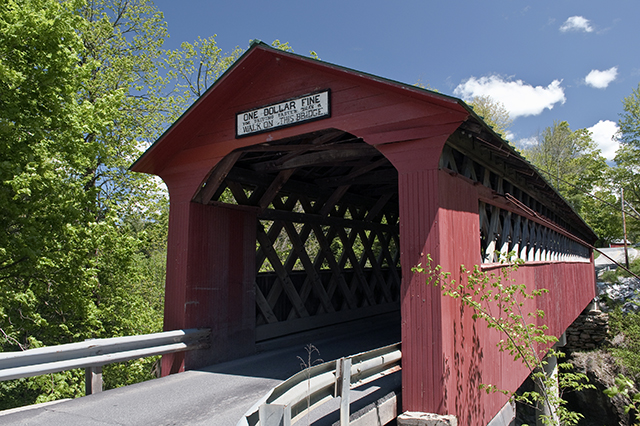
Covered bridges are quintessential New England landmarks, and one of the best New England day trips highlights some of the 104 covered bridges in Vermont. It includes a visit to the longest wooden bridge in the United States, which spans the Connecticut River connecting Vermont and New Hampshire.
Find maps and attractions, plus places to eat and stay during your New England day trip or road trip with the AAA mobile app.
This 2 1/2-mile trail allows Boston sightseers to walk in the footsteps of America’s forefathers, emphasizing landmarks that played a significant role during the Revolutionary War period. The Freedom Trail Foundation offers daily tours centered on a variety of themes, from the more general Walk into History tour to the African-American Patriots and Revolutionary Women tours.
The famous Newport, R.I., Cliff Walk offers self-guided passage along a public access path that winds through the stunning mansion grounds, over the rocky shoreline and along sandy beaches. The 3 1/2-mile trail covers a variety of terrains, and visitors should wear proper shoes and use caution; the walk is steep in some places and the rocks can get slippery.
A journey on the Essex Steam Train departs from a remarkable 1892 train station in Essex, Conn. Once aboard and seated comfortably in the vintage coaches, travelers enjoy picturesque views as the steam locomotive winds through the nature-rich Connecticut River Valley. Upon arrival at Deep River Landing, passengers board a riverboat for a tour of area via water, highlighting historic sites such as Gillette Castle and Goodspeed Opera House. After the boat ride, guests are brought back to Essex Station via train.
Offering a unique approach to New England tours, the Cape Cod Central Railroad offers coastal excursion trips that take visitors on two-hour expeditions from Hyannis, Mass., through the area’s changing landscape, winding through marshes, cranberry bogs and sand dunes. The company also features a Rails and Ales Beer Tasting Train, offering New England brewery tours aboard the train. Samples from local craft breweries are paired with appetizers for diners to enjoy while enjoying the stunning views.
Departing from North Conway Village’s 1874 train station, the Conway Scenic Railroad allows travelers to experience the New Hampshire countryside by rail. The Valley Train offers a classic, old-fashioned passenger car experience while the Notch Train takes riders through New Hampshire’s mountainous terrain. Each train has a dining car designed to provide a turn-of-the-century train dining experience.
What New England day trips are you planning this summer? Tell us in the comments!
Need a ride? Take advantage of exclusive AAA discounts and benefits when you rent from Hertz.
Out in the streets or re-created in the studio, filmmakers have always tried to capture the magic of New York City on screen. Whether it’s in the shadows of a dark alley, the grandeur of a skyscraper or the nonstop energy of Times Square, if you’ve got a camera, the Big Apple easily provides the lights and action.
The NYC TV and Movie Tour from On Location Tours takes visitors on a journey through Manhattan that covers over 60 of the most famous filming sites in the city. For first-time visitors and cinema buffs alike, it’s an entertaining look at historic landmarks and neighborhoods through the familiar lens of movies and television.
On Location Tours NYC TV and Movie Tour
On Location Tours specializes in television and movie sightseeing tours in New York and Boston with themes like “Sex and the City” hotspots, “Sopranos” sites and Turner Classic Movies.
Sound like something you would like to do? AAA members save 15% on On Location Tours in New York City and Boston when booking in advance online.
I chose the NYC TV and Movie Tour because I felt like it was the most well-rounded option. The guide might have called me out for being the only person from the tri-state area on a bus packed with tourists from Utah all the way to Scotland, but the film-first perspective was a new way of seeing the city that I could appreciate. It was a really good time!
The 2.5-3-hour bus tour is a highlight reel of some of the top big and small screen moments captured throughout the city, plus a few extra surprises along the way. The perspective is unique in that Columbus Circle isn’t just a traffic circle but the place where the Stay Puft Marshmallow Man made his debut in “Ghostbusters,” and the Flatiron building is not only an architectural marvel but the Daily Bugle headquarters in “Spider-Man.”
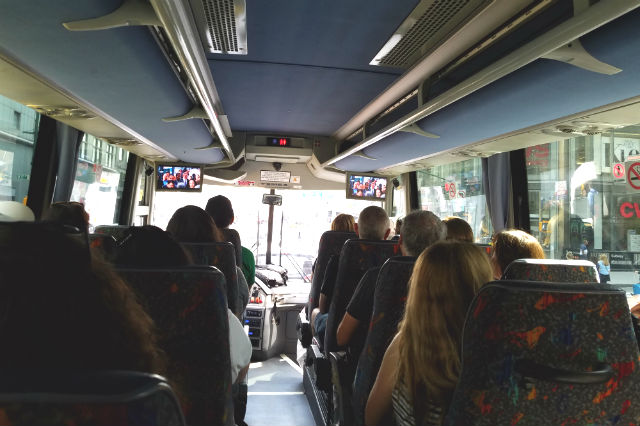
For fans of shows like “Sex and the City,” “Friends,” “Seinfeld,” “How I Met Your Mother” and “Gossip Girl,” it’s an opportunity to see the stomping grounds of their favorite characters. You feel as if you are part of the shows as screens inside of the bus play scenes featuring the locations right outside the window.
Scenes from movies and TV shows play inside of the bus as you pass by the filming locations.
Also starring…
All On Location Tours guides are actors, usually with backgrounds in comedy or improv – so the personalities are big and the commentary is quick, witty and never boring. As certified NYC tour guides, they not only provide facts about the filming locations, but can offer insight to some of the behind-the-scenes moviemaking magic as well.
Our guide Gary Mahmoud, an actor and comedian, would throw in mentions of his own cameos and roles throughout the tour. There was never a dull moment; even in traffic, he would keep the energy going with trivia questions and small prizes for those who got correct answers.
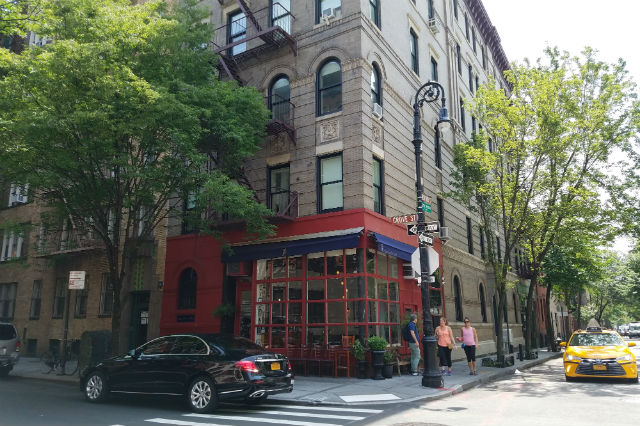
This building in Greenwich Village is said to be the inspiration for the “Friends” apartment.
Top sights and stops
The trip started in Times Square, then up through Columbus Circle, past Central Park (the most filmed location in the world) and the swanky stores on Fifth Avenue. Some of the most iconic film sites included Trump Tower, aka Bruce Wayne/Batman’s office; the Plaza Hotel, famously remembered for its screen time in “Home Alone”; and Tiffany & Co., where Audrey Hepburn donned her black dress and pearls and ate breakfast.
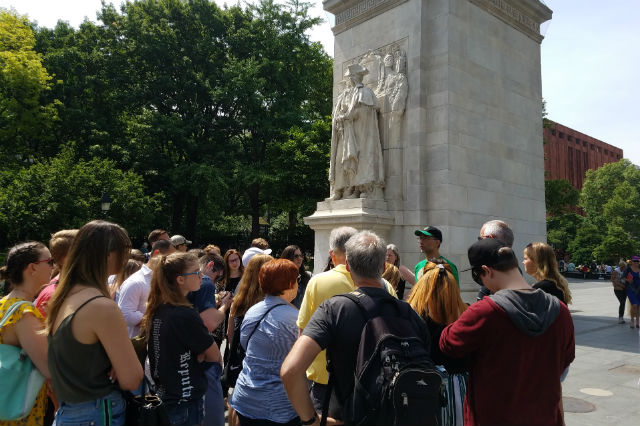
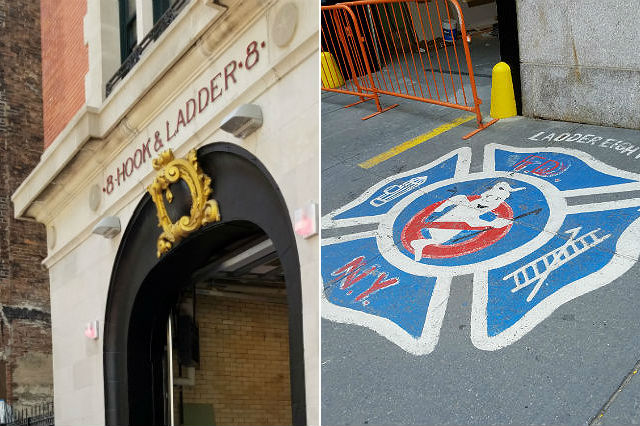
After passing through the Flatiron District, we stopped to get out and take photos at the easily recognizable and movie-ready Washington Square Park. We continued on to Greenwich Village, Tribeca and the Meatpacking District, stopping along the way to check out the “Ghostbusters” firehouse and the building that inspired the “Friend’s” apartment.
There’s a good chance that you’ll get to see some real-life lights, camera, action on the tour, too. We happened to drive past actresses Ellie Kemper and Carol Kane as they were shooting a scene for the Netflix series “Unbreakable Kimmy Schmidt.” Gary shared a long list of TV shows, movies and actors he’s spotted while guiding tours. Stay alert and you’ll never know what or who you might see!
The NYC TV and Movie Tour wraps up in midtown right outside of McGee’s Pub, said to be the inspiration for MacLaren’s in “How I Met Your Mother.” And right around the corner is the original Soup Nazi shop for all the “Seinfeld” fans.
The firehouse known for being the “Ghostbusters” headquarters.
The reviews are in!
On Locations Tours is a crowd pleaser. It’s got 4.5 out of 5 stars on Yelp, and I can attest to the fact that everyone on my tour (including me!) walked away with a smile on their face.
If you’re a TV and movie lover or are just looking for a fun way to spend a day out in the city, you’ll enjoy any of the tours offered by On Location Tours. Don’t forget your AAA discount!
Regular physical activity is one of the most important things you can do for your health, according to the Centers for Disease Control and Prevention– and going for a walk is certainly one of the simplest and most refreshing ways to do it.
Improved mood and a maintained weight are among the many excellent reasons to go for a stroll. Walking is not only great for those just beginning their fitness journey, but a moderately-paced scenic walk can make for an active family outing or romantic date.
By now you’re probably wondering: Well, where are some walking trails near me? Read on to find some of our favorite walks in the Northeast.
Note: Due to the ever-changing nature of the COVID-19 pandemic, please see official websites before visiting to check for restrictions or closures.
Open to walking and mountain biking, this trail is 0.6 miles in length. The trail is made of concrete, crushed stone, gravel and footbridges that bring you through marsh habitats.
This 11.9-mile path travels through forested areas, featuring breathtaking views of mountains, lakes, rivers and wetlands. Trail-goers can also bring binoculars for bird-watching or cast a line in one of the ponds.
This 9.2-mile asphalt trail welcomes walking, biking, in-line skating and cross-country skiing. It is also wheelchair accessible. There are hopes to expand the trail to 12.5 miles in length.
For more Massachusetts walking and hiking trails, see here.
This 5.5-mile walking trail is also wheelchair accessible. The trail’s surface includes dirt, grass, gravel and sand. Activities like mountain biking and cross-country skiing are also welcome.
There’s plenty to see on this 22-mile trail. The tree-lined path crosses wetlands, streams, fields and small towns. It’s divided into two sections, which currently aren’t linked, so some visitors may need to travel along an on-road route.
The Ramapo Valley reservation is home to a a network of loop trails. The 7.2-mile Ramapo Reservation Loop Trail, 3.5-mile Vista Loop Trail and 4.1-mile Ramapo Ramble Trail are all great options for nature walks.
For more places to walk and hike in New Jersey, see here.
Following along the path of the former Delaware & Hudson Railroad, this trail offers a 9.8-mile stroll through woodlands. During the spring, look out for views of a rushing creek; fall is the perfect time to leaf peep. Along the way, visitors can access Veterans Memorial Park located in Delmar and Fireman’s Park in Slingerlands.
This 5.6-mile, multiuse, asphalt rail trail is wheelchair accessible and welcomes walking, biking and in-line skating. Explore western New York as you stroll through Allegany and Cattaraugus county.
For more information on New York trails, see here.
Newport’s 3.5-mile Cliff Walk offers great ocean viewing. Breathe in the salty sea air as you follow path, spotting wildflowers, birds, historic Gilded Age mansions and more along the way.
On the shores of Narragansett Bay, this path (Rhode Island’s best-known rail trail) offers 14 miles of alternating landscapes, including stunning wilderness and urban enclaves. Along the way, visitors can wander off on spur trails, discovering parks and conservation areas.
With all the stress in our daily lives, walking trails near you can be a peaceful and heart healthy way to unwind and rejuvenate. Spend some quality time with your loved ones or hit the trail solo for some quiet reflection. Looking for a challenge? Hiking trails and bike paths will still give you those beautiful views and serene environments, with a little extra cardio!
Where are some of your favorite places to spend time outdoors? Let us know in the comments below!
A clean earth is a happy earth. Celebrate our beautiful planet with this puzzle.
Thanks for playing! Here are some tips to help you get the most out of your puzzle playing experience.
Since our members are the root of everything we do, your feedback is important to us. Let us know if you run into any issues while playing, or share your ideas for future puzzles by emailing us. Good luck!
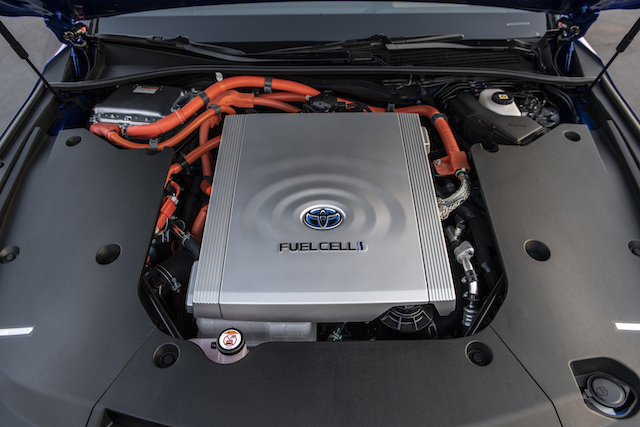
Do you know what’s under your hood? If your answer is the most recycled consumer product in the world, you’d be correct. Lead car batteries have the highest collection and recycling rate of any type of battery. According to Essential Energy Everyday, lead car batteries have a recycling rate of nearly 100%. Even better? With a circular economy, the lead in car batteries is infinitely recyclable, meaning it can be used over and over with no loss of performance.
You can feel good about where your car battery goes when it reaches the end of its lifespan. More than 130 million lead batteries are recycled and kept from landfills every year, according to Essential Energy Everyday. And a new lead battery typically consists of 80% recycled material.
Ethical Partnerships
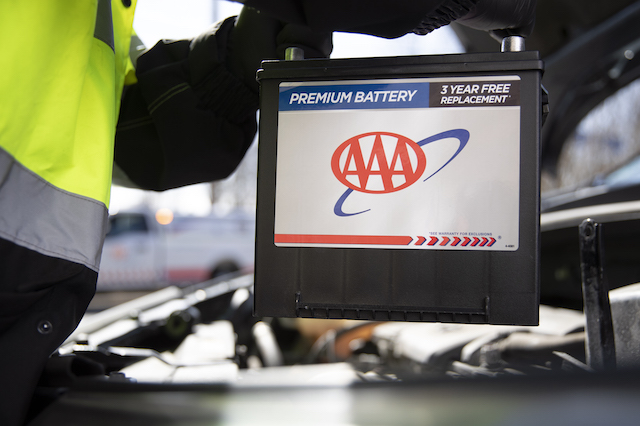
AAA takes great pride in its deep-rooted reputation for environmental protection. When you use AAA for car battery replacement, we do the work for you. No hidden fees or hoops to jump through: Responsible car battery recycling is automatically built into your service.
Using an Environmental Protection Agency-approved recycling center, we recycle every lead battery we replace. Our primary battery manufacturer, East Penn Manufacturing, is a private, family-owned company operating the largest single-site lead battery manufacturing facility in the world. Based in Pennsylvania, the EPA-permitted facility calls itself a model for the lead car battery recycling industry. It uses advanced technology to reduce lead emissions into the air, wastewater and stormwater.
The AAA Mobile Battery Service Program
AAA is dedicated to protecting our environment and ensuring great road trips for generations to come. A lead car battery usually lasts for three to six years, depending on a variety of factors. Factors like extreme heat or cold; harsh wear and tear; short, infrequent drives; and age all affect the lifespan of your battery. When the time comes to replace it, a AAA battery service technician comes to you – at work, at home, almost anywhere – to deliver and install it. Plus, in keeping with our commitment to greater sustainability for the planet, AAA technicians will also safely recycle your old battery.
Visit AAA.com to have a AAA technician check the condition of your battery – and replace and recycle it, if necessary.
The best road movies are all about the journey.This category of film often features a road trip or quest, where characters travel — whether it be via car, truck, train or on foot — on a journey that almost always changes the course of their lives, for better or for worse.
You can watch these adventures unfold with our picks for the best road movies. All movies on this list have an average Rotten Tomatoes score of 70% or higher, and many of these films are part of the Criterion Collection.
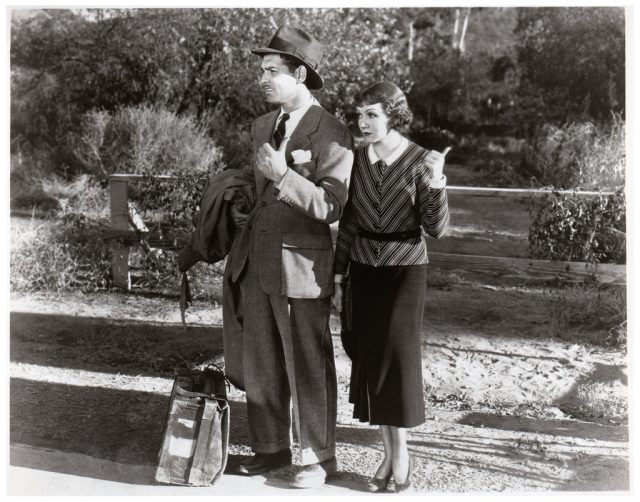
This romantic comedy follows an entitled, runaway heiress (Claudette Colbert) and the reporter (Clark Gable) who tries to help her reunite with her new husband in exchange for an exclusive story.
The epitome of a Western, “Stagecoach” tells the story of a group of characters onboard a stagecoach leaving from Arizona to a settlement in Lordsburg, N.M. This film was also John Wayne’s second movie.
One of Swedish director Ingmar Bergman’s most important films, “Wild Strawberries” follows a professor on his way to accept an honor as he encounters interesting characters and reflects on his life.
This adventure-comedy follows a group of strangers as they travel around California looking for a buried fortune. The film is known for its all-star cast and scavenger-hunt-like premise.
A true road movie and absolute must-see, “Easy Rider” captured the 1960s counterculture movement. The film follows two bikers enjoying the freedom of the open road as they travel cross-country.
“Vanishing Point” (1971)
A Vietnam veteran turned driver for hire (Barry Newman) transports a car cross-country after making a bet he can deliver it in less than 15 hours.
This film follows a mechanic and driver duo as they leave California in their 1955 Chevy. After picking up a hitchhiker, they find themselves in a cross-country race for pinks against a Pontiac GTO.
“Smokey and the Bandit” (1977)
Burt Reynolds stars as Bo “Bandit” Darville in this action-comedy about two bootleggers who try to smuggle a tractor-trailer filled with 400 cases of beer across state lines.
“The Blues Brothers” (1980)
In this musical comedy, two brothers (played by John Belushi and Dan Aykroyd) decide to reunite their band in order to raise money for the orphanage they grew up in.
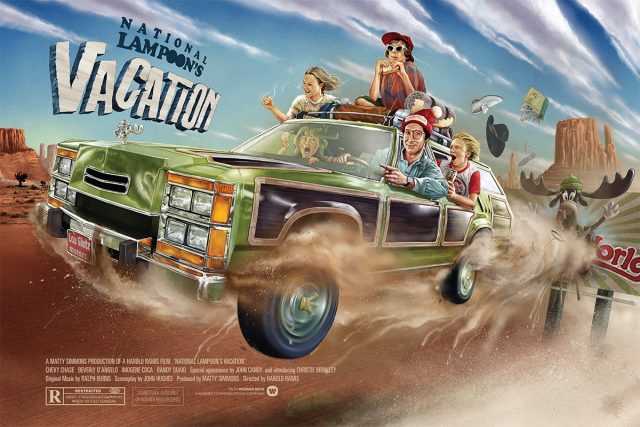
In this adventure comedy, a family’s road trip from Illinois to a theme park in California goes off the rails. “National Lampoon’s Vacation” was a box-office success and continues to live on as a beloved cult classic, inspiring multiple sequels. Not only is it one of the best road movies, it’s also one of the funniest.
“Pee-Wee’s Big Adventure” (1985)
When Pee-wee Herman’s beloved bike is stolen, he travels far and wide to find it. One of director Tim Burton’s lighter, brighter movies, this flick is kid-friendly.
This French film tells somewhat of a story in reverse, opening on a wandering woman’s dead body before using flashbacks to explain what happened to her.
Opposites attract in this romantic comedy where a quirky, free-spirited woman (Melanie Griffith) hijacks an uptight banker’s life, taking him (Jeff Daniels) on a wild adventure.
“Planes, Trains and Automobiles” (1987)
After a business trip to NYC, a marketing executive (Steve Martin) wants nothing more than to make it back home to Chicago in time for Thanksgiving. When he meets a traveling salesman (John Candy), the adventure becomes much more entertaining.
“Midnight Run” (1988)
In “Midnight Run,” a cross-country chase unfolds after a bail bondsman (Joe Pantoliano) hires a bounty hunter (Robert De Niro) to bring an embezzler from NYC back to Los Angeles.
“Rain Man” (1988)
Two brothers (played by Tom Cruise and Dustin Hoffman) reunite for a cross-country trip after their father passes away, disproportionally dividing his fortune between the two.
A true road film, “Thelma & Louise” follows two women (played by Geena Davis and Susan Sarandon) as they embark on a road trip that goes wrong.
“True Romance” (1993)
When a comic-book store clerk (Christian Slater) and a lady of the night (Patricia Arquette) fall in love, the pair decides to run away together.
“Dumb and Dumber” (1994)
This comedy follows two dimwitted friends (played by Jim Carrey and Jeff Daniels) who find a suitcase full of money and travel to Colorado to try to return it.
“Get on the Bus” (1996)
Director Spike Lee tells the story of a group of men on their way to participate in the Million Man March in Washington, D.C. During the bus-ride, these strangers connect through sharing life experiences.
“Almost Famous” (2000)
In this coming-of-age story, a 15-year-old boy follows an up-and-coming band touring the U.S. in order to write a piece for Rolling Stone magazine.
“Sideways” (2004)
Two friends (played by Paul Giamatti and Thomas Haden Church) take a trip to wine country for one last bachelors’ experience in this romantic comedy.
“The Motorcycle Diaries” (2004)
When two friends decide to ride motorcycles from Brazil to Peru before returning to school, they learn more about the world than they would have ever expected. “The Motorcycle Diaries” was inspired by true events.
The Hoover family sets off in a VW bus, traveling cross-county so their youngest can fulfill her dream of competing in the Little Miss Sunshine beauty pageant.
“Into the Wild” (2007)
Based on a true story, “Into the Wild” follows a young man who decides to leave a life of privilege behind to explore the Alaskan wilderness.
Auteur Wes Anderson tells the story of three estranged brothers hoping to reconnect as they take an exploratory train-ride across India.
“Wendy and Lucy” (2008)
In this indie film, a woman (Michelle Williams) and her dog wander across Alaska looking for ways to survive.
“The Road” (2009)
Based on the novel of the same name by Cormac McCarthy, “The Road” follows a father (Viggo Mortensen) and his son (Kodi Smit-McPhee) as they traverse a barren, post-apocalyptic landscape.
“Zombieland” (2009)
In the midst of a zombie apocalypse, a small group of survivors travels across the U.S. looking for Twinkies and a safe place to call home.
“Locke” (2013)
Tom Hardy stars in this drama about a man driving to London for the birth of a child conceived during a one-night stand. The entire movie is set within the confines of the vehicle.
What’s do you think is the best road movie? Tell us in the comments.
AAA members can save on fuboTV, a live streaming television service that offers everything from live sports to prestige TV shows and movies.
In the past year, many of us have been forced to slow down our travel, trading in our tickets abroad for gas in our tanks. Road trips have been the saving grace for travel in the past year, especially when it leads us to stunning natural sites throughout the country. As more opportunities for travel open up, seeing these natural wonders of the U.S. should be high on your list of places to explore.
Note: Due to the ever-changing nature of the COVID-19 crisis, please see official websites before visiting to check for restrictions or closures.
Antelope Canyon, Arizona
Antelope Canyon is known for its smooth, vibrantly colored sandstone formations, photographed constantly by visitors near and far. You can snap some photos yourself at this popular natural wonder of the U.S. and watch the sun reflect on the stone, filling the canyon with a waterfall of bright natural light.
Natural Bridge State Park, Massachusetts
Most people travel to the coast of Massachusetts to soak in the sun at the beach, but don’t forget about the western side in the Berkshire Mountains. Lined with quaint towns to explore like Great Barrington, Stockbridge, Lee and Lenox – and filled with luxury accommodations, cute eateries and cutting-edge cultural institutions – it’s definitely worthy of a trip.
Make a stop in the town of North Adams, home to the Natural Bridge State Park. The natural bridge is smooth, made completely of marble and is the only one of its kind in North America.
Mount St. Helens, Washington
Mount St. Helens is a stratovolcano along the Pacific coast in Washington. The volcano is made mostly of lava, volcanic ash and minerals. The volcano famously erupted in May 1980, killing 57 people and destroying hundreds of homes.
Thunder Hole, Maine
If you visit Bar Harbor, Maine, you have to check out Acadia National Park. The views are absolutely stunning with cliffside landscapes located along the splashing shore. Hike through the park pathways to discover deep red stone off of the Atlantic. The park alone is noteworthy, but while there you can visit the popular Thunder Hole, a break between two towering rock formations that catches the strong ocean waves, sending crashing water and mist into the air.
Niagara Falls, New York
New York is full of stunning waterfalls, but of course the most well known is Niagara Falls. Not only can you see this natural wonder of the U.S. (and Canada) from an observation deck, but there are multiple ways to get up close and personal like the Cave of the Winds experience that goes into the Niagara Gorge.
Another New York waterfall worth mentioning is Kaaterskill Falls, a two-tiered waterfall in the Catskills. You’ll feel like you’re in Bali. And about an hour and a half downstate in Dover Plains, you don’t want to miss the Dover Stone Church; the natural rock formations created a church-type peak in a beautiful cave entrance with a waterfall housed inside.
Rainbow Hot Springs, Colorado
Of course, when you’re talking about natural wonders in the U.S., Colorado must come into the equation. Not only does the state have gorgeous mountains and landscapes, but it has plentiful hot springs, as well. Rainbow Hot Springs is a bit of a hike into the forest – nearly 5 miles – but the views and relaxing in the steamy hot mineral water is completely worth it.
Old Faithful, Wyoming
Old Faithful, the well-known geyser in Yellowstone National Park, is definitely worth the trip. Nature can be unpredictable at times, but not Old Faithful. According to Yellowstone.net, “Old Faithful erupts every 35 to 120 minutes for 1 1/2 to 5 minutes. Its maximum height ranges from 90 to 184 feet.” People come from all over to visit the famous park and see the geyser erupt in person.
Grand Canyon National Park, Arizona
For nature buffs and hiking enthusiasts, the Grand Canyon National Park is a no-brainer. There are so many ways to explore the vibrant red rock and desert views: visitors can set out on whitewater rafting, hiking, biking or horseback riding excursions, or take a guided walk with a park ranger.
What are some of the most impressive natural wonders of the U.S. that you’ve seen? Tell us in the comments.
From action and horror to animation and comedies, movies about cars come from a variety of genres and appeal to a wide range of audiences. Whether you’re looking for new or vintage automobiles, a thrilling car chase or impressive driving skills, you’re sure to find something you like on our car movies list.
While there are some amazing movie cars out there, like the bat mobile and Doc’s DeLorean time machine, this list focuses on movies about cars and the act (or art) of driving them. In these movies, cars aren’t merely eye candy; they help carry the film.
Check out our list of car films. All have an average score above 65%, according to Rotten Tomatoes and many have reached cult classic status or were Oscar nominees or winners.
“The Hitch-Hiker” (1953)
This suspenseful film noir follows two friends held at gunpoint by a hostile, psychopathic hitchhiker running from the law. The film was inspired by Billy Cook’s real-life murders and starts with text reading, “This is the true story of a man and a gun and a car.”
“Grand Prix” (1966)
Hailed as one of the best films about auto racing, “Grand Prix” follows the stories of four Formula One drivers at various stages in their careers. The movie won Oscars for film editing, sound and sound effects.
“Bullitt” (1968)
Starring Steve McQueen and featuring a classic car chase through San Francisco, this thriller on our car movies list tells the story of a cop (Lieutenant Frank Bullitt) on a mission to bring a mob boss to justice. It won the Oscar for best film editing and was nominated for best sound.
“Chitty Chitty Bang Bang” (1968)
Inspired by Ian Fleming’s story “Chitty-Chitty-Bang-Bang: The Magical Car,” this family-friendly movie follows an eccentric inventor and his family as they use the magical car he creates to go on a fantastical adventure.
“The Italian Job” (1969)
Comedy meets crime in this British film featuring a car chase with three Mini Coopers and an iconic cliffhanger of an ending. A remake would come out in 2003, starring Mark Wahlberg, Charlize Theron and Edward Norton, among others.
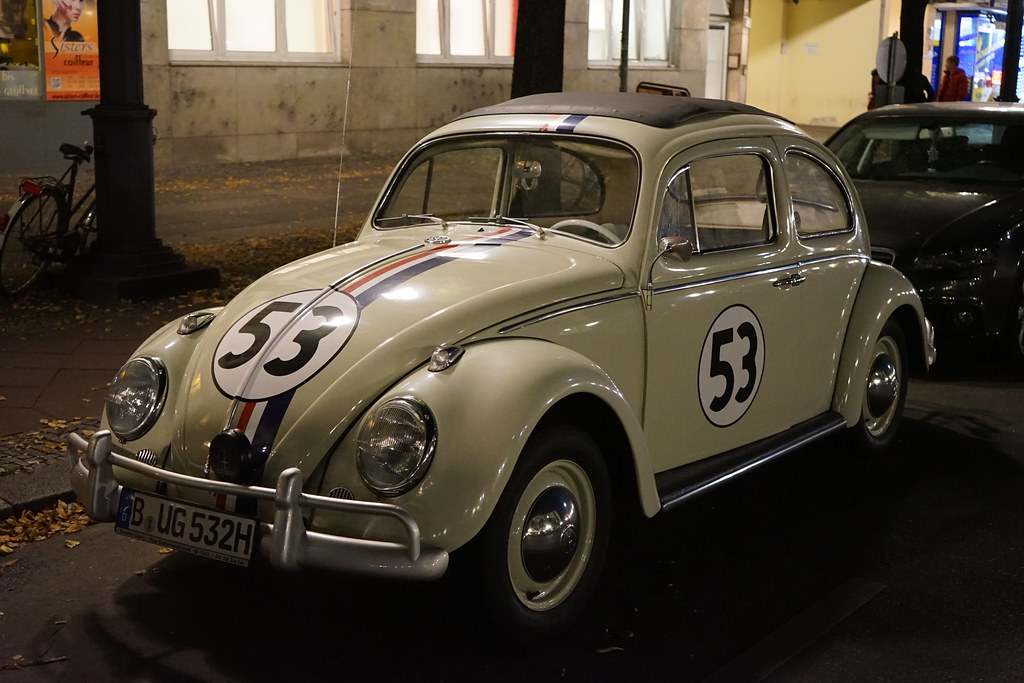
The first of what would become a series of movies, “The Love Bug” tells the tale of an anthropomorphic Volkswagen Beetle named Herbie. The car’s iconic look — with its cream-colored paint job, red, white and blue racing stripes and number 53 — is still recognizable today.
“The French Connection” (1971)
Two New York detectives trail a heroin smuggler in this fast-paced crime drama based on true events. Not only does this film feature one of the greatest car chase scenes of all time, it won the Oscar for best actor, best directing, best film editing, best writing and best picture.
“Le Mans” (1971)
“Le Mans” tells the story of Porsche driver Michael Delaney (Steve McQueen), troubled by personal conflicts, as he prepares for and participates in a 24-hour endurance race at Le Mans, France. The film features real footage from the 1970 Le Mans race.
“Two-Lane Blacktop” (1971)
This road movie follows a mechanic and driver duo as they leave California in their 1955 Chevy. After picking up a hitchhiker, they find themselves in a cross-country race for pinks against a Pontiac GTO. “Two-Lane Blacktop” is both a cult film and a part of the Criterion Collection.
“Vanishing Point” (1971)
Barry Newman plays a veteran turned driver for hire in this action movie. Featuring a 1970 supercharged Dodge Challenger and a nail-biting police chase, “Vanishing Point” is a classic that’ll keep you entertained.
“Duel” (1972)
A young Steven Spielberg directed this TV film about a man commuting to work in a Plymouth Valiant until a truck hellbent on killing him begins its pursuit. This action-thriller was Spielberg’s debut and has been hailed as one of the best TV movies ever made.
“American Graffiti” (1973)
This coming-of-age story, directed by George Lucas and produced by Francis Ford Coppola, follows a group of friends cruising around their Modesto, Calif. town on the last day of summer. The film was nominated for five Oscars.
“Death Race 2000” (1975)
The indie and sports genres collide in this film about a dystopian future where drivers participate in a homicidal, Transcontinental Road Race. Though it faced mixed reviews upon release, the movie is now appreciated for its camp and over-the-top violence.
“Taxi Driver” (1976)
Directed by Martin Scorsese, this must-see film follows a troubled loner named Travis (Robert DeNiro) who becomes a cab driver in New York City. The film received four Oscar nominations.
“Goodbye Pork Pie” (1981)
This road movie follows two teens in a stolen yellow 1978 Mini — named Pork Pie — as they pick up a girl and try to evade the police. The 2017 remake “Pork Pie” is also worth a watch. This well-done reimagining was written and directed by the son of the first version’s director.
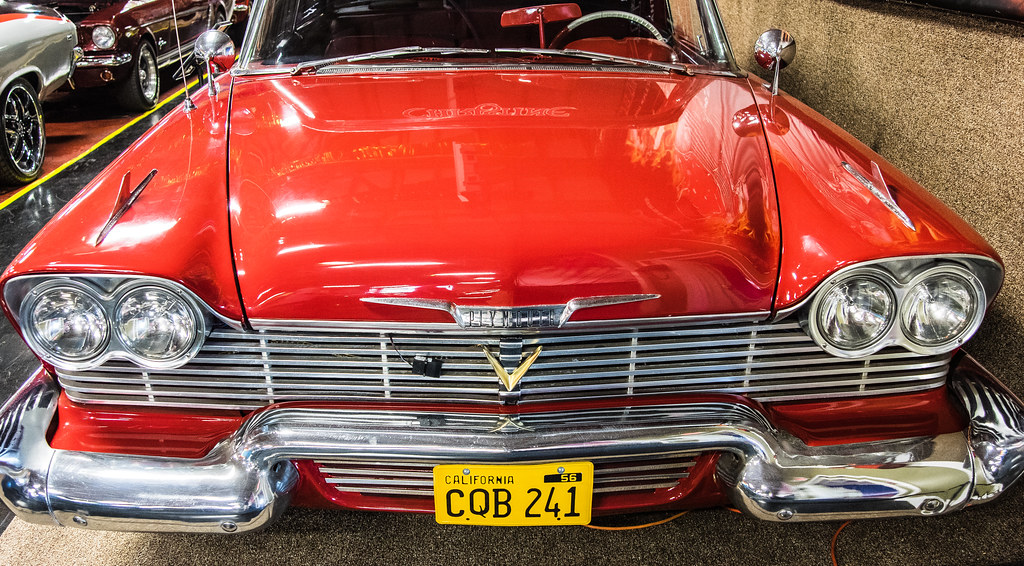
Based on Stephen King’s novel by the same name, this horror-thriller directed by John Carpenter centers around a boy and his 1958 Plymouth Fury, named Christine, that seems to have a murderous mind of its own.
“Heart Like a Wheel” (1983)
This biographical film tells the story of Shirley Roque, a woman who follows her dreams of becoming a drag racer despite the fact that racing was seen solely as a man’s sport.
“National Lampoon’s Vacation” (1983)
A family’s road trip from Illinois to a theme park in California goes off the rails in this adventure comedy. “National Lampoon’s Vacation” was a box-office success and continues to live on as a beloved cult classic, inspiring multiple sequels.
“Repo Man” (1984)
Dark, edgy comedy meets science fiction in this cult classic and Criterion film. When a recently fired, punk-rocker named Otto (Emilio Estevez) begrudgingly becomes a repo man, he quickly realizes how exciting, strange and wild the job can be.
This film tells the story of an auto-loving inventor (Jeff Bridges) who dreams of designing a car that would challenge the industry. It was nominated for three Oscars.
“Thelma & Louise” (1991)
A true road film, “Thelma & Louise” follows two women (played by Geena Davis and Susan Sarandon) as they embark on a road trip that goes wrong. It won the Oscar for best original screenplay and was nominated for best actress, best cinematography, best directing and best film editing.
“The Fast and the Furious” series (2001-Present)
These action films are packed with exhilarating street races, mind-boggling stunts and plenty of fast, flashy cars. This series began in 2001 and shows no sign of stopping, with a ninth movie set to release in May 2021.
“Cars” (2006)
This animated movie about anthropomorphic cars follows a race car, named Lightning McQueen, whose egotistical dreams of fame and fortune are changed by the charm of a small town and its inhabitants.
“Death Proof” (2007)
Written and directed by Quentin Tarantino, this “grindhouse” thriller follows a stuntman (Kurt Russell) who uses his “death proof” car to terrorize a group of young women. The film is a tribute to slasher films and muscle cars from the 1970s.
“Gran Torino” (2009)
Directed by and starring Clint Eastwood, this film tells the story of a Korean War veteran named Walt. After a teenage neighbor tries to steal Walt’s prized 1972 Ford Gran Torino, and pays for his wrongdoing with chores, the two form an unlikely bond.
“Drive” (2011)
Ryan Gosling stars as an unnamed stuntman and mechanic who also midnights as a getaway driver. After falling for his neighbor Irene, the driver agrees to help her ex-husband with a heist that turns deadly. “Drive” was nominated for best sound editing and has been recognized for its hyper-stylized imagery.
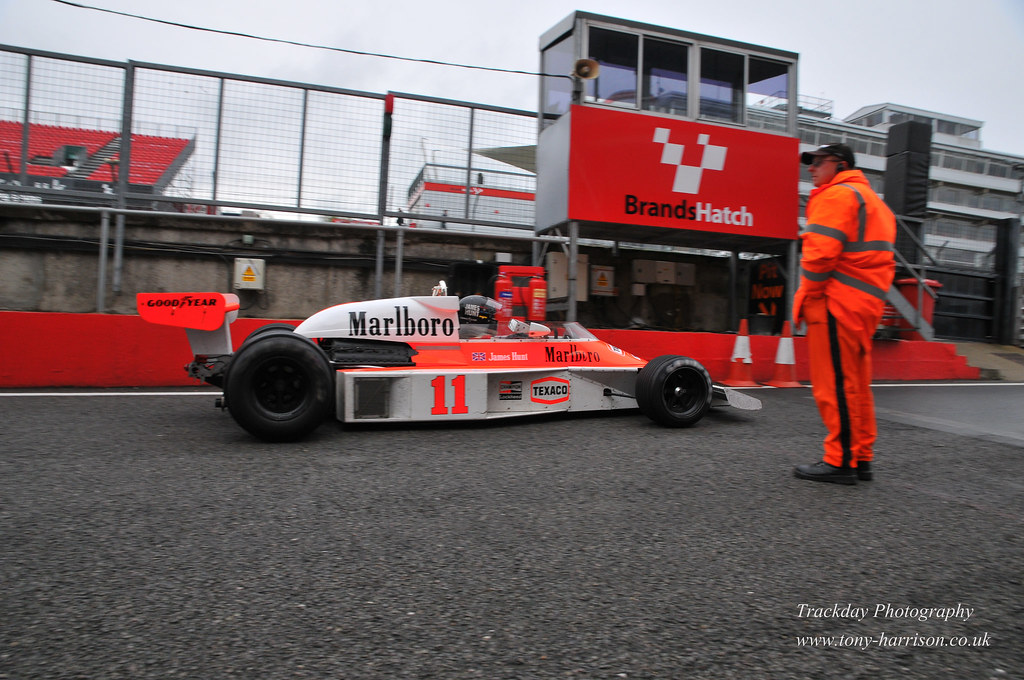
This biographical sports drama stories the intense, 1970s rivalry between two Formula One drivers: James Hunt of Britain (Chris Hemsworth) and Niki Lauda of Austria (Daniel Brühl).
“Mad Max: Fury Road” (2015)
In a brutal, post-apocalyptic world, a drifter named Max (Tom Hardy) and rebel named Furiosa (Charlize Theron) stand together against a tyrant. This film revitalized the Mad Max series and won a number of Oscars, including costume design, film editing and production design.
“Baby Driver” (2017)
When a young, music-obsessed getaway driver (Ansel Elgort) wants to put his life of crime behind him to be with the girl he loves, his boss has other ideas. The film received three Oscar nominations.
“Logan Lucky” (2017)
In this quirky crime comedy, two brothers (played by Channing Tatum and Adam Driver) team up with their sister (Riley Keough) and a convicted felon (Daniel Craig) to pull off robbing Charlotte Motor Speedway during one of NASCAR’s biggest races of the season.
“Ford v. Ferrari” (2019)
Staring Matt Damon and Christian Bale, this film depicts the rivalry between a car designer and a driver, leading to an epic showdown where Ford challenges Ferrari at the 1966 Le Mans race. This movie won Oscars for film and sound Editing.
Have any other films to add to our car movies list? Share them in the comments.
AAA members can save on fuboTV, a live streaming television service that offers everything from live sports to prestige TV shows and movies.
Stress is the body’s natural response to life’s changes and challenges. From everyday stressors like money, school and work to more situational strains like family drama, postponed plans and global events, stress affects everyone.
Stress signals the body to release hormones that help with your “fight-or-flight” response. While some stress can keep you motivated or help you react in crisis situations, unchecked long-term, or chronic, stress can harm your health over time.
Stress can manifest in mental and physical ways, influencing your behavior, your mood and your body. Discover how stress impacts your health and methods for coping with it.
Physical Effects
How does stress affect health? It’s not uncommon to feel it, and sometimes you can see it as well.
Stress impacts the body in internal and external ways, affecting everything from the heart and digestive track to the condition of hair, skin and nails.
It raises a person’s heart rate and blood pressure. “Repeated episodes of acute stress can cause inflammation in the coronary arteries, thought to lead to heart attack,” according to the American Institute of Stress.
Stress can also cause gastrointestinal problems, like heartburn, nausea and stomach pain. Prolonged and/or intense stress can cause more severe symptoms, like vomiting, constipation and diarrhea.
In addition, stress often manifests as muscle tension in the back, jaw and neck, which can lead to other issues. “The contraction of muscles for extended periods can trigger tension headaches, migraines and various musculoskeletal conditions,” according to AIS.
Another serious repercussion of stress is a weakened immune system. “People under chronic stress are more susceptible to viral illnesses like the flu and the common cold, as well as other infections,” according to AIS. “Stress can also increase the time it takes you to recover from an illness or injury.
Finally, stress can even affect your appearance. Hormonal changes brought on by stress can lead to dry/itchy skin, hives, rashes and acne (even in adults). Stress – specifically the cortisol release it triggers – can affect biotin levels, leading to hair loss and weakened nails.
Mental and Emotional Effects
Although feeling stressed is a mood in itself, stress can also cause other mental and emotional symptoms.
Some effects are relatively minor but can impede daily life, like forgetfulness, restlessness, irritability/anger, lack of focus or motivation and feeling overwhelmed. Stress can also lead to more extreme conditions like anxiety and depression.
Another common symptom is fatigue, which can also be accompanied by insomnia, or the inability to sleep. While many Americans say they don’t get enough sleep, nearly half (46%) of Americans say they’ve laid awake at night due to their stress levels.
Behavioral Effects
Feeling stressed affects human behavior in more ways than one because everyone reacts to stress differently.
Stress can cause some people to withdraw socially, inadvertently leaving more time to stress due to fewer distractions. Clenching and/or grinding teeth is common, especially during sleep, which can cause headaches and jaw pain later. Nightmares are also common.
Struggling with long-term stress can lead to impulsive behaviors, like over- and under-eating. Overeating causes weight gain and sluggishness while under-eating can cause dehydration and low blood sugar as well as feeling lightheaded and tired.
Nervous habits like excessive fidgeting and frequent crying spells are warning signs you could be overstressed. Prolonged stress can lead to more dangerous habits, like compulsive online shopping and dependence on alcohol, drugs and tobacco.
Ways to Combat Stress
While you may not be able to avoid every stressor, there are certain things you can do to cope with stress. The first step is knowing your triggers and figuring out what type of activities best combat your stress.
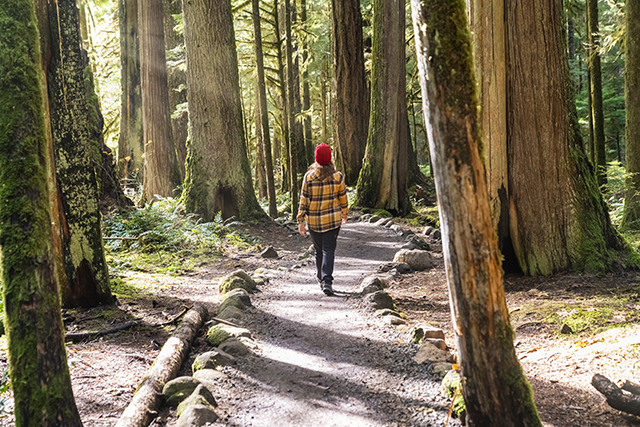
Spending time in nature is another great way to deal with stress. Bird-watching, gardening and going for nature walks work well for people looking to feel more in touch with the natural world.
Finally, take time for yourself. Do something to calm your mind and body, like napping, taking a bath or drinking some soothing tea. Similarly, try doing something you enjoy. Hobbies like baking and cooking, crafting, reading, doing puzzles and playing video games can help distract you from stress.
Active Techniques
Other people combat stress through physical exertion. Working out is one popular method. While regular exercise is good for physical health, it can improve your mood as well.
“Scientists have found that regular participation in aerobic exercise has been shown to decrease overall levels of tension, elevate and stabilize mood, improve sleep and improve self-esteem,” according to the Anxiety & Depression Association of America (ADAA). “Even five minutes of aerobic exercise can stimulate anti-anxiety effects.”
Cleaning is another way people deal with stress. The act of cleaning and organizing can relieve stress by giving you a sense of control. Afterward, a clean, decluttered space will give you a sense of calm – and accomplishment.
AAA members can also take advantage of the Active&Fit Direct program, which offers digital workouts in categories like cardio, strength, dance, martial arts, mind/body, high intensity interval training and cycling. There are over 2,500 workout videos to choose from! Try out a bunch of different exercise regimens and see which ones you like best. And if you want to hit the gym when they open, Active&Fit Direct is partnered with over 11,000 fitness centers around the country.
Social Activities
Being social, like spending time with friends, family or your community, can also help relieve stress. Humans are social by nature, and spending time with people you love can improve your mood by giving you someone to talk to.
Spending time with animals is another great way to relieve stress, according to the ADAA. Play with your pet or consider adopting, fostering or volunteering at an animal shelter to get some quality time with animals.
If nothing else helps, consider seeking professional help. Talk to your doctor about your stress and symptoms. They may be able to help or send you to a mental health specialist.
Learn how COVID-19 anxiety can affect your driving.
Find more Your AAA articles about health and fitness.
It’s an exciting day when your child finally gets a driver’s license, but shortly after you’re faced with a big decision. How do you pick a good first car? What makes for an ideal – and safe – starter vehicle?
If you haven’t bought a car recently it may be overwhelming to look at all the options. We break down the basics to make finding the best first car for your young driver a snap.
Focus on safety
Safety is a top priority. The challenge is figuring out which cars are the safest for teens. According to the AAA Foundation for Traffic Safety, teenagers are three times as likely as adults to get into a deadly crash while driving.
There are lots of new autonomous safety features found on today’s cars, but they often add quite a bit to the price. Focus on crash test scores first and then see what your budget allows.
Size matters
There are cars with room for anywhere from two people all the way up to a small army of teenagers. Think like Goldilocks and avoid those two extremes. Instead, go for the just-right option in the middle – you want plenty of protection in case of a fender bender.
Say no to performance
There isn’t a teenager out there who hasn’t dreamed of having a shiny red sports car in their driveway on the day they turn 16. High-horsepower sports cars are fun but aren’t a good idea for those who are still learning to drive. Let your kids keep dreaming about that fancy sports car and buy them something they can easily handle instead.
Consider a car with extra room for hauling stuff back and forth to college and apartments. Hatchbacks are great at doing double duty, with plenty of seating for passengers and a versatile cargo area.
Go with good fuel economy
Even if they have a job, young drivers don’t typically have tons of extra cash. If it’s too expensive to fuel up their new car, there’s a good chance they’ll be coming to you for a little help to fill the tank. Make it easier for them and buy a car with good fuel economy.
This also figures into the long-term value of a first car. Your child will likely go from broke high schooler to broke college student, so every penny matters. Buying a first car with good fuel economy ensures they’ll be able to keep if fueled up and ready to go throughout their college years.
Don’t forget technology
Technology is everywhere, including your car. This is generally a good thing, but it’s also a major cause of distracted driving. As a parent, how do you make sure your child is using in-car technology safely?
Features like Apple CarPlay and Android Auto seamlessly integrate smartphones with in-dash systems and reduce the temptation to pick up the phone, but have also proved to be distracting.
Automakers are helping by adding teen driver systems that keep the radio’s noise level down, encourage seatbelt fastening and more. The systems also provide parenting-assistance options, so you can coach them toward better driving habits. Learn more about teen driver technologies.
Follow these simple guidelines and you’ll easily find a first car for your new driver that he or she will never forget. Do you remember you first car?
If buying used, make sure to get a thorough inspection
A used car can be a great option for your kid as these vehicles generally cost less but usually still have many of the latest safety and technological features available. That said, since these cars have been around the block a few times, it’s important to get a used car thoroughly inspected and test driven before purchasing. Here are the items to look for:
Remove all four wheels and check all the brakes including the parking brake.
Fully inspect the steering and suspension system.
Look for signs of rust or previous body repairs. Is the interior badly worn or does it look too pristine, like something was replaced to cover a long history or possible abuse? This all needs to be performed with the vehicle on a lift to carefully look for problems.
Check the computer for diagnostic fault codes and be leery if the computer memory was cleared recently—someone could be hiding a check engine light issue.
Drive the car. How does it ride? How does it handle? Does it drive straight?
How does the engine perform and how does the transmission shift?
Look for any smoke coming from the tailpipe (blue and white are bad).
Operate all the controls. Does the A/C and heat work? Do the windows? Some window repairs can be $500 and up.
Check all the vital fluids (much can be learned from fluid color), belts and hoses.
Ask if there are maintenance records. Reports from the likes of CARFAX or AutoCheck can’t hurt but doesn’t always tell the entire story.
Finally, use all of your senses, look over everything carefully, look around in nooks and crannies, check the trunk or spare tire storage for signs of water (could have been in a flood). Does it smell mildewy or too sanitized?
It’s always best to have a thorough inspection of a used car done by a professional auto shop, such as one of AAA’s Approved Auto Repair facility. Click here to find one closest to you.
Find tips for parent-teen driving agreements and other teen driver resources at TeenDriving.AAA.com.
Next step: car insurance. Click here for a complete guide to teen auto insurance. Then visit AAA.com/Insurance to see all the options available for your teen driver.
Electric vehicles are becoming more popular by the day. And as technology continues to improve — and the need for cleaner energy continues to grow — these cars are becoming not just more sought after, but more accessible. So what do we need to know about these vehicles of the future? First and foremost, is learning about the different types of electric vehicles.
These cars are not one-size-fits-all. From the manner in which they are powered to how far they can travel and how much they cost, there are some important aspects to sort through.
Conventional Hybrids
As the name implies, hybrid vehicles use both a gasoline engine and an electric motor. The motor in conventional hybrids cannot be plugged into an electrical source to be recharged. Instead, the motor’s battery gets its power from the gasoline engine as well as by capturing energy when the vehicle brakes. This process, which converts kinetic energy into electricity, is known as regenerative braking. The motor works with the engine to reduce gas consumption or even allows the engine to turn off.
Conventional hybrids offer a significant step up in fuel efficiency compared to traditional cars. The 2021 gas-powered Toyota Corolla gets an estimated MPG of 31 city/40 highway, while the hybrid version starts at $23,500 but has an MPG of 53/52.
Plug-in Hybrids
Plug-in hybrid electric vehicles are also powered by both a gas engine and electric motor. What differentiates them from conventional hybrids is the way in which the battery is charged. In addition to using regenerative braking, PHEV batteries are charged by plugging in an electrical outlet.
The main advantage of a PHEV over a conventional hybrid is its ability to run on electricity alone. According to the U.S. Department of Energy, most PHEV can travel between 20 and 40 miles using only the electric battery. Because of this, plug-ins are substantially more fuel efficient.
Battery Electric Vehicles
Battery electric vehicles are cars powered by internal batteries charged by plugging into an outlet. Unlike hybrids, BEVs do not have a gas engine and rely exclusively on electricity to run. The lack of an engine means that BEVs do not produce any of the dangerous emissions that traditional gas-powered vehicles do. (There are some emissions created by charging these cars.)
The least common type of electric vehicle, fuel cell electric vehicles are powered by electricity – but not from a battery. Instead, they are equipped with tanks filled with hydrogen. The car’s fuel cell combines this hydrogen with oxygen to produce electricity to power the motor.
Hydrogen-powered cars are still an emerging technology. In fact, most FCEVs are currently only sold/leased in California (although the Toyota Mirai can be leased in Hawaii). But their potential – 400-plus miles of range, a refueling time of less than five minutes – means you’re likely to see them become more available in the near future as the refueling infrastructure grows.
The Cost of Electric Vehicles
Electric vehicles are generally more expensive than similar, gas-powered cars. Of all the types of electric vehicles, conventional hybrids are usually the least expensive. (The Toyota Prius has a starting MSRP below $25,000.) As you move into fully electric cars, the price goes up. You’ll be hard-pressed to find one below $30,000, while a luxury model can easily reach into the six figures.
Other savings brought in from electric vehicles offset some of these costs. The most notable savings come at the pump. A study by Consumer Reports found that fuel savings can reach $4,700 or more during the first seven years of owning an electric vehicle. The total ownership savings over a similar gasoline-only car, including repair and maintenance costs, ranges from $6,000 to $10,000.
Electric vehicles are also eligible for tax credits. The federal government awards credits between $2,500 and $7,500 for the purchase of qualified electric cars. Many state governments have similar programs. For example, New York provides a rebate of up to $2,000, while Massachusetts awards $2,500 for an all-electric vehicle and up to $1,500 for a plug-in hybrid.
Charging Different Types of Electric Vehicles
Conventional hybrids do not need any external charging. They are powered by converting the vehicle’s own energy.
Plug-in hybrids and battery electric vehicles do need to be connected to an outside power source and there are options. Most owners will charge their cars at home. All electric vehicles can be plugged into a standard outlet. The only draw back to this method is the time is takes to recharge, usually eight or more hours. You can leave your car plugged in at night and be ready to go in the morning. But those who want to upgrade can install a wall-mounted charger in their home. This device delivers twice the voltage and cuts charging time in half.
The other popular option is using public charging stations. Though not as common as traditional fuel-pumping stations, the number of charging locations continues to grow. There are approximately 25,000 electric vehicle charging stations in the U.S. totaling roughly 80,000 charging outlets. Payment for the use of these outlets vary depending on the operator.
If you’re traveling a long distance, it’s always a good idea to plan out your route according to where you know you can get a charge. Motorists can find electric car charging stations with the free AAA Mobile app for iPhone and Android. The app can also be used to map a route, find discounts, book a hotel and access AAA Roadside Assistance.
Do you own an electric vehicle? If so, what type? Let us know in the comments below.
When Capt. Kate McCue helmed the Celebrity Edge March 8, 2020, for a special International Women’s Day cruise, she had no idea she’d be at sea for the next 10 months.
But that’s what happened when the cruise ended – and the world shut down.
McCue and her all-female bridge crew, along with a full complement of ship employees, were stuck on board with nowhere to disembark because of worldwide lockdowns.
But there was nowhere else she would rather be.
“To have the women on board and to have such an empathetic environment was truly something mind-blowing,” McCue said. “And honestly, it’s an experience I would never trade in a million years.”
When a crew member’s father died of COVID-19, co-workers held a celebration of his life. They celebrated a wedding, and an engagement. The hotel director had his first child, a baby girl, and they lit up her name in lights on the side of the ship.
“We kind of saw that full circle – from that celebration of life, the wedding, the engagement and a birth – and of course celebrating birthdays for crew members sending them cake,” she said. “It’s been a special time. I’ve enjoyed because I’ve gotten to know my crew in a different way.”
The first American female cruise ship captain is alsoa certified social media star, along with her elf sphynx cat, Bug. (Bug even has her own Instagram channel with 49K followers.) It all came about organically, after she was promoted to captain of the Edge.
Guests kept asking her the same questions that were coming up in media interviews.
“That’s when I realized that I had been given this platform and if I shied away from this –if I didn’t try to normalize a woman inthis role and kind of crush those stereotypes– then the next woman who came up would have to go through the same things and answer the same questions,” McCue said. “And I thought, I need to take this on, and I need to take this on in a genuine way so people can see what the job is like, can see the lifestyle, the benefits, and hopefully garner some interest, which it has.”
Women – and men, too – contact her all the time on social media, saying they had no idea that being a cruise ship caption was a viable career option. They ask whatto study, how to get started, and what to focus on. It’s something she didn’t have making her way into the industry.
Like any social media whiz, she uses each platform for different things. Her Instagram channel(where she has 246K followers) serves as a personal photo album. Her inner “goofball” comes out on TikTok (a whopping 1.6M followers), which – like so many others – she discovered during the pandemic. It’s also where she likes to post quick question-and-answer clips.
Her YouTube channel, meanwhile, is more of a deep delve into what the crew does, how they do it, and why things are donein certain ways. Longer videos are a good way to discuss day-to-day things like ship operations to equipment and opportunities they have out at sea.
“It’s definitely a hobby, but it’s something that I really enjoy doing,” McCue said. “And I only post when I feel inspired.”
Quarantine Time
In the meantime, there’s plenty going on ship-side to keep McCue busy. When we spoke around the holidays, she was spending her days signing Christmas cards, wrapping presents and looking forward to the day when we can all travel again.
“We’re not going to be away from travel forever. There’s no way,” she said. “People need to travel. They need to broaden their horizons. They love the experiences that it brings and how it fulfills your life. It’ll happen.”
Forget working from home. The new travel trend is working from hotel. Some hotels are renting out rooms for the day for those bored of the office-to-couch commute. The packages come with Wi-Fi and workstations, access to pools and gyms, and plenty of distraction-free quiet space. Marriott, Hilton and Hyatt hotels all offer special work-from-hotel packages, as do some boutique establishments. Finishing up that spreadsheet by the pool? Now that’s a workday routine we can really get behind.
Car Culture
Car Culture
Love cars? Then you’ll love the Museum of Modern Art’s new “Automania” exhibit, on display at the famed New York City institution. The exhibit will examine cars and car culture during the 20th century, featuring automotive-themed works by Henri de Toulouse-Lautrec, Andy Warhol and Frank Lloyd Wright, as well as classic cars on display in the museum’s sculpture garden. “Automania” runs July 4, 2021, through Jan. 2, 2022.
Room & Board
Room & Board
Headed to the beach but forgot your favorite board? No worries! The Quiver – a surfboard sharing site – has your back, dude. It has surfboards and paddleboards available to rent from private owners and surf shops across the globe. (The site encourages contact-free exchanges and sanitizing of equipment.) In the U.S., you’ll find boards from Narragansett, R.I., to the Jersey Shore and Long Beach, N.Y., to Long Beach, Calif. Totally rad.